


“USA 🇺🇸 Alaska ~Homer Boating out of Anchor Point to View Bears Clamming in Lake Clark National Park on Chinitna Bay

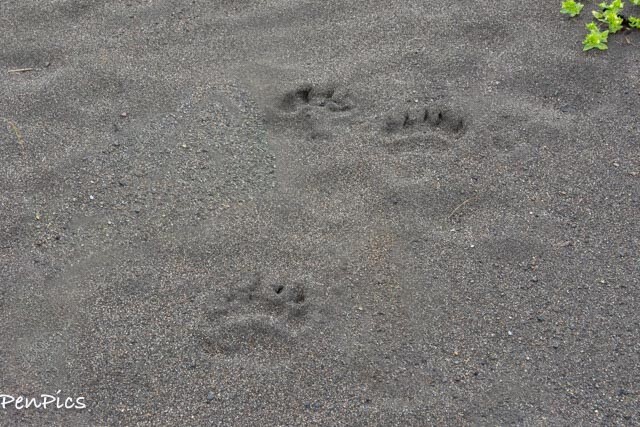
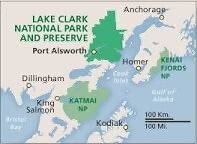
Our adventure today, was to get a chance at viewing the Grizzly Bears who live in Clark Lake National Park. If the Grizzlies live on the coast, as they do here, they are also called Brown Bears.
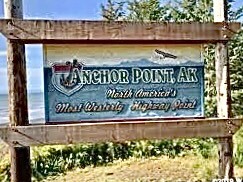
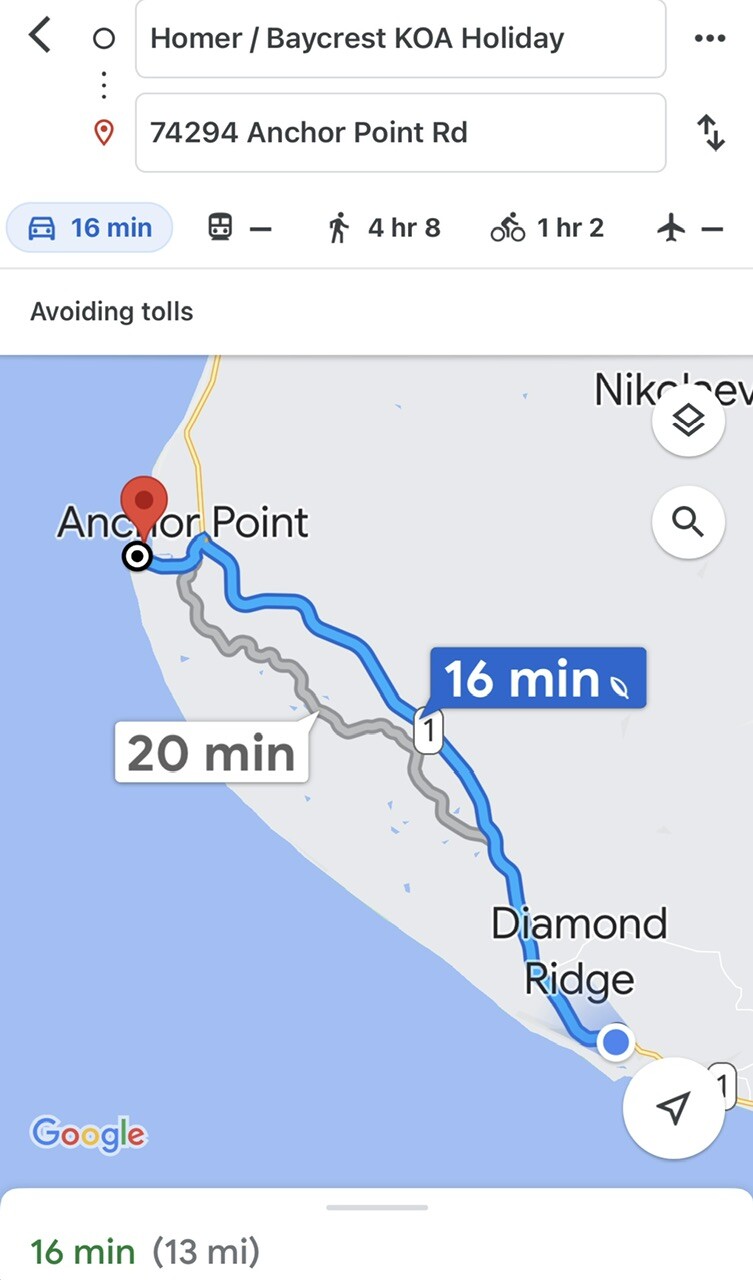
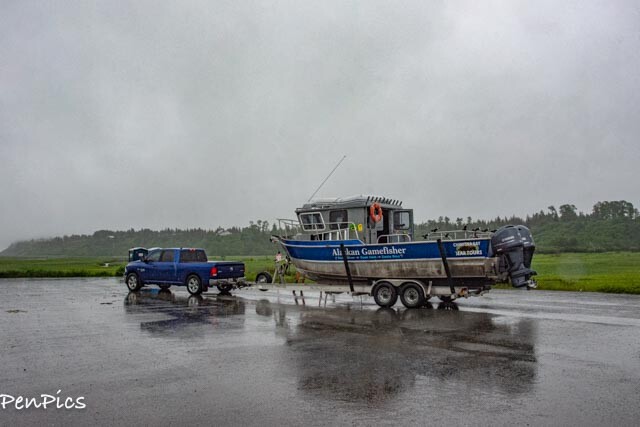
We began at Anchor Point, which is close to Homer, on the Kenai Peninsula.
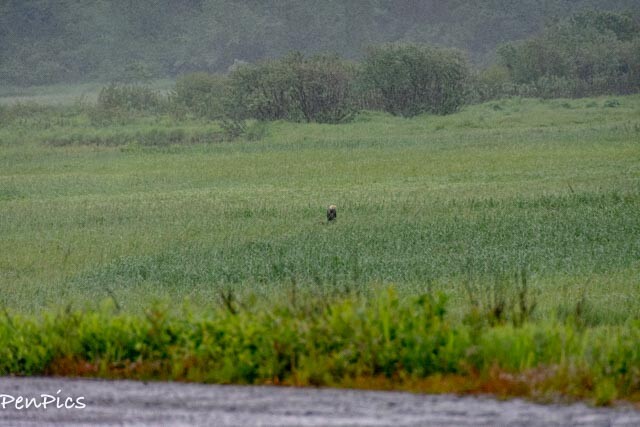
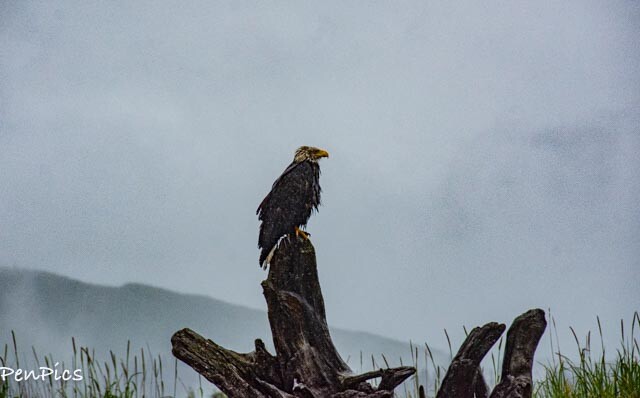
⬆️ Bald Eagle
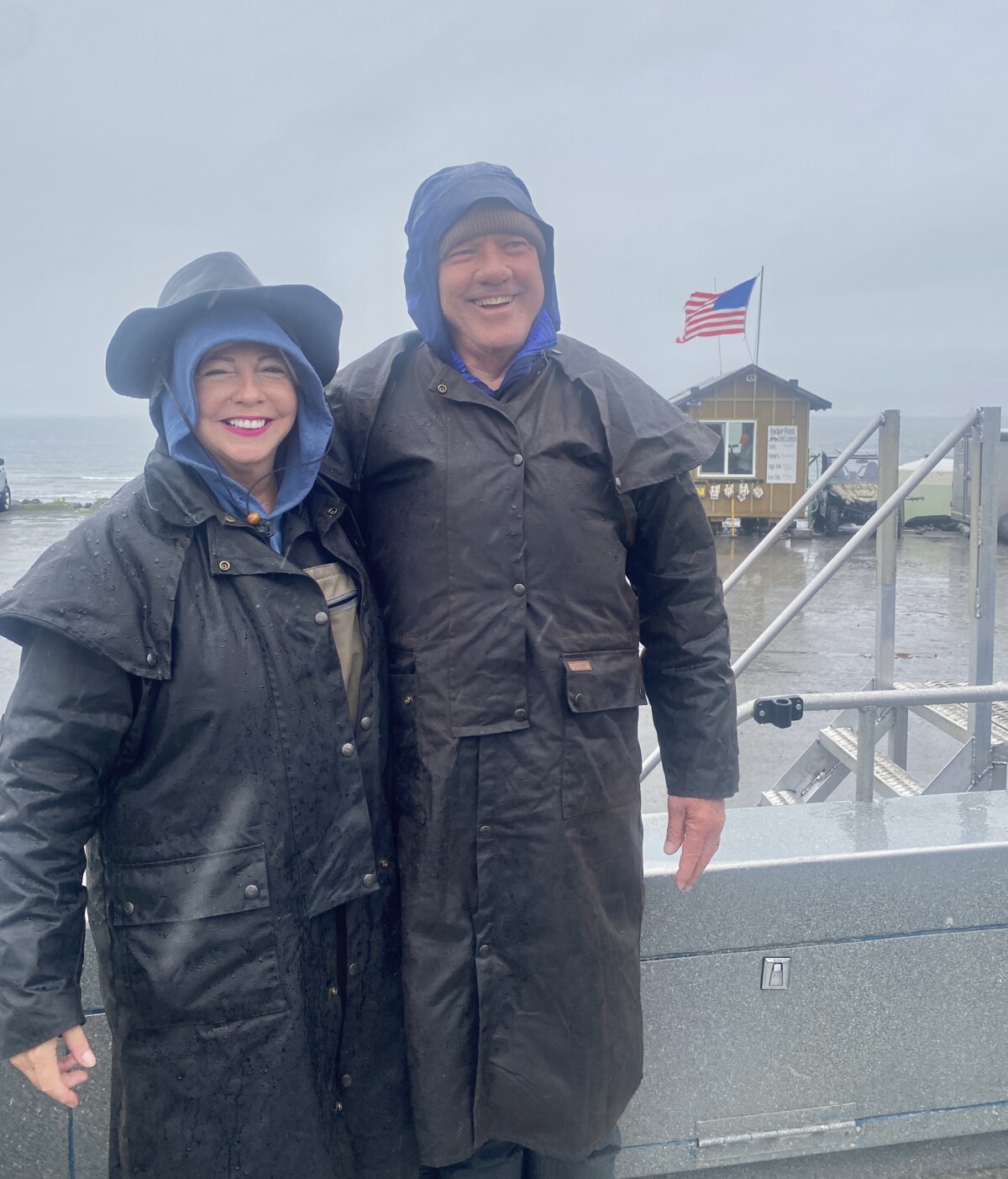
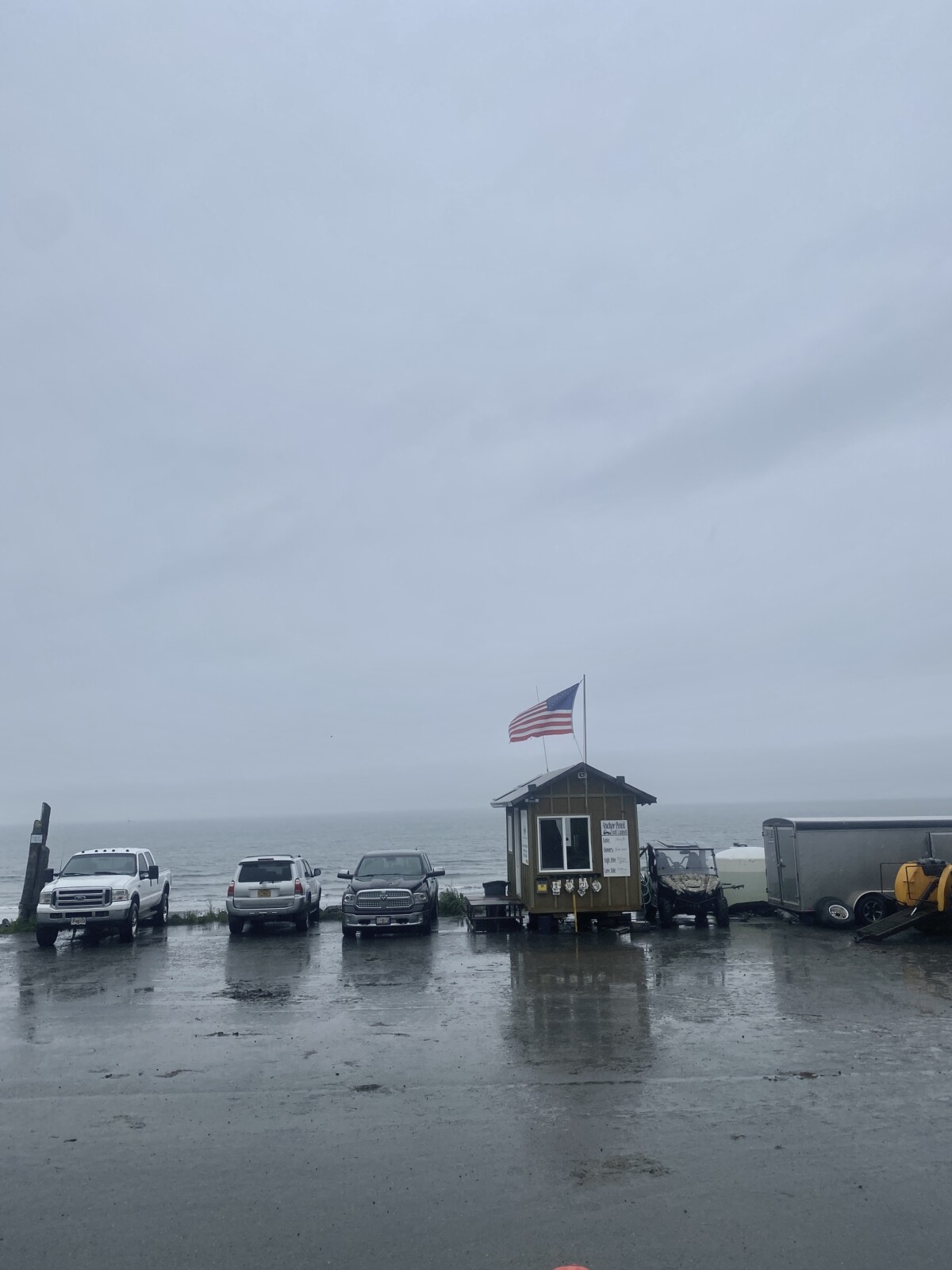
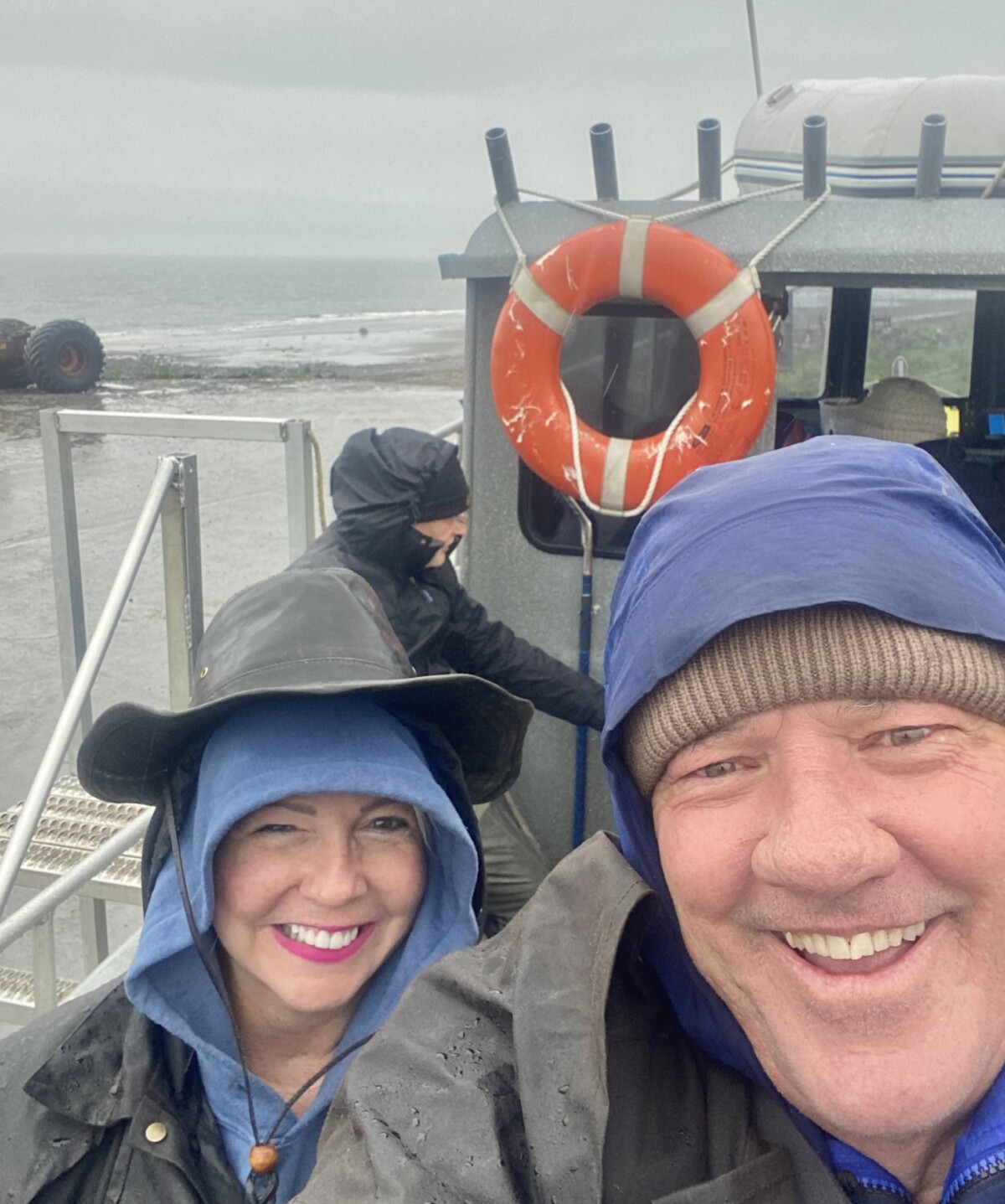
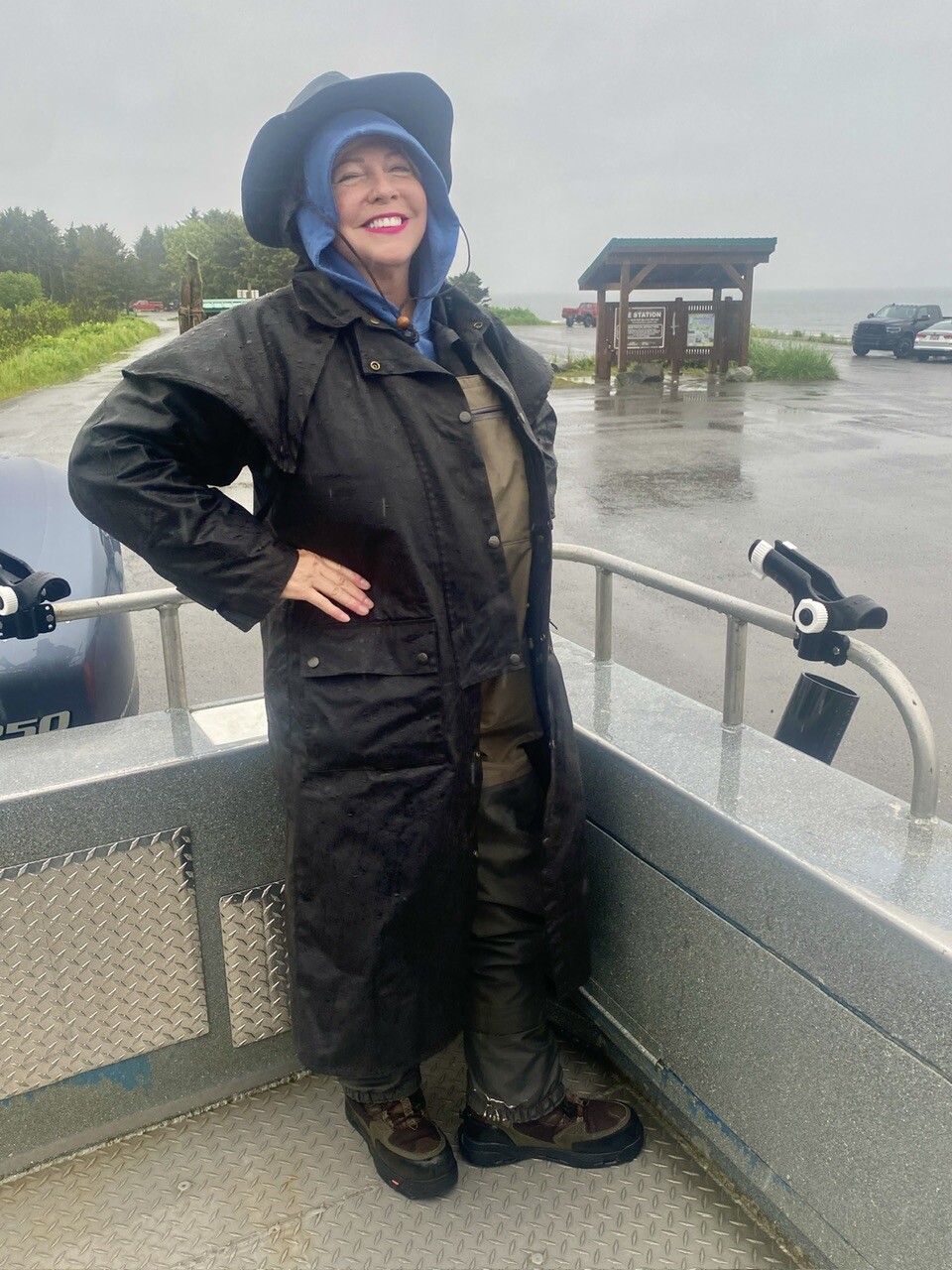
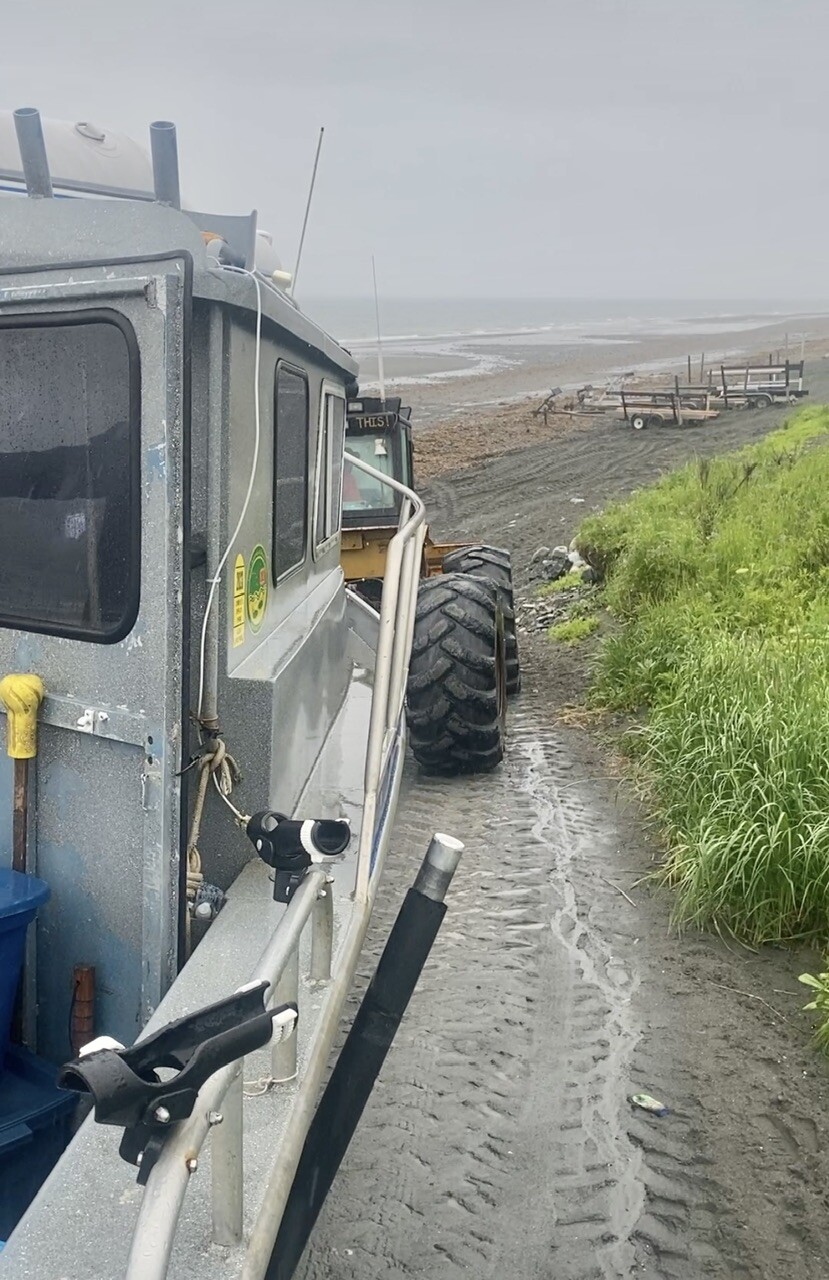
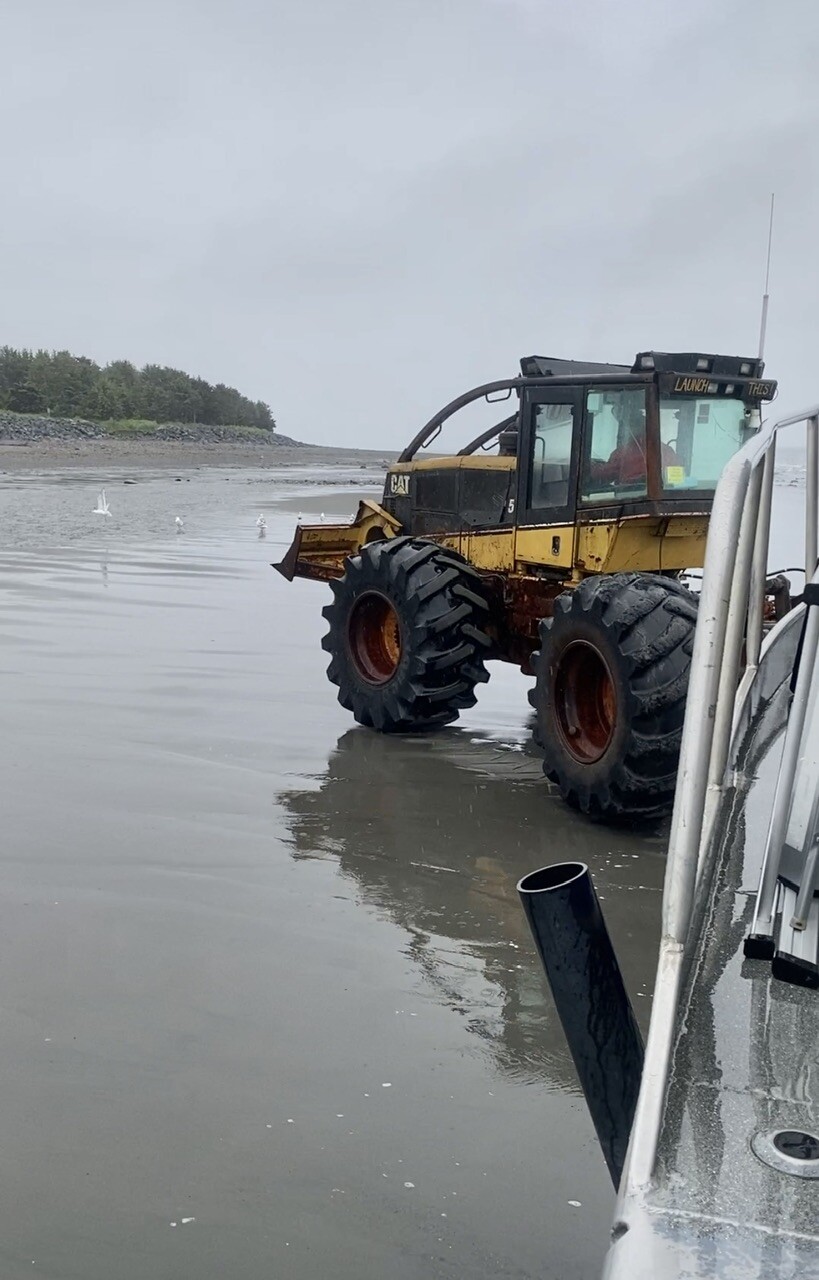
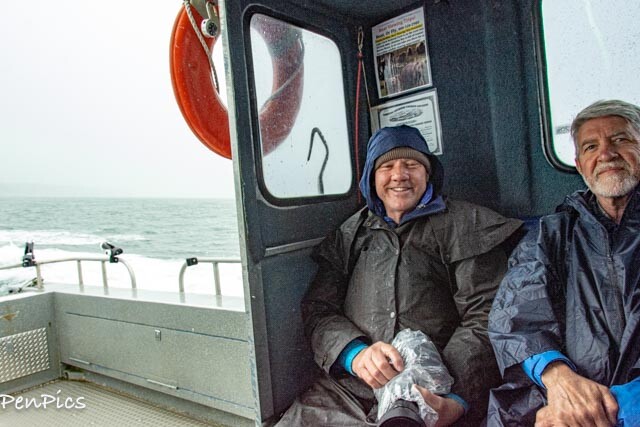
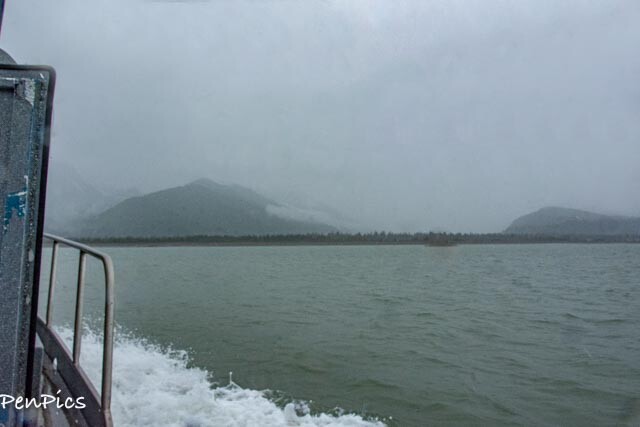
After getting the boat launched, we traveled 38 miles, in an hour and 25 minutes, and crossed the beautiful Cook Inlet to Chinitna Bay in Lake Clark National Park.
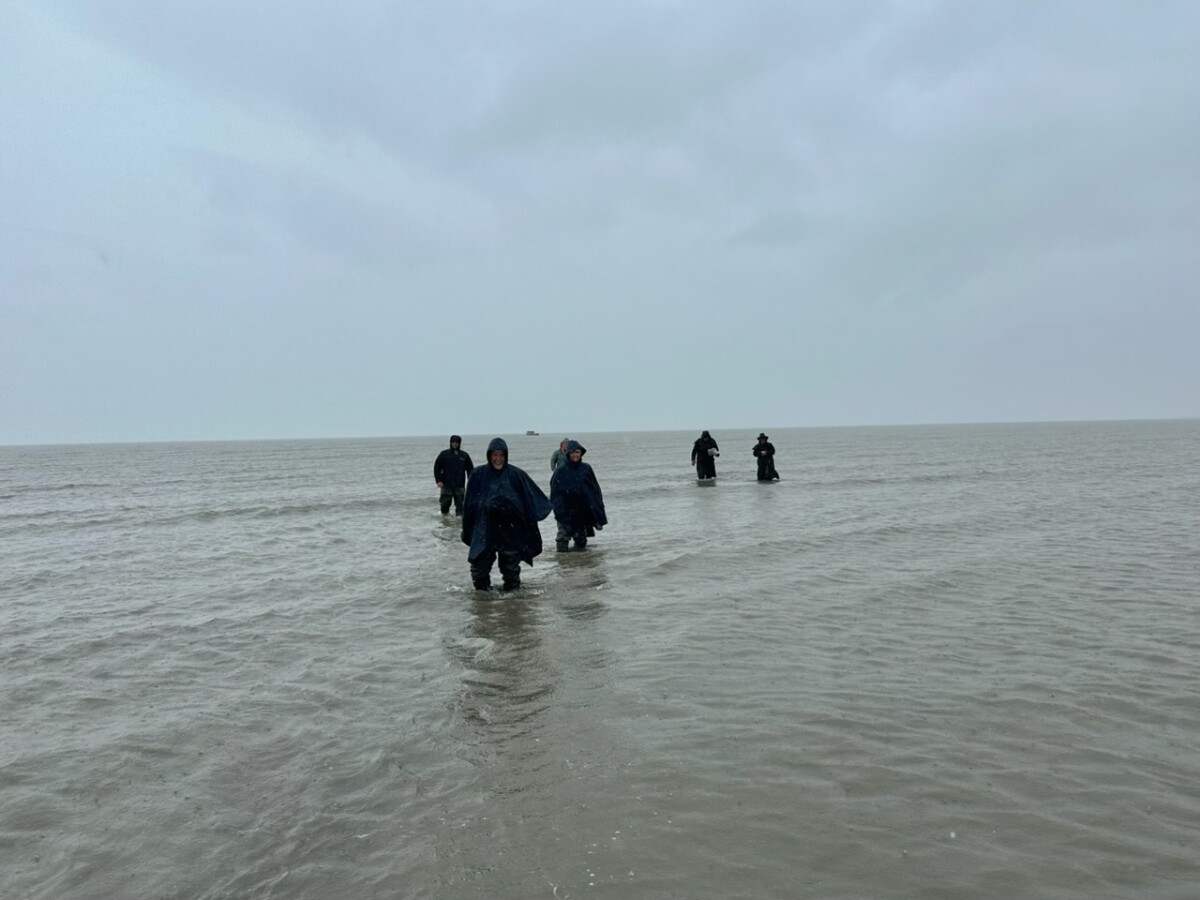
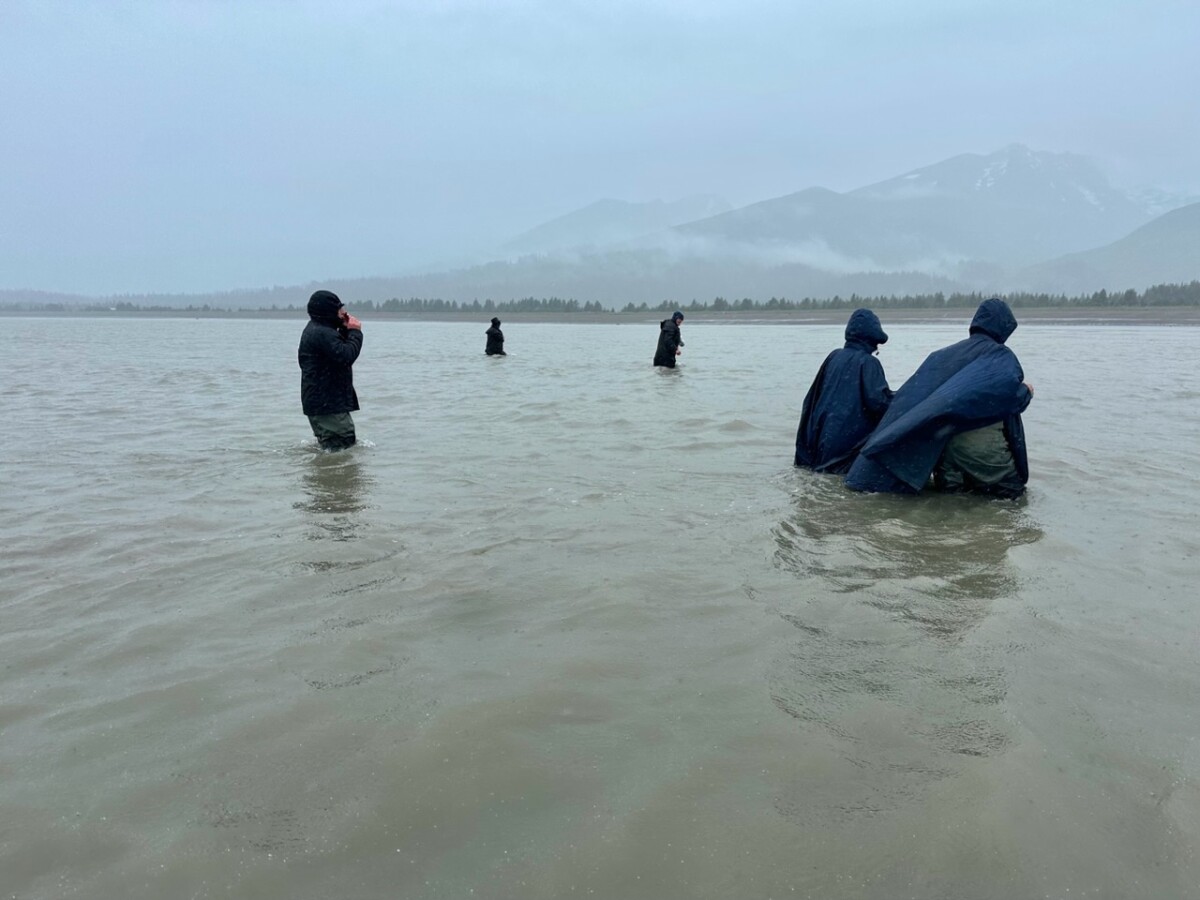
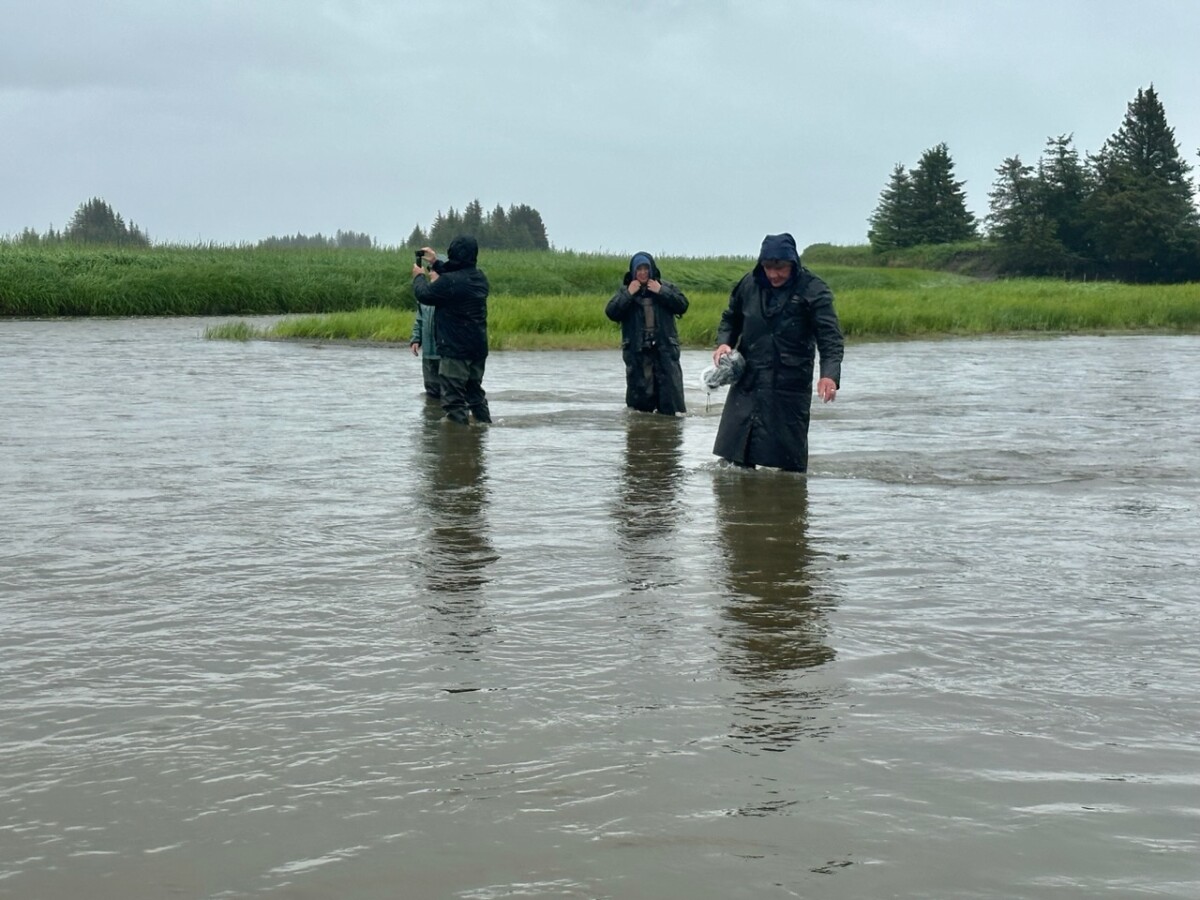
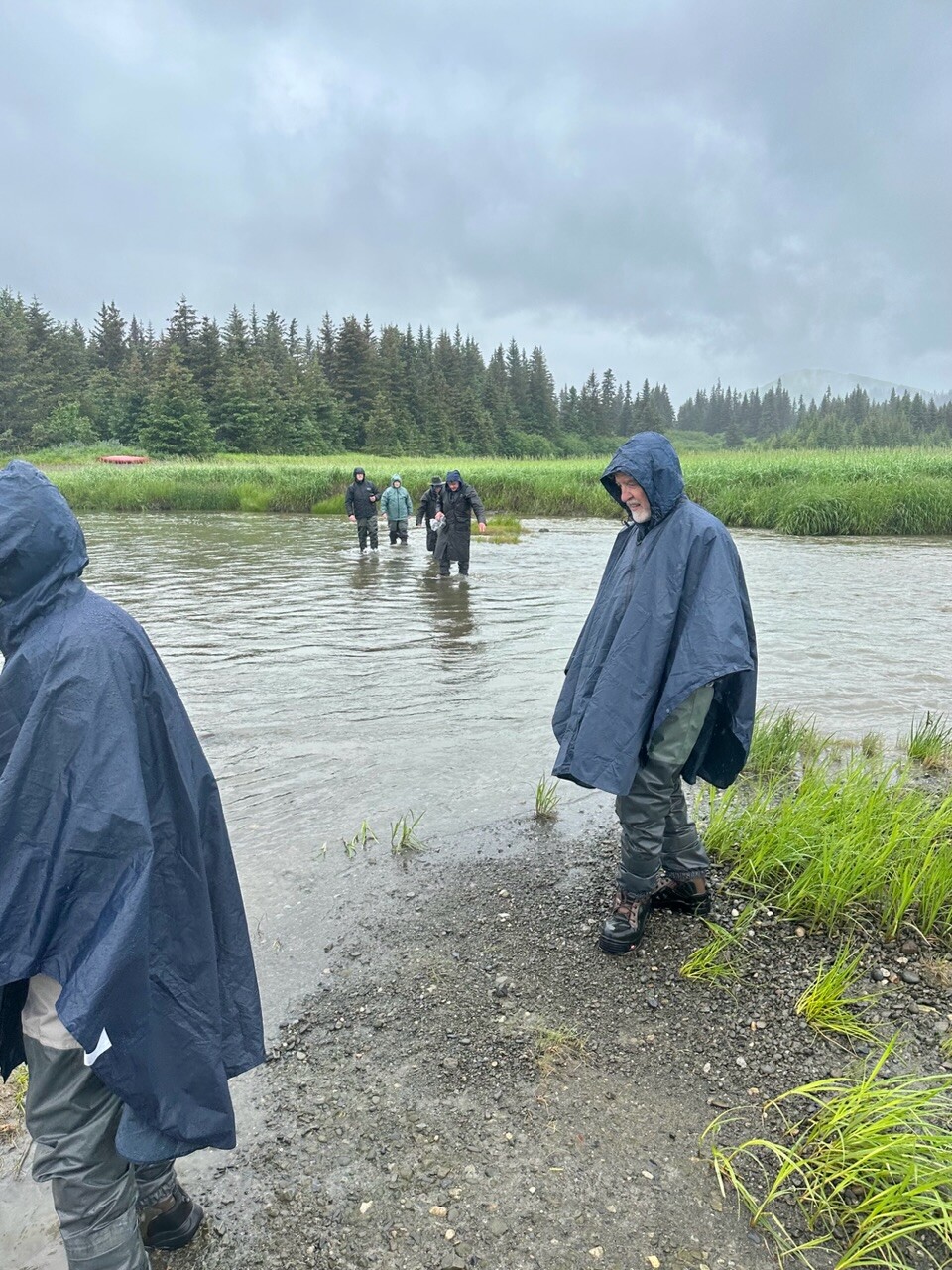
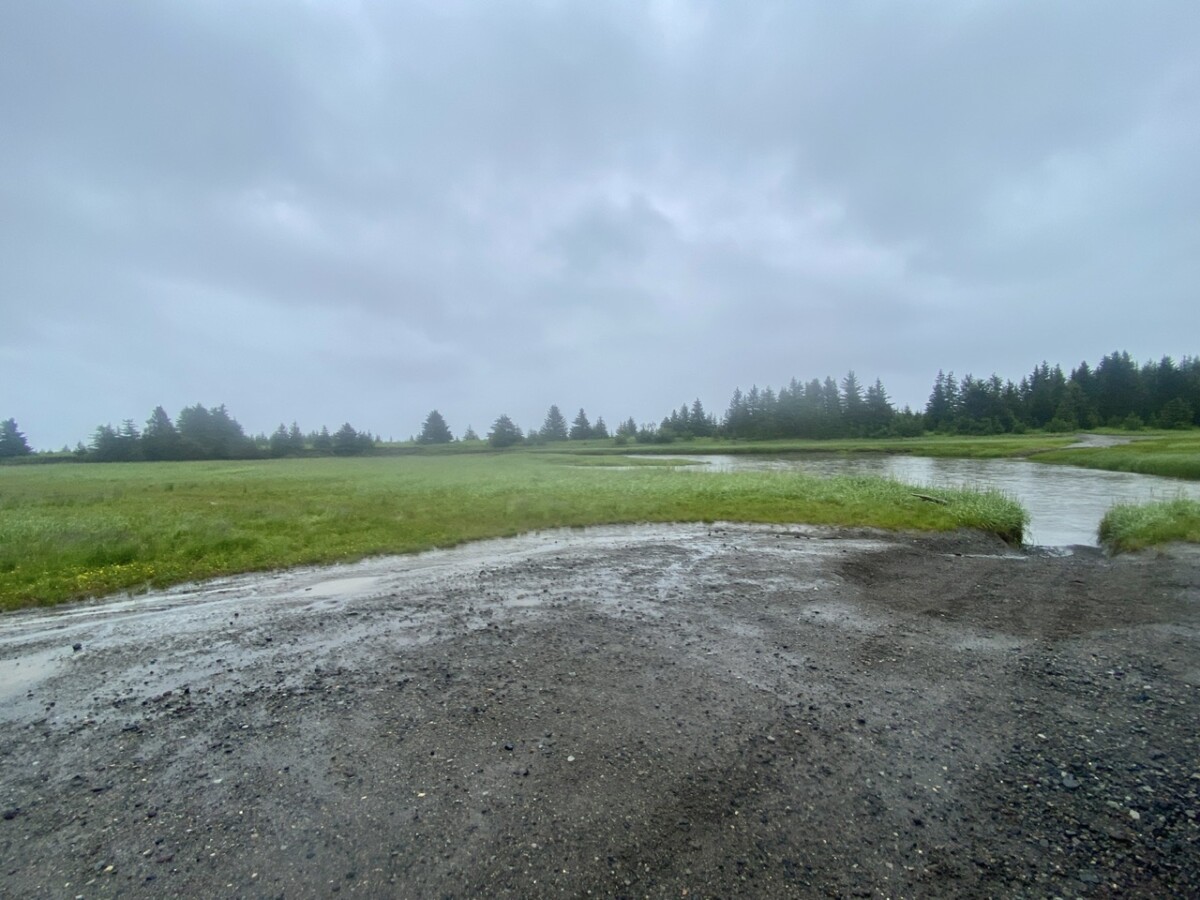
Once we arrived at the National Park, we got out of the boat, in almost waist-deep ocean and walked, waded, shuffled a short distance to dry land, as the tide was going out.
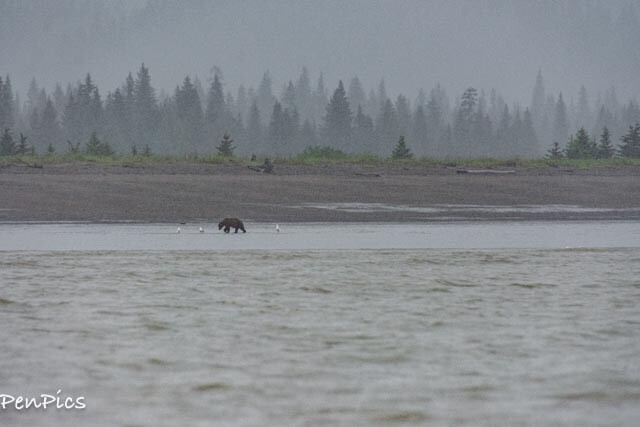

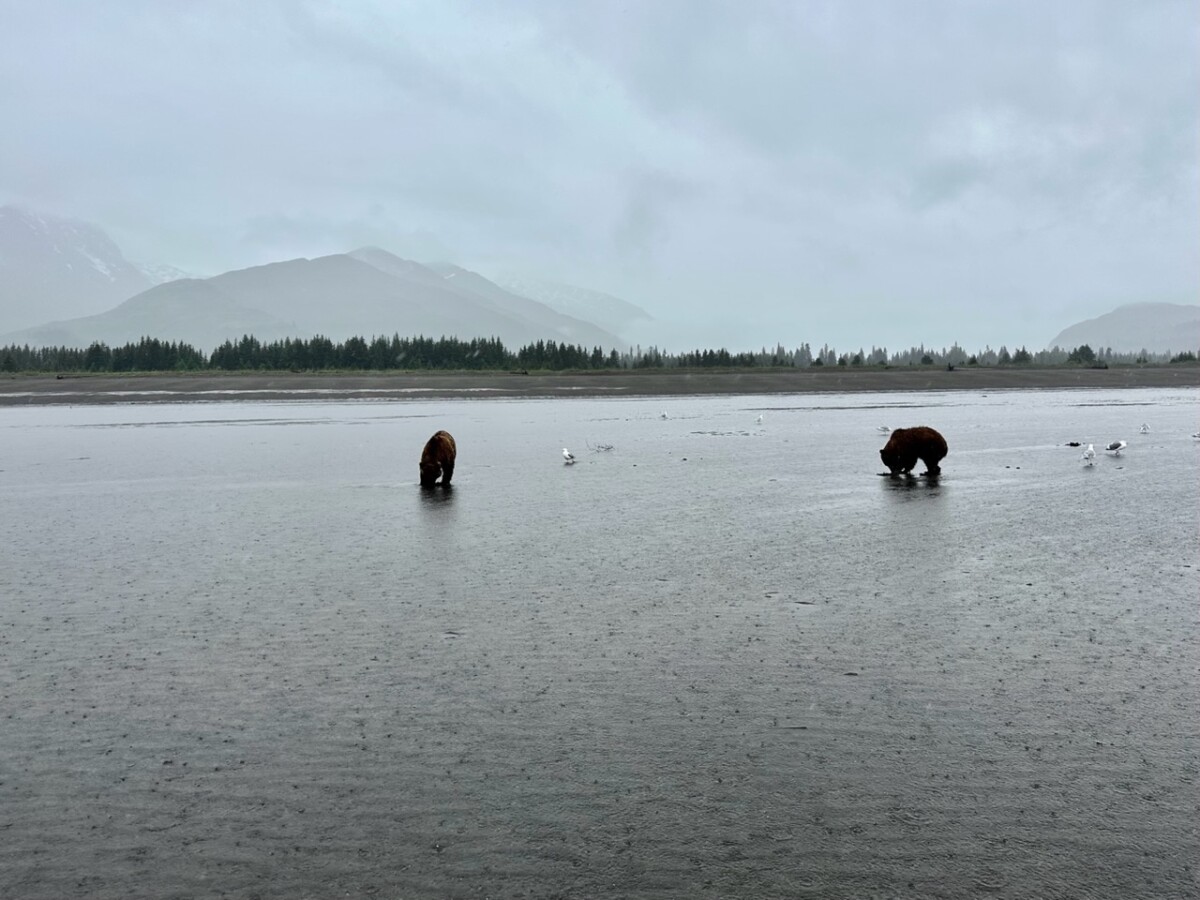
We enjoyed watching the busy Bears in action, as they dug for clams. It was quite surreal!
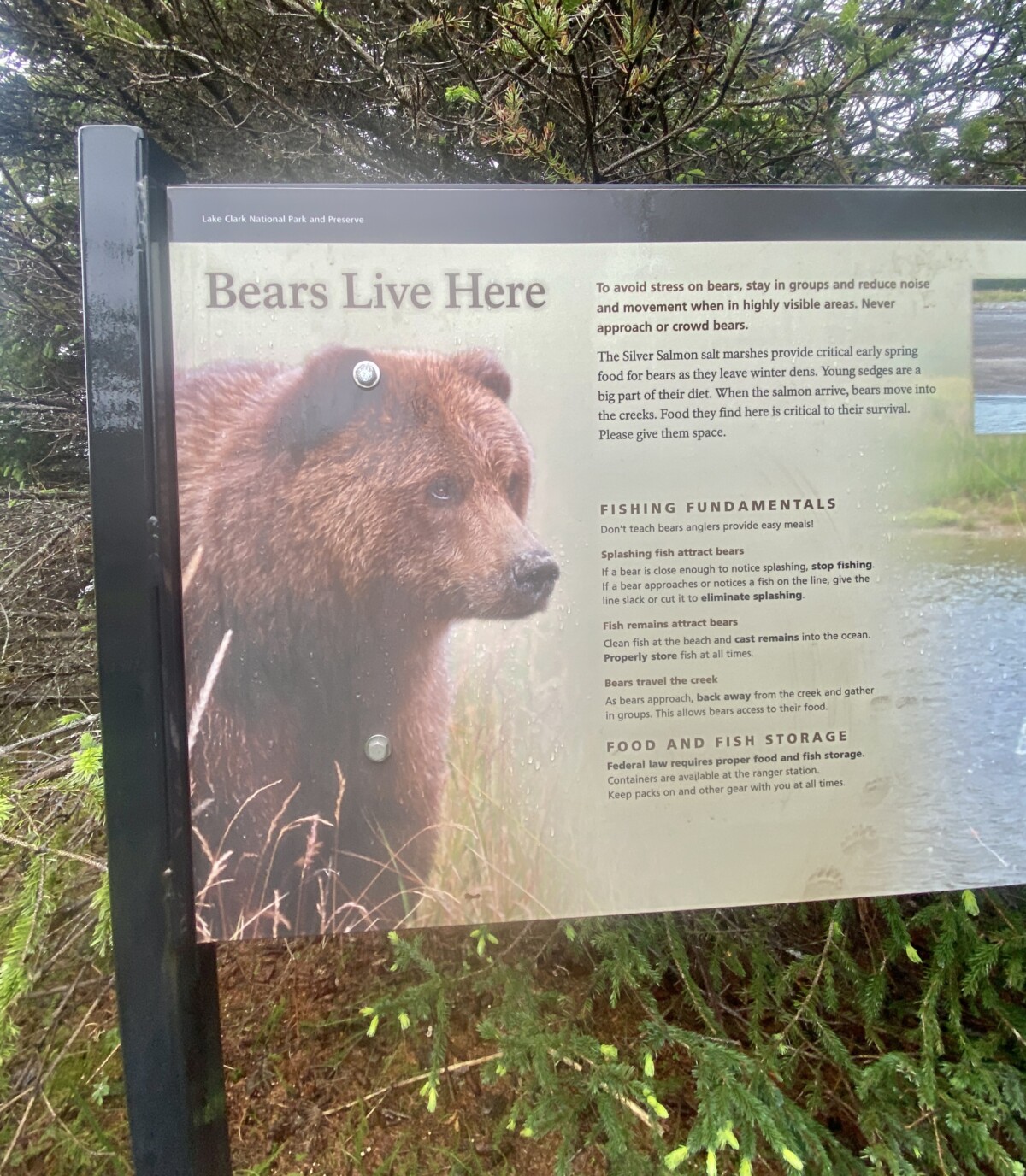
We did not aggressively or directly approach any of the Bears, make any unusual noises, or sudden movements, and we stayed in our group of seven people, which is well within the recommended guidelines, when visiting this National Park.
The Bears were not disturbed by our presence at all. They were focused on their food source that was readily available, while the tide was out, and as long as we did not interfere by trying to take “their” clams, by digging our own, there was no issue.
The Grizzlies rein supreme in this National Park!
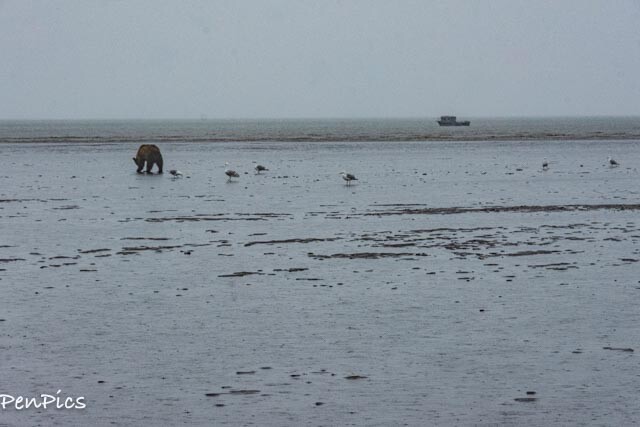
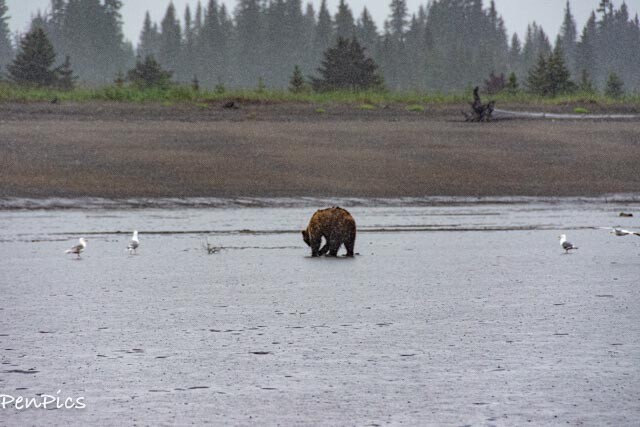
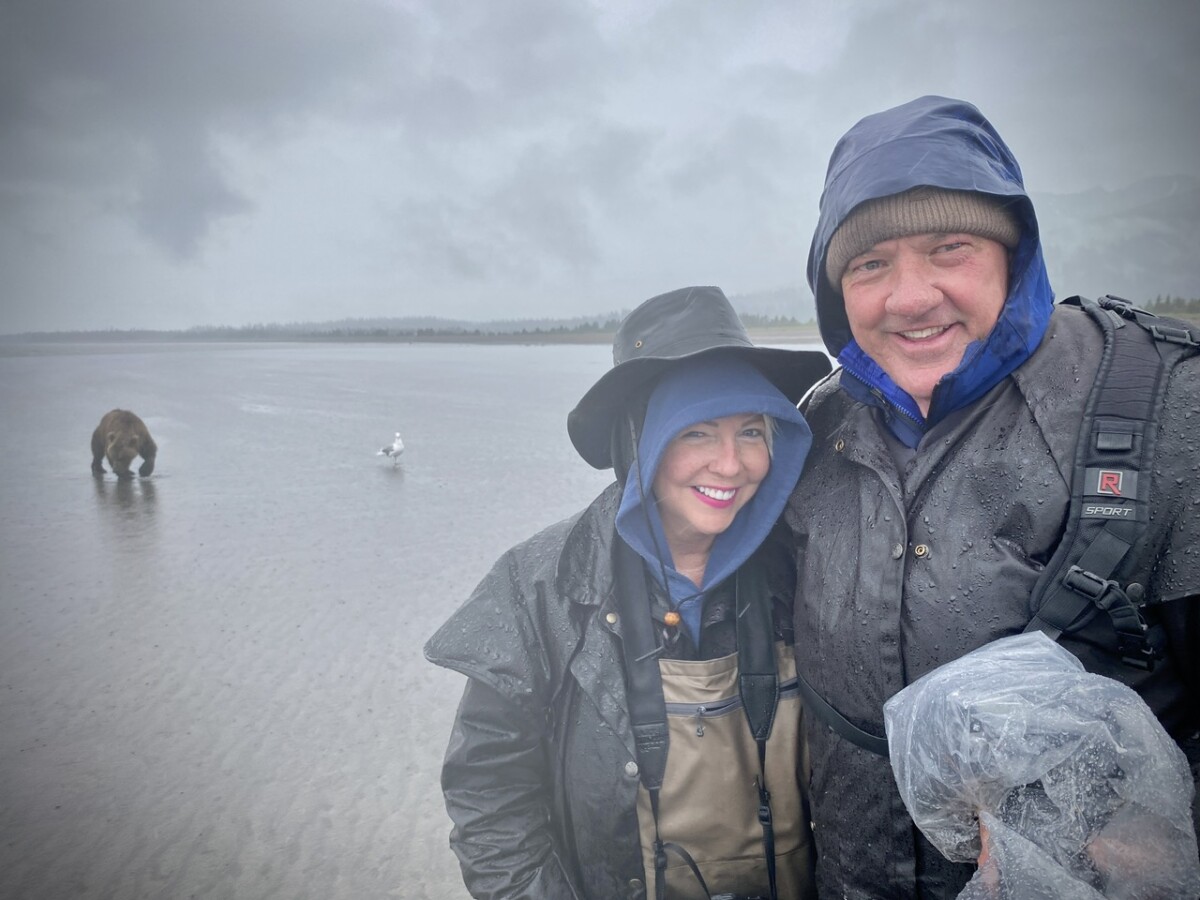
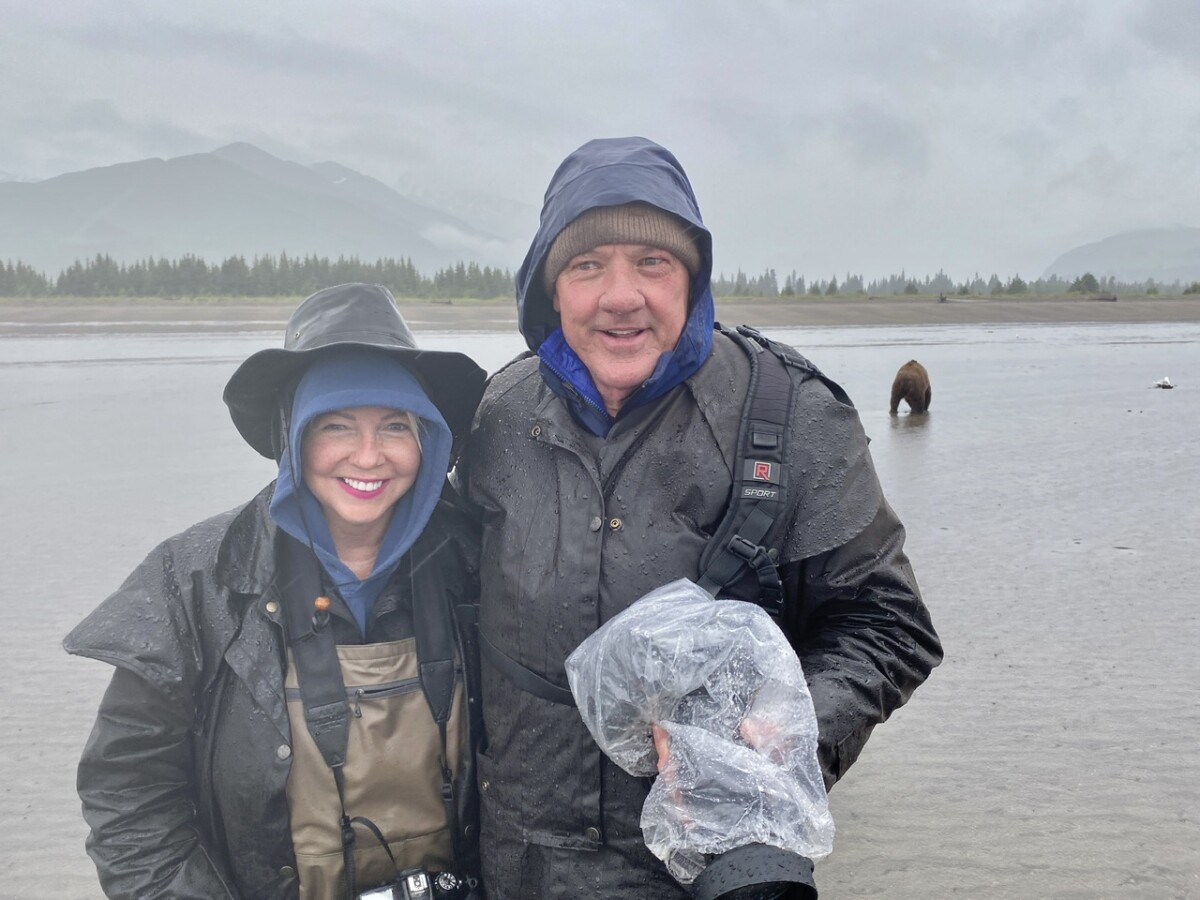
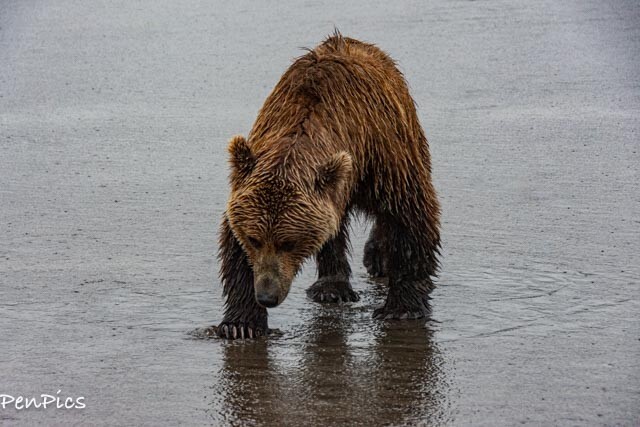
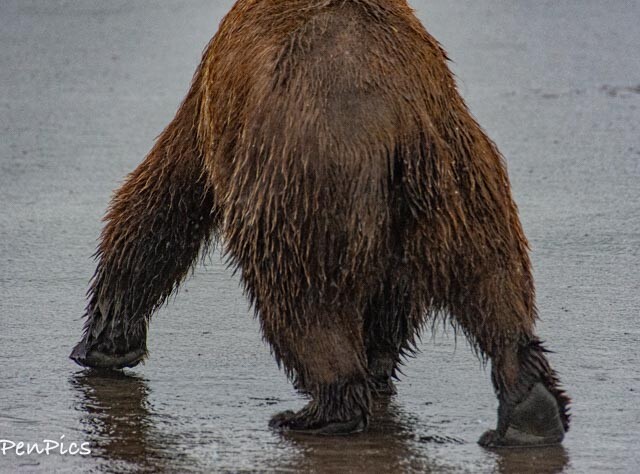
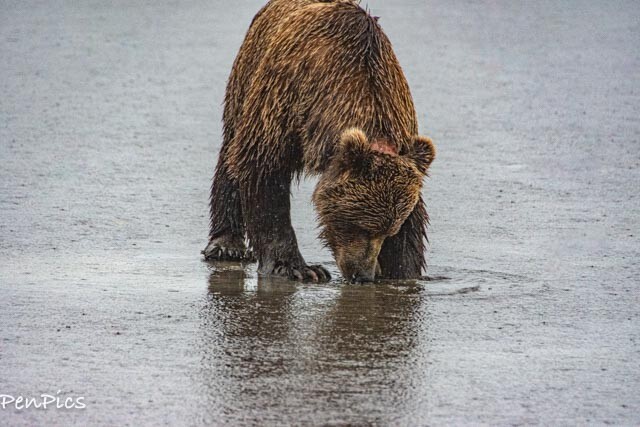
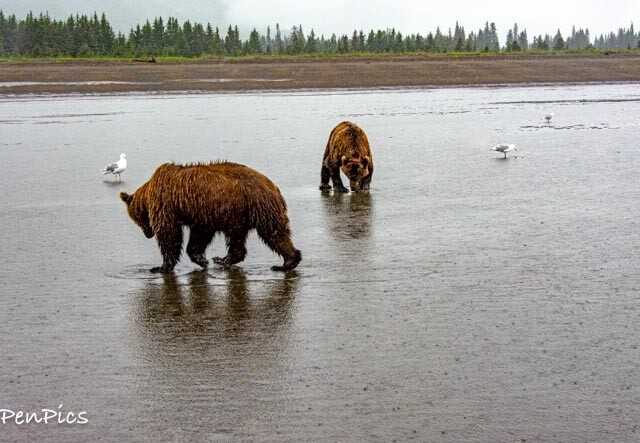
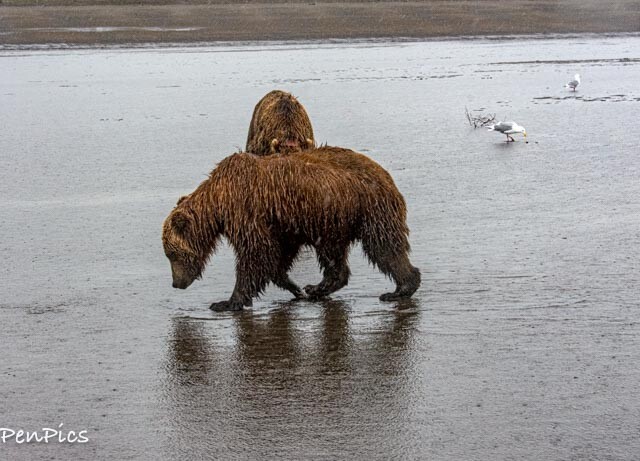
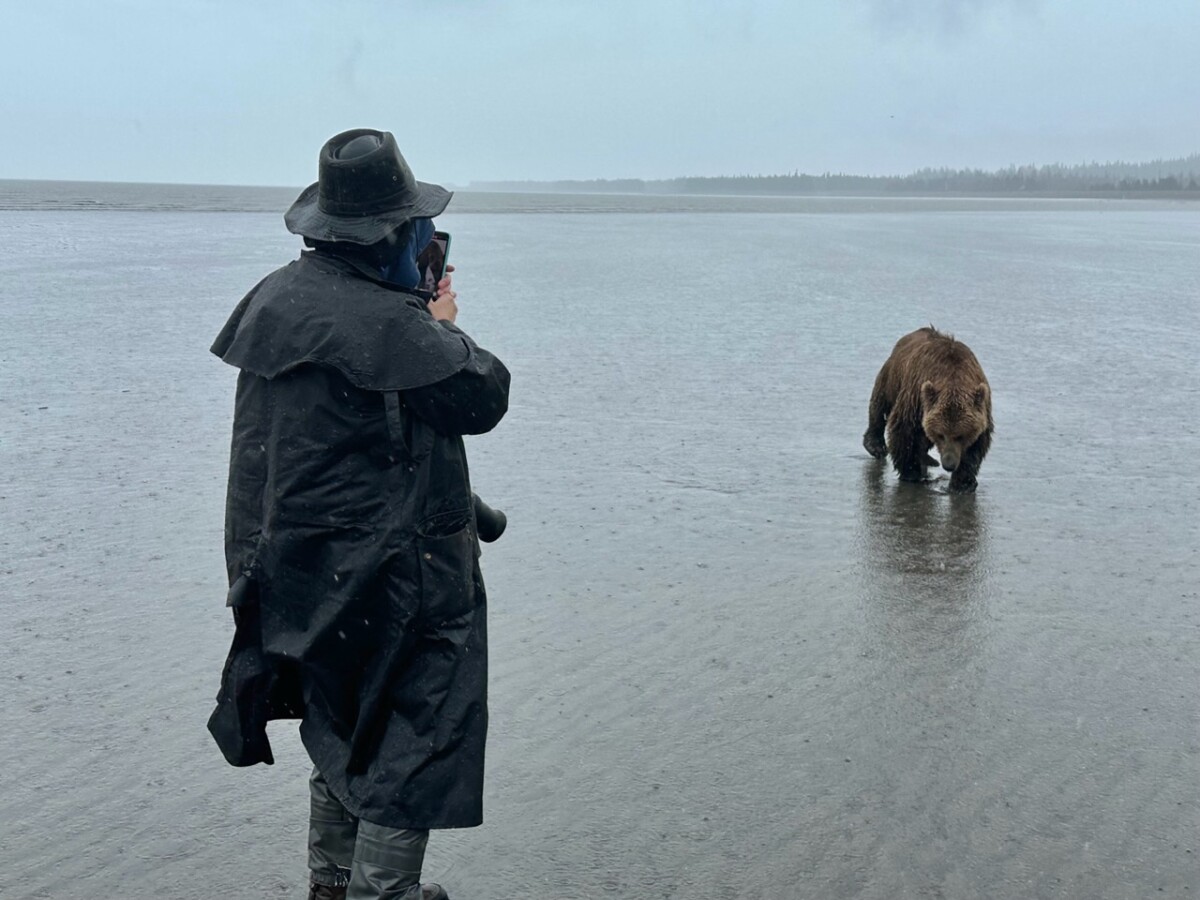
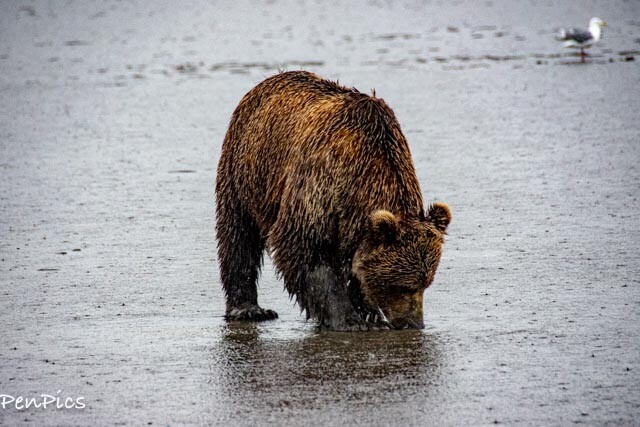

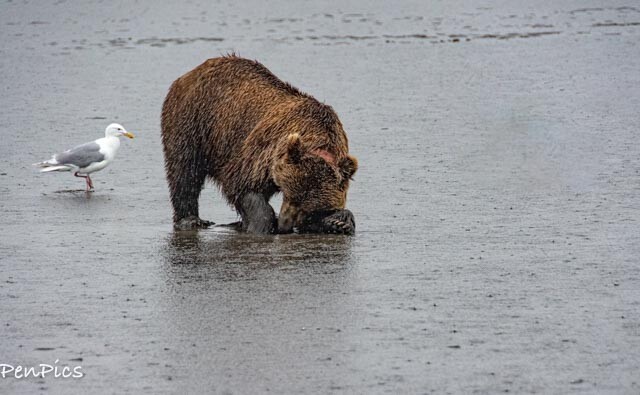
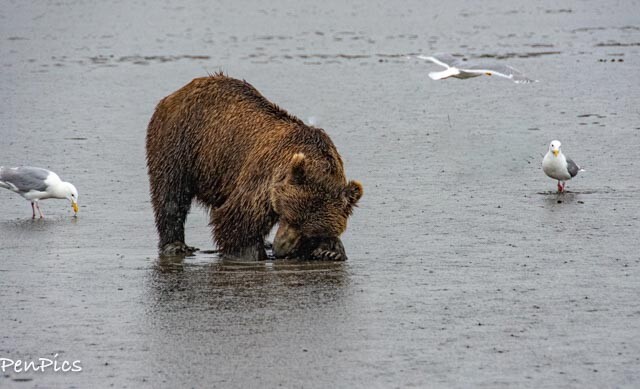
Yes, we were very close to these Bears, for a short period of time. I could tell they were acutely aware of our presence at all times, but they were so busy feeding, they hardly gave us any concern. These Bears do not view human visitors as a food source.
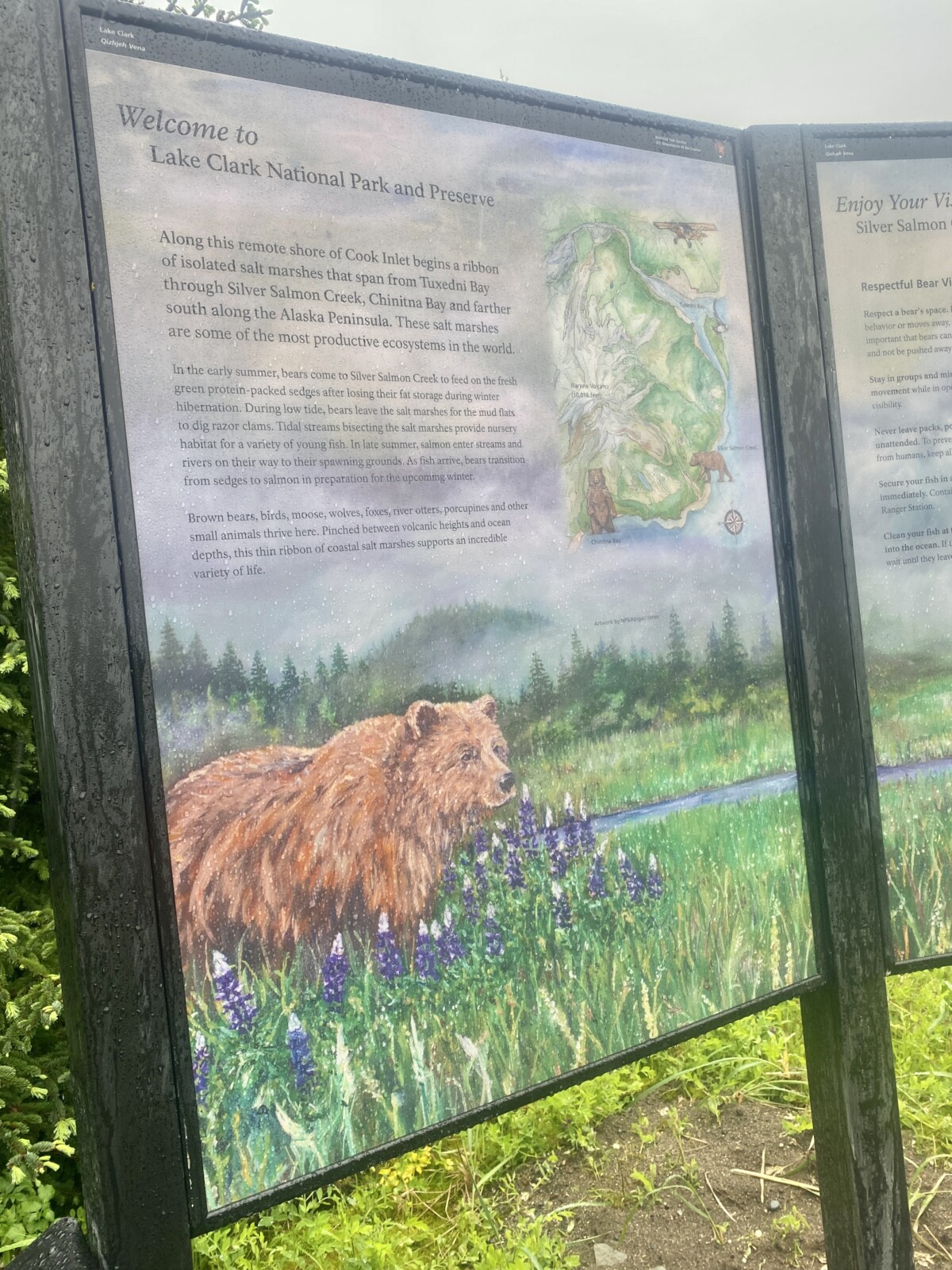
Lake Clark preserves the ancestral homelands of the Dena’ina people for thousands of years, an intact ecosystem at the headwaters of the largest sockeye salmon fishery in the world, and a rich cultural wilderness.
In more recent times, Russian explorers and missionaries arrived in the 18th century, quickly followed by prospectors, trappers, and entrepreneurs from Western Europe, Canada and the United States. Despite this relatively rapid exposure to the wider world, the native communities of the region retain their traditions and languages.
Today’s Lake Clark is a mix of various ethnicities, founded upon a collaborative history.
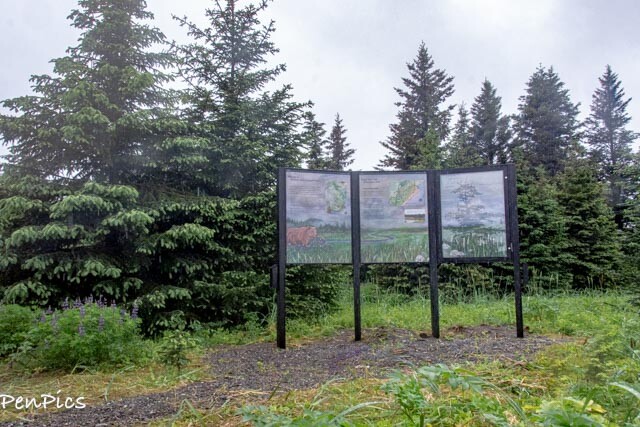
Lake Clark National Park and Preserve covers over 4 million acres of land and is home to a wide variety of plant and animal life, as well as several unique geological features.
The Park was established in 1980 by the Alaska National Interest Lands Conservation Act (ANILCA). Somewhere around 200,000 visitors arrive each year. There are no roads in, but small planes and boats provide the transportation. There is even rustic lodging for those who want to stay overnight in the Park.
As I was getting a video of one of the Bears in front of me, and turned to move on to the other one, I was surprised it had walked up right behind me; not because it was interested in me, but because it was smelling for clams. It was an arms length away!
My heart did a little pitter-patter for sure, but no worries, as I felt no malice from the Bear, whatsoever.
I had a similar experience spending time with the Mountain Gorillas in Uganda, when two of them brushed up against me, walking past, while I was standing still.
My video on my phone was running and I backed away from the Bear and got an amazing shot, just as it was on to another clam, pulling it up, opening it and devouring it. For us, we would have to boil these clams to get those shells to open, as prying doesn’t work very well.
The Grizzly, however, uses its long and strong claws and they just pop them open with little effort.
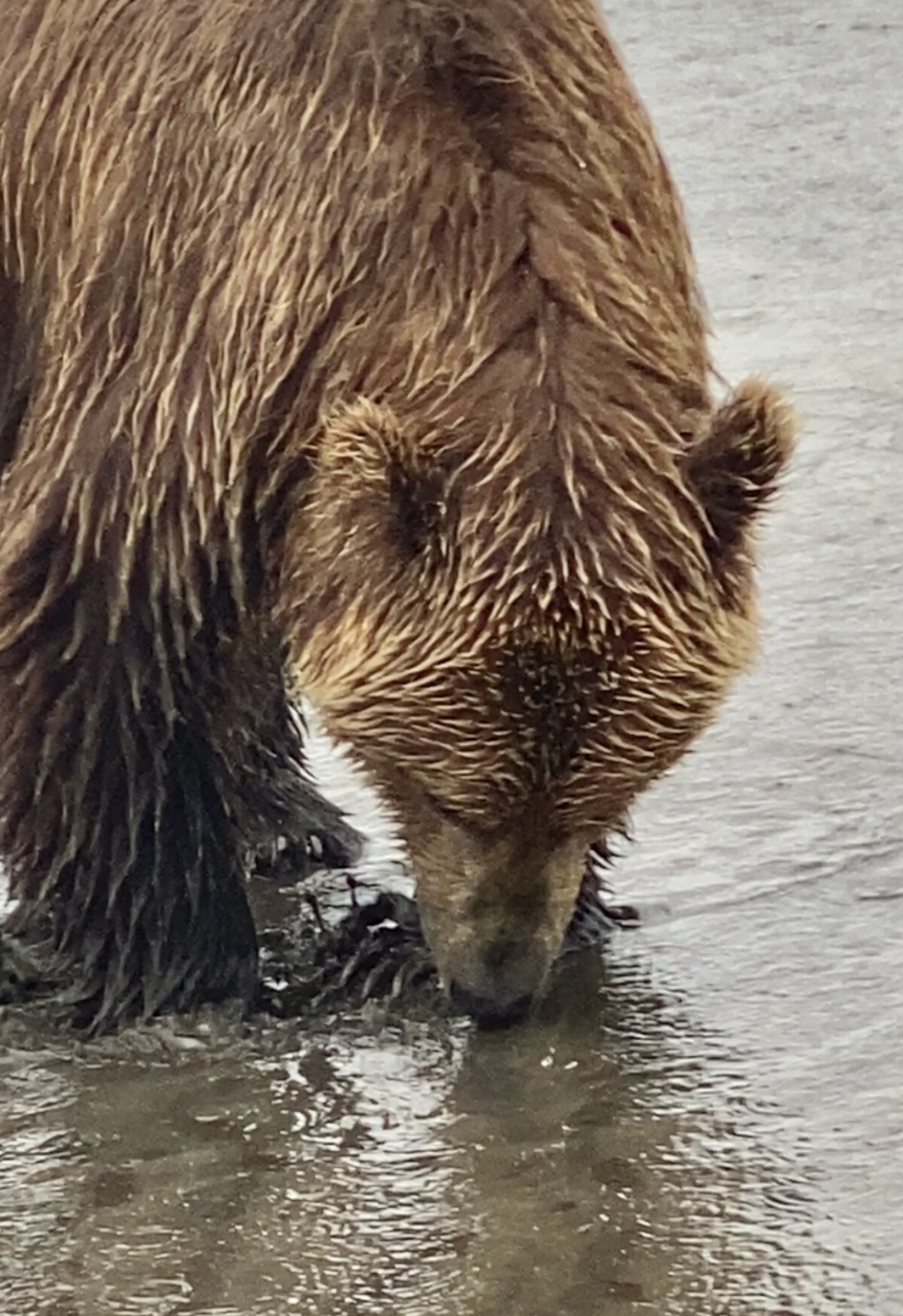
The Bears can smell the clams under the sand. In some cases, the Bears were resting on an elbow with their other arm/paw deep into a hole. They don’t always have to dig so deep, but with stormy weather, more sand comes in with the tides, to cover the beach.
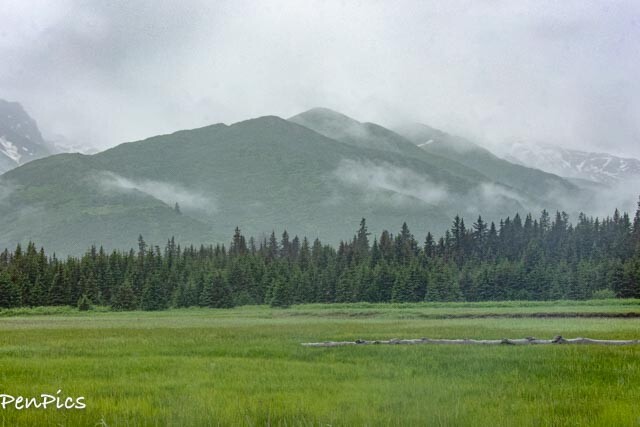
Speaking of the weather, it was quite unfortunate on this day (like every other day for going on three weeks in this peninsula), so the mama Bear and her two cubs that have been on the beach every day, clamming for awhile now, did not make a showing. Had there been wind and rain, we may not have seen any Bears.
We all felt very pleased with what we did get to experience!
The Grizzly Bears have to eat 90 pounds of food a day, so the rain will not keep them from clamming, but apparently the rain AND wind is where they draw the line.
⬇️ This Eagle looked like he has not seen any sunshine to dry his feathers, in about a year.
It’s a ruff life for sure.
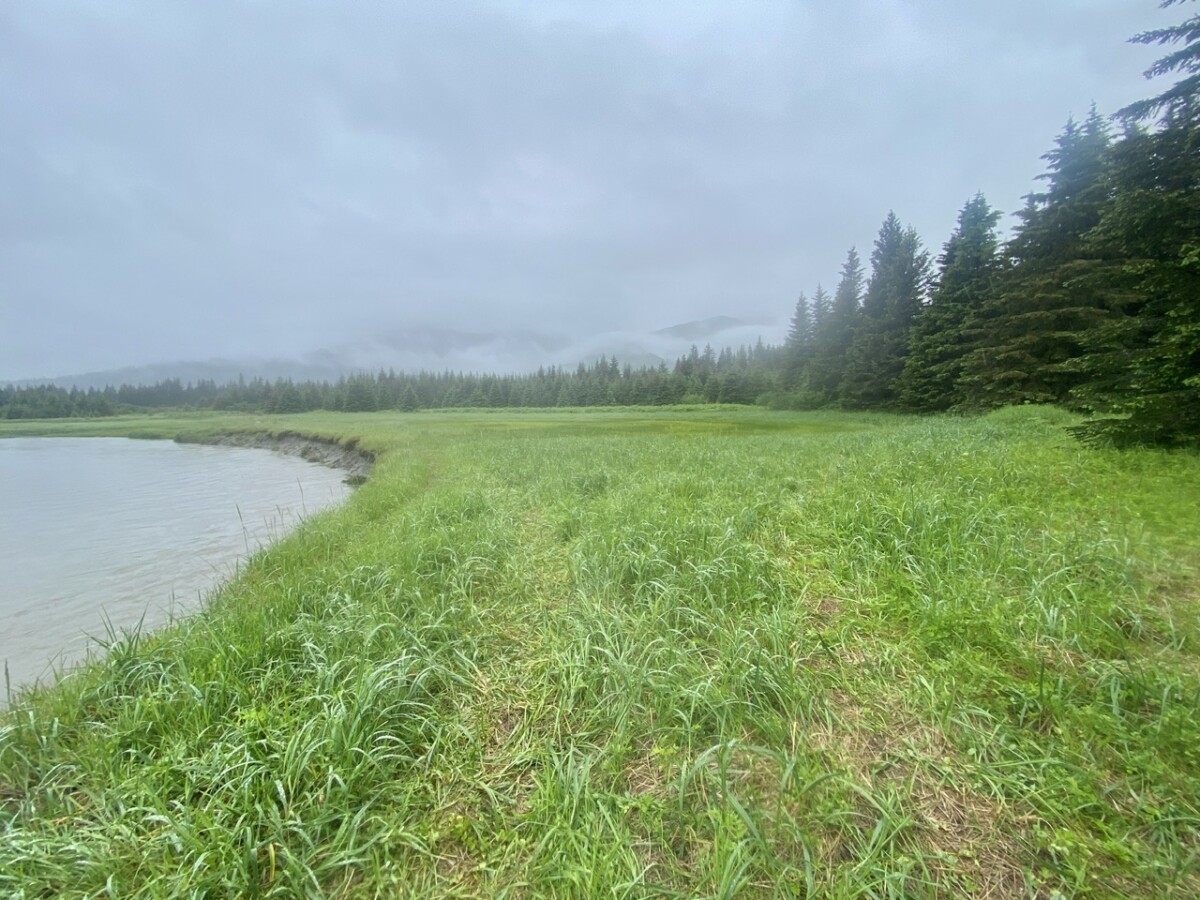
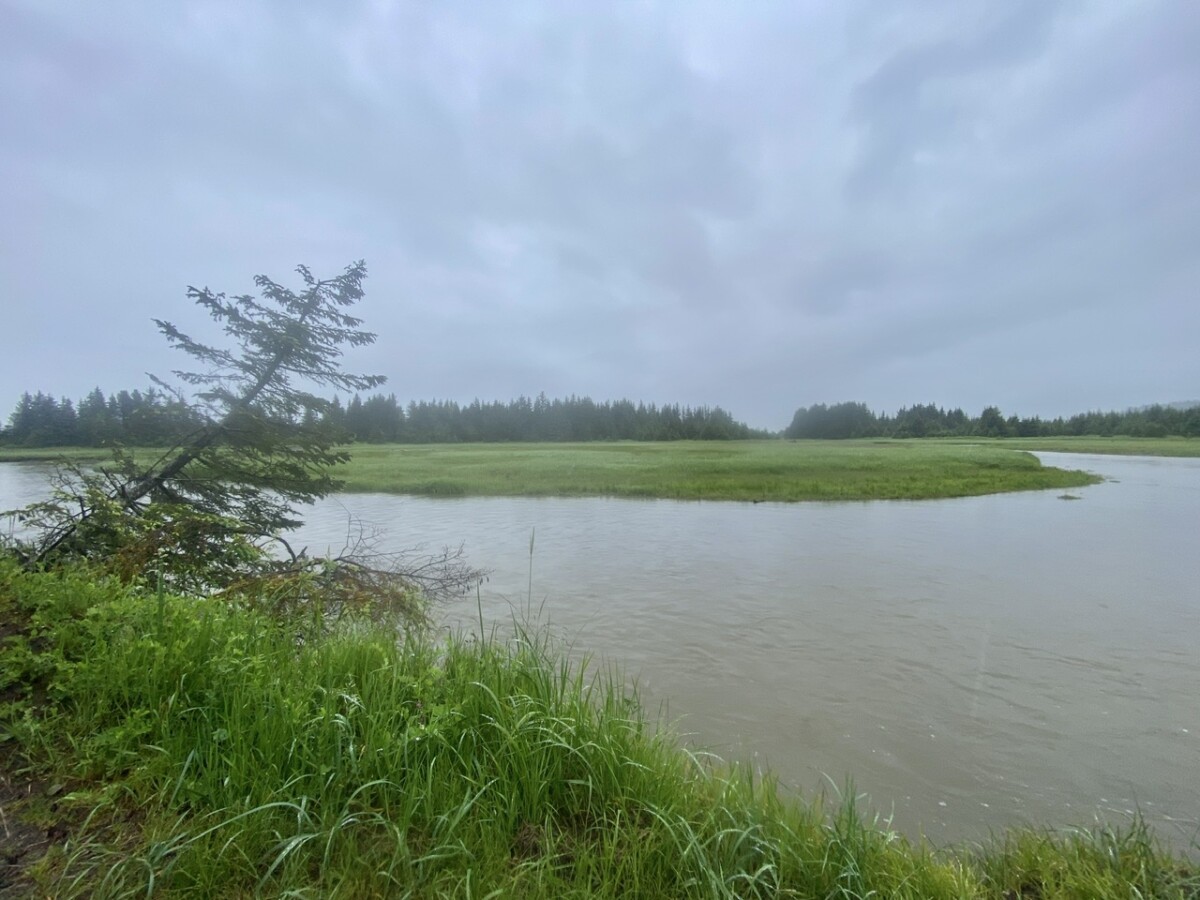
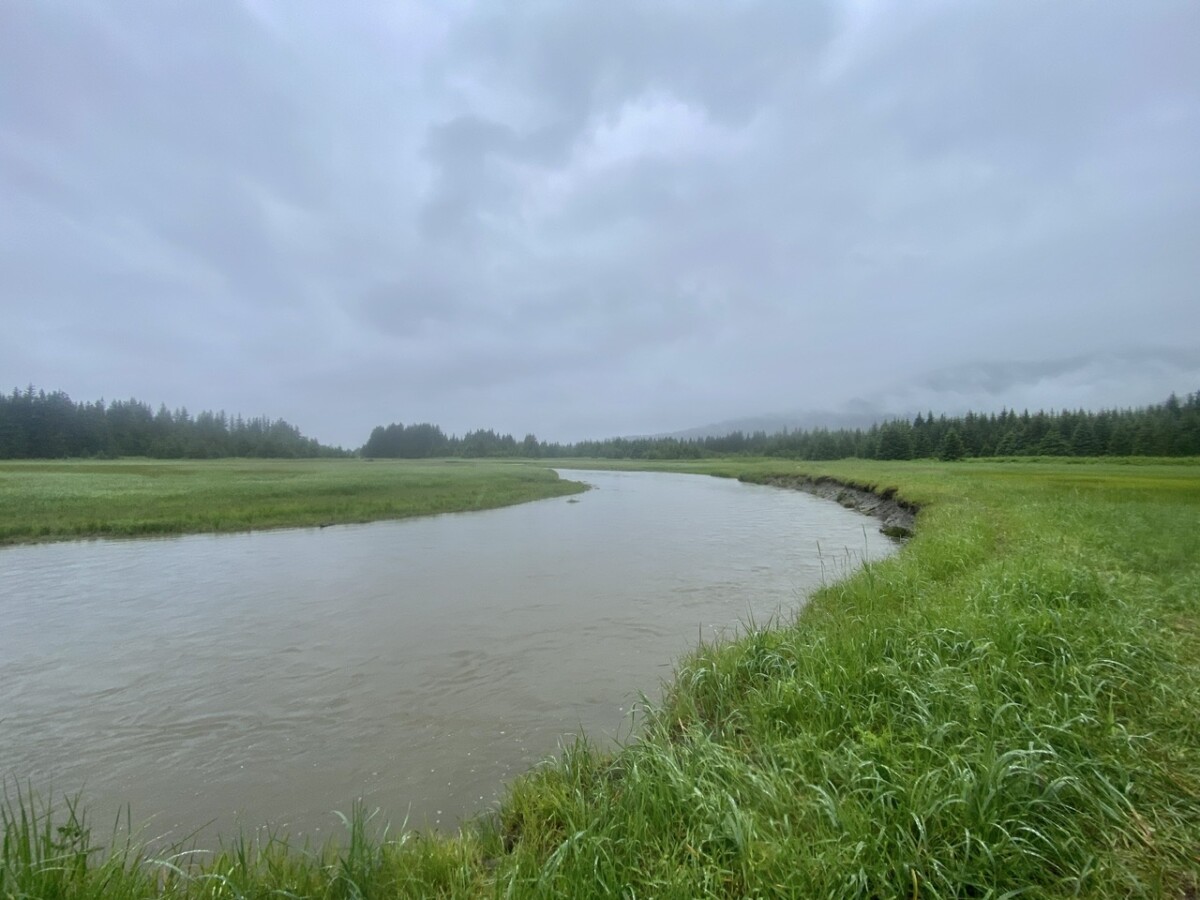
We all left the beach, and walked inland to see if any Bears could be viewed in the meadows. We waded another water source, but no more Bears. It was assumed by our guide that many may have been out on the beach, earlier and already gone, before we arrived.
I was also told they have counted (by plane from the air) up to 300 Grizzlies in this Park.
We would see a total of six, before we left the Park.
We could easily photograph the two that were near the place we got out of the boat at. We were provided chest waders and boot shoes, for all our time on this adventure. I had so many layers on, it was a little challenging to walk and wade.
With the downpour, it was also difficult to keep my camera lenses clear. I was not expecting to have many good shots, but kept clicking away. I’m glad I did, because I was pleased with my photos, overall. I did a lot of cleanup in photoshop to remove many raindrop spots, but it was worth the time!
On the water, in the ocean, coming and going in the boat, to see the Bears, we saw two Humpback Whales, Otters, and Seals. That was a fun bonus.
I can’t recommend this trip, enough, if you ever come to Alaska; this is a truly wild and raw experience.
Our guide has been providing the boat entry, in to the park for eight years. No negative incidents, in case you are wondering. Yes, we carried our Bear spray, but even that is not necessary in this park.
This type of excursion might not be everybody’s cup of tea on the wildlife encounter level and that is fine, but to the nay-sayers, because we chose to do it, it is just as legal to do this bear viewing, as it is for someone to choose fishing from a bank or in a river, to hike, and ride bikes, or even to hunt where it is allowed; when doing so, within the territories of where any Bears live in Alaska. This doesn’t mean we were reckless. We will not be arrested, and all the park bears will NOT be killed because of us, for endangering them! We were not stupid or irresponsible to do what we, and many others have done, and will continue to do in this beautiful park, with the NPS approval.
Those who called us out on these things are simply ill-informed, ignorant and opinionated, and I say to them:
“We are not doing YOUR Alaska trip, we are doing OURS.”
Our guide is fully booked for the entire summer, with future trips for this same Bear viewing
encounter, (but there are always cancellations), AND, we enjoyed a friendly group of other like-minded travelers on this amazing activity. Such fun!
For those who are truly interested in a group activity like this particular Bear viewing, but wonder how can such a thing be possible, or allowed, it is.
I did get a response from an administrator on a legit post I put up on an RVing group on Facebook, showing the Bear digging for a clam, that supports this unique encounter.
I had turned off comment, prior to this admin response, because people were just so out of control. I added to my post; asking why admin was not intervening!
I posted at 5:30PM, and admin responded 18 hours later, of (mostly) critical people who were unbelievably wrong, being quite rude and hateful. I don’t waste my energy on responding to haters, btw. I just turned off comments and hid the ugly ones.
⬇️ From Admin on a group Facebook post I did about RVing in Alaska:
“First …the Admin turned back on comments because I feel I need to defend myself. Admin doesn’t allow bullying.
Second… to those critiquing the OP this is how tours are done at Lake Clark. Those bears don’t see humans as food over there. This is their normal every day during the summer. We ourselves have been this close to the bears of Lake Clark. First you are in a group and you are usually grouped up. It’s proven a bear has never attacked when a group of 3 or more are together. To be fair I removed ALL COMMENTS on this thread. The good ones and the bad ones. Yes, there were some that went against our group standards.”
http://bearviewinginalaska.com
*********
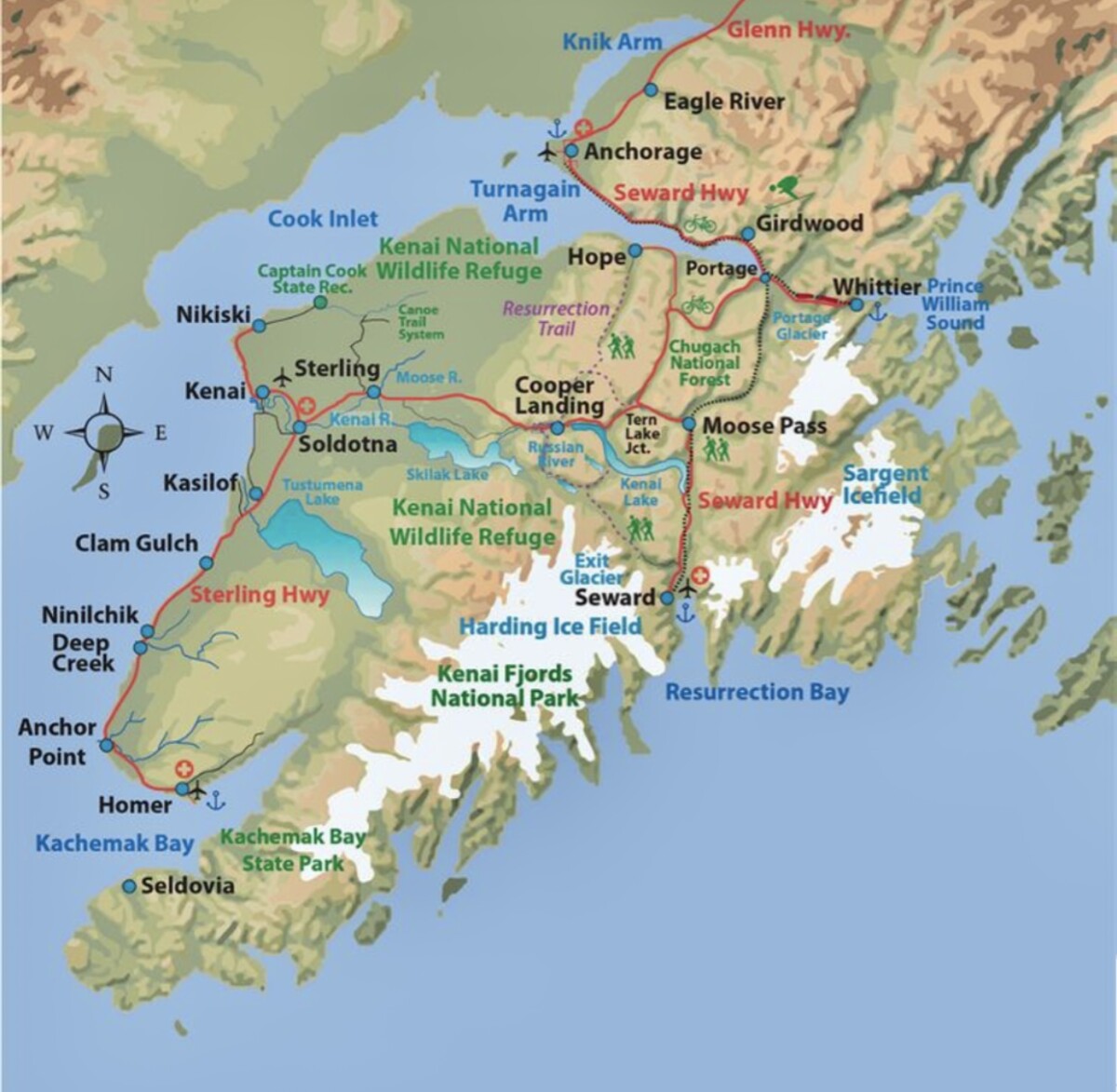
⬆️ Kenai Peninsula
About Us

About Us
Hello and Welcome to our Travel Blog Website, We enjoy writing about our experiences and taking photos of our adventuring along the way. Our names are: Daryl and Pen, but Daryl calls me “Bunny.” We met, quite randomly, whilst both traveling in Thailand with friends. We happened to be in the same travel group, and […]