


“Panama 🇵🇦 ~The American/Panama Canal and Monkey and Sloth Island Tour”
Monkeys and the American/Panama Canal!
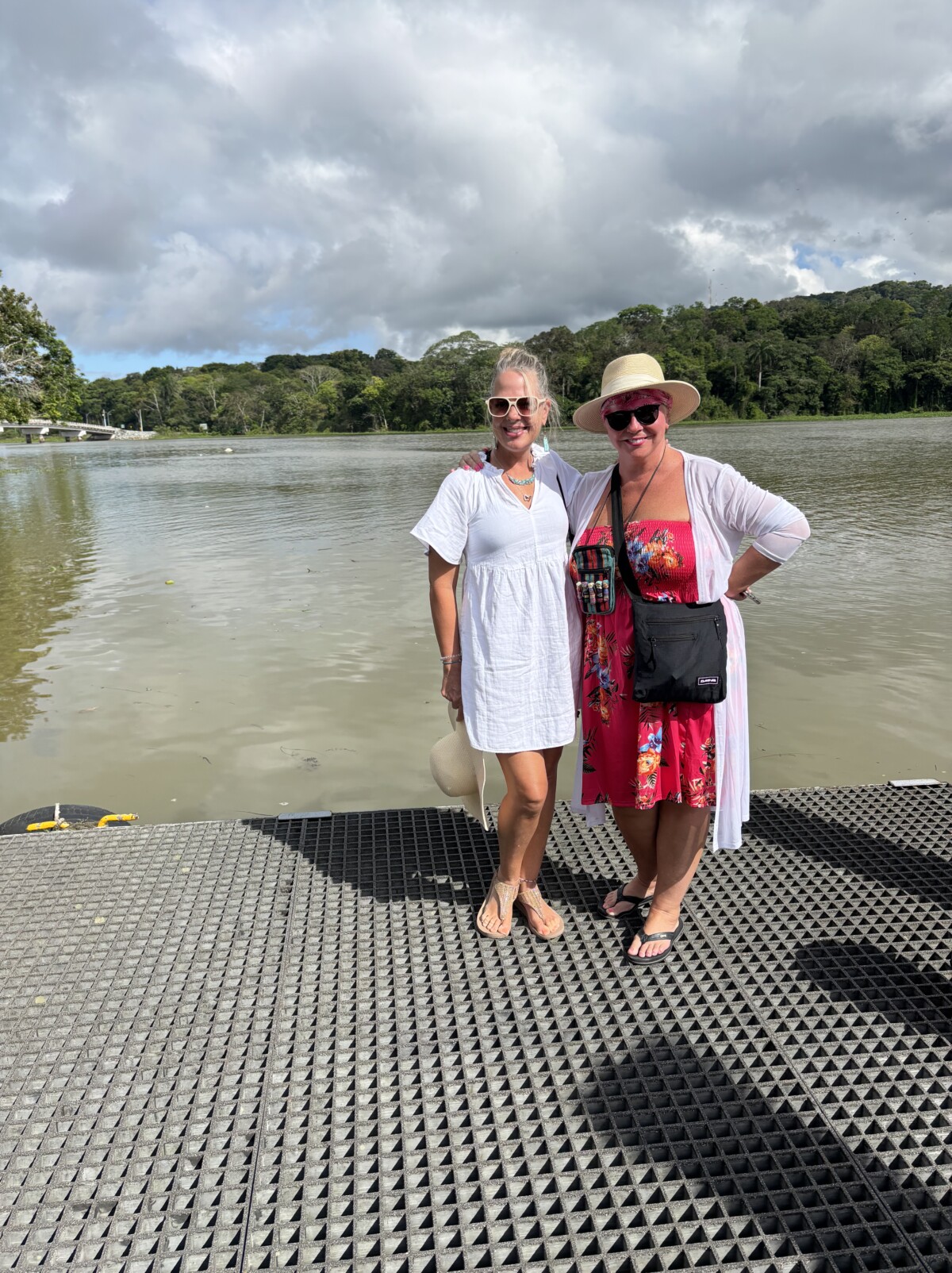
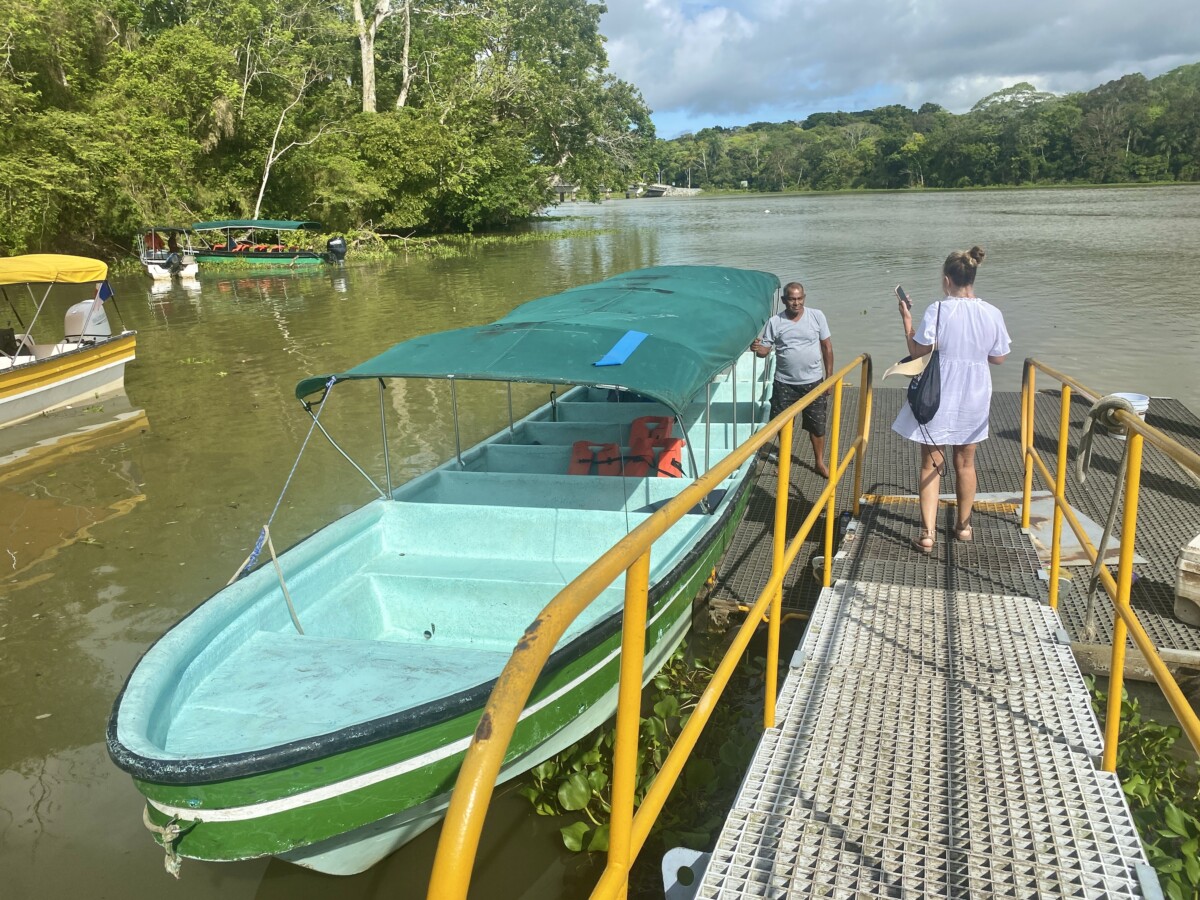
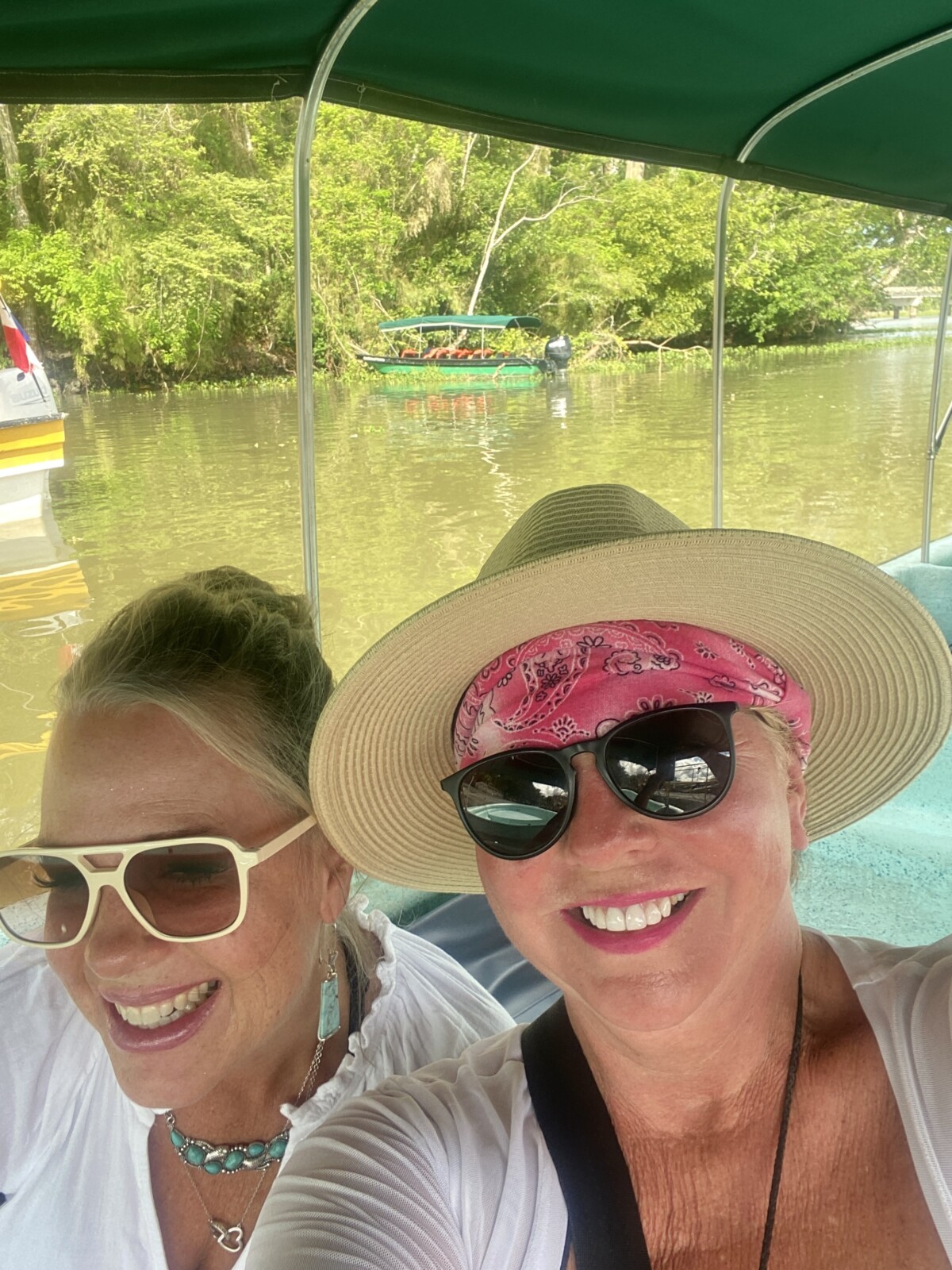
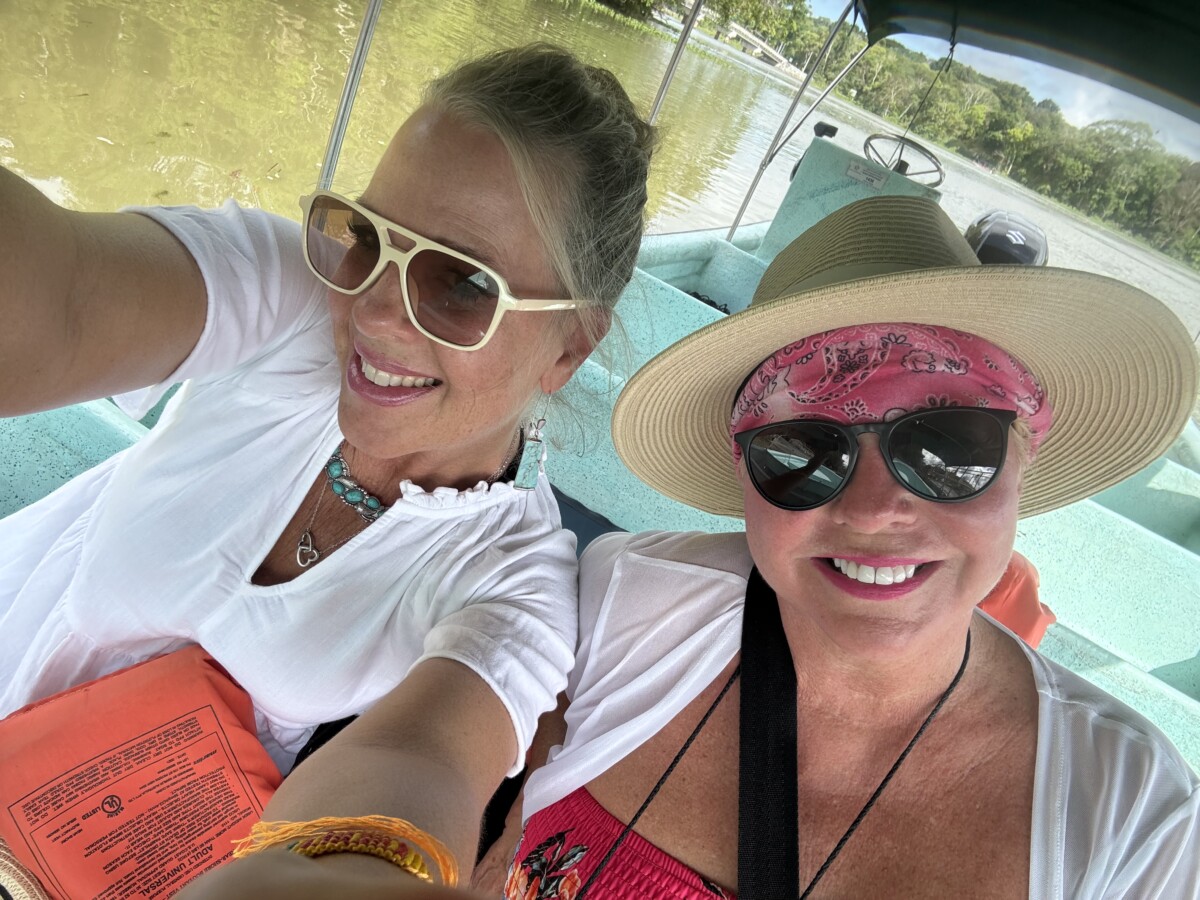
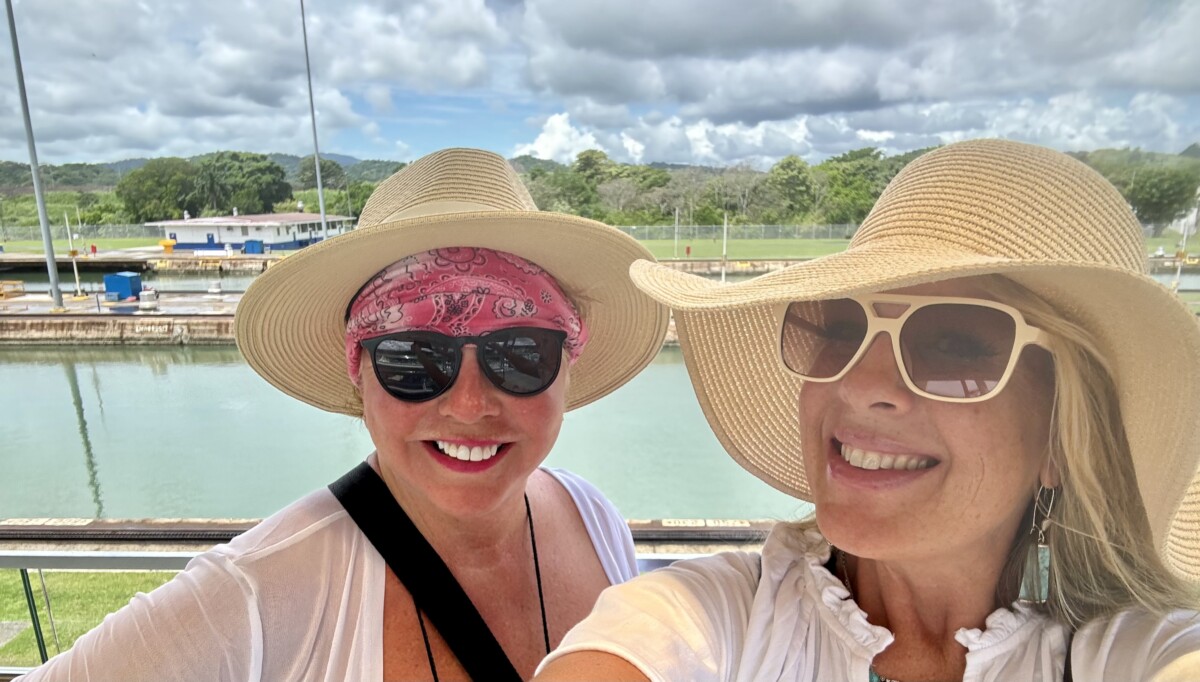
Tonya and I started out this morning, being picked up by a driver/guide in the city, and taken to a small dock near the canal.
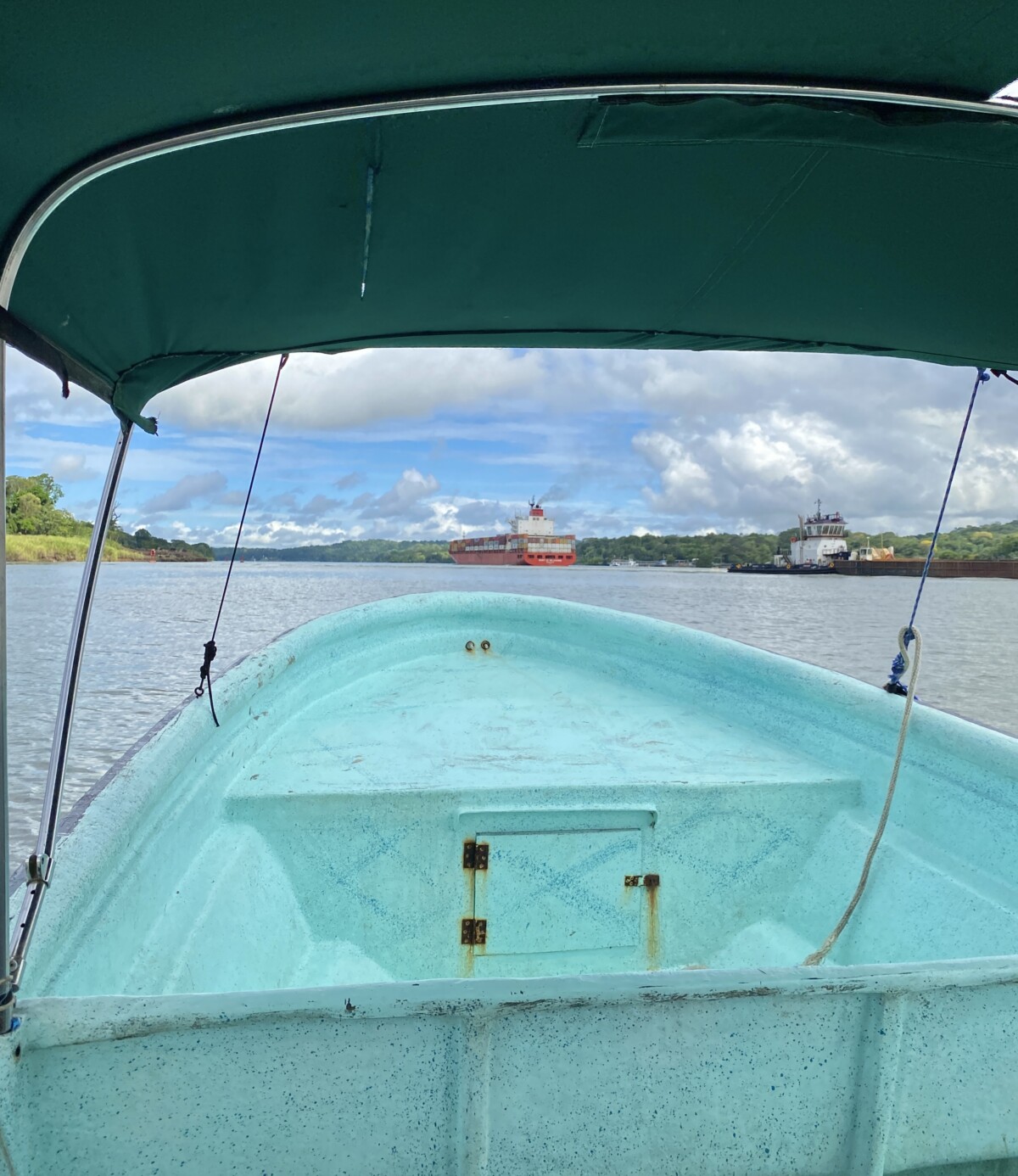
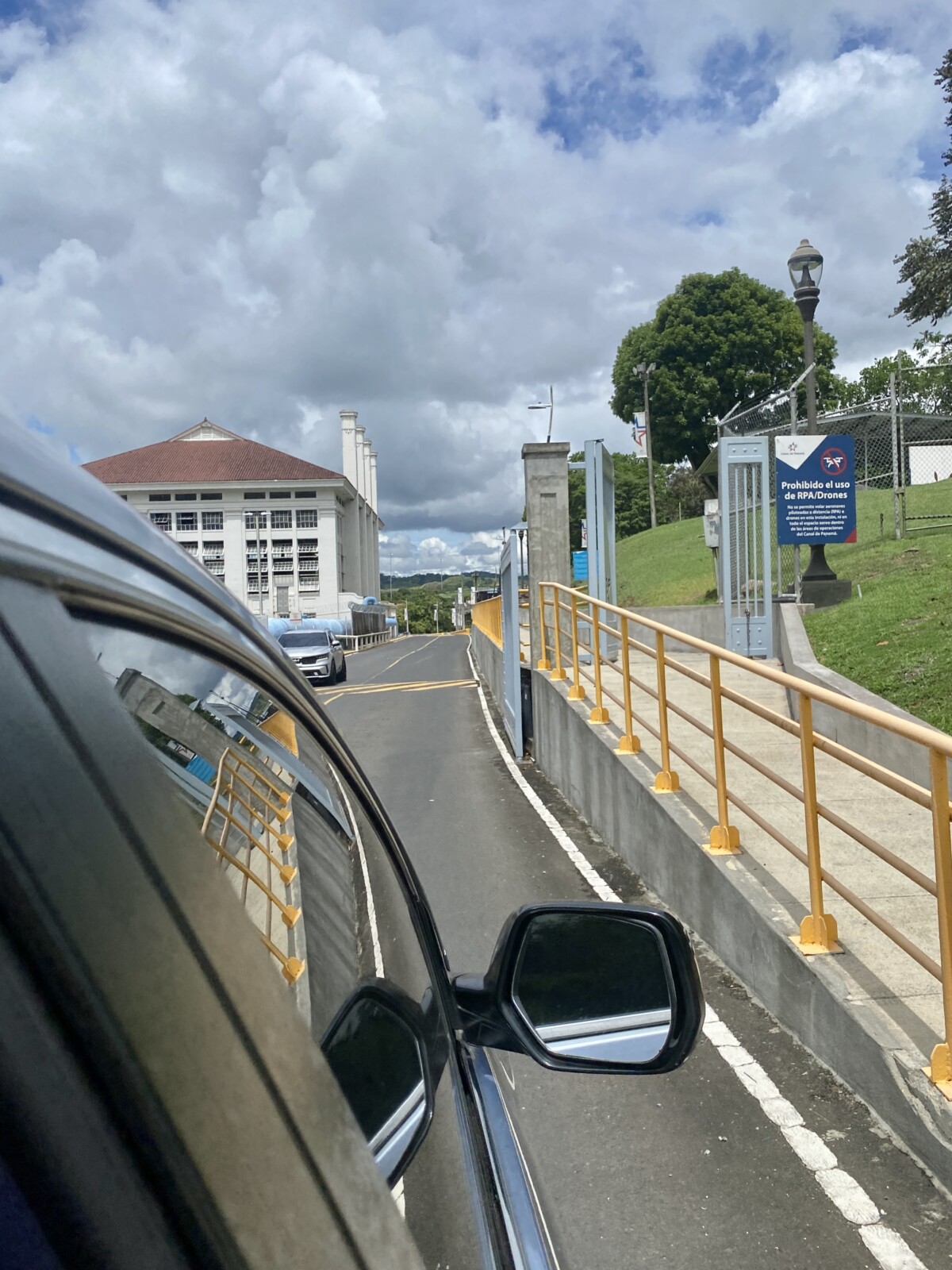
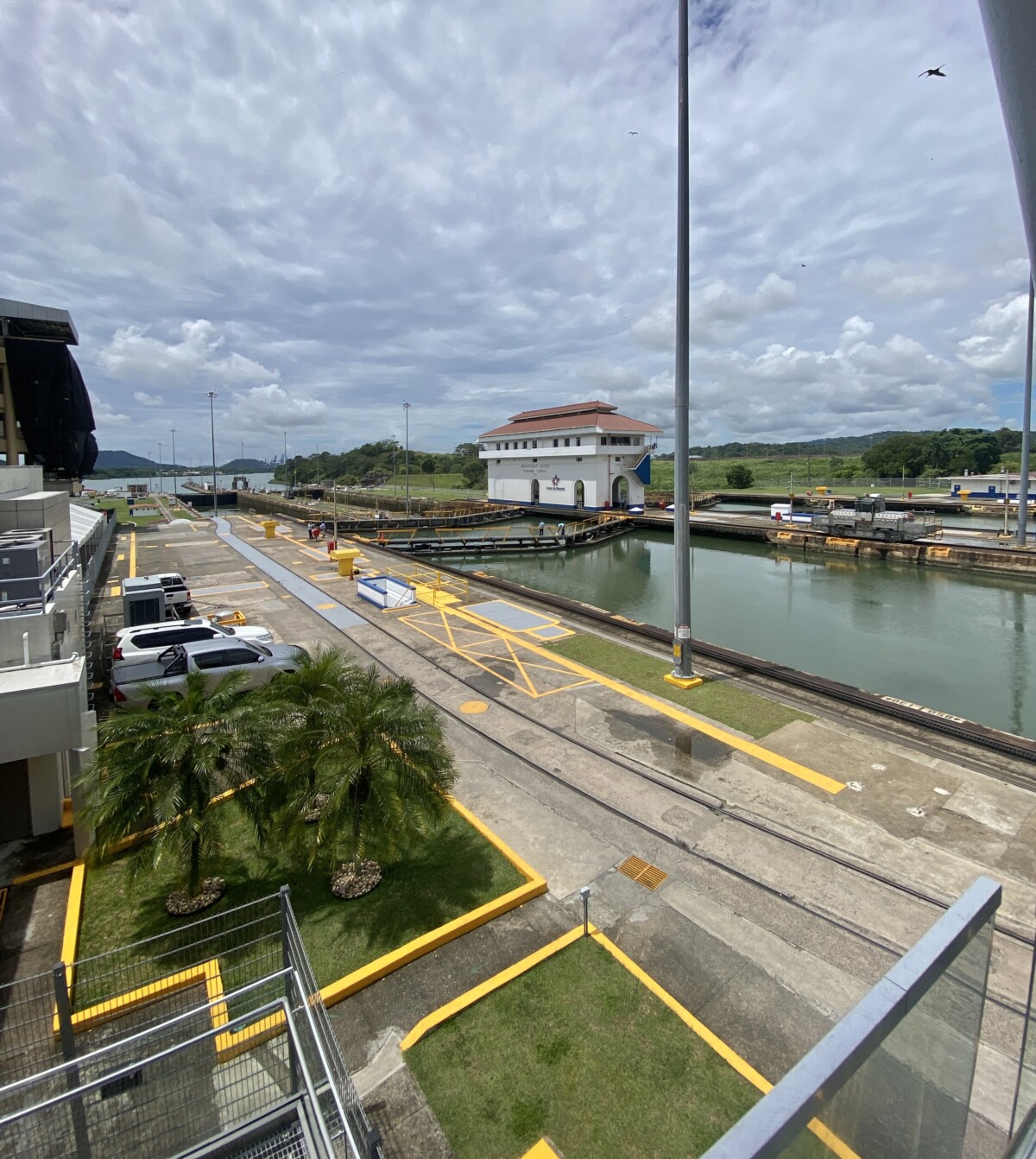
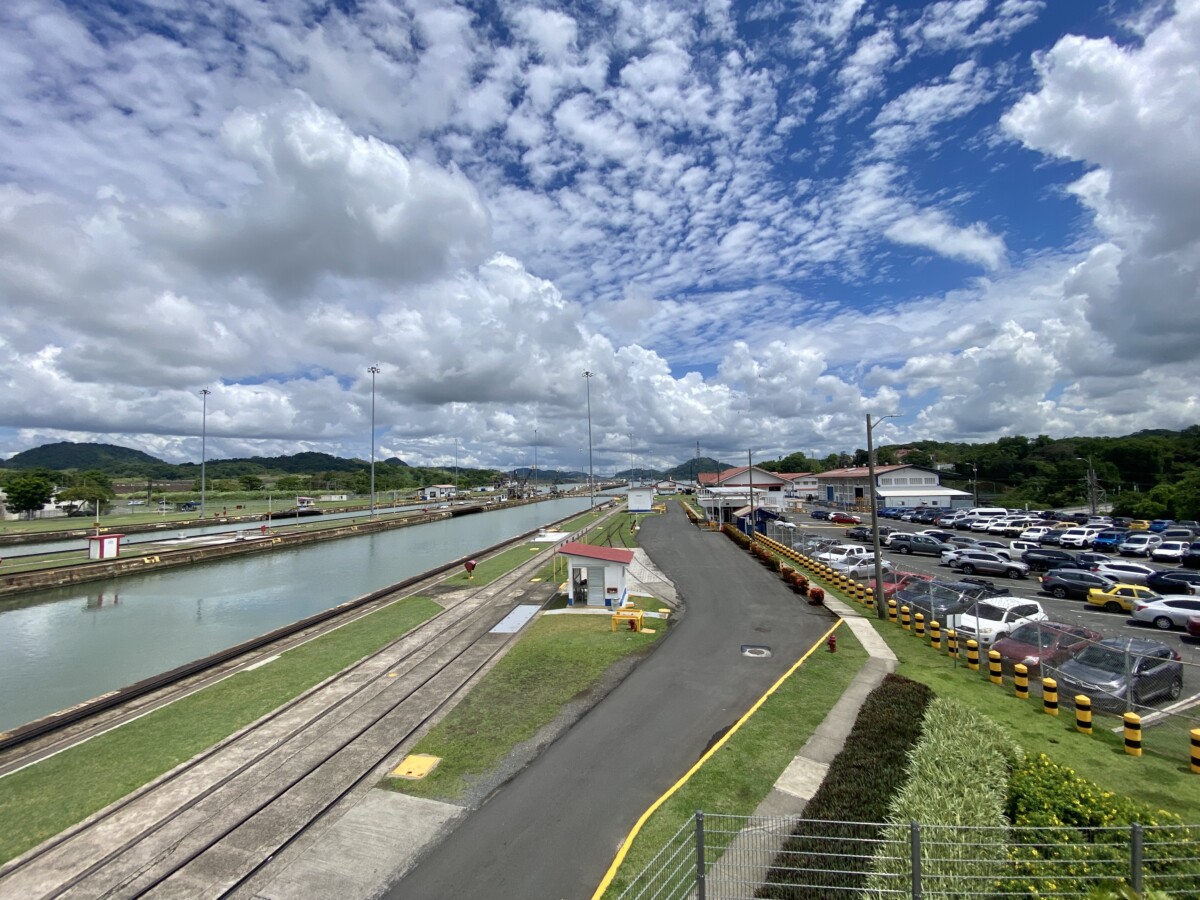
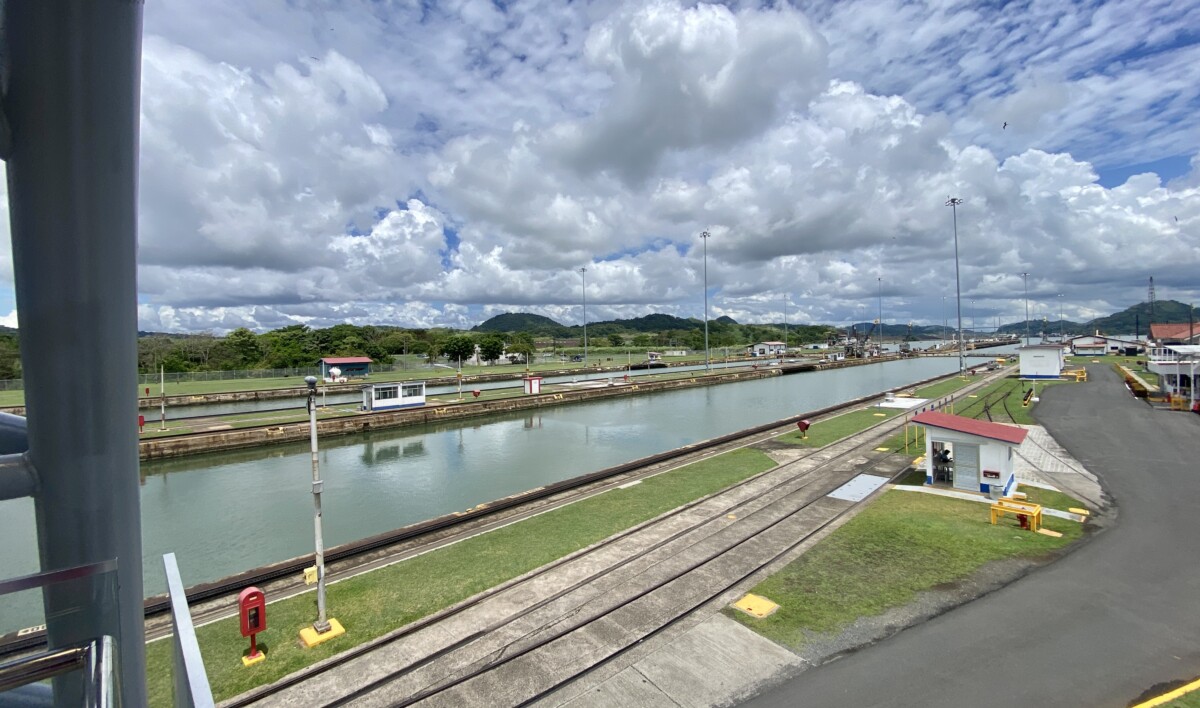
On this Boat Tour, we were taken to Monkey and Sloth Islands, and the “Canal.” The wording for this is specifically the same for multiple tours, when in fact, nobody actually gets in to the canal; just nearby. Technically, they get people just on the outside of the lock system. We did not see any ships going through the locks, but we did see a big container ships that had just gone through.
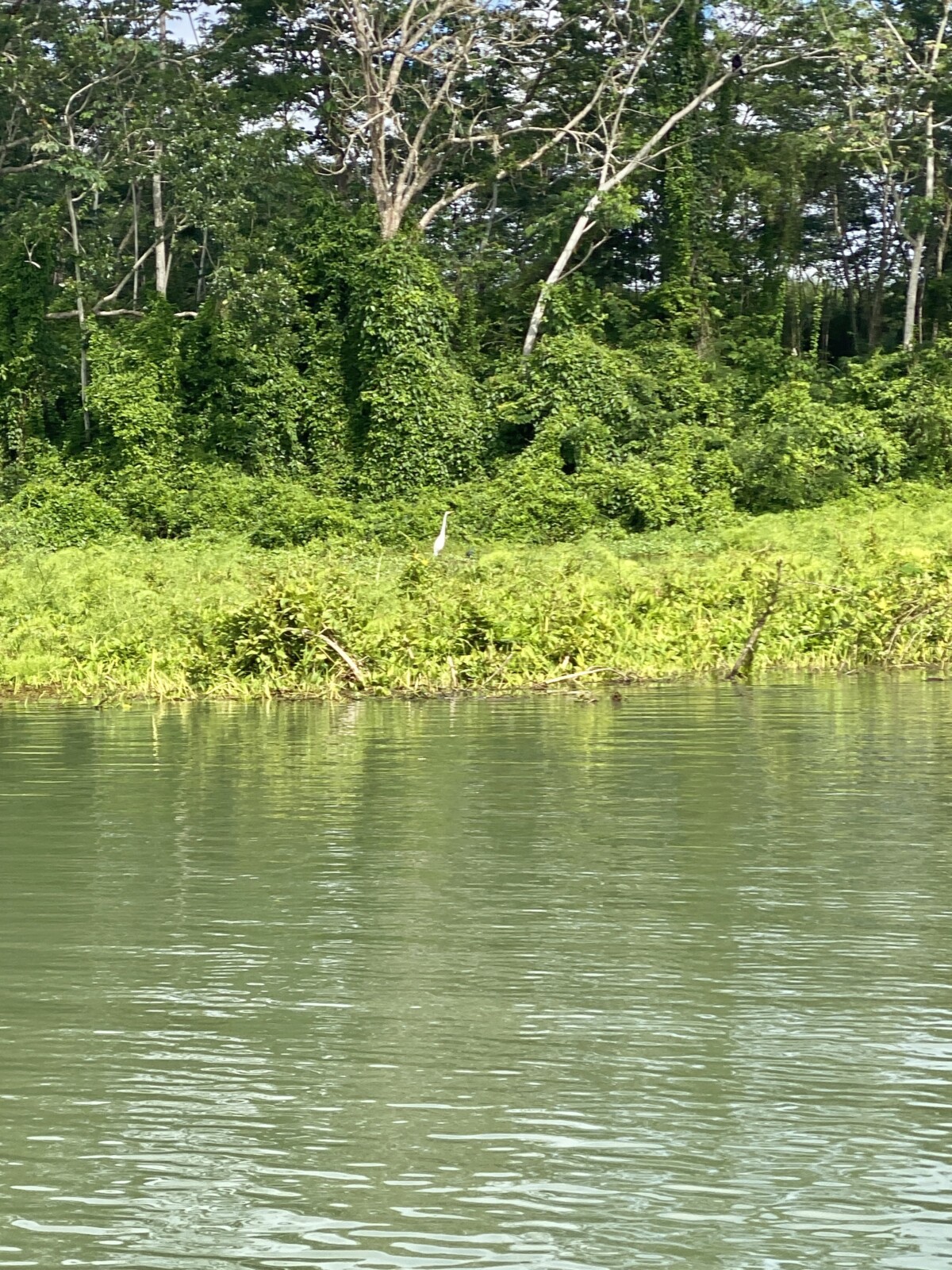
From the little dock, near the Canal, we boarded a boat and we were the only two on the tour! First, we entered a series of small islands, that were very jungly and defiantly looked to be a great habitat for Monkeys and Sloths. There were also some birds, bats and butterflies.
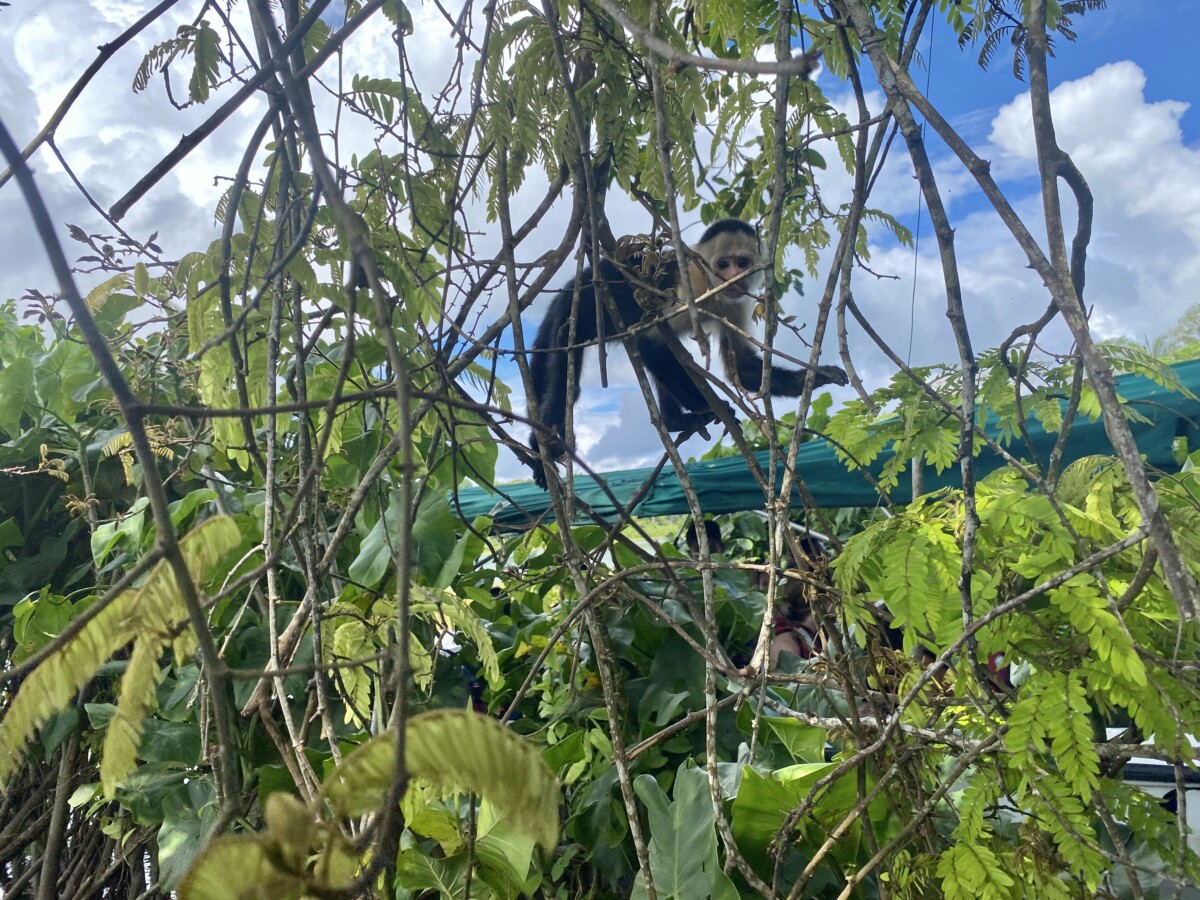
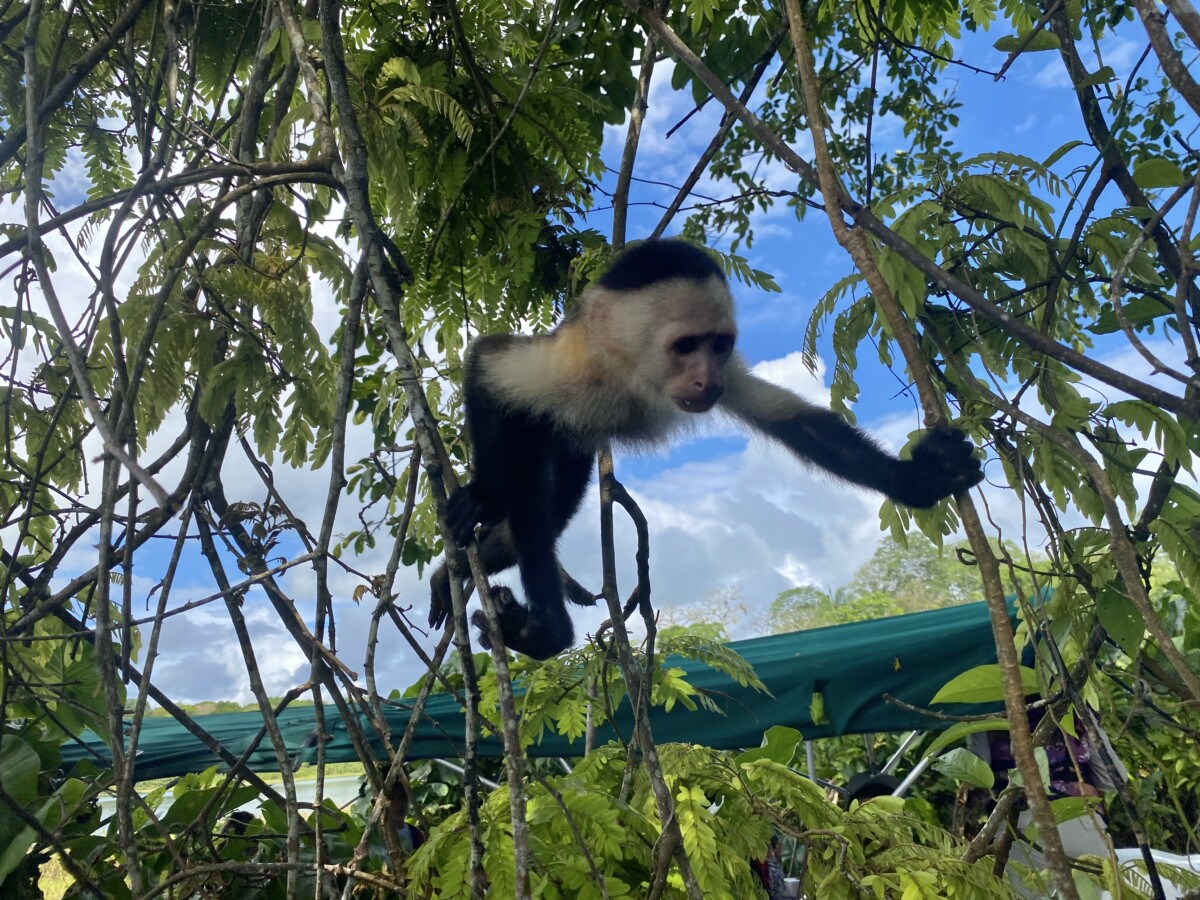
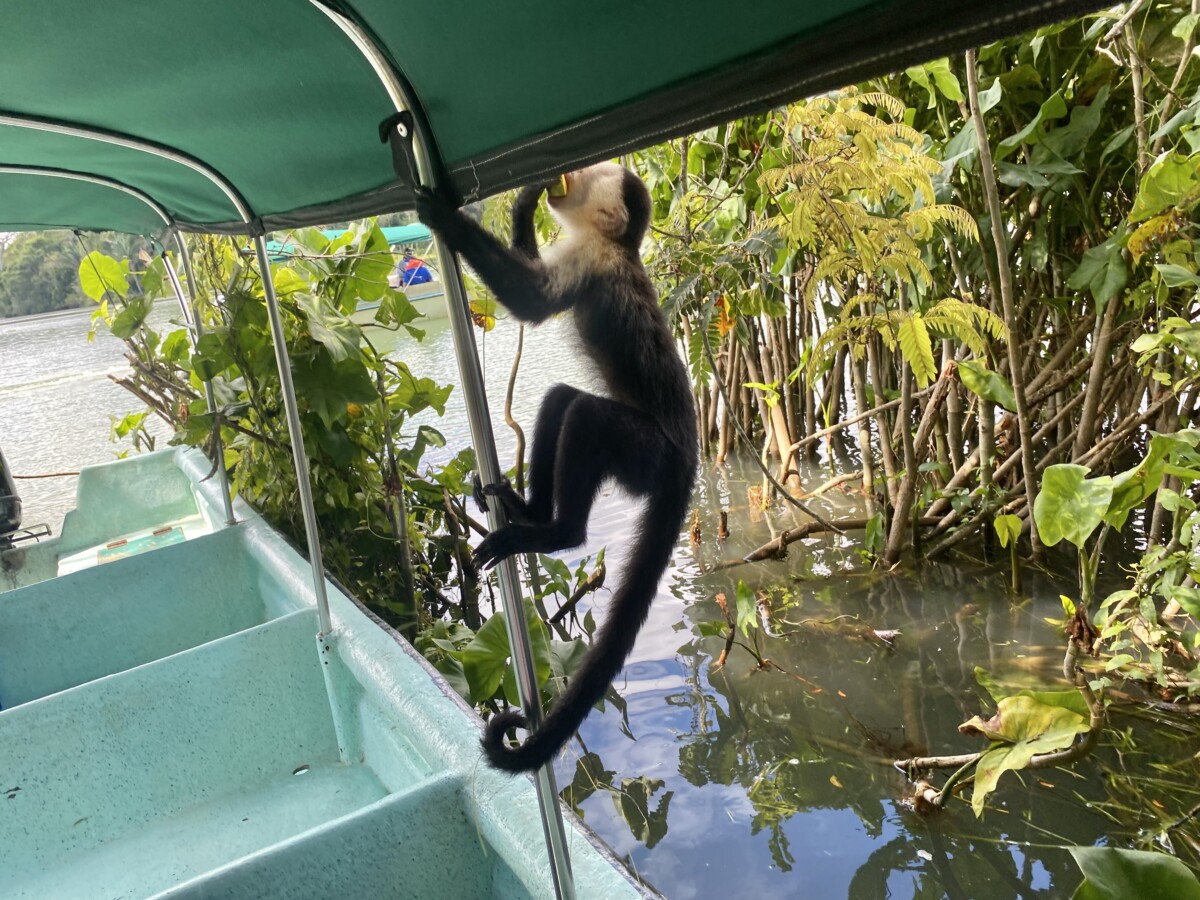
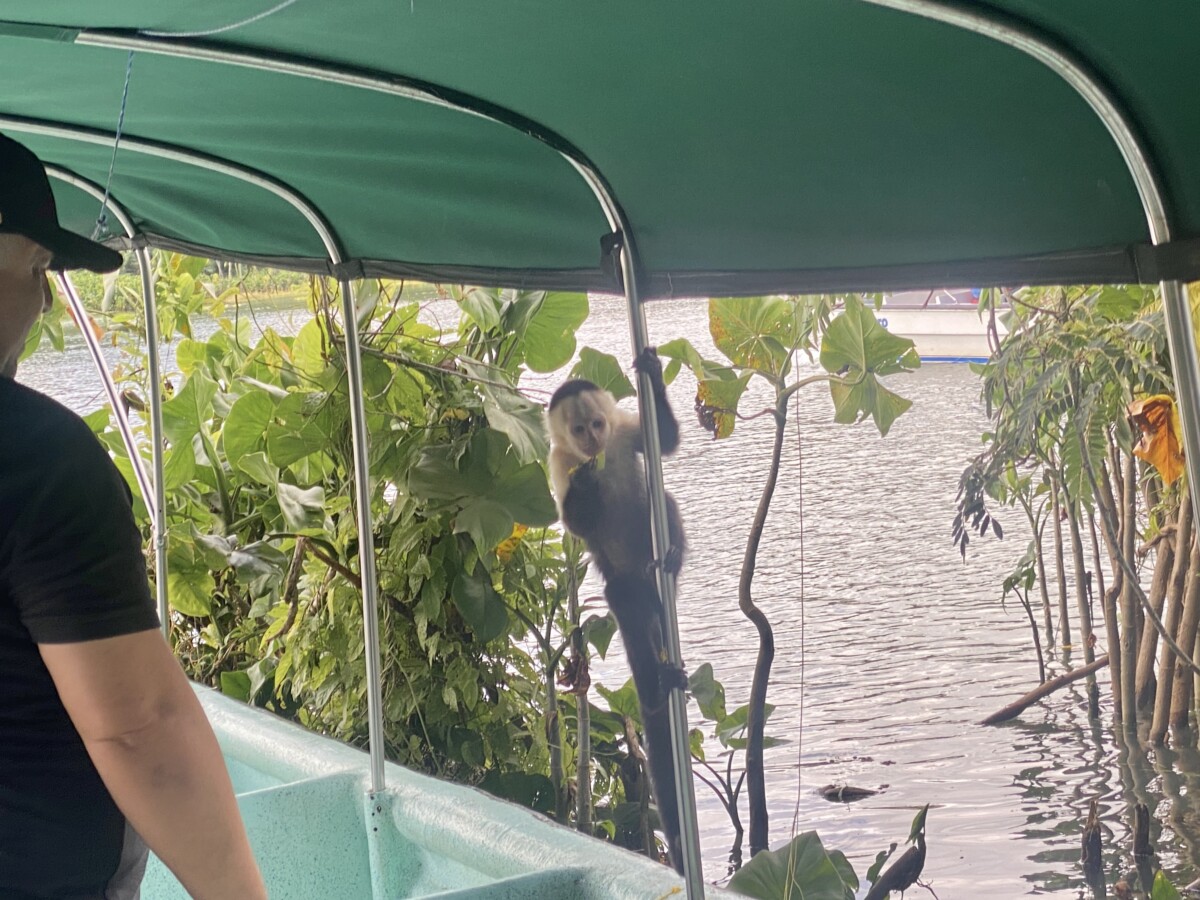
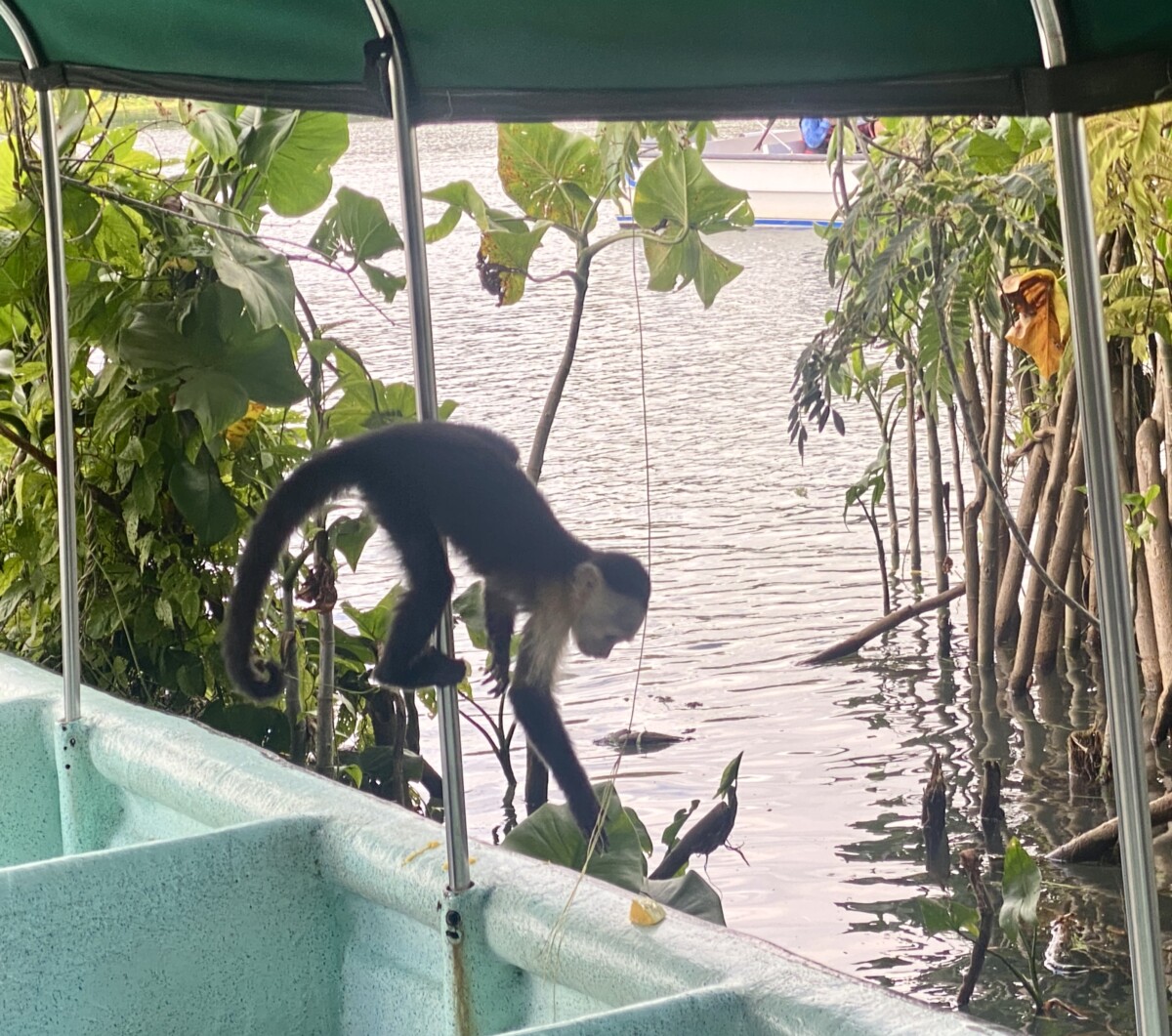
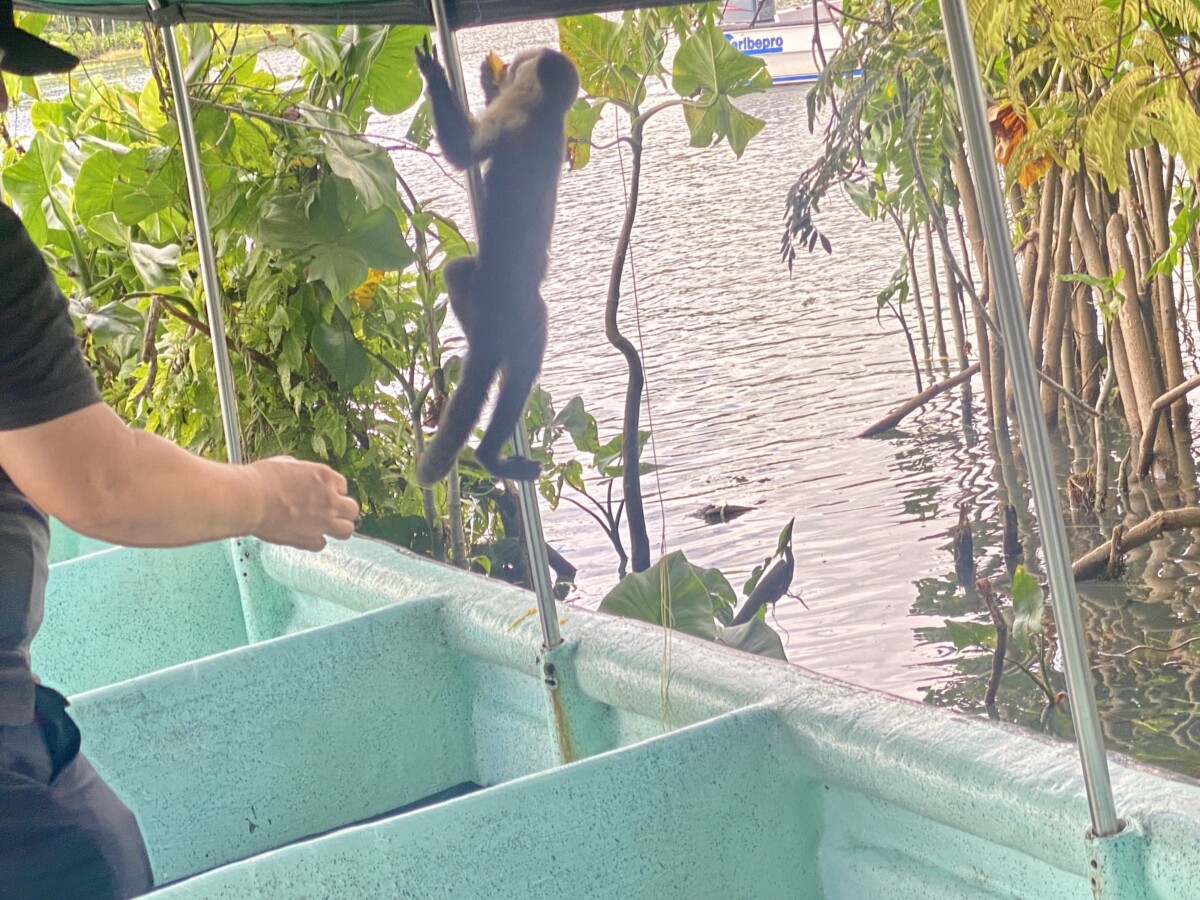
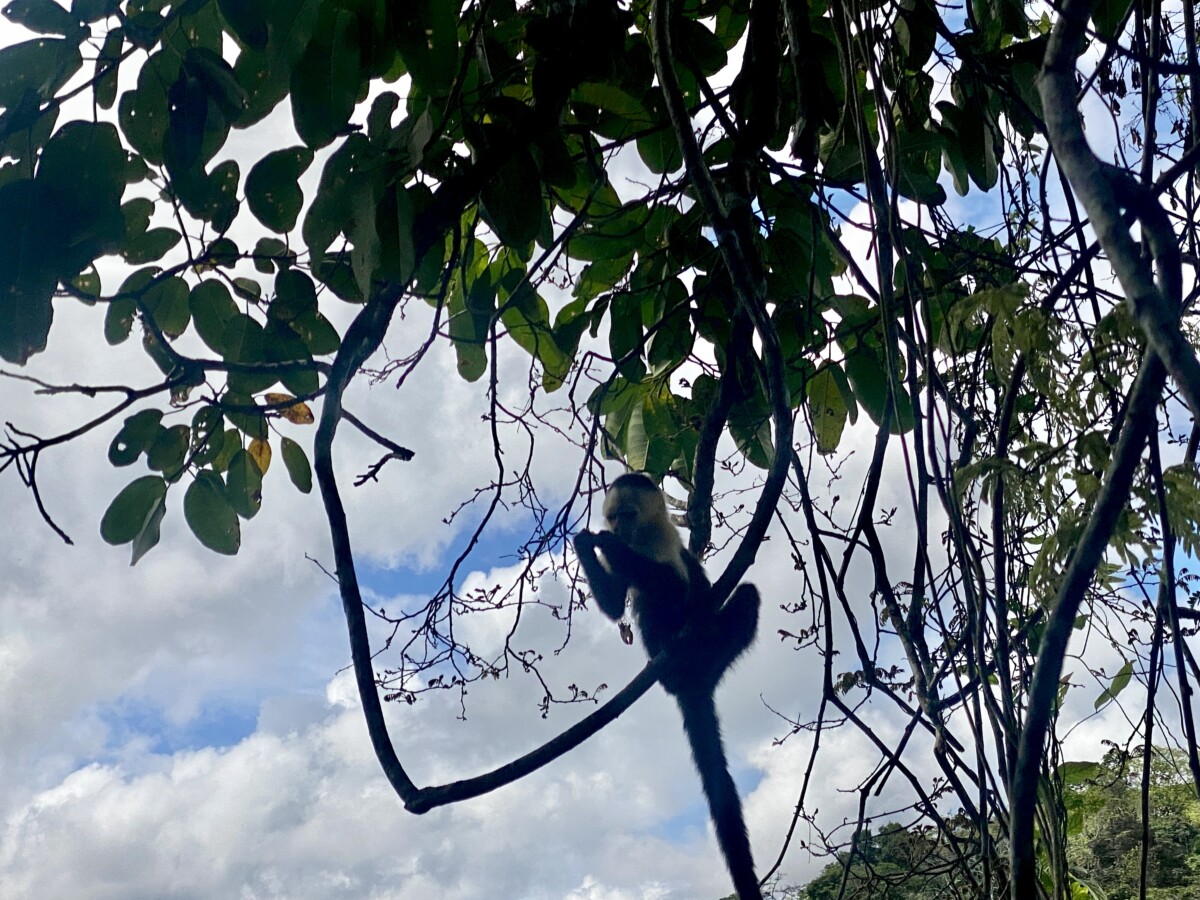
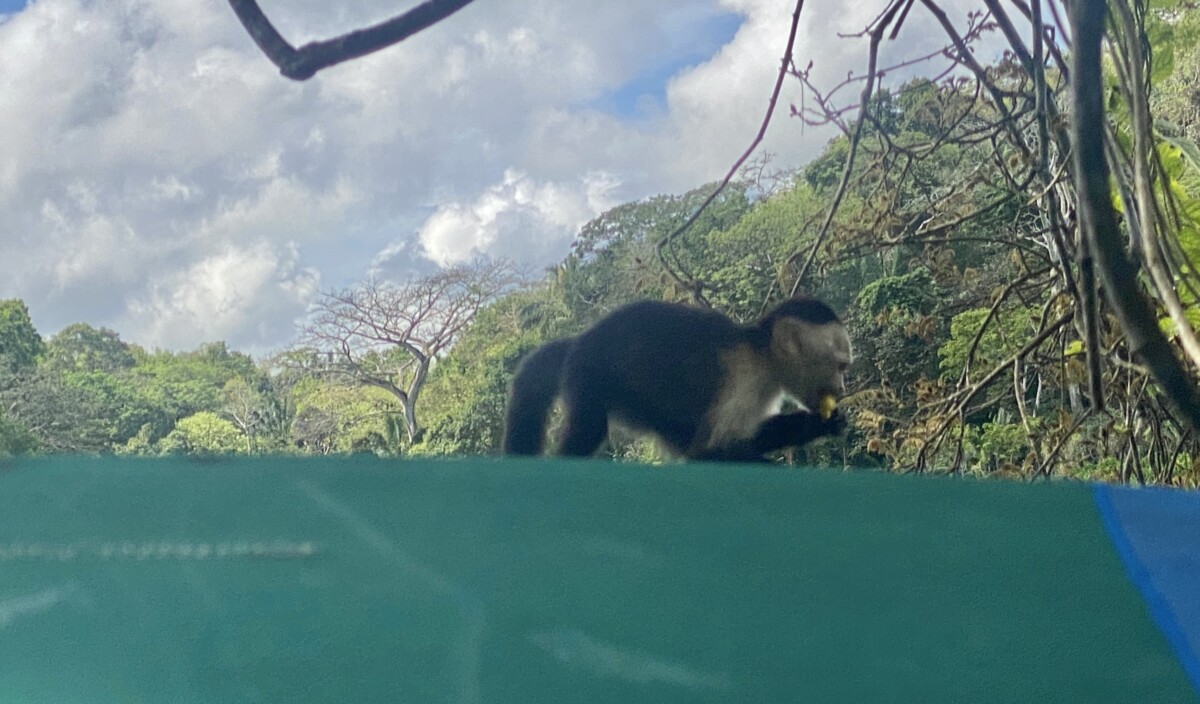
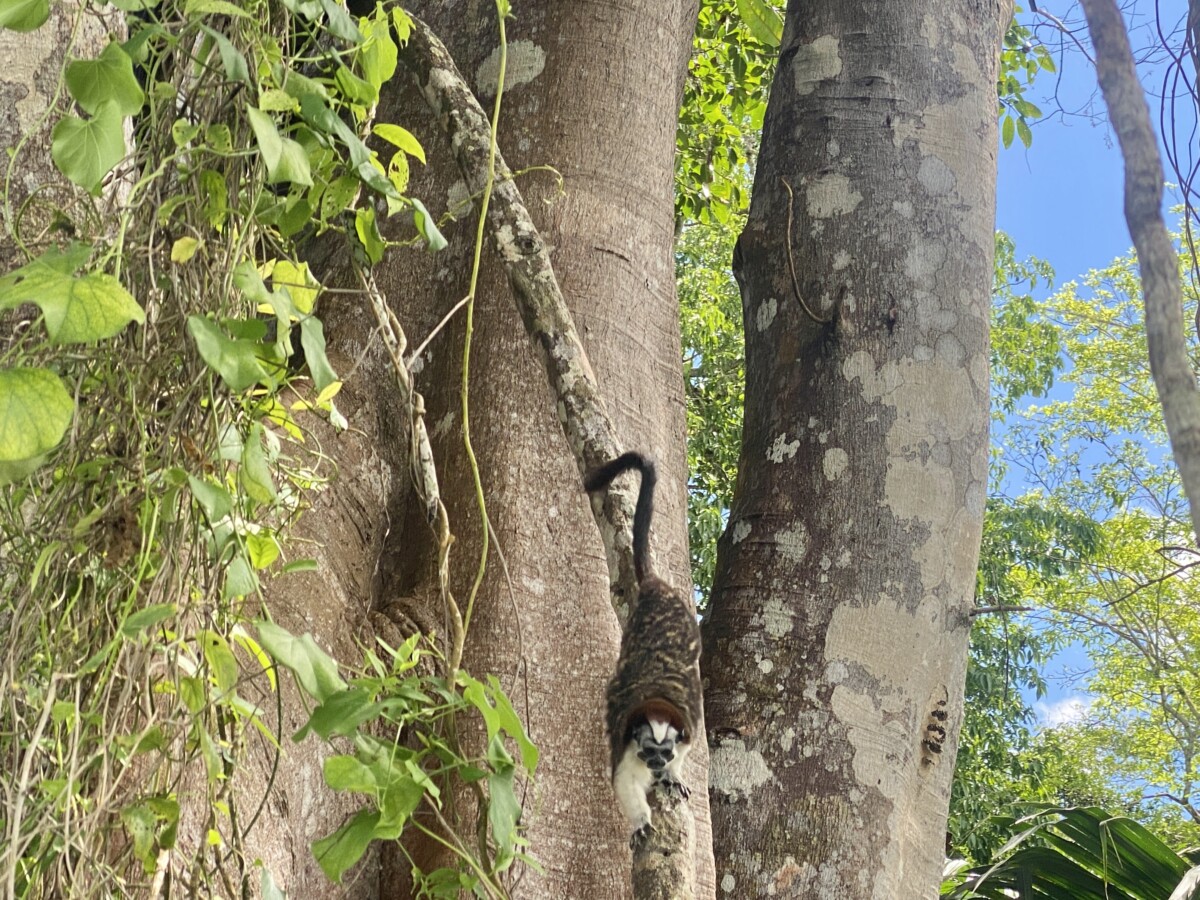
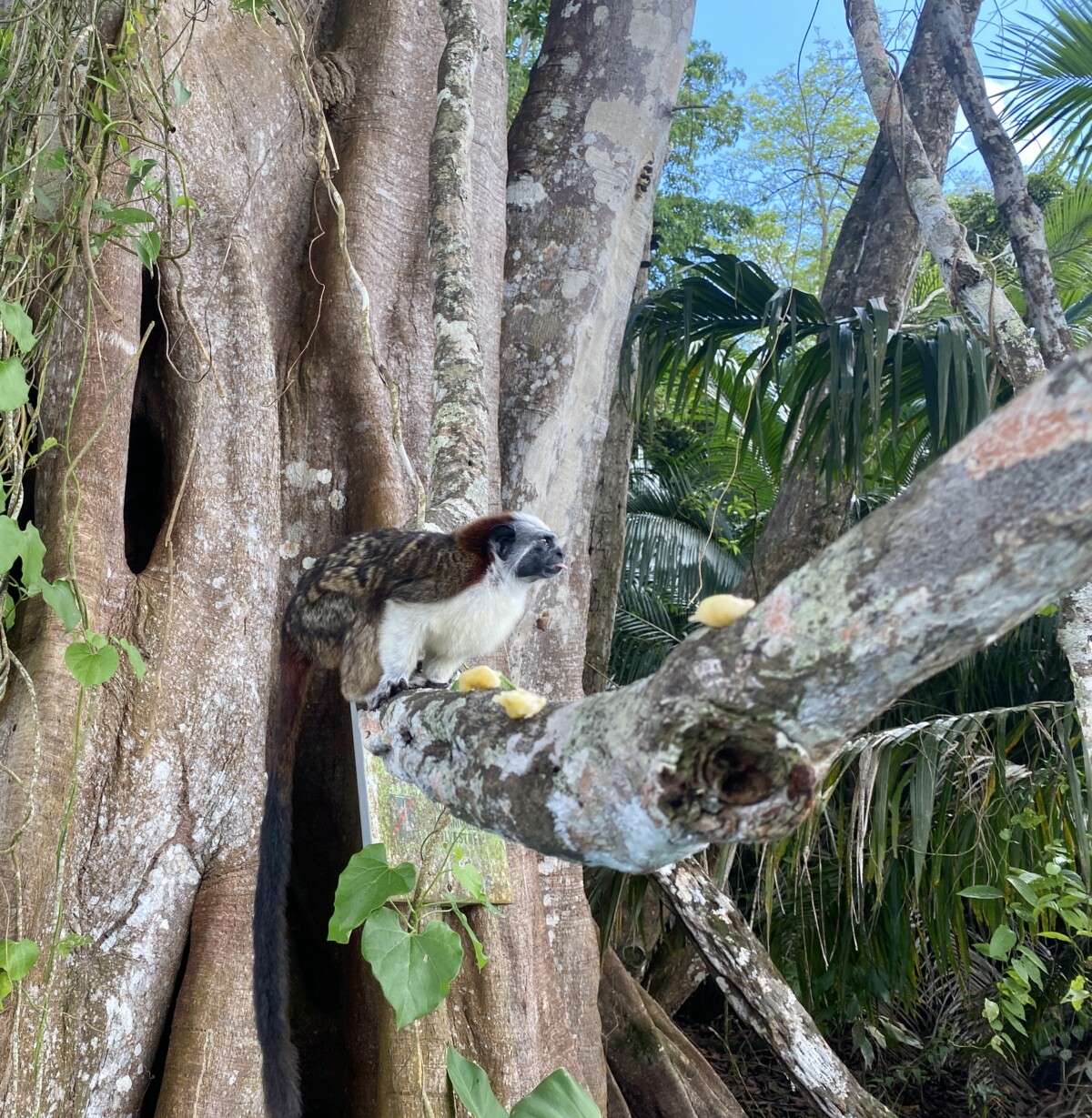
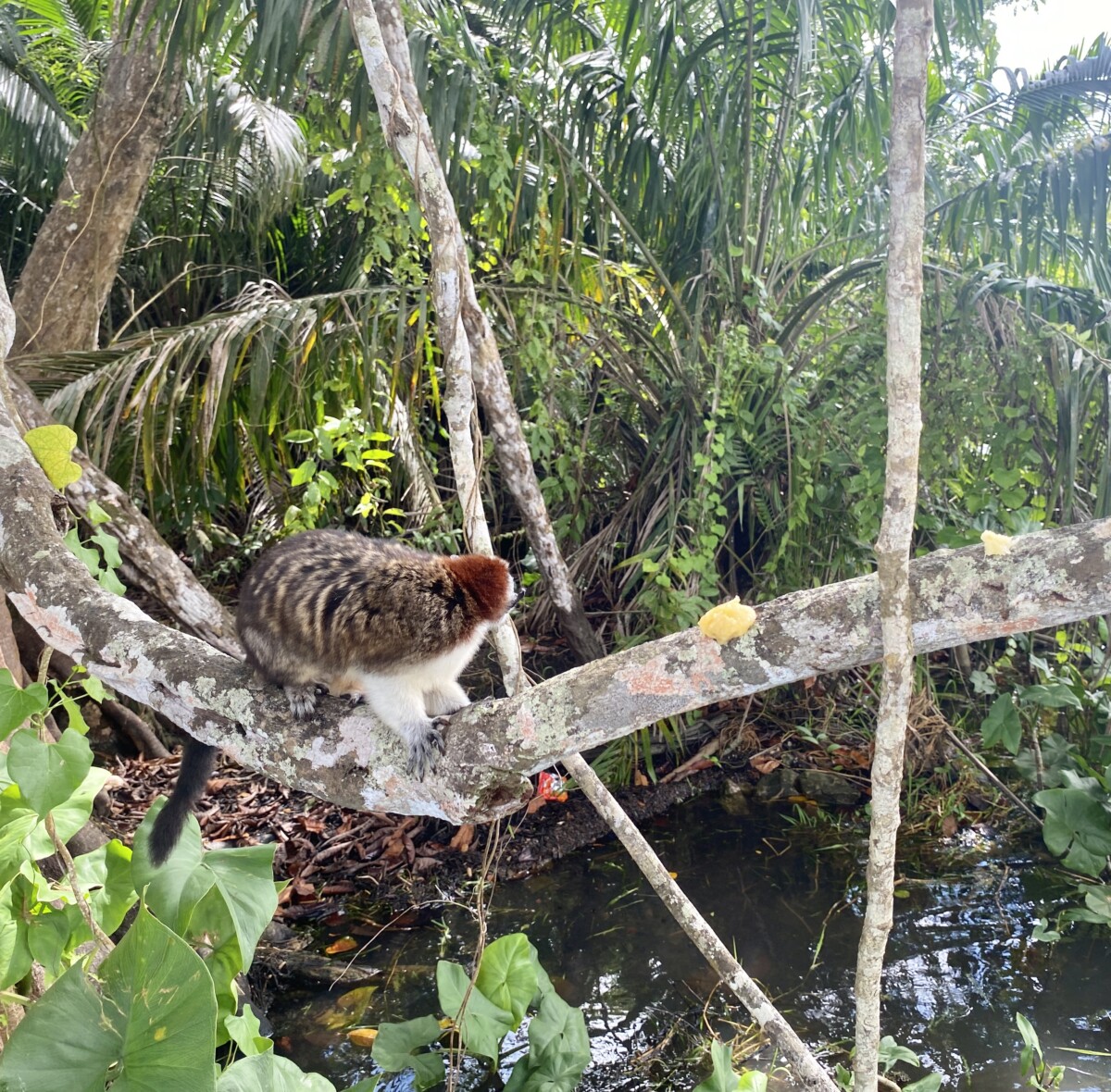
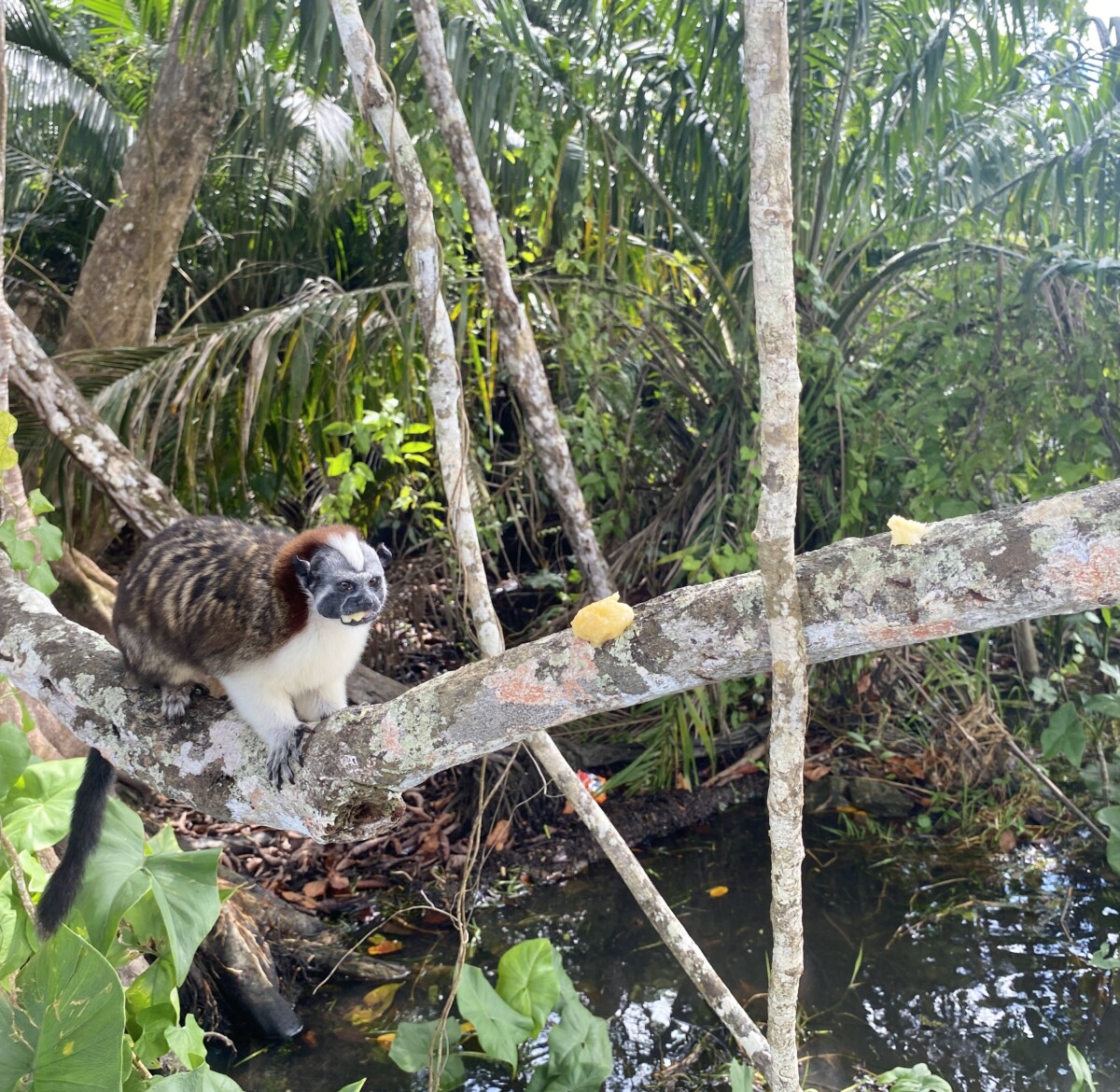
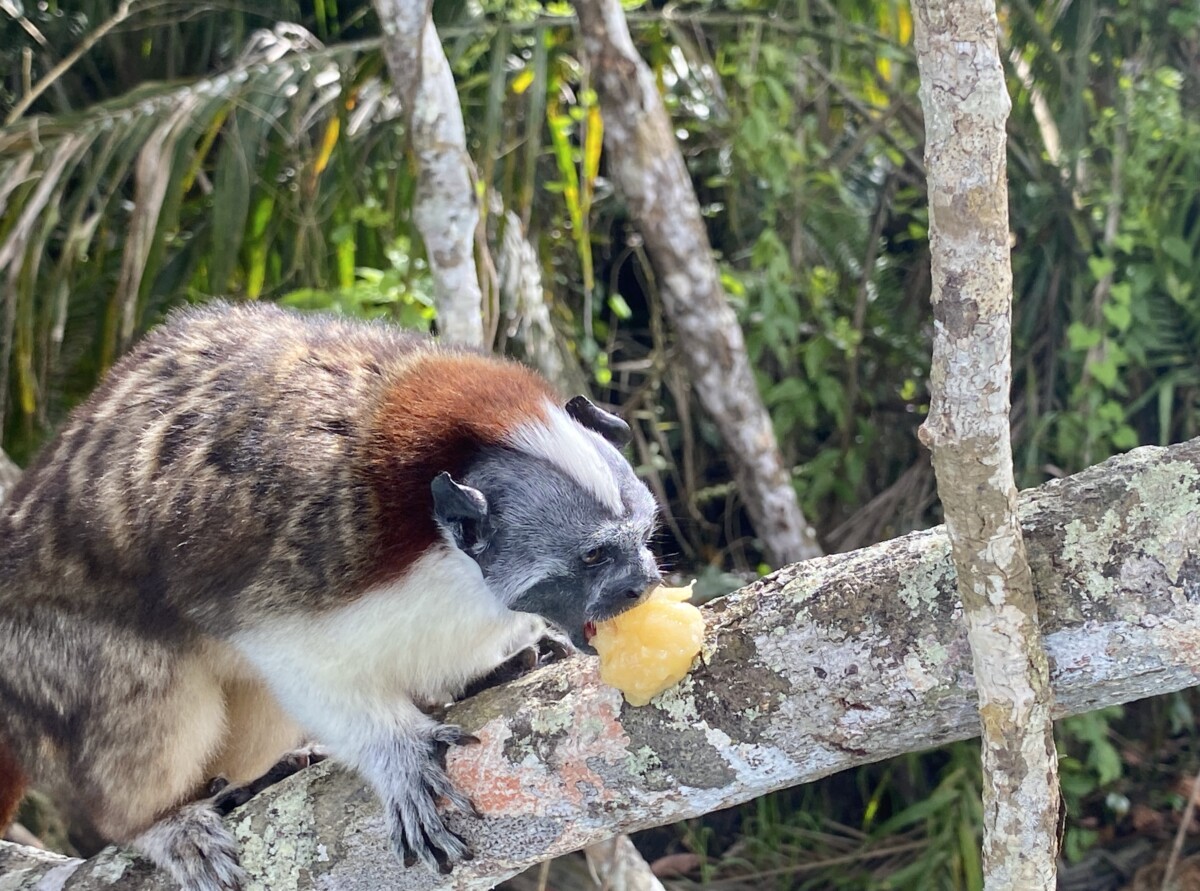
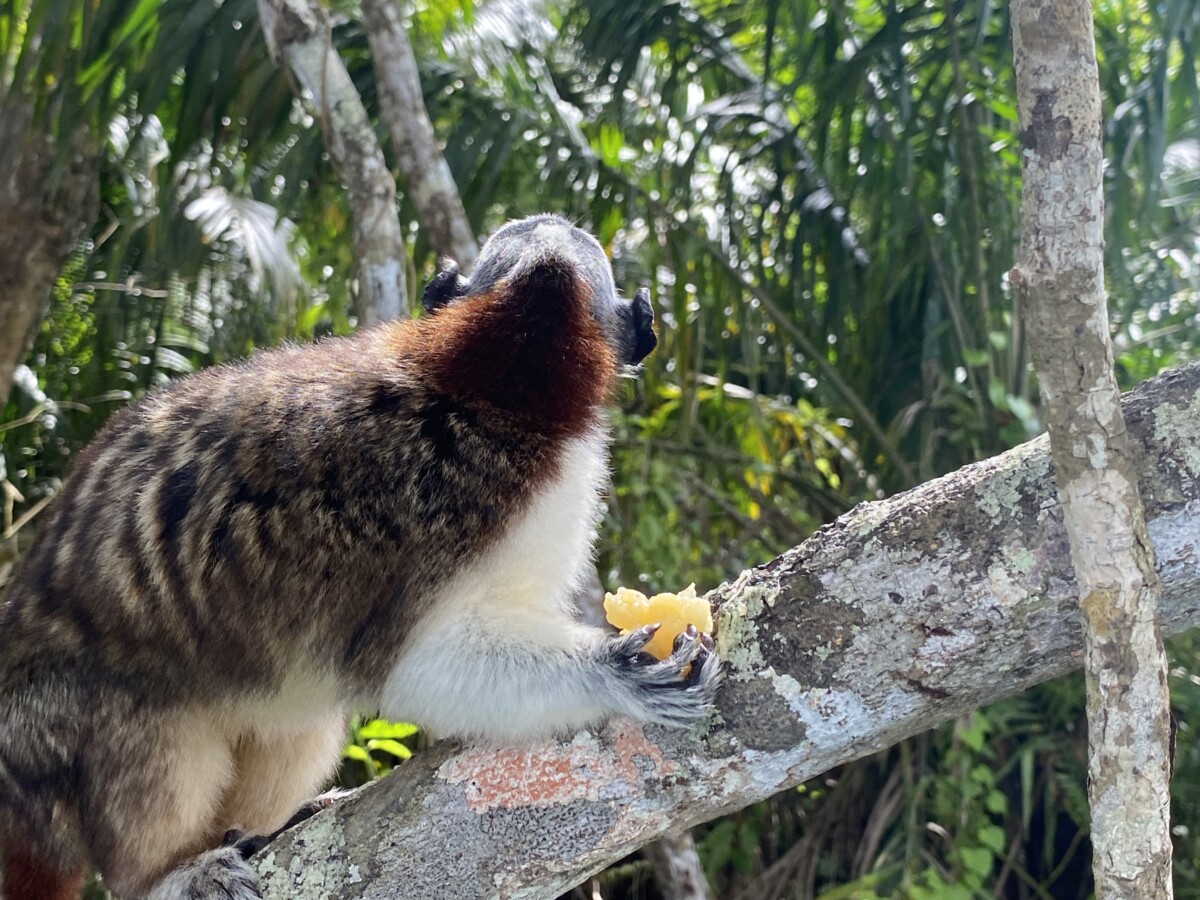
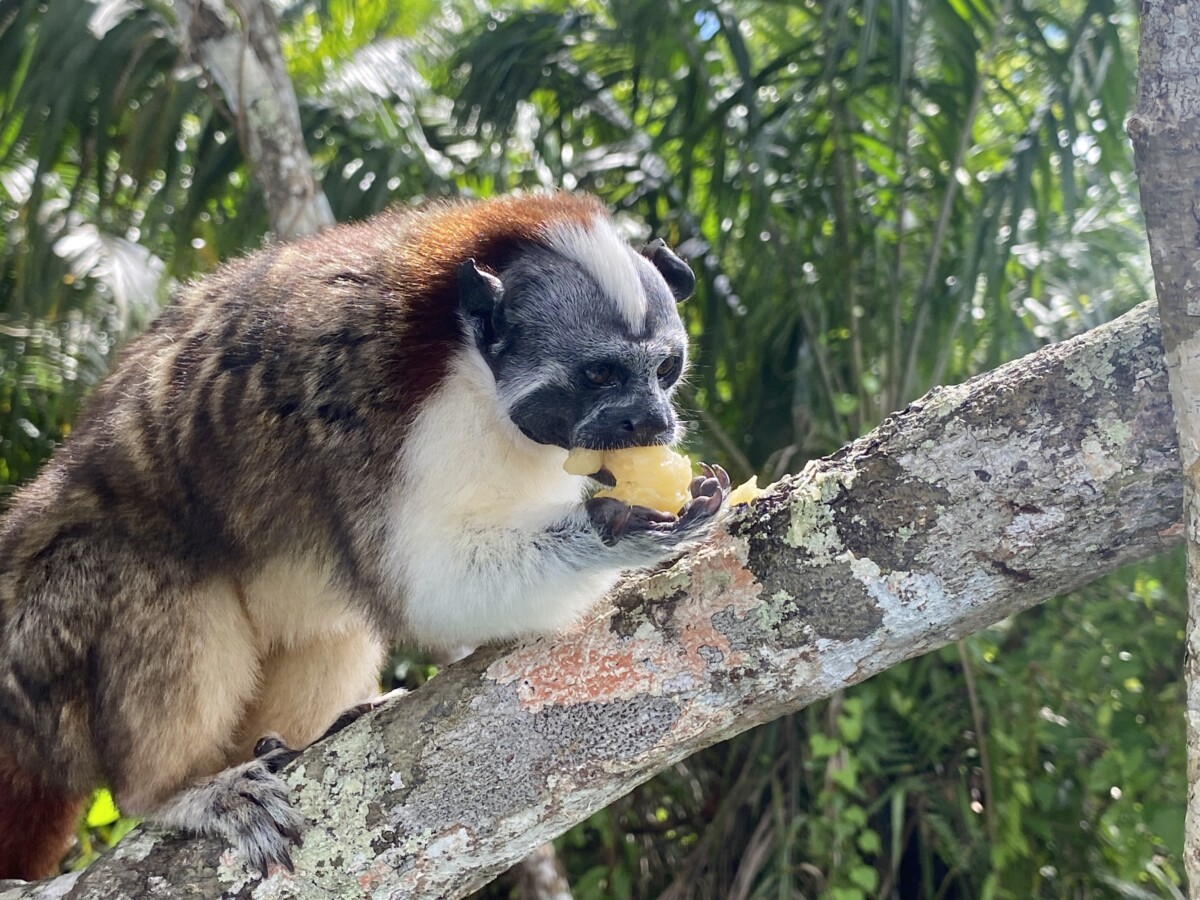
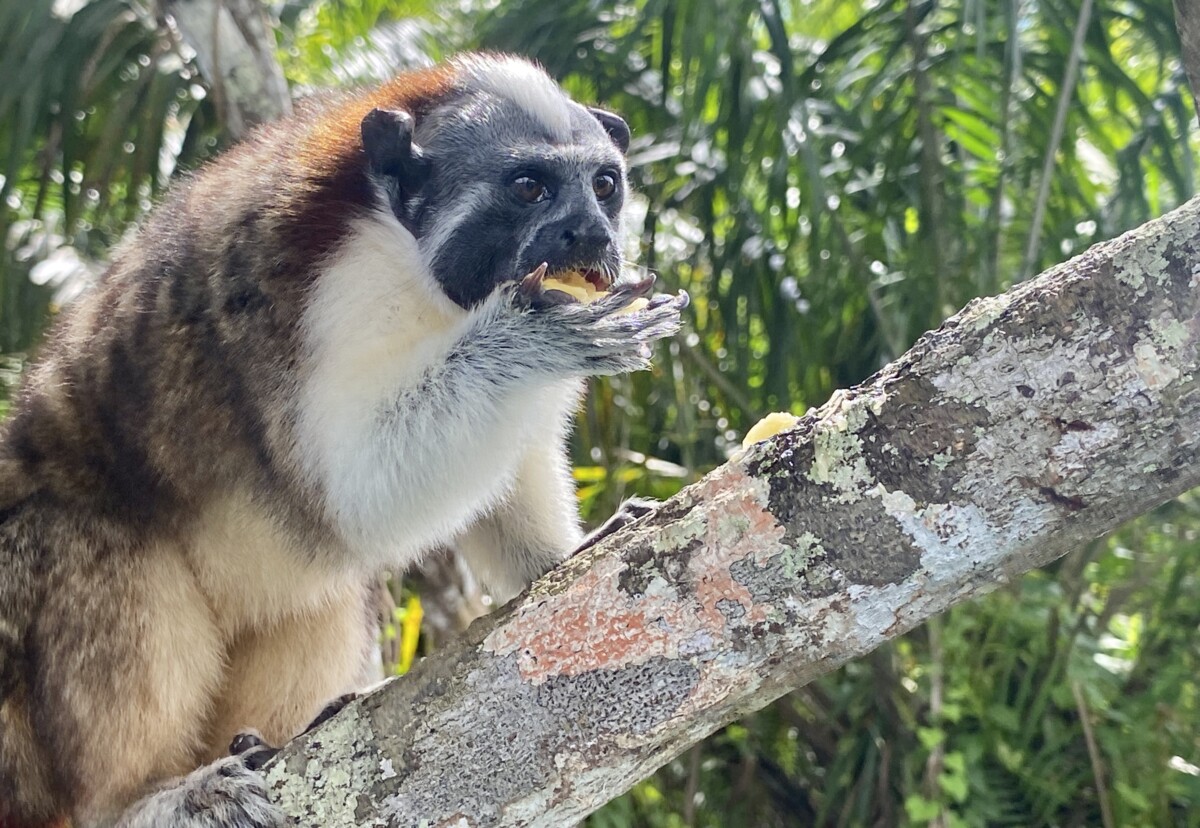
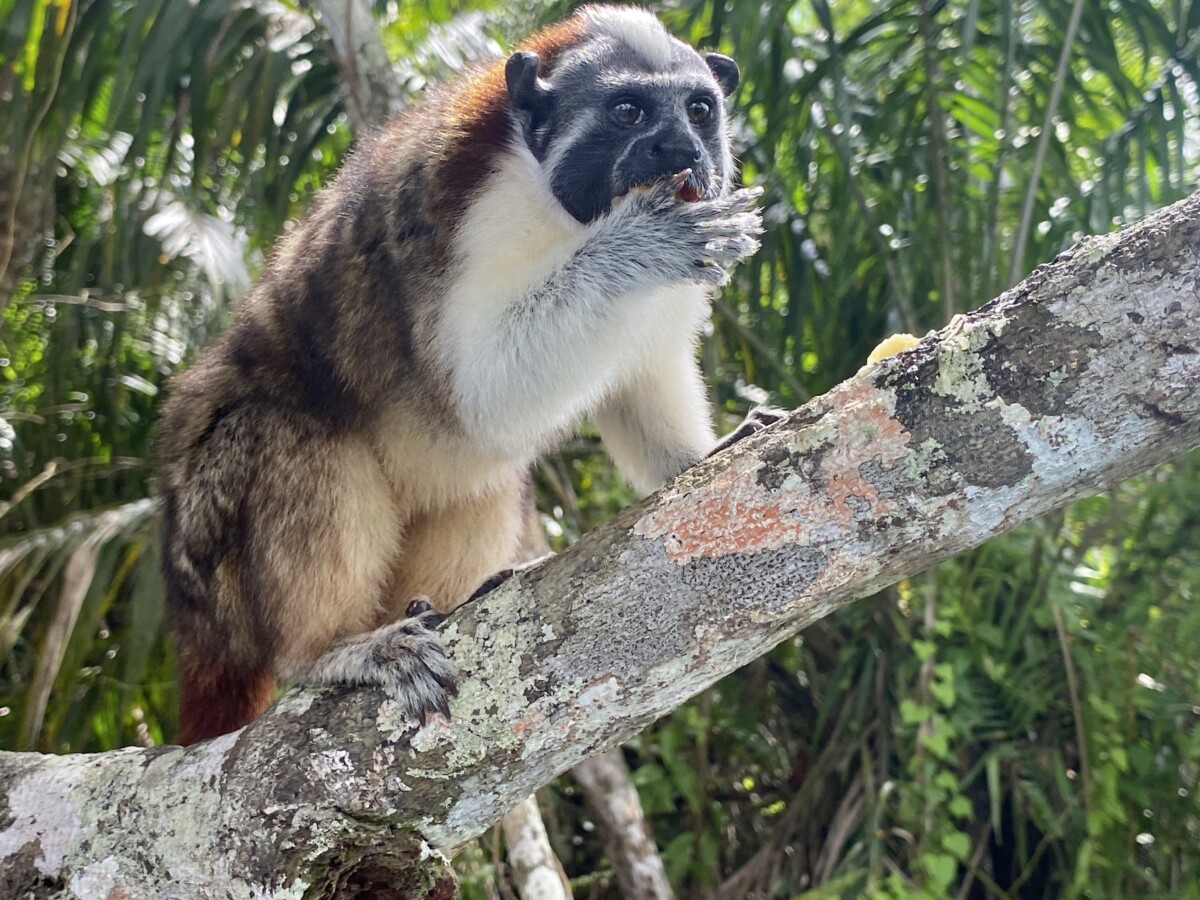
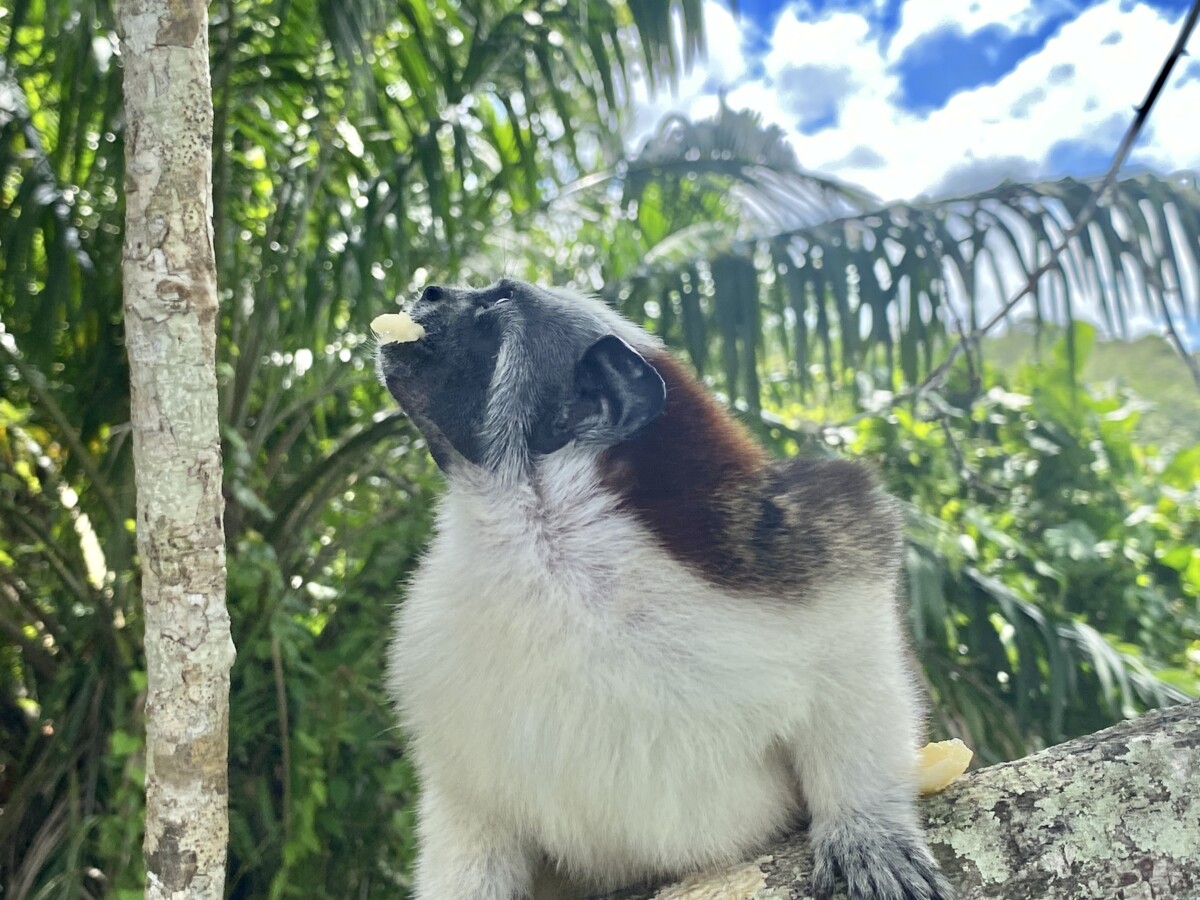
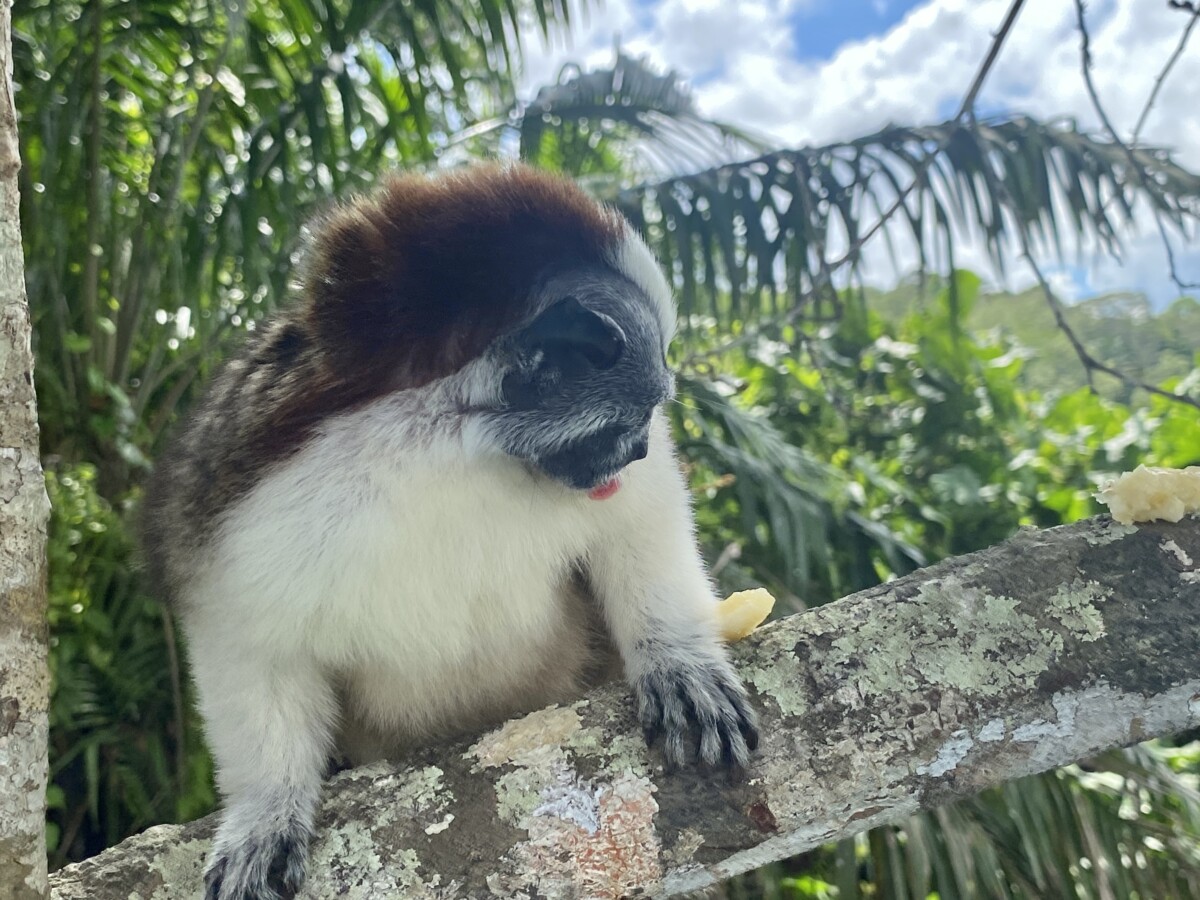
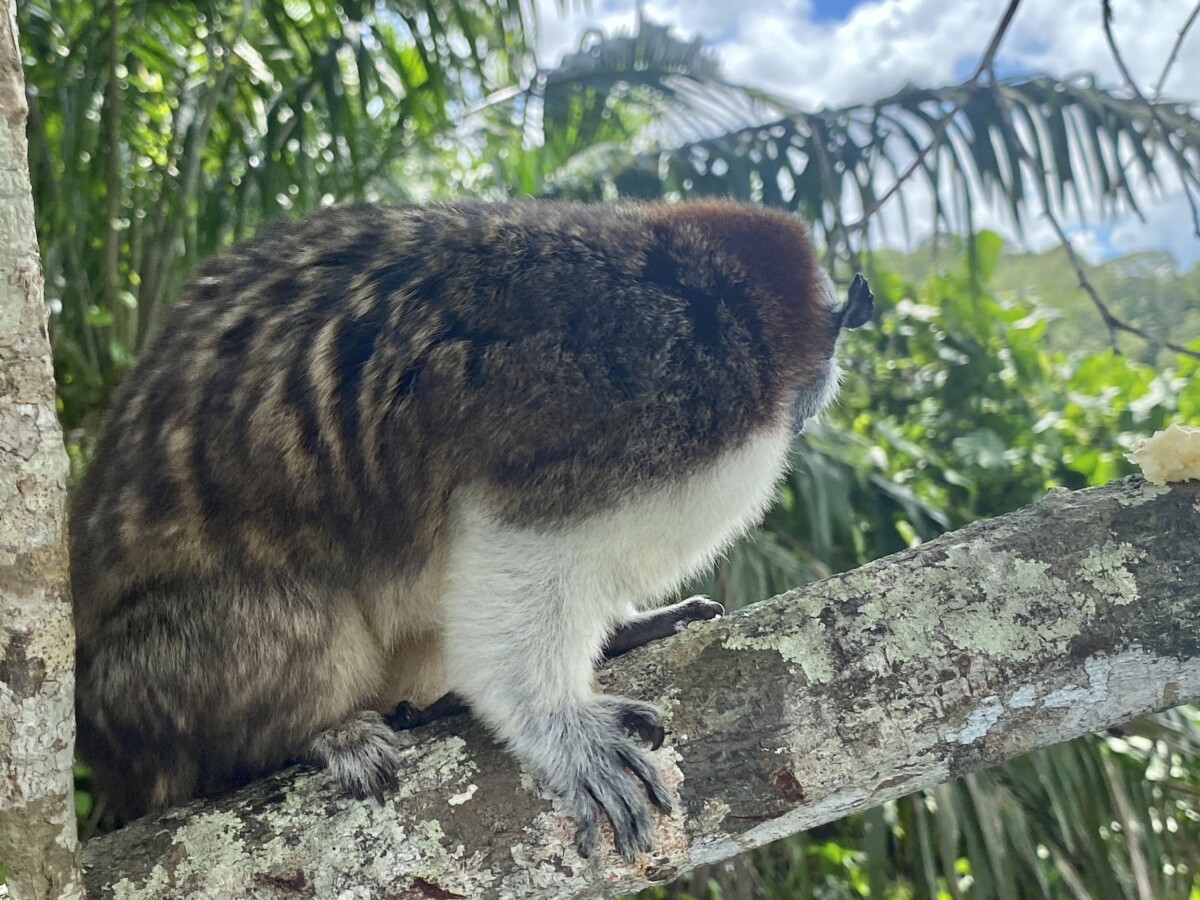
While we did not see a Sloth on this tour, we definitely got into some MONKEYS!!! We saw White Face Capuchin, Howlers and a new species for both of us: the Tamarin. (they reminded me of a fatter Squirrel Monkey, and I would later learn they are part of that same family).
Tonya loves these characters as much as do, and we had some big laughs over their antics. They were all over our boat and the trees right next to us, so we had great views. The guide cut up a mango and shared it with the Monkeys, which of course brings them in!
This brought back memories of our trip to Costa Rica, where we also got into some Monkeys and Sloths, too; on a raft trip on a river. Too fun!
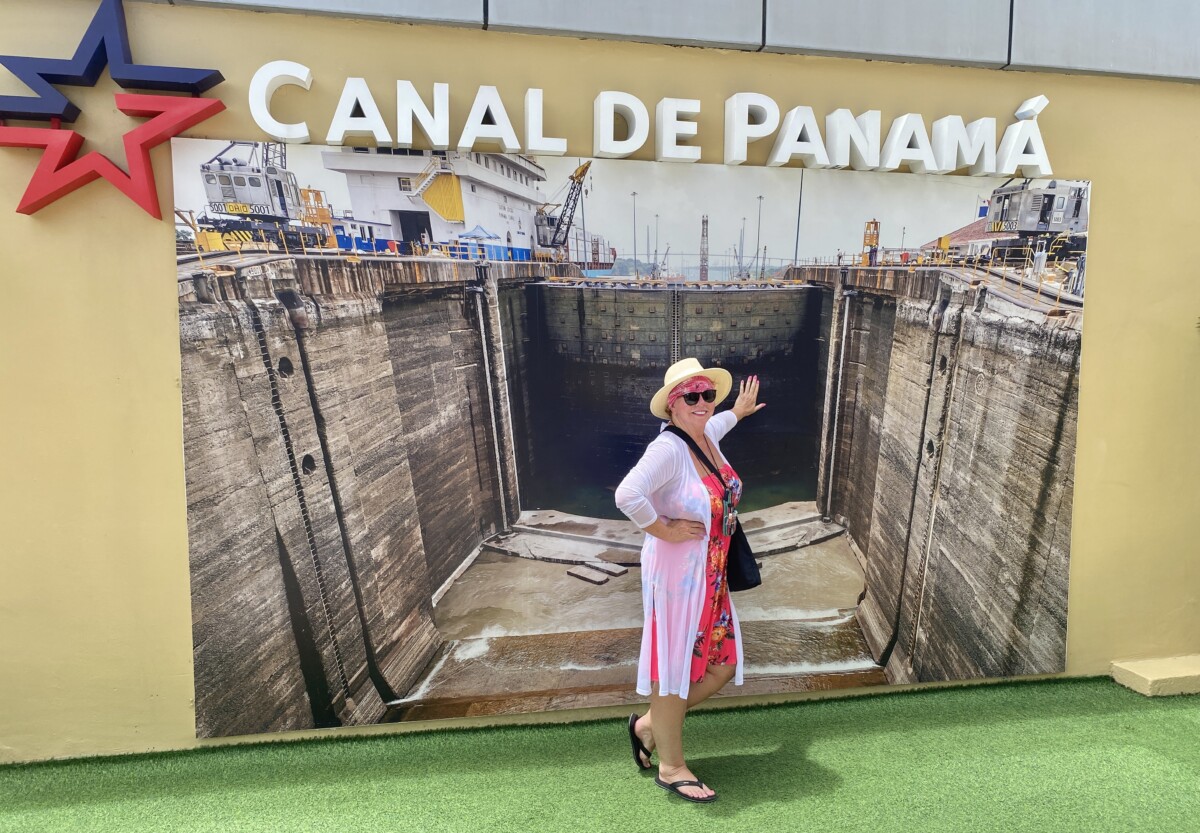
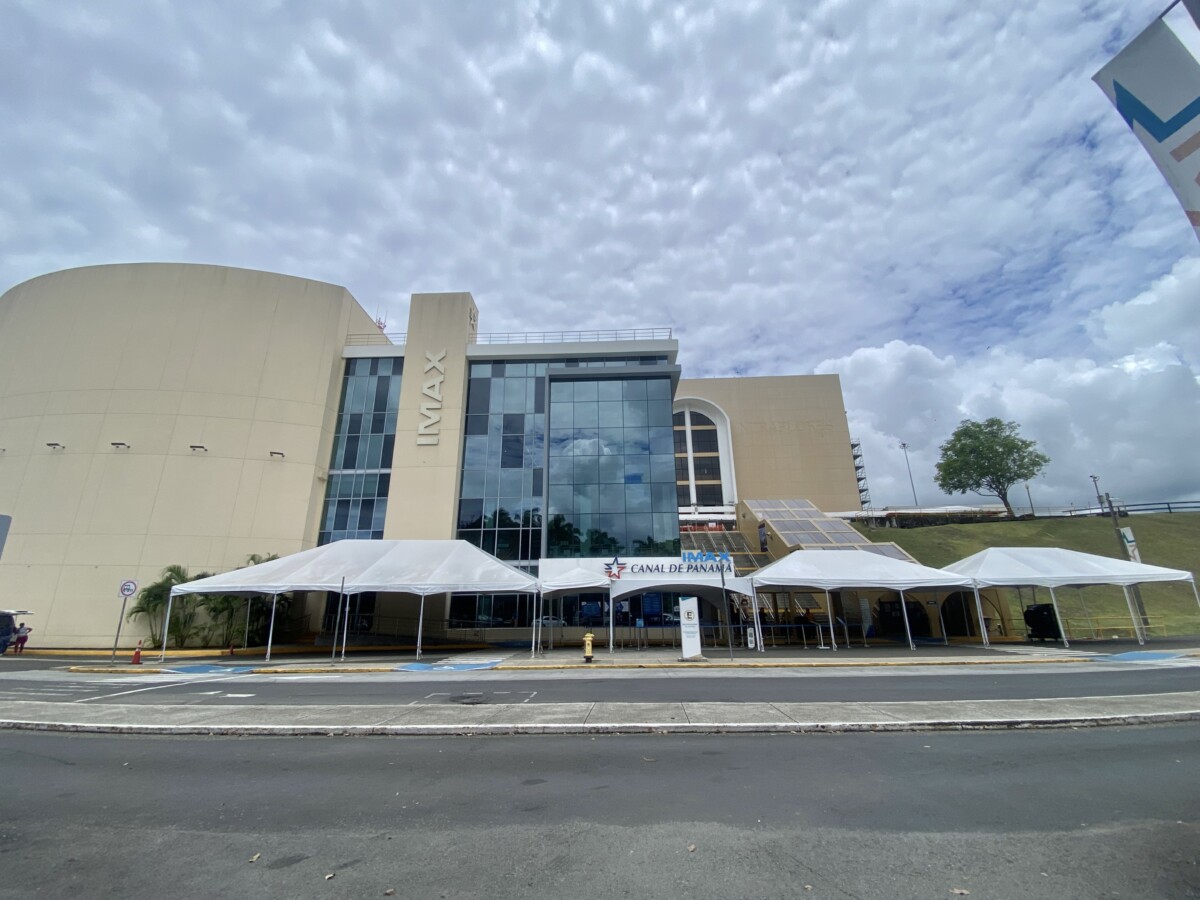
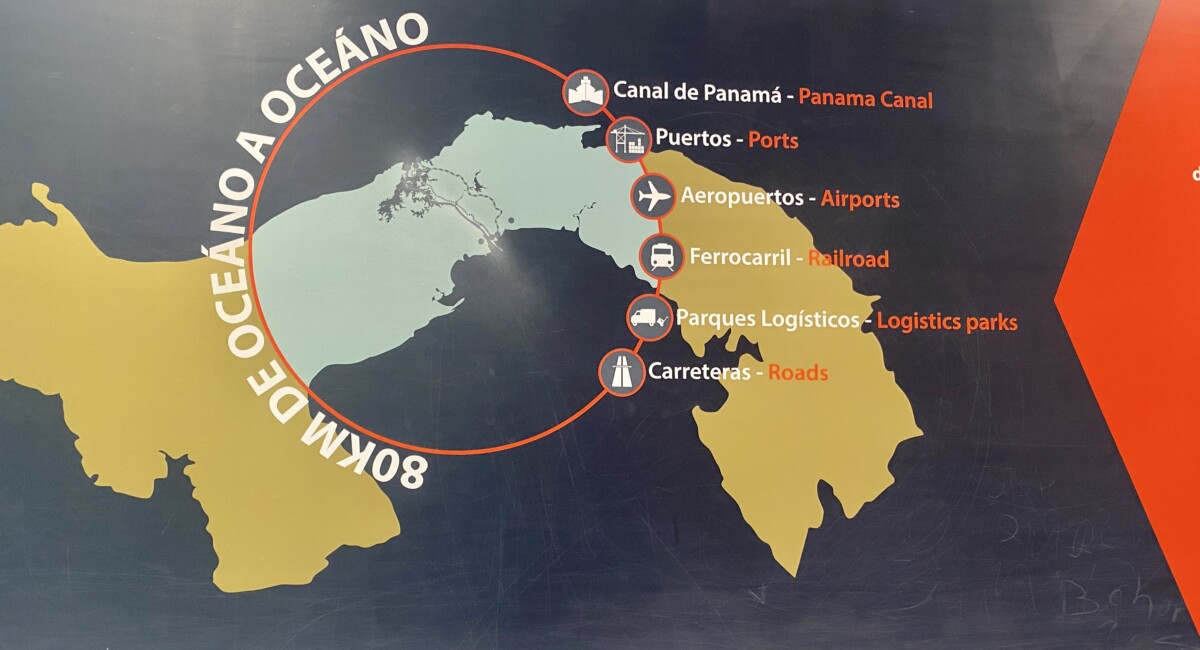
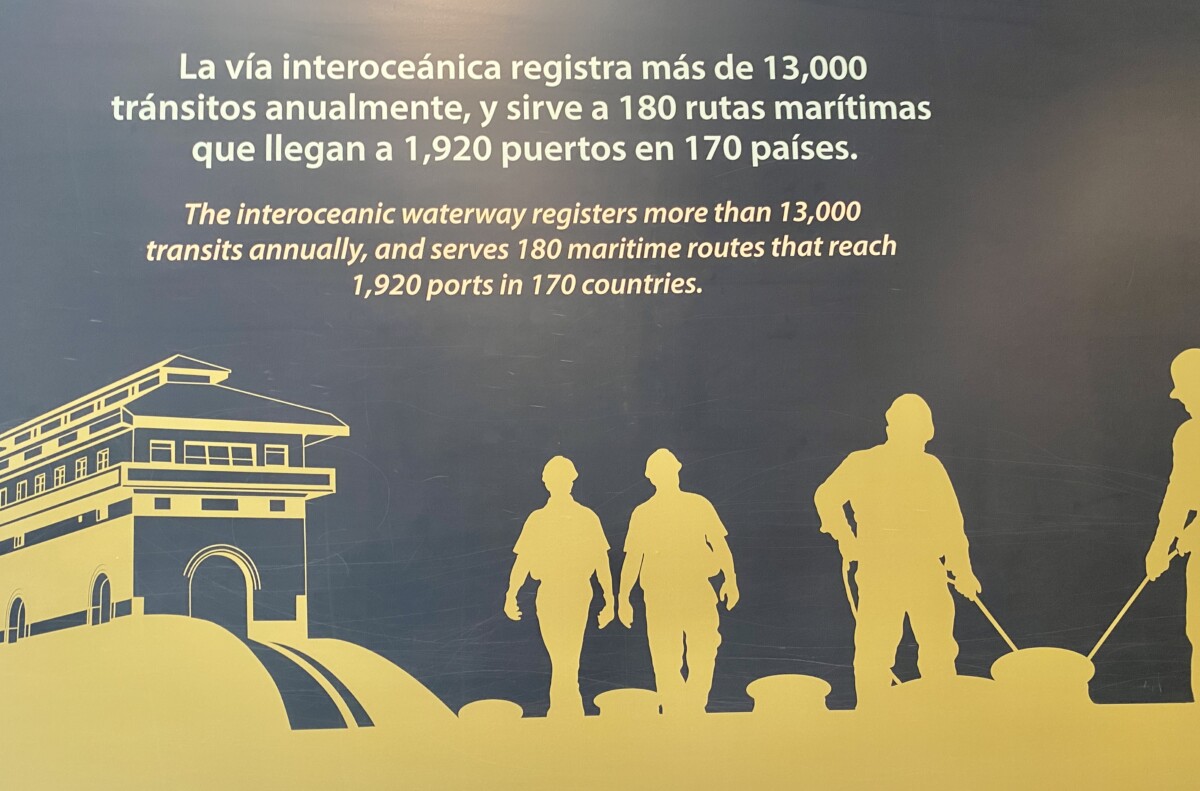
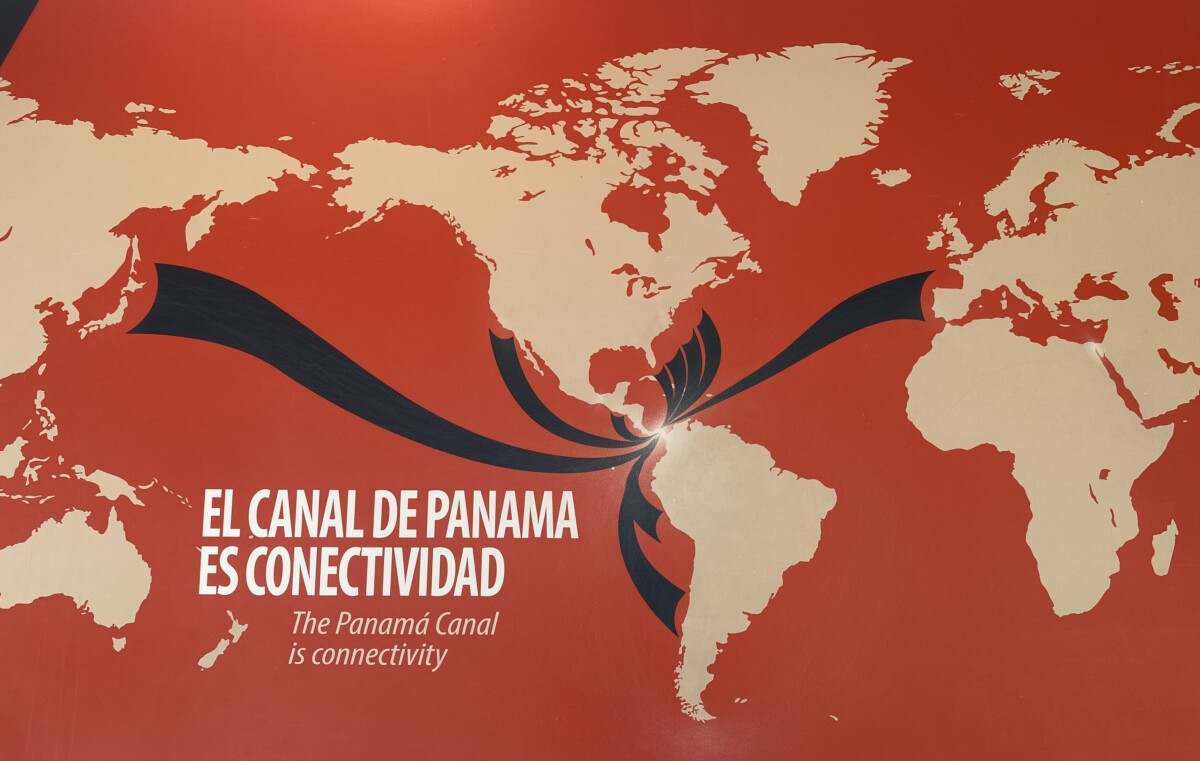
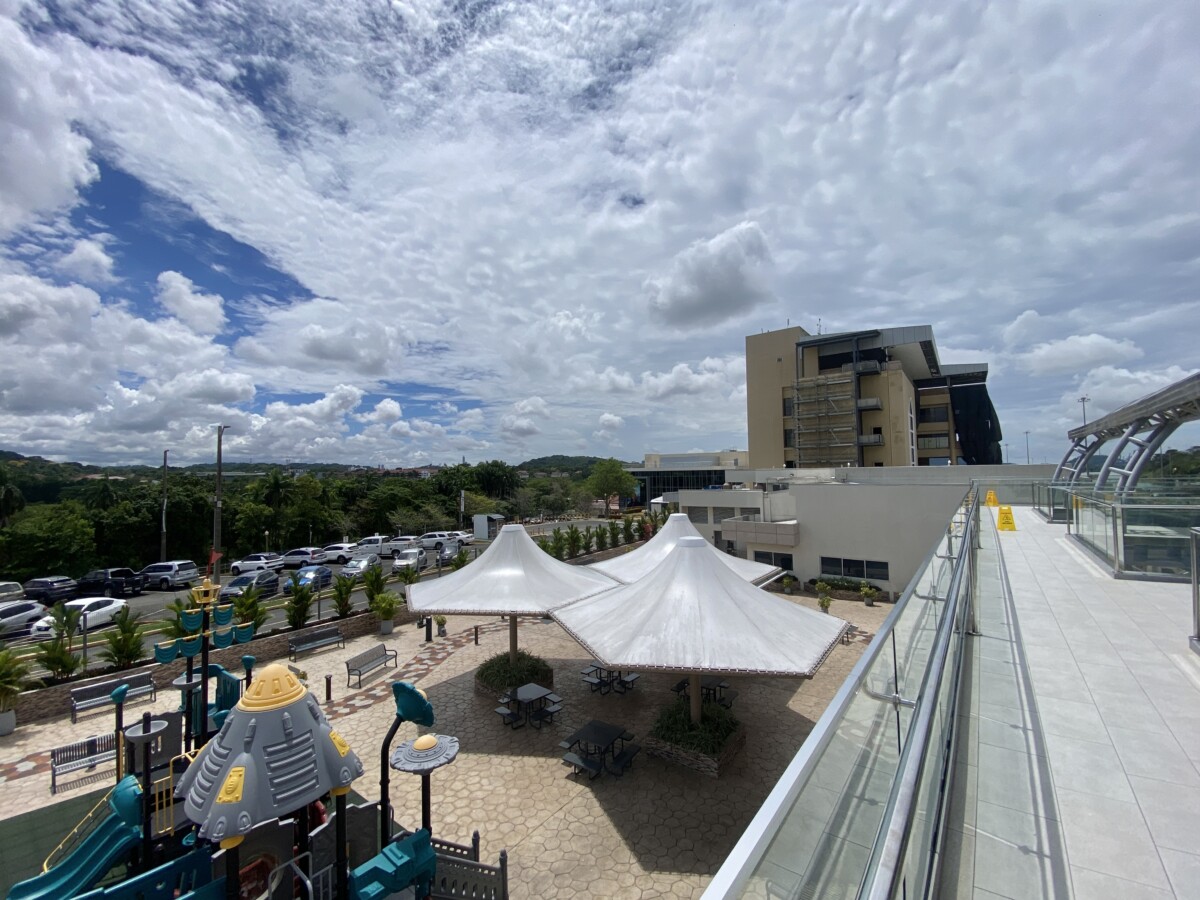
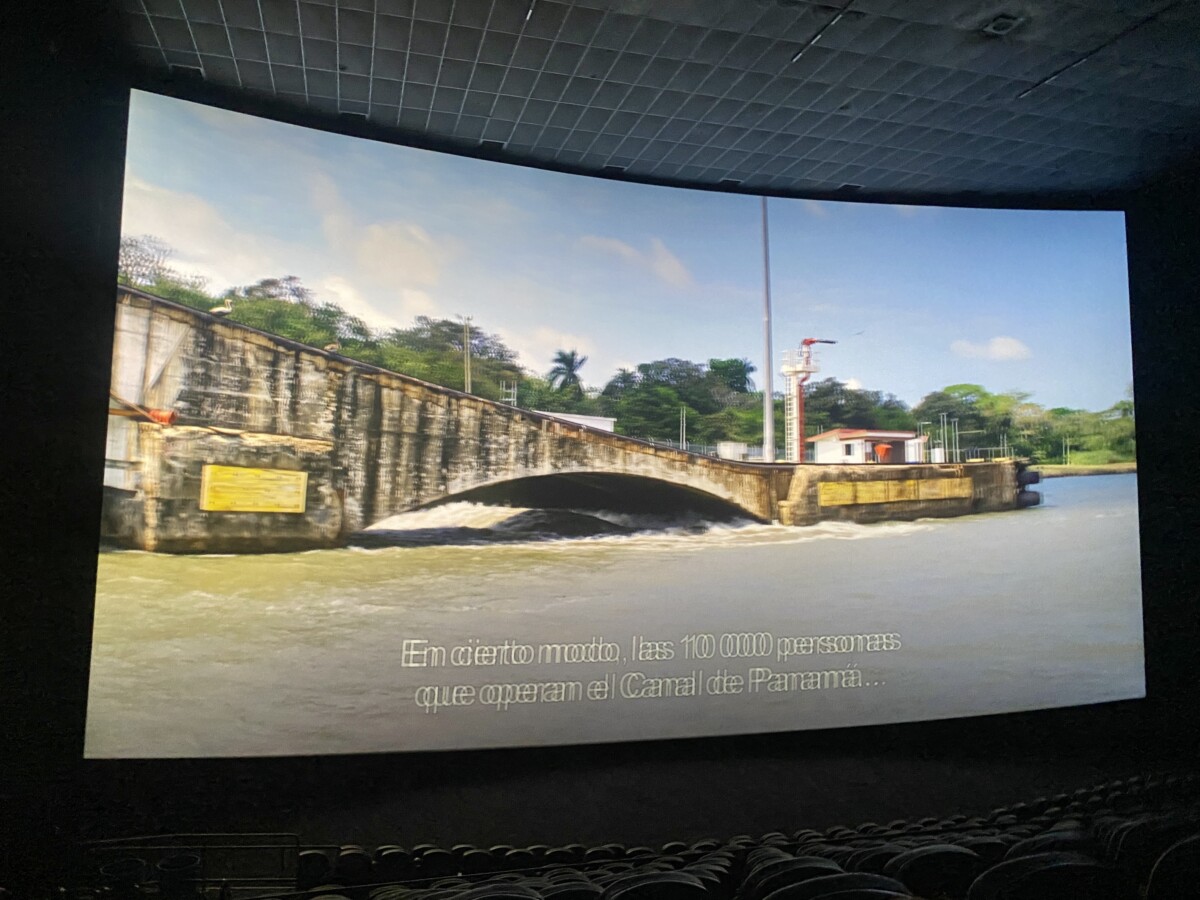
After we got back from the Monkey business, and off the boat, we were driven to the parking lot of the Canal Visitors’ Center. Inside the large facility is an iMax Theatre, with a 45 minute-long movie, on the history of the Canal, which is currently outdated, since the Panama Canal has recently been changed from Panama/Chinese control, back to the USA; i.e. the American Canal. But, all in due time, as signage will eventually reflect the changes. In the meantime, it looked to be business as usual.
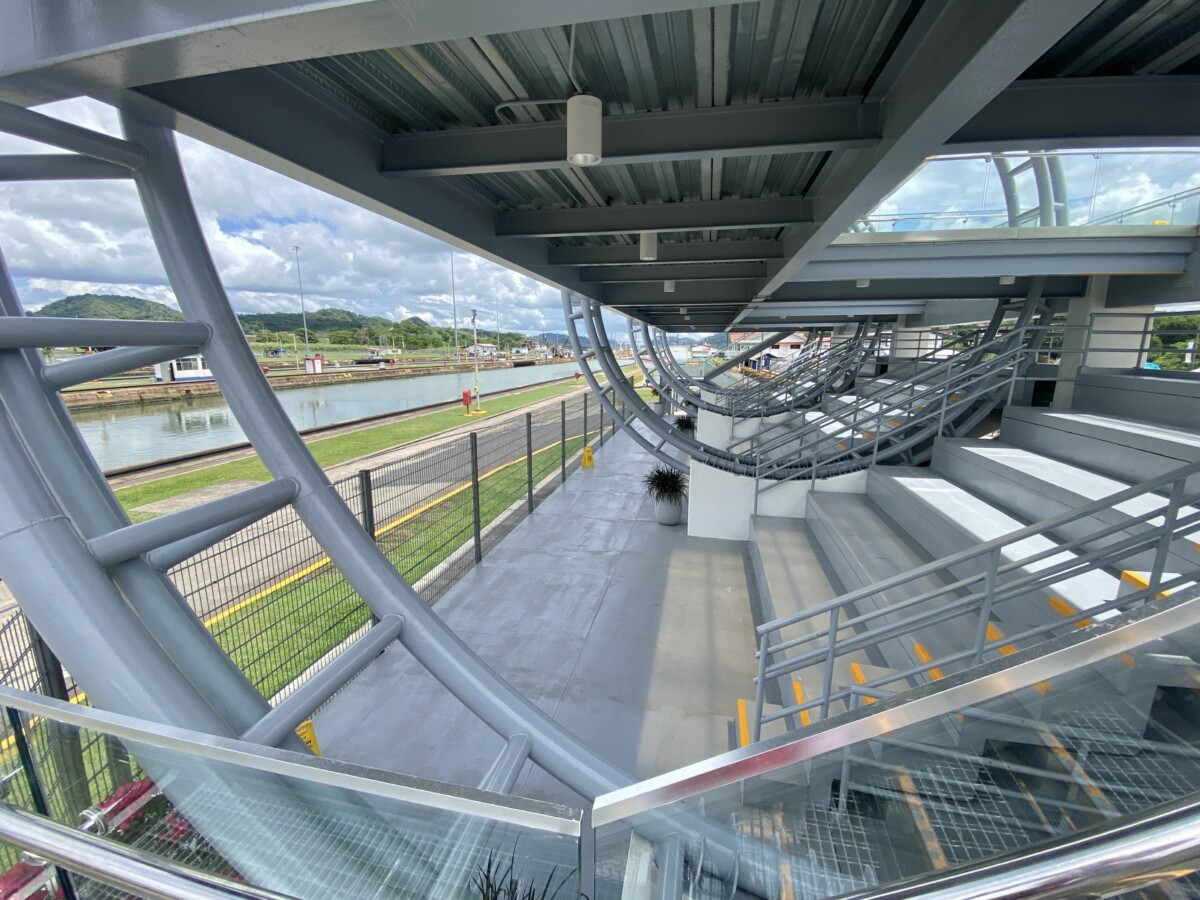
Outside of the Visitors Center building, once paying the $17.00 pp, and making entrance, is a large viewing deck for tourists to gather on, and overlook the canal. We were the only two people on the viewing deck at this time.
We ended up watching the end of the iMax movie, which was plenty for us, since we had other places to go. It was a super fun, half-day adventure and I totally recommend the visit!
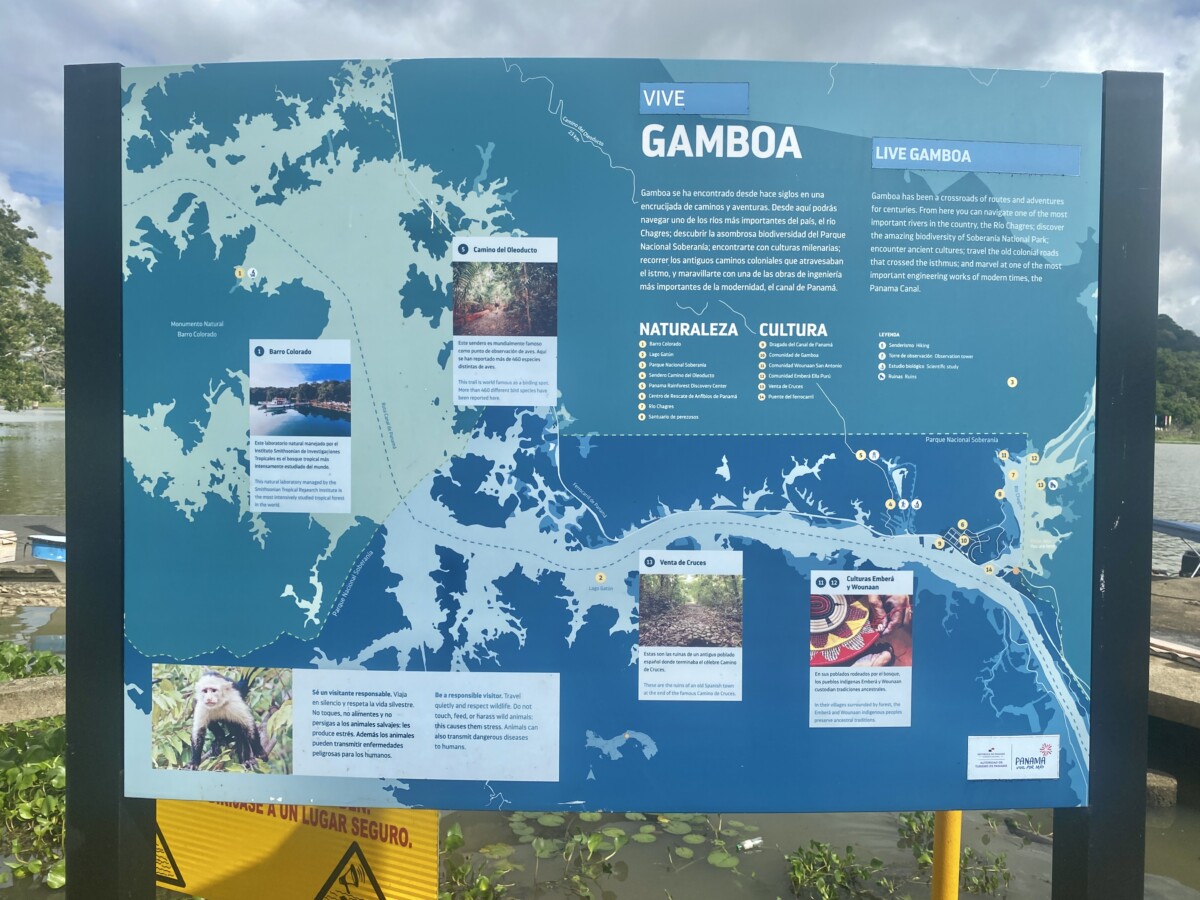
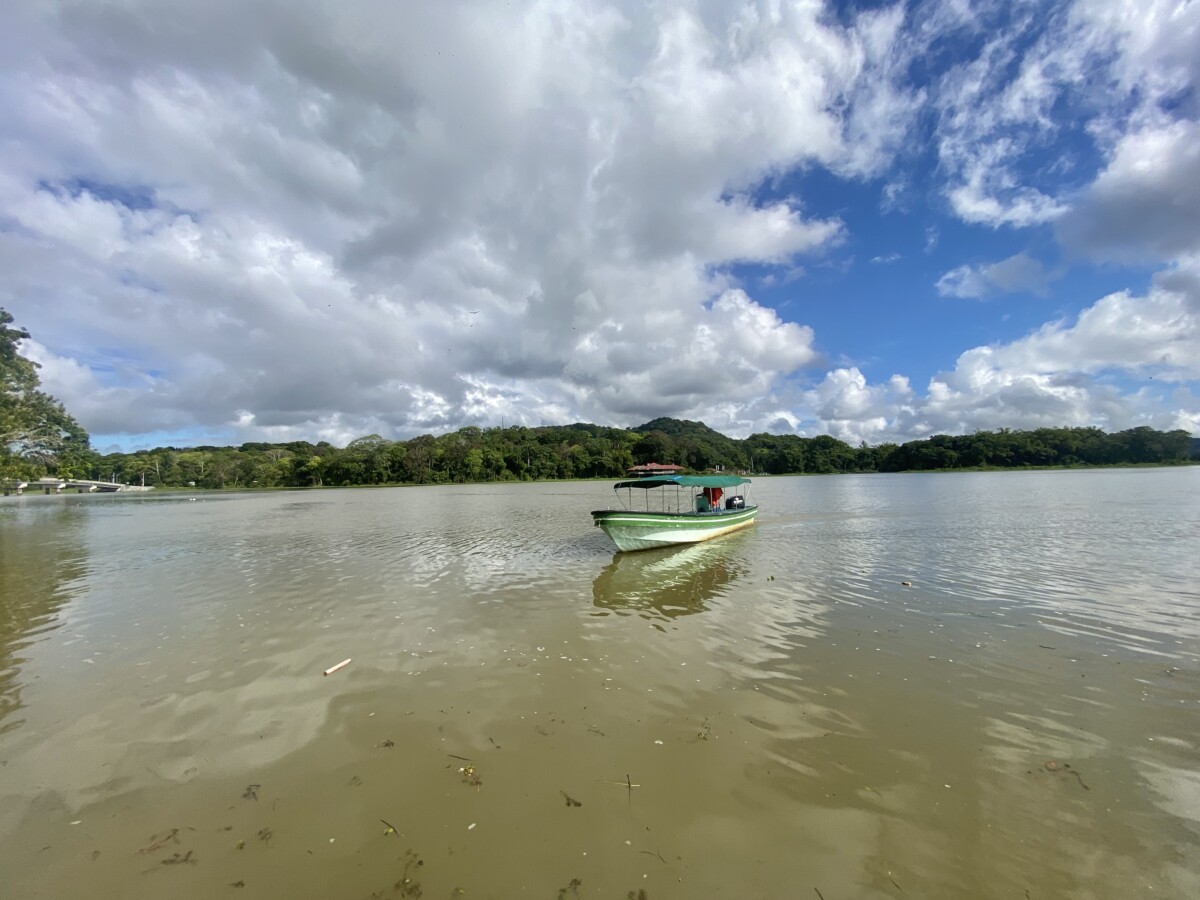
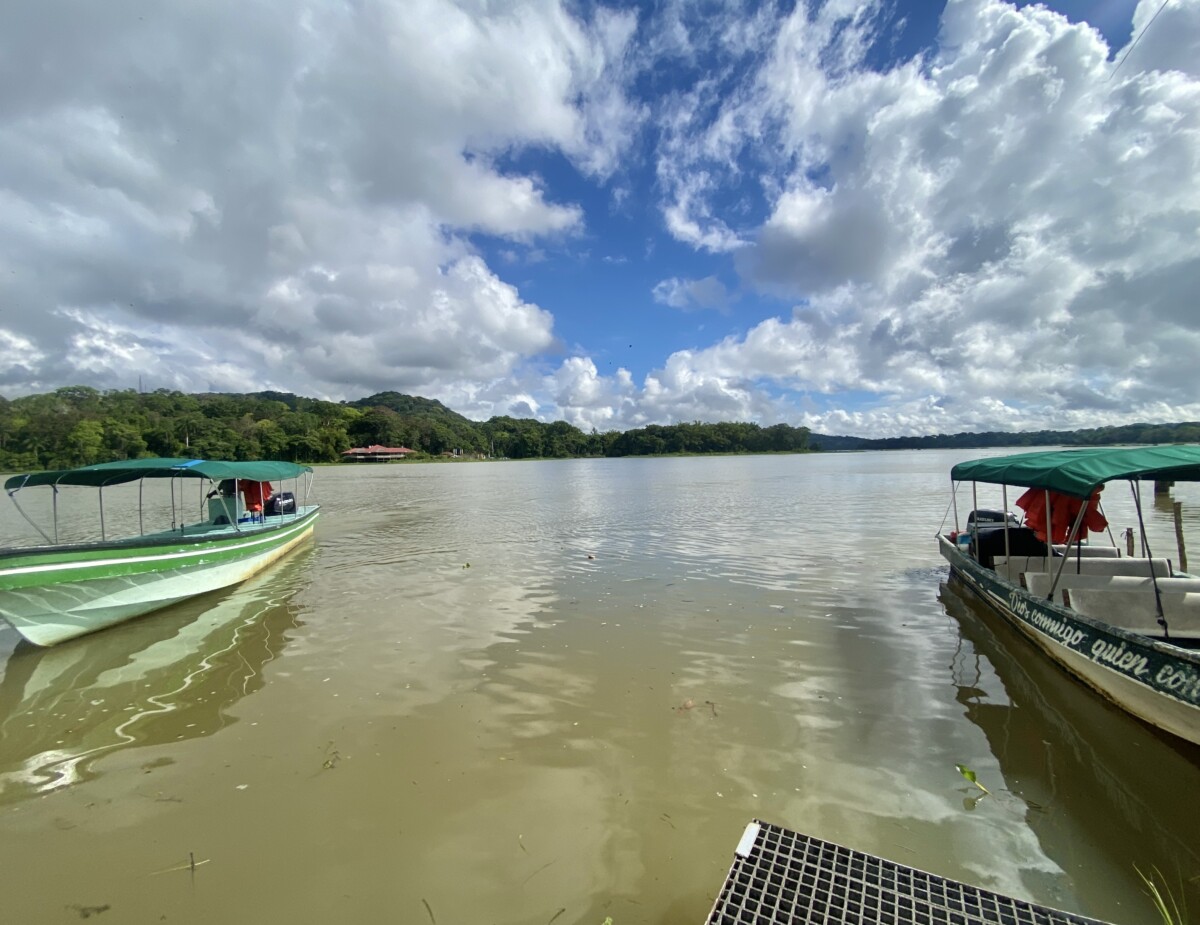
Monkey Island, situated on Lake Gatun, is a haven for several monkey species, including Capuchins, Howler’s, Titi’s and Tamarin Monkeys.
The Sloth Sanctuary provides an opportunity to observe two-toed and three-toed sloths in their natural habitat.

Isla San Pablo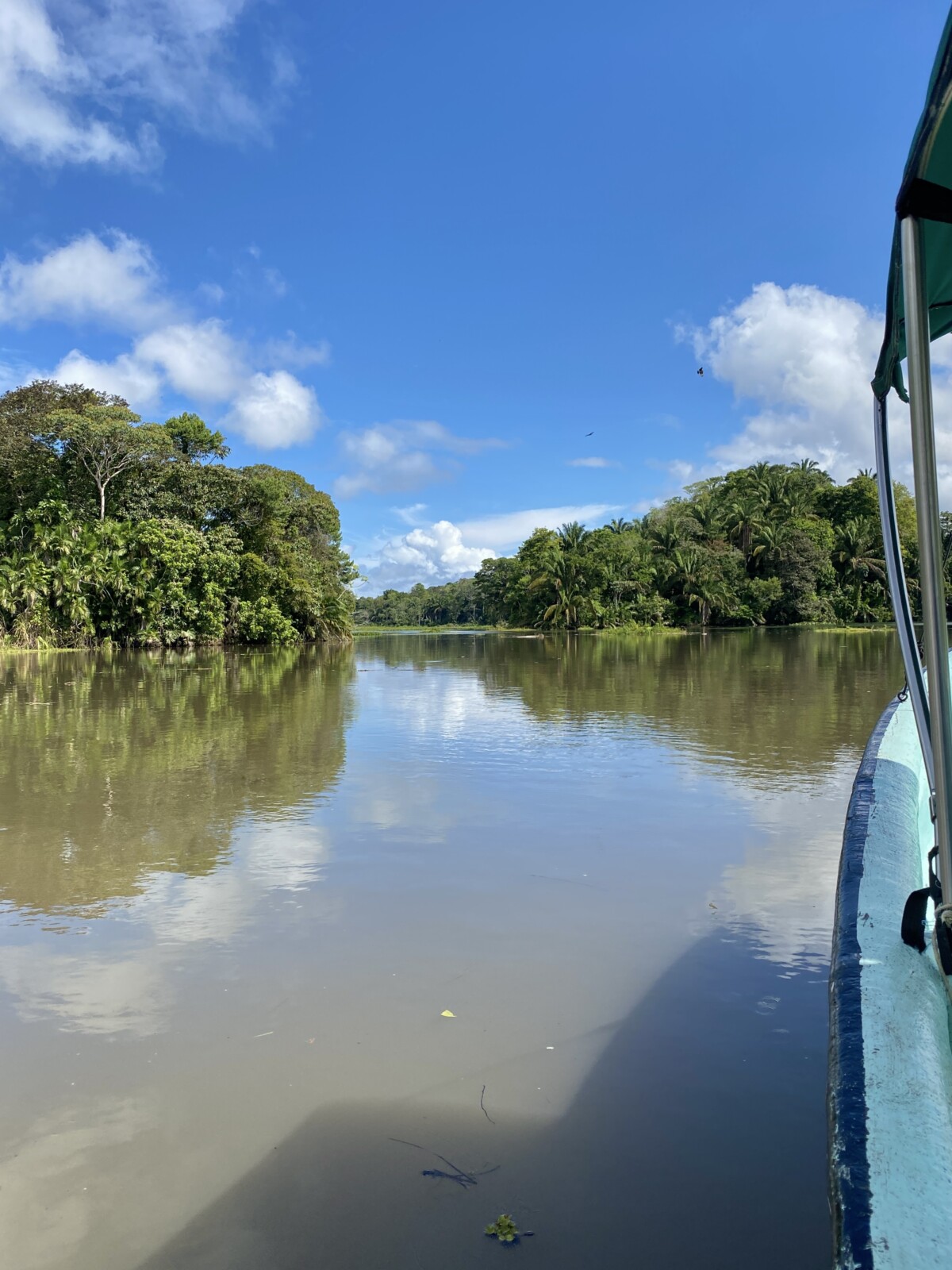
Gatun Lake

Colon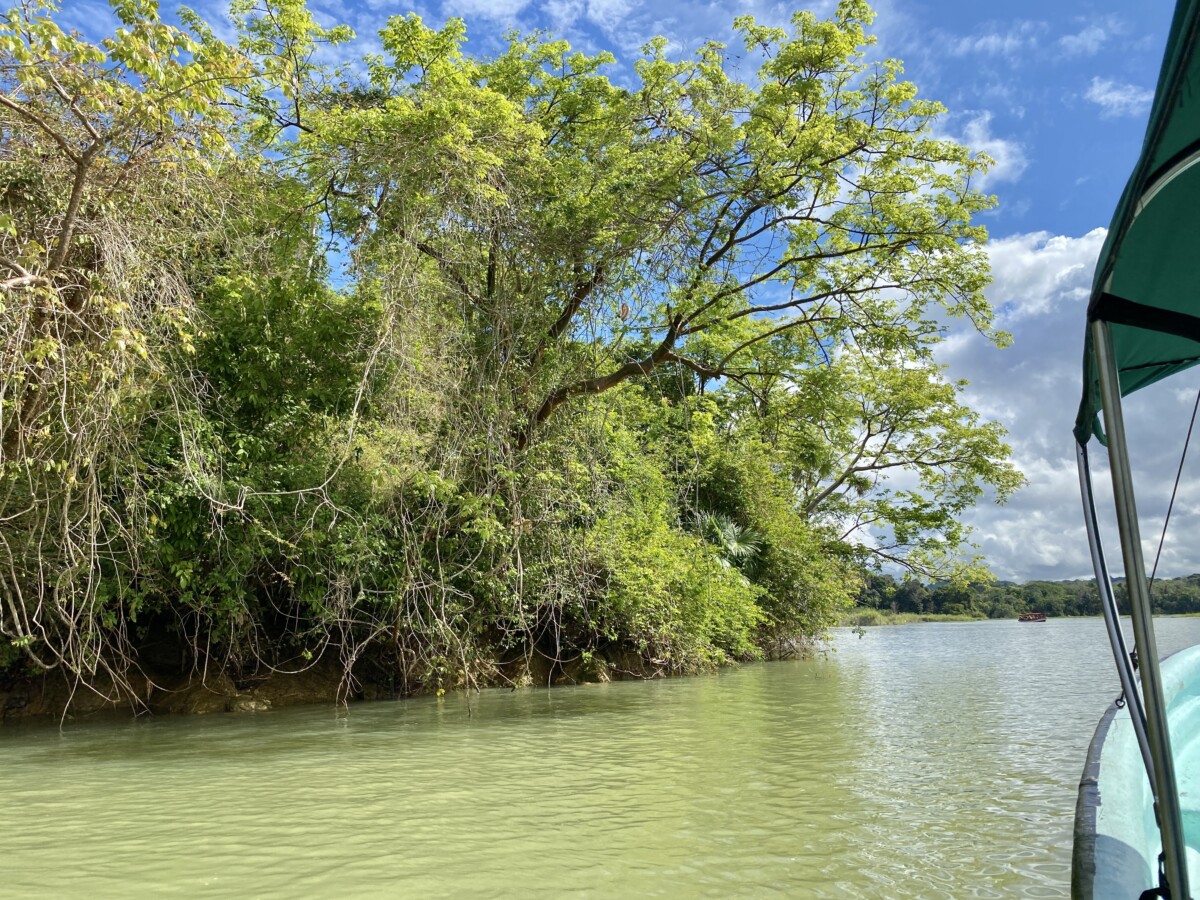


Isla Barbacoa

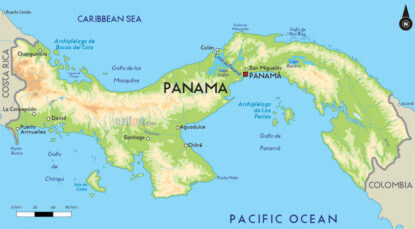
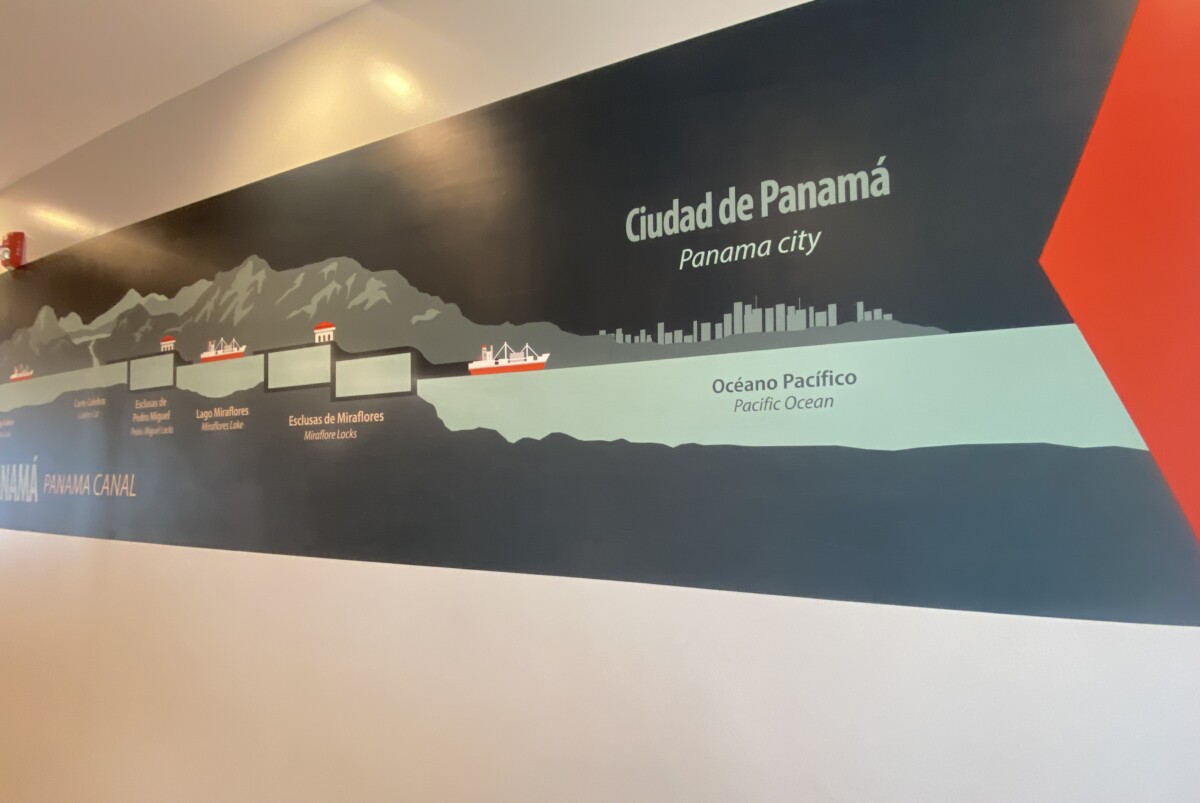
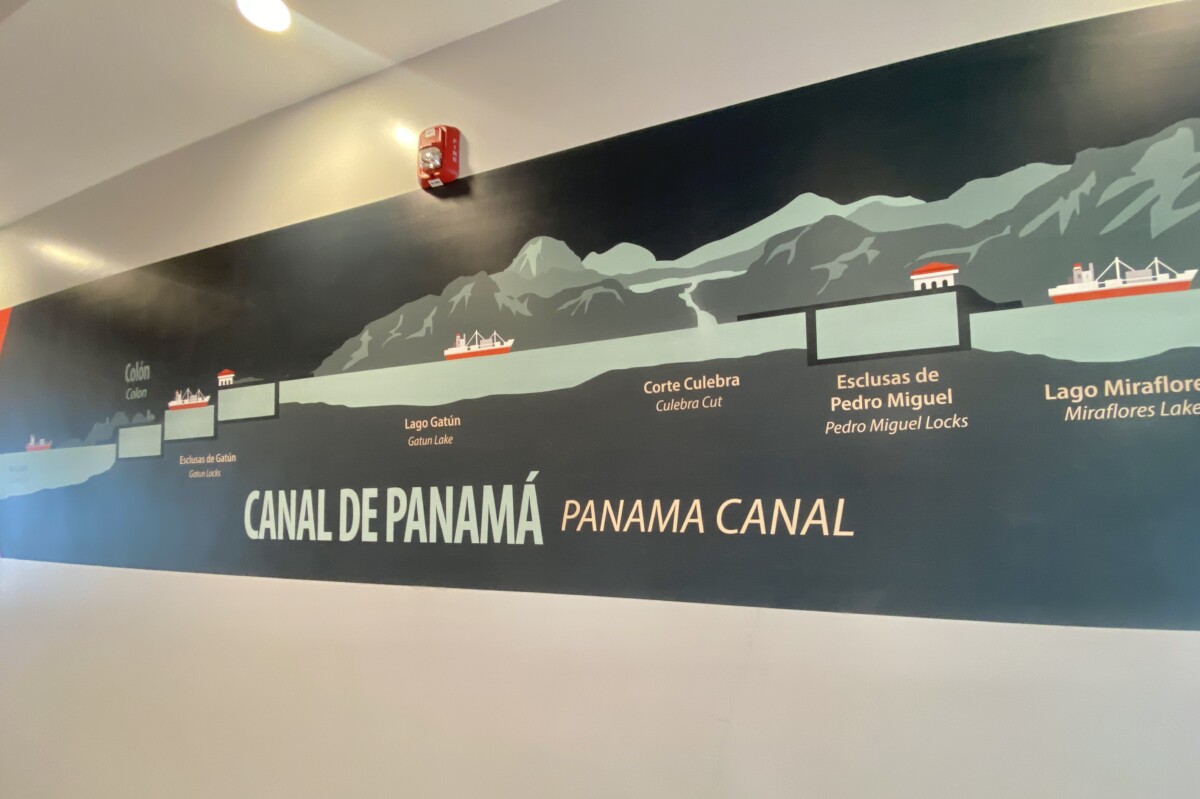
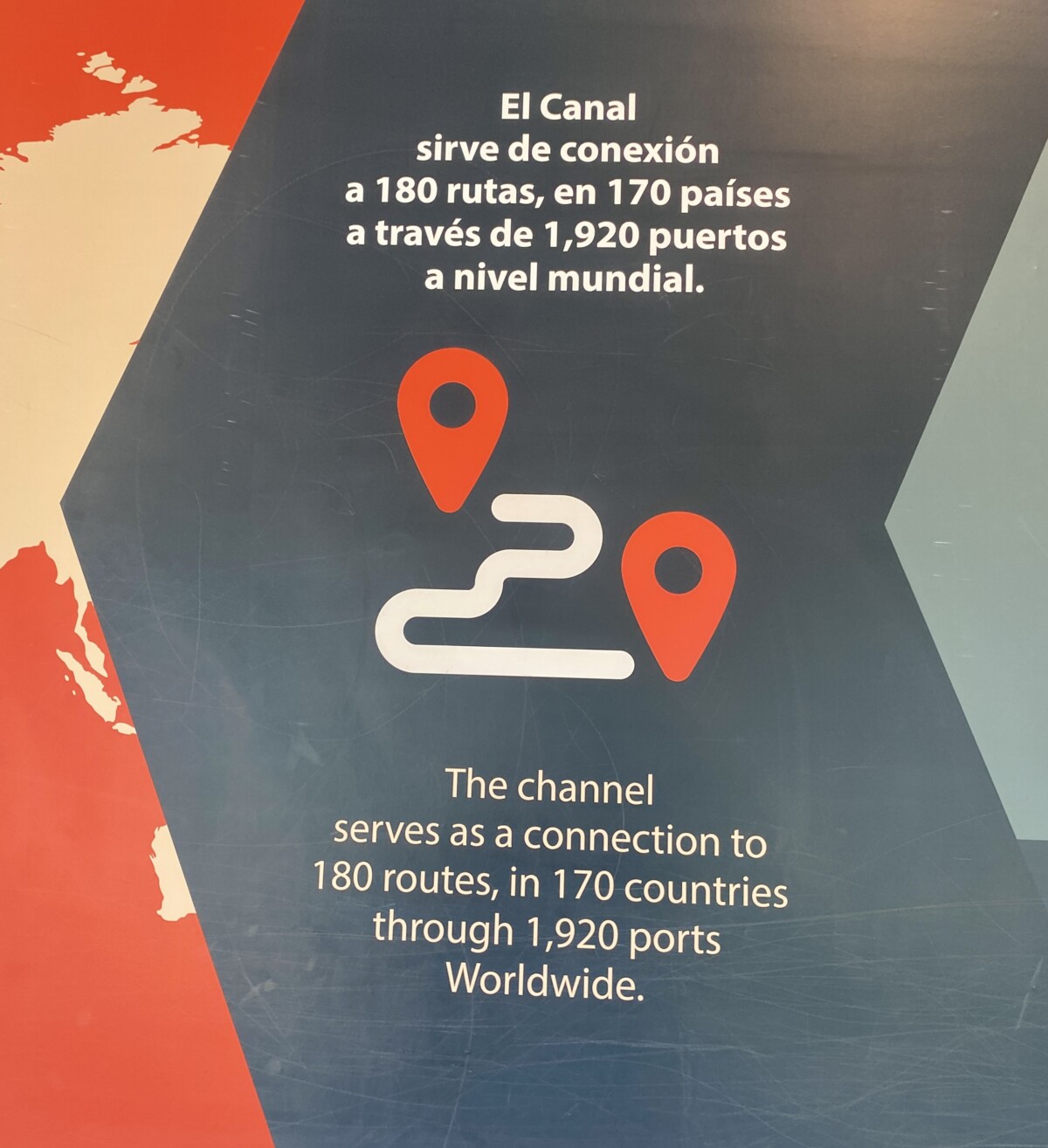
The America/Panama Canal

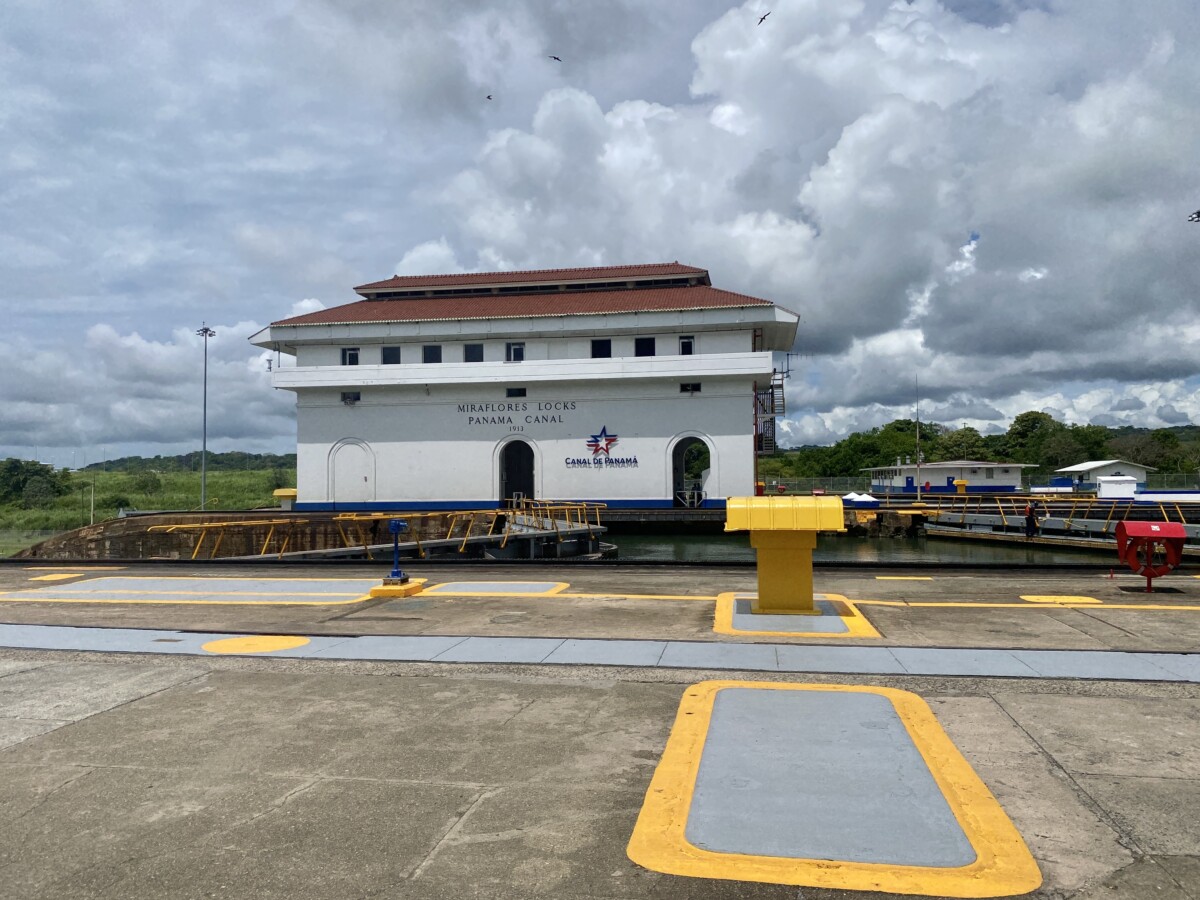
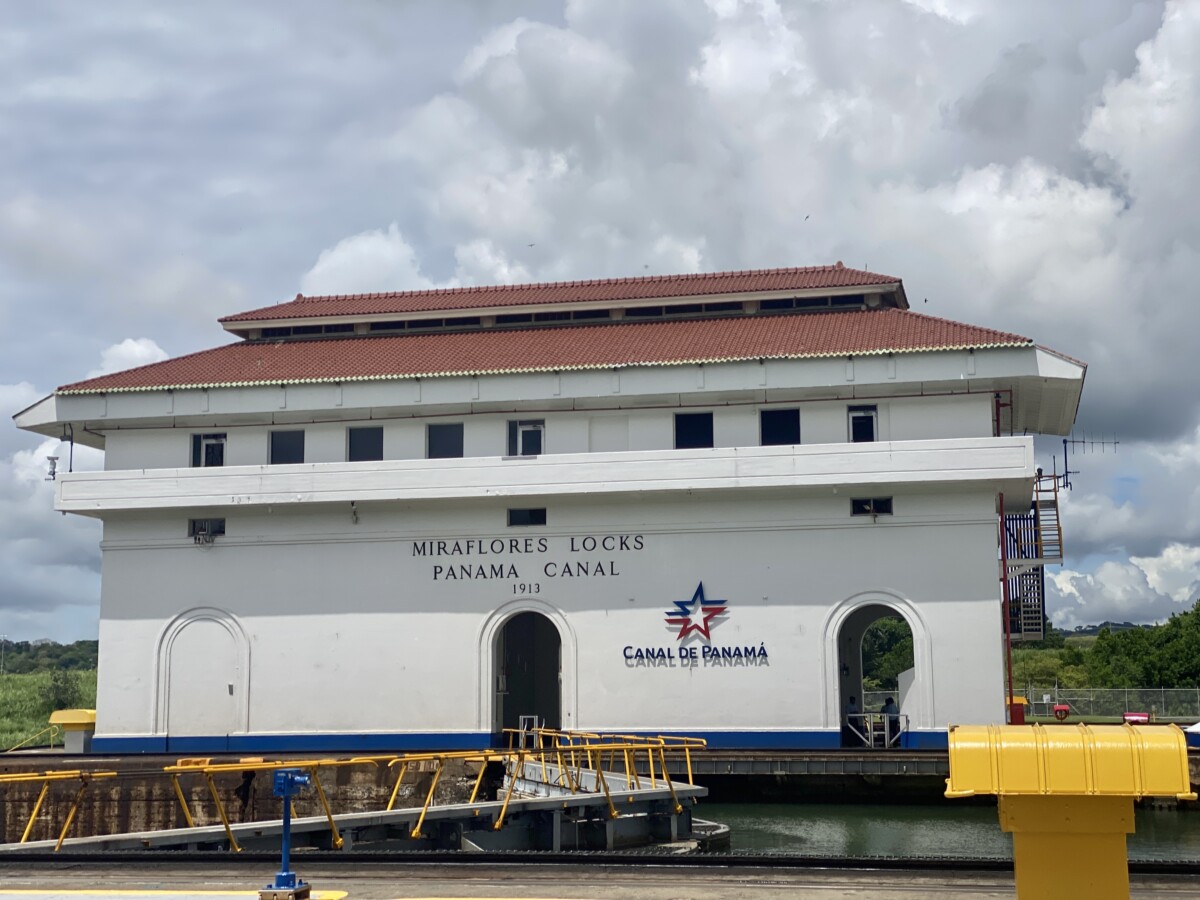
Building the Panama Canal 1903–1914
President Theodore Roosevelt oversaw the realization of a long-term United States goal—a trans-isthmian canal. Throughout the 1800s, American and British leaders and businessmen wanted to ship goods quickly and cheaply between the Atlantic and Pacific coasts. In 1850, the United States and Great Britain negotiated the Clayton-Bulwer Treaty to rein in rivalry over a proposed canal, through the Central American Republic of Nicaragua. The Anglo-American canal, however, never went beyond the planning stages. French attempts to build a canal through Panama (province of Colombia) advanced further. Led by Ferdinand de Lesseps; the builder of the Suez Canal in Egypt, the French began excavating in 1880.
However, malaria, yellow fever, and other tropical diseases conspired against the de Lesseps campaign, and after 9 years and a loss of approximately 20,000 lives, the French attempt went bankrupt. In spite of such setbacks, American interest in a canal continued unabated.
The Hay-Pauncefote Treaty of 1901 abrogated the earlier Clayton-Bulwer Treaty and licensed the United States to build and manage its own canal. Following heated debate over the location of the proposed canal, on June 19, 1902, the U.S. Senate voted in favor of building the canal through Panama. Within 6 months, Secretary of State John Hay signed a treaty with Colombian Foreign Minister Tomás Herrán, to build the new canal. The financial terms were unacceptable to Colombia’s congress, and it rejected the offer.
President Roosevelt responded by dispatching U.S. warships to Panama City (on the Pacific) and Colón (on the Atlantic) in support of Panamanian independence. Colombian troops were unable to negotiate the jungles of the Darién Gap and Panama declared independence on November 3, 1903. The newly declared Republic of Panama, immediately named Philippe Bunau-Varilla (a French engineer who had been involved in the earlier de Lesseps canal attempt) as Envoy Extraordinary and Minister Plenipotentiary. In his new role, Bunau-Varilla negotiated the Hay-Bunau-Varilla Treaty of 1903, which provided the United States with a 10-mile wide strip of land for the canal, a one-time $10 million payment to Panama, and an annual annuity of $250,000. The United States also agreed to guarantee the independence of Panama, as per the conditions and agreement set forth, of the treaty.
Completed in 1914, the Panama Canal symbolized U.S. technological prowess and economic power. Although U.S. control of the canal eventually became an irritant to U.S.-Panamanian relations, at the time it was heralded as a major foreign policy achievement.
As of this year, the original treaty between Panamá and the USA has been compromised, by the Chinese involvement and subsequent control. Changes are underway, for how the future of the Canal will be run; causing control to go back to the USA, according to the original treaty.


About Us

About Us
Hello and Welcome to our Travel Blog Website, We enjoy writing about our experiences and taking photos of our adventuring along the way. Our names are: Daryl and Pen, but Daryl calls me “Bunny.” We met, quite randomly, whilst both traveling in Thailand with friends. We happened to be in the same travel group, and […]