


USA 🇺🇸 ~North Carolina and Tennessee “The Great Smoky Mountains National Park Trip”
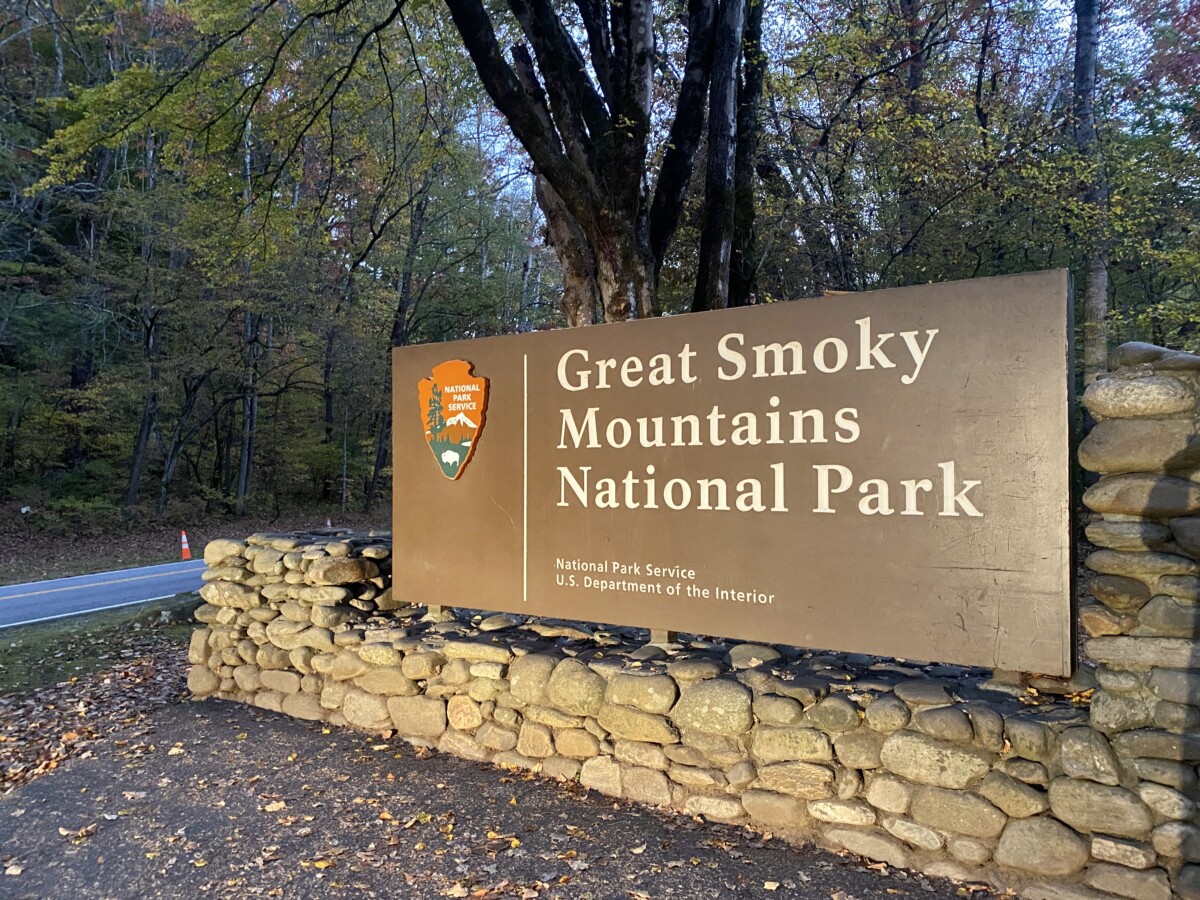
Great Smoky Mountain National Park Facts
This Park was officially established on June 15, 1934 by President Calvin Coolidge, who signed the bill to authorize and begin the process of creating the Park on May 22, 1926.
President Franklin D. Roosevelt officially dedicated the Park a few years later, on September 2, 1940.
The Great Smoky Mountains are famous for being the most visited National Park in the USA, drawing over 12 million visitors a year, and standing out for their unmatched biodiversity, ancient geology, and signature blue haze.
The Park straddles the border between North Carolina and Tennessee and stand as America’s most visited National Park.
State Split: The land is divided almost evenly between North Carolina at approx. 276,000 acres, and Tennessee, at approx. 244,000 acres.
Forest Coverage: Approximately 95% of the park is forested, with a quarter of that being old-growth forest.
We Finally Made It!
We have tried to get to the Great Smoky Mountains National Park at least three other times; two of those failed plans were due to Hurricane Helene and then it took a long time, understandably, for the recovery, cleanup and repairs.
The first time we passed through Tennessee on one of our cross-country trips was from the West coast to North Carolina, and we were so excited to see our grandkids, so we chose to “return” one day, to Tennessee, from North Carolina, as its only about a seven hour road-trip, from where we have been staying, near Chelsie and kids. Easy Peasy.
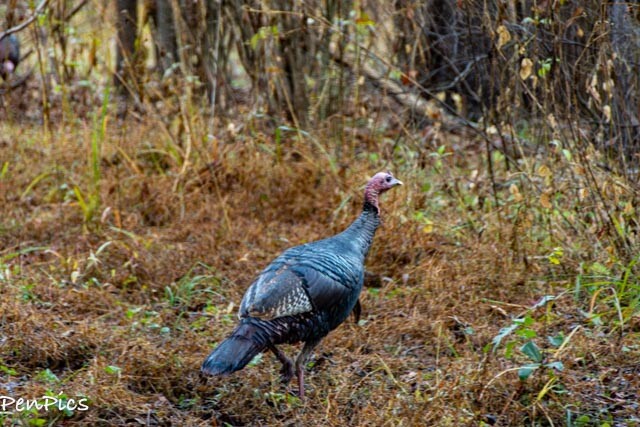
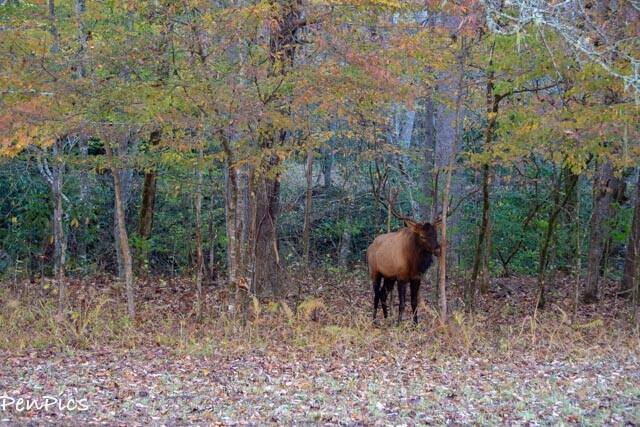
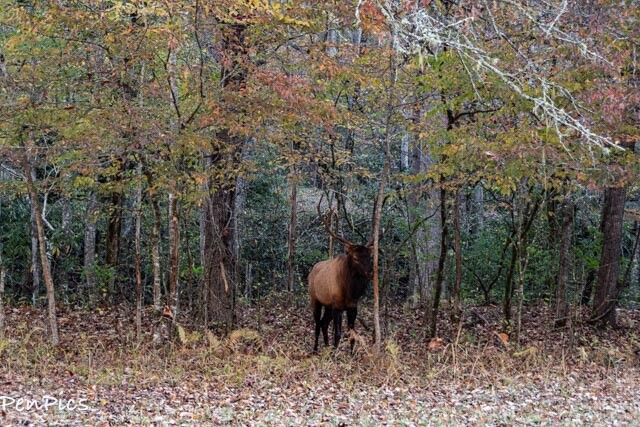
The Great Smoky Mountains National Park is a rather large Park, but there are not unending roads, throughout, to make it all reachable. This makes for the chance of seeing more wildlife, when they pass across roadways, or linger in meadows. There is a large number of Black Bears that thrive in this area. We had hoped to see some, but we had to get back home to see any Black Bear….more on this, later. What we did see in the Park were wild Turkeys and Elk herds. It was great!
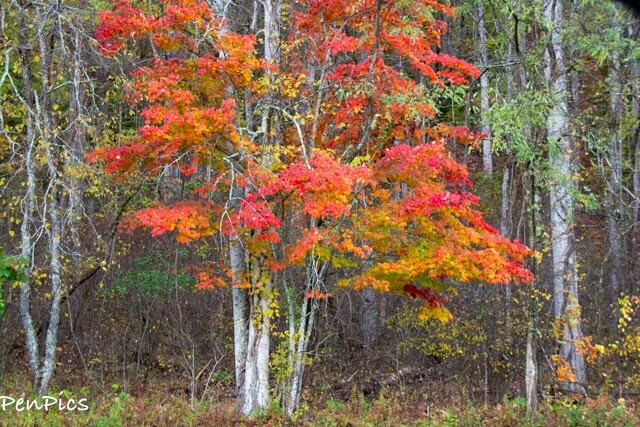
Anyway, we had great weather and of course our favorite time of the year for road trips is autumn. It’s just so beautiful, to see all the fall colors. It’s a bit of a warm fall, just like it was a bit of a warm spring, this year. We enjoyed the cooler temps for sure, but the Great Smoky Mountains National Park is the most visited Park in America, especially this time of the year. We knew that would be the case, but we also have to time the crazy weather we have these days, because freezing temps and potentially snow could also happen. We also wanted all roads to still be open for us, after we got there. Some close in November. The crowds were only little crazy for a bit on the Tennessee side off the Park, but we managed and it was fine. Who can blame anybody, really, for wanting to check out this beautiful National Park!
There are 64 National Parks in the USA. I’ve now visited 50 of them. Woot Woot!
While on this road trip, our primary focus was to visit the National Park, but while on the Tennessee side of it, we spent some more time on the road, checking other places out, too. In total, we went to Cherokee, NC, Gatlinburg, TN, Pigeon Forge, TN Knoxville,TN and Bryson City, NC. Incidentally, this was not our first time to Tennessee, as we had camped and visited Memphis a few years back, and loved it; saw Graceland and all, but it still looks like we will make another trip to Tennessee, because the only place left, we really want to see is Nashville. It was still several hours away, even from Knoxville, and we did not add it in.
Entering the Great Smoky Mountains National Park, we came in from the Southern Eastern corner of the Park, on the North Carolina side. The closest town is Cherokee, which is only about ten minutes to the Park. As far as towns go, this didn’t seem all that interesting to us, plus we had spent all day driving, stopped and got a bite to eat, prior to arriving, and then it got dark. We headed for our hotel and got a good nights sleep, because our first day in the Park would start early. We wanted to see the Elk herds we heard about.
I hope you enjoy the photos. It’s been two years since I used my DSL Nikon camera and having to processed them. When I went to Panamá with my friend Tonya, and on the last cruise Daryl and I went on, last year, I used my mobile phone to take photos. Ha… kinda lame, but it got me by. I’d actually forgotten how to use my DSL camera and Lightroom a little, and had to relearn a few things, but I did it! (I have a TBI, so these things happen).
Day 1: Great Smoky Mountains National Park
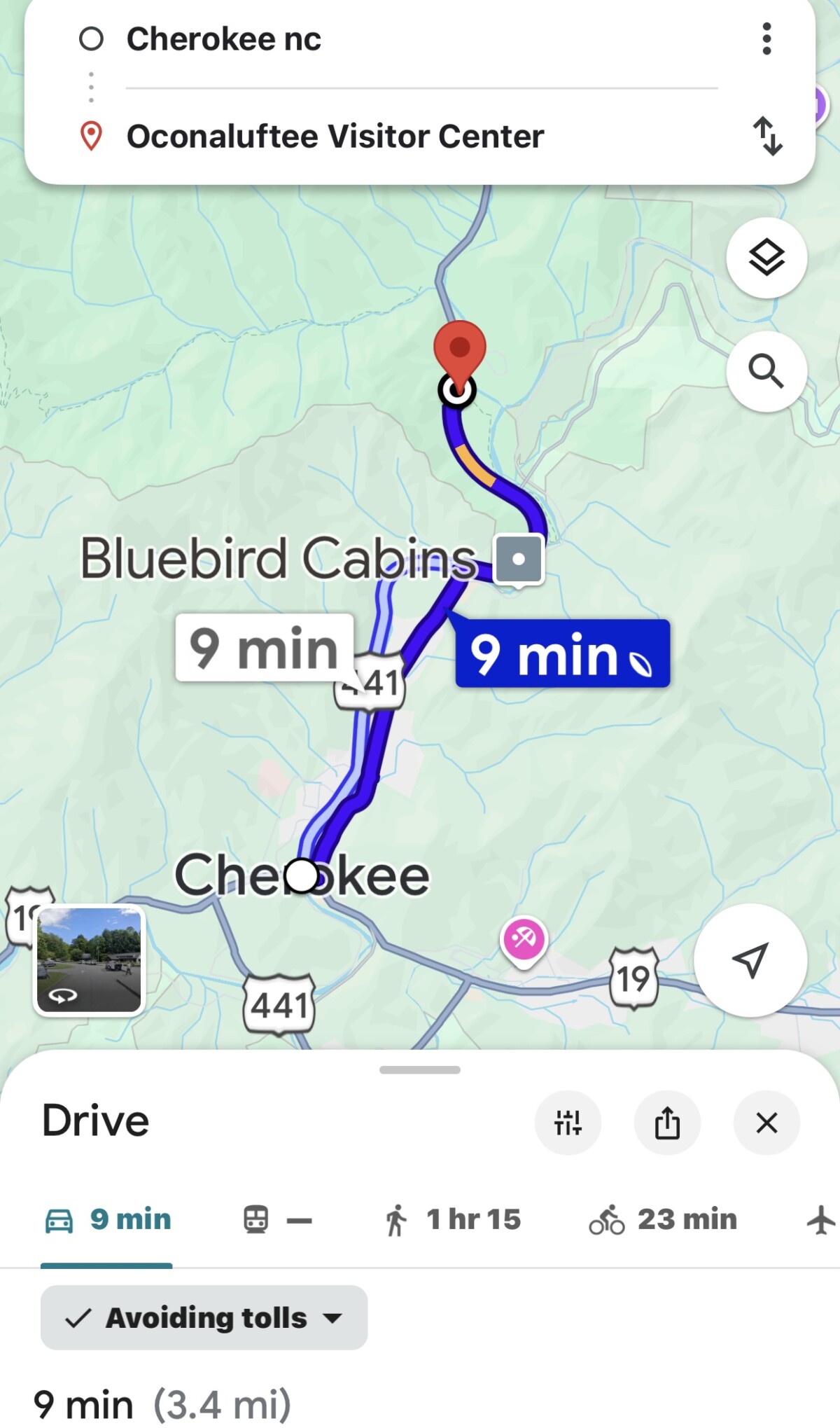
We got up early, and checked out of our room and made our way through Cherokee, still in the dark, because we wanted to get into the Park for sunrise. Oh, and for the record, if you come to Cherokee, do not stay at the Smoky Mountain Inn and Suites. The morning manager was very rude, at check out. We had a few bugs, (not cockroaches) in the room and that’s never good, but it was late and we were exhausted, so we just put up with it for the one night. We killed three and luckily there were none that bothered us after the lights were out. Also, while there was a place for a microwave, it had been removed, and we were suppose to have one. I was simply reporting these facts, and suggested he look into room 112, for issues. I laid my key cards down on the counter and as I was walking away, he threw the key cards at me. He was Eastern Indian and I could not understand what he was saying, but it didn’t matter, I was leaving. I do know from spending quite a bit of time in India, many men do not respect women, there. This morning’s incident reminded me of a few times I interacted with men in India, like standing in line and they cut in front, like you are invisible. Also, I bought a taxi ride while in New Delhi, (first trip to India) and while the man did take my money at the counter, and ordered the taxi, he threw my change at me. So, the behavior from Mr Motel Guy was not really that surprising. I would also learn that Darly had already said something to him about our room, and I did not know that. Still, no excuse for being that rude! I told Daryl about Mr Rude Motel Guy, as we finished packing the truck. Daryl went right back inside to the counter. I kinda cringed, and stayed out of it. Daryl gave him a piece of his mind, and mostly about how to treat women in our country, especially his wife!
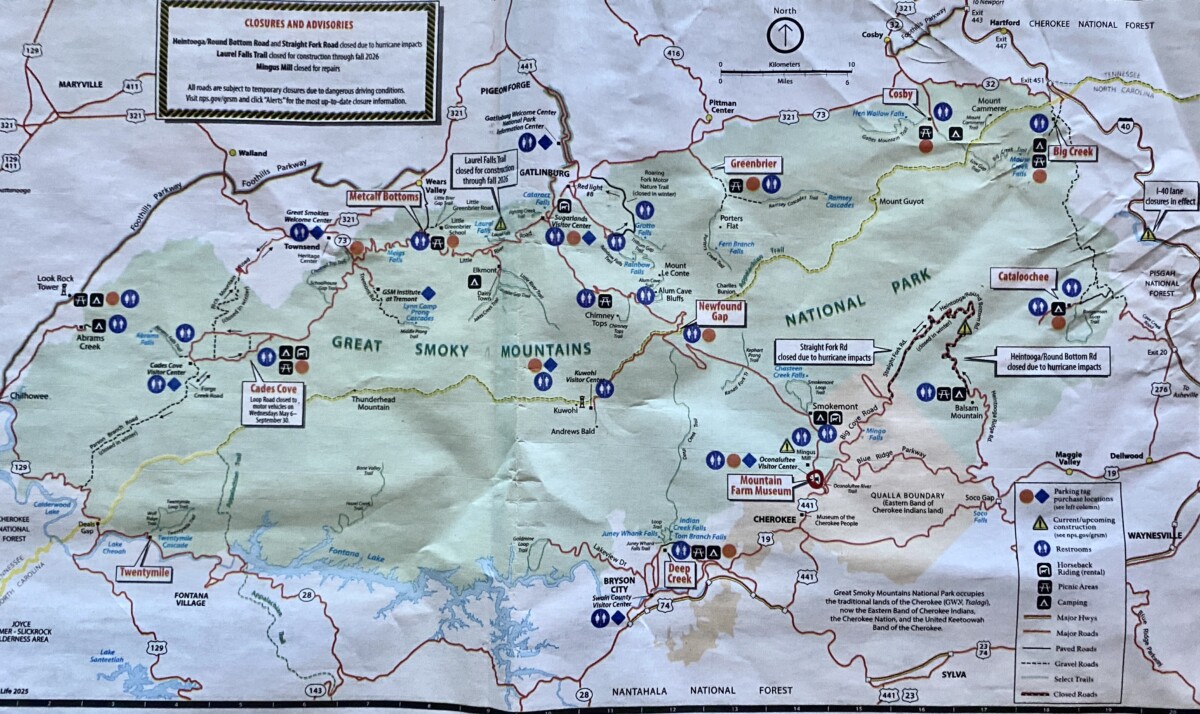
Anyhoo, it was only 6:30 in the morning. That’s a lot of drama, that early. We made it to the Park, in plenty of time for the sunrise. We would also see the Elk we came to see, and added bonus, were wild Turkeys! This National Park does not collect an entrance fee, and in spite of the record number of visitors each year, they do not require “timed-in” entry, either, which is all very good. Sometimes, we have notice that National Parks that do require an entrance fee, and the “time slot entry time request,” one makes prior to arrival, there are sometime more accessible roads going around the Park property. This Park, had one main road on the North Carolina side, that ran North and South and one main road on the Tennessee side, that ran North to Southwest, plus an added road that was only one way (from North to South) and required a 4×4 vehicle with high clearance. But, there was not an abundance of road signage, either, so just pay attention. The main roads were paved and very nice.
There were many scenic pullout areas and places to park for hiking. It was well marked, that if you stayed in any parking sport for more than 15 minutes, you must have had to purchase a parking pass at one of the Visitor Centers, or get a ticket.
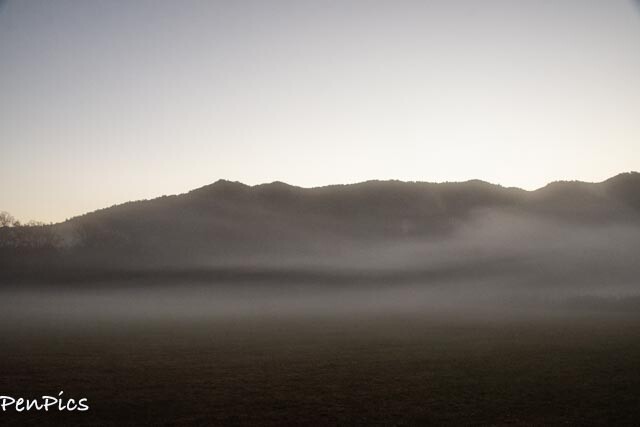
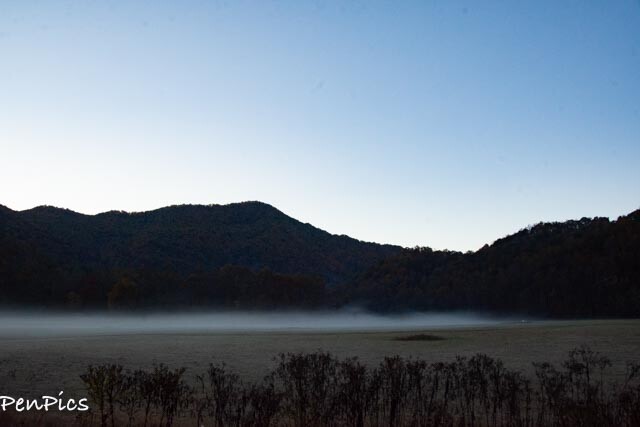
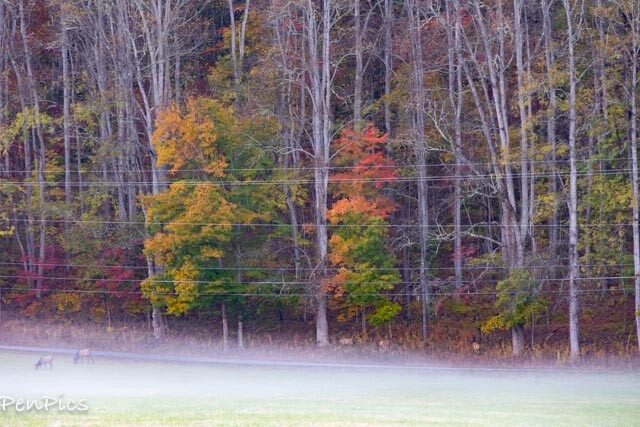
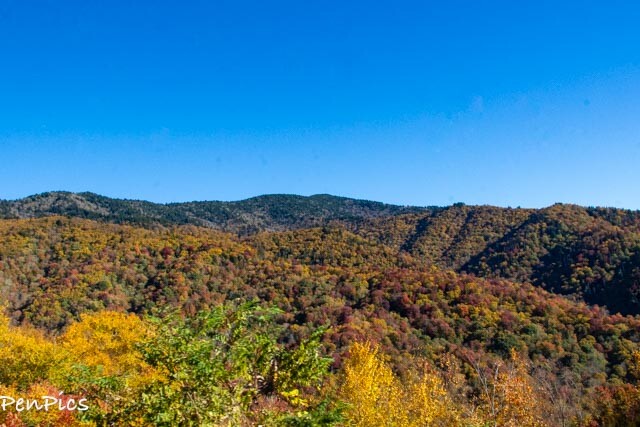
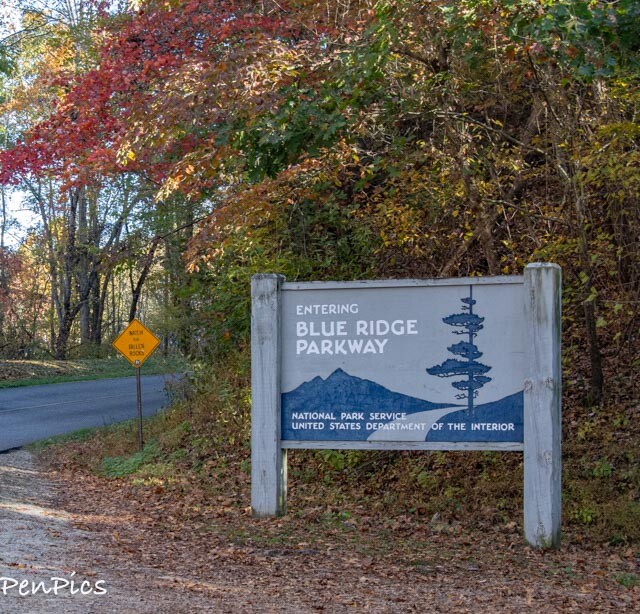
On our first day we went on that NC scenic drive a couple of times. There is an access road that can get you onto the Blue Ridge Parkway, from in the Park. We did take it and it’s not a long drive, but pretty, just the same. The entire Parkway, which runs outside of the Park is about five hundred miles long. We saw right away how the Park got its “Smoky Mountains” name. It’s not really smoke, but more mist and fog were very present in the mornings of our times spent there. It was actually quite lovely, because both days we spent there were sunny and blue skies. Gorgeous!
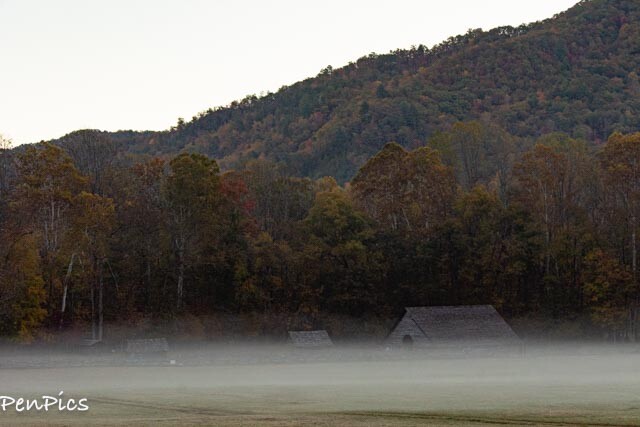
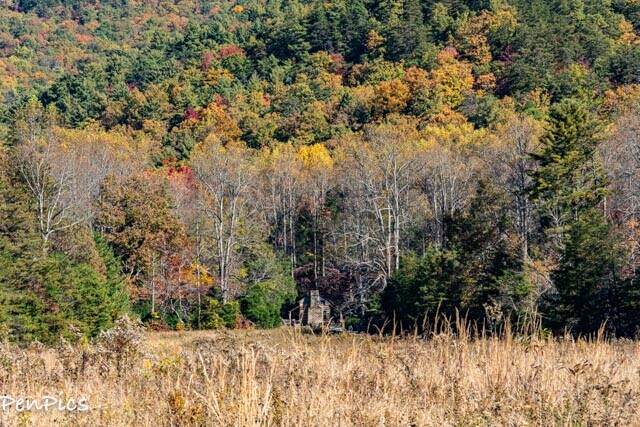
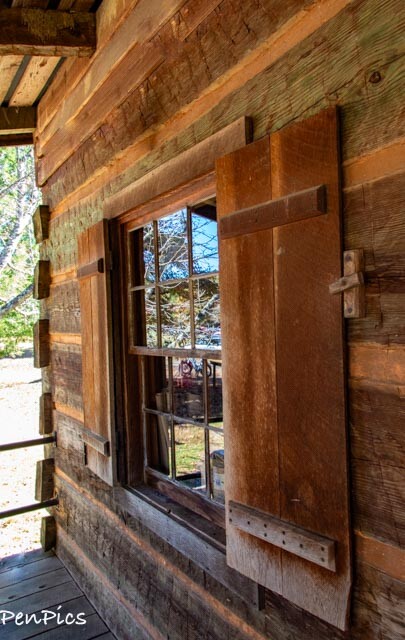
Seen in this photo is the Oconaluftee Historic Homestead Museum
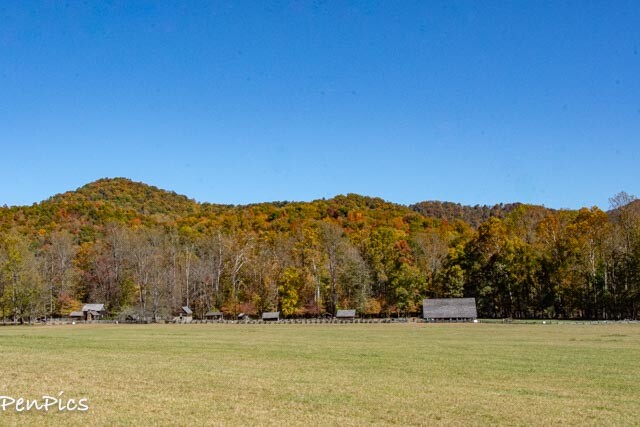
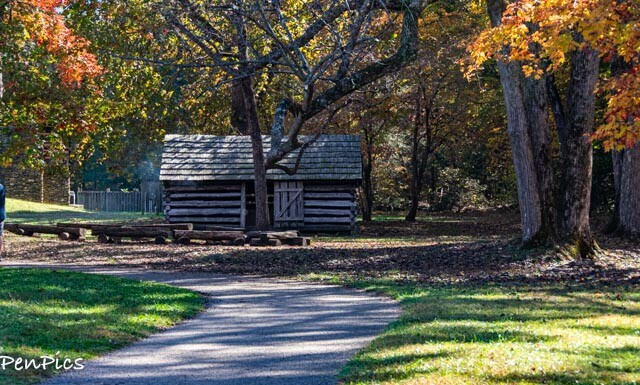
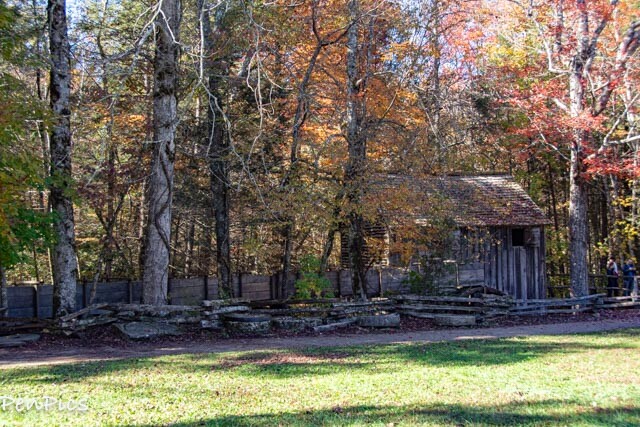
In the 1950’s, a collection of authentic 19th-century log structures were dis-assembled from other locations in the Park, then relocated and re-assembled, to preserve the Southern Appalachian pioneer heritage. It features the circa-1902 Davis House log home, a multi-crib barn, a meat house, a corn crib, an apple house, a springhouse, and a working blacksmith shop.
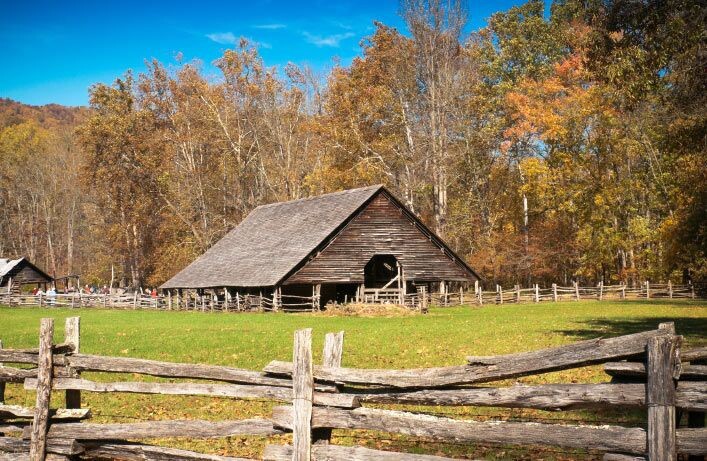
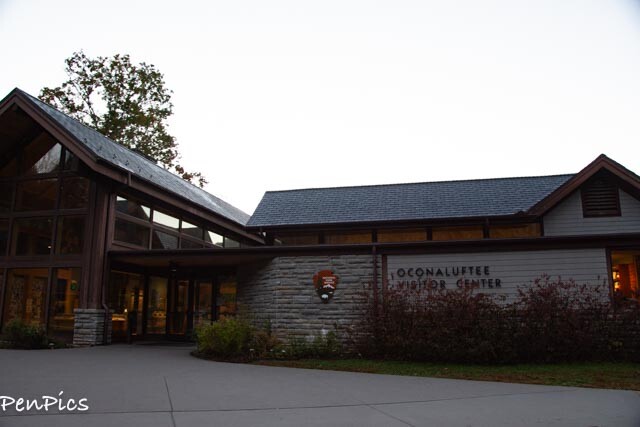
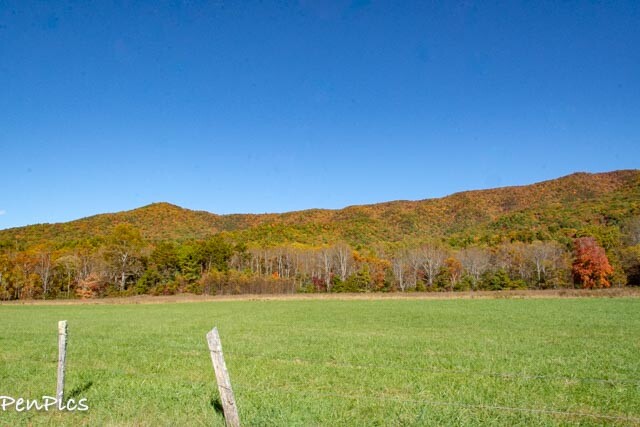
This was really cool. It’s in the first meadow inside the Park, soon after we entered the grounds. It’s just before the Oconaluftee Visitor’s Center and it’s where the Elk hang out in cooler weather.
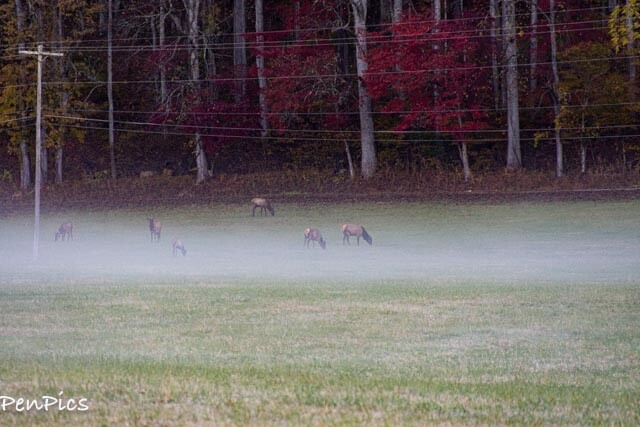
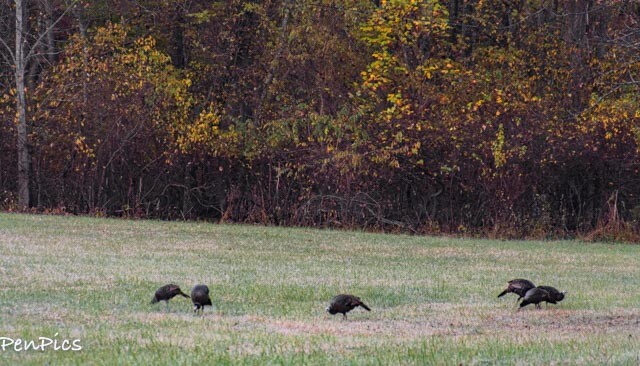
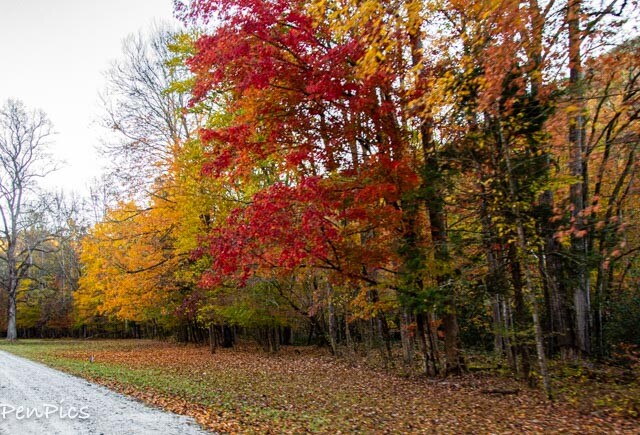
Further along the scenic drive, we turned off to see the Historic Mingus Grist Mill. There was lots of parking and it’s not far to walk into the Mill, from there.
The historic 1886 Grist Mill is about a half mile from the Oconaluftee Visitor Center on the North Carolina side of the Park. The Mill, built by millwright; Sion Thomas Early, for Dr. John Mingus, at a cost of $600. It served as a commercial and social hub for local mountain families to grind corn into cornmeal, and wheat into flour.
The history of the Mill goes much deeper than the building and its operation. Mingus Mill was the crossroads of nearby communities in the late 1800’s and early 1900’s. Families along ridges and valleys would tend to their crops, livestock, and chores during the week, in preparation for Saturdays at the Mill. They would travel a long distance to get corn milled, but they would also bring other goods and skills, to barter with, amongst those waiting their turn at the Mill. It was the “grocery store” of its time. This was how the early settlers made their living, and life revolved around traveling, and in some cases walking several miles to the Mill.
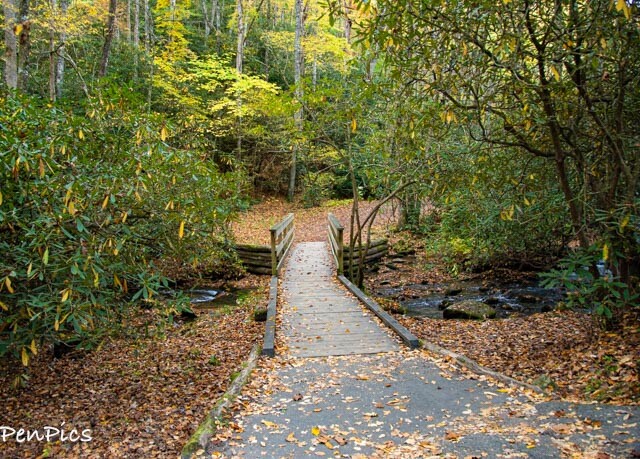
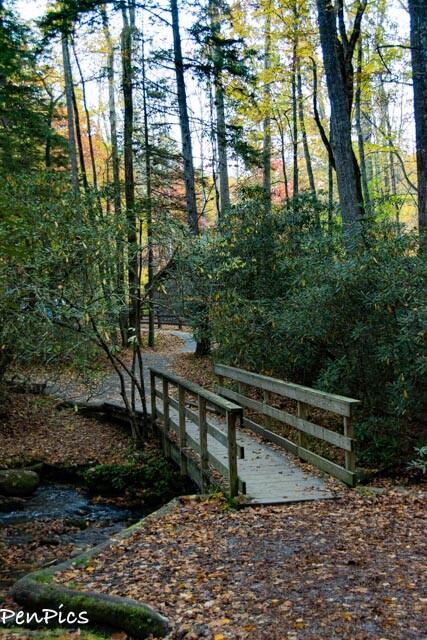
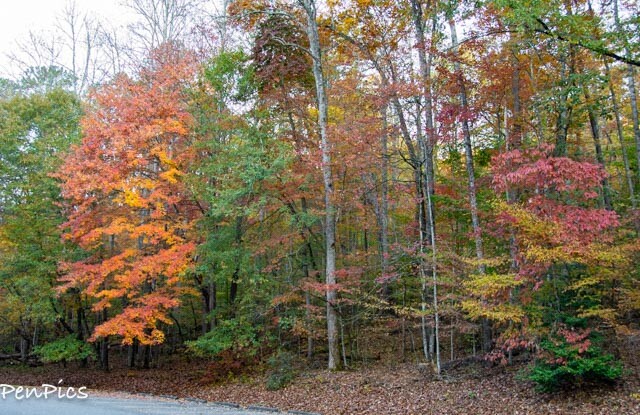
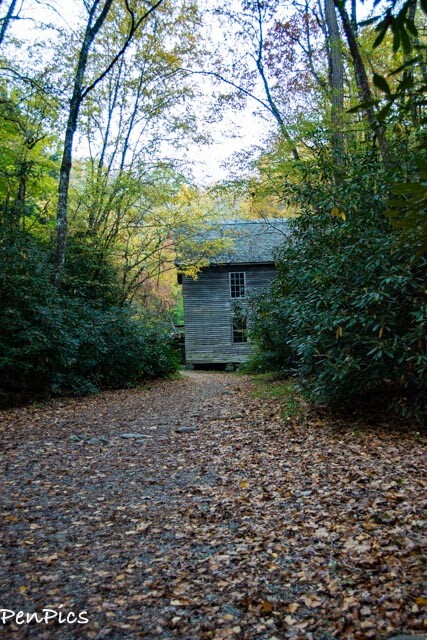
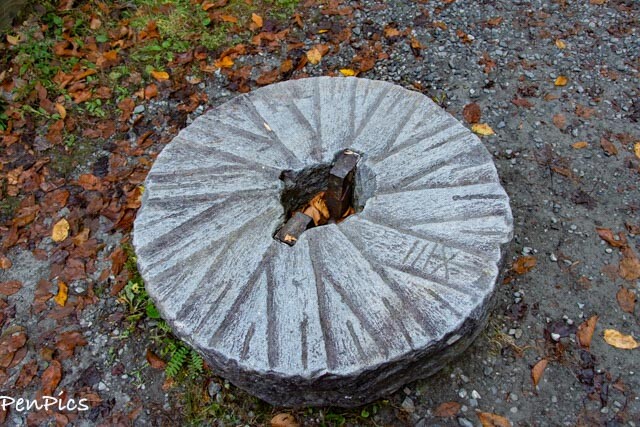
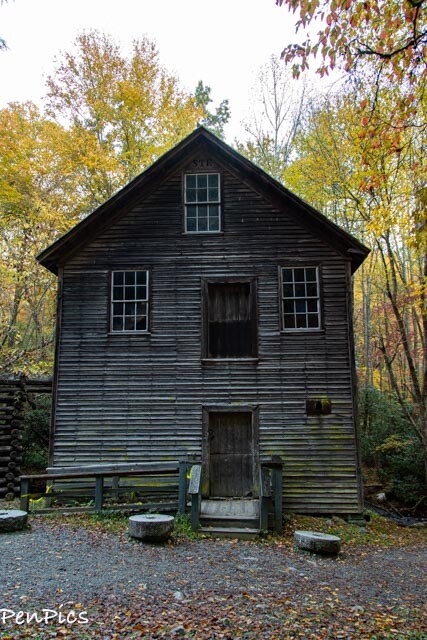
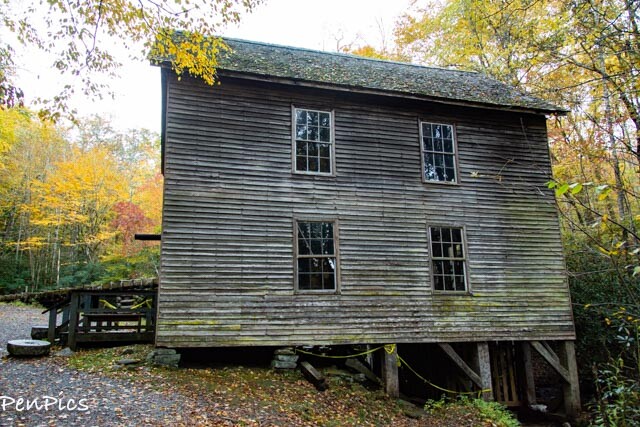
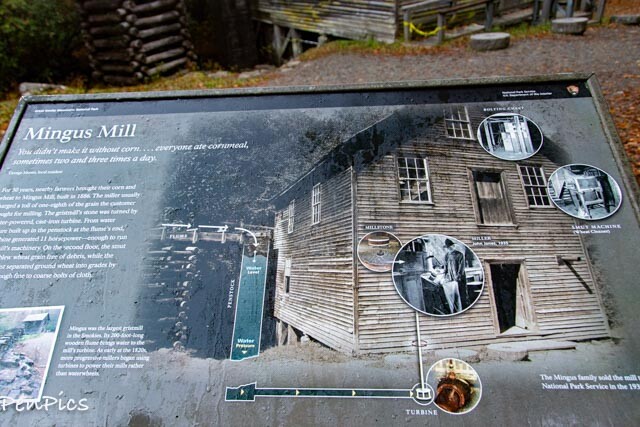
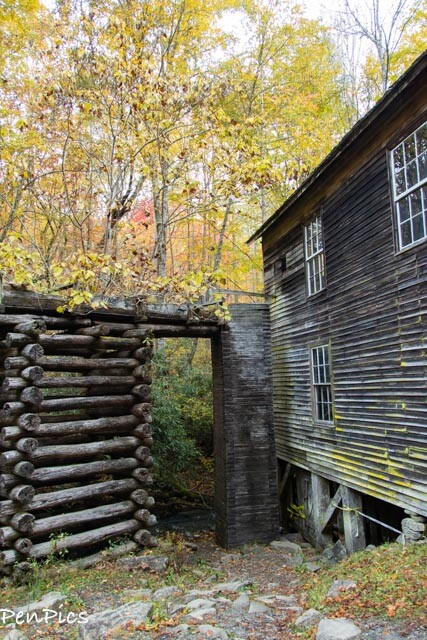
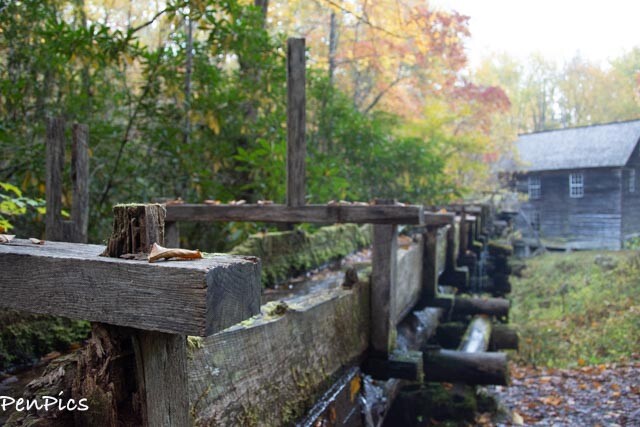
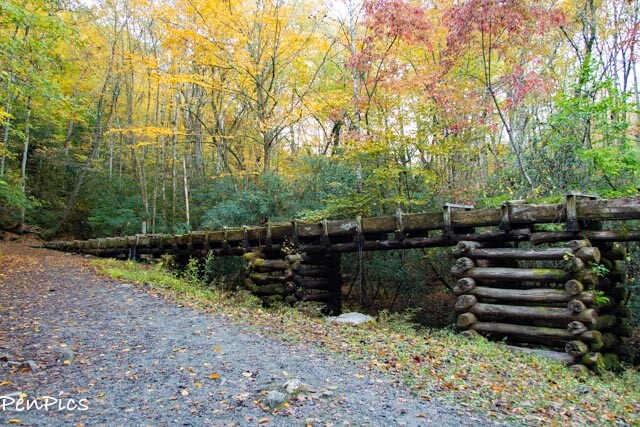
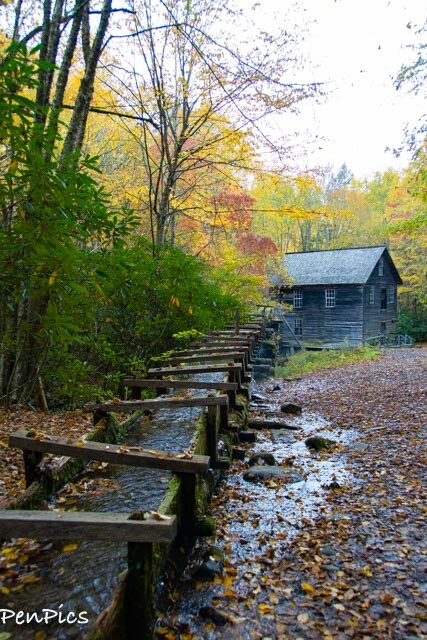
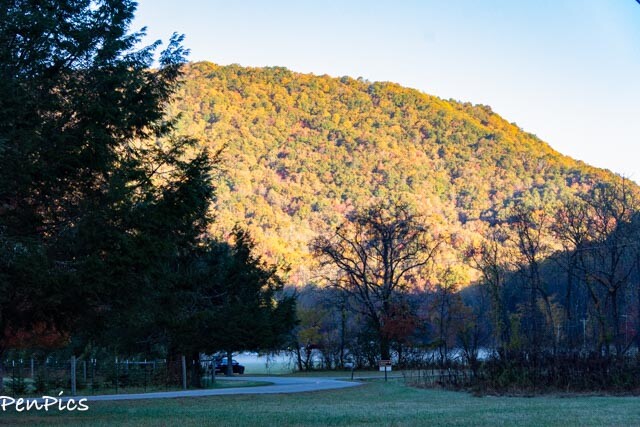
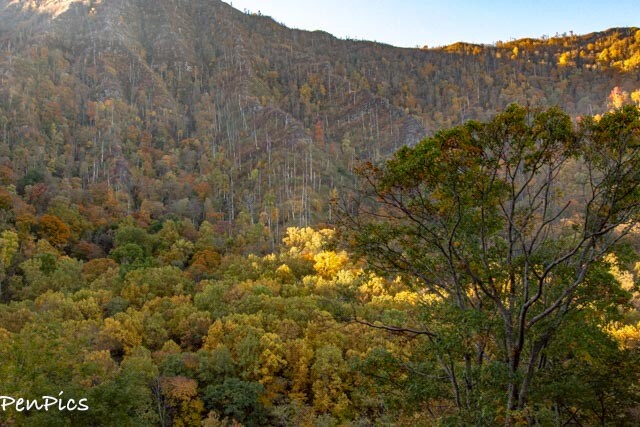
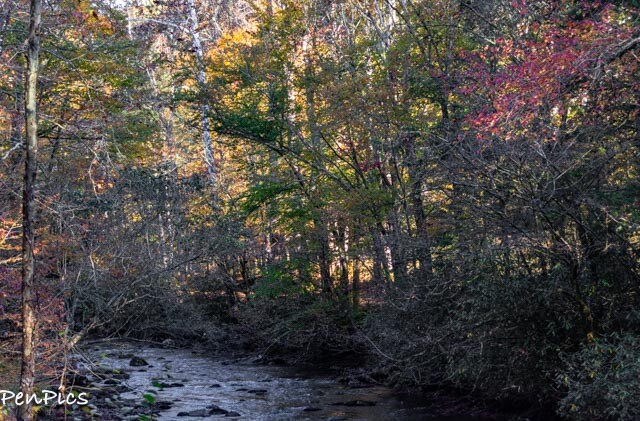
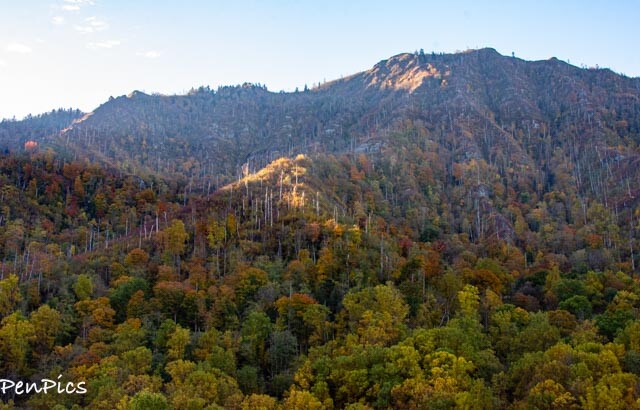
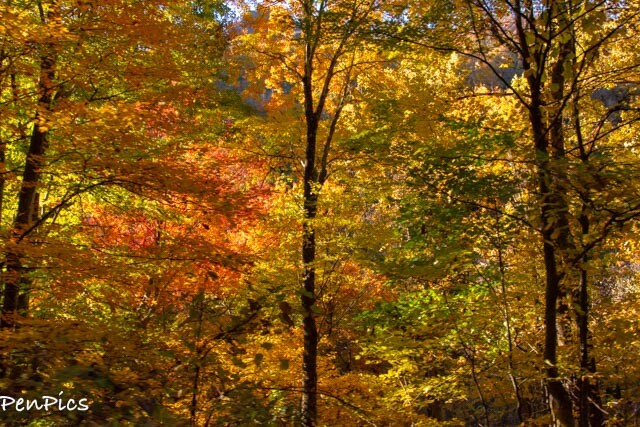
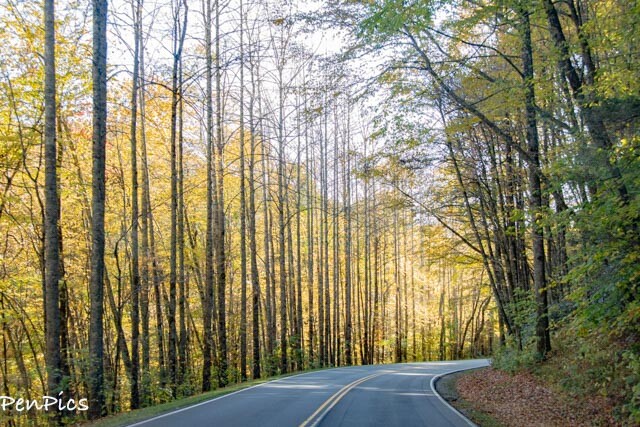
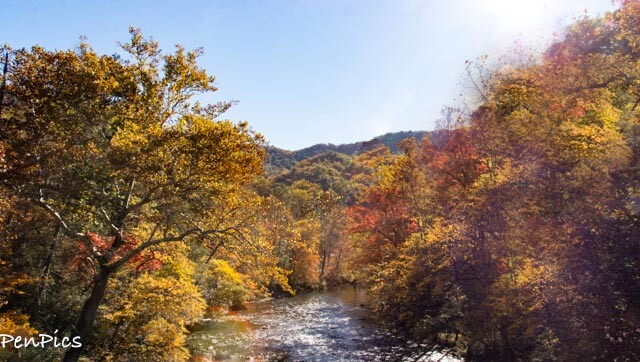
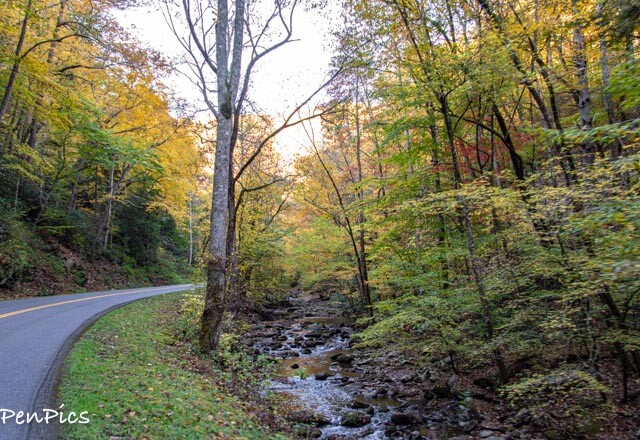
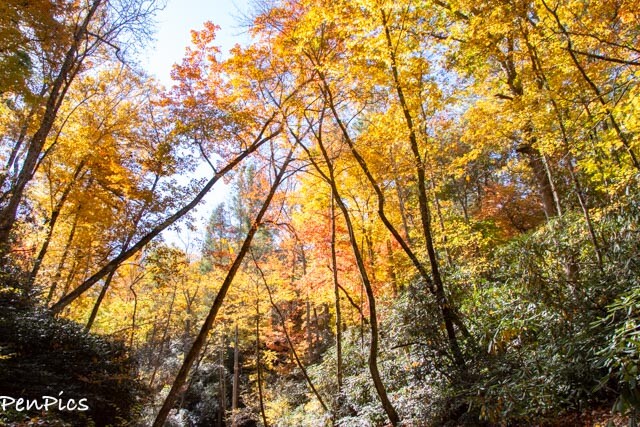
Moving along further, we saw sight after sight of breathtaking beauty.
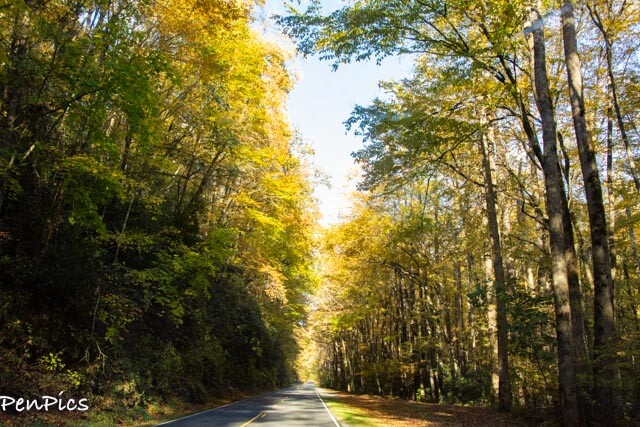
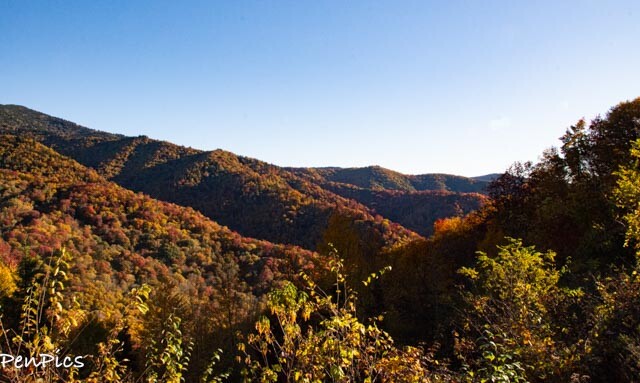
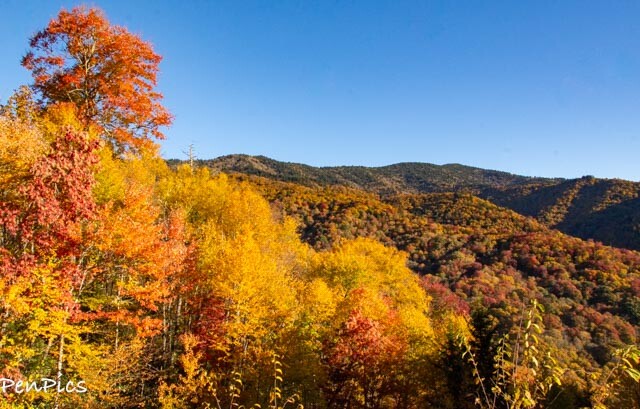
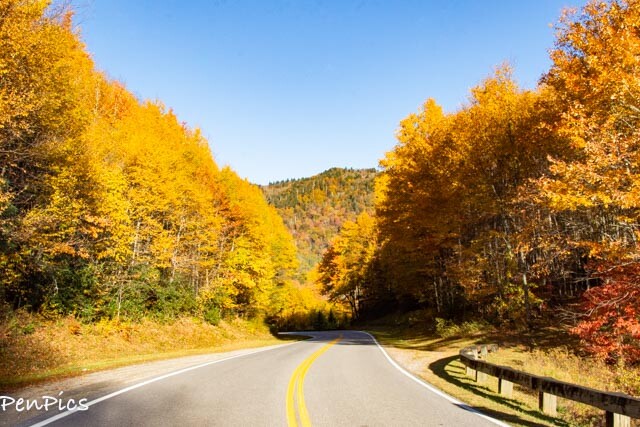
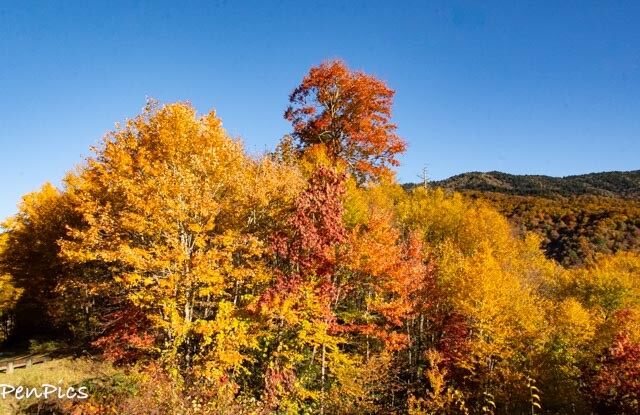
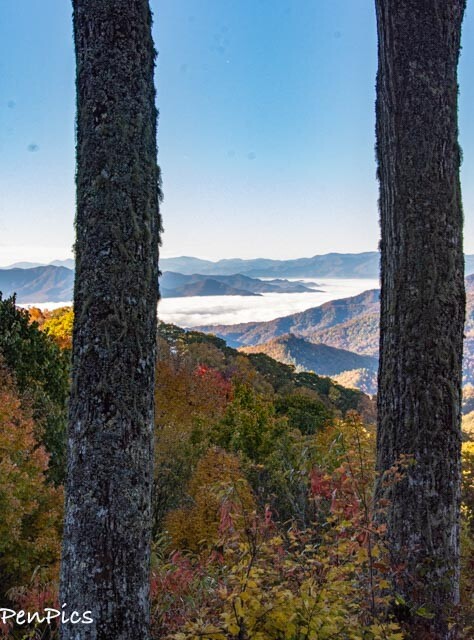
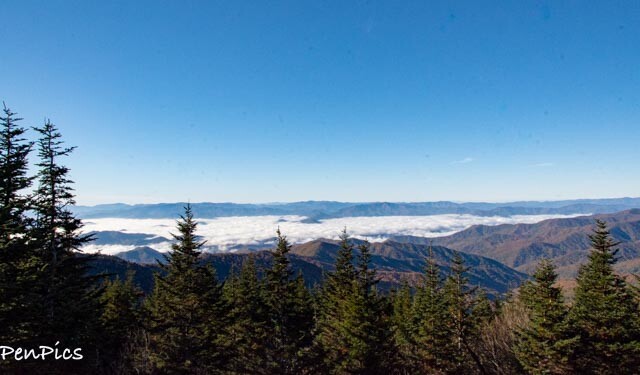
The Smokies got its name from the Cherokee people. They called it “Shaconage” (shah-con-ah-jey), which means “place of the blue smoke.” The name comes from the blue mist that floats above the peaks of the mountains.
European settlers moved to the mountains in the late 1700s. Life for them was very hard. These early settlers moved onto land that belonged to the Cherokee people. They cut down trees to build their log homes. They cleared the land to feed their animals and plant crops. They also hunted for food. Sometimes, conflict between the two groups led to fighting.
In the 1830s, many of the Cherokee were forced to move west. More settlers began moving onto the land. By the 1900s, the land was owned mostly by farmers, timber companies, and paper factories. Small communities grew into big towns like Elkmont, Smokemont, Proctor, and Tremont. Over time, the beautiful forest was being cut down for lumber and paper products.
During the 1920s, a growing push toward conservation of the land was popular. In 1926, President Calvin Coolidge signed a bill that established the Great Smoky Mountains National Park. The goal was to save the forest and wildlife who lived there.
The Park would include land from two states: Tennessee and North Carolina. In 1934, the two states donated 300,000 acres of land for the Park. Another 150,000 acres had to be bought from the people who lived and worked there. Money to buy the land was raised by state legislatures and ordinary citizens. Even school children collected money! They raised $10 million! That land was the beginning of the Park.
In the 1930s, the Civilian Conservation Corp (CCC) worked to get the Park ready for visitors. They built roads, bridges, hiking trails, and campgrounds, for people to enjoy. In September of 1940, the Park was officially opened by President Franklin Delano Roosevelt, at Newfound Gap.
Today, the Great Smoky Mountains National Park is over 500,000 acres, between Tennessee and North Carolina.
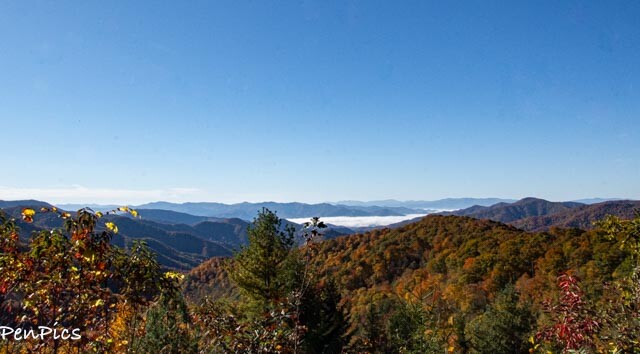
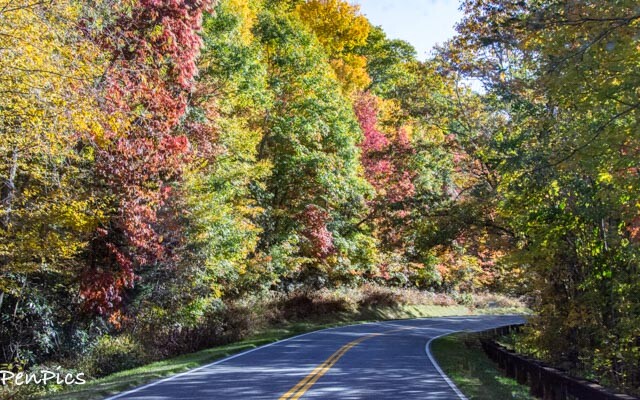
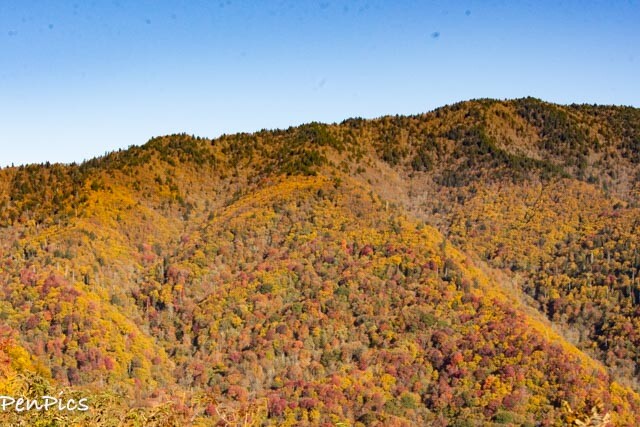
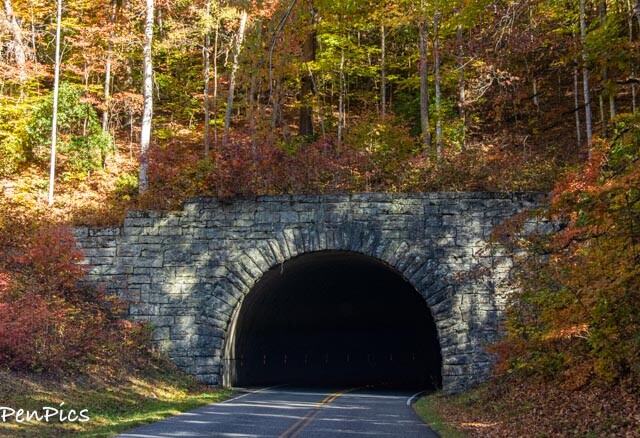
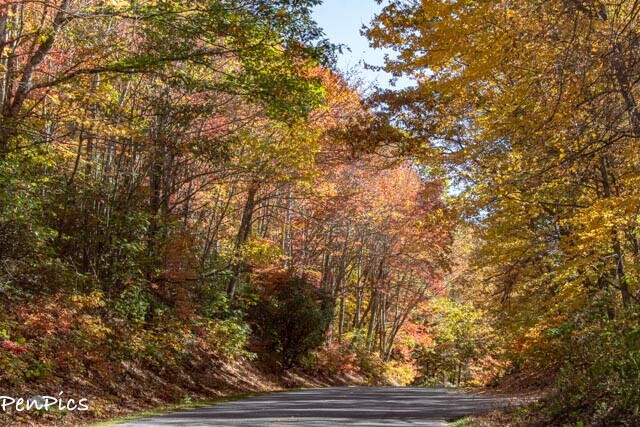
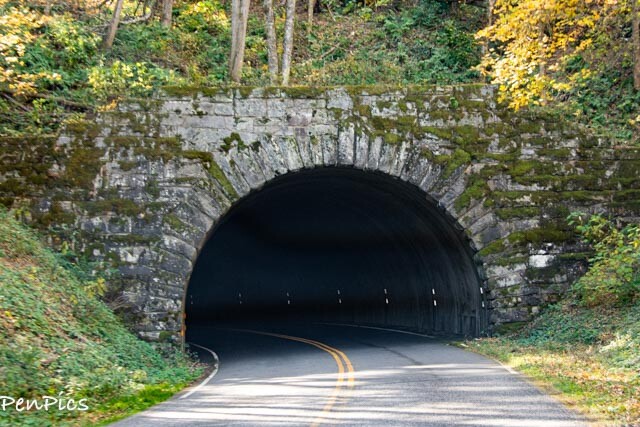
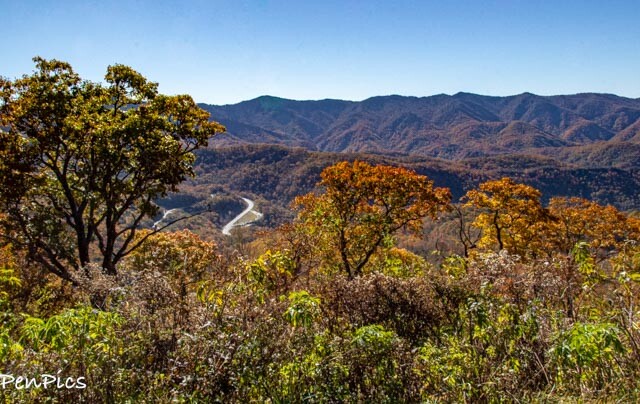
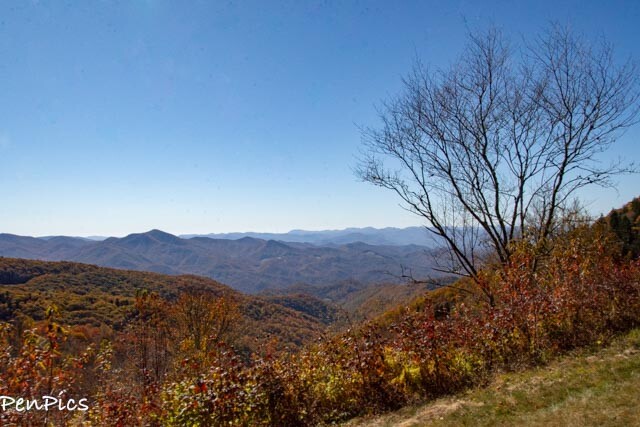
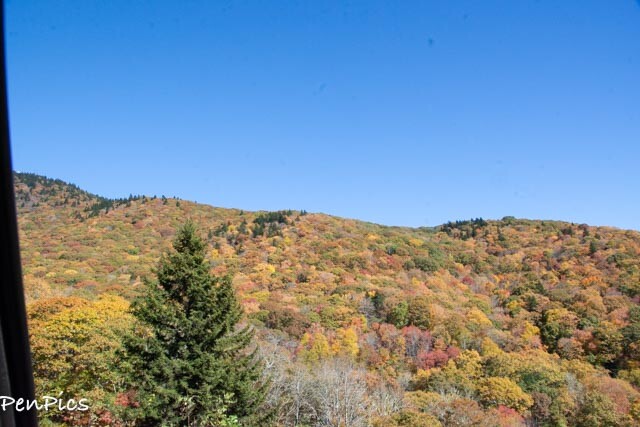
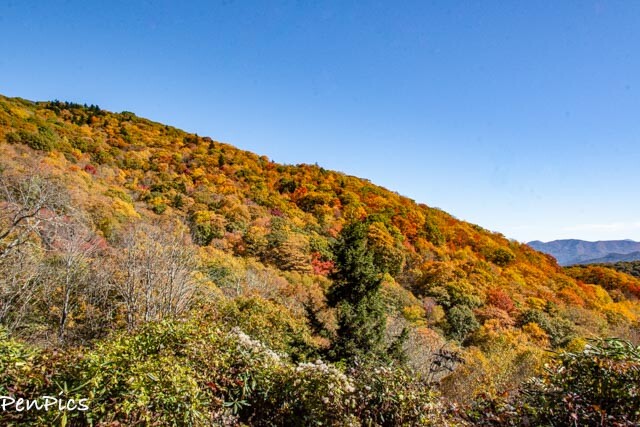
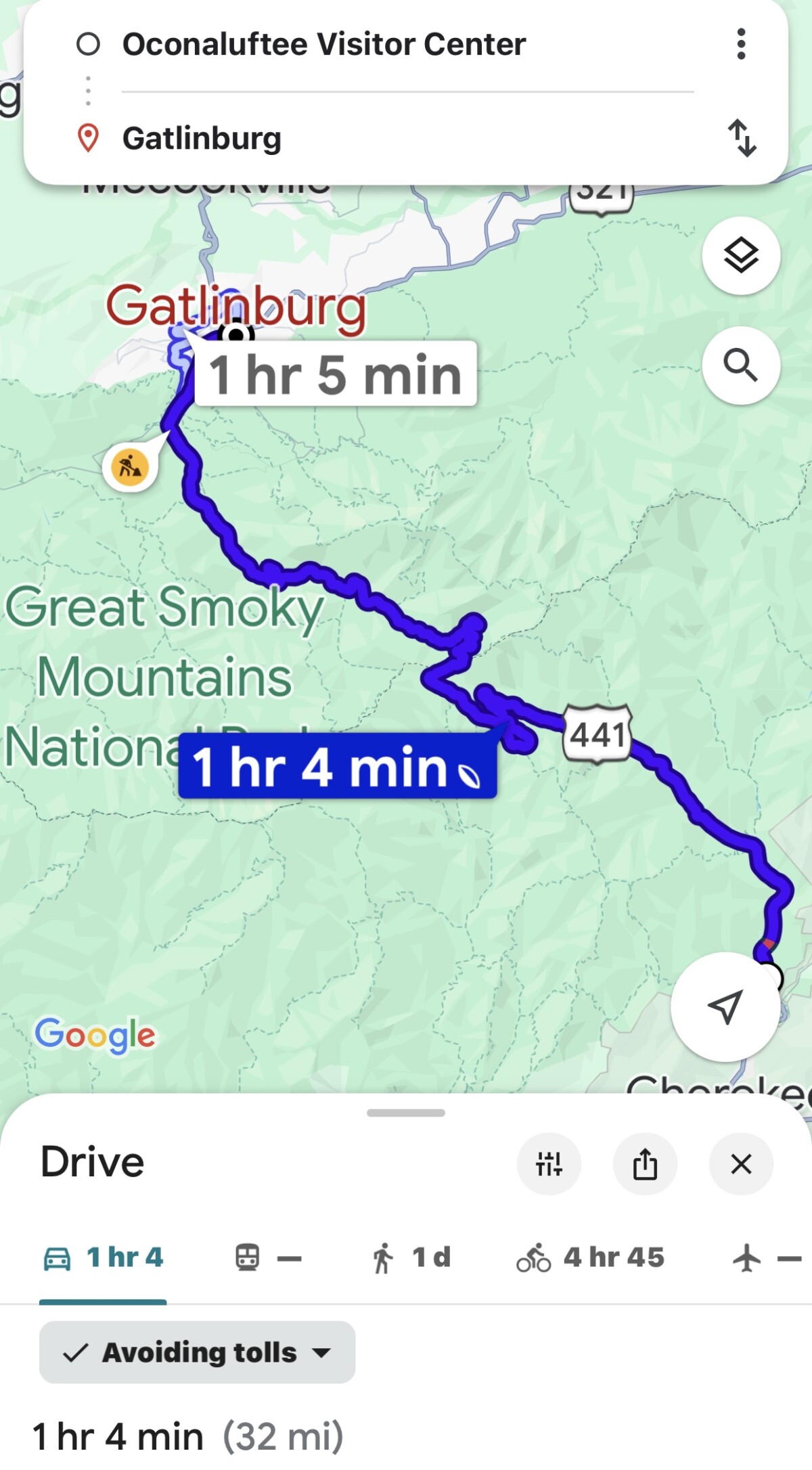
We had a beautiful day and enjoyed the North Carolina side of the Park, but we needed to check into our motel. We were staying in Gatlinburg, Tennessee for the next two nights, so we exited the National Park, at the central North top of the Park, not too far from Gatlinburg, which had us in Tennessee, after coming up from the Southeast, in Cherokee, North Carolina.
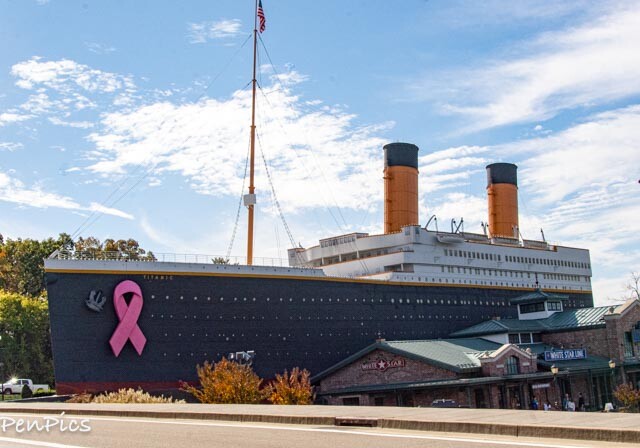
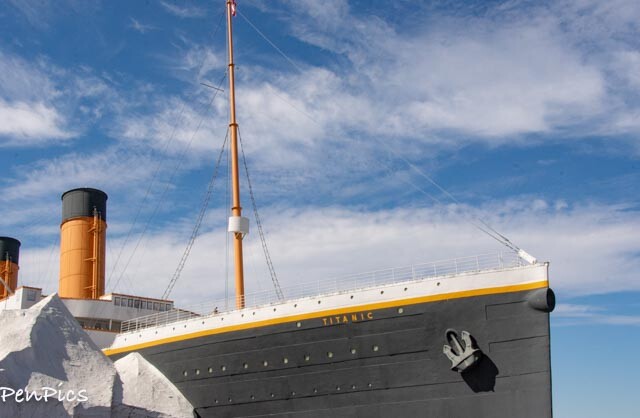
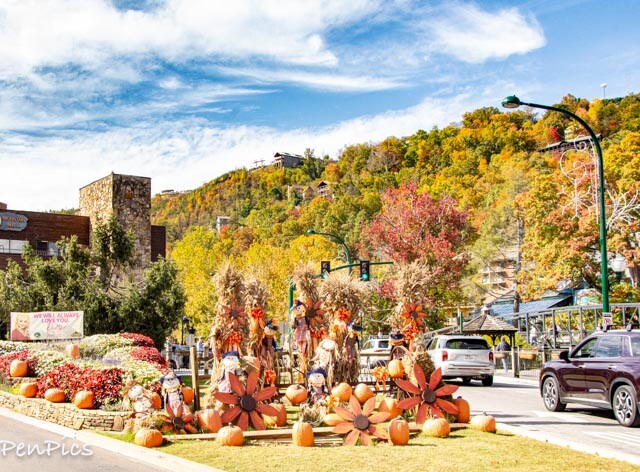
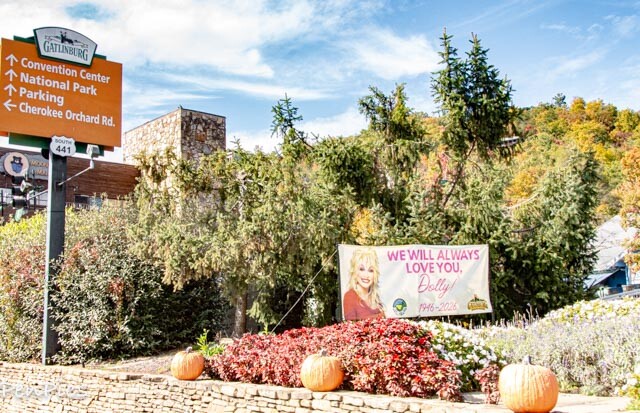
Now, we did not realise this, but Gatlinburg is like a little Las Vegas! I was expecting more along the lines of an Estes Park vibe, like in the Rocky Mountain National Park, in Colorado, which I’ve visited several times, when I live in that beautiful state. It’s one of my favorite National Parks. There are Elk herds wandering around the town, constantly. It’s pretty awesome. Anyway, I was wrong about that vibe. Gatlinburg was good, but we could not believe all the people, and of course it was the busiest time of the year, to boot! Just like Vegas, there are sidewalks and no parking along the main drag, so must look for parking lots and pay. I did see one parking garage. I think we counted six “Ripley’s Believe It Or Nots,” and there was a Space Needle. Ha! There were lots of shops and restaurants, and Motels, but we did not feel up to the crowds. Perhaps another time of the year would be more enjoyable for us.
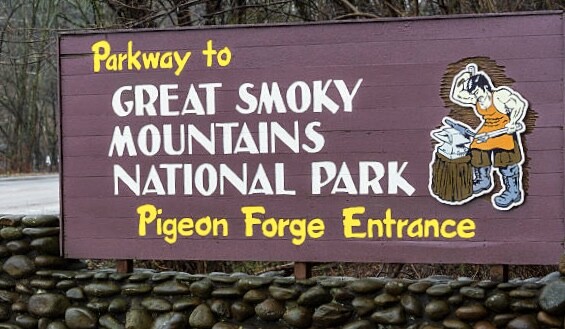
What worked out real well was, we got a motel about a block off the main drag, and we had parking, included in the price of the room. The motel was fine, but we were only there to sleep, anyway. After we got checked-in, we decided to head to the next town of Pigeon Forge to find a place to eat. That was a good call, so we could avoid the crowds, and while it was also a bit like Las Vegas, it was more spread out, with lots more convenient parking, and far less people, so wherever you wanted to go, you could get to, easier. Also note: Yes, Dollywood is in Pigeon Forge, but we are not big fans, so we did not drive to that location. We stayed right in town and enjoyed it. We ended up eating at a Texas Road House, but they told us their Prime Rib machine was broken. What? I don’t even know what that is, and neither did the waitress. We should have left, but thought for sure we could find something else on the menu. What we got wasn’t great, and honestly, I’ve never, ever gotten anything else at Texas Road House, other than Prime Rib, and I’ve never been disappointed. Lesson learned.
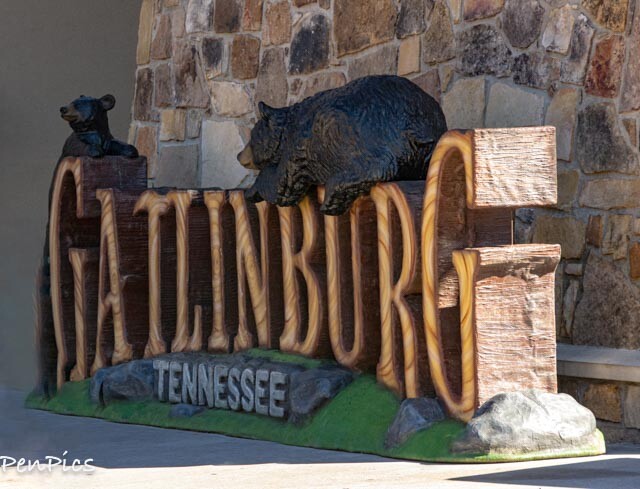
Although Gatlinburg was founded by the Ogle family, it takes its name from one of its most infamous residents. When Radford Gatlin moved to town in 1854, the sleepy little mountain community was known as White Oak Flats. A few years later, however, the town was known as “Gatlinburg,” because the area’s first post office was located in Gatlin’s general store.
In spite of his newfound celebrity, Radford Gatlin was not well liked. He was constantly bickering with his neighbors and his pro-Confederate sympathies were poorly received in strongly pro-Union East Tennessee. Ultimately, Gatlin was given a beating and chased out of the city that bears his name, in 1859.
As Radford Gatlin’s expulsion from town illustrates, tensions ran high in Gatlinburg, during the Civil War. Very few people owned slaves in the Smoky Mountains and on the eve of secession, fewer than 20% of voters in Sevier County favored breaking away from the United States. However, the rest of Tennessee felt differently, and in 1861, The Volunteer State joined the Confederacy.
During the war, Gatlinburg tried to remain neutral, but it was eventually occupied by the Confederate Army. The rebels used Gatlinburg as a home base, as they ventured into Alum Cave to mine saltpeter, a mineral needed to produce gunpowder. The Confederate occupation of Gatlinburg ended in 1863, after the Battle of Burg Hill, an hour-long skirmish in which two Union forces drove the rebels back across the Smokies, into North Carolina.
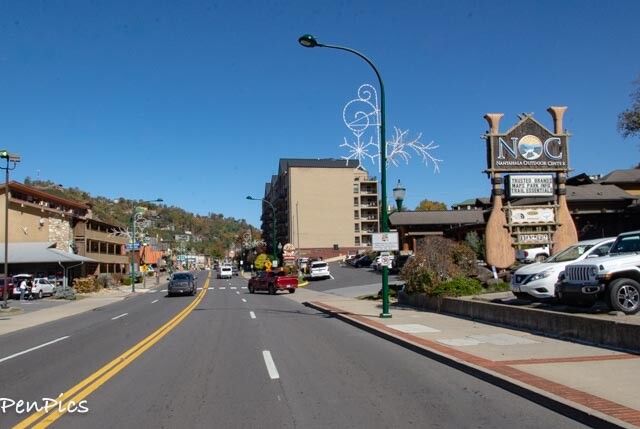
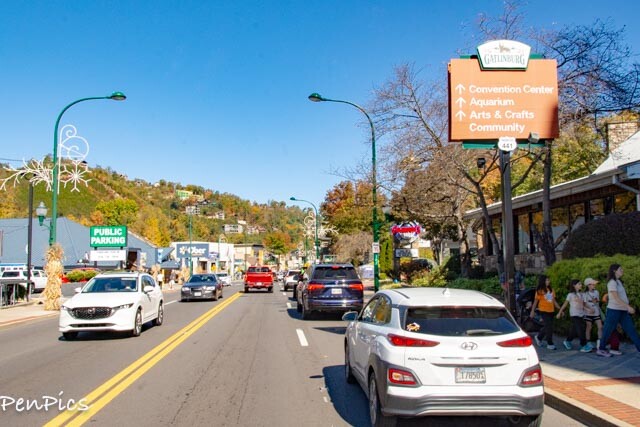
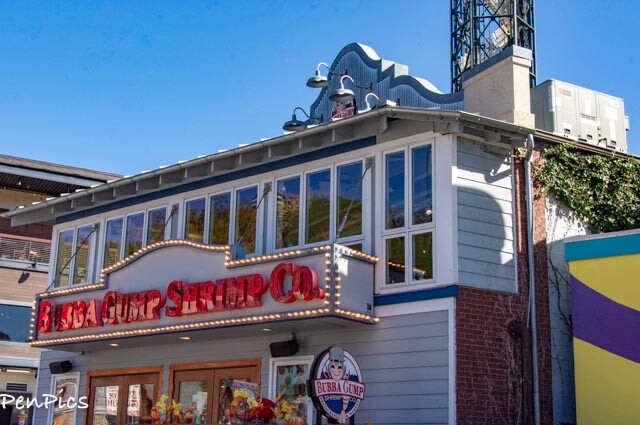
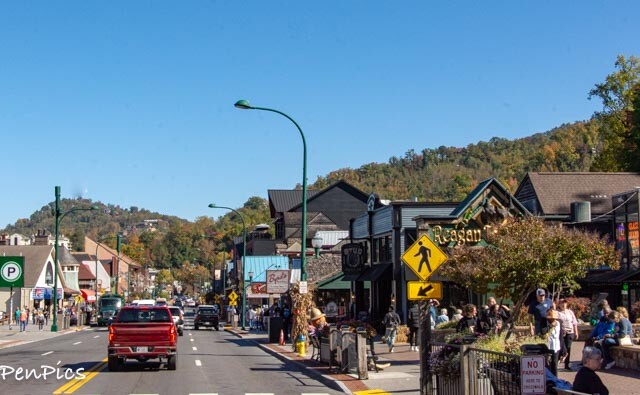
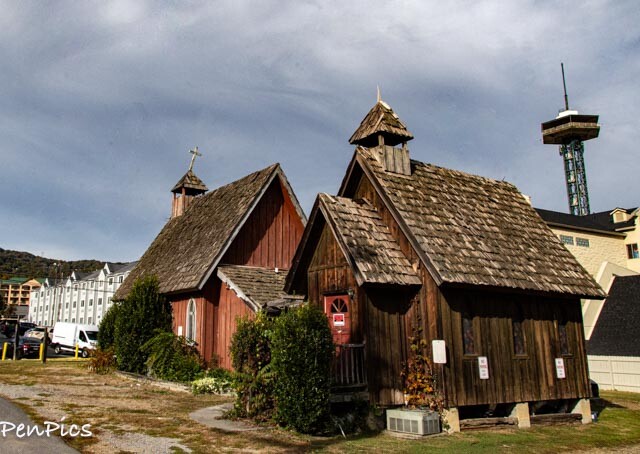
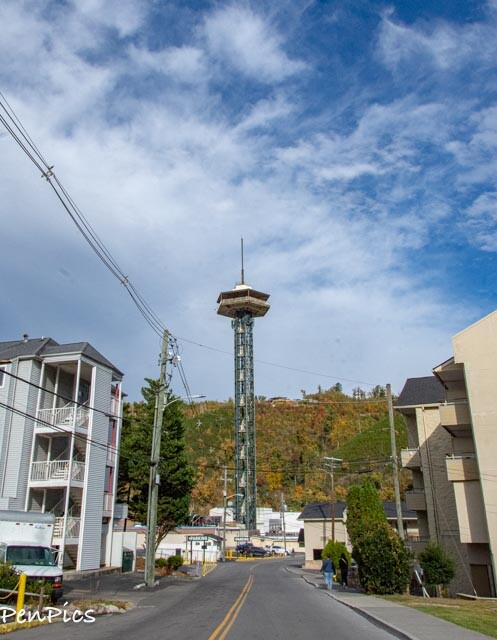
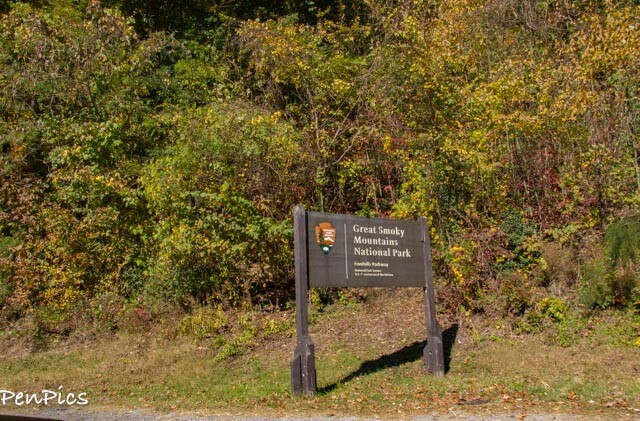
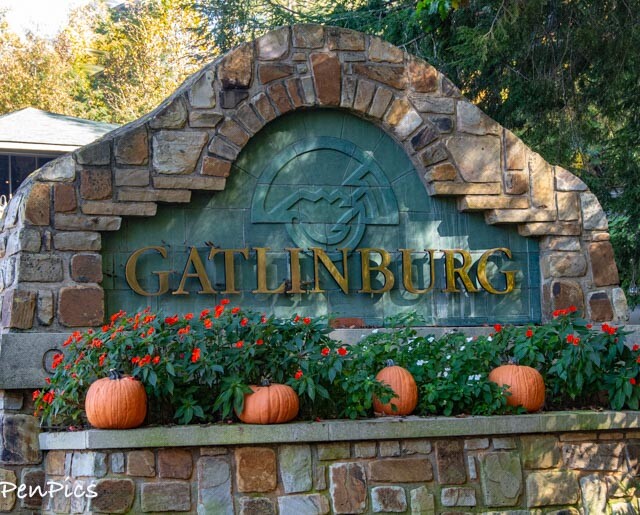
By end of the day, we headed back to our room at the motel. The next day was suppose to be cloudy, so we decided to relax a little the next morning, and then take a drive to Knoxville and save part two of the Great Smoky Mountains National Park for the day after, when it was suppose to be blue sky and sunny again.
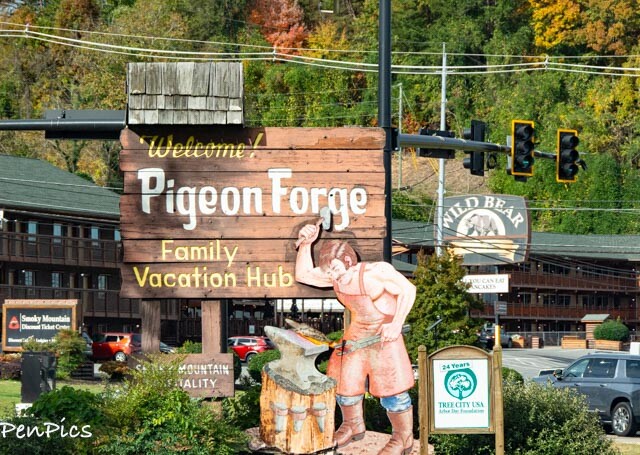
Named after the passenger pigeons that once roosted along the Little Pigeon River and an Iron Forge built by Isaac Love, in 1817.
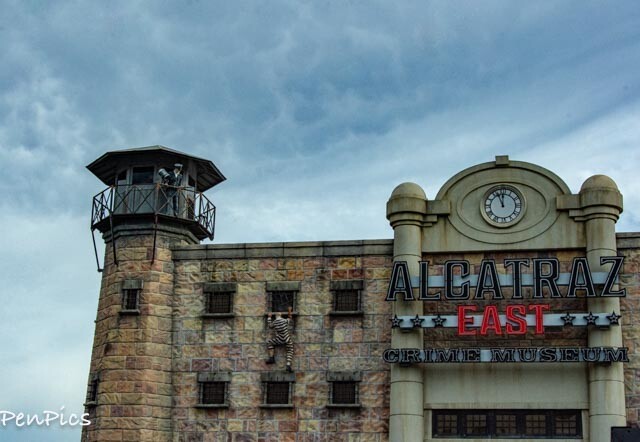
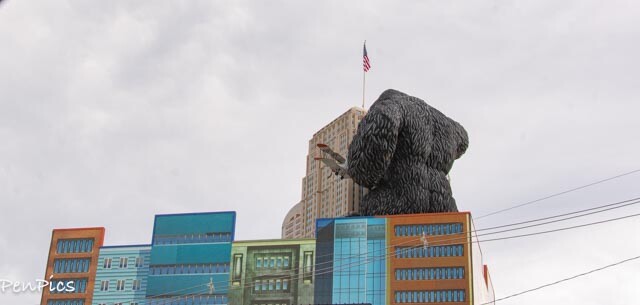
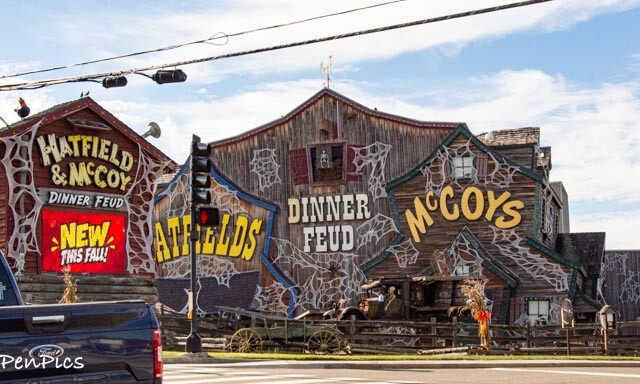
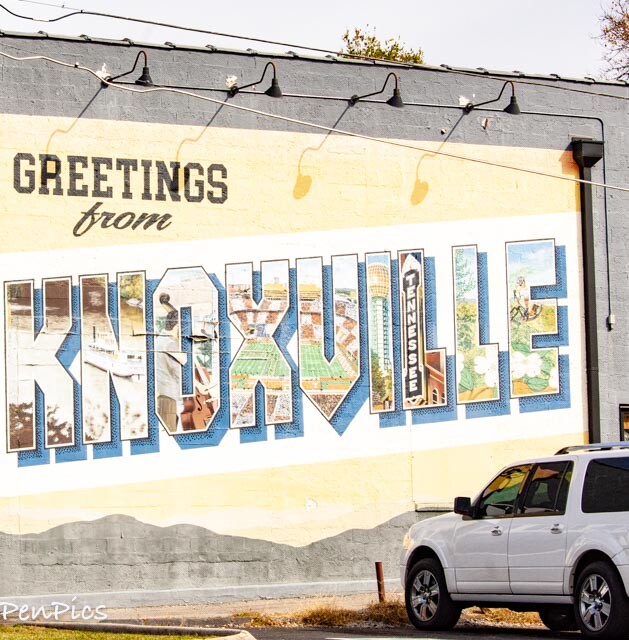
Knoxville, Here we come!
As we had figured, this day was overcast and not super great. We were glad we had a plan and we began our drive to Knoxville.
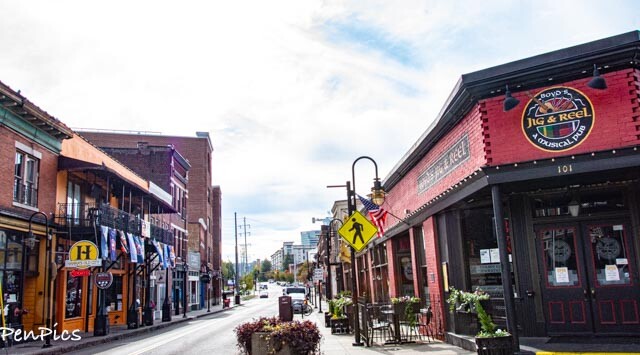
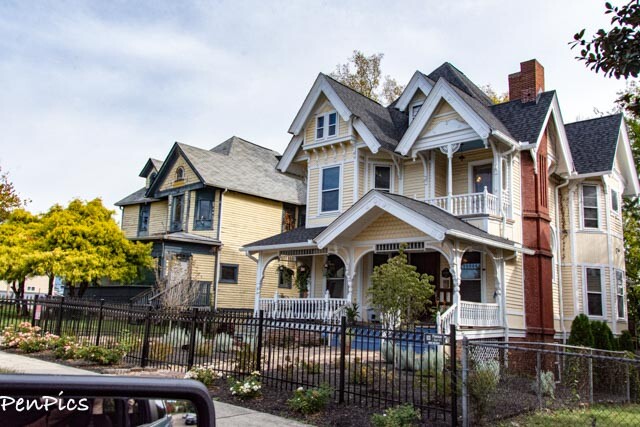
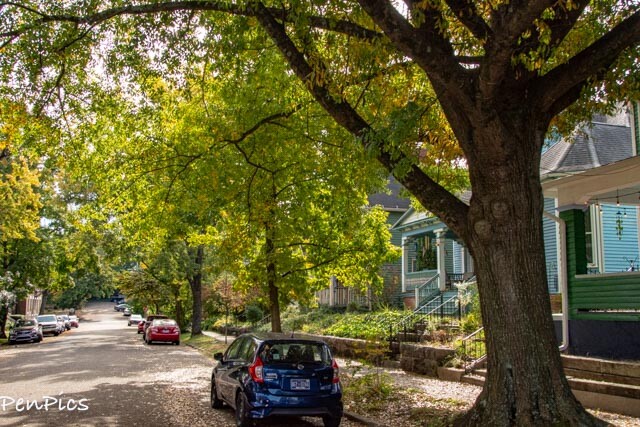
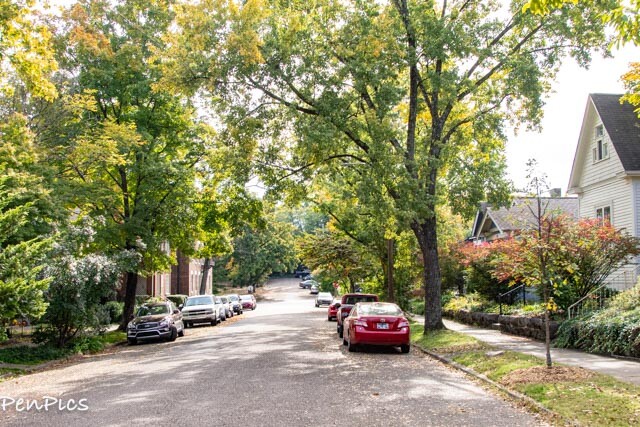
Knoxville ended up being pretty much what we expected. It was a little run-down and we sadly, defiantly saw evidence that there might be a bit of a substance abuse problem going on there. Watch carefully as you drive around, because people were like zombies and stepped right in front of you to cross the street…totally tweaked out. Aside from that, we did find the Historic area and enjoyed the older part of town and looking at some of the homes that were kept up, and beautifully restored. We were glad we went, but it was defiantly a one and done place for us.
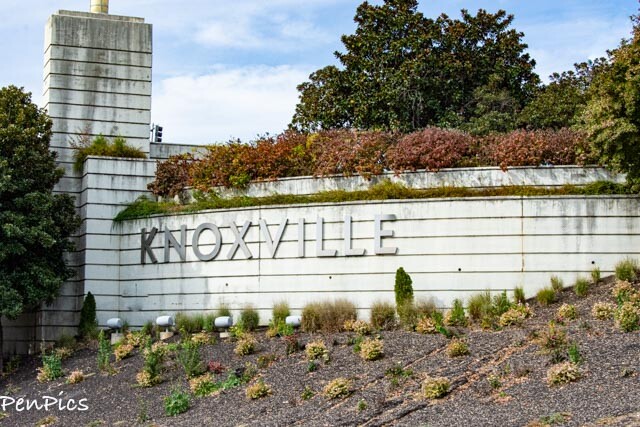
Founded in 1791 and named after Henry Knox (George Washington’s first Secretary of War), Knoxville served as the first capital of Tennessee for over 20 years.
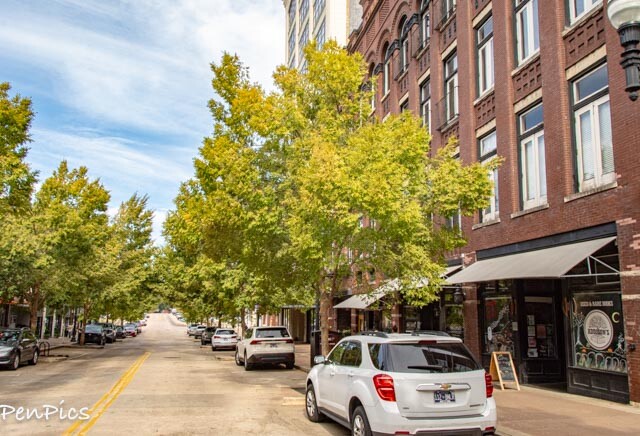
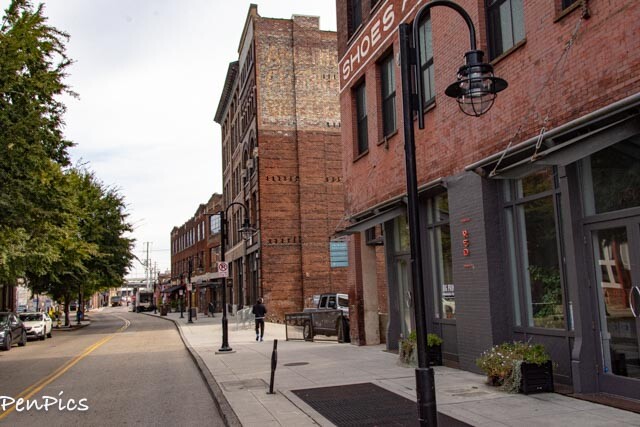
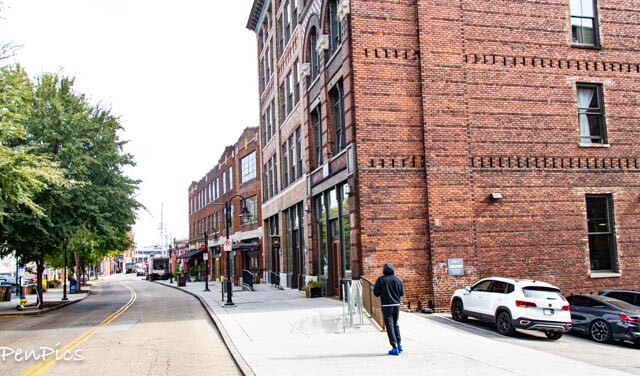
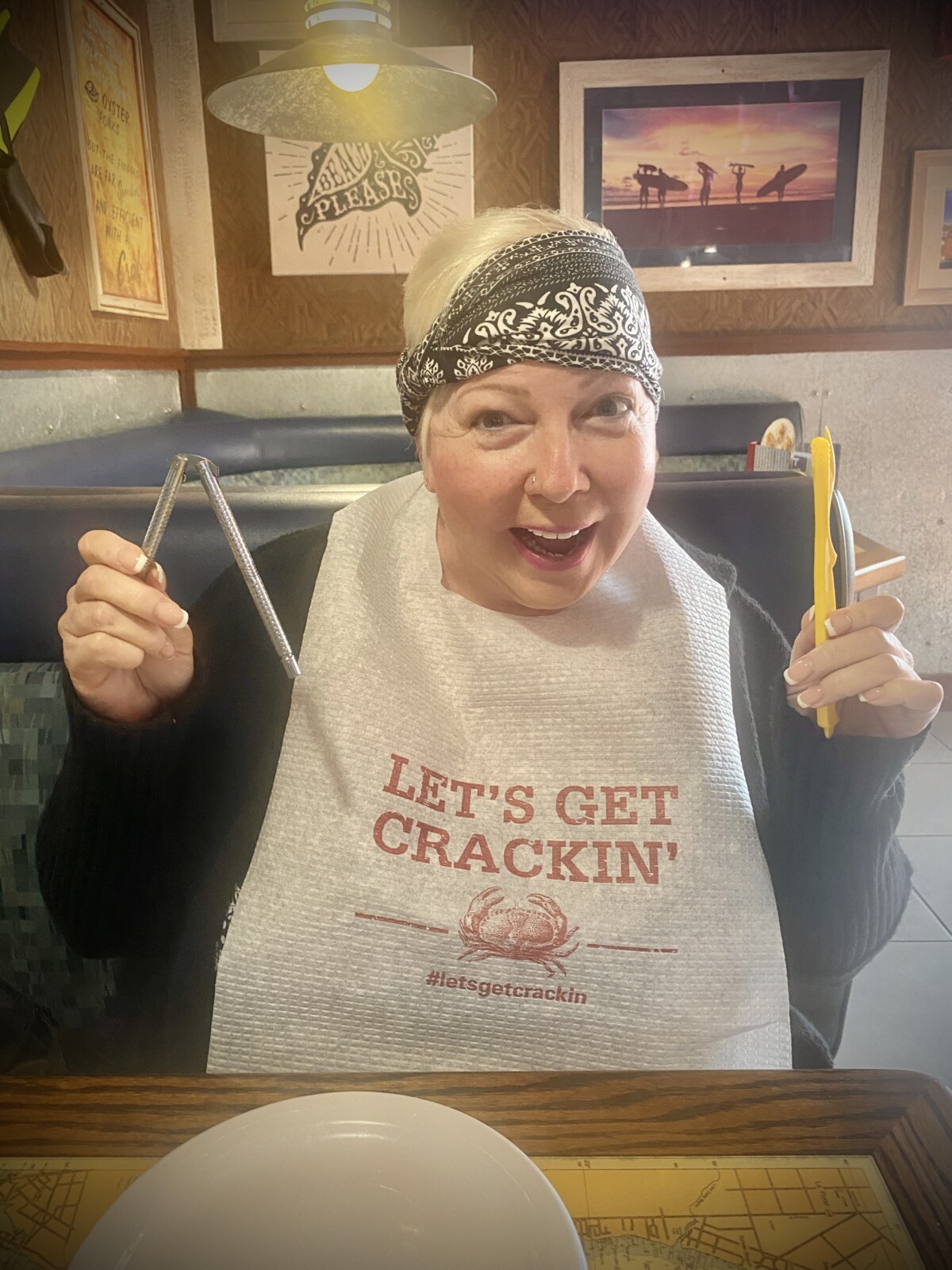
On our way back to Gatlinburg and our Motel, we looked for a place to eat dinner, back in Pigeon Forge. This time, we chose a Historic “Crab Shack.” Excellent choice. Daryl got Oysters and I got Dungenous Crab in the shell. They were delicious!!
Day 2 in The Great Smoky Mountains National Park
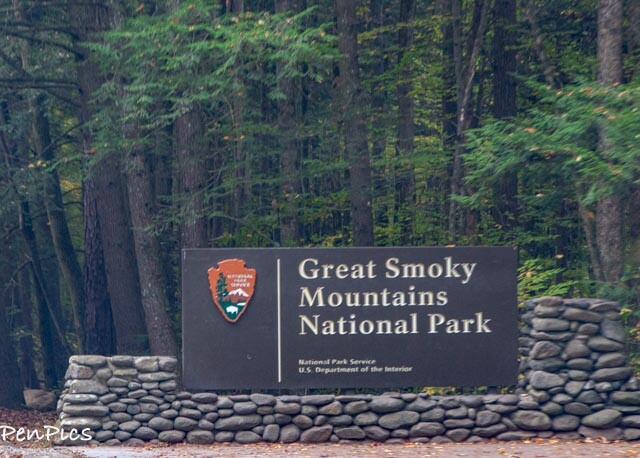
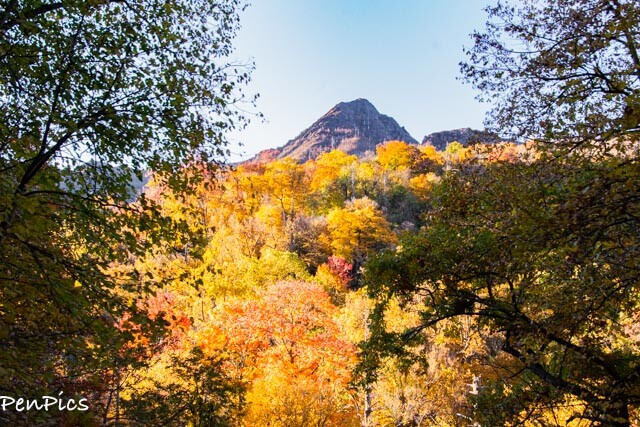
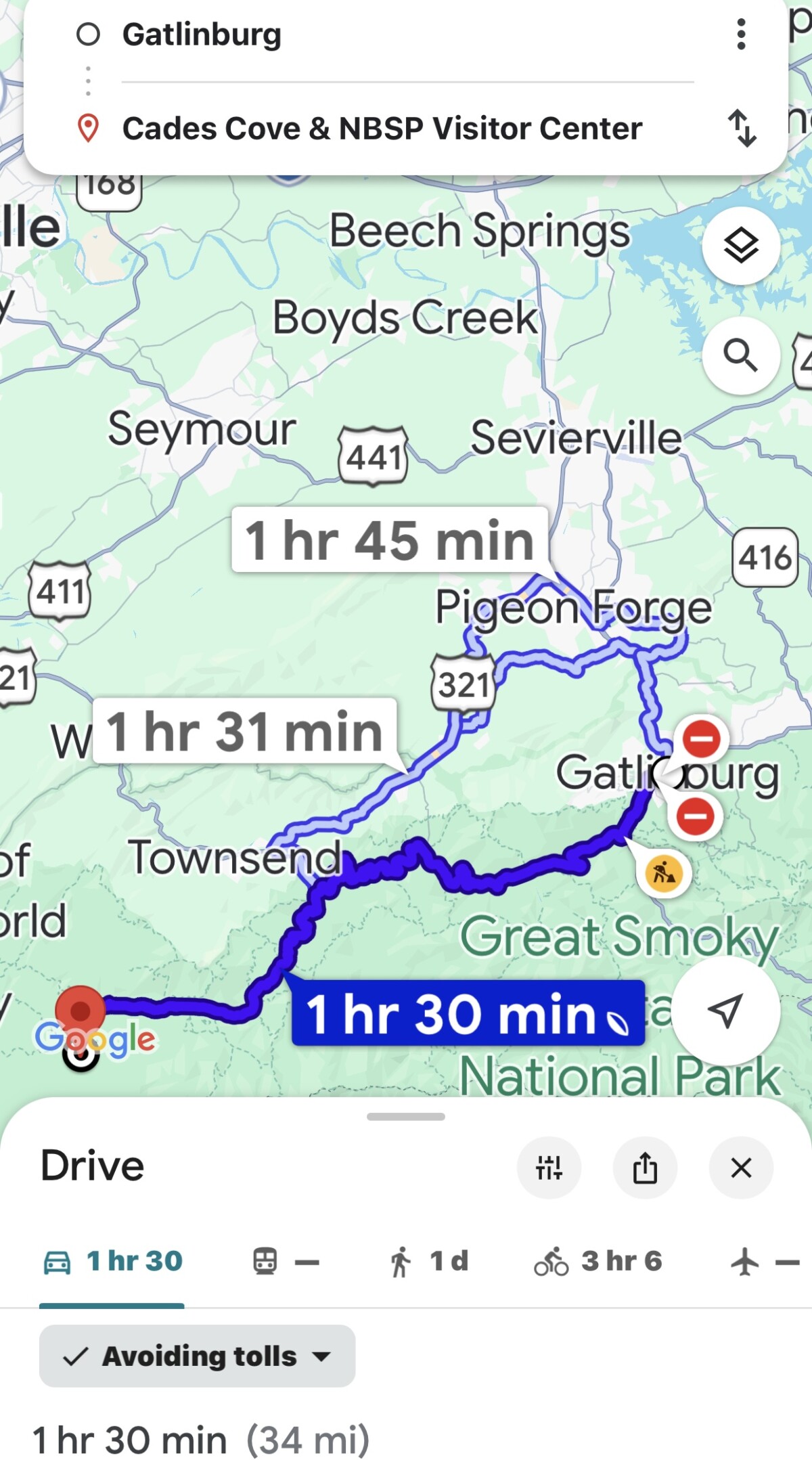
As we had hoped, we woke to another beautiful sunny day, and we were excited to get back into the mountains! Our plan on this day was to explore the Tennessee side of the Park. We drove out of Gatlinburg, South and found the scenic drive, that would take us to Cade Cove in the Park. We were looking forward to seeing another, bigger Historic Homestead.
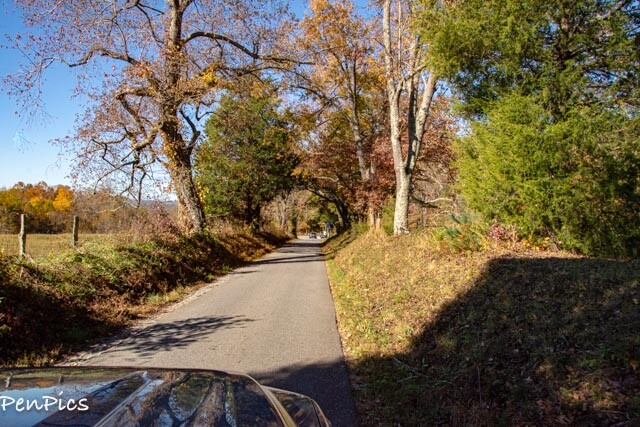
Unlike the other side of the Park in NC, as we climbed up the mountain we saw mostly empty pull-out parking spots. We hardly saw any people. We did see a few more motorcycles, but there were far less vehicles. We didn’t give it too much thought and continued on our drive.
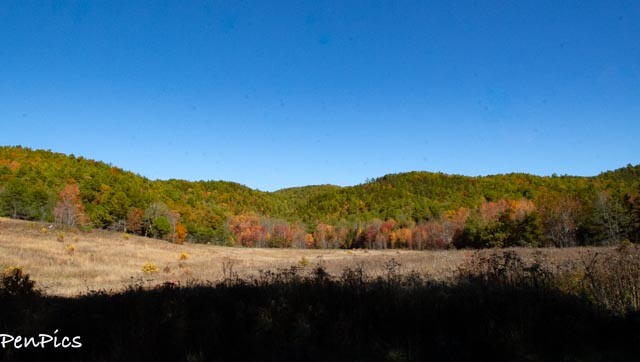
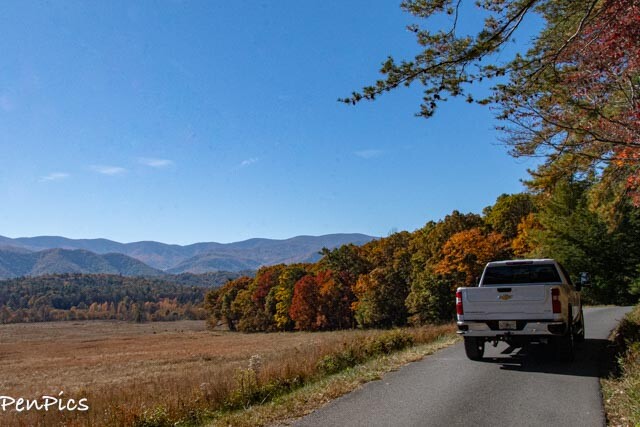
As we entered the “Cade Cove Loop,” we really enjoyed the mountain top meadows. It was very big and just gorgeous. We did not see any Elk, but it was a little later in the day, since we did not rush that morning. This loop has a one-way in and one-way out, so it’s a bit of a commitment to get on, because there is no turning around.
This scenic, 11-mile one-way loop road, winds through a lush valley surrounded by mountains. It is the premier destination in the Park for viewing Black Bears, White-Tailed Deer, and preserved 19th-century log cabins and Grist Mill. On Wednesday and Saturday mornings during warmer months, the loop closes to motor vehicles to allow pedestrian and bicycle access.
We were driving along, till all of a sudden, as we are climbing up a hill, we ended up being in a line of vehicles that were barely moving. Well, we found all the people and their cars! We had a good laugh at that. I guess we should have gotten an earlier start, afterall.
Along the way, we slowly crept along and there were a couple old churches and one homestead that you could hike a short ways to. The only problem was getting out of the line of cars that was barely moving, because we felt like we would never get back in! Oh well, we just carried on and kept our sites on the big homestead we were going to.
We would learn, that meadows on top of the mountain, once was home to about 700 homesteaders. That would have been quite a sight to see. Too bad more homes were not kept and restored. Finally, we got to the Cable Mill Historic Site. It was totally worth that extra hour-plus of bumper to bumper.
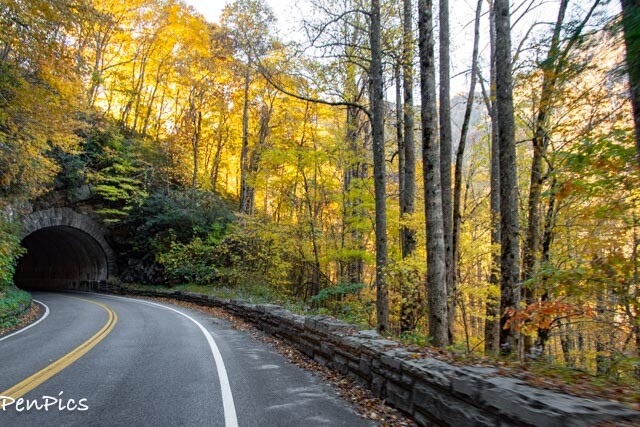
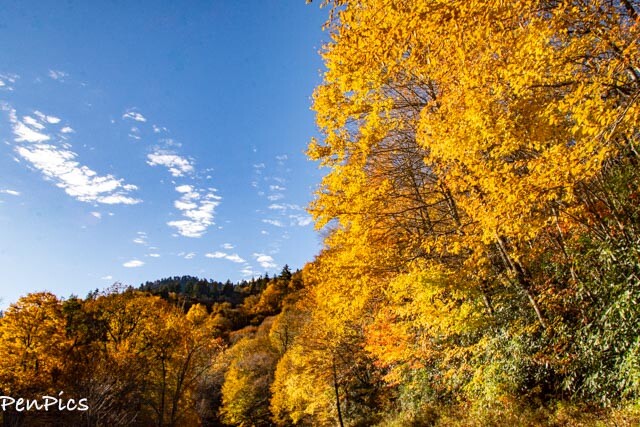
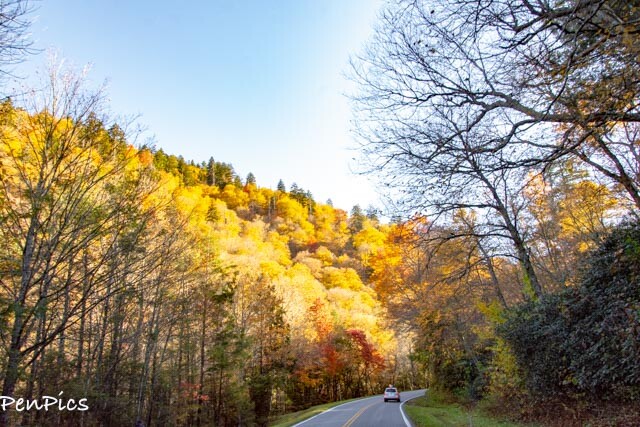
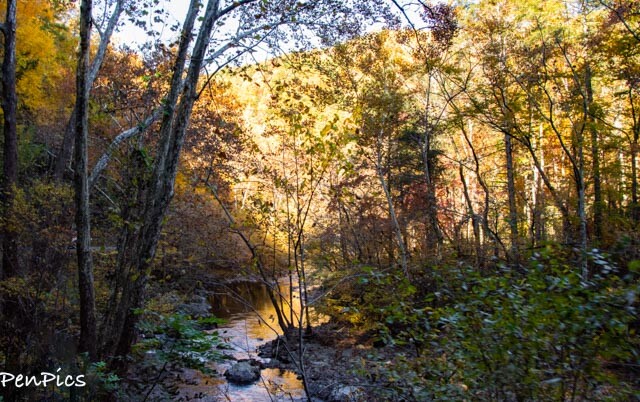
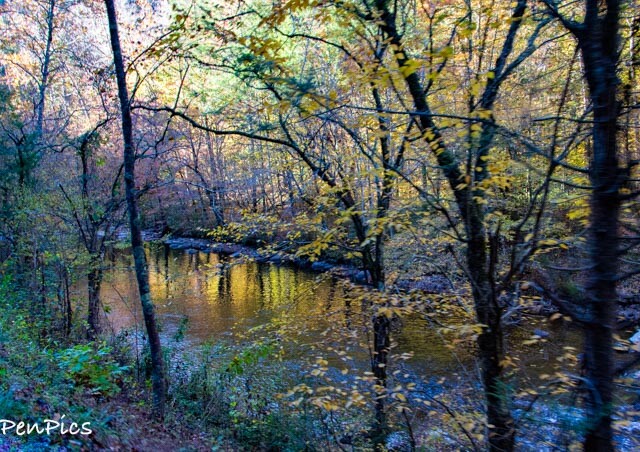
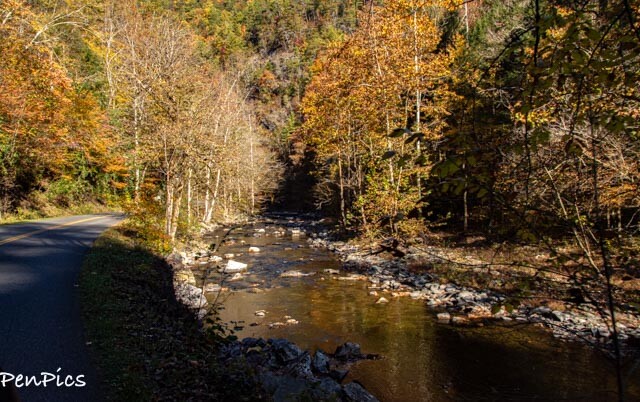
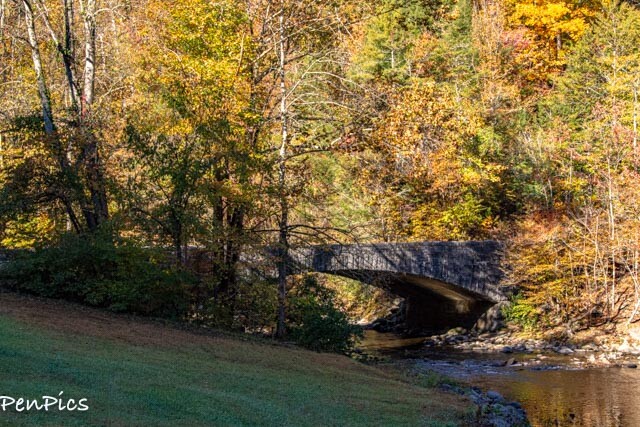
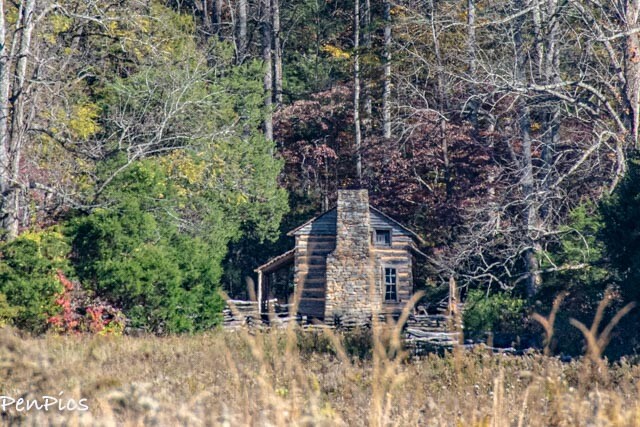
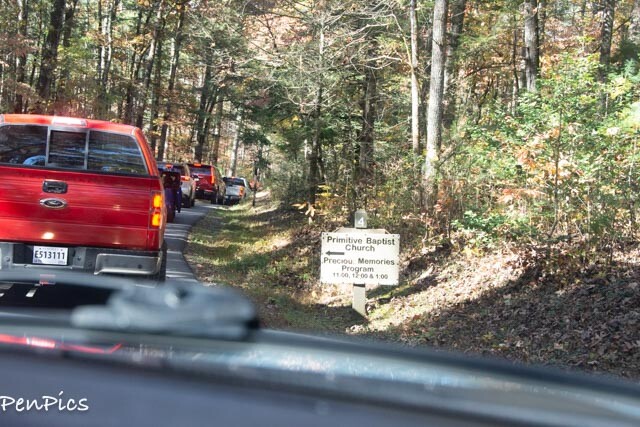
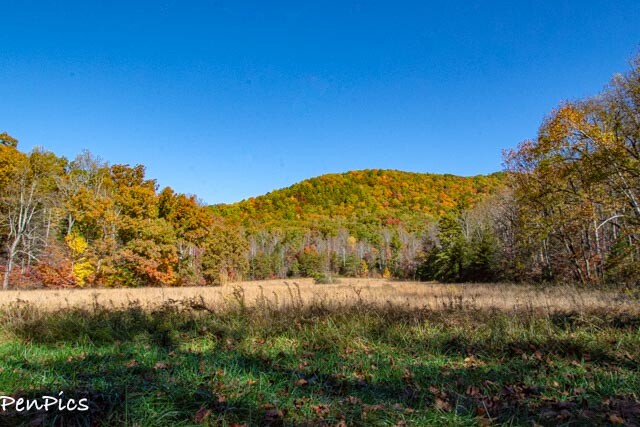
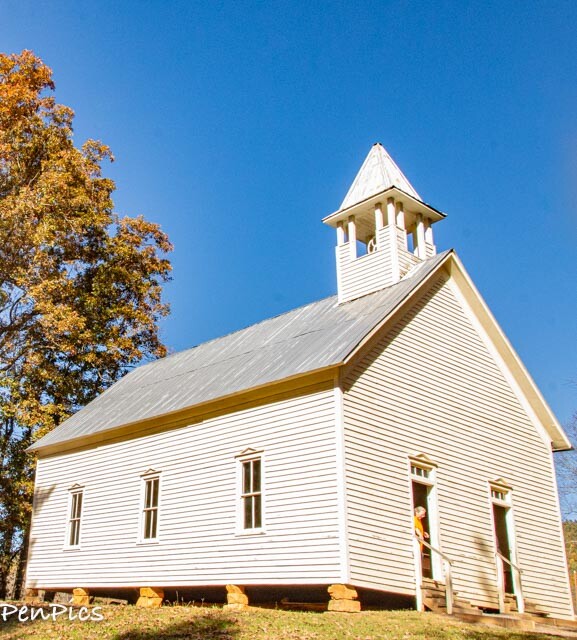
In Cades Cove, in the Great Smoky Mountains National Park, there are three historic churches: the Primitive Baptist Church, The Methodist Church, and Missionary Baptist Church
Established in 1827 as an arm of the Wears Cove Church, it split in 1841 over foreign missions, to officially become a Primitive Baptist congregation. The current white frame building was hand-built in 1887, replacing an 1832 log structure.
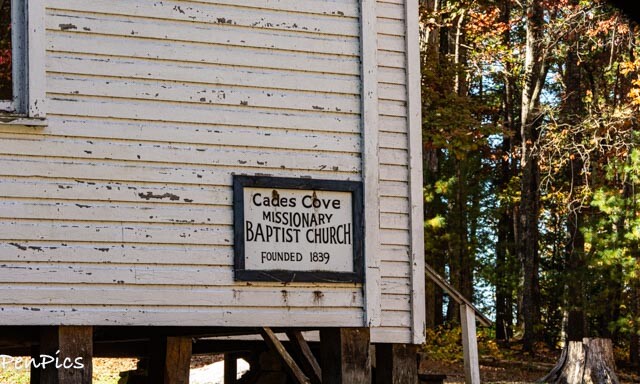
Cades Cove Missionary Baptist Church is traceable, back to 1820’s circuit riders, the congregation built its first log cabin, in 1840.
The current white church was constructed in 1902 by Rev. J.D. McCampbell for $115 in just 115 days. Its cemetery is the second-oldest cemetery in the Cove, with graves of early settler families like the Tiptons and Feezells.
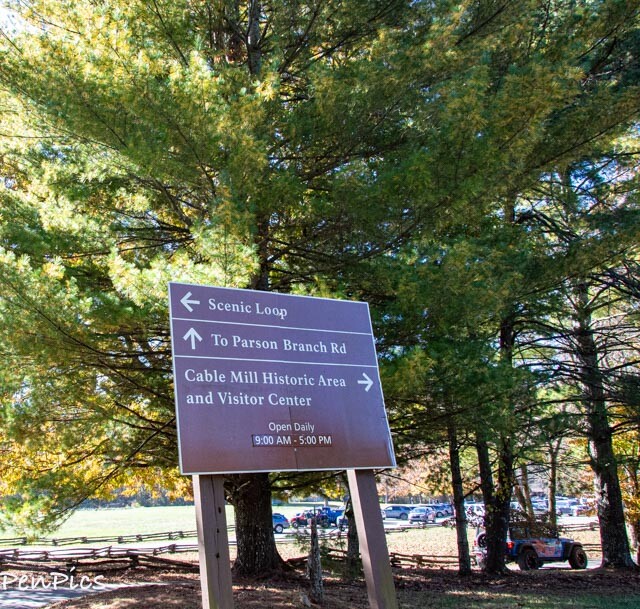
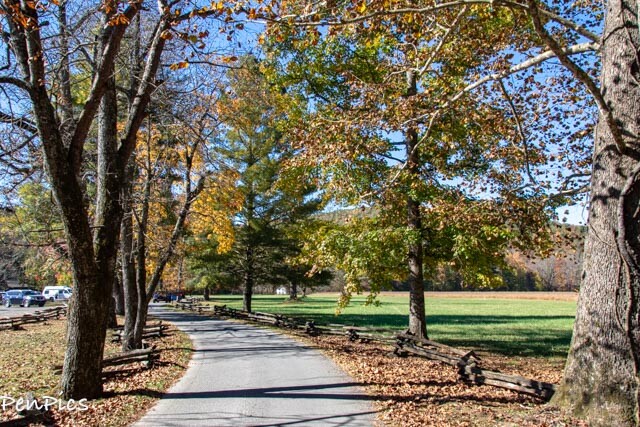
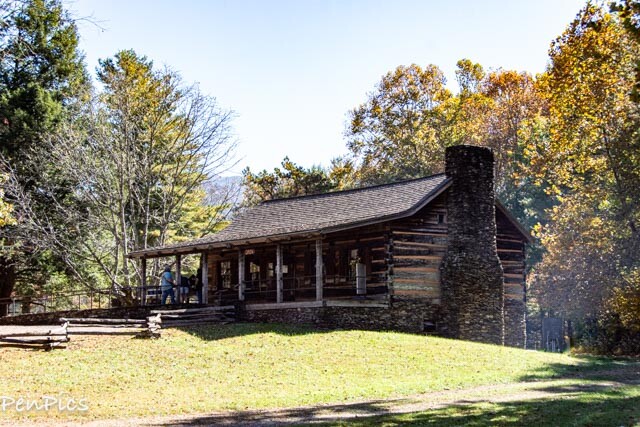
We made it! Daryl dropped me off at the Visitor’s Center log cabin, while he went to find parking, or drive around the parking lot till one opened up. I didn’t know what Daryl was gonna find, so I got out and started walking the grounds and exploring, so I could switch places with Daryl and drive around, while he got to look ground. But, I saw him in the distance walking towards me, so he had found a parking spot. Yay.
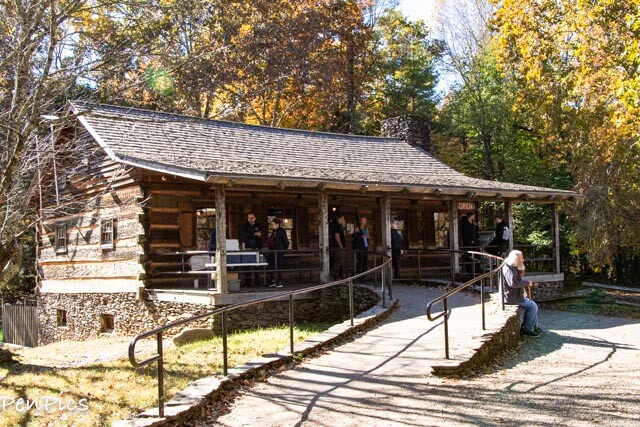
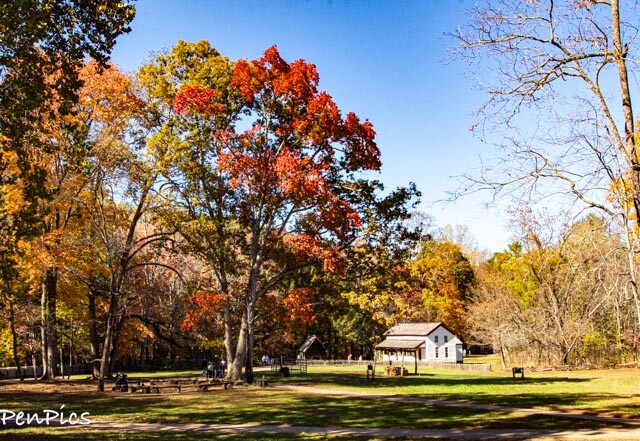
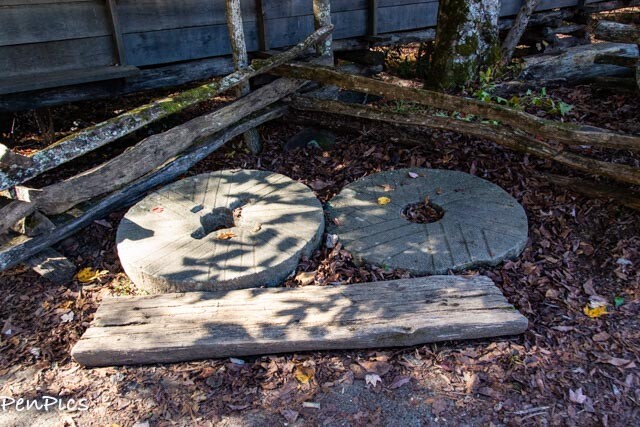
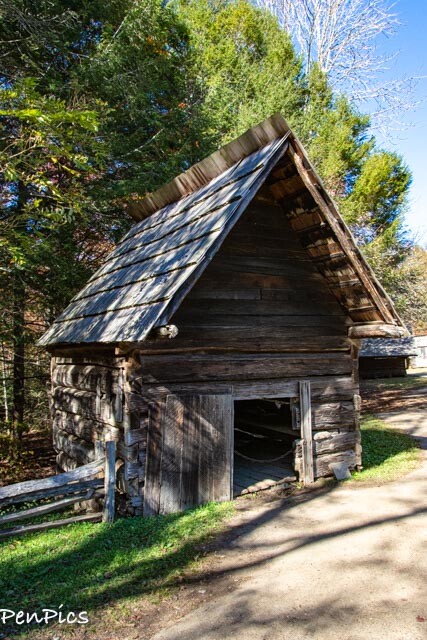
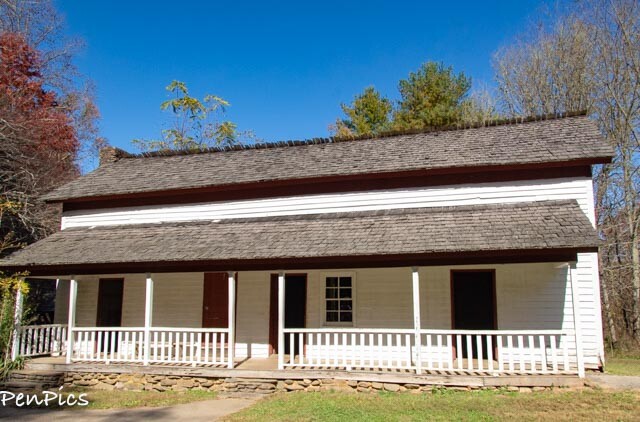
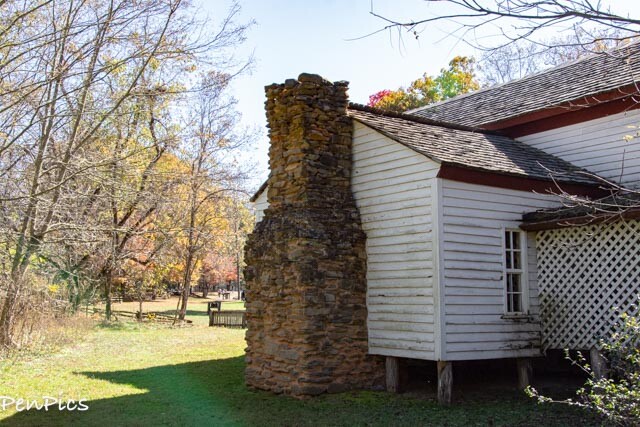
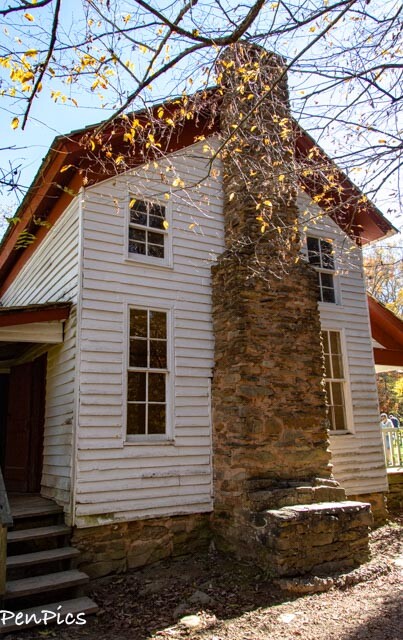
The Cable Mill Area contains many of the buildings typical of remote Appalachian farmsteads. The Grist Mill is on its original site. Other historic buildings in the complex were brought from elsewhere in the Park. The blacksmith shop, typical of old-time blacksmith shops in the Cove, was built in the 1950’s. Adjacent to the Mill is the Gregg-Cable house, built in 1879. This is the first and only remaining all-frame house in Cades Cove. All-frame houses were once popular in the Cove, but were removed after the Park was created, due to their more modern appearance. The Gregg-Cable house is believed to have been constructed using some of the earliest timber cut on the Cable Mill. A store was operated on the first floor by the Gregg family and later residents, Becky Cable and her brother, Dan Cable. Many of the products necessary for daily life could be purchased there, without going to the larger markets of Maryville or Knoxville. Becky and Dan only ran the store for a few years, before they sold the contents and turned it into a boarding house. Dan and his wife, Martha, were both ill, and they, along with their four children, lived with and were supported by Becky. After Dan and Martha died, Becky raised their children, which is why she was known to many as “Aunt Becky.”
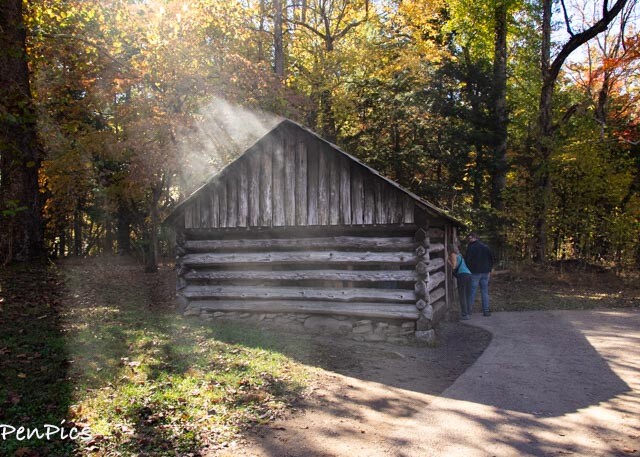
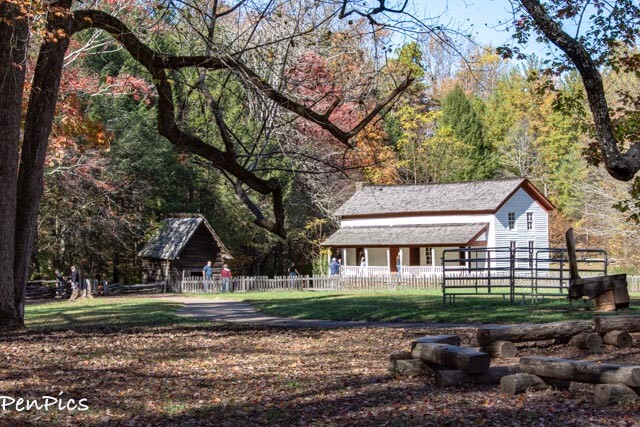
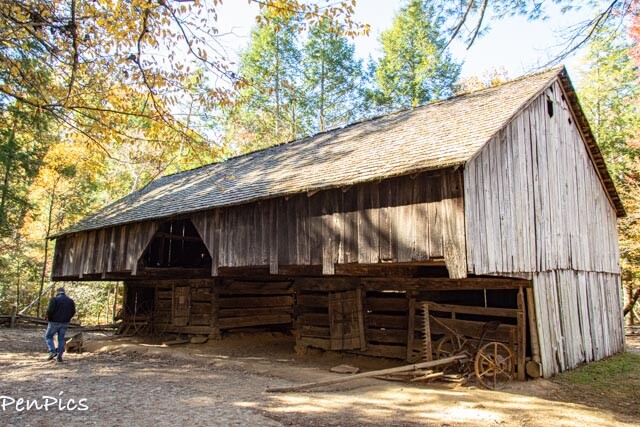
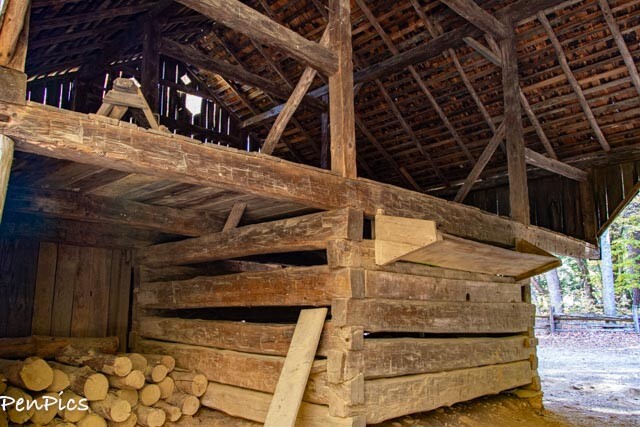
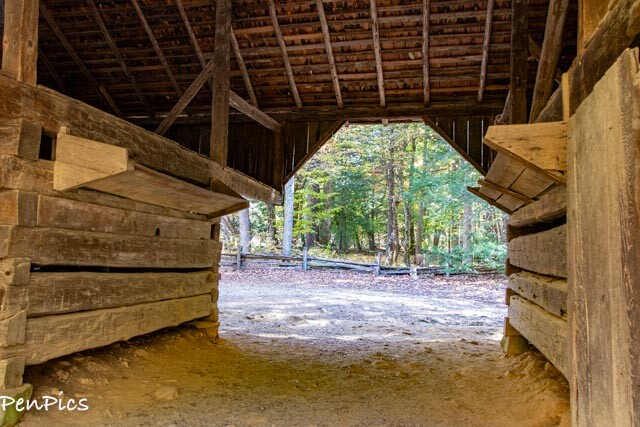
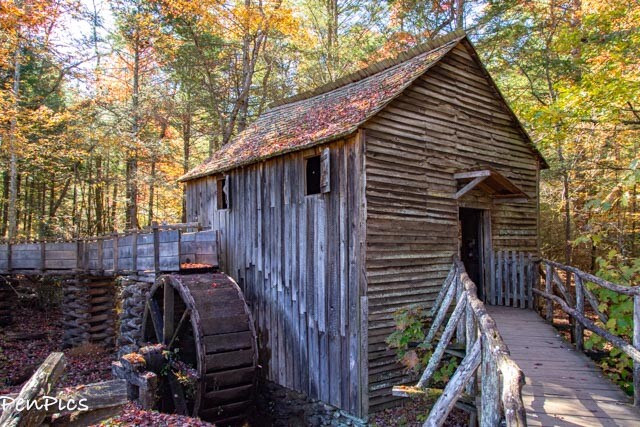
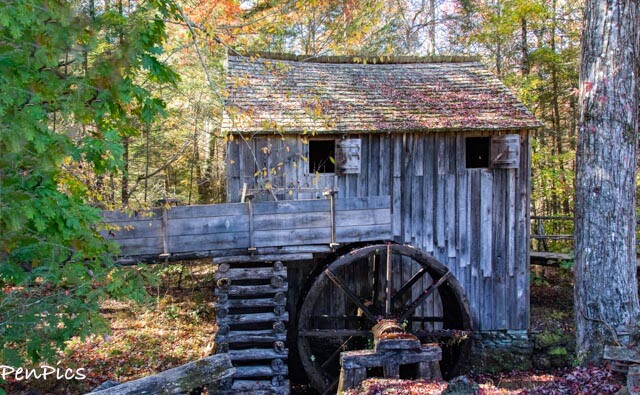
The Cable Mill Historic Grounds in Cades Cove, features a water-powered Grist Mill and Saw Mill, built around 1867-1870, by John P Cable.
The Cable Mill has become a symbol for the Cades Cove area of Great Smoky Mountains National Park. John P. Cable built his water-powered Grist Mill and Sawmill, around 1870. It was one of several in Cades Cove that served about 670 residents. Mills played an important role in people’s lives, and families often looked forward to “Mill Days.”
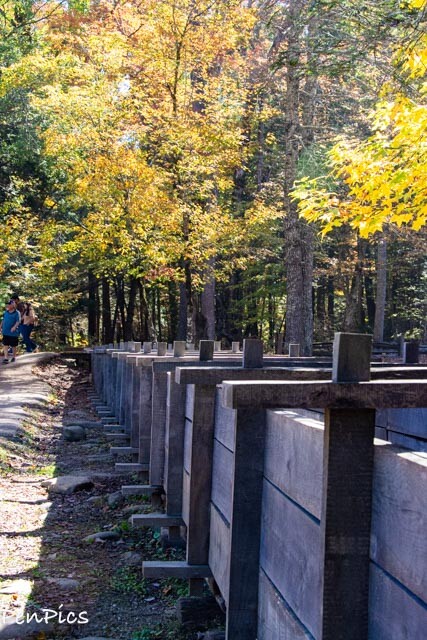
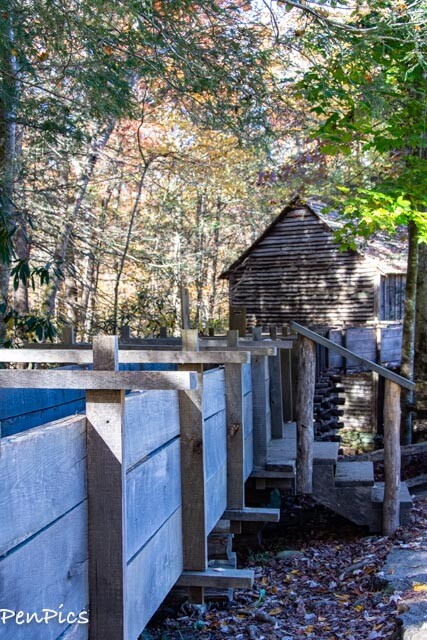
A dam on Mill Creek directs water through a canal to the wooden flume that channels water onto the top of the mill wheel. This activates the mechanism for grinding corn with a mill stone. The same wheel powered a heavy reciprocating blade that cut logs. Such technologies made life easier for Cove residents. Many families had small “tub” Mills that could grind enough for a family. However, Mills like the one belonging to the Cables, were larger and faster, if one was willing to give the miller a share of the grain. Mills also removed many back-breaking steps, required for traditional log cabin-building.
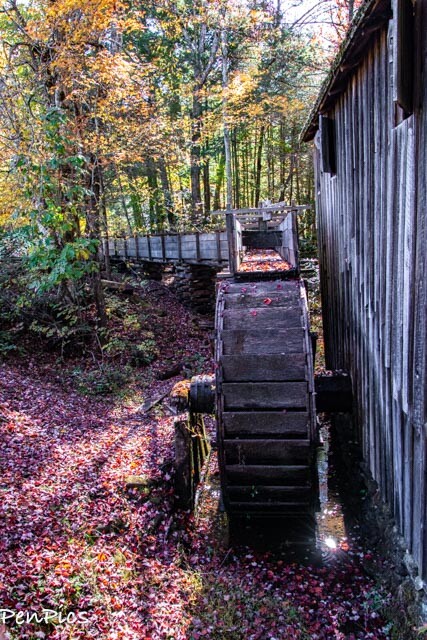
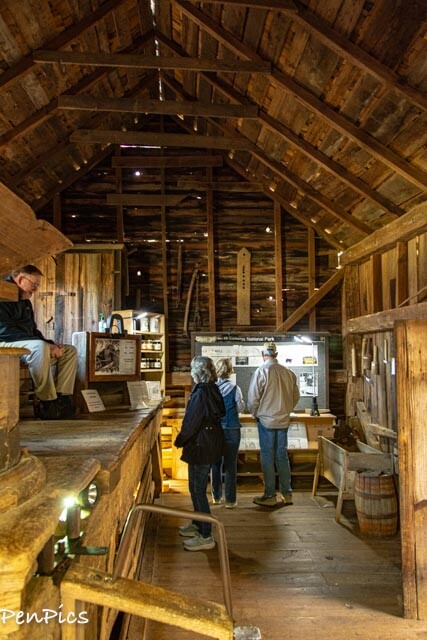
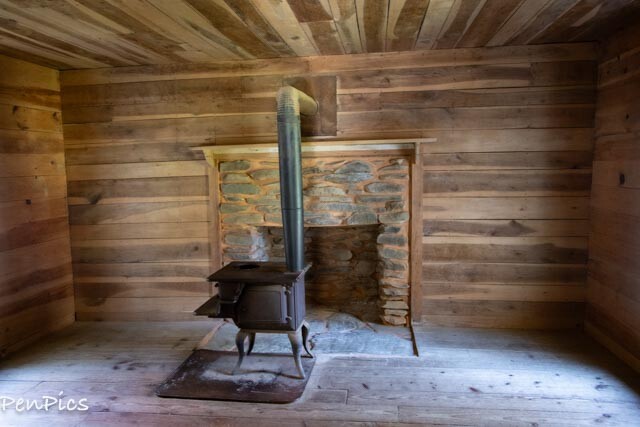
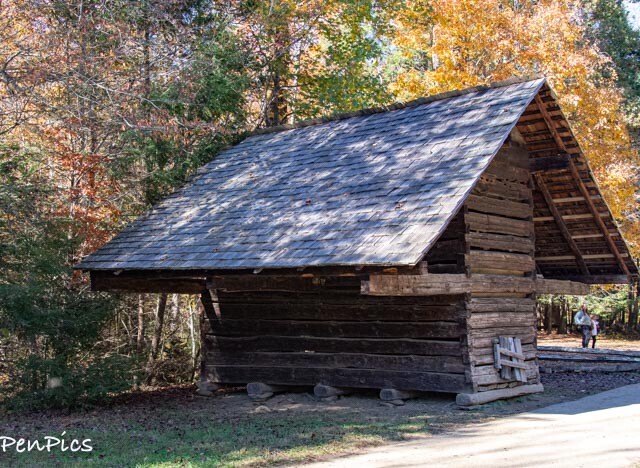
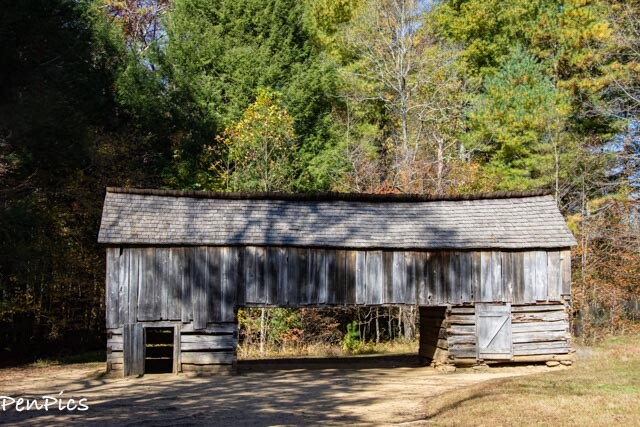
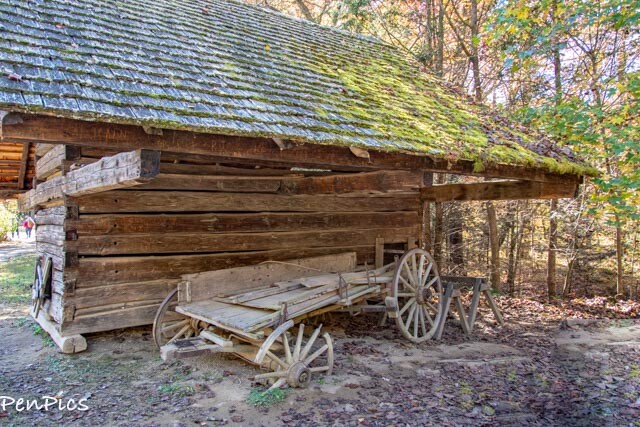
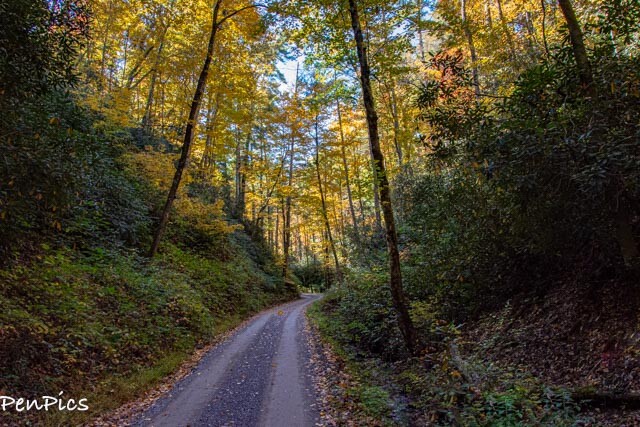
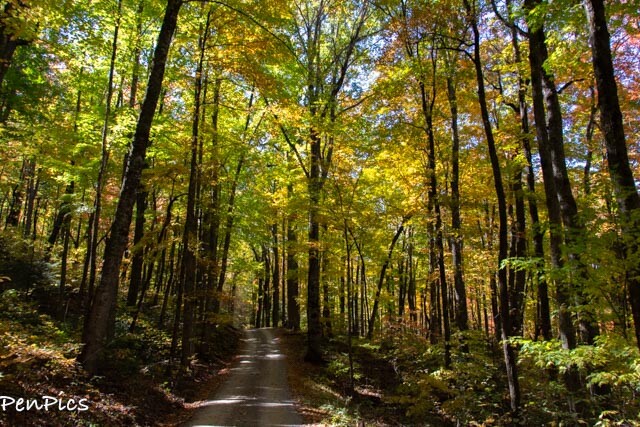
We had our fill of all things Homestead and Grist Mills, so then it was time to make our way back out of the Park. I knew from the map that there was another way to go, called Parsons Road, that would not have us going back on the one-way loop, the other direction, but the road said it required a 4×4 vehicle with good clearance. We had what we needed and we were both game and we are so glad we were. We only saw three other vehicles. It was definitely only one-way, so it was narrow and there were several water crossings. It was really beautiful. We thought for sure we would see some Black Bears, but no luck, there.
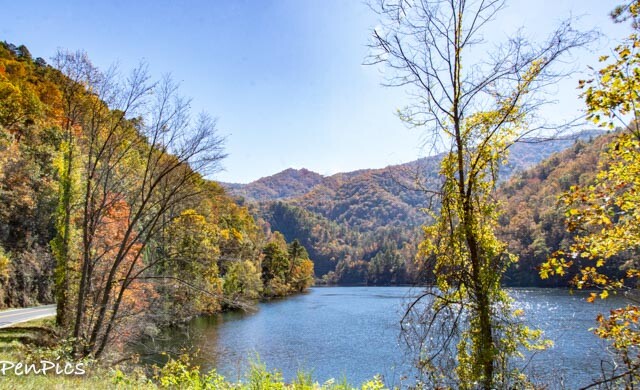
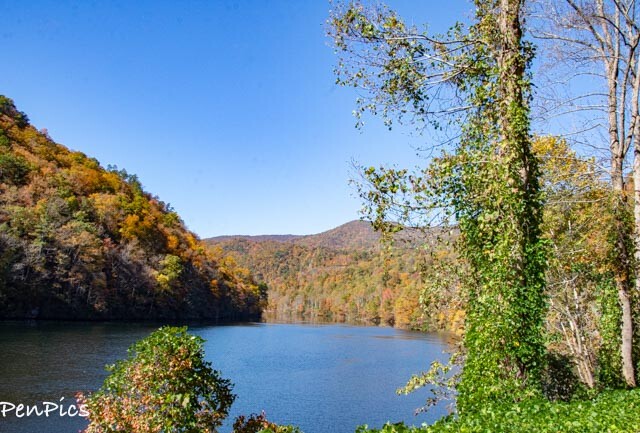
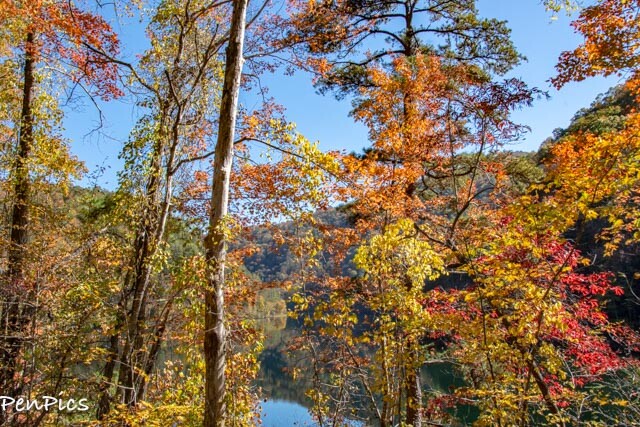
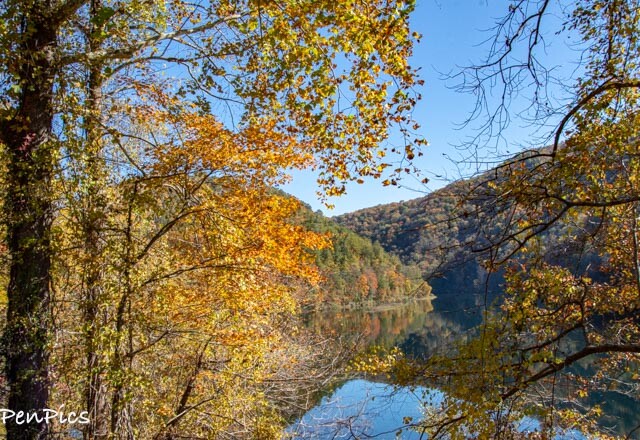
When we came out, after eight miles, or there about, we arrived at the Southwestern part of the edge of the Park, where we hopped on to Hwy 129, and quickly to Hwy 28, heading East, back towards Cherokee, North Carolina, and we soaked up more beautiful scenic views!
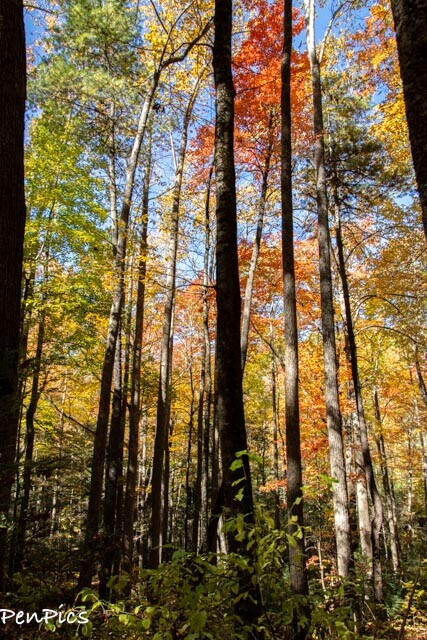
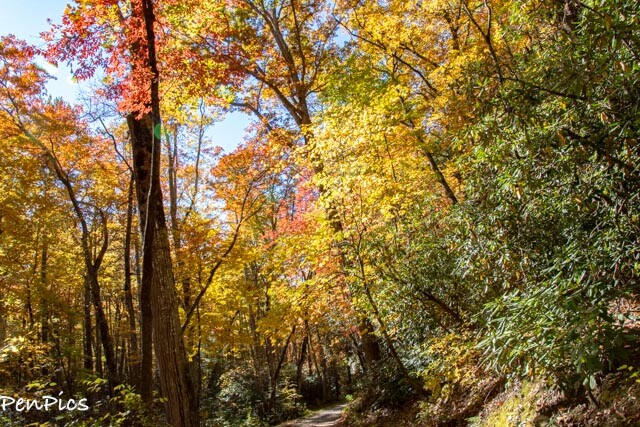
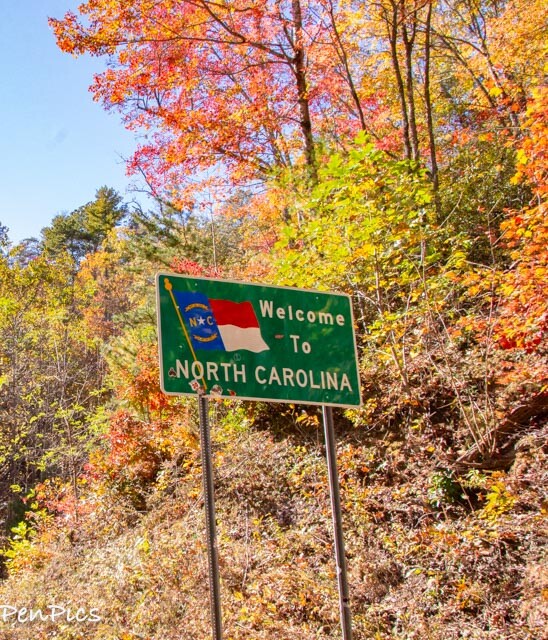
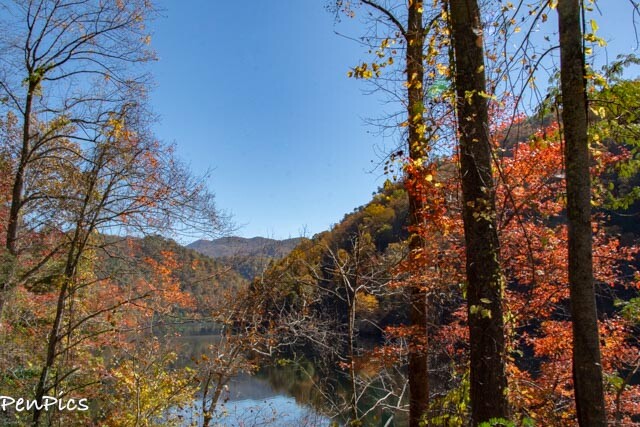
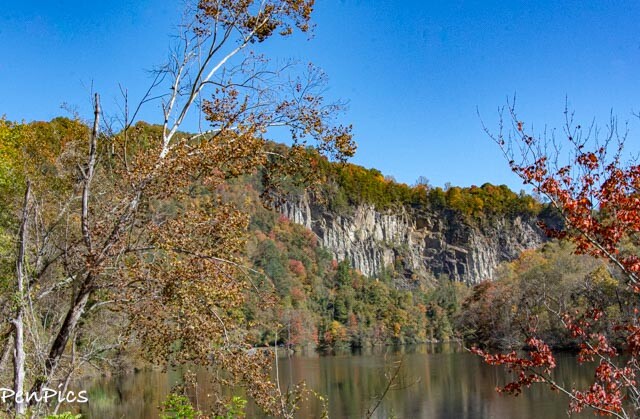
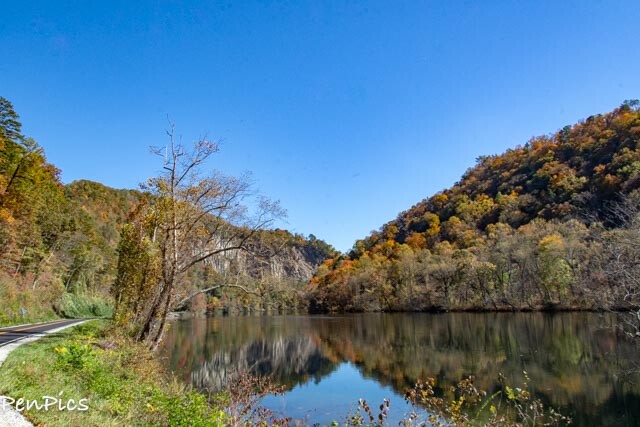
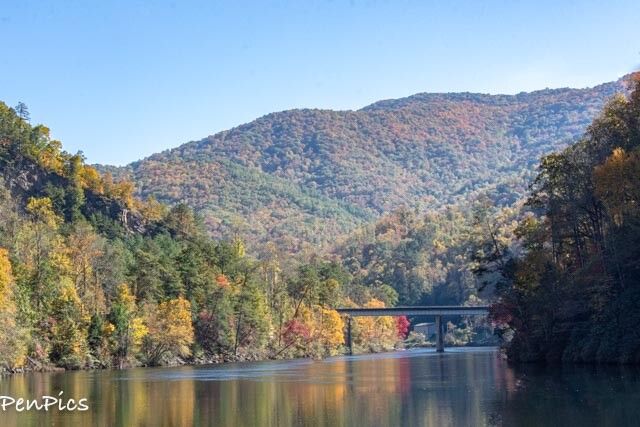
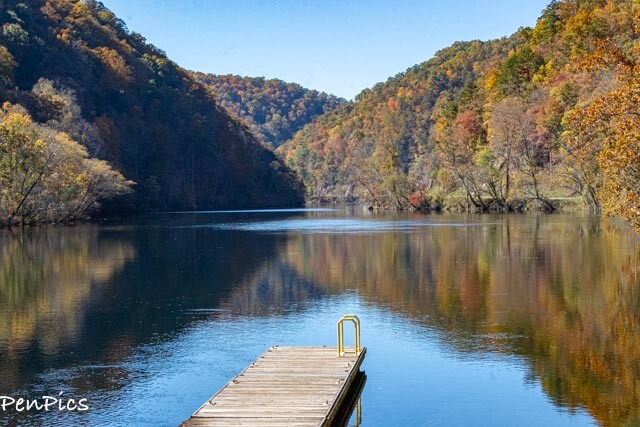
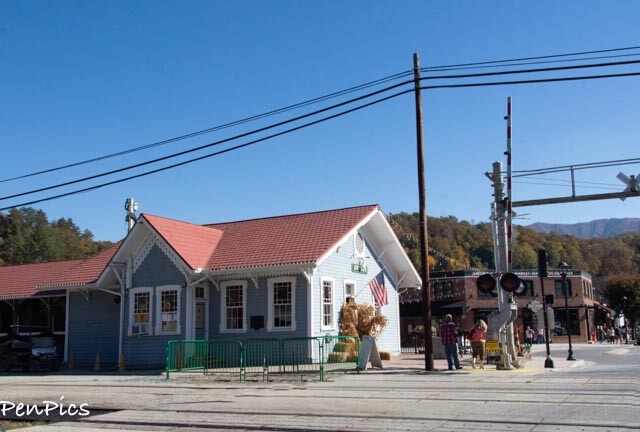
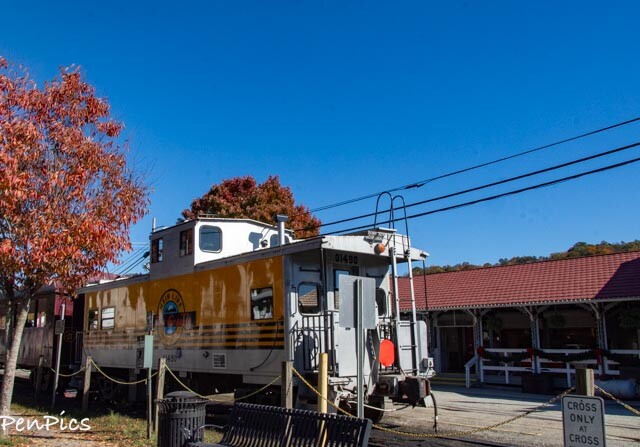
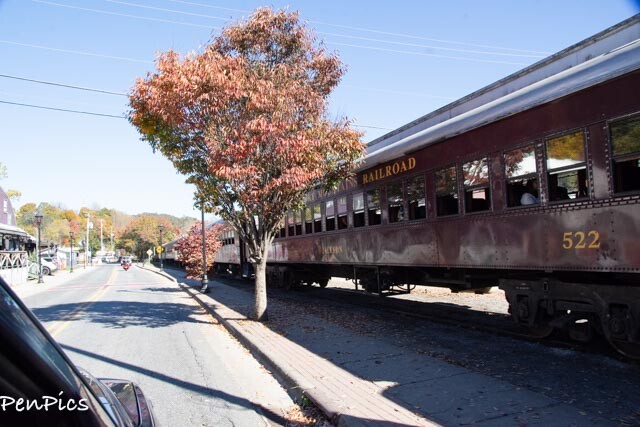
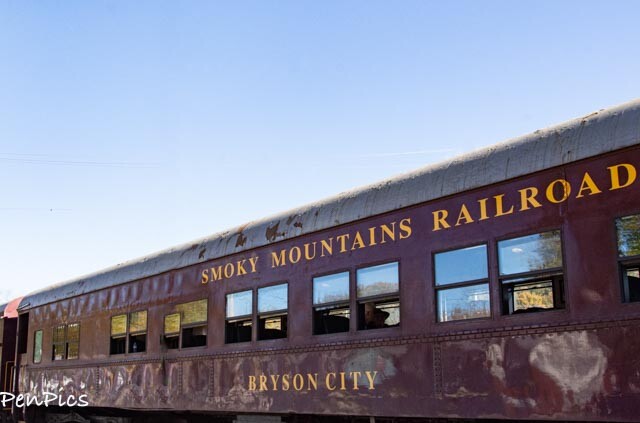
We decided to go on into Bryson City to check out the Great Smoky Mountains Train, and the Historic Railway Depot. Anybody who follows our travels, know, we just love a good train ride, and we have enjoyed many, all over the world, but we didn’t have a half a day to devote to the train ride this time. We were so busy putting in lots of driving miles, instead. I’m not sure how far-out the train bookings went, but they were all booked, anyway.
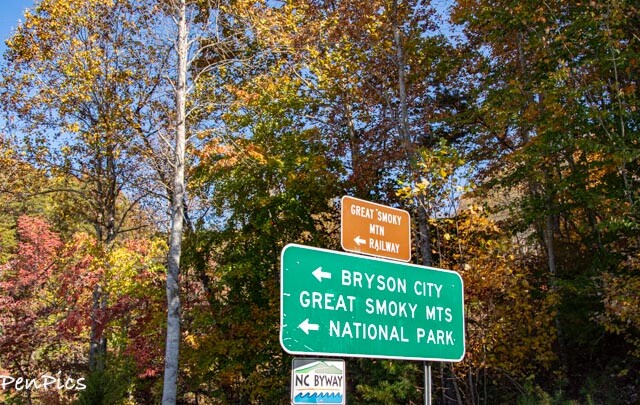
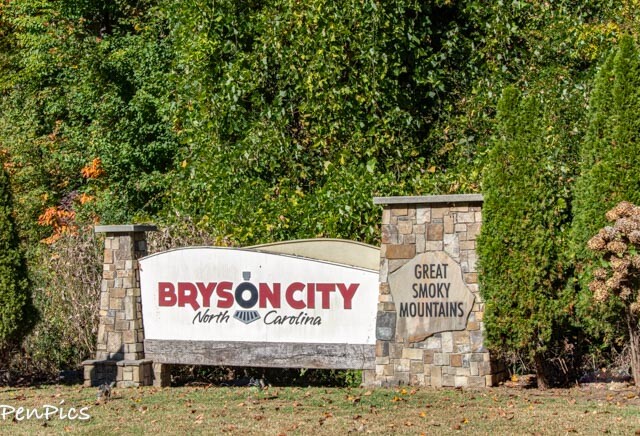
The Historic Bryson City Depot sits in downtown Bryson City, North Carolina and serves as the main hub for the Historic Great Mountains Railroad. Originally constructed in the 1890’s, built in 1895 by J. D. Elliott, for Southern Railway, the depot closed in 1948, before being restored and reopened in 1988, after the state of North Carolina purchased the rail line.
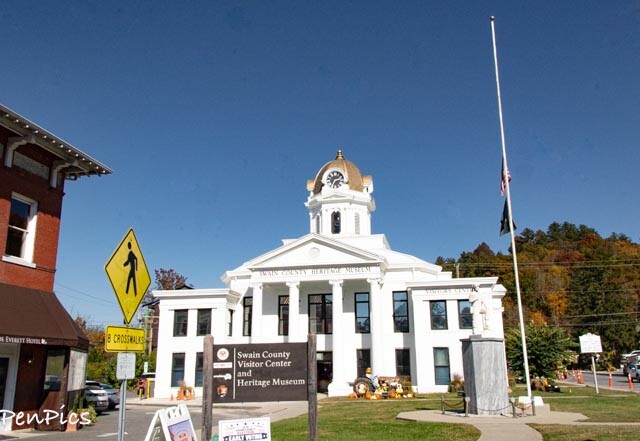
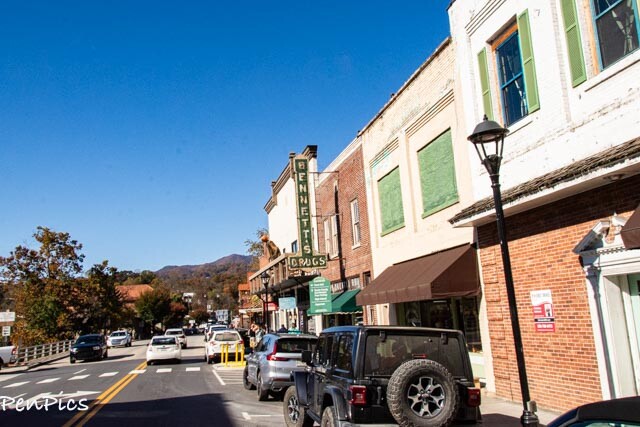
The Biltmore Estate
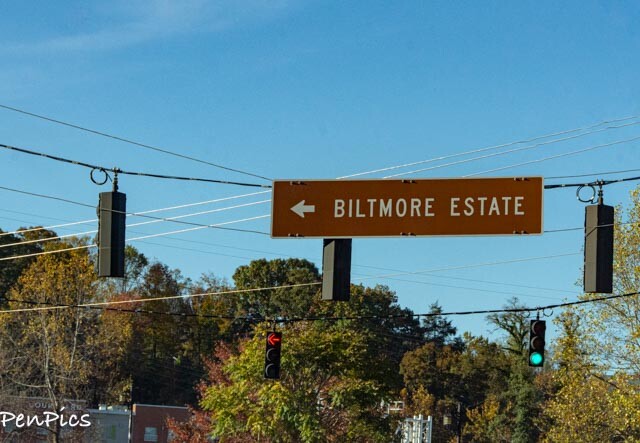
After grabbing dinner, while in Bryson City, we decided to get underway towards home, before stopping at a motel for the night, but thought we would make a quick stop at the Biltmore Hotel, to check it out. Oh my gosh, we got a good laugh, because the “gate guard” was just locking everything up for the night and said we would have to come back the next day…..only to find out it would cost $110 per person, just to drive down the driveway, park and get a few pictures, without a reservation. Um, no thanks.
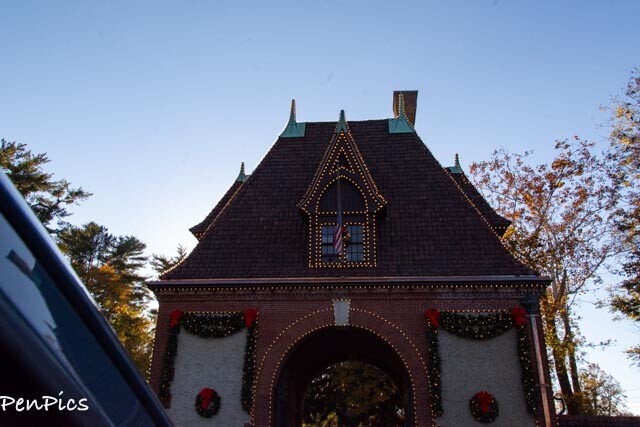
I couldn’t even tell you what town we stopped in for the night, to get a motel. We were pretty done and ready to relax. We had a nice evening and the next day, we would drive the rest of the way home, which was the majority of the seven hours. We expected the same ‘ole, same ‘ole when we got back to The Whale, but unfortunately, it was anything but that!
…… we made it back home from Tennessee, safe and sound and looked forward to “relaxing evening.” We got home about 5:30PM, after all day, driving AND we had no power going on in The Whale. Daryl verified it was not the campground side, and it had to have happened earlier in the week, because our back-up battery system is like a ten grand system of lithium. It’s set-up for boon docking and we especially used it a lot when doing our Canada/Alaska trip a few years ago. We can run just on batteries for about four days, but they were all drained, when we got home, and in this case, while gone, we only had the fridge to keep going, as everything else was off….Hmmm 🤔 We couldn’t even start the engine, or the generator. We also only had about 1.5 hours till dark thirty…
Our shed-shop has our chest freezer and it runs separate from the couch, thankfully, so that’s why we know it was the coach that had the problem. Luckily, Friday was the only hot day of the week, at about 80 degrees, so that helped. It was warm the other days, but not too bad. So, food in the fridge was holding on and freezer still frozen. Daryl put a charger on the engine battery right away. (this one’s not lithium, just huge).Then, we got ice and loaded up coolers to save what we could from the fridge. I took off to Chelsie’s house to spend the night with the kiddos and took a few bags of food items to put in her fridge, since we would have no lights, wifi, hot showers … nothing for awhile, plus I was already packed! 🤩…..then it got dark.
Daryl ran out of room in coolers, so I went back to The Whale in Chelsies’ van, for more food. My VW Bug is great, but the headlights don’t have a broad enough reach for me, for night driving on country roads, with usually deer around, and no road lights anywhere. I got more fridge food loaded up and head on back to Chelsie’s; about 15 minutes away.
Coming back to Chelsie’s house, a Black Bear ran right in front of me! I had to slam on the brakes and stop in the road…. Food bags flew to the floor. I would have hit him, if I was in the Bug. My Bug wasn’t much bigger than that Bear! I don’t drive very fast, but it would have been a disaster! In Chelsie’s van, the headlights illuminate to the sides, as well as up ahead (like normal cars do) even with that, I still thought a “big black dog” was coming at me for a second or two 😂….Nope, it was a big, black, fat Bear! 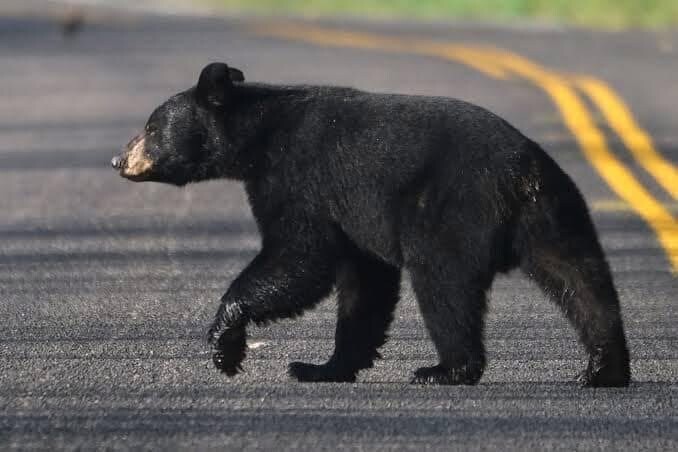
BTW….Not my Bear picture, but that’s how close the Bear was (it was bigger, and it was moving fasert, while pitch black, outside). I had told Daryl I really wanted to see Bears while in the Great Smoky Mountains National Park, because there are lots of Bears living there. We saw Elk, but no Bears.…For realzzzz, we had to come home to North Carolina, to see Black Bears. This one was just way too close!
Good news is, we got the mobile RV repair guy out to The Whale, the very next day, on a Saturday! He thought it might involve a transfer switch burning out, related to the converting of power sources.
For the record, nothing like this has ever happened, with The Whale. I’m always reluctant to leave on trips, because RV living is very different from a sticks and bricks home living. If we are home in the RV when a problem begins, we can jump on it right away, and we do, but when gone (and with a residential sized fridge/freezer) we could not shut it all down….ya just never know!
We had to wait about four days before the new transfer switch came in and that many more days to get an appointment to get the part put in. I needed to do laundry in a bad way, and food was limited to sandwiches and smoothies. We could shower at the gym that we are members of, and go to during the weekdays, and the RV guy had hard-wired our fridge and some outlets and lights for us, so I was grateful for what I had!
Once the RV guy replaced the switch we were set. Everything worked again and it was very exciting and, of course expensive ($1100 so far) so the guy took off and 15 minutes later, we lost all power, again!!!! Oh no! The guy came back to our site, just before dark and was able to identify, yet, another smaller issue and fixed that. It had to do with the automatic electrical cord wind-up mechanism. Another $150 for that! We’ve been good ever since and it’s wonderful!
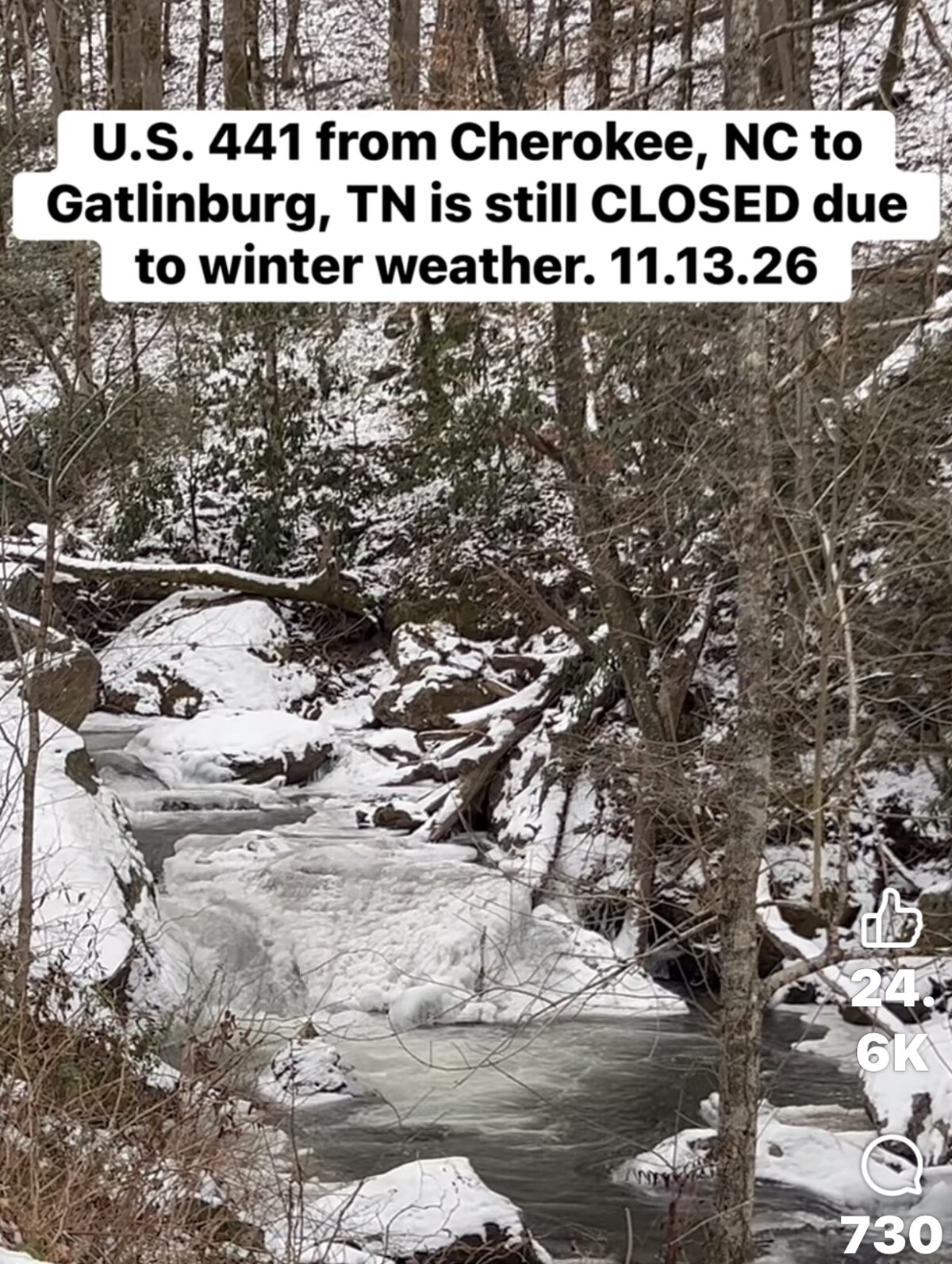
Oh, and about a week and a half, after returning from our National Park trip, the weather did, indeed, take a turn. The elevations we drive on, closed and Park Rangers were busy with road closure updates….
About Us

About Us
Hello and Welcome to our Travel Blog Website, We enjoy writing about our experiences and taking photos of our adventuring along the way. Our names are: Daryl and Pen, but Daryl calls me “Bunny.” We met, quite randomly, whilst both traveling in Thailand with friends. We happened to be in the same travel group, and […]