


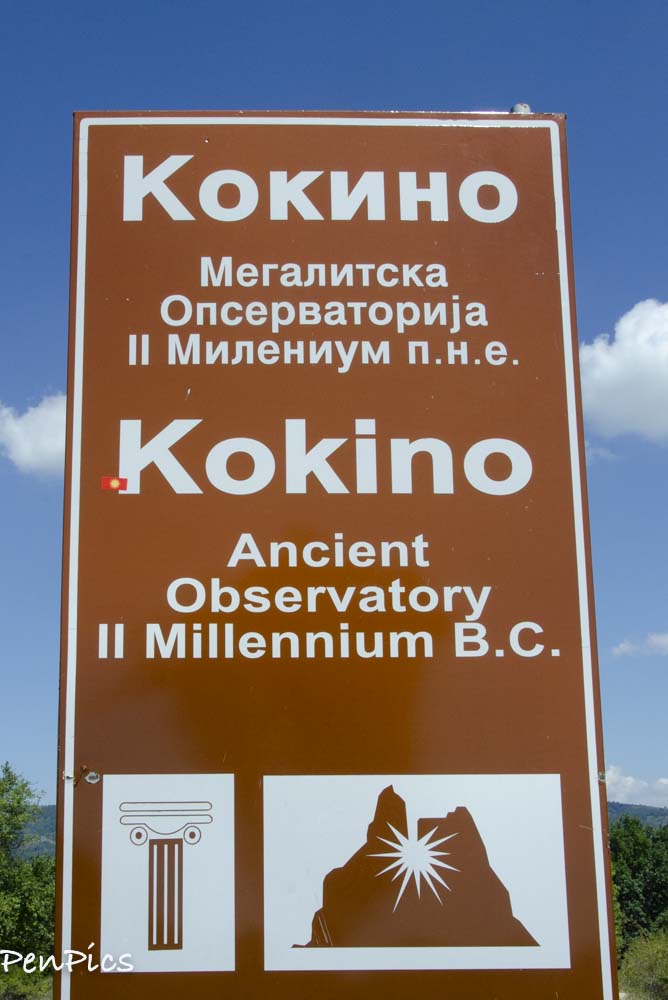
“Macedonia 🇲🇰 ~Kokino Ancient Megolithic Observatory Near Kumanovo”
For something new and quite different, we drove out of town about 50 minutes to hike a bit to a mystical site; some ancient grounds which are almost 4,000 years old!
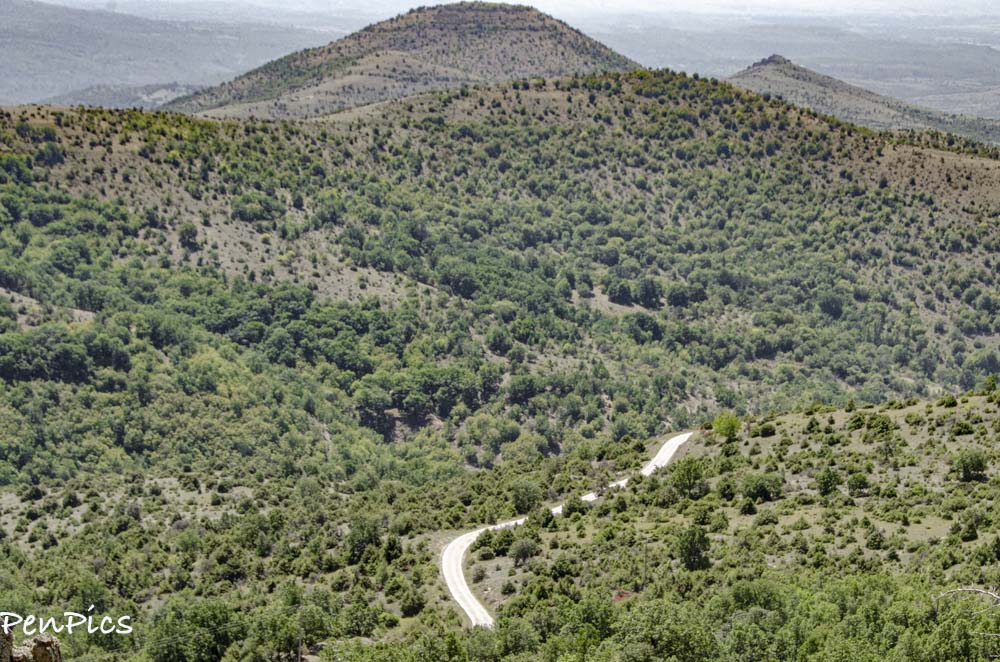
We have been in the car so much the last few days, it felt good to drive only a little way, then get some exercise, and see the most beautiful vista scenery.
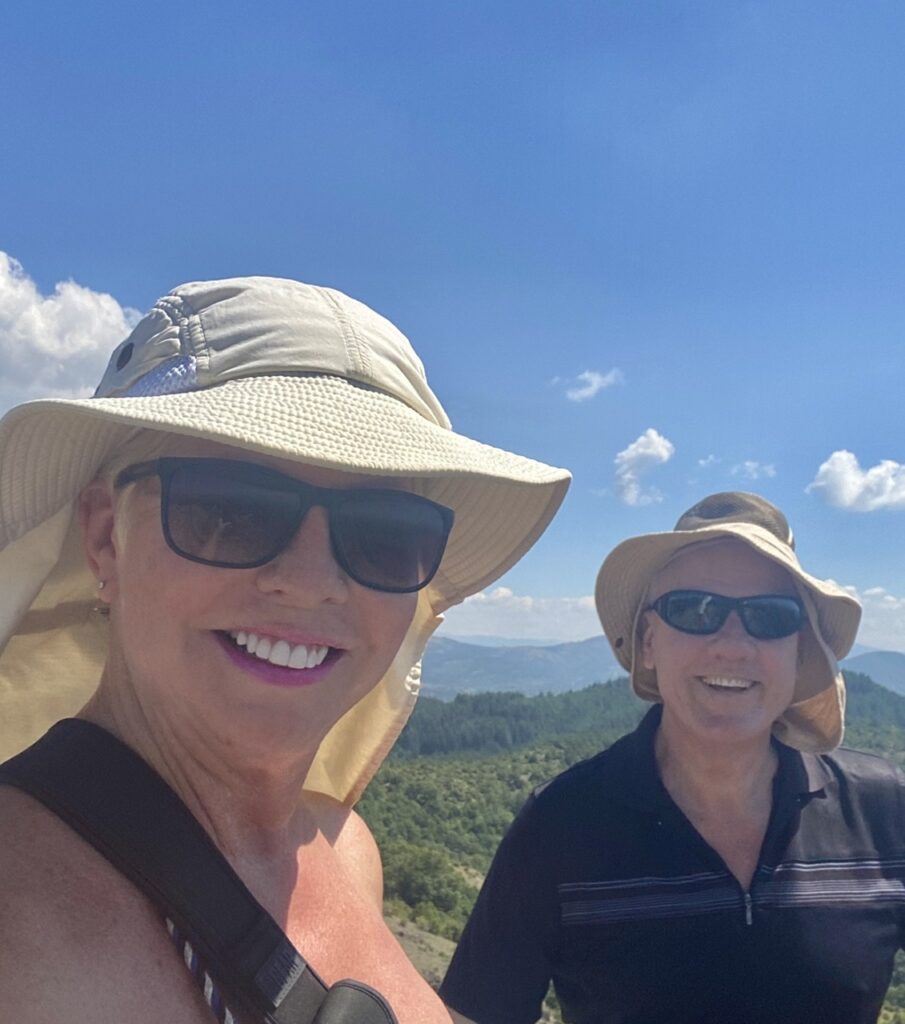
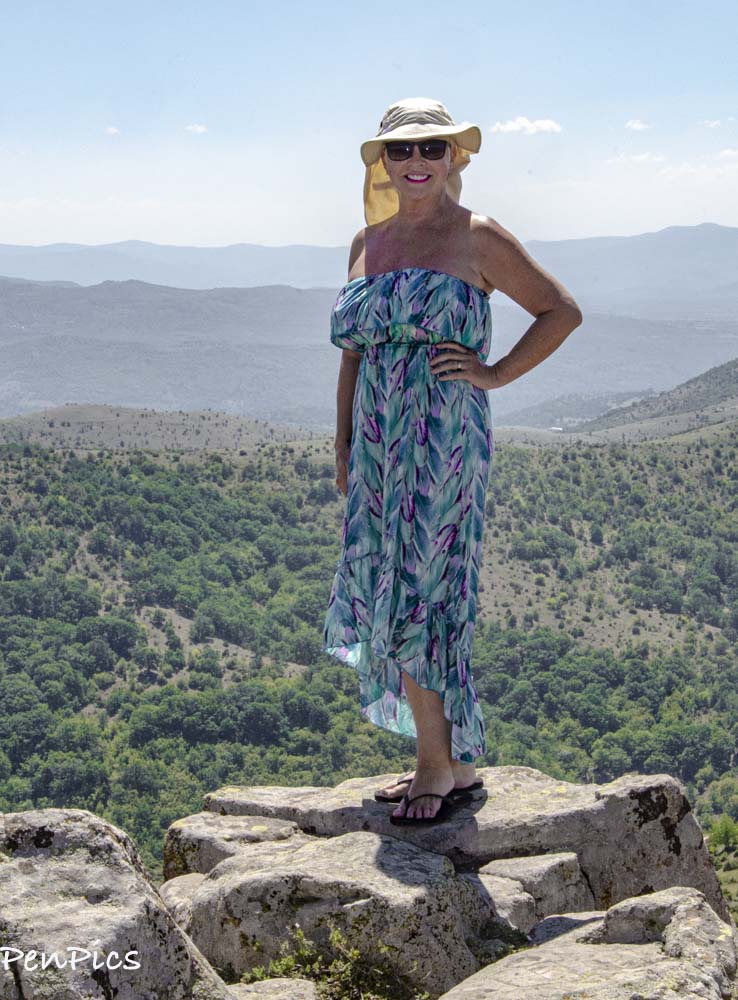
Astronomy aficionado or not, this place is something to see, and it is listed side by side with ancient observatories such as Stonehenge (England), Angkor Wat (Cambodia), and Machu Picchu (Peru); which by the way, I have been to as well. Super amazing!
The similar observatories to this one, like Stonehenge and the Cambodian Temples, are considered lunar calendars, which show the phases of the moon, and even the 19-years eclipse cycle. Although this was very advanced knowledge for the period, it seems to have existed all over the world. We may only guess who the people were who built these kind of observatories, and from where did they get this knowledge; an even bigger mystery.
Kokino represents a significant heritage and is definitely of great interested if one is into ancient history, nature, or somewhere between adventure and mysticism. Science reveals that it represents an astronomical observatory, as well as a ceremonial place, which is approximately 3,800 years old.
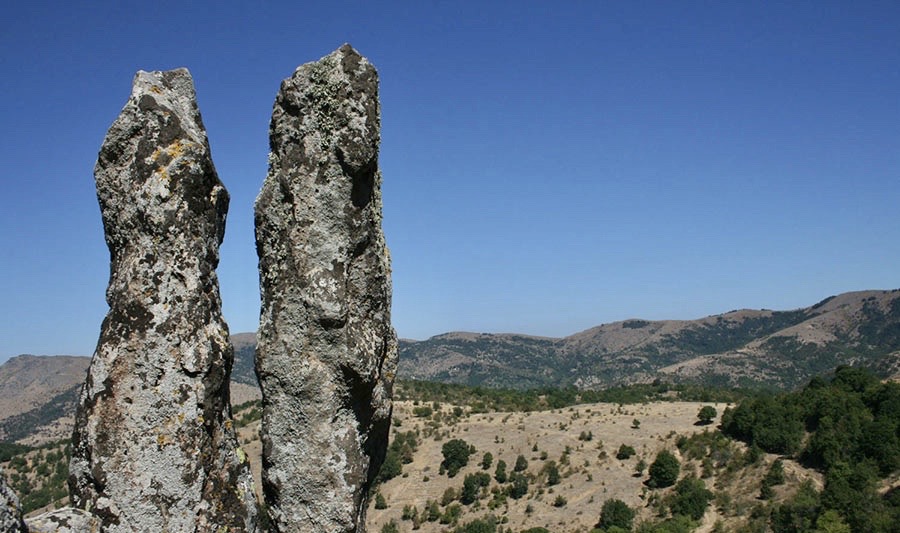
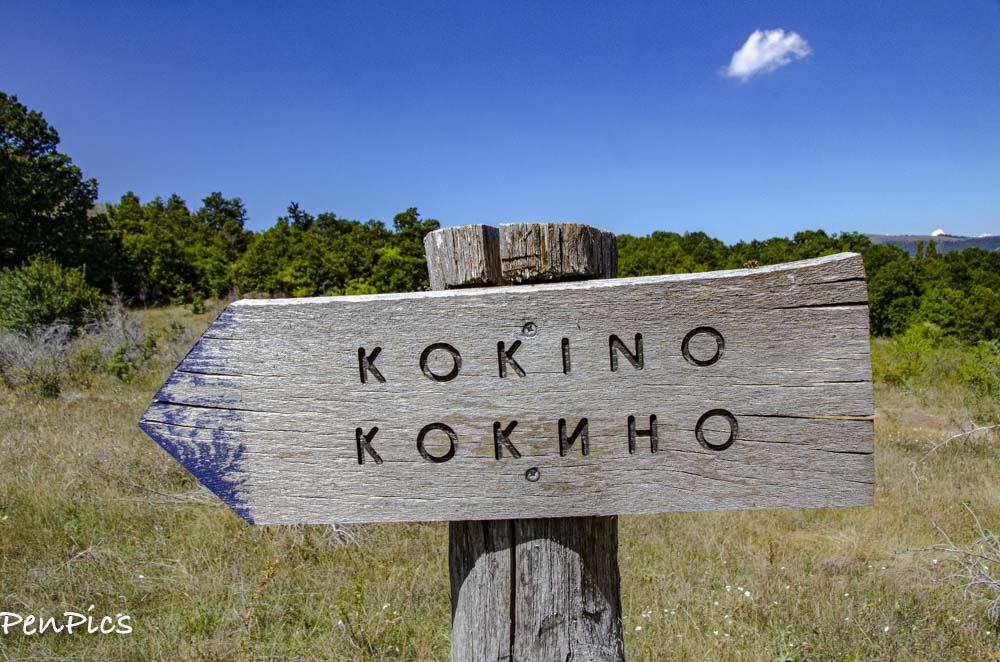
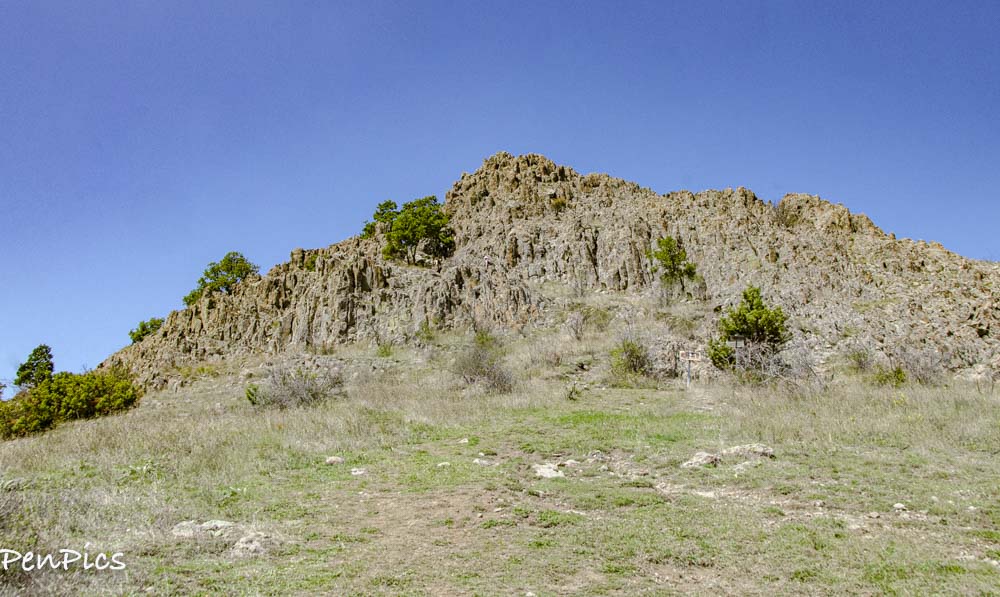
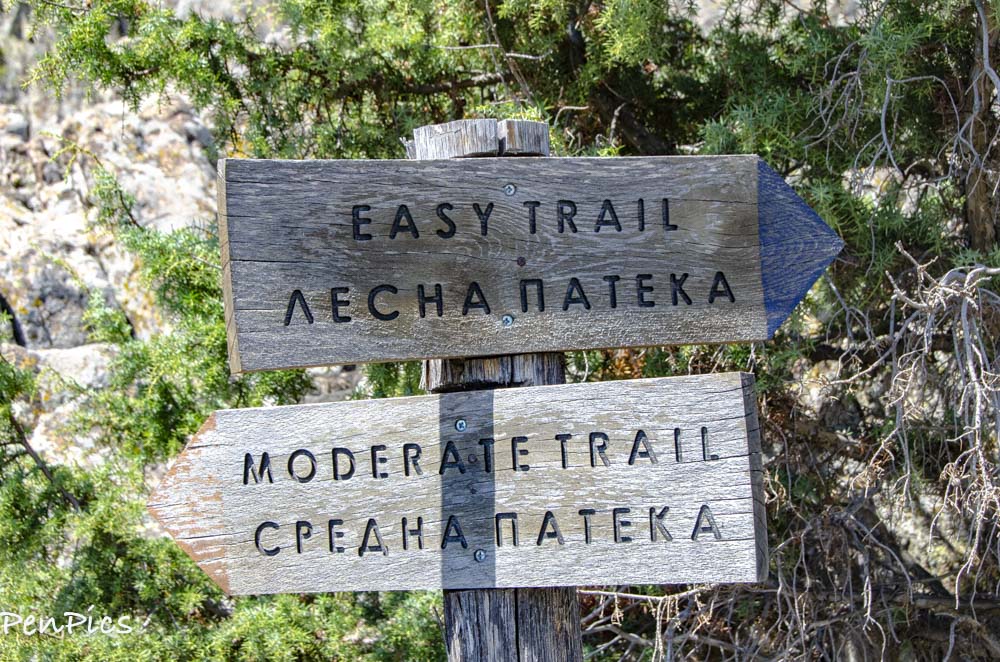
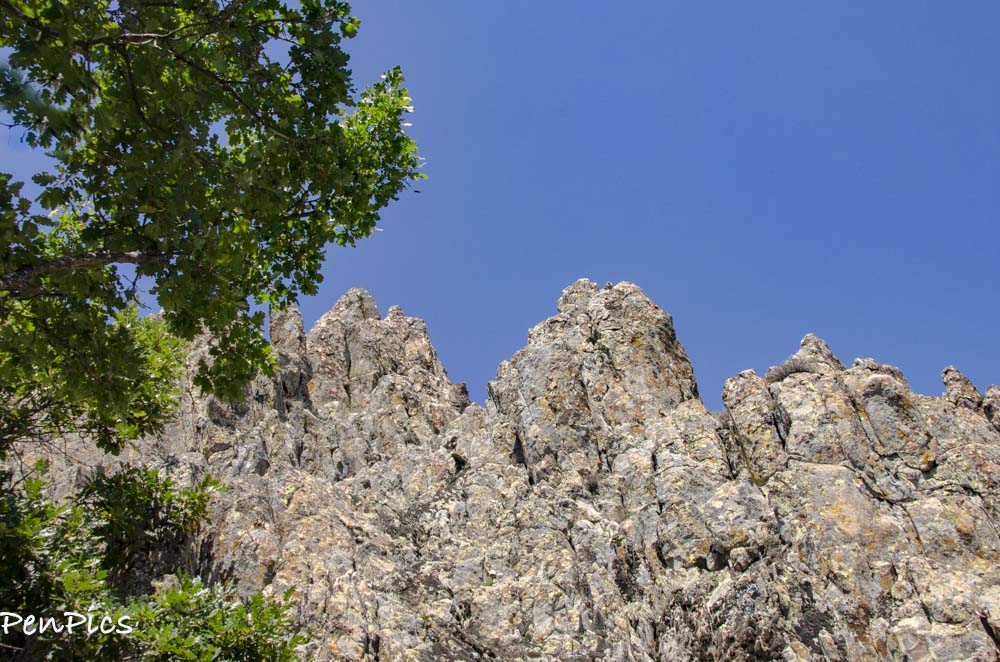
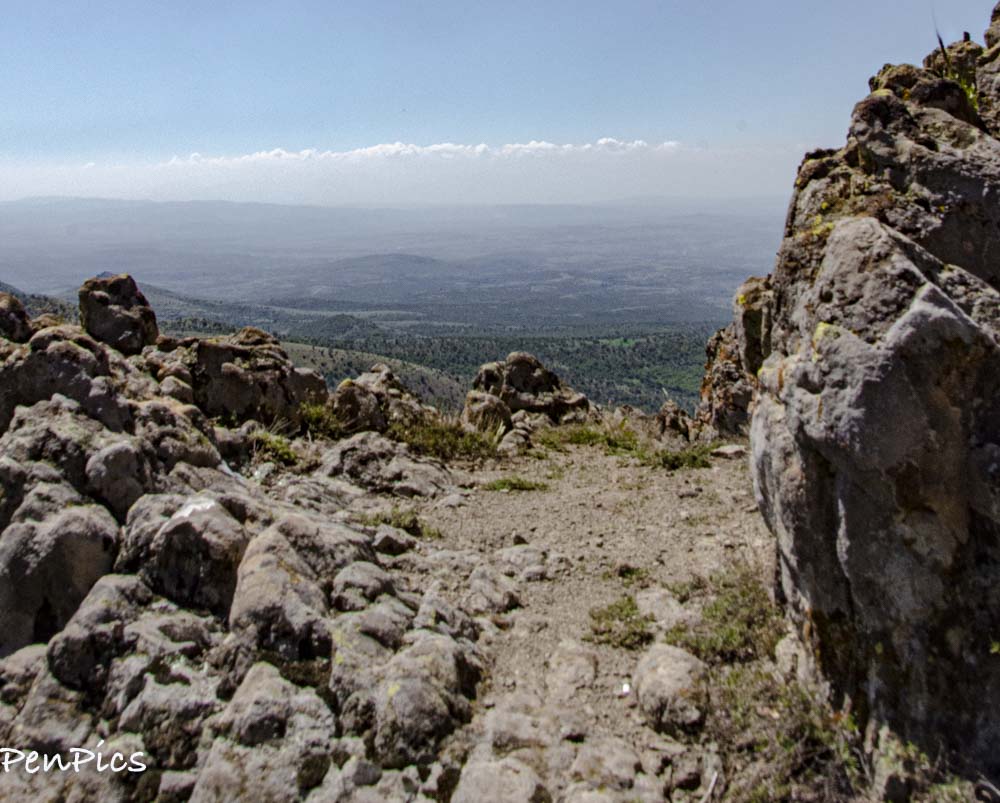
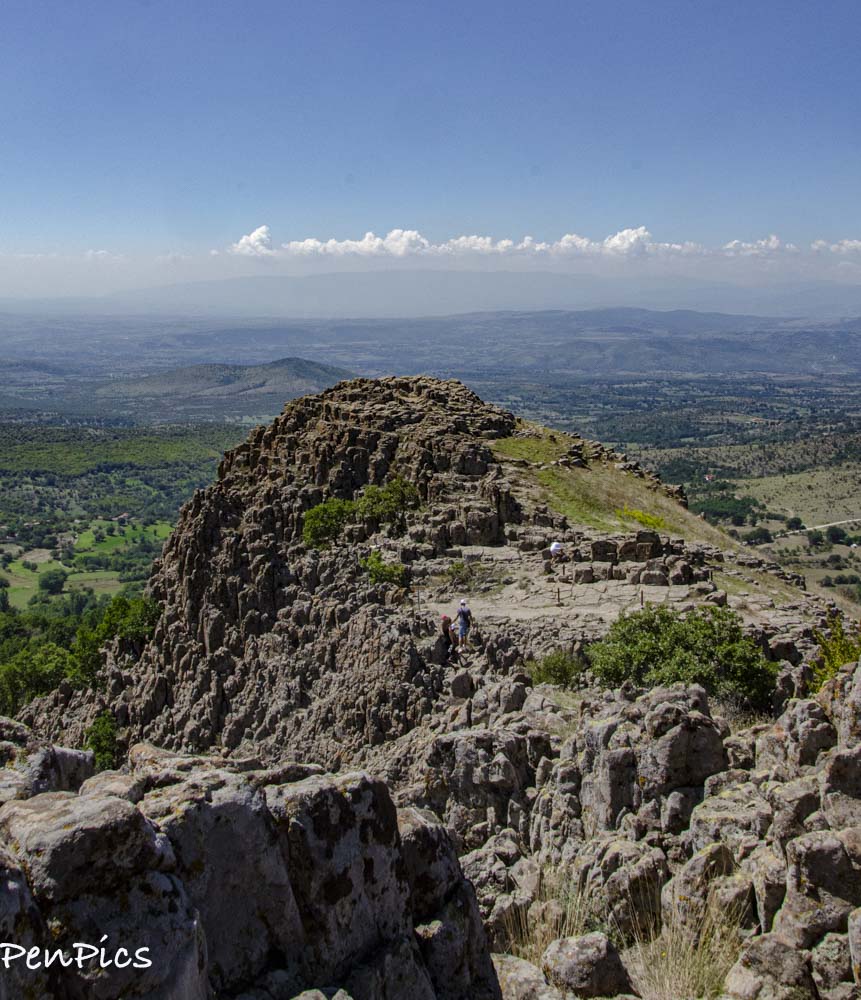
Archaeoastronomers believe the main role of the thrones was to perform a bonding ritual connecting the Sun God with his earth-bound representative. One of the thrones has a separate marker cut into its top, and is placed at the highest point at the site. This is where it’s thought the ruler sat. This throne marker was cut with great precision to ensure that on ritual days the sun’s rays would pass exactly where the most powerful member of the community was seated. It is highly likely such ceremonies coincided with the ending of harvest, ensuring peace and prosperity for the year to come. Twenty hand grinders found at the base of the ritual mark support this theory.
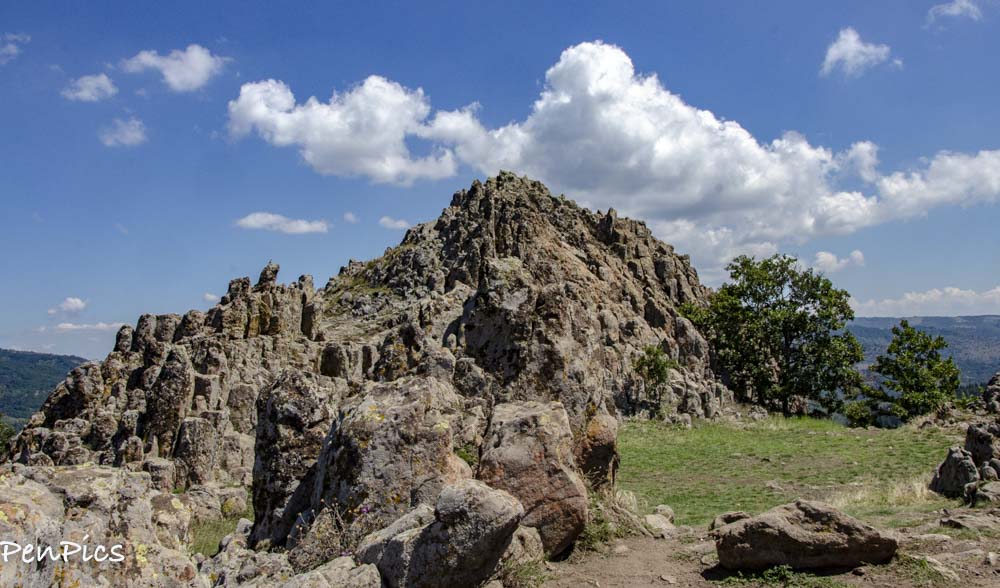
According to the movable archaeological material unearthed at the site, archaeologists believe that certain cult activities took place there. Researchers found an abundance of fractured ceramic vessels, molds for bronze axes, and jewelry. Within cracks in the rocks of the towering archaeological site, the remains of vessels filled with offerings were found, leading to the site being dubbed a “holy mountain.”
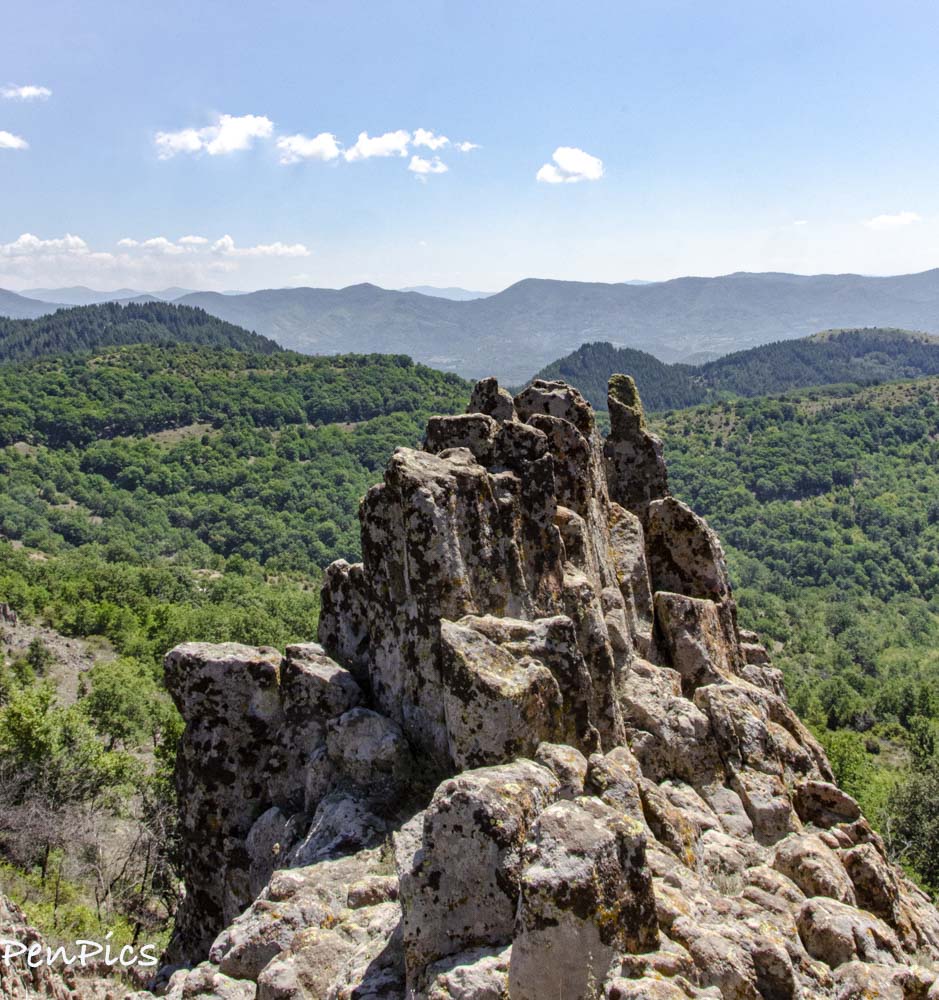
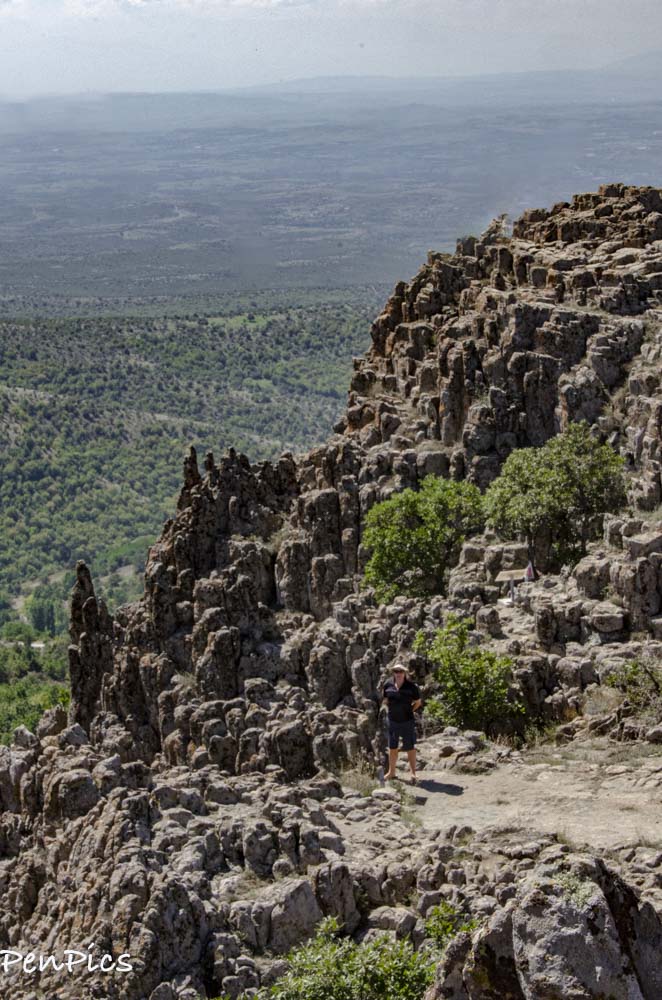
The six remaining marker cuttings marked the spots of the rising of the full Moon in the days when it has the smallest and the biggest declination during winter and summer. The two marker cuttings that were used for measuring the length of the lunar months can be seen from here. They were utilized for the making of a calendar for a periodic cycle of 19 lunar years. By far we can speculate, within reasonable limits, that Kokino observatory served just as much of a ritual purpose as it did for observing and measuring the cycles.
Especially significant is the stone block with a separate marker cutting on its top. It was made for ritual function with an explicit solar character. In mid-summer (end of July) a sun ray from the sunrise that penetrated through the opening of the stone marker cutting and passed by the right edge of the artificially formed trench, illuminated the ruler alone, who set on one of the four stone thrones, made especially for rite needs. The illumination of the face of the ruler, in all likelihood, signified ritual union with the Sun God and returning/renewing of his ruling power.
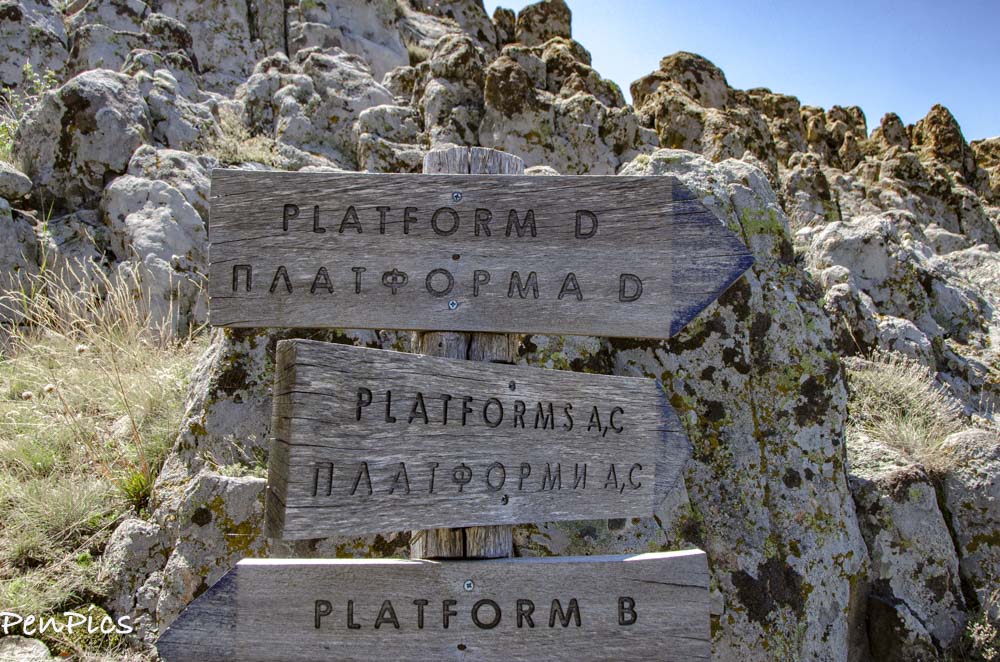
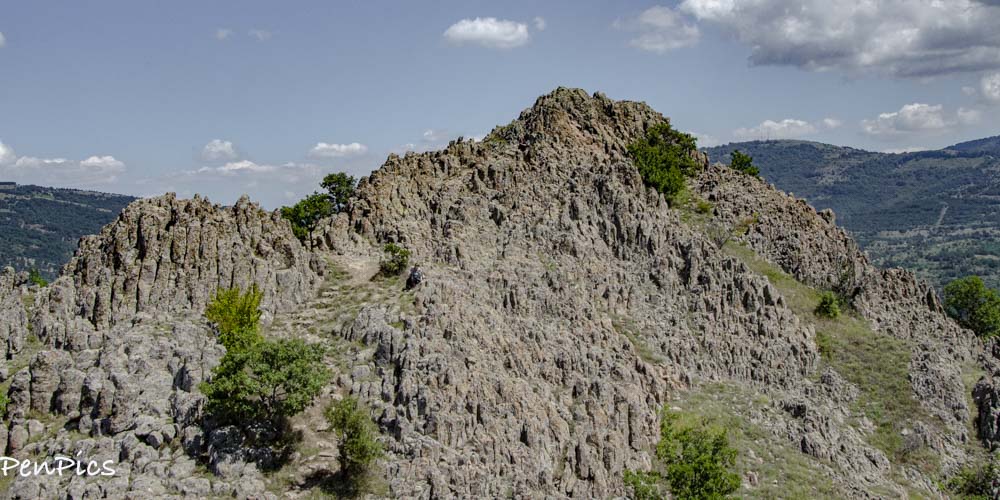
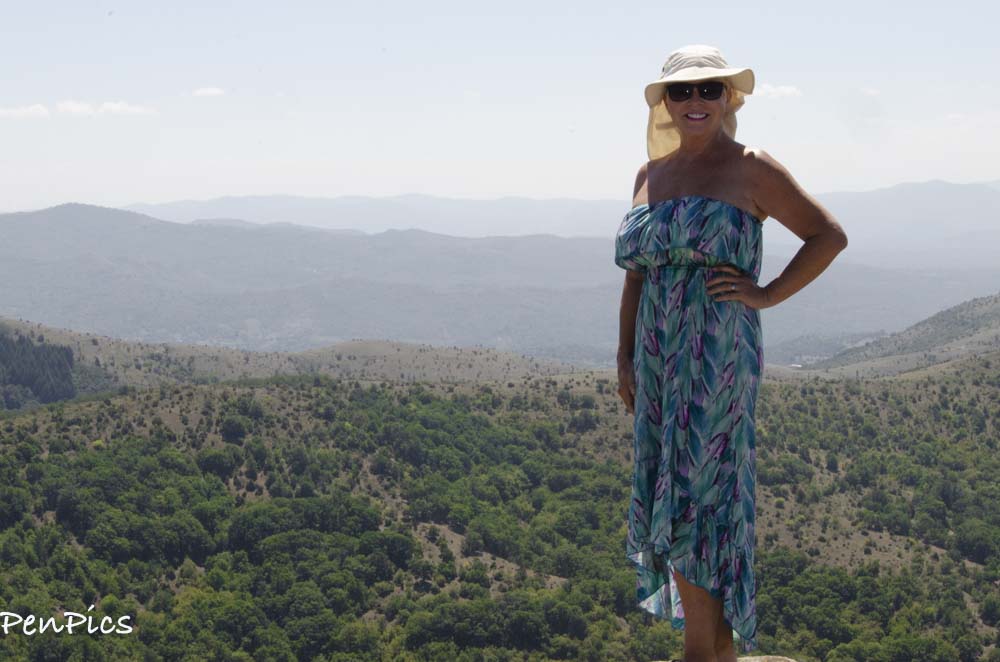
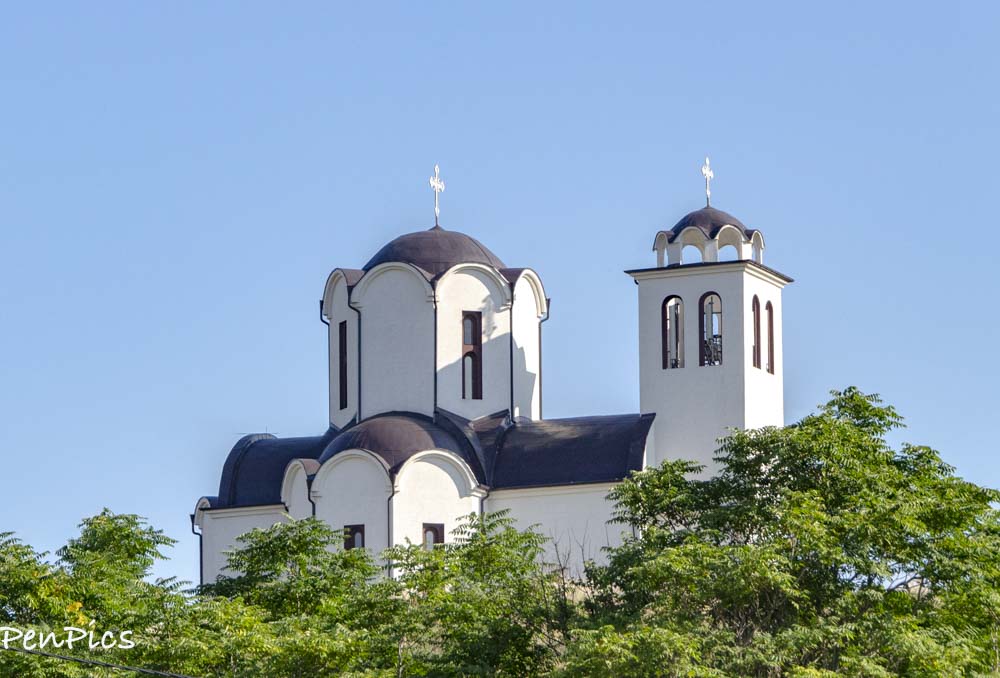
There is not much else to see in Kumanovo, but we chose it for a rare two-night stay, as we wanted to avoid the big city stay, which will come soon enough. We got our laundry done, and while we searched for a hair cut place, we found none open. It is Saturday, and most of the town shops are closed, as well.
Tomorrow, we head back to the capital city of Skopje, (we are only 30 minutes away) where I already have a list of several options for getting our negative COVID19 testing done, so we can cross the border to Bulgaria, with proof in hand we are healthy. Bulgaria is our next stop on our road trip, and since we have never been, we will spend the money for the tests, since its the only way we can get into their country. We are excited, because we will get to head for some coastal waters again; the Back Sea


Leave a Reply to Pen n Daryl Cancel reply
Archive Blog Posts of Our Country Visits
About Us

About Us
Hello and Welcome to our Travel Blog Website, We enjoy writing about our experiences and taking photos of our adventuring along the way. Our names are: Daryl and Pen, but Daryl calls me “Bunny.” We met, quite randomly, whilst both… Read More
Fascinating and Bulgaria, here we come.
We are ready for a new country, too! Let’s hope the testing is t too long of an ordeal. It went well in Kosovo, so we are hoping for the same, here!
Sounds like an abasing civilization!!
It would have been fascinating to see in real life. Daryl and I talk about a time machine….wishful thinking! If only!
Absolutely fascinating! Excited for Bulgaria, a new stamp in my (virtual) passport as well. ❤️
Ha! I love it, Laurie! I think you will like Bulgaria! Still the Balkans, but we’ve been landlocked since Montenegro. It’s time for oceans!