


“Macedonia 🇲🇰 ~Kratovo Ancient Town”
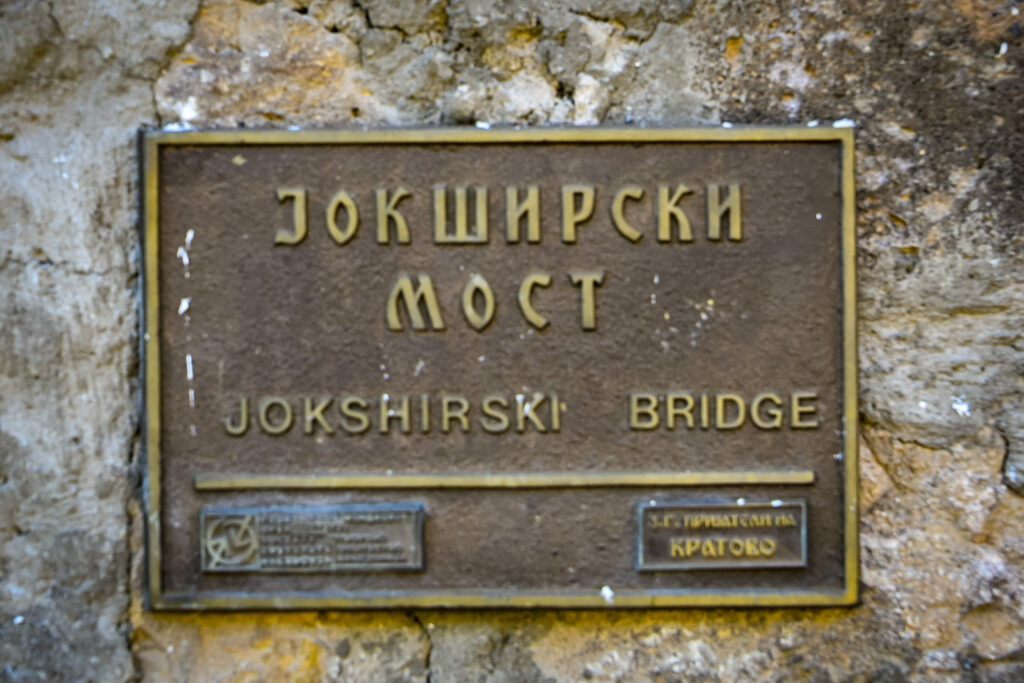
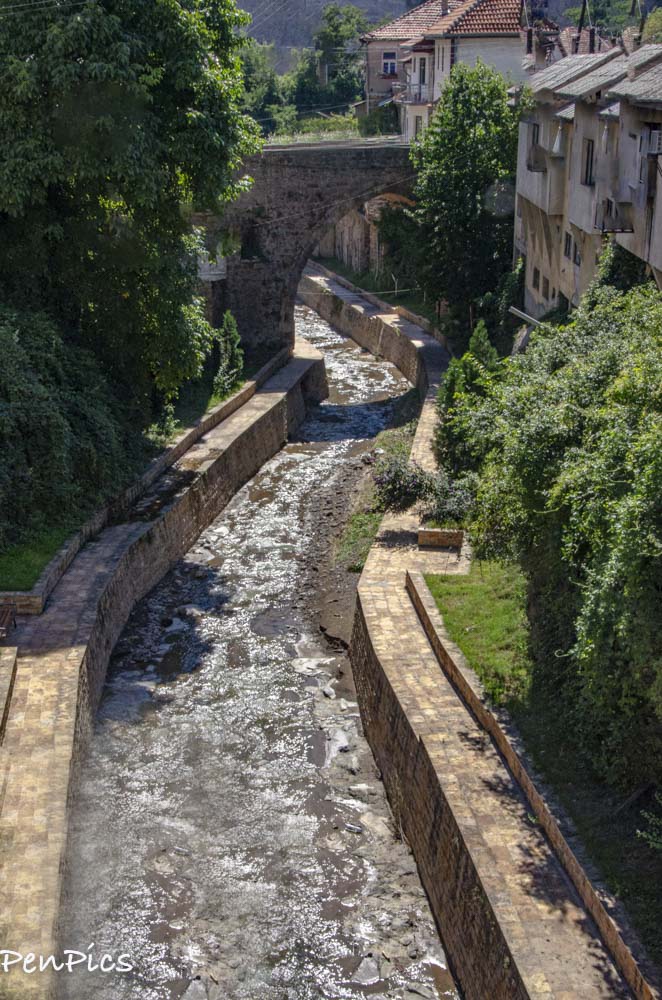
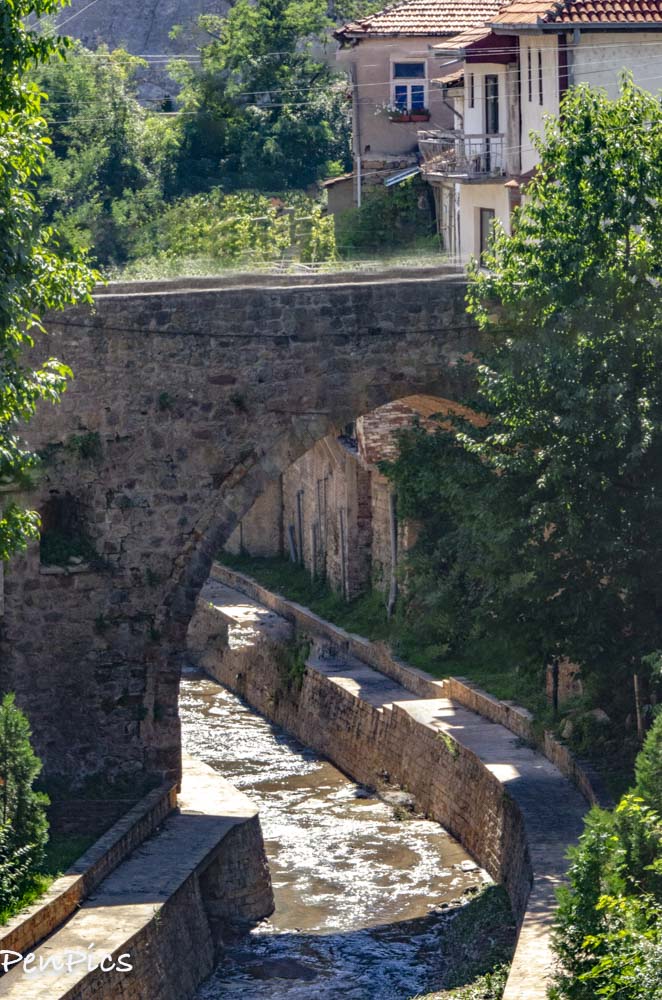
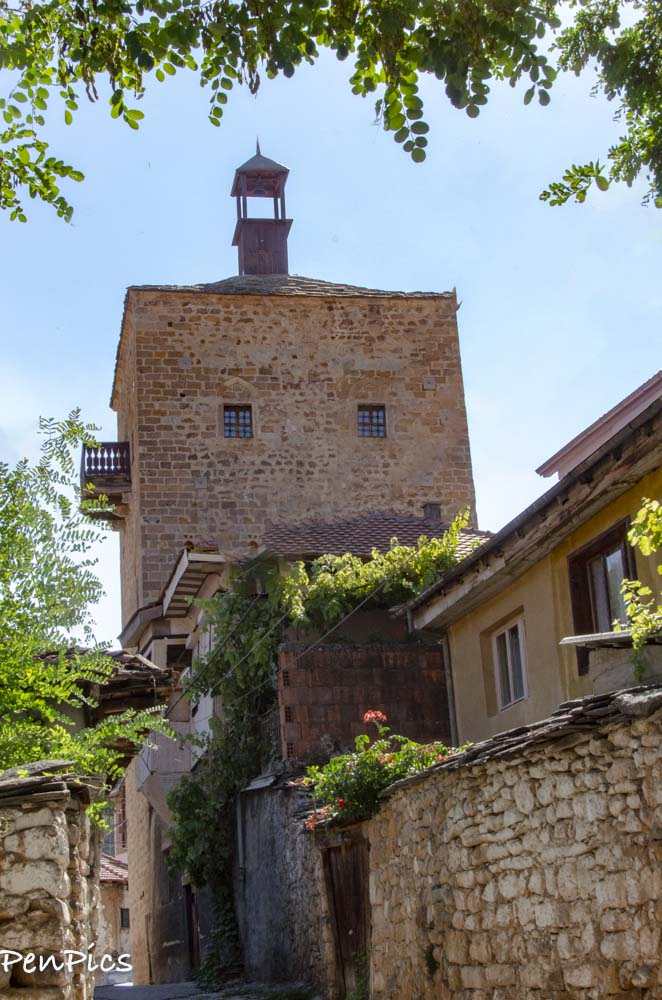
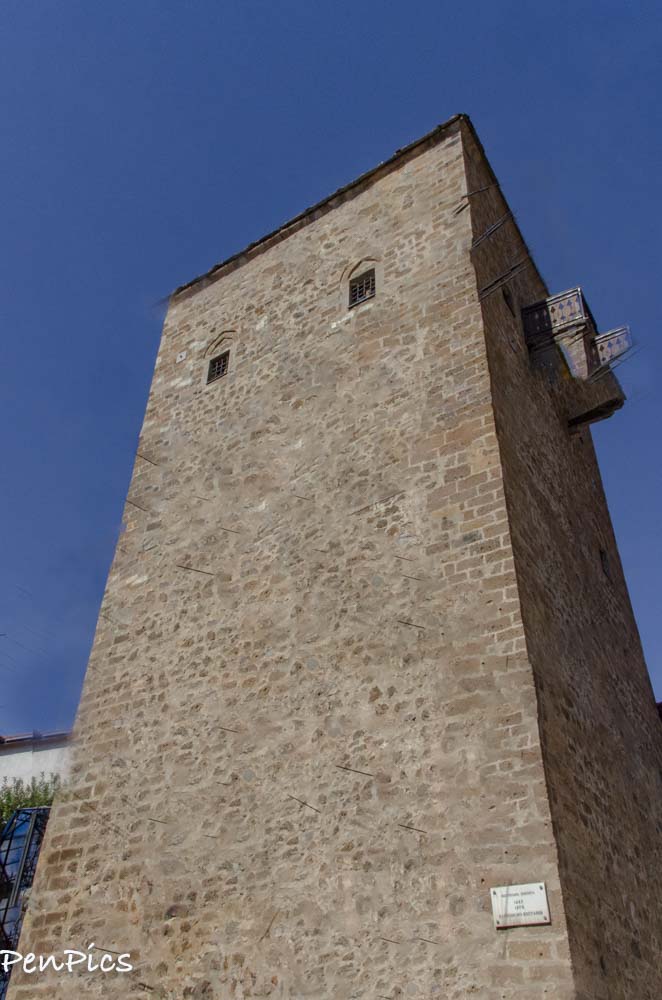
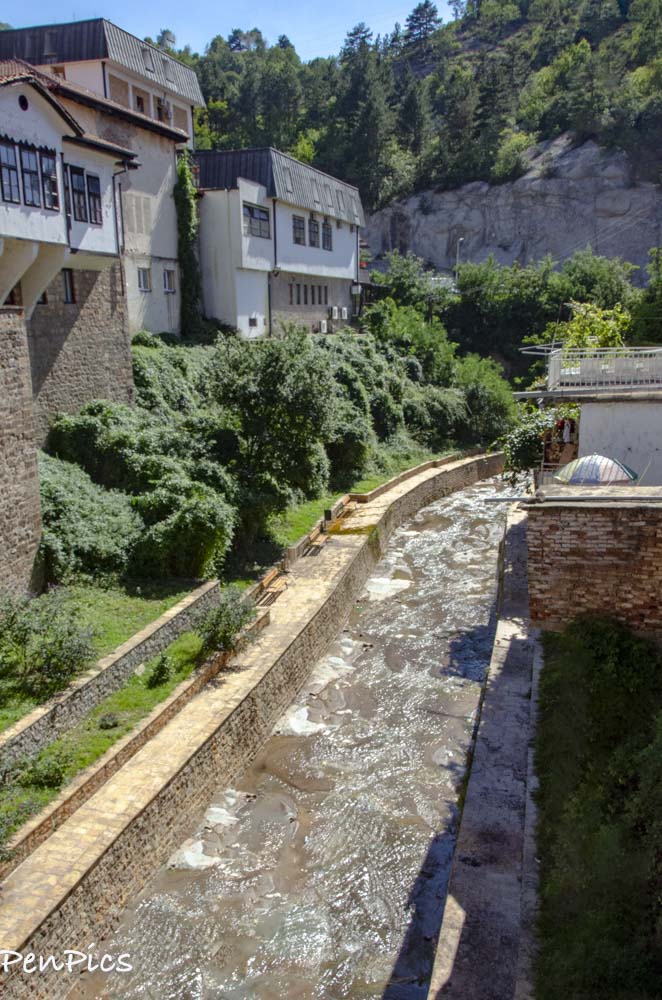
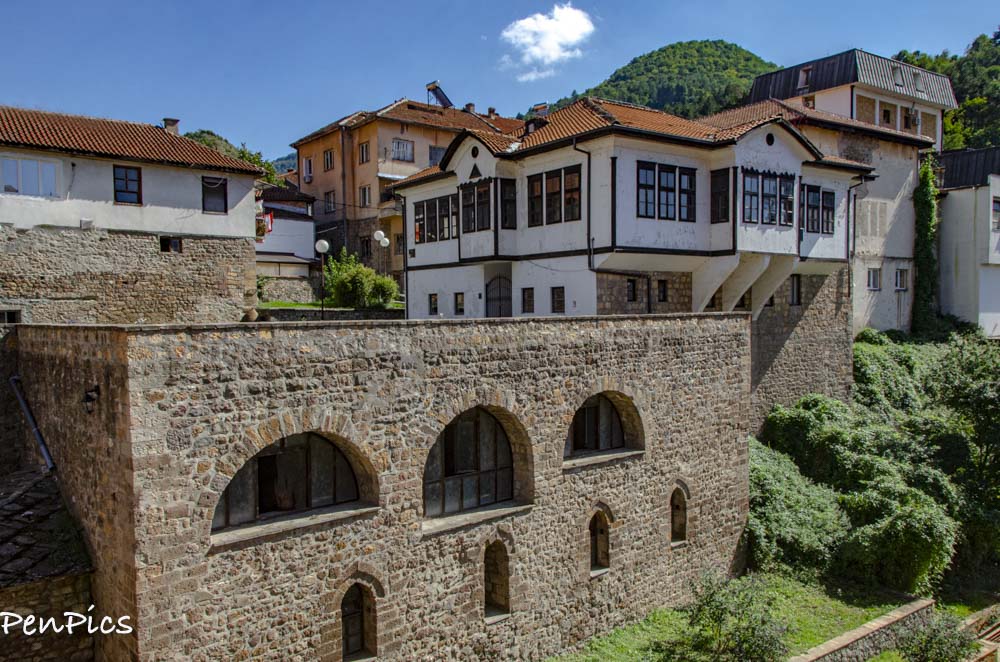
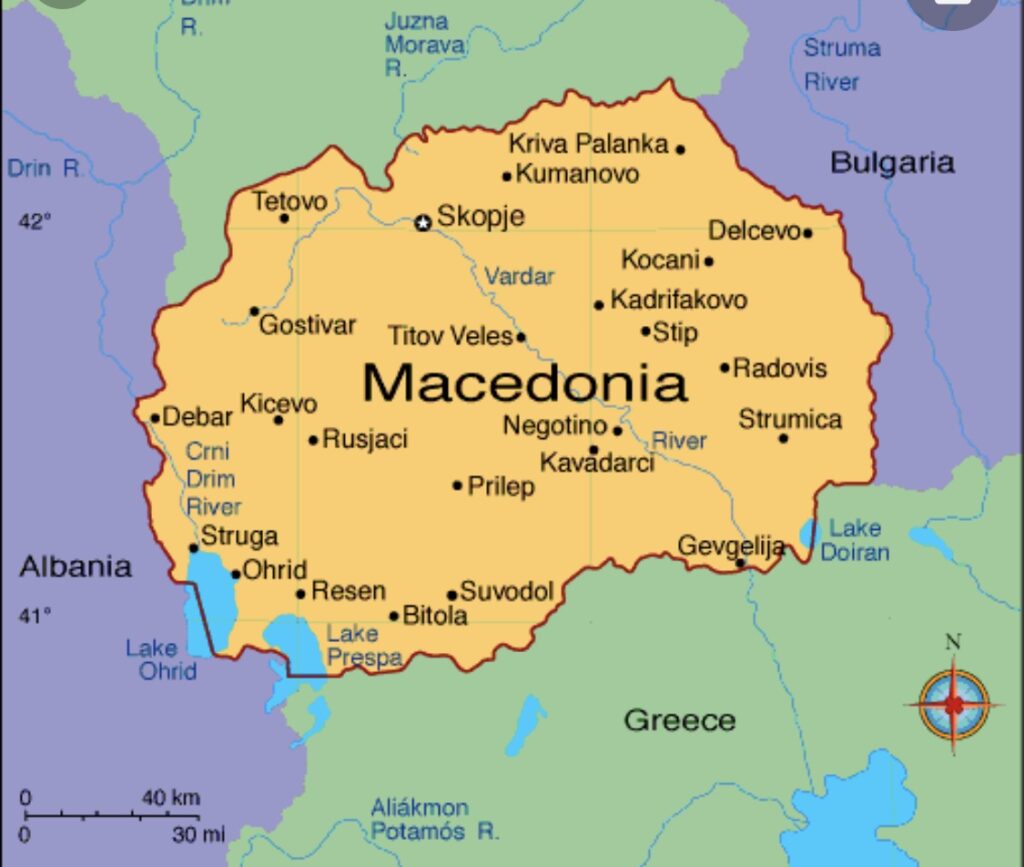
We made it up north from Ohrid to one of the oldest towns in the Balkans, with many ancient Roman historical bridges, and towers, plus several old churches.
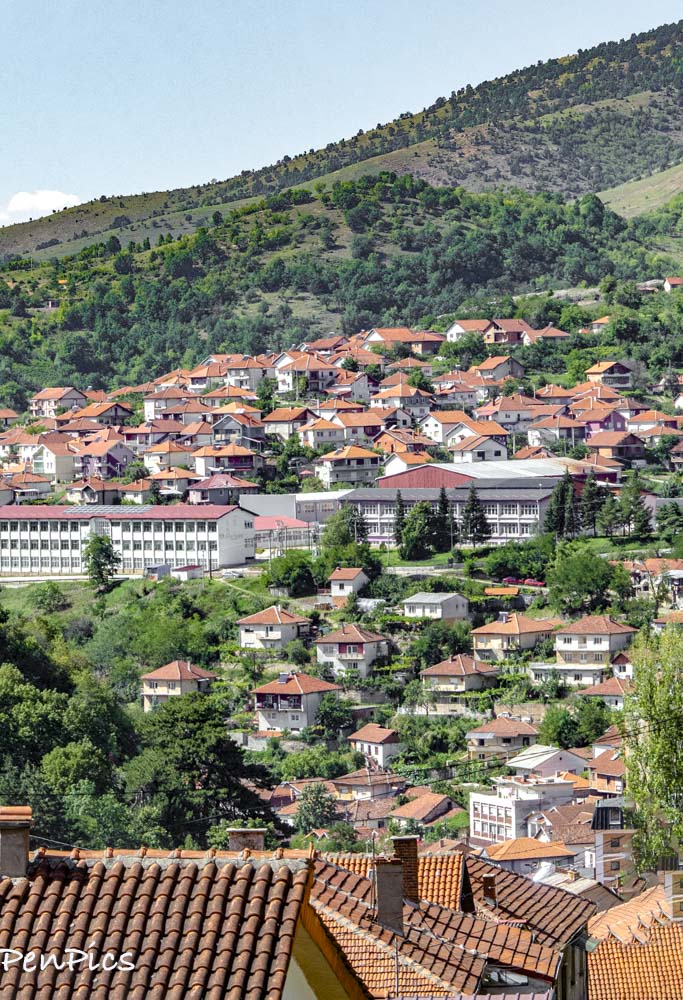
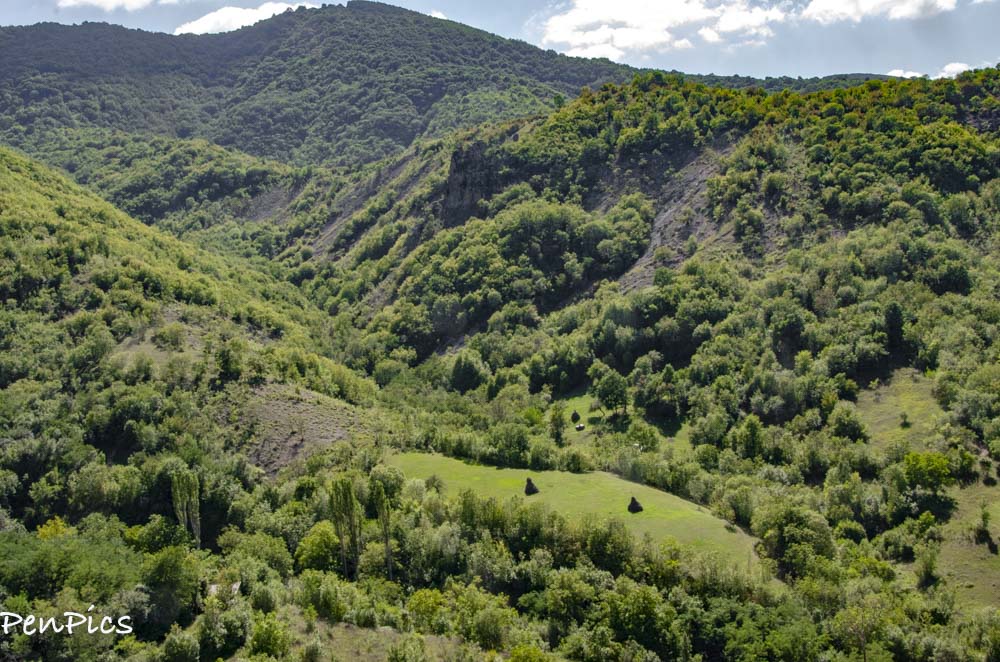
During the Byzantine period, Kratovo is mentioned as Koritos or Koriton. At that time, Kratovo was a significant trade center for gold, silver, and copper. The importance of this small town was also acknowledged by the Turkish Sultan Murat, who, while passing with his army through Macedonia, stopped in Kratovo to see the city of gold and silver.
The reason so many rulers wanted Kratovo was because of the gold mines, the golden and silver coins smithies and the mining in general. The shine of the gold and the wealth of the town drew the Ottoman rulers, too, who stayed her for five centuries.
However, in 1689 the city was heavily abandoned by its inhabitants, due to the heavy pressure mounted by the Ottomans, and the last mining fields closing by 1805.
According to the traveler Ami Bue, Kratovo had 56,000 inhabitants in 1836, but by the end of the 19th century its population growth leveled off.
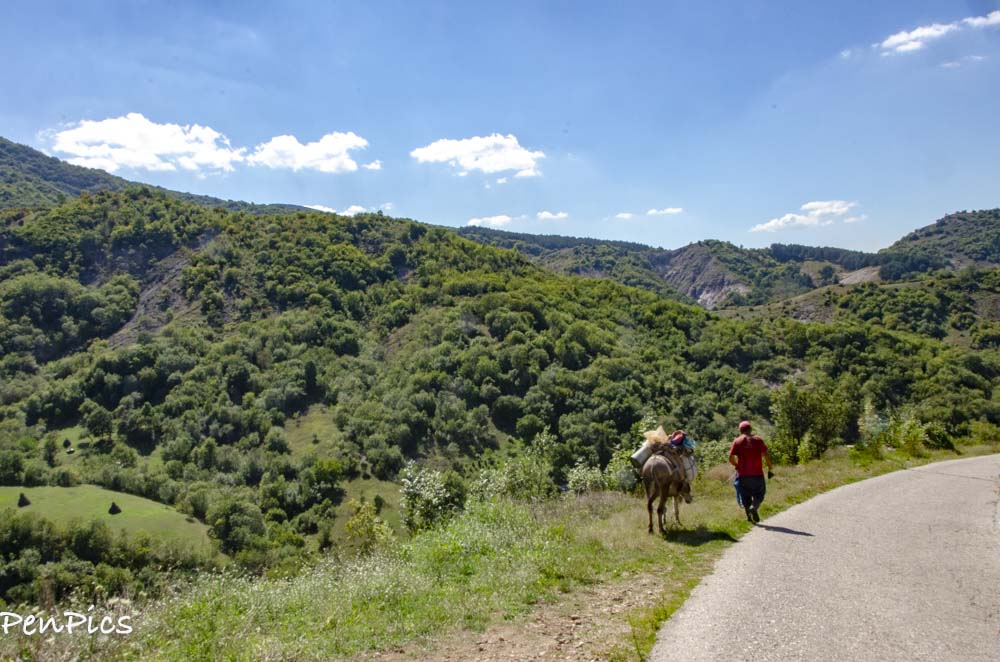

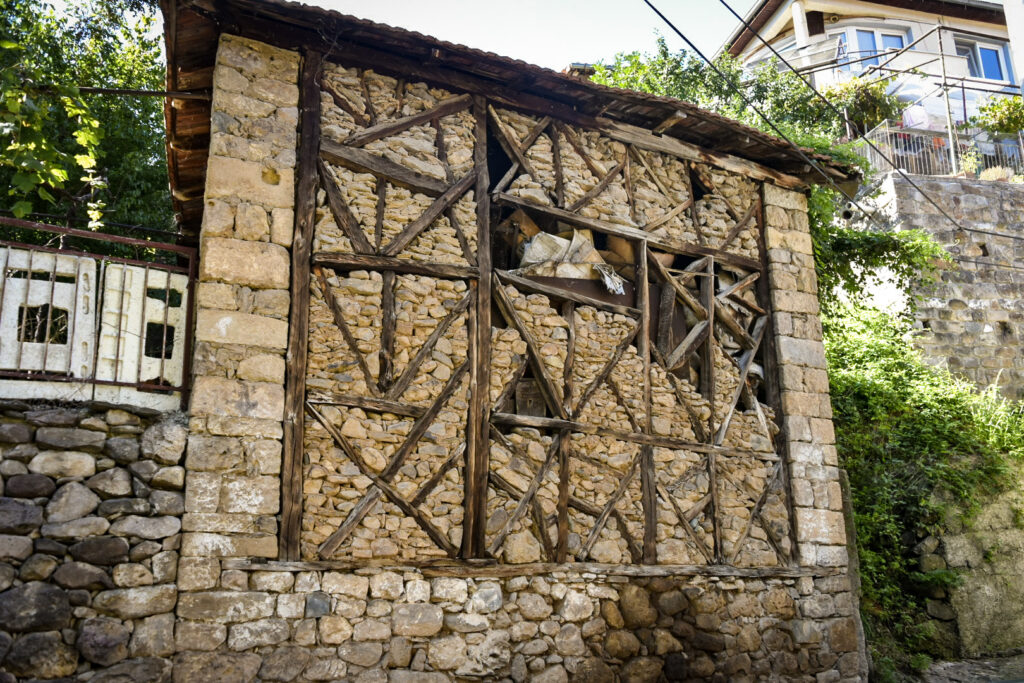
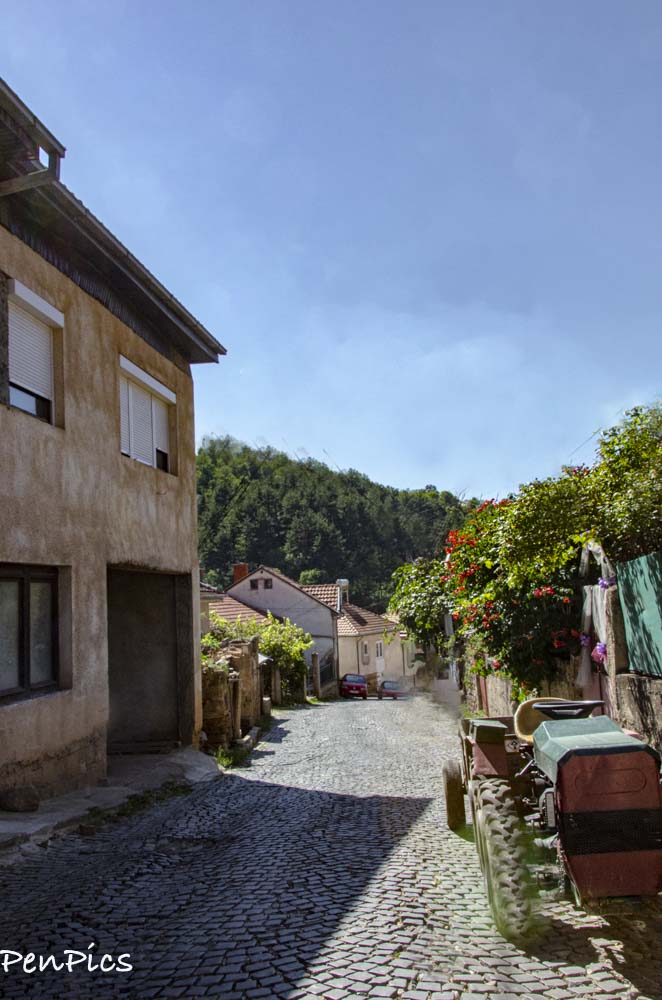
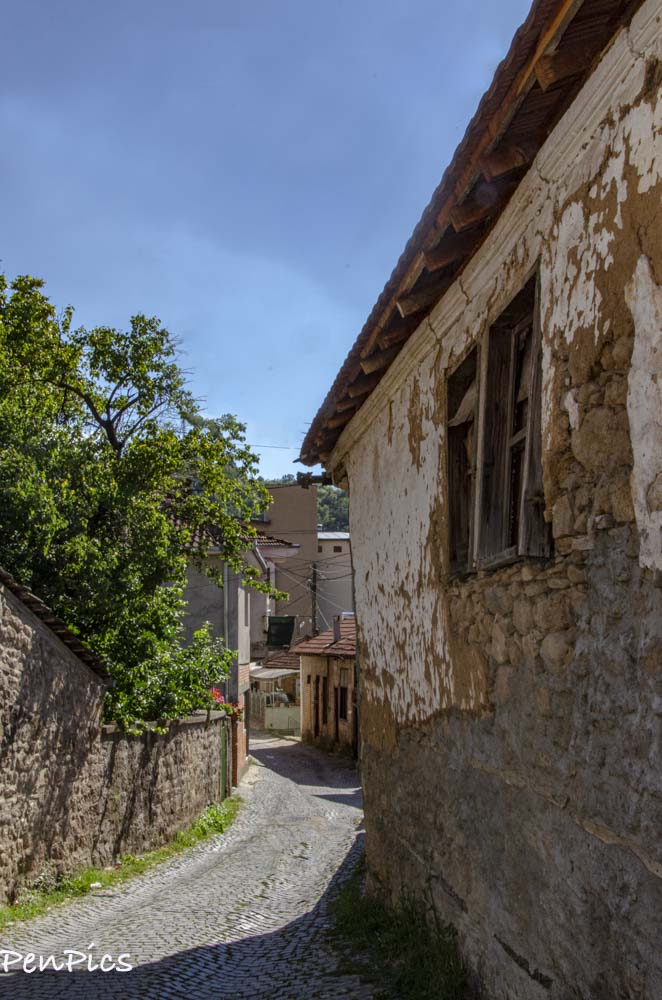
We had hoped to stay the night, thinking this was going to be a gem of a place, but it is quite run down, instead; though the bridges we found were amazing. The roads were very narrow, like so many places we have been, but here, there were many parked cars too. Not a lot of people, just cars. It was kind of strange. Managing the narrow streets, dead ends, and turning around with all the cars to find all the bridges, towers and churches did not go so well. Not a single sign for names or directions “to;” for the six bridges, which we were most excited about. The town has so much potential, for a great stop, but it really needs some serious cleanup, and signage.

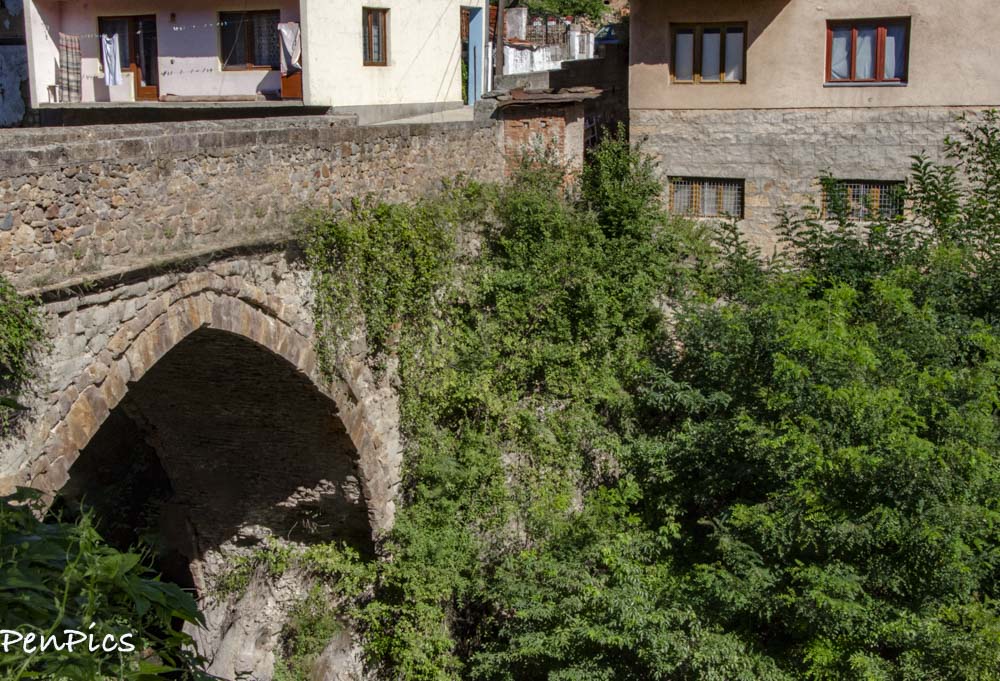
Radin Bridge that was built by nine brothers, who built it during the day, only to see it collapse during the night; or so the legend goes. Faced with the building inability, the brothers made a bet ~no matter whose wife arrives first, to bring them lunch, they would build her inside the foundation so the bridge could hold.
The next day, Rada made lunch for them and went to the bridge to give it to them. When her husband saw her, he started to cry out loud. The other brothers took Rada and started to build her inside the foundation. Rada just asked the brothers if they could leave out her right breast so she could feed her only child; a baby boy, and they did.


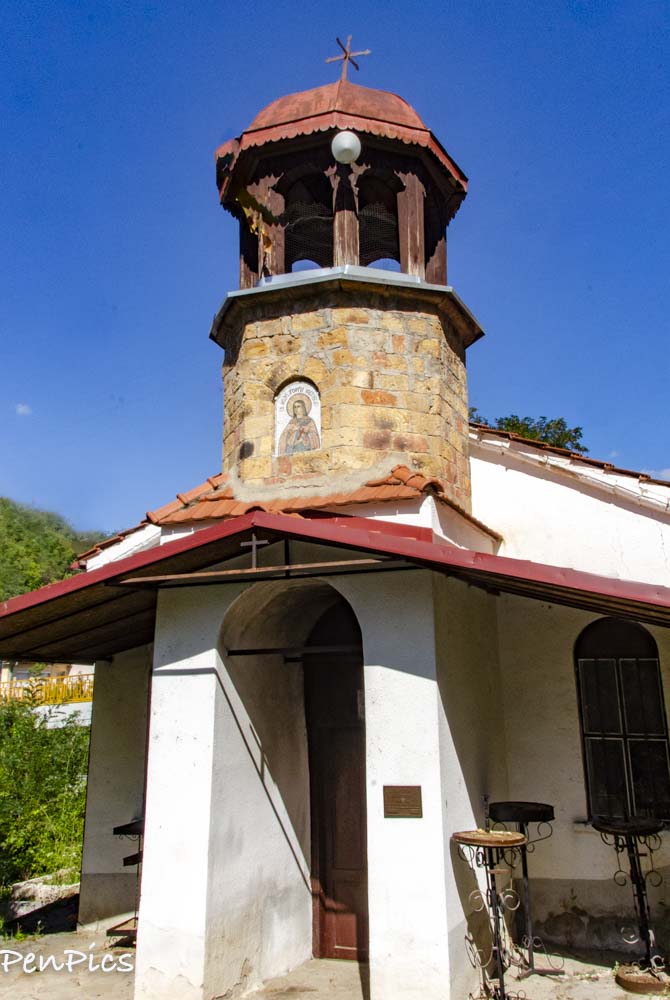
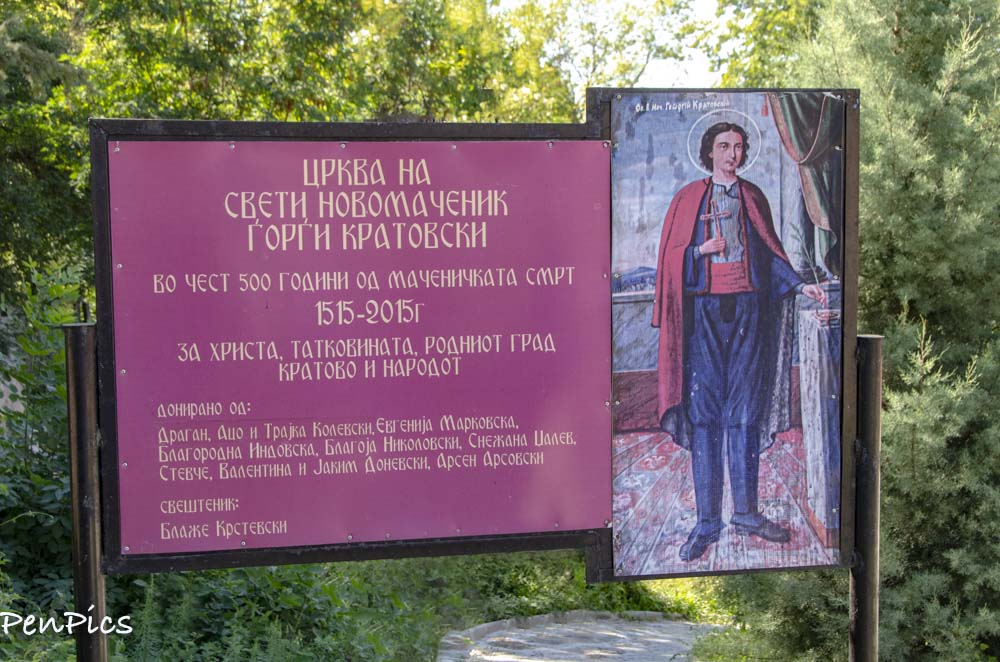
That was on February 11, 1515. Miraculously, the woods burned, but the martyr’s body remained intact. His brave attitude in front of the court and the heroic death upset the Christian population. That night, several Christians took his body and buried it at the metropolitan church of Saint Marina, in the yard of the present-day Sophia Metropolis.(Ohrid). After some time, the remains of George from Kratovo were taken out and set in the temple for mutual worship.
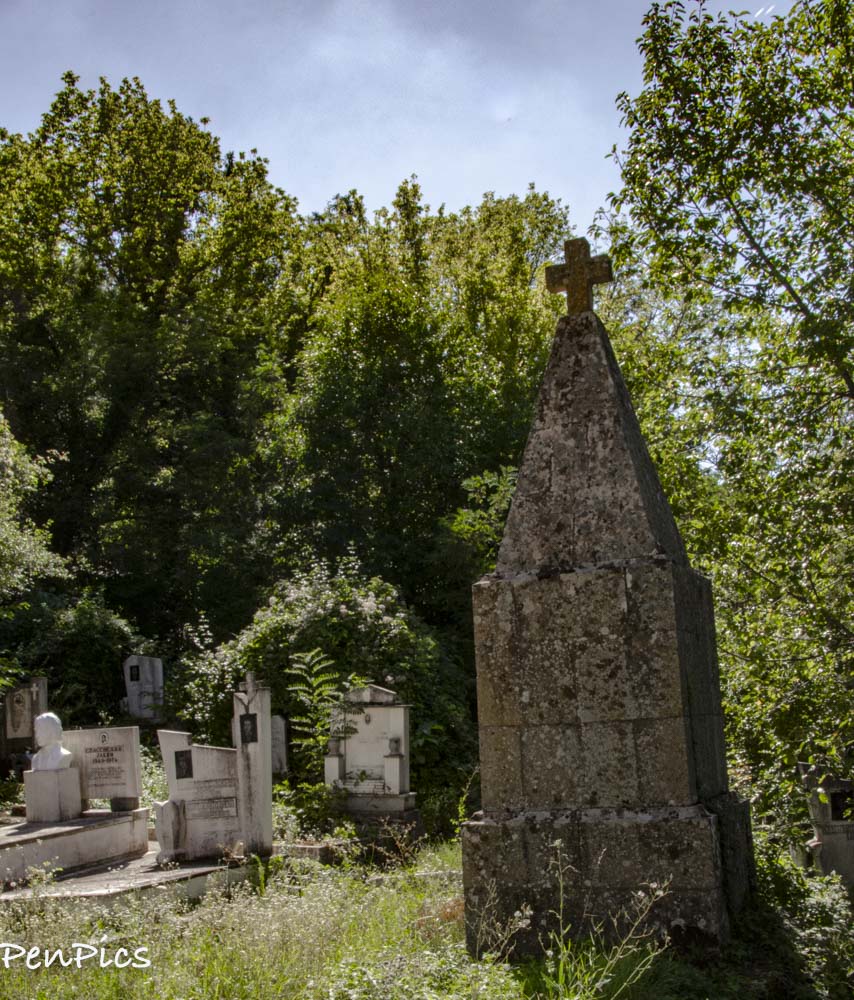
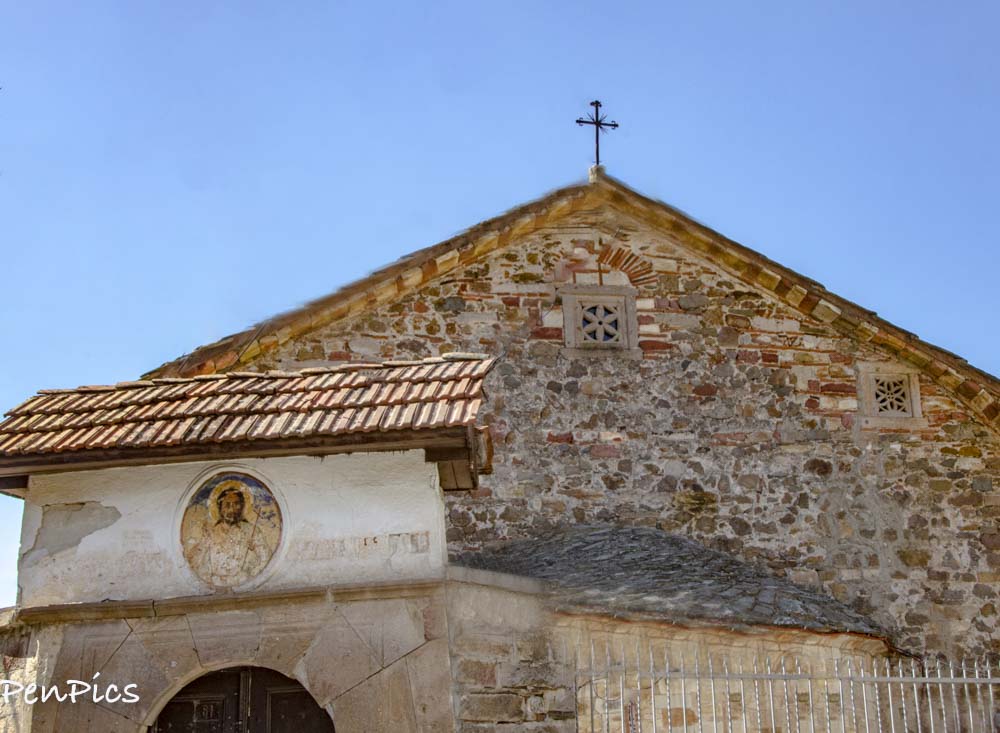
We saw what we could, but chose not to stay. We made it to the next town, only an hour away, and are staying two nights. It’s laundry time again, plus we need hair cuts, and some down time for at least a half day, too.
About Us

About Us
Hello and Welcome to our Travel Blog Website, We enjoy writing about our experiences and taking photos of our adventuring along the way. Our names are: Daryl and Pen, but Daryl calls me “Bunny.” We met, quite randomly, whilst both traveling in Thailand with friends. We happened to be in the same travel group, and […]