


“Kosovo 🇽🇰 ~Our Fun Day in Prizren”
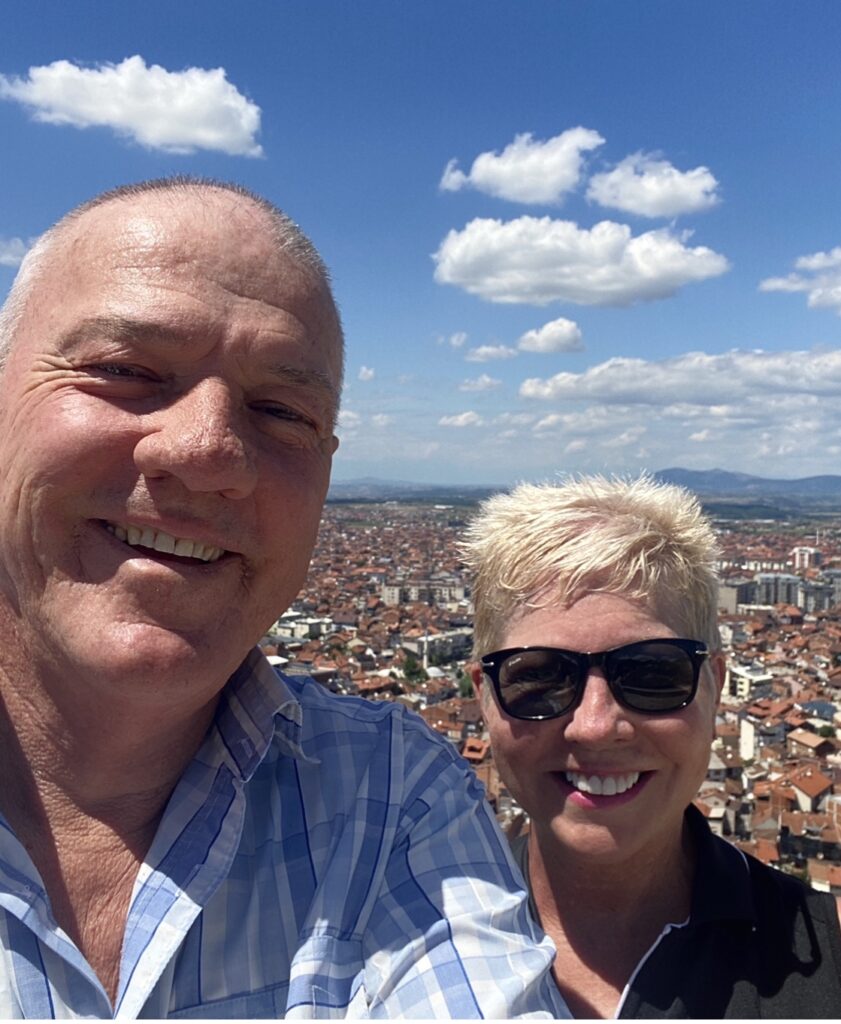
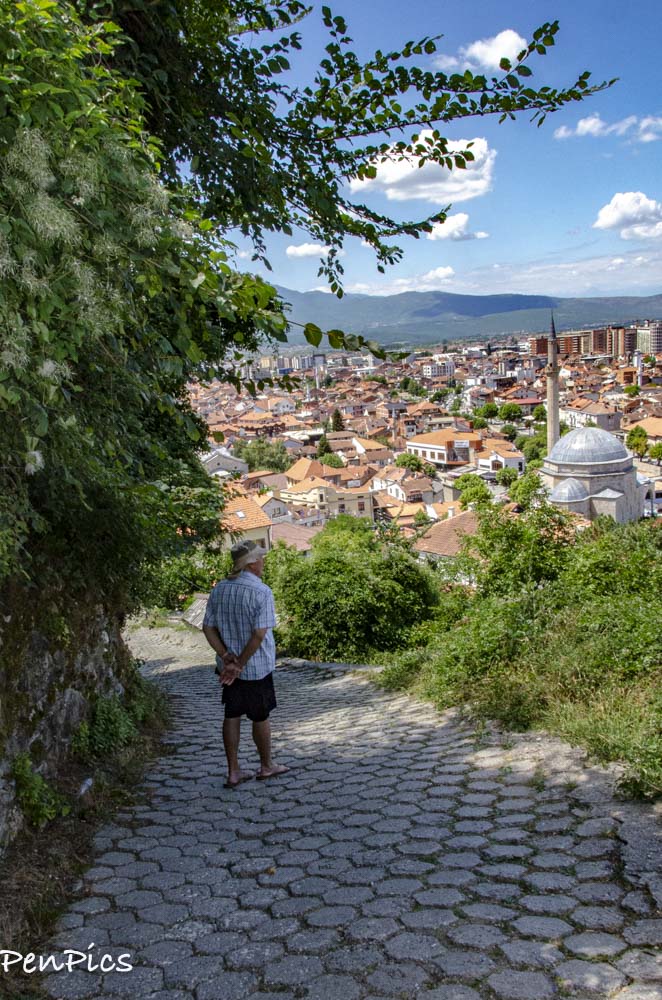
Today was sunny and hot, after some clouds and a bit of drizzle, during a part of our day, yesterday. It was such a beautiful morning, we left the car parked and got plenty of exercise around and about; in the village, in the town, and up to the mountaintop.
In Asia, the Buddhist temples are built high up on mountains, to be closer to heaven for praying. Castles and Fortresses are also built high up on the tallest peaks, but for the purpose of having the distinct vantage point of seeing thy enemy coming. Today, the hike to the castle was about as steep as they get. It was slow and steady for us, but we did it. The incline would have been easier to manage, if it was spring or fall temperatures, but summer, in July? We must be nuts! But, as always, my love for the King and Queen homes of medieval days of yore, drive me to continue to the top. It’s always worth it, every time. Like with the Buddhist Temples, the Castles also have the best views of whatever lies below.

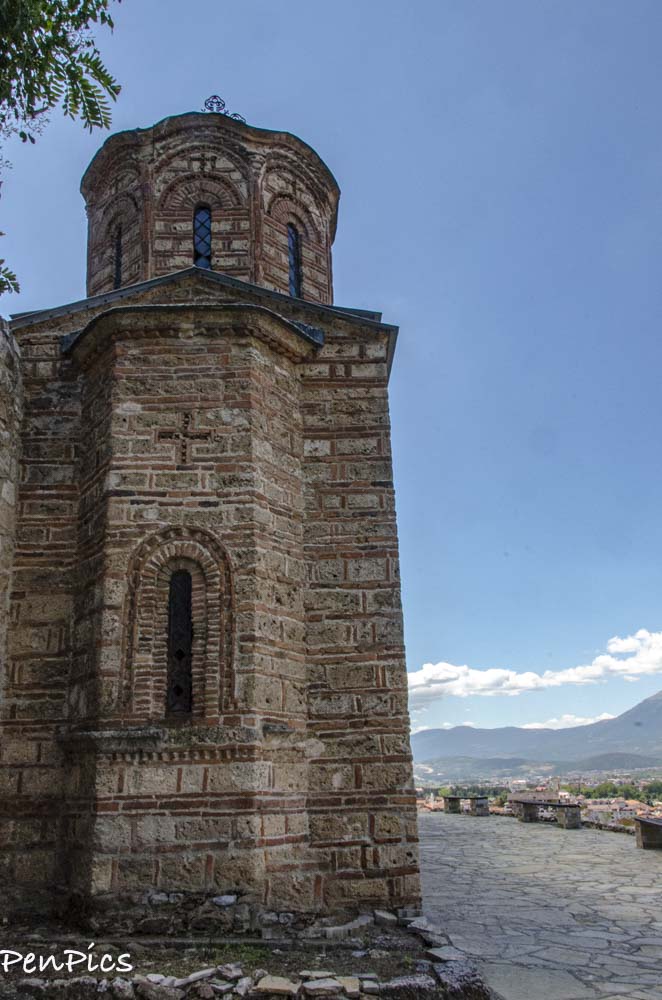
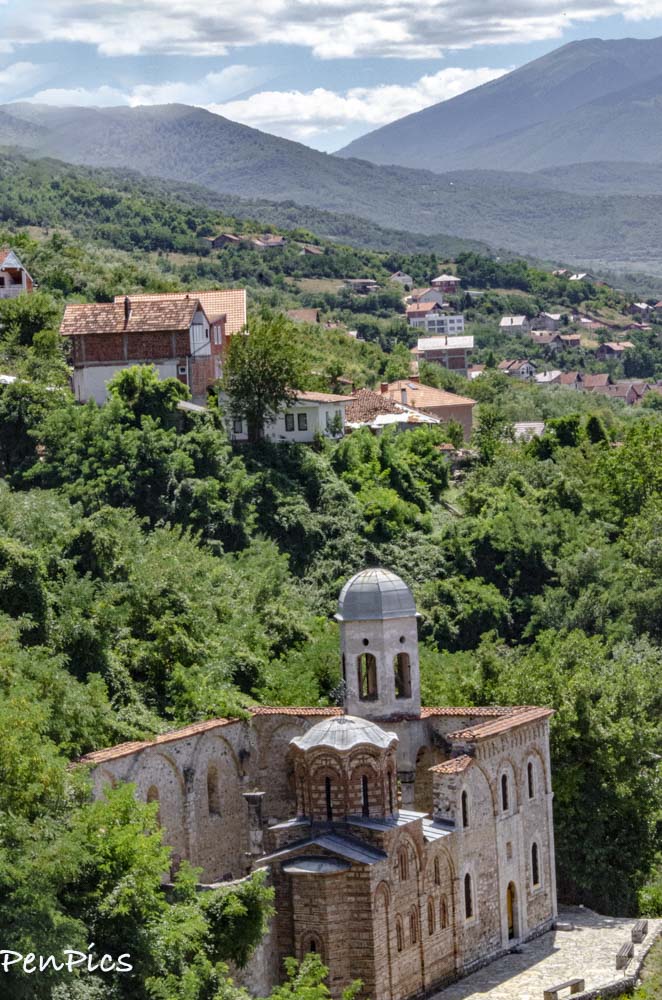
Holy Savior Church Prizren
Holy Savior Church in Prizren is dedicated to the Assumption of God and was erected around 1330. Holy Savior Church is located at the south-western part of the former Serbian town of Prizren; the most beautiful Royal town in Kosovo and Metohija.
The Holy Savior Church in Prizren sits on the small plateau below the ancient Kaljaja Fortress, called the Podkaljaja, which dominates the whole area and provides an outstanding panorama of Prizren. The Podkaljaja Quarter once used to be the Prizren part populated mostly with the Serbian and Aromanian population.
Nobleman Mladen Vladojevic and his family constructed the Church of the Holy Saviour Prizren and in 1348 granted it to the nearby Holy Archangels Monastery; the endowment of Tzar Dusan; king 1331-1346, tsar 1346-1355 on the bank of Prizrenska Bistrica River.
The foundation of the Church of the Holy Saviour Prizren is the inscribed cross with three-sided altar apse and narthex covered by eight-sided dome. From outside the Church of the Holy Savior in Prizren is richly decorated with ceramic ornaments and layers of stone and bricks, which has also been applied in construction of the Church of the Holy Virgin of Ljevish in Prizren.
The Church of the Holy Savior Prizren was heavily damaged and abandoned during the Turkish conquest and even in some occasions used as the stable, that seriously damaged it. Since the middle of the 18th century, Aromanians from Moskopoje took over care for the Holy Savior church Prizren and in 1836 started its reconstruction and enlargement.
The Church of Holy Savior Prizren was supposed to be the trefoil basilica when finished, but the reconstruction was never completed, so nowadays the hall walls without ceiling sadly surround the earlier church. The new seven-sided altar apse has been built and the former tiny Medieval church became the part of the northern nave.
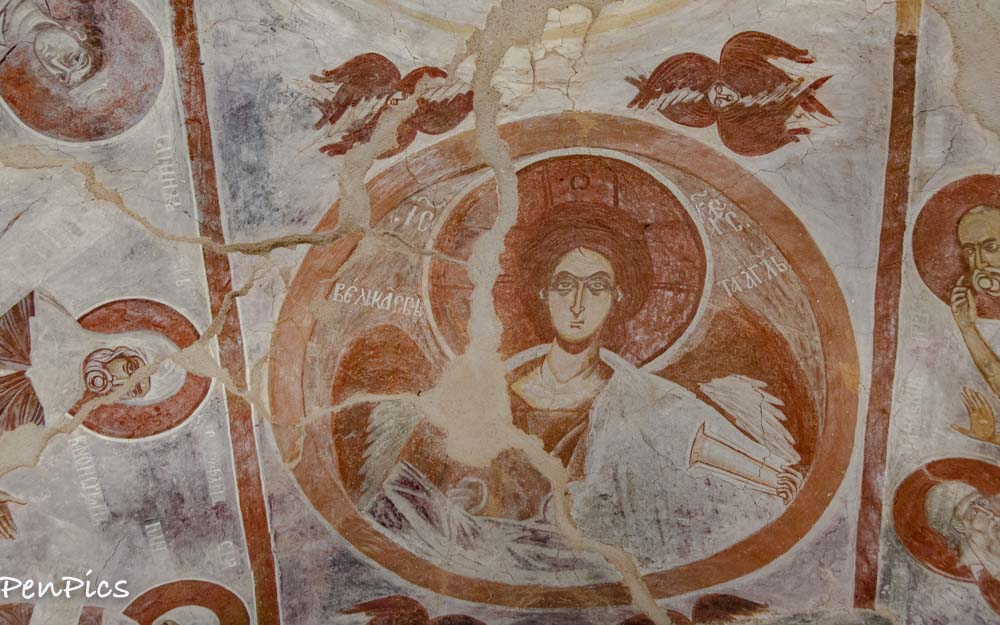
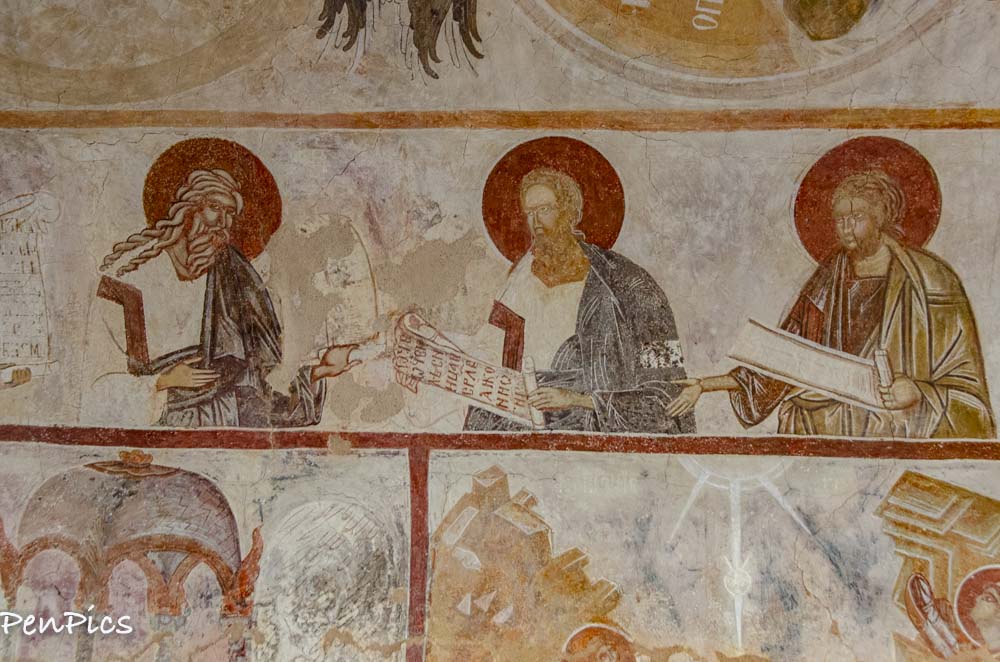
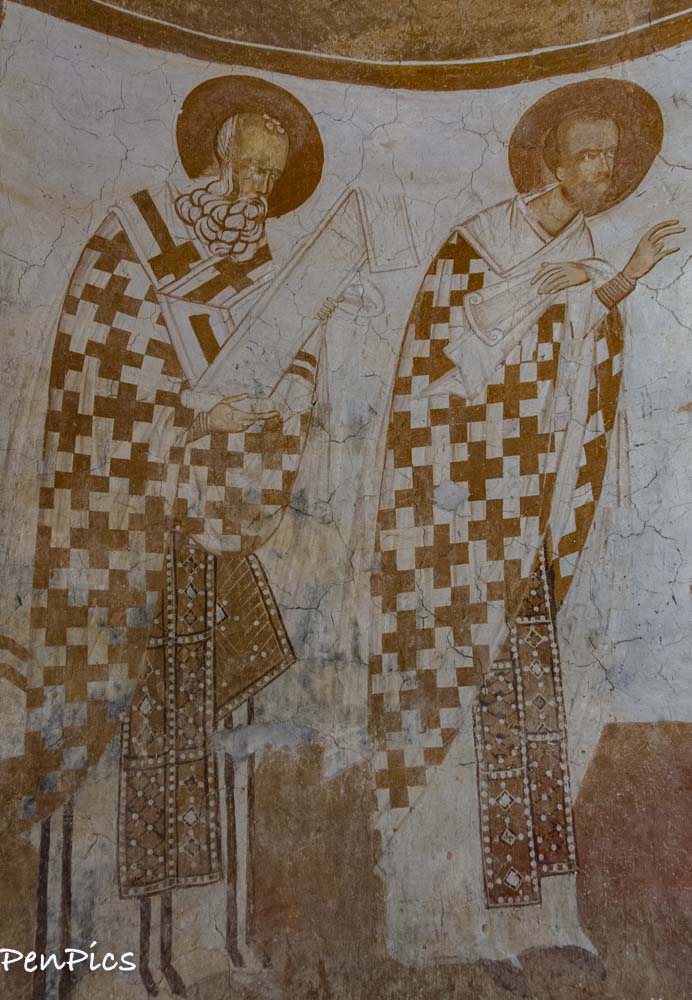
The oldest frescoes of Church of the Holy Savior Prizren are painted in the altar part and date from around 1335. The painter belonged to the fresco-painting workshop that also decorated the Church of Saint Nicholas in Prizren, built at the same time by nobleman Dragoslav Tutic. Until 1348 local painters decorated the rest of the Holy Savior church Prizren in the Byzantine style. The frescoes depicting Christ and the Holy Virgin Paraklesis painted in the narthex of the Saint Savior Church Prizren, make the final layer of fresco decoration.
The church was never completed, so today there are high walls without a roof around the original small church. The conservation work on the structures and frescoes of Church of Holy Savior Prizren were carried out from 1953 until 1963. Republic of Serbia proclaimed the Church of the Holy Savior and the other Churches in Prizren the cultural heritage of extraordinary importance.
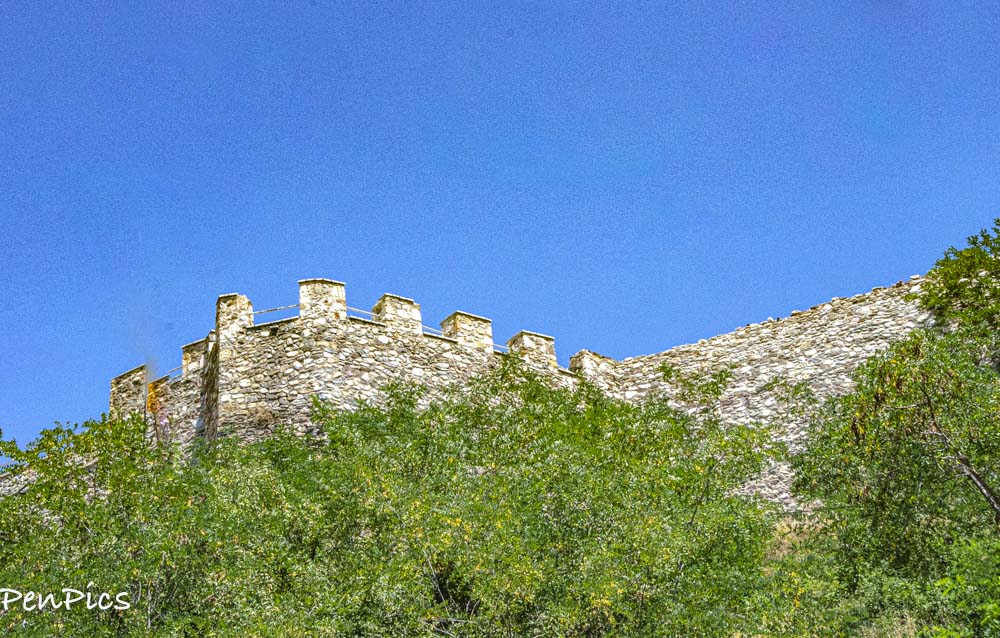
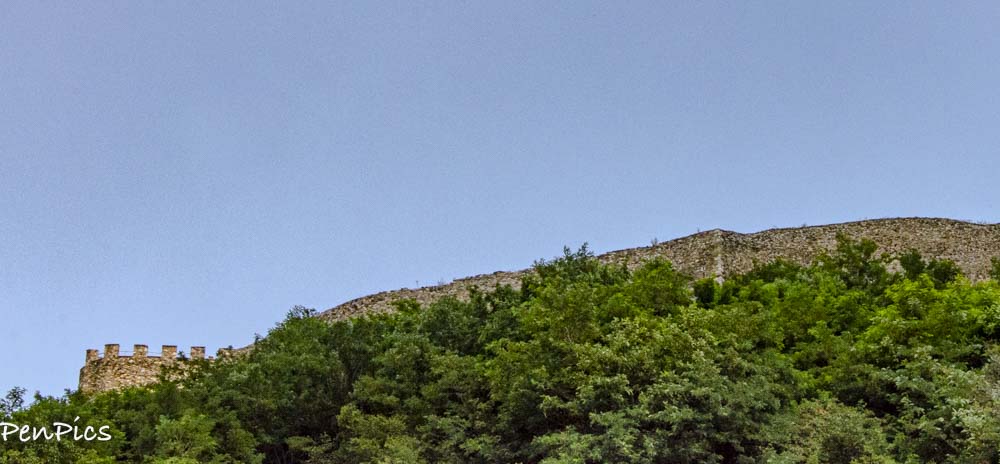
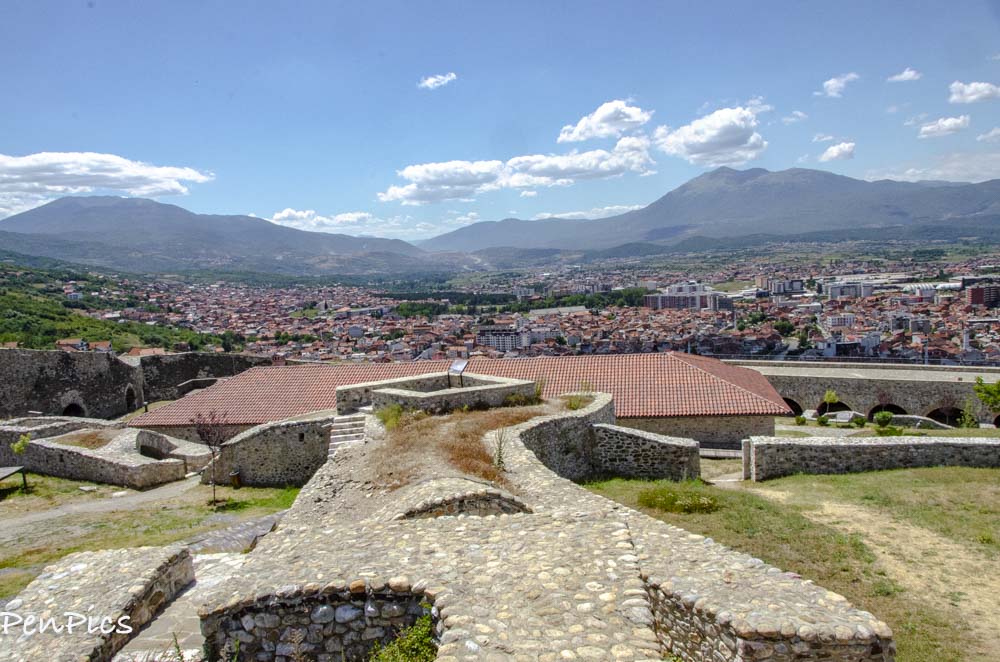
Sitting high on top of the hill overlooking the red tiled rooftops of Prizren, Kalaja Fortress stands as a valuable piece of history, framed by the tree-covered mountains in the background.
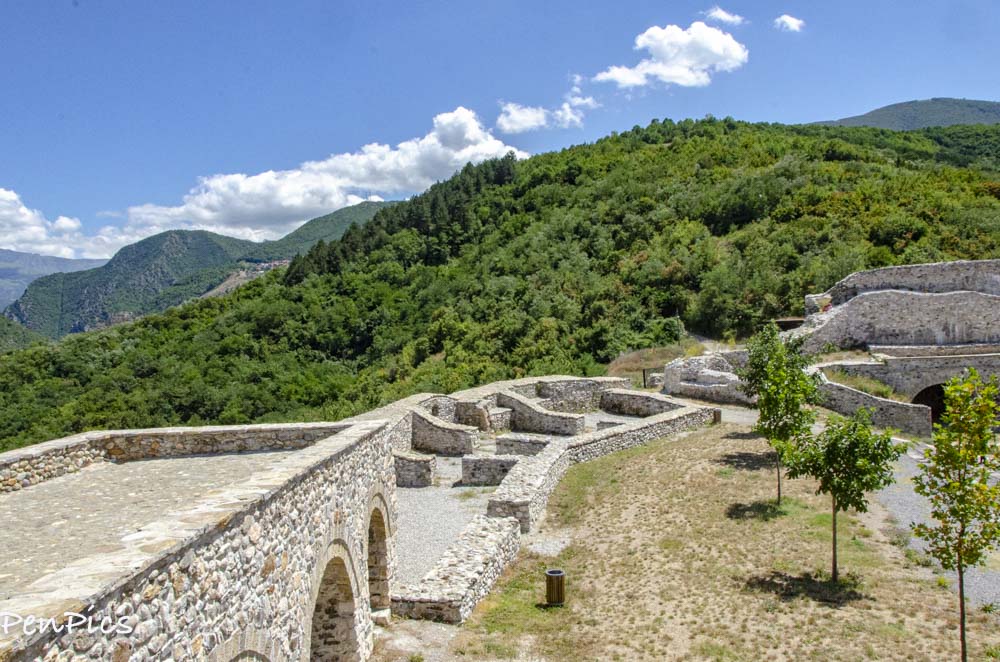
Until recently, only scattered rocks were evident within the ruined fortress. The outer walls barely resembled what they once had been.
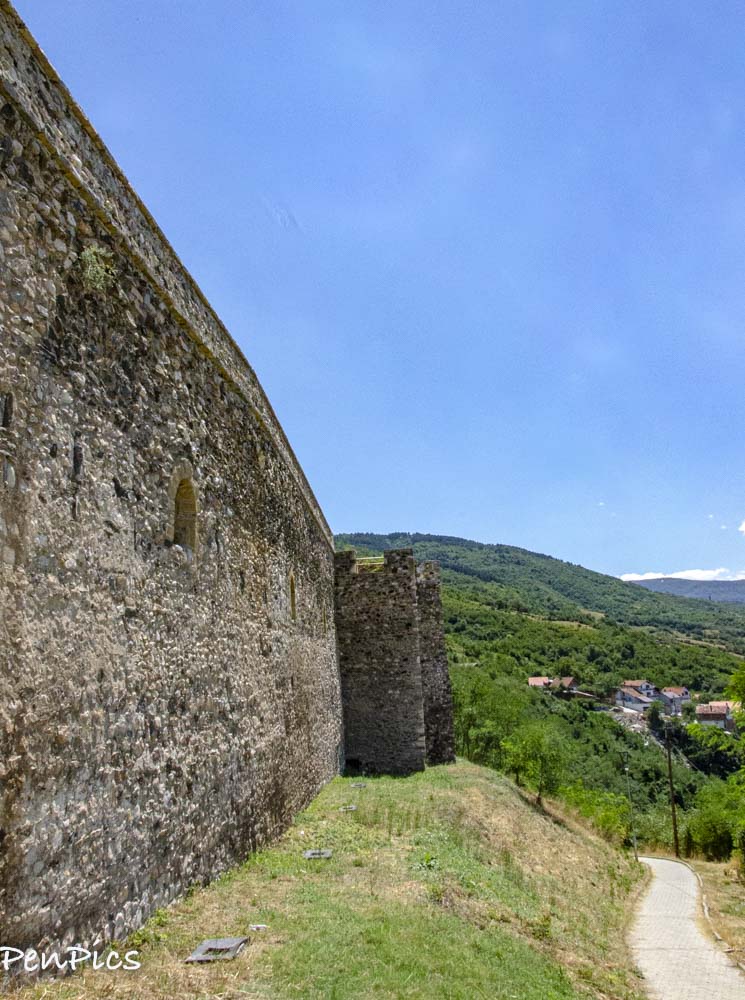
In early 2000, Kalaja was placed on the list of World Heritage sites in Danger. In 2004, archeological work started at the site till all of the western walls had been restored, using the original stones.
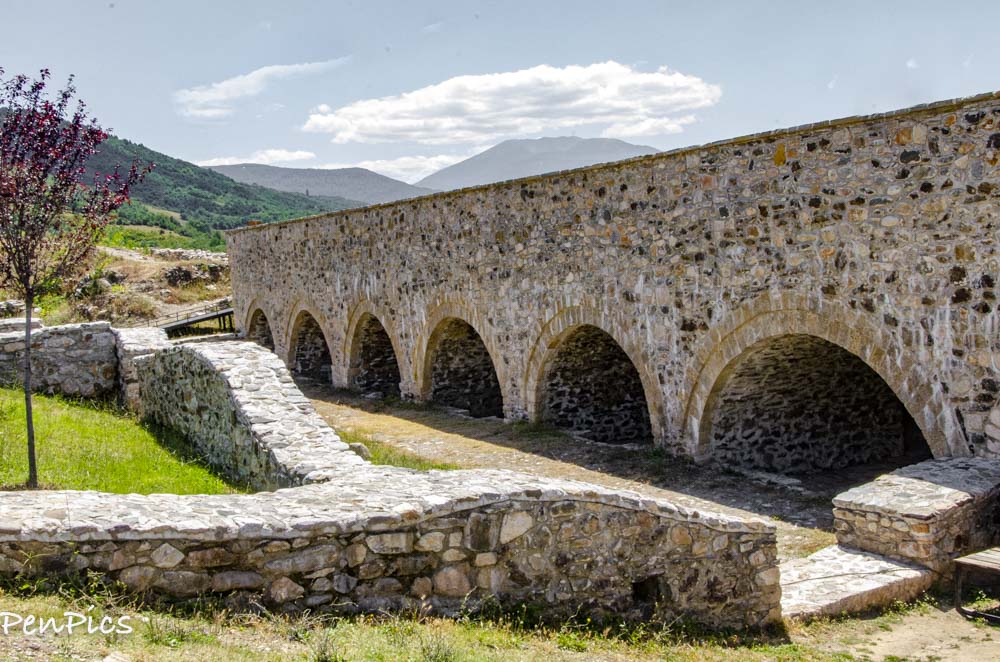
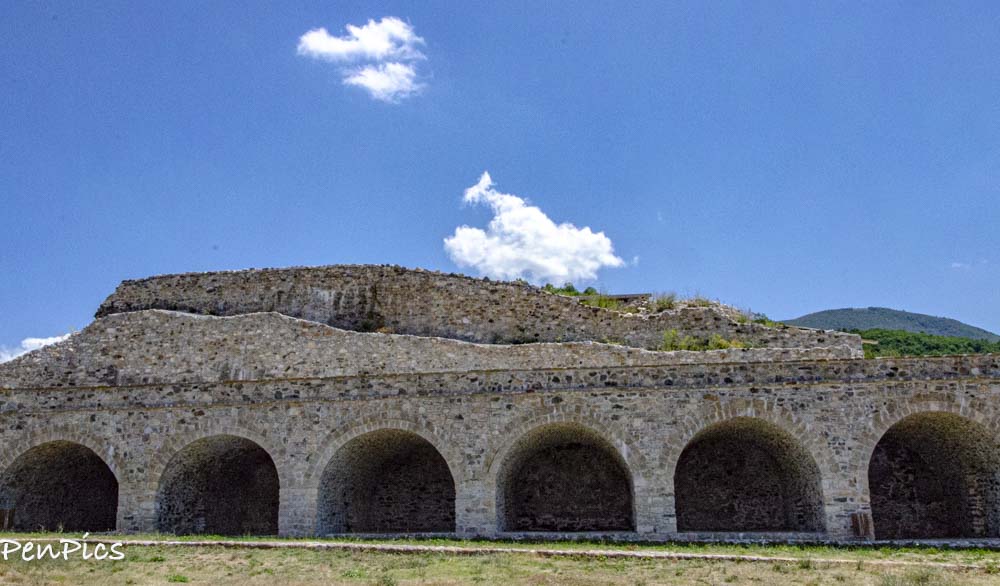
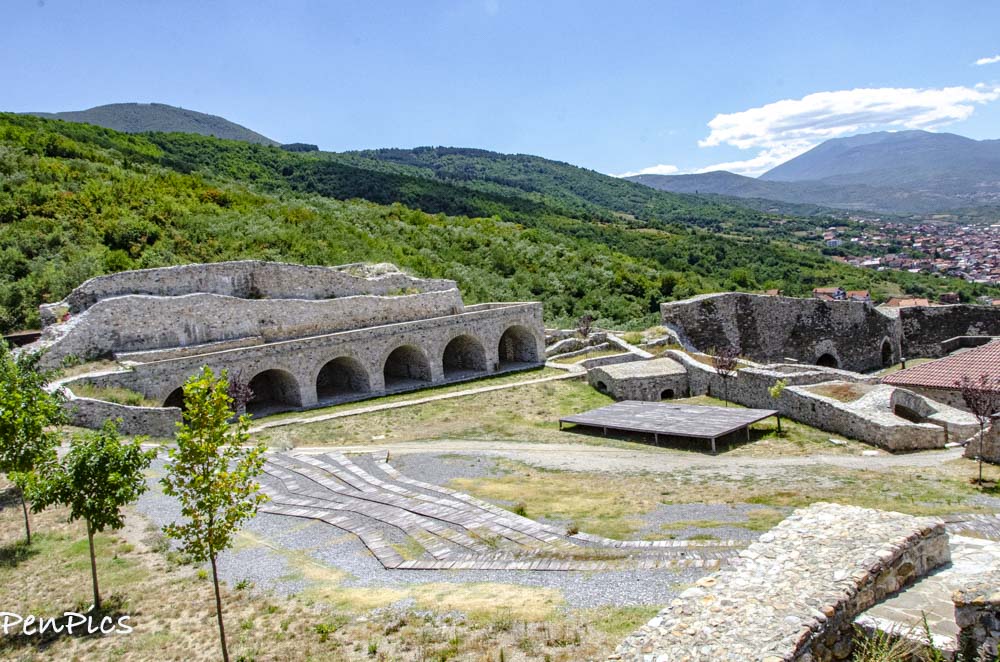
Most of the grounds remain overgrown with vegetation still concealing some of the stones within the outer walls. But the reconstructed archways and the front wall stand tall, resembling its former glory.
According to local historians, the core of Prizren’s city was founded on the hill, during the Roman rule of the 6th century. The site has been used by many different civilizations, each leaving its mark on the fortress.
Archeological findings in 2004 provided evidence through the different layers in the stone that the fortress was occupied during the Byzantine Empire of the 11th century, until the demise of the Ottoman Empire in 1912.
Until the excavation, little was known about fortress in each period. The fortress changed in architecture from century to century as different empires destroyed and then added parts of the Fortress. During excavations in 1968 and 2004, archeologists assumed that before the Prizren fortress was destroyed, an underground labyrinth was there, as well.
Under the Ottoman Empire, starting from the 15th century, the fortress housed a mosque, a couple warehouses, and a large corridor surrounded by four towers, near the south wall.
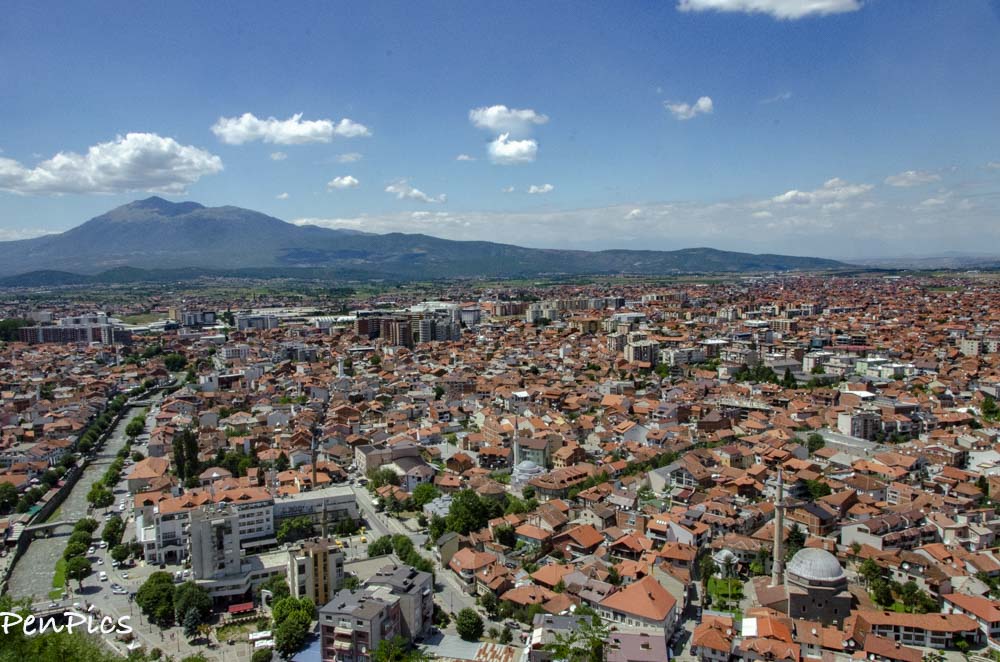
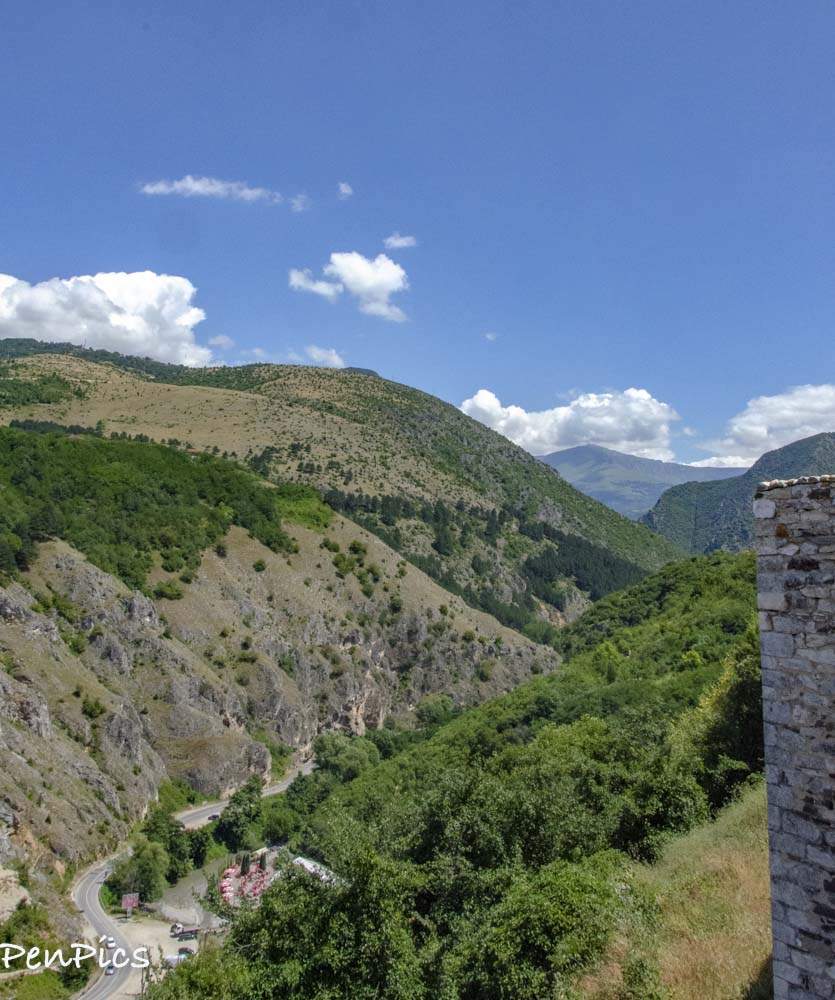
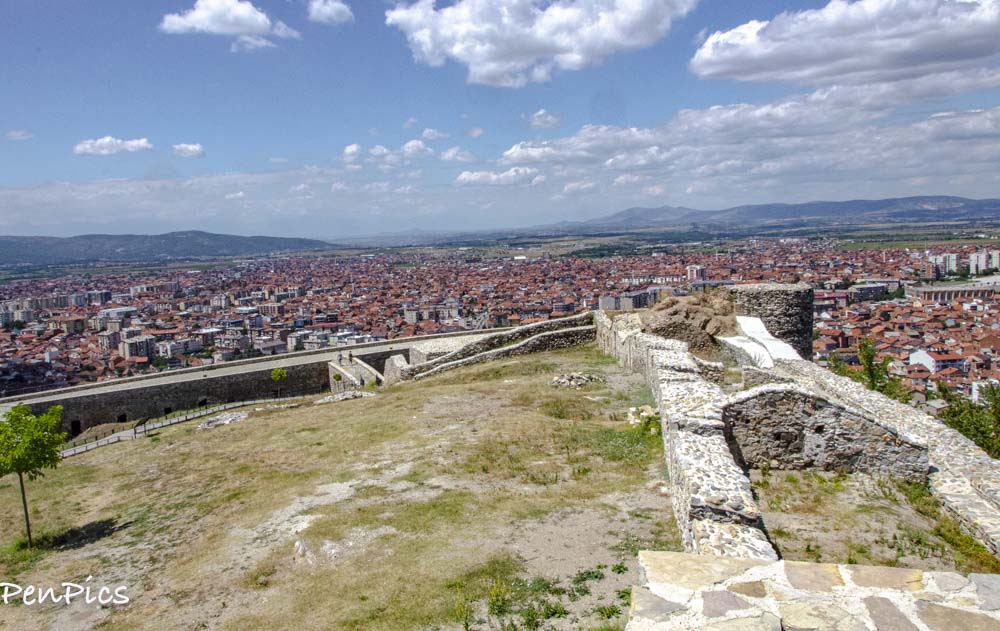
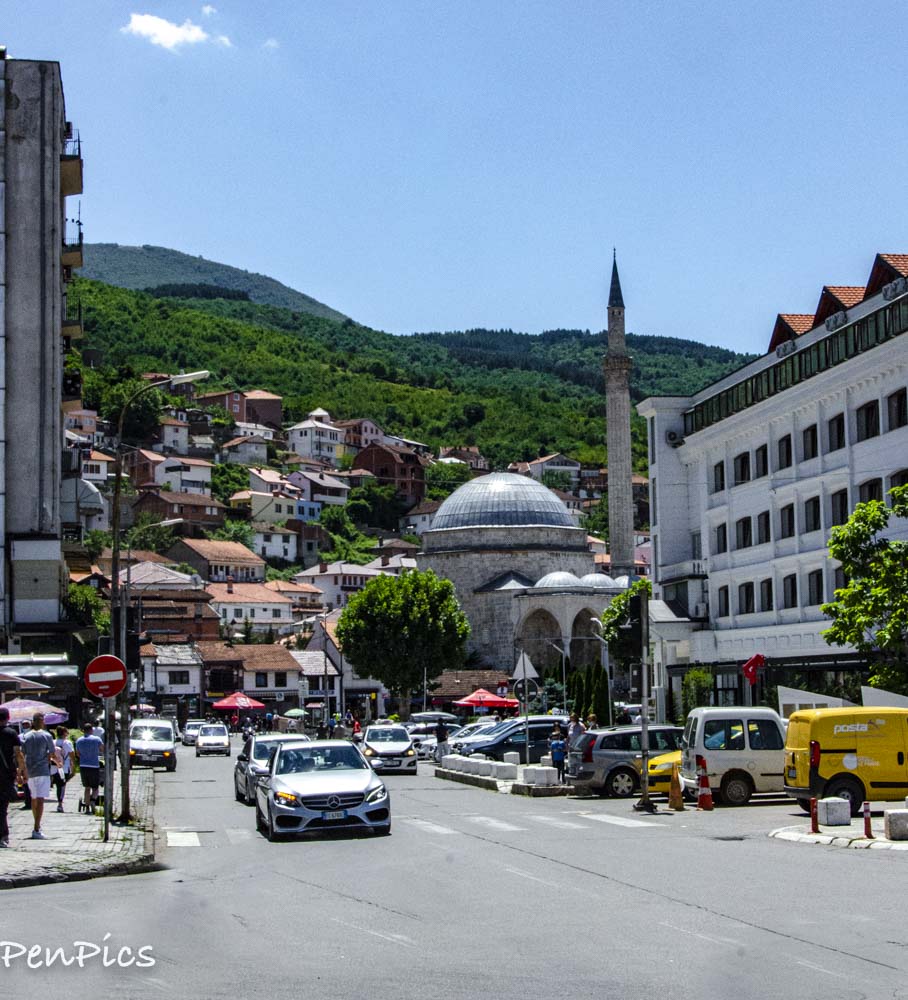
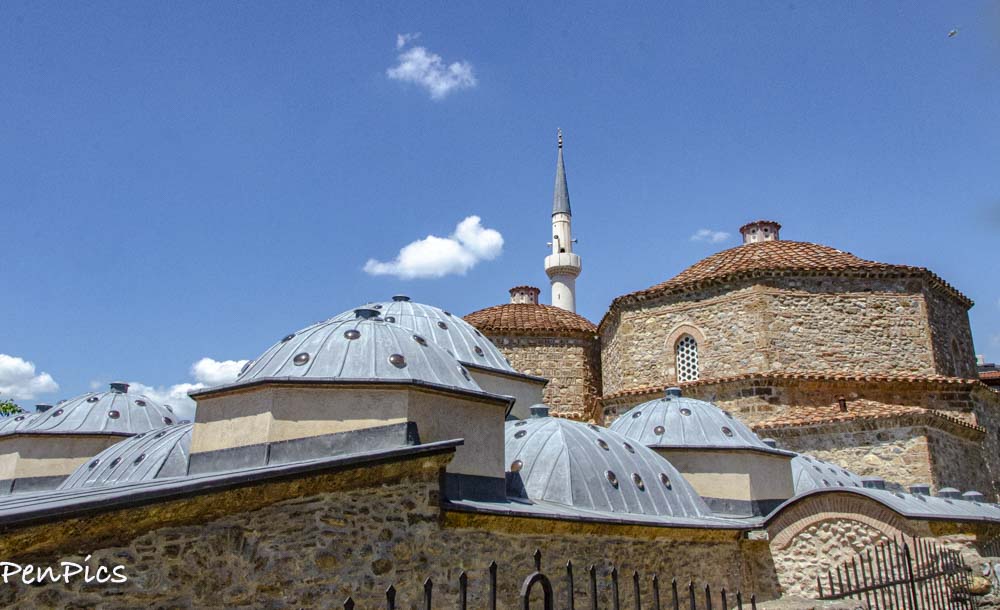
With one foot planted firmly in Europe and the other steeped in Ottoman traditions, the city’s delightful architecture reflects a complex tapestry of cultures and religions that lay claim to this small corner of southeastern Europe.
Reminiscent of Mostar in Bosnia with its iconic bridge and hilly setting, Prizren’s minarets and churches stand side by side in relative harmony.
Yet, history hasn’t always been so kind to this pretty city. And today, two decades after the end of the Kosovo War, scars of interethnic conflict are still very much apparent.
Like Palestine and Taiwan, Kosovo is a partially recognized state with a history that has drastically different interpretations. One hundred and six countries consider Kosovo to be independent; the remainder view it as an autonomous region within Serbia
In the 1990s, Yugoslavia disintegrated and borders were redrawn around ethnic and religious lines. But, borders are never a perfect science and, within Serbia, the ethnically-Albanian Muslims in Kosovo began seeking autonomy of their own.
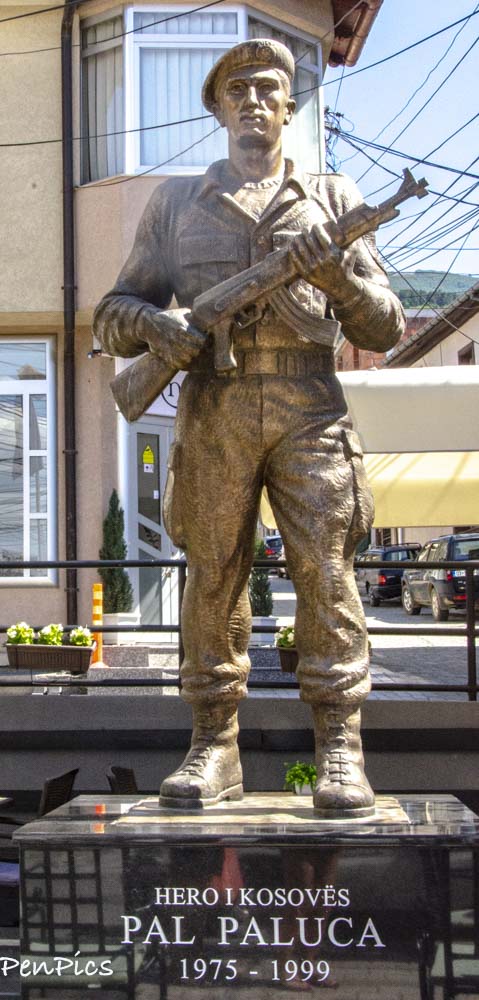
Following independence in Bosnia, Croatia and Macedonia, the Kosovo Liberation Army (KLA) carried out sporadic attacks on the Serbian police force in order to bring attention to the Kosovo cause. The attacks resulted in a brutal retaliation of violence from the Serbian government. In 1999, NATO attempted to halt Serbia’s offensive on Kosovo by launching a bombing campaign. The campaign was controversial, though it resulted in the removal of Yugoslav forces from Kosovo, and the established a UN-backed interim administration mission.
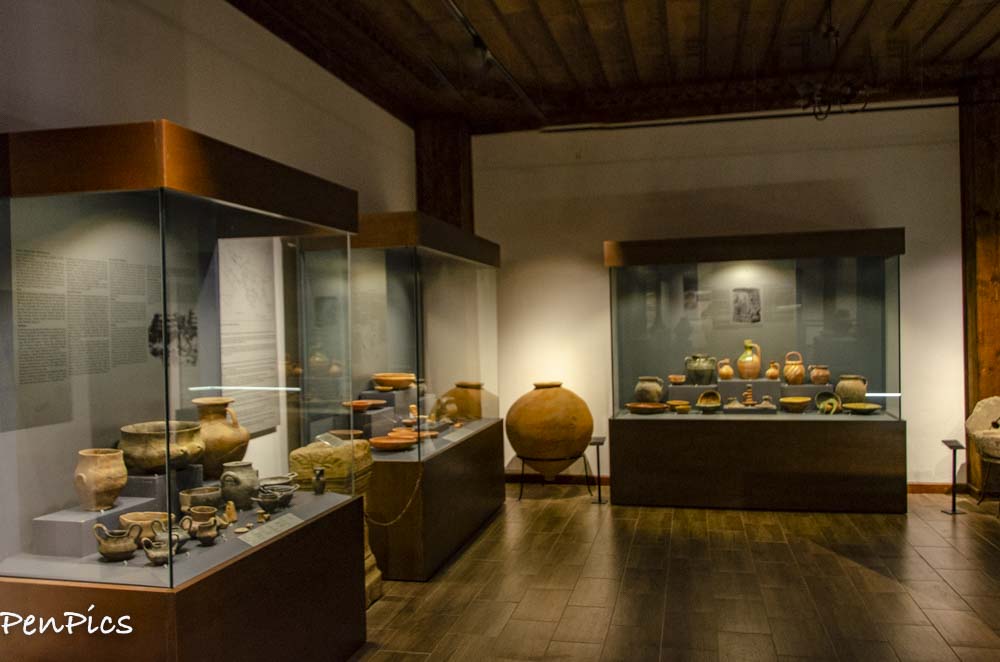
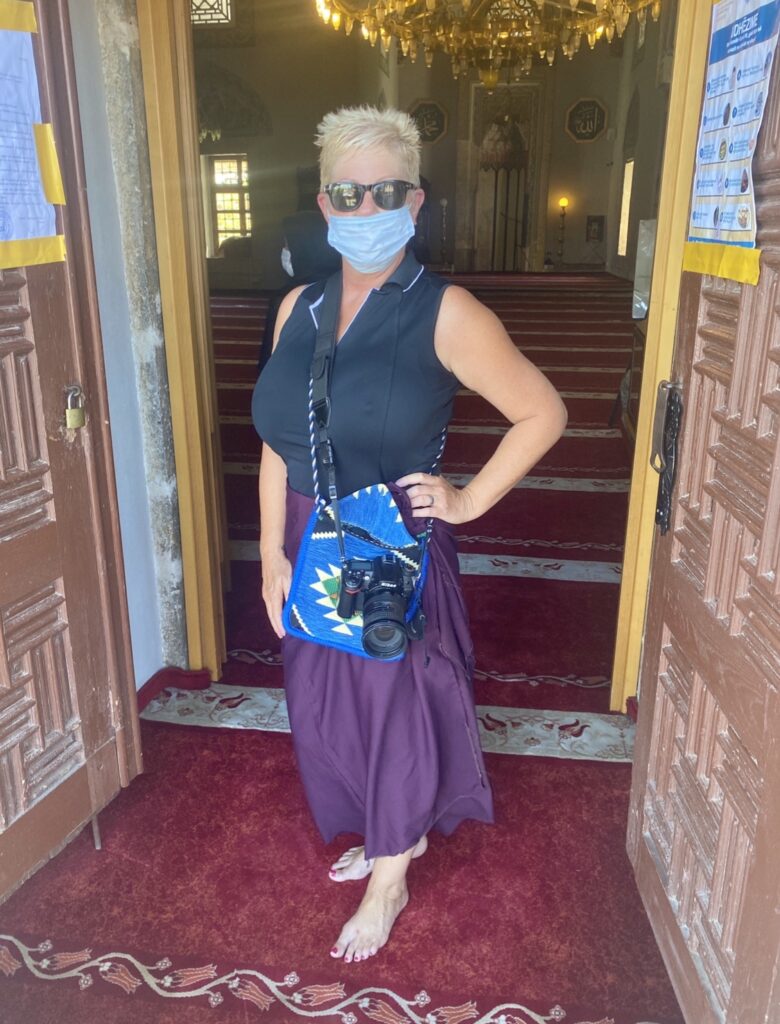
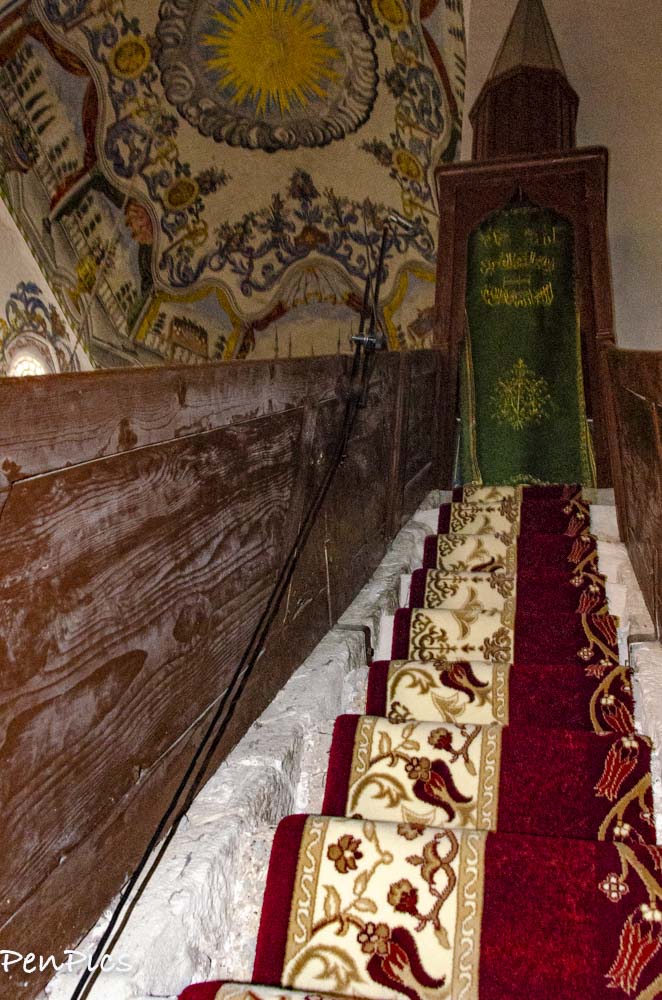
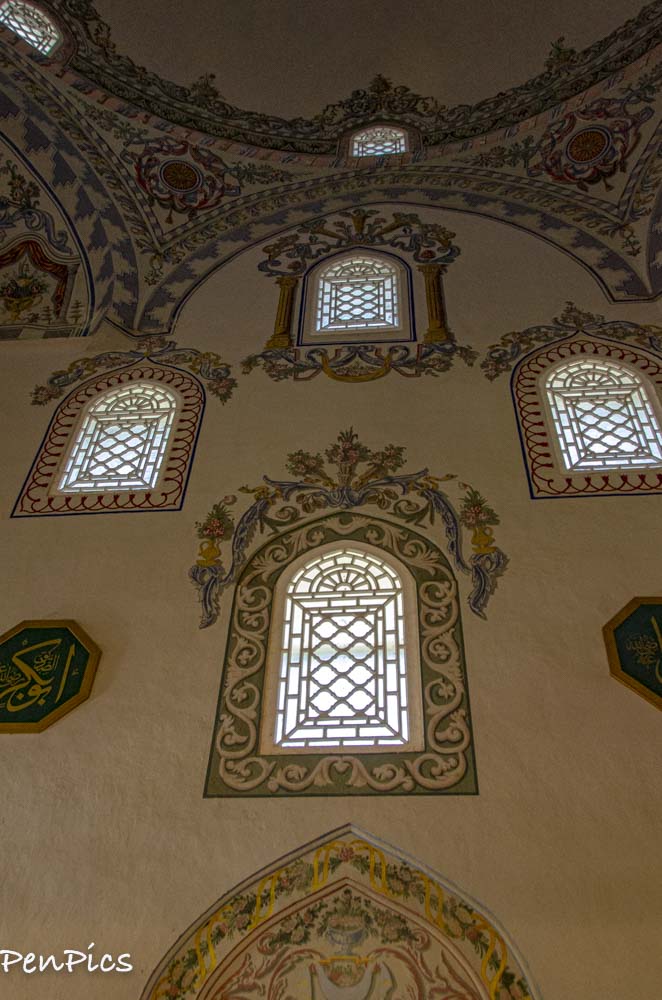
In the village, we entered a few churches that we open, and one mosque. My attire did not qualify for entering the mosque, but the woman in charge provided the wrap. So, between that, the hat hair and the mask, I felt very stylish.
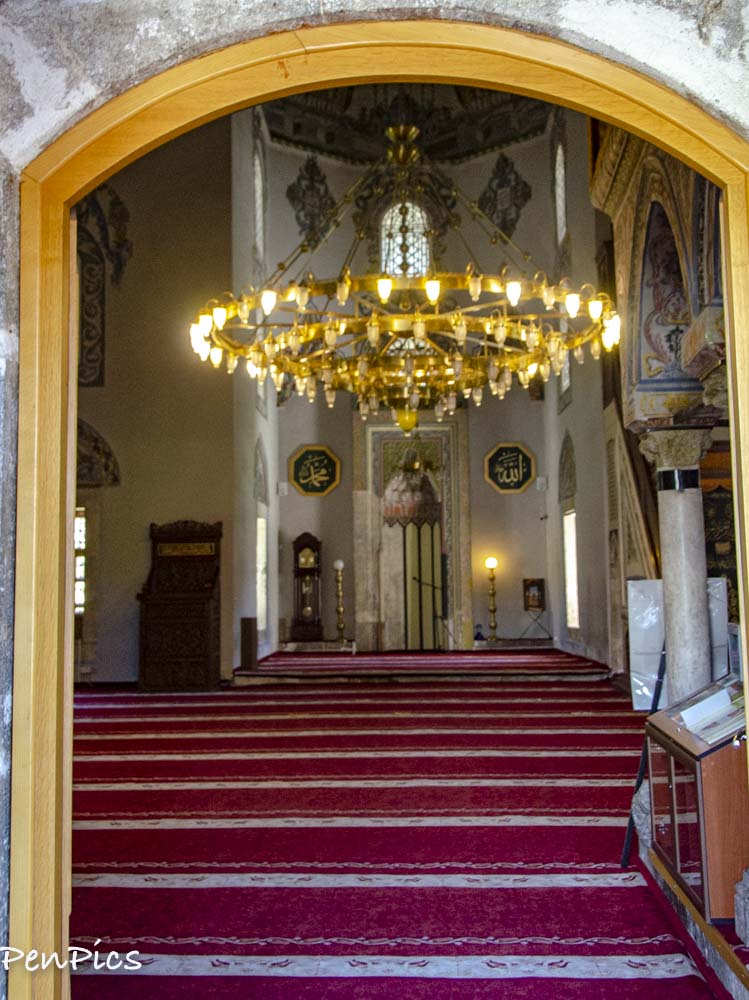
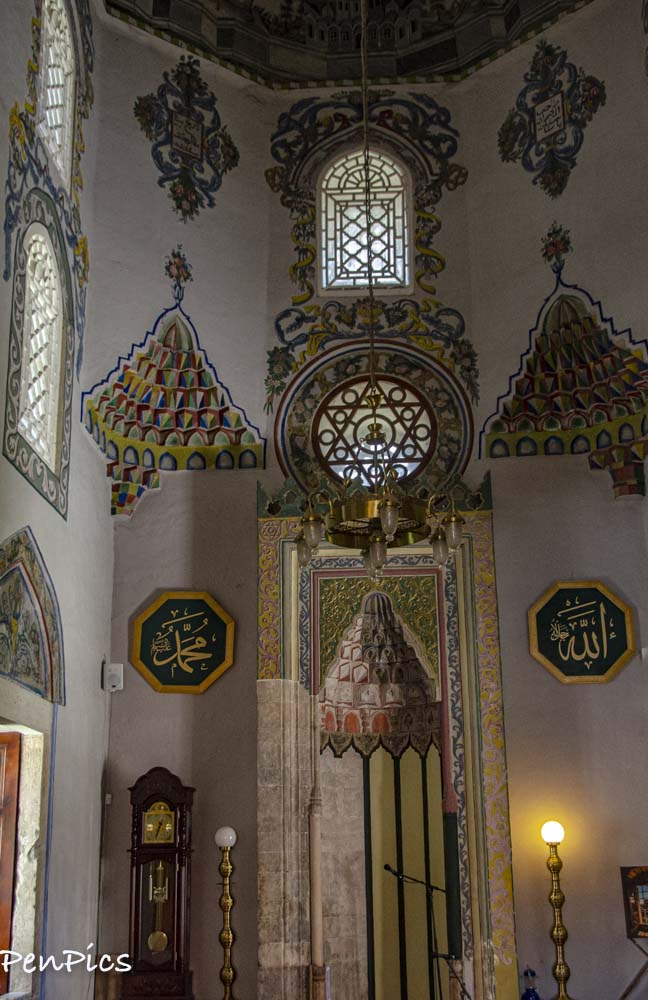
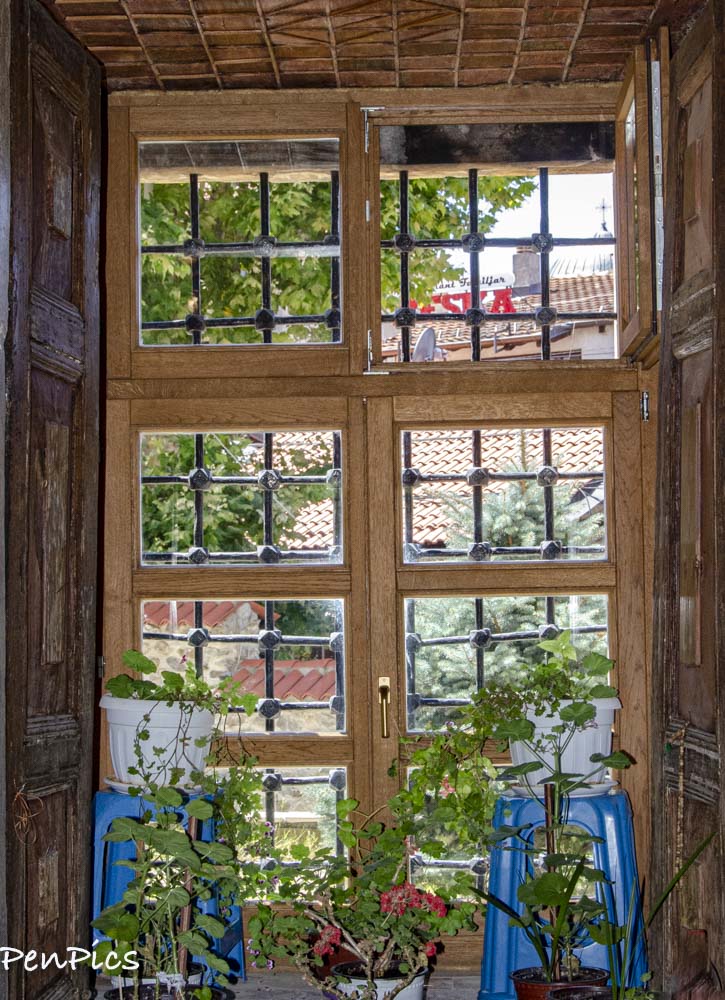
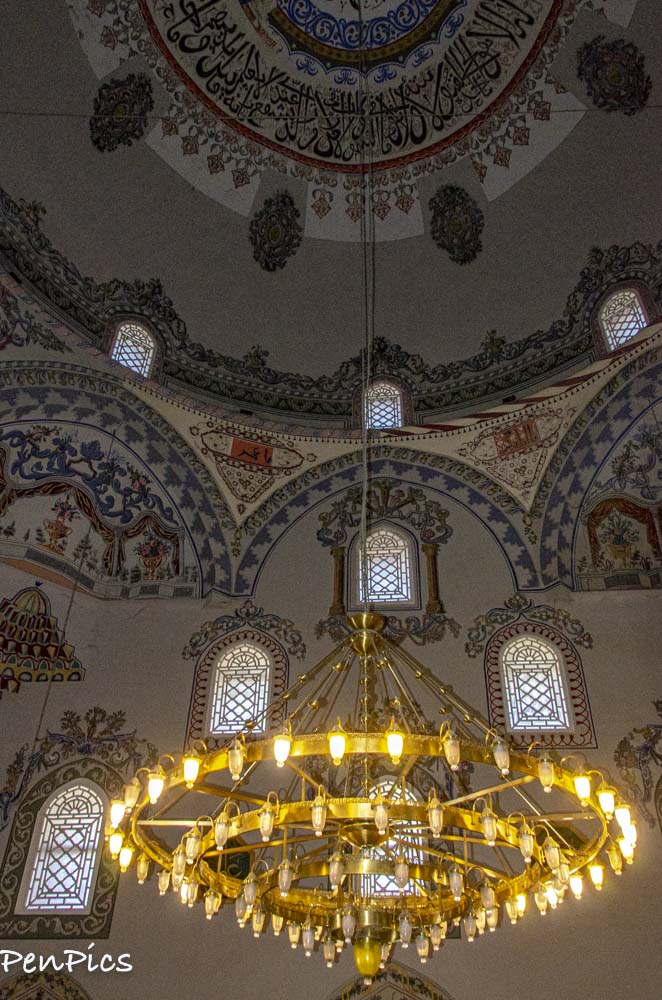
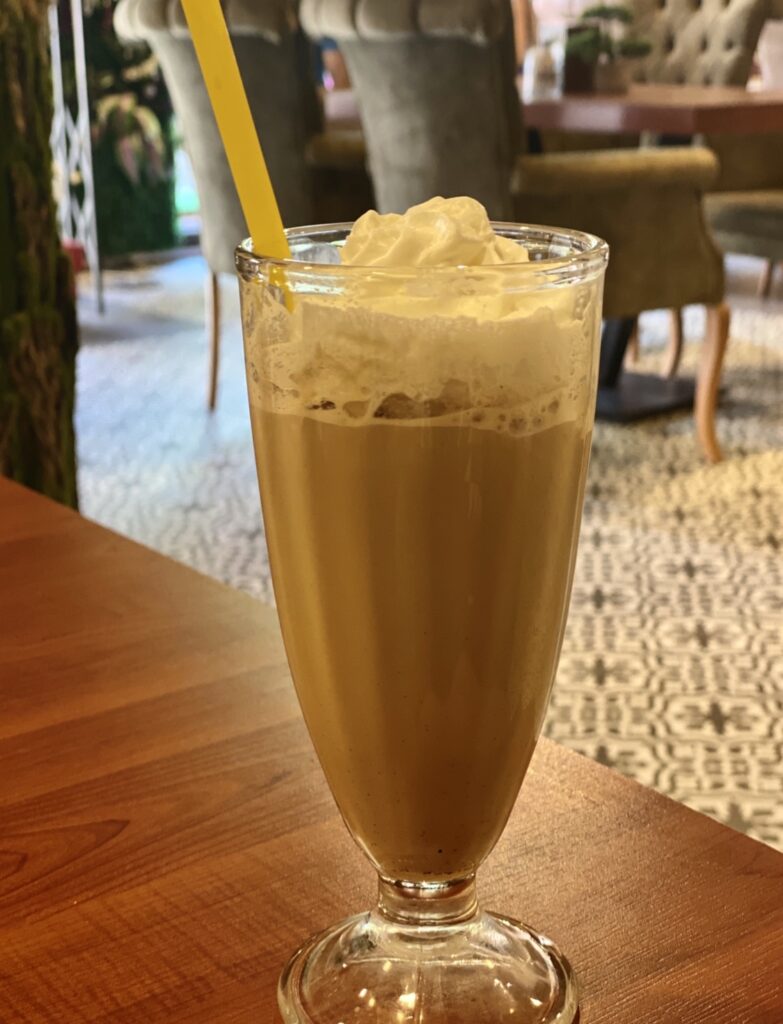
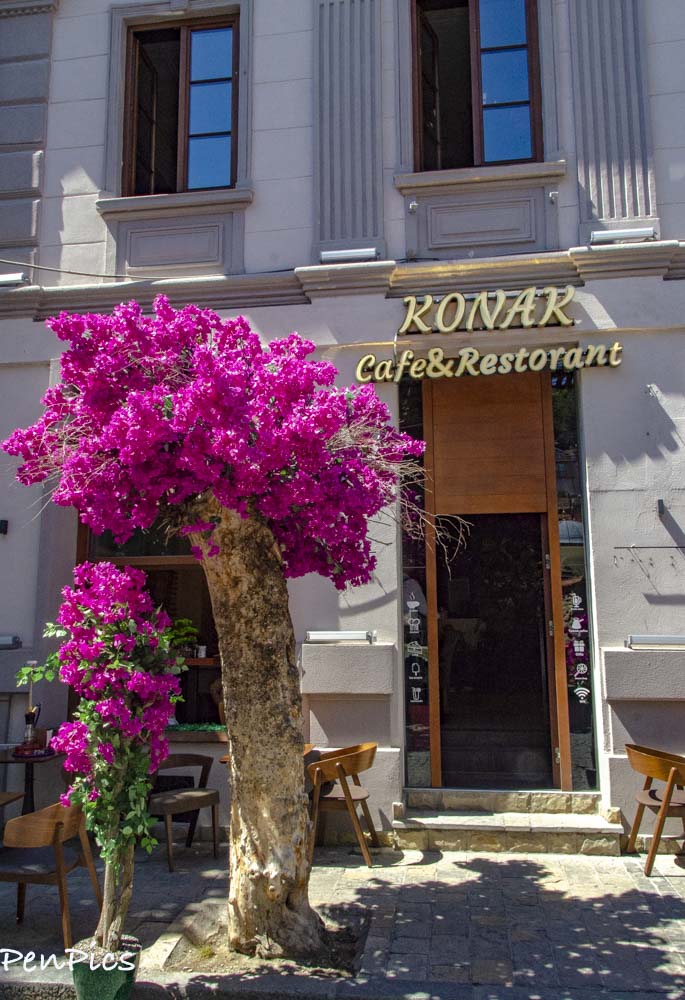
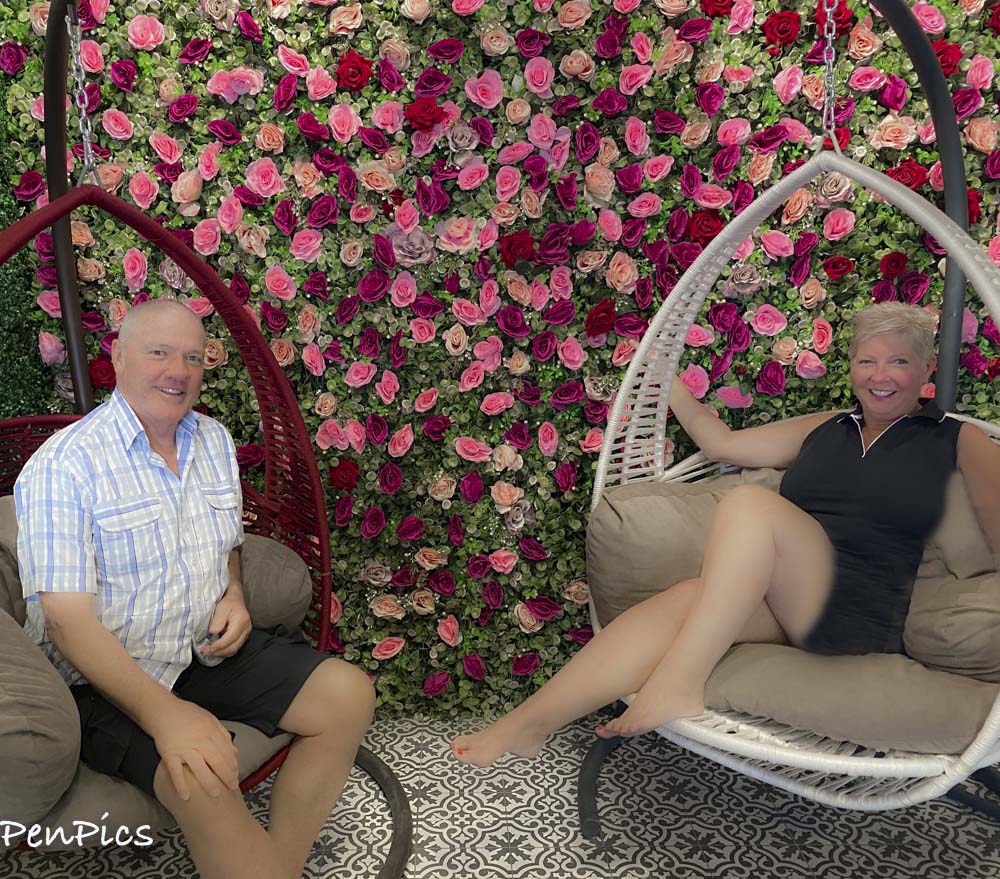
Ending our outing with our customary iced coffee, was so enjoyable. We chatted it up with each other and really treasured that lazy coffee moment in Europe, where the atmosphere is so full of charm, and almost dream-like. The wait staff wanted us to get photos in their swinging chairs. We obliged, then got the giggles.
We were finally pooped and ready for our room and A/C. Having much work to do, processing photos and writing, we opted for pizza delivery. The front desk arranged our order, billed our room and delivered the pies. We really are well taken care of us at Hotel Prior!
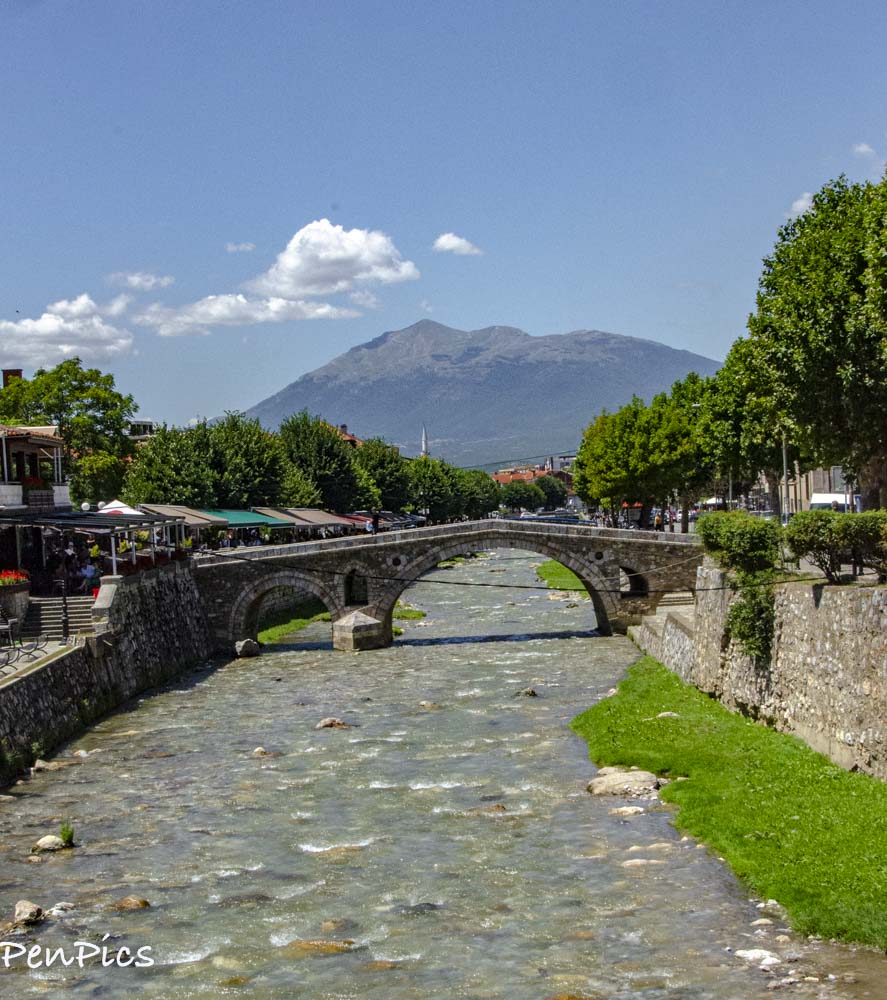
Based on materials used, the style, technique of construction, it may be assumed that the bridge was built by the end of the 15th century, or the early 16th century. The old bridge is built in quality carved stones, connected by lime plaster. The old bridge used to have three arches, the middle one being the highest, and the side arches were smaller.

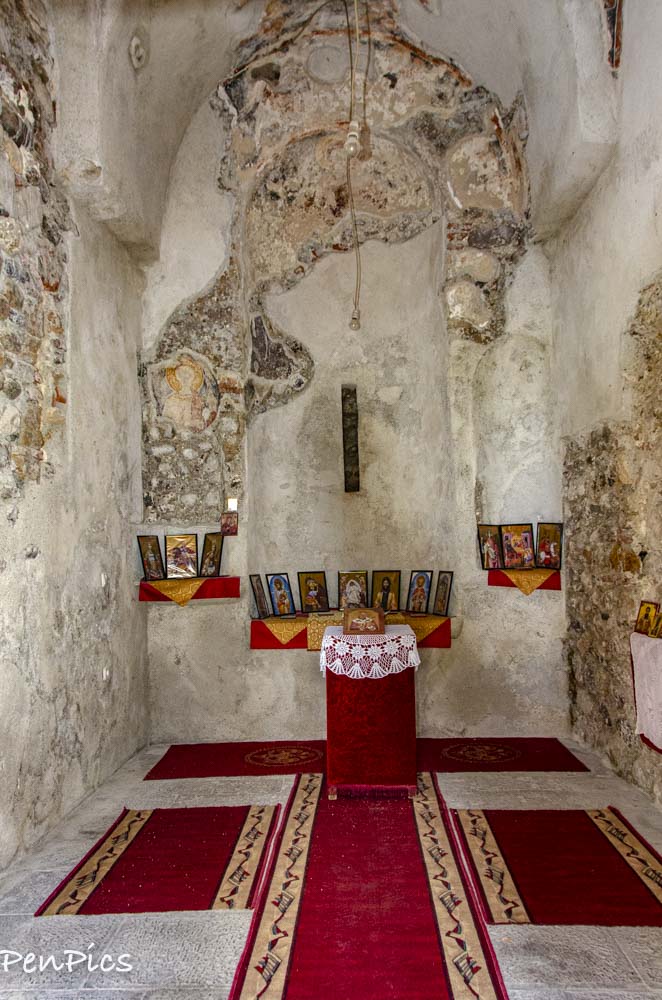
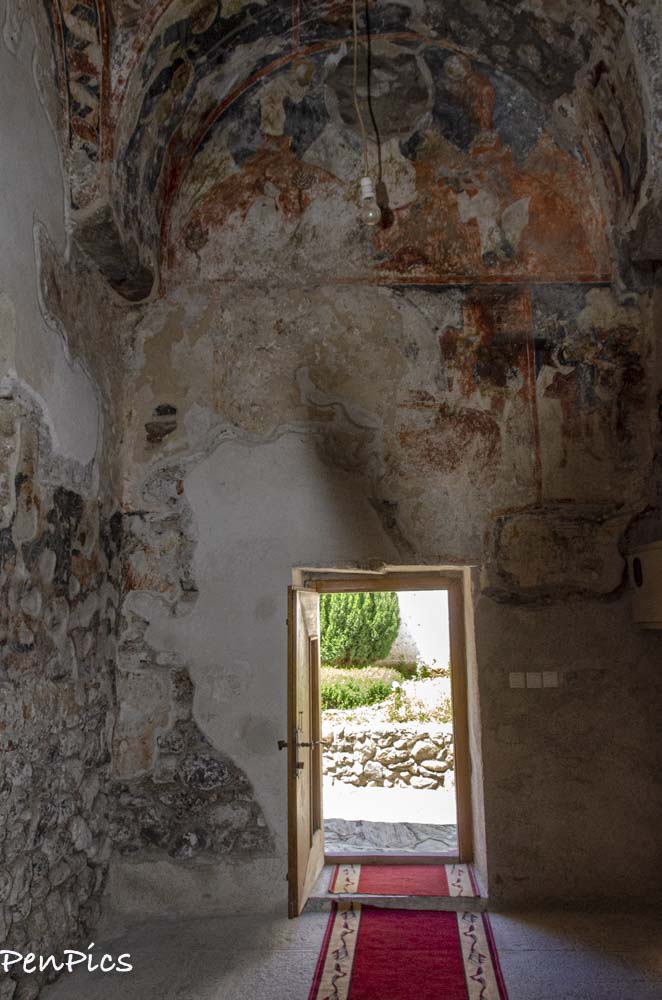
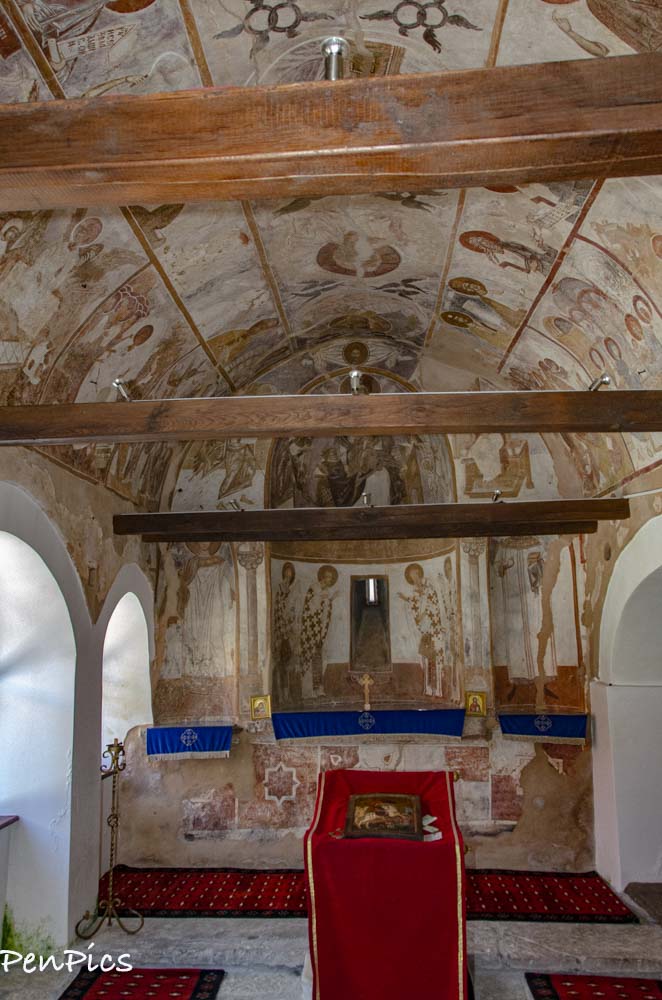
The frescoes in the church are preserved to a degree and are assumed to have been introduced immediately after the church’s construction. Based on their style, theme and layout, they are thought to have been painted by the group of painters behind the oldest painting in St Saviour Church Prizren, and the frescoes in the church of St. George in Rečani near Suva Reka, destroyed in mid-1999.
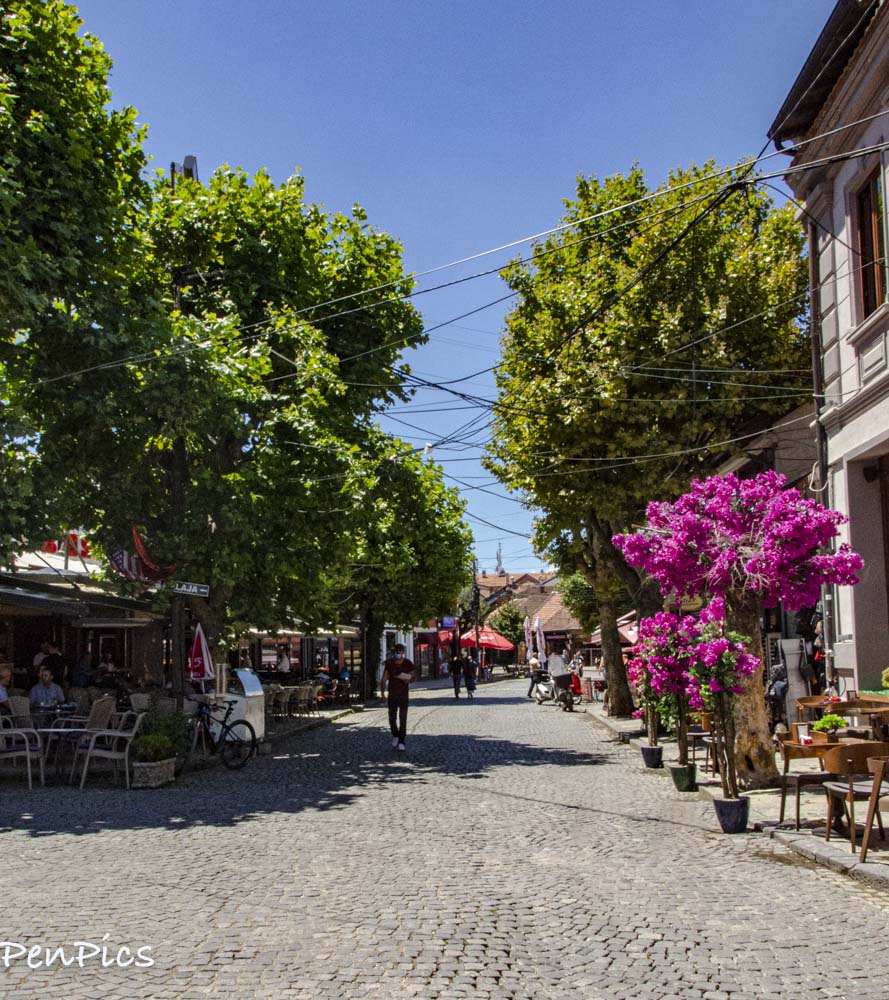
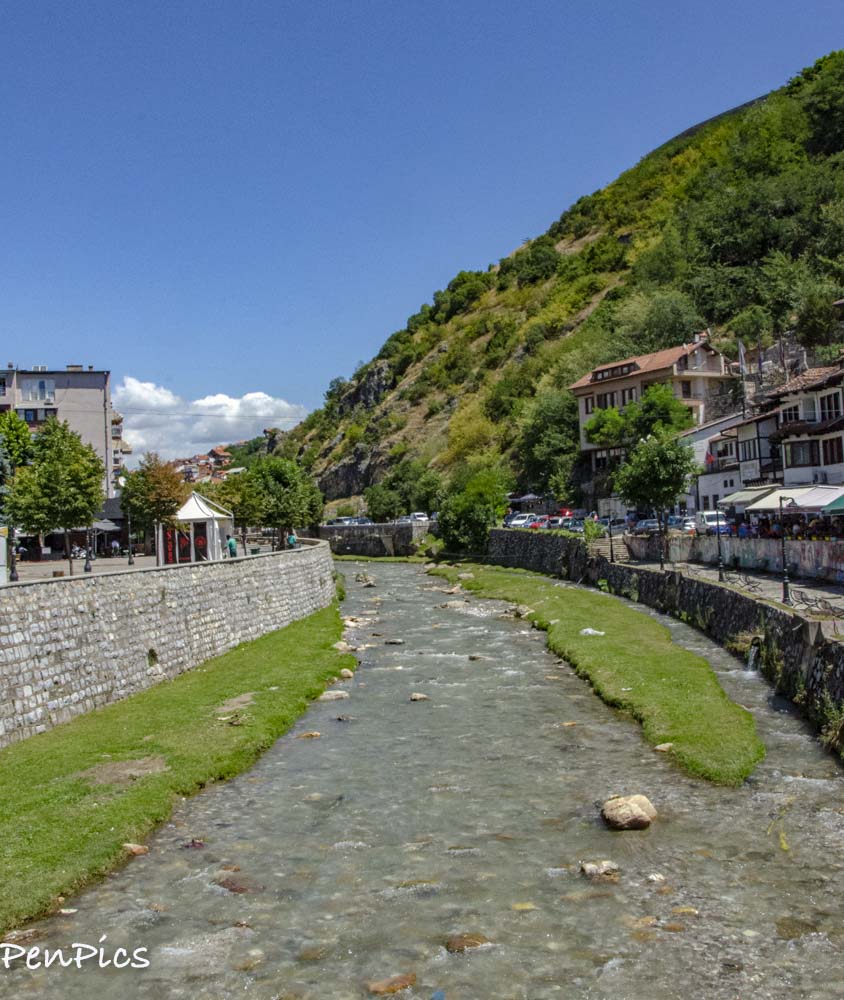
As near as I can understand, this is/was the Old Church of Saint George; the original cathedral church of the same eparchy, and was built from 1856 to 1887. This Cathedral had been burned and severely damaged by Albanian mobs during the 2004 unrest, but was later renovated.


Tomorrow, after we enjoy our coffee in bed (Daryl always makes mine and brings it to me, because I am very spoiled), we will then get up and get going; making our way to our next stop, a bit further north, for more beauty to behold in Kosovo!


About Us

About Us
Hello and Welcome to our Travel Blog Website, We enjoy writing about our experiences and taking photos of our adventuring along the way. Our names are: Daryl and Pen, but Daryl calls me “Bunny.” We met, quite randomly, whilst both traveling in Thailand with friends. We happened to be in the same travel group, and […]
Me too! It’s been such a fun experience here in Kosovo!
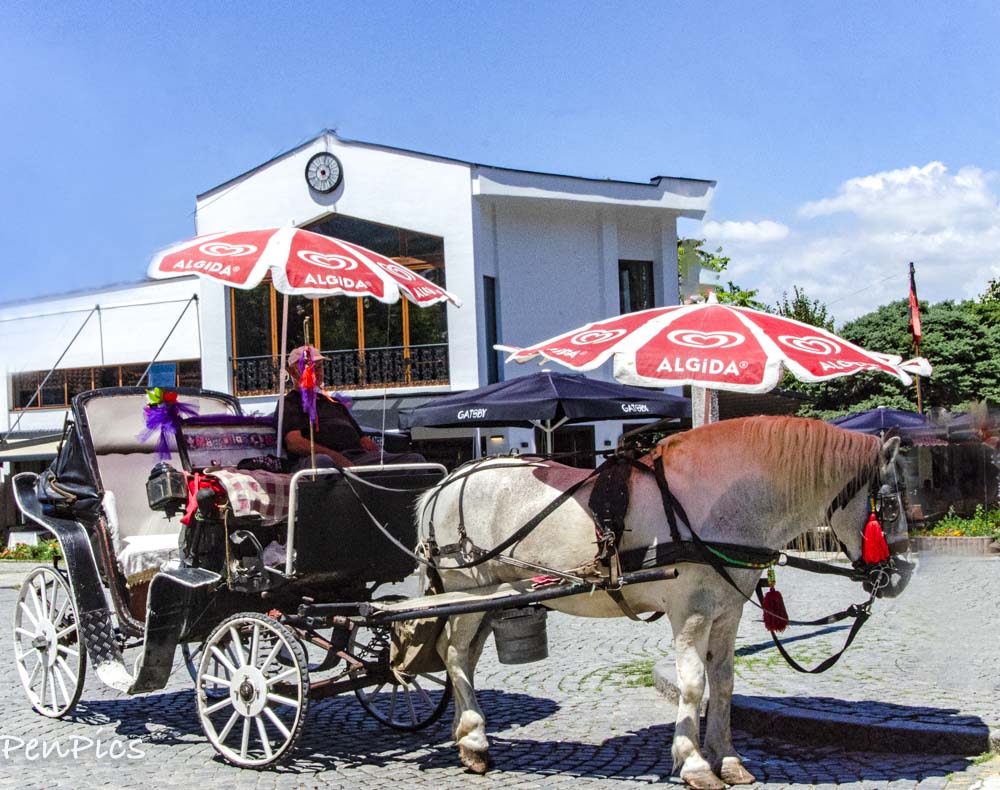
Another wonderful excursion, captured by your magical photographic lens! Love the care lavished on that beautiful horse. <3