


“Armenia 🇦🇲 ~Hayravank Monastery, Saint Astvatsatsin (Holy Virgin) Church and Medieval Cemetery”
Also included in our big day of adventuring, we toured the west side of Sevan Lake, and had the pleasure of visiting two more incredible sites: a Monastery on the shores of Sevan Lake, and a Church with another medeival cemetery on the its grounds, in the nearby village of Noratus.

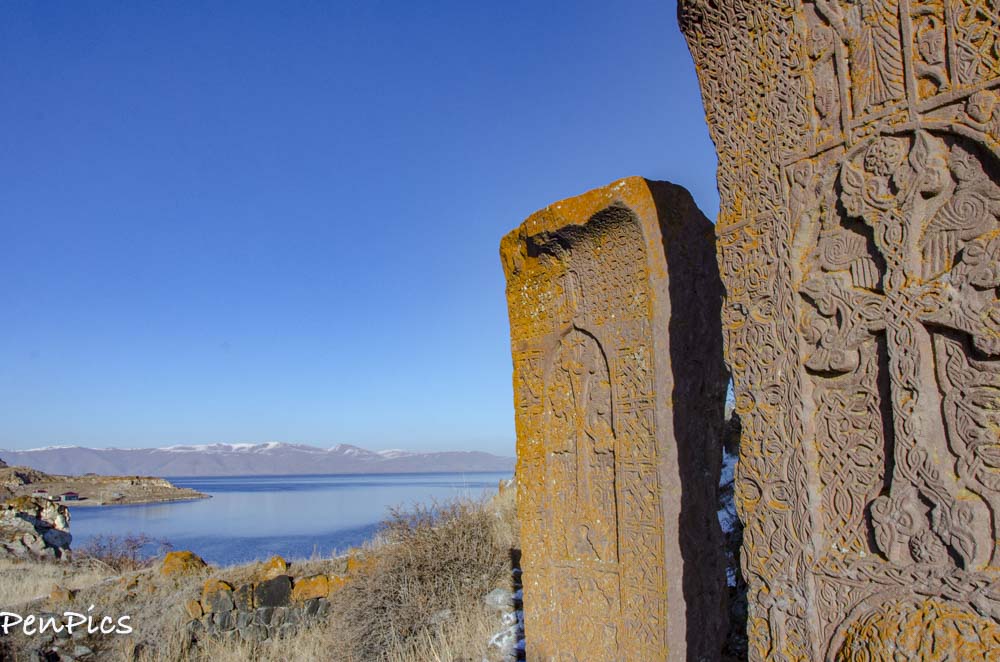
Armenia has much to offer, and many of the historic sites are Monasteries, but for us, they never get old, because, while similar, each one has a unique character, history, and scenic placements in this country.
Hayravank Monastery
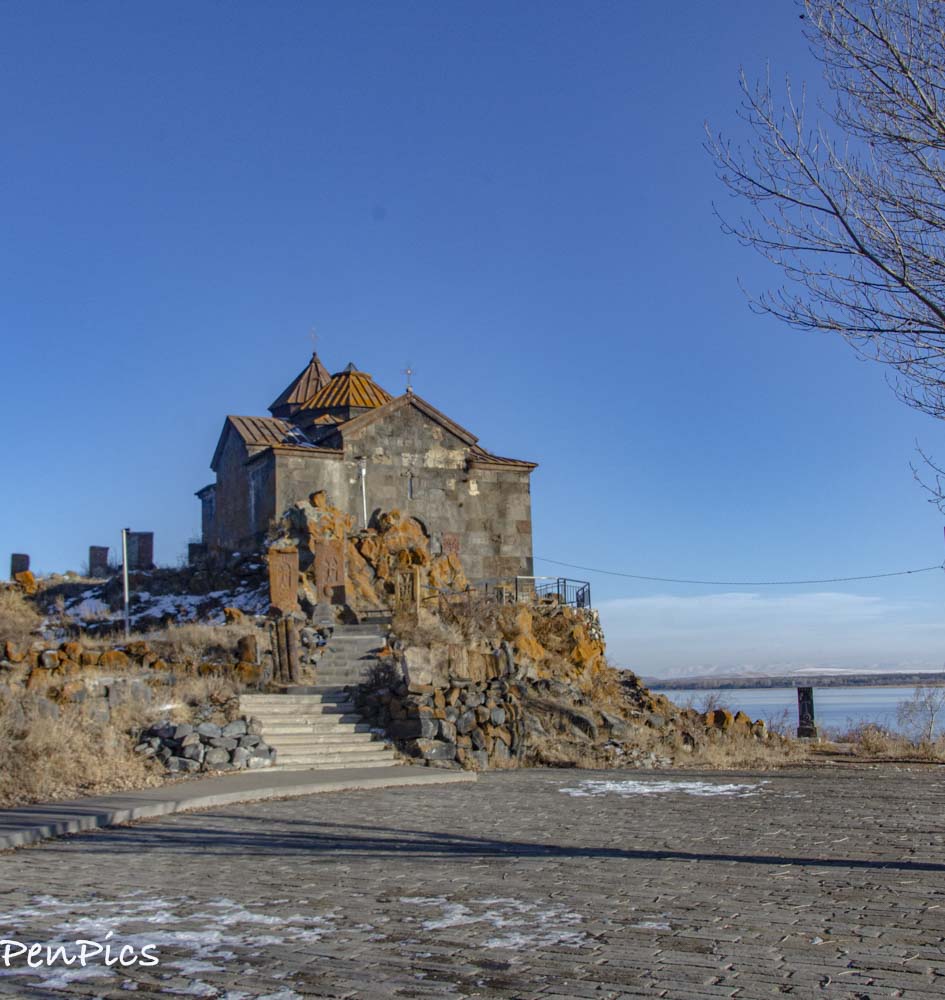
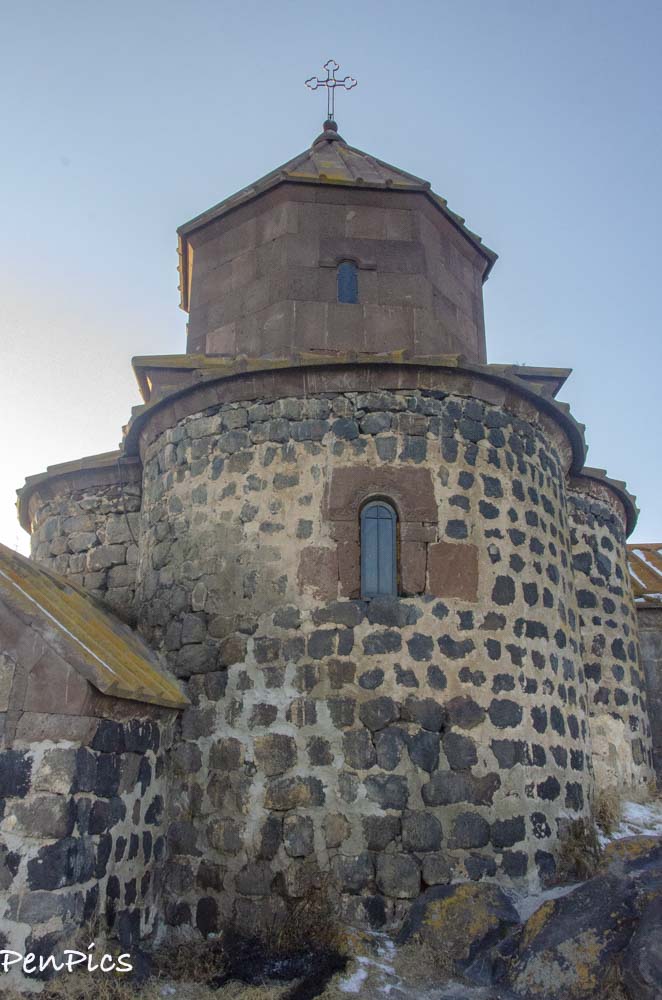
The big church, named Saint Stepanos was built in the 9th century and is in the form of quatrefoil cruciform. The Chapel was added in the 10th century and the gavit was built some time in the 12th century.
A gravit is the narthex, which is the entrance to the church, mausoleum and assembly rooms.
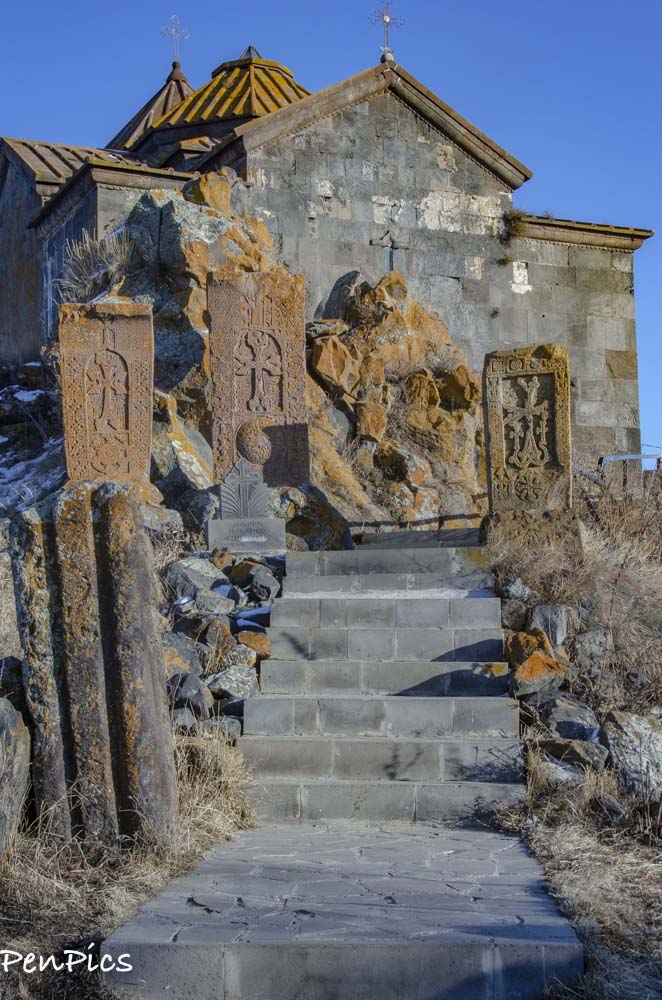
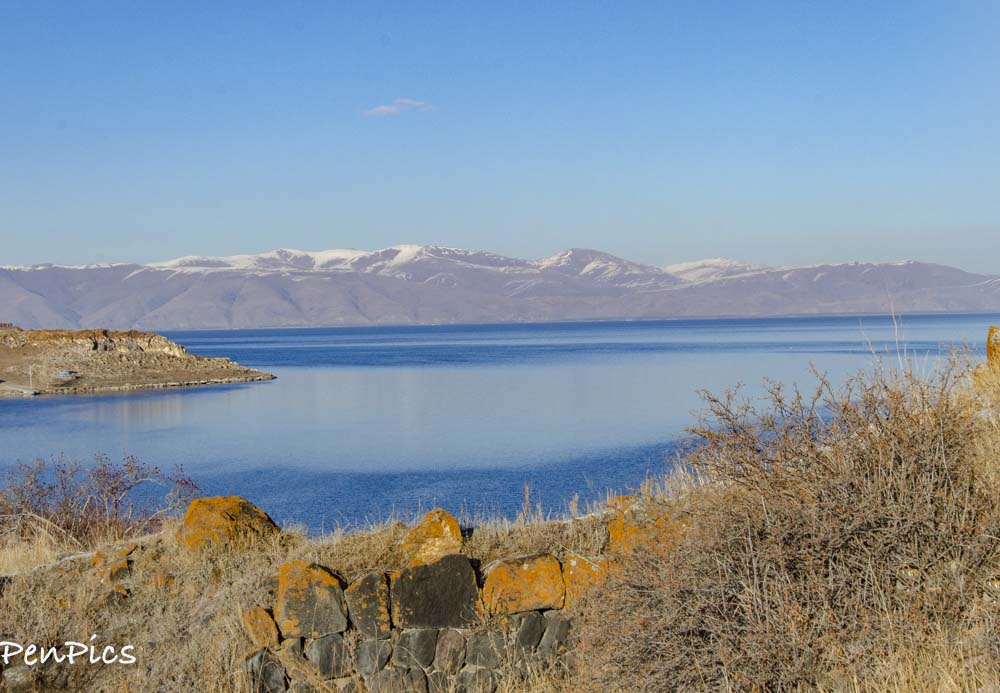
There is also a little cemetery next to the Monastery. The 360 degree view from that height is amazing and calming.
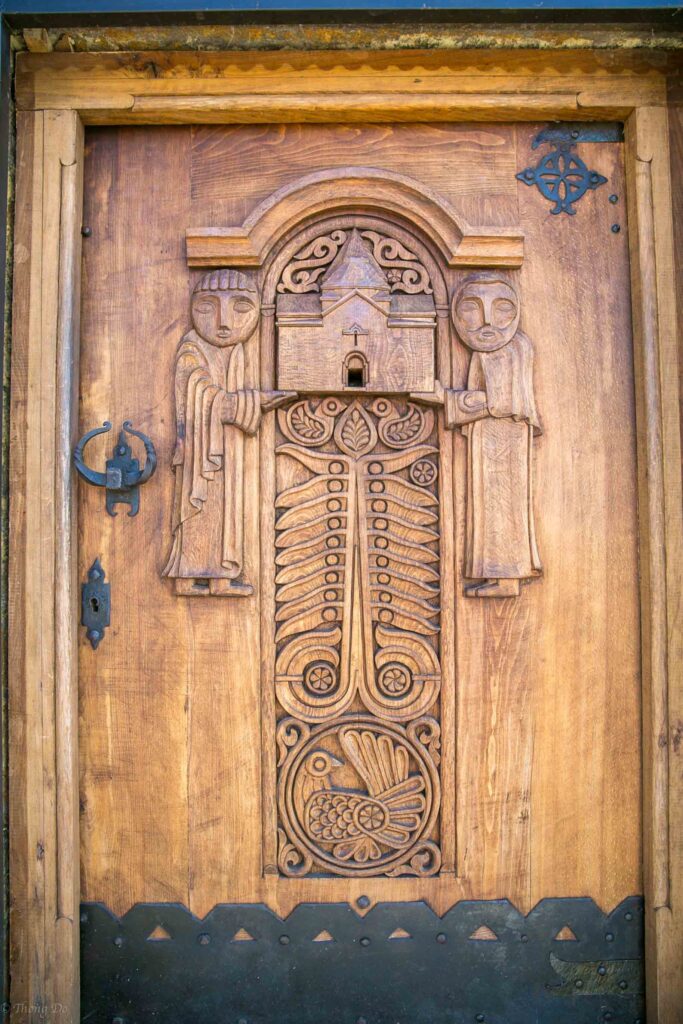
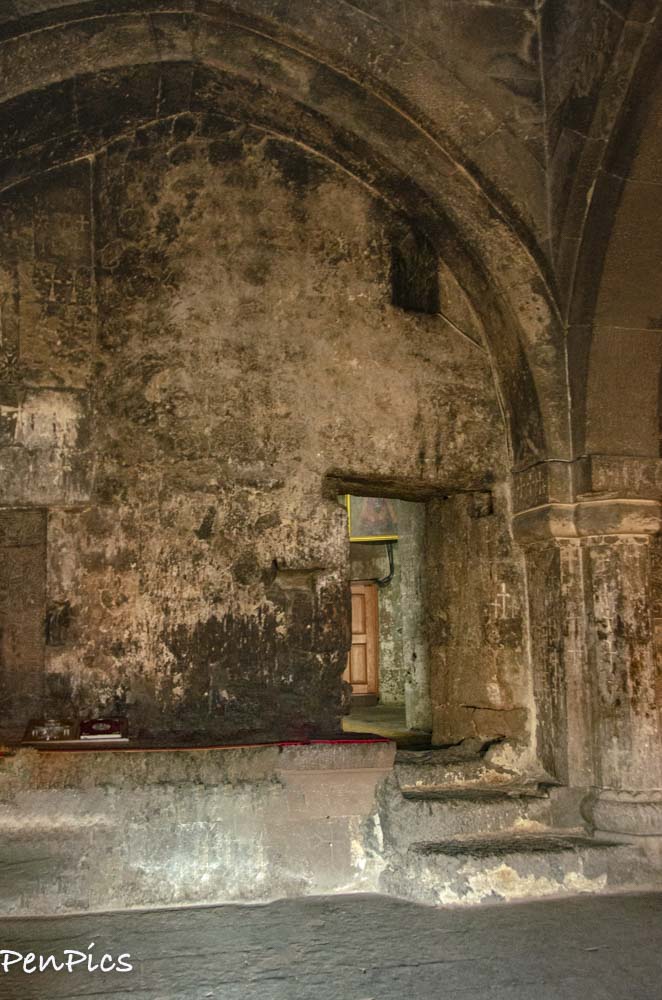
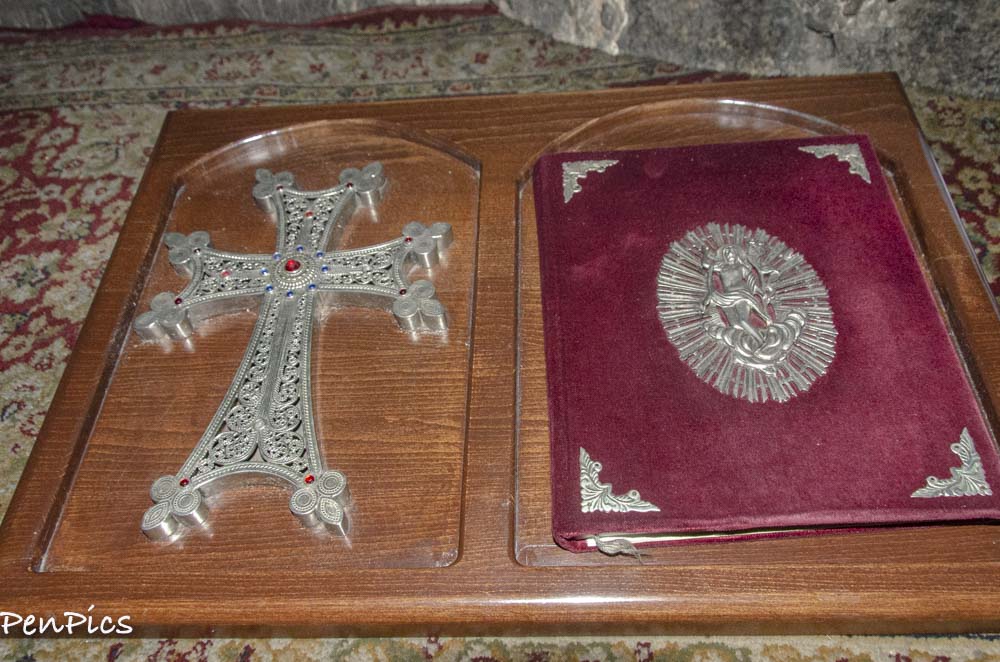
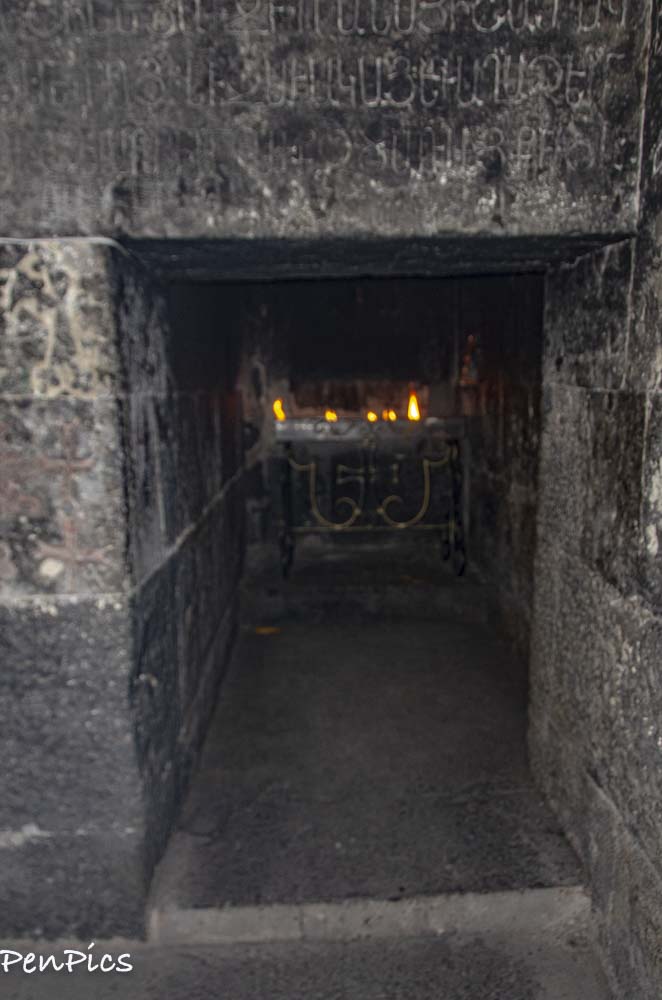
Walk around Hayravank Monastery and pay attention to the old Armenian language and crosses carved into the stone. It’s amazing to be around a structure this old. As you enter from the northern entrance you immediately see the light coming down through the dome top reflecting light off the pillars. Just ahead you see a small entrance to the chapel located in the south section and to the right is entrance to the gavit. The Monastery is very small and cozy and while not the most impressive piece of vintage Armenian architecture, it has a great vibe and its charming because of the location and outstanding scenery.
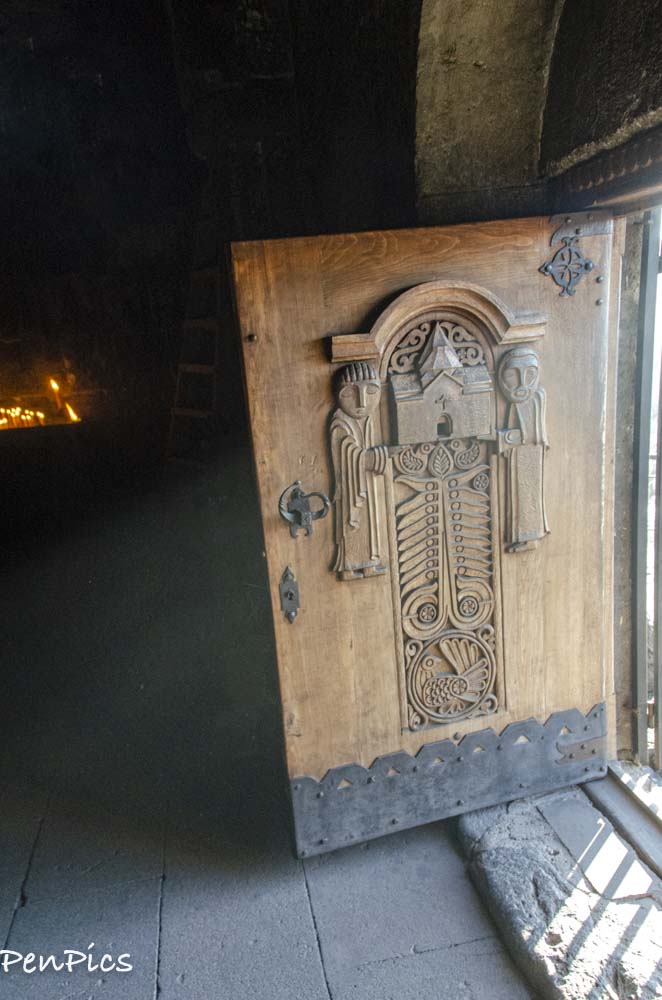
As Armenians were fighting against the infamous Turk ruler; Timur, who was conquering Armenia at that time, he approached the Monastery and left nothing on his way but corpses and ruins. The priest serving at the Monastery could not take the scene and threw himself off the cliff into Lake Sevan, but he did not die. Instead, he ran on the surface of the water.
Timur was shocked by the scene and as respect to such a divine act, he promised to make only one wish of the priest come true. The priest asked Timur to let the people of the village enter the church and he wouldn’t touch the people that the space inside the church could take. The church was very small, so Timur agreed, being sure that the priest won’t be able to save too many people.
So people started to enter the church. After some time there was nothing left outside. Timur got angry thinking that the priest was cheating. He rushed into the church and saw it completely empty. He also noticed how the priest transformed the last person into a dove, who flew from the church window. The priest’s name was Hovhan, and the church was named Hovhanavank, later becoming Hayravank (“Hayr” meaning “Father”).
Interestingly, the legend was written by His Holiness Ghazar A Jahkeci. According to him, the priest transformed his people into doves with the help of a relic of Christ’s cross, which was later moved to Sevanavank Monastery just a few kilometers away.
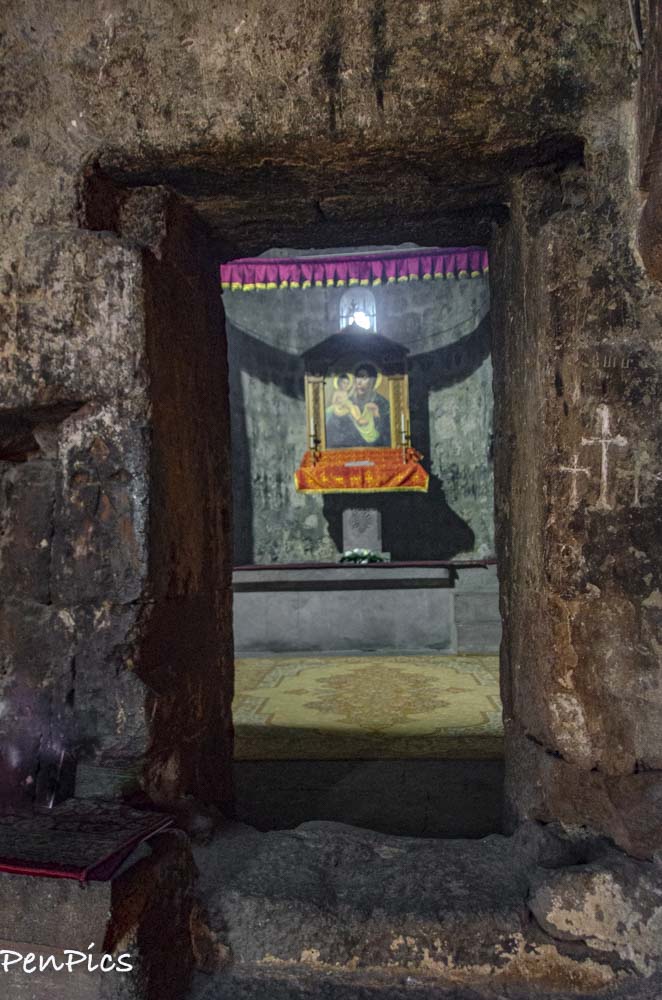
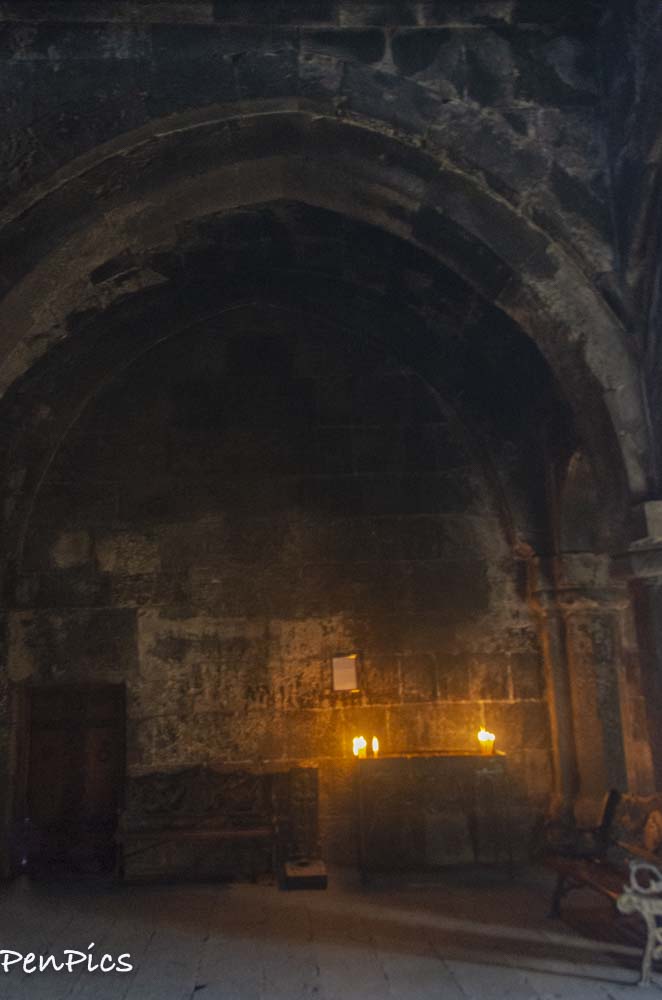

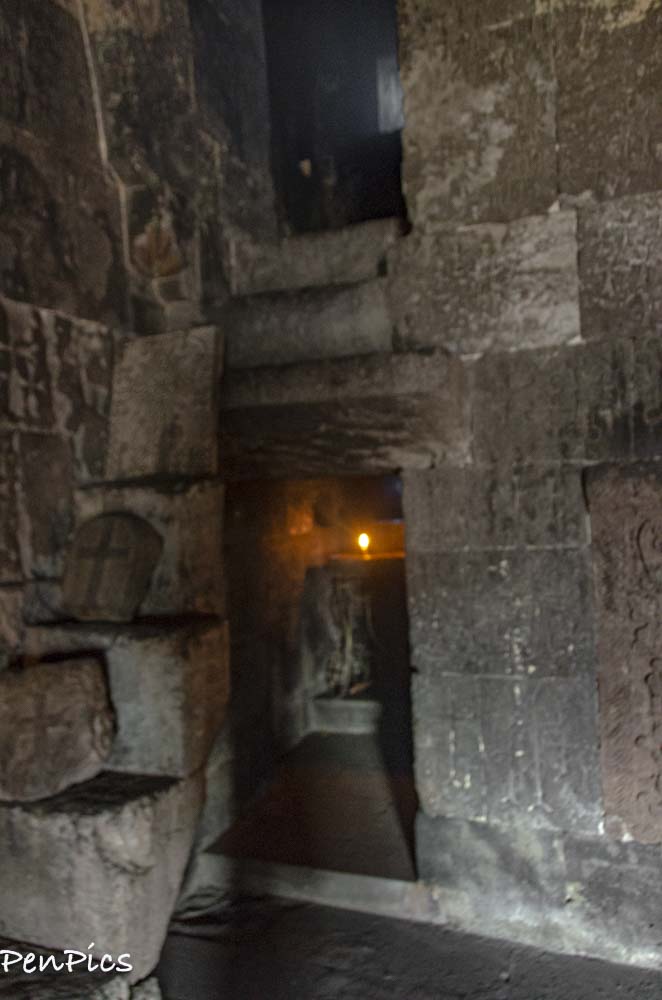
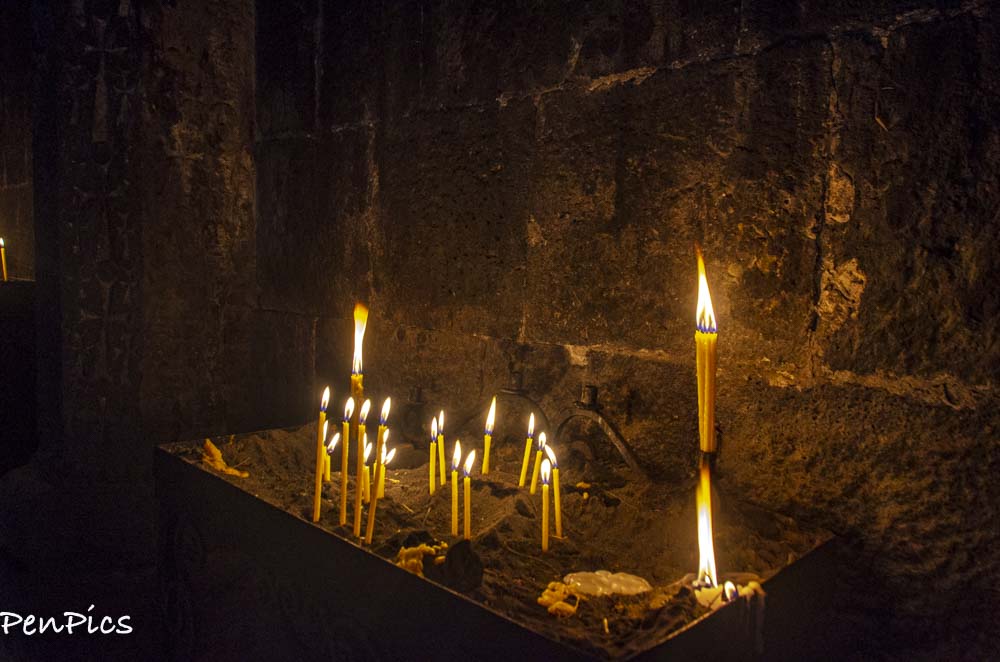

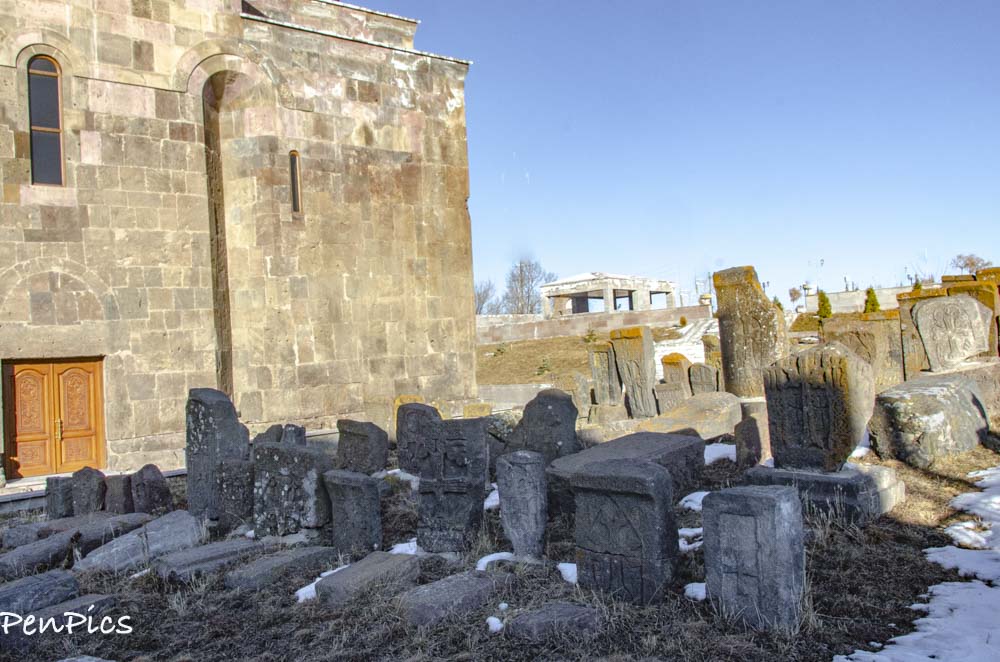
Saint Astvatsatsin (Holy Virgin) Church and Medieval Cemetery
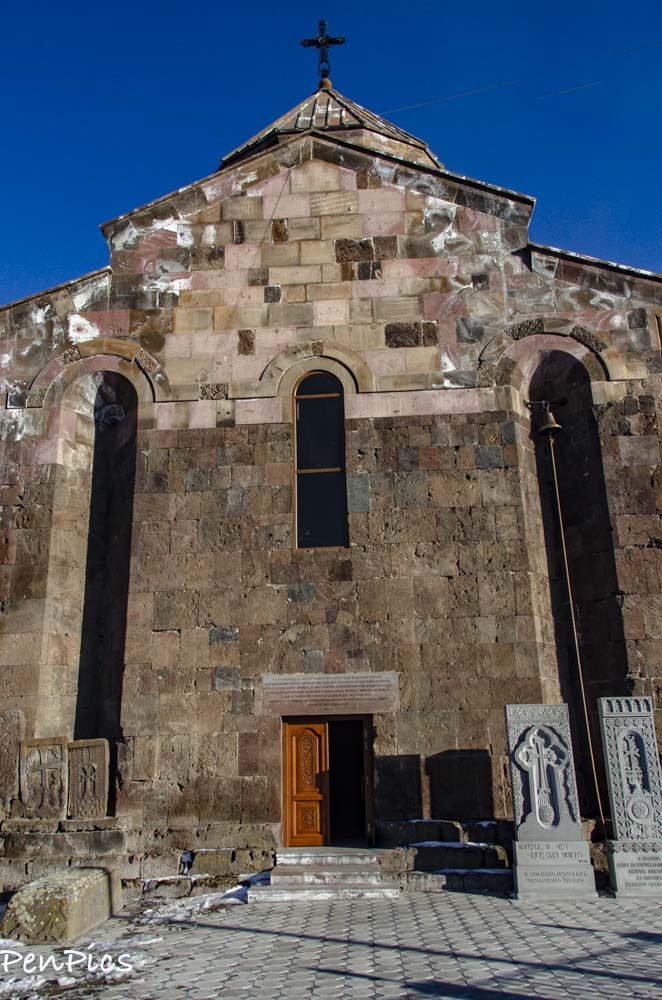
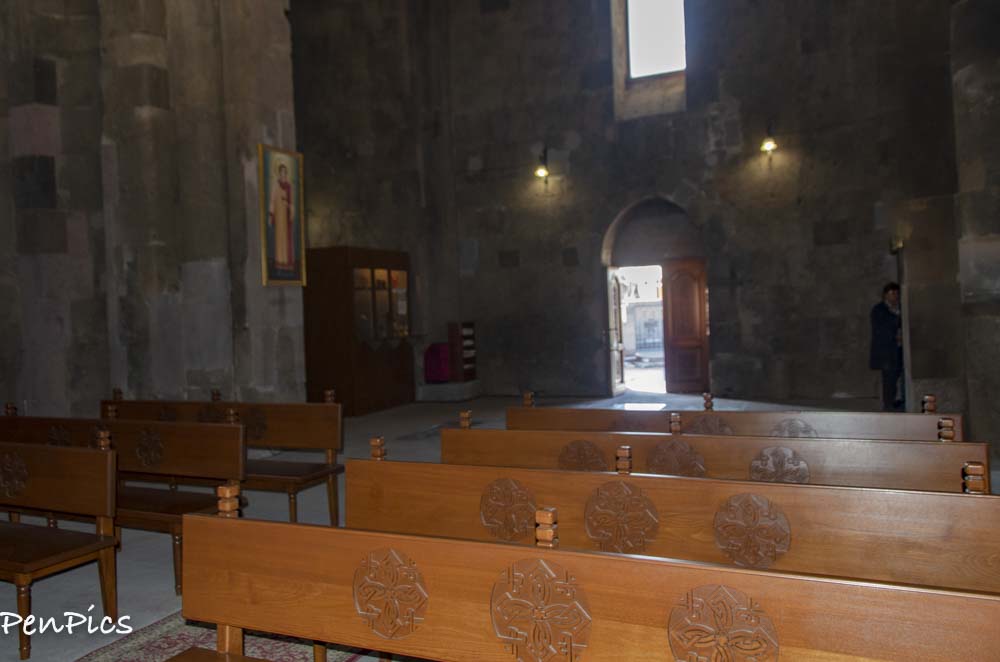
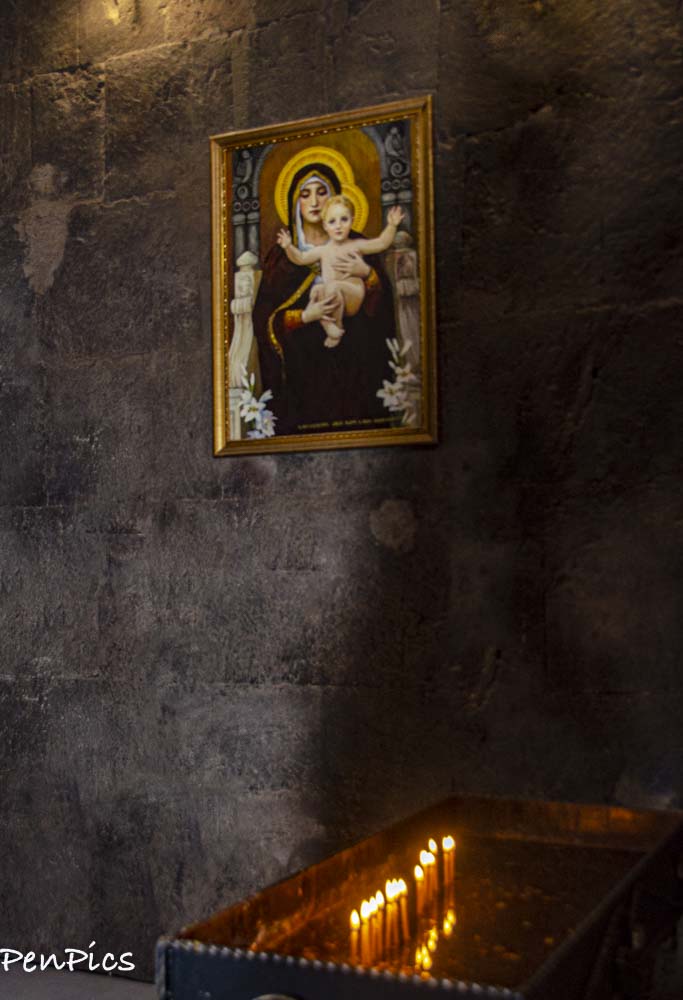
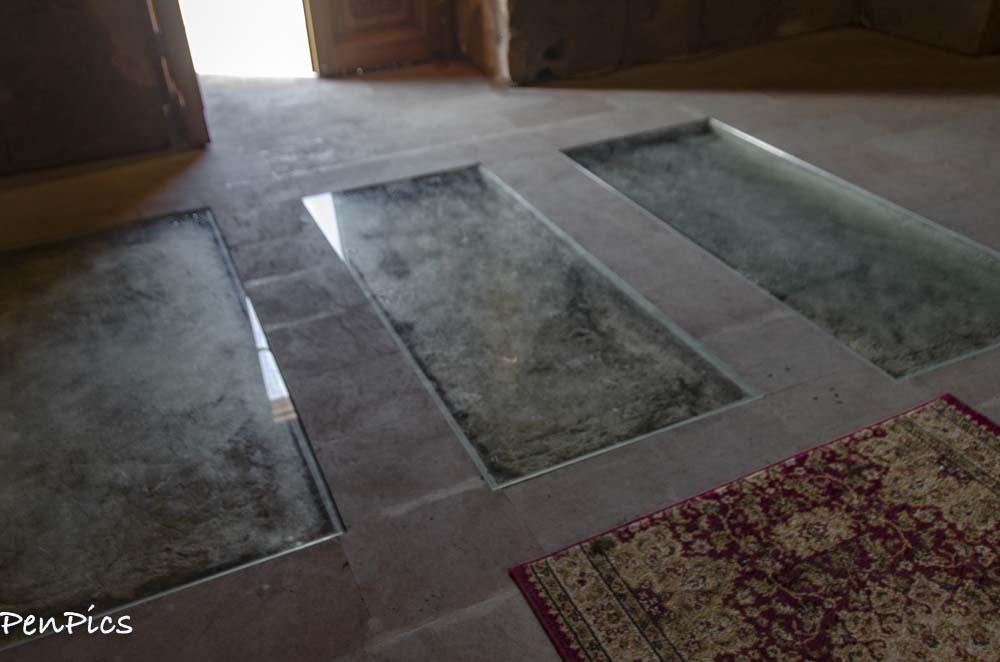
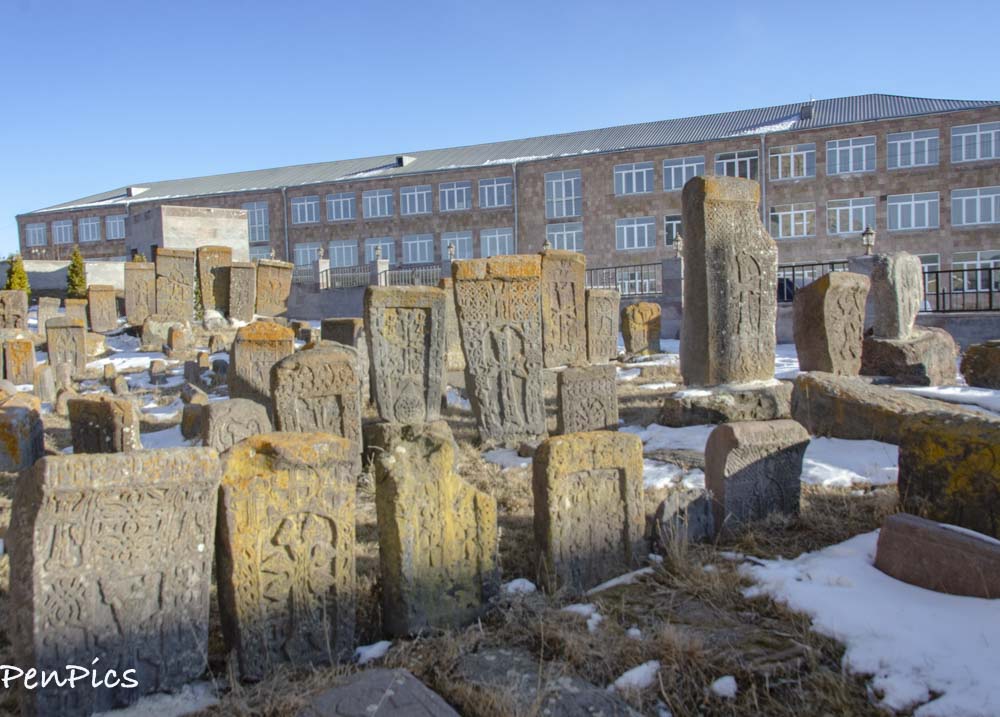
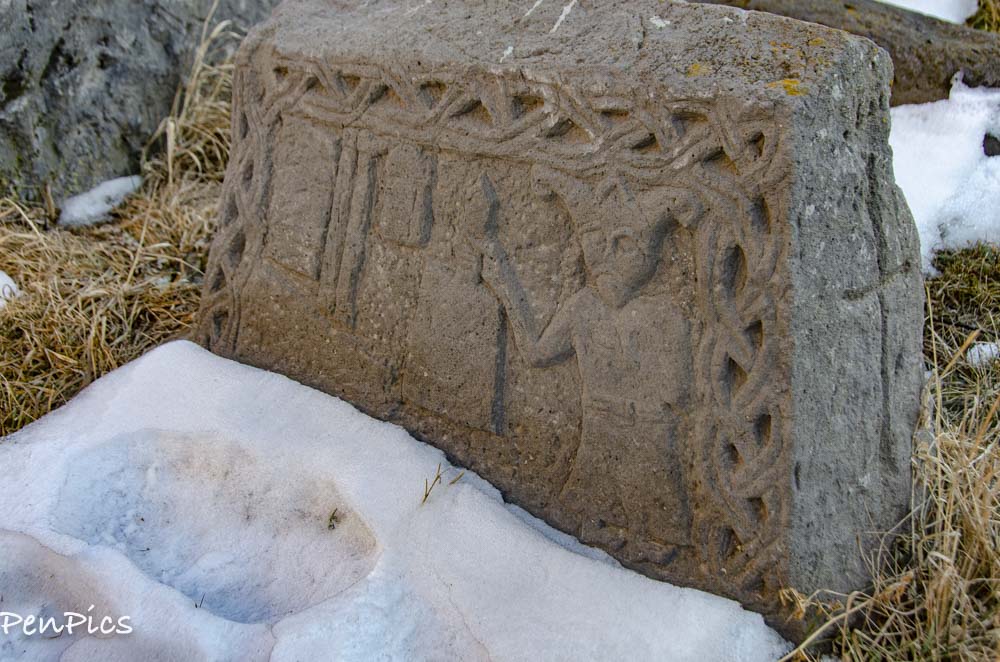
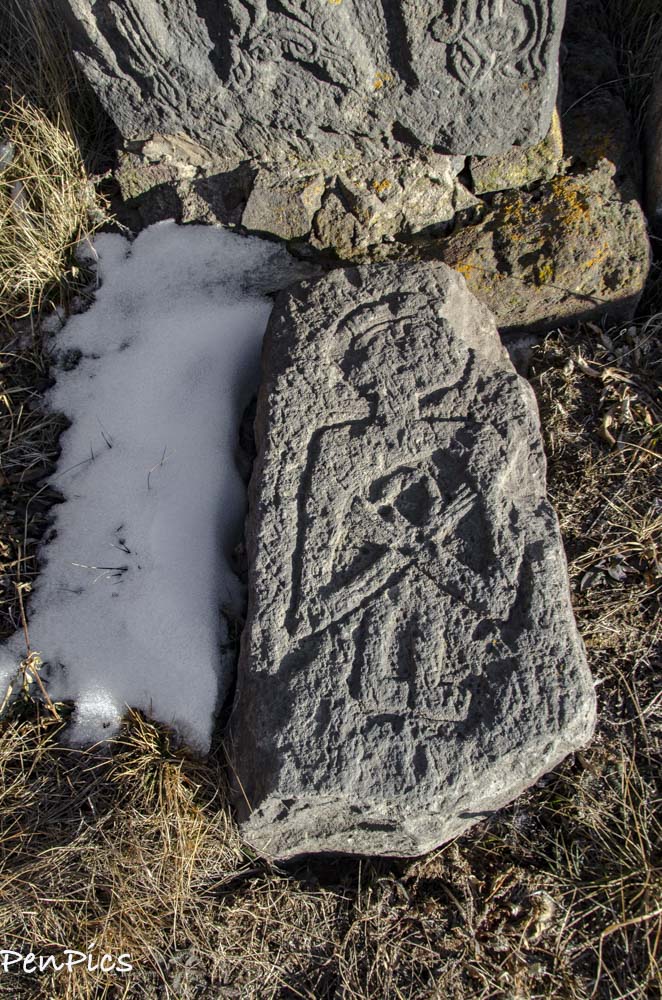
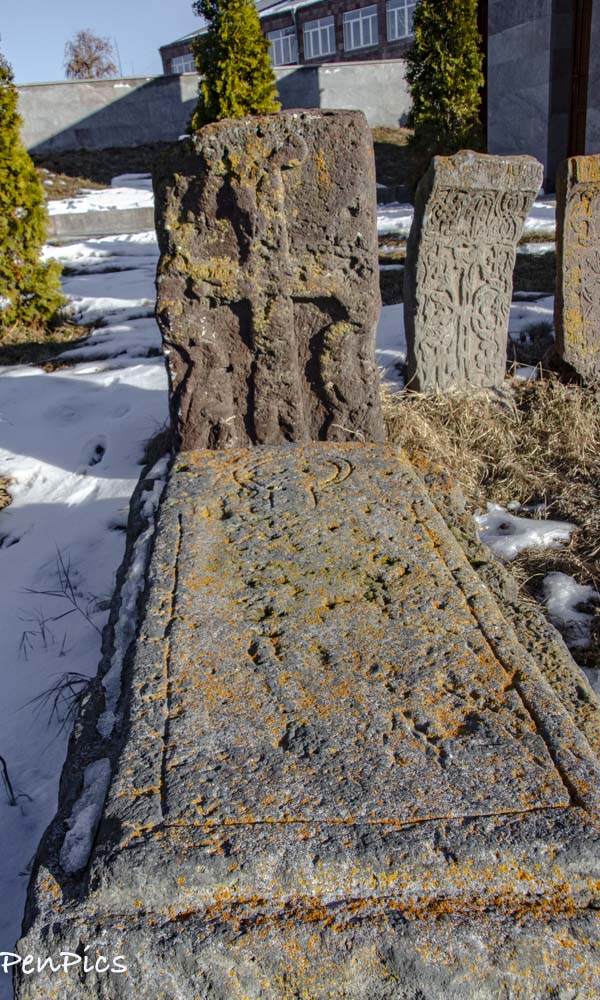
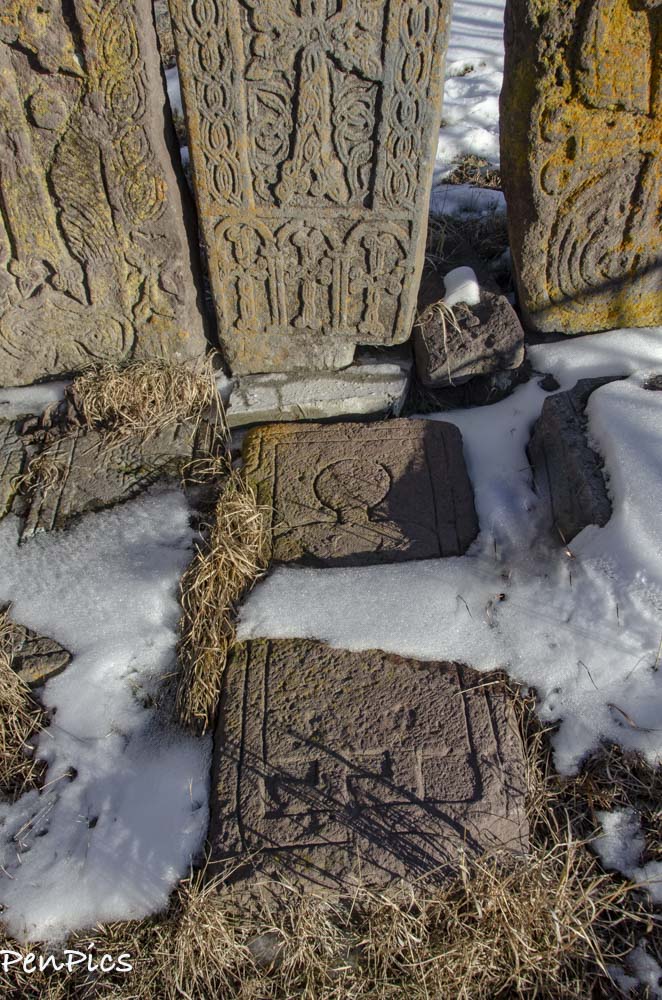
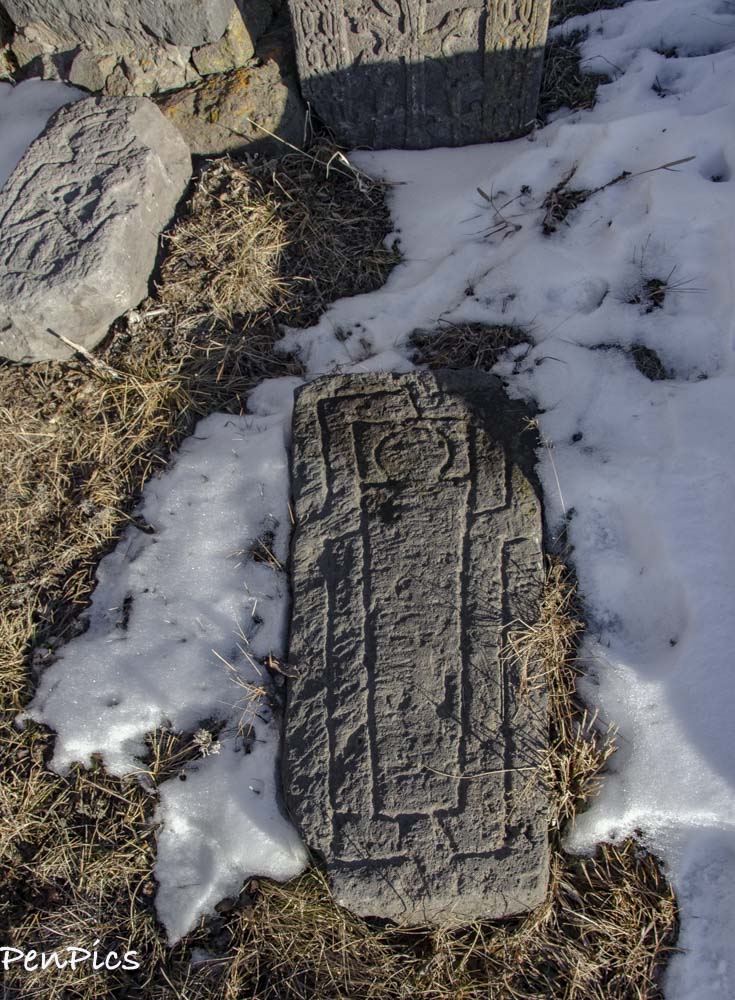
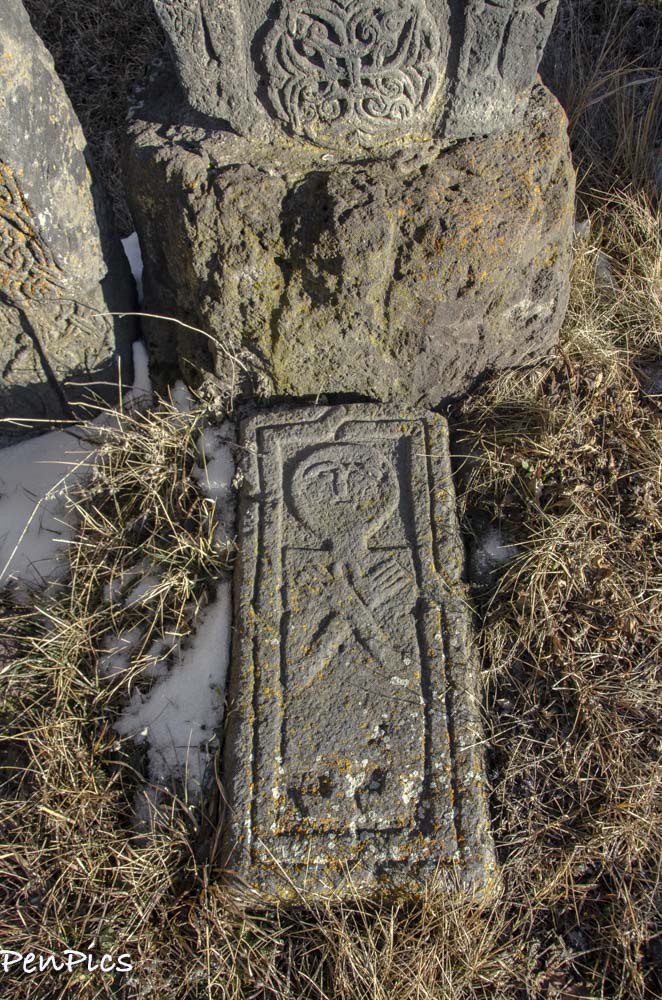
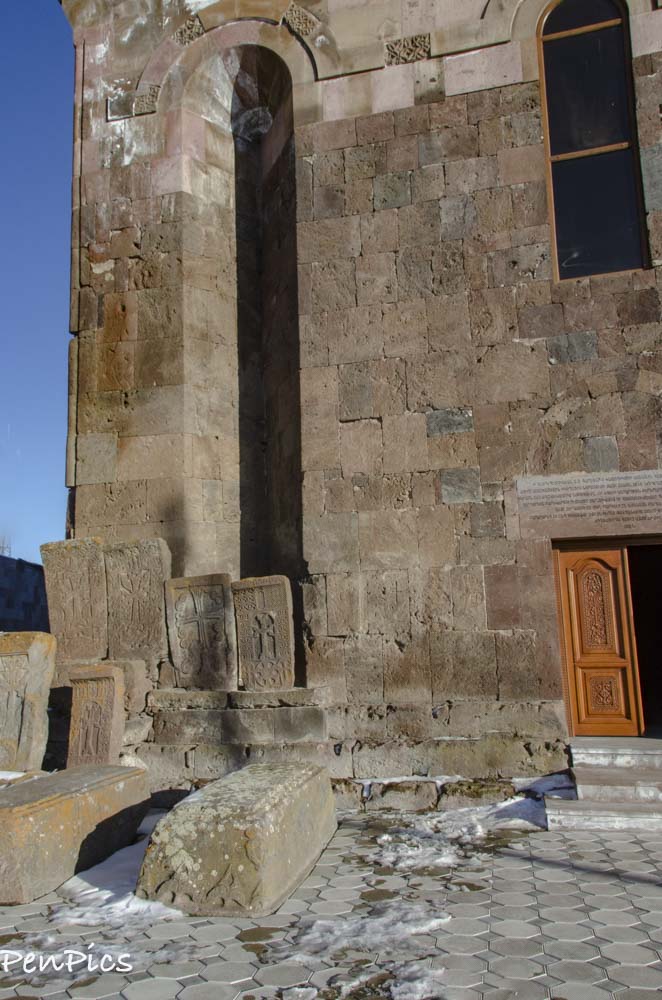
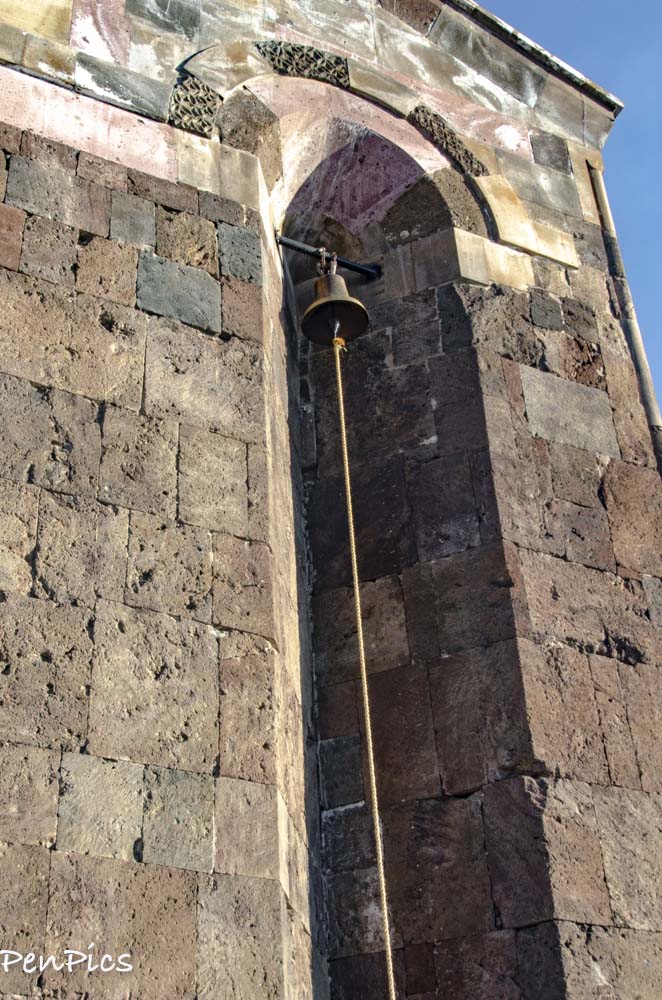
It relates to being located in the village center, and was built at the end of 9th century for Sahak Ishkhan (Prince) of Gegharkunik. The vaulted hall was built entirely of solid, finely hewn stone. The churchyard has numerous khachkars (stone crosses) and gravestones. The oldest inscription (996), found on one of the khachkars has been removed and is now exhibited at the State History Museum of Armenia in Yerevan.
We will leave Sevan Lake, tomorrow, and will head back to the Artson B&B next week; (west of the capital) another tried and true stay, in hopes of being there when my packages from the USA are delivered. (I know, but I’m trying to be positive). Even if the packages don’t arrive on time it will be a nice stay. Very kind hosts and good, authentic Armenian cooking. Regardless of packages coming or not, we will leave again after five nights, and begin new adventures in Southern Armenia! We have officially completed touring in the north and central regions. A feat we are very proud of!
About Us

About Us
Hello and Welcome to our Travel Blog Website, We enjoy writing about our experiences and taking photos of our adventuring along the way. Our names are: Daryl and Pen, but Daryl calls me “Bunny.” We met, quite randomly, whilst both traveling in Thailand with friends. We happened to be in the same travel group, and […]