


“USA 🇺🇸 ~Nevada MERRY CHRISTMAS! Lake Mead Recreation Area at Herbert Hoover Dam with Power Plant Tour and the Historic Railroad Tunnels”
Merry Christmas Everybody!

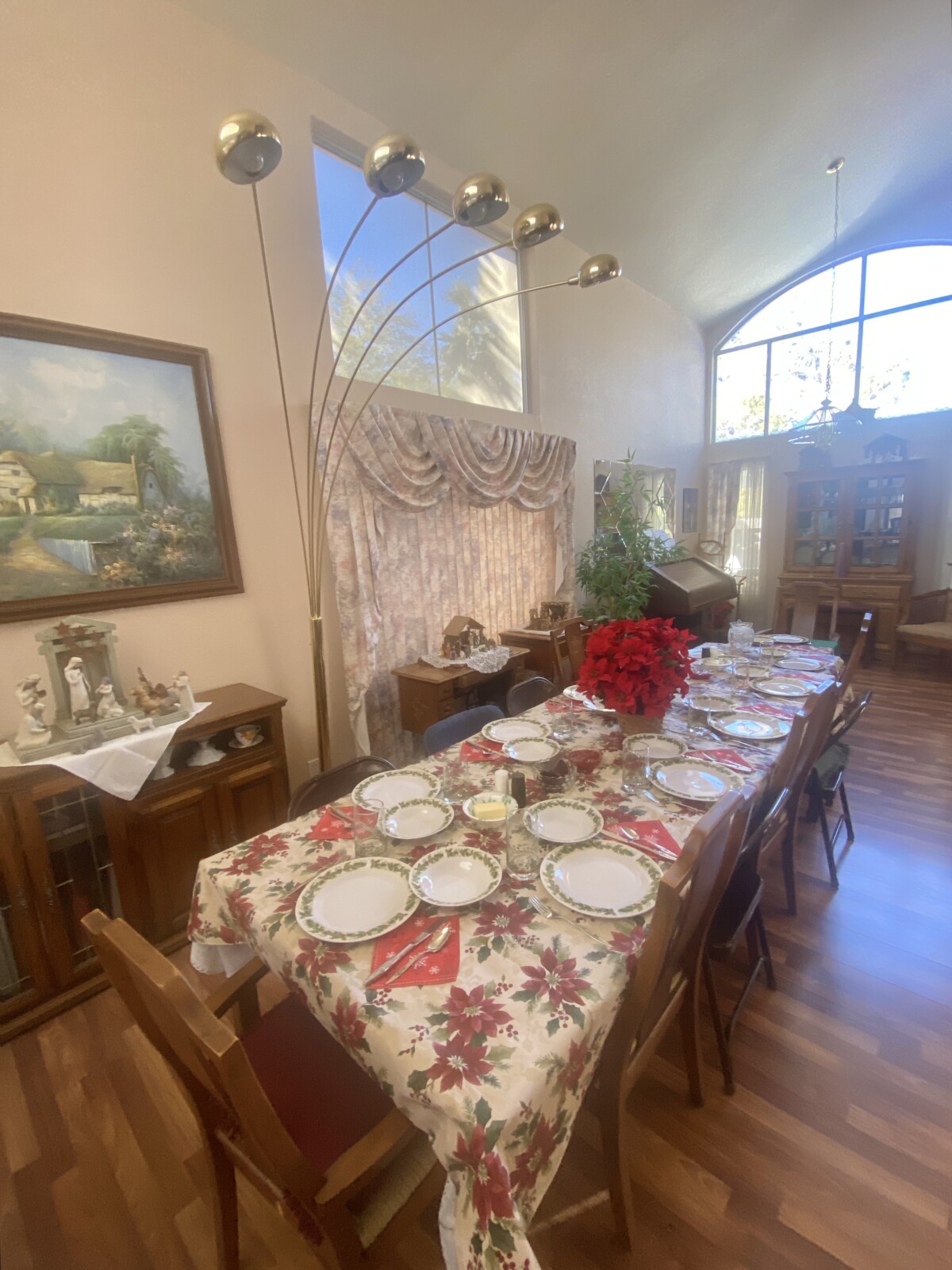
We had a lovely day with friends on Christmas Day, in the nearby city of Henderson. It was 65 degree, with lots of sunshine. It was the most perfect time!

************
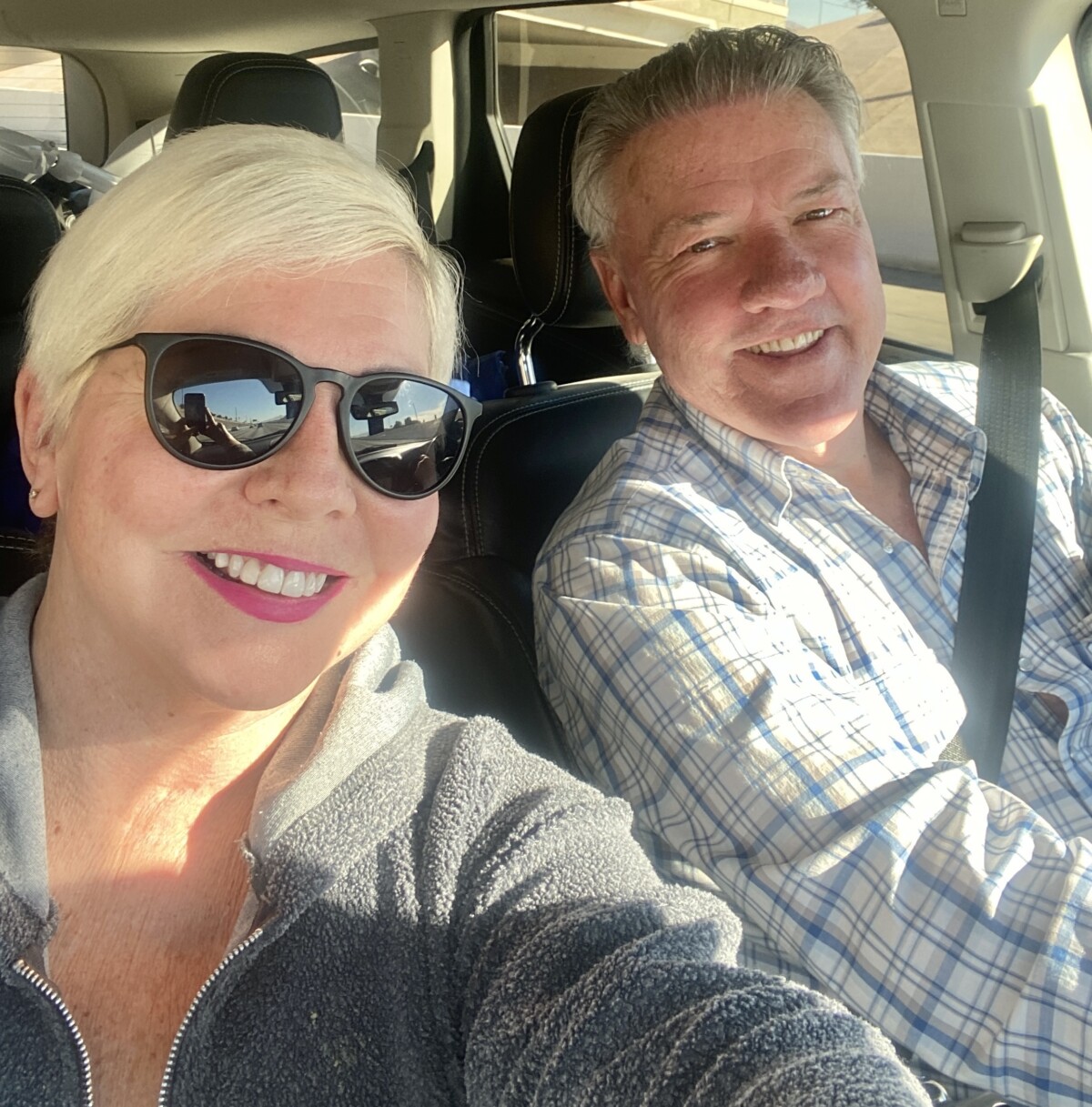
A few days before Christmas, we took an adventure to explore and enjoy some of our surroundings. Daryl had never been to the Hoover Dam, and since it is a phenomenal engineering feat, after all, I arranged a tour of the power plant, too.
Daryl loved it!
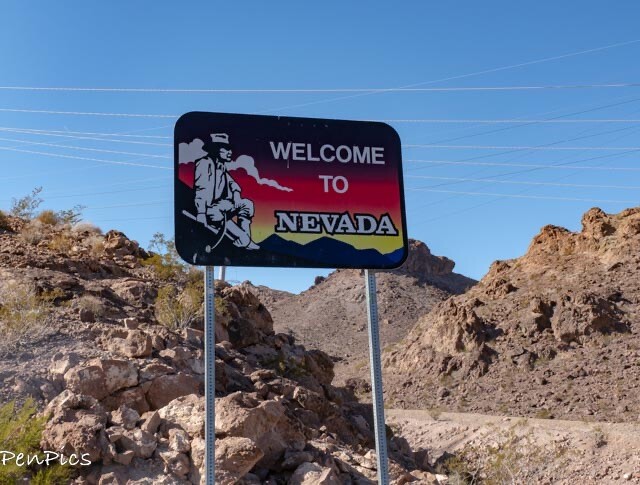
We would go in and out of Nevada and Arizona, as we enjoyed our adventuring on this day.

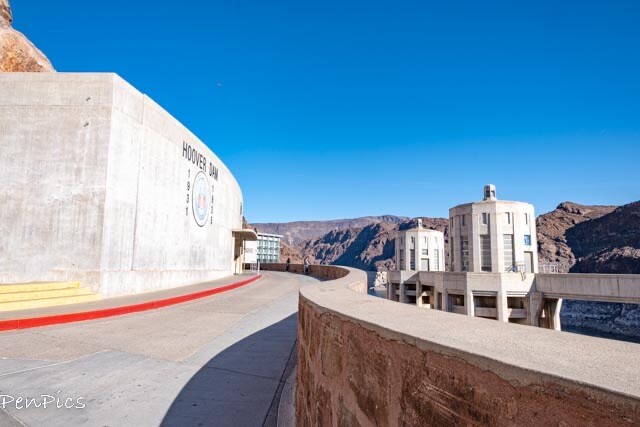
 Herbert Hoover Dam ⬇️
The Hoover Dam was built for three main reasons: flood control, to provide irrigation water, and to produce hydroelectric power. Flood control was the main reason the Bureau of Reclamation decided to take on the projects. Today, tourism is another bonus for the dam. Over 7 million people visit the dam every year.
Hoover Dam is as tall as a 60-story building. It was the highest dam in the world when it was completed in 1935. Its base is as thick, as two football fields are long.
Each spillway, designed to let floodwaters pass without harming the dam itself, can handle the volume of water that flows over Niagara Falls. The amount of concrete used in building it, was enough to pave a road, stretching from San Francisco to New York City.
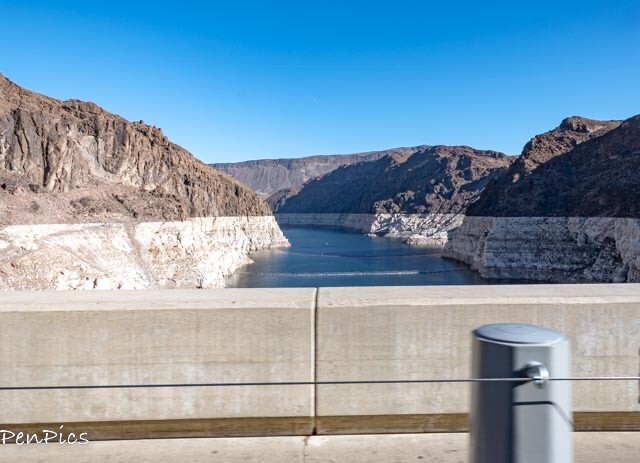
The dam had to be big. It held back what was then, and still is, the largest man-made lake in the United States. The amount of water in the lake, when full, could cover the whole state of Connecticut; ten feet deep. Only a huge dam could stand up to the pressure of so much water.
Building such a mammoth structure presented unprecedented challenges to the engineers of the Bureau of Reclamation. It stretched the abilities of its builders to the limits. It claimed the lives of 96 of the 21,000 men who worked on it.
Construction began in 1931. Americans began coming to see the big dam long before it was completed, four years later. Most had to travel many miles, at the end through a hostile desert, to reach this location on the border between Nevada and Arizona.
The builders soon constructed an observation platform on the canyon rim, to keep the tourists away from the construction site.
Hoover Dam did, and continues to do, all the things its supporters hoped it would. It protects southern California and Arizona from the disastrous floods for which the Colorado had been famous. It provides water to irrigate farm fields. It supplies water and power to Los Angeles and other rapidly growing cities in the Southwest. But the dam also had an entirely unexpected result, one that began while it was still under construction. For millions of people in the 1930s, including those who would never visit it, Hoover Dam came to symbolize what American industry and American workers could do, even in the depths of the Great Depression.
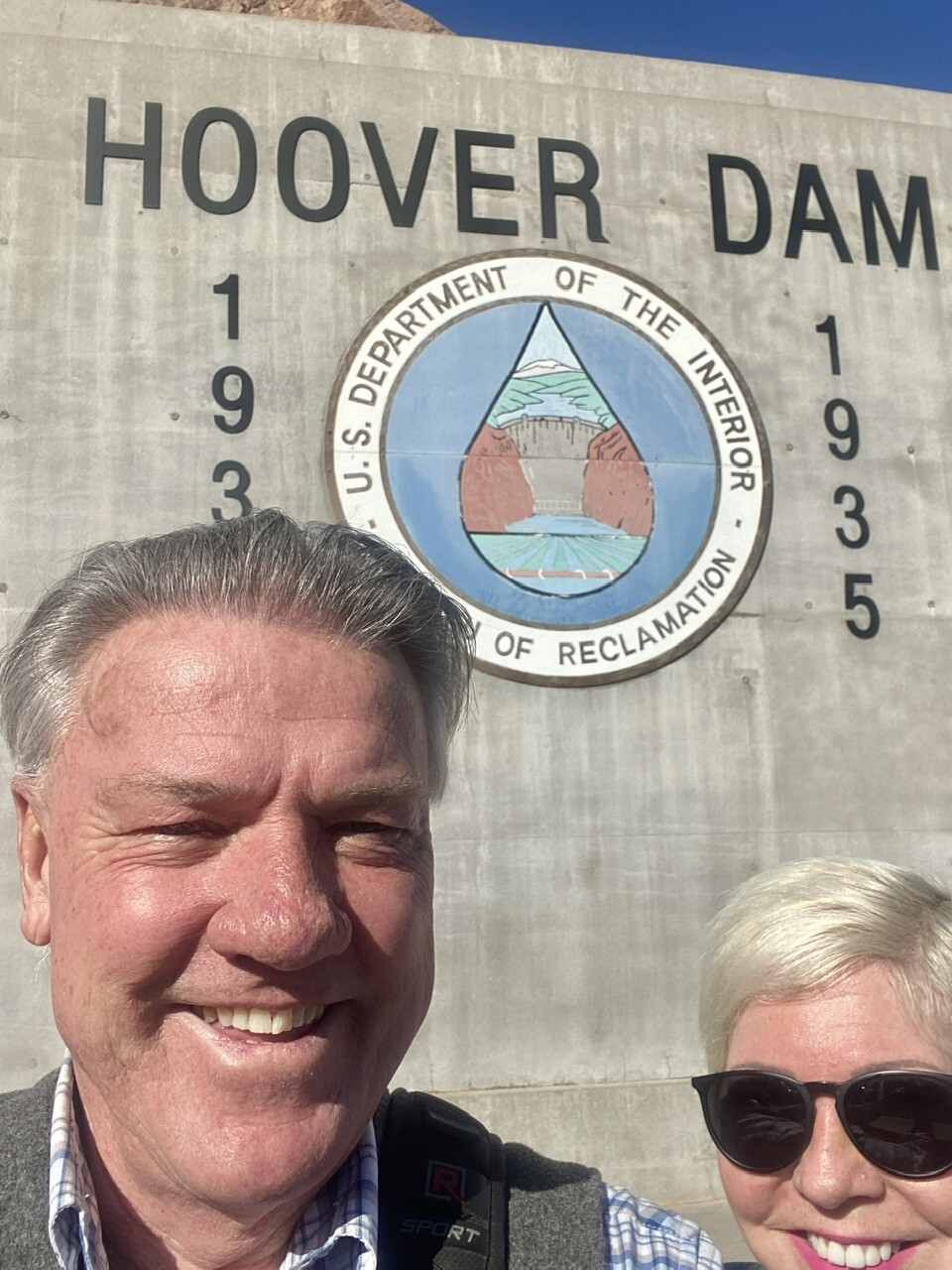 This Dam was constructed between 1931 and 1936 during the Great Depression, and was dedicated on September 30, 1935, by President Franklin D. Roosevelt.
Above Ground ⬇️
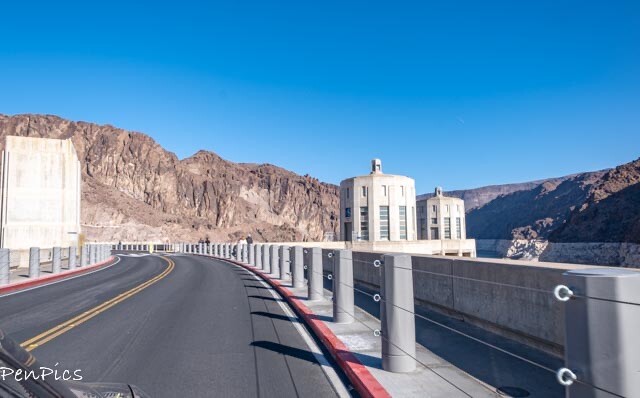
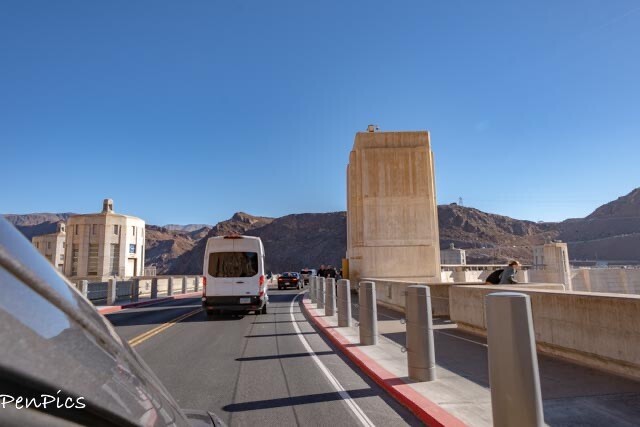
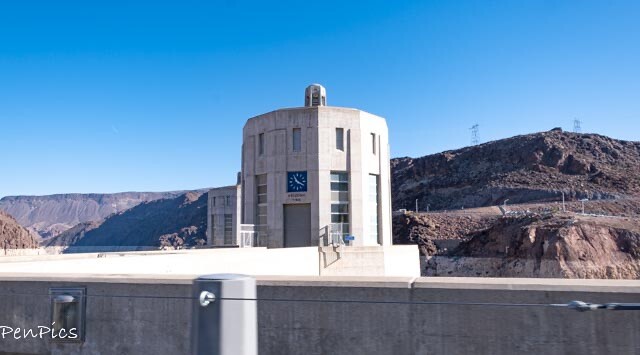
⬆️ One side of the road is in Arizona, where it was approximately 11:20AM
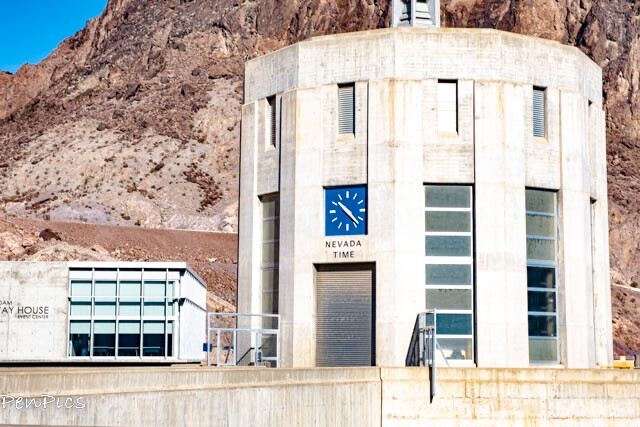
⬆️…..And the side of the road is in Nevada, where it was around 10:25AM
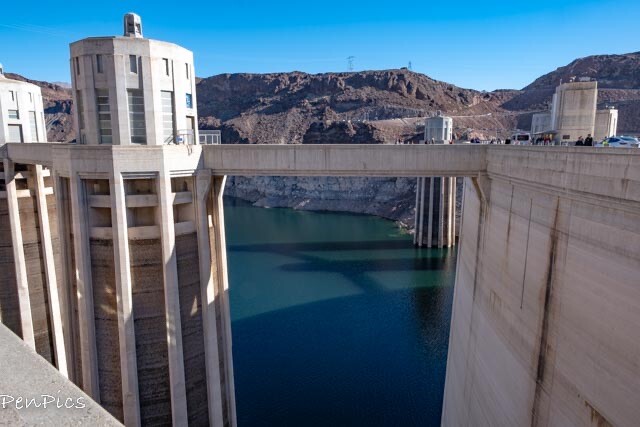
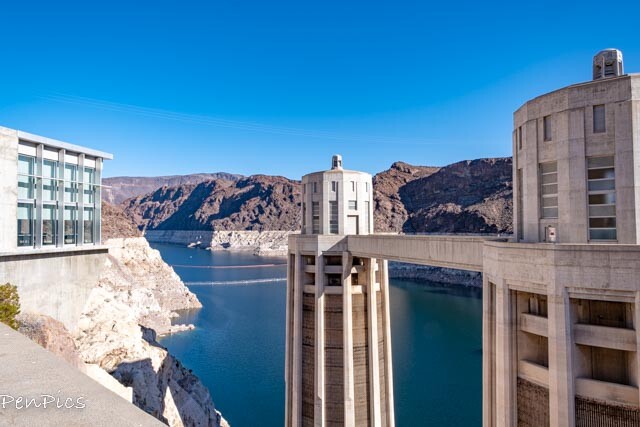 After the relatively short drive across the top of the dam, we turned around and headed for the parking structure, then made our way to the dam tour.
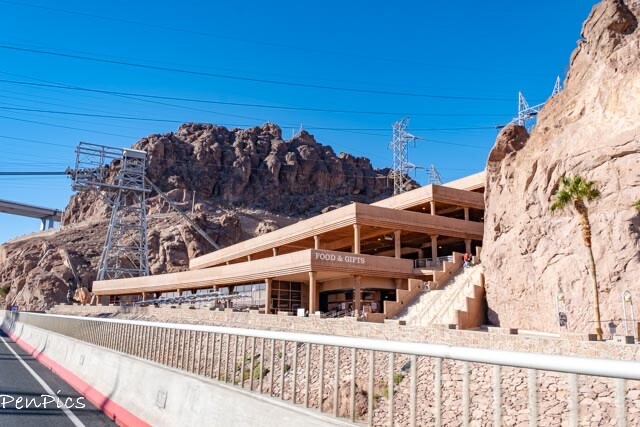
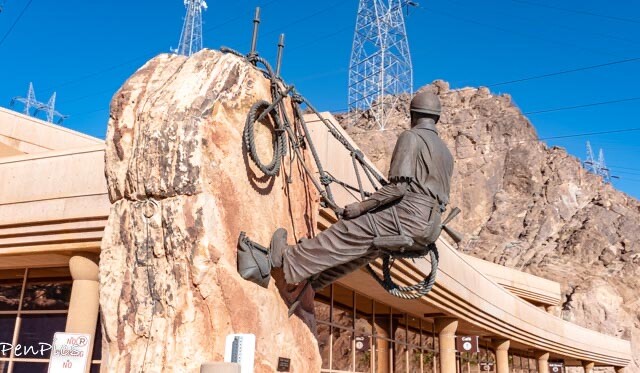
The Power Plant Tour ⬇️
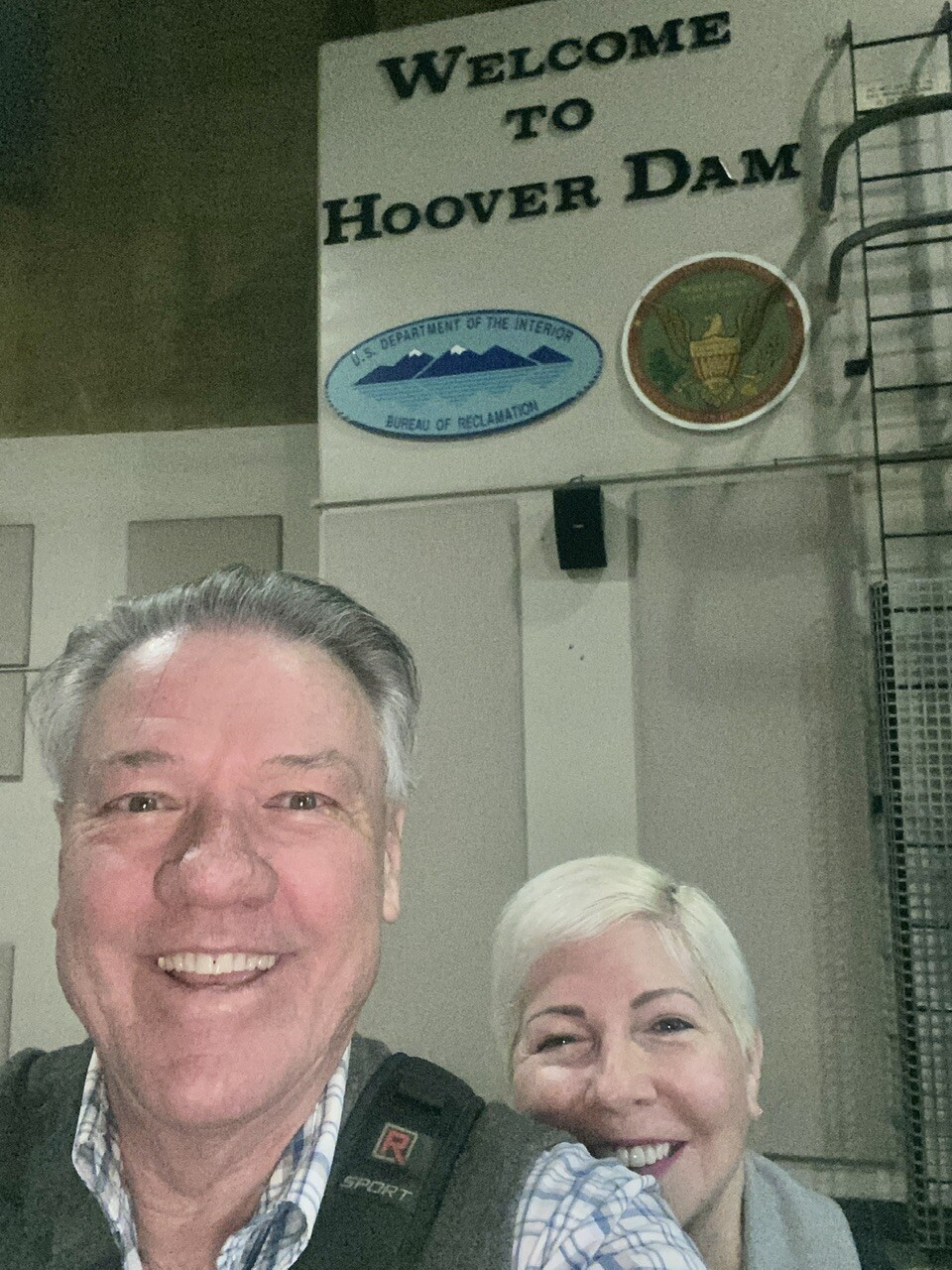
What to expect from the guided tour:
This tour runs every 15 minutes and costs $15 per person.
The Hoover Dam power plant tour experience will lead you 530 feet underground, via elevator to the Penstock Viewing Platform. Here, you will witness gigantic pipes, measuring 30 feet in diameter that transport the hundreds of thousands of gallons of water each day from Lake Mead to the dam’s generators. Short films and displays along the tour give guests extended information into the workings of the Hoover Dam to help visitors understand the sites they are seeing. Following this, guests are guided to a room where they will see eight of the 17 power plant generators, used to create energy from the Hoover Dam.
Next, you will travel back up to ground level for the remainder of the tour, which includes interactive exhibits and full-scale models. This museum will give you a deeper understanding of the Hoover Dam project, its construction, and operation. For example, the Hoover Dam once went by the name Boulder Dam.
The tour then continues with outside displays and exhibits that will take you around Hoover Dam and along the top of the dam, as well to really get the full view. Here, you will be able to see the most up-close look of the dam, as well as Lake Mead and the Colorado River all in one view.
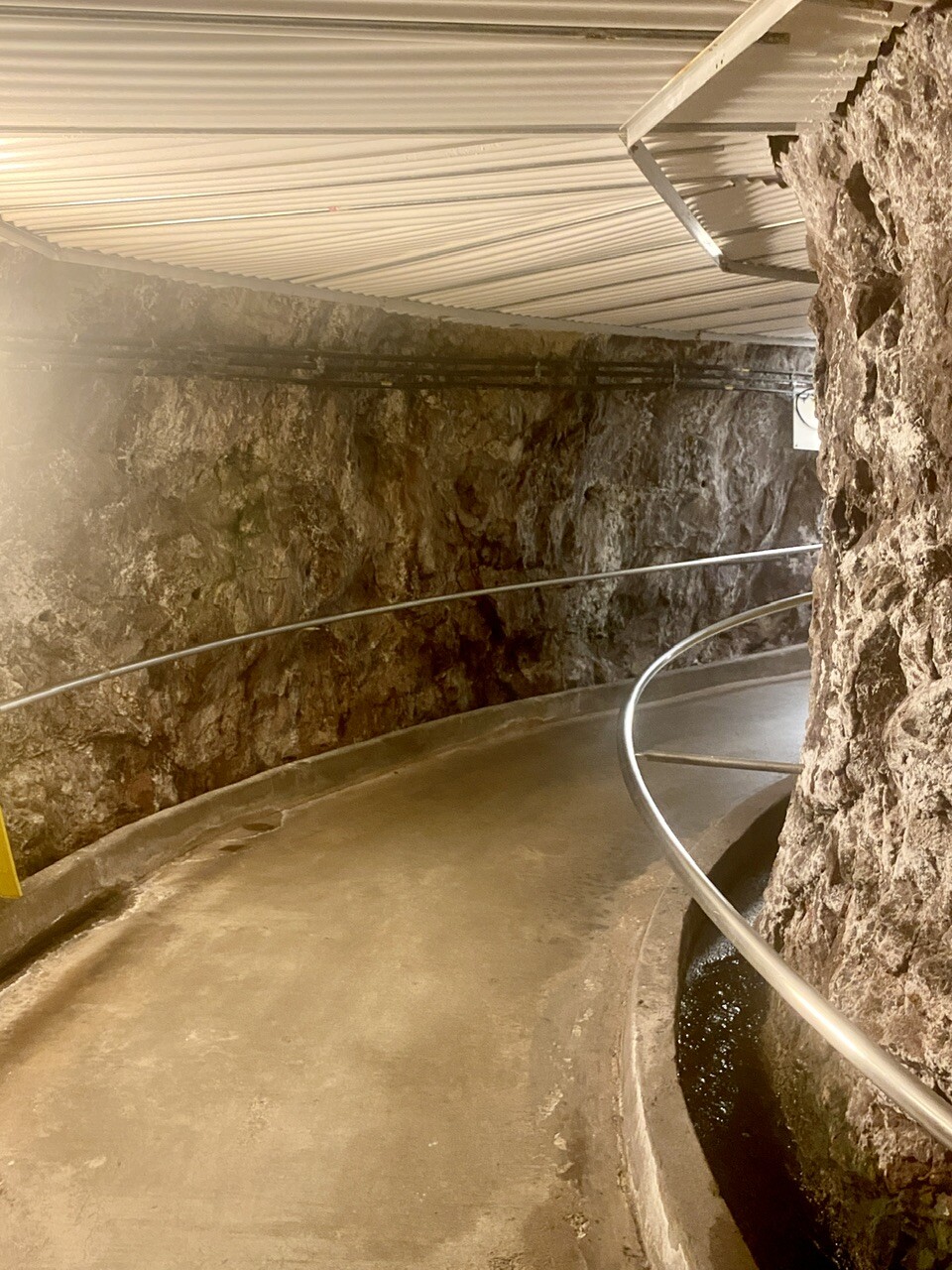
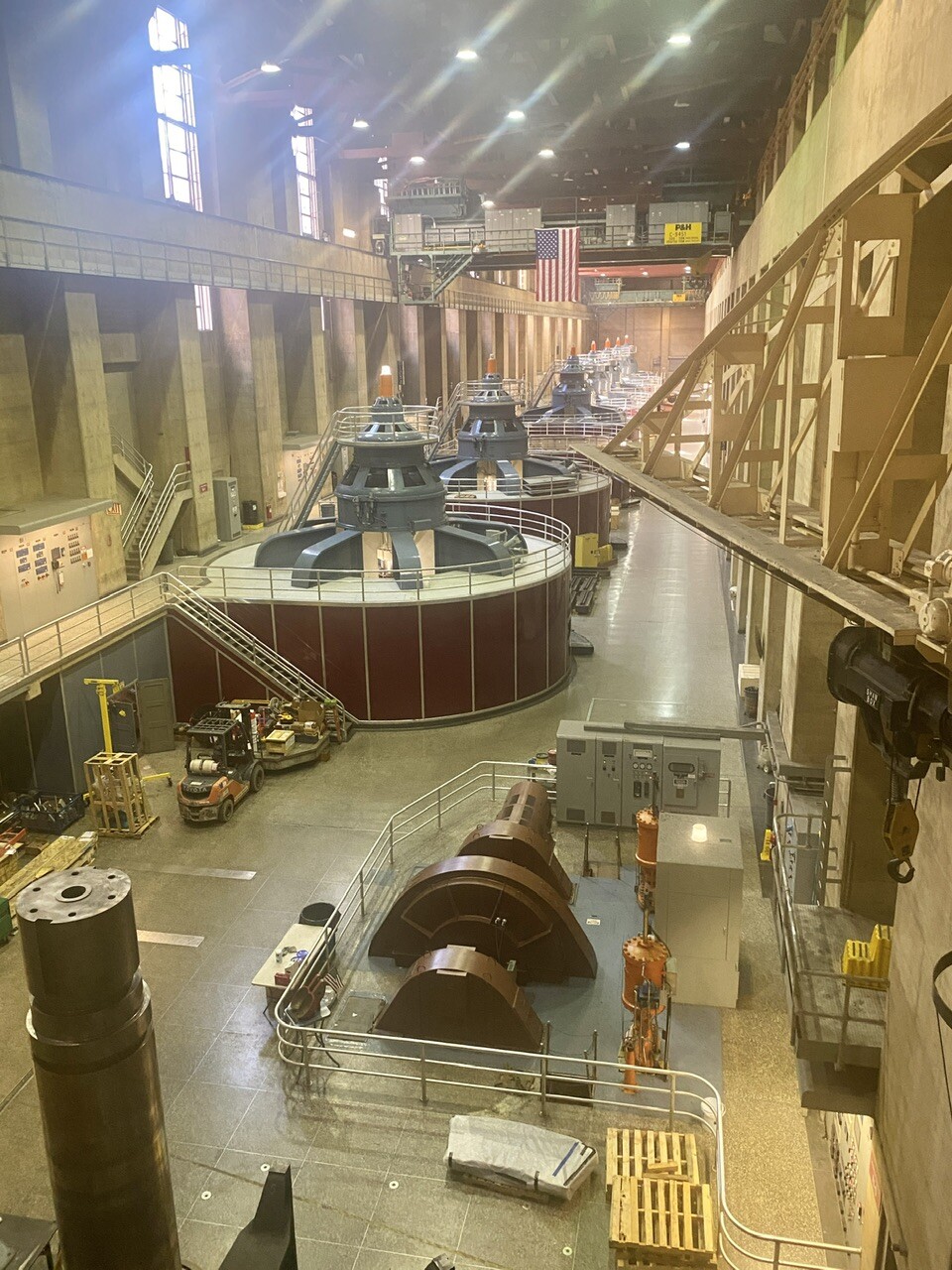
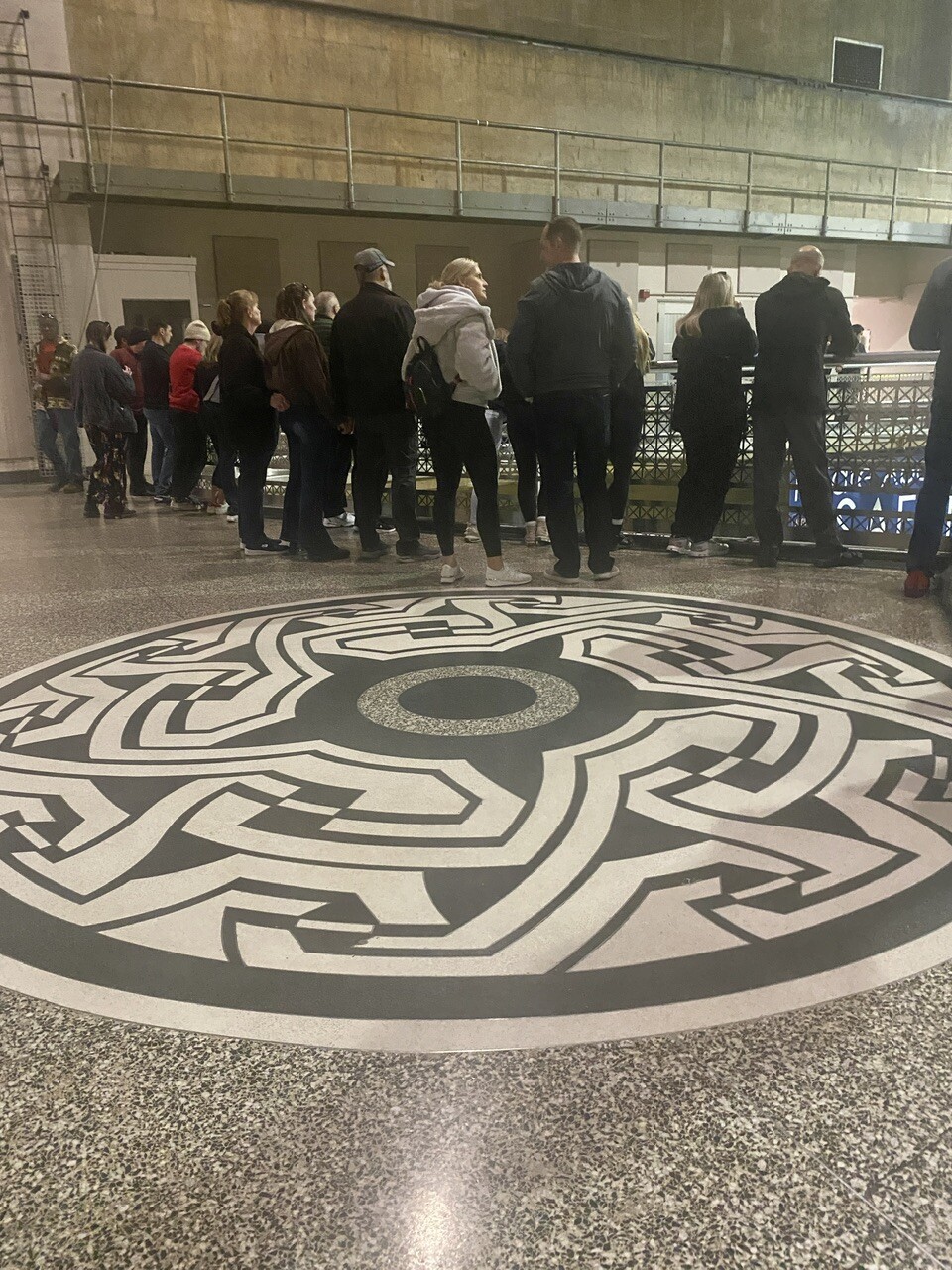

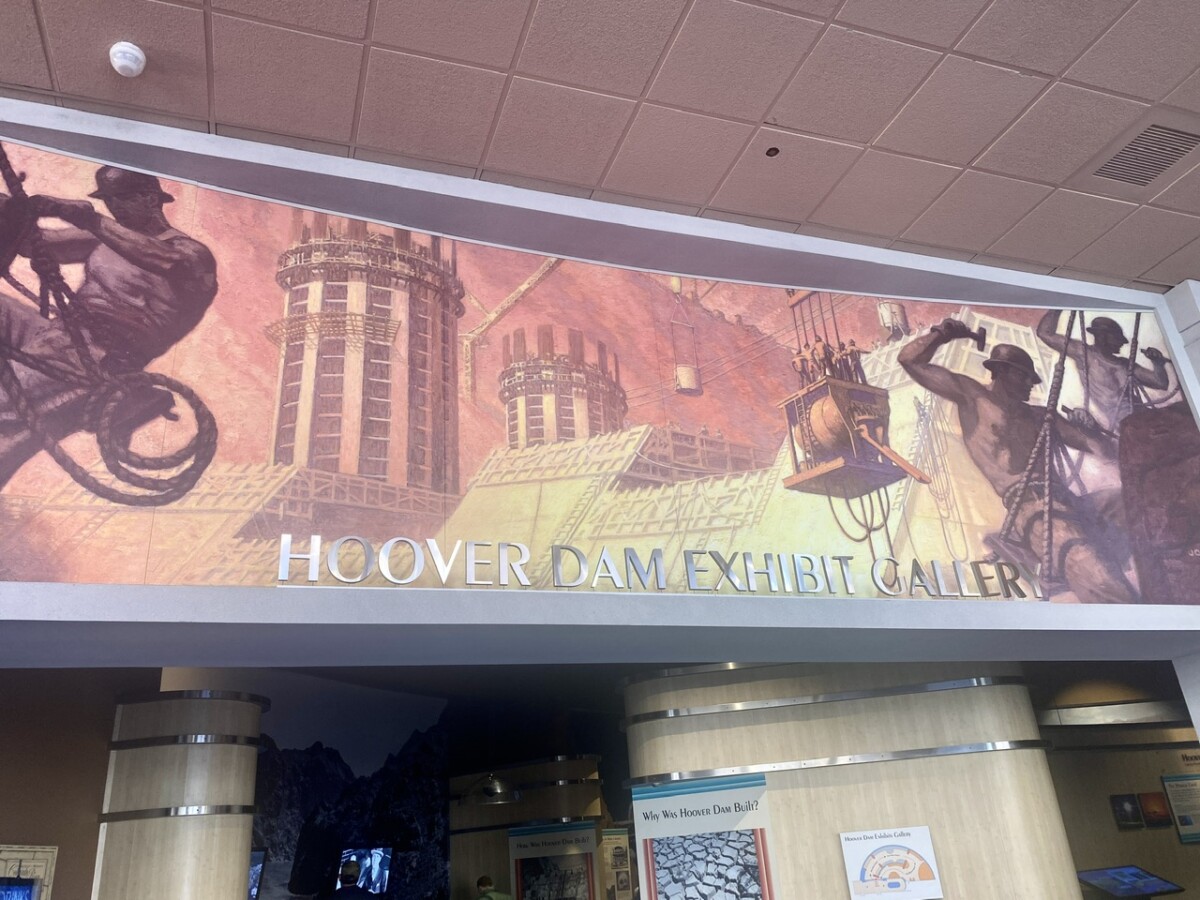
After we came back up from the depths of the dam structure, there is a small Exhibit to wander through.
The guided tour lasted about an hour and with the price, it included access to the higher up views from the outside of the visitors center.
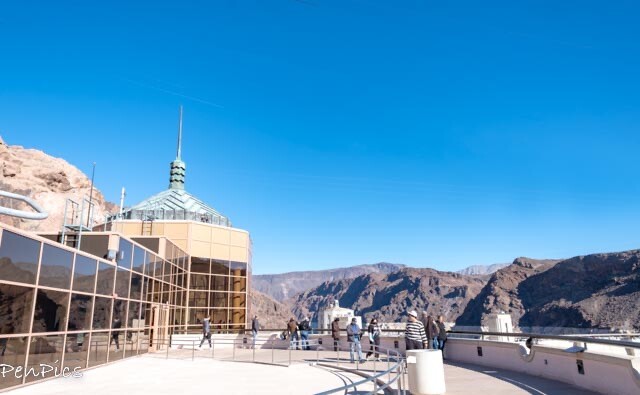
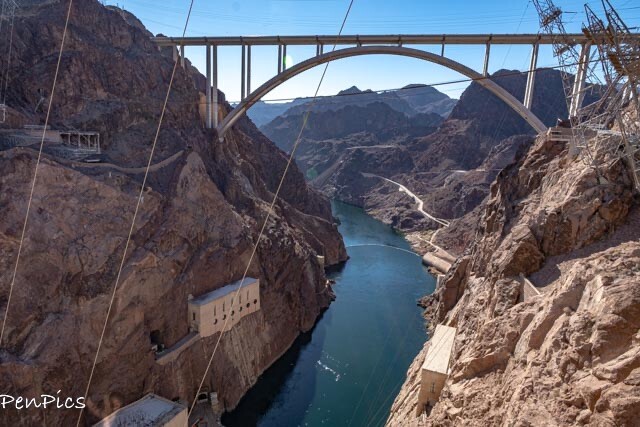 ⬆️ The Hoover Dam Bridge;
Mike O’Callaghan-Pat Tillman Memorial Bridge
Since the bypass bridge was finished in October 2010, the Hoover Dam has become even more amazing. The graceful, concrete arch is designed to support the bridge. Its curved shape spans the gap of Black Canyon.
The bridge connects Arizona and Nevada, and creates a faster route across the river. It’s open to traffic, and has a sidewalk as part of the pedestrian and visitor amenities, which include a parking lot, trail, and interpretive plaza.
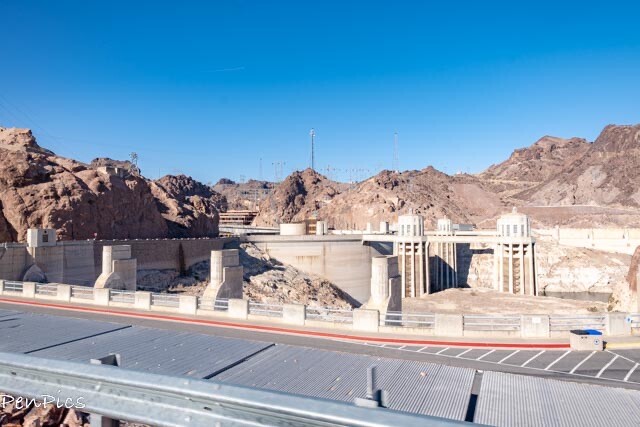
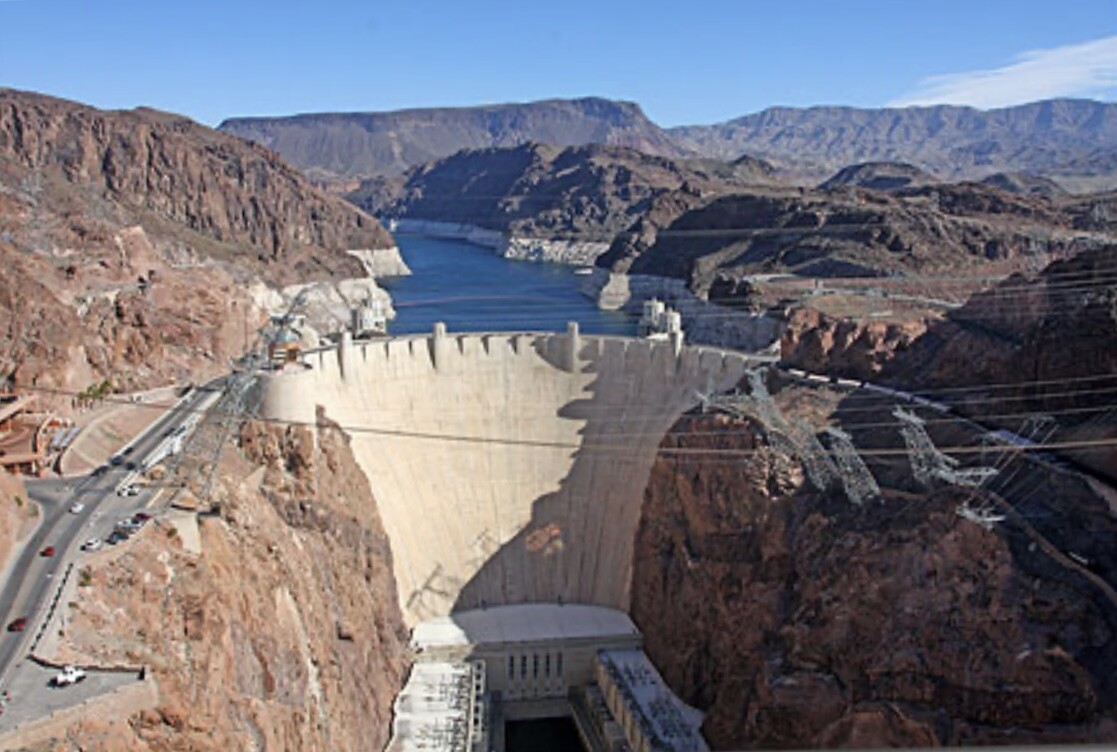 ⬆️ View from the bridge, looking over Hoover Dam
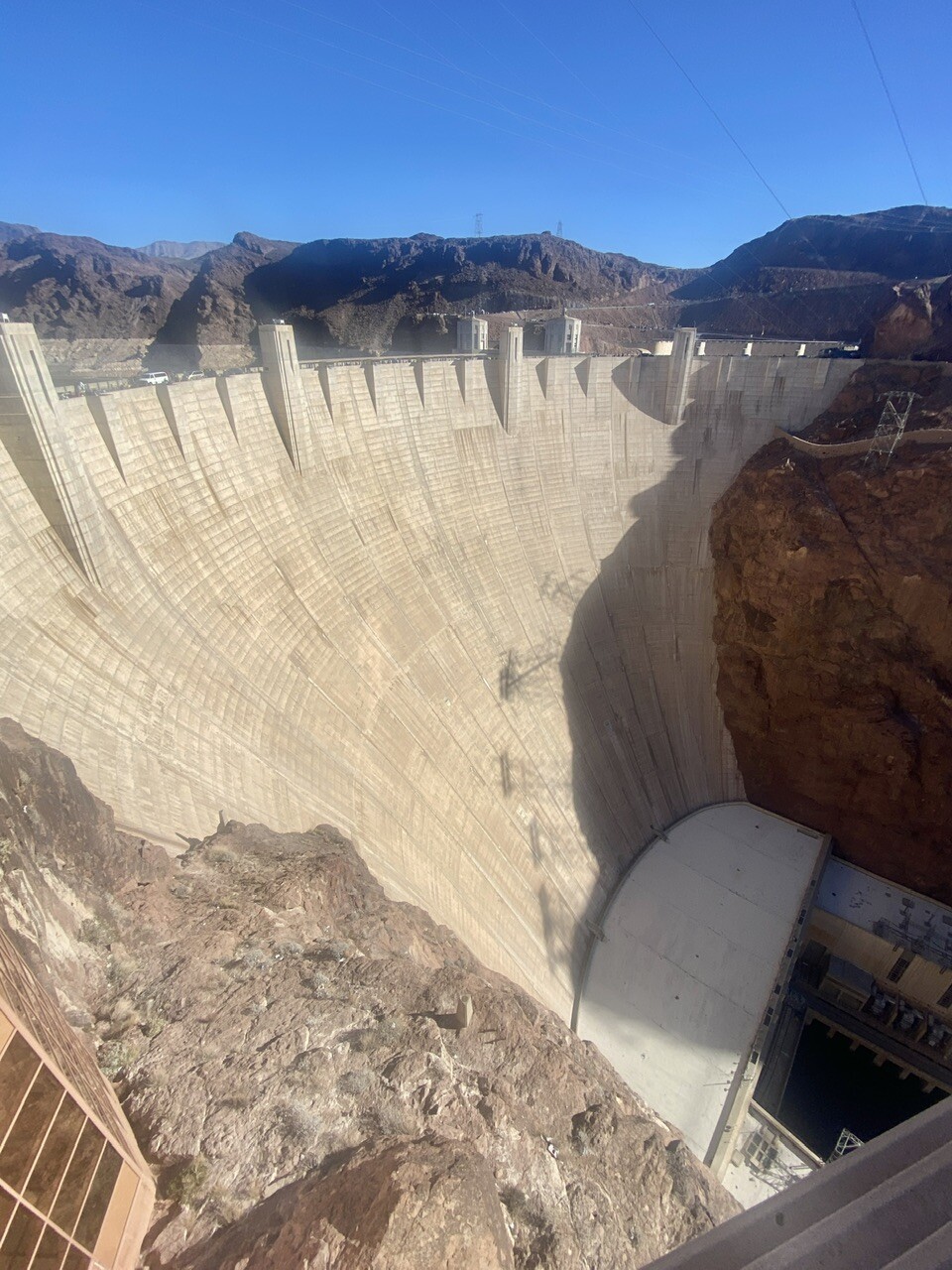
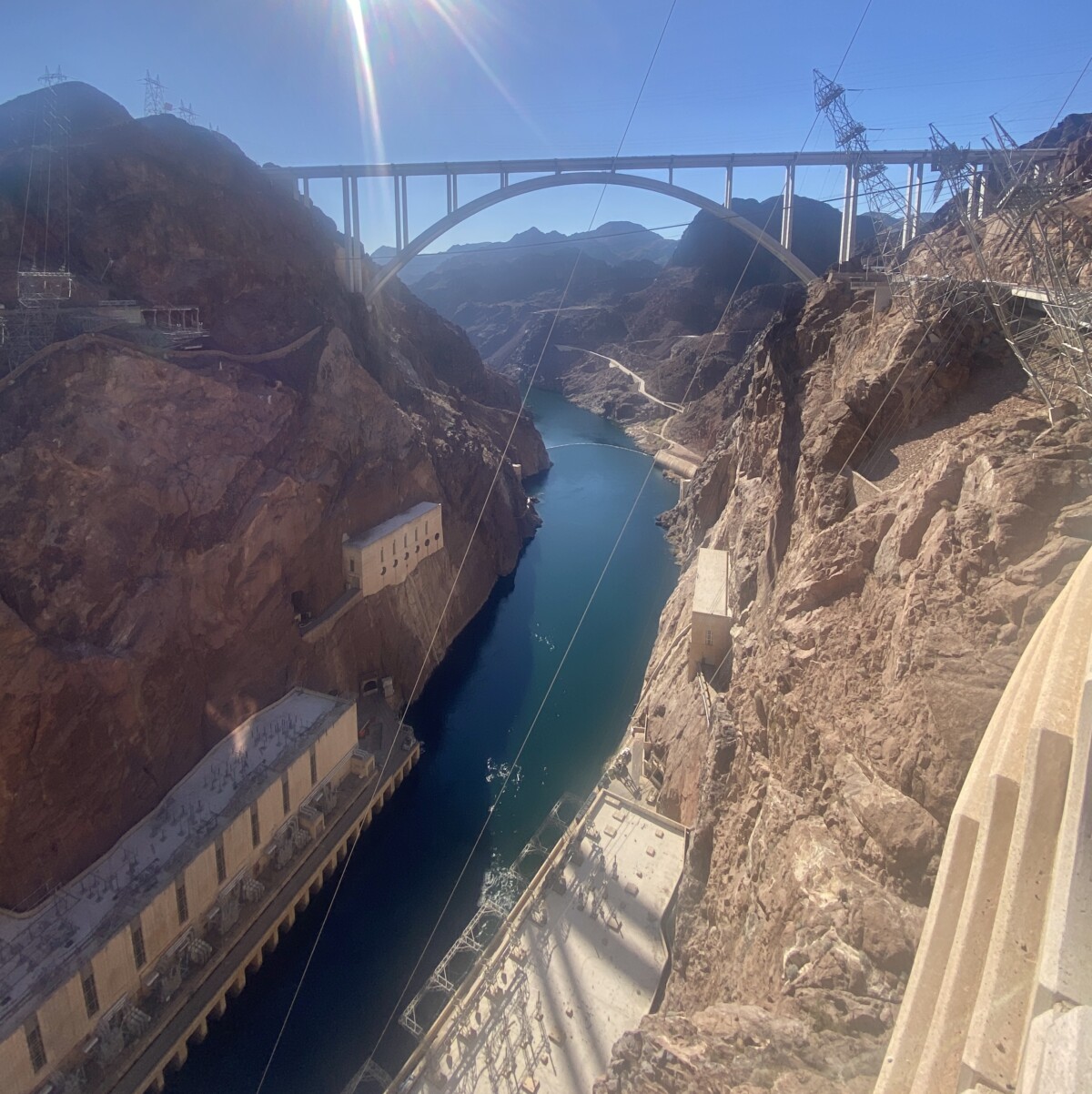
After we left the tour, we walked across the road to the 1940’s era visitors center (only accessible with tour tickets), where we listened to a short info recording while viewing a small scale replica of the Colorado River, showing where all other dams are located ; through all the states with the Colorado River.
“Nig“ ⬇️
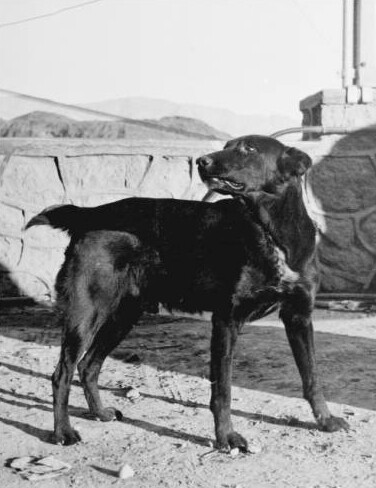
On our way back to the parking structure, we passed by my favorite spot, where the Hoover Dam Dog, named “Nig,” is memorialize and laid to rest.
Nig became famous in history as the mascot to the crew of Six Companies who built the Hoover Dam. The work was trying and risky, and the beloved dog who accompanied the men to work everyday, helped make their lives a little easier.
 In 1932, a Labrador mix puppy was born in the crawlspace beneath a building in Boulder City, the city that housed the men who built the Hoover Dam.
The stray pup had free run of the city and quickly became well-liked by all. He was known as “nobody’s dog and everybody’s dog.” One day a worker decided to take the puppy to the work site where he became a welcome addition to the workforce. The men called the dog “Nig.”
Nig joined the workers on the trip to the dam in the mornings and would ride back with them at the end of the work day. He became their mascot and could get around the canyon with much ease as he made his rounds to greet the workers. He would climb ladders, follow the men into the tunnels, and hop on the wooden platforms that lowered the men and equipment down into the canyon.
Nig was definitely part of the crew and was loved by all, except for one angry man. One day Nig was napping on a walkway when the mean worker ordered him to move out of his way. When Nig refused, the worker kicked him. Other workers saw this cruel act towards their friend and quickly pounced on the man. A ranger pulled the men off of him, and after learning why they were beating on him, the ranger escorted the man to the edge of town and told him never to come back.
Nig was buried in a concrete crypt at the edge of the cliff, overlooking the dam, so he could continue his oversight of the daily activities at the dam. The men who worked alongside Nig contributed what little money they had to buy a plaque memorializing the dog that meant so much to them.
 One day Nig wanted to return to the city earlier than usual and ended up getting a ride back with Frank Crowe, the chief engineer of the Hoover Dam. Even the big boss must have loved the dam’s mascot a lot, because the dog was seen sitting in the front passenger seat of the fancy car while the man’s wife rode in the back.
The men would share their food with Nig and sometimes the food would be sweets. Once Nig ate so many candy bars he became ill. He was treated by the town’s doctor and later an ad was placed in the local newspaper saying:
“I love candy but it makes me sick. It is also bad for my coat. Please don’t feed me any more. Your friend, Nig.”
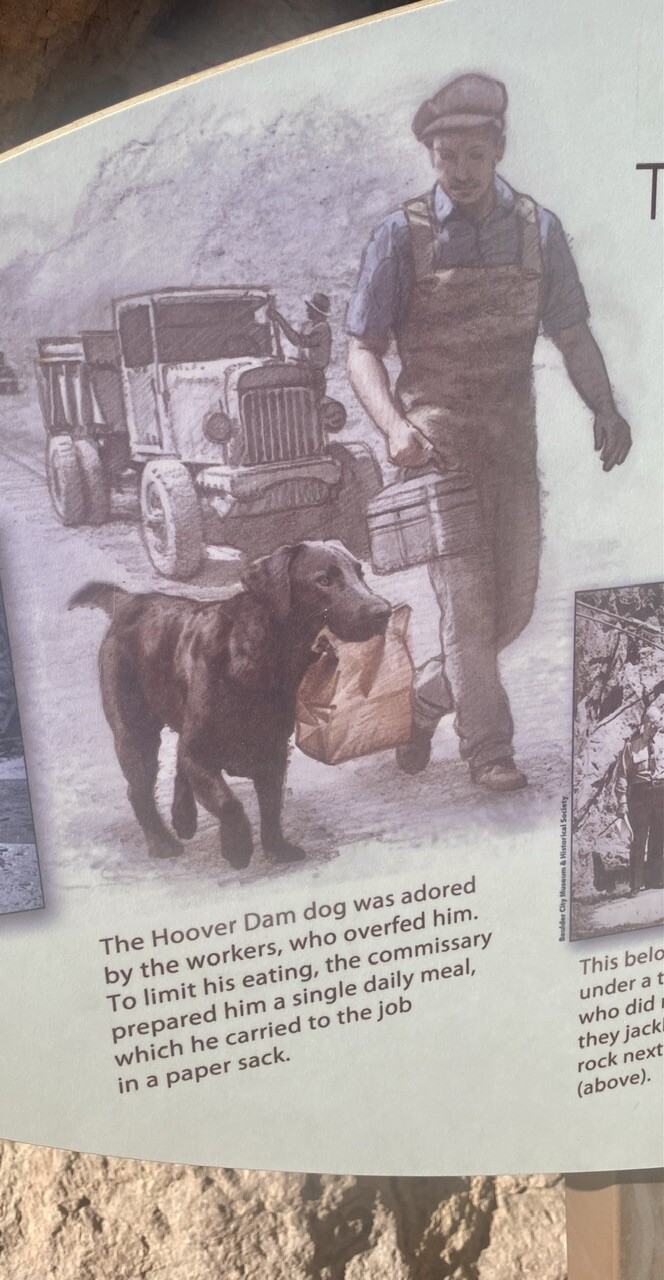
When Nig recovered, the men contributed money to improve the dog’s diet. The city’s mess hall prepared his meals and even packed a lunch for him in a special container to take to the dam. Nig would carry the container in his mouth when he boarded the transport truck to go to the dam, place the container alongside the worker’s lunch pails when he got there, and would eat with the crew when the lunch whistle blew.
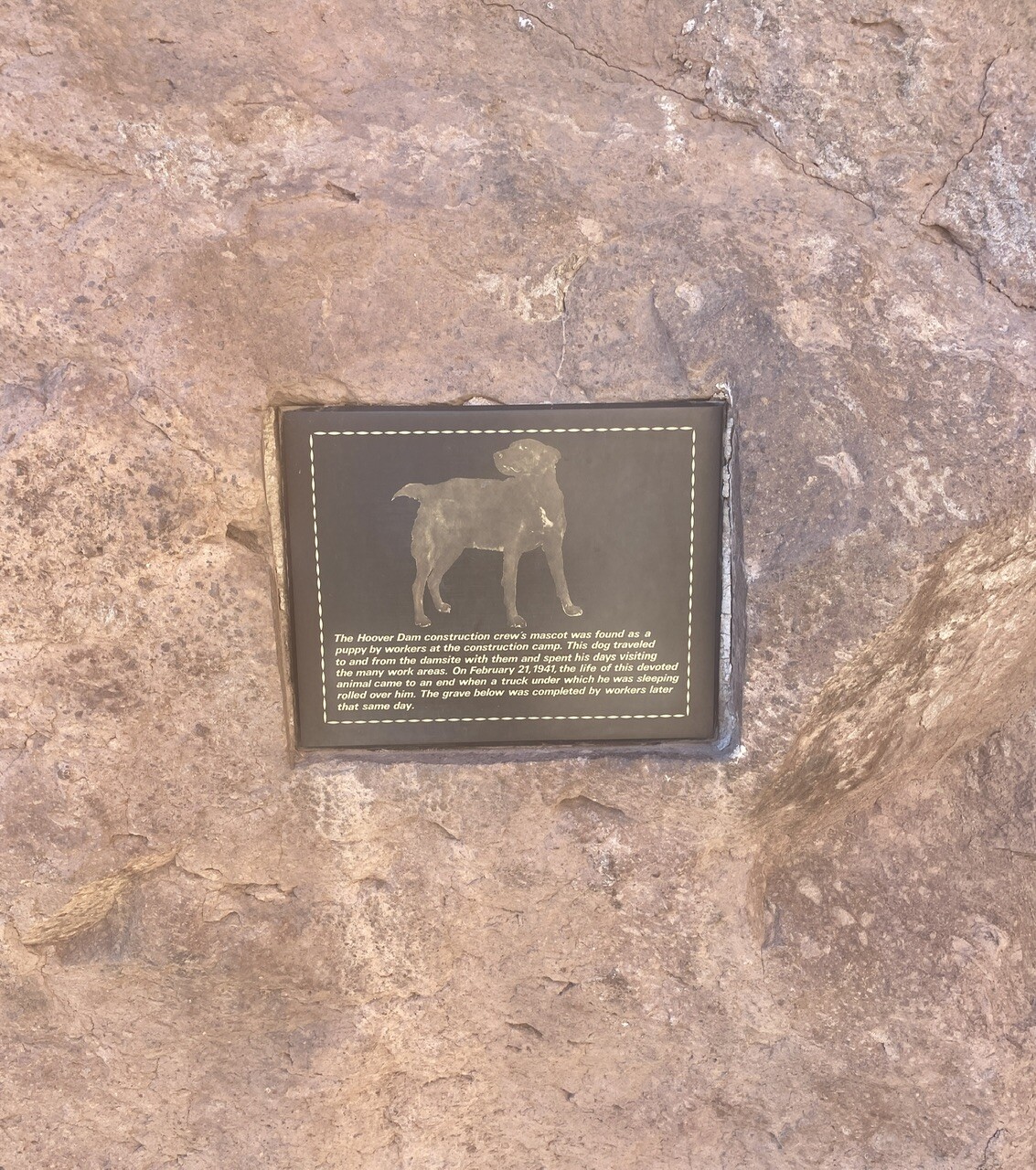
After the dam was complete, Nig continued to make his rounds there. On February 21, 1941, on an unseasonably hot day, Nig decided to take a nap in a spot of shade under a truck. When the driver of the truck returned, he failed to notice the sleeping dog. Nig died instantly, when the truck ran over him. People were heartbroken when the news of the accident reached town. It was said to have been the saddest afternoon Boulder City had ever experienced. “Rough, tough rock-hard men wept openly and unashamed,” a newspaper wrote.
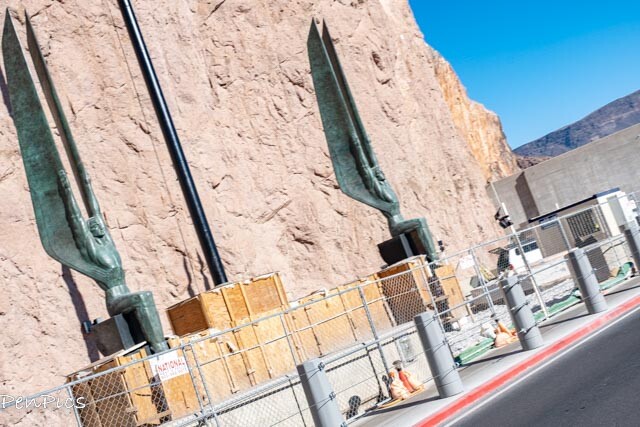 ⬆️ This strange structure is seen along the sidewalk, as we walked back to our car. It was fenced-off, and looked like it was getting boxed up for removal. Just sayin.
***********
Historical Train Tunnels ⬇️
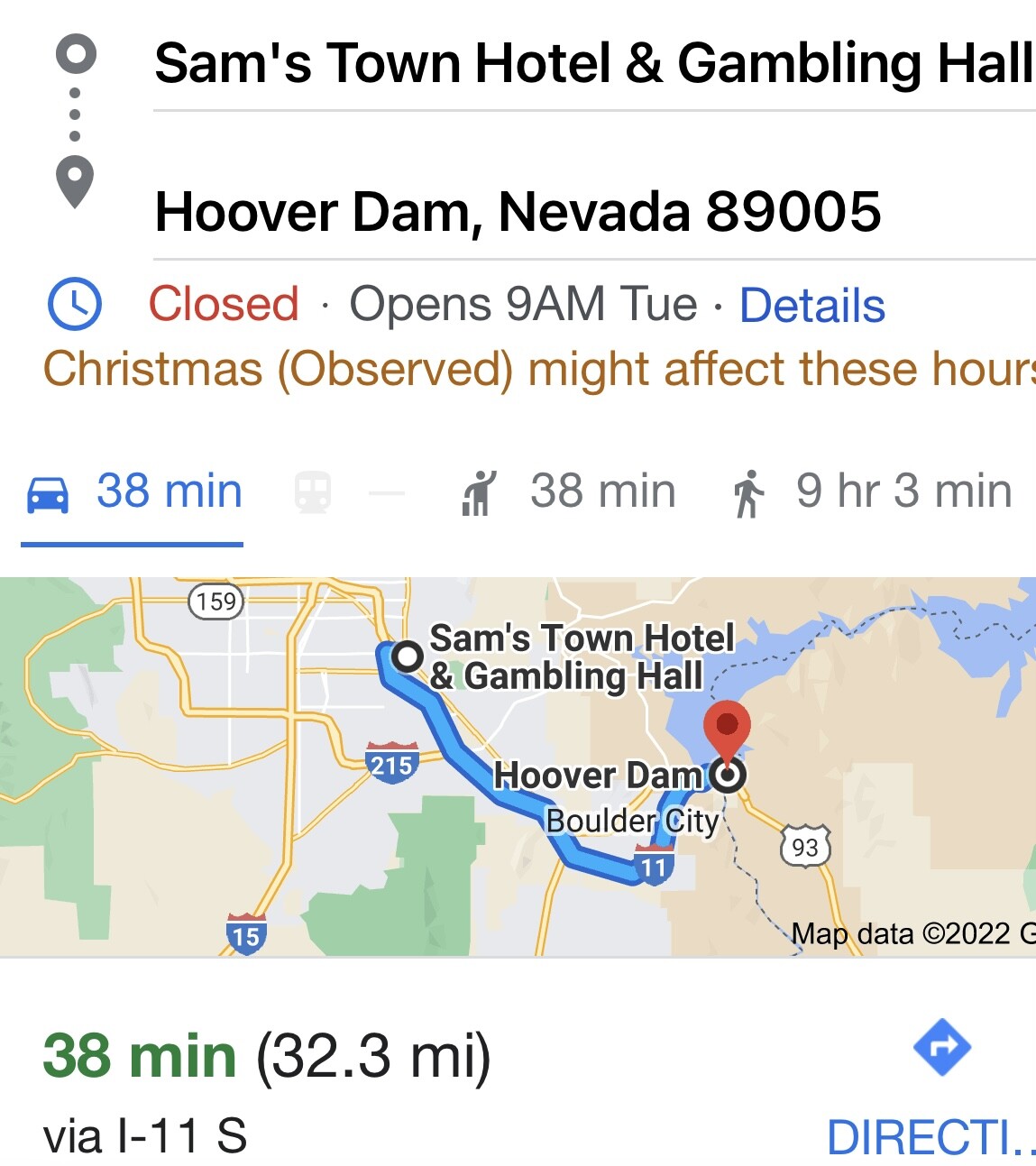
Getting to the trailhead is easy. Take I-515/I-11 to Boulder City. Follow the signs to Boulder City but don’t stay on I-11. Follow the main road as it turns left in the center of Boulder City. From the turn, the entrance to the trailhead is 3.7 miles on the left. Look for a sign that points to the Lake Mead Visitor Center. The trailhead parking lot is located just past the Visitor Center.
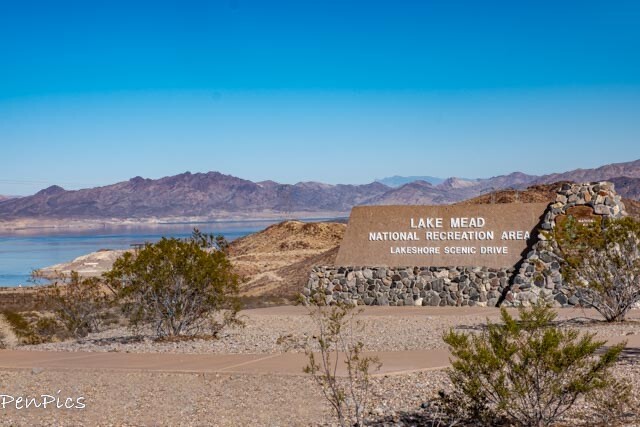
Lake Mead Recreation Area is America’s first and largest national recreation area. With striking landscapes and brilliant blue waters, this year-round playground spreads across 1.5 million acres of mountains, canyons, valleys and two vast lakes. See the Hoover Dam from the waters of Lake Mead or Lake Mohave, or find solitude in one of the park’s nine wilderness areas.
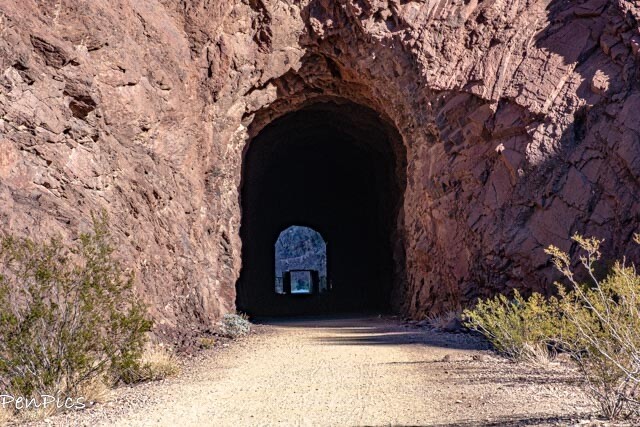
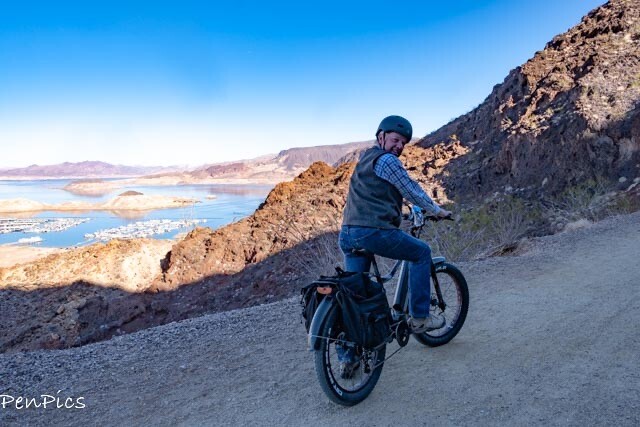
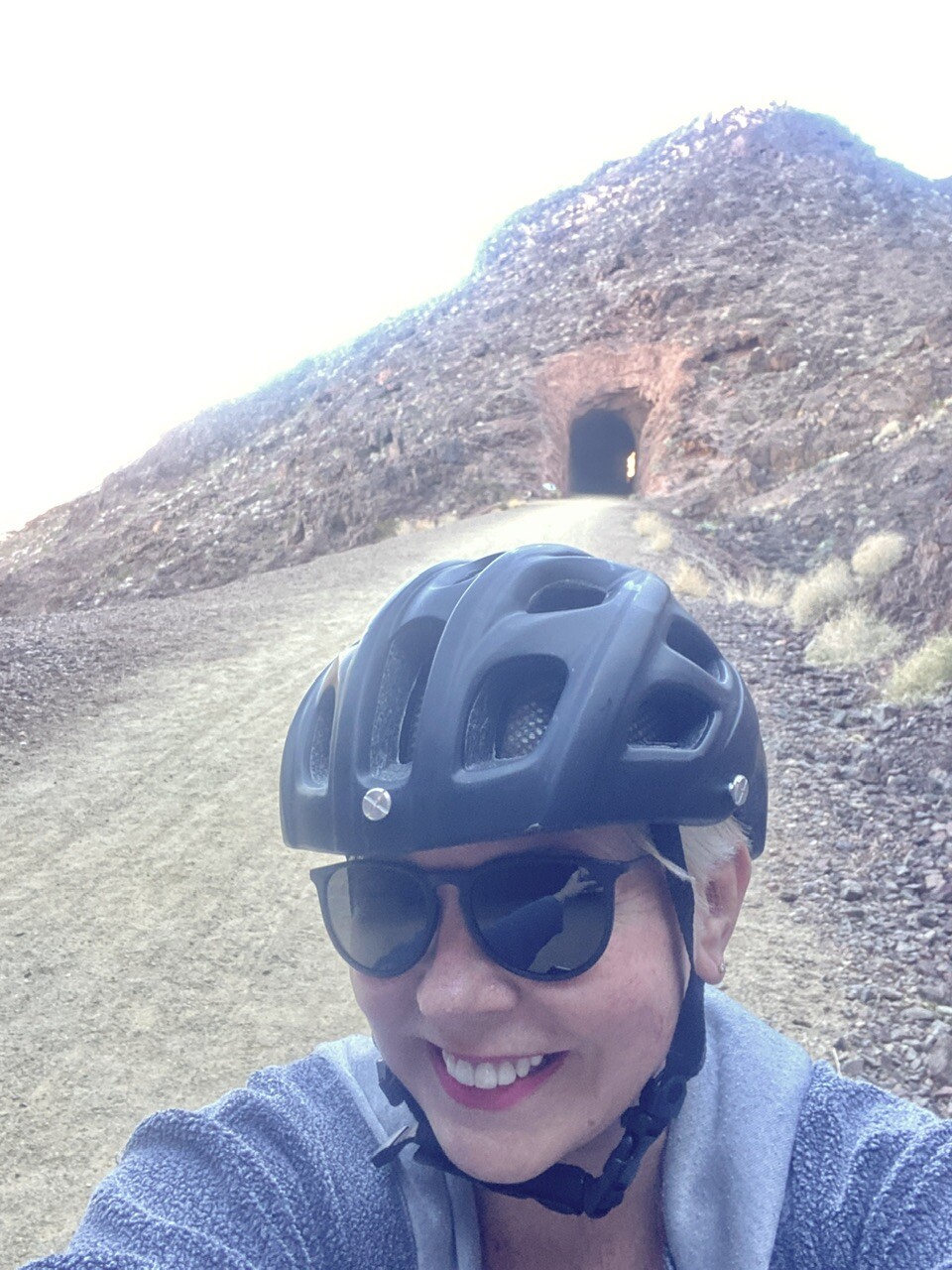
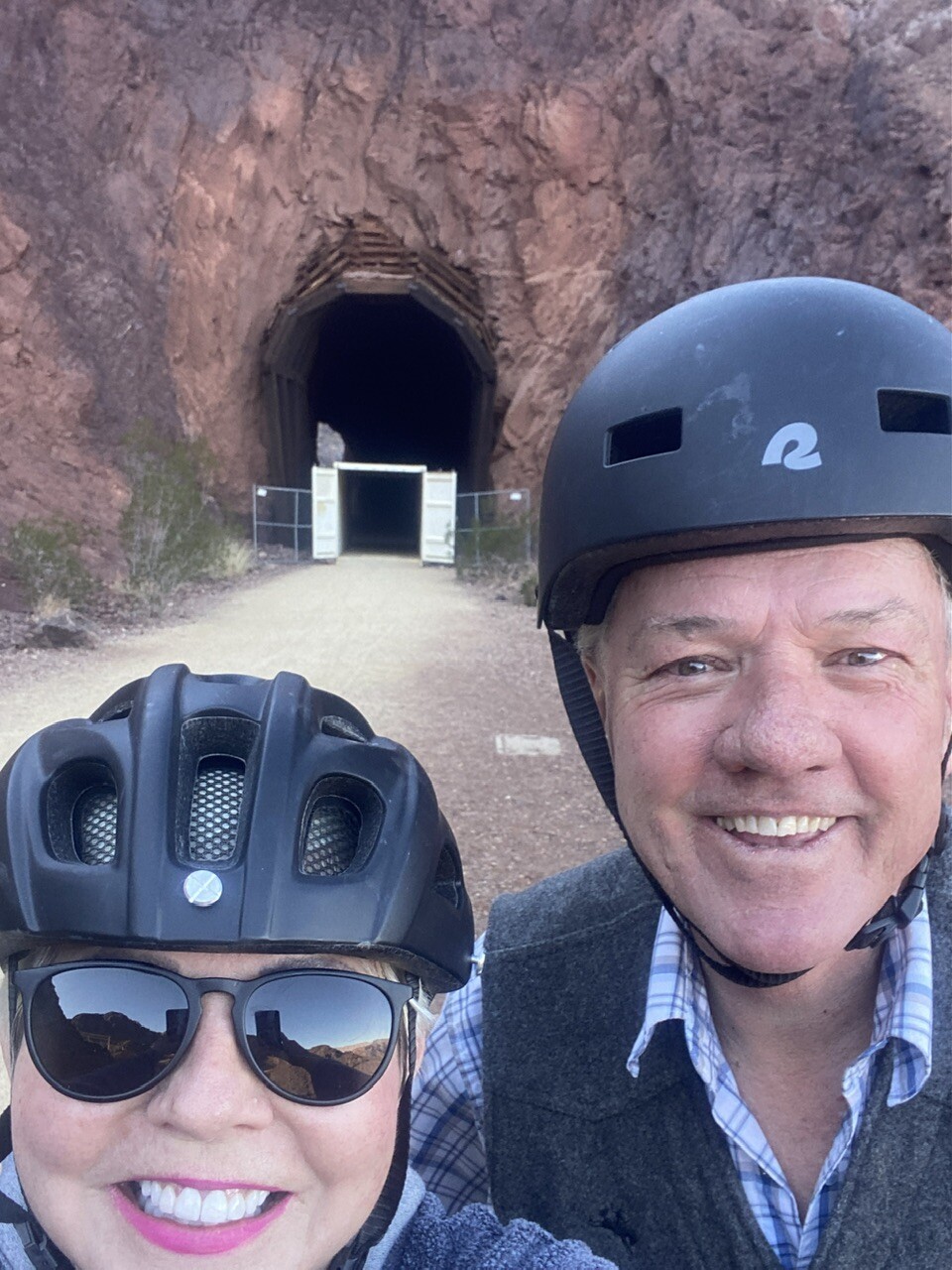 Designated a “National Historic Trail” in 2015, the Historic Railroad Tunnel Trail (HRTT) took us through five uncommon tunnels and offered outstanding views of Lake Mead, along the way.
Because this trail is on an old railroad bed, it is flat and level most of the way, making the eight mile round-trip easy to walk, bike, or even push a baby stroller on.
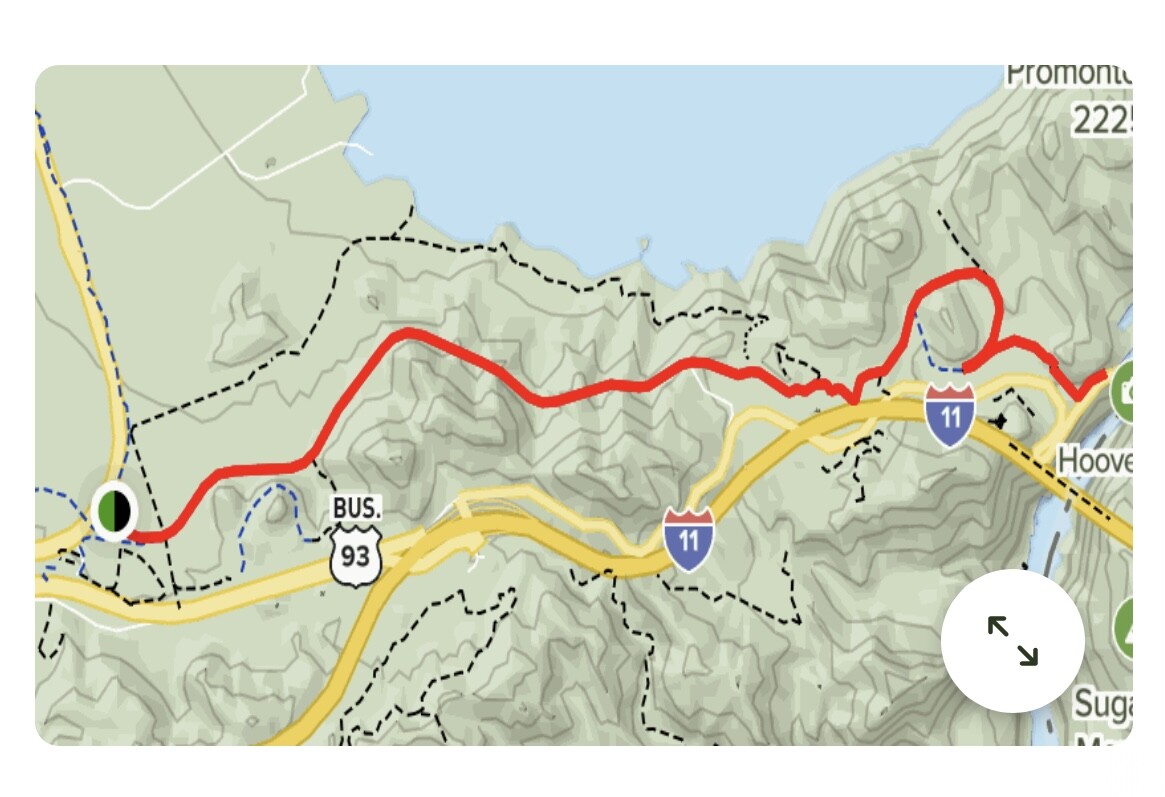
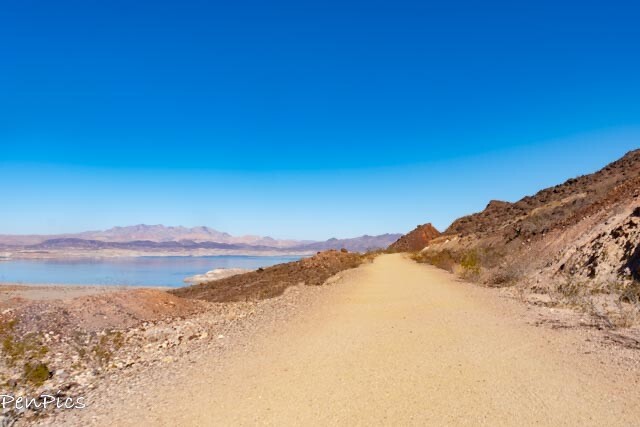
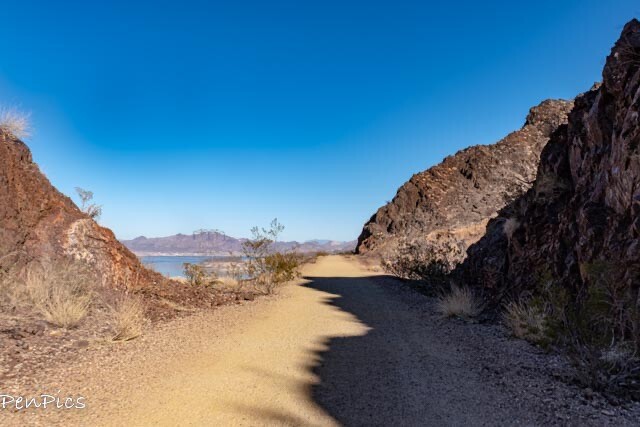
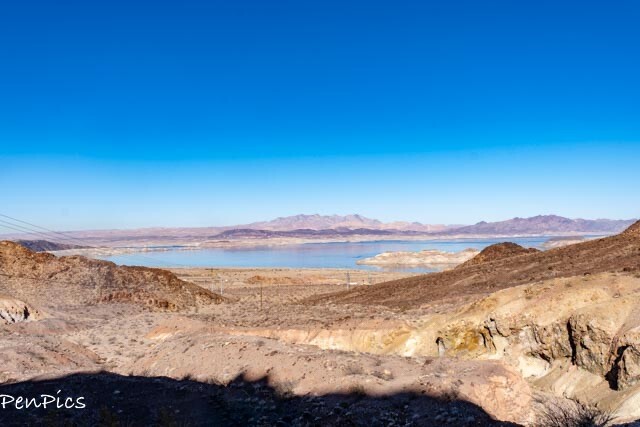
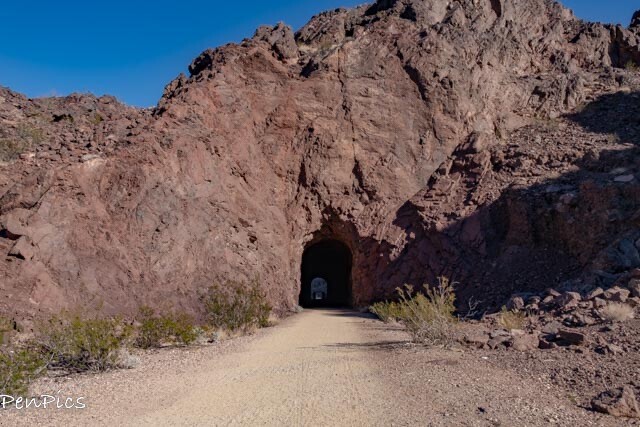
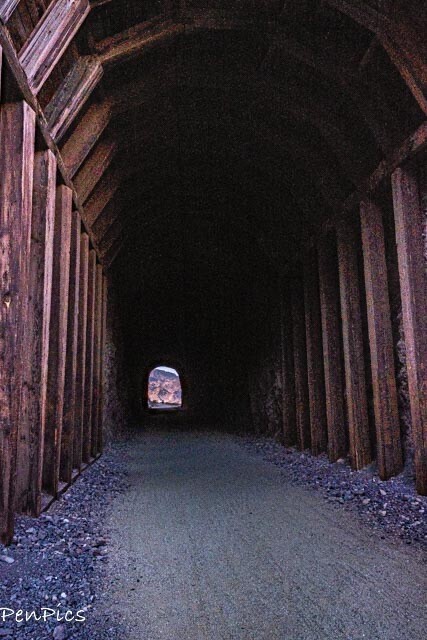 Construction of the railroad began in 1931. Between Boulder City, the Hoover Dam construction site, and places that are now under the waters of Lake Mead, almost 30 miles of railroad lines were built.
Most of the building material used to build the dam, including cement and gravel, as well as all the electrical generating hardware, was transported over the railroad bed that you are now hiking trail. Everything it took to build this incredible dam once took the same trek we were biking on, today.
The railroad was last used in 1961 to transport the final generator that was installed that year, and then the rails were pulled up a year later.
These were not your ordinary railroad tunnels, either. They were built much wider and taller so that they could accommodate the huge pieces of equipment being transported to the site.
Although some of the tunnels have “shotcrete” to help stabilize them, other tunnels still look as they did when the trains passed through. One can easily see the colorful and complex rock formations that the tunnel builders had to bore through.
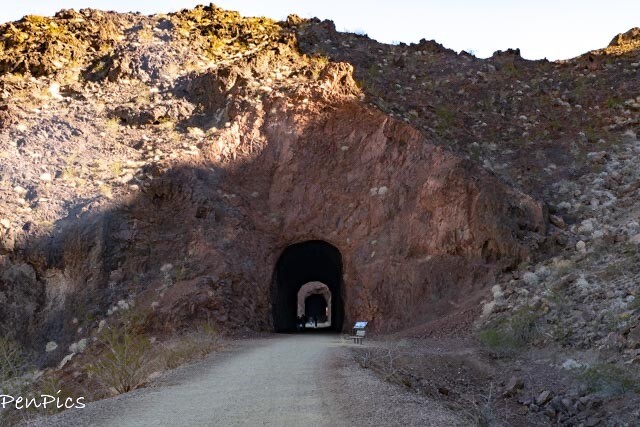
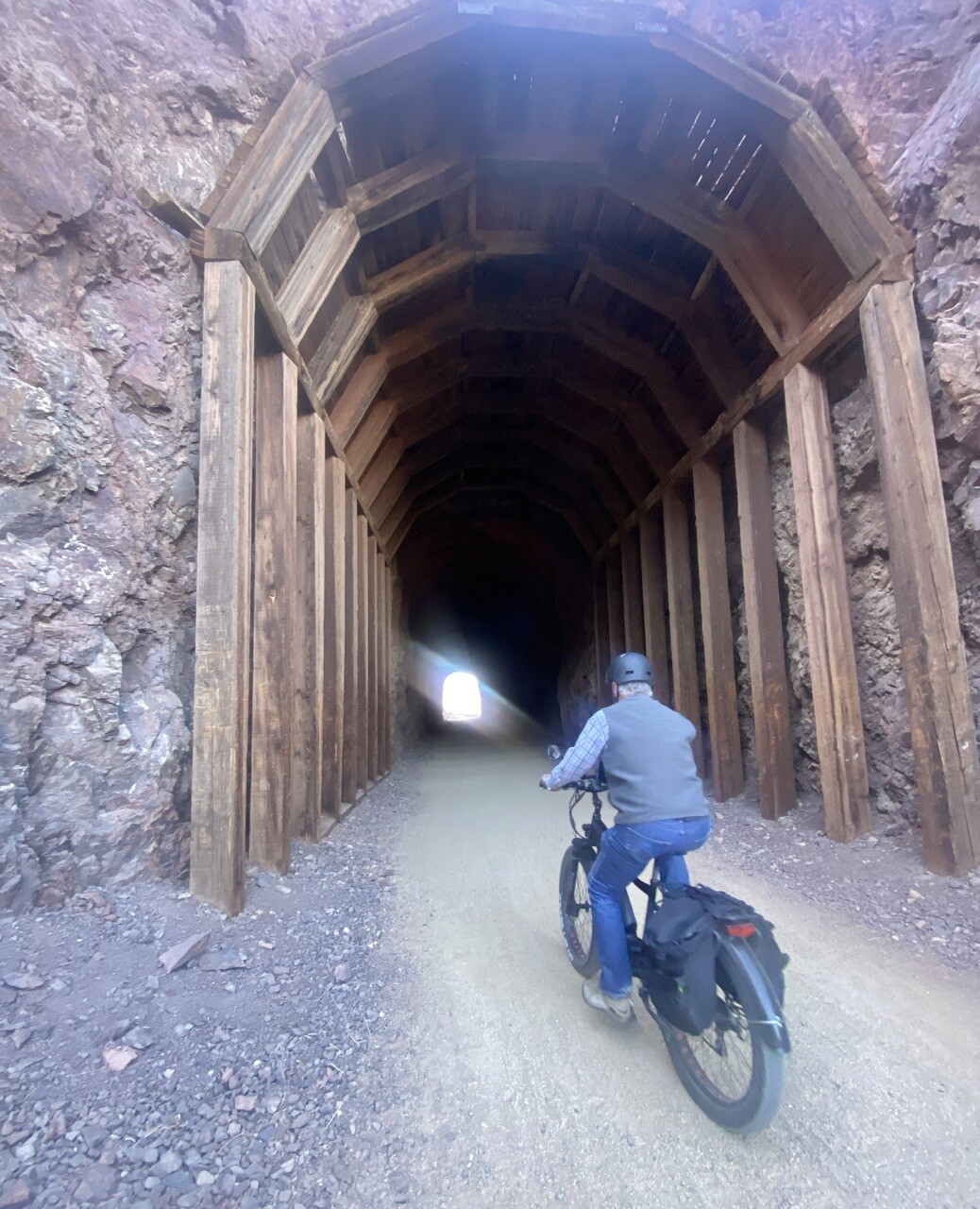 The trail continues through five tunnels and passes by several interpretive signs, pointing out historical places. It goes through a utility area for the dam, where there are restrooms, a water fountain, and a shaded picnic table. Then, the trail passes through an equipment “boneyard,” which is like a museum. Various kiosk signs explain the assorted pieces you’ll see lying around.
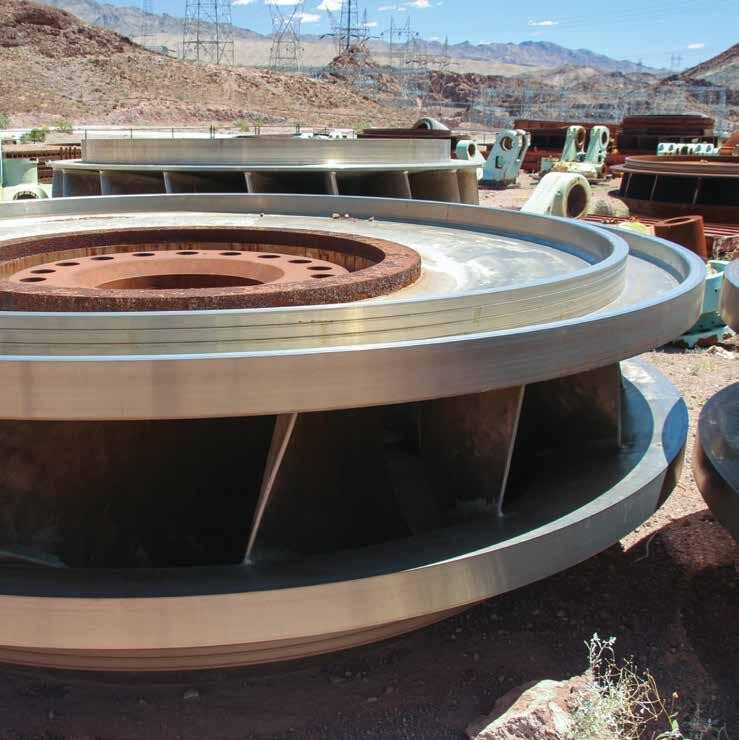
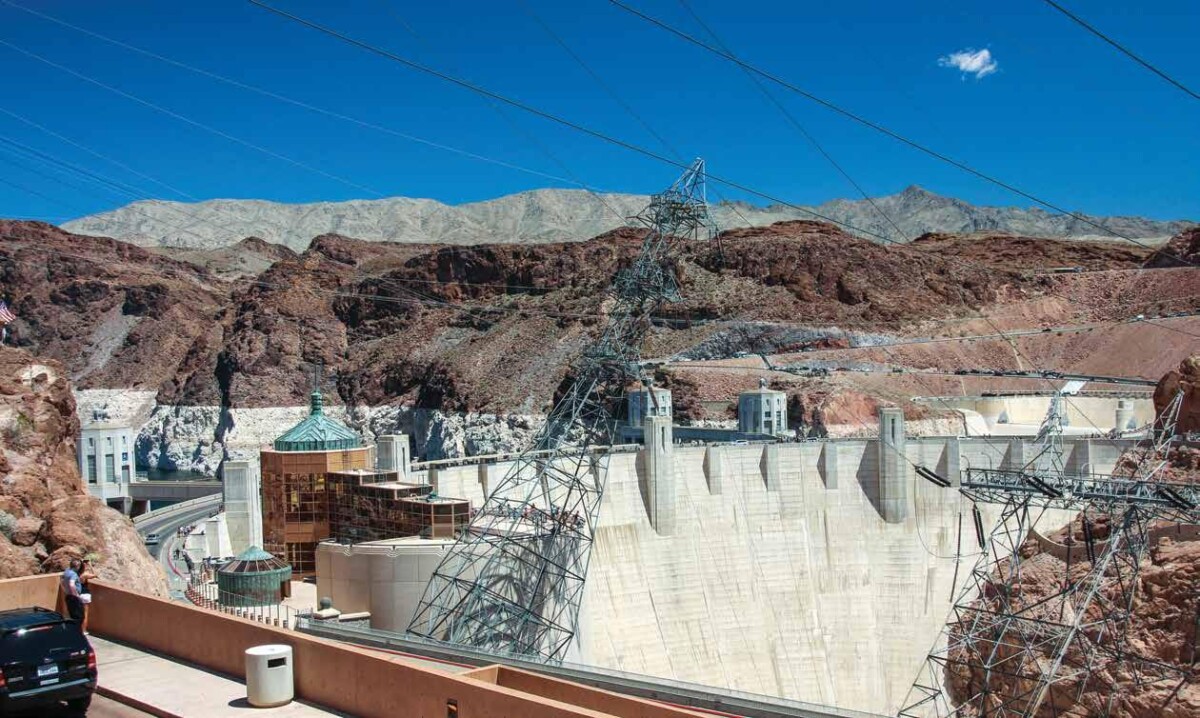
Exiting the boneyard, the road to the right leads down to the bridge. If you want to add that extra mile, follow this road, and you’ll be rewarded with a breathtaking view of the dam. Otherwise, continue straight to the Visitor Center and the dam itself.
************
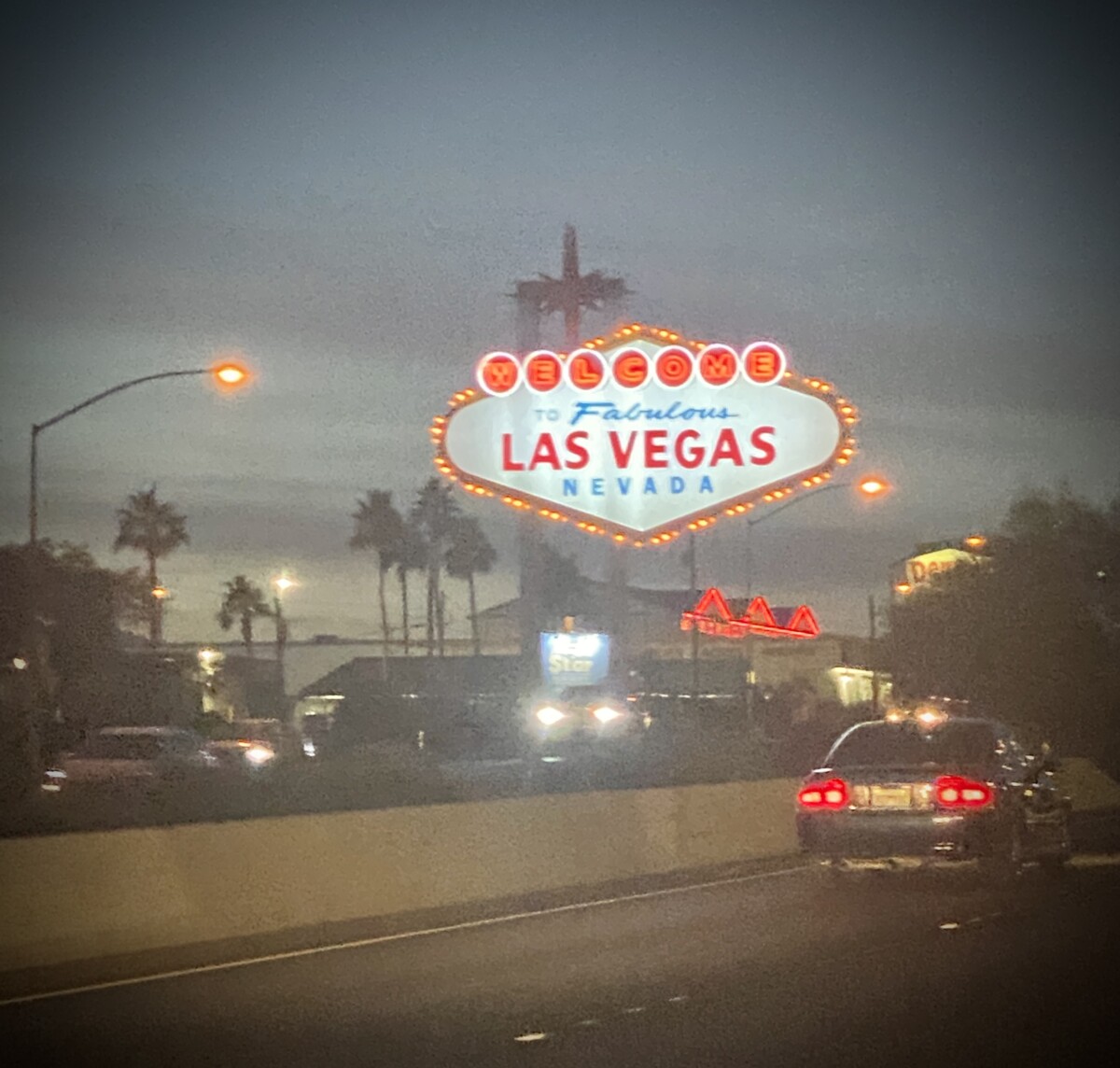
Day was done, and we headed back to home-base ⬇️
************
Random ⬇️
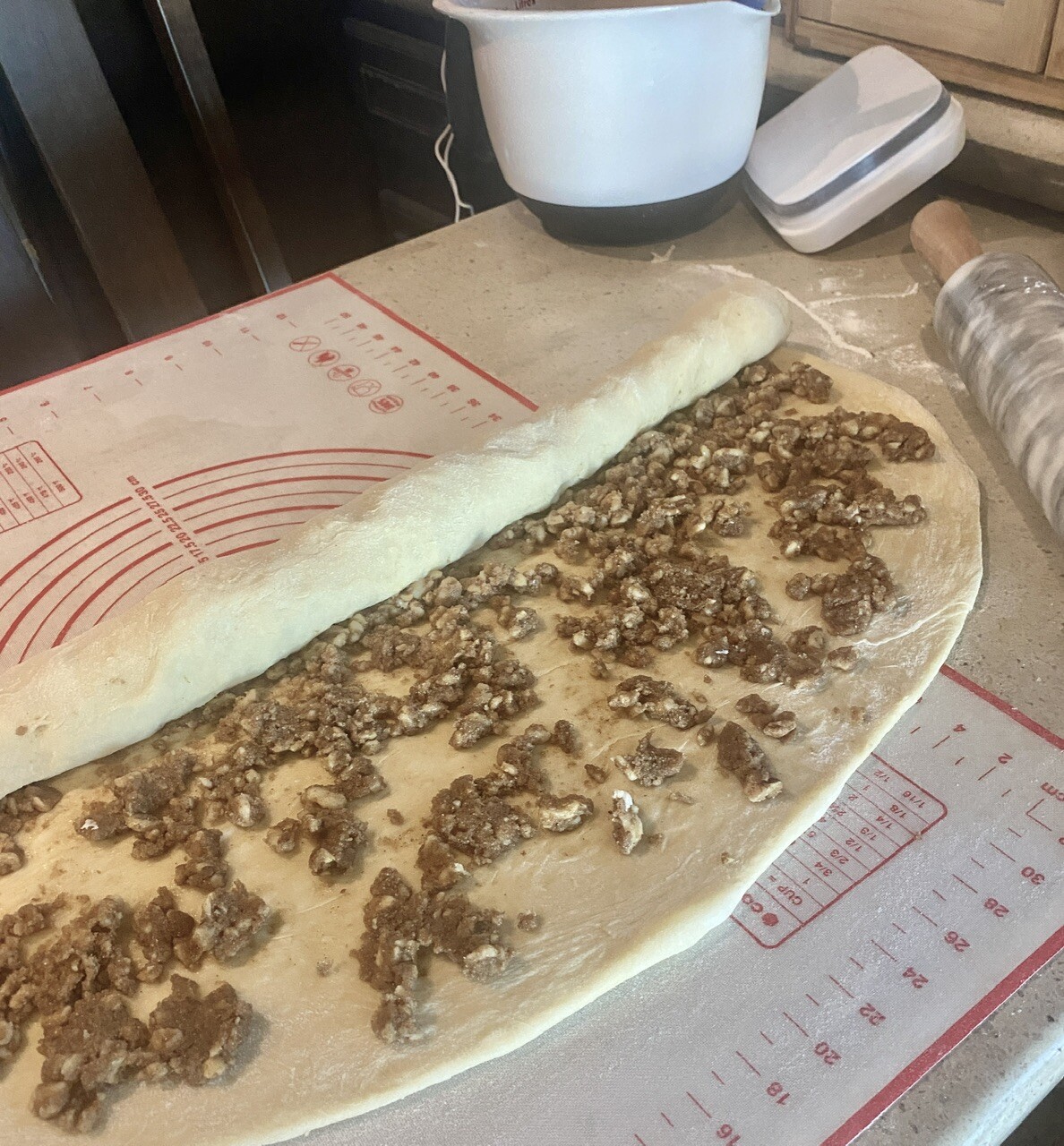
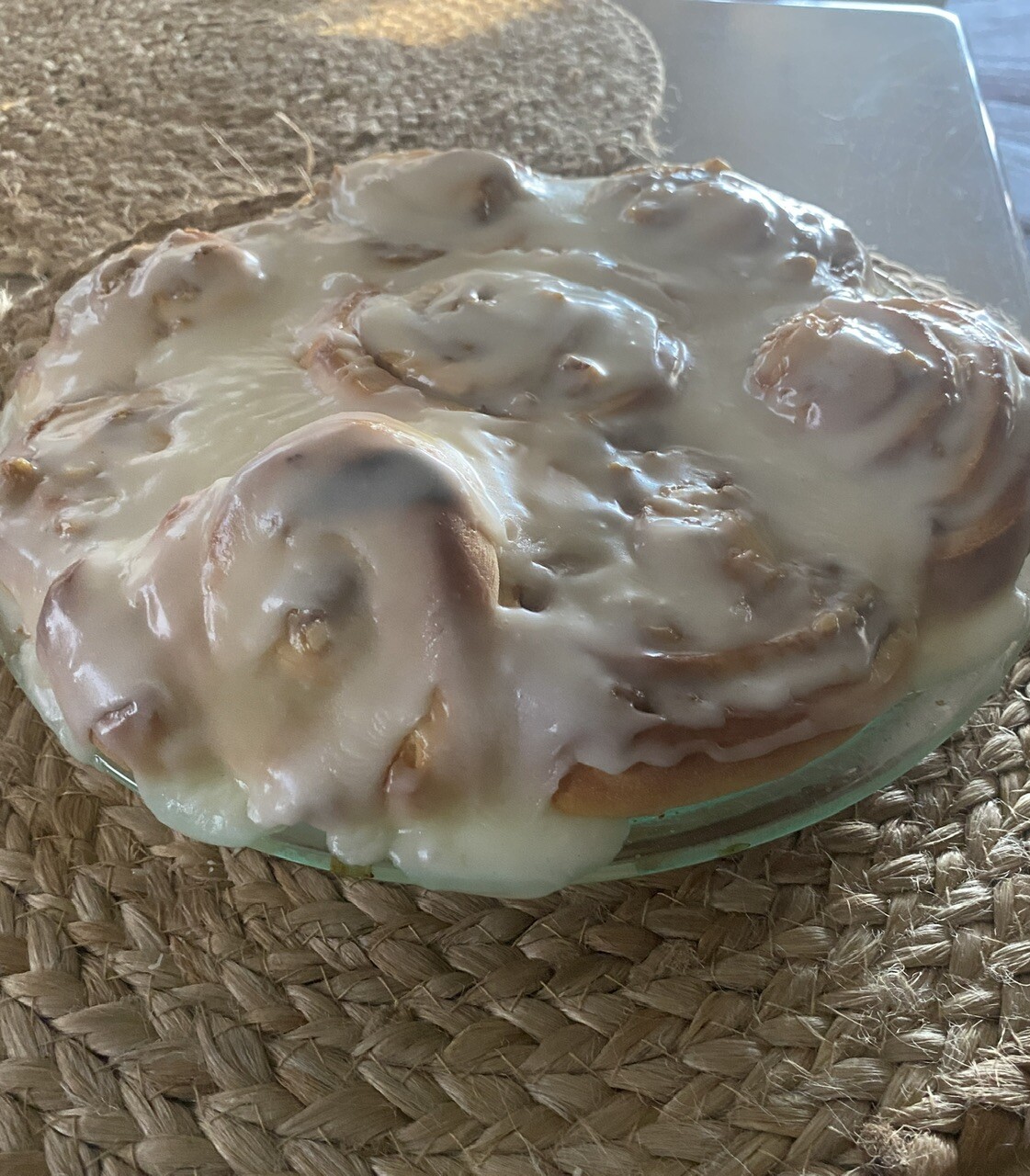
I made Homemade Cinnamon Rolls for Christmas morning. Yum!

*********

About Us

About Us
Hello and Welcome to our Travel Blog Website, We enjoy writing about our experiences and taking photos of our adventuring along the way. Our names are: Daryl and Pen, but Daryl calls me “Bunny.” We met, quite randomly, whilst both traveling in Thailand with friends. We happened to be in the same travel group, and […]