


“USA 🇺🇸 ~Maine Through Massachusetts ~Quaint and Charming!”
 Leafing/Leaving MAINE
(Pun intended)
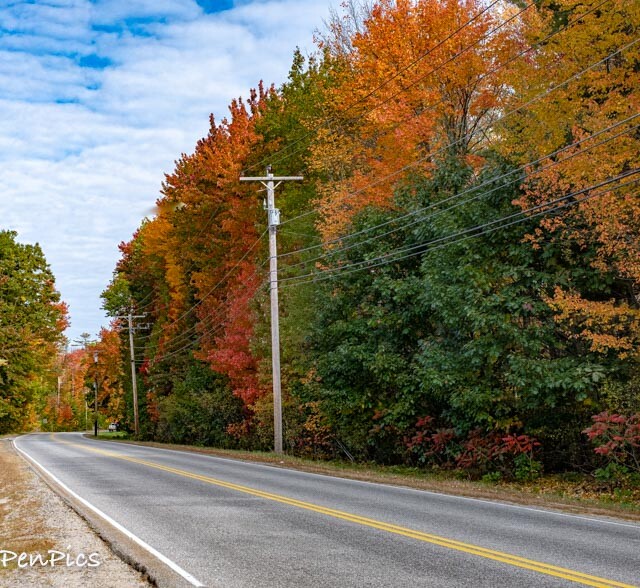
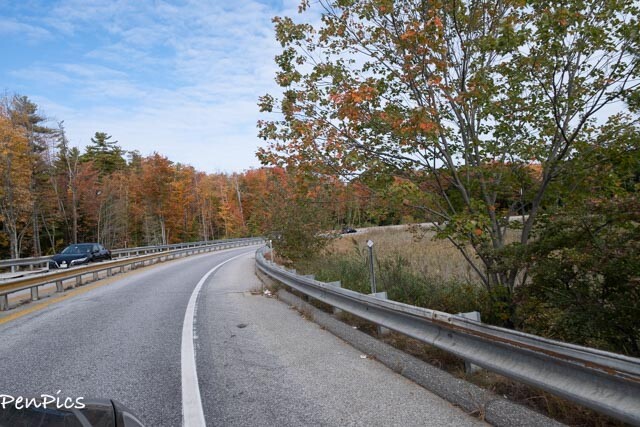
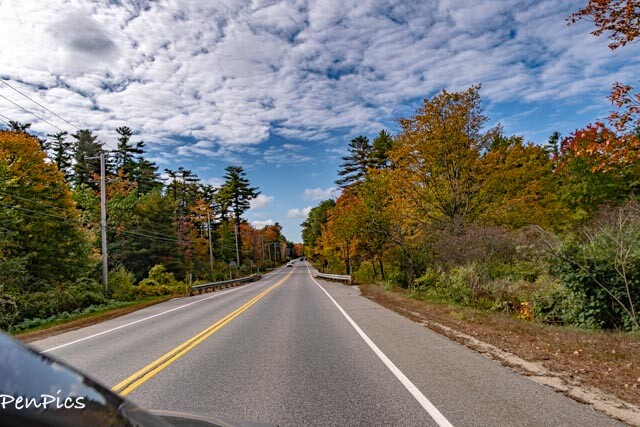
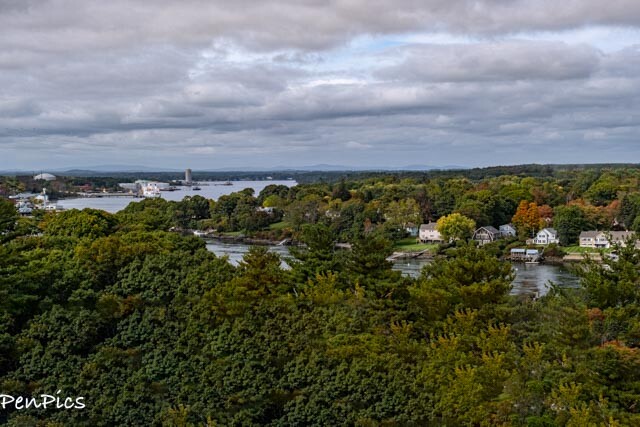
As we left Maine, heading for Massachusetts, I took more fall photos. These photos represent why we have hung out in New England, up North for so long! We saw color changes every day while in Scarborough. It was fun to watch!
“Leafing in Maine”


 *******
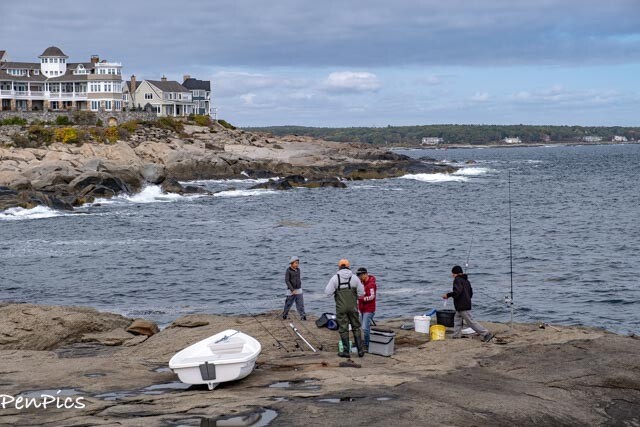 ⬆️ ⬇️Cape Neddick in South Maine
 Antiquated Lobster Traps
 ******
MASSACHUSETTS
in CAPE ANN
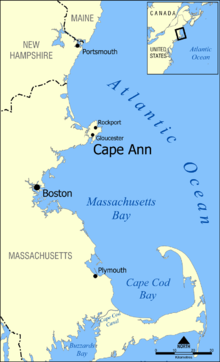
⬆️ As you can see, we traveled South through a piece of New Hampshire, before getting to Massachusetts
******
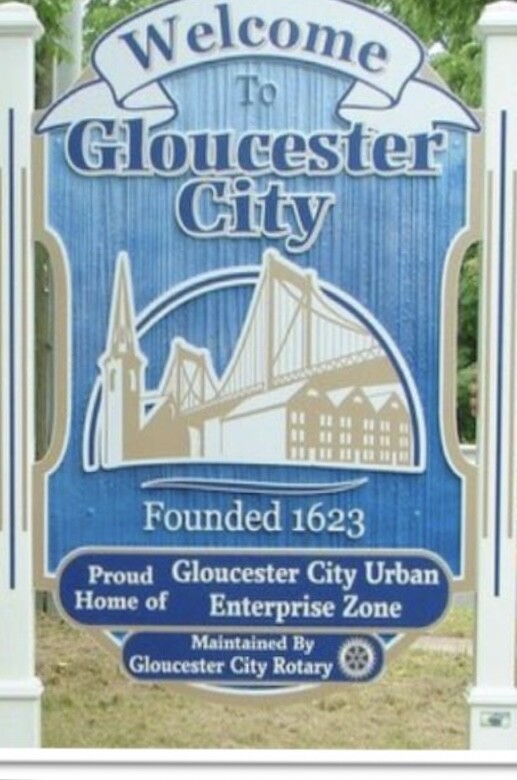
GLOUCESTER ⬇️
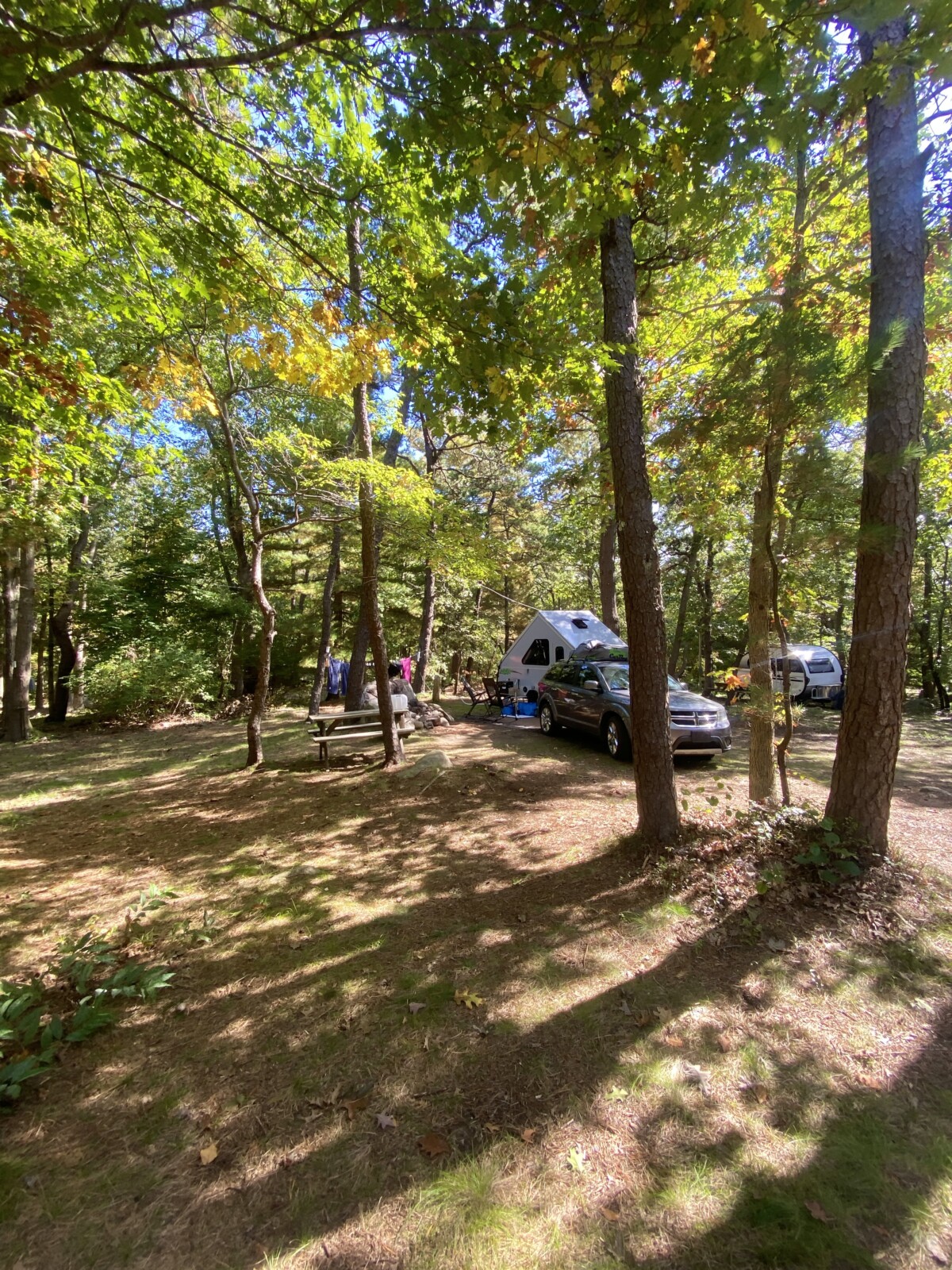
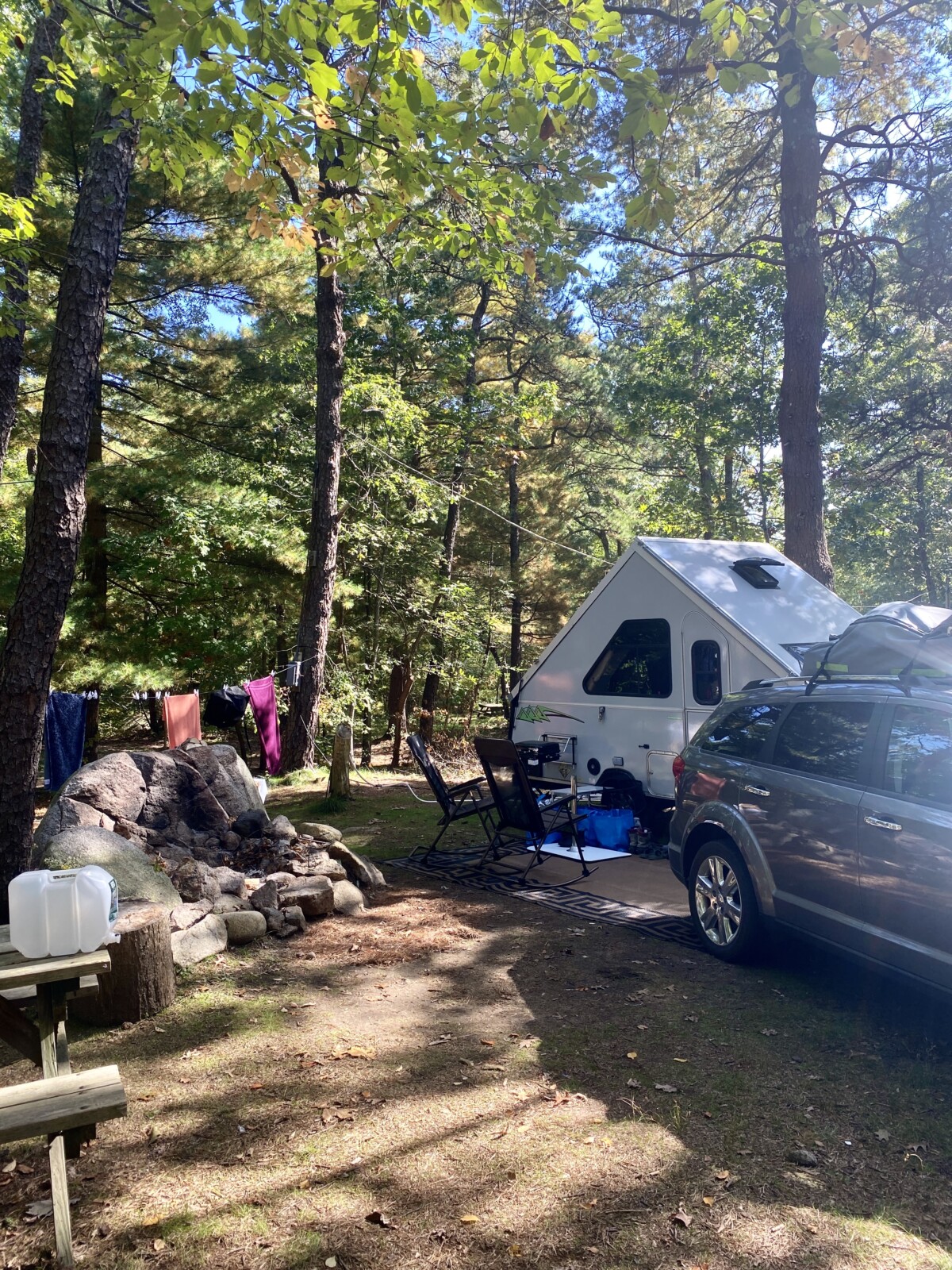
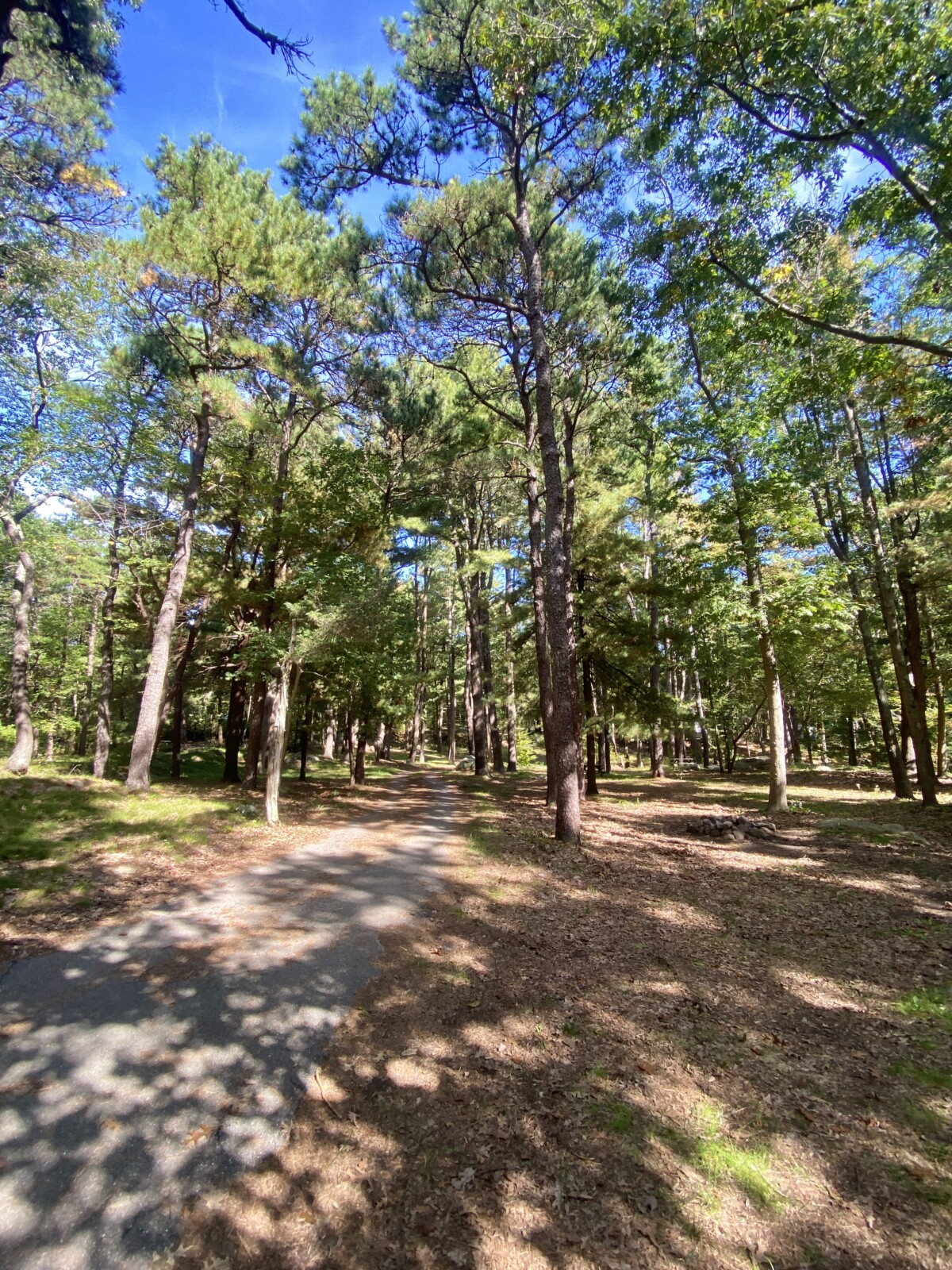
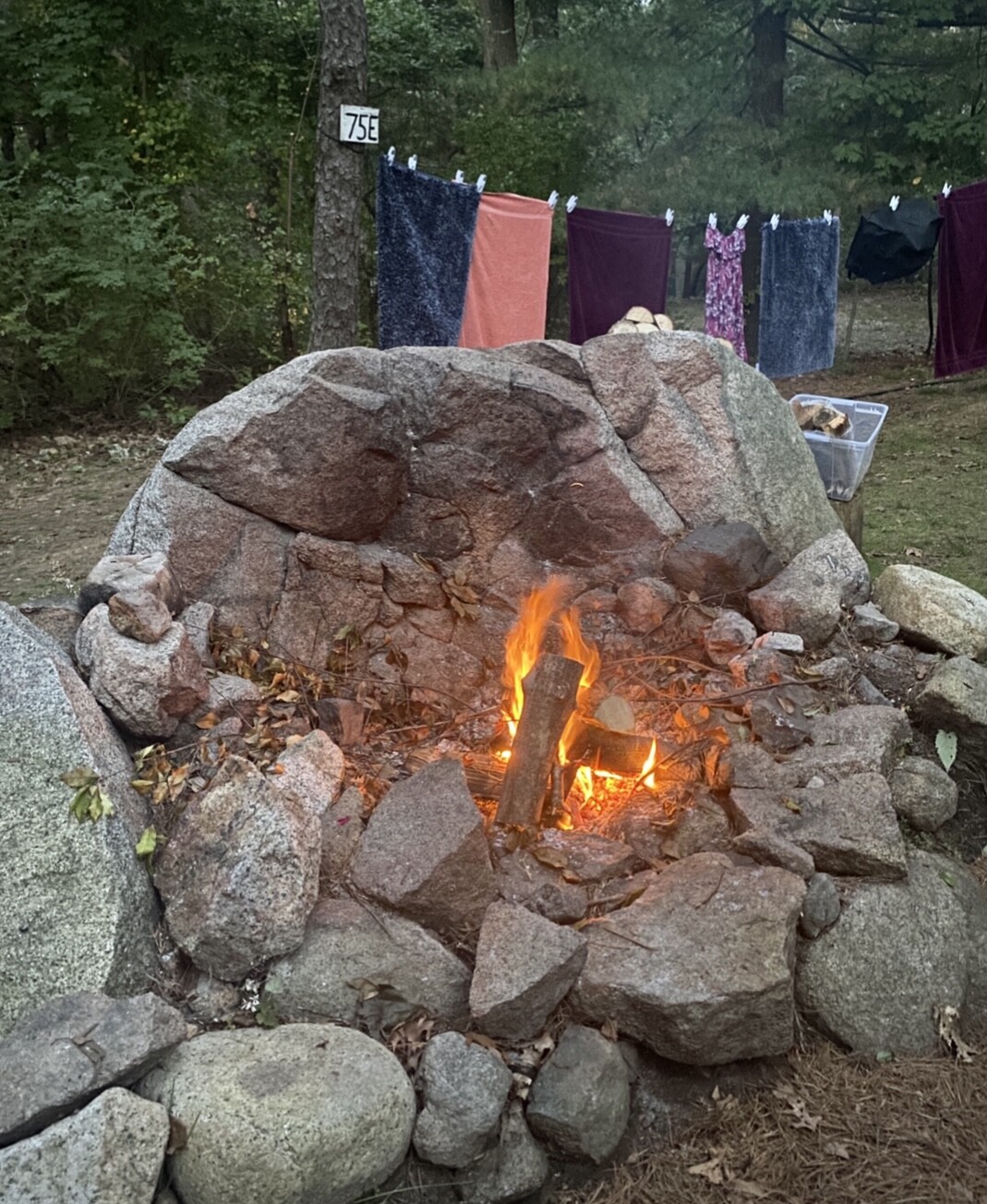
 Cape Ann Campground in Gloucester ⬇️


 *****
*****
We dropped Tiny at the campground and took off to see as much as we could in our short time in Massachusetts. We traveled in and around much of this state; some inland, but mostly her coastline.
*******
BOSTON ⬇️
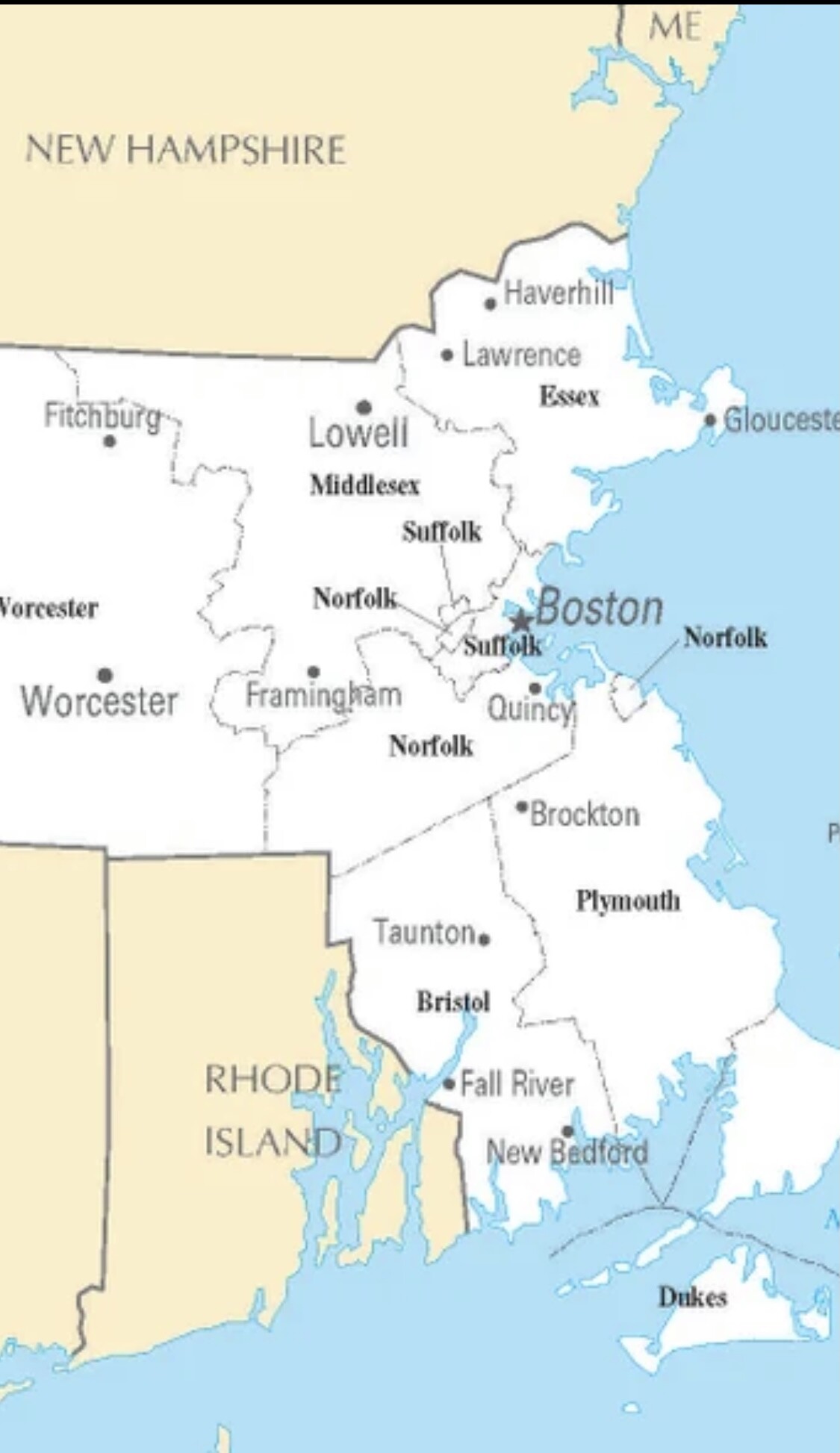
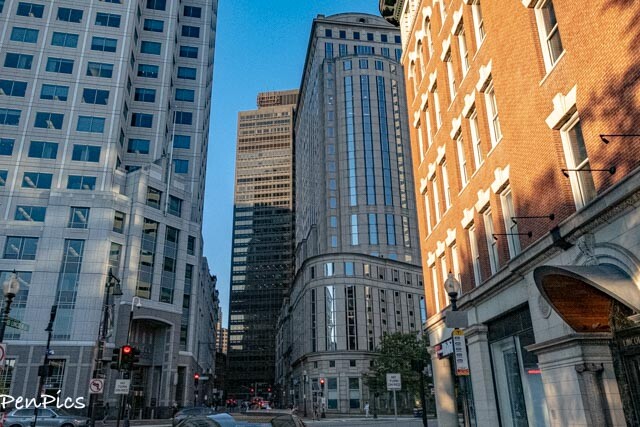
One of America’s most historically rich cities, the story of our nation is evident on nearly every corner in Boston.
Officially founded in 1630 by English Puritans, who fled to the new land to pursue religious freedom, Boston is considered by many to be the birthplace of the American Revolution.
It was here that the Sons of Liberty led by Samuel Adams, inspired colonists to fight for their freedom against the domination of British Rule.
On September 16, 1620, a group of Puritan Separatists (better known as “Pilgrims”) set sail from Plymouth, England aboard the Mayflower. These settlers spotted land off of Cape Cod on November 9 and began to make way for their destination.
Shallow shoals near Nantucket made it virtually impossible for the Mayflower to advance. She was forced to turn around and finally dropped anchor off of present-day Provincetown, Massachusetts on November 21, 1620. The Pilgrims created a new home for themselves, suffering through the cold New England winters, but eventually thriving and creating a strong community.
A mere decade later, another group of Puritan colonists, led by John Winthrop, arrived in North America. They first landed in Salem in June of 1630, but continued down the coast in search of clean, fresh water.
The Shawmut Peninsula became their eventual home, as the town of Boston was officially founded in September of 1630.
The Puritans came upon the lone resident of the Shawmut Peninsula, Reverend William Blackstone; an Anglican Priest who had left England in 1623 on a quest to find peace and quiet. He welcomed the Puritans onto “his land,” sharing the location of the fresh water spring. For his generosity, the Puritans granted him 50 acres of his own land, which he sold back to them four years later. Blackstone decided to leave Boston for present-day Cumberland, Rhode Island, saying, “I left England on account of the bishops, and I leave Boston on account of the brethren.”
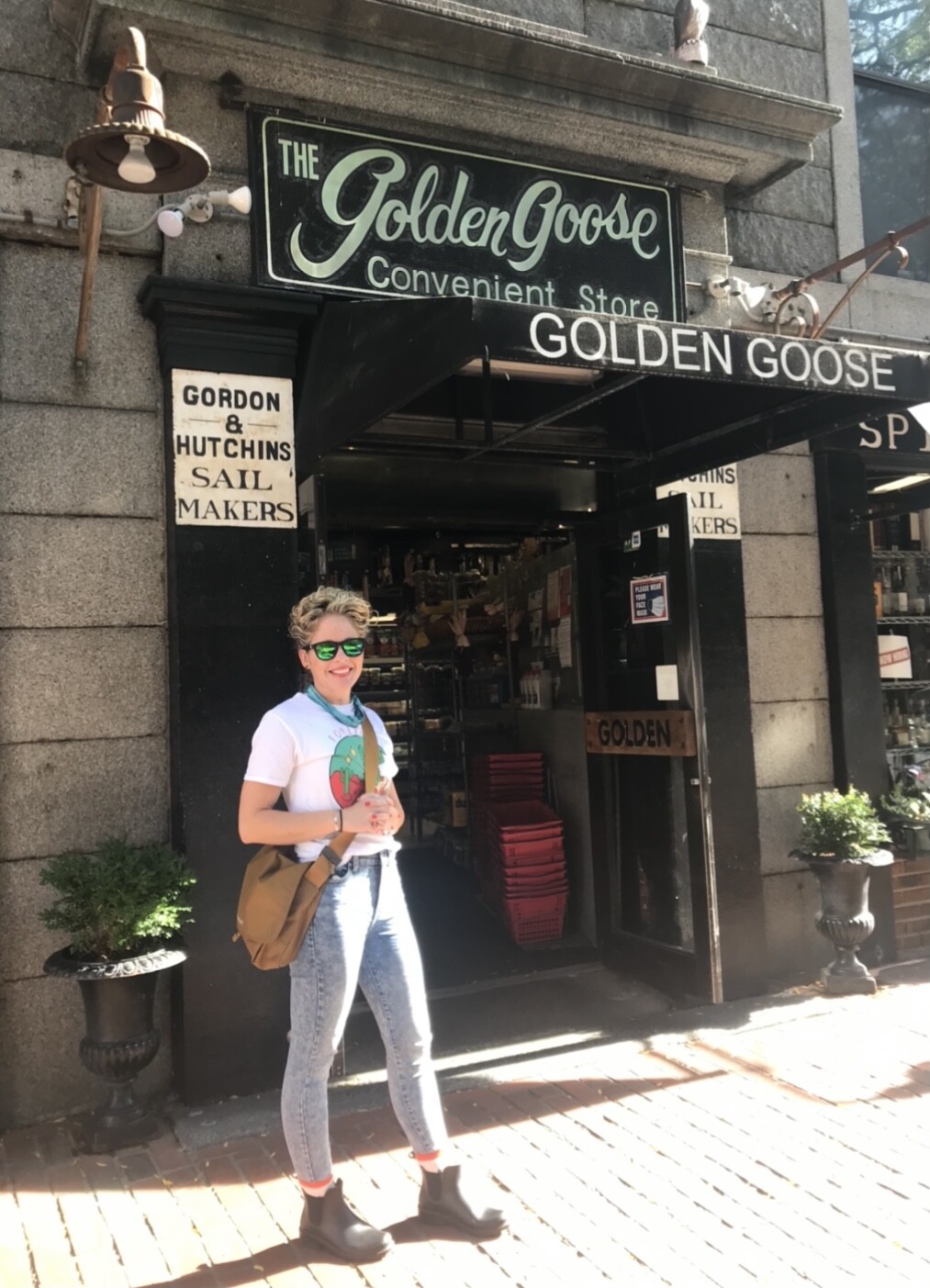
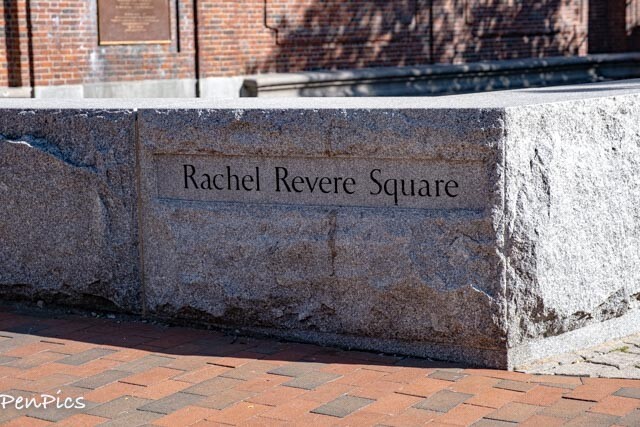
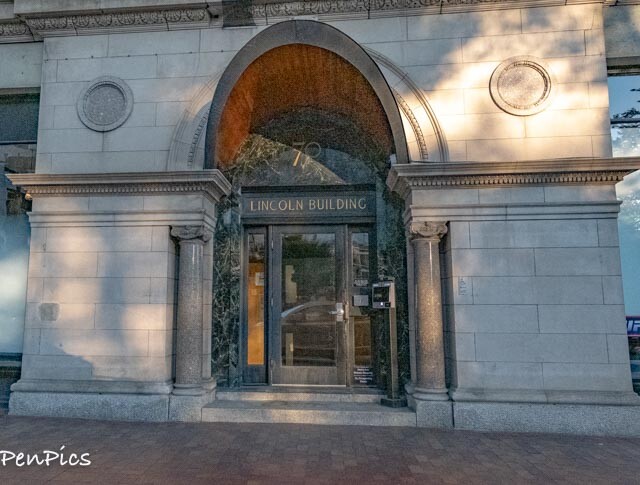
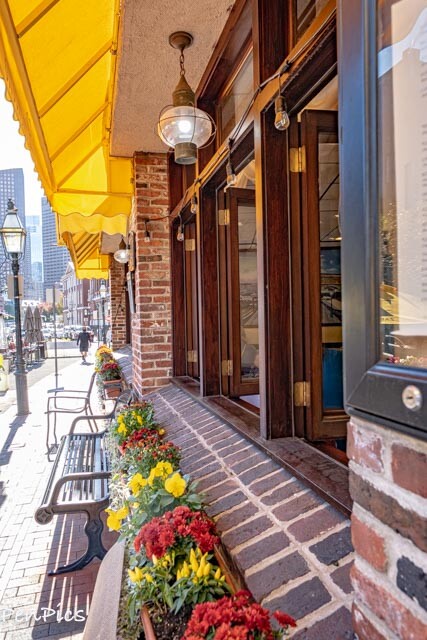
We got into the city and parked Rusty, then set out on foot. We only had a limited time in the big city, so we headed to Paul Revere’s home, first, which is still standing. I saw this same historic house as a little girl. It has not changed. (I lived with my family in Marlboro, Massachusetts in the 60’s)
During our time, exploring, we had wandered very far from where Rusty was parked, so this took extra time we did not have, as we had to pre-pay for a time slot at the Salem Museum for a presentation, there.
Boston is worth more time, but with the the heavy traffic, like most big cities, it can easily take a whole day or more.

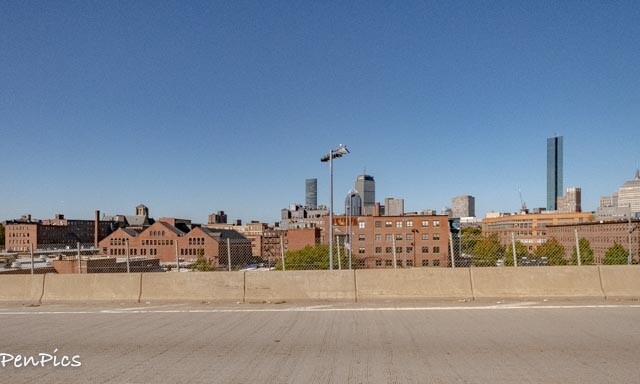
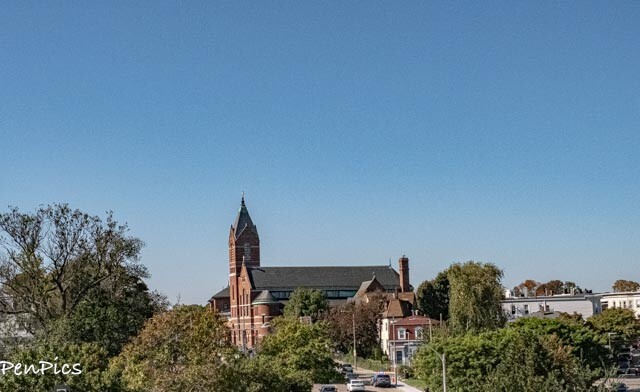
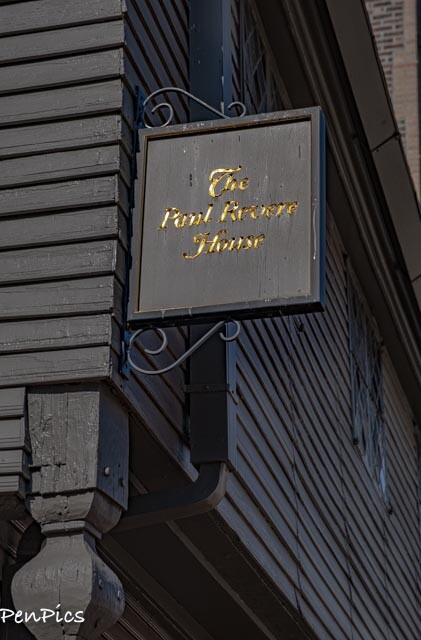 The preserved and historic hone of Paul Revere and family
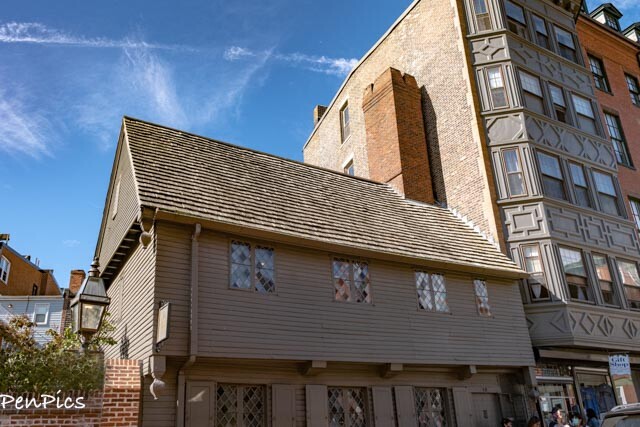 “Listen my children and you shall hear…”
On the evening of April 18, 1775, Boston artisan and Patriot; Paul Revere set out from his home in North Square to warn Samuel Adams and John Hancock of their potential arrest by a detachment of British Soldiers.
There were dozens of riders that night spreading the general alarm, but following the publication of Henry Wadsworth Longfellow’s “Paul Revere’s Ride” in 1860, Paul Revere became an American legend.
Because this was the home of the famous “Midnight Rider” and silversmith, early preservationists raised money to purchase and preserve the home as a historic site. Though the Revere family only lived in the house for about twenty years, they lived there during the Revolution – the most transformative and uncertain era of their generation.



 *******
SALEM ⬇️
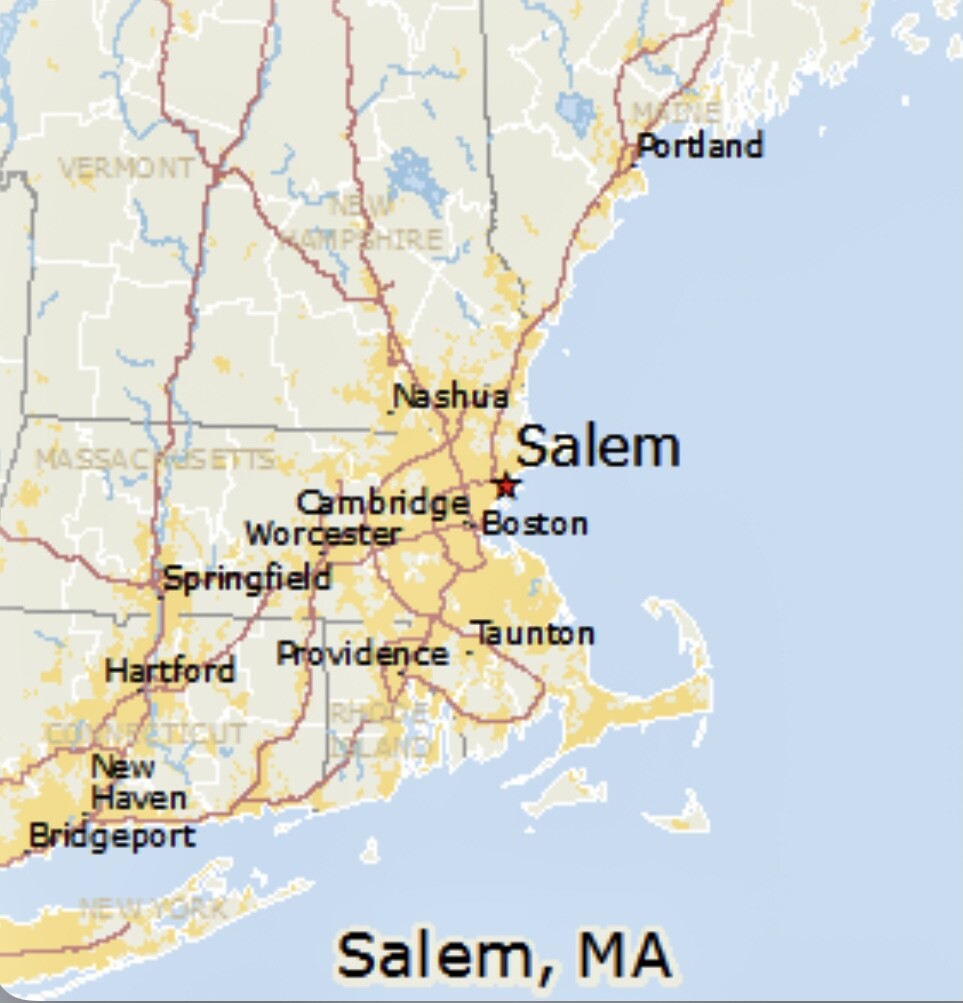
 Salem, the seat of Essex County, is located on the northeast coast of Massachusetts at the mouth of the Naumkeag River.
It is best remembered for the witchcraft hysteria that gripped the area in the closing years of the 17th century. Salem was founded in 1626 by Roger Conant and a group of immigrants from Cape Ann. At first, the settlement was named Naumkeag, but the settlers preferred to call it Salem, derived from the Hebrew word for “peace.”
In 1628, they were joined by another group, led by John Endecott, from the Massachusetts Bay Colony. The events for which Salem is best remembered began in 1692. A local physician diagnosed several teenage girls as “bewitched,” which initially resulted in the hanging of 19 persons and one being crushed to death; in a form of torture to get a confession from a man thought to be a warlock. When the hysteria had played itself out the following year, an edict was issued that released all people from prison who had been accused of witchcraft.
Since then, no one has been hanged for witchcraft in the United States.
The history of that period can be explored at the Salem Witch Museum. Numerous original papers from the trials are kept at the Peabody Essex Museum.
The first provincial assembly of Massachusetts was held in Salem, in 1774. During the War of 1812, Salem was a sanctuary for privateers. During peacetime, Salem ship captains took their vessels to distant ports and earned great wealth for their city.
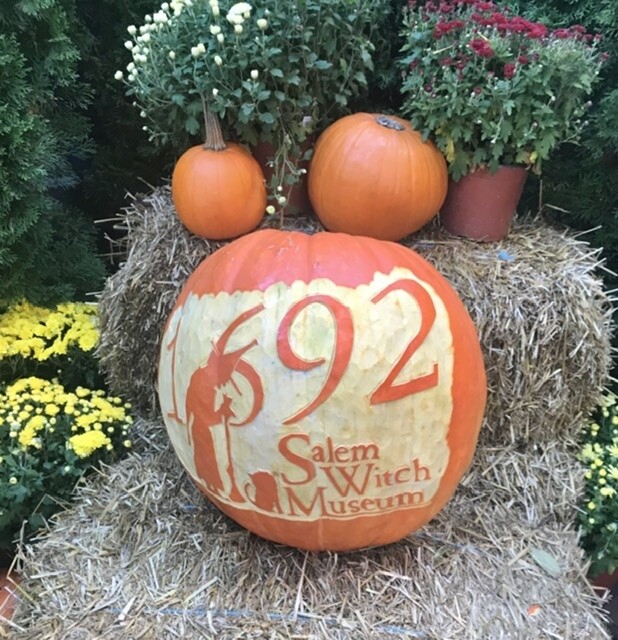
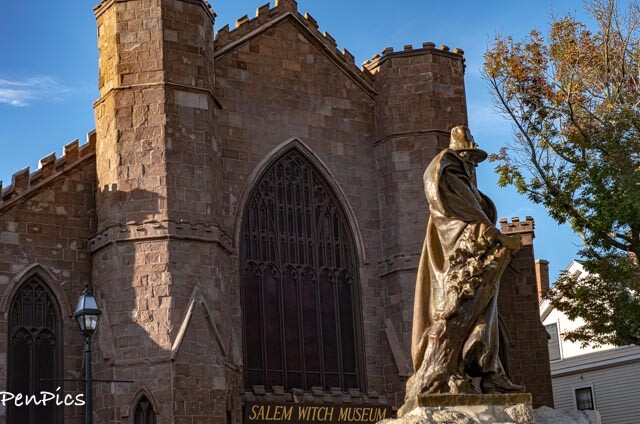
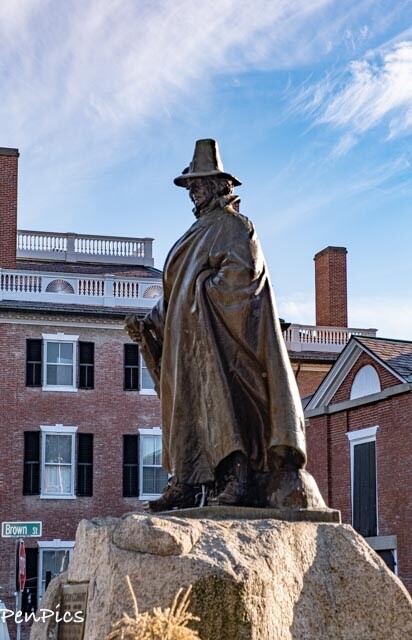
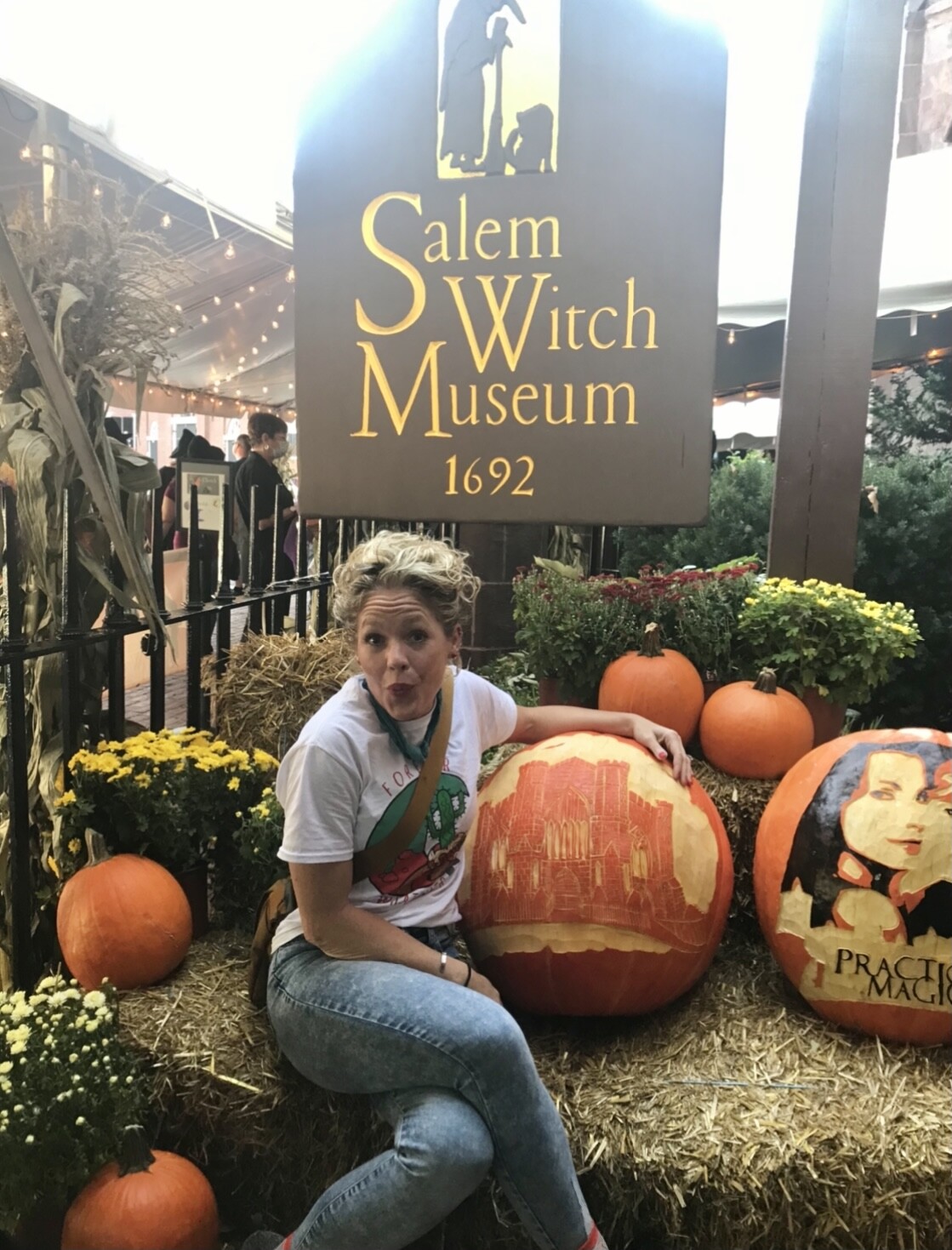
 Chelsie and I went to a Museum presentation on the infamous Witch Trials conducted (back in the day) in this very town. It’s an okay presentation and a bit outdated, but it tells the story for those who are unfamiliar
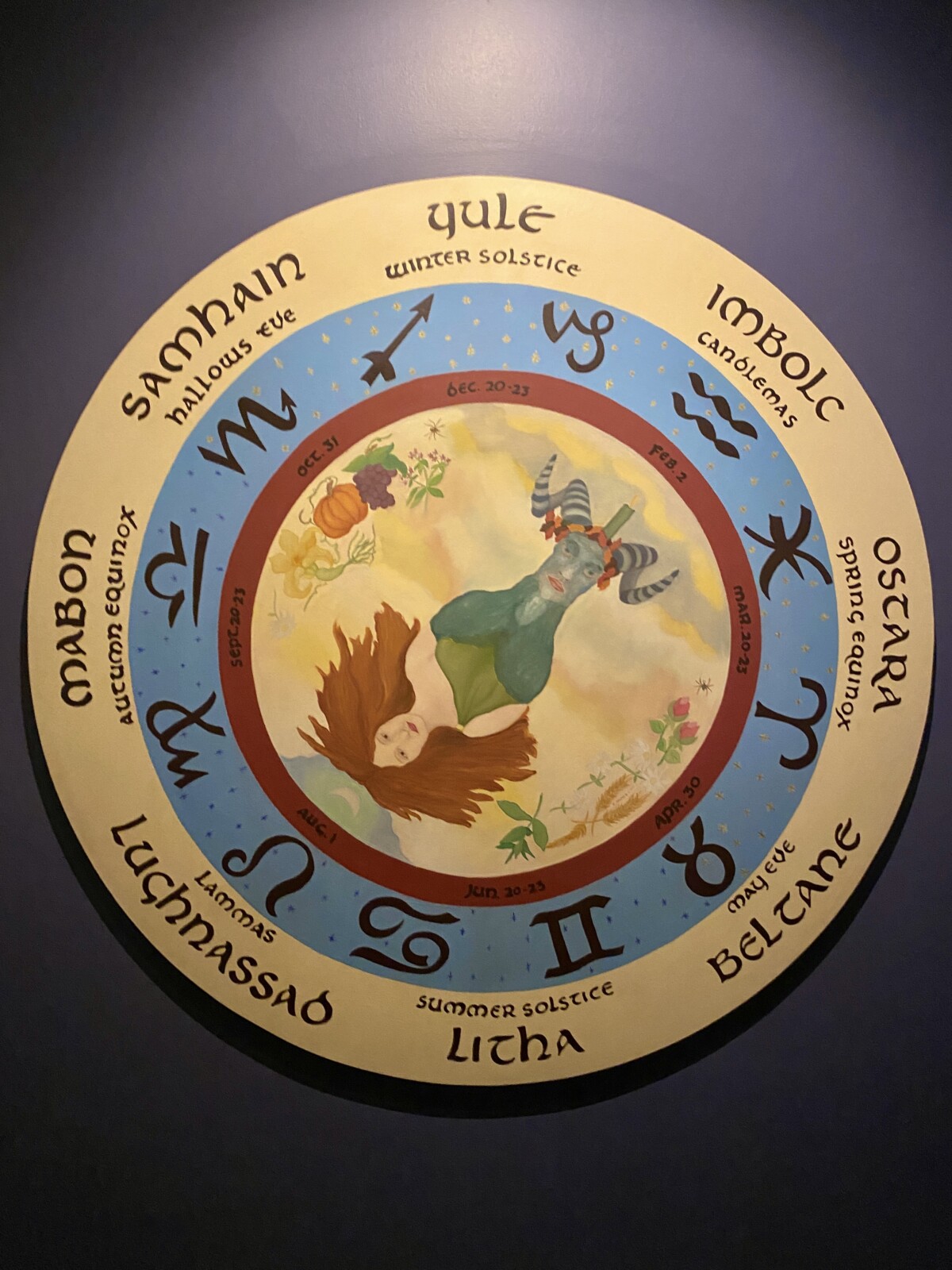

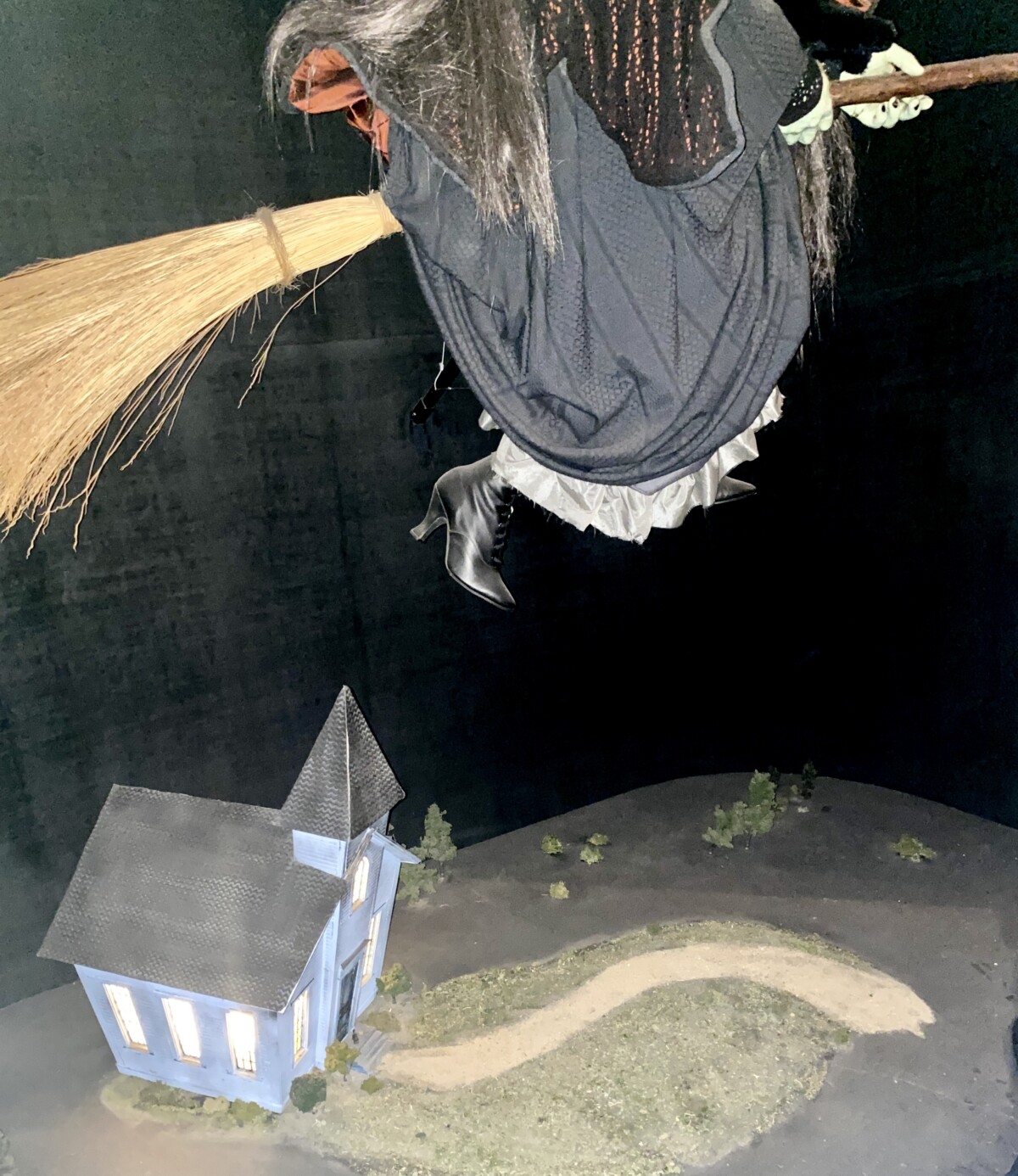
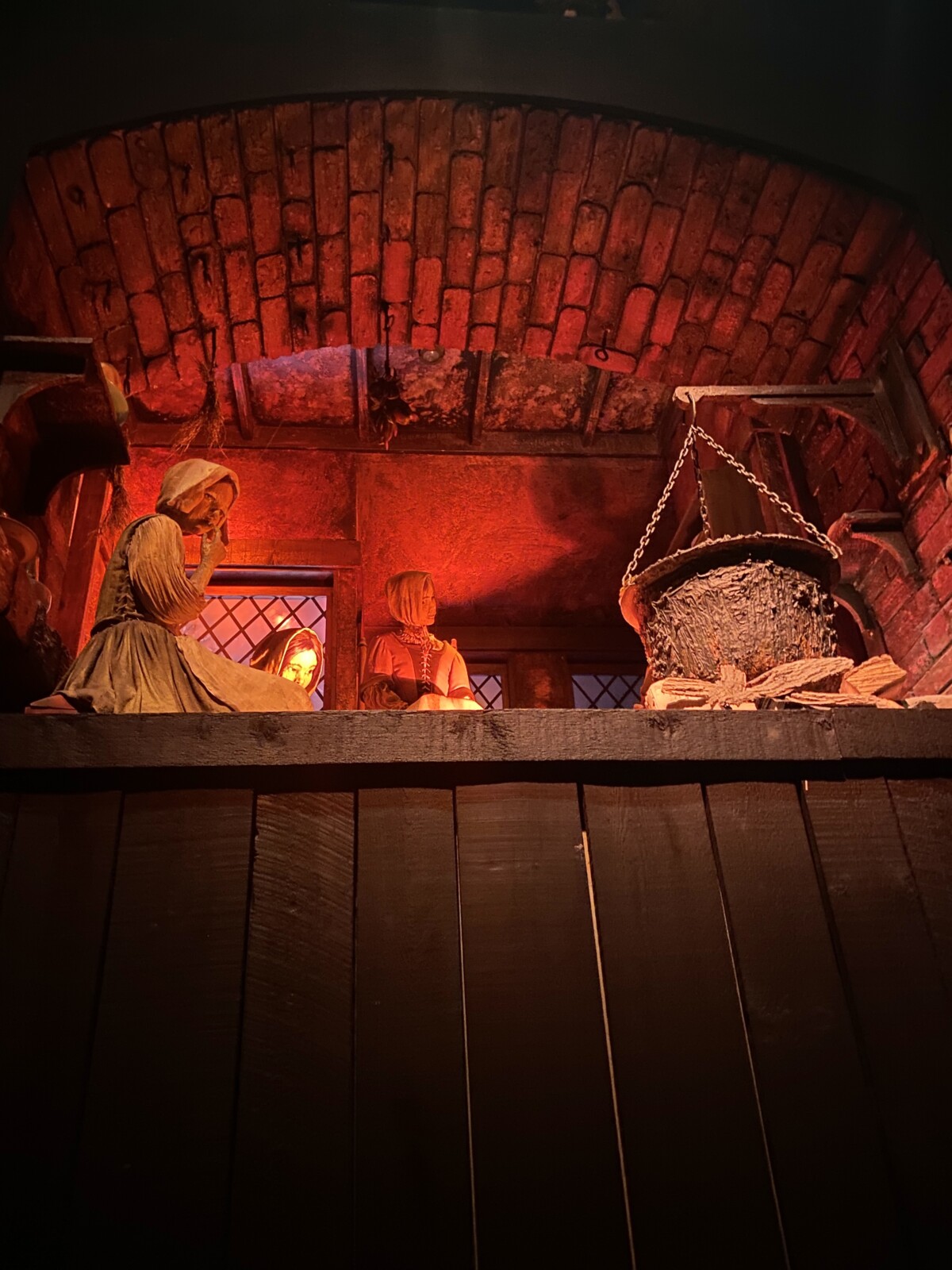 The Salem Witch Trials occurred in colonial Massachusetts between 1692 and 1693. More than 200 people were accused of practicing witchcraft; “the Devil’s magic,” and many were executed.
Eventually, the colony admitted the trials were a mistake and compensated the families of those convicted. Since then, the story of the trials have become synonymous with paranoia and injustice, and it continues to beguile the popular imagination more than 300 years later.
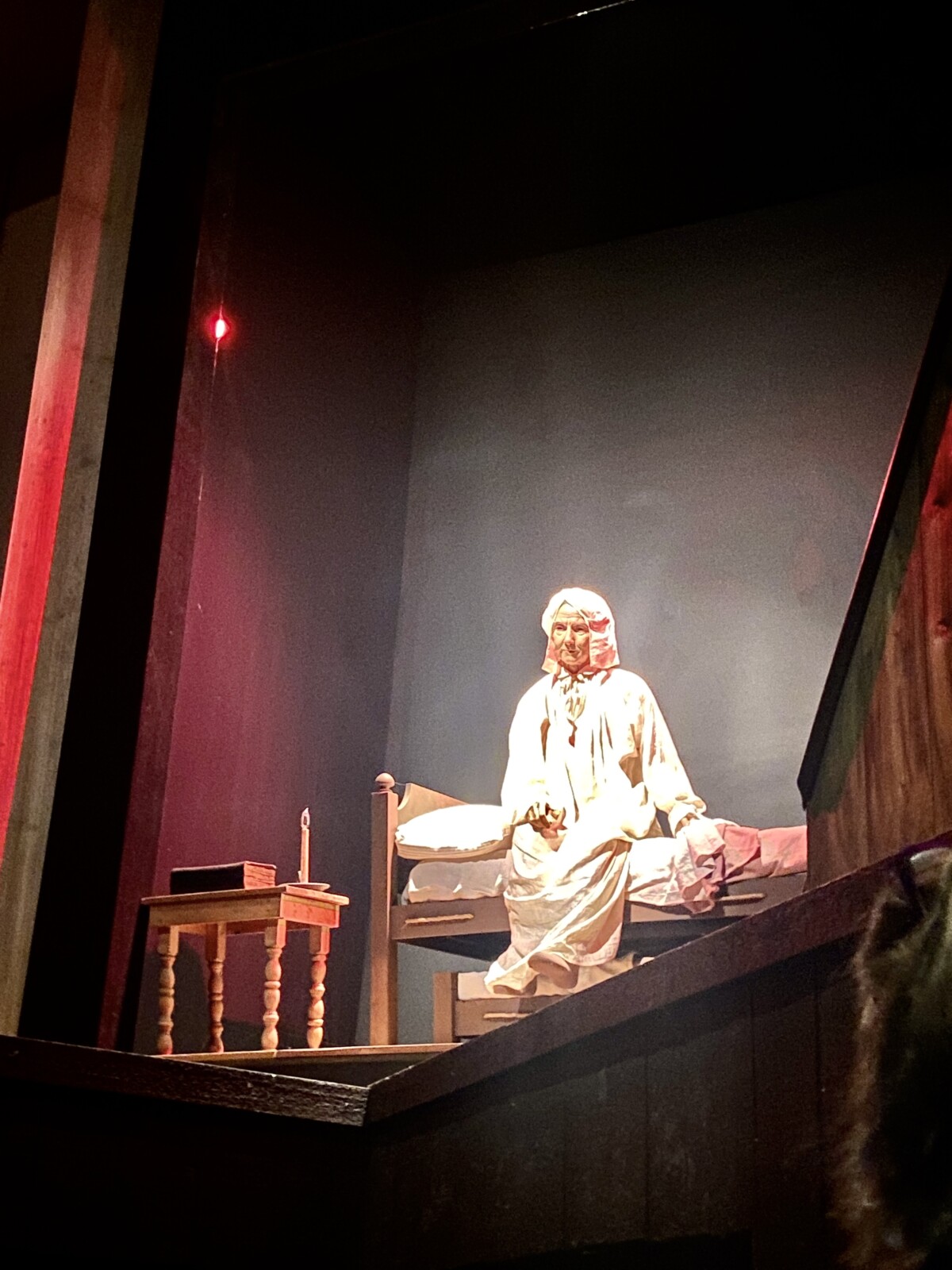
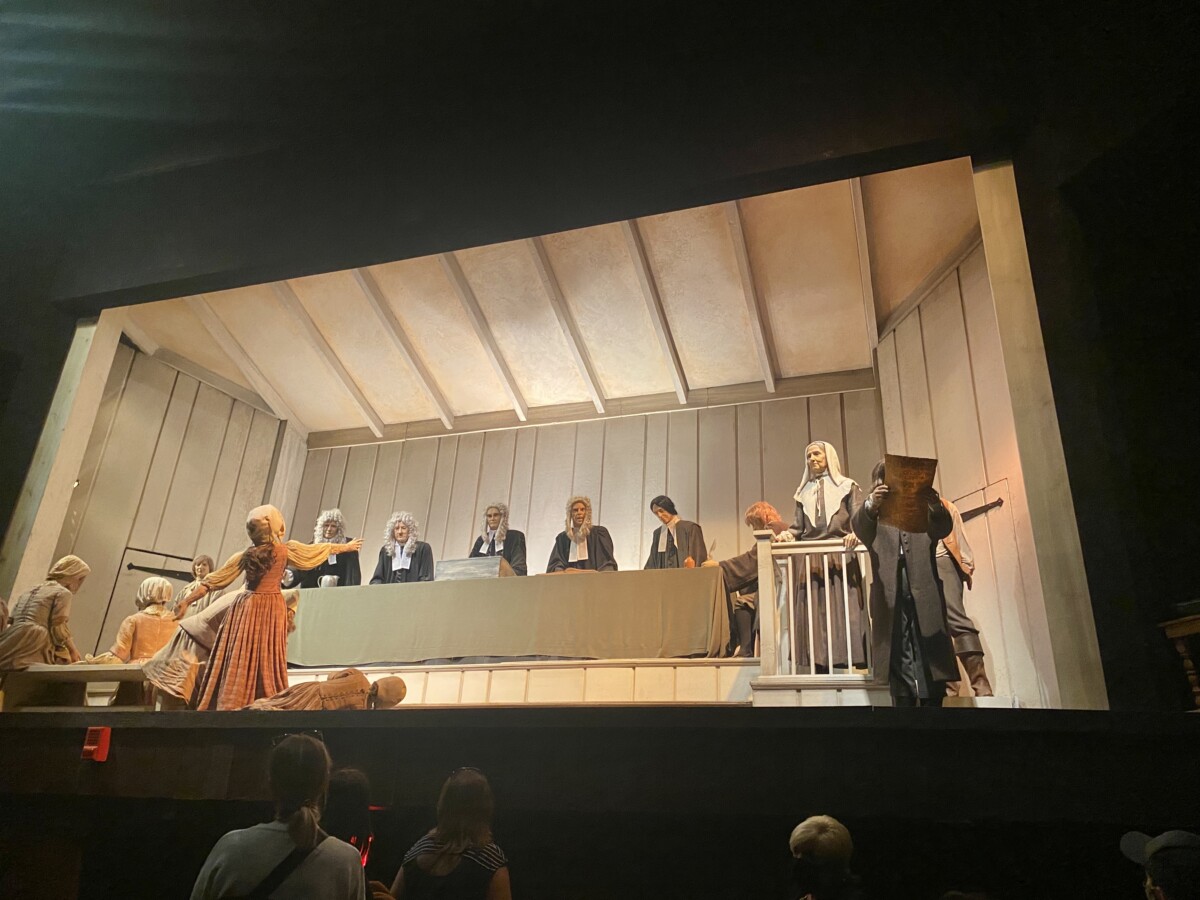
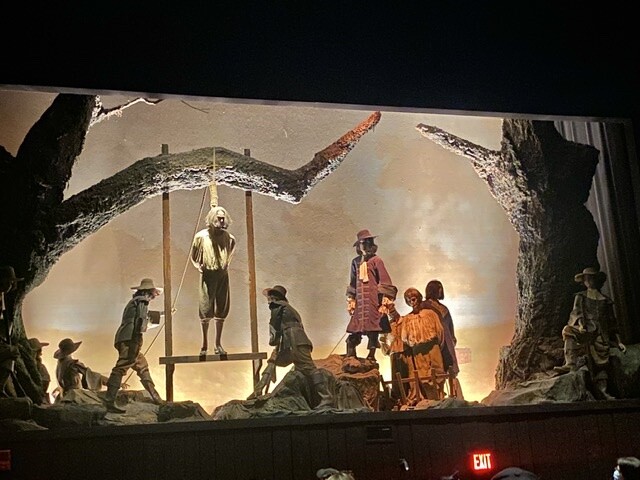
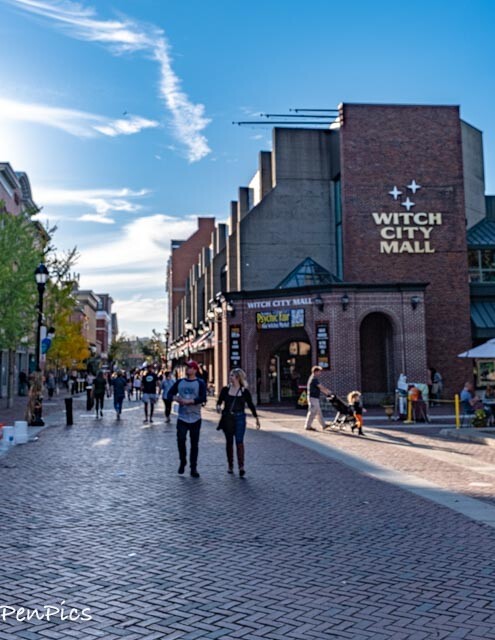
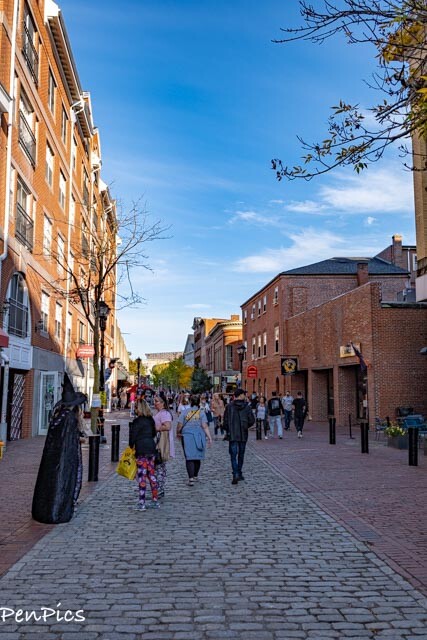
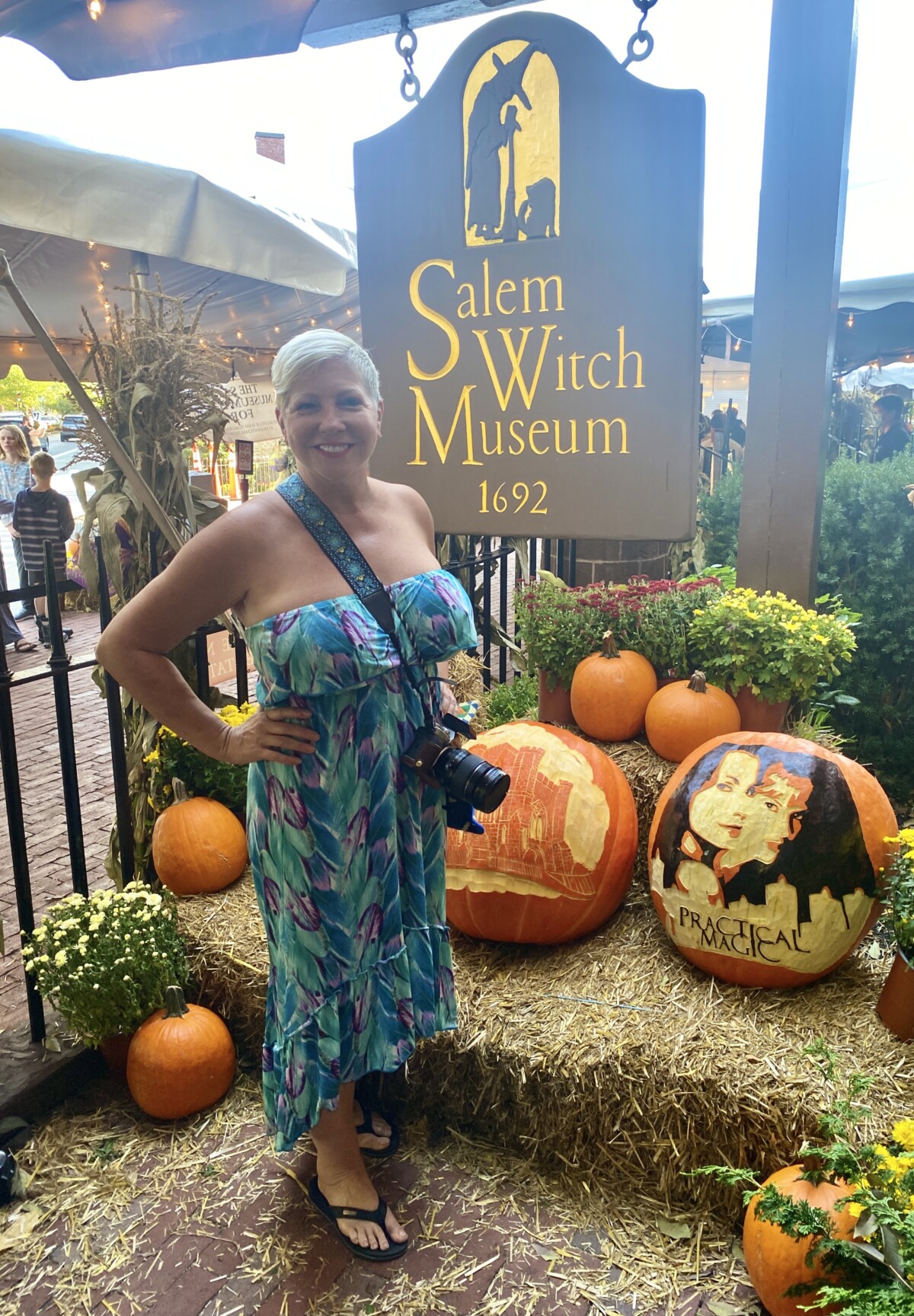 On a much lighter note, we left the Museum and that dark history behind and walked and walked till dark. Then, we went to a haunted house, which was overpriced, but it did make us scream and jump!
Salem is an amazing place. I’ve visited several times, but never during the Halloween month of October.
Chelsie and I had a memorable time, while Daryl stayed back at camp, hanging out with “Tiny,” and getting a long nap in.

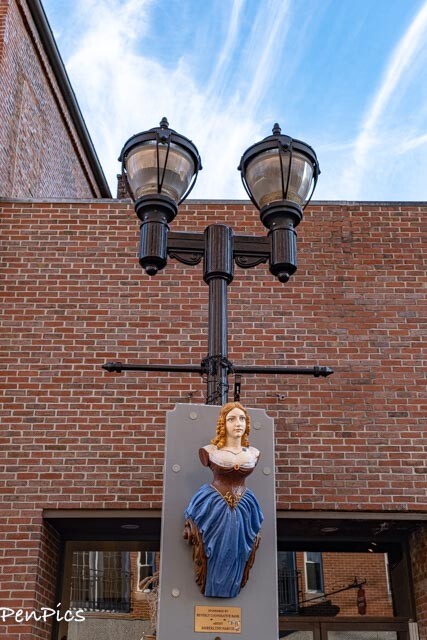
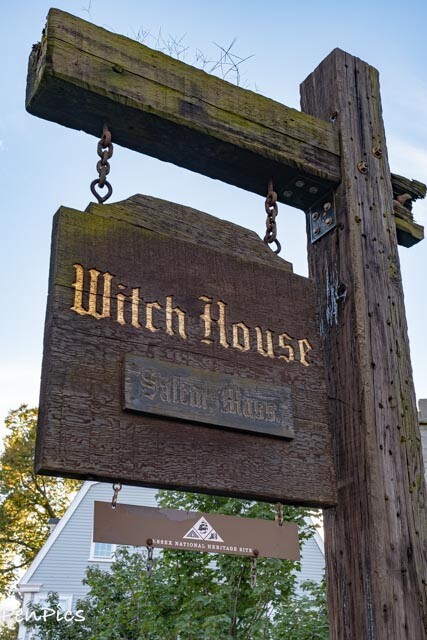
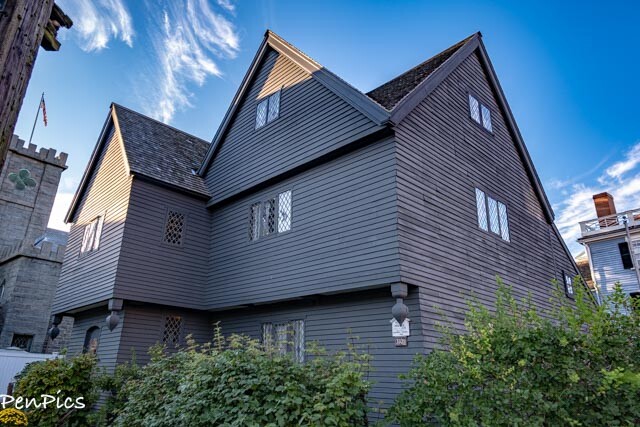
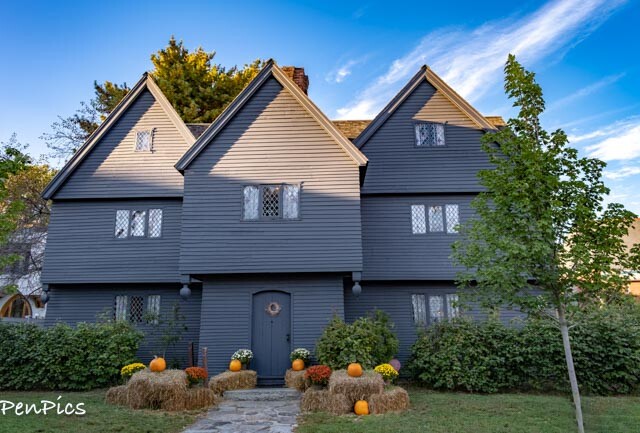 The Jonathan Corwin House, more commonly known as The Witch House, is located at the corner of Essex and North Streets and built in the early 17th century.
It was believed that Roger Williams lived in this home in 1630 and until the mid-20th century, the house was named after him. Research and modern technology later dated the house to post-1640; however the time frame is still heavily debated.
In 1675, the home was purchased by Judge Jonathan Corwin. He would go on to gain infamy, when he was called upon in 1692 to investigate accusations of witchcraft in Salem. He served on the Court of Oyer and Terminer, which sentenced nineteen people to be hanged, despite their claims of innocence. One additional victim, Giles Corey, was crushed by stones for “standing mute” and not offering a plea of guilty or not guilty.
Contrary to popular lore, there is no documentation that Judge Corwin used his own home to interrogate those accused, during the 1692 hysteria. Judge Corwin died in 1718 and the home remained in his family until the mid-nineteenth century.
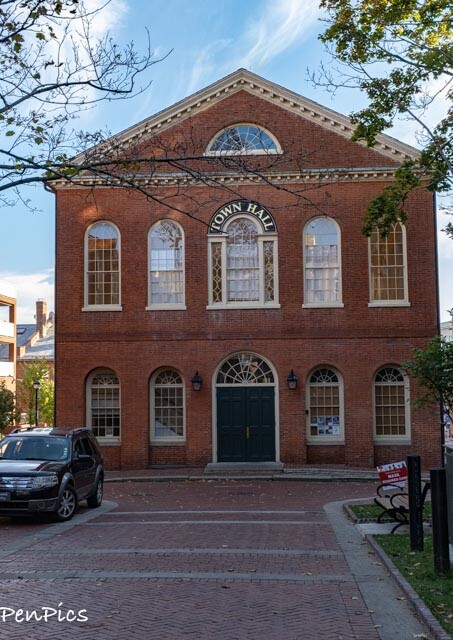
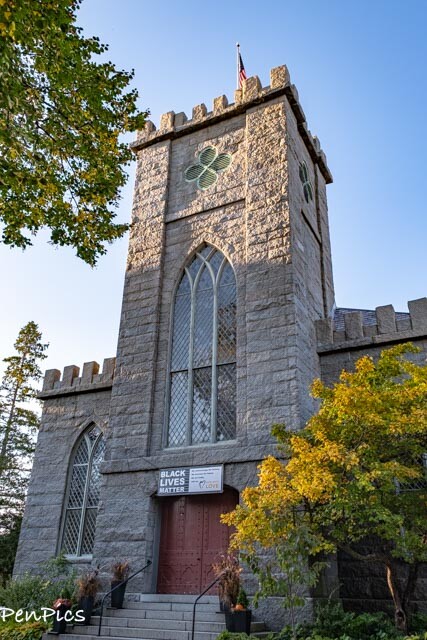
 First Church in Salem is a Unitarian Universalist Church in Salem, Massachusetts, that was designed by Solomon Willard, and built in 1836. Before the church was built, around 1635, its members had to gather in houses or a building near the Town House Square.
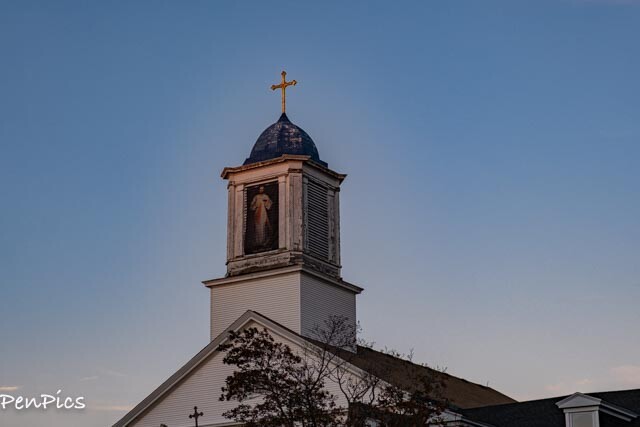
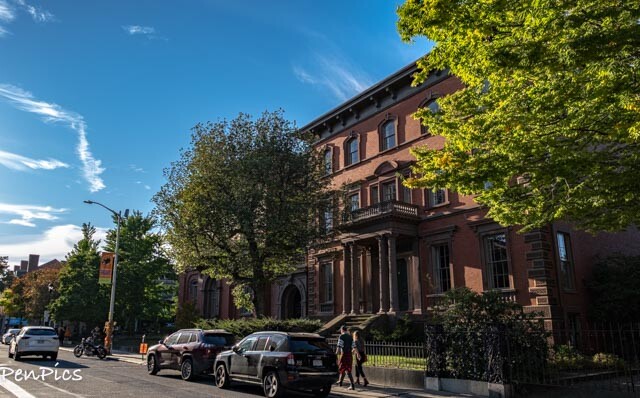
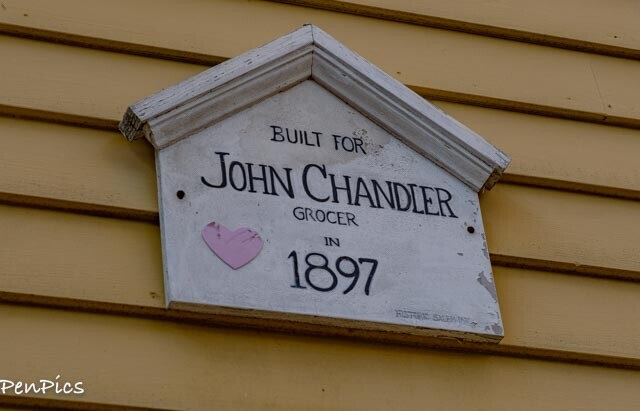
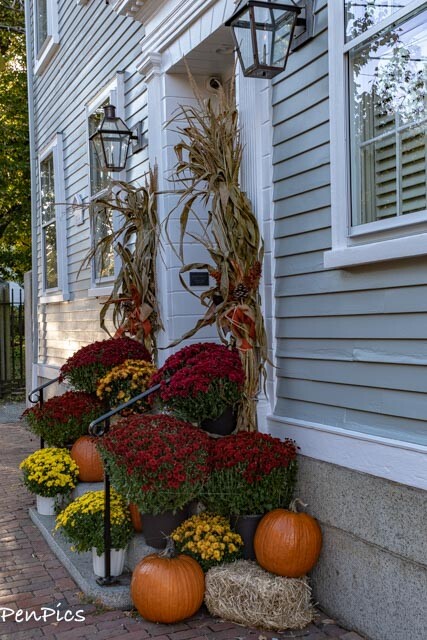
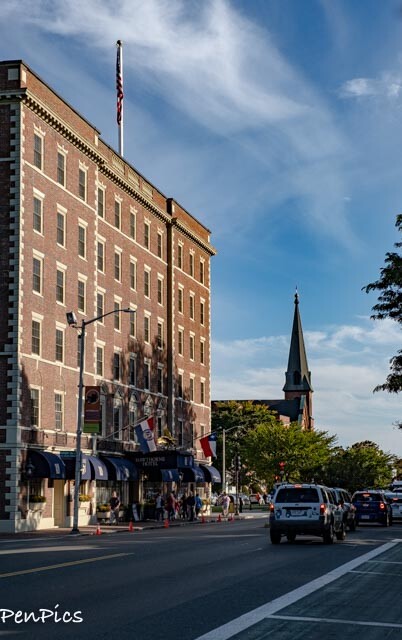
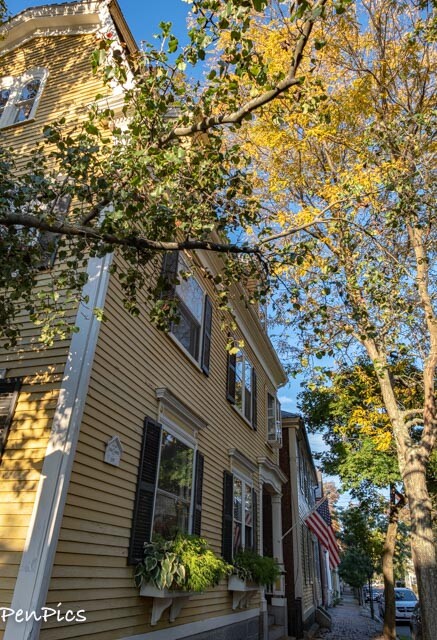 So many historical homes are in Salem. It’s best to park the car and walk. The homes are well loved on and many are lived in; not just museums. Each historic home/ Landmark is noted. ⬇️
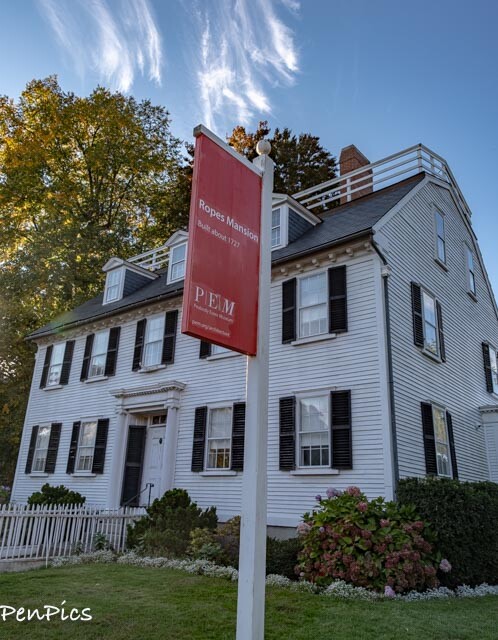 Does this two-storied Colonial house look familiar? You may recognize the Ropes Mansion from Disney’s cult classic Hocus Pocus! Yet, this eighteenth-century home is far more than a “movie mansion.” In fact, the Ropes Mansion is much spookier off-screen. It’s been mobbed, modernized, and reutilized. One inhabitant succumbed to smallpox; a later inhabitant caught on fire. Ominous, right? Well, that’s just the beginning.
Today, the Ropes Mansion is owned by the Peabody Essex Museum, but it is suspected to be haunted with ghosts who continue to call this mansion their home.
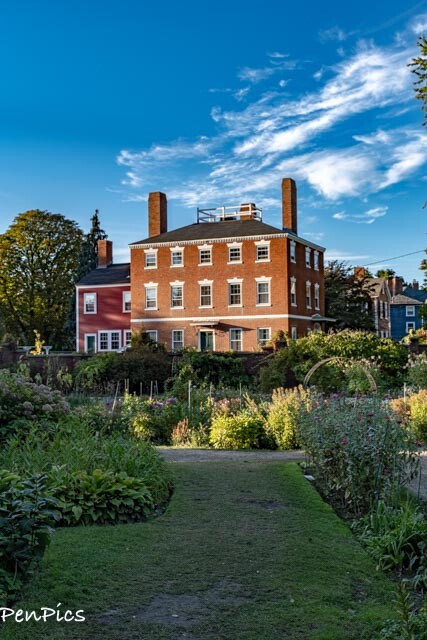 ⬆️ Another Mansion seen from the backyard of Ropes Mansion

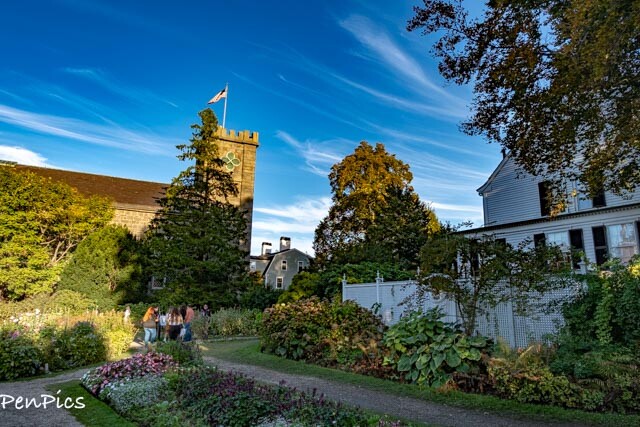 The Ropes Mansion was built by Samuel Bernard in the later 1720s. Unfortunately, we know little about Samuel Bernard; though Bernard was a merchant who moved to Salem from Deerfield, Massachusetts. He led a prosperous life in Salem Village, marrying and remarrying on four separate occasions.
The marriages of the Ropes Mansion are even more mysterious than the merchant.
Bernard’s first wife; Mary, died while the couple lived in Deerfield. Rachel, Bernard’s second wife, died in Salem Village in 1743. Bernard remarried to Elizabeth Williams, who died in 1753. Bernard’s fourth wife, Catharine, also lived with Bernard in the Ropes Mansion until Bernard’s death in 1762.
It can only be assumed that Rachel and Elizabeth perished on the property, though there are no accounts of their paranormal activity.
In 1768, Judge Nathaniel Ropes purchased the house from the nephew of Samuel Bernard. Ropes was a wealthy though unpopular attorney and Harvard graduate, who, despite his disrepute, held an impressive career.
Ropes represented Salem in the colonial legislature and later served on the Governor’s Council. Ropes was even a judge for the Inferior Court of Common Pleas; by 1772, Ropes was appointed to the Superior Court of Judicature. An impressive appointment, as the Superior Court of Judicature was the highest court of the colony.
Yet, Ropes was a Loyalist, and fell into disfavor in the Salem Village, after tax controversies.
Judges had been paid by the elected representatives of the General Court, making them partial to colonial interests. The British therefore proposed that the Crown provide their salaries directly. Colonists, infuriated that the Crown would further impose themselves upon colonial life, demanded that Judges reject their royal salaries.
Indeed, the colonists declared that any one of them who shall accept of, and depend upon the Pleasure of the Crown for his Support, independent of the Grants and Acts of the General Assembly, will discover to the World that he has not a due Sense of the Importance of an Impartial Administration of Justice, that he is an enemy to the Constitution, and has it in his Heart to promote the Establishment of an arbitrary Government in the Province.
Ropes agreed to deny the salary, yet still held Loyalist views. The colonists were infuriated. They attacked the Ropes Mansion in March 1774.
The Ropes Mansion was mobbed as colonists threw mud, stone, and sticks at the windows. The Colonists demanded that Ropes renounce his allegiance to the British Crown. Ropes never had the chance, however, as he died on the very next day. He was 47 years-of-age.
Ropes had smallpox at the time of the attack, and succumbed to the disease. Although it’s uncertain if the mob caused his death, the Ropes family felt that the disturbances of the attack hastened his infection. Nathaniel Ropes wasn’t the only one with smallpox, however. At the time of his death, Salem Village was overcome with the epidemic. Yet public resources were either scarce or overpriced, inciting a Marblehead crowd to set fire to a smallpox hospital. Their anger was an understandable though misplaced reaction to a public health crisis.
Historian Andrew M. Wehrman detailed the account in the Boston Globe, writing that, on the surface, such an attack might seem inhuman, or at best ignorant. But, the act was the calculated result of long-simmering anger over the cost and politics of smallpox inoculations in one of the largest and most prosperous towns in the Colonies.
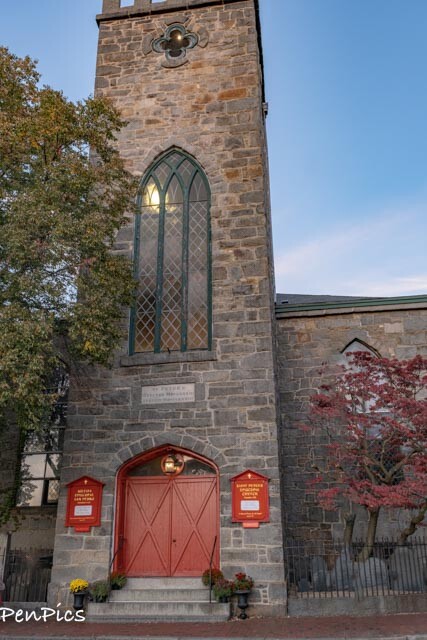 On the corner of St. Peter Street (formerly Prison Lane) and Brown Street, stands St. Peter’s Church.
Founded in 1733/34, as the first Anglican Church in Salem, the original church building was a yellow, wooden structure, built on land donated by wealthy Salem merchant; Philip English.
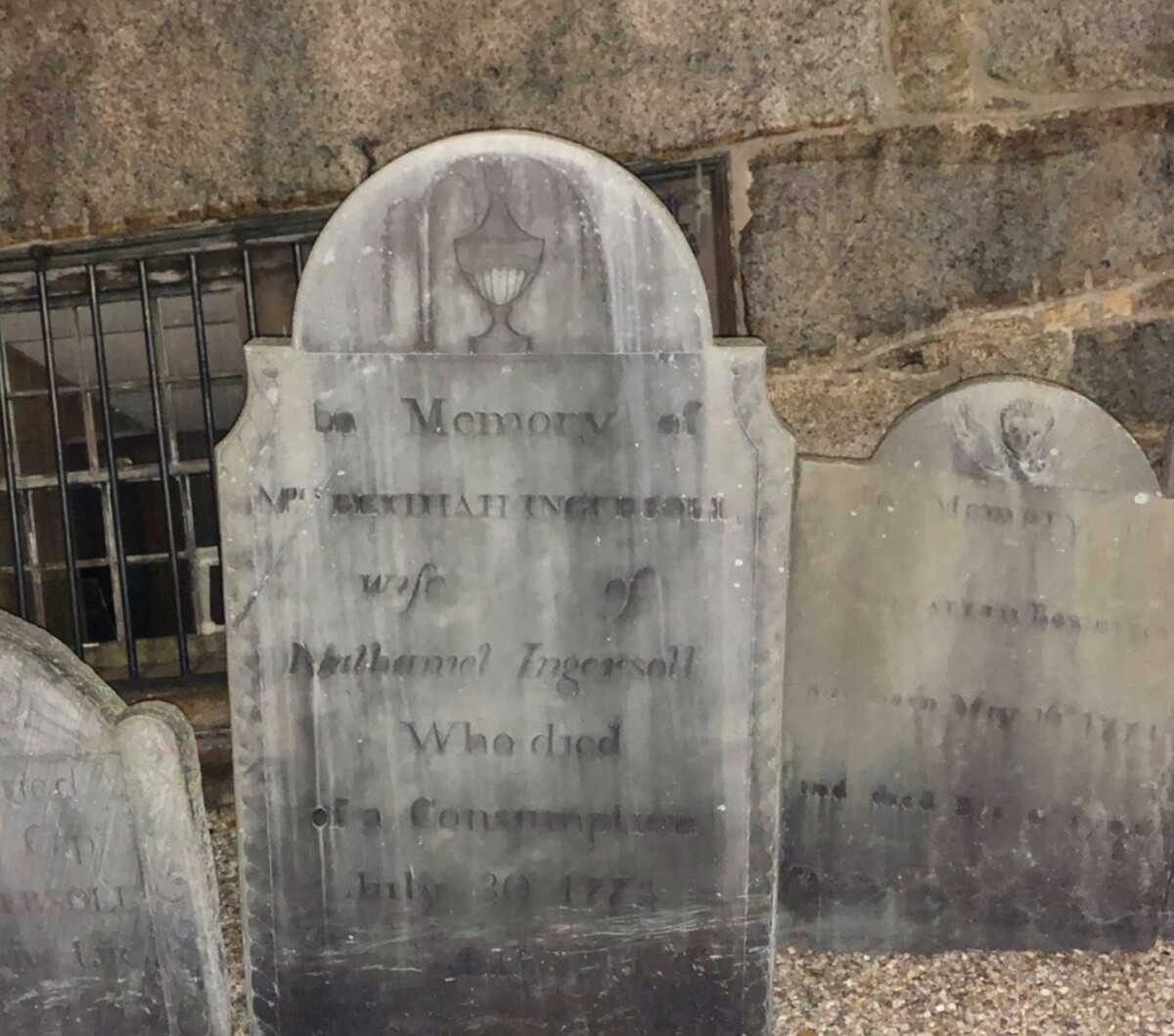
The present granite building was designed in 1833 by Isaiah Rogers and was enlarged in 1845/46. The chapel was added to the rear of the building in 1871, at which time some of the gravestones were moved to the front of the church. The buried are still under the chapel, including the remains of Philip English, who died in 1736 and was buried in the churchyard. There is no stone, marking Philip English’s final resting place.
 ******
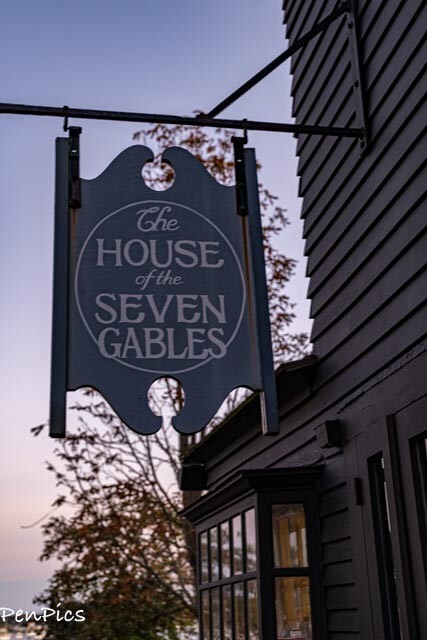
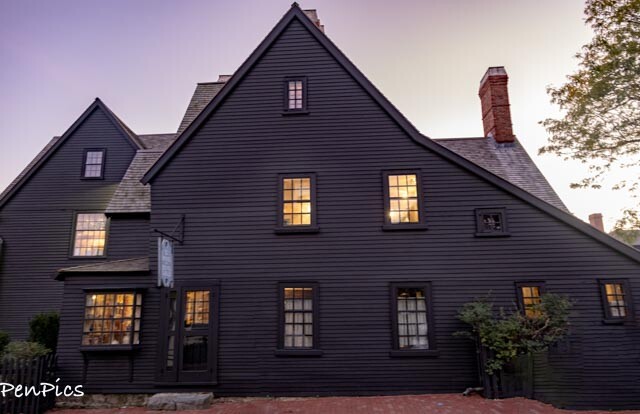 The House of the Seven Gables has been the source of many haunted tales throughout its history, and rightfully so. The connection that it has with the Salem Witch Trials is legendary, and while it has been restored over the years, some claim that doing so has only served to exacerbate the ghostly happenings.
Built in 1668 for Captain John Turner, the House of Seven Gables is a colonial mansion, with the Turner family remaining as the home’s owner for three generations. Initially known as the Turner House, the House of the Seven Gables got its new title from author Nathaniel Hawthorne’s novel of the same name.
When Captain John Turner had his now-famous home built for him way back in 1668, it started off as a rather quaint dwelling. It was added on to over the years to become the mansion that it remains today.
John Turner’s success in business afforded him the ability to do this, with it becoming the epicenter of economy in Puritan New England times. He was already the head of one of New England’s most successful maritime families at the time, with trading, fishing, and mercantile businesses serving to cause a boom in the local economy.
However, John Turner eventually died at sea, and his widowed wife married another sea captain by the name of Charles Redford. Knowing that his fate would most likely be met at sea, Captain Redford ensured in his will that the mansion would go to his new stepchildren. Sure enough, that’s exactly what happened, and Captain Redford’s recently-acquired home was passed on to the Turner children, without issue. It is after this time, that the house began to become a major part of the Salem Witch Trial’s lore.
Emotions ran high during this time of the Salem Witch Trials, resulting in over 300 people being accused of performing witchcraft.While all were later fully exonerated, at the time, townsfolk were fearful of their lives and the lives of loved ones. It didn’t take much more than a passing accusation to be put on trial. John Turner Jr. was well aware of this and rightfully wanted to protect his sisters during this manic time. With the knowledge that children as young as four were being accused and faced potential death, John built a hidden staircase along the fireplace within the Turner mansion. This and many other aspects of the home will come into play shortly.
After enjoying the mansion for three generations, and after the last of the Turner’s died without any remaining heirs, it was eventually sold to Captain Samuel Ingersoll. This is where author Nathaniel Hawthorne and his novel finally come into play.
Hawthorne would often visit Captain Ingersoll’s daughter, Susannah, at the mansion. Here he would make notes of its design, eventually inspiring him to write the now-famous novel The House of the Seven Gables. The name stuck, and The Turner-Ingersoll Mansion was henceforth known as the House of the Seven Gables.
With its connection to, and close relation of the Salem Witch Trials, the House of the Seven Gables has become a staple in ghostly storytelling. Throughout the years since the horrific happenings of the trials, many witnesses have claimed to have seen or encountered the spirits of yesteryear.
Silhouettes in the shadows of every floor, the ghost of a little boy playing near the attic, and even the spirit of Susannah Ingersoll are just a few of the entities said to have been seen. Often, the undead are seen near the gables of the mansion, further adding to its fright. The haunted manor has more unexplained actions from within, such as lights turning off and on at will, as well as water faucets actuating all on their own. Museum staff and visitors alike have reported the feeling of an unknown entity in the house.
A psychic woman once took a tour of the house and claimed that she saw a young boy playing up near the gables, even going so far as to capture him in a photograph.
Adding further intrigue to the home’s haunted history, it was recently revealed that hidden rooms were discovered within the house: a dining room where musicals and dances were once hosted, as well as an accounting room, which was written about in Hawthorne’s novel.
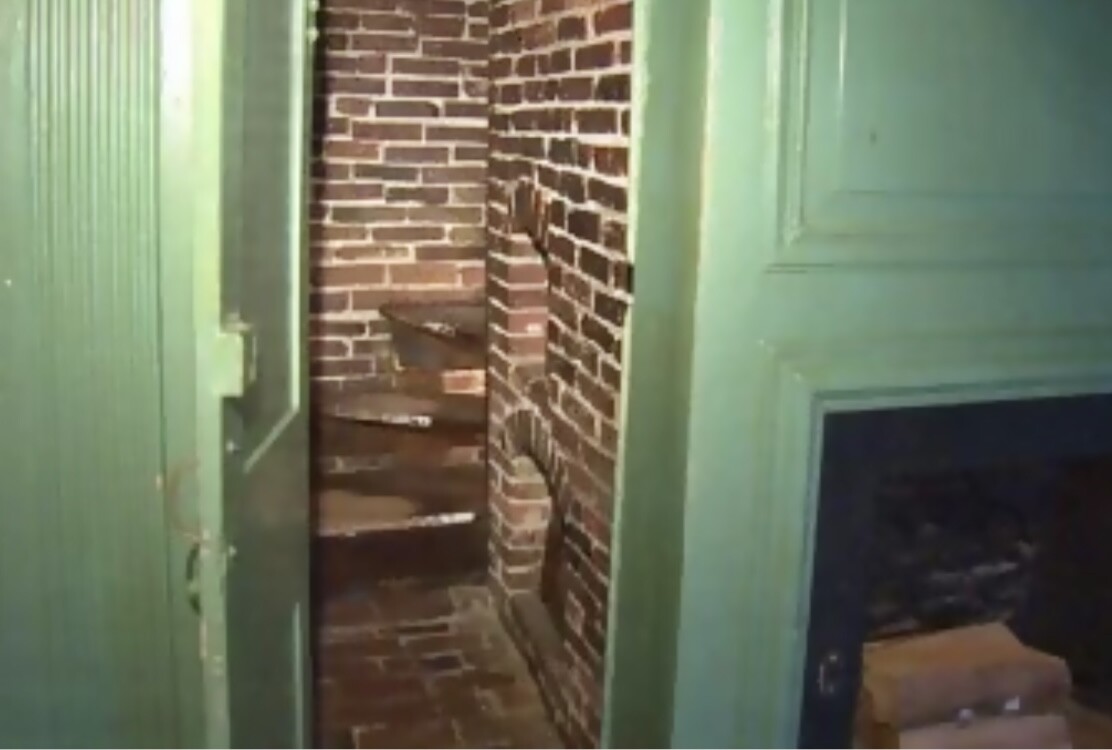 ⬆️ As mentioned earlier, this photograph includes the staircase that was built by John Turner Jr. himself, so that he and his sisters could find refuge in the event that any of them were falsely accused of witchcraft.
All of these oddities combine to make for one of New England’s most famous haunted dwelling.
What was once built to be a loving home in which a successful family could live, the House of the
Seven Gables is now known as just the opposite. With a long history of hauntings retold over the years, this once peaceful sanctuary became anything but that with its close relation to the execution of 19 innocent people.
At one time, society found their flawed thinking to be perfectly rational. Often what isn’t understood, or feared, leads some to act out in the worst ways imaginable. In this case, the Salem Witch Trials and the horror surrounding it; people lived in sheer panic stemming from a few allegations.
Sadly, innocent victims had to pay the ultimate price for society’s bent thinking. There is certainly a lesson to be learned through all of this. And that is the fact that we cannot act on our emotions alone, especially, and most importantly, when one does not have all of the facts.
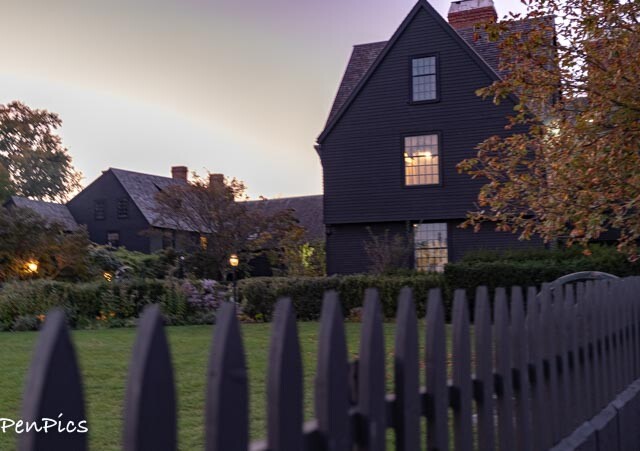 Running out of daylight was a common theme for us, while in Massachusetts.
Though there is some dark history associated with this wonder, there is way more light and beauty, so no worries! I love this little state so much. It’s jam-packed full of incredible history!
********
CAPE COD ⬇️
 South of Boston, on another day, we all visited this glorious cape, with once again, not even close to the amount of time we would have liked to have had to visit.
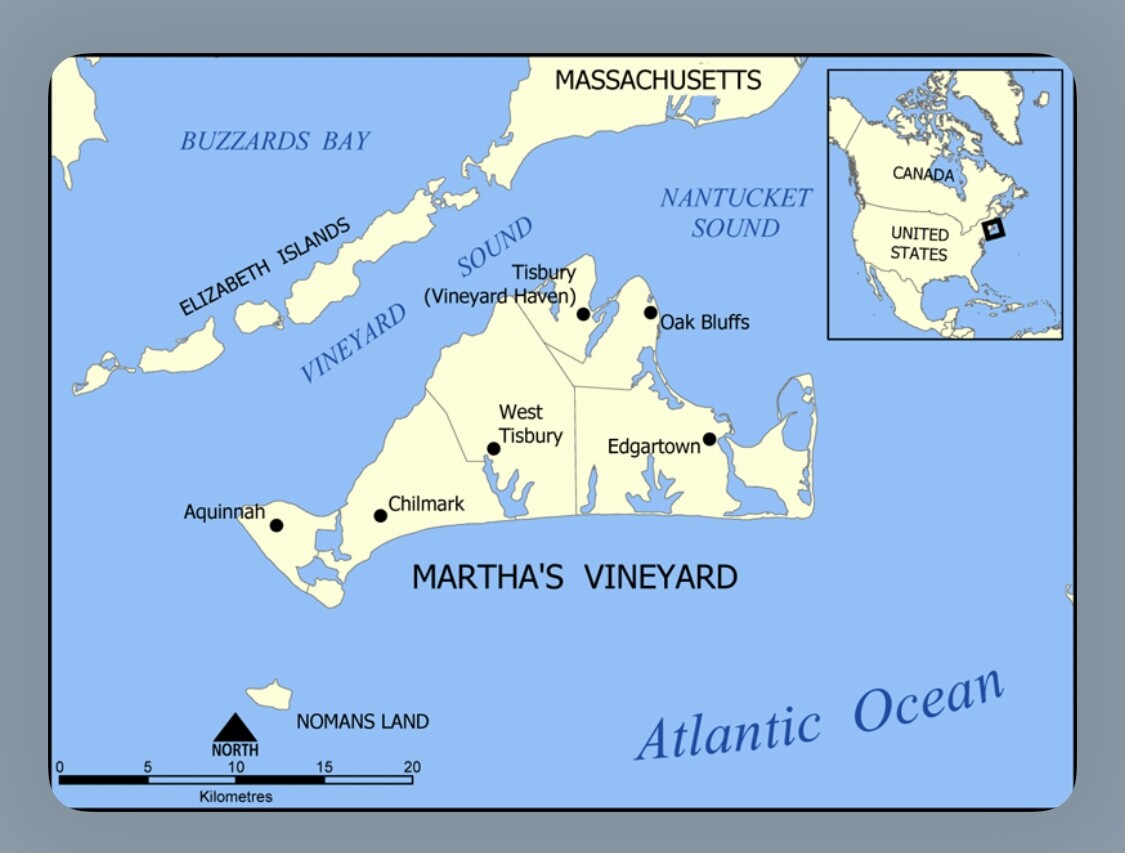
I’m already planning to return again, one day and even go to Martha’s Vineyard. ⬇️
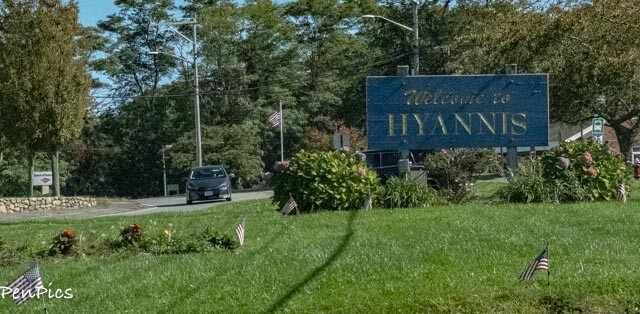 Hyannis is a village on the Cape Cod peninsula in Massachusetts. It’s known for beaches like wide Kalmus Park Beach and the private Kennedy Compound at nearby Hyannis Port.
The John F. Kennedy Hyannis Museum chronicles the assassinated U.S. president’s family vacations through videos and photographs.
At the harbor, the Cape Cod Maritime Museum has boat-building exhibits.
Ferries connect Hyannis to Nantucket Island.
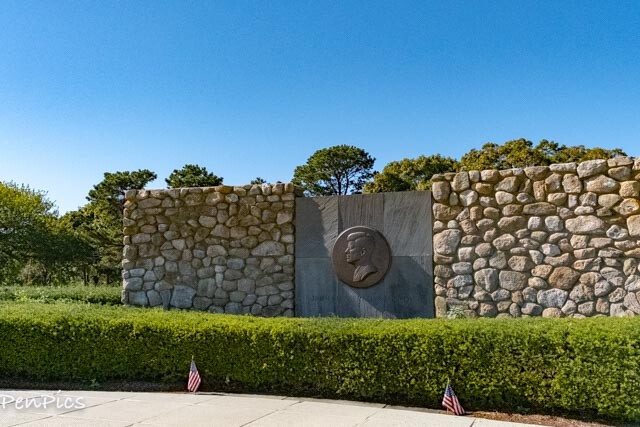
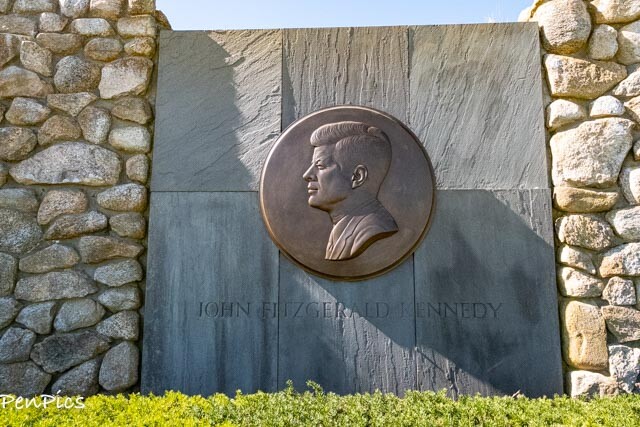
The Kennedy Memorial is located on Ocean Street in Hyannis, Massachusetts.
It overlooks Lewis Bay, where President Kennedy often sailed throughout his life while in Hyannis Port, Massachusetts.
The memorial was commissioned by the citizens of Barnstable, Massachusetts and dedicated on July 8, 1966.

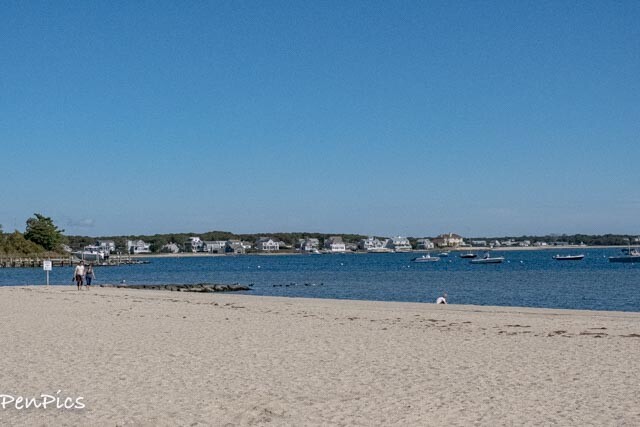
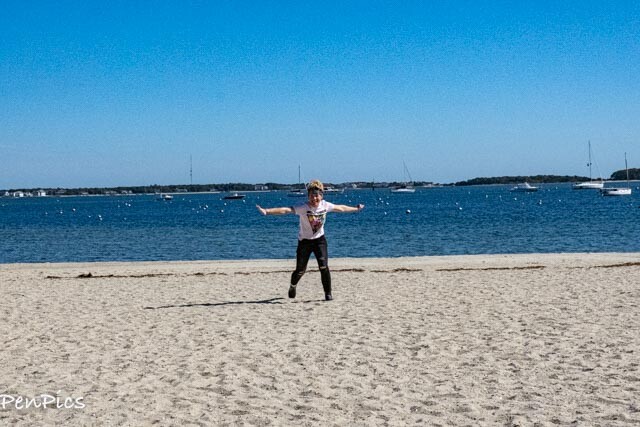
 Chelsie enjoying Lewis Bay

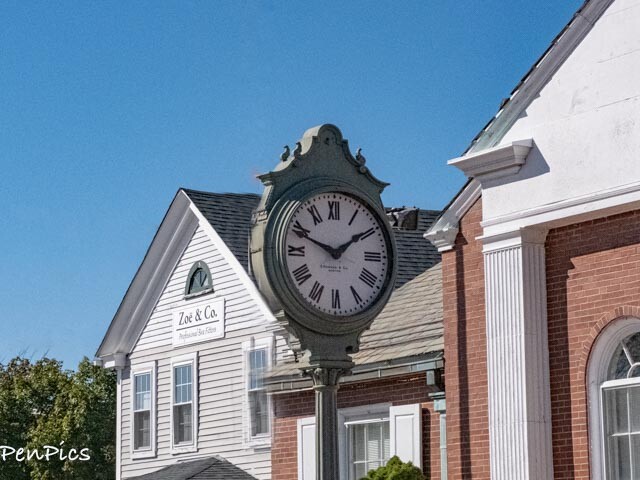
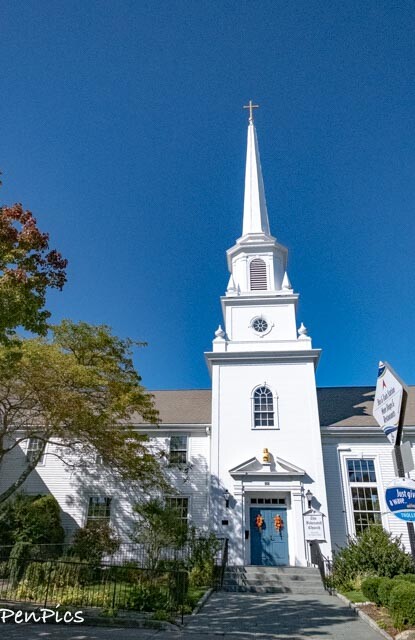
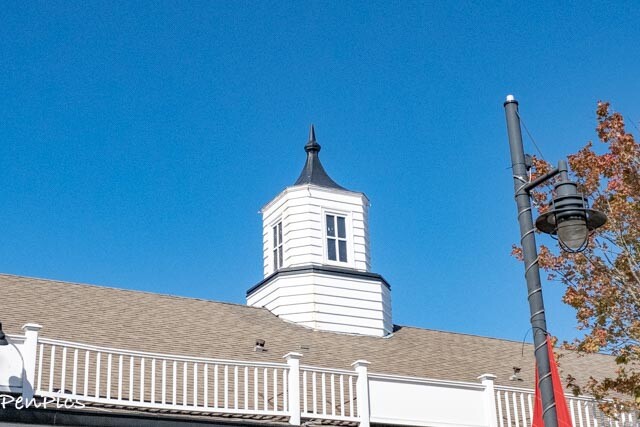
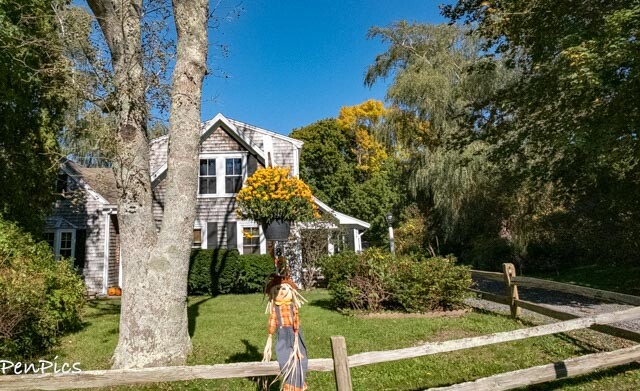
Dragging ourselves away from beautiful Hyannis, we headed back up North to visit Plymouth. If that sounds familiar, it’s because it is where Plymouth Rock and the Mayflower II (replica) reside. As a young child (55 years ago), I boarded this same replica of the Mayflower. It seemed pretty large to me at the time! As an adult, not so much.
I also, distinctly remember the Mayflower (II) being painted black and white back then; but alas, that was of course, before the 64 year old reproduction got its 11 million dollar makeover; completed just one year ago!
*******
PLYMOUTH ⬇️
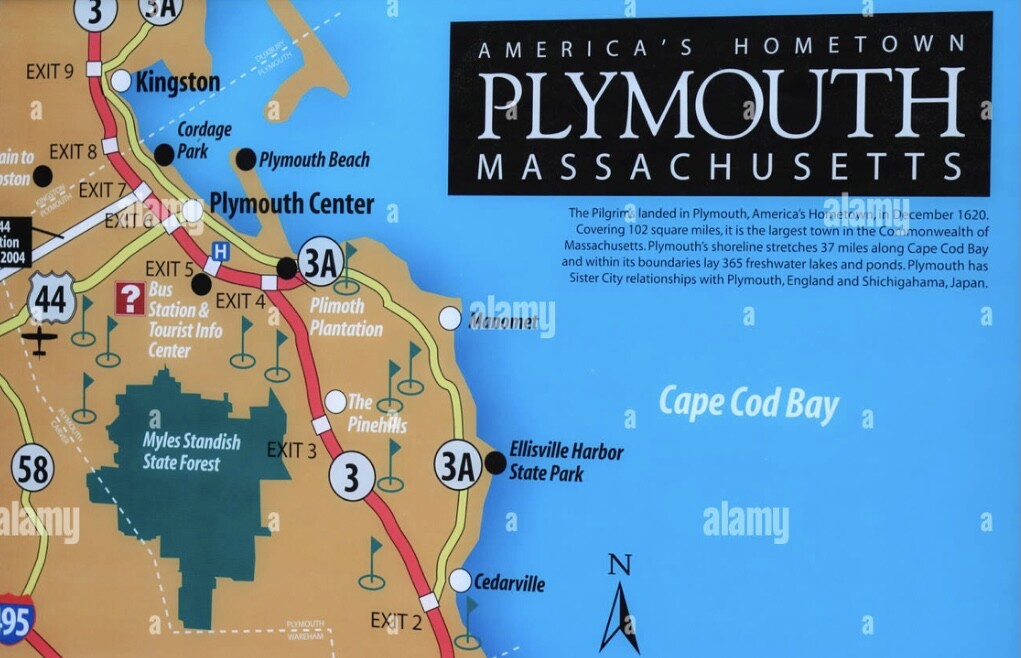 Plymouth Colony was a British colony in Massachusetts during the 17th century and was the first permanent colony in Massachusetts and the first Colony in New England.
Plymouth colony was founded by the Plymouth Company during the Great Puritan Migration.
The Plymouth Company was a joint stock company founded in 1606 by King James I, with the goal of establishing settlements along the east coast of North America.
The Plymouth Company, which consisted of 70 investors, had an agreement with the settlers of the Plymouth Colony; the pilgrims, promising to finance their trip to North America and in return, the settlers would repay the company from profits made by harvesting supplies, such as timber, fur and fish, which were then sent back to England to be sold.
Most of the pilgrims were from farming communities in Yorkshire, England, but moved to Leiden, Holland in 1607, seeking religious freedom. They found the religious freedom they were looking for there but they also found it hard for them to retain their English identity in a Dutch country and it was also hard for them to make a living there. The pilgrims worked primarily in the cloth trade in Holland, but the hours were long and grueling and were having a negative impact on the pilgrims’ health. They were desperate to emigrate to North America and sought out the investors to help fund their trip in 1619.
 ⬇️
⬇️
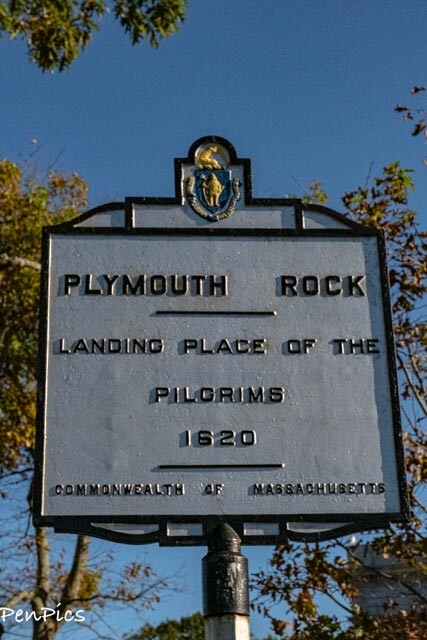
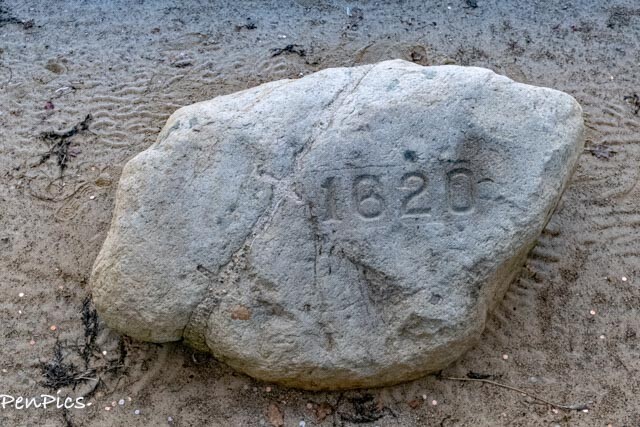 It wasn’t until 1741; 121 years after the arrival of the Mayflower, that a 10-ton boulder in Plymouth Harbor was identified as the precise spot where Pilgrim feet first trod. The claim was made by 94-year-old Thomas Faunce, a church elder who said his father, who arrived in Plymouth in 1623, and several of the original Mayflower passengers assured him the stone was the specific landing spot.
When the elderly Faunce heard that a wharf was to be built over the rock, he wanted a final glimpse. He was conveyed by chair three miles from his house to the harbor, where he reportedly gave Plymouth Rock a tearful goodbye. Whether Faunce’s assertion was accurate oral history or the figment of a doddering old mind, we don’t know. (And if Faunce indeed was telling a tall tale about the humble chunk of granite, he broke the cardinal rule of American mythology: (When you make stuff up, go big—really big.)
What is certain, however, is that diminutive Plymouth Rock quickly grew into a prodigious American icon, and the boulder and the country it symbolizes have led eerily parallel lives over the past 250 years. Much like the United States itself, Plymouth Rock came of age in a burst of patriotic fervor. It was split in two and cemented back together. And while it has been battered by time, it continues to endure.
I can certainly testify to this fact, because I saw this rock 55 years ago. It looks the same, today! 😂

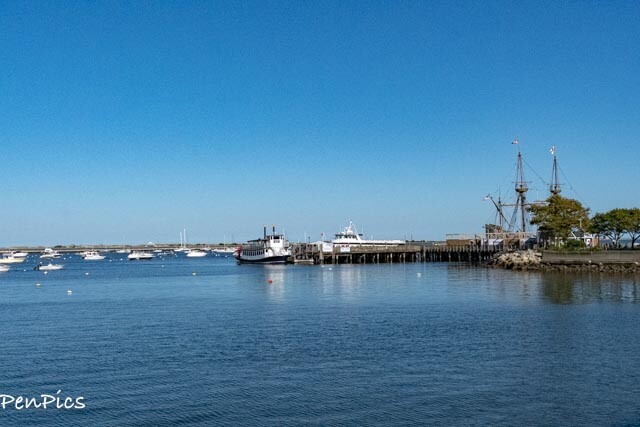
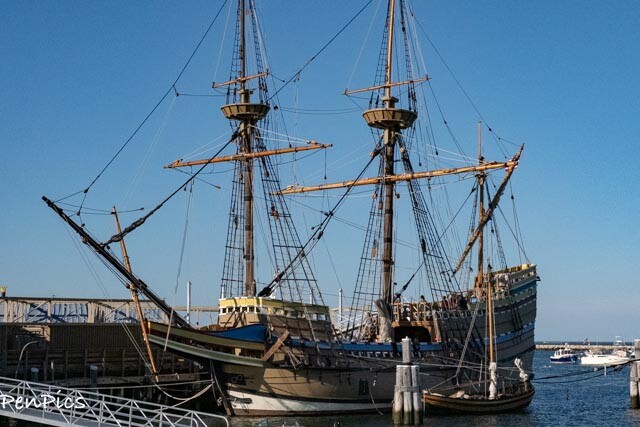 The Mayflower II is a full-scale reproduction of the 17th-century merchant ship; Mayflower which brought the Pilgrims to Plymouth in 1620. There are exhibits relating to the story of the 1620 journey, as well as information on the building and sailing of Mayflower II in 1957.
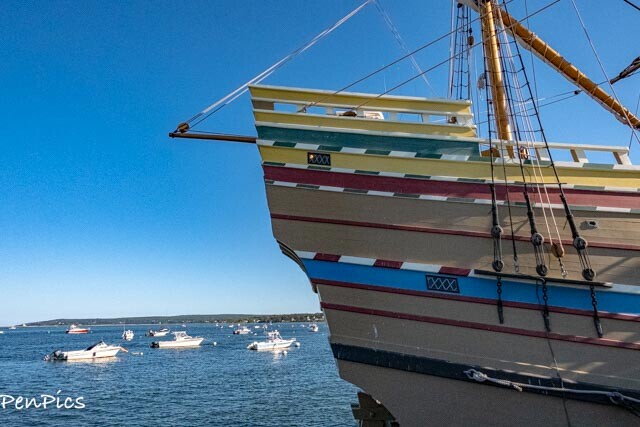
The details of the ship, from the solid oak timbers and tarred hemp rigging, to the wood and horn lanterns and hand-colored maps, have all been carefully recreated to give a sense of what the original 17th-century vessel was like.
Visitors are allowed to board and learn about the 1620 voyage of the Mayflower, the perils of maritime travel, and the tools of 17th-century navigation, and exploring the cramped quarters of the ship’s passengers. It’s a wonder how over 100 passengers endured such a small space for over three months at sea.
Looking down in the lower level “hold,” this is where the food, clothing, furniture, tools and other items necessary to start a colony were stored.
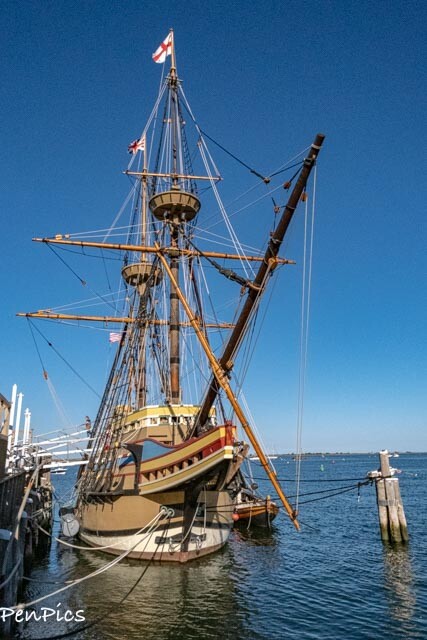 The pilgrims traveled to North America on a rented cargo ship called the Mayflower. The ship left Plymouth, England in September of 1620 and finally landed off the coast of Massachusetts in November. The colonists were originally headed for Virginia, where they had a land patent to settle the area, but had drifted off course during the sea voyage and made landfall just as they ran out of supplies.
Although they didn’t have official permission to settle in what is now modern day Massachusetts, they decided to stay and settle the area anyway, as their lack of supplies dictated so, since winter was setting in.
The pilgrims first landed at what is now modern day Provincetown.
After some skirmishes with the local Native-American tribe there, the pilgrims decided to sail to nearby Plymouth. When the pilgrims did arrive there, they landed at an abandoned Native-American village, called Patuxet, whose inhabitants had died in the infamous disease epidemic of 1616-1618.
 There, they found abundant cornfields planted by the Patuxet, and many areas, which had already been cleared by the Patuxet, where they could build shelters. When the pilgrims landed in Plymouth, many of them were already weak from disease and a lack of food. The voyage had been long and. Over the course of the winter, the colony lost almost half of its people, due to disease and starvation. In his diary, which was later published under the title Of Plymouth Plantation, Bradford refers to this period as the “Starving Time:”
“But that what was most sad and lamentable was, that in two or three months’ time half of their company died, especially in January and February, being the depth of the winter, and wanting houses and other comforts; being infected with the scurvy and other diseases which this long voyage and their inaccommodate condition had brought upon them. So there died some times two or three of a day in the foresaid time, that of 100 and odd persons, scarce fifty remained.”
About 50 of the 102 Mayflower passengers died over the course of the sea voyage and the first winter of 1620/21:
 After enjoying our time walking around in Plymouth, we ate some dinner, then left, heading further North to travel more back roads and coastal villages, closer to the Gloucester area, where we based ourselves. It was already a big, and mighty full day; covering so many miles!
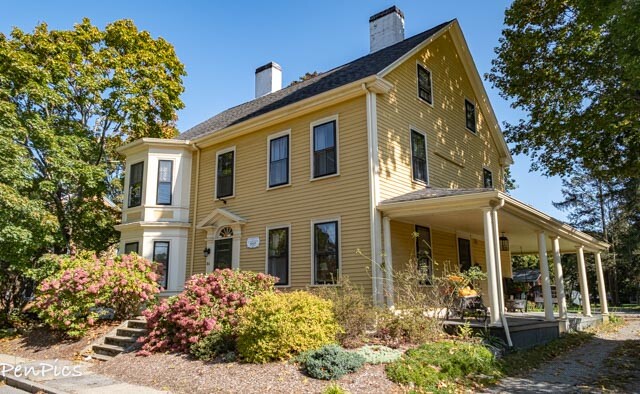
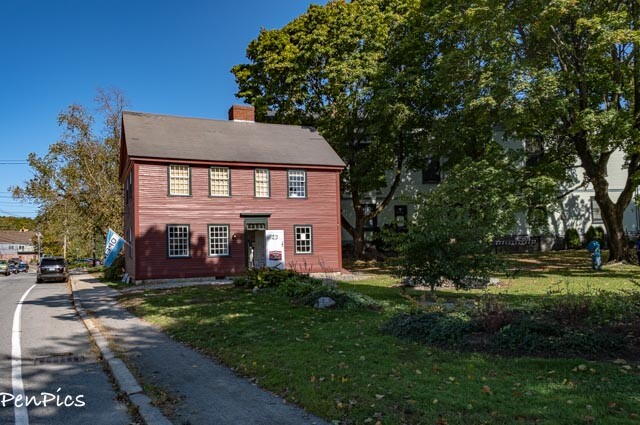
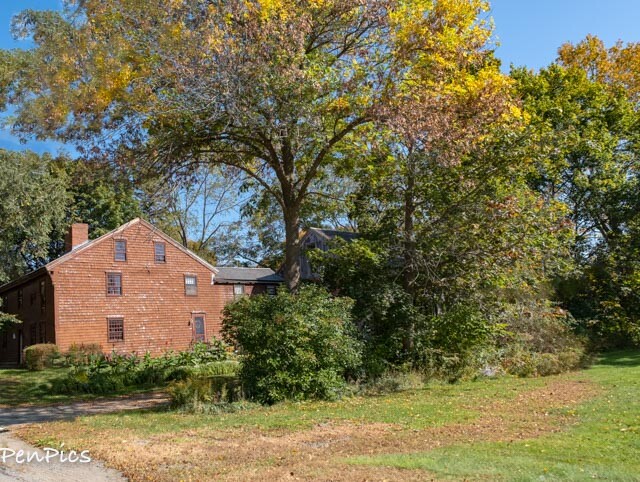
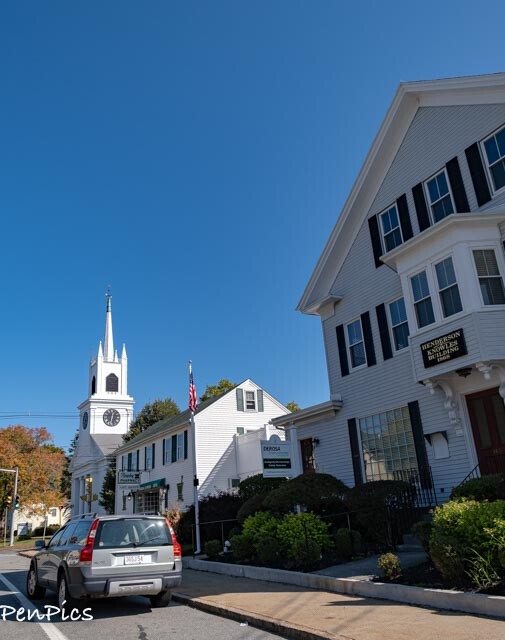
At this point, all the various charming and quaint locations blur together, and due to time and space constraints, my highlighting of each place is limited, though all of these places are worthy of the highlight, as they all are beautiful and have interesting histories to say the least!
*******
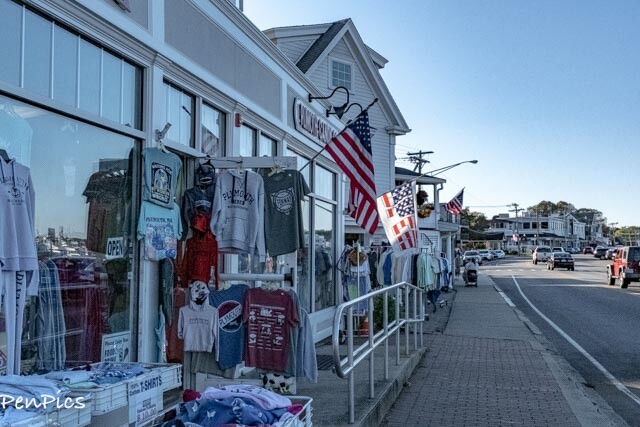
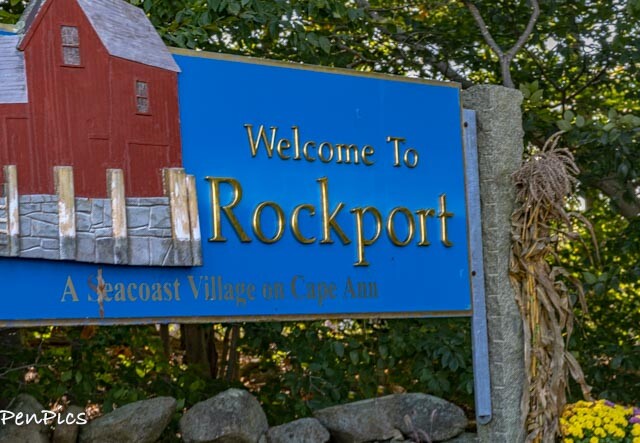
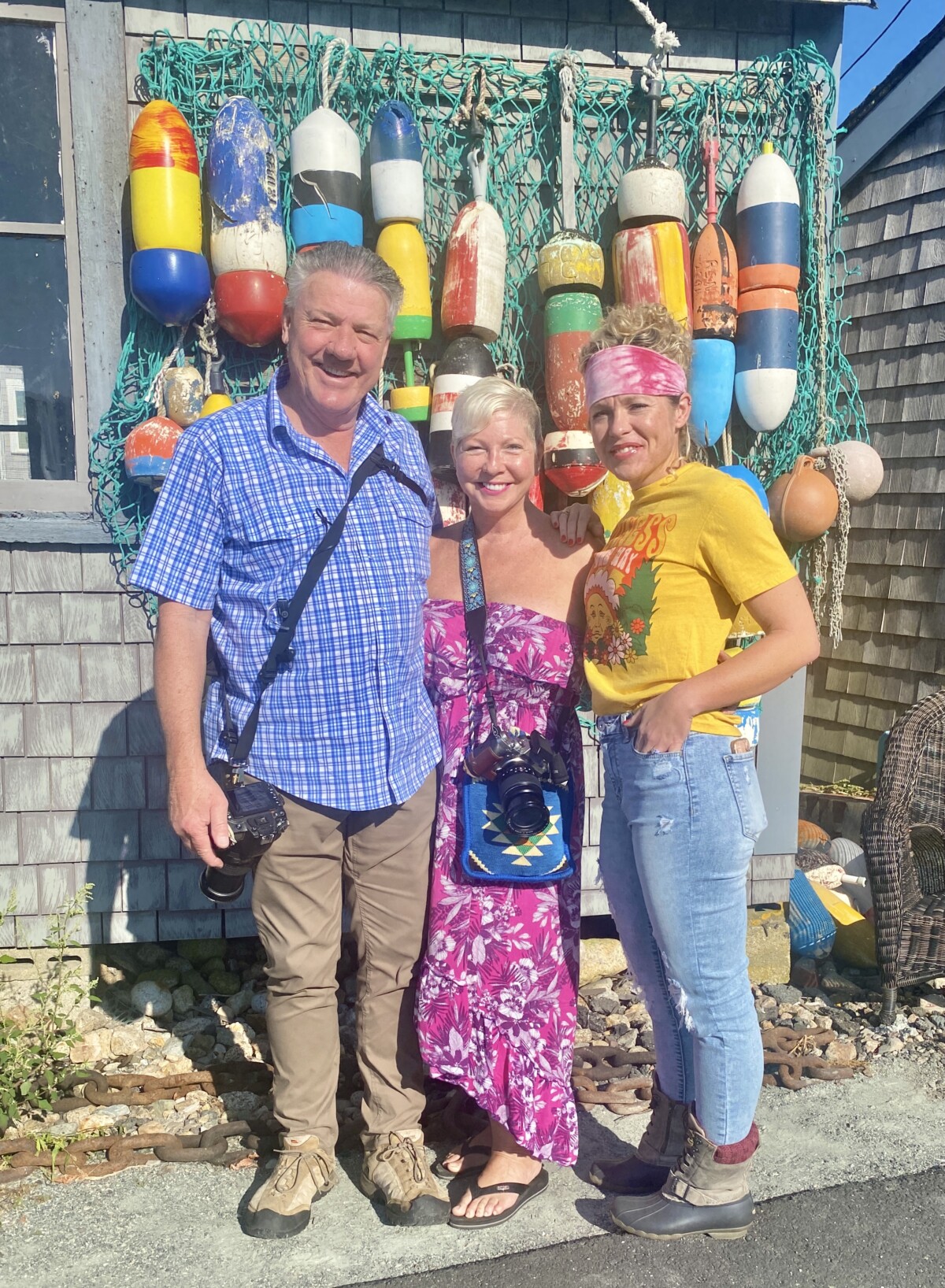
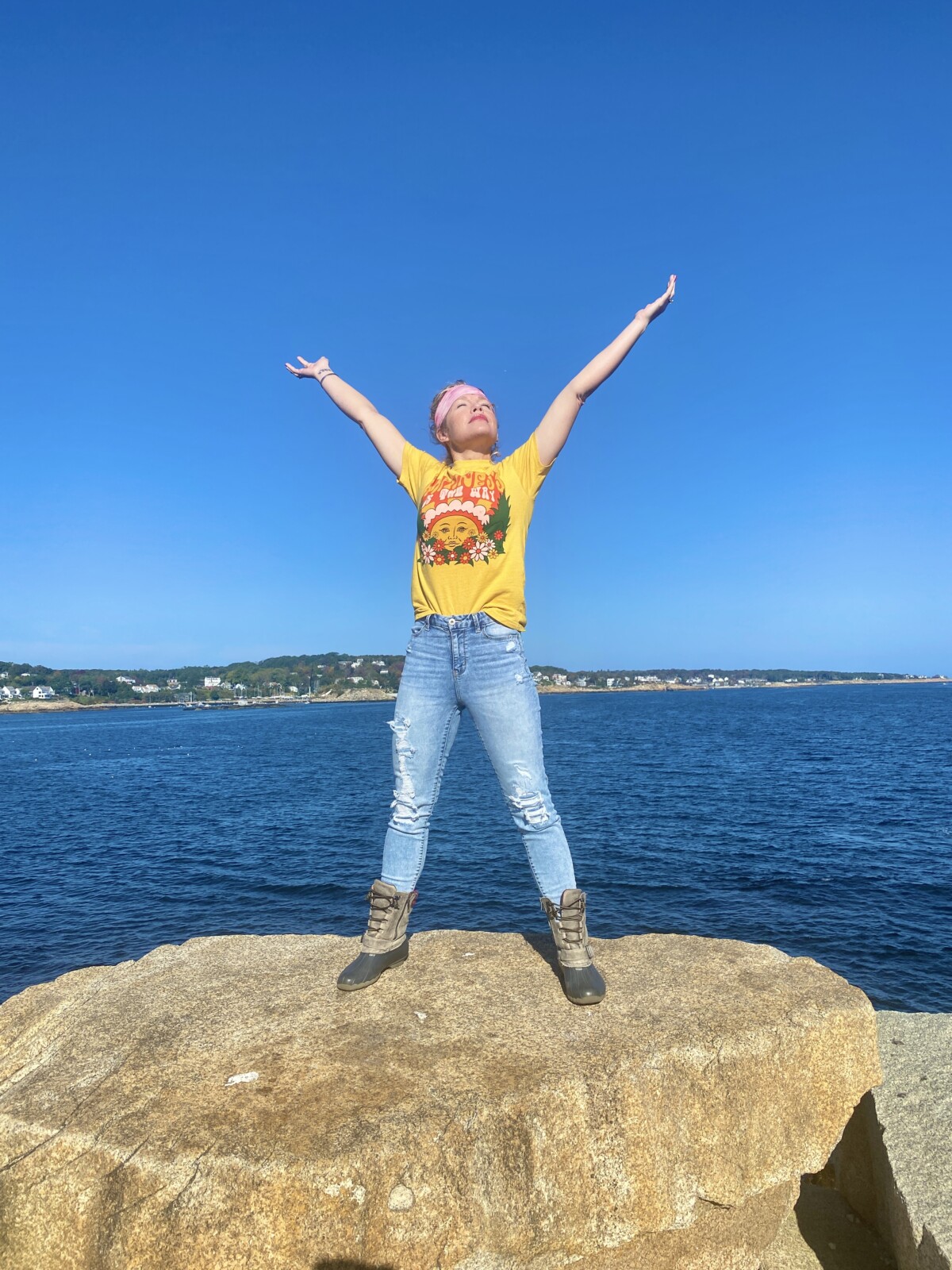
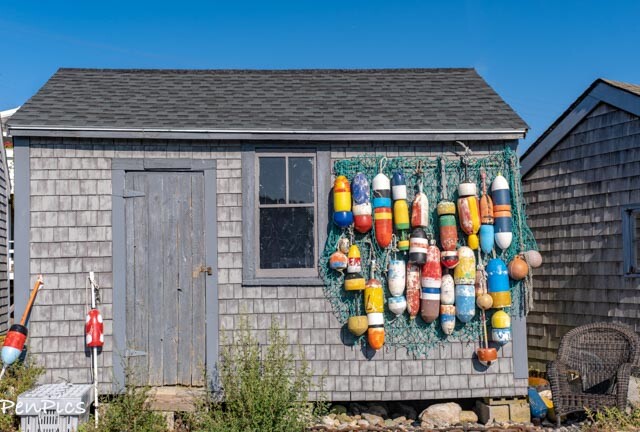
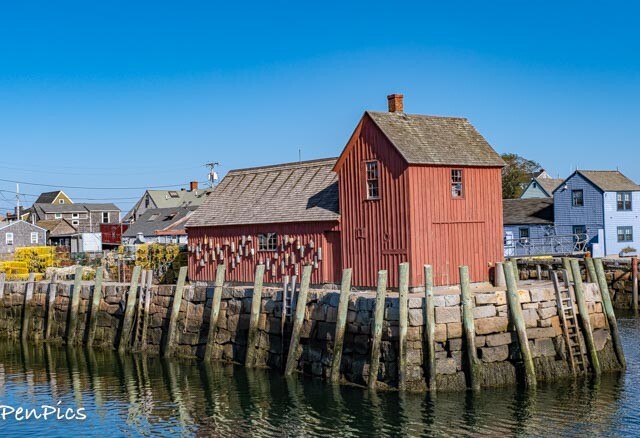
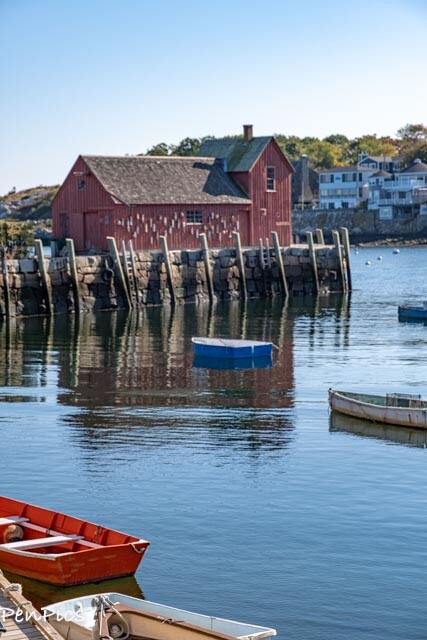
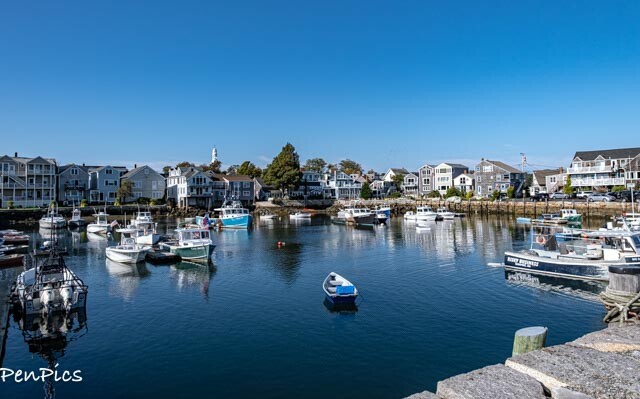
ROCKPORT ⬇️



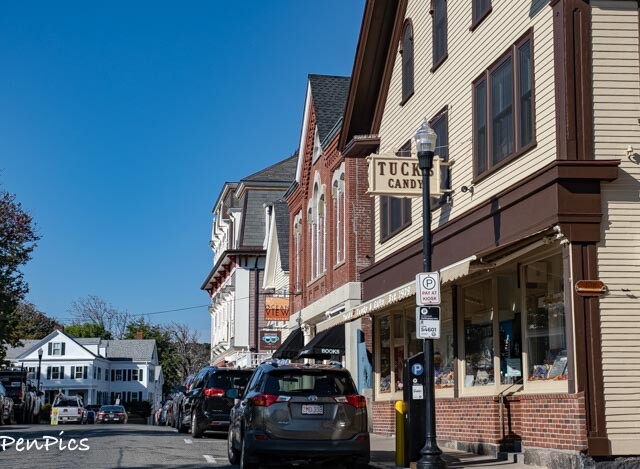
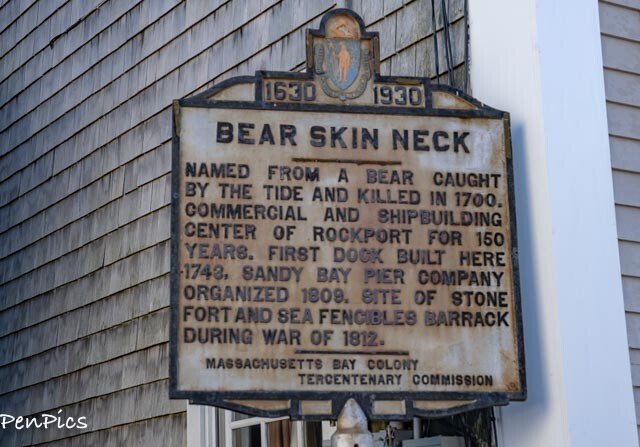
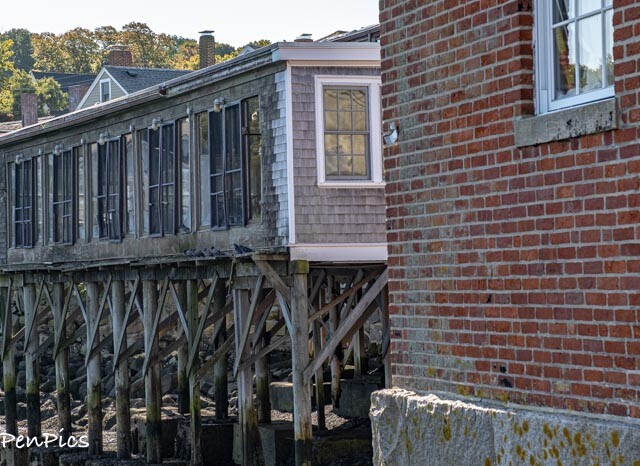 *******
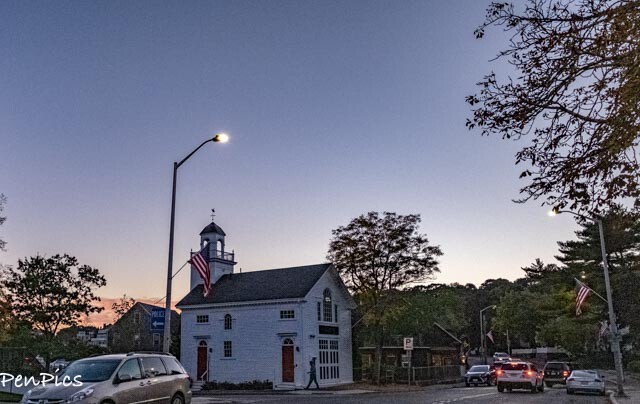
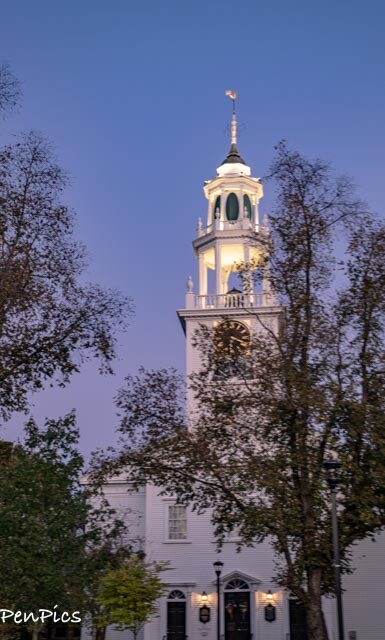
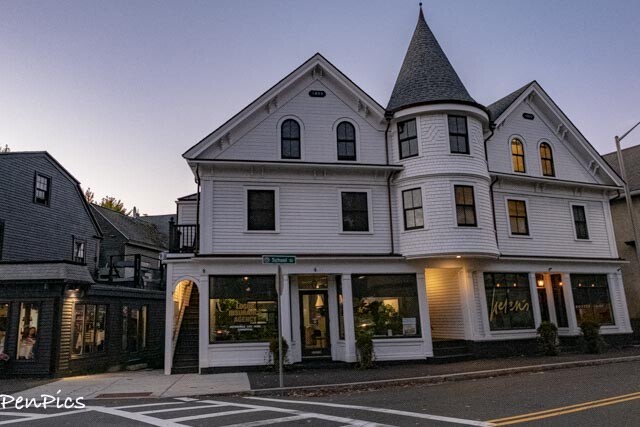
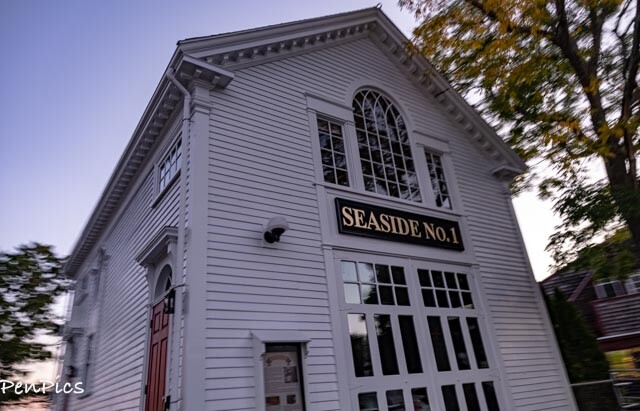
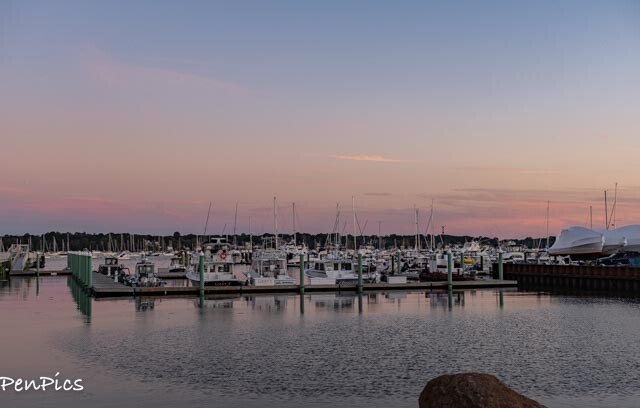
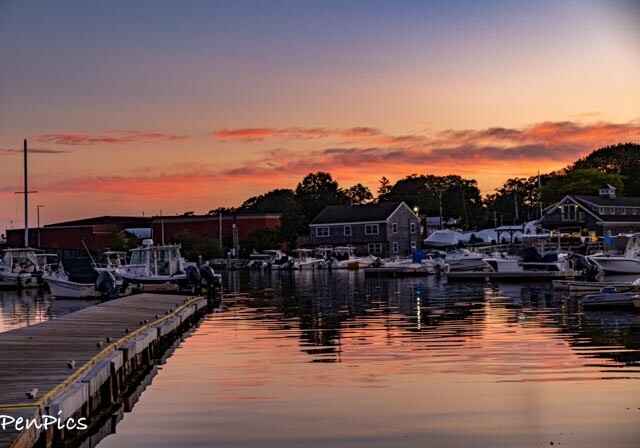
MANCHESTER BY-THE-SEA ⬇️
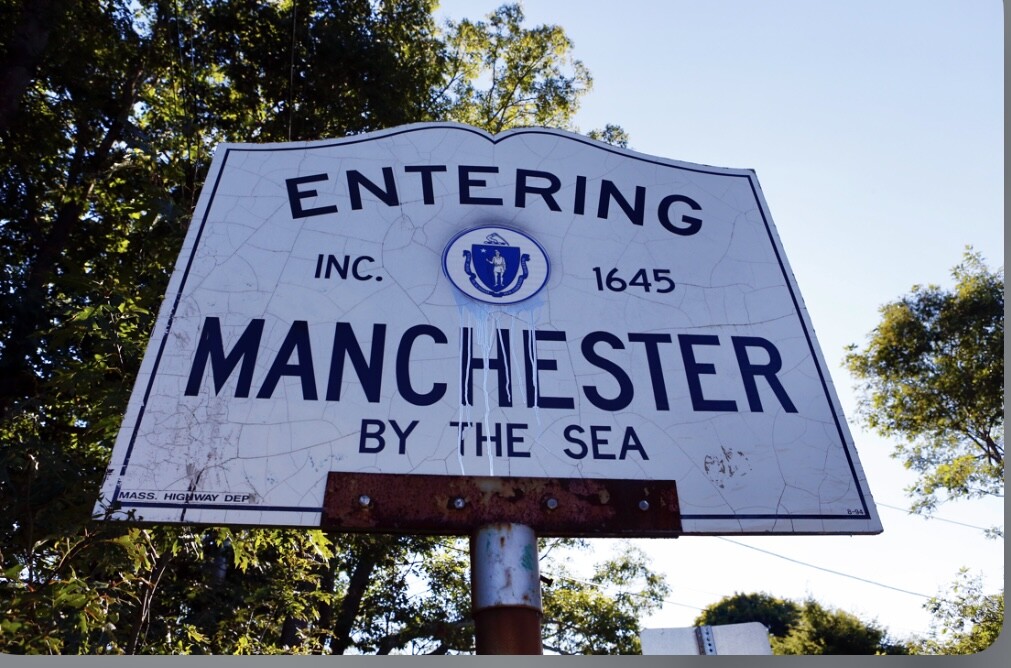
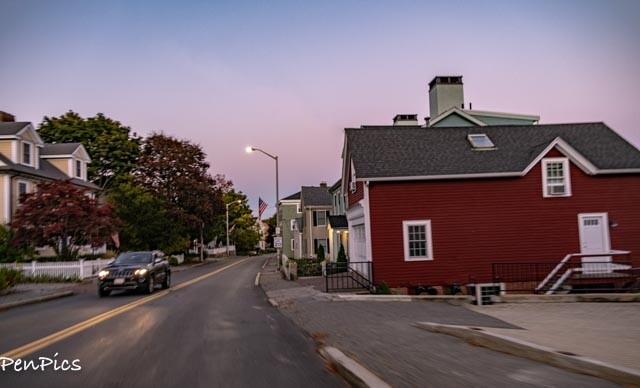 It was getting dark by the time we rolled into this quaint place, but I could not have asked for a better place to capture sunset!
 ******
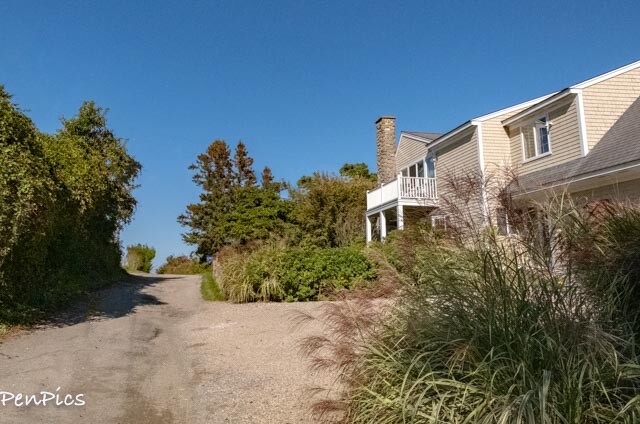
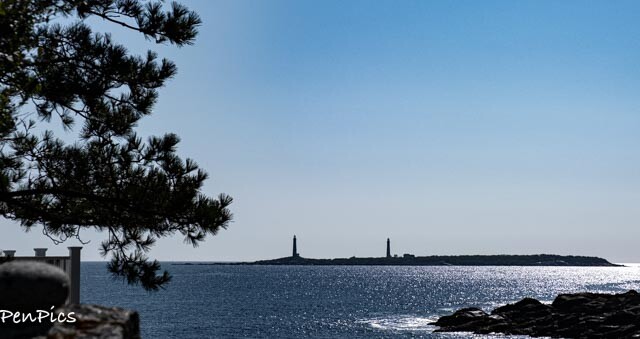
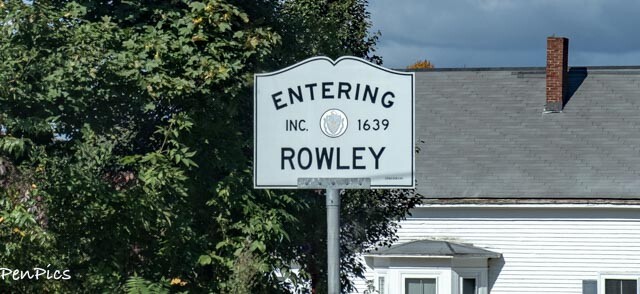
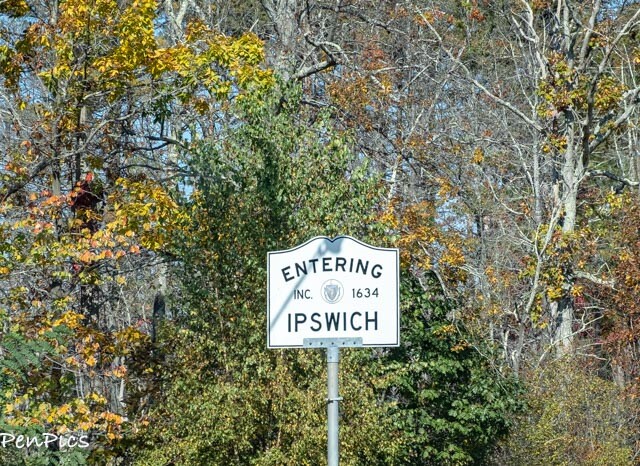
The following towns and villages are also just as wonderful as anyplace we got to explore:
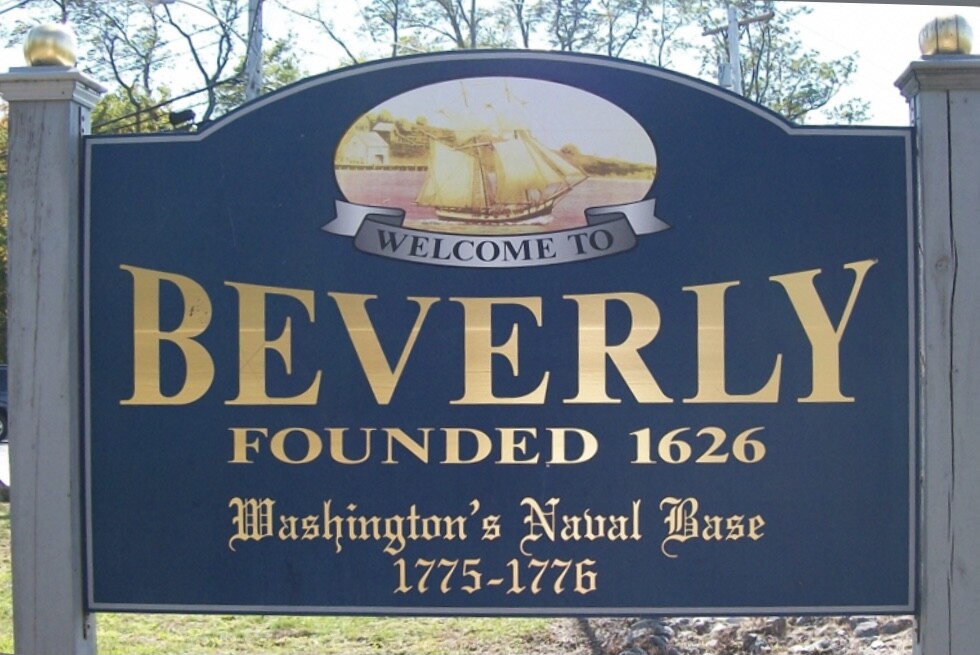
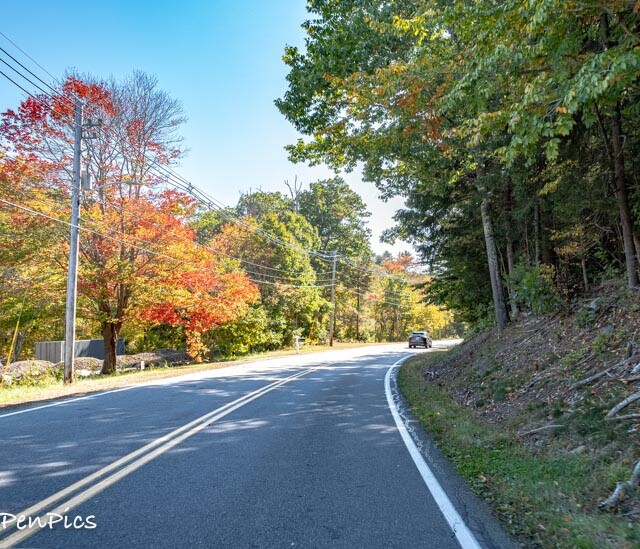
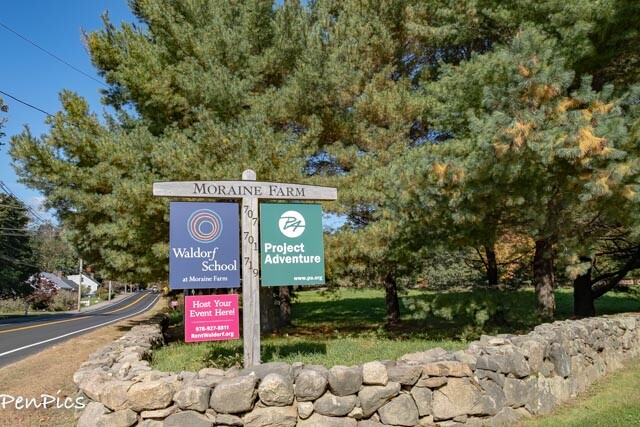
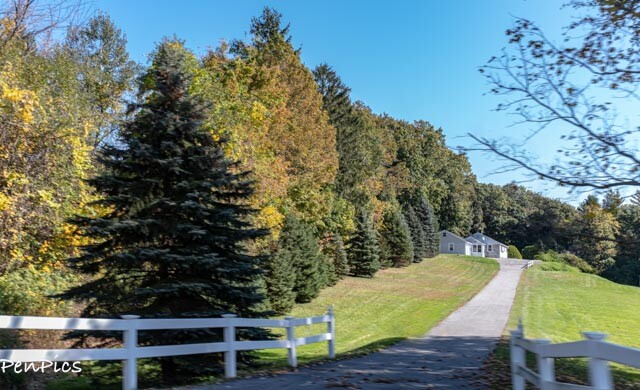
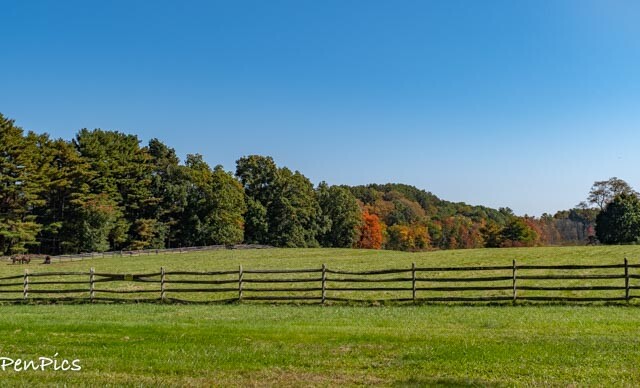
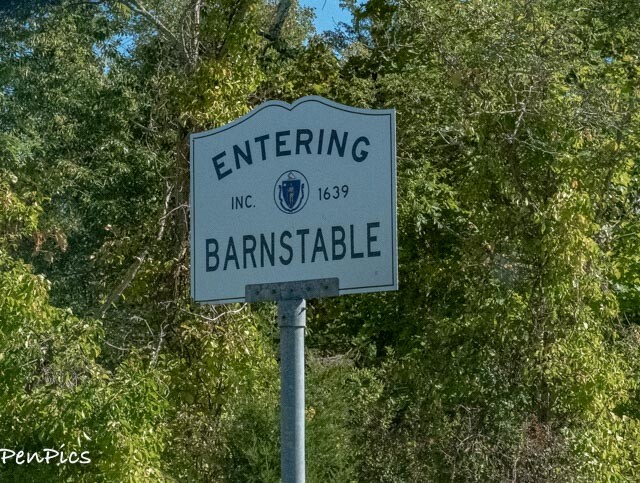
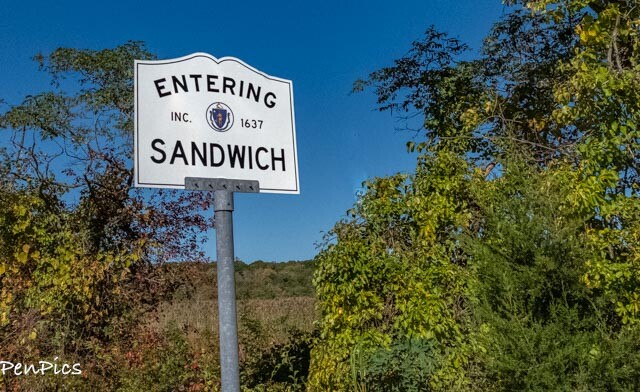
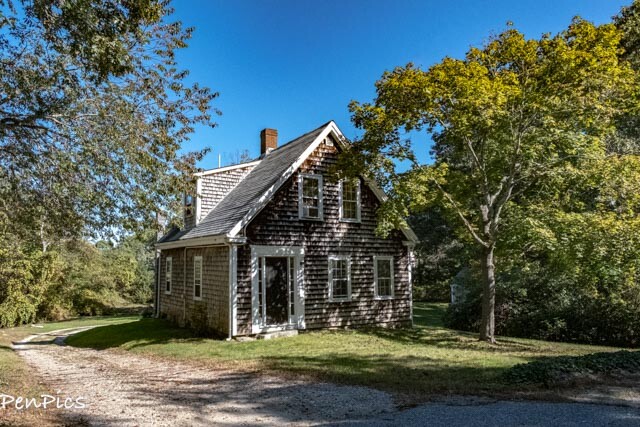
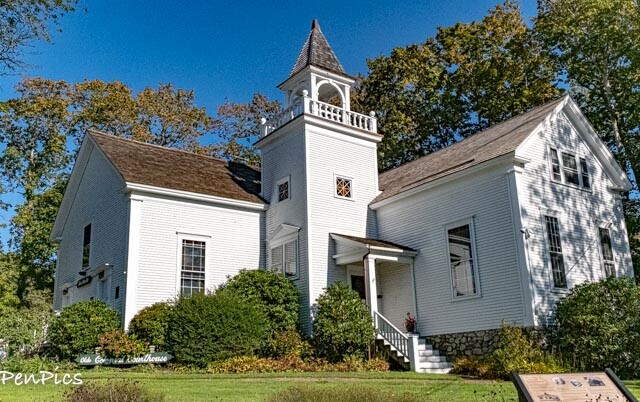
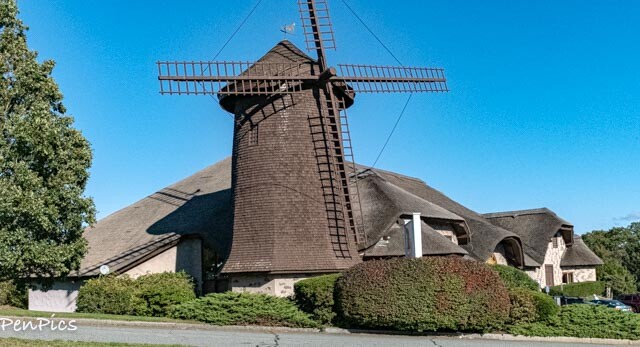
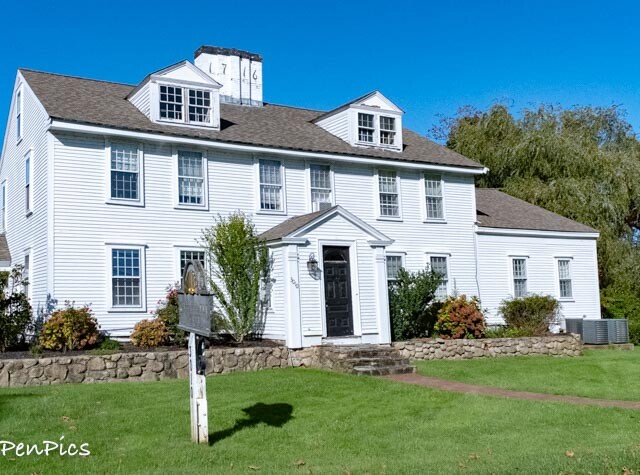
Sandwich, Ipswich, Beverly, Hamilton, and Rowley, to name a few I could get sign photos of:
I used to work for the non-profit Project Adventure, based in Massachusetts at Moraine Farms near Beverly. I was manager of a satellite office in Portland, Oregon and would travel a couple times a year to the home office to meet up with all coworkers; also from Vermont and Georgia at the time. I have some of the best working memories from those years!
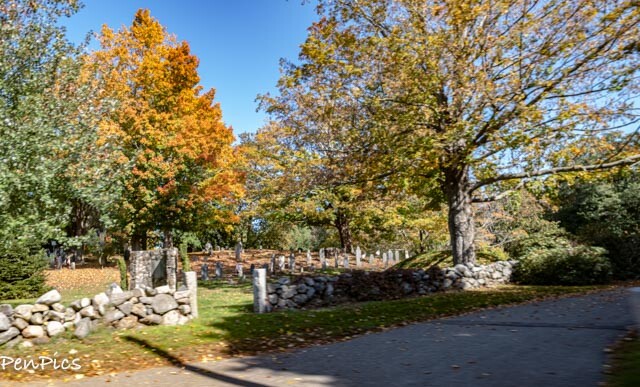
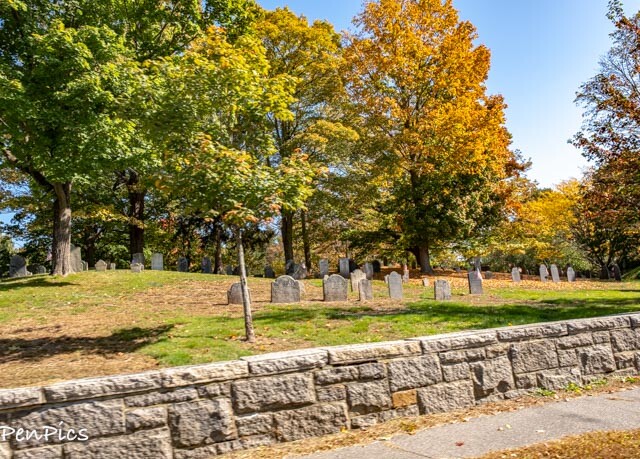
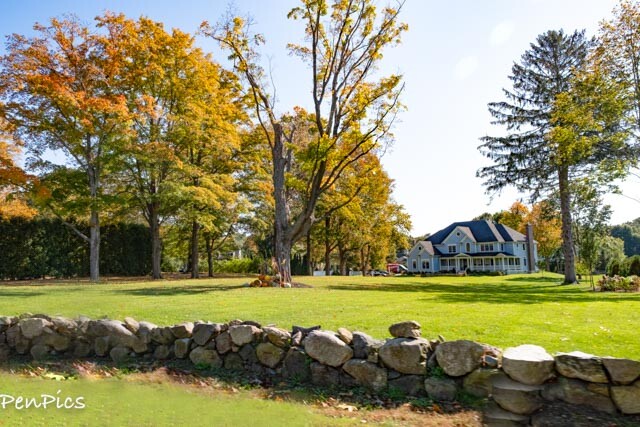
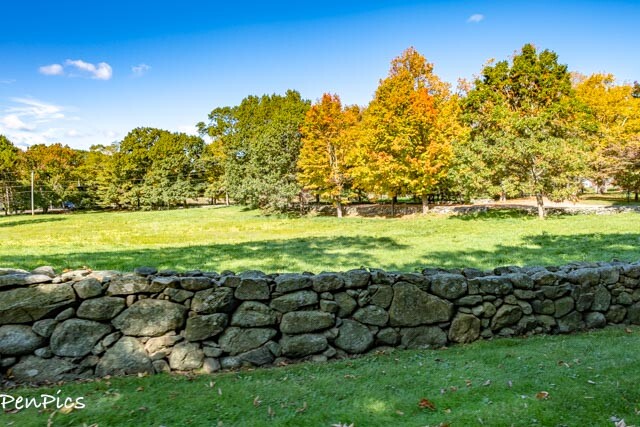
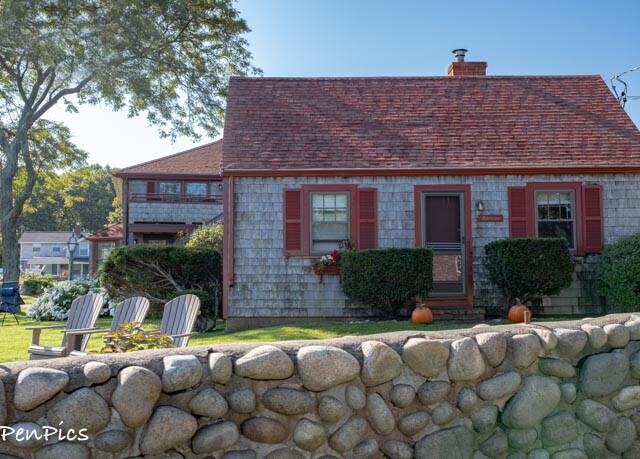
I also appreciate the historic stone walls all over this area; most built without mirror and have withstood the test if time, since the area was originally settled! I’ve also traveled these roads in winter with snow on the ground. It is also very beautiful!
 *******
BARNSTABLE / SANDWICH ⬇️
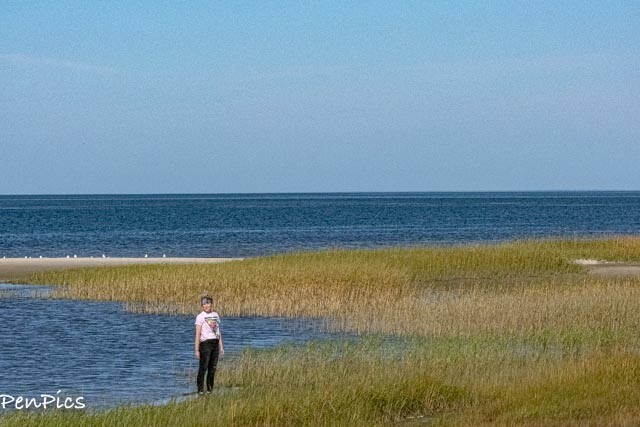
From here, we wandered after we finally found a place we could view the lighthouse. And, living up to its wildlife sanctuary name, we spied a deer watching us, as we searched the beach for turtles.
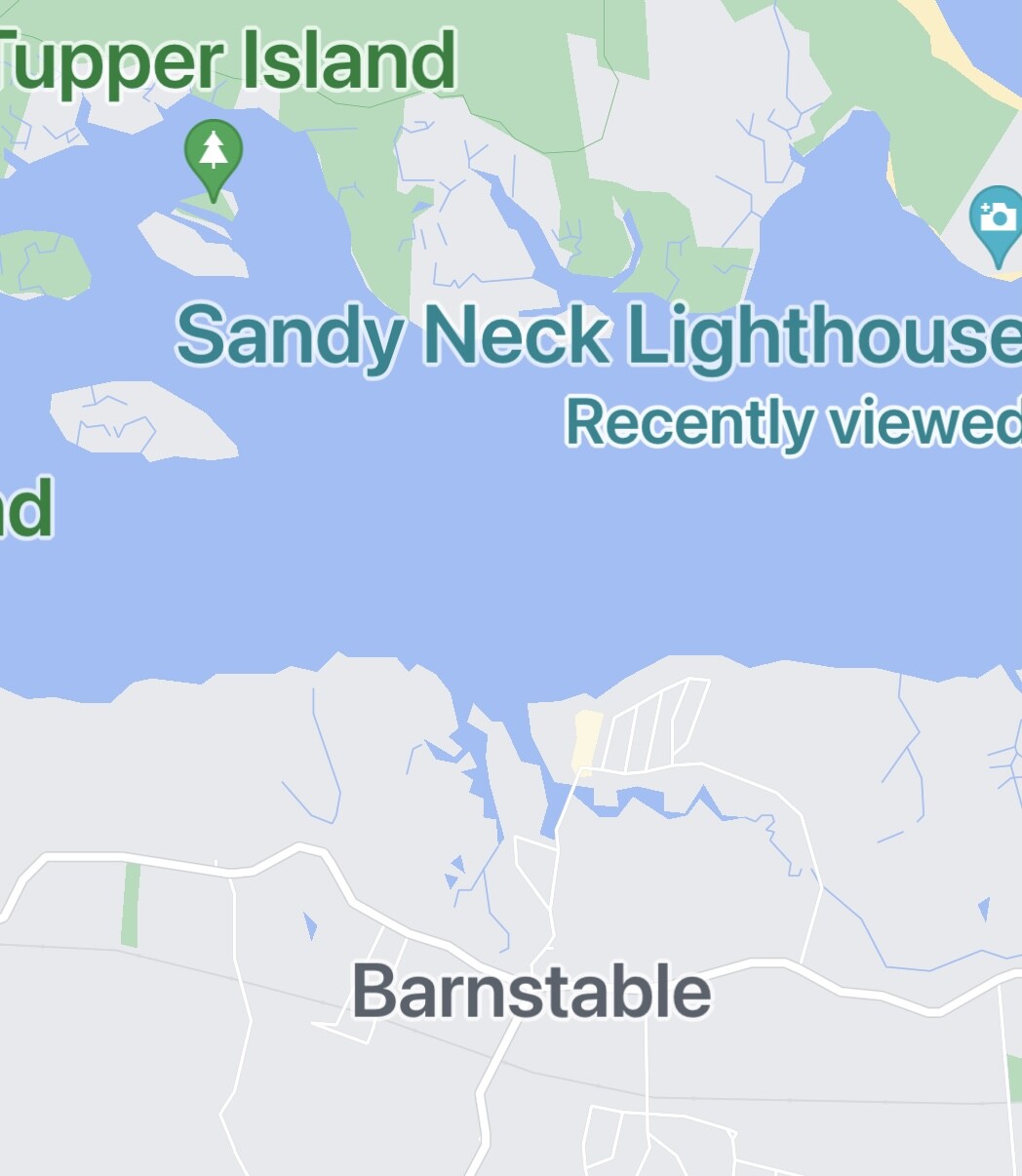
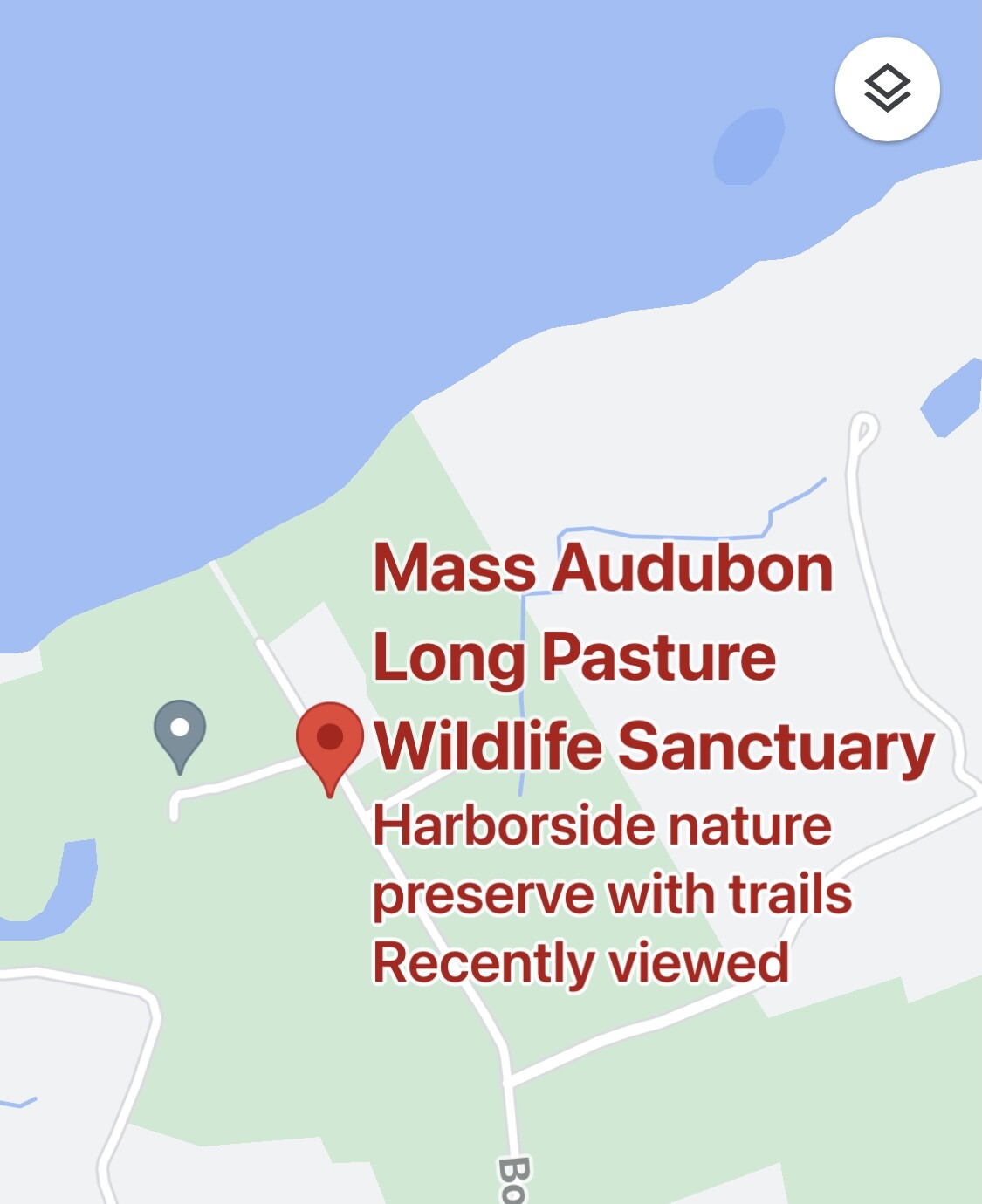

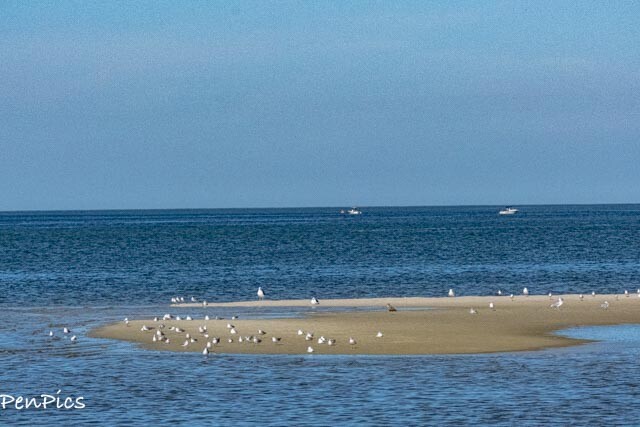
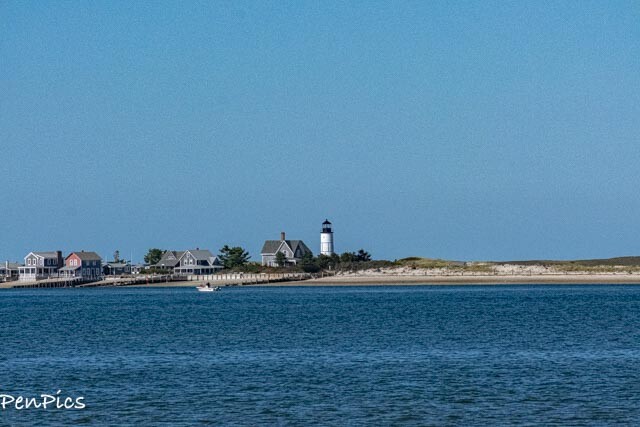 Sandy Neck Lighthouse, as seen from the shores of the Wildlife Sanctuary. The lighthouse is privately owned.
 Peek-A-Boo with a deer
 ********



 *******
 MAINE
MAINE
 MASSACHUSETTS
About Us

About Us
Hello and Welcome to our Travel Blog Website, We enjoy writing about our experiences and taking photos of our adventuring along the way. Our names are: Daryl and Pen, but Daryl calls me “Bunny.” We met, quite randomly, whilst both traveling in Thailand with friends. We happened to be in the same travel group, and […]