


“USA 🇺🇸 Alaska ~McCarthy and Kennicott in Wrangell-St Elias National Park”

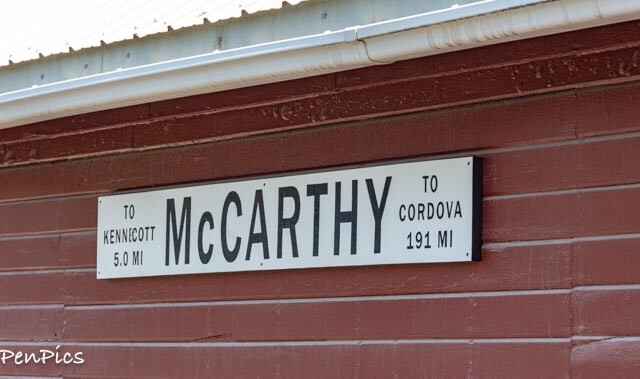
McCarthy ⬇️

NOTE: We made it, via shuttle. We left “Jonah and The Whale,” behind in Chitina, to make our way to the Historic town of McCarthy, to spend a really fun afternoon, overnight and another half-day in this old mining location.

We arrived in McCarthy, via shuttle in two hours and 15 minutes, from Chitina (pronounced Chitna) on a “less than” road.

We were so glad we chose not to drive Jonah. (VW Bug) We spoke to other rv-ers (smaller) who said they wish they had not driven their rig. We could have driven Jonah, but it is a very bad dirt road with lots of on-going damage, so it would have taken five hours to get there for us!

Just a quick pic to give a general idea of road condition on a sunny, warm day.

McCarthy Road is a dead-end road, with no through traffic. For those who do drive their own vehicles to visit, there is a parking lot that costs $10 a night to park. I do not know if camping is allowed in this parking lot.
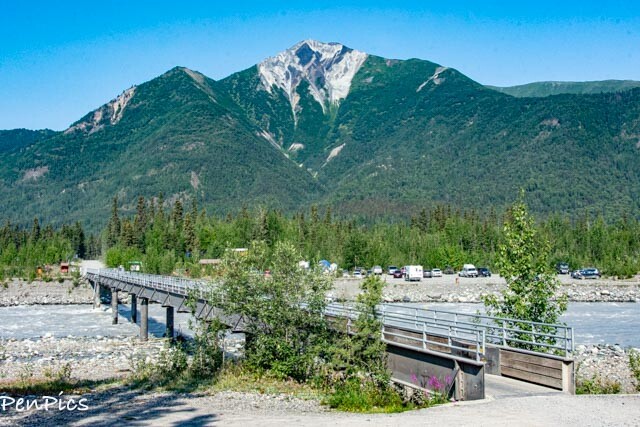


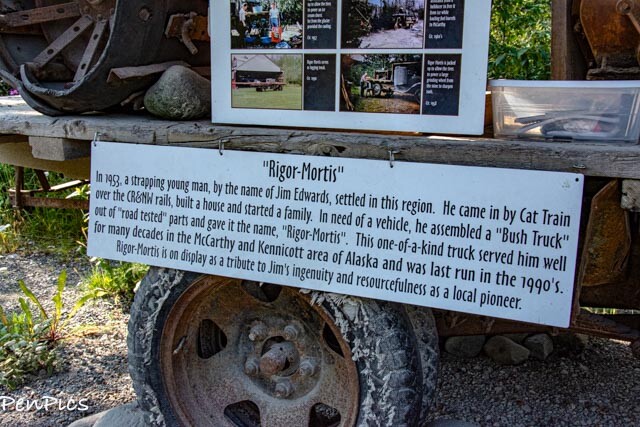

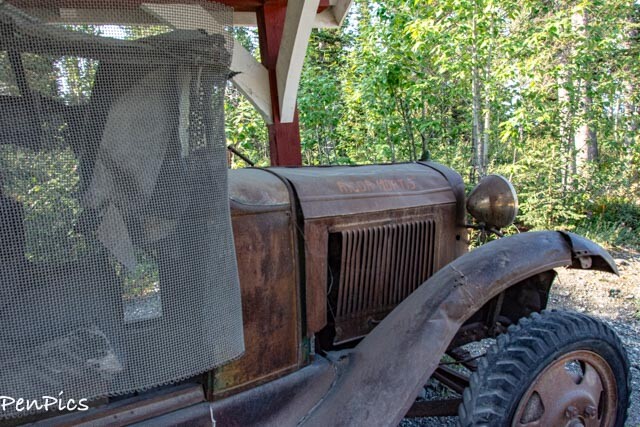
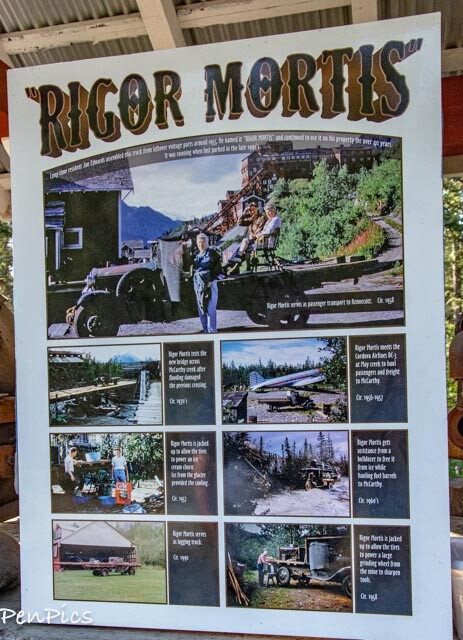
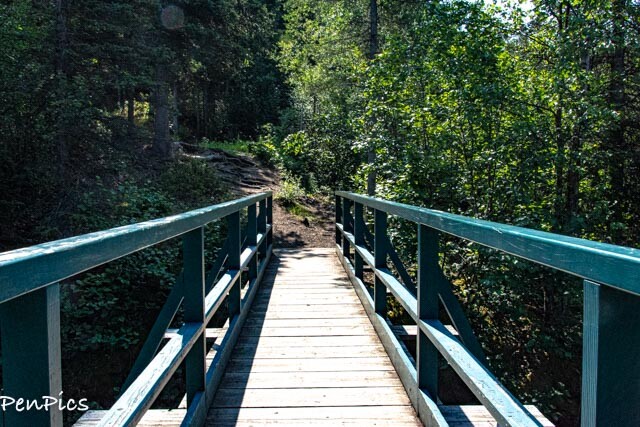
We crossed the footbridge at the end of the road, and waited for the free shuttle from McCarthy, but got a ride on another $5 pp shuttle, instead. It was hot and dusty, so we wanted to get going. The driver did not think the Ma Johnson Hotel took care of us, so he walked into the Hotel and told them so and put our $10 on the counter. Ha! Anyway, we left our bags at the Hotel and went out to explore, since check-in was hours away.
McCarthy is super awesome and a great experience for staying in the bush; and yet there was internet at the hotel, which was a complete surprise.
I loved this little town and with locals who do live there year-around, they work hard to keep the history of this place alive.

The tiny town of McCarthy was established in the early 20th century, though the area had long been settled and explored by the Athabaskan people; native to the region.
McCarthy developed rapidly as the nearby Mill Town of Kennicott began to grow. The Copper River and Northwestern Railway line was established and reached McCarthy in 1911, primarily to feed the mining and milling settlement.
McCarthy was essentially a small satellite town to the corporate center Kennicott. McCarthy was home to the bars and prostitutes, forbidden in Kennicott and McCarthy quickly grew to become a sizable center.
After the milling operation of Kennicott folded, in 1938, McCarthy quickly fell into disrepair as most of the people moved away. The railway service was discontinued with the closing of the Kennicott Mill and the mine that fed her. This pushed the demise of the town, and by the early 1970’s the population was almost zero.
A few residents still lived in the surrounding area, though, and McCarthy started to become a small tourist attraction.
In 1980 the Carter Administration created Wrangell-St. Elias National Park and Preserve; 13+ million acres of Park and Preserve surrounding the town. As a result, tourism began to grow, and today the town is a small but fun hub for most tourism to the park.
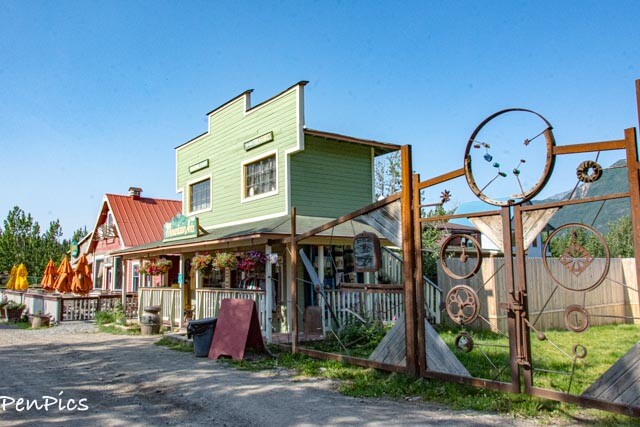

⬆️ Salmon and Bear Restaurant ~Fine Dining!!

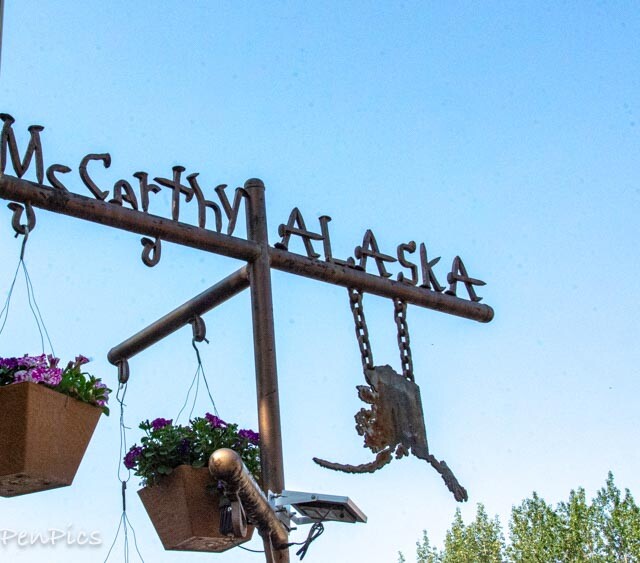


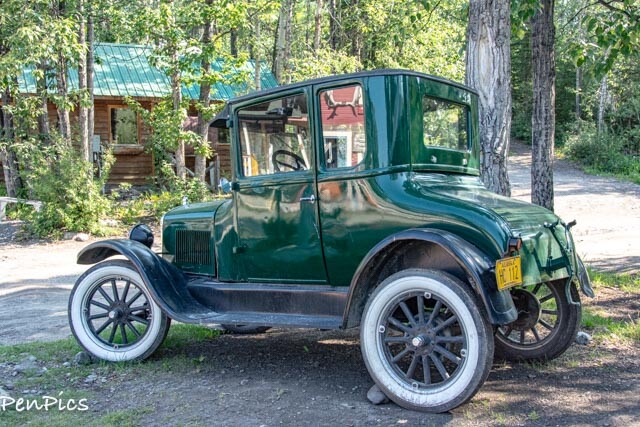

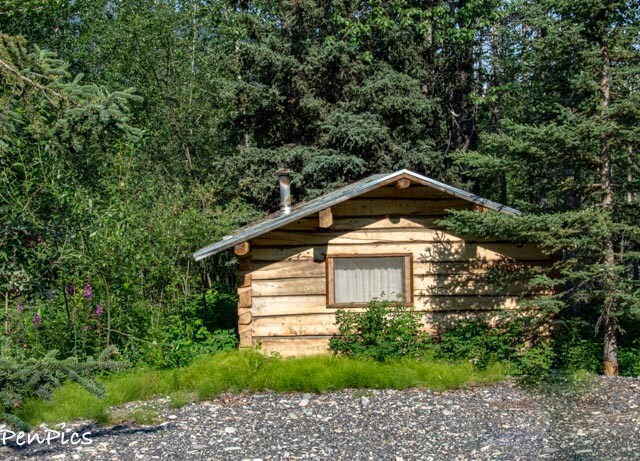
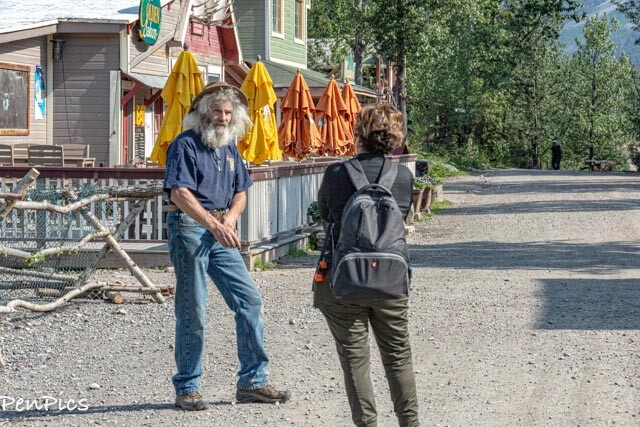

⬆️ This is the main store in McCarthy. It has some groceries and baked goods. It is also the free shuttle stop and drop off.


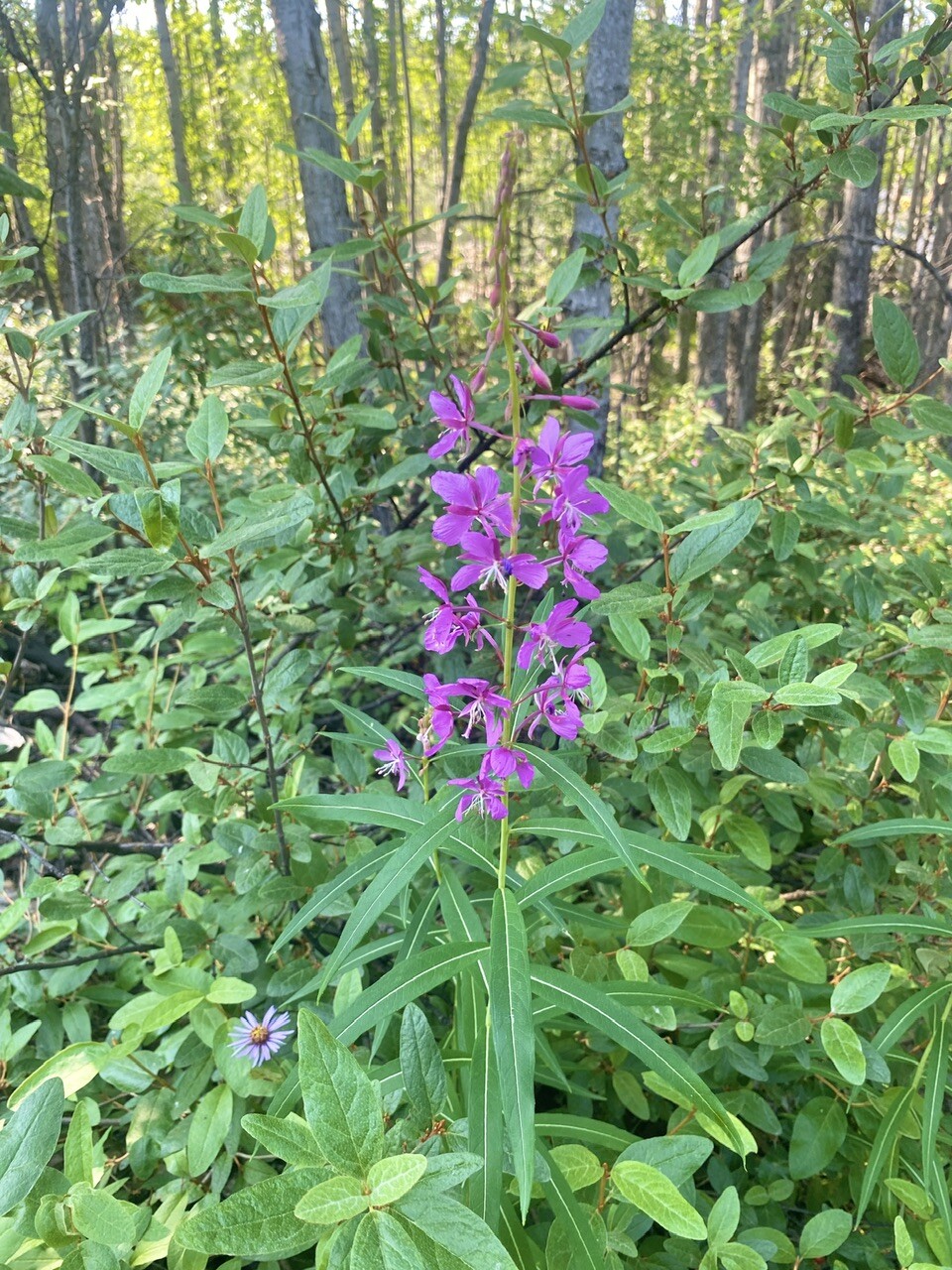

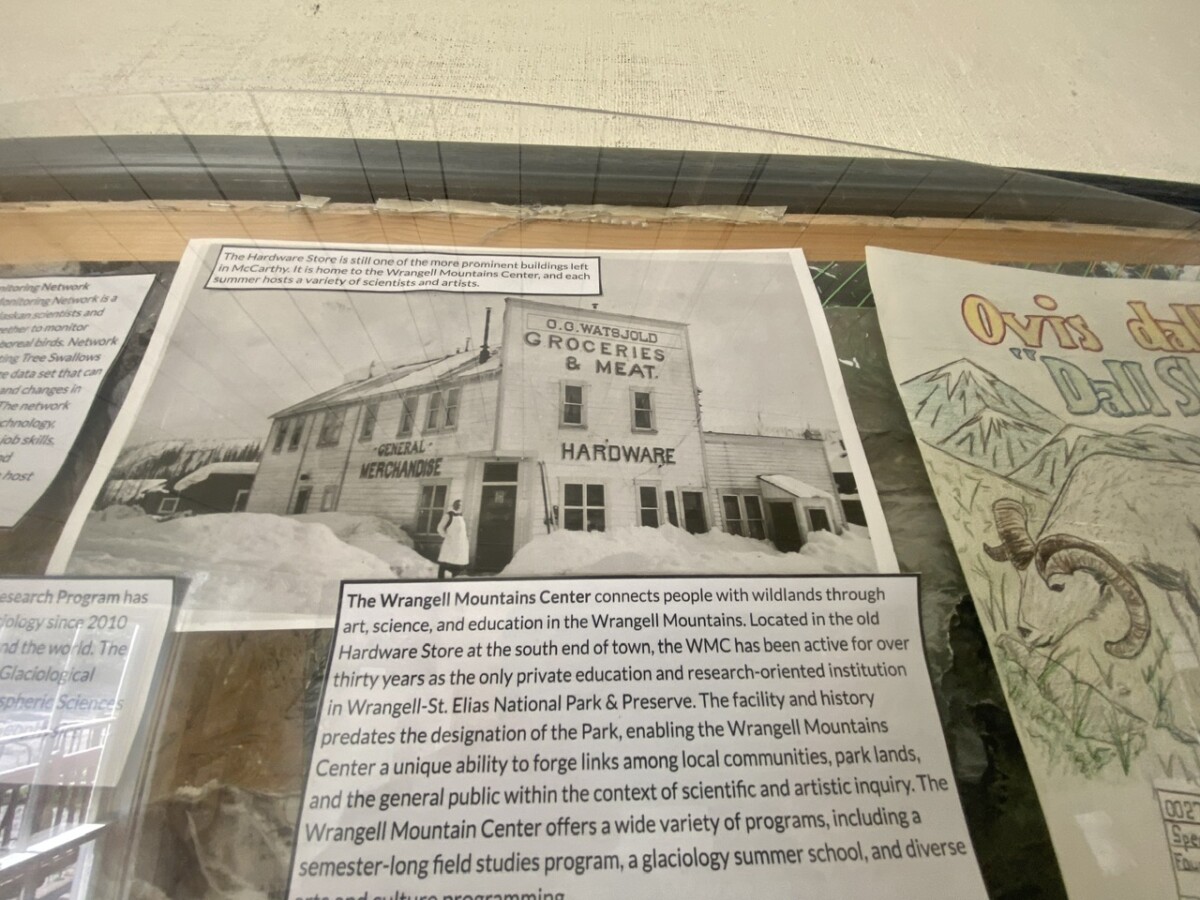
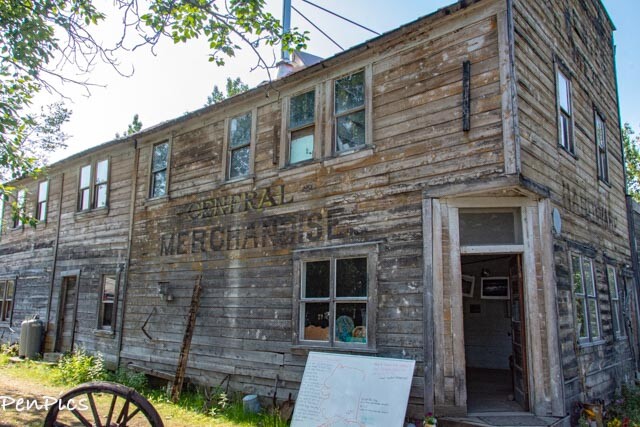
The Old Store: Butchery, Hardware and Grocery


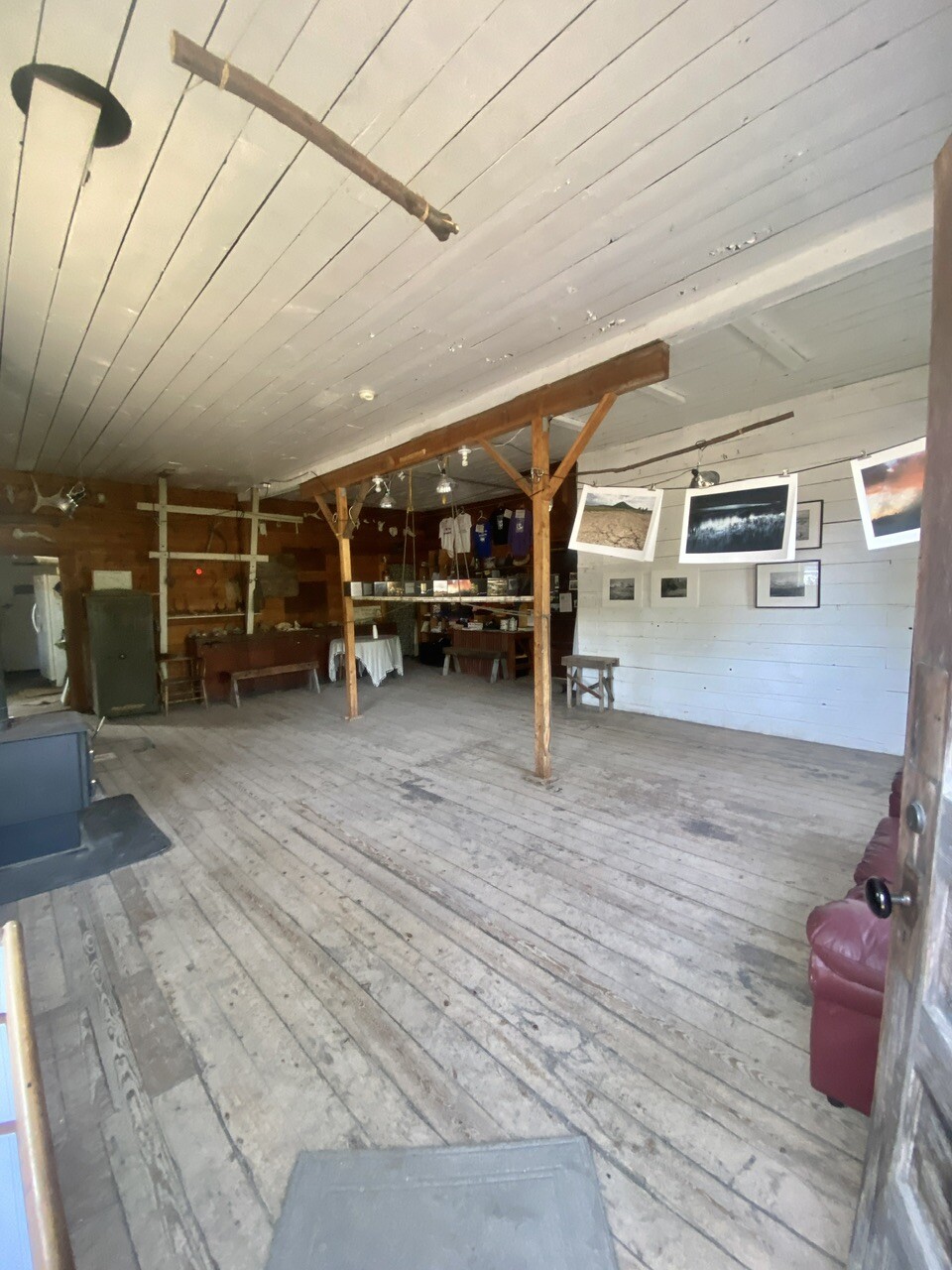


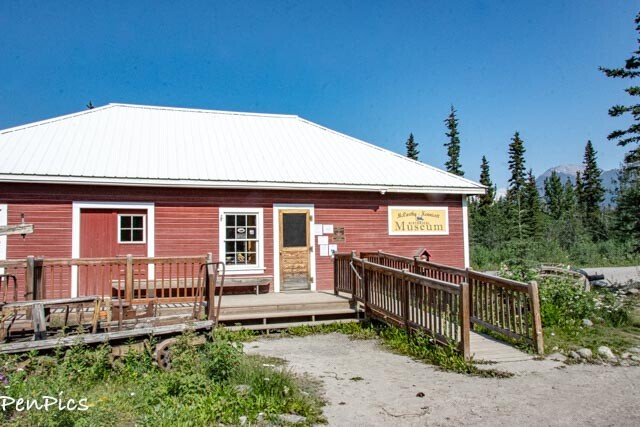
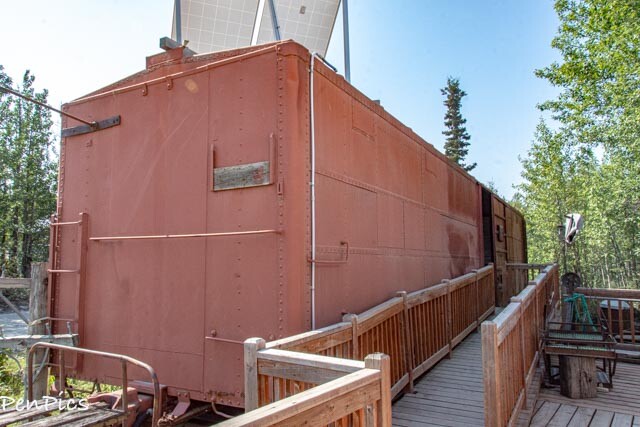
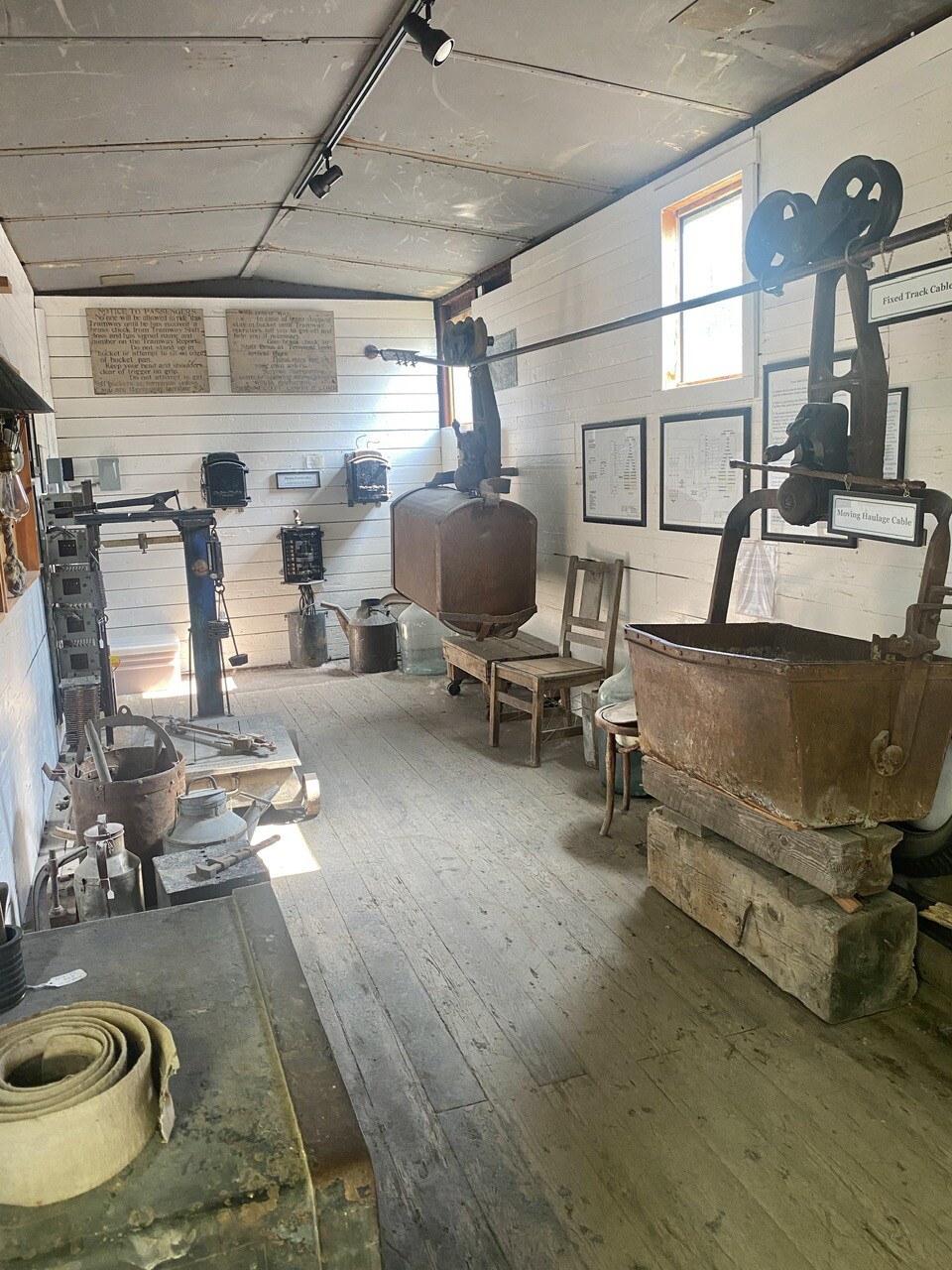
We visited the museum and then had lunch at The Potato Restaurant, since our reservation at The Salmon and Bear Restaurant for dinner, was also hours away.


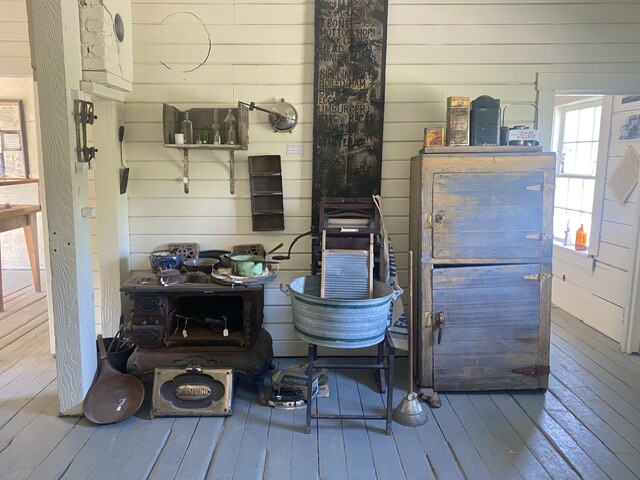
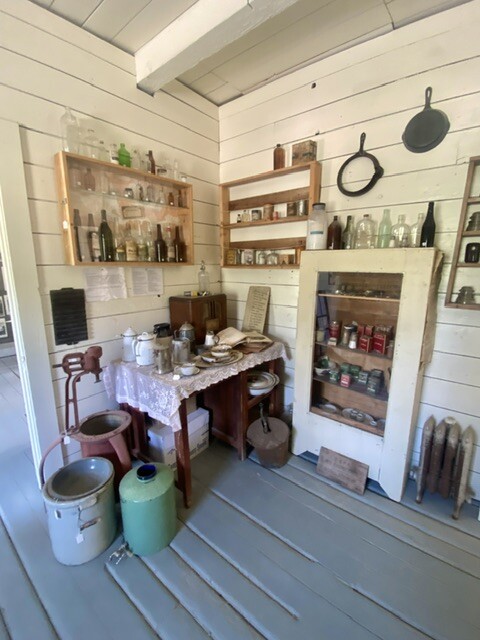


Time for Lunch ⬇️


Simple Menu and Good Food
We wanted to visit the cemetery, but learned it was a few hours to hike to and we didn’t have the time. Drats!
The Ma Johnson Hotel ⬇️

We asked if we could get checked-in to our room a little early. The staff was very friendly and accommodating. Everything was neat and tidy.
By 3PM we were settled in our room, but no time to stay. McCarthy is not very big, but it has a lot to offer!
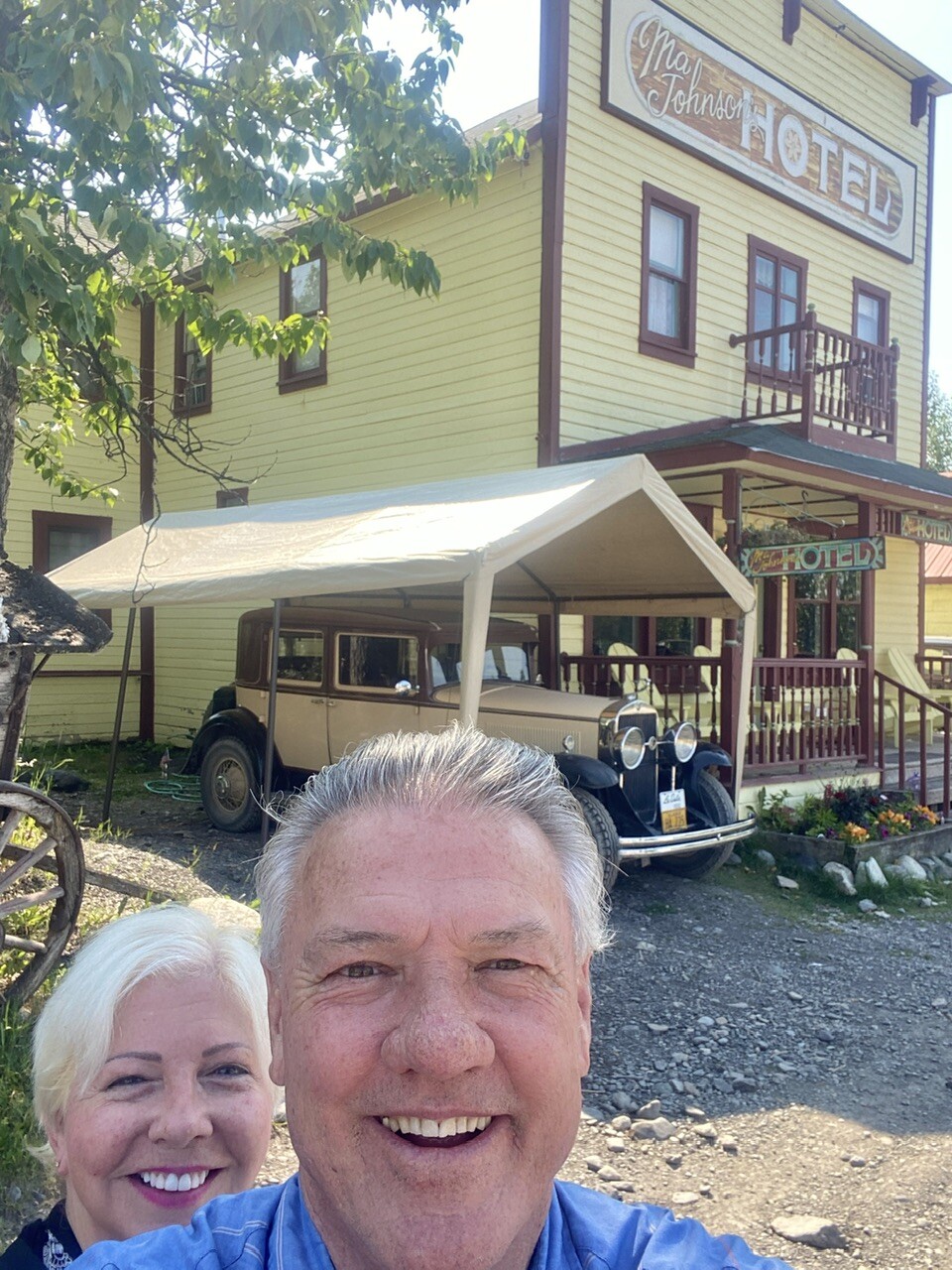



Original staircase
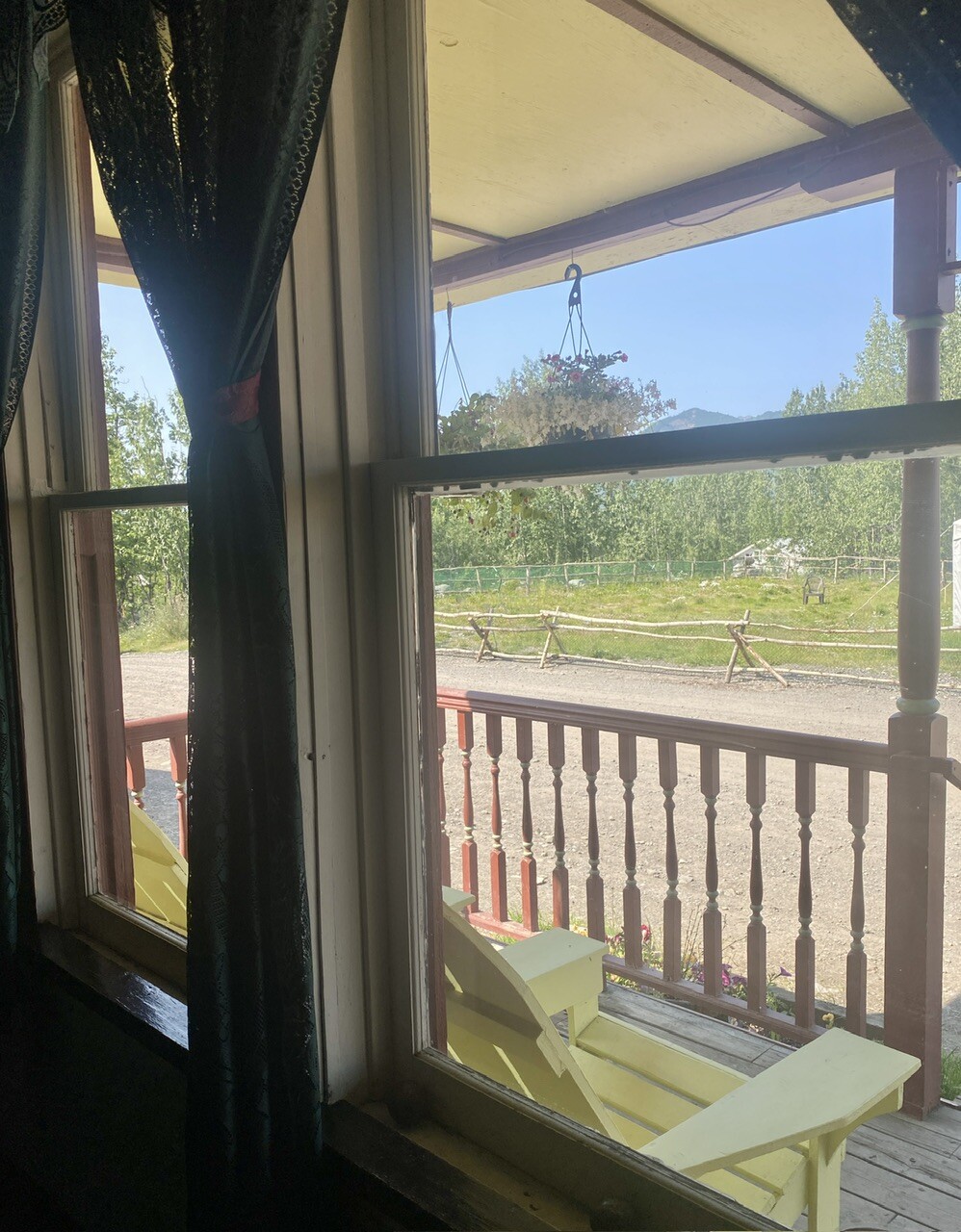
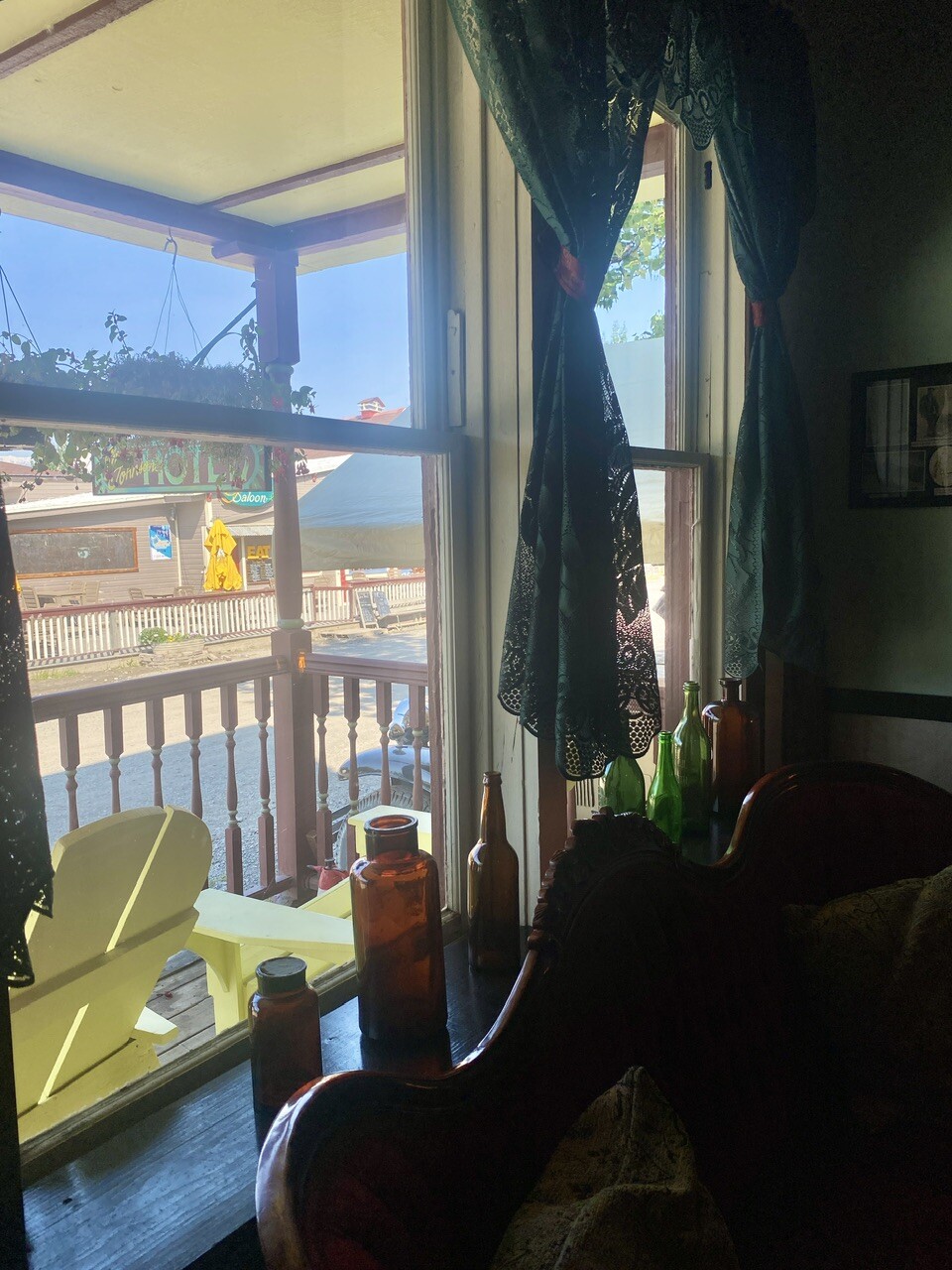




⬆️ A railroad spike on display. These are what re-surface, every now and again on all-dirt McCarthy Road, since it used to be a train route. They damage tires for sure, as confirmed by our shuttle driver from Chitina.
Keep in mind, this is an original hotel from the frontier days. There are no locks on the doors, nor outlets in the rooms, and none of the rooms have bathrooms; though some have a sink.
All bathrooms are shared, but many rooms were converted to bathrooms, so there are plenty. They are also very clean.
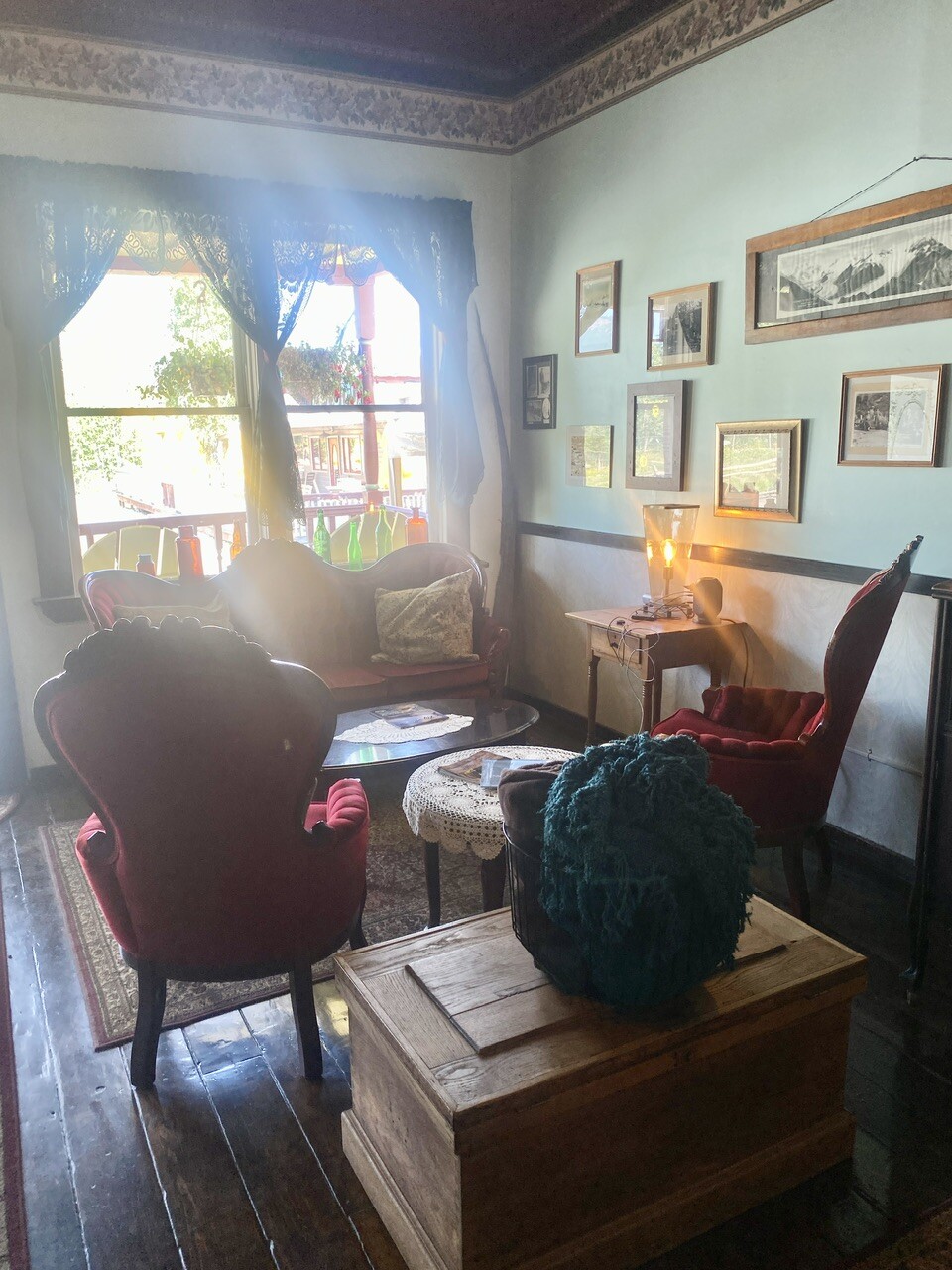
The charming lobby has outlets, and charging stations are provided. It worked out just fine, to keep our (my) phones charged for taking photos and working on my blog, when I had time.
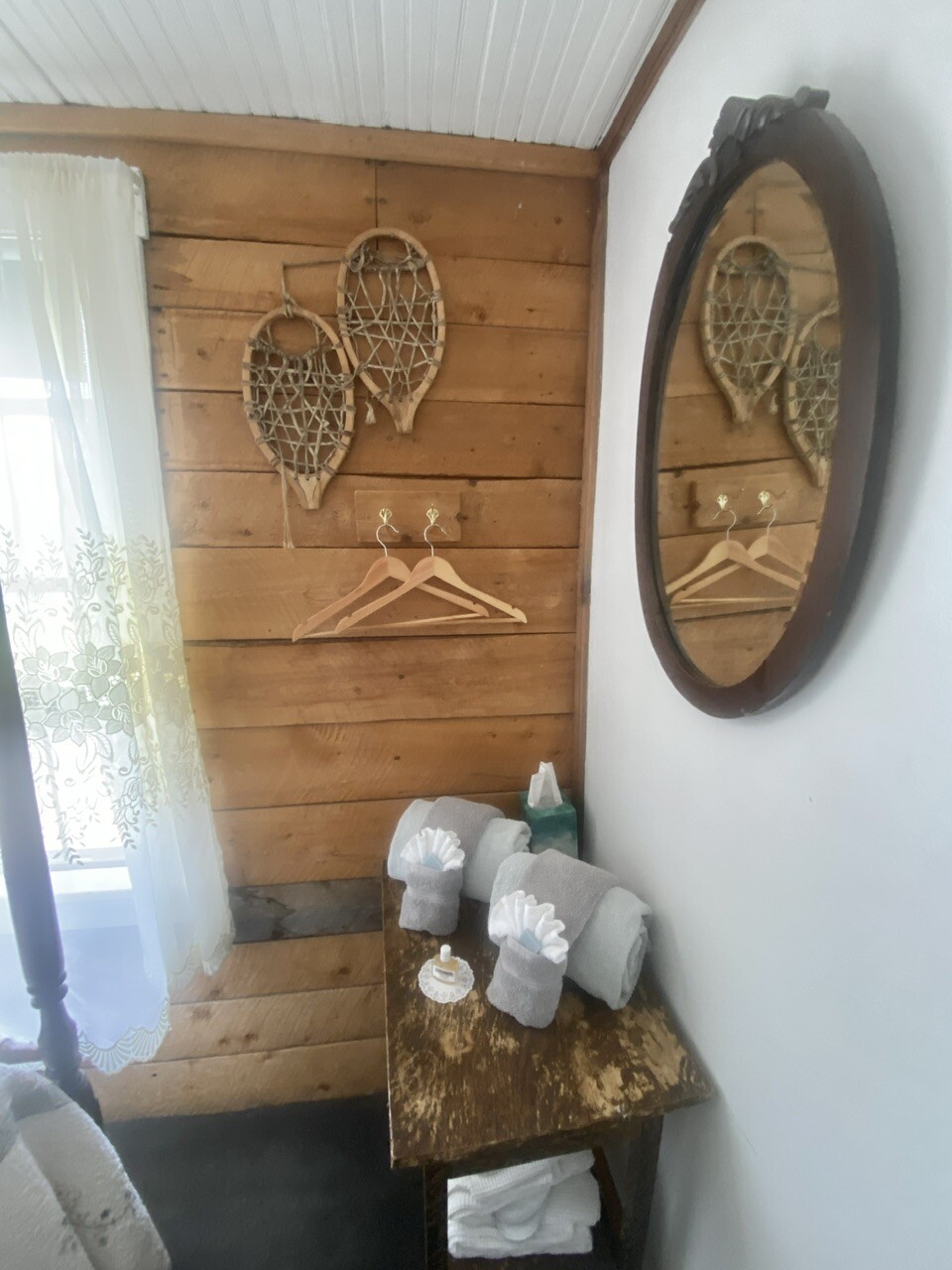
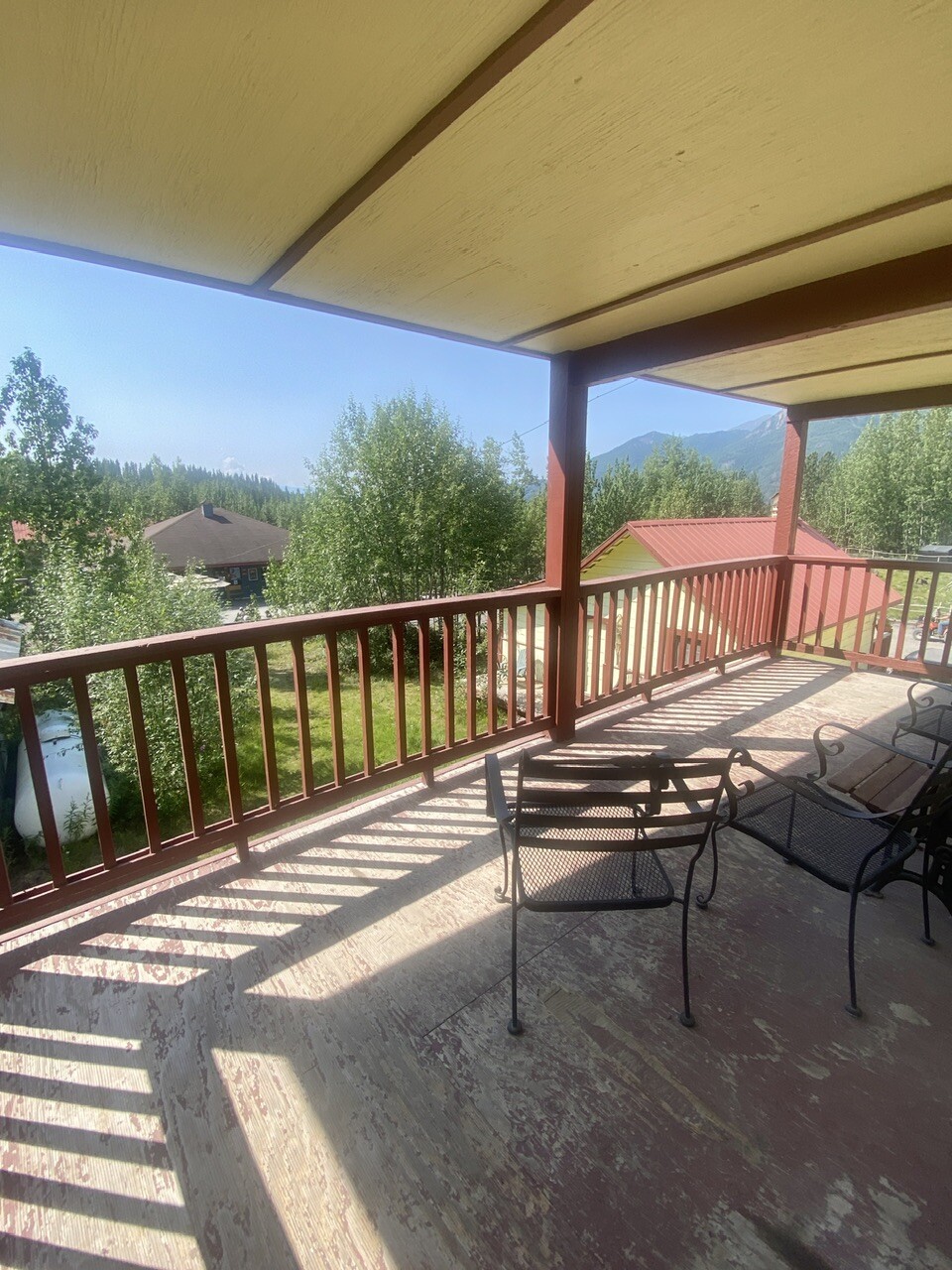
I took a few pics of other rooms ⬇️


Wrangell Mountain Air Flightseeing ⬇️

Since the weather was so perfect, we randomly stopped in at the Wrangell Mountain Air to see if they had any open seats for a plane ride. We were in luck!
We did not have good weather for our glacier mountain helicopters ride to go dog sledding, since it was stormy, (out of Girdwood, over a week ago), so here was another chance to get up in the air.
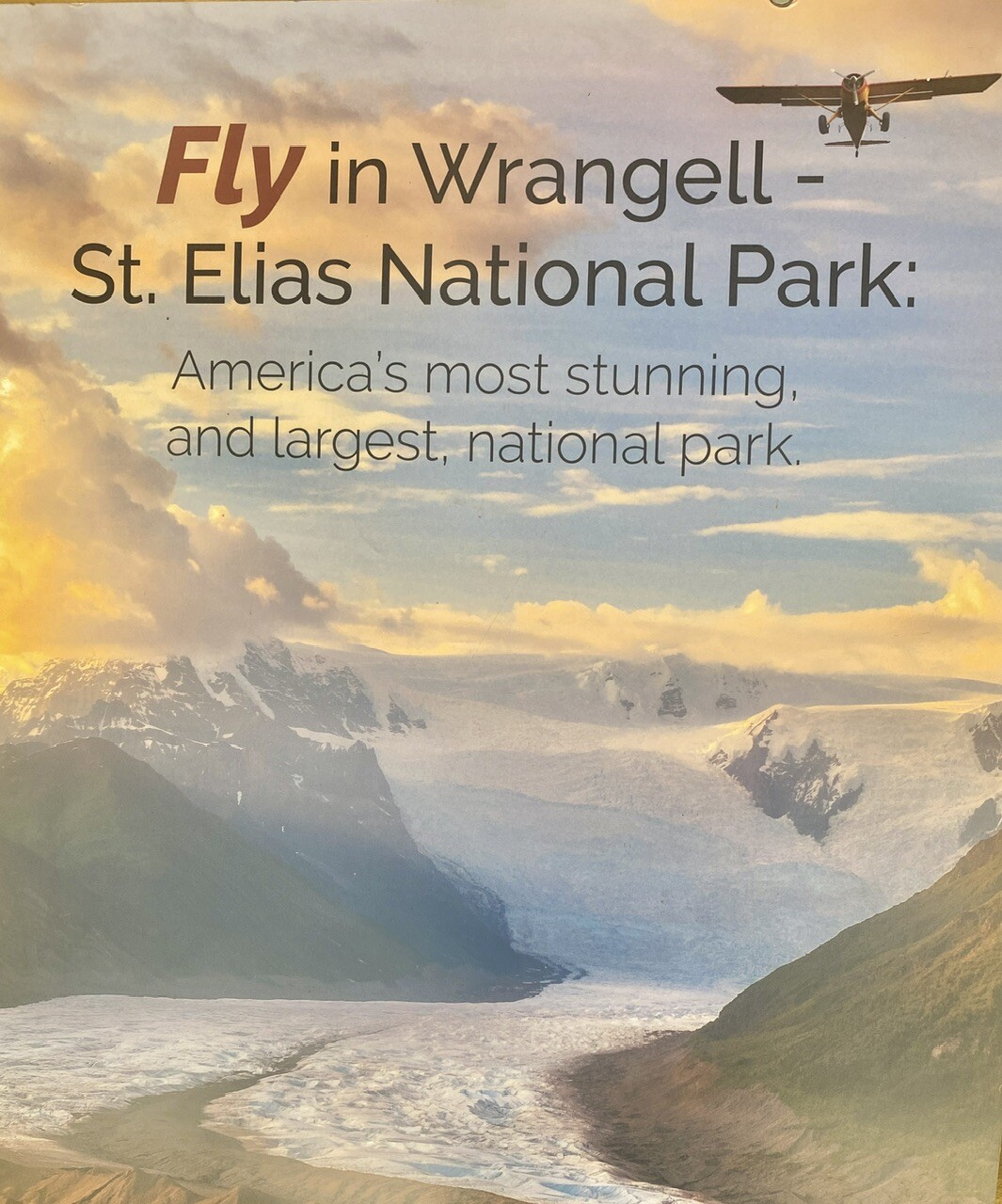
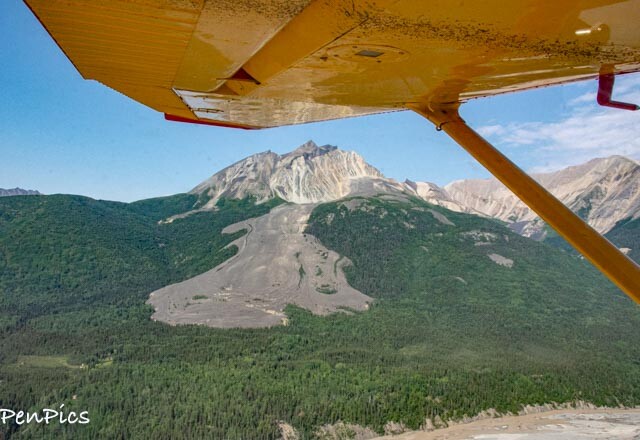
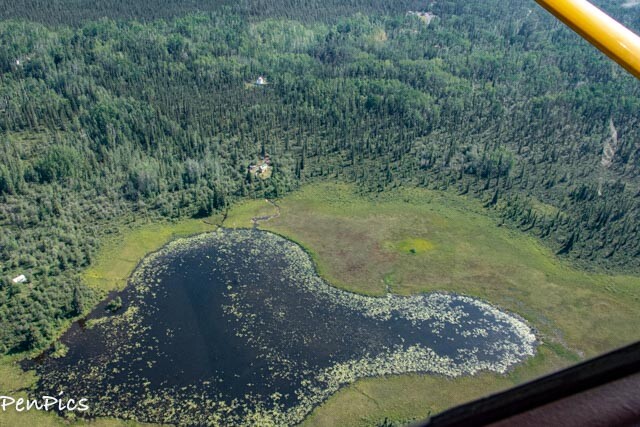
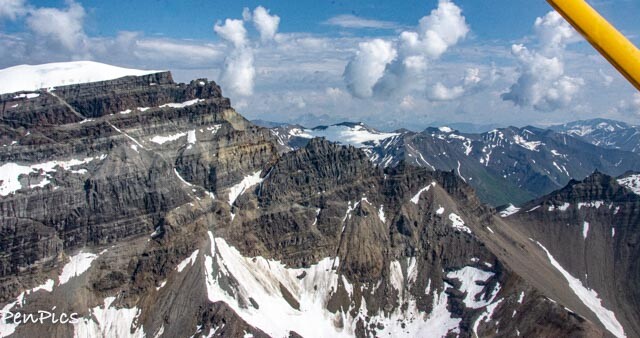
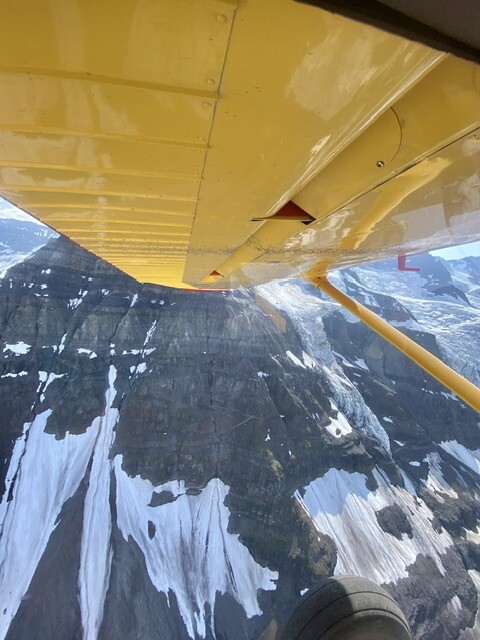
We flew over Wrangell-St Elias National Park and had all the beautiful scenic views we could handle!! What a gorgeous flight!
Our pilot was engaging and very enjoyable.




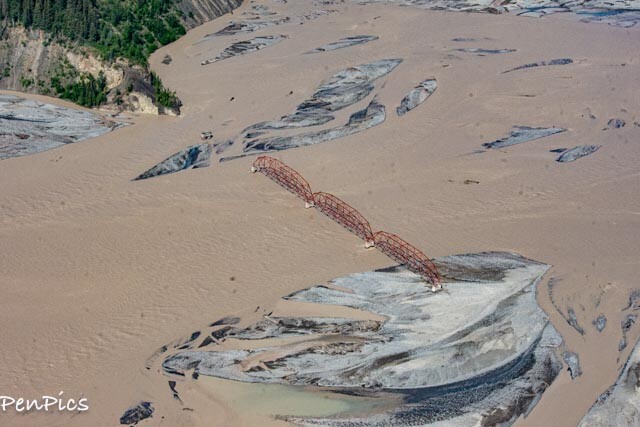
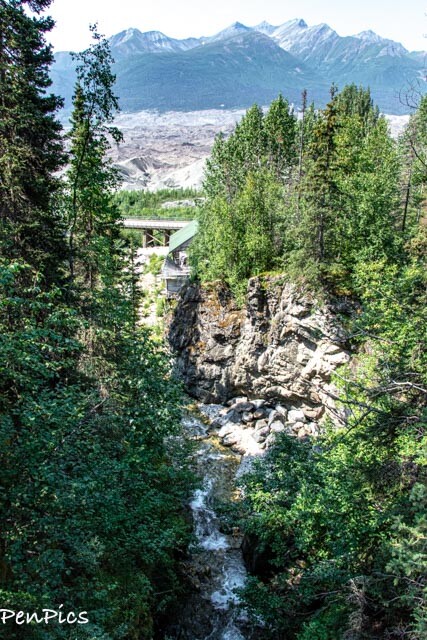
⬆️ This Bridge got taken out by a large floating Iceberg

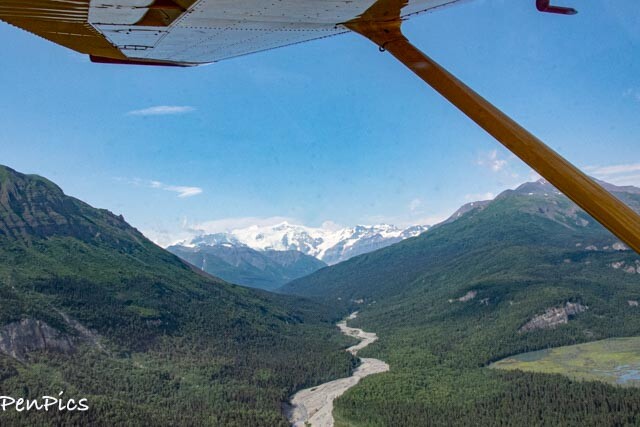

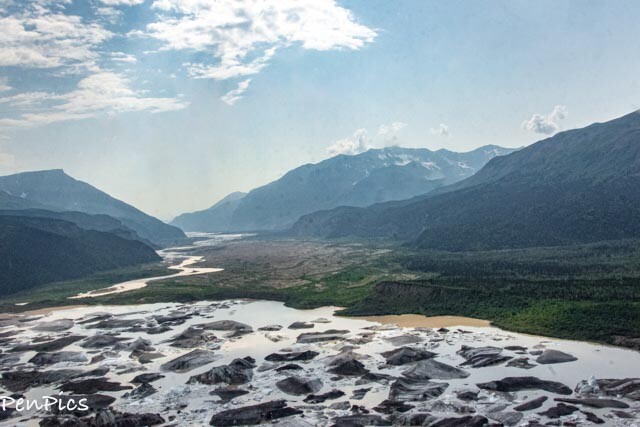
Wrangell–St. Elias, in Alaska is the largest National Park: at over 8 million acres, and it is larger than each of the nine; smallest states.
For comparison: The next three largest parks are also in Alaska. The smallest Park is Gateway Arch National Park, Missouri, at 192.83 acres
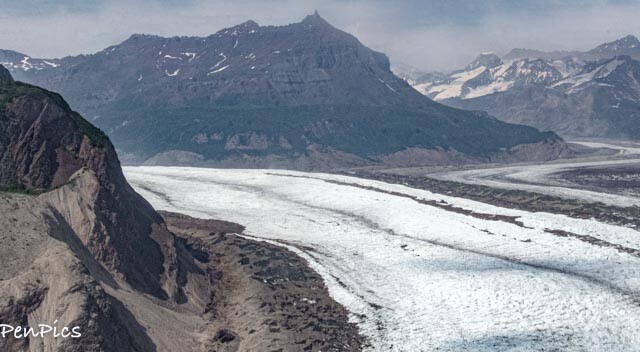
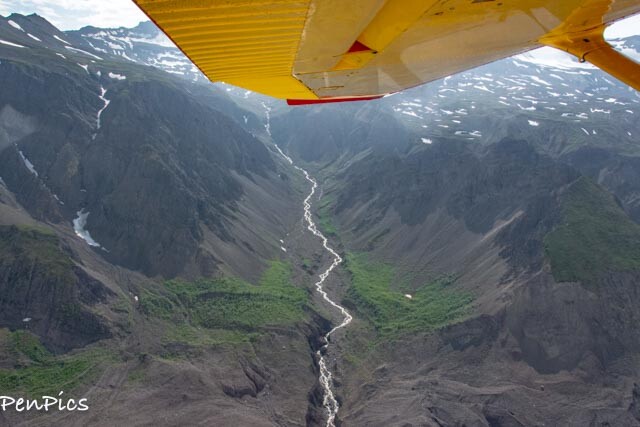

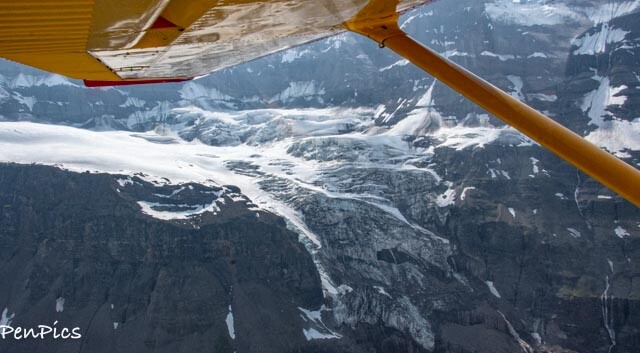
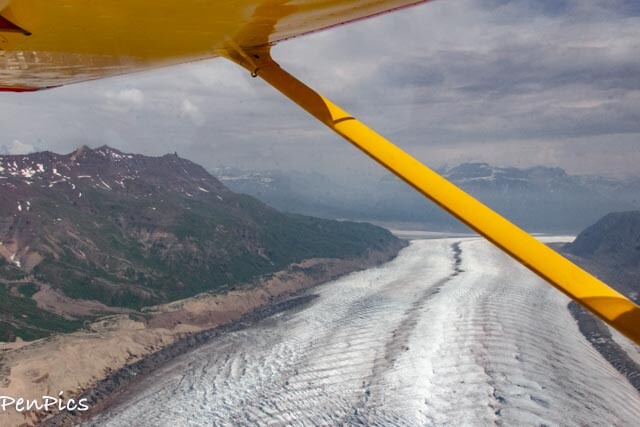
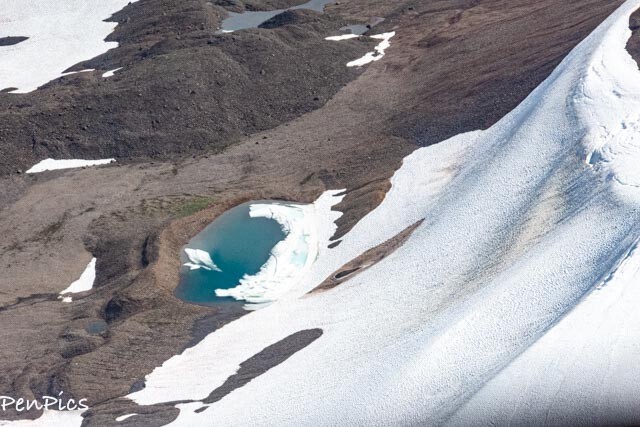


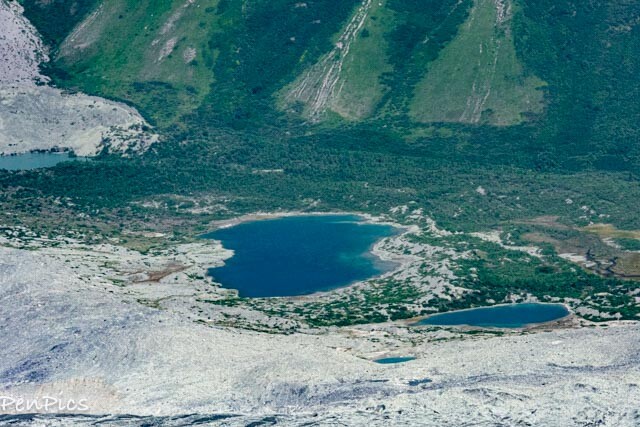


⬆️ The now, abandoned mine, built on top of a glacier, back in the day!
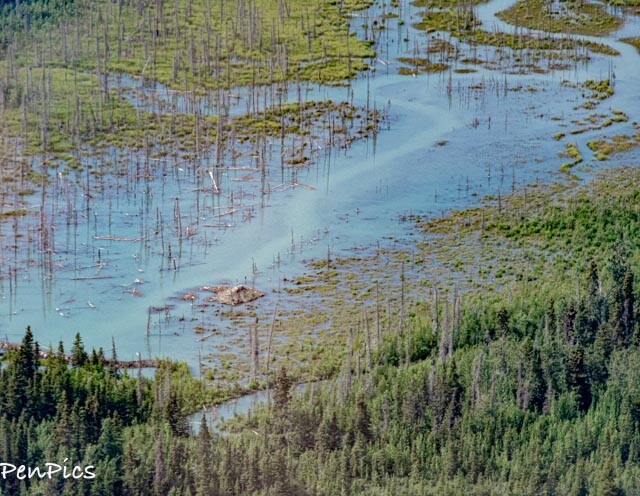
⬆️ Beaver Dam


Wrangell-St. Elias is one of four contiguous conservation units, spanning some 24 million acres that have been recognized by the United Nations as an international World Heritage Site. The original 1978 designation included Wrangell-St. Elias and Kluane National Park Reserve in the Yukon Territory of Canada.

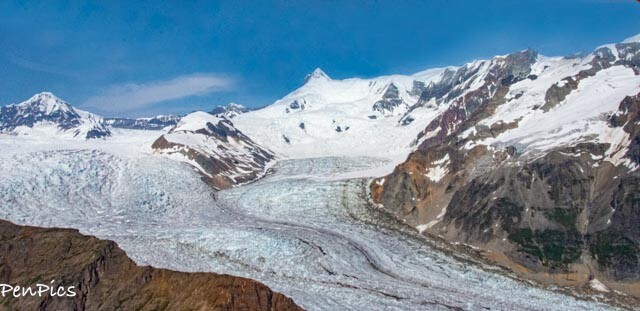
The St. Elias Mountains hold the world’s most-extensive ice fields, outside the polar ice caps, extending south and east for some 235 miles from the eastern part of the Chugach Mountains to the Alsek River, and including the Malaspina, Guyat, Seward, Bering, and Hubbard glaciers.
The Icefield is bigger than the country of Switzerland, and over a mile thick!
Within the Wrangell-St. Elias National Park boundaries exists the nation’s largest glacial system, with glaciers covering 35 percent of the parklands. We got to fly over this area. WOW!
In the summer, these glaciers contribute a significant portion of the rivers‘ high runoff, and heavy sediment load. During the winter, glacial melt reduces, and many rivers run with clear water.
Notable Glaciers in Wrangell-St. Elias:
BAGLEY ICEFIELD:
This massive icefield encompasses multiple glaciers and is 127 miles long, 6 miles wide, and up to 3,000 feet thick!
NABESNA GLACIER:
This is the world’s longest interior valley glacier, stretching over 53 miles long.
MALASPINA GLACIER:
North America’s largest piedmont glacier (formed at the base of a mountain, rather than enclosed by a valley). It covers an area larger than Rhode Island!
HUBBARD GLACIER:
Flowing over 75 miles and calving into the sea, with a face 6 miles wide, this glacier near Yakutat is the longest tidewater glacier in North America.




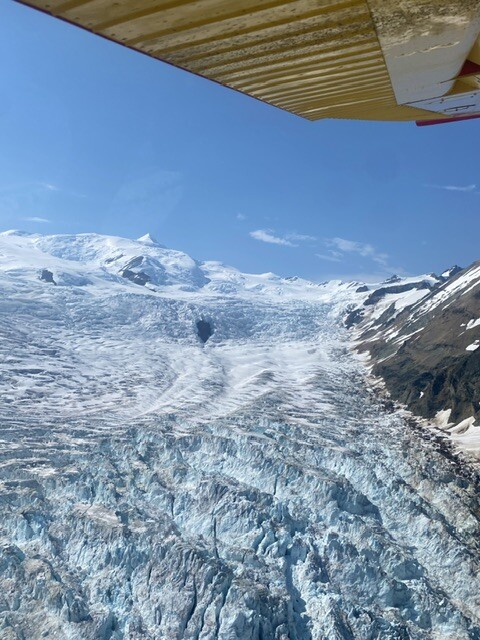

After our exhilarating Flightseeing trip, we went back to our room to get ready for dinner.
Dinner at the Salmon and Bear Restaurant was divine!!!! Fine dining in McCarthy, in the bush! Who knew? ⬇️


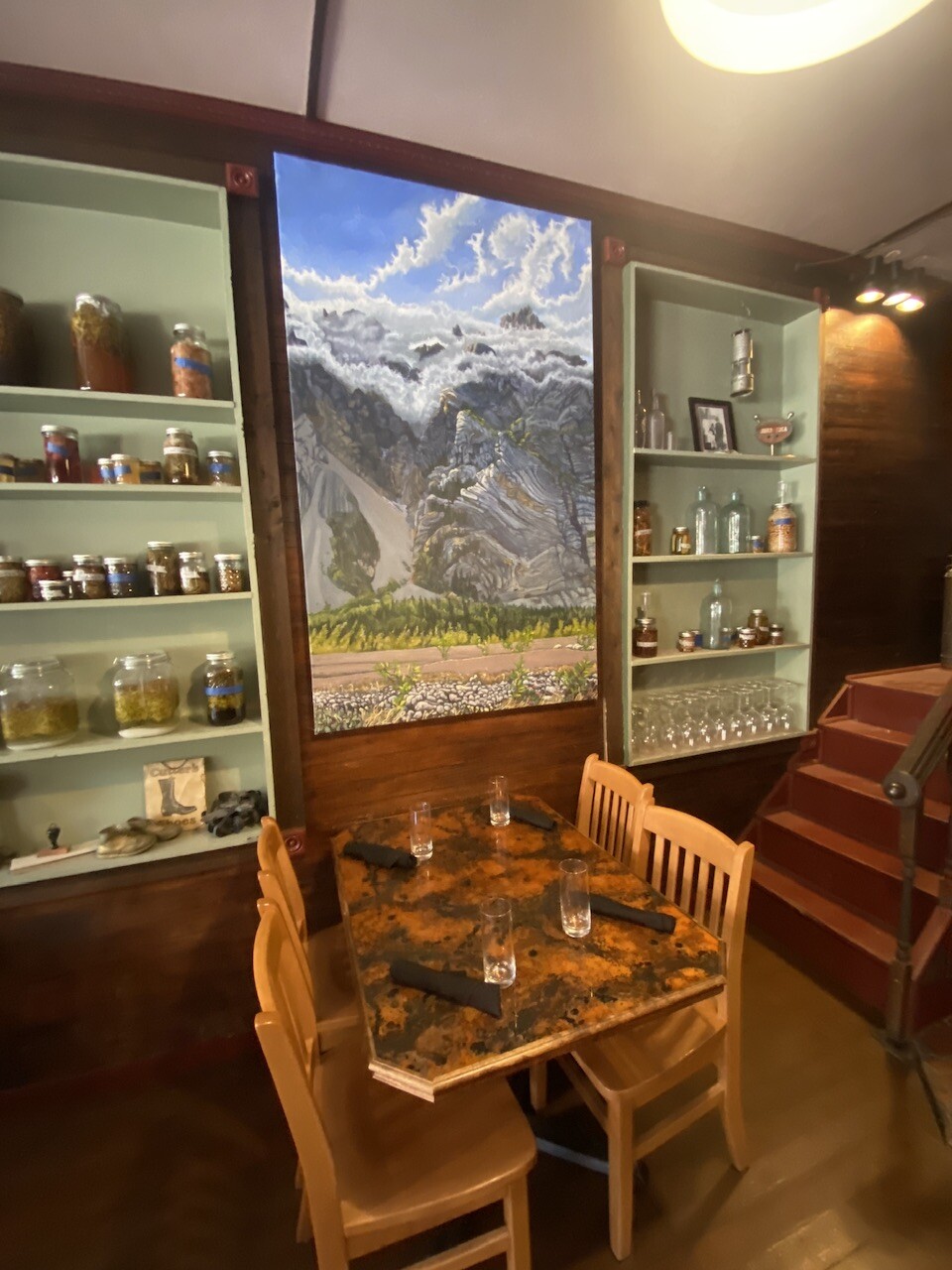

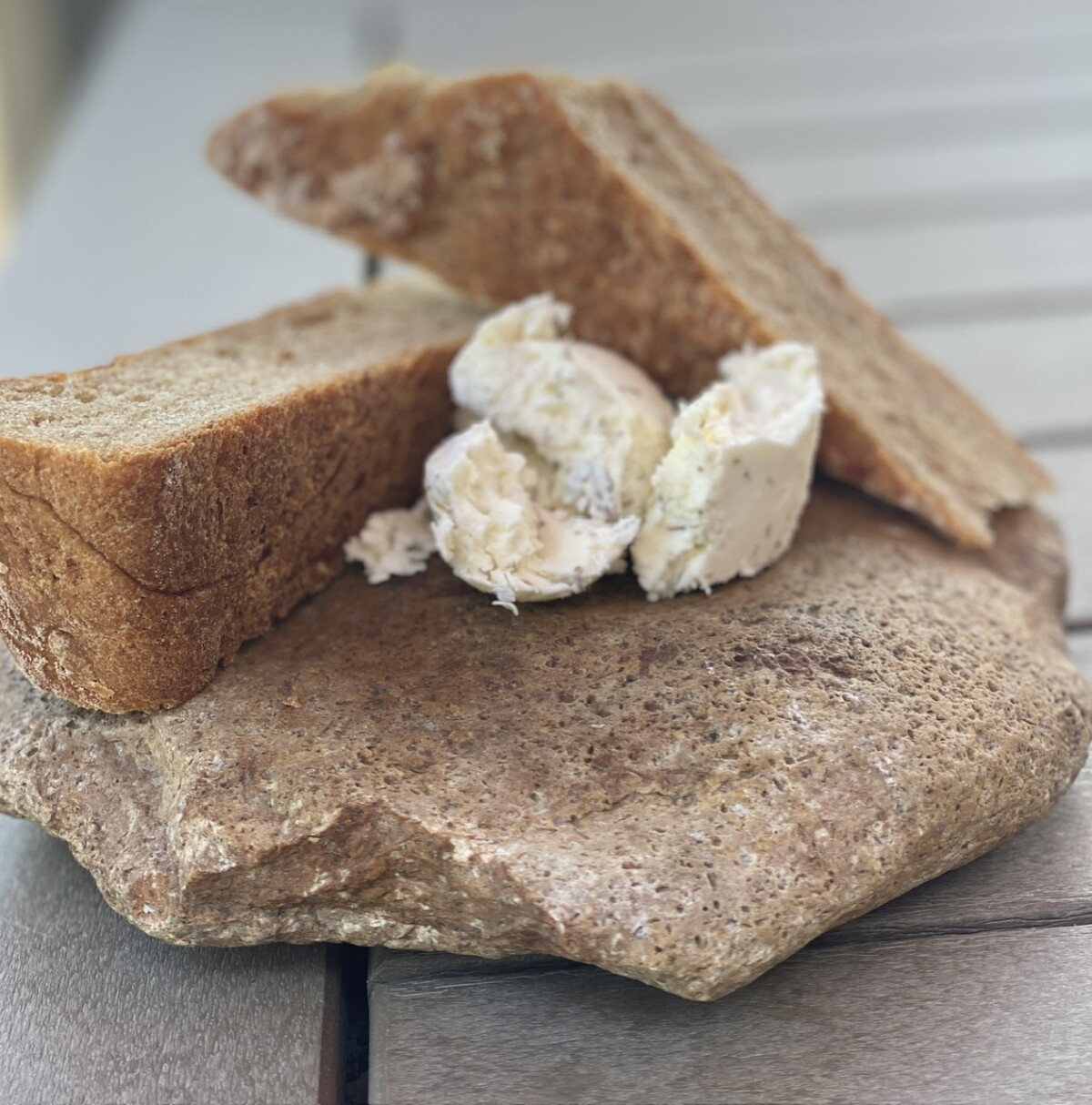
⬆️ ⬇️ I had to ask about this butter we were served. I was told the basic ingredients and then figured out how to make some!
First, gather fresh spruce tips from the trees, (the new growth of spring)…put in jar and infuse with sugar water for several weeks. Then, chop up the spruce tips and mix in creamy butter.. it’s to die for!
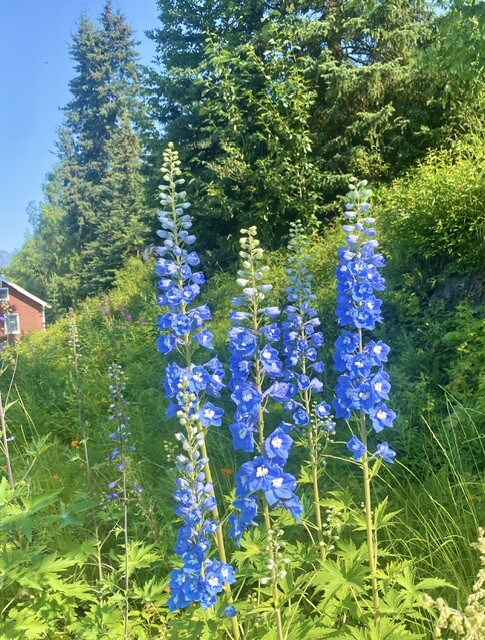
Spruce trees are all over McCarthy, so Daryl gathered a baggie full, before we left.


⬆️ Wagu Beef, Potatos and Mushrooms

⬆️ Our blueberry dessert was served in this bowl, left behind from the past, which is over 100 years old
Recommend!!!
We were winding down about now, and looked forward to relaxing a bit. Our room and bed were very comfy, but it was so hot, being on the exposed sun side; front of hotel, neither one of us slept well. I had used my battery bank to charge my phone up in our room, before bedtime, and message even came up on my screen: “charging has been discontinued till cell phone cools down.” Ha! I’ve never seen that before.
Our room window had a screen, but there was no airflow. I don’t know how the earlier settlers did this, without fans, back in the 18 and 1900’s. I opened our door a little, and this created a tiny breeze. There are no blackout shades, and there are lots of barking dogs.
We had gone to our room pretty early in the evening, so in the morning, when we came down, before anybody else was awake and moving about, we found baskets on the counter with eye masks and ear plugs. Too Funny, so just sharing some info for anybody who may venture, here.
We experienced a unique stay in an old mining Hotel and would do it again, but would get a room at the back of the hotel ✅
Glad for morning, we were up and back at the Salmon and Bear Restaurant for breakfast and coffee, which was included in the Ma Johnson stay.
It was also yummy.

Though check-out wasn’t till 11AM, we were packed-up and out of our room, early, to enjoy the comfy chairs in the lobby, and the outlets to charge our phones, till it was time to catch the free shuttle to the nearby, Kennicott Mill Town, for our scheduled tour.
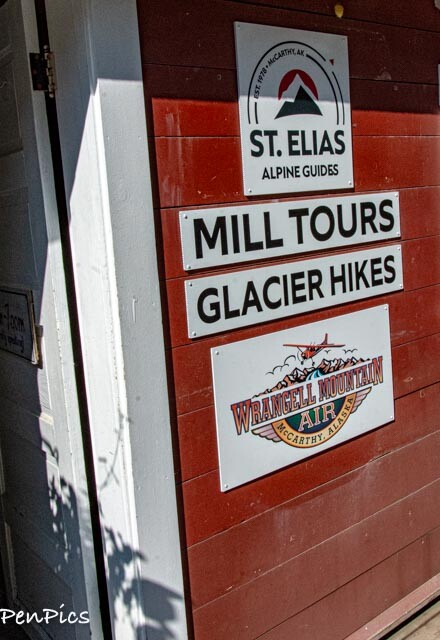
Recommend!
Yesterday, we had flown right over Kennicott, so seeing it from the air was a bonus! We were excited to explore!
Mill Town of Kennicott


⬆️ Old Railroad Depot

During the summer of 1900, a prospecting party made its way into the Wrangell mountains. Two of these prospectors; Clarence Warner and “Tarantula” Jack Smith were making their way along the moraine of the Kennecott Glacier when they spotted a patch of brilliant green high up on the mountainside. Too high up to be a field of grass, the two men ascended the mountains and found a large outcropping of malachite, a copper ore, and made the first of multiple claims along the mountainside.
The Bonanza claim would soon turn out to be the purest copper found anywhere on earth! This led to the creation of the Kennecott Copper Corporation and massive infrastructure investments by the Guggenheim and Morgan families. As a result, they eventually extracted over $200 million (Over $2.5 Billion in current US dollars) in copper from the hillside, until the mine’s permanent closure in 1938.



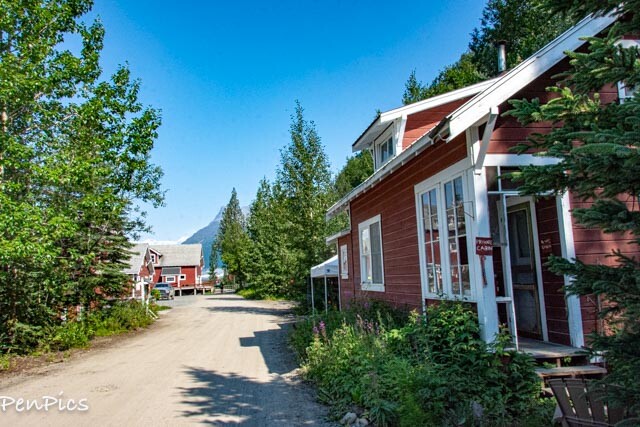
Long established private residents are scattered about and continue to be lived in, though now, inside a National Park
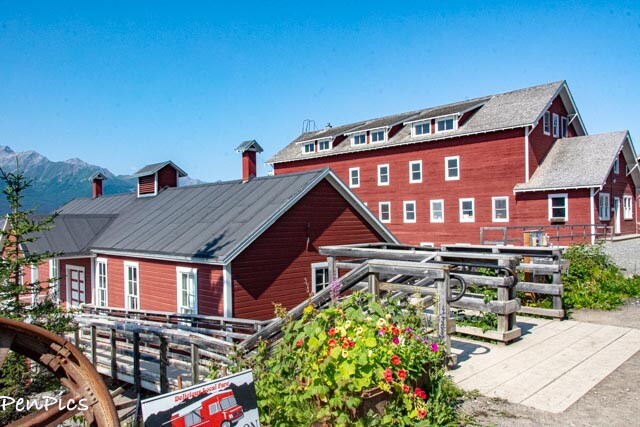
⬆️ The big building on the right was the men’s quarters, bathhouse and cafeteria
⬆️ The building on the left wax the old school house which was also used as a church when a preacher would show up in town
The children of the Town had a fun life. They had an ice skating rink in the winter, and springtime activities like the May Pole celebration they practiced and participated in

The walkway to the schoolhouse/church originally had heated pipes buried under the wooden walkway, to keep it clear of ice/snow
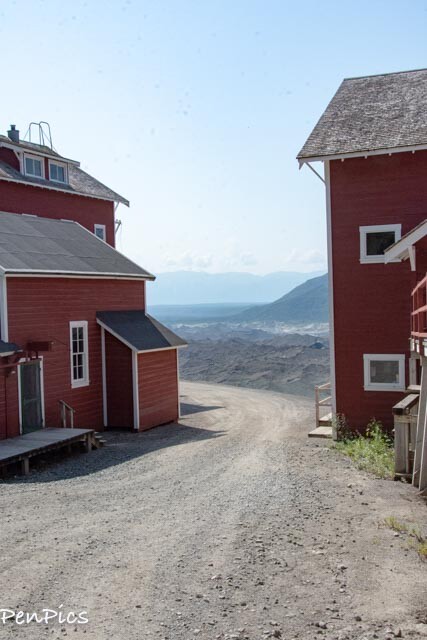


⬆️ The Butchery on the left


⬆️ Being built next to a Glacier, keeping food stores cold was not a big challenge, back in the day

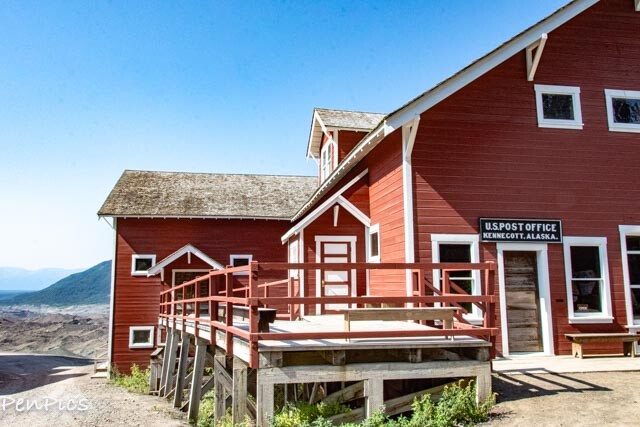
The Post Office and General Store


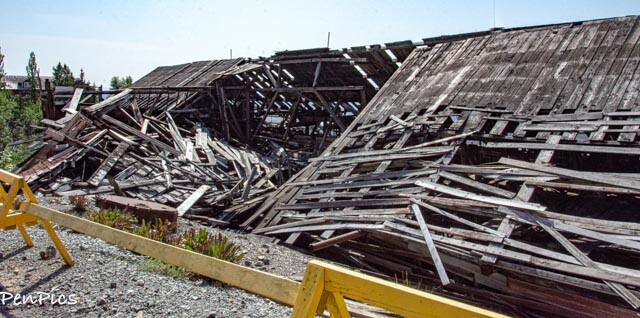
Not every building was saved in time
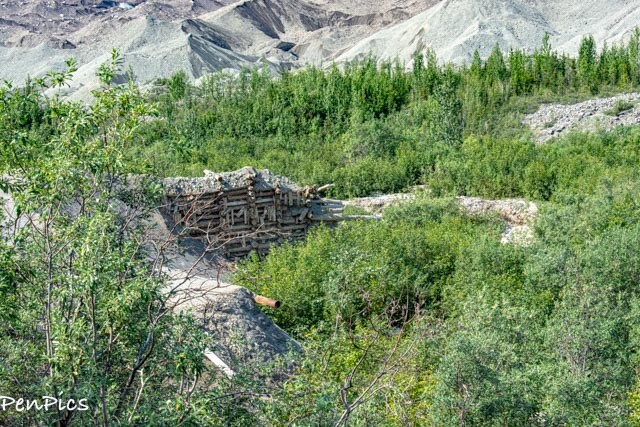


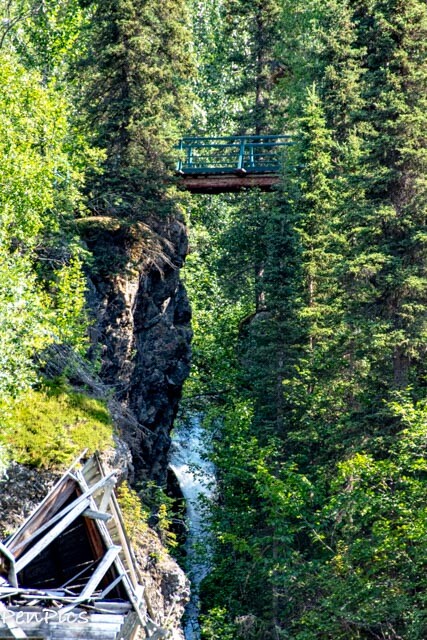

⬆️ The Hospital, administrative building and women’s lodging

What used to be the rail line is now a road: from Chitina, through McCarthy and ending here, in Kennicott

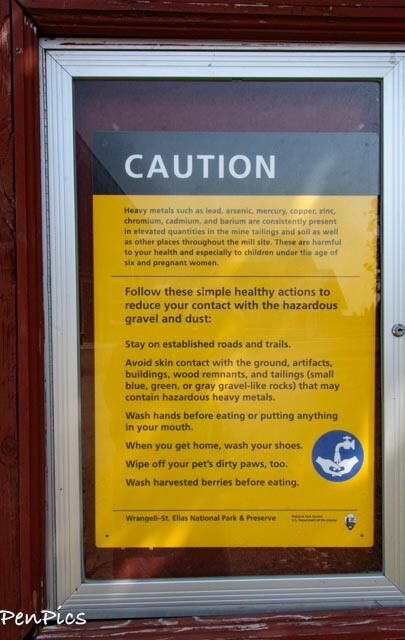


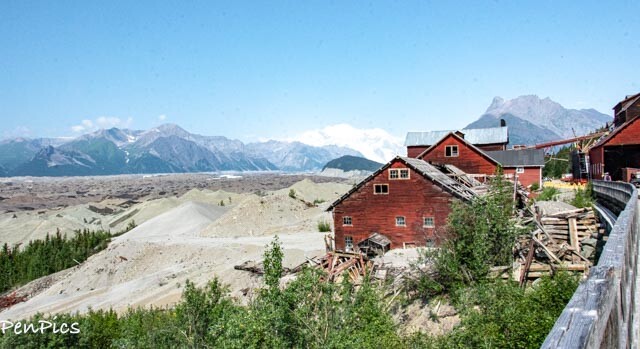
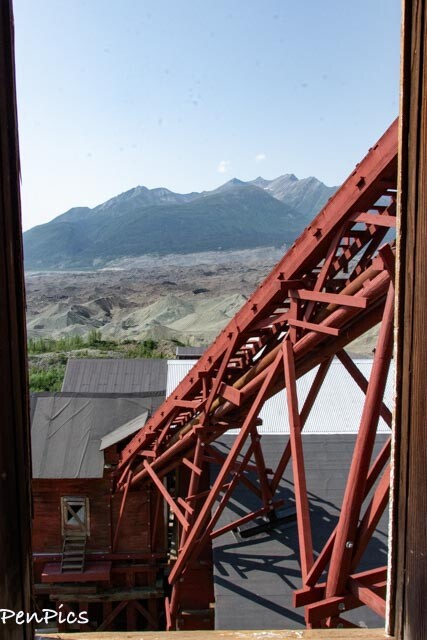
⬆️ In the background, between the building and the mountains, this is still the Kennicott Glacier. Under the mounds of moraine field, are hundreds of feet of ice, from thousands of years ago.
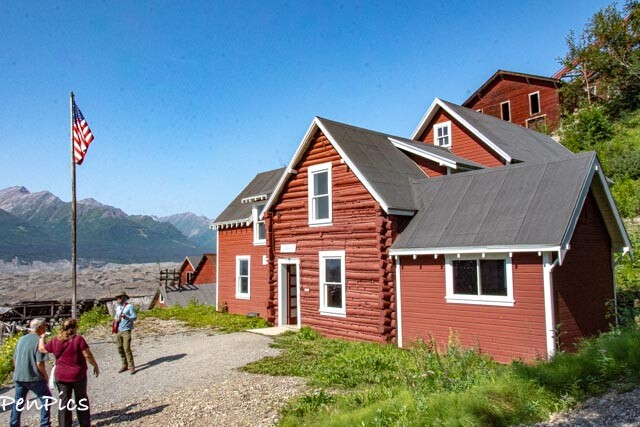
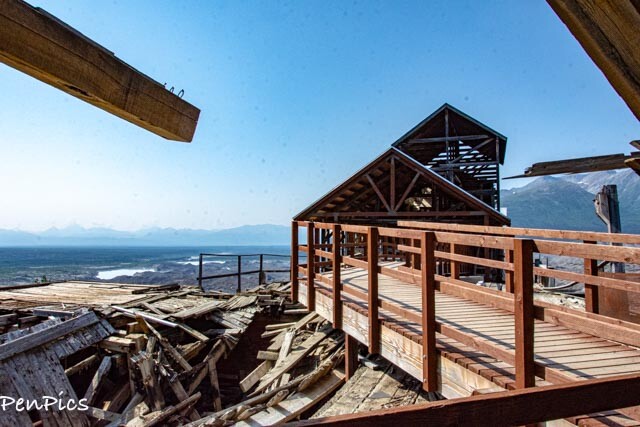
⬆️ Mill Operations Office and were we hiked up the hill to the entrance of the 14th floor Mill
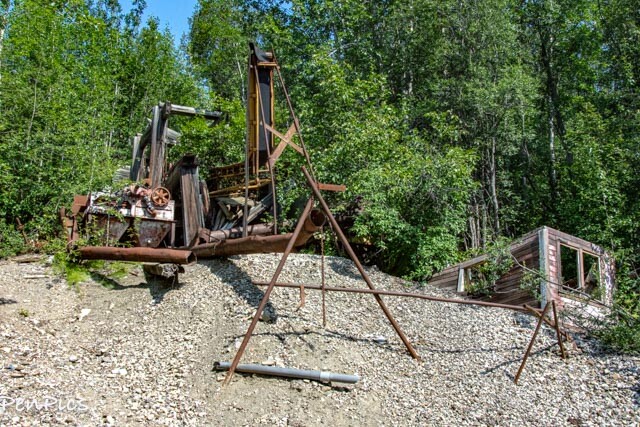
⬆️ After the original mill closed, it was well known there was still copper to be found, just not in the amounts to keep the Mill operational, any longer.
A group of dentists (around 1940) devised a plan and since they were all pilots, began flying up mining equipment (seen here) and worked hard to mine for copper, for which they were quite successful. One big problem, though, was the weight of the copper, to get out. They couldn’t make any money after all; only cutting even. They abandoned their mining gig.

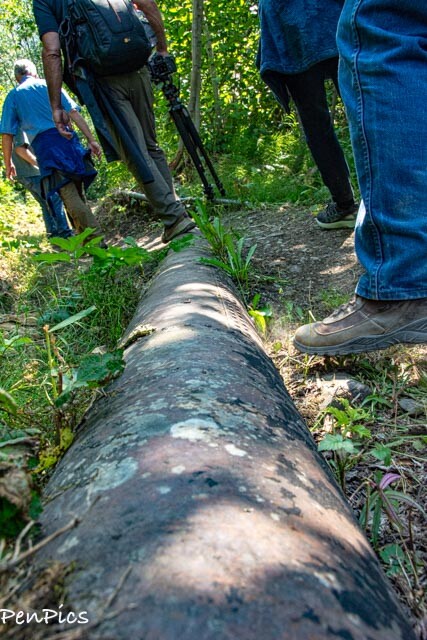
From our hike…this pipe is over 100 years old. It used to be completely buried, back then. The Mill needed water 24/7 for its operation, so these pipes pushed warm water through them to keep the nearby stream from freezing, in the winter months
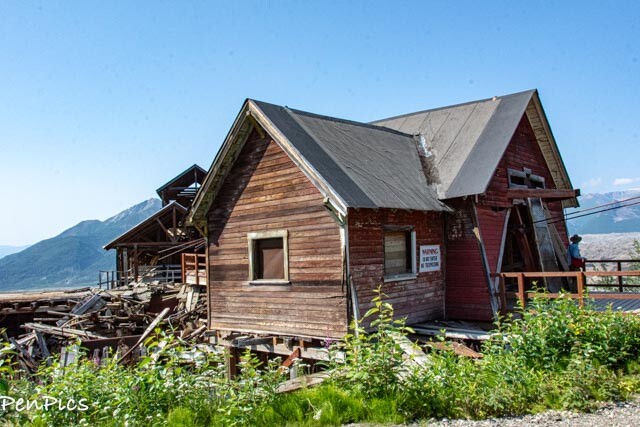
It was at this top level, where the Ore from the copper mines were delivered; via ore cars on a cable line. If the miners ever wanted or needed to go to Kennicott Town, they road the ore buckets, down from the mine.
There was an employee who was positioned under the ore cars, at a specific location on the line; just for the purpose of reminding the workers to “duck,” to avoid decapitation.
I digress…. this is why Kennicott is called a Mill Town and not a mining town. The process of breaking the copper ore down, and all the way to bagging up the finished product, and shipping it by train from Kennicott, is a Mill operation.
Back in the day, this mill operated 24/7, with the exception of Christmas and New Year. Men worked an eight hour shift, slept for eight hours, had eight hours off, then cycled again.
There were very few women who lived in Kennicott back then, since they were only allowed to work as a teacher, a nurse, and some clerical. Their housing was purposely constructed, far away from the men’s housing.
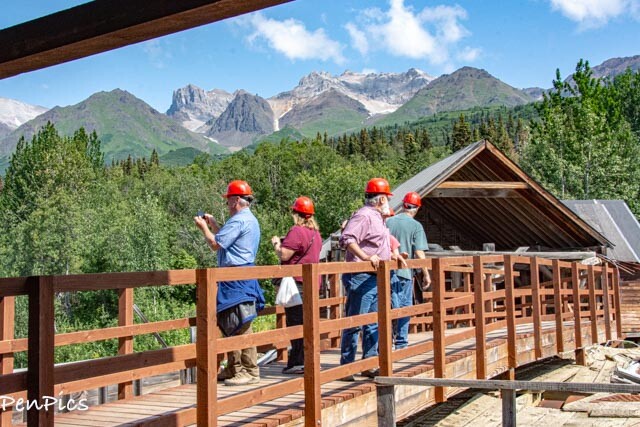
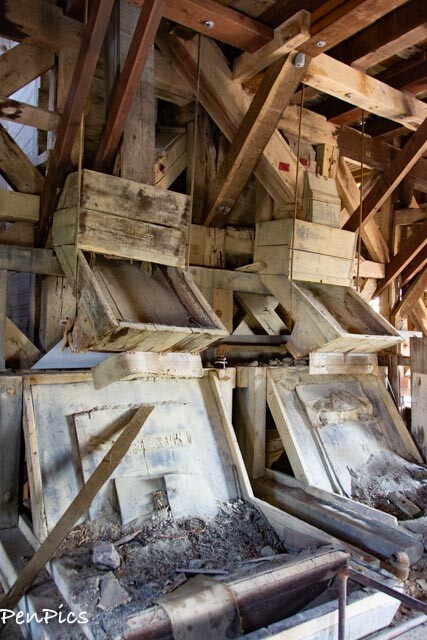
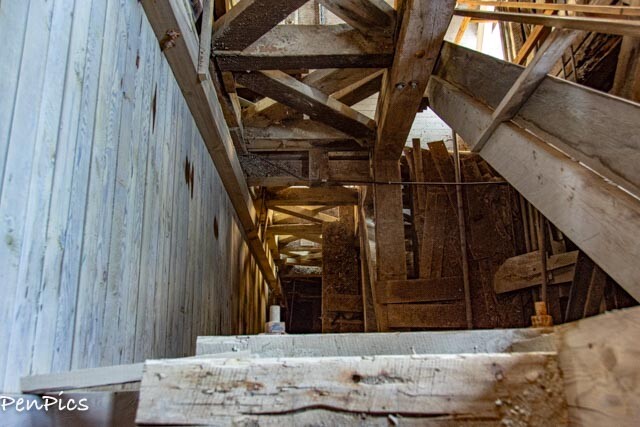
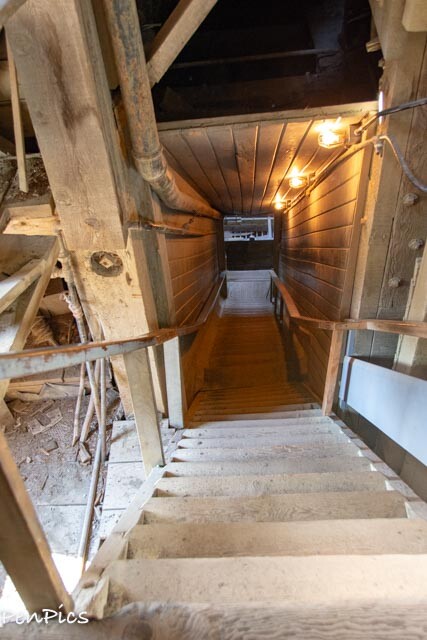
⬇️ Currently, one can self-tour Kenmicott, but this would be as far as one can go, where the mill is concerned. We wanted to go inside, so we took the tour. It’s a medium level activity for sure. Straight up the hill, then back down to ground level, ascending 14 stories inside the Mill; via ladders and stairs.




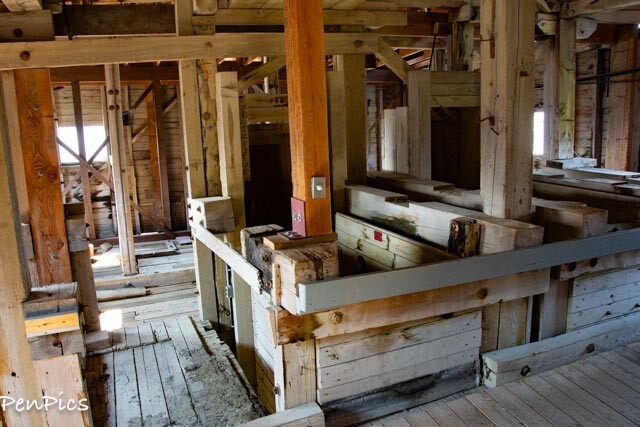



The owner of the mill, would only allow the boiler to run in the mill, at a cool 34 degrees. If the men complained, the owner told them to just work harder to keep warmer….. WHILE he lived in total comfort in this home with his entire family with him.

What a guy 🙃



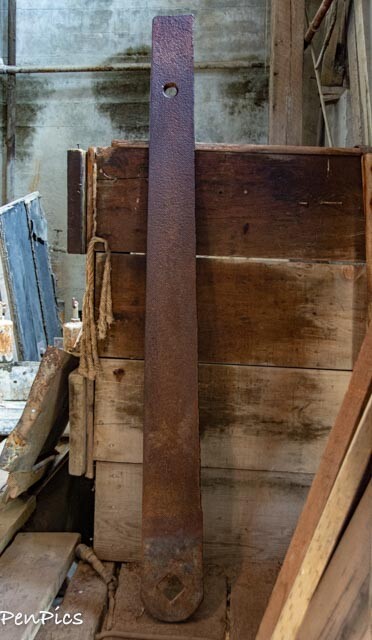
This 100-pound wrench was used regularly, by ONE man on each shift, to tighten the cables, due to the continual shaking motion of the Mill; 24/7


⬆️ This was the ONLY bathroom in the 14-level mill, which consisted of a bucket. The sorry fella who filled it up last, also had to empty it, which was dumped out a window.

⬆️ The owner of the Mill did recognize the workers who made the dyes needed the dexterity of their fingers, so he provided a separate room for them, with heaters at a warmer degree than the rest of the workers


⬆️ Six huge vats, used to boil the copper ore in ammonia
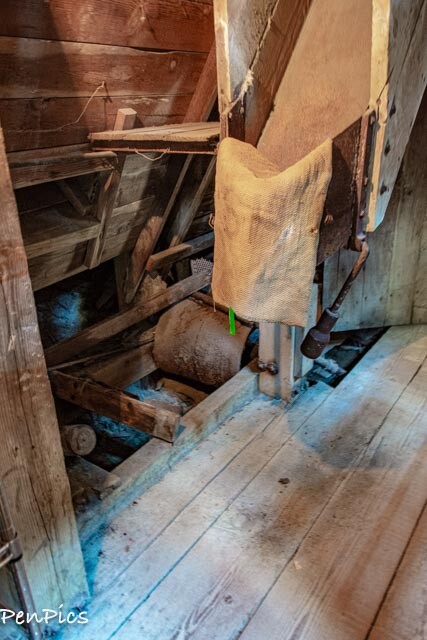
⬆️ This was where the finished copper was put, in 120 pound burlap sacks, then loaded onto the train

⬆️ Finished product was loaded up here, where there are still some train track left


After our tour, we headed for The Kennicott Glacier Lodge for some iced coffee.
The 2-hour Mill tour ended up being 2.5 hours, so we missed our shuttle. We eyeballed the clock to make sure we got the next one, since it would be the last free shuttle in time, to get us to our pre-arranged shuttle service, back across the footbridge.

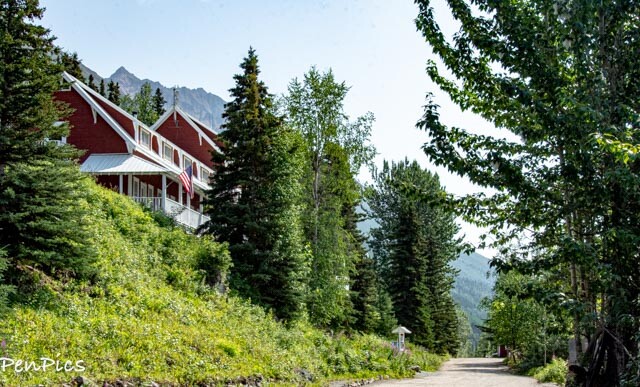

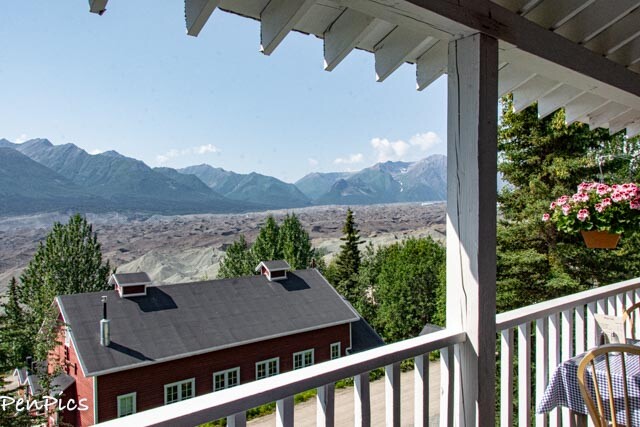

Aerial View of the Kennicott Mill Town ⬇️


I asked this question and got this answer ⬇️
Kennicott and Kennecott – History Behind These Two Spelling Variations
Why are there two spelling variations for this Alaskan town? Kennecott is the name of the glacier and the valley, named after the naturalist Robert Kenneott
While the town took its name from the glacier, for a much-debated reason, the town was spelled differently. It is spelled Kennecott with an “e,” instead of with an “i.”
No one can agree if it was a clerical error, or a deliberate maneuver by the copper company, to discern between the town and the surrounding area. Either way, the two spellings still hold today, Kennecott with an “e” denoting all the natural features of the valley, while Kennicott with an “I” denotes all aspects of the town and mining operation.
In fact, both spellings seem to be used frequently for both the town and the natural assets.
Interesting Fact ⬇️
It wasn’t immediately known, back in these originating mining days, but Silver is often found, naturally, residing with Copper.
It would be discovered, eventually, that the Copper being sent by rail from Kennicott to Tacoma Washington, via train and ship, contained Silver, too.
In the end, the “unintentionally” mined Silver, paid for all the operational costs of the Mills entire existence; meaning, the Copper was ALL income for the owner.
The McCarthy Road ⬇️
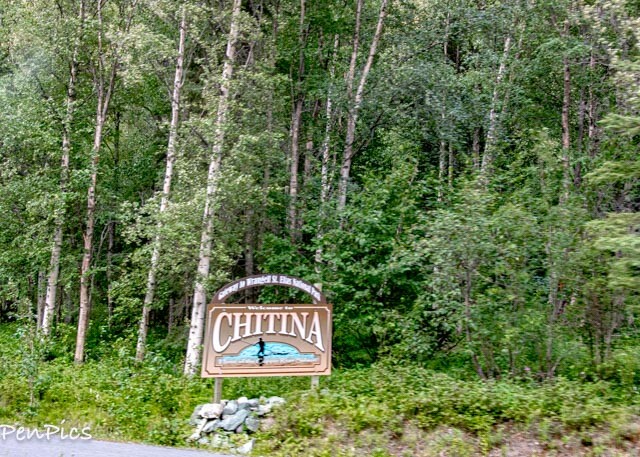
Our pre-arranged Shuttle service picked us up and dropped us back off, the next day at our RV stop in Chitina. It was very convenient.
While the road was awful for over two hours, the scenery was beautiful! I was inside a van with a crowd of people and the widows were a bit dirty, but here are a few pictures as we wound in and out of “The Wrangells,” as it is called by the locals; (Wrangell-Elias National Park).

⬆️ The converted train trestle, now vehicle road bridge
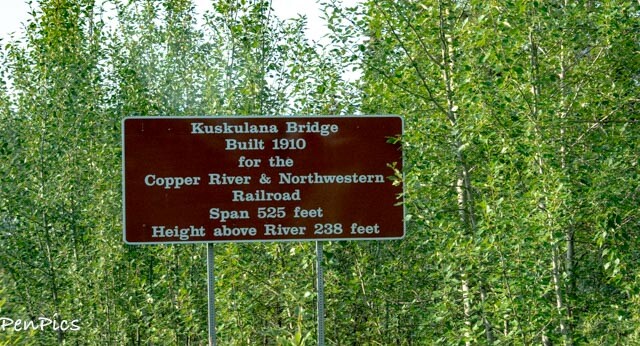
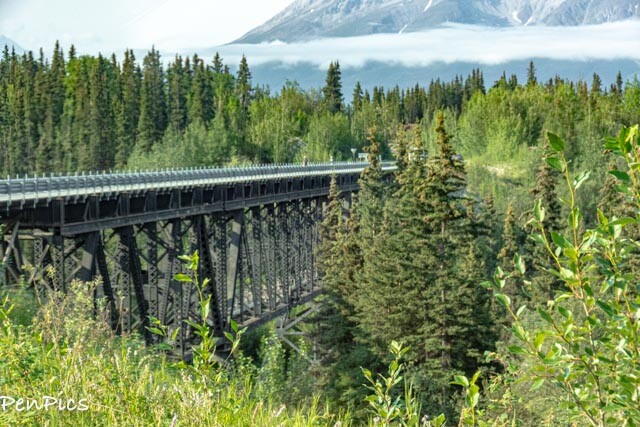
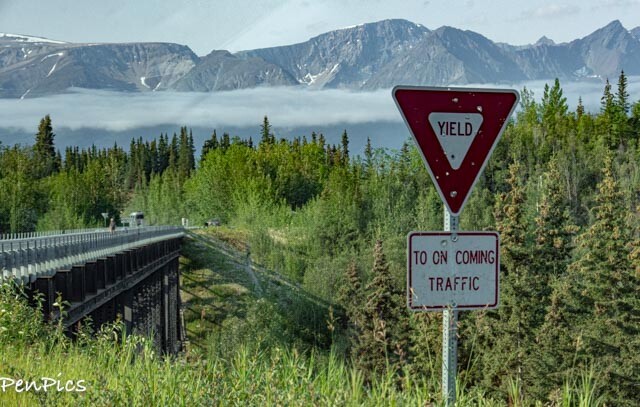
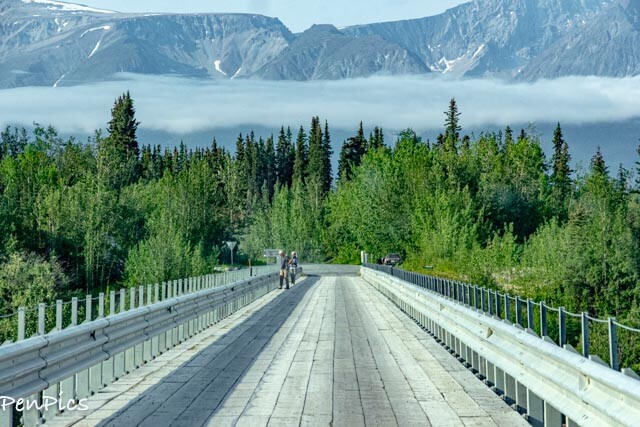
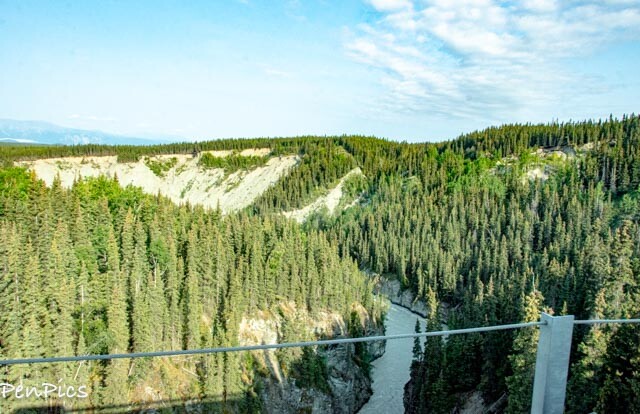

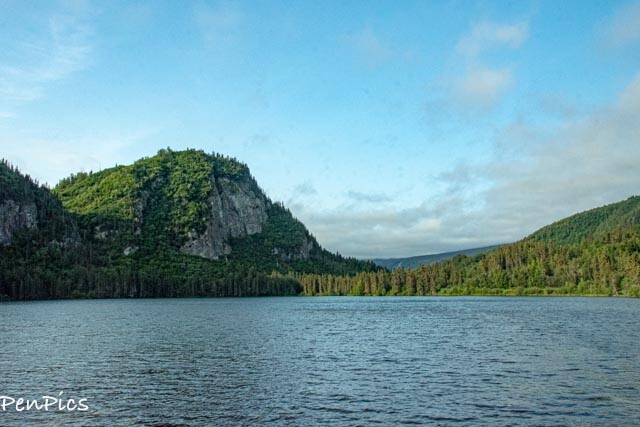


⬆️ Kennicott Mountain in the Park is the fifth tallest in the USA


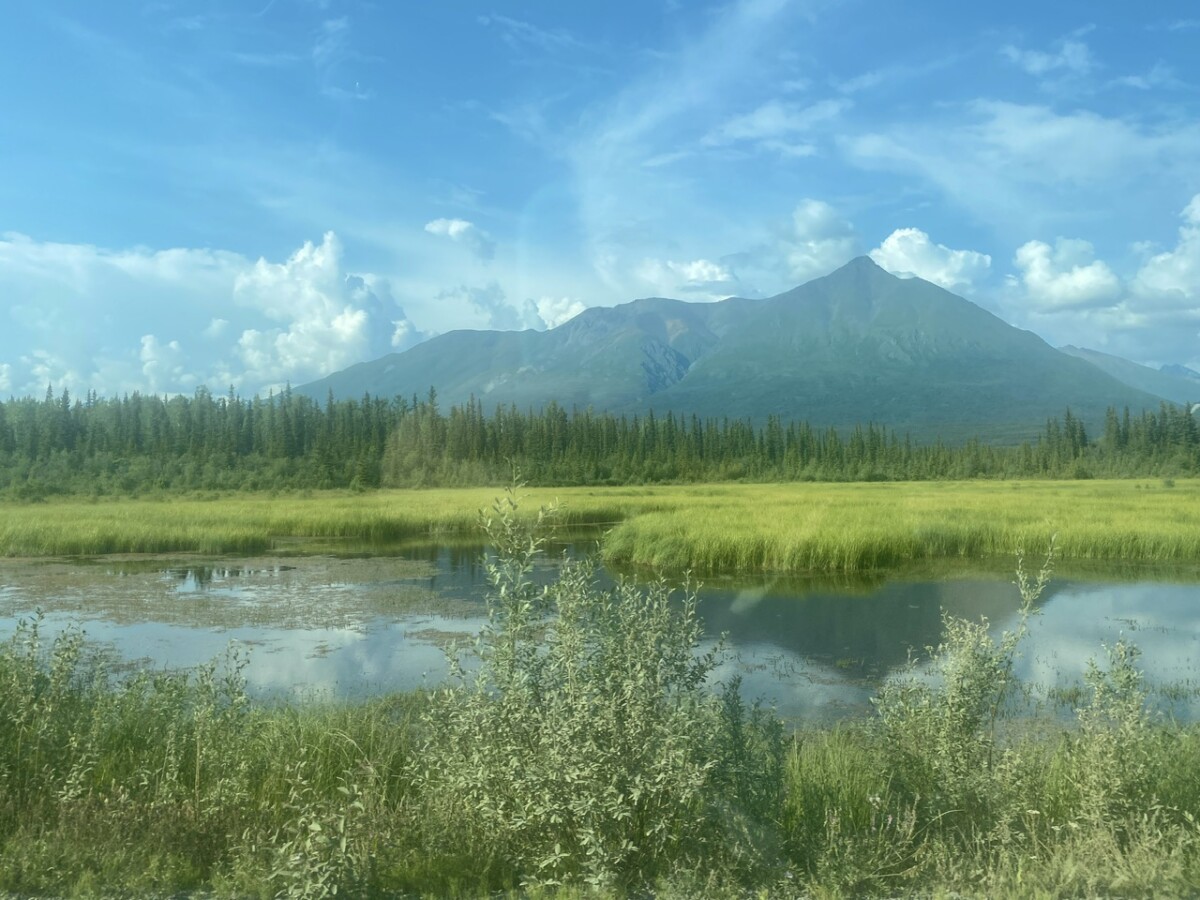

⬆️ This is another train trestle from back in the 1900’s.
It is completely decommissioned and falling apart.
The men who built this trestle, did so in the dead of the Alaskan winter, and in ten days!!!
****************
McCarthy-Kennicott are definitely an off-the-beaten path destination, but very worth the effort.
DETAILS:
GETTING TO MCCARTHY
Getting to McCarthy is a bit of a mission. There is only one road there and that road doesn’t actually go all the way.
At the end of the 60 mile dirt road from Chitina, you’ll find a parking lot and a footbridge. Its a short 1/2 mile way into town, or you can wait for a locally provided shuttle.
The road can be pretty gnarly in the summer. Many car rental places don’t allow drivers to take their cars on the road. If you plan on driving a rental, be sure to check with your rental company, before making plans.
There are now a couple of shuttles running transport to McCarthy.
Anchorage – McCarthy
Glennallen – McCarthy
(We recommend this last one)
You can also fly in to McCarthy, with local air taxi service: Wrangell Mountain Air
You can also fly from Glennallen to McCarthy on the mail plane, which runs twice weekly.
Check with Copper Valley Air for schedule and rates.
+1-907-822-4200.


About Us

About Us
Hello and Welcome to our Travel Blog Website, We enjoy writing about our experiences and taking photos of our adventuring along the way. Our names are: Daryl and Pen, but Daryl calls me “Bunny.” We met, quite randomly, whilst both traveling in Thailand with friends. We happened to be in the same travel group, and […]