


“Serbia 🇷🇸 ~The Cave of Hadzi-Prodan and Kadjenica Church”
This was a worthy stop near Cacak, in in the Valley of the Rašćanska River, which was the regular route on our road trip, yesterday. We traveled from West to Southeast. across county.
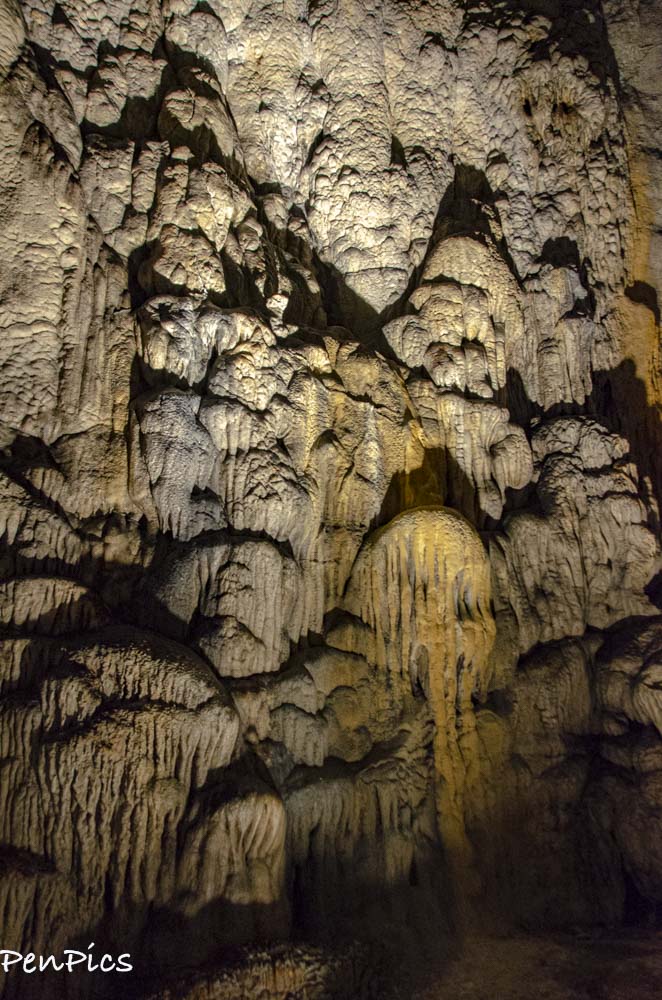
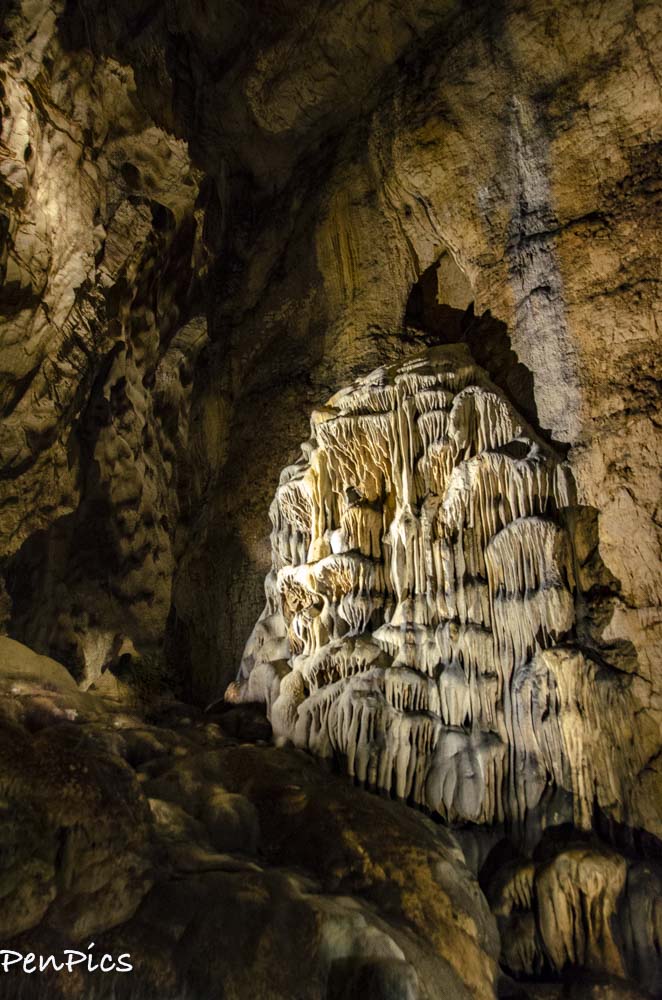
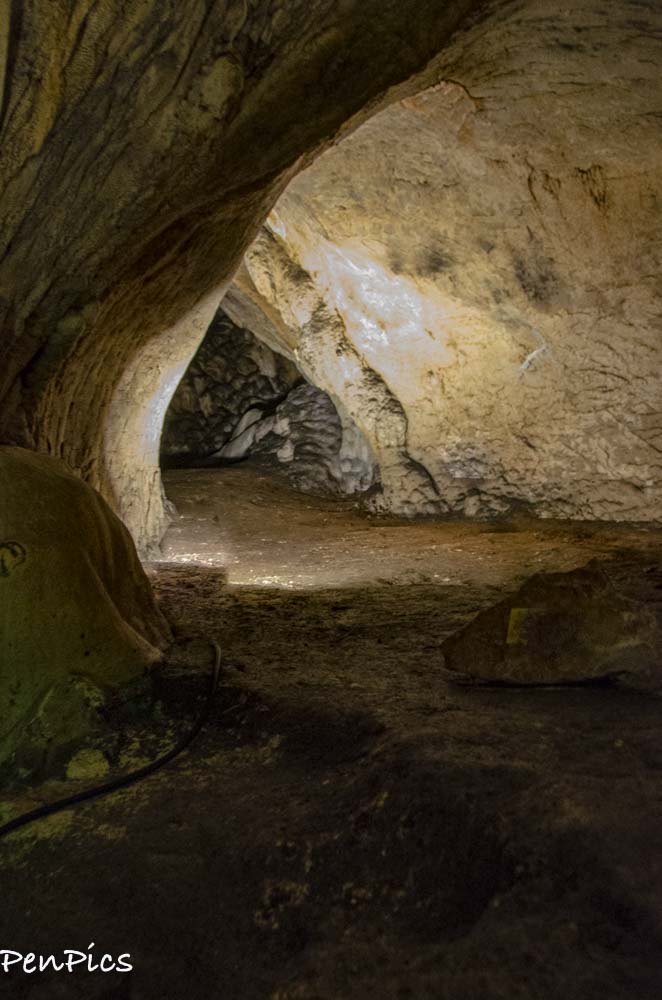
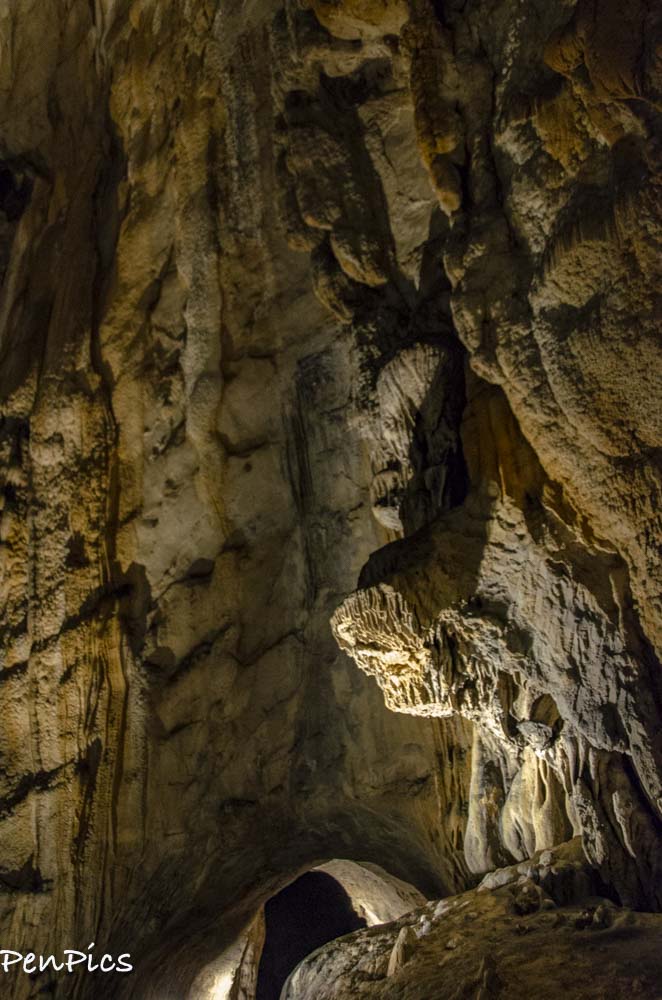
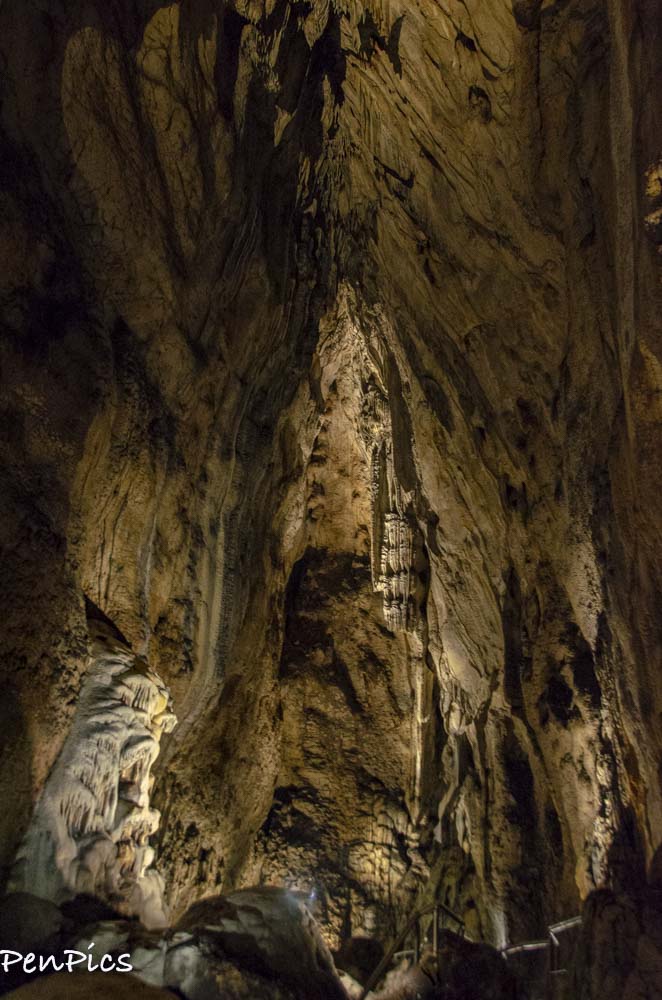
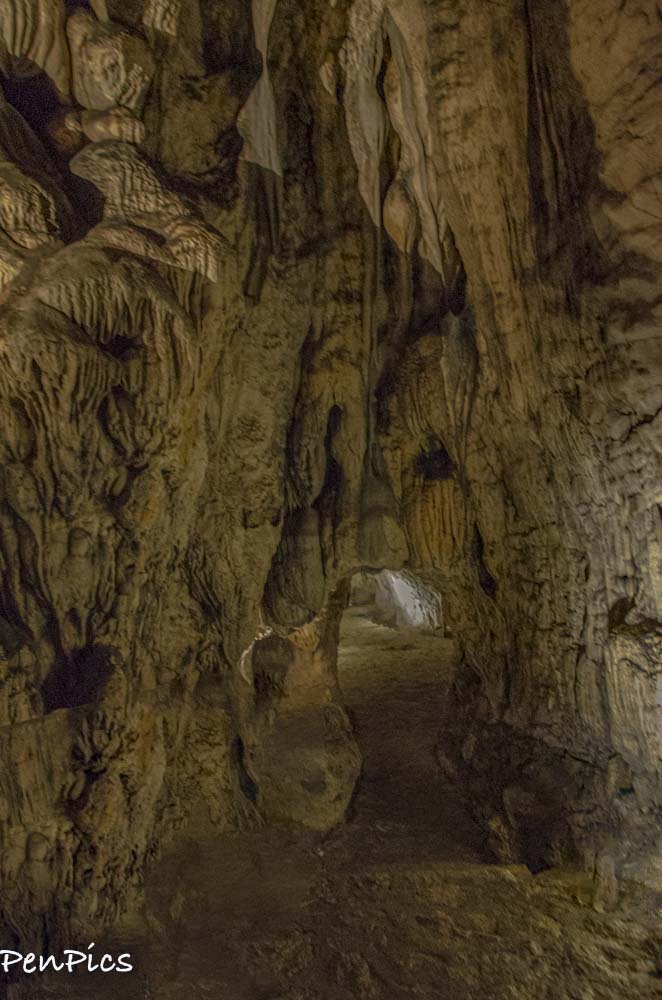
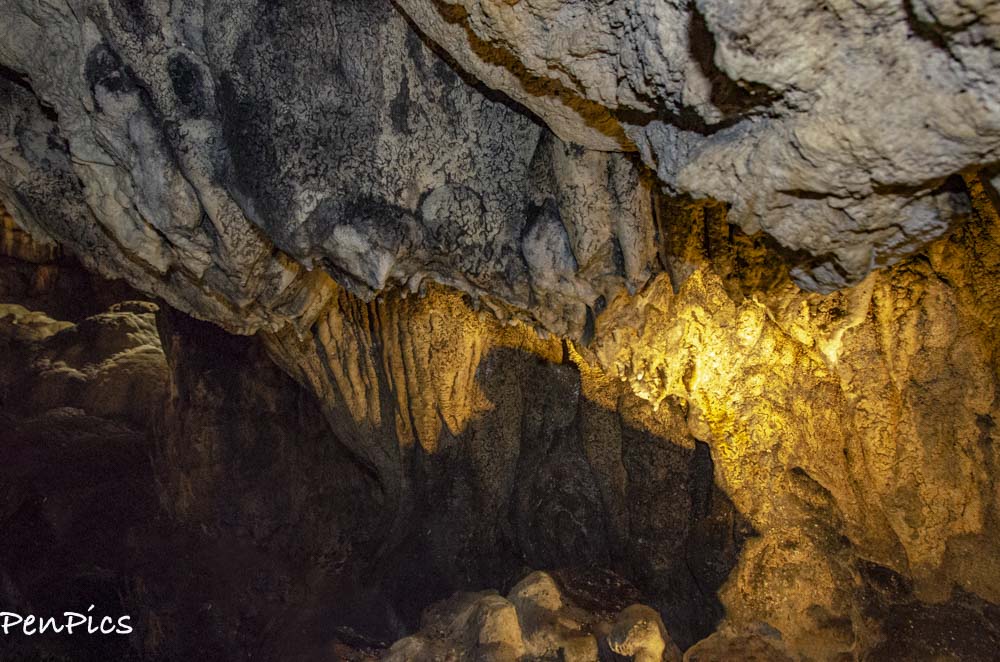
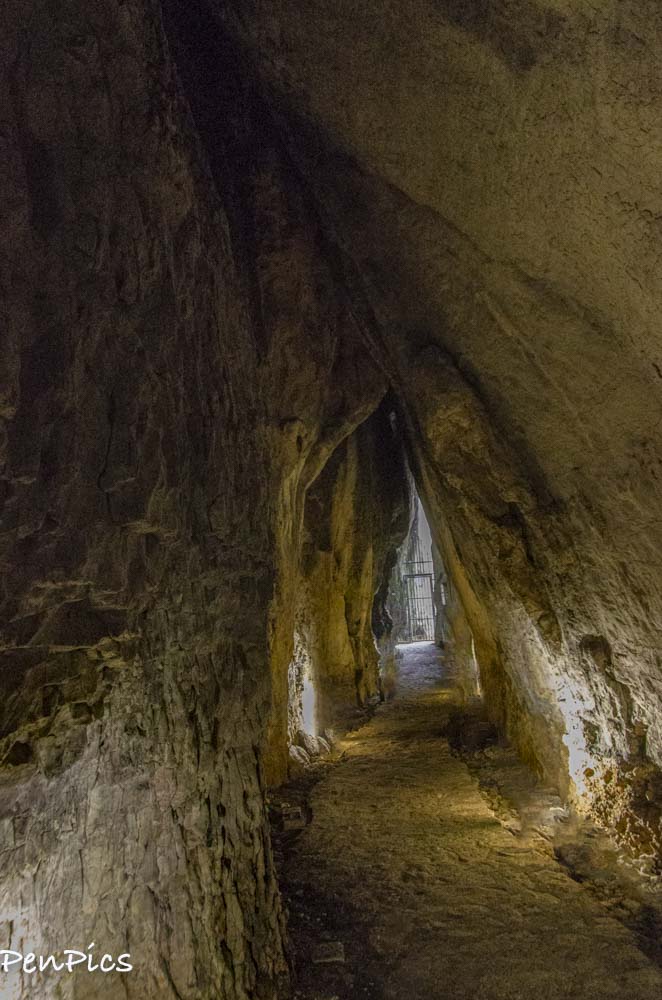
We have been in many caves around the world, but none in Europe. Caves are not everybody’s cup of tea, but we don’t mind the bats flying around or the guano (bat poo) we must try to avoid. Sometimes the smell of the guano is overwhelming, but it was not too bad in this cave. It was really spectacular and the cave itself, had a cathedral feel to it, with it now being a historical monument It was also naturally cold, and this was wonderful, in the mugginess of August.
There are two levels to this cave, and unfortunately the best level was closed to us, due to neighbouring mining going on (right across the road). the vibration can cause instability, so the passageway to the underground lake is deemed unsafe. BIG BUMMER. But, we enjoyed what we could see.
In reality, this cave has a very sad past, though now, as a monument to the lost souls, they have been recognised, and laid to rest. War is so ugly.
The monument is named after the famous Serbian military commander Hadži Prodan. Together with the revolutionary leader Karađorđe, Hadži Prodan led the First Serbian uprising against the Ottoman rule, in the early 19th Century and later spearheaded a rebellion of his own.
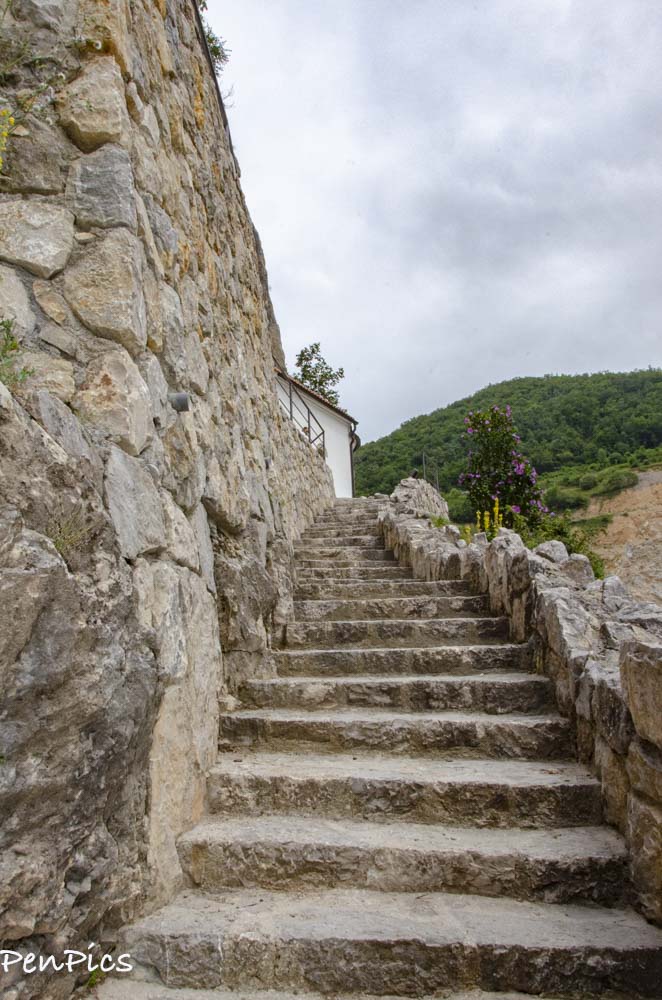
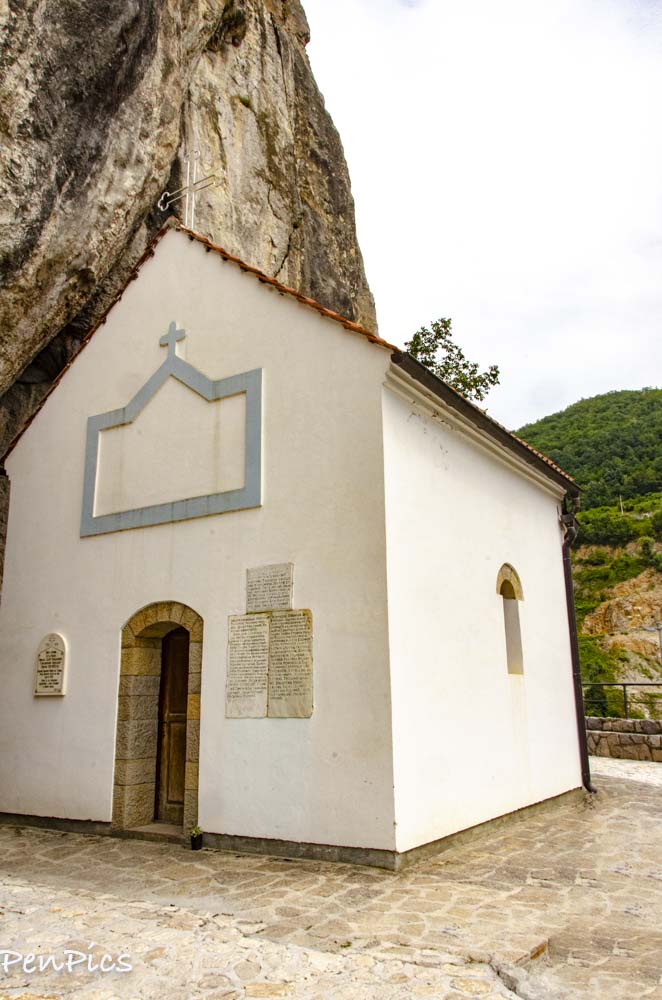
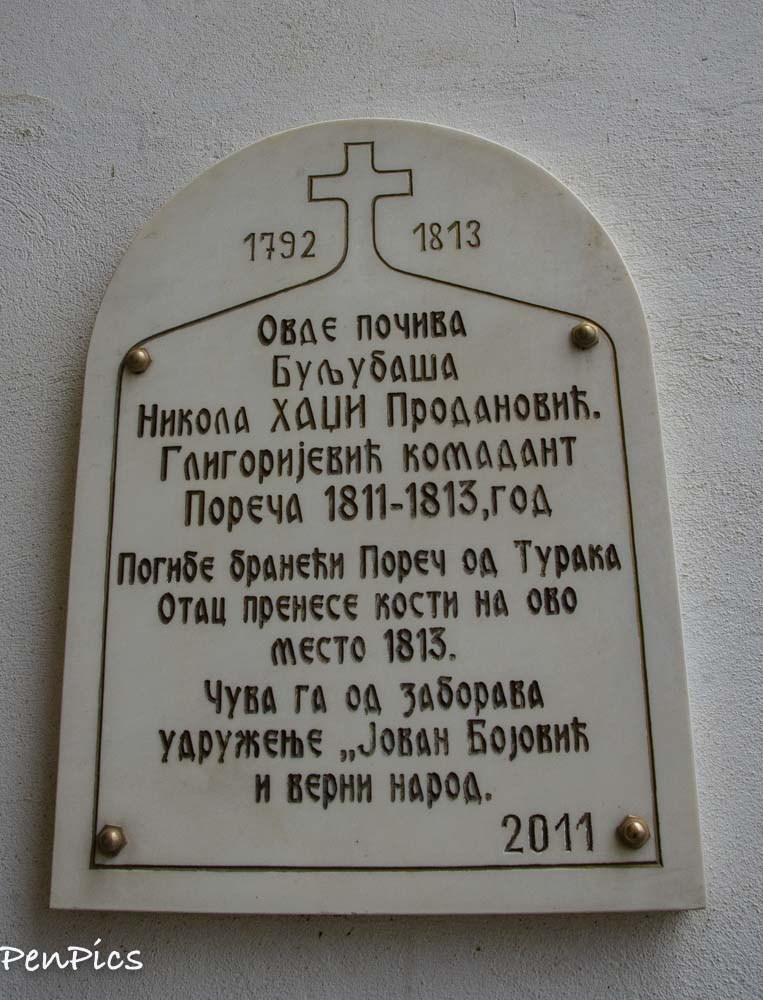
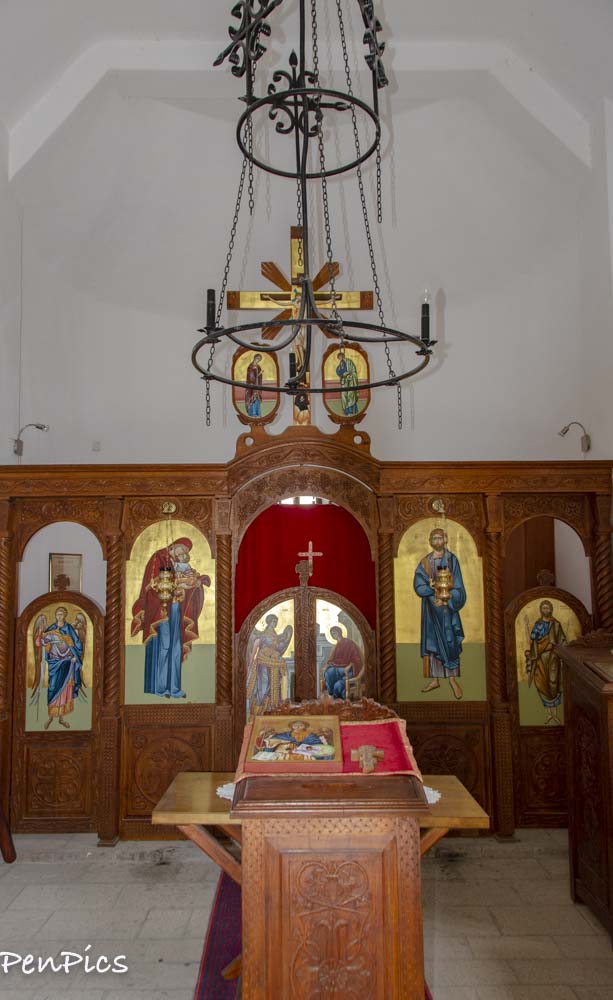
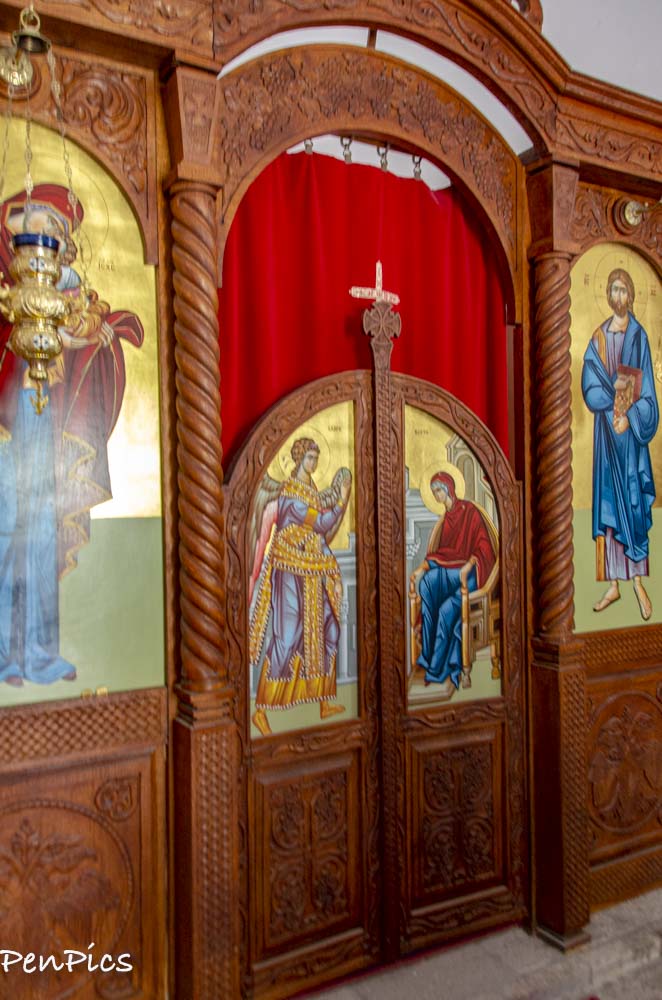

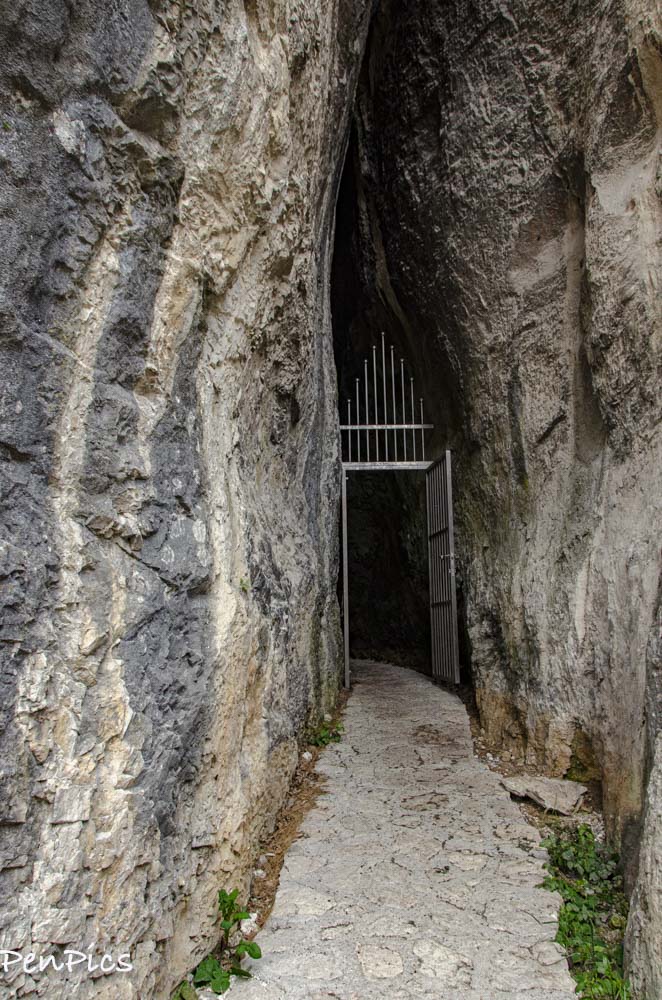
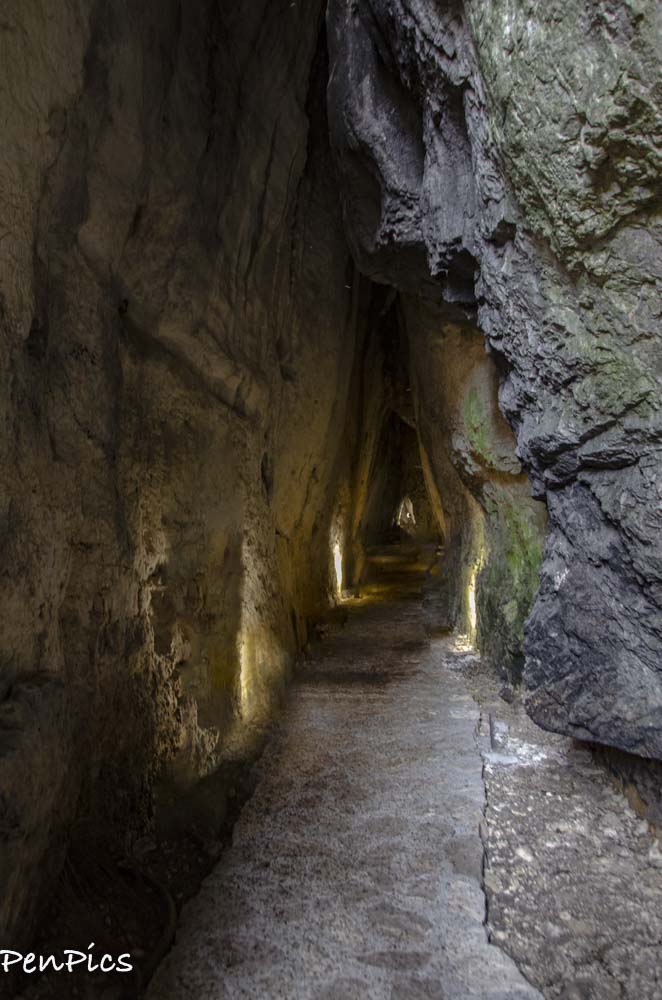
Hundreds of Serbian fighters confronted the Ottoman oppressors. More than 100 people who were unable to fight, mostly women with children and elderly, were hiding in this cave, but were discovered by the Turks. They used straw and wood to light a fire in front of the cave and everyone inside suffocated.
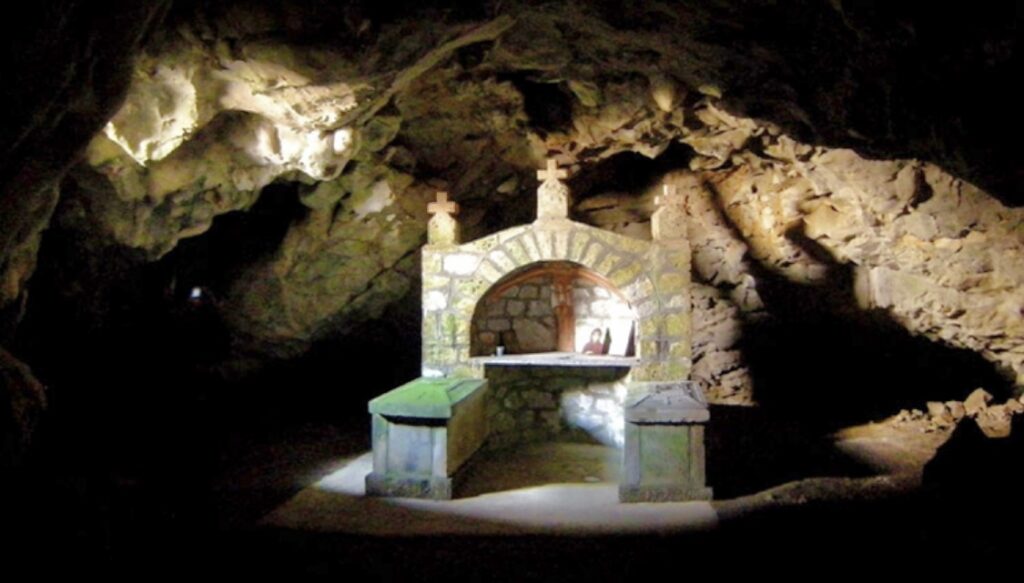
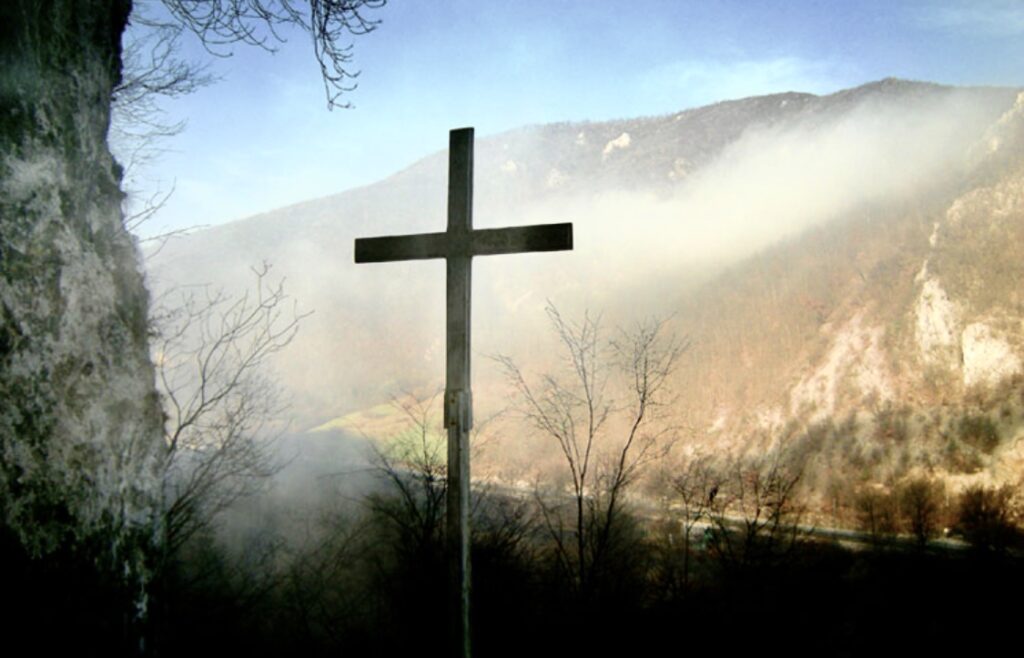
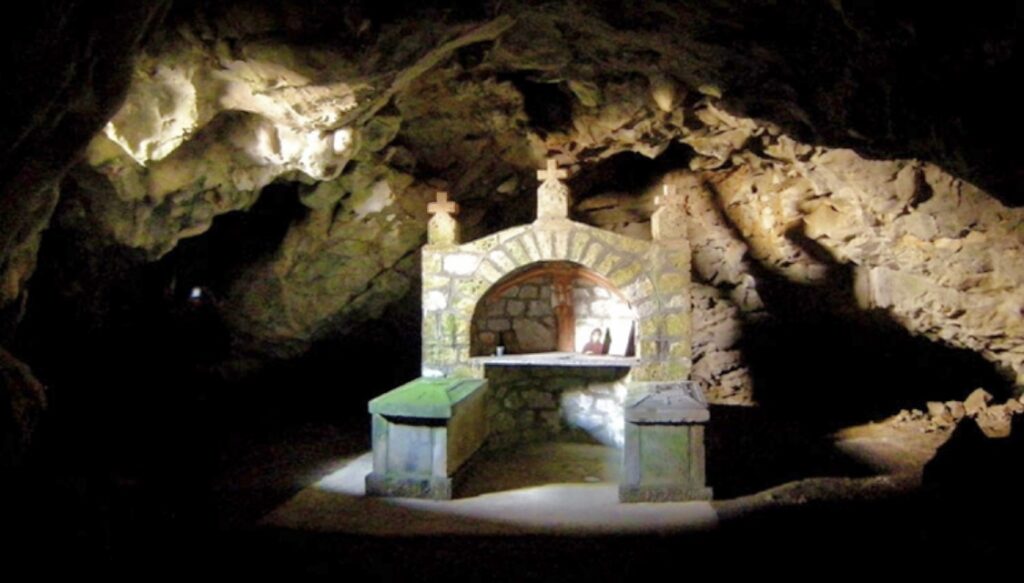
Quite strange is the fact that the remains of the victims were left untouched for more than 120 years. In 1936 Bishop Nikolaj Velimirovic encouraged the locals to visit the cave and bury the remains. The remains were finally retrieved, fully cremated and buried in two stone sarcophaguses. The cave was turned into a church by installing an altar. The local authorities cleared the path to the cave and set up a 50m high cross at the entrance. It marks the place and make it recognizable from far away.



About Us

About Us
Hello and Welcome to our Travel Blog Website, We enjoy writing about our experiences and taking photos of our adventuring along the way. Our names are: Daryl and Pen, but Daryl calls me “Bunny.” We met, quite randomly, whilst both traveling in Thailand with friends. We happened to be in the same travel group, and […]
The cave looks interesting
Really interesting! Sad about the tragedy there, but it still had a good vibe.