


“Serbia 🇷🇸 ~Skull Tower and Nis Fortress”
We drove a long ways to visit the Skull Tower in Nis, which is in the southern reaches of Serbia. It is one of those places, like the Killing Fields in Cambodia, and the Underground Catacombs in Paris, that makes one go “Wow, just Wow!” Each display of skulls has history; most of them tragic, yet memorialised, by keeping their history alive and honored.
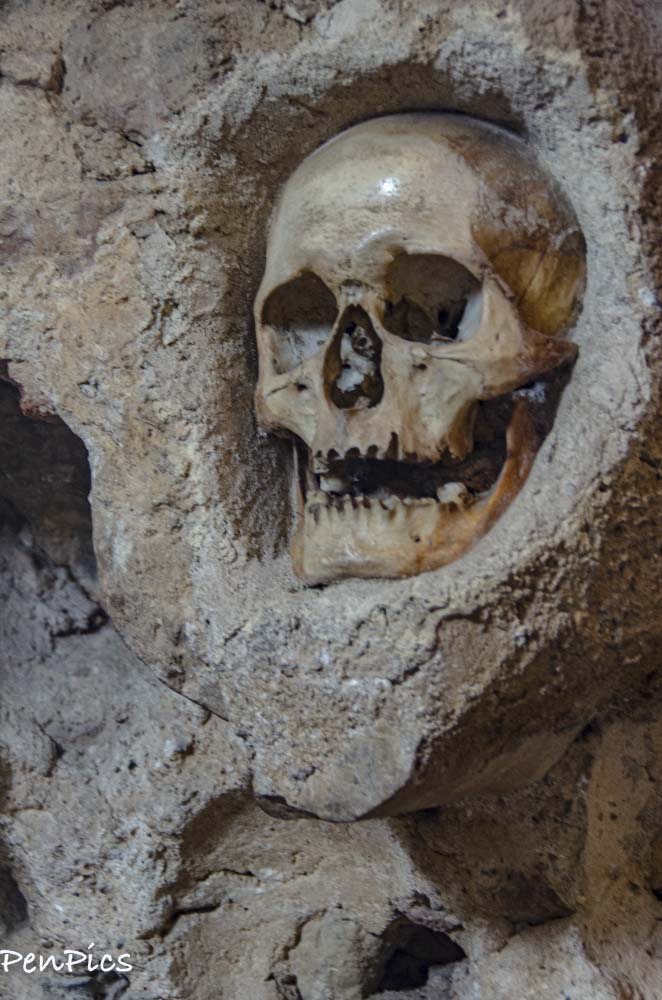
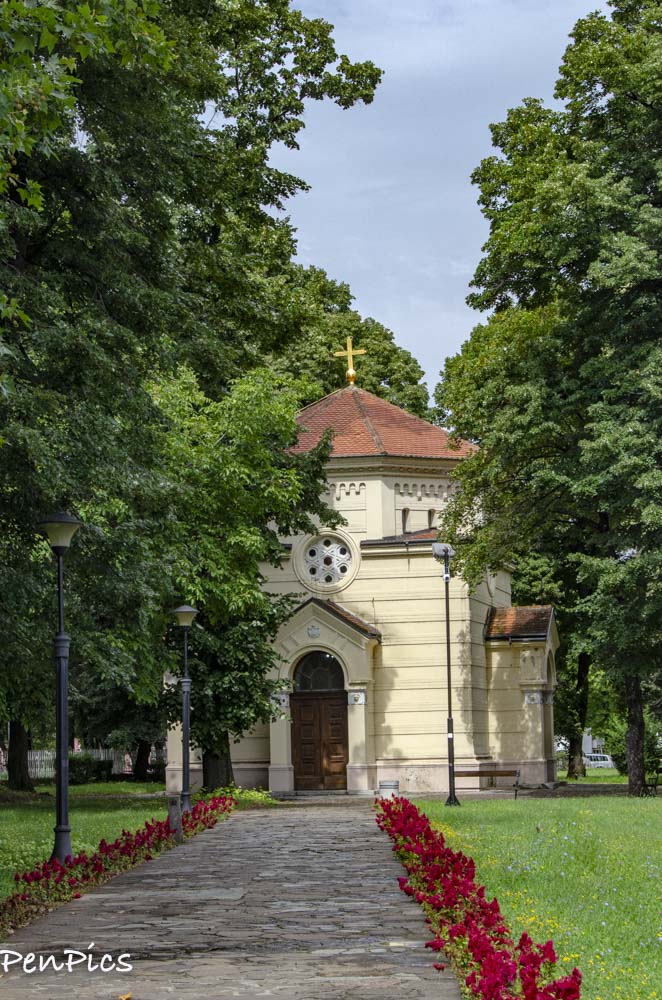
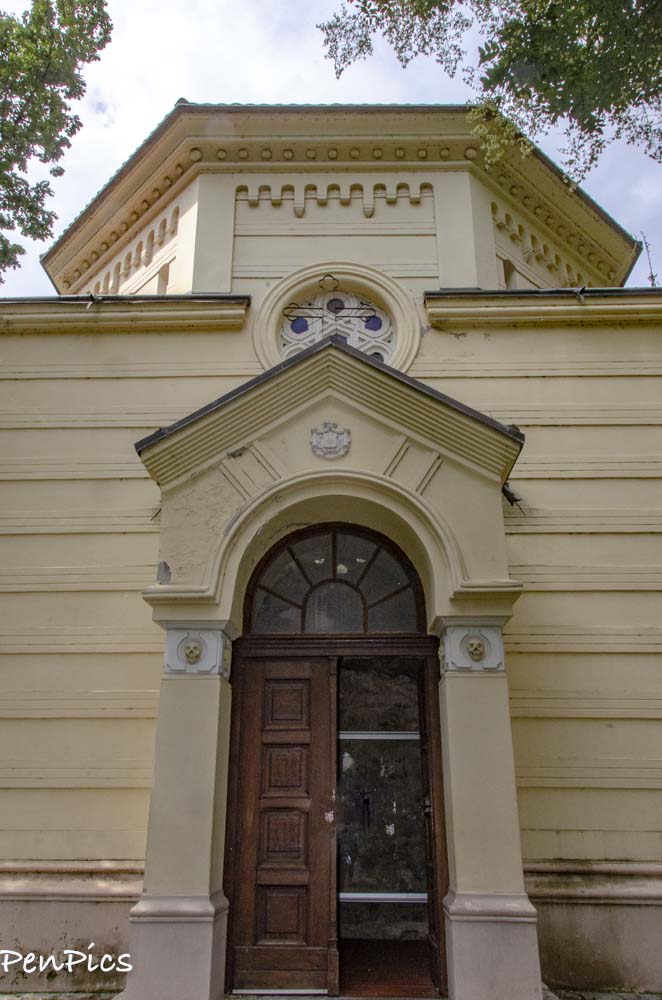
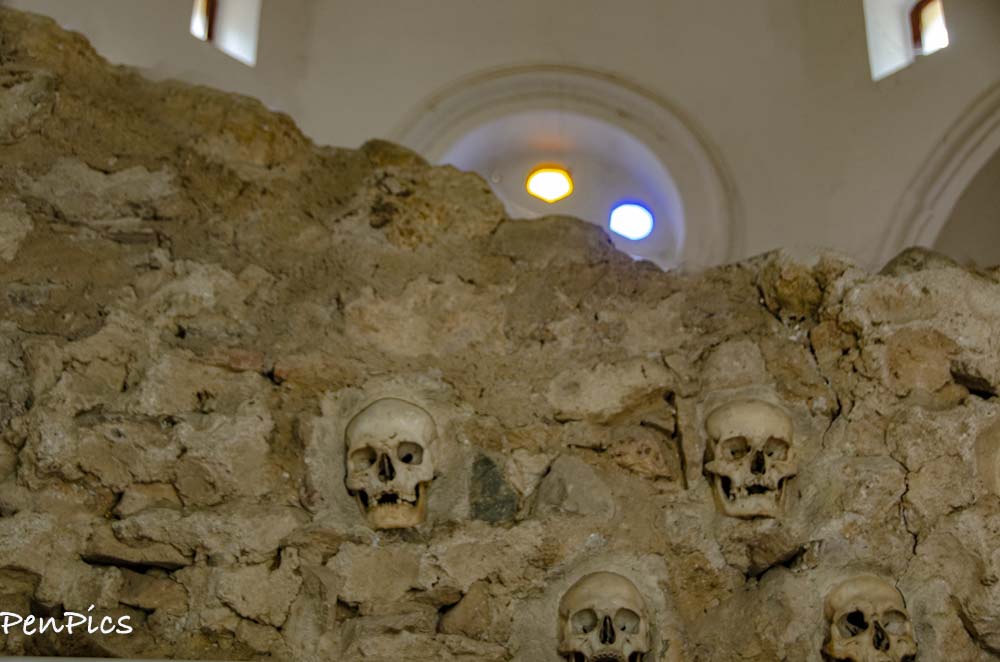
The name doesn’t really leave any question marks over the primary material used to construct the tower. In short, this tower was originally made out of skulls; human skulls.
The Ottoman occupation of Serbia was brutal, to say the least. The Serbian population and culture was stuck under the gigantic boot of the Islamic empire, and the Ottomans weren’t shy when it came to stamping down. Rebellions were as inevitable as they were frequent, but by the 19th century these attempted revolutions came with added vigour and renewed enthusiasm. The First Serbian Uprising kicked off in 1804, although poor organisation eventually worked against the Serbs. The situation looked dire once again.
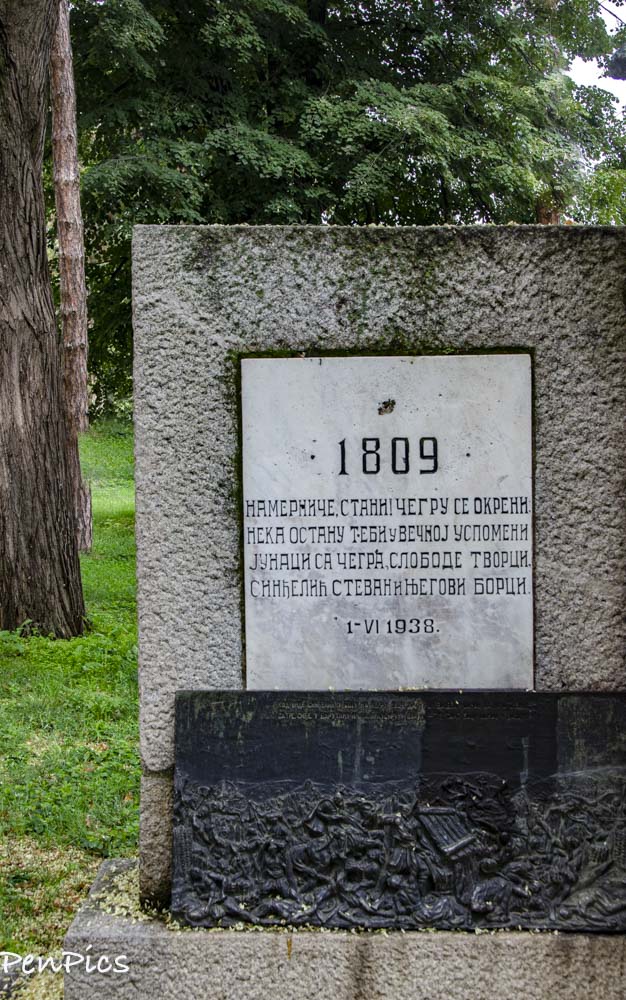
Serbian leaders found themselves fighting losing battles, vastly outgunned and outnumbered. This was the case at the Battle of Čegar in May of 1809, but the Serb leader (a man by the name of Stevan Sinđelić) was about to go down with all guns blazing, and planned to take as many Ottomans out as he could. His trench was overran and he subsequently fired at his gunpowder depot, blowing it up; killing himself, his men and the advancing Turks. ending the life of anyone and everyone in the vicinity, no matter which uniform they had on.
Angered by this suicidal move, though it was an honourable sacrifice on the field of battle, what followed showed the morbid side of war at that time. The Turkish commander of Nis; Ottoman Grand Vizier; Hurshid PashaI ordered that the heads of the killed Serbs be collected.
Each head was then skinned and the skulls were built into a tower at the entrance of the city as a warning to anyone else who dared contemplate an attack.
As a final insult, the scalps were stuffed and sent back to Constantinople to impress the Sultan, who decided the best course of action would be to build a monument that might put the fear of death into the Serbs in and around Niš.
952 skulls were built into a tower, 14 ghastly rows of 17 skulls on four sides. Thus the Skull Tower became a reality.
It turned out that skulls aren’t the best material with which to build a tower, and the dismembered heads subsequently started to fall out. Plenty of the skulls were stolen as well, as the Serbs looked for new ways to irritate their Ottoman overlords. The empire was running out of steam, and the tower eventually became a symbol of defiance for the Serbs as opposed to a warning. On January 11, 1878, Niš was once again under Serbian control.
The Skull Tower is now a protected monument of the city, one of its most famous attractions and a tangible piece of evidence showing the horrors under which the Serbs lived for centuries.
Nis was liberated in 1878 and now only 58 skulls remain. Some were destroyed by the weather and many were reclaimed by families who gave their relatives more respectful resting places. But, the citizens decided to keep the tower to commemorate the battle and pay tribute to those who died.
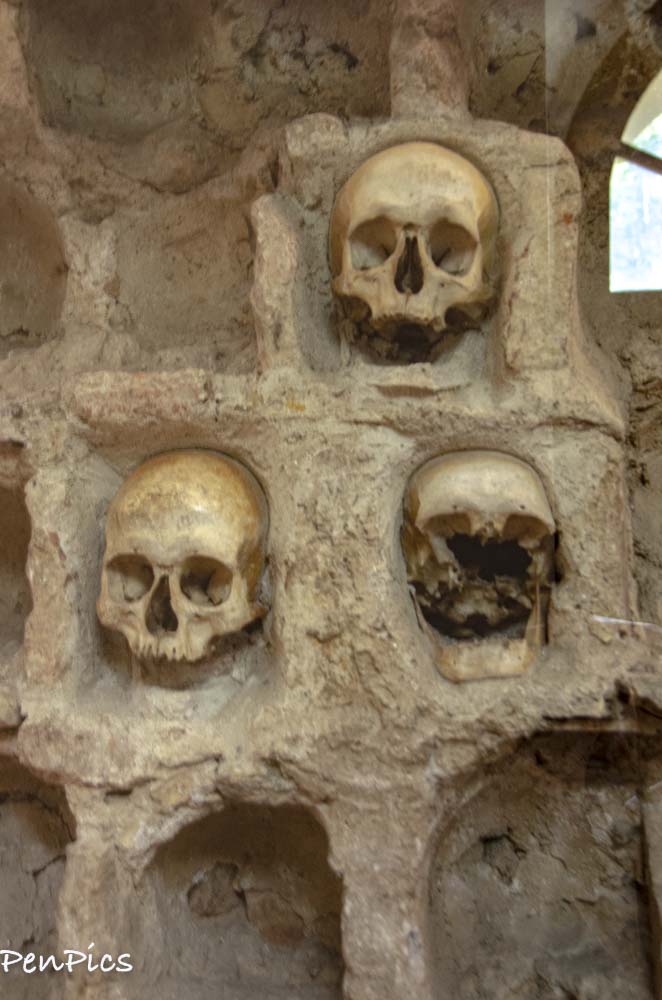
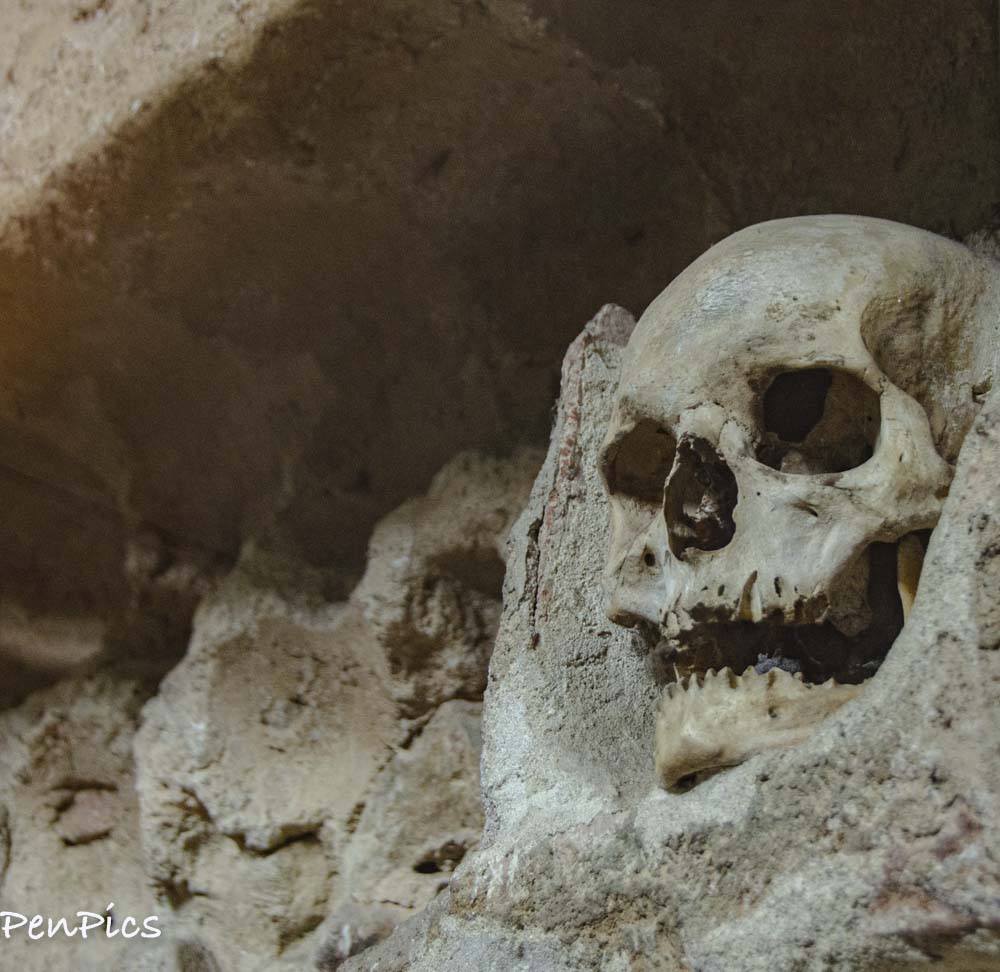

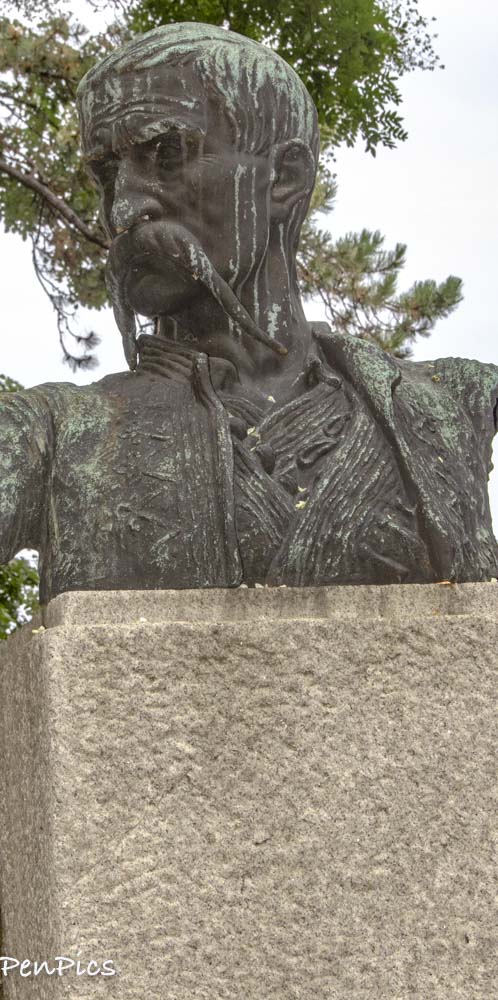
The Nis Fortress was also in the area, so we took that in as well. At one time the Fortress was a very large place. Now, only parts of it survived over the years. Accomplishing what we came to Nis for, we were happy to get out of there. The city is very, very hectic, and not relaxing to drive in. So many people and cars, and huge difficulties in finding parking. We enjoyed our stay, overnight in Nis, because we were up above the city, where it was quiet and nice at Tami’s Residence.
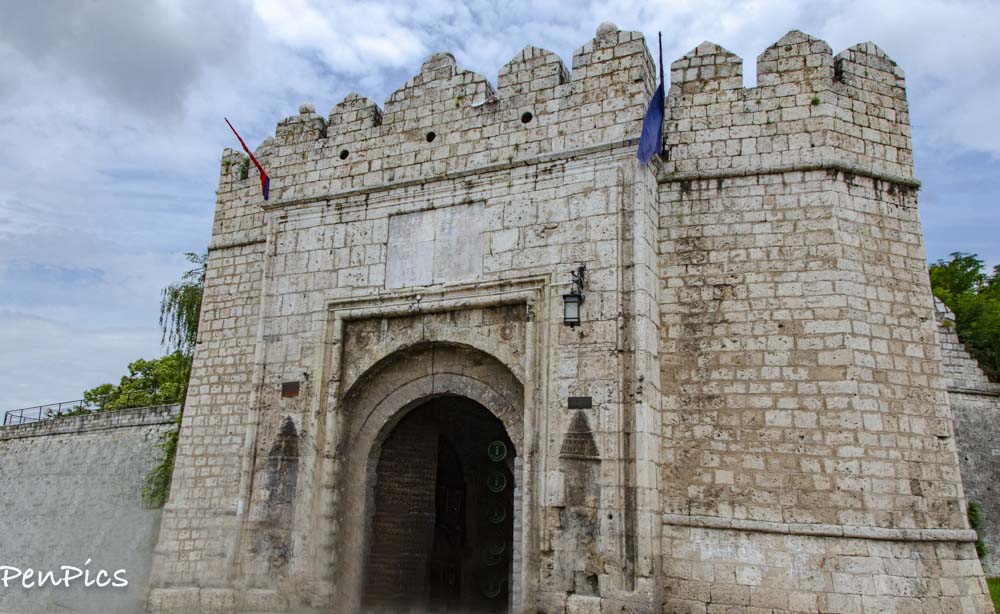
Niš Fortress
Niš Fortress is located in the core of the city, on the banks of the Nišava River. It is one of the best preserved and most beautiful medieval Fortresses in central Balkans.
It was destroyed and restored a number of times, by Romans, over Byzantines, Slavs, Bulgarians, and Serbs. It’s got its final shape in 1723, when Turks built it, facing the end of their reign in this area. Its construction required over 40 stonecutters from Constantinople and around 400 bricklayers from Niš and around the area..
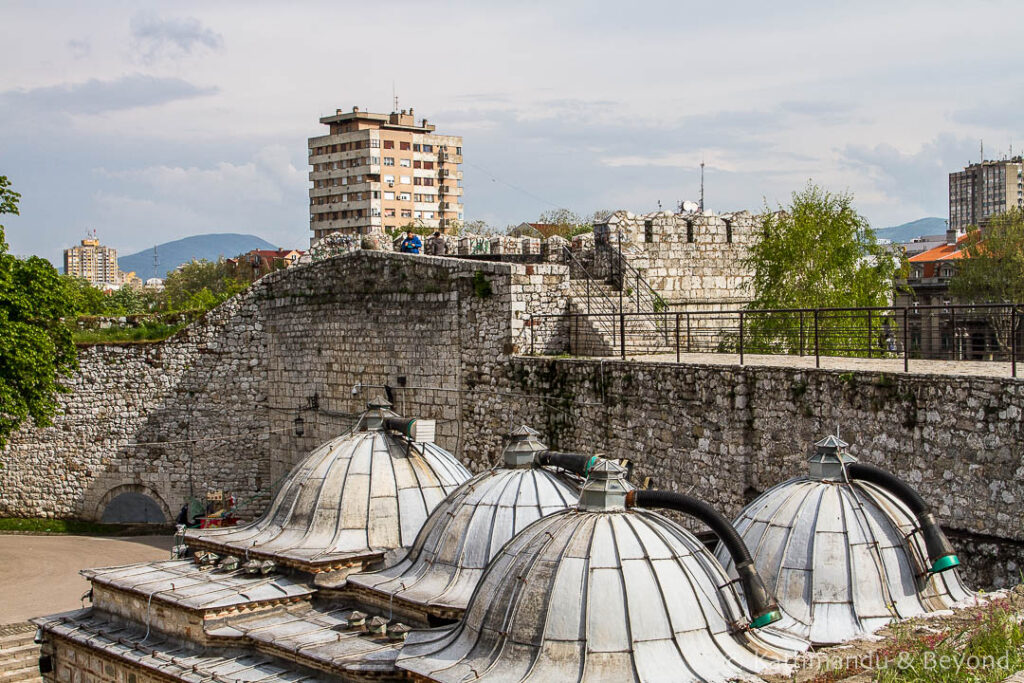
The Fortress covers over 54 acres. From the outside, the Fortress was surrounded by a water-filled ditch, whose northern part remains visible today. Apart from the well preserved stone walls and gates, the Fortress exhibits numerous remains from the turbulent history of Niš:
One of the oldest remains is the collection of tombstones (Lapidarium, 1st-4th century). The collection is located in front of Historical Archives building and contains 41 tombstones found in the Fortress, but also some originating from the nearby towns of Jelašnica, Svrljig and Knjaževac.
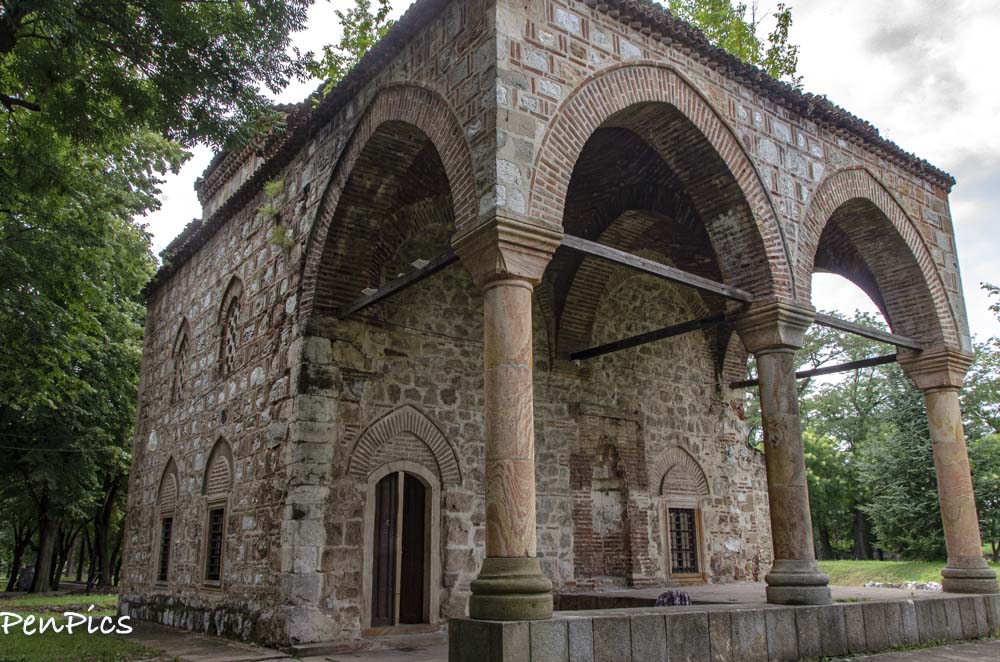
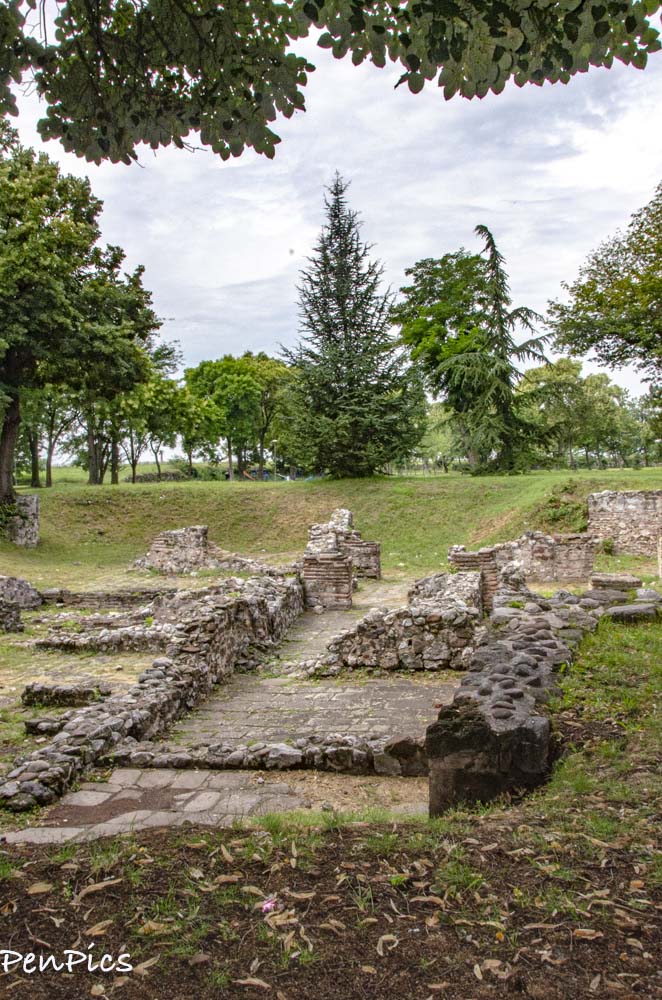
An antique street near Lapidarium and the remains of thermae to the left of the entrance plateau, as well as early-Byzantine streets in the Fortress (next to Bali-Bey Mosque) originate from the Byzantine restoration of 5th and 6th centuries.
Hamam, the gorgeous Turkish steam bath, is the oldest preserved facility from the period of Ottoman reign in Niš and one of the rare fully preserved facilities of this type in general. The bath was made near the Istanbul Gate in 1498, the endowment of Mehmet Bey. Made of brick and stone as a single room Turkish bath, it was intended only for men or only for women.
Arsenal, a weapons and ammunition depot, located to the right of the Istanbul Gate was used for the storage, repair and manufacture of military materials. From the Turkish inscription on the plate next to the entrance, it is know that the arsenal was built in 1857, during the reign of Sultan Abdul Mejid. Since its restoration in 1972, this building has been used as an art gallery.
Prison is preserved in the eastern part of the Fortress, where administrative and military buildings were located. The prison was made in the early 18th century and also had torture chambers. After the liberation from the Turks, the building was used in the same purpose.
Historical Archives Building, located in the northwestern part of the Fortress, is the only military facility there made after the liberation from the Turks (in 1890). During the war, the building was used in various purposes: the Cartographic Section of the Serbian Army, the Noncommissioned Officers’ School of Artillery and the Bulgarian prison in World War One. In 1959 it was proclaimed a cultural monument and has been used as a Historical Archives building since. The quantity and importance of the material preserved there makes it the second such institution in Serbia, second only to the Belgrade Archives.
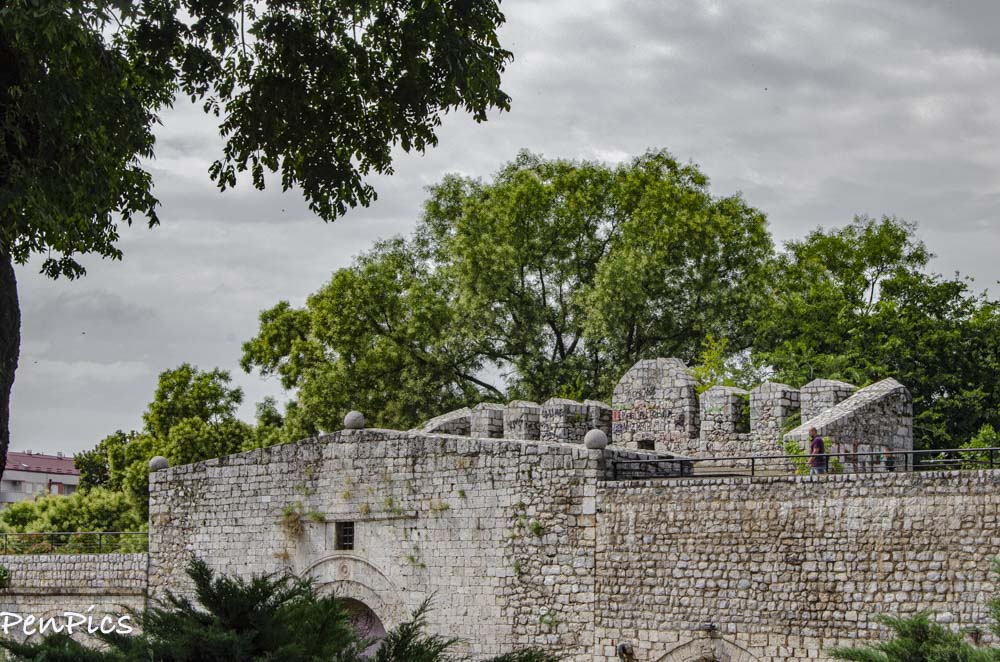
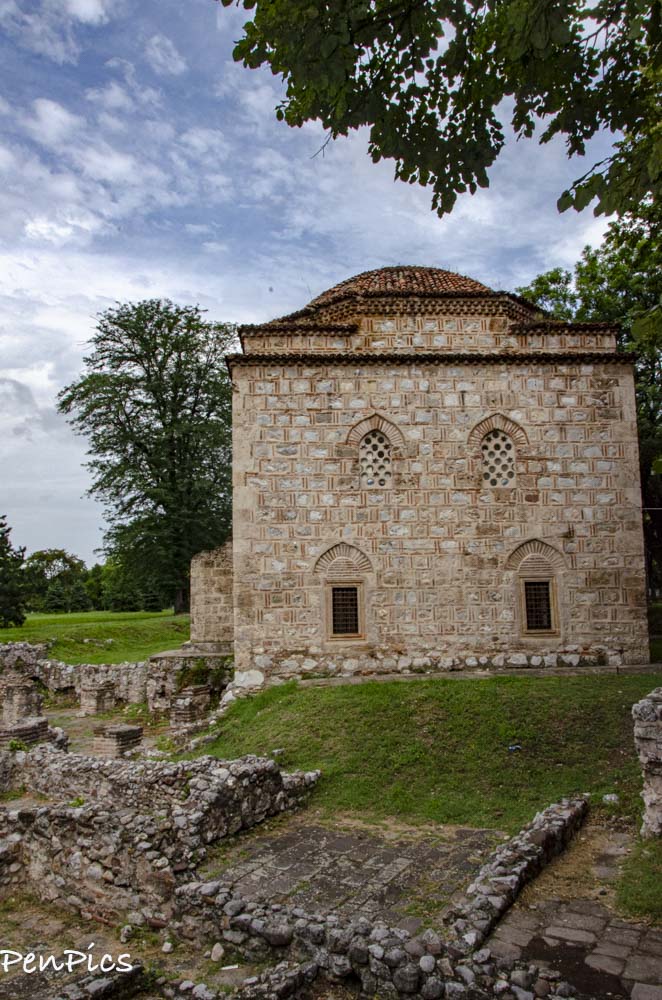
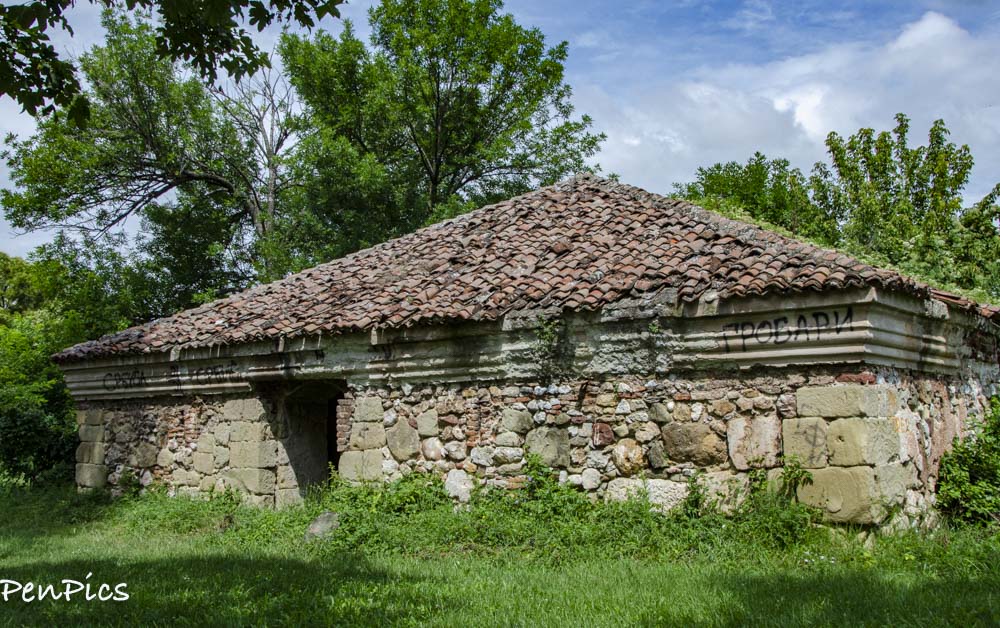
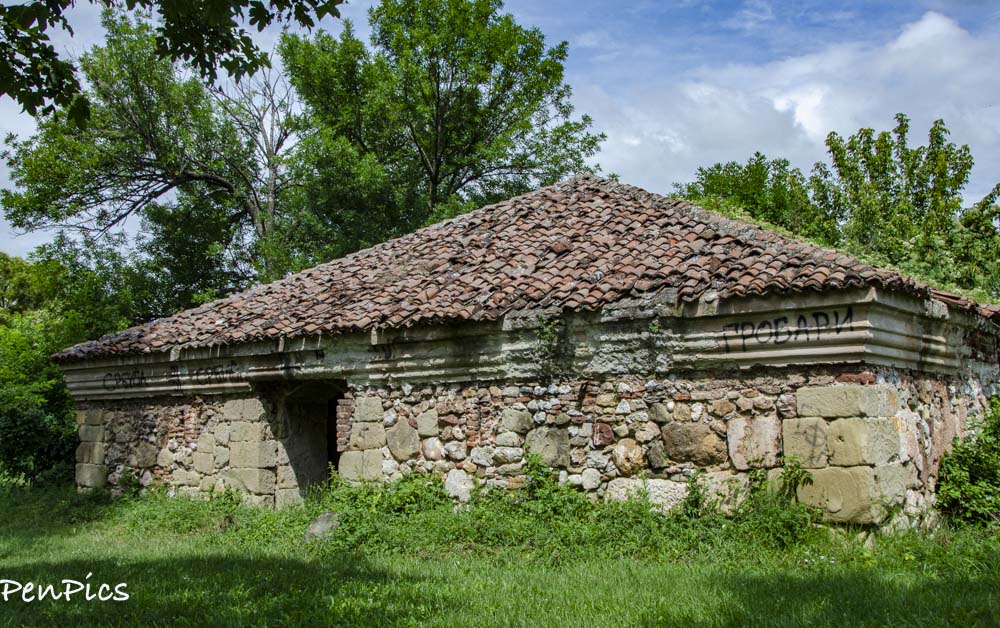
Powder Storages are military facilities used for the storage of gunpowder and ammunition. Five remain preserved; four located along the northern rampart, while another small one is situated in the eastern part of the Fortress. The rectangular space within is surrounded by a massive wall, over one meter thick, and it was used for storing powder and ammunition. The narrow hall surrounding it was occupied by soldiers in case of an attack. They could use 12 narrow slits in the walls (loop holes) to shoot and defend the city. The powder storages were constructed after 1723, when the building of the Fortress was fully finished. They are the only facility of this kind preserved in Serbia.
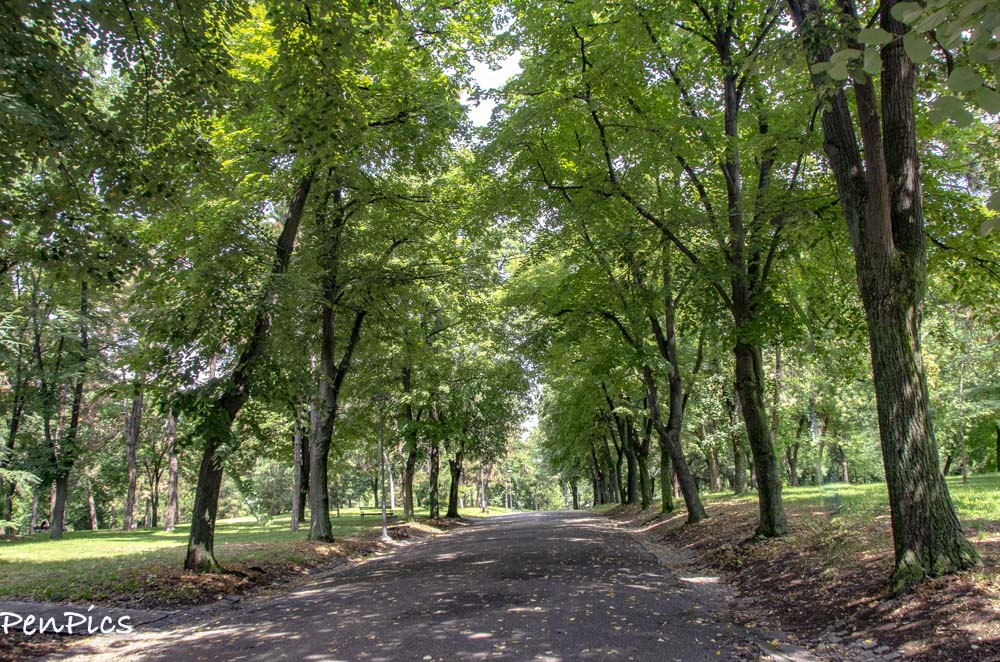
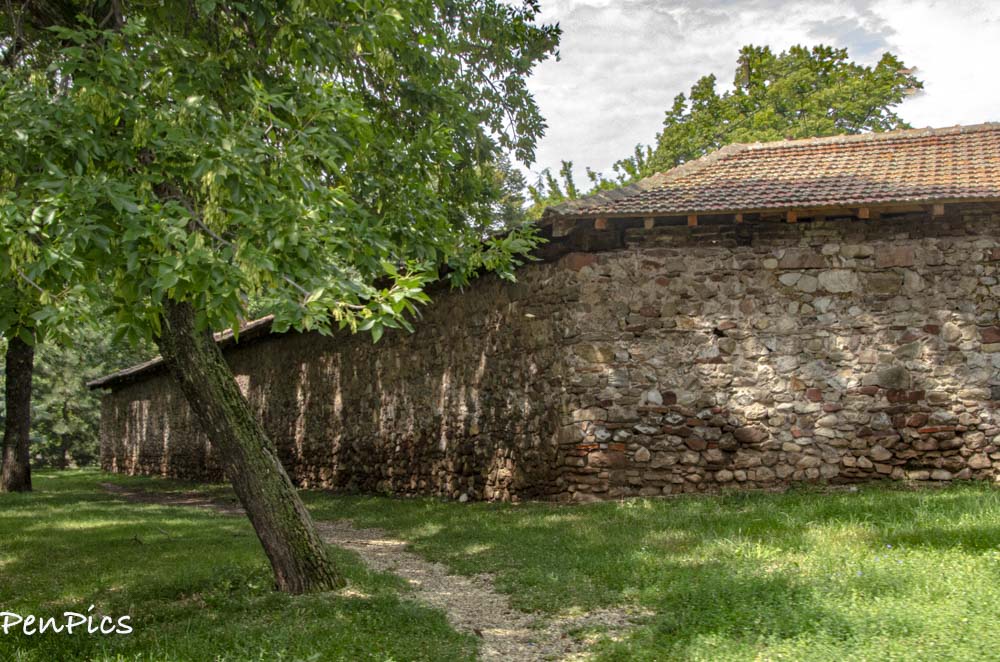
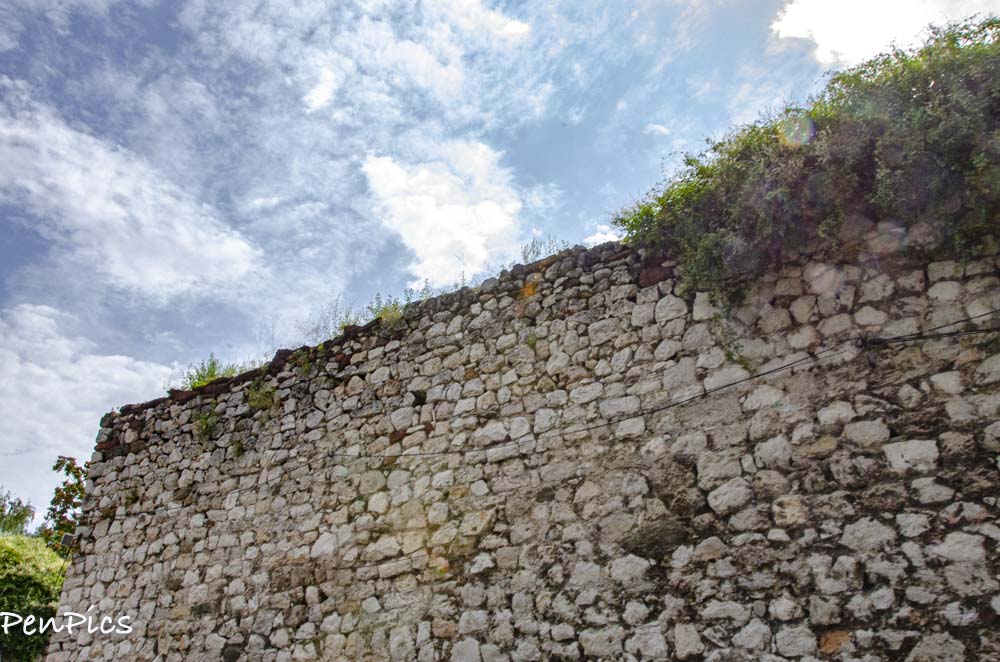
The first legend of Nis Fortress, here, was the escape tunnel. That way out was with purpose so the citizens of Nis could save themselves if city was attacked. The tunnel was about about a mile long, ending in near by mountains. It is unknown where it ends, or where it even starts. Or, if it was really there.
Legend of Saint Procopius and Nis Fortress is an urban legend as well.
Just before city and fortress fell to the Ottomans, an artifact was moved. Saint Procopius body was in Nis.. Because local people wanted to hide the body, before the enemy conquered Nis, it was moved away from the city. By that legend, they moved it to Prokuplje. And that’s how Prokuplje got it’s name. Nis fell into enemy hands, but without the prized body of a Saint.
Beside this legends, there a few more. Especially about events that happened in tunnels in last century. The most interesting legend is about exploring the Nis Fortress tunnels.
Under the Fortress itself, there are a lots of tunnels. In the mid 30’s, there were many causalities. the first expedition that entered them, diapered without a trace.
The second expedition which entered with dogs, only one dog came back, but with many wounds.
I can honestly say, as we drove around the inside of the walled area, I saw many tunnel openings. Usually up for an adventure, I would be interested in checking them output this place I had no desire to go near them, and did not know why. At one time I saw a mom and her small child who was running around, and near one of the tunnel entrances. My mind started racing and I thought; “hold on to your child, and don’t let her go near the tunnel!” It was so random, and I don’t know why I got goosebumps, and the hair raised up on my neck. It would be later that I read about the stories of the tunnels, and then I understood. I always get a feeling of the good, bad and ugly of historic Fortresses. I feel the vibe that lingers.
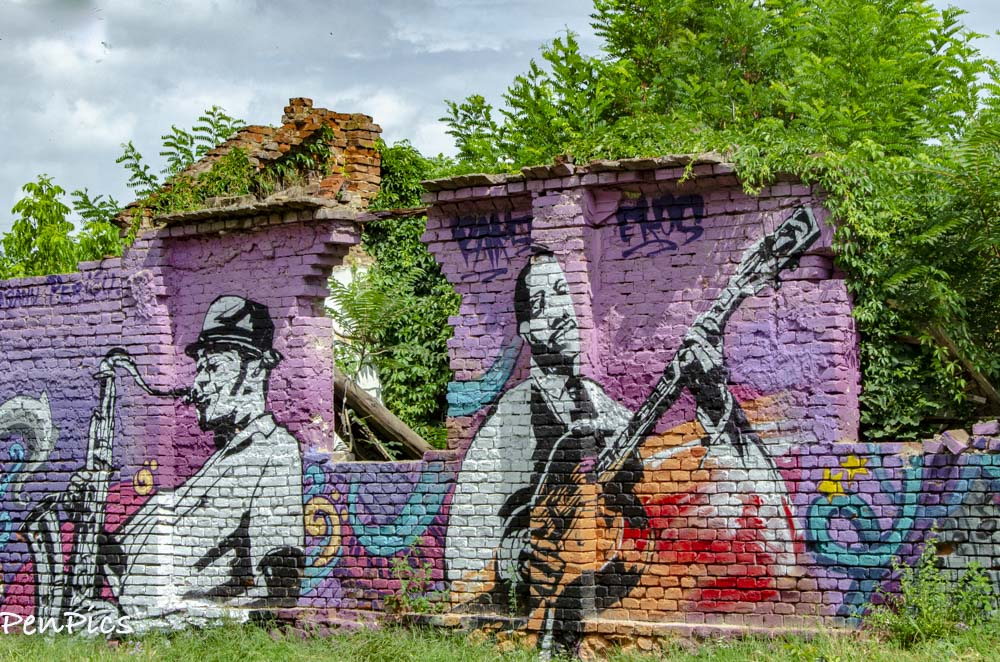
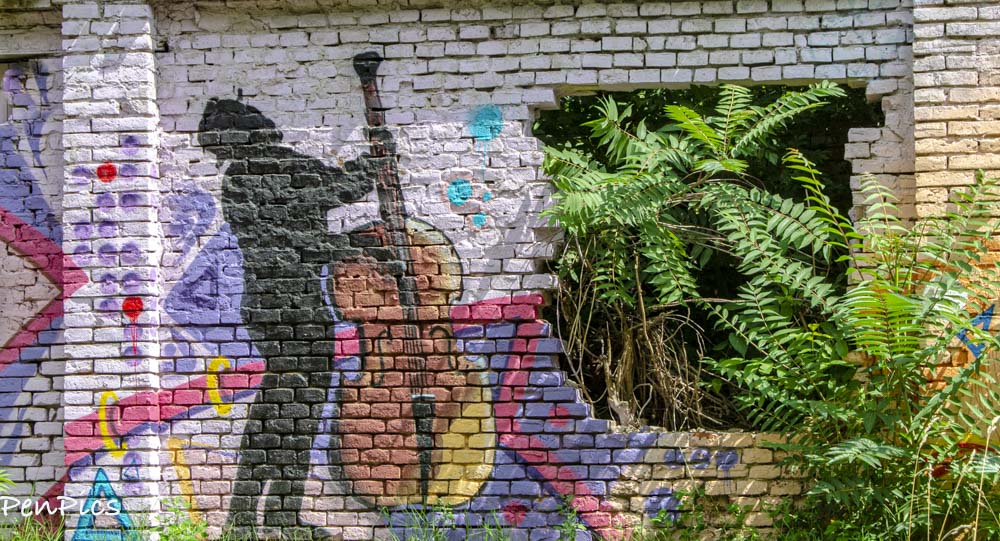

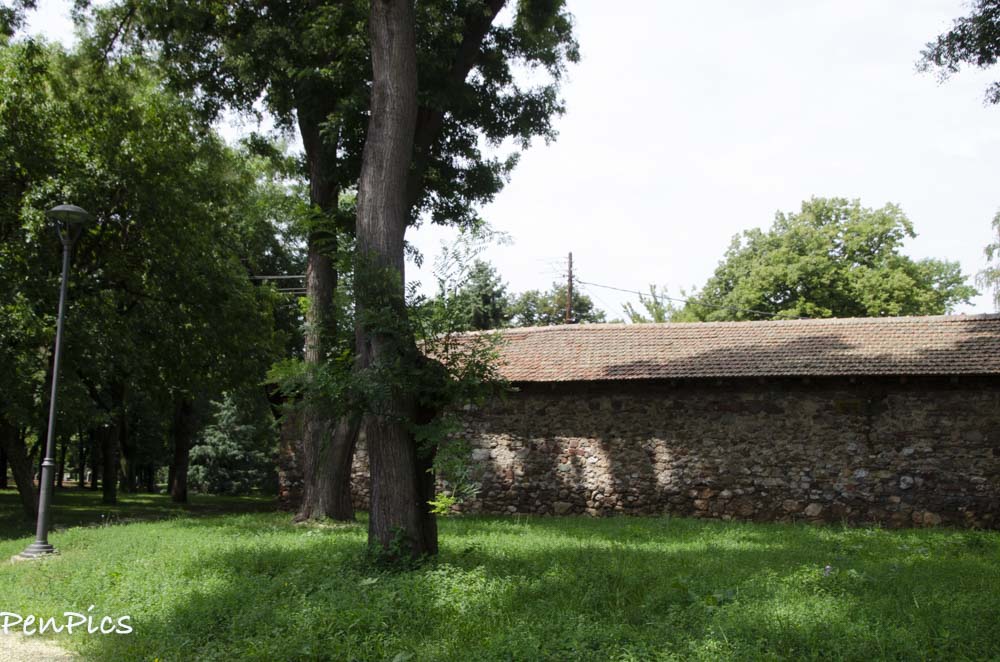
From the third largest (busy) city in Serbia; Nis, after visiting sites there, we drove a couple of hours more south, to Devil’s Town (which will be my next post coming up). We were so happy we managed to avoid getting rained on during our drive time and exploring to all three sites we visited, today.
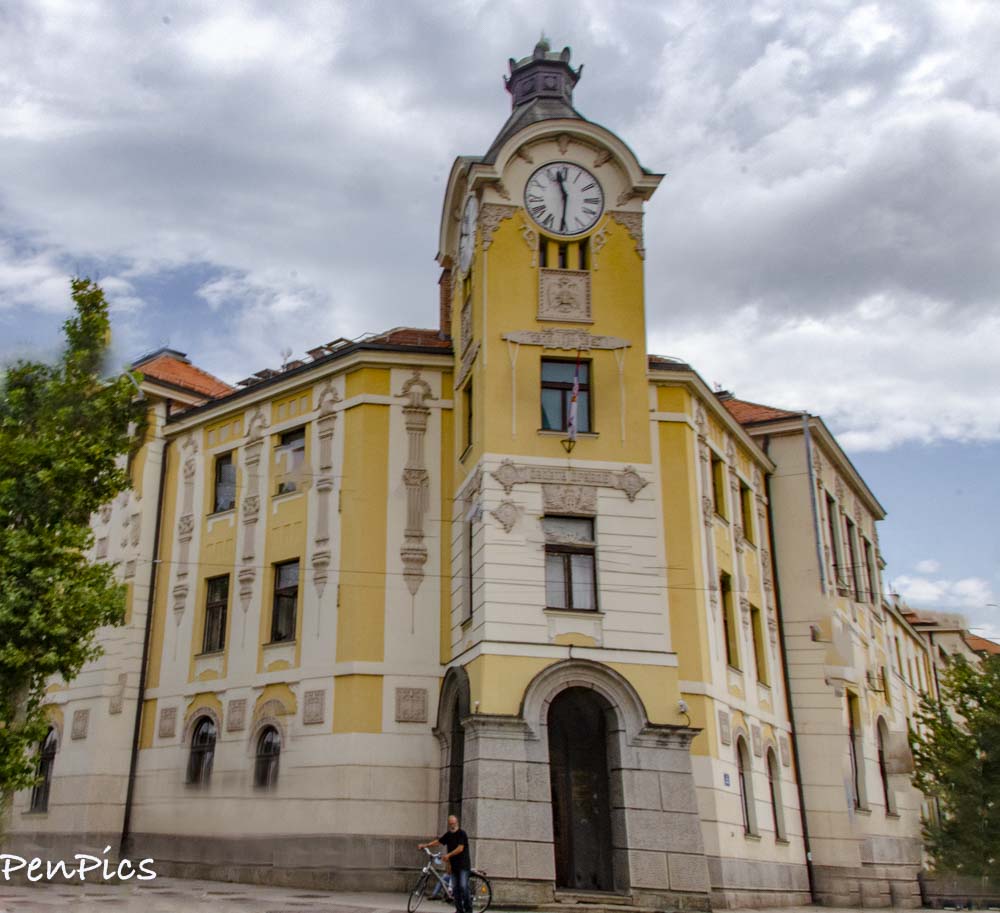
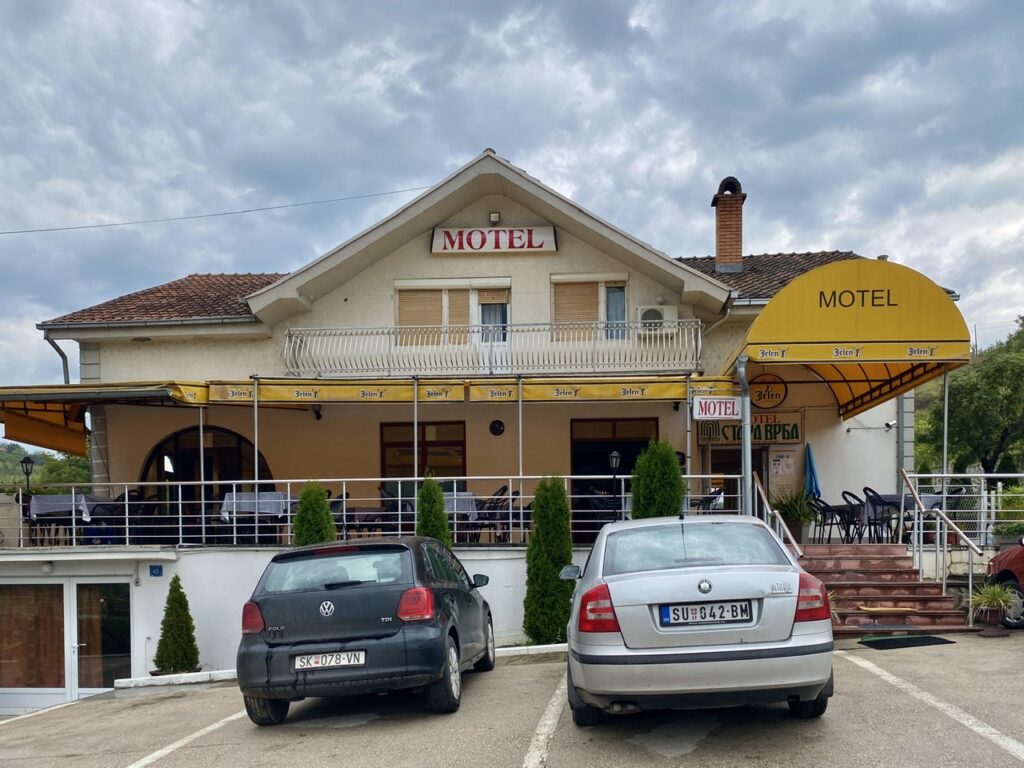
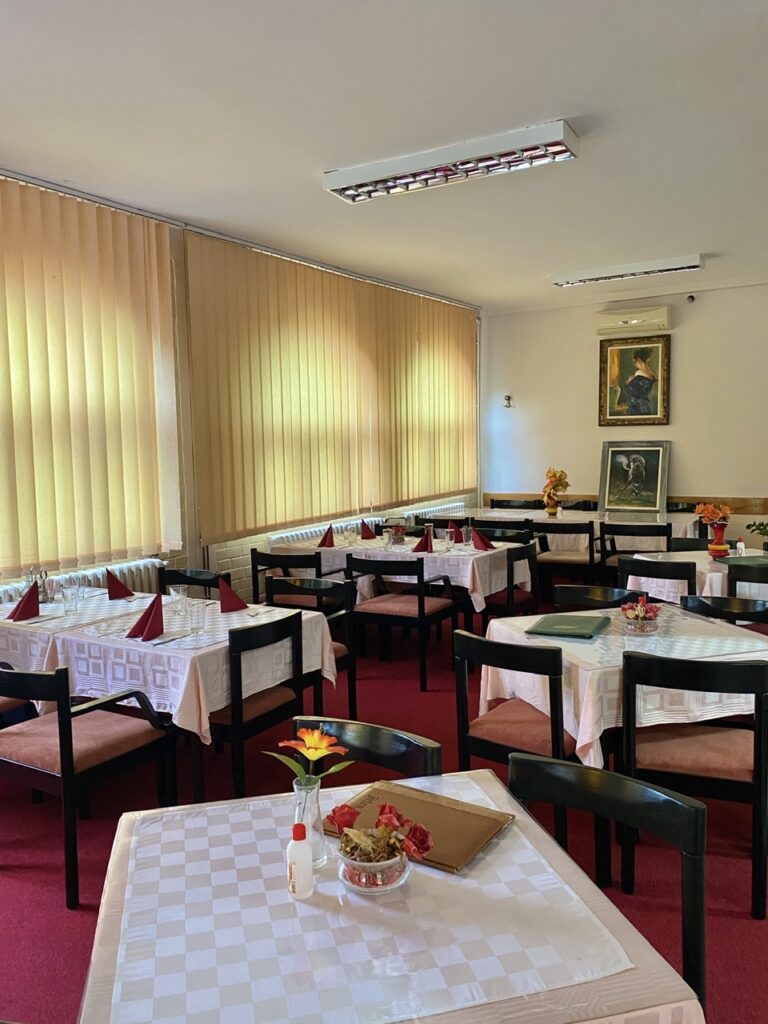
We were also extremely fortunate to find a very rural Motel, right on our route, not far from our last activity. Right price, A/C, good food, WIFI and free parking. By scoring this Motel, we avoided extra driving when tired from our big day. As soon as we arrived and arranged our room, the skies opened up and poured rain and stormed, again. Perfect timing! We are cozy and comfortable and the only guests again at the Motel.
About Us

About Us
Hello and Welcome to our Travel Blog Website, We enjoy writing about our experiences and taking photos of our adventuring along the way. Our names are: Daryl and Pen, but Daryl calls me “Bunny.” We met, quite randomly, whilst both traveling in Thailand with friends. We happened to be in the same travel group, and […]