


“Serbia 🇷🇸 ~Petrovaradin Fortress and Around Novi Sad”
We absolutely love Novi Sad!
The vibe, the old-world feel, the charm, and the culture. This is a bigger city, yet, the feeling is still like an enchanting small town. I’m not sure how, but it is.
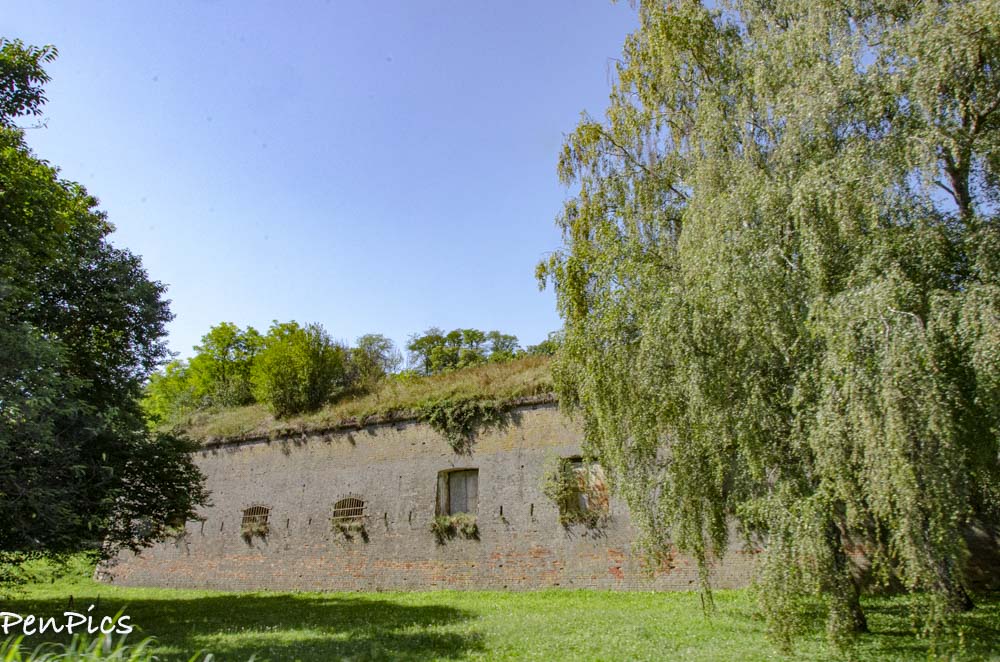
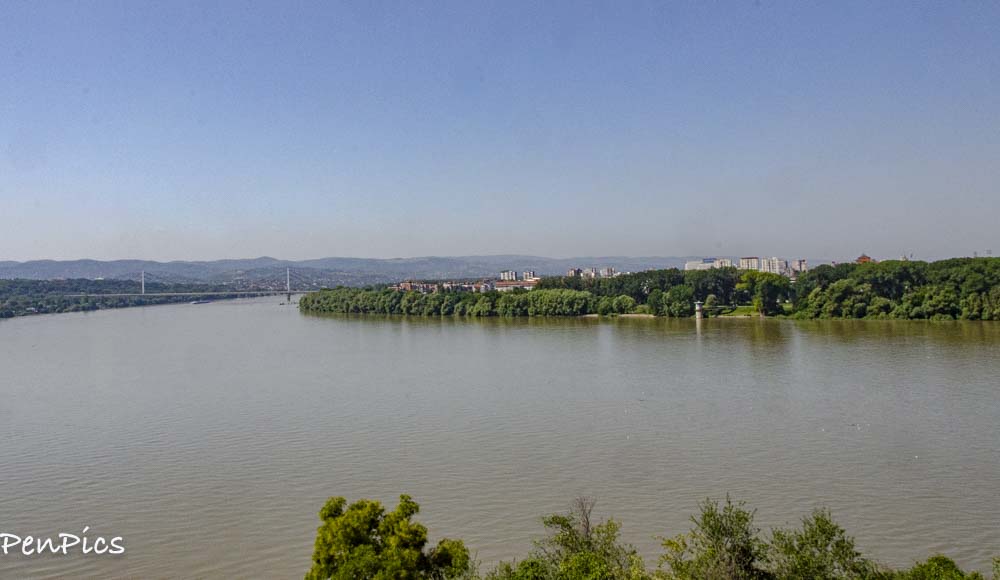
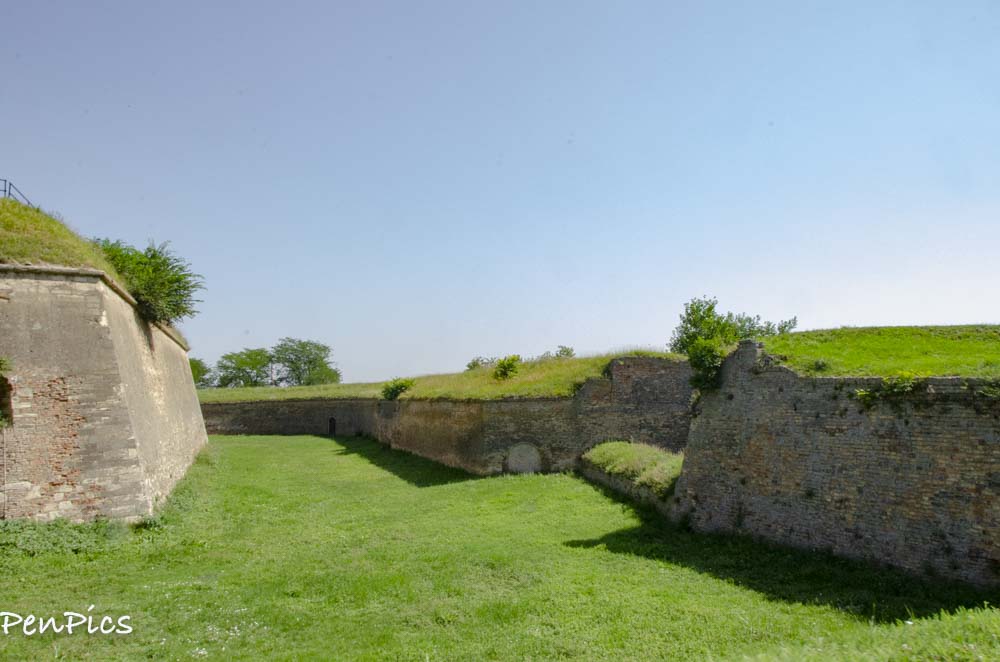
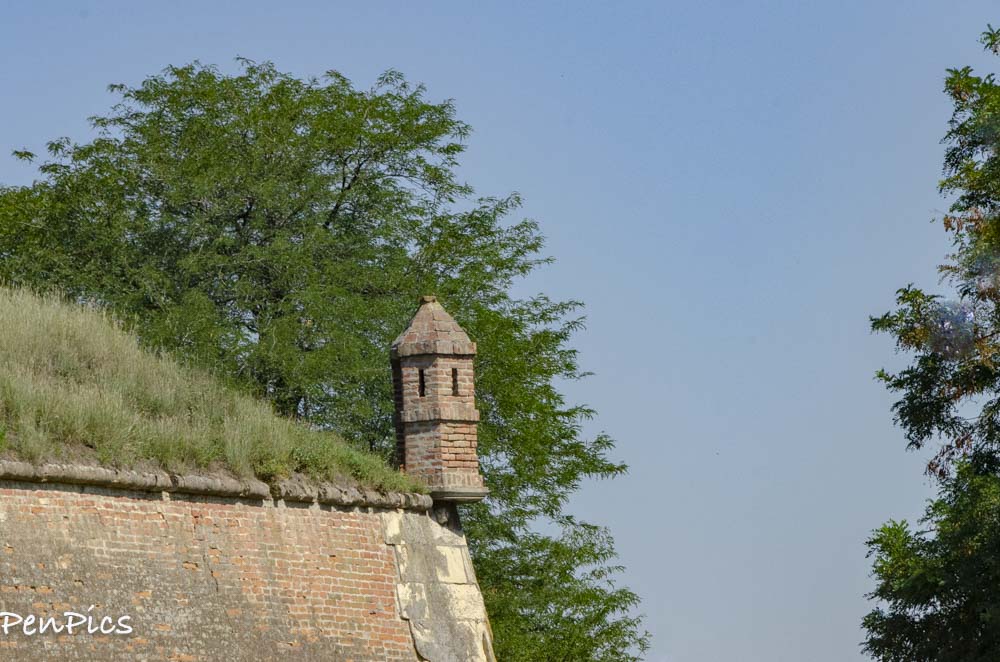
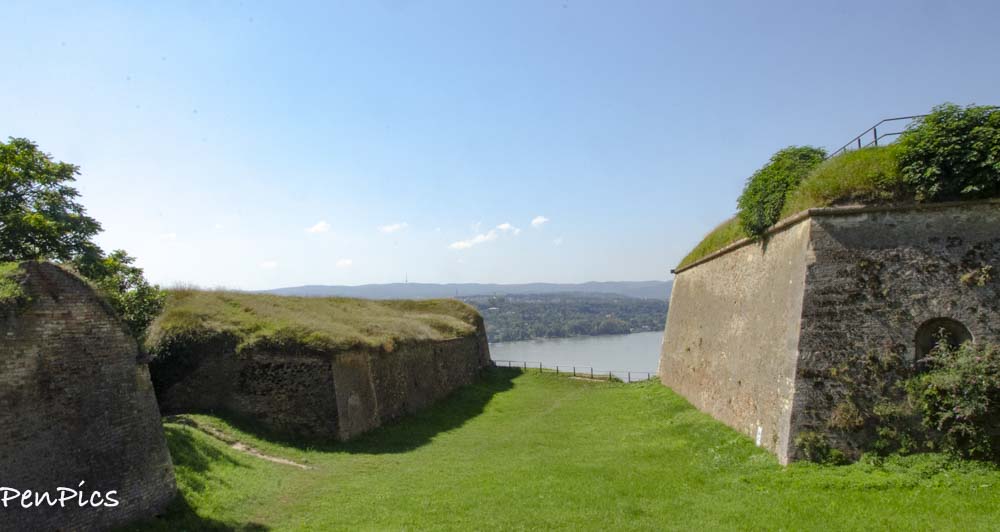
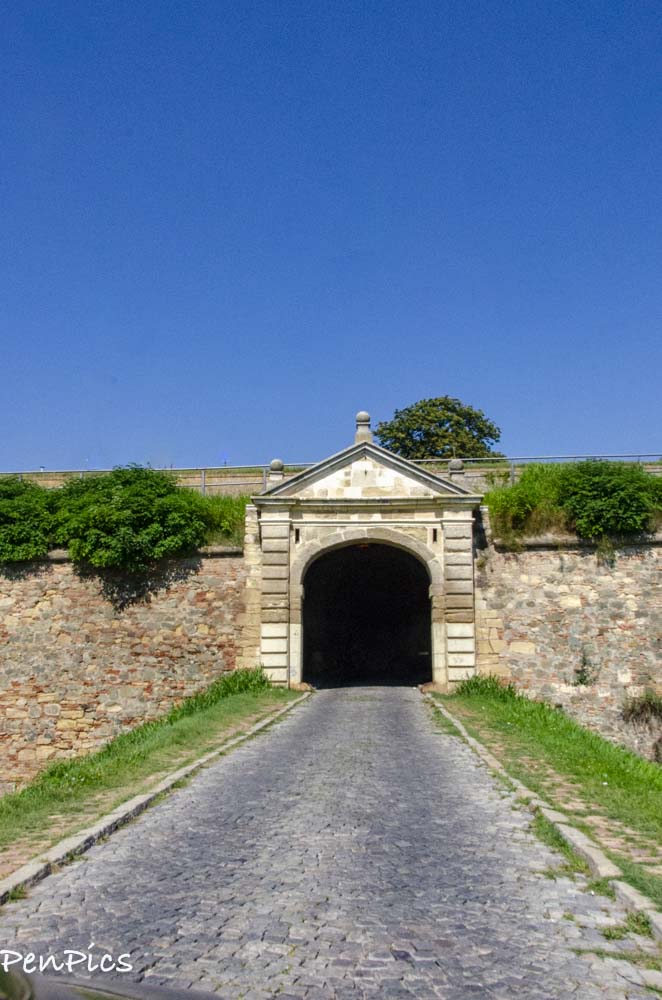
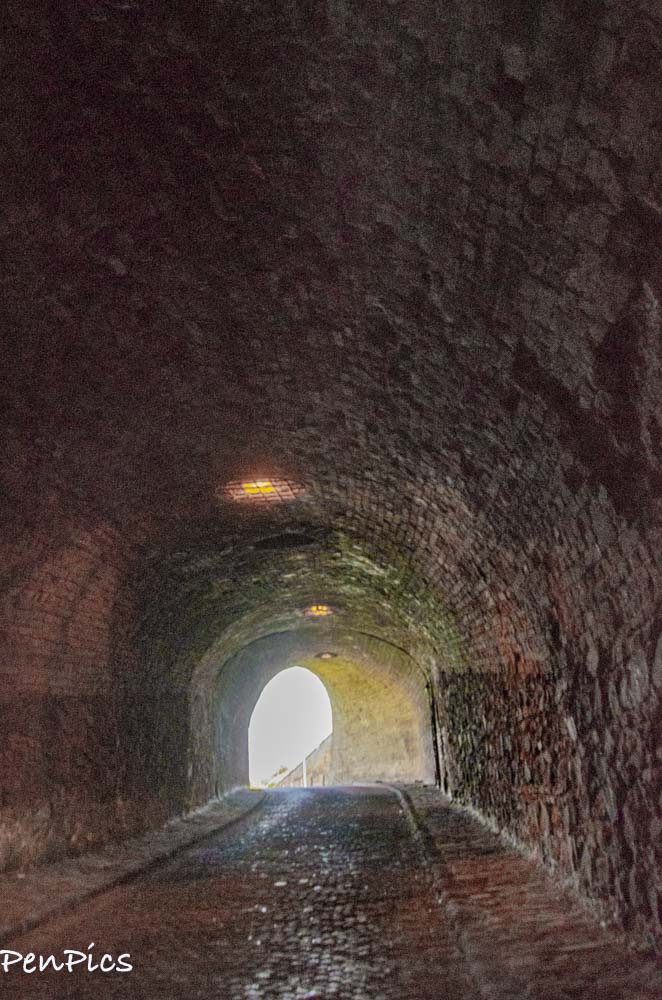
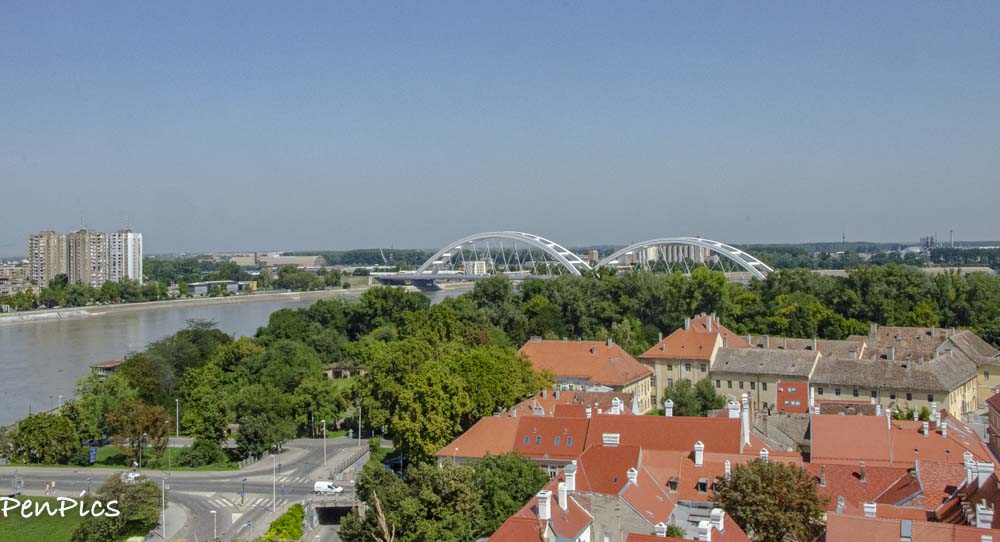
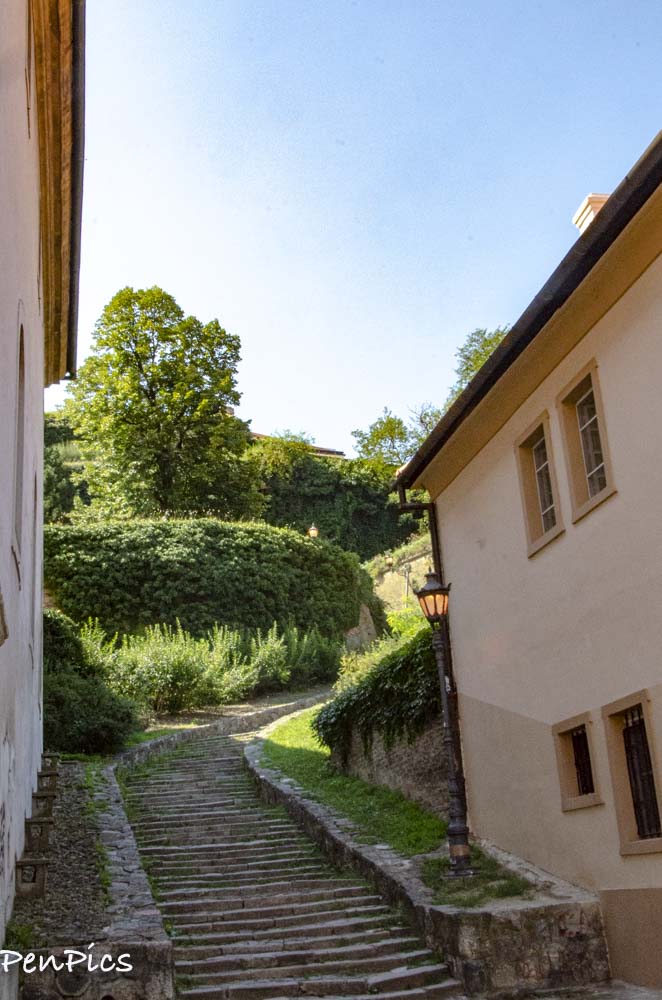
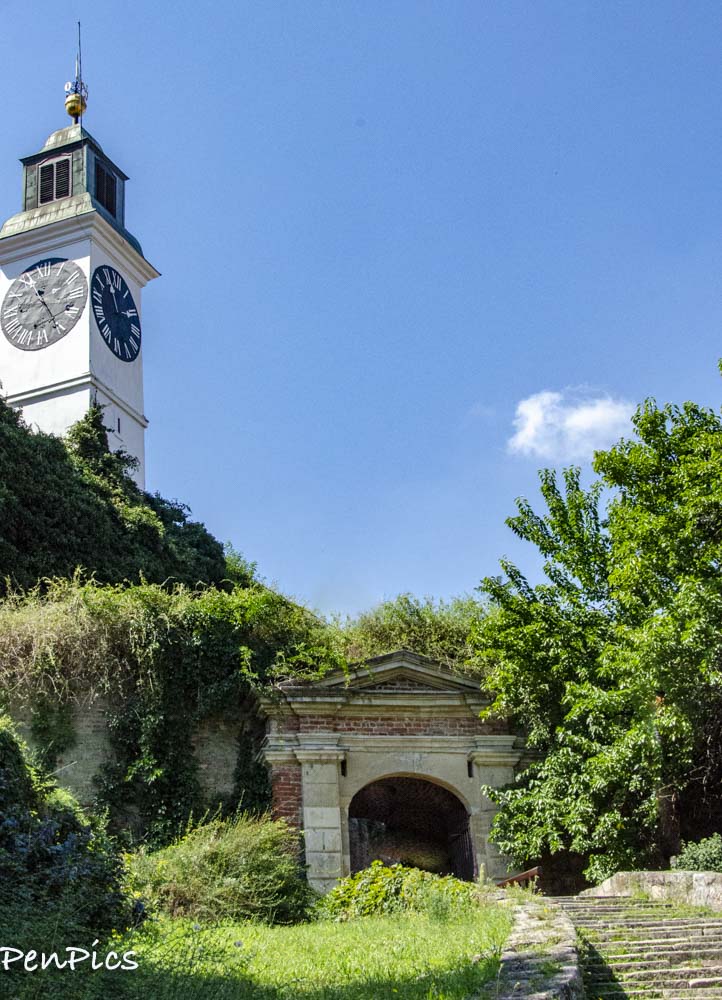
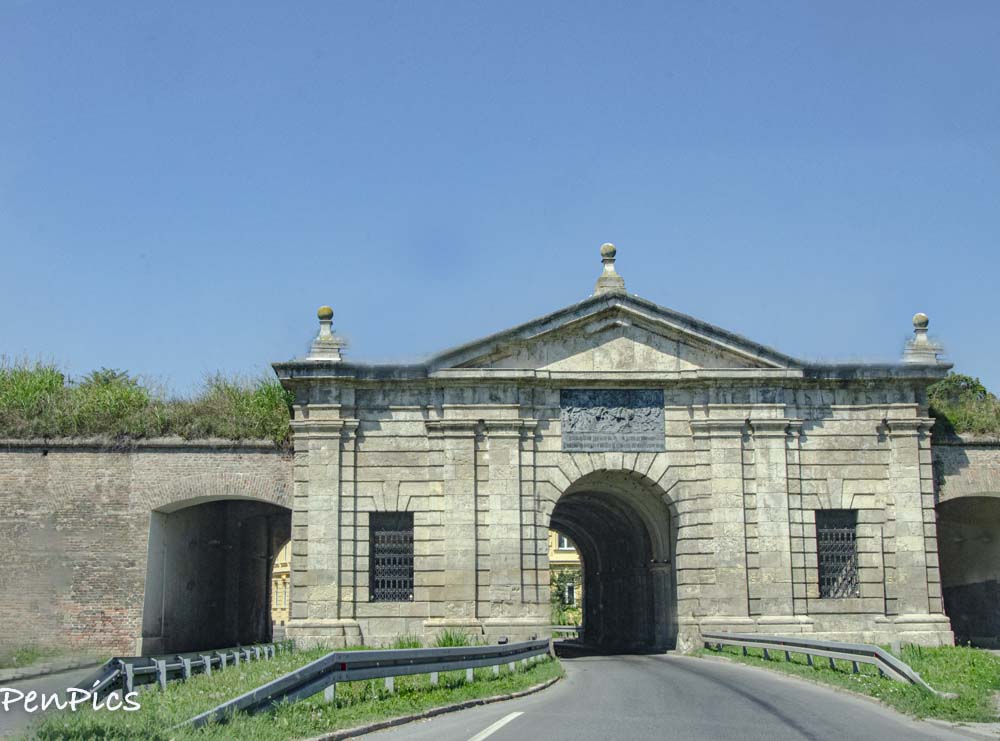
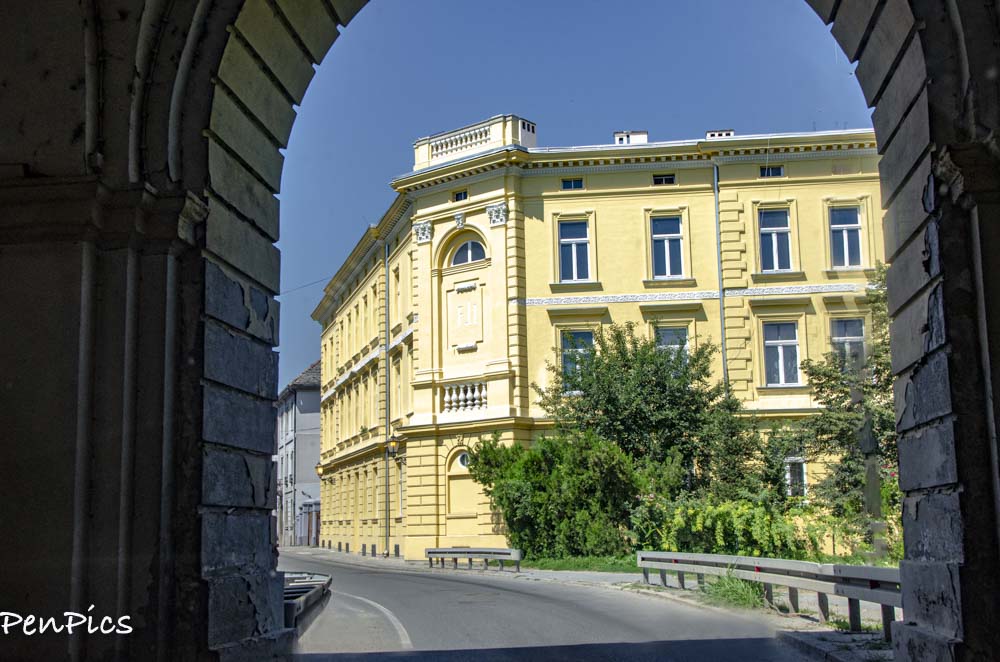
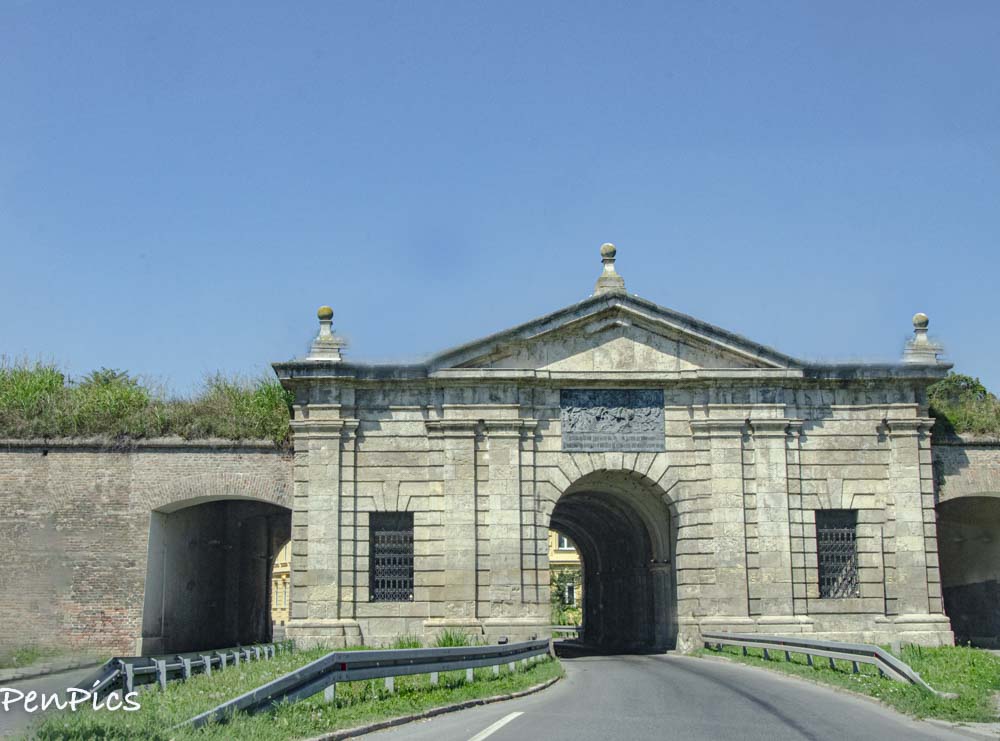
This morning we headed for the Petrovaradin Fortress, which is on the Danube River, overlooking Novi Sad. From a distance, it looks like a small Fort on a hill, but it was a huge Fortress at one time. The expanse of battle-ready thick walls are an indicator of just how big. To get to the main part of the Fortress, there were entrance gates and a one-way tunnel (thank goodness for a small traffic light for the one-way indicator; as we took turns going in and out).
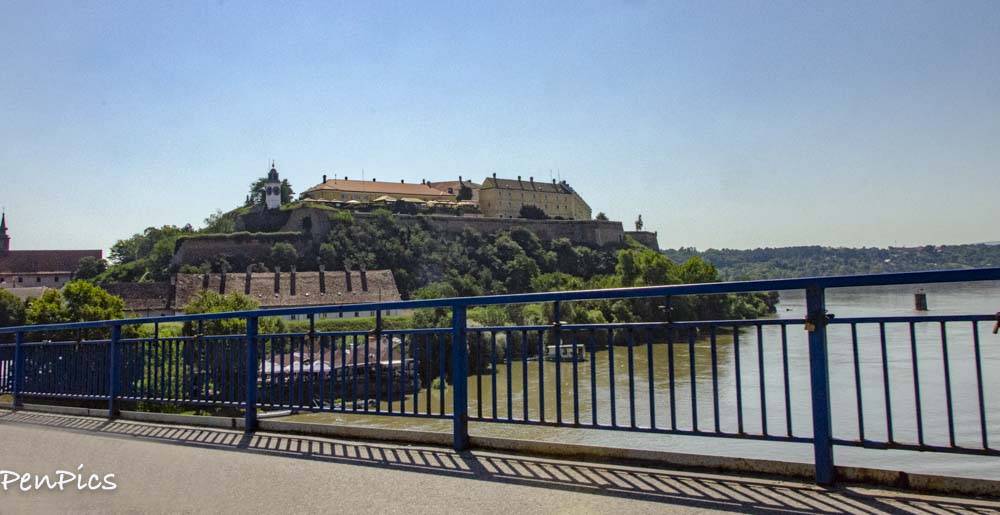
On a rocky cliff at the base of Fruska Gora, is the site of today’s Fortress from ancient times The latest archaeological studies show that the history of this locality originated more than 200 thousand years ago! In this timeframe, the Fortress on the hill had many owners, names and took on varied shapes
Celts lived in this place between the 3rd and 4th BC. In the 1st century AD, the romans lived here. Between Petrovaradin and a town today, called Sremska Kamenica, there was a Fortress Cusum. At the time of the Byzantine Empire in the same place, there was a Fortress Petricon. In the 8th century, today’s Petrovaradin was in franacka state, and from the 9th century, it was a part of the state of medieval Hungary.
The Turks occupied the Fort in the year 1526. It would remain a Turkish Fort for 160 years,; until 1687. At that time, it was conquered by the Austrians and the imperial court evaluated a long battle for supremacy in the Danube region. In 1692, Austria began construction of the new fortification, now known as Petrovaradin Fortress.
The construction of the fortress lasted 88 years, until the year 1780. It was built during the reign of Austrian Emperor; Leopold I, Joseph. Under his rule, many Fortresses were built in Europe, and Petrovaradin Fortress was the largest of them all; extending almost 272 acres. It is also the best preserved. The particularity of this system are high and steep walls, water moats and channels, with movable bridges and control gates.
It was a specific design of particular importance, with an underground Fortress on four floors, with almost ten miles of corridors and resting places, as well as a backup supply well in case of a long siege against the Fortress.
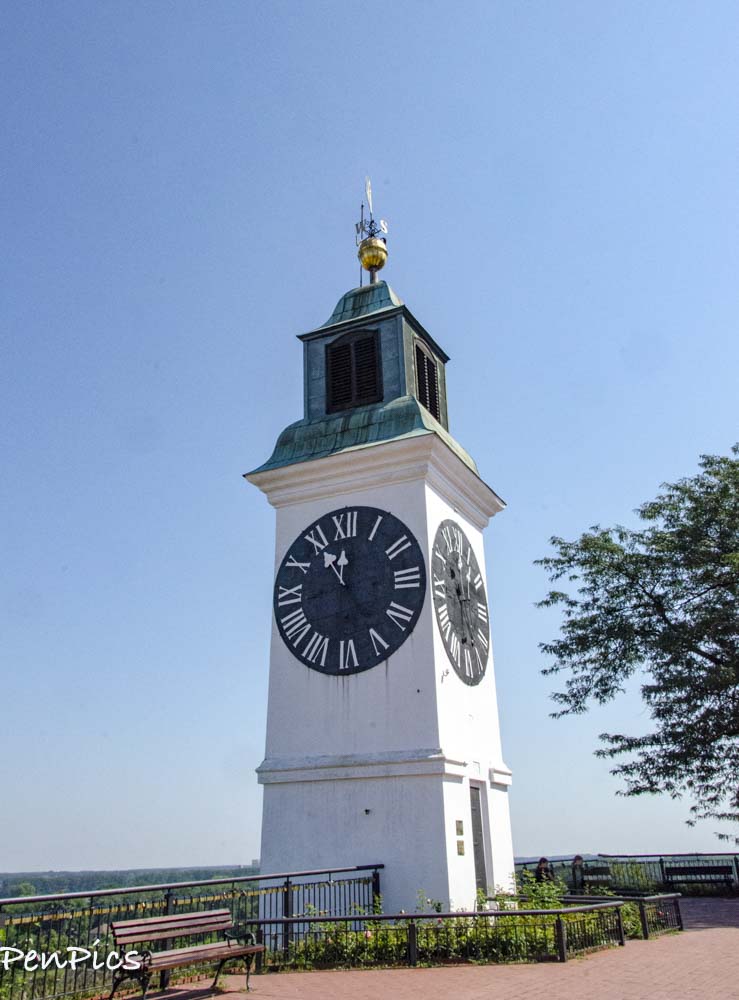
The specific uniqueness of the clock, are the big hands which show hours, and small hands which shows minutes; because for the boatman on the River Danube, the changing of the guards and military order were significant for the time. The clock is visible from afar, and is still operational and rings on the full hour.
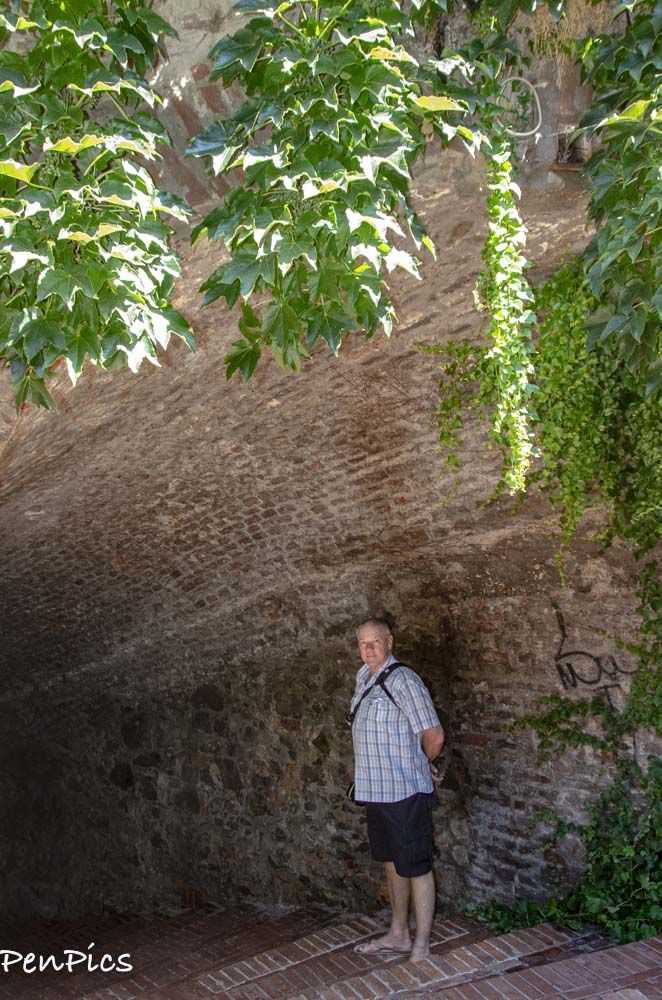
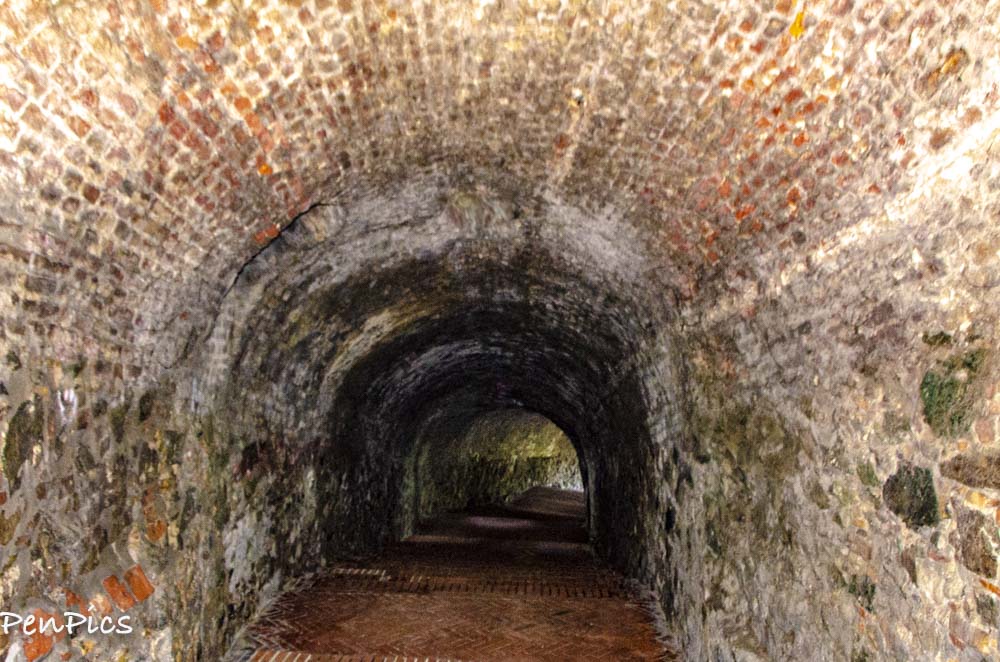

There are the medieval Catacombs of the Petrovaradin Fortress which we were quite excited to explore. There are underground tunnels, beneath the Fortress. Unfortunately, for now, they are closed to tourists, due to COVID19. That was a big bummer, but it’s just how the cookie crumbles for us. We still remember the Catacombs we visited in Paris, also underground, so its not like we haven’t experience this kind of thing, but the ancient tunnels are quite unique. In Paris, there were skulls and bones stacked up all over. It was haunting, yet so incredible at the same time. Here, there are no visible bones that I know of, but of course it has its own uniqueness.
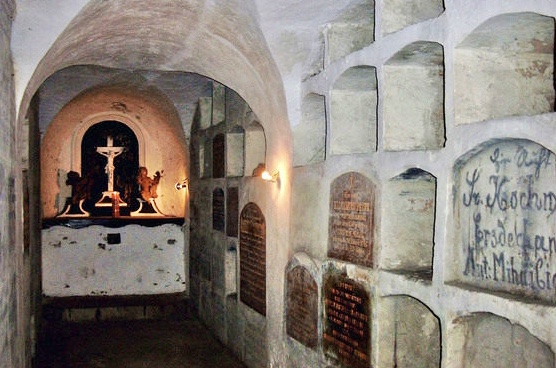
Though the Fortress is a popular site, there are no signs pointing the way to the hidden catacombs. Perhaps it meant to be a secret?
The underground tunnels hidden beneath the fortress; the underground military galleries are often referred to as the catacomb, create in a four-story, roughly 10-mile-long network of passageways.
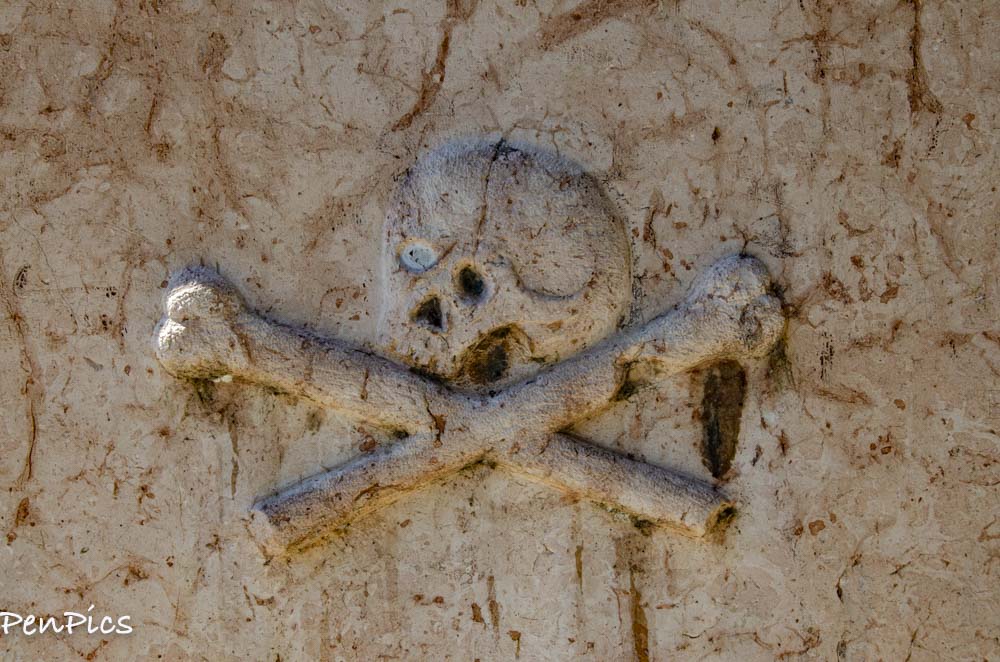
There are numerous artifacts and symbols found on the walls, such as the Maltese cross and various masonic symbols. One of them is the ipam miam inscription, used by the alchemists and Freemasons. Each level is marked with a different color, with the fourth (black) one being the most mysterious, as on its bottom lies the so-called “Kaiser Well,” from which the Austrian king Joseph drank water.
There are many legends related to the Fortress’ tunnels, including a myth about hidden treasure. The story goes that the Austrian Imperial Treasury was brought into the Fortress to hide it from Napoleon’s possible attack on Vienna, and that some of the treasure has still remains hidden underneath.
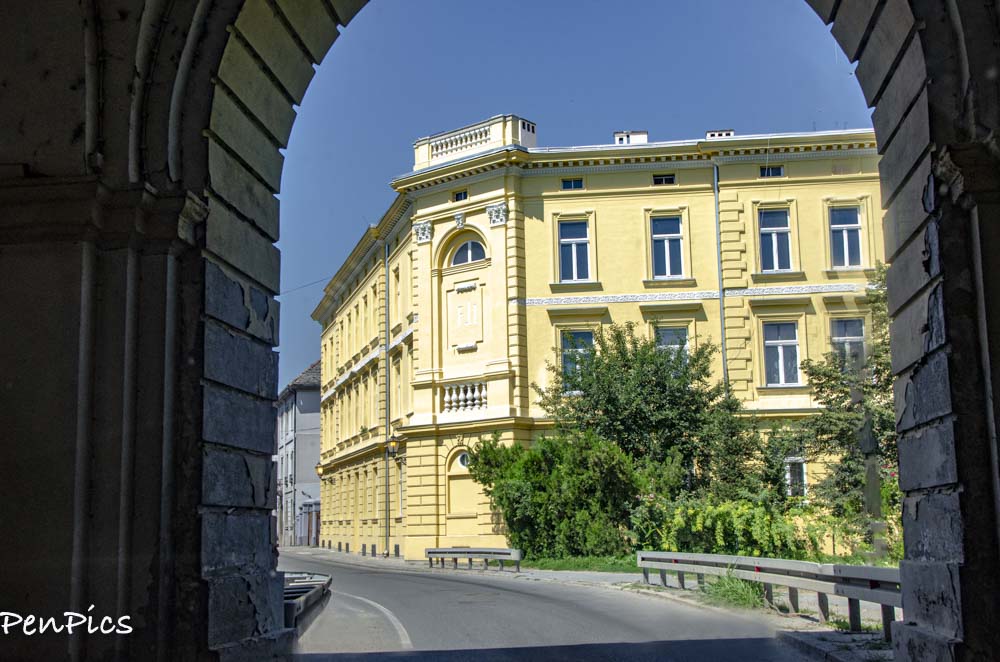
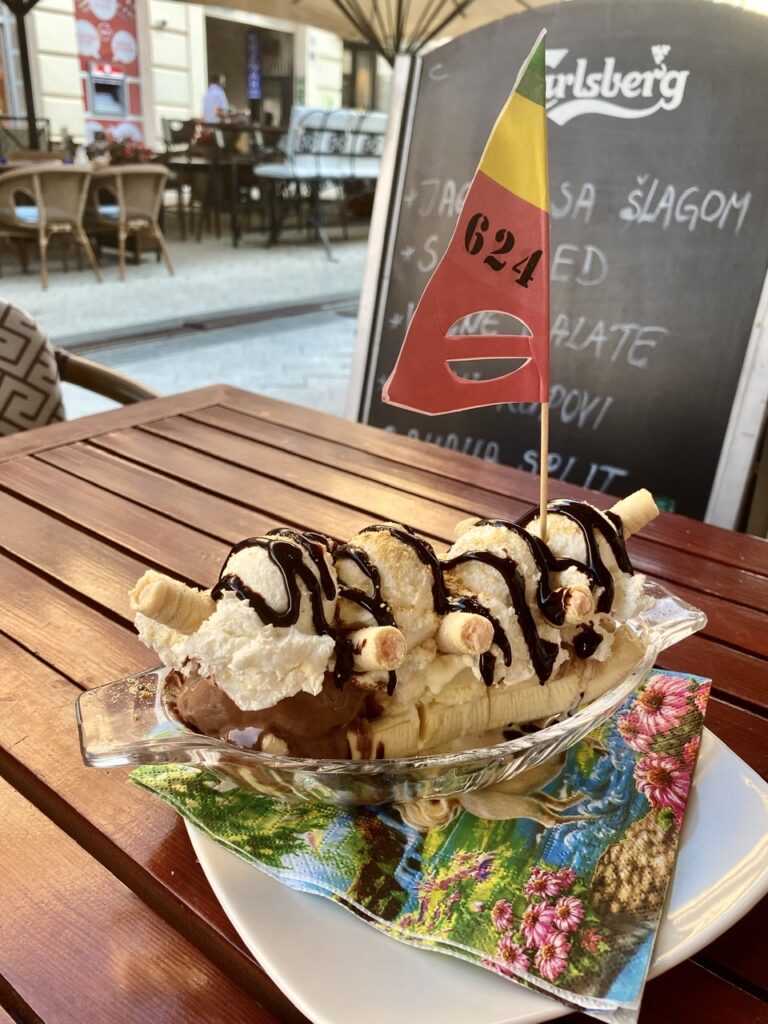
We returned back to the area around Freedom Square. It is THE place to go. Soon, we desired our hotel room and A/C to cool down and rest a bit. By dinner we were right back out there, getting a bite to eat! With so many people, there are plenty of places to choose from and places to sit and relax. Many shops are open. Masks are required to enter churches and shops. Outside seating at restaurants are aplenty. We can eat indoors, but are told we must wear a mask to do so. Nobody can answer our question; “how do we eat with masks on?”
It is so great we secured a hotel room within walking distance of the square, as its the only way to go. We are staying at Bella ? (will try to remember) Its affordable and comfortable; two tonight for 50 Euro and they did our laundry for five Euro.
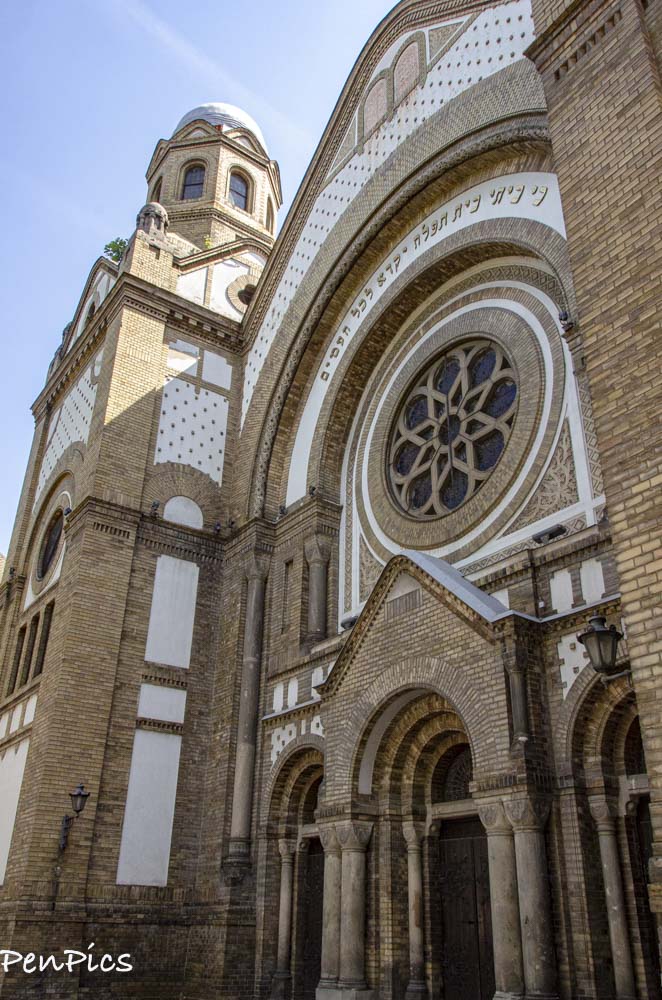
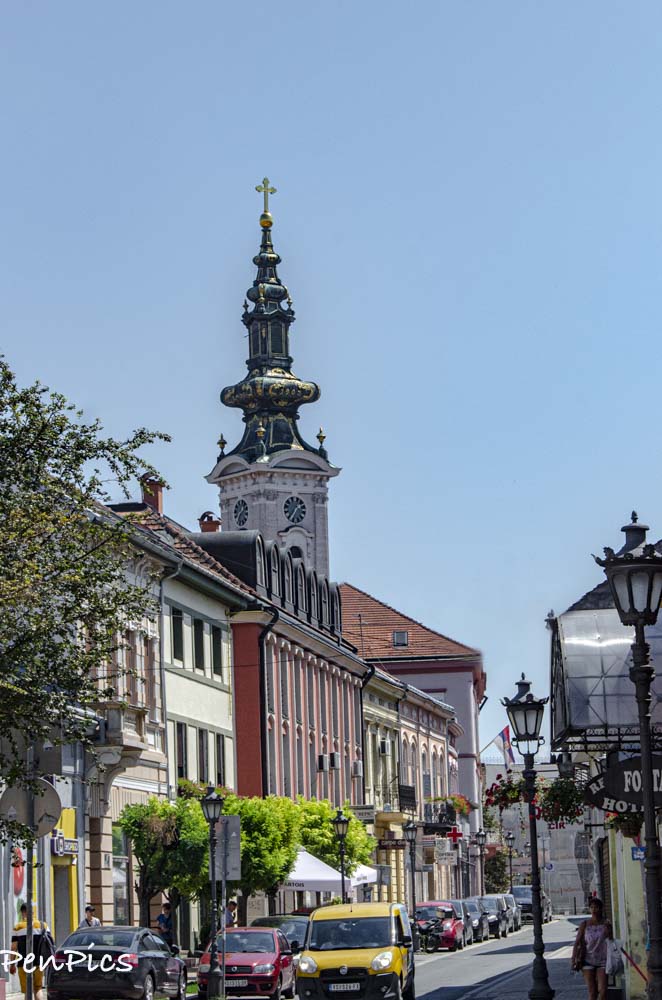
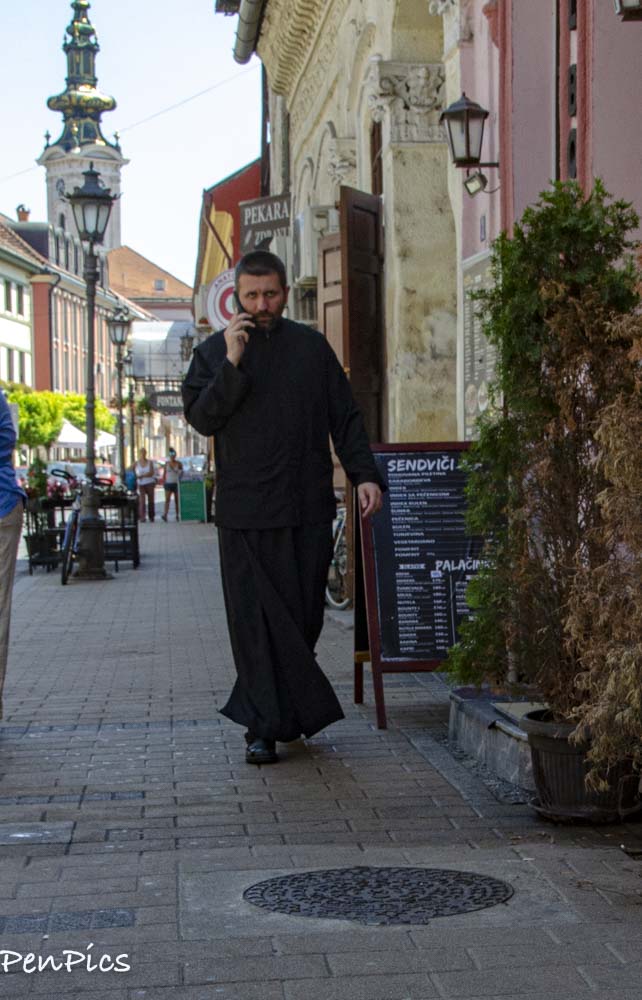
Novi Sad has always been famous for its culturally and ethnically diverse society. The distinctive history makes it closer to the Hungarian than to the Ottoman influences of the south. This is directly connected to the presence of the diverse religious architecture and the real cultural salad which the city has become over the years.
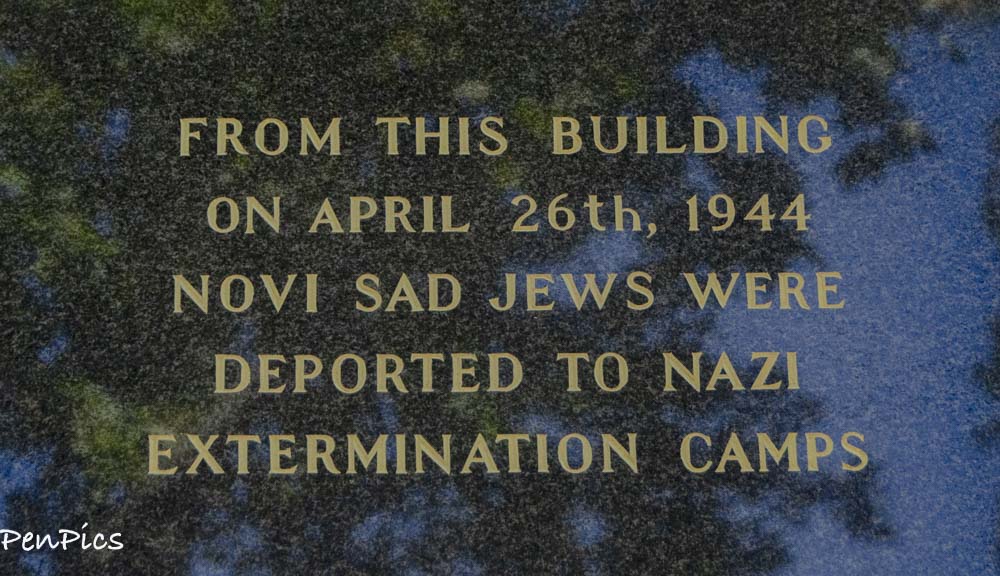
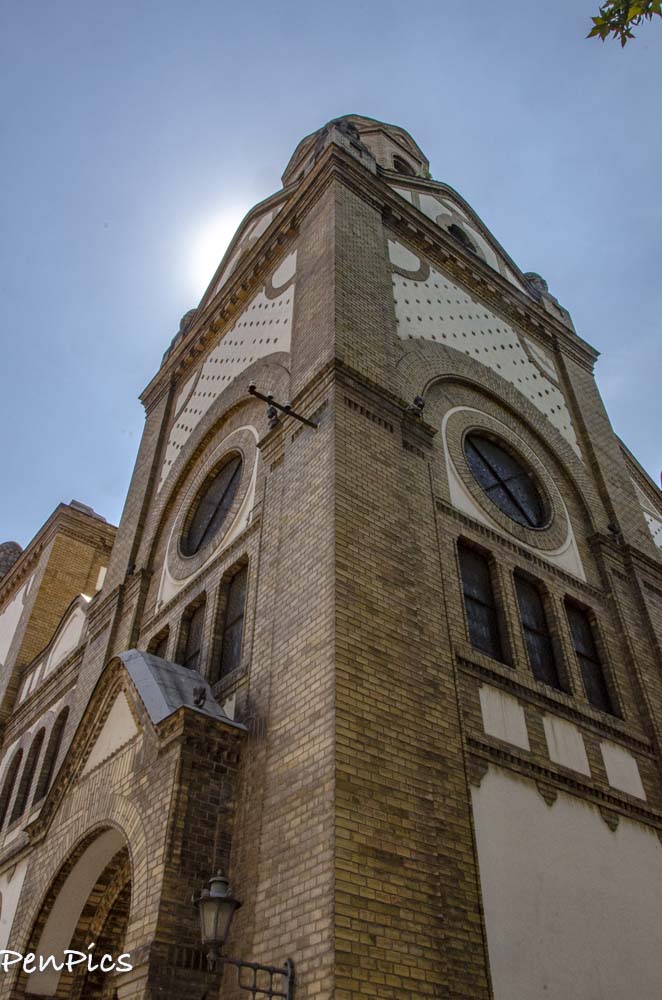
One of the symbols of the city, and one of the most beautiful buildings in Serbia is the synagogue on Jevrejska (Jewish) St. The 100-year-old synagogue is not regularly in use for practicing the religion, but it serves as a genuine concert venue in Novi Sad. This same address was a home to five different synagogues in the history, where each new one outgrew the old one in the size and the beauty.
High above the main gate, there is still a semicircular inscription; “Ki beti, bet tefila ikara l’kol haamim,” which translates to …for my house will be called a house of prayer for all nations” taken from the Book of Isaiah 56:7
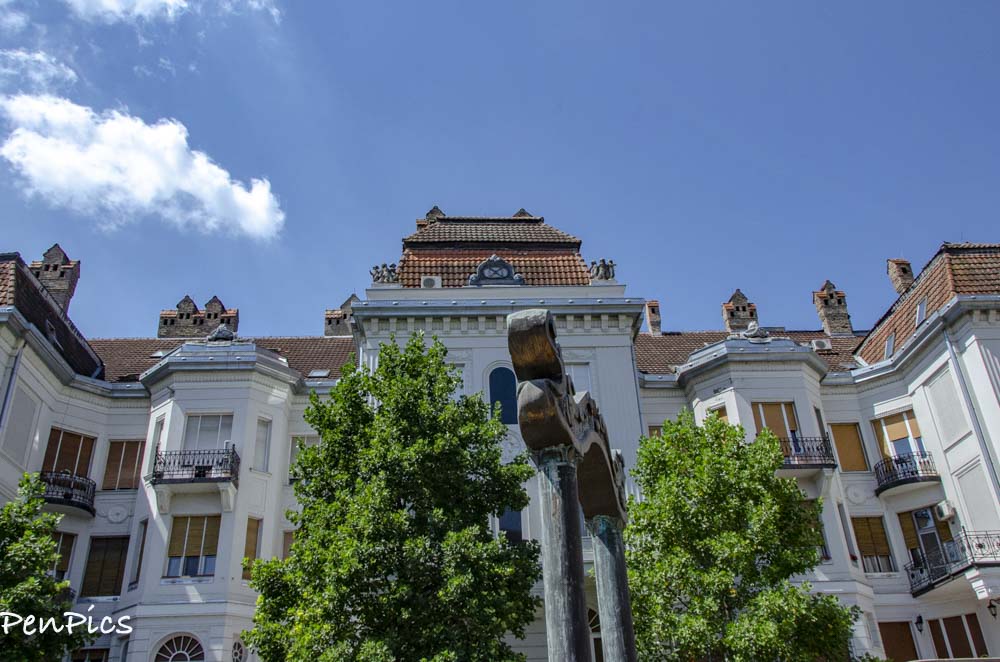
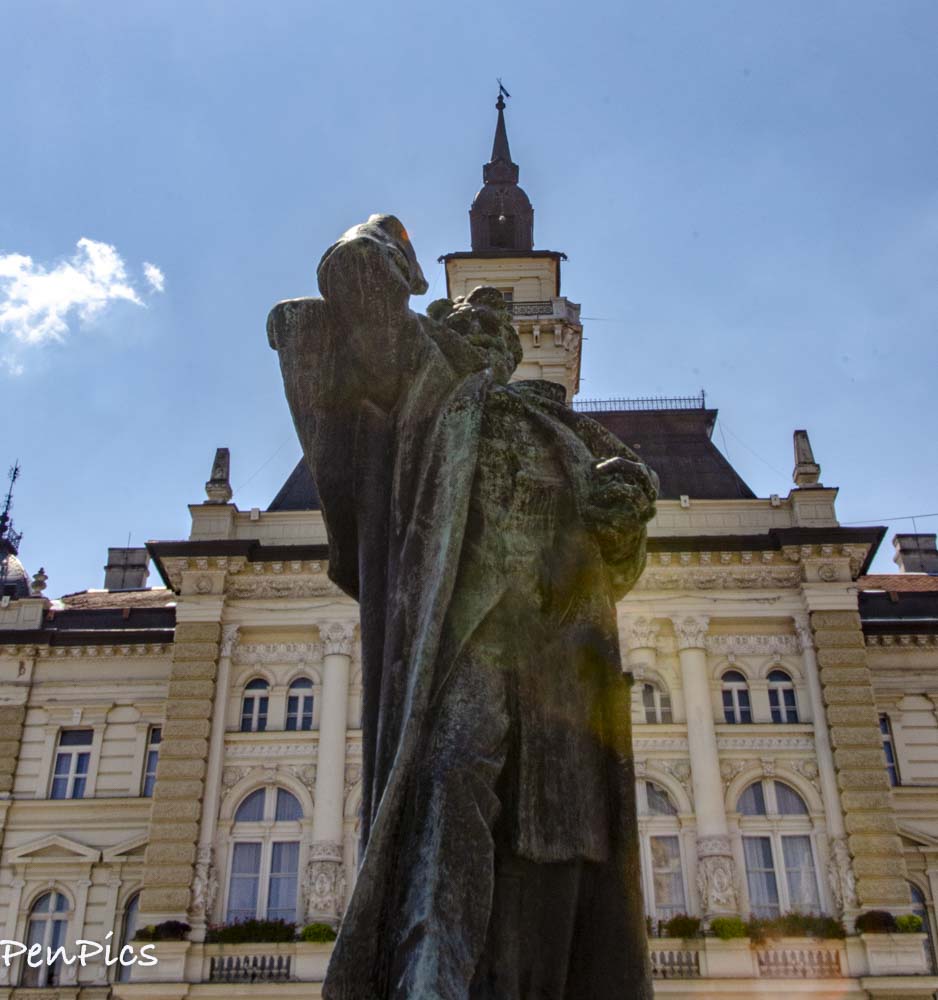
The monument dedicated is dedicated to Svetozar Miletic, who was the most significant Serbian politician in the 19th century, His statue is placed at the Square of Freedom.
During the WWII the monument was moved away in order to protect it from being destroyed or damaged, and after the war ended, it was moved back to the very place where it stands still, today, in front of Town Hall
SvetozarMiletic; born 1826- died 1901, was a lawyer, a Mayor of Novi Sad (1861-1862; 1867-1868), a Member of parliament of Hungary and Croatia, president of the Serbian reading room, one of the founders of Serbian National Theatre (1861), of Serbian national free mindparty (1869) and a starter of a newspaper; “Zastava’’ (1866). which was among the most significant Serbian paper in the Austrian Empire.
His ideas and his political programme had a great impact on the national strategy and the national movement of the Serbs from Vojvodina, during the second half of the 19th century. Many times he was arrested, sentenced and imprisoned, because of his political activity. Since he spent many years in prison, he became ill and therefore he retired from the political life. He died in Vrsac in 1901.
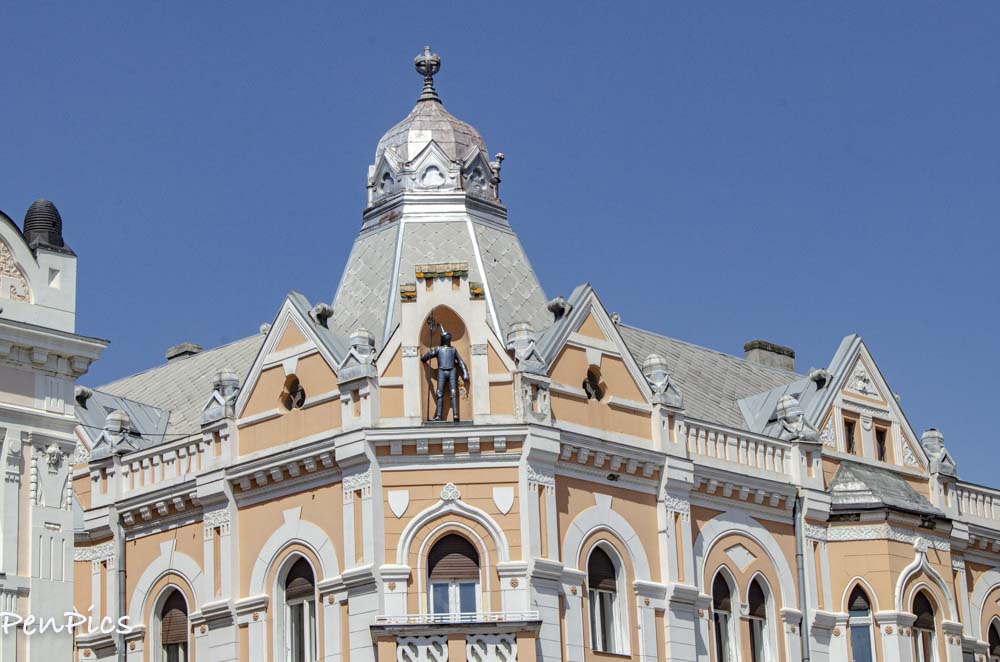
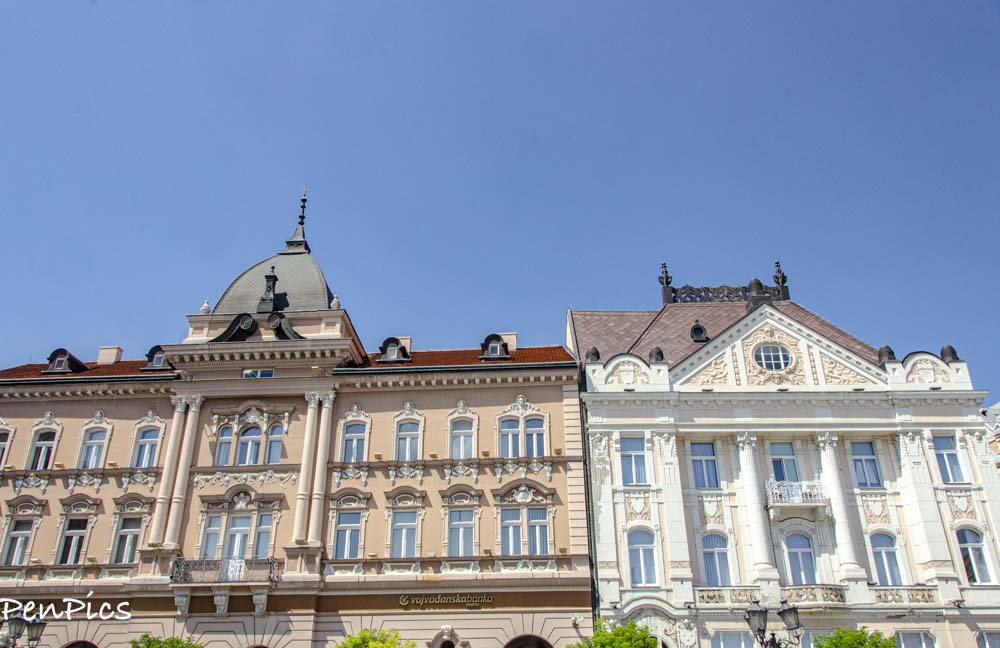
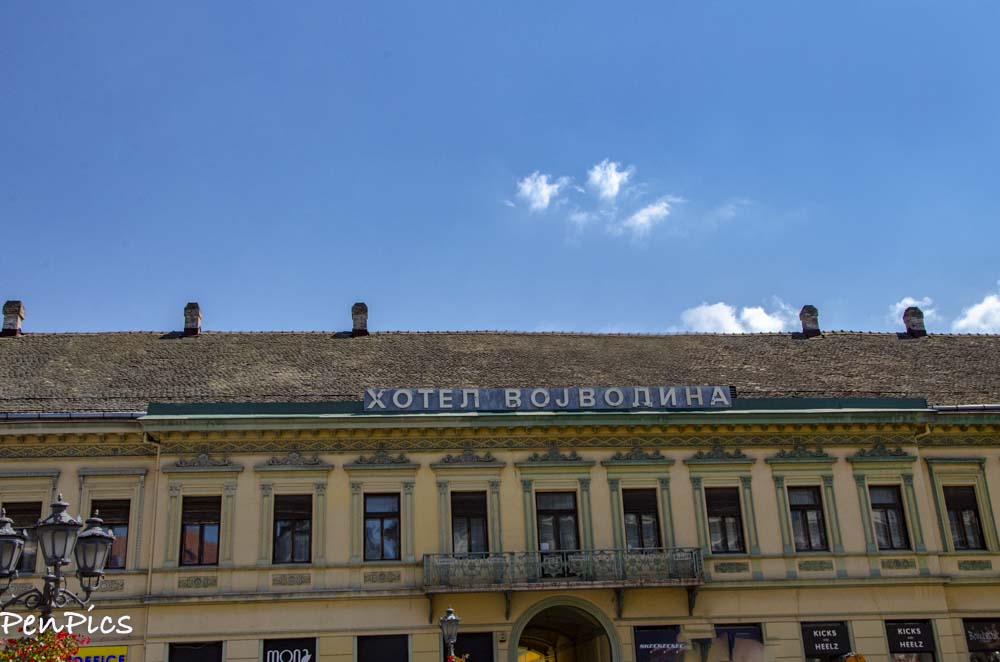
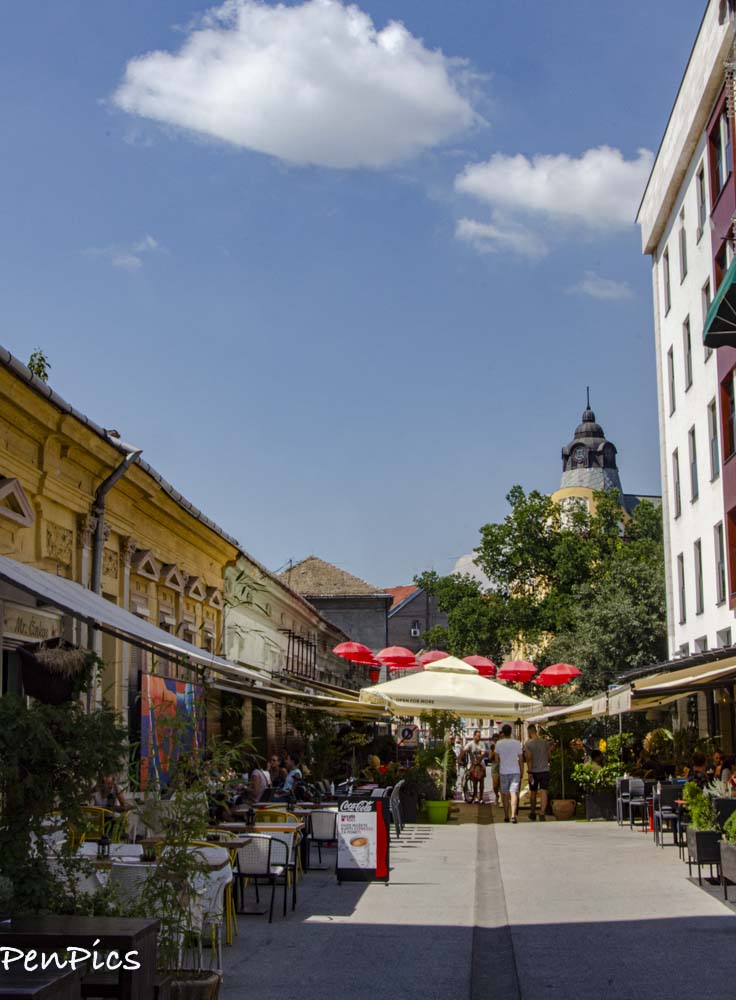
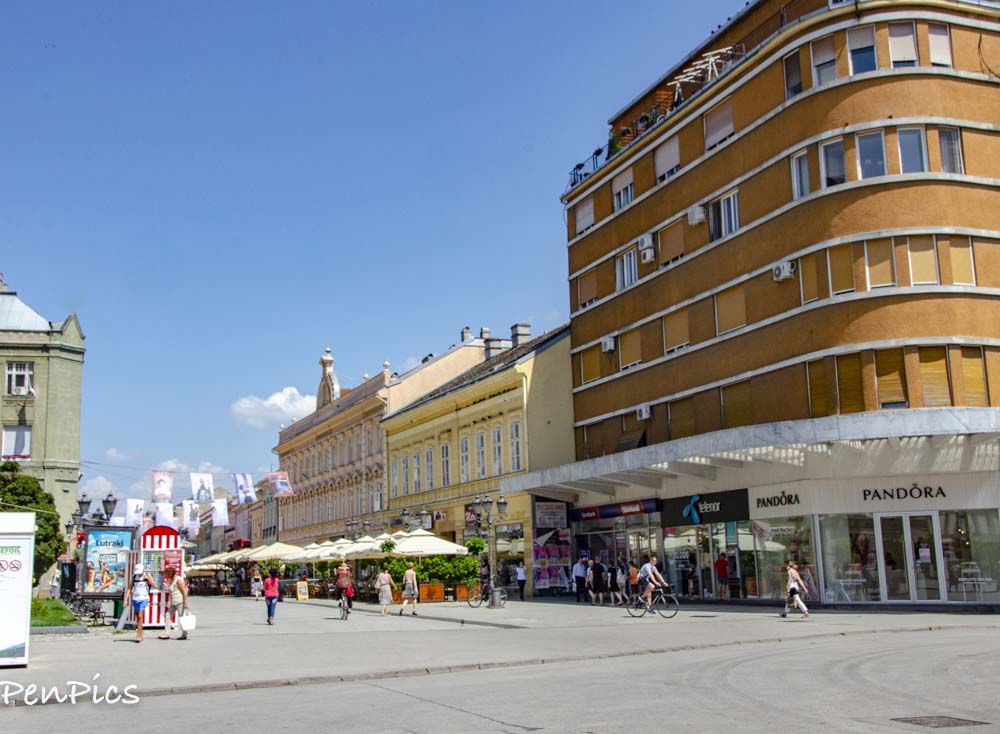
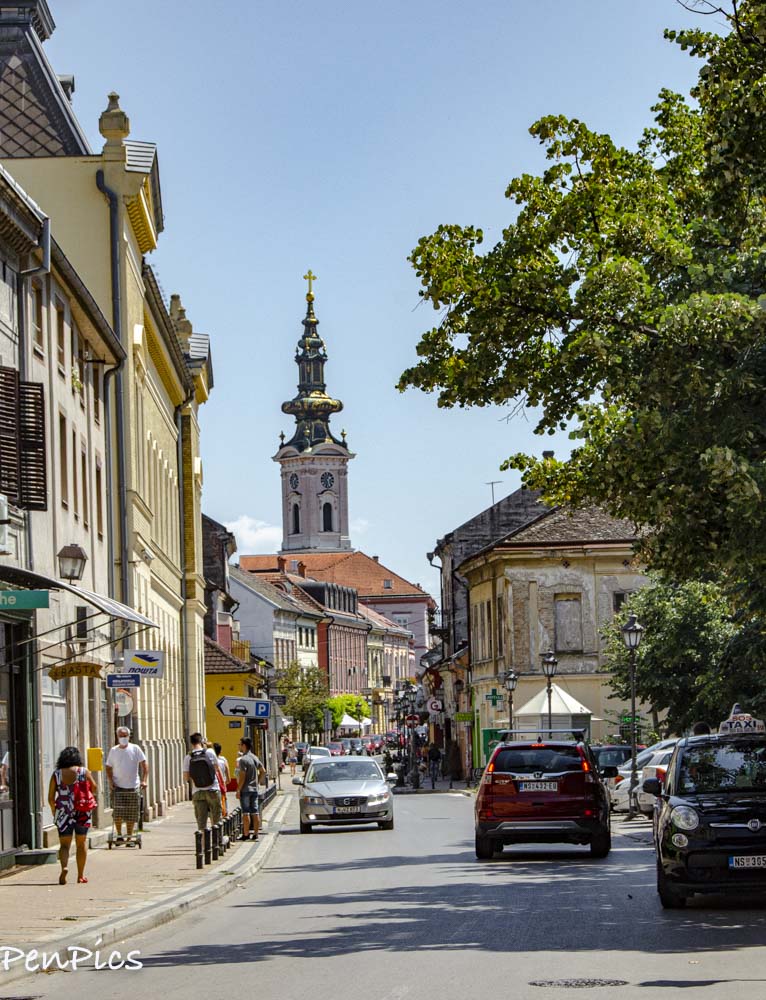
One of the oldest and most beautiful streets in Novi Sad, today represents the place with a strange juncture of the past and the present times. Walking down the former Perovaradinska Street, the colorful facades and decorations are alternating, and thoughts are wildly going back to the times when the merchants, tradespeople and passengers rapidly walked across it towards the Danube.
The imagination is waking up, and one can imagine, if we try, this street which once was the embankment between the two ponds, are starting to flow. Sights of the numerous wooden bridges and fishermen crossing them in a rush to exhibit their fresh merchandise at the famous marketplace on Dunavska Street. Sounds coming from the small craft shops are mixing with the scents that are spreading from the old stores and inns.
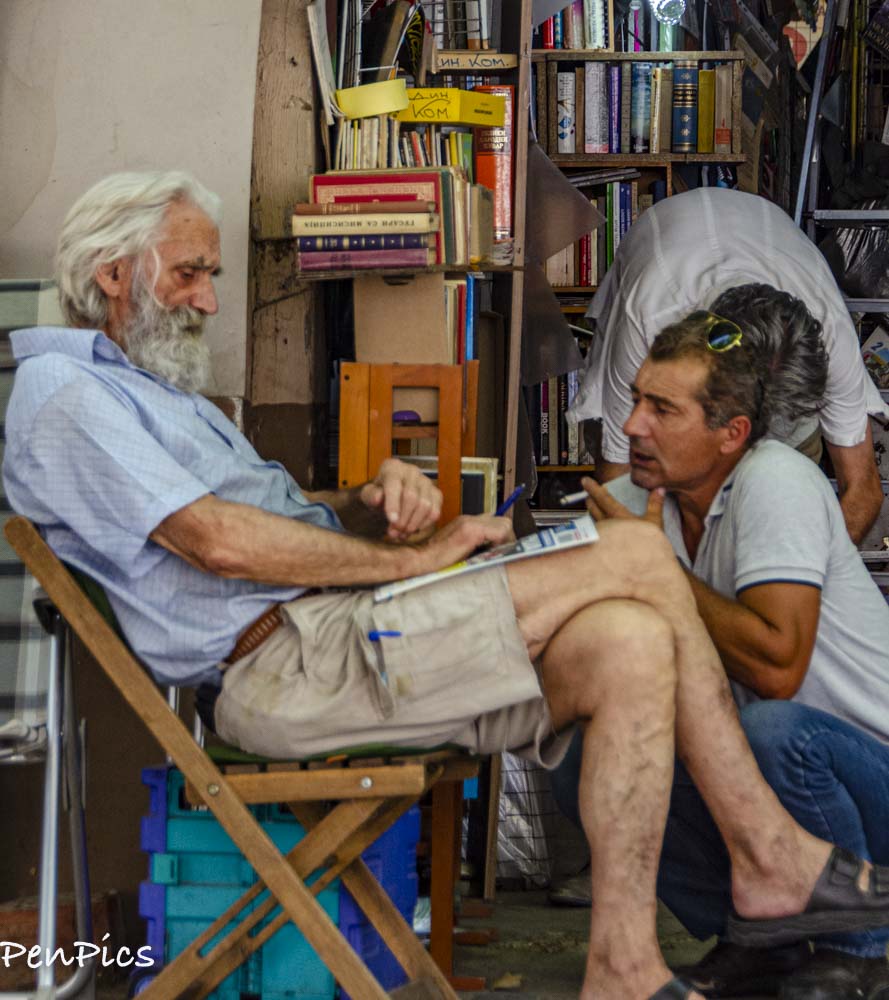
It was completely torn apart by bombing, but its re-building stared really quickly. At the time, representative palaces were built according to the modern European styles that had sprung up; the same with the but the inns and bookstores.
Dunavska has started to live, and its former charm has been awakened. This street is maybe the best example of how the buildings and environment don’t make up the places, but people do.
As soon as the heels of Vojvodian sosas have started clanking down the new road, and the air was filled with the sounds from the vicinity stores and saloons, everything was in place. The same spirit still hasn’t left the oldest street in Novi Sad.
Maybe because of that, it represents the favorite promenade and place for walking, gathering and resting, in Novi Sad,
Many tourists, back in those days, visited the “Serbian Athens,” although polished ladies on the carriages, hardworking tradespeople and noisy merchants don’t pass by it anymore. Dunavska Street was successful in keeping that “something” with which it has been attracting and shining, ever since.
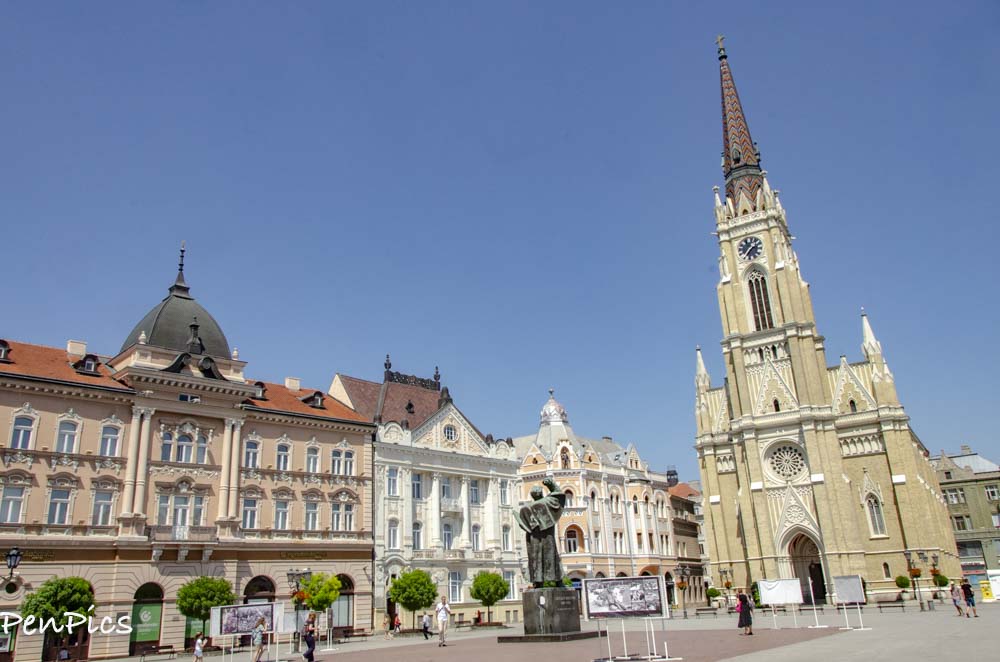
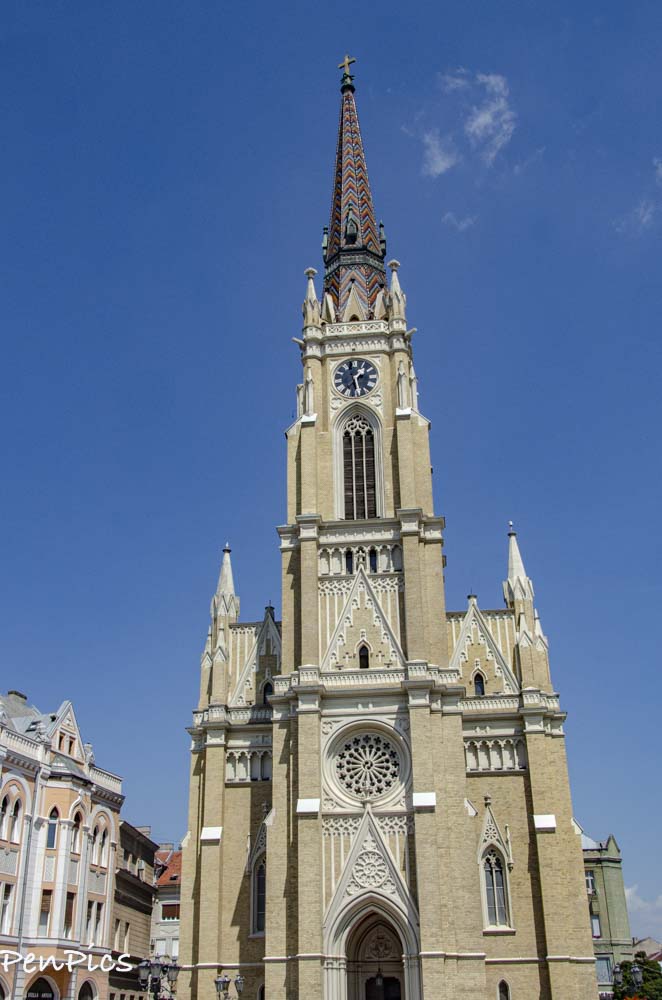
Two nights is the perfect stay for us, here. It gave us plenty of time to see Novi Sad. Tomorrow we will say goodbye to this wonderful place, and continue on our Serbian adventures!


About Us

About Us
Hello and Welcome to our Travel Blog Website, We enjoy writing about our experiences and taking photos of our adventuring along the way. Our names are: Daryl and Pen, but Daryl calls me “Bunny.” We met, quite randomly, whilst both traveling in Thailand with friends. We happened to be in the same travel group, and […]
I have enjoyed seeing this town and that banana split, mouth watering xx
Thank you, Judy! We walked around earlier with ice cream cones, then later, after dinner this banana split. It felt really good to be bad! Ha. The ambiance of our surroundings made us do it!