


“Serbia 🇷🇸 ~Manasija Monastery in Depotovac”
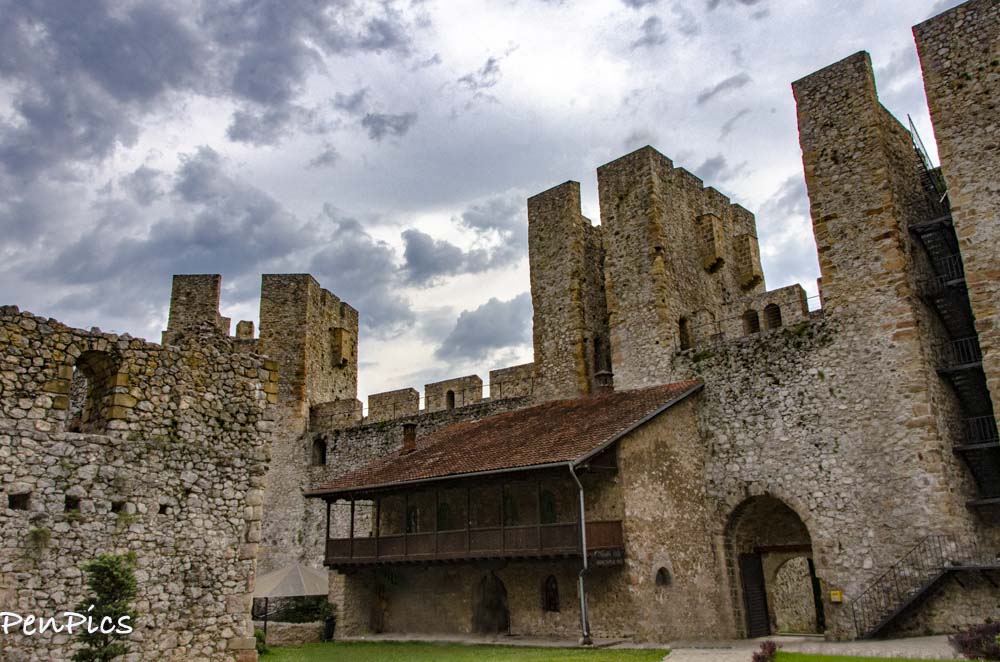
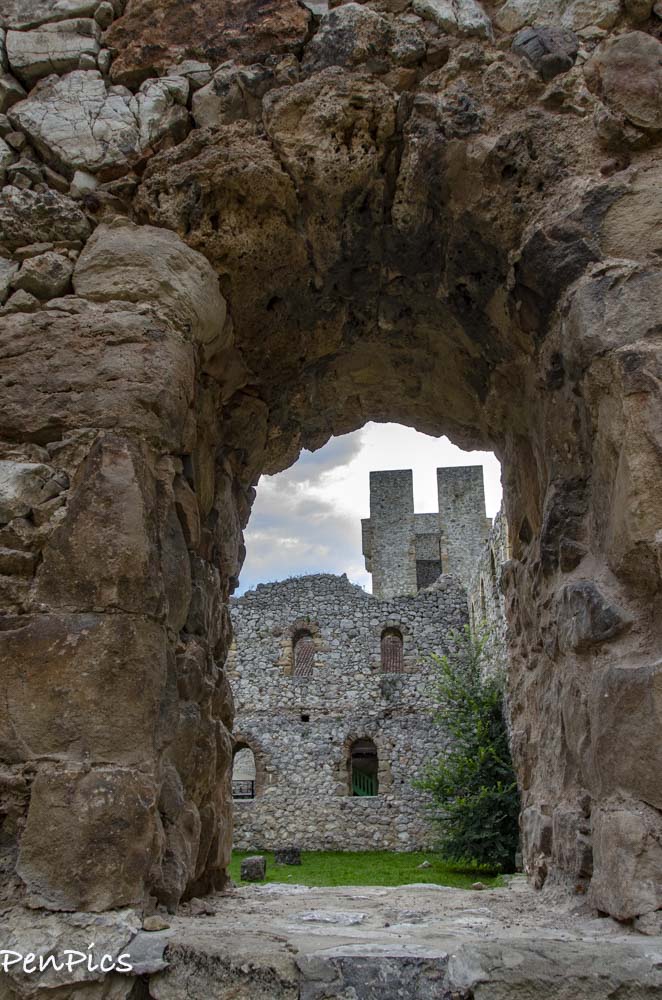
This enormous and majestic Monastery was a highlight of our day today, for sure! In all my travels, I have never seen anything quite like this, before. I’ve seen plenty of Fortresses, as well as Monasteries out in the world, but not anything as Grand as the combination of the two, together!
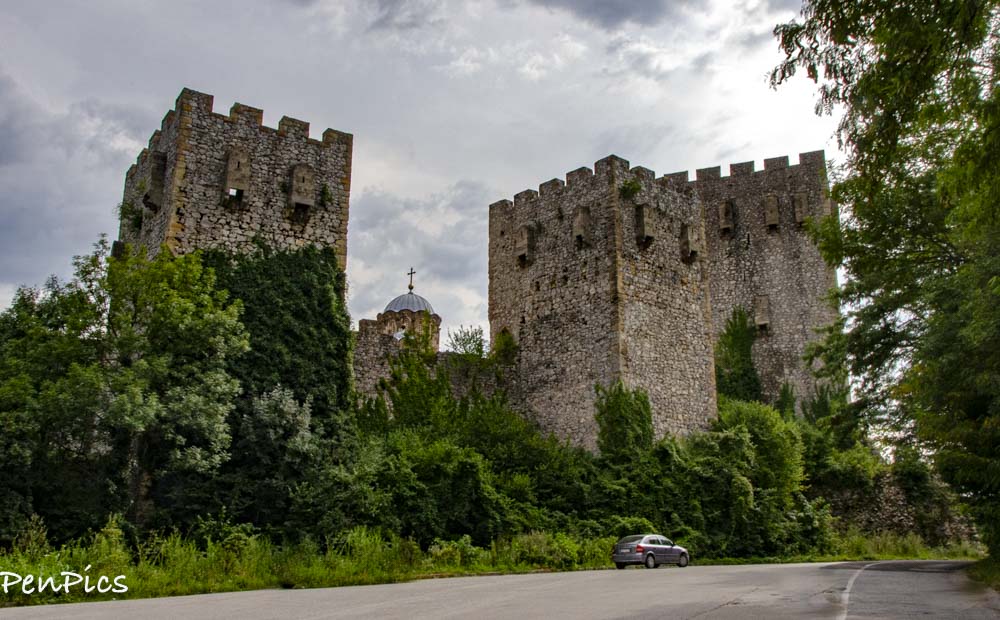
Among the green hills of the vivid Resava gorge, I in the vicinity of Despotovac, on the plateau which vertically descends towards the small Resava River, is the Manasija monastery. In the medieval sources, it is called Resava. The name Manasija became popular only in recent times.
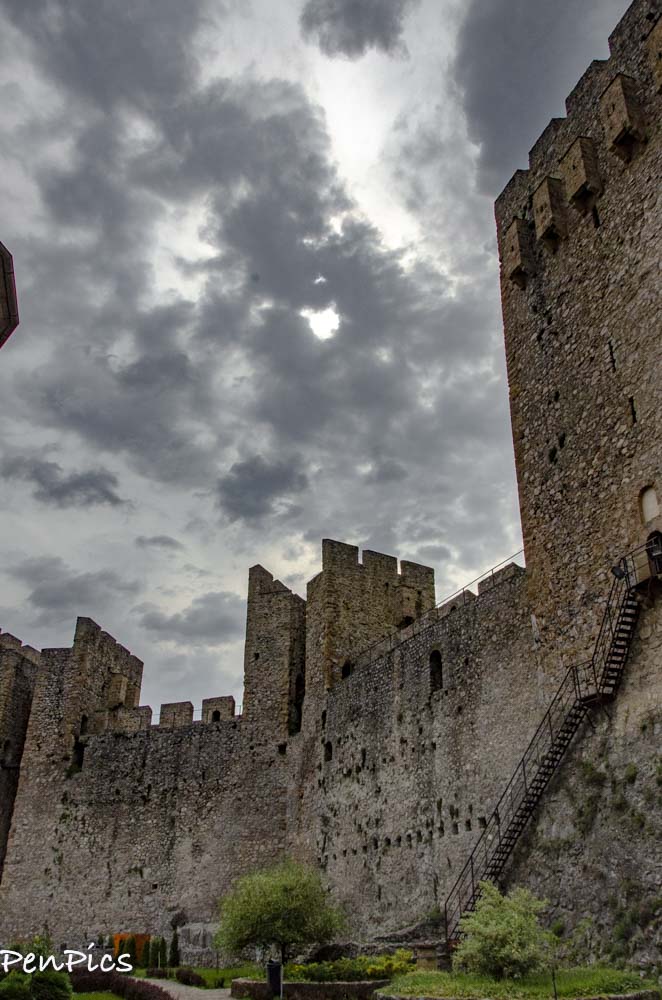
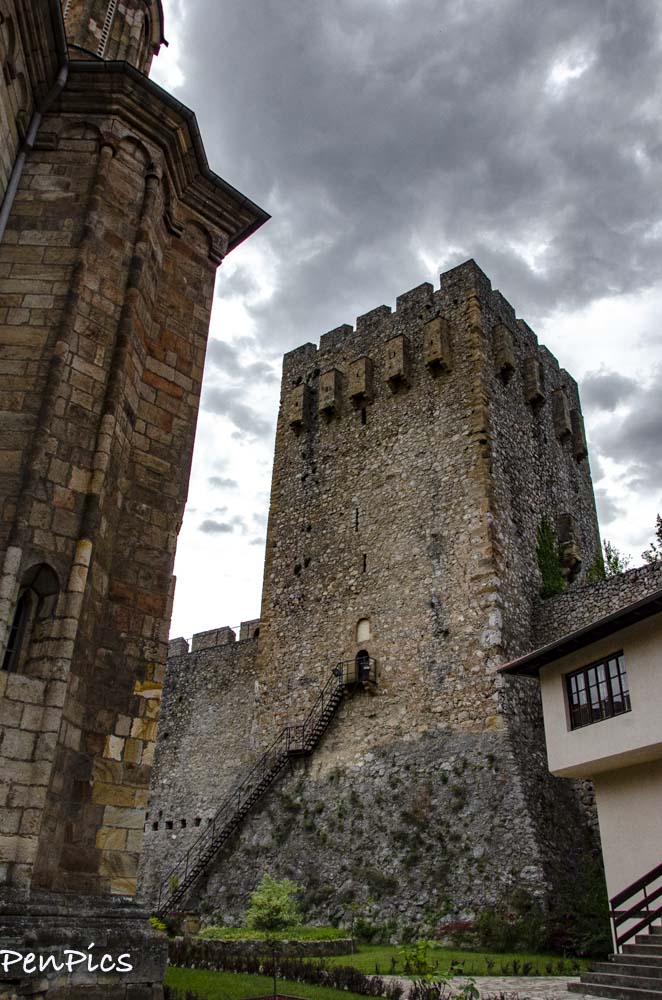
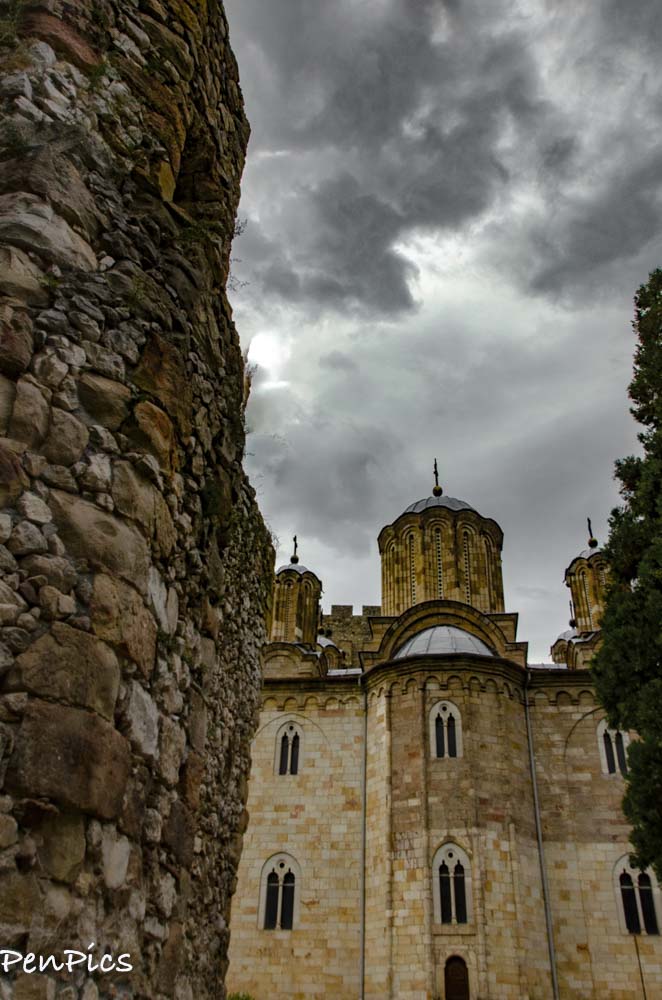
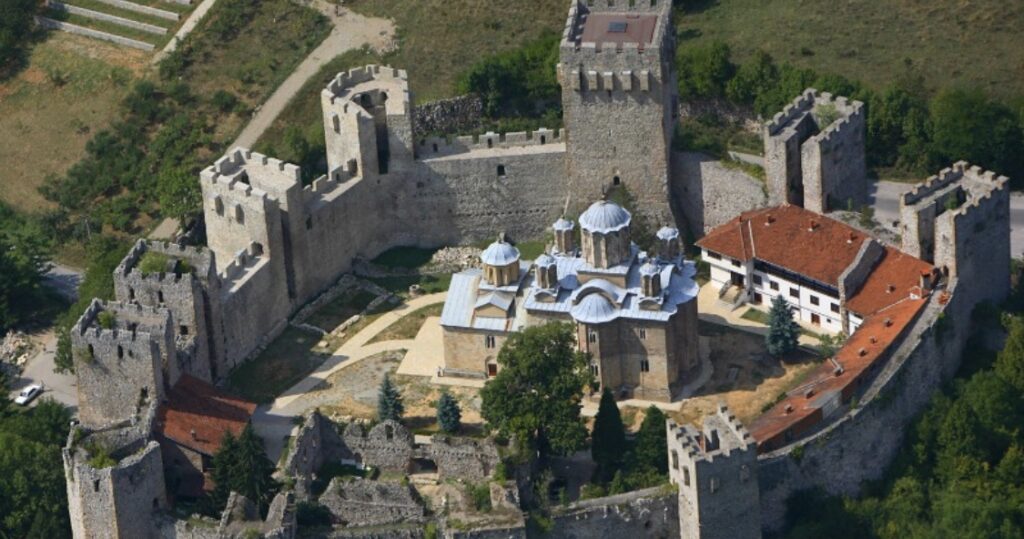
Near the magnificent towers of the medieval fortress, there is a Monastery with fortification which falls into the top achievements of Serbian architecture. The frescoes inside the Monastery also fall into line of the greatest domains of Serbian medieval paintings.
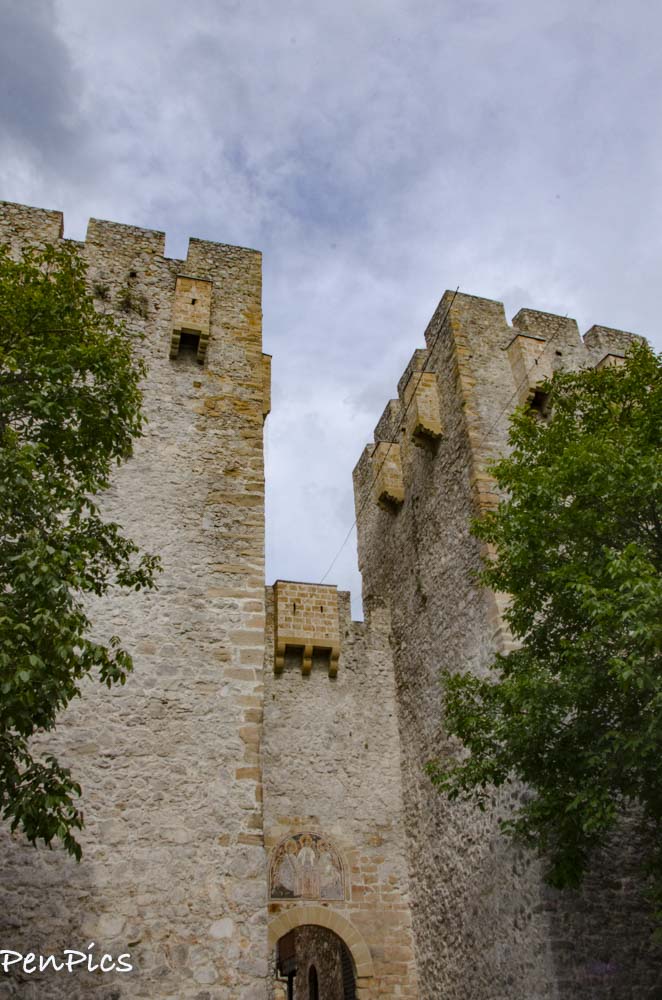
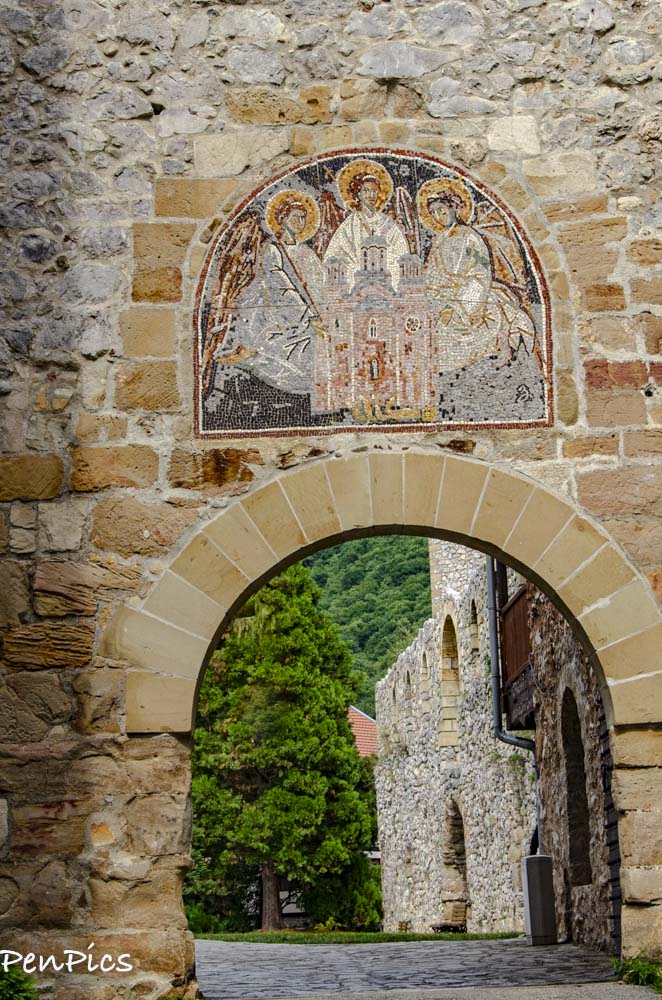
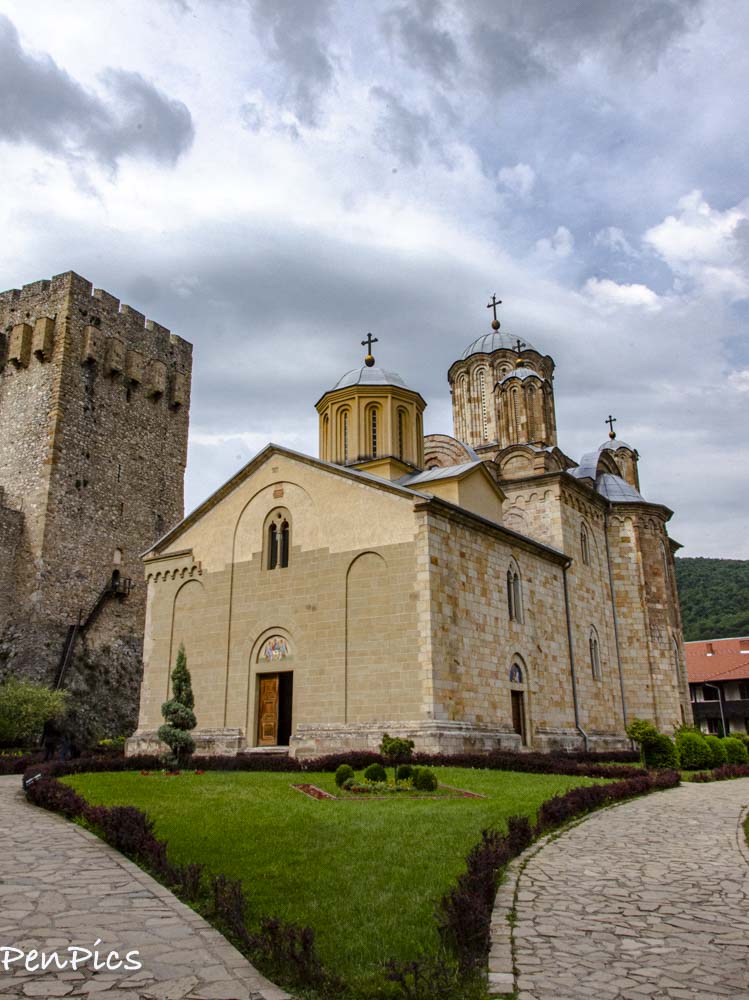
Beautiful and humble with its valuable frescoes, the building in the middle of Monastery complex gives that special charm to this holy place. Although the time and wars have taken away a huge part of Resavska art’s beauty, the remaining frescoes are valuable witnesses of Serbian medieval history and art.
Manasija is also known by the Resava School, which had been built within the Monastery during the first half of the 14th century. Scholarly monks, translators, writers and re-writers had been gathering there to decorate handwritings and books, and because of that fact, the Monastery was considered a symbol of spirituality and civilization.
With over 600 years of existence, the Monastery has been destroyed and ruined many times. A more comprehensive restoration was done in 1956. Manasija is a property of the Republic of Serbia and is proclaimed a Cultural Monument of great importance.
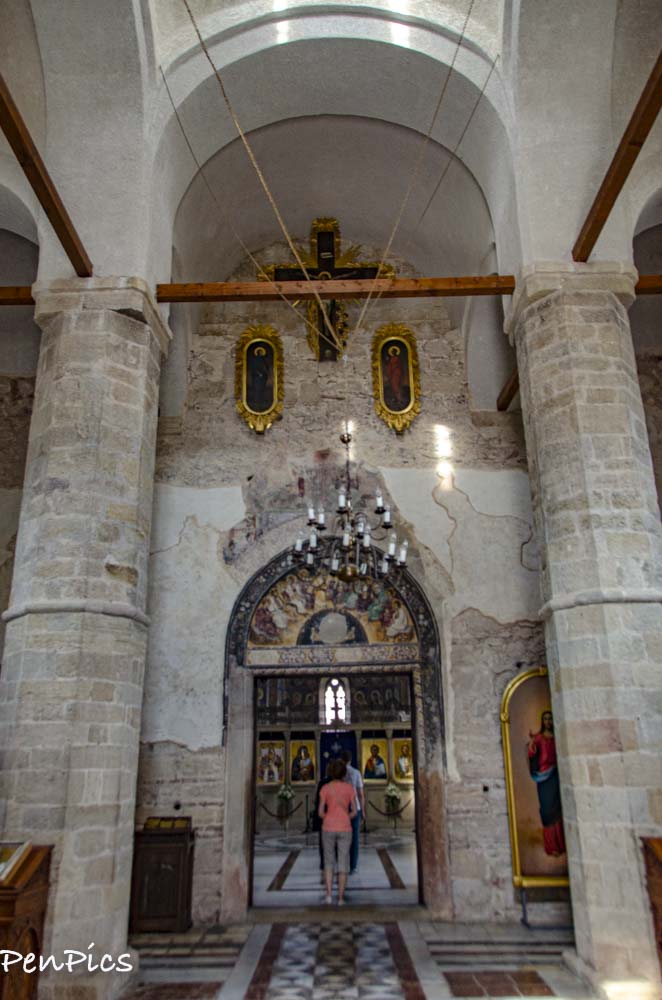
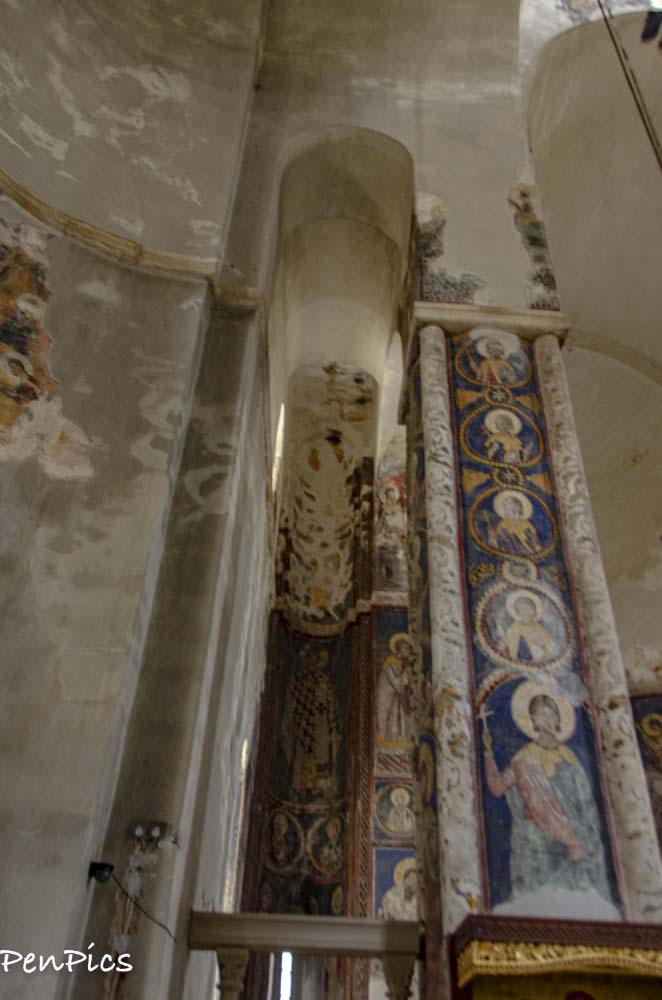
I had only taken a few photos after coming inside, before I was told there was no picture taking allowed. Of course we were disappointed. The frescoes are so old and so amazing!

The restoration has been well done, and the addition of the dormitory rooms are tastefully and lovingly done, so it blends in nicely with the ancient architecture. The grounds are pristine, too. This place was a delight to walk around inside the walls
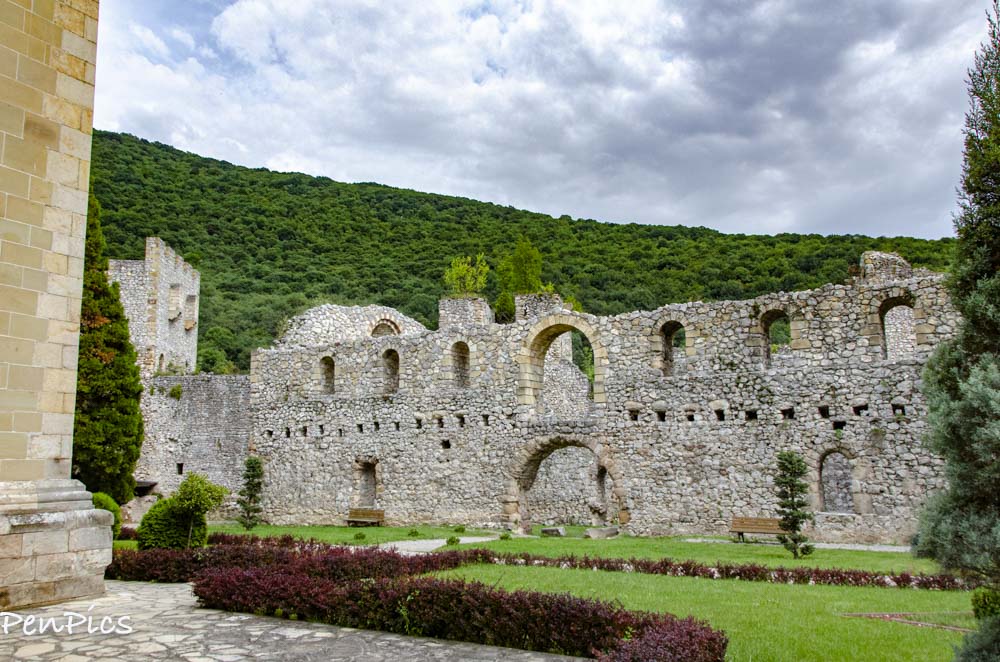
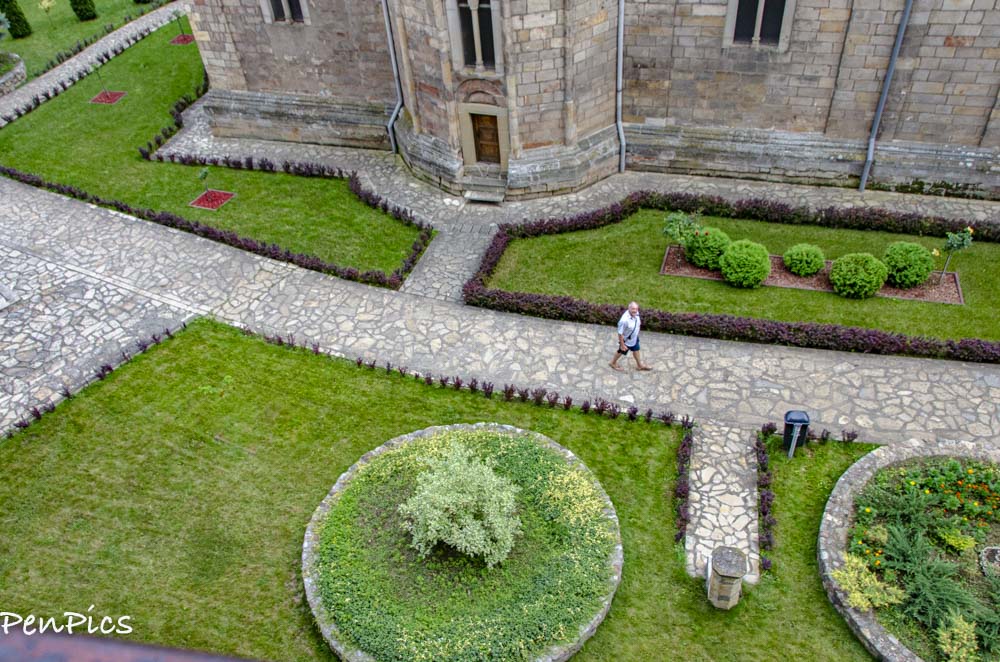
In the immediate vicinity of Despotovac, a town which was named after him, he founded the soil, to build the magnificent Monastery complex and a Fort of 12 surrounding towers.
After more than a decade of dedicated hard work, the Monastery, which has always triggered admiration and strong affection by those who have a chance of seeing it in person, was finally built. Protected by the strong and high hills, it is also surrounded by the most beautiful nature of Pomoravski district, Manasija represents a real jewel of Serbian architecture, culture and art.
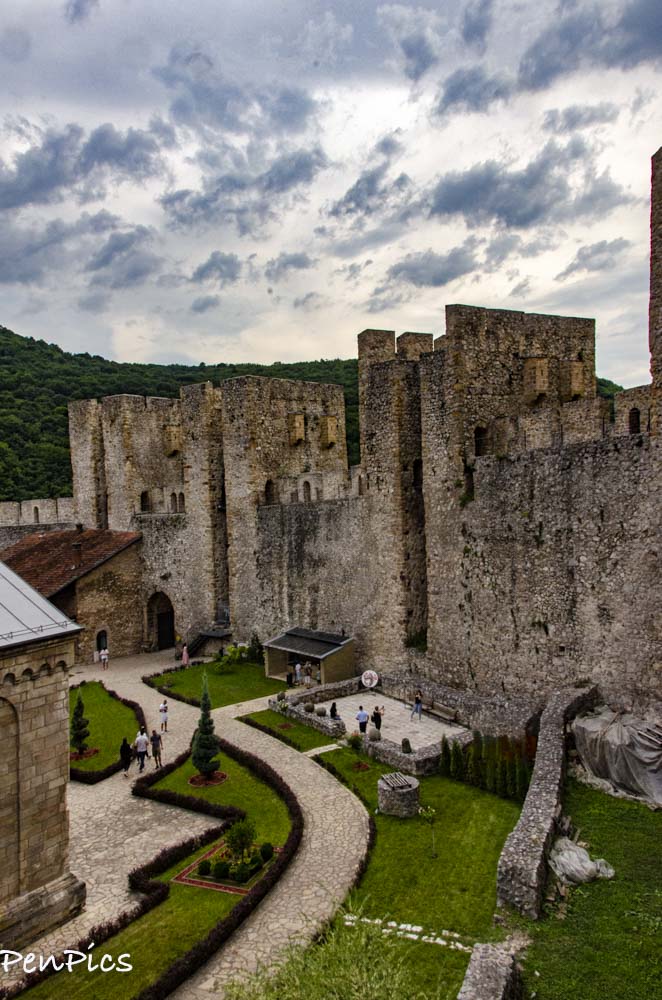
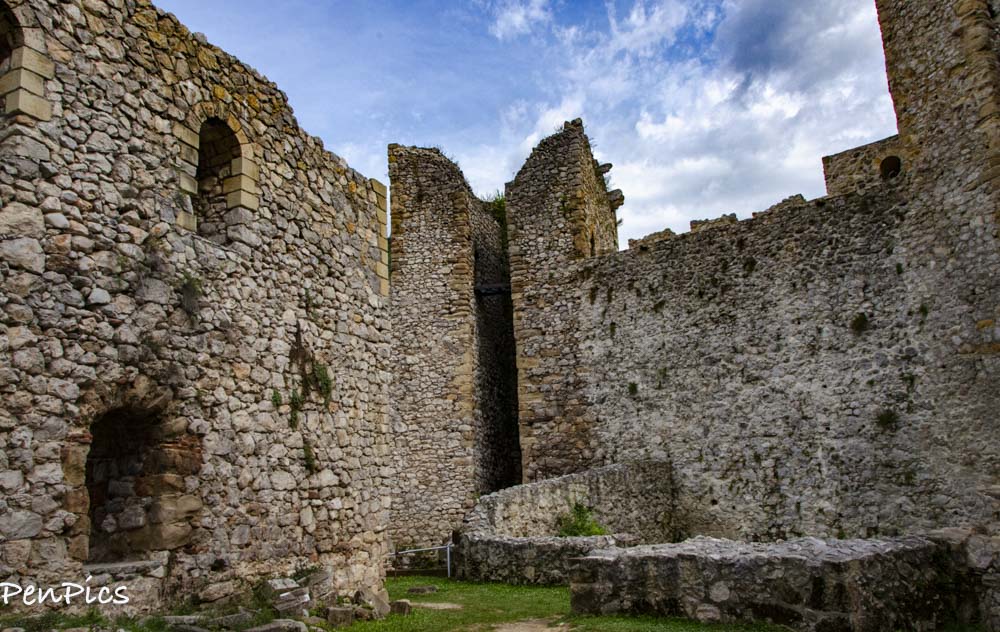
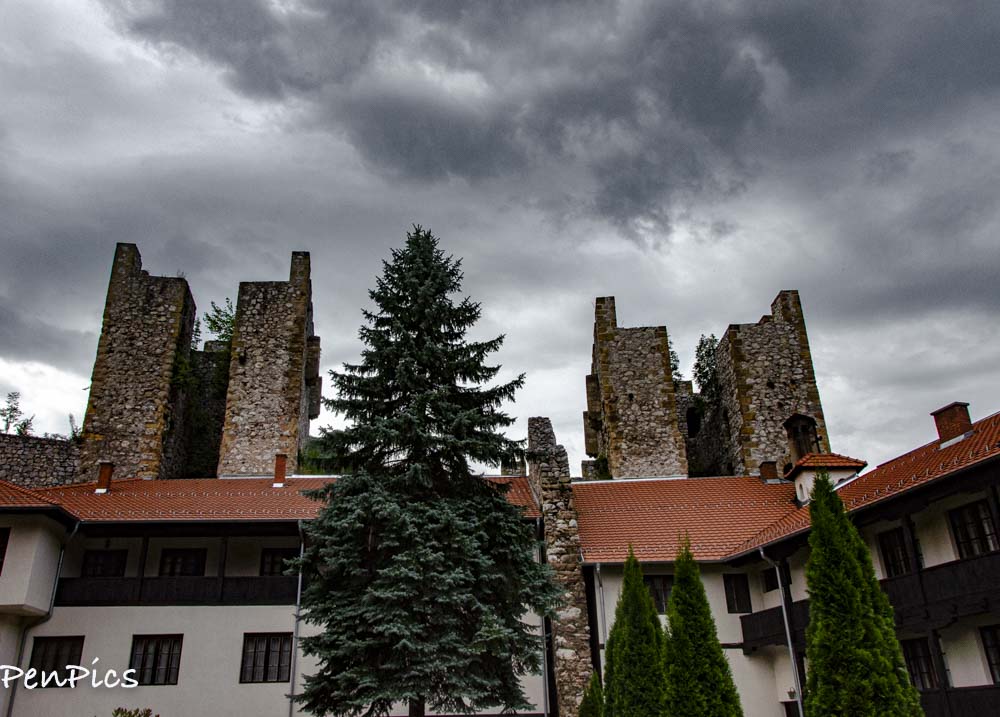
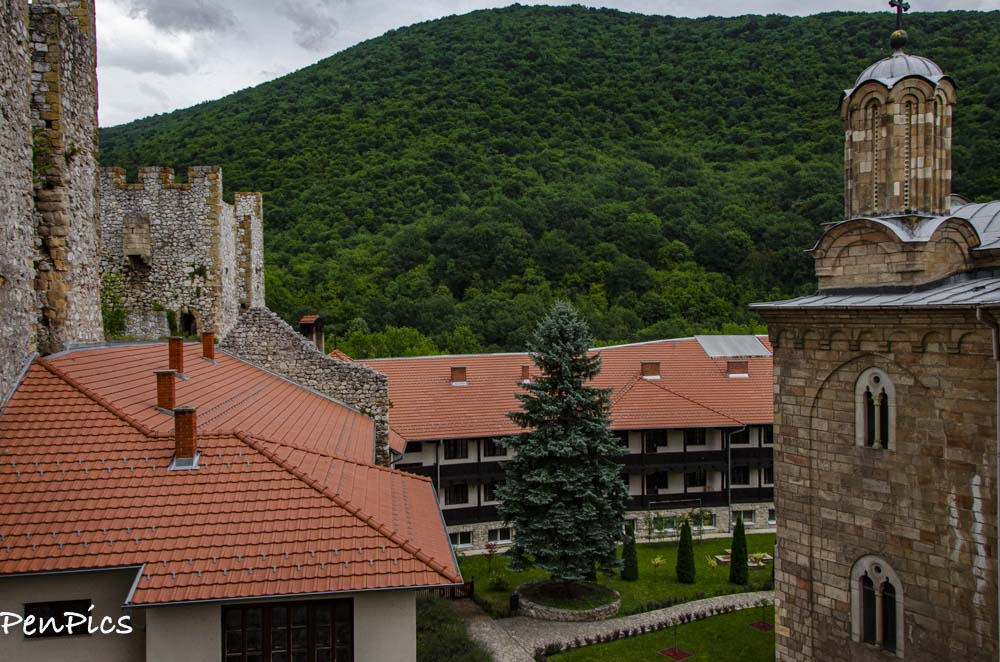
I was in awe the from the moment this huge Fort came in to view, and every step of being inside the walls. “Harry Potter” came to mind, but not “Game of Thrones,” since this is a school, and not a castle. Regardless, being here, was like being taken back in time; in a book, straight out of fairytale


About Us

About Us
Hello and Welcome to our Travel Blog Website, We enjoy writing about our experiences and taking photos of our adventuring along the way. Our names are: Daryl and Pen, but Daryl calls me “Bunny.” We met, quite randomly, whilst both traveling in Thailand with friends. We happened to be in the same travel group, and […]
Beautiful, thank you
Thank you. You are welcome. It’ was quite a visit!