


“Montenegro 🇲🇪 ~Herceg Novi Old Town Stari Grad and Kanil Kula Castle”
Our last hurrah in Montenegro was staying over in Herceg Novi. It was a bit further away from the Kotor Bay area we spent the days in, just prior; checking out several villages.
Directions actually refer to this town being the entrance to Kotor Bay, but that may depend on which side of they bay ones goes to, first. For our visit, we ended at the start of Kotor Bay.
From there, we would head North, then East, to Serbia. It was a big a d exciting day!
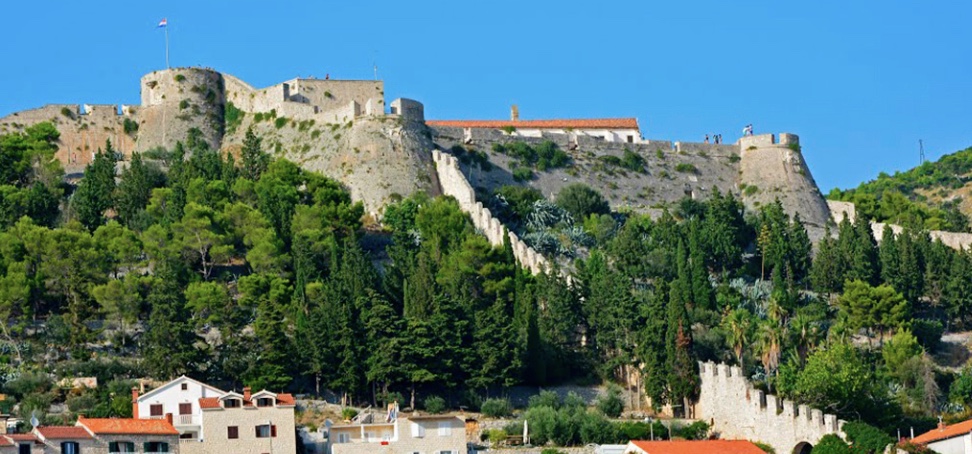
Herceg Novi translates to “Castle”
Herceg Novi is a coastal town in Montenegro situated at the foot of Mount Orjen and at the entrance to the beautiful and dramatic Bay of Kotor, the southernmost fjord in Europe and the deepest in the Mediterranean.

Herceg Novi ~Belavista Square in Old Town Stari Grad Herceg Novi was founded around 600 years ago, in 1382.
The fortification facilities in the town, and fortresses from the Turkish, Venetian, Spanish, and Austrian period testify of those days of yore.
The town was conquered by the Turks in the 1482, and they ruled Herceg Novi for almost 200 years. More specifically, Turkish reign in Herceg Novi ended in 1687. From 1687 to 1797, Herceg Novi was ruled by Venetia.
Historical data testify there ws a short Spanish interruption of the Turkish reign of the town. According to that data, Spaniards ruled Herceg Novi from 1538 to 1539.
Still on the water, and still just off the Adriatic Highway, it is easy to get to. In fact, there is a car ferry that is set up to cut even more time off of the way. We preferred to drive the glorious roadway that hugs the breathtaking coastline, though. It’s stunning!
Anywho, back to our first full day in Herceg Novi. I did not go anywhere, till dinner. I literally had all of my clothes sent out for laundry, the afternoon before, and was wrapped in a blanket, till I got my clothes back. Ha! By that evening, we got the laundry back, just in time to go out for a bite to eat.

There was not a lot of food options, since tourism is so down, but with a walk down and a hike back up, there was this small restaurant open by place by the bay.
Menu was limited, but breakfast was served all day. I love breakfast, but not being a food person in the mornings, I miss out on breakfast a lot. So, breakfast for dinner was just right!

Fresh squeezed orange juice
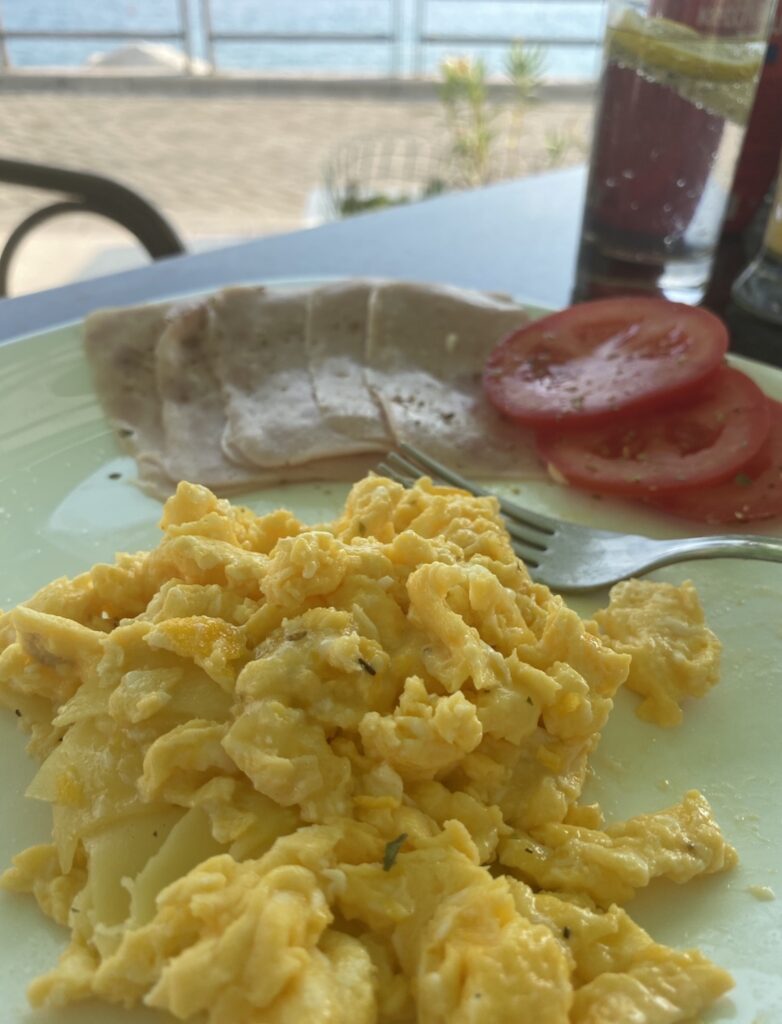
Farm-Fresh Scrambled Eggs with cheese.

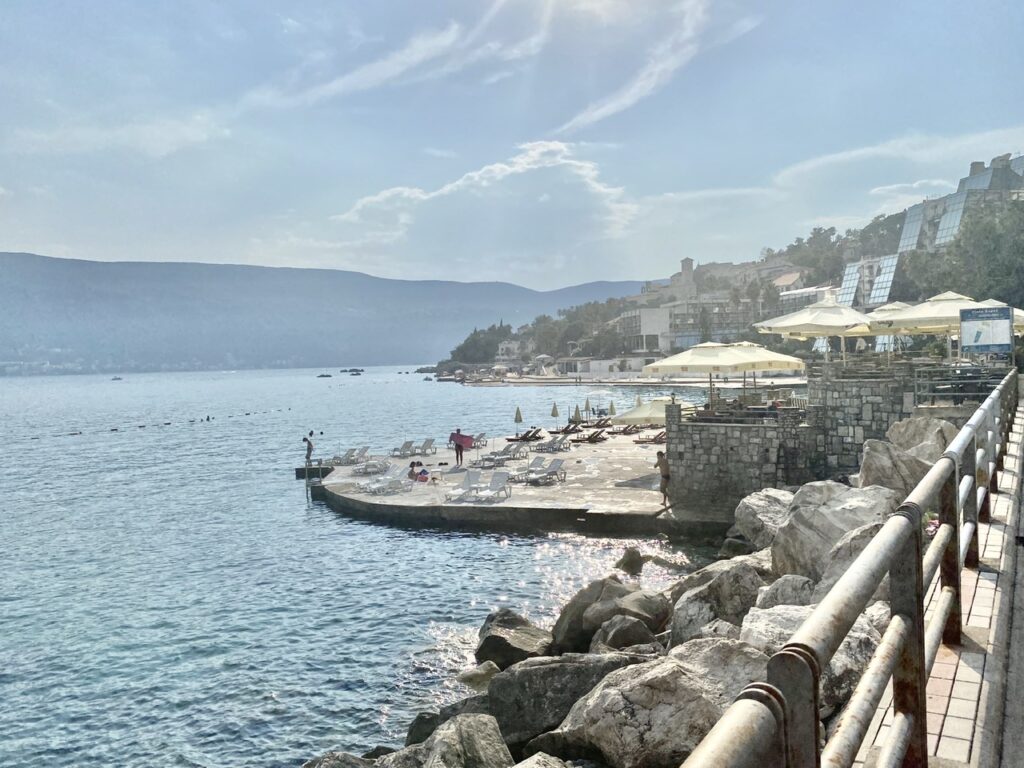
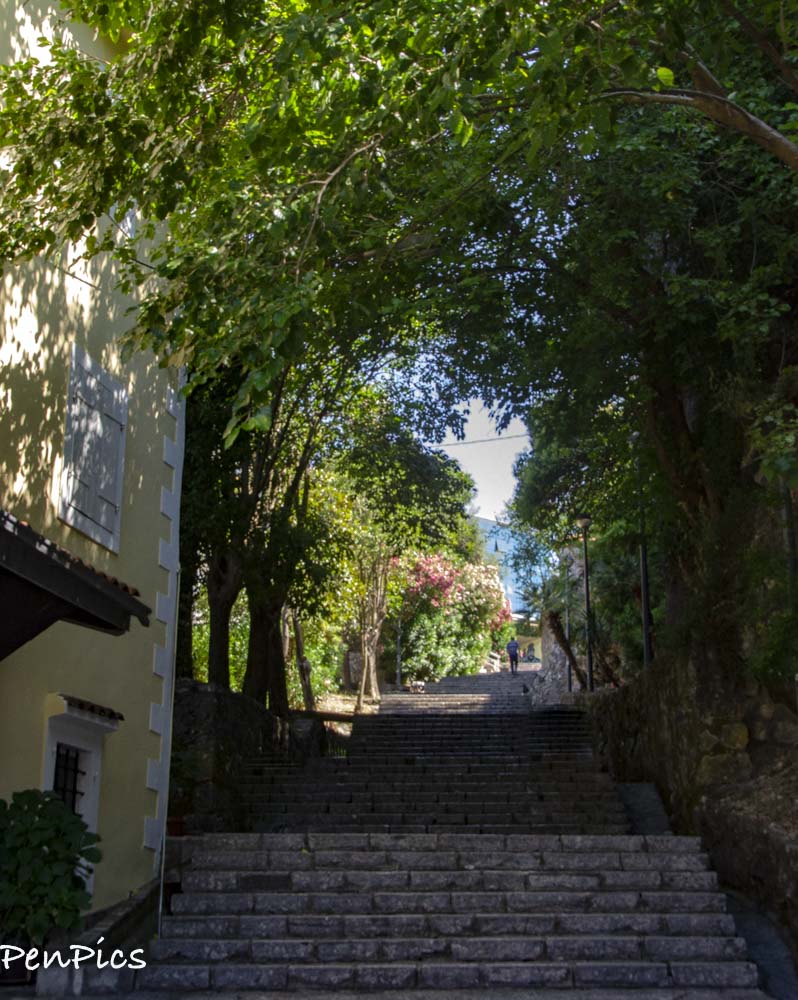
By day two in Herceg Novi, we were both rested and interested once again in walking, hiking, touring, and taking photos of the historical sites.
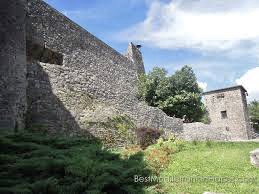
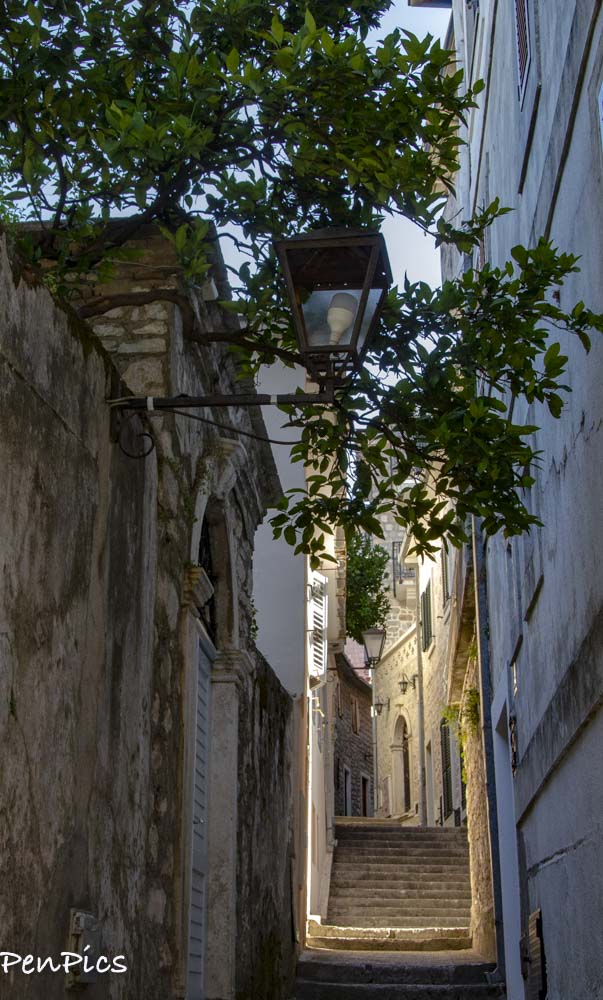
With a well-preserved Old Town inside the Castle wall perimeter, this place did not disappoint!
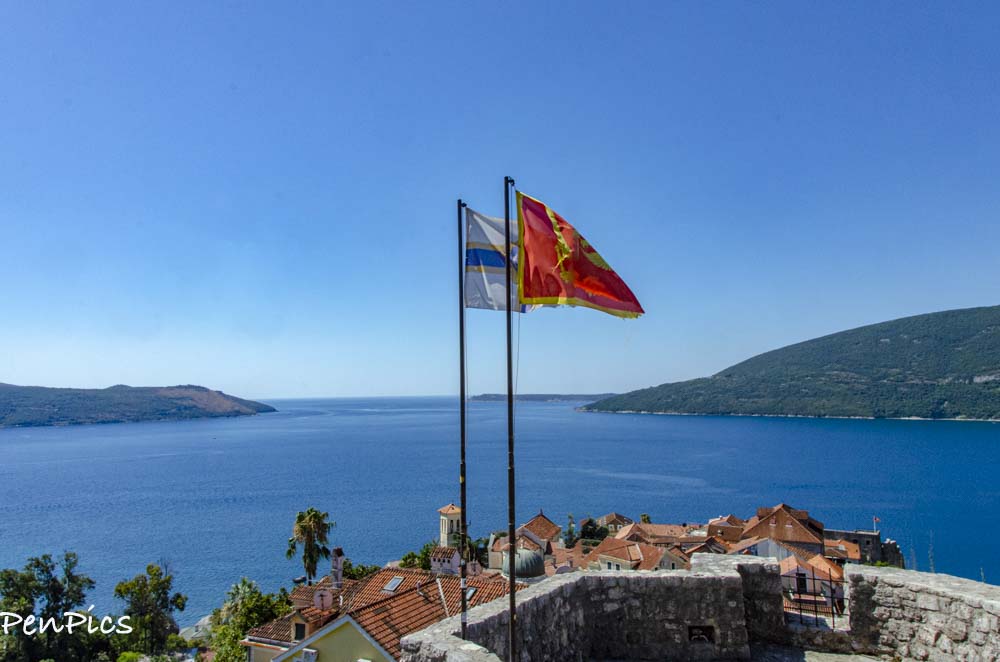
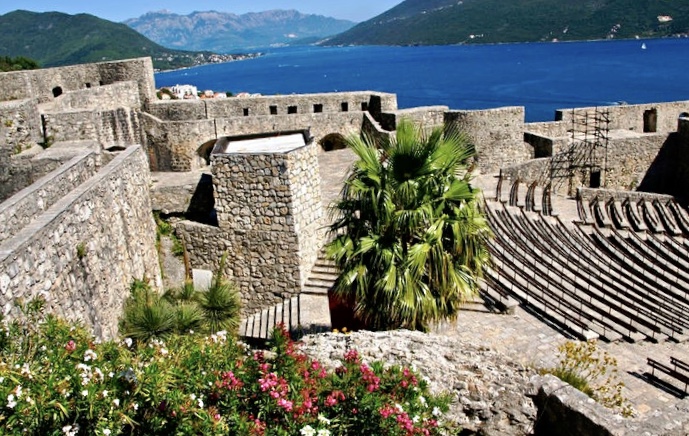
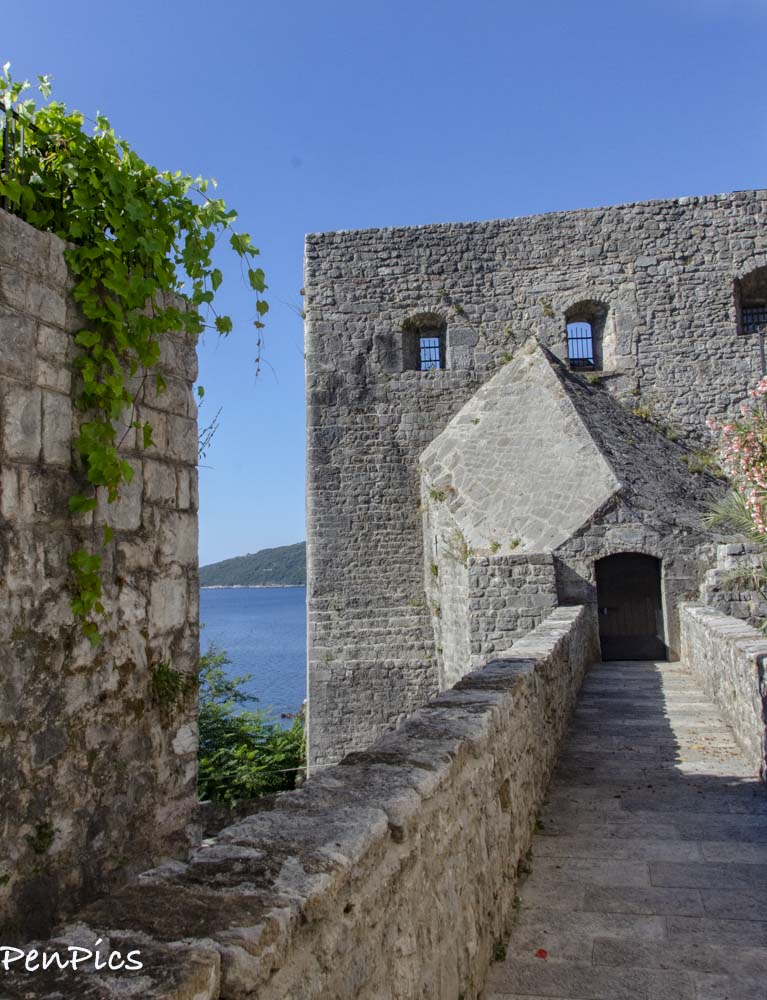
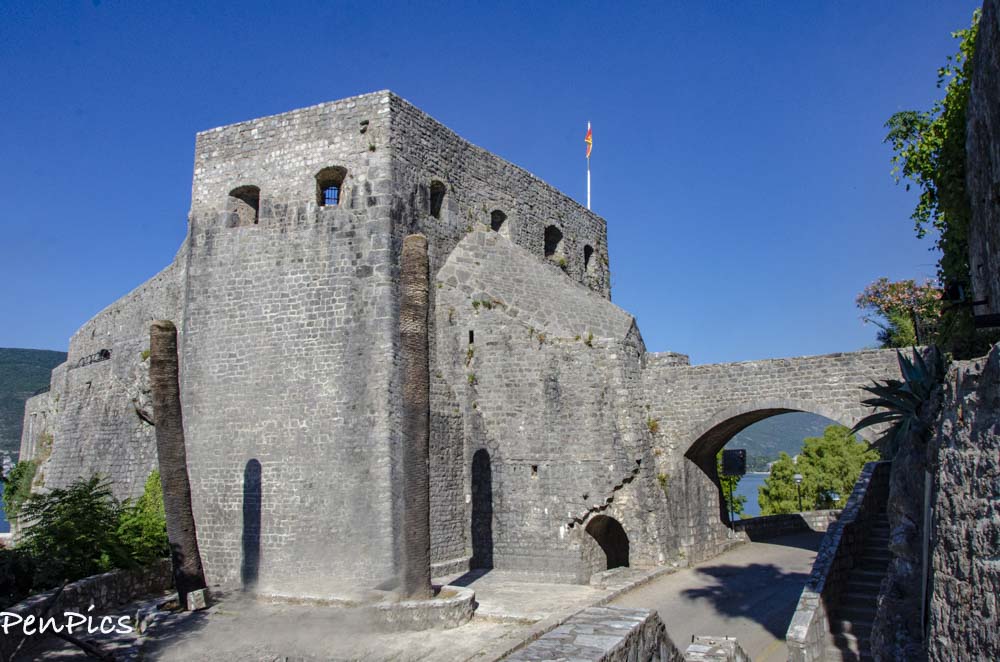
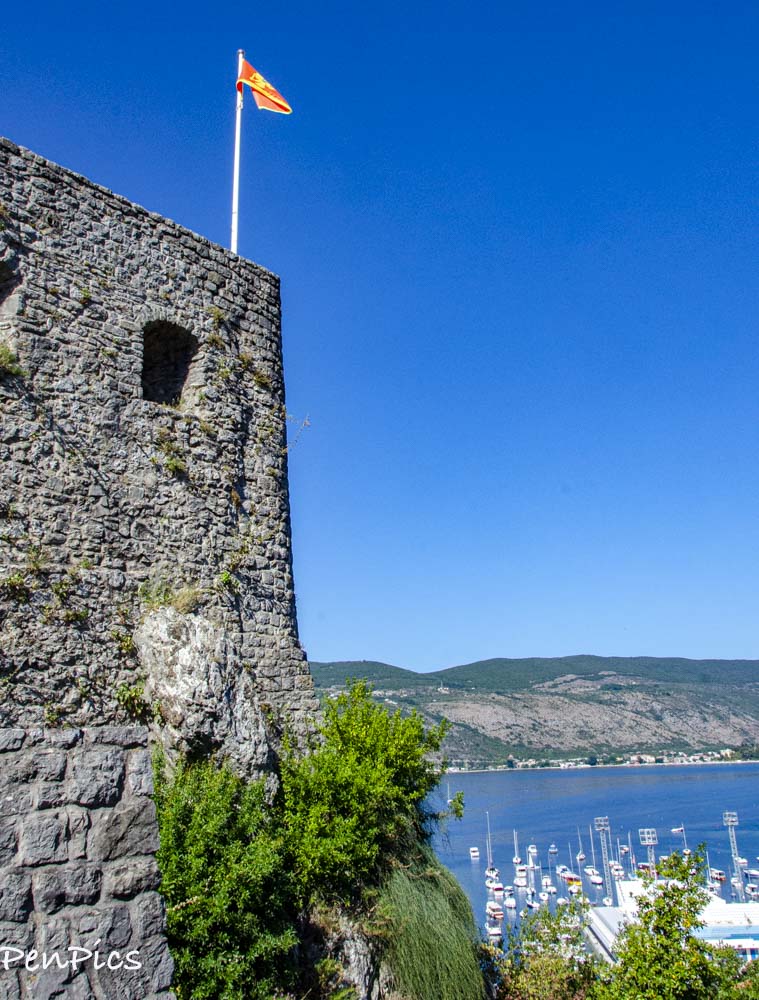
The actual main gate of the Castle did not open till 10AM, so that gave us plenty of time to explore the Old Town that is part of the castle; technically, being behind the walls “in” the castle. Come to find out, after 10AM, and just before we got back in our car to leave, we decided I would buy a ticket, because we suspected the paid portion of the castle was just an amphitheater, where it is used as a summer theater area. (not this summer) From that five-minute peek inside the main gate of the Castle, I did see the amphitheater, and I also got the most beautiful scenic shot of what all castles reveal; high up over water or mountains.
In this case, the sea views were spectacular, and it was worth the two euro fee.
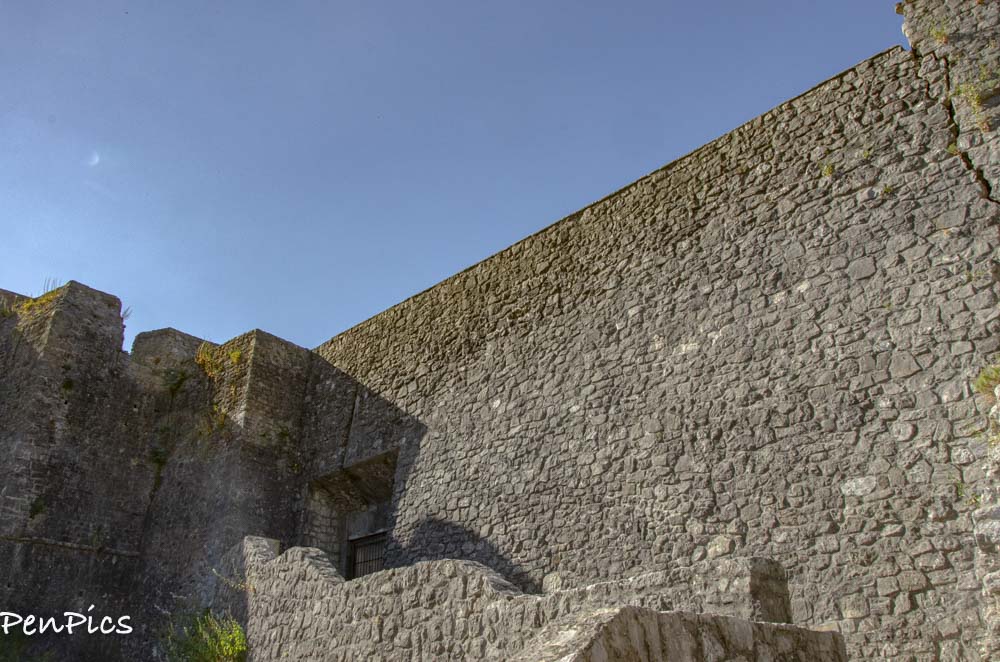
Castle gate entrance
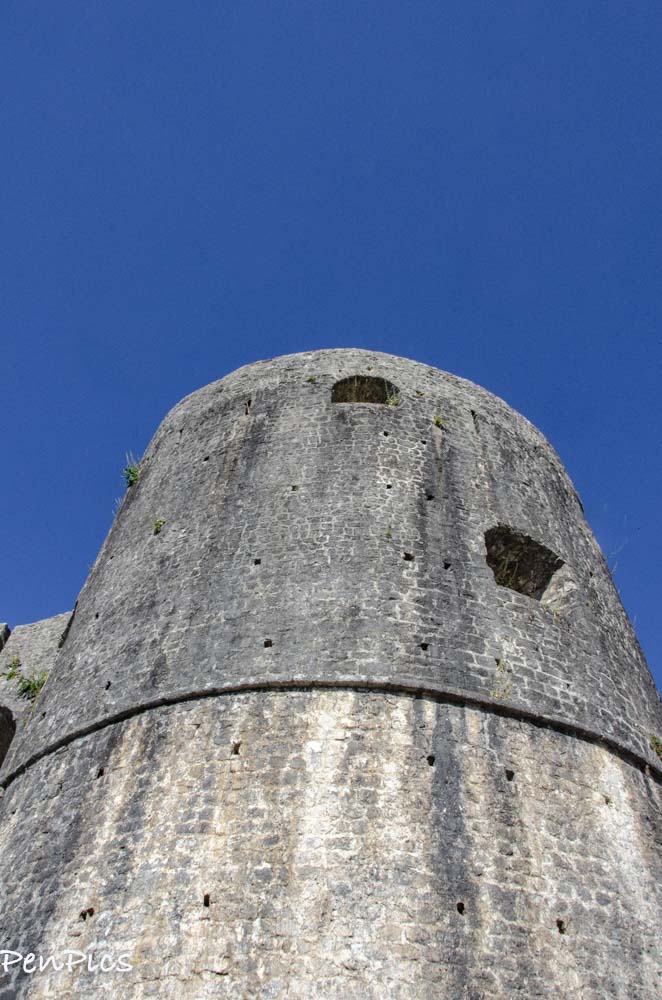
The “Bloody Tower”
Ancient history
Its a little long, but it explains so much in a timeline fashion
The oldest known inhabitants of what is now Montenegro were the Illyrian tribes who were subdued by the Romans in 9 AD and then marginalised by the mass immigration of Slavs in the fifth and sixth centuries. The principality of Duklja that the Slavic newcomers founded became independent from the Byzantine Empire in 1042 and soon became a kingdom, expanding to incorporate surrounding areas. In the early medieval era the region was ruled alternatively by local families and the medieval Serbian state until the Ottomans occupied the region in 1499.
The Ottoman era
Montenegro remained relatively autonomous within the Ottoman empire, with local noble families allowed to rule the area with little interference. Despite this, the occupation was never accepted and several uprisings occurred until the Ottomans were finally defeated in the late 17th century. Under Prince-Bishops Petar I and II Petrović-Njegoš, Montenegro unified and became a theocracy.
20th century
Nicholas I greatly expanded and modernised the principality in the 20th century, winning recognition of independence from the Ottoman Empire in 1878. The constitution is signed in 1905, the country becomes a kingdom in 1910, and Cetinje quickly became more important as Montenegro’s capital, with a succession of embassies established there. Montenegro started the Balkan Wars of 1912 and 1913 to definitely expel the Ottomans from the region, and joined Serbia in the First World War. In 1918, the country was added to Serbia and remained so until the country was invaded and declared independent by the Nazis in 1941. After liberation by Yugoslav partizans in 1944, during which Podgorica was heavily damaged, Montenegro became a republic within the Socialist Federal Republic of Yugoslavia. Podgorica became Titograd in honour of President Josip Tito and the city was rebuilt.
The end of Yugoslavia
Yugoslavia’s collapse in 1992 meant that Montenegro was left alone with Serbia in the new Federal Republic of Yugoslavia. An unmonitored referendum at the time showed great support among Montenegrins for this, though turnout was low due to boycotts. The Montenegrin police and military joined Serbian troops in the Bosnian and Croatian wars of 1991-1995 and were involved in various campaigns against towns in Croatia (including the bombing of Dubrovnik) and Bosnia.
Prime Minister Milo Đukanović started to cut ties with Serbia in 1996, replacing the dinar with the German Mark (and later the euro) to loosen economic ties with Belgrade and becoming much more independent. During NATO’s 1999 Kosovo campaign, Montenegro was also targeted though damage was limited.
To independence
While tensions with Serbia remained, Montenegro continued on the path towards separation. The Federal Republic of Yugoslavia was replaced by the union of Serbia and Montenegro in 2003, but soon enough the peaceful and fair EU-monitored referendum in 2006 showed a 55% majority in favour of complete independence from Serbia. Montenegro subsequently became independent on June 3, 2006.
Tensions remain as Montenegrin and Serbian identity are closely interwoven.
Since independence Montenegro has seen great economic growth, particularly in the tourism and construction sectors as a liberal land ownership policy allowed foreigners to buy land with few restrictions. Especially Russian investors took advantage of the opportunity, and Budva and other coastal resorts see many Russian tourists in summer. The economy took a hit during the world financial crisis and tourism numbers dropped, though long-term prospects are still good.

In 1979, the scene was seriously damaged by a strong earthquake, but by 1988 it had been rebuilt. From time to time, concerts are held here

Being there on a Sunday morning, while enjoying the Old Town of Herceg Novi, we loved hearing the church bells ringing, and church service in session. Though it was only around 9AM, it was hot and we were looking to rest up with our iced coffee break. We sat in the shade, with a fan blowing on us, and watched the people going in and out of the church for the service, listened to the singing, and sermon in foreign languages. It was both a joy and a delight.
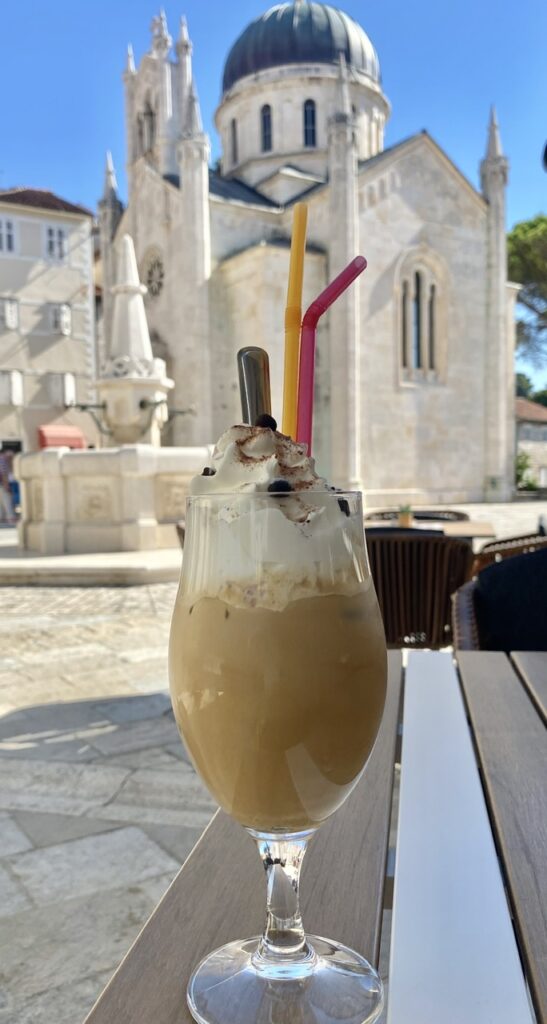
Enjoying an iced coffee on another hot day, while listening to the sermon going on at the church
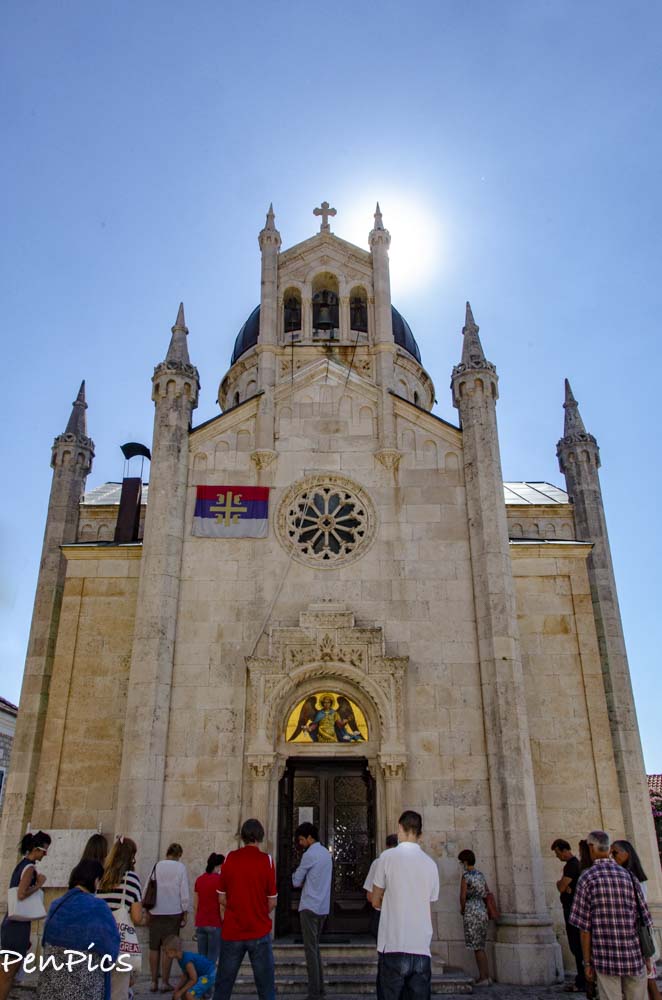
The Serbian church in the town center is St. Michael Archangel
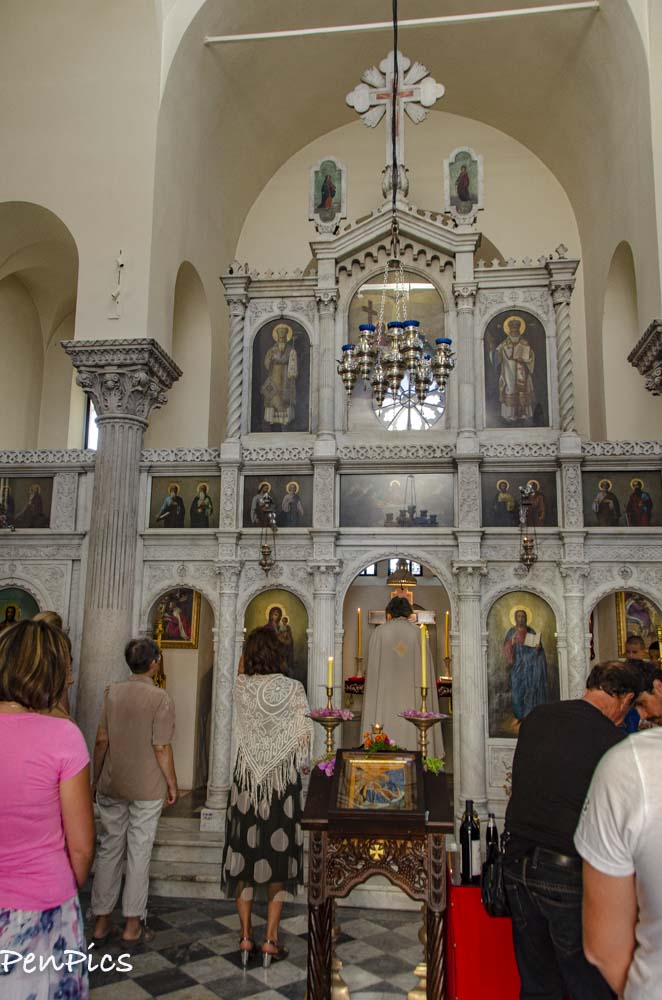
The Church of Sveti Arhangel Mihajlo; St Archangel Michael can be found in the center in the Belavista Square.
It was built at the beginning of the 19th century. The interior and the exterior of the church associate us to the mixture of styles which contain Byzantine, Roman–gothic and Islamite elements.
Iconostasis of the church was made of marble with the icons from the beginning of the 20th century. Many printed books from Russia are being preserved in the church.

Old Town Belavista Square

The Old Town square offers lovely views of the bay, as well as a collection of ancient anchors and cannons set along the southern wall. Check out the size of that anchor!

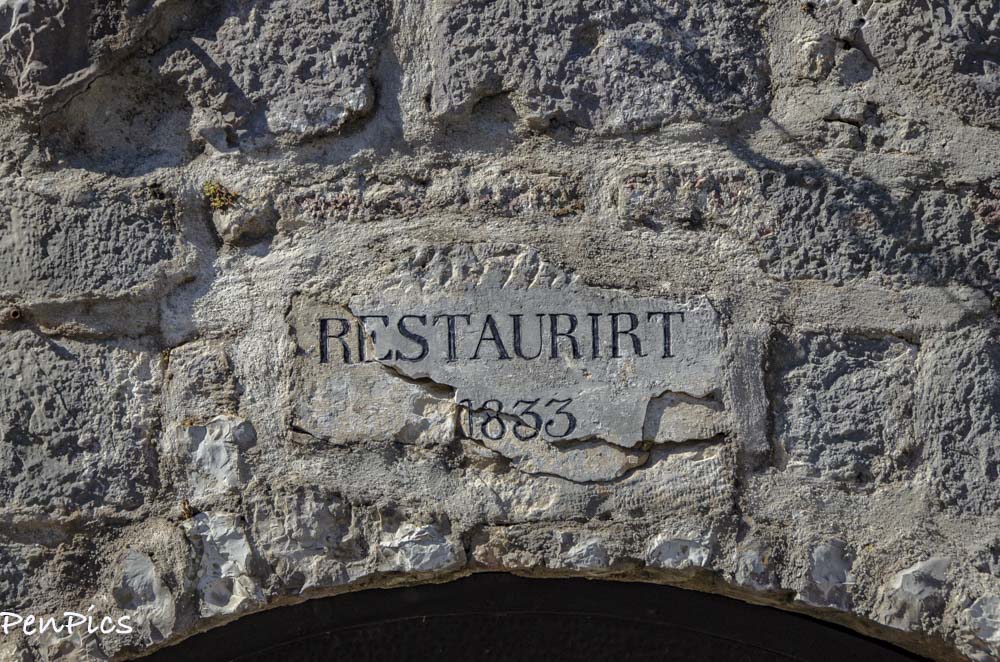
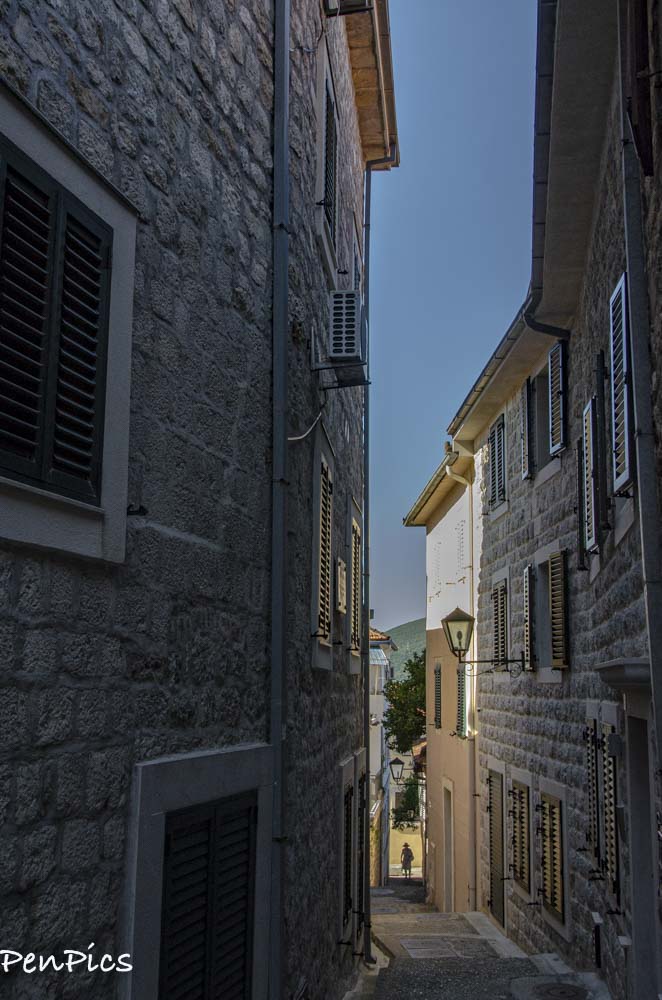
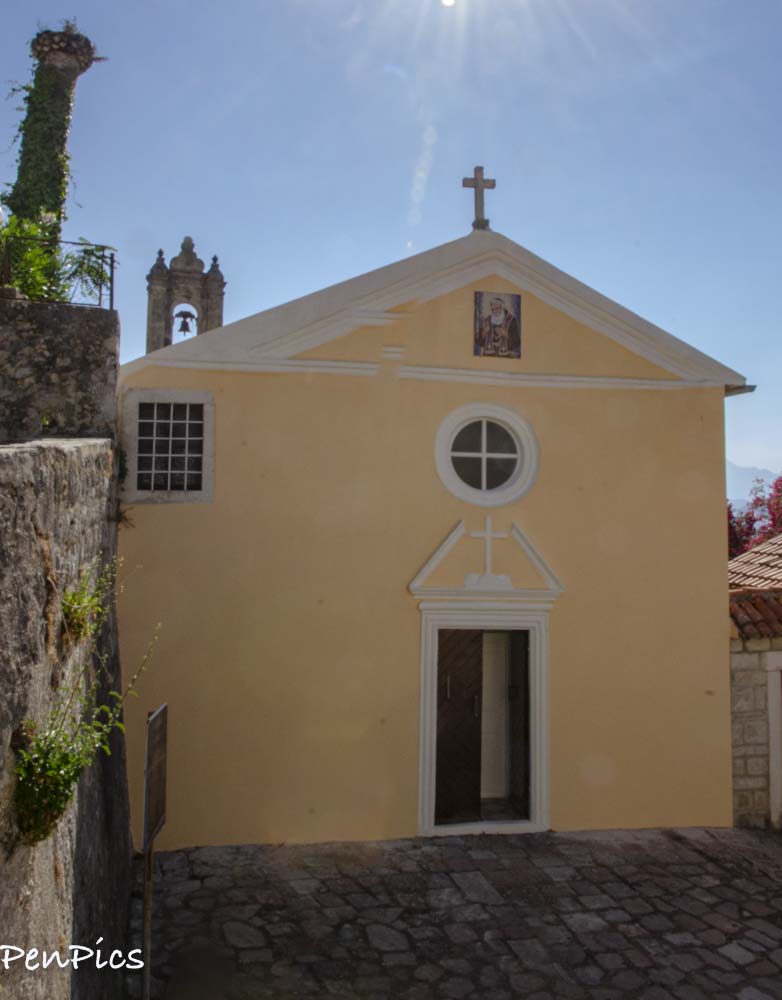
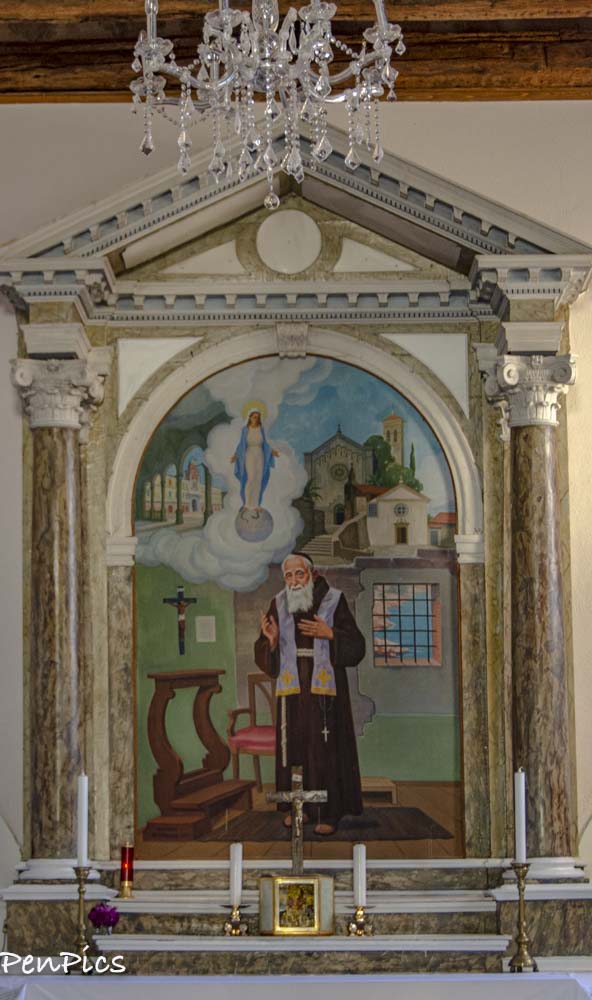
St. Leopold’s Church is located near the other Catholic Chruch of
St Jerome.
This church was built in 1688 on top of a destroyed mosque and was originally dedicated to the Assumption. It gained its present-day dedication to St. Leopold in 1976, at the same time as Leopold Mandic was beatified by the Pope.
Leopold Mandic (birth name Bogdan Mandic) was both in Herceg Novi on May 12th 1866, spending time as the priest of a Roman-Catholic church and a Capuchin monk. He spent around 40 years in a monastery in the Italian city of Padova. His claim to fame was pursuing the unification of Catholic and Orthodox curches. He was deitified in 1983.


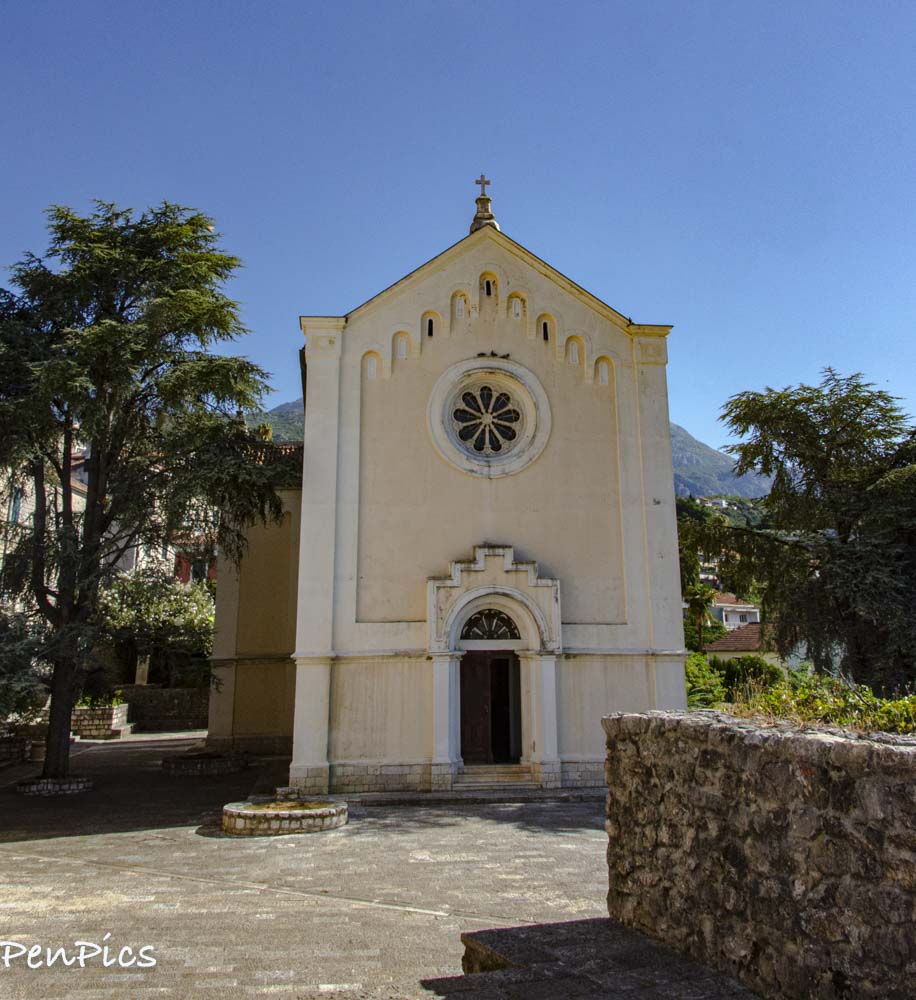
Tucked away a peaceful little square in the lower quarter of the old town, the Church of St Jerome was built in the mid-19th century on the place as the original 17th century Catholic church, also dedicated to the same St Jerome, who is venerated by both Catholic and Orthodox Christians.

The clock tower is original from the 19th century, though it has been restored
Tower Sahat-Kul is located at the entrance to the Old Town Herceg Novi, between the squares of Dzhurkovicha and Duke Stefan.
By order of Turkish sultan Mahmud, the Clock Tower Sahat Kula was built in 1667. During the Turkish period there was a mosque also at the square, near the tower, though it inso longer there. Sahat Kul Clock Tower has several mechanical clocks, on its sides, which showed when it was time for daily Muslim prayers.
In addition, the tower has served as the main gate of the town. The tower is not only a monument of architecture of Herceg Novi and its historical sights, but also the main heraldic symbol of the town. Its image is used on the flag of the town and all kinds of tourist trappings.
The tower, which has become the most recognizable feature of Herceg Novi, has some other names: Tora, Sahat Kula or simply Clock Tower.
In 1753, the Russian Empress Catherine II made a gift to the citizens of Herceg Novi, bell-alarm appeared in the tower, which is preserved to this day.
The old mechanical clock, which worked correctly all the time, were replaced with new electronic ones in 1995. It was a gift to the people of Herceg Novi from the Serbian municipality of Zemun. The Sahat Kula tower is still preserved in the ancient archives of the town, where the oldest historical document dated back to the year 1685.
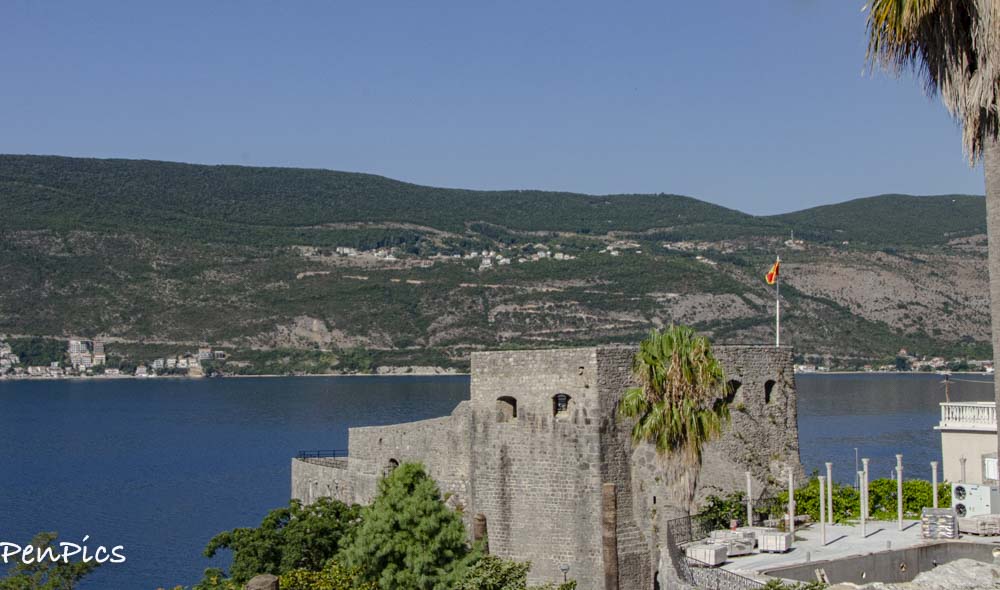
After we were done walking up and down and all around this fantastic Historical location, we went back to our room and packed up. It was time to make our way to the border, and go to Serbia!
About Us

About Us
Hello and Welcome to our Travel Blog Website, We enjoy writing about our experiences and taking photos of our adventuring along the way. Our names are: Daryl and Pen, but Daryl calls me “Bunny.” We met, quite randomly, whilst both traveling in Thailand with friends. We happened to be in the same travel group, and […]