


“Macedonia 🇲🇰 ~Strumica and Castles in the Sky”
Our next stop, after our fun time in Kavadarci, was to find our way to Strumica, where we wanted to visit a few sites. As we drove along, I saw a Castle sign. Was it THE castle we came to see? No idea, but we went off the route to find out. It is not odd for us to take the road less traveled. We love it, as long as the road is passable, since we do not have a four-wheel drive.
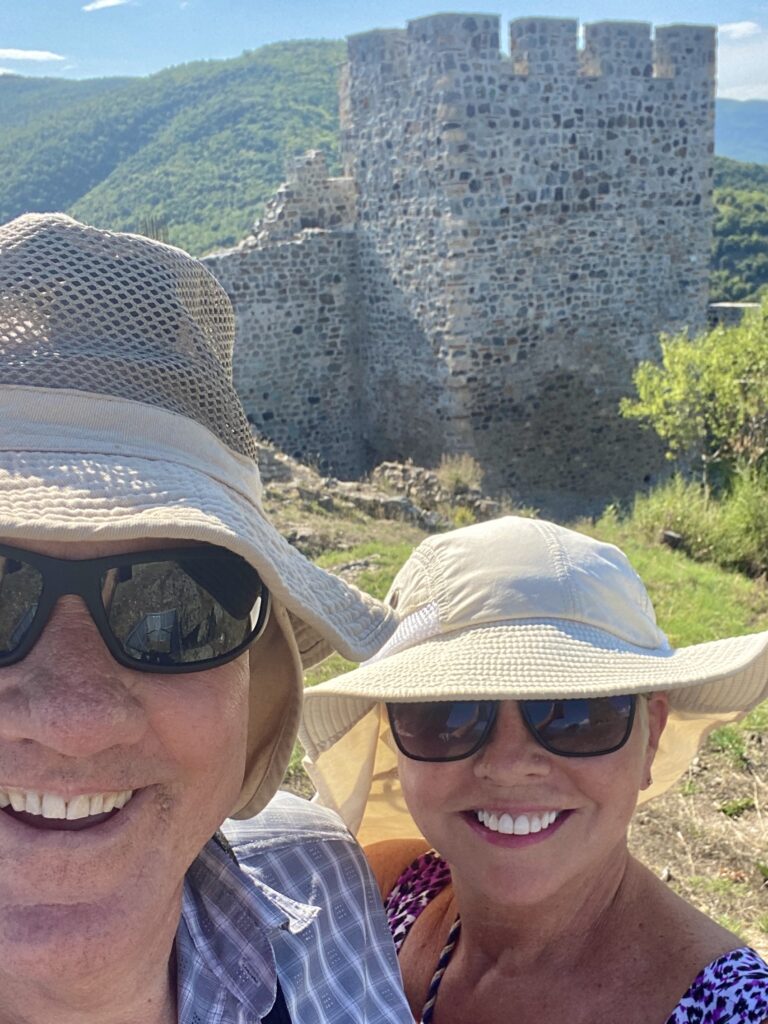
I absolute love this grape- growing and wine-making region of Southwest Macedonia. The scenery is incredible, and the roads are decent. We already learned how friendly the locals are.
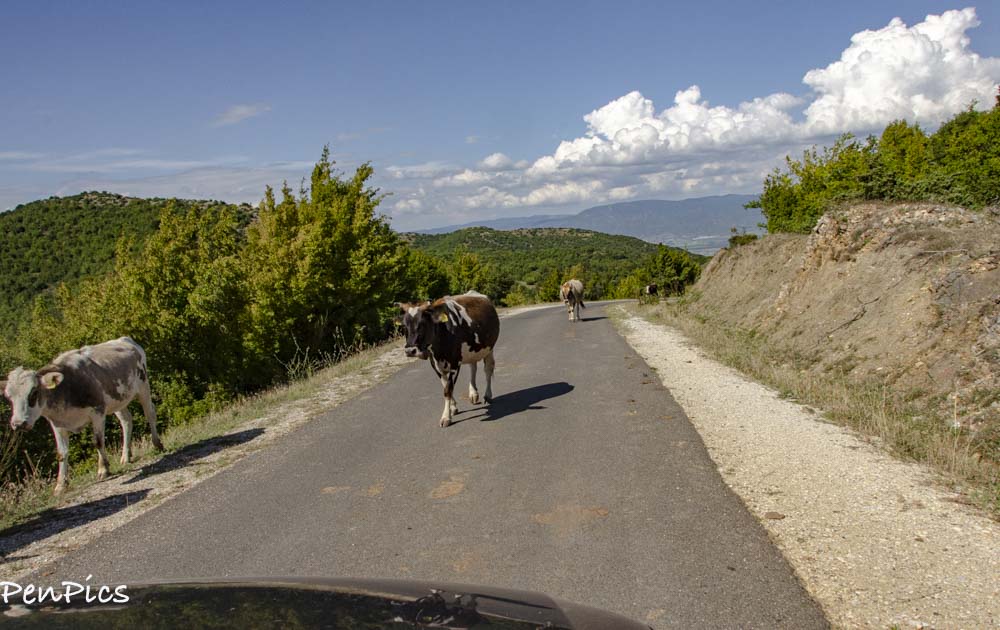
As it would turn out, we did make it to the Strumica Castle, as a more “on the way” to the town of Strumica direction. On this route, we did leave the pavement, crossed a cow field, and regained the pavement. We got a good laugh out of that! The cows were just confused.
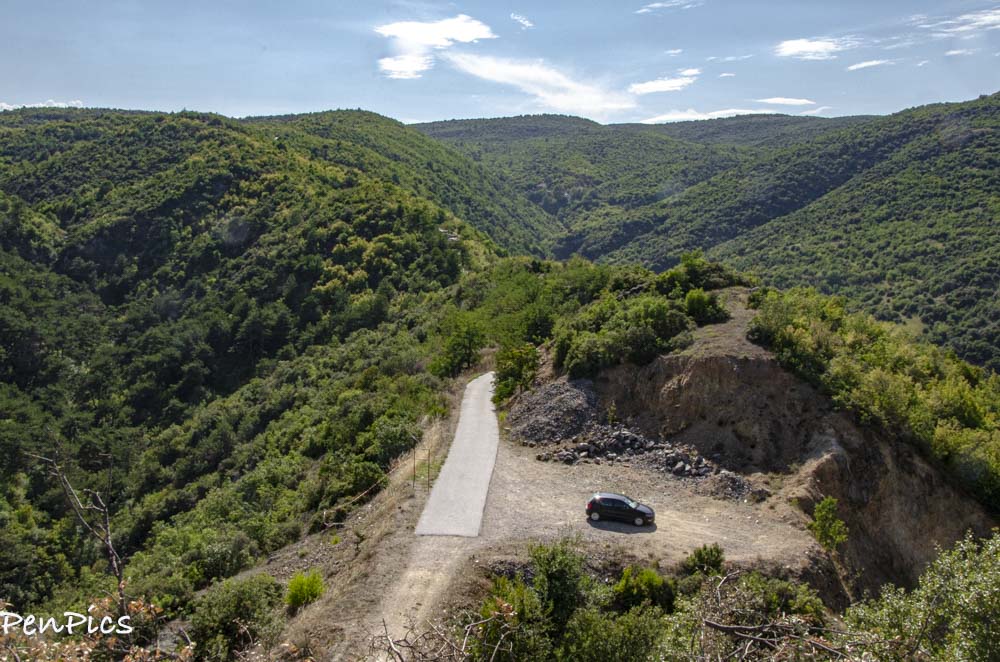
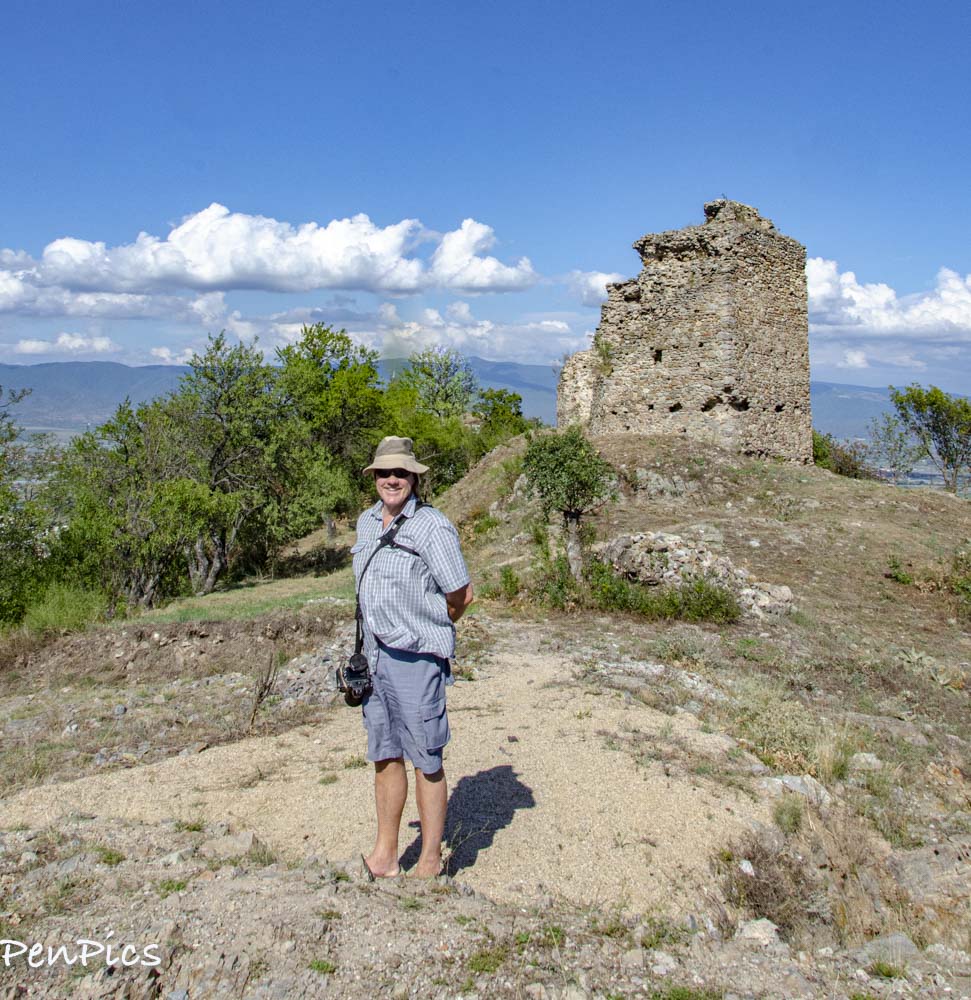
We finally make it to the hilltop Castle, known as Tzars Towers. Not much is left, but it was enjoyable to walk around the property, and let my imagination run wild. Lives loved and lost here; misery and happiness both existed in this place.
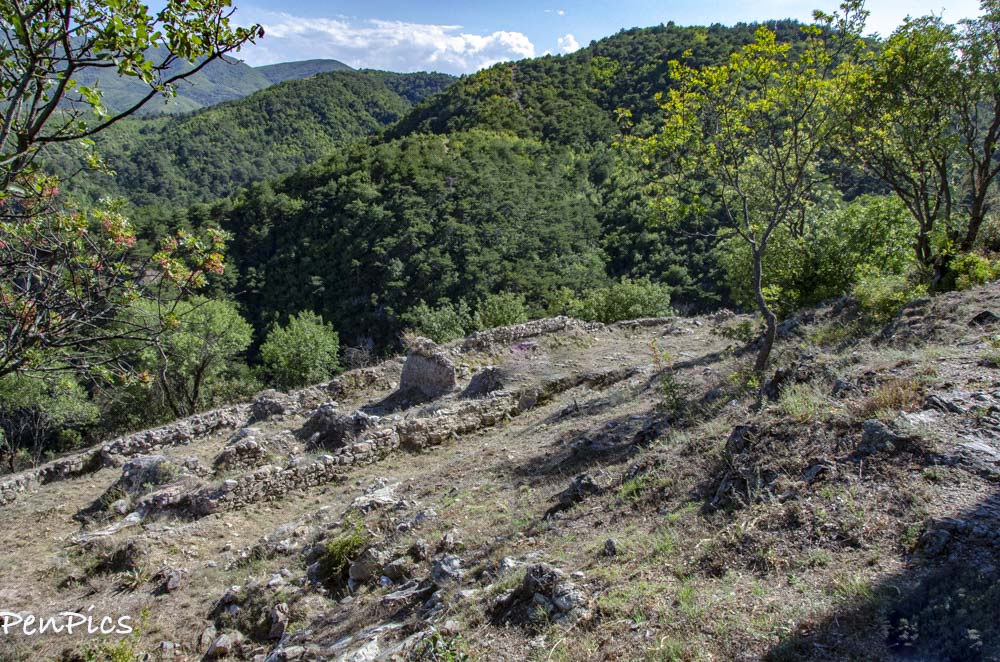
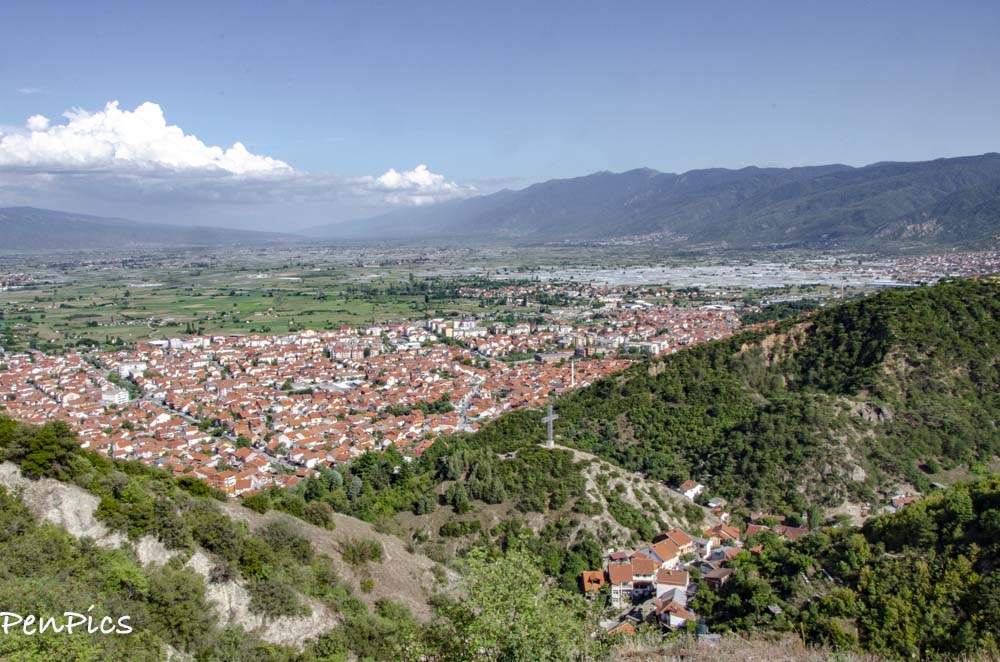
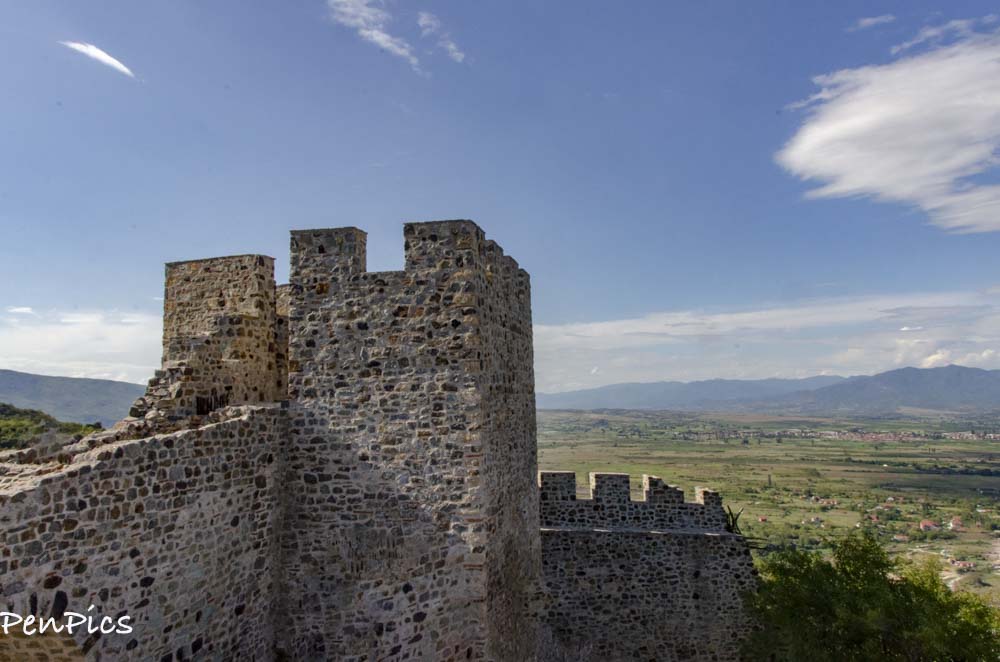
It was easy to detect the Fortress walls, as they were crumbled, but still hanging on. The view was spectacular, overlooking the town of Strumica, and there was a cool breeze up there, which was very welcomed!
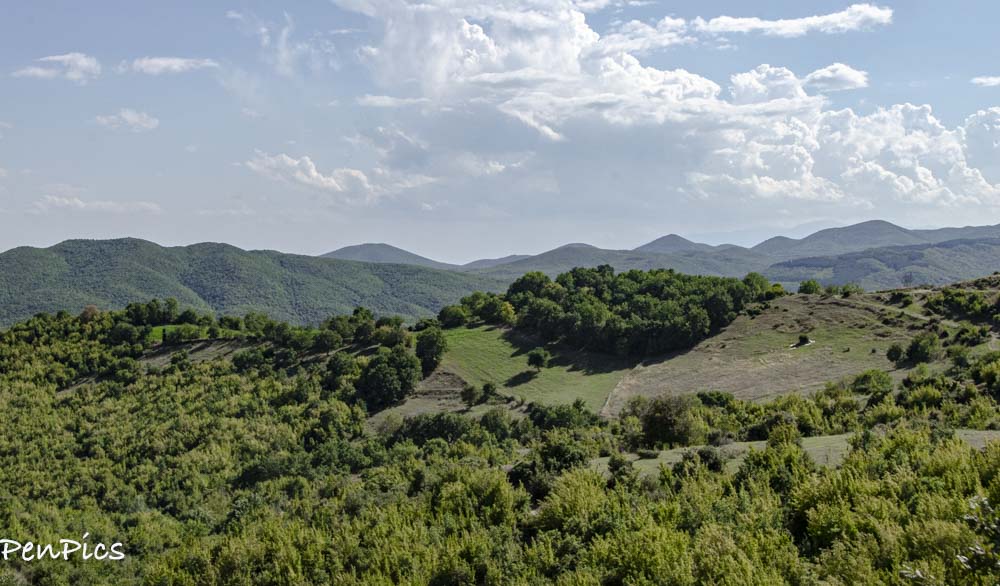
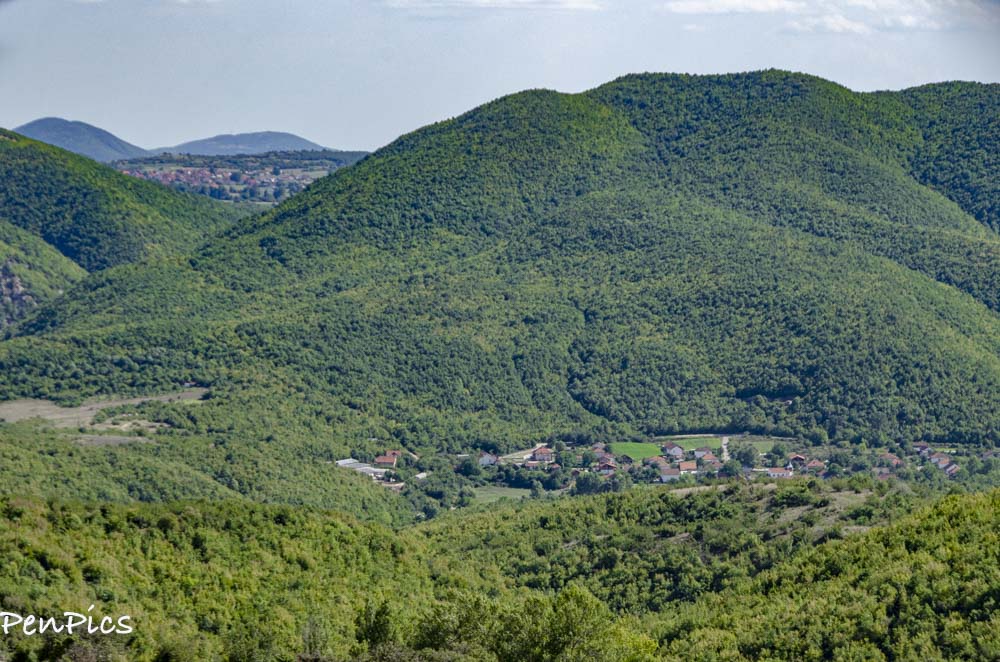
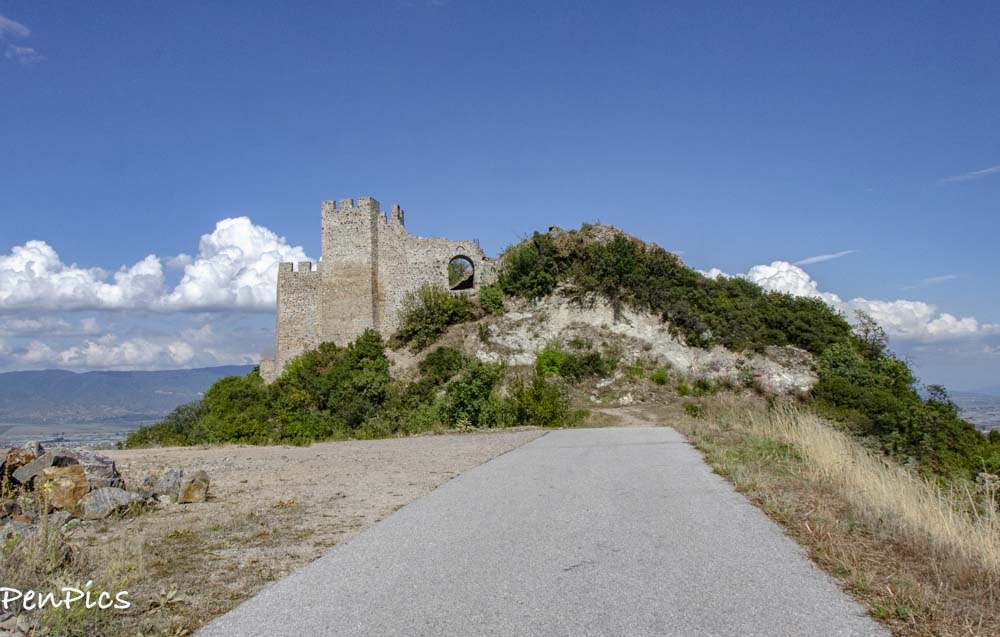
Life on this hill is thought to go back to 4750 BC, and many artifacts from different time periods have been found at the location.
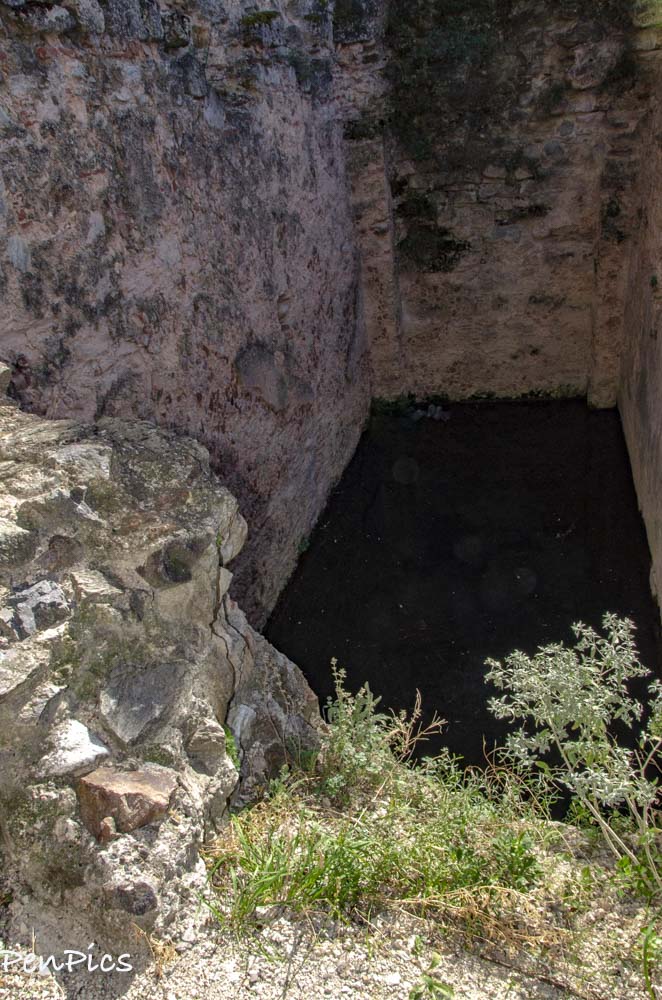
There is not much left, from this once so powerful Fortress. The only real visible remains are the so-called Pirg Tower, the main tower of the Fortress where the commander of the Fortress stayed. The lower floor was a water tanker filled with rain water. You can see the holes in the walls that were used to make wooden floors above the water tanker.
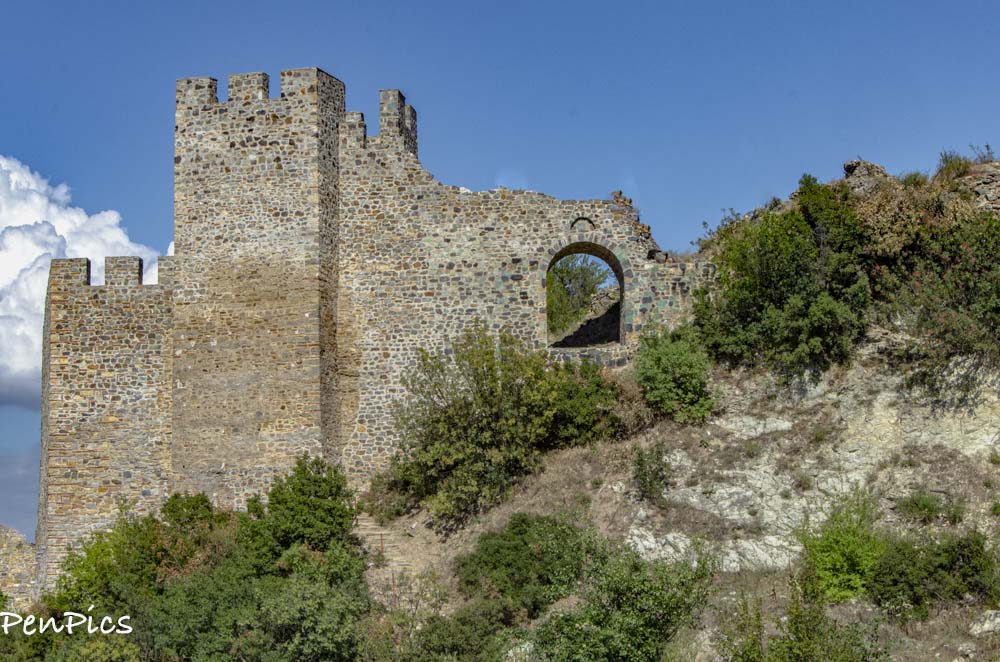
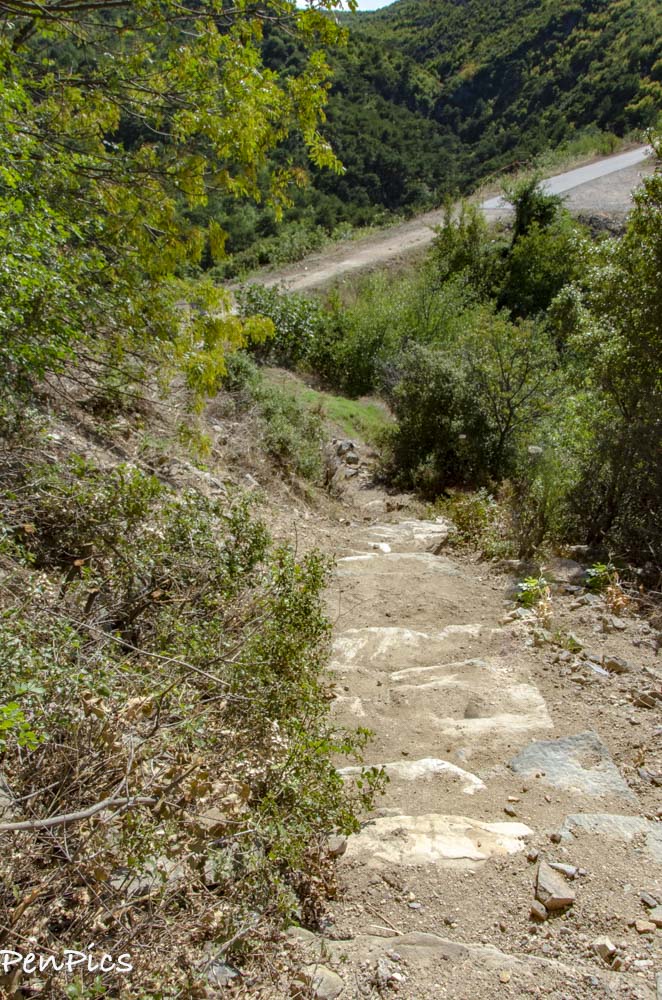
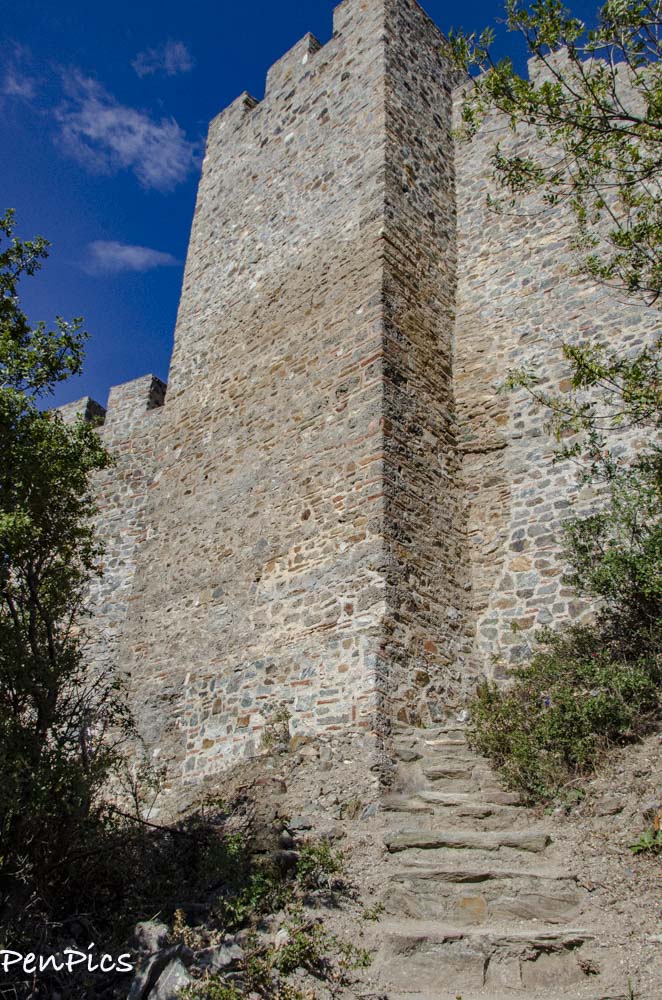
The outcome of the battle of Belasica, near Strumica, in 1014, against the Byzantine Emperor Basil II, was unfortunate for the Macedonian Tzar. Over 14,000 of his men were blinded, except for every hundredth soldier, who had one eye left, in order to lead his fellow soldiers back to Samoil. The sight of the blinded soldiers was too much for Samoil’s heart to take; Samoil died of a heart attack in 1014 Prilep.
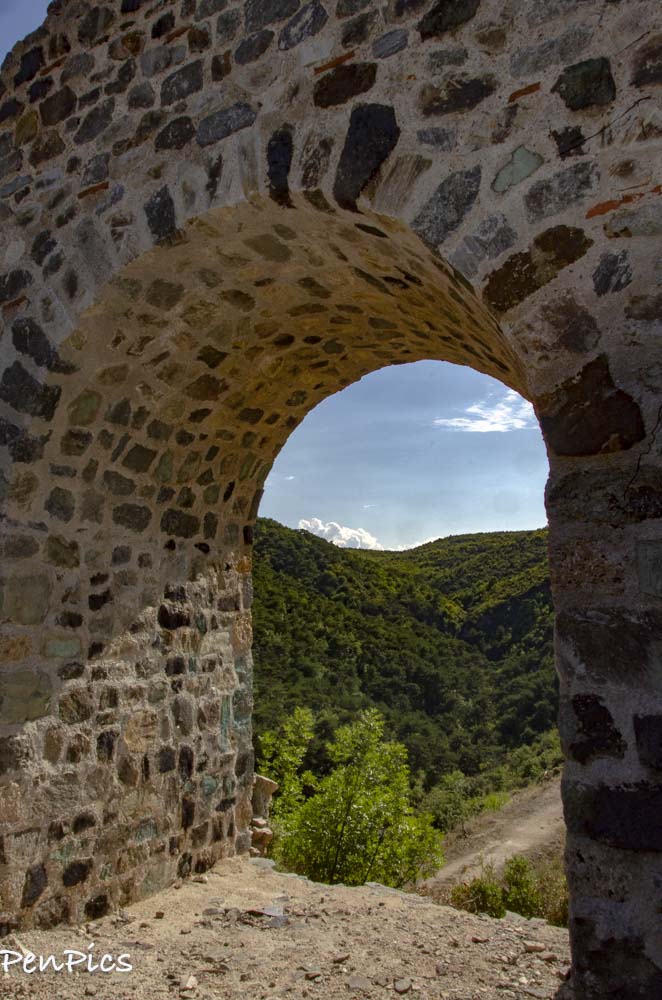
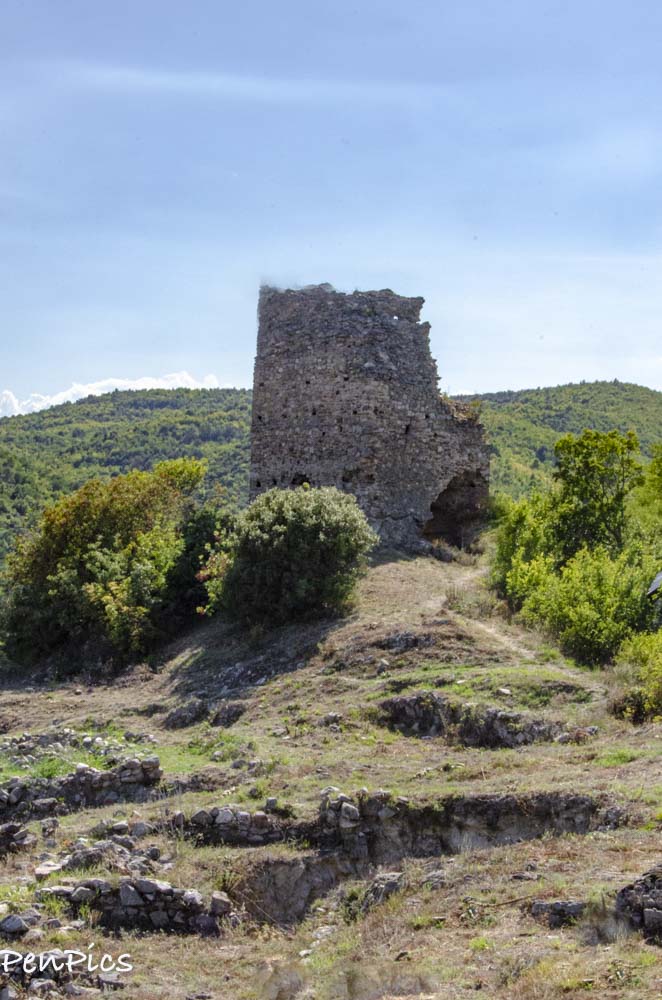
Structures of a church that was probably dedicated to St George, and graves from the 12th-14th centuries can be seen next to the antenna on top of the hill. Just before you enter the Czar’s Towers from the asphalt road, there are also several graves dug in the white rocks.
Strumica is a settlement from the pre-Slavic period. The oldest date for the existence of the city dates from 181 BC. Then, the settlement is mentioned as Astranon (city of stars) as the main place of residence of the Peonian tribe; Astron.
As a Roman-Byzantine and ecclesiastical city, it is mentioned in the Middle Ages as Tiberiopolis. Strumica is a Slavic name of the city, obtained, according to the name of the river Strumica; diminutive in the name of Struma.
At the present place, the city was restored in the 9th century by Tsar Samuil.
In that period, it grew into an important traffic and military-strategic center. After his death, in 1018 and the termination of Samuil’s empire, Strumica became a Byzantine military-strategic and administrative center for this part of Macedonia, and the Strumica diocese continued to exist. It had such a role, until the end of the 12th century. From 11th to 14th century it fell under many spheres of interest by Byzantium, medieval Serbia and Bulgaria. Towards the end of the 14th century it fell under Ottoman slavery.
Most people believe that Strumica was named after a beautiful young woman named Struma. The Tomb of Struma is located in the village of Veljusa. There are few legends who Struma actually was. One of them says Struma was King Marko’s sister. Another, however, claims that Struma was a daughter of an emperor and army commander who cursed his daughter for her body not to be taken by the ground when she dies.
The legend continues to say that Struma was buried seven times after her death, but each time the ground “threw” her body out from the grave. Therefore, she was buried in stone casket above ground. Finally, a third theory maintains that the vault dates from the time of Alexander the Great.
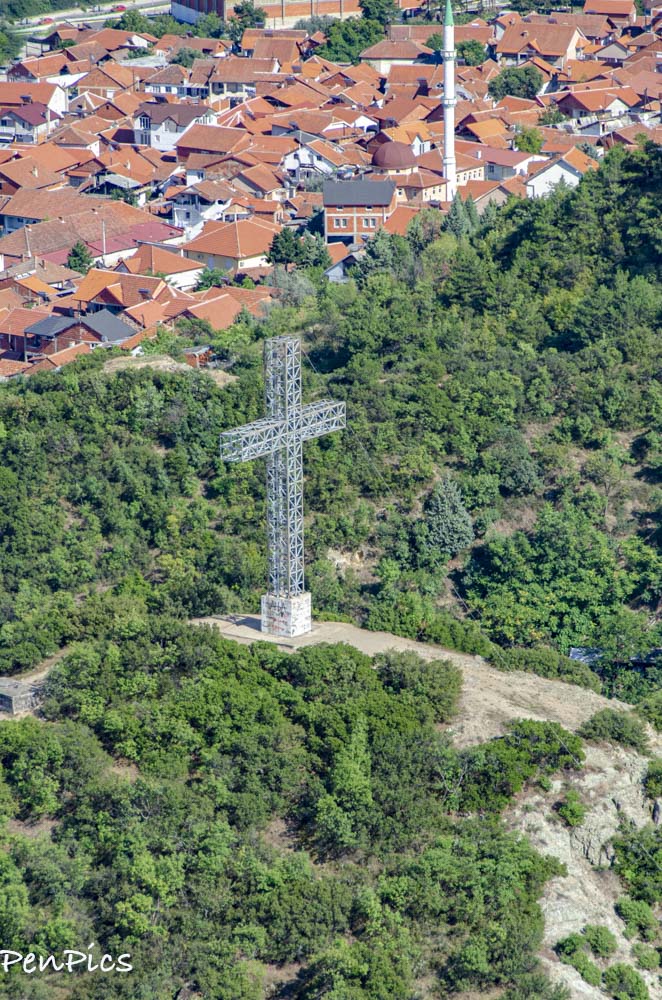
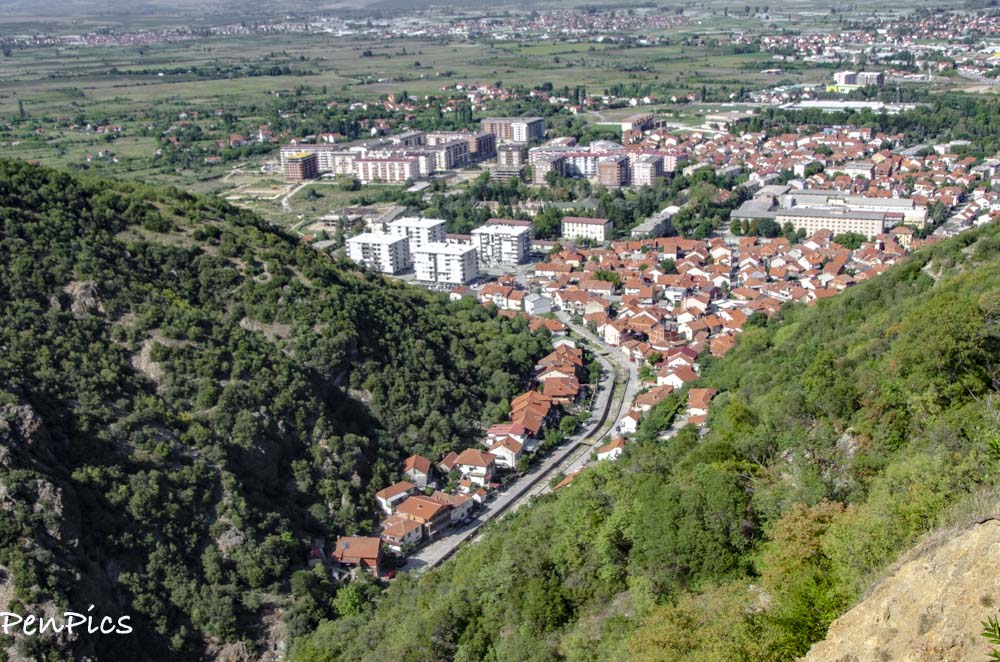
Ready to end our day, we went on down the mountain and in to the town in search of our nights stay. We needed A/C and found a place. Again, no food offered, so there appears to be a COVID pattern of hotels closing their restaurants, here. Luckily for us, we do find some places opened in the main center, but pizza, again? Oh well, it’s a great opportunity to keep whittling away at those extra quarantine pounds.
About Us

About Us
Hello and Welcome to our Travel Blog Website, We enjoy writing about our experiences and taking photos of our adventuring along the way. Our names are: Daryl and Pen, but Daryl calls me “Bunny.” We met, quite randomly, whilst both traveling in Thailand with friends. We happened to be in the same travel group, and […]