


“Greece 🇬🇷 ~Paros Island’s Panagia Ekatontapiliani; known as the Church of 100 Doors”
Paros Island is not a very big island, but big enough we still got a rental car to get out in. We are feeling very filled up in all things Greek Islands, and that is a really good way to start wrapping up our time here.
Paros is our last new island visit, before we go back to Santorini Island for some business, then back to Athens for some more business, then on to our next adventure.
In the meantime, we got to visit the most incredible old church, yesterday, that left me feeling all warm and fuzzy. The last time I felt this way inside a church was when we were at The Square of Miracles in Pisa, Italy. Feeling this kind of energy in such a spectacular place, with these amounts of history awe inspiring.
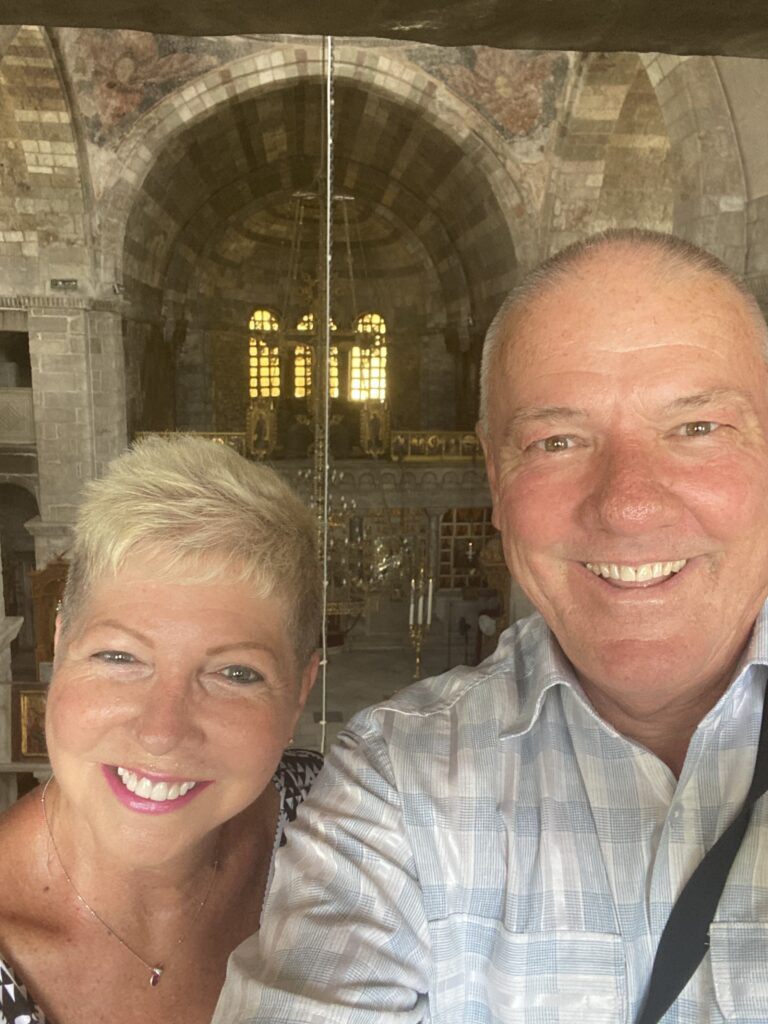
The church was open for viewing and we were the only ones there. This visit was made extra special, because unlike any other European church we have ever been inside of, we have never been allowed to go to the second level. We wandered all around and loved it.
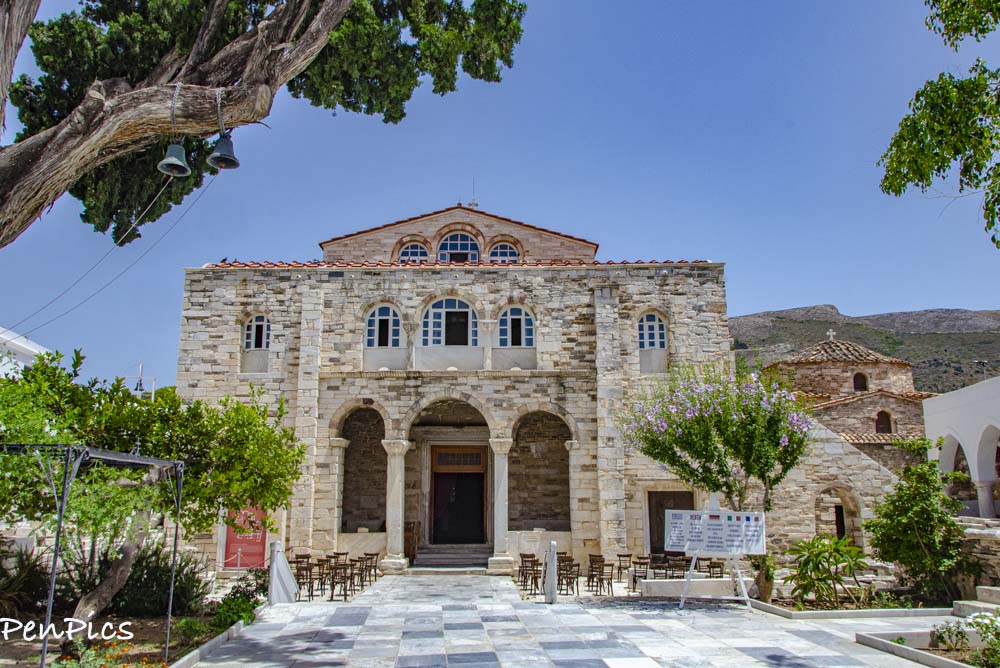
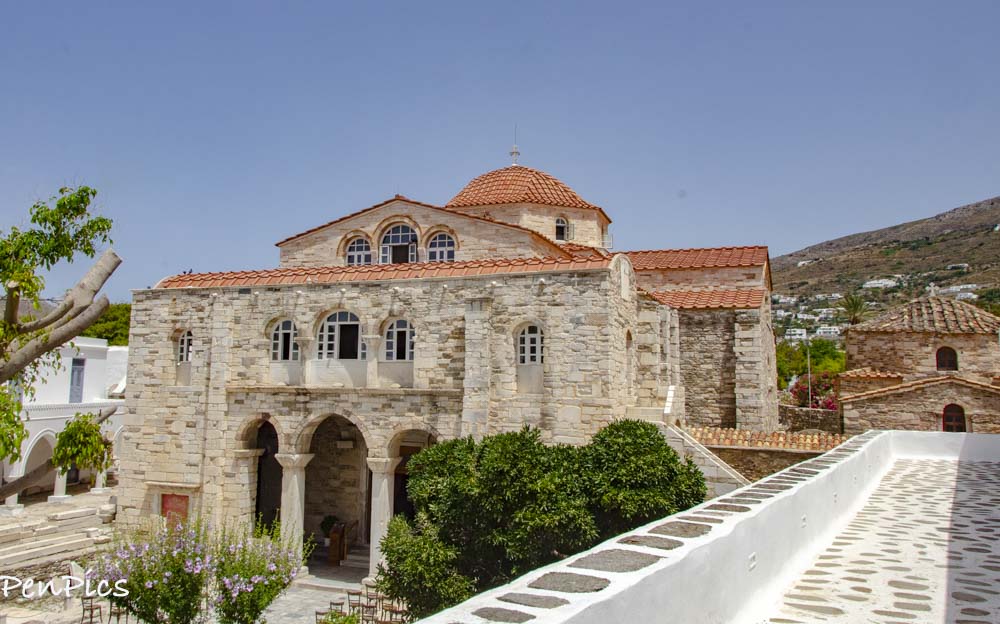
Also known as the Church of 100 Doors, it is a historic Byzantine church complex and an ancient temple of Artemis located, in the port town of Parikia.
The name Ekatontapiliani means the Church with the Hundred Doors.
According to tradition, the church has 99 doors and a secret door will open when the church of Hagia Sofia in Constantinople will be Orthodox again.
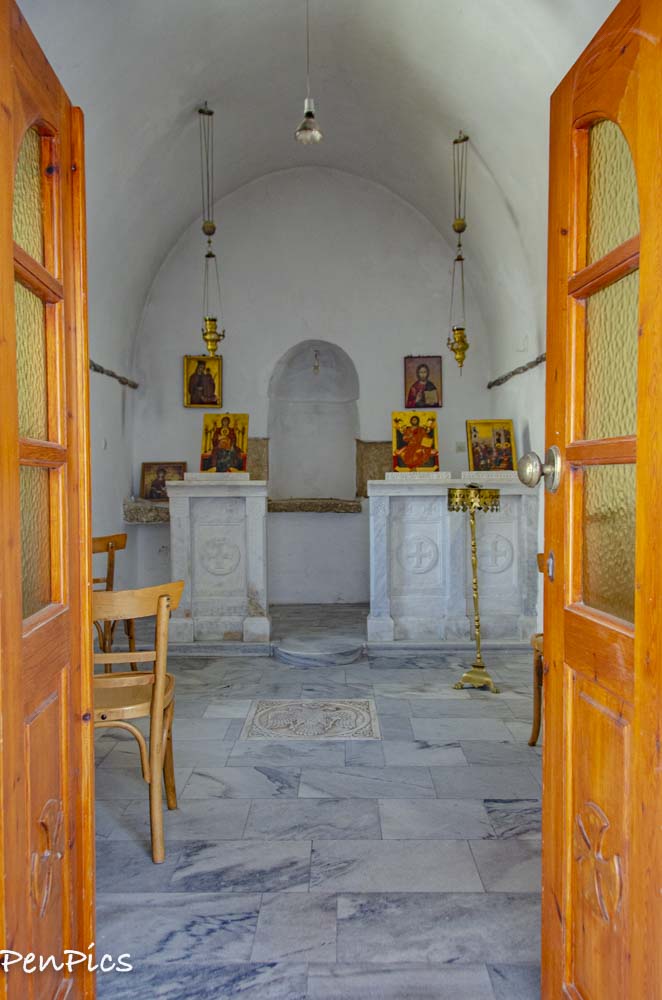
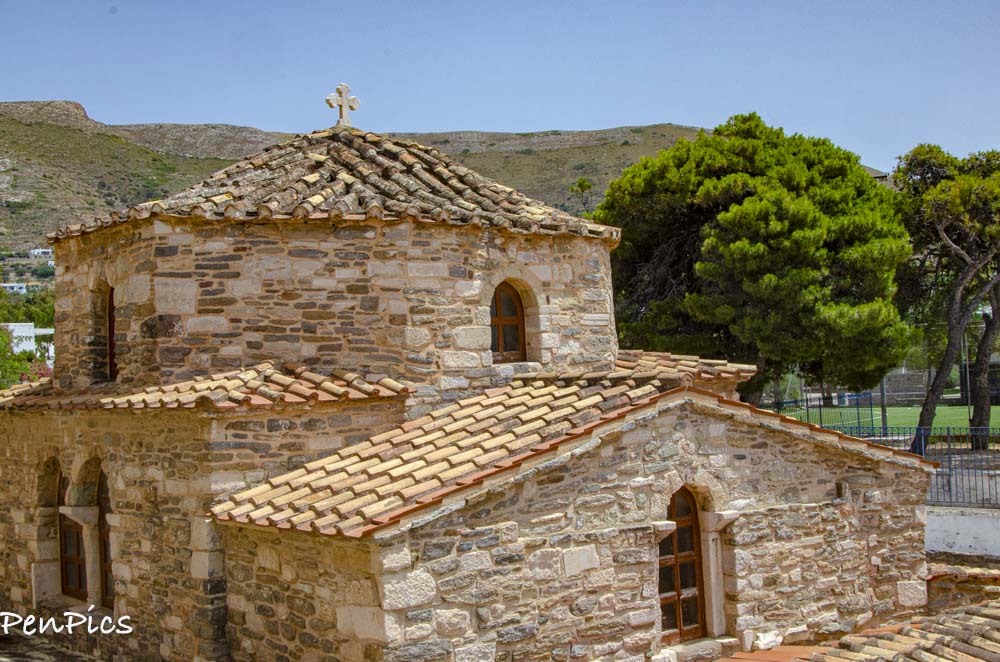
Outside the main church, there are the chapels of Agios Nikolaos, Agia Theodosia (who lived and died in this monastery in the 9th century A.D,. and Agios Dimitrios.
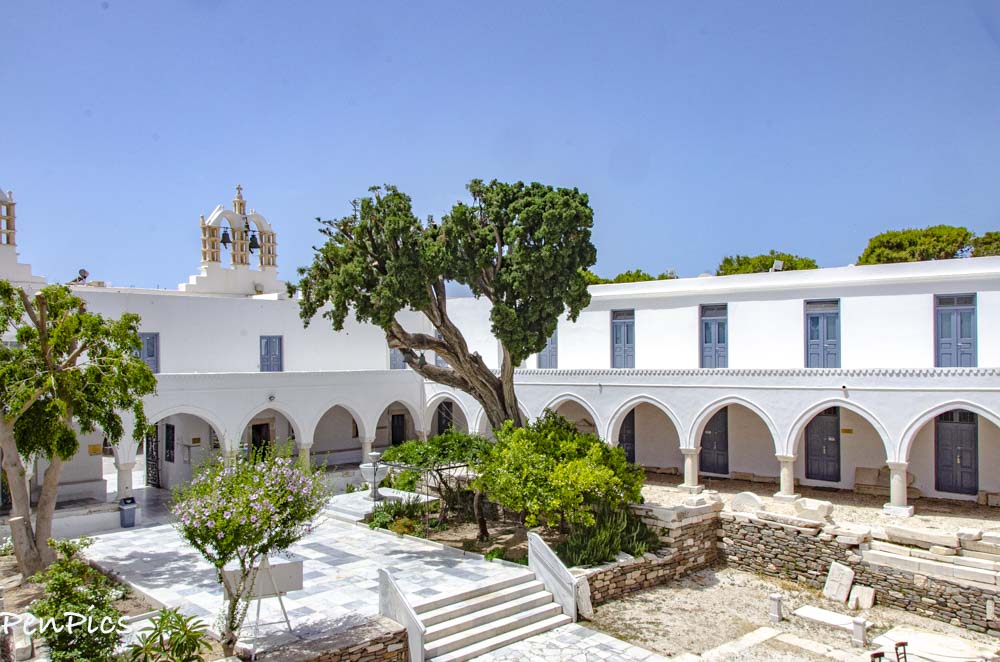
In the yard of the monastery, there is also a baptistery and the cells of the monks. The church dates back to 326 AD, and ts oldest features likely predate the adoption of Christianity, as well as the state religion of the Roman Empire in 391 AD.
The church was allegedly founded by the mother of the Roman Emperor Constantine the Great (ruled 306–337 AD), Saint Helen, during her pilgrimage to the Holy Land when she stopped to worship at a chapel on the island.
In later history, Justinian is also credited for initiating construction on the site. The site was badly damaged by an earthquake in the 18th century, but gradually restored.
Ekatontapiliani is renowned for the pilgrimages that take place there all in the name of the Virgin Mary. It is the second largest pilgrimage destination in the Aegean, second only to the famous Megalochare on nearby Tinos Island.
Inside the main church you can still see the two remaining columns from the temple of Artemis on which Ekatontapiliani was built.
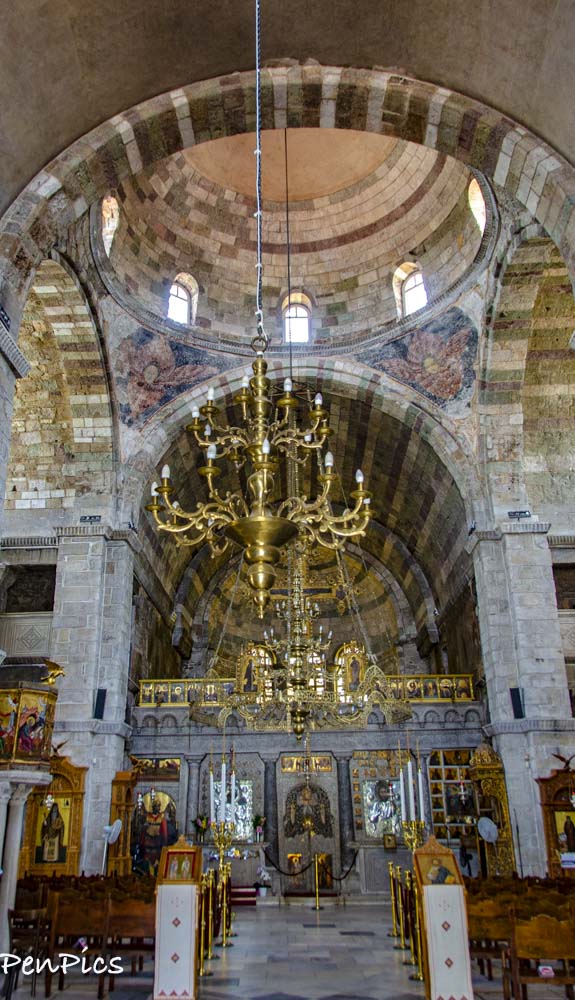
During her journey to the Holy Land to search for the Holy Cross, a storm brought Saint Helene in Paros, where she promised to the Virgin to build a church if her quest were successful. This church was built by her son Constantine, after her death and it was dedicated to the Assumption of the Virgin.
There is another legend, which is tragic and which is associated with the big Monumental Gate that was installed at the northern wing of the building complex of Ekatontapiliani, a few steps from the chapel of Saint Theodosia, by Professor Orlandos, during the restoration of Ekatontapiliani. When the pupil finished the temple, he invited the master to admire his work. The chief craftsman felt envy and was afraid that his pupil would overshadow his reputation. Pretending that he wanted to show him an architectural fault, he took his pupil on the roof of the church. From there, the chief craftsman pushed his pupil with intent to kill him. The pupil however held on to the teacher and finally they both fell and were killed in front of the church. The two sculpted forms on the base of these gates depict the chief craftsman and the pupil who were killed there.
However, the church suffered the biggest destruction during the earthquakes of 1733, during which the northern and the western cupolas and part of the dome collapsed. During its reconstruction, in which the Parian prince of the Danubian Pricipalities of Moldova and Wallachia, Nicolaos Mavrogenis had an important financial participation, many additions were constructed inside and outside the church for its support, which deformed the imposing form of the building, reduced its lucidity and gave its façade a peculiar form, with a monumental gate and three Aegean belfries.
In 1959, however, the unforgettable professor and scholar Anastassios Orlandos started the restoration of the church to bring it back to its Justinian form. The restoration finished in 1966.
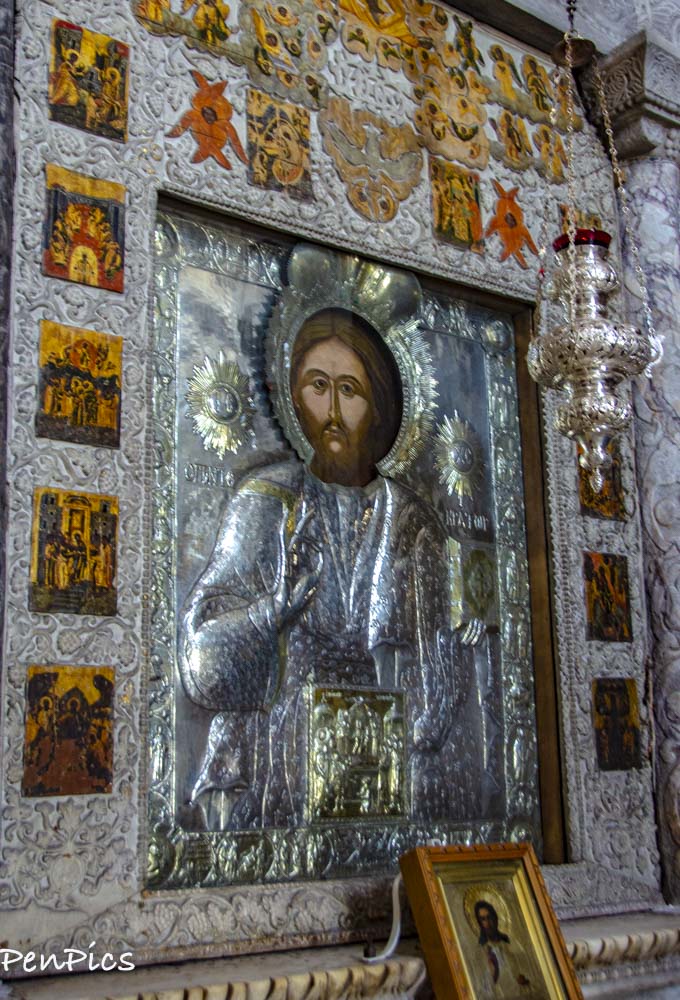
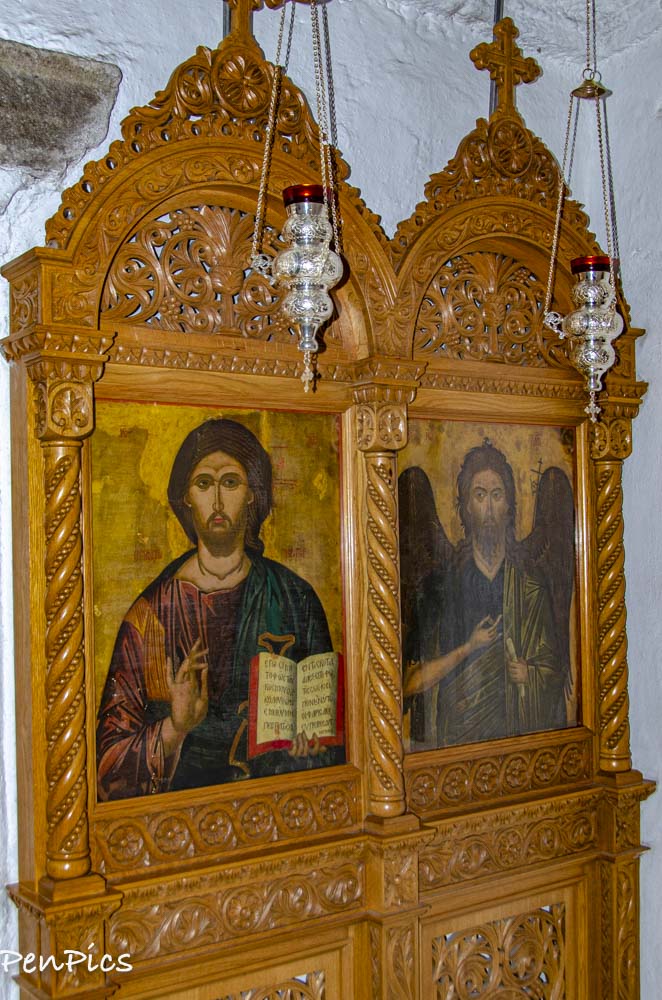
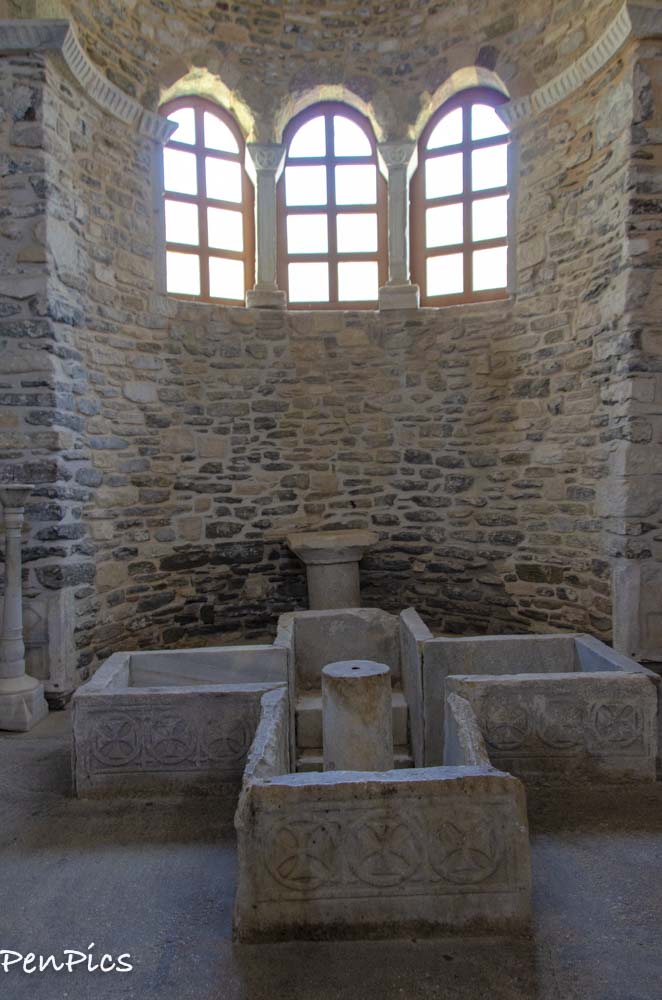
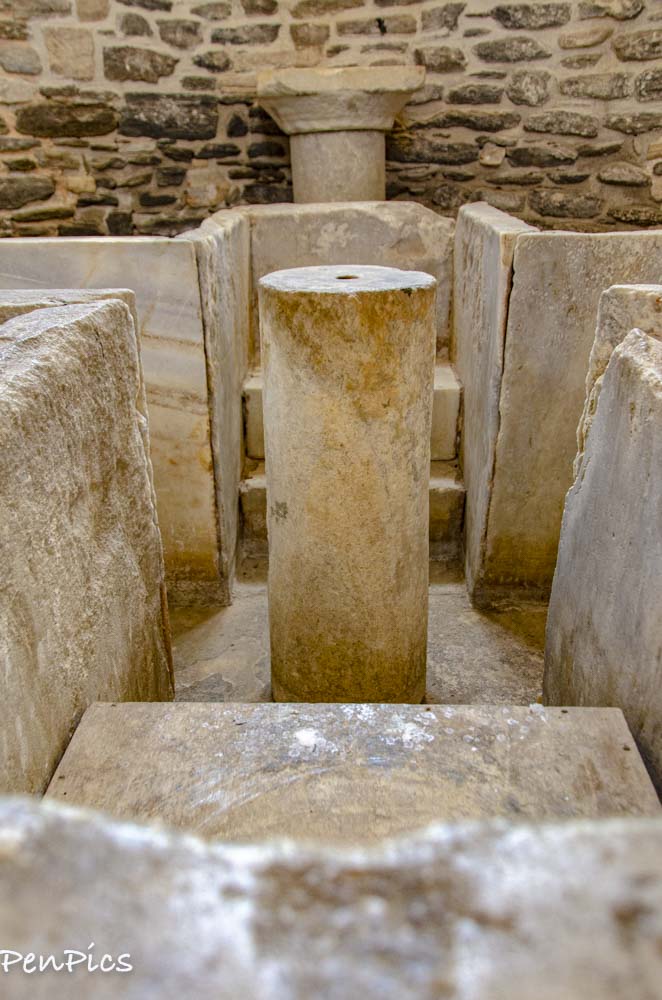
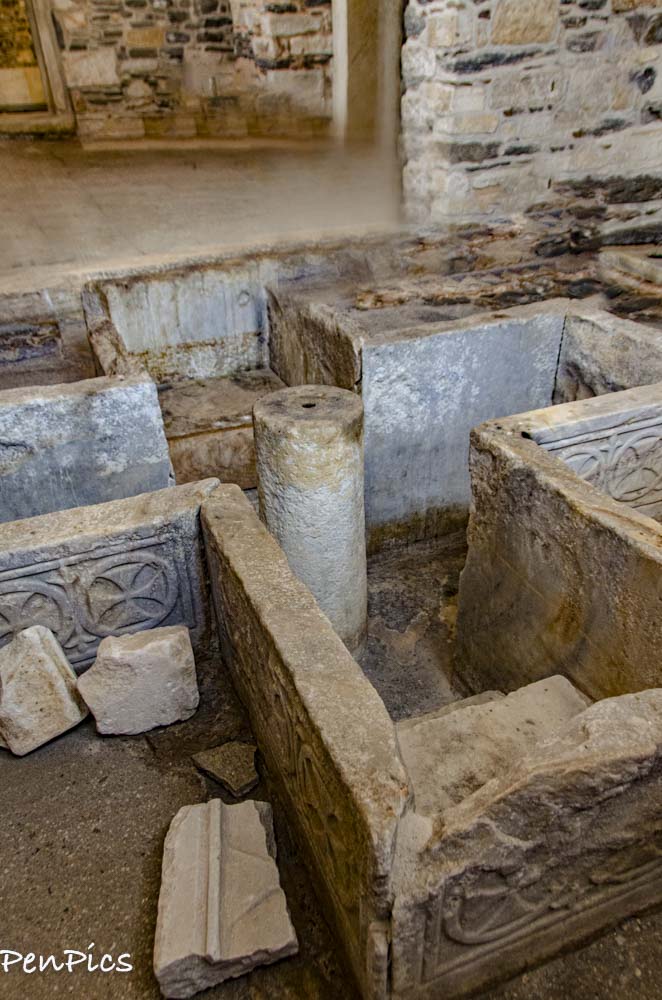
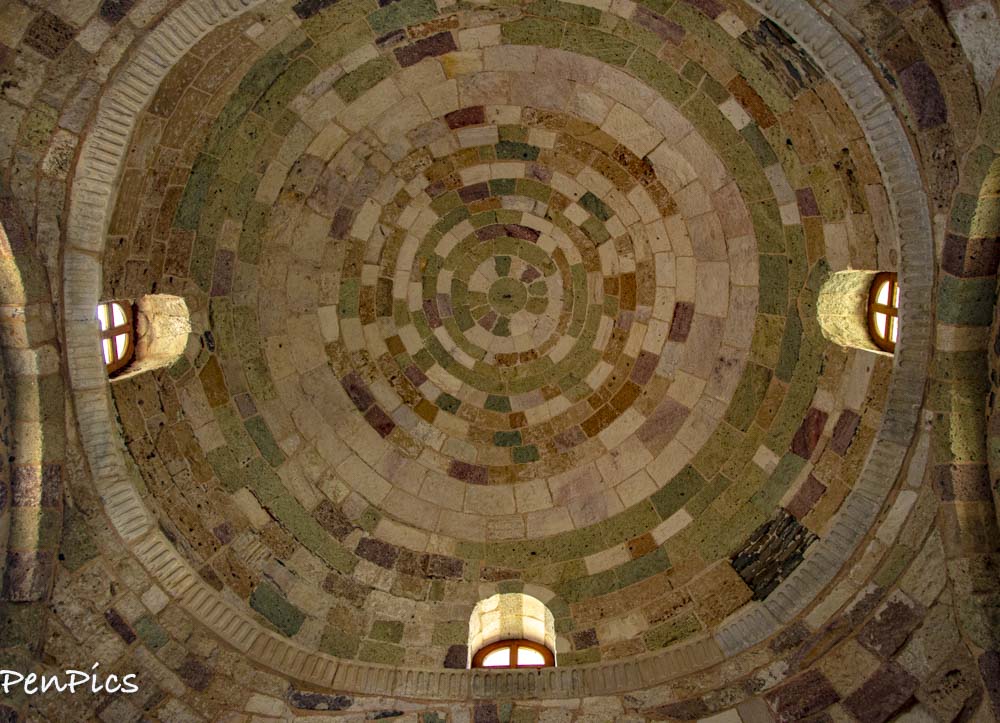
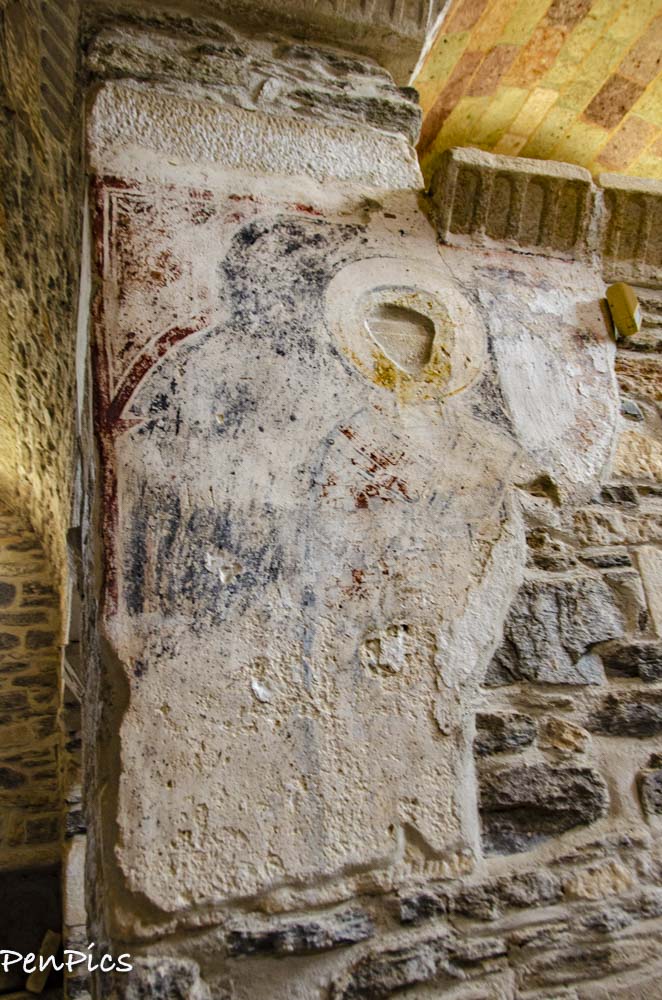
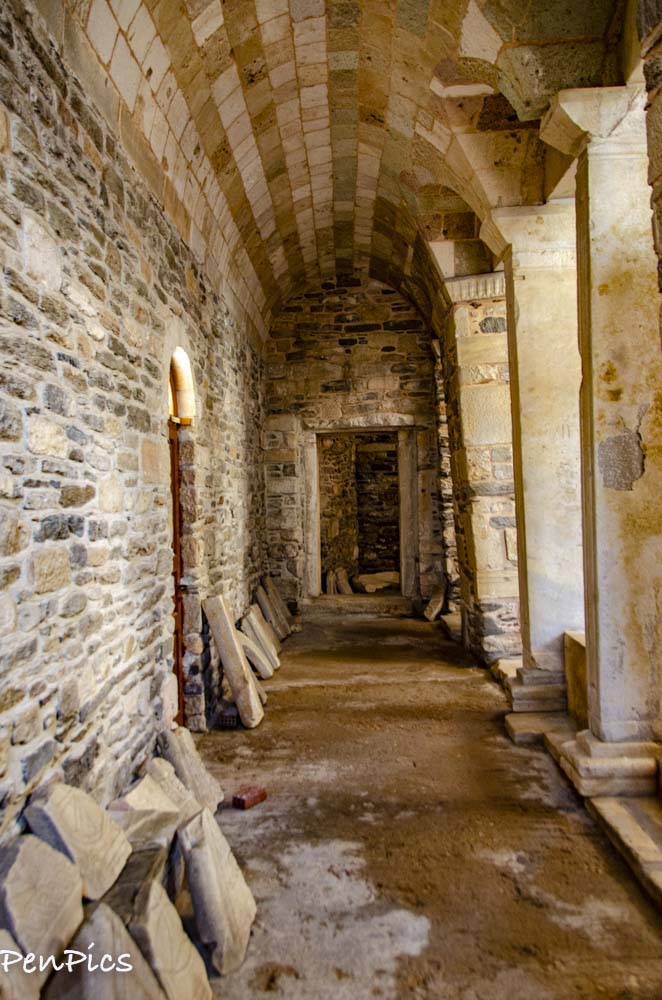
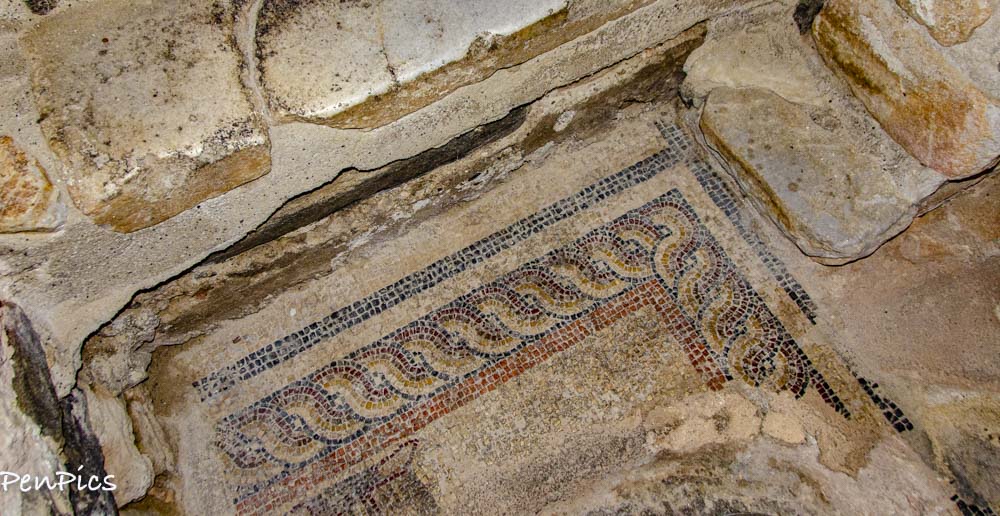
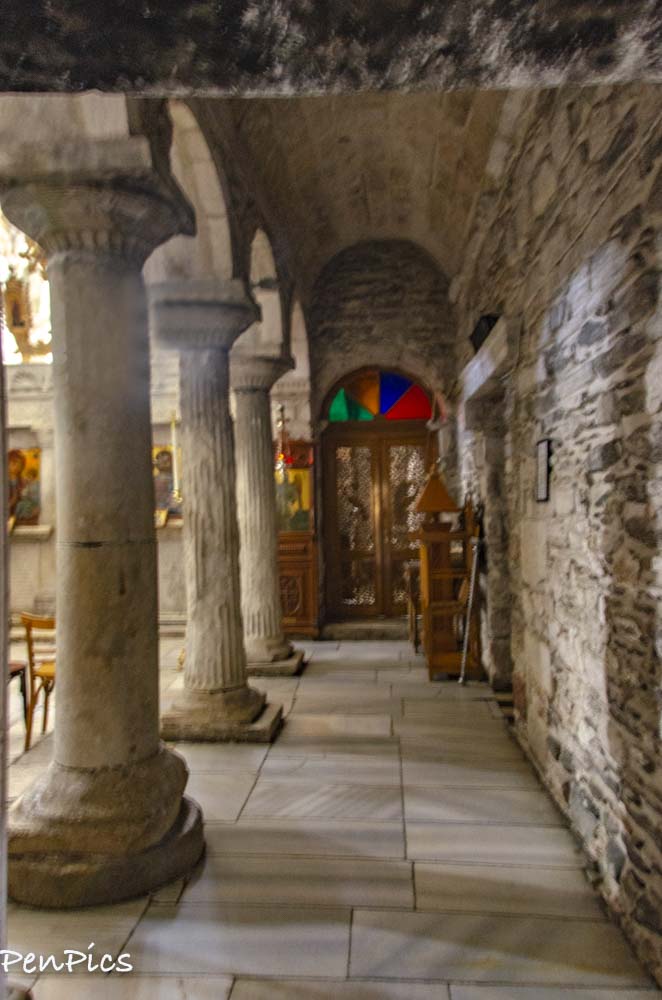
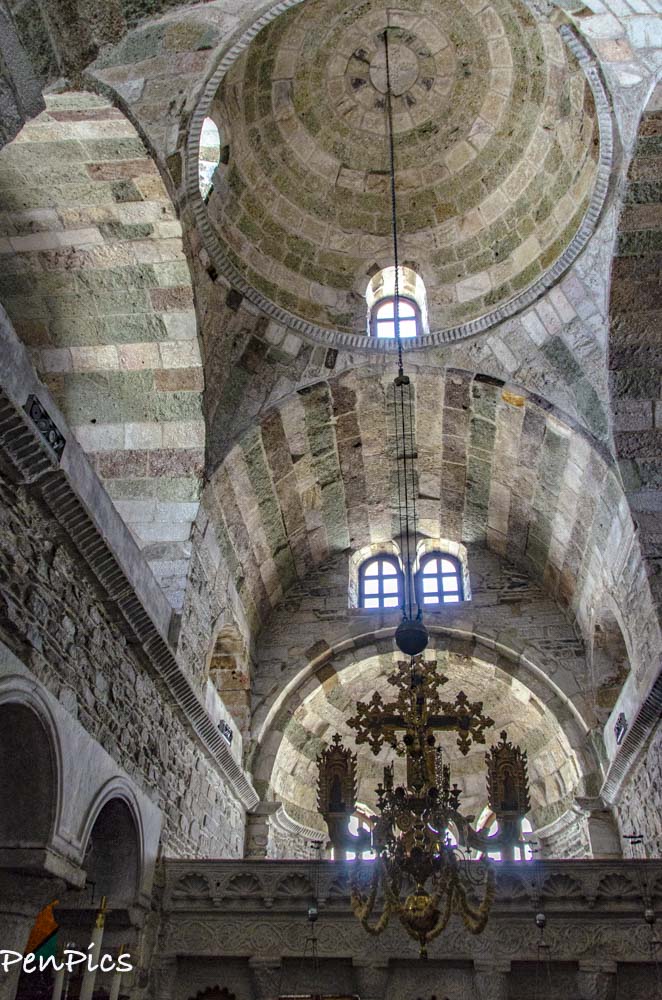

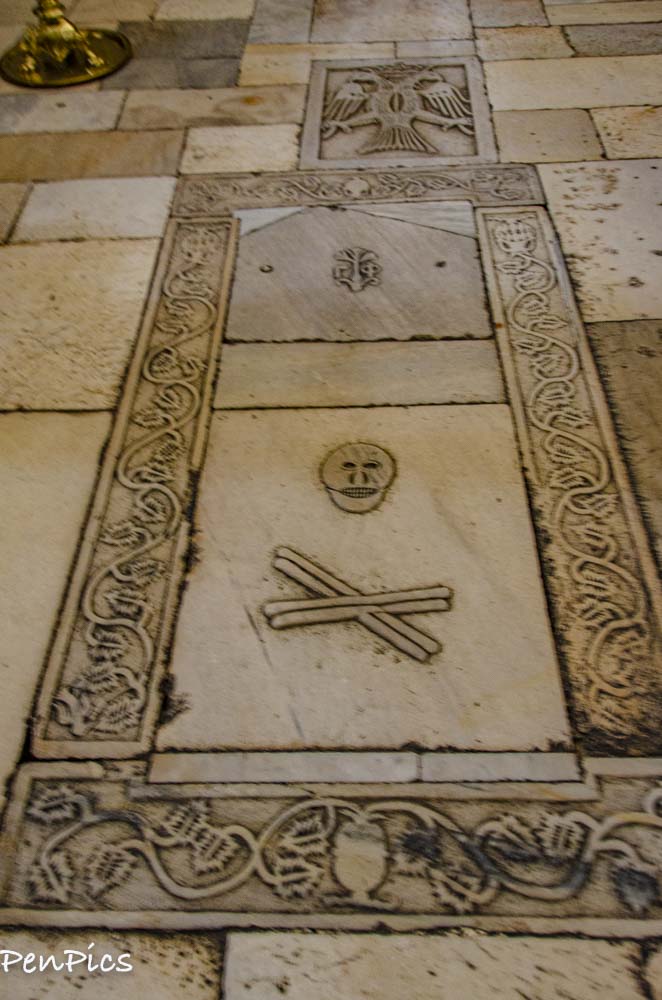
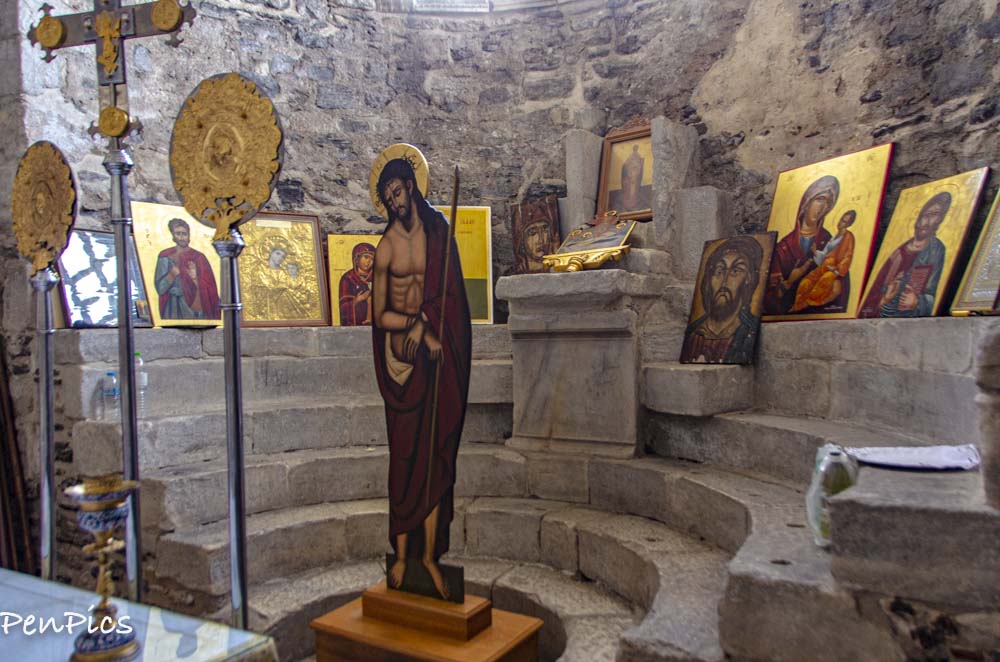
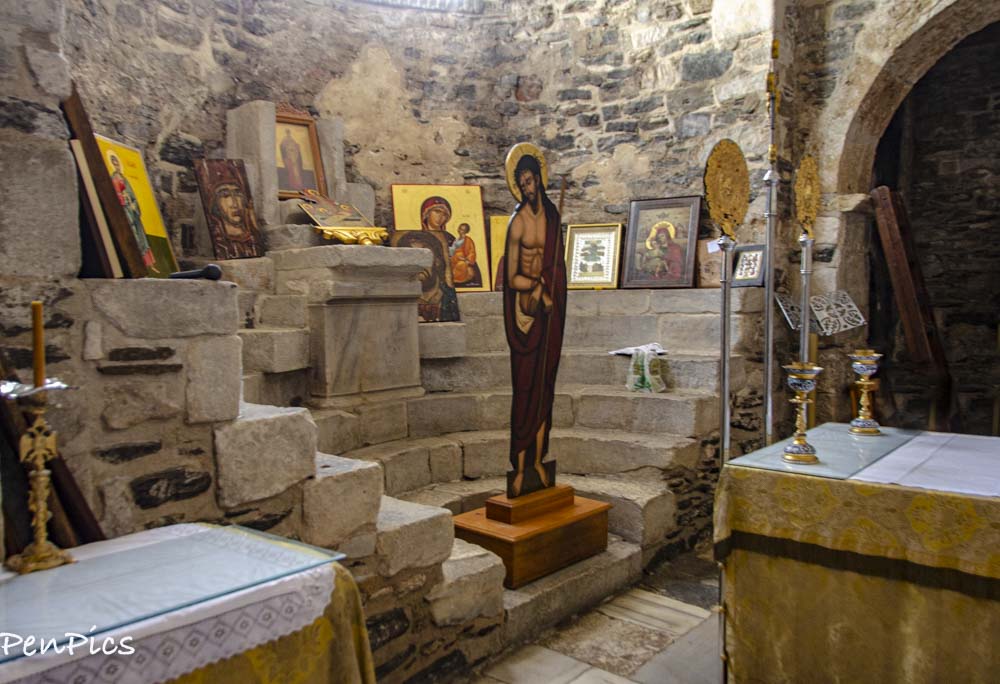
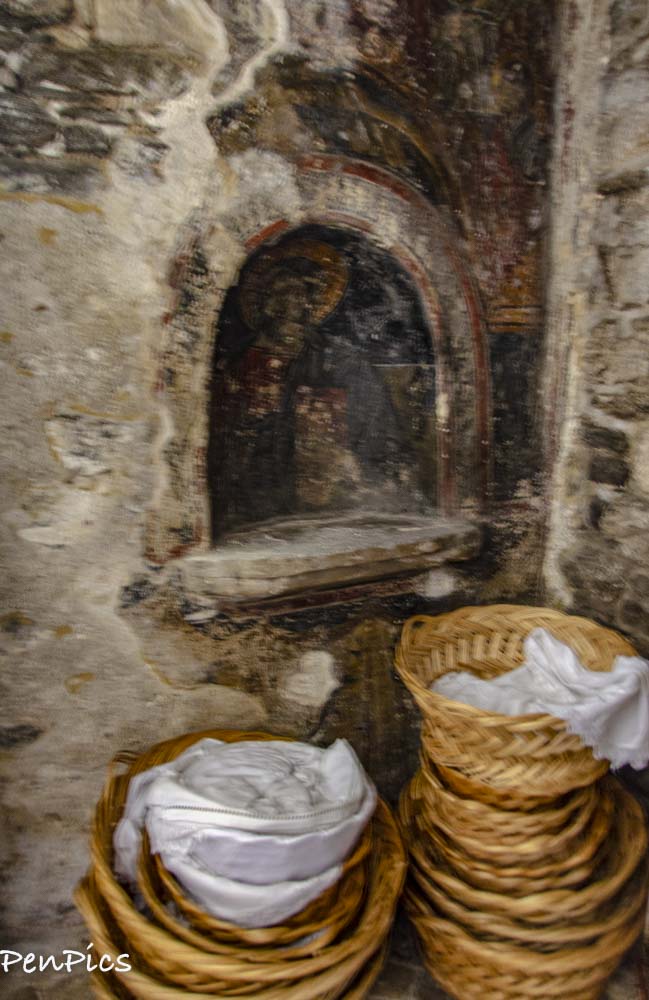
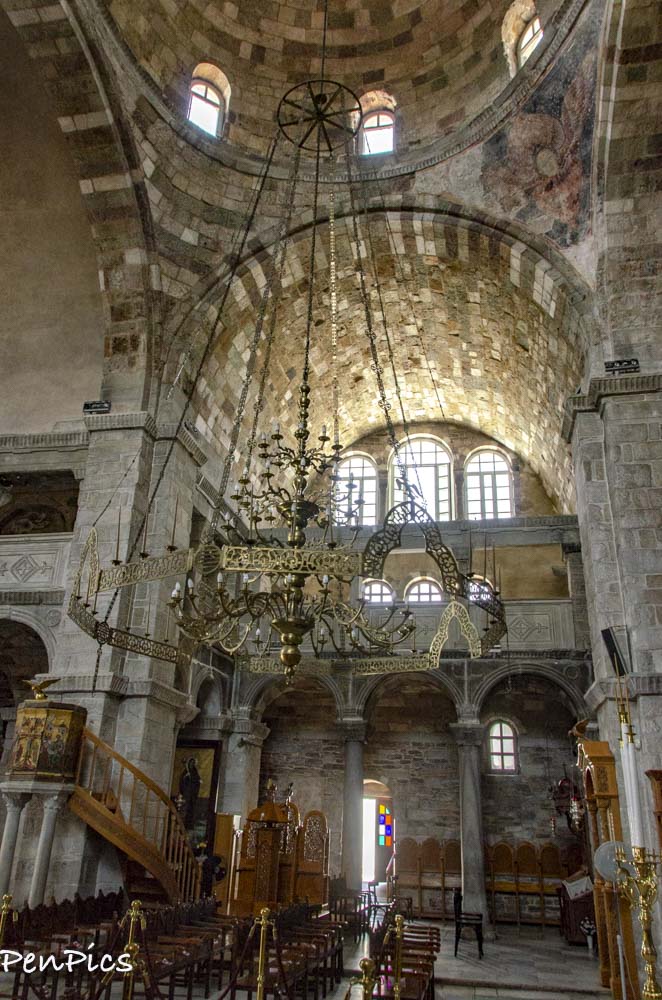

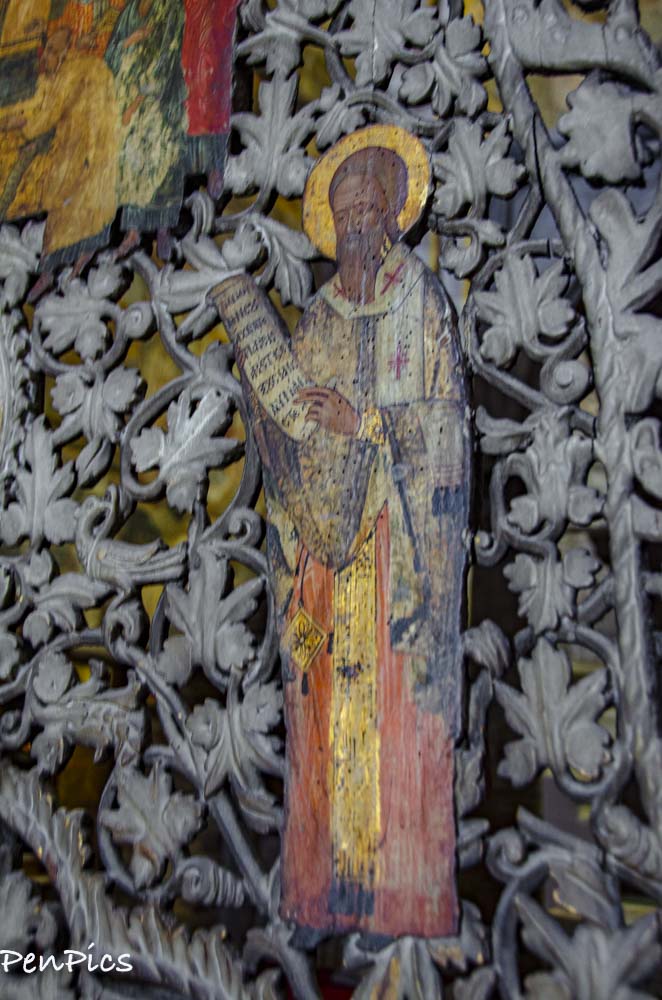

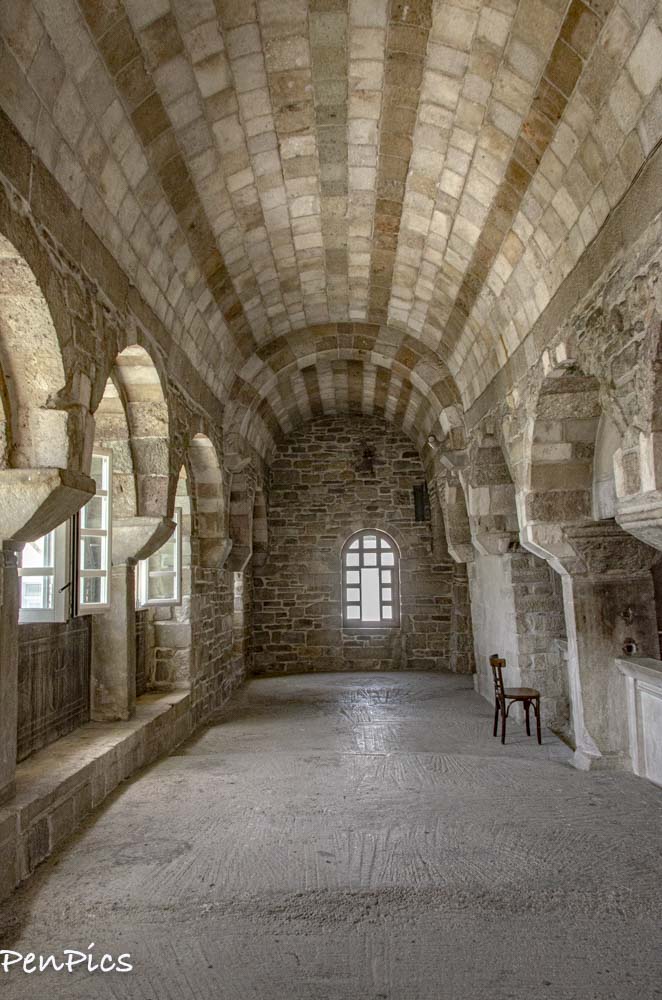

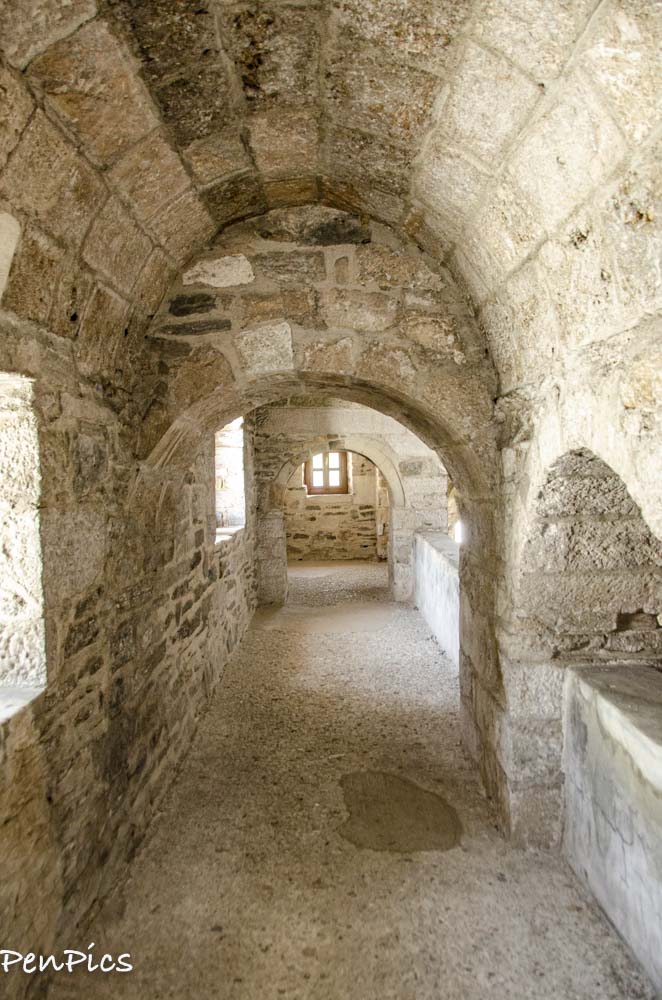
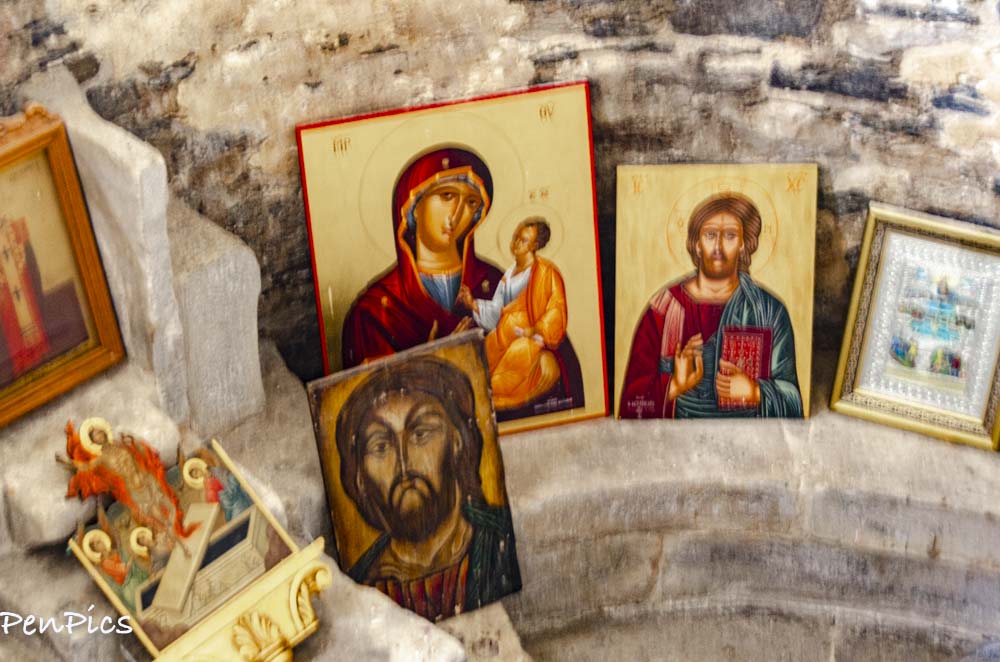
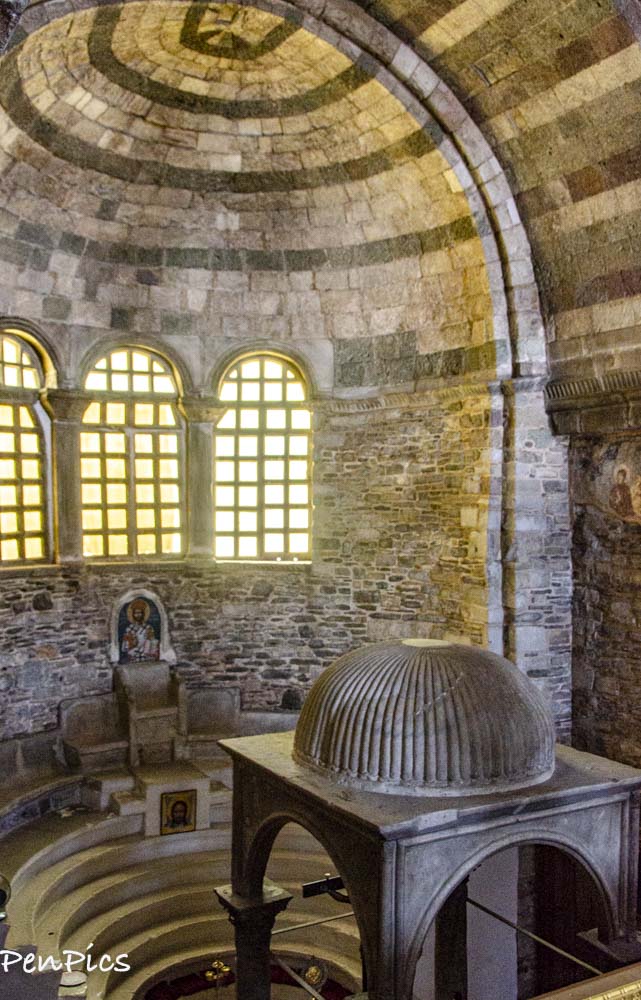
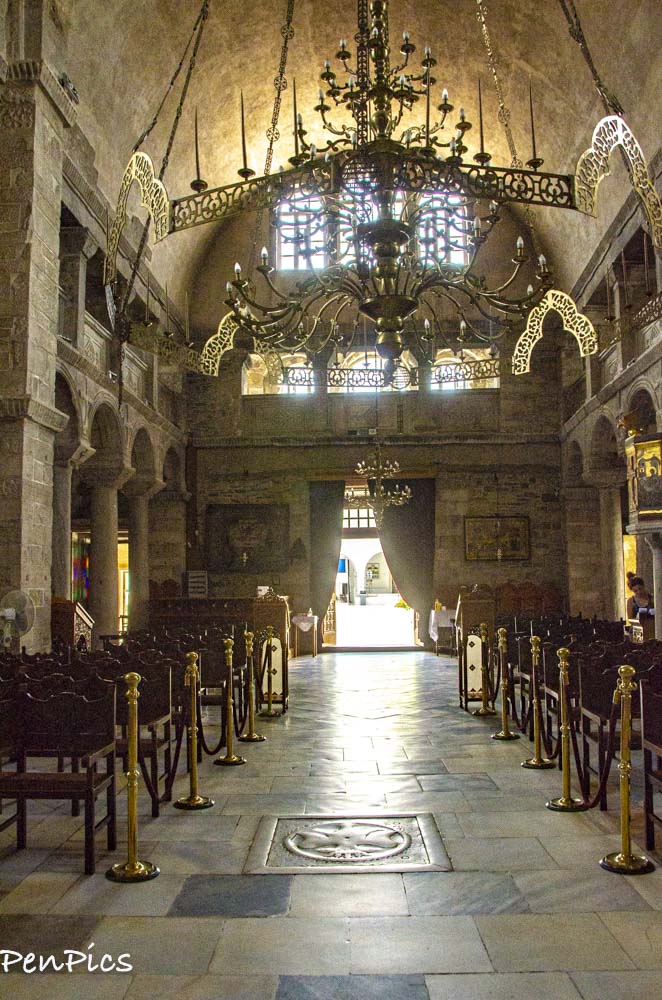
NOTE: this part of the church was inaccessible, behind a locked door. Only because of the second story view, could we see this much of it
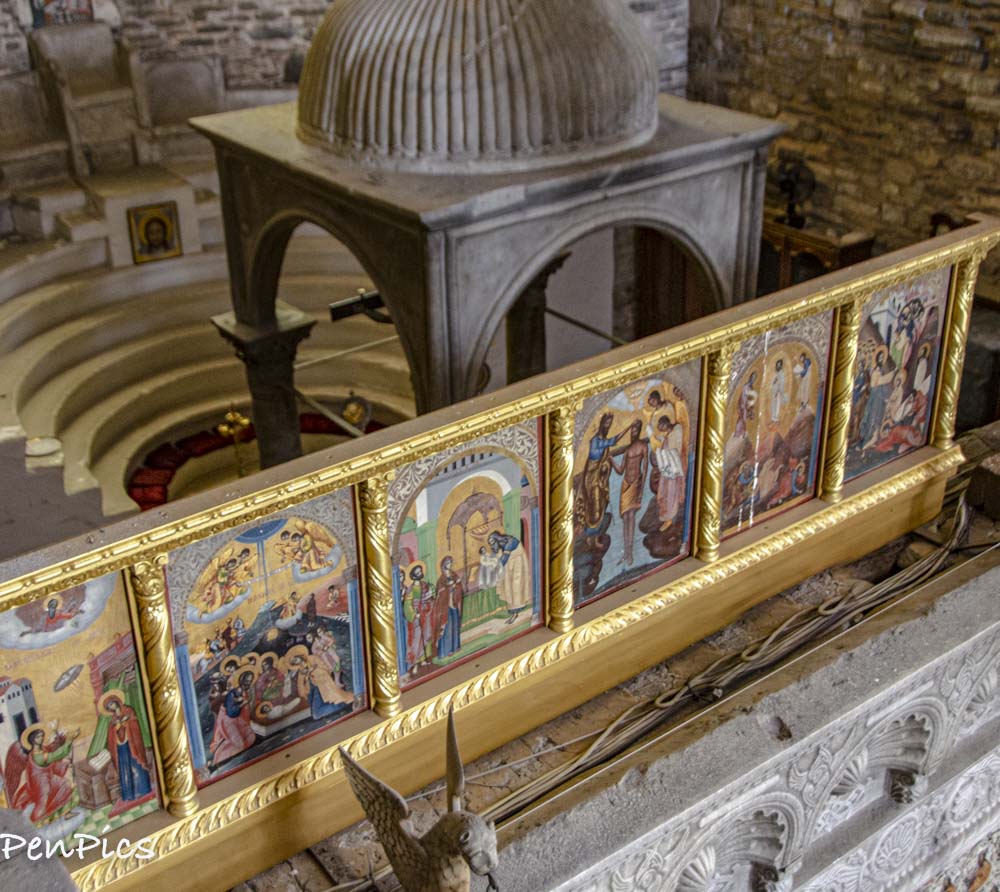
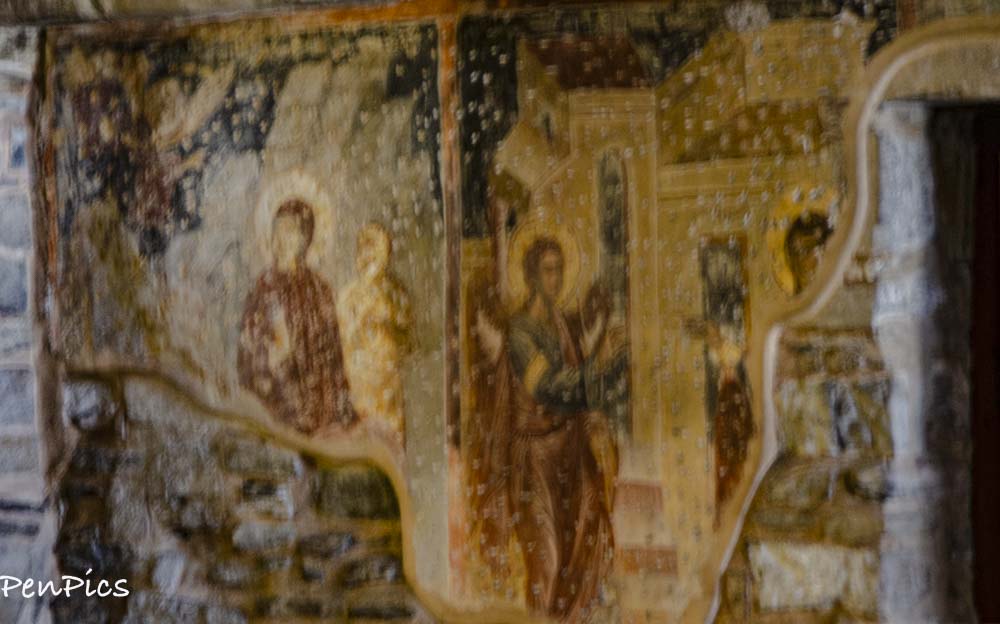
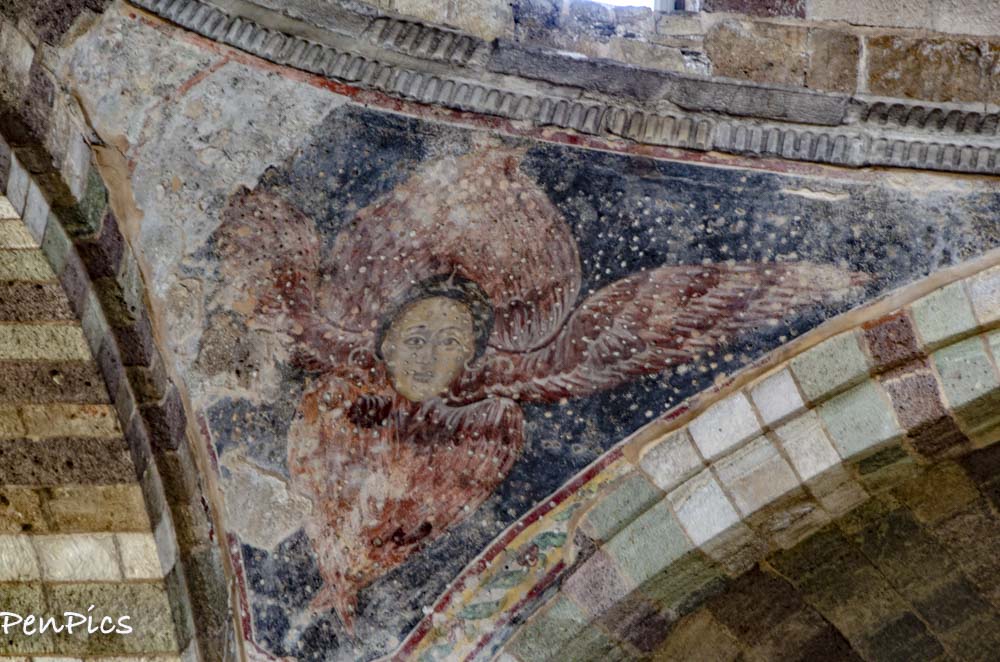

About Us

About Us
Hello and Welcome to our Travel Blog Website, We enjoy writing about our experiences and taking photos of our adventuring along the way. Our names are: Daryl and Pen, but Daryl calls me “Bunny.” We met, quite randomly, whilst both traveling in Thailand with friends. We happened to be in the same travel group, and […]