


“Greece 🇬🇷 ~Northern Tinos Island’s Traditional Old Villages, and Churches”
Tinos is a great island to explore. It has a little bit of everything, and more, than most other islands we have seen. having traveled and visited all 21 Spanish Missions from Souther California to Northern California in the USA, all the old churches, monasteries, (close to 1,200, I read) were really fun for us! Granted, we barely put a dent in seeing the many churches on this island, but we are pleased with what we did get to see, especially since most of them were closed for viewing, inside.
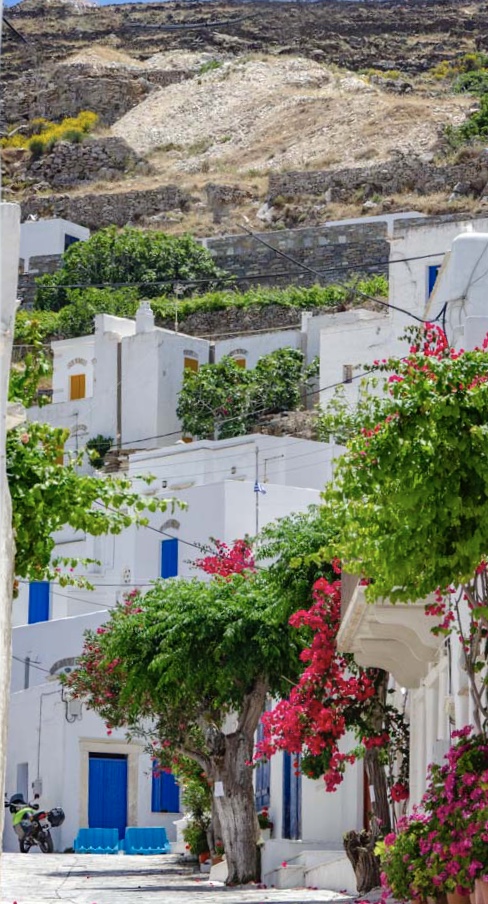
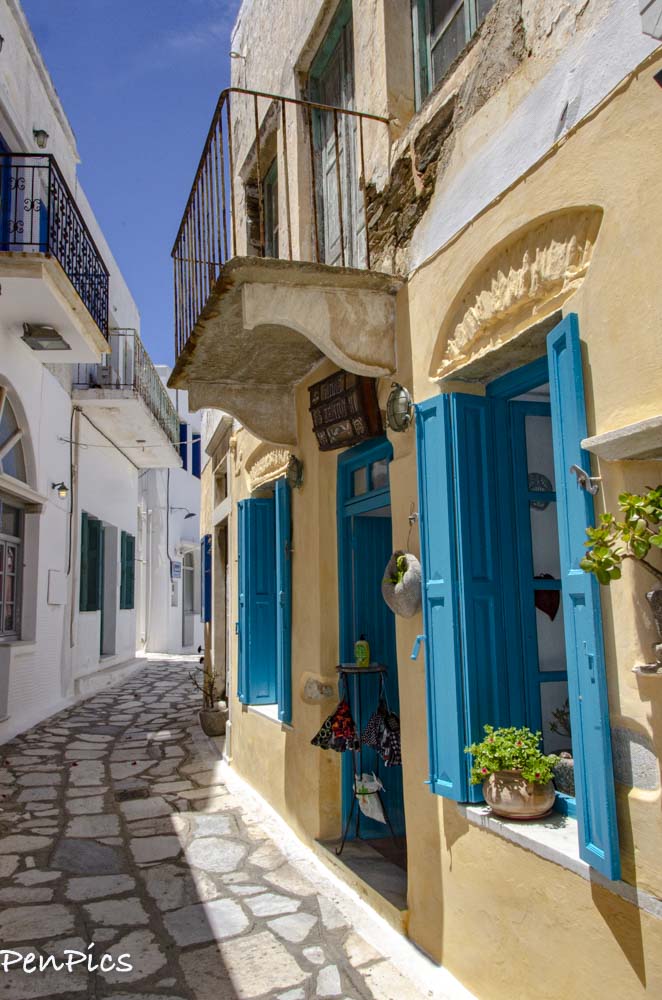
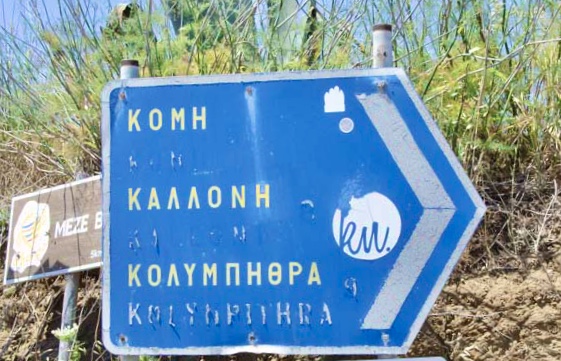
I read in my research if the island villages, there are said to be about 14 amazing old traditional Greek Villages. We found this number to be very low. While it does get a bit confusing, all the villages in central Tinos, and keeping their names straight; because the signs were mostly Greek, they are pretty close together, and defiantly worth the time to walk through. In Northern Tinos, the old villages are spread out quite a bit more, and slightly easier to figure the names out, because we saw more English words. All in all we have visited about 20 villages or more with great effort, but oh so worth it. The old villages are so charming, quaint, tastefully created and so pristine!
We’ve gone at it pretty hard these three days, and that’s about all it took for us to everything we wanted to see around the islands. The next few days will be spent returning our rental car, buying ferry tickets to Naxos Island, then relaxing to catching our breath. Daryl has done all the driving around the island, and has done a wonderful job. I appreciate him so much!
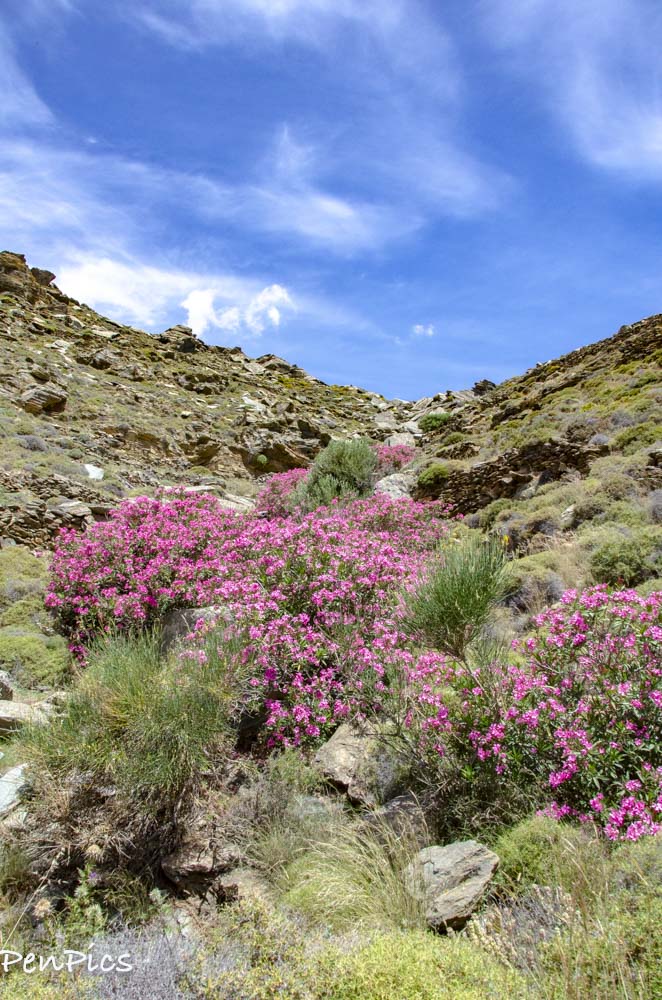
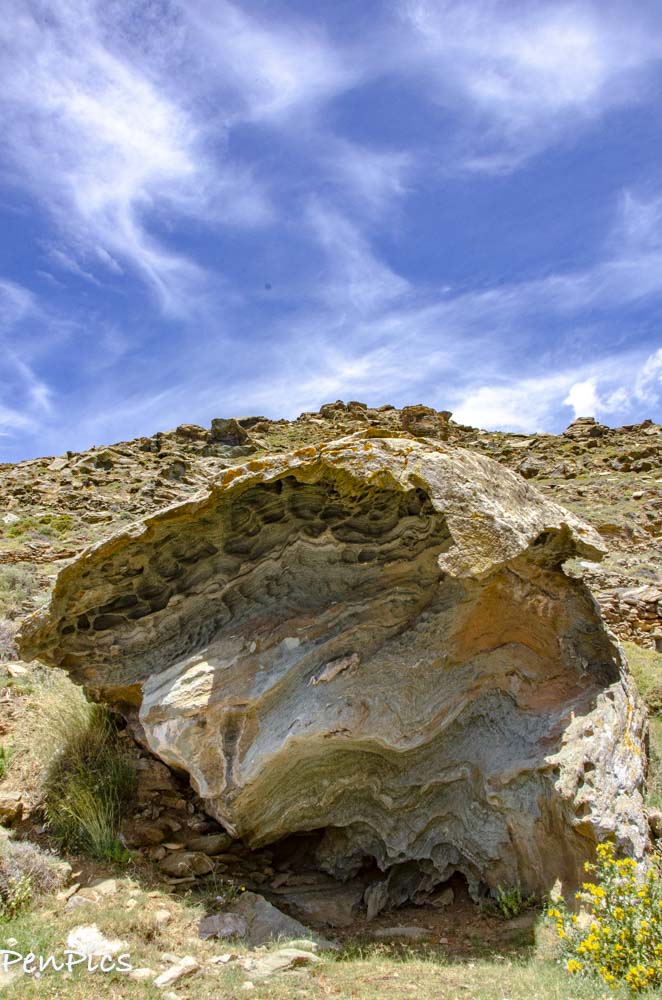
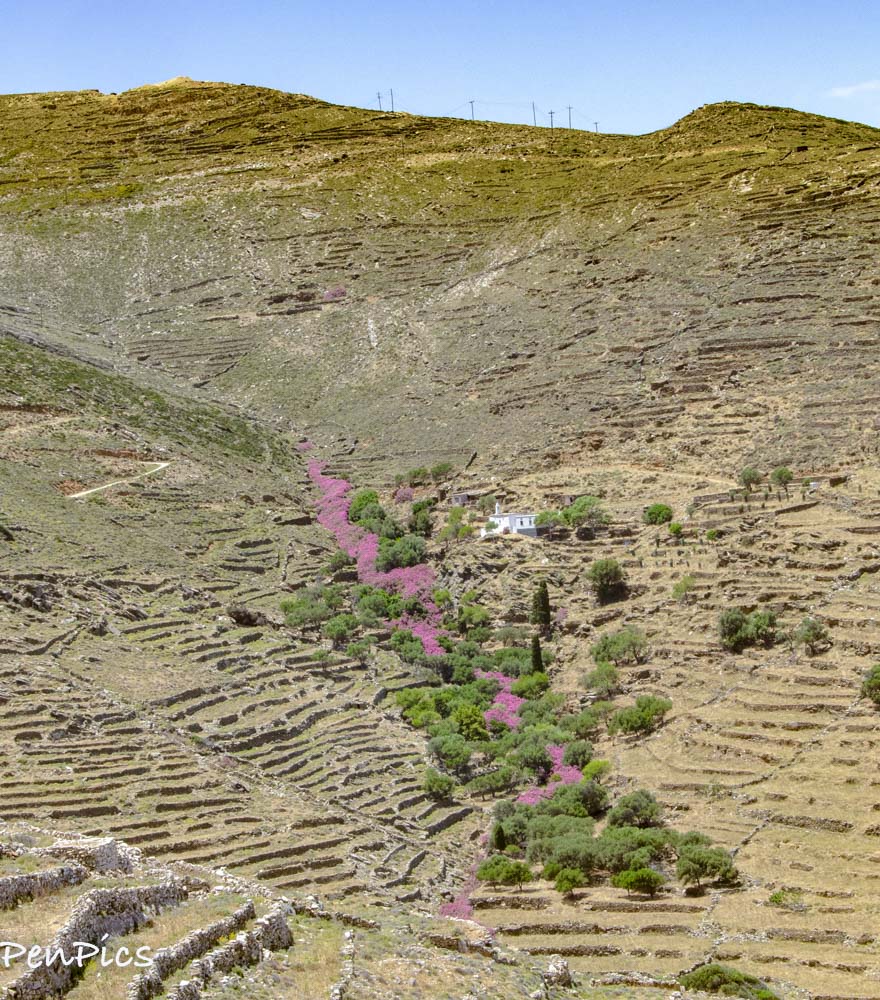
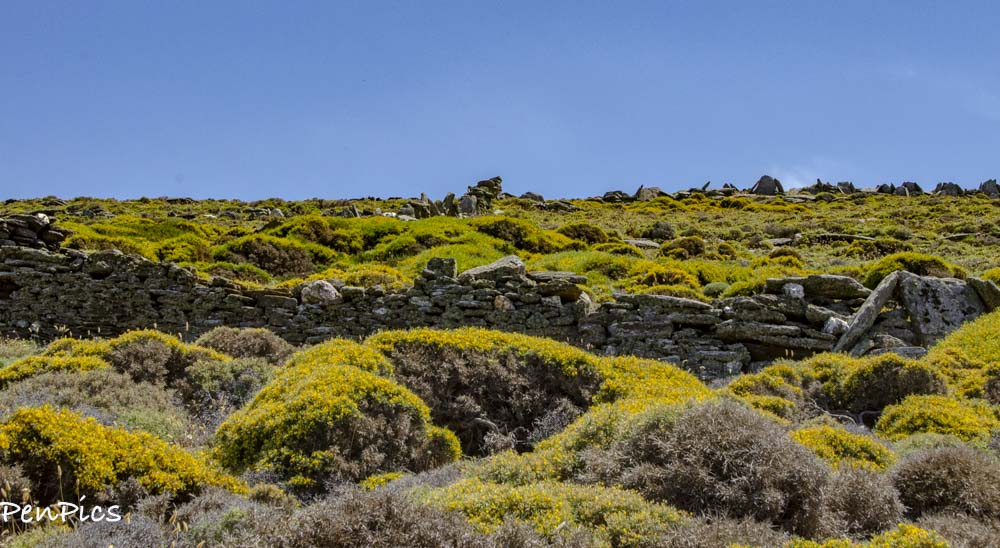
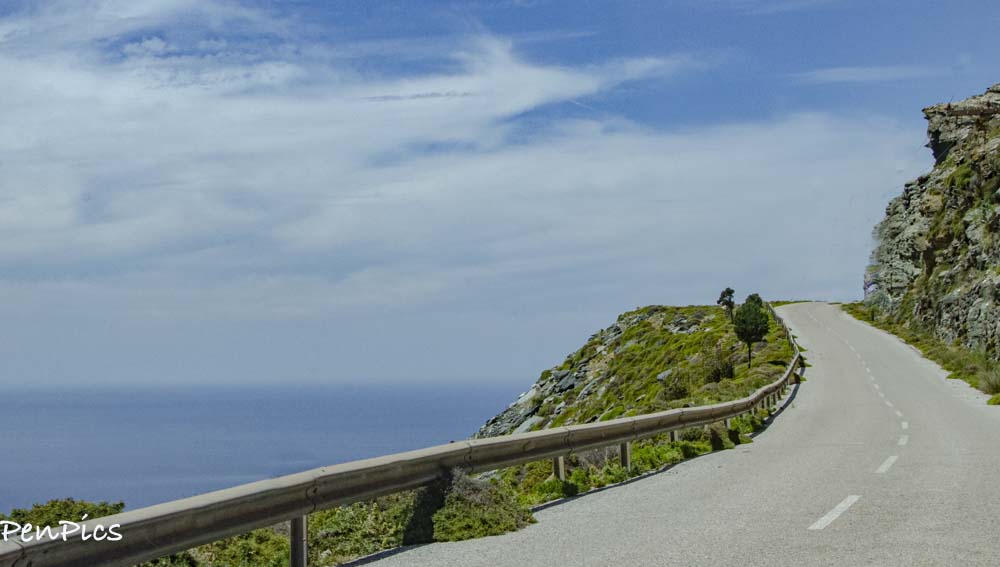
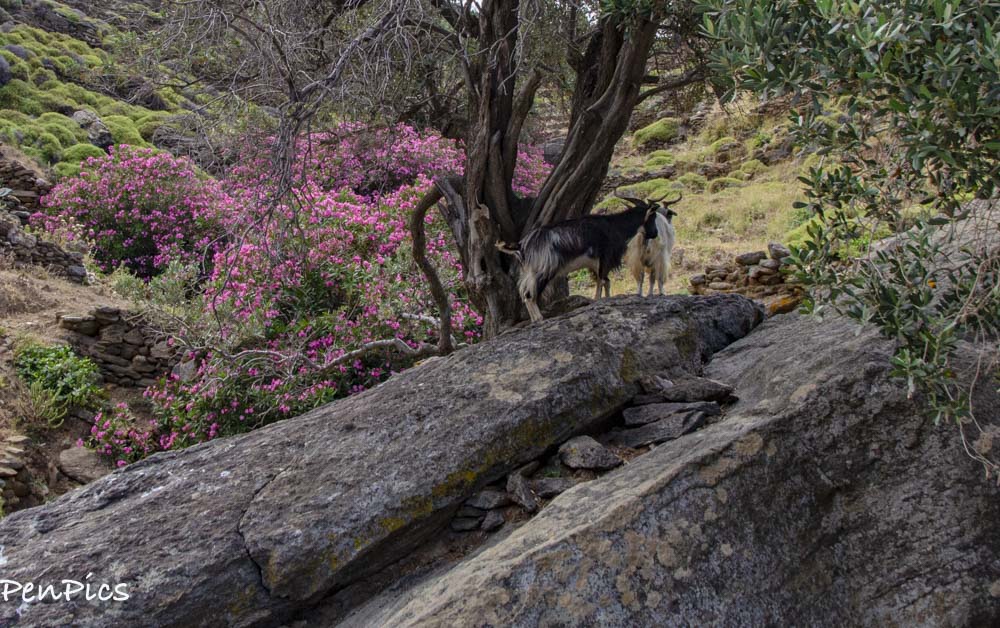
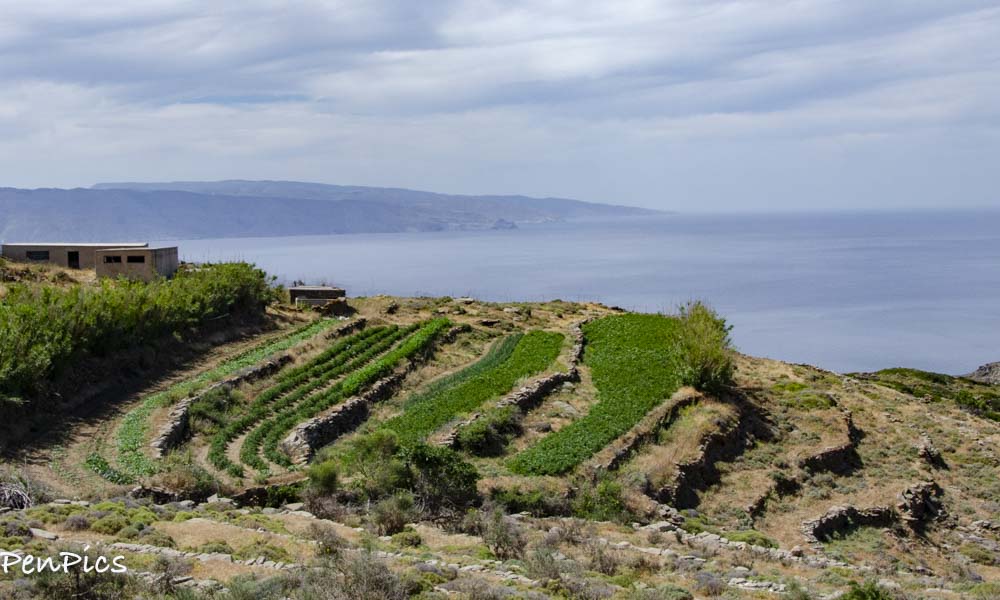
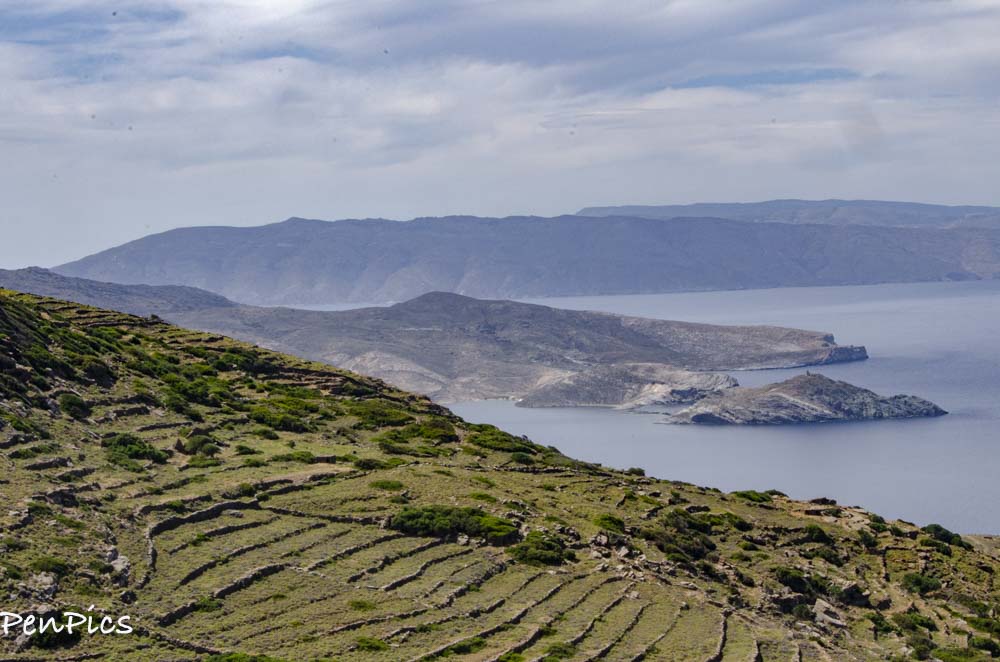
The first dozen photos are a mix of scenic photos from our touring this beautiful island, then the photos begin with our village and church stops.
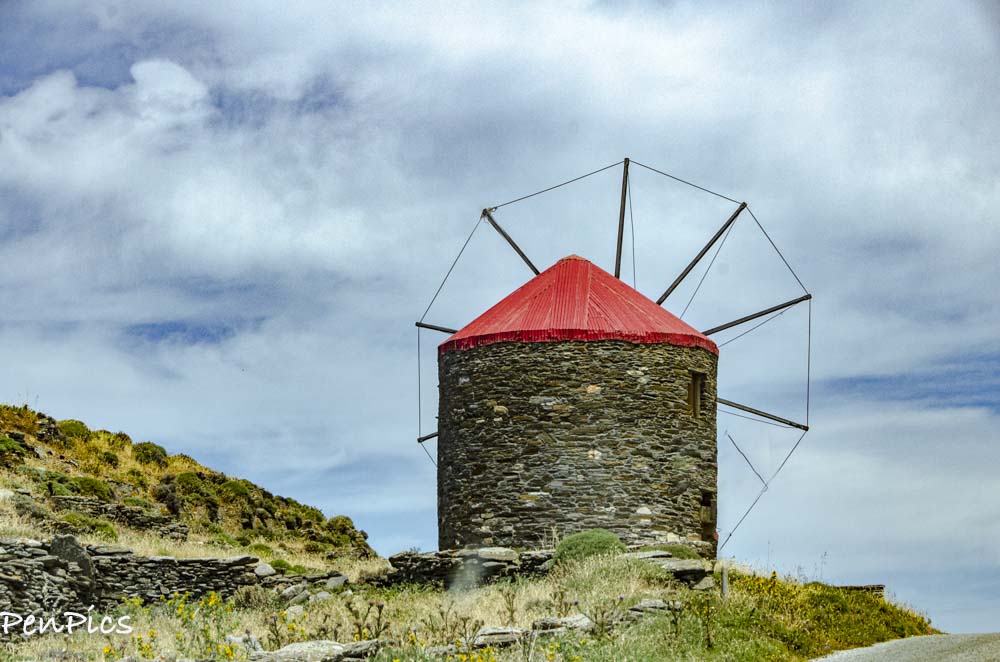
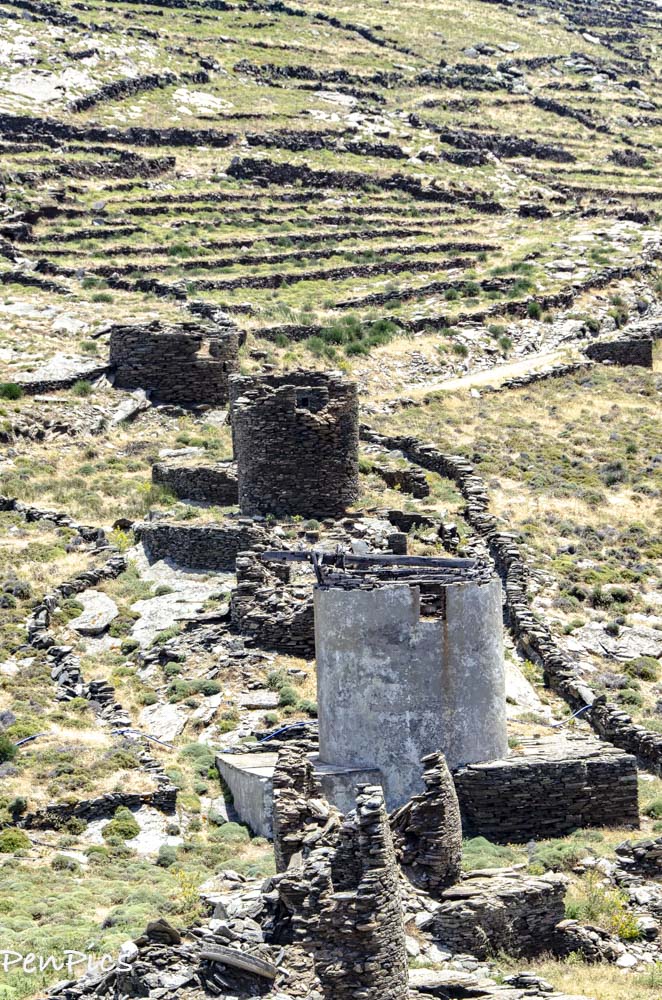
They are built from local stones, on hills’ peaks and at passages, so that the wheat could be easily transported from the nearby villages to the mill. The building is divided in three sections; at the last one and highest, the milling was done. We can encounter them in clusters or individually all over the island. On the hill overlooking the village “Ysternia”, many windmills are grouped together, due to the fact that there has been a developed flour export industry in the past, the merchandise being exported through the little harbor of the village. However, there are many windmills all over the island, for domestic use.
The milling went on also during the Greek war of independence for the alimentation of the Greek fleet, and afterwards, during peaceful times. The windmill operation coincided with prosperous times, when milling meant that everything was going well for the country and its economy.
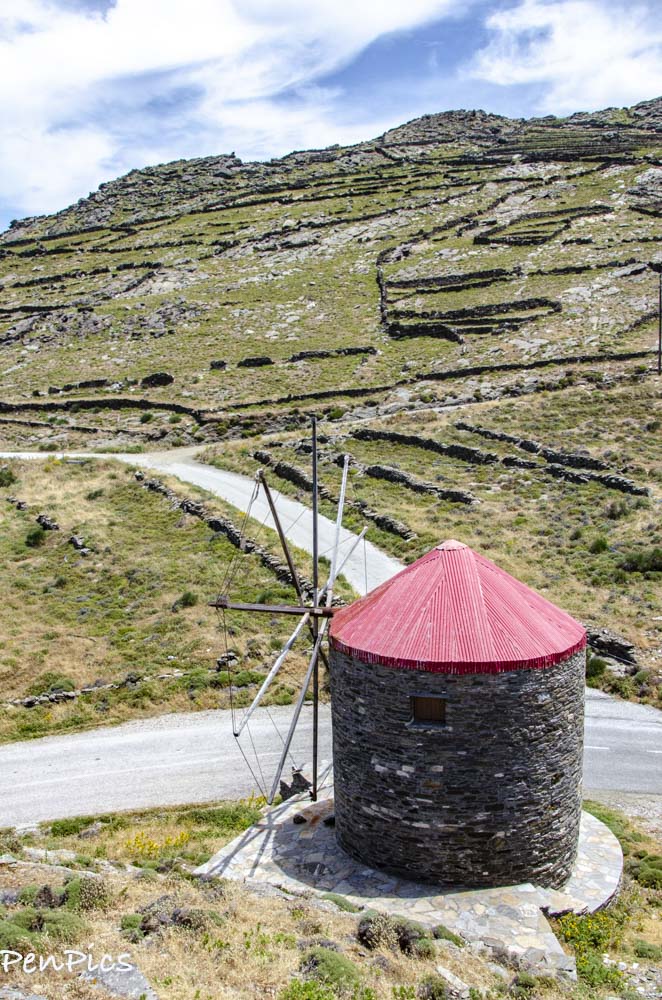
all number of mills that have survived until today, are considered as examples of art and the local craftsmen’s ability. Being now remnants of passed centuries, the windmills justify the connection of the island with Aeolus, the god of the wind.
The Tinian windmills have eight wooden rays, on which the masts are tied, rotating according to wind strength and direction. For their construction only local materials are used, except for the millstone, which was imported from Milos island.
The miller’s profession was hereditary. The millers are considered as the best amateur weather-forecasters. Like the sailors, they knew the winds on the island, and that is how, after enough consideration, they chose where to build their windmill. Furthermore, so as to ensure that everything was progressing well, they preyed to the Saints, like Saint Nicholas patron of sailors, Saint George and Saint Minas, hanging their icons in the mill, high under the wooden beams.
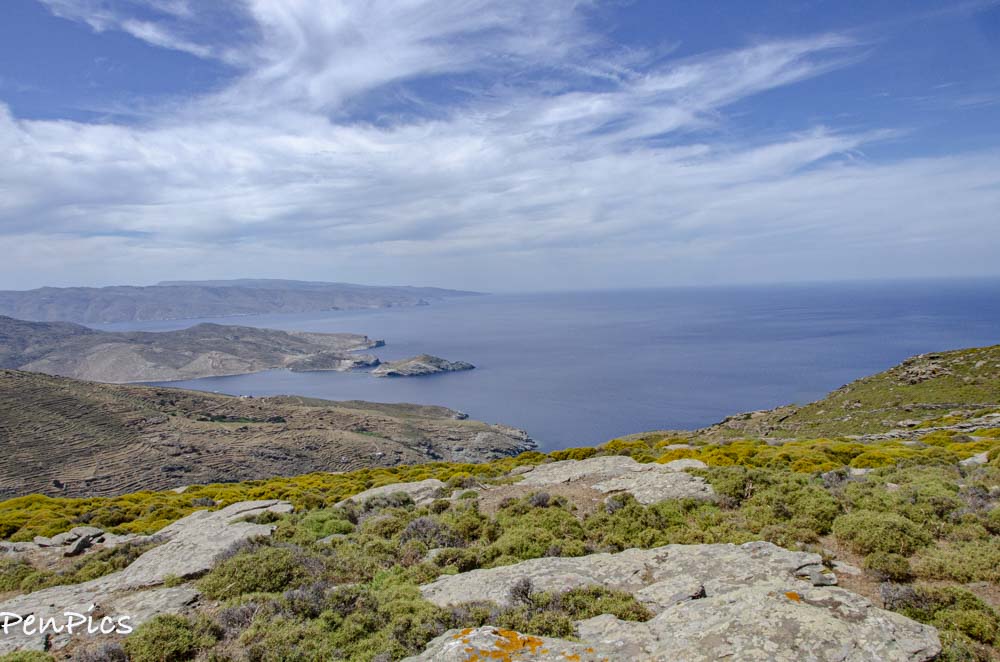
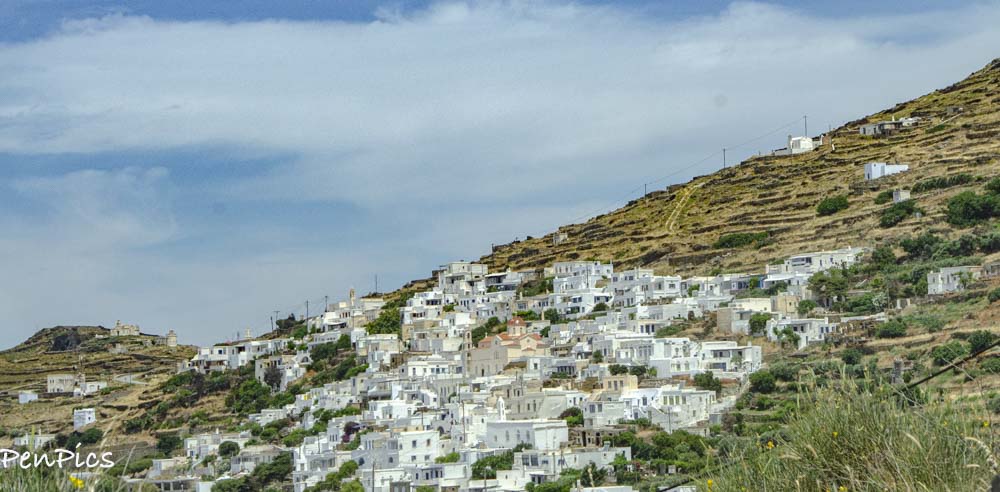
is one of the largest villages of the island, is located in the Northwestern part of the island..The settlement was known since 1600 and reached its peak in the early 20th century.
The name “Ysternia” probably came from its position, as in the past, it was the last village where the main road of the island ended. According to another version, it is due to the large number of cisterns in the village.
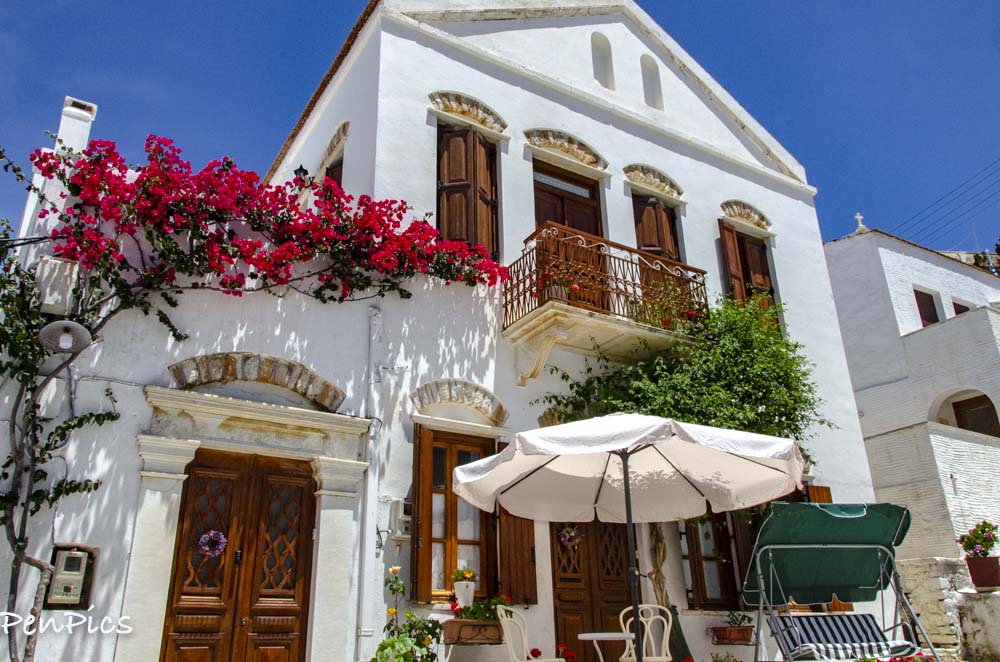
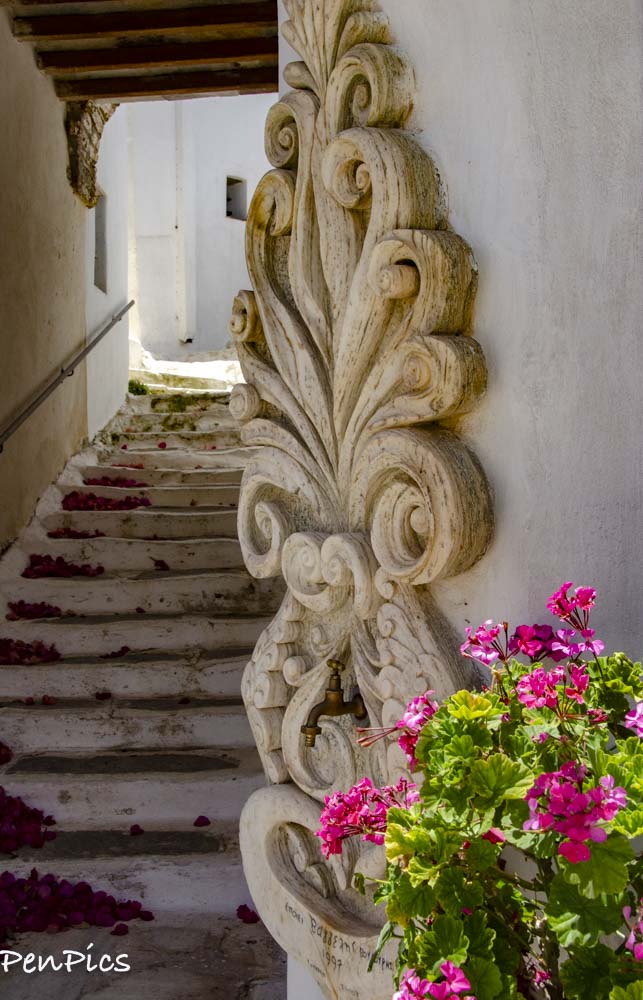
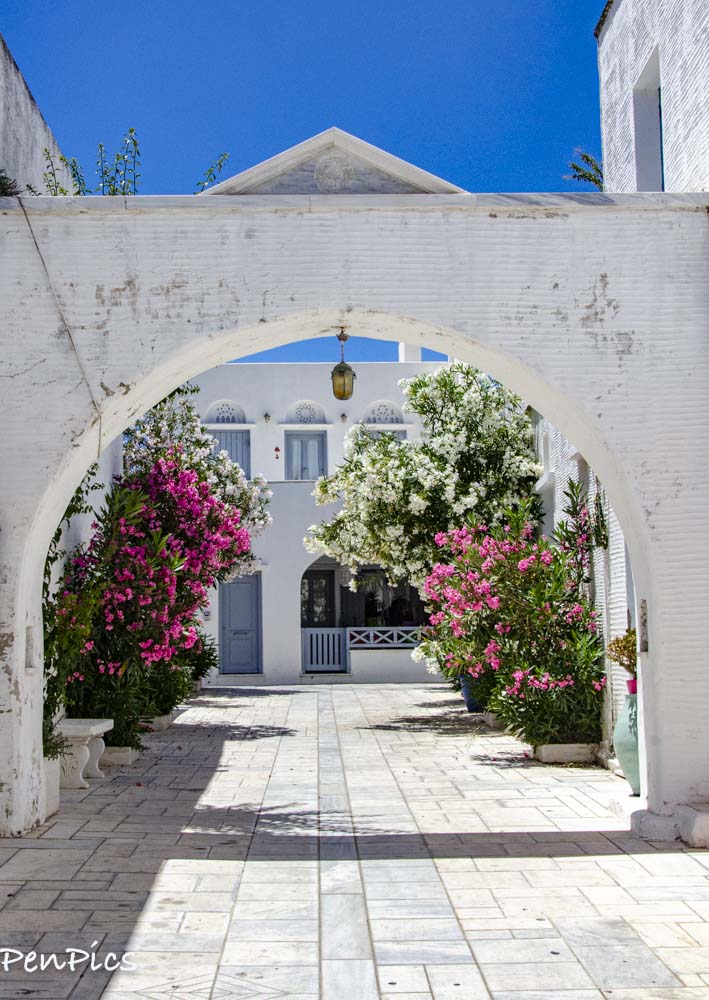
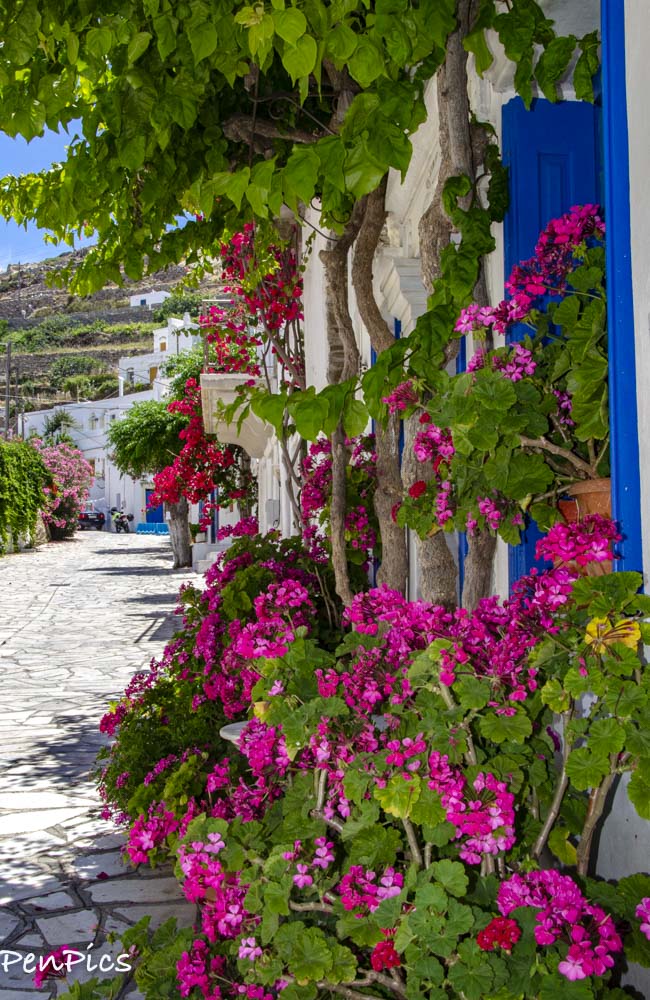
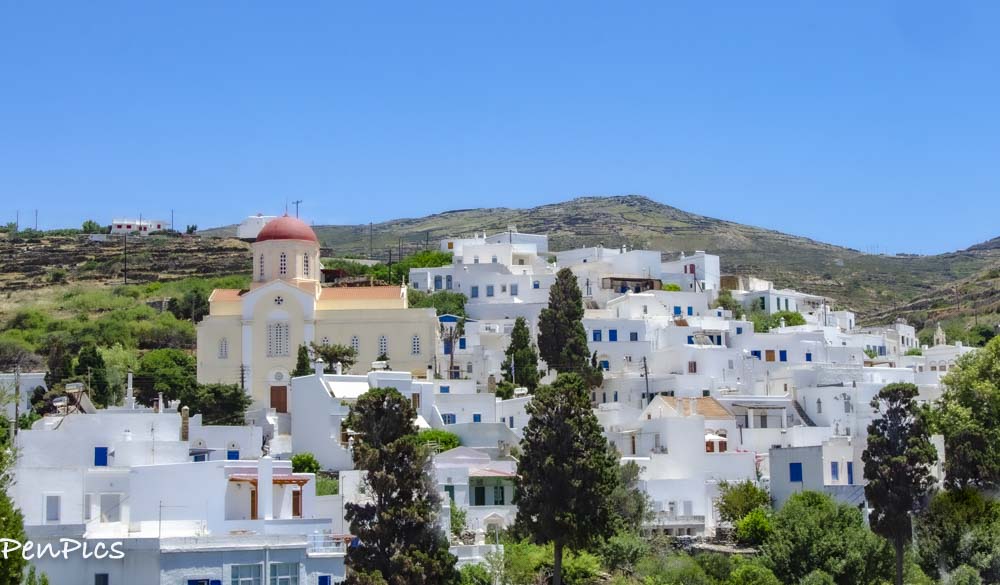
Built amphitheatrically on a beautiful natural site, on the slopes of Mount Meroviglia, Ysternia is a small settlement with marble-paved lanes, two-storey houses as well as fine marble lintels and picturesque arches shadowing the narrow paths. It was one of the major centers of marble art and produced notable sculptors
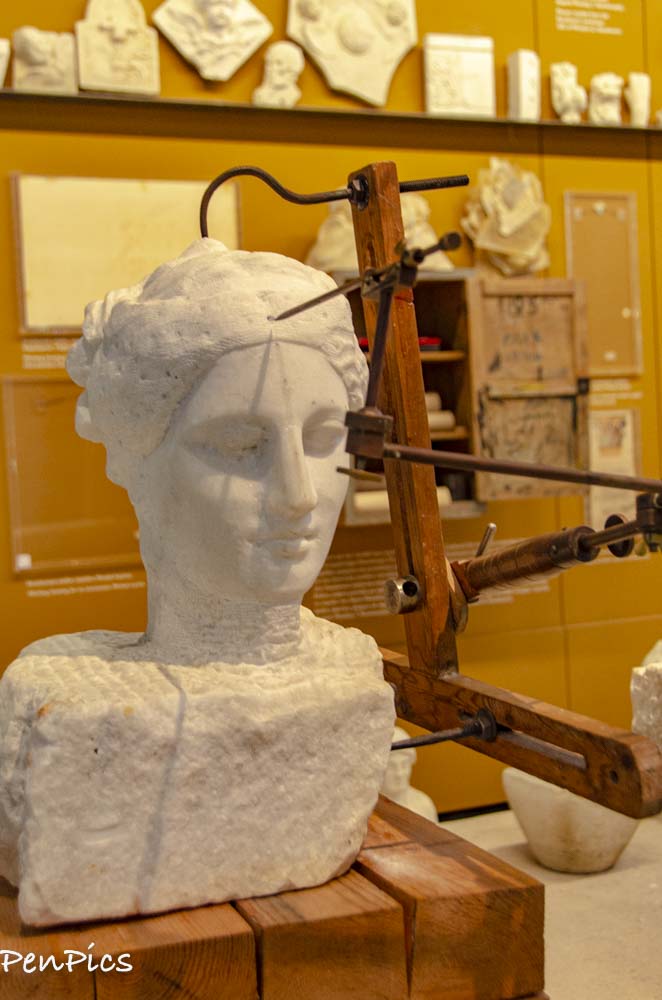
It is worth mentioning that Ysternia is the birth place of many famous Greek sculptors like Vitalis, Latena and Sochou. For them and many others the village has founded the Museum of Isternian Artists where works and biographies of the artists are displayed. The entire village is an exquisite example of fine marble sculpture.
The marble plaza Glynos (1927), the old elementary school (1931), the churches of Aghia Paraskevi (1892), Holy Trinity (1816) and St. Anne are representative samples.
In the major area of Ysternia, there is the monastery and the church Katapolianis (where the Second discovery of the sacred image of Tinos Evanggelistrias took place).
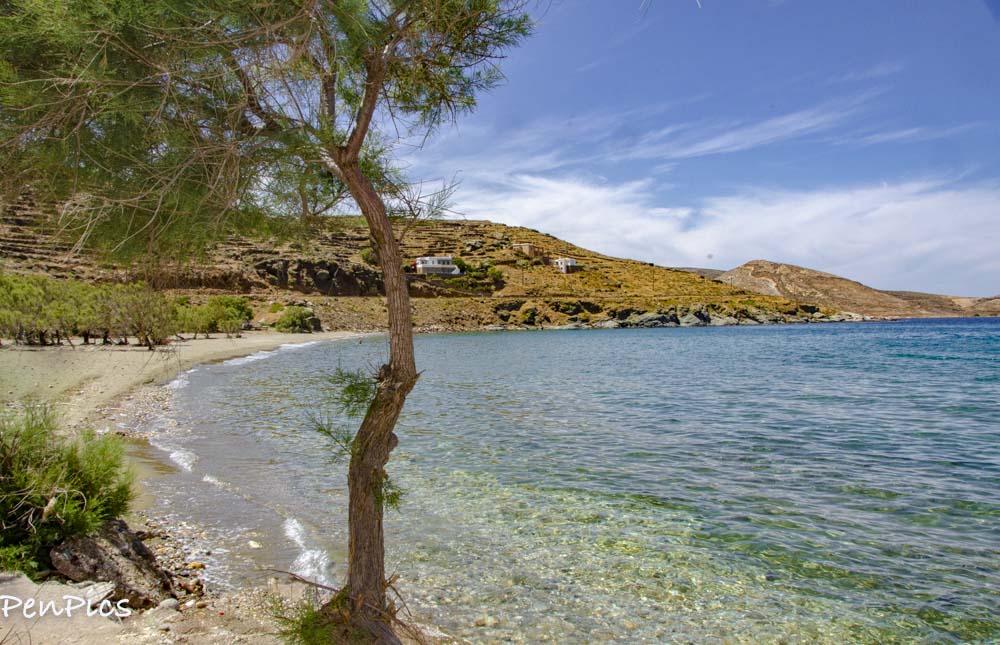
Ysternia also include Isternia Bay, which is one of the finest beaches on the island.
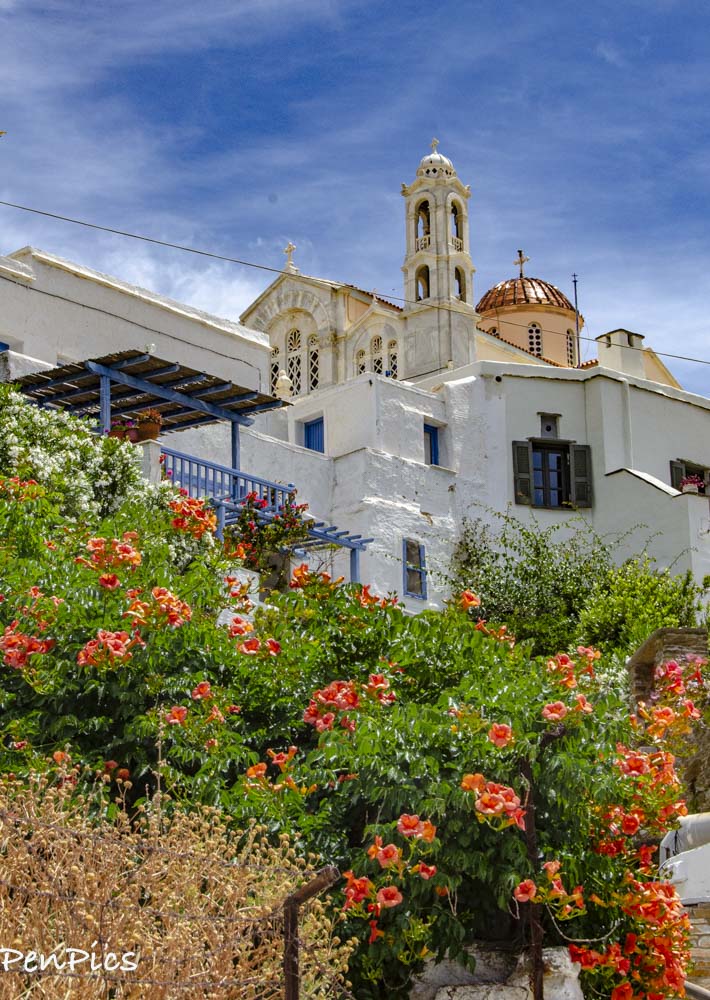
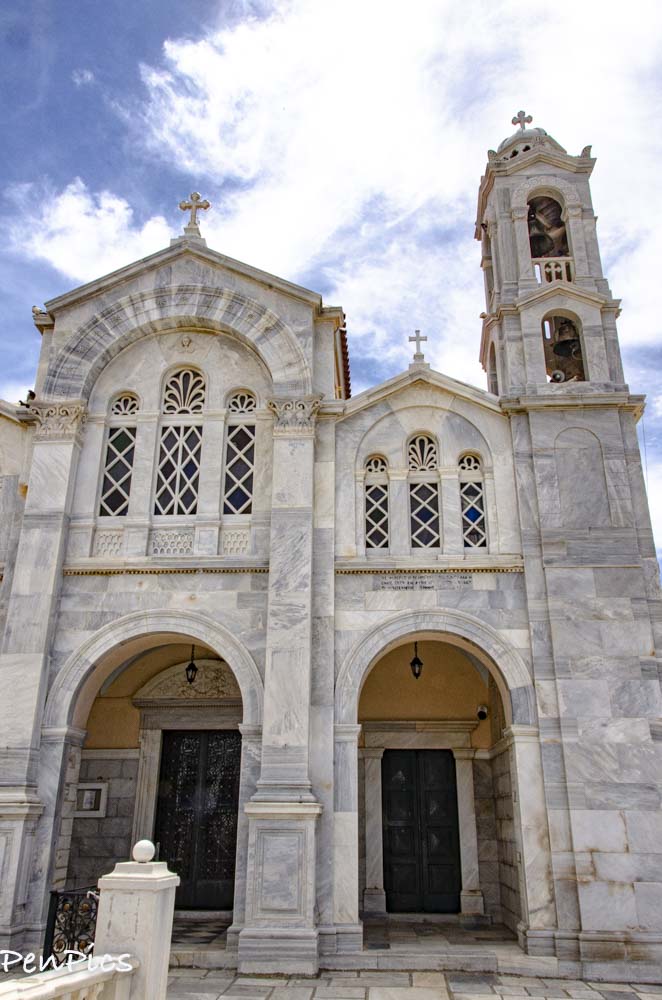
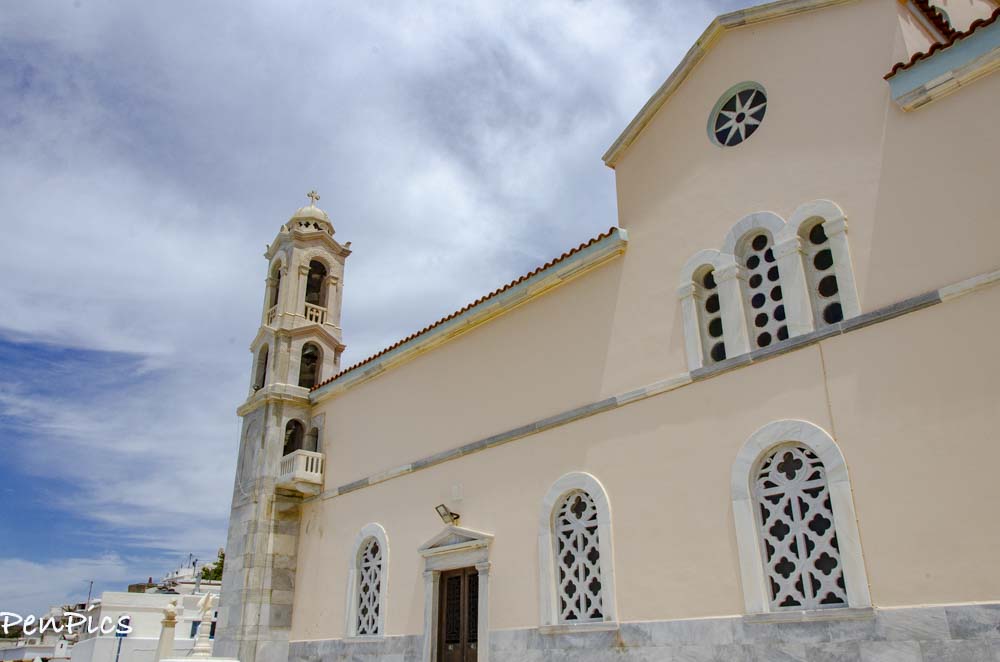
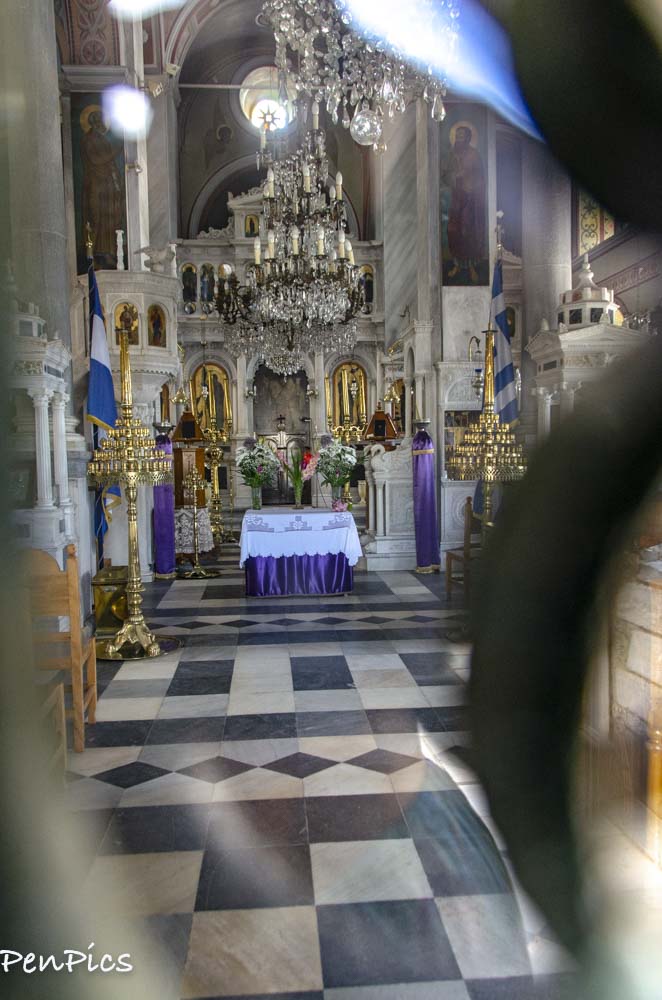
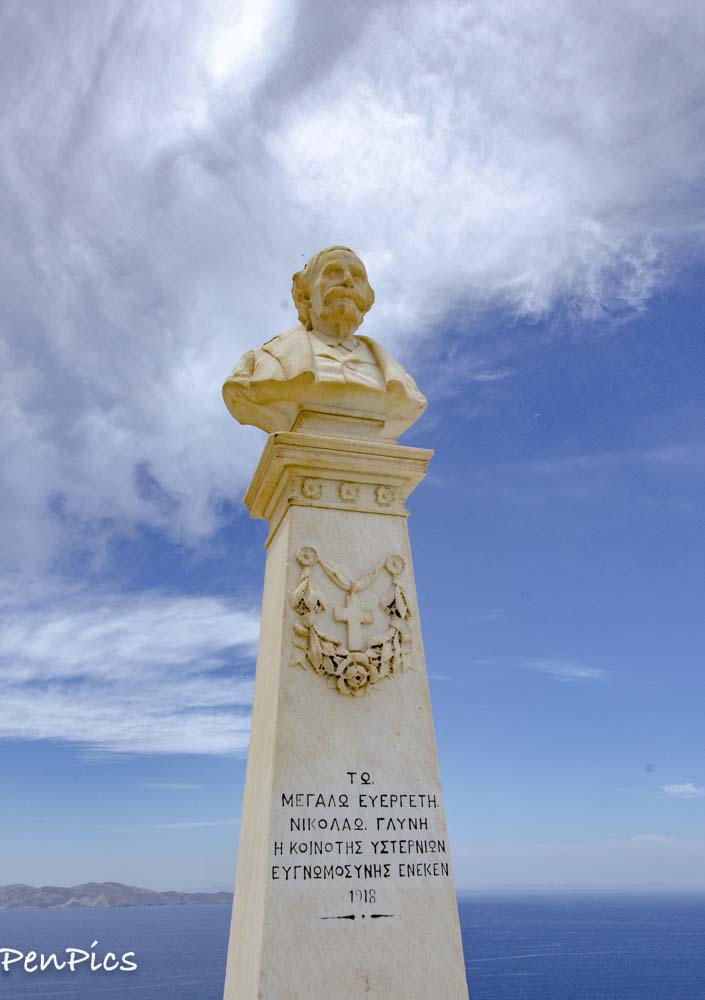
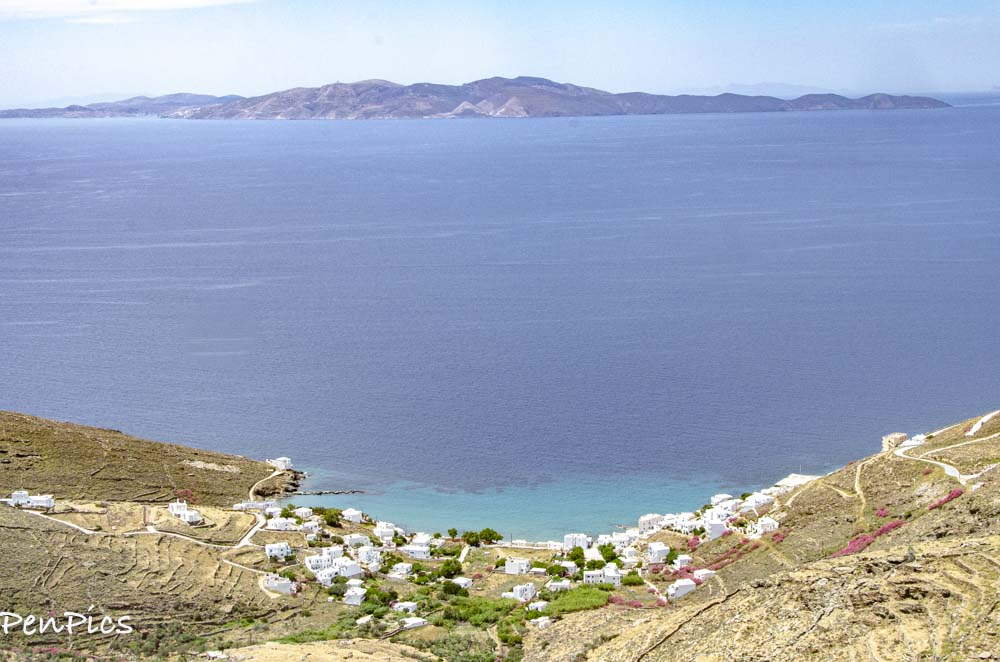
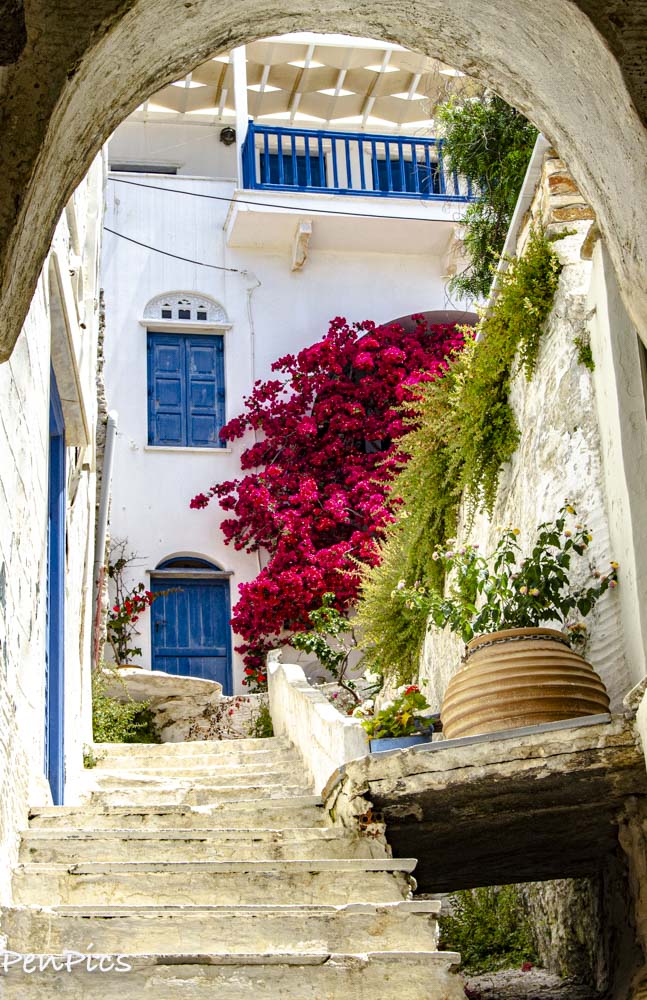
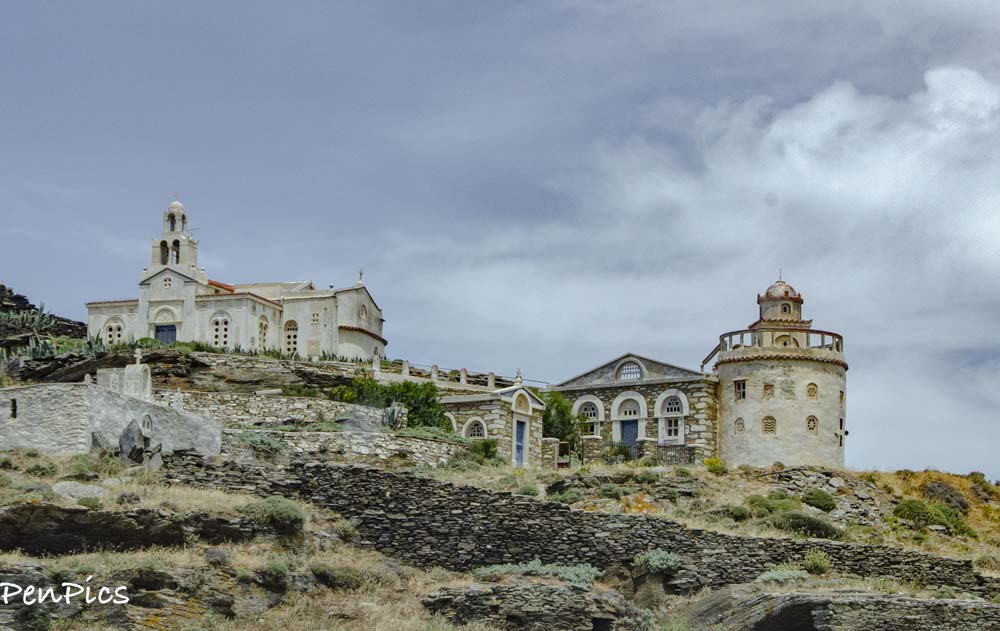
Findings of the Cycladic period were traced and residues of a Christian chapel was found where this church of St. Anastasia was erected
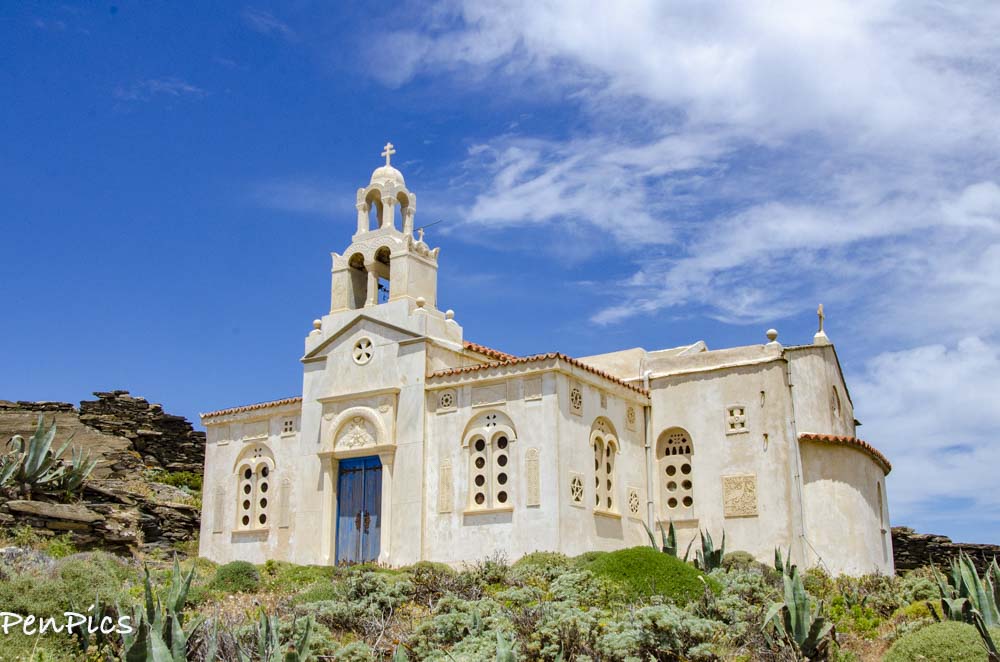
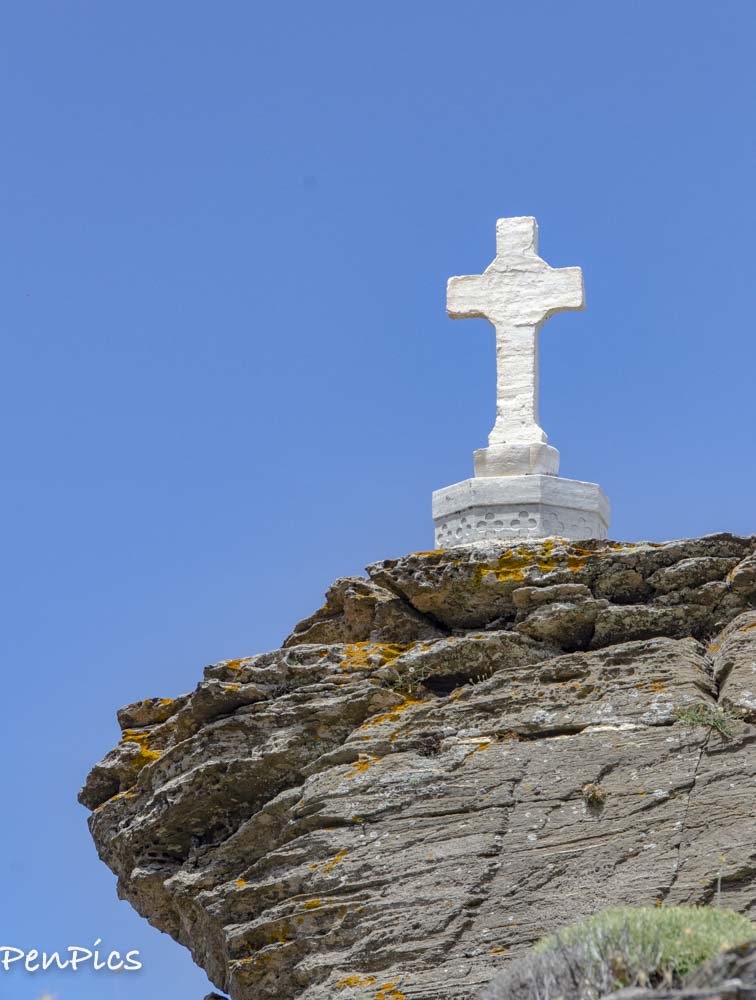
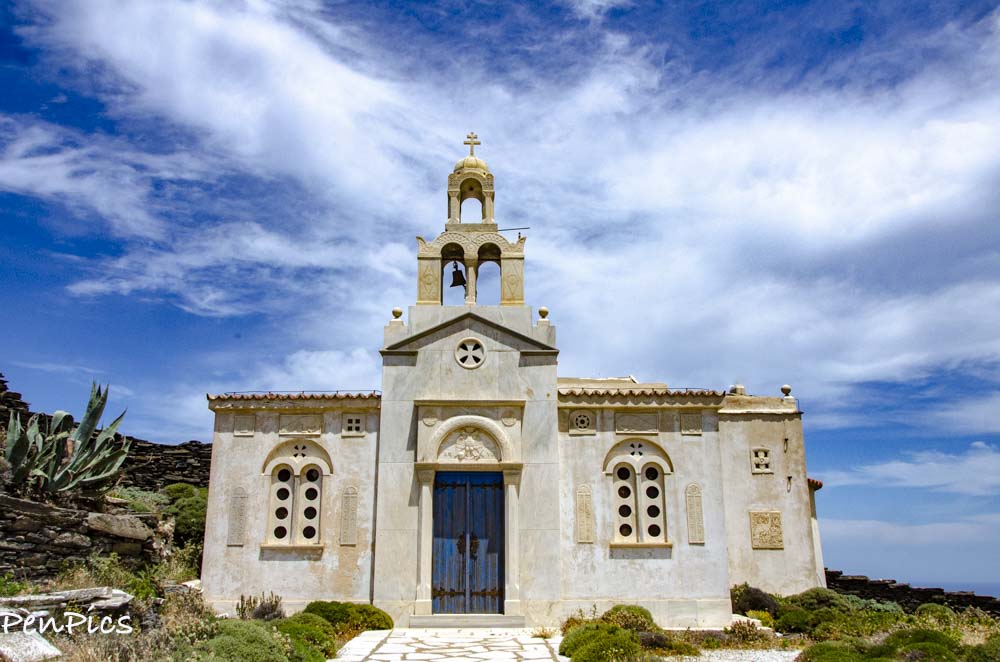
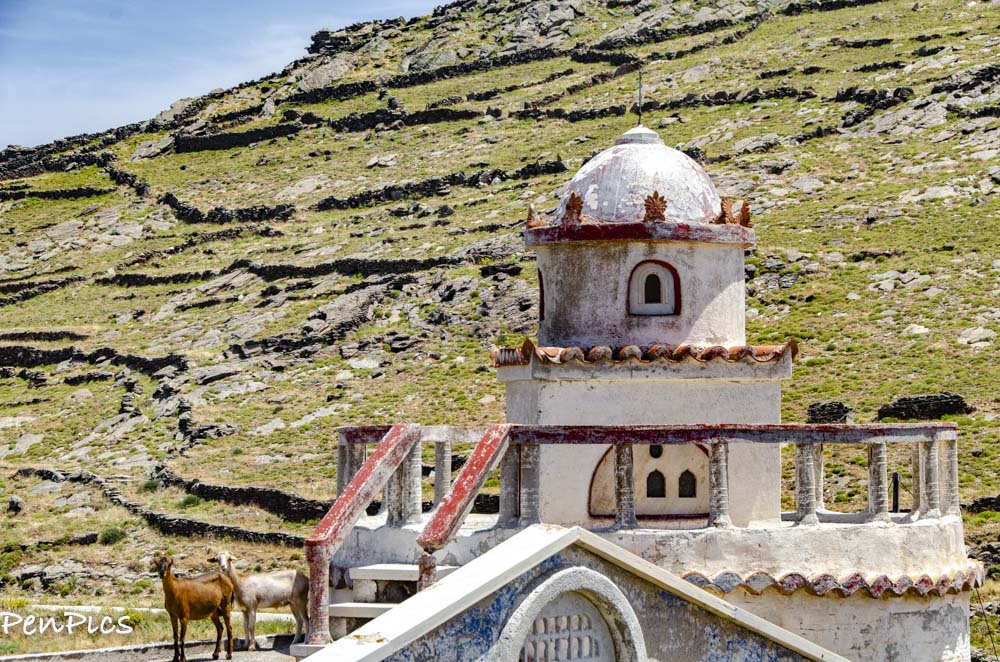
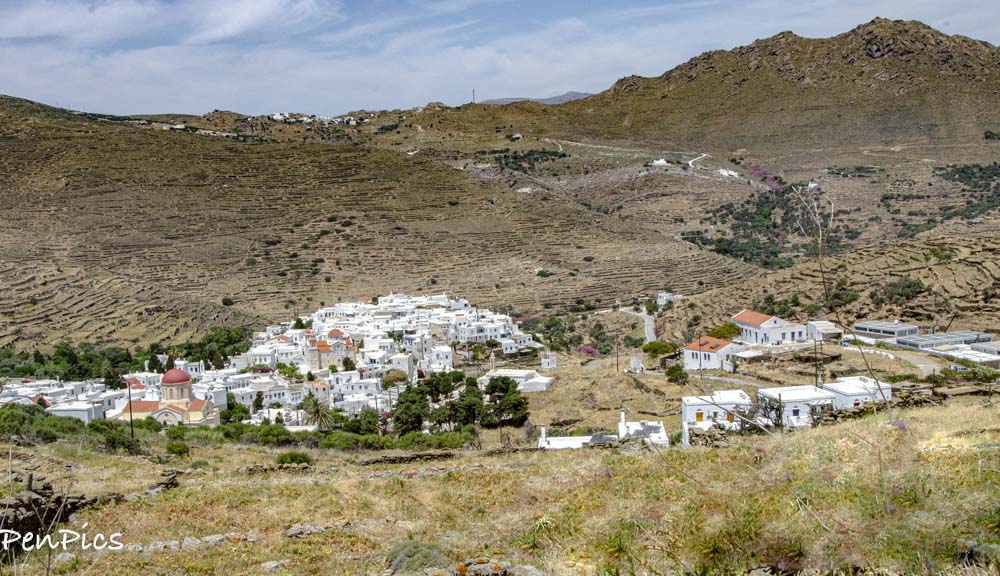
Pyrgos is one of the largest villages of the island and the centre of marble arts of Tinos. The village is host to the Art School for Marble Sculpture (since 1955) and the Museum of Marble Crafts
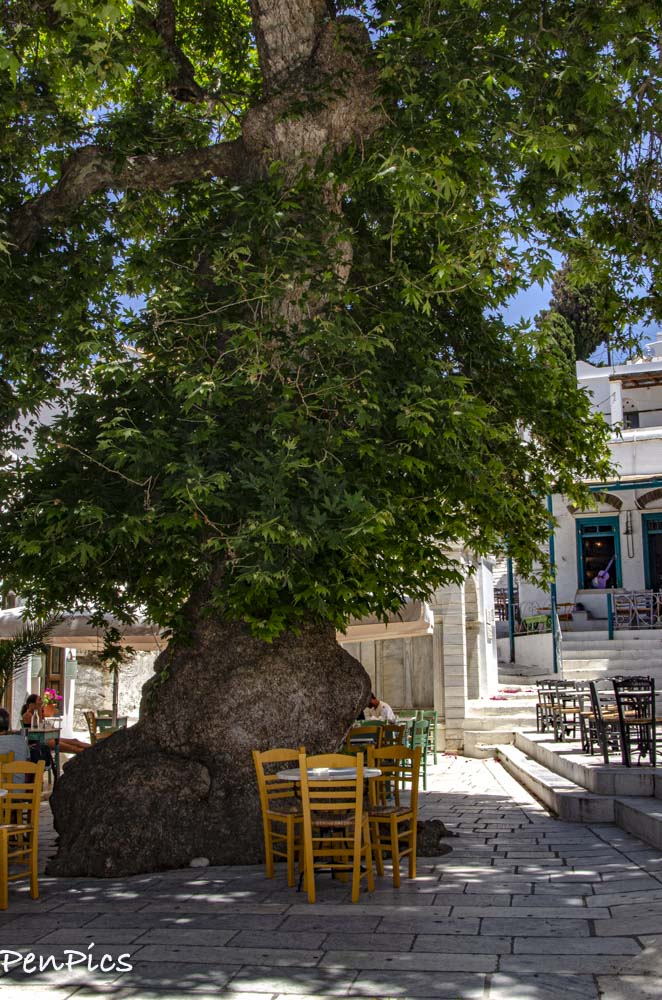
The main feature of the Cycladic town planning is the space forming a neighborhood. The biggest emphasis is given to the town square and the church, which often coexist or are very close. All public buildings or meeting places (e.x cafeterias) or commercial places (like stores) are placed around the main square i.e. the village center of social life. In big villages there are sometimes more than one squares. Unfortunately, in the Harbor Town (Chora), due to concurrency over precious city space for commercial purposes, things are different. The traditional public space structure is different here and emphasis is given on the water-front and the port. However, neighborhoods based on the traditional town planning still exist in Chora.
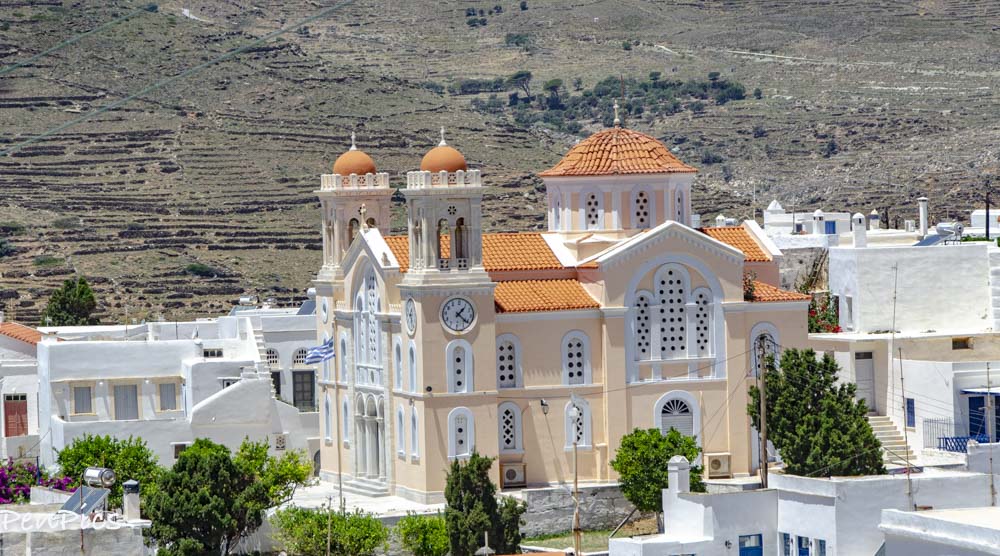
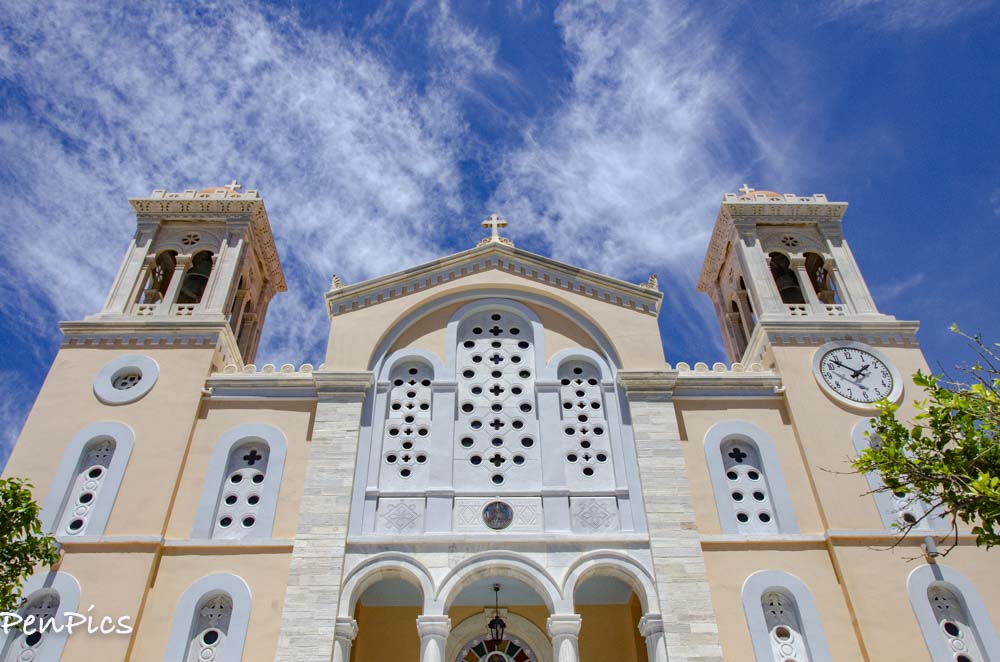
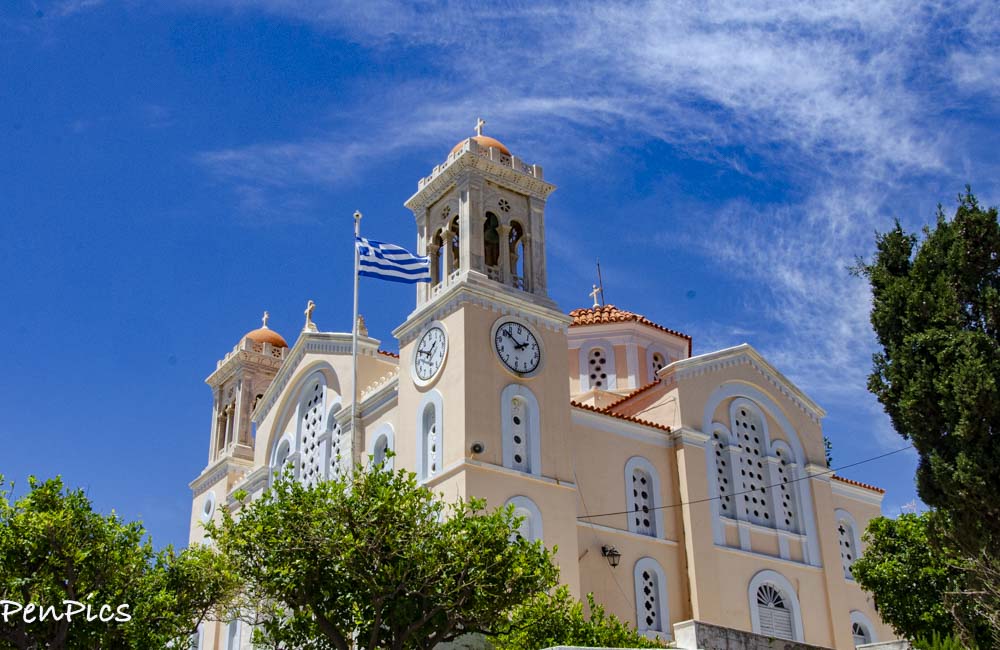
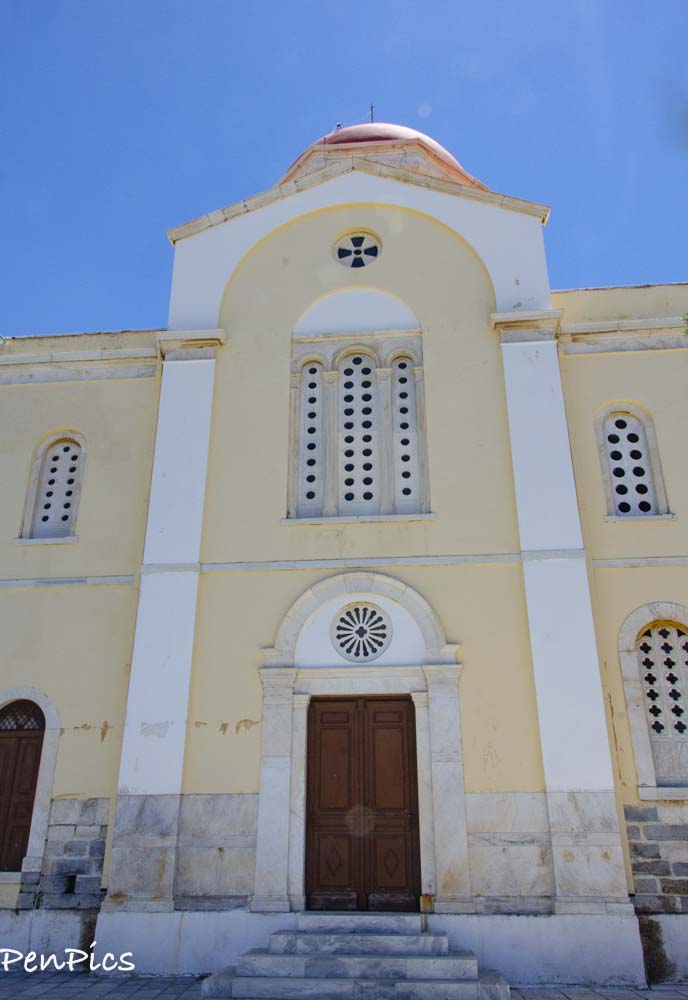
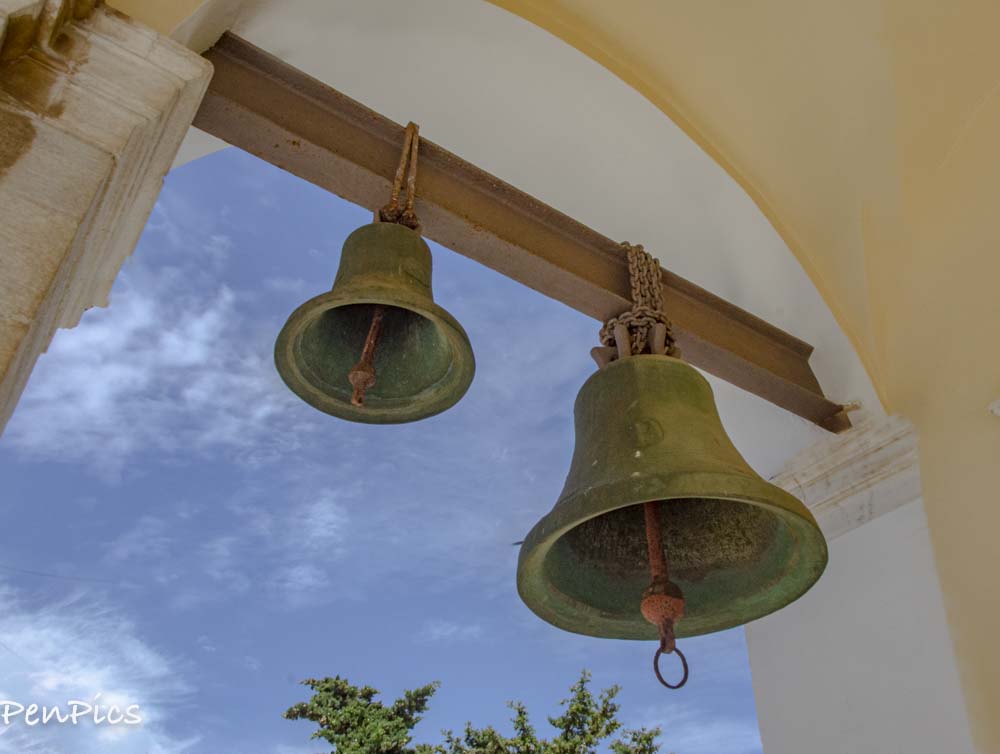
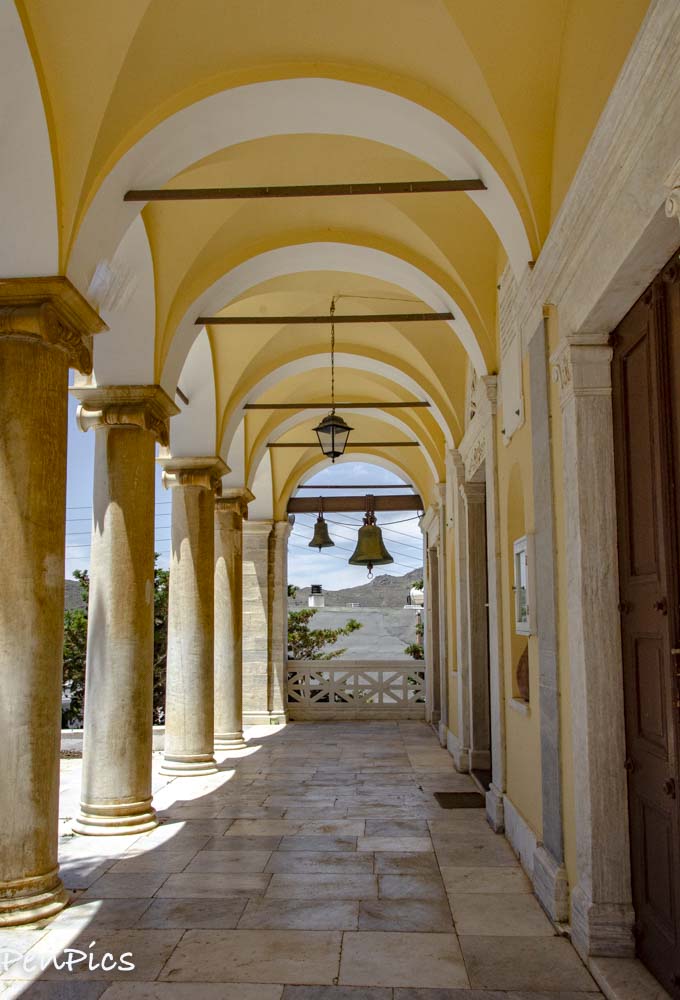
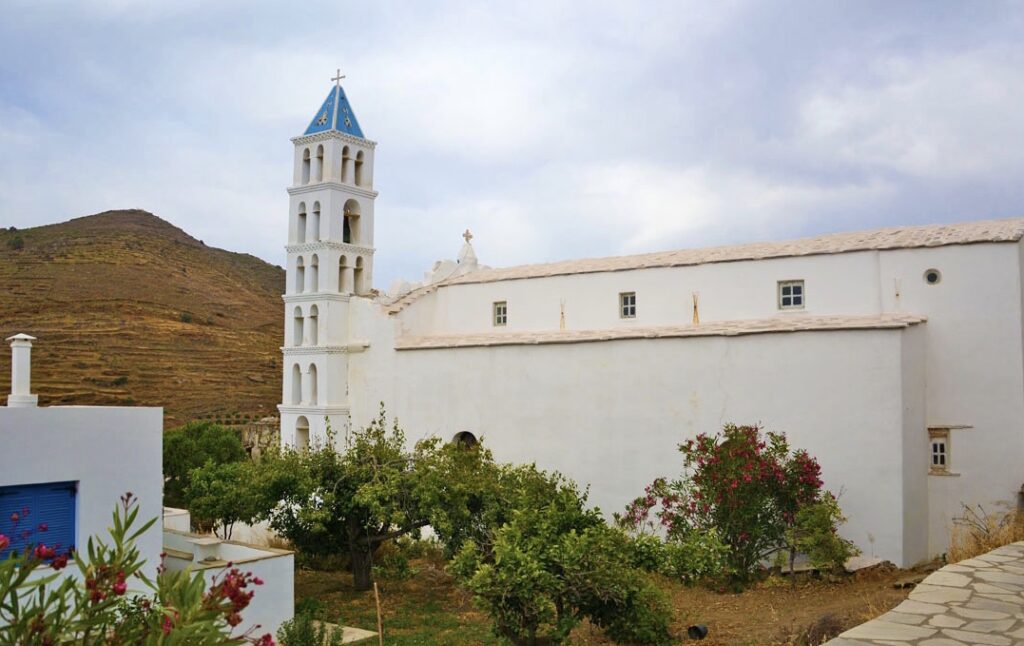
This fact constitutes a difficulty when undertaking a methodical study over them and as a result, it has not finished yet. Having around 1000 Orthodox and Catholic churches, Tinos has a special place in the world of church architecture, where the sensitivity of the Tinian soul reached its peak, using eastern and western building techniques in a unique way. With the help of local materials and devotion, the Tinian builders and wrights constructed churches that are real masterpieces. Moreover, the belfries beguile the visiting pilgrim with their magnificence combined with their simplicity. Every single one is made of marble and rock, either when especially decorated, or wonderfully austere.
During the Byzantine years, many parochial churches were erected in the villages. The building of this multitude of churches is mainly due to the special agreement among the inhabitants of Tinos and the Turks, after the island rulers, the Venetians, delivered it to the Ottoman Empire. The Tinian people were free to build as many churches as they wanted. In every property, a family church was built. Furthermore, a church possession is considered a blessing for the family that owns it. It is transferred from generation to generation, without minding effort and expenses.
When each church celebrates, either being private or not, all the devotees, friends and strangers sit together and enjoy treats from the owner-family or the whole village. The traditional Tinian treat consists of coffee, raki and Turkish delight.
(During Christmas they also offer homemade fried honey dough “diples”, while during Easter, sweet cheese pies). Usually, alongside with the above specialties, they also offer more traditional dishes, such as Tinian cheese, “Louza” (a special pork dainty), “Skordato” (a sort of local spicy sausage), artichokes in oil m.m.; all of the above usually washed down with local wine.
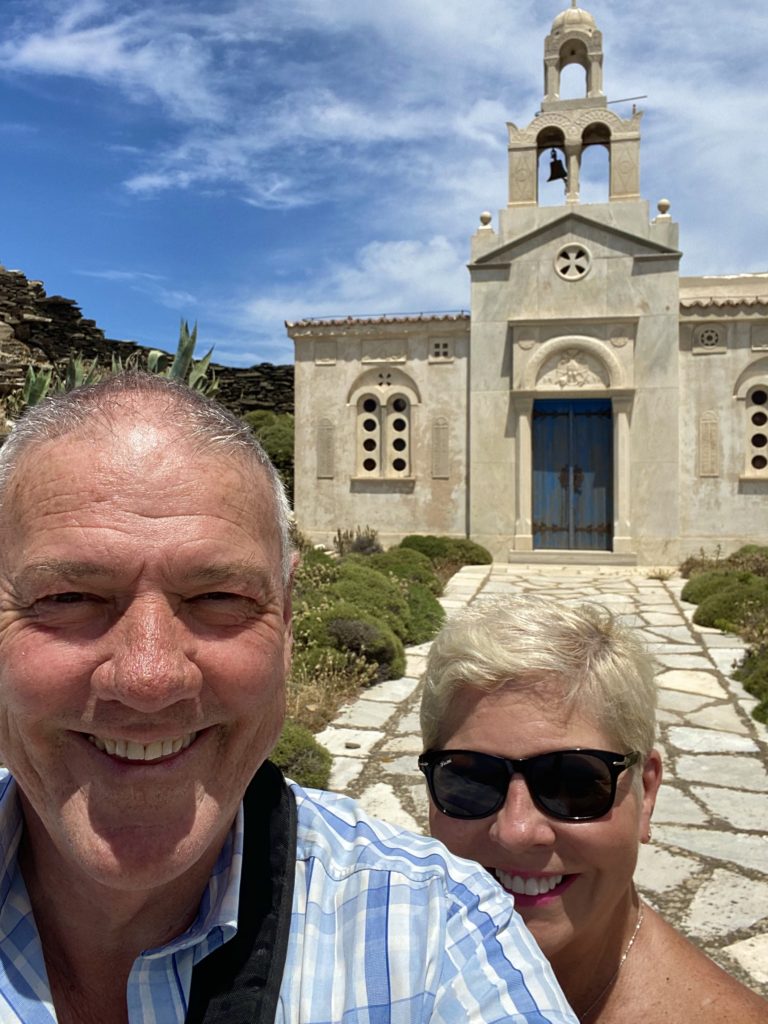
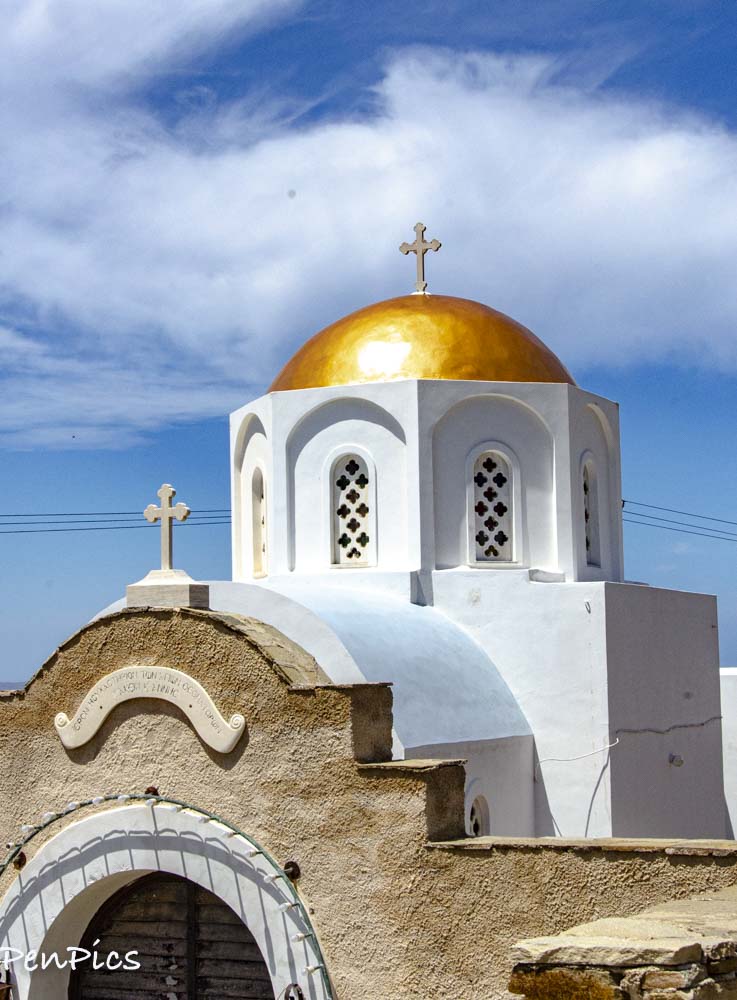
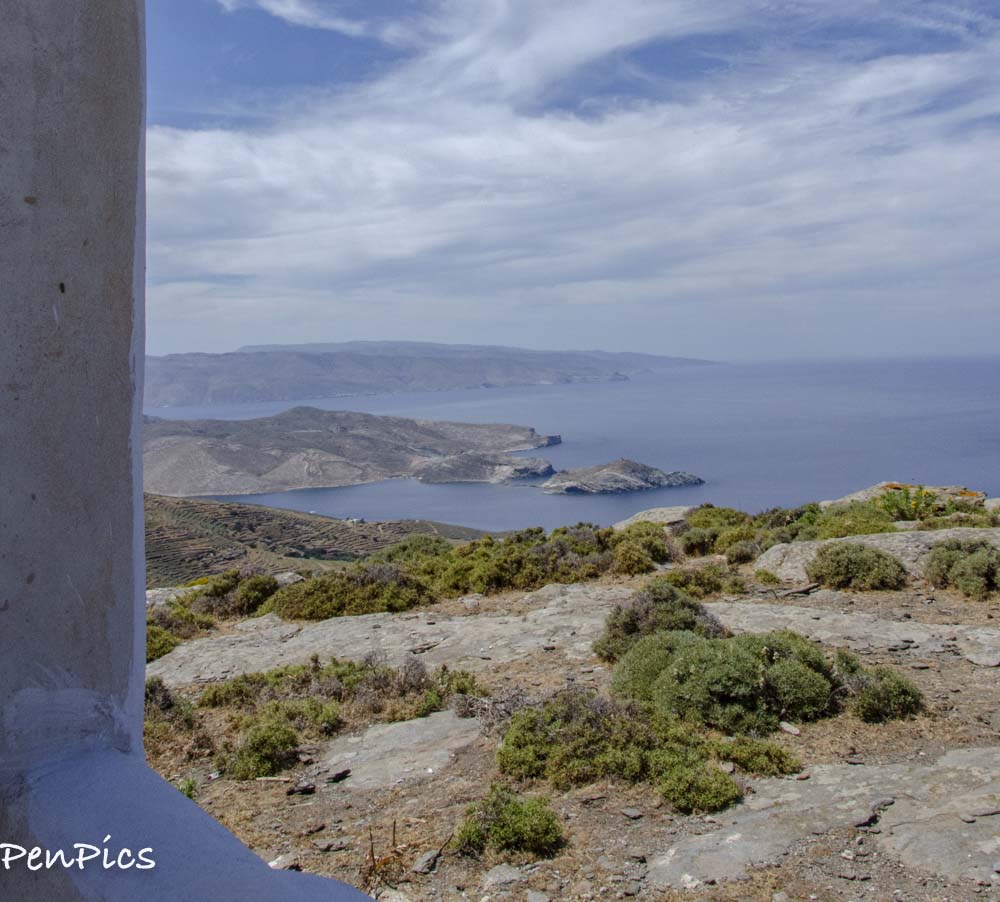
The churches of Tinos are divided in three types: The parish churches that stand out in the villages and “Chora”, the chapels, smaller churches near the cathedrals, and the rural ones. The last ones, all white, are innumerable and can be found everywhere in the countryside of Tinos: on the mountain peaks, on rocky landscapes, near beaches, in plain fields, beside paths and roads, in dells, or generally everyplace a Tinian believer can imagine, in the villages, but also in “Chora”. Those chapels fill and enrich the countryside. They comprise an integral part of the landscape and are a trade mark for Tinos. Everyday, there is certainly one church celebrating somewhere. Small church festivities enliven nature and constitute genuine assemblies of the islanders. As for the architectural aspect, the churches of Tinos are either aisled, two-aisled or three aisled.
The main characteristic of the churches in Tinos is their bell tower, constructed in various shapes. Many times, it stands individually beside the church. The old churches do not have any openings, while the later ones, do. The long lived coexistence of the Orthodox and Catholic dogmas on the island, resulted in mutual influences when architectural style is concerned. In some rare cases, there are churches dedicated to both dogmas, like Saint Catherine in “Tsiknias”. Generally, the traditional churches of Tinos, and particularly the rural ones do not differ from the Tinian houses when construction materials are concerned, such as slate clay and whitewashed outside walls. The ceiling, like in the houses, is flat and formed by one big monolithic slab or with small ones that rest against wooden beams (or “Traves”, as they are locally called). In some church façades, we come across triangular frontispieces. These elements do not concur with the local tradition, but are recent (of the 19th and 20th centuries).

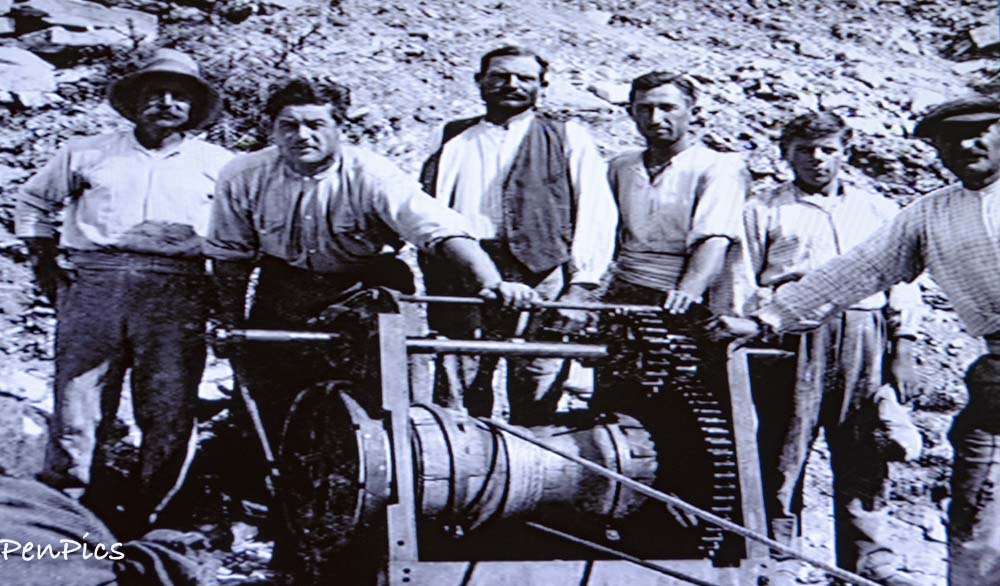
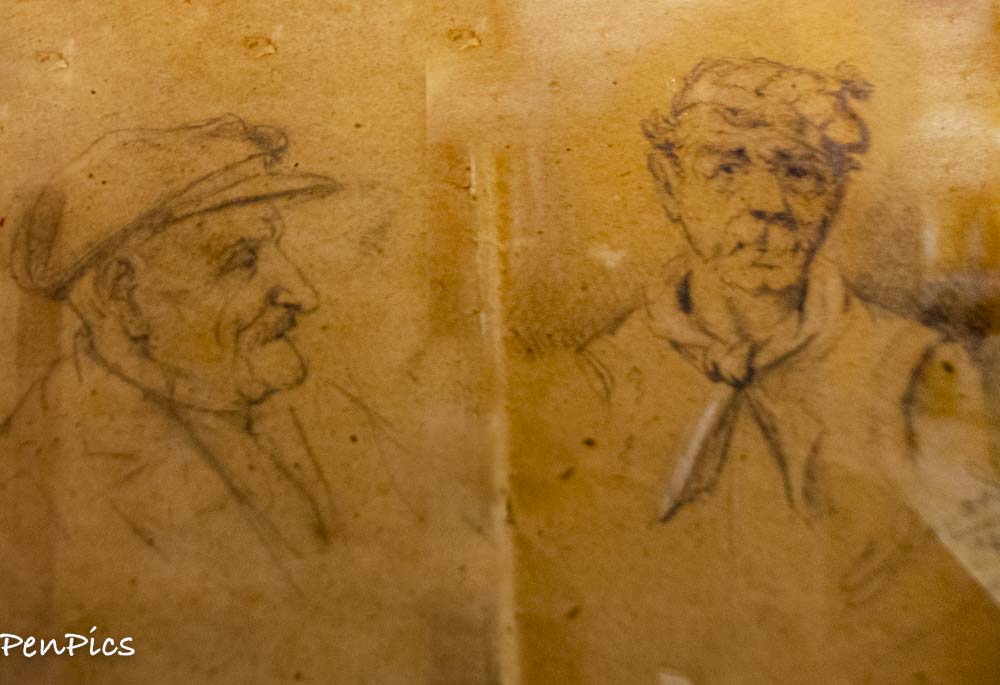
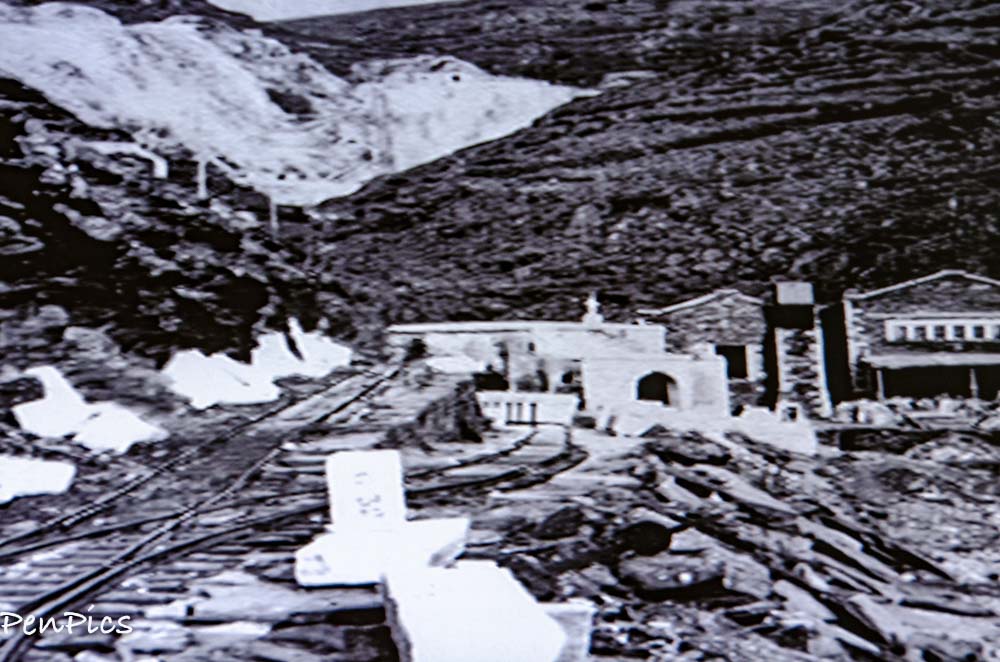
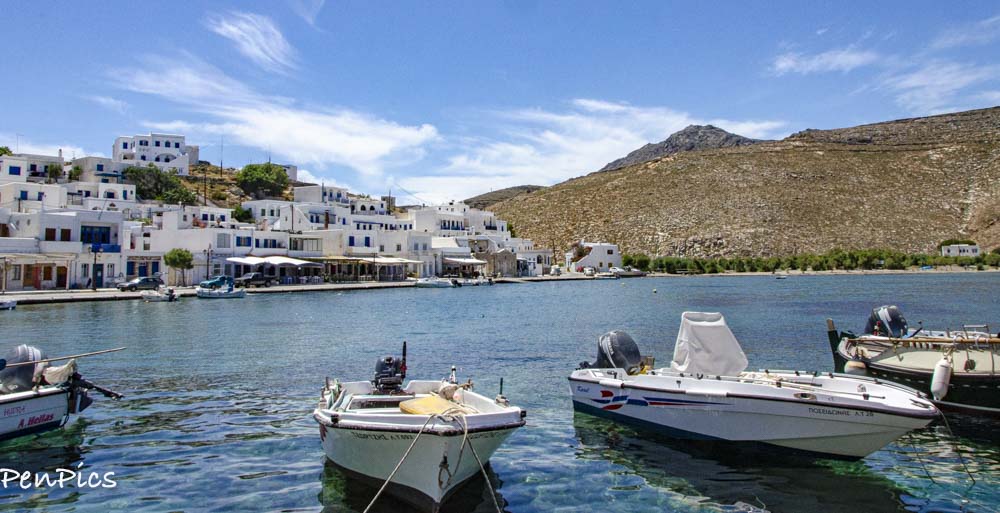
The port of Panormos played a catalytic role in shipping and trade until the early 60s. It was a transfer station for exported products (mostly marble from Exo Meria) and imported goods (mainly wheat, which supplied the windmills).
In the late 19th century, the mining of talc started and a steam processing plant was created. There was also a shipyard for wooden boats and ships.
During the war it was an information center and a station through which military and political forces were propelled to the Middle East. It was bombed in 1941 and all the boats docked were destroyed but three years later, it was the first area of the Cyclades to be officially liberated.
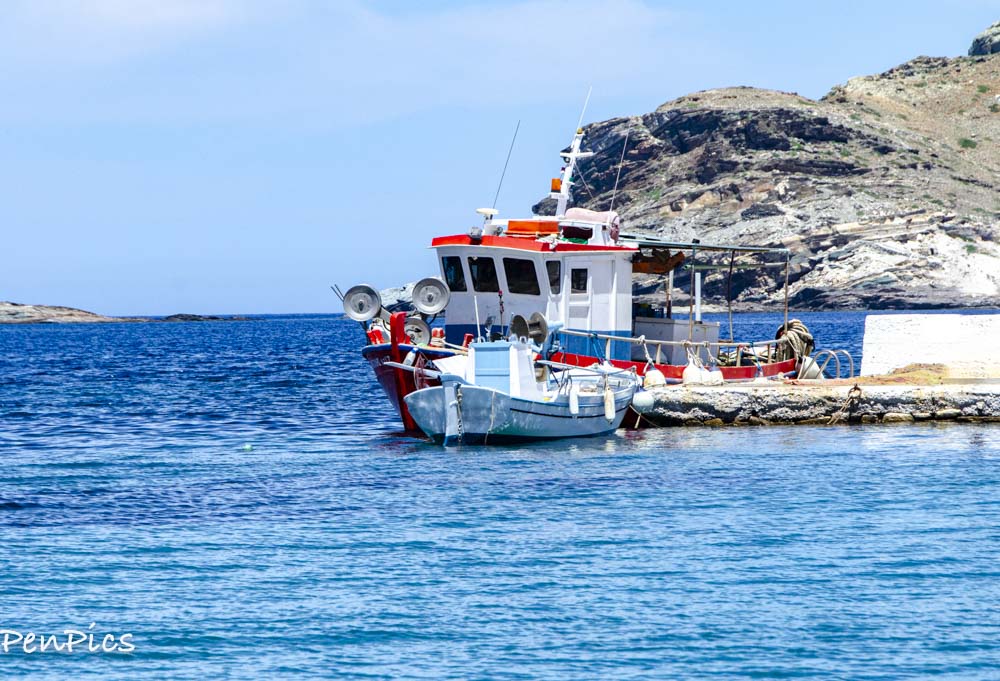
The “Palermo”, as Panormos is found in historical references, has always been a refuge from the fierce winds. Today, the port enables reception and mooring of small boats.
The islet located just across is the isle “Planet” with a dilapidated lighthouse (which worked first time in 1886 and it is a listed historical monument) at its top.
The buoy, the marble column at the sea for 120 years now, has been warning sailors for the reef hidden beneath it.
During the mining of marble in 1859, a Cave with stalactites was discovered. It has four rooms with two entrances. The slug flow is durable and ideal for cave exploring!
The fishing village of Panormos is one of the most popular destinations for visitors to Tinos.
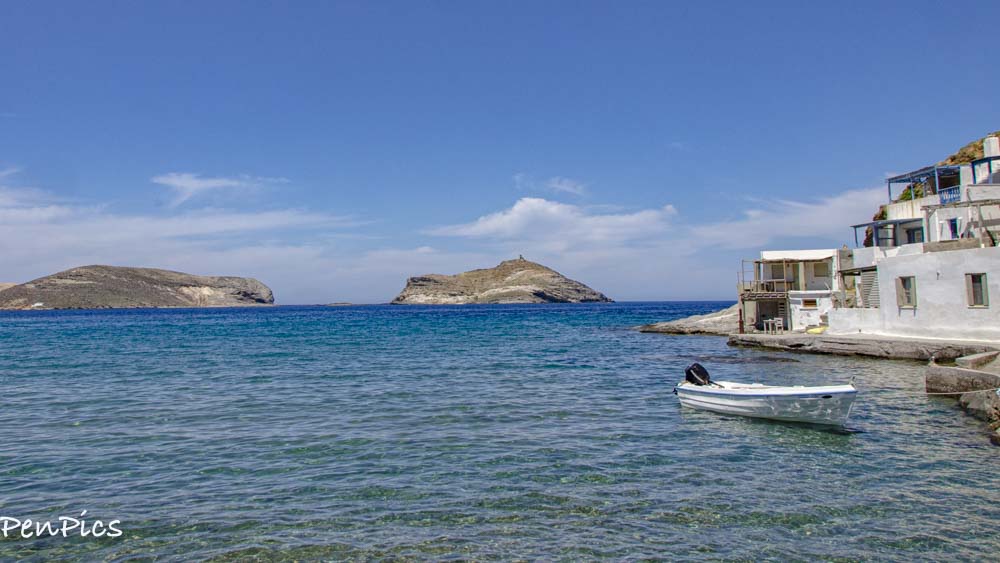
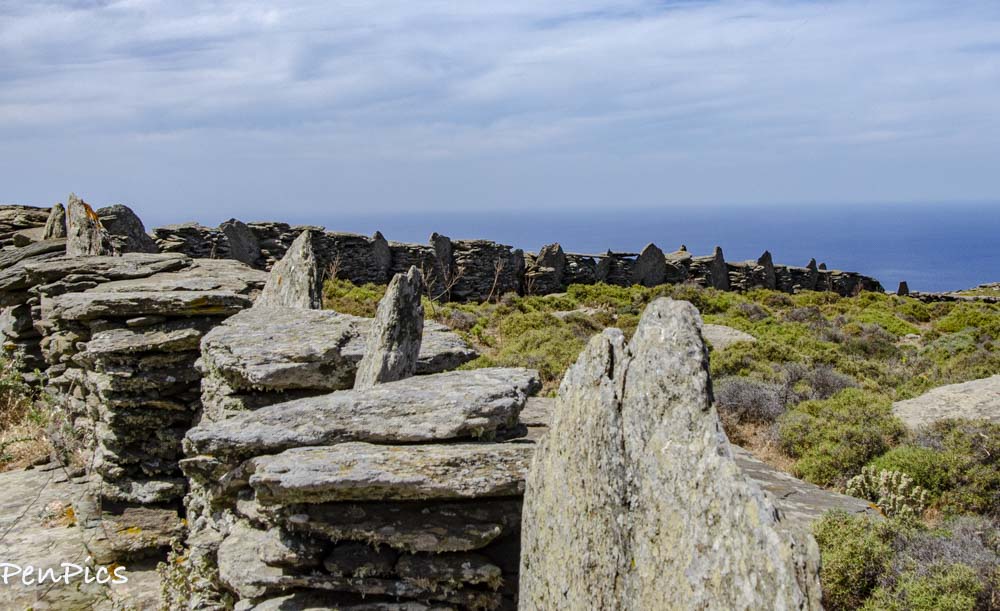
The surrounding areas “Tis Koris o Pyrgos”, “Ellinikaria”, “Kammeni Spilia” beyond their physical beauty, are associated with various versions of folk legends.
According to tradition, in “Kori’s Pyrgos” lived Persephone, daughter of Demeter, the mythic godess
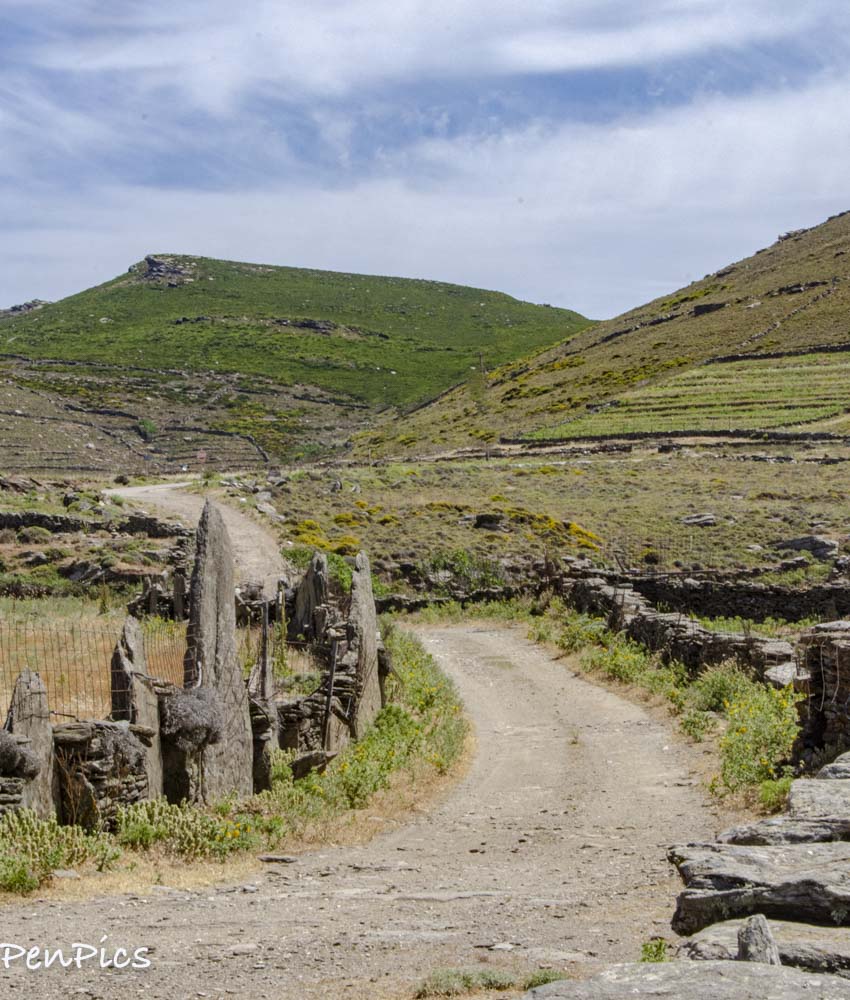
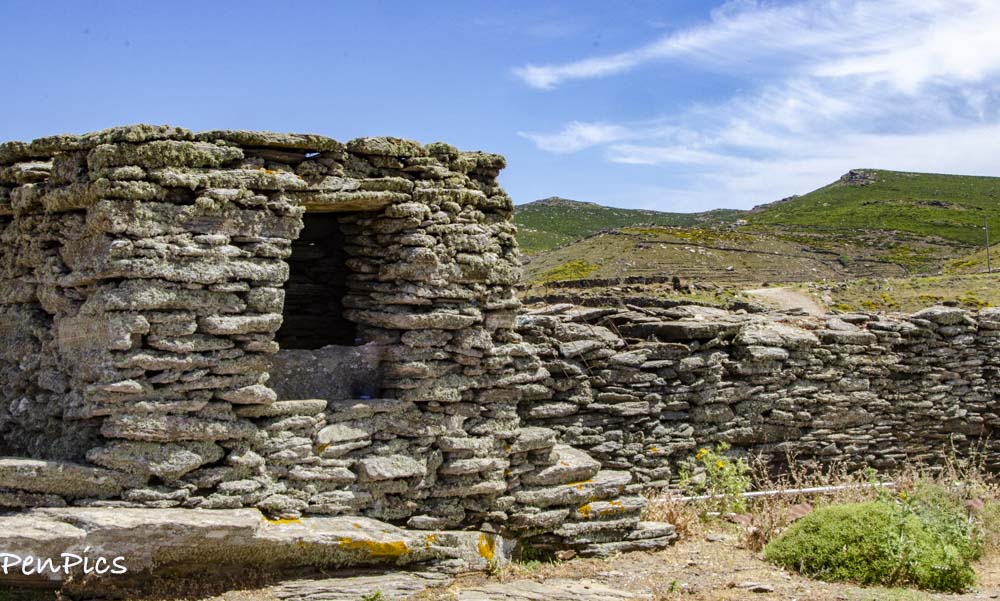
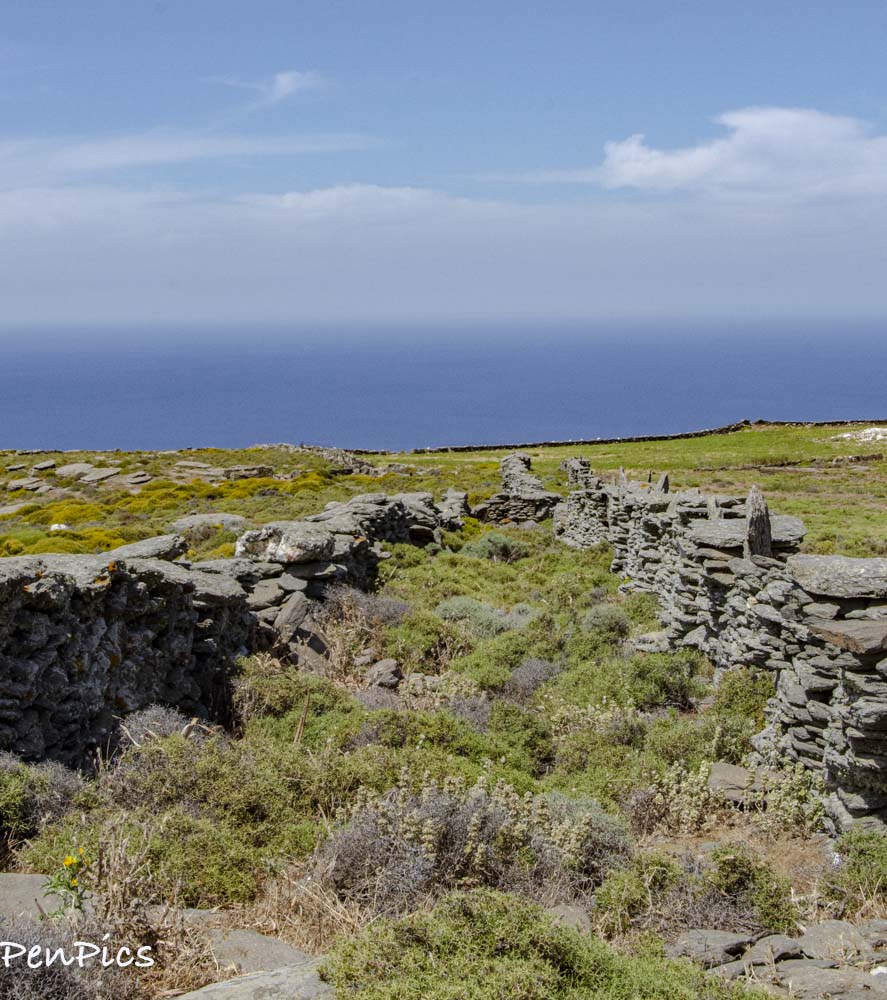
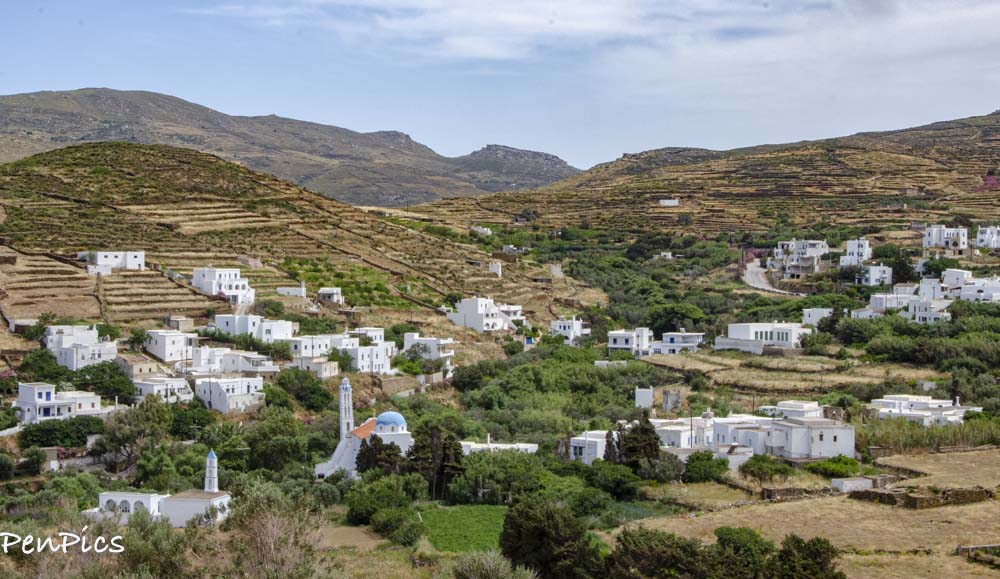
Its name “Kalloni” means beauty. The village was formerly called “kellia”, a name given to rural homes (“cells” in the local dialect), which constituted the settlements in the region or the cells of the monks living in the monastery of Agia Ypomoni (Holy Obedience). By decision of the municipal council adopted by royal decree, the village was renamed Kalloni.
In Kalloni, one can distinguish three regions: the upper village around the church of Ag. Zaccaria, Koulparia, known as the central part of the village and Kalozados, the lower village. The original core of the village was the upper village.
The parish of the village is the church of Agios Zaccaria. A basilica church, one of the largest on the island, with a beautiful pebbled churchyard will be an interesting stop of your tour in the village.A nice ride also, is the path leading to the chapel of Agia Ypomoni, where you will enjoy the view.
In the past, there was formerly a school for rug and carpet making.
The Heroon, at the entrance of the village, is the monument where the names of the villagers, who perished in the war during the period 1912-1922, are recorded.
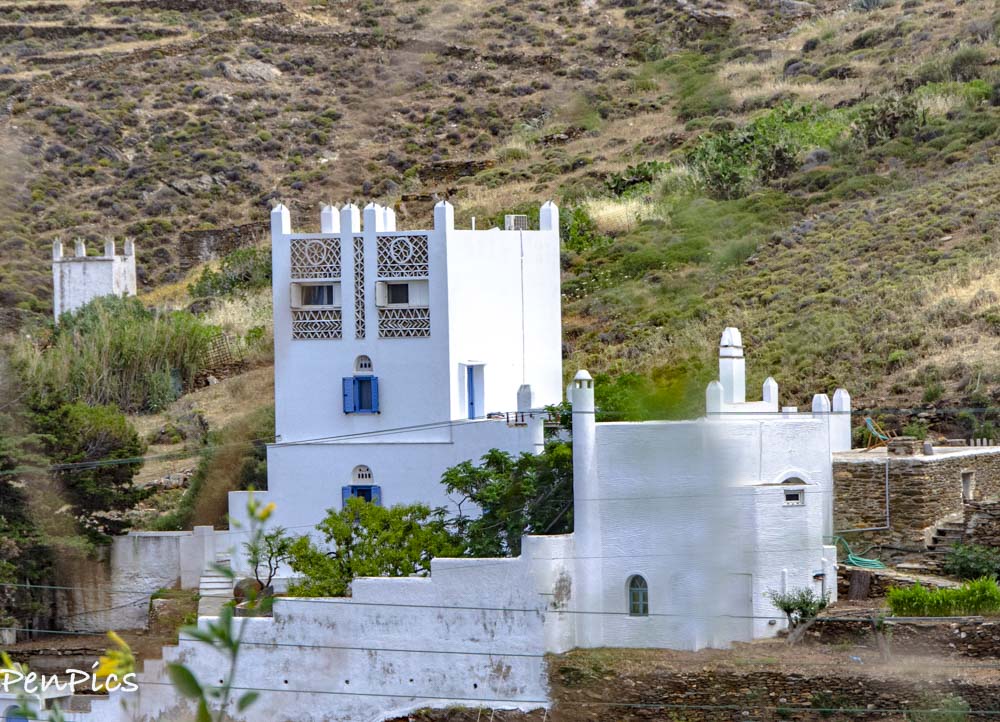
Kato Kleisma is a rural village at one end of the fertile meadows of Komi. The name must be from the Italian word “Chiuso” (=Closed, fenced) or from the archaic verb “clino” (=bend,) describing its structure.
The area is green and there is abundant water, a rarity for Tinos.
In the village there were two mills that have been abandoned and only their ruins are left. Agricultural, greenish settlement. See the church of Aghia Anastasia, Panagia and the old oil mills.The village was originally built in a different location, further south and near where the village entrance is, today.
MORE DOVECOTES HERE IN THIS VILLAGE
The dovecotes are the pigeons’ houses. The love for doves always existed since ancient times and throughout Christianity, when the dove symbolized the Holy Spirit. The Greeks have connected them with peace, love and tenderness. Poems and songs have been written in their honor but we also come across them, in traditional engravings, embroidery or paintings.
Dove-cotes exist in other Cycladic islands too, but the most arresting are to be found in Tinos. They have been closely connected with the island and they can be considered as its trademark. The local builder knows that, in order to attract doves, the appropriate location must be found. That is why they are built in rural sites, in specifically chosen places, near cultivated fields and water sources, in mountain banks and gulches but never on a mountain. This helps the flying of the birds, but also it helps them find their way back. The existence of water near the structure is necessary for their survival.
Alongside the functional cause of their existence, the dovecotes are signs of gracefulness and aristocracy. Possessing a dove-cote was considered an honor for the owners, since it gave them a higher social status. Dove-cotes are considered as ornaments of the Tinian landscape and the remarkable aspect is how one is different from the other.
They are fair-sized, with rock built walls. The ground floors are used as warehouses for agricultural products and tools and the upper parts for the doves. Like the rest of the buildings in Tinos, local materials are used (Slate clay and other rocks, whitewash) for the construction of a dovecote. The building has only one small wooden door that is used for the entrance of the owner, but also for the protection of the doves from predators, such as snakes and mice.
The dove-cote builders used slate clay, to create rare decorations on one or more surfaces of the structure (rhombs, triangles, suns, cypresses and more). These decorative elements create one inconceivably harmonious image and have been called “architectural embroidery”. Every singular one, or all combined together, make a set of rare monuments and can be seen as an expression of a popular art form that is unique in the whole world.
It seems like a deep emotional need is seeking to emerge in the form of creative architecture.
Dove-breeding was so extensive then, that the Tinian people exported them to all parts of Greece, reaching even so far as Smyrna, Istanbul and elsewhere. Their delicious meat was highly appreciated, especially when conserved in jars with vinegar, since it was and still is considered as a very high class and nutritious food. Even today, the locals cook and serve doves. However they breed them not only for their delicious meat but also for their excrements, which are considered to be a natural fertilizer of the finest quality. The exact number of dove-cotes is not known, but it certainly exceeds 1000. Most of them are built in the central and eastern areas of the island, mostly in the valley of the village “Tarabados”, but also around “Tripotamos.”
Presently, effort is made for the dove-cotes of Tinos to be preserved. With voluntary contributions and surveys, the Association “Friends of Greenery” has supported and continues supporting this initiative. Until now over 140 dovecotes have been restored, while the target of this activity of the Association is to reconstruct 1007.
See below: The church of Aghia Anastasia
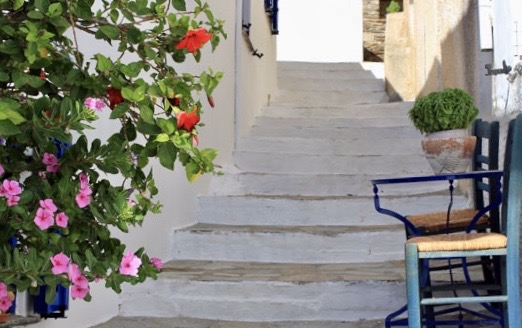
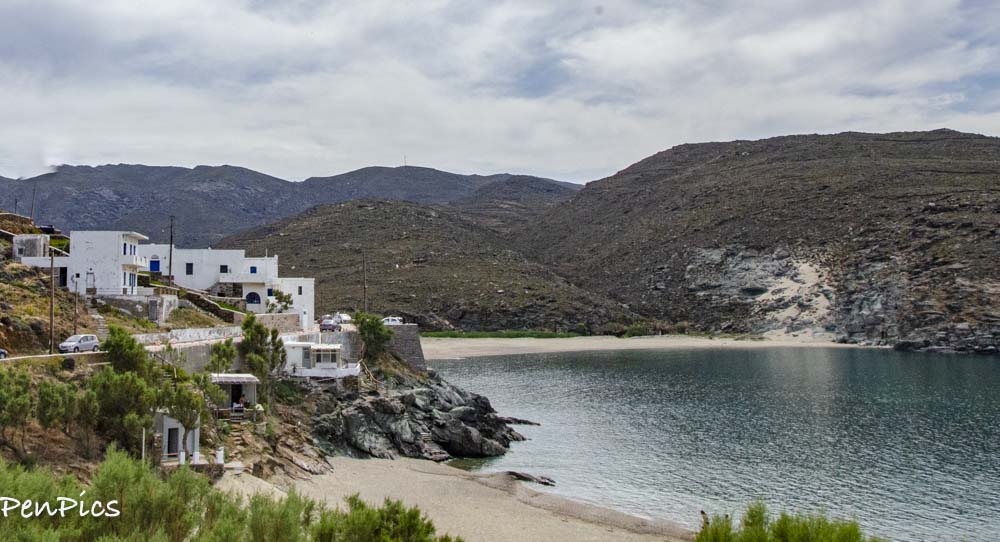
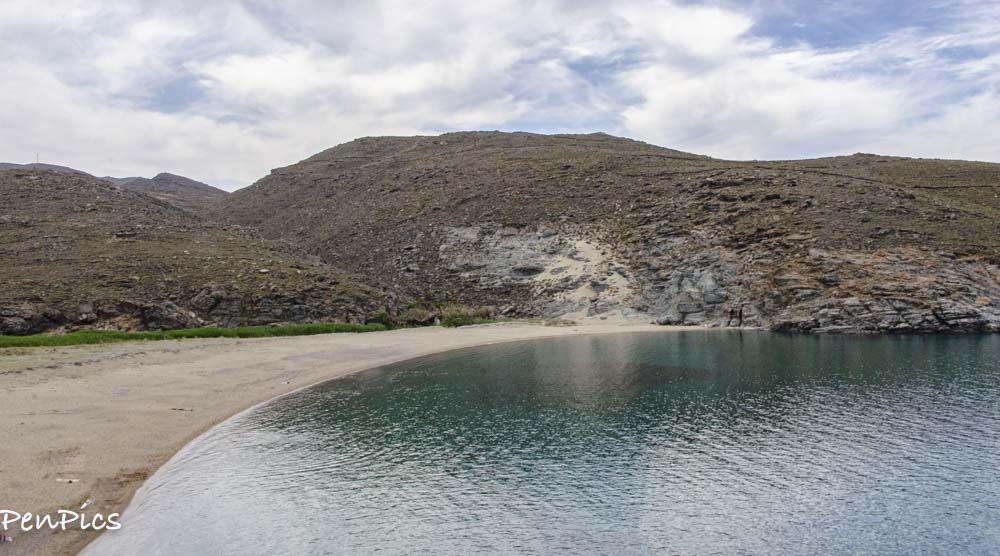
This Beach has rave reviews on the internet. We actually saw a couple get out of what would have been a very expensive taxi ride, to come to this beach. There are far better beaches to go to than this one. Just saying
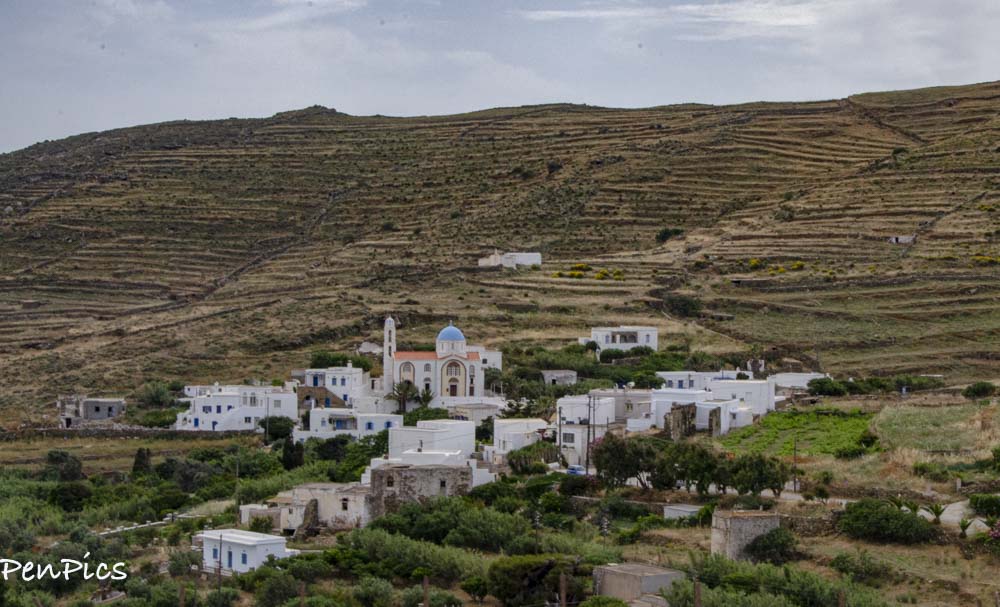
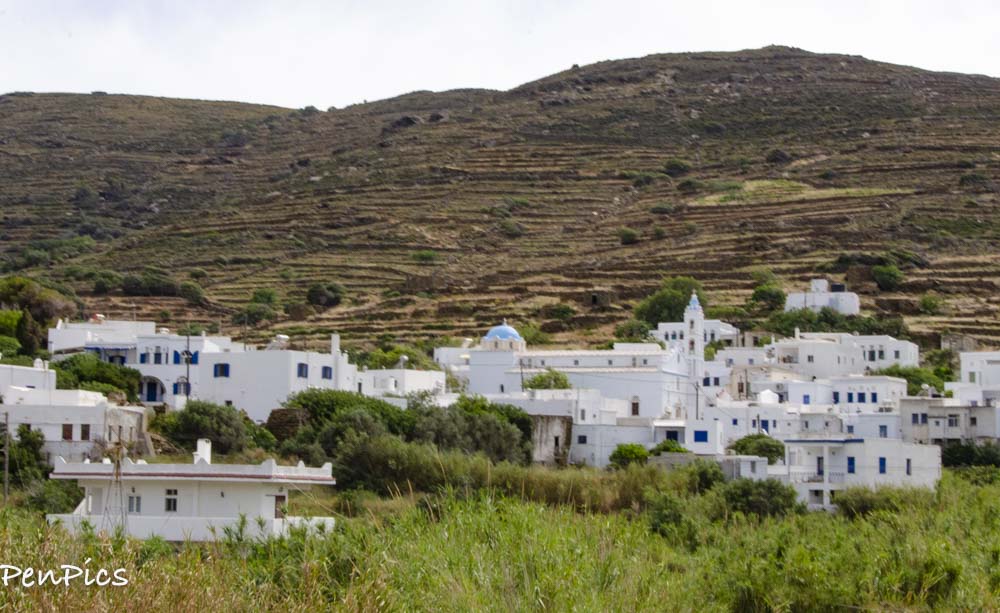
It is a head village of Tinos, built on the fertile valley of the island, “Livadi.” It is a village full of life, with many people in the little streets and alleys and several children playing in the squares. It is also self-sufficient, as it provides all the goods, not only to its inhabitants, but also to the villagers around it. Walking through the paths, resting at its beautiful squares and visiting the catholic church of Saint John, with the marble pre-Christian engraved column found in its yard, can be a nice experience. The largest part of the island’s agricultural and artichoke production is done here. Furthermore, the artichoke festival which is organized in “Komi” at the beginning of May is pretty popular.
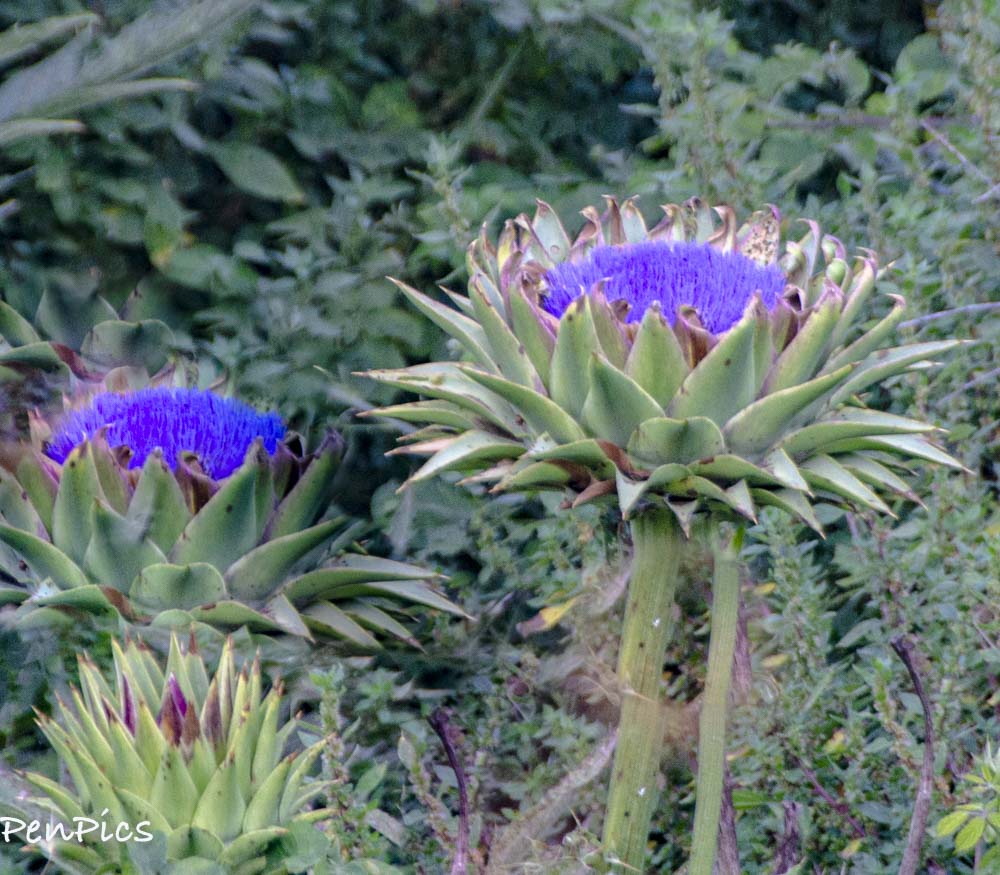
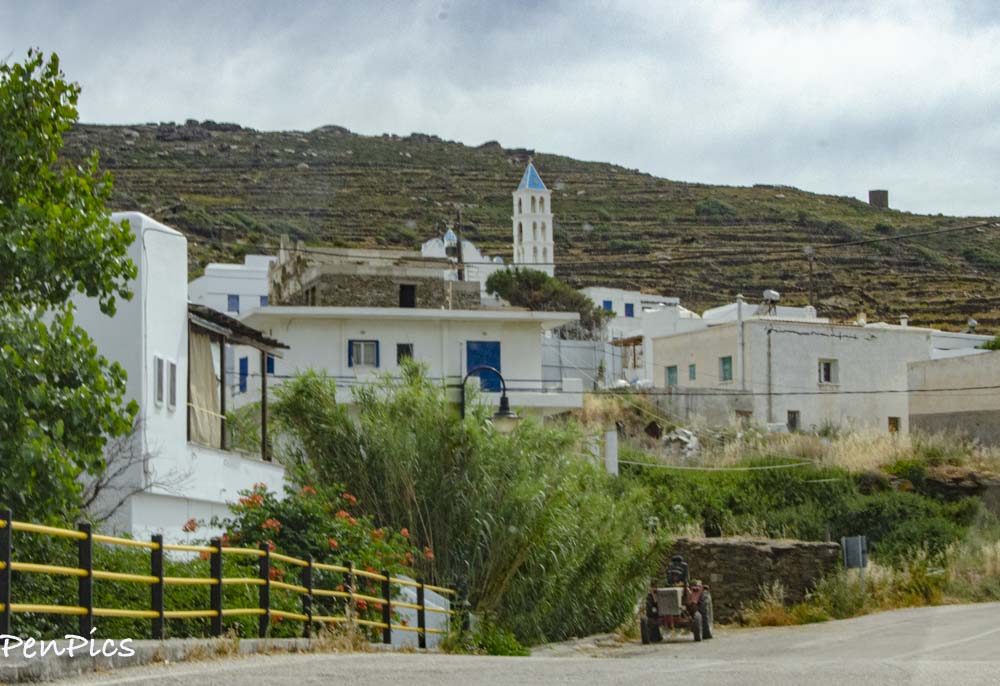
From here comes most of the agricultural production of Tinos. Large quantities of artichokes, typical local products, are produced here. It is no coincidence that it is in Komi that every year in early May, the Feast of the Artichoke is held.
If you find yourself in the village’s annual event you will try artichokes cooked by the women of the village in various dishes and in unlikely combinations. Listen to traditional violins and keep dancing until dawn. During this day about 10,000 artichokes are consumed by guests.

About Us

About Us
Hello and Welcome to our Travel Blog Website, We enjoy writing about our experiences and taking photos of our adventuring along the way. Our names are: Daryl and Pen, but Daryl calls me “Bunny.” We met, quite randomly, whilst both traveling in Thailand with friends. We happened to be in the same travel group, and […]