


“Georgia 🇬🇪 ~Oops we entered Azerbaijan!…David-Garji Monastery in Kakheti, Gori Fortress and Scenic Drive from Tbilisi to Goris to Akhaltsikhe”
Today was Full of Chills and Thrills!!
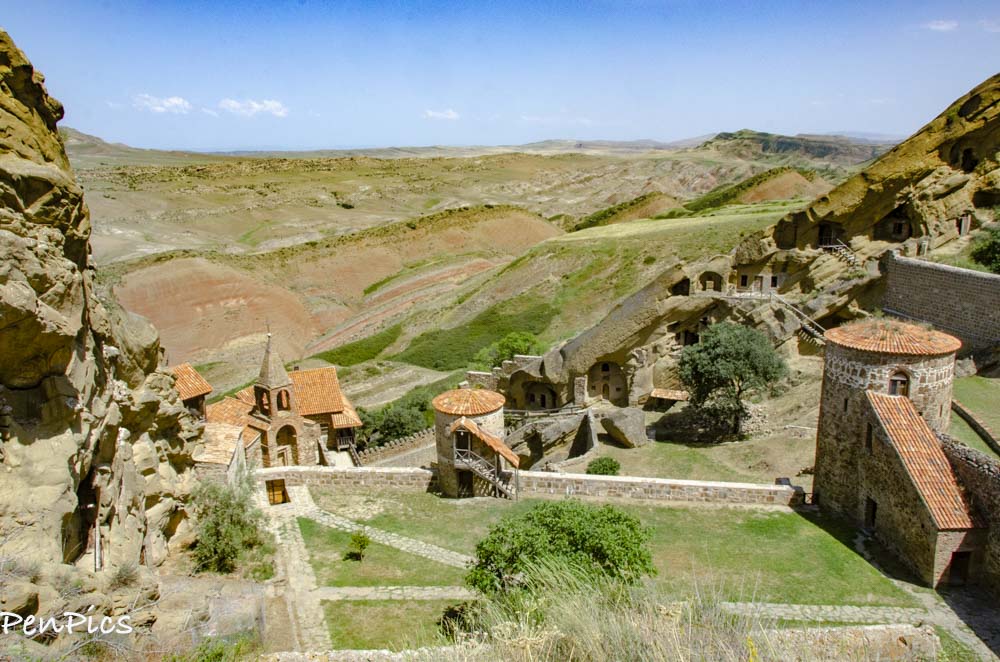
David Gareji Monastery
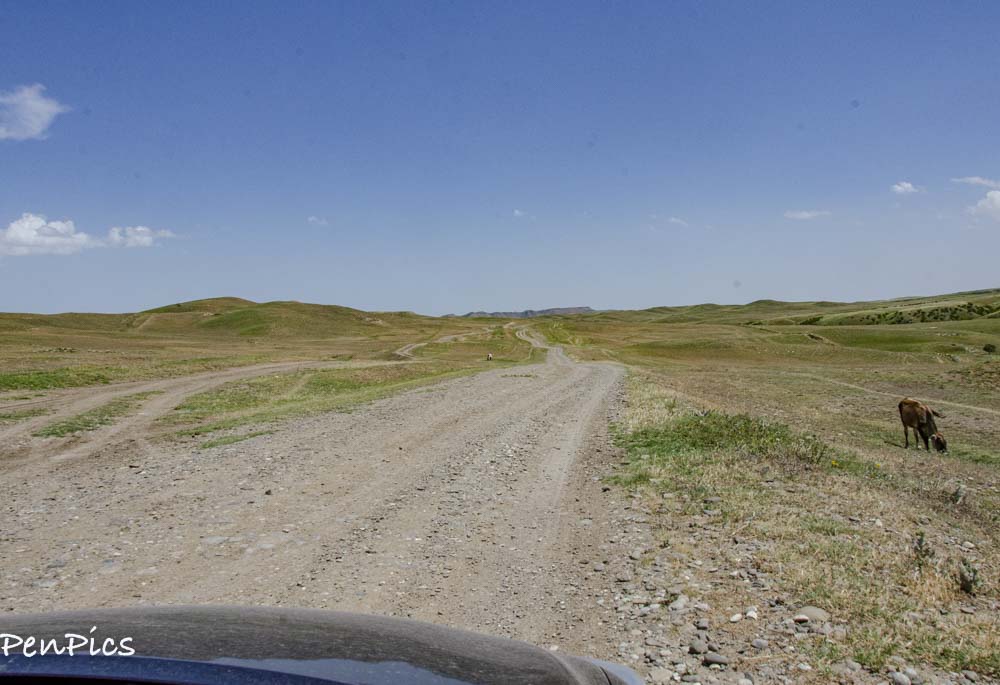
We left Tbilisi around 11AM and began our drive, Southeast, towards the remote Gareji Mountains, in search of an equally remote Monastery. The drive was only a couple of hours, but the road was very bad, so it felt like much longer. There are no directional signs, so one must rely on GPS, completely. Even with that, there we times we had to guess if we were going the right way, since we lost connection a few time. More than once, I looked on my maps, and saw we had crossed over, into Azerbaijan, which was a big no-no; but we won’t tell if you don’t! I mean the cows barely have us any notice! We met a Canadian couple who were struggling with their GPS. We told them we felt confident we could find the complex, and for awhile they were following us. Finally, they must have decided it was too much, and turned around. We couldn’t blame them, but we had lots of experience being lost on occasion, in foreign lands, because we know the road less traveled, ALWAYS proved to be worth it, many a time for us!
You do not need a 4×4 during the dry season, like it is now, but I bet it gets quite messy in the rainy season, and a 4×4 would be the only way up.
Not only was the Monastery amazing and storybook-romantic, but the tracks to get there, were literally a trail through the grassy plateau, sometimes sharing pastures with cows, as we drove up the mountain.
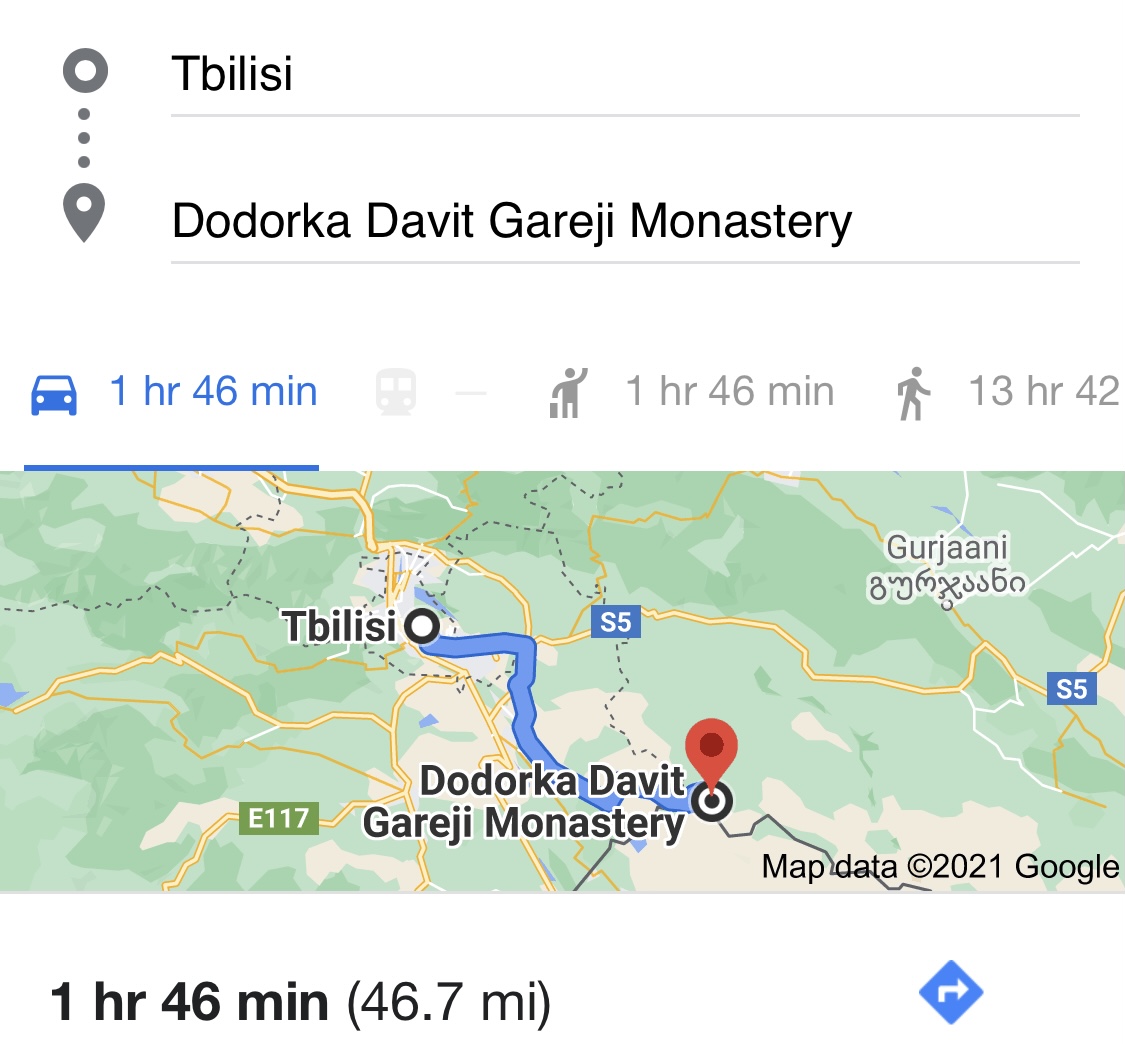
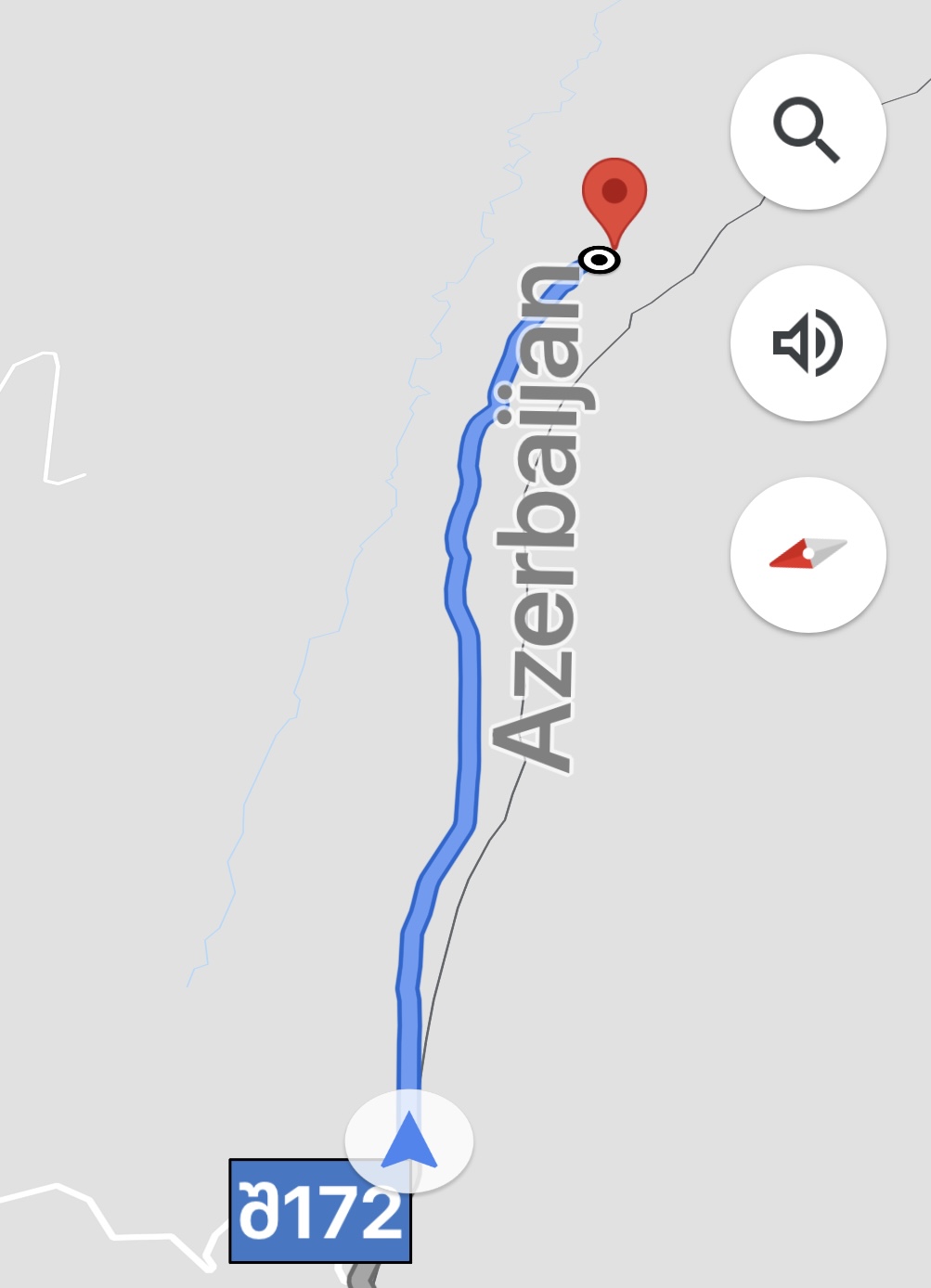
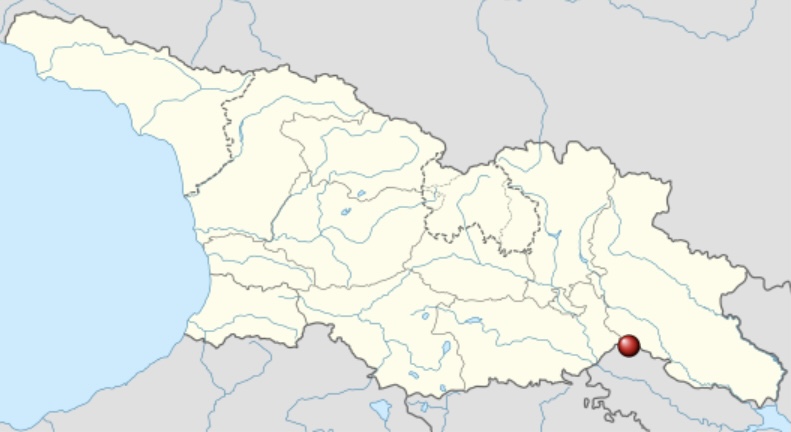
Red dot is the Monastery. The grey, below is Azerbaijan 🇦🇿
Nope, we did not see that coming, but since we are technically unable to enter Azerbaijan at this time, due to being US Citizens, to adventure, (we tried to get a visa) we can now, at least, say we have been!
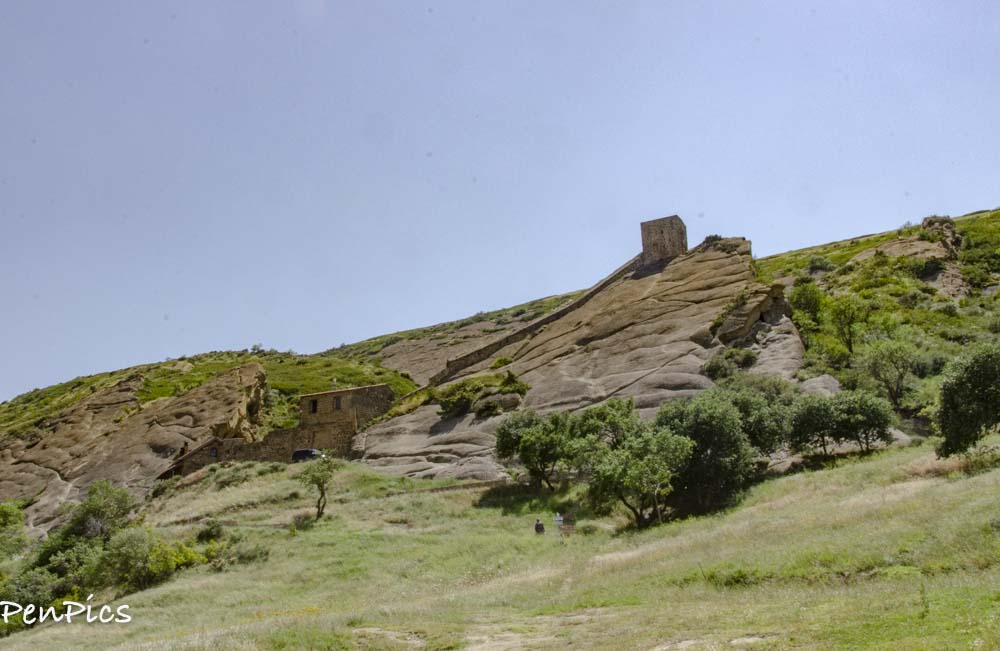
Almost There!
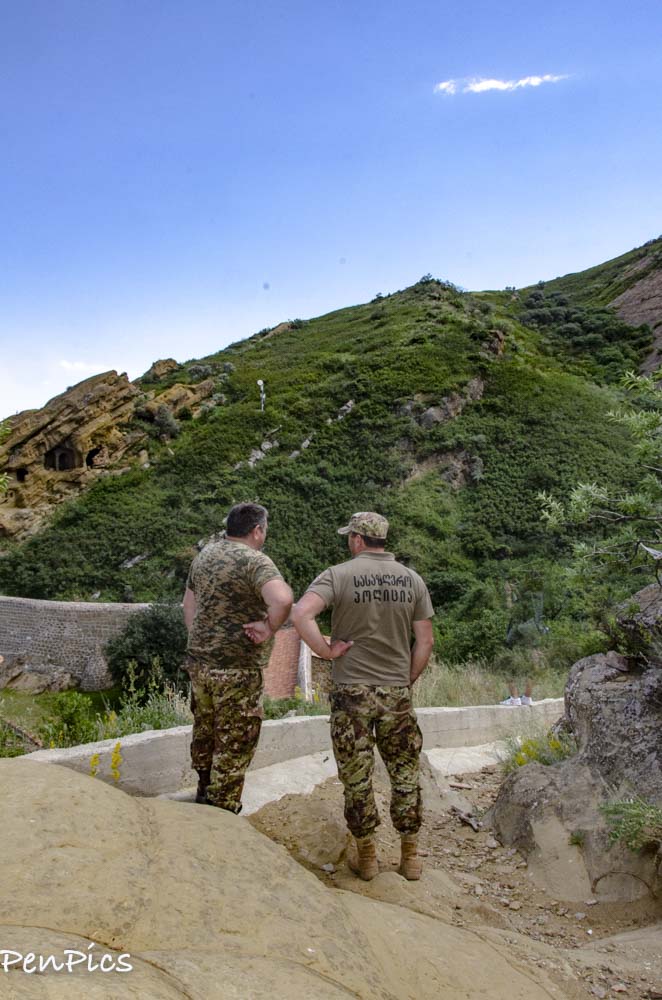
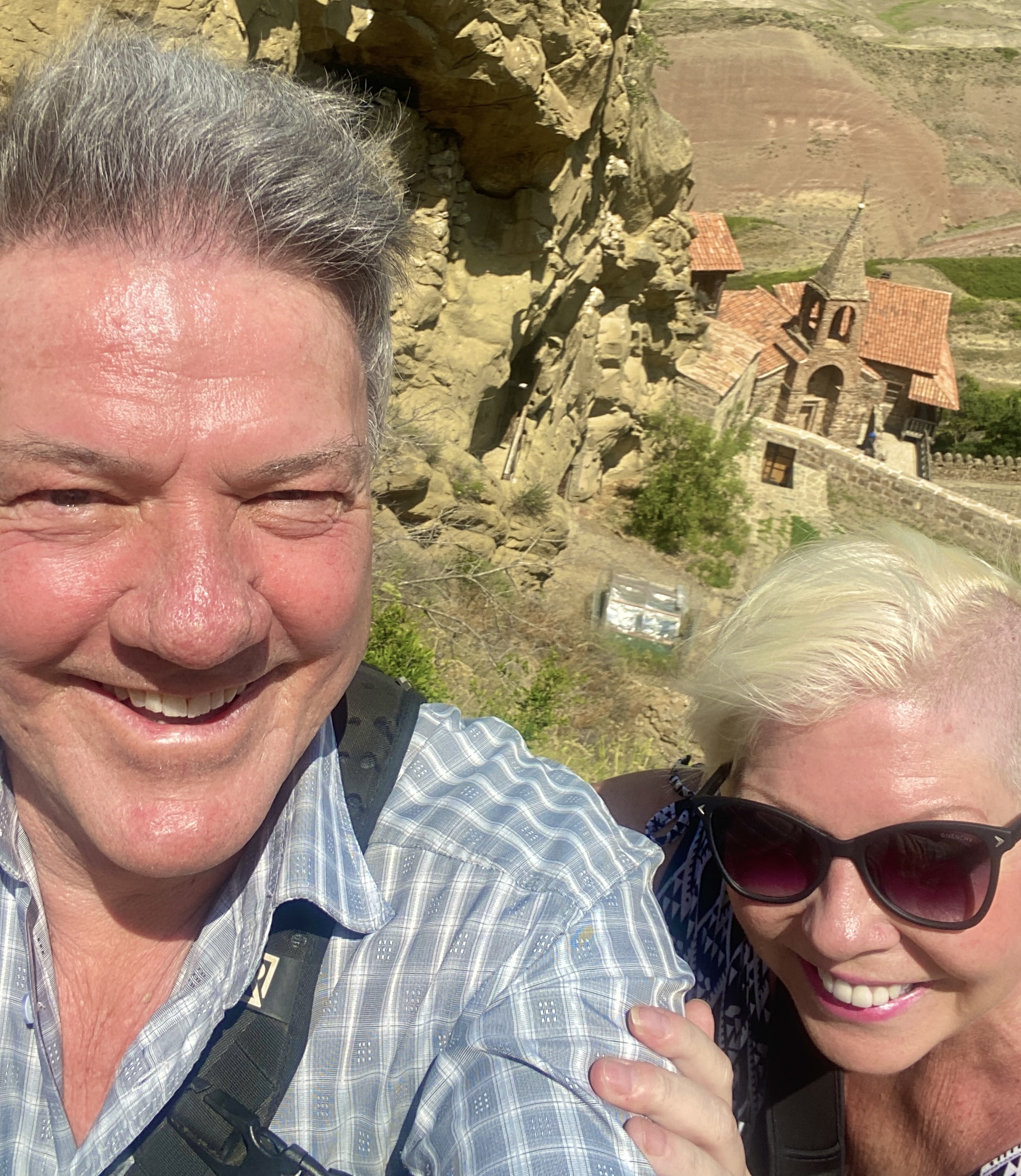
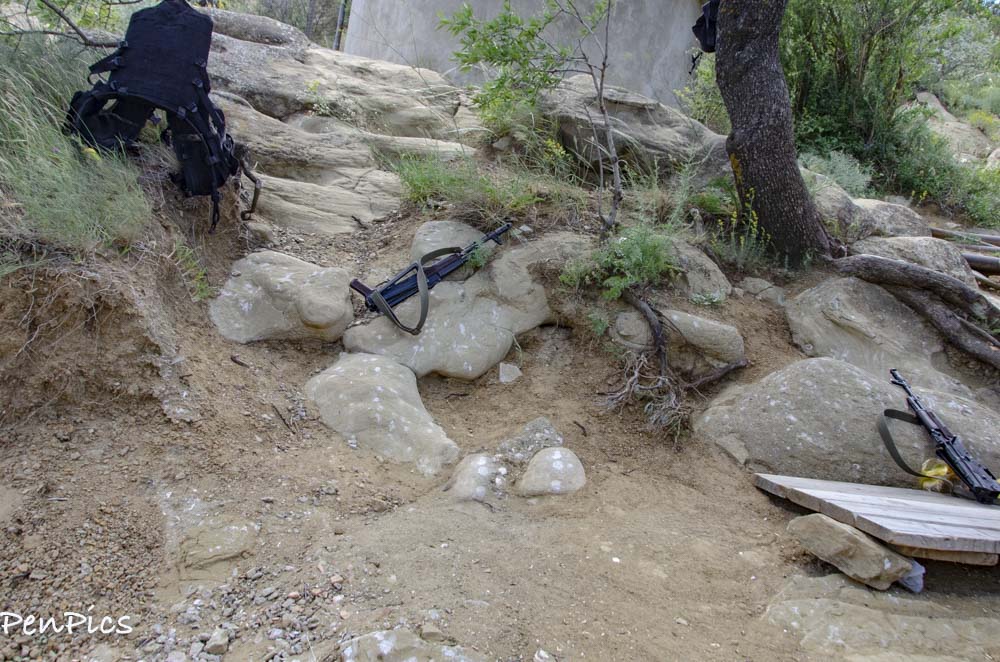
After we arrived at the Monastery, and hiked up and up, we would meet Azerbaijan military guards, who told us where we could go and where we could not go. The ridge we climbed, was on the border of Azerbaijan, too. They watched us like hawks!
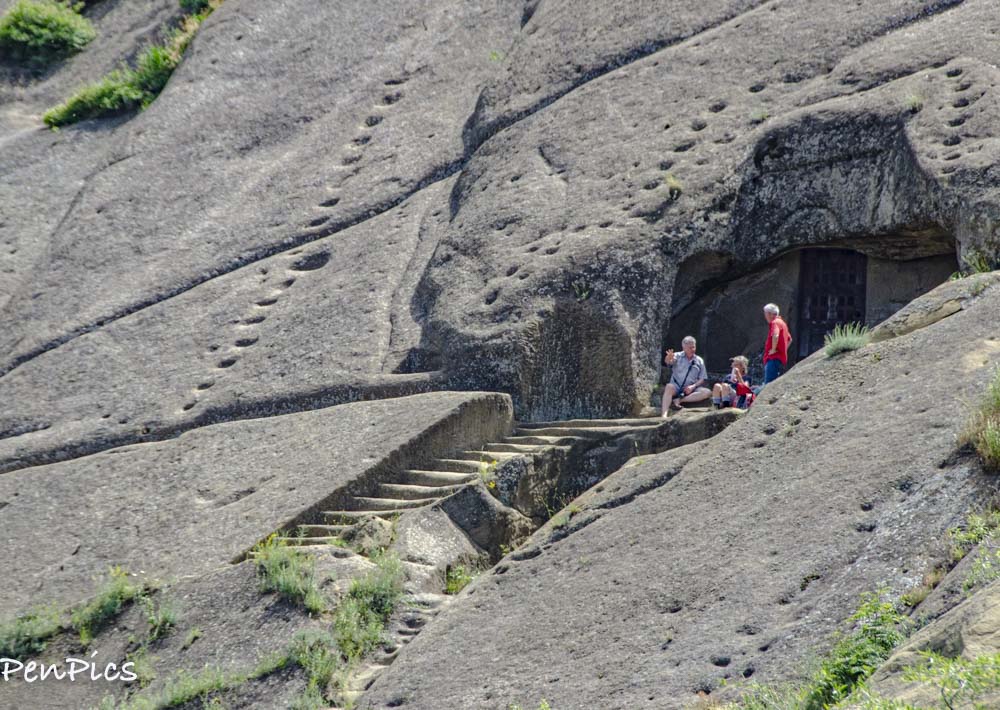
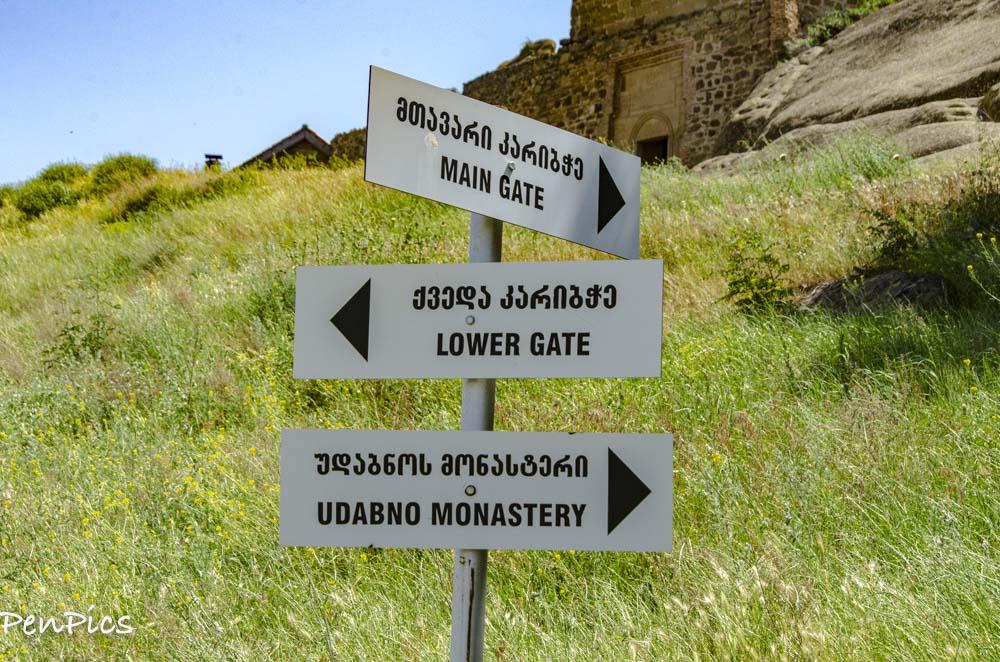
To reach Udabno, take the path uphill beside the church shop outside Lavra Monastery. Watch out for poisonous vipers, including in the caves, and especially from April to June. (luckily we did not see any). At a watchtower, overlooking Lavra, take the path straight up the hill. In about 10 minutes you reach a metal railing. Follow this to the top of the ridge, then to the left along the far side of the ridge (where the railing deteriorates to a series of posts). The caves above the path here are the Udabno Monastery.
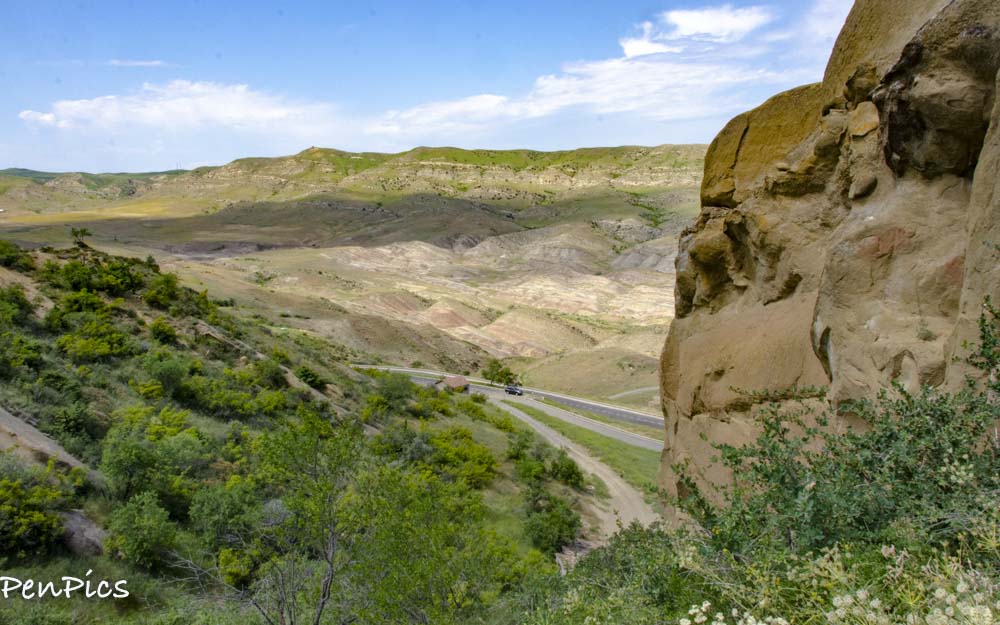
After hiking about half way up from the car parking, there are fantastic views!
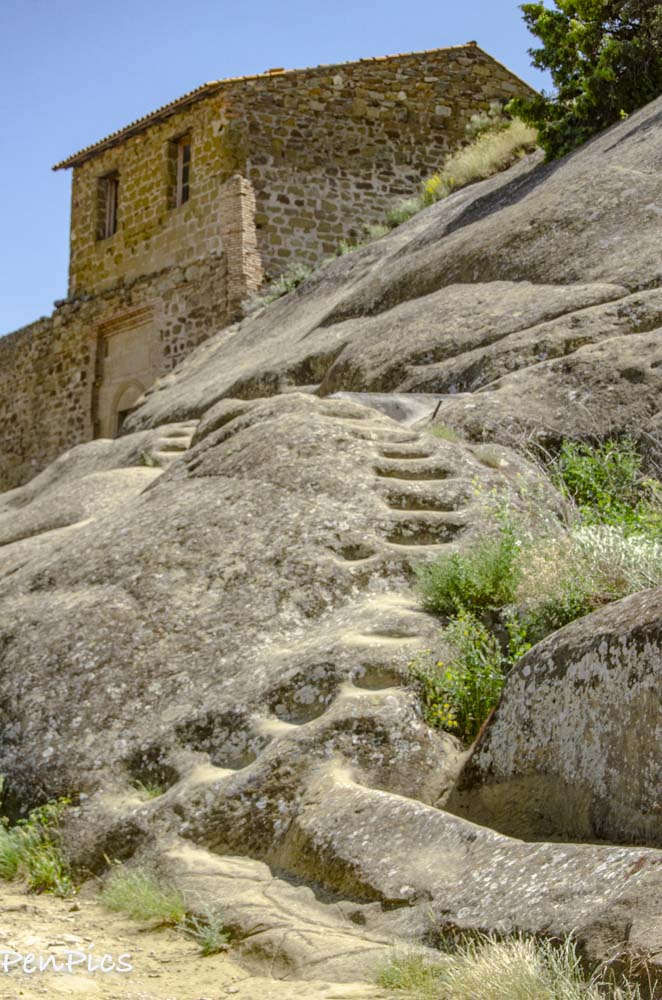
Ancient carved steps
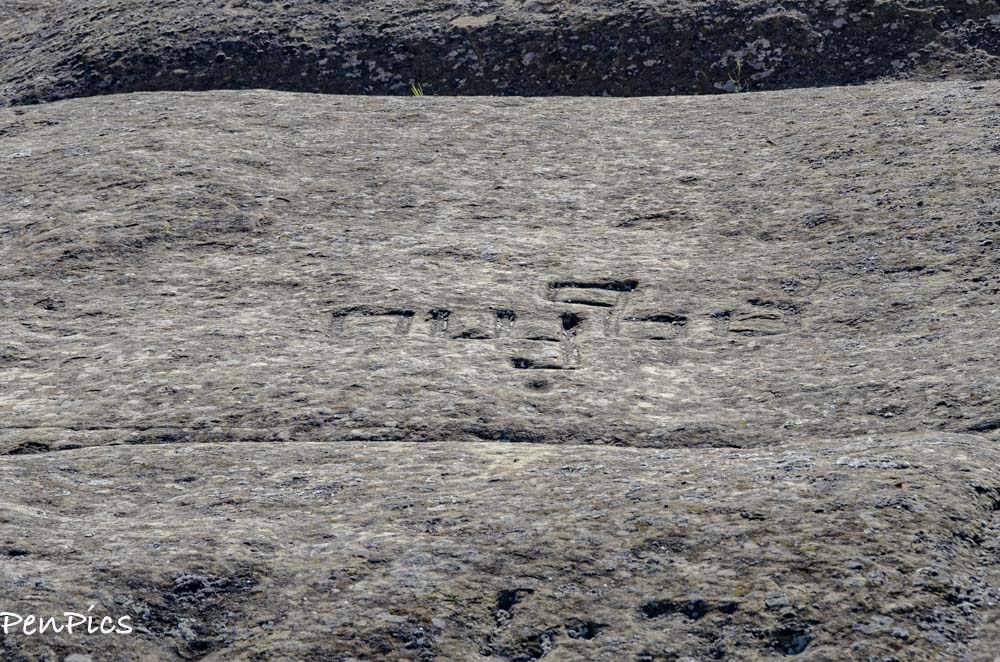
Symbols of some kind carved into the lava stone slab
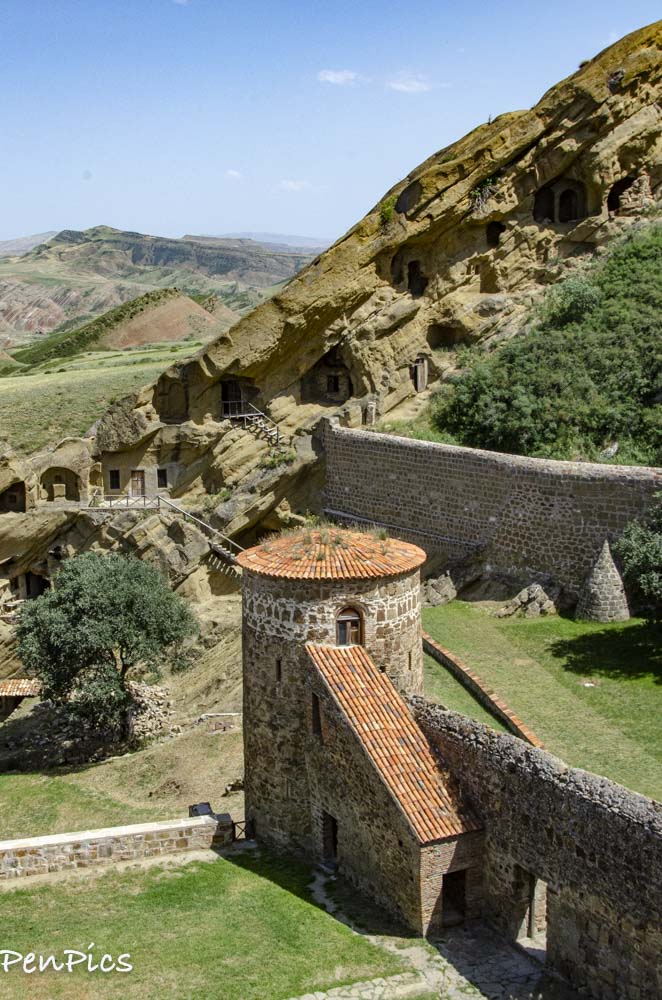
One of the most ancient and extraordinary monasteries in the world, is the David-Gareji Monastery complex, and it is located on the Georgian-Azerbaijani border, 44 miles from Tbilisi.
David-Gareji is dated back to the 6th century. The history of the Monastery keeps many secrets, ups and downs, and exciting moments that have had a significant impact on the history and life of Georgia. Among the locals, there is even a belief that visiting a Monastery and is equivalent to a pilgrimage to Jerusalem.
The Monastery owes its existence to one of the 13 Assyrian Fathers; David Garejeli, who undertook the preaching of Christianity in these lands. The Holy Father settled in one of the natural caves and soon founded the first Monastery. The monastery was called “Lavra of David.”
The monastery complex of Gareji is an ensemble of 19 caves and is considered a masterpiece of Georgian art. The Monastery and caves carved into the rocks stretch on the semi-desert slopes of Mount Gareja for about 16 miles. In addition to the churches and chapels, Gareji had many caves for everyday use. The caves served as sheds, bakeries, smithies and cattle dwellings. Due to its active religious, cultural and political activities, the Monastery was occasionally subjected to enemy attacks, especially by the Mongols, who in the 13th century plundered and destroyed it, burned manuscripts and relics. In the same period, the art school was destroyed, which was famous, even outside the country.
The Monastery is of great historical value due to unique frescoes depicting scenes from the life of St. David, as well as portraits of Georgian kings and politicians of the Middle Ages. The walls of most caves also contain traces of frescoes; some of them are completely preserved and almost untouched.
In the Middle Ages, the Gareji Desert, with its cave Monasteries served as one of the most important monastic and pilgrim centers of Georgia. It was truly a royal Monastery, literally and figuratively.
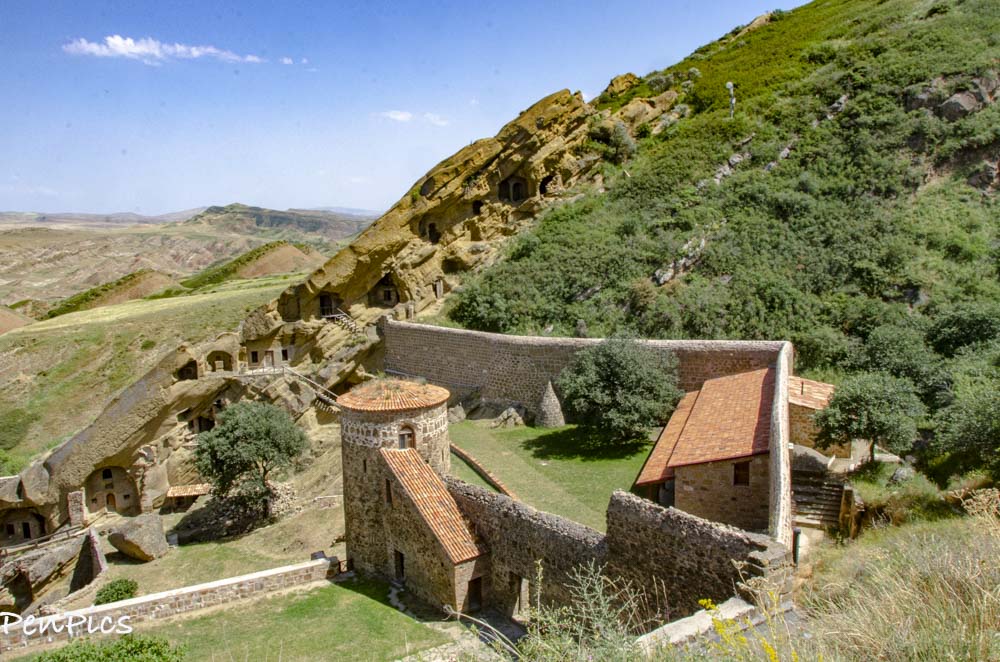
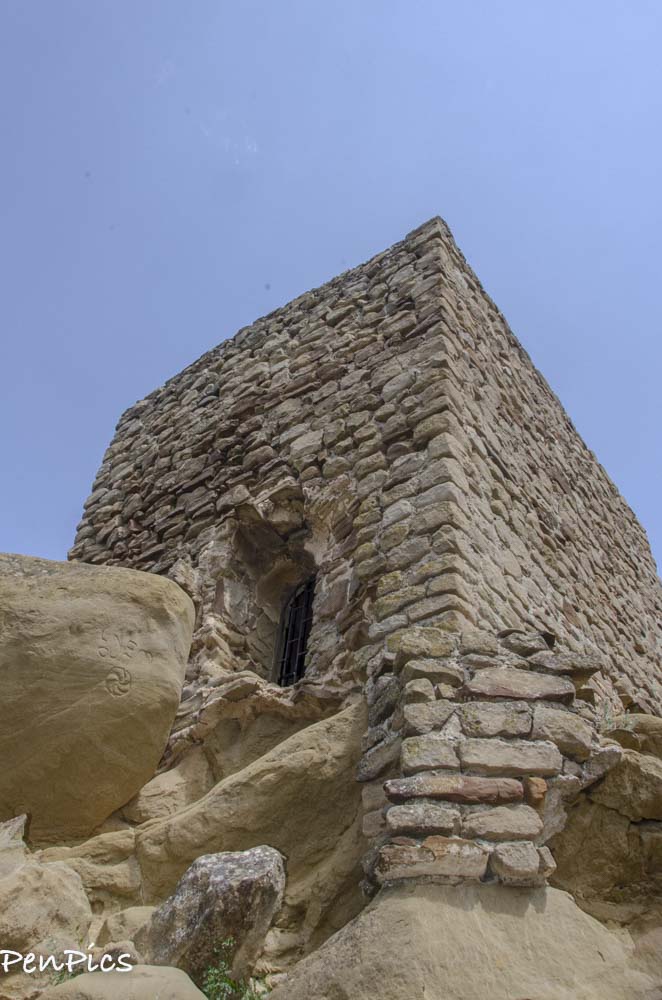
⬆️ Unfortunately, due to the border issue, we were not allowed to enter the best part of the Monastery complex. But, there was a cave we were allowed to trek to, as long as we obeyed the boundaries. The military guards had uzi’s so we obeyed. ⬇️
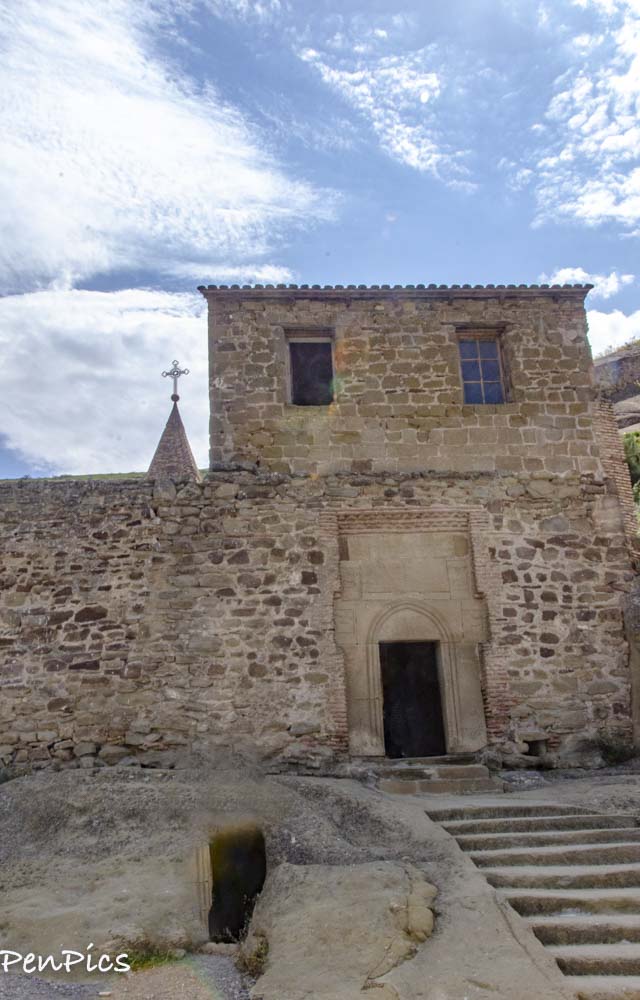
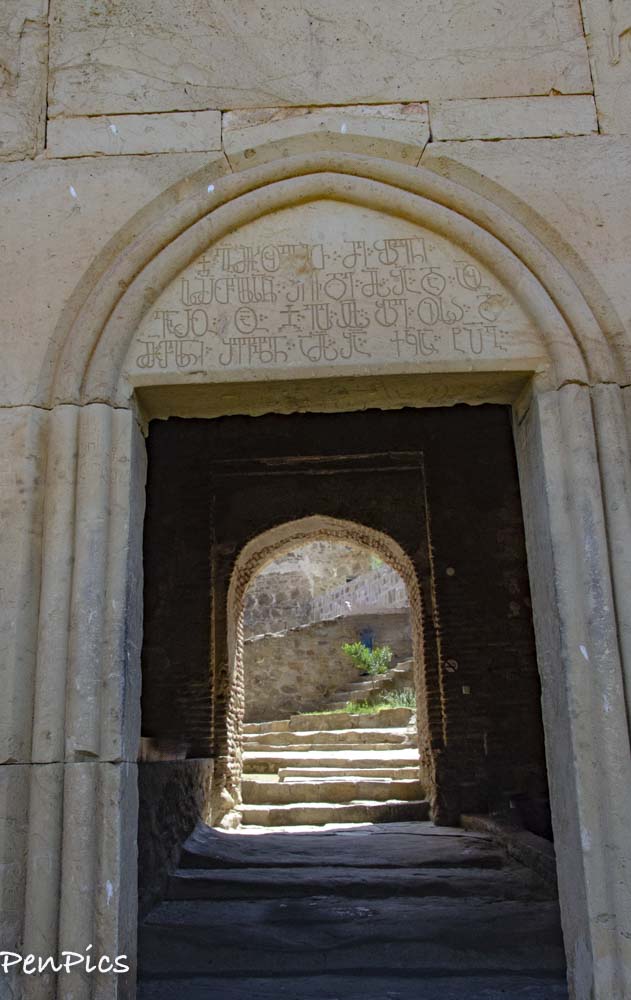
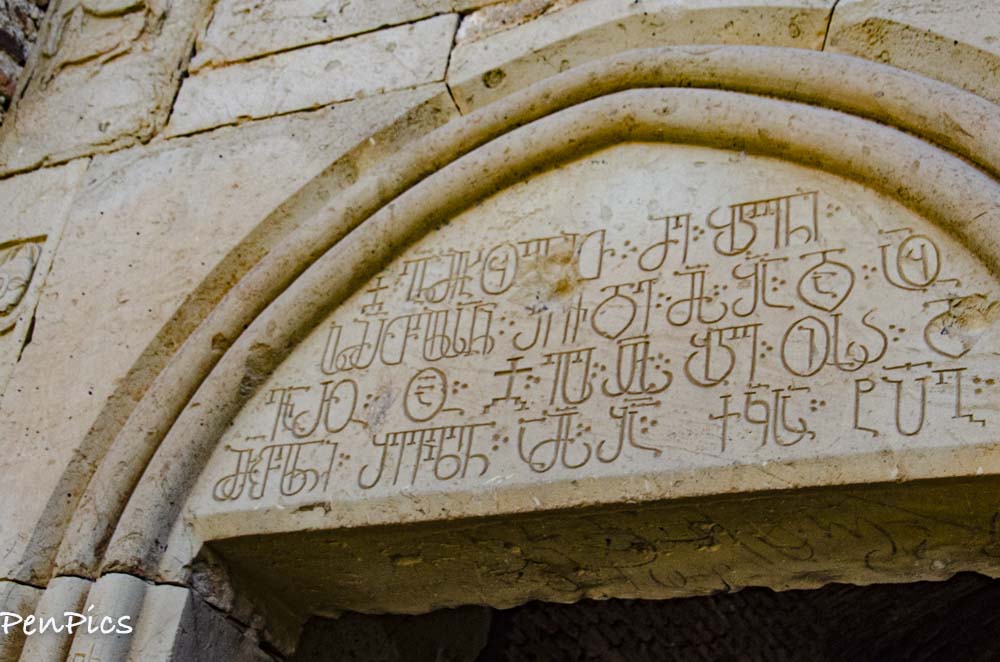
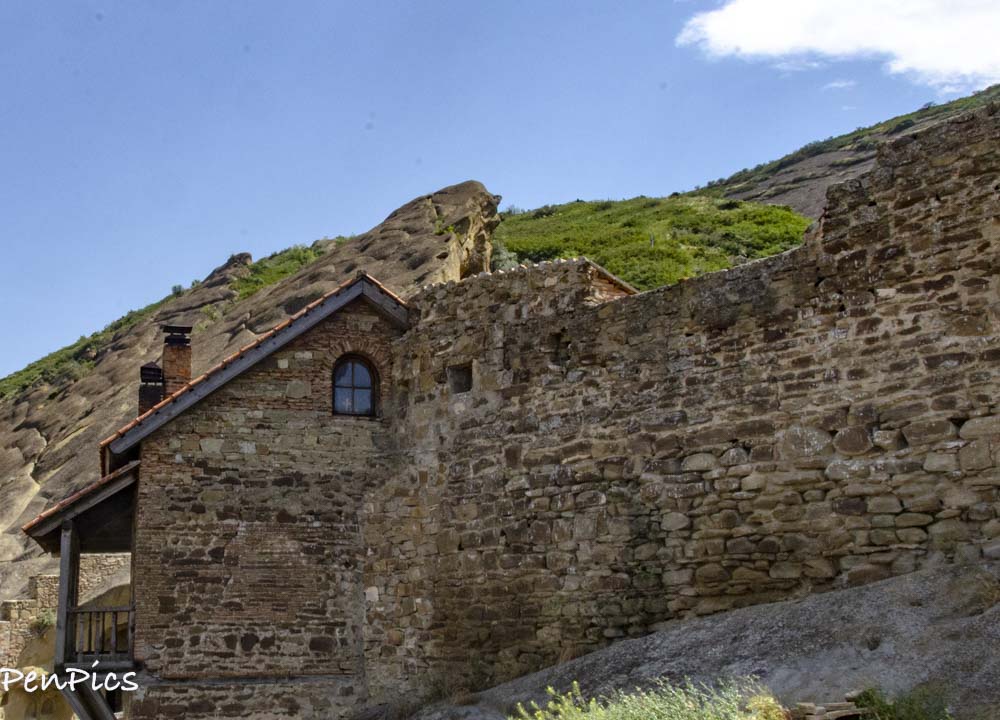
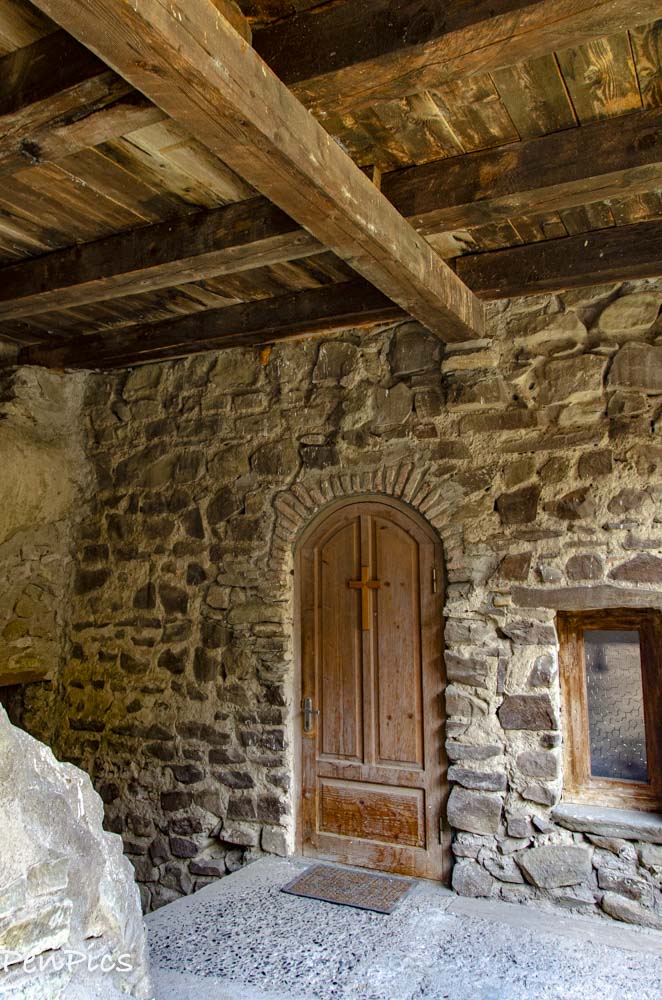
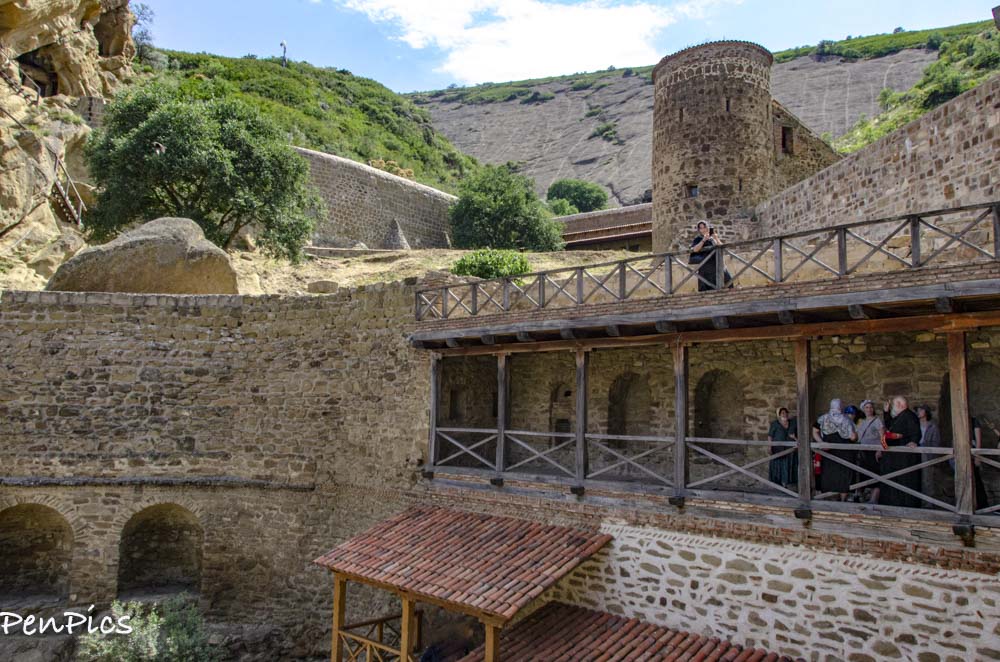
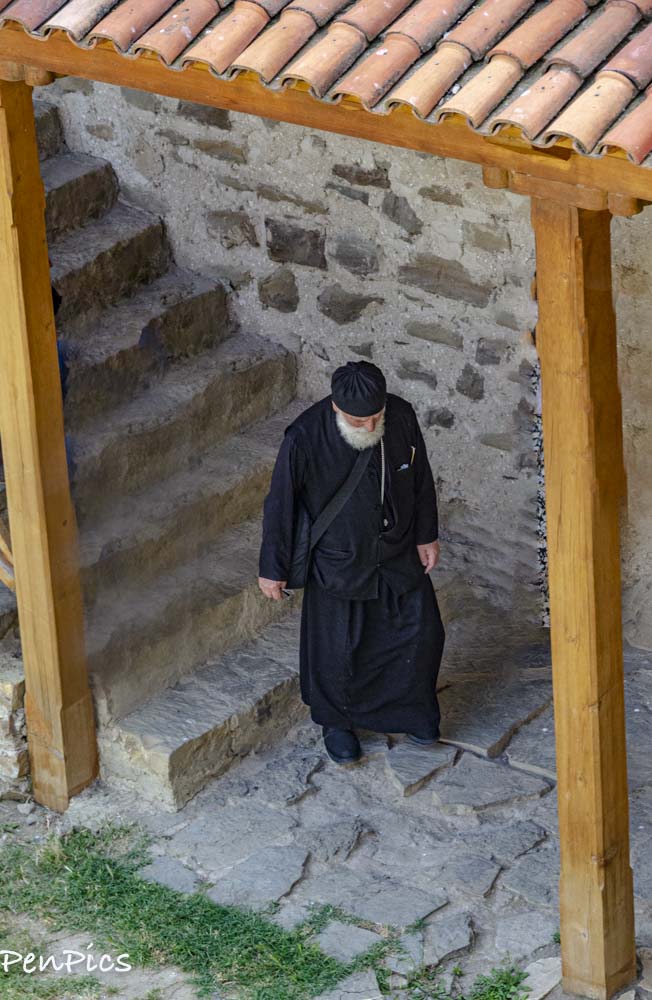
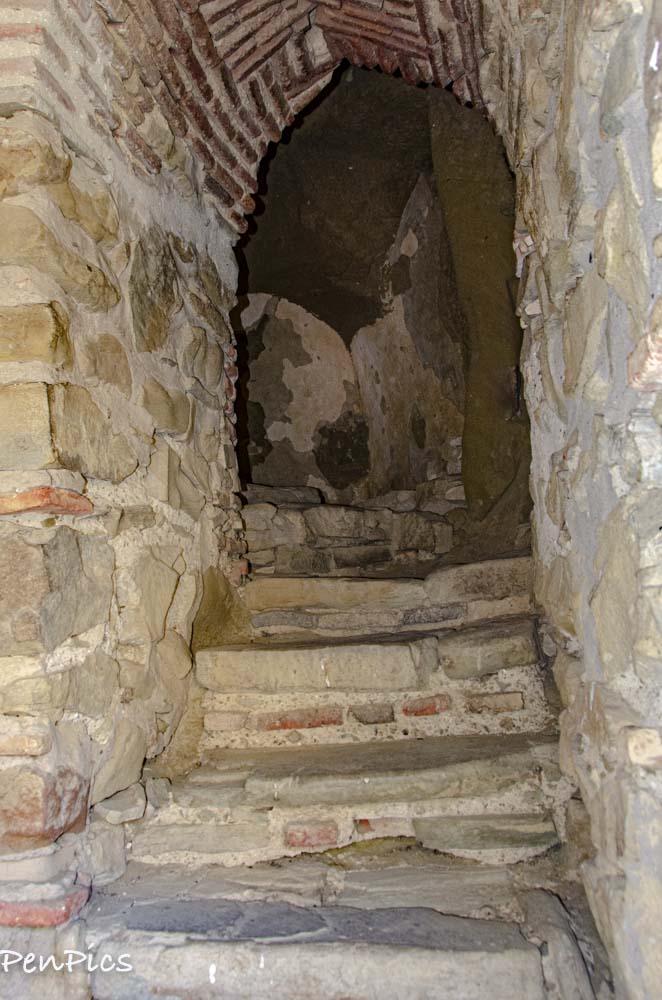
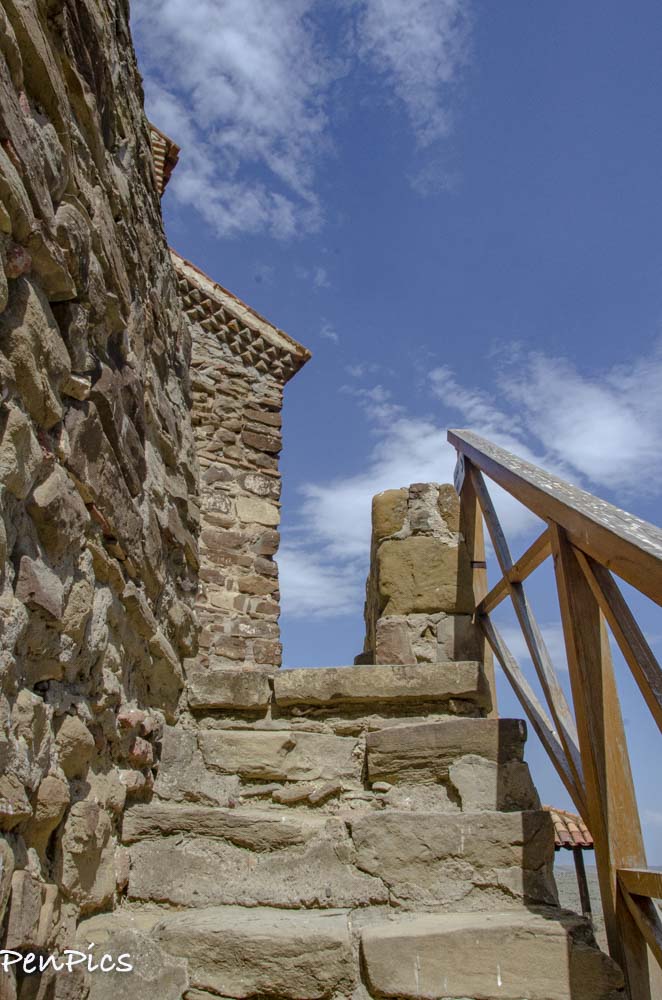
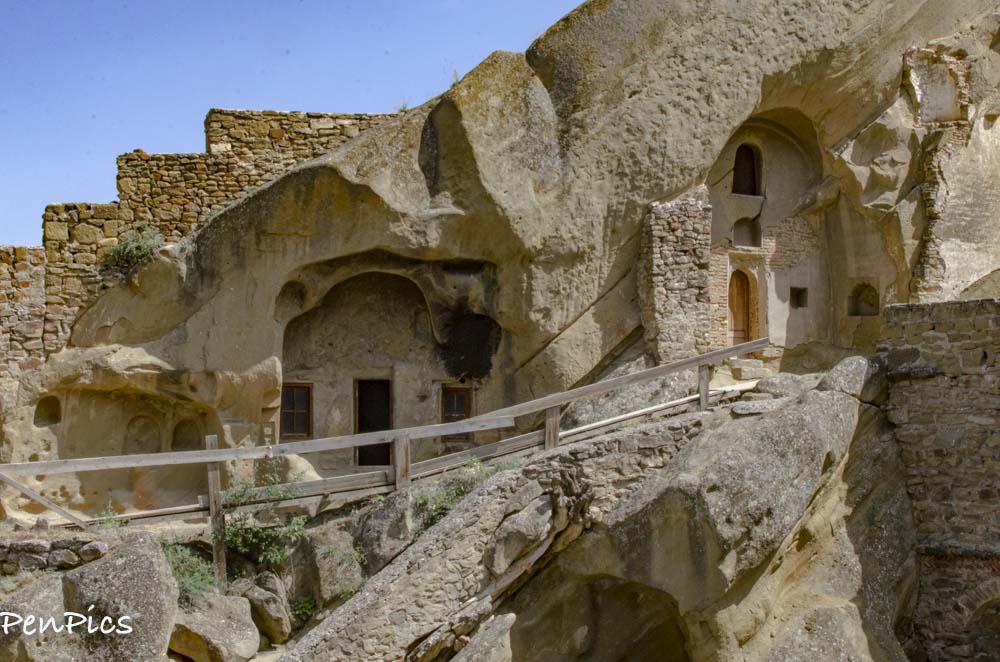
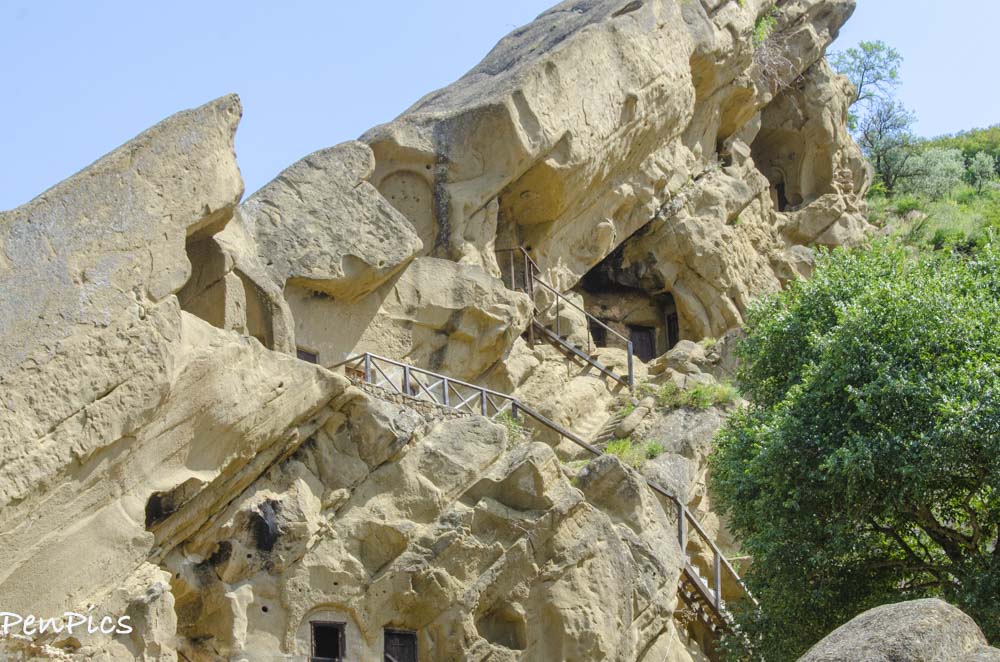
⬆️ From the upper part of the complex with the cave, we hiked back down, to see the lower part of the complex, where we were allowed to enter.
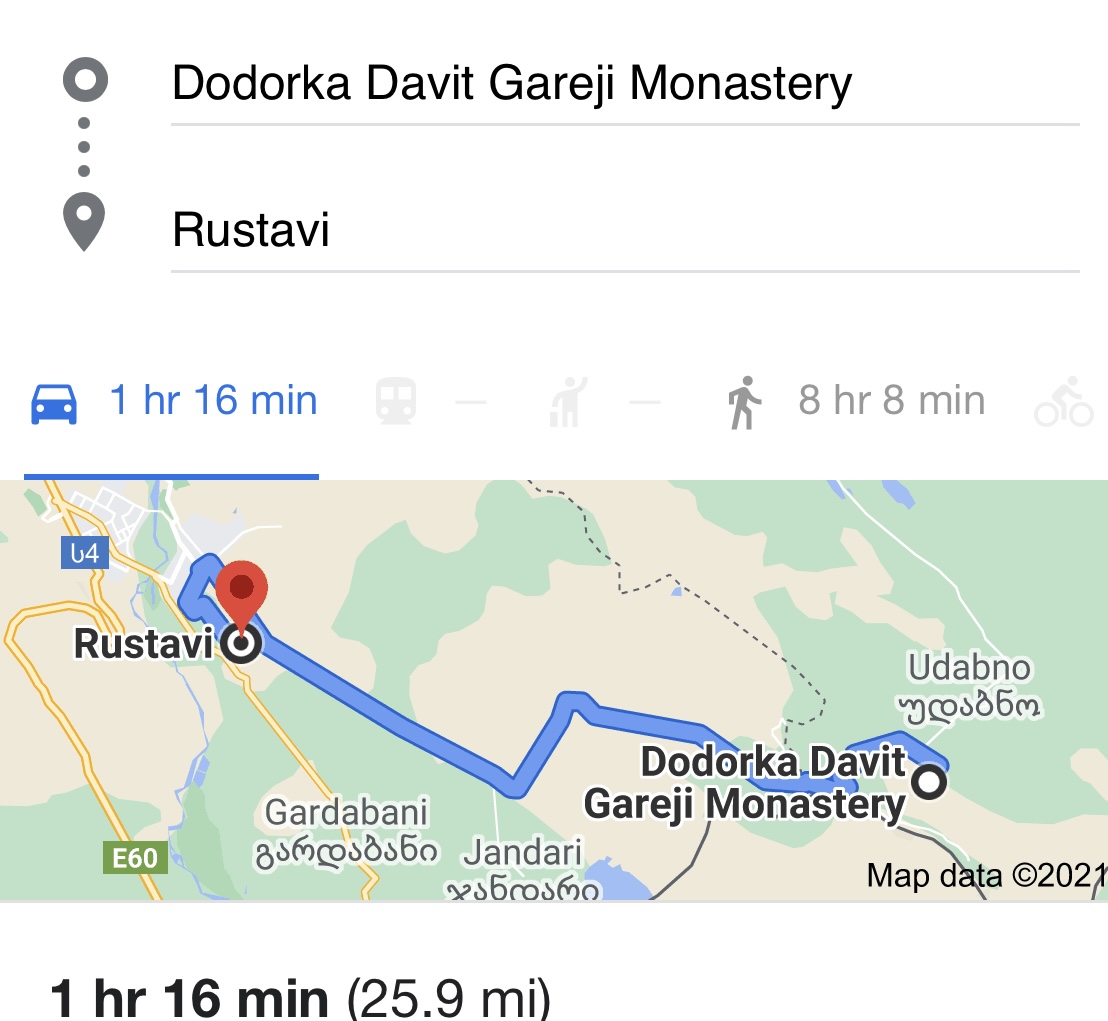
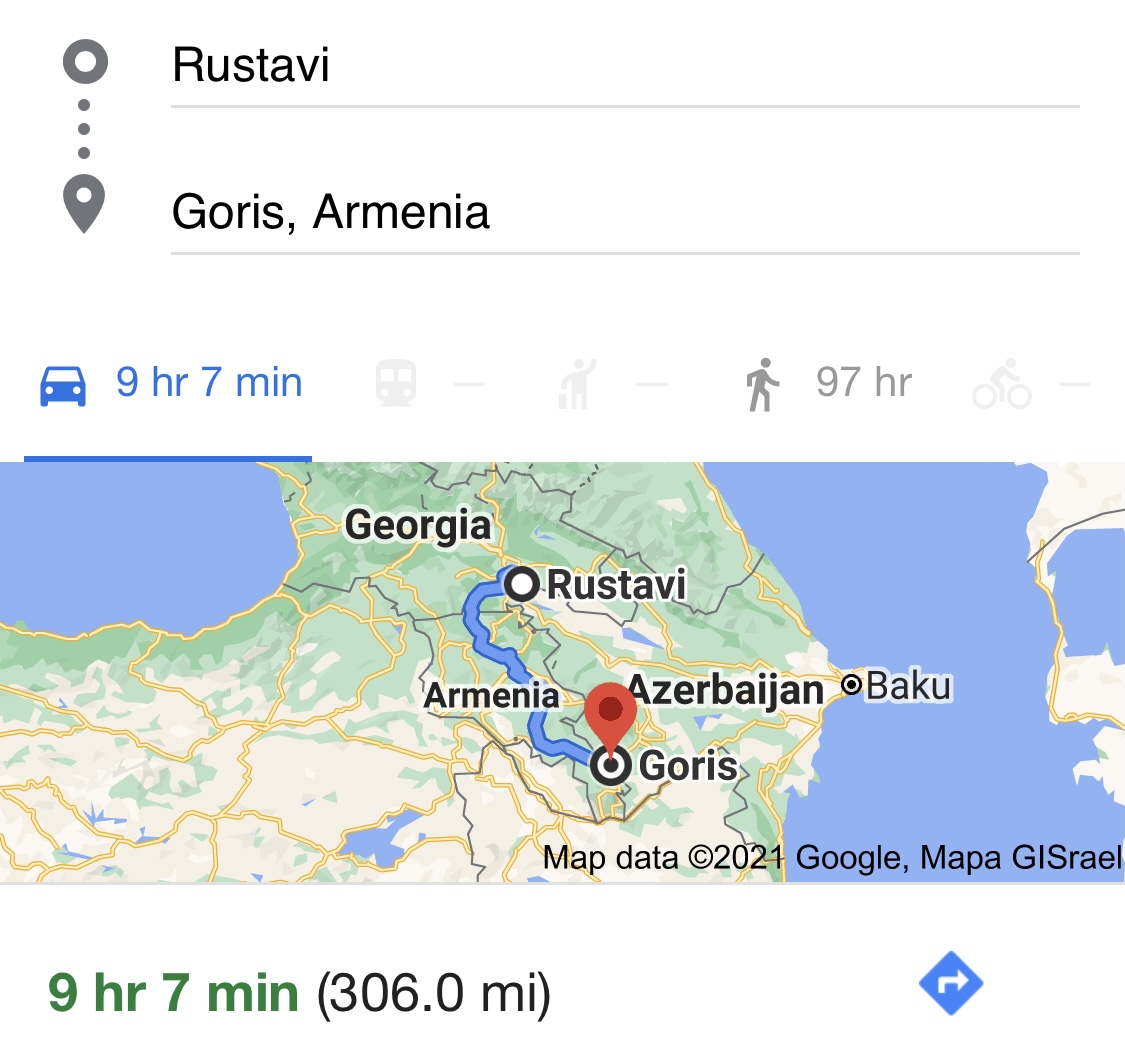
After our visit to the Monastery, and after we were done exploring, we had to repeat the same road, back, and returning within 30 miles of Tbilisi, to a town called Rustavi. It was time to find a room and some dinner. There is one hotel for $20 a night, and a new McDonalds in town. Thankfully, the hotel is clean and has internet. We will stay only one night, and make our way West, towards the Black Sea, within the next few days. Hopefully, we can enjoy some time on the coast, before the locals begin their holiday vacations.
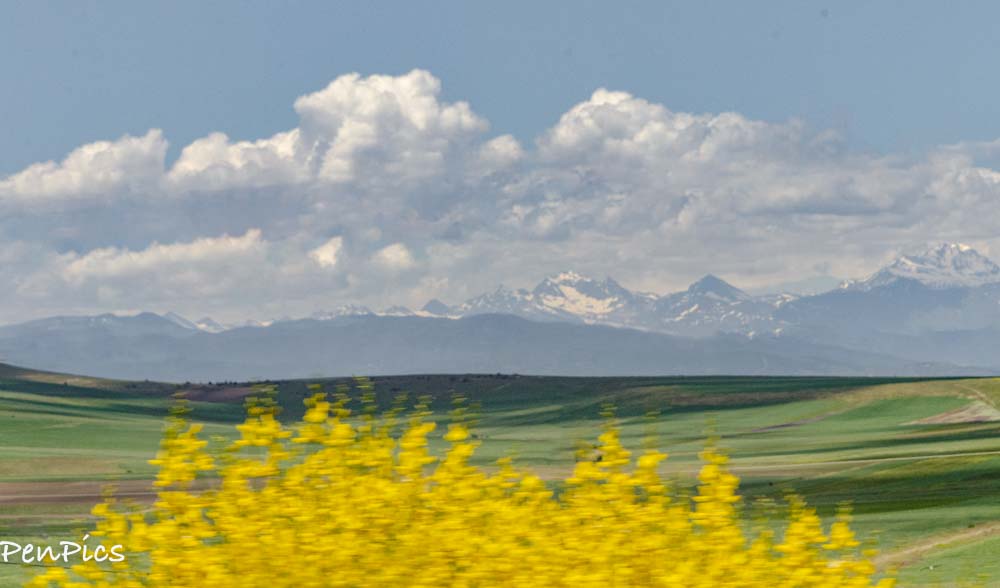
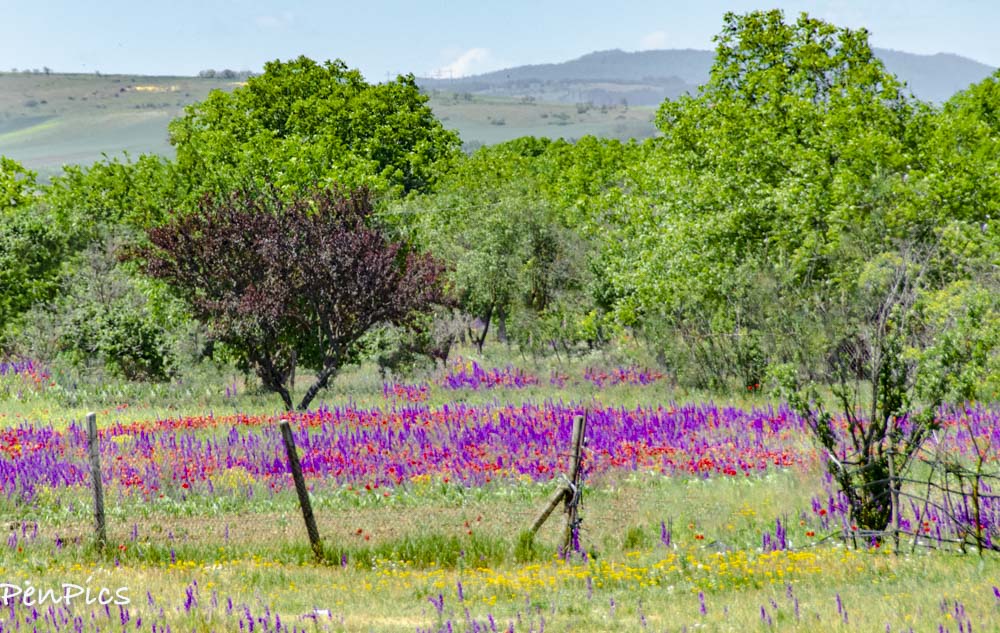
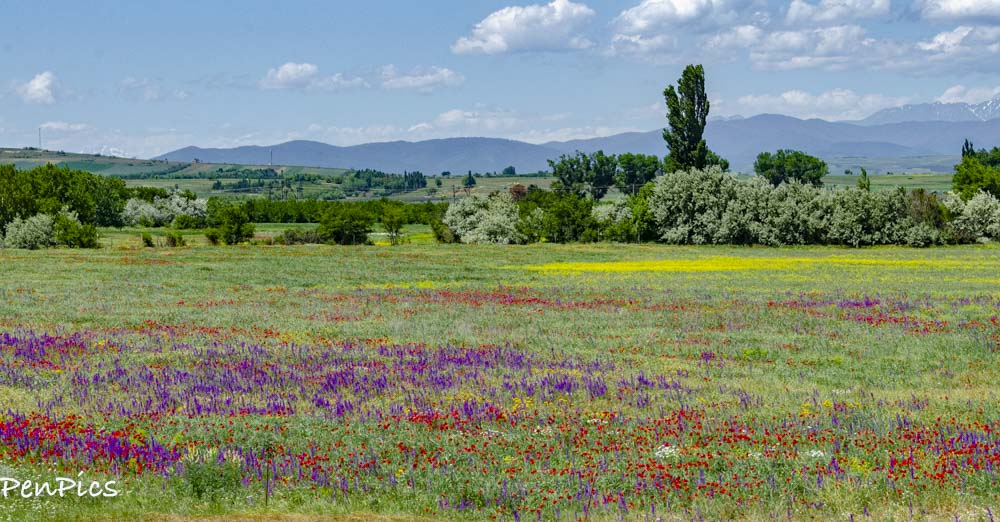
Here are scenic photos from the drive, today, ⬇️
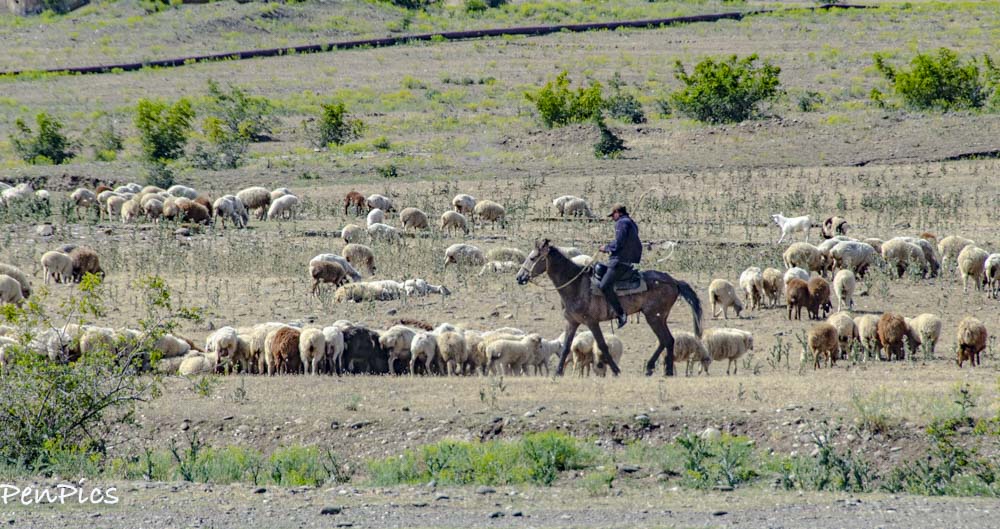
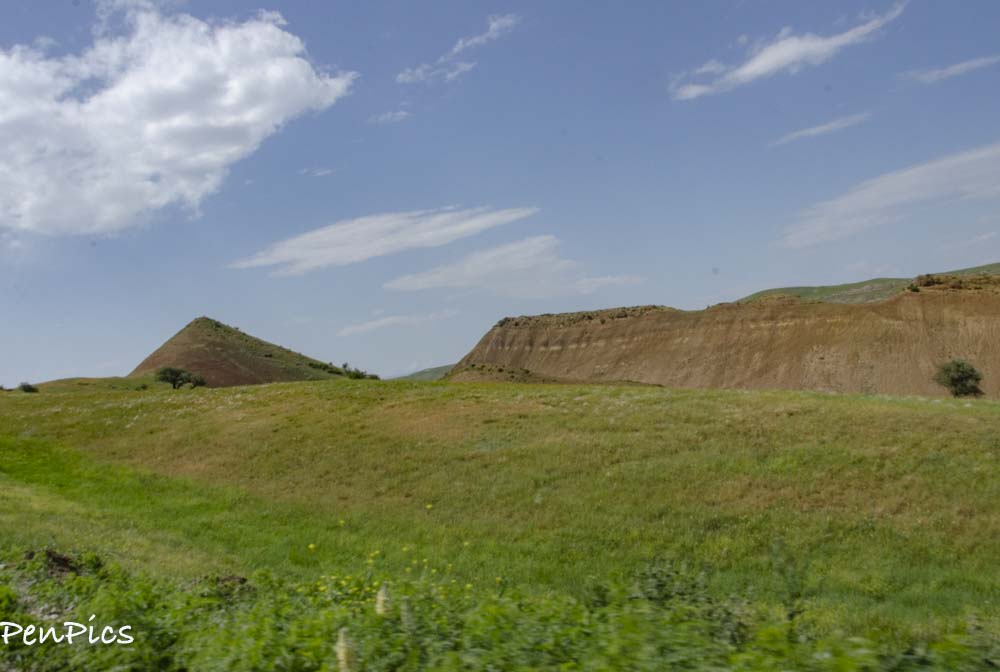

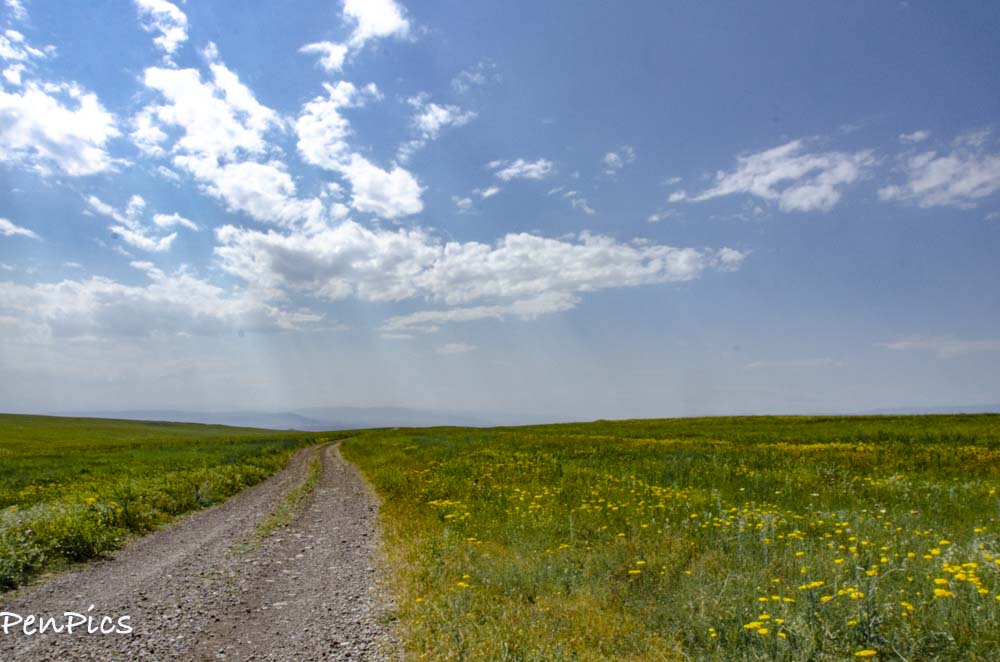
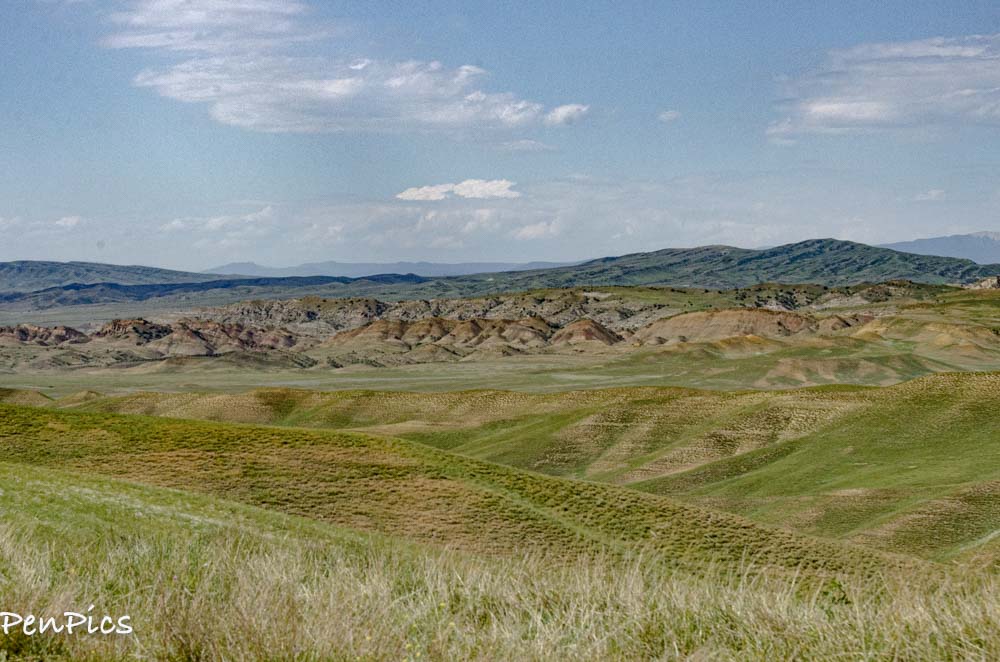
Azerbaijan 🇦🇿 in the distance
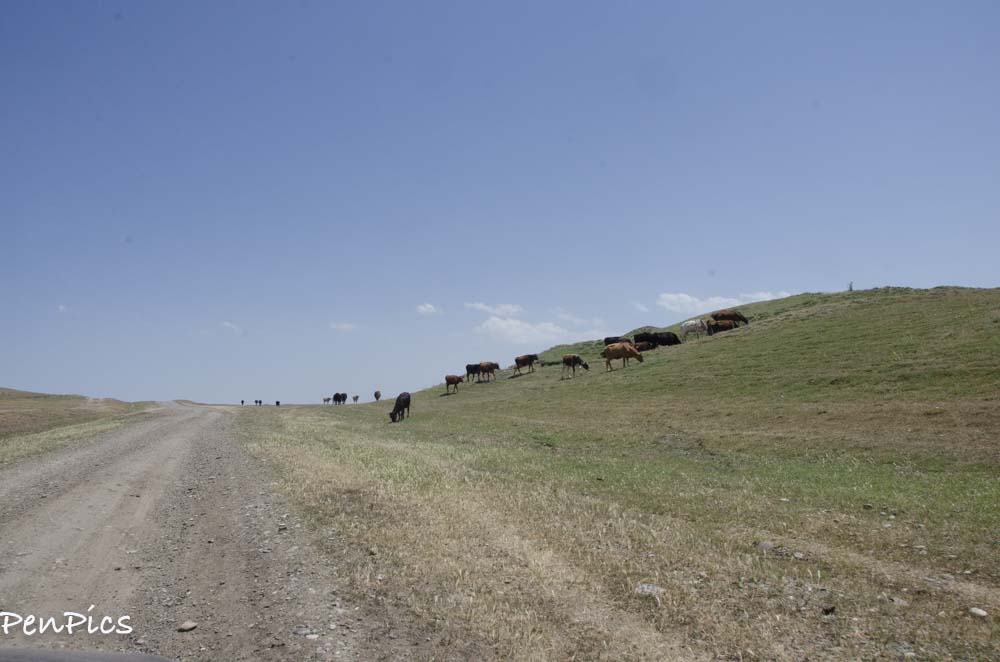
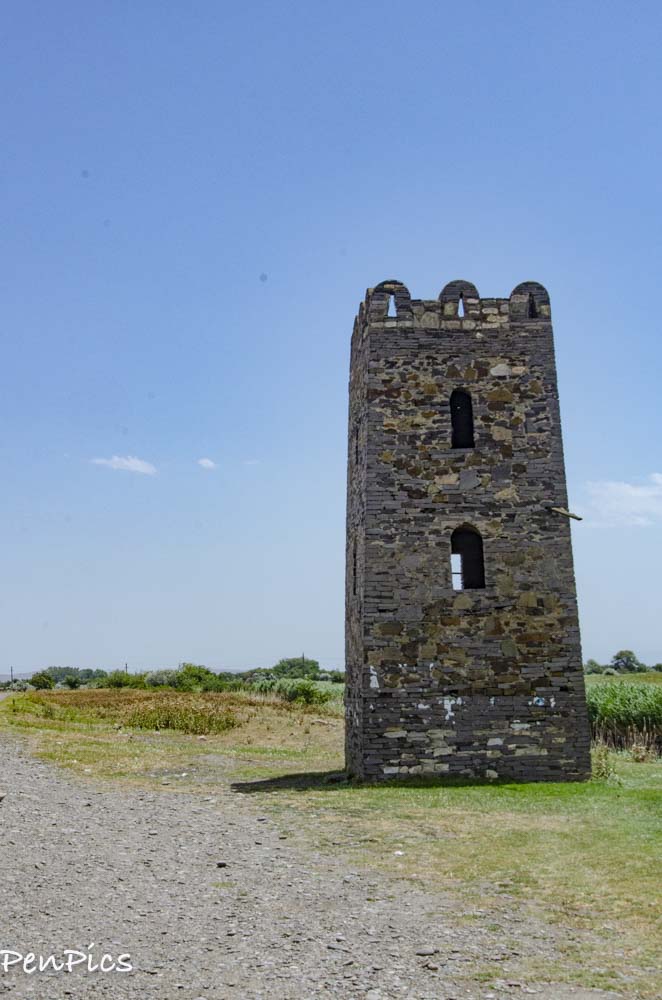
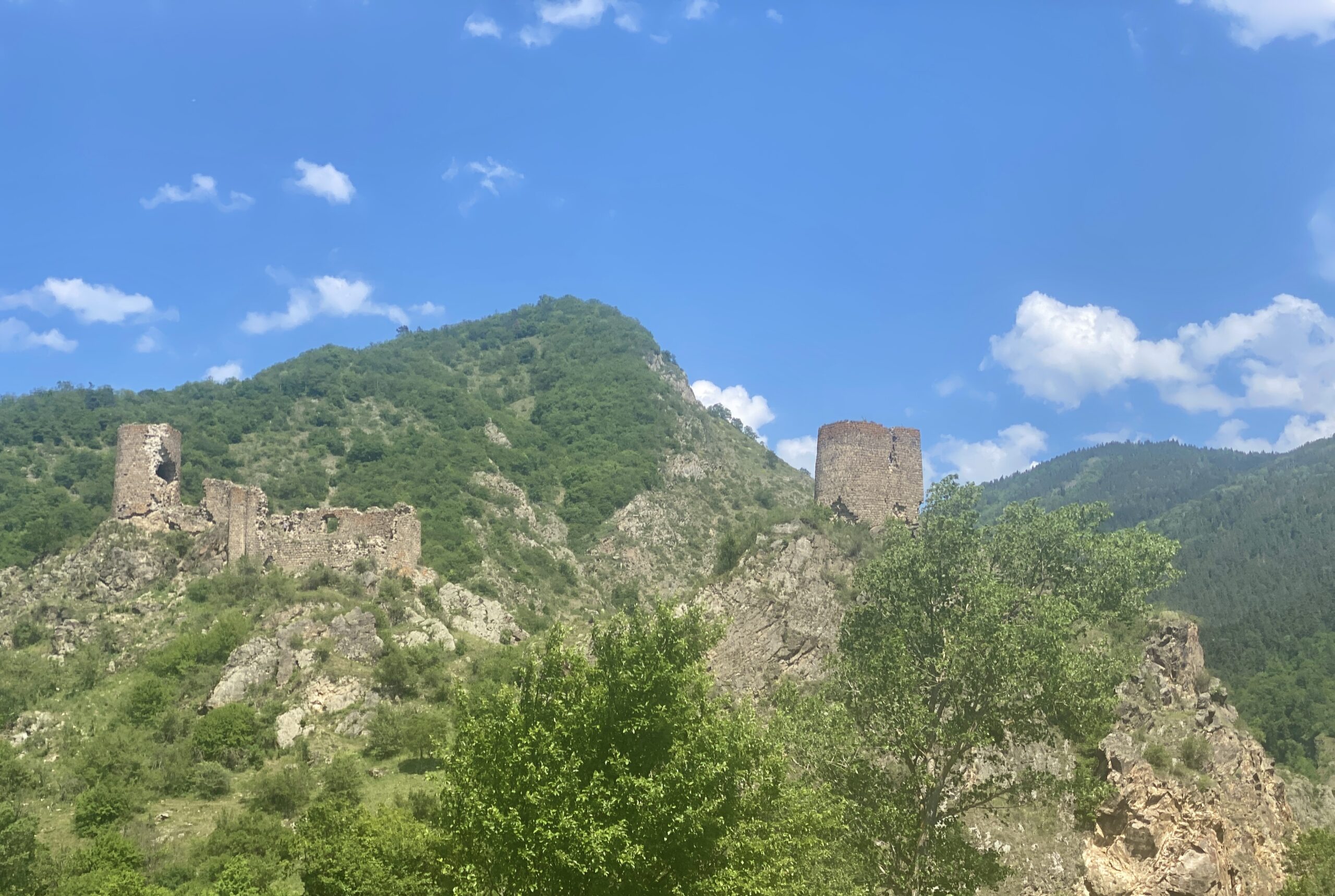
An ancient single Tower, standing alone
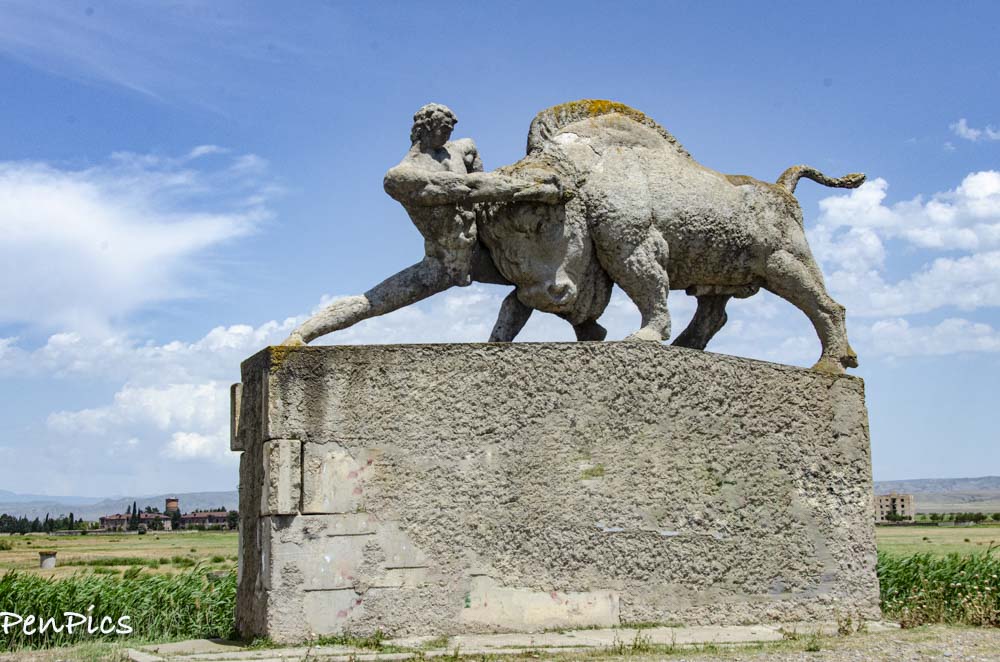
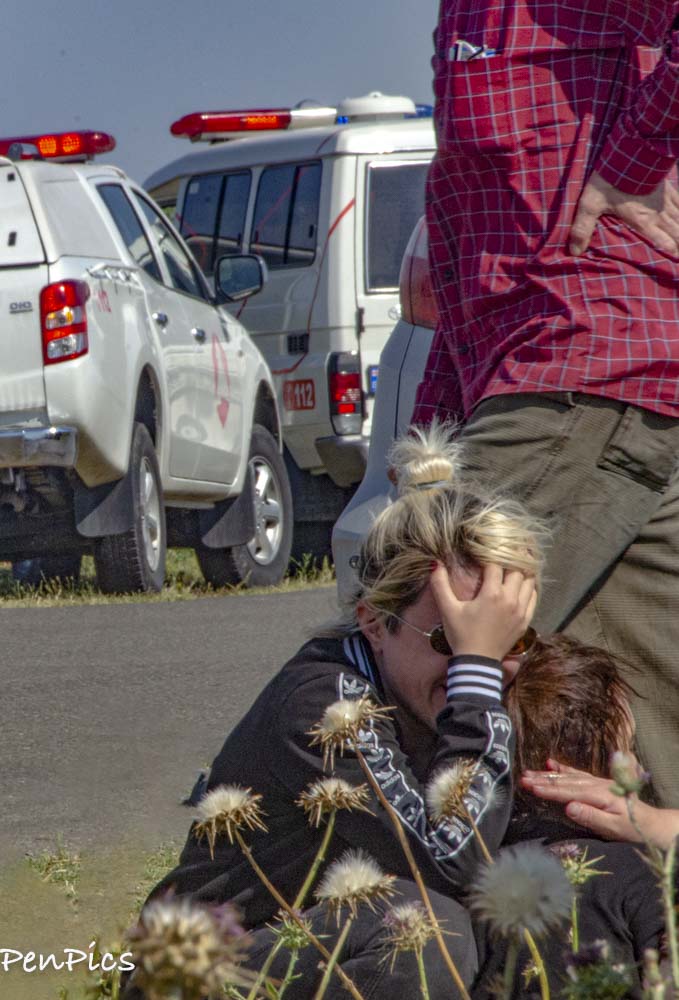
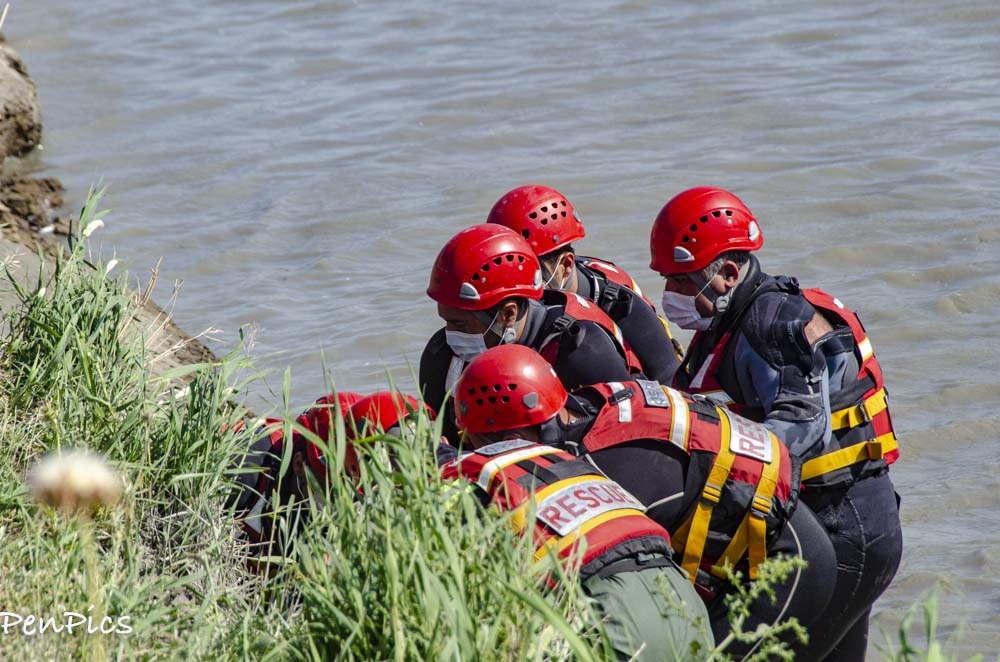
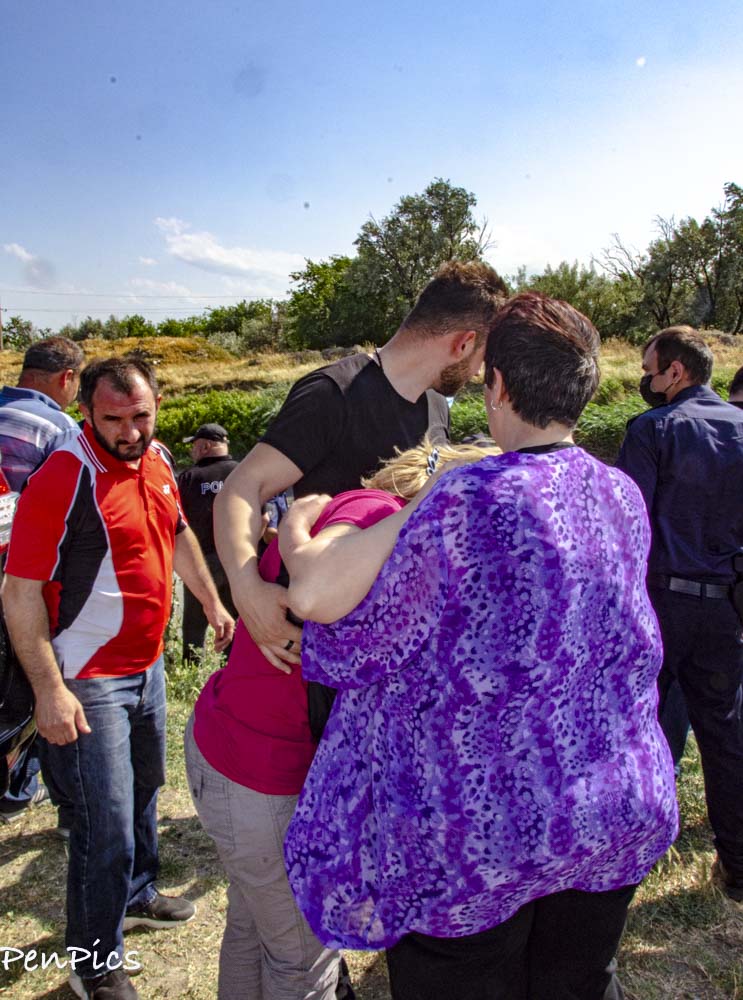
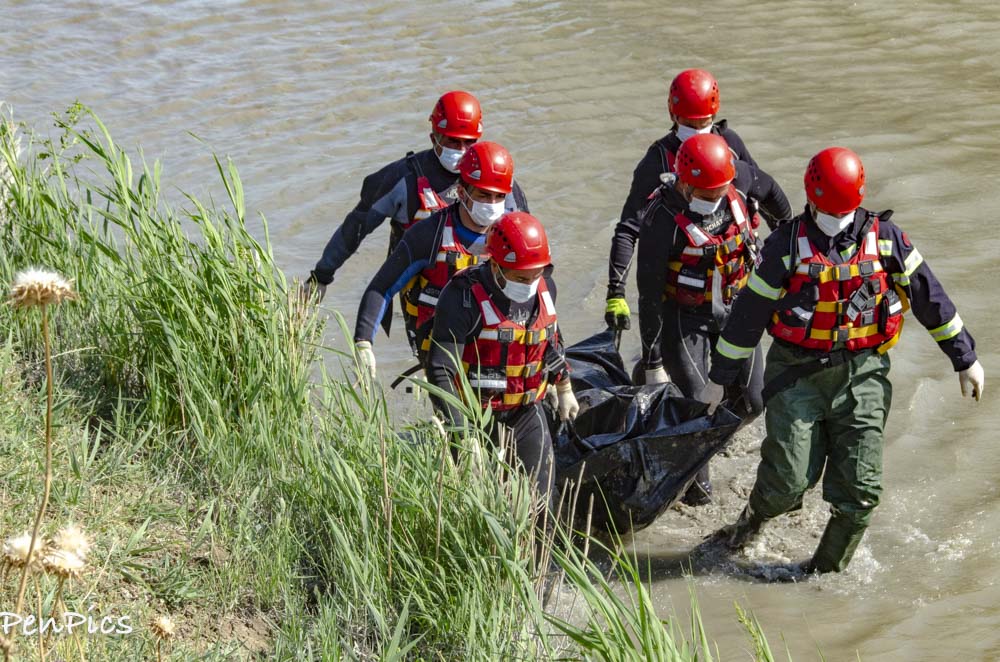
Strangely enough, while making our way to the Monastery, on the bad road, before the driving part through the plateau, we noticed lots of activity with police cars and men dressed in dive suites with “rescue” written on their shirts. They were all spread apart, along along the winding river. We thought maybe they were doing some training maneuvers, or something. Several hours later, we returned the same way, back, and there were even more police personnel, and quite a large crowd including camera crews had gathered, as well. We stopped to find out what was really going on. To our surprise, the rescue was defiantly a recovery. We were told a man was fishing, and drowned. Not enough English to know if that was the case, but given the size of the person in the body bag, that took six men to carry, it had taken place recently. There were two women distraught and very sad, on the side of the road, and we wondered if they were relatives. Given the low amount of water in the river, we also wondered if the person suffered a heart attack, then drowned. It was very sad, whatever happened. That is for sure. ⬇️
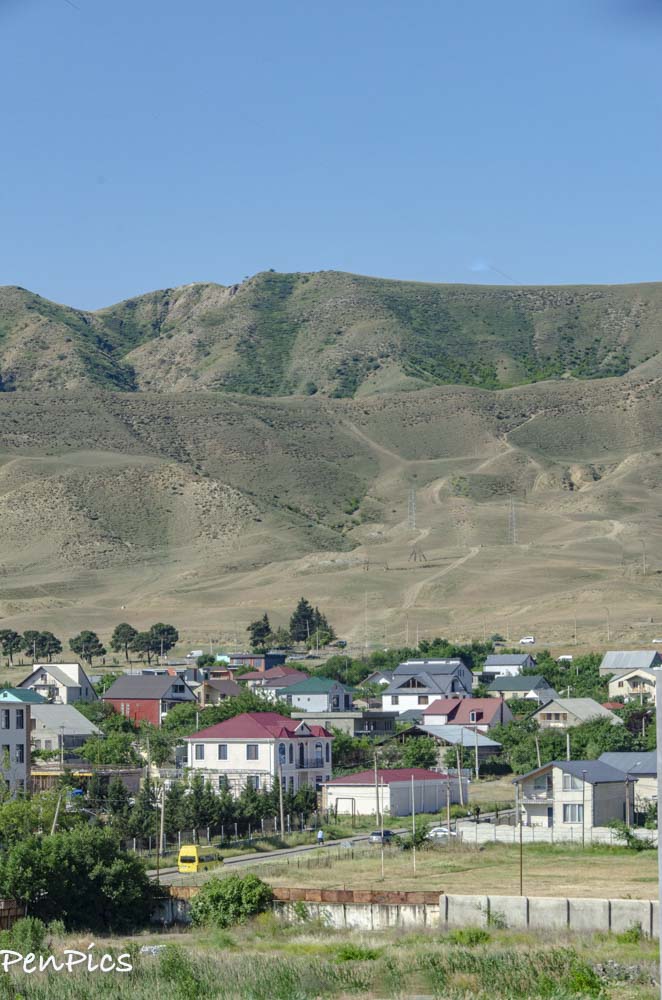
Rustavi
On this day, we left Rustavi and drove to Goris Fortress in Goris, and explored that, as well as some lovely churches and their grounds.
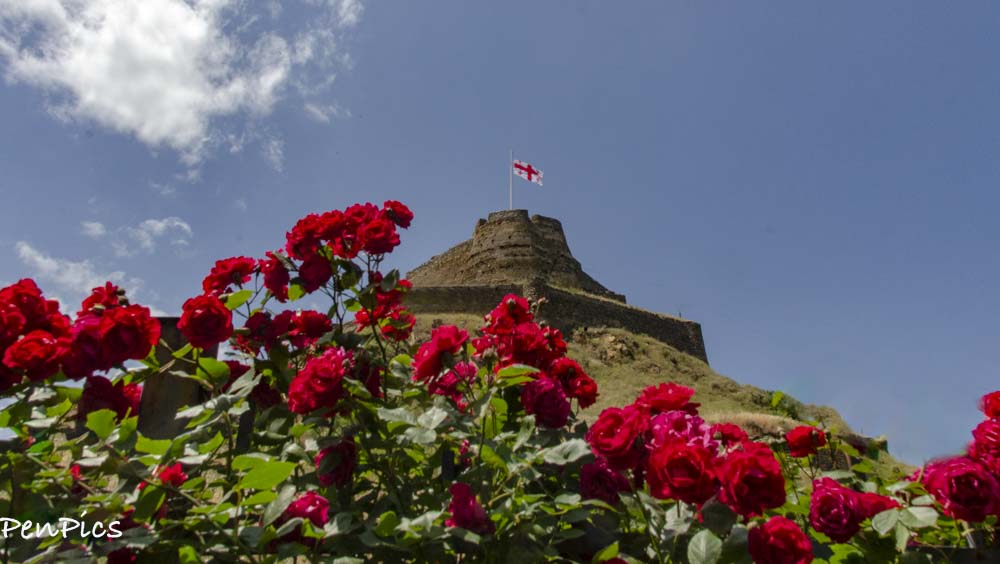
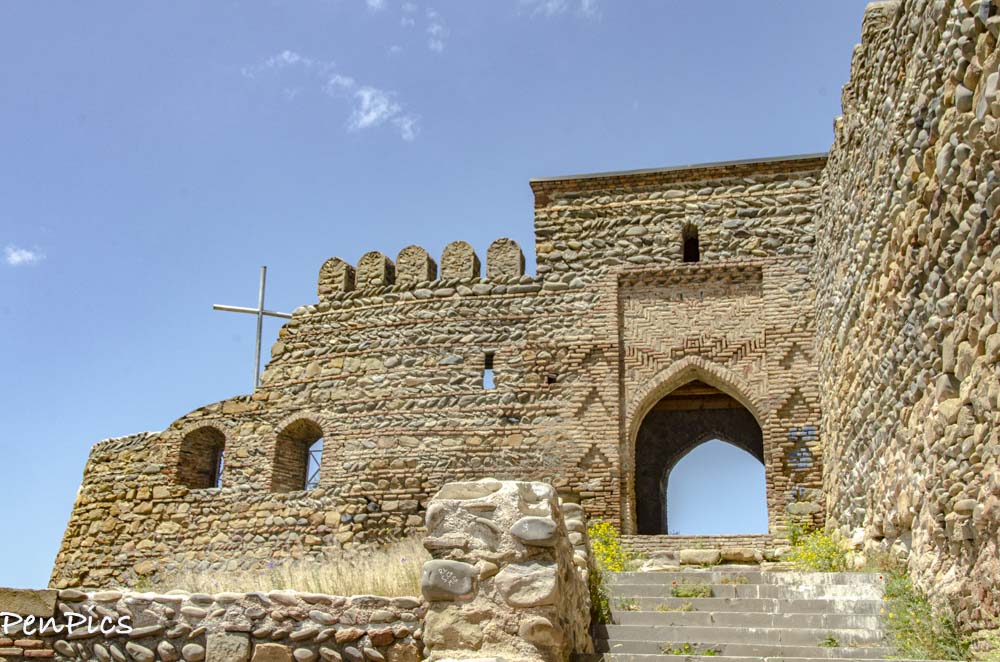
Gori Fortress is a historical Fortress in the center of Gori, on a high rocky hill. The ruins and archeological materials on the northern slope confirm that in the last centuries of the I millennium BC, there was a strong Fortress and the population around it. “Gori Fortress” is first mentioned in sources in the 13th century.
Gori Fortress was an important strategic stronghold. Its conquest meant political domination over the whole of Shida Kartli. Over the centuries, Gori Fortress has been repeatedly renovated. The main part was restored in the 30s of the 17th century by King Rostom.
Goris Fortress got its current appearance in 1774, when it was thoroughly repaired by King Erekle II. In the first years of Kartli-Kakheti’s unification with Russia (1801), Gori Fortress still performed its strategic function, when the Russian Army Grenadier Battalion was stationed here. Subsequently it lost its former meaning.
The Fortress is built with cobblestone. The cut stone is used in the earlier layers. The fortress had a tunnel to draw water and a reservoir.
Gori Fortress was significantly damaged by the earthquake in 1920.
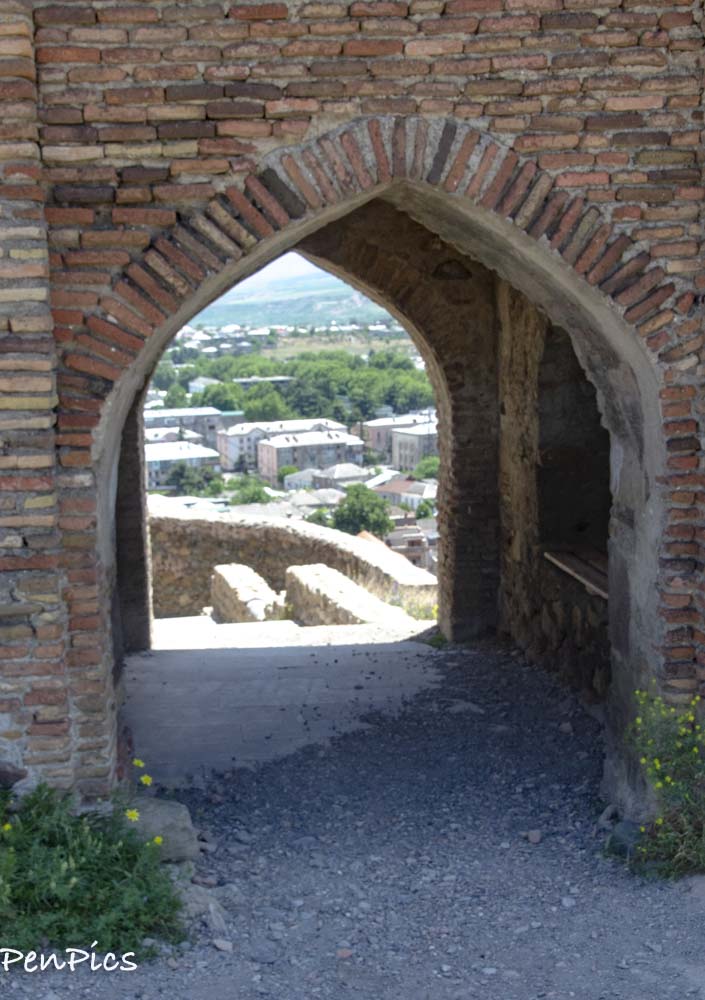
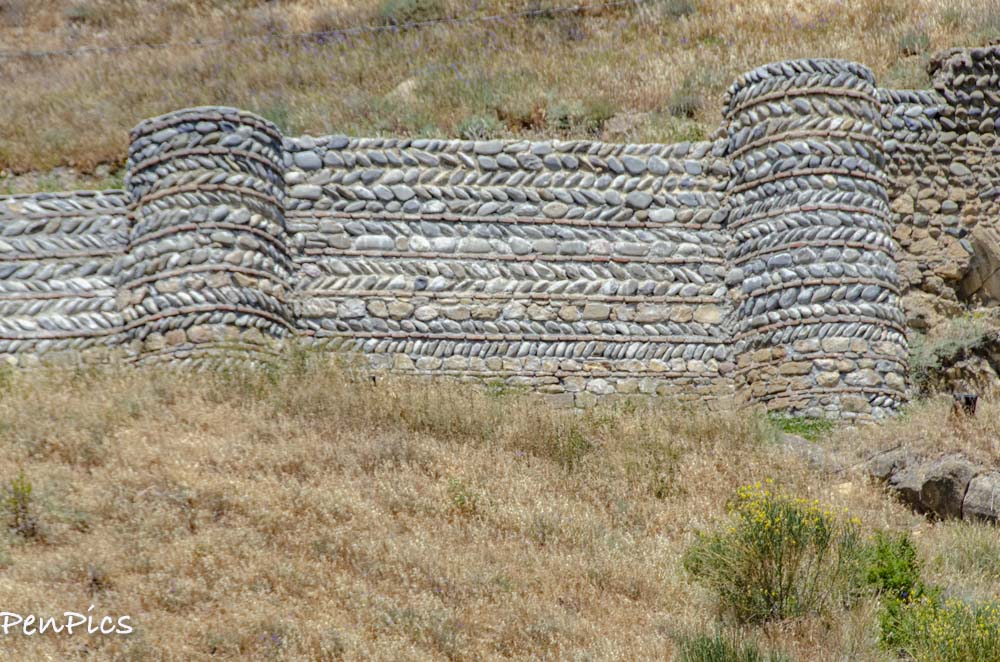
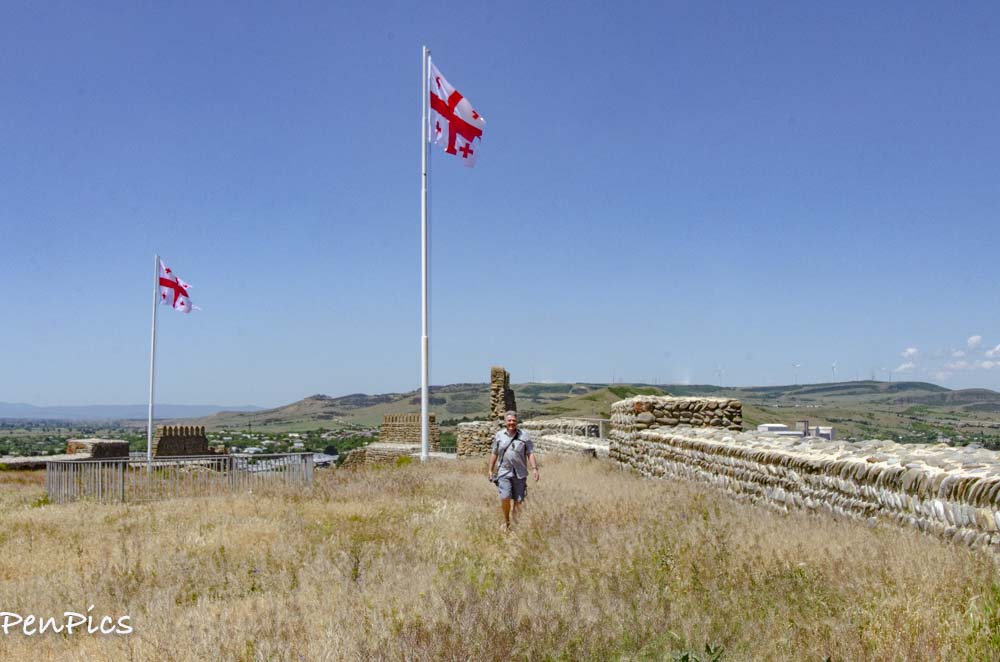
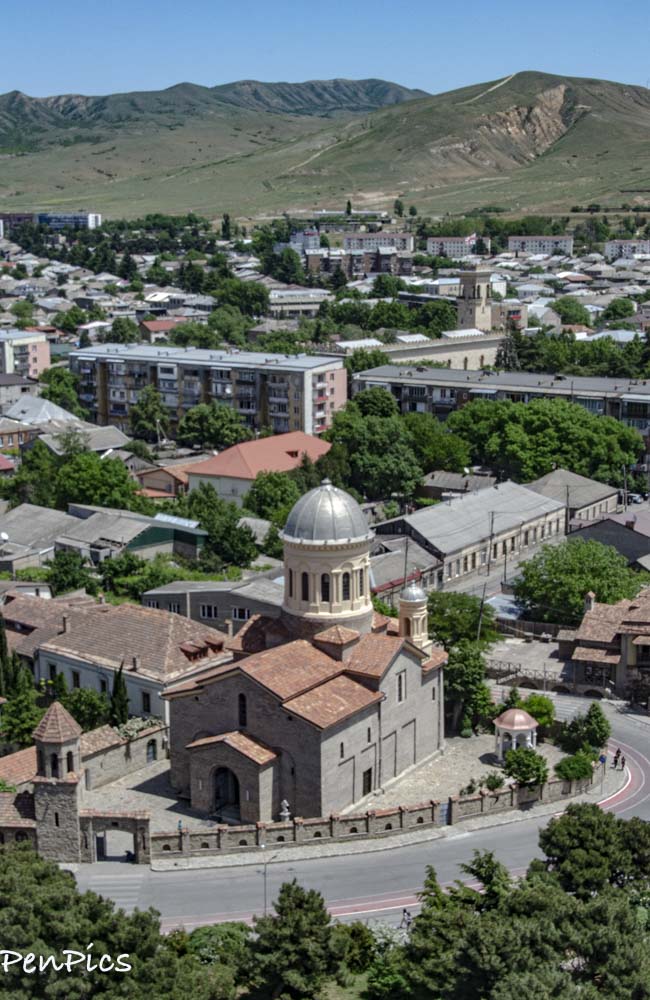
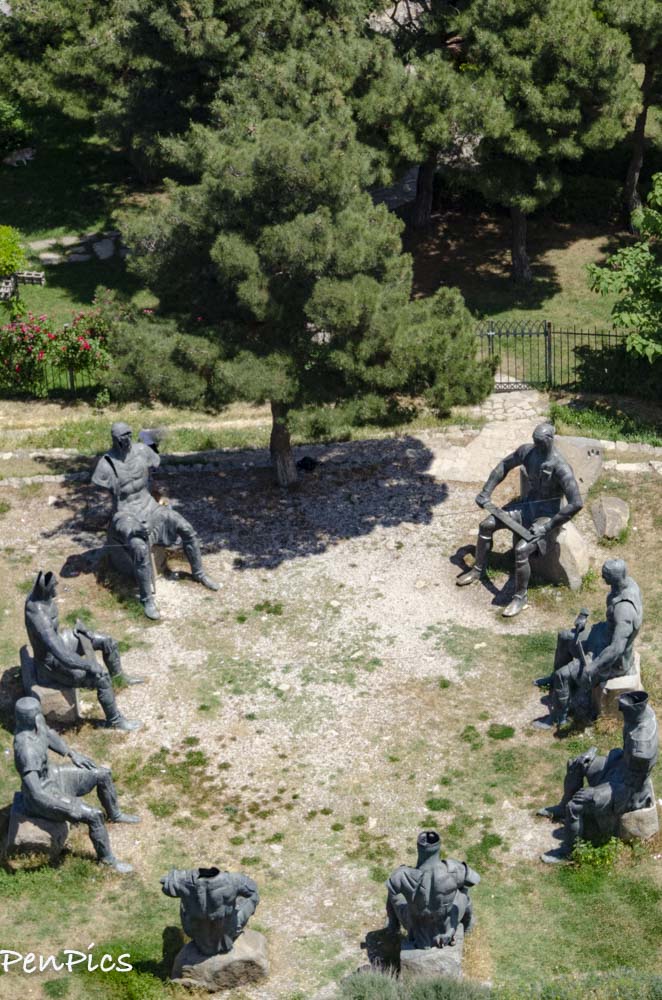
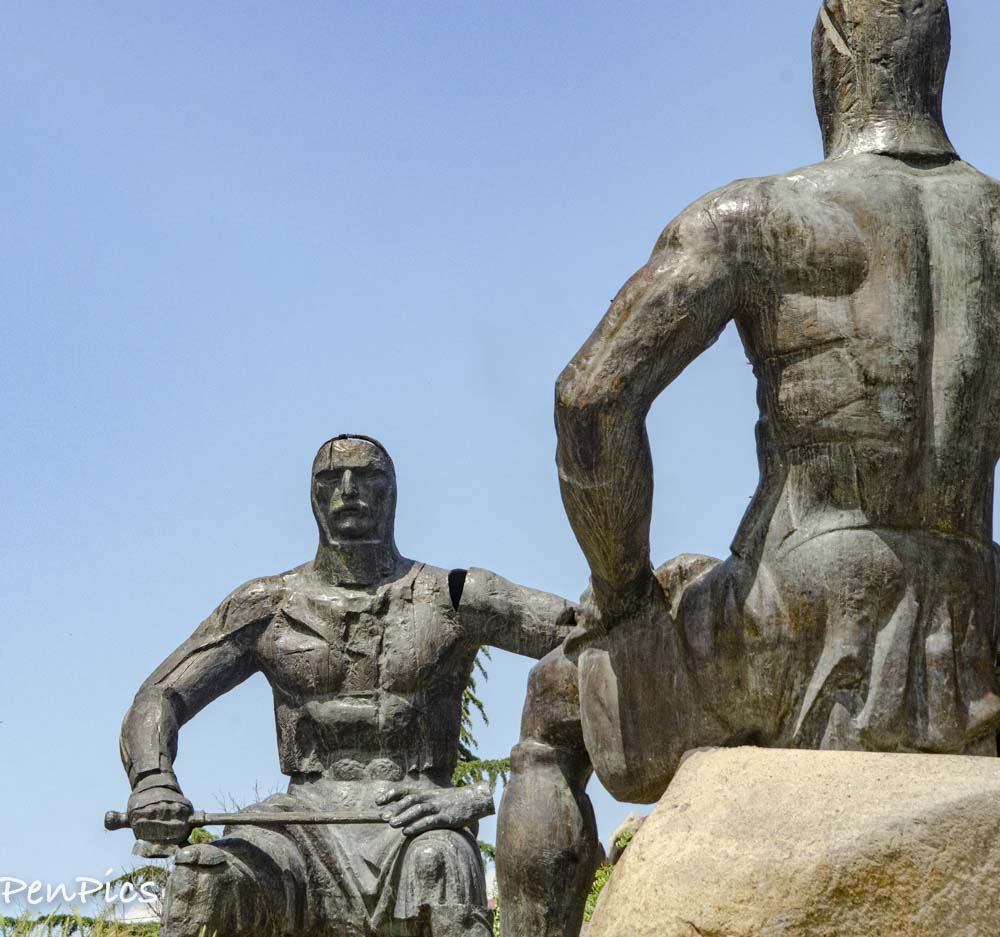
The Memorial of Georgian Warrior Heroes can be seen from the Gori Fortress, as well, as close up at the bottom of Fortress.
The sculptures that comprise the Memorial of Georgian Warrior Heroes were made between 1981-85 by Georgian sculptor Giorgi Ochiauri and placed around the Tomb of the Unknown Soldier in Vake Park in Tbilisi.
However, in 2009 the sculptures were moved to their present location at the foot of Gori Fortress in the city of Gori.
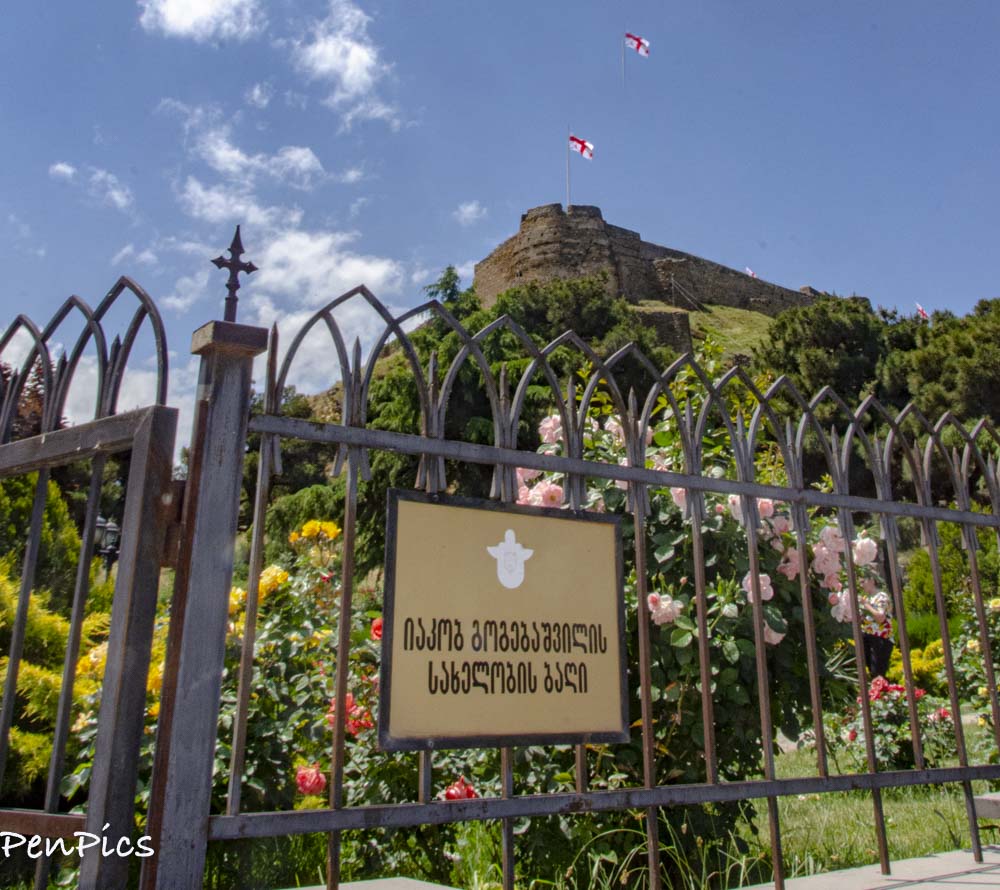
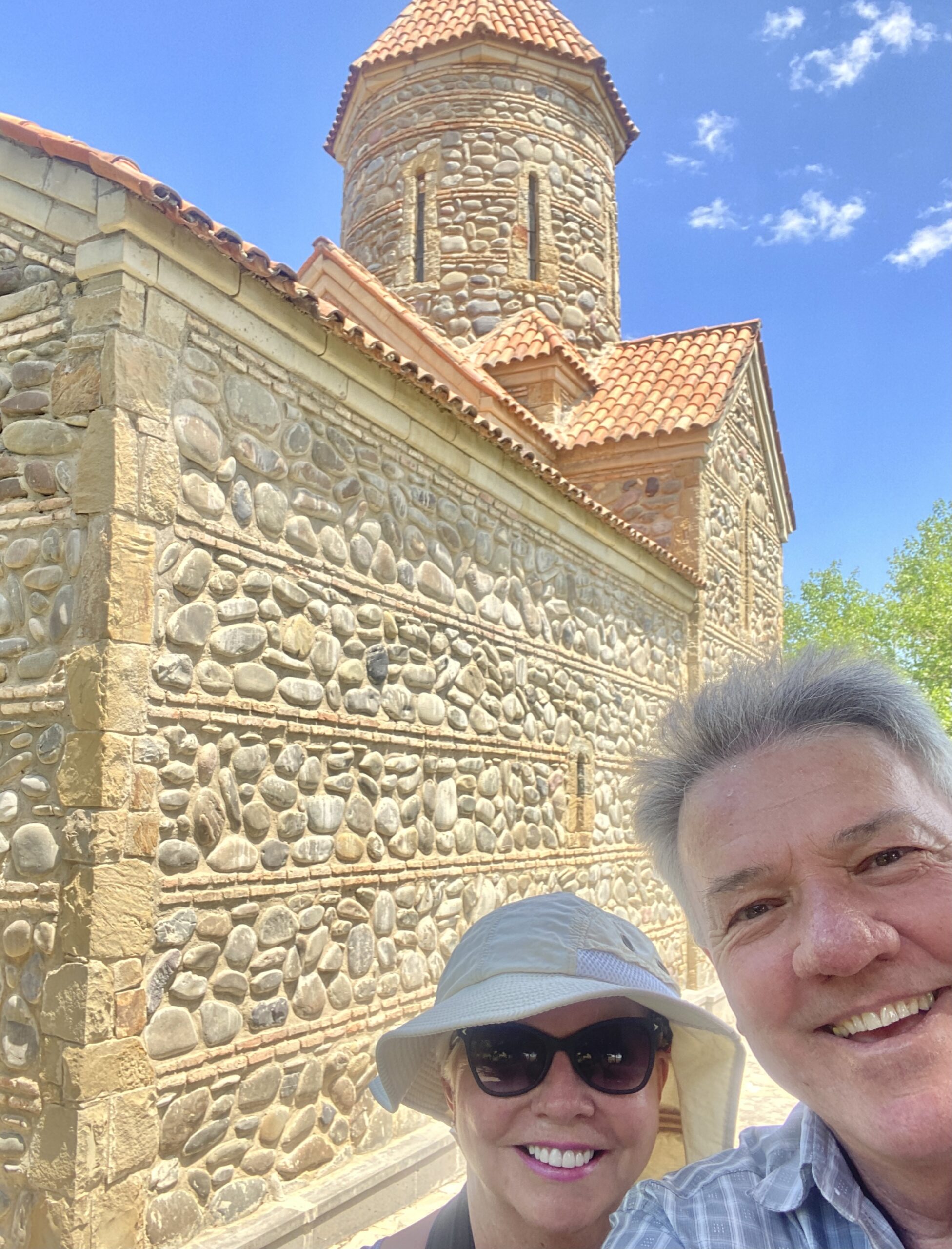
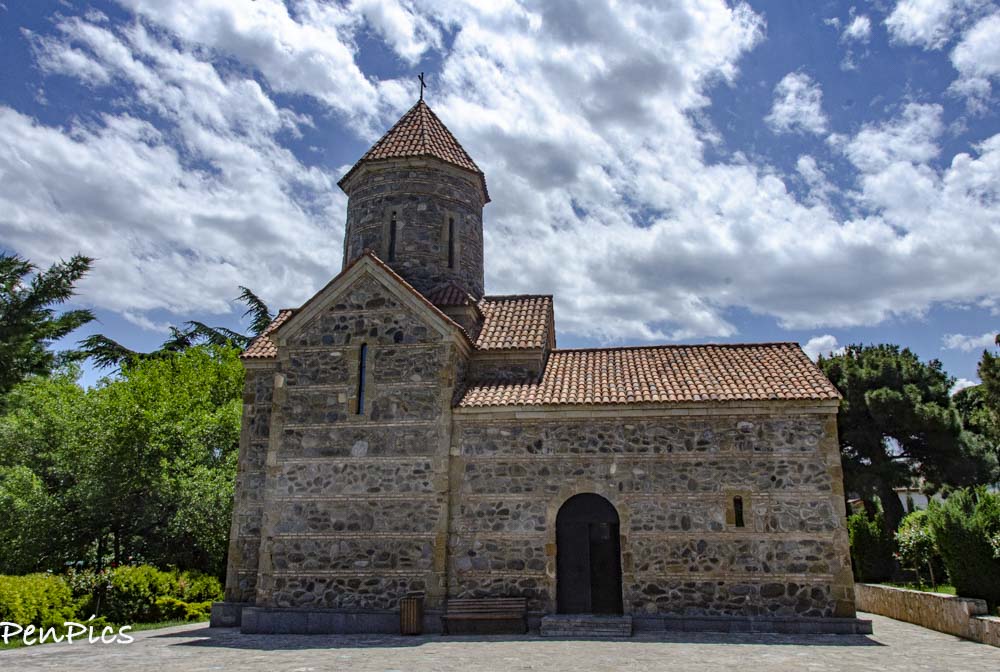
This is the name of this church. I am not certain what the English name is, but I believe it to be the Church of Holy Archangels.
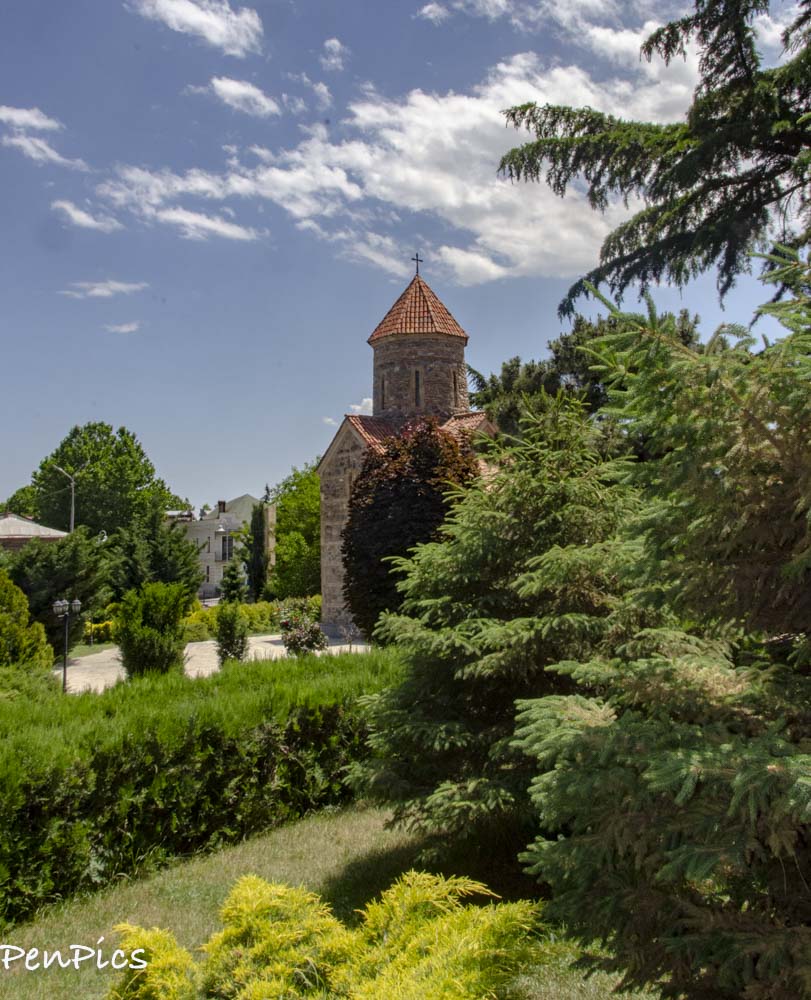
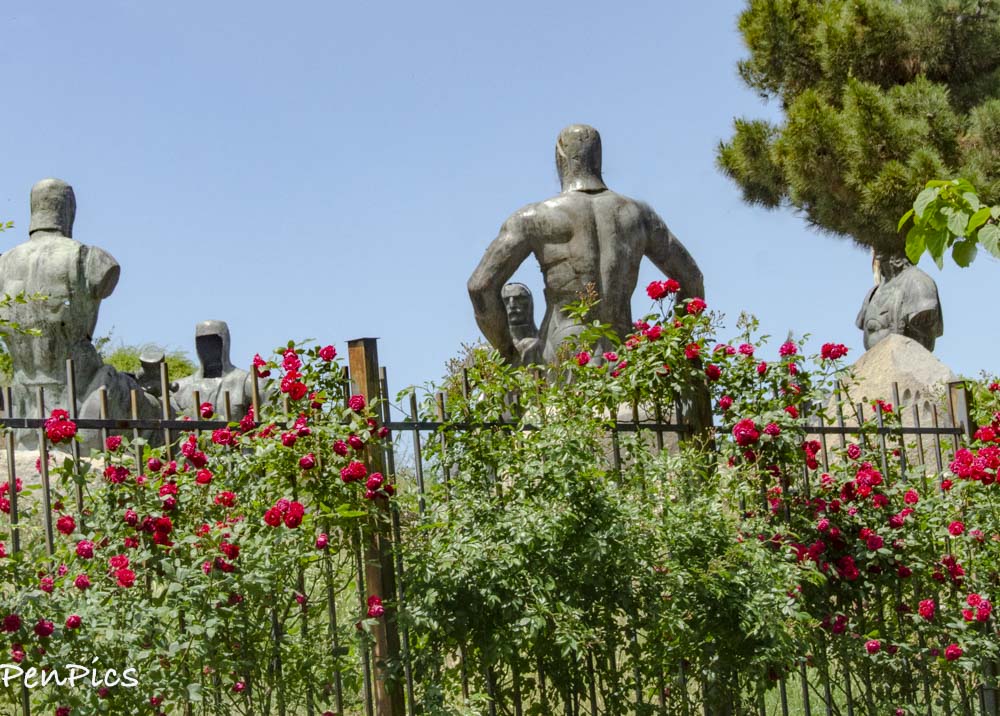
The Memorial of Georgian Warrior Heroes
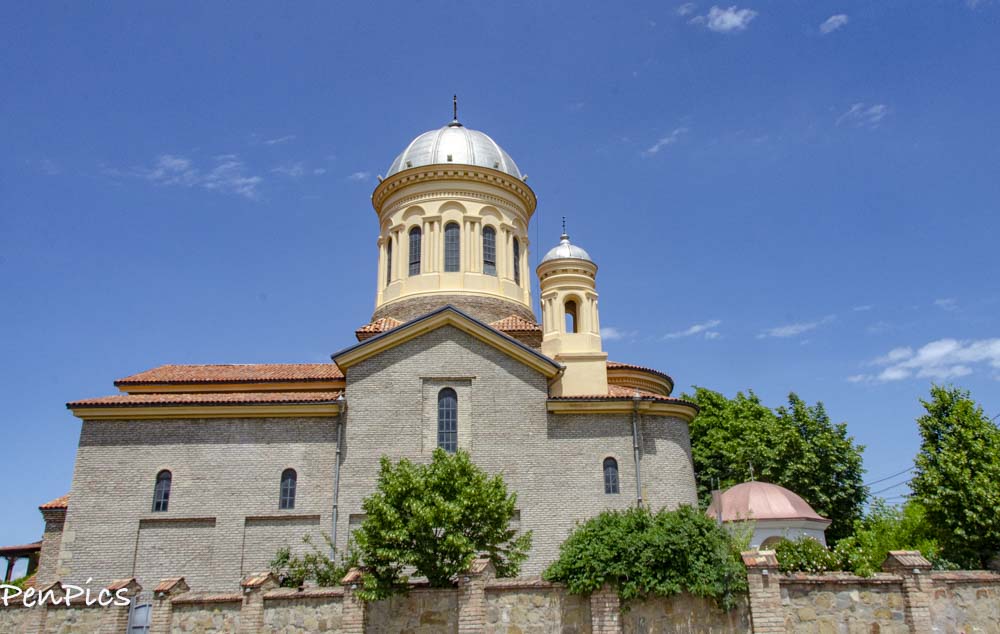
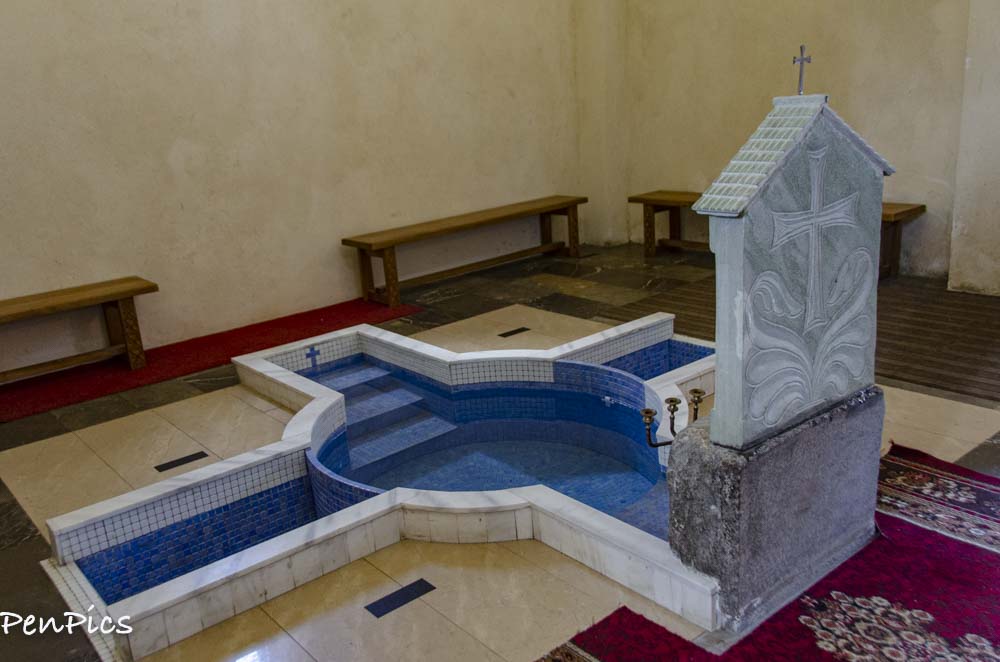
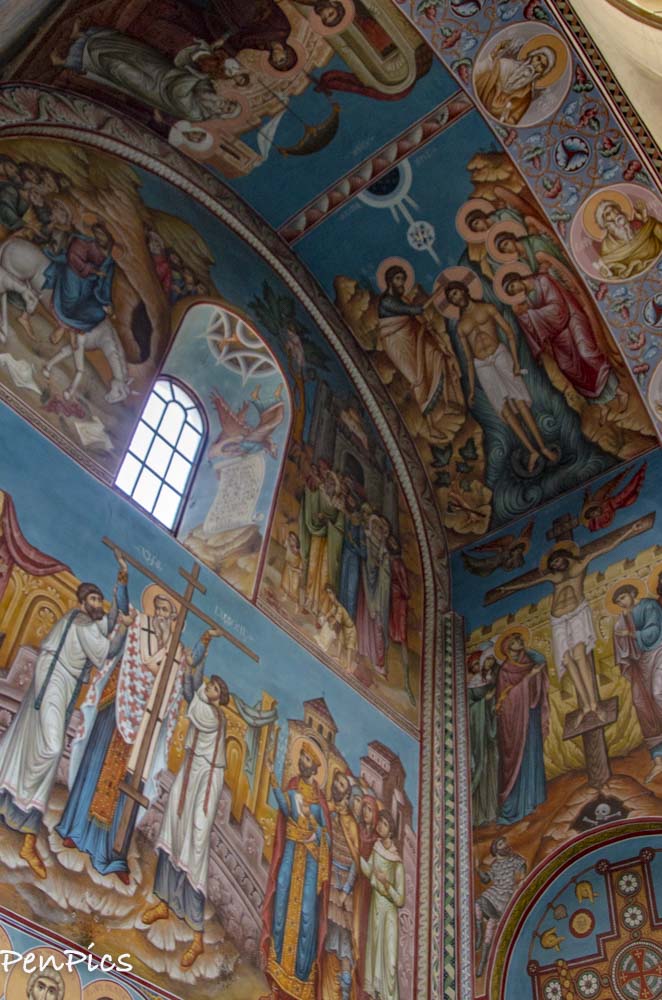
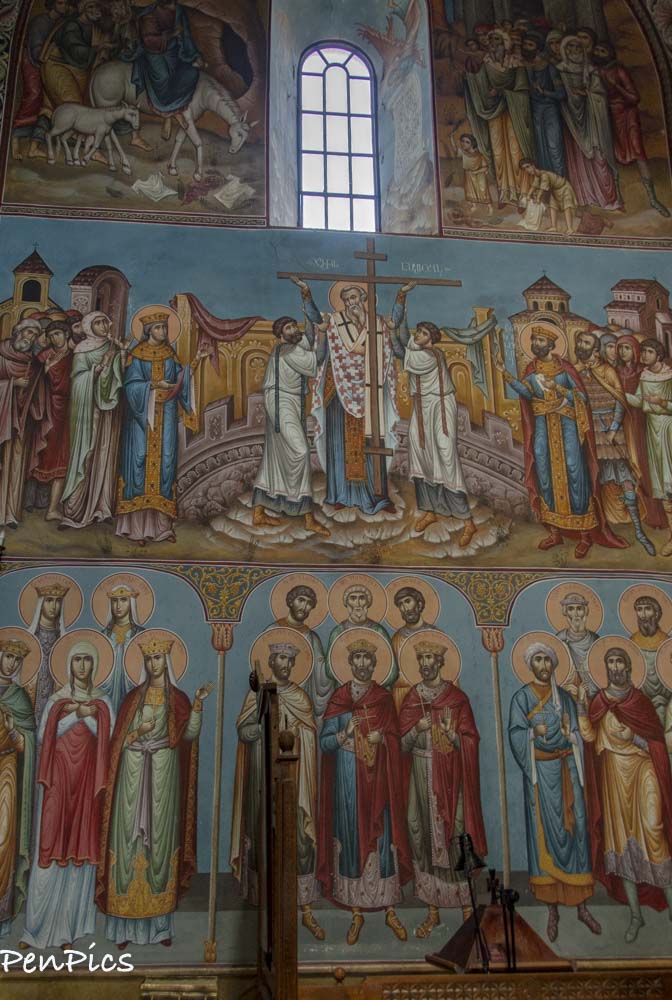
The Cathedral of the Nativity of the Blessed Virgin is located in Gori, just opposite to the Gori Fortress.
Like the Gori Fortress, in 1920, the Church was heavily damaged by an earthquake. The cathedral was built as a Catholic Church, between 1806 and 1810.
During Soviet times, Gori’s Music School was situated in the church. The building was handed over to the Georgian Orthodox Church in the 1990s.
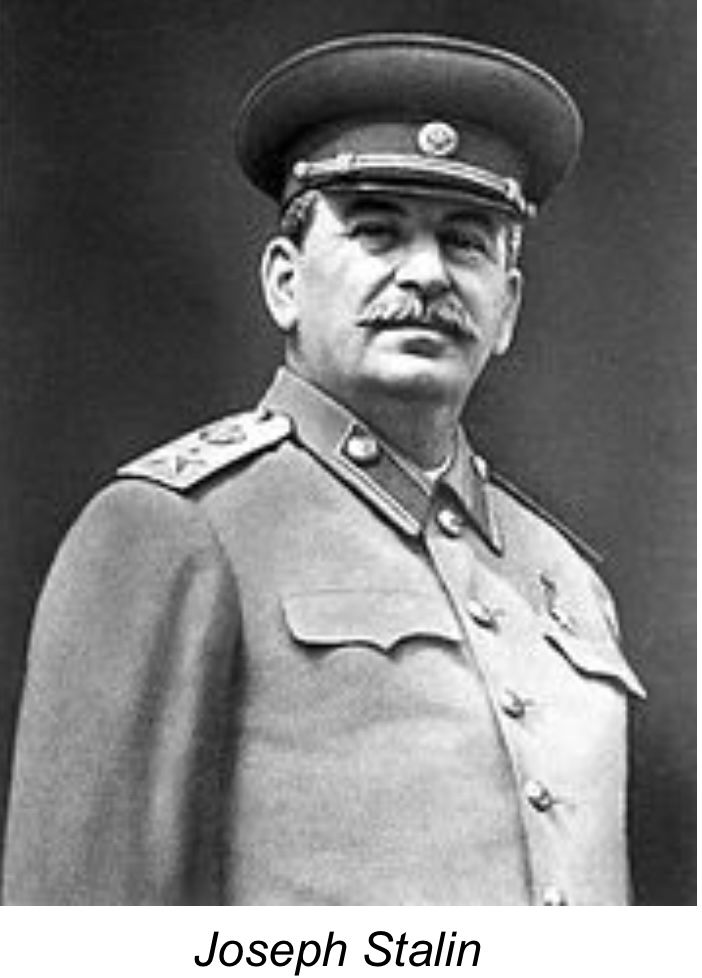
Gori has long been synonymous with Joseph Stalin, who was born and went to school here. During his rule of the Soviet Union the town’s center was rebuilt to his neoclassical tastes, and even today much of the downtown area is defined by its Stalinist architecture.
The large Stalin Museum is the town’s best-known attraction, besides the Fortress.
For more information on him, if you know who he was or if you don’t know, here is a link for additional information:
https://www.google.com/amp/s/www.voanews.com/archive/visit-stalins-birthplace-2003-01-31%3famp
Scenic Photos from the Area

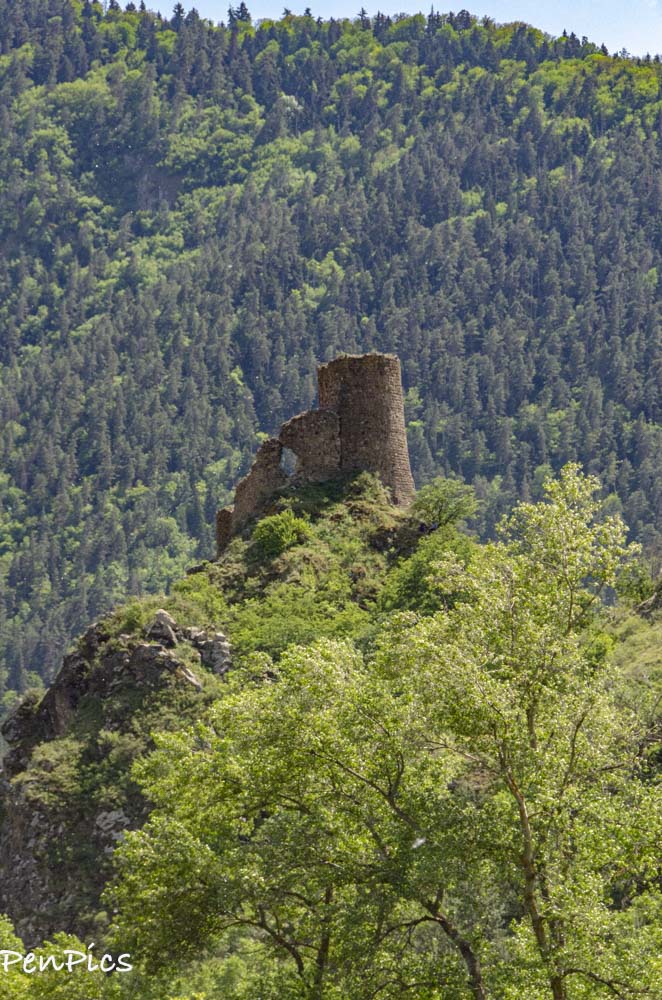
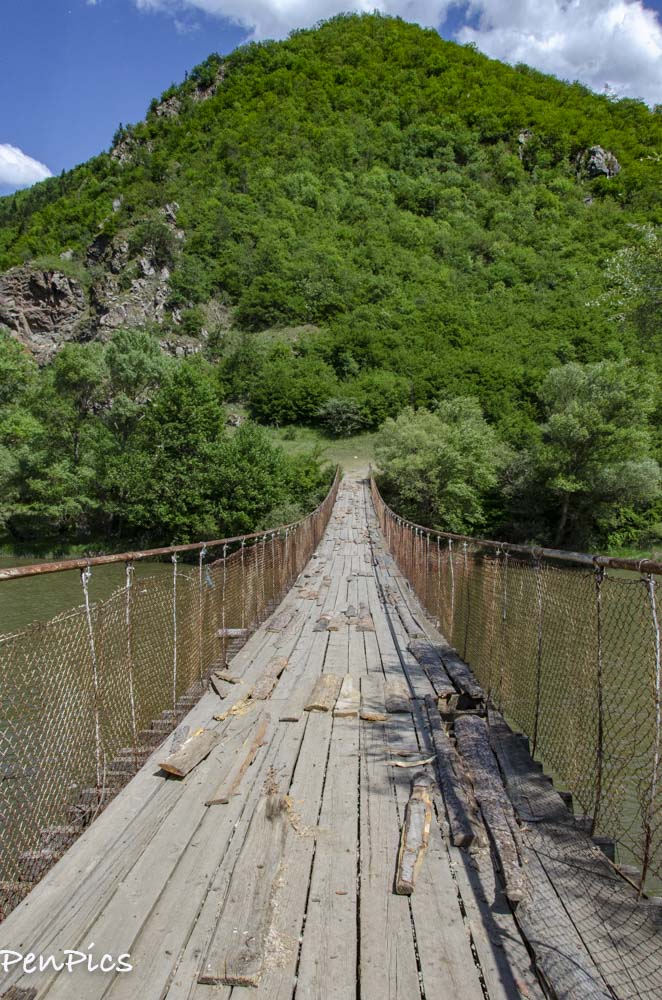
Remember my rickety bridge test: if there are fresh cow pies, it’s safe. We weigh less than a milk cow.
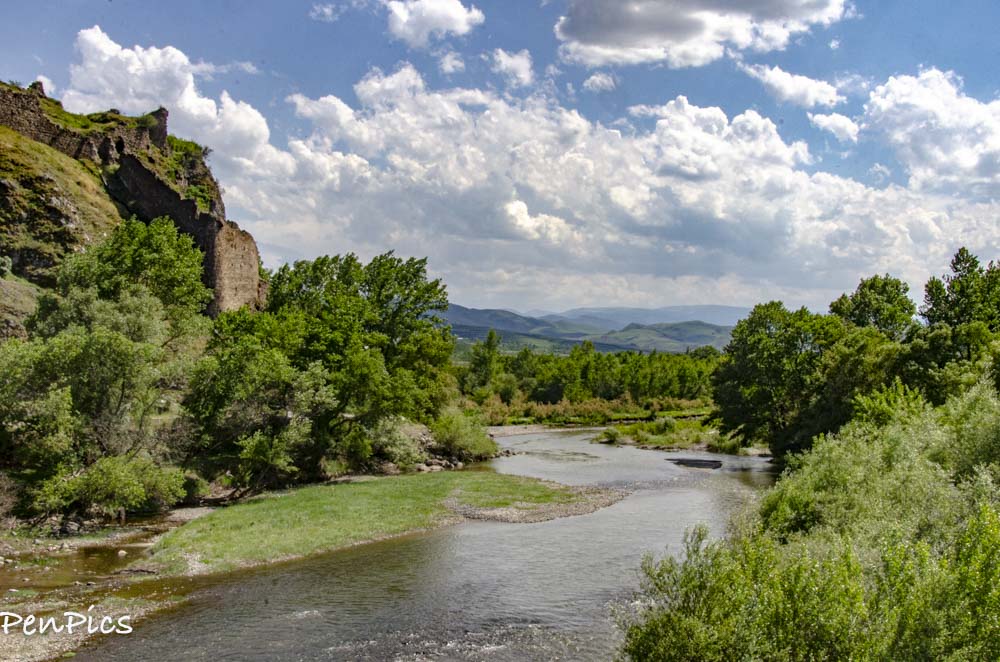
The Potskhovi River
⬆️ From Goris, we drove further and ended our day drive in Akhaltsikhe, where we found lodging and great food. The scenic drive we did today, was just that! We drove through beautiful canyons and lush valley’s. We saw ancient and impressive Fortresses along the way, as we traveled along a beautiful river for most of the day.
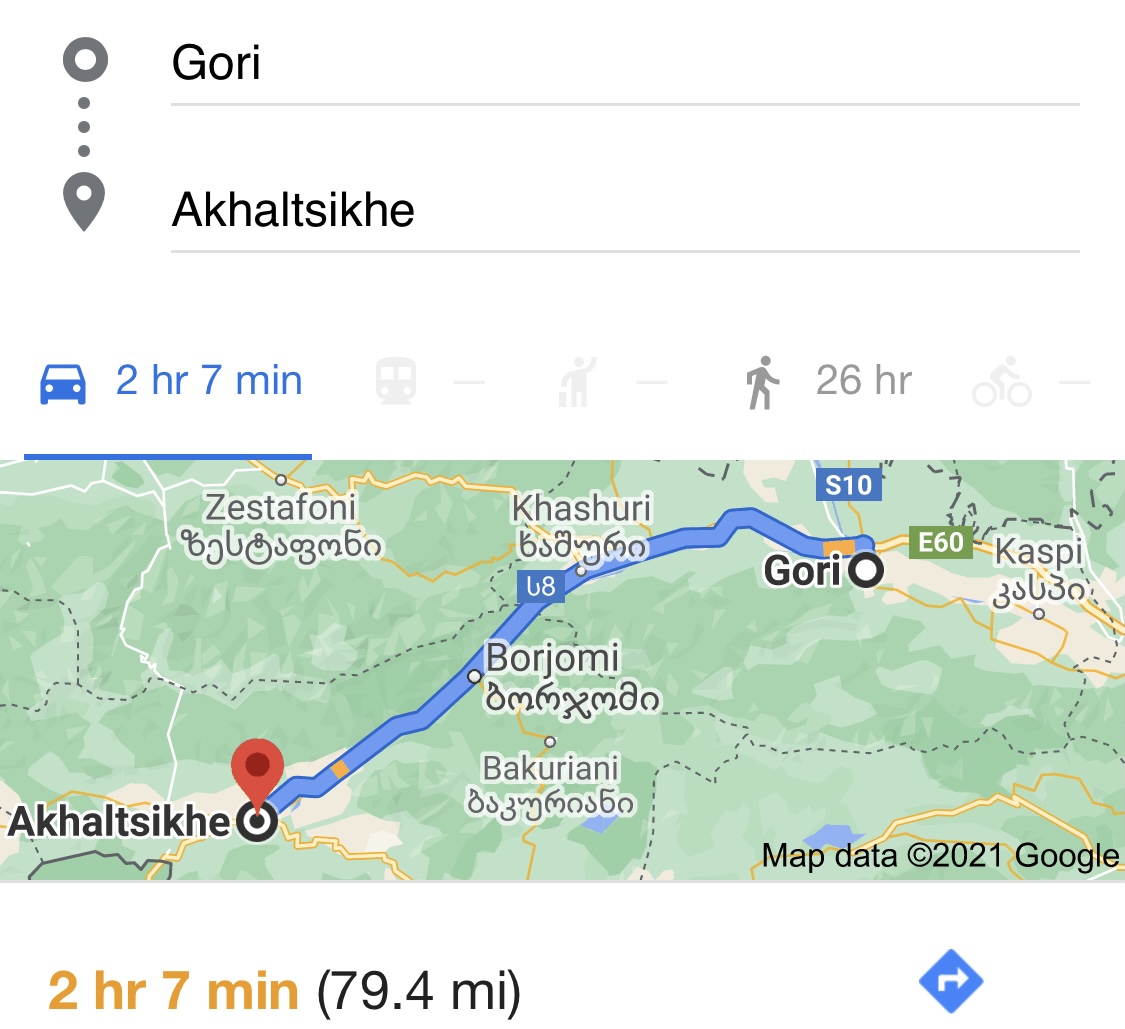
These kind of travel days, enjoying the road-trippin, end up being stored in our memory banks for easy access.
Tiflis Hotel


Leave a Reply to Pen n Daryl Cancel reply
Archive Blog Posts of Our Country Visits
About Us

About Us
Hello and Welcome to our Travel Blog Website, We enjoy writing about our experiences and taking photos of our adventuring along the way. Our names are: Daryl and Pen, but Daryl calls me “Bunny.” We met, quite randomly, whilst both… Read More
Glad you’re out adventuring again.
Interesting place,
Love all the old stone work!
Got to listen to them soldiers with the Uzi’s!
Thanks for sharing
Thank you so much. It’s good to be in the groove again. I love the stone work, too! Yes, Uzis!