


“Armenia 🇦🇲 ~The Delicious and Traditional Cuisine!”
I thought this would be a fun post to put together, since we are taking some time to be off the wintery roads to relax. Normally this amount of information and detail will only show up in our travel books we plan to publish one day. But, here I have it in our blog. I will continue to add to this blog post, any new dishes we may to experience, as we continue our adventuring in Armenia.
As I write this, it is snowing outside, and I can see it coming down through the picture window of the B& B we are staying at. It is suppose to snow all day, and into the evening. It is so pretty. There is a blinking light set up, in the living room, that reminds us both of the warmth of a fireplace. We pretend anyway.

Throughout our travels, whenever we have stayed for longer periods of time, in any country, we always have an opportunity to learn more about the cultures, traditions, and see more historic sites and experience more varied traditional foods! In some cases, when the food is not interesting, there is no variety to speak of, or readily available, the stay can be ever so LONG Ha!
For one example, This happened to us in North Korea, when we stayed there for a planned two months. WAY too long, as our expectations were a little to high. The fact that Bim Bap (my favorite Korean food) was available most of the time, really saved the trip. Daryl got tired of this dish. I did not! While we didn’t exactly find the Korean people very warm or friendly towards visitors, or the food very interesting, otherwise, we loved what we got to see and do in South Korea. Here are a few pictures for you to see: what Bi Bim Bap is, as well as some scenery.


Here we have the Stone Sautés of Jeju Island; the
Dol hareubang meaning “Stone Grandfather.” There are 45 of these incredible Stone Grandfathers all together in one place on Jeju Island. Not much is known about their original origin, but to some they are called Fortress guards, or deities for protection, but they also represent fertility. They date back into the mid 1700’s.
Back to our current stay
Even though we are visiting Armenia in the dead of winter, we continue to enjoy this country, more and more; meaning we feel very comfortable here. The people, though shy from lack of English skills, still make an effort to communicate and are welcoming and friendly. This is always a pleasant surprise, and of course we were hopeful we would be here for about month, then move and to the next country. This is not turning out to be the case, because borders remain closed all around the world. Deep down, we knew this could be a reality. Even so, we are finding there is plenty of joy for us, when we stay put, too. By doing so, we get to immerse ourselves into the fabric of our surroundings, and it a glorious experience, indeed!
One of those joys is being able to tryi so many different foods, where the cooking has been spectacular. We have great cooks, and a variety of dishes, to keep it more interesting! Perfect for the Lon-term stay. I have taken many photos of foods we have been served, since arriving in Armenia. Interestingly enough, we have seen very few menus. When we have seen a menu, they have no English words or even photos to go by. In spite of the challenges of ordering food, we have come to love Armenian dishes!
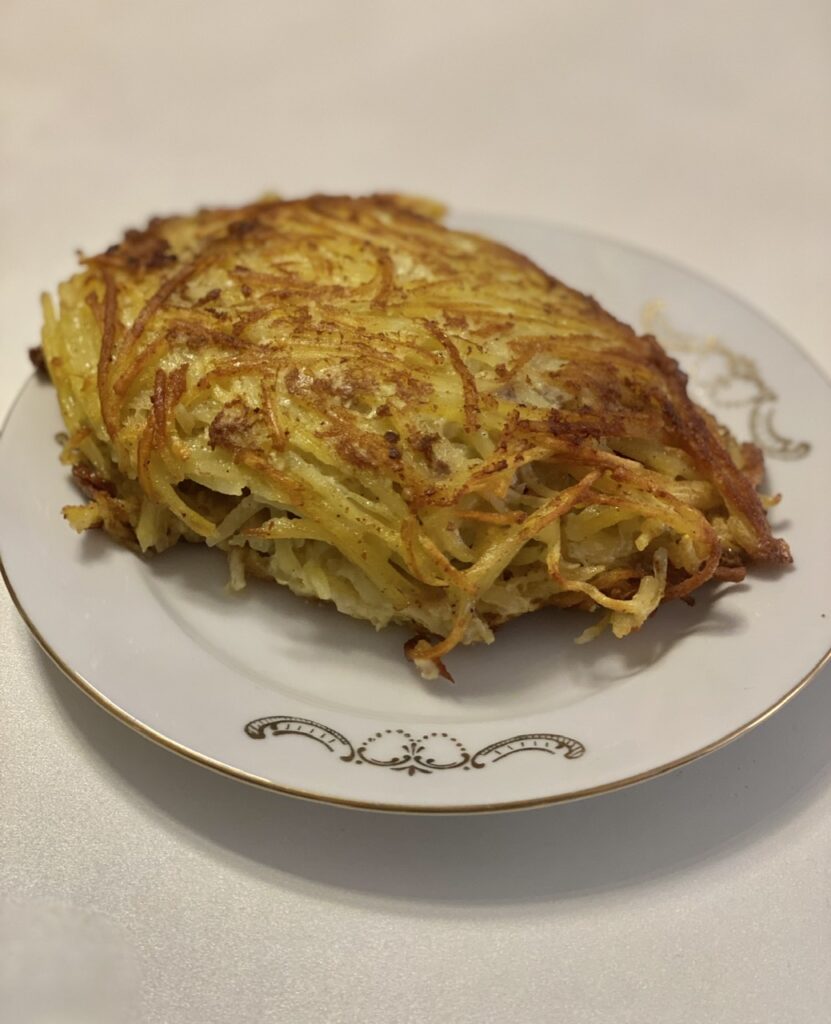
I remember at one place we stayed (the no name hotel in Amasia) I asked if they had spaghetti. I even showed a photo with spaghetti noodles and hamburger sauce over it (like Bolognese Spaghetti). I was told yes, yes, they can make that “in one day from now.” Okay, great. I looked forward to that. But, when dinner was served the next night, I got a plate full of Spaghetti noodles with a big smile…nothing else. I’ve traveled the globe long enough and very far and wide enough, through many countries, I knew the woman was not messing with me. Had I been less traveled, I may have been more suspicious of this. But no, it’s just very hard to communicate, when in this case, the woman was Russian, and did not know English; nor did I know Russian. (Why the picture evaded her, I do not know) So, I just smiled and said thank you, because I knew she thought she did good, but I knew I would not be ordering Bolognese Spaghetti again!


Another bonus of staying in one place for a longer period, is, we get to ask (through translator) for no salt or spicy 🌶 foods.
Armenian foods are rarely spicy, so this a plus, too. But, the cooking in the Caucuses tends to be very heavy on the salt; especially certain sliced cheeses and their meats. While here, at the Artson B&B in Vagharshapat, Armenia; About 30 minutes west of the Capital city of Yerevan, we get served whatever they are cooking for their family. Fine by us, because its a bit of surprise as to what we will have for dinner, and it takes the drama of trying to figure out what they have and for them to try to tell us.
Aside from the great food, we love the quiet part of this neighboring burb to the busy noisy big city, and the new and beautiful rooms, where everything works! Plumbing, shower nozzles, shower heads, hot water, cold water, internet, etc. It has be one our favorite place we have stayed. The family; our hosts are very nice, and care very much to ensure our stay is comfortable and satisfying. If you ever come to Armenia, be sure and spend some downtime here. You will be glad you did!

A Story, Just From Yesterday
Our host asked if we liked Rabbit meat. Of course we do and we said yes. We always have our dinner delivered to our dining area at 4:30PM; which our time pick. About 10 minutes after he asked us about the meat choice for dinner, there he was out back in the large garden area and small orchard, under a covered shed. He was skinning a good sized Rabbit for our dinner, apparently from his own fluffle or colony. Now, you can’t get a meal any fresher than that! As always, the meal was delicious; all of it!


Now, Feast Your Eyes on MORE Sumptuous Dishes!
It is not always easy to learn the names of food dishes in countries where so little English is spoken, and this is the case in Armenia as well. But, I have taken some time on researching to match food photos with their proper names, to share this post with you. You may think it would be easier to ask the names. but its not, unless the person speaks very good English, because the heavy accent totally disguises what the word sounds like, let alone how to spell it. Asking for a spelling doesn’t work, either, because even if somebody can speak some English, it doesn’t necessarily mean they know how to read any English or know our letters or numbers, which is quite understandable.
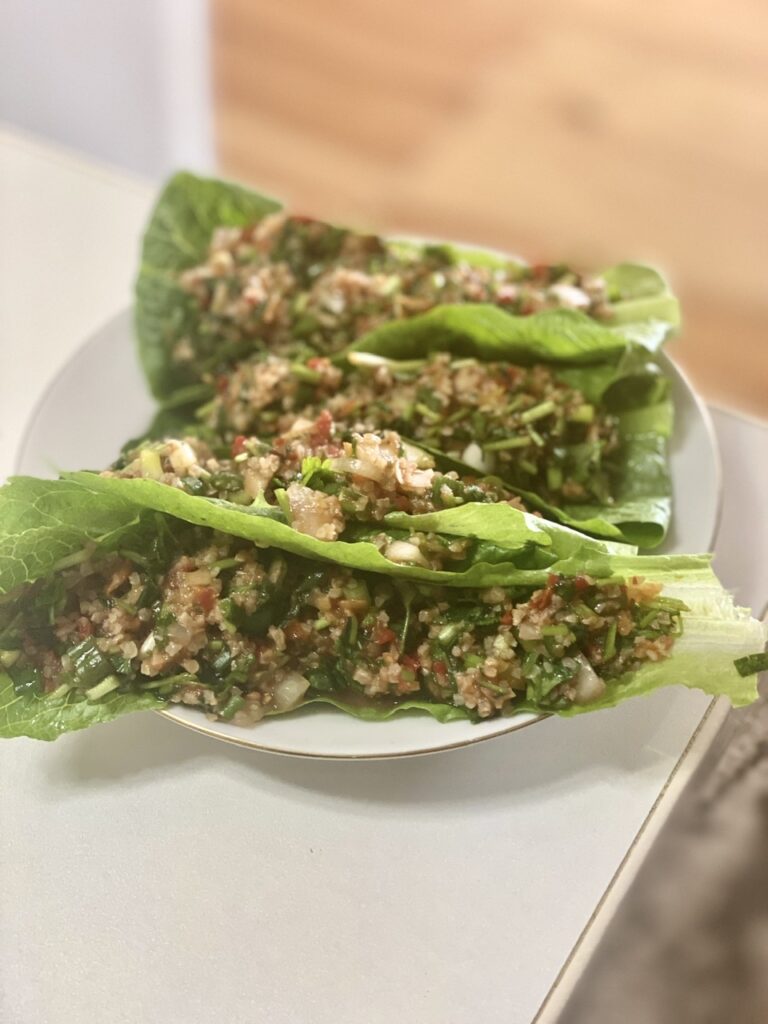
Tabbouleh, also commonly spelled Tabouli, is a classic Lebanese vegetarian dish. It’s commonly served as a side salad or as part of mezze (small dishes served as appetizers).
Its main ingredients are: fresh parsley, fine bulgur, fresh tomatoes, scallions and mint. Differences in spices used are found depending on which region in Lebanon you are from. For instance, many will add a pinch of cinnamon, a seven-spice blend, salt, pepper or a pinch of cayenne. Tabbouleh is dressed with a simple vinaigrette made with olive oil and freshly squeezed lemon juice.

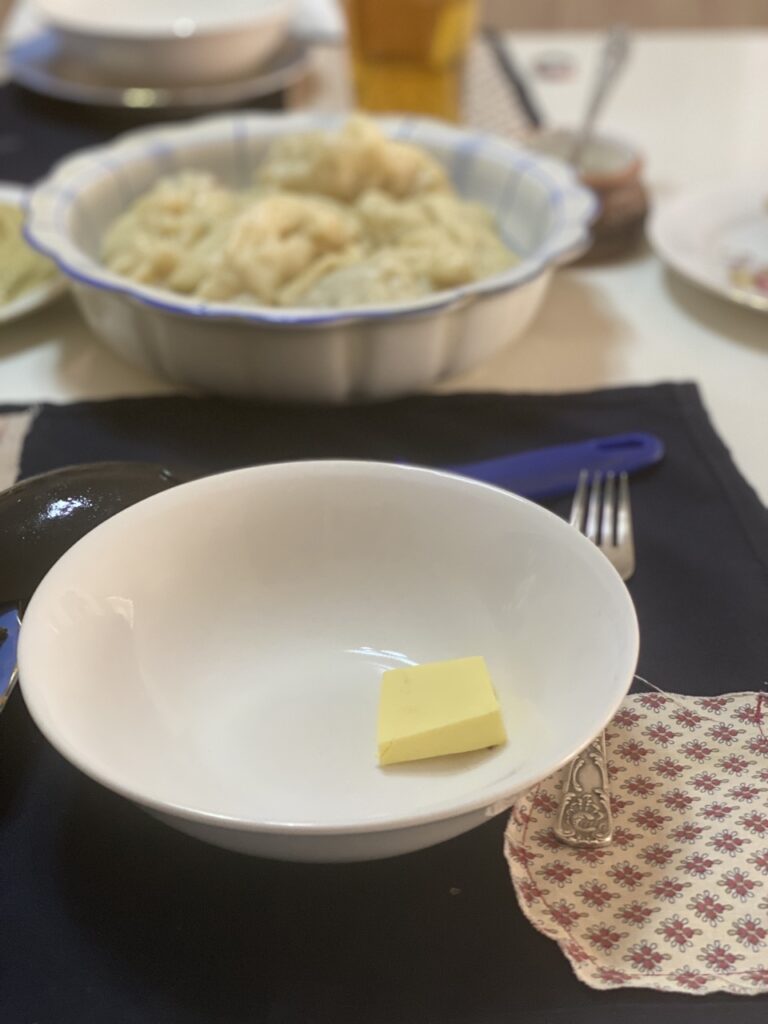
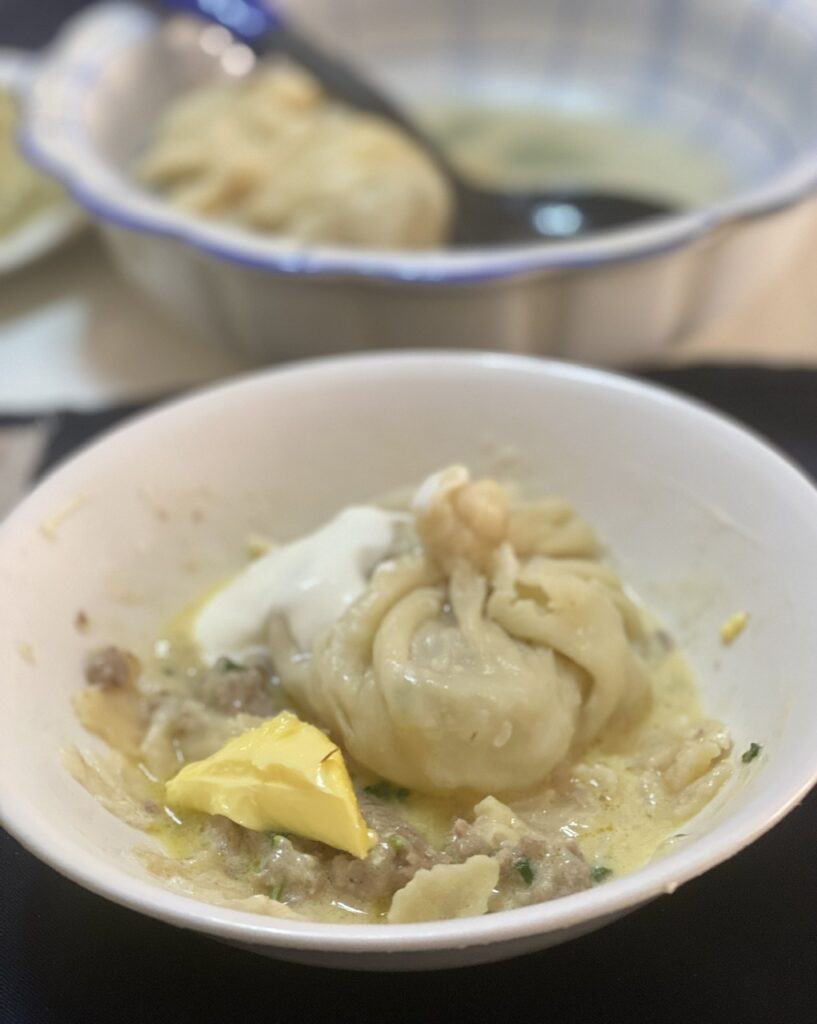
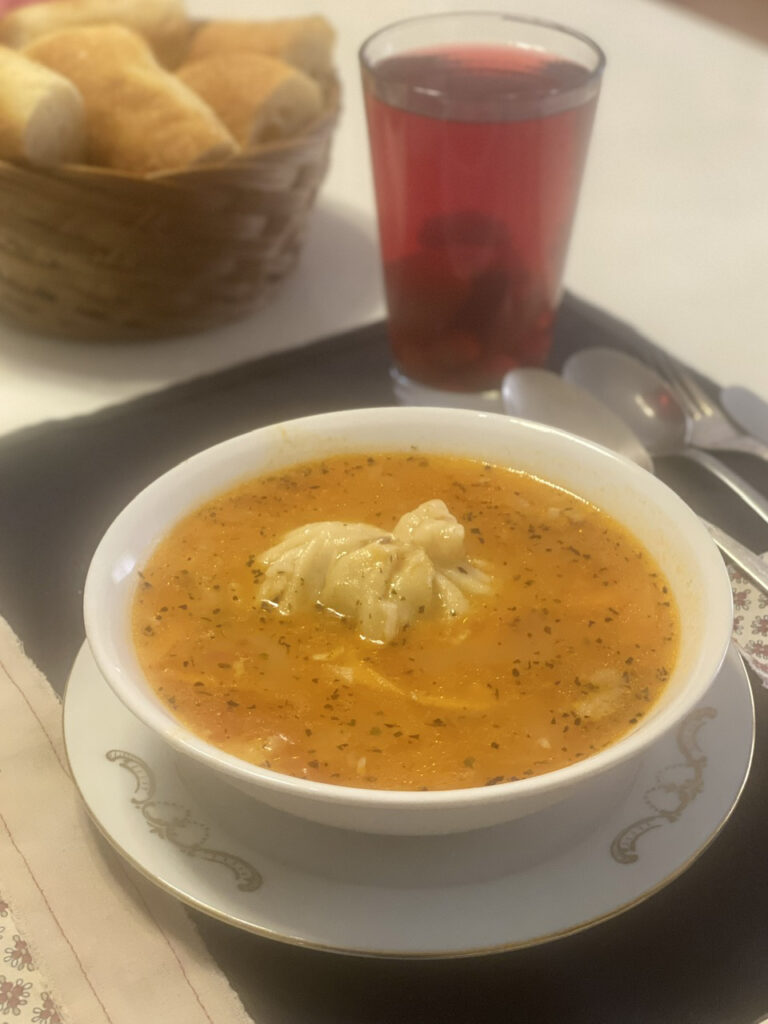
Russian meat dumplings, known as pelmeni or peljmeni, is traditionally filled with ground beef, pork, and sometimes lamb. It’s then served with red wine vinegar, black pepper, and melted butter. Mushroom, sauerkraut, and vegetable fillings exist in other regions of Russia.
ANOTHER WINNER!
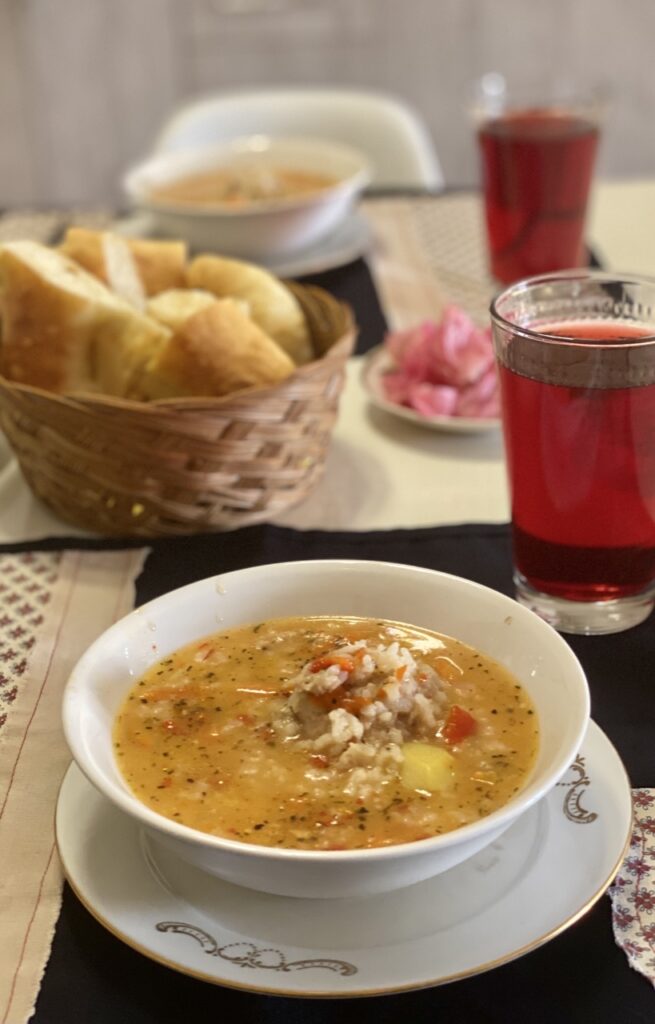
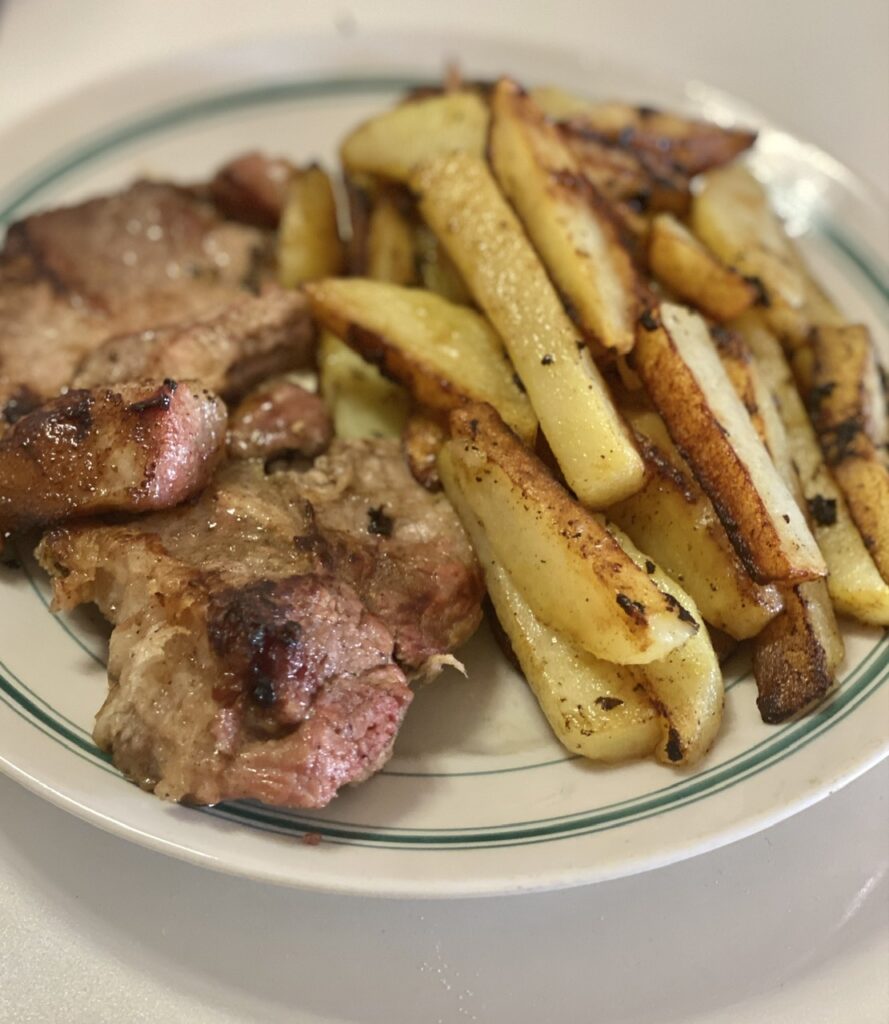
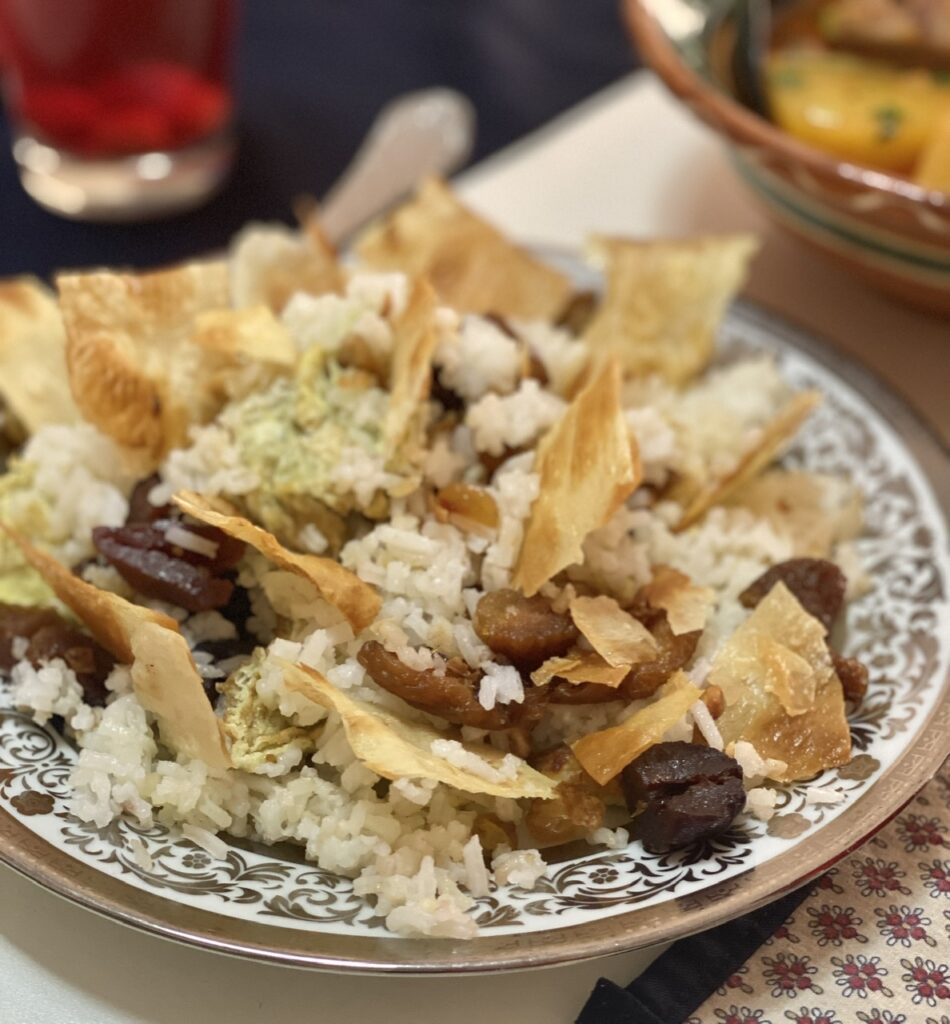

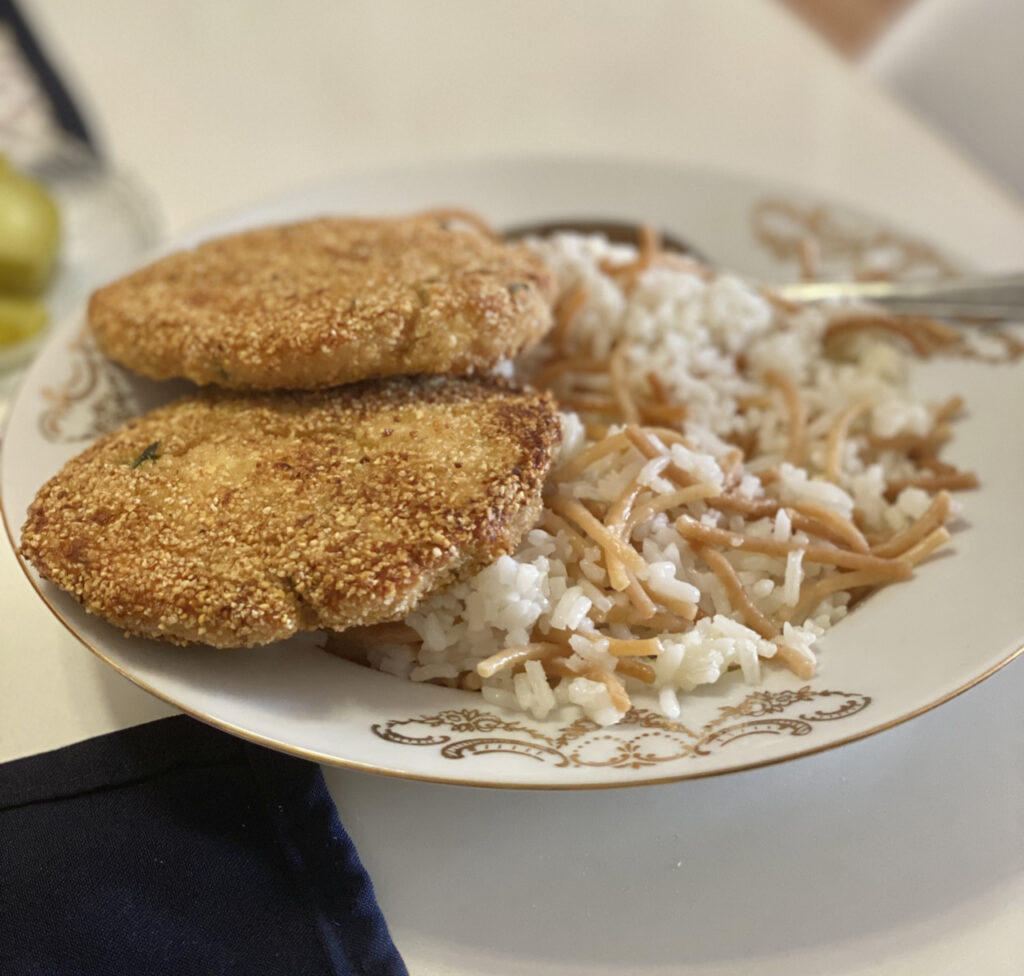
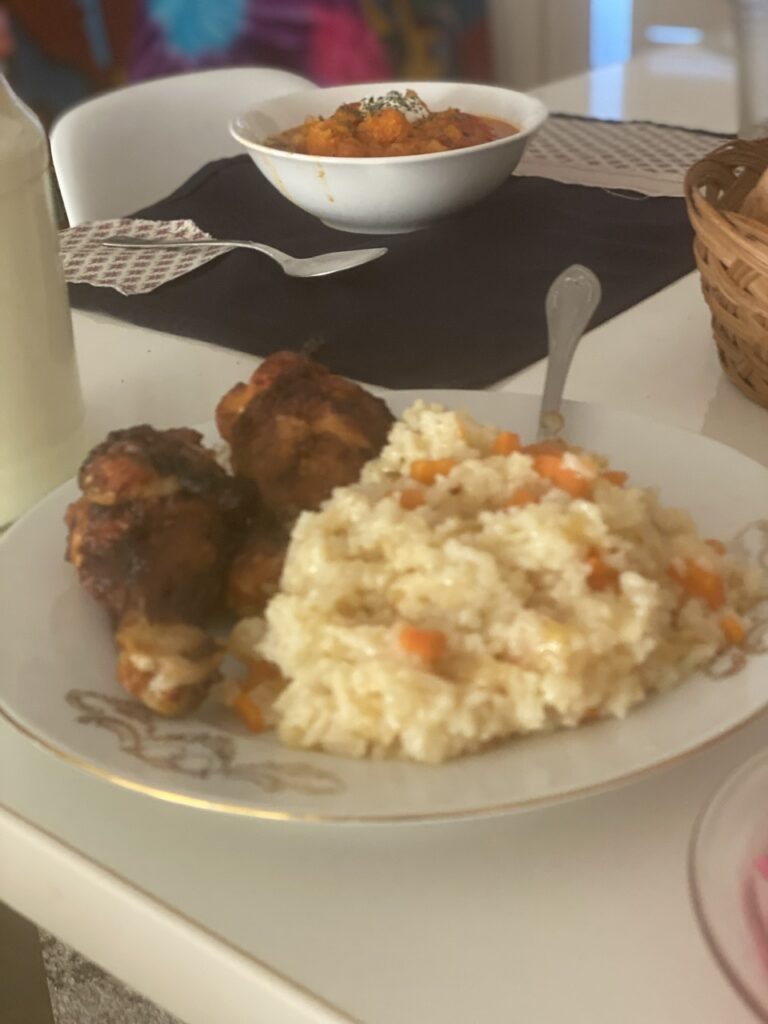
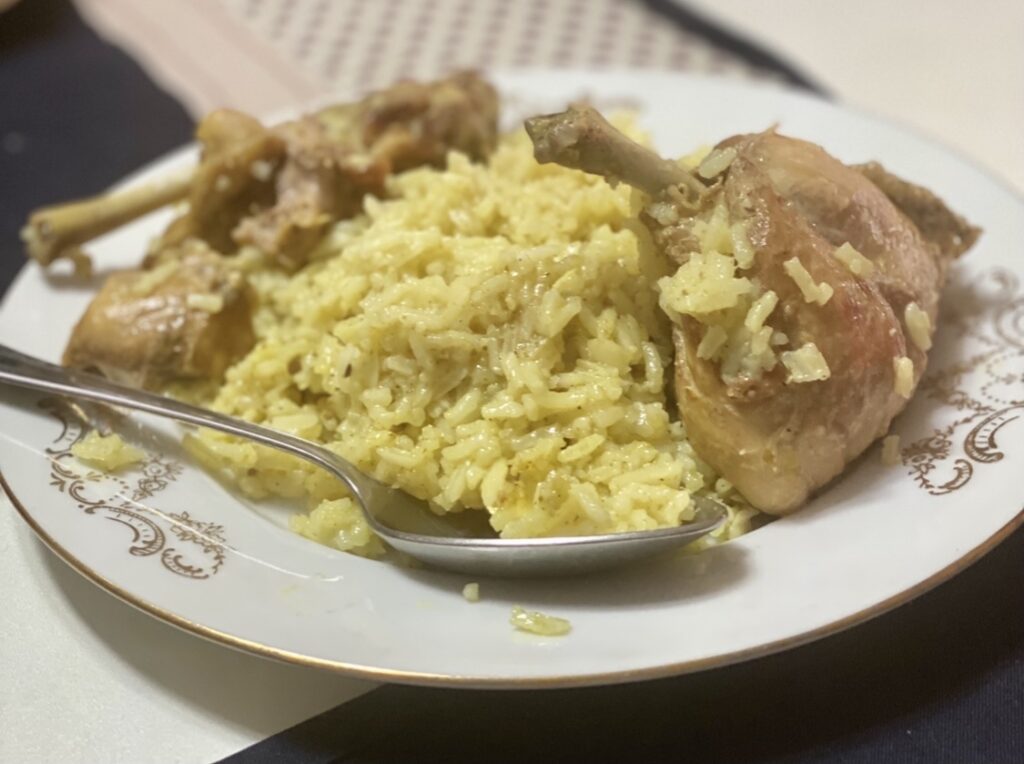
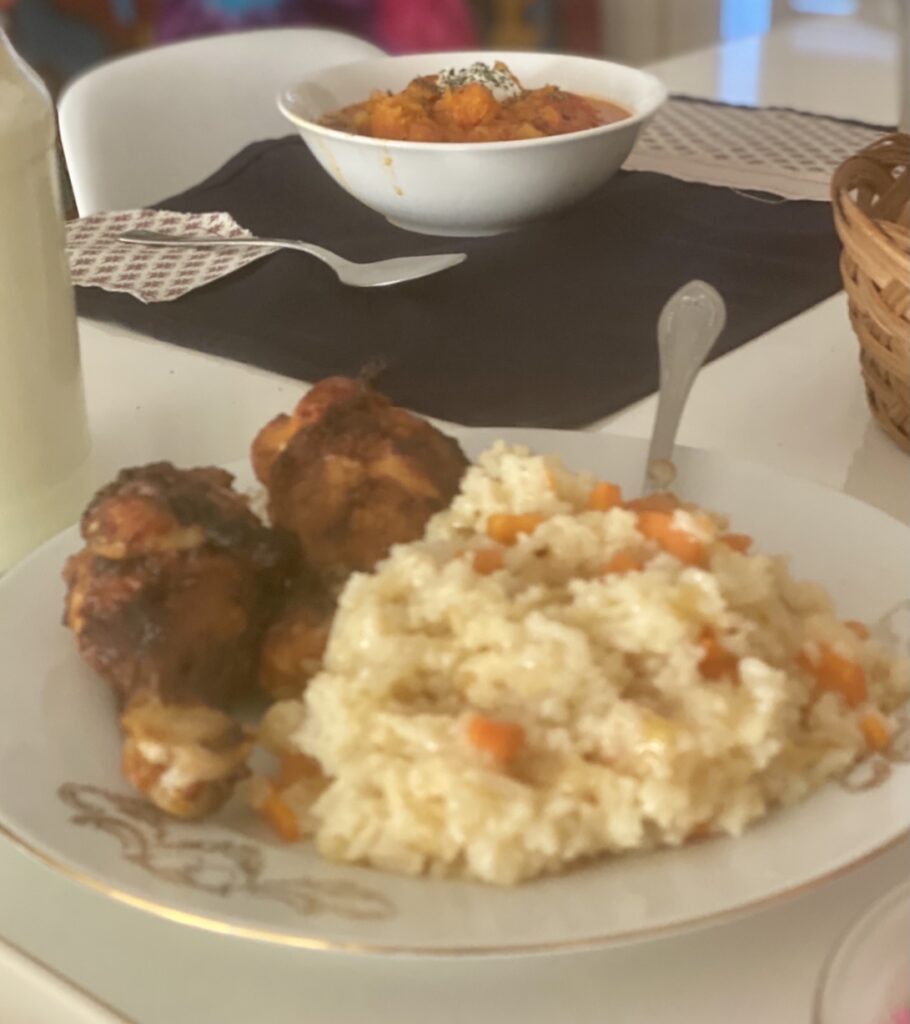
Pilaf isn’t specifically Armenian. Its origins are rooted in India and Iran, but variations on the dish are served throughout Central and Western Asia and beyond. Every ethnic group has put its own stamp on it.
Rice and Vermicelli are tossed and cooked in butter with chicken broth.
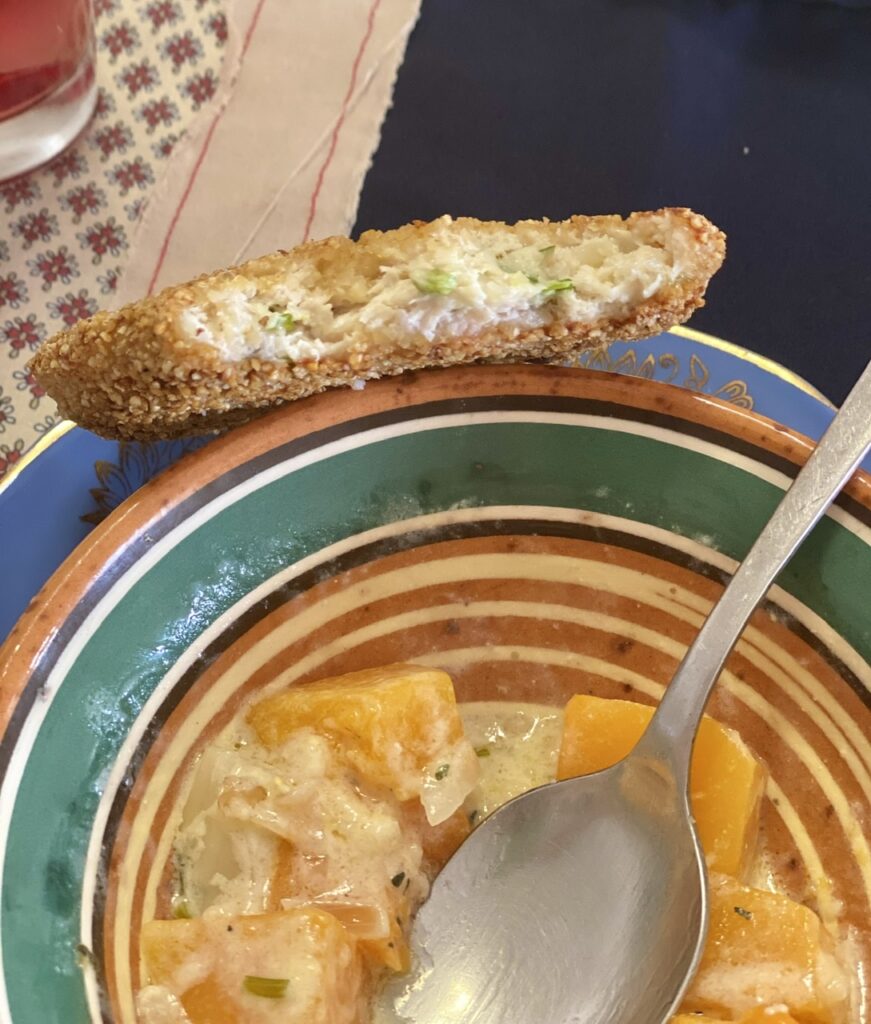
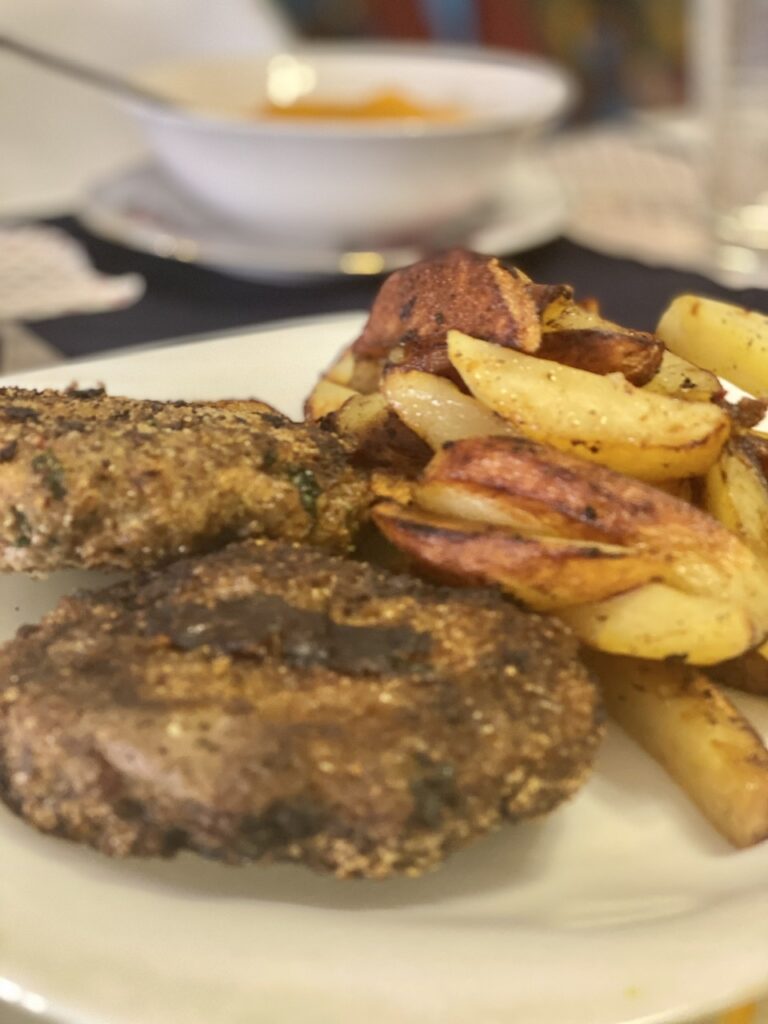
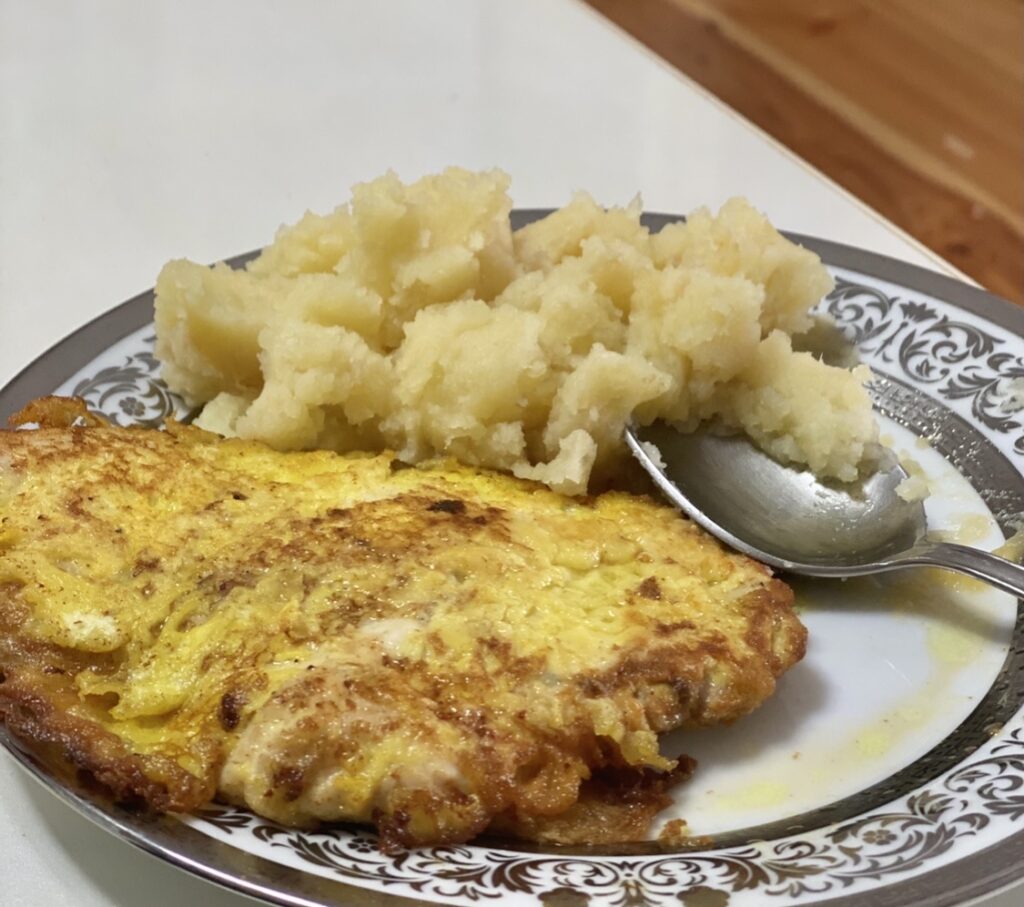
Also, the meat is a Veal dish called Tjvjik. It is considered a delicacy in some Armenian villages. Originally, Tjvjik is made by frying pieces of beef liver with large amounts of onions that have been seasoned only with salt and pepper. Today, the dish can be made with additional ingredients that include tomatoes (grated or pureed), a variety of vegetables, various fresh herbs, as well as other offal such as hearts and kidneys.
For our meal above, the Tjvjik was a version of a hamburger patty, but instead of burger meat, veal was used.
Similar types of dishes can be found throughout the Near East and the Balkan Peninsula. The importance of this dish in Armenia is reflected in the eponymous movie, Tzhvzhik, which is considered a Soviet-Armenian classic.
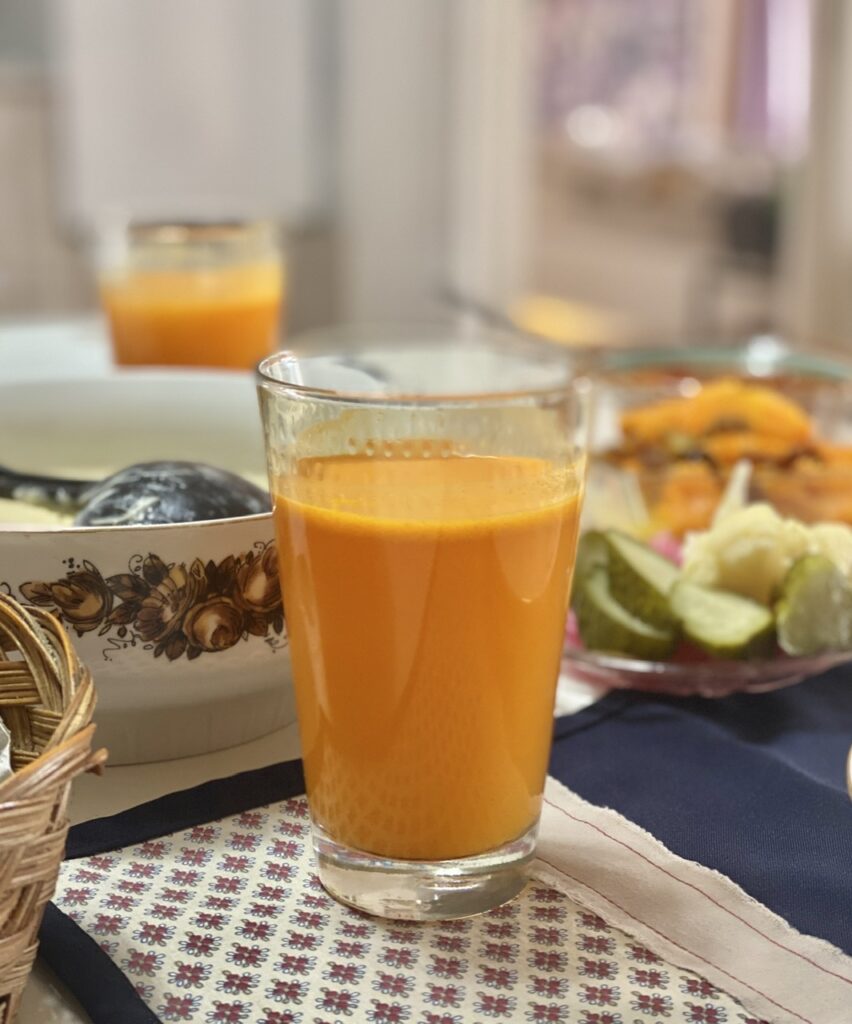
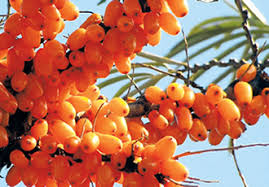
There are hundreds of these juice explosions on the plant, as bright orange as tiny pumpkins, clustered along the woody branches like holly berries. The berries hold on tight but have a gossamer thin skin. So the tug you need to free them squishes them to a messy pulp.
The Greeks fed it to horses to give them a silky coat.
It’s an alien invasive plant and when it got here it said “happy days” and took over. It thrives in poor soil because it fixes nitrogen from the air. It’s got roots that walk under the ground and then pop up like raspberry runners.
Here in Armenia, this tiny orange fruit can be found in the Sevan Lake area. We see many, many side-of-theroad sales, right out of the back of trunks on cars. Many reused water bottles are filled with the bright orange juice and is quite a popular drink, here in Armenia. One can also buy the berries, whole.
We both liked the taste of the drink. Its not too sweet.
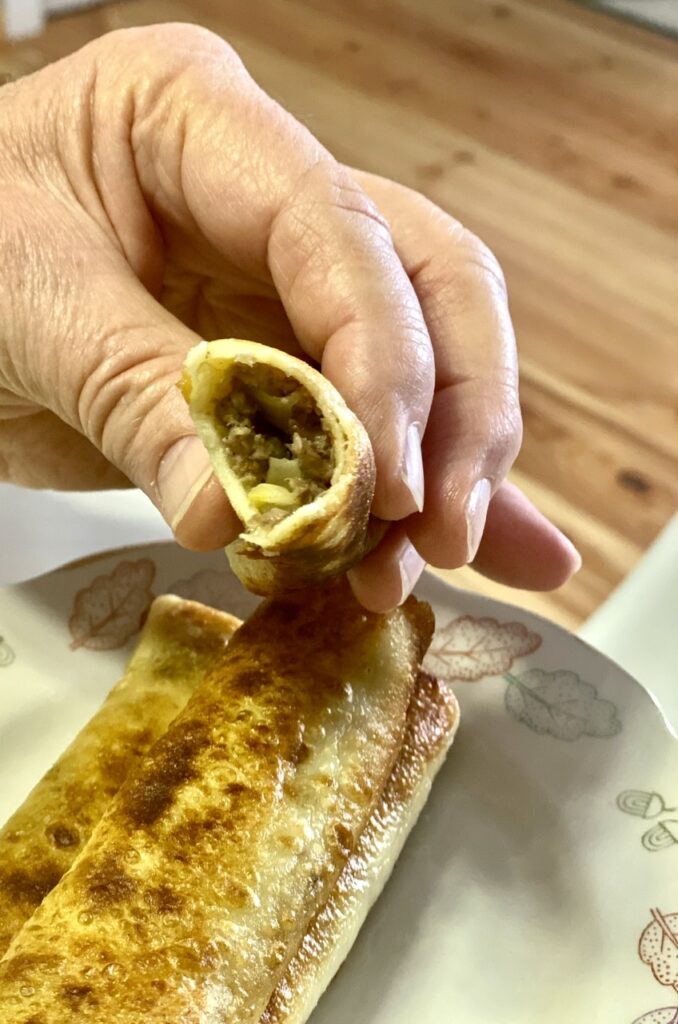
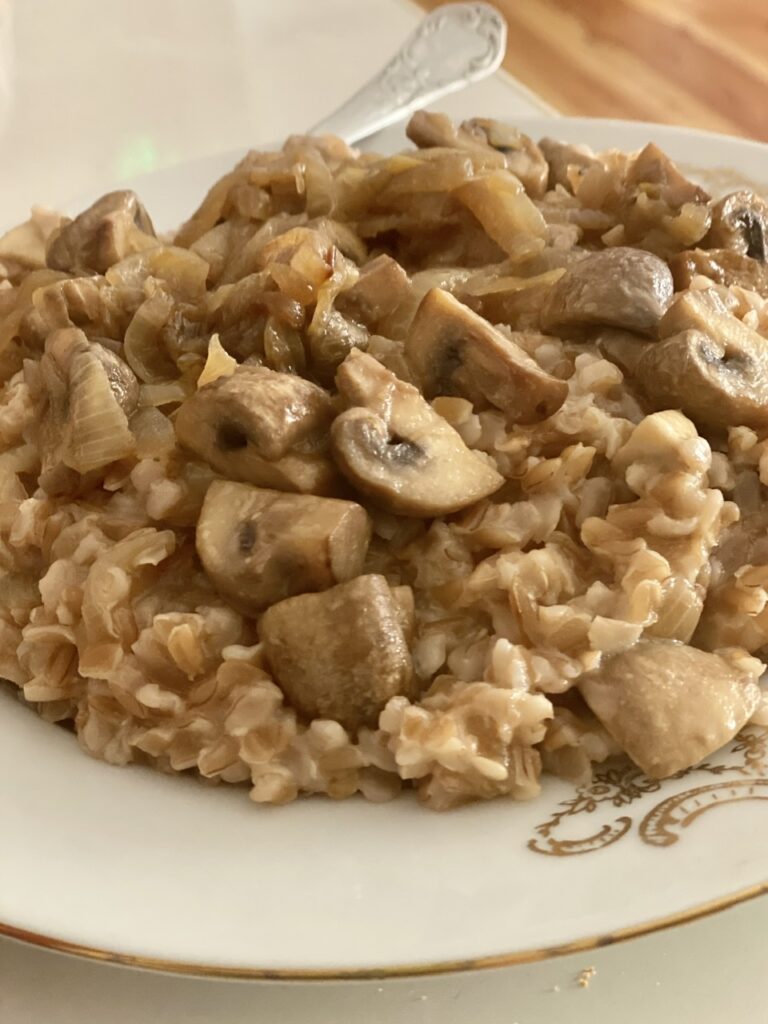
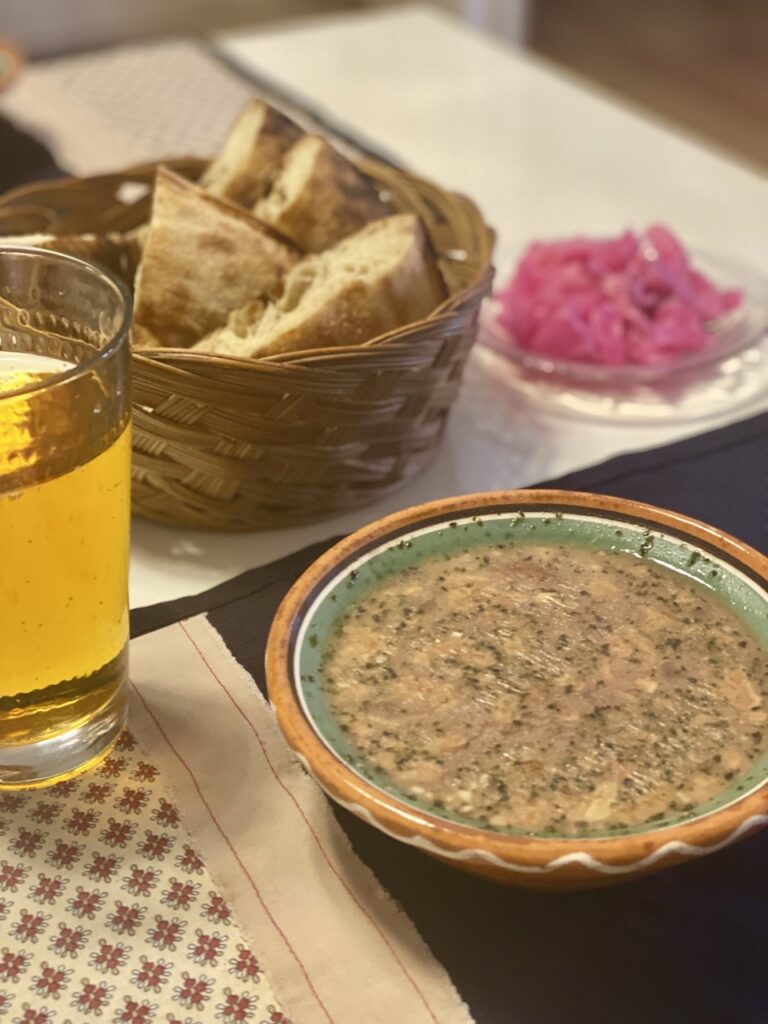
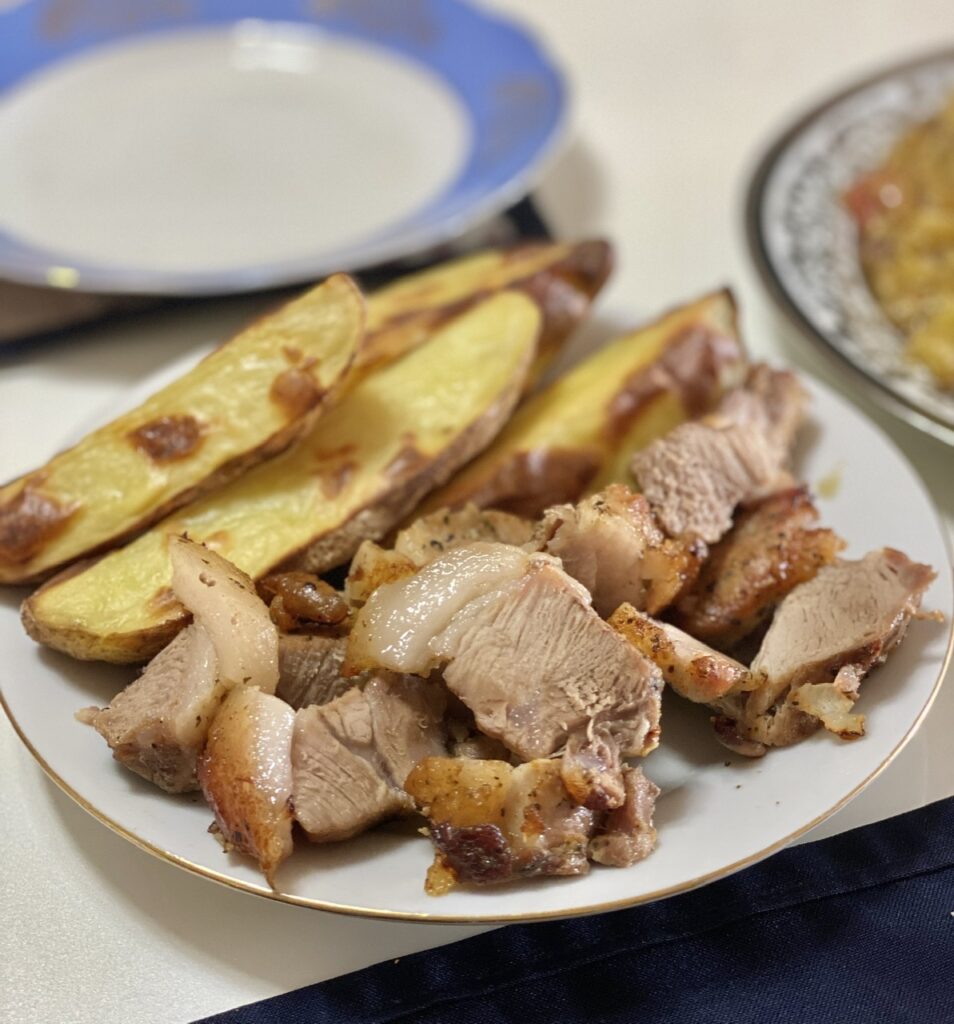
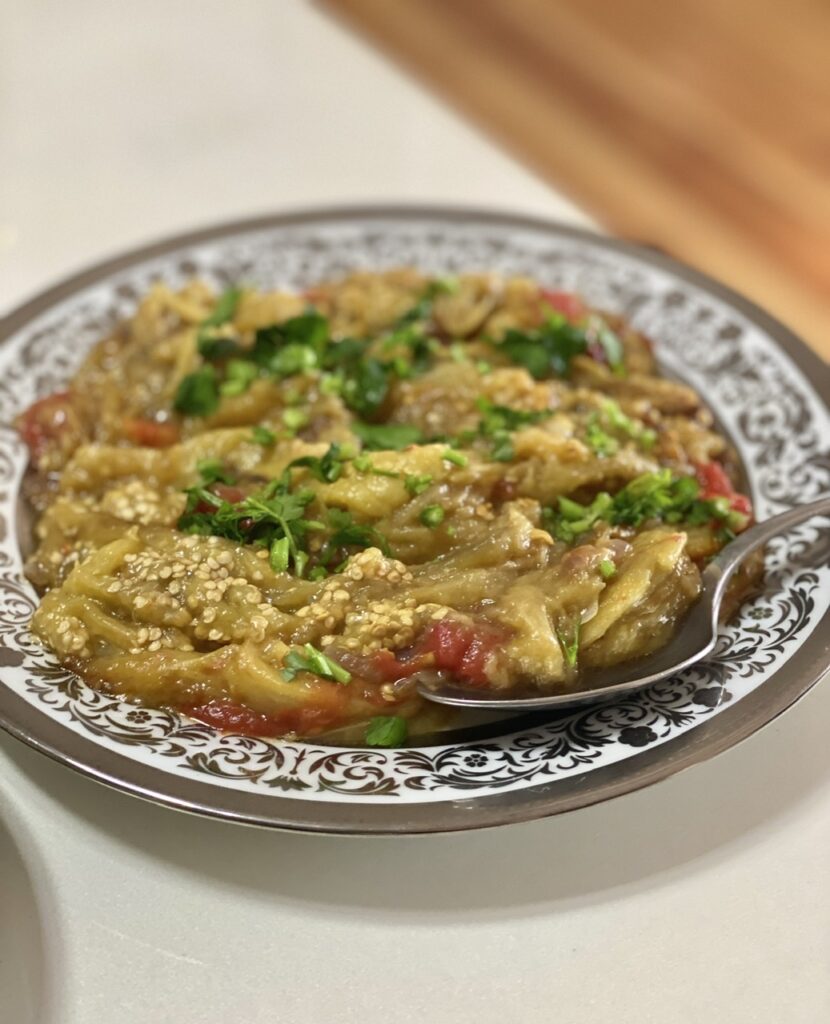
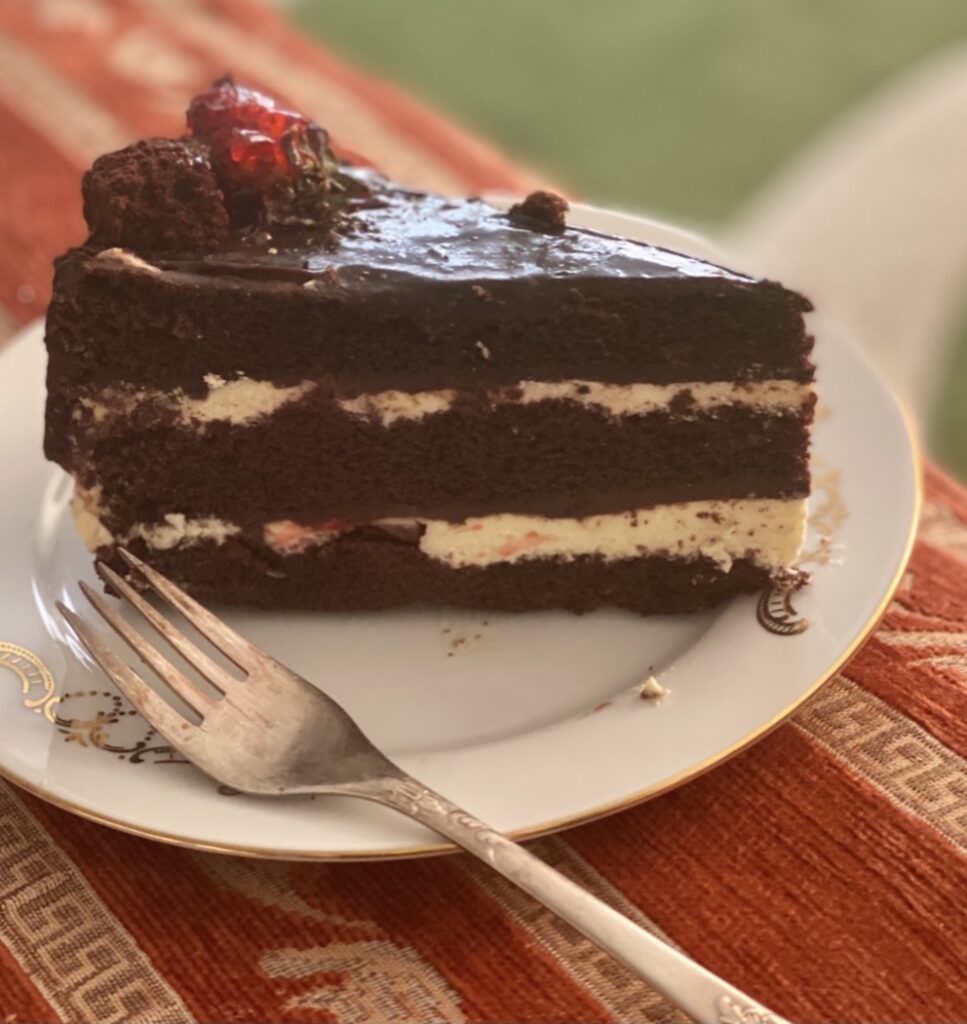
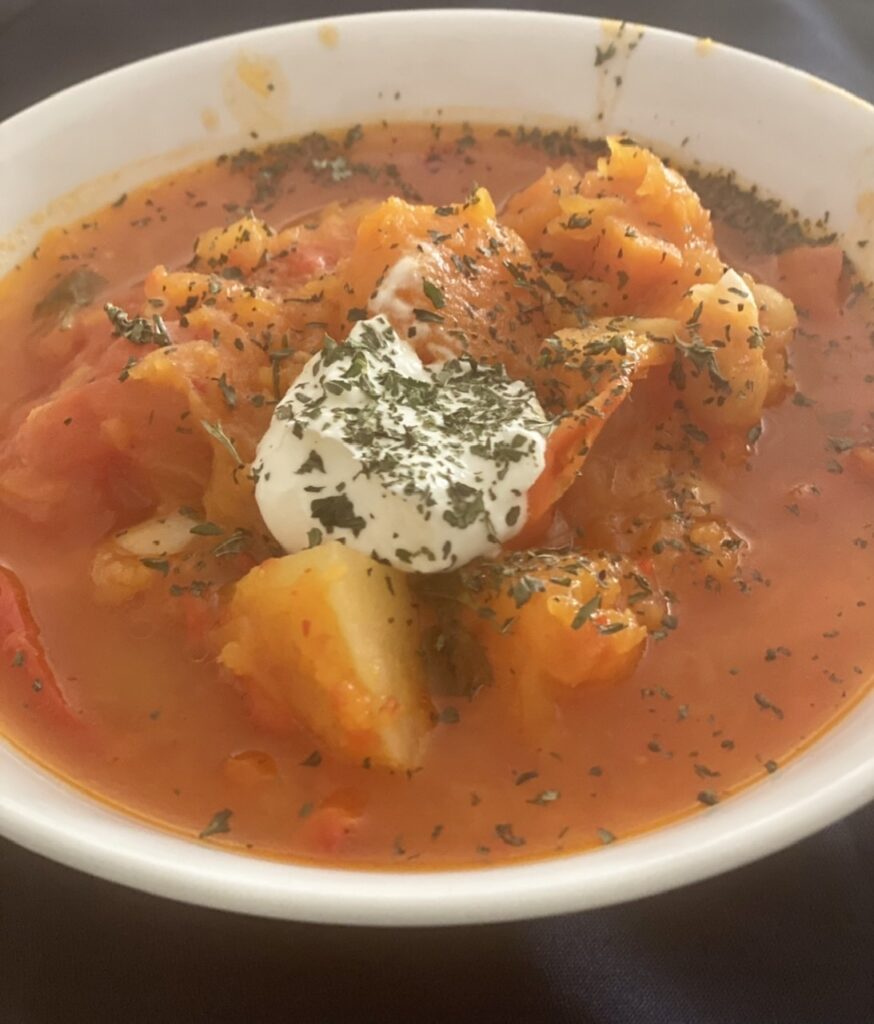
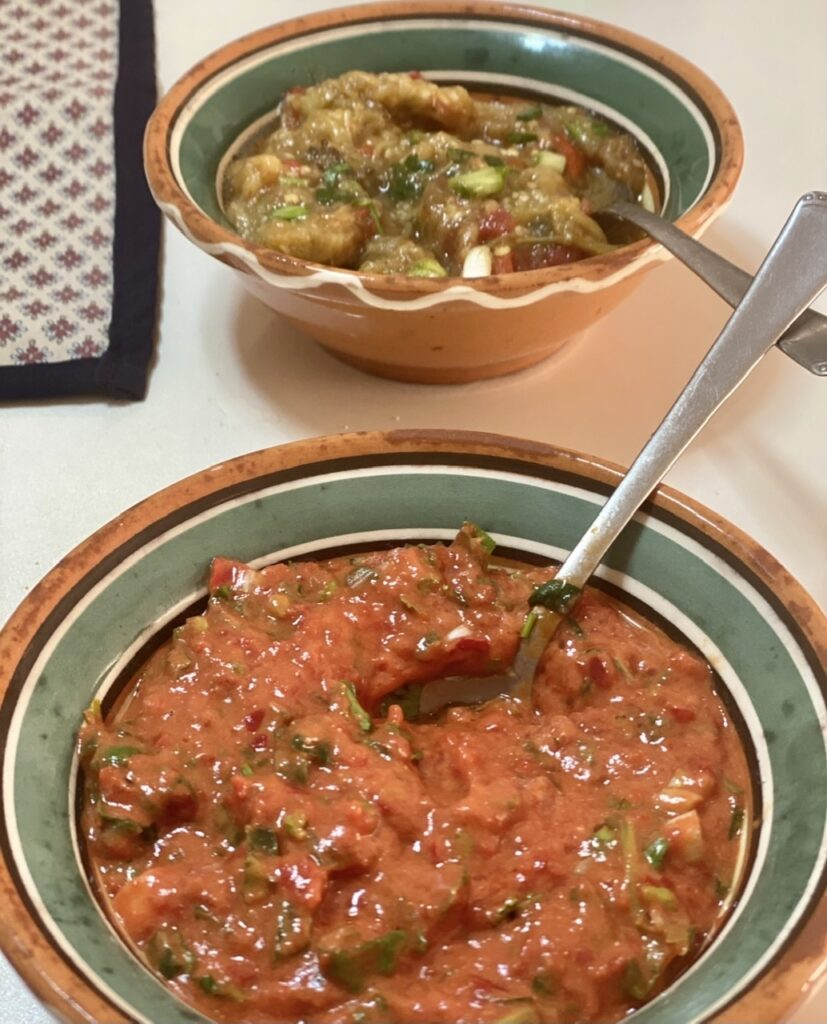
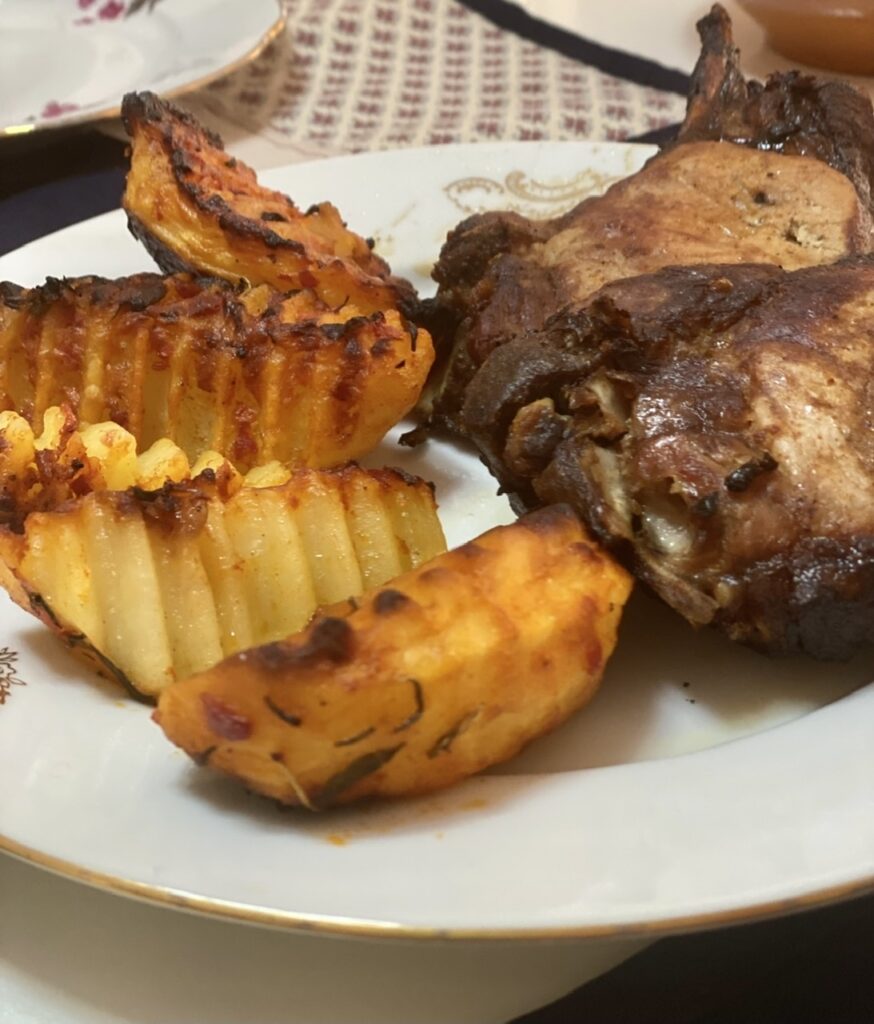

(too salty and too spicy for us)

A tangy and Spicy dish
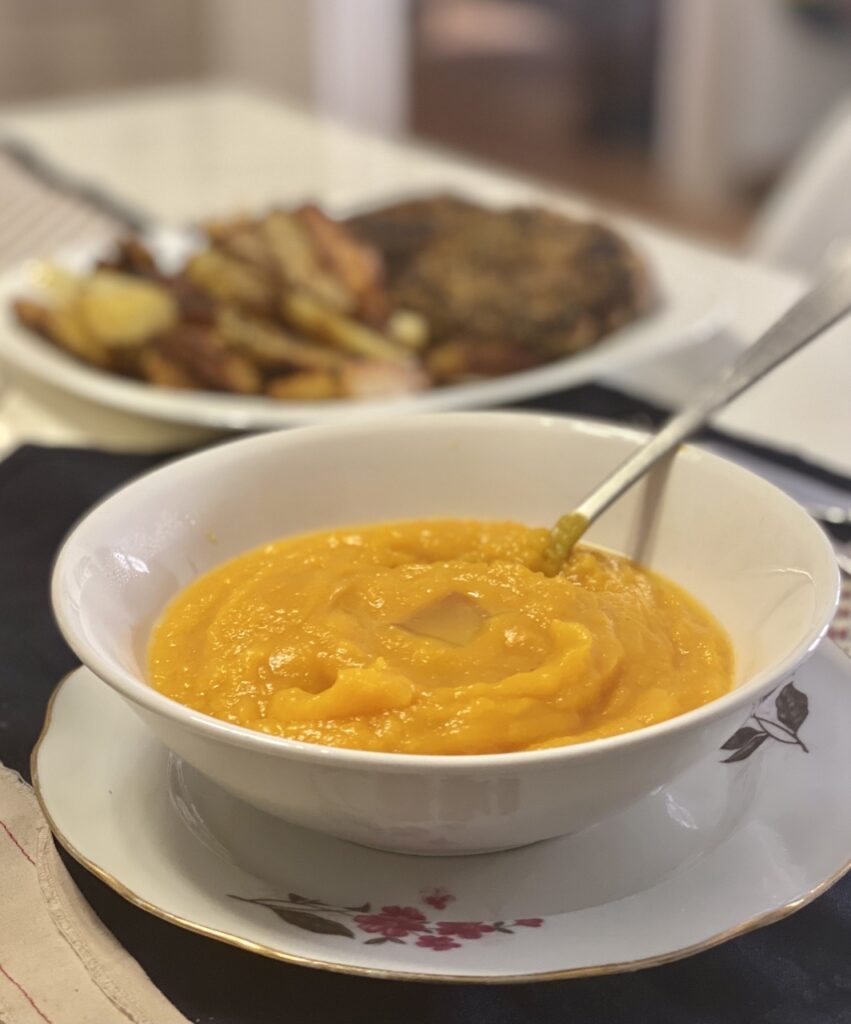


According to several historical sources, the earliest mention of hummus dates back to Egypt in the 13th century. Chickpeas were and are abundant in the Middle East and are still commonly eaten. In fact, the word hummus means chickpea in Arabic. Hummus is not a tradition Armenia dish, but Armenians like it just like most people, so it can be found as a side dish, here.
Also, Toursh or Torshi is served like an “appetizers” here. Tourshi, which means “Pickled Vegetables” in Armenian, is made from various vegetables at harvest time. Once canned in jars, they are put away to enjoy during the winter months. It is a common practice. Any kind of vegetable from the garden is put up, and saved in the root cellars. We have often seen road stands with beautiful jars of colourful vegetables for sale.
Darly enjoyed this treat, but I do not care for it. It has too strong of a vinegar flavor, for obvious reasons. I like homemade Pickles, with Dill, which I used to can all the time, in my young adult years, but thats about all I care for in the pickled department.

We have tried it and it doesn’t have a lot of flavor, and it dries out very quickly.
We much prefer the other bread in the photo which is often served along side the Lavash tradition bread. Matnakash (Armenian: մատնաքաշ) is a leavened traditional Armenian bread. The word matnakash means “finger draw” or “finger pull,” referring to the way the bread is prepared. It is made of wheat flour with yeast or sourdough starter. It is shaped into oval or round loaves with longitudinal or criss-crossed scoring. is always fresh and soft and tastefully homemade.
Butter is not traditionally served with dinner, but it is at breakfast. We like butter with our bread, so we ask for a butter serving, so we can enjoy the bread and the butter with the evening meal. We try to not to eat a lot of breads, but we indulge in one piece, because it really is that good!



In the photo, we actually were at a restaurant in Garni, where they served the brownie-like dessert with ice cream. We do not see ice cream in the supermarket, even, let alone in a restaurant, till at this time.
this was a surprise and a wonderful treat!

Preserved in different sizes of jars, the pressed juice is added to fruit slices. The specific taste of Armenian fruits and berries can not be found anywhere else. Just ask an Armenian!
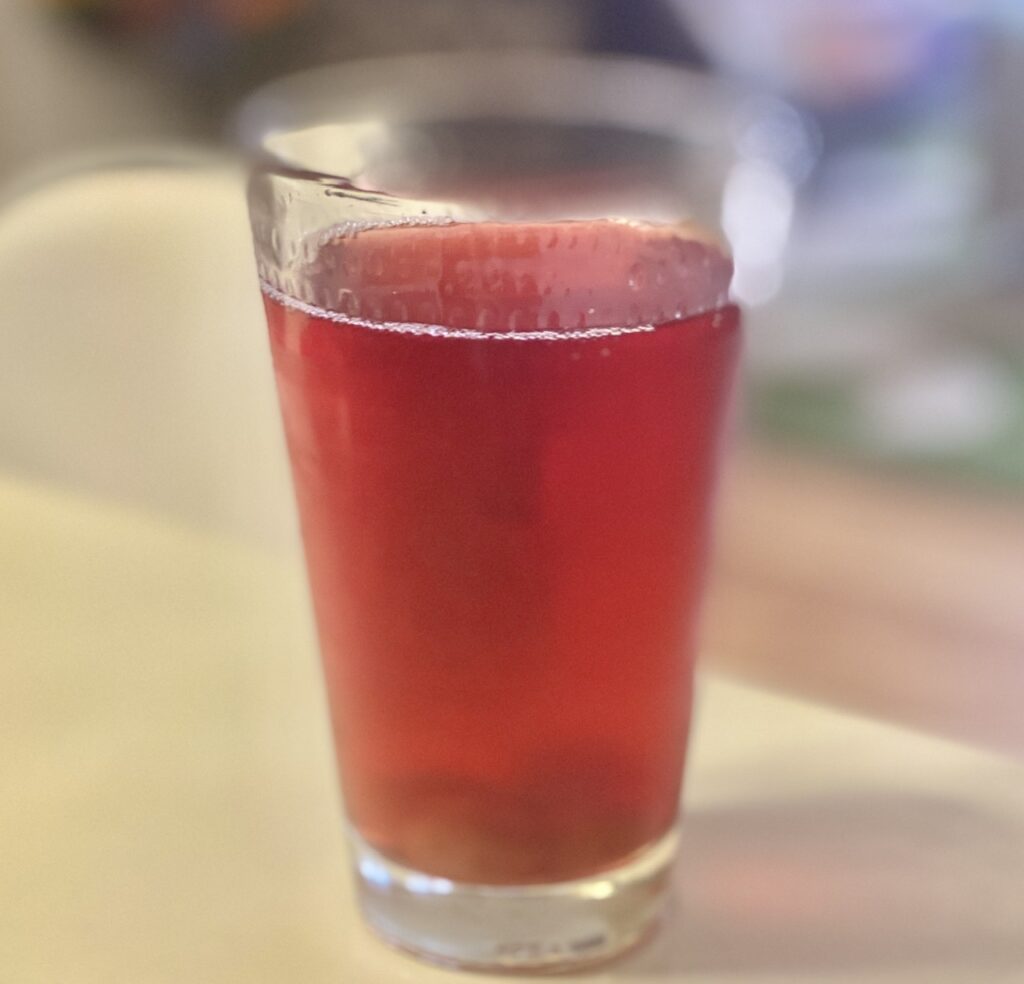
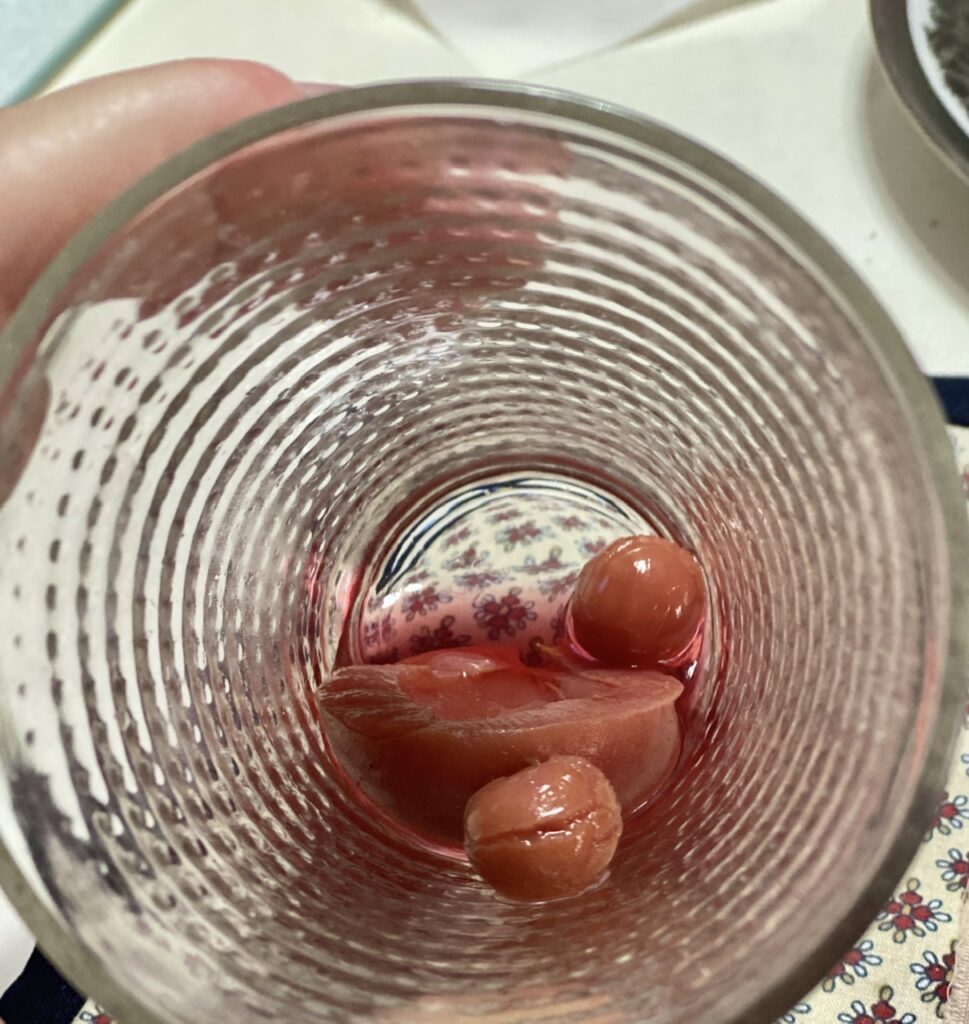
The compotes are prepared by mixing different kinds of fruits and berries
As seen in this picture, it is a light colored juice, indicating grape. You can see the grapes floating. Yes they are edible.
Normally we do not indulge in anything other than sparkling water, or plain water at dinner, but we are making an exception here, at the lovely Artson B&B, because thee drinks are not overly sweet, and they are so organic and healthy for us.




Bulgur is a particularly good source of manganese, magnesium and iron and also slightly lower in calories than other comparable whole grains, such as brown rice or quinoa

Starting from early September, Armenians begin to remind each other that the season of Khash is already open and it’s time to gather around the winter soup.
If you ask Armenians the best time for tasting Khash, probably everyone will reply “all months which contain letter “R” in it; meaning that you can eat Khash, starting from September till April. These are the chilliest wintery months in Armenia.
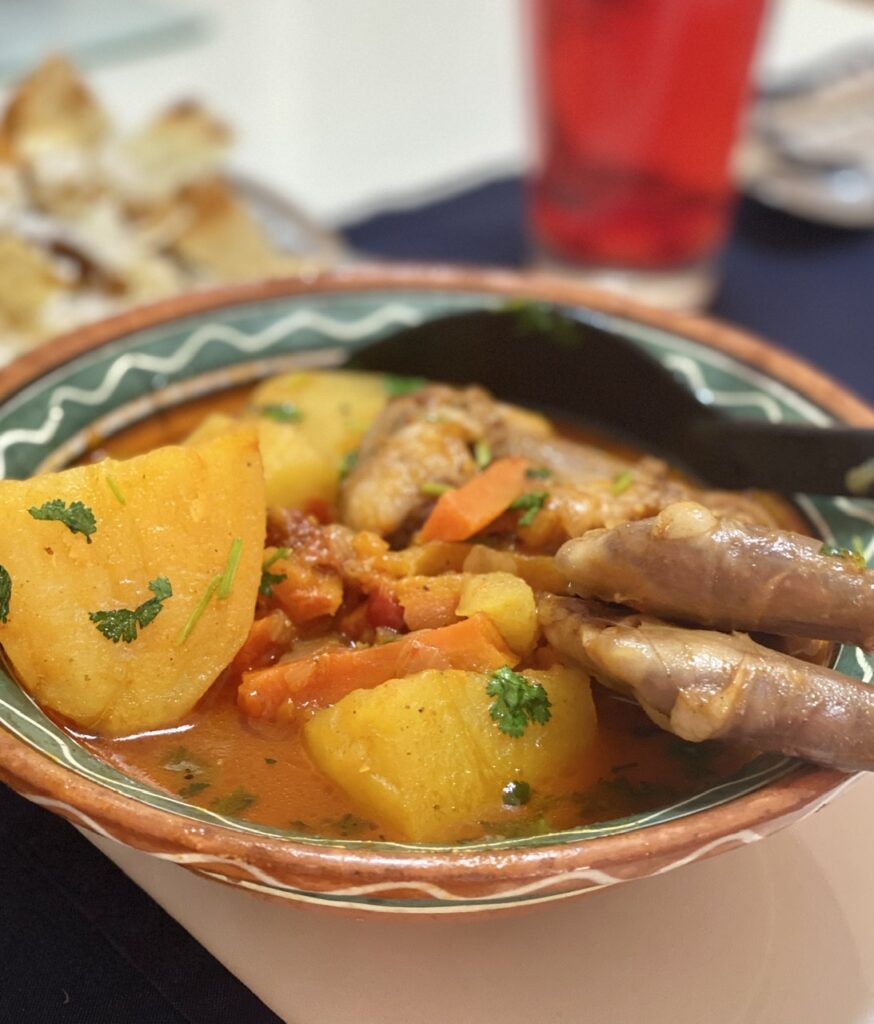
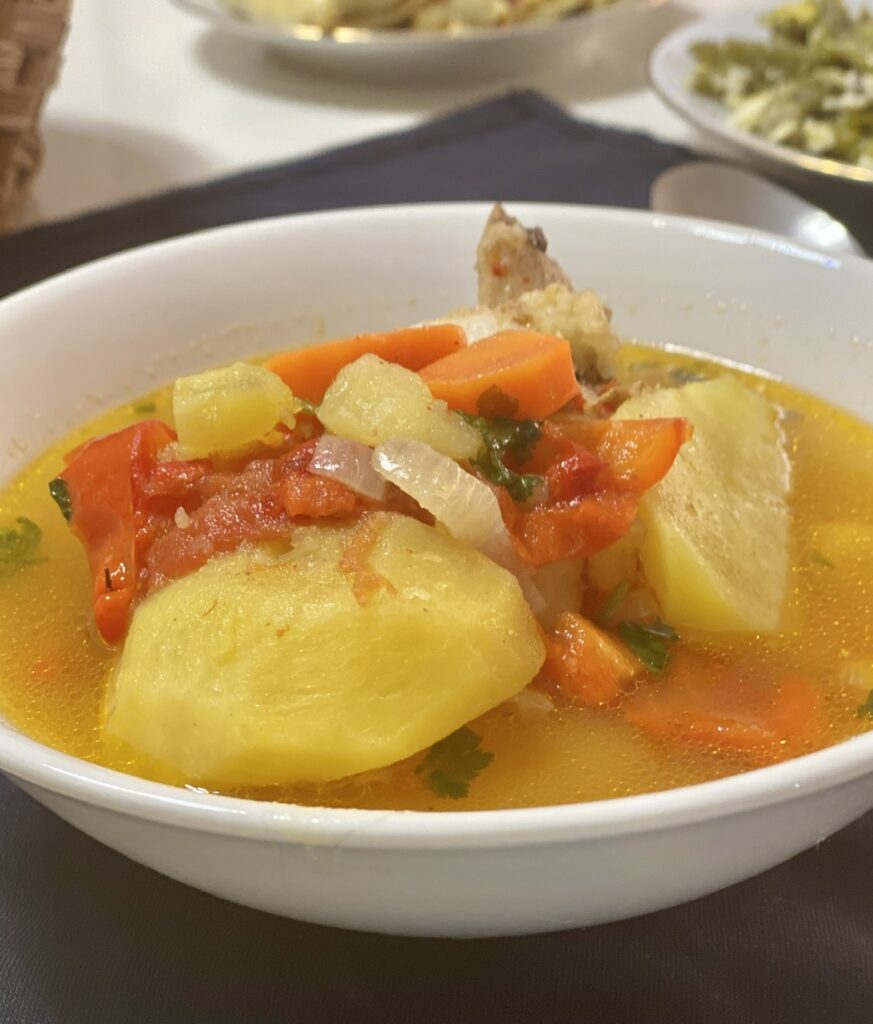
Khash soup is the shortened version of the Armenian verb “khashél;” that is “to boil.” Khash is mostly made of feet and stomach of cow or sheep. The recipe may seem simple. but one should master special skills to cook this really tasty winter soup.
In Armenia, khash is not just a broth made from beef bones and belly. It is a ritual for the organizers and participants. Khash is an ancient Armenian dish, which later spread throughout the Caucasus and Transcaucasia.
Even children in Armenia know that Khash is generally served early in the morning. (We ate our for dinner). People say that this “ritual” of eating Khash early in the morning started from days of yore. During that period, the rich took only the meat after slaughtering an animal. The poor picked up thrown feet and entrails of the animal and cooked them. As they didn’t want anyone to know what they eat, the soup was made early in the morning. But if you ever tasted Khash you will verify the rightfulness of eating this delicious winter soup early in the morning, as it is very difficult to digest. Many people, who are going to eat Khash, avoid eating anything from the previous evening.
So even though Armenians are famous for making countless toasts during any event, there are only three toasts that traditionally are made during the “Khash party,” which are well-defined and announced in a special order. Khash related toasts are relatively brief.
1. Good Morning
The first toast is for good morning, which is suggested when everyone is served with Khash and put some salt, garlic and dried lavash (the flat bread)into it.
2. For the ones who made Khash
The second toast is for the hosts, literally translated “For the ones who “put” Khash”. The guests make a toast to thank the hosts.
3. For the ones who eat Khash
Later comes the third toast, a toast for guests. Literally it is translated as “For the ones who eat the Khash.”
These are the obligatory toasts, which are considered to be complete after the third. But a late arriving guest is provided an opportunity to drink for the “Good Morning.”
More on the Khash Day Tradition:
From the depths of the ages Armenian cuisine developed and maintained a culture of delicious and good-tasting meals, meantime winter soup Khash conserved its original cooking manner for centuries.
Khash is always a party dish and you wouldn’t find anyone in Armenia who he eats Khash alone. But you can definitely find many people who will reveal that they are mostly delighted from the mood, bright conversations and funny stories told during the meal.
There is no need to plan anything for the rest of the Khash day, as people who plan to eat Khash usually spend the whole day together.
About the digestion issue: we ate this soup in the evening, and had no issue with digestion. Darly deals with GERD, so that is saying something in my opinion. The soup, by the way, is delicious, and I would enjoy eating it, any time it is available!

Traditionally, each Armenian girl before marriage must learn to perfectly prepare this tasty dish. And it can be said in secret that all Armenian women do it perfectly.
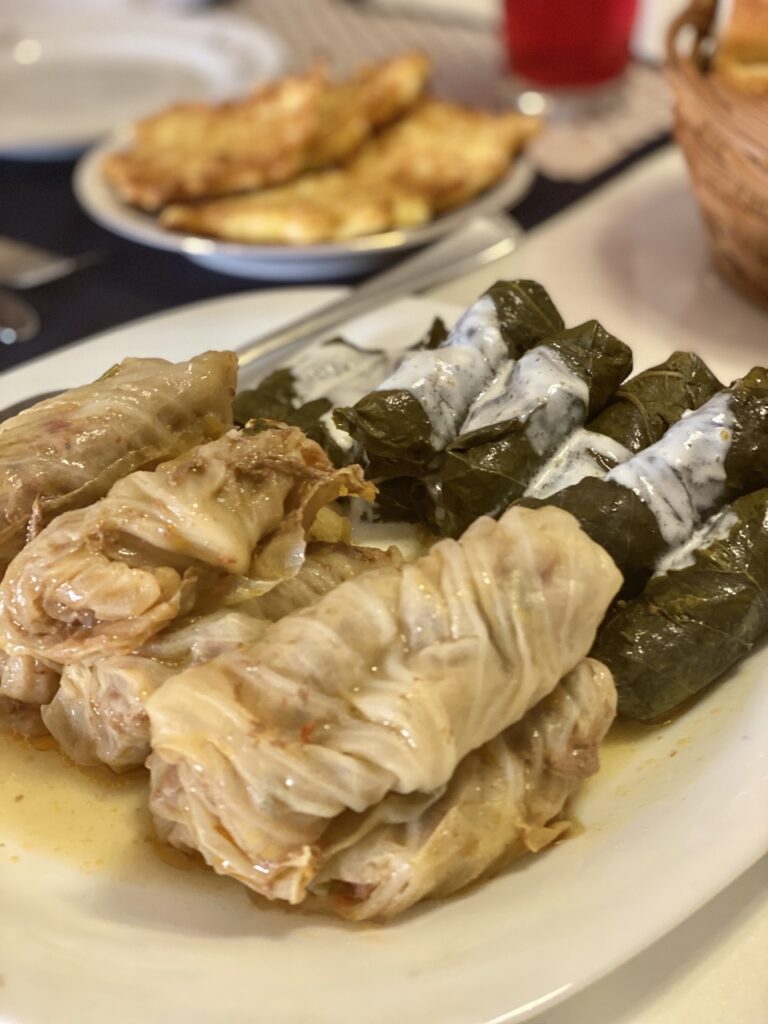
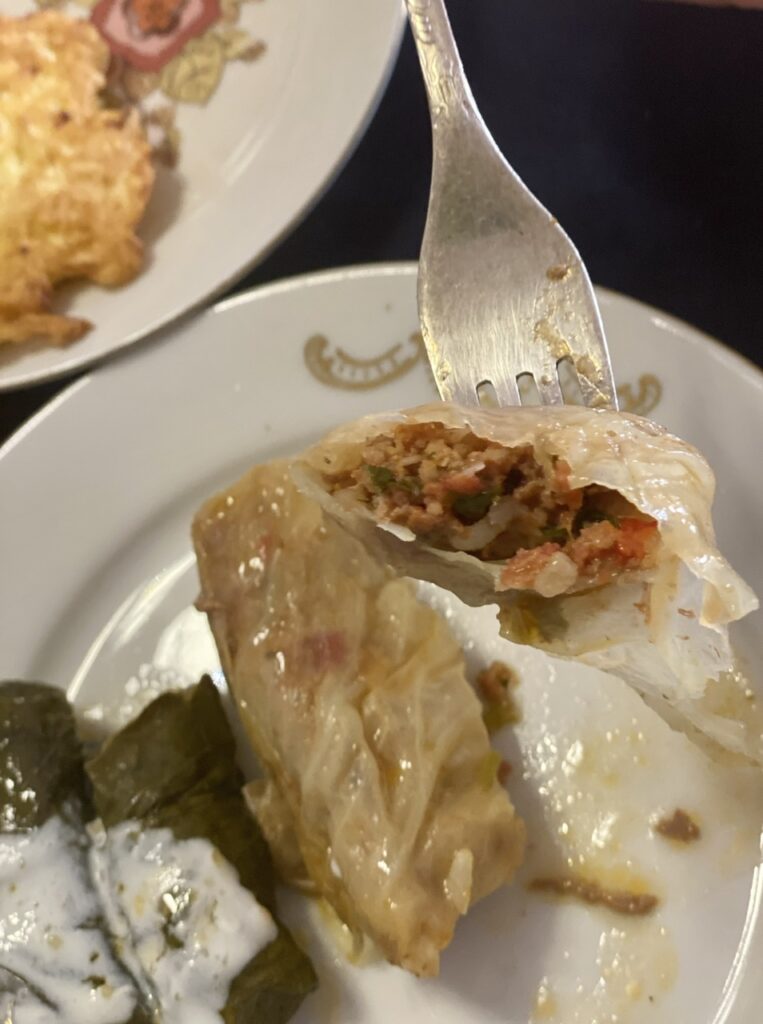
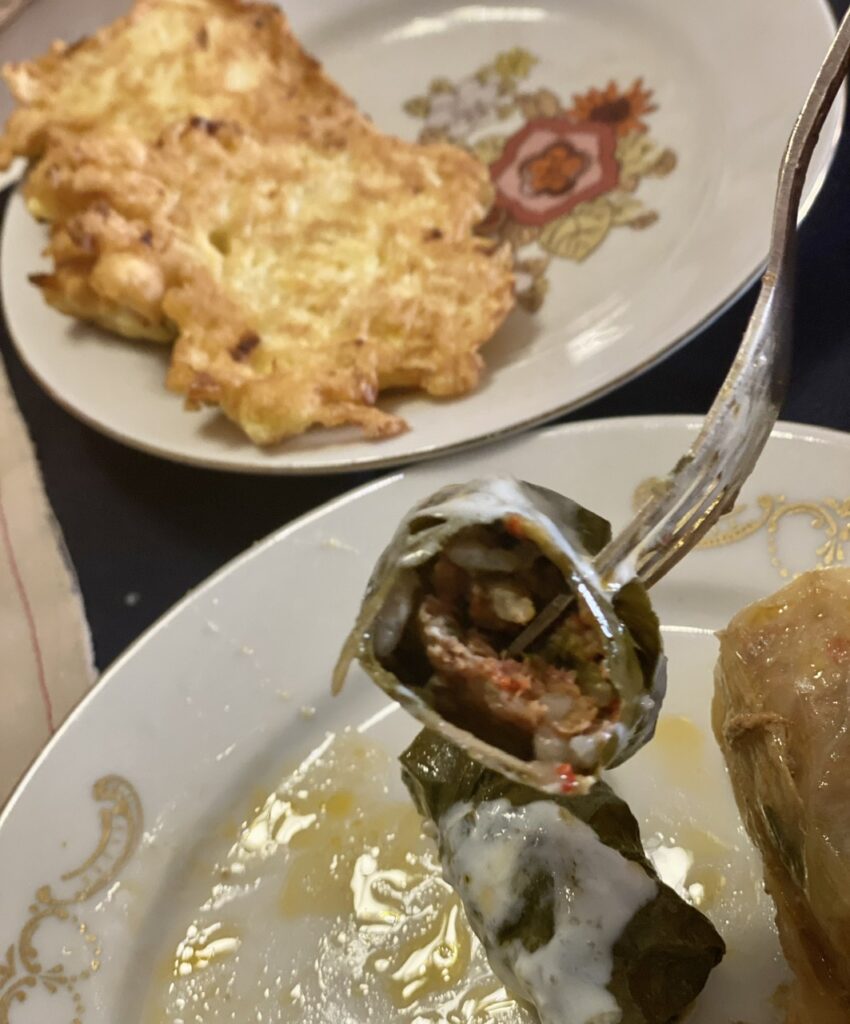
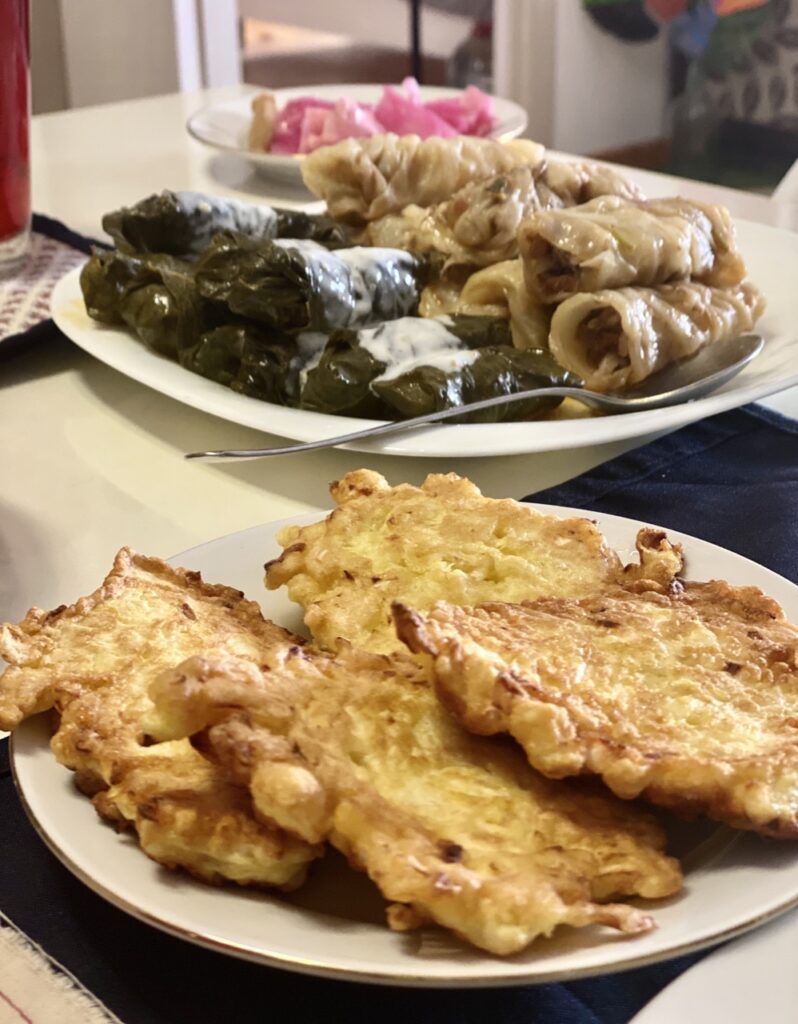
For the preparation of the traditional tolma, Armenians use beef, pork and sometimes add mutton. In minced meat they add herbs, basil, oregano and rice and then wrap it in tender grape leaves. Tolma is served with a unique white sauce prepared from fermented matsun (yogurt) and garlic. Armenians can also offer “summer dolma,” and even meatless “pasus tolma” for vegetarians.
In summer tolma the same meat is wrapped in cabbage leaves or stuffed in vegetables (tomatoes, egg-plants, green pepper). During the preparation process, an indescribable aroma fills the entire home.. In pasus tolma Armenians instead of meat put crushed wheat, lentils, peas and beans.
In addition, on the right side, we had some baked Bell Peppers. Finally, the compote fruit drink on this evening was cherry


The green string-like cheese can be found in high elevation of Armenia. It was delicious and we ate our fill while at the no-name hotel in Amasia.
The soft blue-green cheese “Sambiel” is made in Armenia in the higher elevations of the mountainous region at the heights between 12,043 and 15,054 feet above sea level. Obtaining an ecologically natural product is promoted by Alpine pastured, fragrant motley grass, tasty and clear water.
The combination of German technologies and Armenian highlands gives the cheese “Sambiel” a truly unique and incomparable taste.

Lori is a brined Armenian cheese with a white-yellow color, an elastic texture, and irregular eyes dispersed throughout. The cheese has a much firmer texture than its cousin Chanakh, because Lori’s curd is heated twice. Its flavor is salty, creamy, and sharp, and it is regularly used as a table cheese in Armenia.


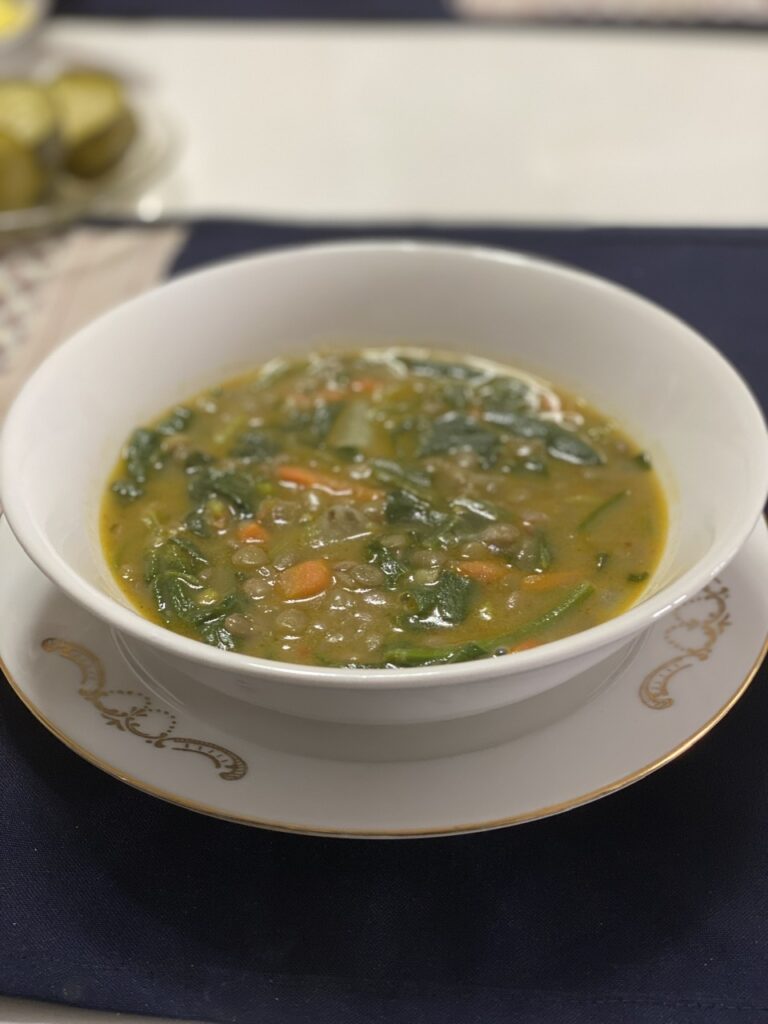
THIS is my most favorite soup I’ve had in Armenia!
In Armenias. believe they grow the most delicious fruits because “they taste of the sun”. If you want to experience the flavors of the sun, try out this a typical Armenian dish
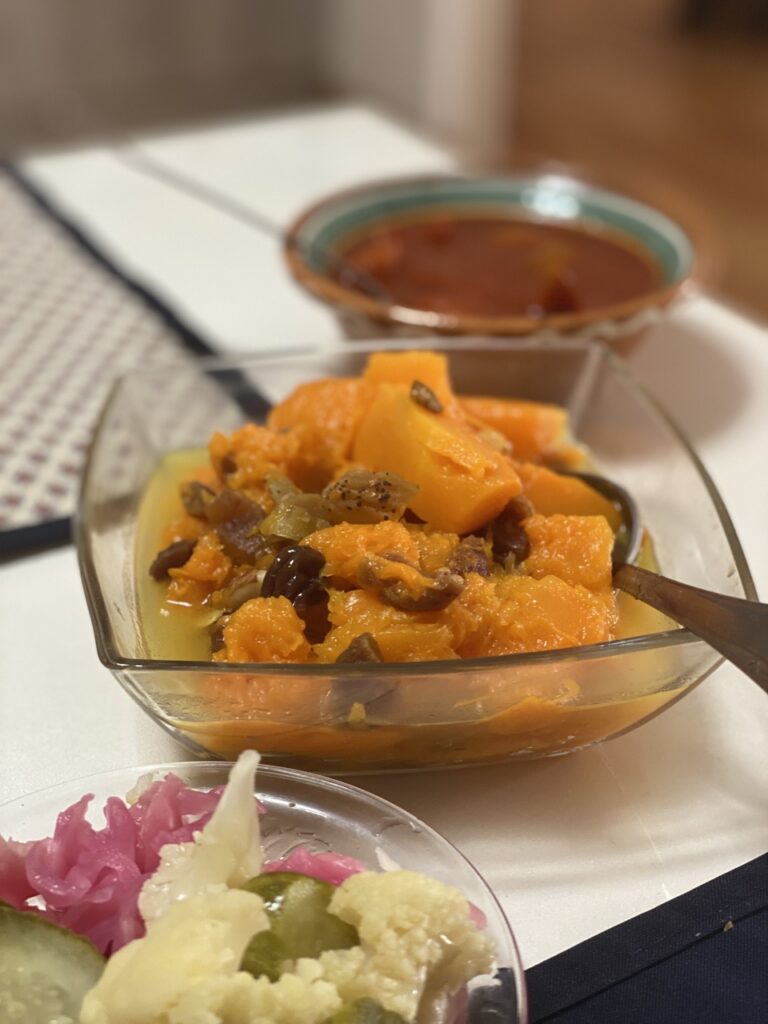
Ghapama is a made from pumpkin which is stuffed and baked, and can be eaten as a main dish or as a dessert (I seriously could eat this any time of the day), but I like it best on a cold evening, because the dish makes me feel all cosy inside.
Now, to really get a taste of Armenian culture, put on the “Ghapma song” and enjoy your meal!
https://www.youtube.com/watch?v=uUMd9WczYn4

The following is barrowed from: wedirdsodareview:
In the world of Weird Soda, there is an interesting dim, dusty corner–the Sodas Which Dare Not Speak Their Names. These are the ones whose names are neither descriptive nor, at least, to the provincial rubes such as myself, well-known enough to need no description. (Coca-Cola, for example, is familiar enough that I don’t need to speculate on its taste).
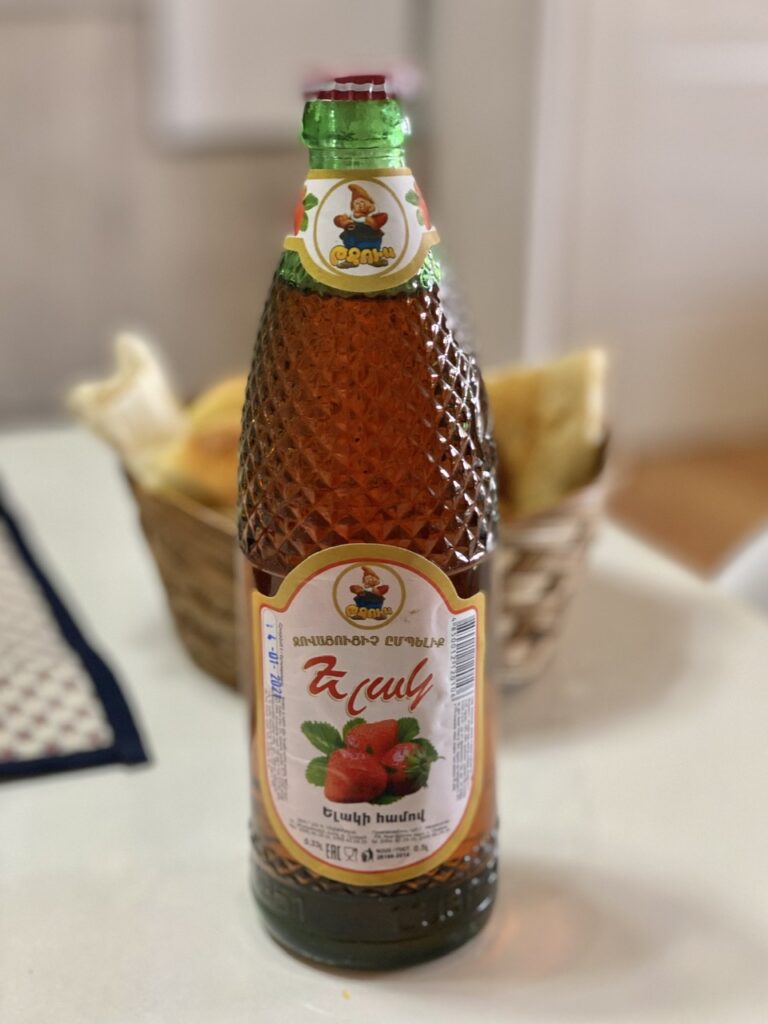
The other day, while investigating an international market in Vista, I came across just such a coy bottle. It identified itself as “Duchess.” The possibility of a Duchess-flavored soda being too tantalizing to be realistic, I had to investigate further.
This one, however, doesn’t play too hard-to-get. Beneath the “Duchess” appelation is a picture of pears.
“Unless this is a clever scheme to lull the imbiber into a false sense of security, and then spring an unsuspected and breathtaking flavor upon his or her unprepared palate, it seems safe to assume that this beverage will be pear-flavored. Now, personally, I like pears. One of my favorite sodas (the Sweet Blossom Elderflower) was reminiscent of a pear cream soda.
Er. Yes. Duchess. Anyway, pears. Good.
Well, this might be nice. I should further note that there is additional text on the bottle, but alas, it is unintelligibe to me. High on the bottle is a label which bears the inscription “Napitki IZ Chernogolovki,” which seems Slavic. Come, let us consult the Google.
I put in the text and request an Armenian to English translation.
No luck.
Okay, let’s try Russian to English.
No luck again, but interestingly, it makes a suggestion. “Did you mean Напитки ИЗ Черноголовки?”
Um…I’m not sure. Did I? Sure.
*click*
“Drinks from Chernogolovka.”
Well, that seems like a likely possibility. And lo, further investigation reveals that Chernogolovka is, in fact, a small Russian town not far from Moscow.
Which–ah, what joy!–is a major center of Russian science, and houses research institutes in chemistry, physics, “physiologically active compounds”, and experimental mineralogy.”
So now we all know very little about this amazing drink. which to me does not taste like pear at all, though “Duchess” is a type of pear. Image drinking a very cold creme soda, with ice cubes made of root beer popsicles floating and melting into the creme soda flavor. It sounds like a funny combination to me, too, but it is delicious, just the same!



Borscht, also spelled borsch, borsht, or bortsch, is a beet soup of the Slavic countries. Although borscht is important in Russian and Polish cuisines, Ukraine is frequently cited as its place of origin. Its name is thought to be derived from the Slavic word for the Cow Parsnip, or common Hogweed; or from a fermented beverage derived from that plant. The more-palatable cultivated beet eventually replaced the Wild Wow Parsnip as the basis of the soup.


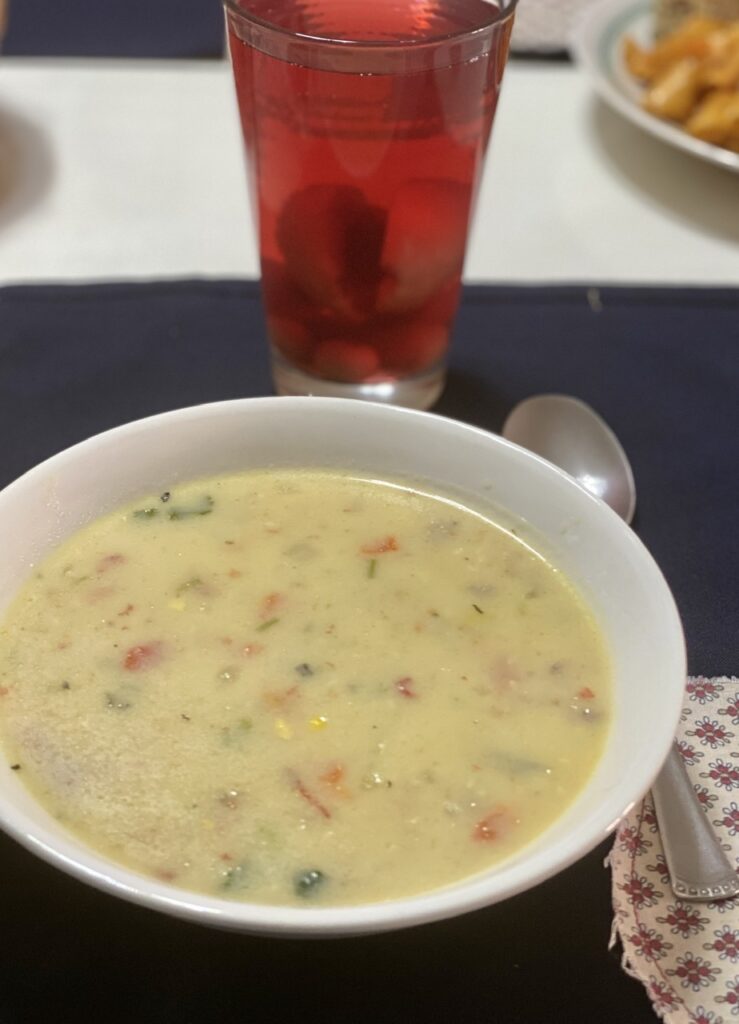
Ghipana soup, here we have an even more simple and delicious pumpkin soup called Ddmapour.
Only a few ingredients are needed to make this healthy, light and very tasty soup.
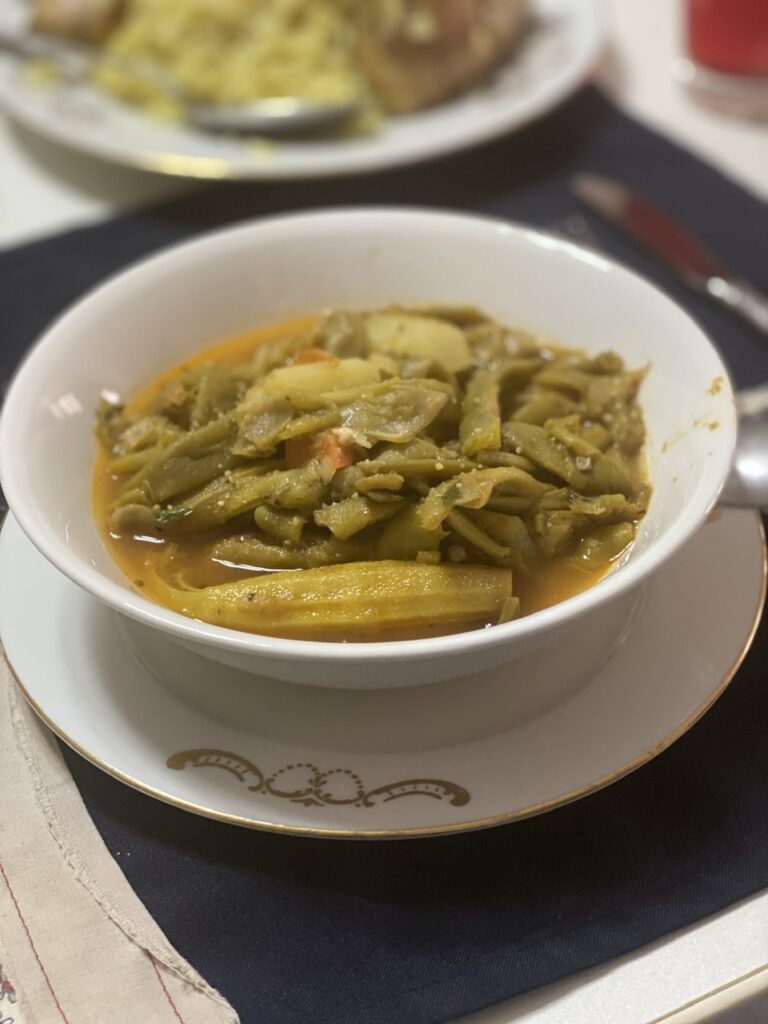
Pumpkin season, in the fall, is the best time to take advantage and use this extremely nutritious vegetable, with Okra.
I am a huge fan of pumpkin soups, and this was every bit as good as the Ghipana Soup

is often prepared by Turkish Armenians; those Armenians who moved to Armenia from Turkey. Ishli-kufta is very popular in Armenia and almost no festive table is complete without this national dish.
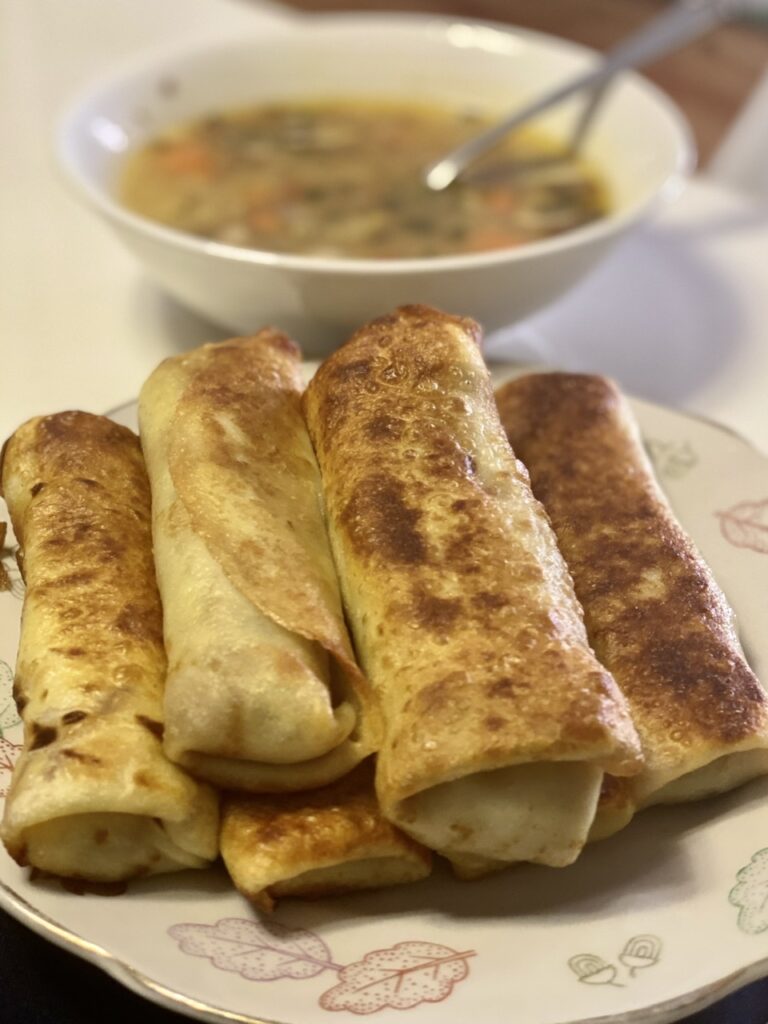
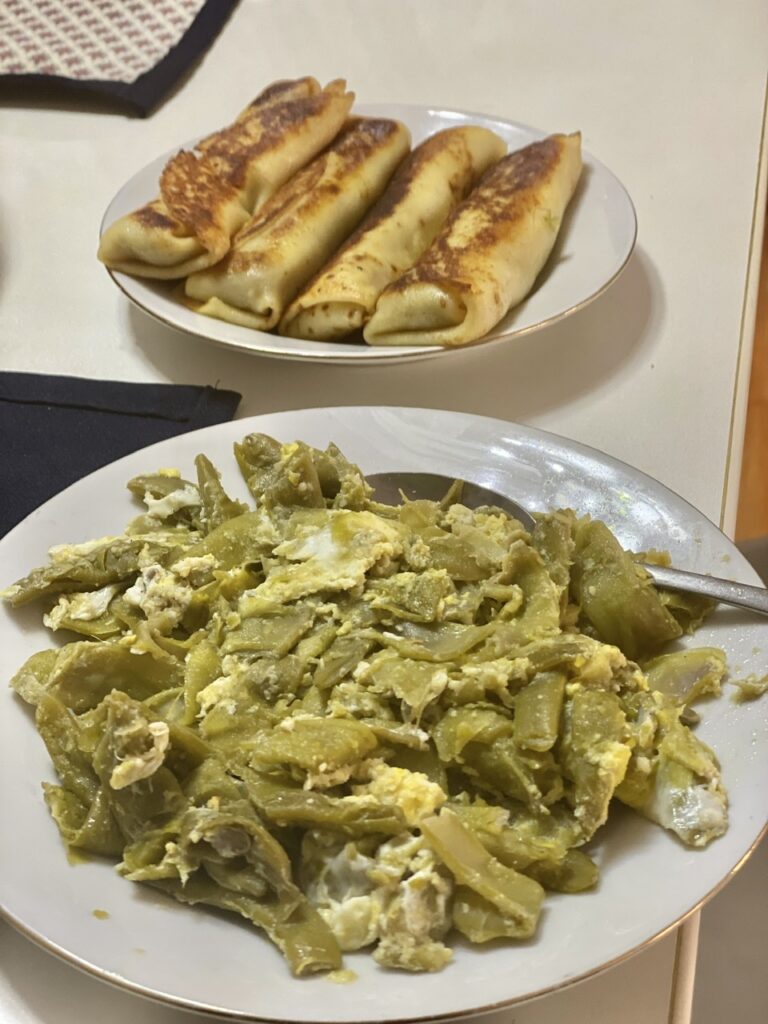
According to the structure of “Ishli-Kufta” it is a double cutlet. The outer part; the” went,” is fresh tender minced beef with blgur, which is cooked in salted water during cooking. The stuffing “Went kufta” is fried minced meat, as in Armenian pancakes, with spices and Greek nuts.
These are divine!
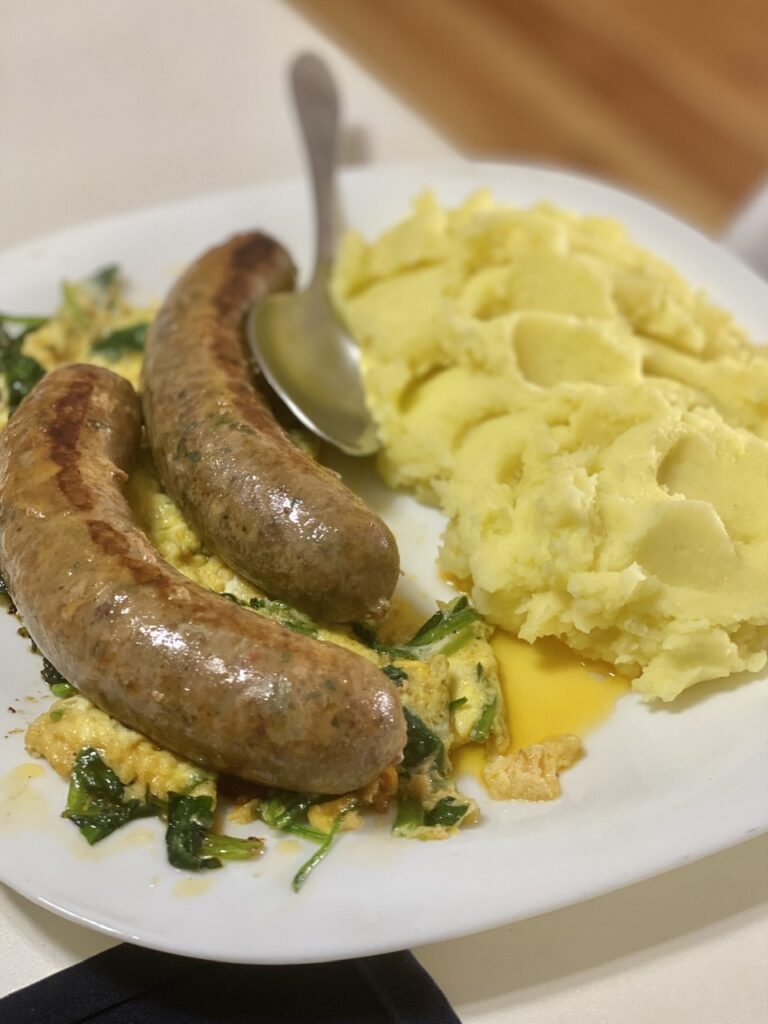
The round yellow food is a serving is mashed potatoes

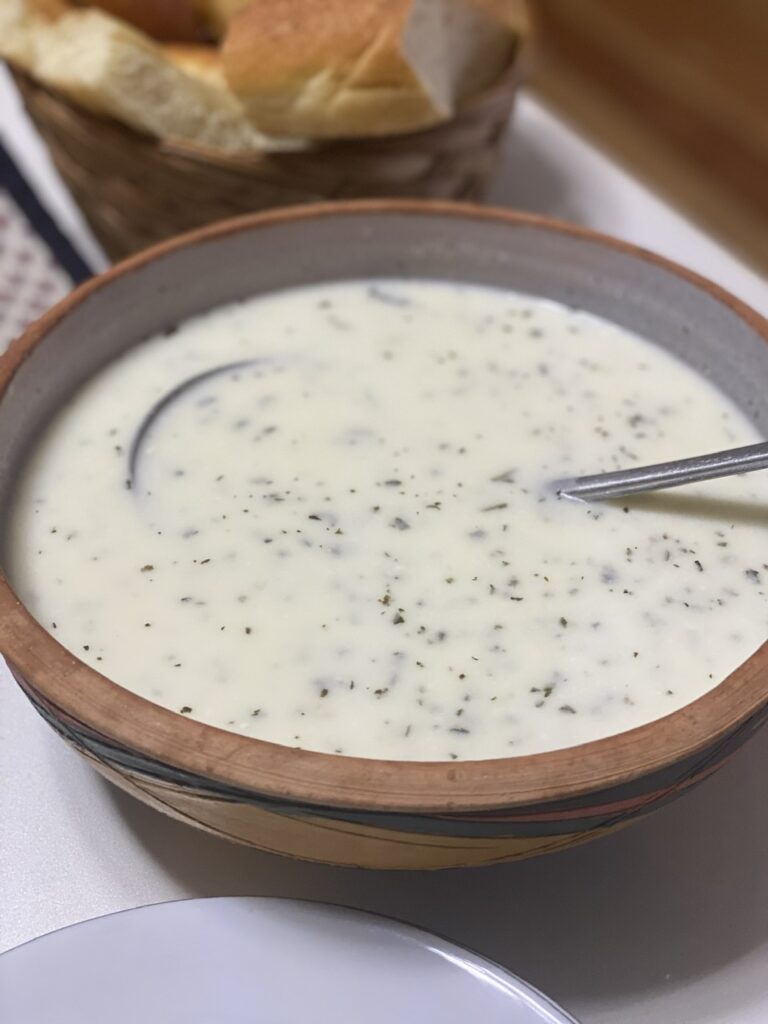
Spas is a delicious Armenian soup prepared from fermented product Matsun (yogurt) with the addition of wheat and greenery. It turns out to be a very delicate white soup, and one of the most common and popular in Armenia.
Trying it is a real pleasure, but to the unfamiliar guest, it may be off-putting, if only for a second, because of its unusual sour taste. But, it is delectable, and soon we want more!
Spas is served hot in cold winter days or cold in summer.

We have only found the round sweet bread, when being in the Garni area of Armenia. In our experience, we do not care for the outside crust, as it is always seems over baked in our opinion. Again, this may be due to our western palette. Its just what we know, versus what the locals like. But, inside the top and bottom crust is a delicious and gooey center.


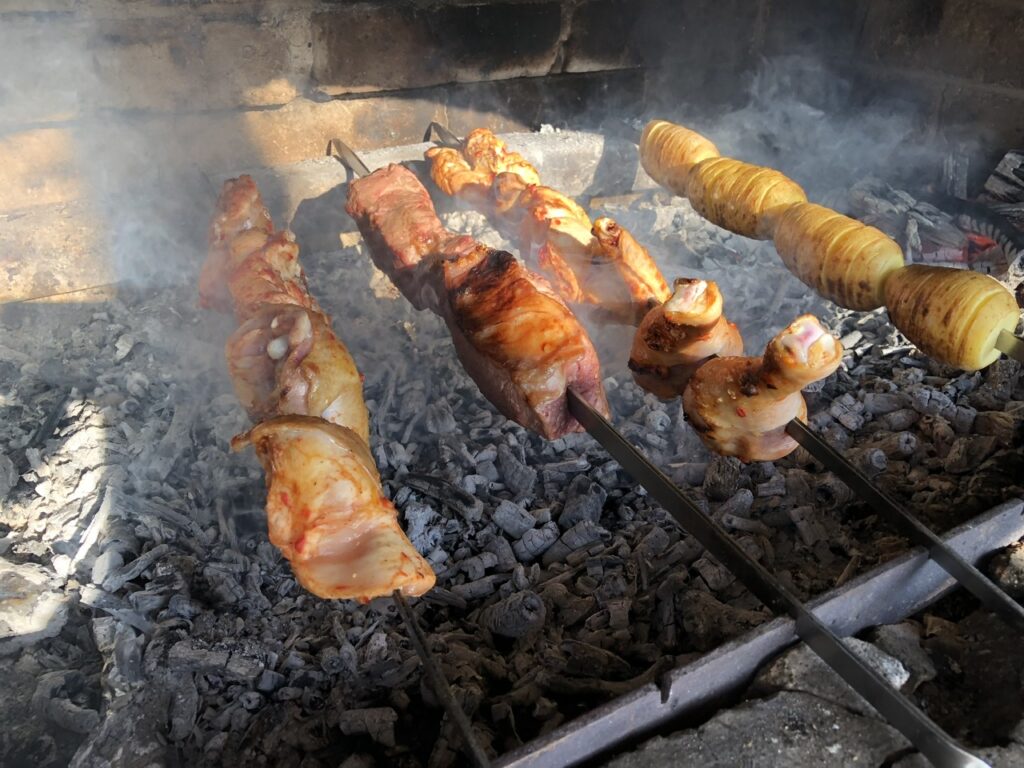
Shashlik is made usually with cubes of marinated pork meat, often with bits of vegetables. Shashlik is also grilled over hot charcoal using skewers.
Daryl usually orders these, and enjoyed them. But, we both agree the meat is over cooked. Again, this is just a different way of cooking meat. Most countries we have visited, in fact, all the countries we have visited (outside of Europe) tend over cook their meat. The terms medium, well, done, or medium rare, mean nothing.


Armenians love eating delicious food, and who can blame them, as so many are wonderful and experienced cooks!
Throughout the centuries, Armenians made dishes which are quite tasty and their recipes are passed down from generation to generation. Over time, the recipes underwent some changes, but the main ingredients and cooking directions were preserved.
Harissa is one of the traditional Armenian dishes which has been passed on since ancient times. It is a kind of porridge, which is made of boned and stewed chicken and cracked or coarsely ground wheat. Traditionally it was made with lamb, but nowadays the majority makes it with chicken.
There are different stories about the origin and name of this dish. According to the most widespread and popular one, when the patron saint of Armenia; “Gregory the Illuminator” was offering a meal of love and charity to the poor, they had to add wheat, as there weren’t enough sheep to feed the crowds. They noticed that the wheat was sticking to the bottom of the pot. Saint Gregory advised; “Harekh!” which translates to “Stir It,” Thus, the name of the dish, Harissa, came from the saint’s own words.
Once a year (every third Sunday of September) Armenians gather together in Armenian region Armavir to commemorate the resistance of Musa Ler mountain during the Armenian genocide in 1915. They make Harissa and celebrate the victory with songs and dances.
Harissa usually takes an extremely long time to cook, but if you visit Armenia and eat this incredible dish, but oh so worth it.


It is a favourite of mine, since being in Armenia


Shashlik, or shashlyk, is a dish of skewered and grilled cubes of meat, similar to, or synonymous with shish kebab. It is known traditionally, by various other names in the Caucasus and Central Asia. From the 19th century became popular as shashlik across much of the Russian Empire.
A kebab (kabob another spelling) is a simple name encompassing several different dishes; all being grilled meats. We know kebabs from Turkey, Cyprus, and most of the Middle East. Related to kebabs are the Greek Gyros.

Another form of Armenian Sweet Bread. These are made in bite-sized servings.
Gata is easily one of the most beloved Armenian desserts. It’s a pastry with similarities to both croissants and rugelach, but with a personality of its own. It is Crisp on the outside, flaky within, with spirals of vanilla-laced sweetness throughout, it’s a divine dessert any time of year.


About Us

About Us
Hello and Welcome to our Travel Blog Website, We enjoy writing about our experiences and taking photos of our adventuring along the way. Our names are: Daryl and Pen, but Daryl calls me “Bunny.” We met, quite randomly, whilst both traveling in Thailand with friends. We happened to be in the same travel group, and […]
this article is very useful, thank you for making a good article