


“Armenia 🇦🇲 ~Scenic Drive to Alaverdi to see the 10th Century Sanahin Monastery”
I love it when a good plan comes together!
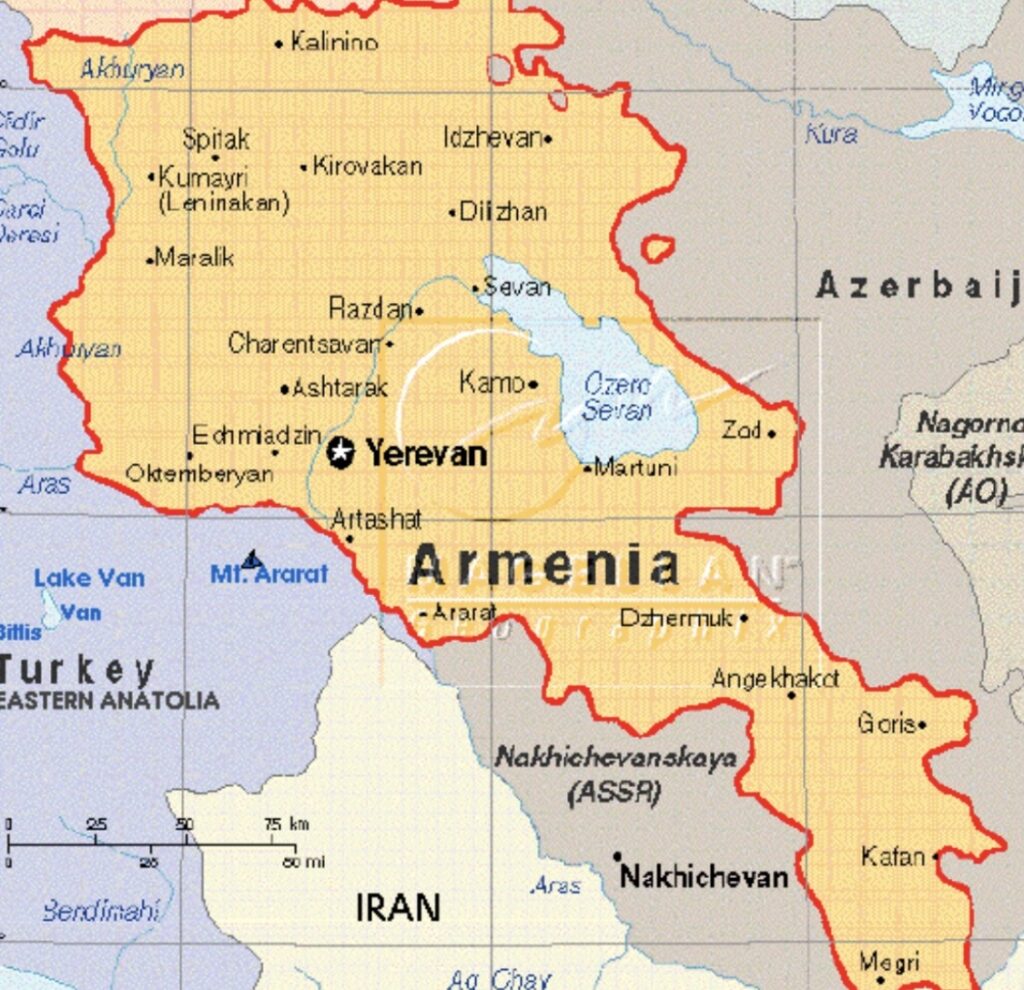
We have been laying low near the small village of Amalia, since just before Christmas, and while the temperatures are not rising much in the day time hours, the sunshine has been gracing us and no more new snow; except higher elevations surrounding us. I got a wild hair and figured if we left early enough on New Years Eve morning, after so many sunny days in a row, we could actually drive the six-hour round trip with decent roads, to visit two Medieval Monasteries we desired to see. Yes, more Monasteries! This is what Armenia has to offer, and being a lover of ancient history, it fits the bill for me (us) to immerse ourselves in the past histories of so many countries we have gotten to visit.
Anyway, and lucky for me, Daryl is just as crazy as I am, and was on board, immediately to take on such a full day of adventure! We had made this attempt to see these ancient sites another time, back in early December; coming up from central Armenia, but due to heavy snow road conditions, we had to turn around. We already knew in the far-reaching Northeast area of Armenia, there is no lodging to be had. So, we went for it on a bright sunny morning, just as the sun peeked over the ridge.
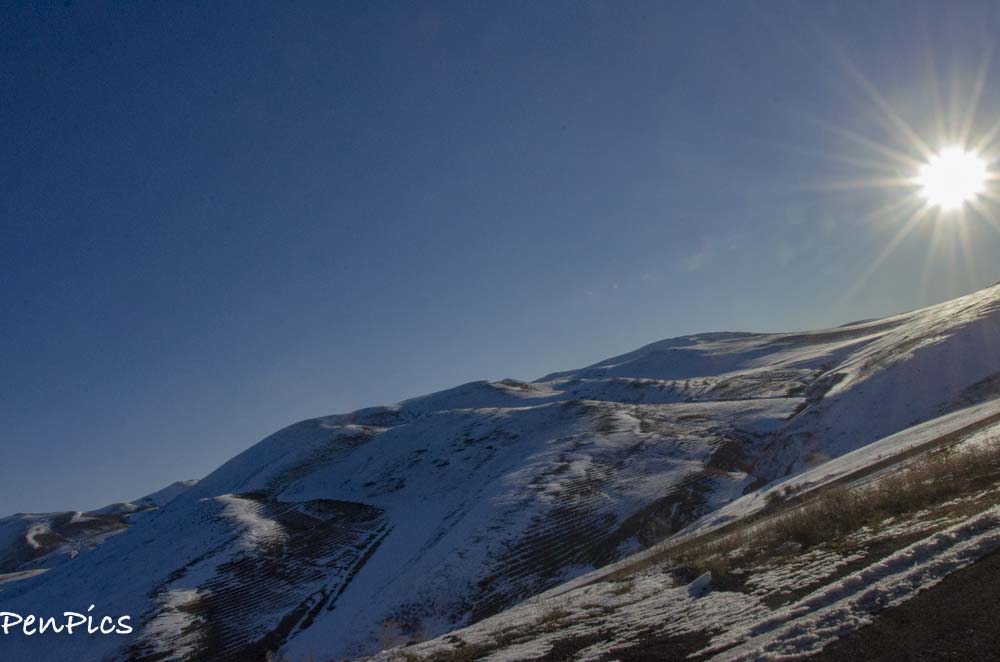
Scenic Photos from on the drive from Amasia to Alaverdi
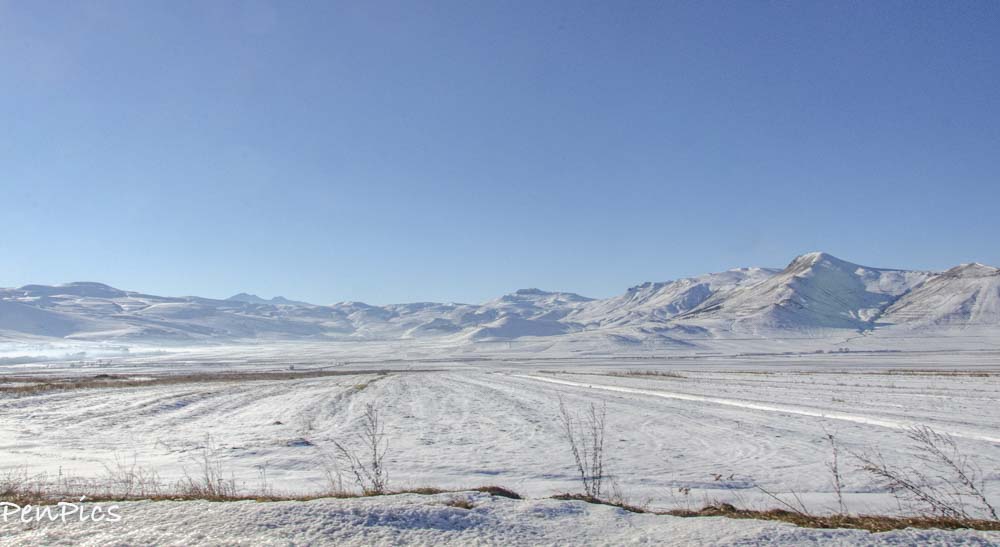
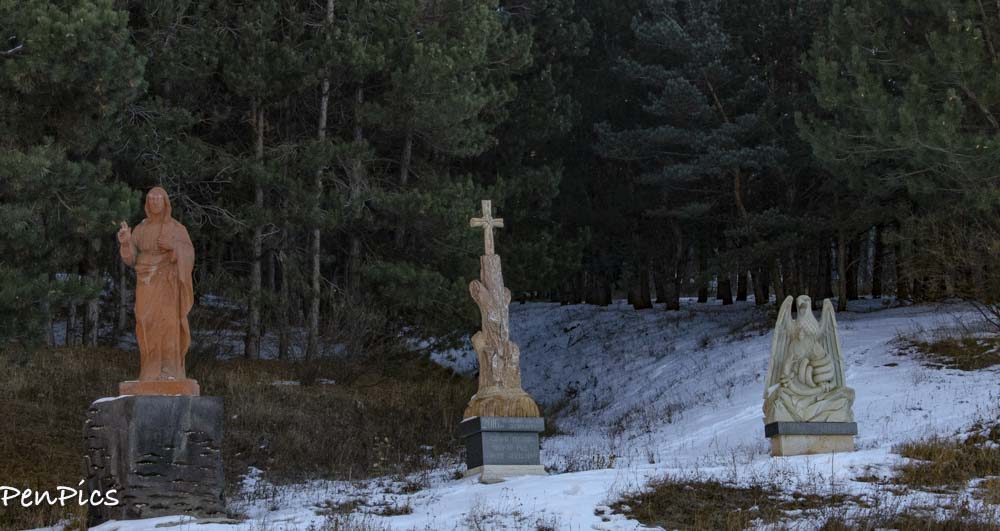
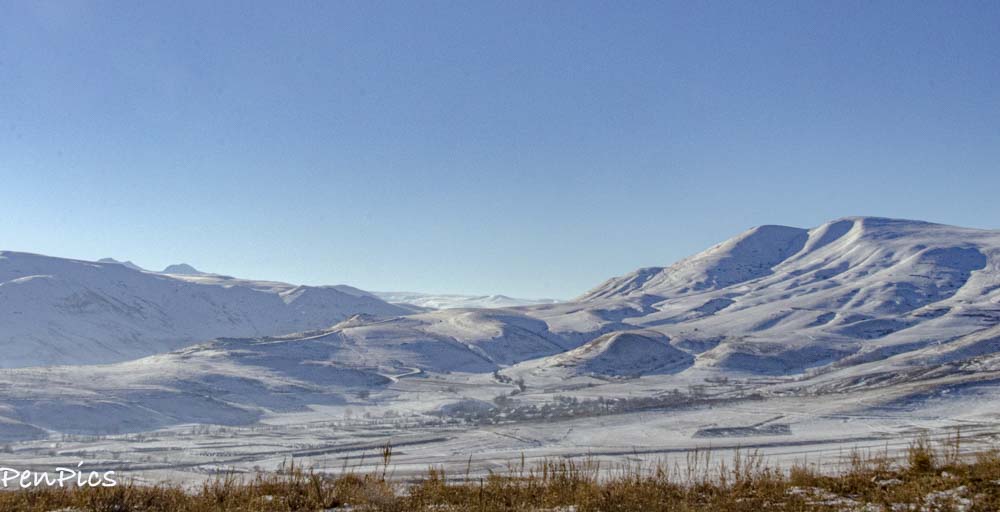

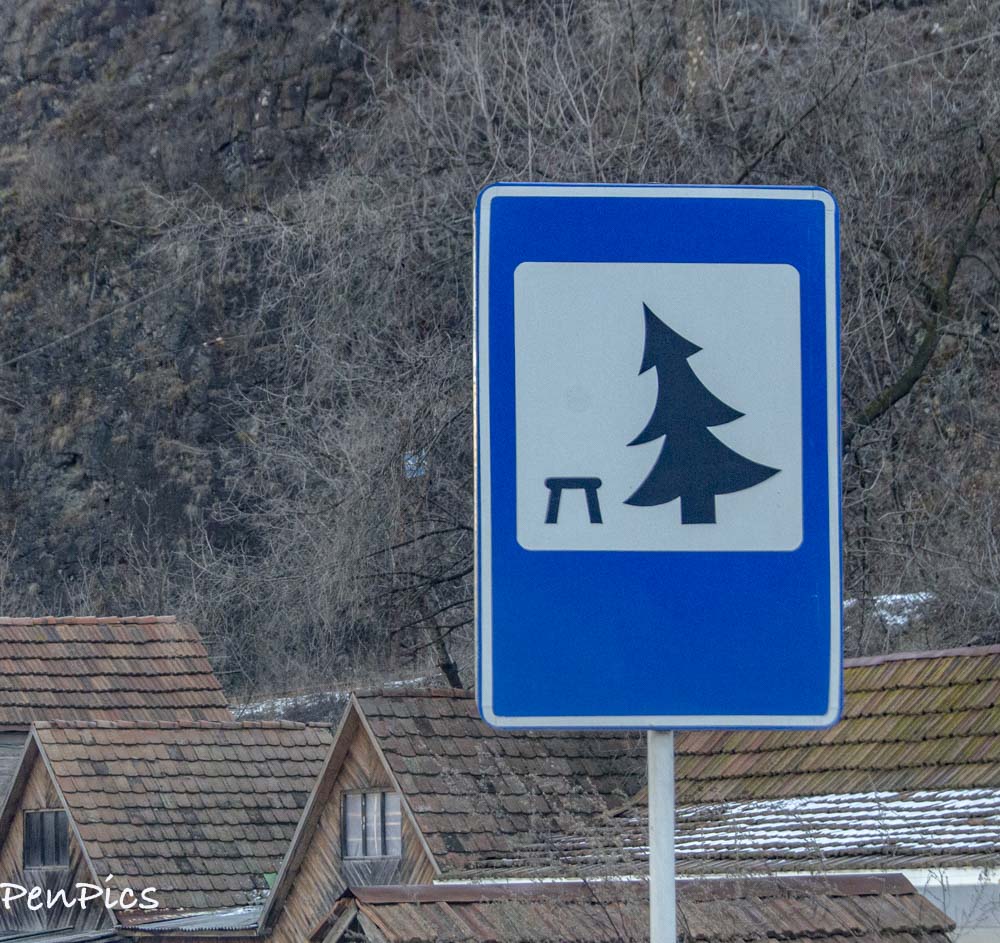
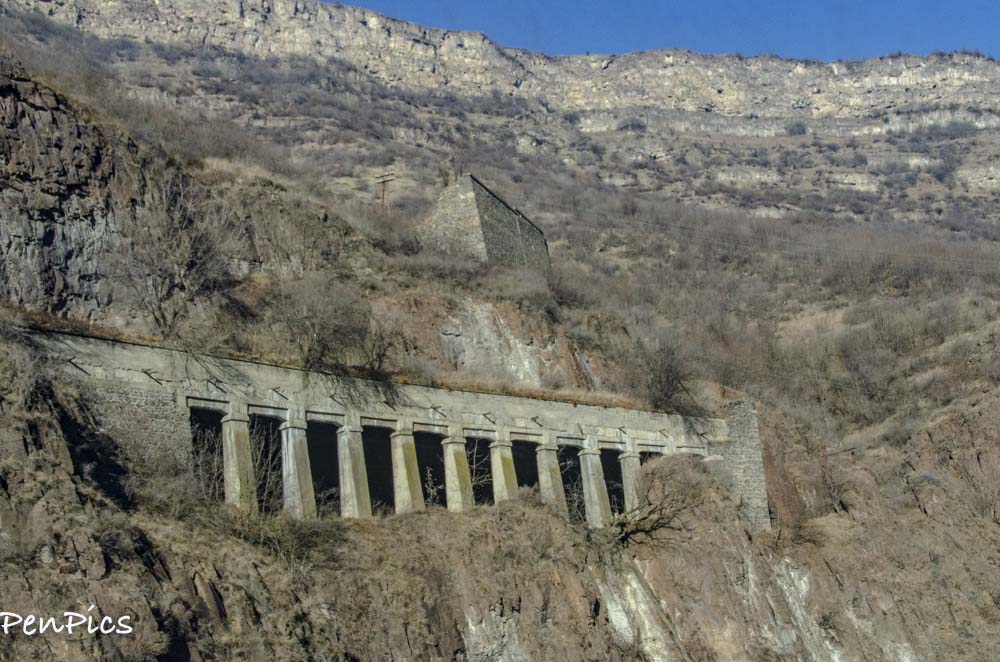
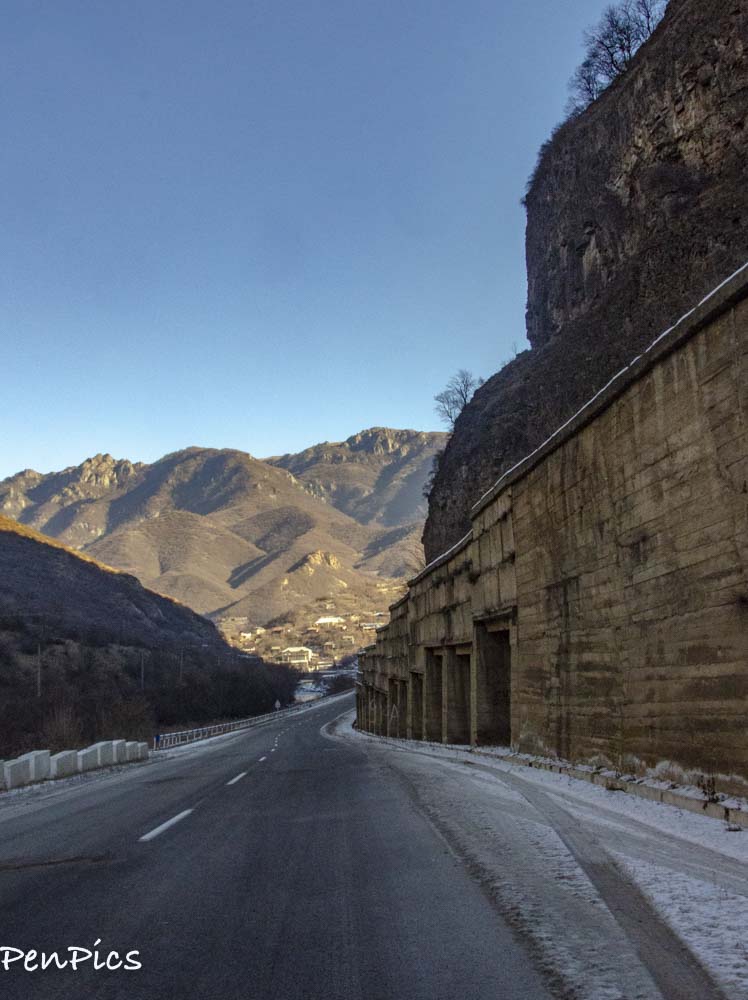
It was a beautiful drive, and while we had some bad spots on the road with ice (shaded parts of the road which rarely see light, due to mountains), we proceeded with caution. Daryl drove and did an excellent job! Interestingly enough, driving west to east, we actually drove out of the snow, for the most part. Anyway, we accomplished our goal!
I’m so glad we tried another time to see these sites, because these Monasteries are not to be missed! Yes, more Monasteries, but they are the highlight of Armenia after all, and we are so pleased and impressed these ancient gems have been and continue to be, loved on and valued. AND, we got to visit them! There are no two Monasteries exactly alike in Armenia. Similar, of course, but each one is unique in its history, age, and purpose for its region at their origins. Make no mistake, the ancients of these creations were masters of their trade. Every placement of the churches and temples on the grounds were intentional and well thought out.
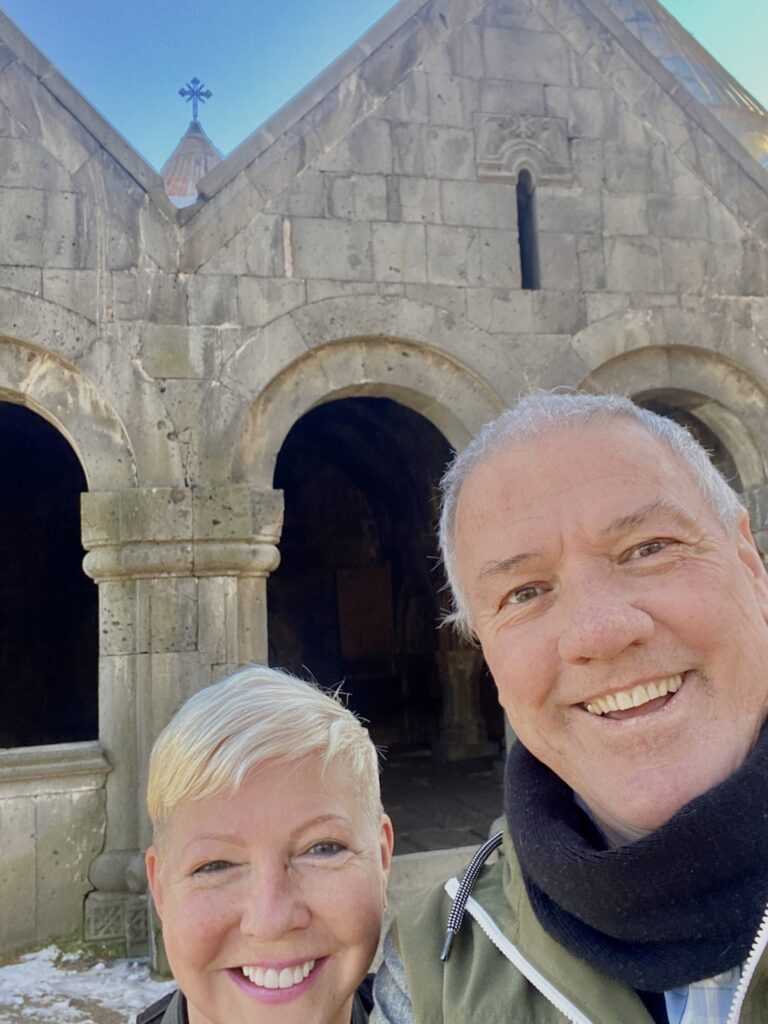
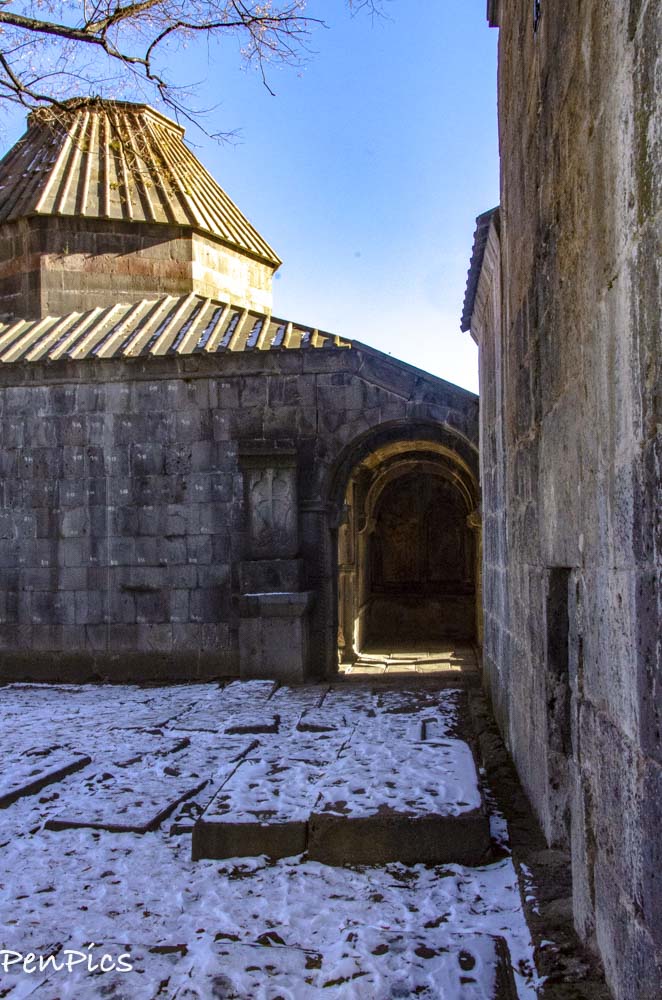
We arrive at Sanahin Monastery Complex. A UNESCO World Heritage Site.

Sanahin later became the Kiurikian Seat of power; a royal patrimonial sepulcher (until mid-12th century), and residence for the Kiurikian diocese (until mid-11th century), resulting in the construction of many religious and civil structures.
Like Haghpat, Sanahin was sacked during the Mongol invasion, which first captured the fortress Akner built halfway between them for protection. In 1996 Haghpat, and then Sanahin (1999) were jointly registered on the UNESCO’s World Heritage List.
The name “Sanahin” is explained by the phrase “sa nranic hin e,” which in Armenian, means “this is older than the other one.” “The other one,” in this case refers to the Monastery of Haghpat, which is also in Lori Province. These terms are reminiscent of the bygone feuds of the kingdoms ruling each church.
My next blog post with highlight Haghpat, too!
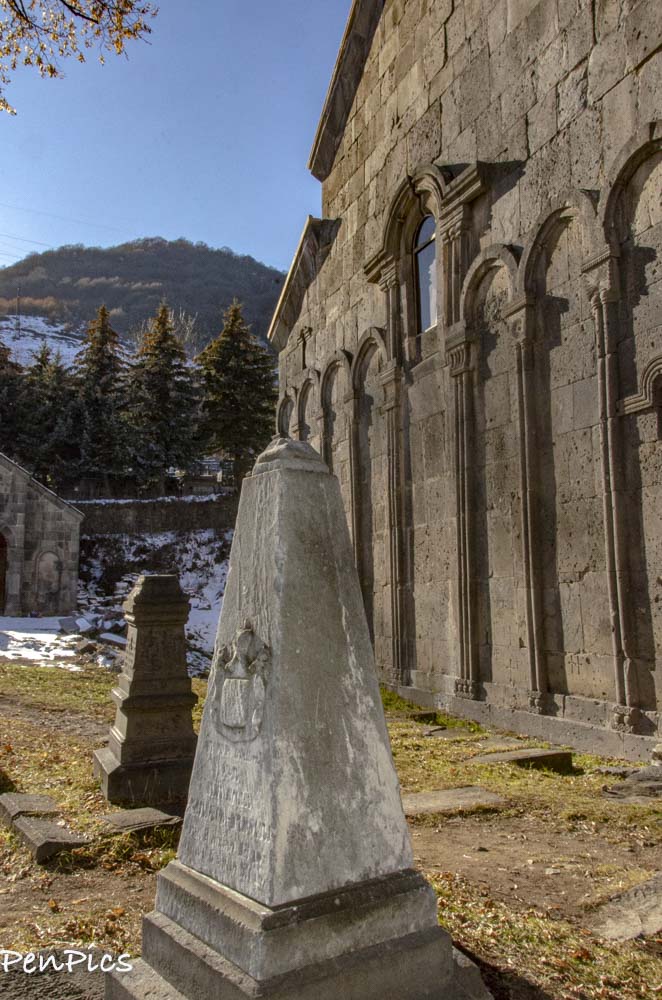
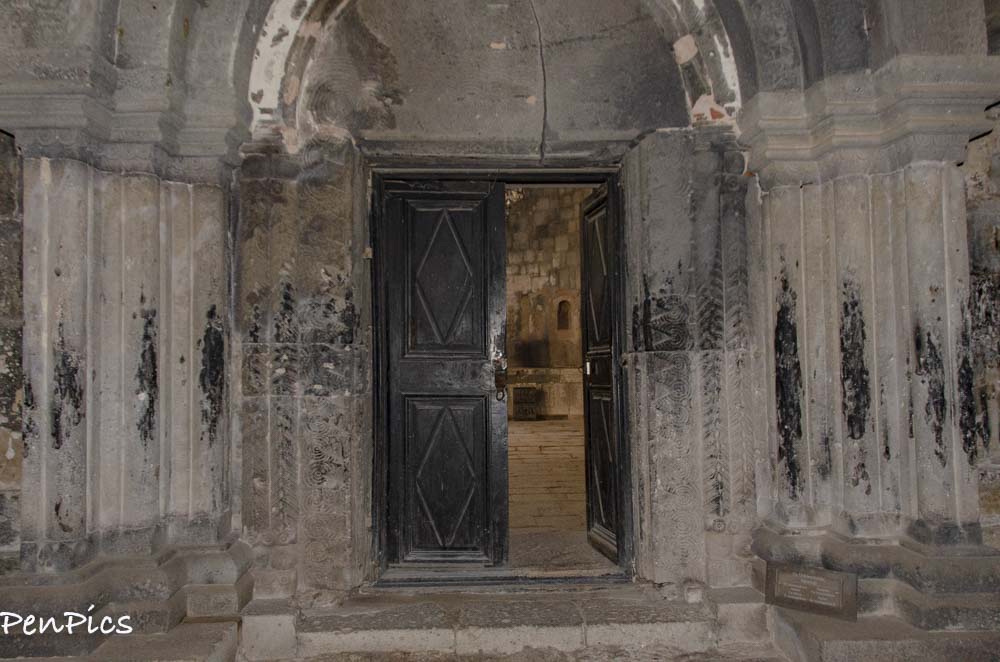
Sanahin Monastery includes the churches of St Astvatsatsin and St. Amenaprkich with their courtyards, St. Gregory and St. Harutyun chapels, a seminary, a scriptorium, a bell tower, as well as the mausoleums of the Zakarians and Kyurikians.
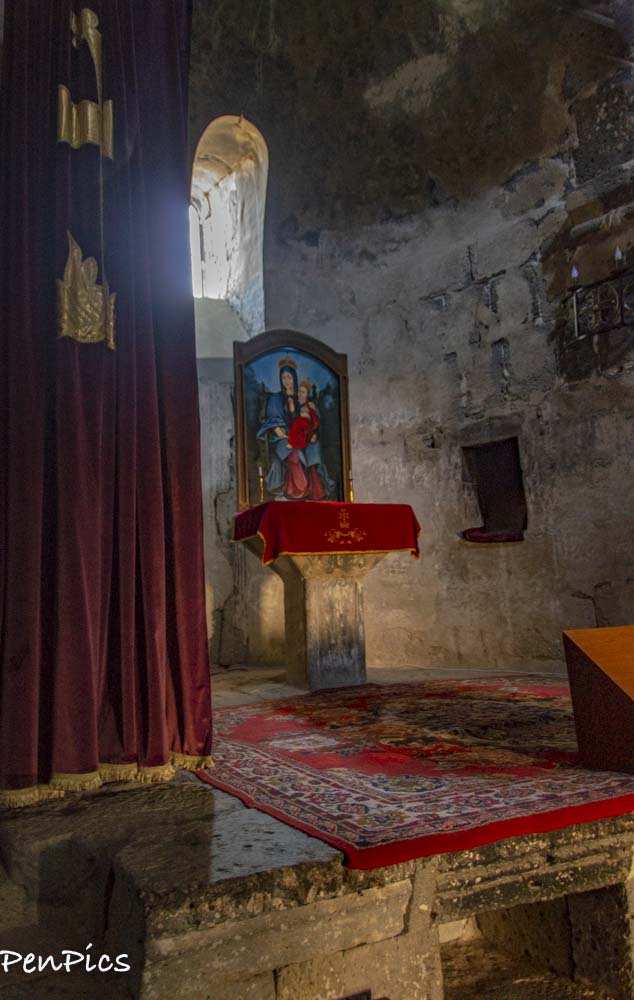
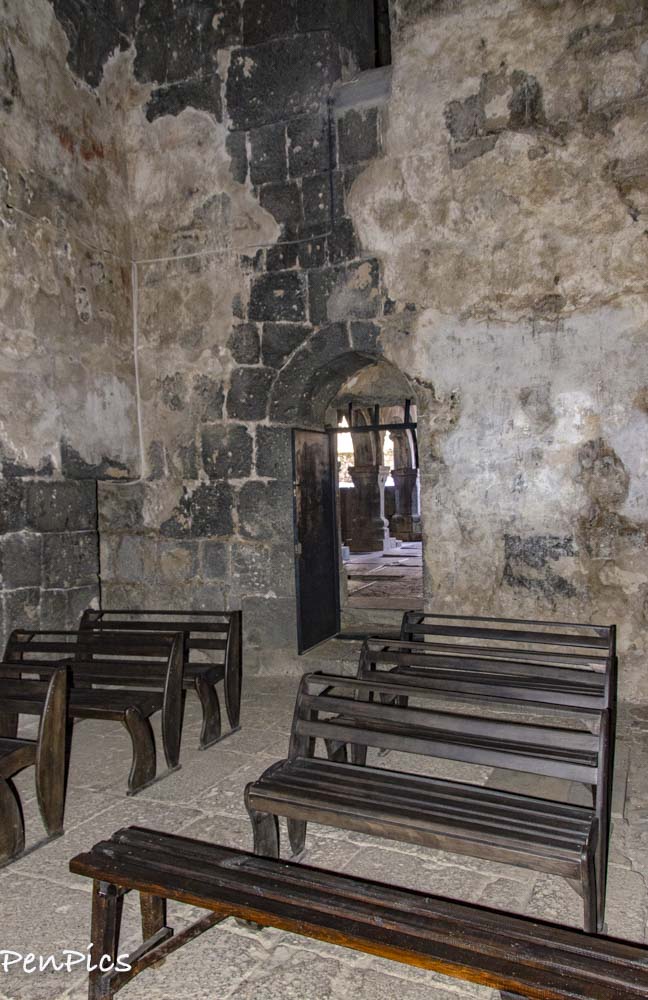
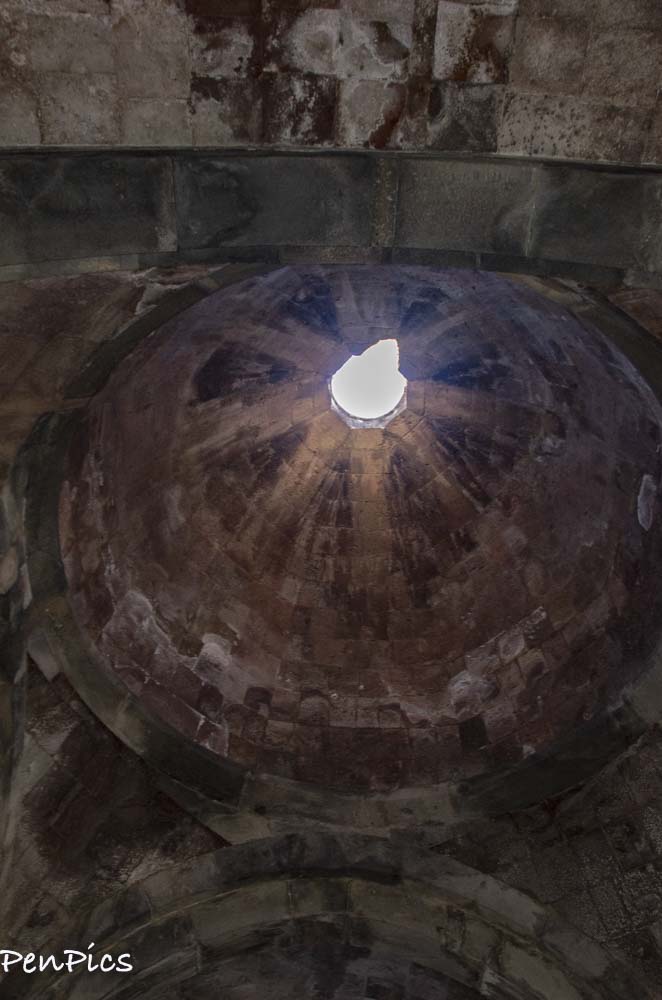
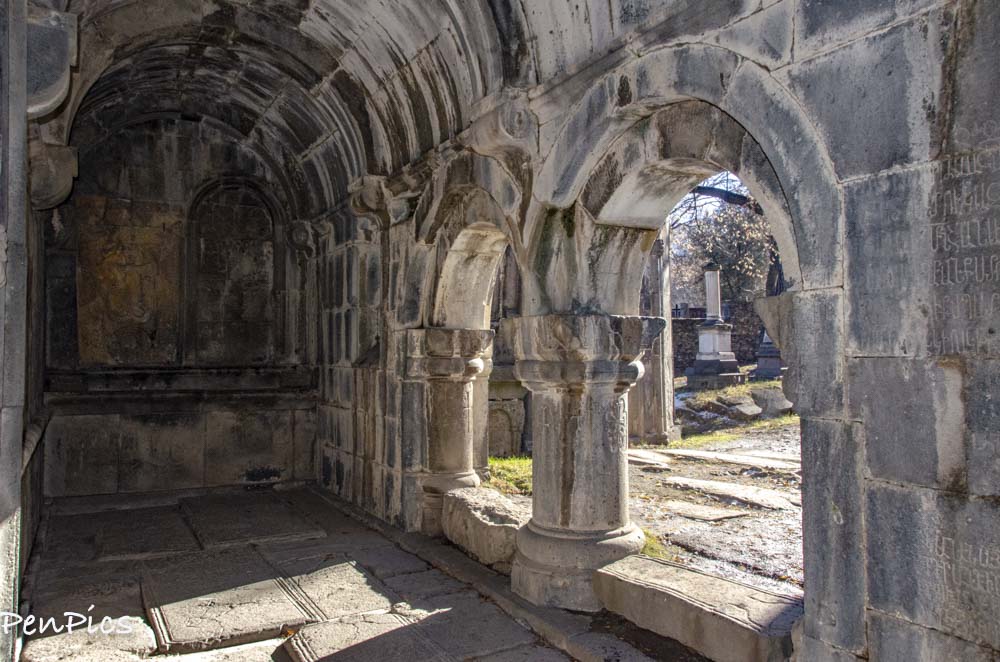
St. Astvatsatsin Church is the oldest building of the complex. It was built in the 10th century (928-944). The church is a rectangular domed construction with an internal cross-shaped plan. The narthex of St Astvatsatsin Church (built in AD 1211) is unique in its plan of a three-nave rectangular hall.
St. Amenaprkich Cathedral was built in 966 next to St Astvatsatsin. It is larger in size and has two-story annexes at each of the four corners. The interior walls of the two churches were decorated with frescoes, some of which are well preserved.
The scriptorium (also called ‘Nshkharat” relic house) is located on the northeastern side of the group of buildings. It was built in AD 1063; it is square in plan and vaulted, with niches in which books were stored. Sanahin was a major Monastery in the region, its patrons, the Zakarians, expanded it to its height of eminence as a school of illuminators and calligraphers, as well as a college of religion, philosophy and science, during the 12-13th centuries.
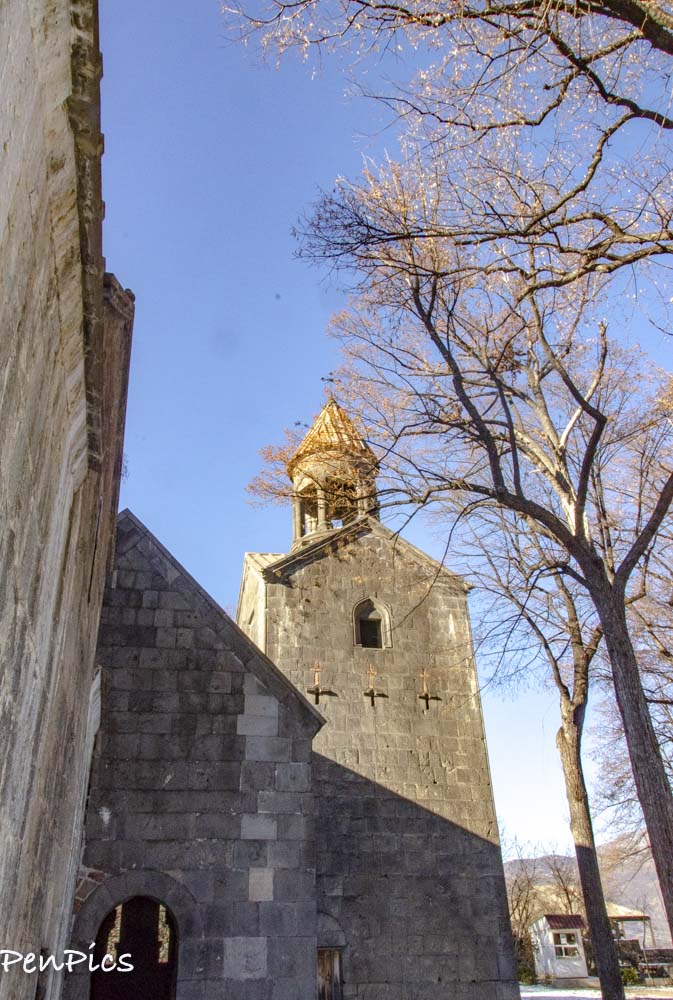
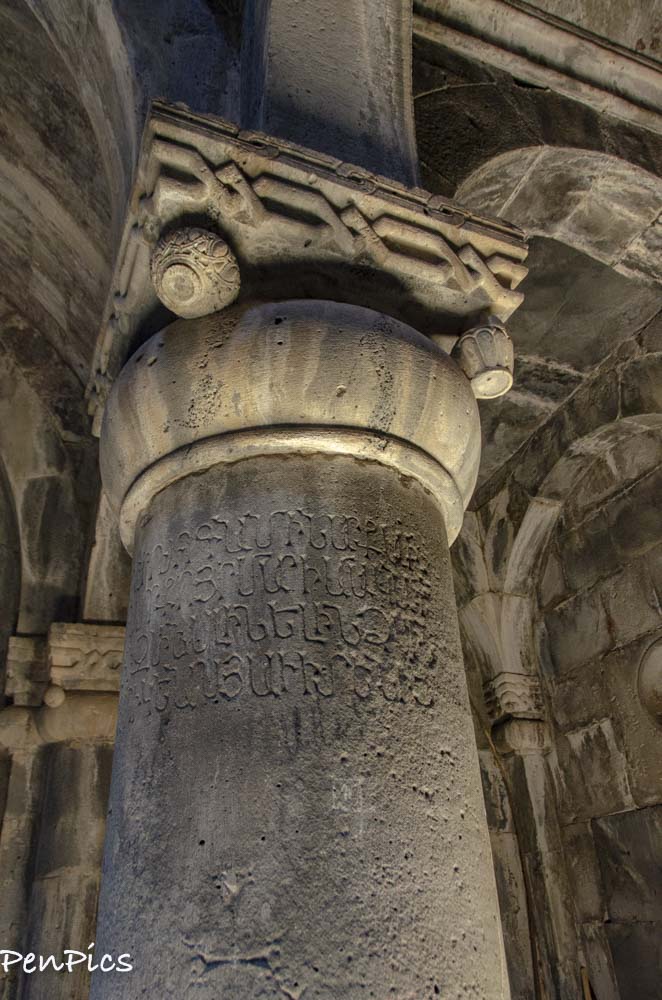
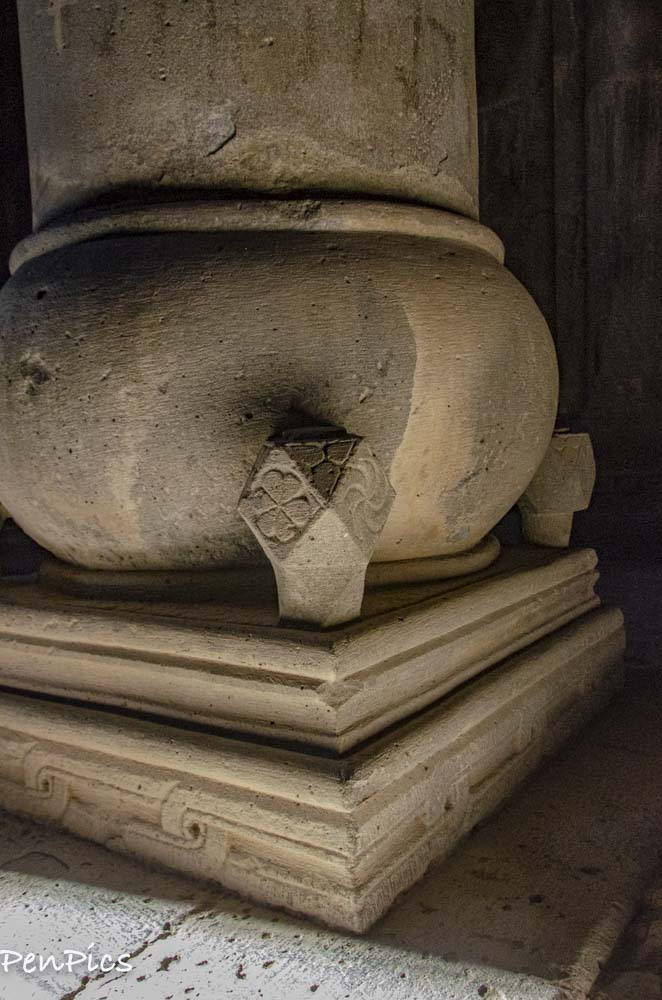
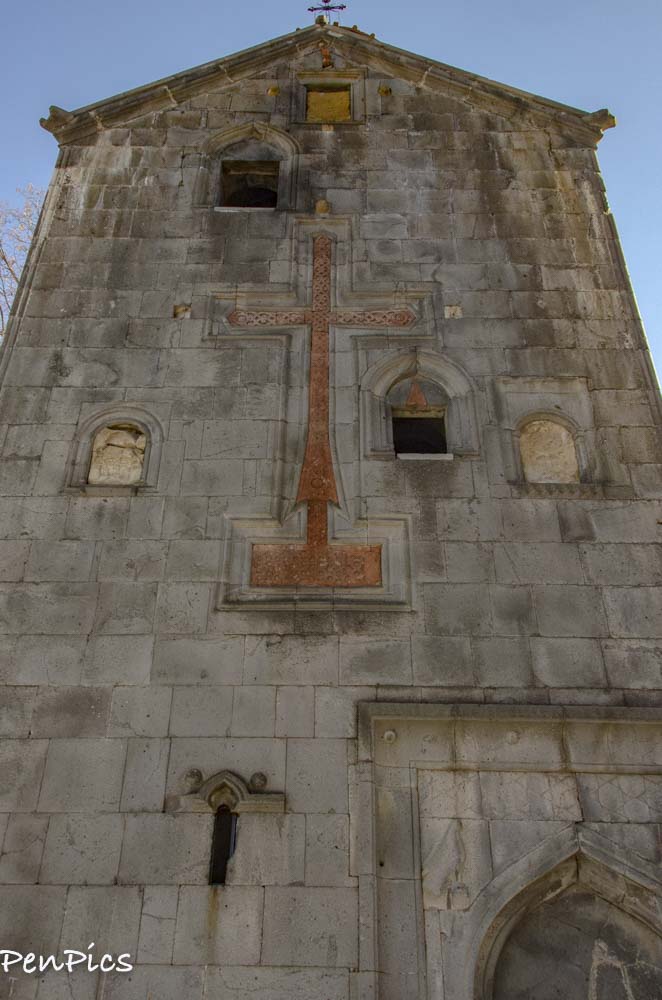
Composed of five churches, two gavits, a theological college and book depository, a bell tower and other structures, it is encircled by a fortified wall, making it a formidable fortress in times of attack. Built into the nature that surrounds it, Sanahin has an irregular asymmetry, with all the buildings coming together to form an organic whole.The belfry is a three-storey structure, crowned with a six-pillar tower. The stone steps lead to the second and third floors of the bell tower. Its western façade is distinguished by its decorative ornamentation.

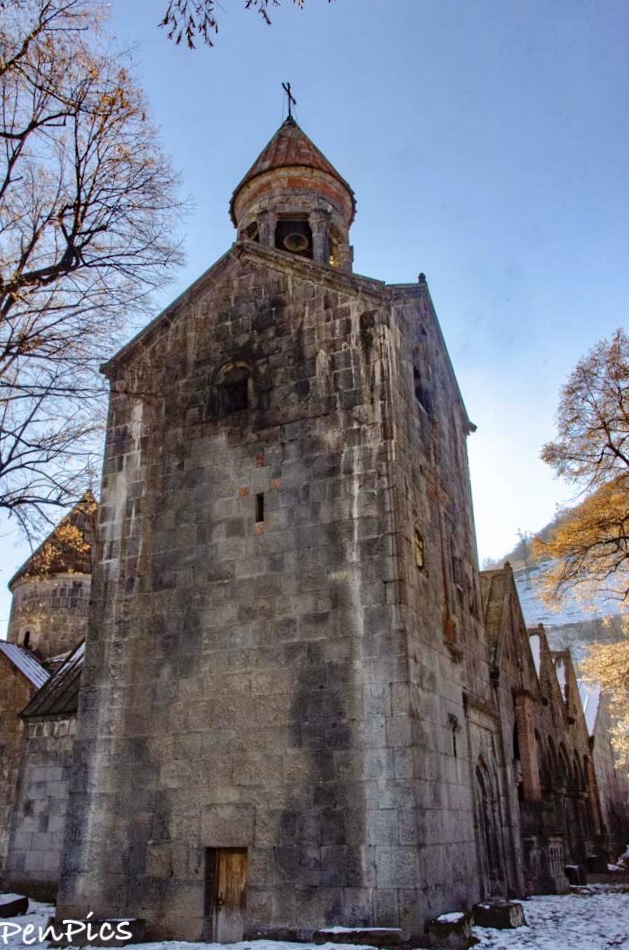
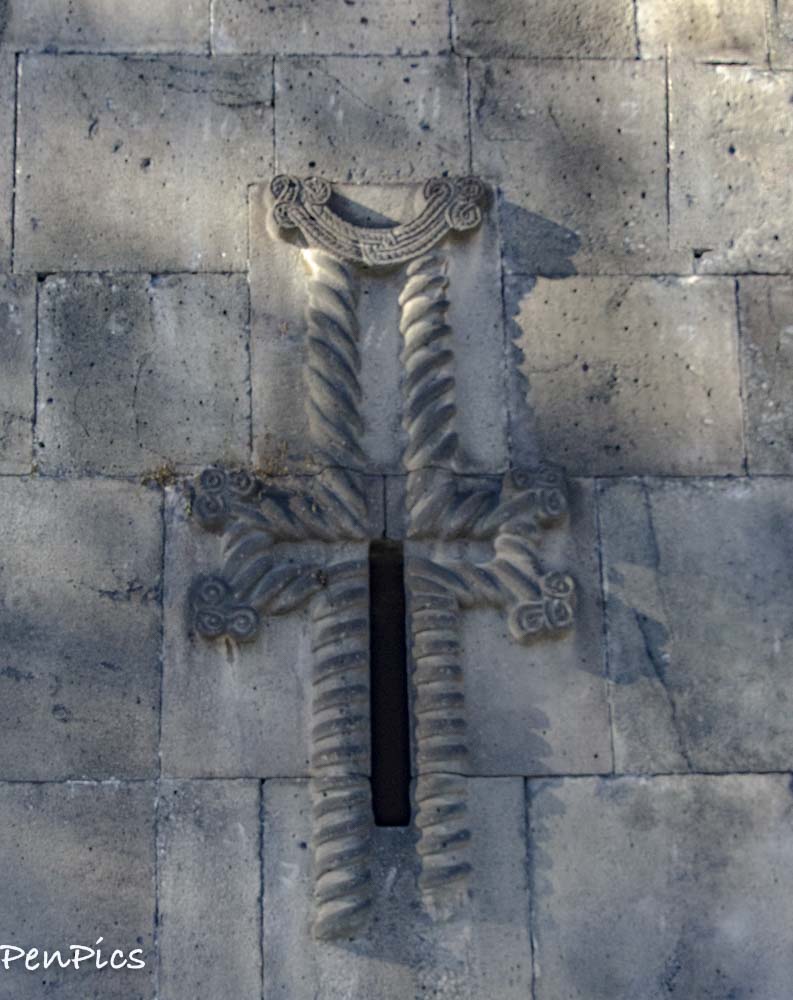
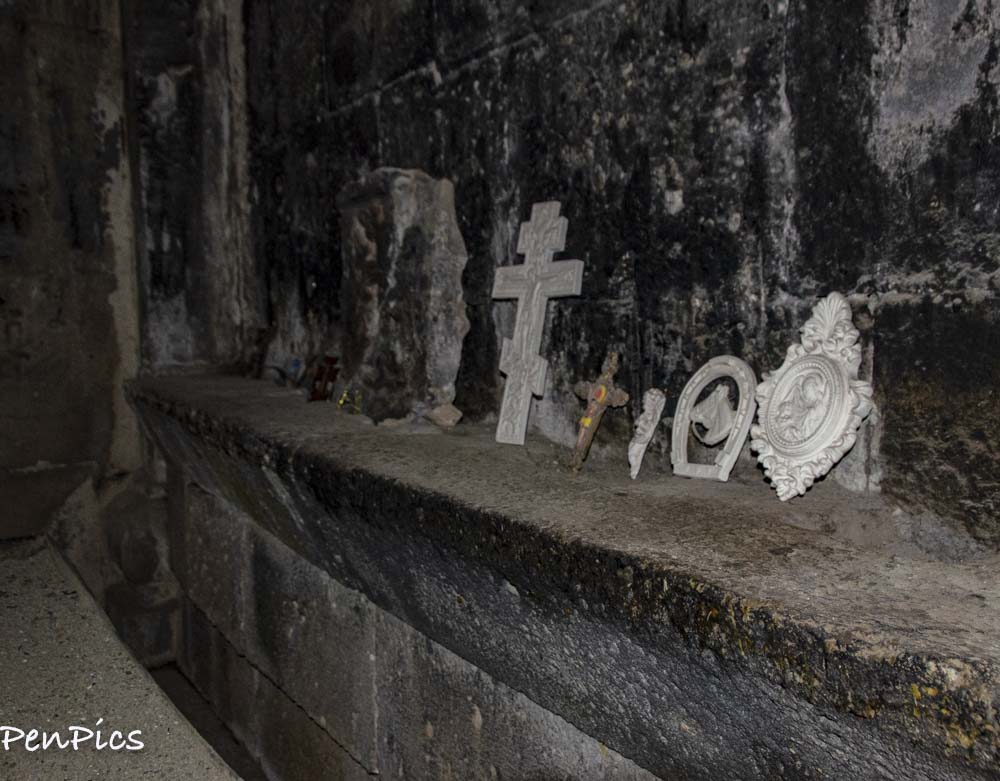
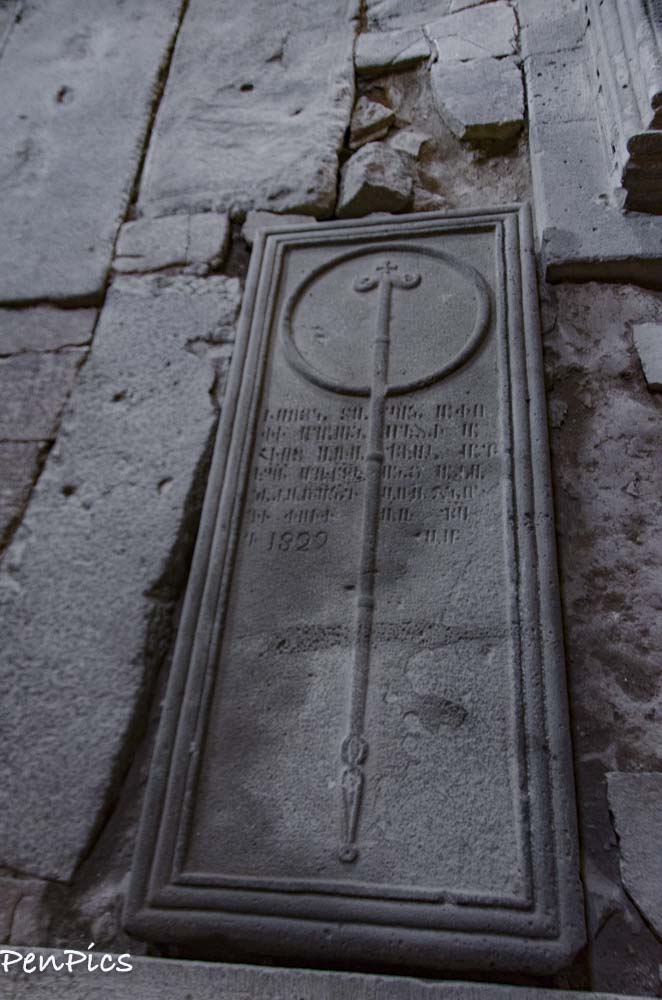
Sanahin’s bell tower, along with Haghpat’s, were the first of their kind; three stories high, with intricate columns holding the belfry above, and huge ornately carved khachkars (cross stones) in different shades of red and yellow tuff stone contrasting with the black facades. We walked around the site and studied the evolution of khachkars, from the old, simple designs of the 10th century, to the ornate 13th century style of the depictions of the “Tree of Life.”
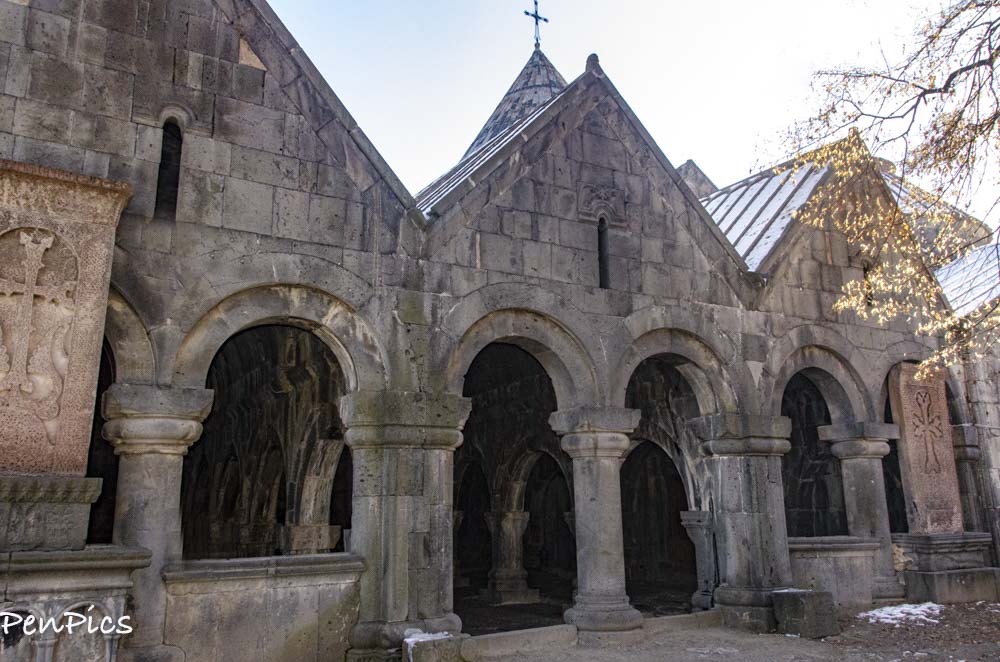
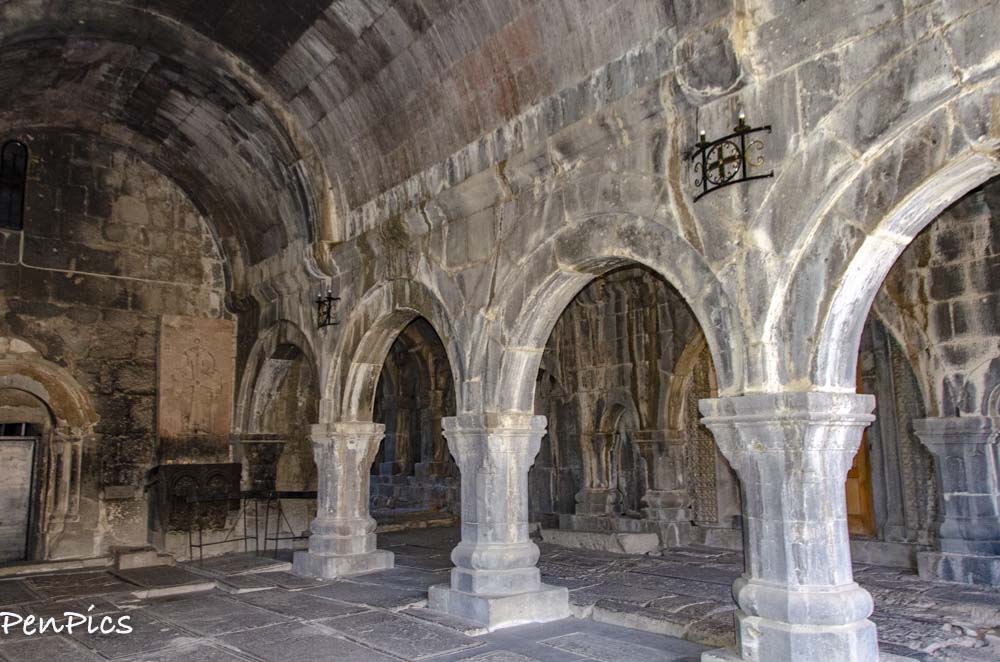
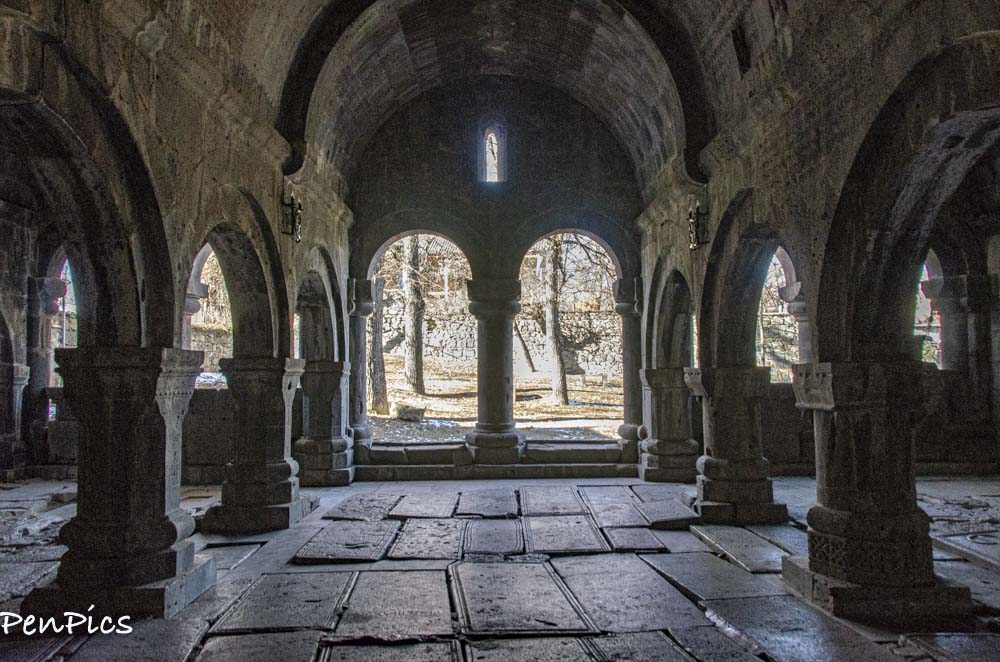

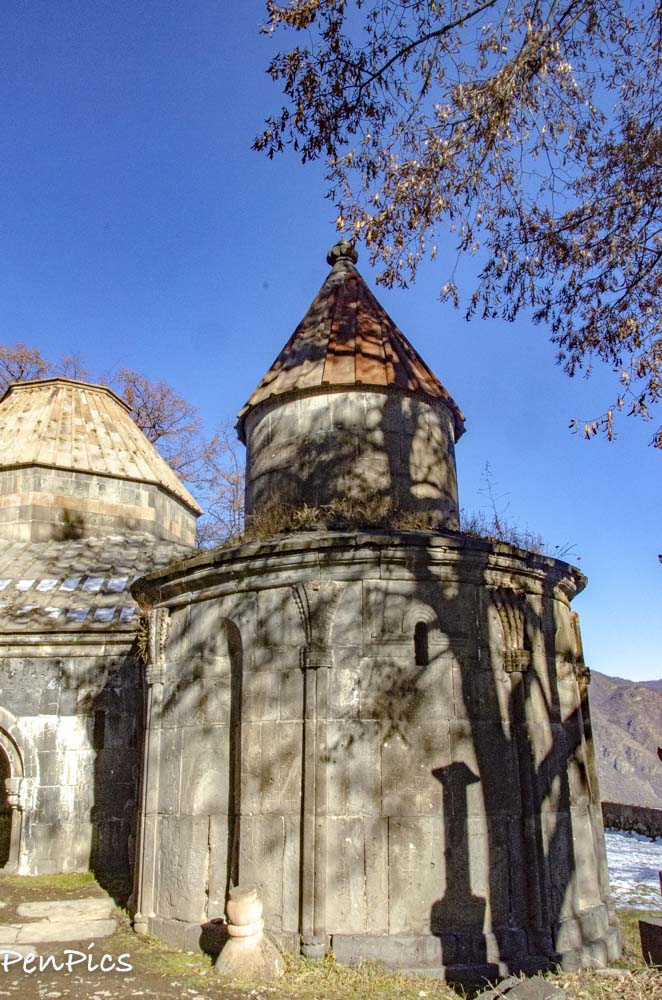

Founded by Queen Khosrovanush in 966, the magnificent Amenaprkich (All Savior) Church was once topped with a huge dome surrounded by two-tiered annexes. After numerous earthquakes, the dome was replaced by a lower one, and the walls widened and reinforced with arches. One remnant of the original walls, is the monumental sculpture of the Queen’s sons holding up a model of the church; the first such bas-relief in Armenian history!
The college had many notable calligraphers, artists and philosophers studied there, the most famous of which was the 11th century philosopher, writer and scientist, Grigor Magistros Pahlavuni. His remaining texts offer a wealth of information on the theology, literature, mythology, politics, natural sciences and medicine of the day. A true polymath, the Magistros, who predates Da Vinci by five hundred years, was an experienced physician, and continued the teachings of the neoplatonic philosophers by translating and linking ideas from Ancient Greek and Arabic, from Plato and Homer to Euclid’s Geometry.



Incidentally, if you missed my blog post on the brother Monastery to this one; called Haghpat, here is a direct link to that blog post: https://2gypsiesinthewind.com/asia/armenia/armenia-scenic-road-trip-day-to-see-the-4th-century-haghpat-monastery-in-alaverdi/


Leave a Reply to Franny Cancel reply
Archive Blog Posts of Our Country Visits
About Us

About Us
Hello and Welcome to our Travel Blog Website, We enjoy writing about our experiences and taking photos of our adventuring along the way. Our names are: Daryl and Pen, but Daryl calls me “Bunny.” We met, quite randomly, whilst both… Read More
Stunning pictures, truly a fairytale setting! Love the magical way the doors were opened. Glad you made it safely there and back!!
Thx Laurie…Magic happens! We are really embracing Armenia by now, and realise seeing the country in the winter is more picturesque than seeing it any other season. Sadly, it is not very scenic, and a bit junky, otherwise. (not the monasteries, but homes and businesses) The snow covers the unsightliness and turns it all into beauty!
Fascinating!!! Walking on the tombs wound definitely be an interesting experience! I love learning about the different cultures/traditions! Thanks for sharing!
Thank you, Franny. Right? I think y’all can relate to such a dilemma. We know we did the right thing, because at the sister location, there was a grounds keeper. He walked around on the grave stones like it was an everyday thing. Apparently, way back in those days, “Gravits” was very common for burial. We also enjoy the history and customs. We grow our minds, constantly!
Beautiful pictures and a very interesting read
Thank you Judy. These Monasteries are amazing, indeed!