


“Armenia 🇦🇲 ~Scenic Drive to see the 10th Century Haghpat Monastery in Alaverdi”
After we visited the wonderful Sarhin Monastery, a mere 37 minute drive further, we made it to the brother Monastery, acrossed a canyon. This is called the Haghpat Monastery.
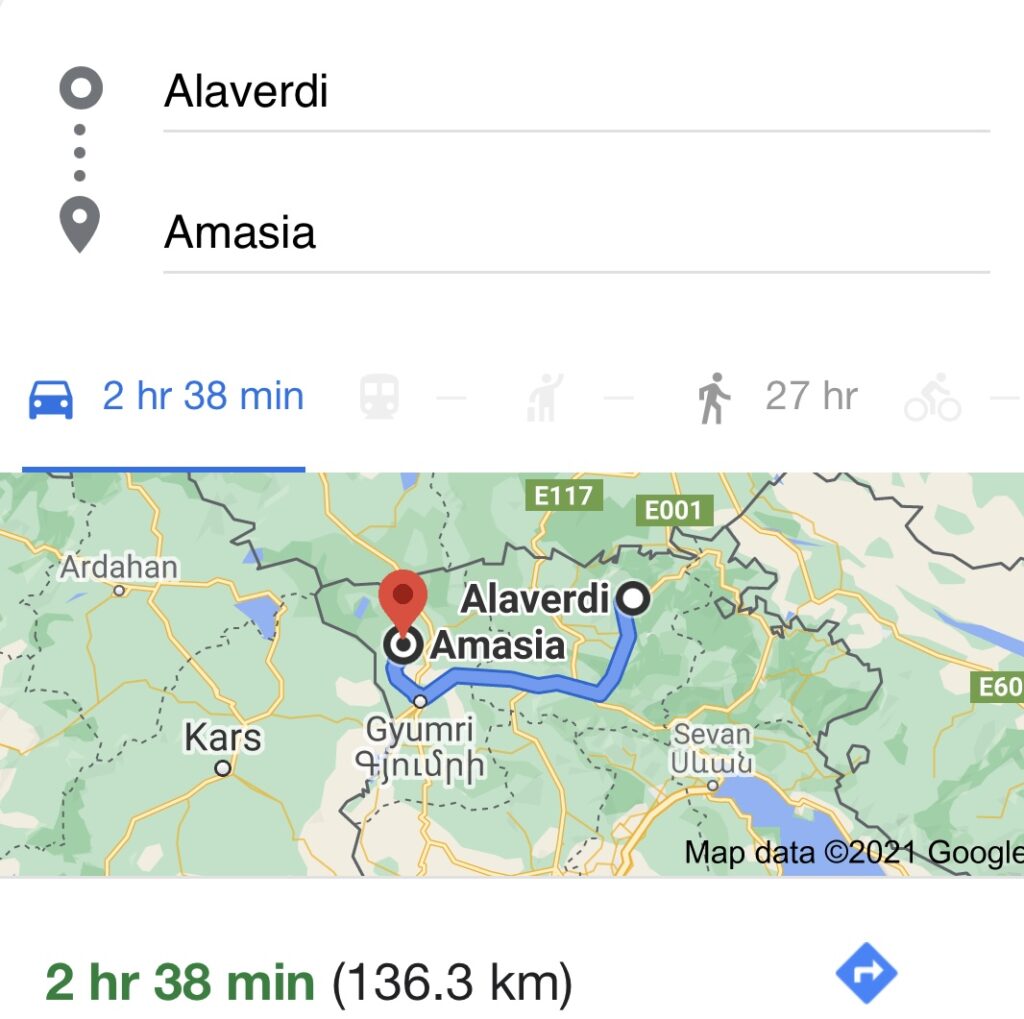
We had left our no-name hotel near Amasia village around 9:30AM and got back around 5PM. After many days of sunshine and no new snow, following Christmas Day, we just went for it and hoped for the best! This would be our second attempt to reach these renowned and historical Monasteries in the Lori Province of Alaverdi. The first attempt, from a central location of Armenia was a fail, due to too much ice and snow on the roads; and had to turn around. That was in earlier December.
Todays drive made for a long time on the road, indeed, but there was way less snow and ice, to make our route a successful one! It was good to get out and do some site seeing, and photography again! Our day was well spent!
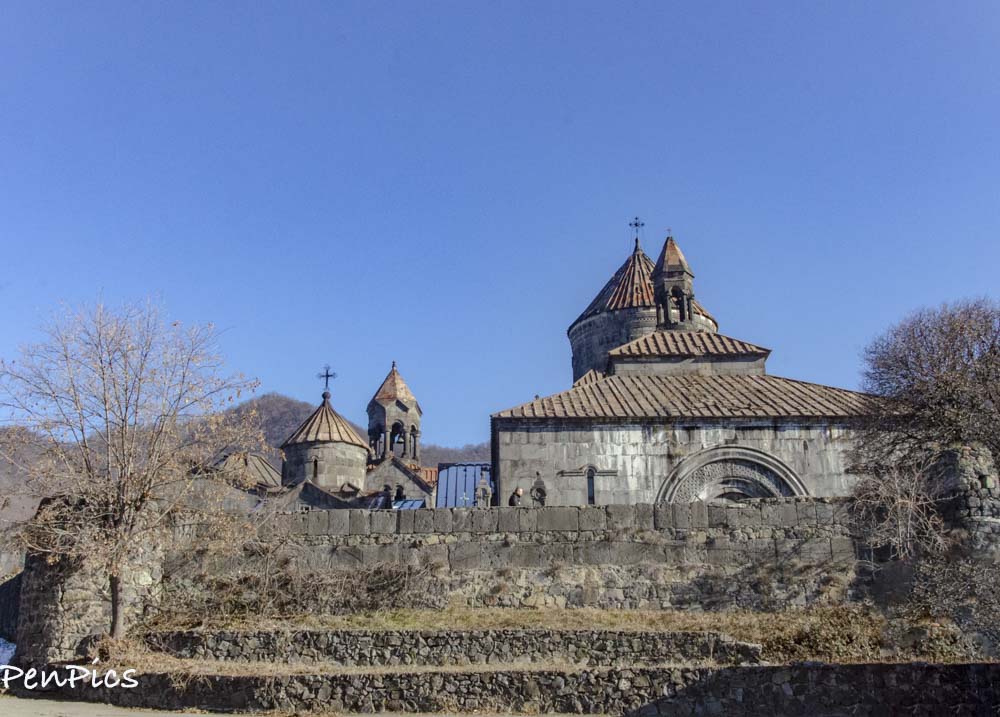
A 4th century Church stood in Haghpat village, and it is believed it stood on the same site as this Monastery.
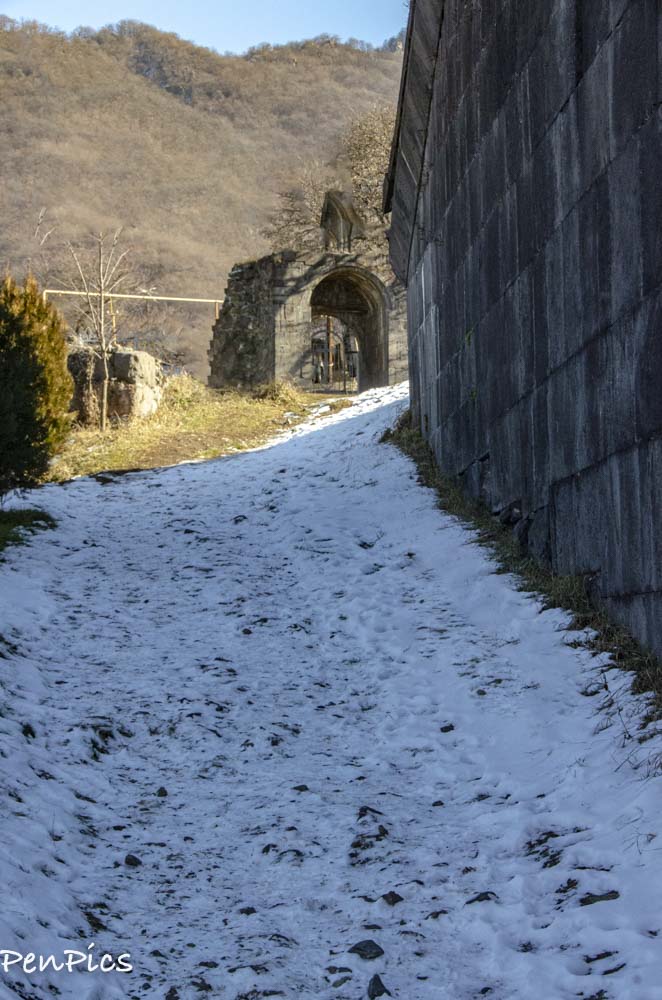
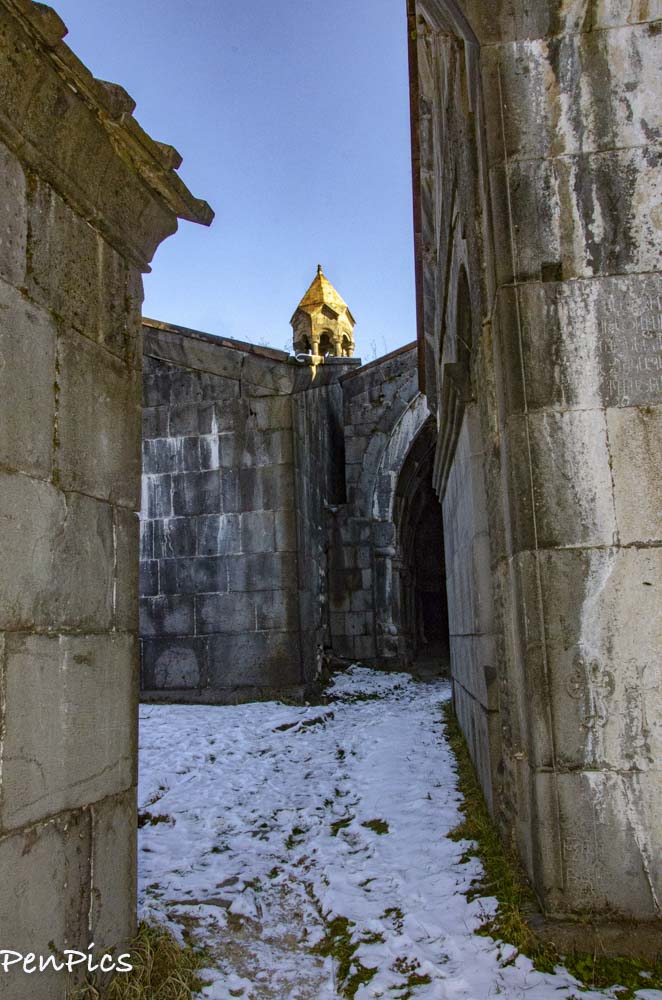
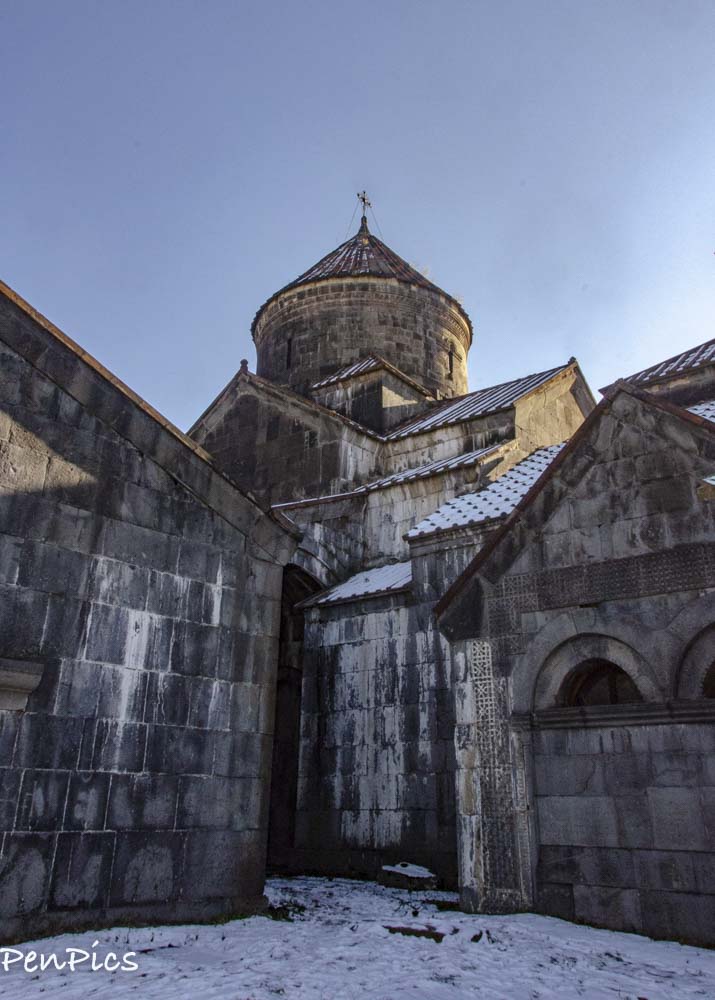
As seen in this photo, the fortified walls date back to the 10th-11th centuries. More specifically, after the Mongol attacks in the thirteenth century, it prompted the building of the wall, to protect Haghpat Monastery. Following the 13th-16th century invasions, the walls were rebuilt many times. Gigantic stones were used. The walls were last repaired in the 20th century.
This area of the Monastery has revealed substantial artifacts from the Bronze Age and the adjoining Debed River shows human activity dating back to the Paleolithic Era.
The Monastery founding is traced to the reign of king Abbas Bagratuni; reign 929-953, but construction of the oldest building of the complex started in 976, during the reign of king Ashot the Merciful; 953-977. Construction of Saint N’shan Church was commissioned by Queen Khosrovanuish in honor of her sons Smbat and Gurgen (Kiurike), and it was finished in 991.
After the fall of the Bagratuni capital at Ani, in 1064, the Monastery fell into decline, only to revive again, under the auspices of the Kiurikians and especially the Zakarians, who received the Monastery as payment for military service to the Orbelian kings in Georgia, and who liberated the region from the Seljuks in the late 12th century.
The complex was largely completed by the mid 13th century, having more than tripled in size and assuming position as one of Armenia’s preeminent Monasteries and centers for learning.
In the mid-11th century, Haghpat was the reigning religious center of Lori Province and competed with its brother Monastery; Sanahin. Haghpat’s bishop; Hovhannes had nearby Kayan Fortress erected in 1233, but it was later torn down.
The Monastery was further decimated by the legions of Timur and then the Ottomans (15th-17th centuries). In 1639 Eastern Armenia became a part of Persia. The established peace was favorable for the Monastery. It made a a come-back and resumed its mantle as a place of learning, and as a manuscript center.
Its most famous 18th century resident was the courtier and troubadour; Sayat Nova (1722-1795). Sayat Nova died at Haghbat.

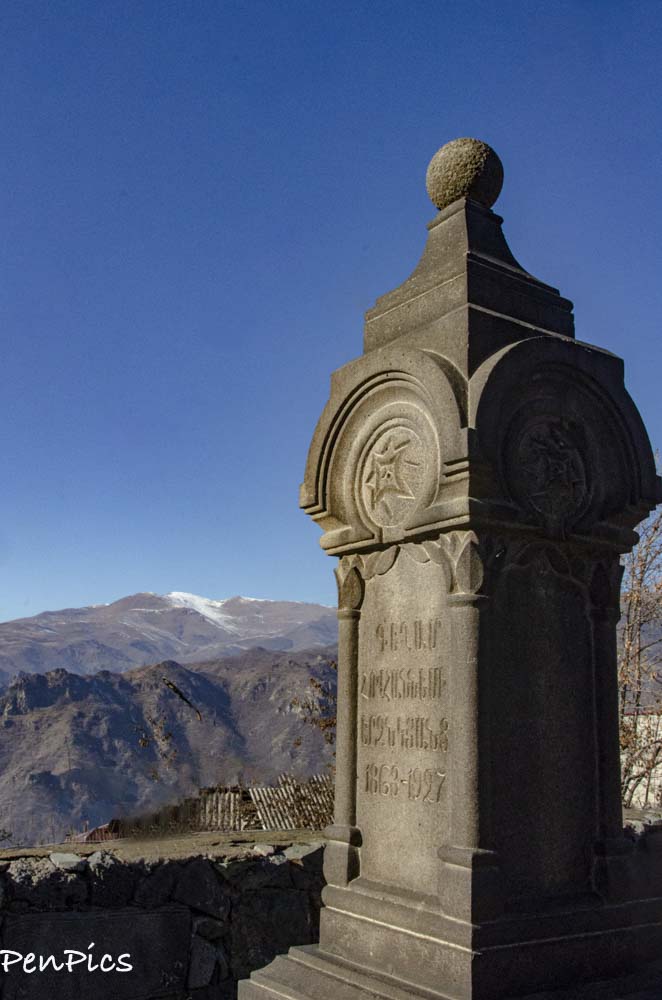
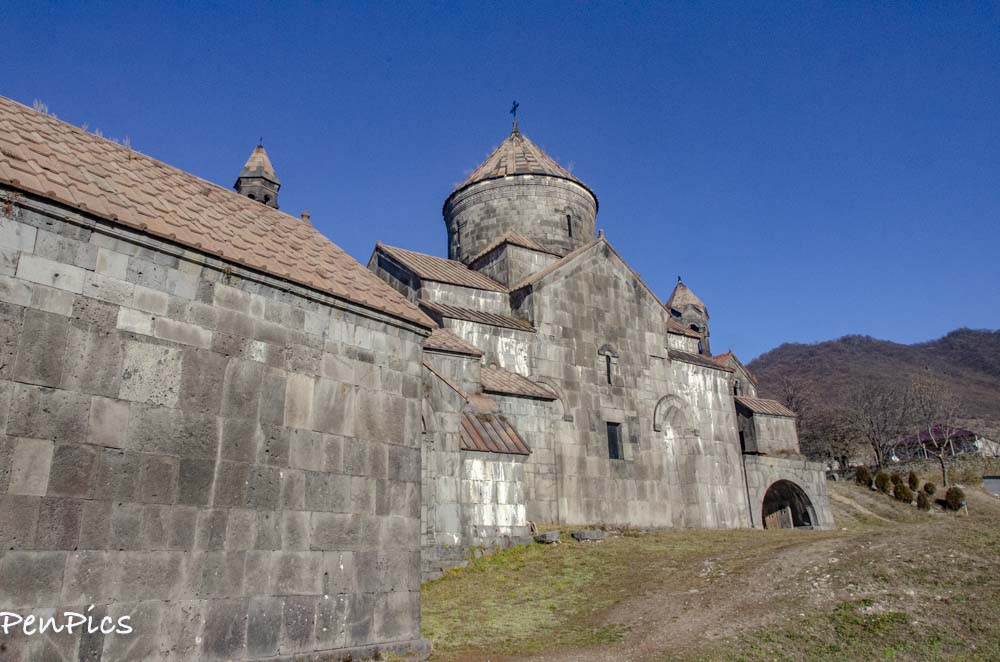
Haghpat was the Lori Province religious center from the 11th century and back then used to compete with its brother Monastery; Sanahin Monaster. On the eve of Mongol attacks, Haghpat’s bishop; Hovhannes Matsnabertsi built the Fortress of Kayan, while his cousin Prince Shahnshah whose father was buried in Sanahin destroyed it. The Mongols plundered both the Monastery of Haghpat and the Monastery of Sanahin.
Another crucial stage for this Monastery started during the invasion of Lenk Timur’s legions during the (14th century, which was then followed by the wars between Ottoman Turkey and Safavid Persia in the 15th-17th centuries.
Upon the treaty signed in 1639, Eastern Armenia was annexed to Persia. (modern day Iran) The established peace proved beneficial for the Monastery, which was restored and reclaimed its role as a significant religious center.
One very noteworthy thing to mention, is that popular ashug (troubadour) Sayat-Nova; 1722-1795, used to spend many years of his life in this Monastery. He died, like others defending the Monastery.
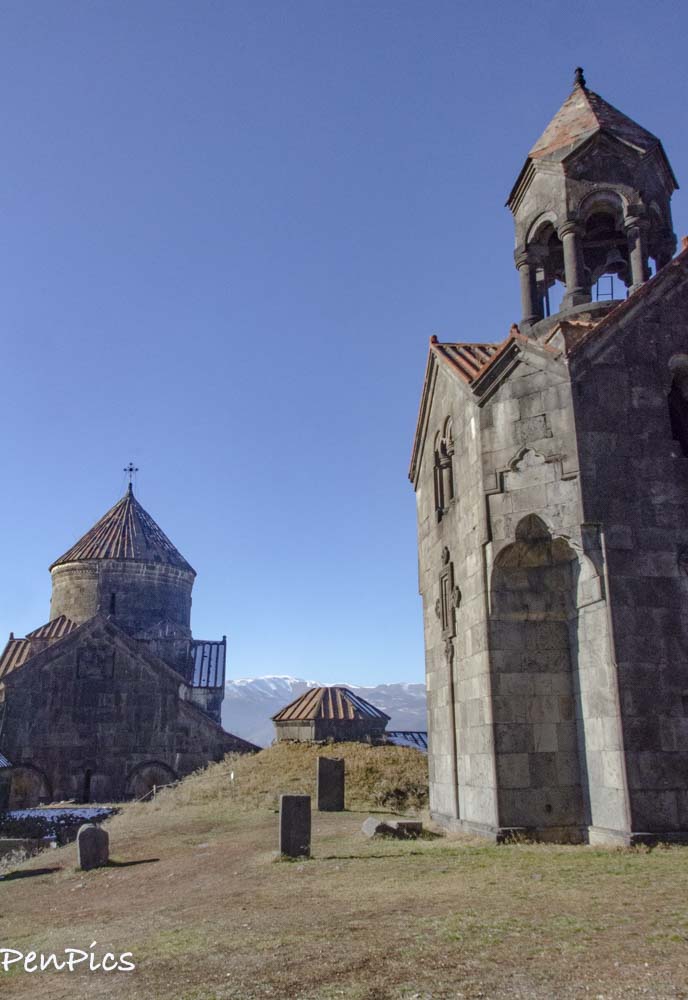
The Monastery’s Father Superior was Hovhannes Sarkavag. He was the Imastaser or Philosopher. During his life; 1045-1129, Hovhannes Sarkavag came to be known for his reformations of the Armenian calendar as well as his studies in the sphere of theology, mathematics, medicine and natural sciences. He also gathered and edited over 50 spiritual manuscripts. Armenian historian Eritsyan discovered manuscripts, which probably belonged to Hovhannes Sarkavag’s library.
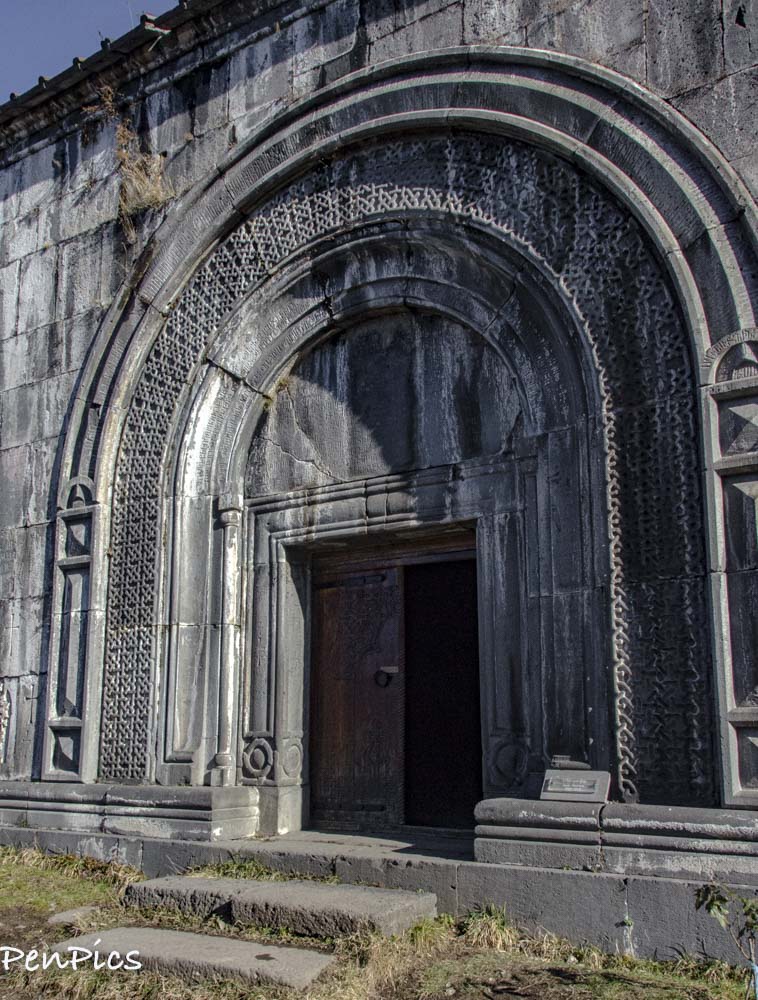
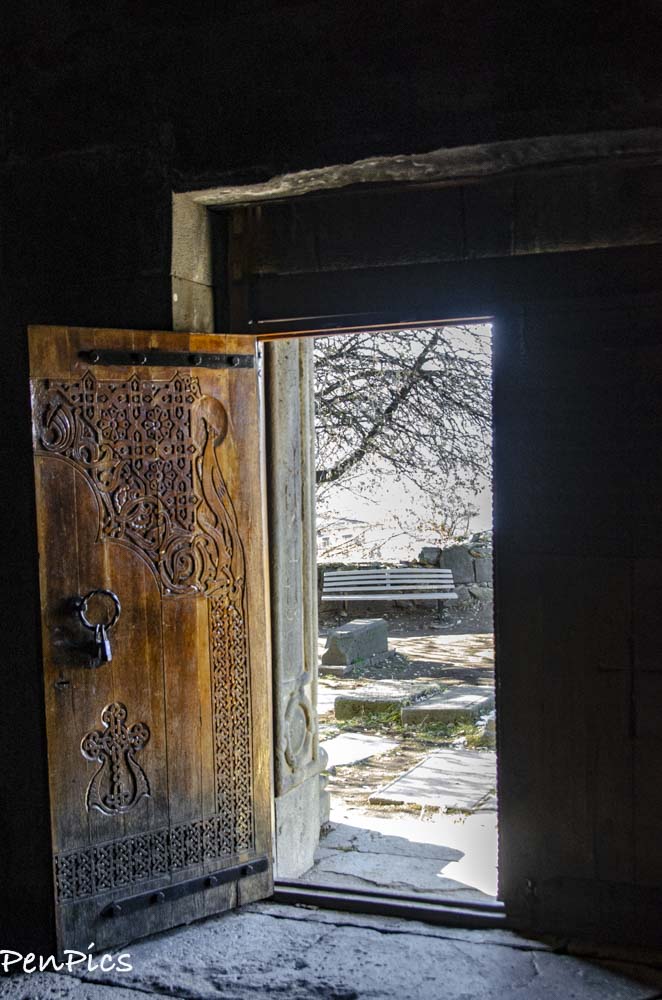
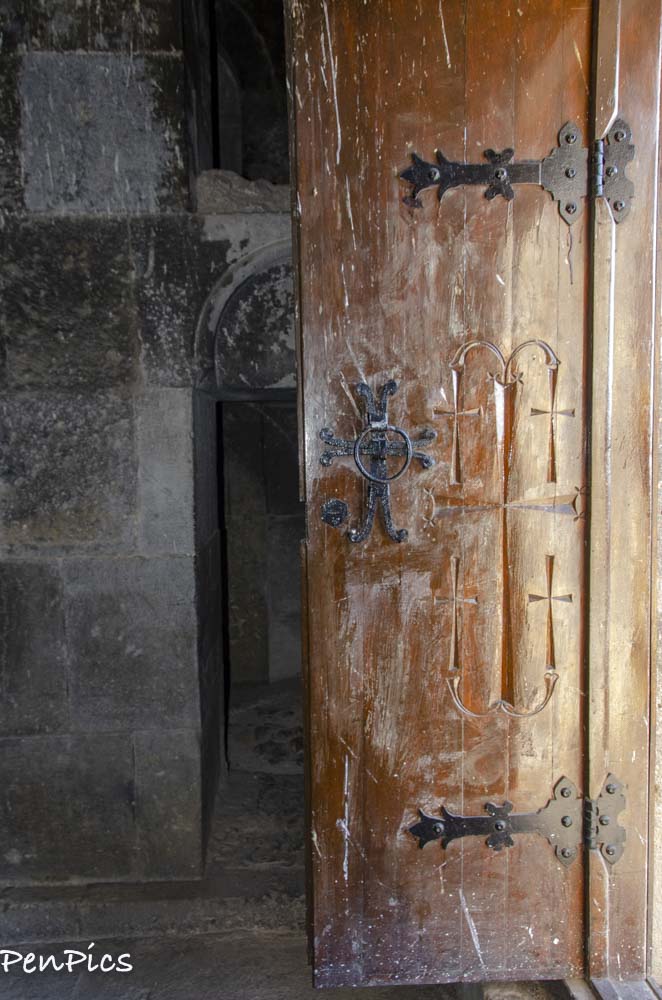
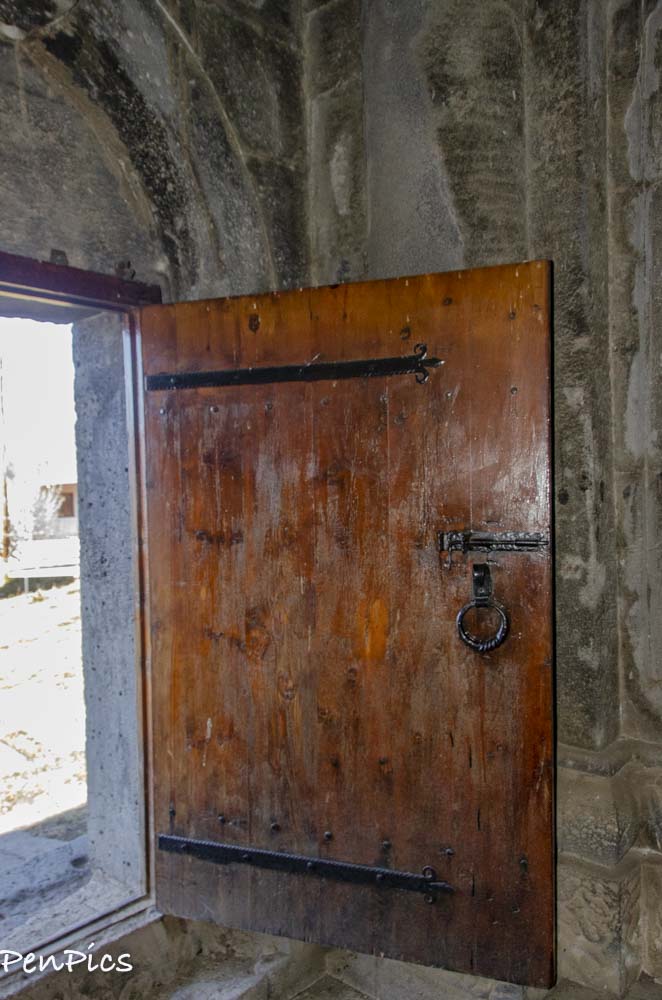
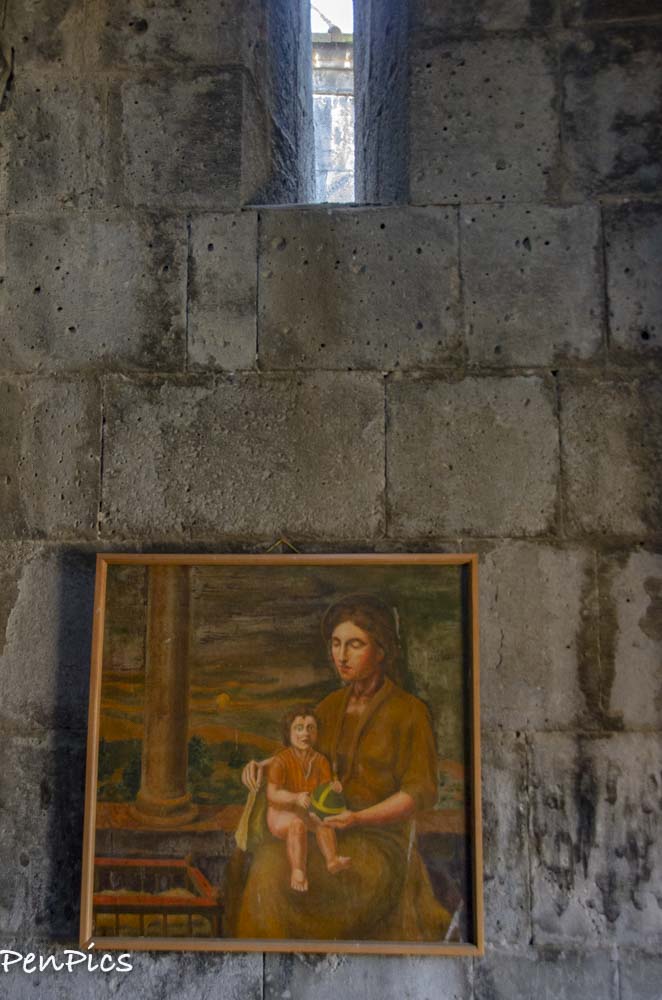
Unlike the Sanahin Monastery visit, these grounds had a person who we saw, who unlocked the outer and inner doors, so we had access, after we arrived. The man spoke only Armenian, but he was nice enough to open a curtain on a side wall, so we could see the ancient frescos in better light. AMAZING!
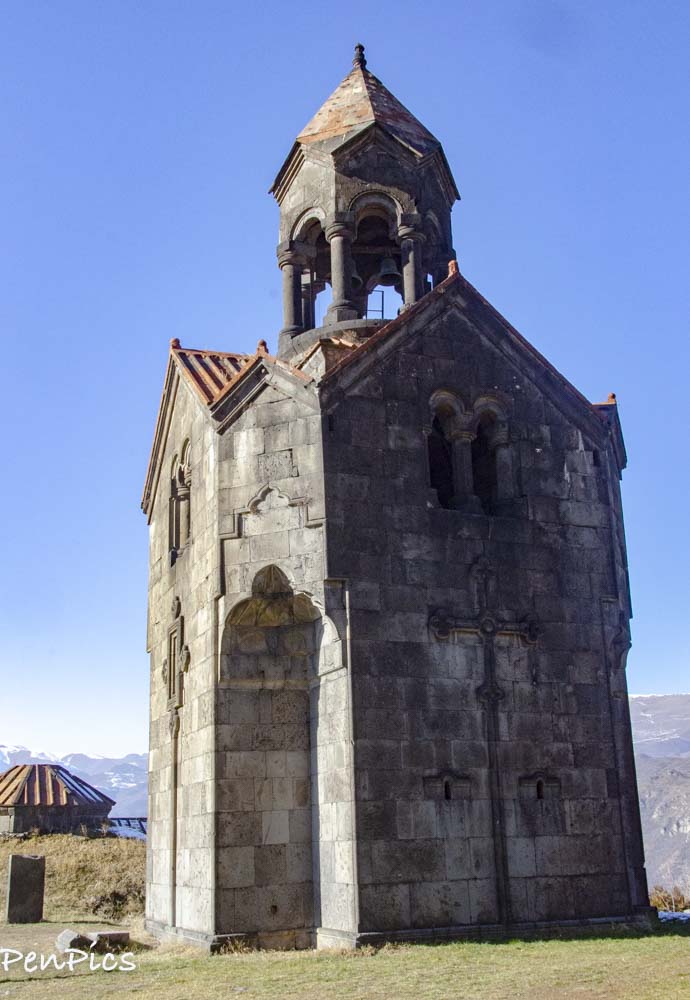
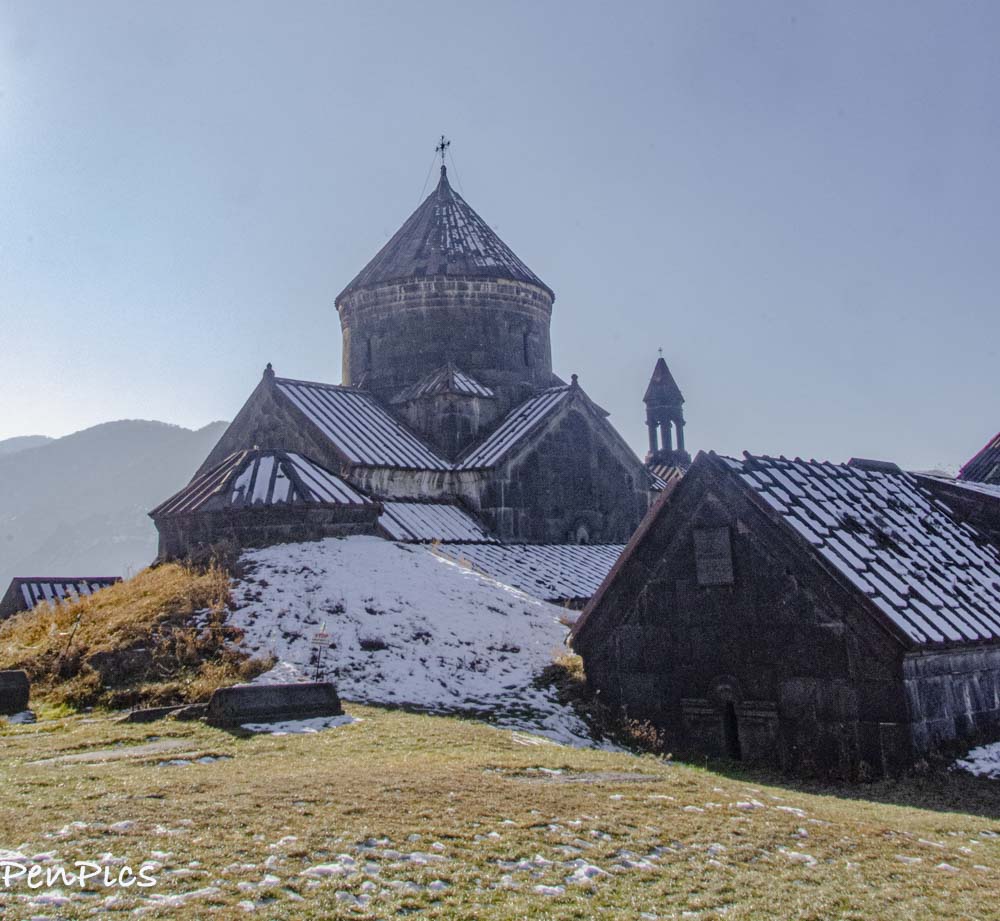
The Monastery of Sanahin was also built upon the Queens’ initiative. Later on, Kyurikyans acted as the primary sponsors of Sanahin and Haghpat Monasteries. Saint Nshan Church is a rectangular building from outside and has a cross-form from inside with a wide dome, which was renovated in 1113.
The church is believed to be built by prominent Armenian architect Trdat who was later invited to Constantinople (Modern day Turkey) to repair the dome of the famous Hagia Sophia Church. (We also visited this Church)
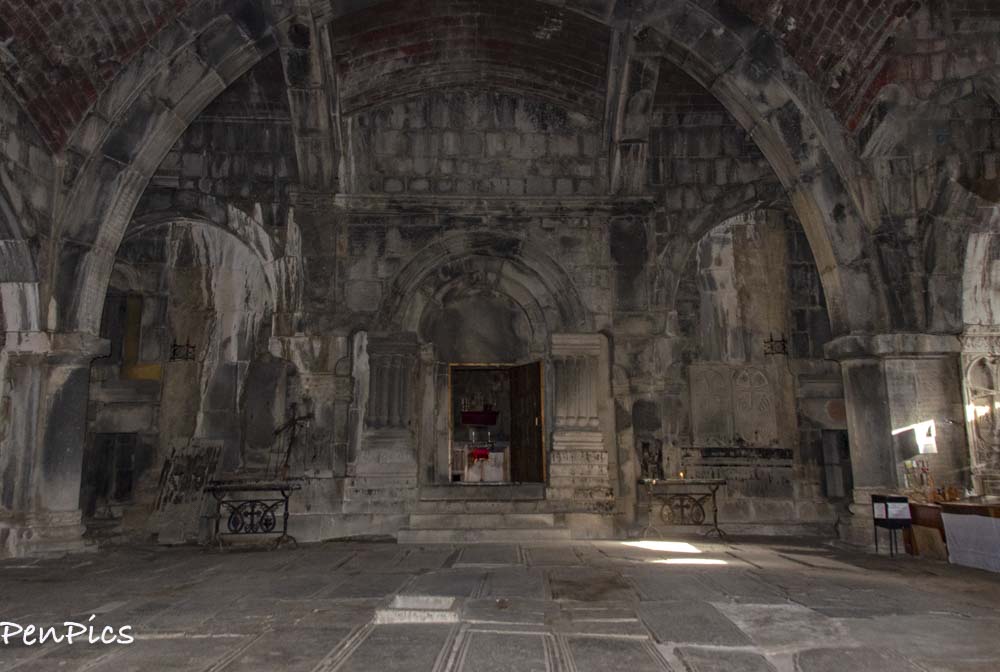
Inside this Church, there are stone steps that lead to a balcony meant for the members of the Kyurikyan family; it’s from there, they heard Mass. The Churchs’ main altar and walls included frescoes out of which several have been preserved. Later on, Smbat became king Smbat II Bagratuni (Smbat the Conqueror; 977-989) and Gurgen founded the royal dynasty of Kyurikyans in Lori Province.
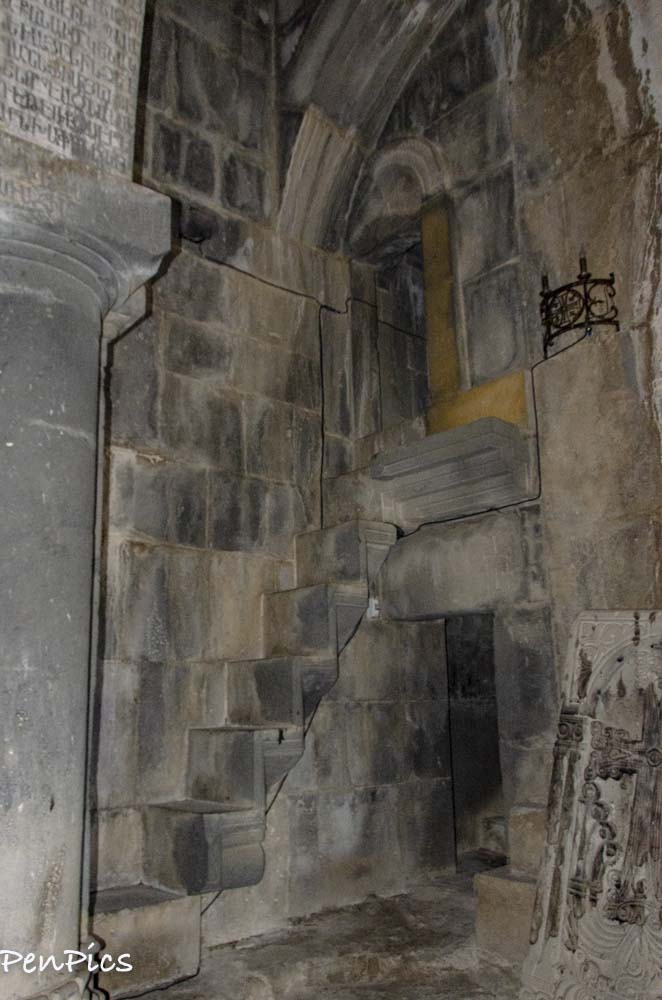
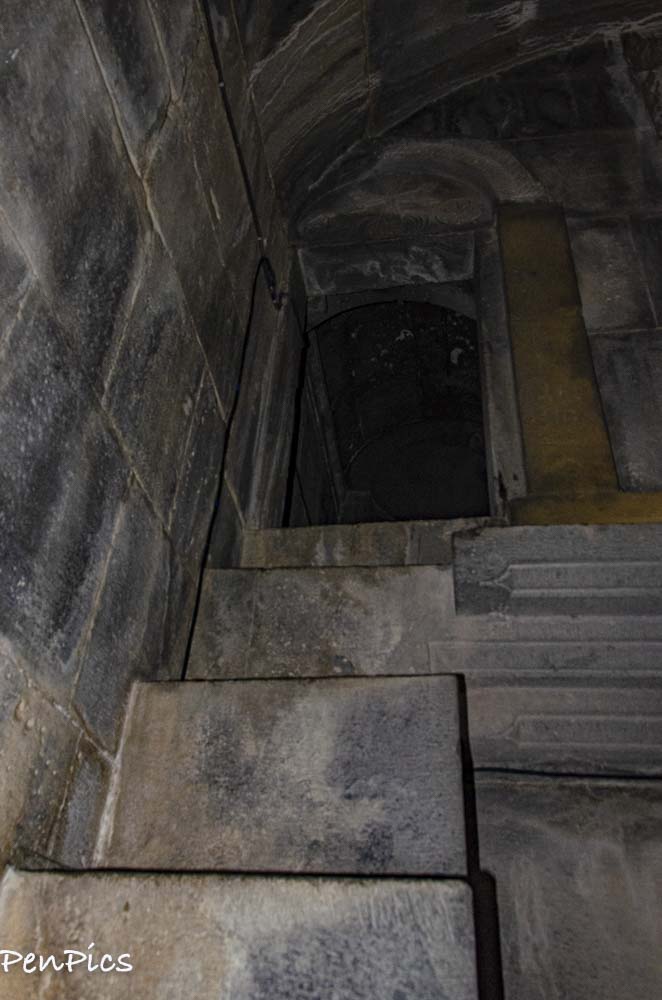
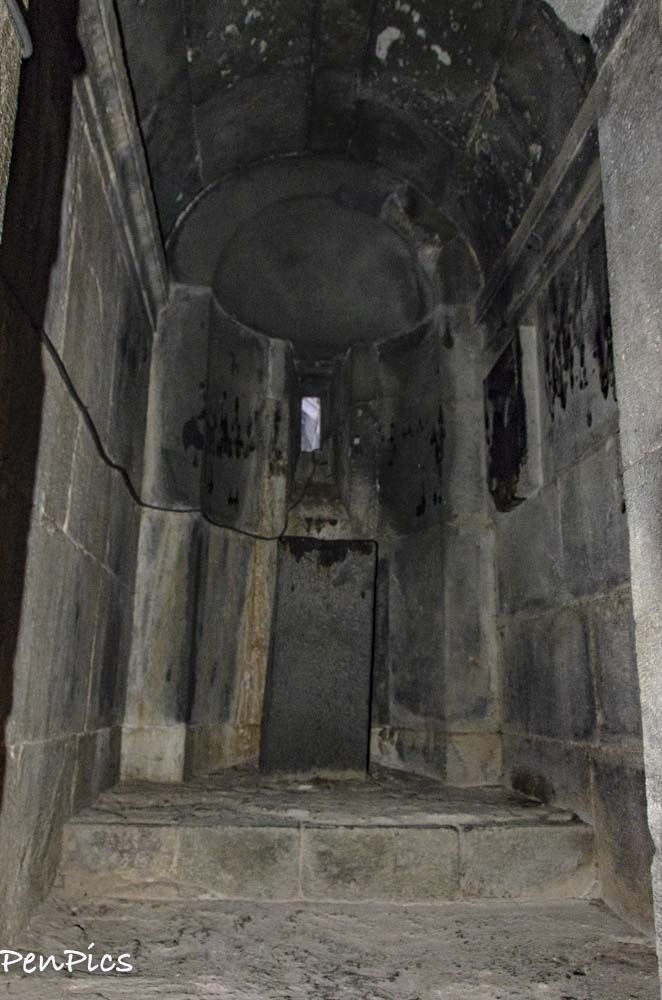
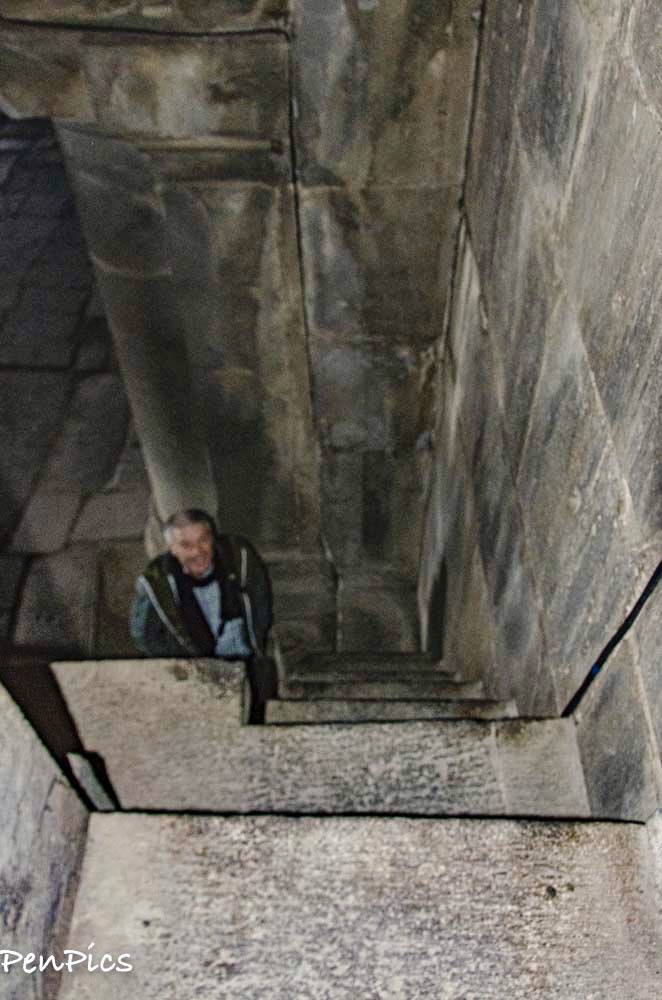
I know; “Silly Bunny, tricks are for kids!” 😂 Fortunately, it would be the next morning when I couldn’t walk very well, so the rest of our touring during this day was not affected. Whew!
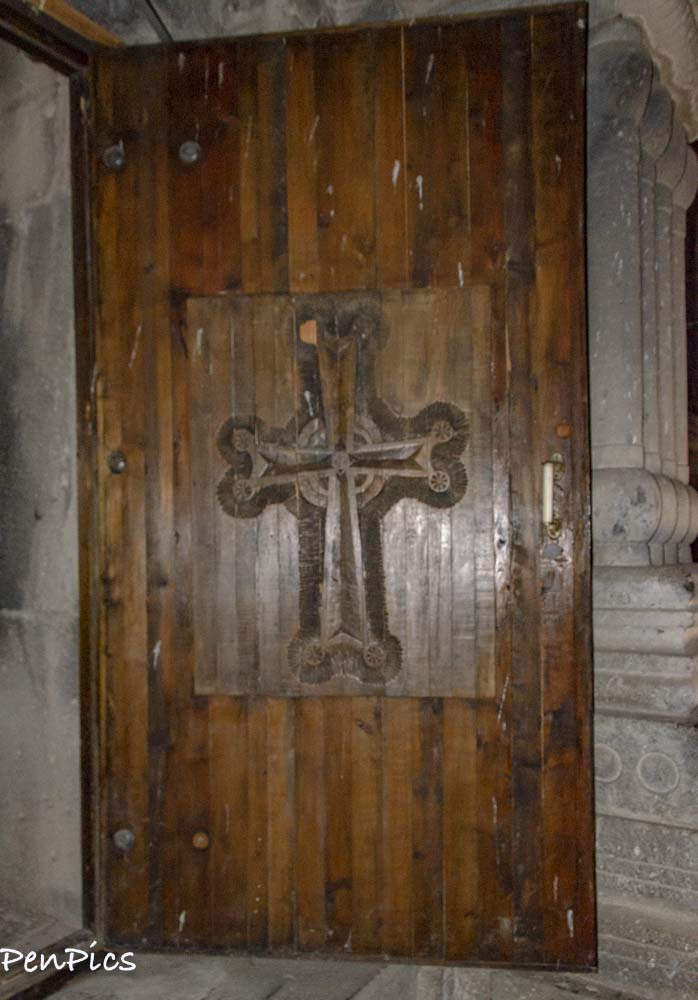
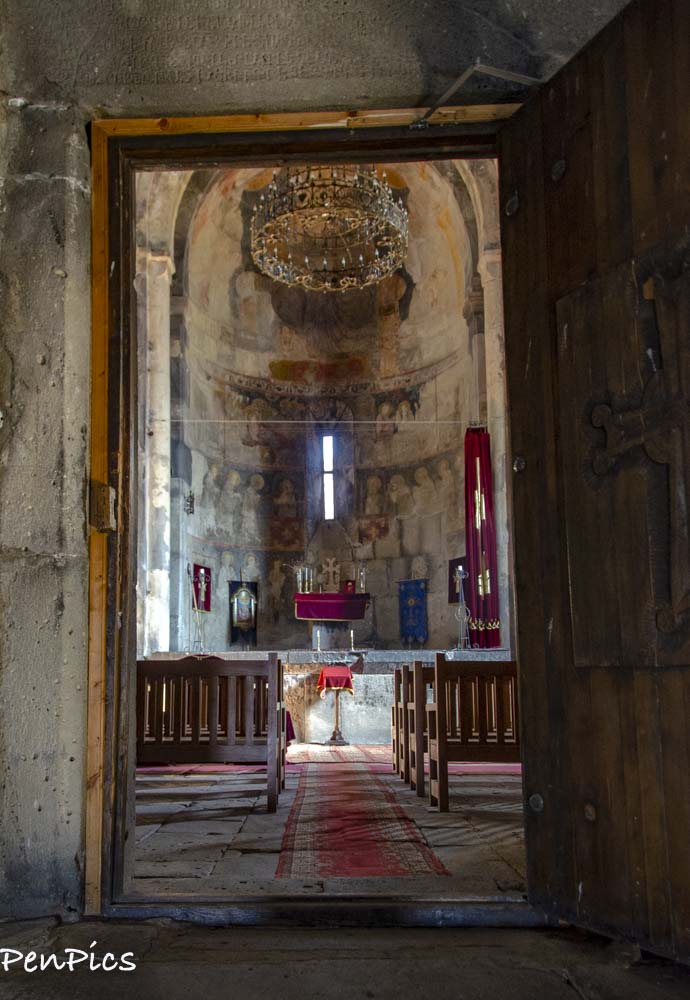
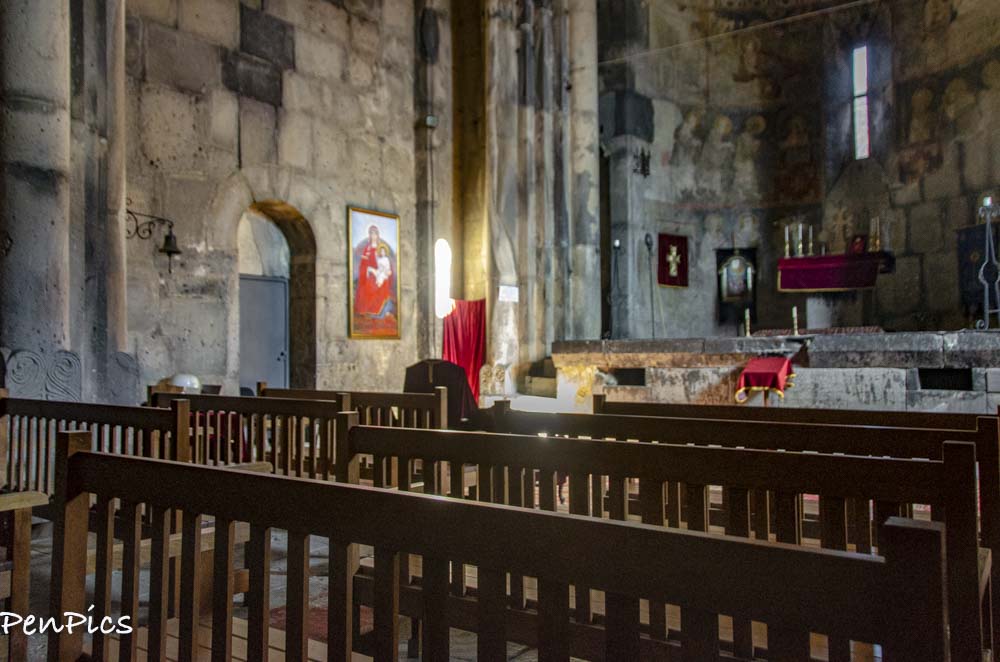
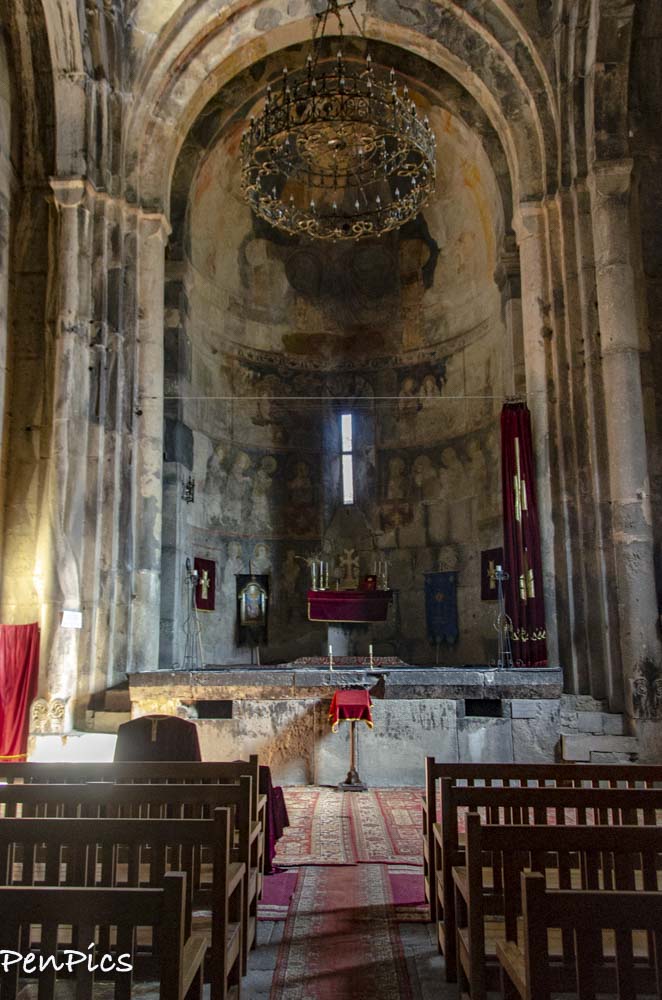
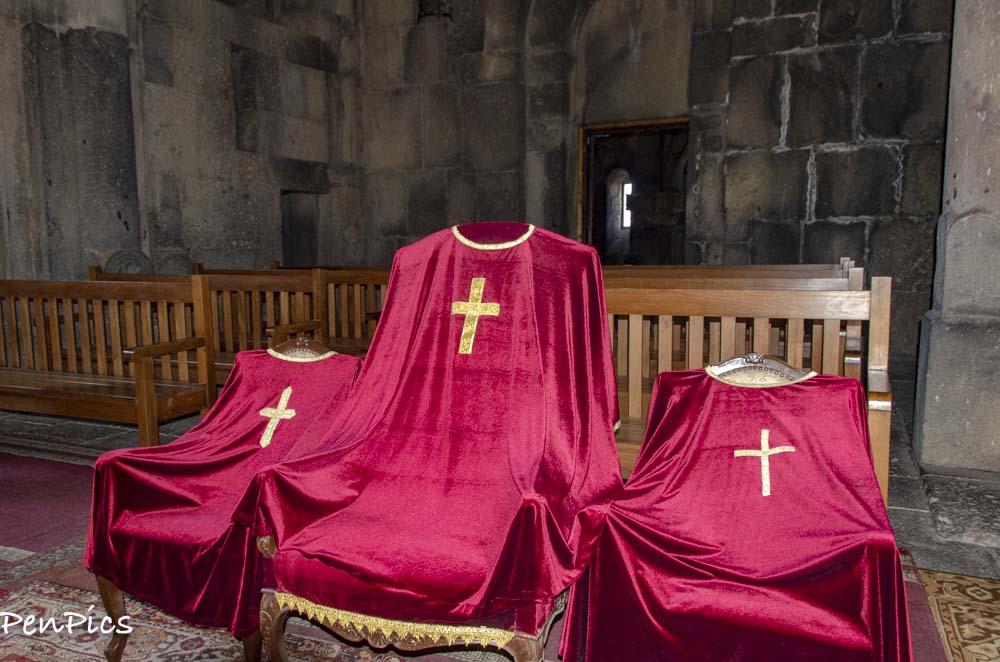
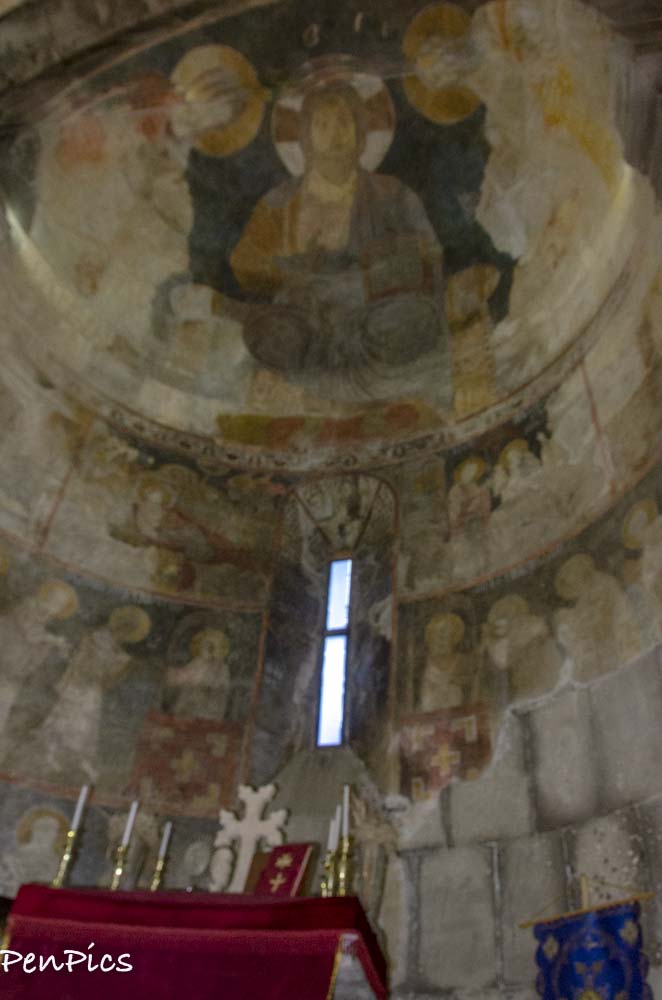
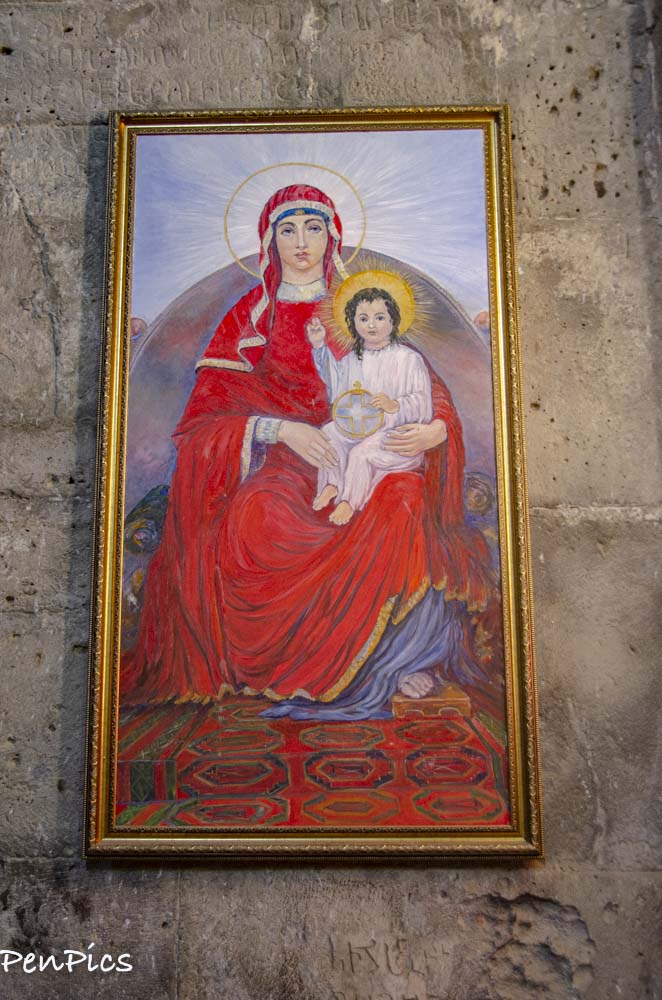
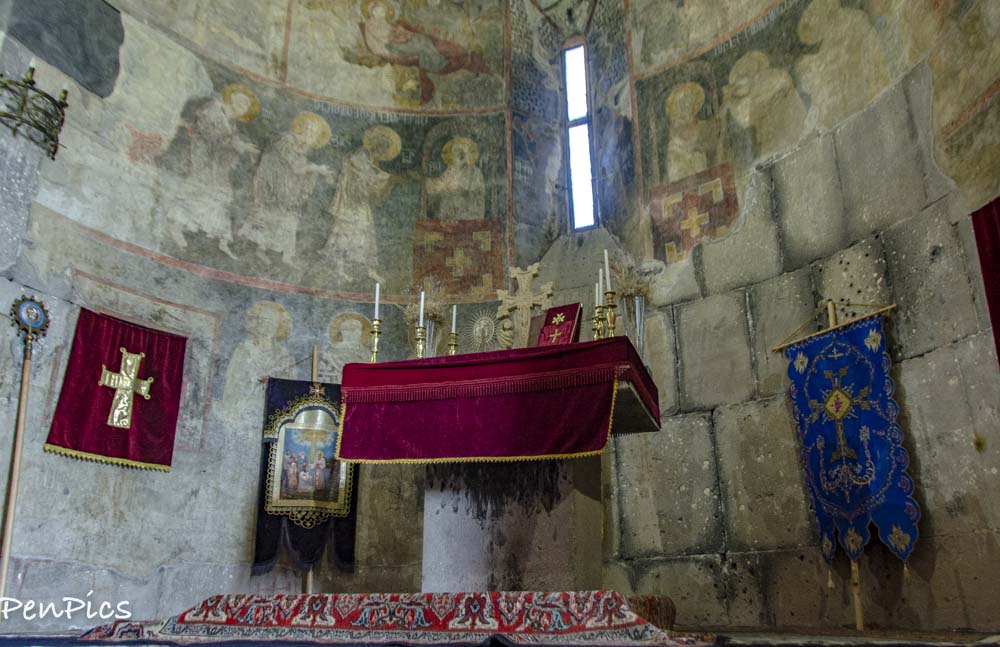
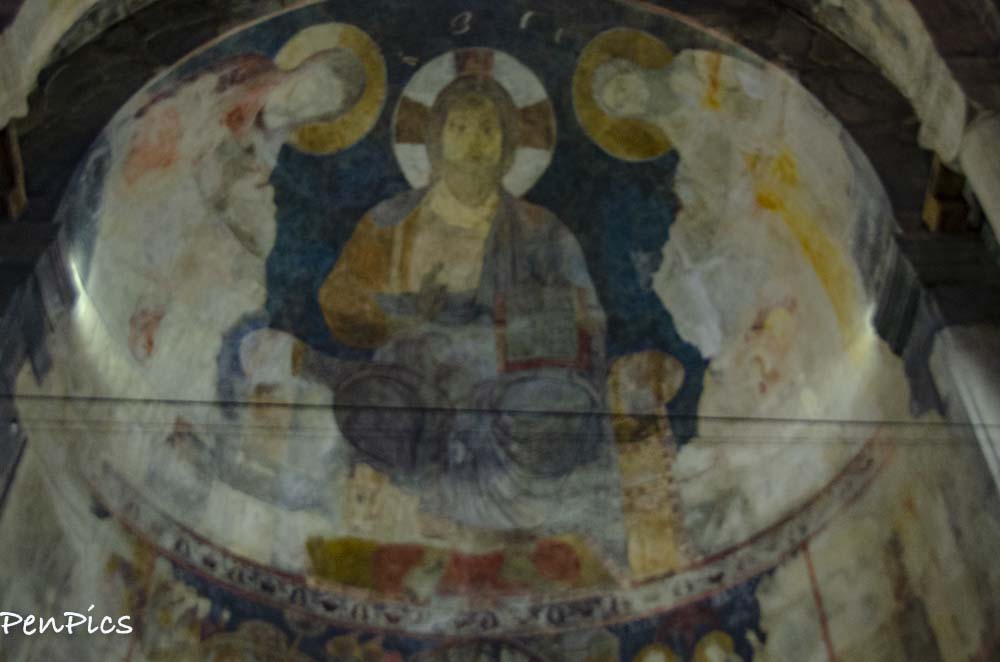
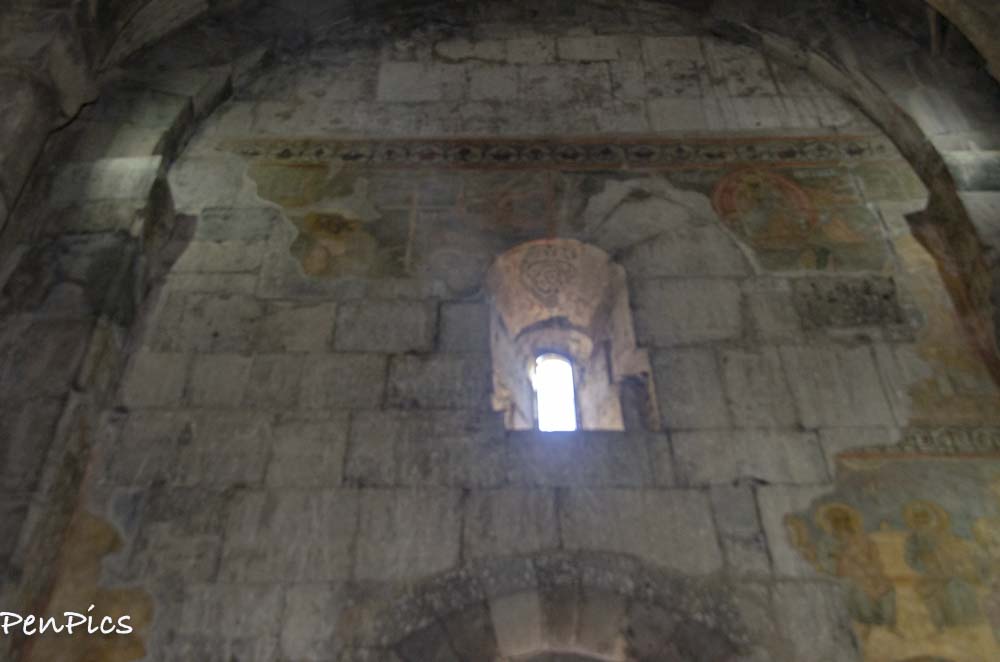
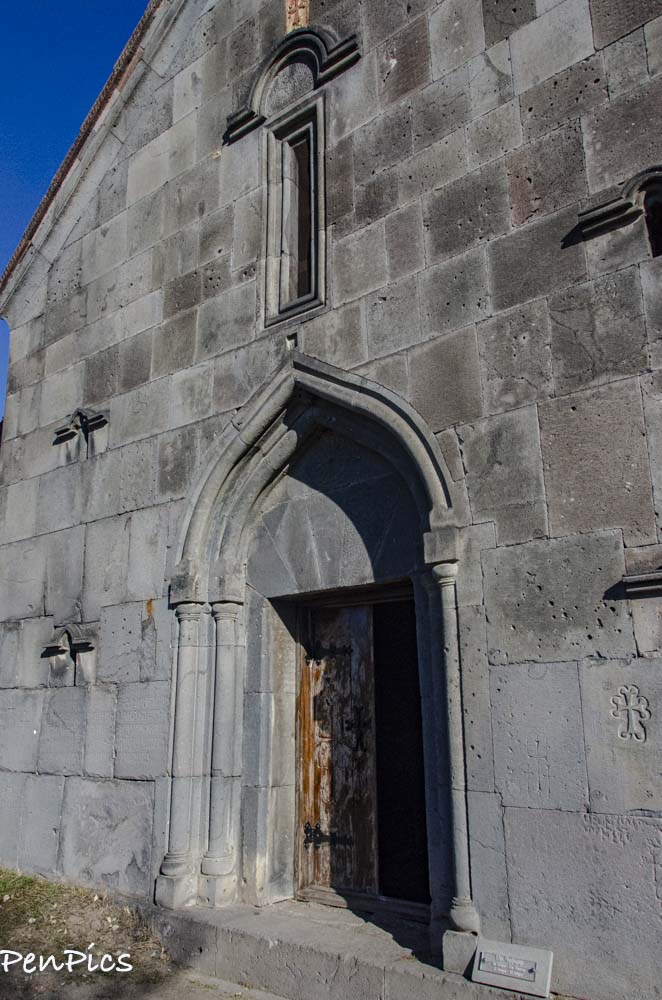
From the inside the Church it appears to have a cross-like form, while from the outside it is a rectangular building. The currently bare walls, were once decorated with frescoes. Saint Grigor Church was renovated in 1211. The outer walls were decorated with columns and pointed arches.
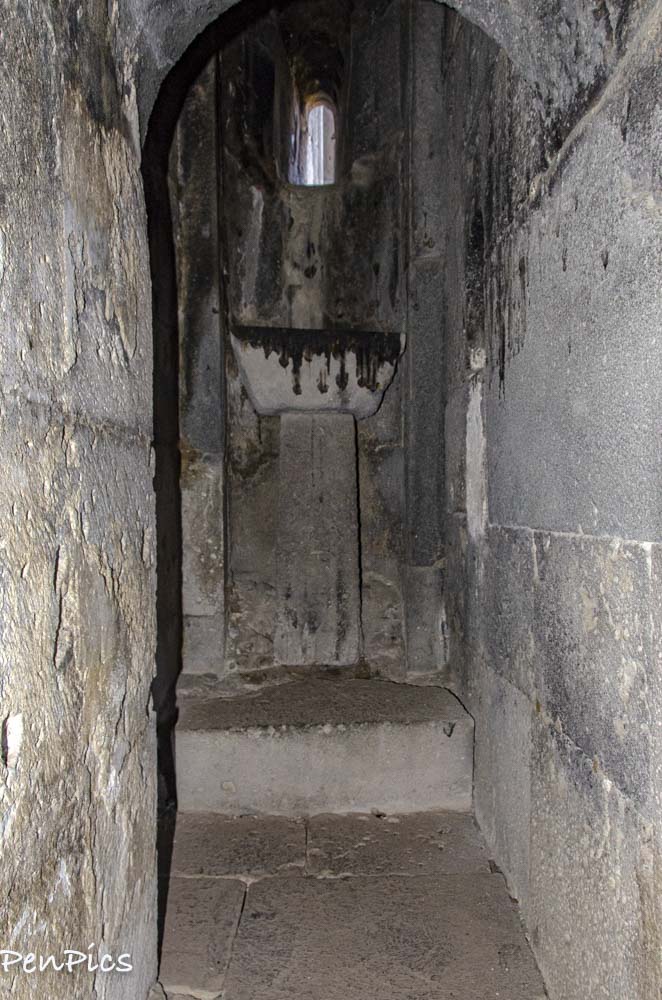
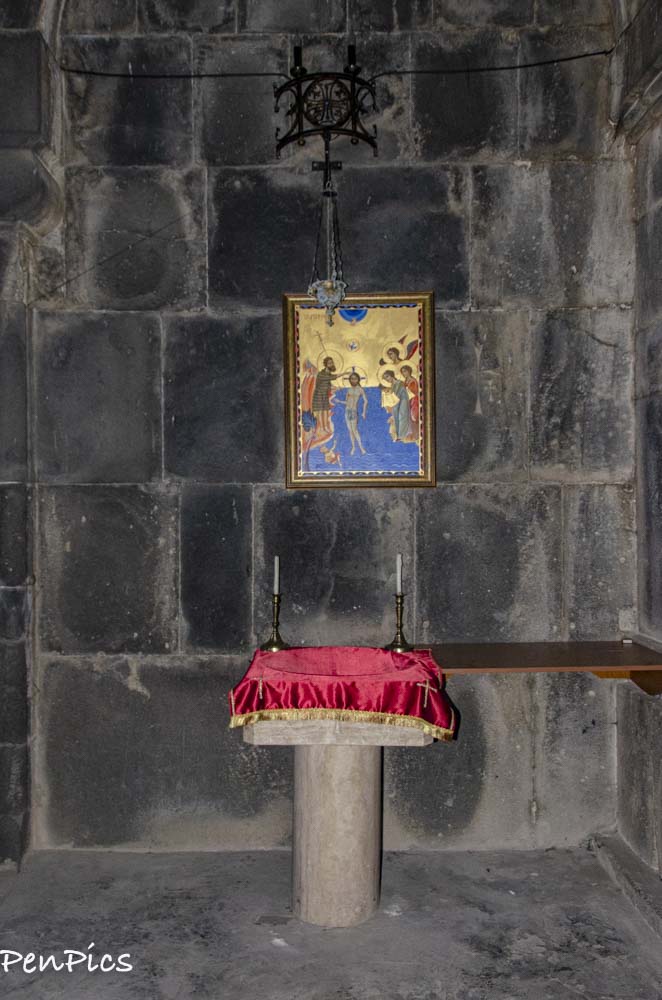
its another baptismal since it is not a flat alter. So I think those are most likely water stains.
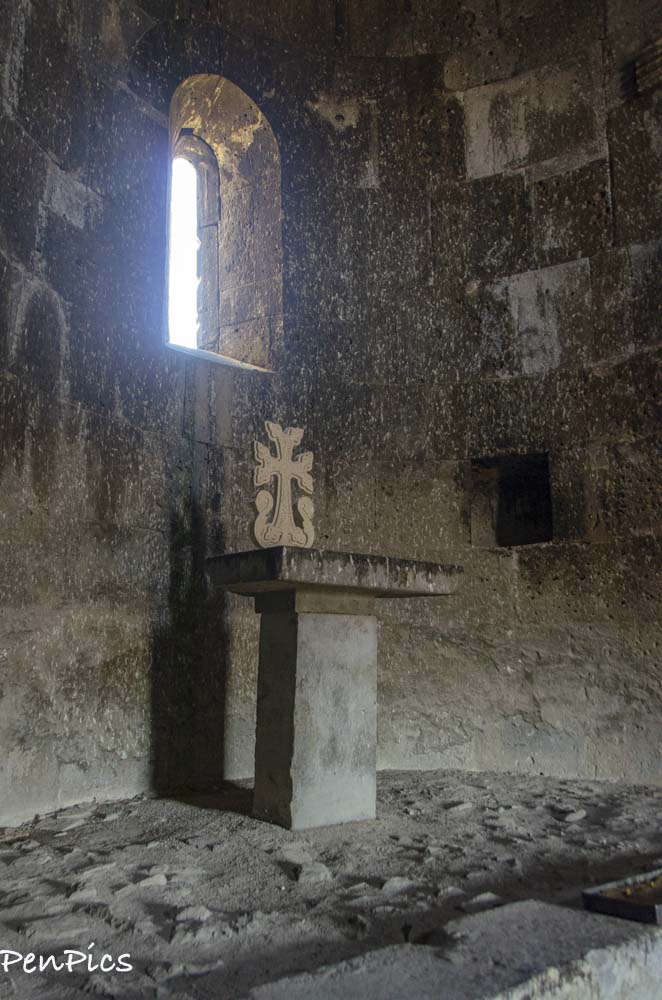
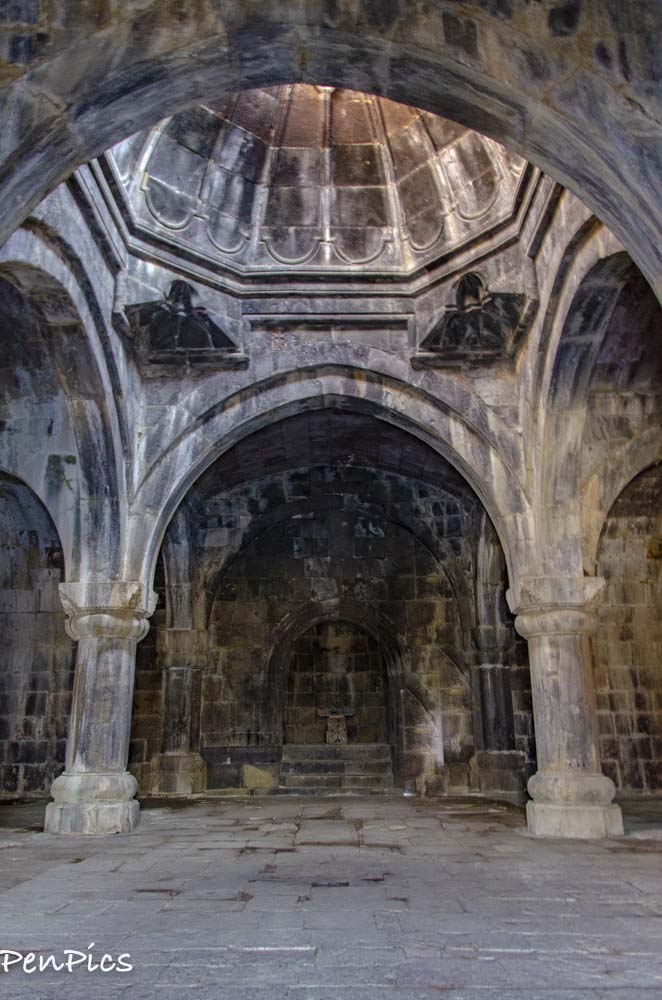
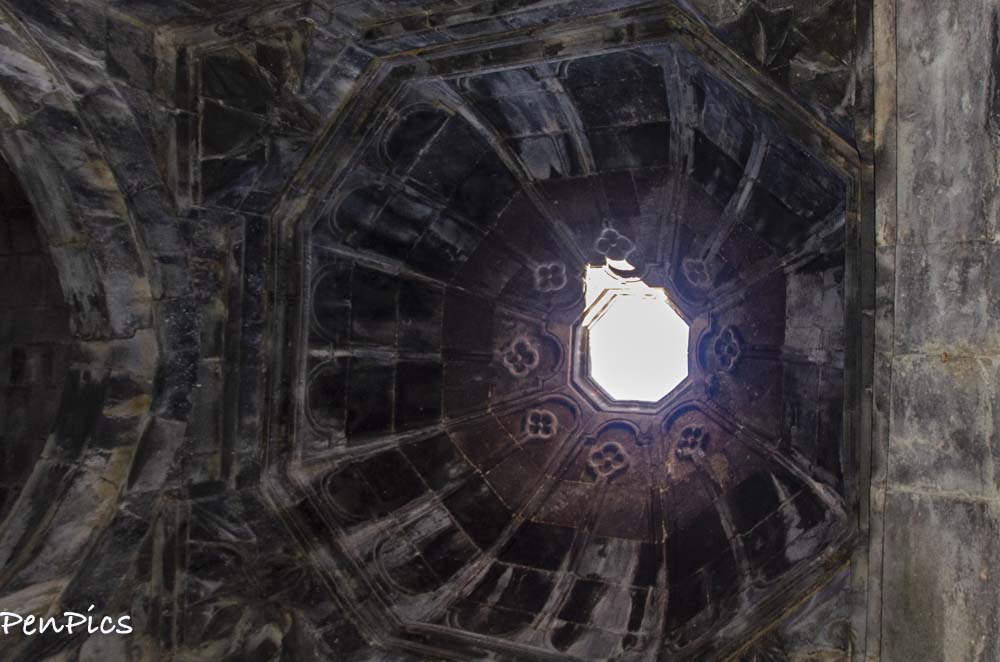
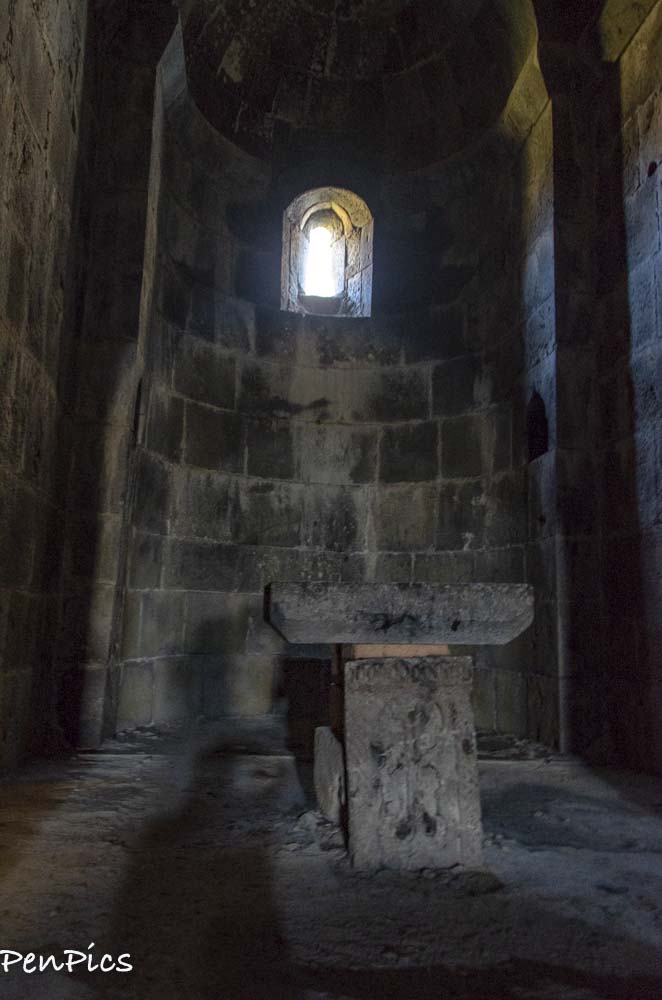
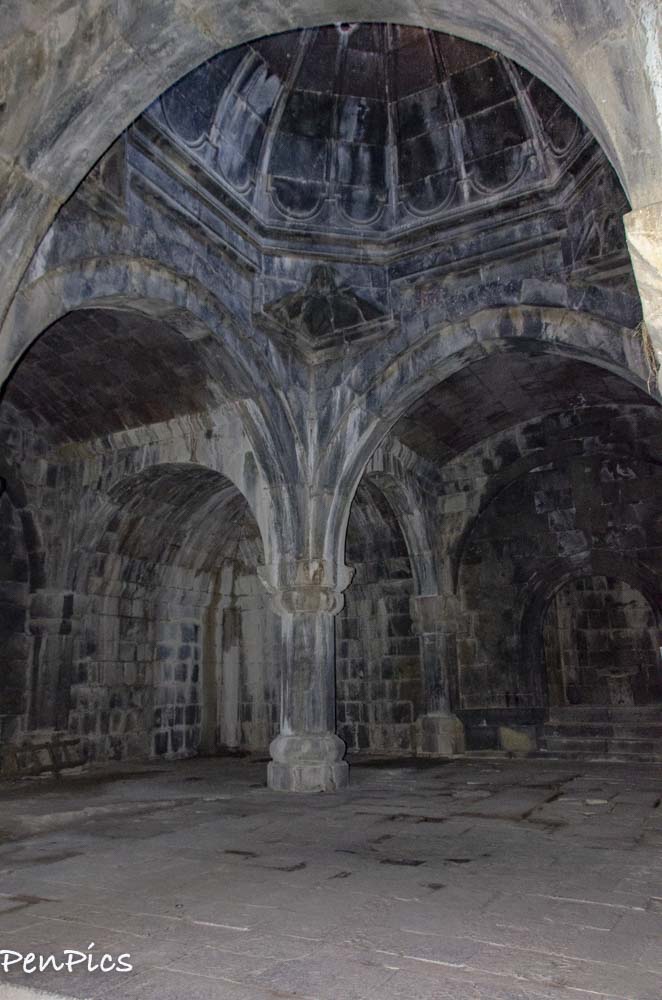
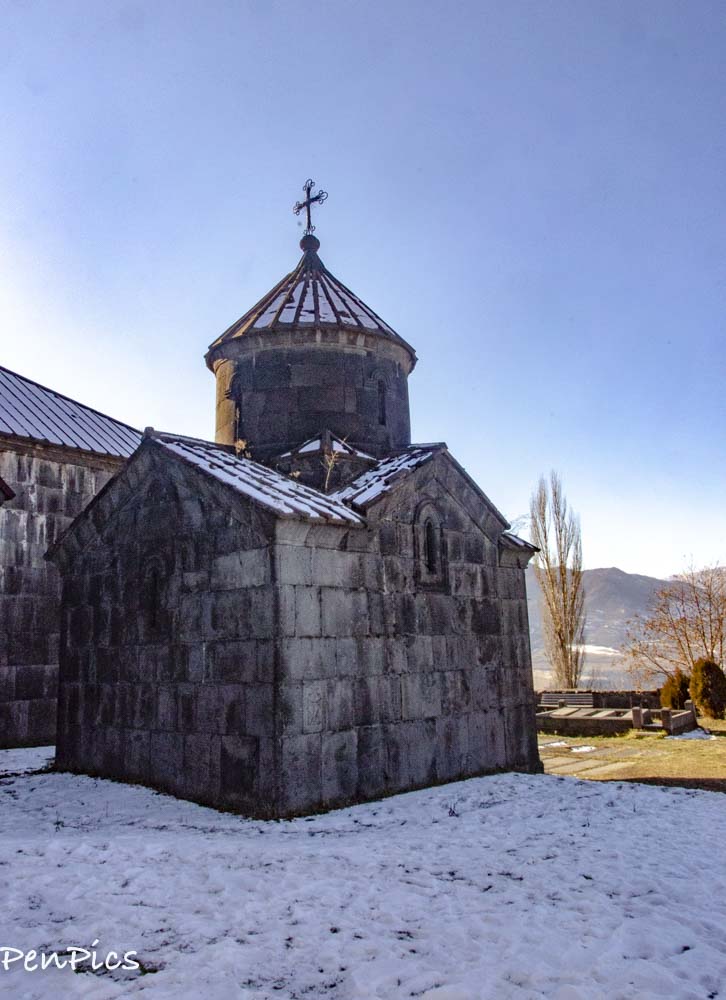
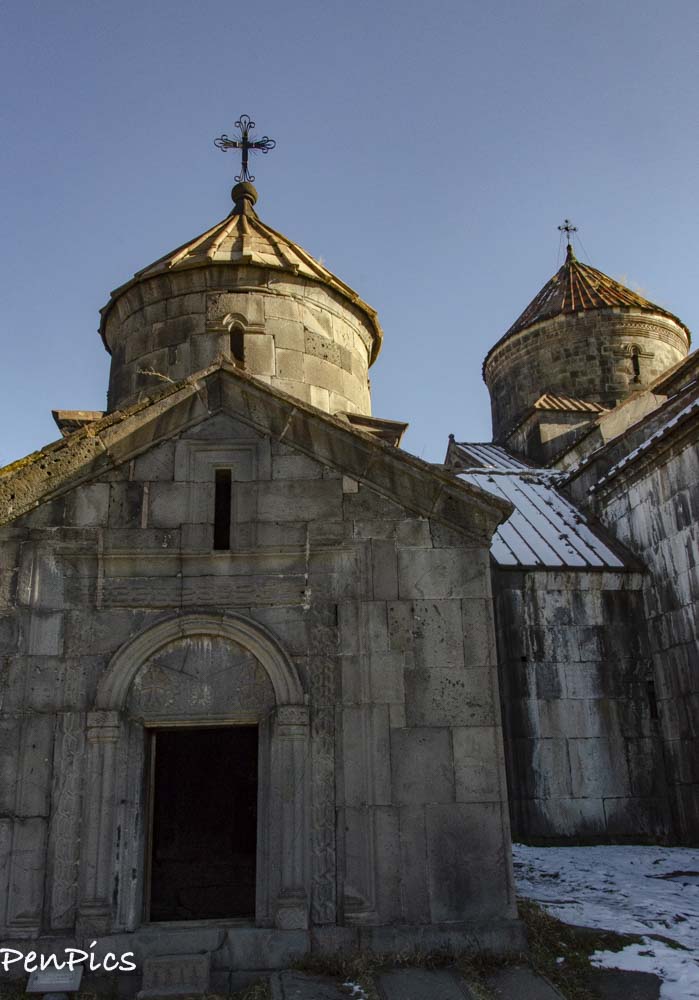
Jgrashen means “built out of rage.” Legend has it, the Chapel was built by one of Sanahin Monasteryy students, who was studying architecture there. It is said that he built the Monastery Chapel out of rage.
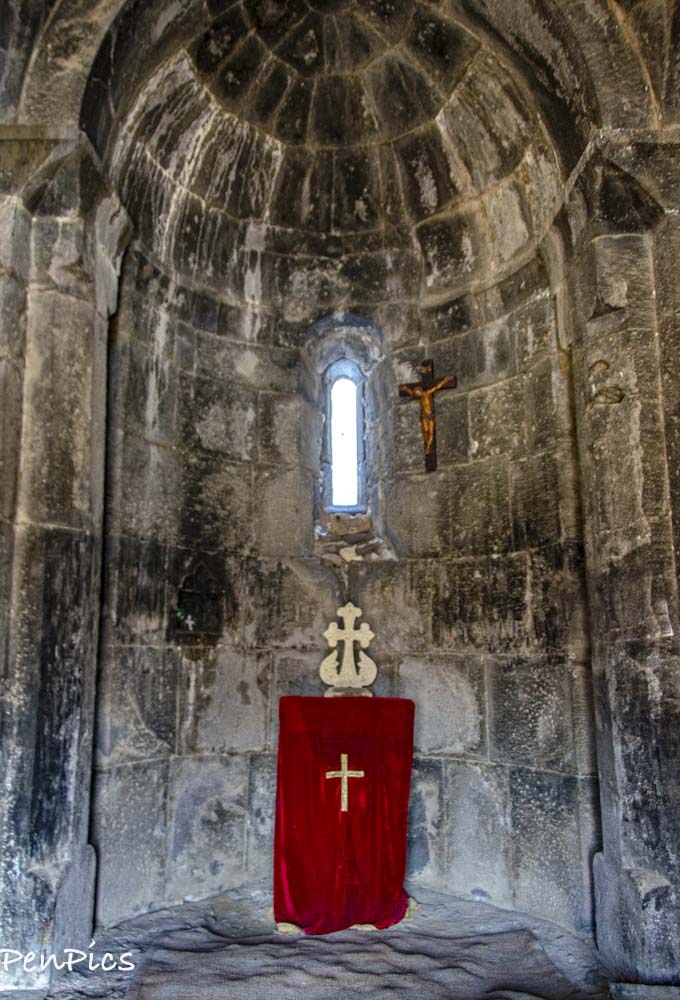
This is where the ancient and valuable manuscripts of Haghpat were kept. In the 11th-13th centuries, the abbots of Haghpat spared no effort to have all the Armenian books and manuscripts held here. In this regard, Haghpat’s repository turned into the first Armenian Matenadaran (repository of manuscripts).
For safety measure, the manuscripts were later moved to a nearby caves, which used to serve as reading halls as well. Legend has it, that in the 13th century, Mongols used to torture abbots to learn the place of the manuscripts. It is also said that with the hope to find strength to withstand the torture and pain, three senior and twelve junior clergymen uttered the following phrase from the Gospel; “Do not give dogs what is sacred; do not throw your pearls to pigs.”
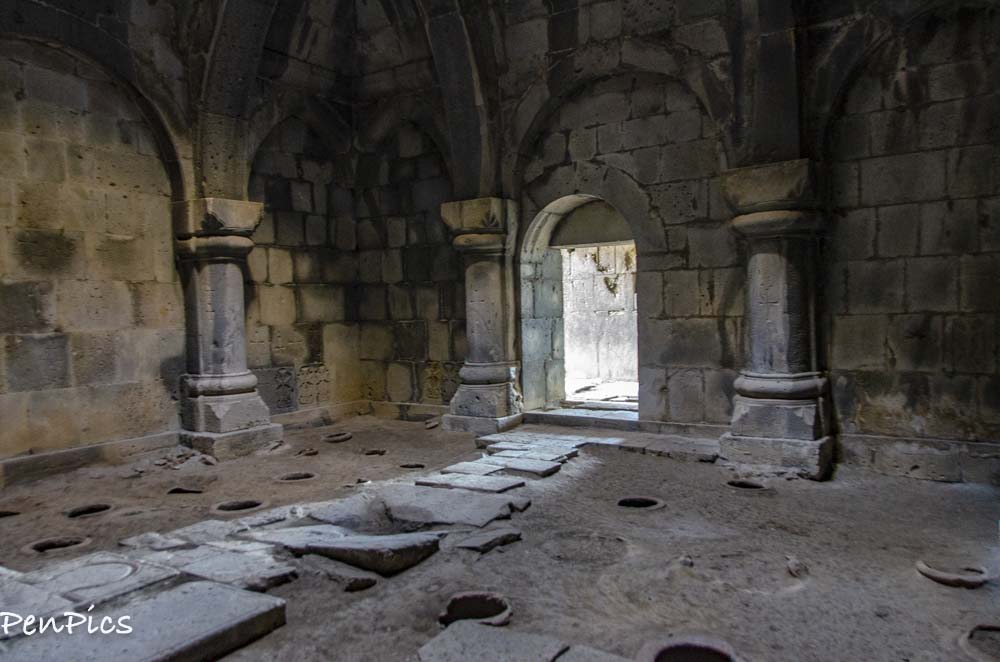
On a lighter note of interest, here you can see half-buried jars in which wine and dairy products were once kept.
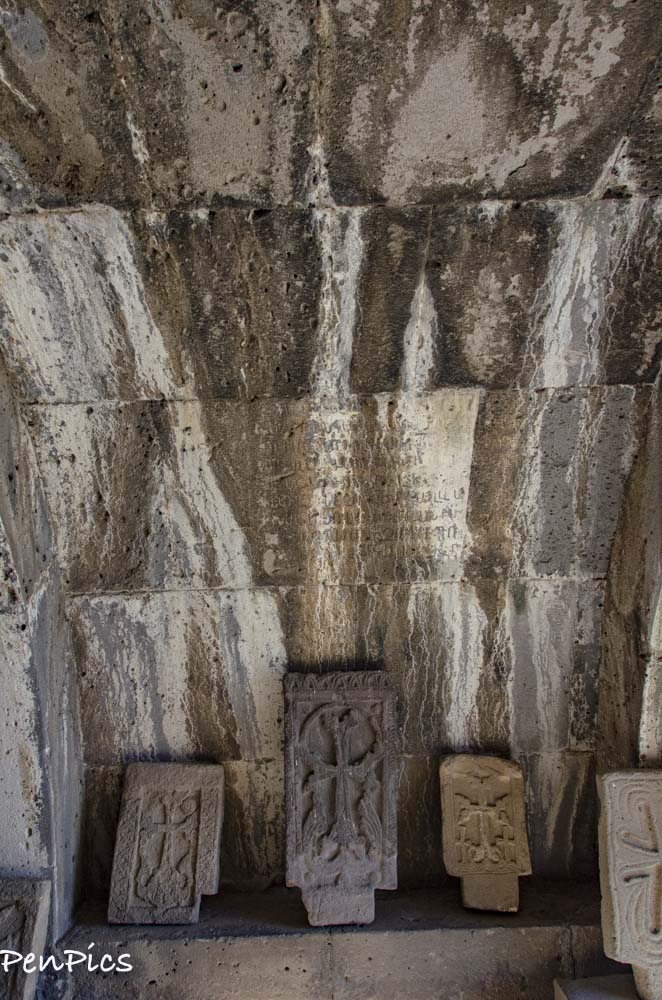
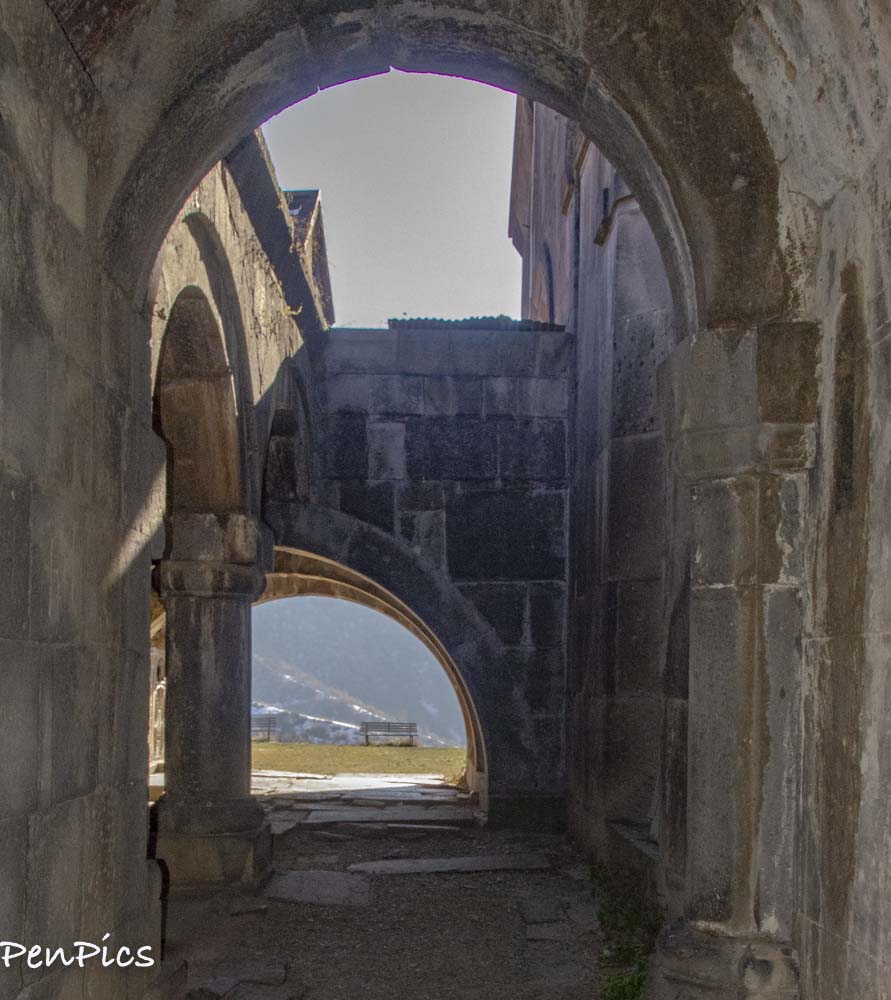
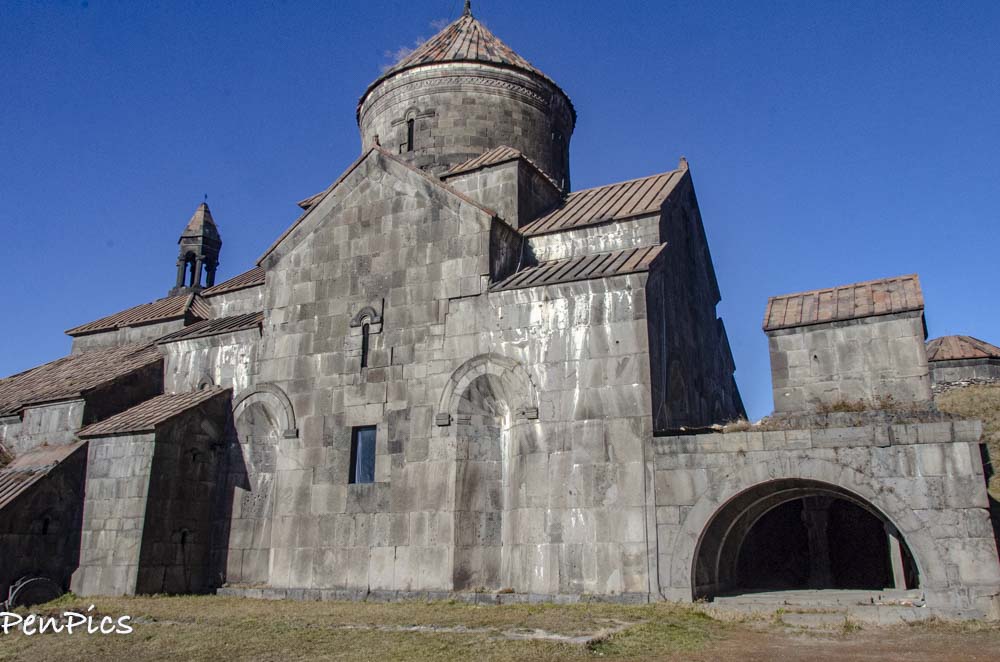
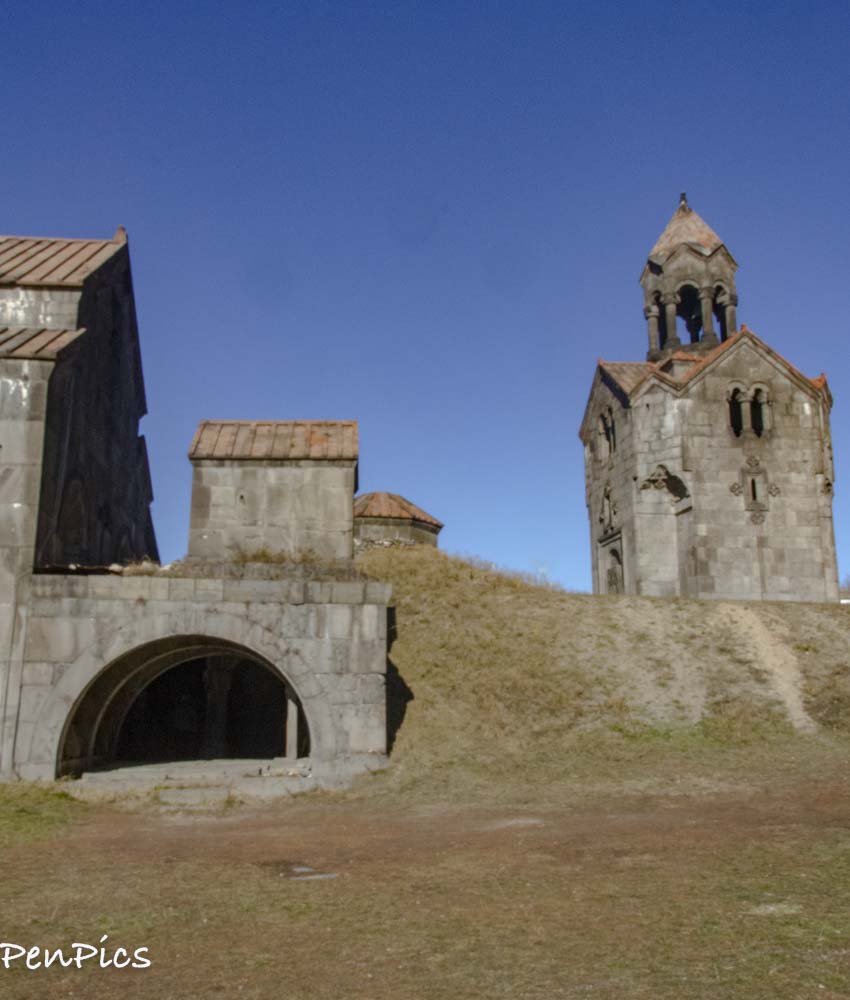
Being the largest gavit in Armenia, it has a low building with part of its roof buried in the soil. The vestibule is amazing and up to this day is the center of attention of many people studying architecture. It is explained by the fact that the chapel-gavit faced attacks and earthquakes, yet it was only slightly damaged.
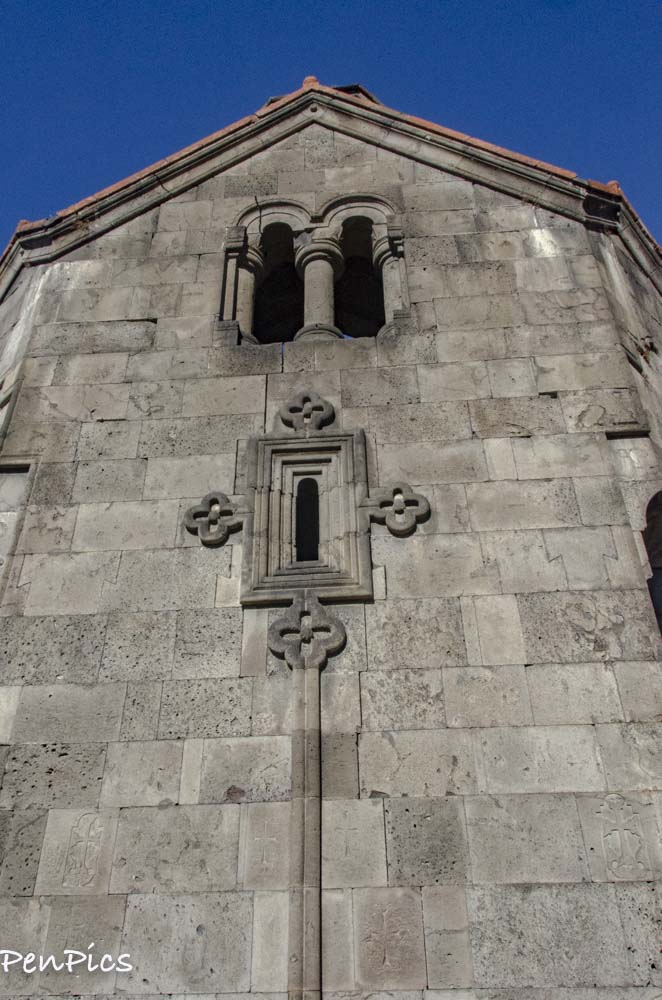
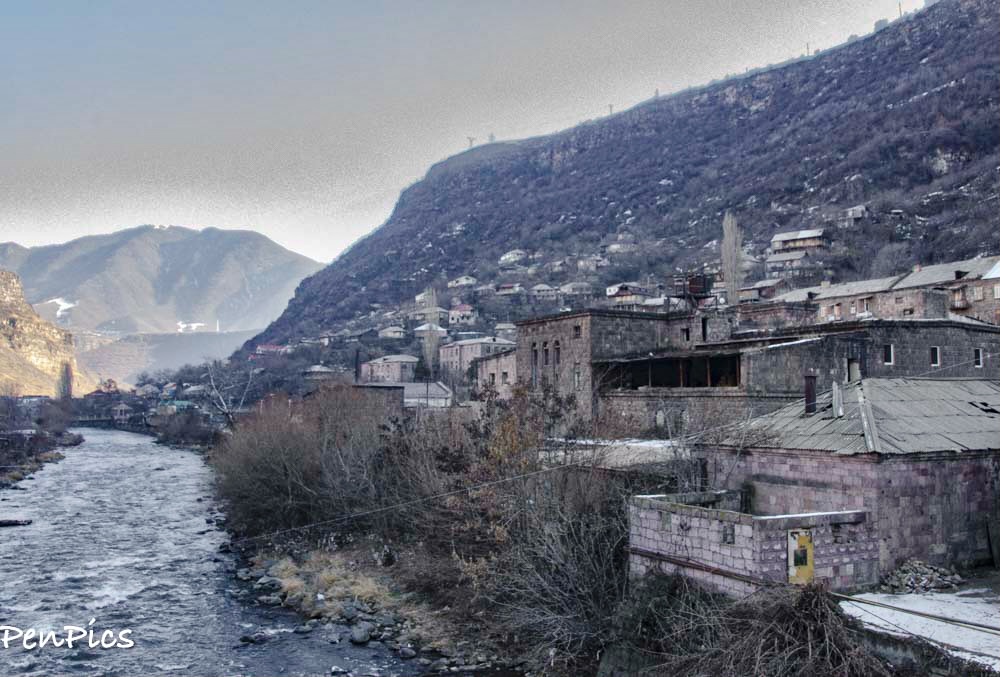
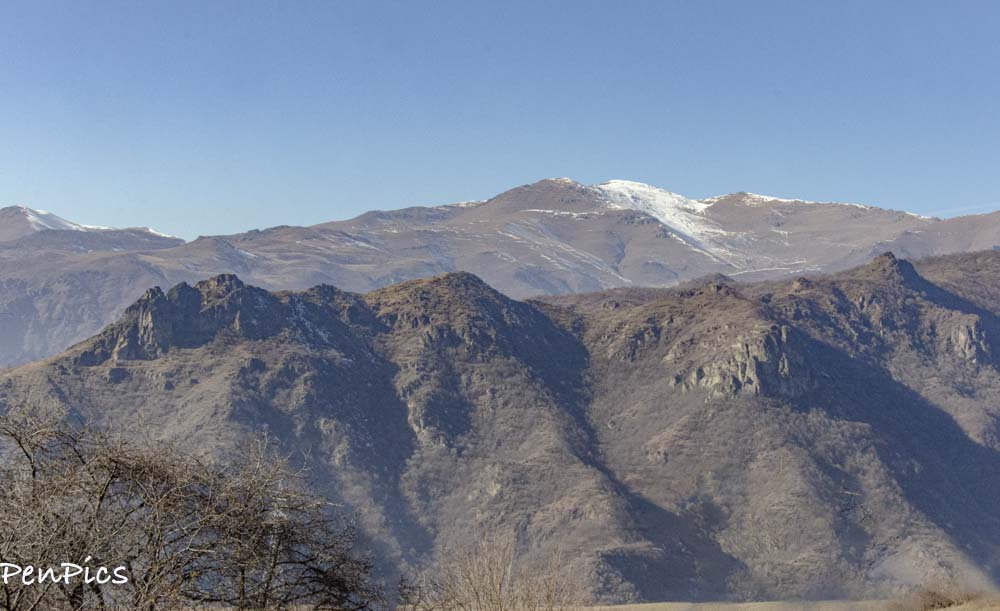
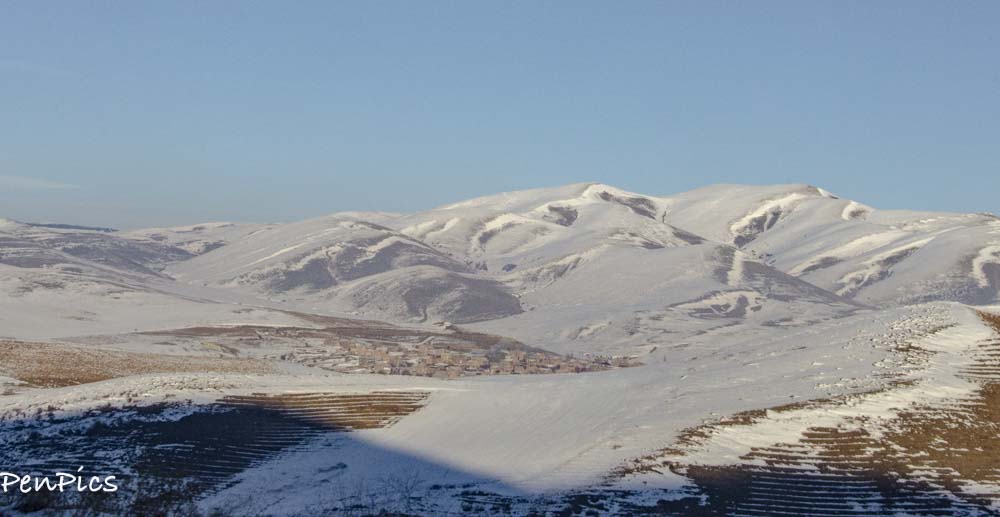
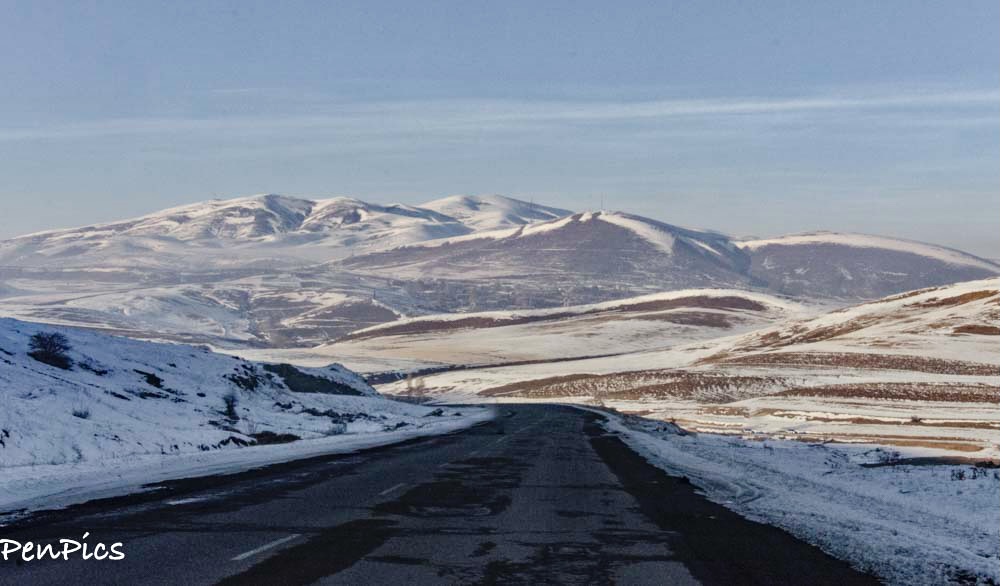
Our day went very quickly, as it usually does when we are exploring, so after the touring of both Medieval Monastery Complexes, we needed to get back in the car, and begin the drive back to our hotel. Here are some scenic photos going from Alaverdi back to Amasia.
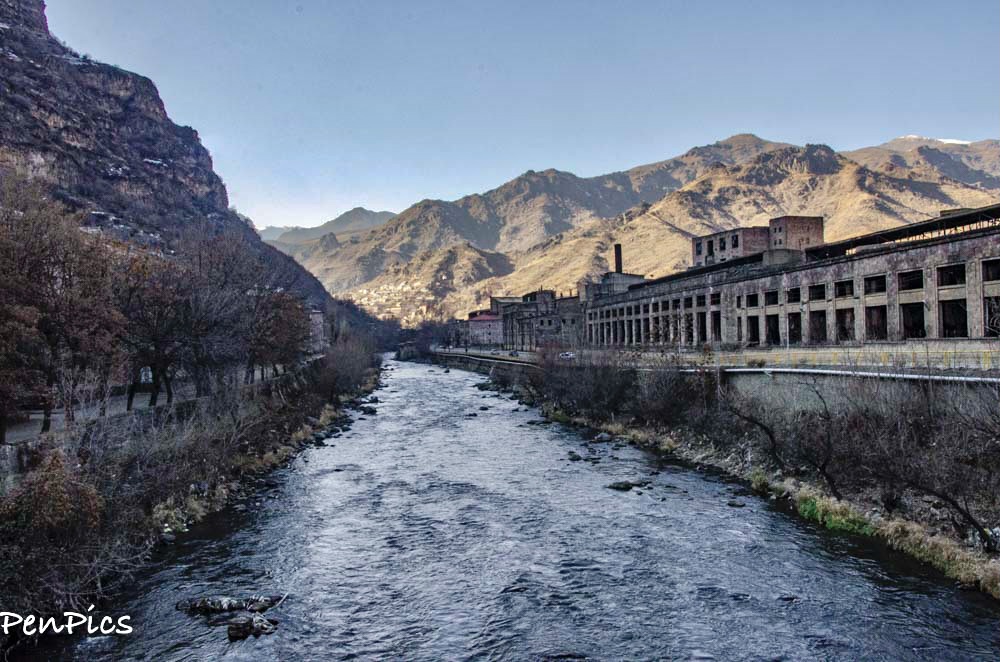
The abandoned and broken buildings are a familiar sight, all over Armani’s. It’s now a post Soviet-era look.
Incidentally, if you missed my blog post on the sister Monastery to this one; called Sanahin, here is a direct link to that blog post: https://2gypsiesinthewind.com/asia/armenia/armenia-scenic-drive-to-alaverdi-to-see-the-4th-century-sanahin-monastery/


About Us

About Us
Hello and Welcome to our Travel Blog Website, We enjoy writing about our experiences and taking photos of our adventuring along the way. Our names are: Daryl and Pen, but Daryl calls me “Bunny.” We met, quite randomly, whilst both traveling in Thailand with friends. We happened to be in the same travel group, and […]
Oh my goodness, those stairs!!! I think I would’ve tried sitting and going backwards. Kudos to you for tackling them!!
OMG… big mistake! my mind still says I can, but my body doesn’t agree! Sitting might have been good, but do dirty and we have a limited winter wardrobe. It’s better today, thankfully, because we leave to get going again, tomorrow.
Amazing photos and there is no way I could of managed those stairs even if I wanted to
Thanks Judy. We r joy taking photos of these amazing complexes. AND I should have not done the stair! Paying fir that choice!
Great job climbing those stairs!! These are so interesting! So glad you have taken the time to find them & share your experiences!
Thank you, Franny. We have done yea Eli g, both as working humans and now retired. I like the pace we get to choose, now. He’s I g e yea time is so great. It’s a little too much time with closed borders, but if it allows us to continue our dream, we will wait out the winter.