


“Armenia 🇦🇲 ~Dilijan National Park, Haghartisin Monastary Complex, and Sevan Lake”
One thing is for sure, while in Armenia. If we can’t get to all the Monasteries, due to road conditions, we will certainly get to enough of them. There are so many, and we appreciate the work and money that has gone into restoring the ancient gems.
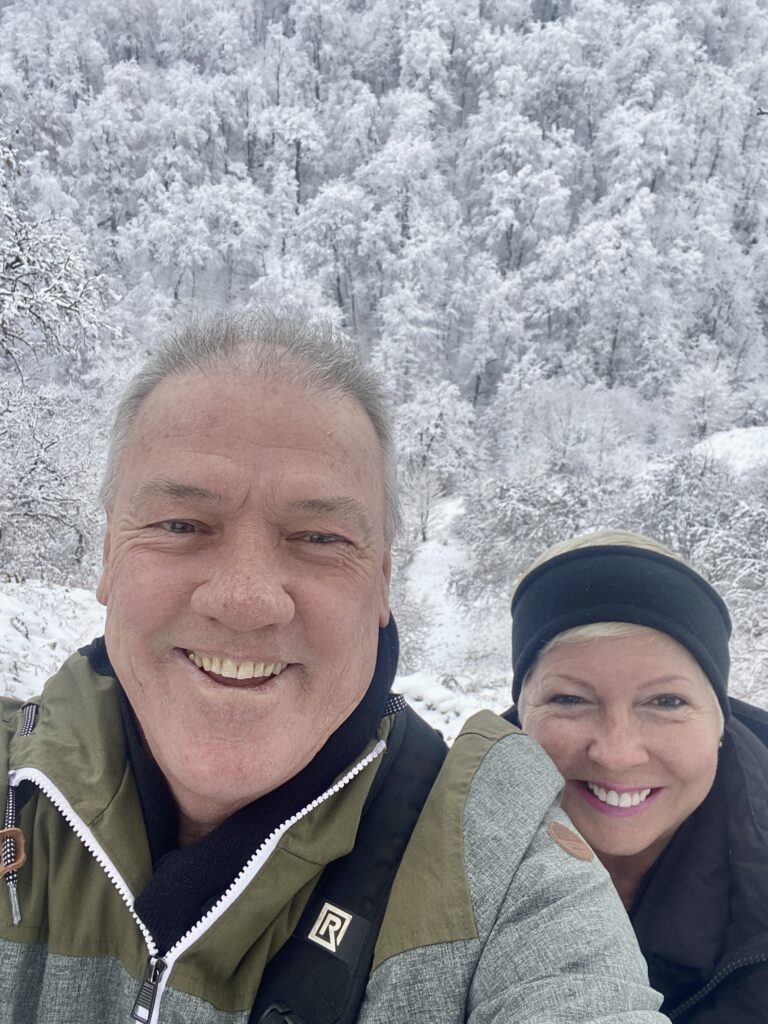
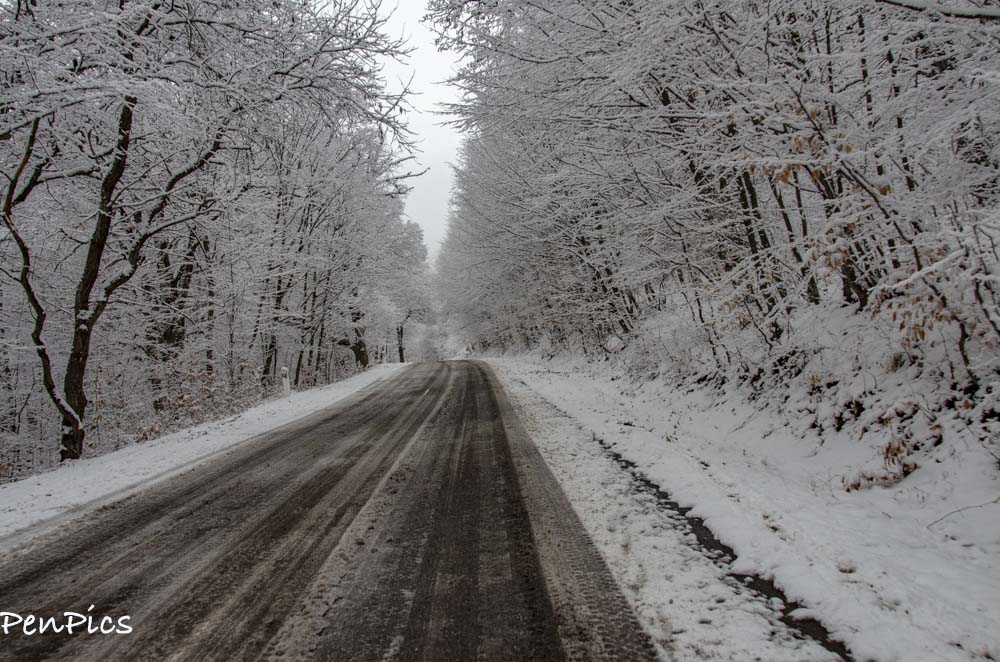
Today was a fun day, because we planned and executed a visit to the National Park and the Monasteries within. Both were a hit, though very slow going on the roads in many places, due to packed snow and ice. Had the Monastery Complex been another half a mile further, we would not have made it. Crazy stuff! Daryl does a great job driving and takes it very easy, as we do not need any drama, as we travel during winter. As soon as we start slipping, or we see the truckers pulled over putting chains on, we heed the signs, as we believe the truckers know the roads, best, and we change course.
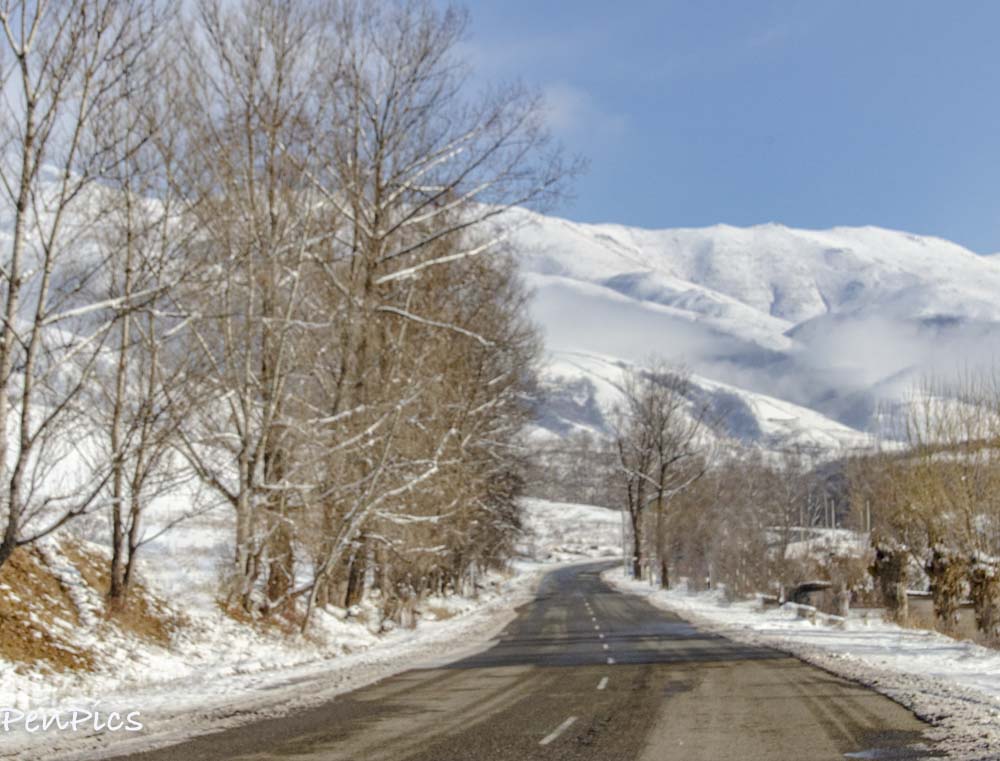
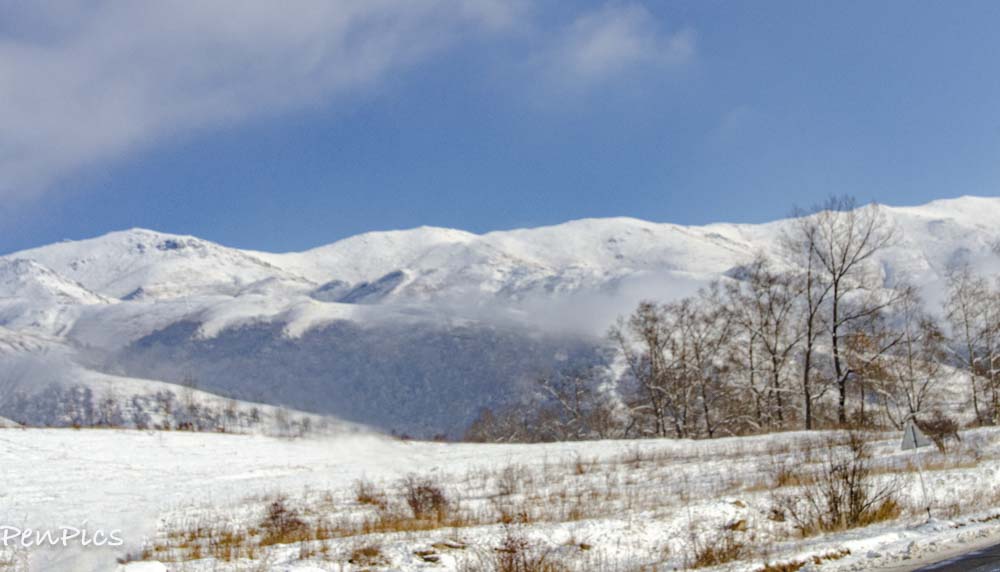
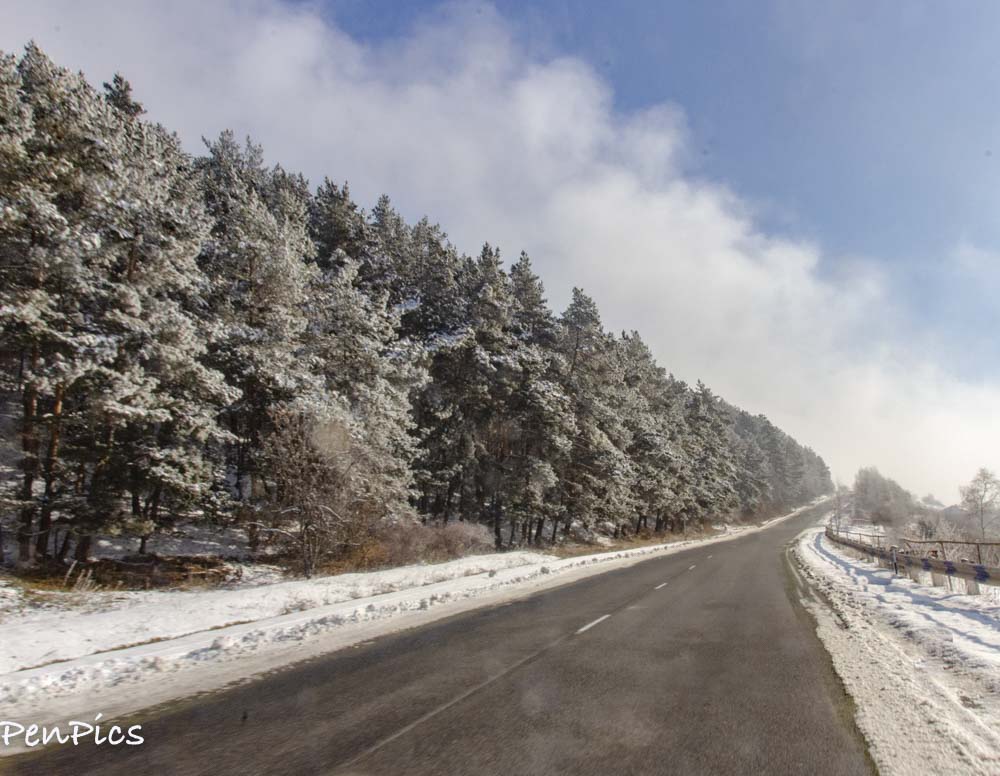
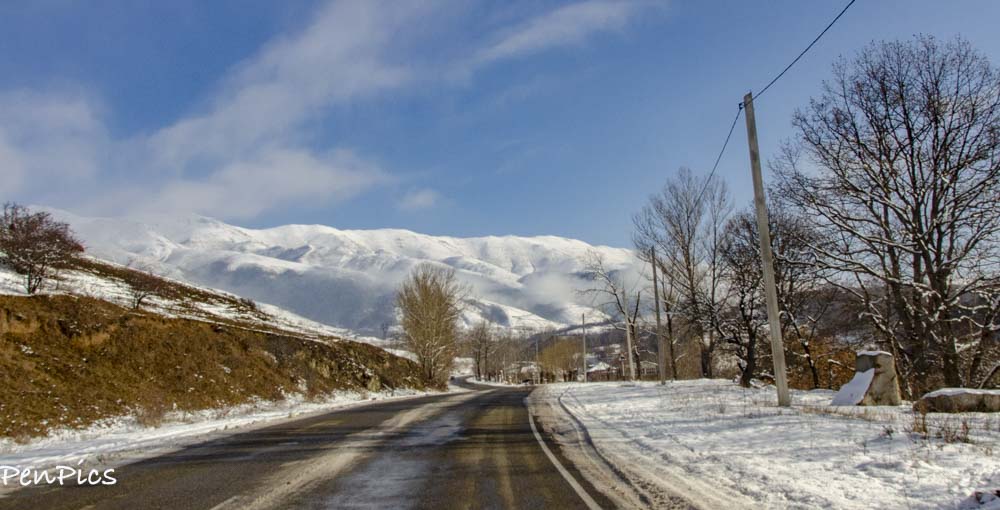
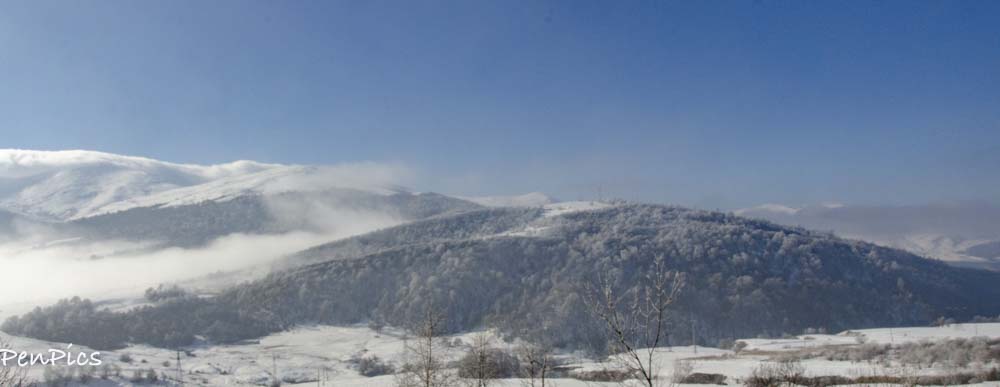
Though being in Armenia wasn’t our first choice, it was choice that allowed us to continue being out in the world, versus going home, due to closed borders; for those countries thinking a third wave is upon us. I feel like we are making the best of our situation for sure. Armenia is very, very much an example of the Soviet-era. Not much has changed, since the fall of communism, especially the old and tired look; town after town. Clean-up and beautification is definitely in order, but there is no money for that. If a car or truck breaks down, there is where it will remain, till it is finally just a shell. It gives a war-torn look about the place, for sure. The locals are eking out a living, the best they can.
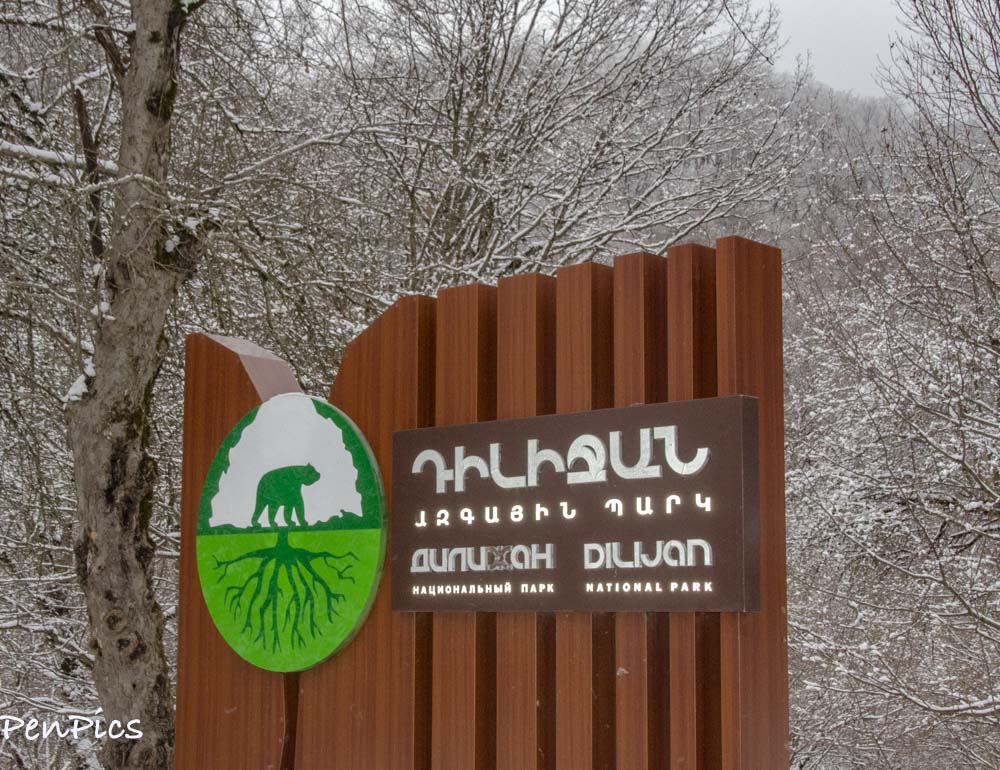
The change of the status of Dilijan State Reserve to Dilijan National Park was conditioned by several objective reasons, such as inevitability of commercial activity in the area, presence of numerous settlements, including Dilijan Town with its mineral water resorts, and the Yerevan-Ijevan railway line passing through.
Currently, the general plan of the National Park is under development, including the clarification of the borders and mapping of economic, recreational and buffer zones.
Between 2017 and 2018, significant redevelopment of what the Park’s tourism has to offer was undertaken, including the rehabilitation of the existing ecotourism trail network; together with the addition of an almost 50-mile-long section of the Transcaucasian Trail.
More on Hiking information, which we can not speak too:
http://www.mnp.am/uploads/1/1571986338Dilijan.pd
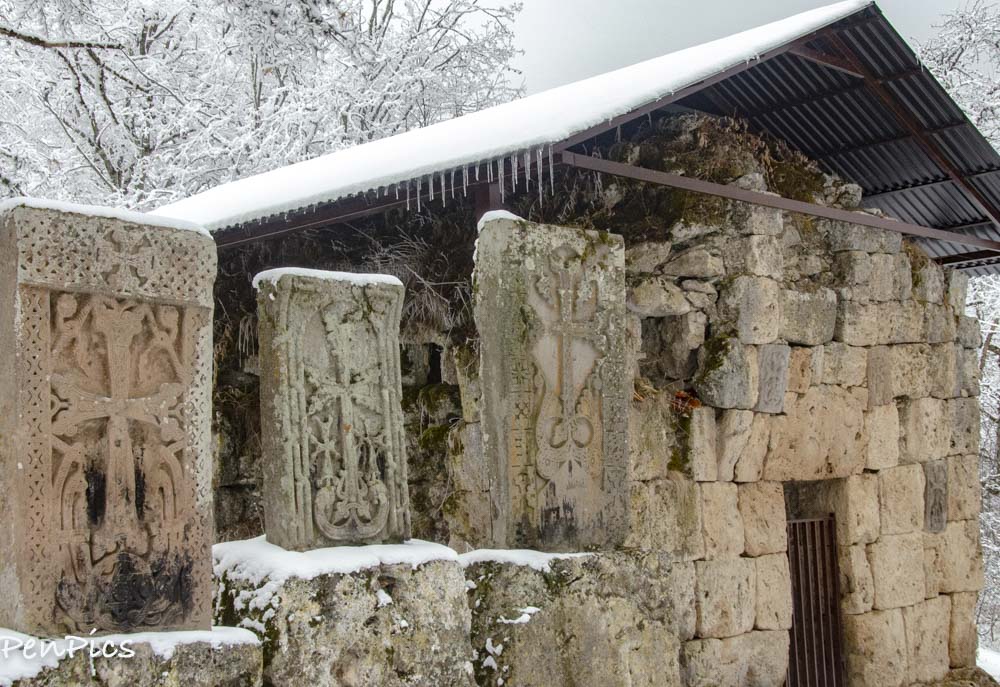
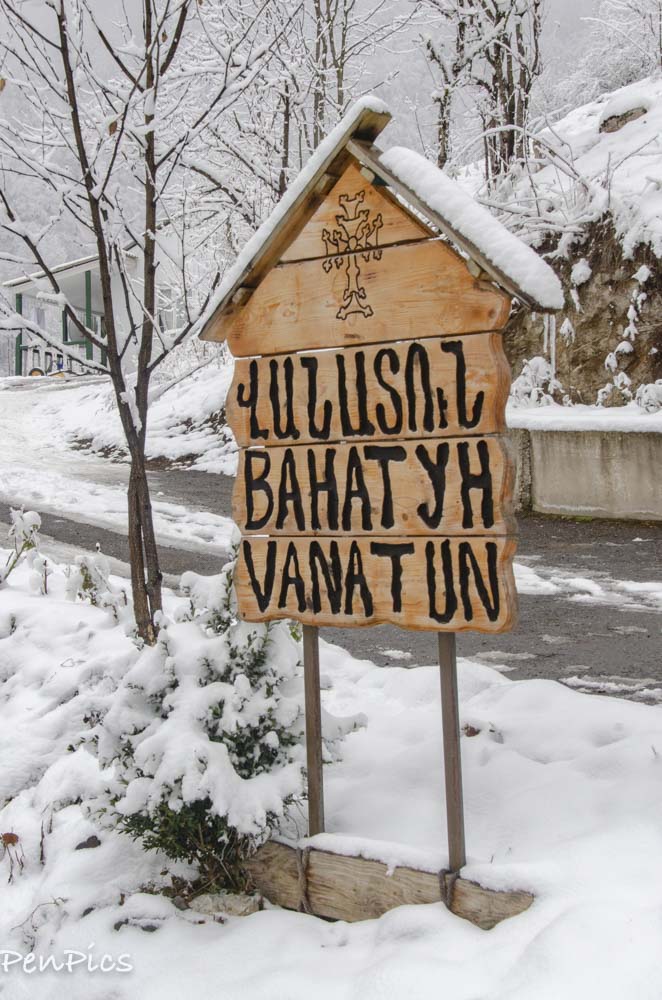
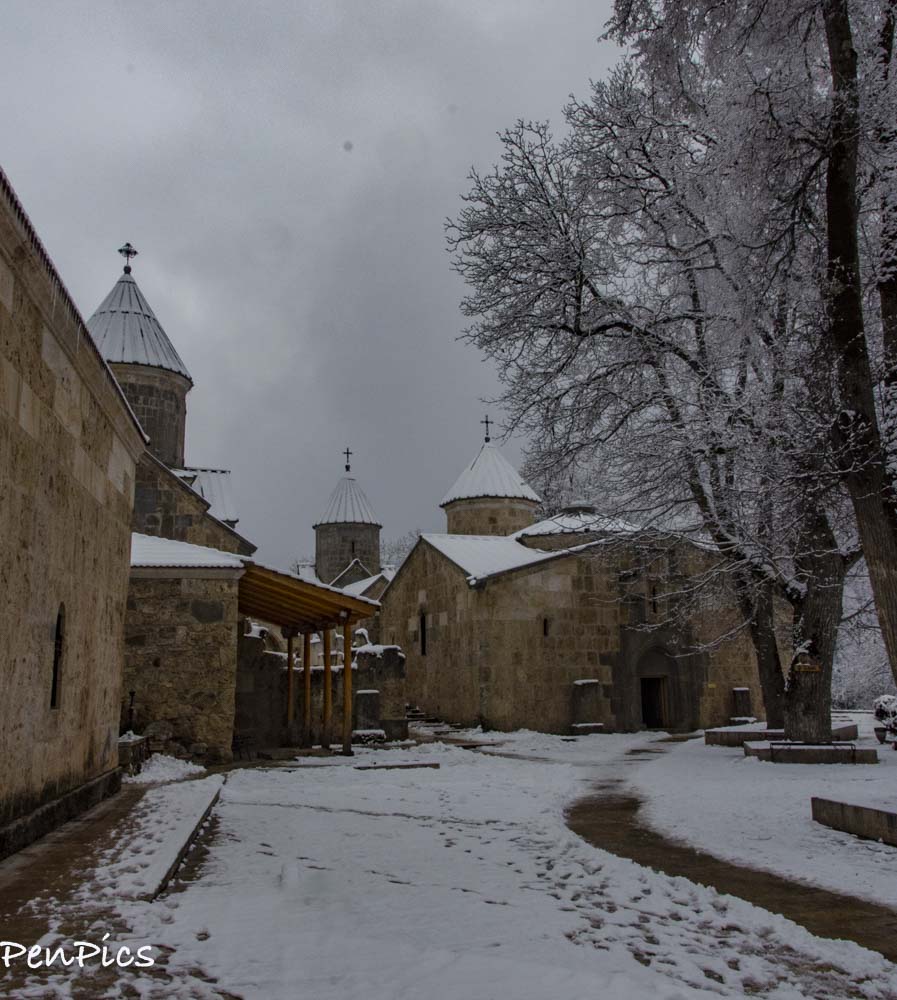
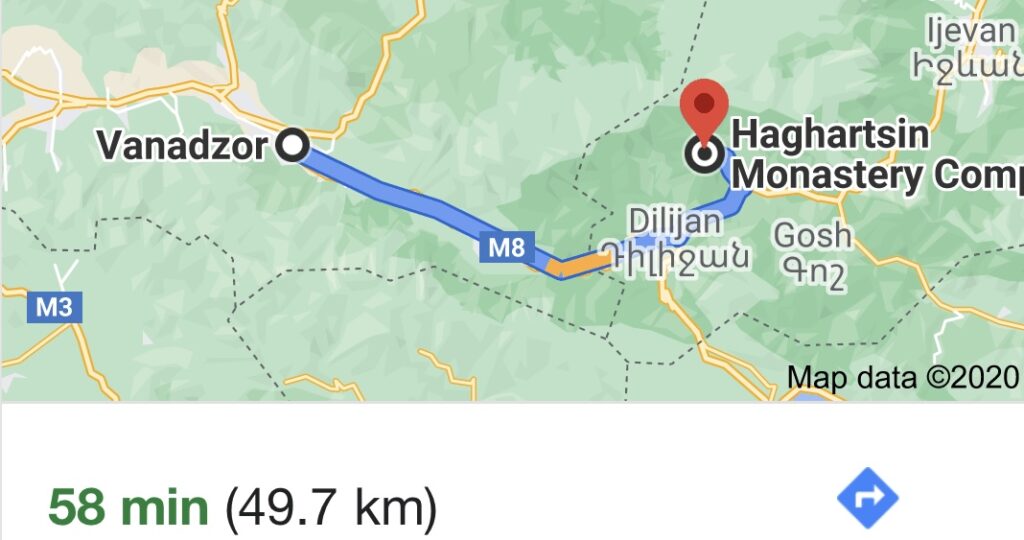
The Armenian paradise of the Tavush region is rich in both natural and historical monuments. The Monastery Complex of Haghartsin, one of the wonders of Armenian medieval architecture, is located just over 11 miles to the north of the town of Dilijan.
The exact date of construction of the Monastery is unknown, but according to historians, the Monastery was gradually built from the 10th to 13th centuries. Due to numerous enemy raids, as well as earthquakes, monastic structures and churches were repeatedly destroyed and restored. It is only known that Haghartsin Monastery had been flourishing from the 12th to the 13th centuries. It was at this time, the Monastery, in various historical sources was mentioned as one of the most important and leading scientific and cultural centers of Medieval Armenia.
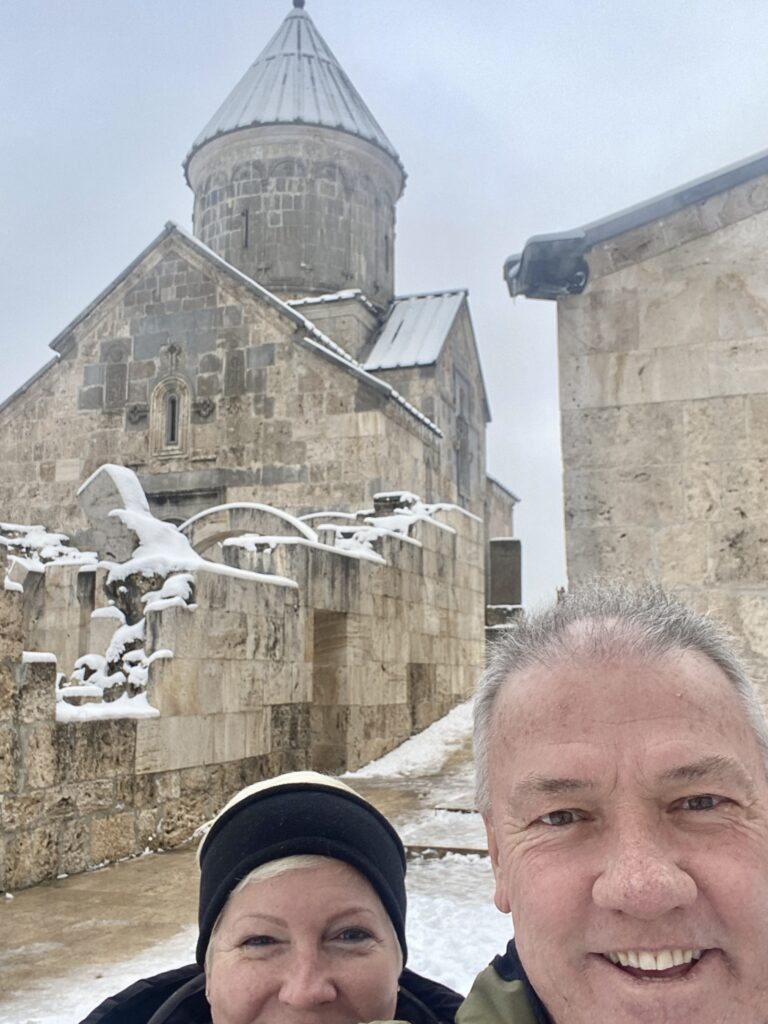
The Haghartsin Monastery Complex also includes a chapel, a dining hall, a bell tower, a library, and monk living quarters. About 300 monks used to live in the Monastery.
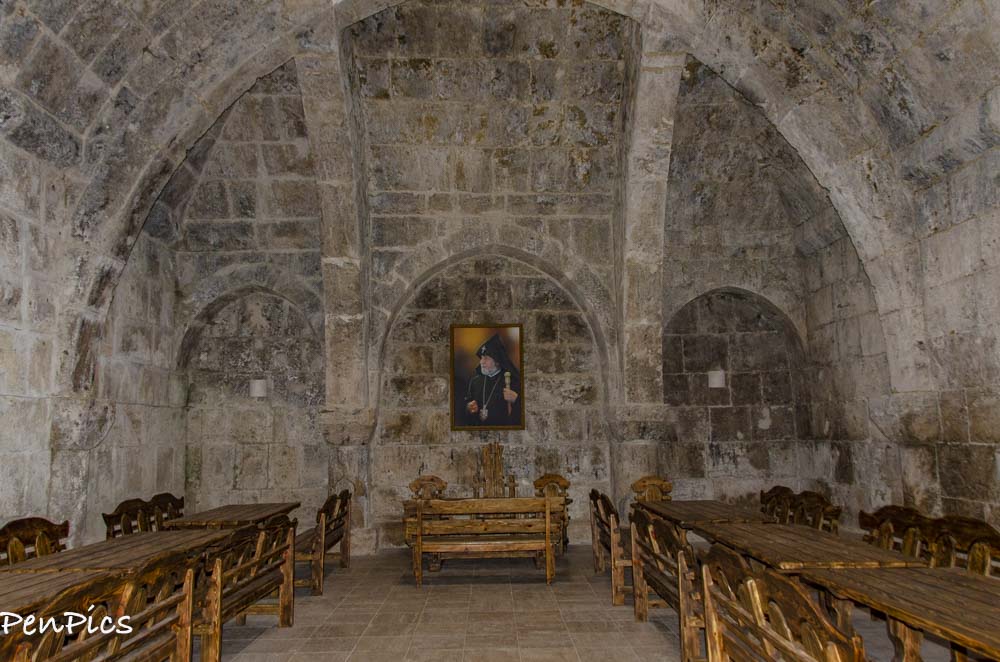
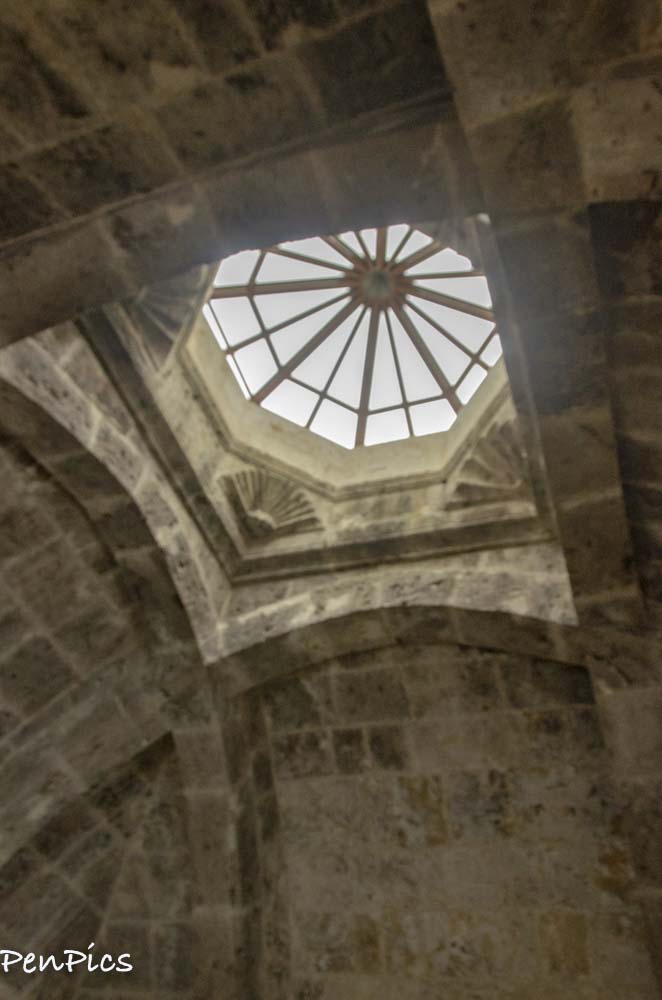
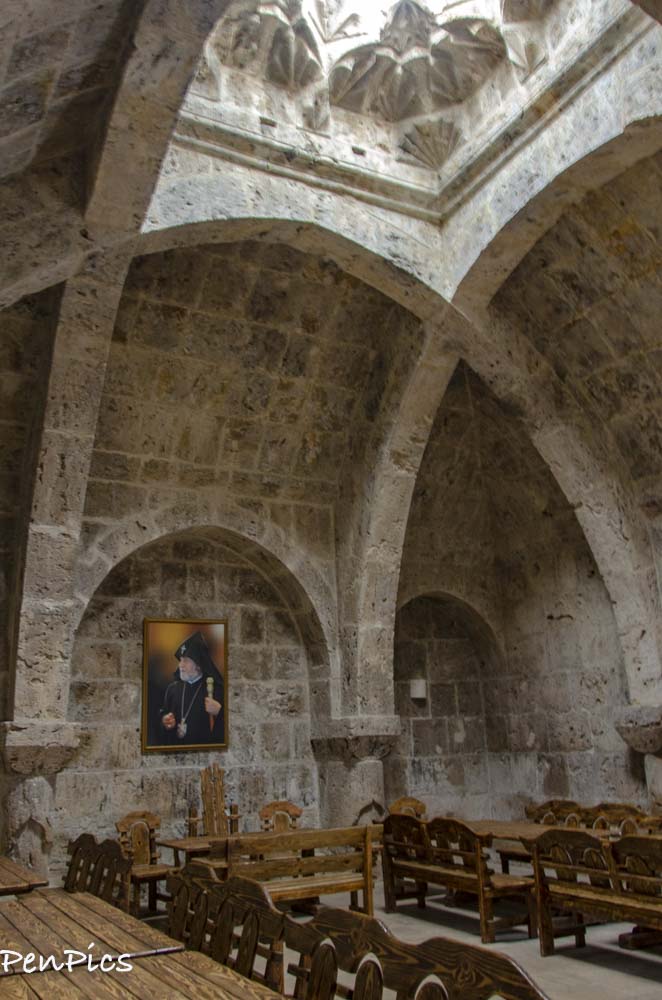
This building is an outstanding example of medieval Armenian architecture. Every detail is clearly thought out from a mathematical and economic point of view. For example, on the top of the building, there are two domes, resembling dormers, which let in the sun’s rays and illuminate the refectory hall.
The building of the Refectory stands on 12 columns, which symbolize the 12 Disciples of Christ. This once again proves that the Monastery served not only as a religious center, but also as a scientific center, while the monks who lived at that time possessed the valuable knowledge, taught and enlightened the people. Another proof of this fact is the sundial, which was widespread in medieval monasteries. With their help, monks could calculate the exact time of the day, including the time of worship.
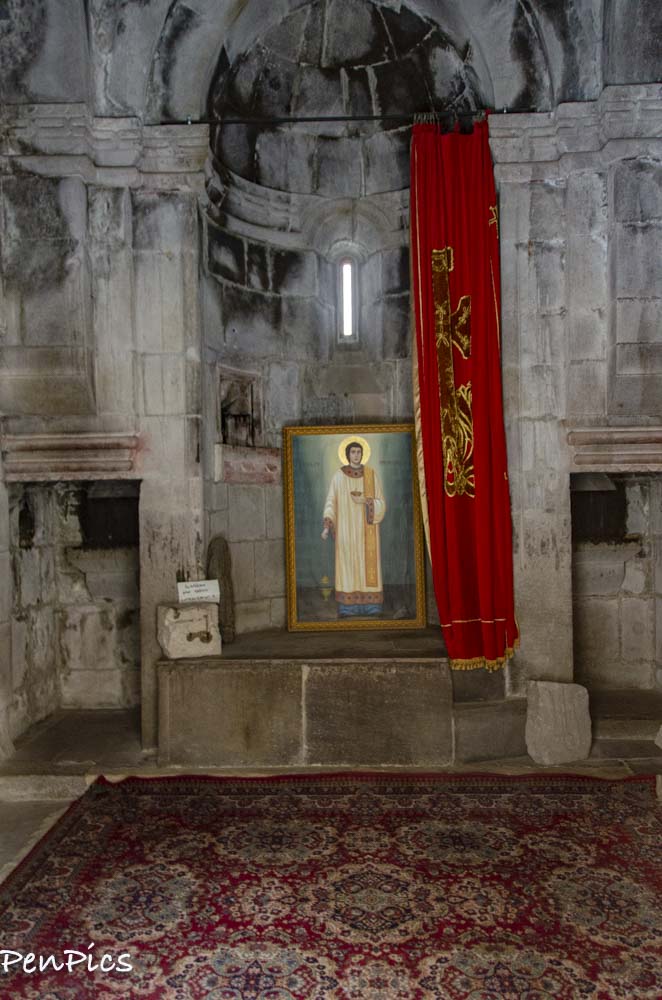
Very often, Monastery ensembles include several churches and chapels, and Haghartsin is no exception. Haghartsin complex includes four churches: the Church of the Holy Mother of God, St Kathoghike, St. Gregory and St. Stephan’s. The oldest of them, the church of St. Gregory, was built in the 10th century. Under the Church of the Holy Mother of God there is an underground vault that has no way out: it is a church treasury where monks kept sacred relics from strangers. Haghartsin monastery complex also has an underground passage that leads to the river. It was built as an escape route during earthquakes and wars.
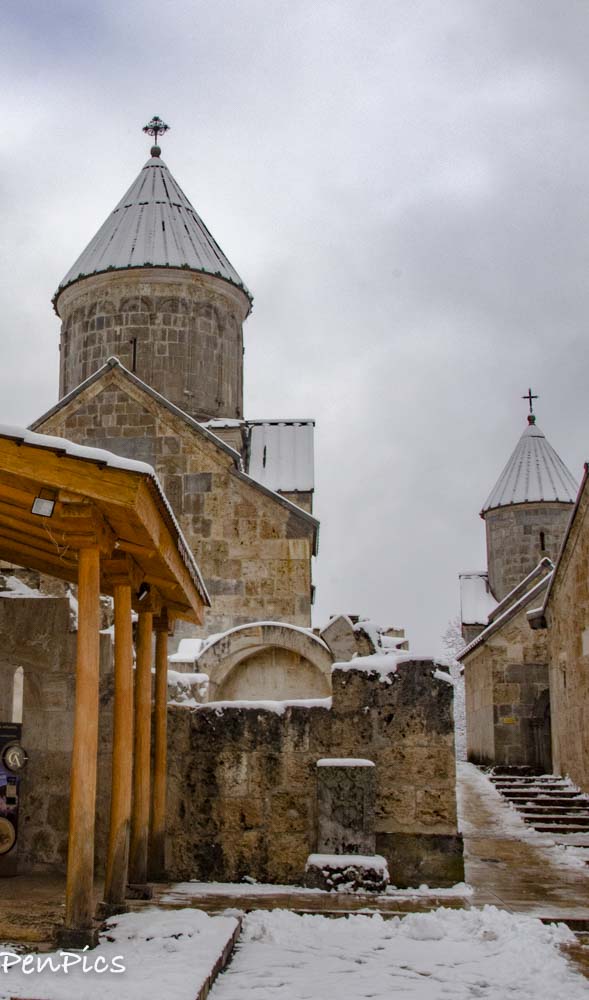
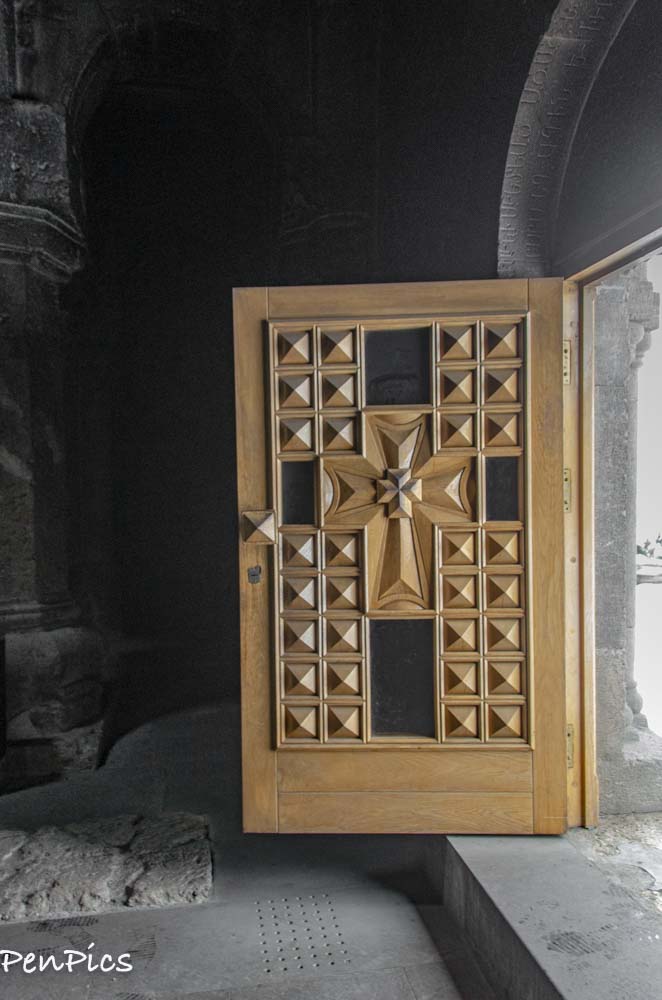
The church is rectangular from outside and cruciform from inside. There are four side chapels in each corner. The church is crowned with a dome resting upon octahedral drum.
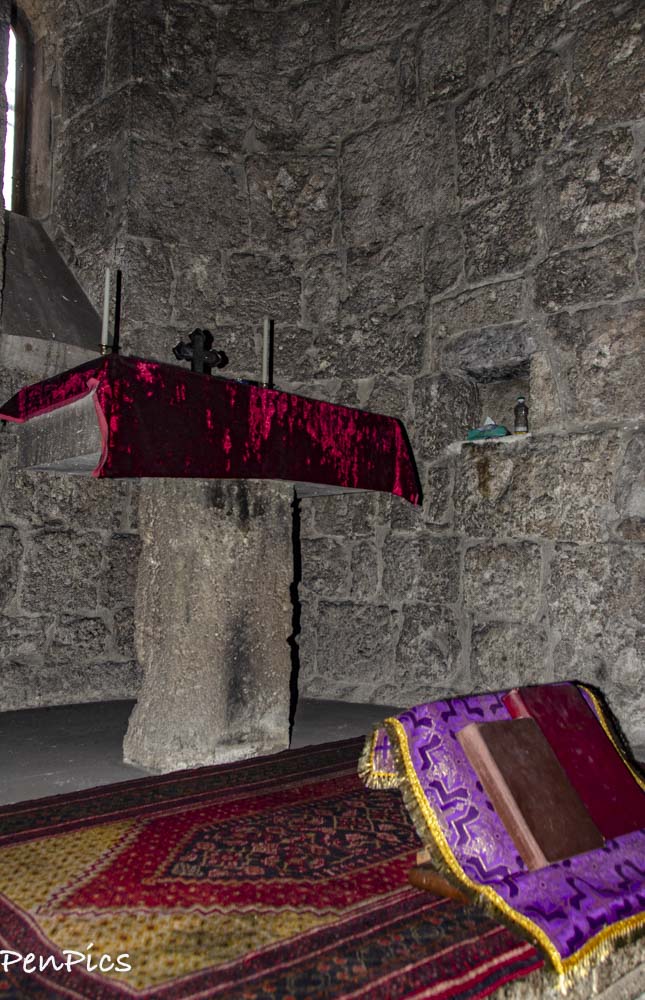

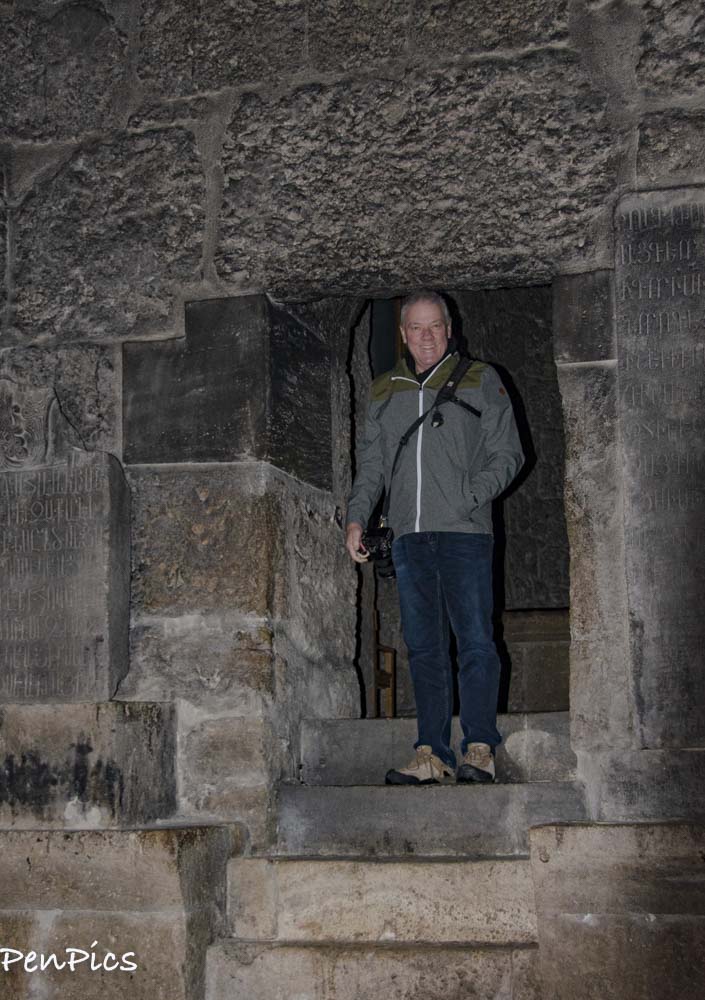
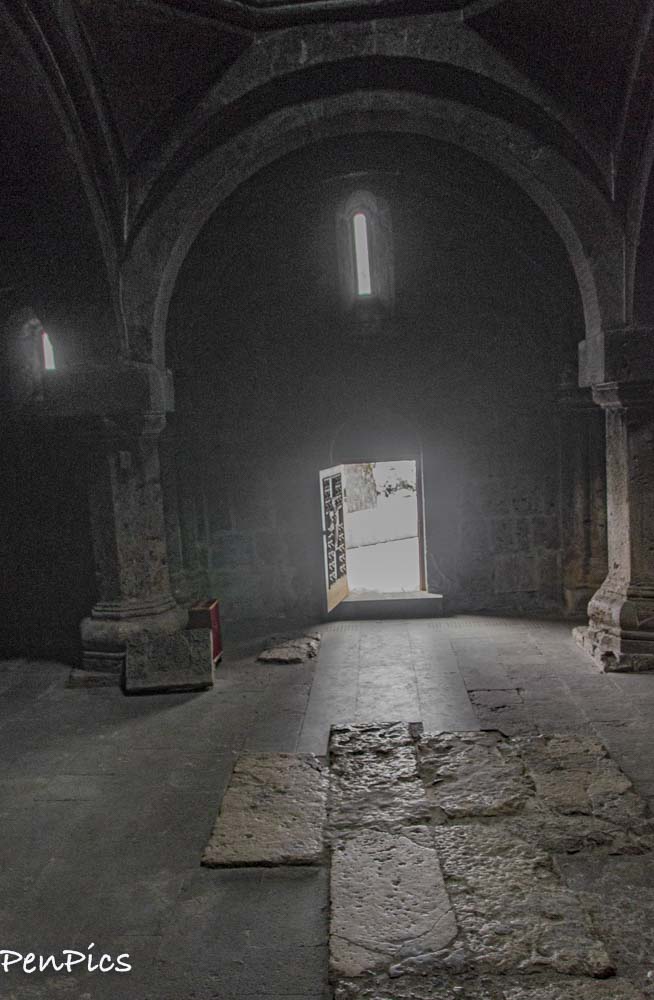
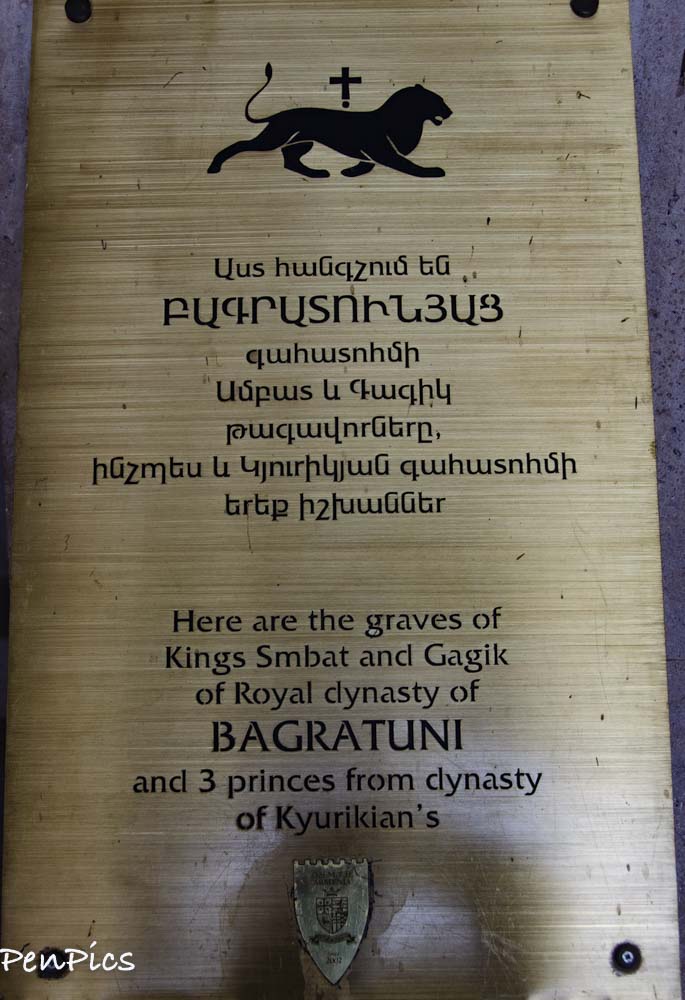

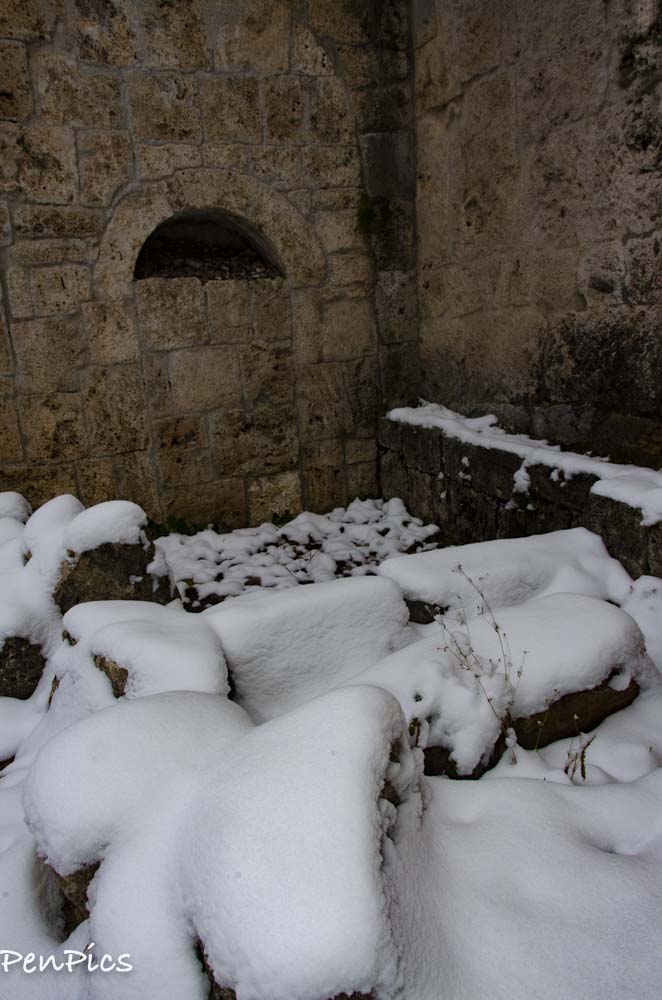
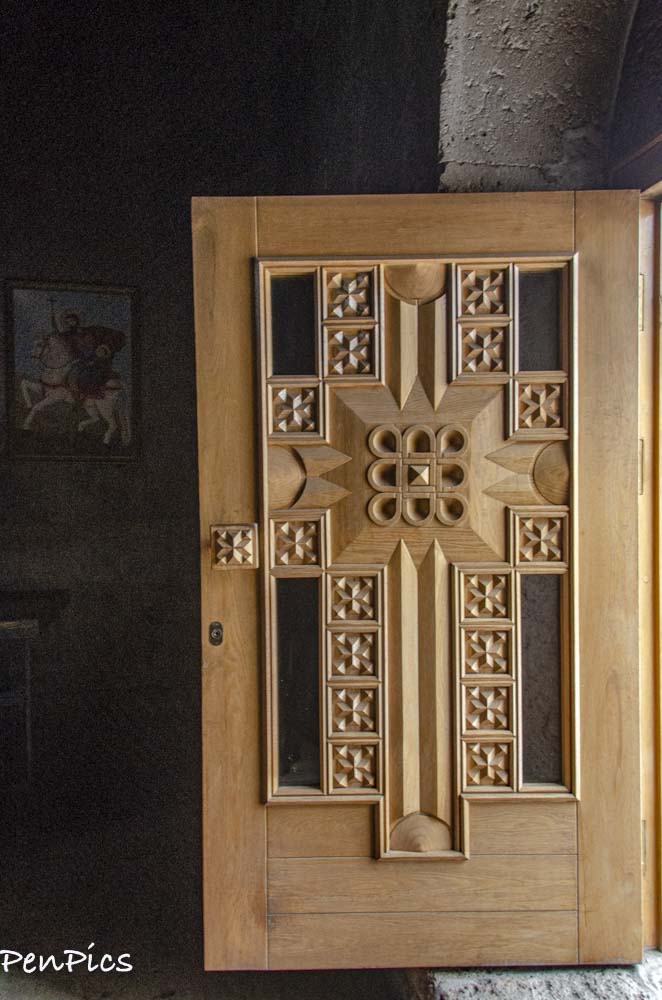
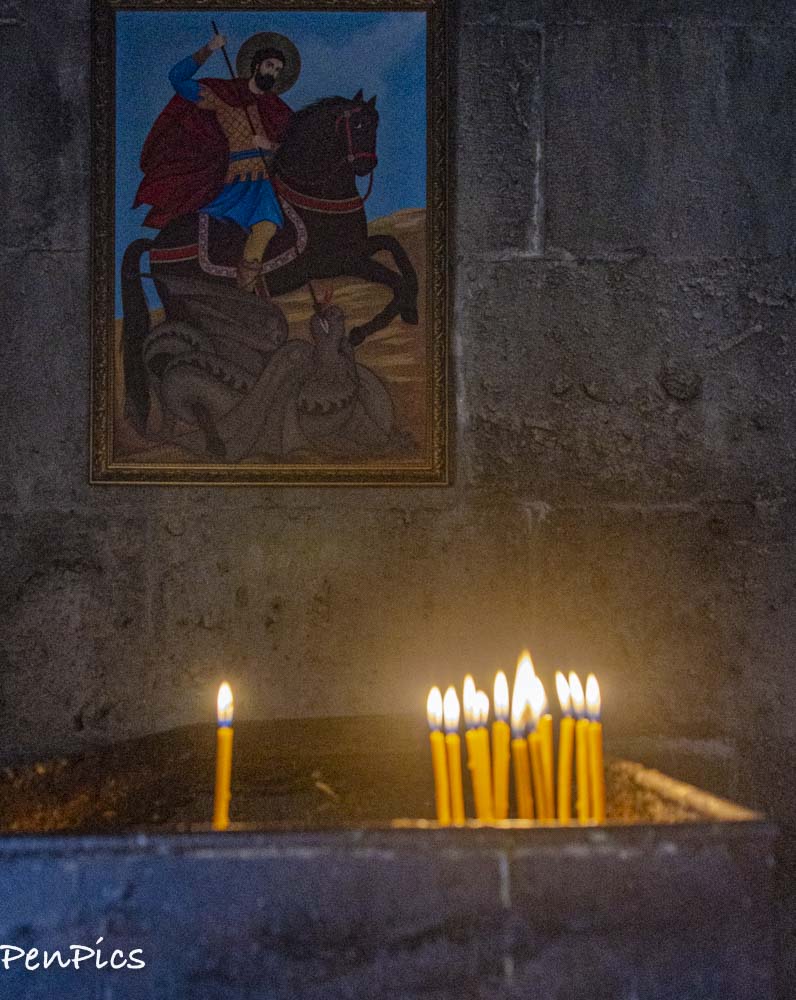
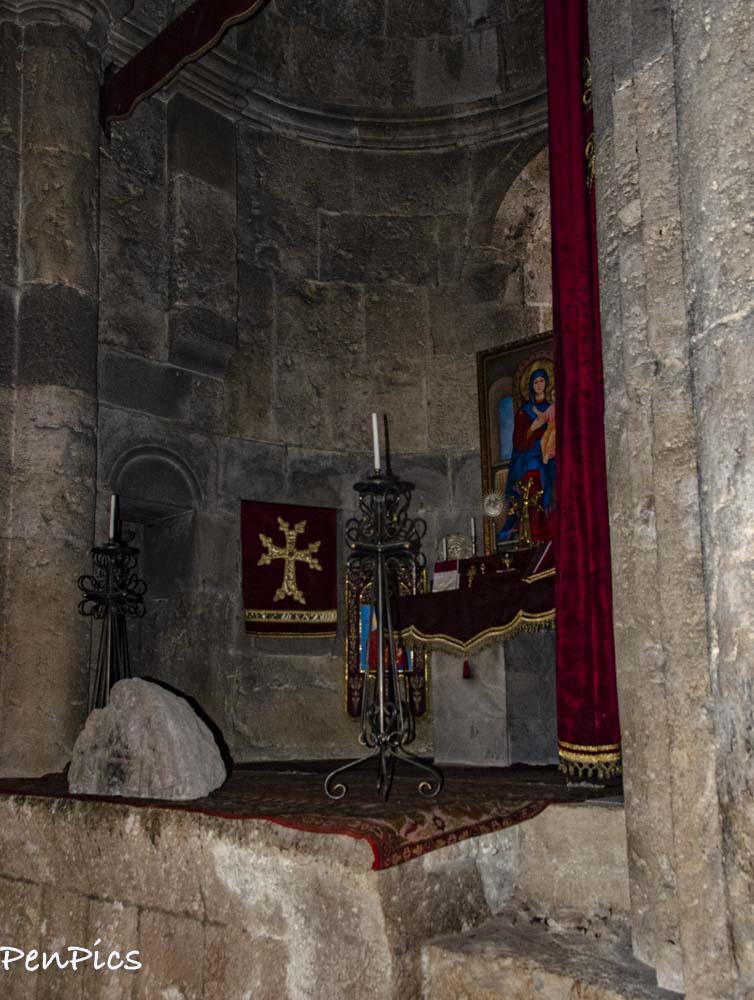
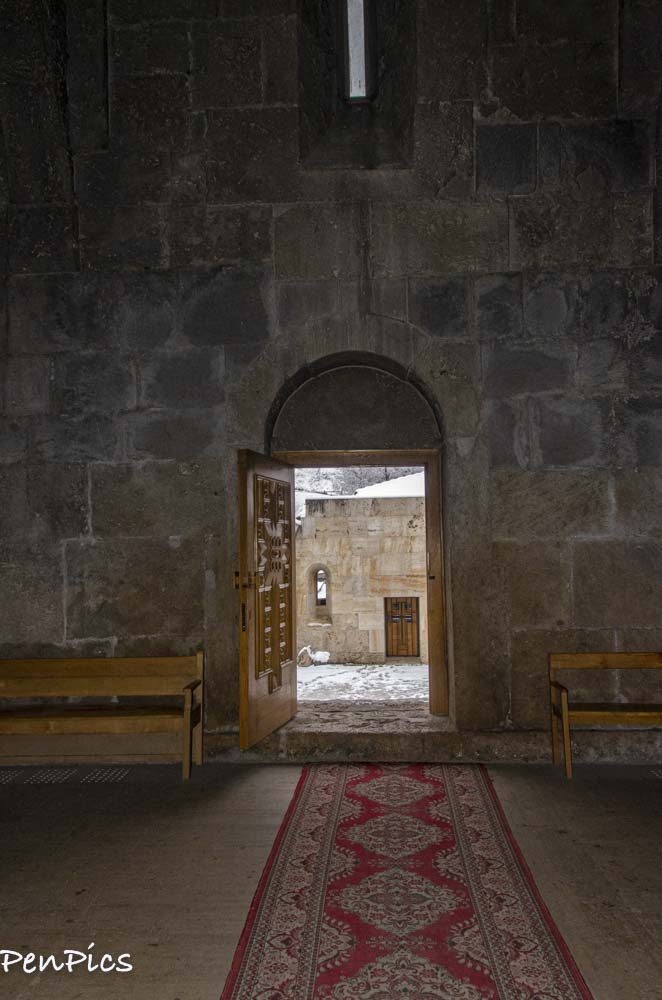
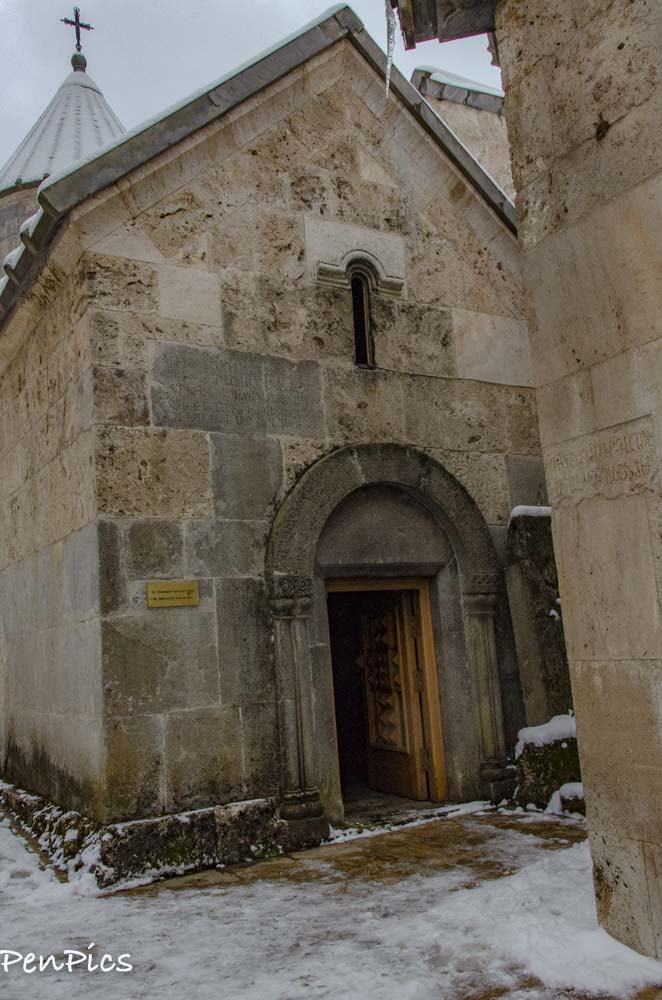
Such a short door. Just bend way over to go in.
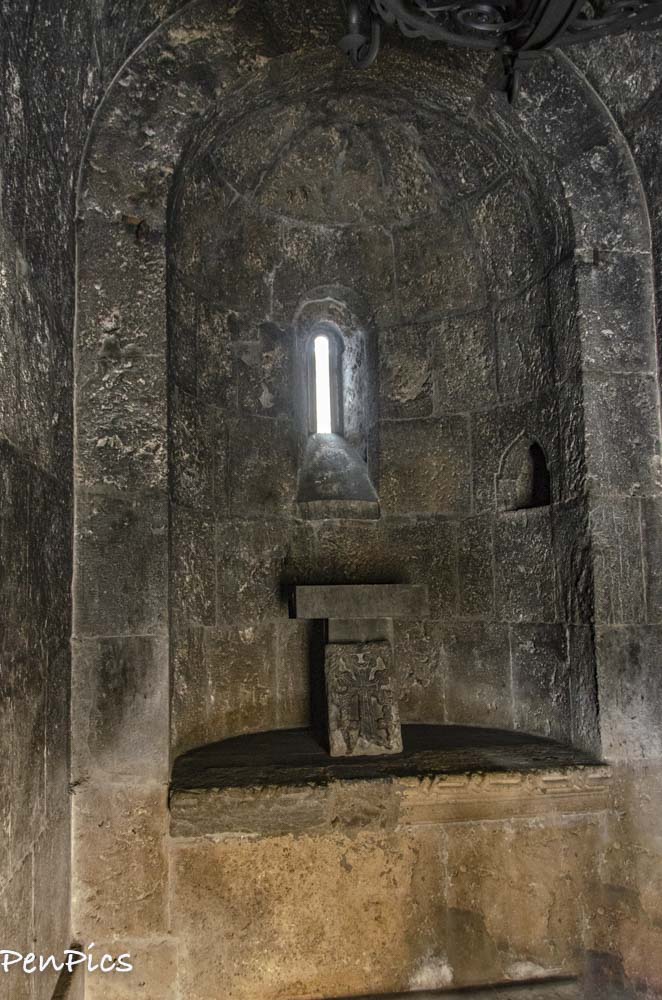
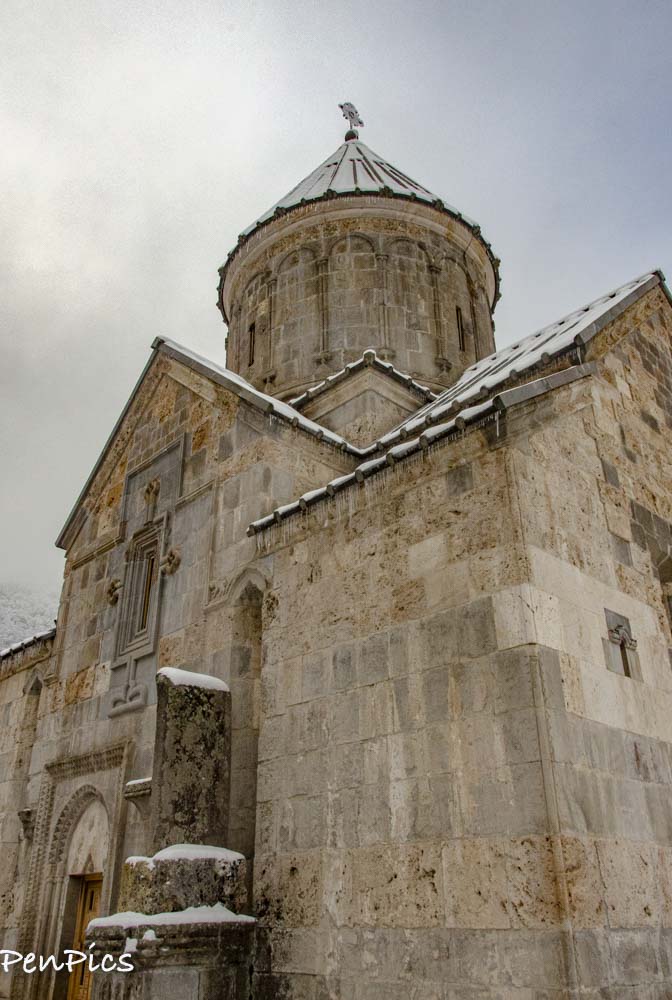
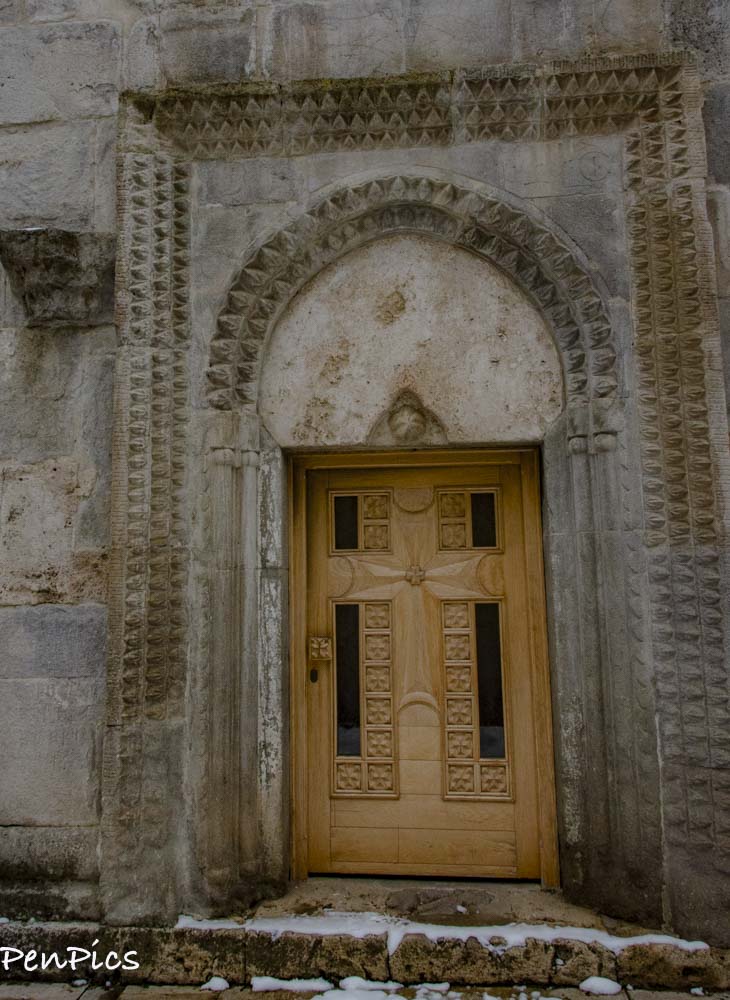
This was the only church that was not open to us
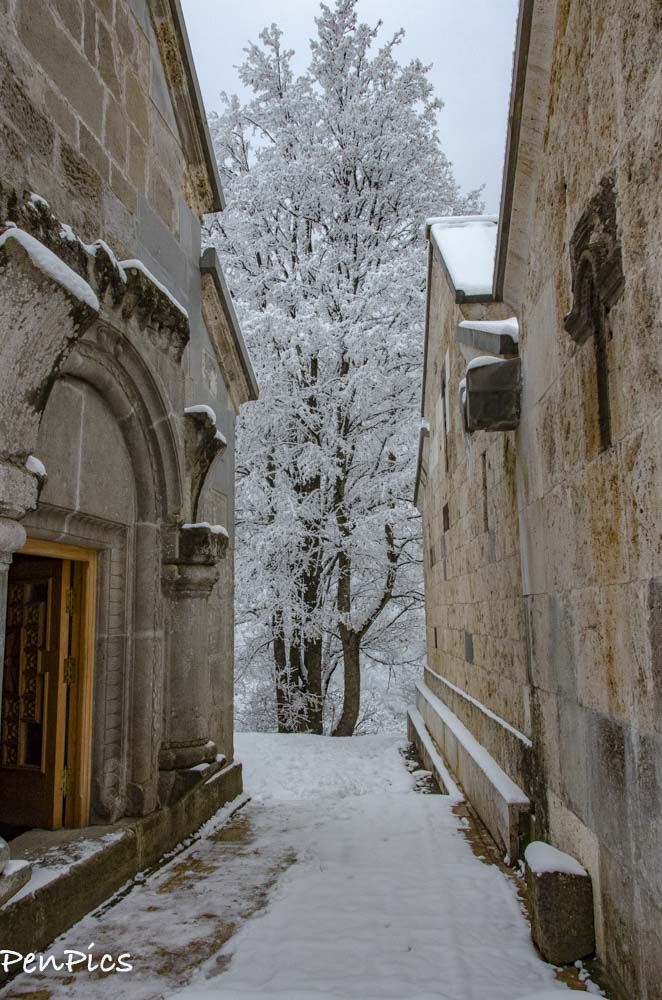
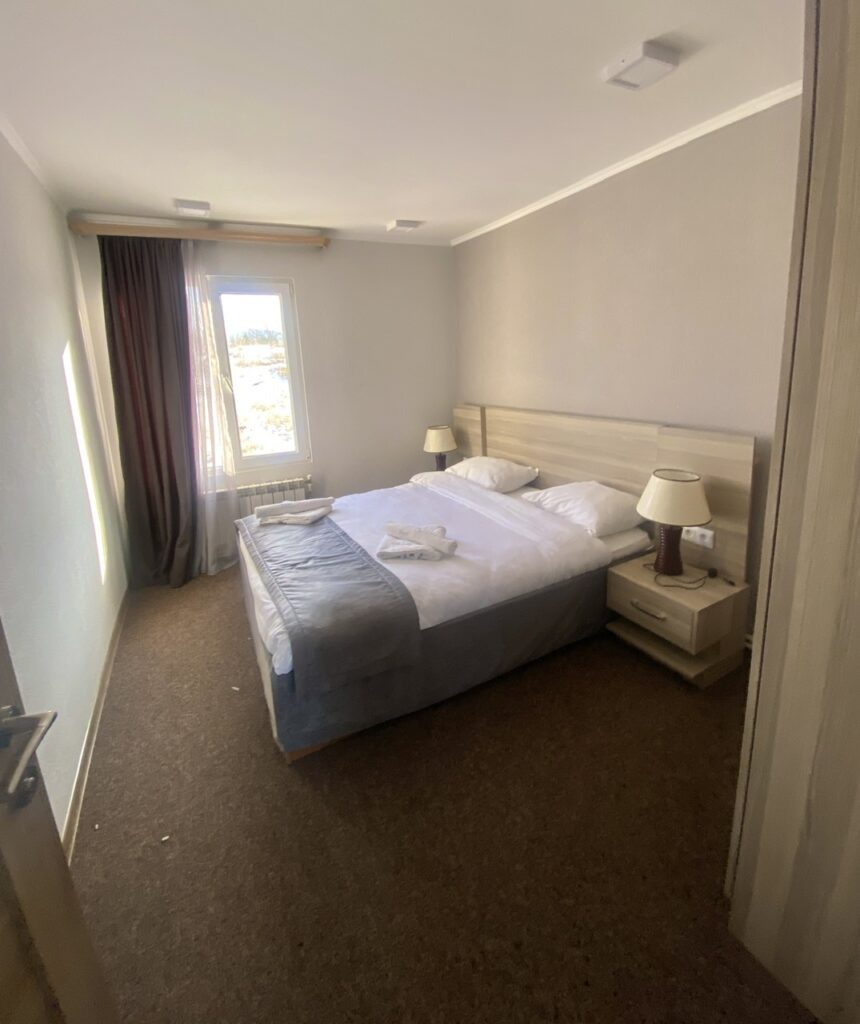
After our visit of these Ancient relics, we drove to Sevan, and found a place to stay on Lake Sevan. It’s a bit of a splurge, but every two weeks we will do the same. We still ask for better pricing and get it, because we are the only guests. It takes about 24 hours for the rooms/and or cottages to warm up, after sitting empty for so long. It’s very peaceful and quiet, here on the lake. It’s also colder by the lake! BUT so pretty. We get breakfast included in our rates, and since I am not a food person in the morning, Daryl saves my breakfast in a bag, wrapped in flat bread. Then, as we travel the snowy elevations, I feed the feral dogs, huddled together trying to stay warm. Sometimes, I will not eat all my dinner, so leftovers do not go to waste. The fur babies appreciate anything offered!
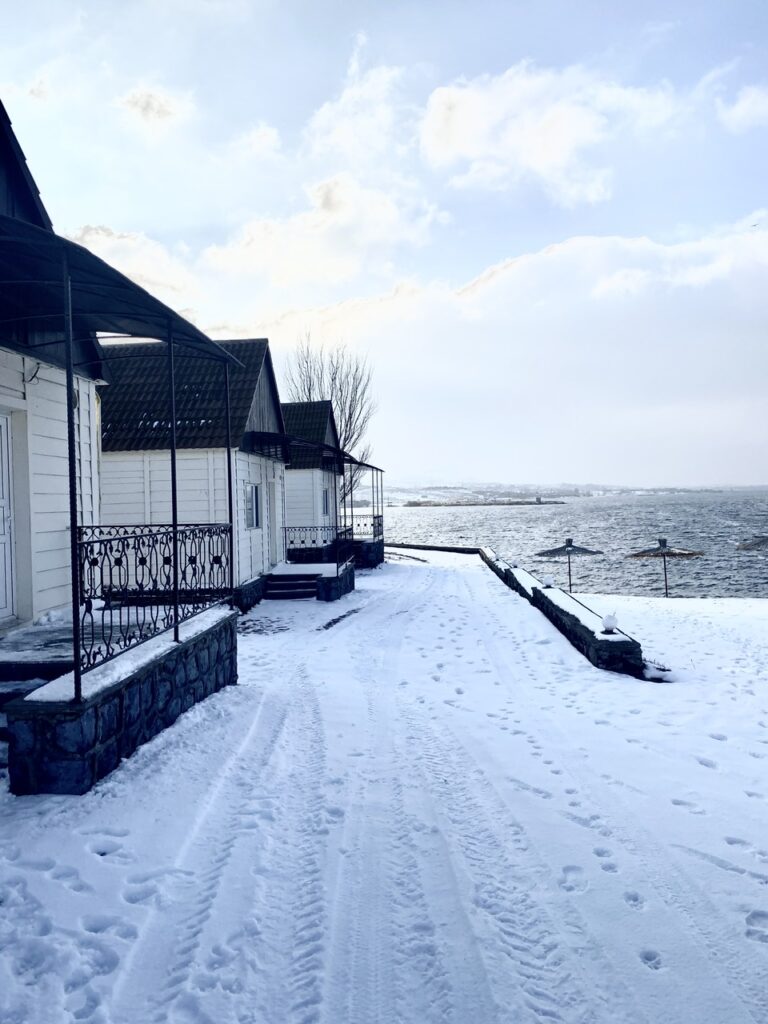
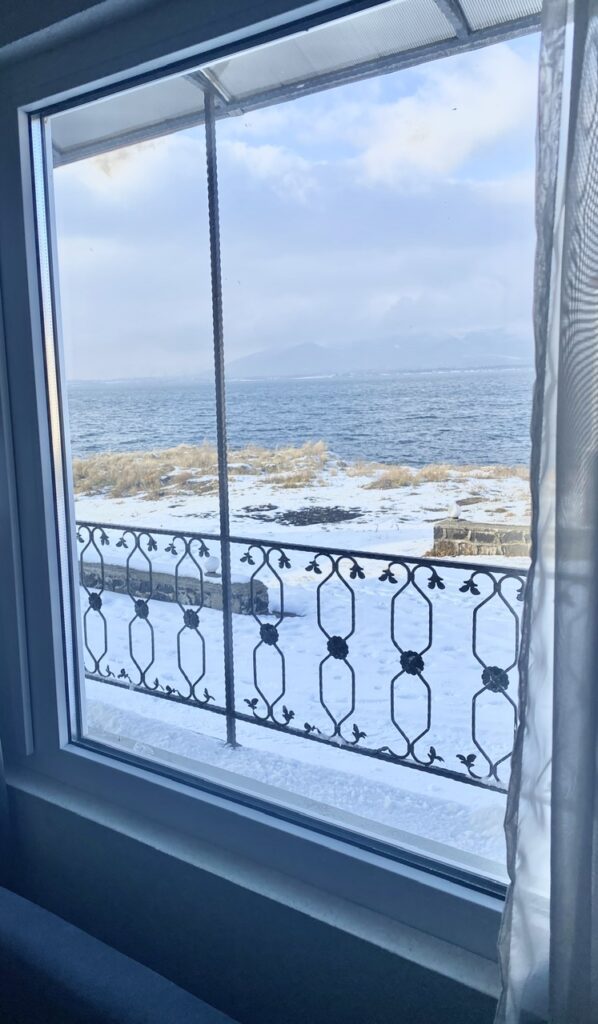
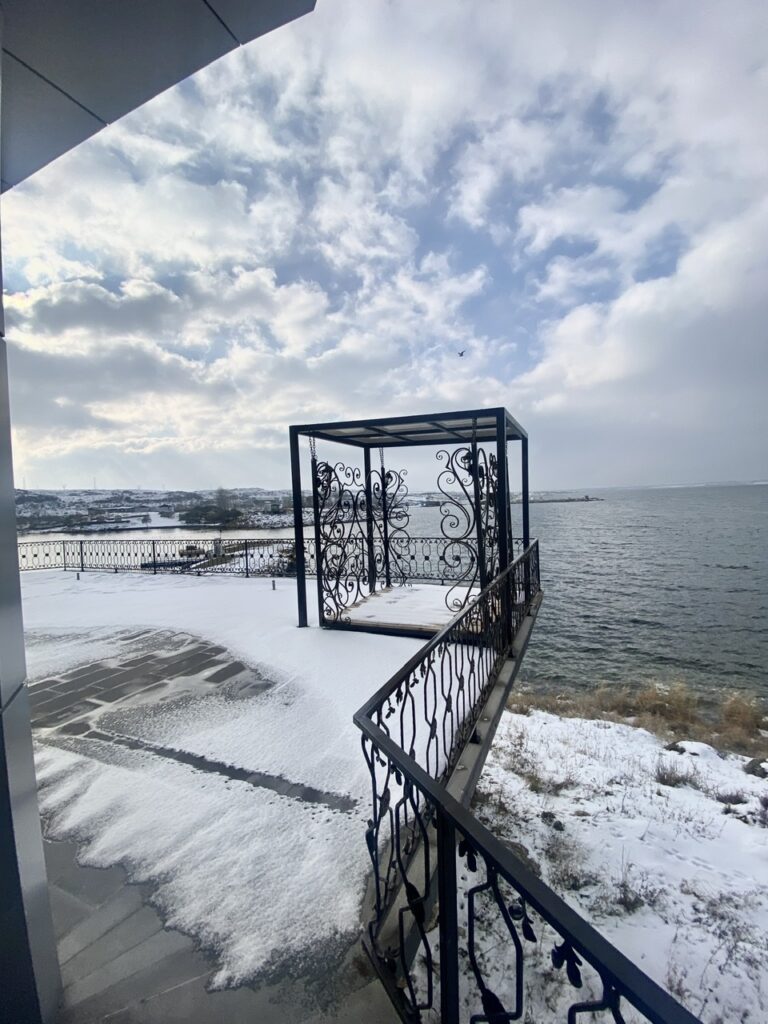
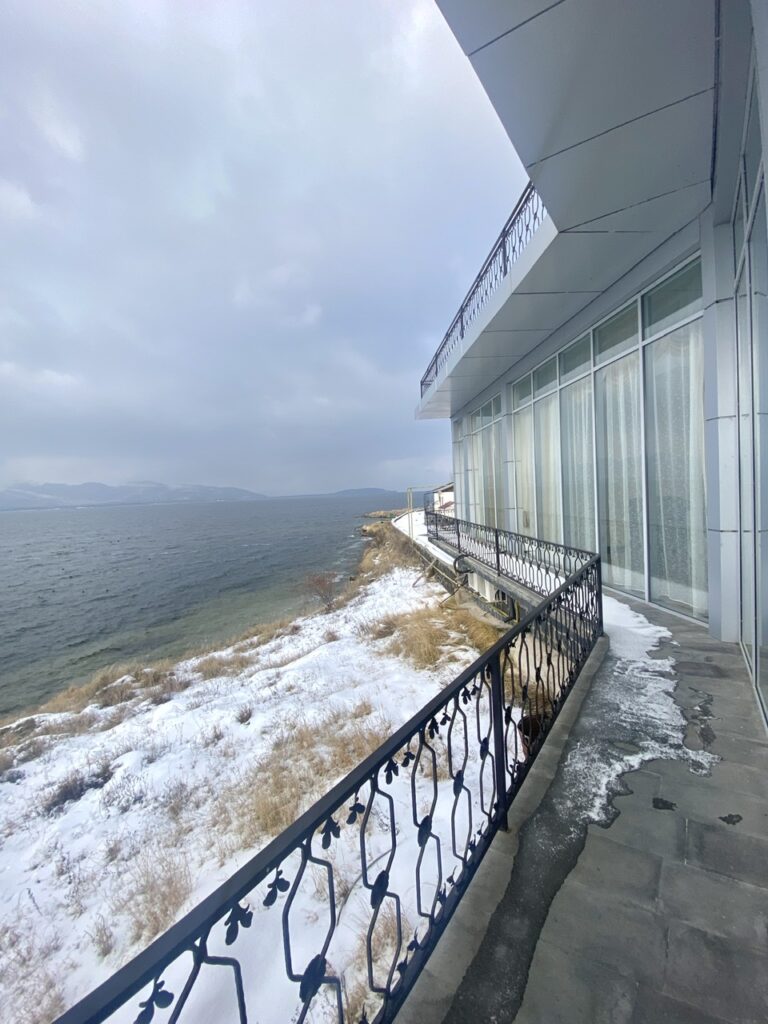
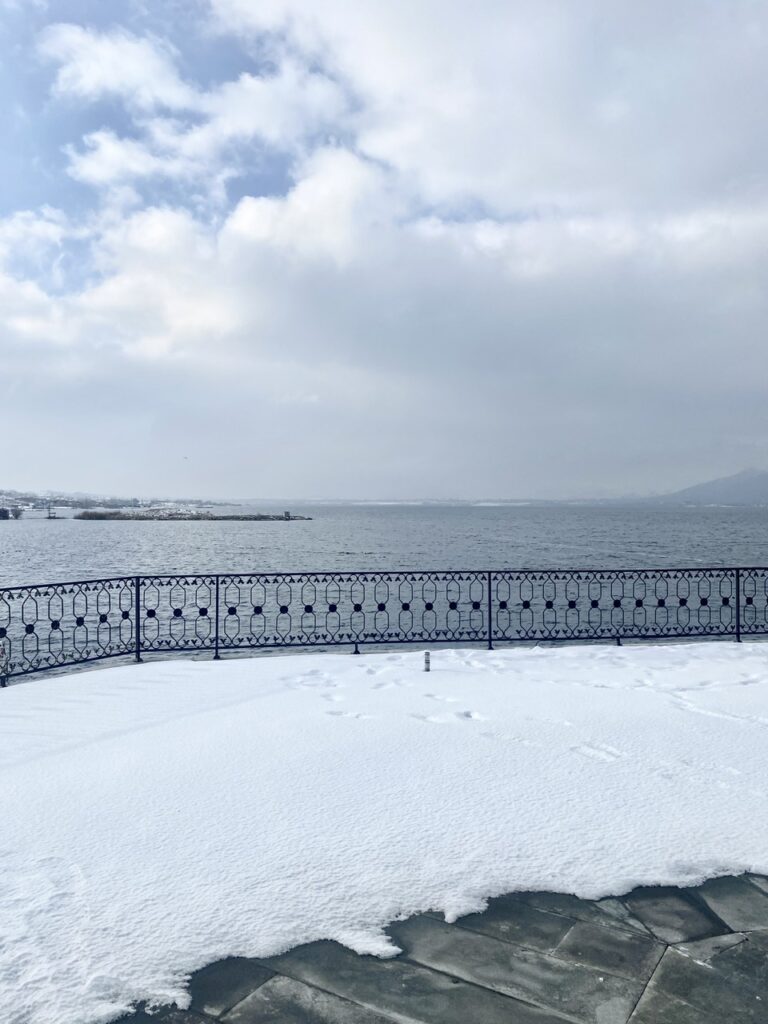
The lake is in two connected parts, the smaller but deeper Maly Sevan (northwest), with a maximum depth of 282 ft, and the Bolshoy Sevan (southeast), reaching 131 ft in depth.
The construction of six hydroelectric plants on the Hrazdan, led to a fall of the lake level. To stabilize its level, a 30 mile-long tunnel to divert water from the Arpa River was constructed in the late 1970s.
Lake Sevan is rich in fish, especially trout and fishing is important. Several ancient Armenian churches lie along the shores of this lake
We can only hope to get to visit neighbouring Georgia and Azerbaijan to complete the Caucasian regions, but that will depend on their borders opening. By April we are praying Europe opens borders back up, so we can enjoy another three months there! We still have the Rhine River Castle Cruise scheduled for May 30th, 2021 out of Amsterdam thru Germany and Switzerland. Too soon to know if it will actually run. (third reschedule a charm)? Definitely a bucket list cruise, and travel casualty of the Pandemic, from original May 2020 sailing date.


About Us

About Us
Hello and Welcome to our Travel Blog Website, We enjoy writing about our experiences and taking photos of our adventuring along the way. Our names are: Daryl and Pen, but Daryl calls me “Bunny.” We met, quite randomly, whilst both traveling in Thailand with friends. We happened to be in the same travel group, and […]
Another very interesting post and I love seeing the scenery through your eyes and descriptions, thank you once again for sharing although, I got cold just looking at all the cold snowy pictures.
Thank you!. Yes, wear a jacket when looking at our travel photos at his time! ha! I have to say, the snow does add to our adventures. We’ve been traveling for three solid years of summer, minus a few weeks here and there.Thought this was not our first pick, its okay, and we are enjoying the winter theme for a change.
I think I have caught up with all your stories. The snow scenes look so pretty but the cold I am not a fan of. We have just had a few colder days and I guess the heat will hit us full blast. This time last year we had the smoke from the fires. Keep warm and safe
Oh good. Im not sure I we are both posting at this time. We are not as motivated during this trip, probably for several reasons. Neither one of us are winter people. We prefer living in flip flops! But, we are making the best of things, and there are definitely some interesting things we get to see.
Absolutely stunning!! Loved the snowy vistas and oh my goodness those church doors!!! ❤️
Thank you, Laurie! Im a big fan of doors, too. They are magnificent, here! The snow is quite a change from our usual sites, so it is adding some variety, which will be nice for the book
This is awesome. Thanks so much for sharing the pics and the comments. So glad u are enjoying the pandemic time in such a unique way.
thank you so much! We are more than happy to share. It is such a big wonderful world, and we are so grateful we get to continue on seeing it. We don’t get to pick where we want to go, like before the pandemic, but we do get to go!