


“Albania 🇦🇱 ~Scenic Drive and Theth National Park”
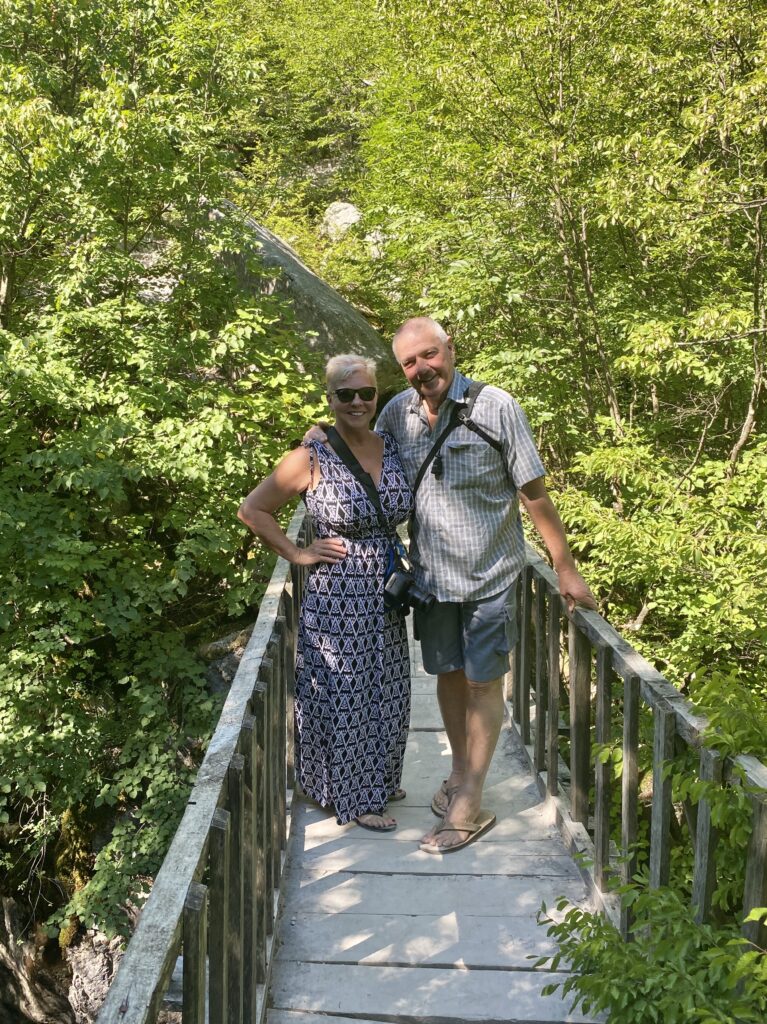
Our second attempt to make it all the way to Theth National Park was a success. We left early in the morning, by 7AM, and were back in Boge Village by noon.
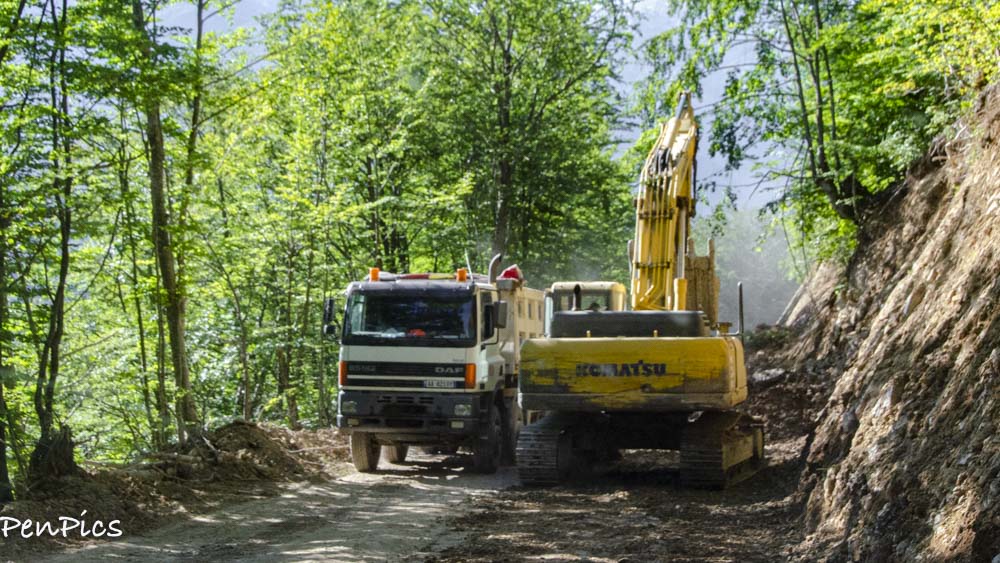
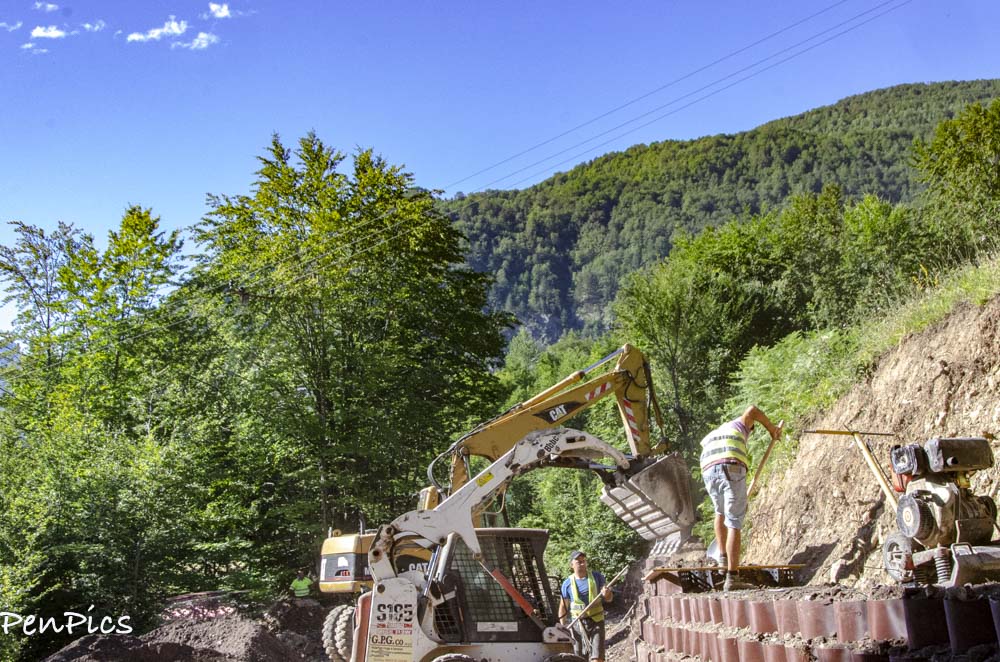
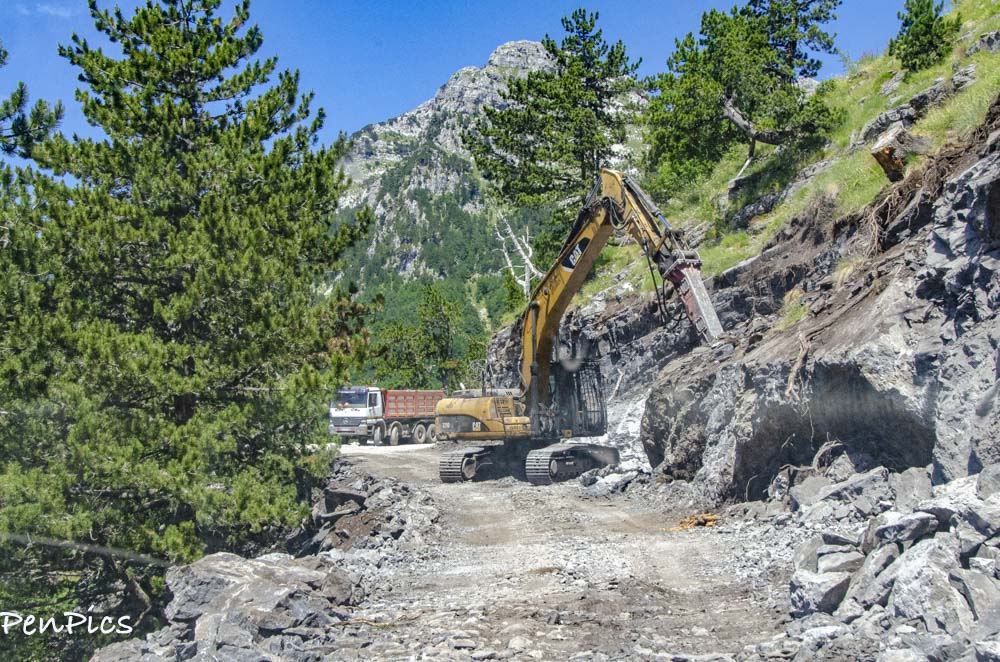
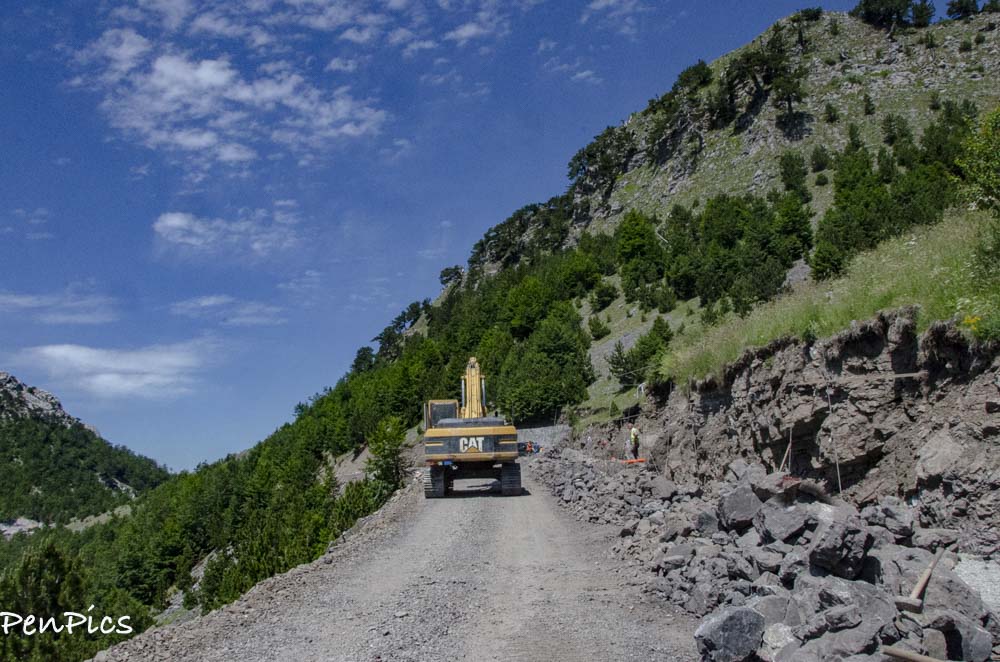
The road is not good, and we made a very good choice to turned it around, yesterday, in our rental car. Come to find out, right after we left, a truck and worker accidentally went over the cliff, but fortunately the driver was okay. We saw the truck, and it was not okay. In addition to that, we passed a car, parked off to the side of the road; almost to the entrance of the park, with its oil pan split.
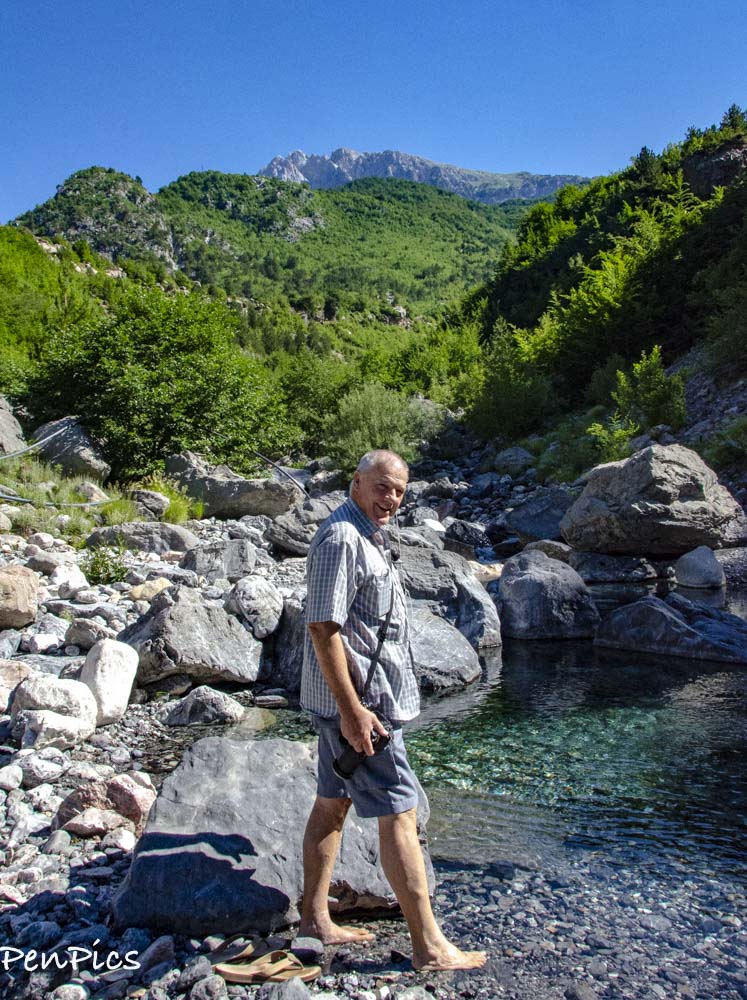
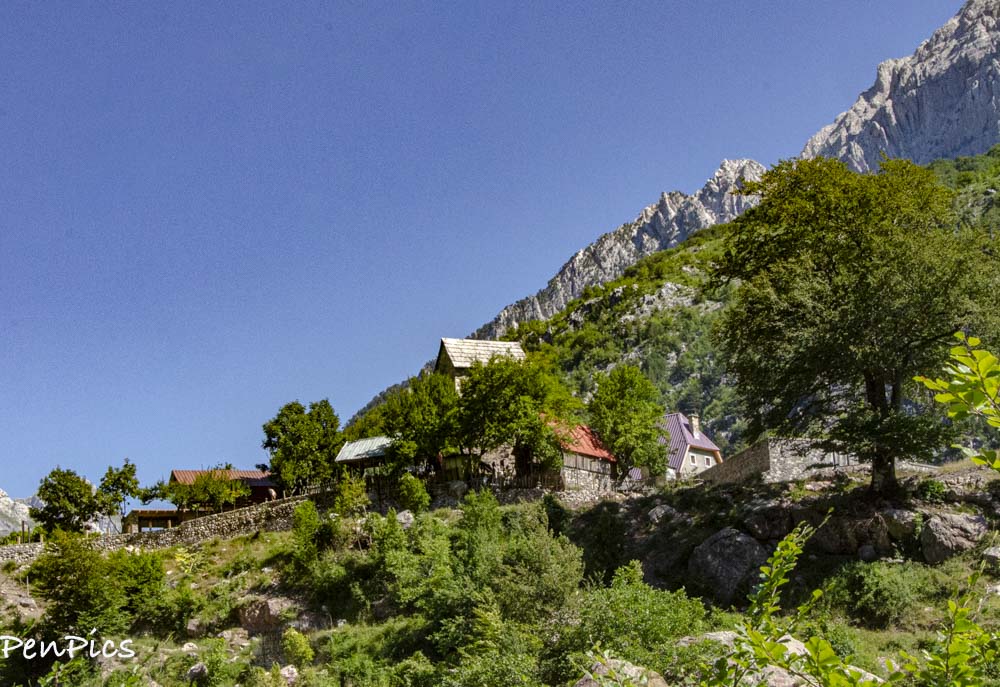
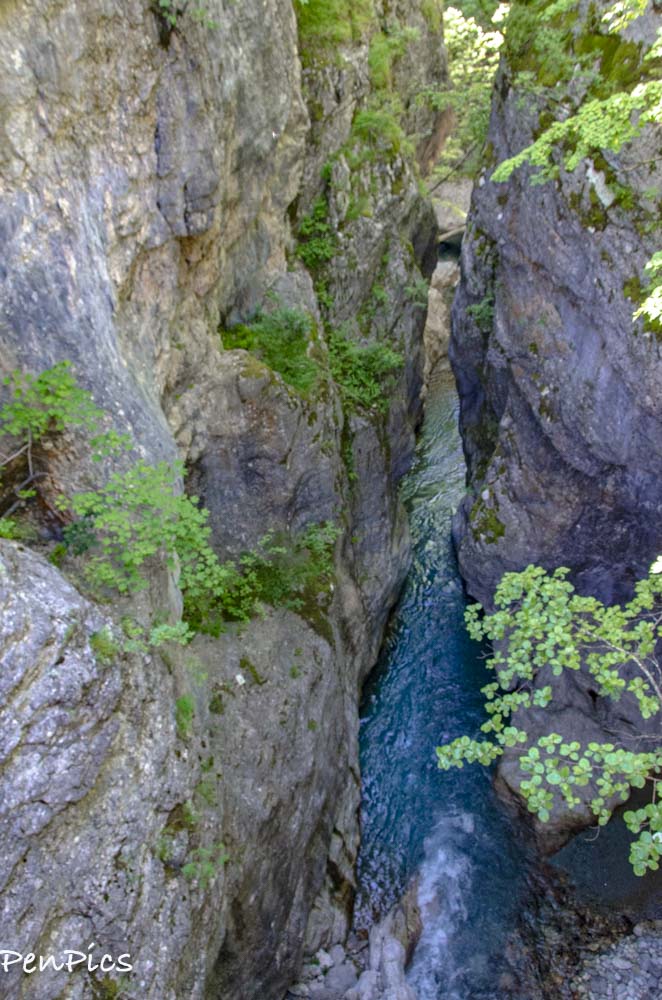
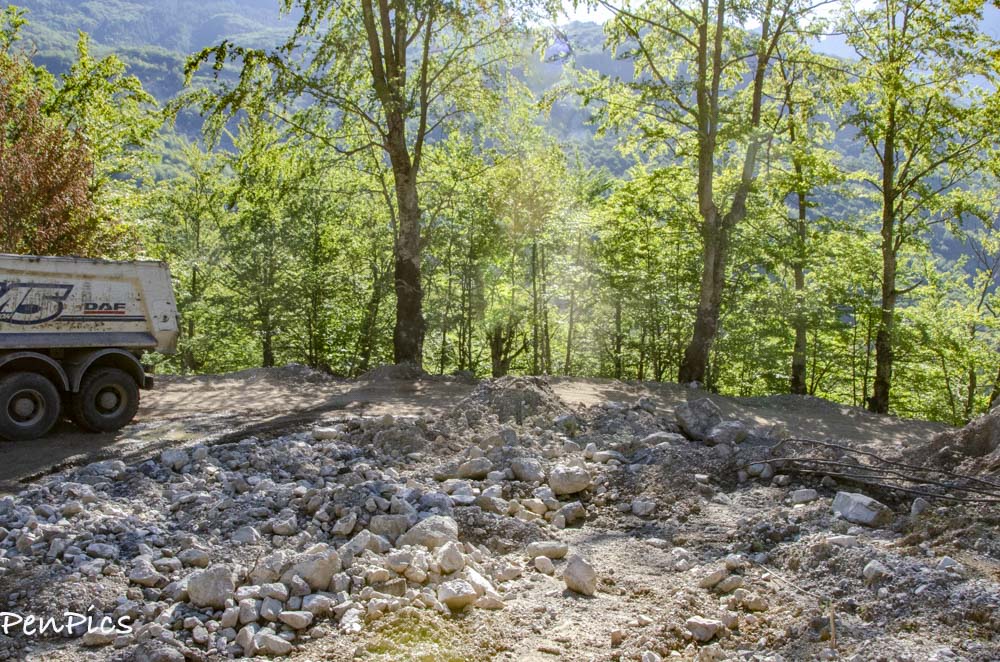
It was the right call to hire a driver and ride in a 4×4. Due to the road construction and its condition, we were tossed around inside the truck for the majority of the time. When we got back to our little abode, we both took naps. We were exhausted. We got some nice photos and really loved the river waters; clear, cold and turquoise. The park itself needs some beautification done, before it will be a showpiece, but the investment right now is on the road improvement, and I’m sure the rest will follow.
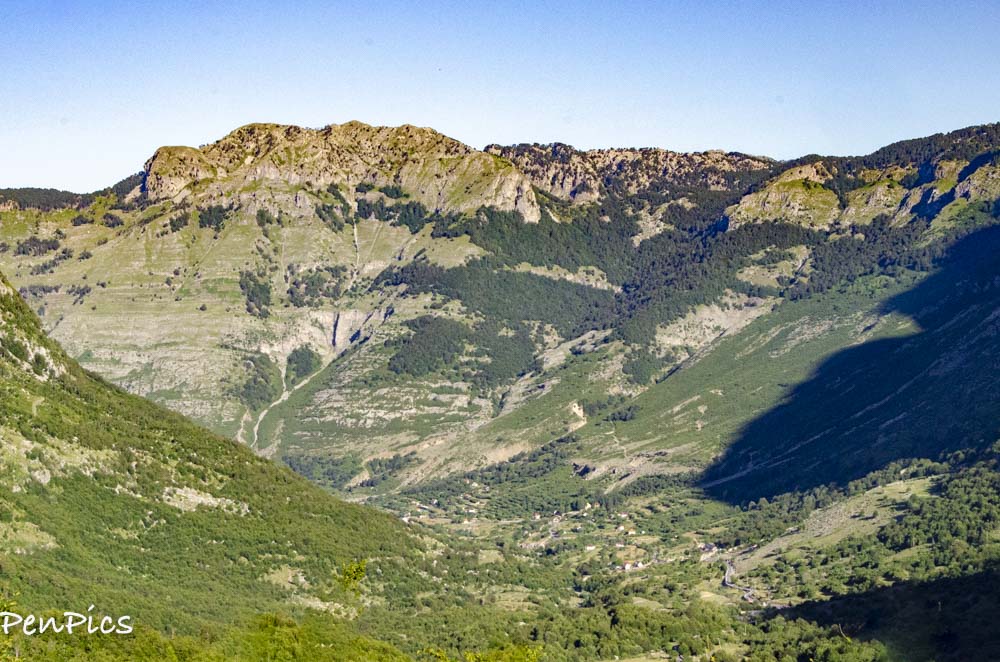
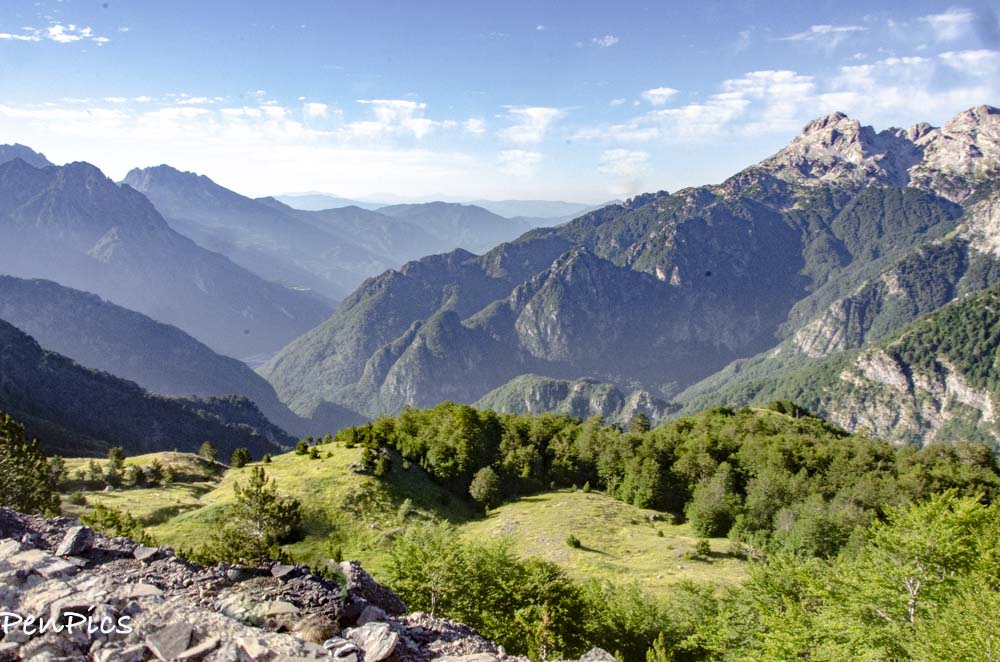
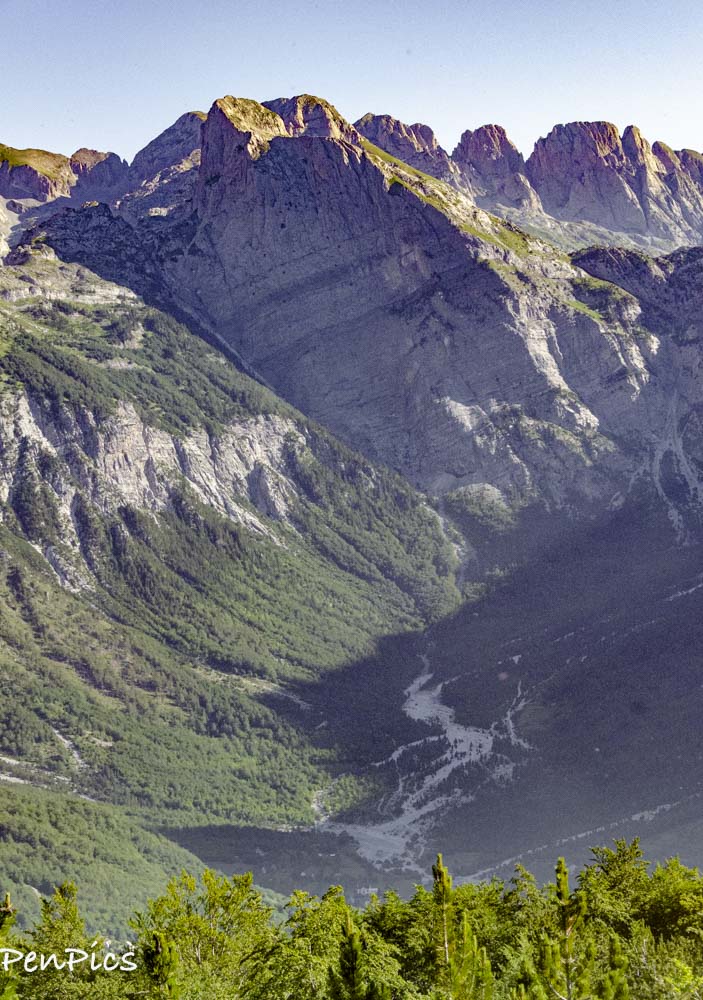
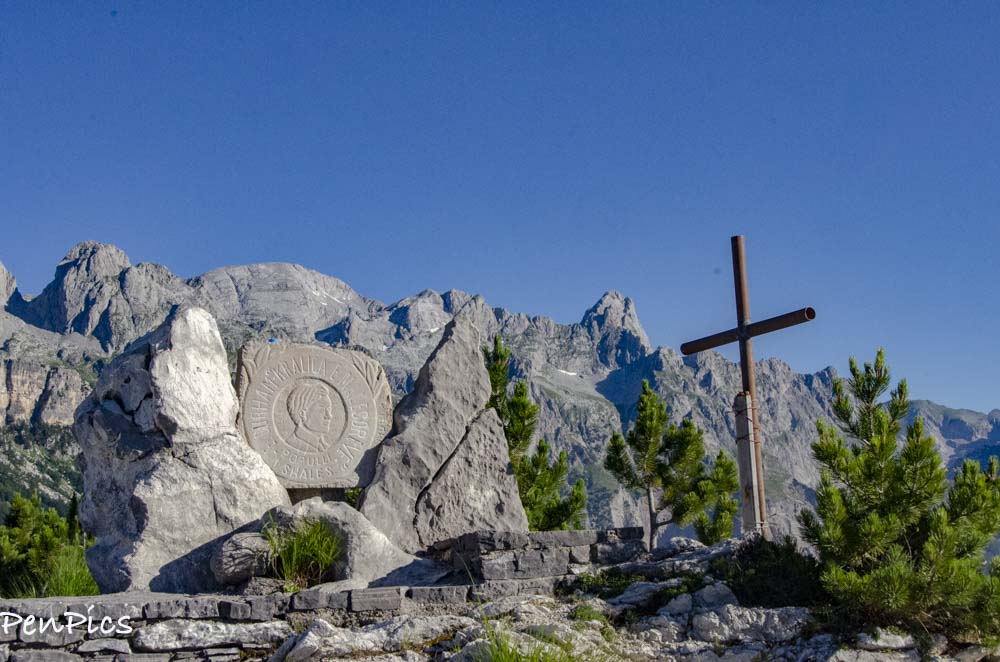
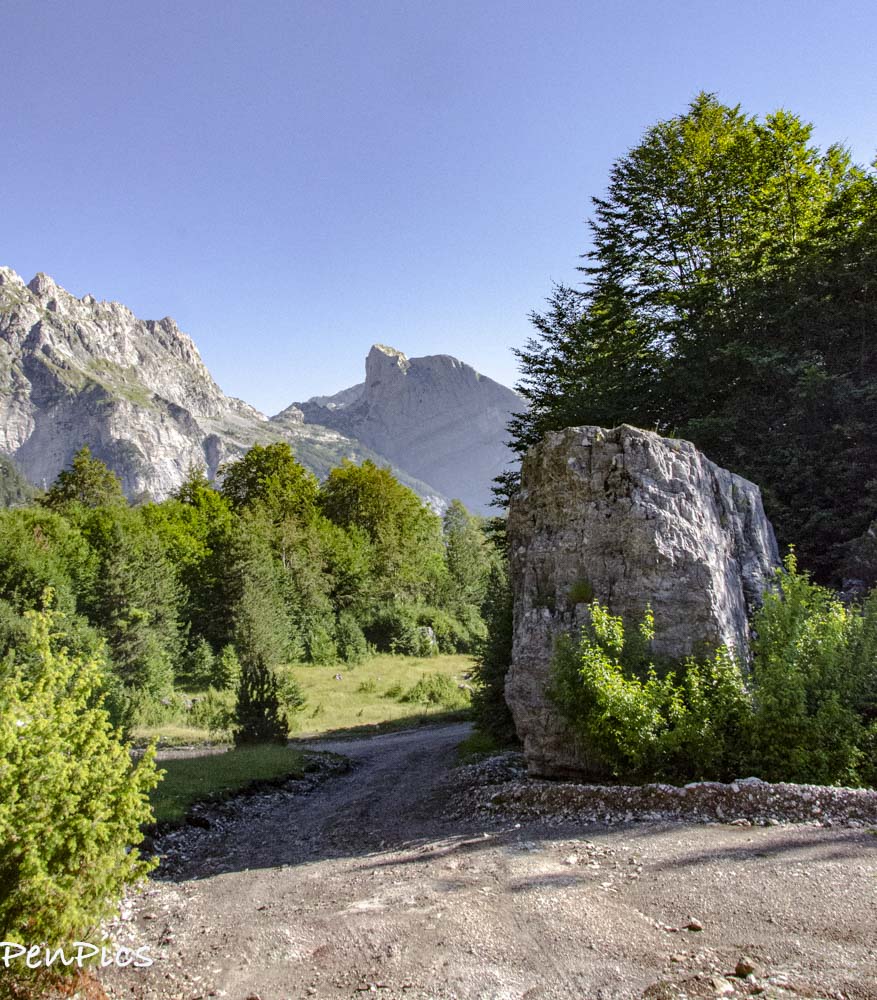
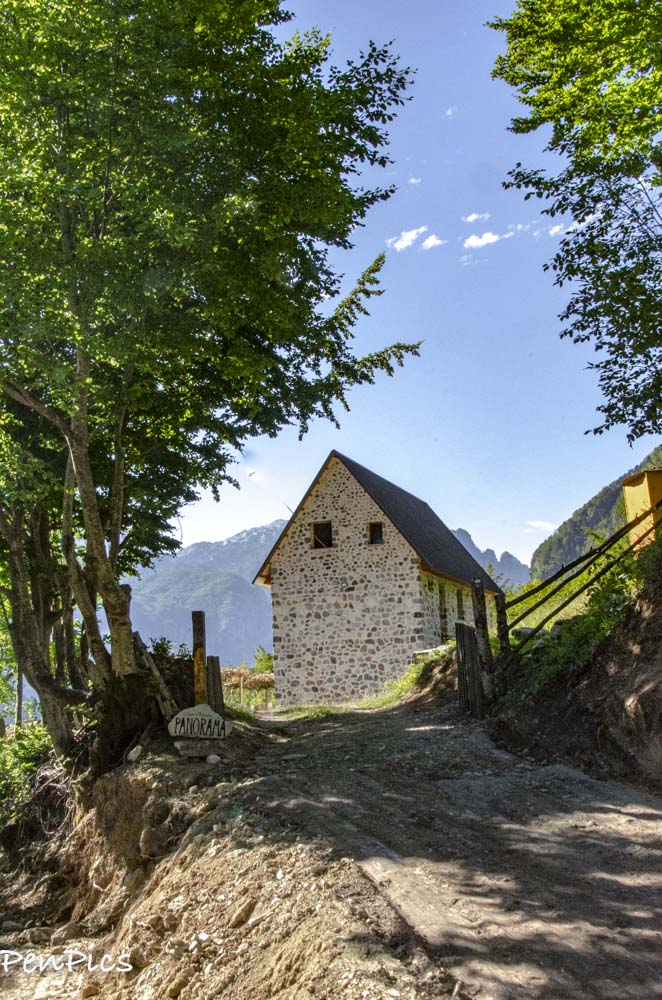
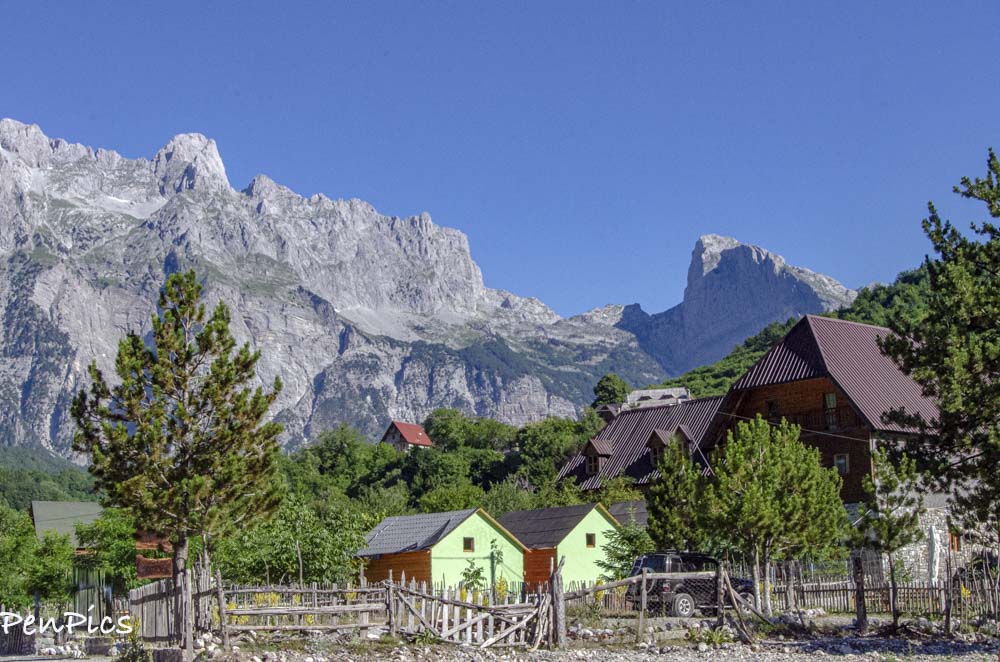
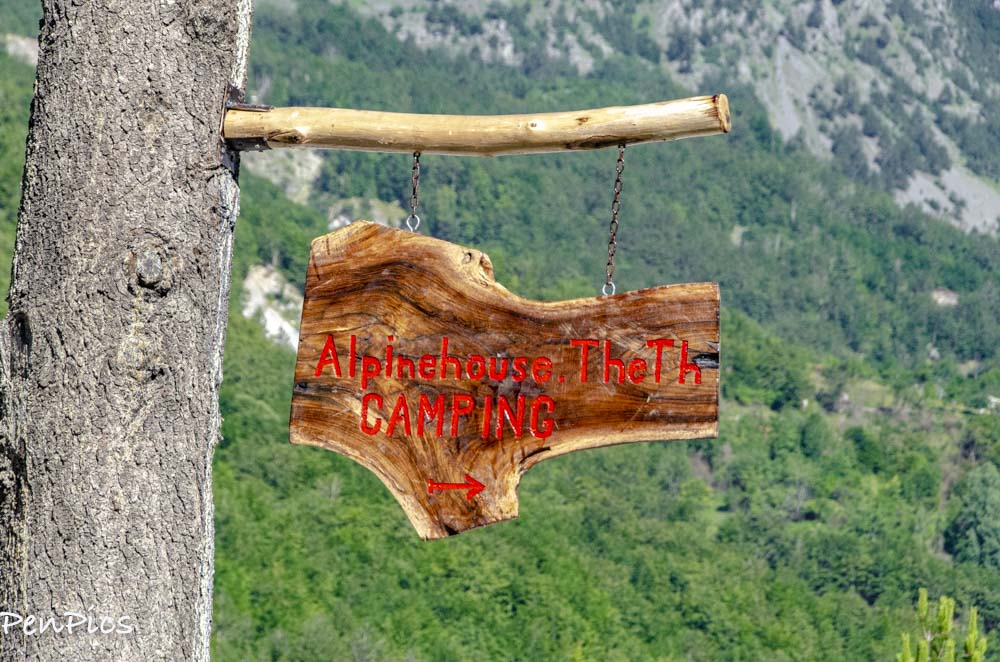
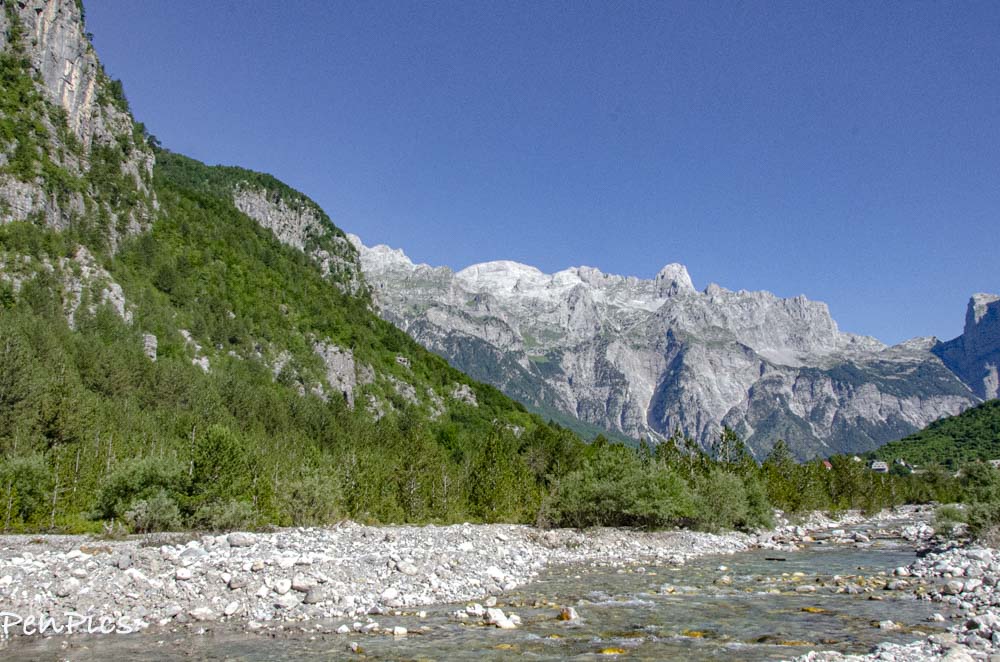
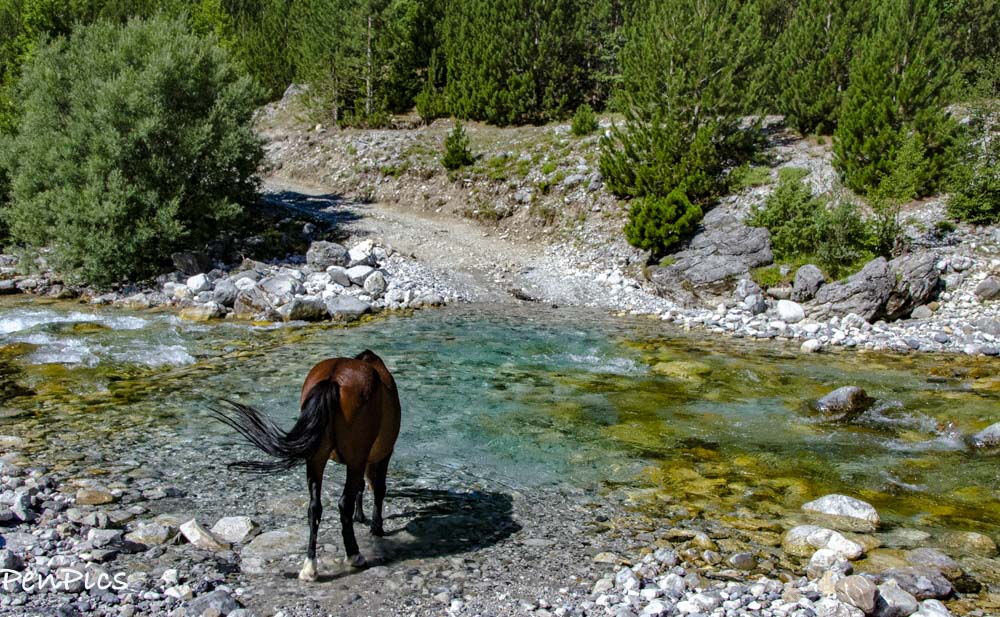
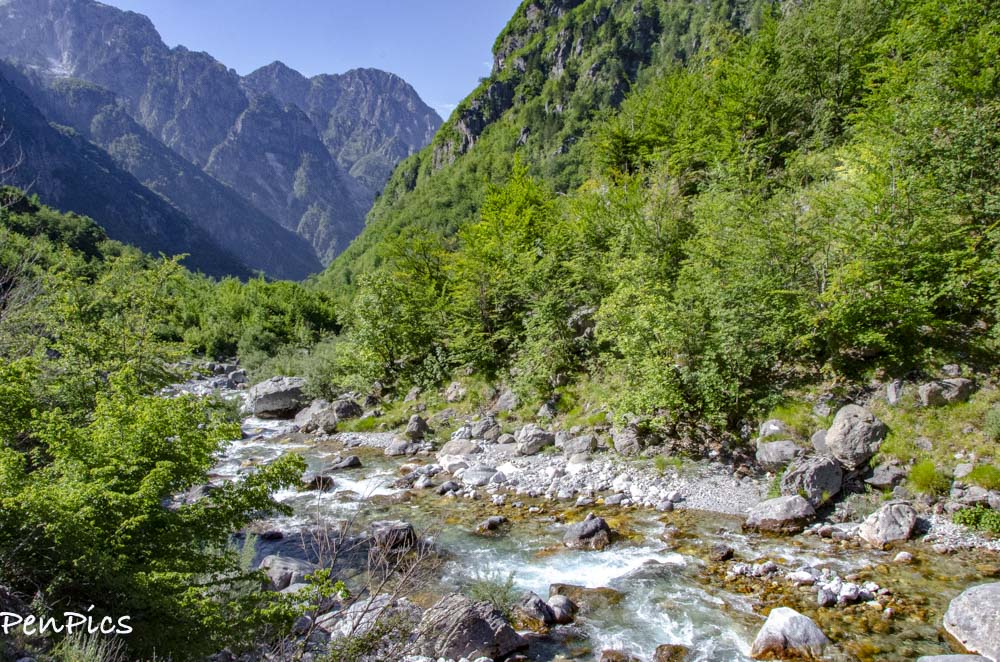
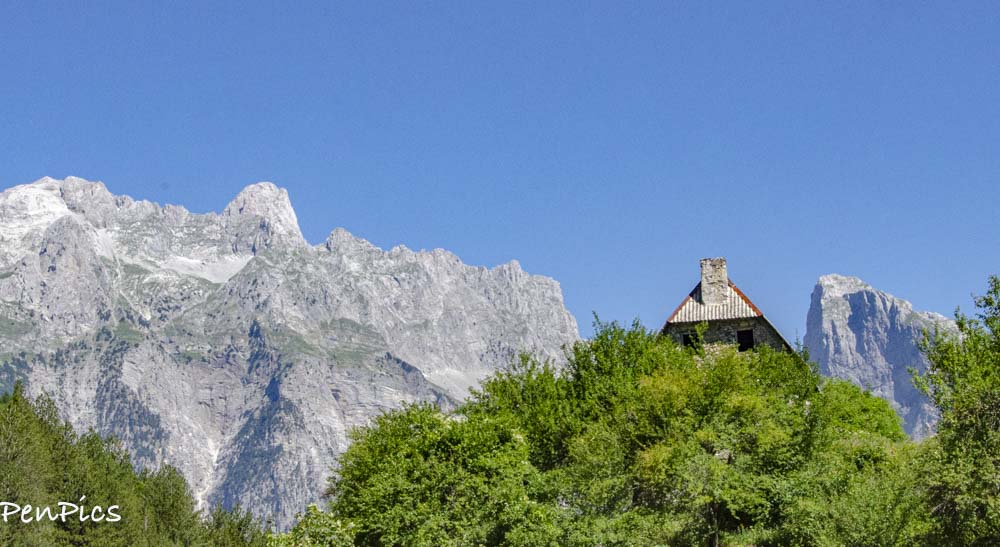
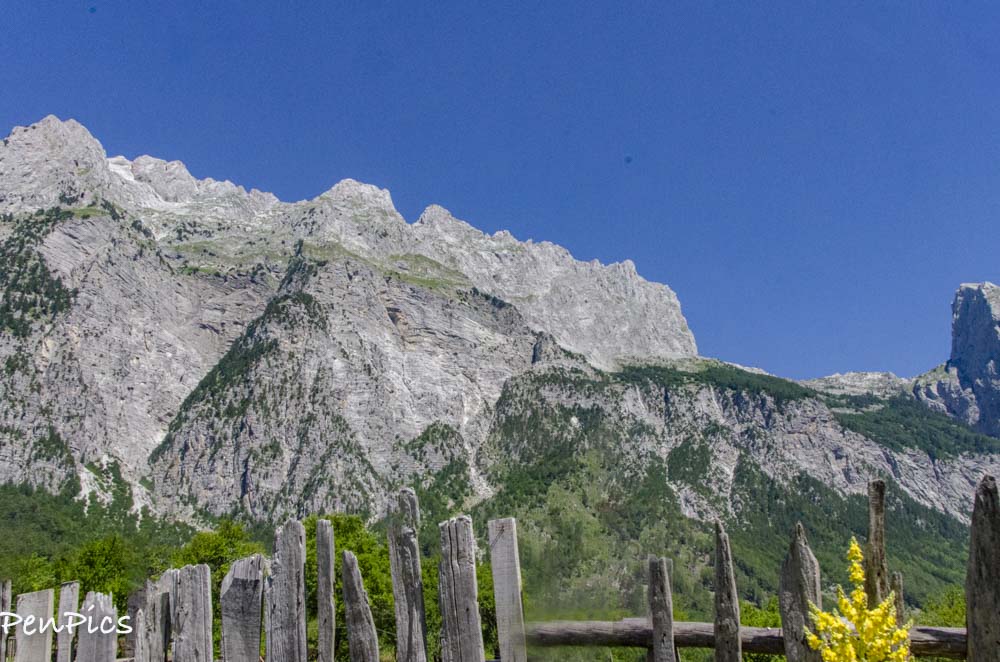
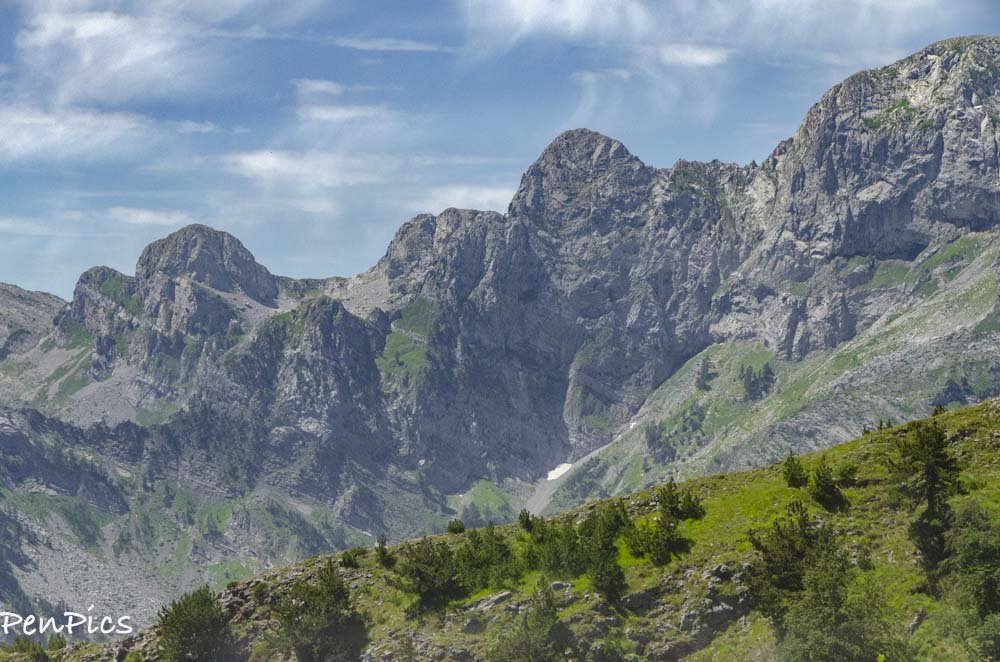
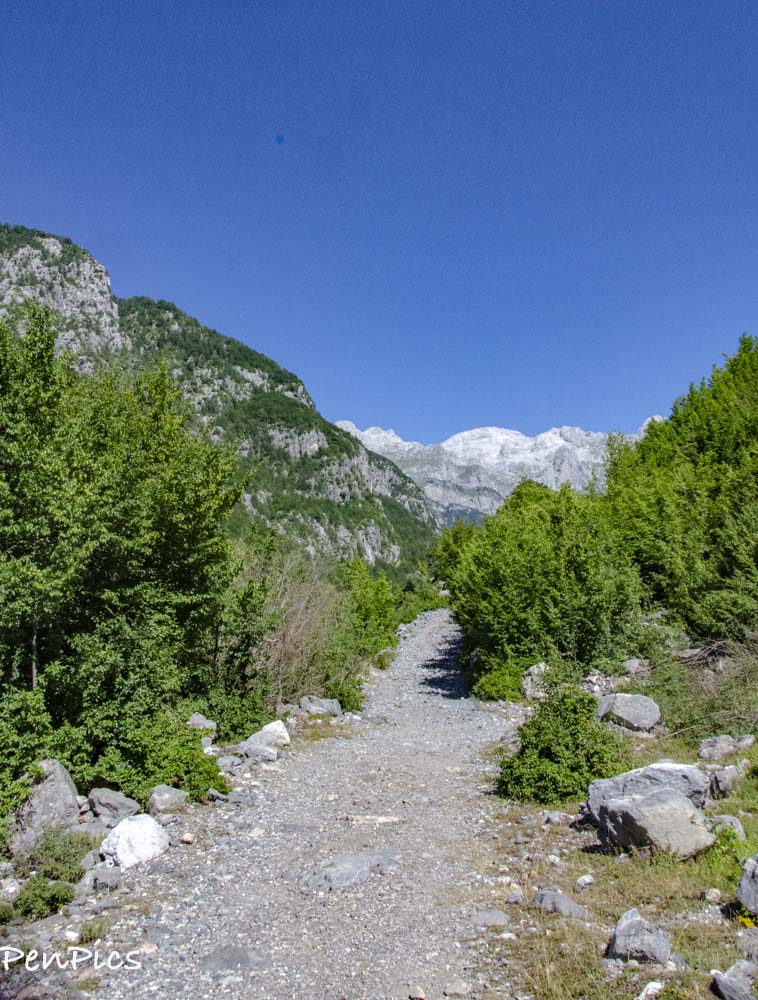
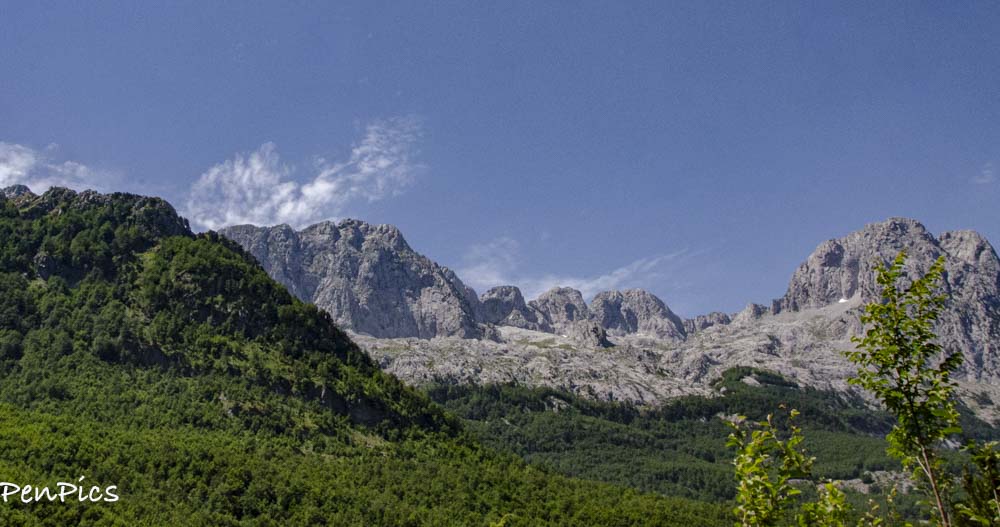
The Theth Valley is hidden natural mountainous paradise in the heart of the Albanian Alps; also called the Accursed Mountains (Bjeshkët e Namuna), and includes the protected area of the Thethi National Park which covers almost 6,500 acres..
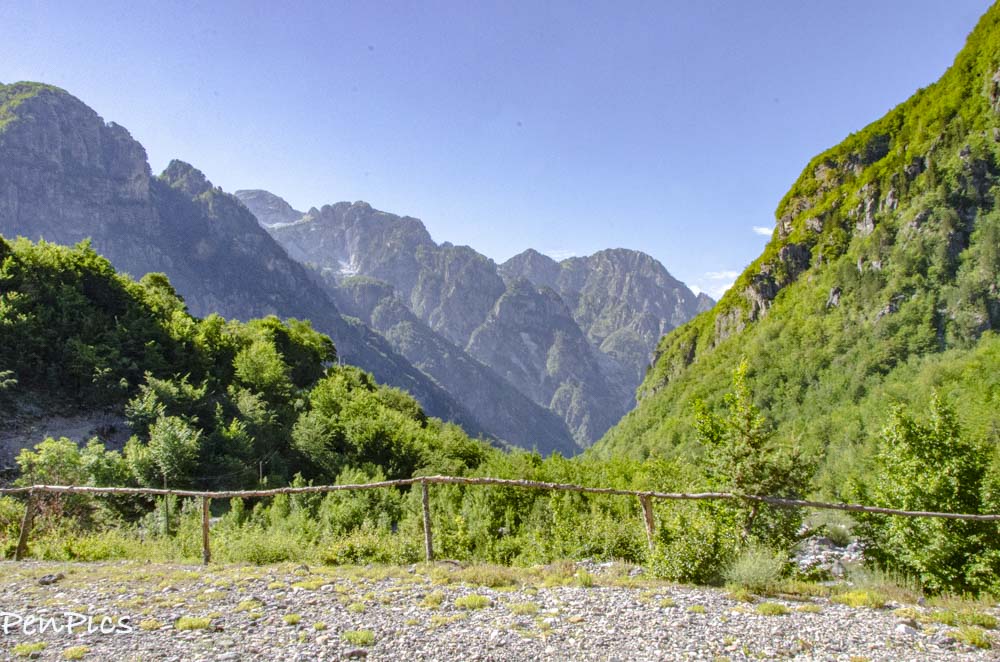
The Theth Valley is the starting point for all treks to the highest peaks of the Albanian Alps and passes in the majestic region, which leads to Montenegro in the North, Kosovo in the East and the city of Shkodra in the West. It takes five hours to reach the Theth National Park from the Albanian capital Tirana, and from the country’s second-largest city, Shkoder, it is two hours away by car.
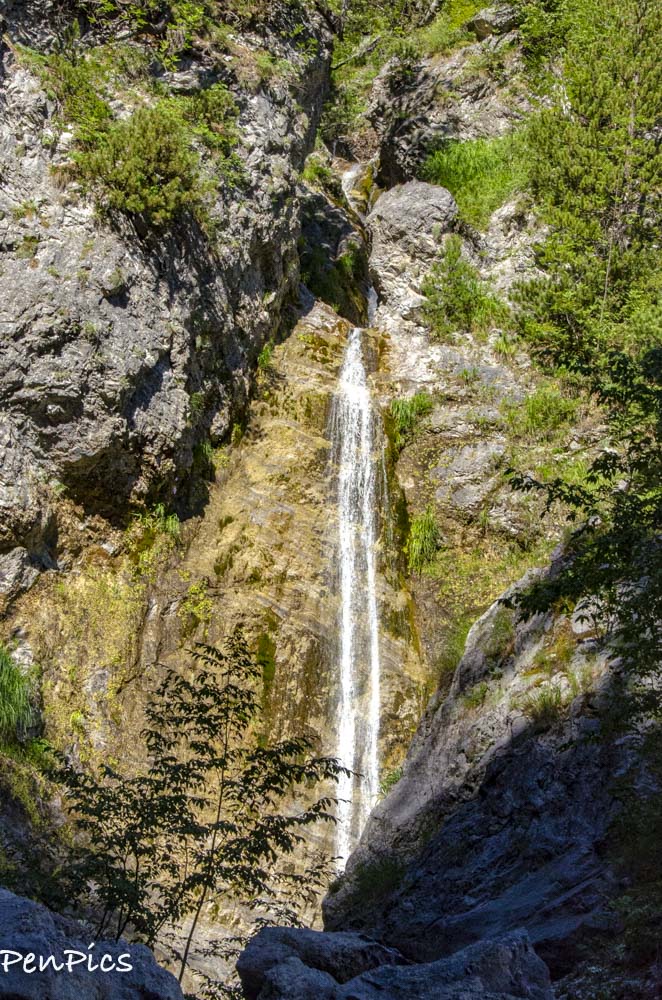
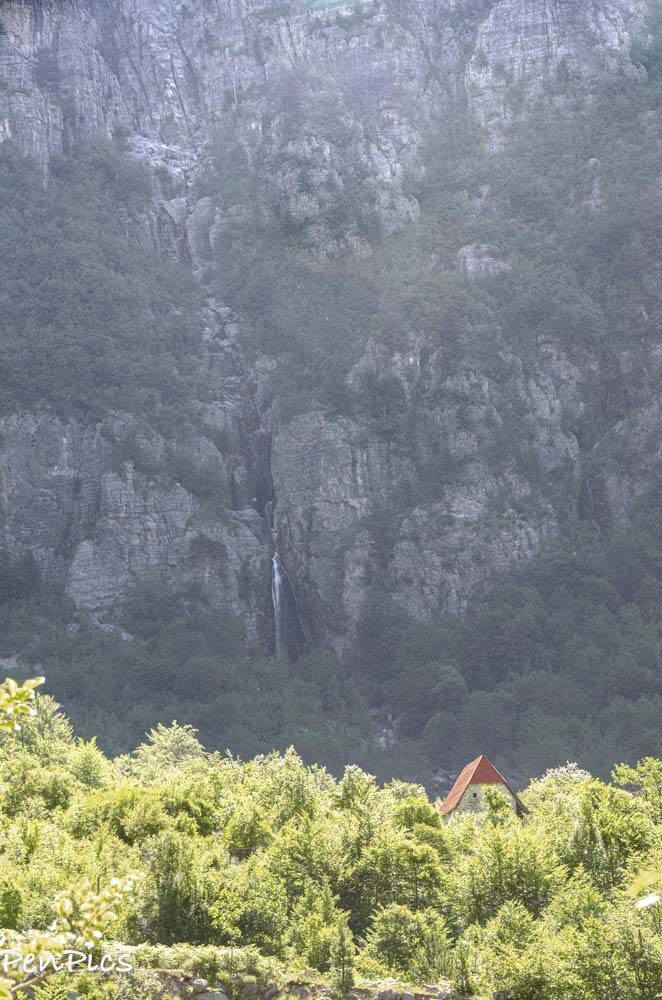
Theth National Park features several mountain peaks over 8,202 feet in height. Through the Theth National Park runs the Theth River with a plentiful supply of mountain trout. The Grunas waterfall is particularly worth visiting. The mountain slopes are very steep due to changes in temperature and snow precipitation that are present in most part of the year, which helped in the formation of various jags.
Theth Valley was formed by glacial movements with its specially impressive and breathtaking northern part. Those hostile climatic conditions throughout the years created the steep mountains and the distinct gorgeous views, but also challenging hiking routes. There are many oak trees and a variety of animals in the park. The most astonishing parts of the Theth National Park are the rugged peak of Radoines (8431 feet), Arapit (7273 feet), Paplukës (8395 feet), Alisë (8110 feet), along with others.
Theth is a tourist, climbing, hiking and alpinist region and the most important tourist center of the northern Albania. Within the territory of Theth National Park and its surroundings there are about 170 caves and semi caves, of which ten caves are of international category. The most beautiful and most important caves of the Theth National Park are the cave of Rratheve and Harapi.
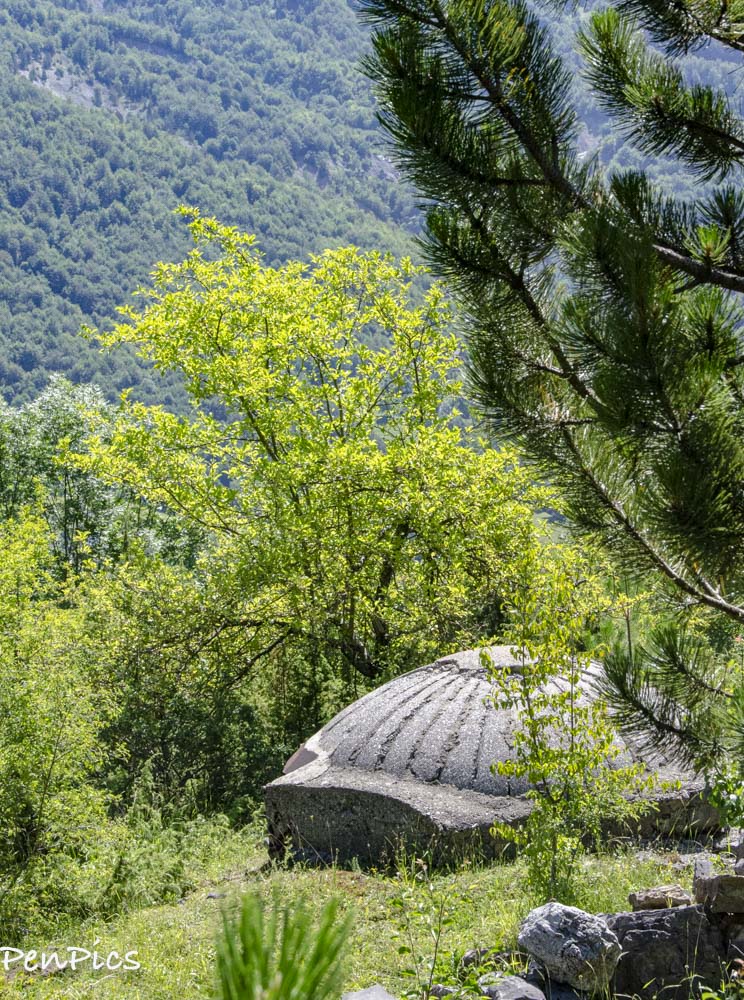
The concrete bunkers of Albania are a ubiquitous sight in the country, with an average of 5.7 bunkers every 14.7 square miles.
Starting as a Soviet ally, Hoxha declared the USSR to be revisionist and anti-Marxist after the death of Stalin, and soon all of the Warsaw Pact nations ended their allegiance with Albania. Hoxha then took China as Albania’s ally, which only lasted until 1977, after which he tried to make the country self-sufficient.
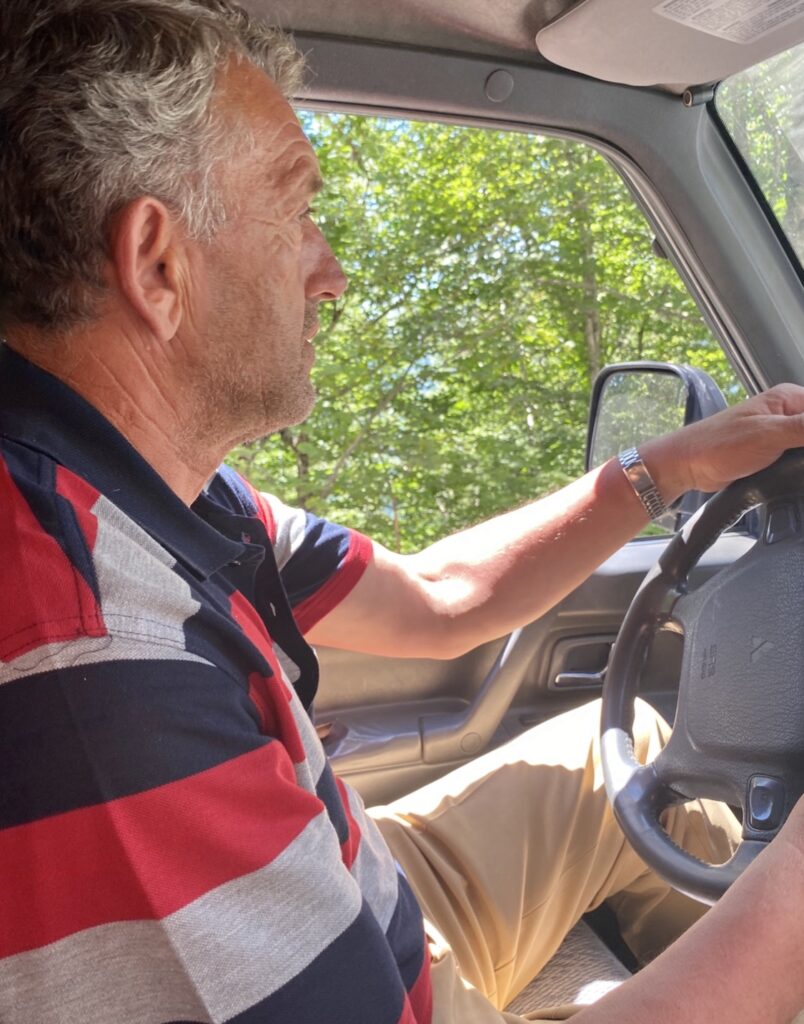
During his control of the country, Hoxha banned religion, foreign travel, and often used his secret police to stop any dissent. Our driver, who we hired to take us to the park today, spent 18 years in an A an Albanian prison under this regime. He, along with others were released with the fall of communism, by the early 90’s. What a horrible experience that must have been.
Almost a quarter of the budget went to the military, much of it spent on building bunkers. The prototype for the bunkers was built in the 1950s, with the chief engineer assuring Hoxha that it would withstand a full assault from a tank. Hoxha decided to test it, with the engineer inside, and when he emerged unscathed from the attack mass production began.
Fearing an invasion from his former Soviet allies or NATO, Hoxha had enough concrete and steel bunkers built to stop an army of millions. They grew like sinister gray mushrooms from the mountains to the coastline, sprouting up in neighborhoods, fields, playgrounds, cemeteries, and on beaches.
They created a permanent sense of paranoia for Albanians who encountered their sniper windows at every turn; but the enemy never came. Decades after the end of Hoxha’s totalitarian regime, the bunkers still scar the landscape. While a few have been turned into hotels or homes by creative Albanians, most are abandoned and overtaken by weeds, only occupied by the desperate in search of shelter. They clutter Albania’s hilly landscape, dotting nearly every view in the small country’s 11,100 square miles.
The years of communist isolation followed by uncontrolled capitalism have left Albania one of Europe’s poorest countries. Each bunker costs about 800 euro to destroy, and there is roughly one bunker per every four Albanians. In 2009, T-59s, a Chinese version of a Soviet-era tank, were rolled onto the Albanian beaches to destroy some of the bunkers that were threatening the safety of the people they were built to protect. Several people had drowned in the whirlpools created by streams around the bunkers, and the concrete was eroding and cracking from the ocean waves. Even with their removal, they are a tiny percentage of the bunkers that watch over the country as it attempts to move out from the shadow of Enver Hoxha.
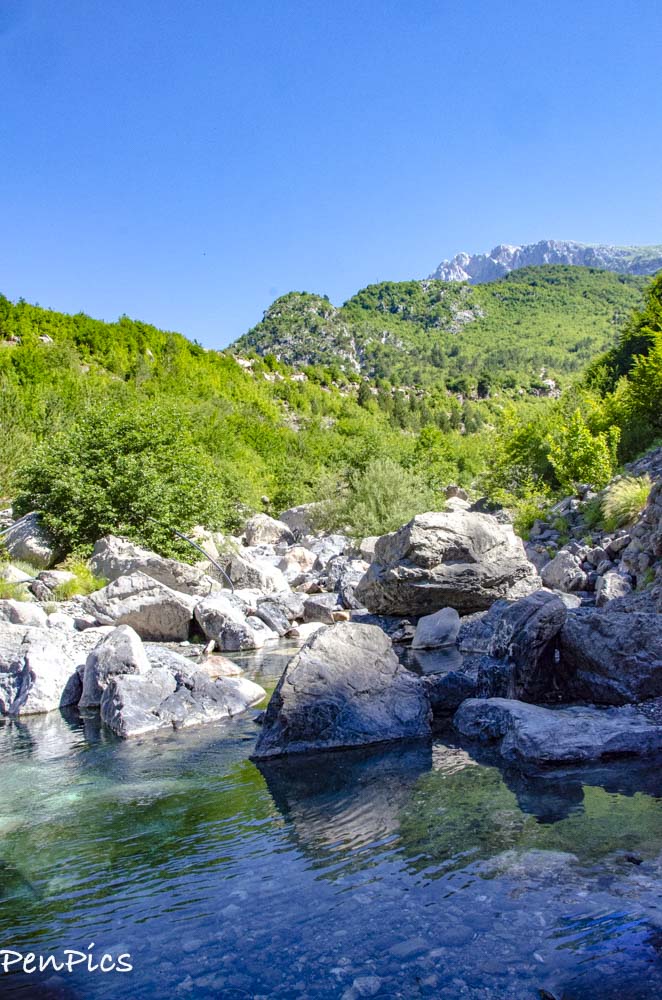
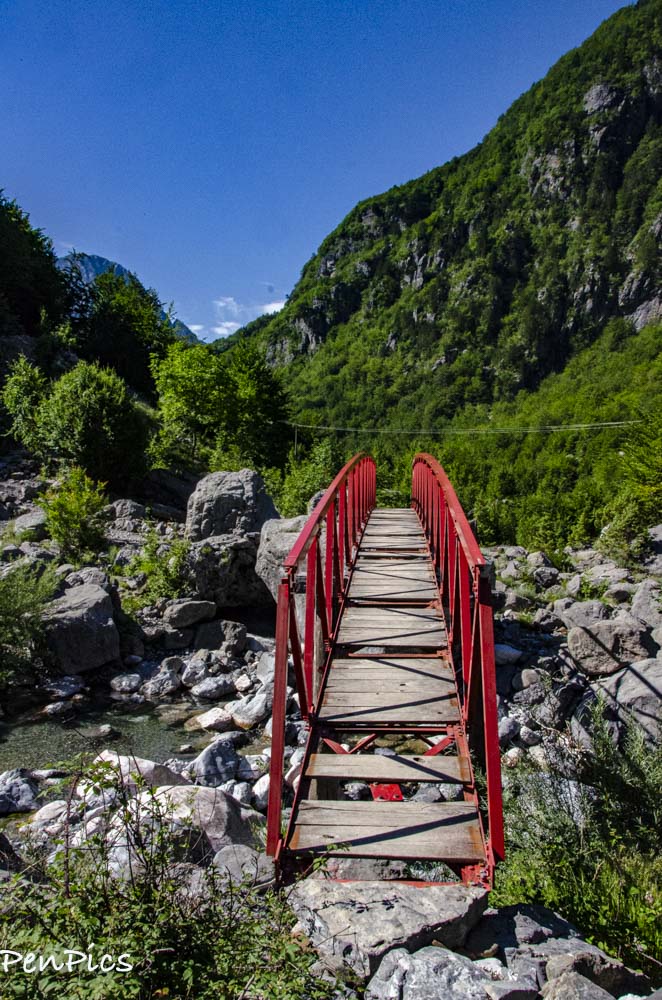
We are feeling very filled up in our Alpine Mountain experience. It is exceptionally beautiful, but tomorrow we will take off and make our way, slowly back to the southern region, where we have a few other scenic stops to make, before we return the rental car and prepare for our departure to Macedonia on the 17th of July. (if the border there remains open)


About Us

About Us
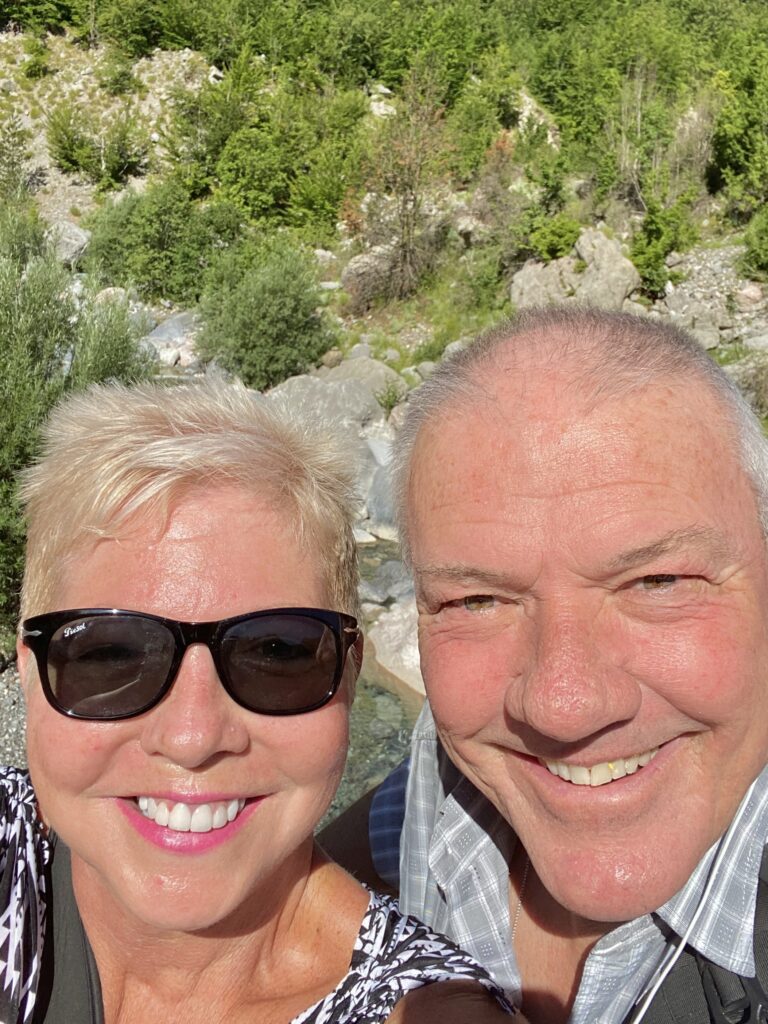
Hello and Welcome to our Travel Blog Website, We enjoy writing about our experiences and taking photos of our adventuring along the way. Our names are: Daryl and Pen, but Daryl calls me “Bunny.” We met, quite randomly, whilst both traveling in Thailand with friends. We happened to be in the same travel group, and […]
Wow, absolutely gorgeous photos. Bummer about the bunkers – what a fascinating (and sad) history. If only “everyone” would pay attention to the results of communism and “unrestrained capitalism.”
It’s amazing and hard to believe! Learning the man who drive us was imprisoned for 18 years! Communism follows socialism. I wish I knew what happened, but there is a good chance nothing specific happened. It was tyranny control
Great photos! Loved learning about the bunkers! Quite fascinating!
Thank you! It’s hard to imagine there are so many bunkers, but we have seen them everywhere we go.