


“Albania 🇦🇱 ~Gjirokaster Village and Castle”
We enjoyed our day so much in this medieval town, we decided to stay another night.
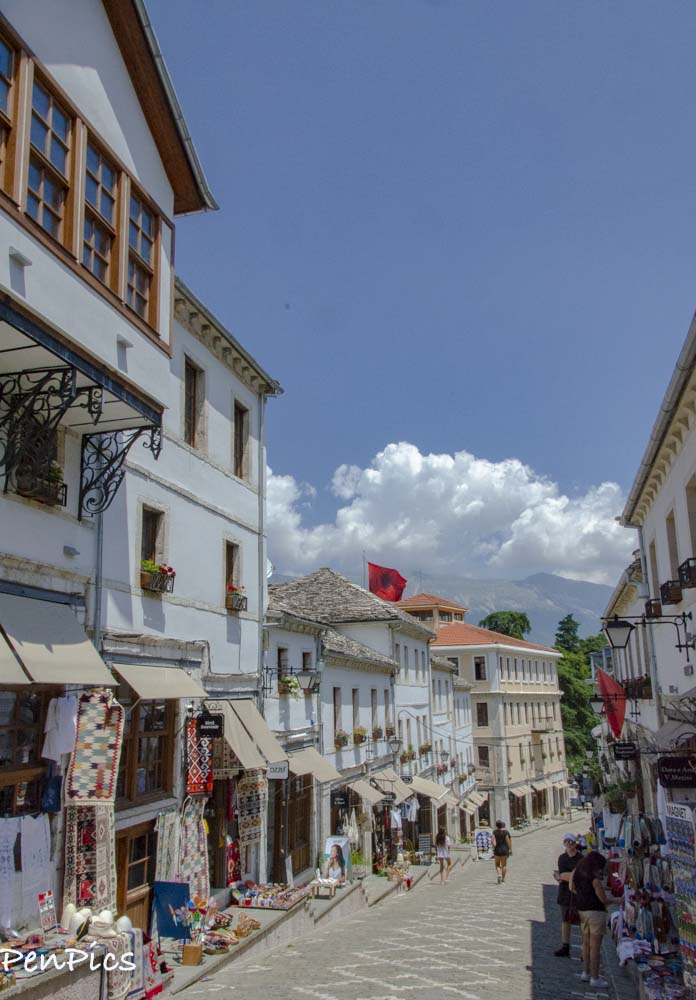
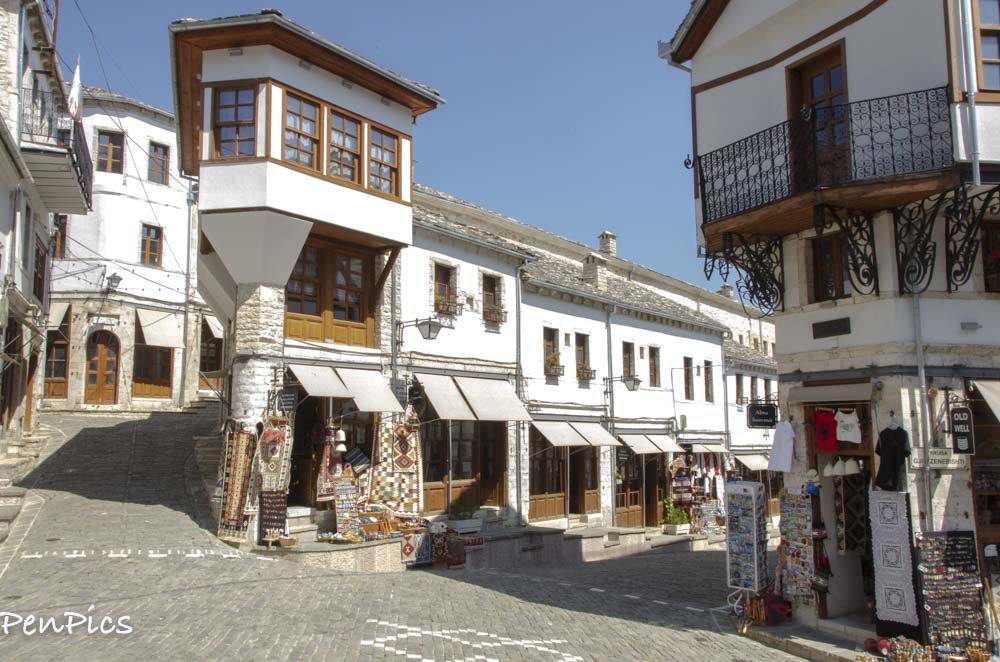
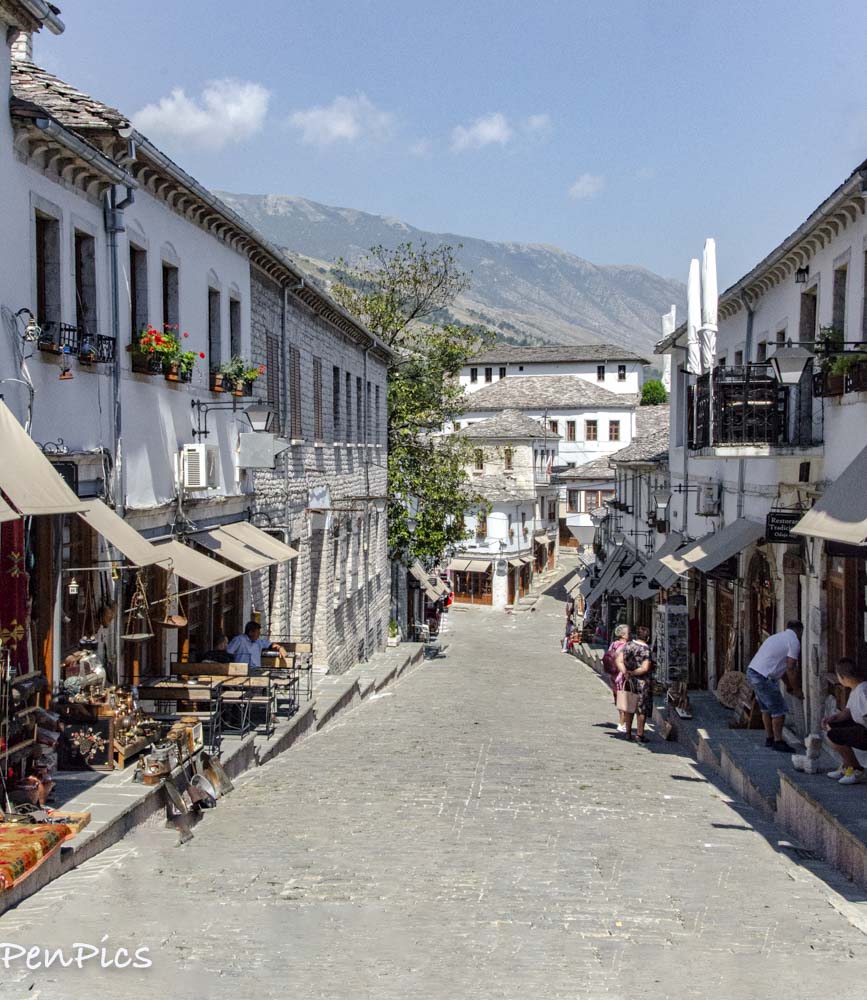
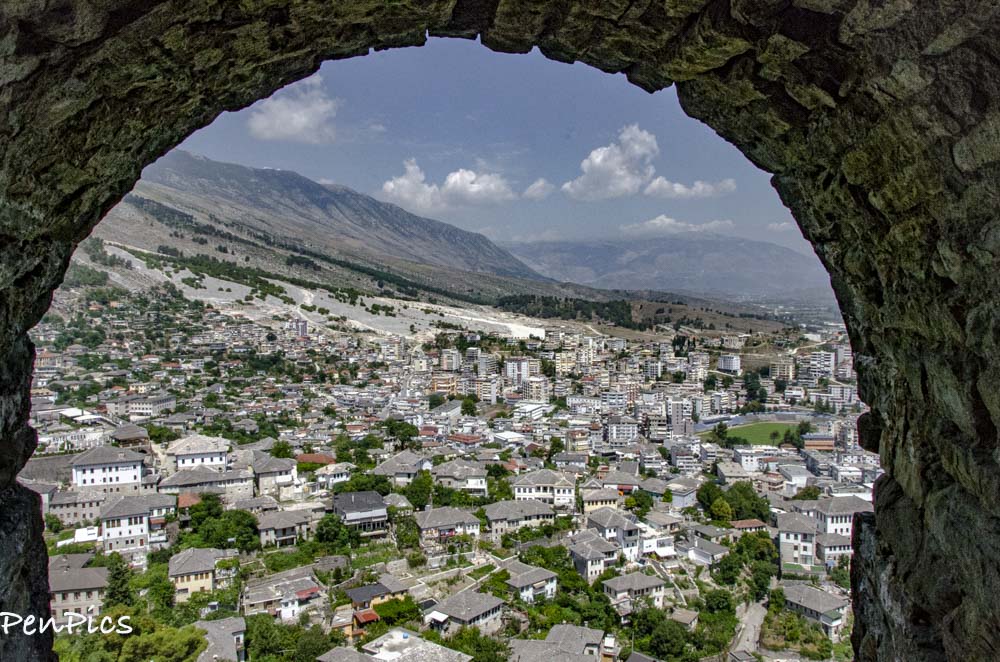
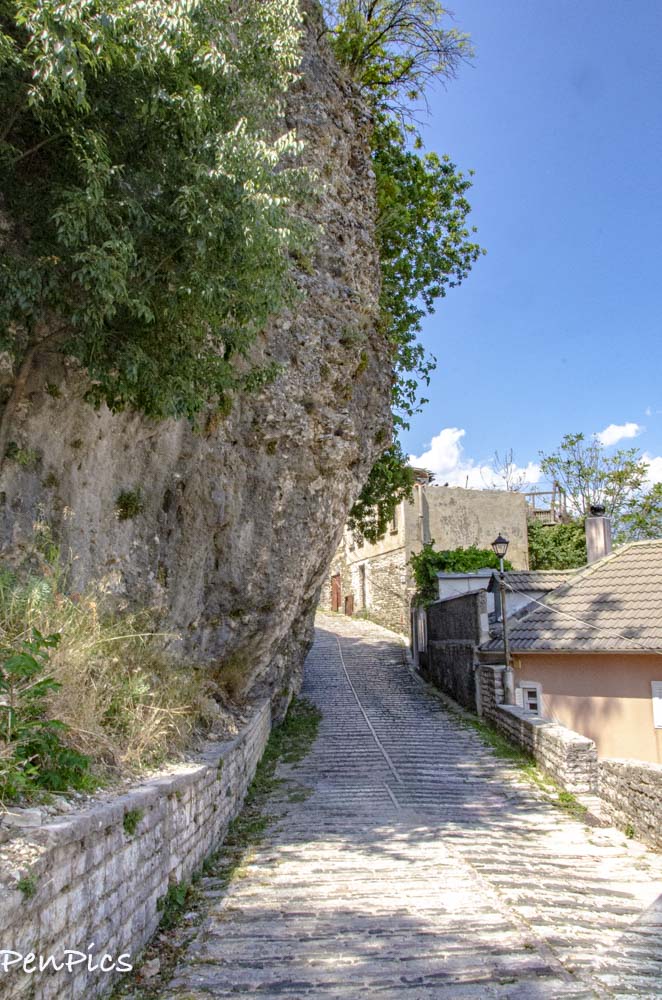
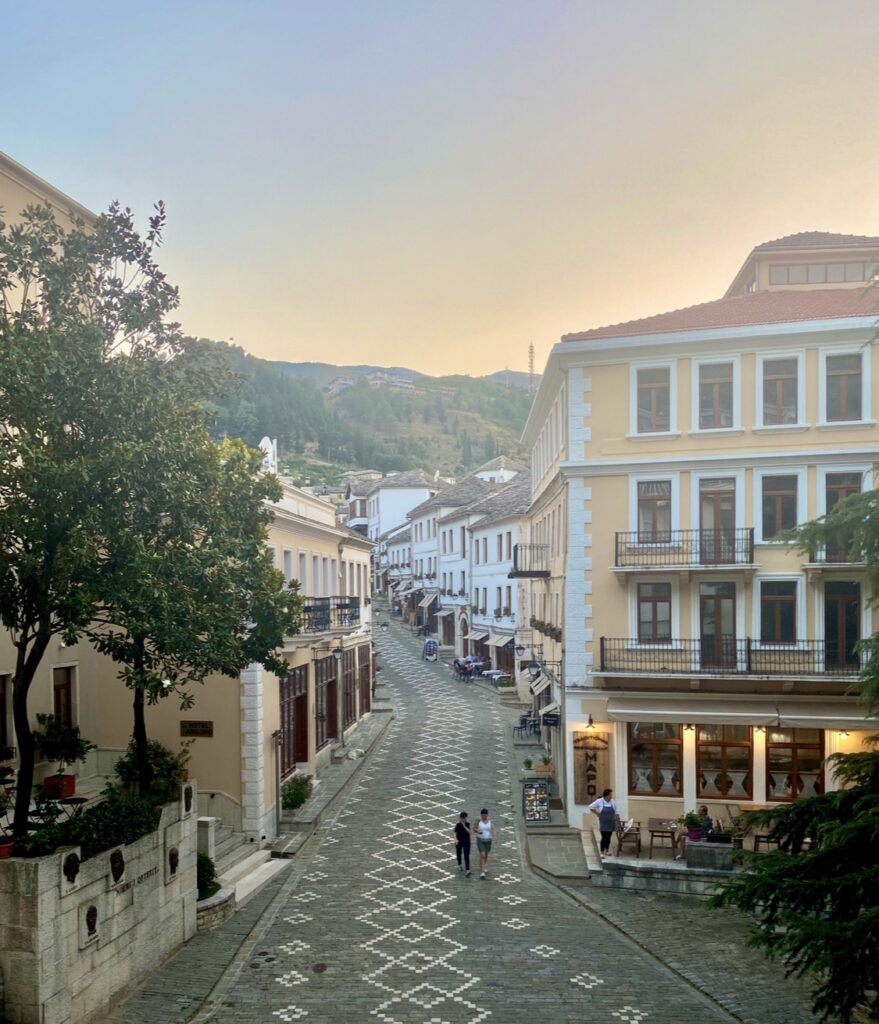
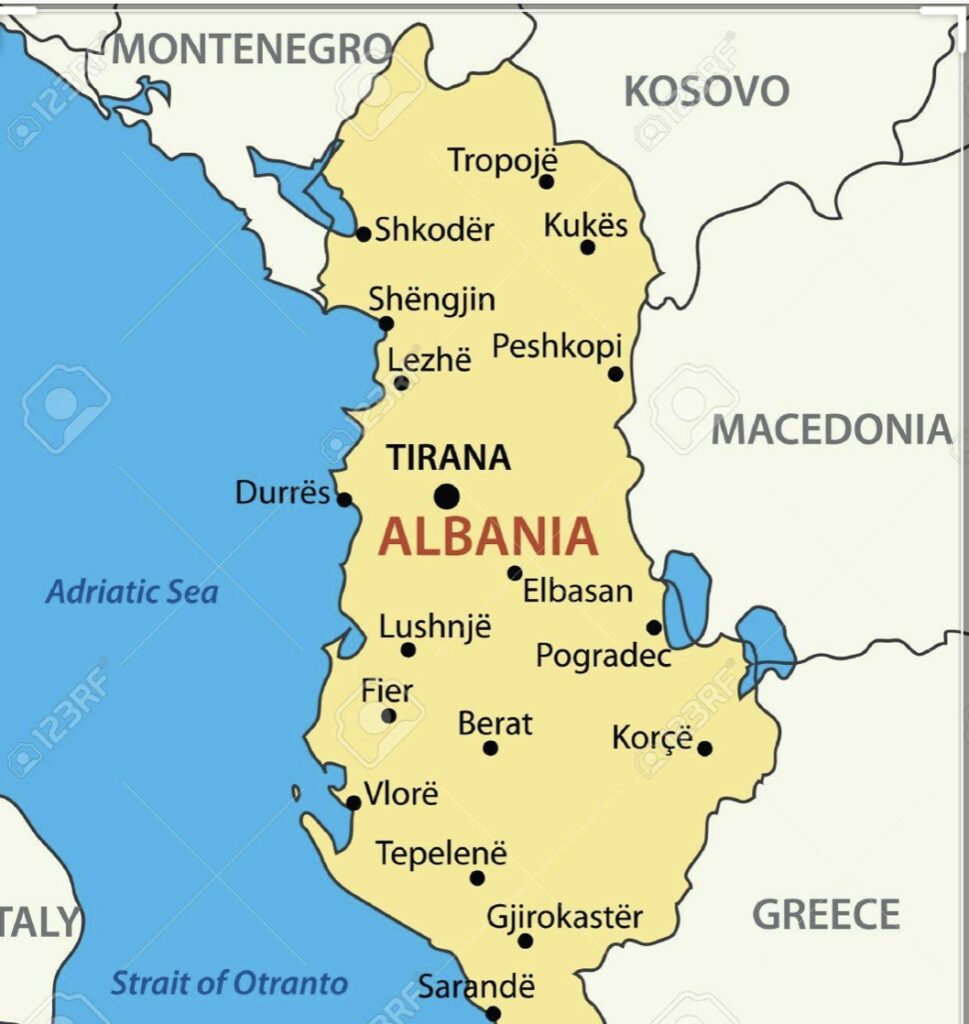
We are staying up near the fort, where the old villages are. There is also the town of Gjirokastër, down at a lower elevation.
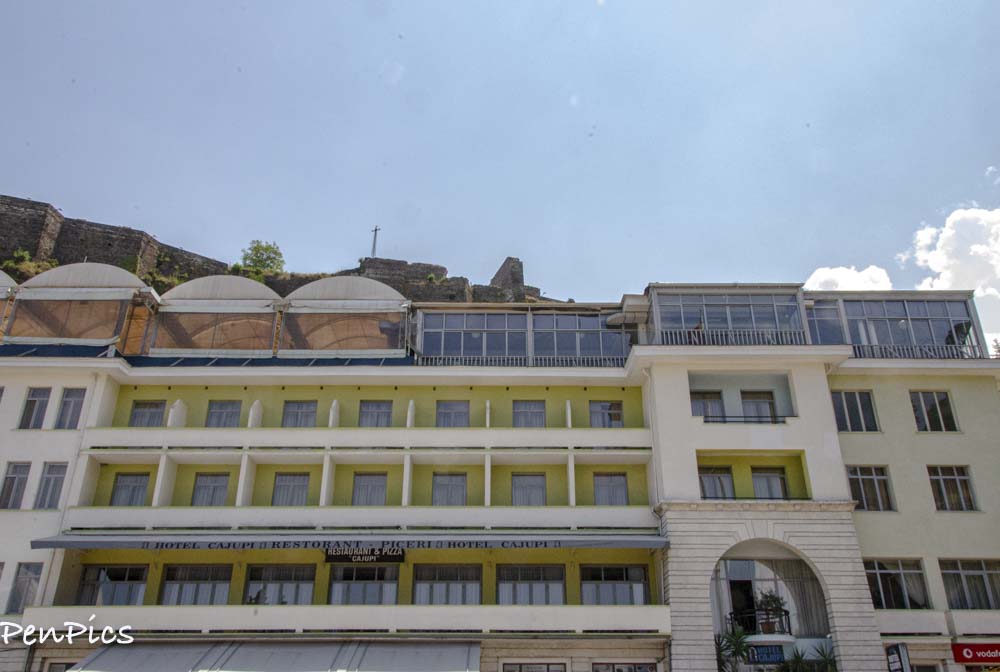
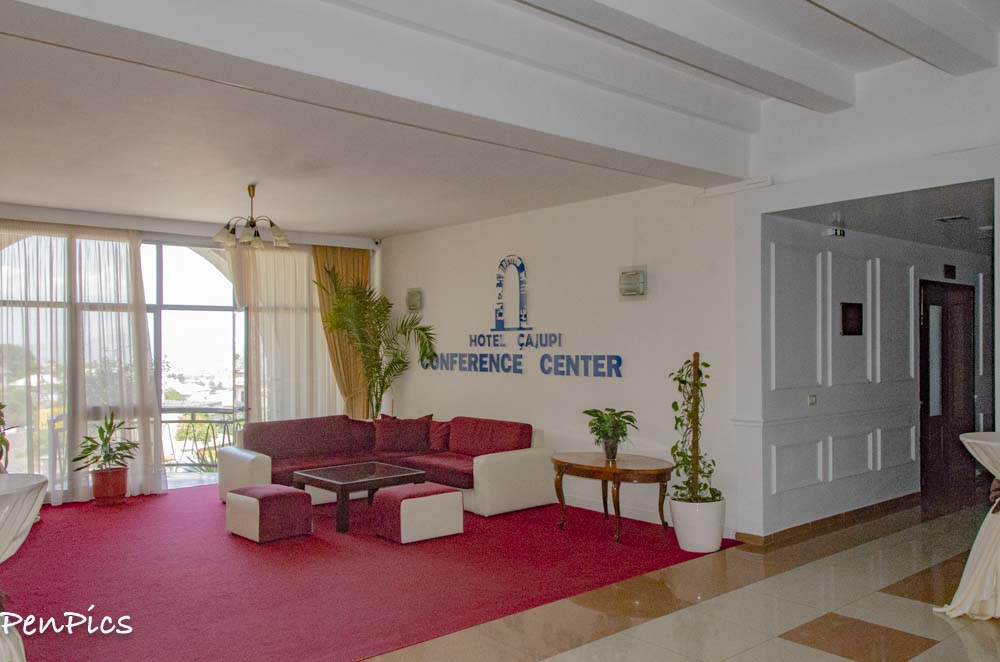
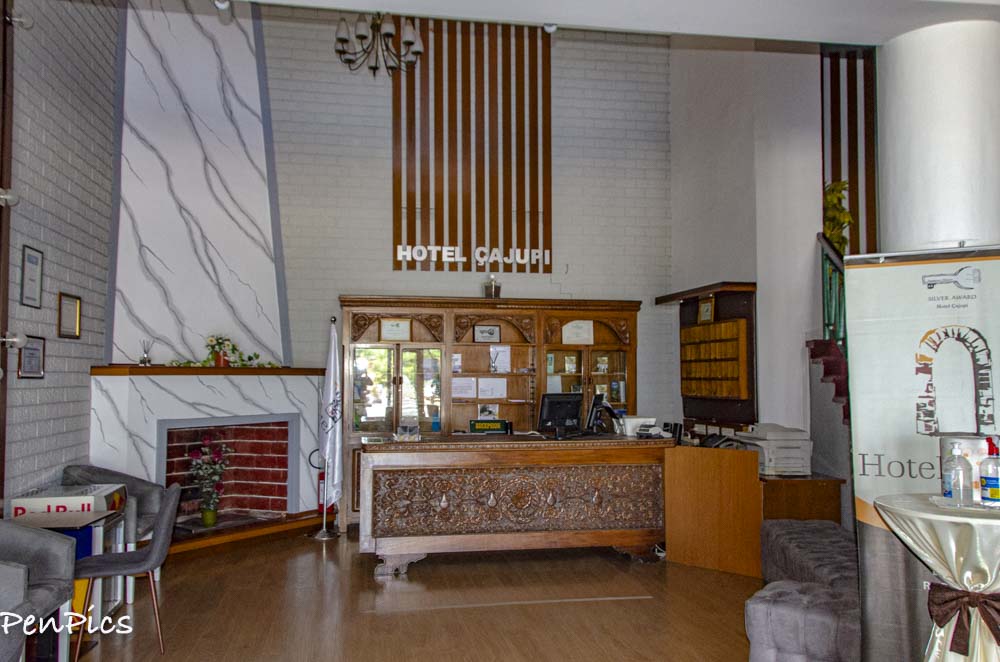
We are staying in the first ever built hotel in Gjirokaster. Hotel Cajupi (ju-eye-a-pee) It’s very good size, and they have given us a fair rate for two nights. Aside from enjoying this mountain destination, with so much charm and European flair, tomorrow there will be a 50-year UNESCO World Heritage Site Anniversary Celebration. We would like to see if we can meet the Director and introduce ourselves to her once more. We met her in person, when traveling in the “Stans” last year. We so appreciate all UNESCO does for ancient heritage in the world!
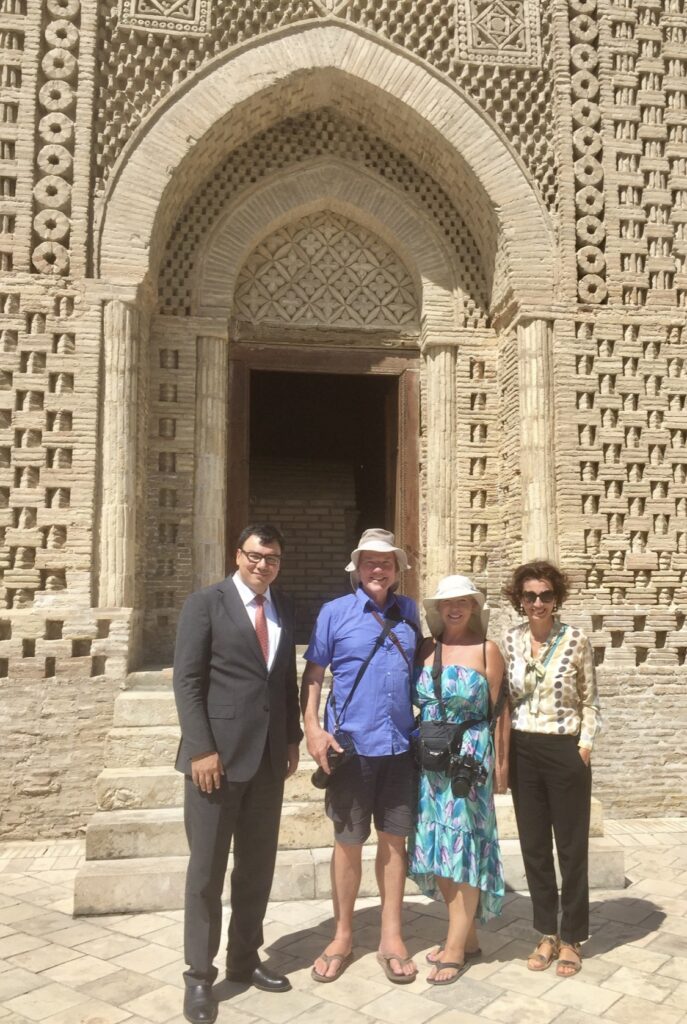
She is suppose to arrive for the celebration, here on Gjirokastër in the morning.
There are several theories for the origin of the name GJirokastra. One is that it comes from the name of a 13th century princess, Argyro. This was during the period when the Castle was headed by Albanian princes (in the 10th -13th centuries). Argyro was the sister of the feudal lord of the town. Rather than be taken alive by the Ottomans, she threw herself from the battlements together with her young son. Another theory is that the name derives from the silver and grey color of the houses of Gjirokastra. The term Argyrokastron in Greek means silver city, and on rainy days the grey stone walls and roofs of GJirokastra shimmer like silver. A third theory is that the name is linked with the native Argyri family, but there is no supporting documentation for this claim.
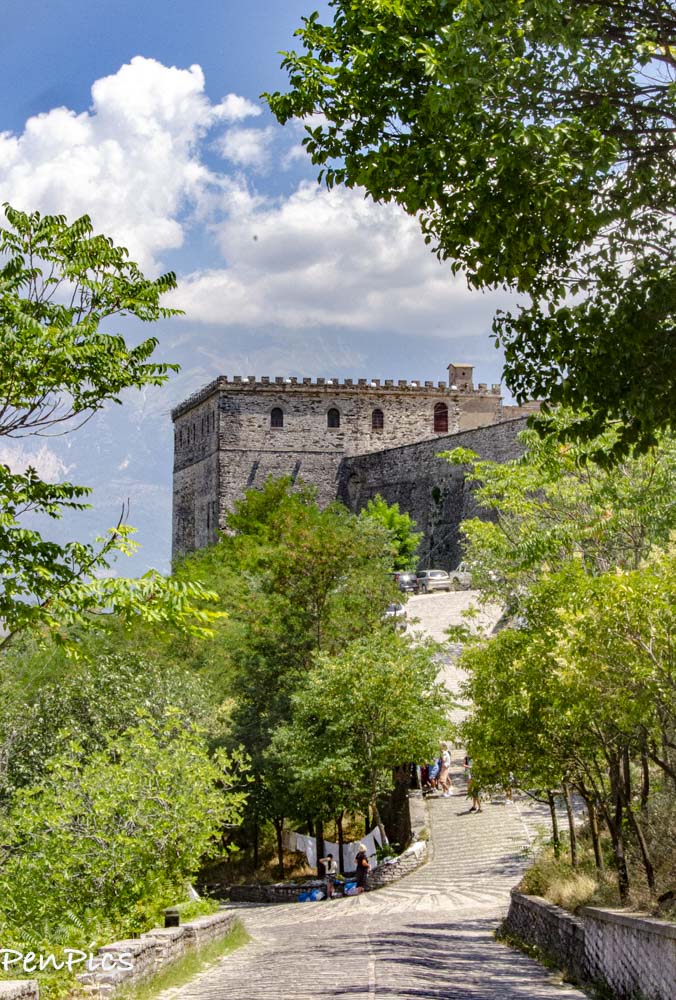
For today, we hiked up to the incredible castle, only to learn cars can be driven up and parked 🤣. No worries, because in the end it is better to get our exercise, though it is so hot during this time of the year. We would climb the equivalent of 41 floors and 2.5 miles. We guzzle a lot of water!
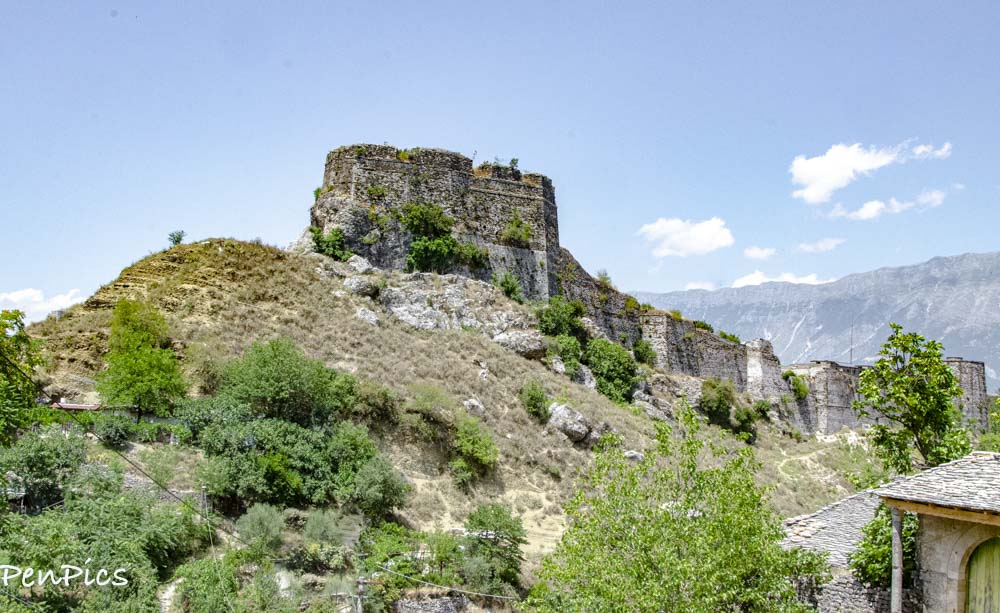
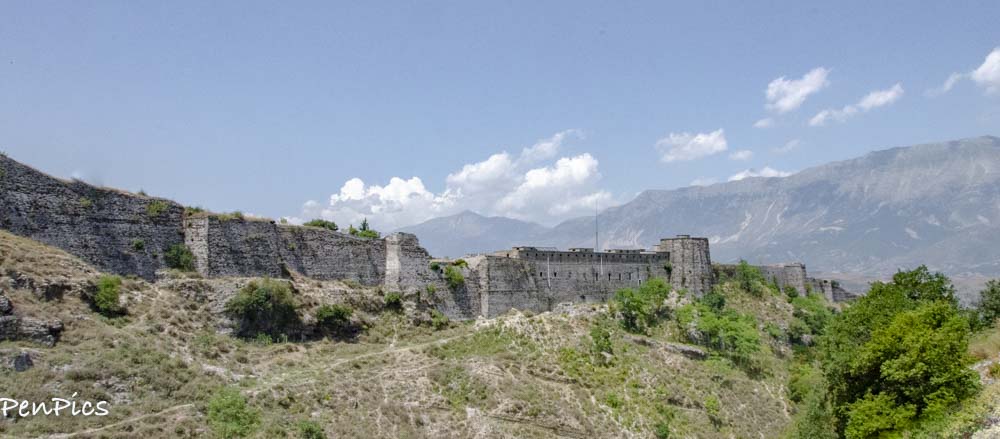
The Gjirokastër Castle is enormous, and the history is just as amazing as others in Albania, if not more so.
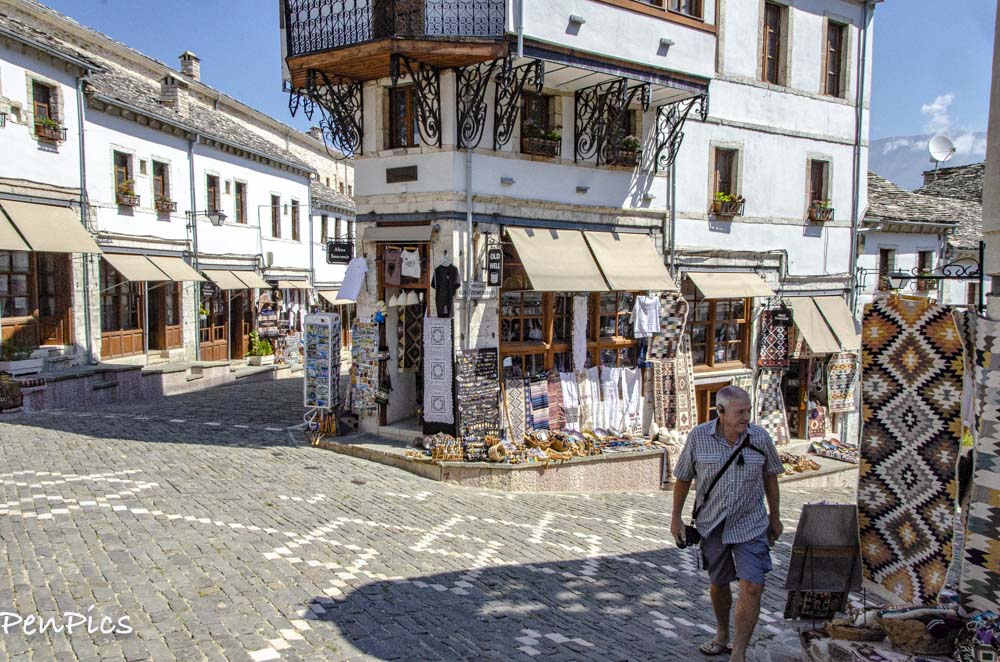
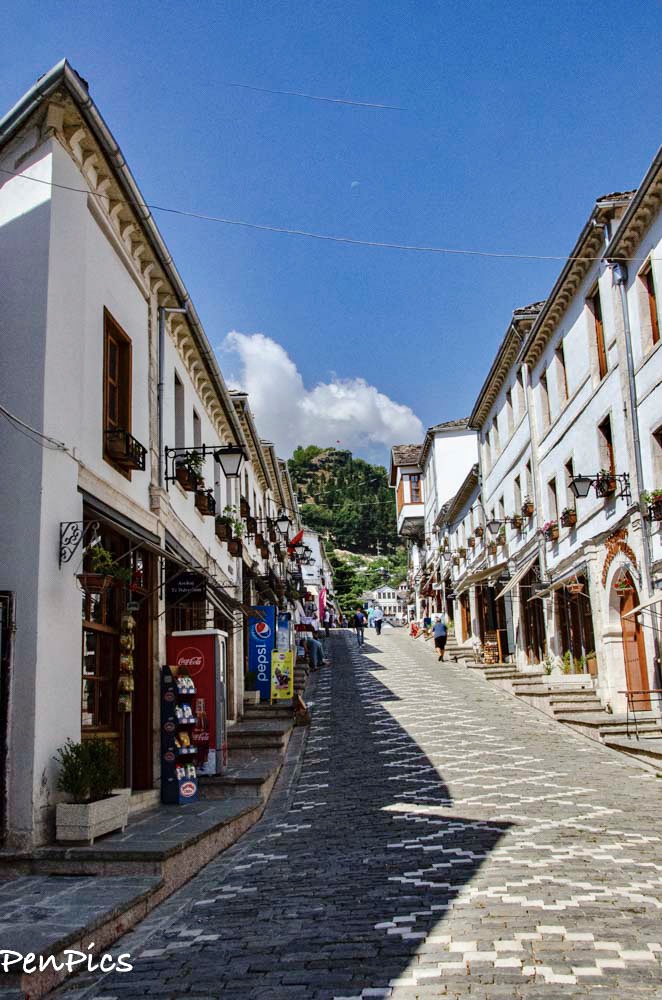
Byzantine chronicles indicate that in 1336 Gjirokastra was called Argyropolihne (Argyro town) and was under the control of Prince Gjin Zenebishi. He died without surrendering to the Turks, but in 1432 Gjirokastra came under Turkish domination. Turkish chronicles of 1583 indicate that Gjirokastra was a sanjak (an administrative unit of the Ottoman Empire) and boasted 434 buildings.
In 1672 the Turkish chronicler Evliya Celebi visited Gjirokastra and his realistic description is considered the best documentation of the historic town’s evolution. Celebi describes everything as it is today, the villages of the Old Bazaar, Varosh, Teqe, Mecite, Hazmurat, Cfake, Manalat and Dunavat, and more
The documents show that in the late 17th century Gjirokastra was almost the size it is now. Today, the historical center includes the castle and the structures built up to the 19th century. The area is protected as a UNESCO heritage site, and includes 1400 buildings.
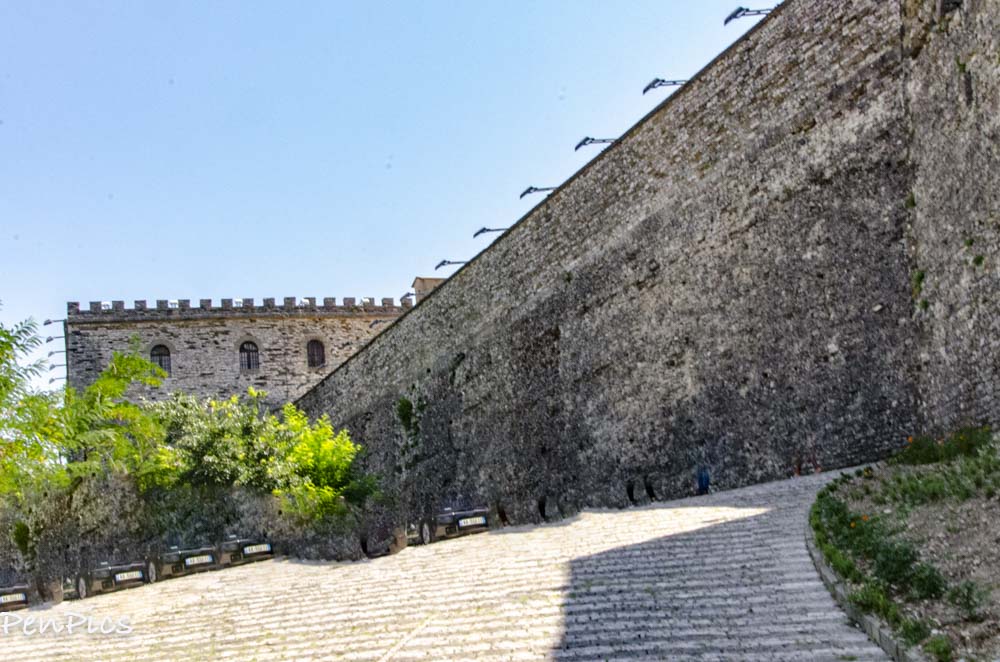
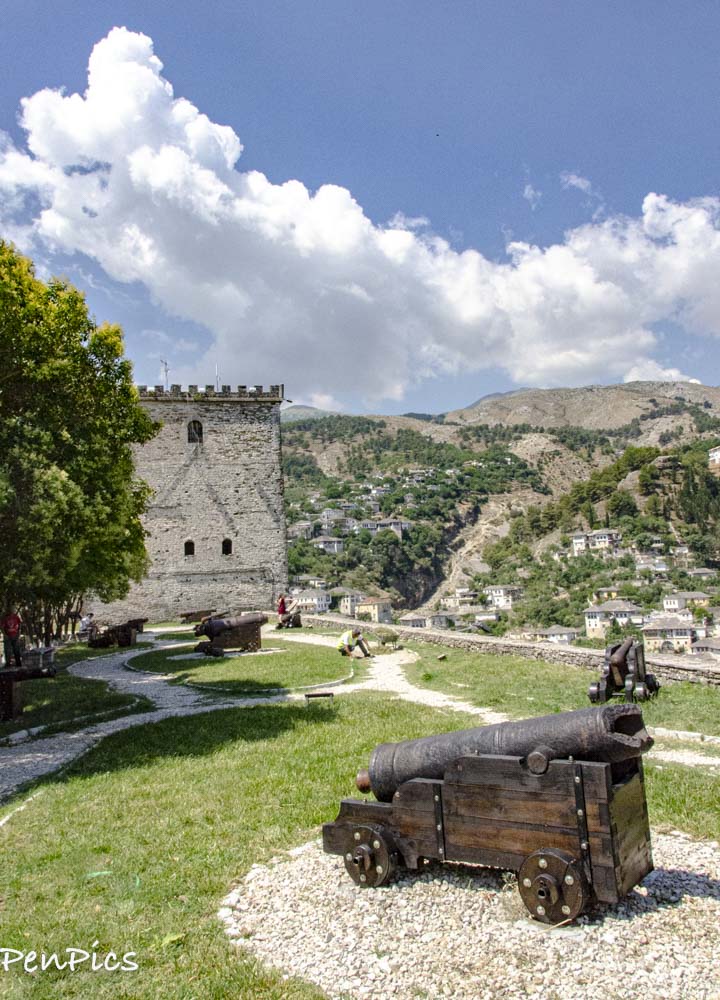
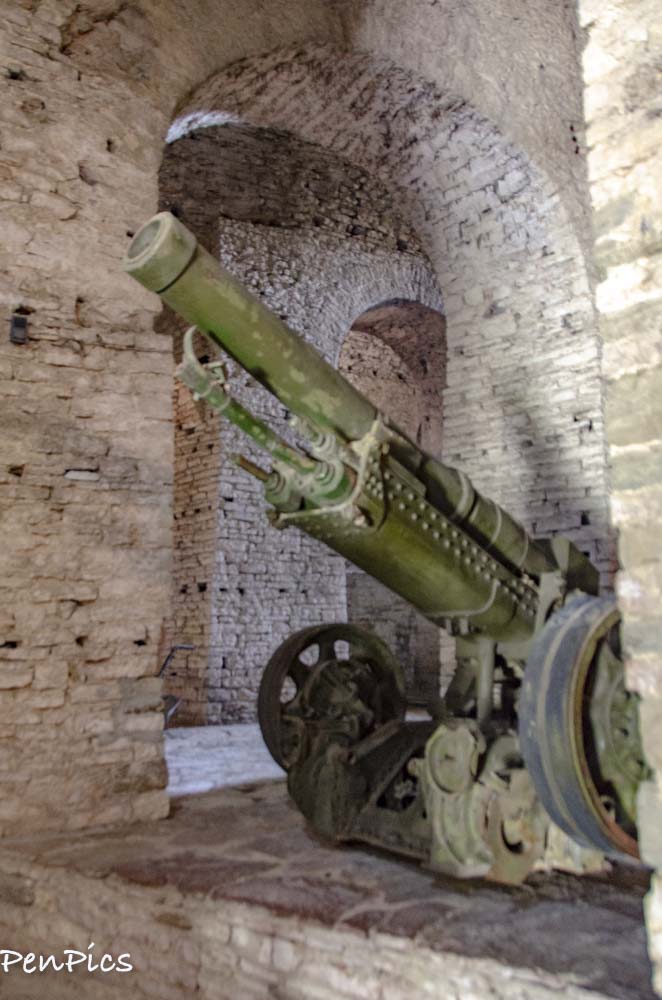
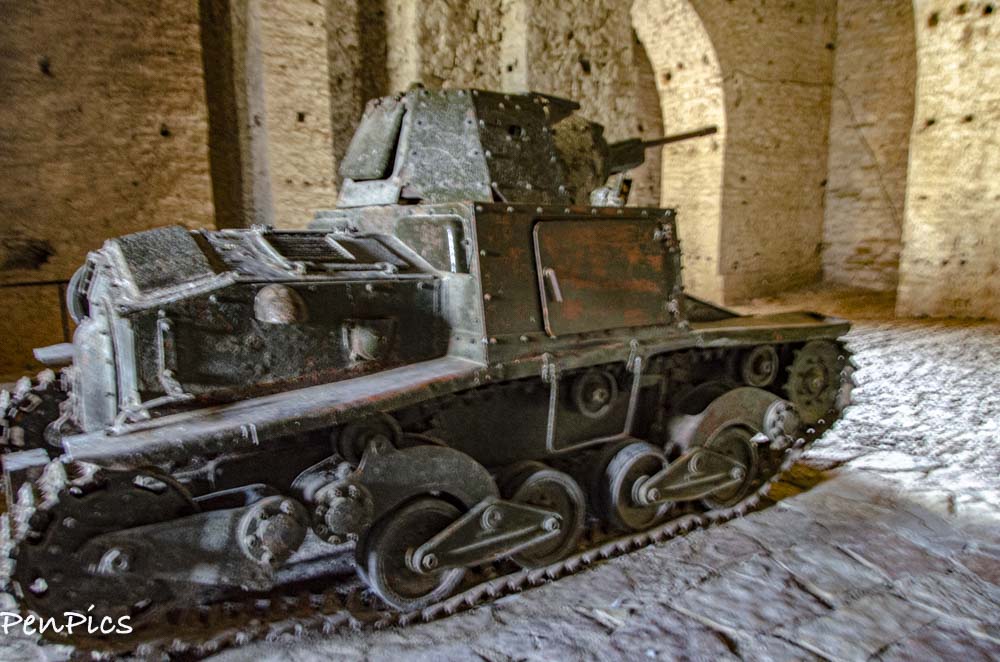
This ominous Albanian fortress houses tanks and a downed plane, as a reminder of their victories over Western imperialism

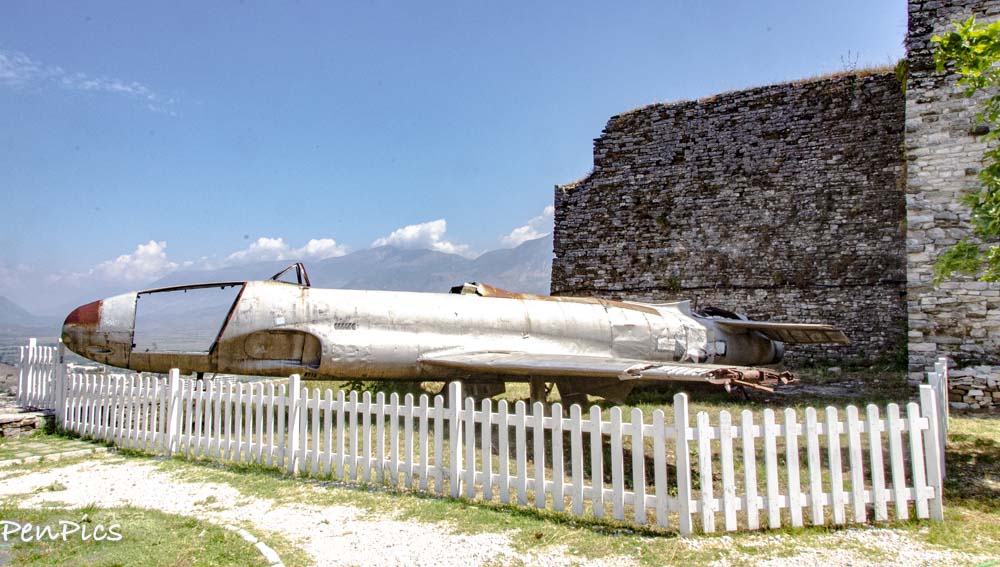
One of the most interesting modern curiosities exhibited in this castle is the American two-seater aircraft. When the Albanians tell the tale, they say it was forced to land near Tirana in 1957, as it was considered to be a spy plane. The American version of this planes’ story is the pilot got lost in the fog, and was forced to land, due to being low on fuel.
Because of the Albanian version: At the time of the Cold War, this event marked a triumph over the West and thus, the aircraft merited a place in the castle exhibitions.
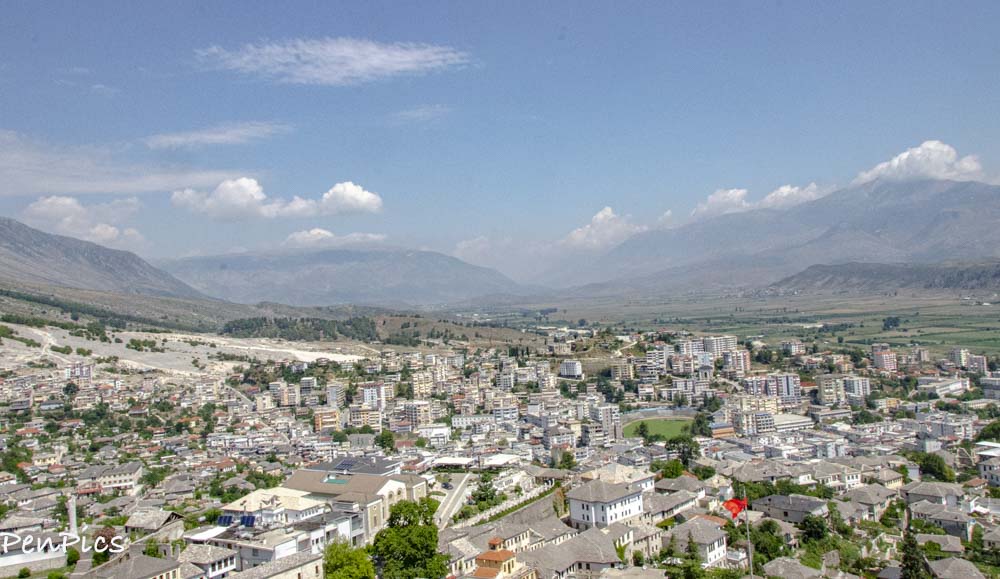
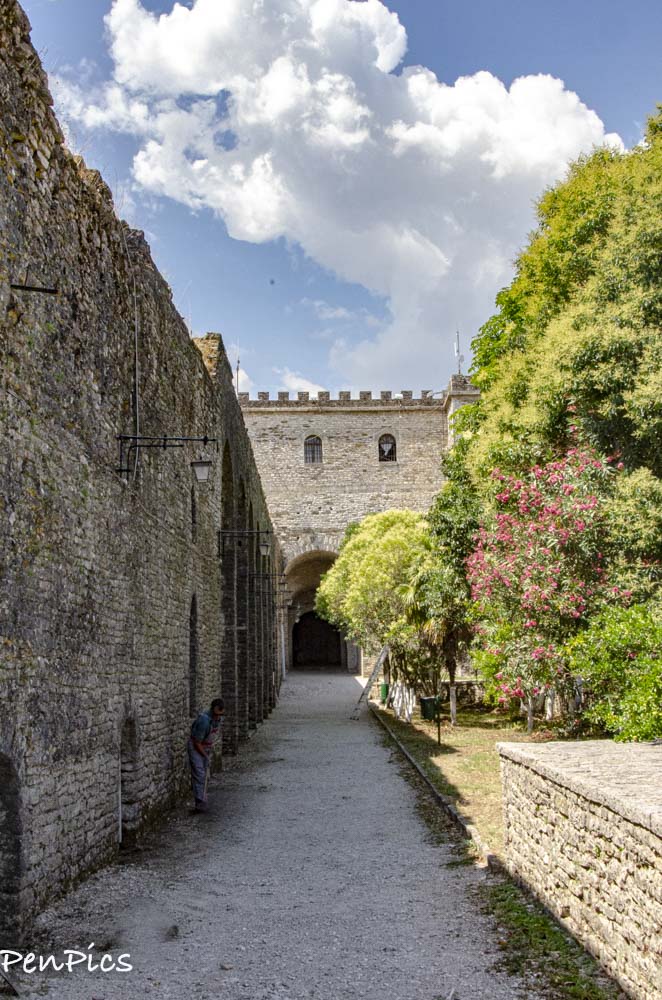
Like other European towns, the evolution of Gjirokastra began in antiquity and continued through the Middle Ages and European Renaissance. What makes Gjirokastra’s history unique is its position in the Drino Valley, which has been home to many civilizations. Excavations show that the Drino Valley has been inhabited since the 3rd century BC, as have many other sites in the area: Apollonia, Butrint, Dyrah, Corfu, Dodona, and Bylis. Gjirokastra, along with 15 other small settlements, was controlled by Antigonea in the period before Christ, and by Hadrianopolis, after Christ.

https://memorie.al/en/the-mother-was-taken-out-of-gjirokastra-prison-and-loaded-with-a-bag-of-salt-on-her-back-but-on-the-way-some-communist-families-spat-on-her-and-e-testimony-of-the-son-of-the-captain-of-zog/
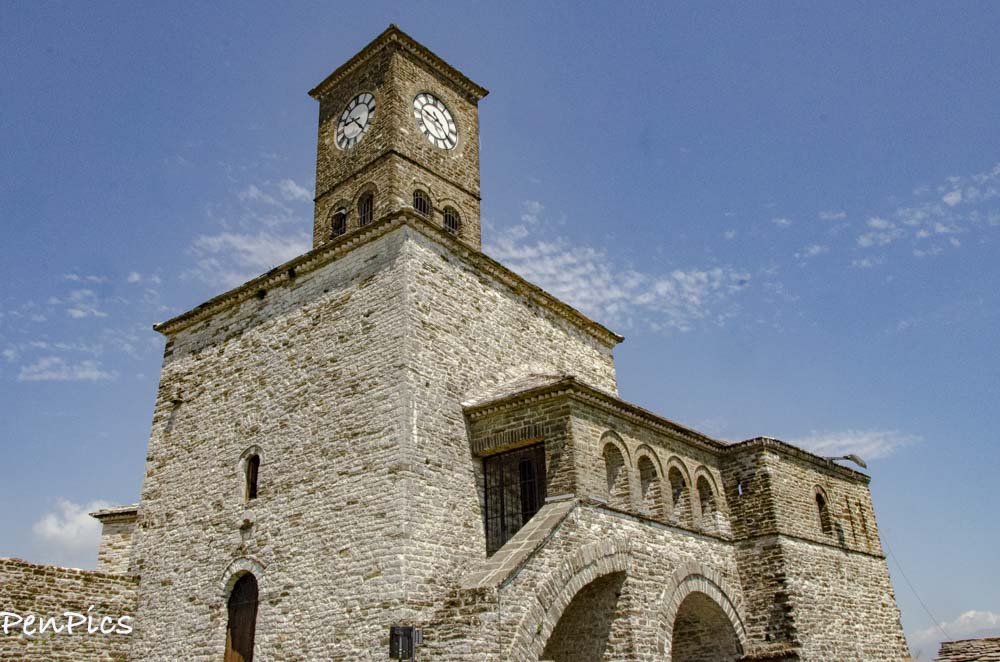
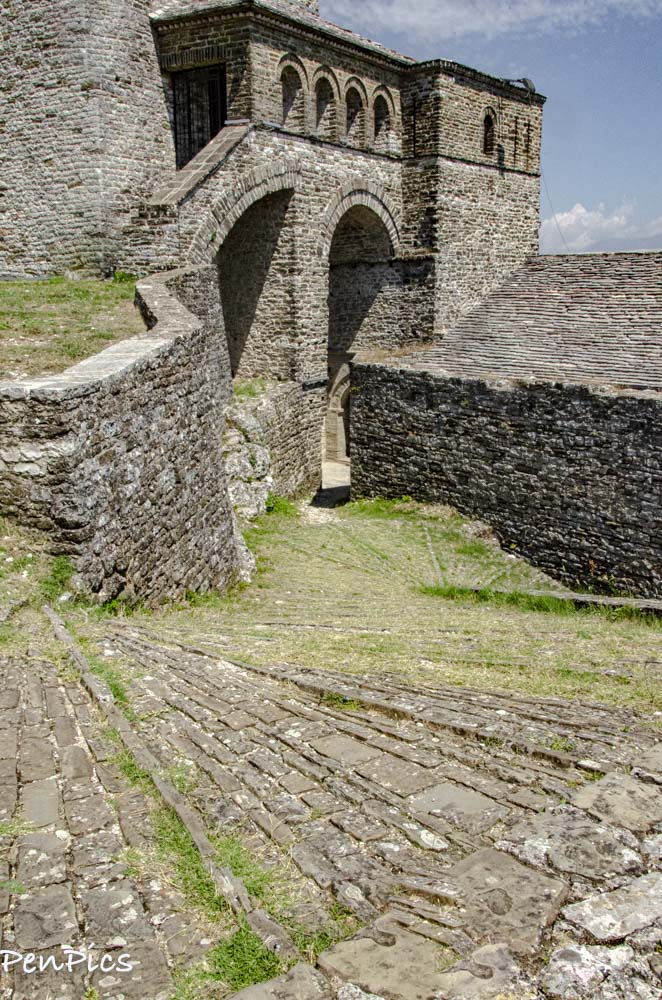
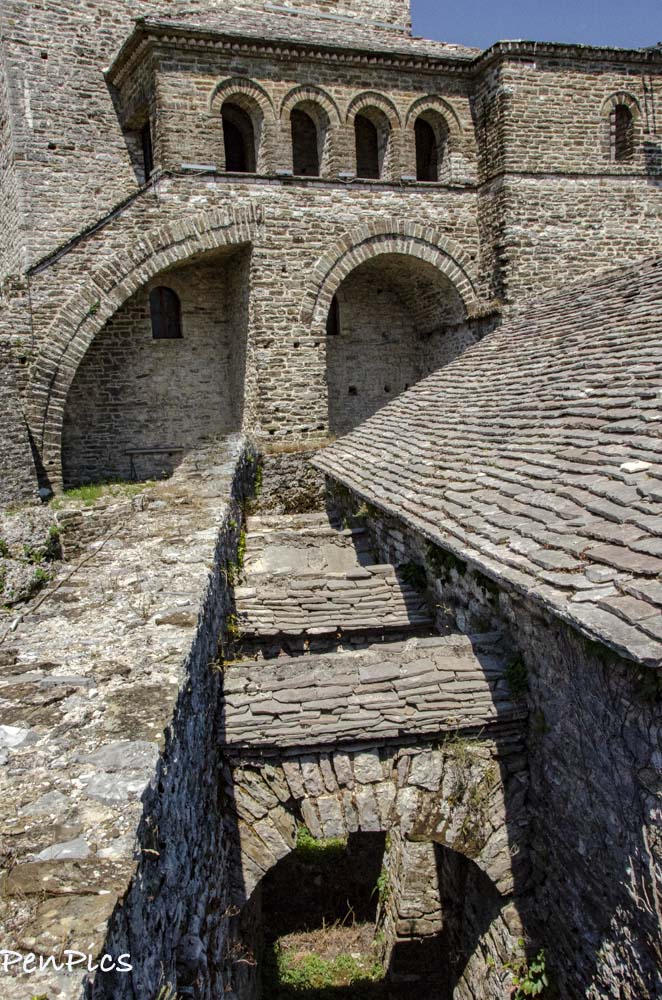
The first of the defenses were put in place by the Despots of Epirus, an off-shoot of the Byzantine government, who established the basic towered structure of the castle. Later on, while the area was under Ottoman rule, the site was extensively renovated and built upon, bringing the site to a sort of regality that it hadn’t enjoyed since its creation centuries prior.
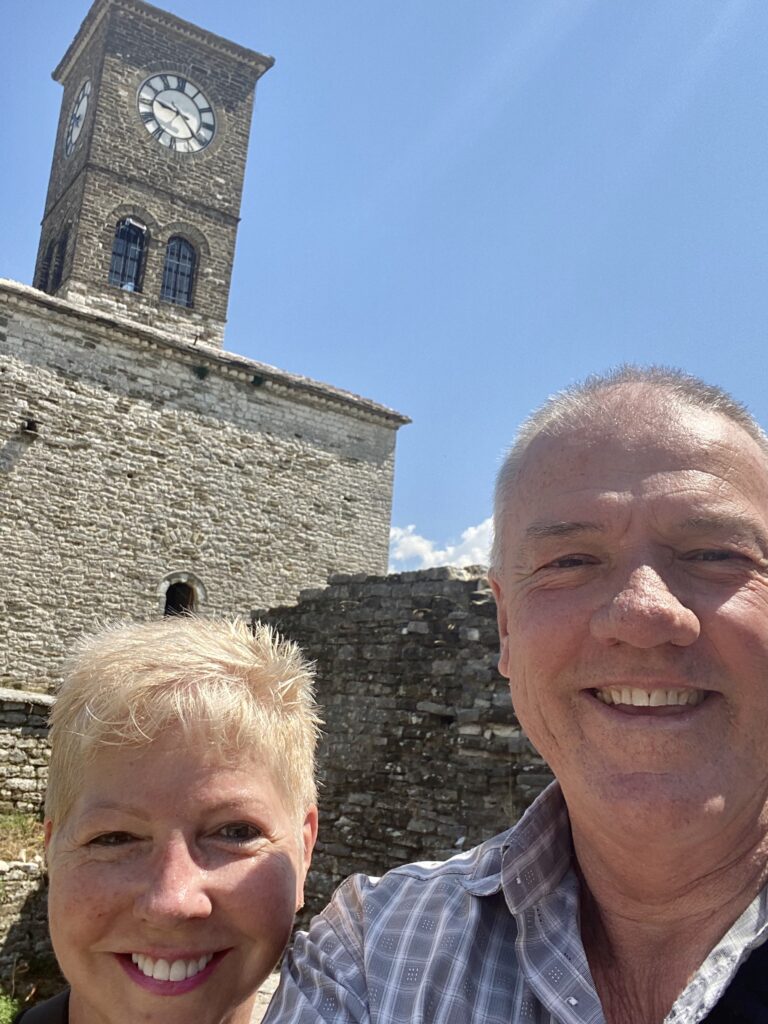
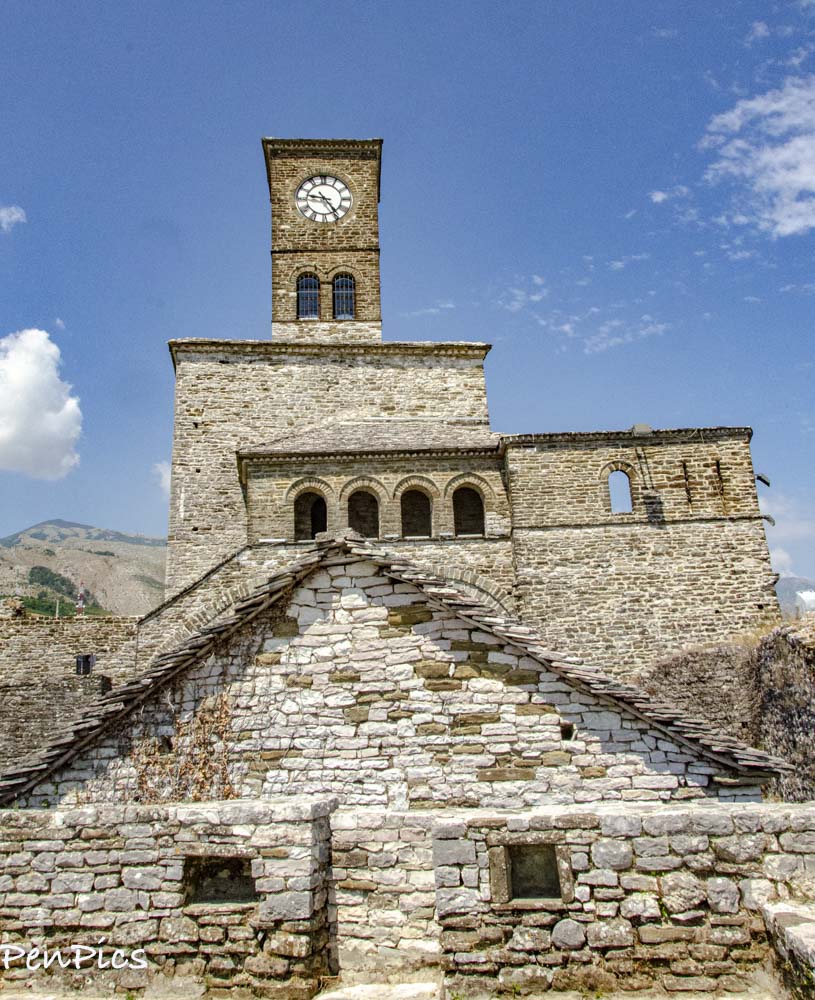
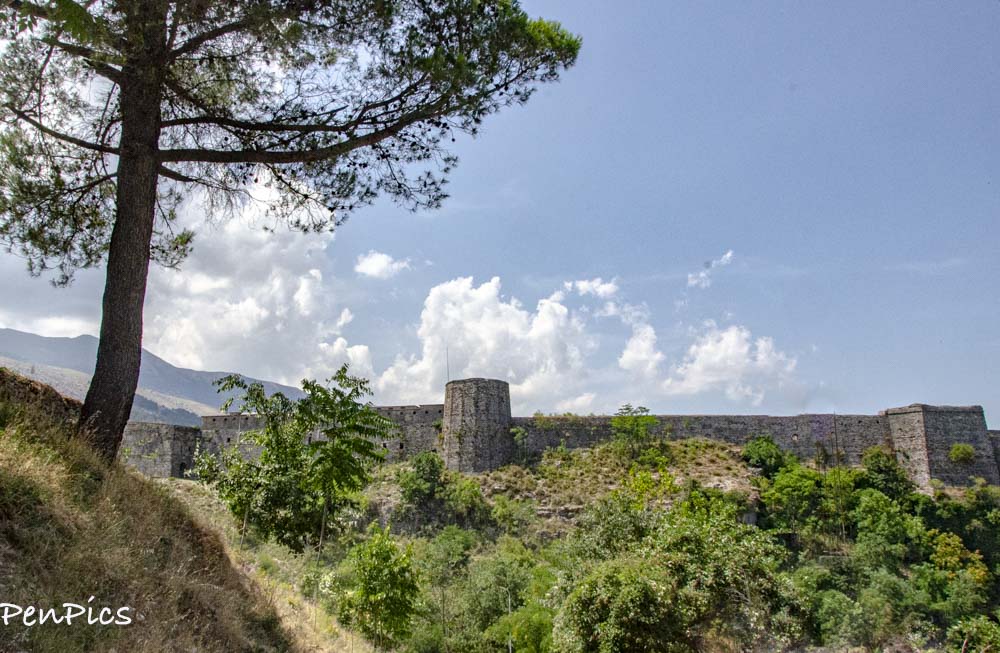
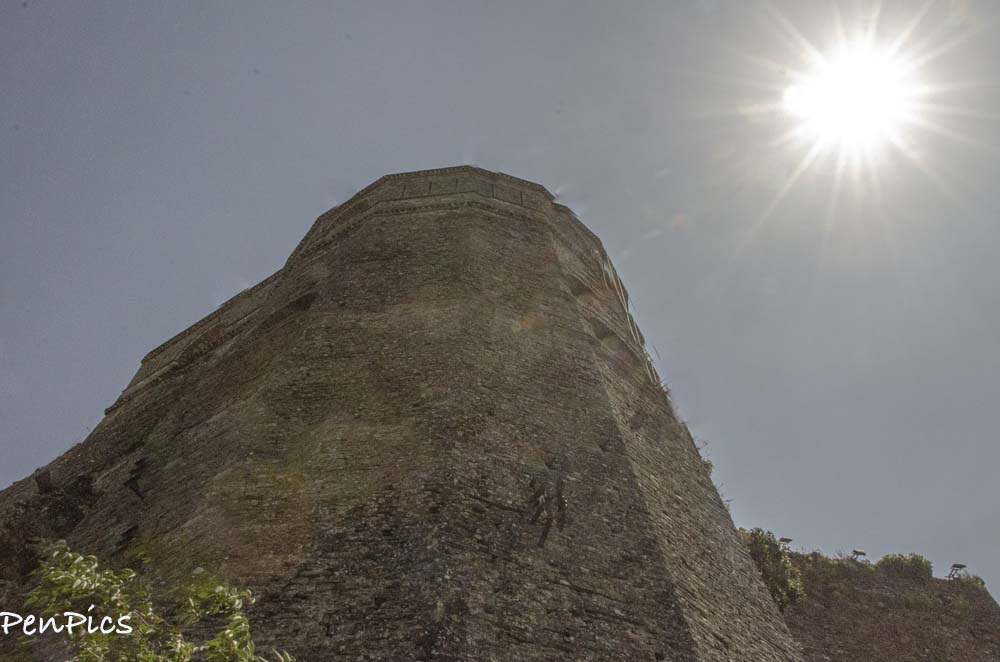
The Clock Tower, erected 19th century by Ali Pasha, at the Kalaja e Gjirokastres or Gjirokastra Castle, built before the 12th century and expanded by Ali Pasha of Tepelene after 1812. The castle dominates the town and overlooks the strategically important route along the river valley. The government of King Zog expanded the castle prison in 1932. Today it has five towers and houses the new Gjirokastra Museum, a clock tower, a church, a cistern and the stage of the National Folk Festival. Gjirokastra was settled by the Greek Chaonians, the Romans and Byzantines before becoming an Ottoman city in 1417.
In the 1930’s the fantastically named Zog, King of the Albanians converted the fortress into a prison, adding a number of cells and fortifications to hold members of the various resistance forces acting in the country during his reign.
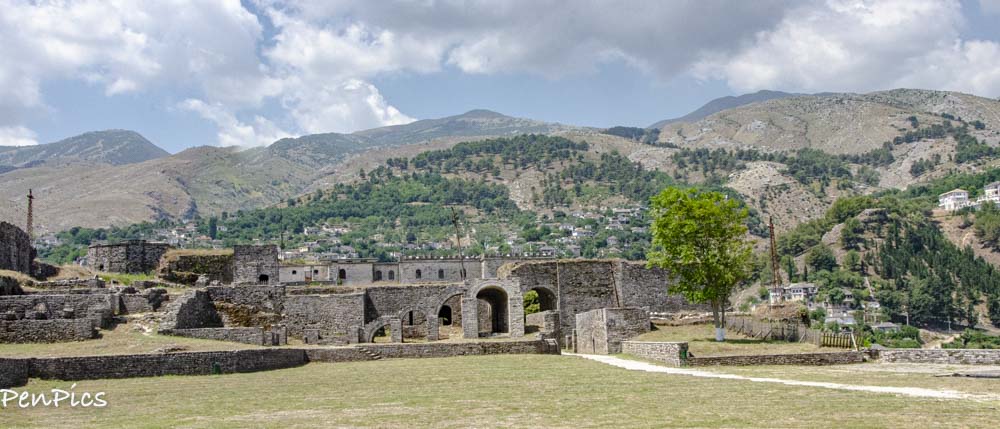
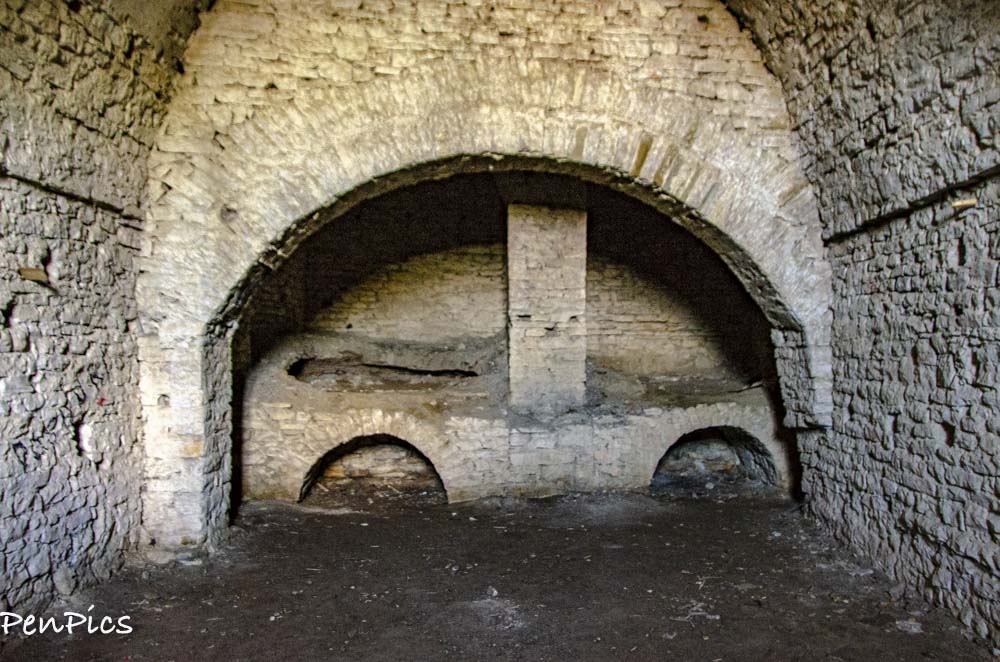
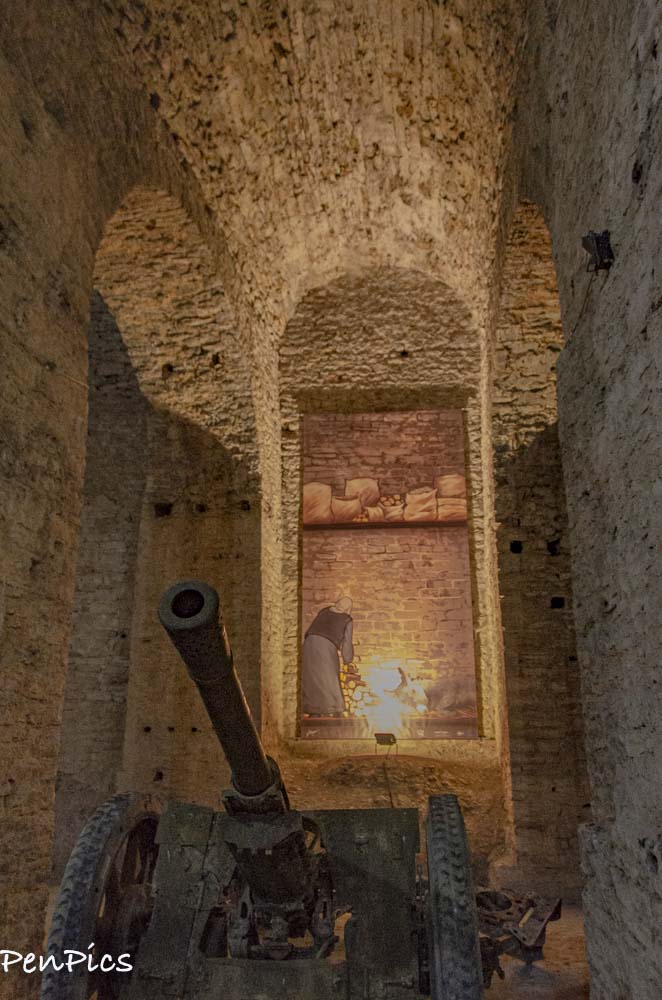
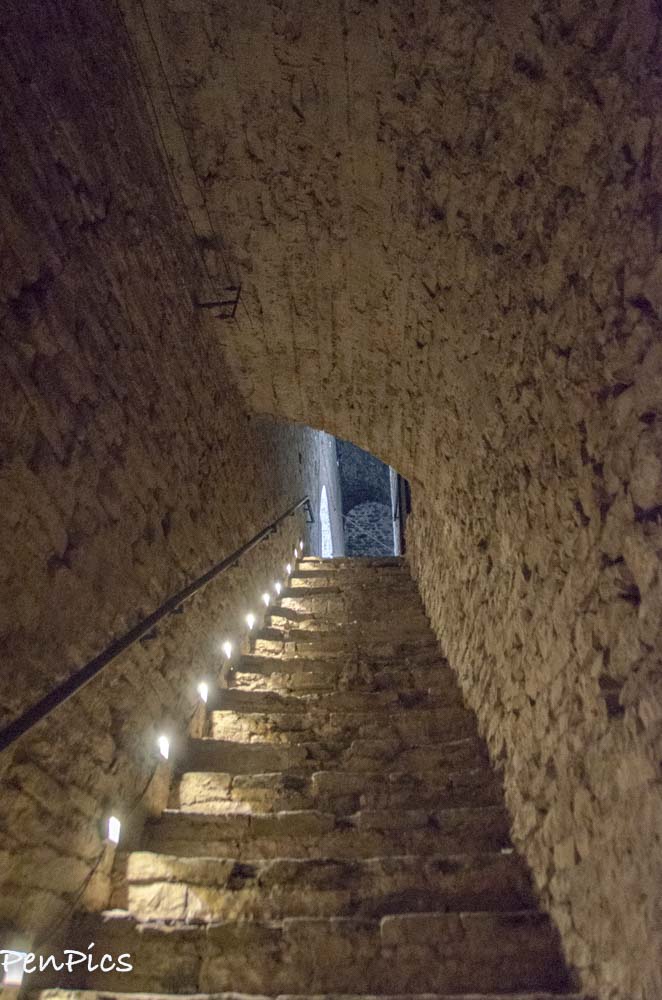
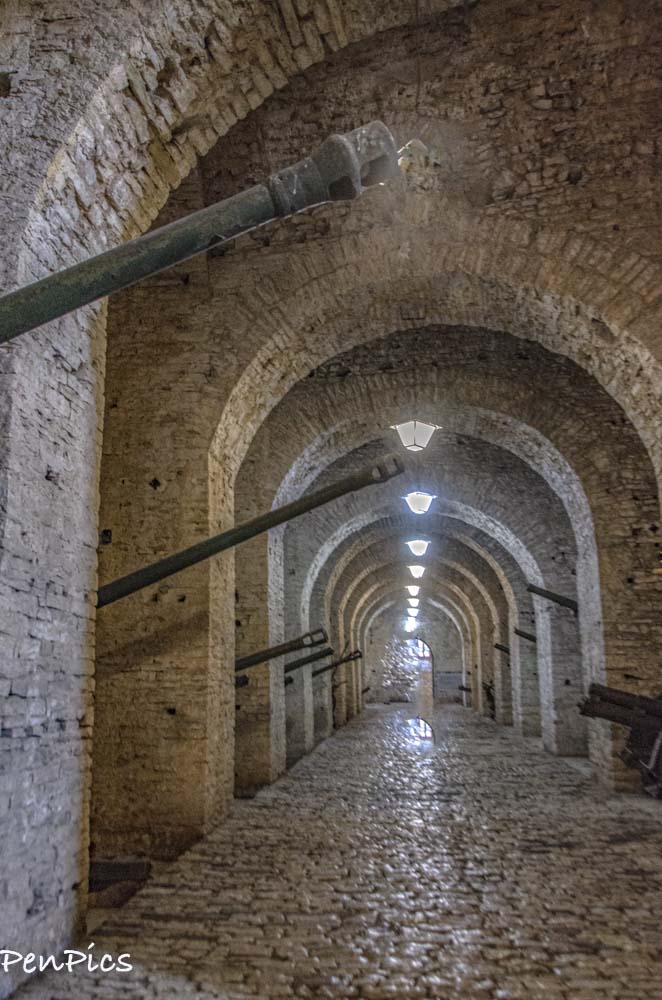
The juxtaposition of modern weaponry against the ancient backdrop is startling, but it’s clearly as much a part of the castle’s history as its origins. The oldest of Gjirokastra’s citizens can still remember the days when those who openly expressed dissent would be taken and locked up in the castle. Having personally spoken to one such Albanian, it made all too real for me, here.
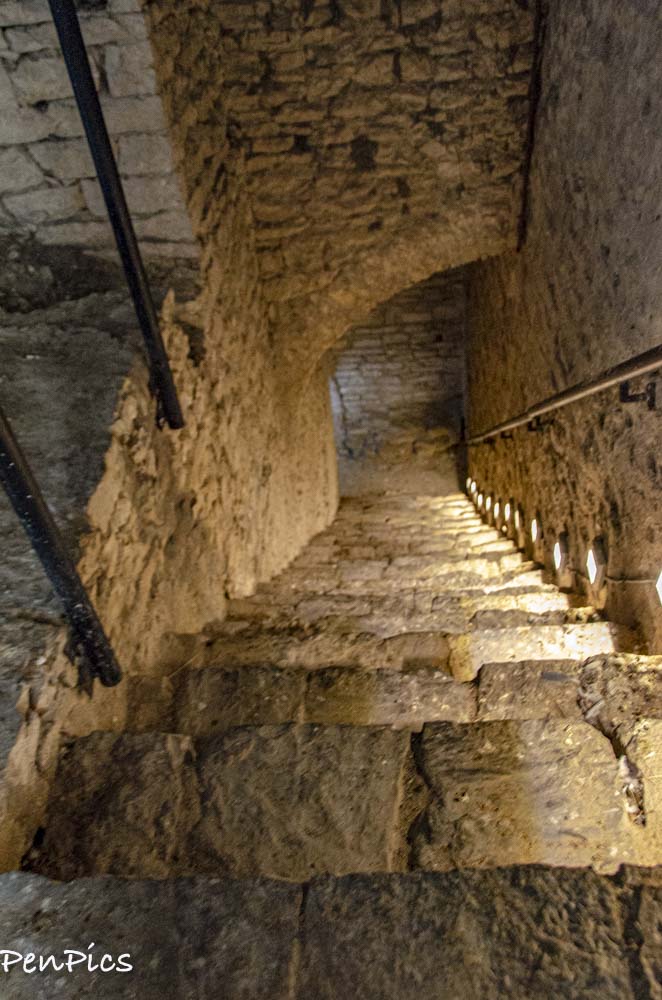
This space also preserves the infamous prison built in 1932 by King Zog, used by his and all subsequent regimes, including the Fascists, Nazis, as well as the Communist regime, up until 1968.
This prison became a museum in the 1970s. Residents of Gjirokastra still recall the cries of torture coming from the so-called “prison of the seven windows,” and the walls still bear the inscriptions of those condemned within.
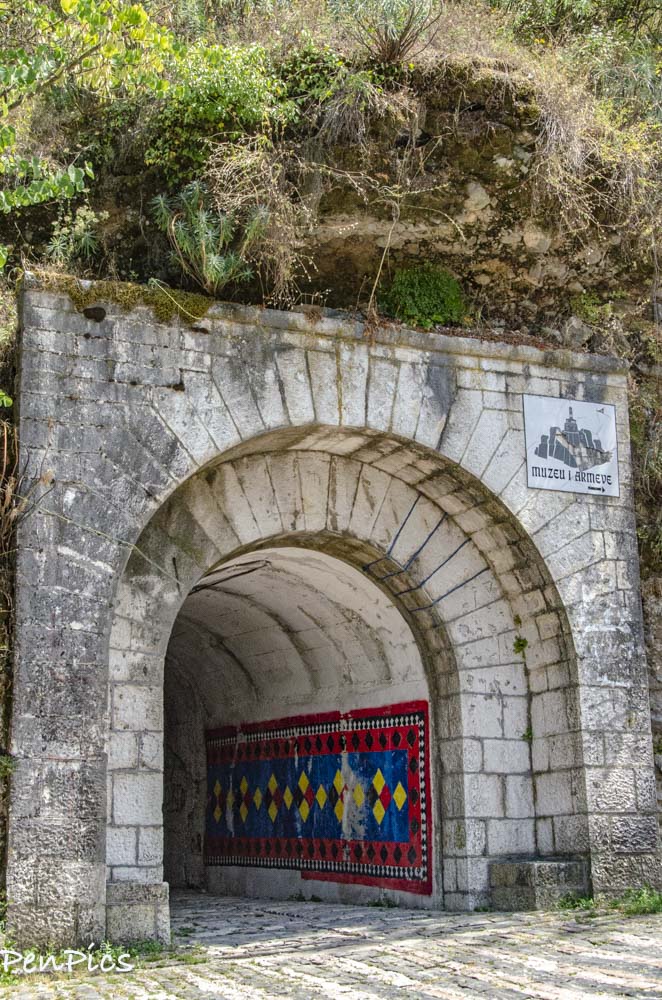
Today, the fort sits on top of a hill that towers over the surrounding town making it a striking monument to the grandeur of the past.
The site continued to operate as a prison until 1968, and now the castle complex is operated as a historical site, including an arms museum devoted to the weapons of Albania’s independence. Even outside of the museum proper the castles halls are sprinkled with abandoned World War II tanks.


About Us

About Us
Hello and Welcome to our Travel Blog Website, We enjoy writing about our experiences and taking photos of our adventuring along the way. Our names are: Daryl and Pen, but Daryl calls me “Bunny.” We met, quite randomly, whilst both traveling in Thailand with friends. We happened to be in the same travel group, and […]