


Turkey 🇹🇷 ~Sogonli Valley “Rock Churches of Gorme’s Open Air Museum”
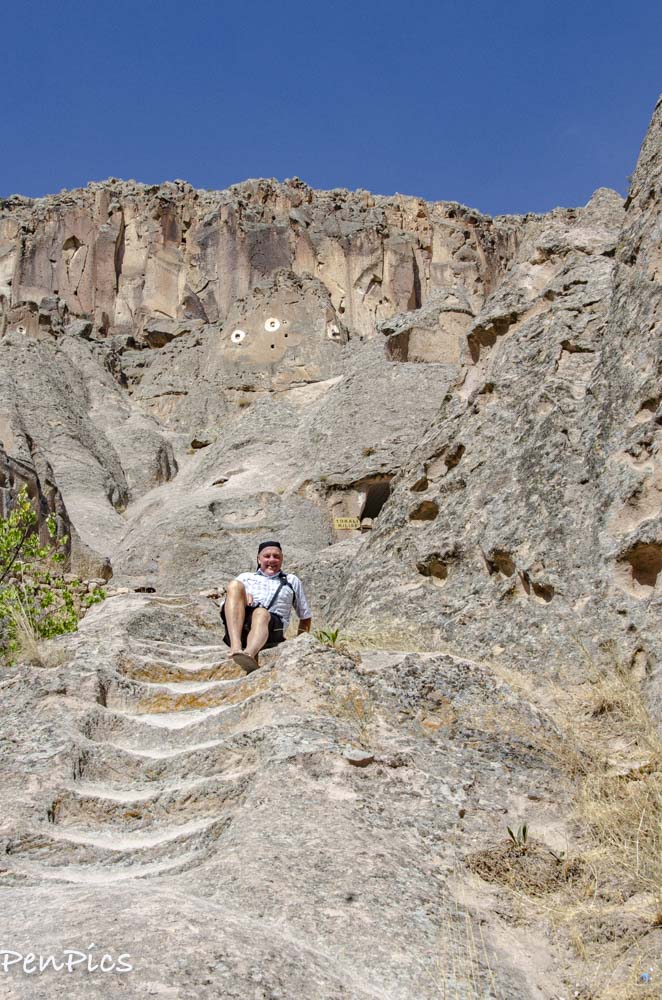
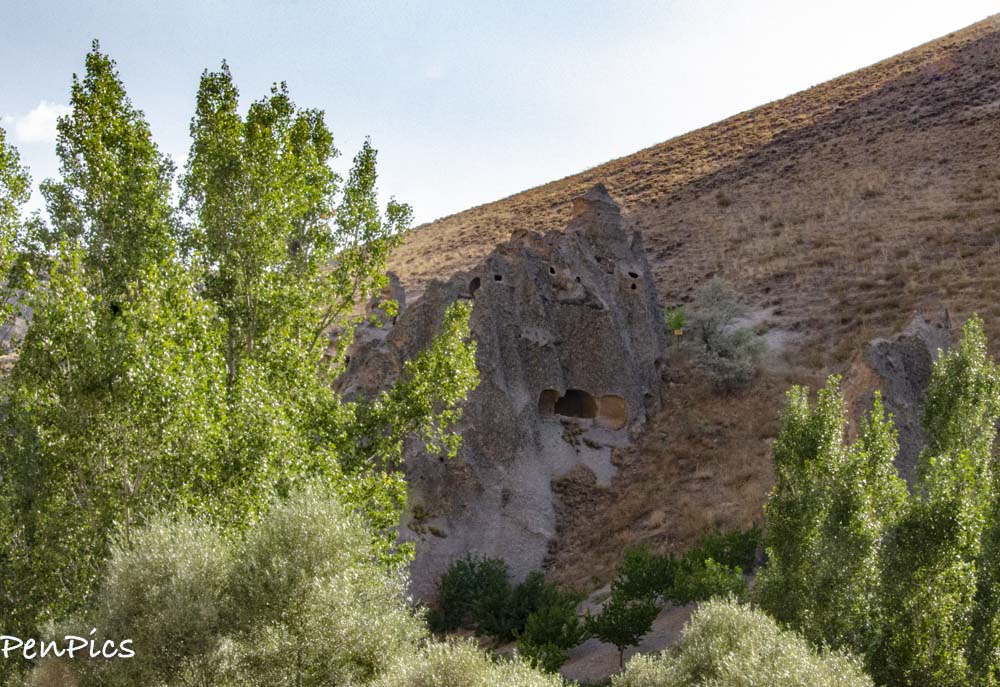
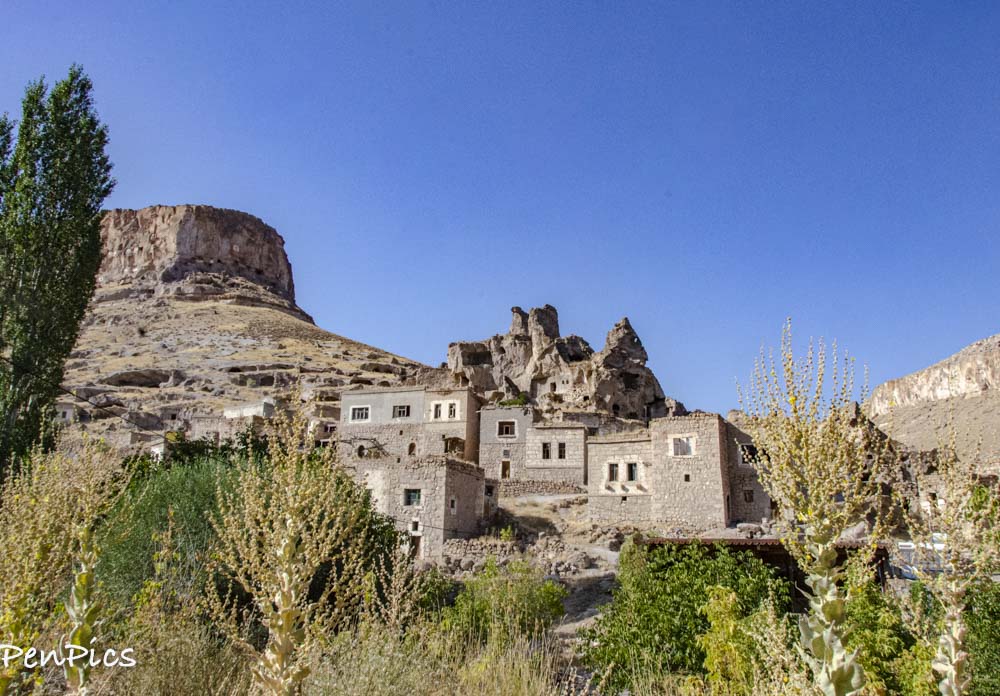
Before we arrived in Goreme town, and got checked into our cave-room, we saw this this really cool ancient rock church, way up on the hillside. After going up there and seeing it, we continued on and soon this adventure turned into a “ thing.” This would include several hours and hiking. The big guy, still recovering from his procedure, sat out most of the hiking, but for me, I was intrigued motivated to check out every single one of these ancient dwellings. They required a ticket to enter the protected area, and we drove to a couple of them, but some were in a cluster and could be reached with hiking; different ways to reach them.
Out of all we saw in Cappadocia, in regards to the cave-structures, this area was my favorite. Definitely not as well known, but really amazing! Goreme Open Air Museum, known as the knowledge behind the origins of Cappadocia, is one of the most special places with its monastery which has lived on for years.
The story of the valley started in the 4th century AD, at the early Christian periods. Monastery life denominated the valley when Kayseri Bishop of St. Basil arrived there to spread his teachings and train students. The region known as Goreme Ruins too, was the center of the education and training system until the 13th Century.
This valley, in which almost every rock block has been carved and transformed into places of worship, life and teaching, and where holiness meets art, entered as a UNESCO World Heritage Site by 1985
We had the place to ourselves, mostly, till we met a couple from Romania. We spoke with the young man about our recent visit to his country. He was such a nice man. As we were driving away, he walked over to our car and handed us a jar of homemade jam his grandmother made. How nice was that? I tried to take a picture of him and his gal, but he politely declined.
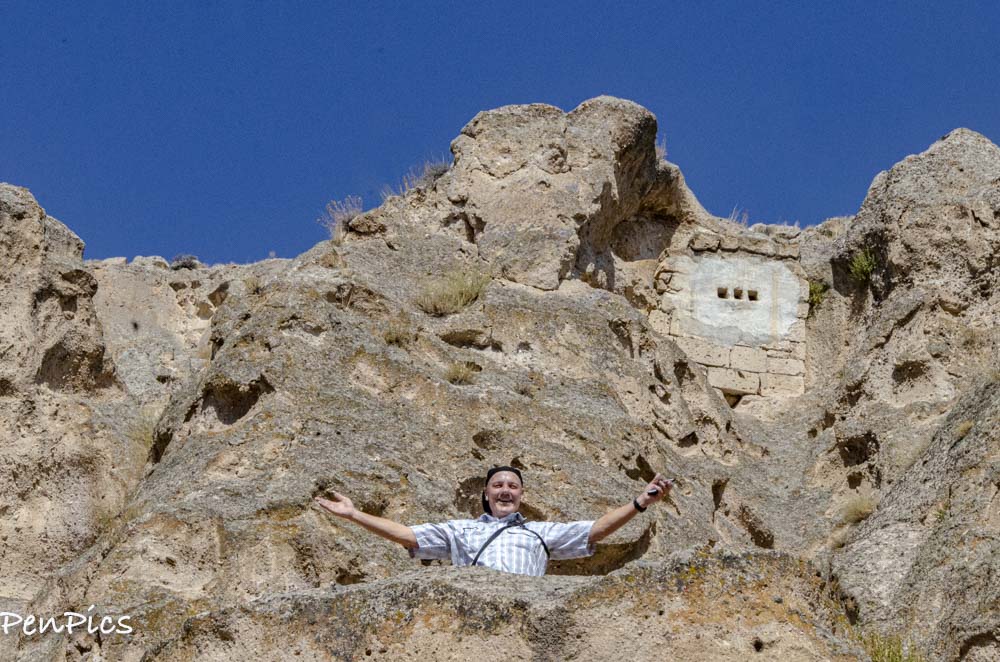
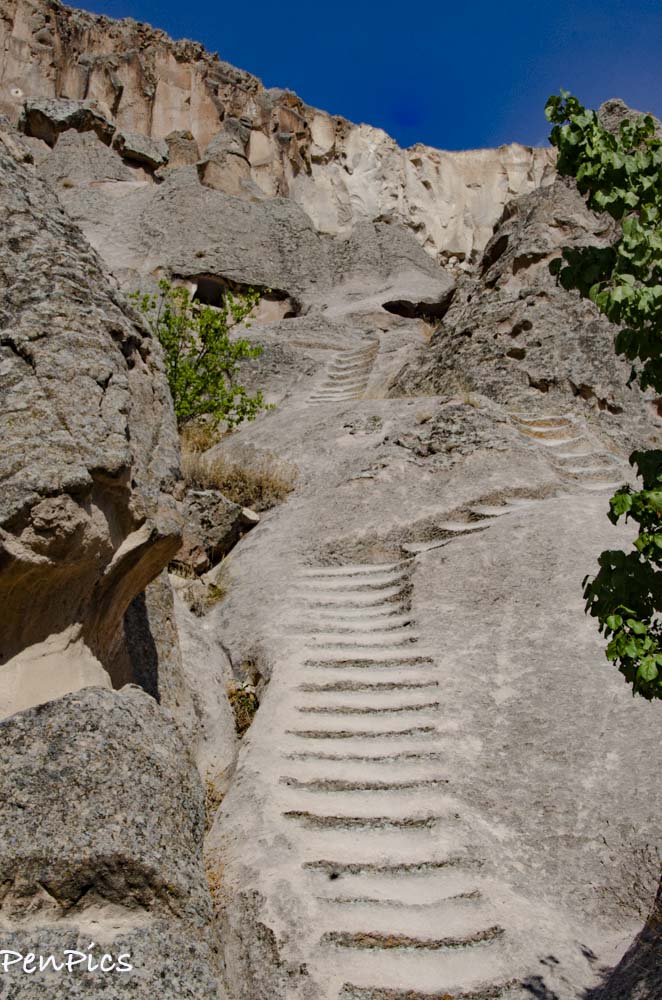
These ancient sites are off-the-beaten-path, again, just like we like things. They are definitely a hidden gem, and should be included on everybody’s itinerary. So incredible!
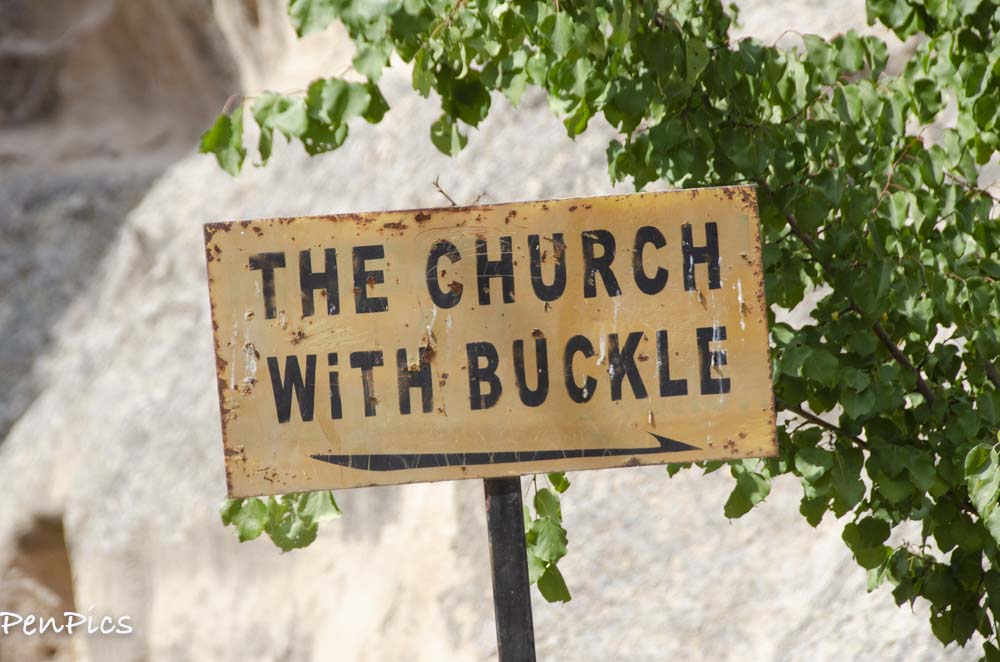
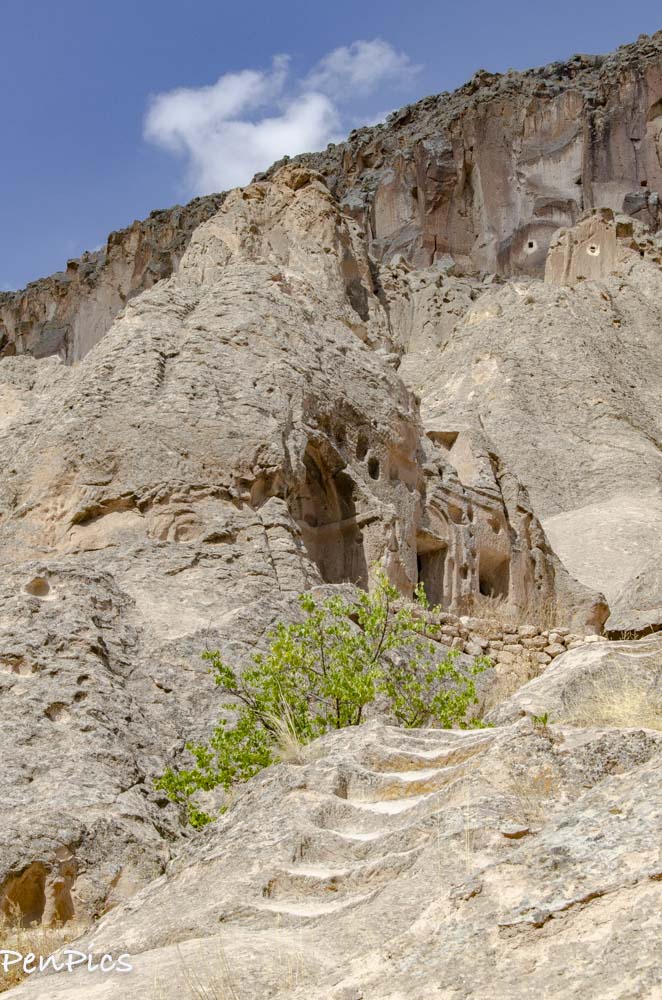
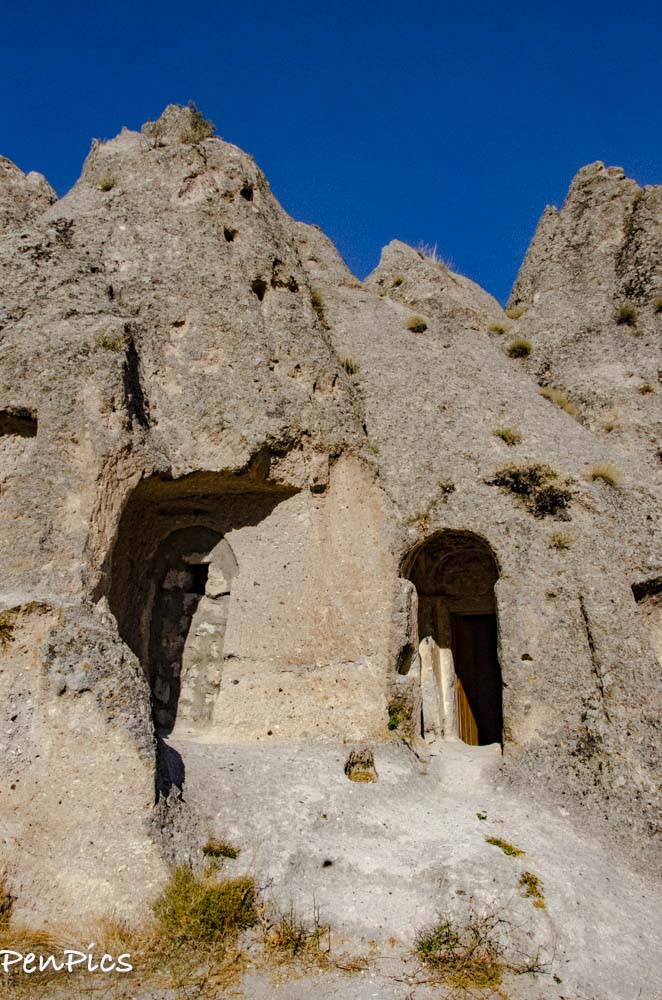
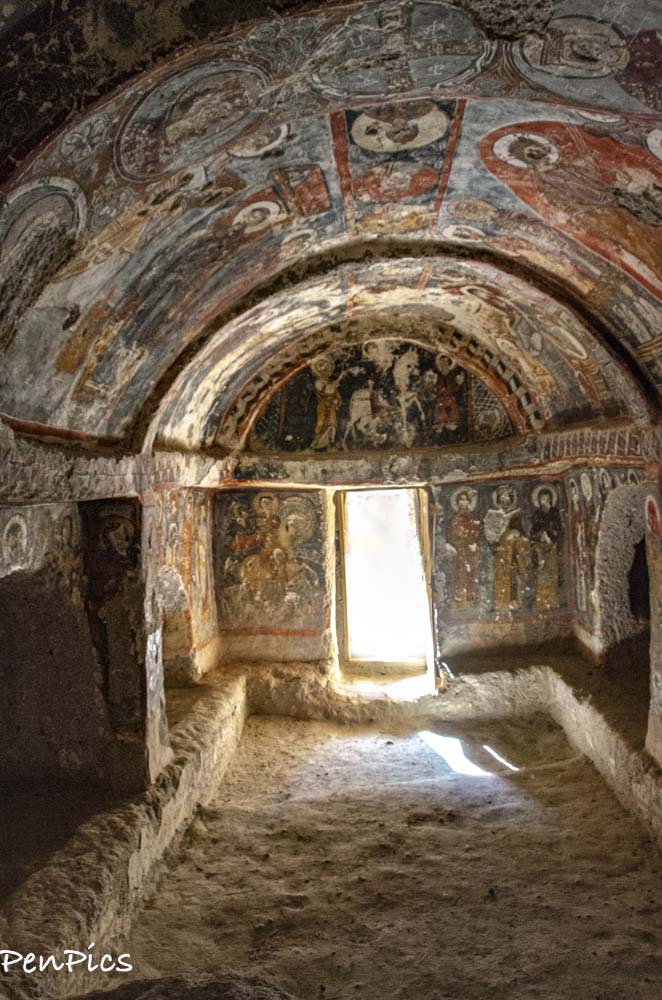
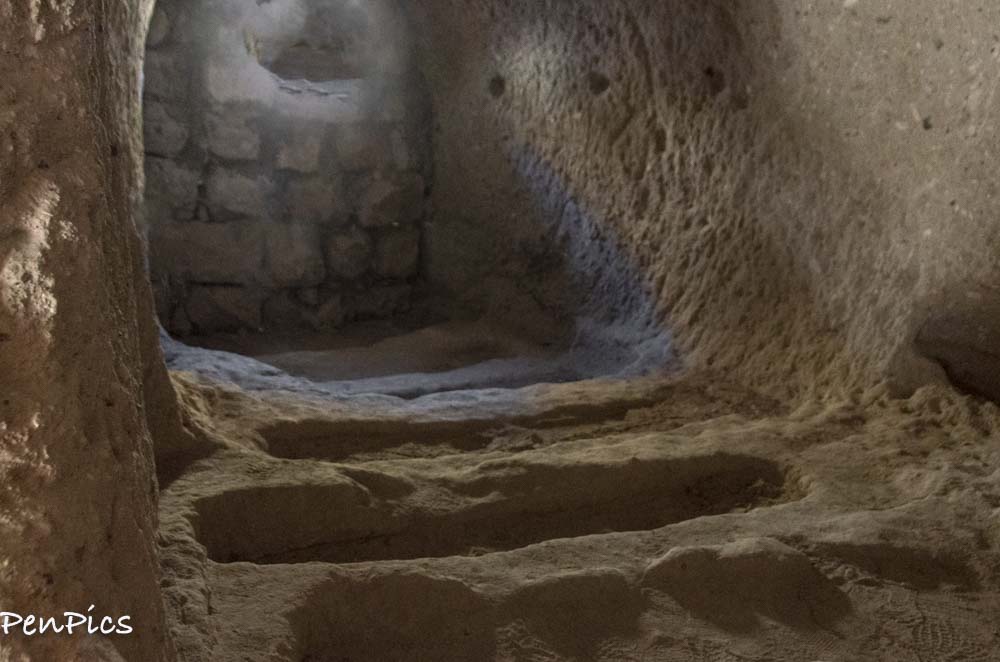
Sometime in the 800’s AD, Tokalı Church began as a simple hermitag; a small dwelling for a solitary monk. The small, dark room immediately to the left as you enter was the original hermitage of this site. The current entrance has a framed doorway, but the bricked up hole was the original entry point. The space has furniture such as benches/bed and storage spaces carved into the wall. The room is basic and functional, with no paintings.
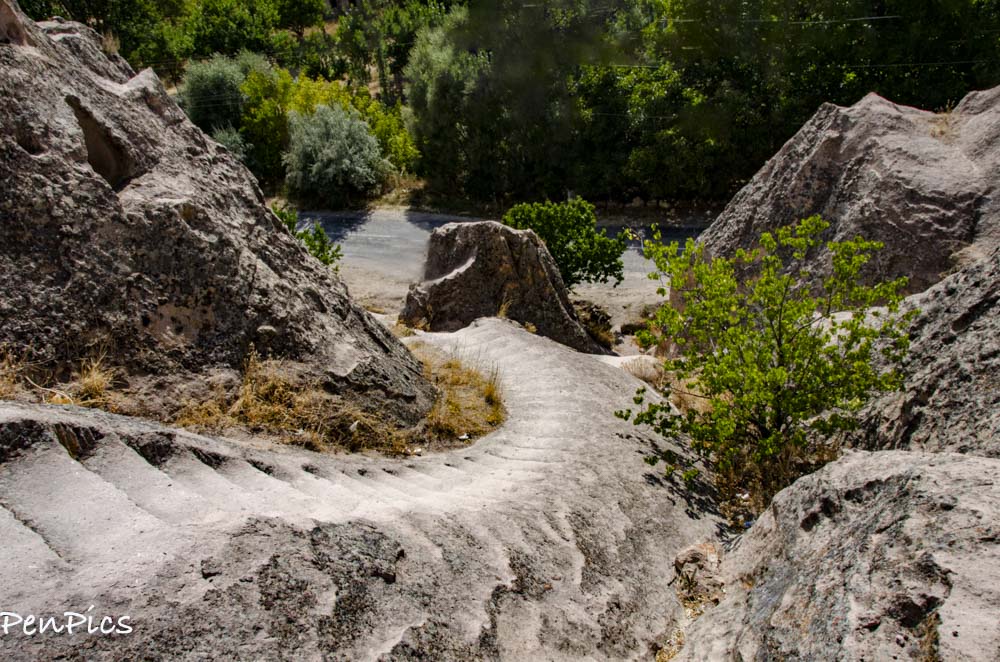
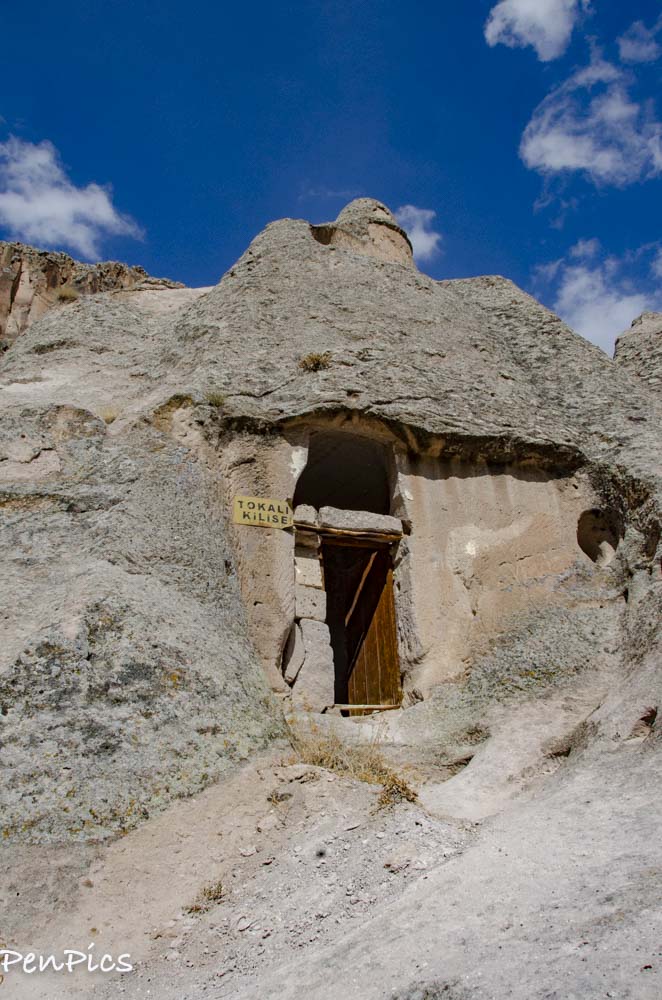
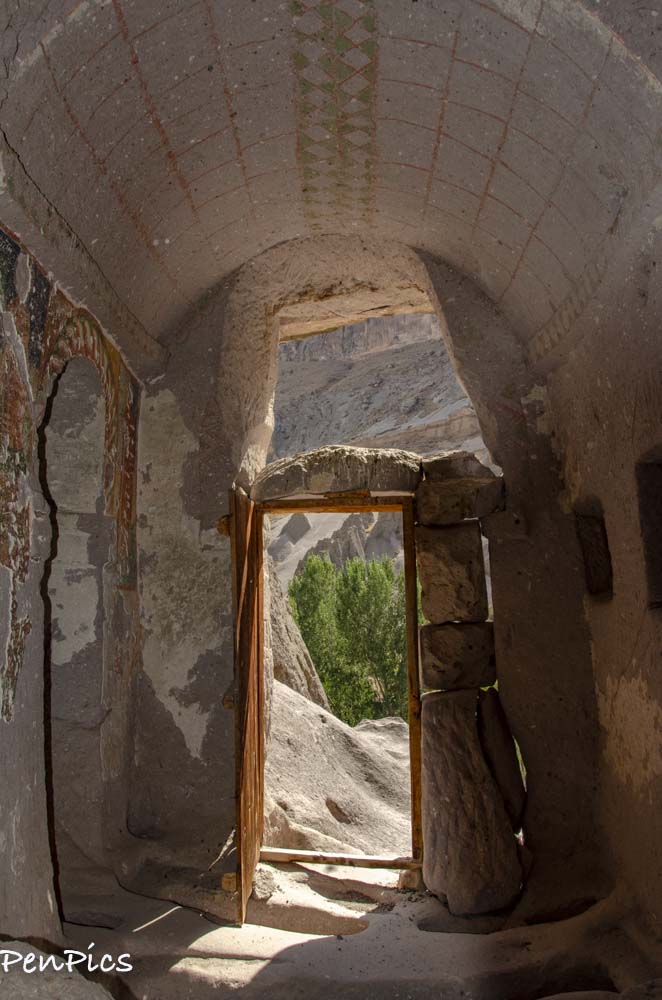
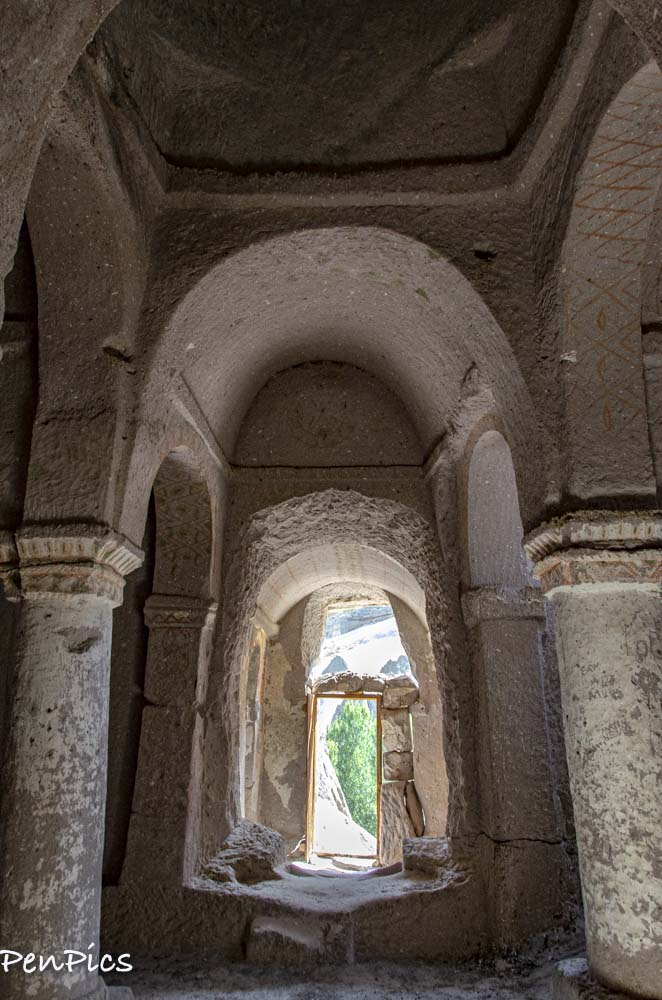
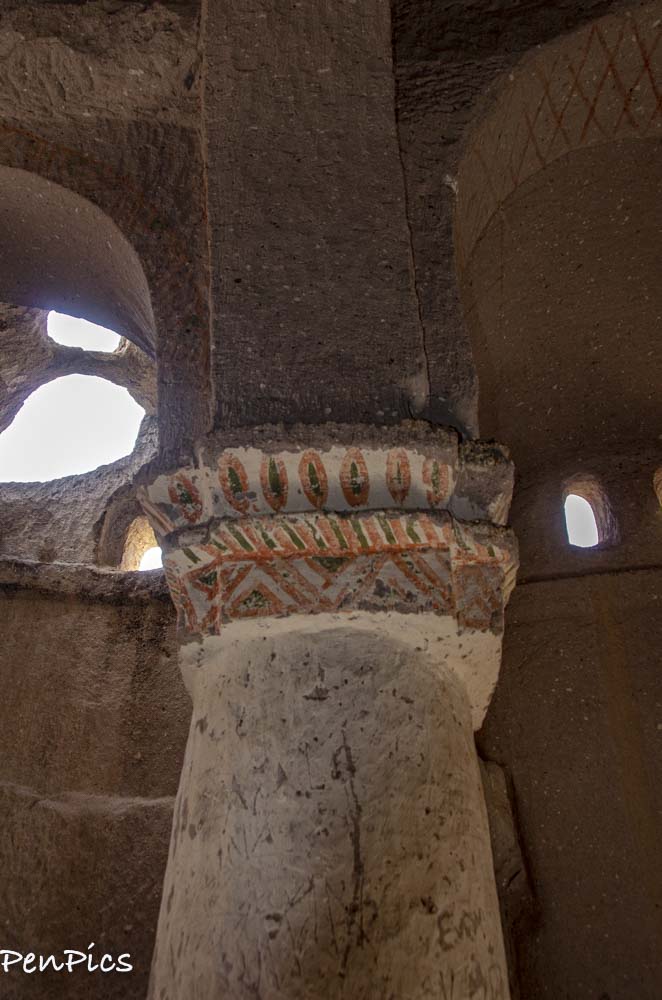
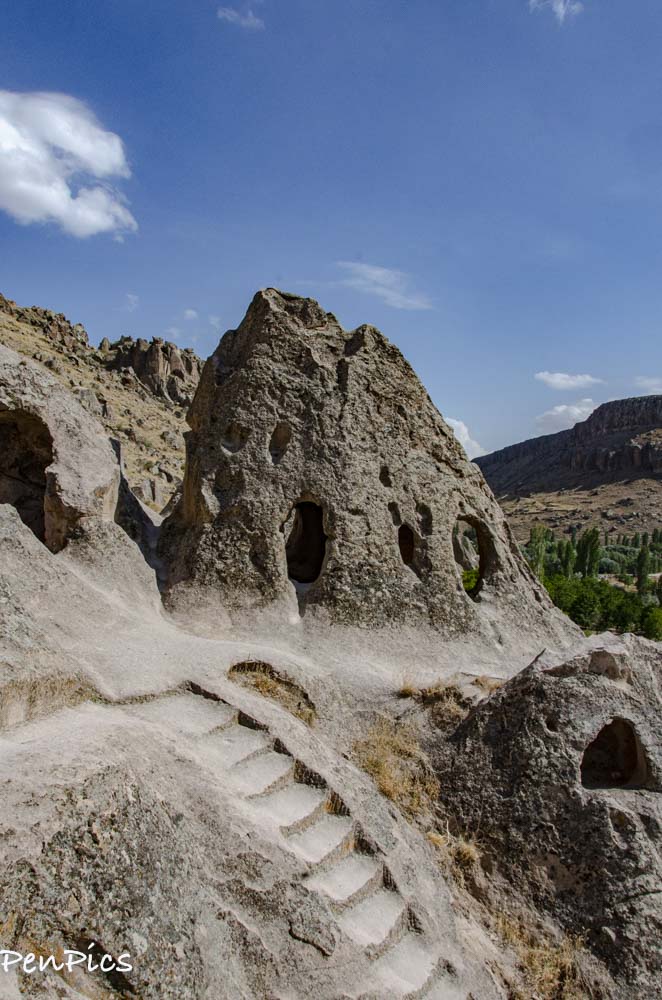
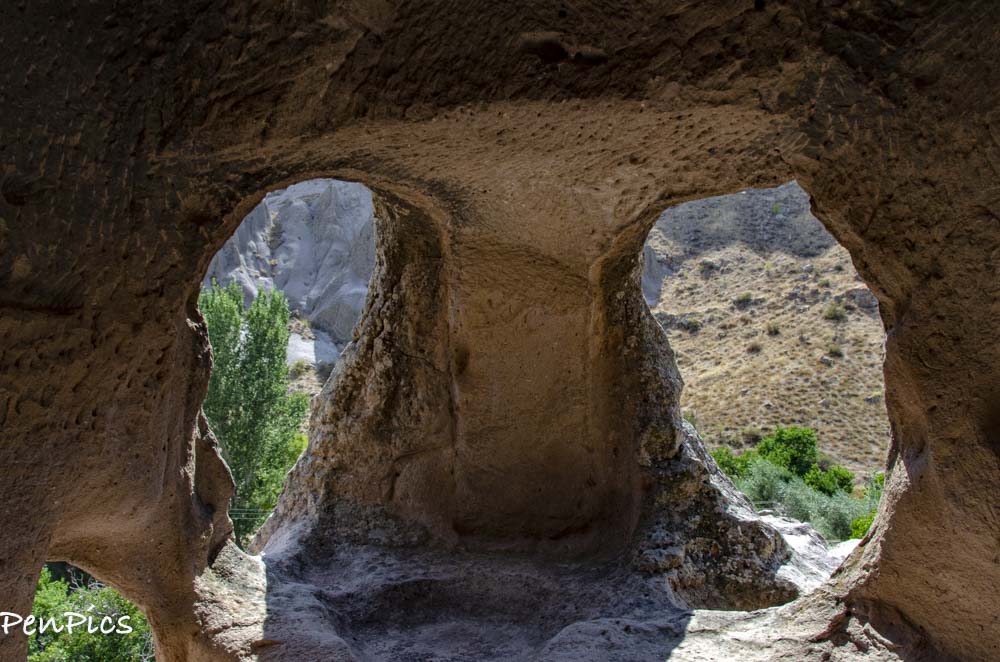
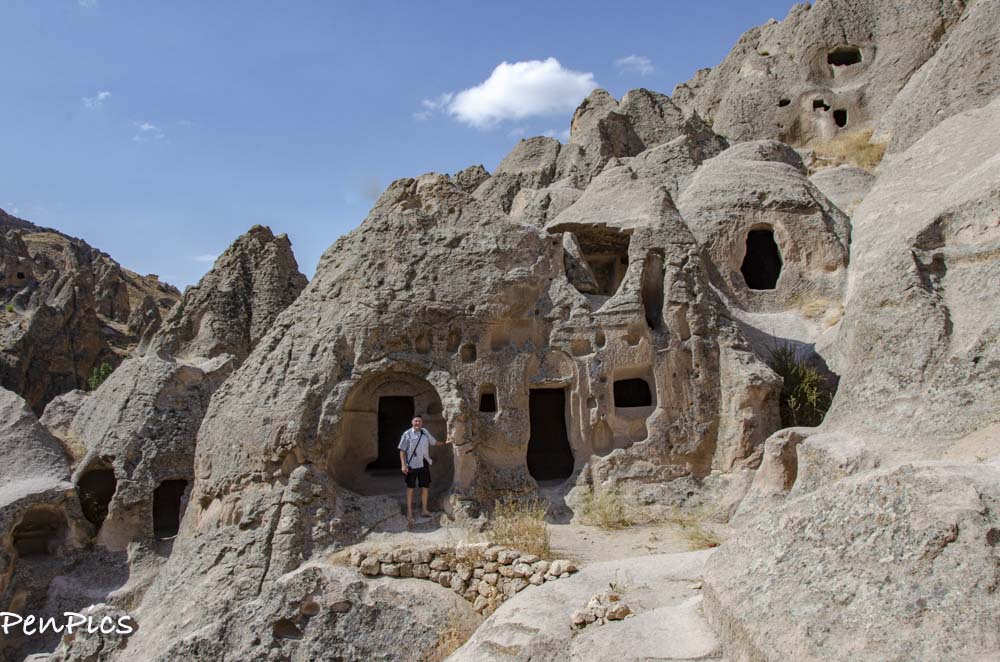
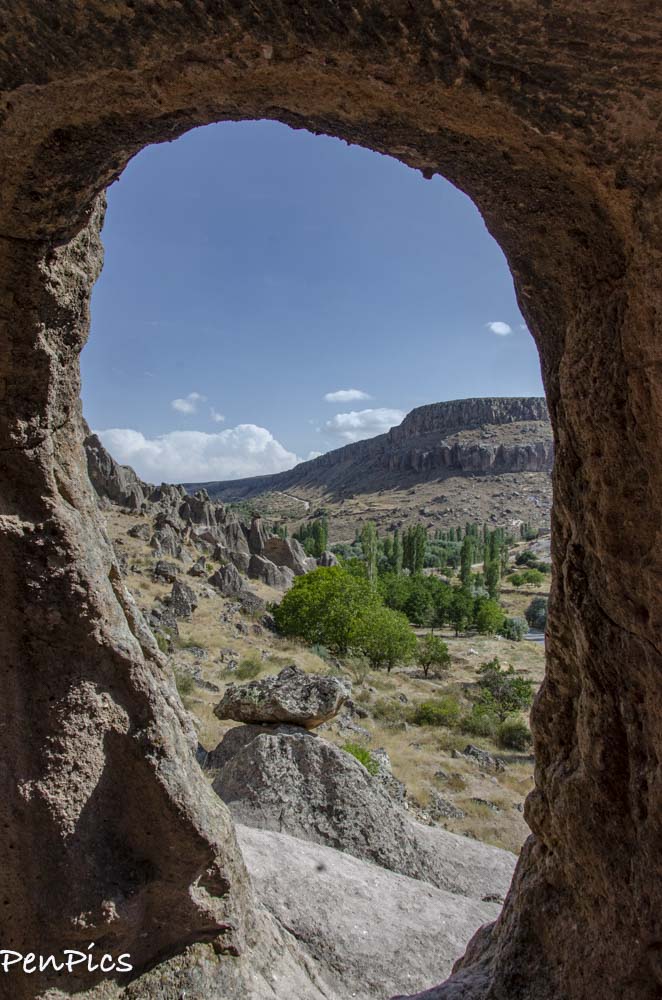
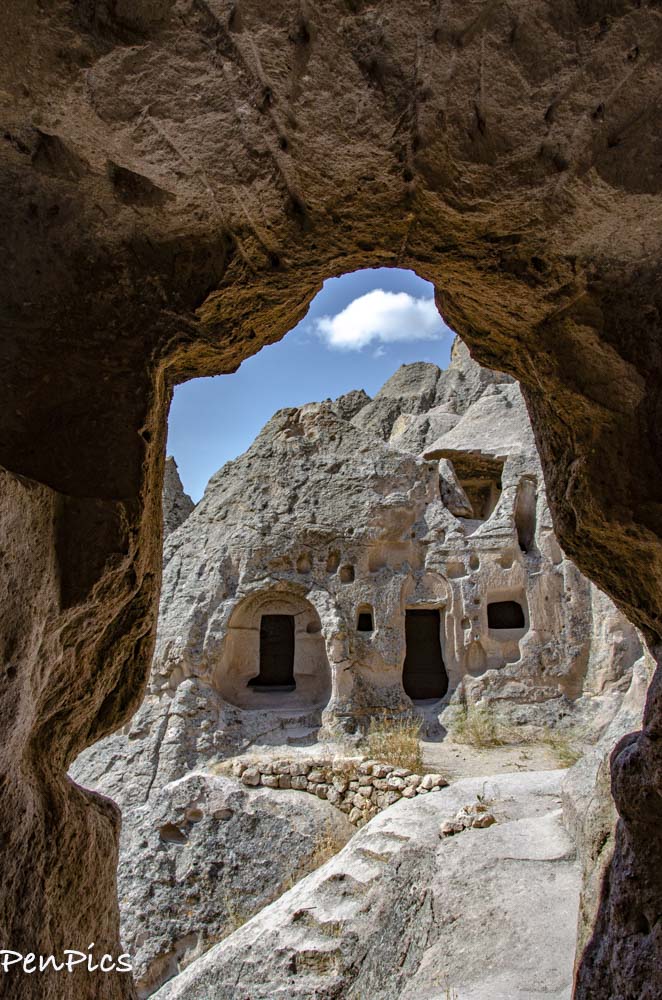
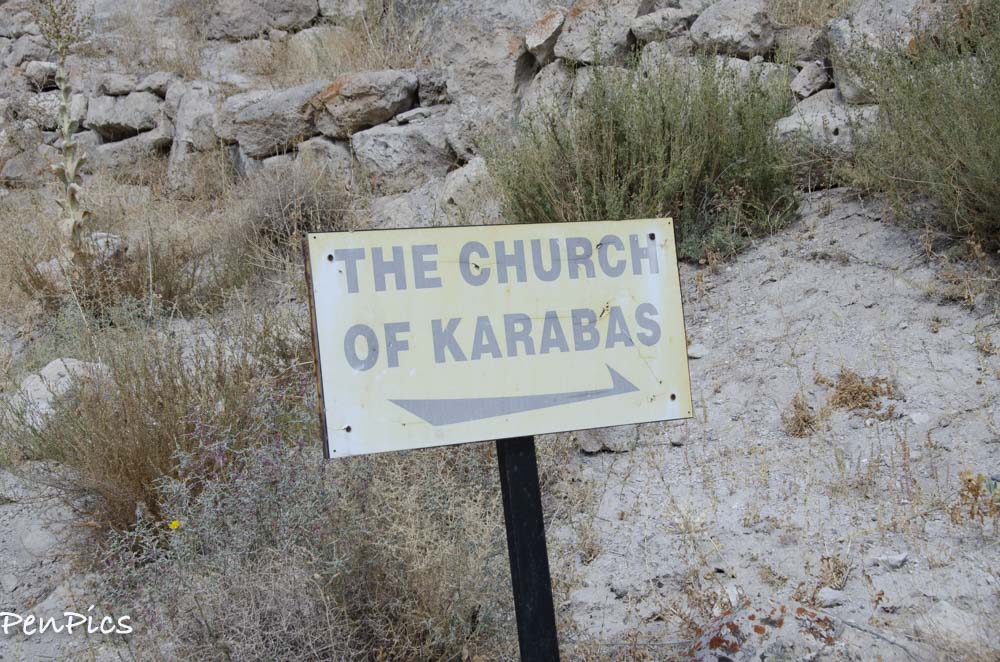
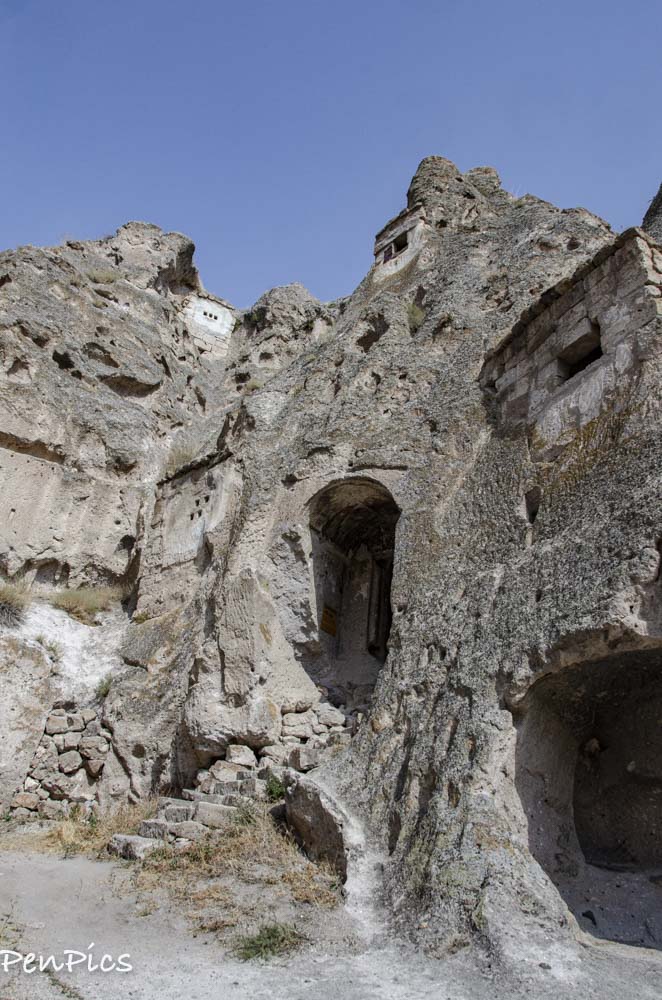
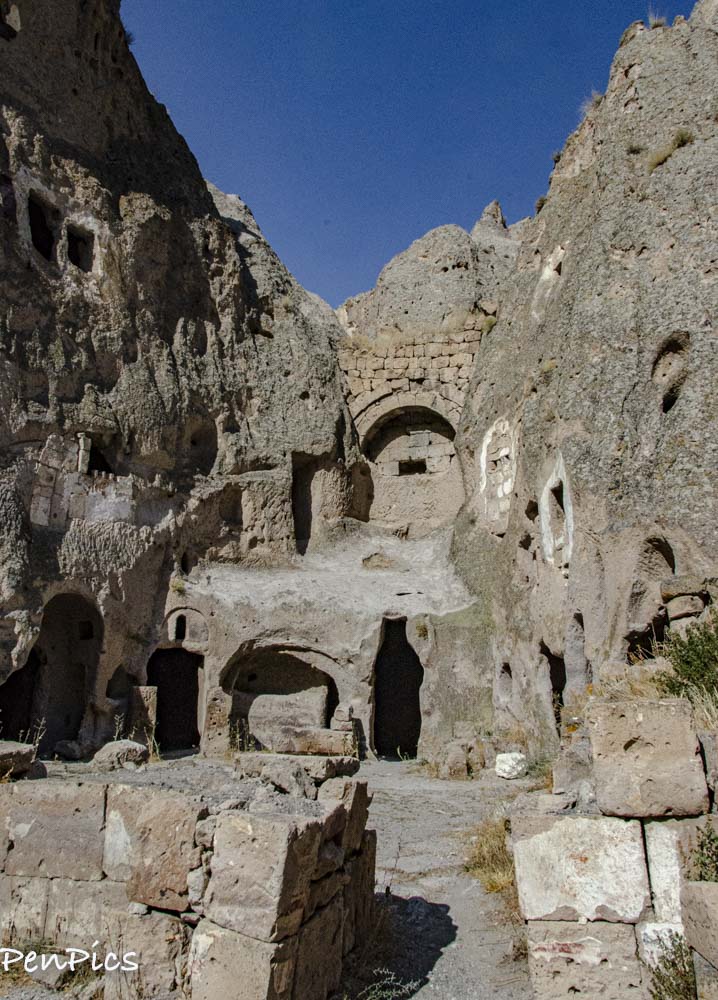
This Church is a sprawling monastery complex with four adjoining churches in Soğanlı Valley. The courtyard space was the valley’s most famous monastic center. Multiple generations of residents, rom 900–1070 AD, developed the area with a series of sporadic rooms.
Like other courtyard complexes in Cappadocia, Karabaş has three sides and multiple rooms. These were functional living spaces of the original community, but the original function and appearance has been lost to erosion and later human changes.
A flat façade once extended high up the rock face. The courtyard floor was built after the churches, as it sits a full level lower than the church. The builders wanted to add a spacious hall near the pre-existing church, but they had to lower the floor to allow enough space inside the fairy chimney for the tall ceiling.
The main room is the central hall. This transverse (sideways) room is large and impressive. Three entrances lead into the hall’s three sections, which are subdivided by the bands on the rounded ceiling. The lunettes on the side walls have candle-stand designs. Two plain rooms were later added in the back. In Cappadocian courtyard complexes, the central halls never have storage rooms openly attached like this. This central hall was the main space for socializing and entertaining.
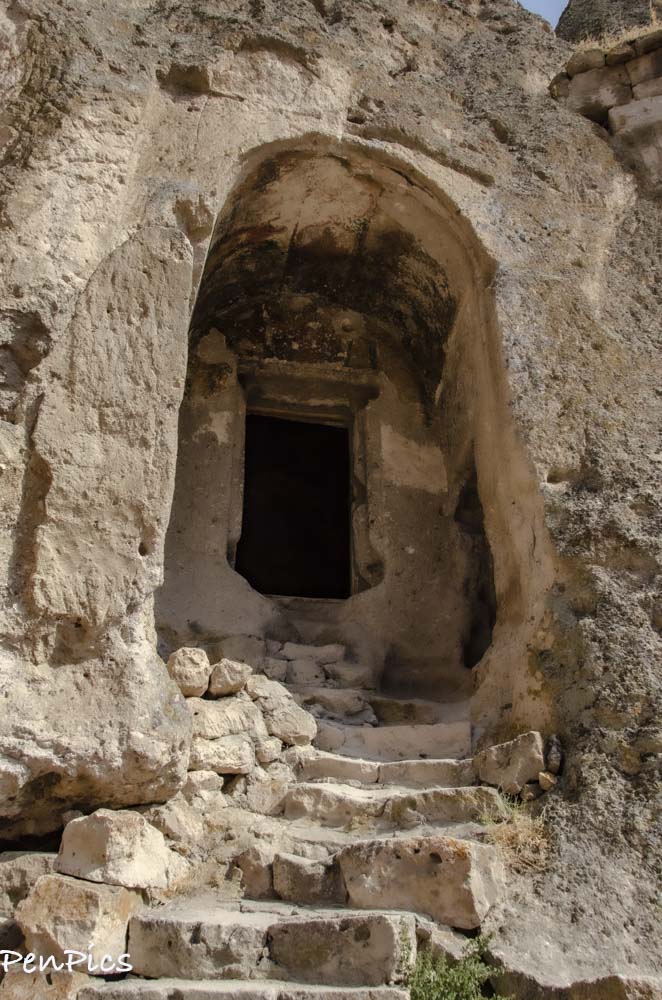
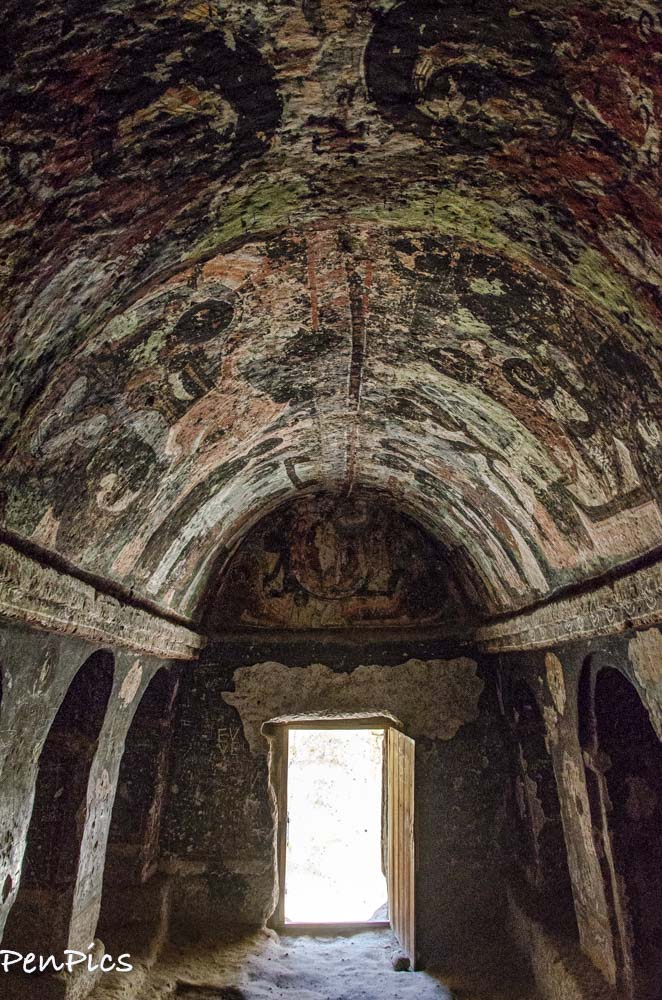
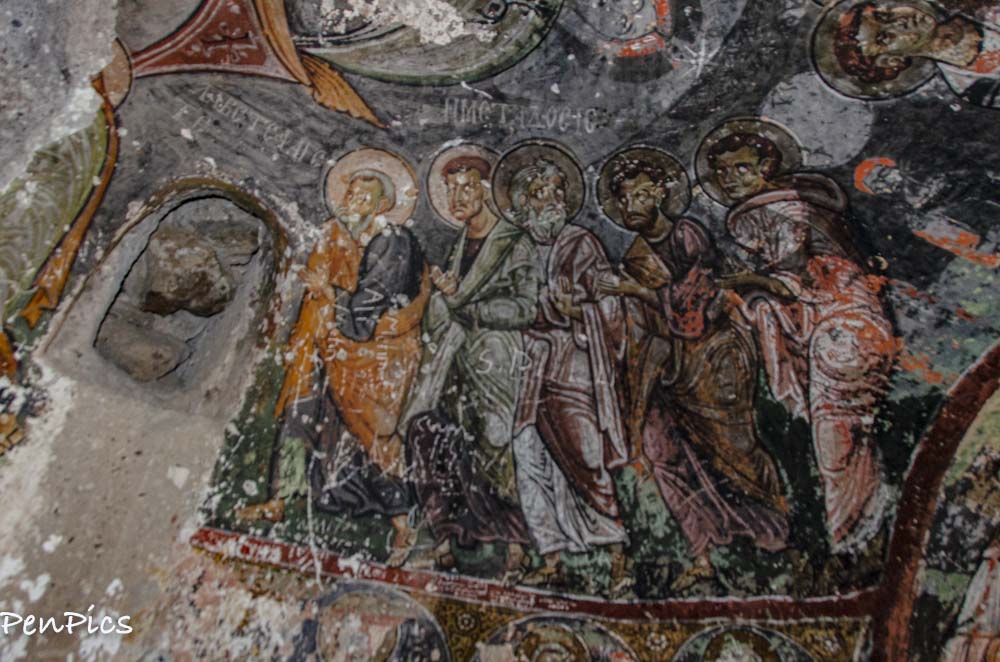
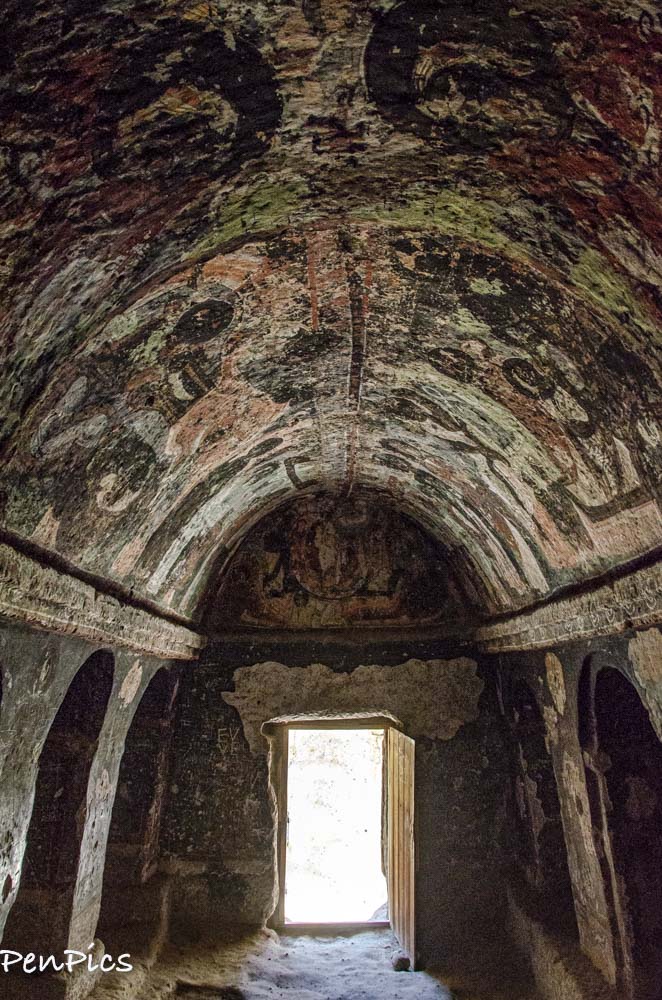
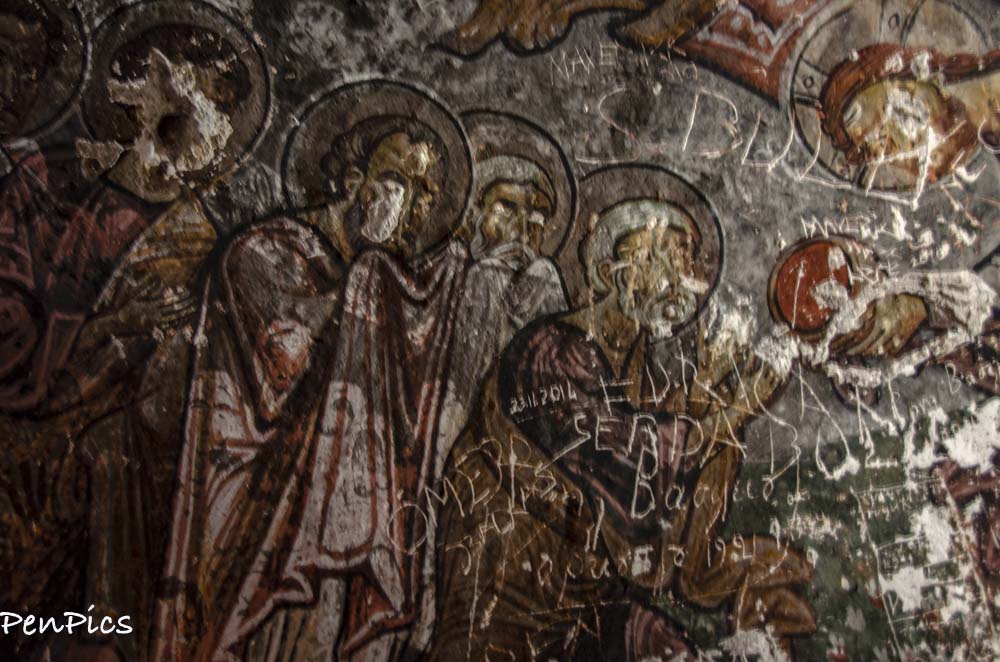
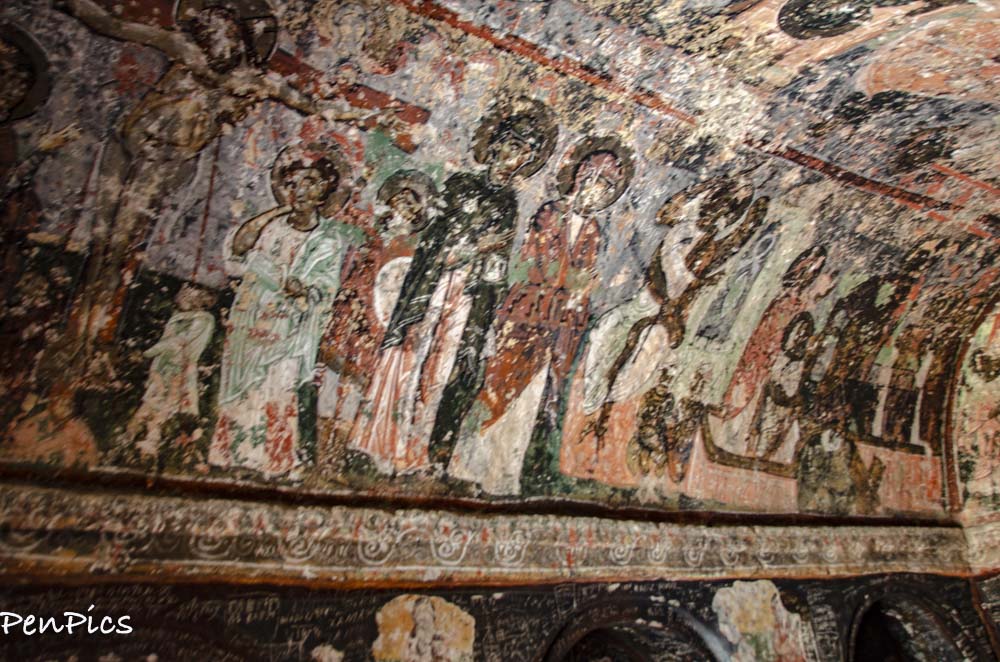
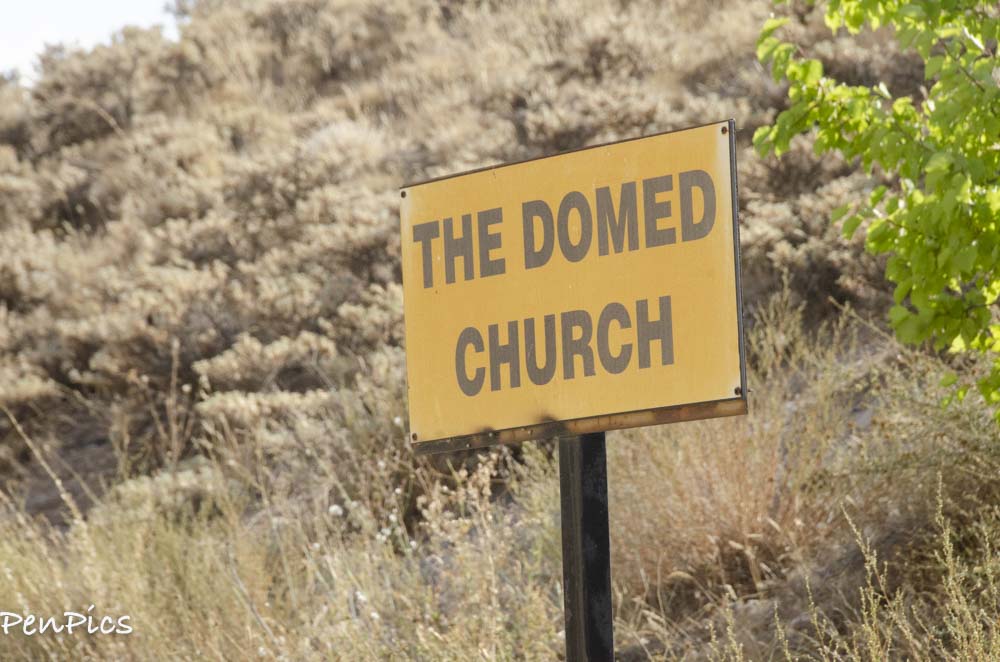
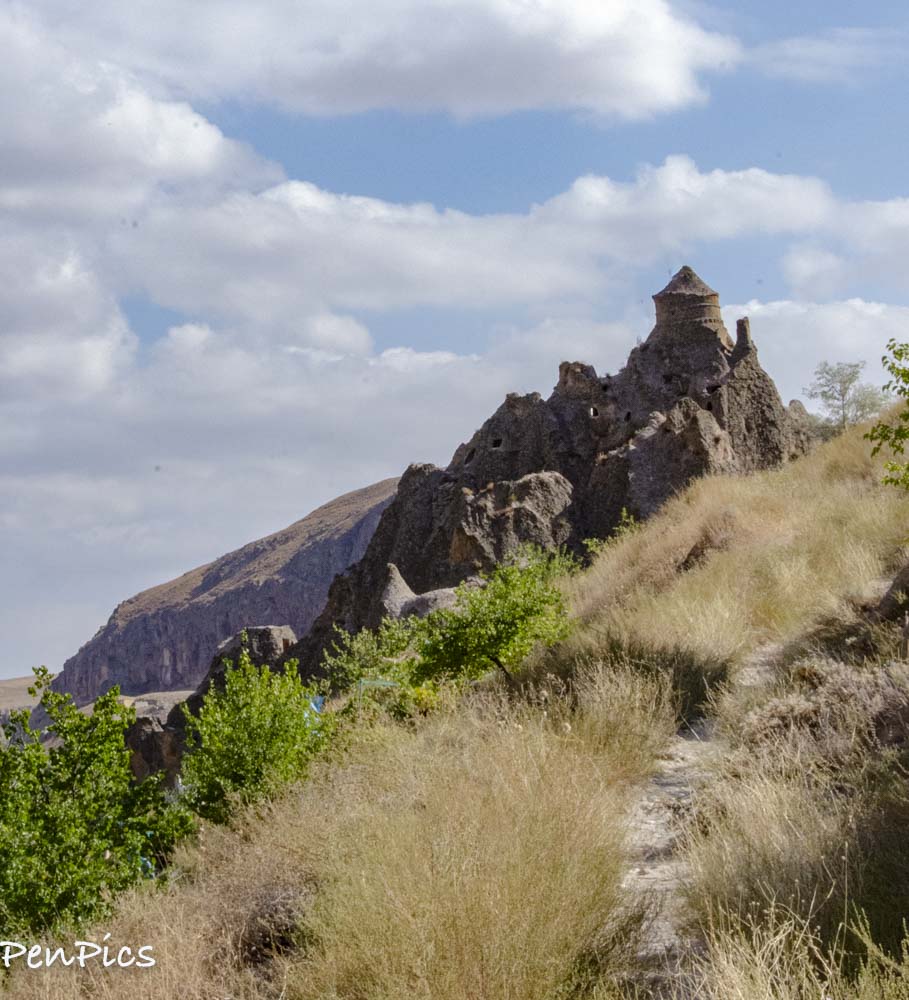
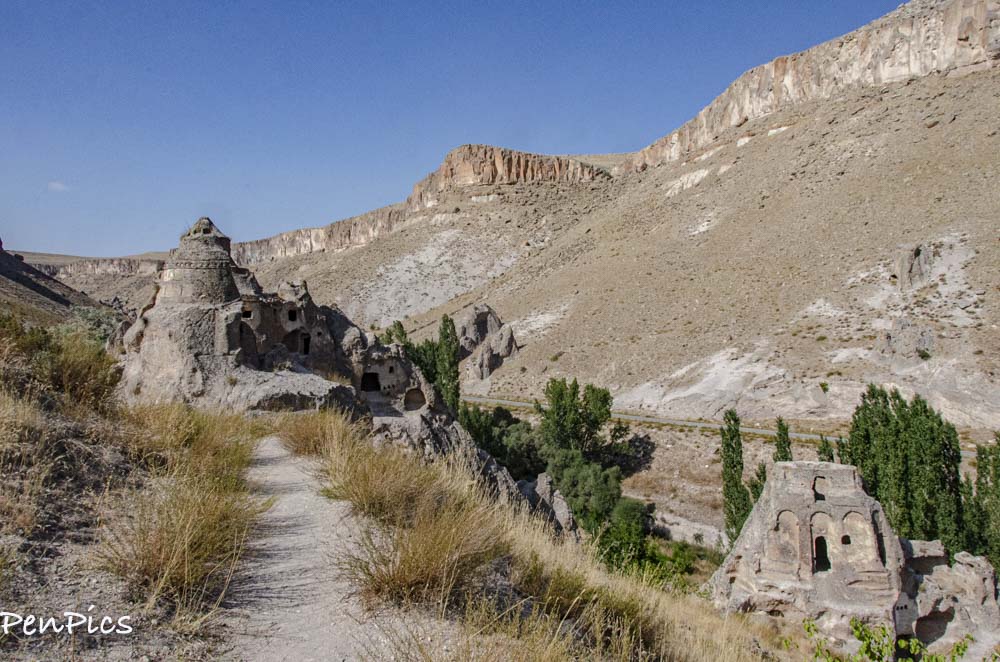
Here, we have, one of the most interesting Churches in the region. Most Churches in Cappadocia are built in the mountains, following a cave form. However, this Church looks like a Church from its exterior, mainly due to the fact that the dome is prevalent on the top, hence the name. It is two layered and its inner parts are decorated with frescoes, as most Churches in the region. The dome was built on four pillars. This Church took its final form in the 14th century.
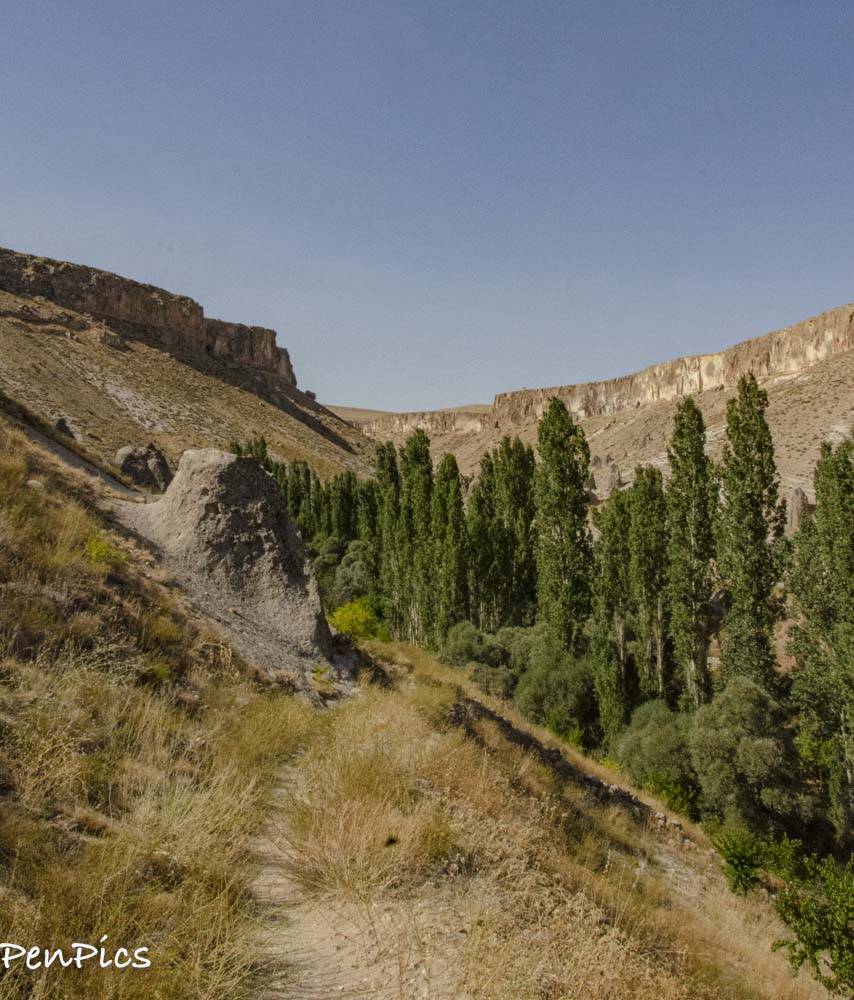
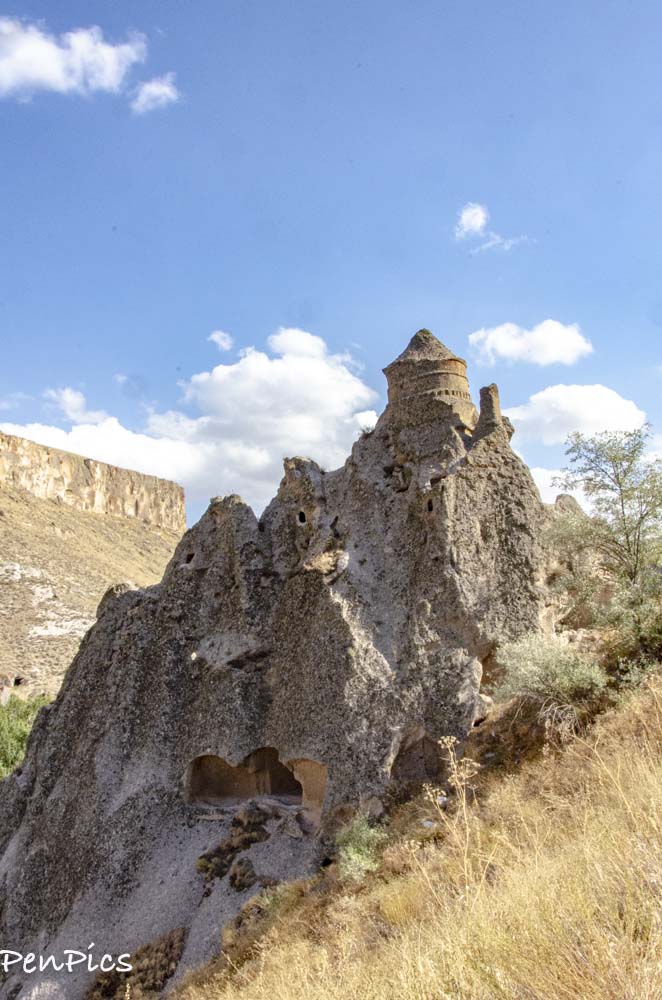
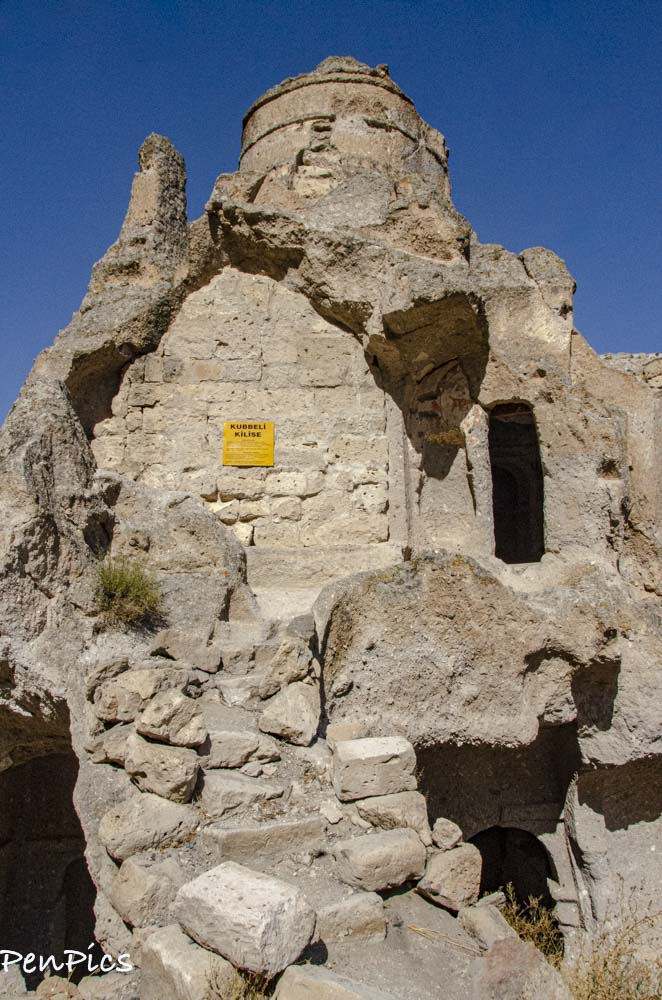
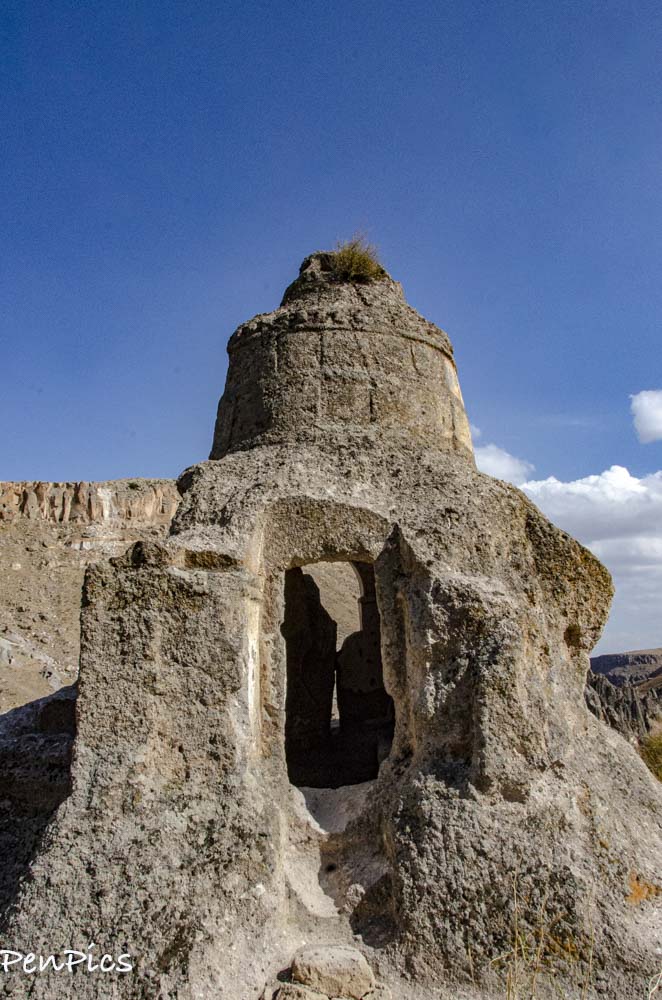
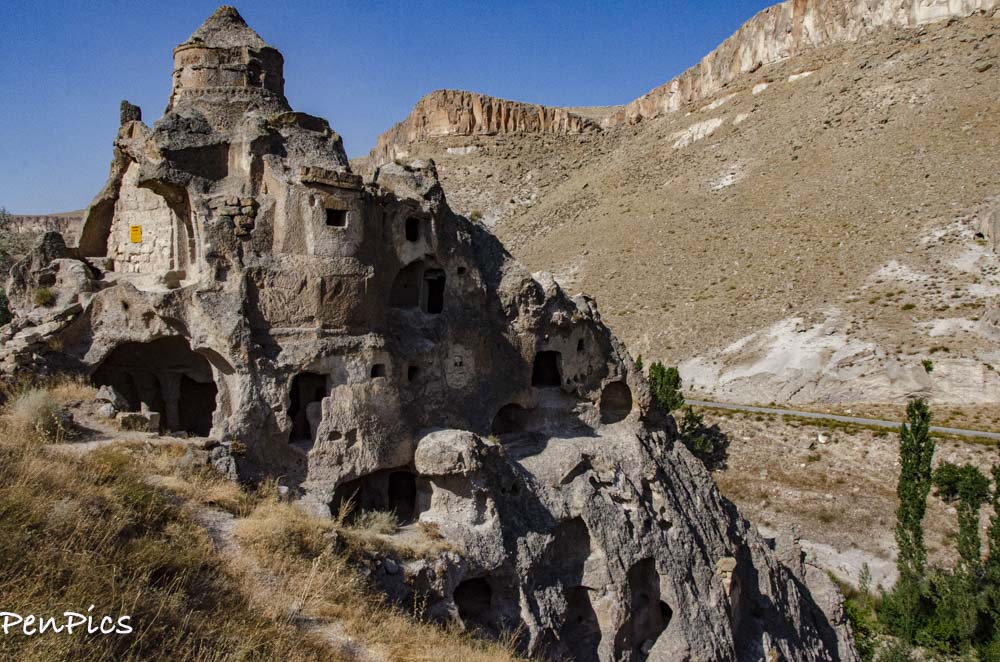
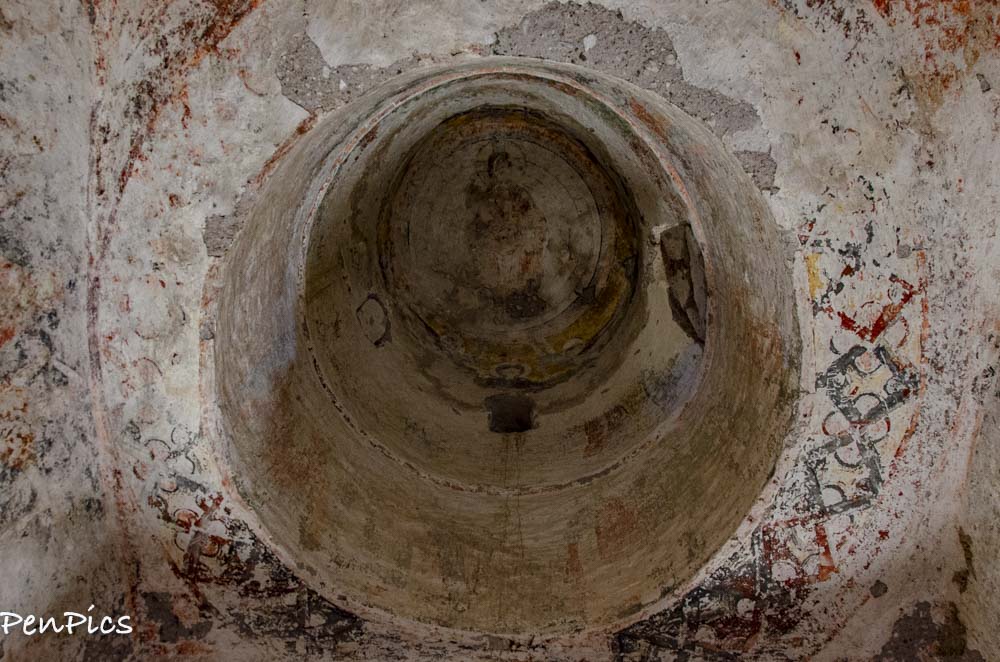
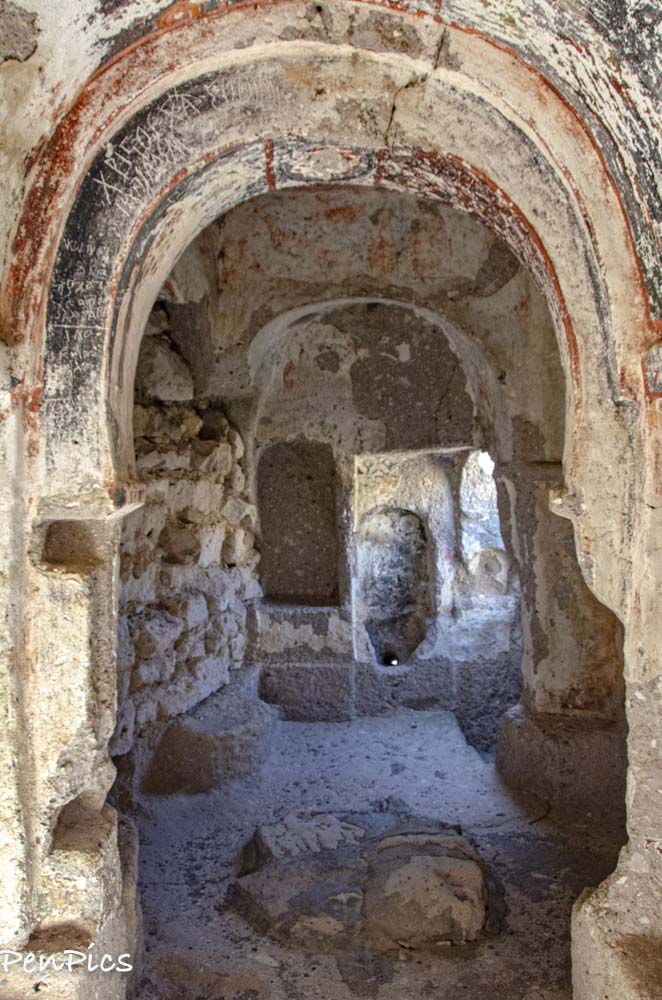
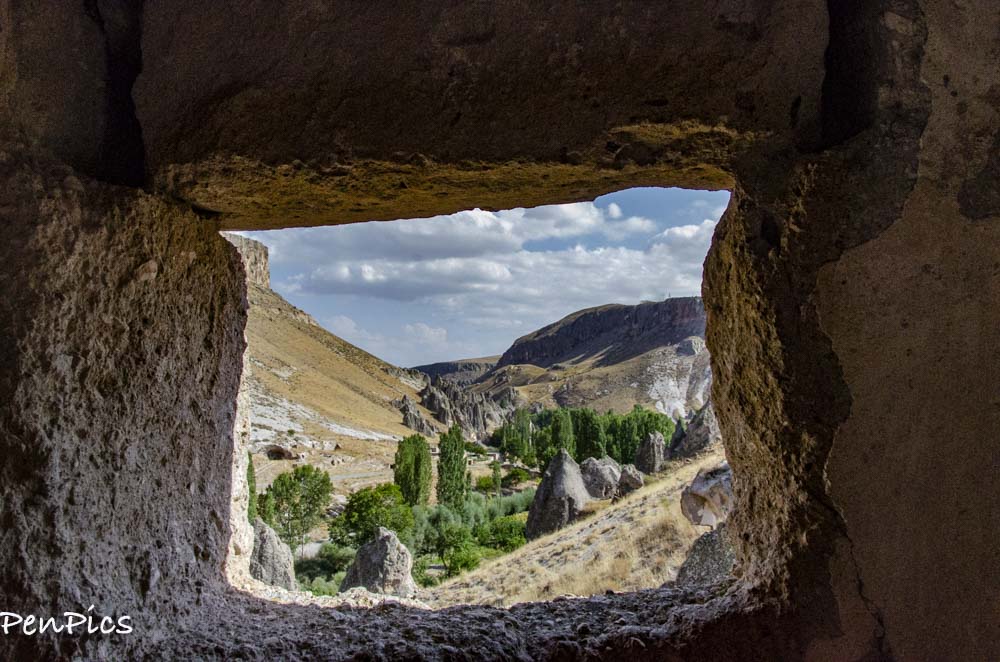
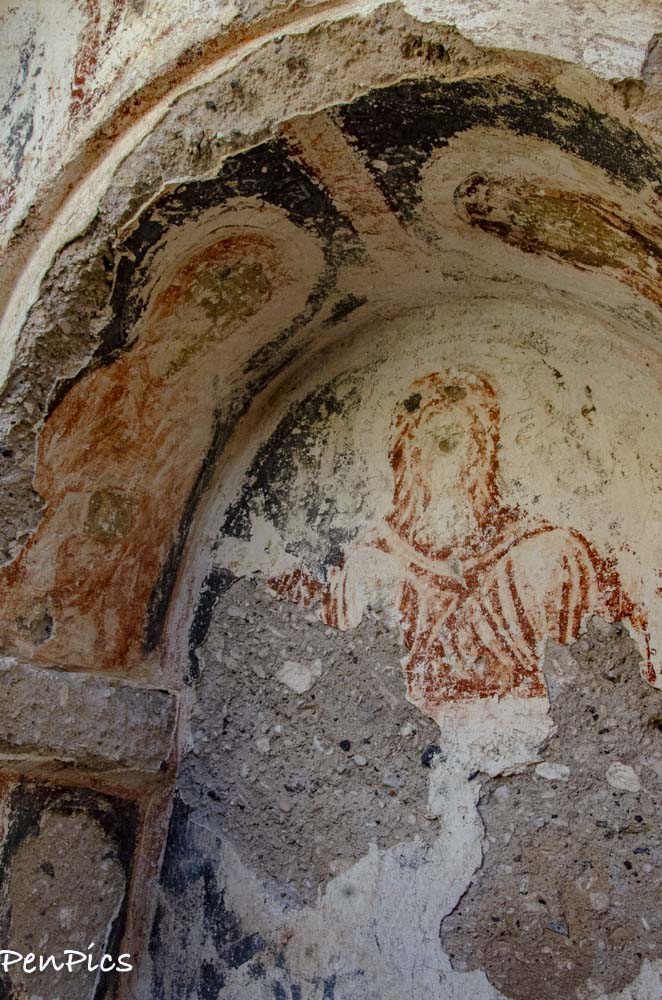
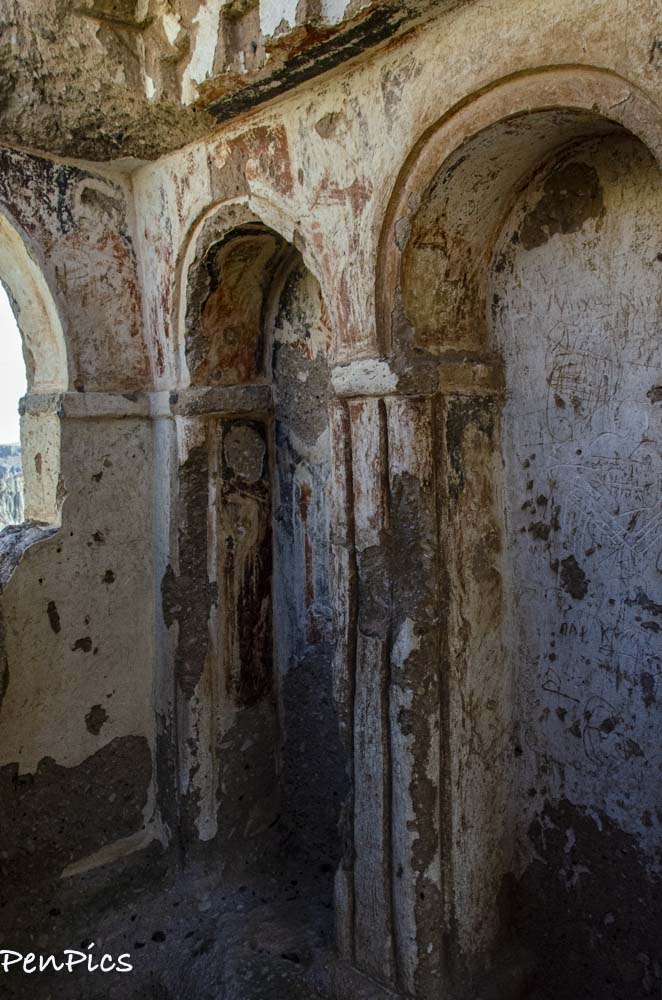
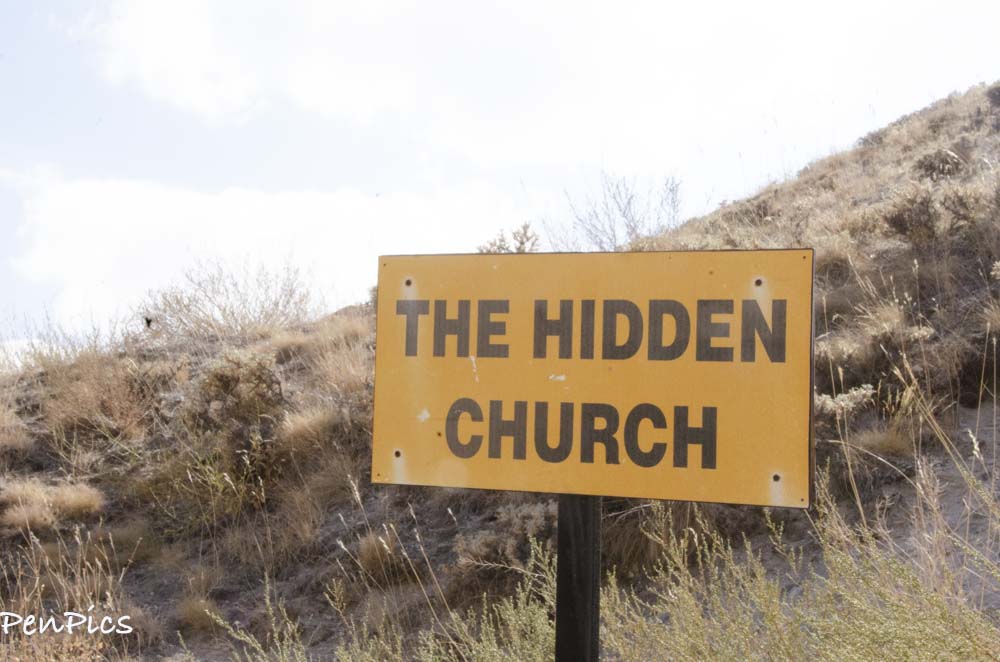
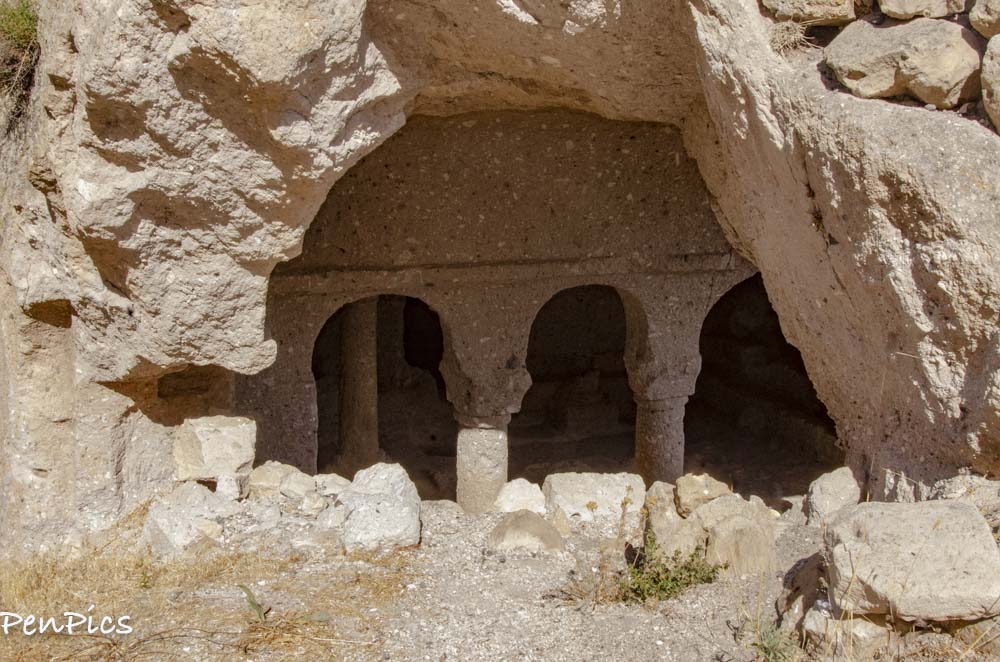
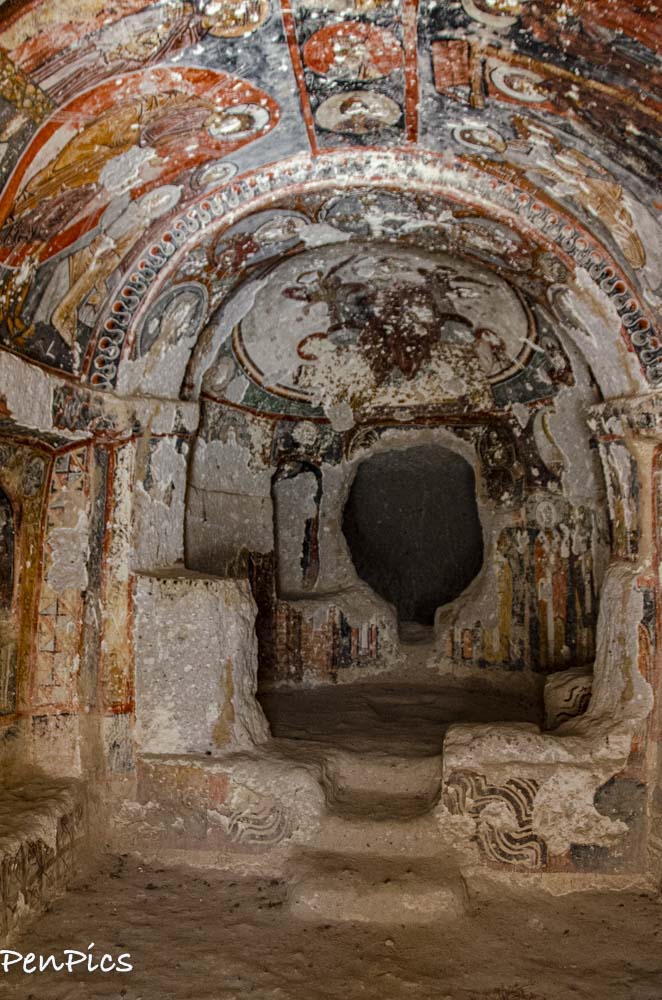
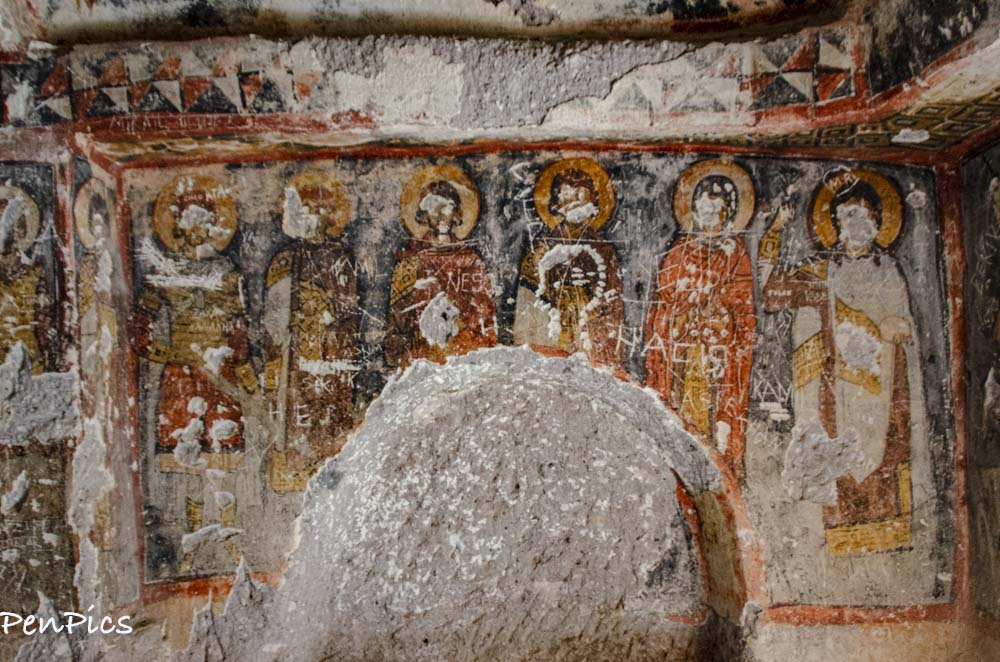
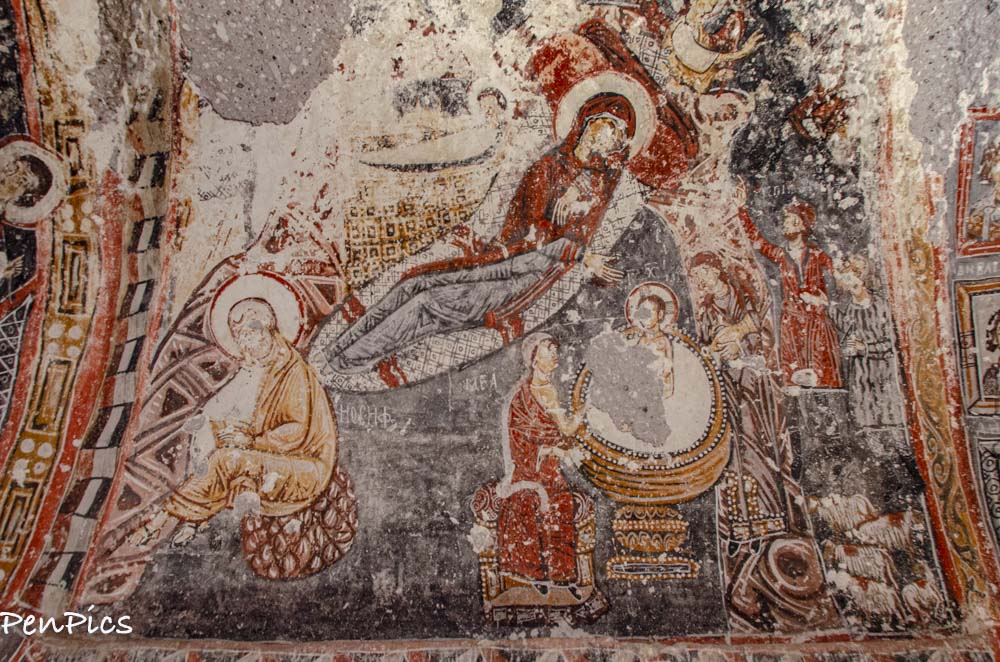
I believe I figured out which of the churches was Hidden. It is underneath another church, and it is a richly-painted, three-aisled church in Soğanlı Valley. The church rests in a cluster of fairy chimneys and is under another small church (Kubbeli Kilise 1). The painting style dates to around 1000 AD. Note that this is not the Hidden (Sakli) Church near El Nazar Church in Göreme.
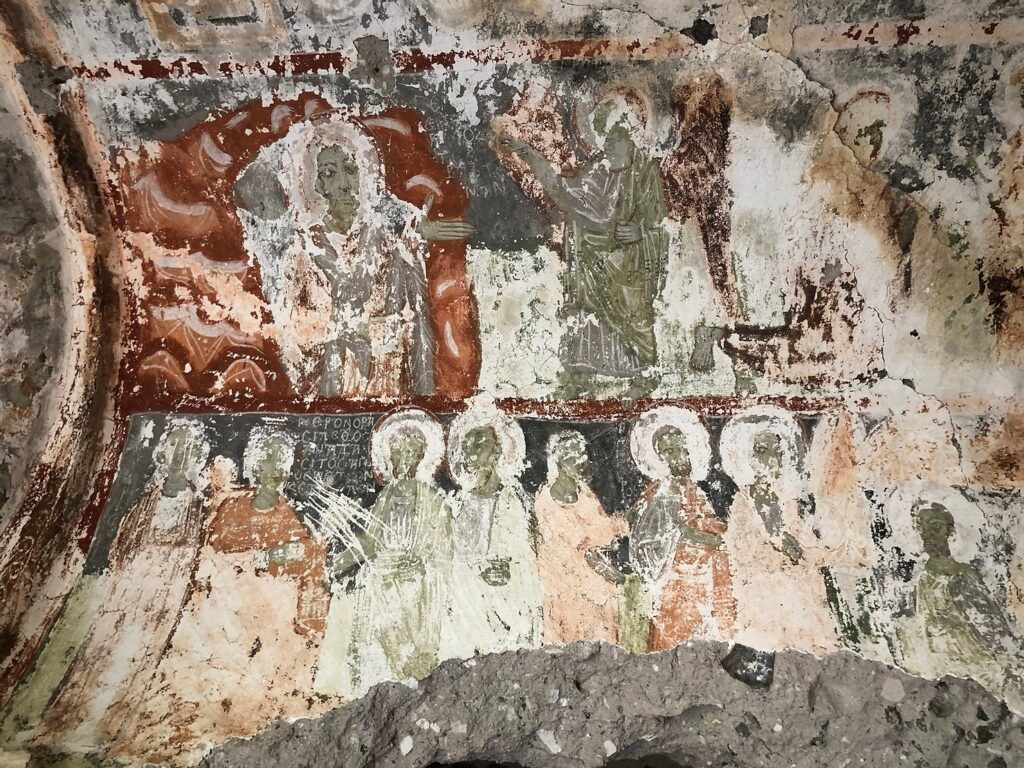
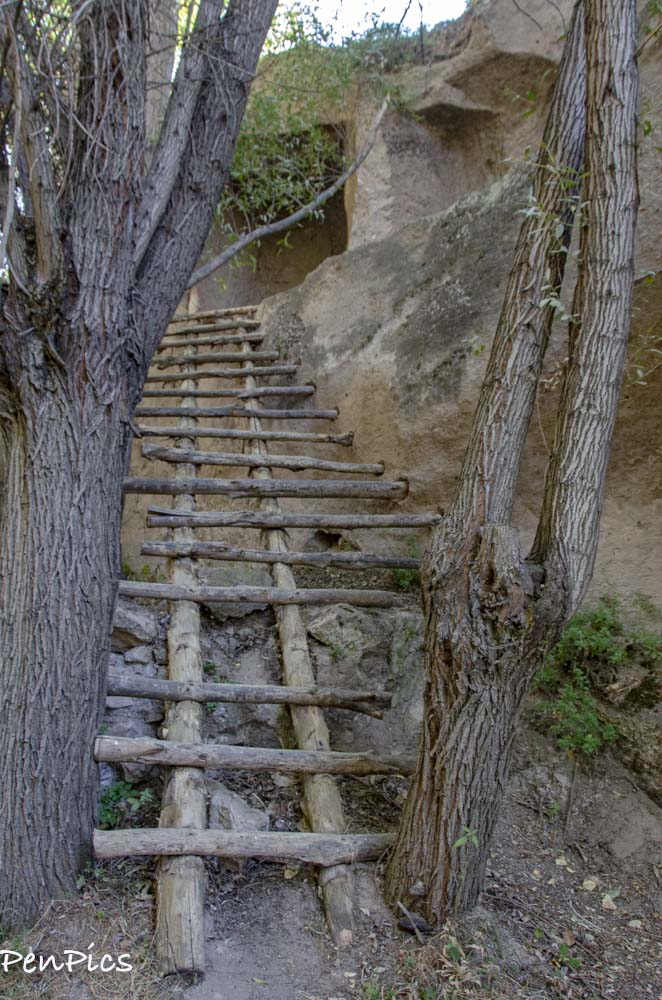
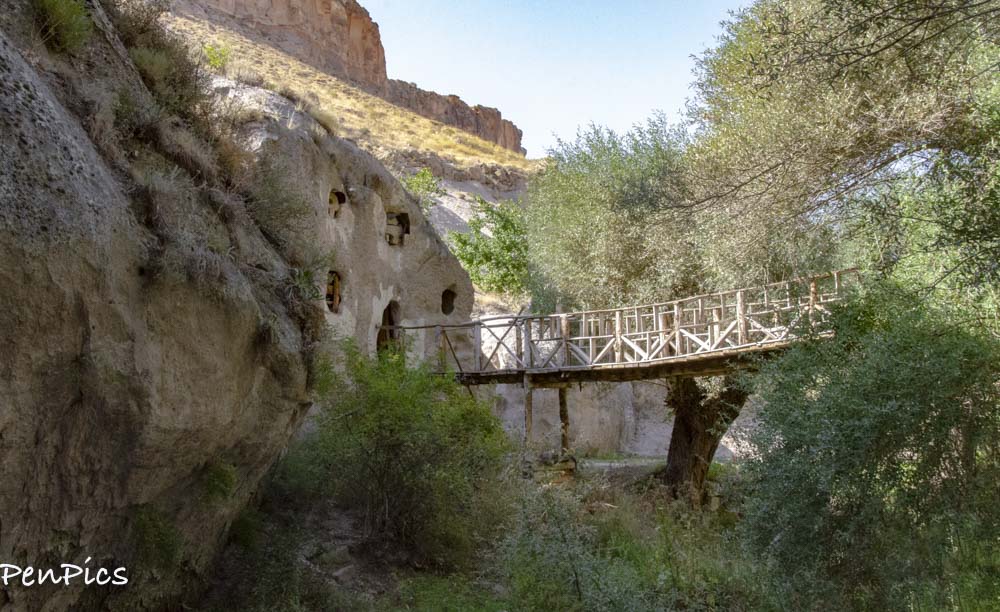
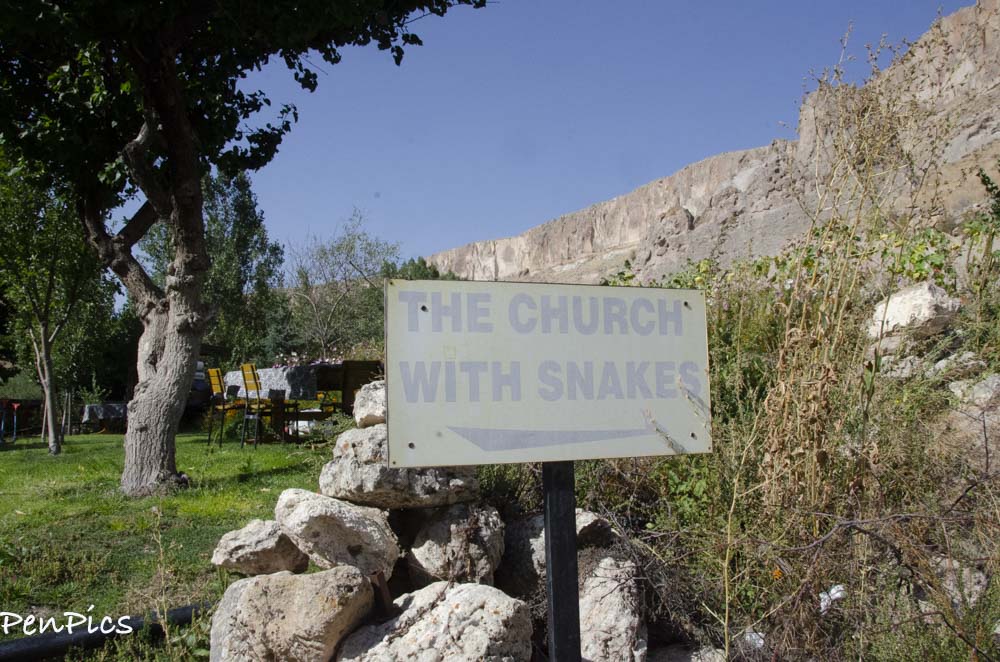
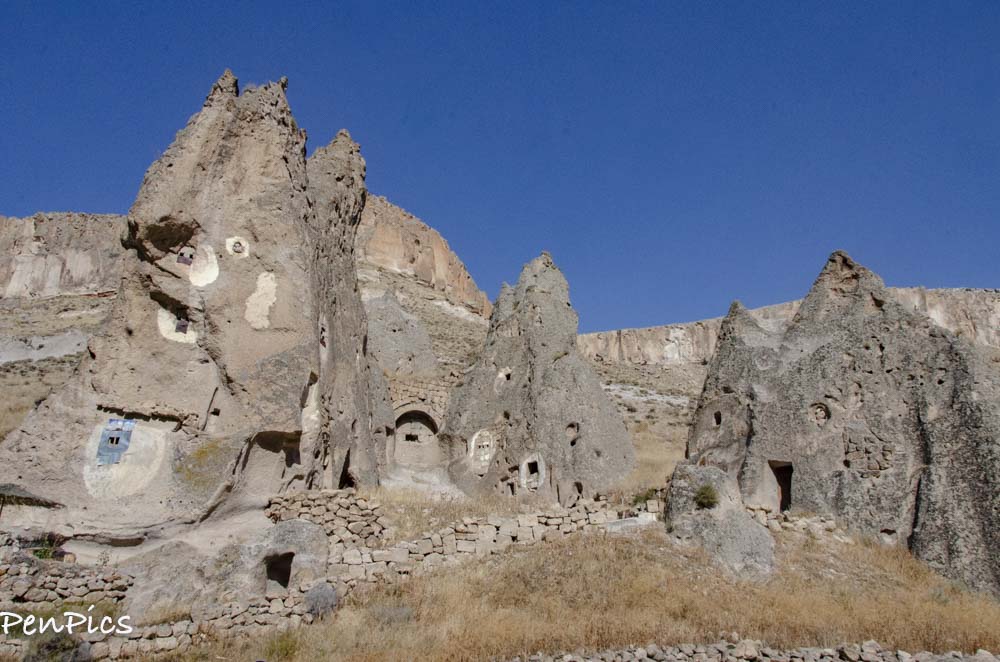
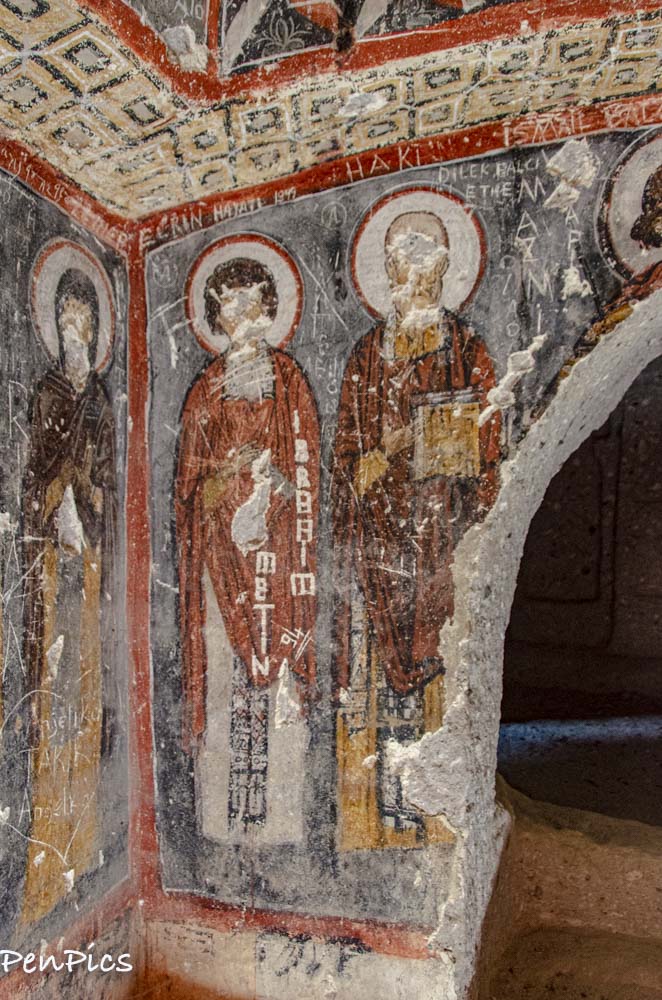
According to a rumor, the square shapes on the entrance door of the church, were a drawing technique of Roman soldiers who wanted to share goods of Jesus Christ after he was crucified. In each square, one of Jesus Christ’s goods is written and the soldiers thrown a stone to the squares and then the good that the stone coincided with would belong to that soldier. The reason of incomplete architectural in this small church was that it was believed that during a construction it would bring bad luck if one of the saints’ dead.
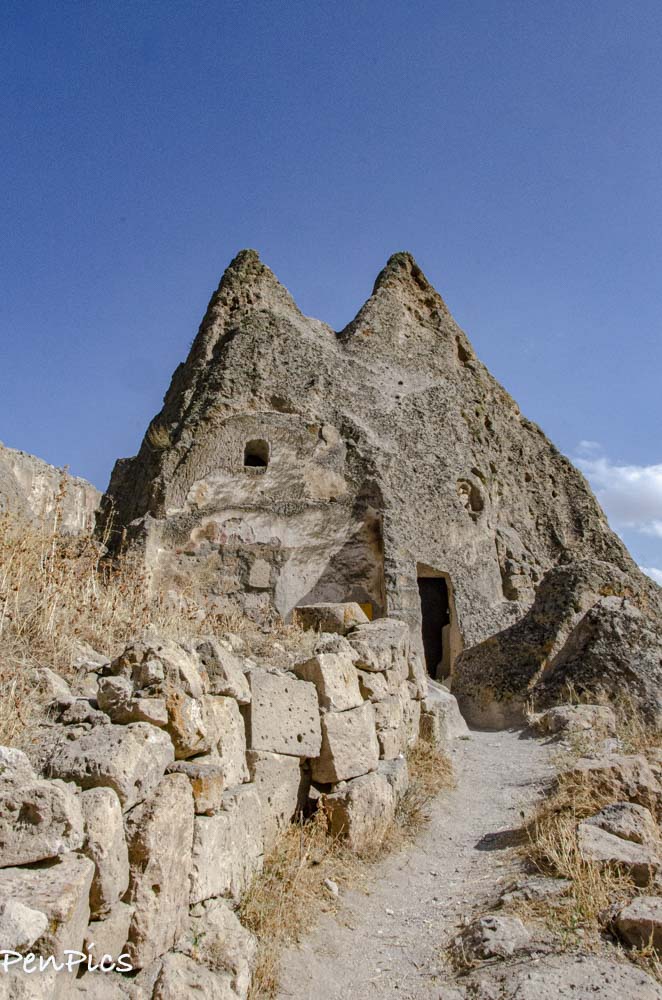
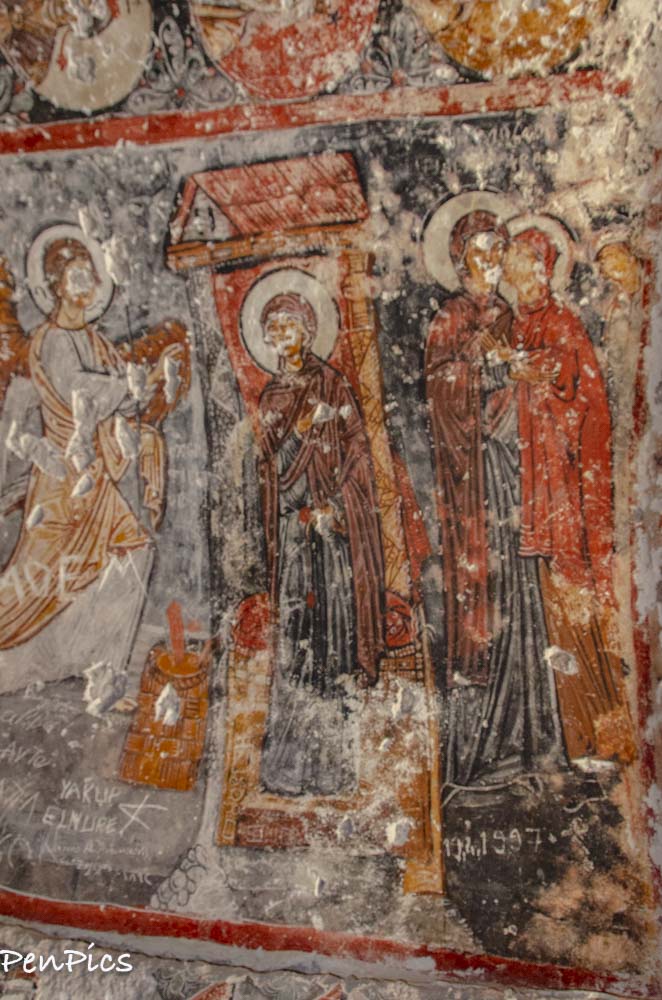
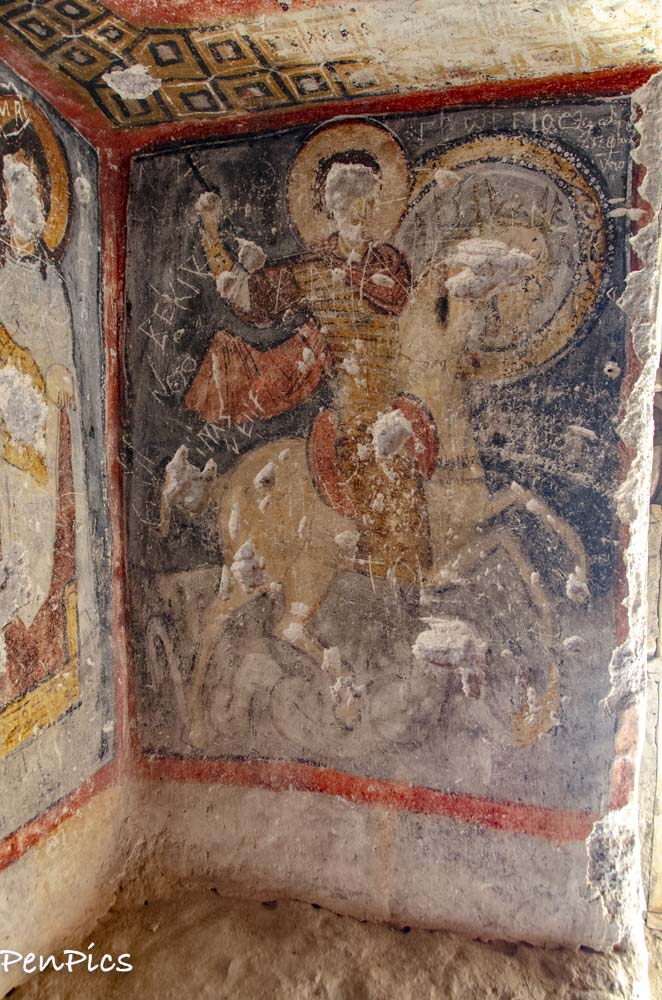
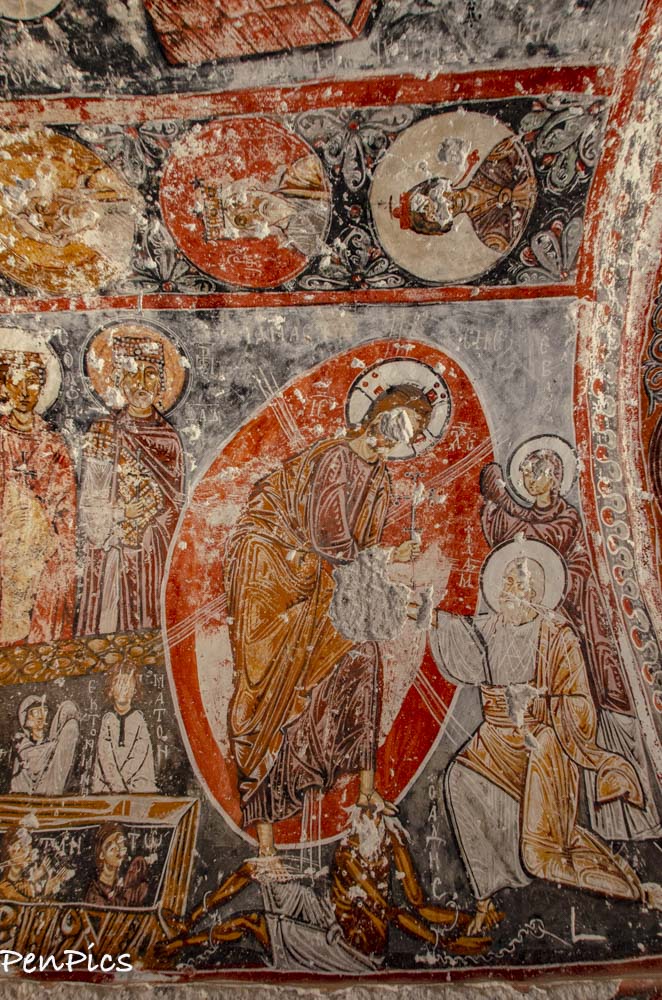
The plan of Snake Church, which was left incomplete, built as rectangular and barrel vault. The ceiling of the additional part with graves on the southern was left flat. You will enter the church from the North and you can see the figure, directly opposite to the entrance, Jesus Christ is next to owner of the church, carrying a Bible with his left hand. On the West of the vault, there is a depiction of St. Onuphrus in front of the palm tree with his long hair and naked body, and saint’s depiction on the East.
The church is dated the 11th century.
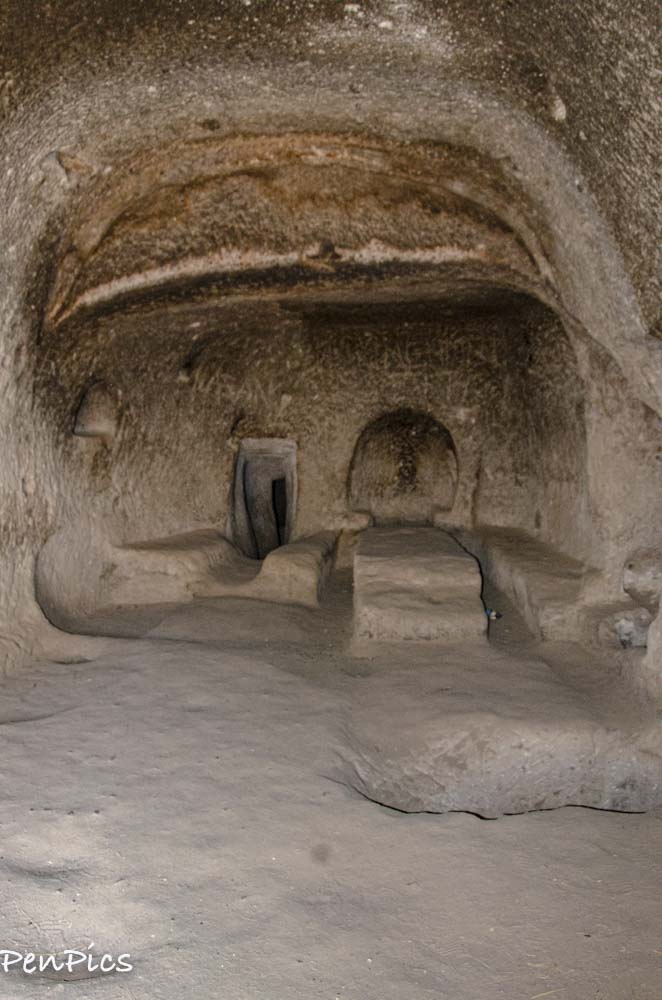
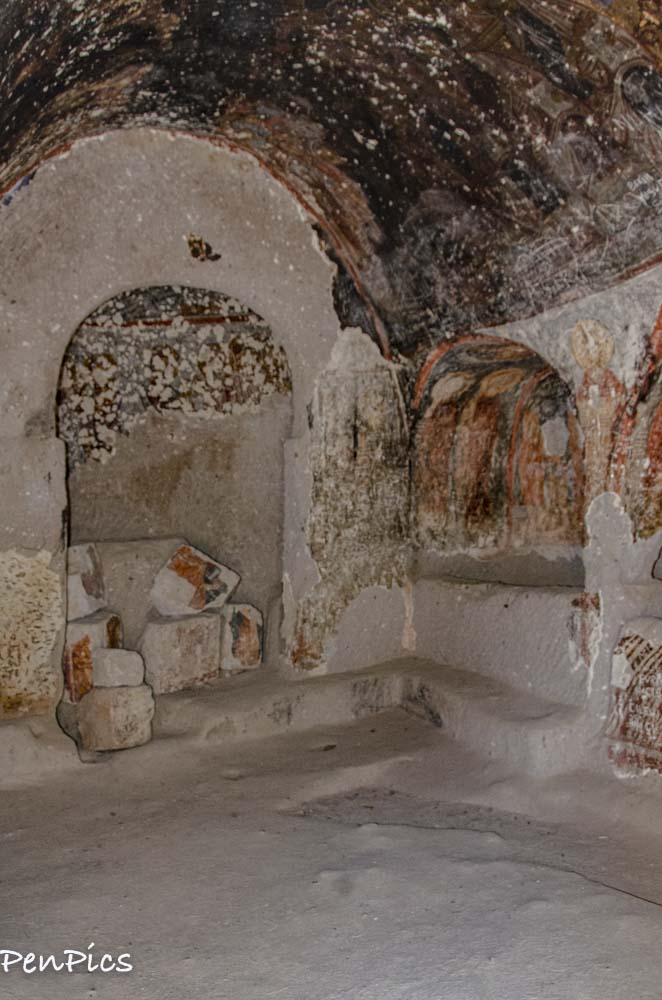
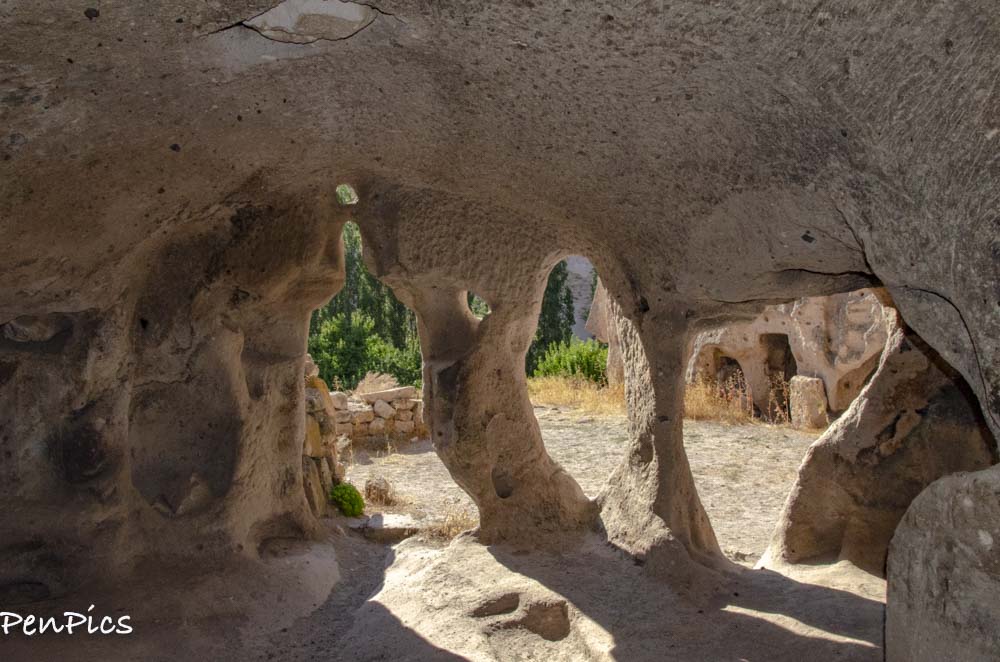
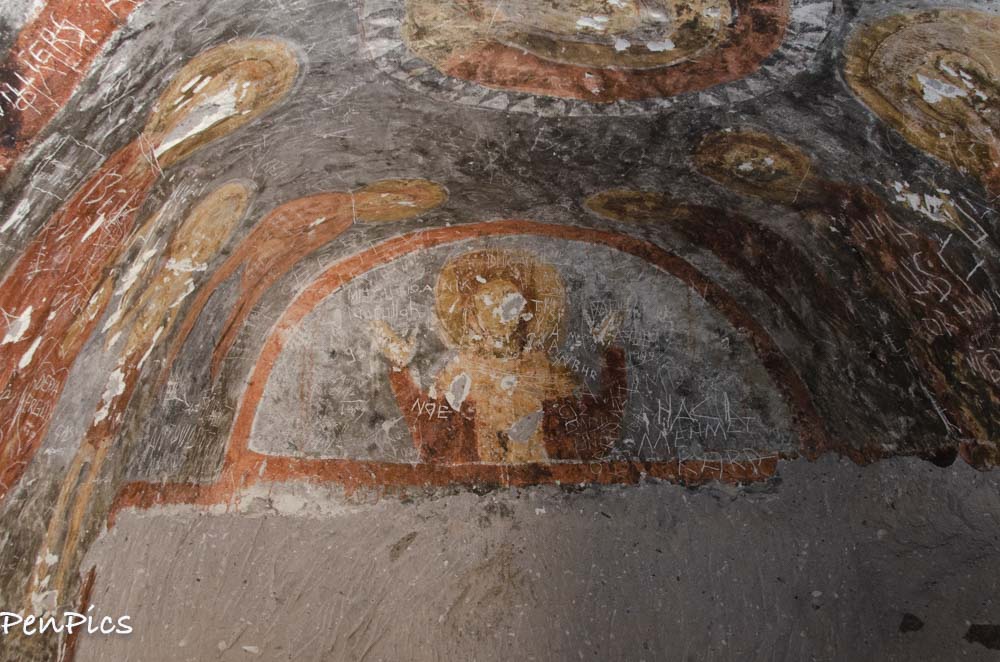
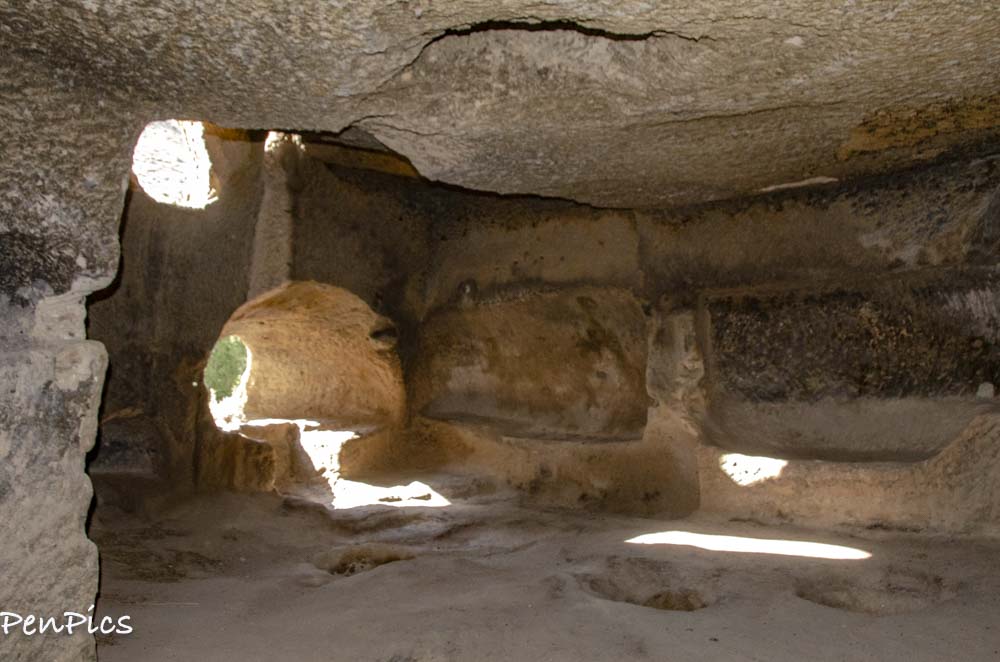
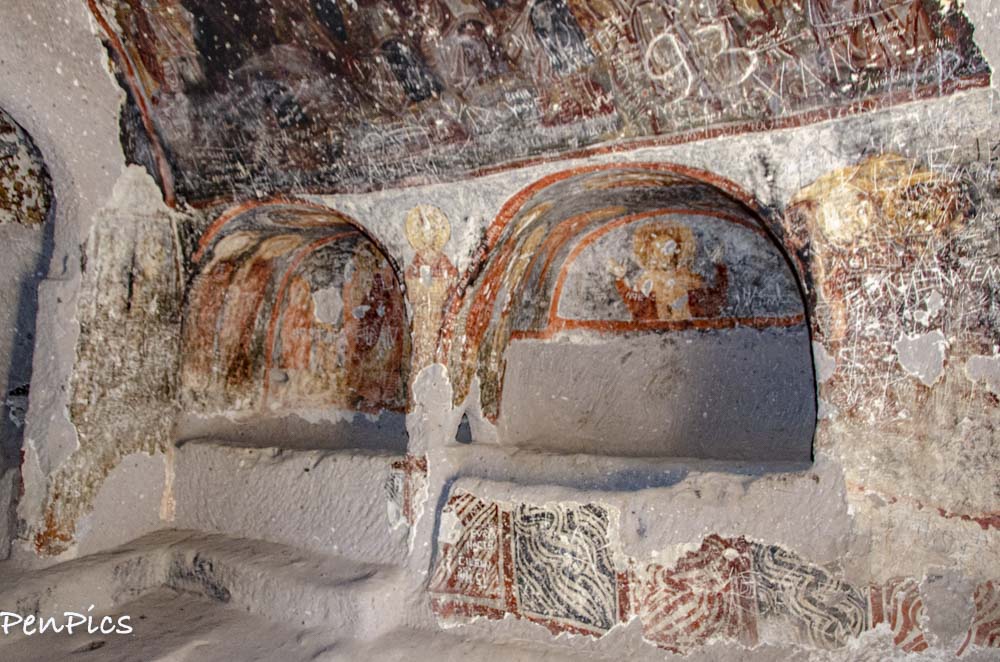
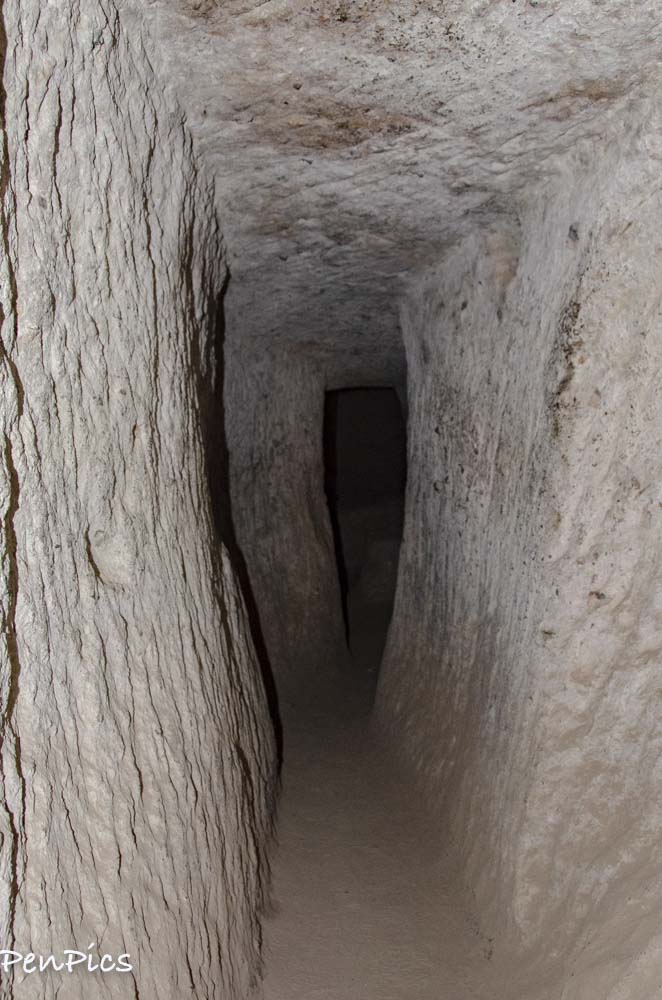
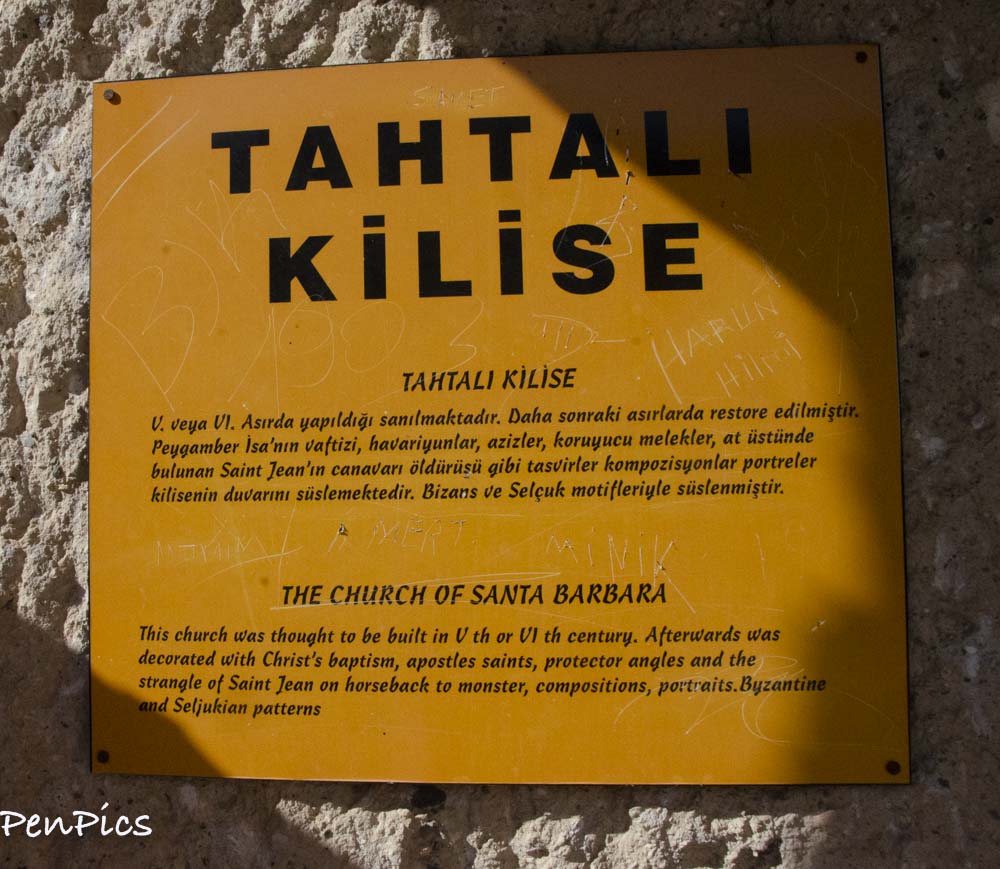
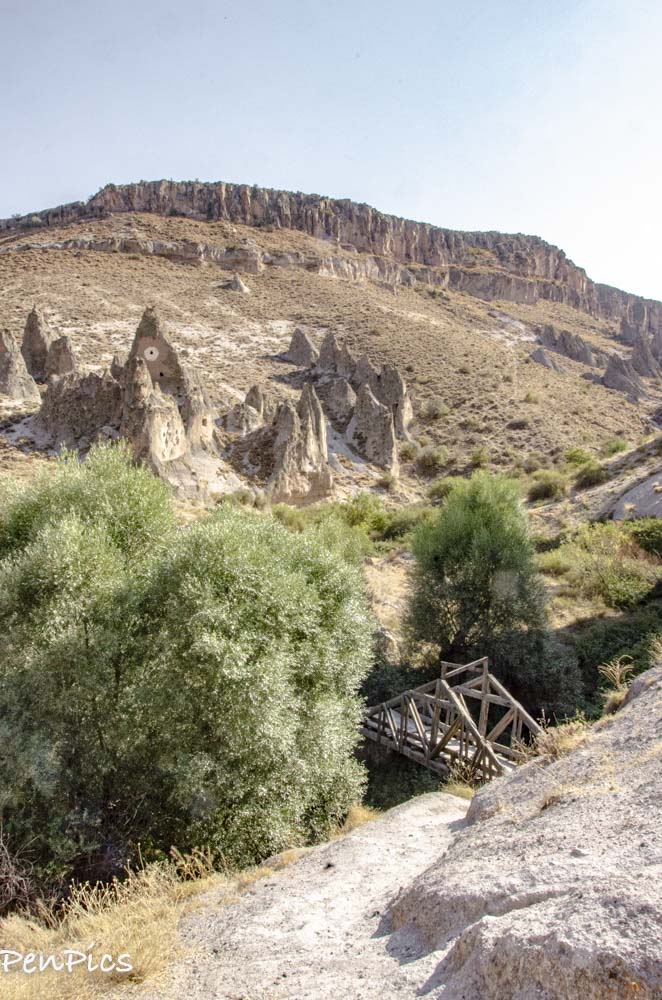
St. Barbara Chapel, which is located behind the rocks and Apple Church, were built in the 11th century. It was dedicated to Egyptian Barbara who was killed because of her father was a Christian and then she was considered a martyr and become a sainthood. The chapel which has never human figures on the walls, adorned geometric shapes and mythological animal figures by using red ochre. There is also an inscription that is thought to be a prayer. It was built as in the cross-shaped plan and the northern, southern and western branches of the cross with barrel vaults. Also, there is a huge portrait of Jesus Christ at the center of the dome.
About Us

About Us
Hello and Welcome to our Travel Blog Website, We enjoy writing about our experiences and taking photos of our adventuring along the way. Our names are: Daryl and Pen, but Daryl calls me “Bunny.” We met, quite randomly, whilst both traveling in Thailand with friends. We happened to be in the same travel group, and […]