Turkey 🇹🇷 ~Cappadocia “Selime Cathedral and Derinkuyu Underground City”


On our first full day in Gorme, we took a tour. It was reasonably priced, and it was nice to sit back and let somebody else drive the long miles, instead of us, this one time.

We did misunderstand one point of the tour, before we signed up.  We thought the underground city visit would be the one we had NOT seen.  We were wrong, but once the guide learned we had already visited the one on the itinerary (Kaymakli), and other couple on our tour had not seen any of the underground cities, the guide made a call and changed the visit to include Derinkuyu, instead.  We thought this was very nice of him, and he got a nice tip!  
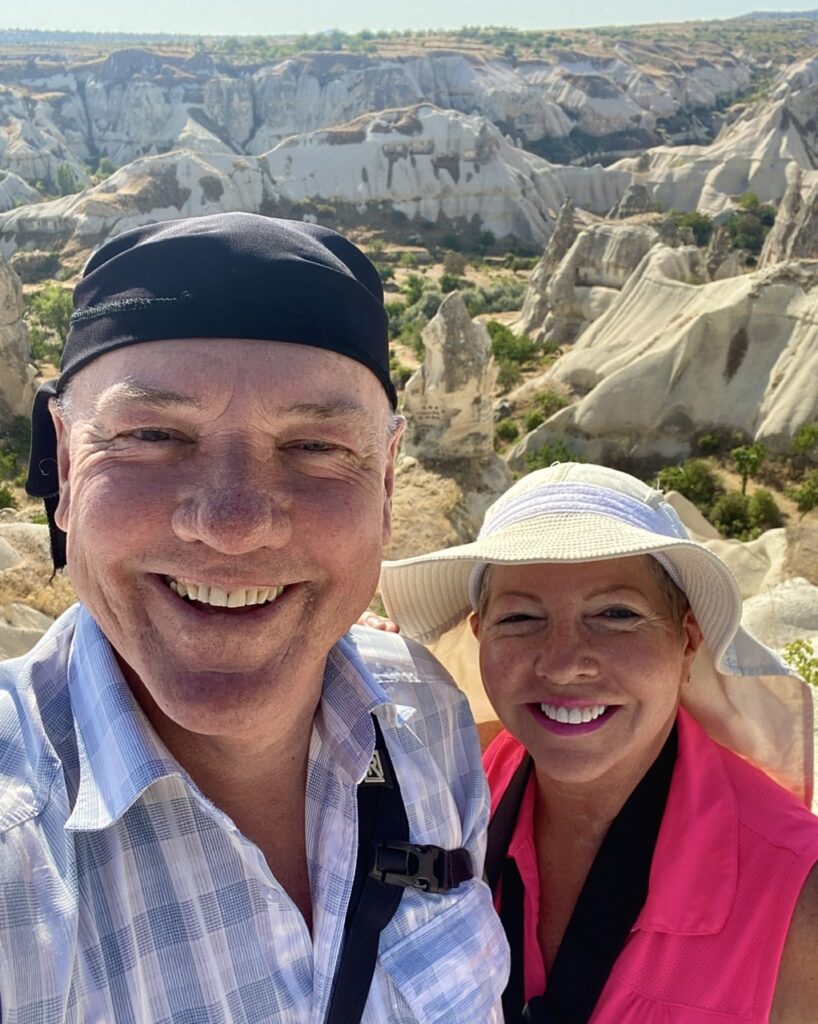
Cappadocia is rich in history and there are still a number of unsolved ancient mysteries surrounding this unique place that sometimes seems to be frozen in time. I loved being surrounded in such a place!
The beginnings of this amazing region go back to the Tertiary period some 50 million years ago; craters and chimneys dominated the landscape. For hundreds of years, ancient people dug into the soft material to build dwellings, churches, monasteries, and underground cities.
The history of Cappadocia began in prehistoric times. It experienced many cultures like the Hatti culture; 2500-2000 BC. The Hittites settled in the region, after them, then the Assyrians: 2000-1800 BC organized their trading posts.


It was a full day, because of the long distance we drove, out of Goreme and back, but we got a chance to more of what Cappadocia has to offer. By the time we left the region, we were filled up with satisfaction over this wonderful place!
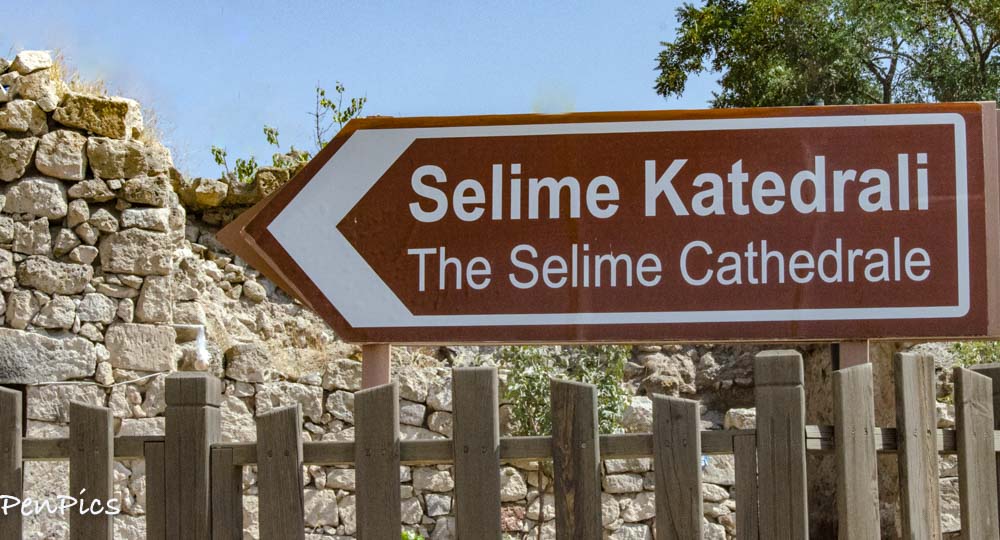
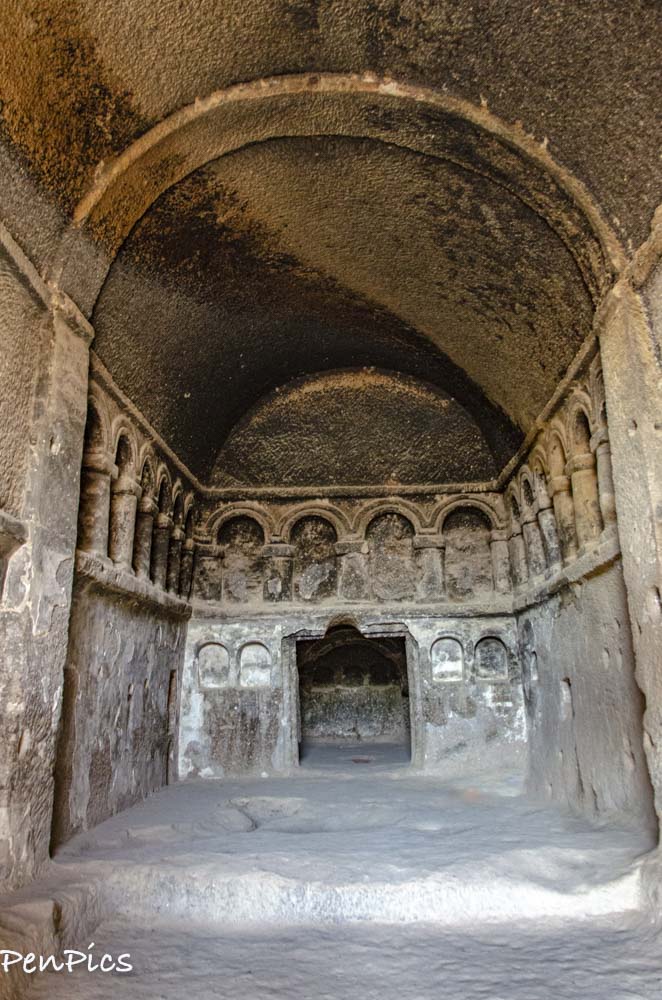
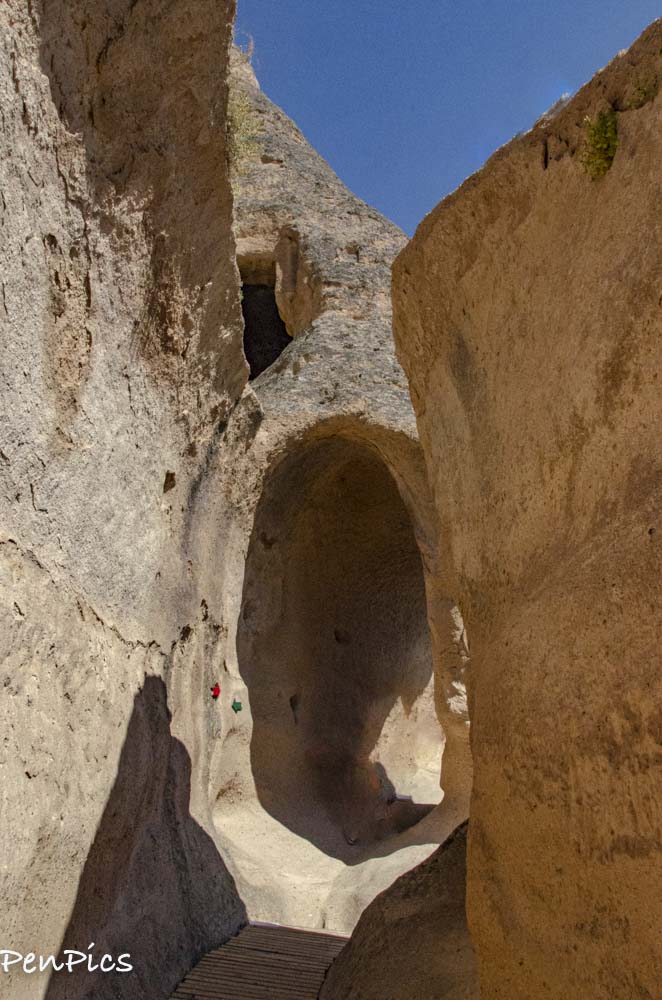
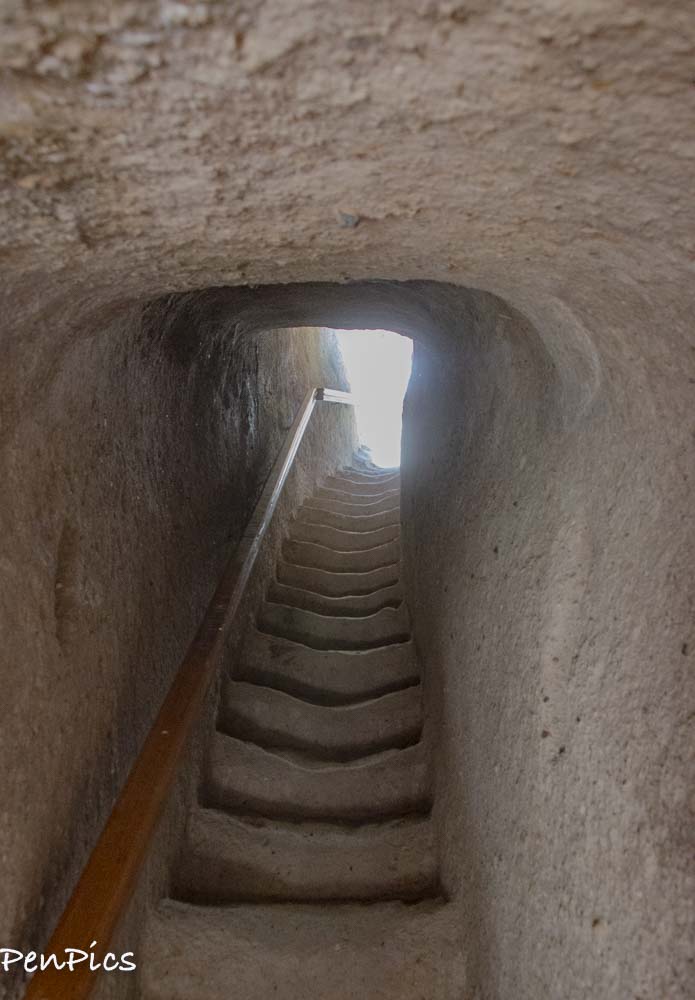
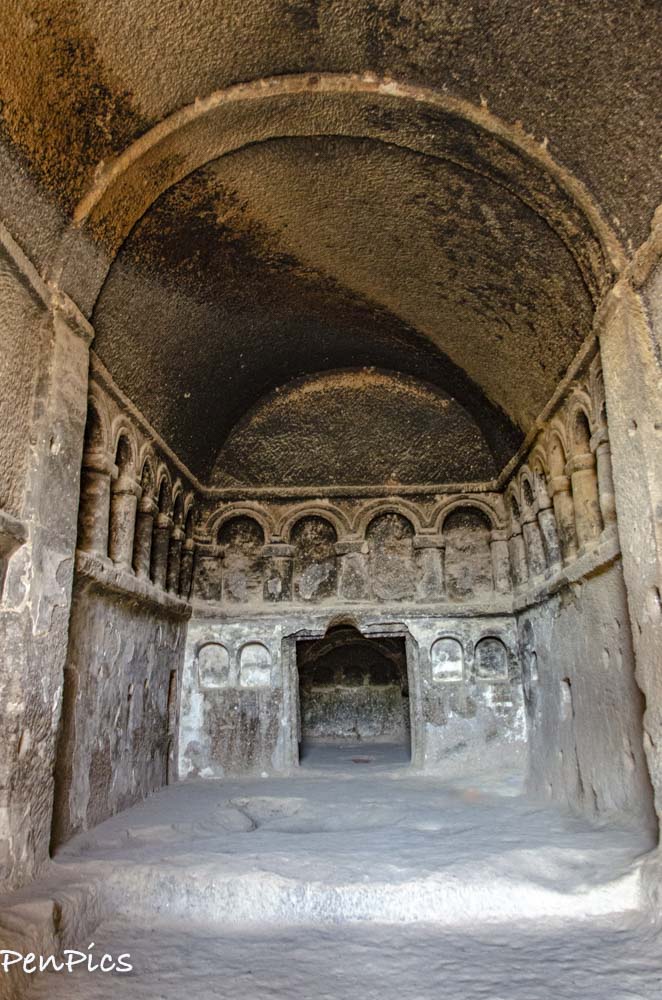
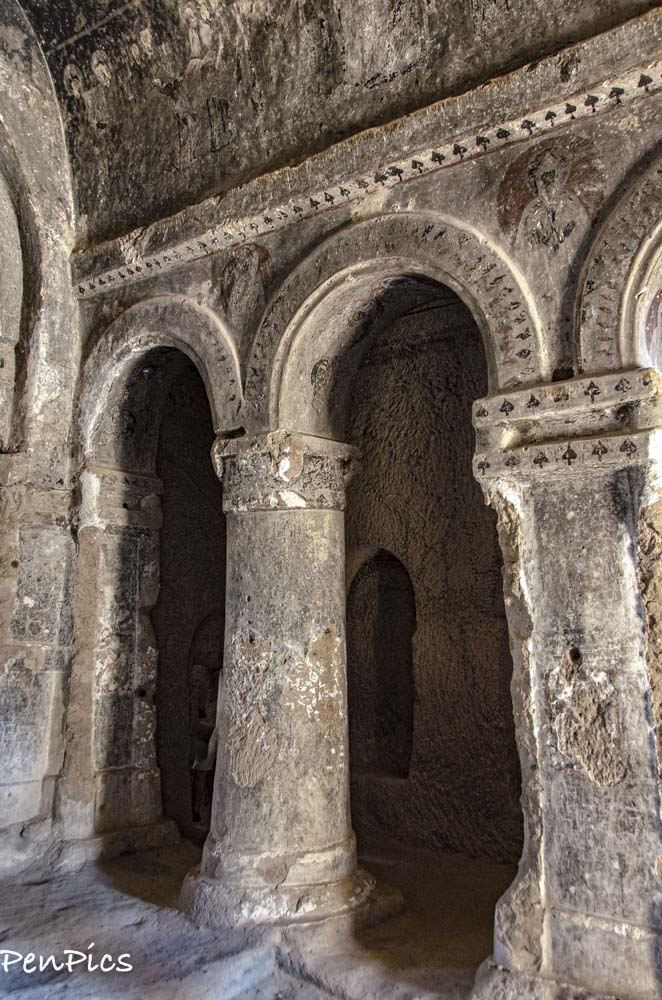
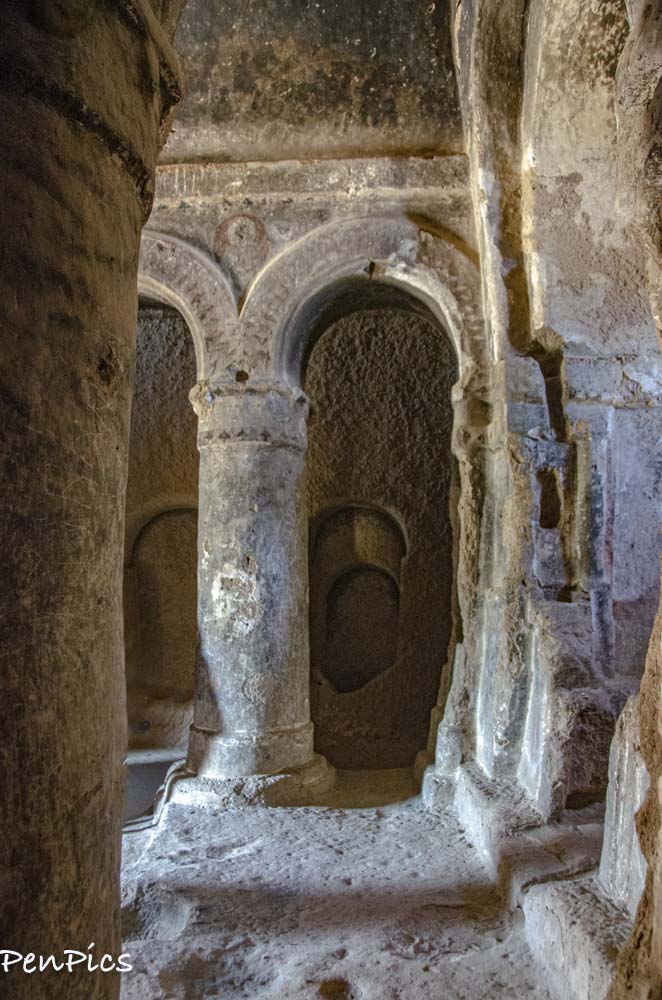
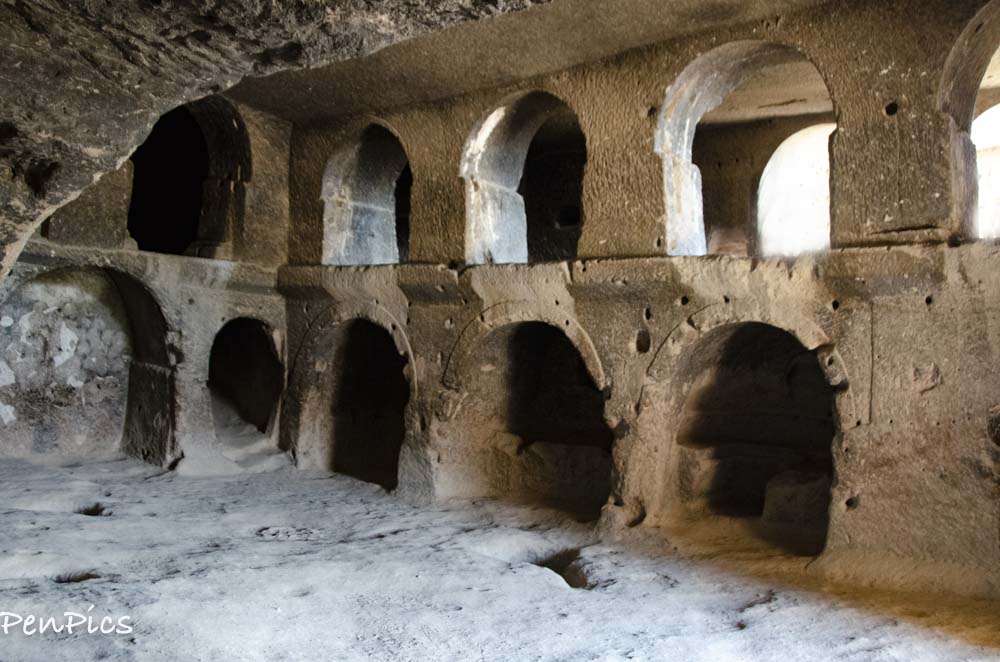
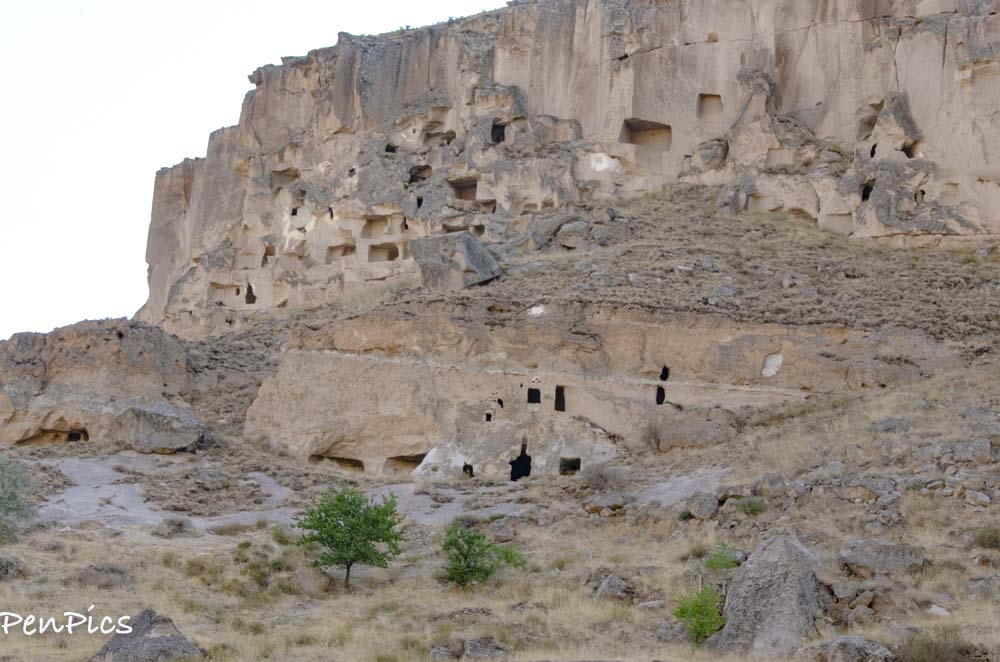
The Selime Cathedral is situated high atop the Ihlara Valley. It was constructed by the earliest Christians in the Anatolia region to perform their religious ceremonies in secret.
It is believed that this was the place where the first vocal religious ceremony was held by Christians, 1,700 years ago.
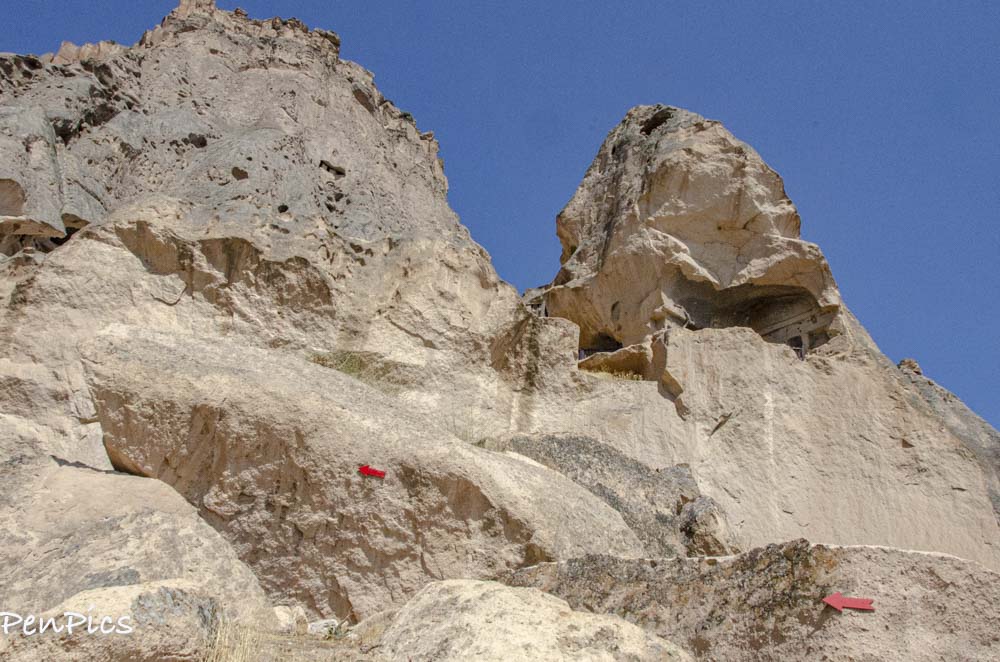
These Rock Cave Churches are so well hidden
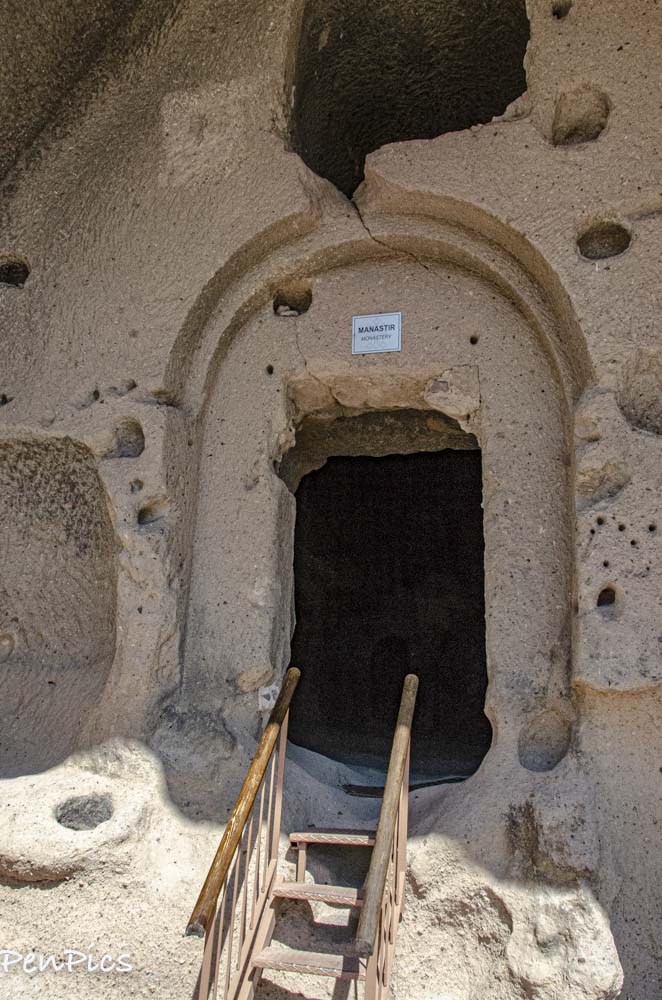
This Cathedral is of great historical importance. The first Christians who lived in Cappadocia during the Roman Empire era, turned this place into a huge Monastery when they were exposed to pressure.
The Cristians of that day, established chapels, churches, and multi-functional rock-carved places here. After the Mongols increased their pressure in Anatolia, the Seljuk Turks used the area of the Selime Cathedral as a castle. There is archaeological evidence that the longest resistance against the Mongols took place in this cathedral.
In modern times, the ancient Selime Cathedral, in the Ihlara Valley is famous for its size and the Ihlara Valley is also home to around 10,000 rock-carved places and over 100 rock-carved churches.
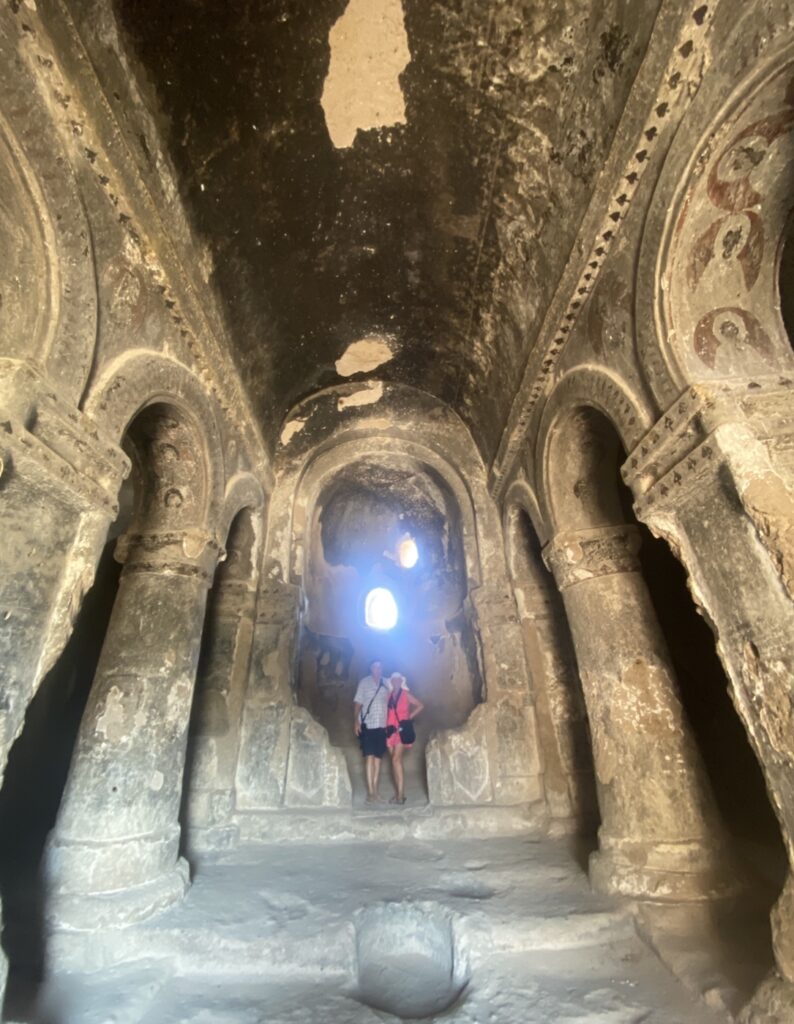
The Orthodox Christians continued to populate the area of Cappadocia until the 1920s when the community was transferred to Greece, in exchange for most Muslims in Greece, as part of a population exchange between Turkey and Greece that was organized on the basis of religious affiliation, rather than linguistic or ethnic identity. to date, only five percent of the population, now in this region is five percent.
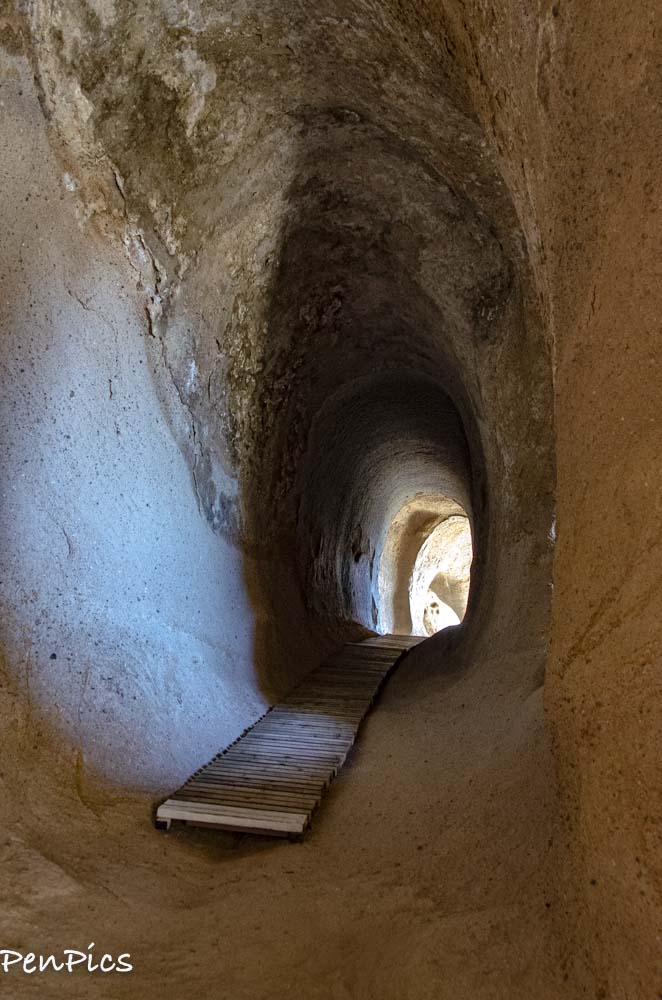
On the way up to the monastery, first you go through a tunnel-like corridor, which was part of the caravan path on which camels walked, the camel caravans came for a stopover as there was a large bazaar there, and for protection, camels were led to the central part of the monastery.
The school room of the Monastery part of this church
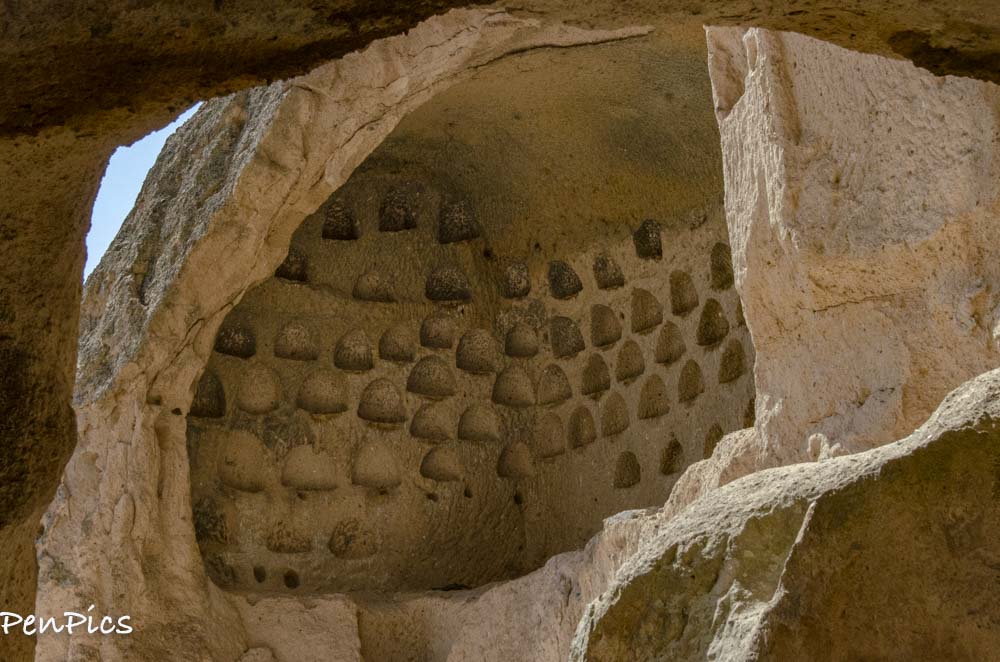
This was very interesting. Up till this visit at this cave cathedral, we had not see what the inside of the pigeon houses looked like. From the outside of the cave, what we see are smaller holes, which look like little windows. These pigeon homes were masterfully created so the farmers could easily collect their eggs and poo. The pigeons were not raised for eating. Back in ancient days, the egg whites from the eggs were mixed with clay to create a plaster-like substance which was used to coat the walls of the churches before painting g the frescoes.
The pigeon poo was used for fertilizer.
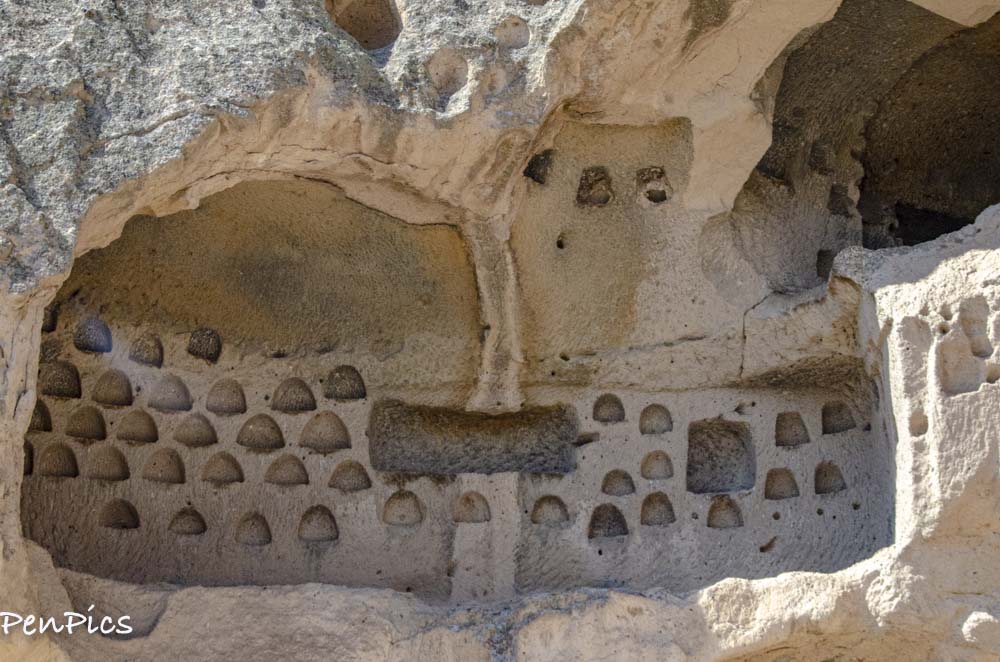
The small holes are what we see from the outside of many, many ancient cave homes and structures throughout Cappadocia, indicating pigeon homes


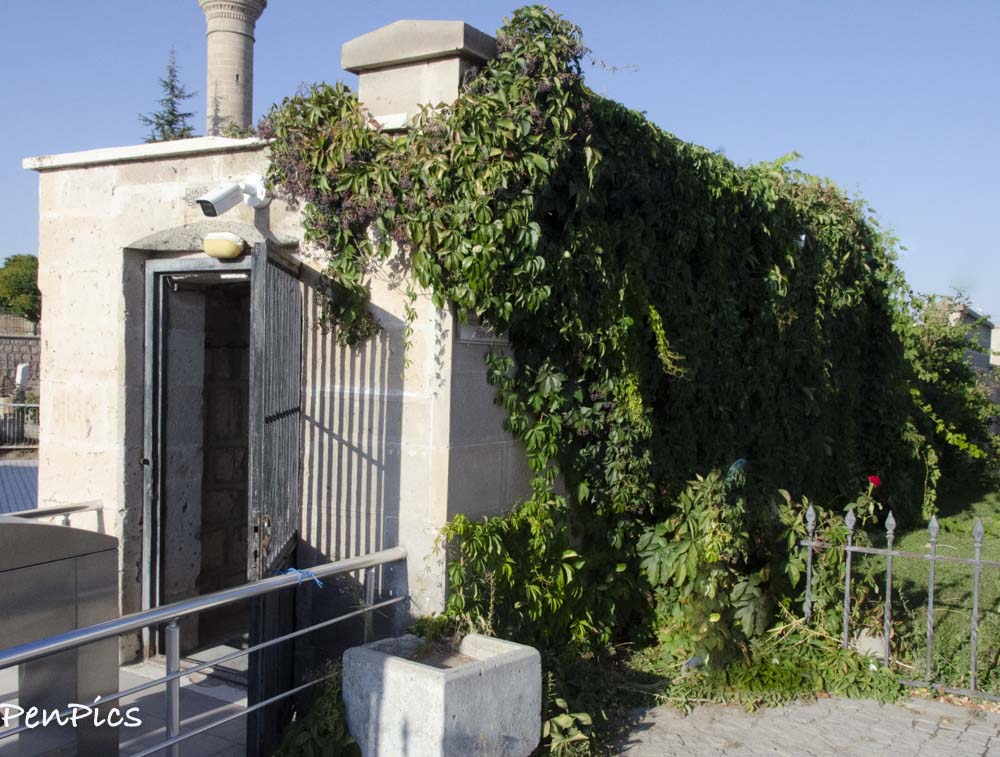
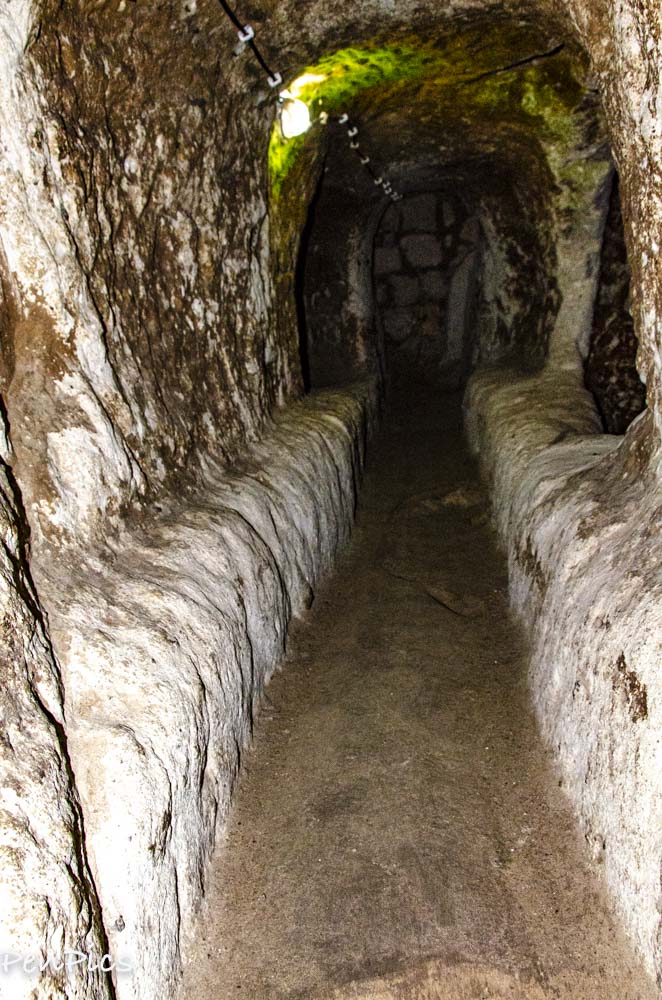
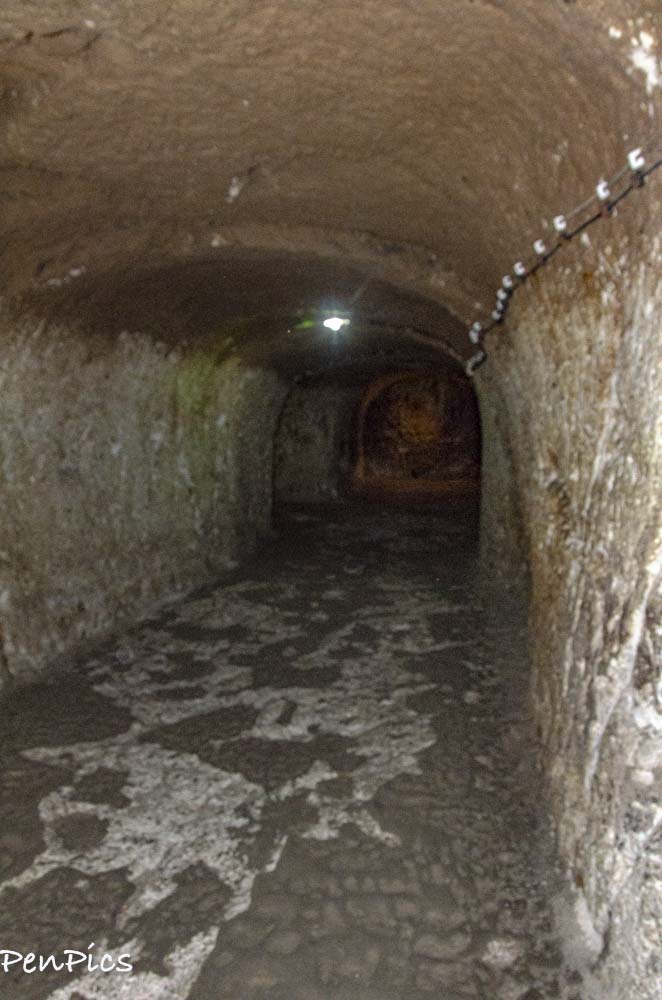
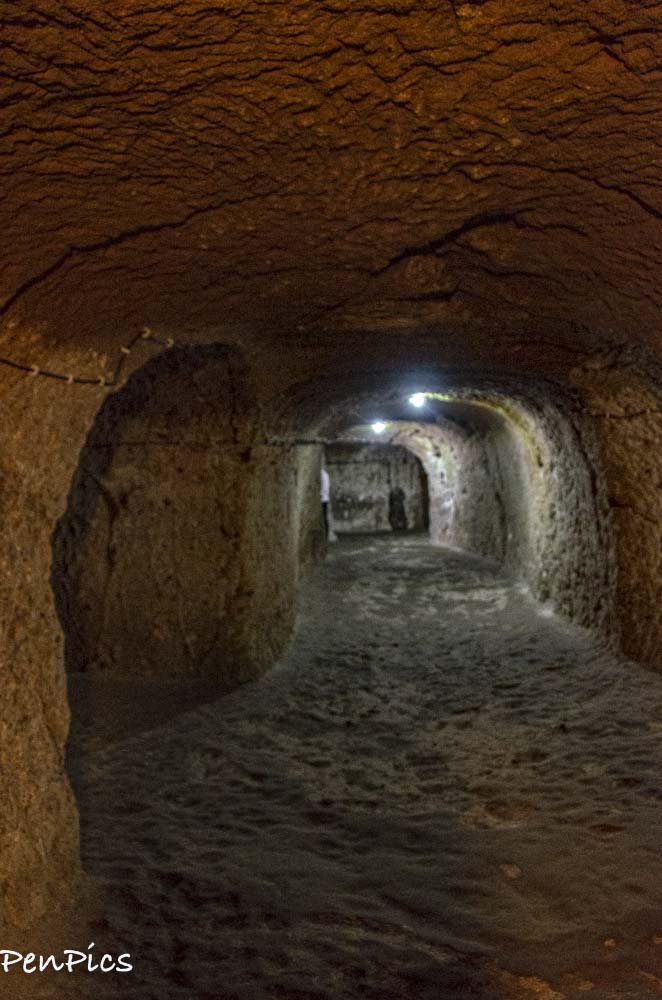
We also visited this Underground City, before the end of the day
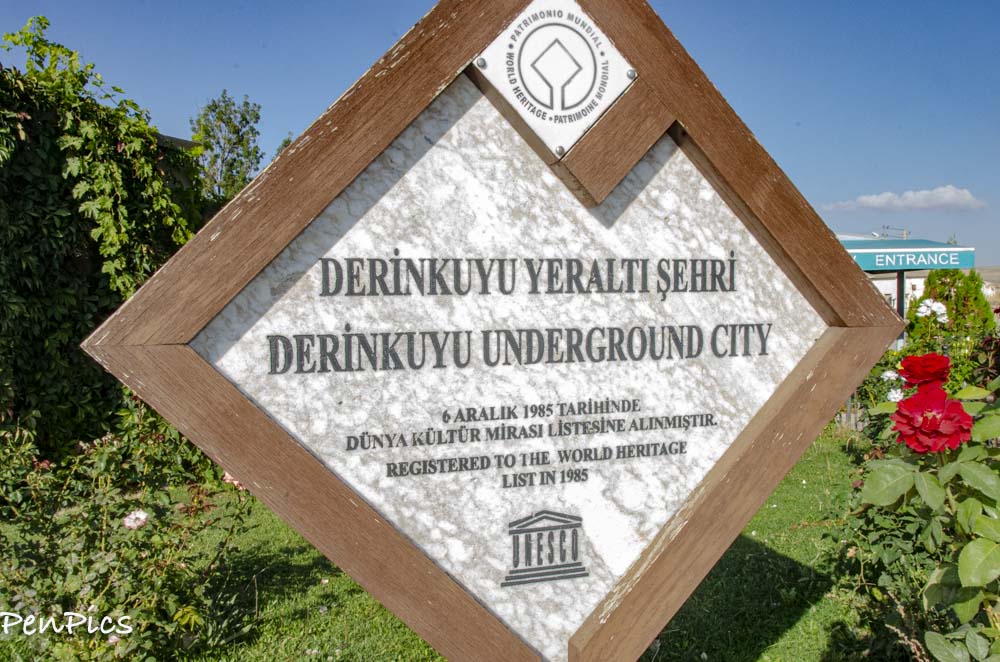
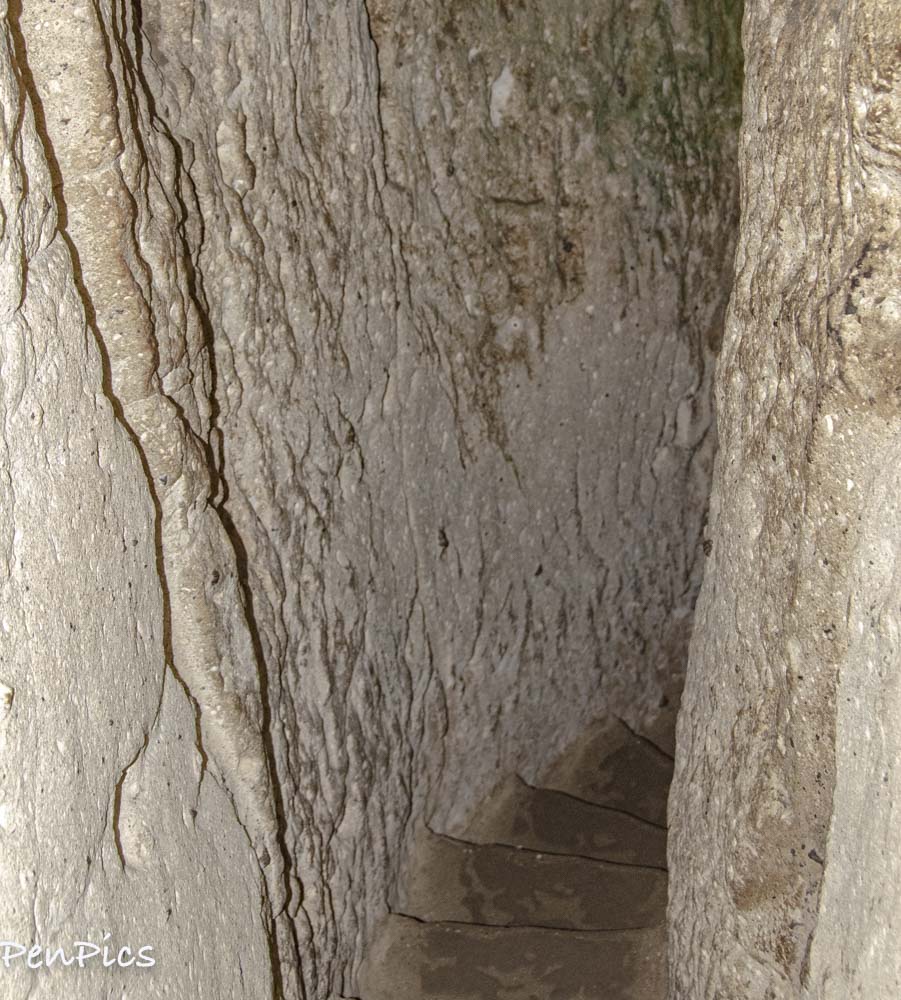
Again, one would never know there are eighty levels of living space underground
It is hard to tell, but the church, but back
in the day, underground, is in the shape of a cross. Two long corridors, meeting only in the middle.
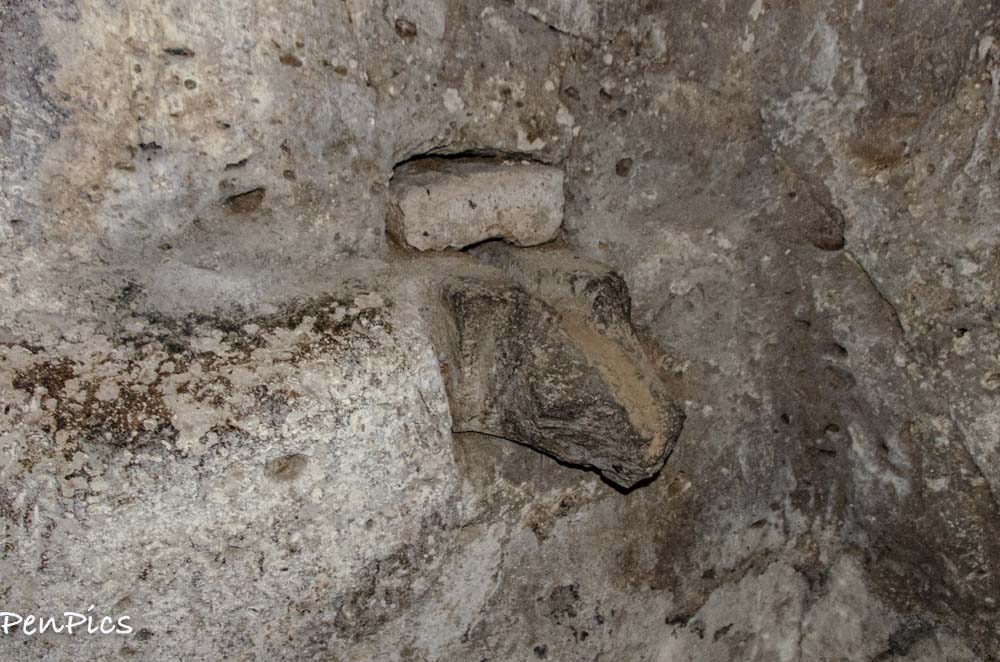
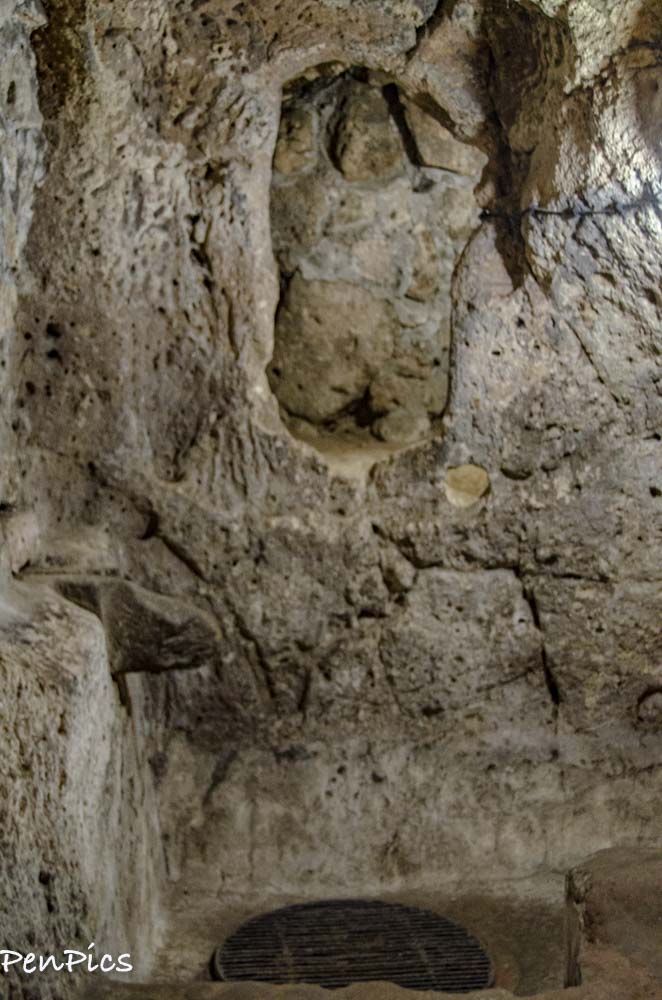
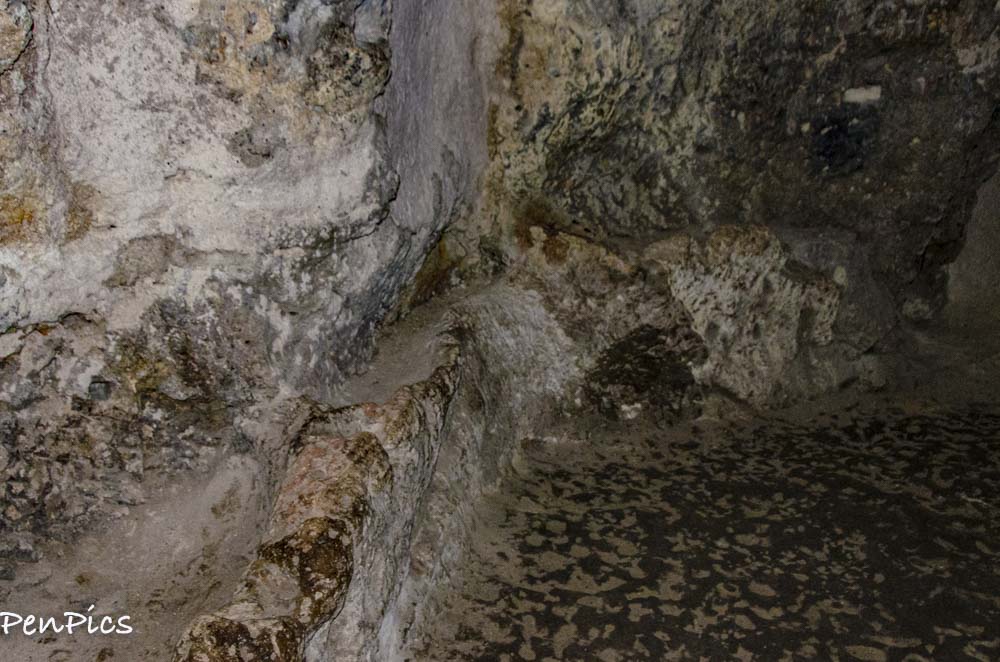
While underground, the work continued the wall on the other side of this photo is where the wine was being held. This is the spout, used for the finished product to be poured from there.
In this photo, the oval cutout of a window-door ,above the pouring spout, is where the grapes were crushed (by stomping) to pressure the juices for wine, as is still the tradition, today.
This area was used for the stables. There are carved-out mangers and water troughs. When the people had to go into hiding, they only grabbed bedding and clothes, and herded the stock into the cave homes, underground. when not under attack, the ancients lived above ground, but used the caves to store their harvest, and make their wine. It was always an extension of their topside residences.
End of day, and touring. We are in the van, and heading back to Gorme

Leave a comment

Your email address will not be published.

Go To Home Page

Archive Blog Posts of Our Country Visits

About Us

About Us

Hello and Welcome to our Travel Blog Website, We enjoy writing about our experiences and taking photos of our adventuring along the way. Our names are: Daryl and Pen, but Daryl calls me “Bunny.” We met, quite randomly, whilst both… Read More