


Turkey 🇹🇷 ~Saratlı Kirkzog and Kaymakli “Ancient Underground Cities”
As I mentioned in an earlier blog, after leaving the interstate, we started our final leg of the journey to make it to Cappadocia. This region is not to be missed, which makes driving the long miles and days, very worth it!
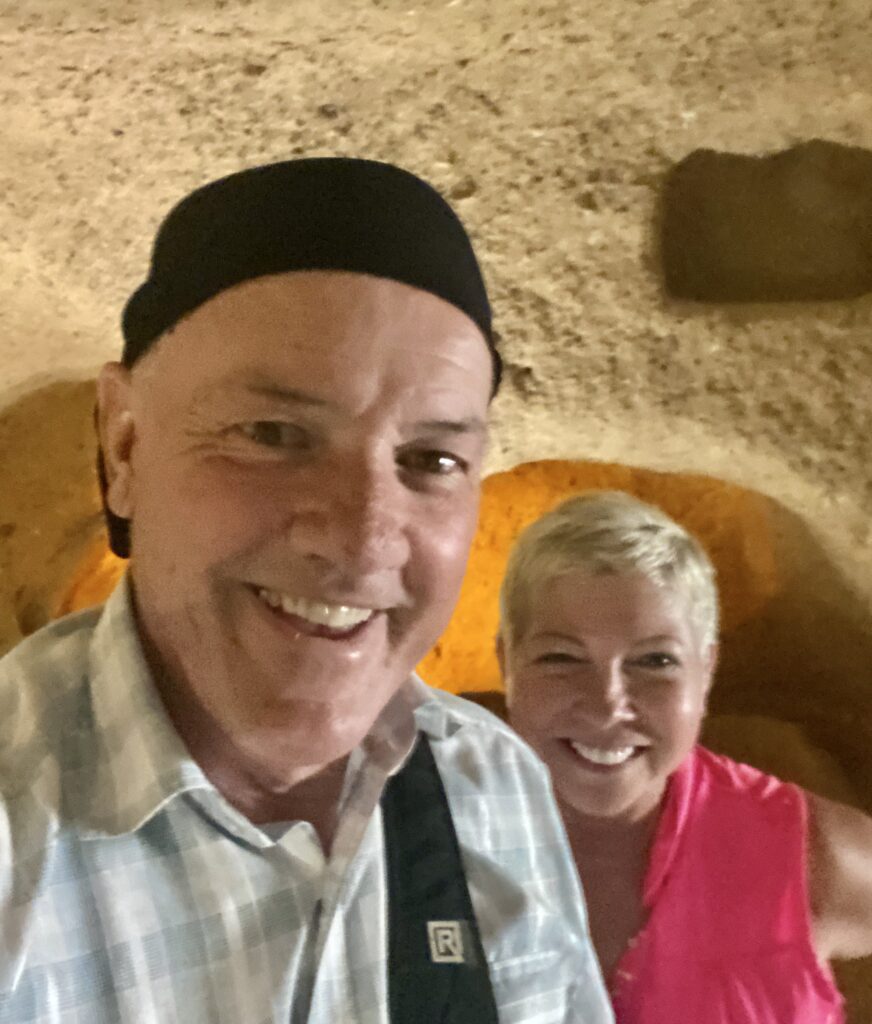
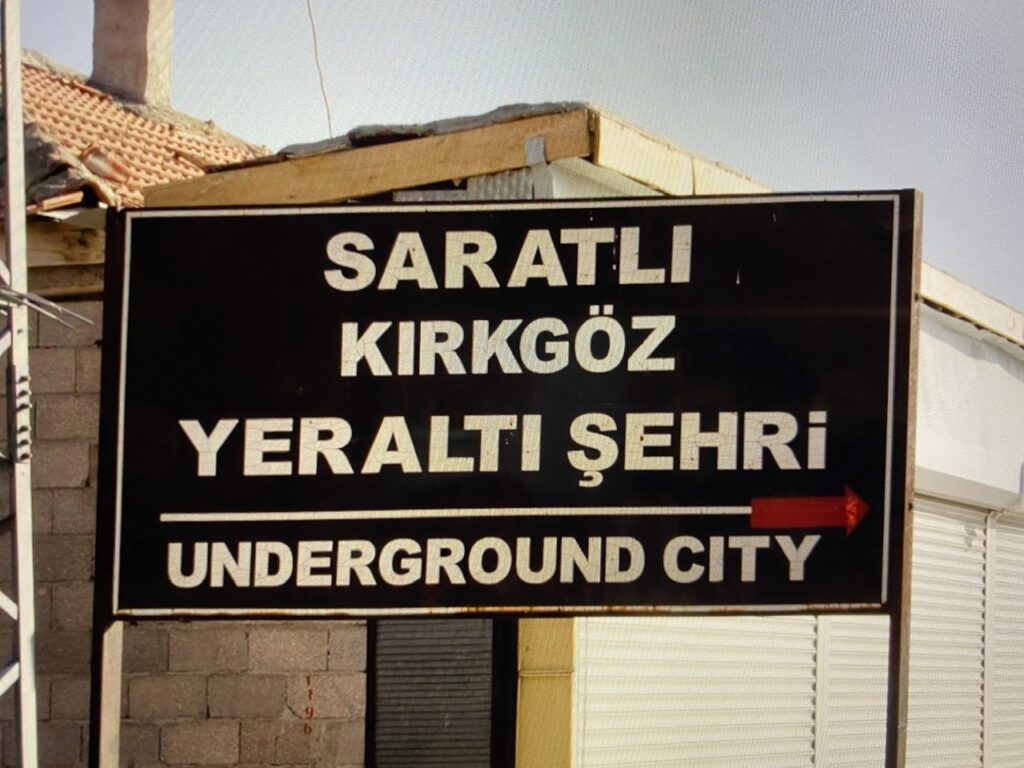
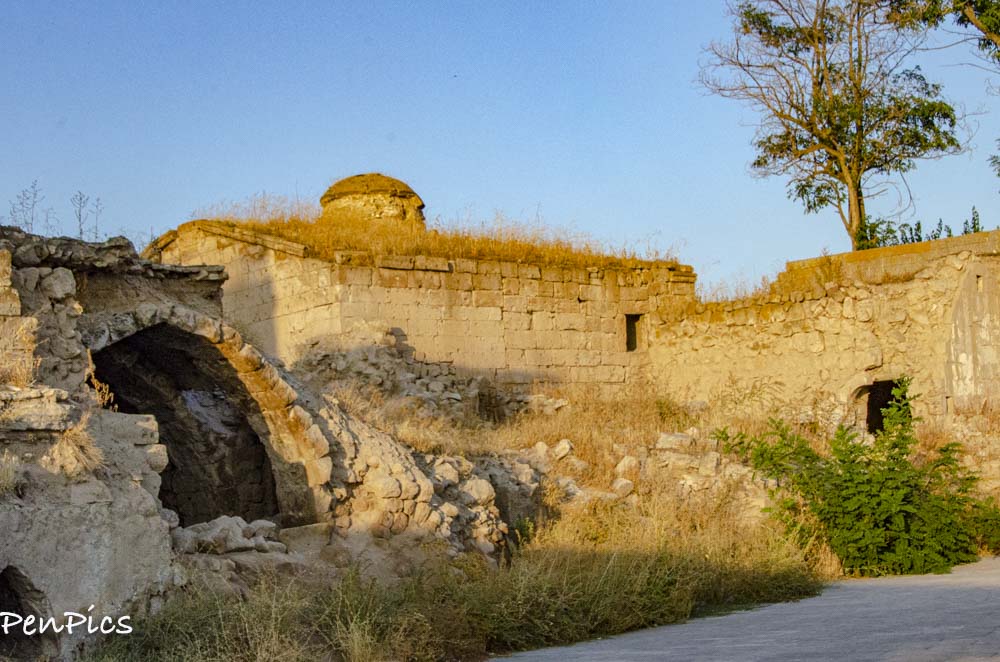
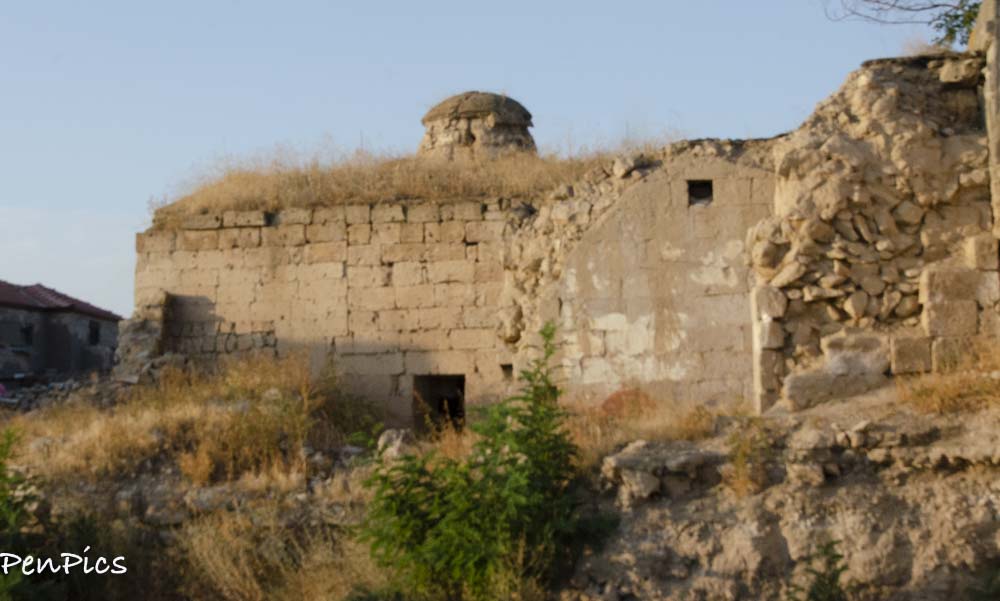
Our first stop to view an Underground City, was the most interesting so far, since it was not a touristy place, set up for viewing. It was so authentic, and left “as is.” There was a sign indicating the area, but finding the area took some effort. Daryl lucked-out and met a man who gave him a short tour of his actual home; still living a cave from ancient time. VERY COOL! Me, I got chased by a huge and angry dog. I was so grateful he was chained. Whew! I called for Daryl to save me, as I was backed into a corner, since the dog rushed me from inside a dilapidated dog house I did not see. No answer. Later, he told me, he was afraid of the dog, too. 🤣🤣 Chivalry was apparently dead on this day. After my exploration of various ancient cave-homes, I went the long way around that dog, to get out of the rocks, because if that chain broke, I would be in a world of hurt. It was a sixty five pounder at least, and looked like a wolf.
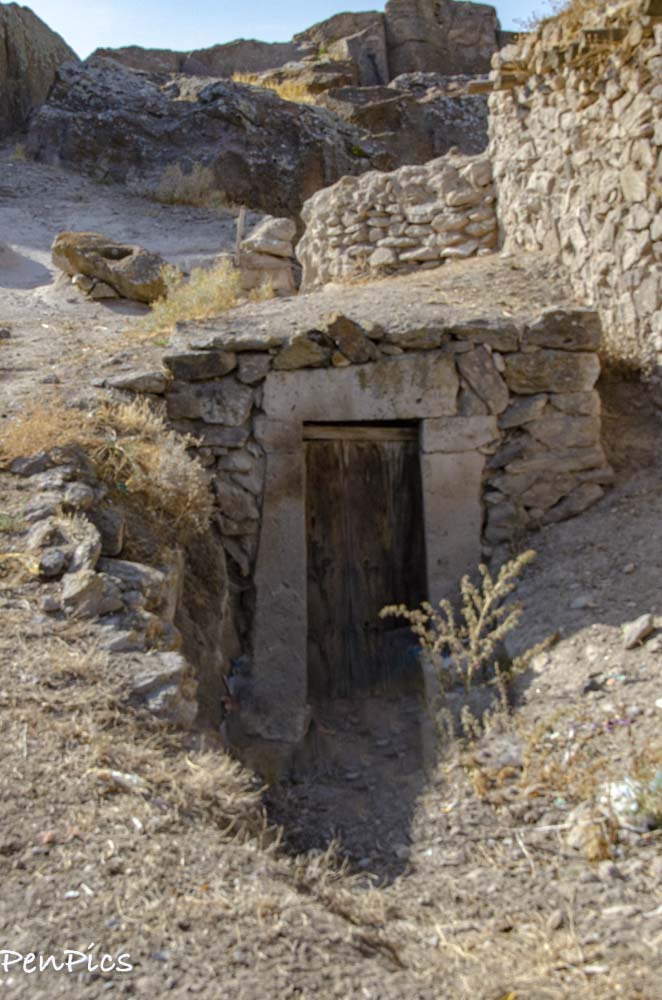
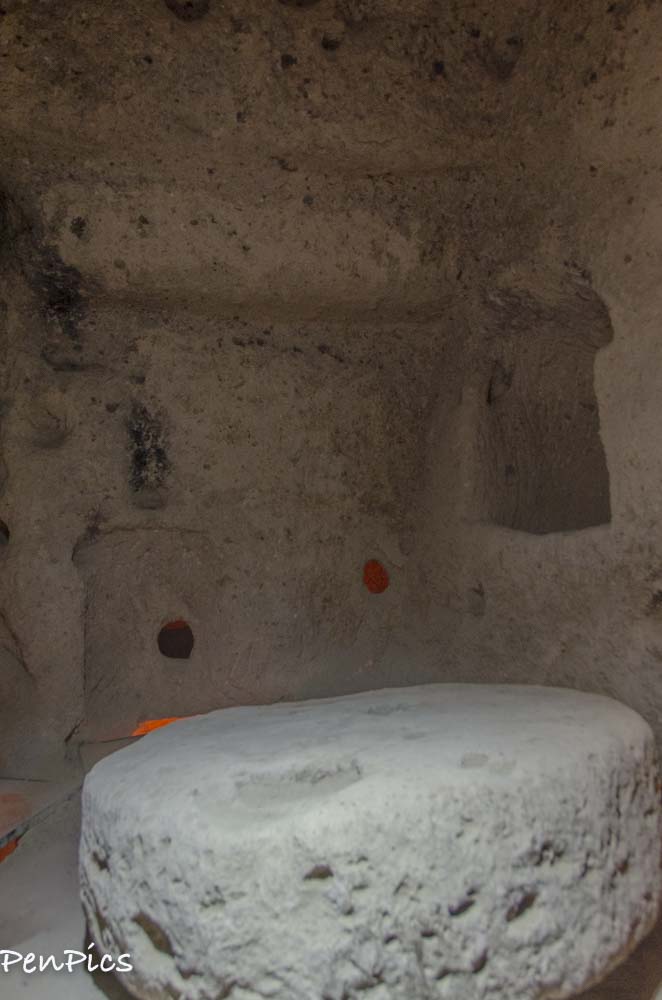
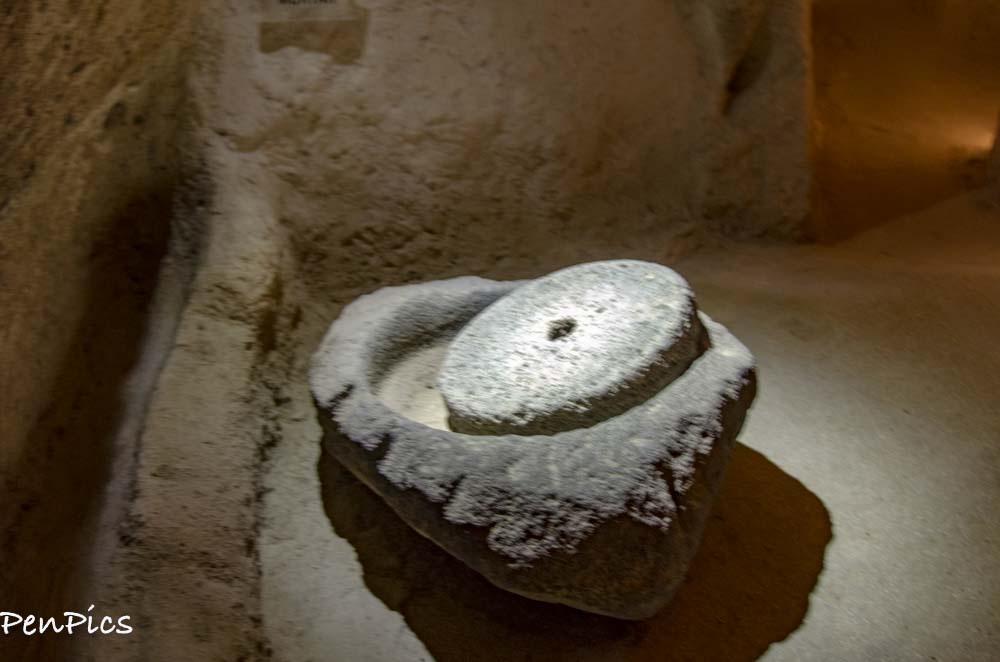
Water was obtained from the wells and cisterns and bread was collectively made in the city. While illumination was provided by oil lamps. Oxygen intake would be through ventilation chimneys.
While the site was frequently used around 250. AD, when Christianity was forbidden, its use in that period was mostly for shelter. St. Mercurius was a military officer who lived between 225 – 250 AD. He was born in Cappadocia during the Roman period and was exiled to Cappadocia, after his declaration of his Christian faith. He was decapitated in the region and his corpse was sent to Egypt.
We did not get to go inside the tourist access area, but if we could have, the the entrance to the city is an area that was used as a stable with 14 mangers for straw. In a connected second area seven more mangers were discovered.
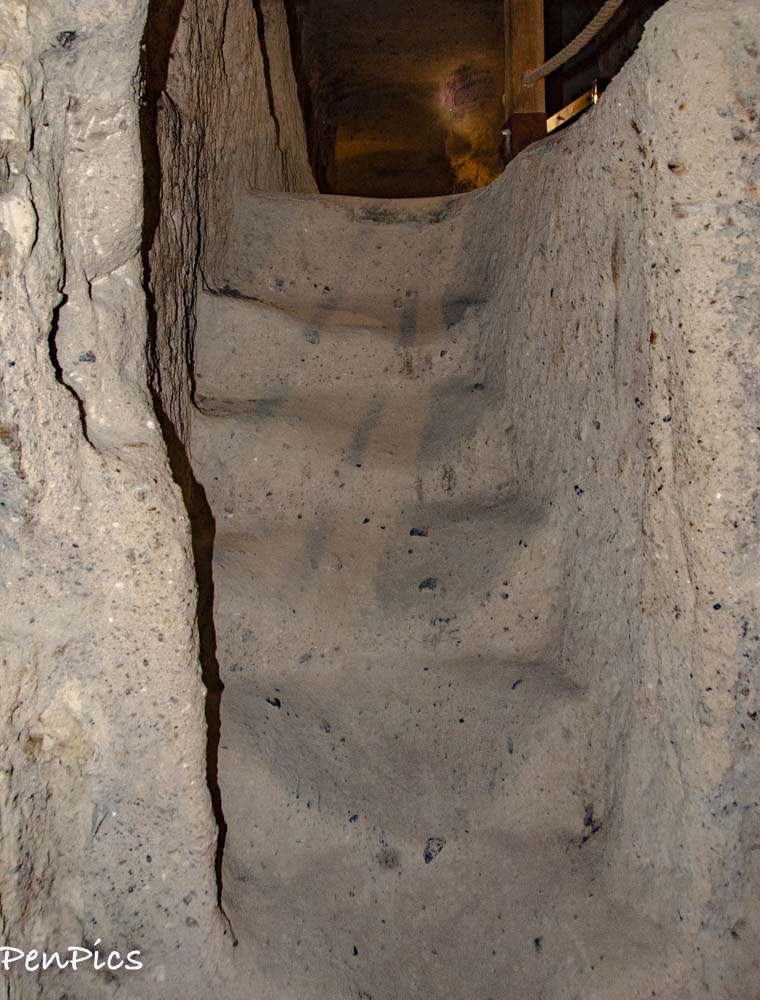
On the second floor accessed by tunnels, there is a water well. In addition to a ventilation chimney above the water well, an oven is dug into the floor next to the well. In the areas connected to this, there are 3 rooms and tunnels leading in different directions from these were left uncompleted.
Of the seven layers of the underground city, three have been cleared for touristic use. This is hard to imagine from what we saw. I don’t know if this is such a tourist hot spot anymore, because it looks very unkept, is overrun by farm animals, and its a bit cluttered with junk and some trash. Locks are on every entrance, just about. Is it from COVID? Im not sure and the one man we tried to speak with that let Daryl into his cave home to look, spike zero English. But, in its day, apparently, the entrance is through a Seljuk period inn, known as Develik among the local people. Access to other layers is through corridors and chambers, while all passageways lead to the church.
Although most of the churches in the underground cities are usually small, the church here is about the size of a cathedral. In the church, there is a separate chamber accommodation the graves of some children and adults.
The church was used as a church until late periods. There are graves in the church. During the excavations in the church, about 20 graves belonging to children and adults were unearthed and most of them still had bones inside. In one of the graves, the skeletons of a male and a female were found on top of each other. There are various engravings of the cross in the church. The site was used mainly during the Eastern Roman period. WOW, how I wish we could have gone underground to see this!
Storage jars were also found in the city. In one corner of the city, there is a tomb known as Develi Chamber where local people do offerings. In the chamber next to this one, there can be seen embossed images of ducks or swans carved into the stone wall.
According to what I read, St Mercurius Underground City and Church, together with Saratli Kirkgoz Underground City, is one of the most popular destinations for tourists in Cappadocia.
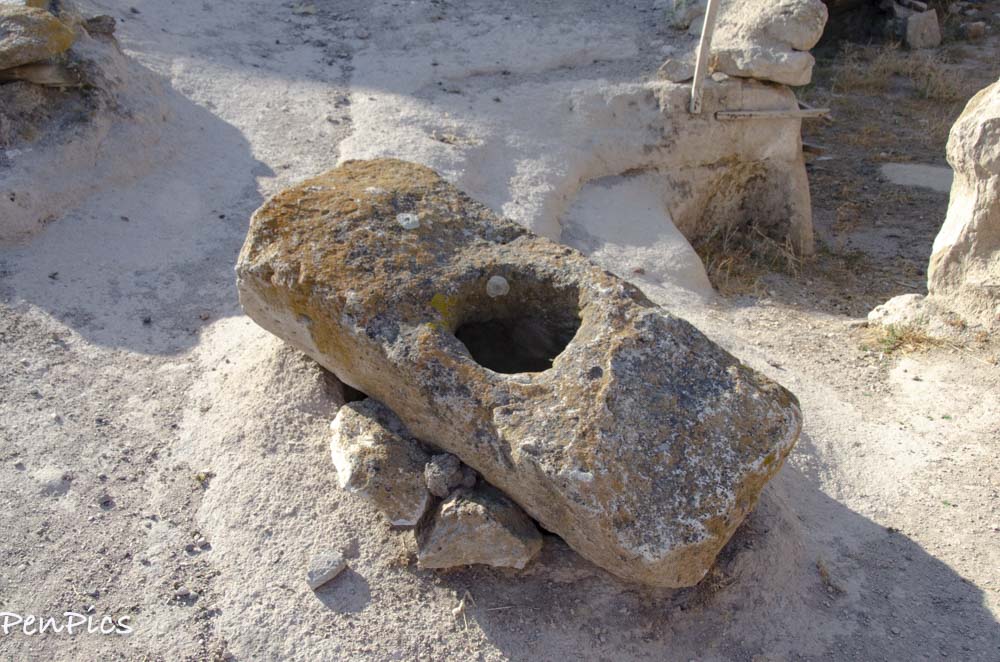
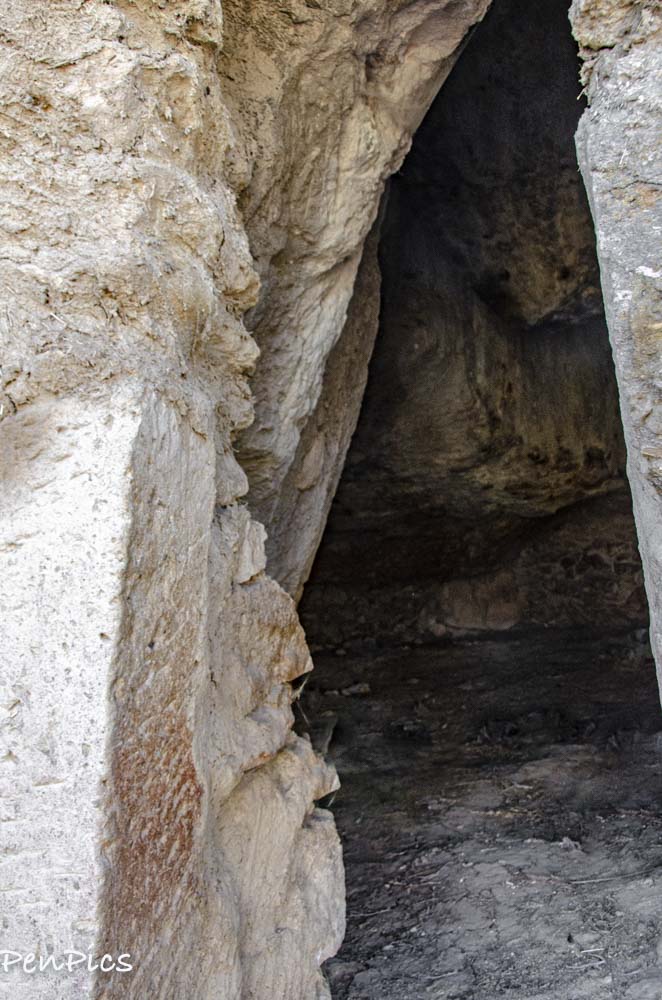
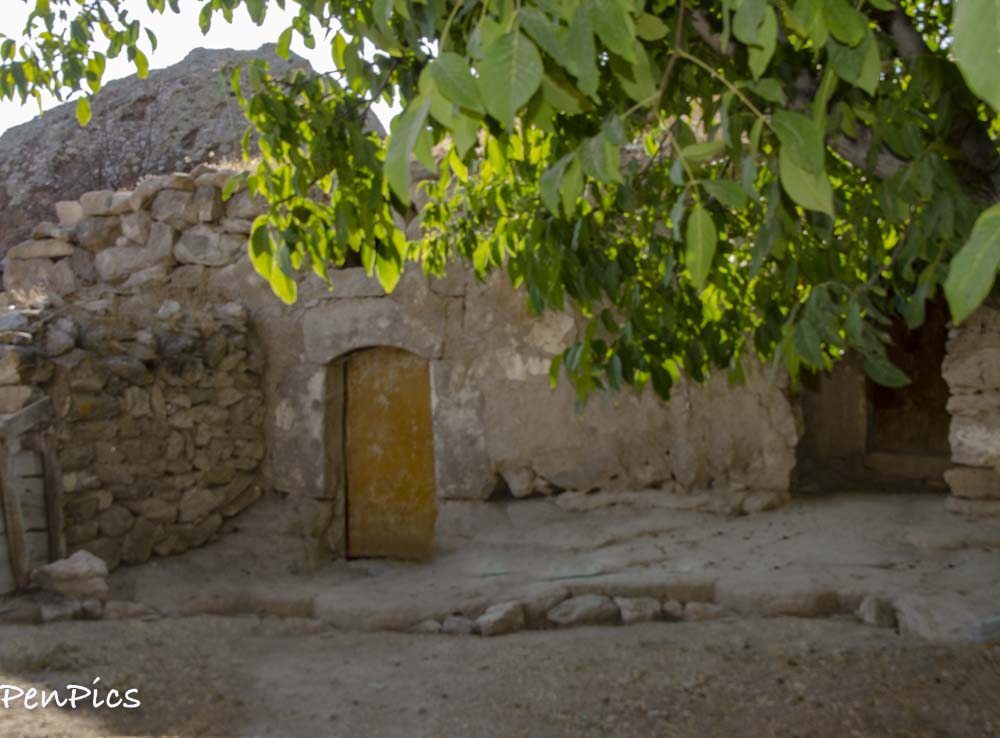
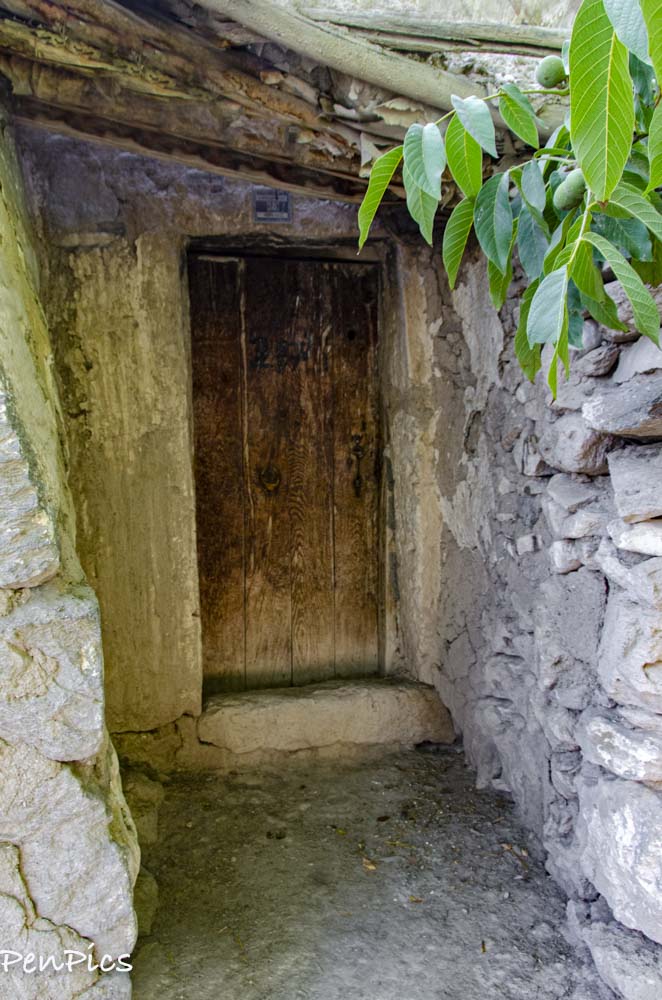
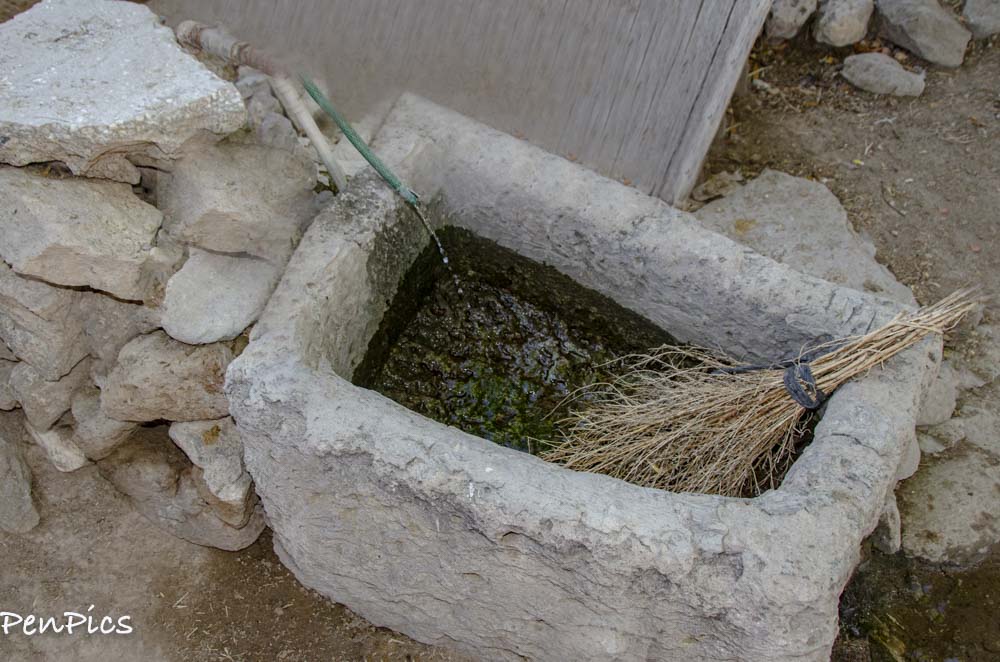
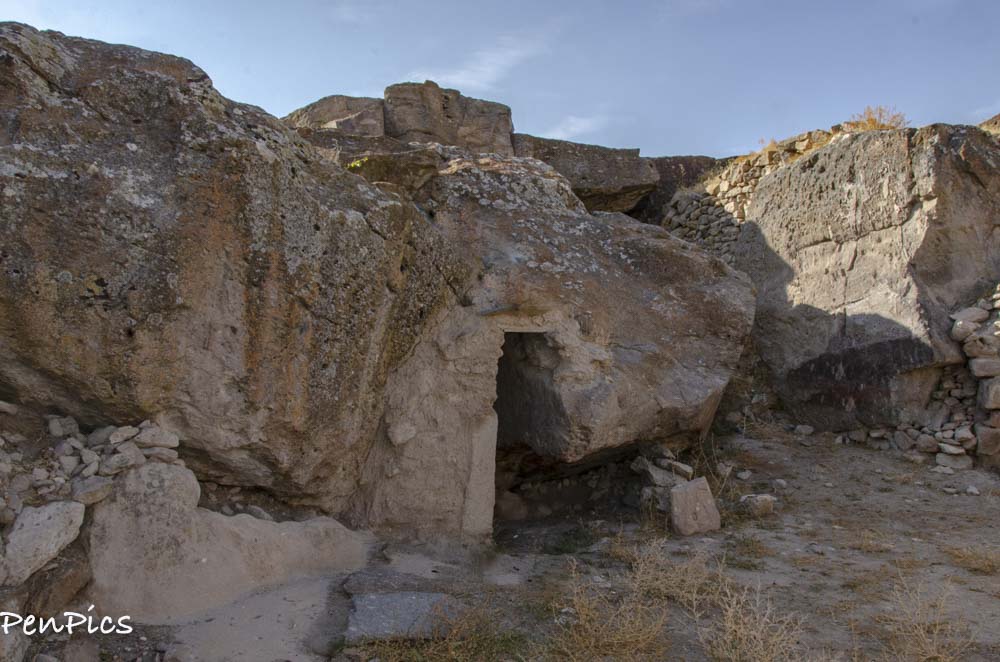
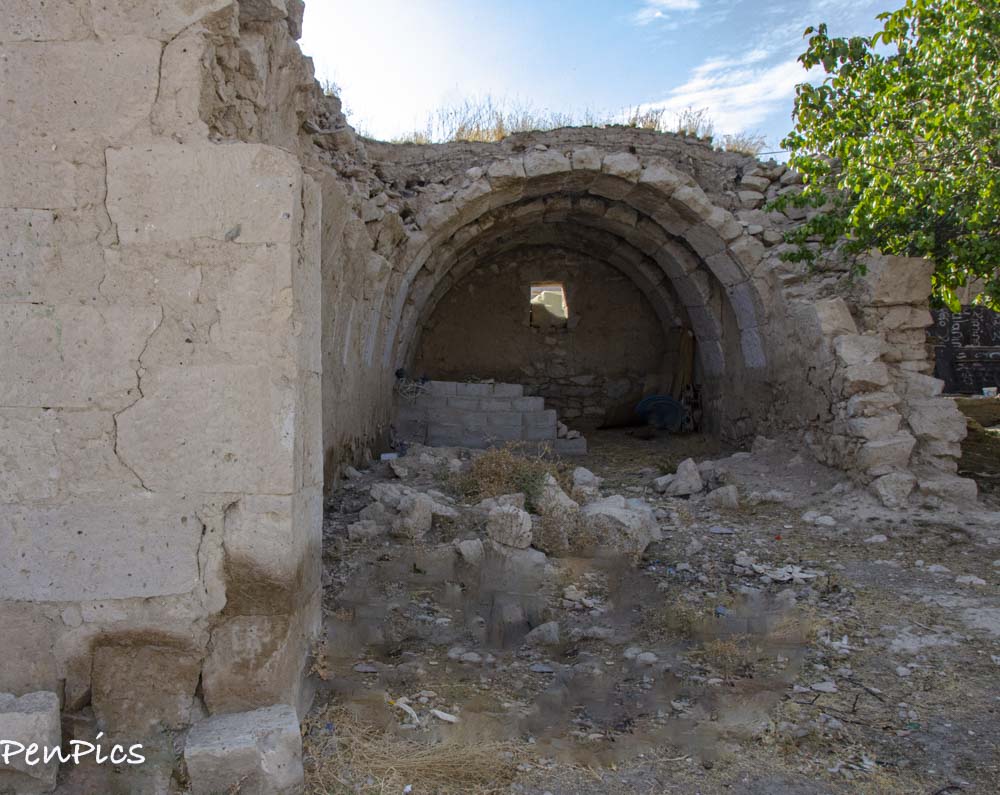
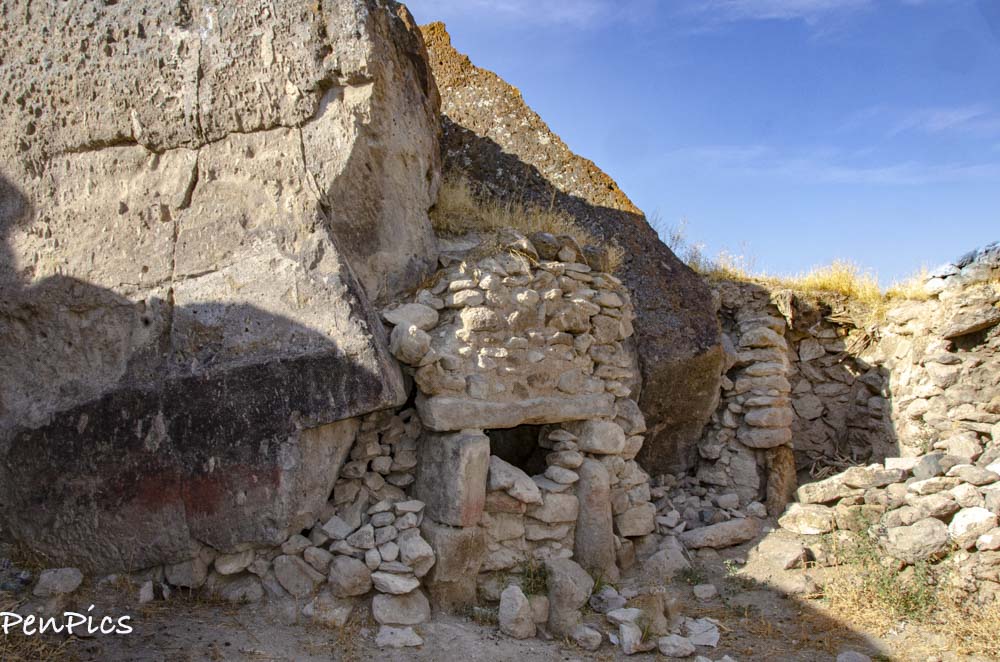
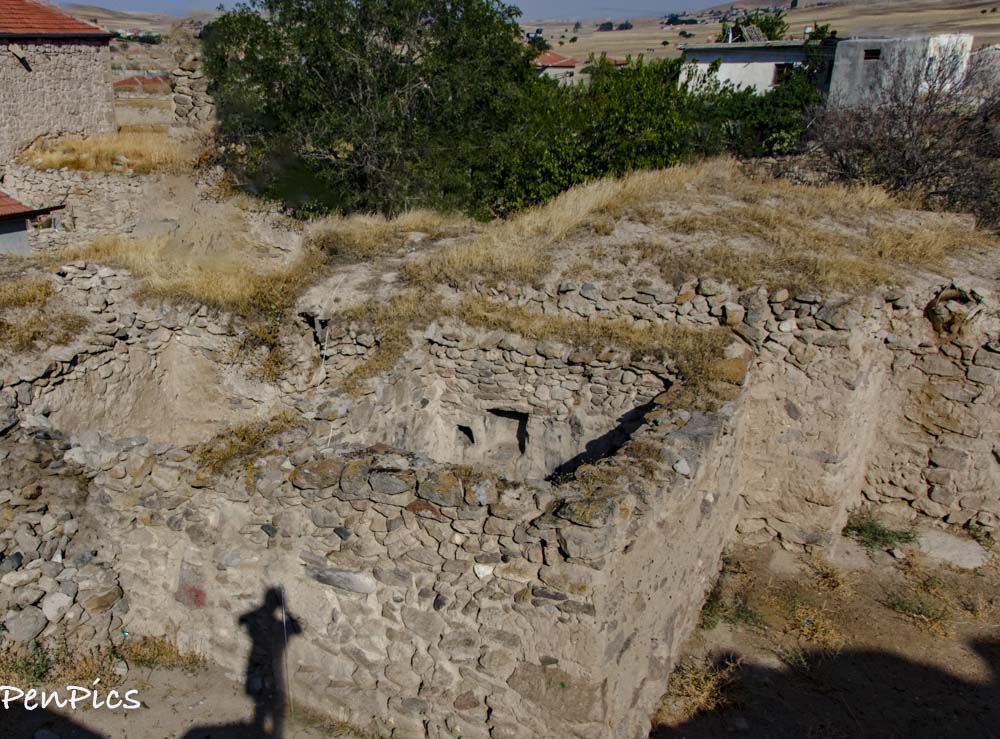
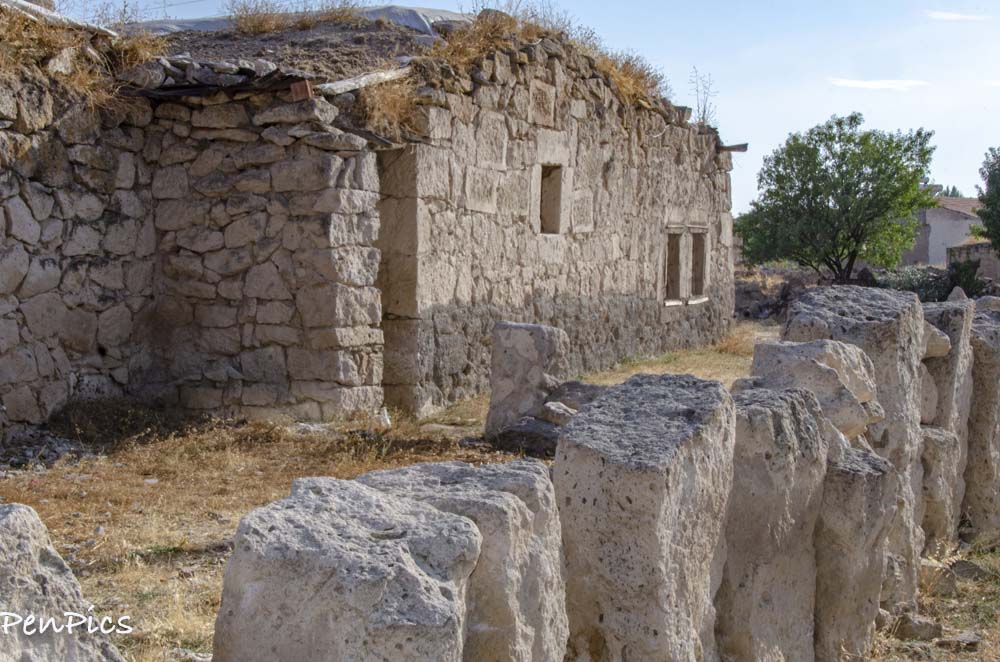
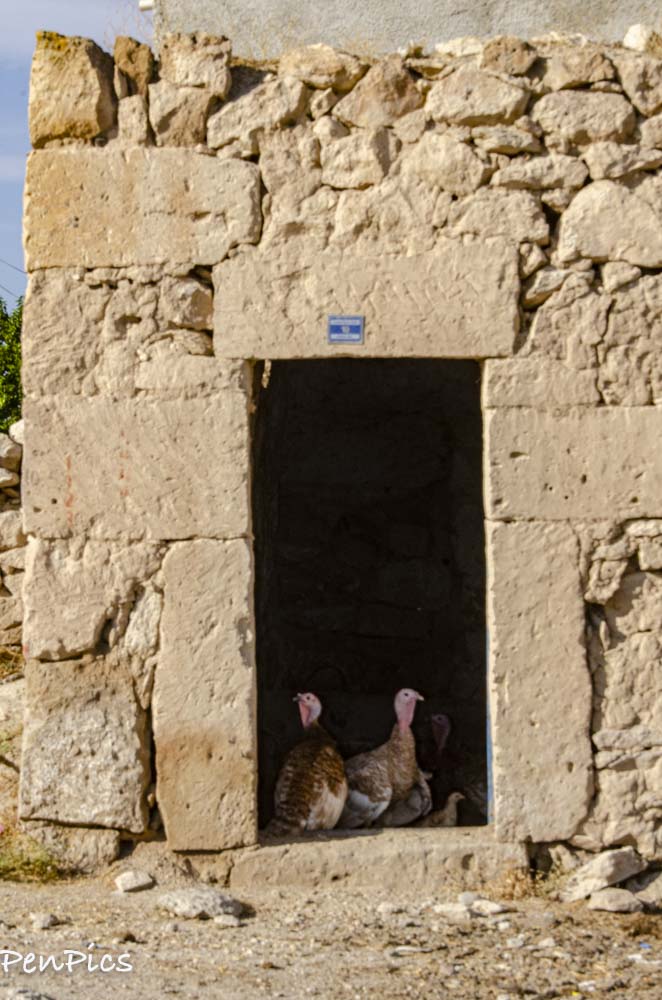
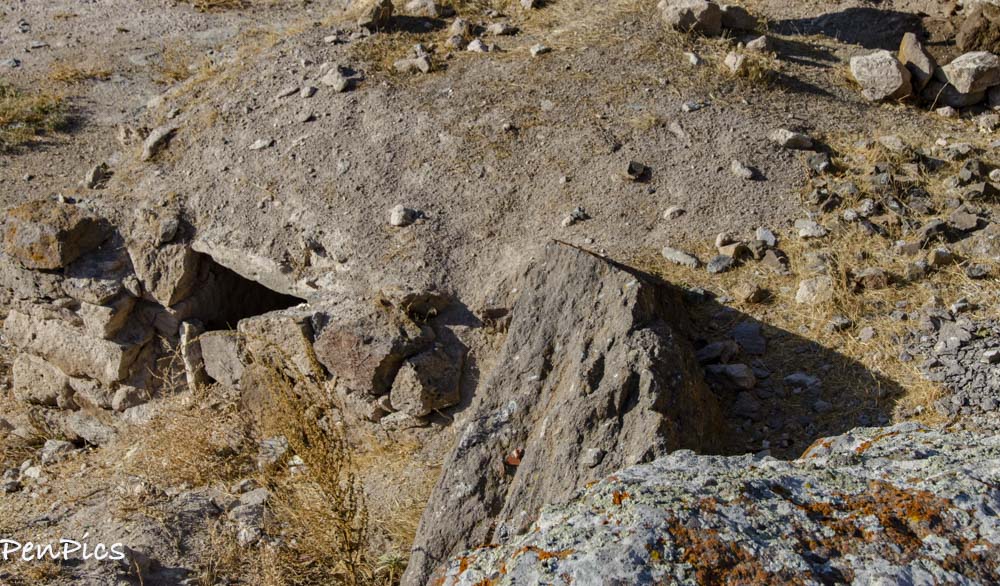
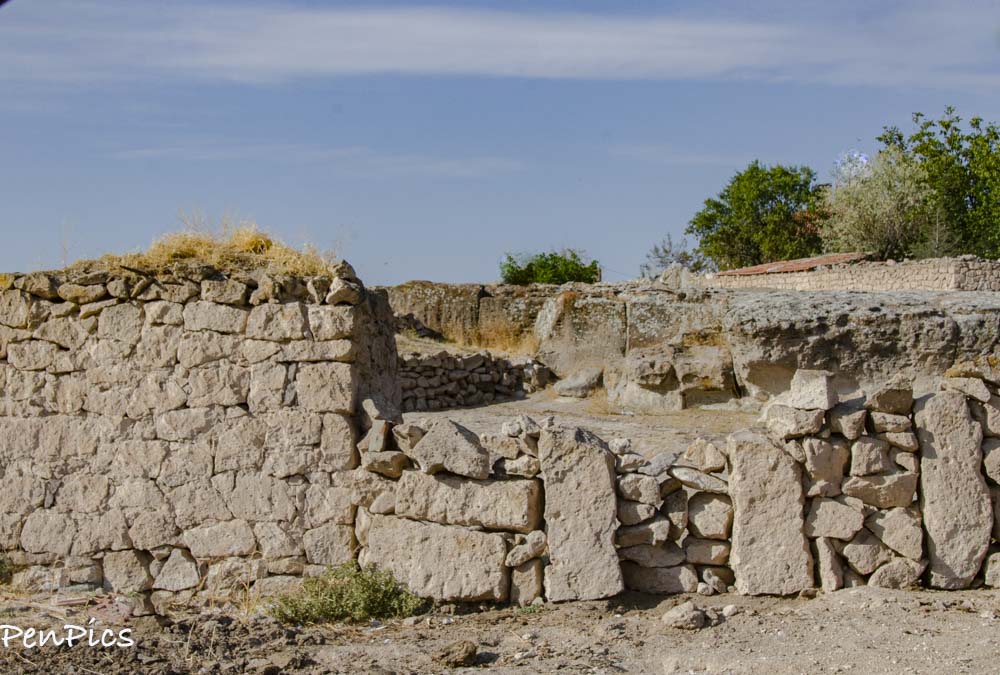
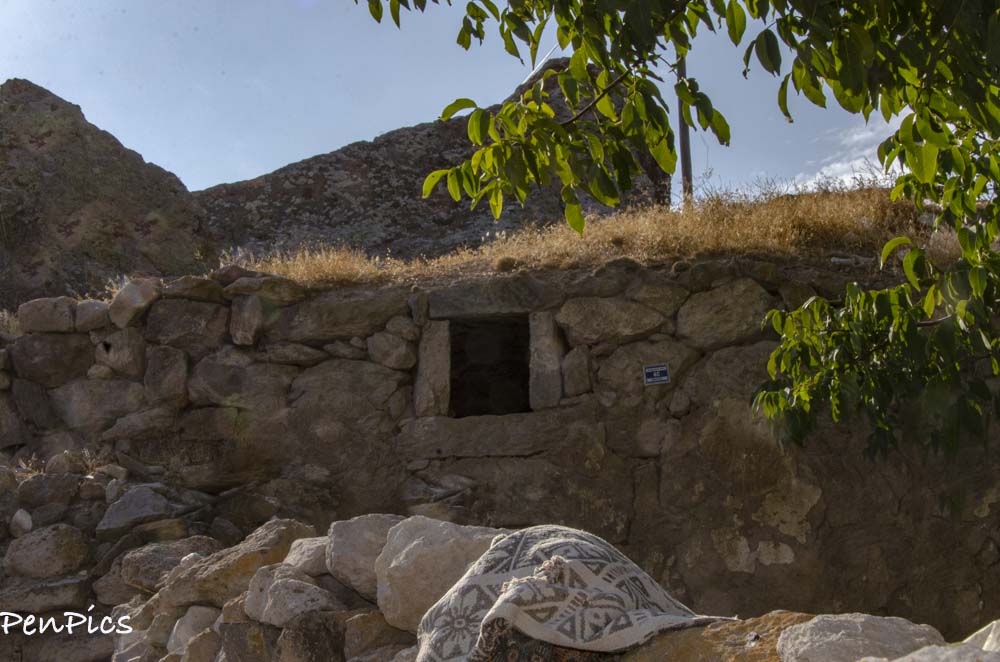
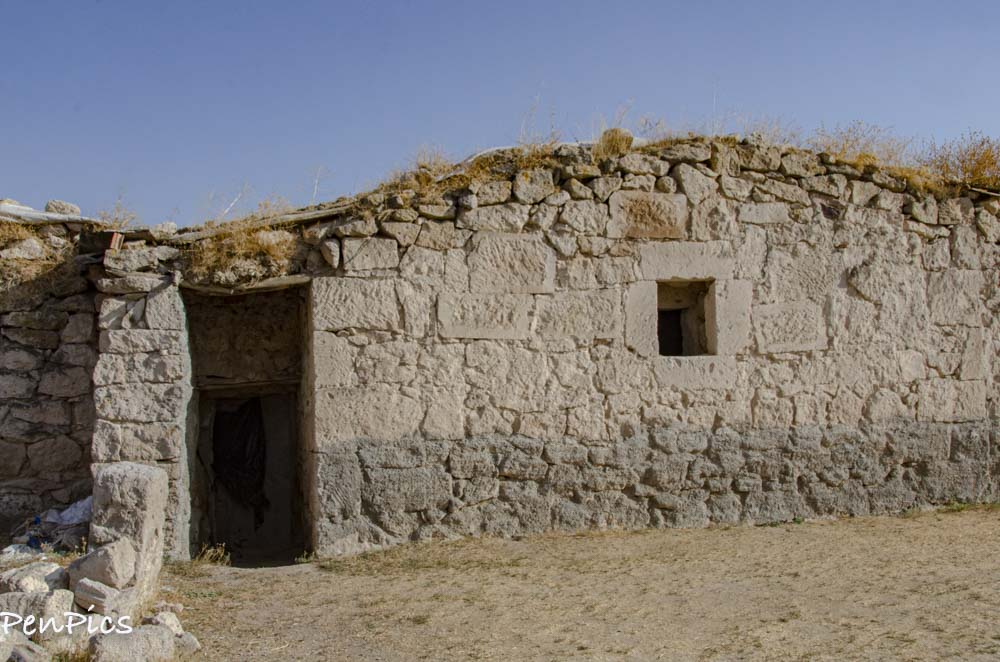
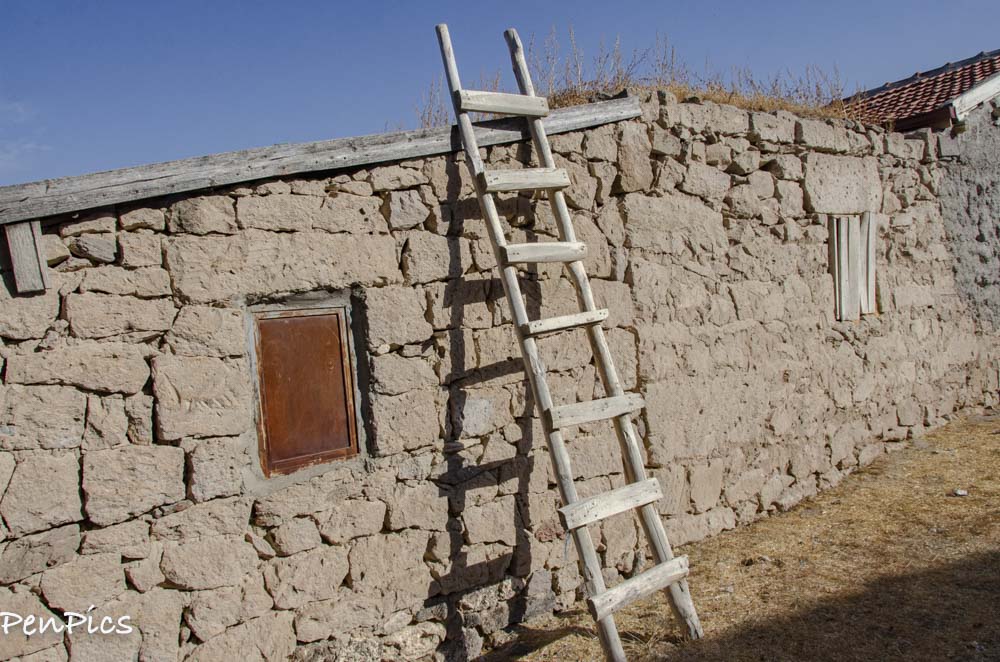

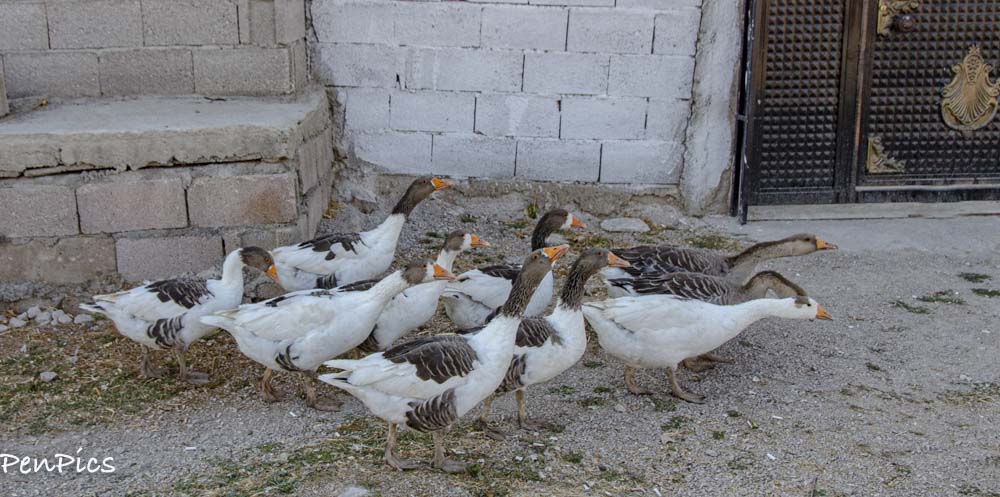
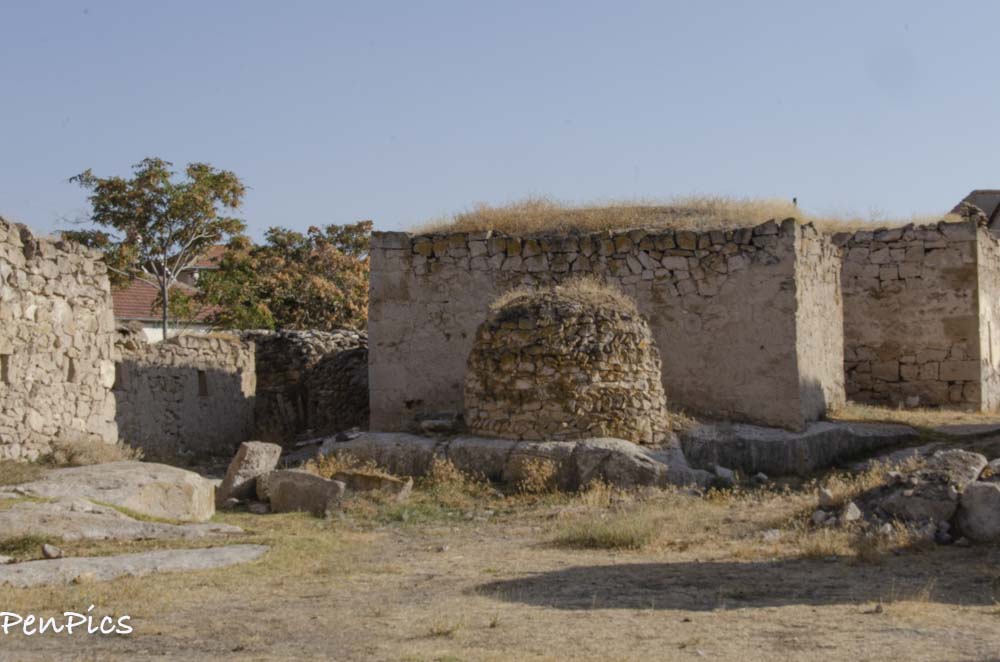
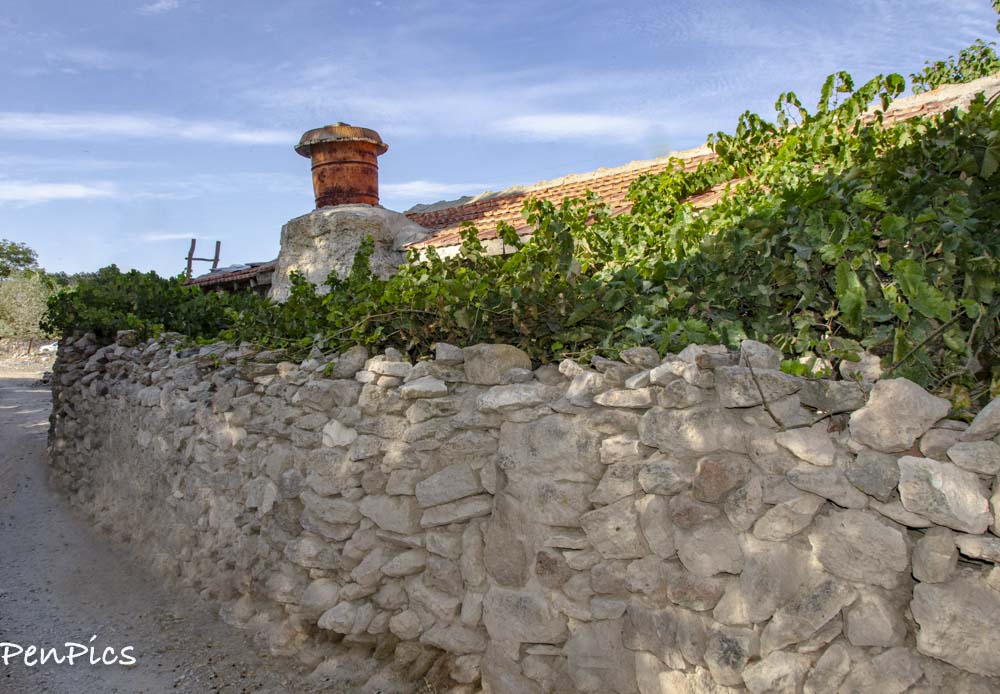
Quite excited about these caves, and really chatting our experience up, we got back in our car and drove on. We had so much fun at this VERY off-the-beaten-path location..even with an angry dog. There were Turkeys, chickens, ducks and geese ALL OVER. We saw maybe two or three humans in total. Many of the caves homes had collapsed, and rocks were piled in from of the entrances in many cases, to keep people (like me) out.
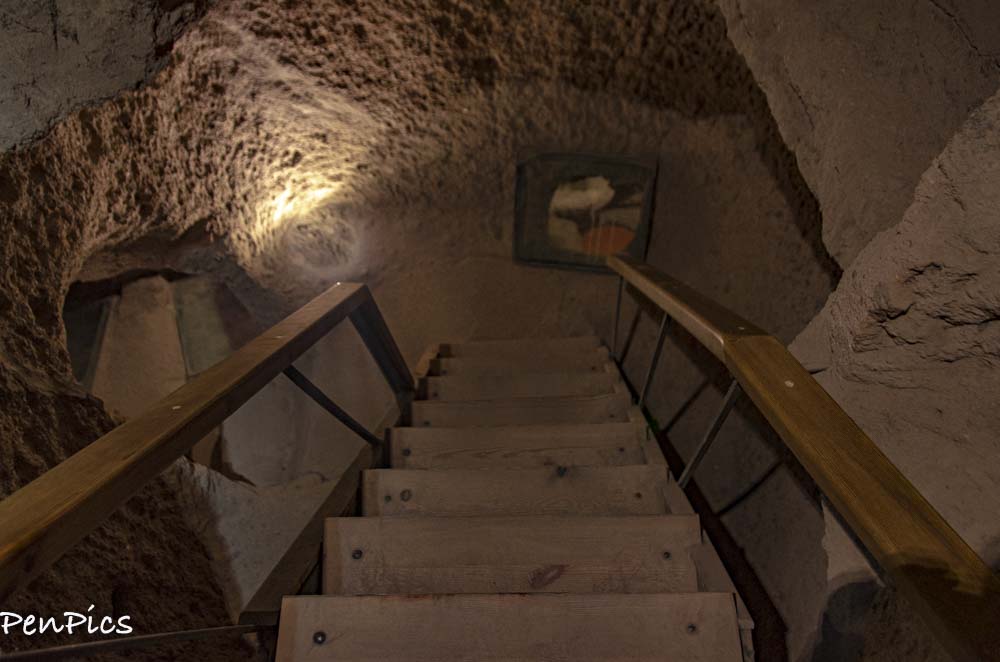
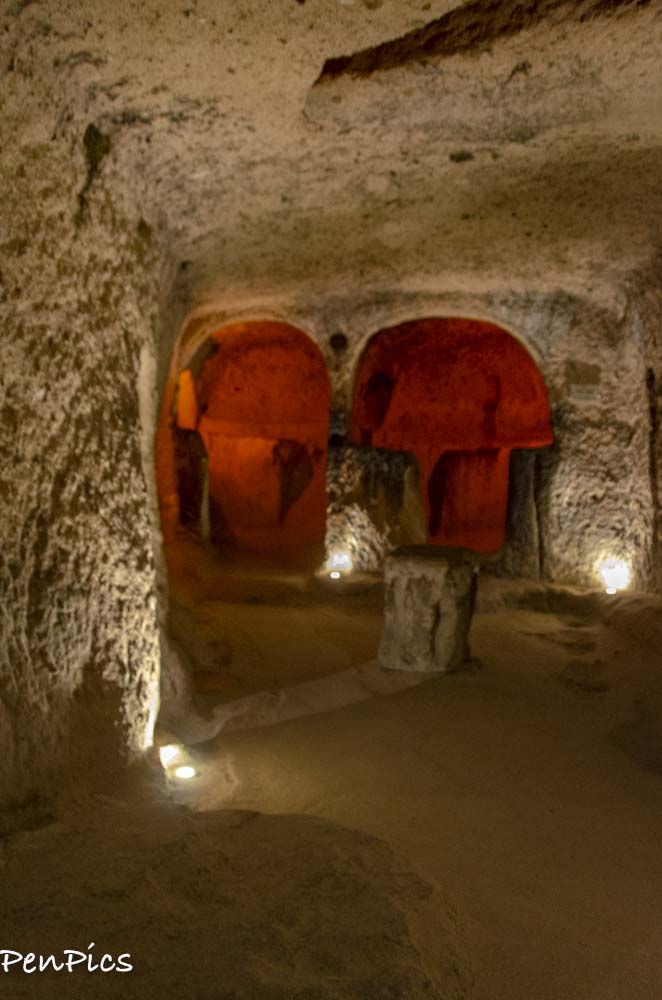
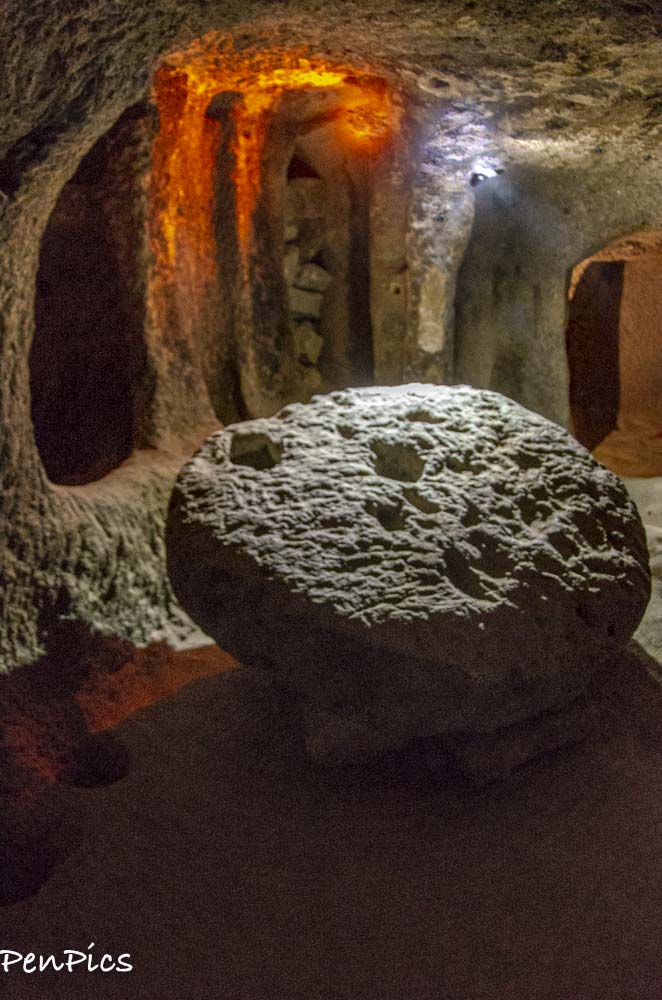
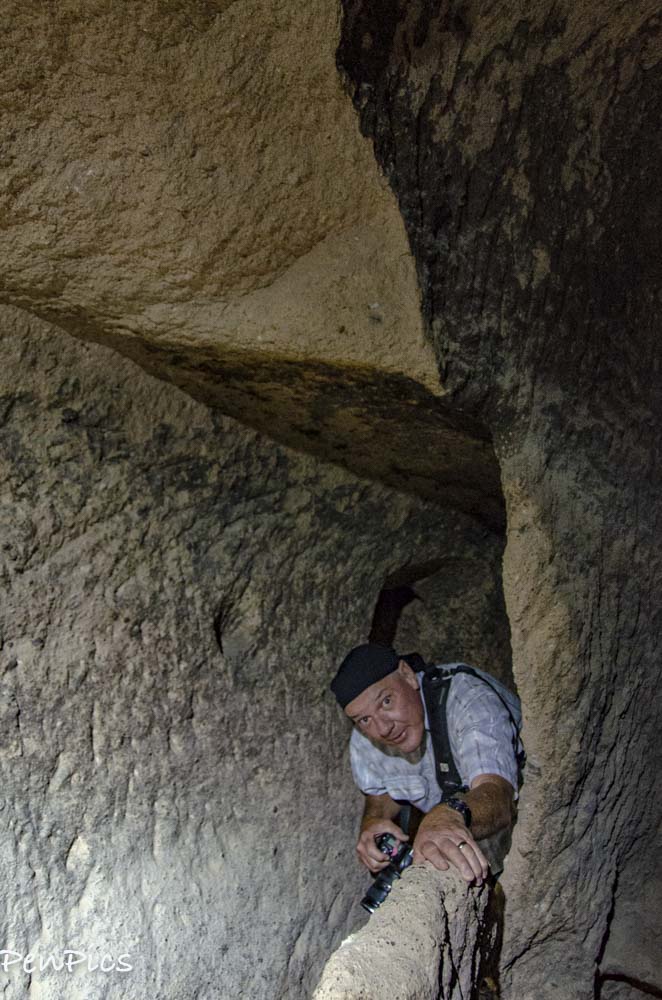
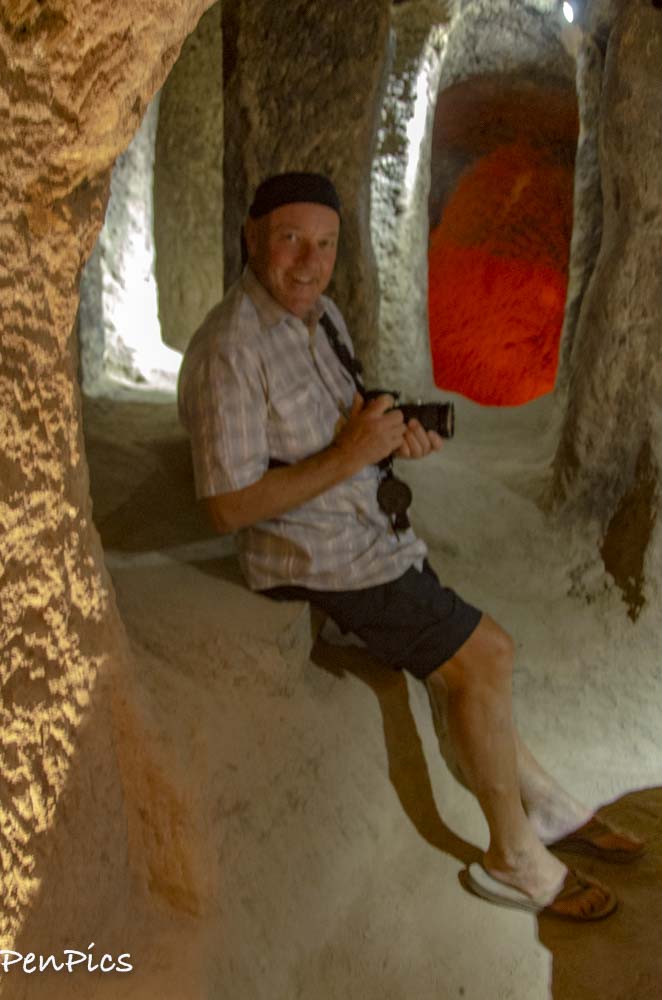
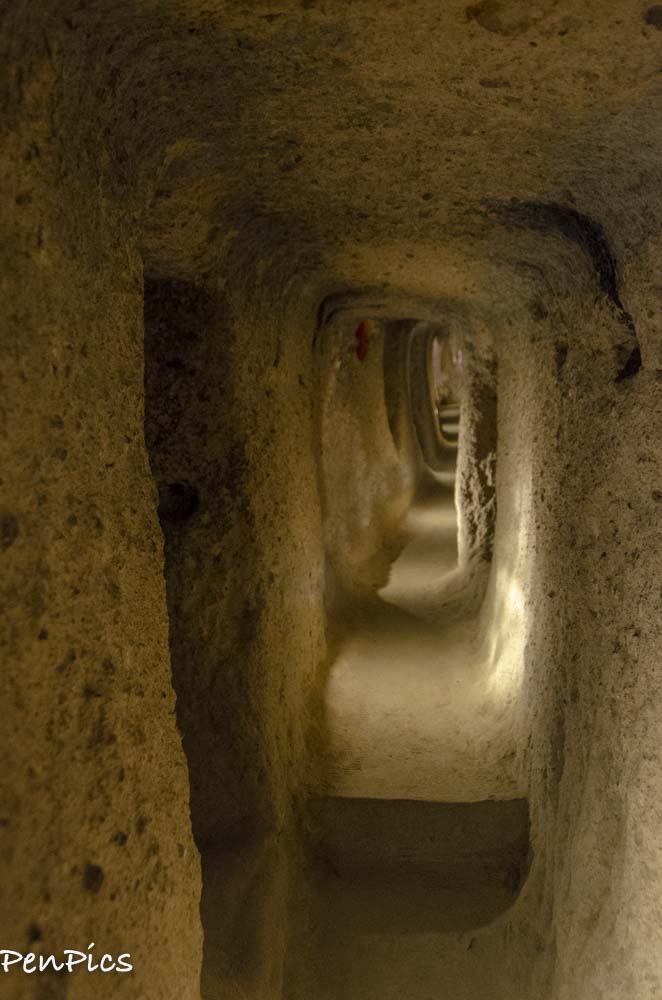
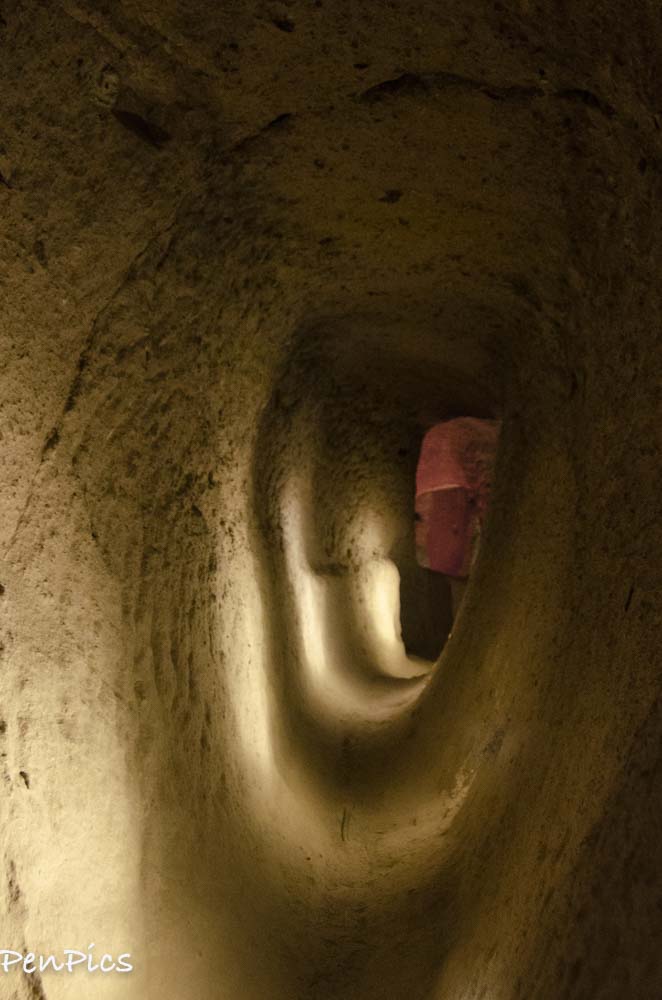
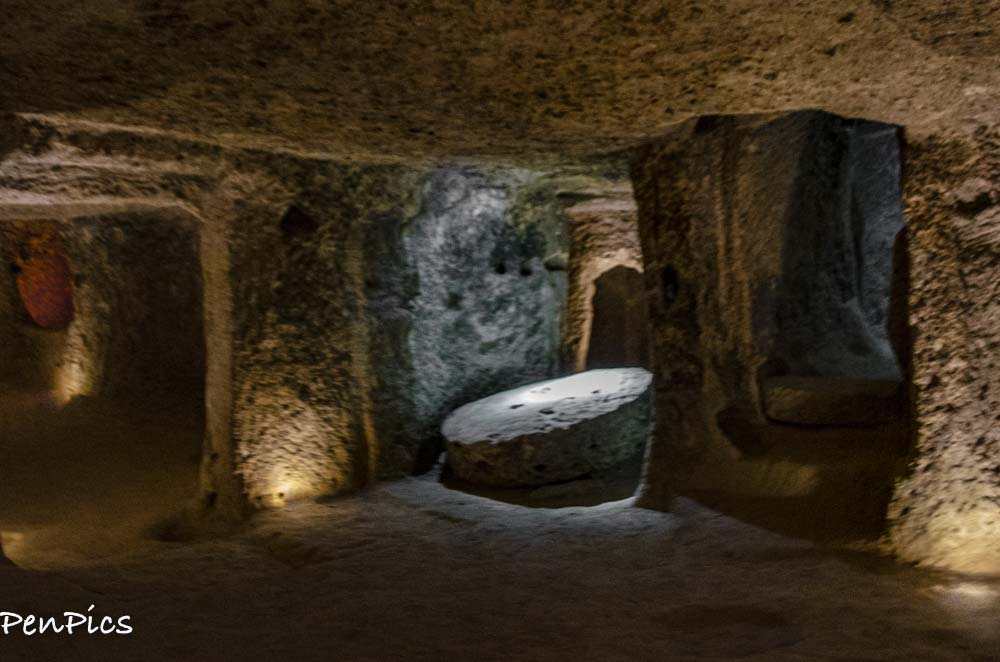
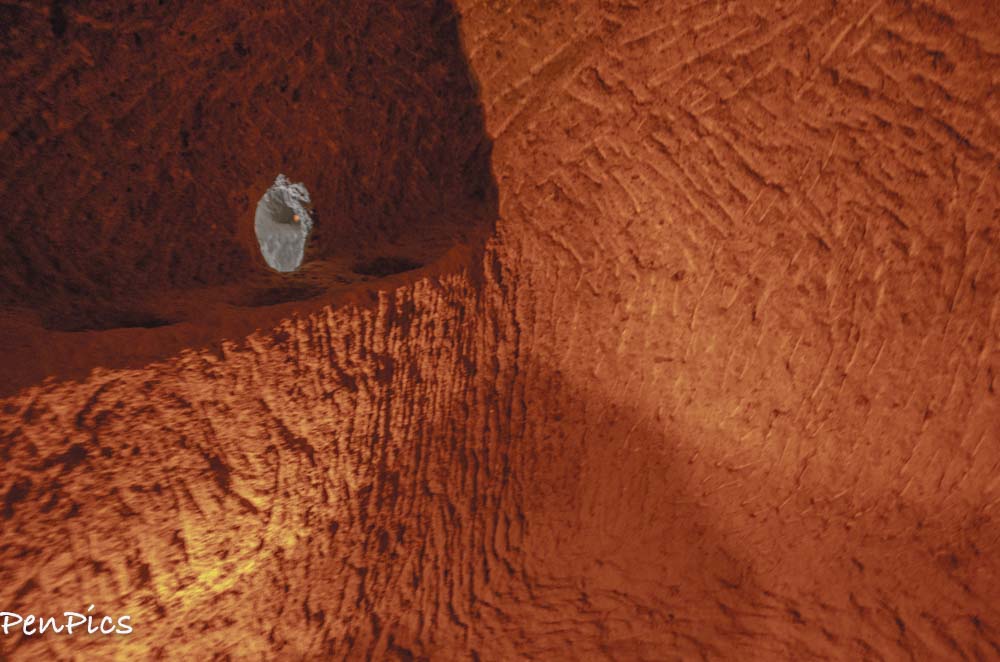
Not too much farther down the road, we came to another cave system, and this one was a UNESCO World Heritage. We made it in time to self-tour, before they closed. This system was about five levels and quite amazing. Daryl being so tall, found it a bit tough to tour, especially since bumping his head at this time, could ruin his surgery! He did good, and sad down when he could to stretch his back.
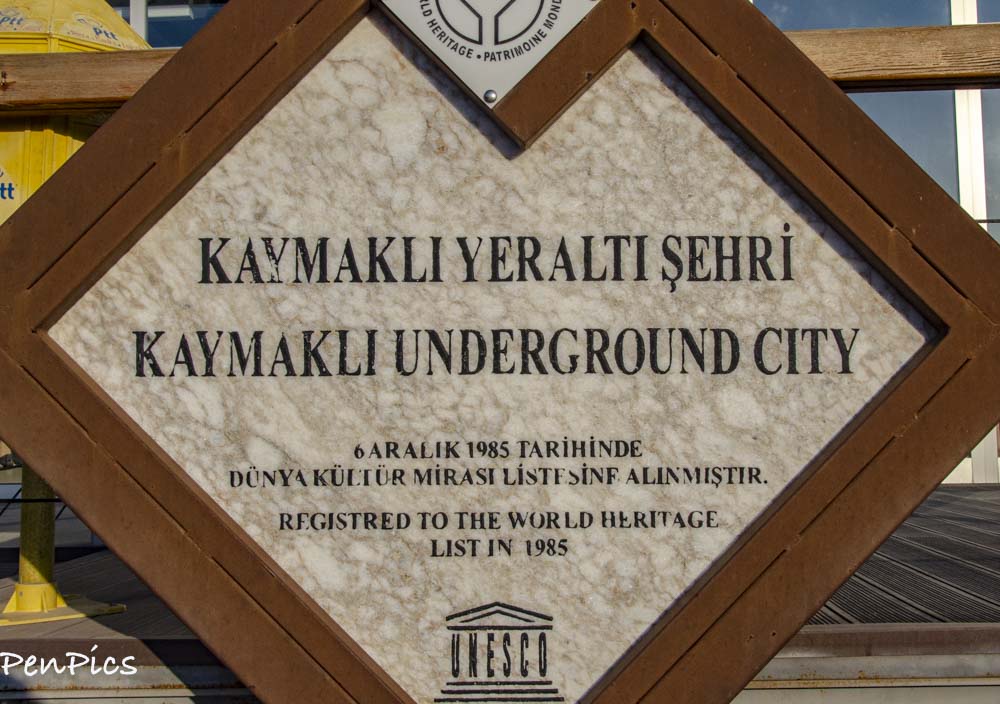
Kaymakli is miraculously well protected and maintained structure is a part of UNESCO World Heritage Site.
Established under a great hill well known as the Citadel or Sanctuary of Kaymaklı, this wonder land underground city’s history dates back Hittites and Phrygians Period, in 3000 BC.
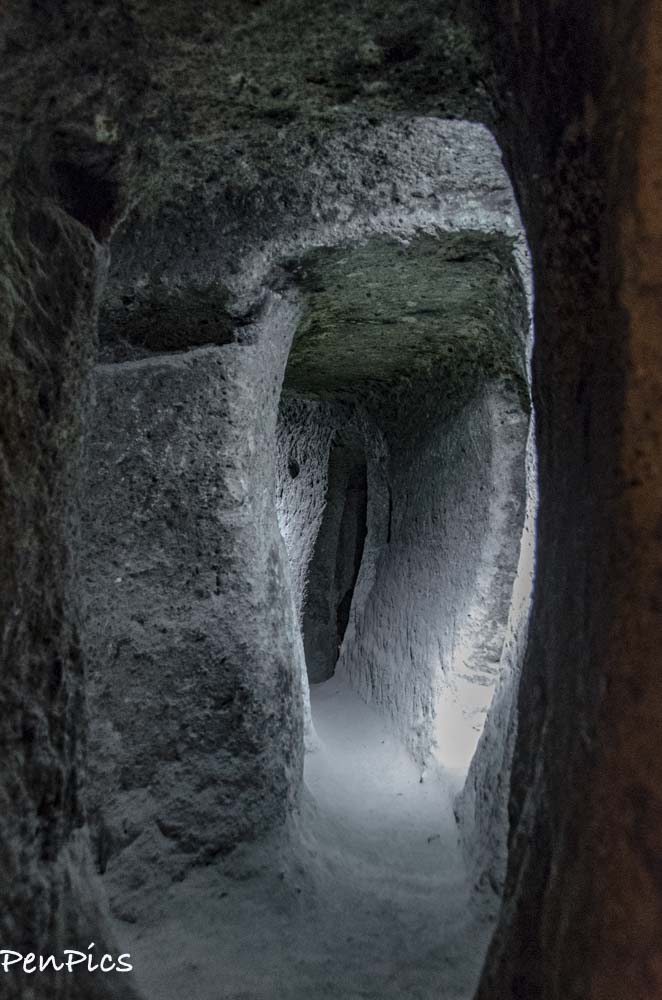
Today, and through its past, it has been used various purposes in different times. Due to its soft volcanic rock, Kaymaklı people built this splendid underground city around their homes for the security reasons. Also found are special, secret tunnels, which are connected to the underground city and those houses. Whenever the communities were under attack, they could temporarily use these private tunnels to pass through the underground masterpiece in order to protect themselves.
Additionally, it was used by earliest Christians living in the region from the 4th century to guard them from religious tortures, by building caves and elaborate labyrinth of narrow tunnels and traps for enemies. Thus today, it can be seen where one a church, a graveyard, stables, living spaces and communal kitchens were located within this breathtaking structure. Also it is thought that approximately 3,500 people once lived here.
The city was opened to visitors in 1964 but only four of the eight levels are useable.
Except for those features, the architectural speciality of Kaymaklı Underground City (ancient name; “Enegup’’ in Greek) gets ones attention!
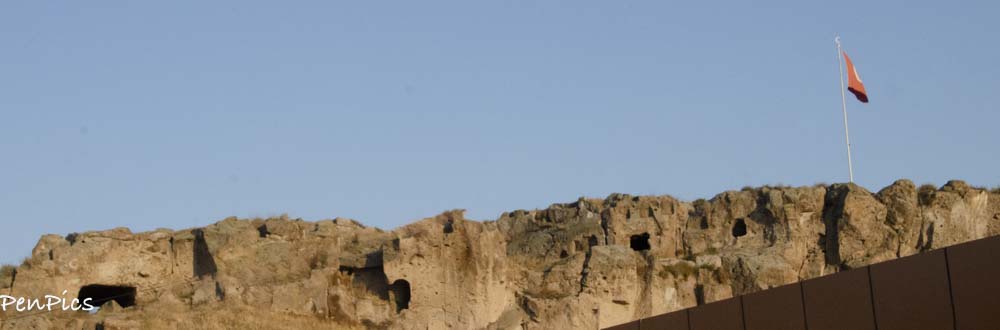
By the time we left this site, we knew it would be late and dark, by the time we reached Cappadocia. But, the way we roll, is adventure first, comfort second. Fortunately, we are so much alike, its makes it all so easy. We drove on, and arrived at the most beautiful valley. We knew we had arrived, and it was mesmerising to drive through, as it was getting late and dark. I will always remember the beauty of this canyon drive.
About Us

About Us
Hello and Welcome to our Travel Blog Website, We enjoy writing about our experiences and taking photos of our adventuring along the way. Our names are: Daryl and Pen, but Daryl calls me “Bunny.” We met, quite randomly, whilst both traveling in Thailand with friends. We happened to be in the same travel group, and […]