


“Pakistan 🇵🇰 ~Two Museum Visits in Lahore”
Over a two-day period, we saw two Museums in the city. One, very different from the other.
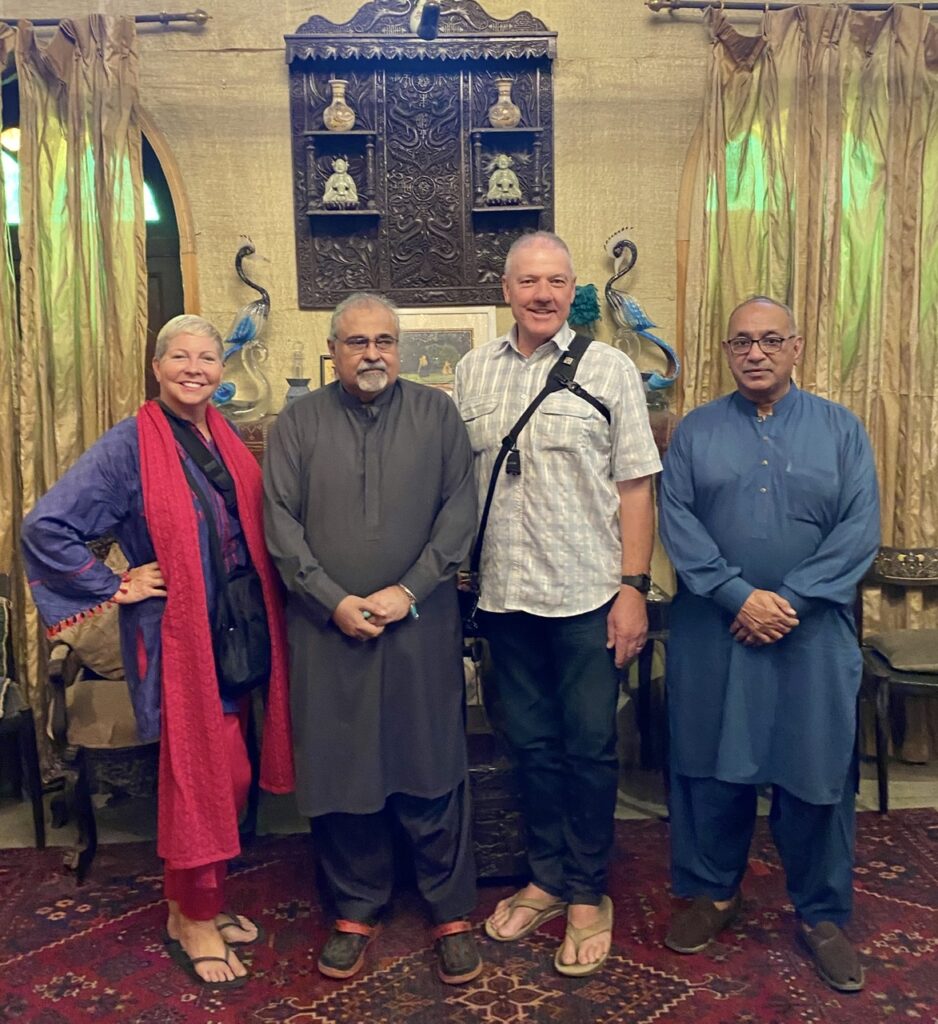
Fakir Khana Museum explains the historic, inherited, and continued nature of family identity. As Sufis and Faqirs, the family is proponent of interfaith peaceful co-existence; as ministers of a Sikh Maharaja they represent dignity and active political citizenship, In making and curating the museum, they became custodians of history; in collecting the rarities, the connoisseurs of art and artefacts. All these emerge as prominent aspects of this family’s identity.
The family, taking care of the museum for last six generations, believes that through the museum they are continuing the legacy of their “great” ancestors.
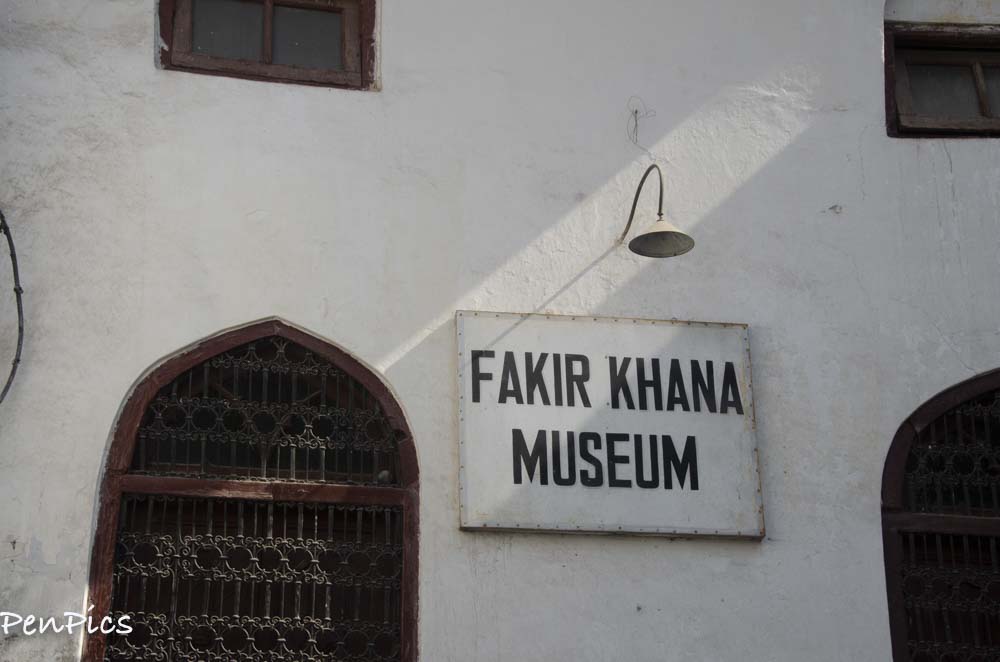
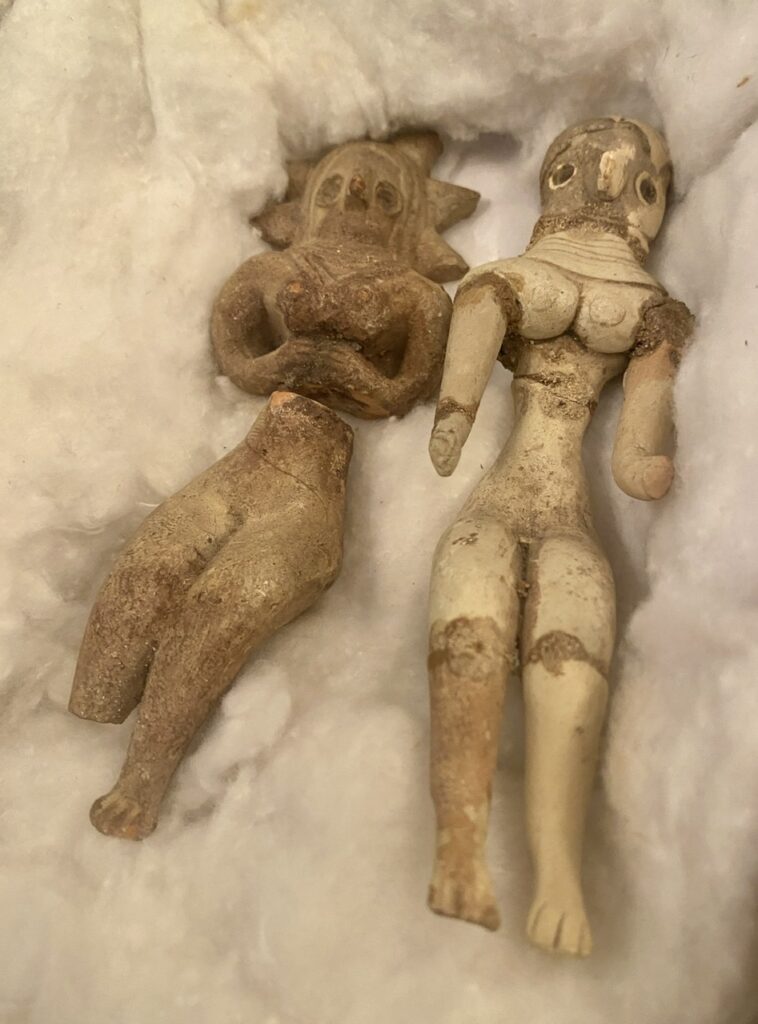
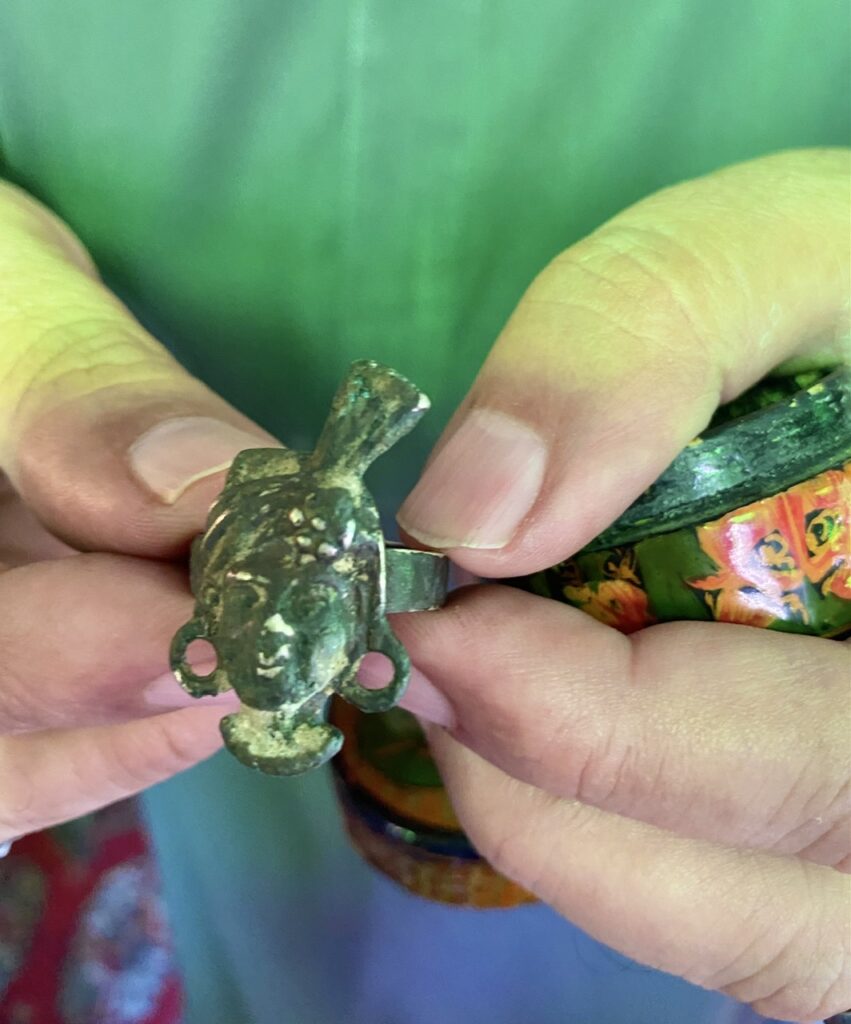
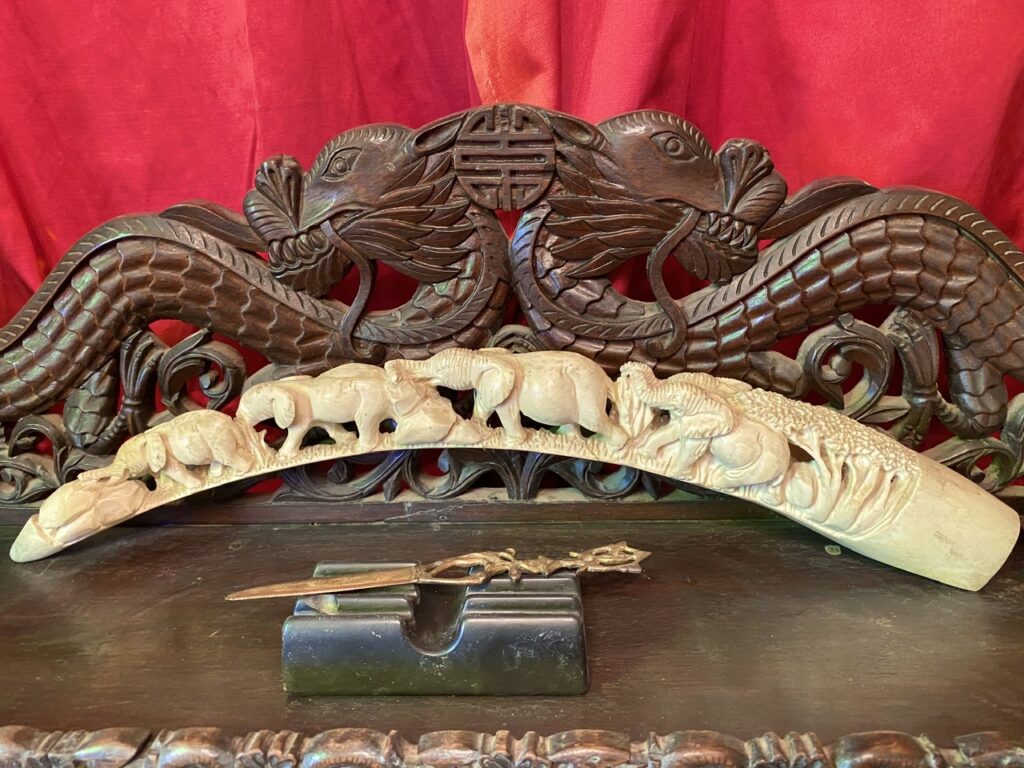
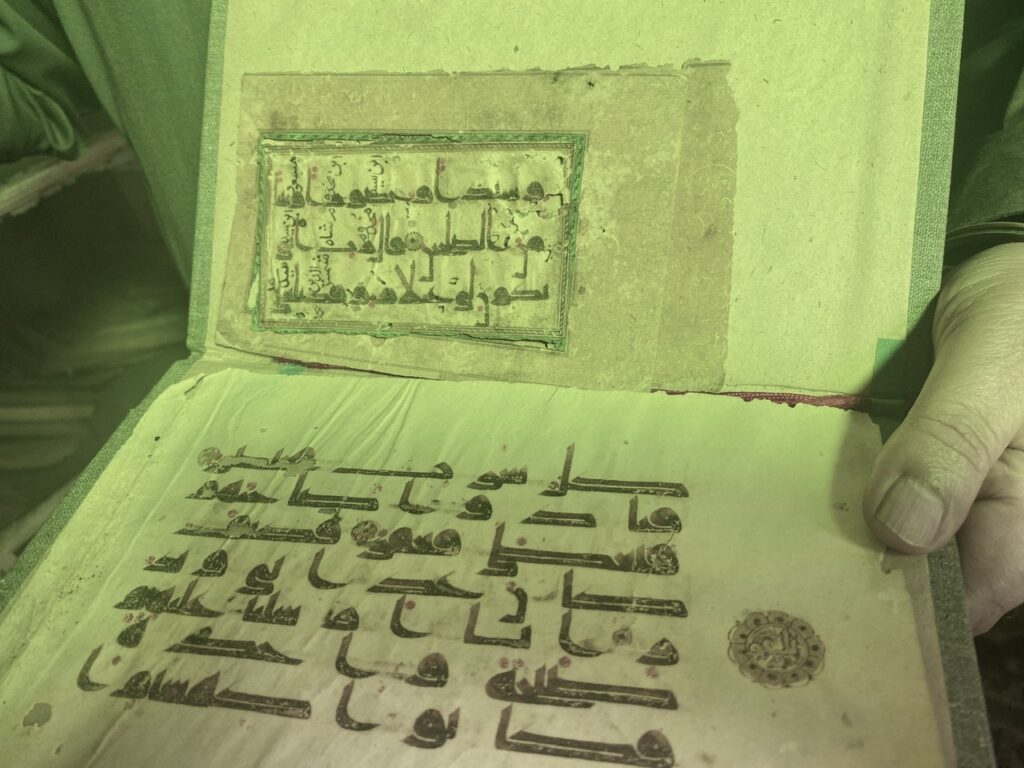
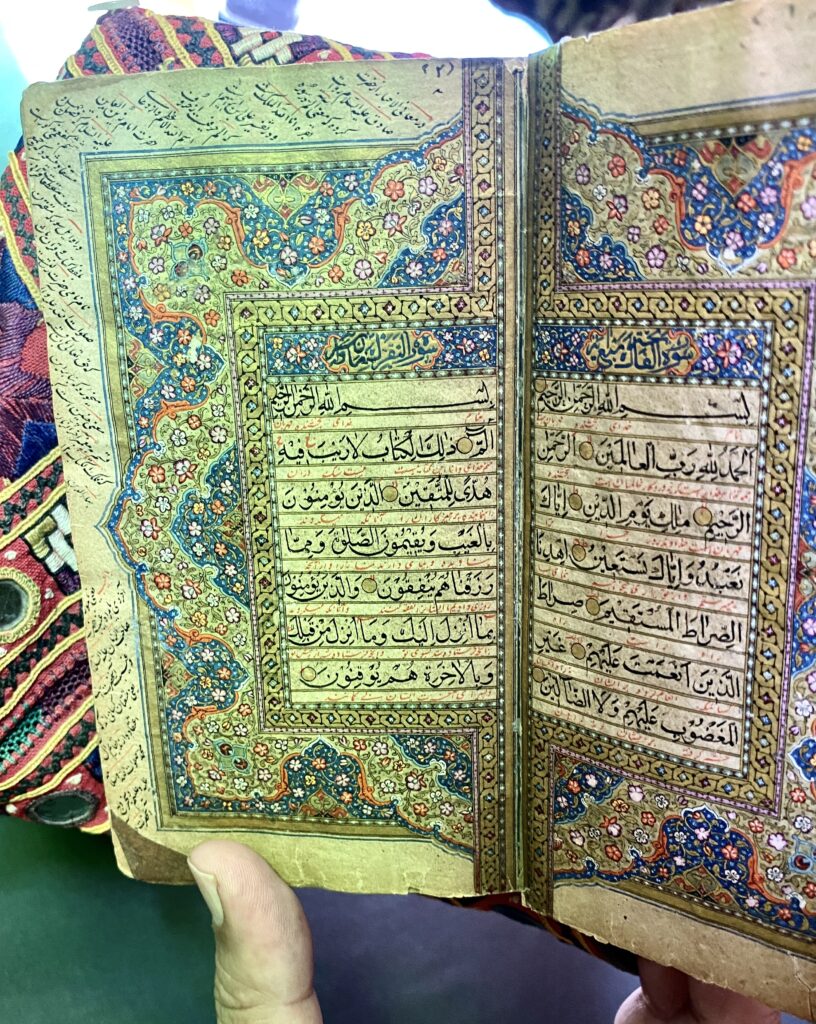
From miniatures painted with a single strand of hair on ivory to needle sketches to the most ancient of crumbling manuscripts and Quranic texts, Fakir Khana is an impressive and eclectic collection of crafts that demonstrate diversity of the people — from different religions, ethnicities and ideologies — that the subcontinent once boasted.
“Lahore was the birthplace of many religious movements,” states Farhan Shah from the sixth generation of the Fakir clan. “Even the oldest Hindu temple, where Ram’s son Loh was born, is in the city. Within the same confines lies the oldest and perhaps the first Buddhist temple as well as the first mosque in the region,” says Shah who is aghast that the state version of Pakistan’s history has obliterated the contributions of many non-Muslim rulers.
A trip down the memory lane
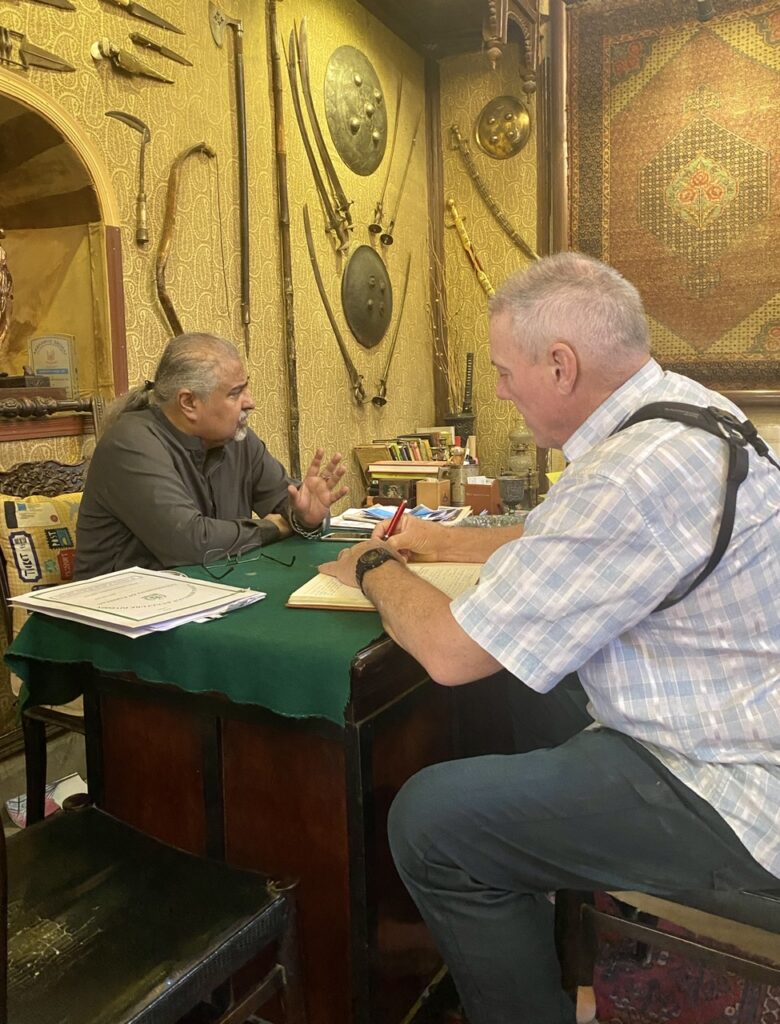
The family has been personally curating the museum for the last 200 years. Yet, to date, visits to this treasure trove are made by appointment. Shah, 30-year-old scion of the Fakir clan, has taken on the responsibility of bringing history to his generation. “Every month, I personally take a group of people to the museum,” says Shah, who believes that the best way to generate genuine interest is through word of mouth. “People have such disdain for history that without these personal guided tours, it is virtually impossible to get them to take an interest,” admits Shah.
“I try to make the tours interesting by injecting humour and personal anecdotes,” he adds. Certainly, the tale on how Singh and his lover made merry at the Wazir Khan Mosque and then fell severely ill gets many chuckles. One is left astounded when Shah reveals that the Badshahi Mosque was never intended to be made (all those red tiles were instead meant for Dara Shikoh to create a path straight from the court to the Mian Mir Shrine). “There are several layers of meanings to every historical piece. Hence, it is very important to explain every piece of art,” adds Saifuddin, who is Shah’s uncle and chief curator at the museum.
“People have turned world over to the interactive museum model. Everywhere you go, you will see an audio phone hanging next to a piece, because without a story an object is just a dull thing,” adds Saifuddin.
Potential threat
However, the open nature of the museum and no formal cataloguing of the artefacts puts them at risk of theft and misplacement, a fact that appalled Yaqoob Khan Bangash, Assistant Professor of History at FC College, Lahore. Bangash now intends to initiate a process of organising and preserving the valuables — “We need to create a catalogue whereby we know exactly how many pieces there are and then create a process whereby royalties can be earned to sustain the museum and its costs.”
Meanwhile, although museums all over the world are struggling to keep up the environmental costs of preserving their work, the Fakir clan has no such worries about atmospheric hazards. “I don’t know the hikmat (wisdom) in this, but our ancestors would always say that it’s important to take these things out in the fresh air.” But when one sees the state of these fragile scripts, one can’t help but feel that every touch (even while taking them out) is leading to further decay. And don’t all museums around the world bear plaques with the stern warning ‘Do Not Touch’?
“You may not agree with me,” says Saifuddin. “But everything needs human touch. All things need love. If you leave your ageing grandparents alone, they will wither and die. But if you hug and kiss them every day, they will mature gracefully.”
Published in The Express Tribune, October 12th, 2011
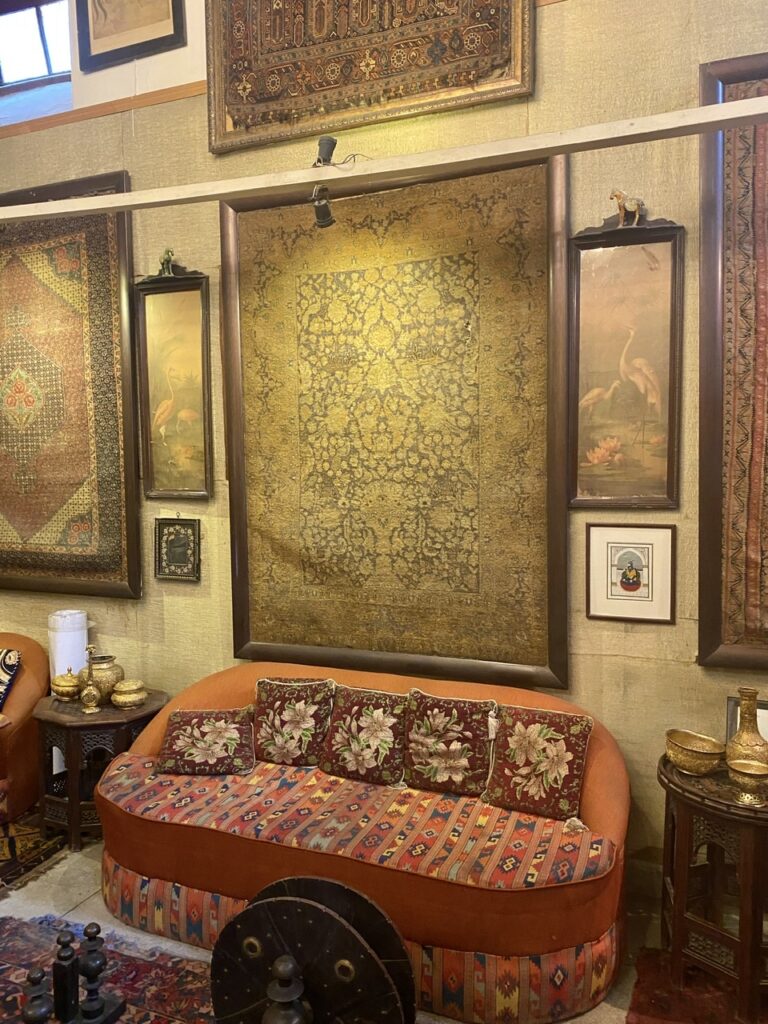
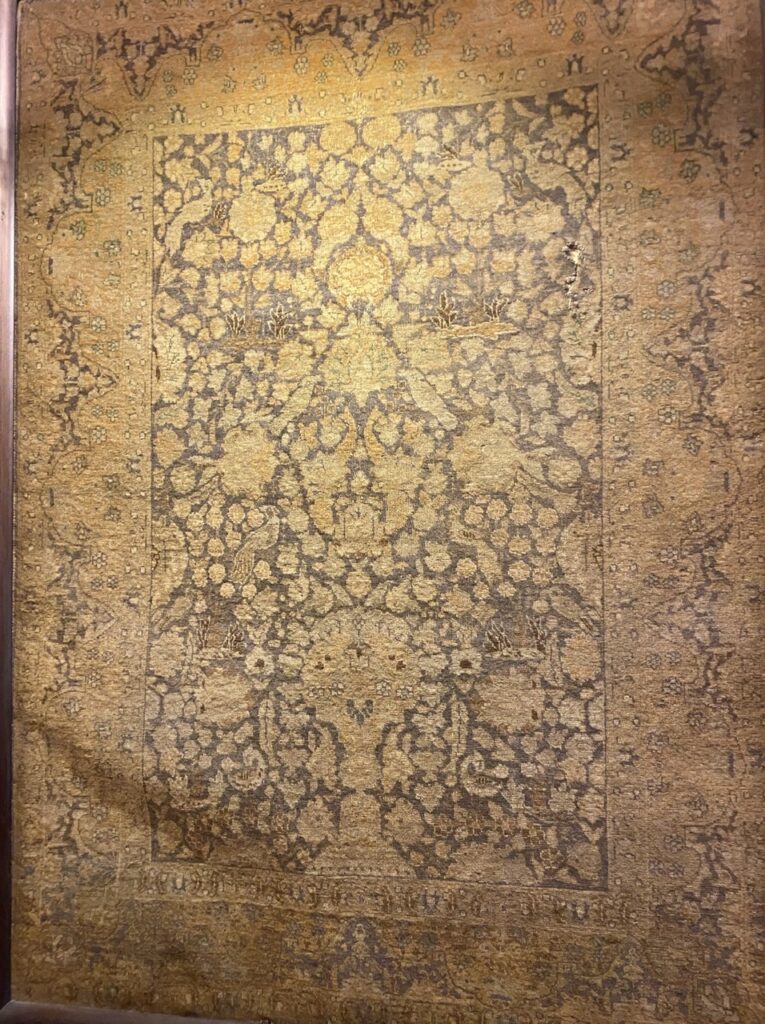

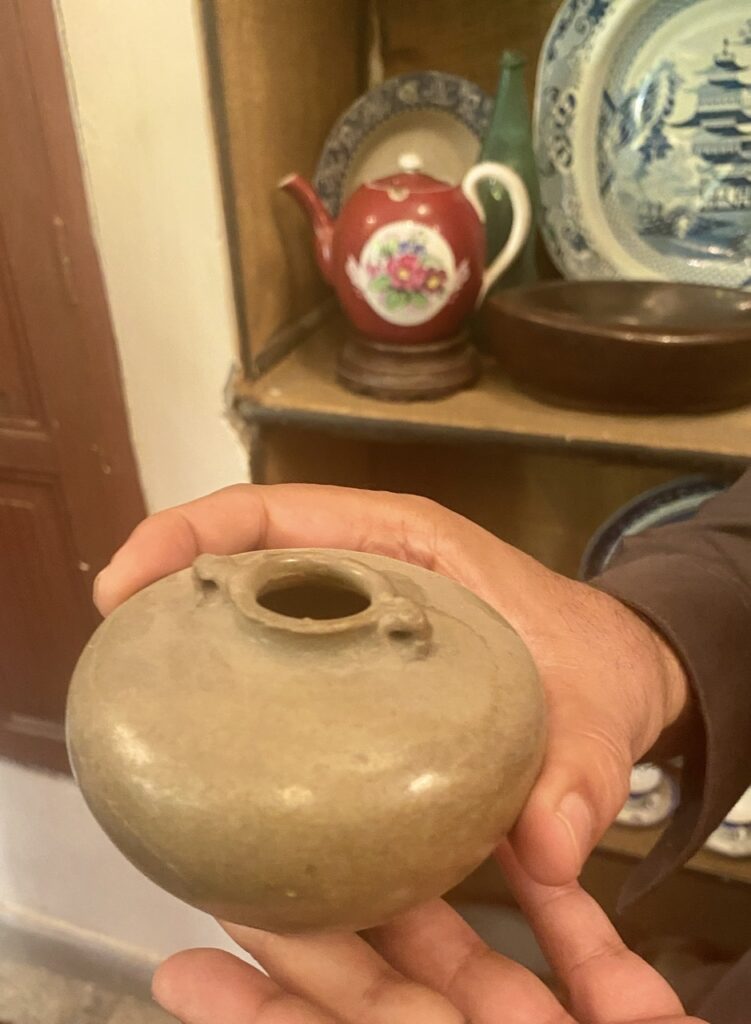
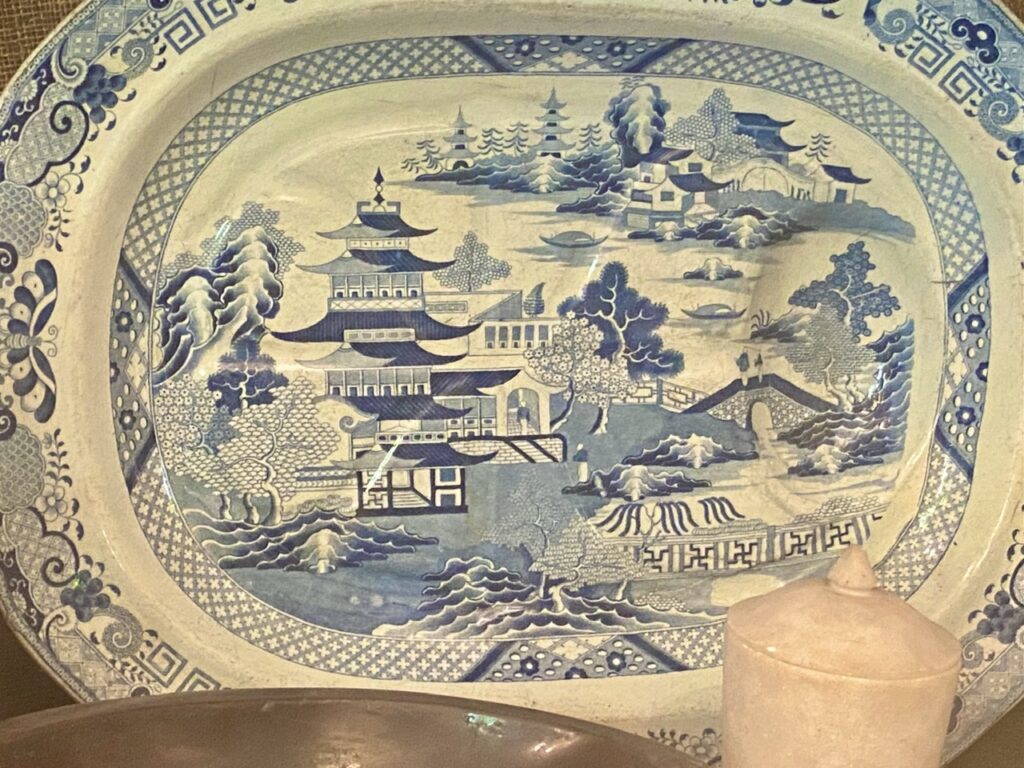
High on my list of places to see, while in Lahore, was a visit to another Museum, called Fakir Khana. It is operated, privately, and can be visited with advanced notice. The entrance is free, but donations are appreciated. Thanks to Ejaz, who made our arrangements for all of us, we were able to view priceless treasures from not just Pakistan, but other parts of the world. I actually held a tea cup from China that was a thousand years old. I was glad I was sitting down!

Fakir Khana Museum goes back seven generations! The current family member who gave us the tour and currently oversees the family collection, which goes way back in Lahore, is also a descendent of the first pharmacists, and/or chemists/doctors in Lahore…or, one could say in all of Pakistan, but Pakistan was India till the 1947.
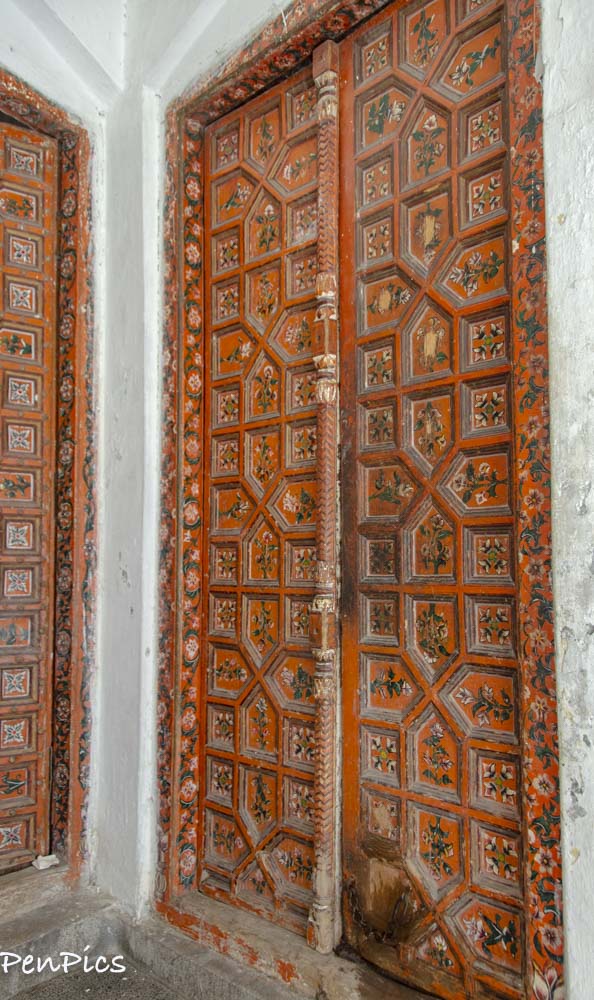
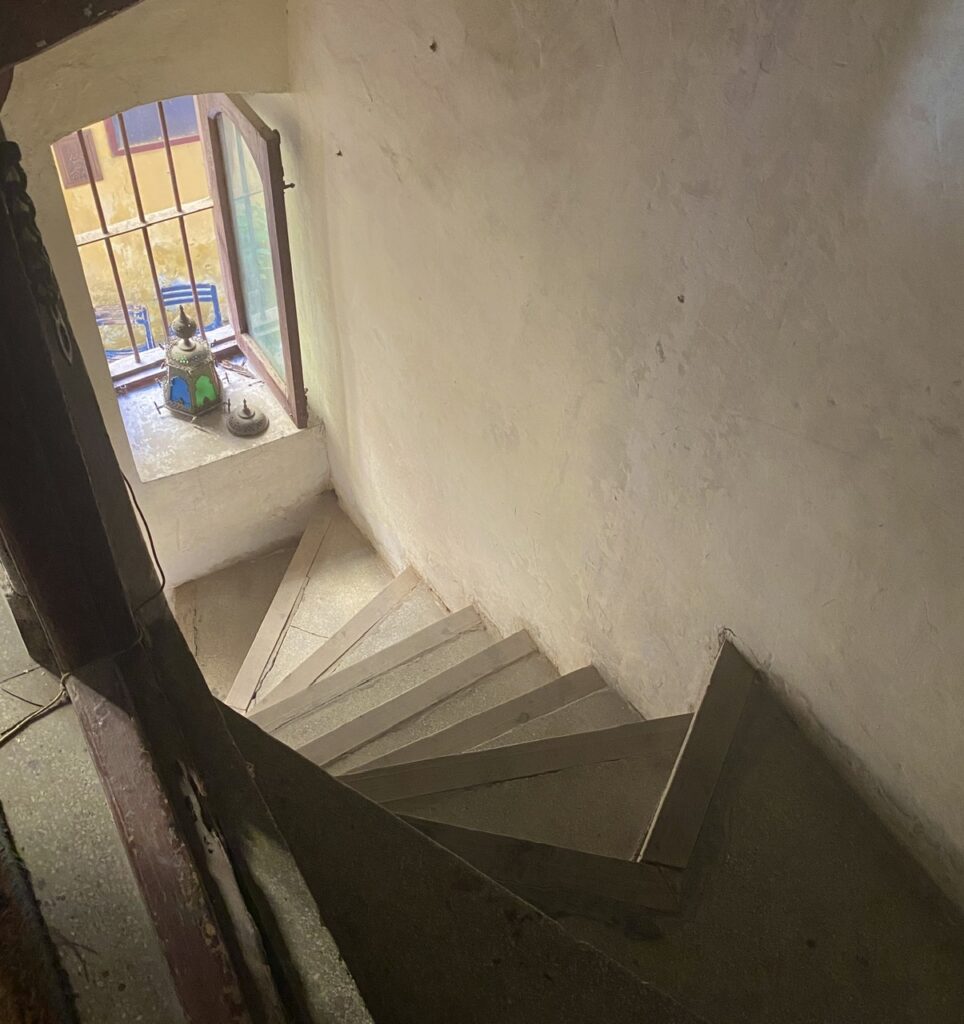
The antiques are housed in the private home, which also dates back to ancient times. We entered through old doors to the home, and sat in a large room with antiques all around. From there, we heard stories and looked at a rug on the wall made from plants, that was several thousand years old. From there, we climbed to the near top of the old home through a narrow staircase, to the locked room. Locked for obvious reasons! Wow, what treasures this family has been collecting for the last several hundreds of years. We removed our shoes, as the carpets we would walk on in the locked room were over 300 years old. All of the antiques were quite impressive. Unlike regular museums, this private viewing allowed us to get up close and see the artifacts; even touch them! This was something I have never been able to do. We enjoyed the many stories and historical lessons we gained from this visit, and highly recommend anybody visit, if you ever go to Pakistan.
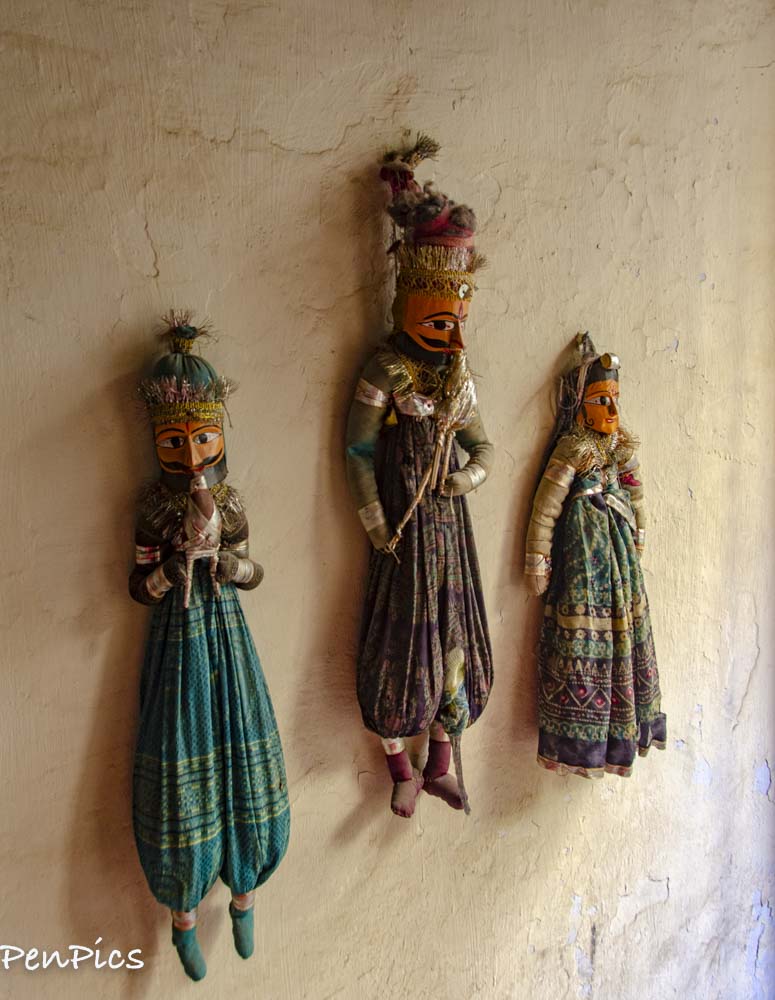
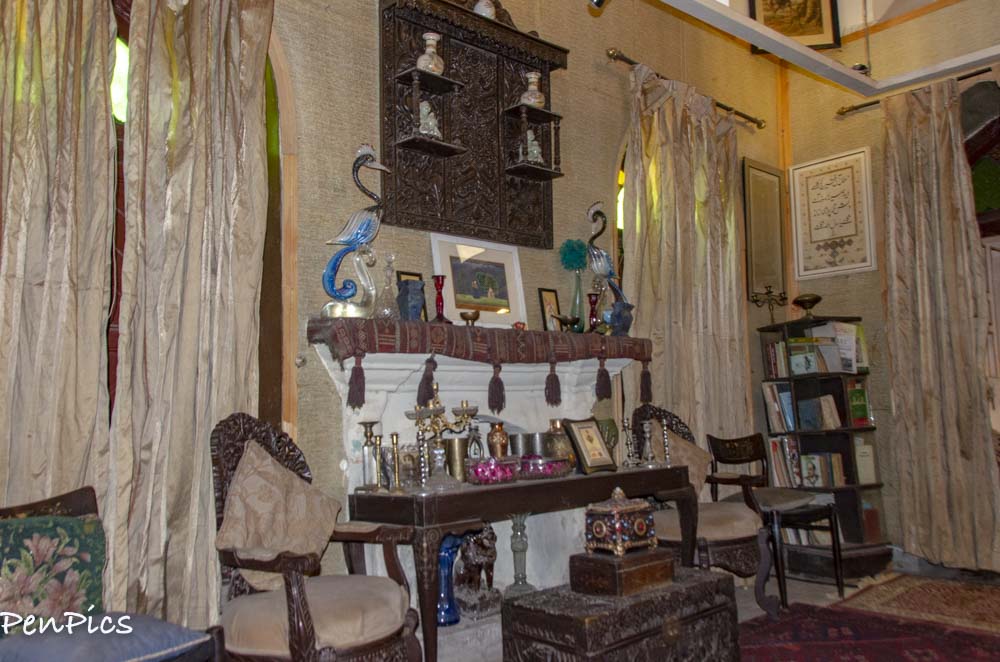
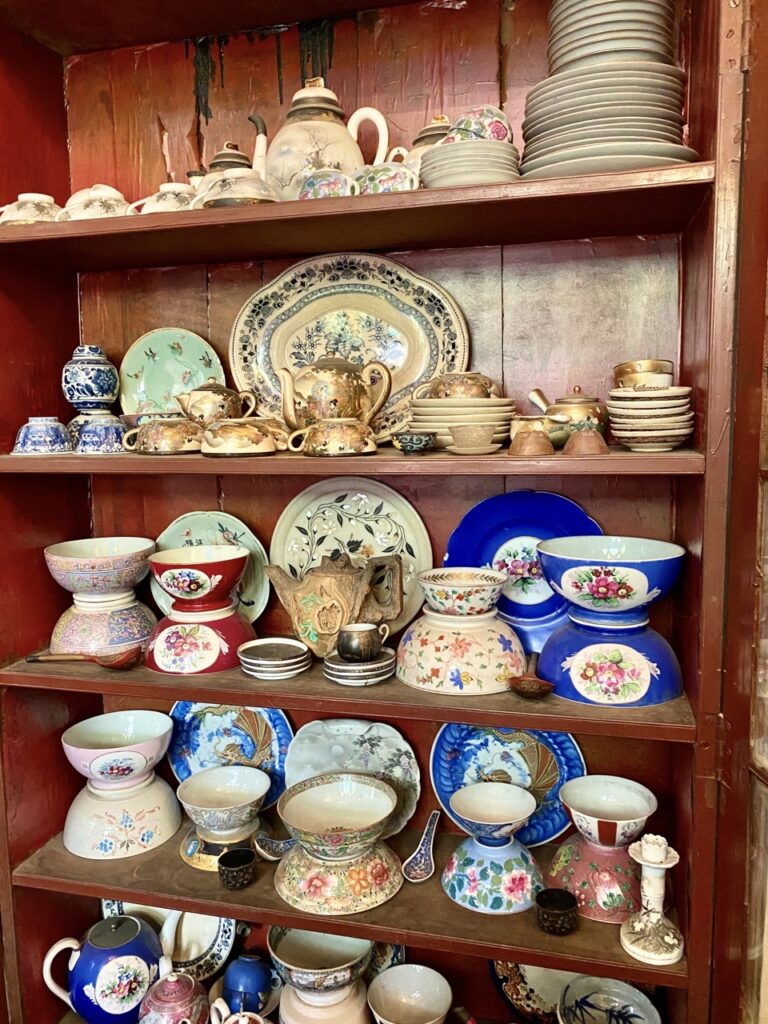
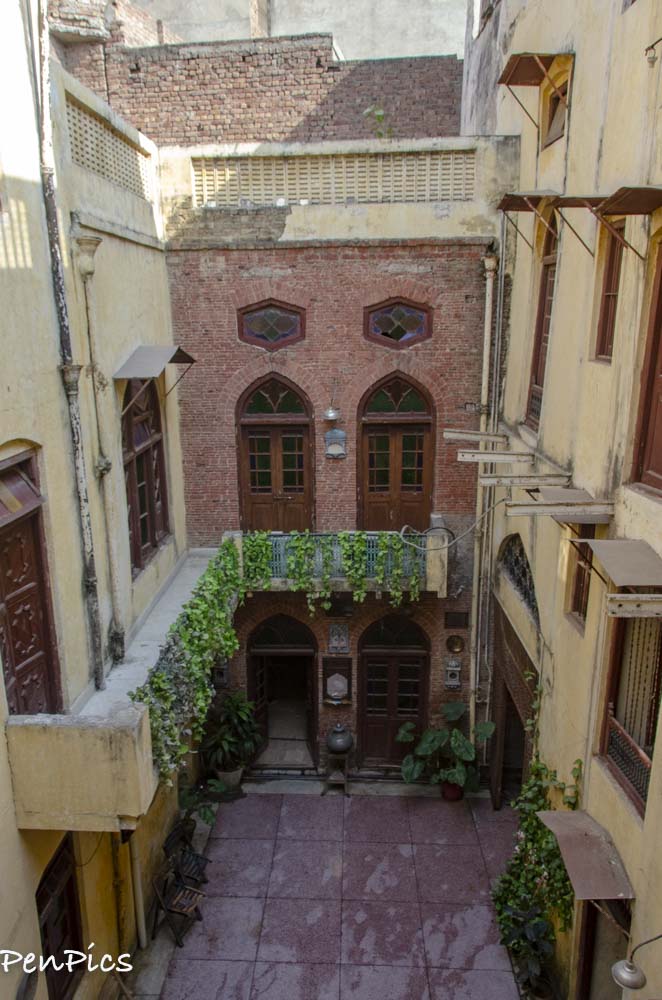
The Museum gives the visitor interesting information on the culture and history of the Punjab. The exhibits of the museum include gifts from Queen Victoria and Maharajah Ranjit Singh to Fakir Syed Azizuddin and Fakir Syed Nooruddin who were ministers in his court. The Museum is currently managed by members of the Fakir Family. It is closed to the general public and visitations are by appointment only.
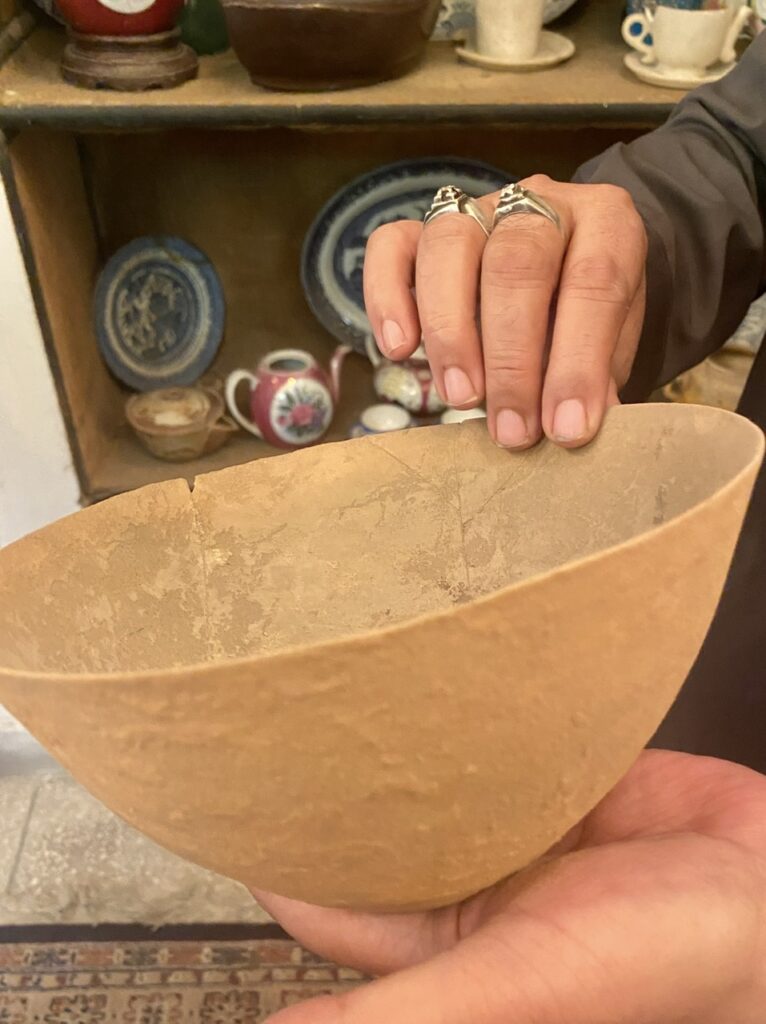


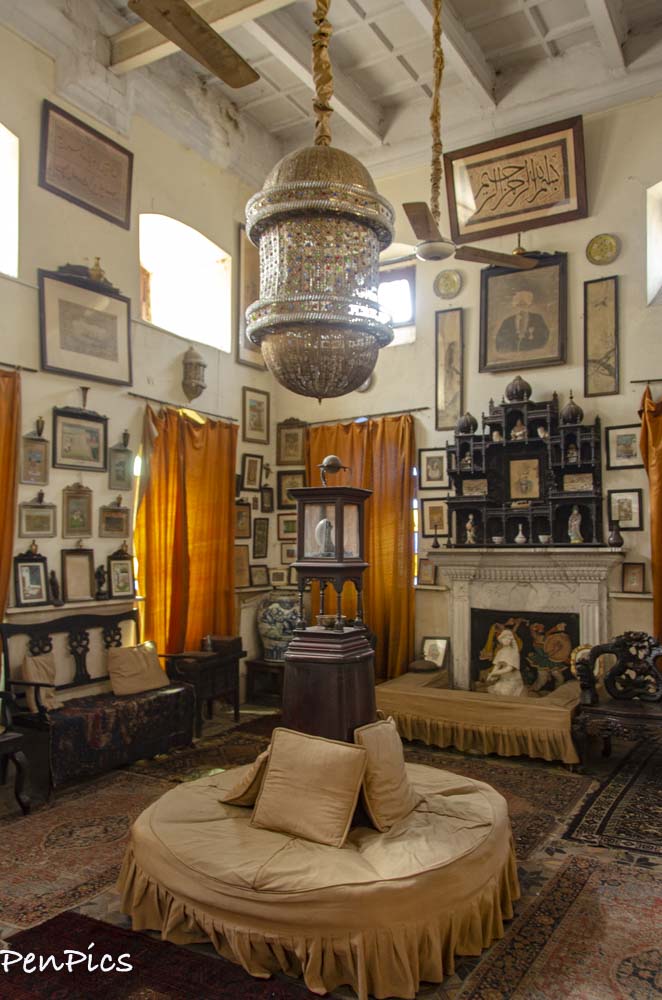
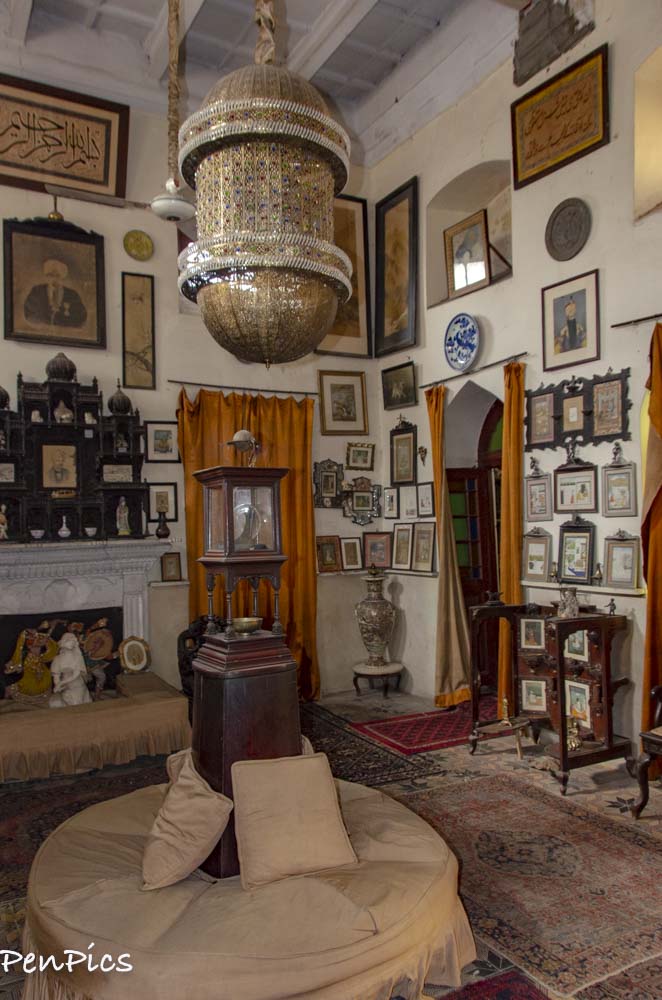
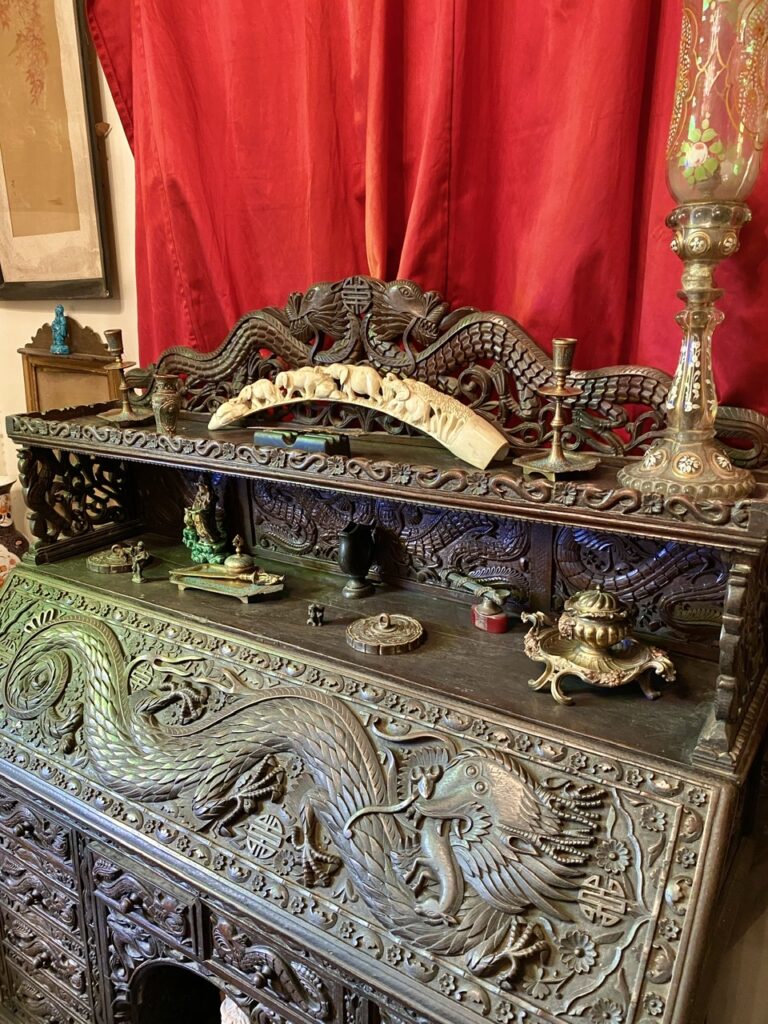


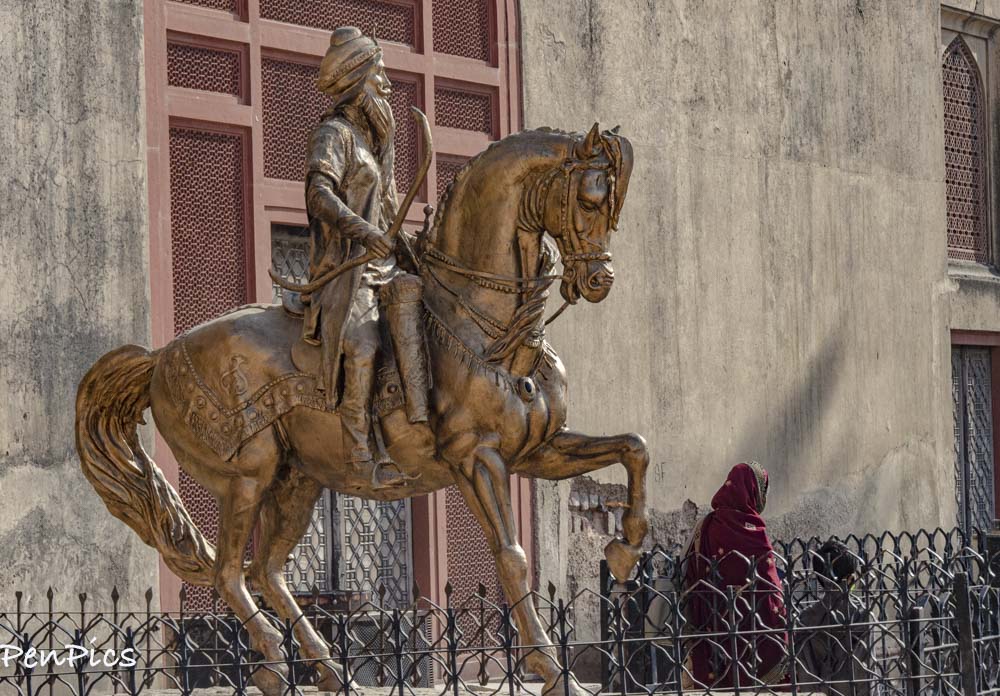
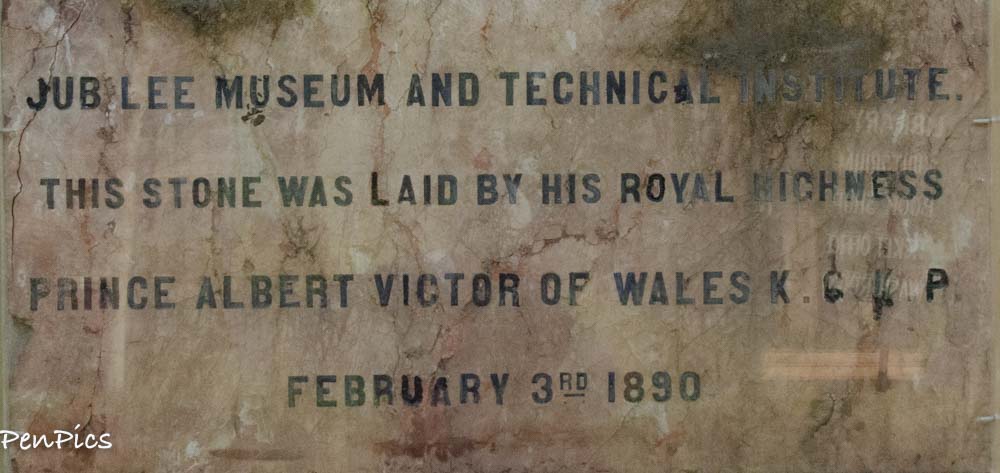
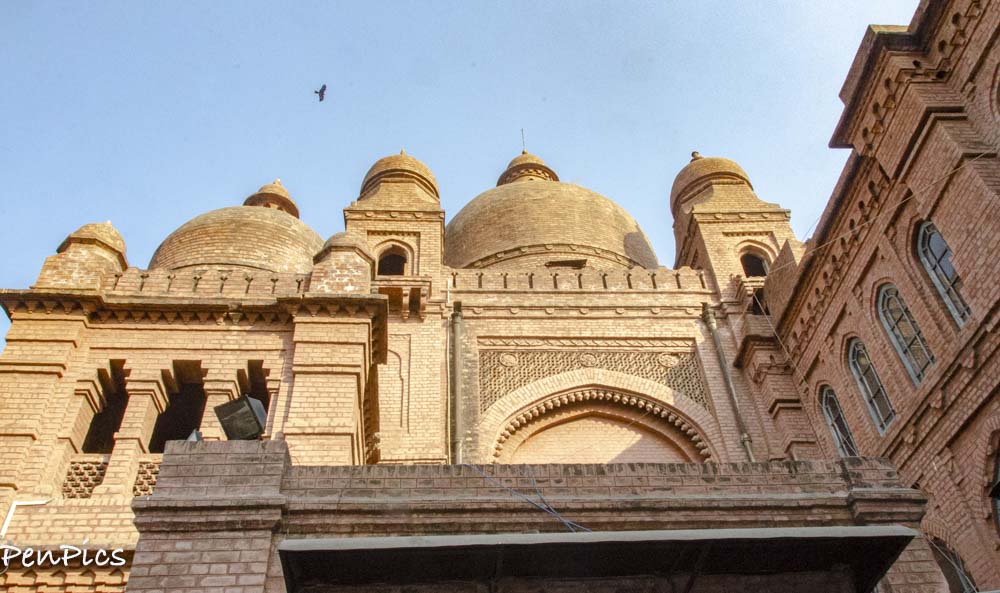
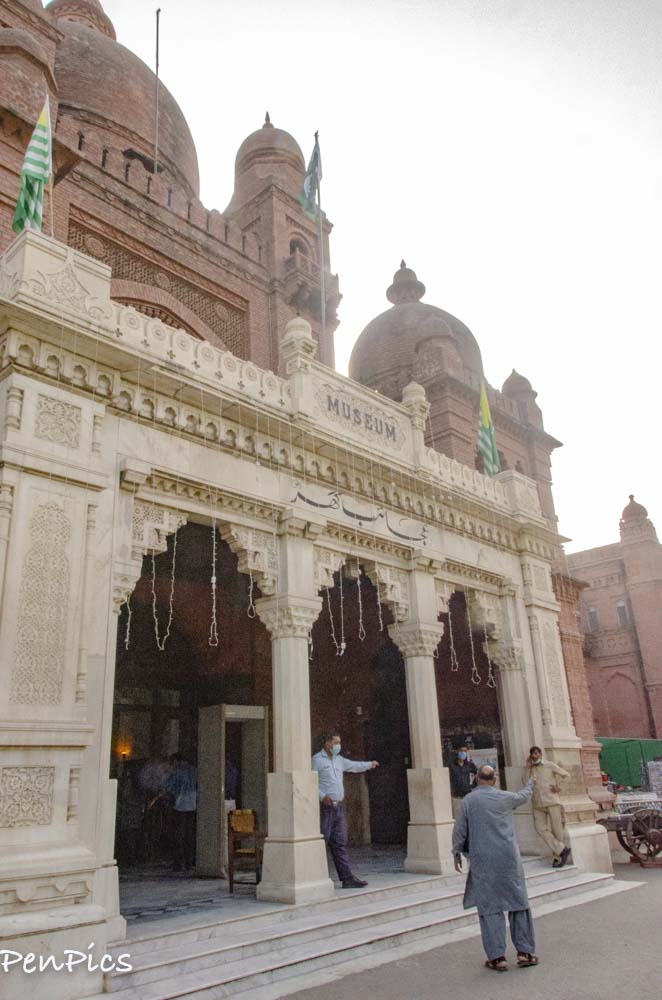
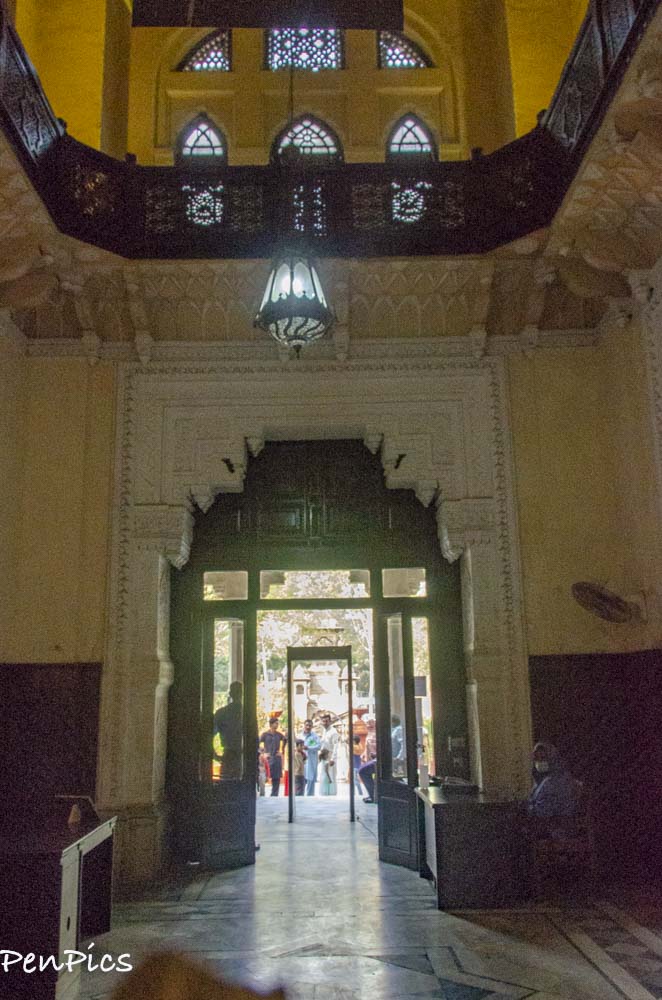
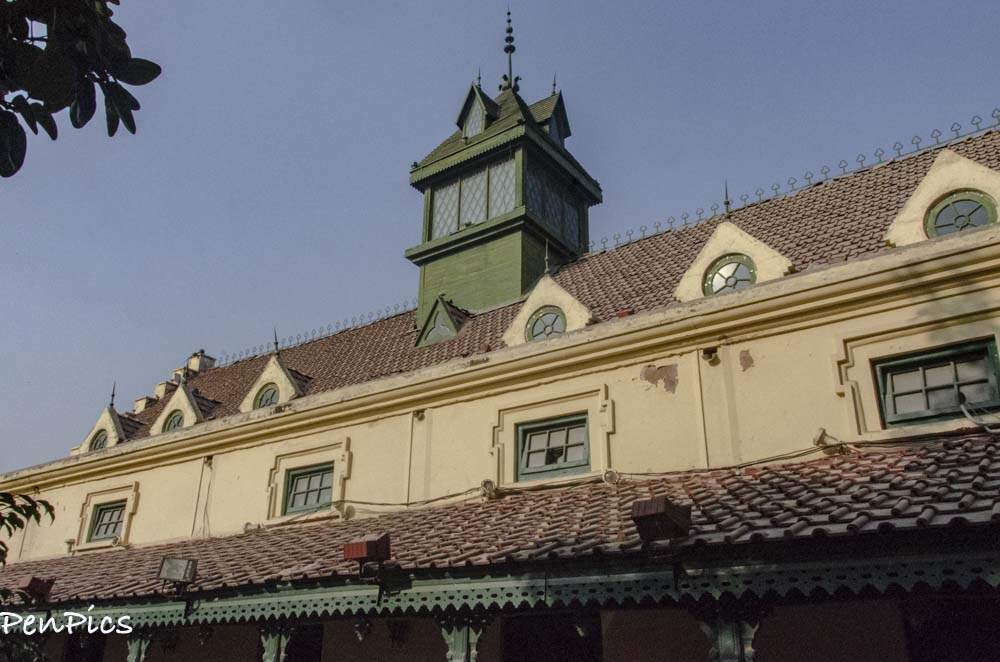
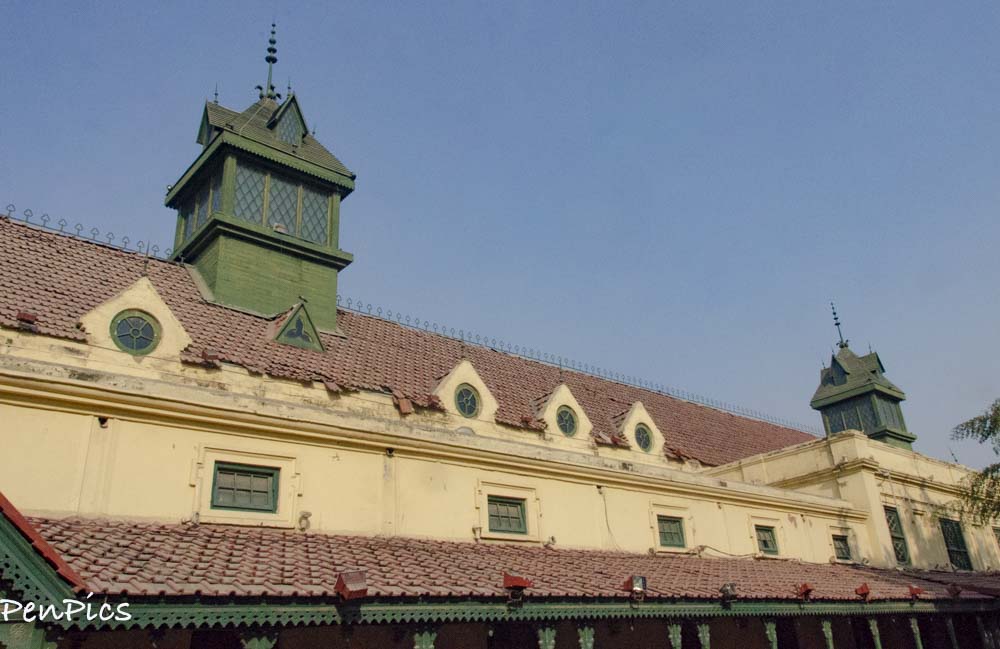
The City Museum is housed in a beautiful stately building. It was interesting, and we are glad we went. Miniature paintings are popular in Pakistan, and are a popular collectors item. I can appreciate the fine detail and talent.
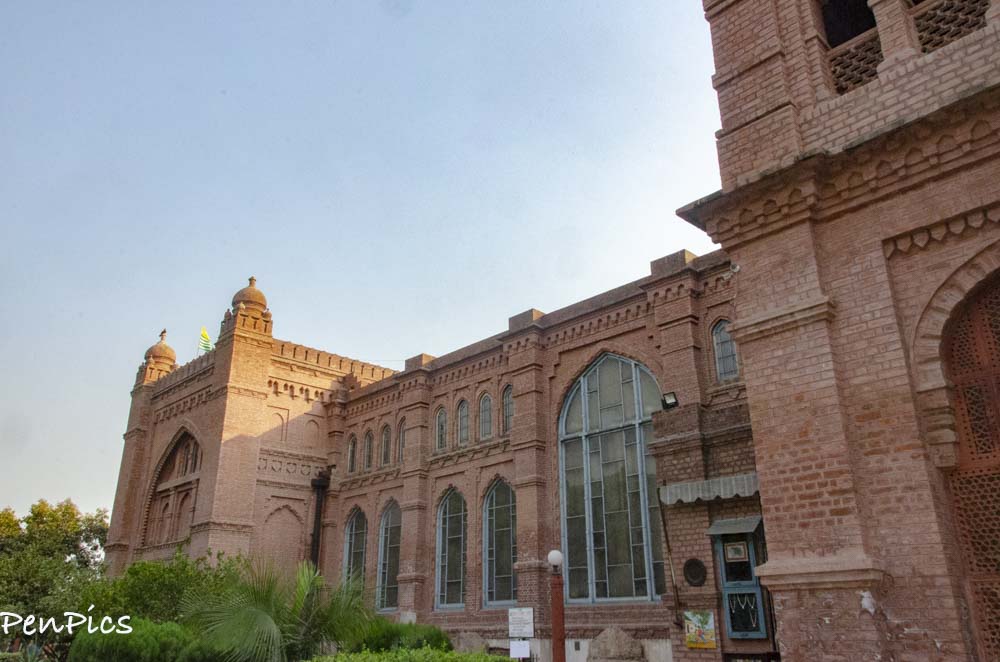

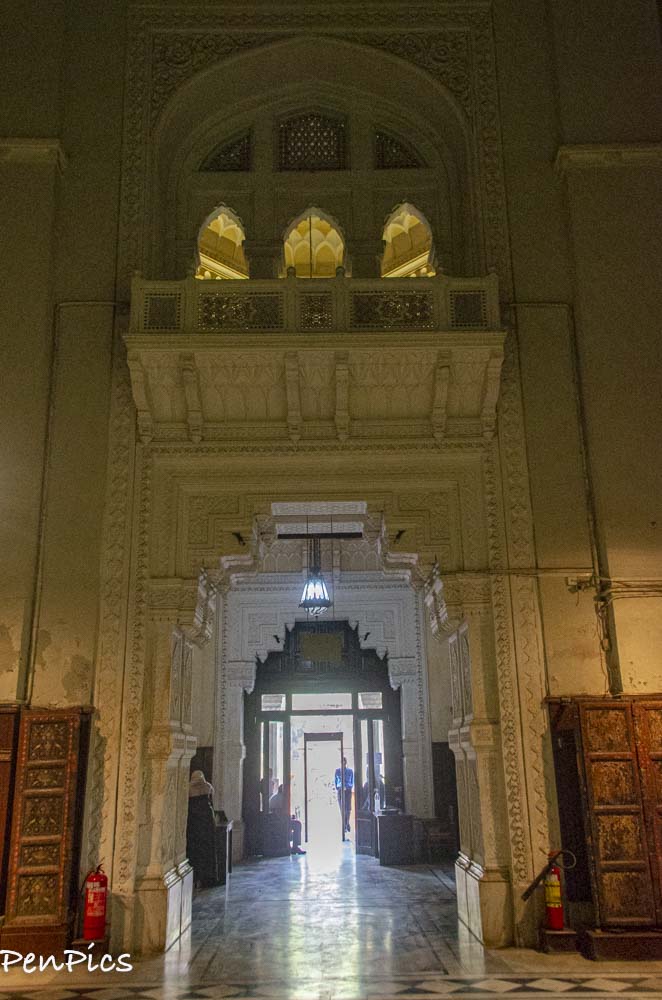
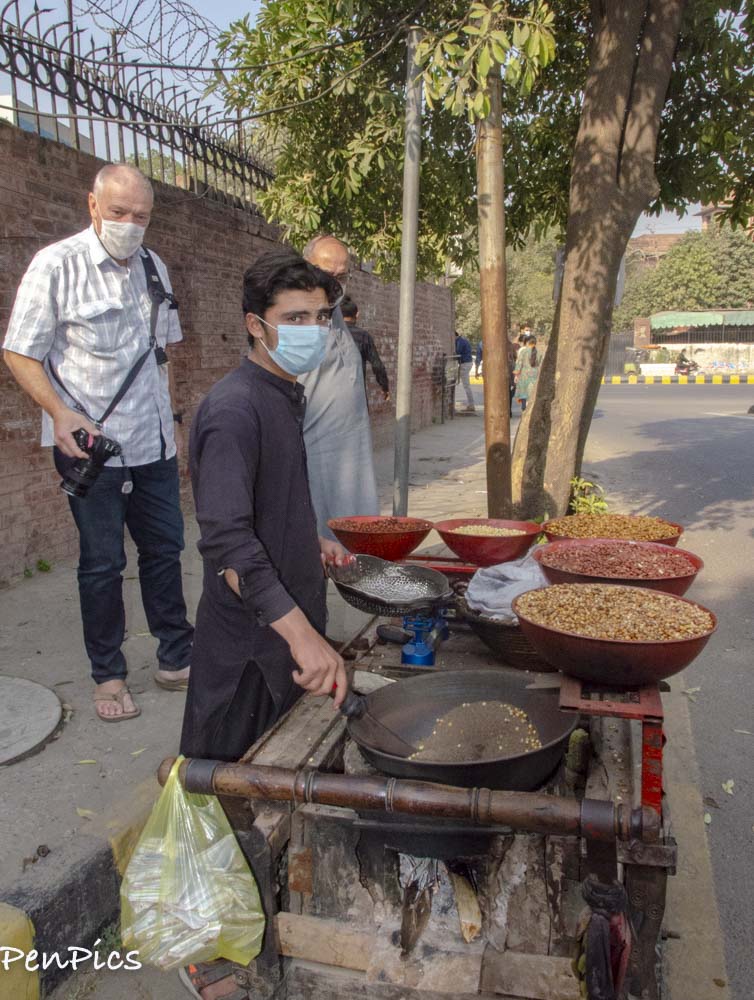
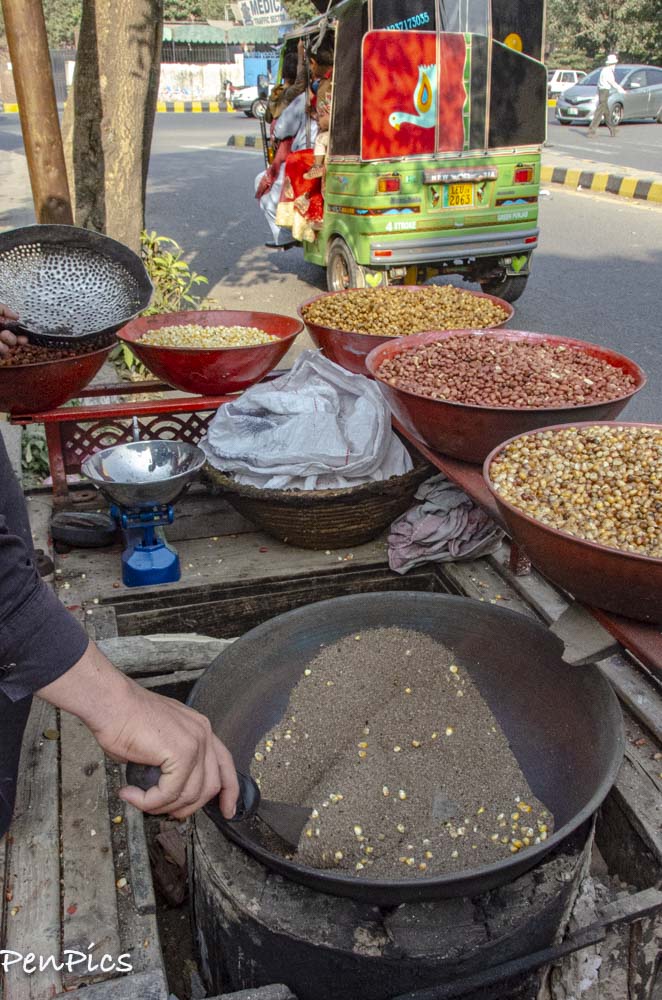
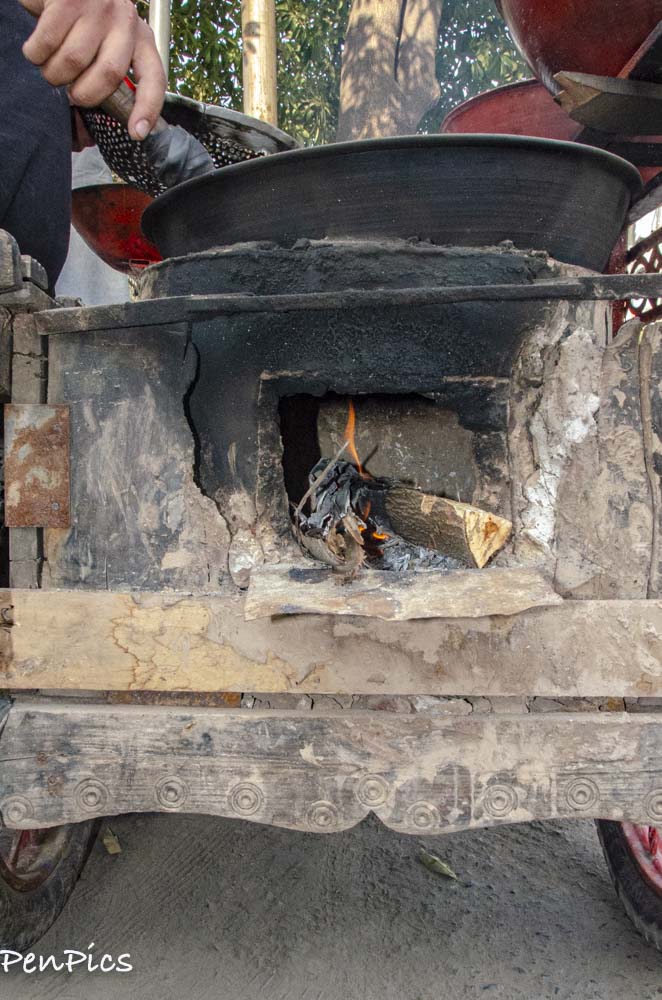
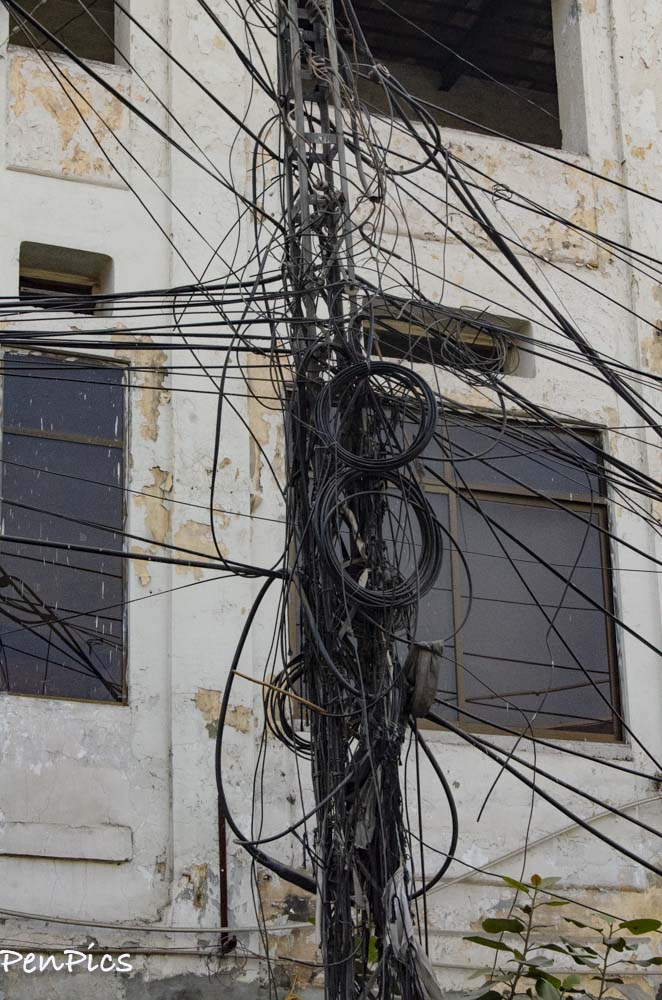
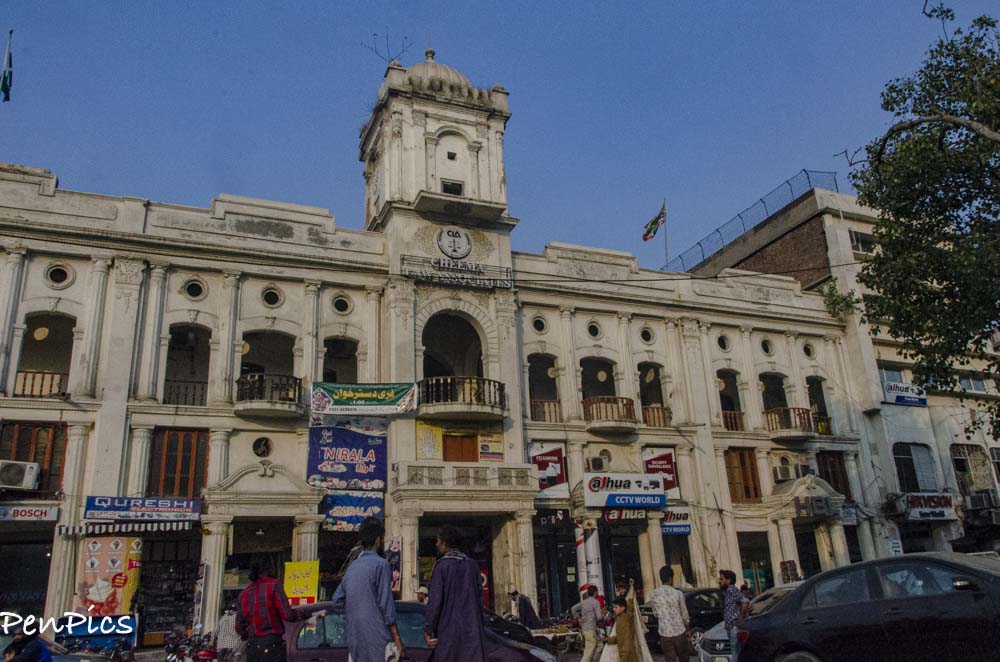
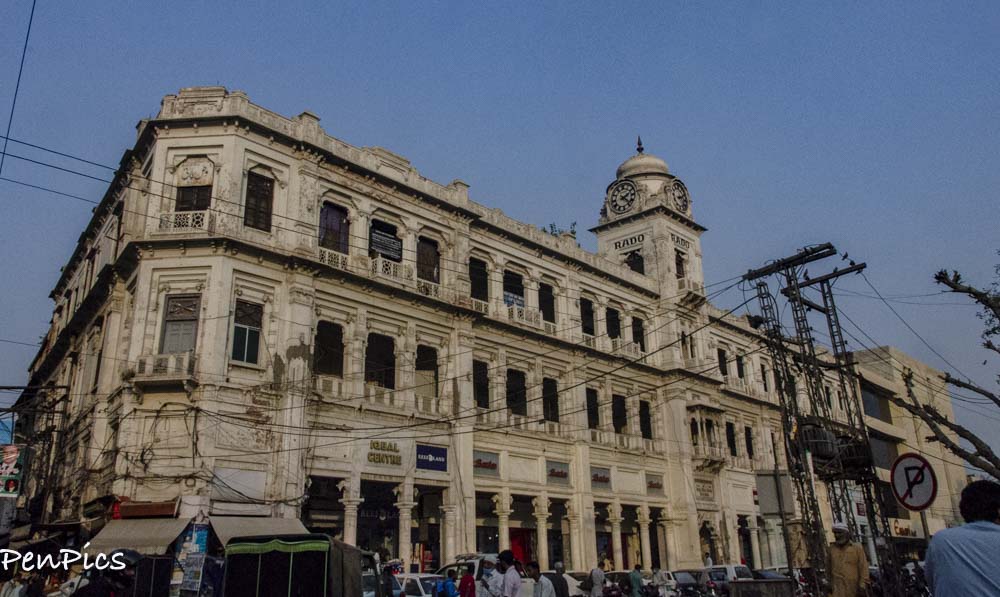
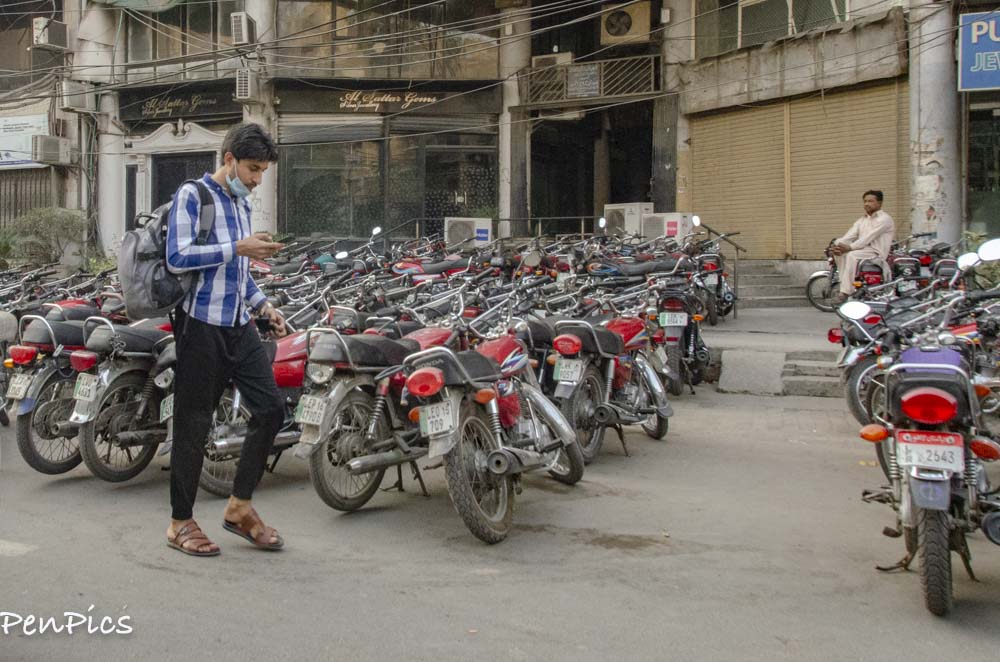
Random photos from around the city on this day

About Us

About Us
Hello and Welcome to our Travel Blog Website, We enjoy writing about our experiences and taking photos of our adventuring along the way. Our names are: Daryl and Pen, but Daryl calls me “Bunny.” We met, quite randomly, whilst both traveling in Thailand with friends. We happened to be in the same travel group, and […]