


“Greece 🇬🇷 ~Paros Island, Beaches, Villages and History”
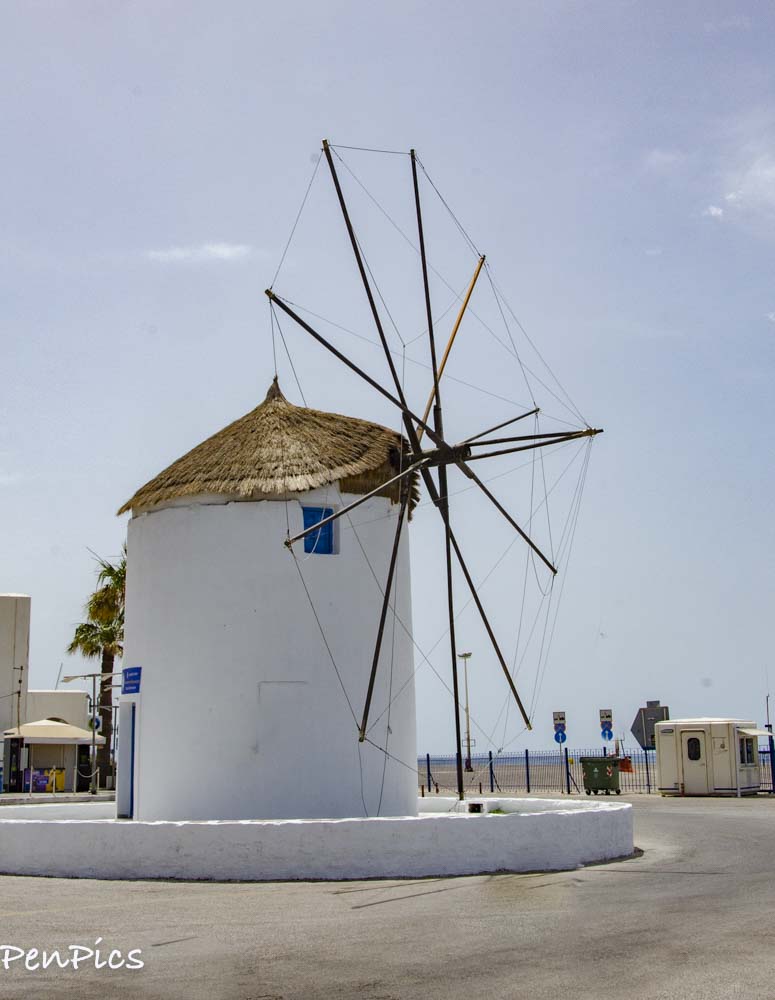
Paros was inhabited since the 4th millennium BC and has known periods of big economic and artistic acme as well as periods of sacks, intense violence, decadence and obscurity. The historical landscape of Paros becomes clearer at the Bronze Age, after the discovery of the three great civilizations, the Cycladic, the Minoan and the Mycenaean civilization. Ruins of Cycladic settlements have been found at the areas Glypha, Drios, Kampos, Koukounaries, Plastiras and Faragas.
The settlement that is located on the hill of Kastro (Castle), in Parikia, which dates back to the proto-Cycladic period, is a characteristic example. Then, colonists came from the Minoan Crete that was at its zenith at that time, in Greece. They gradually turned Paros into an important commercial and military center. With the change of the political scenery, the Mycenaeans came to the fore; therefore Paros became an important center of this civilization. The Mycenaean remains that were found at Koukounaries and on the hill of Kastro in Parikia, the capital of Paros prove the existence of this civilization.
During the geometric period, Arcadian colonists came to the island; their leader, Paros, gave the island its current name. The Arcadians merged with the Ionians who appeared later and Paros became an important sea power through the trade of the Parian Marble, which was well-known for its transparency. The marble, the natural source of wealth of Paros and its general prosperity brought cultural acme, especially during the Archaic period (7th century BC). At that time, lyric poetry flourished on the island, with the famous Parian lyric poet Archilochus.
During the classical period, Paros allies with the Persians who are trying to subjugate Greece. However, their defeat at the sea fight of Salamina leads the Persians to retreat and Themistocles to Paros, where he makes the residents of the island join the Athenian Hegemony. In 338 BC, Paros had lost its old power and submitted in chronological order to the Macedonians, to the Ptolemaic dynasty, to Mithridates and to the Romans. During this period, there were great sculptors working on the island such as Skopas the Parian. Paros was full of sculpture workshops, temples and other marvelous buildings.
Germans also occupied Paros, forcing the Parians to leave and go to Piraeus or abroad. The island was inhabited again after 1960 and its development was mainly due to tourism and it still is, since Paros is one of the most popular destinations.
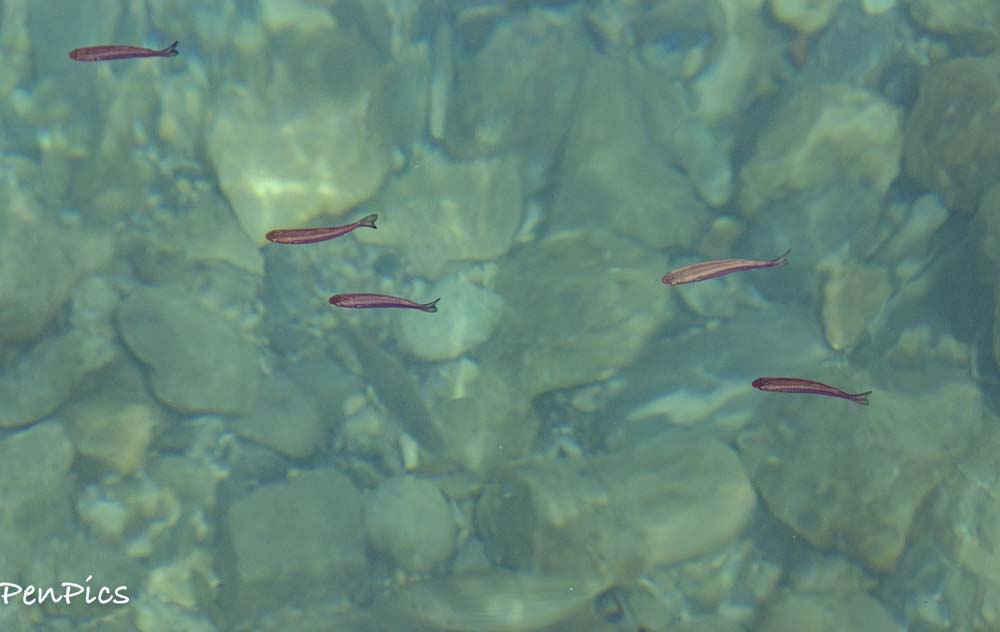
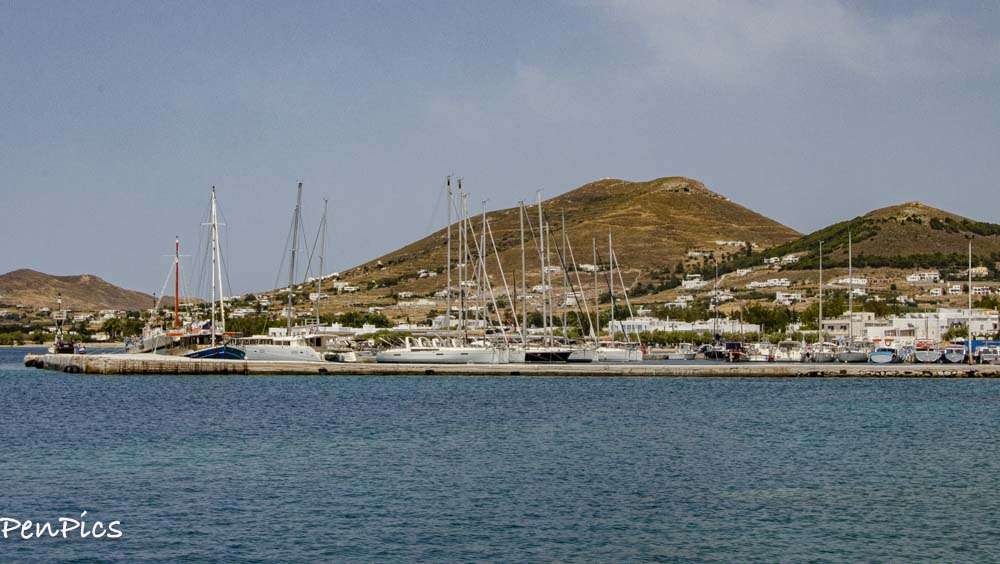

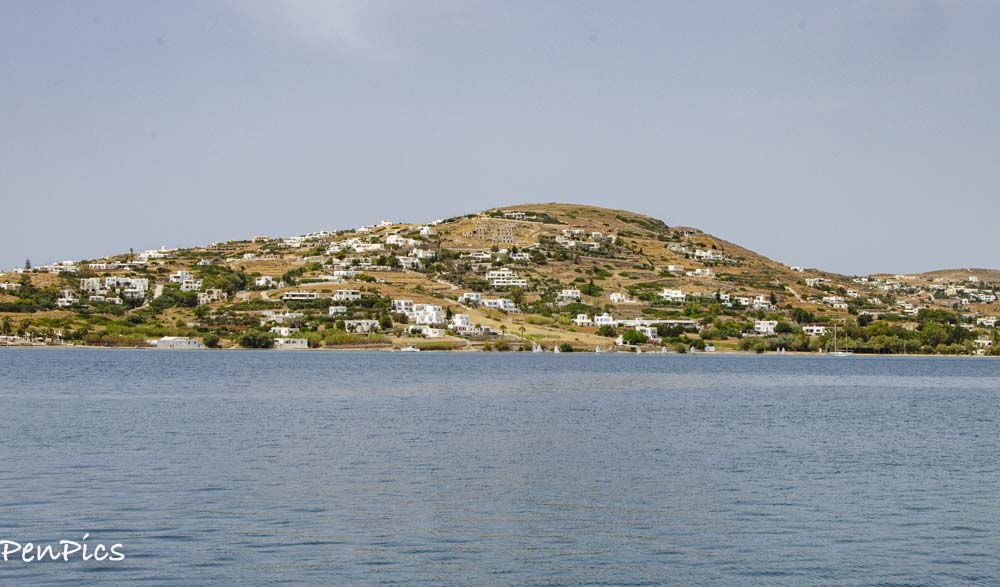
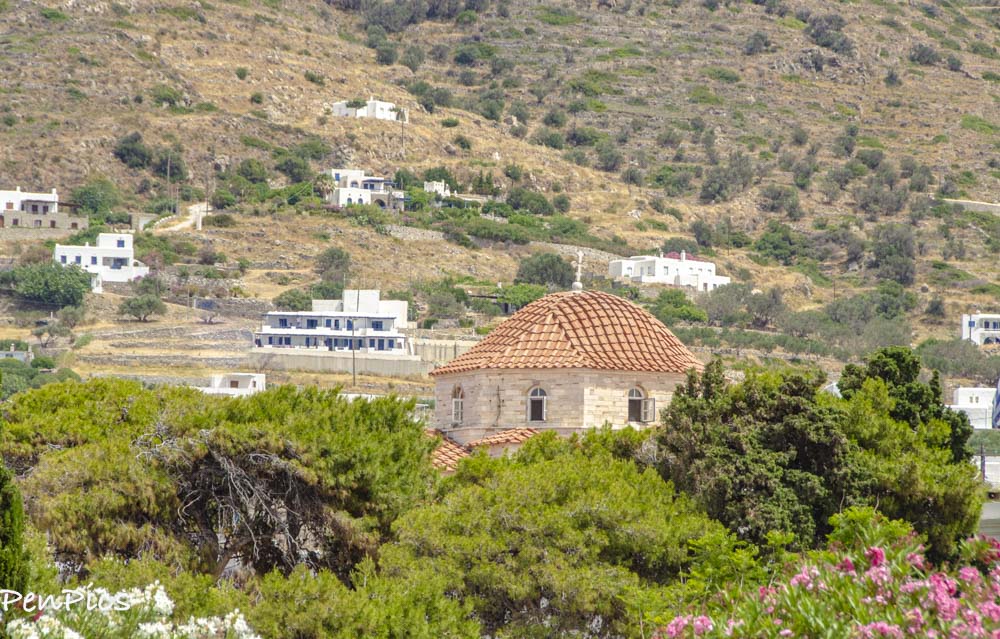
While searching the dry-stone walls and the fields, rocks can be seen which were used thousands of years ago, back in the Stone Age, by the first inhabitants of the island. They lived in small groups in caves, and used as shelters the Spilaio ton Demonon (Demons Cavern) on the Ai Ghiorgis hill of Lagada, as well as other natural formations. Remnants of a village dating back to the Neolithic Age, from 4300 to 3900 BC, were found on the island of Saliagos (situated in the strait between Paros and Antiparos). Its inhabitants were fishermen, hunters and farmers, taking delight in adventure.
In the 7th cent. BC, the poet Archilochus of Paros is born and Paros turns into an important nautical force. Paros fleet starts travelling and establishes colonies named Parion, in Thassos, Propontis, and Faron in the Adriatic sea. In 600 BC Paros issues its own coins.
People worship the 12 Olympian Gods and testimonies of that time can be found at the ruins of the temples of Eileithyia, of Ipatos Dias (Zeus, the Supreme God), of Aphrodite, in Dilion, at the Asklepios and Pythian Apollo temple, on the hills around Parikoia. Don’t miss visiting Paros archeological museum which displays exhibits from the past.
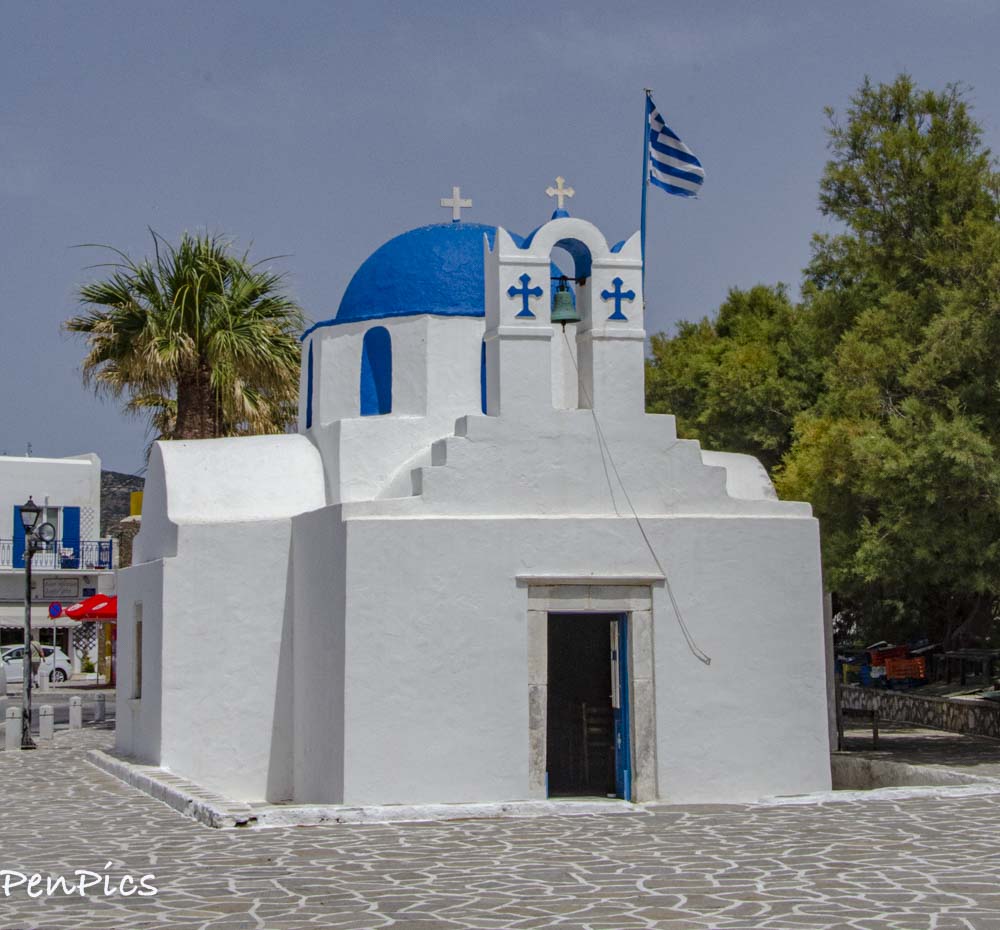
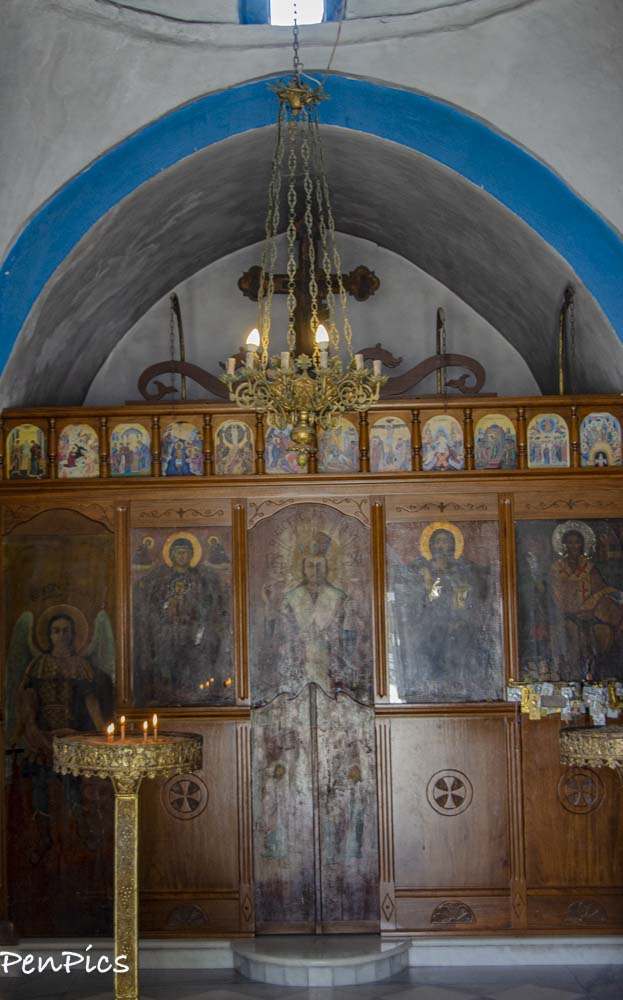
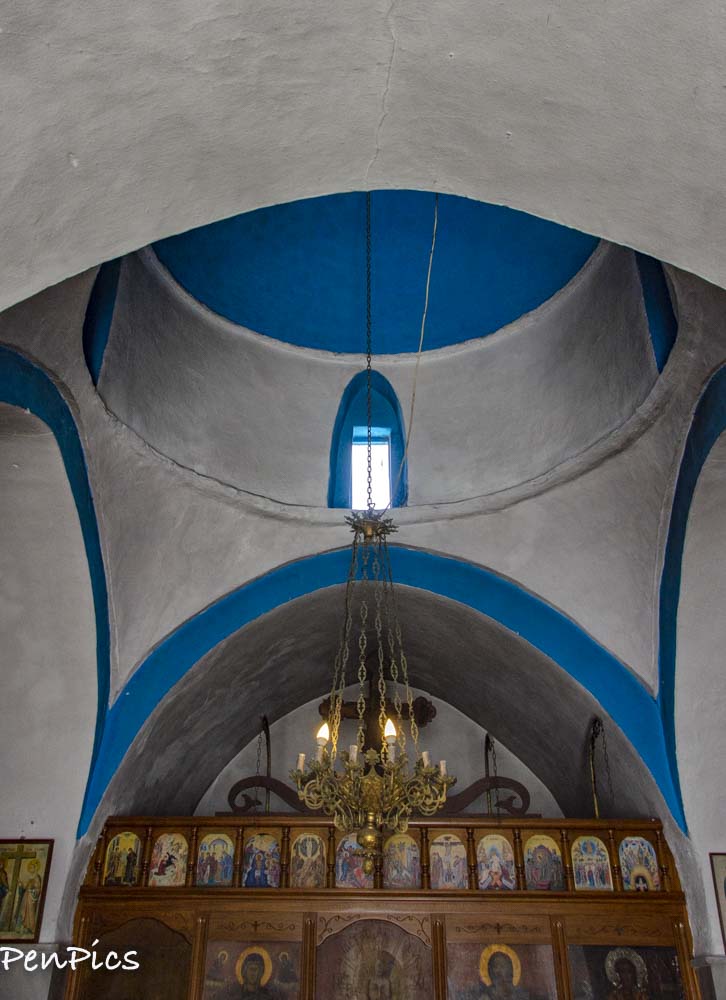
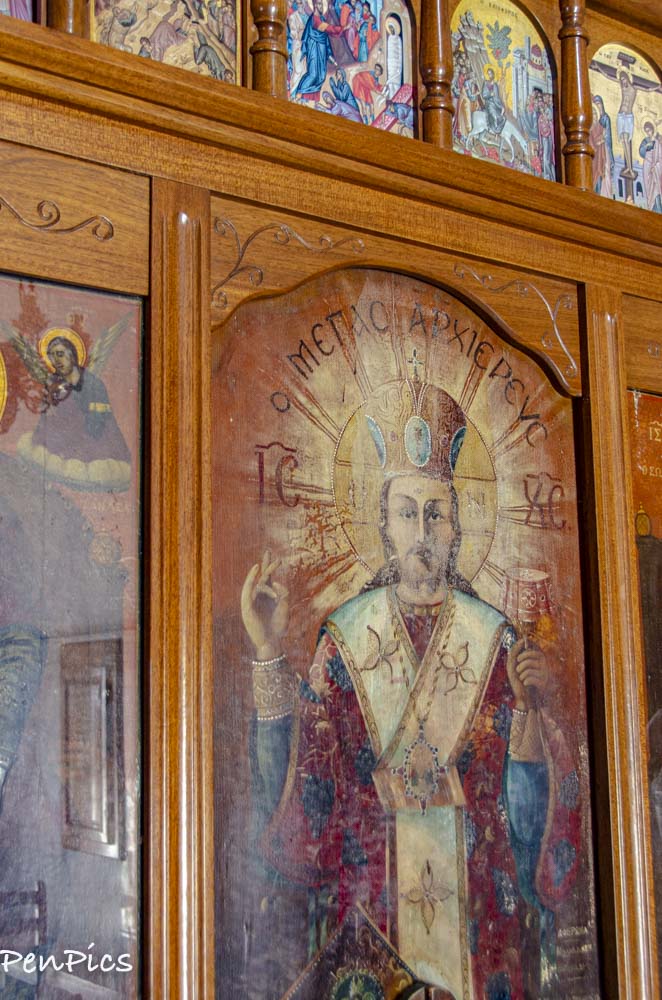
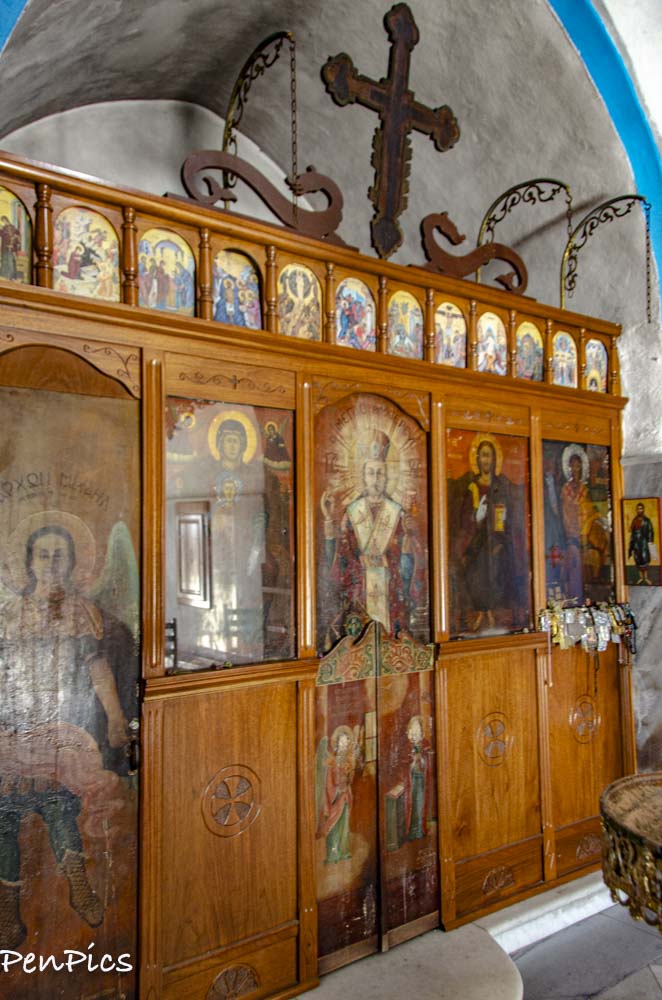
The church of Agios Nikolas was built opposite the port, near Ekatontapiliani. It is a small cruciform church with an octagonal dome and a small arched bell tower above the main entrance. The tomb of the owner is in an arched recess supported by columns, on the north side of the church, towards the road. The little church has been declared a listed religious monument

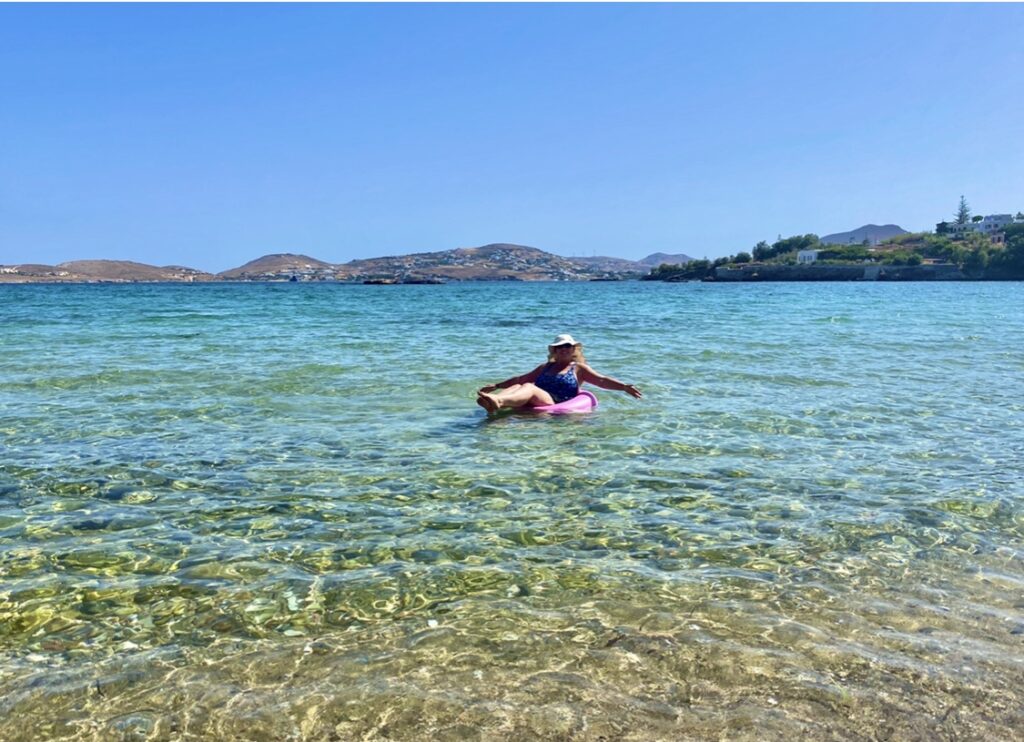
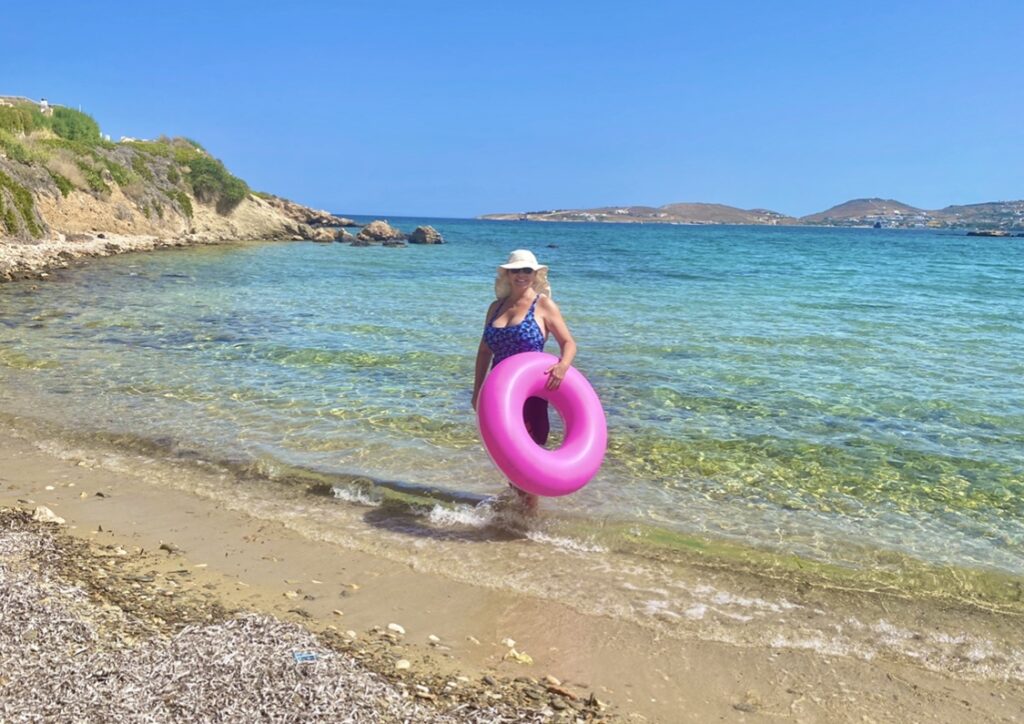
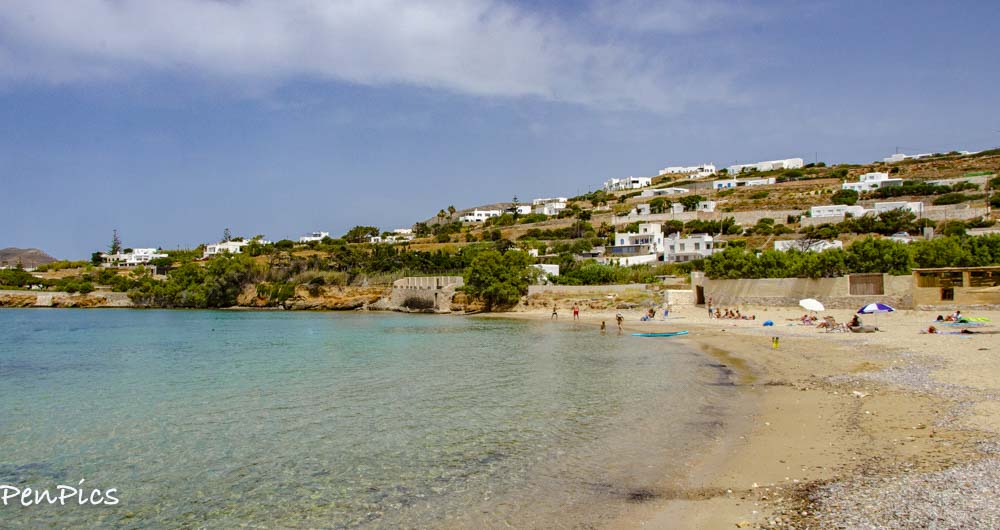
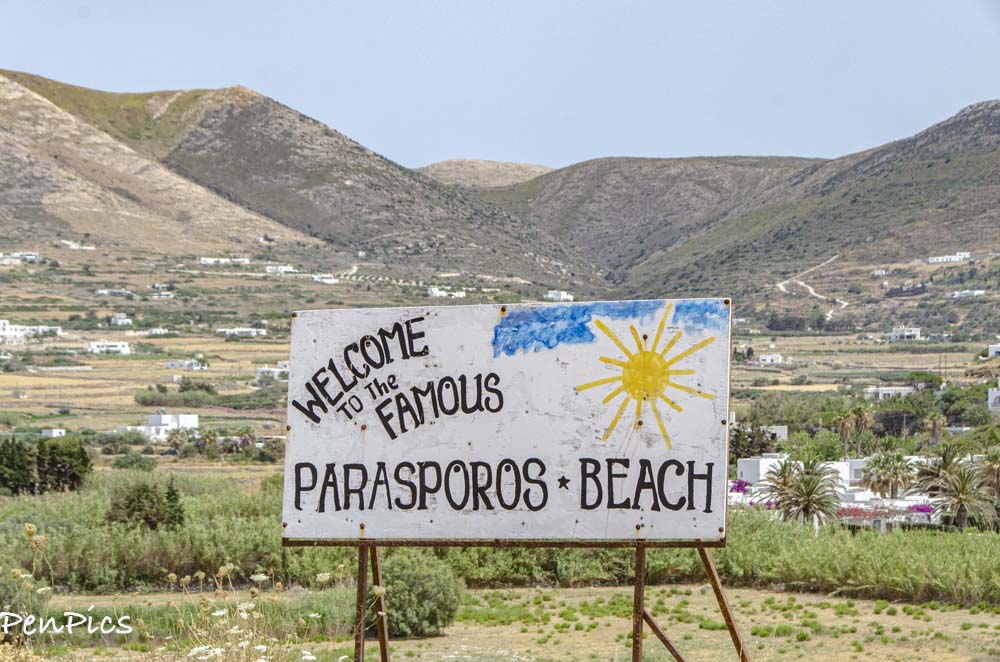
wet! There are several entrances to get to the beach of this name. This is the one less advertised and the prettiest part of the long beach. We have to go where there is shade on a beach

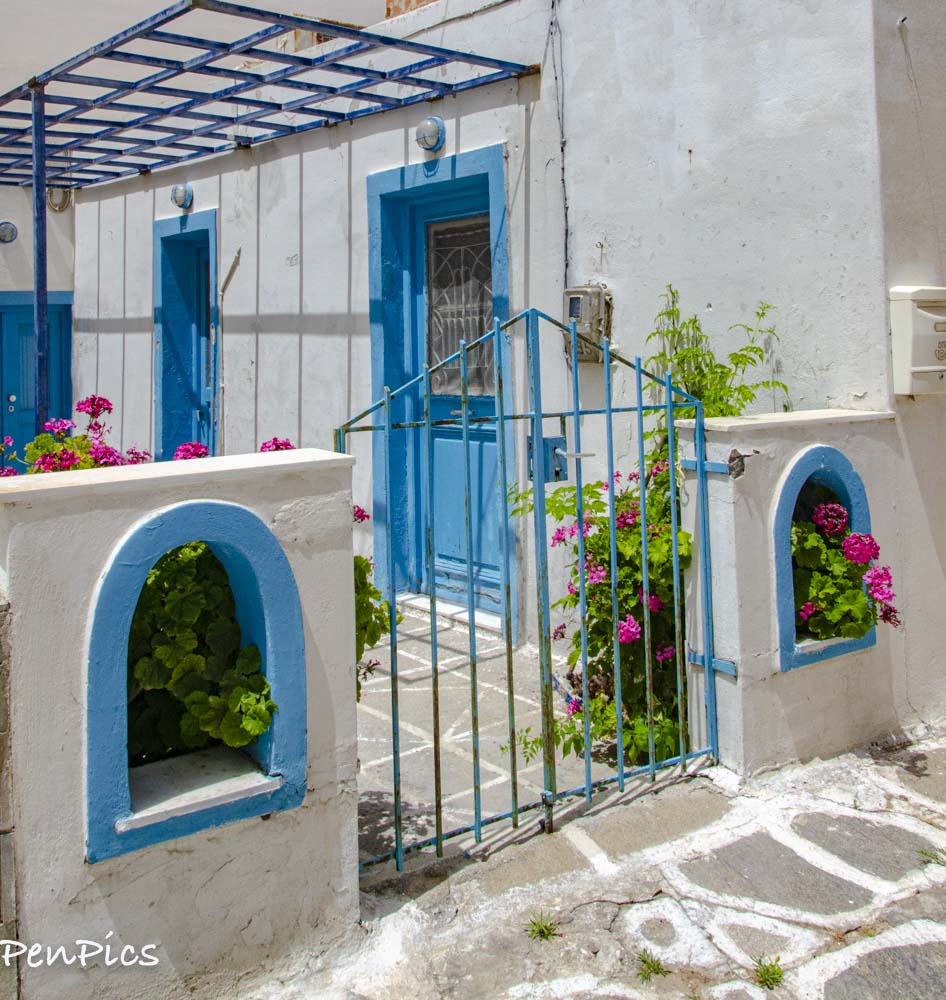
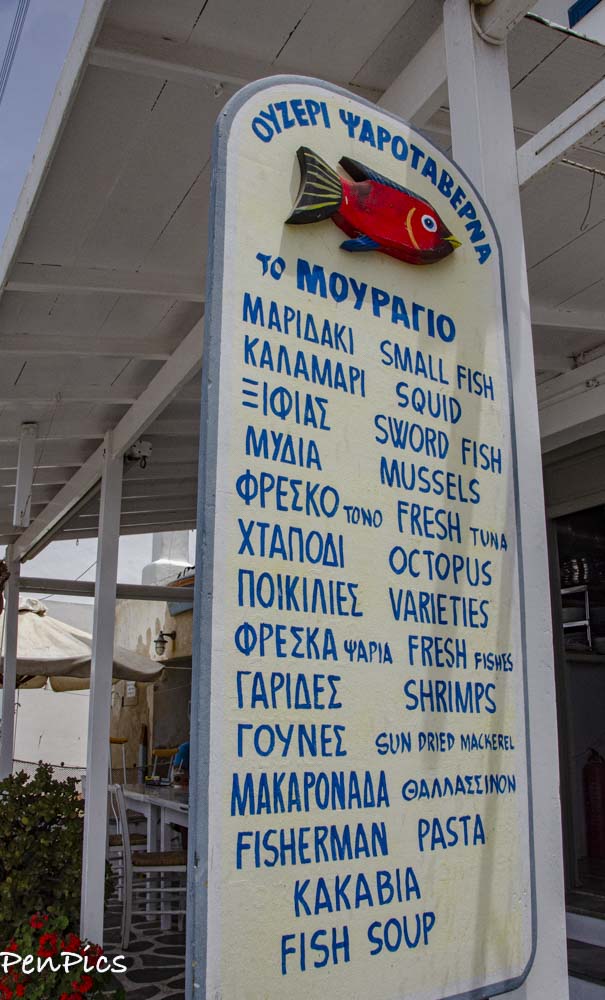
During the Cycladic period, from 3200 BC to 2000 BC, small villages were built in Kastro of Parikia, Drios, Pirgaki, Glifa, Aliki (Avissos) and near Kolimbithres of Naousa.
The Minoans come to the island as merchants and close relationships develop between Paros and Crete, from 2000 BC to 1500 BC, but the Minoans don’t leave their mark on the island, despite the fact that Paros was called Minois or Minoa at the time. Over the course of history, the island was called several names such as: Paktia, Dimitrias, Iria, Iliessa, Platia and Kavarnis.
About Us

About Us
Hello and Welcome to our Travel Blog Website, We enjoy writing about our experiences and taking photos of our adventuring along the way. Our names are: Daryl and Pen, but Daryl calls me “Bunny.” We met, quite randomly, whilst both traveling in Thailand with friends. We happened to be in the same travel group, and […]