


“Bulgaria 🇧🇬 ~Ancient Town in Nessebar”
We made an excellent choice, choosing Nessebar as our getaway destination at the Black Sea, if only a few days. We enjoyed the seaside, with perfect weather and a calm around the resort and water, that, even with plenty of vacationers still enjoying their Summer; with just a feel of Fall in the air, made the visit nice.
Gone were the heavy partiers of youth, that always surround themselves with loud noise, and loud music, well into the night or early morning. The families with school-age kids were absent as well. What we had were families will little ones, couples, and/or the retired folks like us.
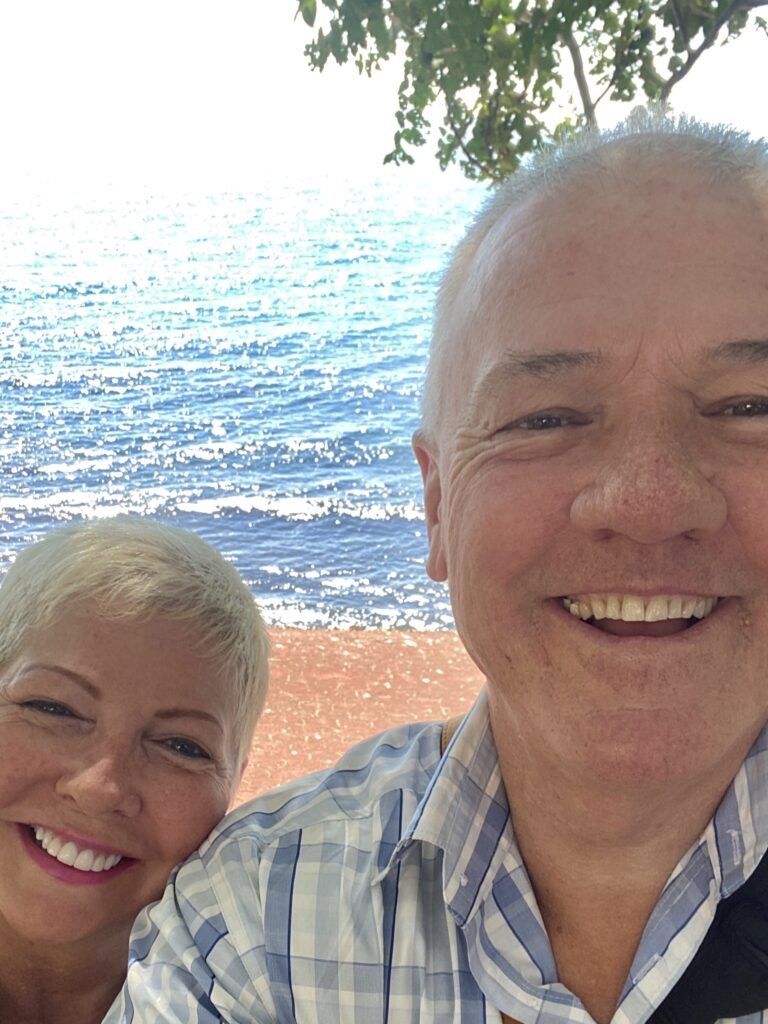
On our departure day from the Hotel Mirage, after I extended our contract on the rental vehicle, we headed straight for the old town, to explore. It, too, was a worthy visit.
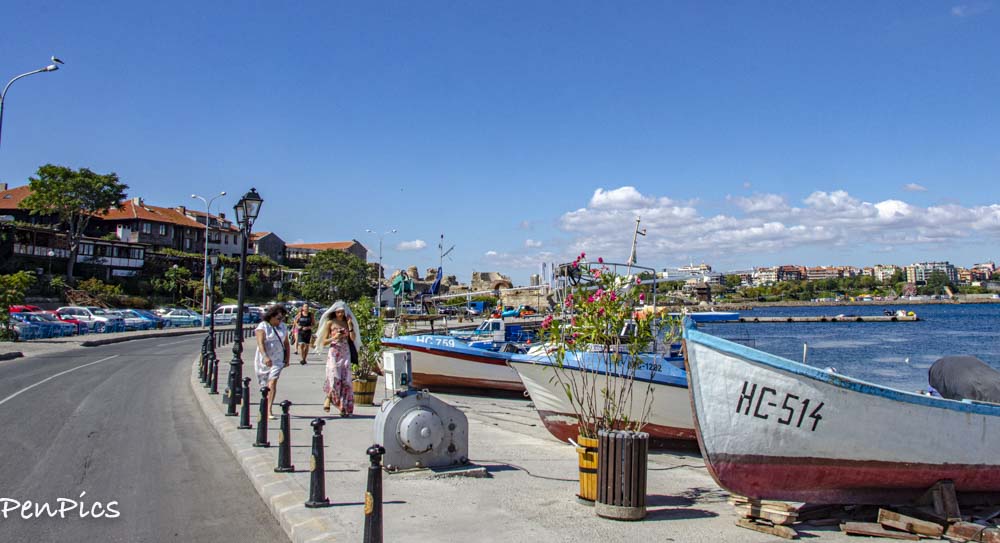
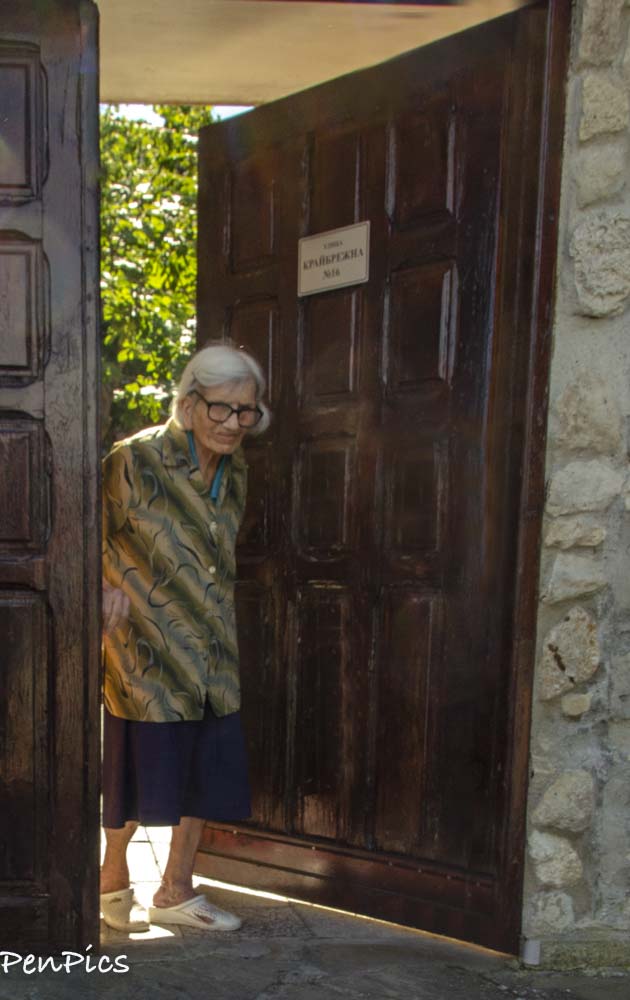
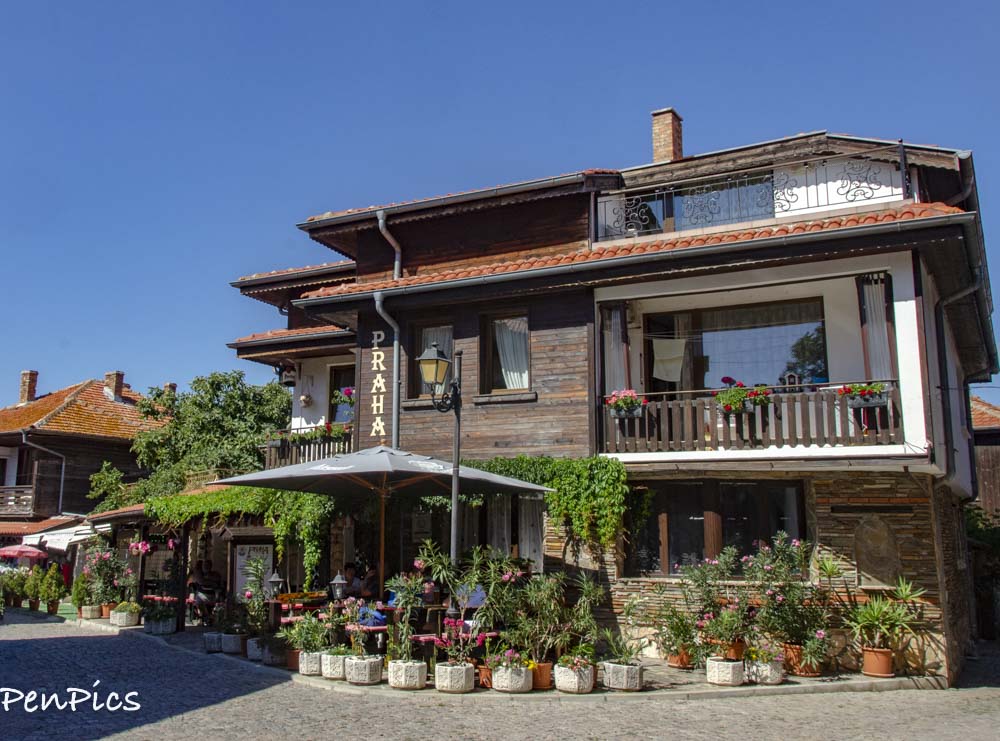
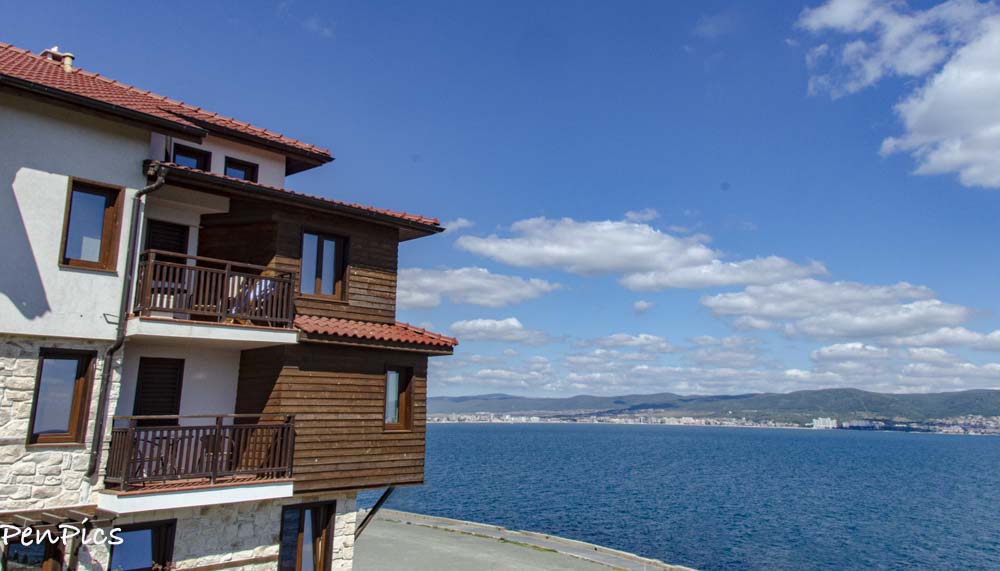
We entered the islands, by way of driving along a short causeway and parked the vehicle, then wandered around. It is still hot weather, but not like it was last month. The old homes, which are stilled lived in, or have been turned into businesses like restaurants and hotels, have an Ottoman-style, which we saw in Turkey.
There were also many little shops open for business, and there were plenty of tourists enjoying the day like us, to support the places that have a lot of items for sale, that nobody really needs, but always fun to look at. Also present were artists, selling their drawings and paintings. I think there are seven churches on the island, too. ‘we did not see all of them, nor did we choose too.
The island looks small, till you begin walking around the alleys and streets. It is quite big, with lots to see.
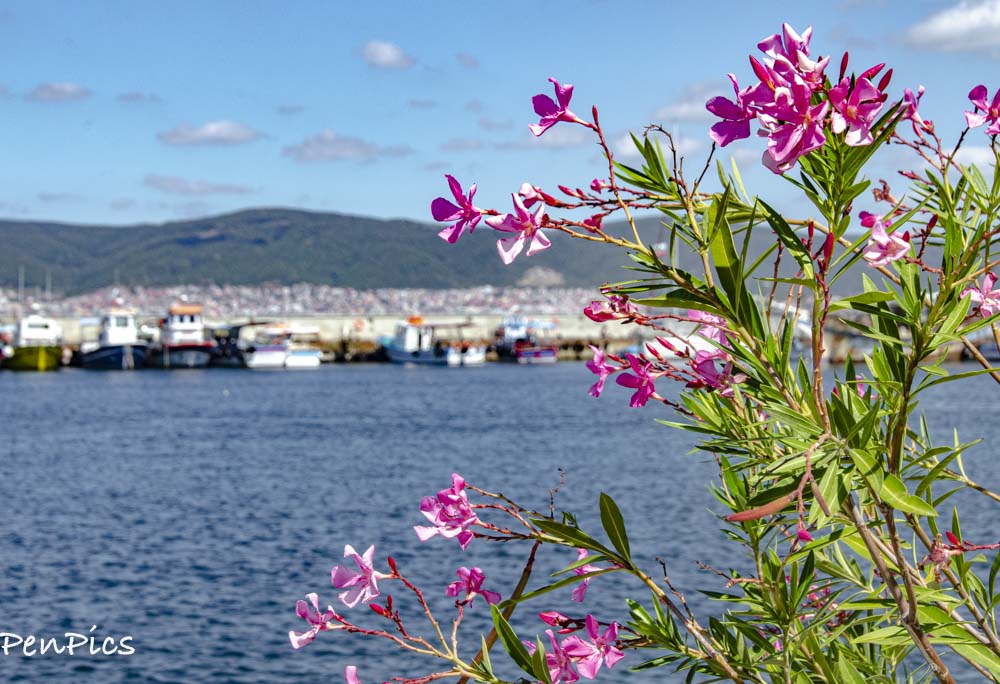
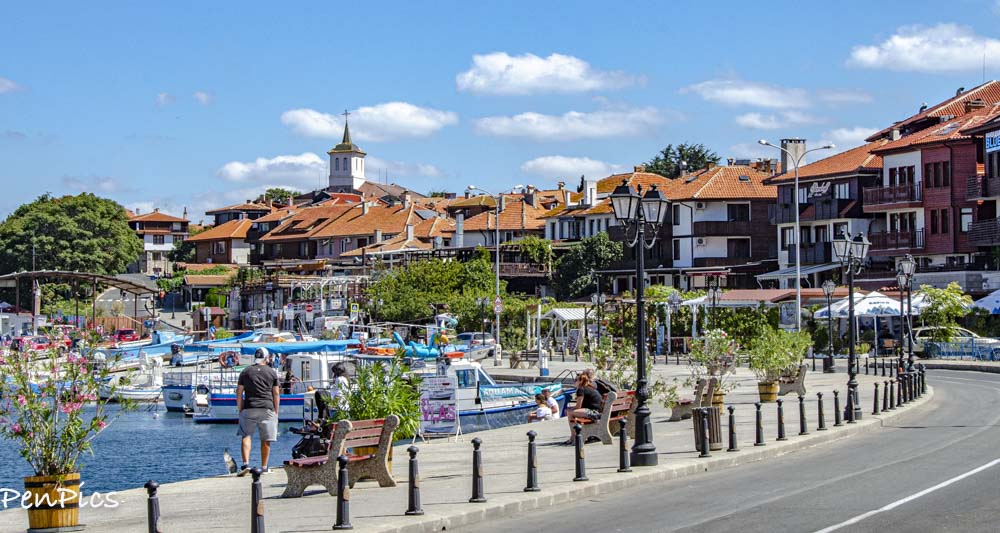
Situated on a rocky peninsula on the Black Sea, the more than 3,000-year-old site of Nessebar was originally a Thracian settlement (Menebria).
At the beginning of the 6th century BC, the city became a Greek colony.
Archaeological findings show that the peninsula of Nessebar has been inhabited since the Bronze Age. One of its first names, Melsambria, was given to it by the ancient tribe of the Thracians, and it means “the city of Melsam,” Melsam being its legendary founder. The Ancient Greek arrived a bit later and built many temples, a school, and a theater. This was the time when massive walls were built around the city to protect its ever-growing wealth.
The Romans conquered the city in 72 BC but Messemvria, as it was renamed, preserved its leading cultural and trading role in the Black Sea region. When the Roman Empire adopted Christianity as an official religion, many new churches were built in Messemvria as well.
Since ancient times, the city has been famous for its ports; a northern one and a southern one. Still today, if you go diving, you can see remains from shipwrecks where they used to be.
The city first became part of Bulgaria in 812 under the rule of Khan Krum, and at that time its name was changed to Nessebar. Its most thriving era, however, came a bit later. If you stroll along the streets of the Old Nessebar nowadays, you will see the remains of many churches from 12th and 13th century. These were centuries of intense construction and the creation of some of the model churches of the period, such as St. Stephan, St, John the Baptist, and St Paraskeva.
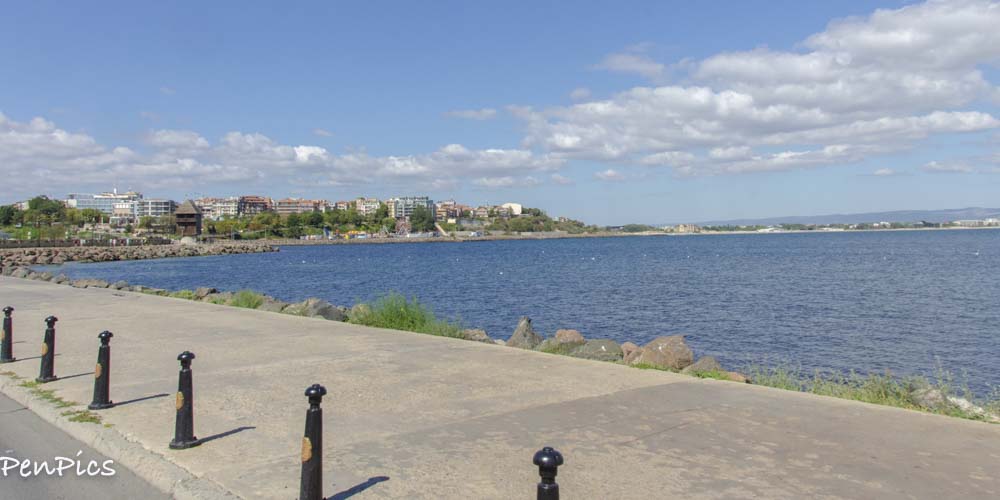
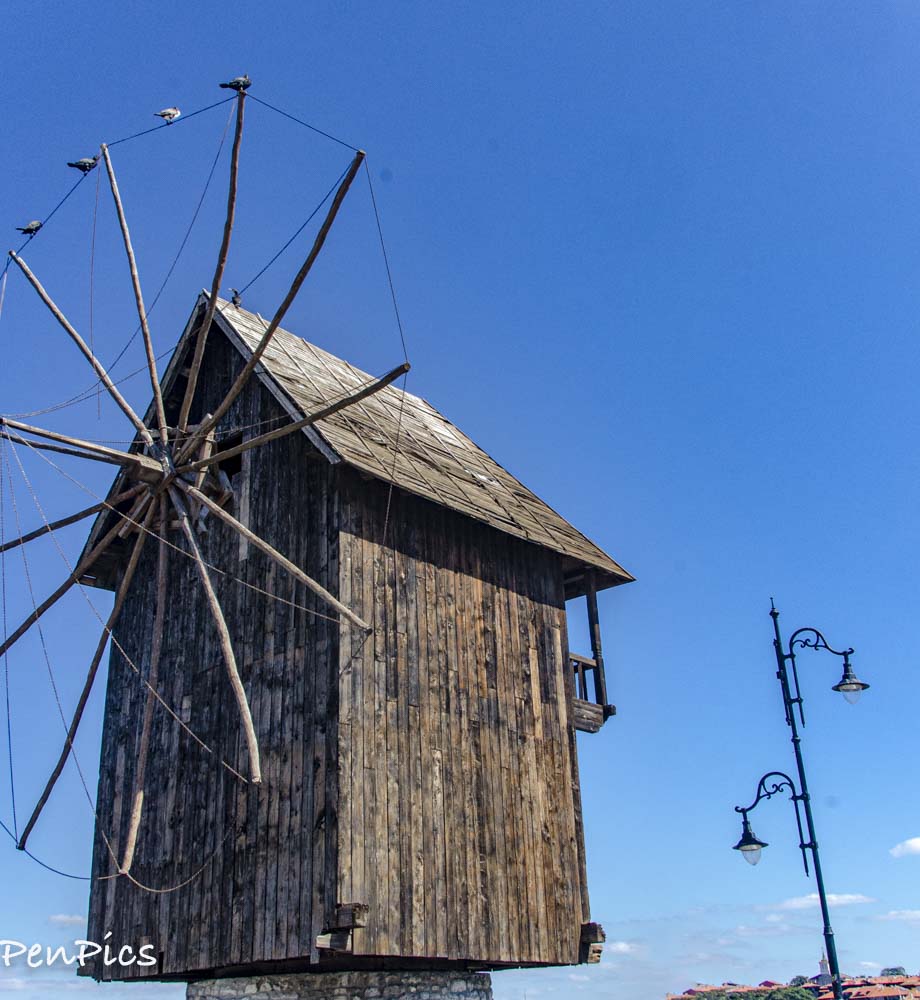
The Old Windmill on the causeway from New Nessebar to Ancient Nessebar is very cool.
There is an intact Black Sea style Windmill. It is virtually impossible to dig up any material about the history of the windmill, as all local sources quote almost all their information verbatim from one very popular guide book, which mentions the windmill, but contains no information about it.
It’s only a fair guess that it’s from the Bulgarian revival period from the 17th to the 19th century.
Nessebar Under Ottoman Rule
In the 14th century, the Ottomans took over Nessebar, and for the next five centuries, the city continued its development.
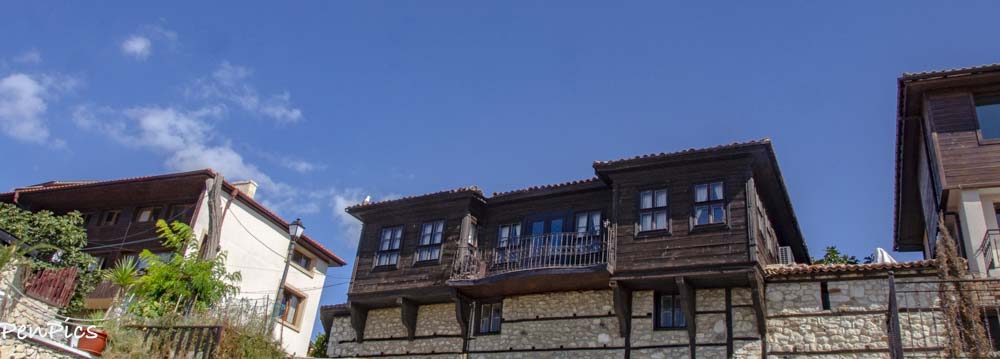
Many Bulgarian Revival-style houses were built during the period featuring characteristic wooden façades. You can see some fine examples of this house type today in the Old Nessebar, as well as the famous windmills, one of the symbols of the city.
Nessebar Today
Nessebar was declared an architectural and archaeological reserve in 1956, while in 1983 it became part of the UNESCO World Heritage Site.
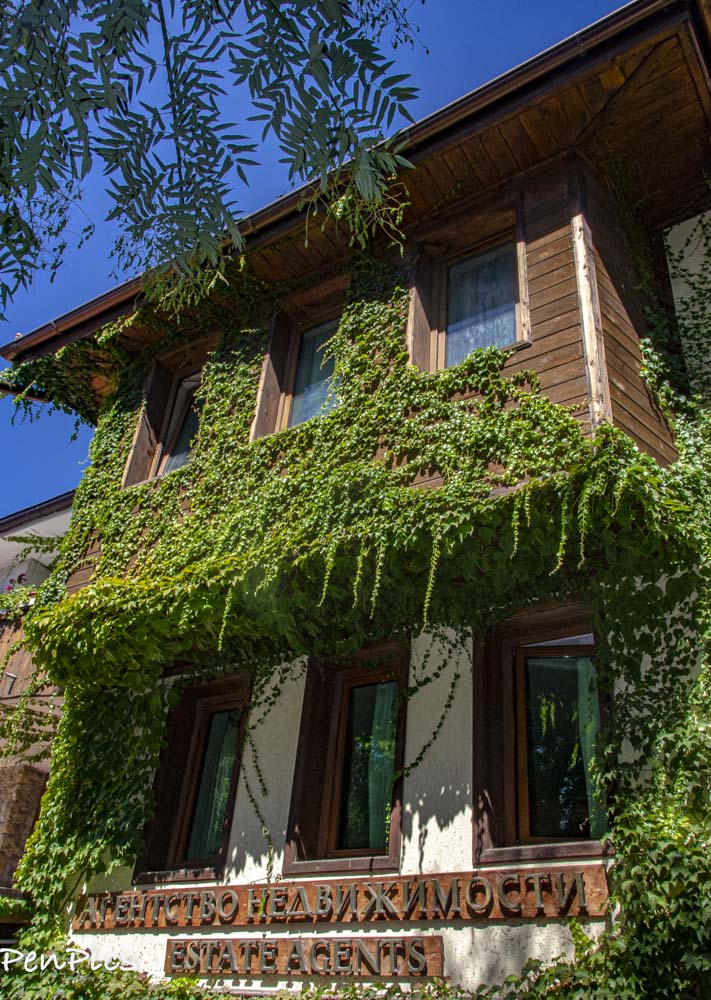
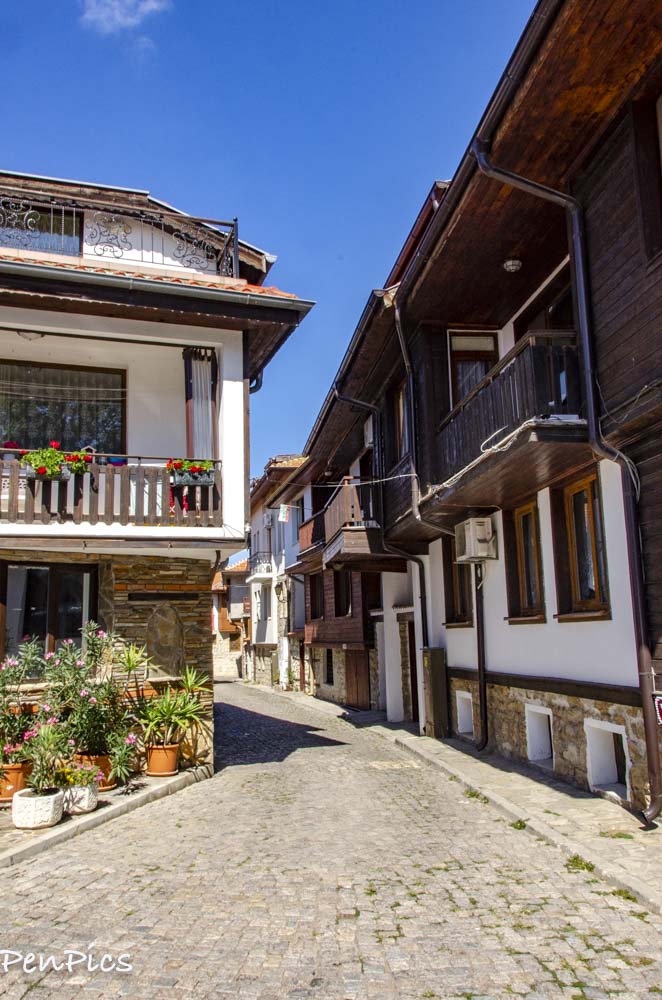
The 18th century was a good time for the inhabitants of Nessebar and many could afford to build new houses. The first floor was made of stone and it was used to shelter livestock and store wheat and wine. The upper floor was wooden and it was where the family lived. You can see some fine examples of the Nessebar old houses in the Old Town today.
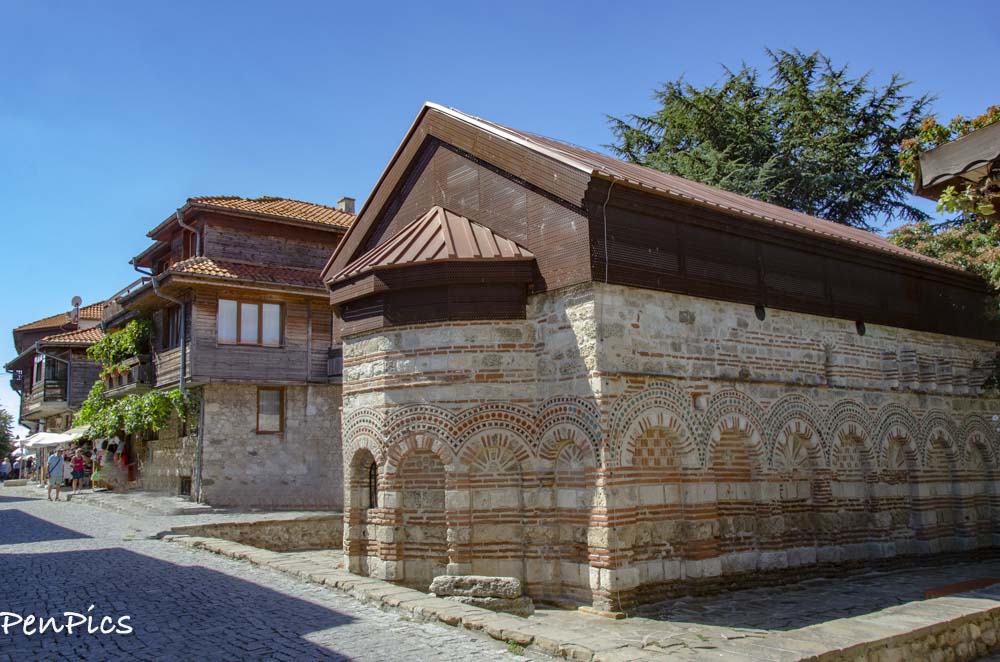
The Church of Saint Paraskevi is a partially preserved medieval Eastern Orthodox church in Nesebar. It was most likely built in the 13th or 14th century and forms part of the Ancient Nesebar UNESCO World Heritage Site.
The Church of Saint Paraskevi features a single nave and a pentagonal apse as well as rich exterior decoration. Its dome and the belfry surmounting the narthex have not been preserved today, and it is unknown which of the three saints named Paraskevi it was dedicated to.
It is sometimes said, this Ancient Town has the highest number of churches per capita. Today, a total of forty churches survive, wholly or partly, in the vicinity of the town.
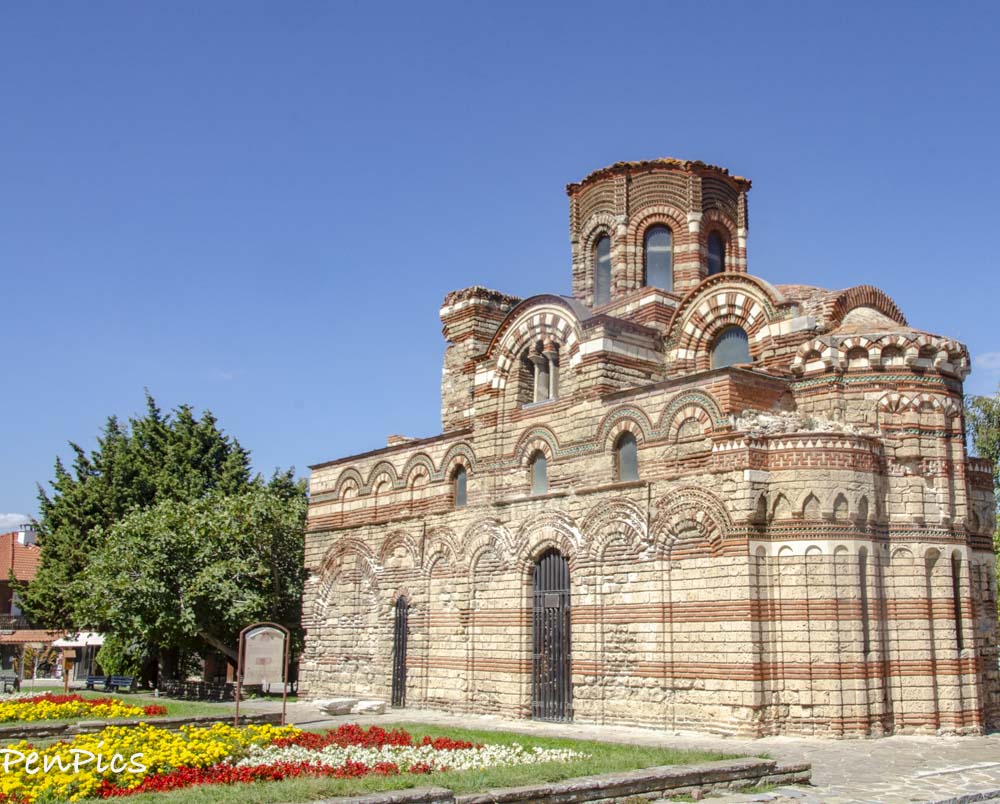
Church of Christ Pantocrator
The Church of Christ Pantocrator is a medieval Eastern Orthodox church in the eastern Bulgarian town of Nesebar, on the Black Sea coast of Burgas Province.
Part of the Ancient Nesebar UNESCO World Heritage Site, the Church of Christ Pantocrator was constructed in the 13th–14th century and is best known for its lavish exterior decoration. The church, today an art gallery, survives largely intact and is among Bulgaria’s best preserved churches of the Middle Ages.
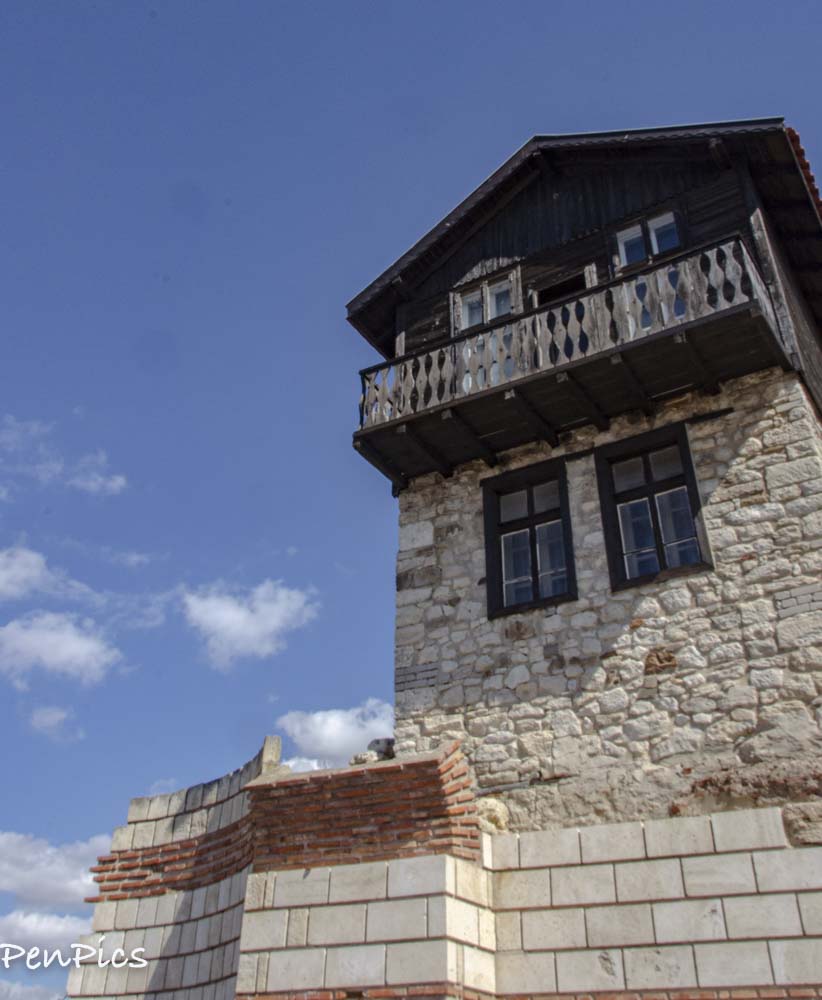
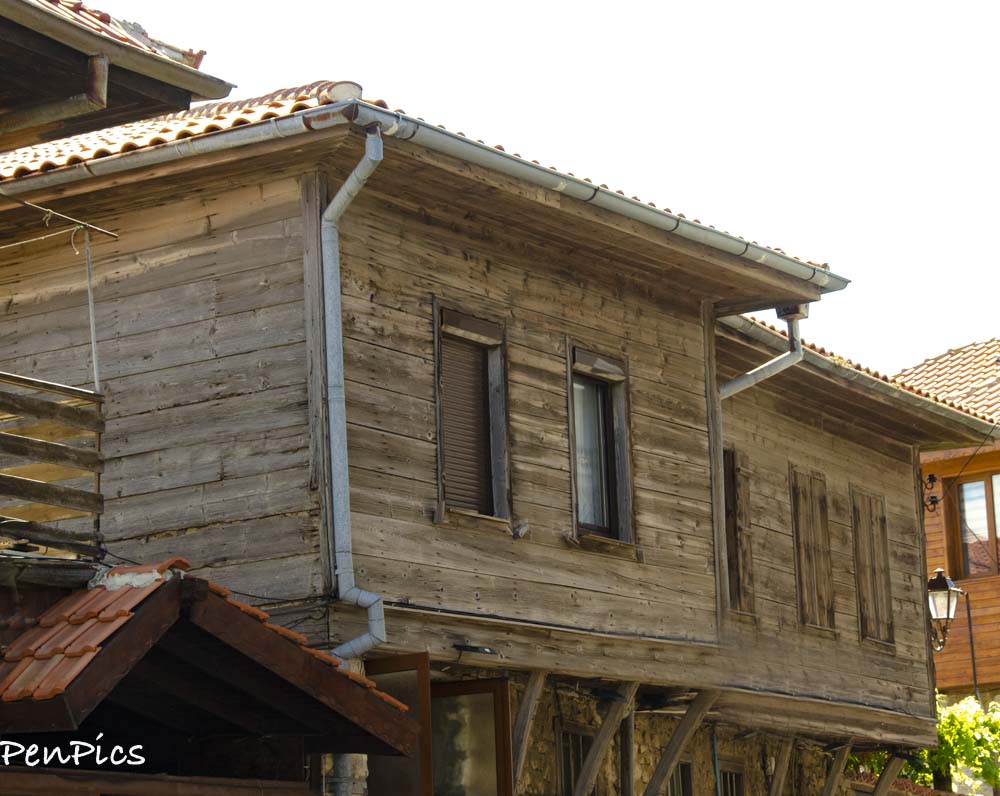
There is an old fort ruins, indicating at one time the island was a Living Fortress in its day.
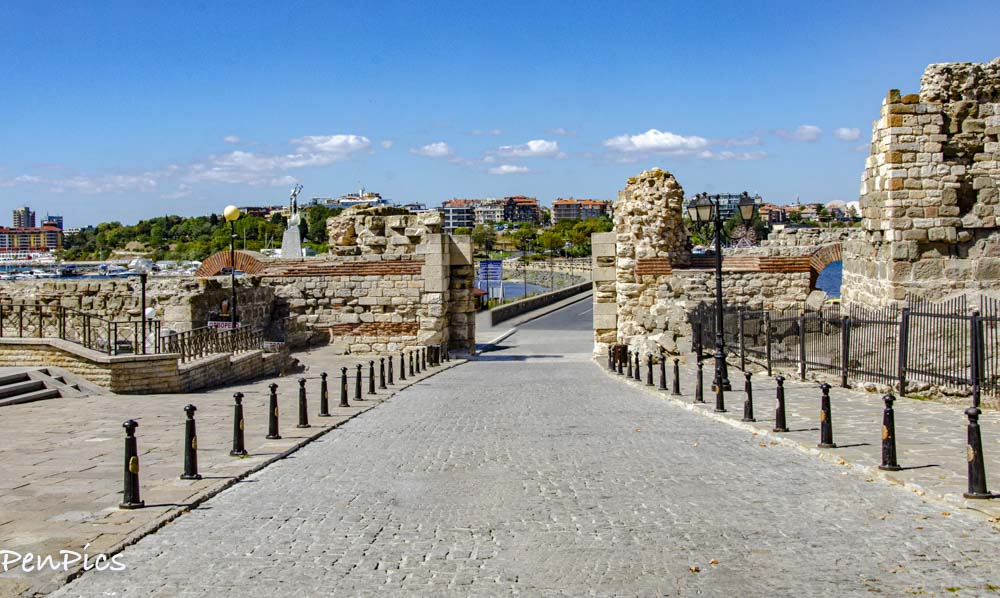
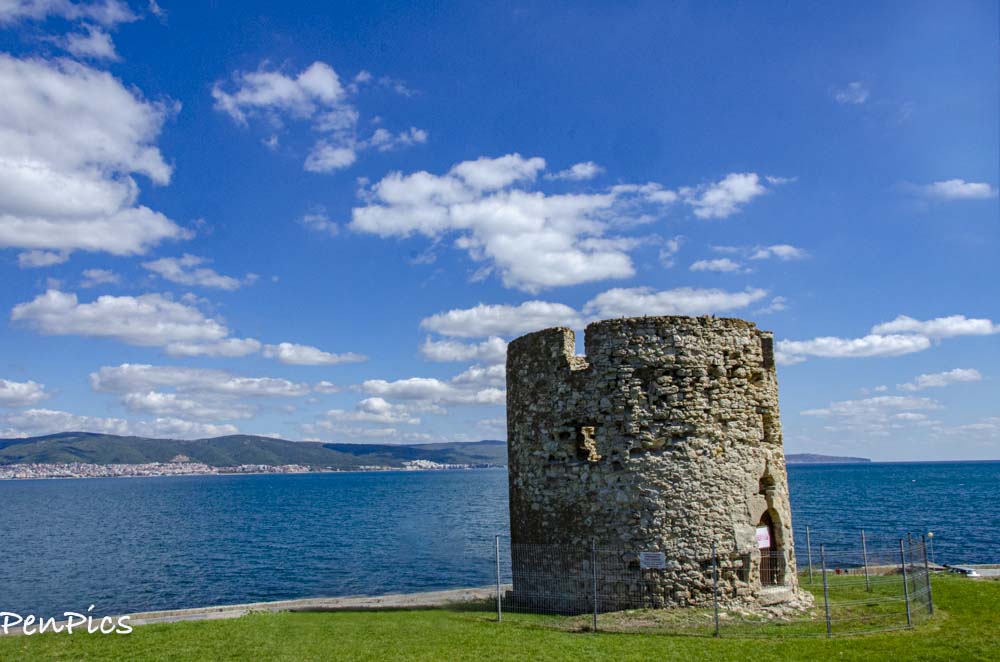
Nessebar has been fortified since Roman Times. Today, you can see remains of different era fortifications, scattered through the town.
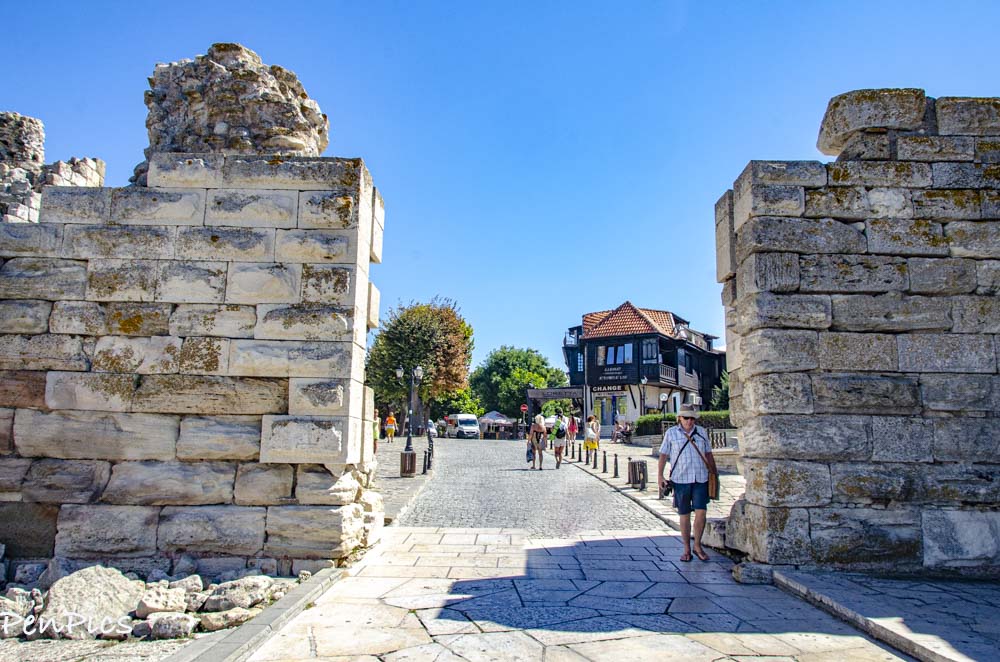
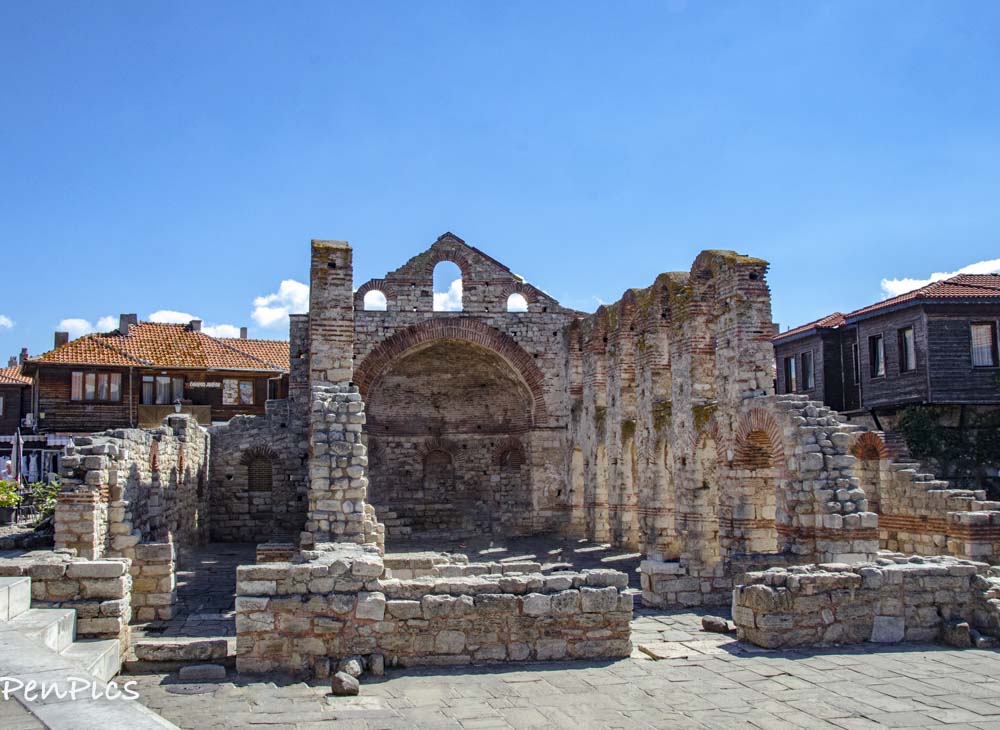
The Old Metropolia
We enjoyed a raspberry tort and iced coffee. We haven’t had really good iced coffee for awhile, (not all of the Balkans know the secret) but its still a relaxing thing to do, whilst we visit with each other and people watch.
Daryl got a new leather “murse” (man purse) he has been needing for awhile, and also a pair of much needed sunglasses. I just said it was an “all about Daryl day,” as he deserves things like this for all those years of hard work (47) and making a nice retirement, to join with mine, so we can explore our socks off!
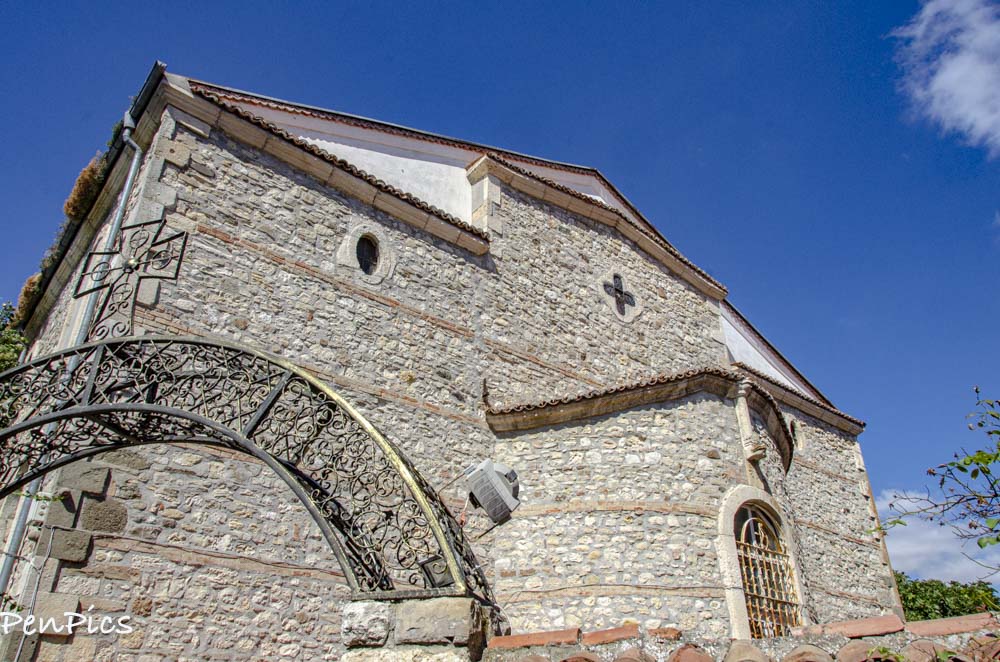
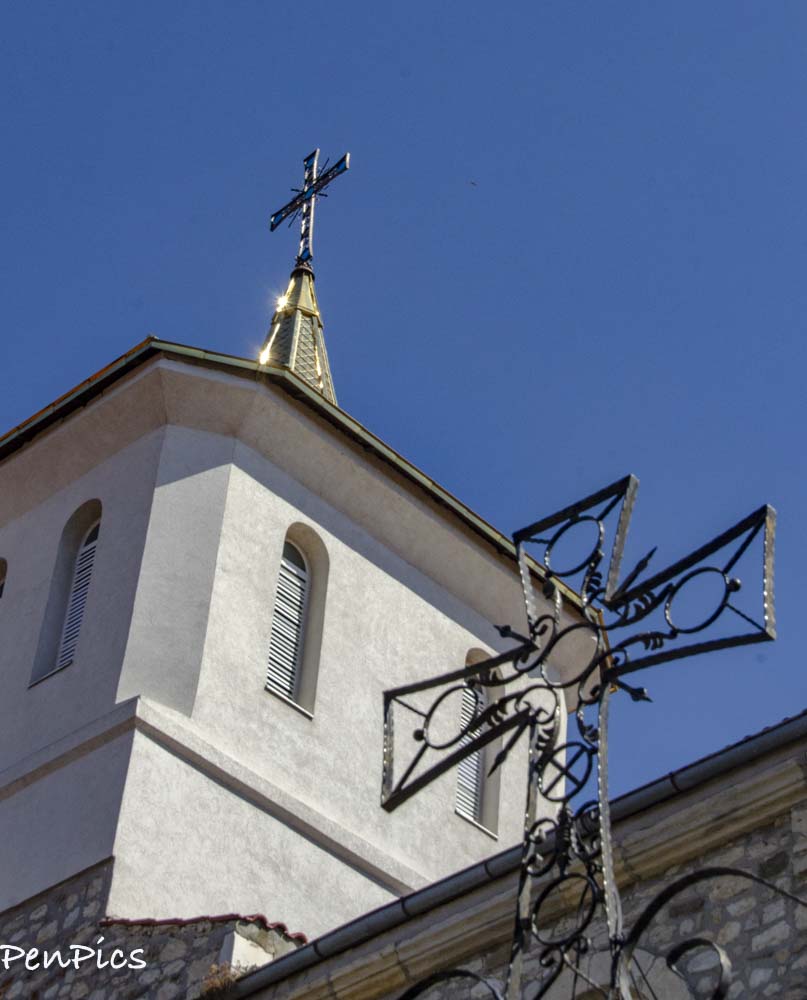
Church of the Holy Virgin is from them 14th century
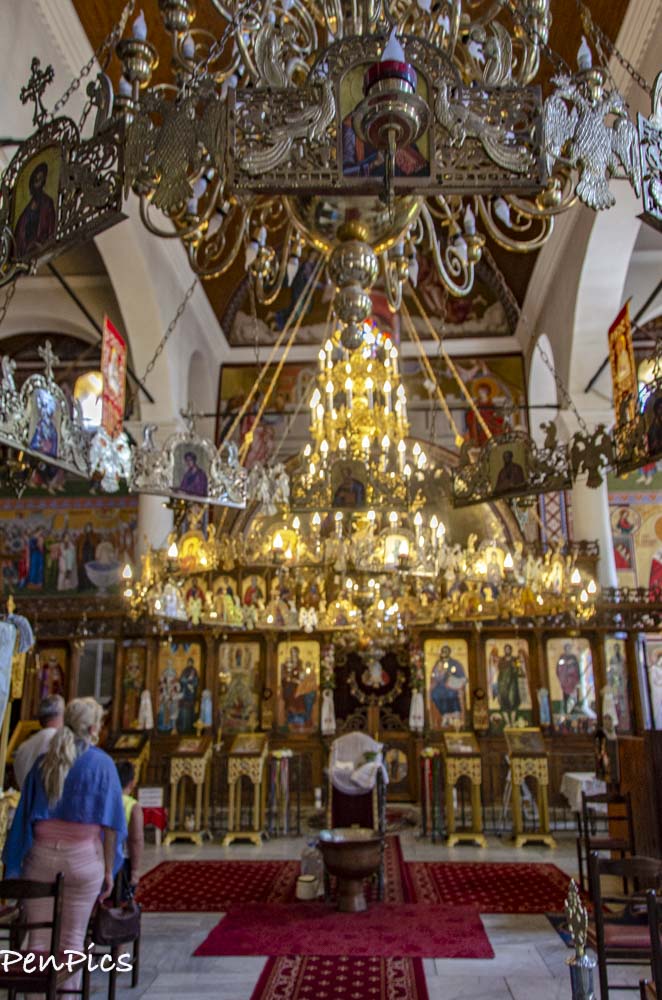
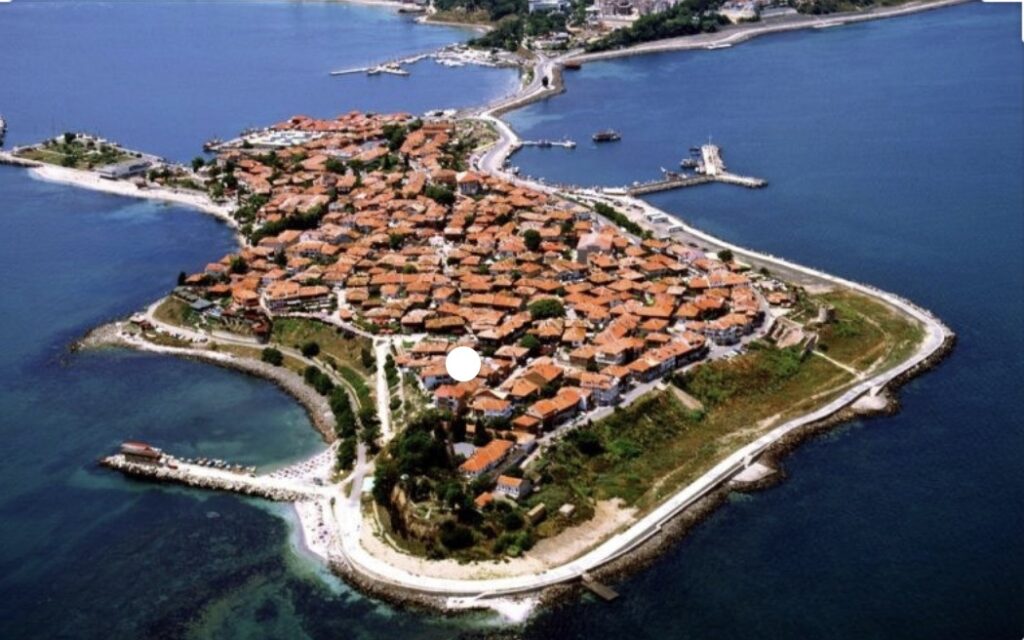
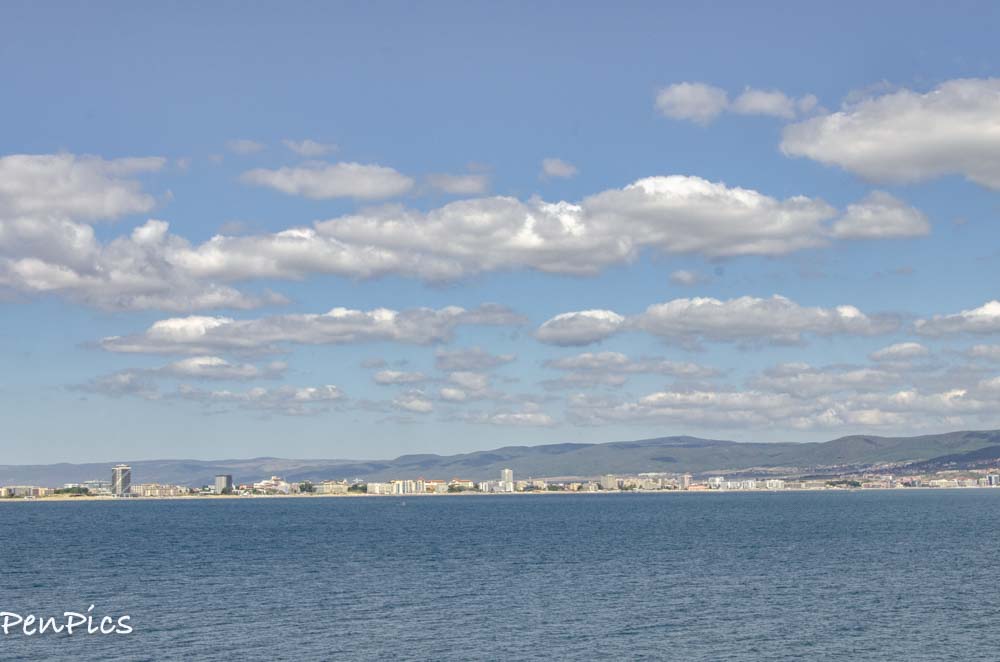
Not my photo, but a good visual of the Ancient Town on the Island. We stayed just off the island, and could see it in the distance from our room
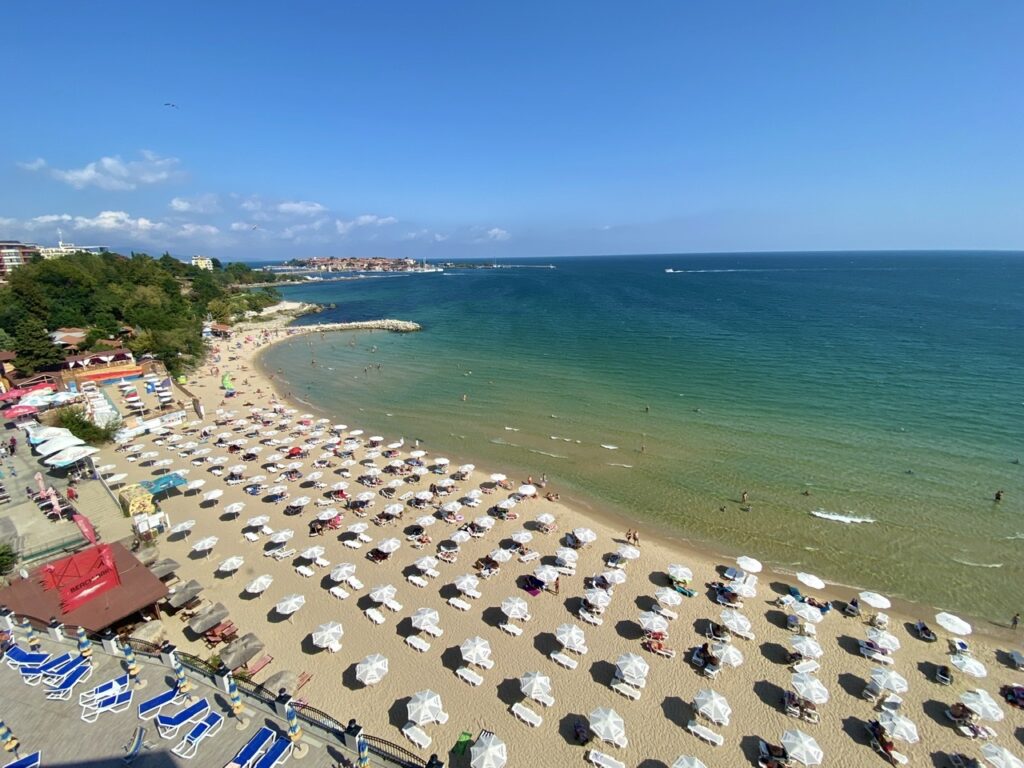
Ancient Town in the distance
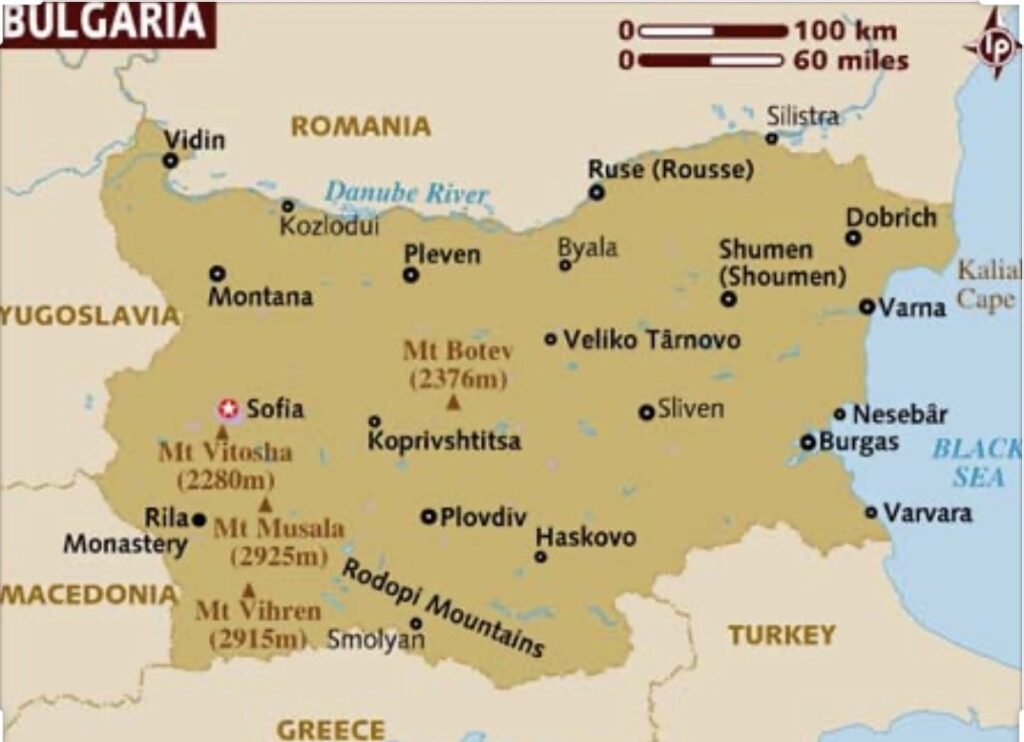
About Us

About Us
Hello and Welcome to our Travel Blog Website, We enjoy writing about our experiences and taking photos of our adventuring along the way. Our names are: Daryl and Pen, but Daryl calls me “Bunny.” We met, quite randomly, whilst both traveling in Thailand with friends. We happened to be in the same travel group, and […]