


“Serbia 🇷🇸 ~Drive Day From Ulica Gornja Bistrica to Vrnjacka Banja”
Even though all the countries which make up the Balkans, at one time were a single large county of Yugoslavia, so far each and every country has been different from one another. There have been similarities, too, but not many. What seems familiar across the board are the beautiful forests, and mountains; plus multiple churches. Mostly, they have been rebuilt or repaired from after the war; though the architecture changes a little
Here in Serbia, from the West and Central to a more Southern reach, we find mostly rural countryside, with a large agricultural presence. We saw so many raspberry farms, we thought for sure, we would be in for a treat, again. But, there were no fruit stands along the road. What we did see, were many processing plants, so we figured the harvests are big business here, and sold to the plants in large quantities.
Many homes showcase beautiful potted plants and planters, bursting with flowers in front of their windows or balconies. Other homes have small tea gardens blooming with a myriad of spring and summer color. All the Balkans have some flowers in similar fashion, it’s just that we see more homes with this added flare, here in Serbia.
Masks are rarely seen, here, and not required. If we saw any, it was when we traveled through a sizeable city, for which there were only a few in our seven hour day. Aside from some very nice homes we have seen on our route, the bigger towns and the cities have a tired look, so far.
Most of what we want to see is up North; Belgrad and further. We think lodging will be easier to come by, when we get up there. As I mentioned before, here in Western and Central Serbia, the lack of hotels is not from closures, there just are not that many businesses for tourists, because it would appear not many tourists come to these parts. Yesterday, I thought for awhile, we might spend the night in the car. We finally found a hotel, but it was overpriced at 35 Euros. Daryl was not too keen on sleeping in the car, so we paid the price, as they would not barter.
This morning, we awoke to pouring down rain, with thunder and lightening. It is very early; just turning light, so we hope it will get it out of its system, before we hit the road, later. Yesterday we had clouds and small rain, so I was not too surprised.
We are only less than two hours to our destination, we set out for, yesterday (West to Southeast), so today we will enjoy a rather unique medieval site, and begin looking for lodging, earlier, so we can relax a bit, too. We have WIFI for the first time, since arriving in Serbia, so that is encouraging, but we were too tired to do much of anything, and went to bed early.
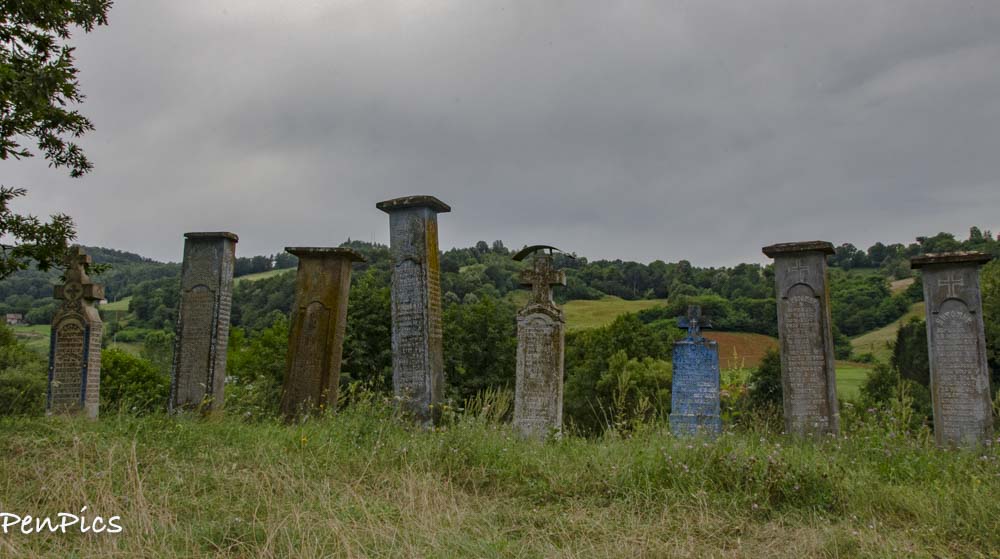
Here are photos from our day, yesterday. We take many side roads off the route, when we see a sign for something of interest, or, sometimes we see something on or route we must check out. We had an enjoyable day, though it was a long day in the car.
Now, for some random photos, from it drive, yesterday

The Western Balkan region has the largest remaining unexploited hydropower potential in Europe as its river catchments have remained largely undeveloped. Up to 30 per cent of rivers remain in near-natural or pristine states and have a very high conservation value. The region has an estimated 80,000 GWh technical potential, which is concentrated in the mountainous regions of Montenegro and Albania.
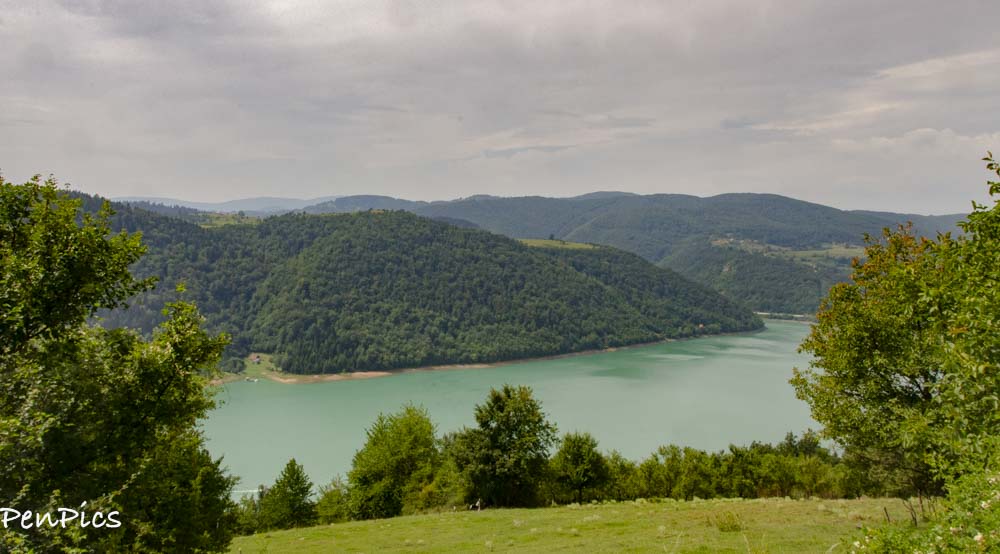
We’ve already been asked “why go to Serbia?” Well, the easiest first answer is “Why not?” But a more detailed answer includes the following; though while it is less known or popular to tourism, it is nonetheless full of fascinating, ancient history. There are some travellers who have talked about being fearful of being in Serbia, and other travellers discount that, strongly. We see no indication of anything but peaceful people, living their lives.
Serbia is a southeastern European country. Serbia has a total population of around 7,200,000 people. Majority population is Serbian (83%), but there are also Hungarians, Roma and Bosniaks. The majority of Serbians speaks the Serbian language (srpski jezik). The country covers the southern part of the Pannonian Plain and the central Balkans. Serbia is landlocked and borders Hungary to the north, Romania and Bulgaria to the east, Macedonia to the south, and Croatia, Bosnia, and Montenegro to the west.
The capital of Serbia is Belgrade. It is one of Europe’s oldest cities and one of the largest in Southeast Europe. It has 1.6 million residents. It lies at the confluence of the Sava and Danube Rivers in central Serbia.
Since ancient times, it has been an important traffic focal point, an intersection of the roads of Eastern and Western Europe. The first settlements on Belgrade soil developed as far back as 7,000 years ago. During its long history, Belgrade has been conquered by 40 armies, and it has been rebuilt 38 times.

Serbia: Fun Facts
• Serbia is one of the largest raspberry exporter
• Europe’s largest gorge (a narrow steep-sided valley commonly eroded by running water) is the Djerdap Gorge, situated in Serbia, through which the Danube River flows.
• The Serbian clock making industry is older than the Swiss. Serbs had their own clock 600 years earlier
• Serbia is home to the world’s biggest trumpet festival. Every year, almost one million people descend on the tiny town of Guca in Western Serbia for a weeklong celebration of the best of brass, drawing both musicians and fans from around the globe.
• The Serbian language has a lot of really interesting quirky phrases that people use all the time, one being ‘ti si kornjaca!’ (korn-ya-cha), which means “You are a turtle!” Turtles are extremely rare in Serbia and it has become a standard teasing joke to call your friends a turtle when they have done something vaguely foolish. Most Serbians won’t take this badly – it’s a very mild insult and always carries an implication of affection with it.

This one is St Panteleon. since there are other churches with the same name in Serbia, (this is a fact for all areas) determining the origin is difficult unless you know the village or town is is in. This was alone on the top of a hill.




Just one example of what the distilleries are used for:
“Slivovit” or plum brandy is traditional drink of central and south-eastern Europe. Serbia is biggest producer of plums in region and its tradition in distilling is centuries old.
The plum has very special place in Serbian tradition. Plum yards are grown in the sunniest portions of farms and each tree gets the best treatment it can get. Almost every farmer is producing his own slivovitz, and has a special little secrets for getting the drink the best it can be. Good slivovitz is pride of each farmer and they compete between themselves who has the best slivovitz.
Western parts of Serbia is does not have much industry. Climate is perfect for growing plums while environment is clean unpolluted.
Other examples of products produced by old-world distillery ways are:
Raspberries brandy, Brandy produced from three sorts of plums, Honey brandy, Brandy produced from the plum with the addition of Honey, Pear brandy, Apricot brandy, Coquette liqueur; exclusively made from cherry fruits.


Archive Blog Posts of Our Country Visits
About Us

About Us
Hello and Welcome to our Travel Blog Website, We enjoy writing about our experiences and taking photos of our adventuring along the way. Our names are: Daryl and Pen, but Daryl calls me “Bunny.” We met, quite randomly, whilst both… Read More
So interesting! We are enjoying our trip so far!
Interesting read, looking forward to what you get up to and see next