


“Bulgaria 🇧🇬 ~Plovdiv is the Oldest Continually Inhabited City in Europe + Mushroom Stones!”
Plovdiv was interesting. We came in after dark, last night, so it was fun to see it in the daylight. How cool to be in the the oldest (continually inhabited city) in Europe? It is the reason we came here.
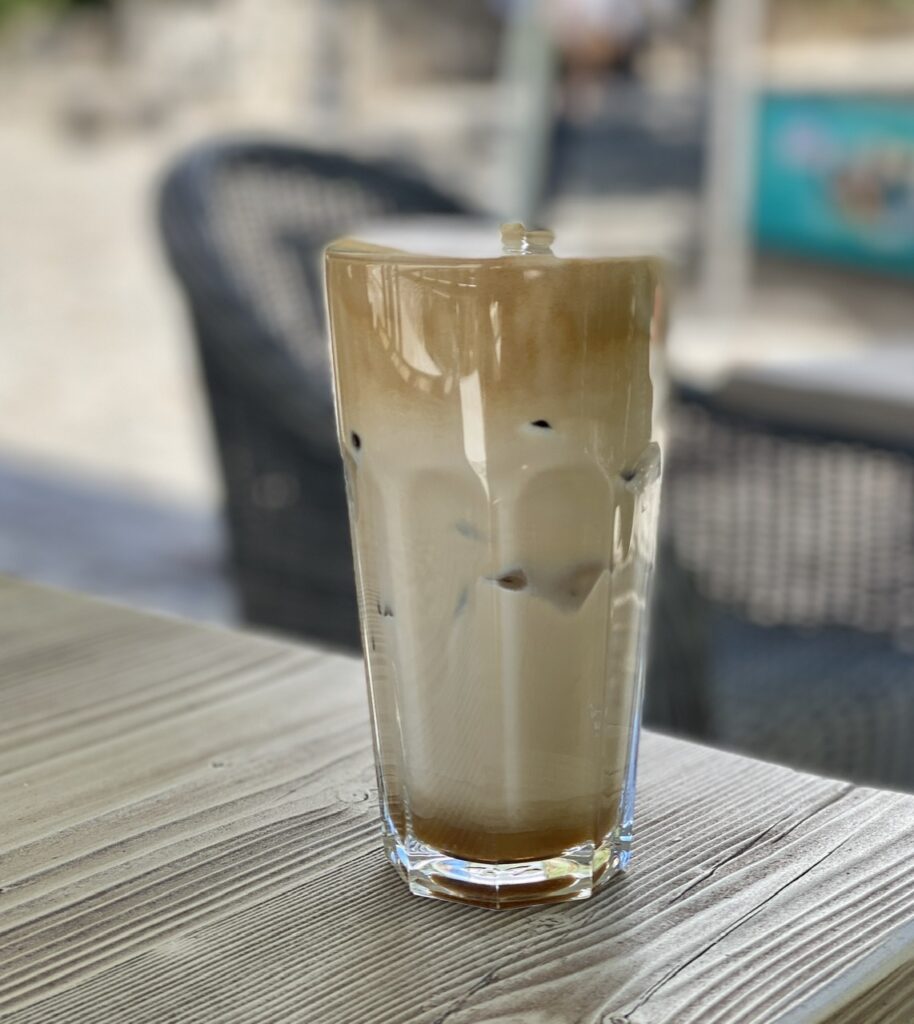
We enjoyed walking around and checking out the old town, but disappointed we were not allowed to take photos in the churches. We never saw signs, but as soon as we started shooting, we got the word. We stopped for a iced coffee break, overlooking the old Roman Stadium, still in use, today. It is not a big area, so we moved on to our next stop, within an hour or so.
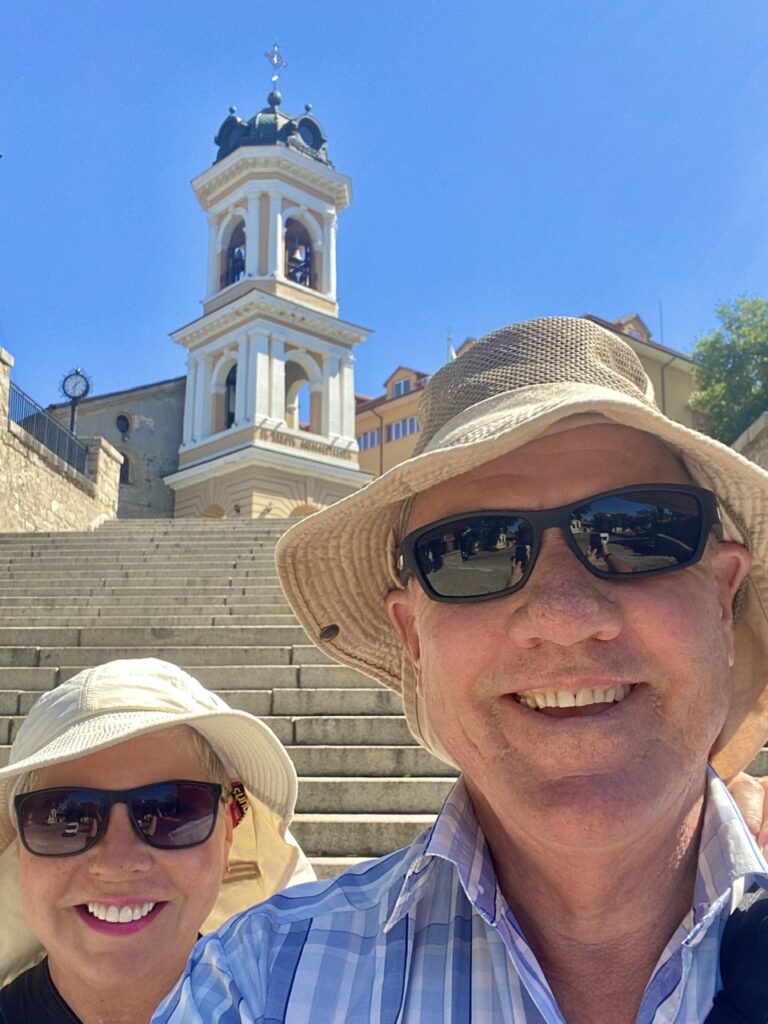
The first traces of human settlement in Plovdiv, dates back to the Neolithic period around 6000 BC. The most important settlement from that period was the naturally fortified area on today’s Nebet tepe; one of Plovdiv’s hills, where life on and around that hill has never stopped since.
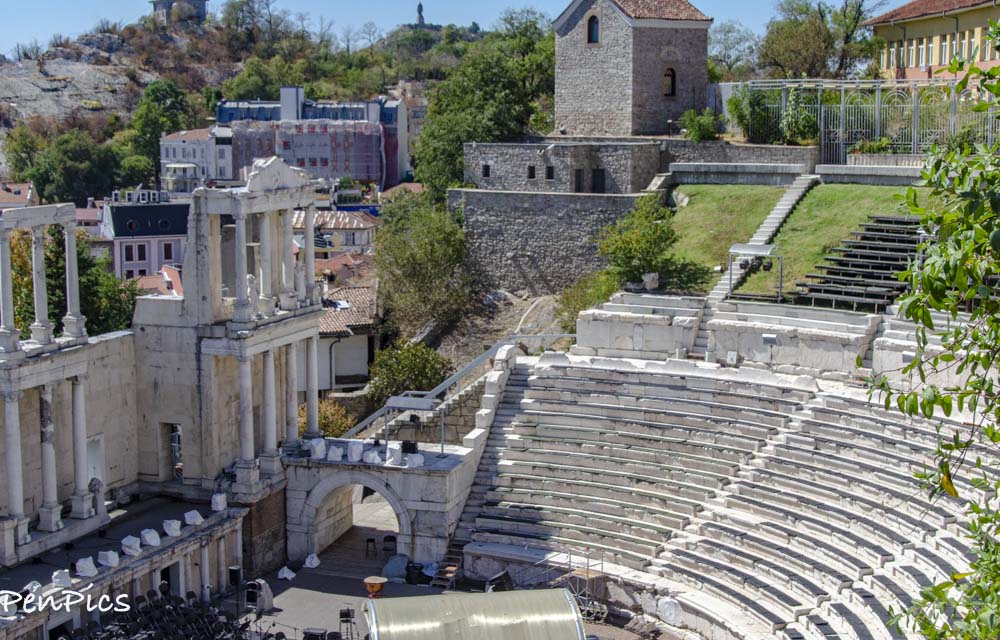
The Roman Stadium in Plovdiv is among the largest and best preserved from the time of Ancient Rome in the Balkan peninsula.
The facility can seat up to 30000 spectators. Today, the northern curved part of the stadium is partially restored and is one of the most recognisable landmarks of the city among the many preserved buildings from Roman times.
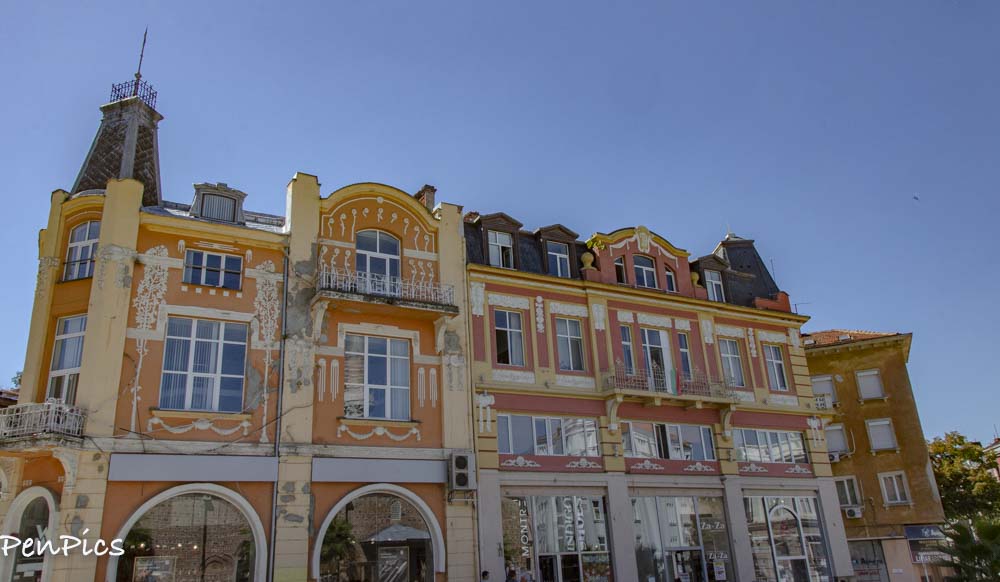
Since there is so much history in this oldest inhabited city in Europe, here is a link for those who really want to know. Truly 8,000 years of history in 1,000 words is pretty good condensing. I think its fascinating!
https://bulgariawinetours.com/plovdiv-8000-years-of-history-in-1000-words/
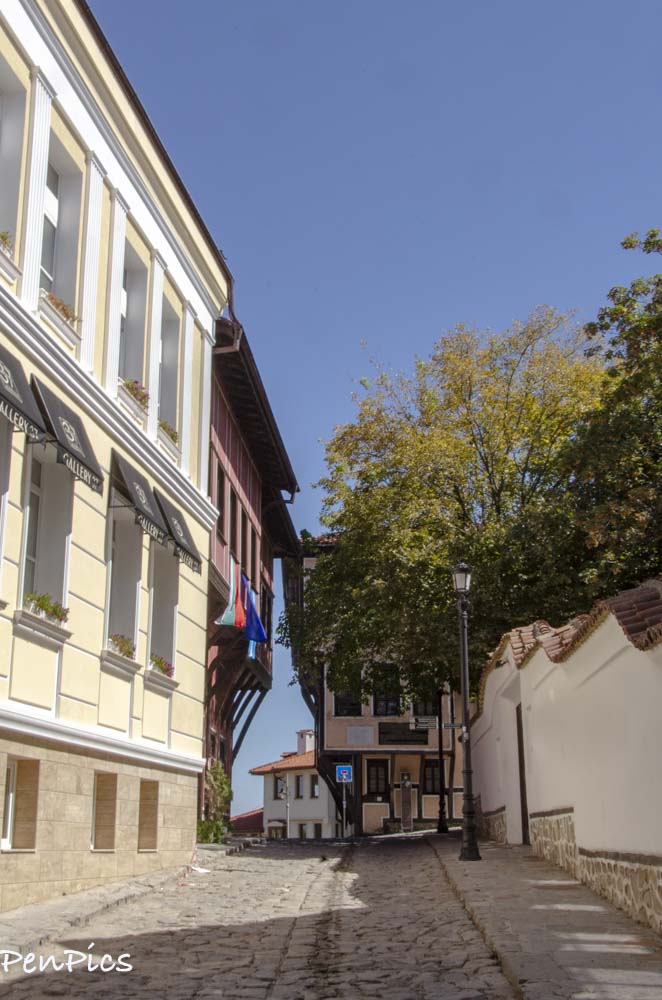
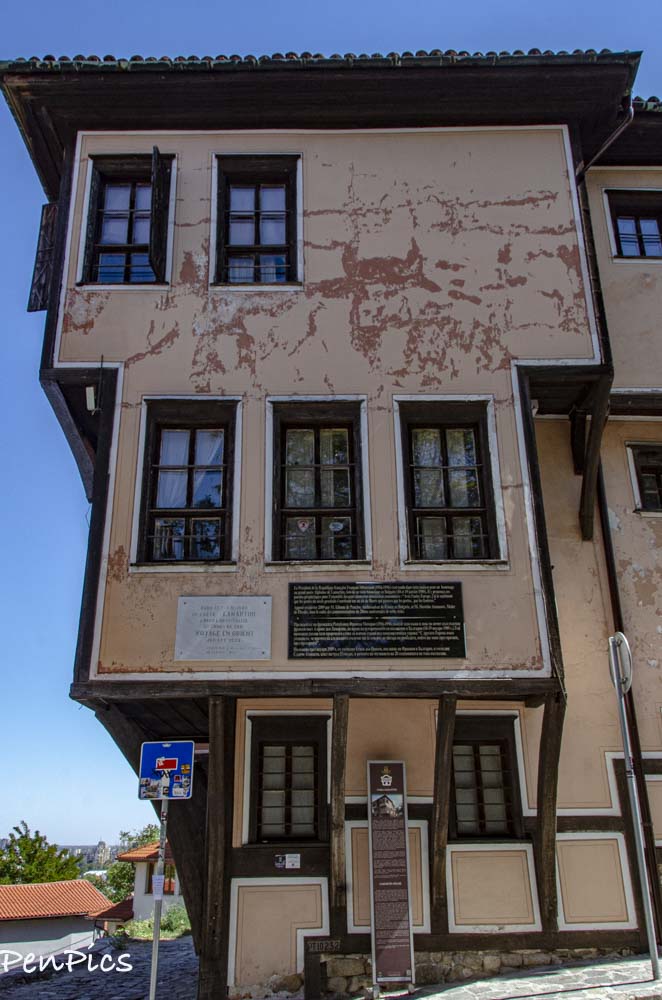
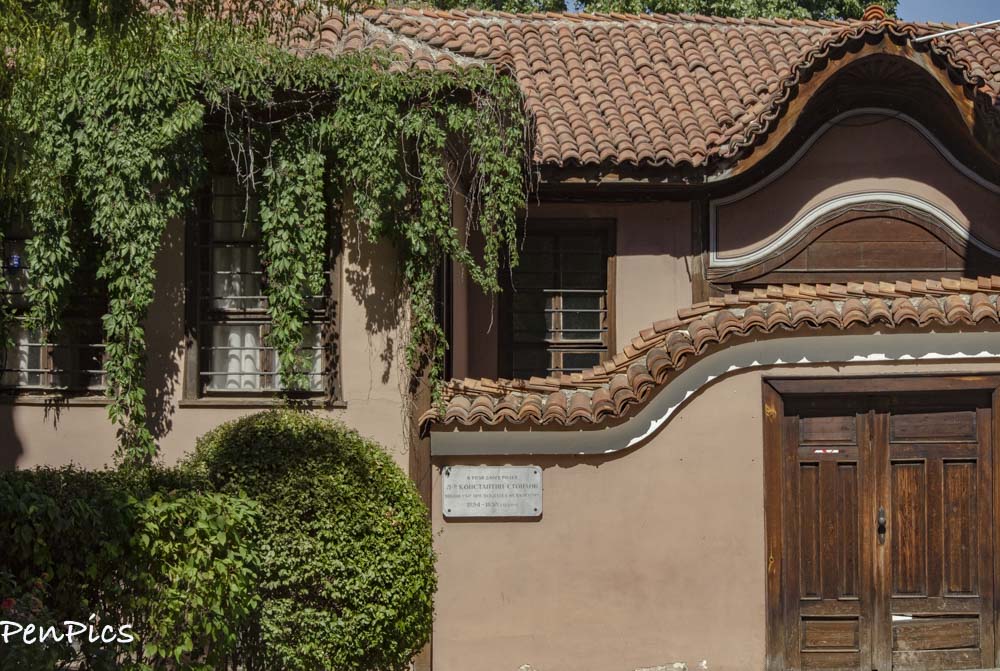
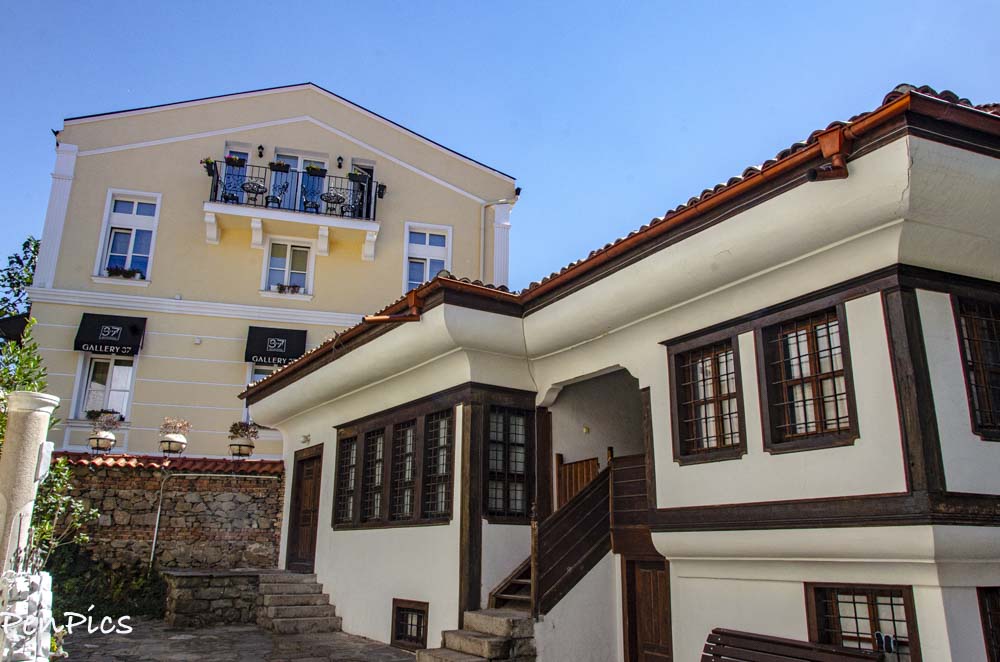
The Lamartine House is a Bulgarian Renaissance building. Its owner was one of the renowned merchants from Plovdiv Georgi Mavridi.
The Lamartine House was built in 1830. Its one of the biggest and beautiful houses in the old city of Plovdiv.
In 1833, on his journey back from the Middle East, the French poet and traveler Alphonse de Lamartine stayed in the house for three days. His stay was memorized by his quill, as he was charmed by the host’s hospitality and by the house itself.
Even a course look at the courtyard is evidence of the unknown builder’s mastery, as the manner, in which the house is adapted to the rugged terrain, is proof of his skill. The house’s foundations has irregular outlines and so does the ground floor. The upper two floors are built in classical symmetry. Each of them juts out like an oriel above the lower floor, which increased the volume of the building.
The Lamartine House is also used as a home for recreation by Bulgarian writers. A small museum exhibition devoted to Lamartine is organized in one of the rooms on the first floor. The guest book of exhibition features proudly the names of famous persons of our times from all over the world: writers, public figures and politicians.
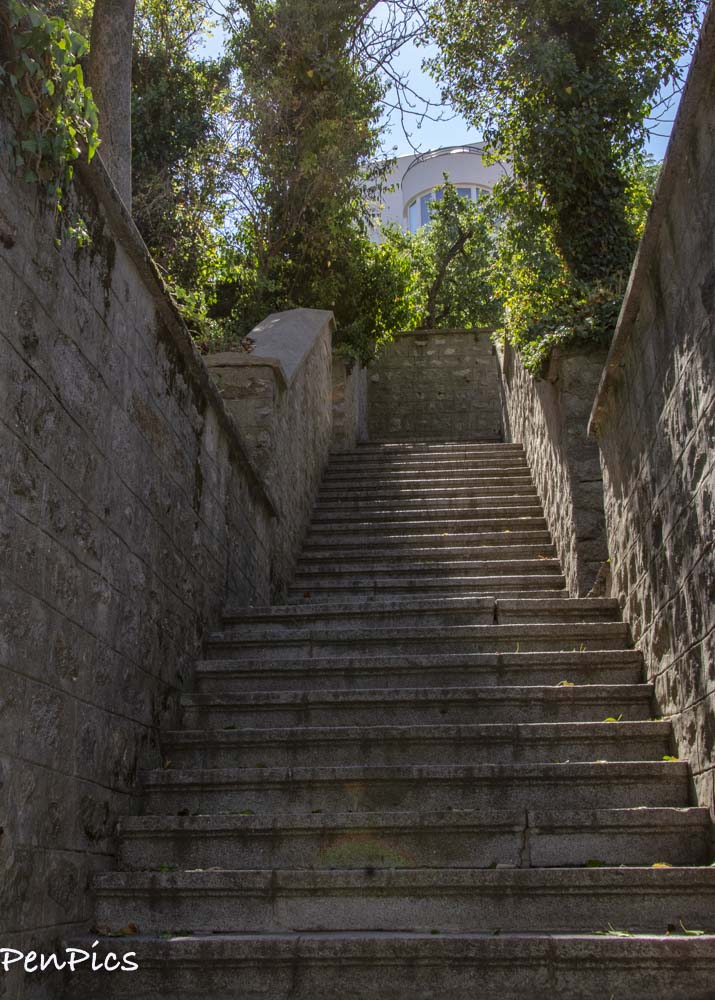
The old town in Plovdiv is an architectural and historical reserve located on three of Plovdiv’s hills: Nebet Tepe, Dzhambaz Tepe and Taksim Tepe. The complex has been formed as a result of the long sequence of habitation from prehistoric times to present day and combines the culture and architecture from Antiquity, Middle Ages and Bulgarian revival. The old town in Plovdiv is included in UNESCO World Heritage tentative list since 2004
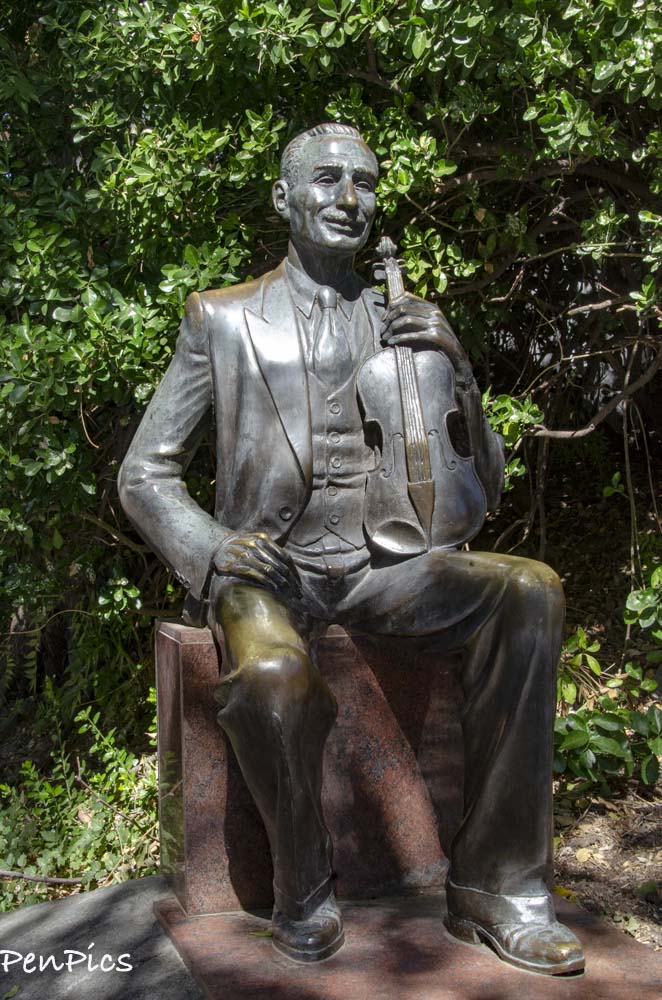
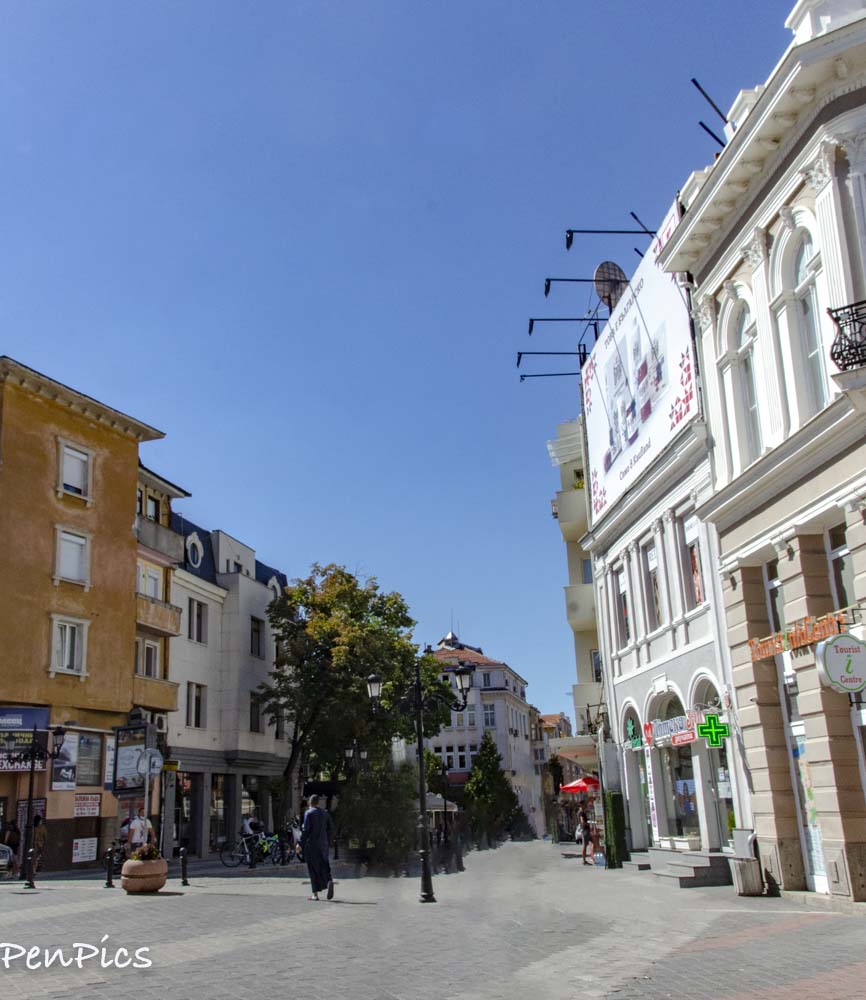
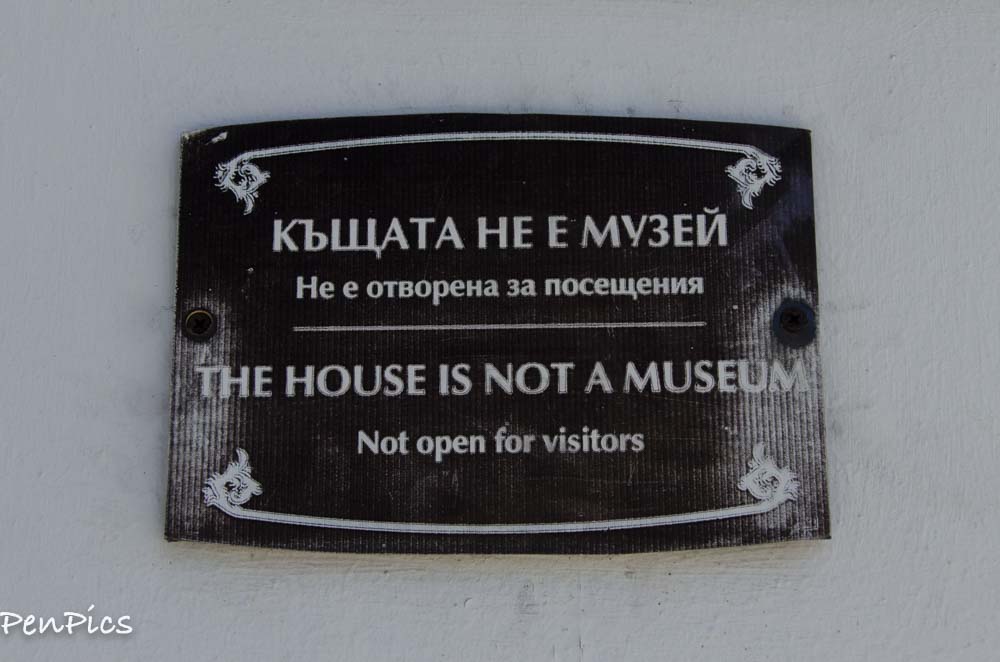
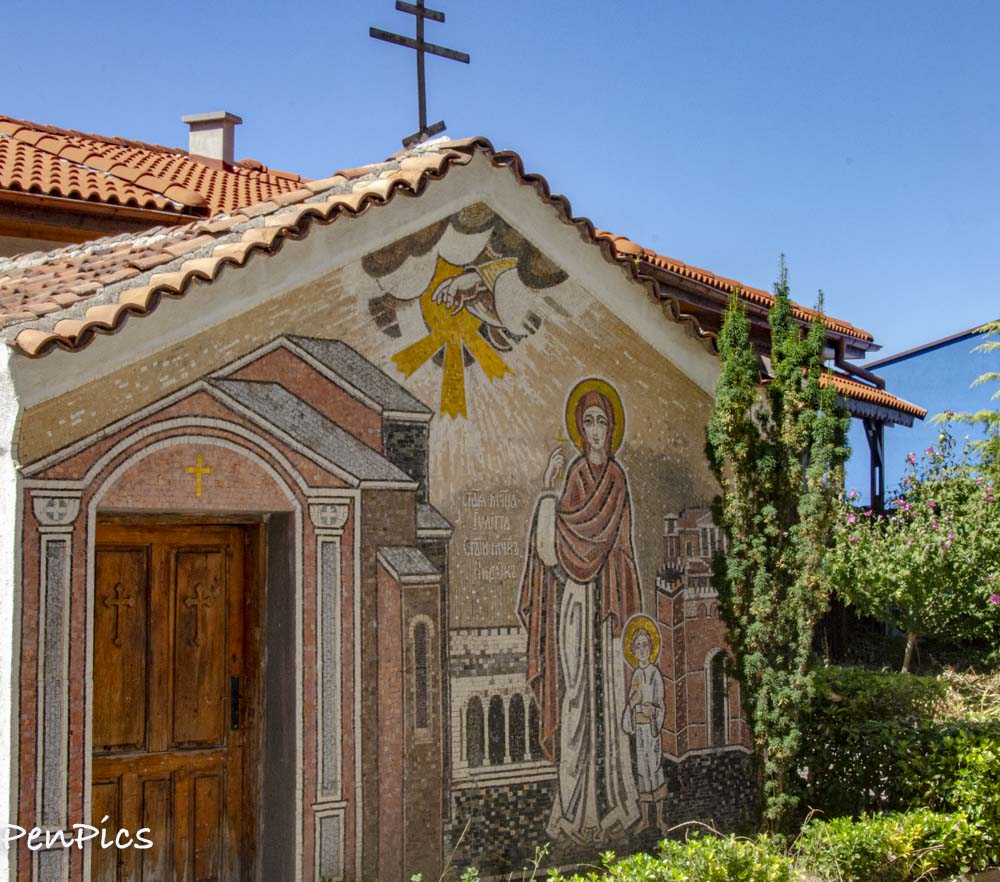
Apparently, not everybody who owns a historical home is into it
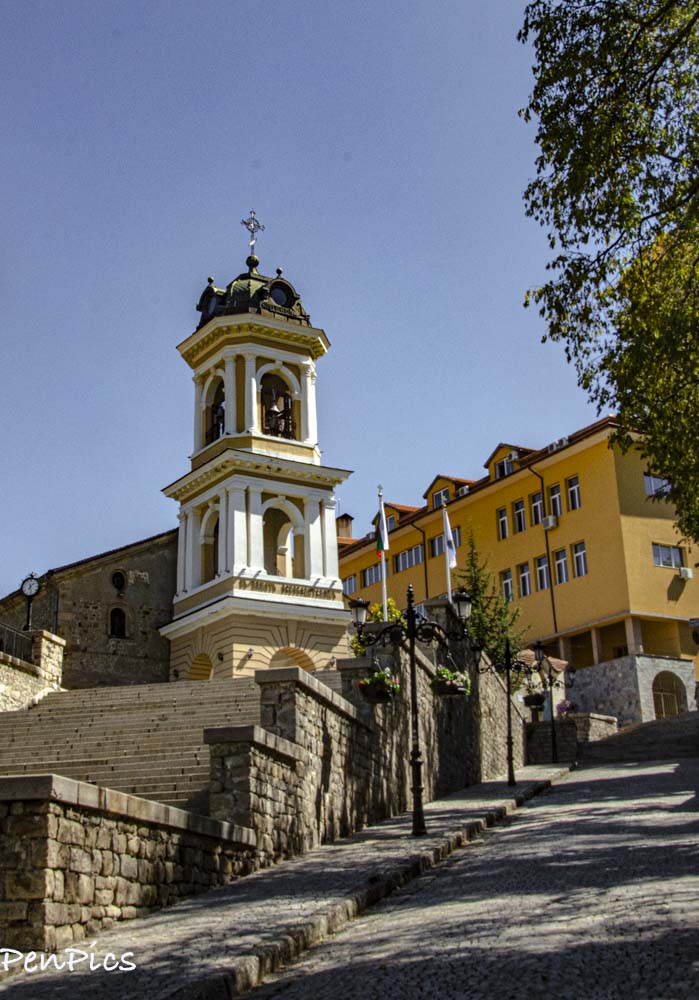
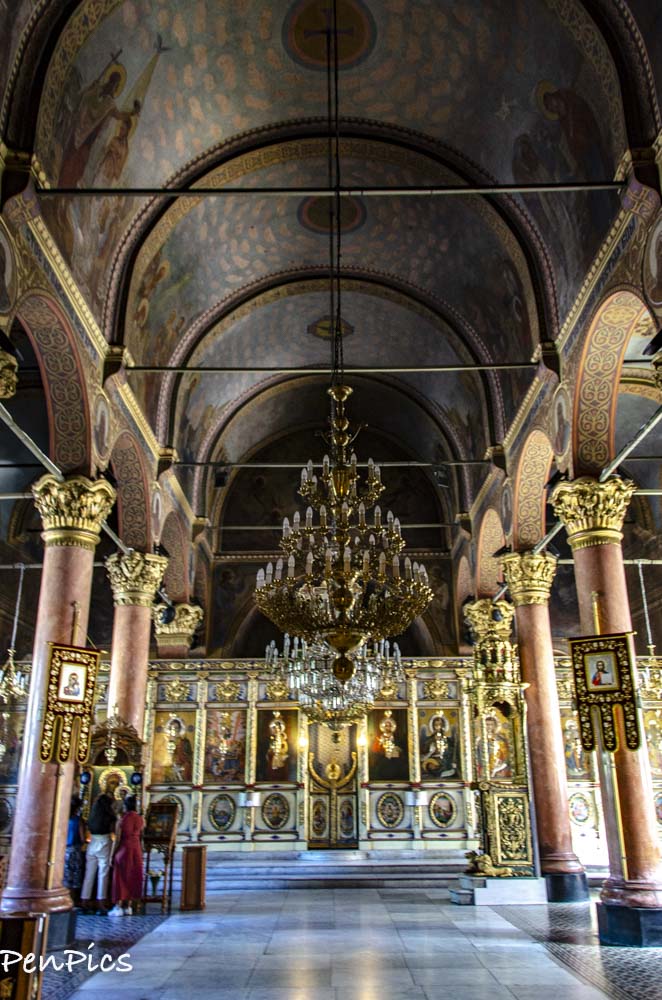
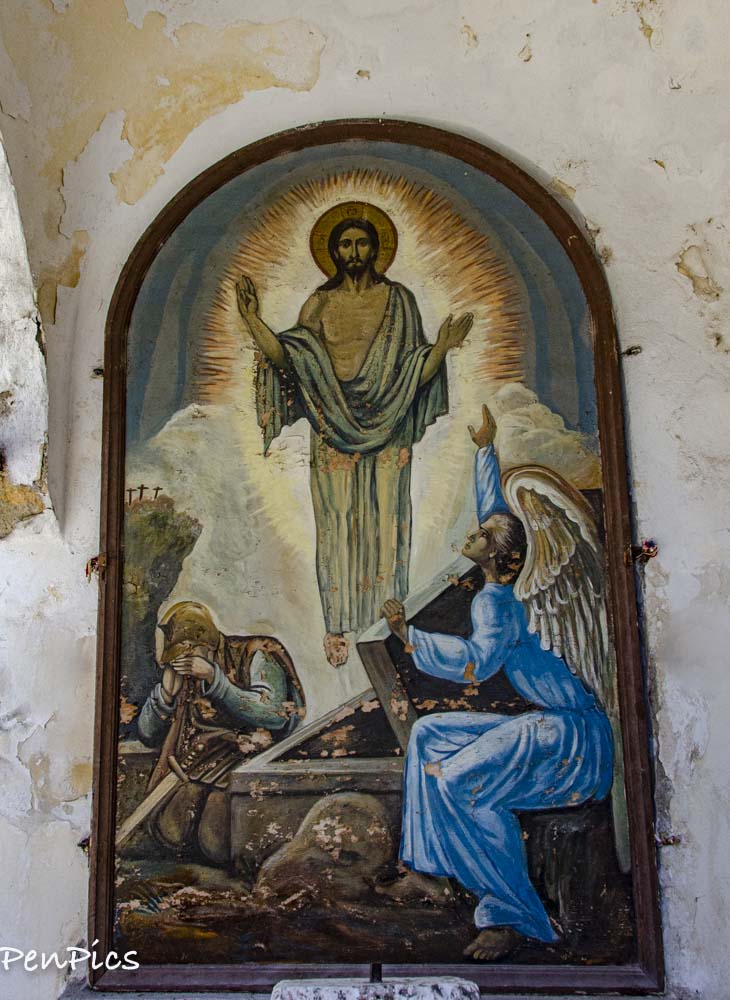
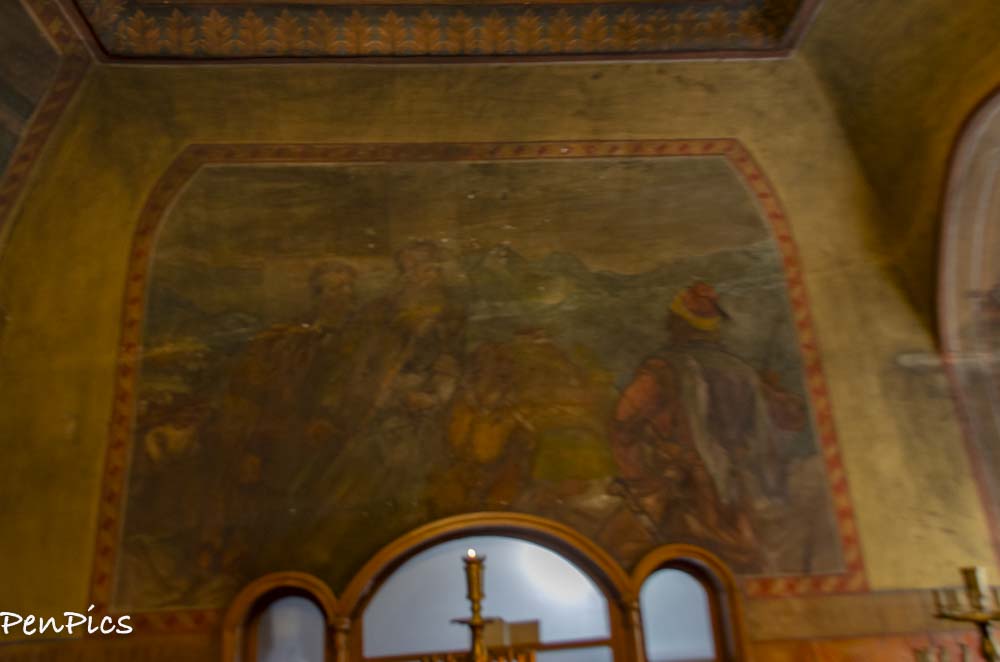
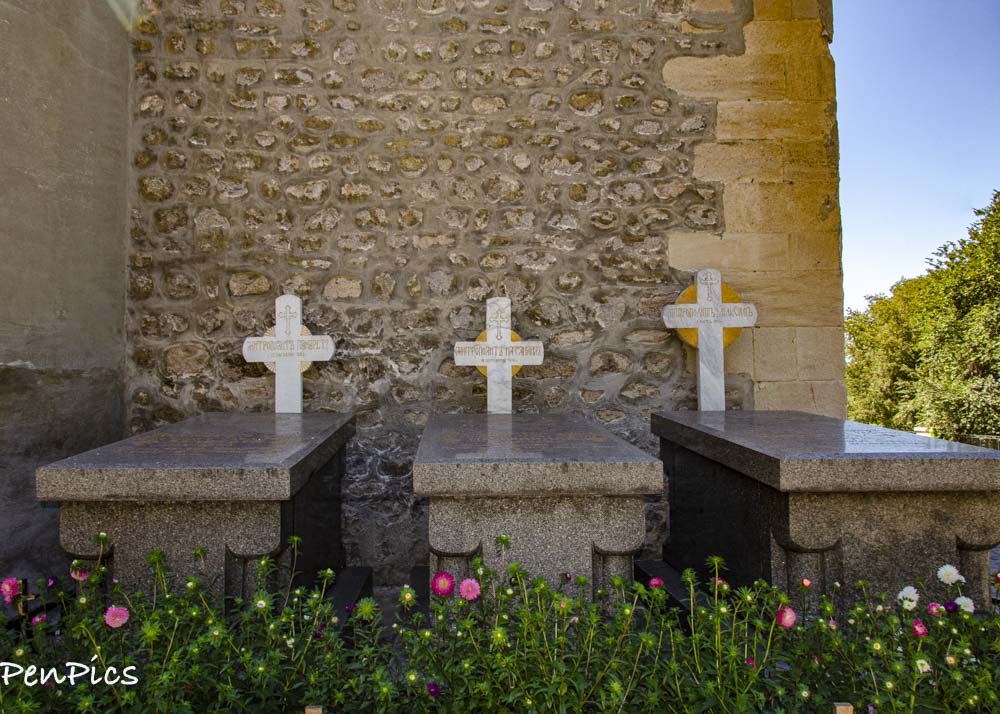
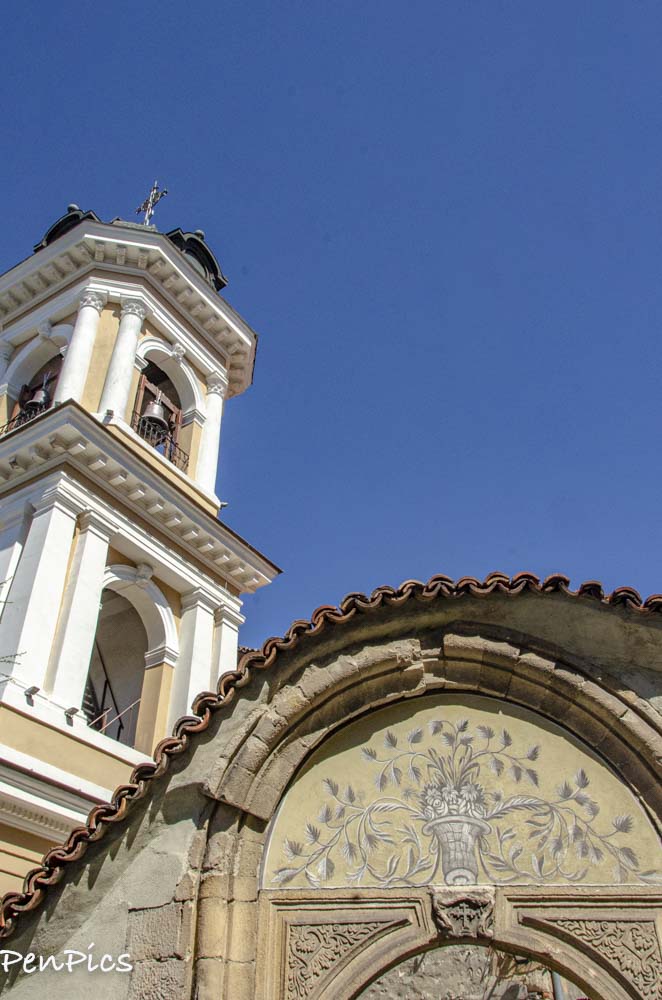
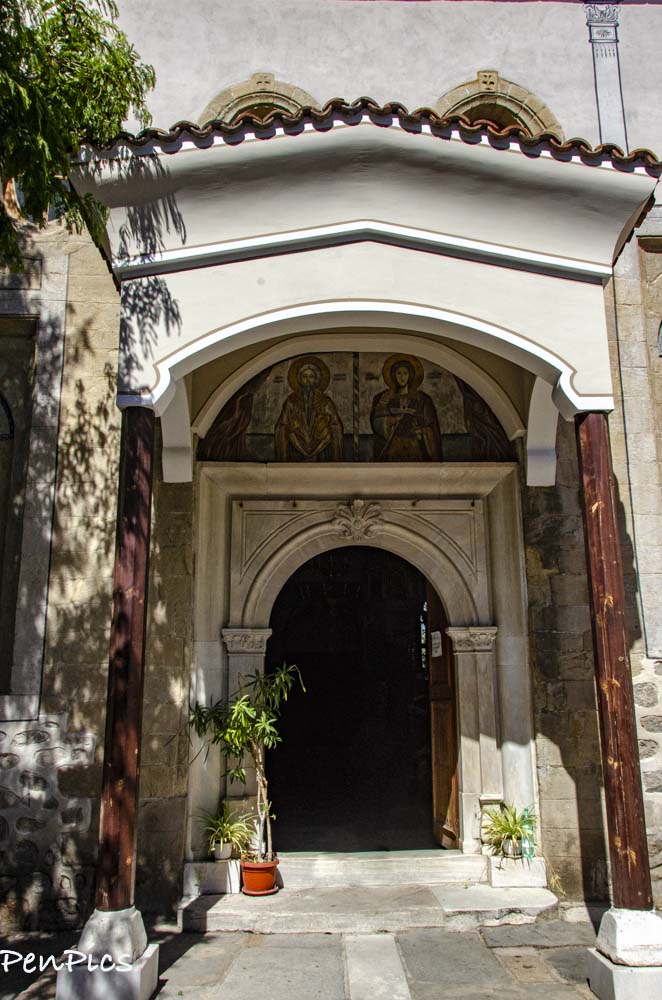
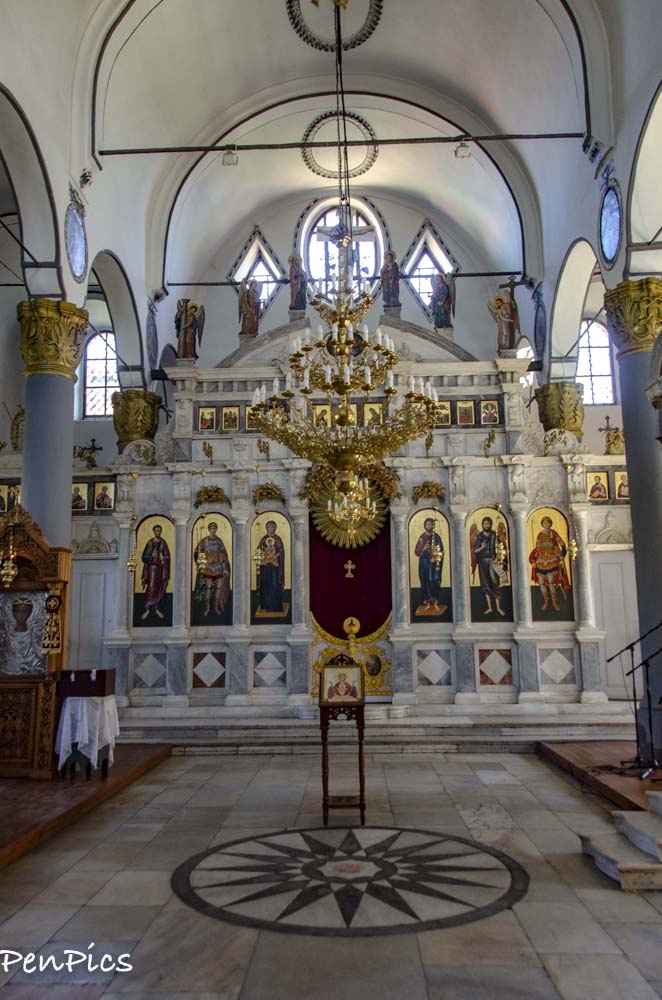
The Assumption of the Holy Virgin Orthodox Church, or The Church of the Holy Mother of God; full name Cathedral Church of the Dormition of the Holy Mother of God, is a Bulgarian National Revival church in Bulgaria’s second largest city of Plovdiv.
The church is situated in the Old town of Plovdiv on one of the city’s seven hills, Nebet Tepe. A small church existed on the site as early as the 9th century. This church was renovated in 1186 by the bishop of Plovdiv Constantine Pantehi and it became part of a monastery. Both the church and the monastery were destroyed when the Ottoman Turks conquered the city in 1371 in the course of the Bulgarian-Ottoman Wars.
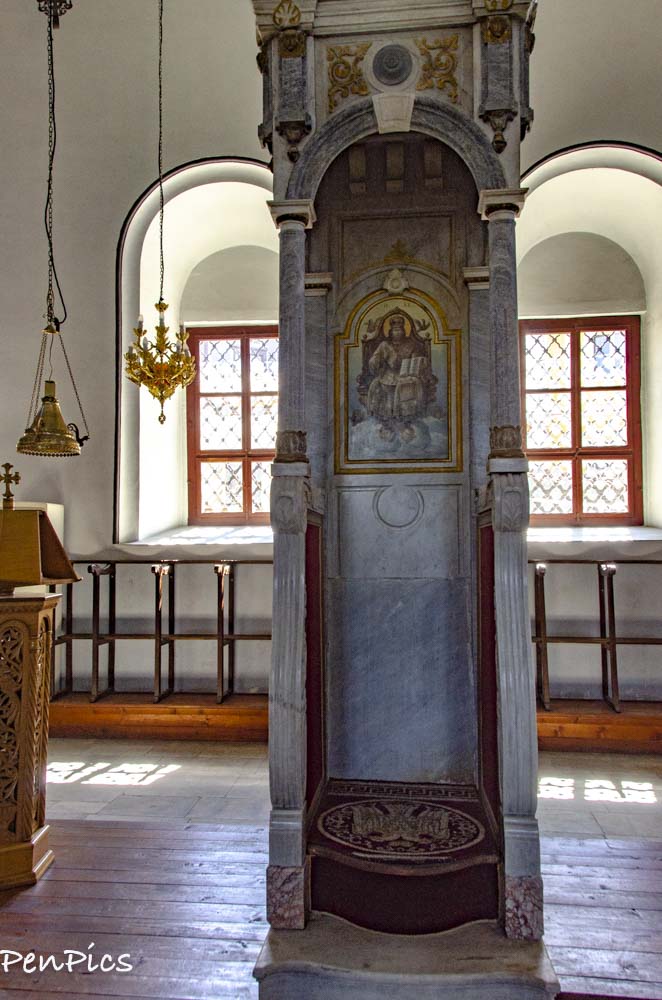
The current edifice was constructed in 1844 as the main church of the city. It was a large three-nave pseudo-basilica built by craftsmen from Bratsigovo, and the first benefactors were wealthy merchants from the town of Koprivshtitsa, the Chalukov brothers – Vulko and Stoyan Teodorovich Chalukovi. The iconostasis was made by carvers from Bulgarian School of Debar. Most of the church’s icons were created by the painter Nikola of Odrin.
St. Demetrius Orthodox Church
was built on a terrace in the northern part of Djambaz Tepe Hill. In the early 19th century, at this place there was a semi-destroyed late medieval church dedicated to St. Demetrius of Thessaloniki.
The renovation of the church was done with donations by the affluent citizens of Plovdiv; Ivan Politoglou and Anton Kamizopolou…the latter, a merchant in Moscow. Bulgarians from the Karshiaka district, who went to church there, also helped within their means. Construction started in 1833 and was completed in 1838.
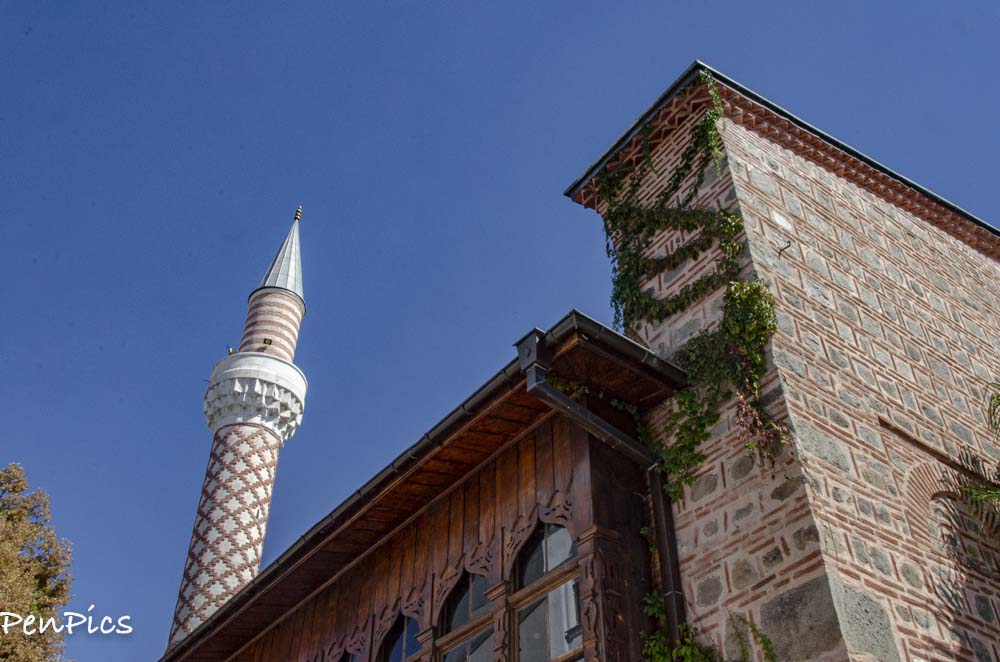
Dzhumaya Mosque is located in Plovdiv. Its Turkish name is Hüdavendigâr Camii or Cuma Camii. The mosque is located in the center of Plovdiv and was built in 1363–1364 on the site of the Sveta Petka Tarnovska Cathedral Church, after the conquest of Plovdiv by the Ottoman army.
During the reign of Sultan Murad I in the 15th century the old building was demolished and replaced by the modern-day mosque. It was called Ulu Dzhumaya Mosque, or Main Friday Mosque. The mosque is large, with nine domes and large prayer hall. There is a minaret at the northeast corner of the main façade. Interior wall paintings date to the late 18th to early 19th centuries.
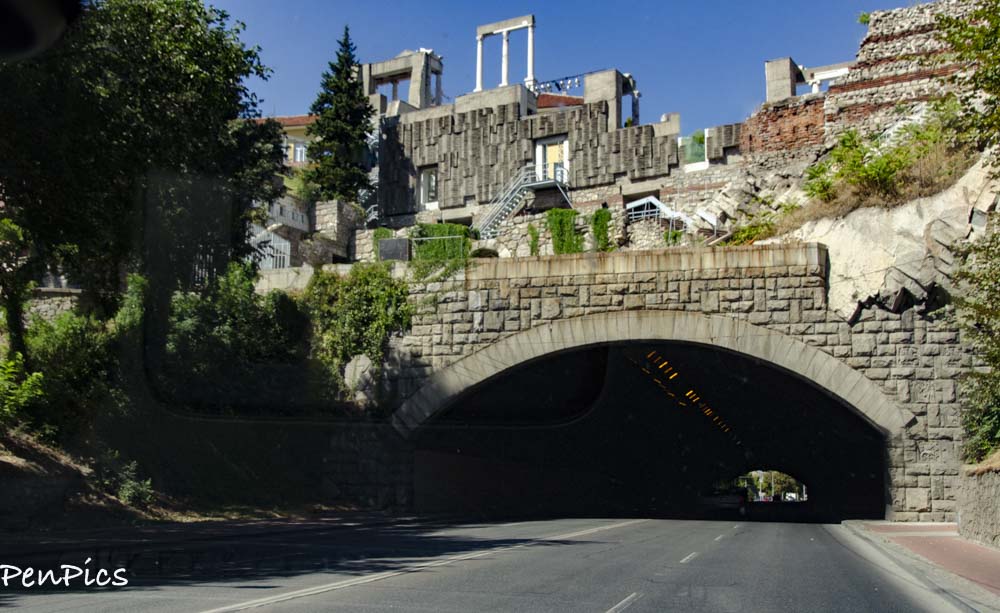
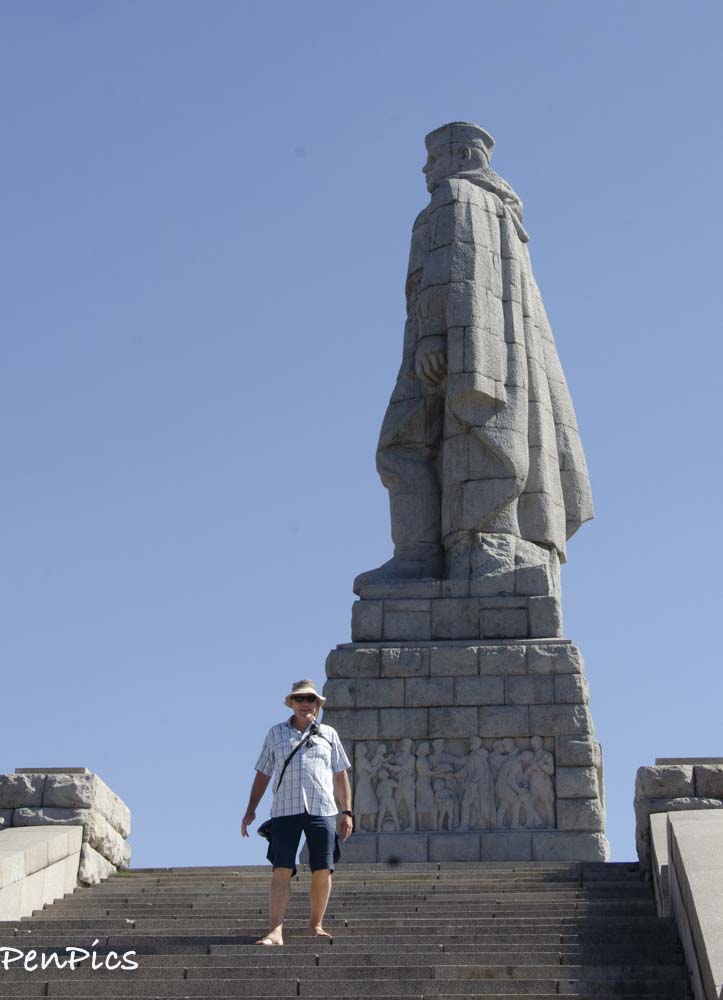
In addition, there is a large Statue of a Soldier, up high, overlooking Plovdiv, and we drove up to checked that out. The plan was to take photos from in town, as well as up at the monument site, but it was not as visible from in town, as I thought it might be. No worries. We got to see another great view, overlooking the old city.
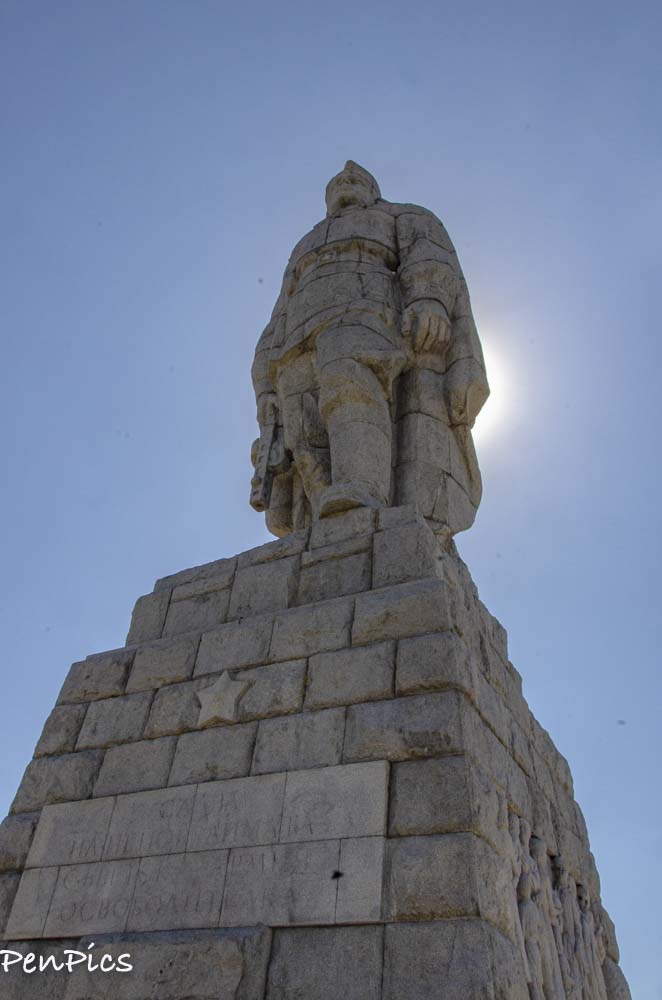
Alyosha is just over 36 feet tall, made reinforced concrete statue of a Soviet soldier on Bunarjik Hill in Plovdiv.
The memorial commemorates Soviet casualties incurred during the Soviet occupation of Bulgaria in World War II. It was installed in 1954-57. “Alyosha” is also the name of Konstantin Vanshenkin and Eduard Kolmanovski’s song that was adopted as Plovdiv’s official anthem until 1989. A well-known poem about the Plovdiv Soldier was written by Robert Rozhdestvensky.
Plovdiv authorities sought to have the statue removed on at least two occasions, in 1989 and 1996. The 1989 decision led to a preservation campaign which included a guard by the statue day and night in order to prevent it from being demolished. Alyosha Skurlatov, a soldier of the 3rd Ukrainian Front who served as the model for this statue, died in 2013, at the age of 91
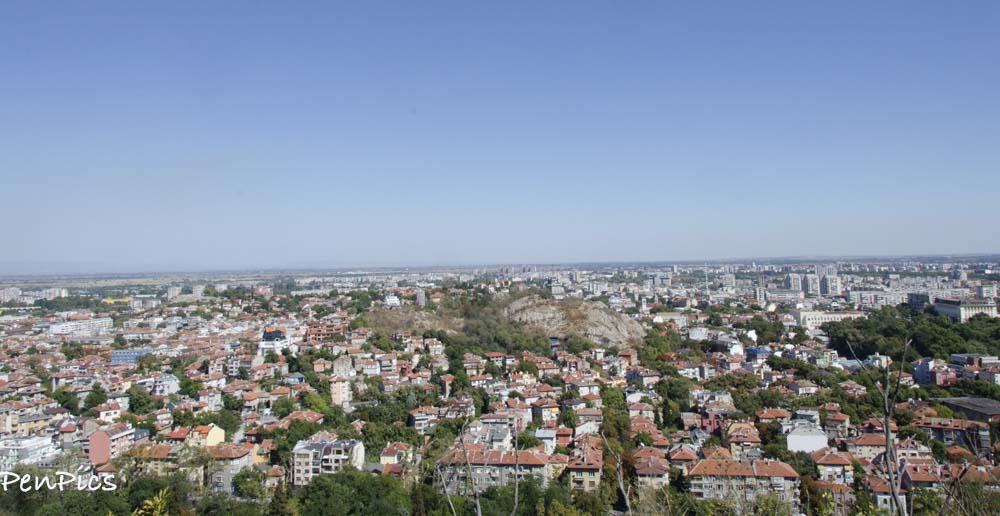
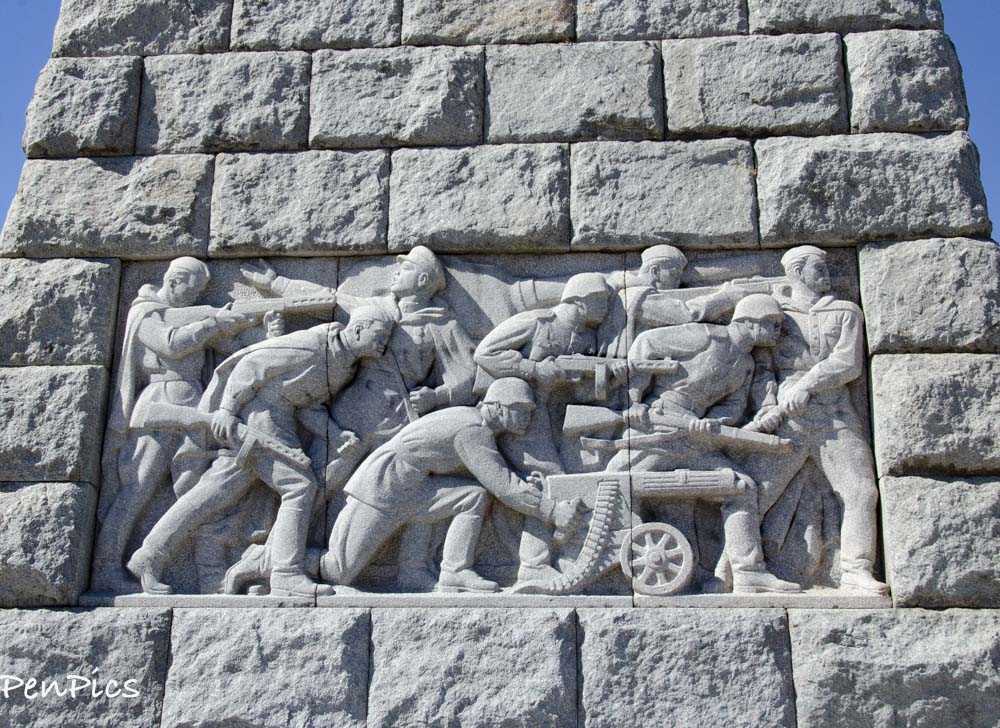
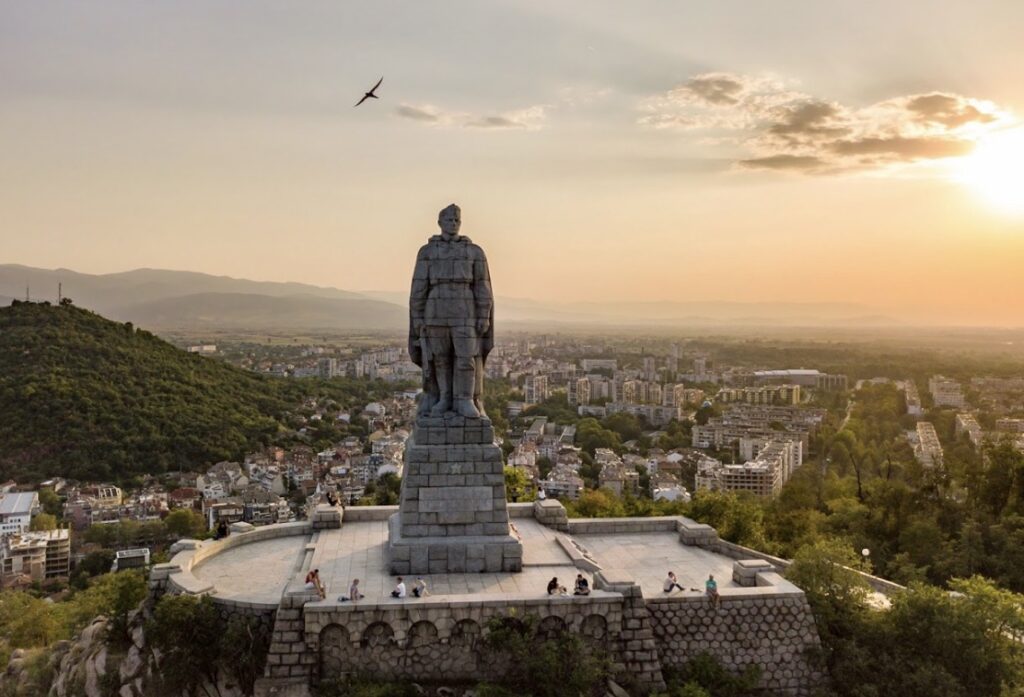
Not my photo, but this is the one I saw, that had me interested in going here
Soon, we were on our way to check out another “off the beaten path” destination of Beli Past.
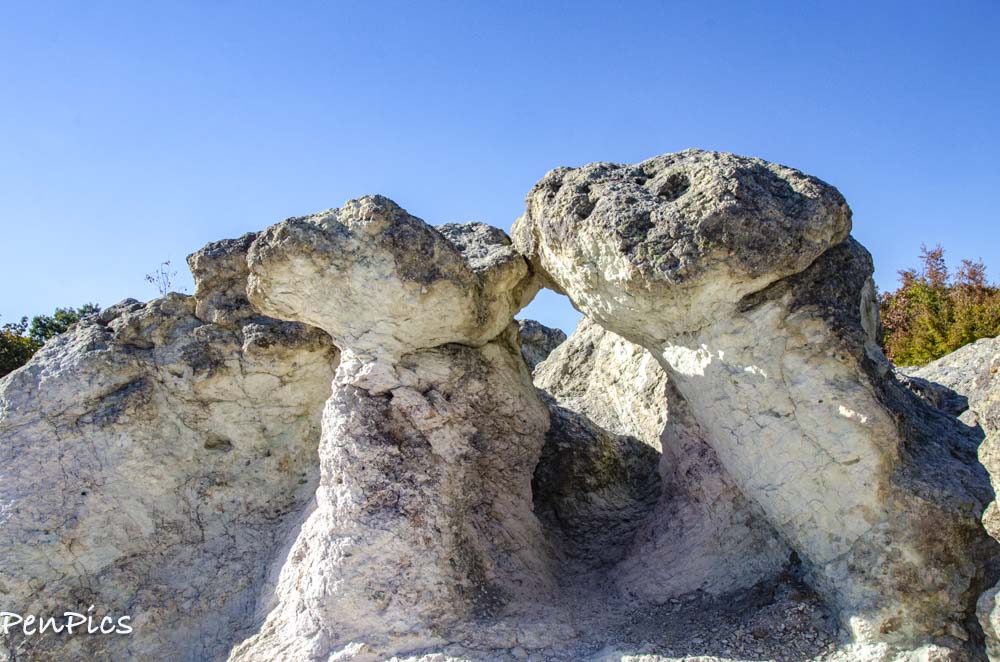
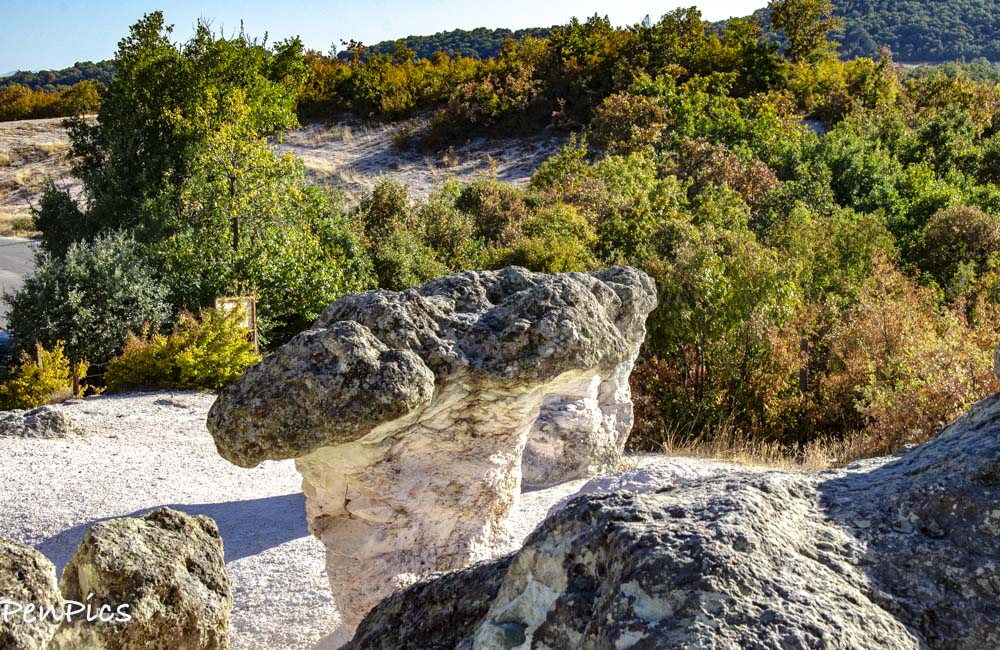
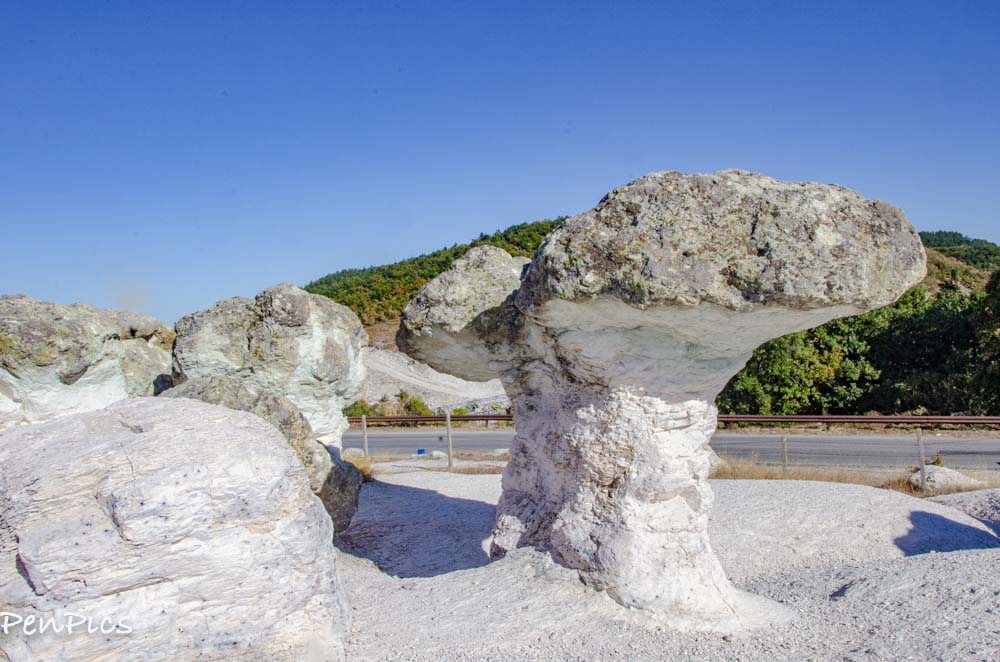
The drive was pretty (for being so dry) and the Mushroom Stones were like something out of this world! We are glad we traveled to find these “mushrooms.”
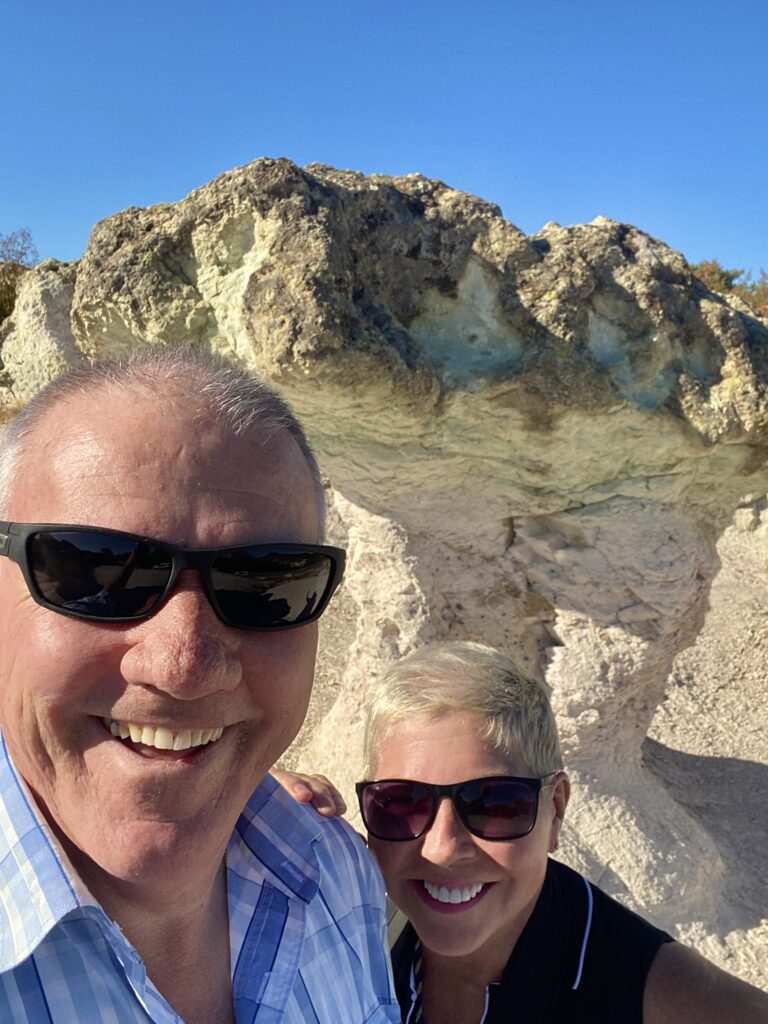
This place was so fun to see. A bit whimsical
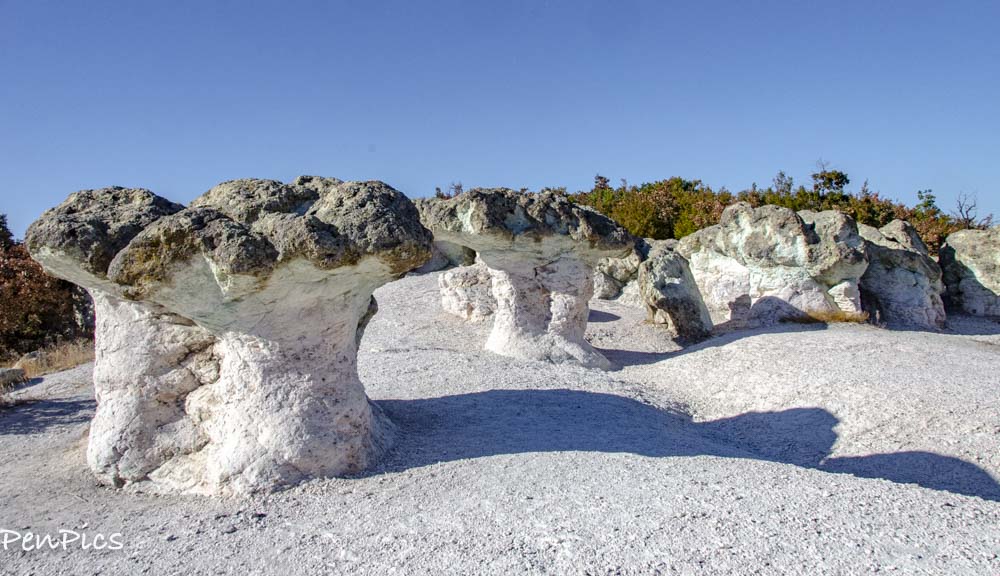
Legend says that the petrified mushrooms are actually the daughters of a local coaler Raduil.
He lived with his four daughters in the Fortress of Perperikon. Ottoman Turks, however, attacked the Fort and captured part of its inhabitants. Among them were the girls. They were not afraid of the Turks. The daughters of Raduil frightened the horse of the Ottoman leader and he fell to the ground. The girls killed him with stones and trees. Then fled.
The best friend of the slain robber caught them, and with one stroke of his scimitar snapped the head of the first girl. She instantly turned to stone. This happened with the two other girls and the fourth became a rock, even before being touched by the weapon. The Ottoman himself turned into a black rock. It still stands today near the stone mushrooms and is called Karatepe.
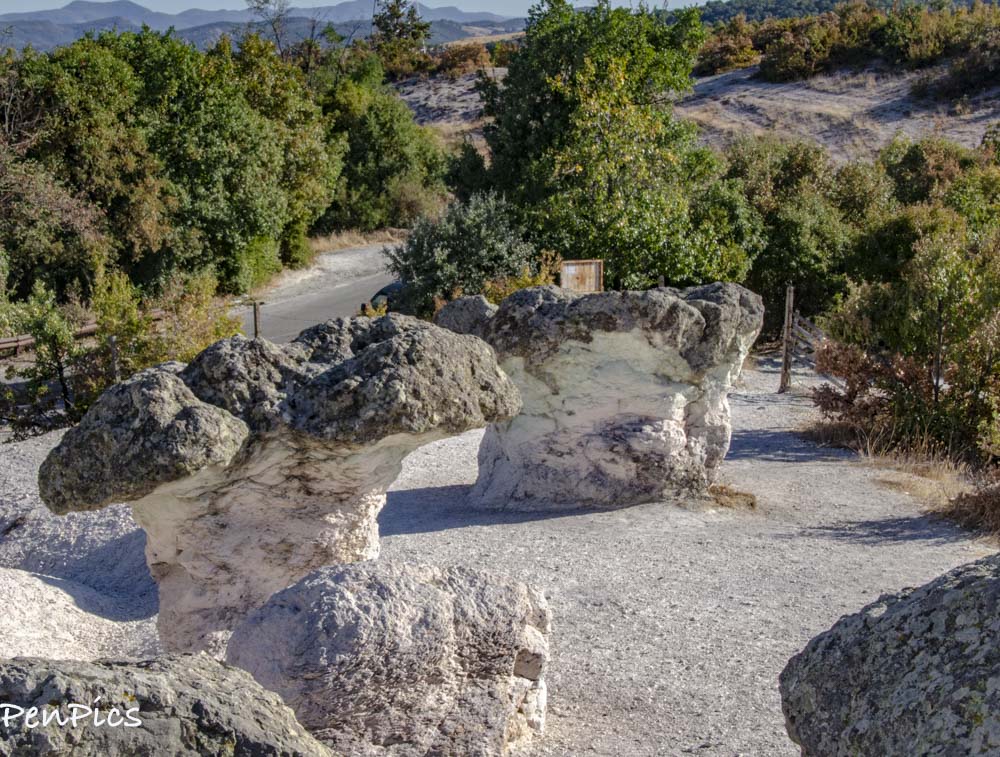
The stone mushrooms are actually volcanic formations that were formed about 20 million years ago. they average around eight feet tall.
At that time this place was at the bottom of a sea. After the ocean withdrew, the mushrooms were shaped by the wind and the sun. The stone figures and the rocks around contain the mineral zeolite.
According to the beliefs it has the ability to purify water.
Their pink-green shades are due to the mineral composition.
We ended our day in a town called Kardzhai; nothing special in this town, but the hotel is pretty. It just got late, and we needed food and a place to lay our heads. We are looking forward to a good nights sleep, as we are shifting gears again, and leaving Bulgaria, for Istanbul, Turkey this time!
We are quite excited to return to Istanbul, pick up our luggage we need supplies from, which has been left in Istanbul since February! COVID lockdowns changed our original plan; leaving our luggage for three months, not seven!
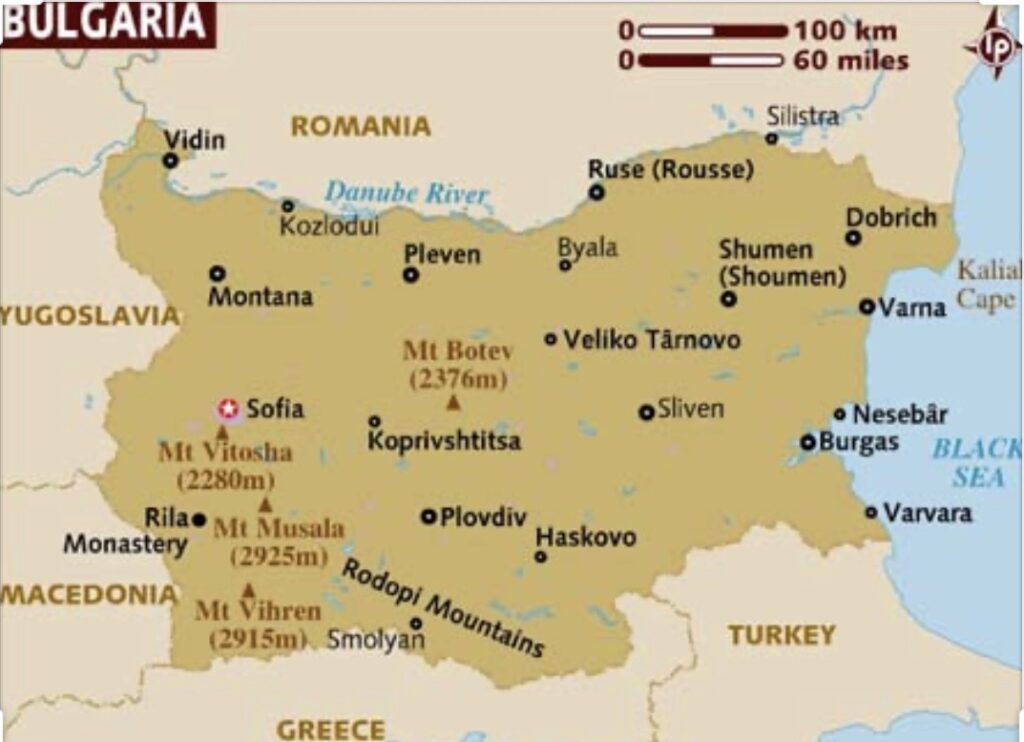
As we were driving around today, it was so evident how close we are to the border of Turkey, being in South Bulgaria, and since we will finish up all of our touring stops in Bulgaria in the morning, besides a few stops in the capital of Sofia, where we return the truck to. Also, since we rented the truck from the Airport, it will work well to drive back from Turkey to Sofia, and drop the vehicle off at the airport, just before we fly out to Austria.
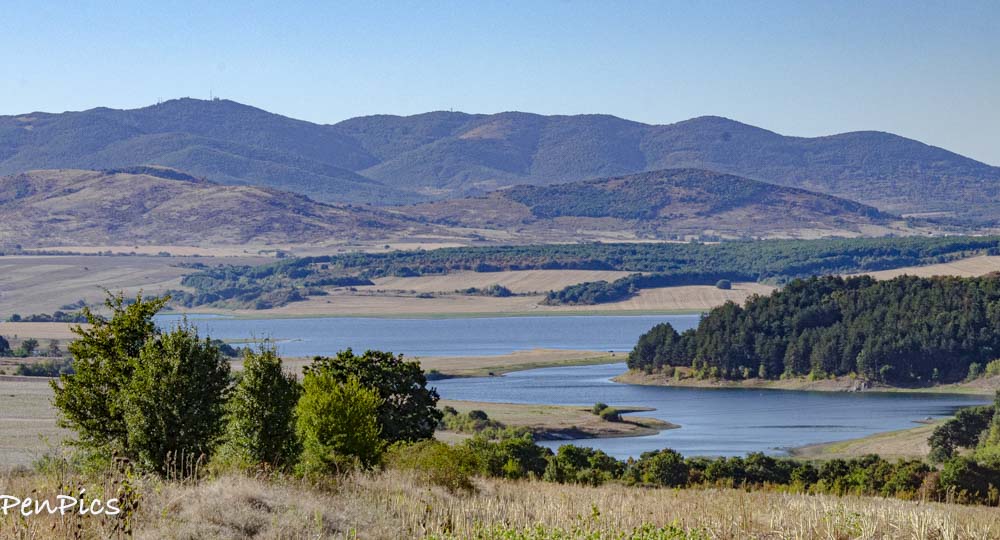
Saw this pretty lake after leaving Beli Plast
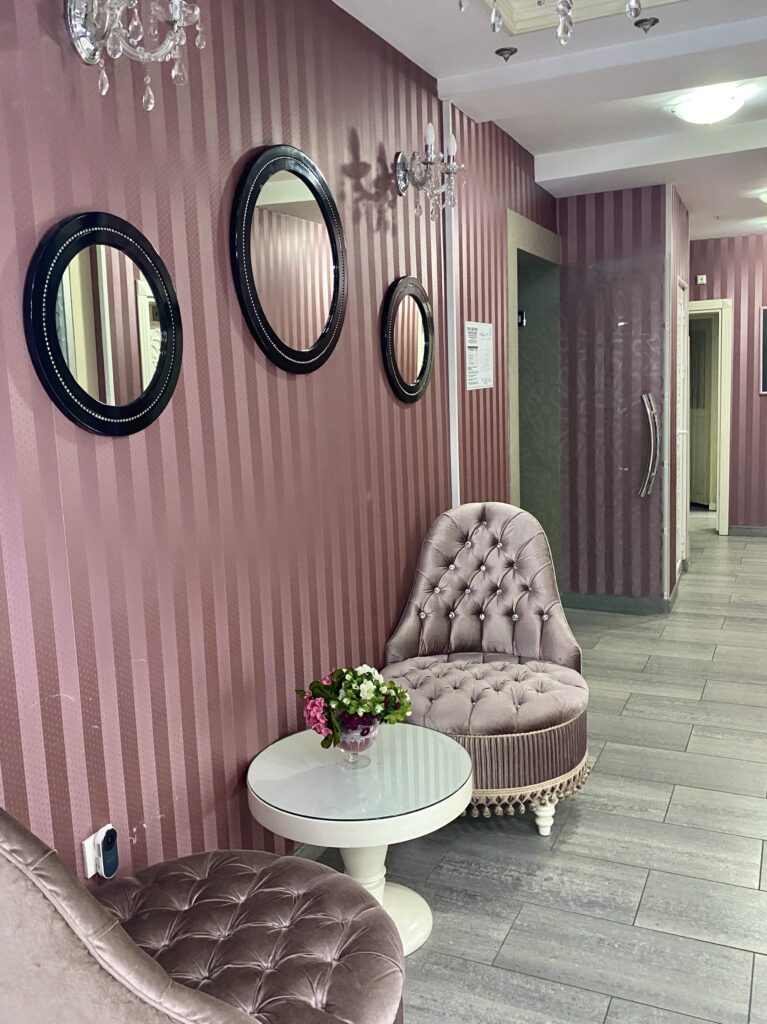
Behi Boutique Hotel in Kardzhali
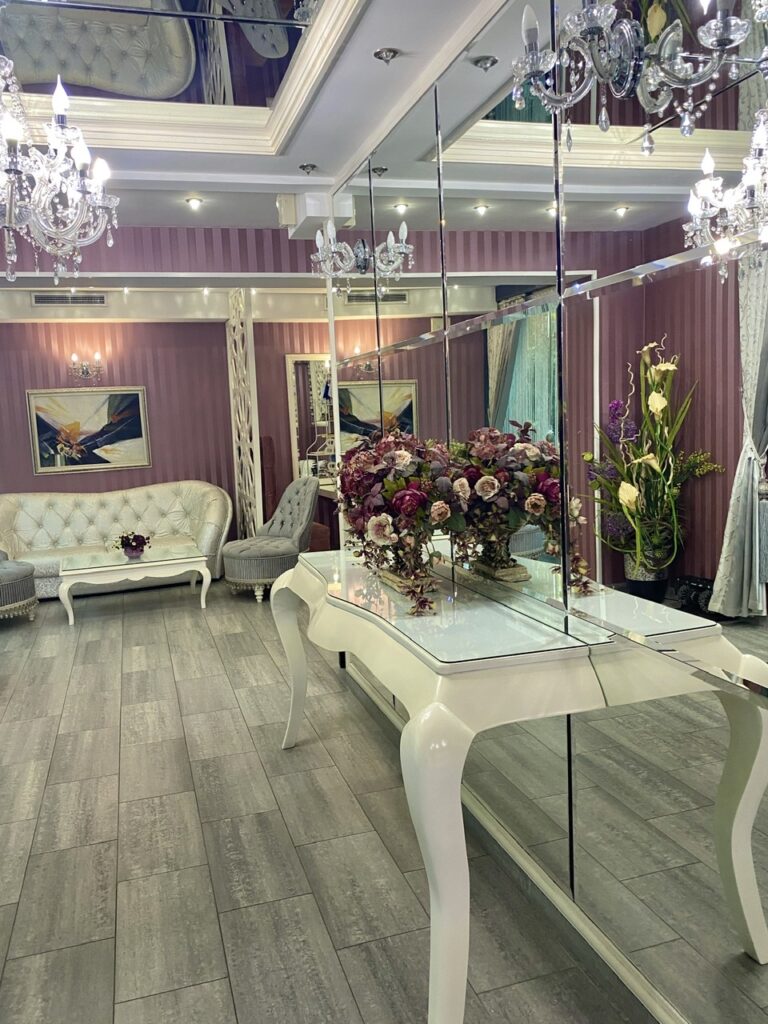
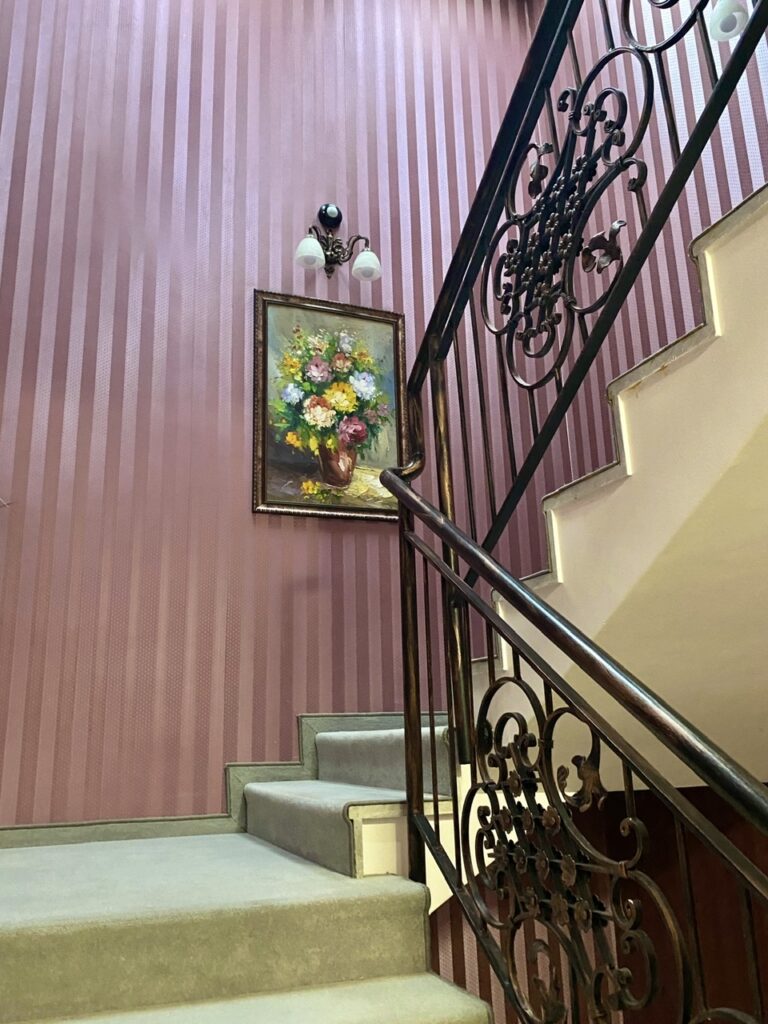
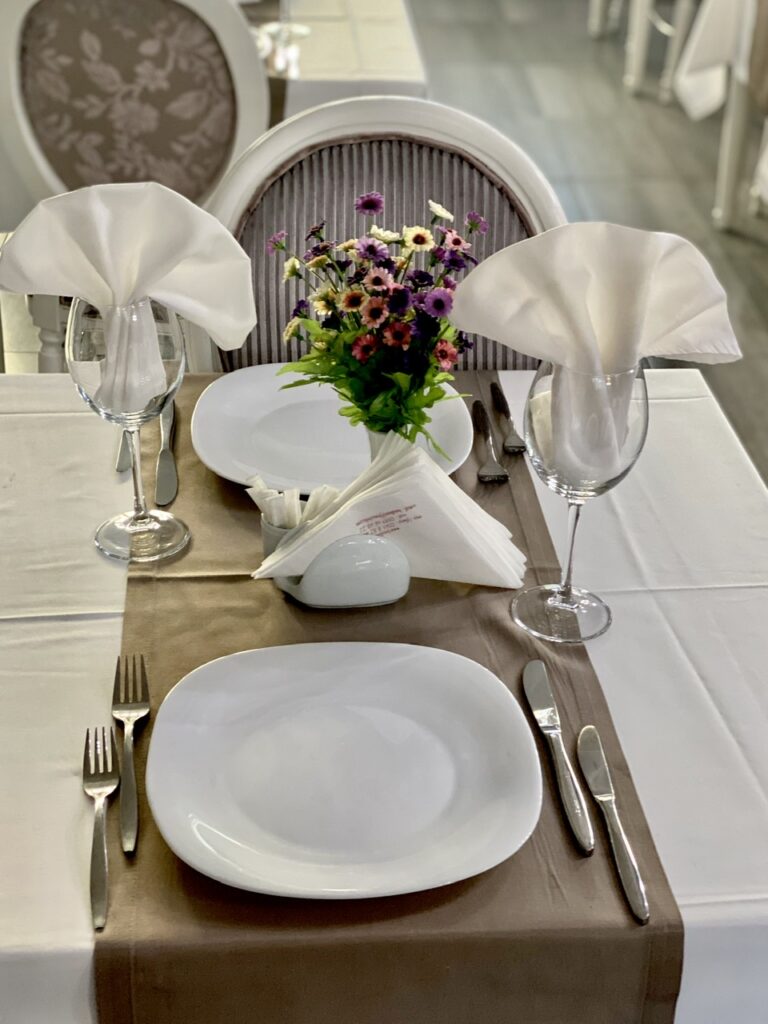
Table for Two
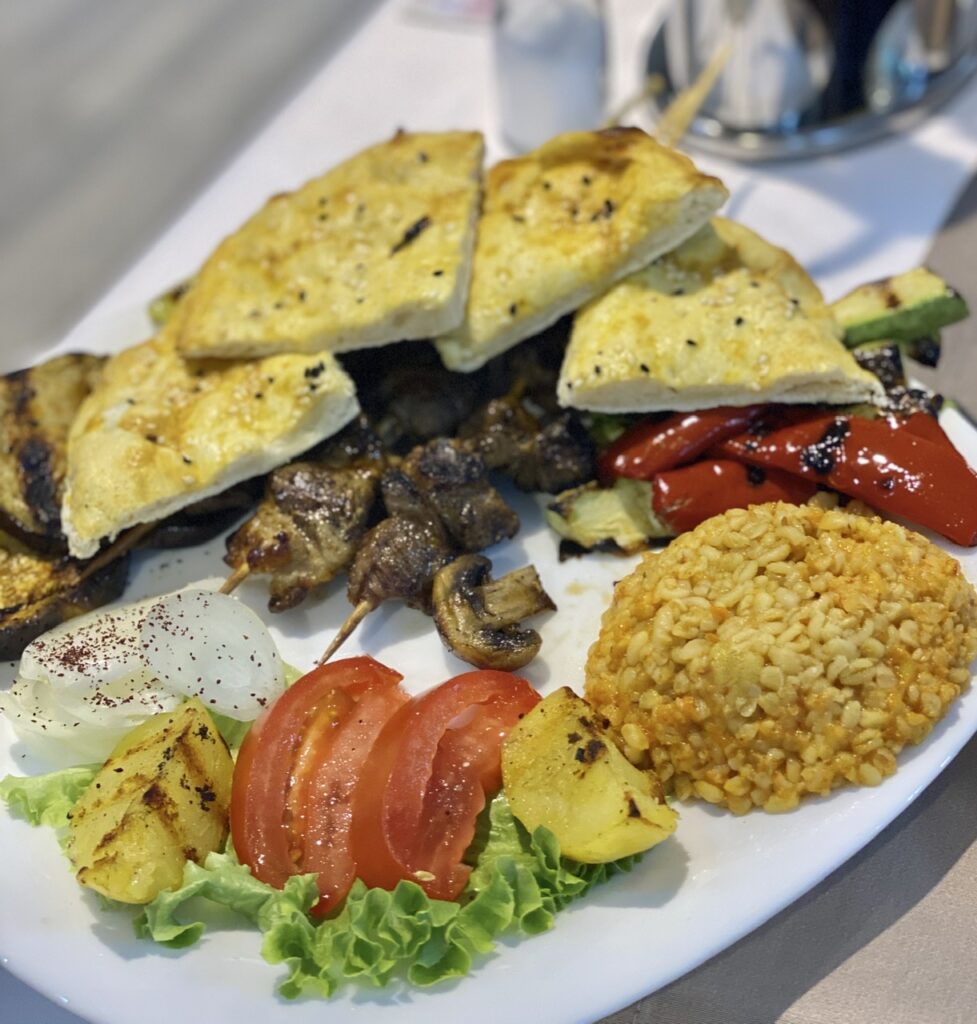
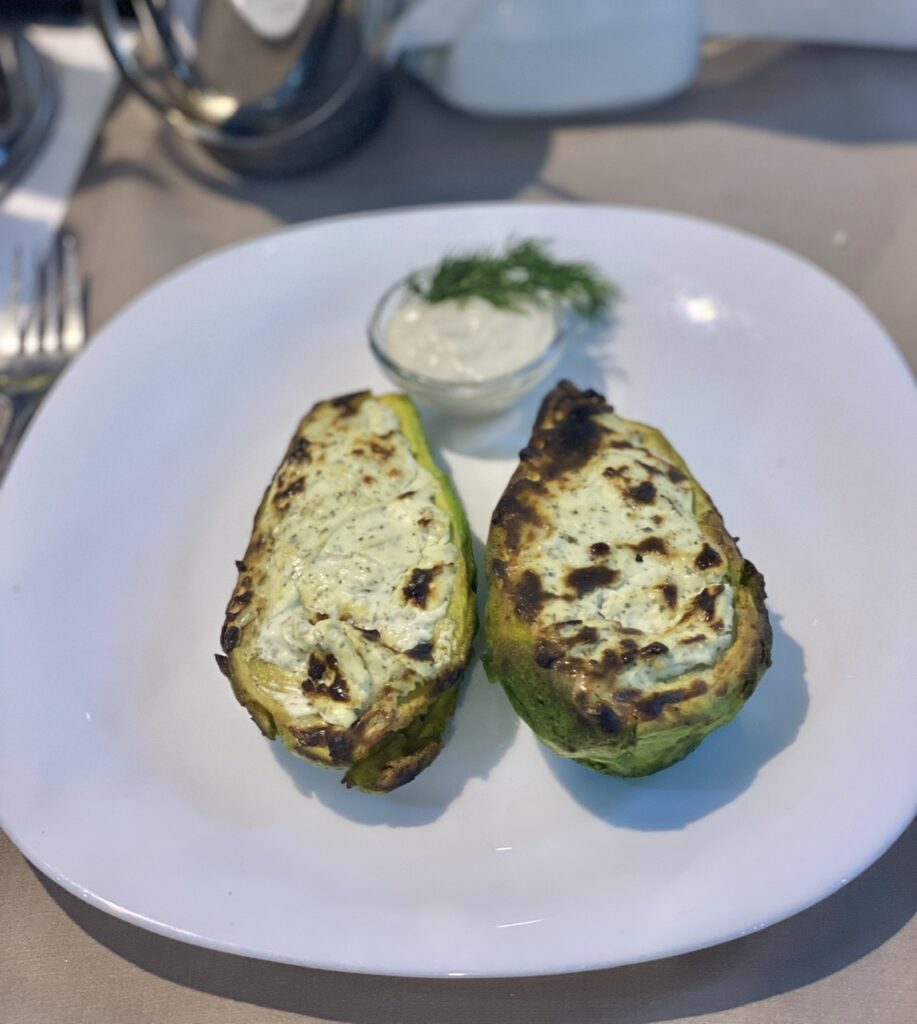
Baked Avocado


Leave a Reply to Daryl and Pen Cancel reply
Archive Blog Posts of Our Country Visits
About Us

About Us
Hello and Welcome to our Travel Blog Website, We enjoy writing about our experiences and taking photos of our adventuring along the way. Our names are: Daryl and Pen, but Daryl calls me “Bunny.” We met, quite randomly, whilst both… Read More
That baked advo looks yummy
I’ve never tried them before. You know how some avocados are really tasty and some are not? This was not very flavorful, so it wasn’t great. Daryl says we are use to Hause Avocado in California, so thats probably the thing
That is the type we mainly have here
They are the best! How I crave guacamole and chips. It’s been years!