


“USA 🇺🇸 Alaska ~POLAR BEARS!! Our Incredible Adventure to Utqiagvik (Barrow)”
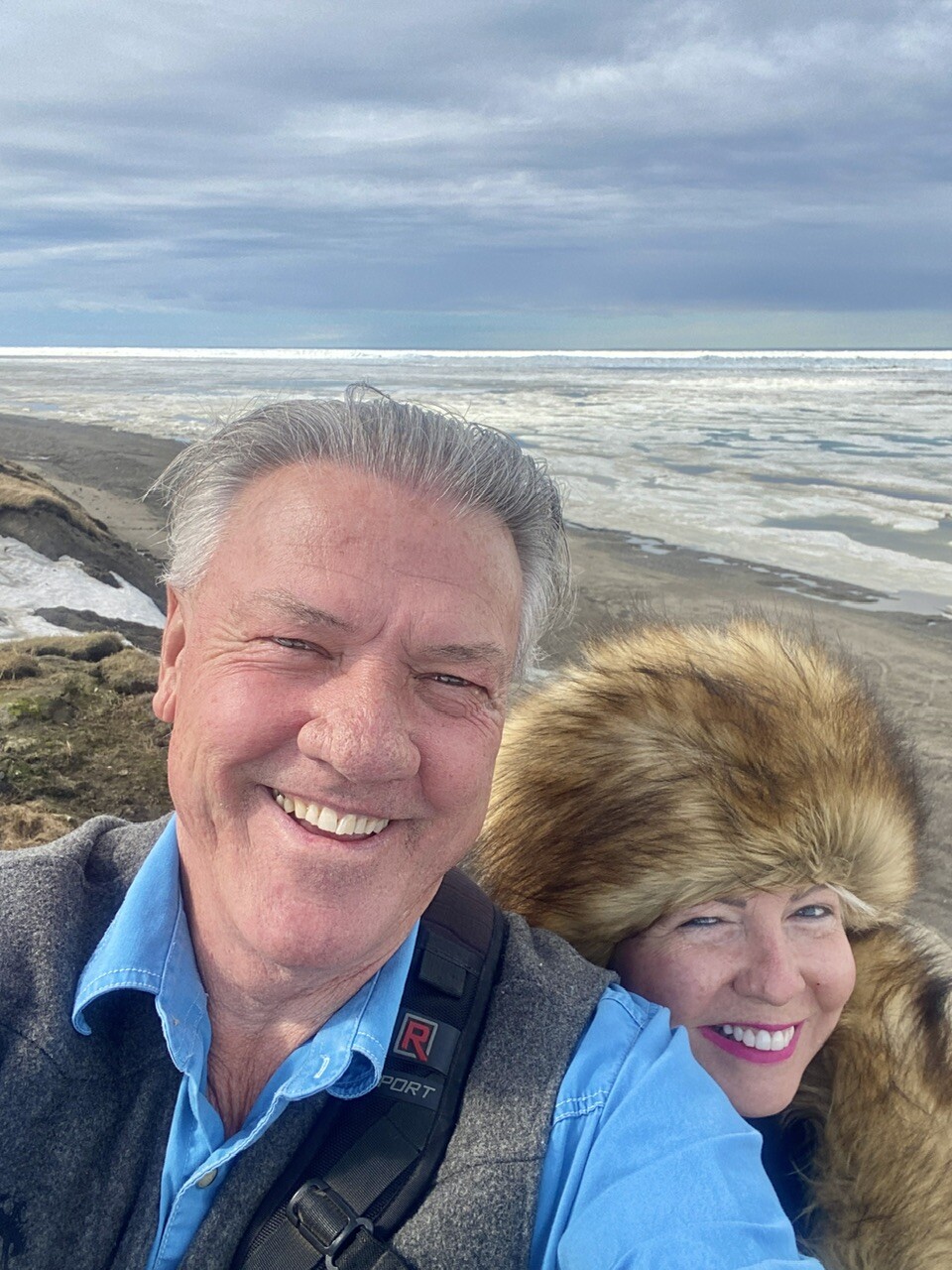
All I could think about for this trip was; “I want to see Polar Bears!”
Dipping my toe in the Arctic Ocean was at the top of that “to do” list, as well. That being said, this North Slope area is so much more! It was absolutely fascinating to learn about the culture of these very hardy people; to see for ourselves, how the people of ice and land, survive.
Such amazing history of the Inupiaq people; past and present.
The Iñupiaq, which translates into the “real people,” have been in Utqiagvik (Barrow), Alaska, for about 4,000 years. To survive in the harsh Arctic environment, the Iñupiaq developed a deep understanding of the area’s natural resources and how to make good use of them, and created a culture of cooperation and sharing.
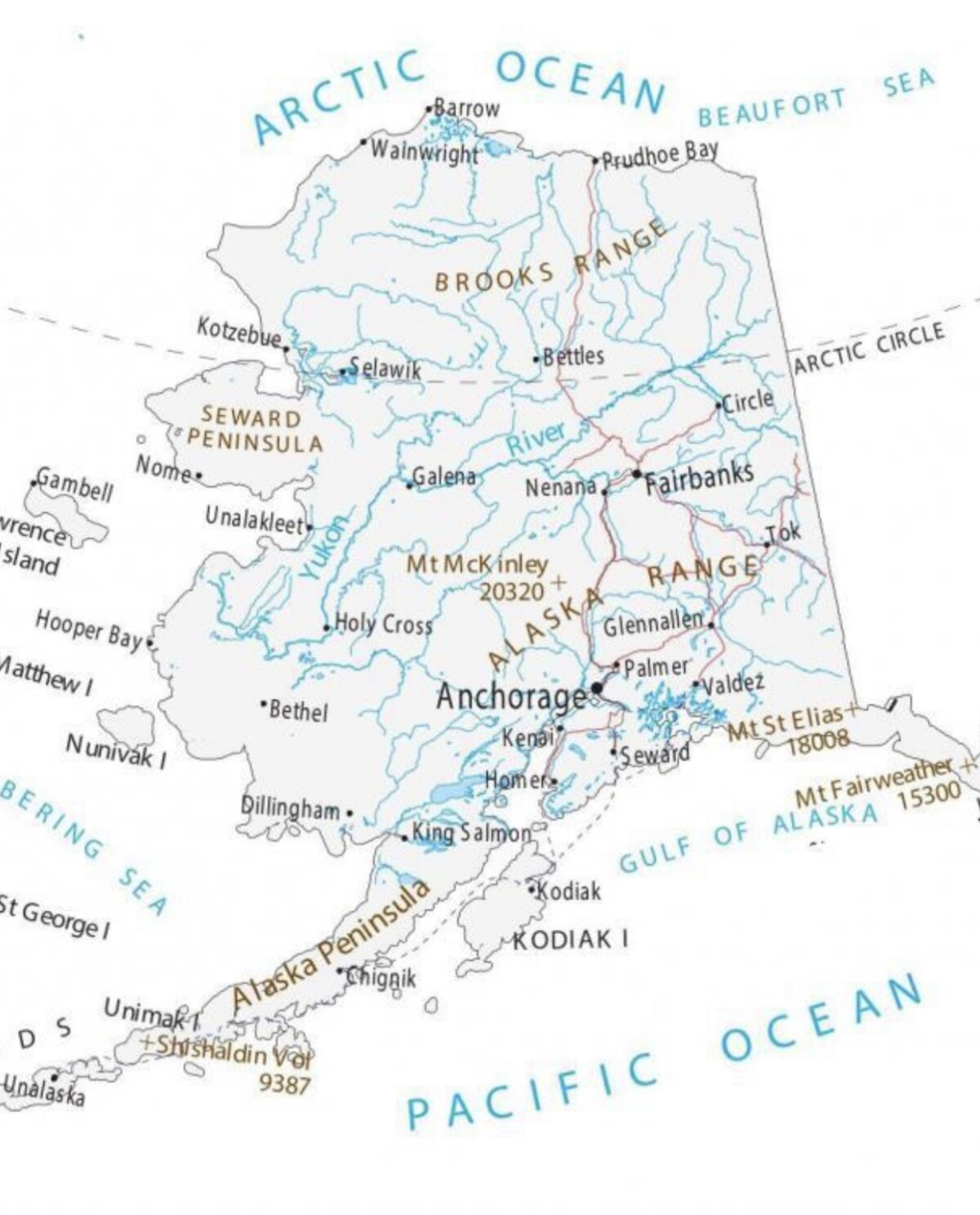
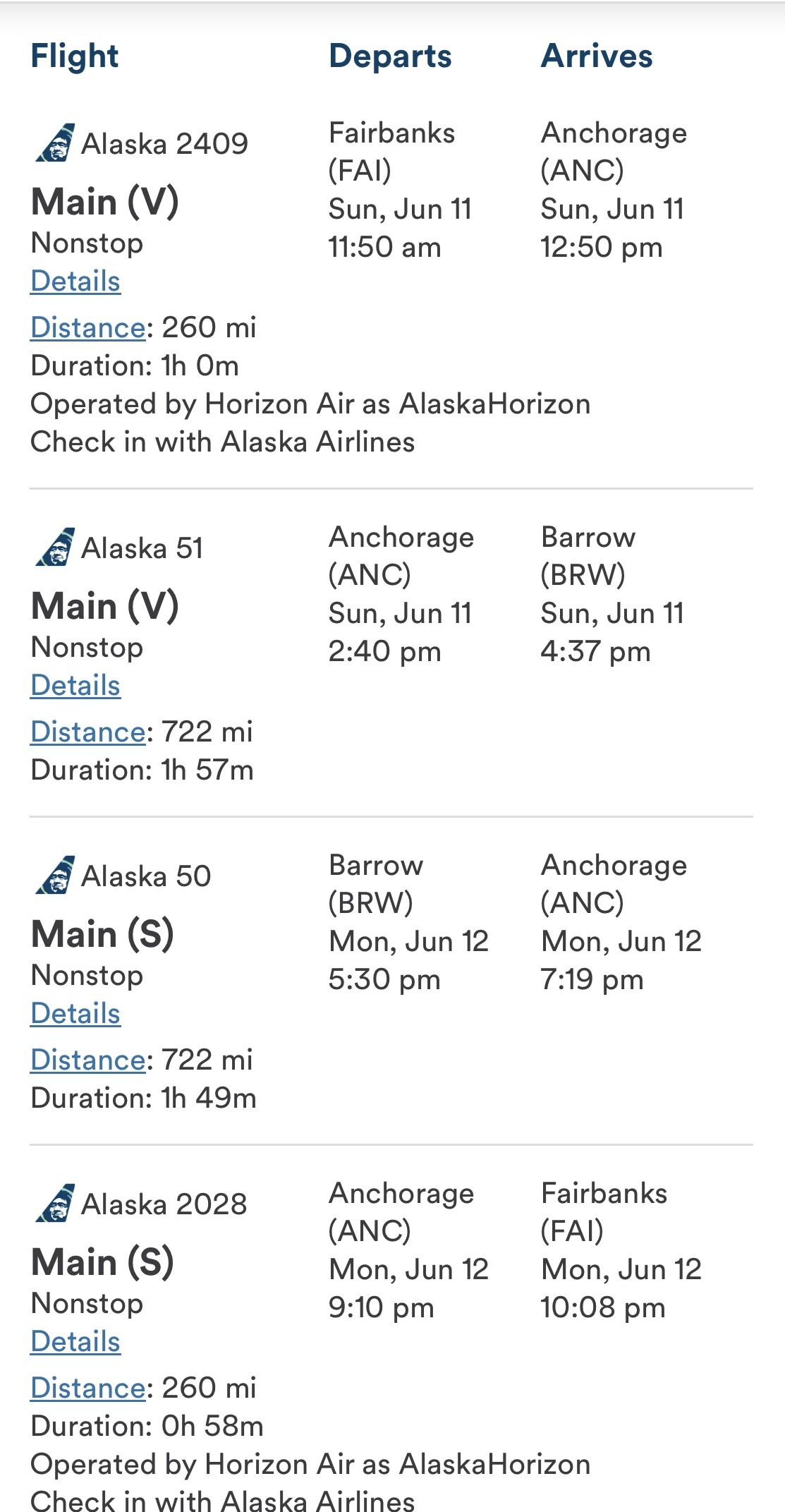
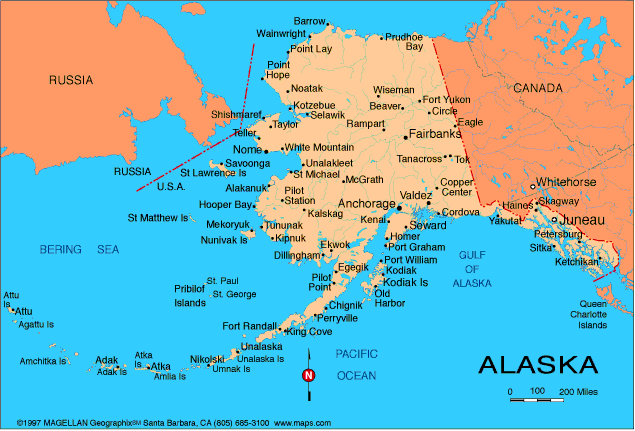
We drove from Tok to Fairbanks in about four hours; 206 miles. Since we were in a truck and not the Motorhome, towing, the time was more closely accurate to the map, sans construction stops.
We found our hotel in Fairbanks, no problem; about eight minutes from the Fairbanks International Airport and we happily settled in for the night.
The next morning, we had plenty of time to make our 11:50AM flight (started out as a 9:30AM flight at booking), South, to Anchorage, boarding another flight from there, after a 2-hour layover, then flying back over Fairbanks, to get us to our final destination of Barrow.
Alaska Airlines did not give us boarding passes for all the way through, from Fairbanks, either. We had to check in at Anchorage, after arriving from Fairbanks. The same was true going back. So, if you have Pre-check, forget about it, for your return.
Direct flights are such a rarity any more, but I do remember the good old days, when they happened, on the regular.
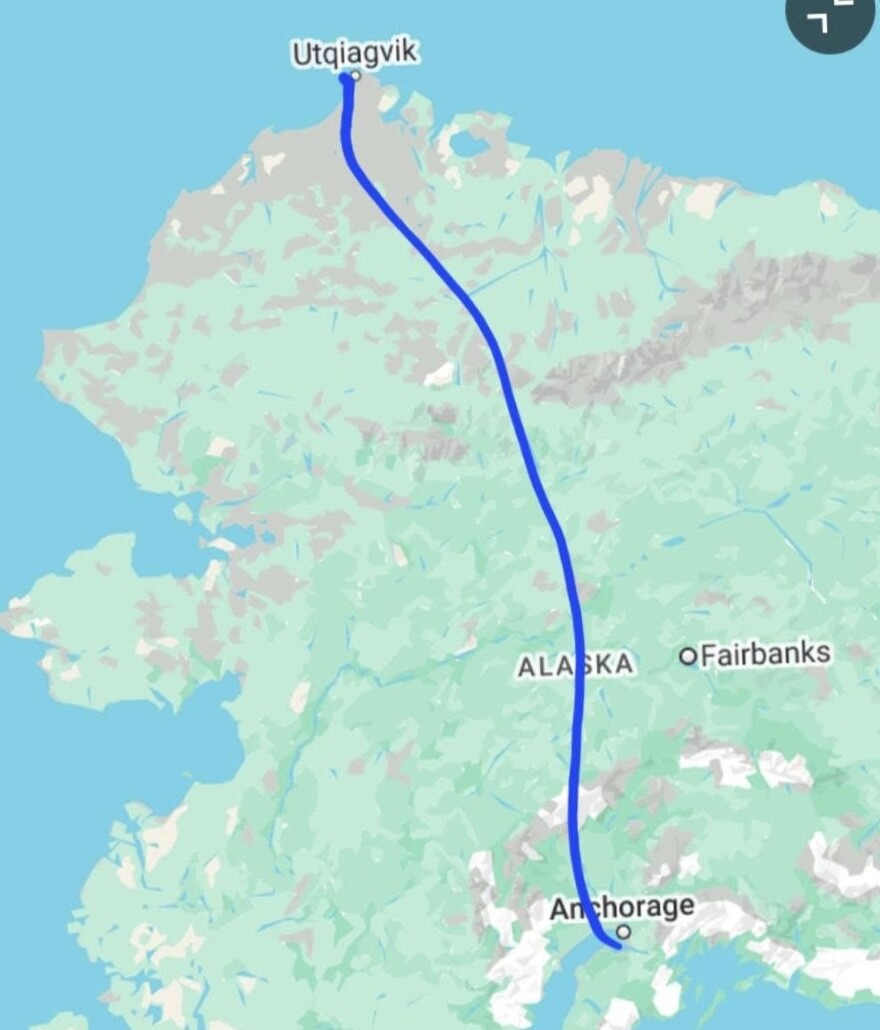
Flying to Barrow, directly, would have taken us one hour and 14 minutes, giving us WAY more time at our destination, but had to spend time in airports and on planes, instead, as per the norm, these days.
⬆️ Fairbanks International Airport
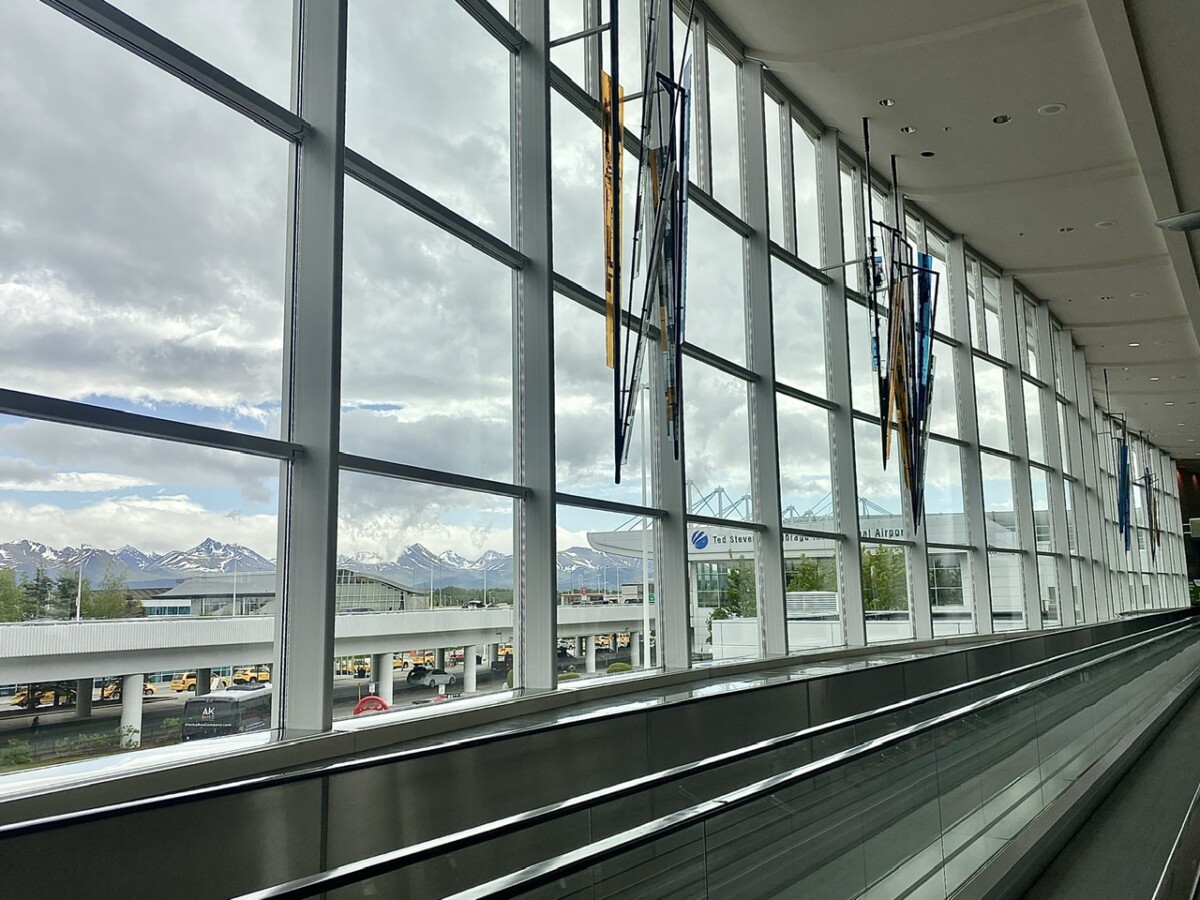
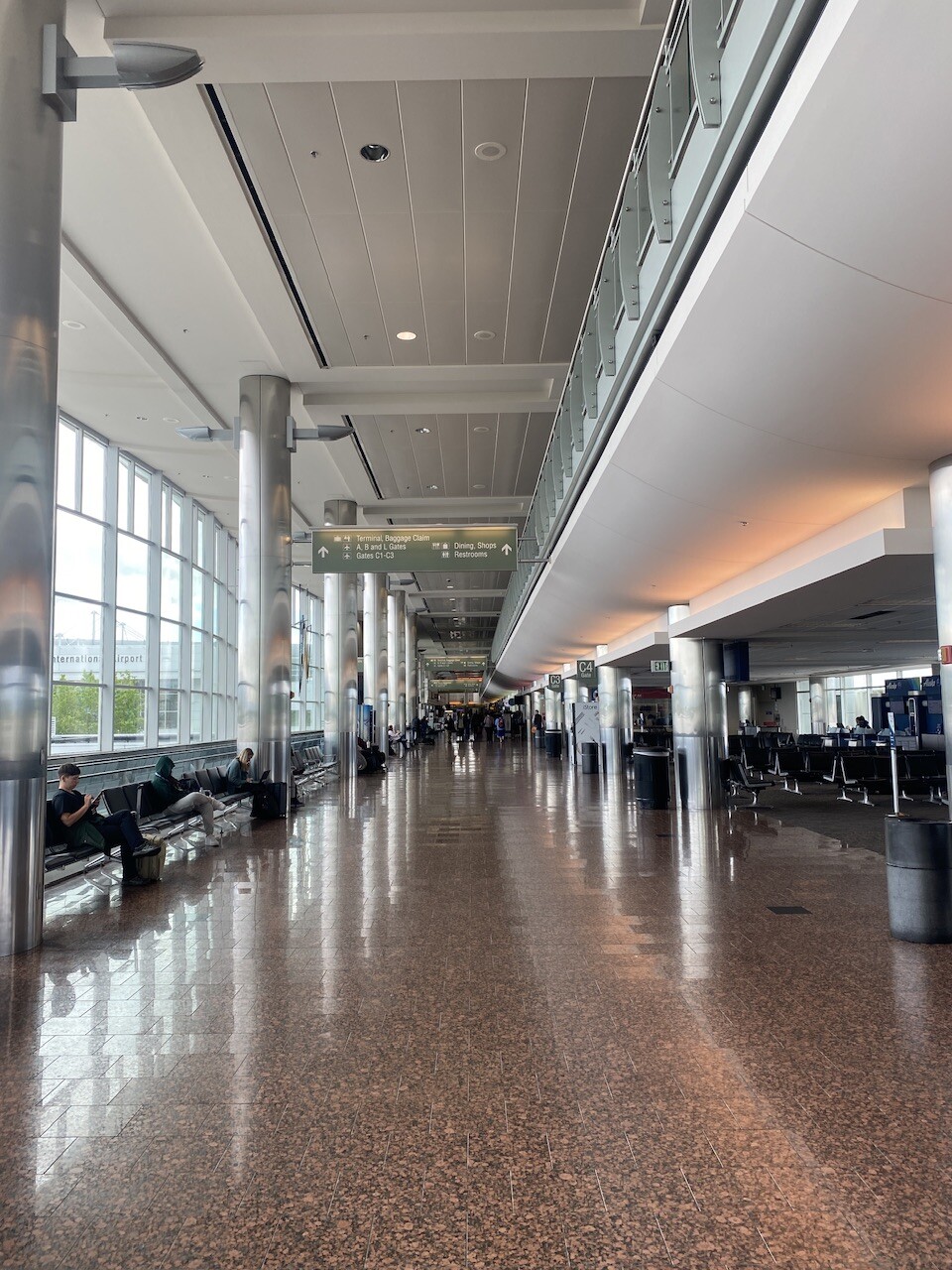
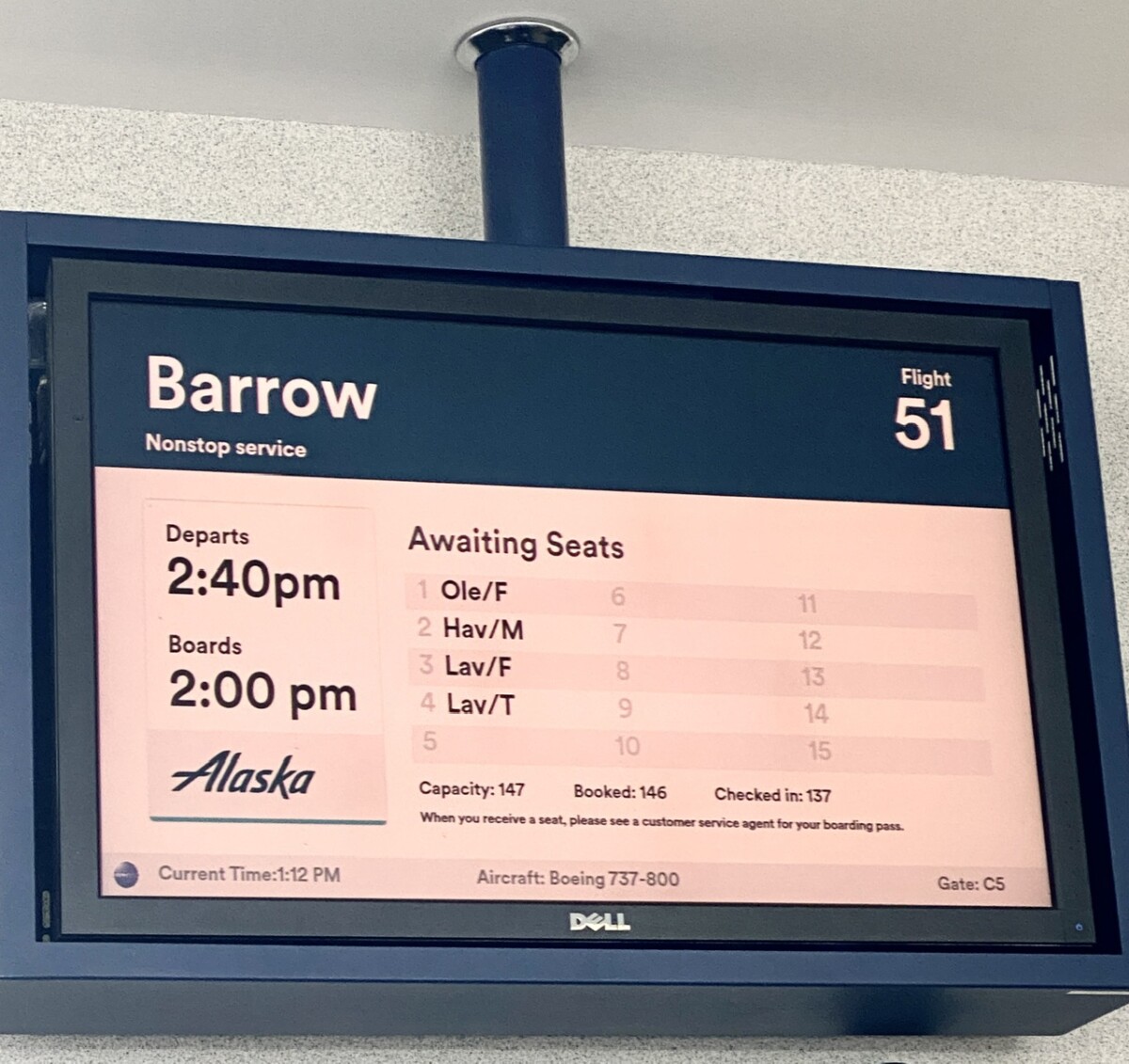
⬆️ Ted Stevens International Airport in Anchorage
260 flight miles: Fairbanks to Anchorage
722 flight miles: Anchorage to Barrow
982 flight miles, total: each way
1,964 TOTAL flight miles R/T
Had we been able to get a direct flight from Fairbanks to Barrows: 504 miles
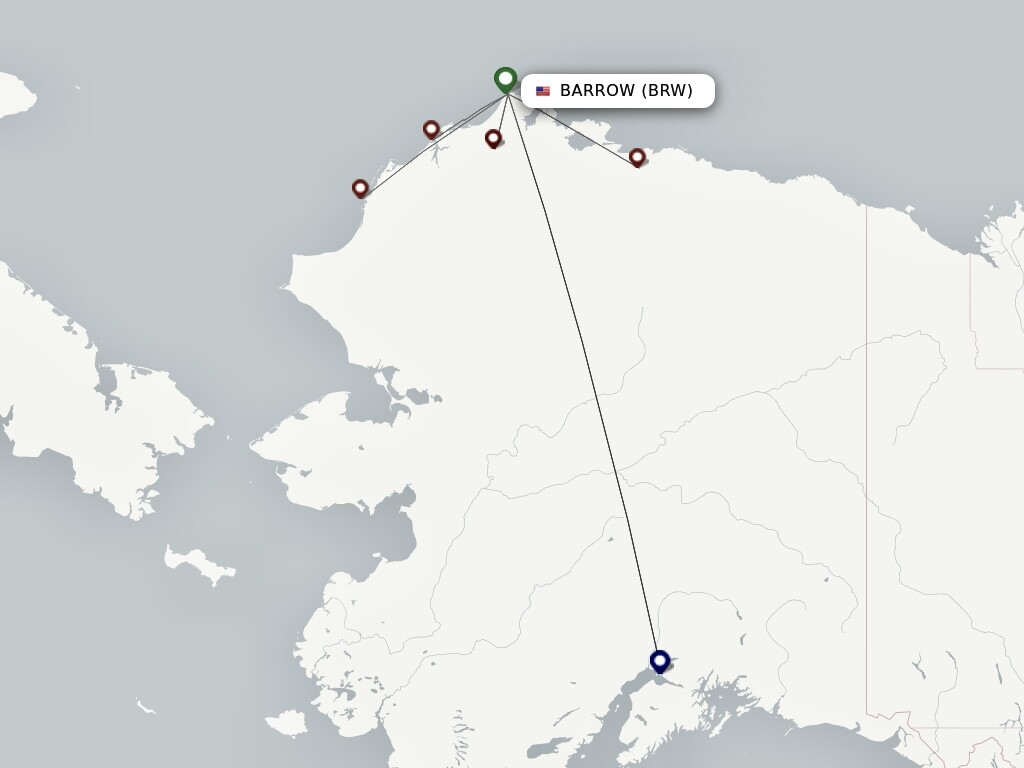
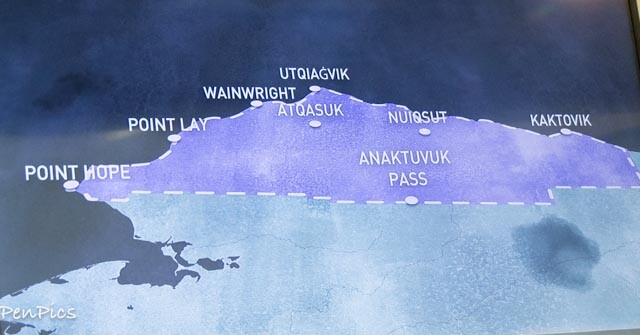
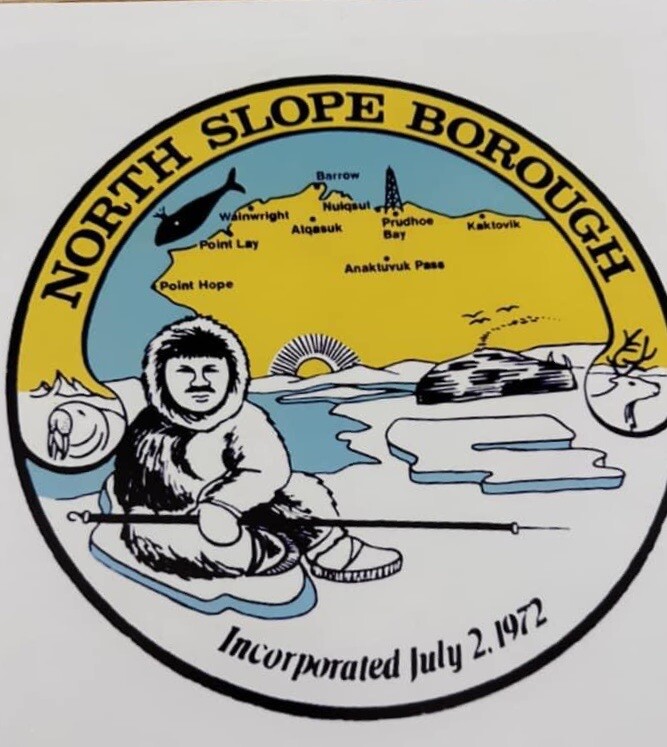
⬆️ The names of all the Villages on the North slope, Utqiagvik (Barrow) being the seat of them all.
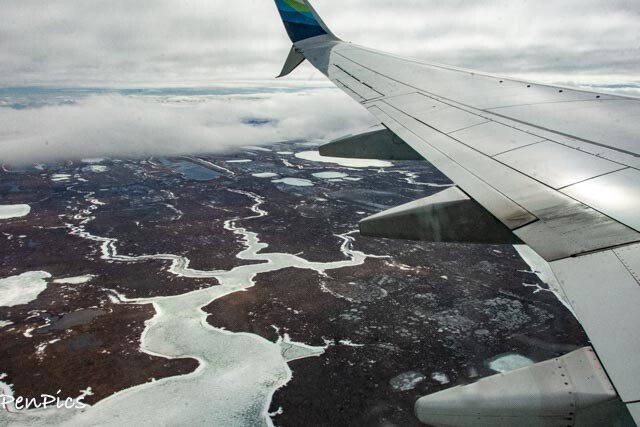
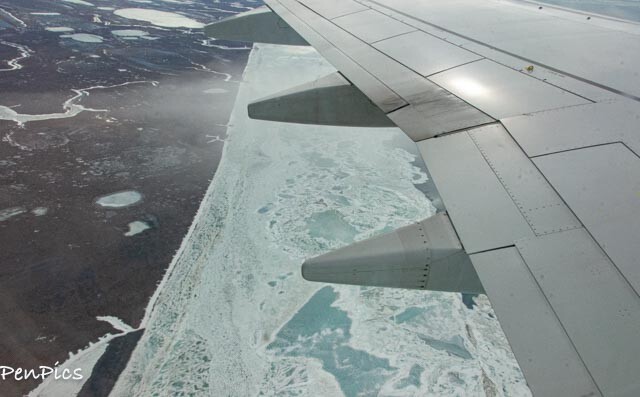
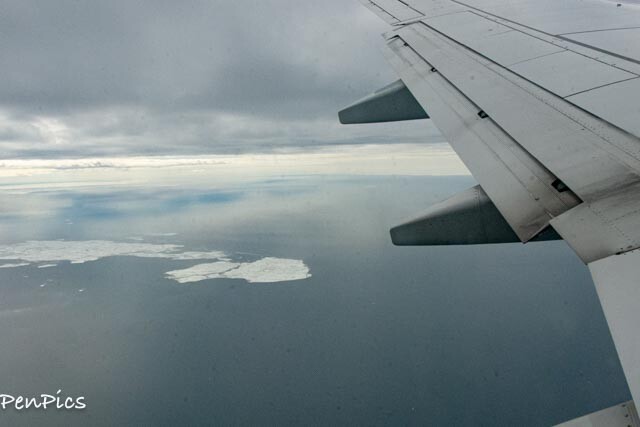
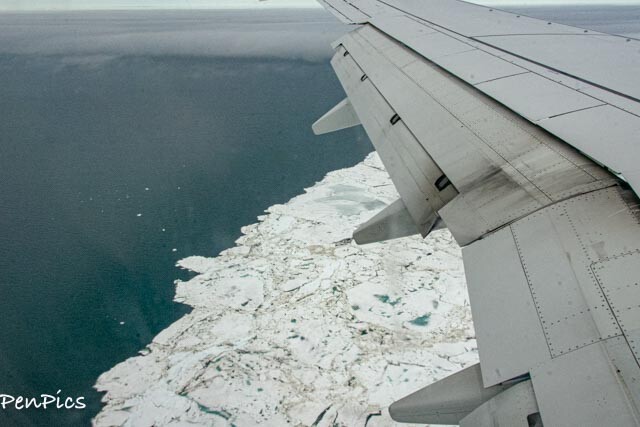
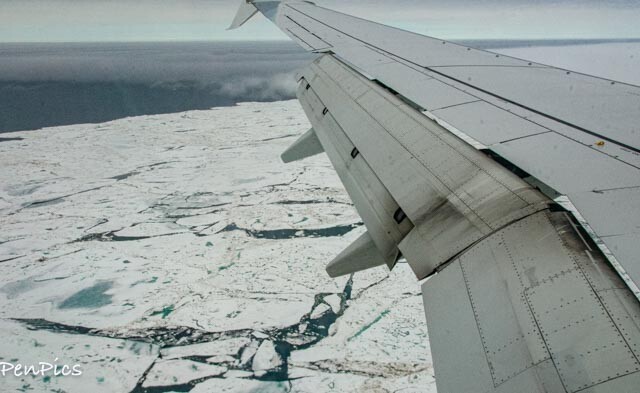
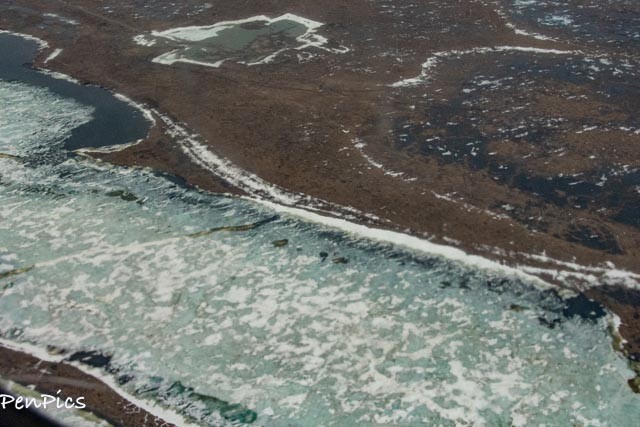
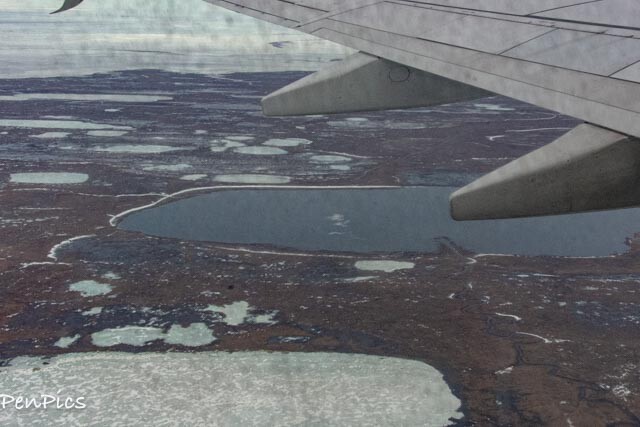
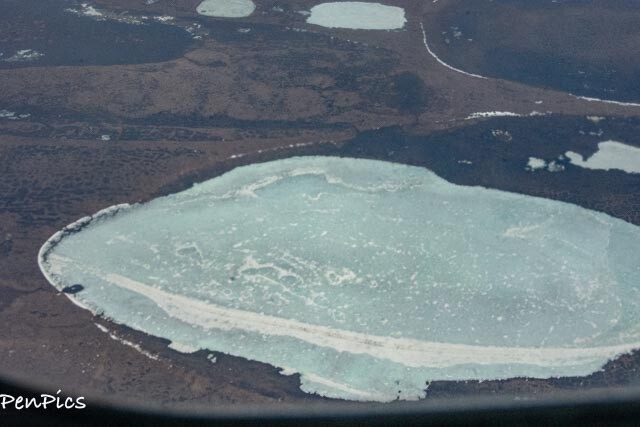
The flight in, as we neared Barrow was wonderful. We’ve never seen anything quite like it!
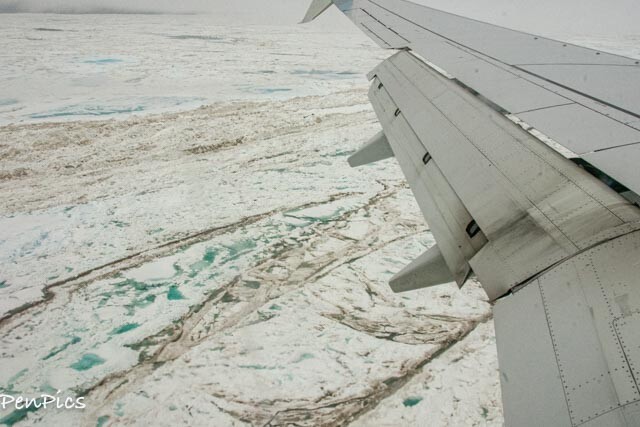
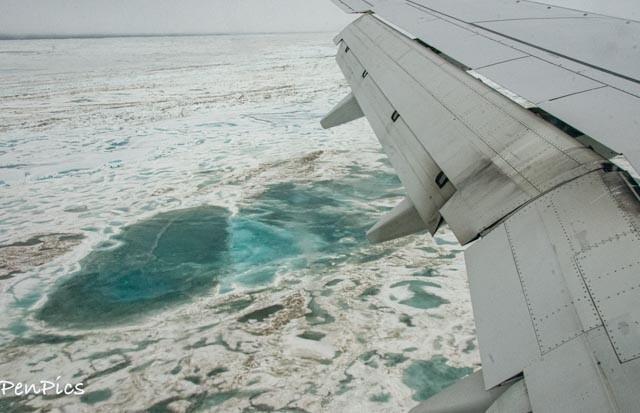
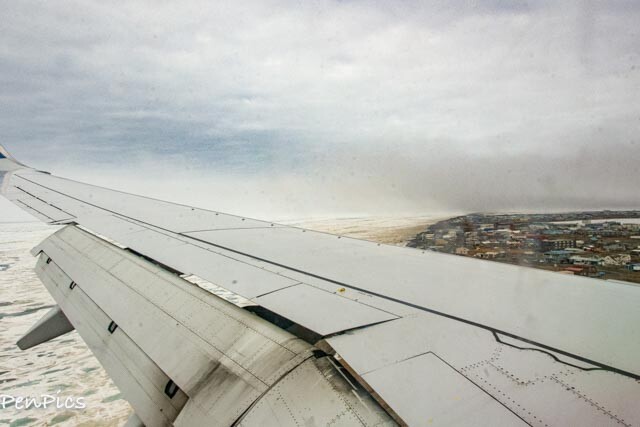
Landing in Barrow
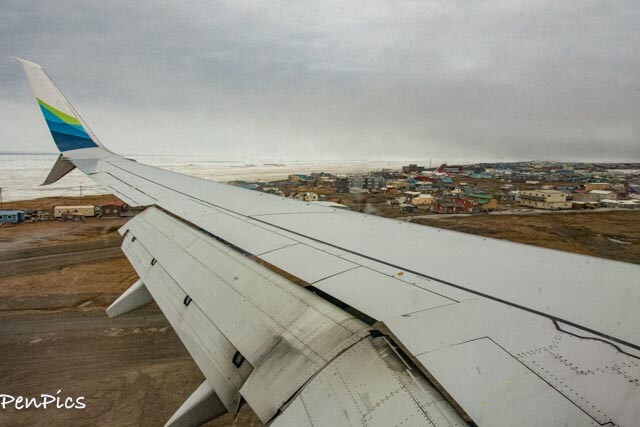
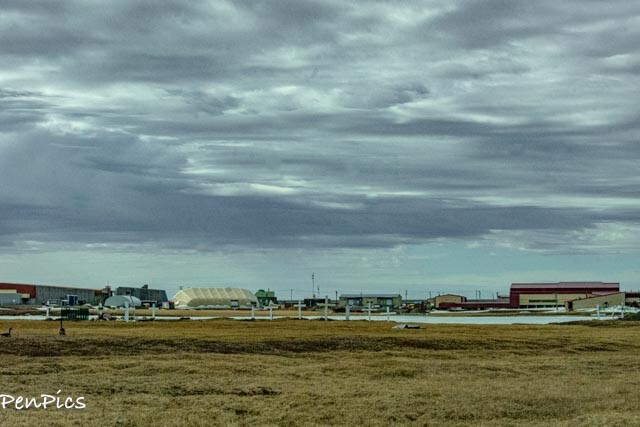
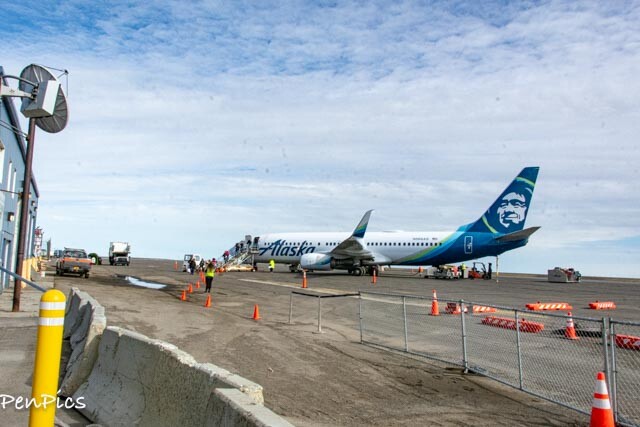
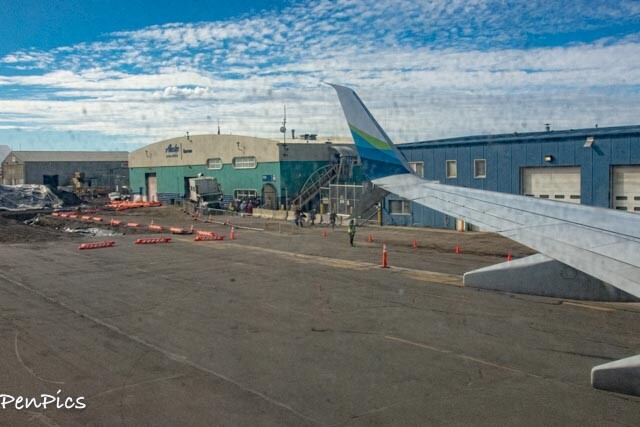
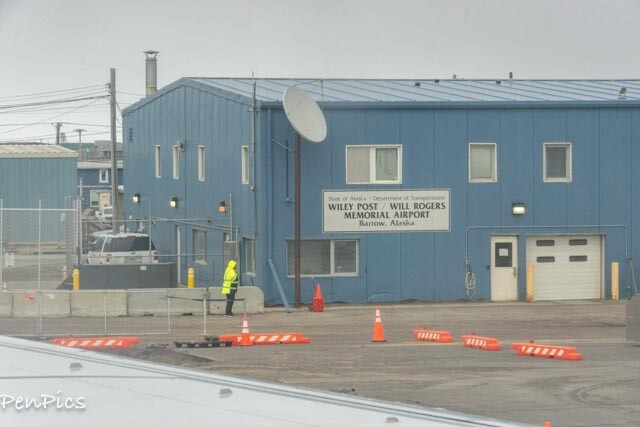
The Barrow Airport is named after a pilot: Willy Post and Will Rogers; world renown entertainer. Their plane crashed at Barrow in 1935.
This was our first flight, since summer of 2021. It’s been a nice break from planes, for sure.
Some people drive out of Fairbanks and head for the Arctic Circle. It’s a very long r/t drive on not such a great road, and we wanted way more than that experience, plus we have had enough of bad roads, just getting to Alaska to begin with. 🤣 So, we chose to fly over and far beyond that Arctic Circle option; so we could go as far North as is possible; and of course all the way to the Arctic Ocean at the furthest point on the North Slope!
*NOTE: according to our guide in Barrow, one can drive to Fairbanks from Barrows. It is a seasonal thing, not for the faint heart on an ice road, and one must haul their own fuel, as there are no stations.
After our Anchorage flight, we finally arrived in Utqiaġvik, formerly known as Barrow.
The airlines still refer to it as Barrow.

We had no car, so had to rely on local transportation. The hotel said they would pick us up with their shuttle. We waited about 10 minutes and found a taxi. It cost over a dollar per minute, for the ride: $10
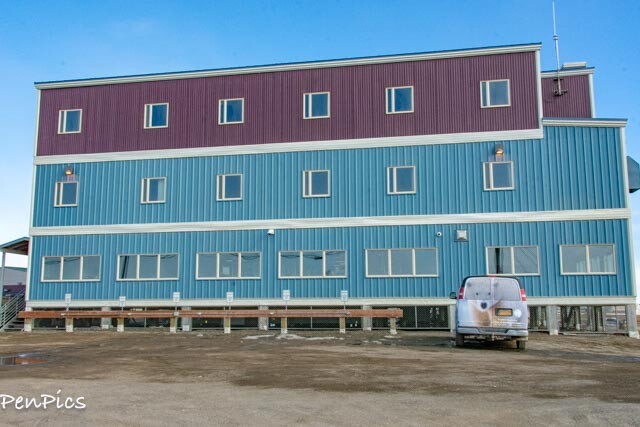
I arranged an overnight at the “Top Of The World Hotel.” It was very nice, and the restaurant in the hotel was very good, too. Just basic food items, but good portions. We ate breakfast for dinner, which is served all day.
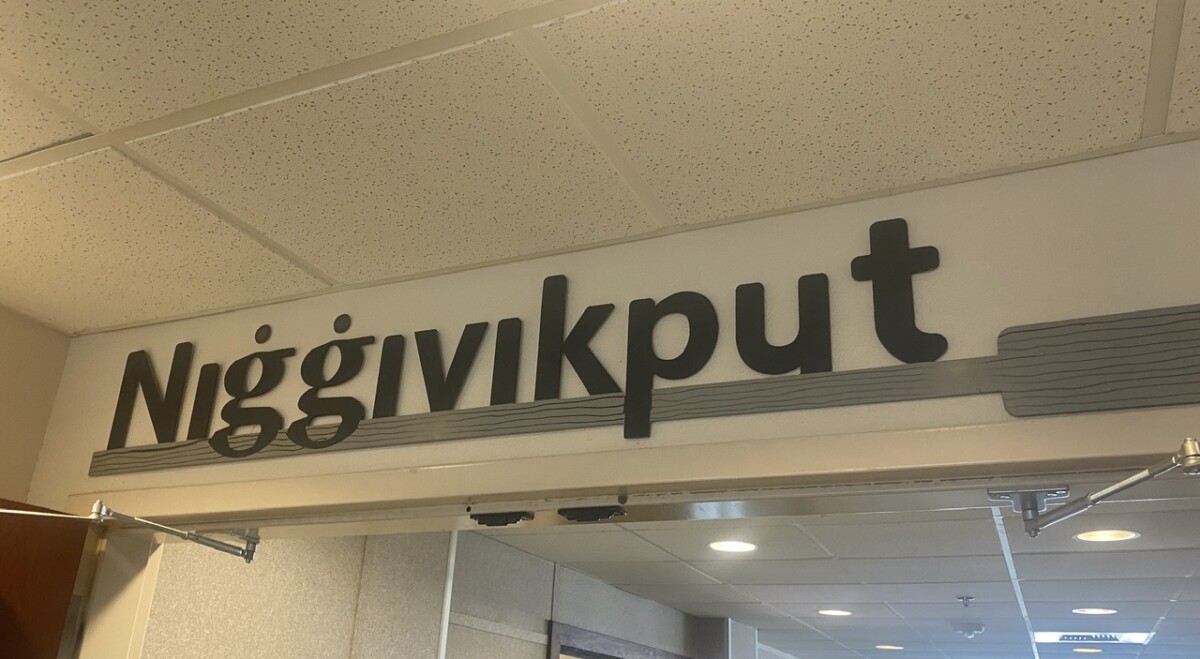
⬆️ Restaurant Name
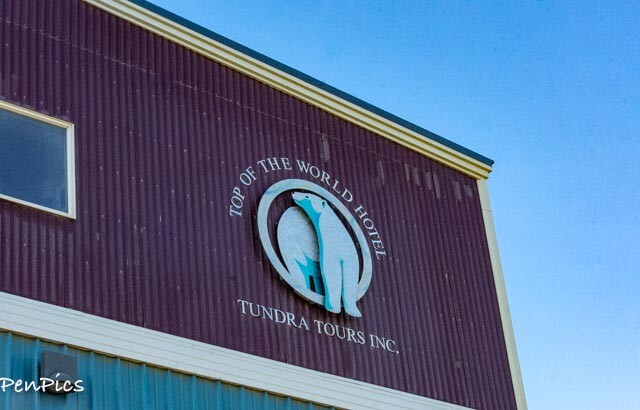
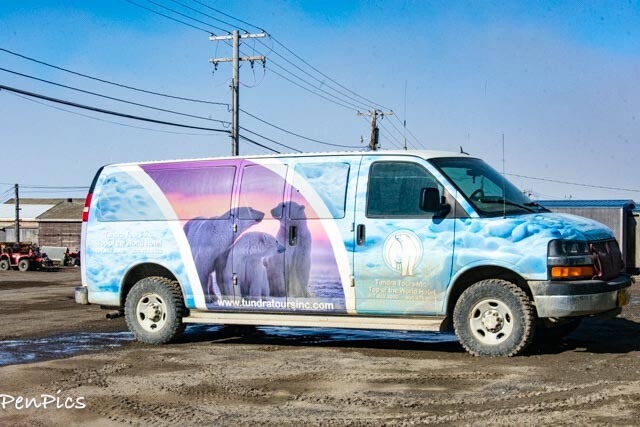
This hotel is also the Tour Company for our Tundra Tour I arranged.
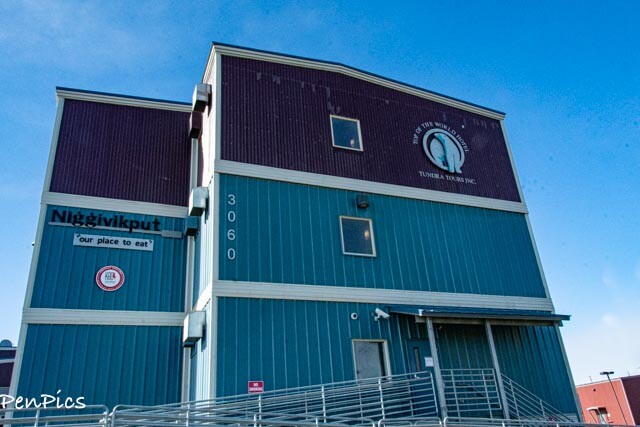
Top Of The World Hotel
Phone number:
907 885 3900
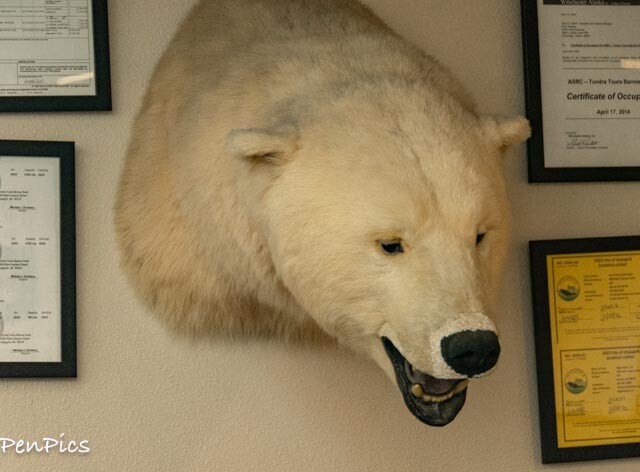
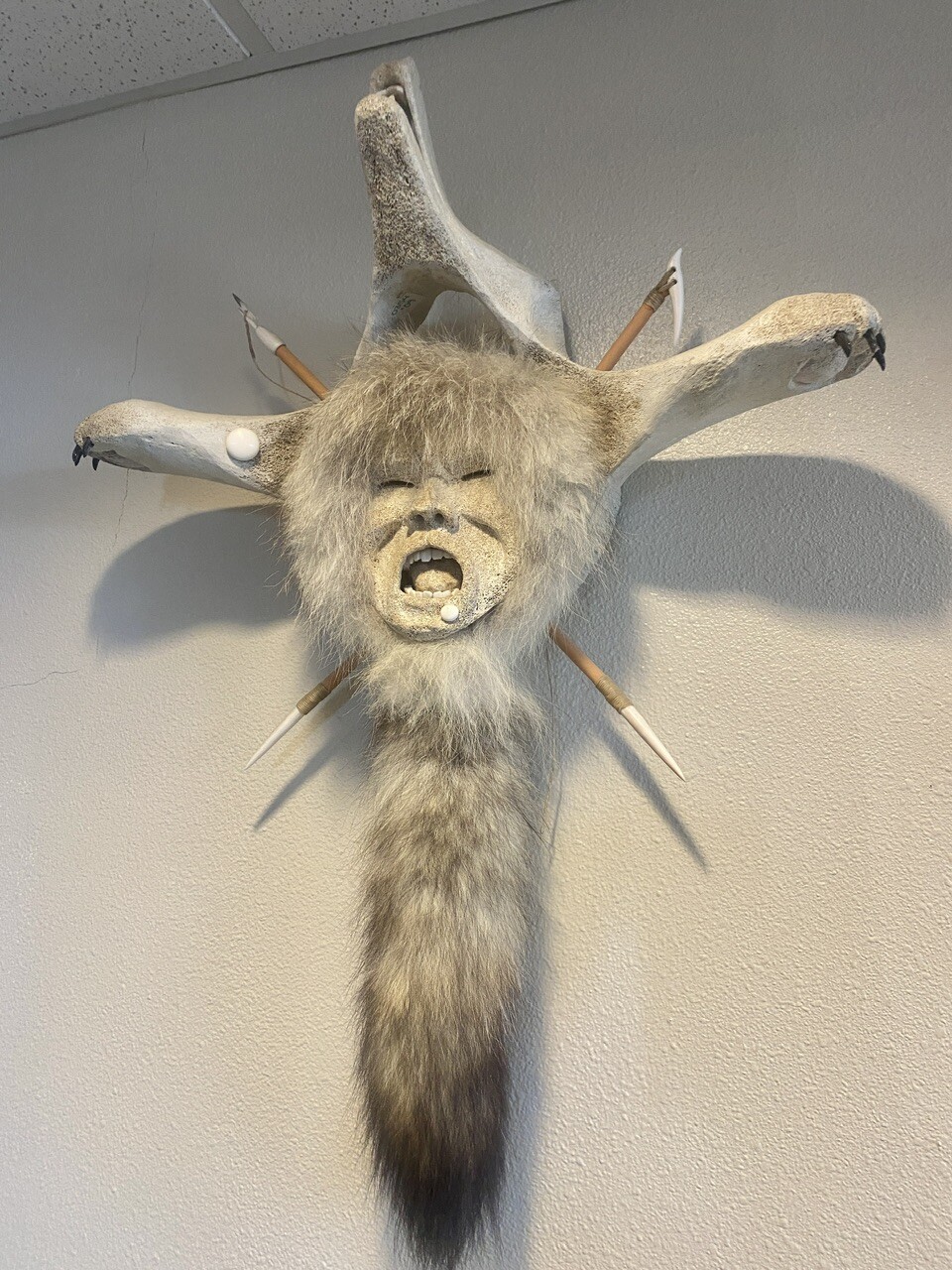
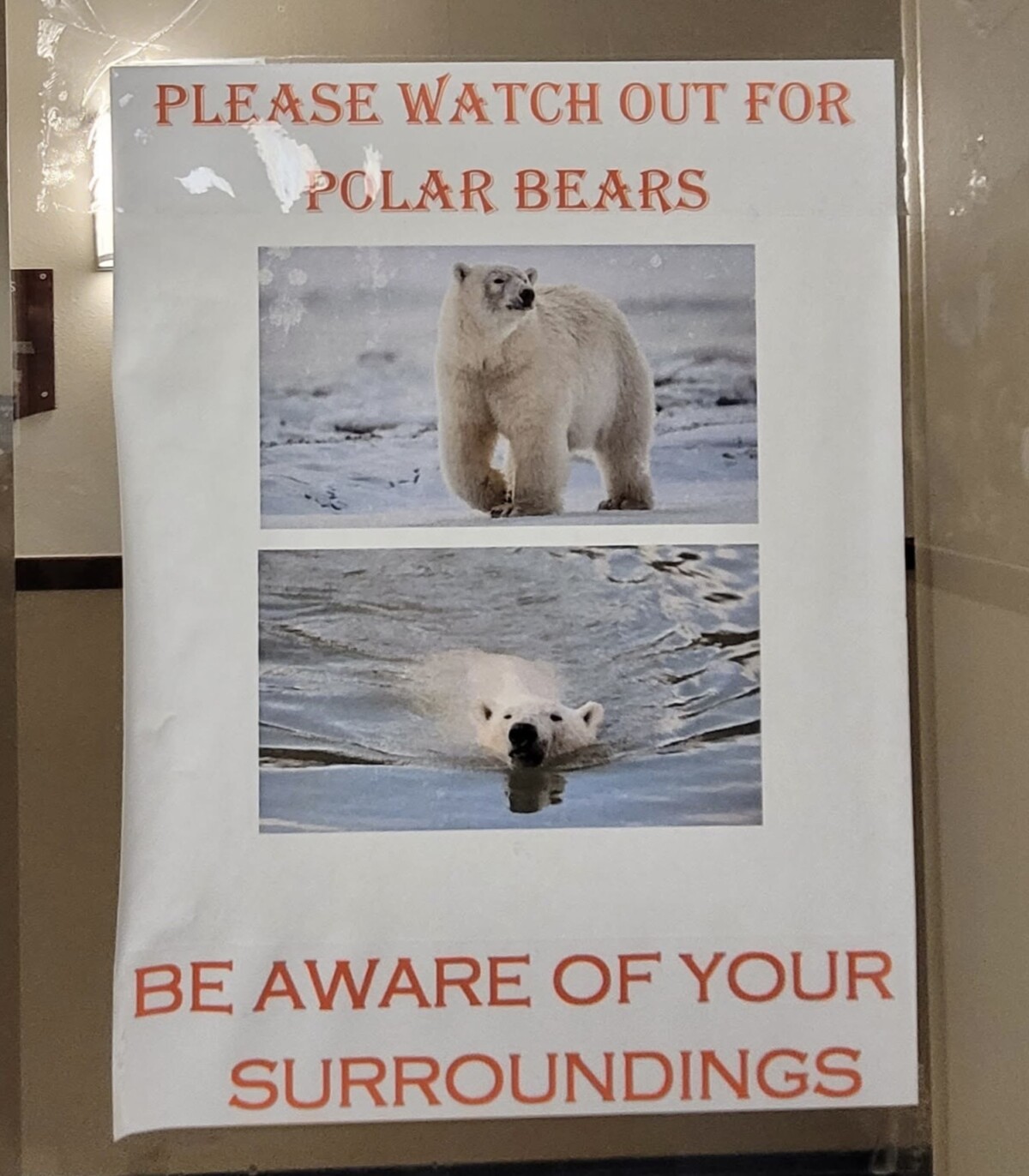
When we checked in, I asked about the shuttle. I was told the shuttle was full and the driver does not return, because he also needs to check in the guests, who he brought in on the shuttle.
We were at the back of the plane, so by the time we got off, the shuttle was full and gone. Clearly, the shuttle is a first come, first serve kinda thing. Of course we had seats towards the front of the plane at booking, back in February, but we got moved to the back by flight day.
Oh well.
The weather was very good on our arrival day in Barrow, so we wanted to take full advantage of that, for photography purposes. It’s easy to do, with no dark hours; since there is no sunset hour at this time.
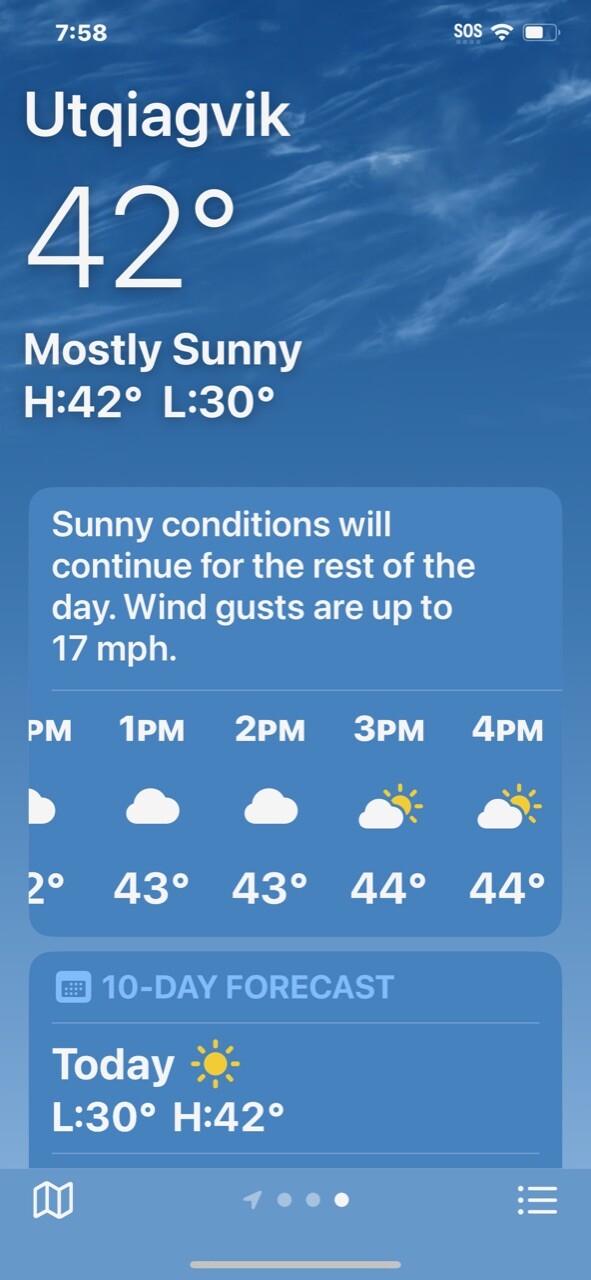
Between May 10 and the sunset on August 2, the sun stays above the horizon for the longest “Midnight Sun” season in the state.
We checked out our room with a view, for only a moment, then we tossed our carry-on bags on the bed, and headed outside to explore.
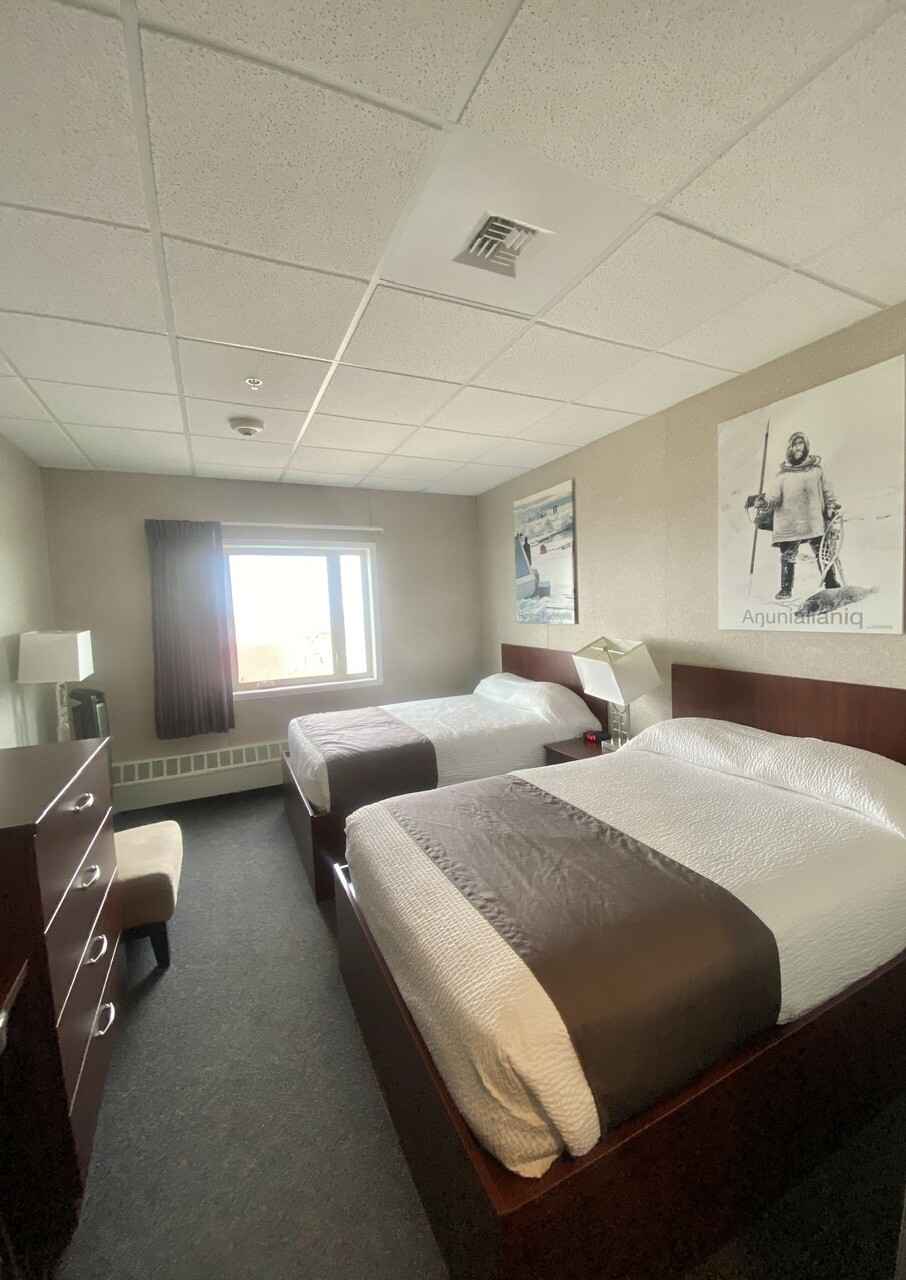
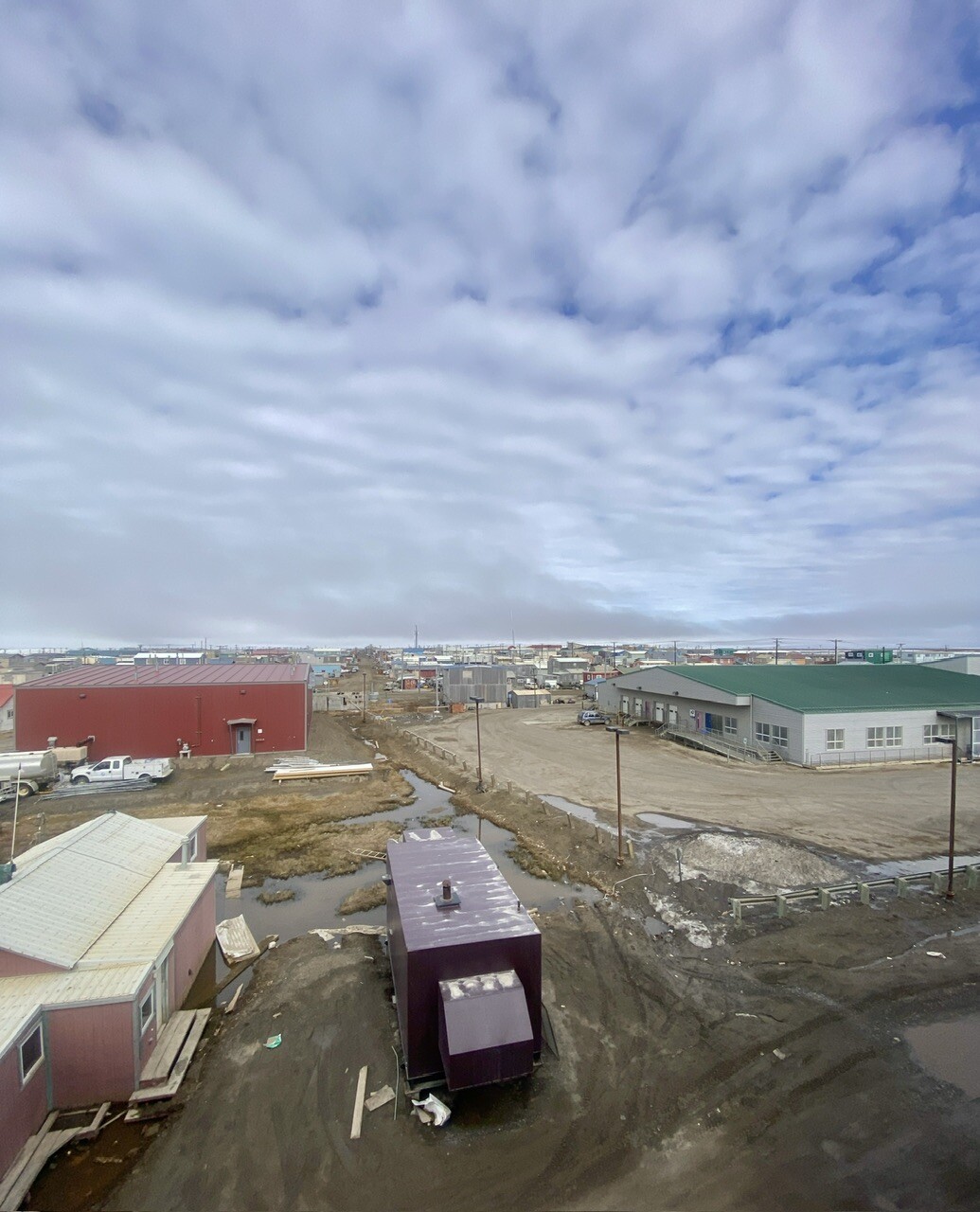
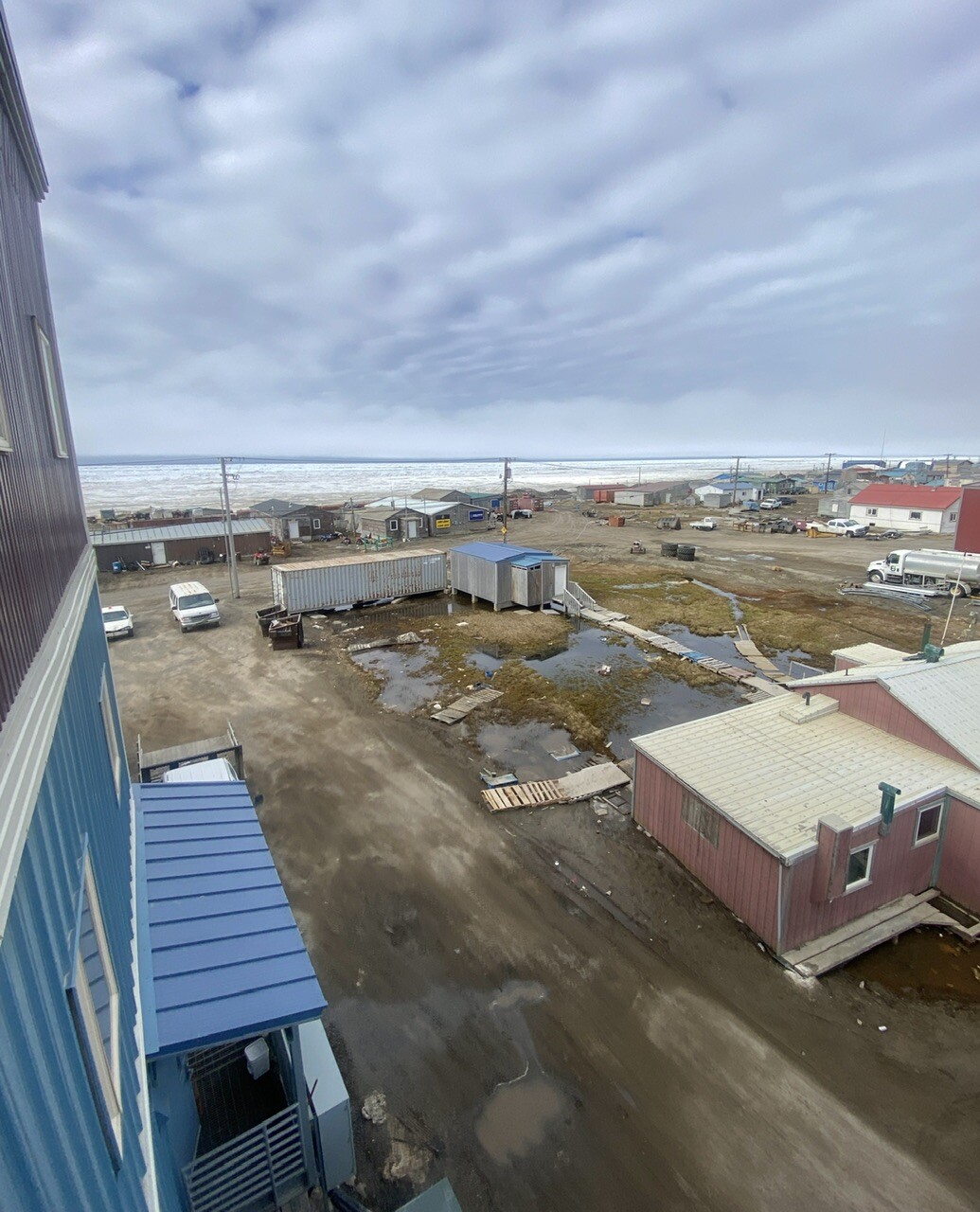
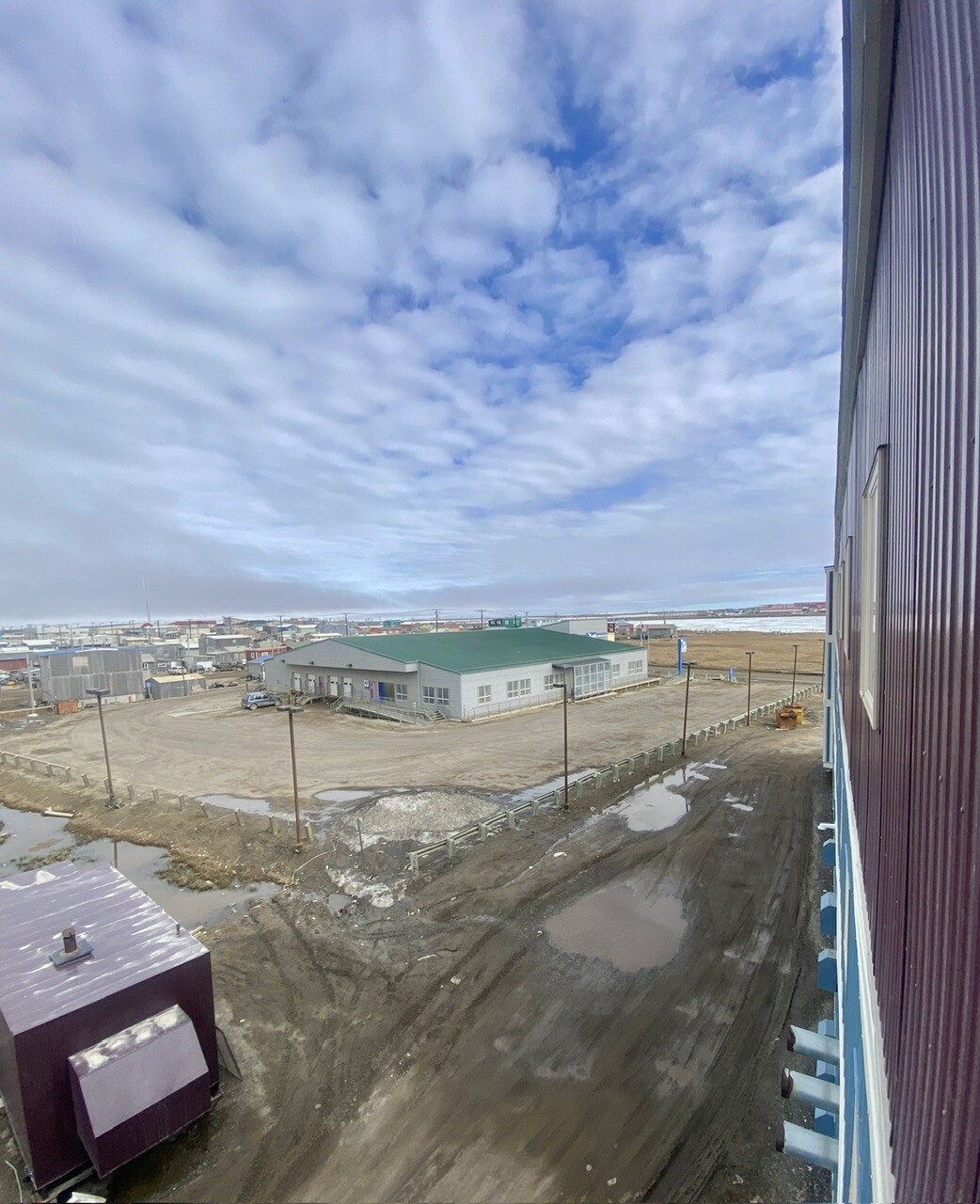
What a very interesting place to get to spend time in!
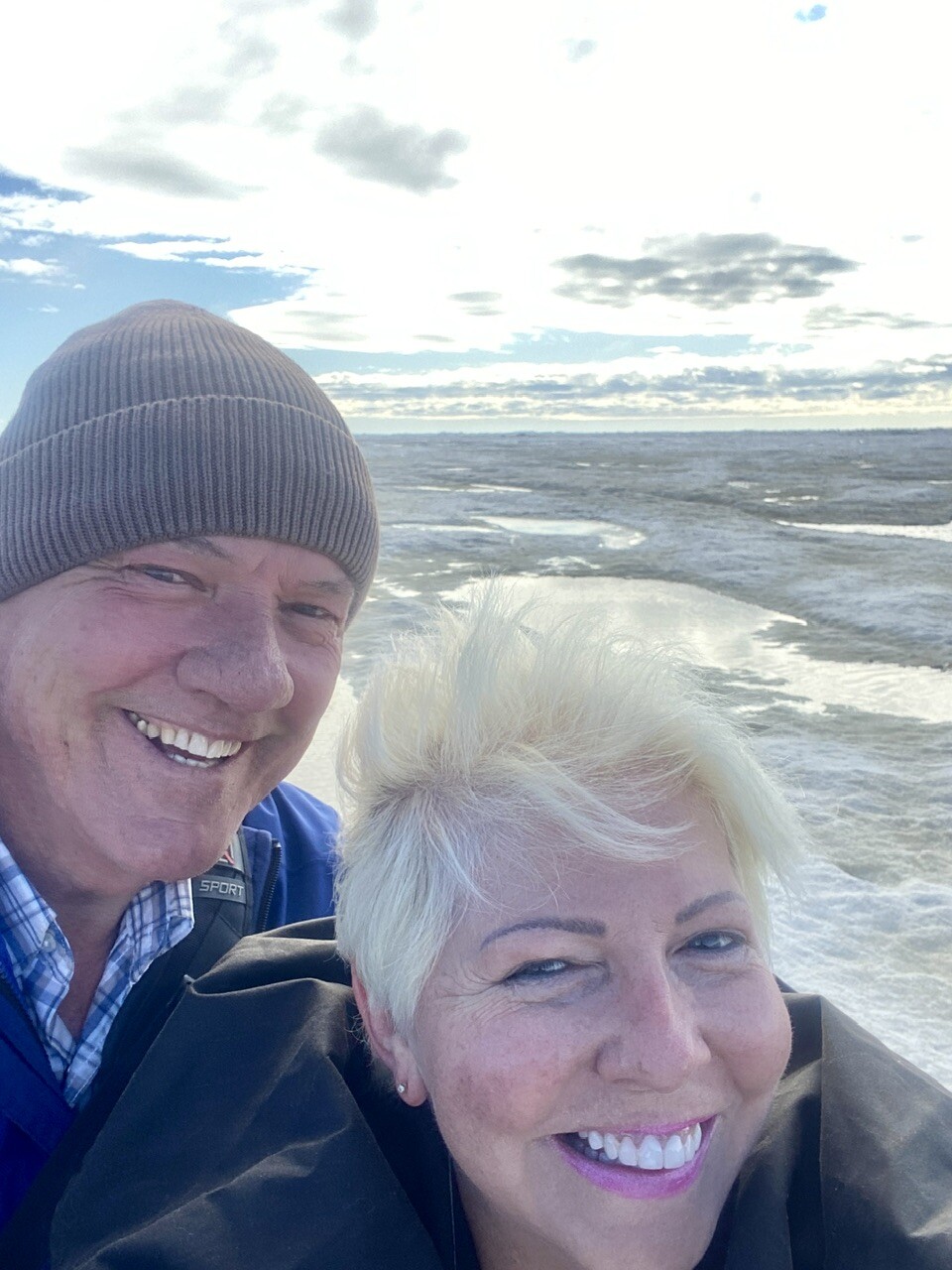
The weather was comfortable, at around 40 degrees, with some wind. We had sunshine for awhile and did some walking. I especially loved “walking” out on the Arctic Ocean, since it’s still, mostly frozen! I was mindful to stay close to shore, though, as I didn’t want to break through in the deep part, and of course we were keeping an eye out for Polar Bears.
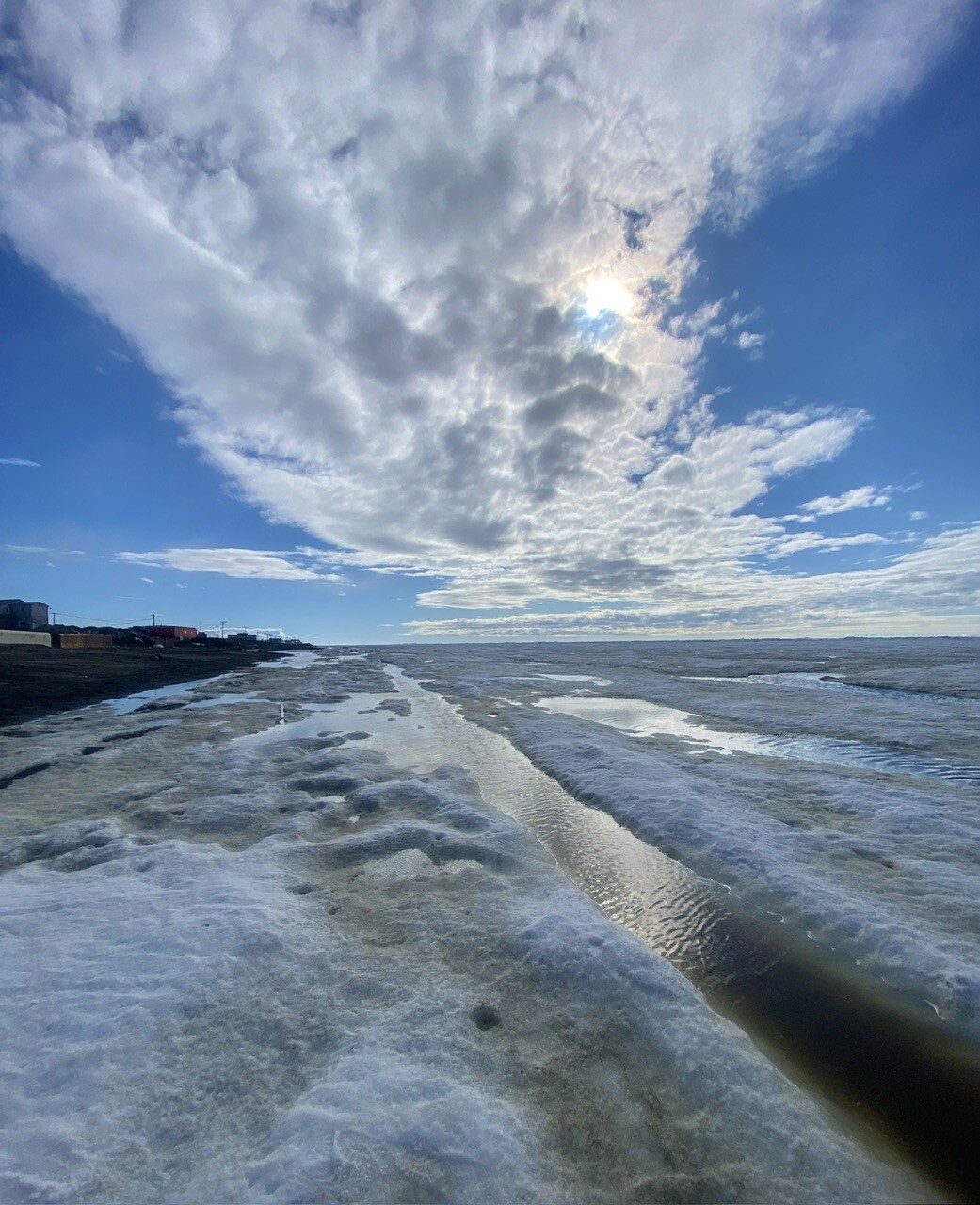
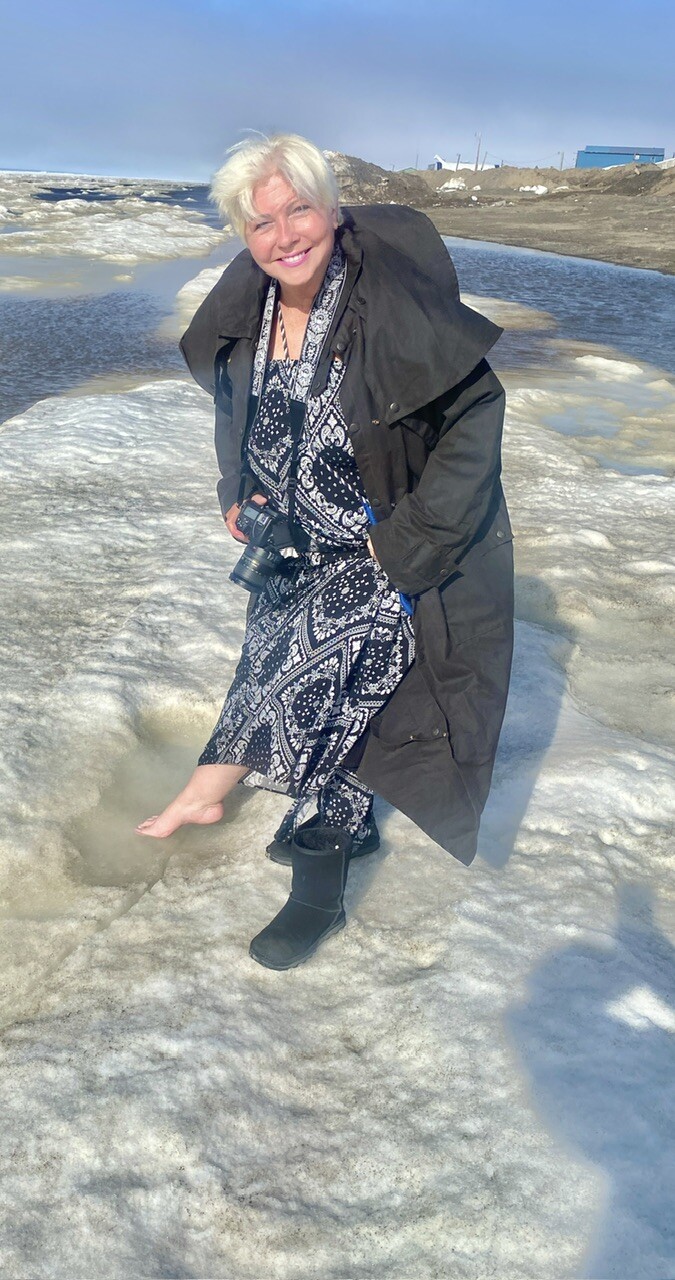
Bucket List ✅ Toe dipped in the Arctic Ocean!
The last sighting of Polar Bears we heard, was three days prior, when 17 of them had gathered at the last whale carcass; hunted and butchered near the ocean, from the villages winter season.
Their winter whaling season ends in June. They won’t whale now, till September.
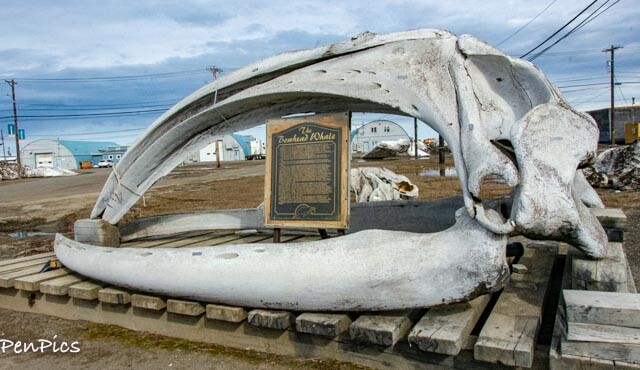
“The Whale Bone Arch”
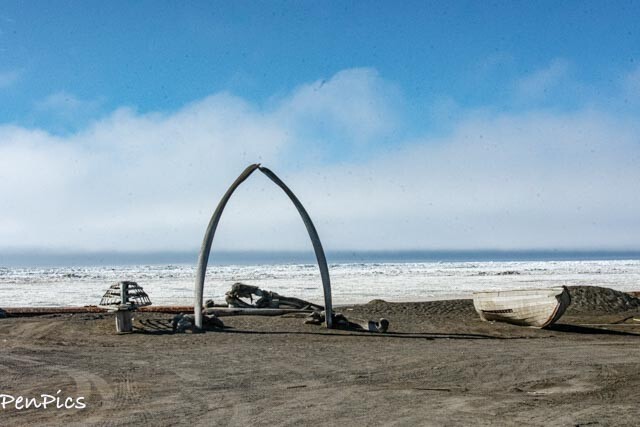
One of the most iconic places to take in, there, besides Polar Bears, is the Whale Bone Arch, which perfectly frames this impressive Arctic Ocean view. The “Gateway to the Arctic” connects Barrow’s indigenous population with the sea and its traditional industry; whaling. There is little information about the arch’s history, though sources date it towards the end of the 19th century. The bones to create the arch are buried five feet into the perms frost, below the surface.
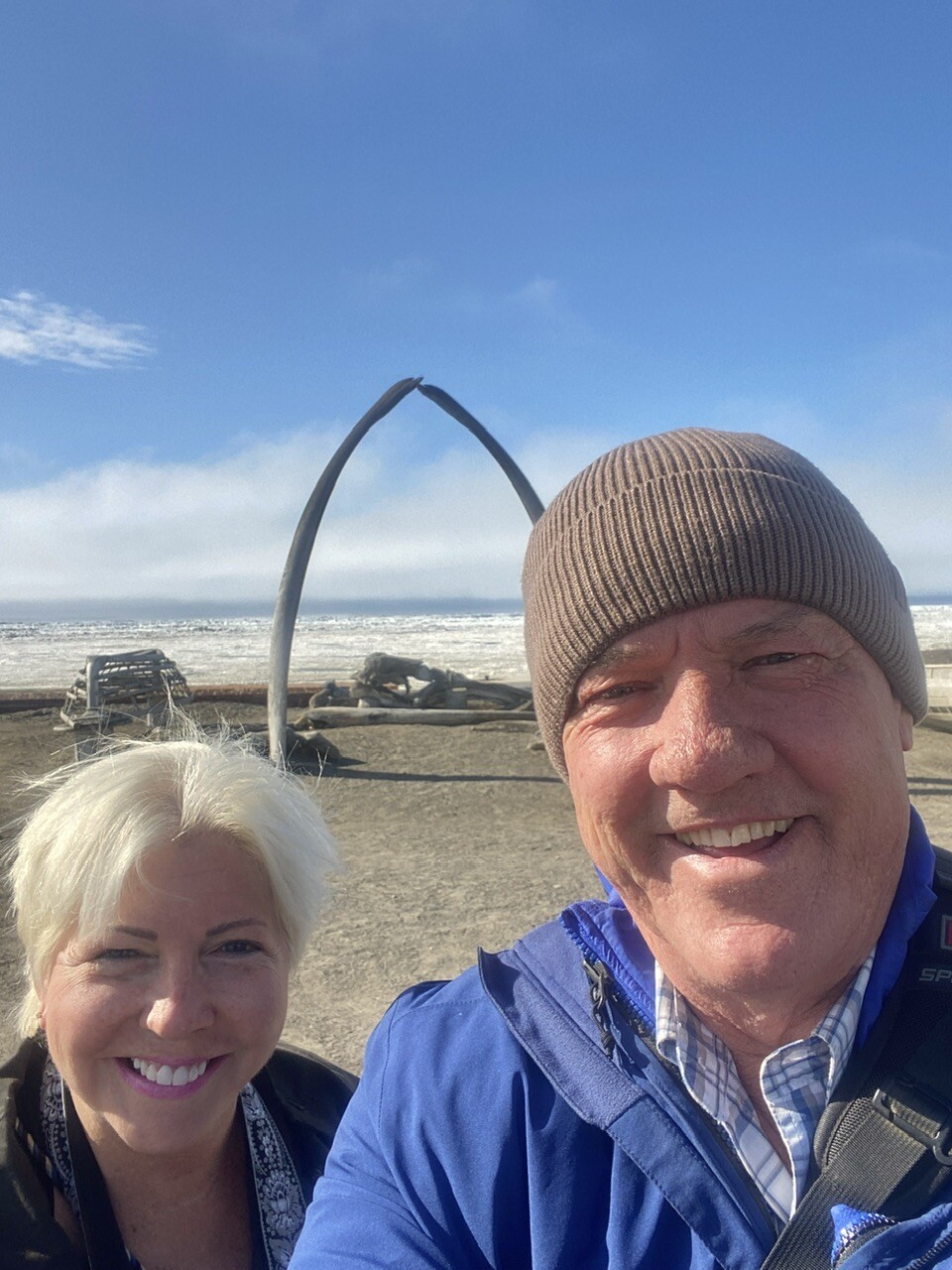
The Arch reflects the area’s traditional whaling history. It is located on the beach near the Cape Smythe Whaling and Trading Station, and is constructed out of a Bowhead Whale’s jawbone.
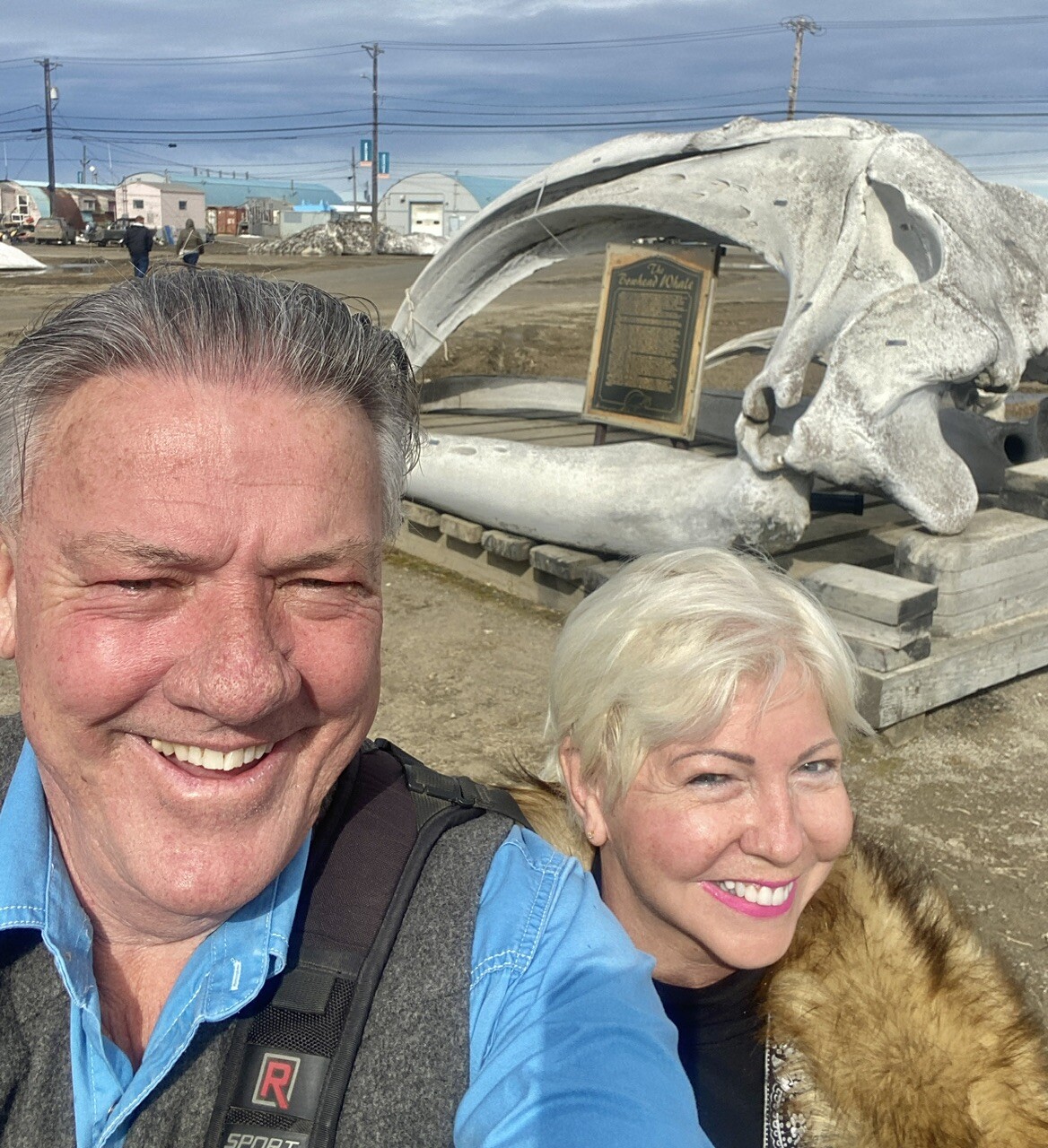
We were told on our tour that this Arch was constructed with the first Whale ever hunted on Utqiagvik, it was 93 feet long and just its head weighed two ton. The arch not only provides perspective on the massive size of the marine mammals, but also provided the perfect backdrop for a photo to commemorate our trip.
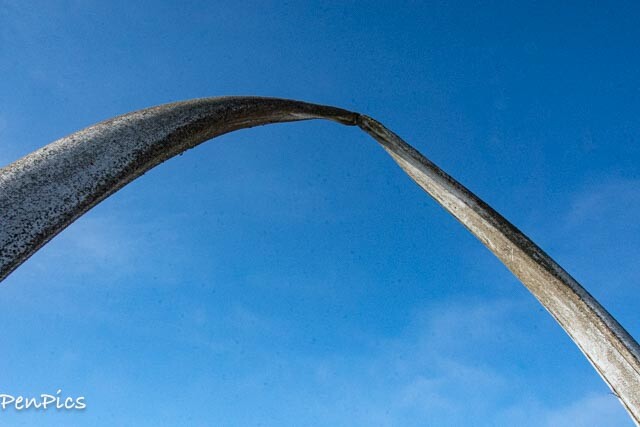
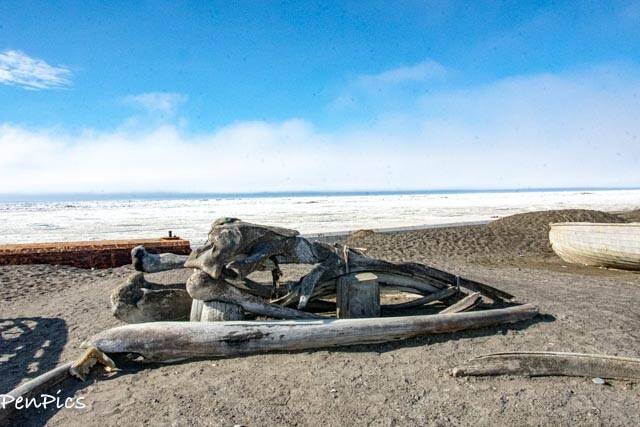
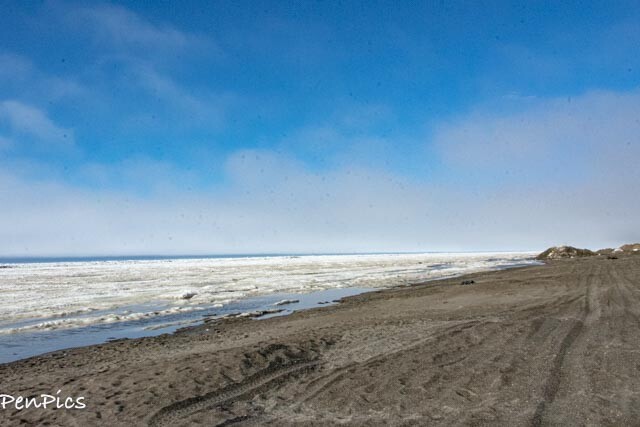
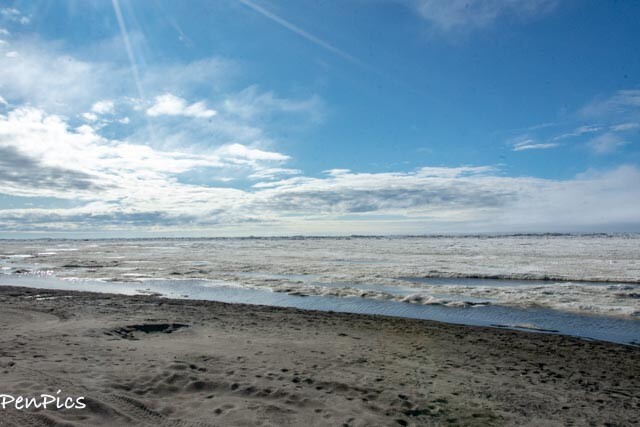
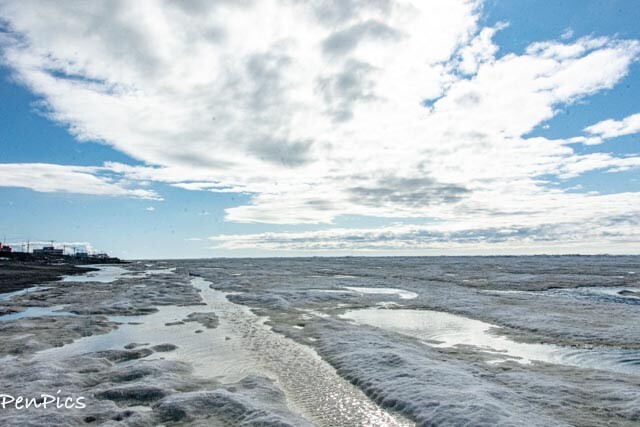
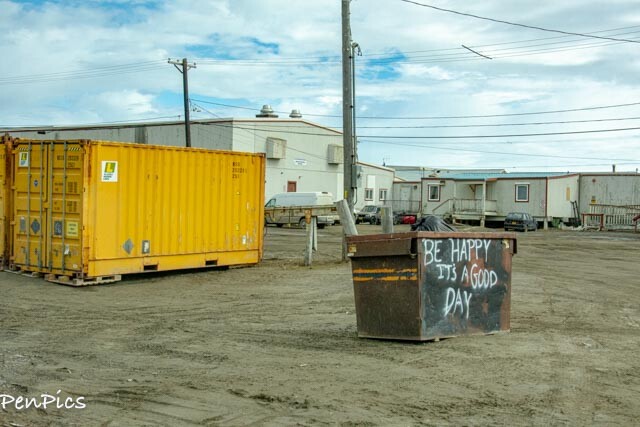
We continued walking around the village. It was quite fascinating and full of surprises. I did have to wonder about scraps of whale parts laying around, inside the town and not out on the ice, but we just kept an eye out for Polar Bears.
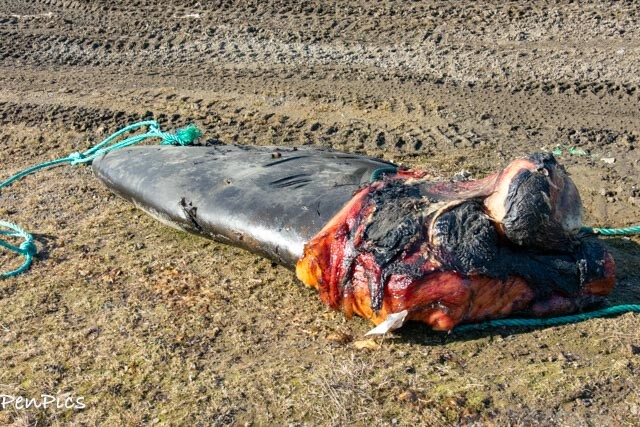
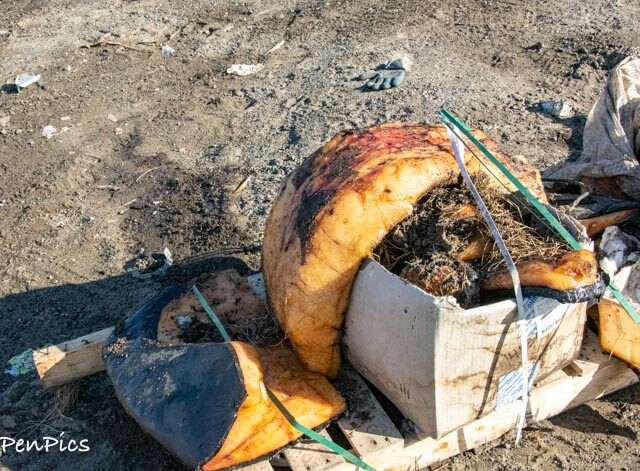
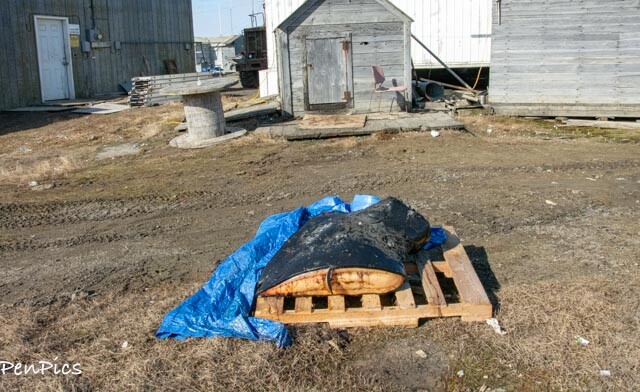
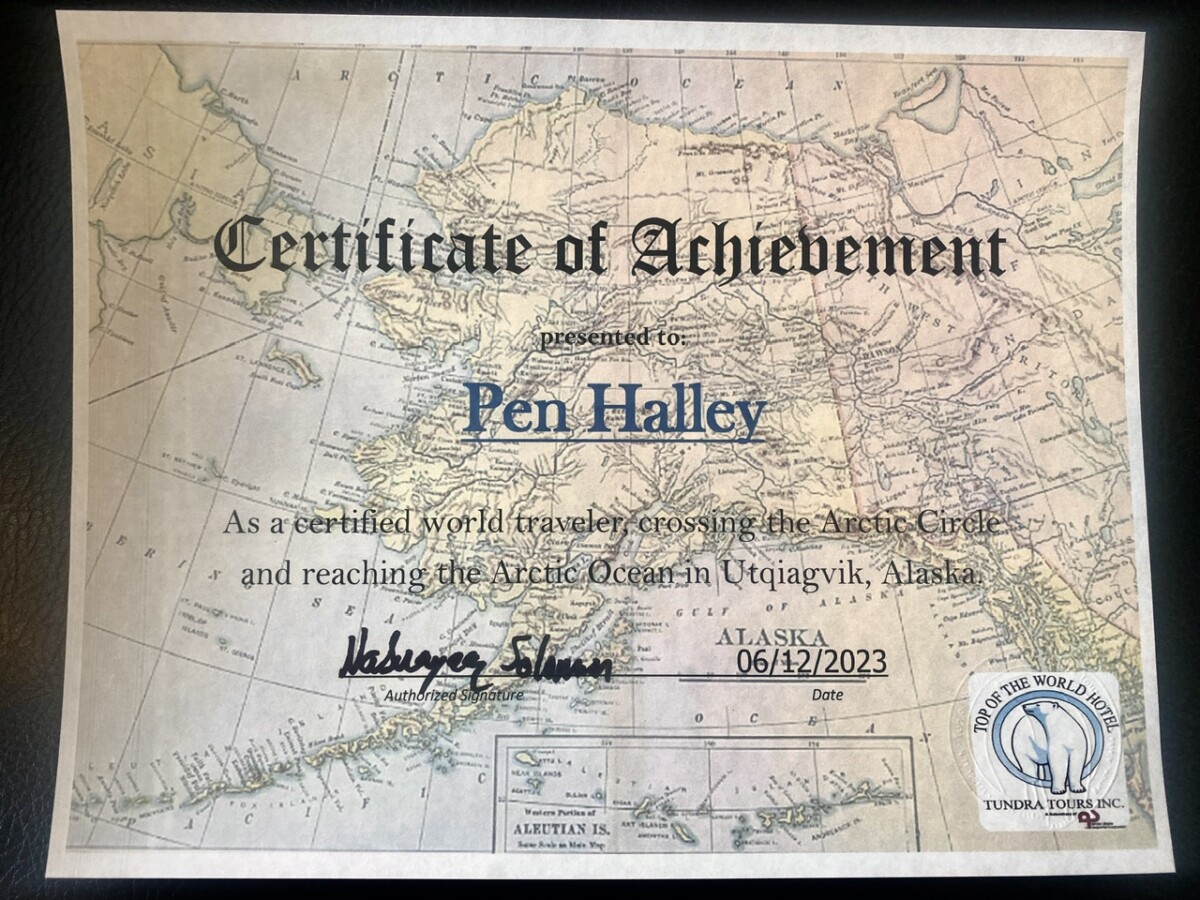
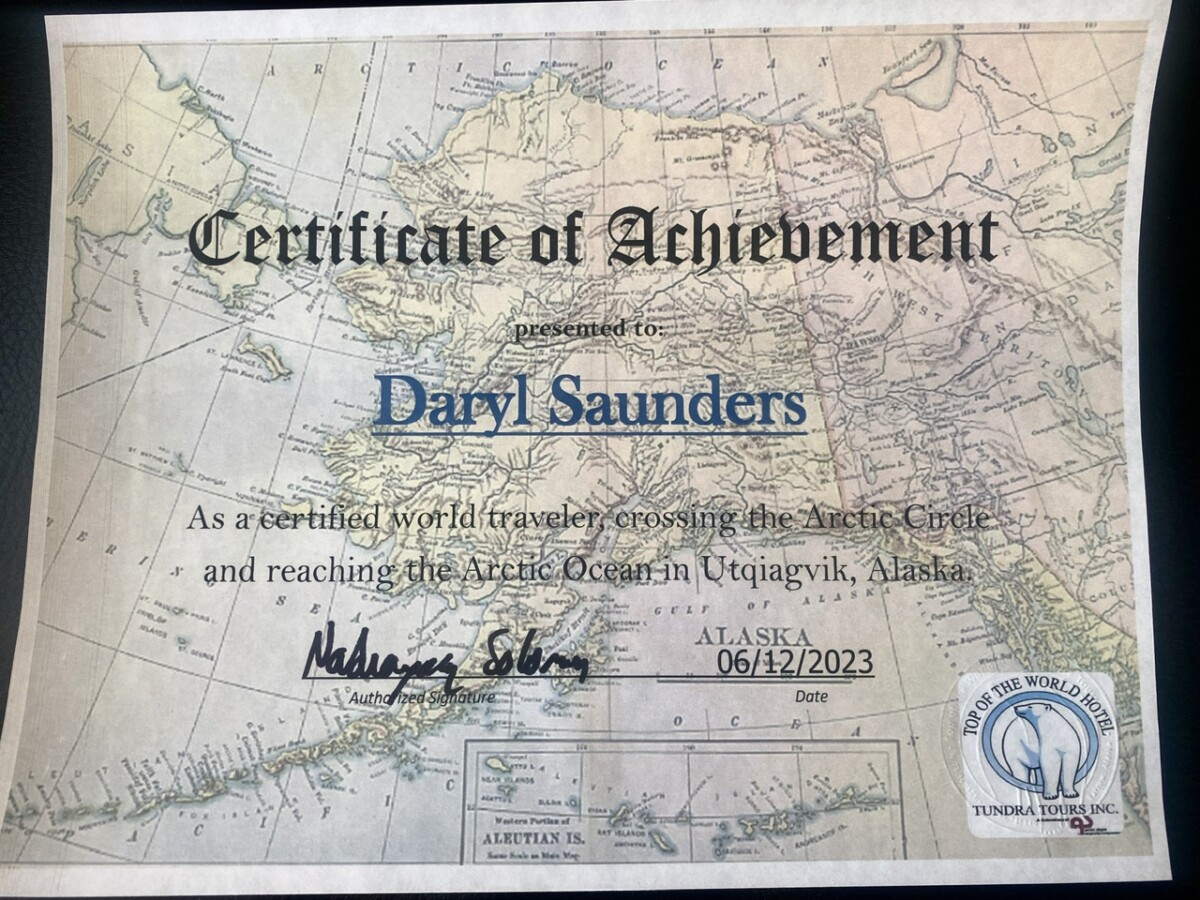
Barrow is not only the northernmost city in the United States, but also the northernmost in Alaska. However, its history with whaling, predates its inclusion in the States by centuries; maybe more.
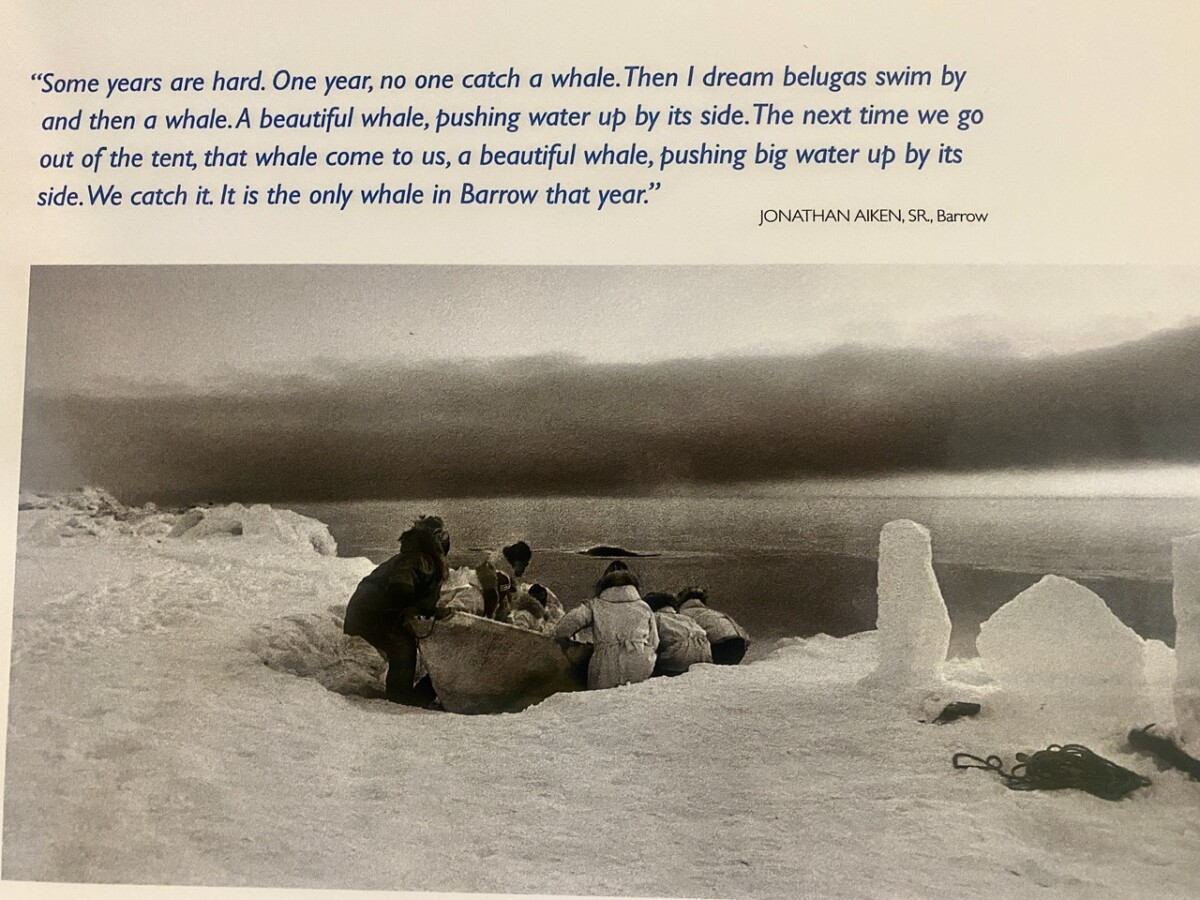
Before it was Barrow it was called Ukpeagvik by the Iñupiat who lived there. Whale hunting provided them with almost everything they needed: whale meat for food, skin and bones for boats, houses, clothes, baleen for tools and art, and blubber for oil.
When commercial whaling took a devastating toll on the whale population, hunting was finally prohibited. The Iñupiat, many of whom still live in Barrow, are allowed to harvest 24 whales a year, as part of cultural heritage preservation.
Facts about Utqiagvik
While Utqiagvik is the northernmost city in the United States, it is also the ninth northernmost city in the world.
Utqiagvik is 320 miles North of the Arctic Circle.
When the sun sets here on November 18th or 19th, it doesn’t rise again for 65 days.
Utqiagvik is not connected by a maintained road system to the rest of Alaska, even though it is the economic center of the North Slope Borough.
More than 4,000 people live here and survive, largely by hunting whales, seals, walrus, waterfowl, caribou, and catching fish from the Arctic Ocean or nearby rivers and lakes.
Archaeological sites in the area indicate the Inupiat lived in this area as far back as 500 AD.
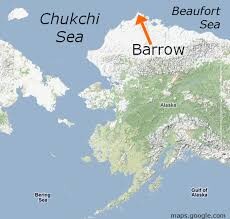
Point Barrow, a headland, nine miles from town, is where the Chukchi and Beaufort seas meet.
On average, Utqiagvik’s high temperature is above freezing only 120 days per year, while temperatures are at, or below zero degrees, 160 days per year.
Utqiagvik was the setting for 2011’s Hollywood movie “Big Miracle,” about an effort to rescue three whales trapped in sea ice.
The history of the Alaska Native culture are a highlight of this area, which features several sites on the National Register of Historic Places.
We were very excited for our tour, the next morning, from 10AM to 2PM!
Once I made our booking at the hotel, back in February, which doubles as an active tour company, I couldn’t get anybody to answer a phone, or return an email. After arriving, we learned they only operate by Satellite internet, as there is no actual phone service there. If the signal is strong enough, their phones will work.
They used to provide Winter Tours, but no longer do, and focus, now, on Summer tours, only.
If we are very lucky, while literally in the North on this trip, we would get to see a Polar Bear, that haven’t moved on yet, with Summer coming!
The town had to move their “bone yard” further out, not so long ago, as the Polar Bears coming to nibble on the hunting remains, were too many to manage, safely.
Located on the Arctic Ocean, Utqiaġvik is one of the largest Inupiaq settlements in Alaska. It’s also the northernmost community in the United States.
Utqiaġvik is also one of the oldest inhabited town sites in the United States, and archaeological provided evidence of human habitation in the area going back to 800 AD.
In the Inupiaq language, Utqiaġvik means:
“The Place Where We Hunt Snowy Owls”
But, that’s just one of the species that have lived here and provided nourishment to local people for thousands of years.
Hunting and gathering is still a big part of life in Arctic Alaska, and seasonal hunts for whales, seals, walrus, caribou, and ducks remain important for both traditional and economic reasons.
The Iñupiat (in-NOO-pee-at) and the St Lawrence Yupik peoples’ homeland is in Alaska’s northern and northwestern Arctic region.
These are the people of the ice as much as the land, and much of their life and culture revolves around the sea ice.
Subsistence, or traditional hunting and gathering practices, provide a large part of their diet to this day. The Iñupiat hunt both marine and land mammals, and also birds. They fish and gather berries in season.
Its extreme location means, Utqiaġvik receives 24 hour of daylight from May 10th, through August 2nd, and 24 hour of darkness, from November 18th through January 23rd.
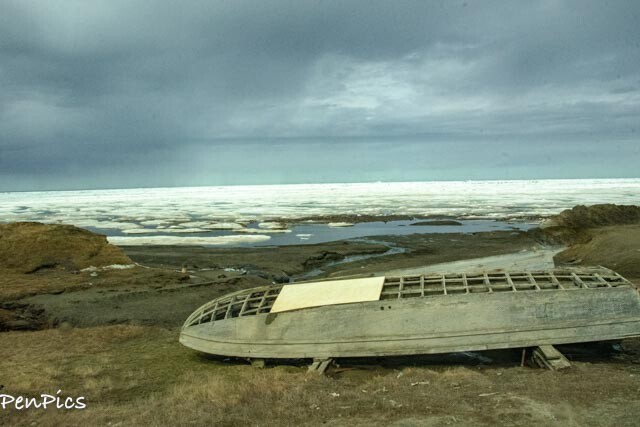
At the Birnirk National Landmark; an archaeological site, just a few miles from town, evidence of human habitation have been found, which date back as far as 1,000 to 1,500 years ago.
The Birnirk culture existed from about 500 to 900 A.D. and evidence of the culture can be seen at this site in the form of 16 dwelling mounds.
The mounds reach up to 14 feet tall and were formed by the construction of new houses on top of the ruins of other structures over hundreds of years.
Driftwood and whalebones framed the walls of the underground dwellings. Tools and other artifacts recovered from the site are used to compare artifacts from other sites and learn more about the Iñupiat culture in Alaska and Canada. Similar tools and artifacts have been found from the Russian Far East, to northern Canada.
The Birnirk site is a key link between prehistoric cultures and their modern descendants.
Today, Utqiaġvik serves as a hub community for smaller outlying villages, and its population of about 4,300 residents makes it one of Alaska’s larger villages.
Formerly known as Barrow, the official name of the village changed to Utqiaġvik in 2016, when village residents voted to change the name back to its traditional Inupiaq name.
During the summer months, tour operators offer a tour of the area that can include viewing polar bears, photographing snowy owls, or learning about the area’s traditional culture; all against a backdrop of 24 hours of daylight.
In Utqiagvik, we found ourselves on the coastline of the Arctic Ocean; which is a view, not many people get the chance to see.
We strolled along the beach and took in the vast expanse of ocean.
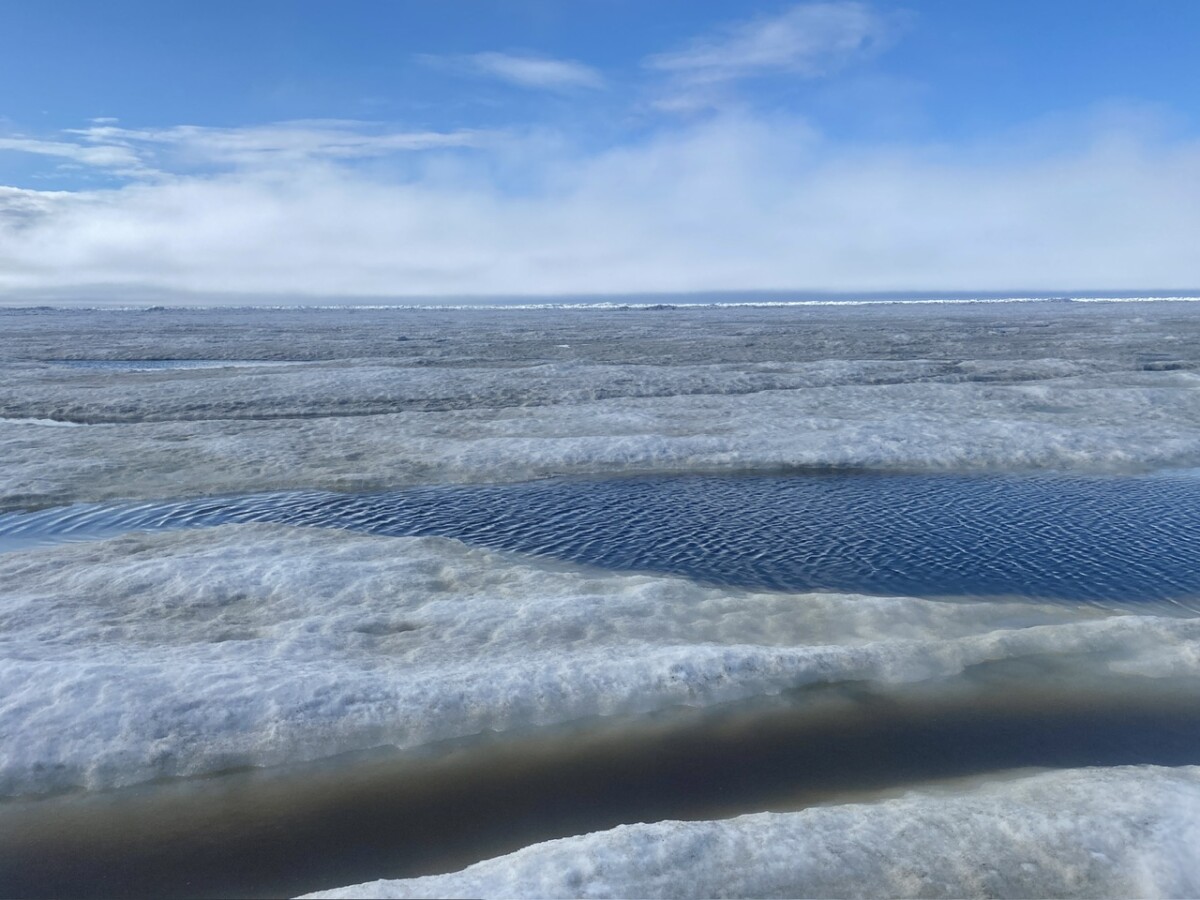
WILDLIFE VIEWING
When spring arrives, Utqiaġvik comes to life with millions of migratory birds and thousands of Bowhead and Beluga Whales. Throughout the spring and summer, Ringed and Bearded Seals, Walrus and more, swim in the ocean waters, near by, while Fox and Caribou can be seen on land.
The road system around town offers some of the best wildlife viewing opportunities. Not all of them, still living, though.
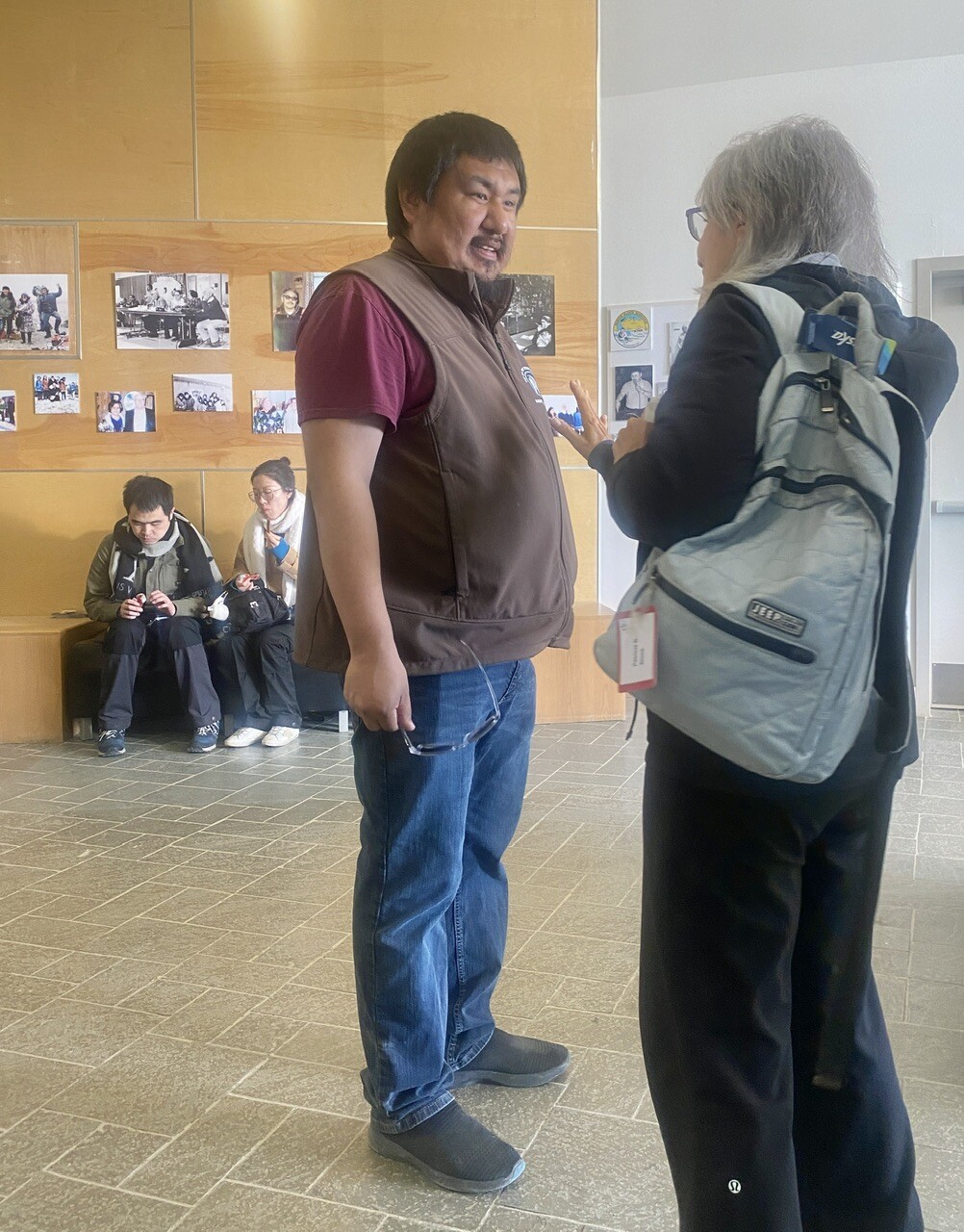
Our Tundra Tour was fabulous.
Born and raised in Barrow, he knows his ancestral history. We were able, with the current road system in place, get to three villages, out of the eight, here at the North Slope.I can’t say enough about it! Our Tour Guide apparently wears many hats. He was the shuttle driver and hotel check-in guy. He served in the USMC, too.
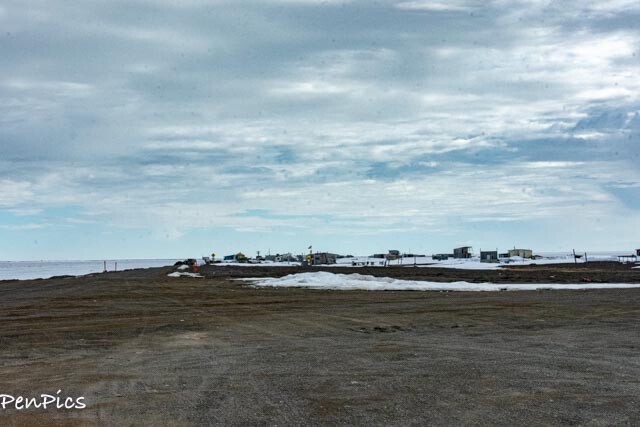
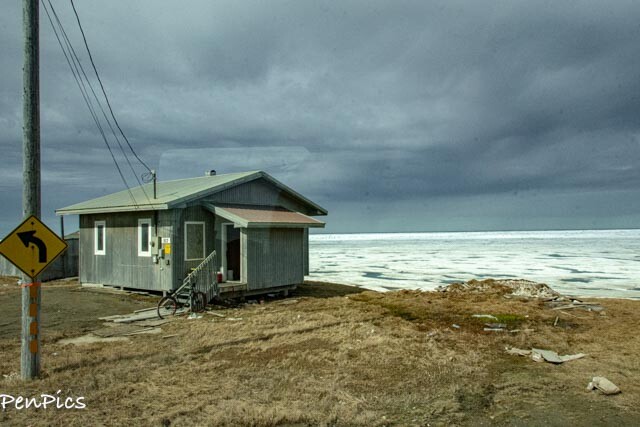
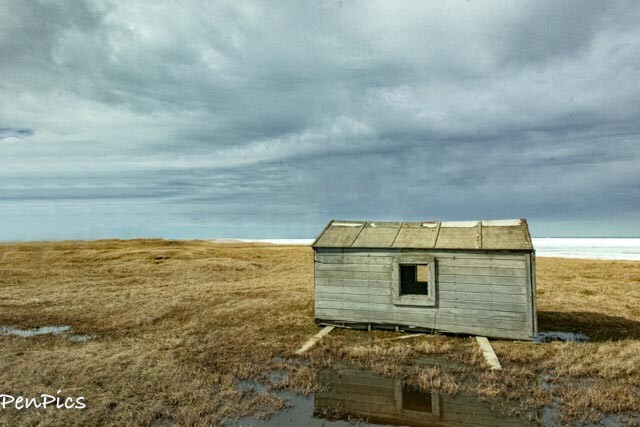
In 2021, a major storm turned roads back into beach, so access to all villages changed. As it was, we entered the old WWII airstrip, to drive on it, to reach the furthest point, possible, where there are summer shacks, used by locals.
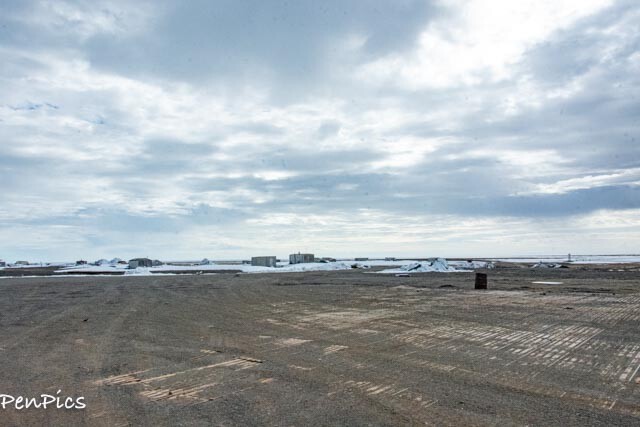
⬆️ Summer Shacks and the grate-like material that is the old military runway

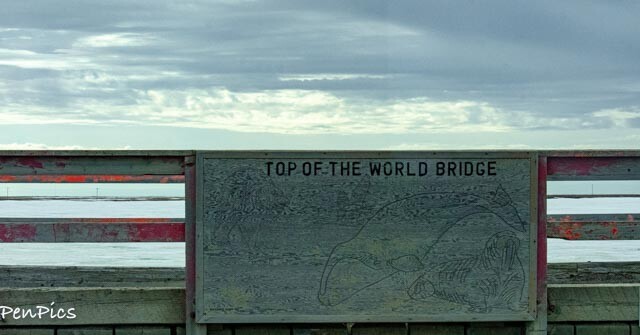
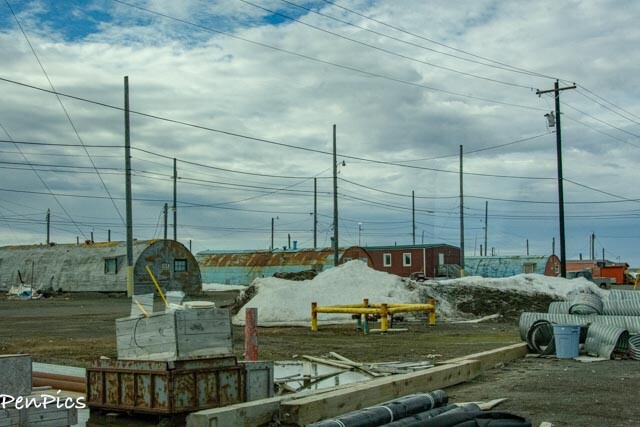
Left over buildings from WWII, still put to use
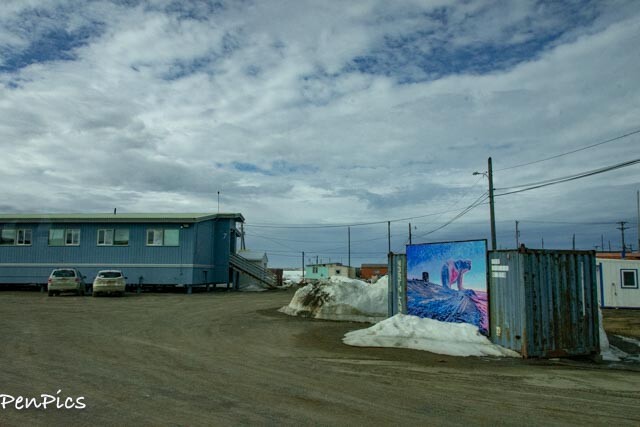
On the College Campus

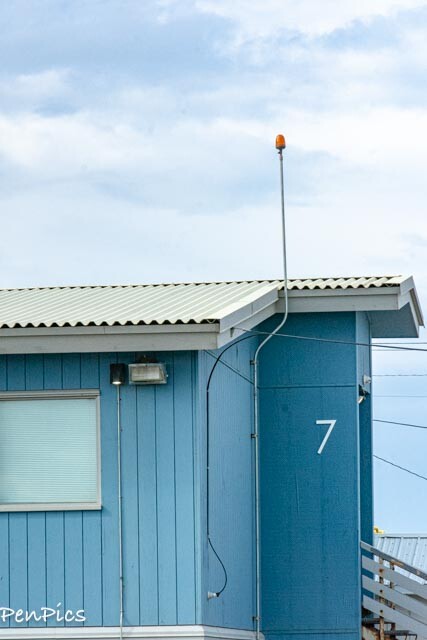
When this light activates, it means there is, or are Polar Bears wandering around in the Village


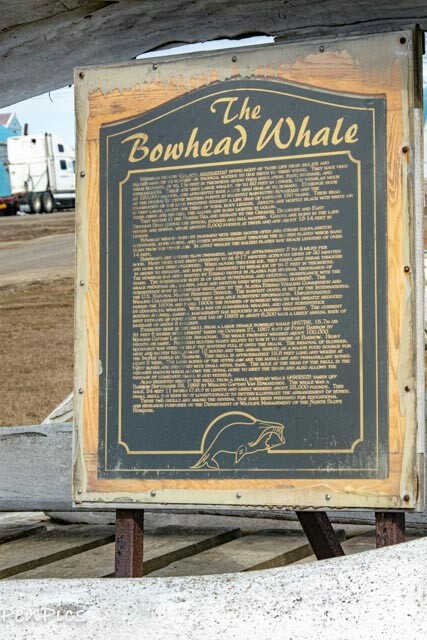
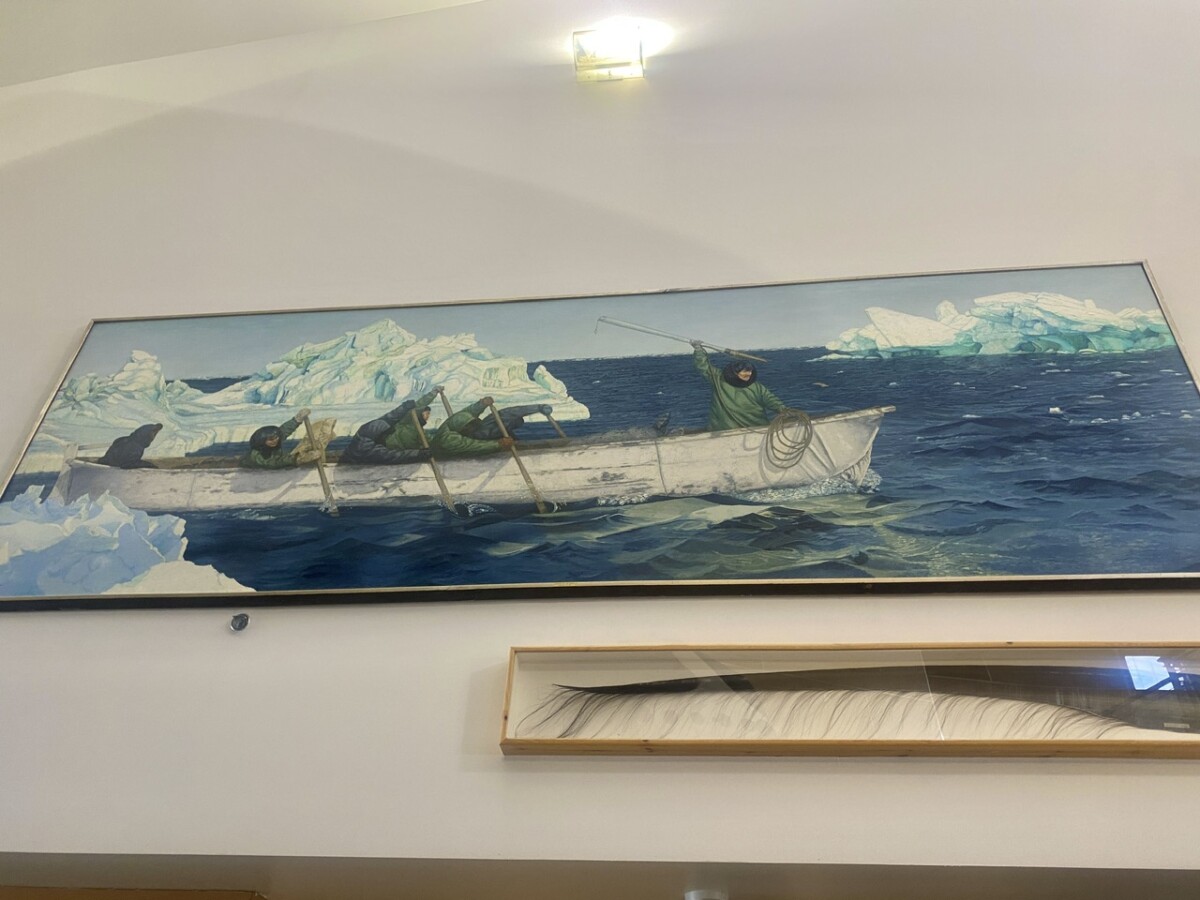
Alaska natives have been hunting bowhead whales (Balaena mysticetus) for thousands of years. This traditional subsistence hunt is protected under the Marine Mammal Protection Act and hunting is allowed for registered members of the Alaska Eskimo Whaling Commission (AEWC).
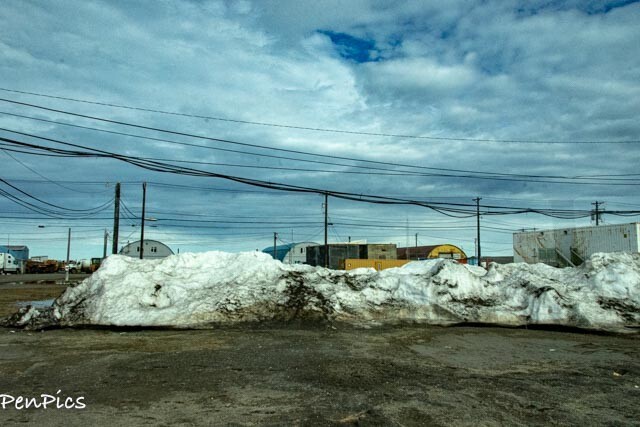
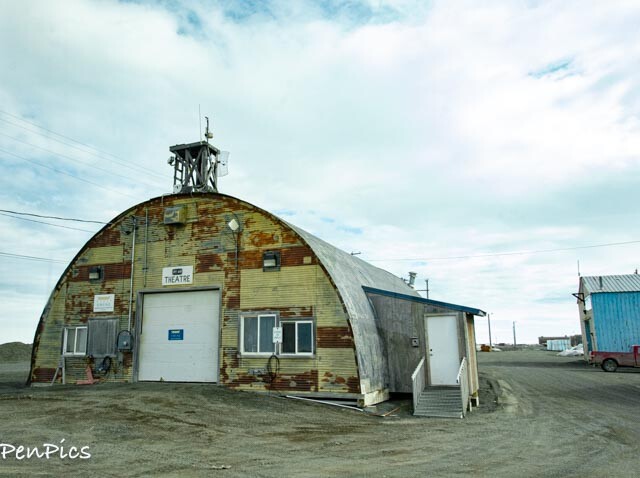
This was the popular Theatre during the war. At the time, we were told a lot of Charlie Chaplin movies were played back then.
It is used as storage, now.
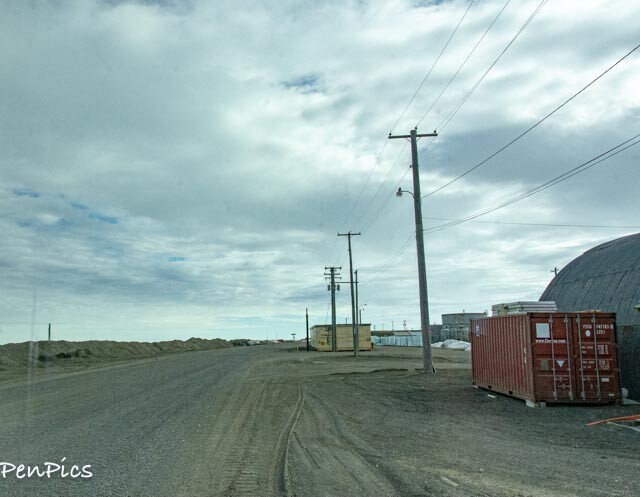
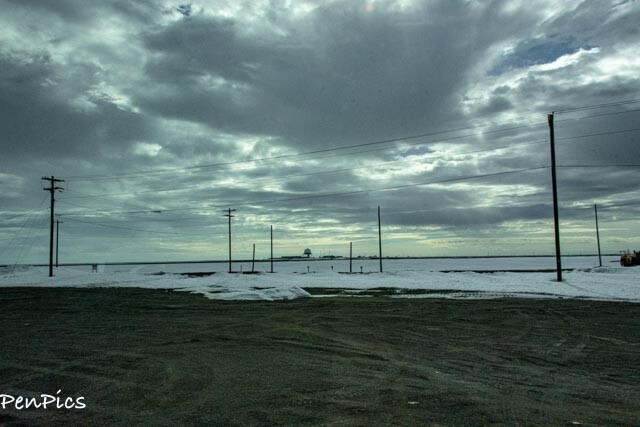
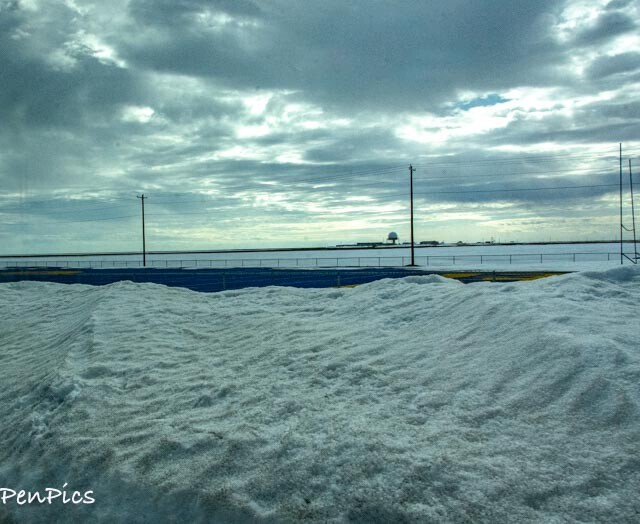
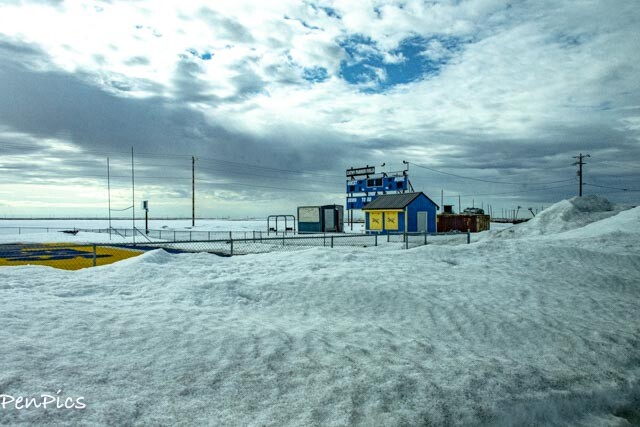
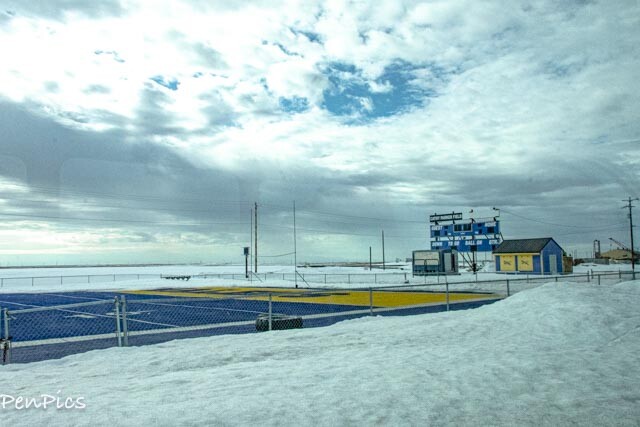
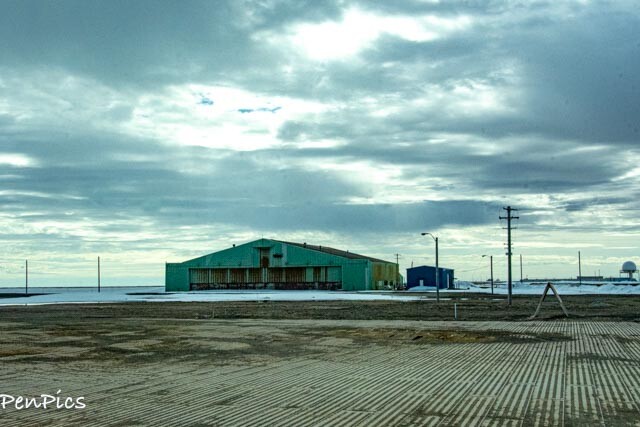
Military Airfields, from WWII
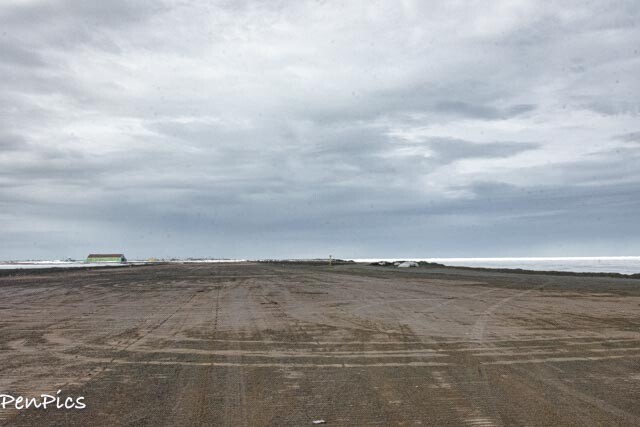
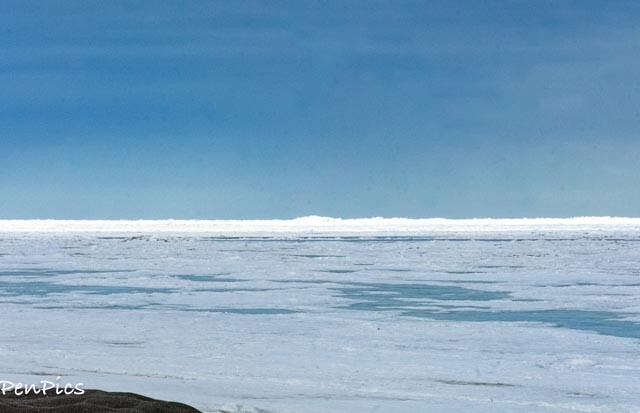
⬆️ This view NEVER gets old
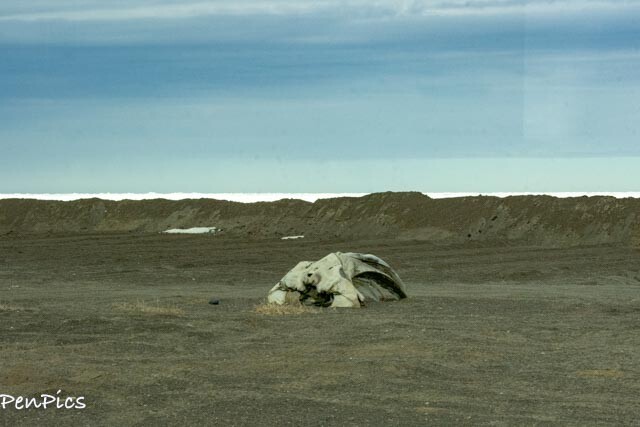
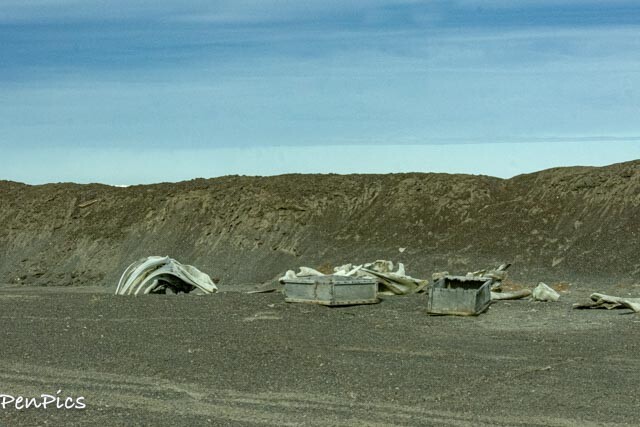
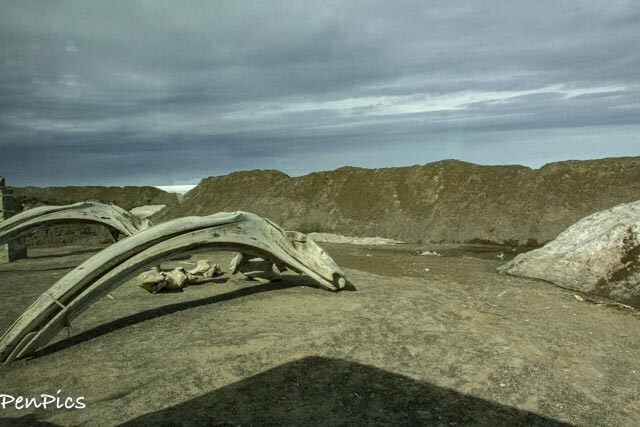
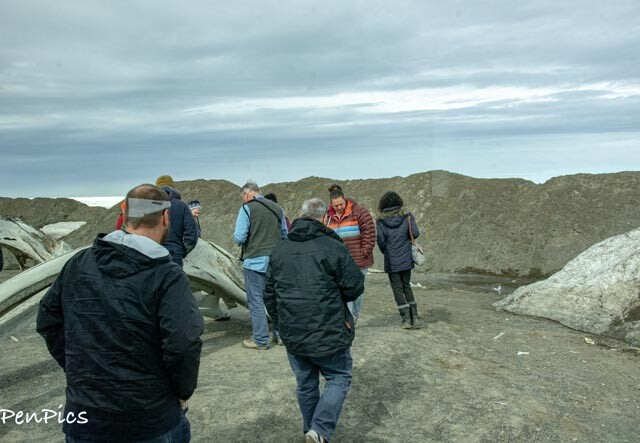
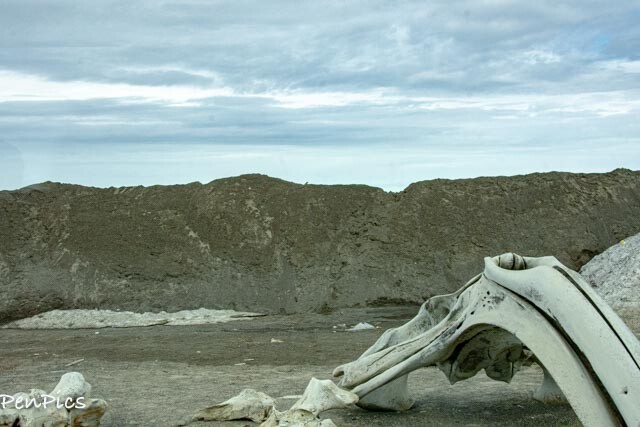
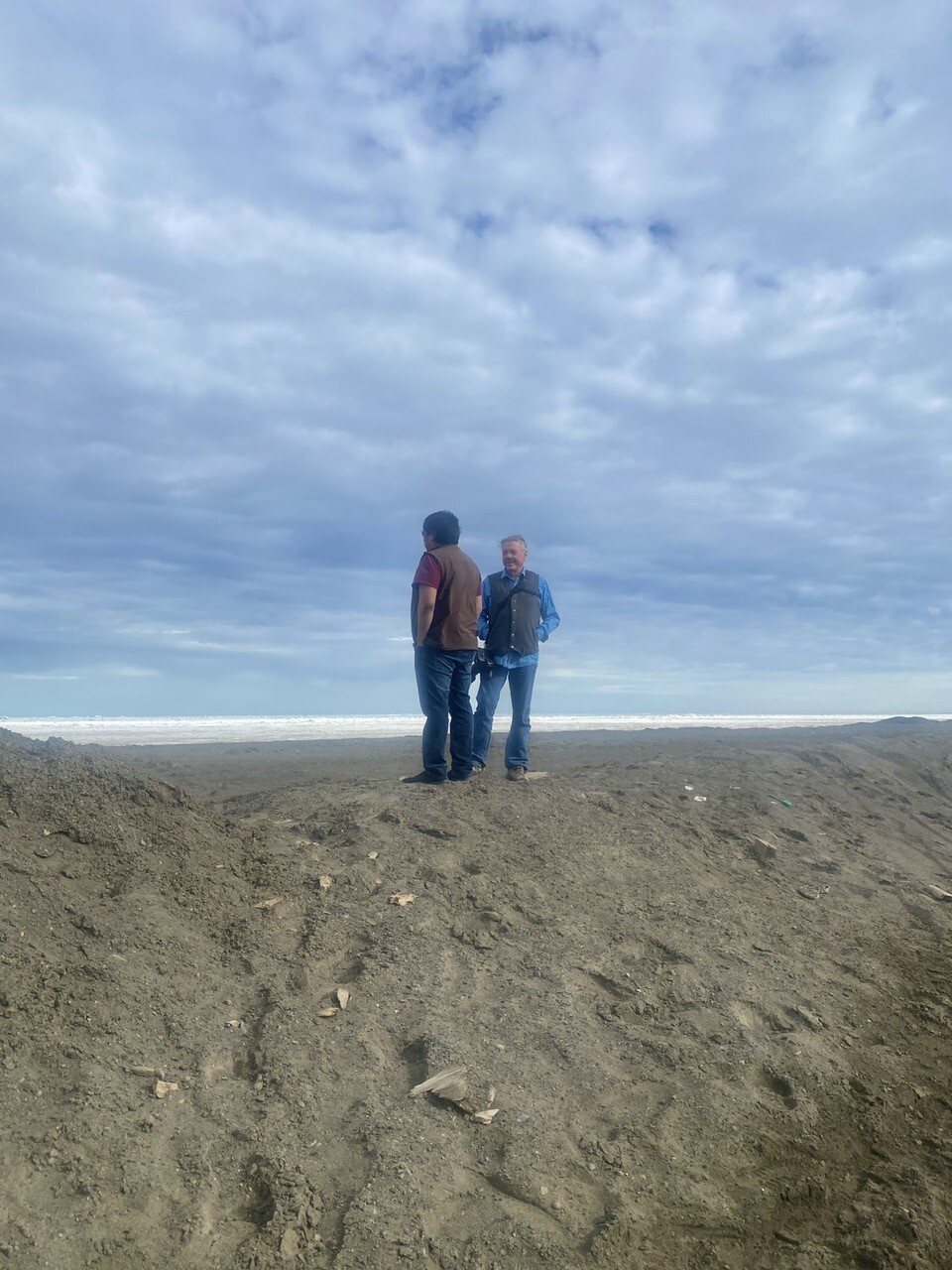
This area is also near the old Military Airfield. The locals use the old runway as a place to cut up their Whales. It is far enough out of the villages, the bears can come in and clean up, from the ocean, just over that burm of sand.
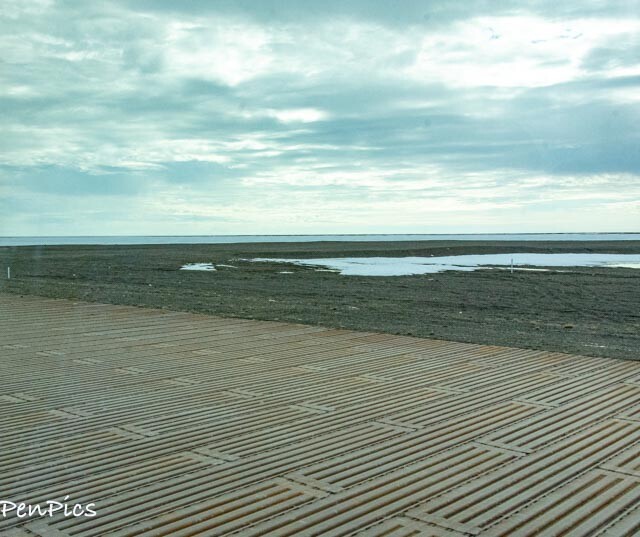
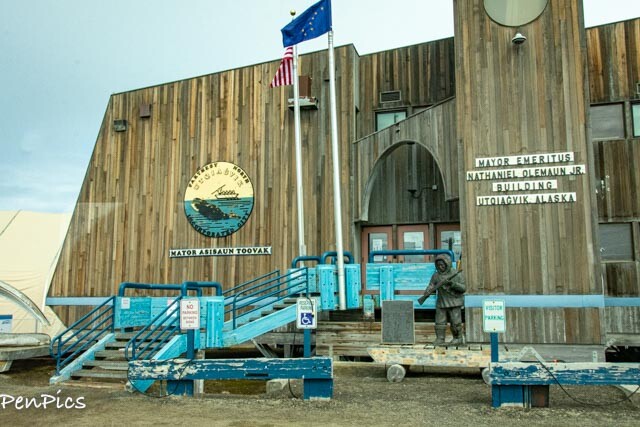

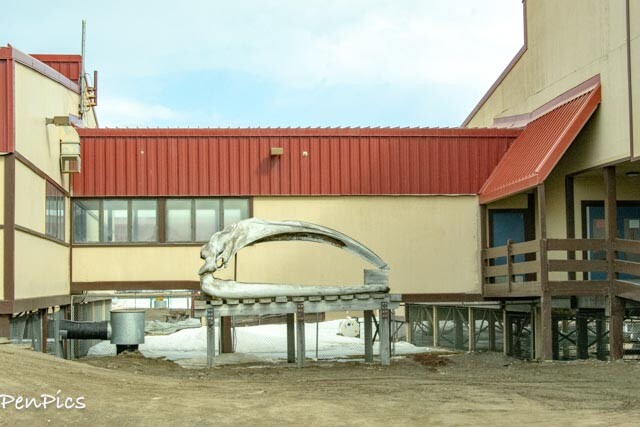
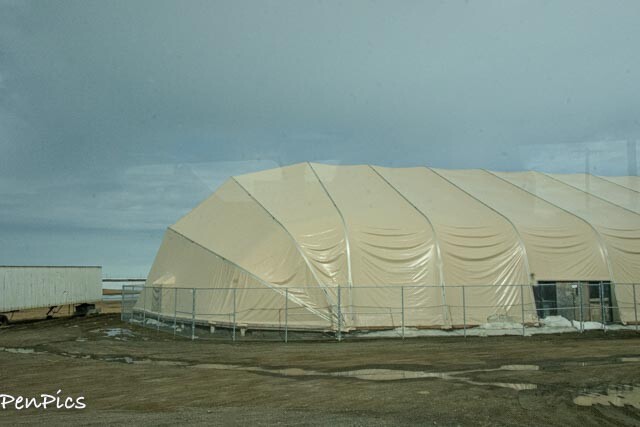
⬆️ Winter Season Ice Skating Rink
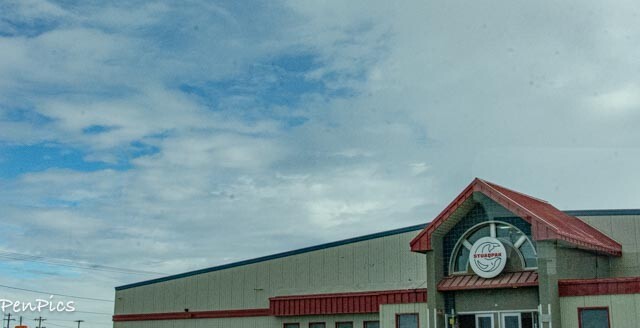
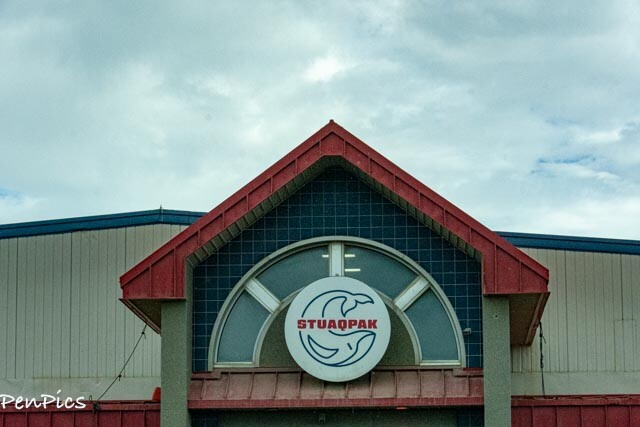
This is the local supermarket. It is cash only. The Native Alaskan name means: “The Store”
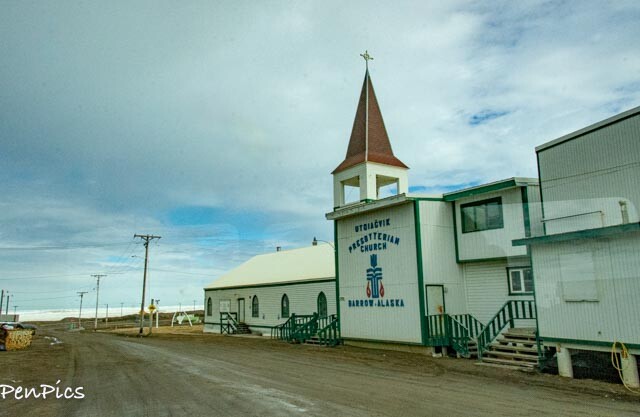
⬆️ This church in Barrow is from the 1800’s. It is also the Northernmost Presbyterian Church in the USA and perhaps the world
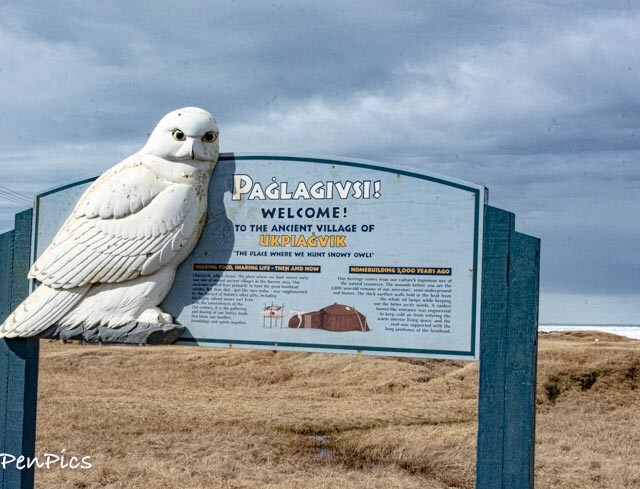
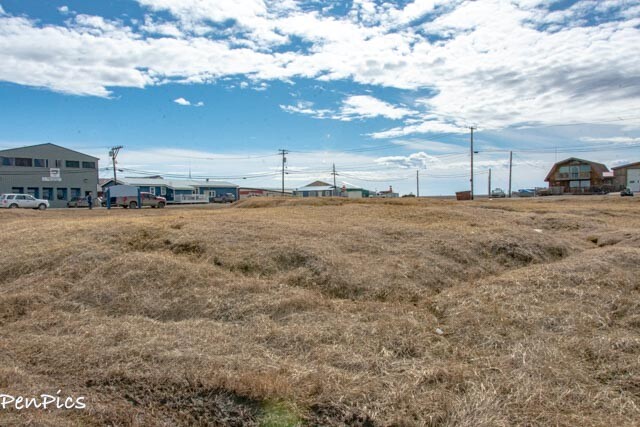
The mounds have ancient housing under them
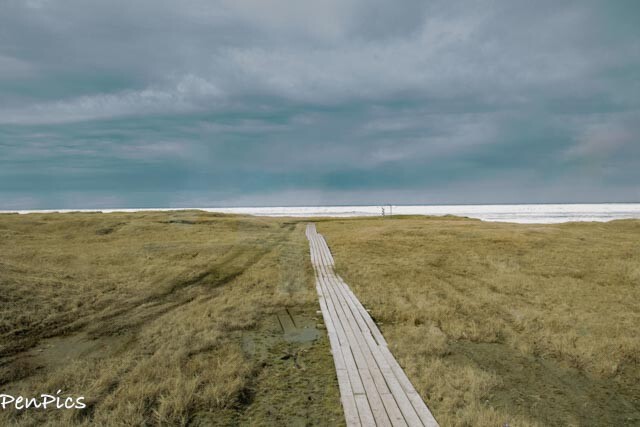
The tundra is protected, for obvious reasons. We were only allowed to walk off the walkway on the edge of the cliff, above the Arctic Ocean. This is the area where the ancients lived under the Tundra in sod homes, dug into the permafrost, thousands of years ago.
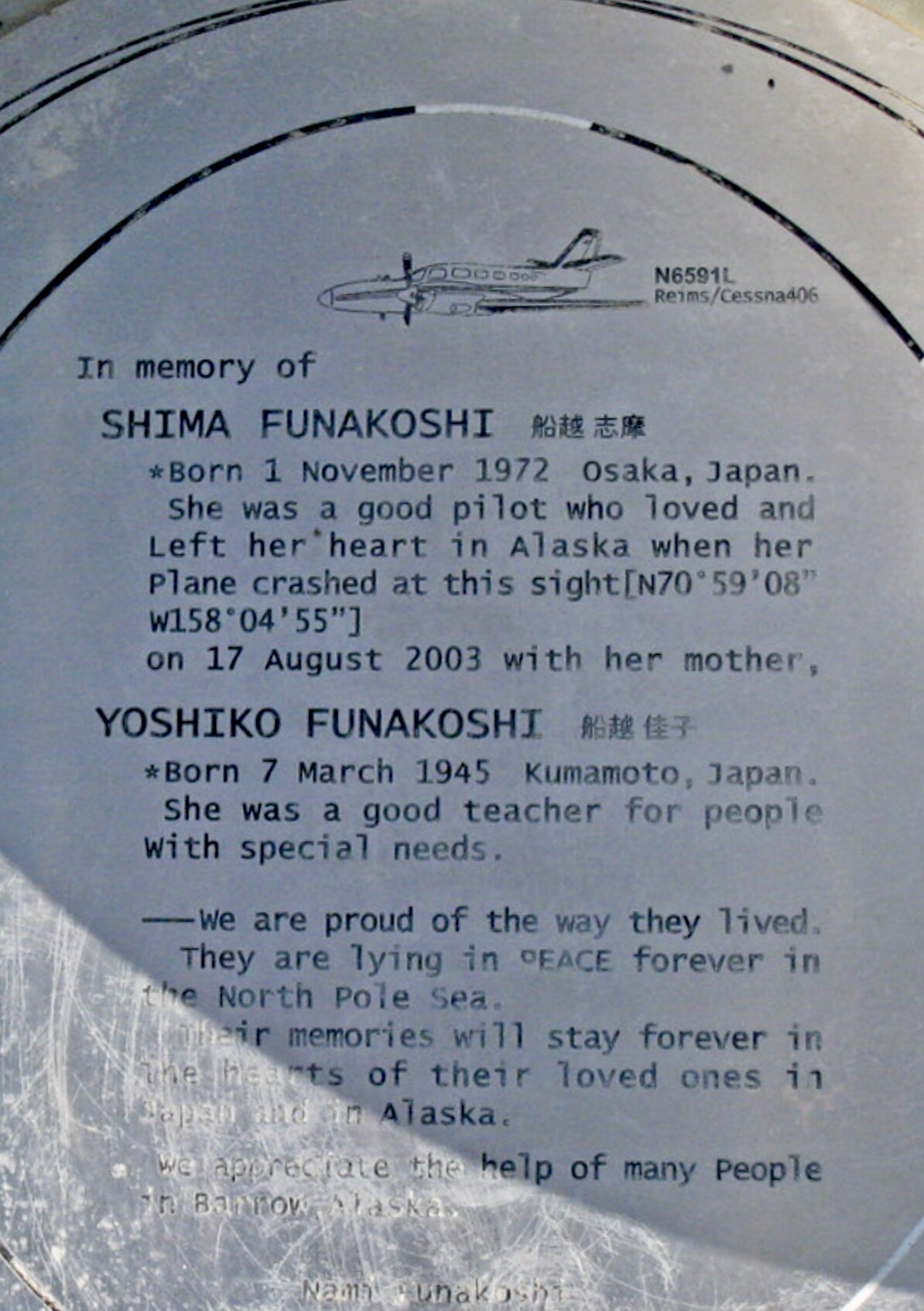
⬇️ In addition, a memorial has been erected, showing another plane crash; and the pattern of the up, over, and spiral down:
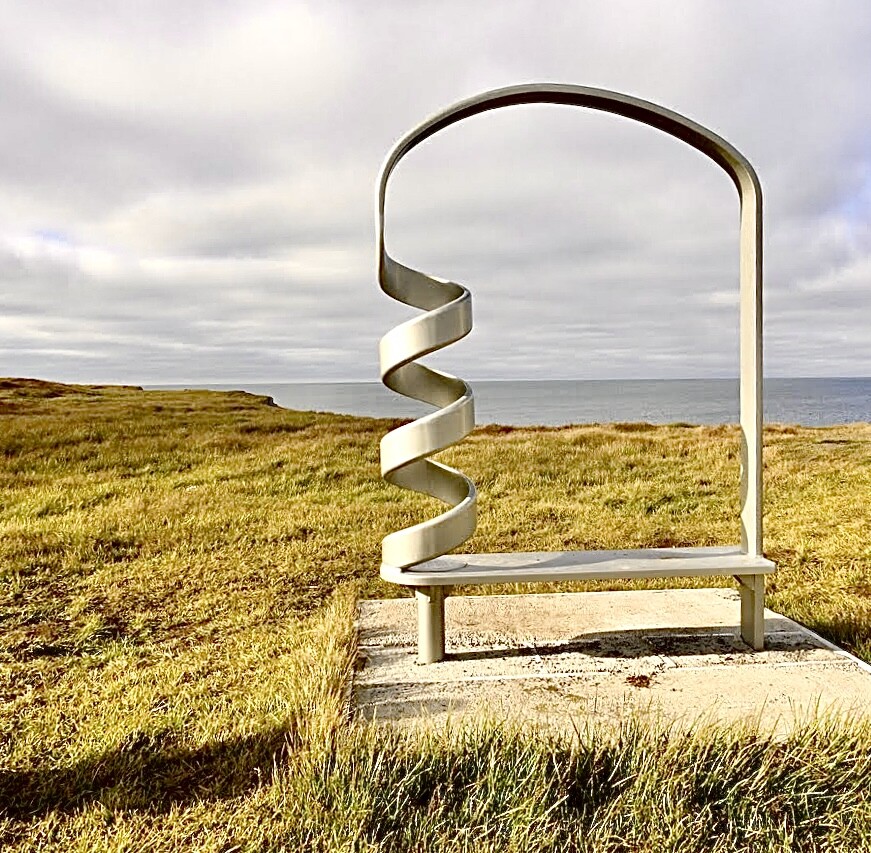
Funakoshi (daughter) and Yoshiko Funakoshi (mother) died in an airplane crash near here. This is what you see, looking down the spiral.
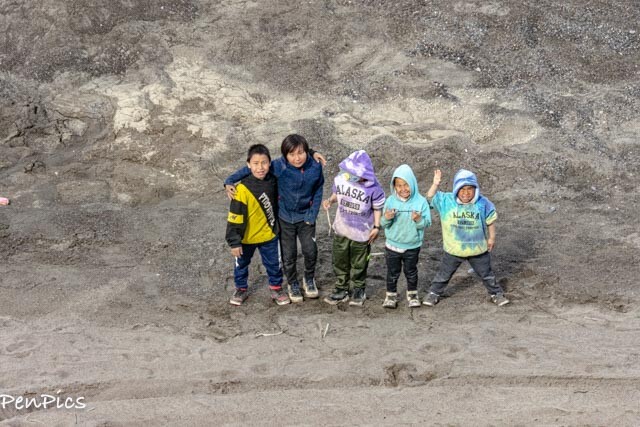
⬆️ Kids playing on the beach, below the cliff area of the sacred grounds
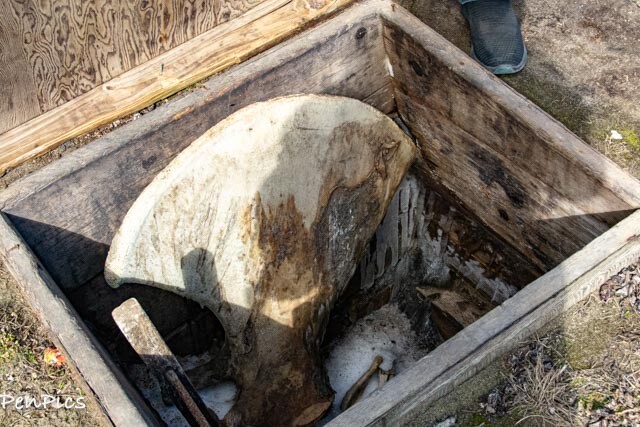
Natural Permafrost Freezer
There are about 40 of these boxes dating back to the 1920s, and 15 are active
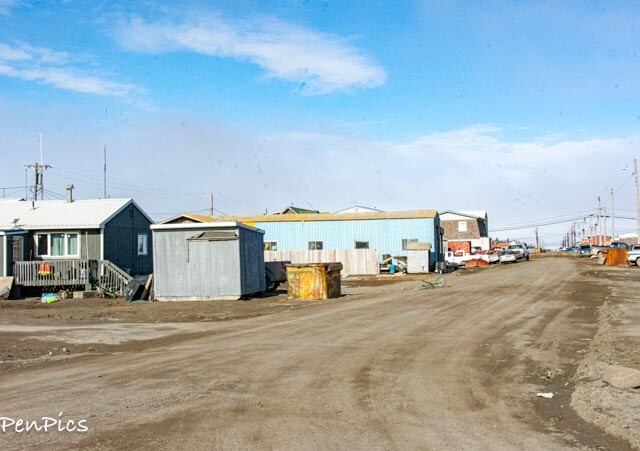
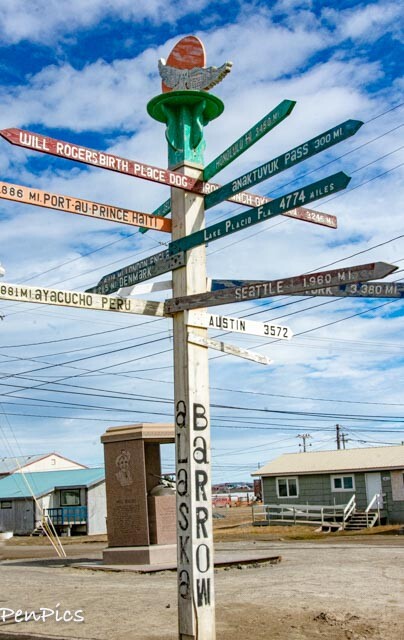
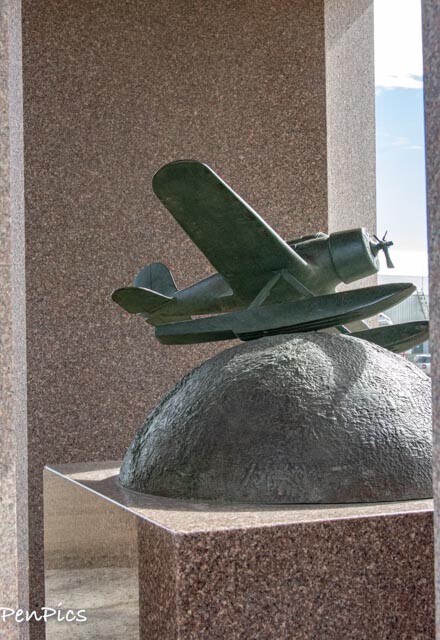
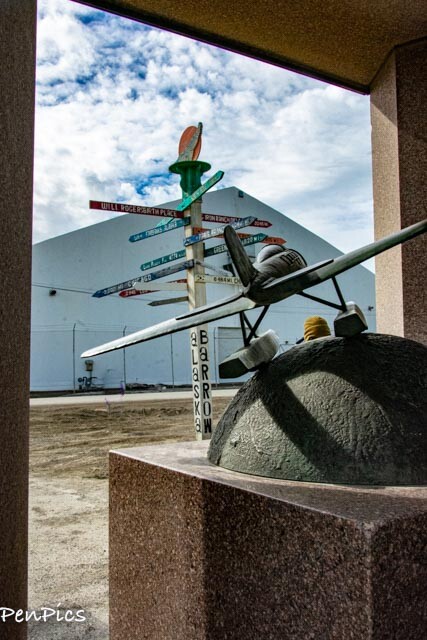
This is the part of the village with a memorial tribute to the pilot and entertainer of vaudeville, a comedian, song writer and so much more, who both crashed near the airport, in 1935.
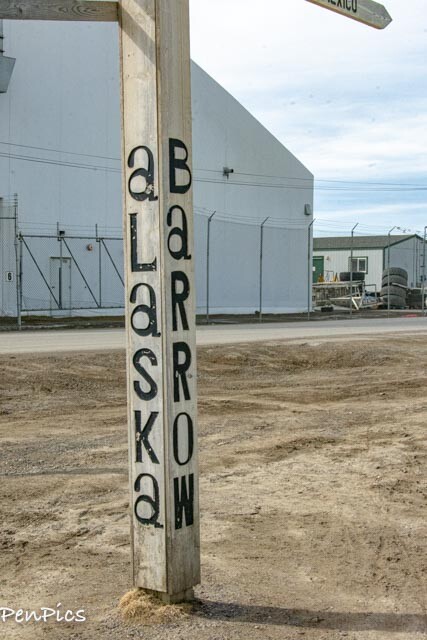
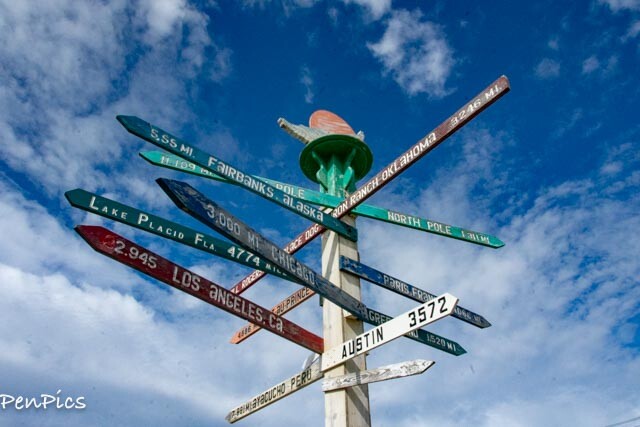
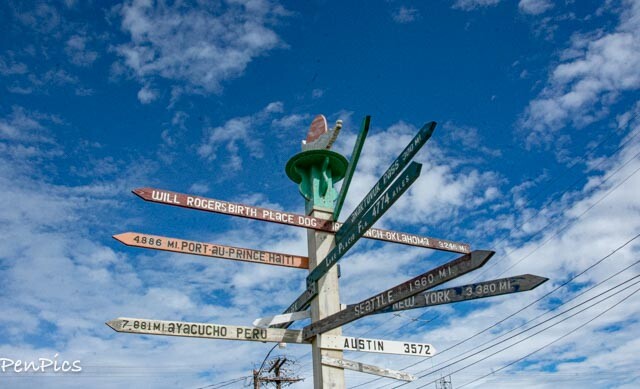
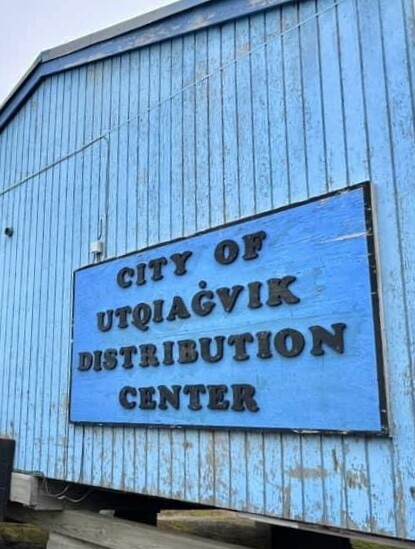
⬆️ Liquor is limited in Barrow, for the locals: to 2-liters and/or 3/12-packs per month. This is the only place where alcohol is available to purchase, other than bringing it in when flying from Anchorage
I’m not a huge fan of museums, but since the entire outside area is a living museum of the place; and in so many ways, just as it was so long ago, I was all in.
Though westernized, to a certain or degree, traditions are still in place for survival purposes.
I knew the Heritage Center would be great!
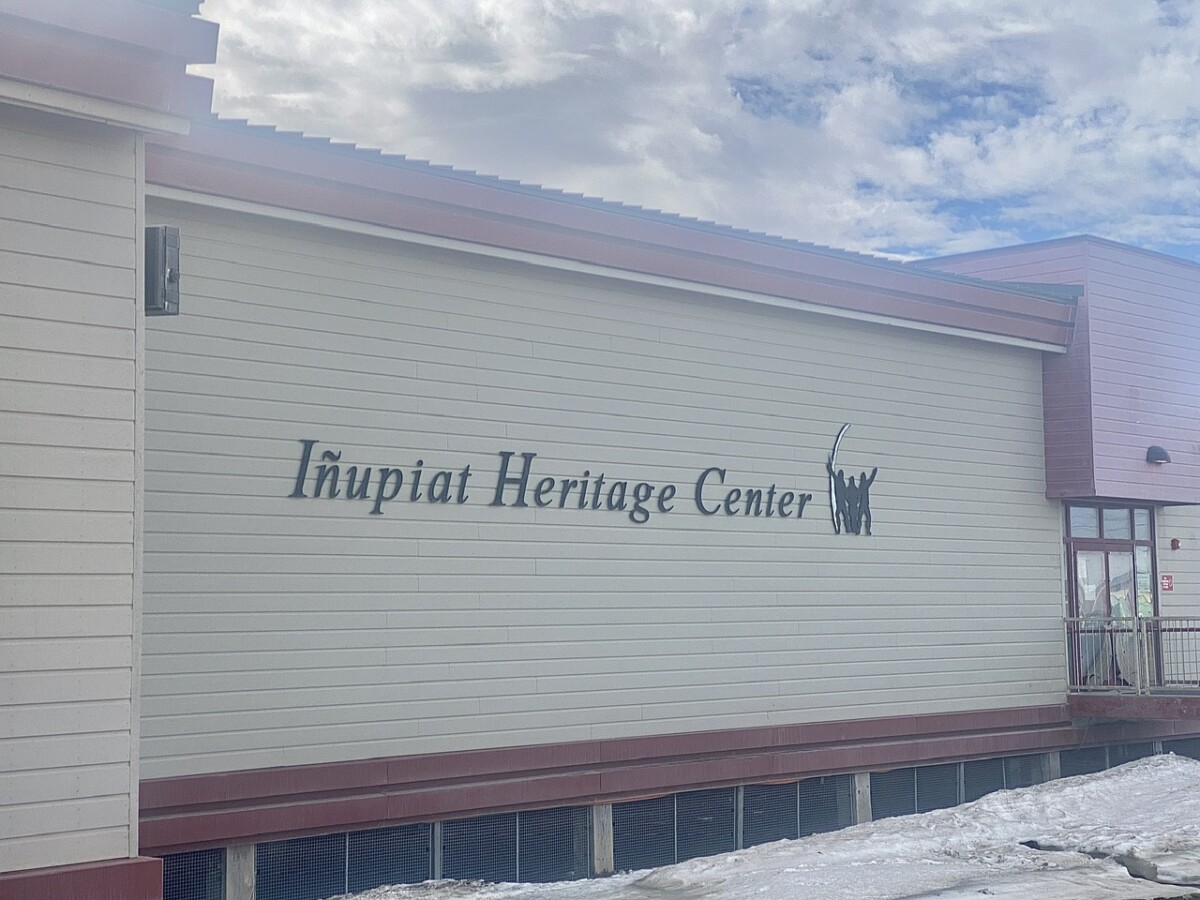
Rooftop of the World
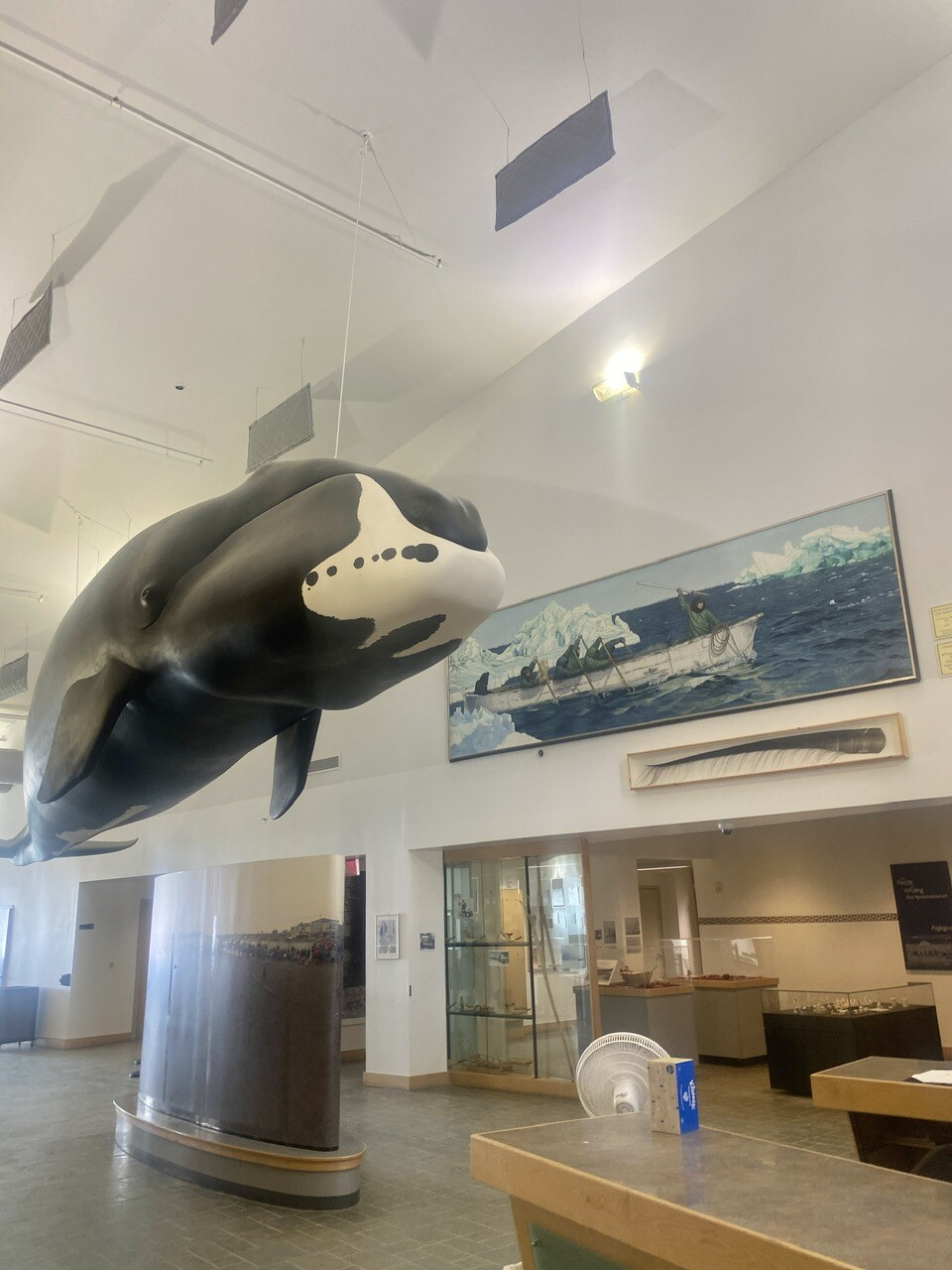
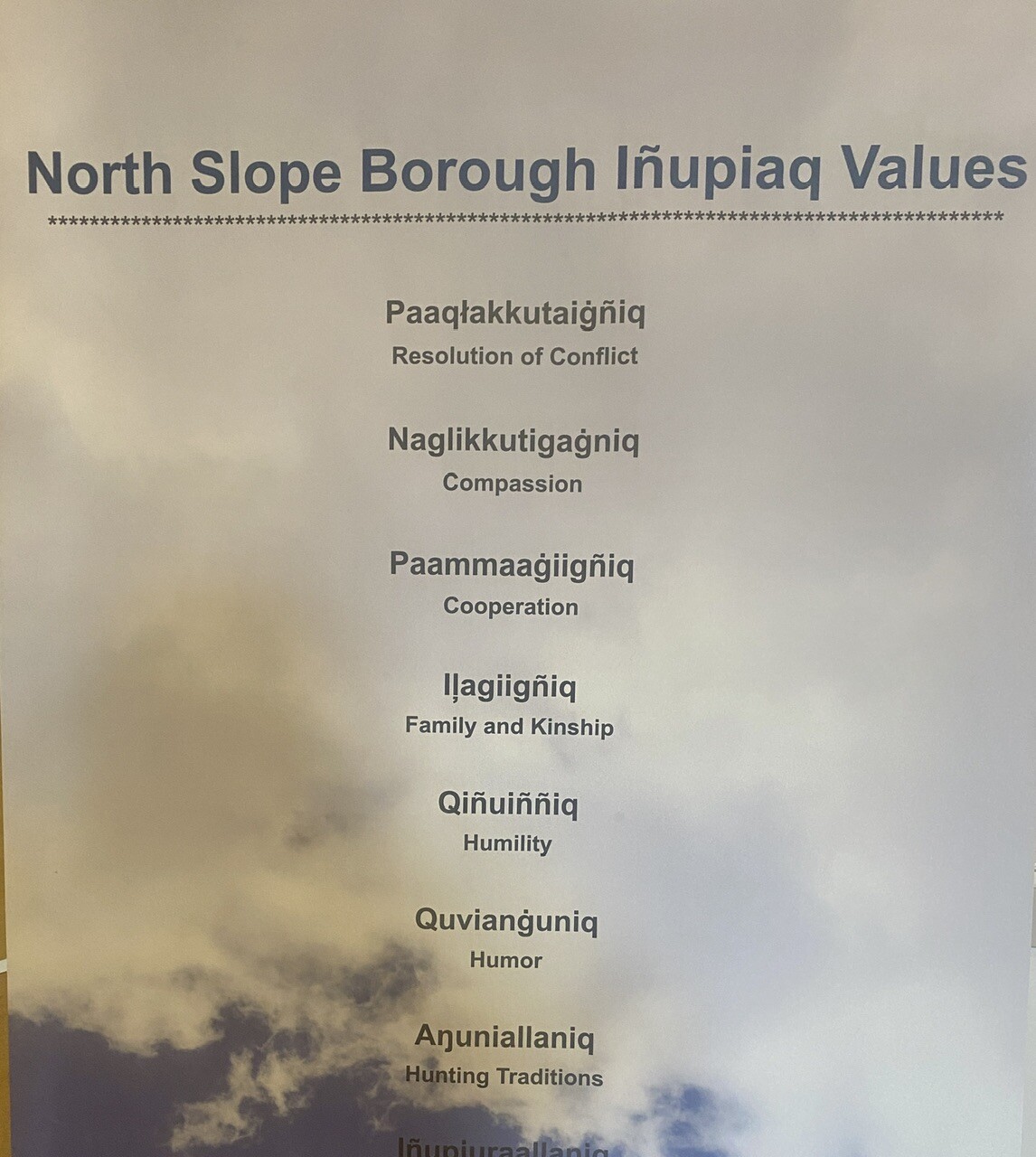
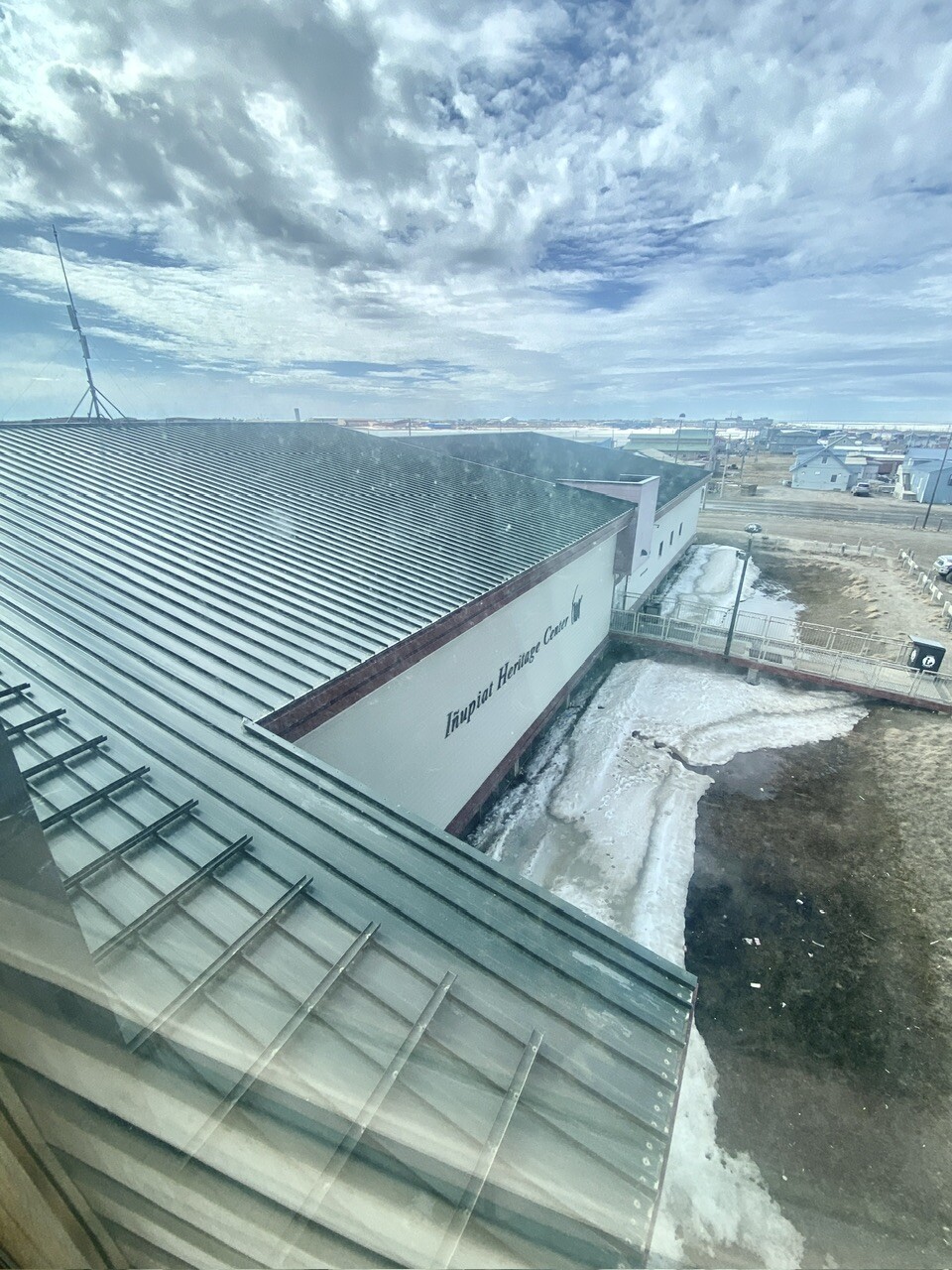
In the rooftop of the world, the Iñupiat Heritage Center in Barrow, Alaska, tells the story of the Iñupiat people. They have thrived for thousands of years in one of the most extreme climates on Earth, hunting the bowhead, or “Agviq.”
In the 19th century, the quiet northern seas swarmed with commercial whalemen from New England, who also sought the bowhead, for its valuable baleen and blubber. In the late 19th and 20th centuries, over 2,000 whaling voyages set out from New Bedford, Massachusetts, bound for the bowhead whaling grounds, off Alaska’s arctic coast. The voyage of over 20,000 miles, took the whalers to the Azore islands off the coast of Africa, around Cape Horn and the southernmost tip of South America, to the Hawaiian islands and finally, to the Bering Sea and Arctic Ocean.
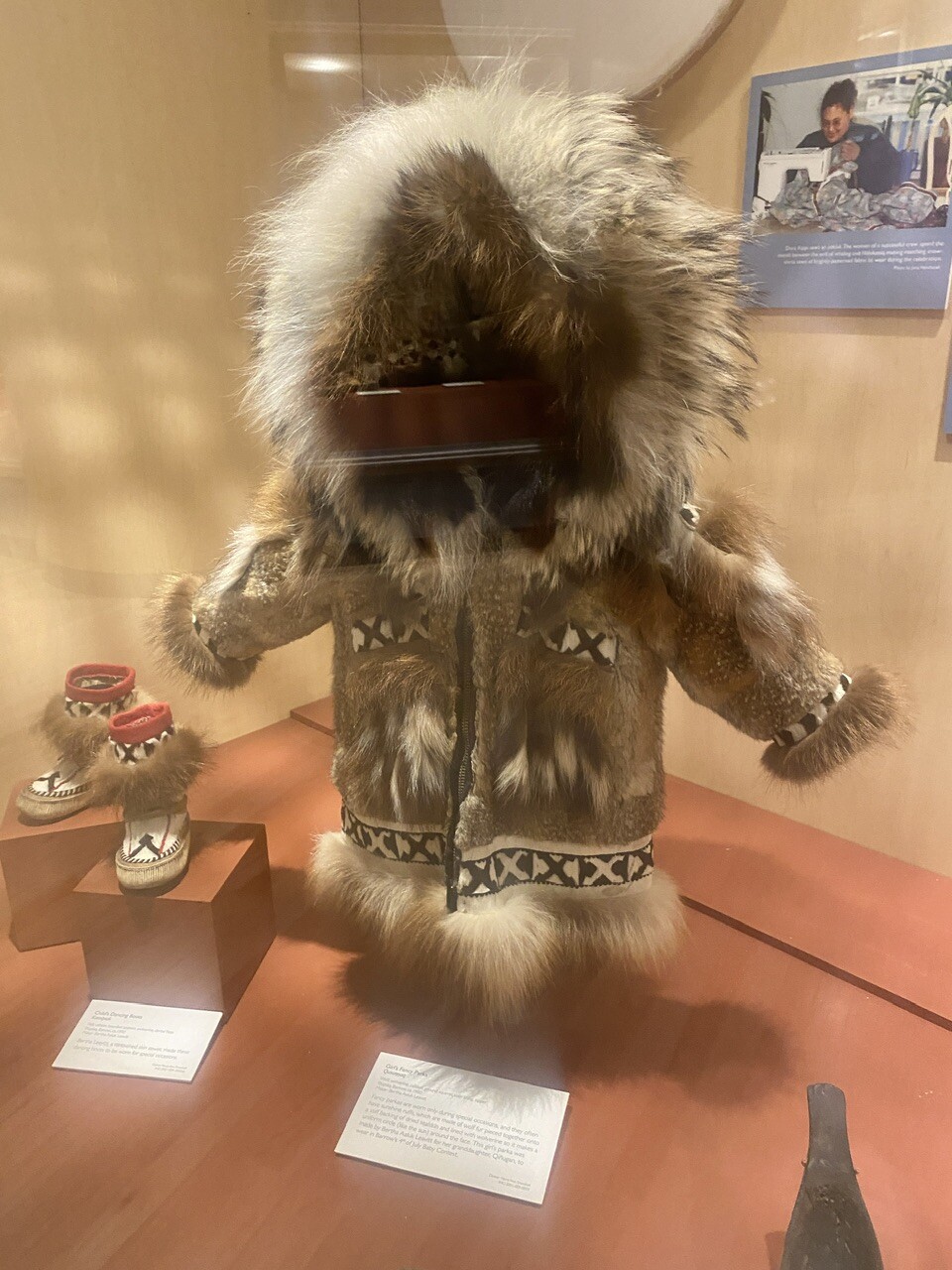
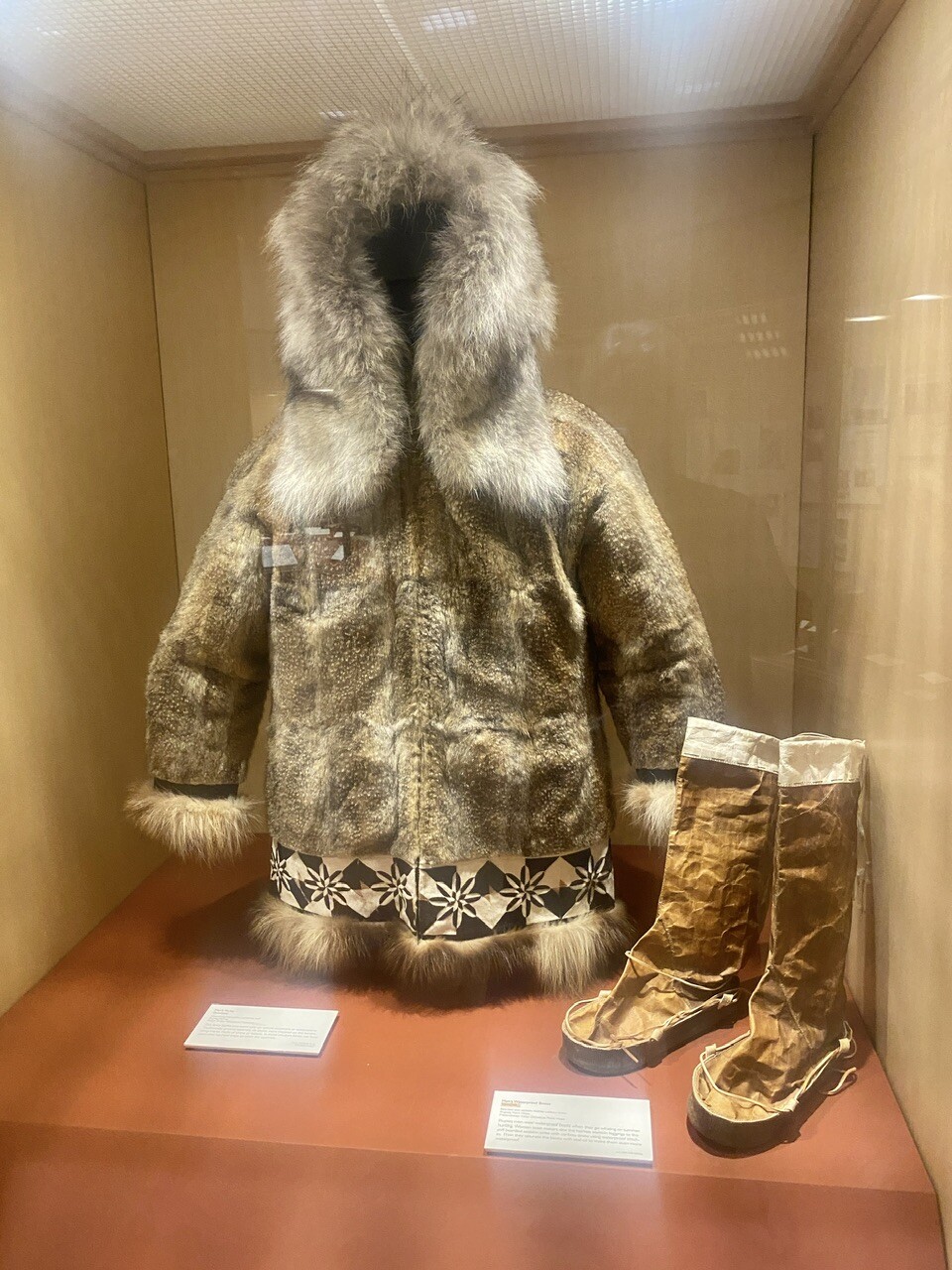
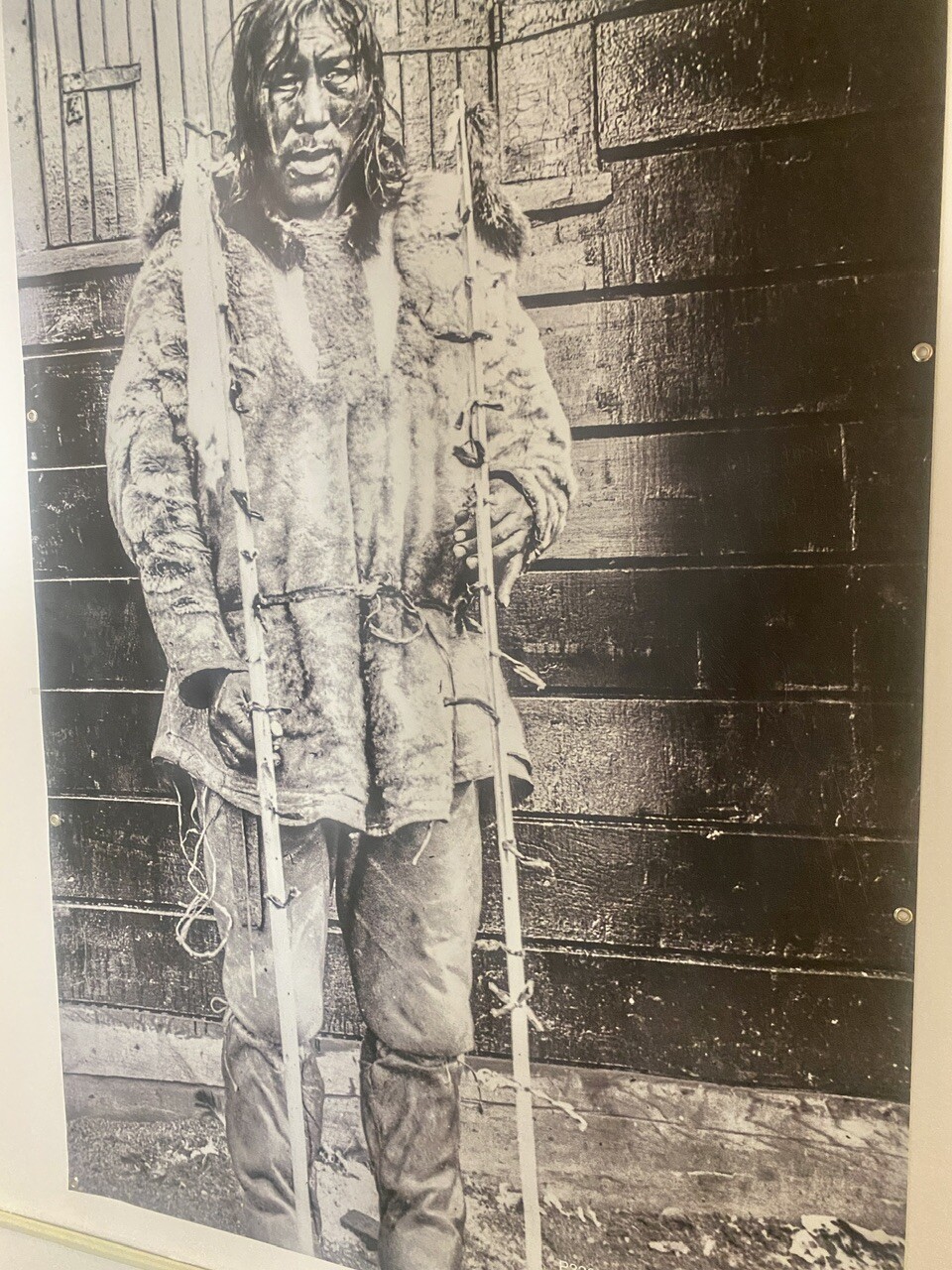
Many Alaska Natives, particularly The Inupiat people, participated in commercial whaling. In addition to crewing on the ships, they hunted for food for the whalers, provided warm fur clothing, and sheltered many crews that were shipwrecked on the Alaska coast.
The Inupiat Heritage Center in Barrow, Alaska was designated an affiliated area of New Bedford Whaling National Historical Park in New Bedford, Massachusetts, to ensure that the contributions of Alaska Natives to the history of whaling is recognized.
The Heritage Center was dedicated in February 1999 and houses exhibits, artifact collections, library, a gift shop, and a traditional room where people can demonstrate and teach traditional crafts. The North Slope Borough owns and manages the Heritage Center, on behalf of the whaling villages of the North Slope.
The Heritage Center is one of several partners, associated through New Bedford Whaling National Historical Park legislation, who participate in telling the story of commercial whaling in the United States. Park partners operate independently, but collaborate in a variety of educational and interpretive programs.
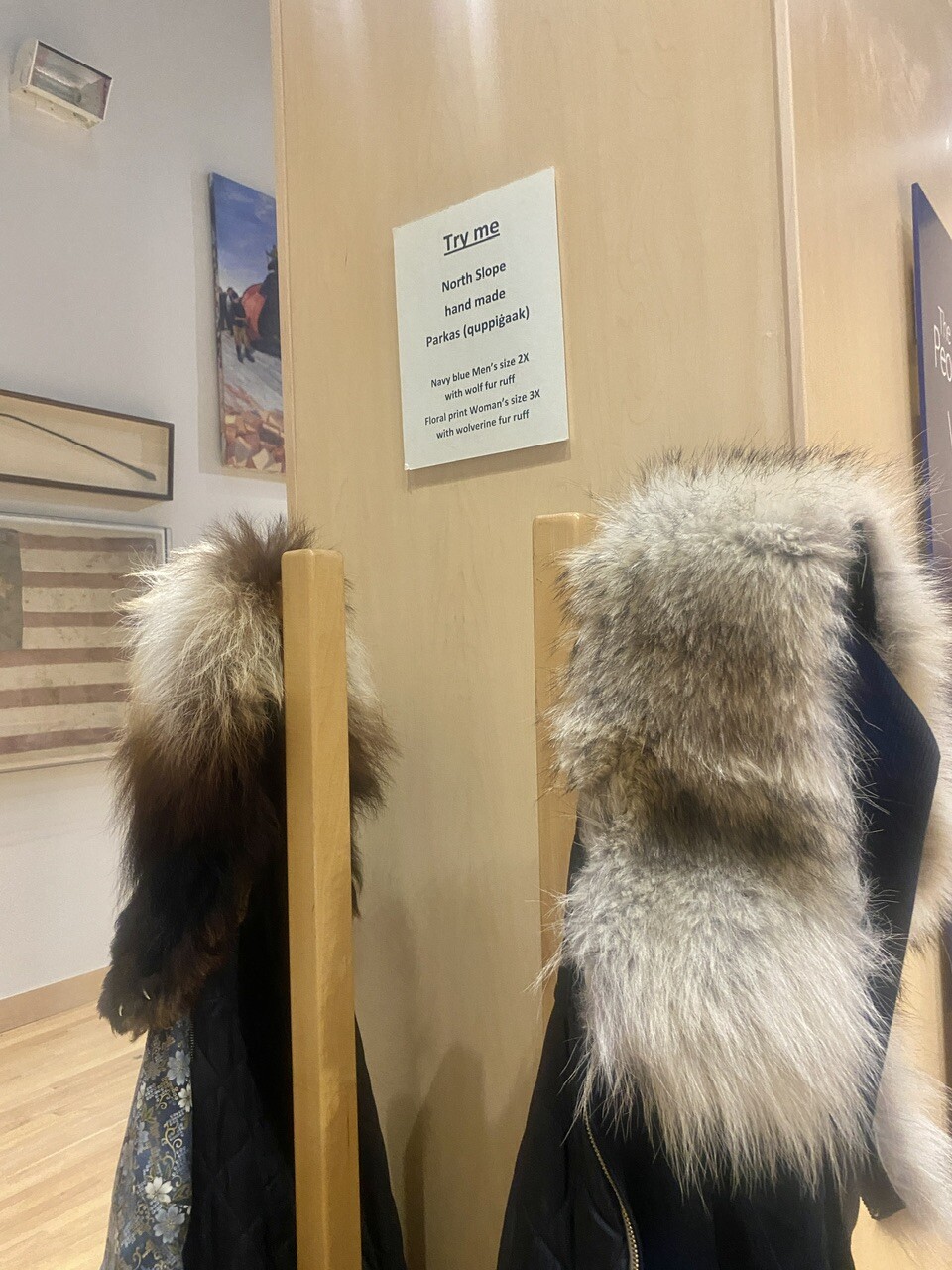
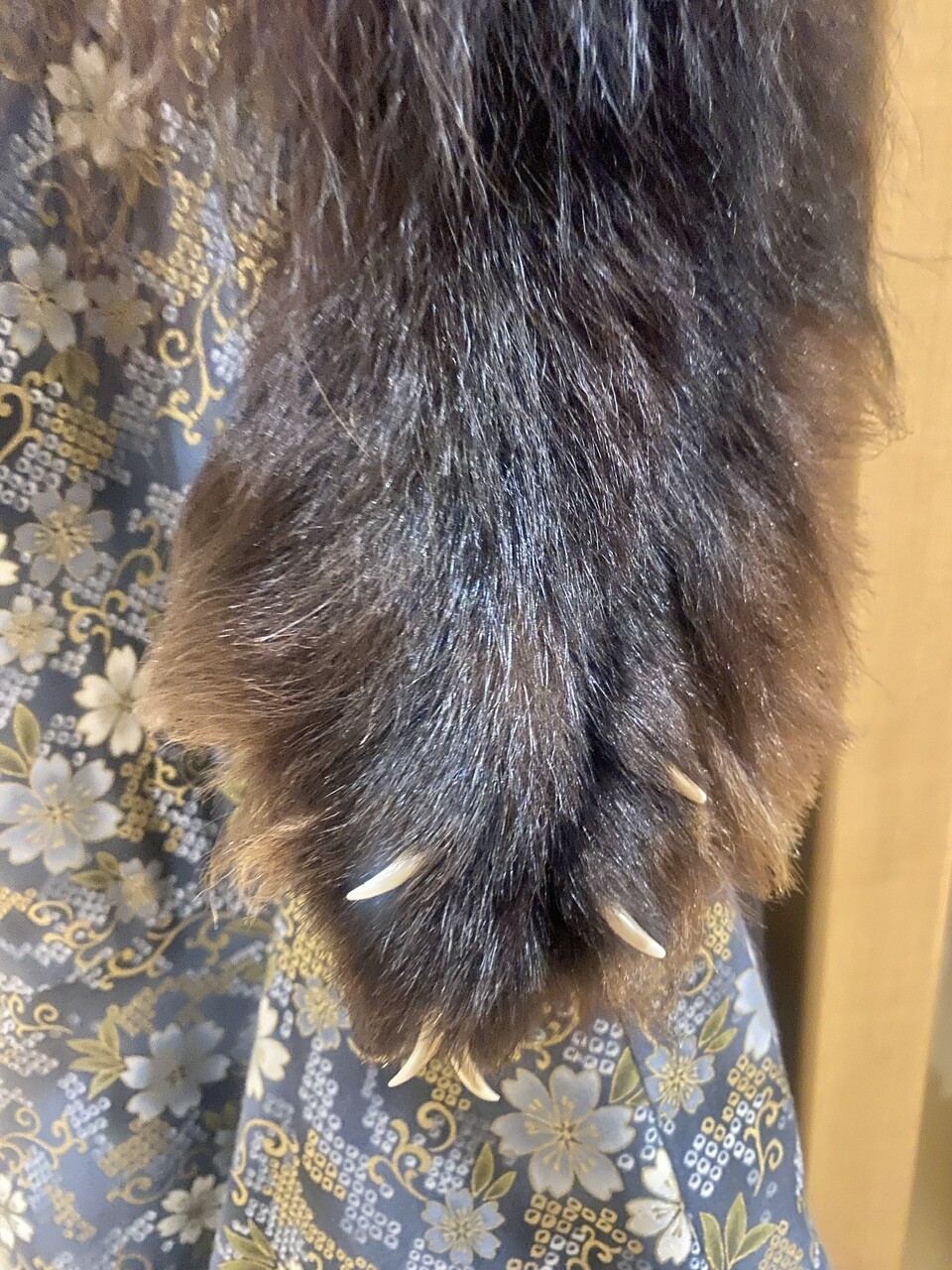
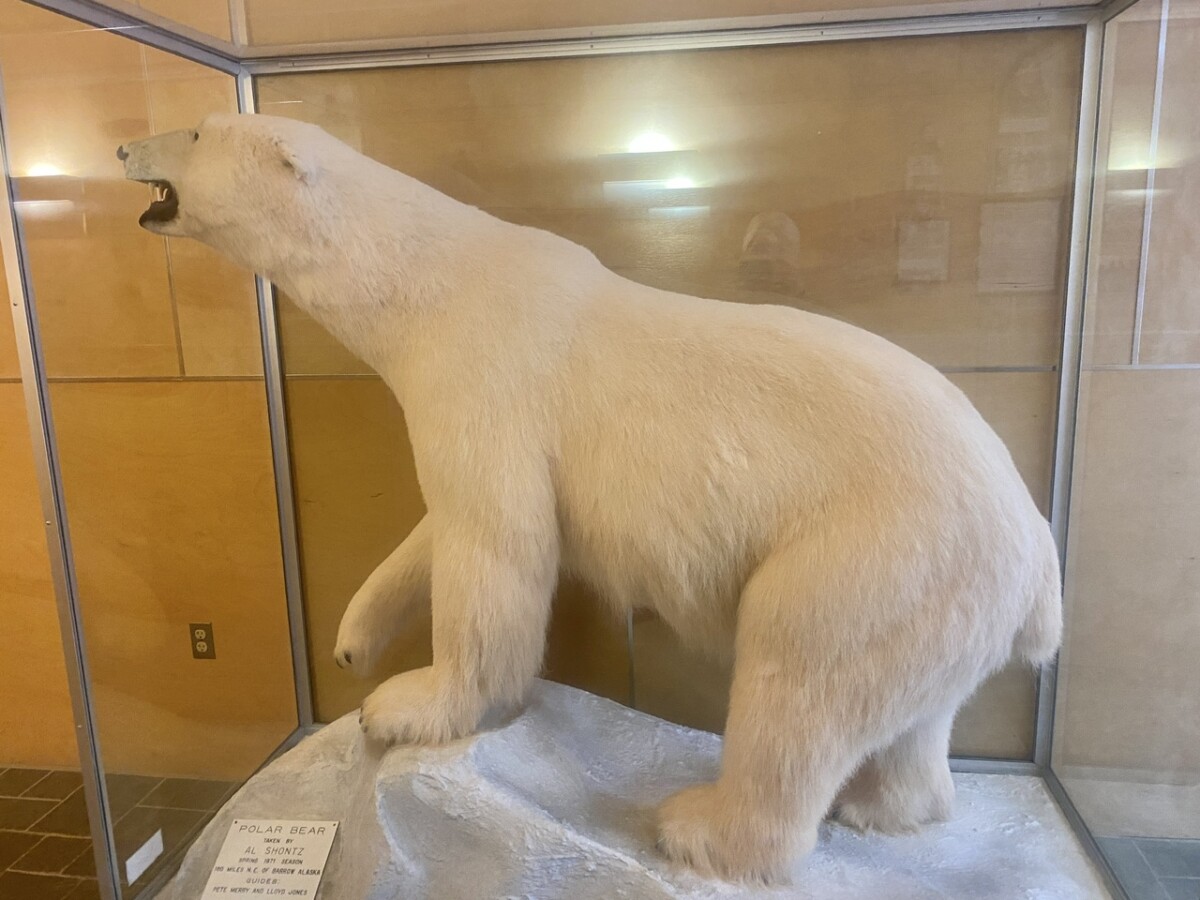
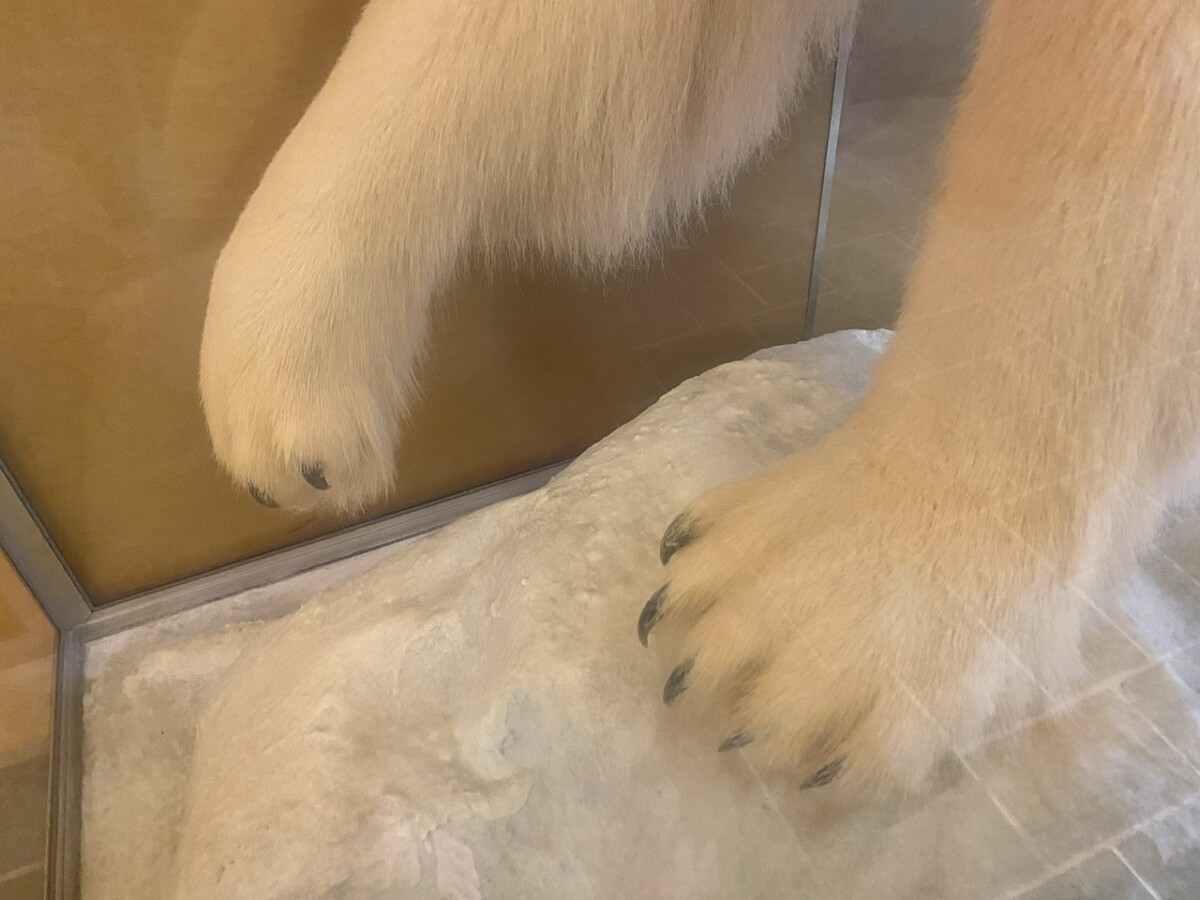
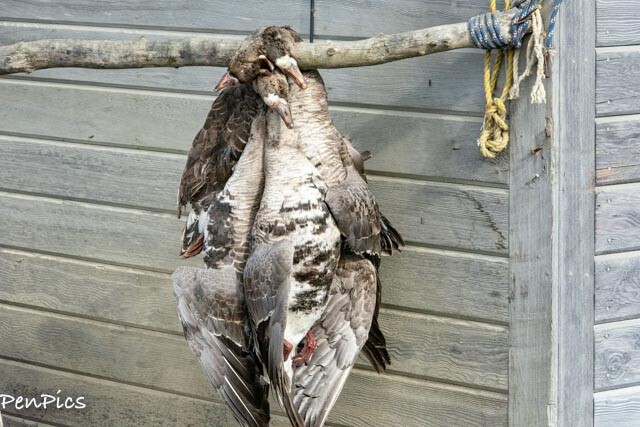
Polar Bears are no longer hunted, but can be killed if lives are threatened. An elder at the airport told us, in his day, he shot many for food. He specifically mentioned the paws of the Polar Bear were a delicacy.
During certain months, it is possible to spot Polar Bears in the area. The locals call them Nanooks. While on the tour, our guide spotted them, coming in to eat whale scraps, from recent whaling trips.
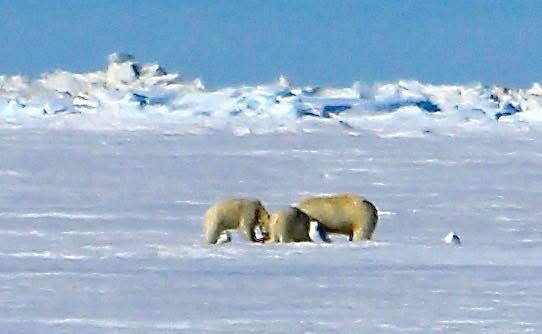
We got very lucky and spotted them!!! I will never forget this moment in time, ever! Of course, I say the same when it comes to every opportunity I’ve been honored to have, all over the world, of observing wild life in their natural settings: Gorillas, Tigers, Lions, Elephants, Grizzlies, Wolves, etc.
It’s always such a rush!!
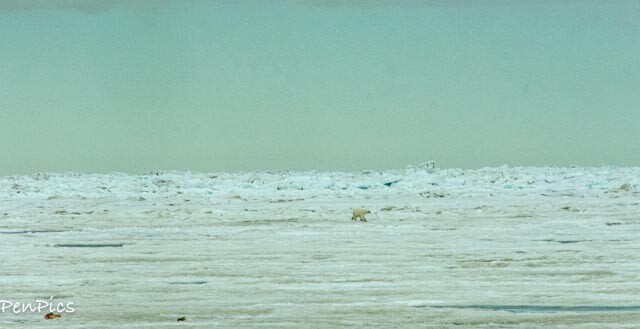
⬆️ From inside the bus.
We had to wait and watch, as the Polar Bears were walking in from the Arctic ice
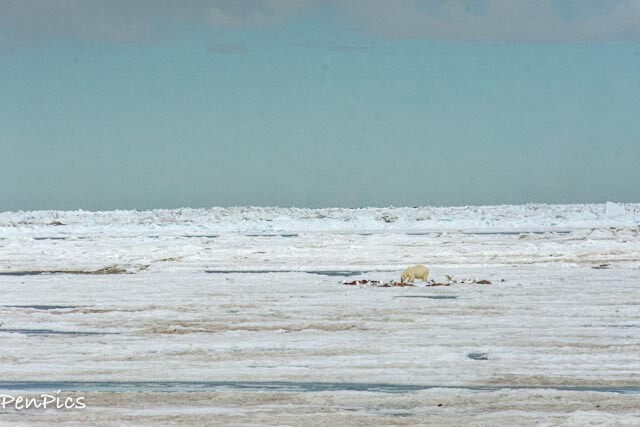
Once the Bears stopped at the Whale meat scraps, their focus was on that food, so we were allowed to get out of the bus!

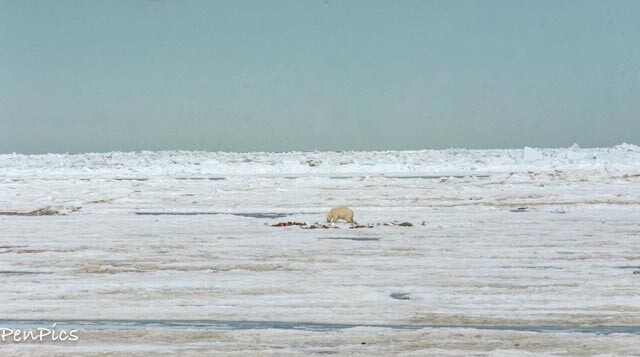
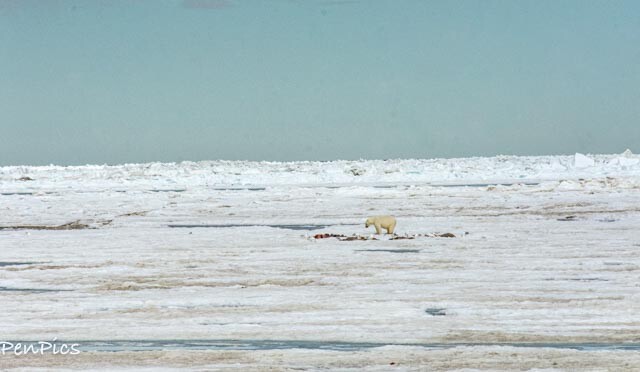
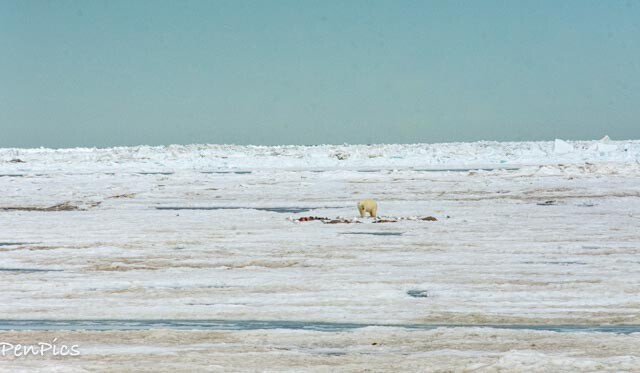
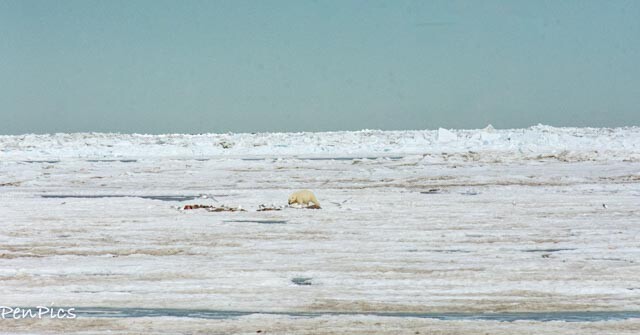
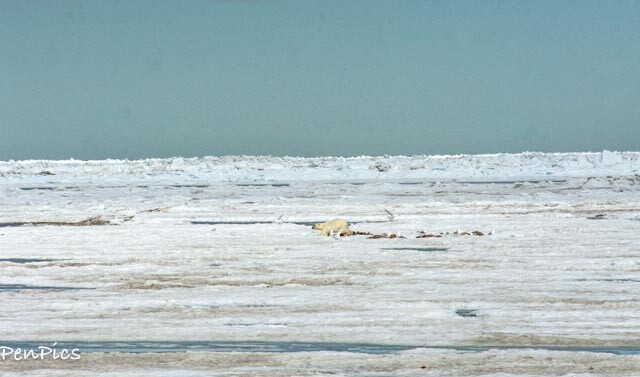
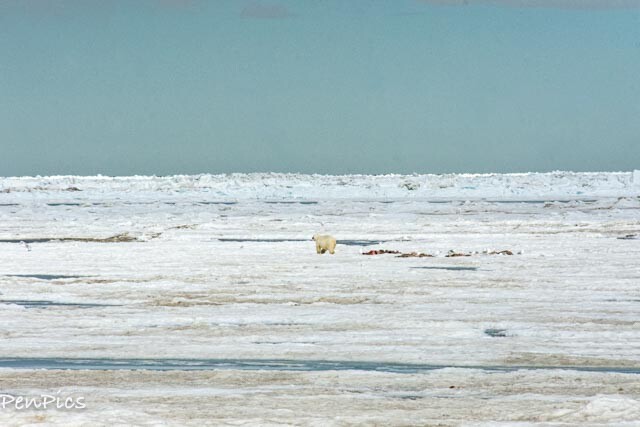
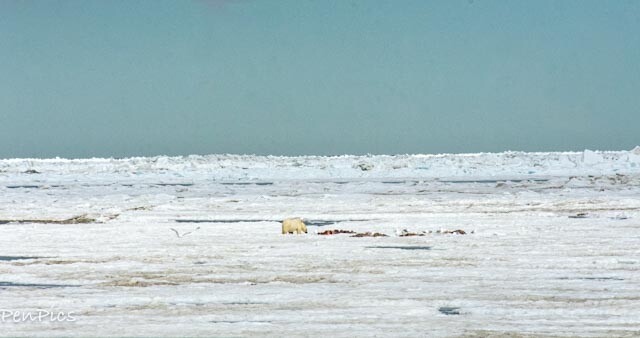
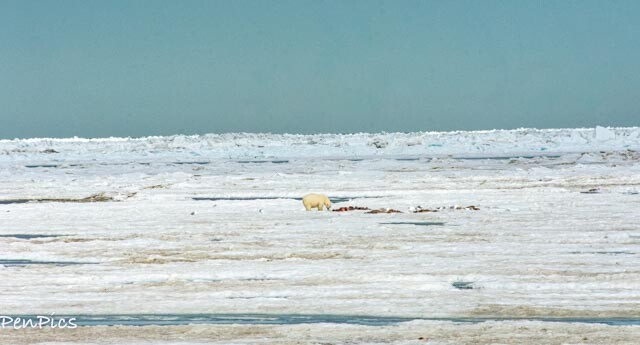
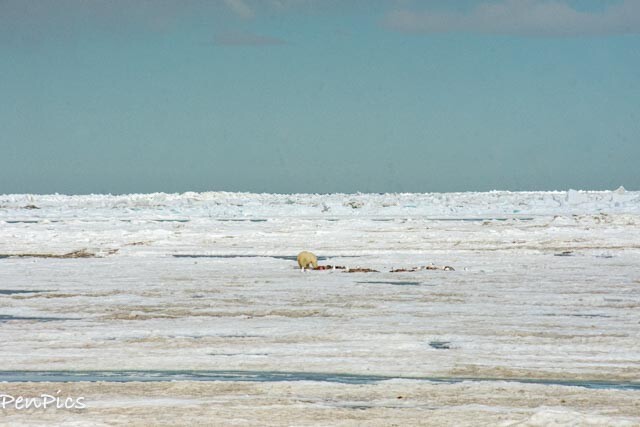
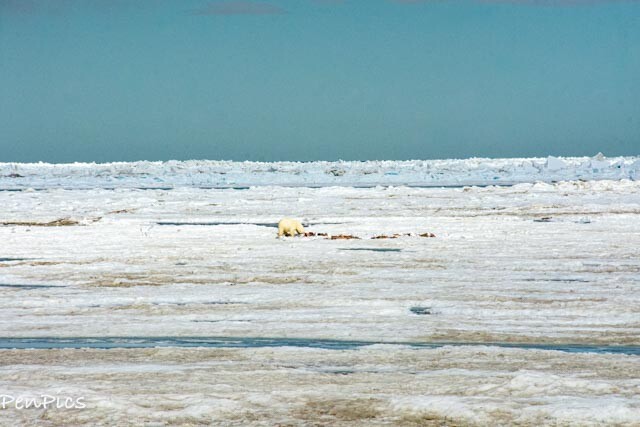
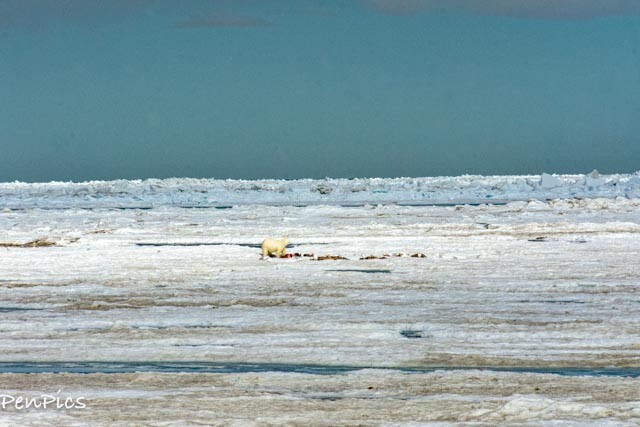
When this Polar Bear had his fill, he wandered off, away from the shore.
Utqiaġvik is also home to many species of birds who travel north for the extra sunlight in the summer, to raise their young. The area is one of the few-known nesting spots for Steller’s and Spectacled Eiders.
*There is not a tree for about 250 miles
In the late fall, Ross’ Gulls from Siberia fly overhead, signifying the return of winter.
Daryls did some writing about our visit to Barrow, and I am adding it, here:
Flying from Anchorage to Borrow was mostly unspectacular and a bit mundane, till we got closer to Barrow. A cloud enveloped the Earth, just below our flight path, like a smooth cotton ball.
As we slowly descended, the icy fields came into view. Strange snake-like tentacles stretched out from round frozen ponds and lakes. The reflection from the aboration was a glistening, wandering flash from the dim sun.
Melting water surrounded many of the scattered lakes, giving them a surreal look. Soon, the out buildings and homes flashed past us, as we touch down. The plane turned around and moved towards some metal coragated building. Alaska Airlines building echoed the community’s other buildings.
We plundered across water-filled puddles to the terminal. Entering, the large room we find little space to walk past the hordes of people, waiting to board the same plane we flew in on.
Our phone did not work and there was no working wifi. We looked for our ride, but as it turned out, the shuttle van left, full of guest so it stranded us. We get into a taxi and rode the short way to our hotel for a fee of ten dollars.
At the restaurant, going for some dinner, we queried a local girl about the first polar bear she ever saw. A few minutes passed, then her memory cleared from when she was seven. She was with her family about a mile out into the ocean; ice camping in a tent, next to frozen water. They got a call on their radio that a polar bear was 45 feet away from them. The rifles was outside the tent. Her Dad and brother grabbed them up. The bear was getting closer, as she peeked out. They spent two shots to scare away the bear with the loud sound. This convinced the bear to leave.
Our tour guide had a similar story, only the the bear was much closer. His story ended the same way but fear was more spirited as danger was more evident.
The high point of our trip was a tour of the surrounding area. The finale whale hunt for the season was a week before, and most of the whale scraps were strategically placed away from the village, for safety from the polar bears.
We drove down the Beach Road hearing tales of village life. Suddenly, the guide saw movement near to chunks of whale scraps, out on the ice of the Arctic Ocean.
Pandemonium ensued, as we all peered out of the bus, to see the polar bear; everyone excited to grace a glimpse of the foraging bear.
I had my zoom lens extended, but distance was my enemy. We did get to see what appeared to be a mouse-size bear. In reality, it was a huge, fat bear. We eventually were able to get off the bus, once the bear was at the whale scraps and focused on that food. We all poured out of the bus, as safety was now on our side.
Several cars with locals stopped to witness our once-in-a-lifetime experience, too!
Off we go, some could see the next Polar Bear, but my old eyes failed to glimpse the far-reaching view. Bunny captured a photo and was ecstatic for the gift and story to share.
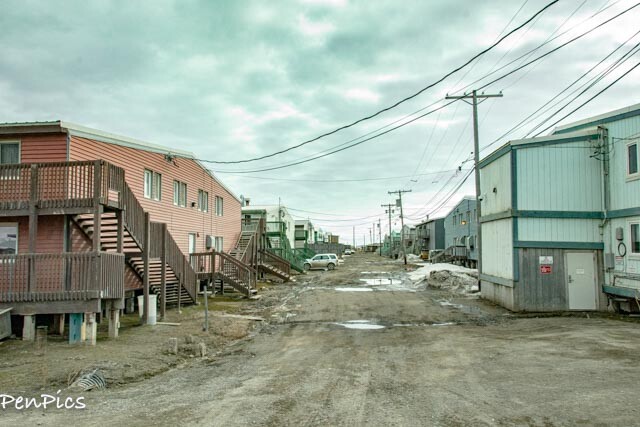
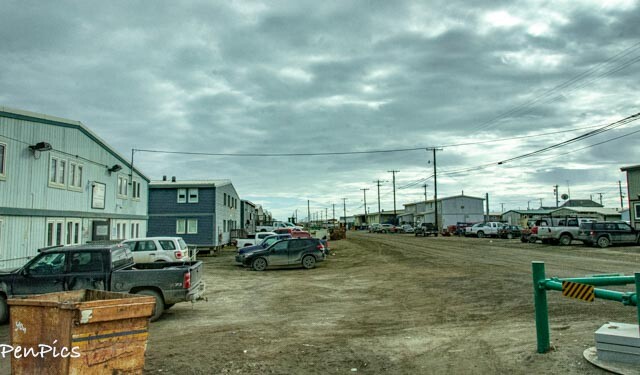
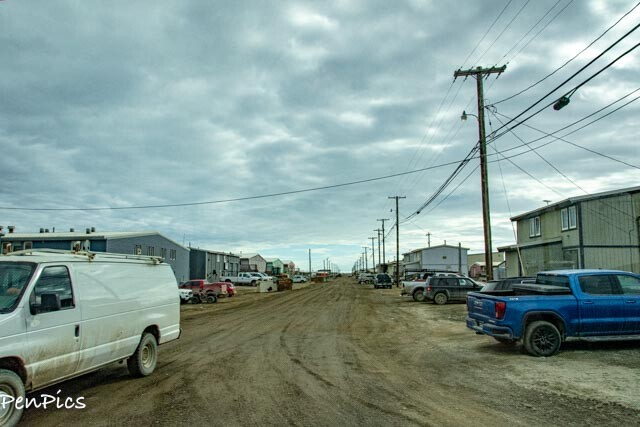
We traveled around the Villages, and witnessed the new impressive Government buildings and modest, private homes. Snow mobiles and junk cars dotted the yards, serving as private junk yards for when future parts, are needed.
All buildings have heated sewer and water lines to keep everything moving in the coldest of winters.
We stopped at a Cultural Museum and took in the life of the locals and their history. I made a bee-line to a workshop, where the local talent were working, to create their art. The men were quick to show me what they were working on, in hopes of making a sale to the tourists. Friendly conversations came effortlessly.
Back on the bus, we go to a couple ancestral archeology sites. The first site was a place where families lived, under the tundra, 2000 years ago. These were dug-out homes in the permafrost, that were close to the shore. Whale bones were used to shore up the dug-out home.
There was one grim discovery by archaeologists, and it was determined a storm came in and trapped a family of four in their dug-out home. The storm, they theorized, pushed ice ashore and blocked the exit to their home. The frozen bodies, when found, still had their hair intact. The permafrost is 500 feet thick and preserved their bodies for two millenniums. While the deceased family was removed, upon the discovery, they were respectfully buried, all together, about five miles away.
The sod homes, also seen had evidence of similar construction, using whale bones and driftwood for stabilizing the roofs. Upon closer inspection, near to the shore, one can see whale bones, protruding from the soil and the sod bricks that seem to have melted into piles of dirt. This site, as well the other site, is a Nationally protected location, so no more digging is allowed, as the tundra is protected.
We stopped at a Memorial for Will Rodgers and Wiley Post who crashed in Barrow, in a plane, in the late 30’s.
A friendly local at the memorial site was teaching us how to say the native name of the area.
We made our way back to our hotel to wait for a ride back to the airport. We waited about an hour to board our plane at the Bartow airport, for our way back to Anchorage. It was late, but we were still able to make our connection.
About Us

About Us
Hello and Welcome to our Travel Blog Website, We enjoy writing about our experiences and taking photos of our adventuring along the way. Our names are: Daryl and Pen, but Daryl calls me “Bunny.” We met, quite randomly, whilst both traveling in Thailand with friends. We happened to be in the same travel group, and […]