


“USA 🇺🇸 Colorado ~Part 2 of 2 in Mesa Verde National Park, Cliff Palace, Long House Cliff Dwelling Tours and Flat View Ruins”
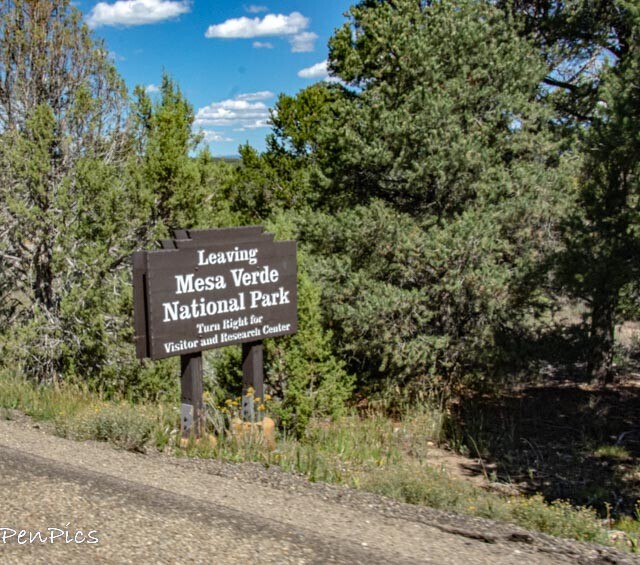
Our second visit, within a few days, to Mesa Verde National Park, is complete!
We did good!
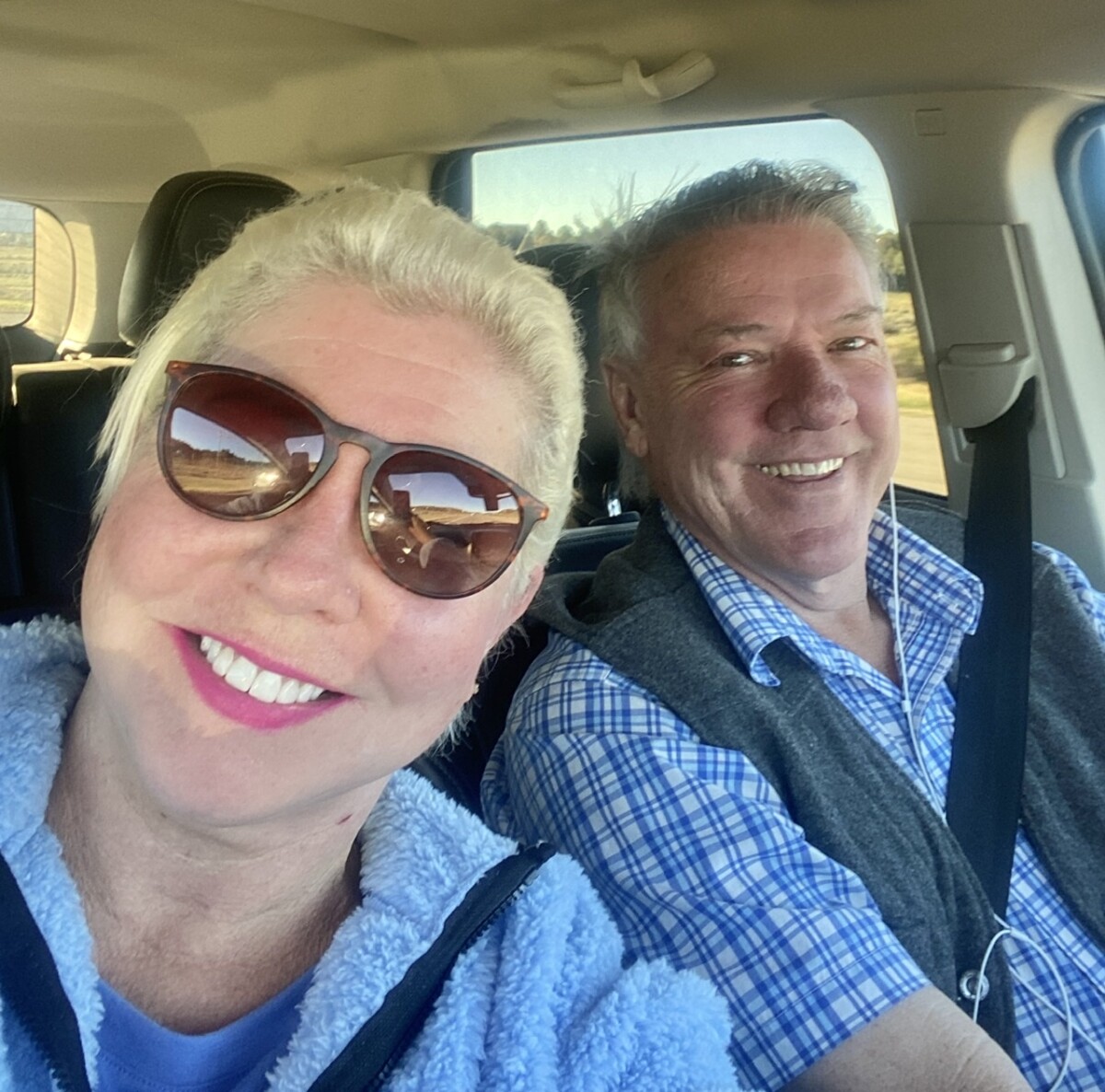 We had one of the most beautiful late summer days, today. It was better than we’ve had, since arriving in Colorado, back in July! Perhaps it’s the fall weather.
I don’t see us returning to this Park again, unless it would be to bring our grandchildren, one day. I love this Park. It’s not the most beautiful, scenic wise, compared to other National Parks in America, especially since all the fire damage it has endured, but it’s got something no other National Park has, making it very unique in my book!
I’m forever grateful to the visionaries of our past, who set aside these huge properties we call our National Parks, and continue to protect them for “we the people” to enjoy!”
There is a big misconception in the land of the United States, that we have no ancient history, like other countries in the world do. This is not true at all.
What we do have in America is a not so ancient “colonized” history, which is only several hundred years old, and this is when our country was established by Pilgrims coming over from England; fleeing religious persecution, to establish a free world.
To be more specific: The North American continent and its colonized peoples began with the Spanish in 1565 at St. Augustine, Florida, then the British in 1587, when the Plymouth Company established a settlement that they dubbed Roanoke, in present-day North Carolina, in the New World.
BUT, these were not the first people to inhabit these lands. Not by a long shot! Mesa Verde National Park showcases just how far back in history, our lands go with other cultures who lived here.
For decades, archaeologists thought the first Americans were the Clovis people, who were said to have reached the New World, some 13,000 years ago; from northern Asia. But, fresh archaeological finds have established that humans reached the Americas thousands of years before that.
These discoveries, along with insights from genetics and geology, have prompted reconsideration of where these pioneers came from, when they arrived, and what route they took, into the New World.
Regardless of who came here first, the Ancient Anasazi people definitely made their mark in America, and this is quite significant, as they stayed for 700 years, in the area of Mesa Verde, and beyond. It is believed the history of the Anasazi people began 6500–1200 B.C. in what is known as the Archaic period. It marks the pre-Anasazi culture, with the arrival of small groups of desert nomads in the Four Corners region (the intersection of present-day New Mexico, Arizona, Utah, and Colorado).
*********
Cliff Palace ⬇️
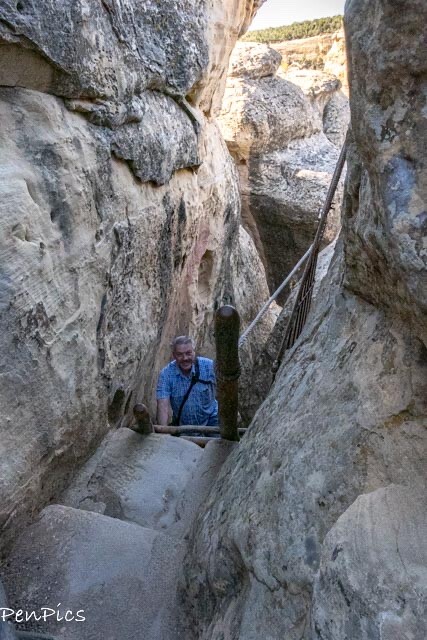
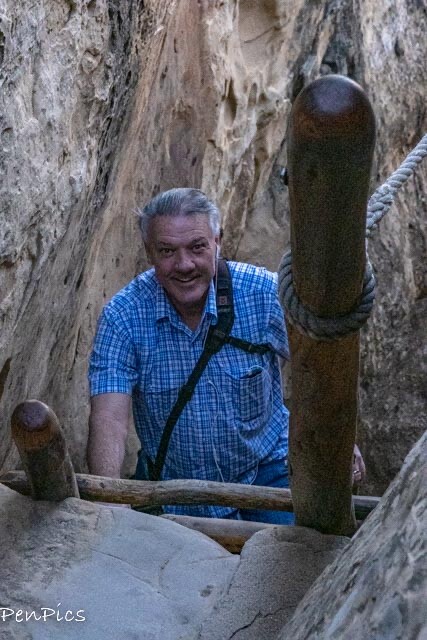
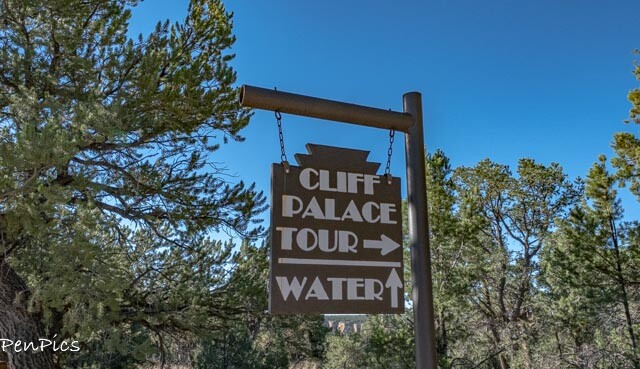 is my favorite ancient cliff dwelling in the Park! I love the exit plan, as it’s a narrow passageway, hidden within the rocks!
Recent studies reveal, this dwelling once contained 150 rooms and 23 kivas and had a population of approximately 100 people. Out of the nearly 600 cliff dwellings concentrated within the boundaries of the park, 75% contain only 1-5 rooms each, and many are single room storage units. If you visit the Cliff Palace overlook you will view an exceptionally large dwelling which may have had special significance to the original occupants. It is thought that Cliff Palace was a social, administrative site, with high ceremonial usage.
What to Expect on This Tour:
On this 30-minute ranger-assisted tour, you will descend uneven stone steps and climb four ladders, with an elevation change of 100 feet. Total walking distance is 1/4 mile
Safety Information:
Consider your physical health before joining a hike, especially if you have heart or respiratory problems, or other physical difficulties. Elevations range between 7,000 and 7,500 feet above sea level. You should plan for all weather possibilities because conditions are quite variable within the Park.
There are no height or age restrictions for this tour, but children must be able to walk the extent of the trail and climb ladders on their own, without difficulty. If not, they must be placed in a carrier.
Cameras are welcome, but you must be able to carry all of your gear while keeping your hands free to climb the ladders. No tripods are allowed.
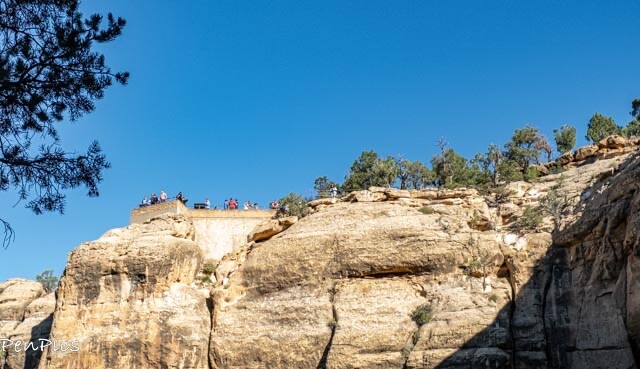
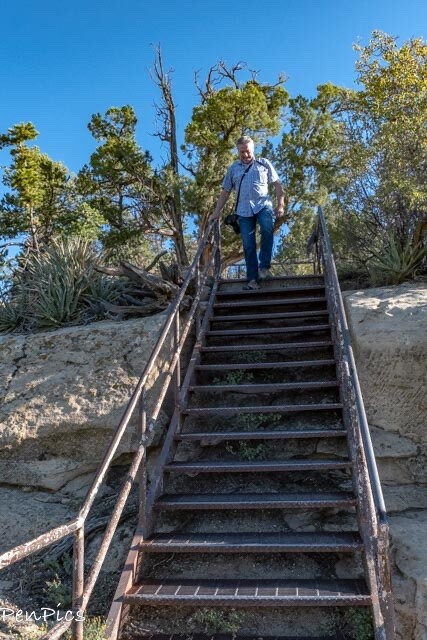 The gathering point for this (required) ranger-guided tour, is a short walk from the parking lot. One can actually see the Cliff Dwelling, below, from this landing above.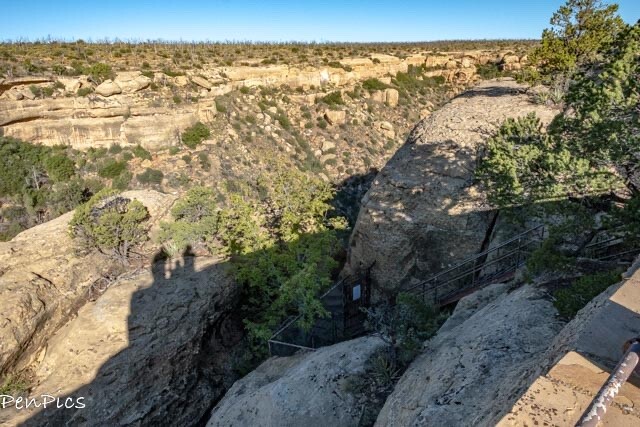
From Cliff Palace, one can look up and see people on the landing
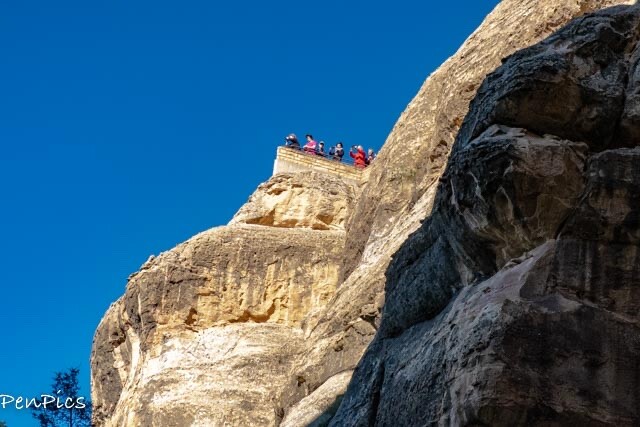
….And off we go. The entrance hike is pretty much straight down, but it’s not a long hike ⬇️
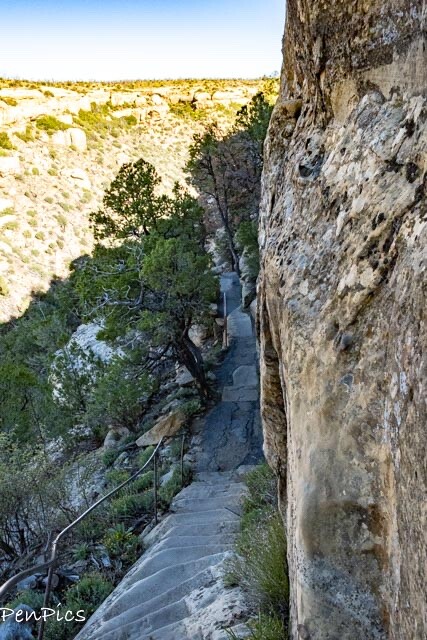
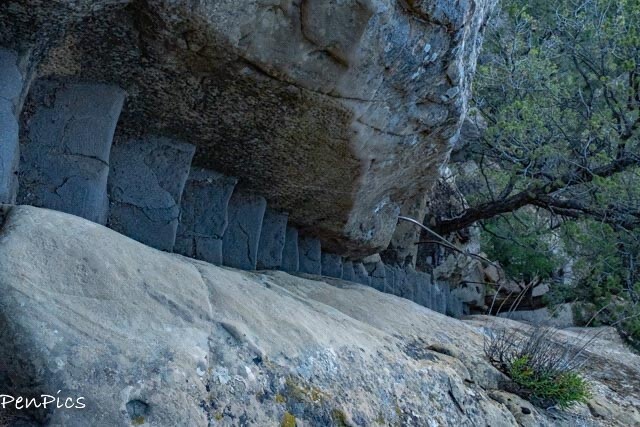
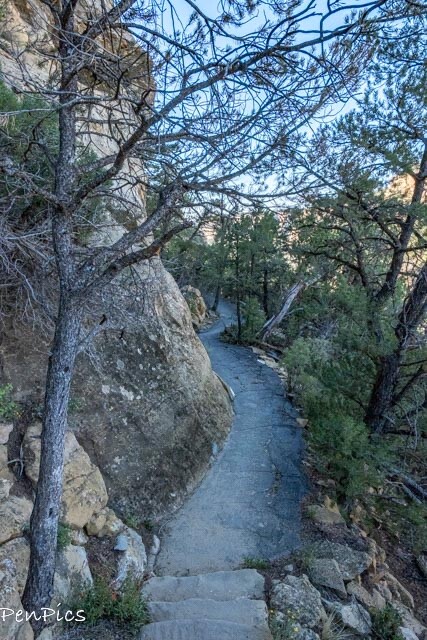
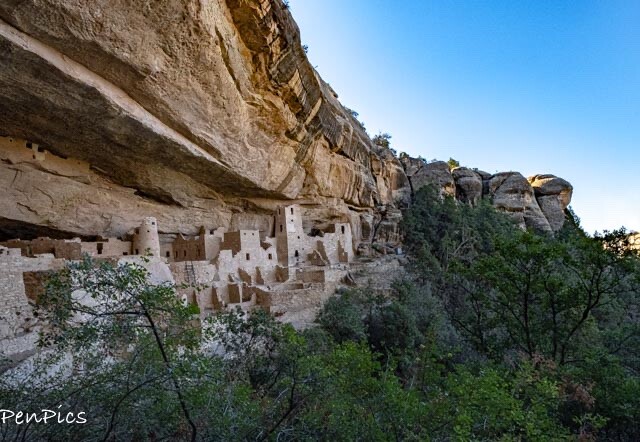 ⬆️ First Glimps!
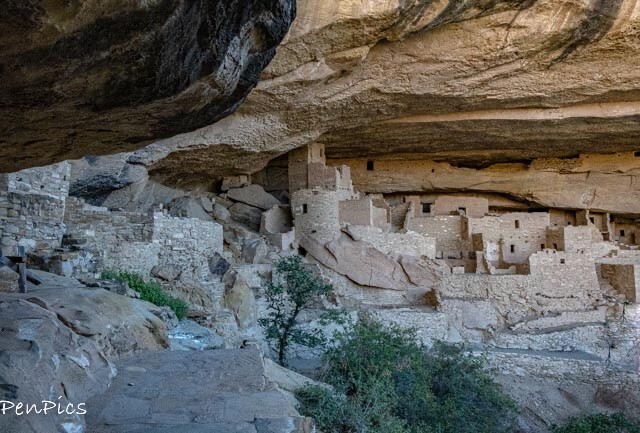
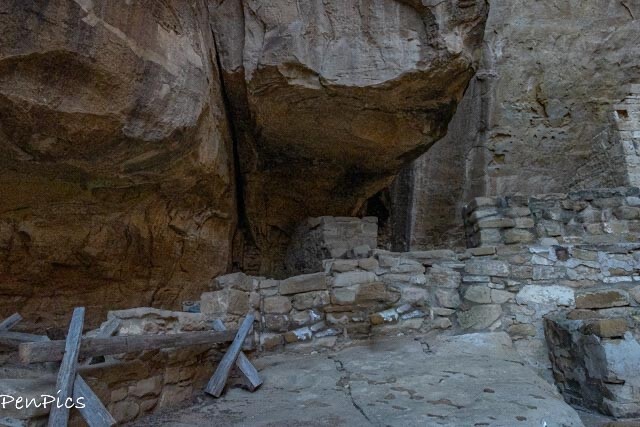
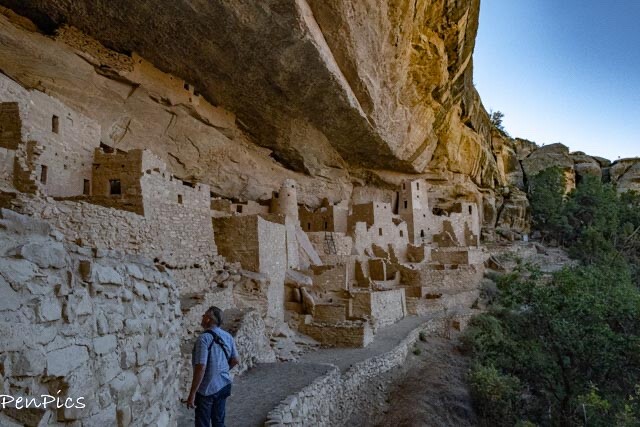
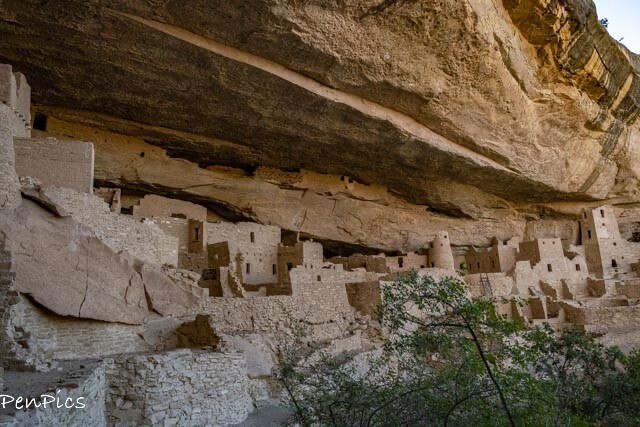
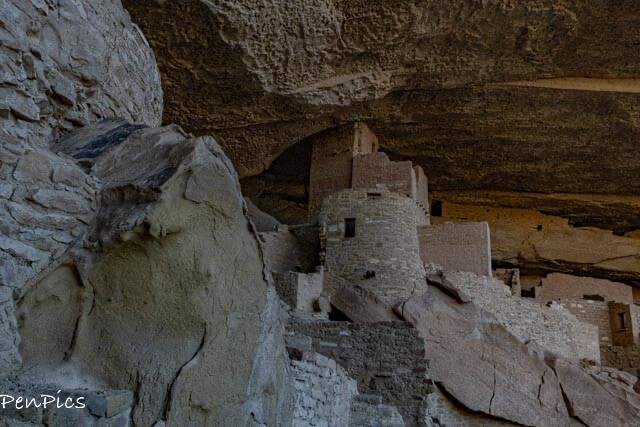
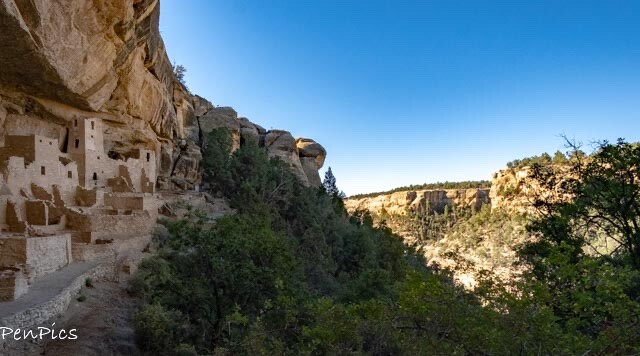
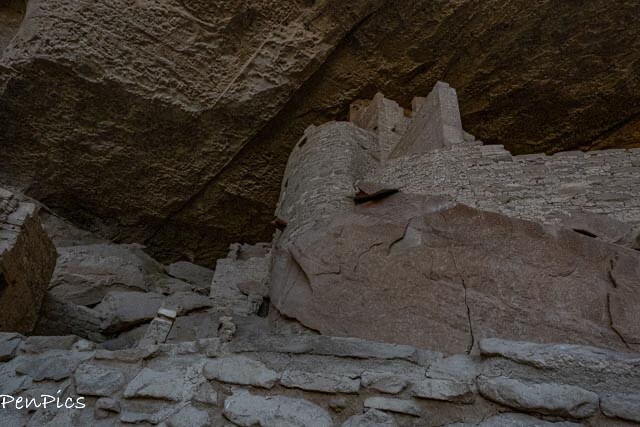
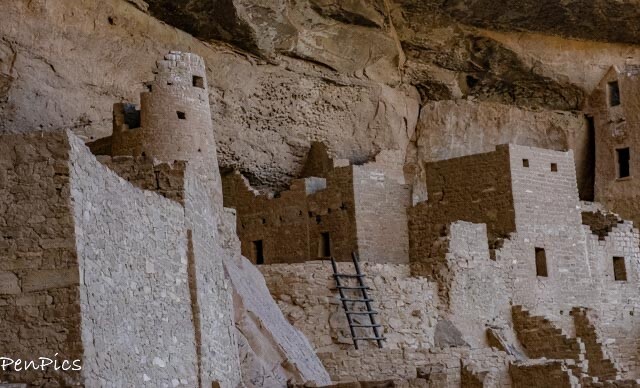
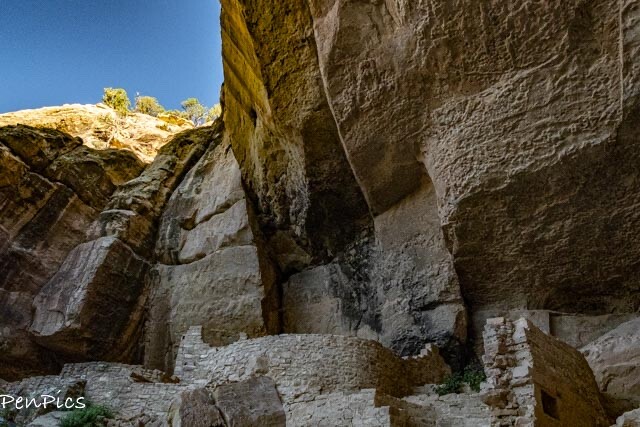
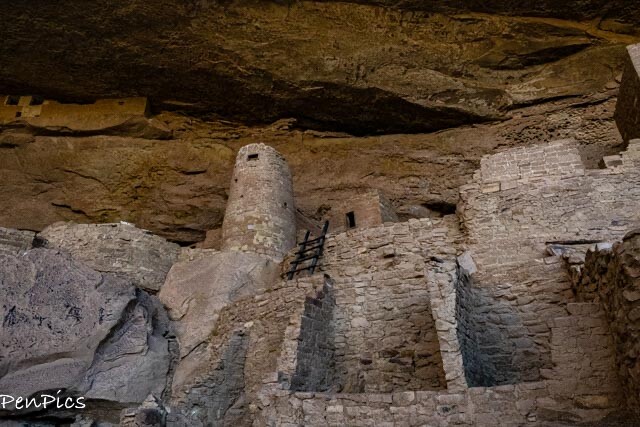
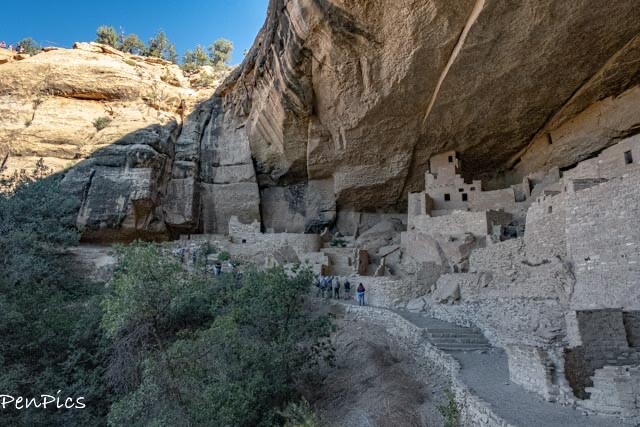 ⬆️ The people in the shot give perspective to the size of this dwelling
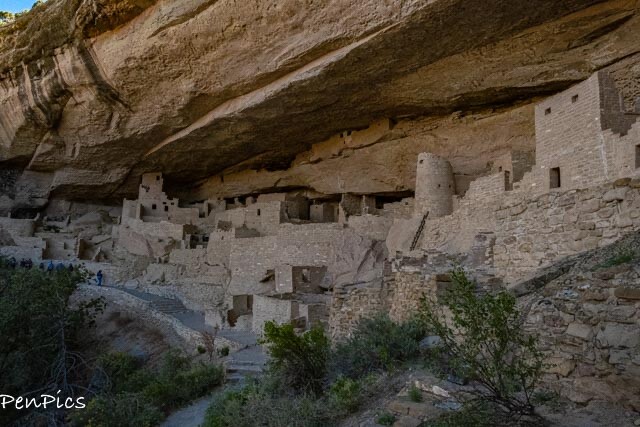
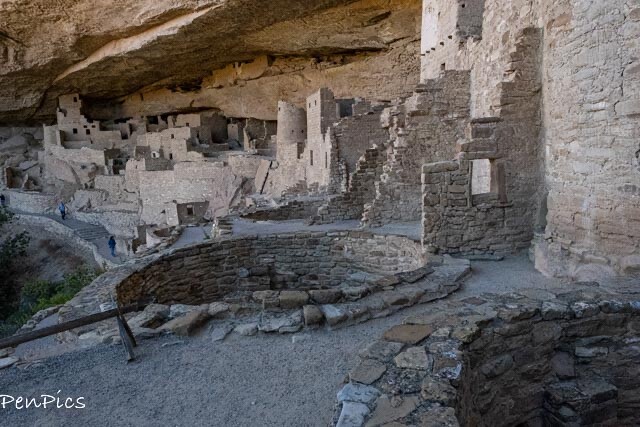
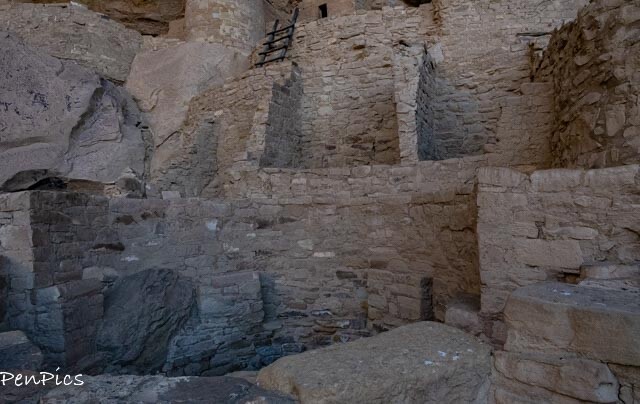
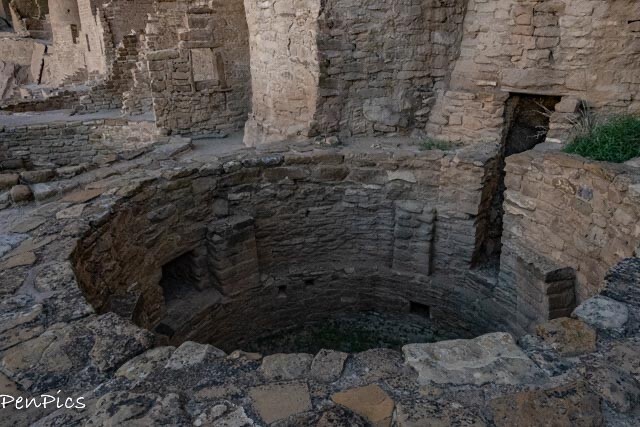 ⬆️ Kiva is a Hopi word. At Mesa Verde, they were often round, underground rooms and tended to be small household kivas that were used for a mix of routine and special purposes, such as a place to hold ceremonies.
At Mesa Verde, kivas are typically round in shape, with a central fire pit and a ventilator shaft that allowed fresh air to flow through.

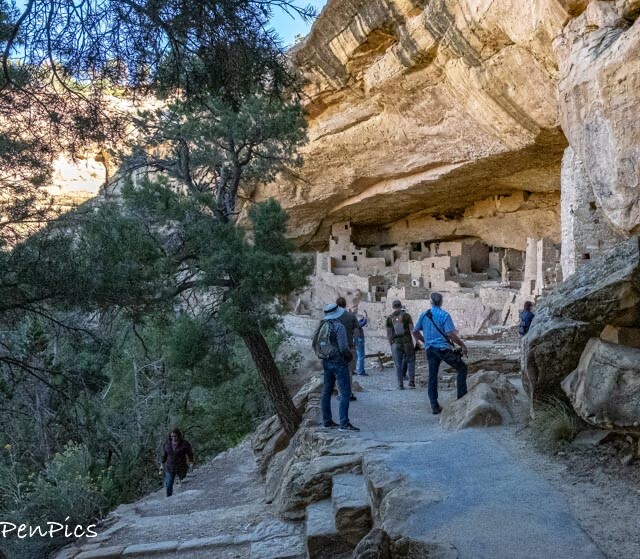
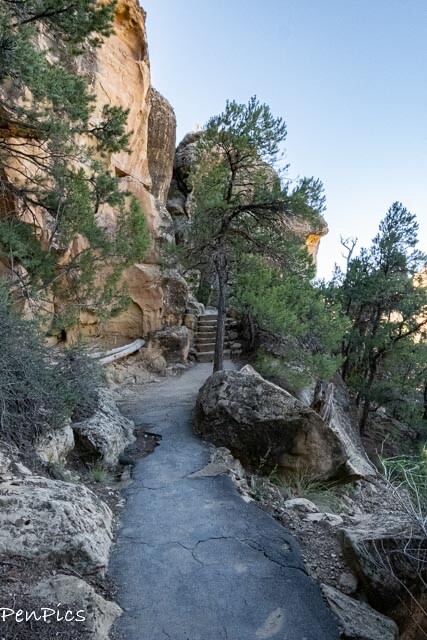
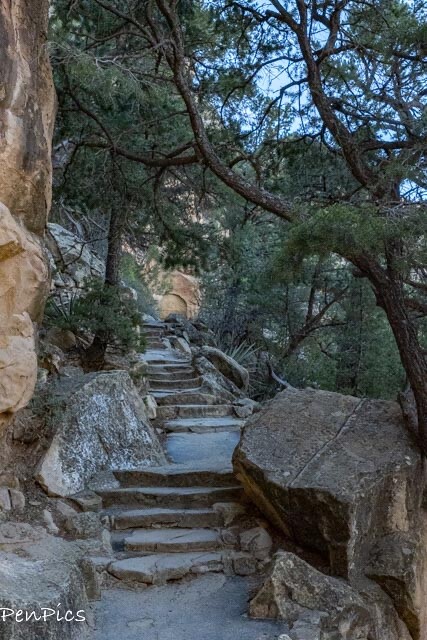
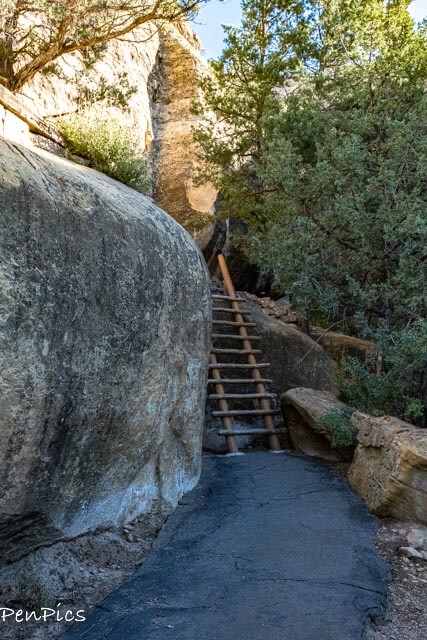
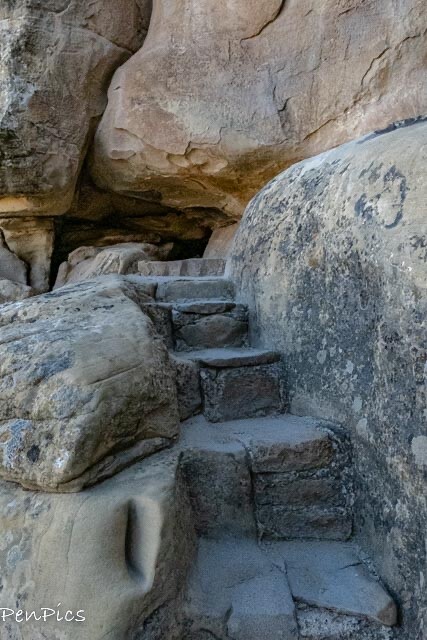
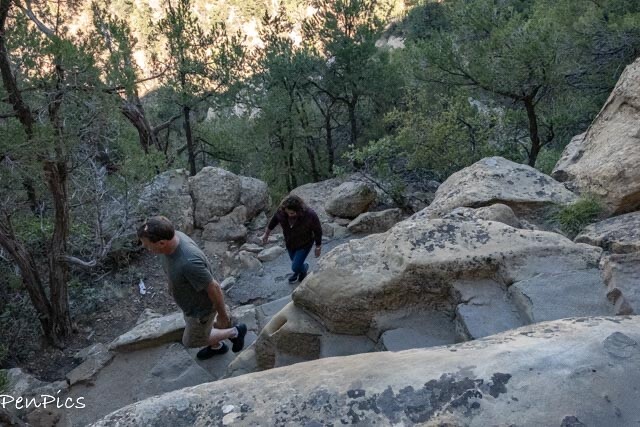
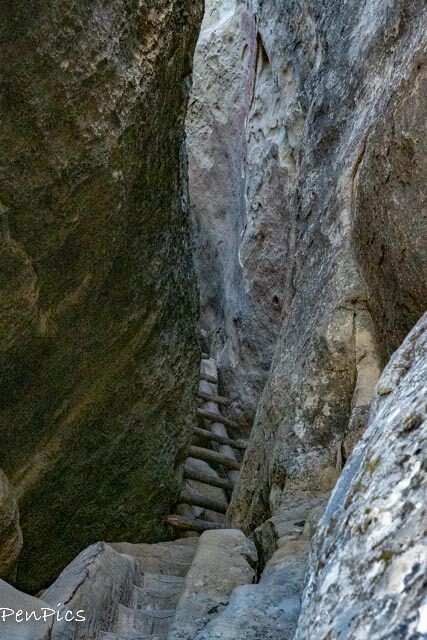
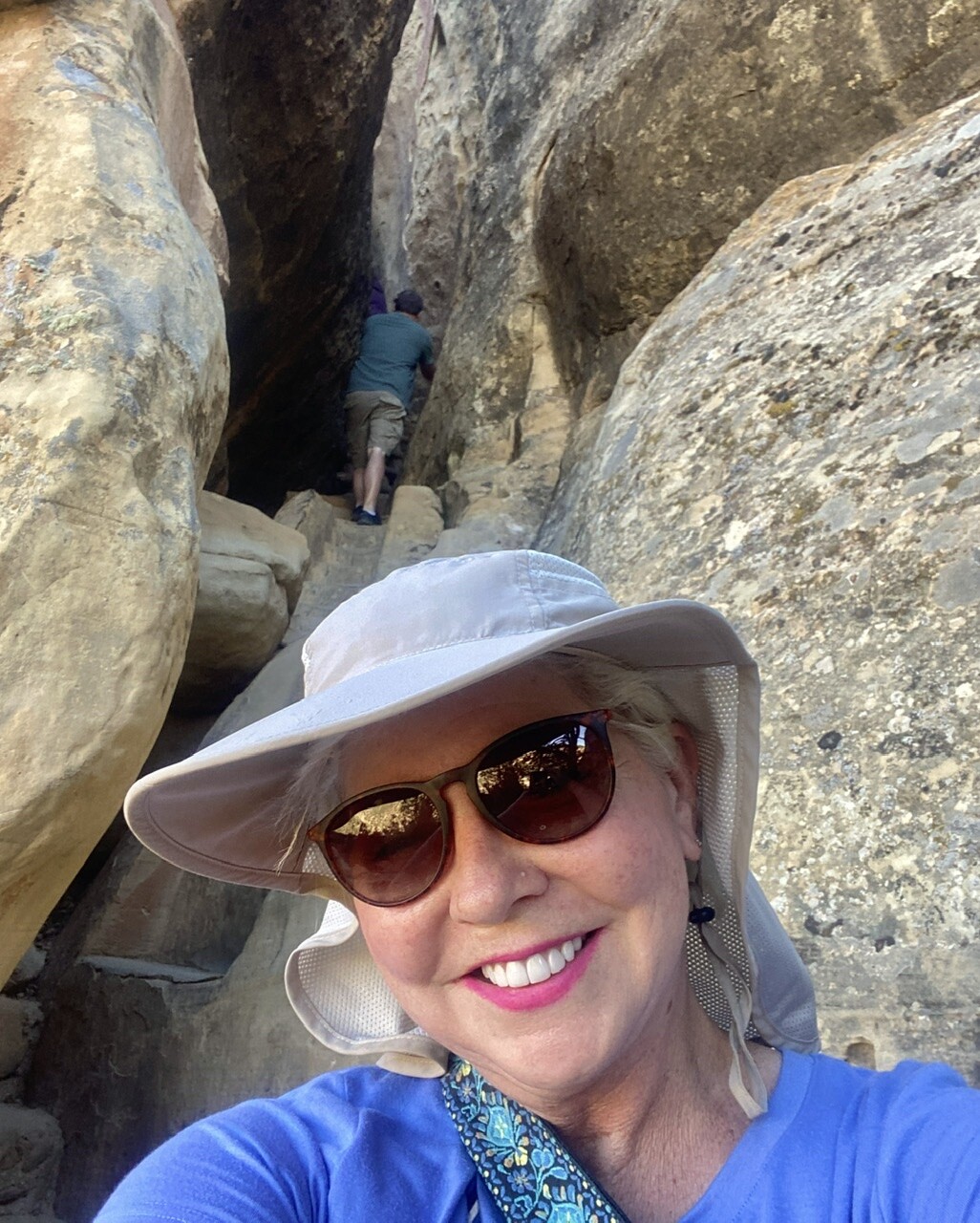
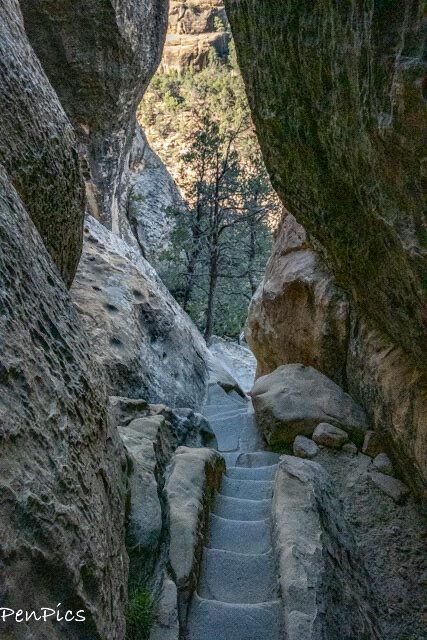
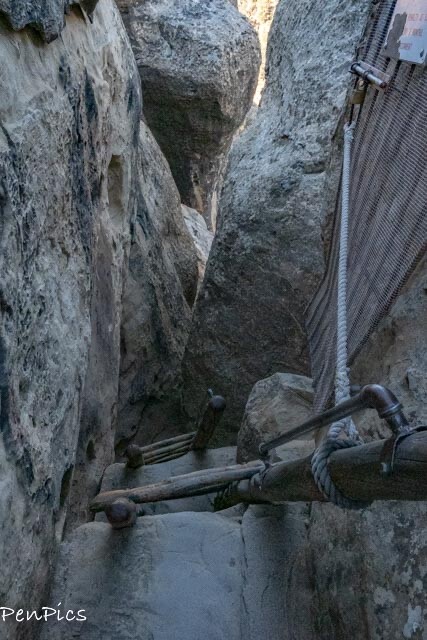
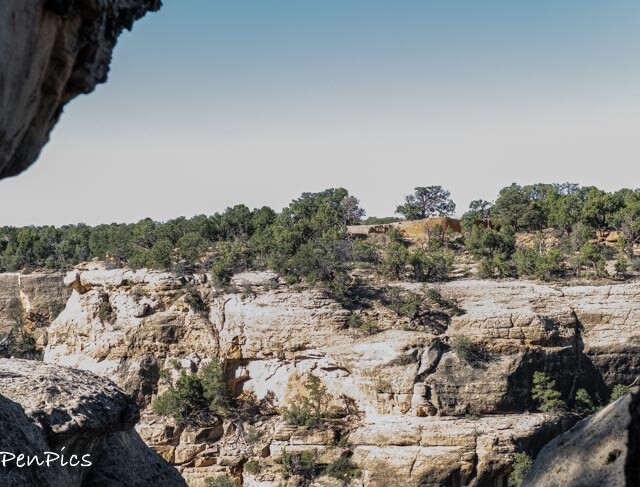
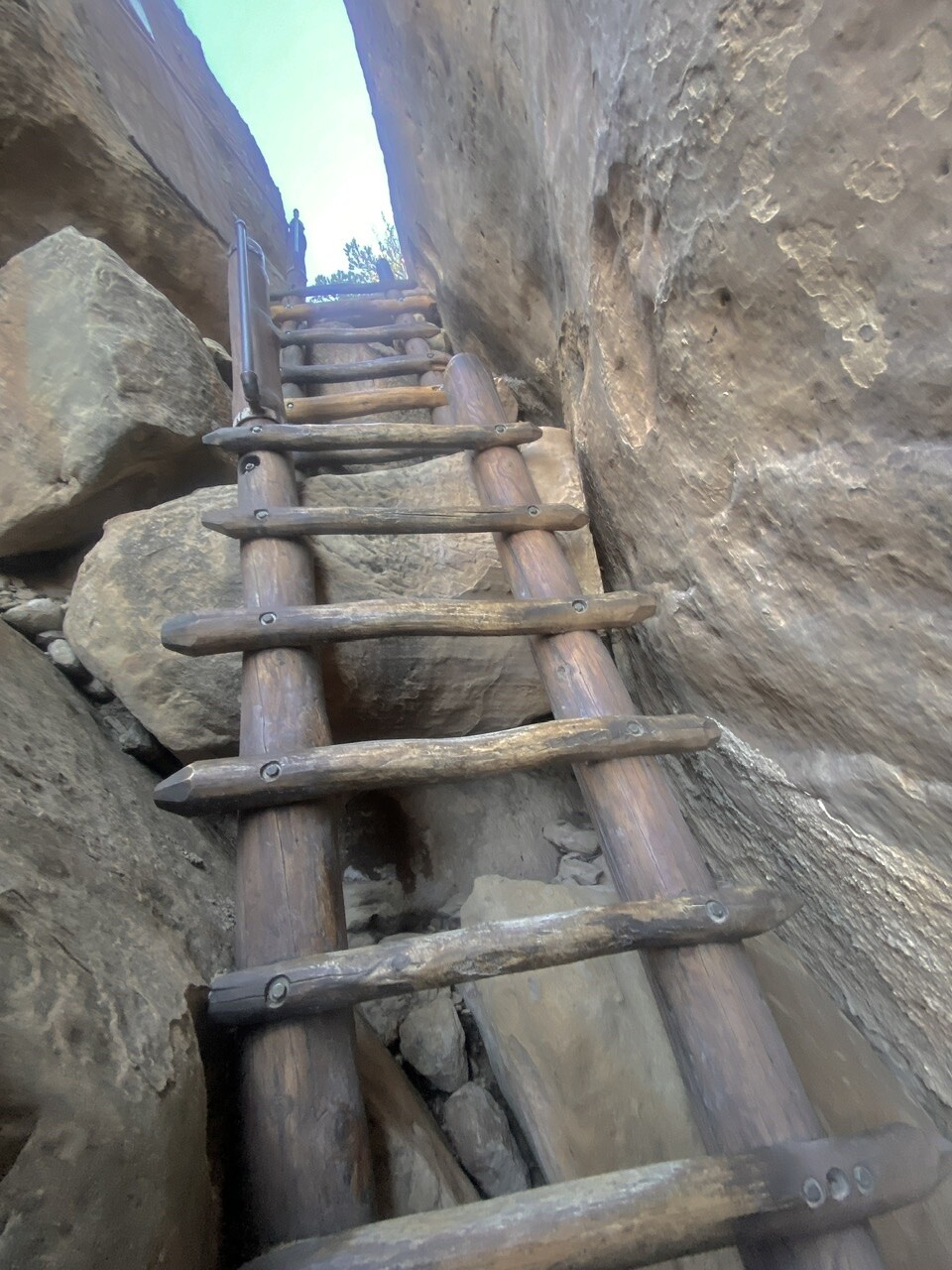
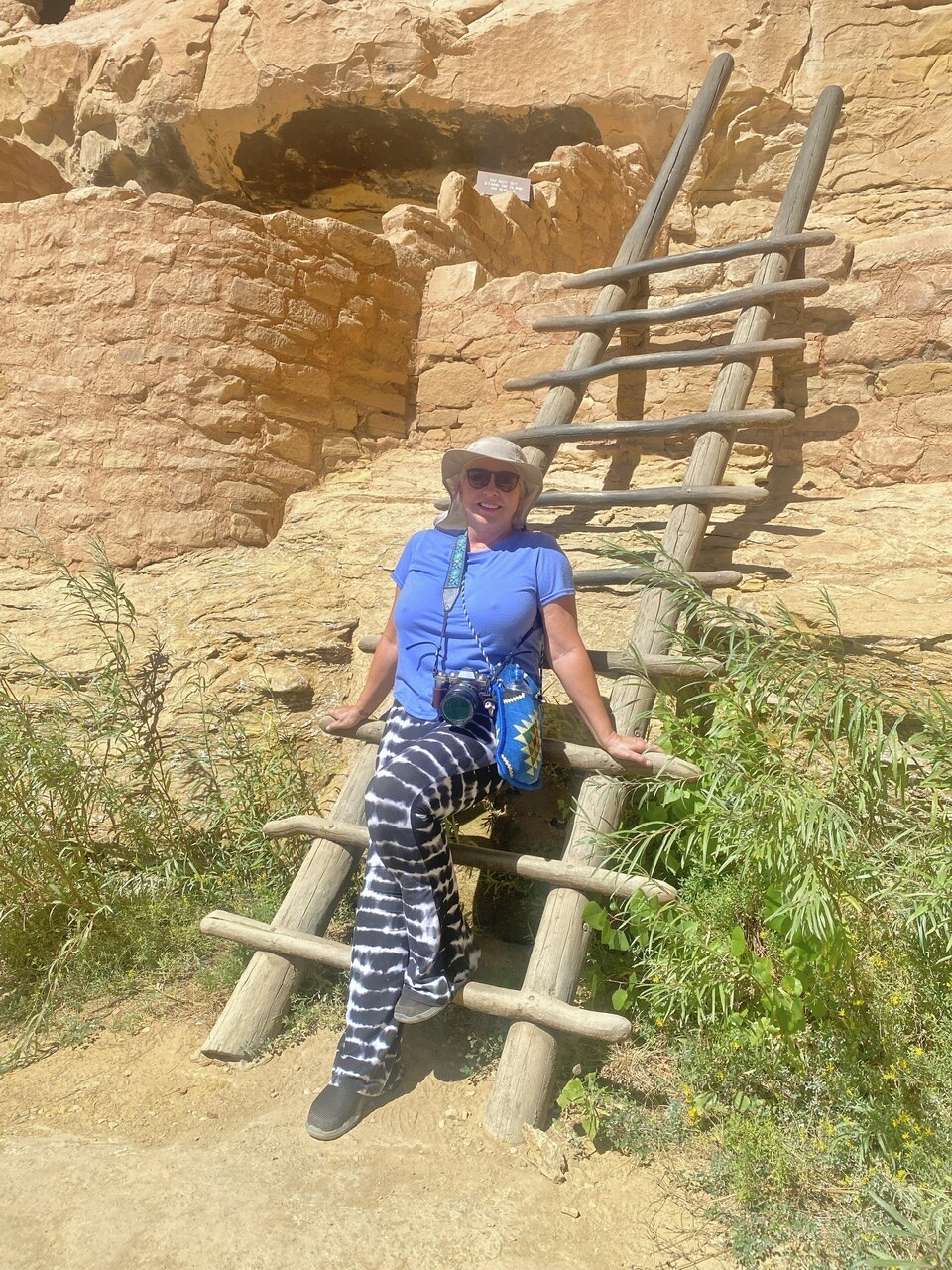
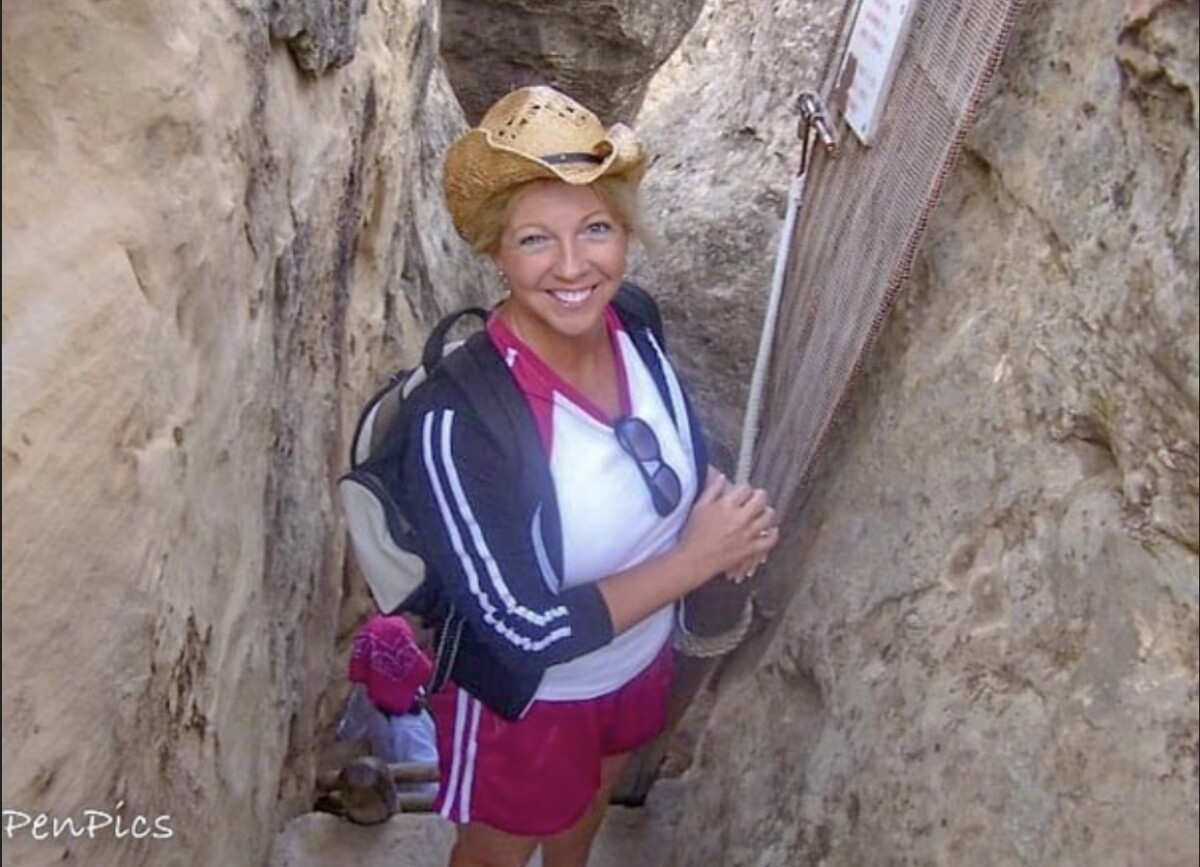 ⬆️ Me when I was in the same place in 2006
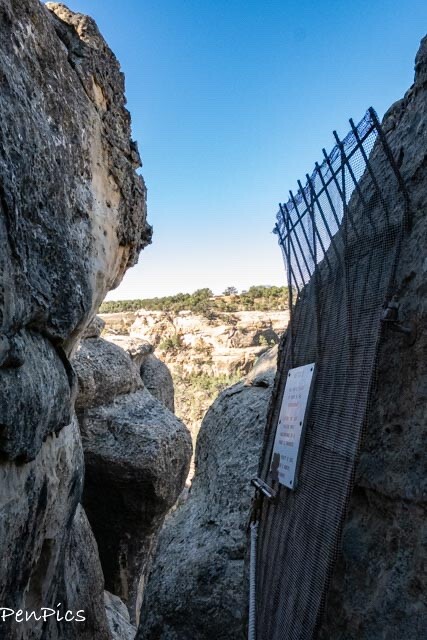
************
From this tour, we drove 40 minutes to the other side of the Park, for our second pre-scheduled tour of the day.
Along the way, we stopped at this important site.
Far View ⬇️
 Far View was one of the most densely populated parts of the mesa, from A.D. 900 to about A.D. 1300.
Nearly 50 villages have been identified, within a half square mile area, and were home to hundreds of people.
Today, several excavated and stabilized sites are linked by a trail system, within a short walking distance. These surface sites include Far View House, Pipe Shrine House, Coyote Village, Far View Reservoir, Megalithic House, and Far View Tower. The Ancestral Pueblo (Anasazi) people were living at Far View at least 200 years before they began building the more famous Mesa Verde cliff dwelling. Excavation also reveals that many people chose to remain in their mesa top community, well after many of their neighbors moved, permanently, to the cliff dwellings.
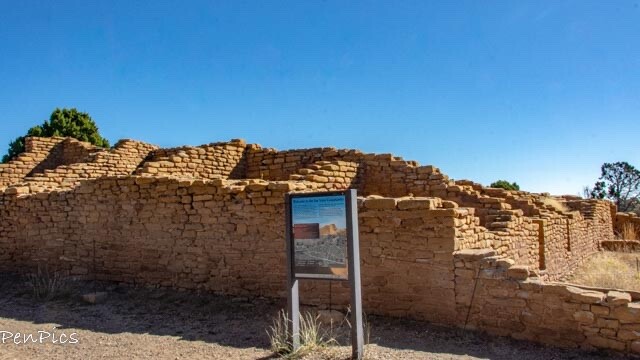
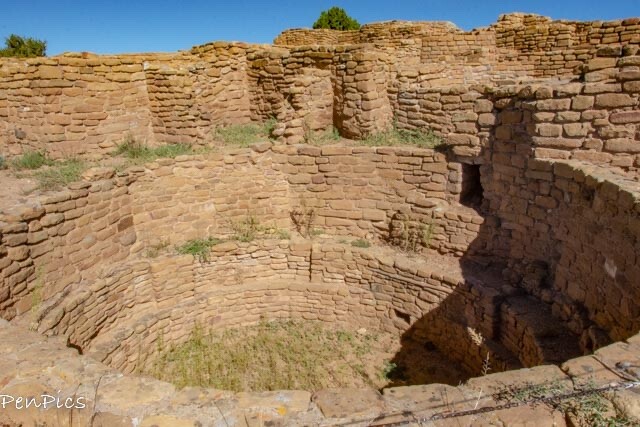
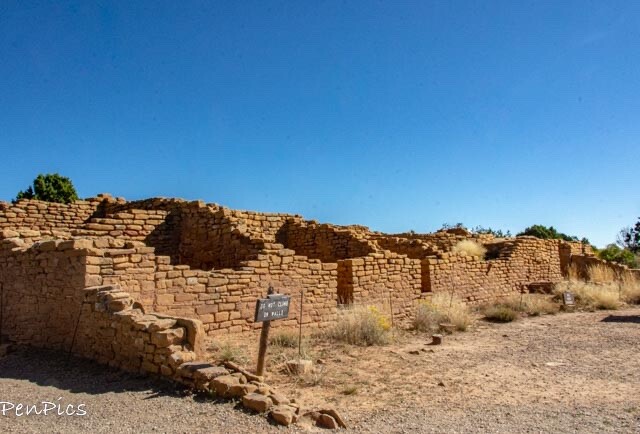
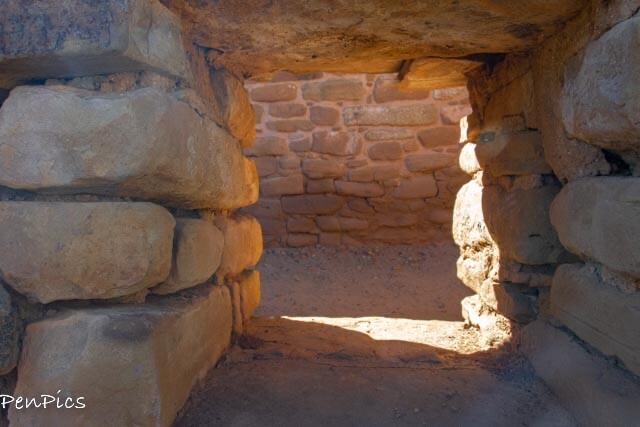
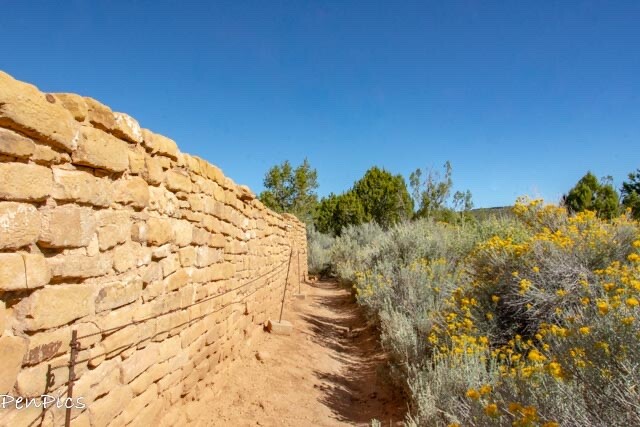
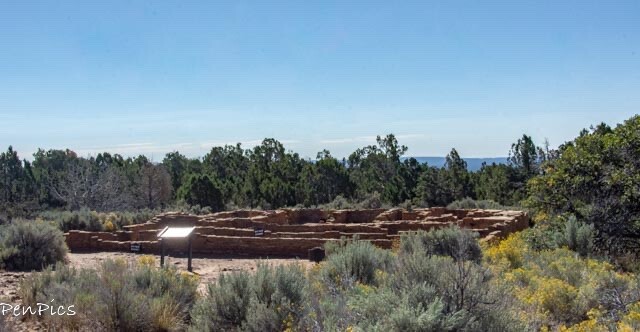
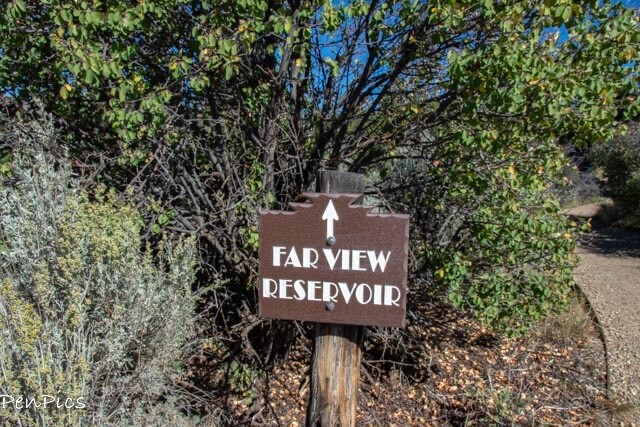
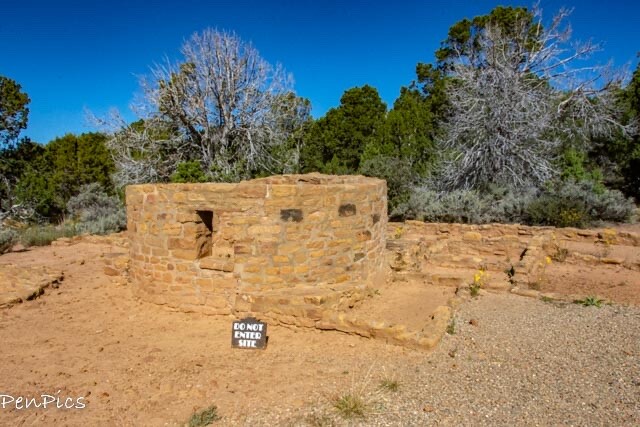 ⬆️ New research, claims the 12-foot deep circular brick structure, here, instead, was created for ceremonial purposes.
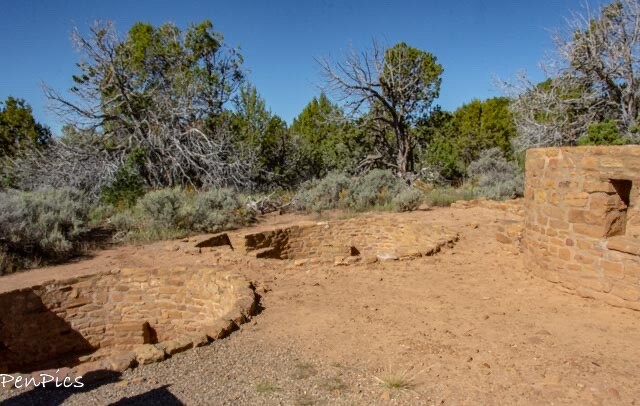
For nearly a century, the structure was thought to have been built more than 1,000 years ago to hold water for watering Anasazi gardens. But research presented in the Journal of Archaeological Science says that wasn’t the intent at all. Rather, the archaeologists believe “that it is an unroofed ceremonial structure, and that it serves as an essential component of a Chacoan ritual landscape.”
 *********
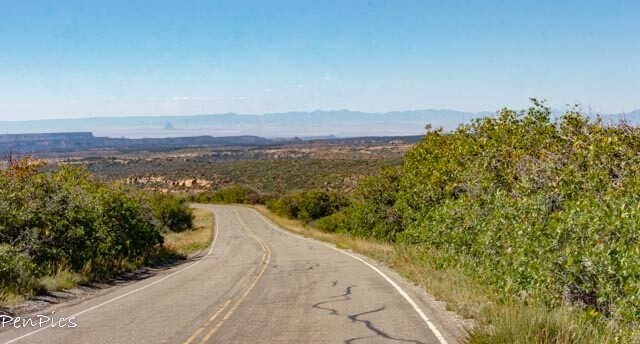
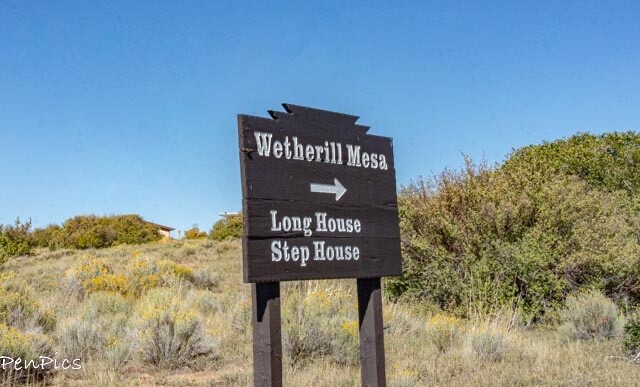 We continued on, and took this road system to our next tour
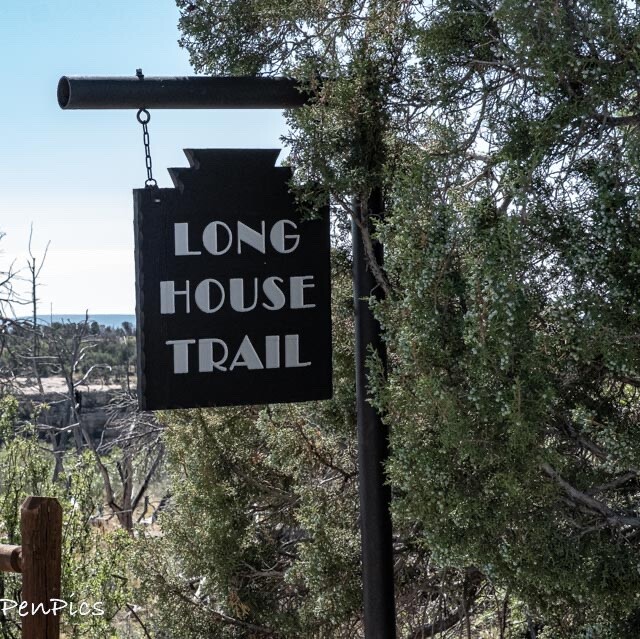
Long House Cliff Dwelling ⬇️
Long House is the second-largest cliff dwelling in the park, with about 150 rooms and 21 kivas. The dwelling includes a large dance plaza resembling ceremonial plazas used in modern Pueblo villages today. About 100 to 150 people may have lived in Long House during the mid 1200s.
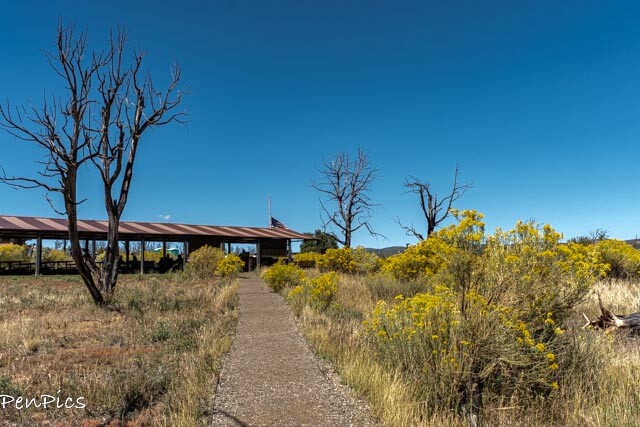
⬆️ When taking this tour, it’s important to note, the meeting point with the ranger is a 20-30 minute hike from the parking area to the trailhead, where the tour behind. There is no shade on this potion, so a hat and water are a good idea
What to Expect:
This 60-minute, ranger-assisted tour involves hiking 2.25 miles roundtrip, with an elevation gain of about 130 feet and climbing two 15-foot ladders, within the site.
The tour begins and ends at the Long House trailhead which is a 20-30 minute, 0.75-mile hike, from the Wetherill Mesa Kiosk. Plan accordingly to reach the trailhead, in time for your scheduled tour.
* Allow 1-1/2 to 2 hours for the entire Long House experience (the total time for the tour and the walk between the kiosk and the Long House trailhead). You MUST arrive 15 minutes early for a safety and logistics briefing
** The Wetherill Mesa Parking Location is a 12-mile drive along the Wetherill Mesa Road (begins near mile marker 15). Allow 1.5 hours to drive to the Wetherill Mesa parking lot from the park entrance. Vehicles over 25-feet long and 8,000 lbs GVW are prohibited on this particular road.
Wear sturdy hiking shoes or boots and bring a minimum of 1/2 gallon of water per person
Safety Information:
Consider your physical health before joining a hike, especially if you have heart or respiratory problems, or other physical difficulties. Elevations range between 7,000 and 7,500 feet above sea level. You should plan for all weather possibilities, because weather conditions are quite variable. It’s possible to begin your hike in full sun and end with a thunderstorm or snowstorm.
There are no height or age restrictions for this tour, but children must be able to walk the extent of the trail and climb ladders on their own without difficulty. If not, they must be placed in a carrier.
Cameras are welcome, but you must be able to carry all of your gear while keeping your hands free to climb the ladders. No tripods are allowed.

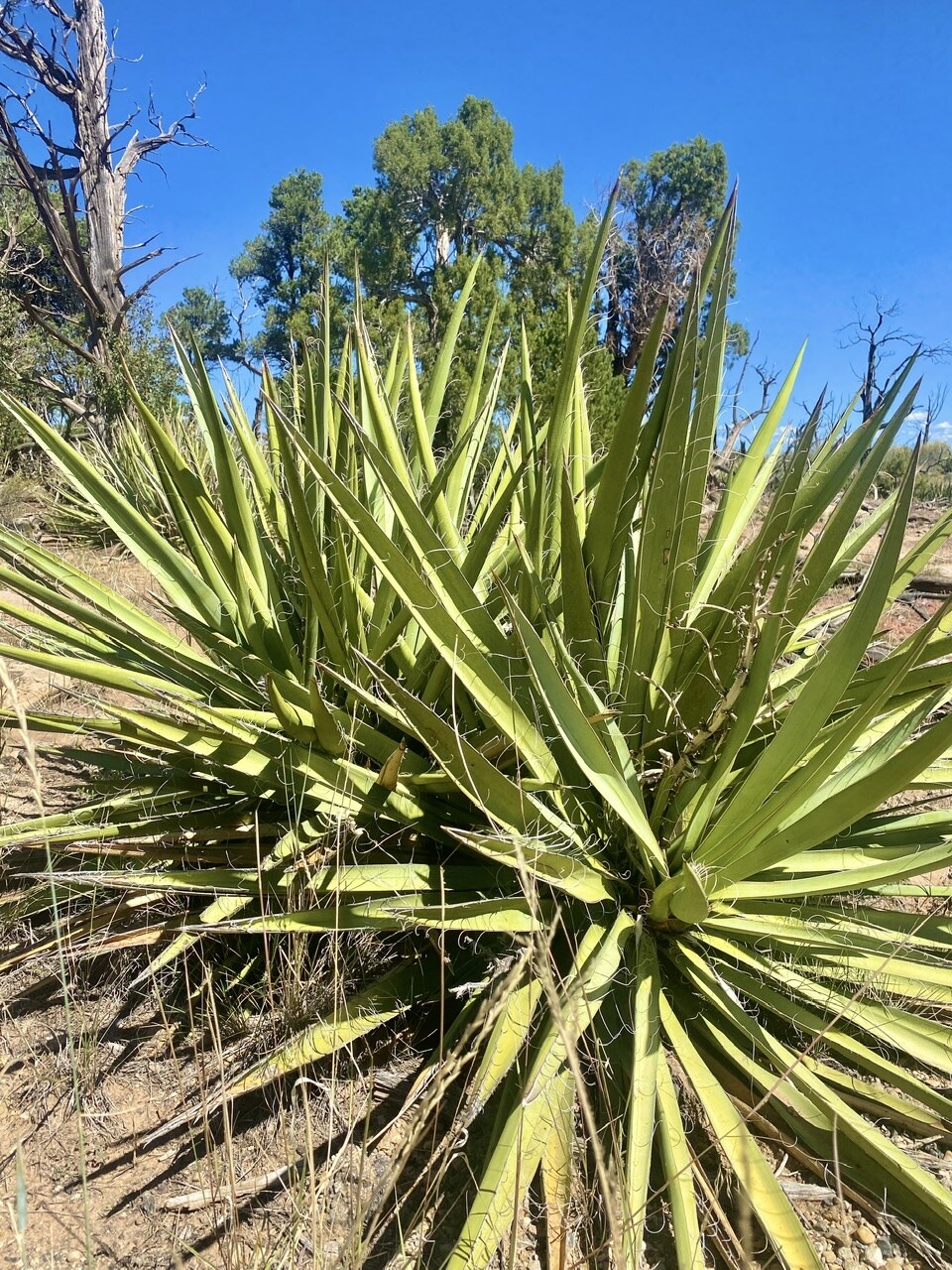
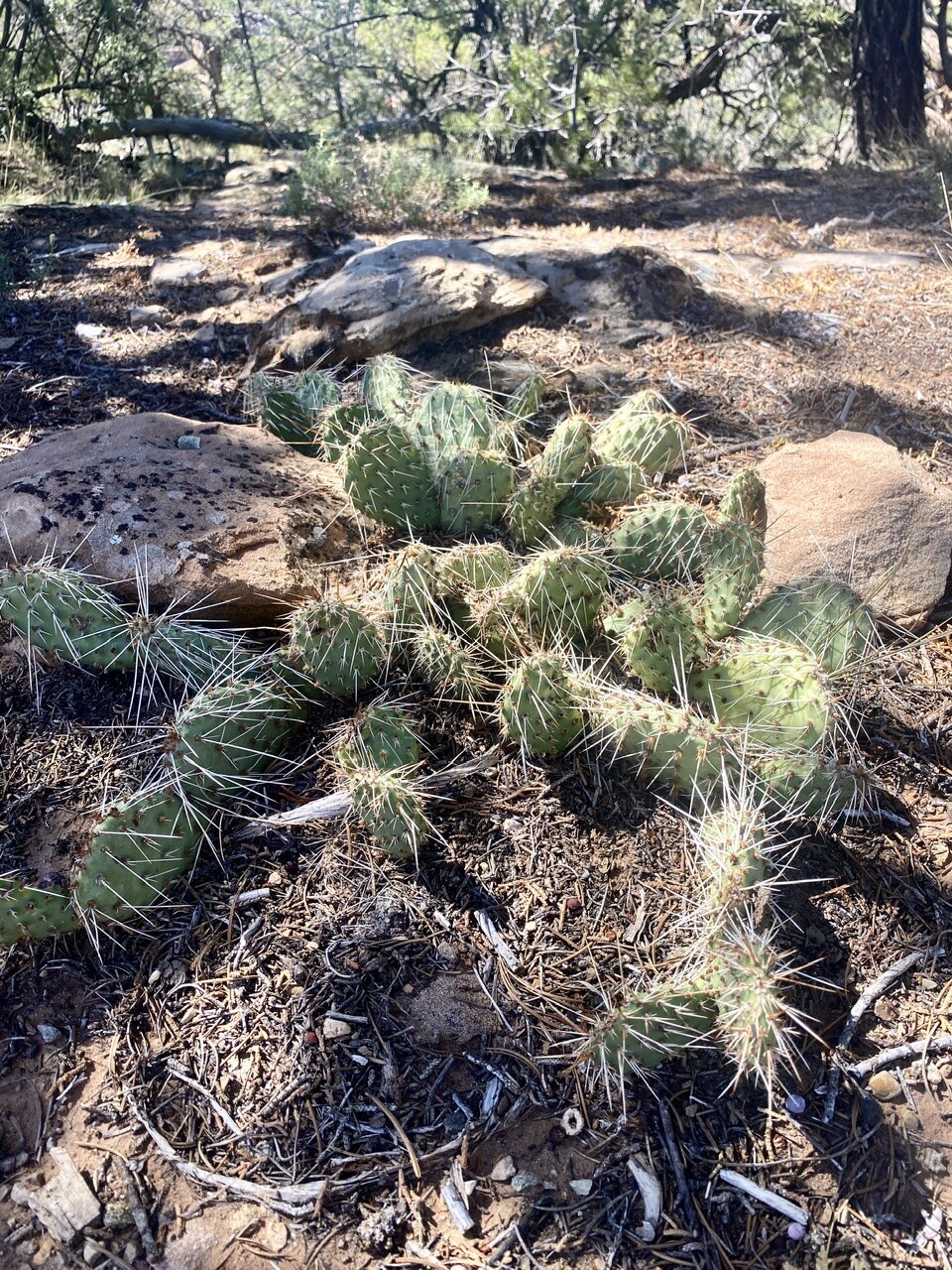
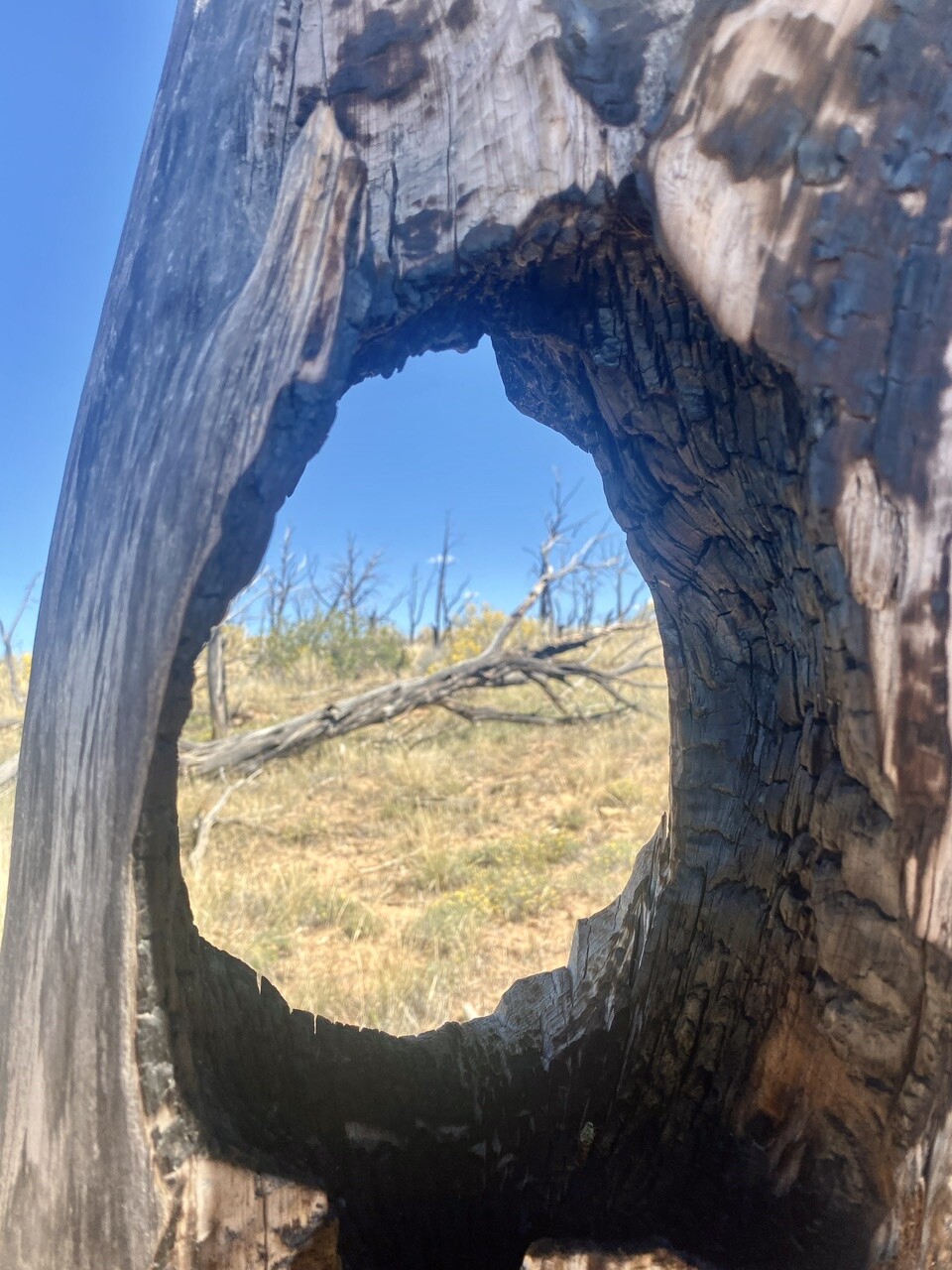
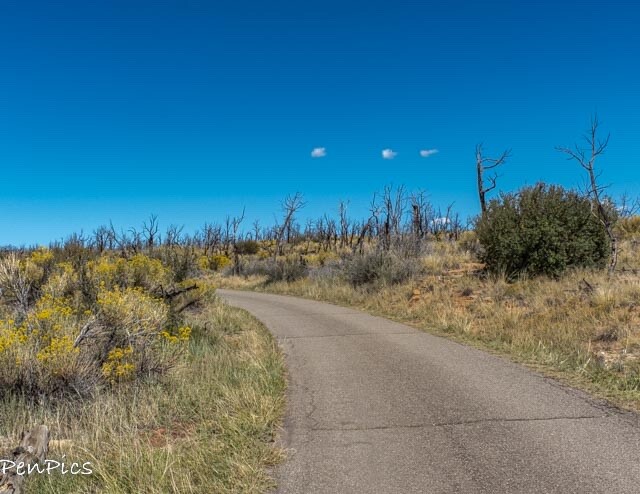
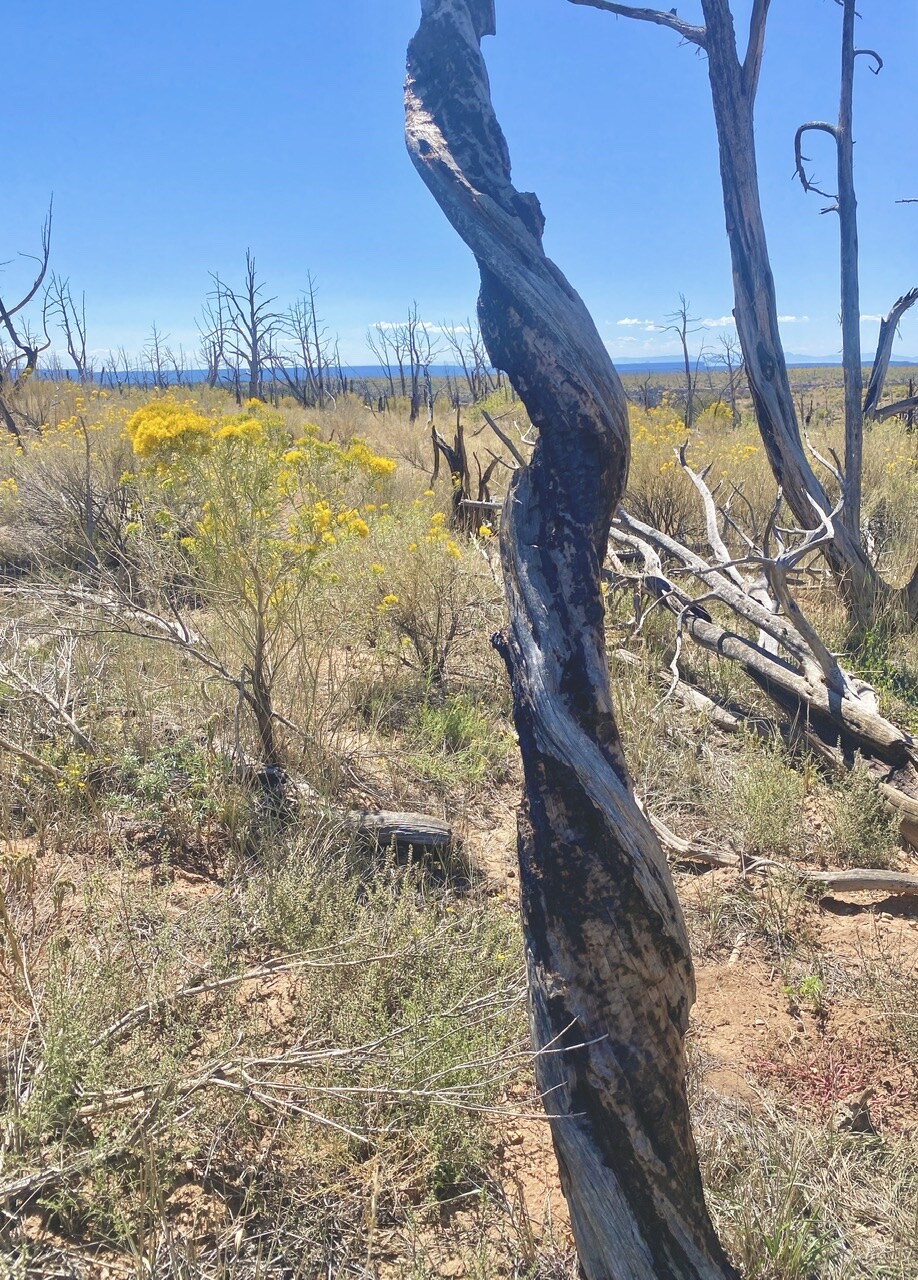
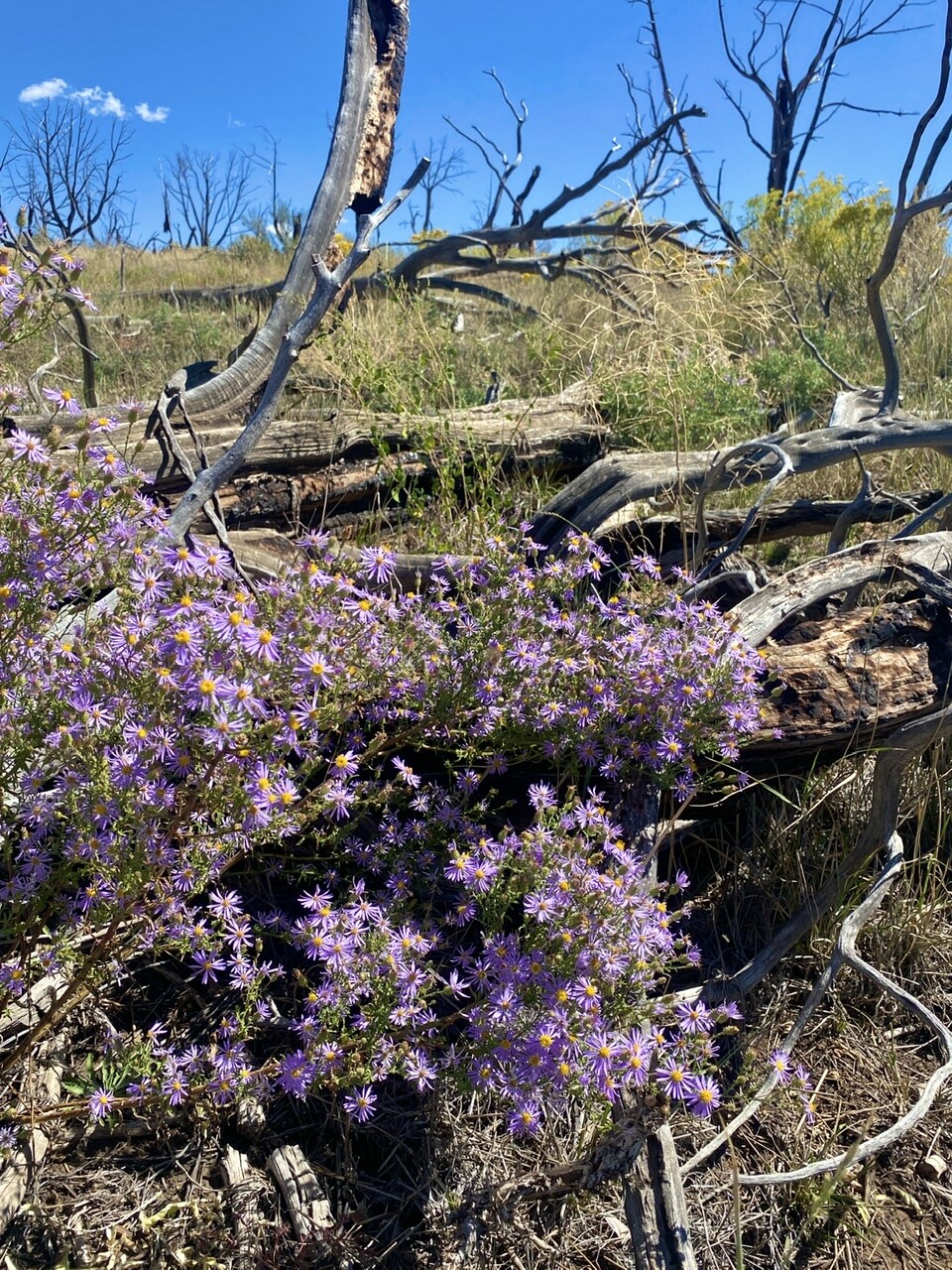
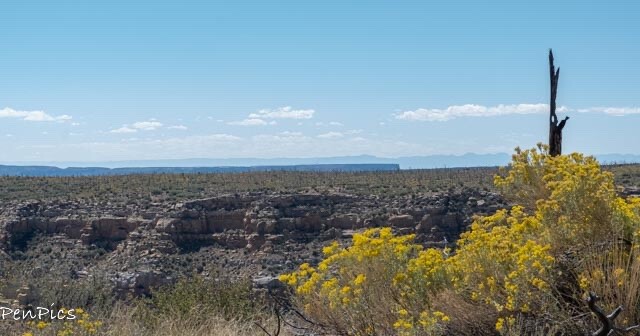
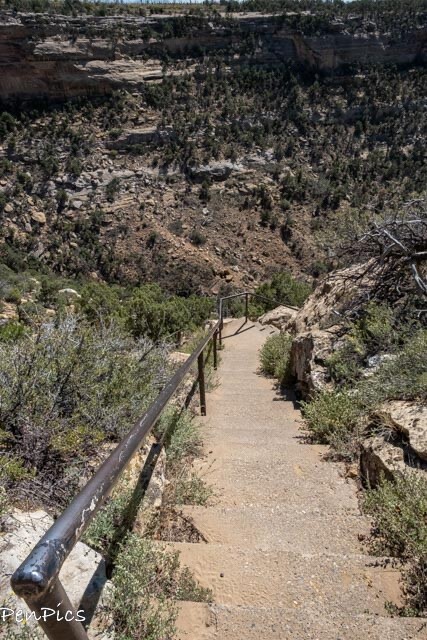
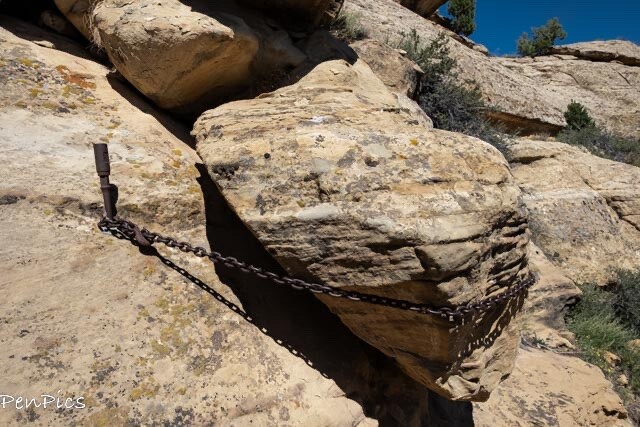
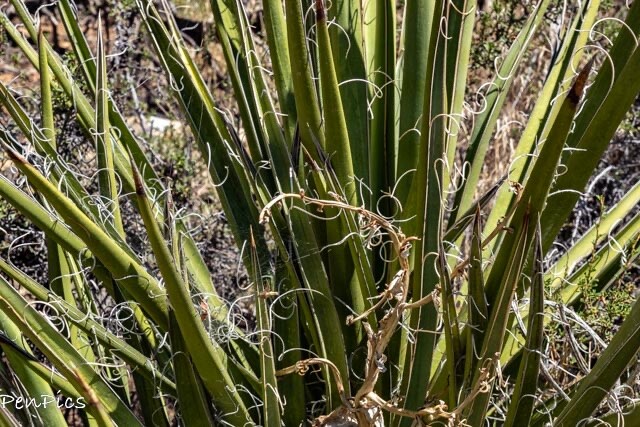
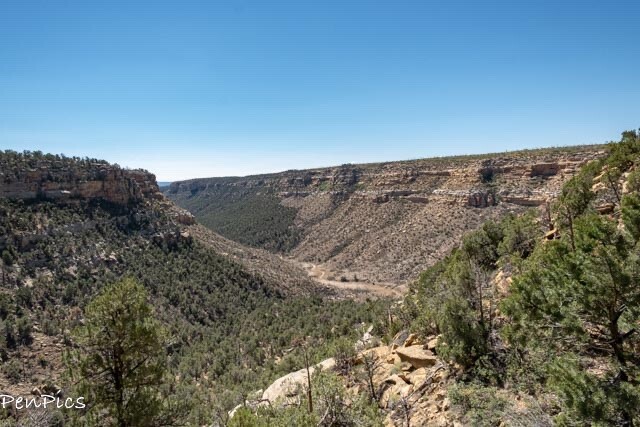
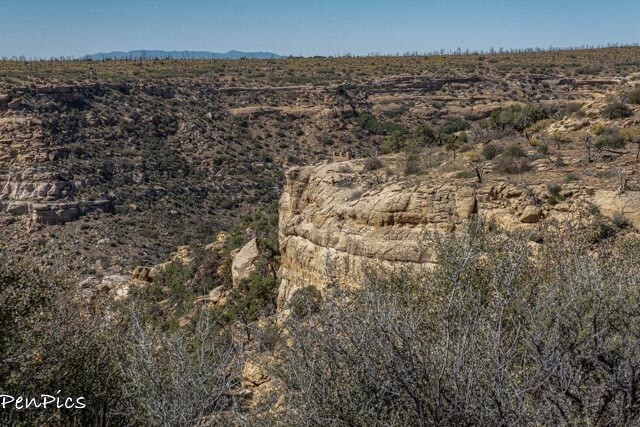
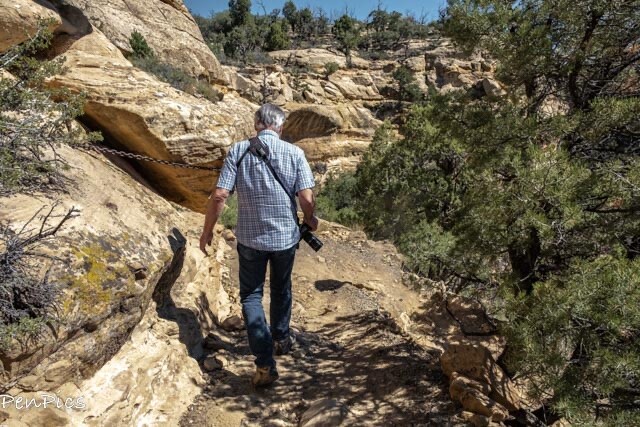 ⬆️ The scenery on the trail is nice
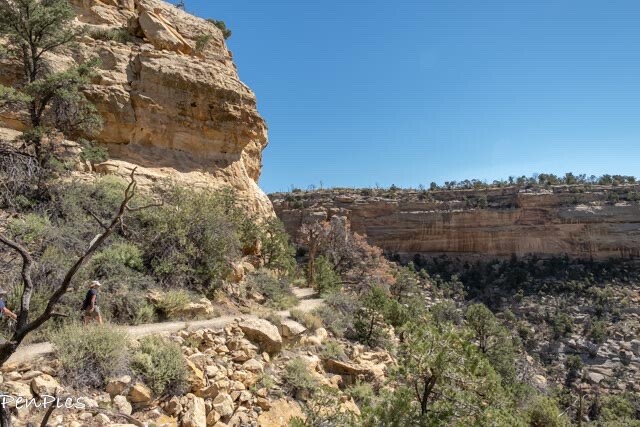
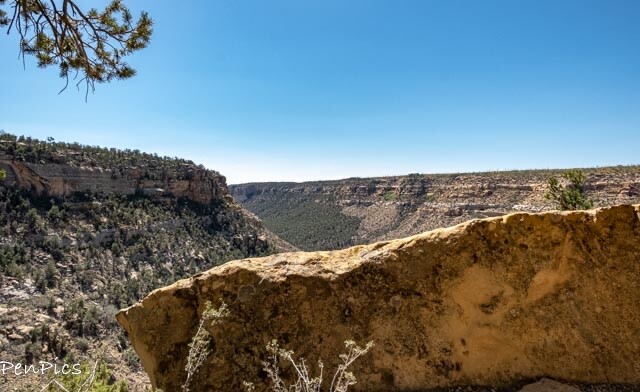

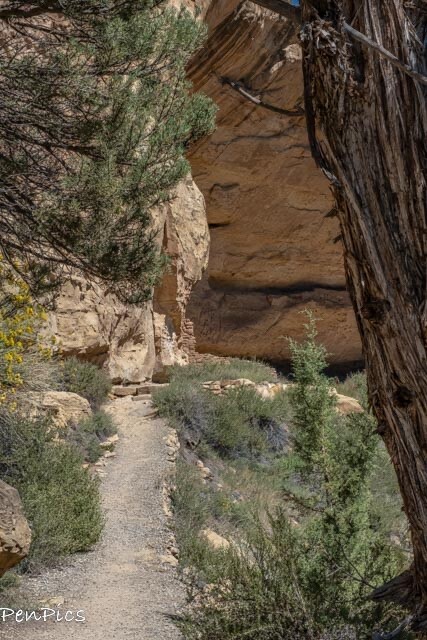
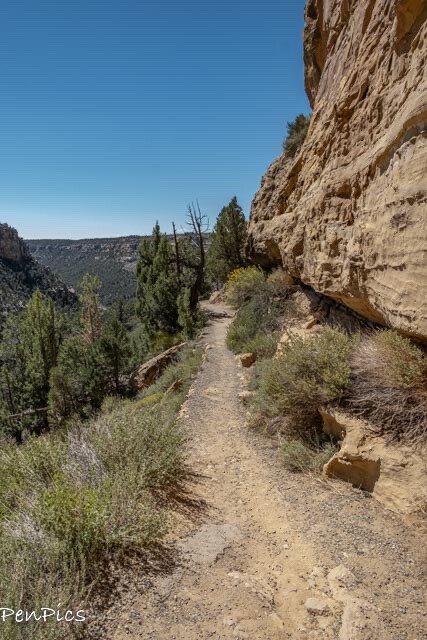
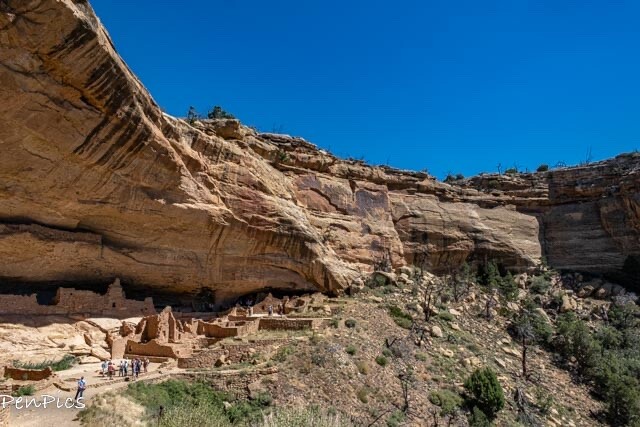 ⬆️ First Glimps!
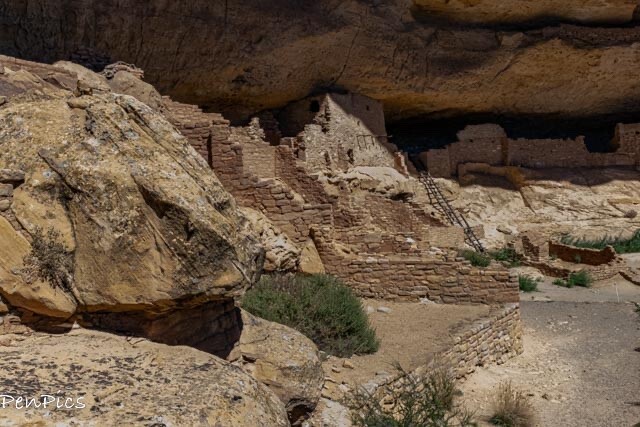
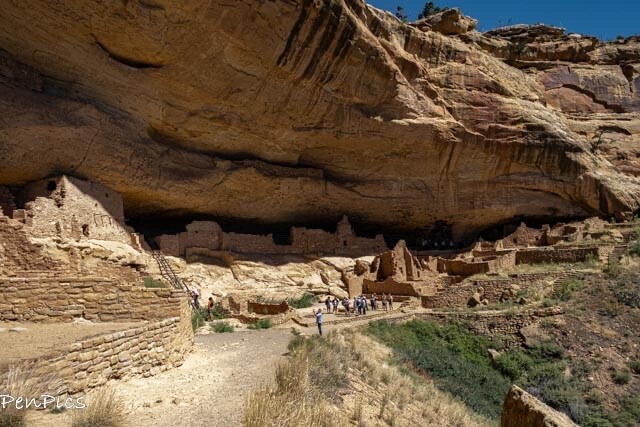
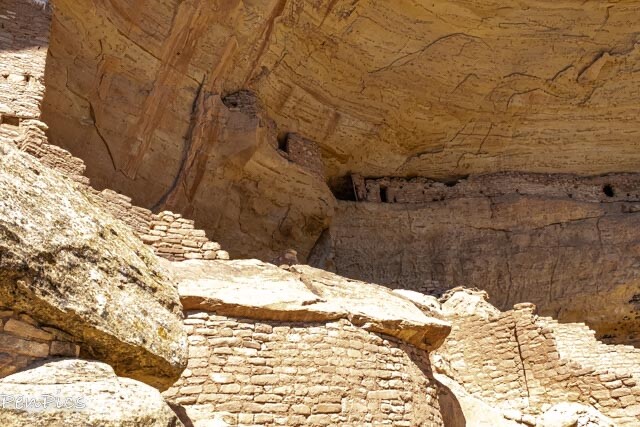
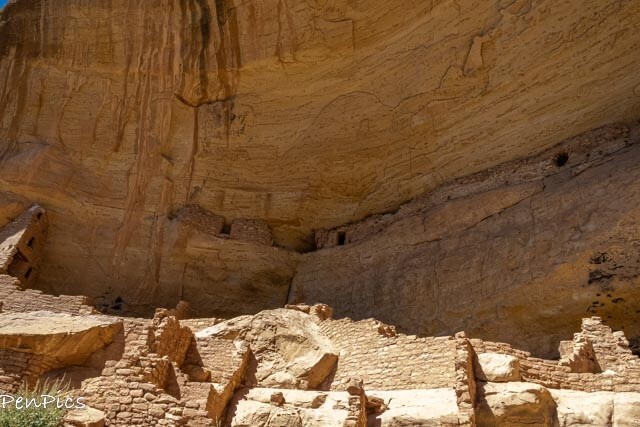
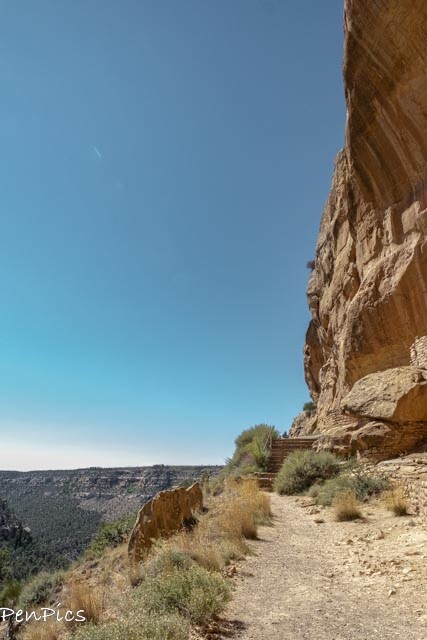
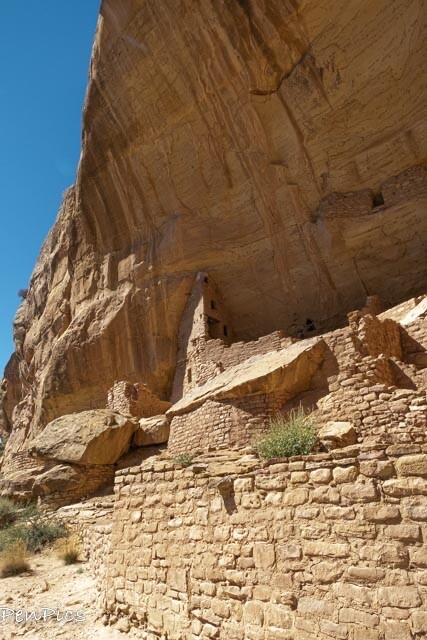
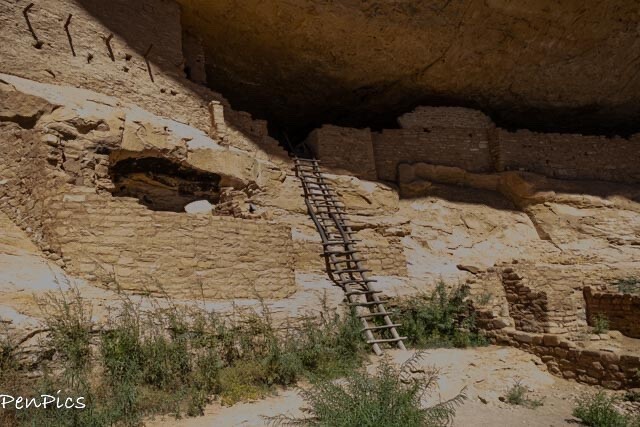
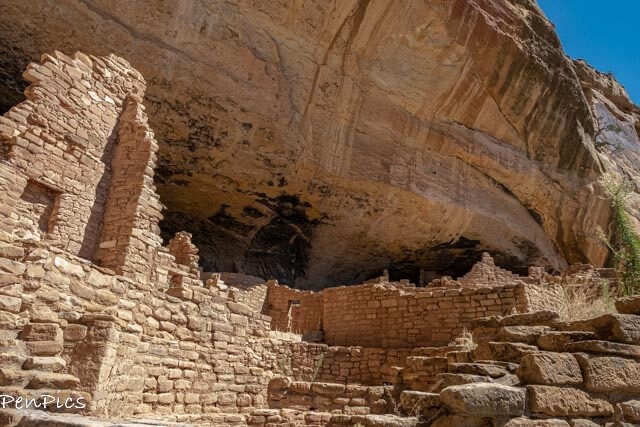
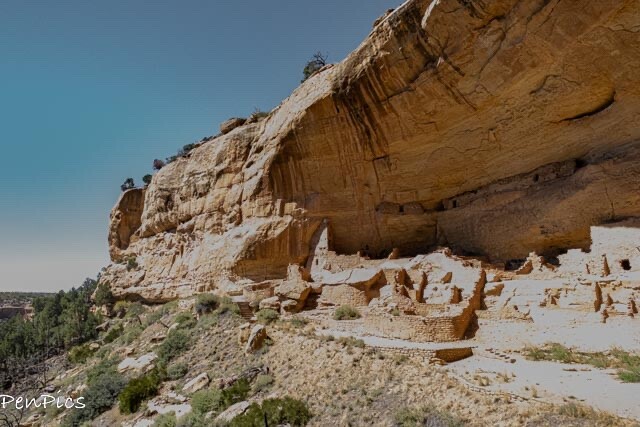
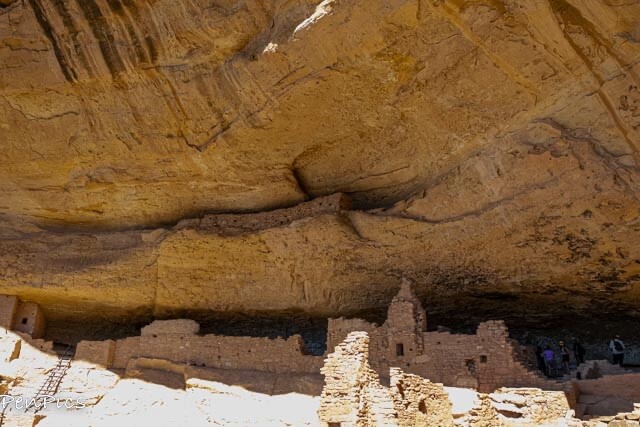
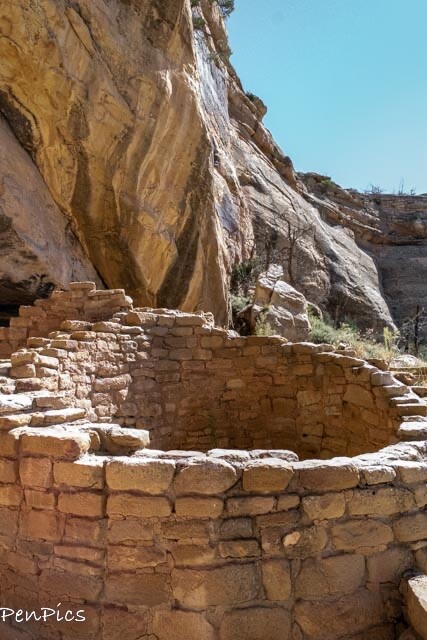
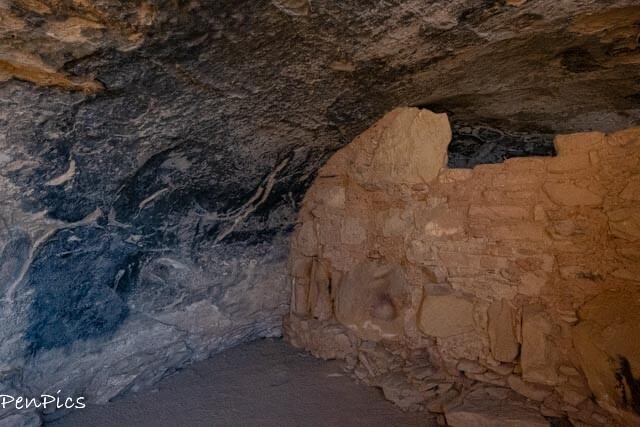
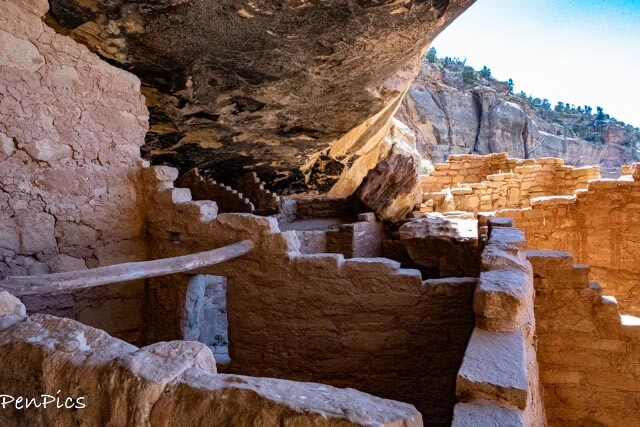
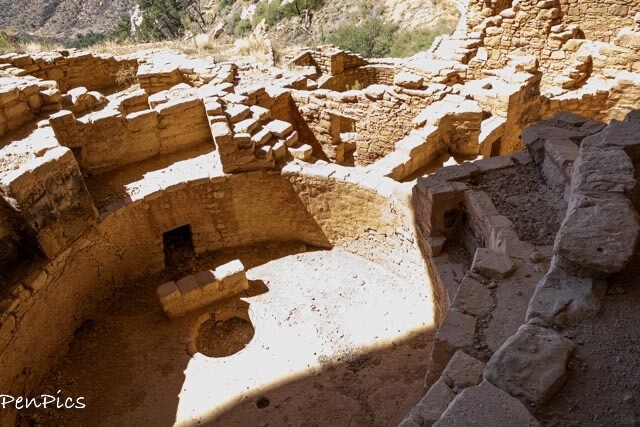
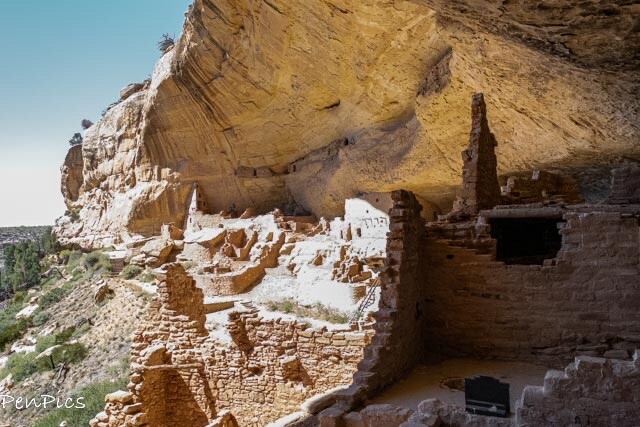
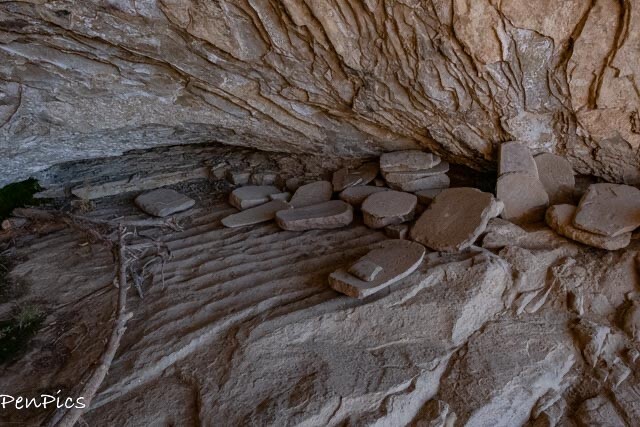
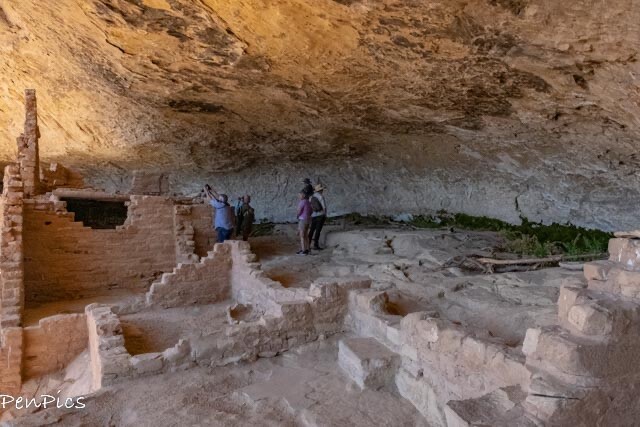
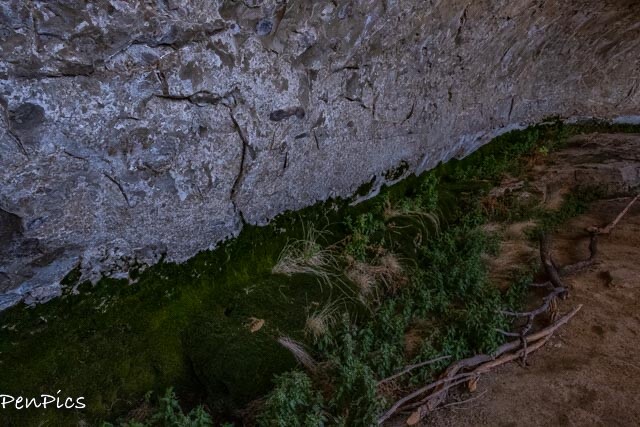
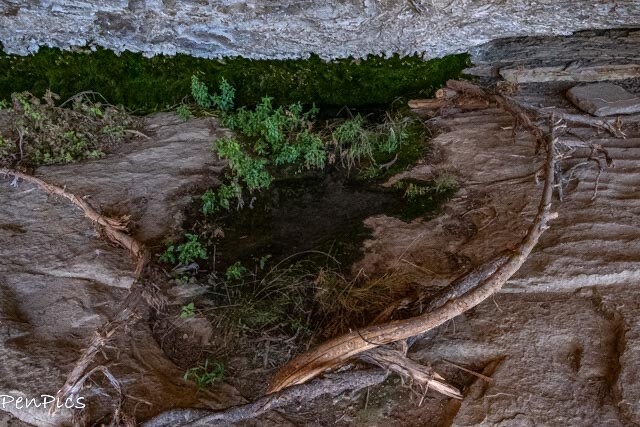
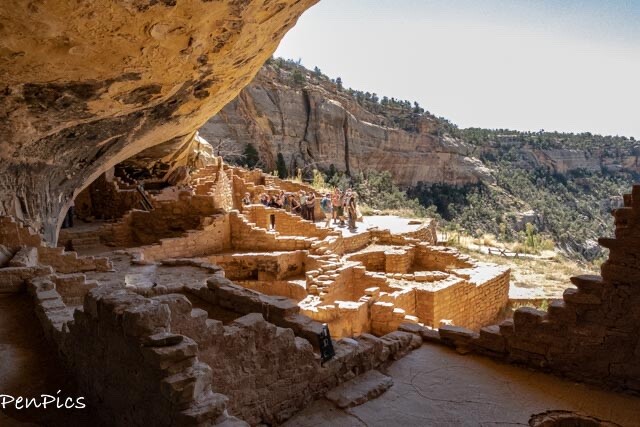
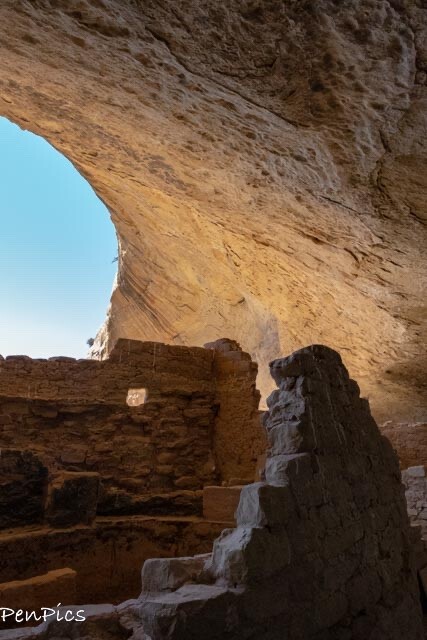
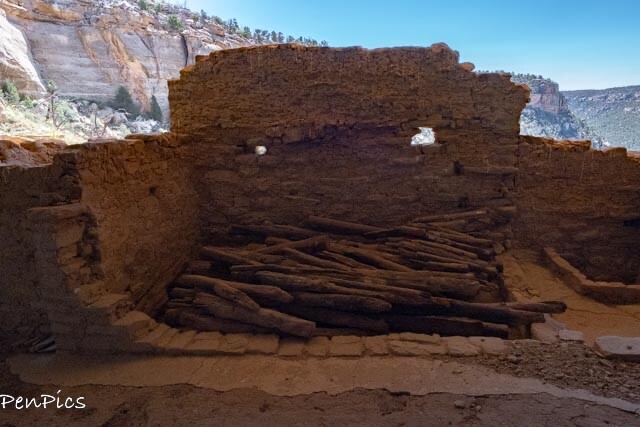
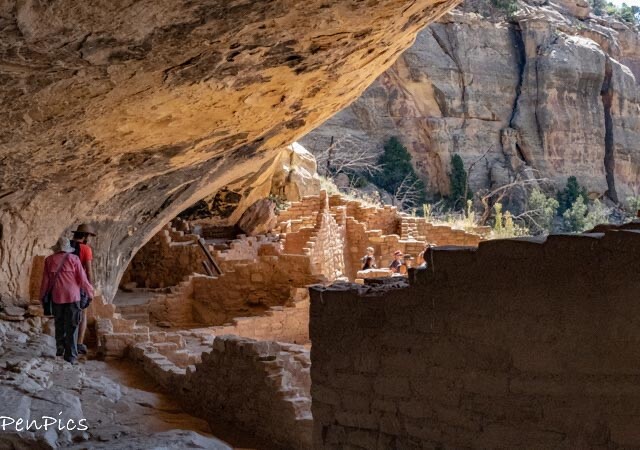
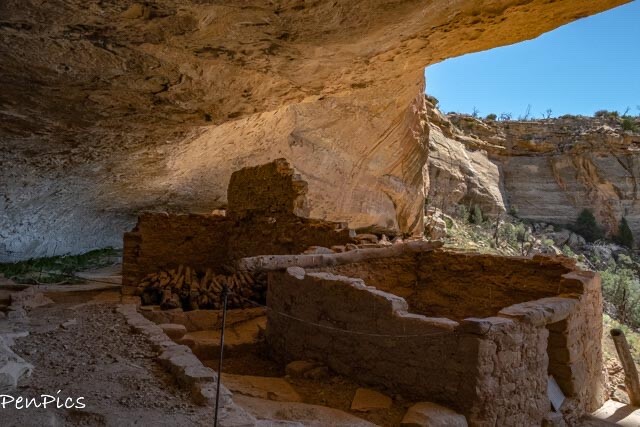
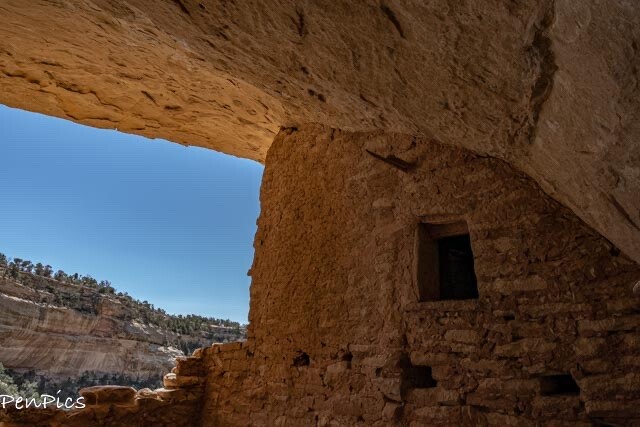
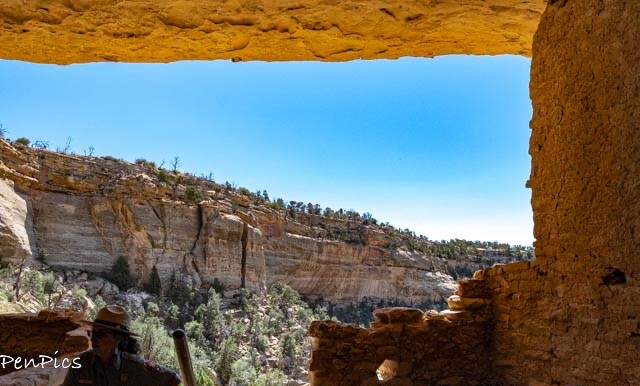

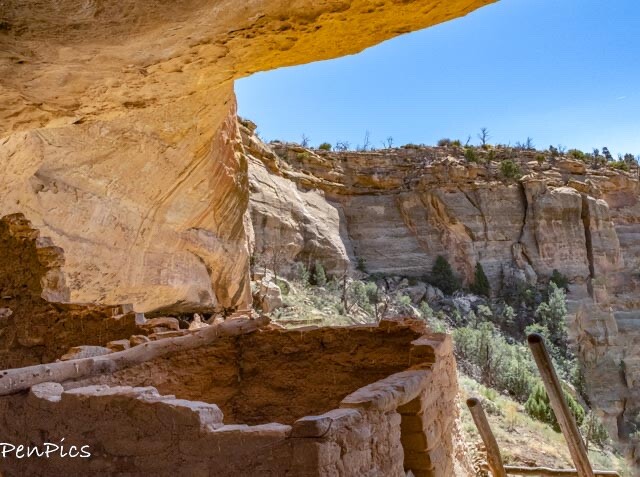
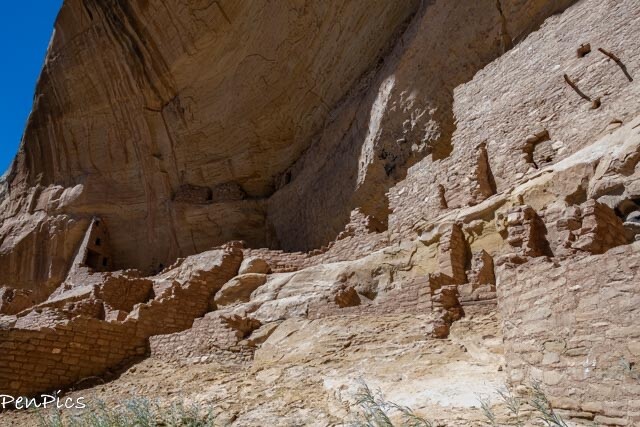
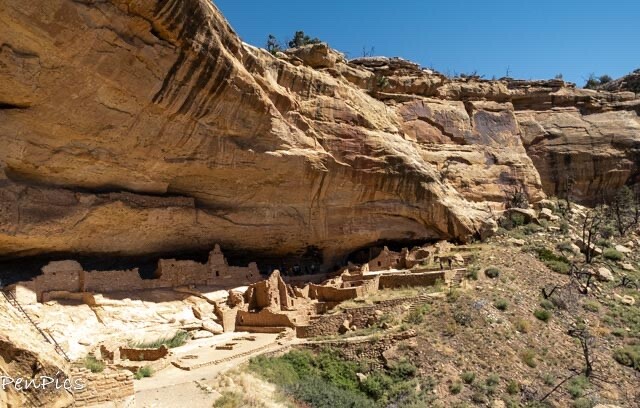
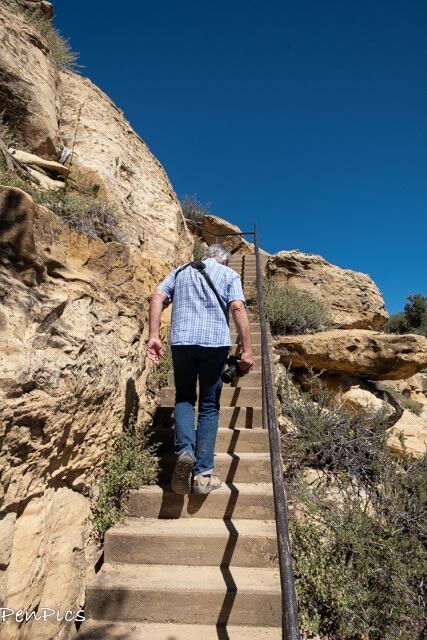
The exit out of Long House is the same way you come in, but it’s all uphill, instead of downhill
***********
Random Photos From This Day ⬇️
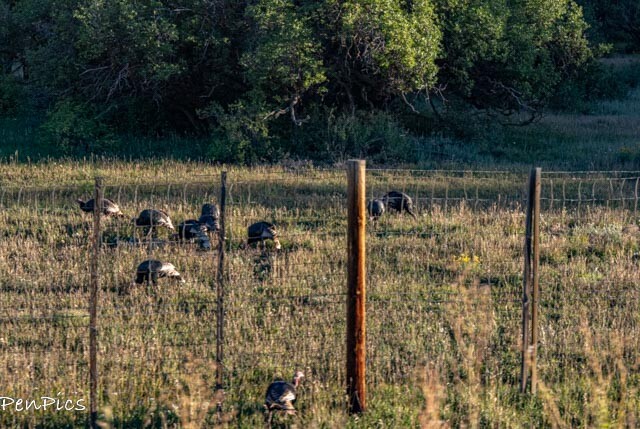
⬆️ Wild Turkeys! Seen enroute to Mesa Verde this morning
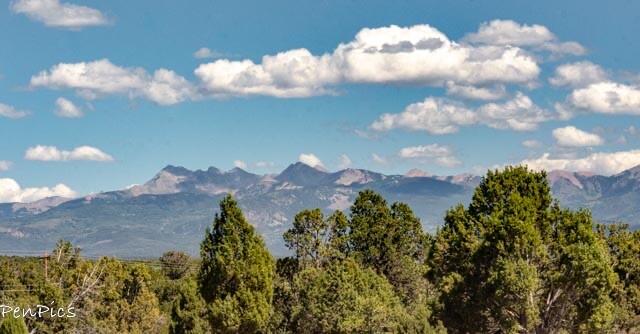
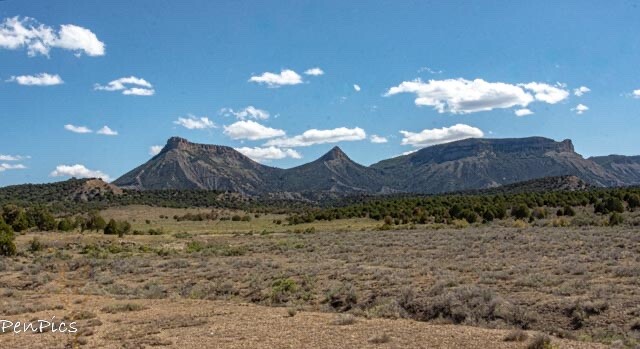
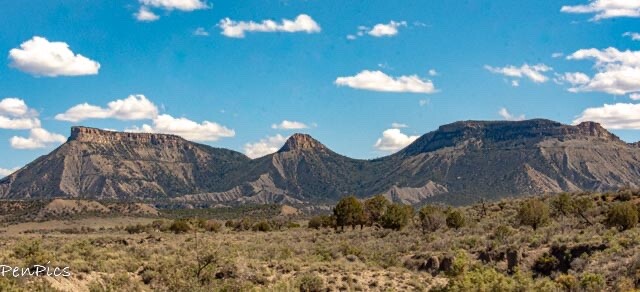
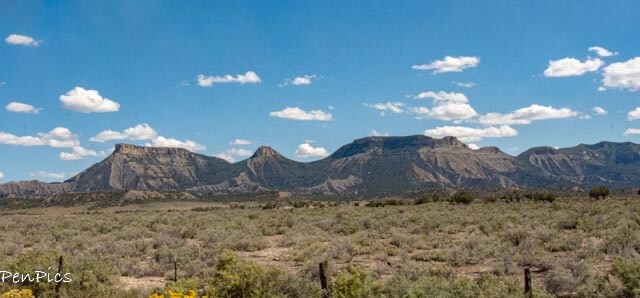
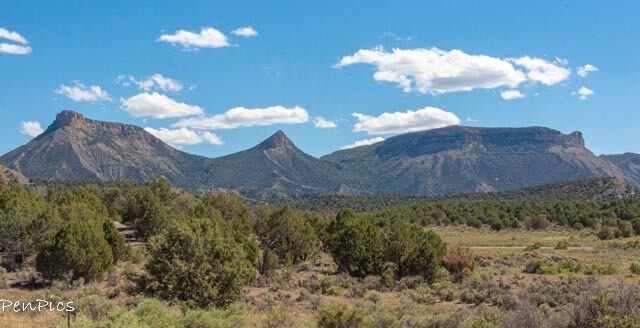 These few (similar) photos are of the view of Mesa Verde National Park, as seen from Hwy 550, coming from the town of Cortez
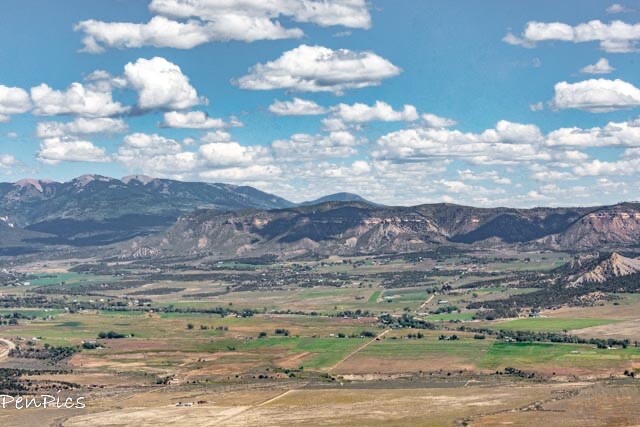
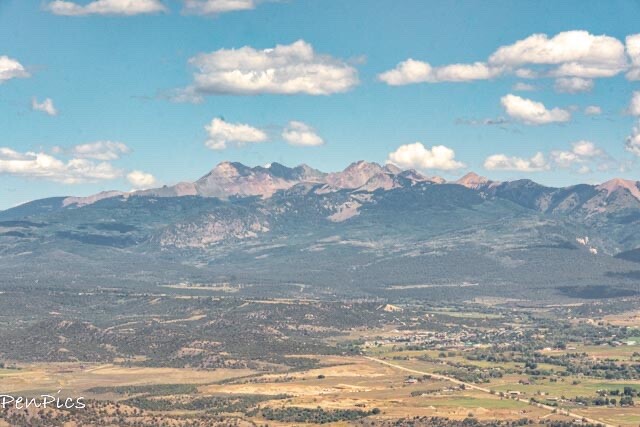 From inside the Park, looking out over the town of Mancos
 **********
If you missed my Mesa Verde National Park blog; Part 1 of 2, here is the link: https://2gypsiesinthewind.com/northamerica/united-states/colorado/usa-colorado-part-1-of-2-in-mesa-verde-national-park-balcony-house-cliff-dwelling-and-scenic-drive/

About Us

About Us
Hello and Welcome to our Travel Blog Website, We enjoy writing about our experiences and taking photos of our adventuring along the way. Our names are: Daryl and Pen, but Daryl calls me “Bunny.” We met, quite randomly, whilst both traveling in Thailand with friends. We happened to be in the same travel group, and […]