


“USA 🇺🇸 ~Road Trip’n Through Colorado ~Part 2 of 2”
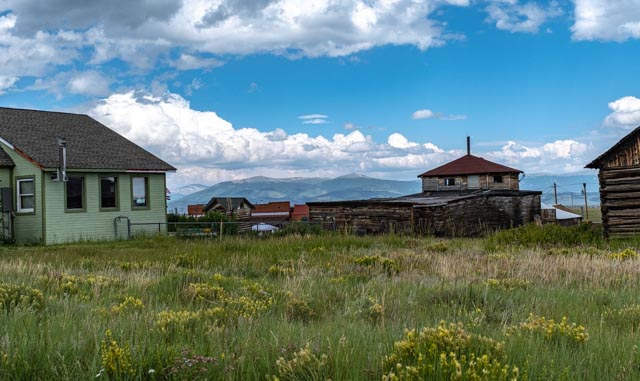
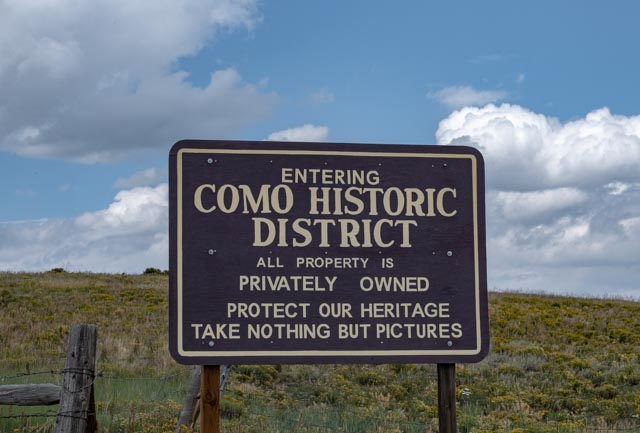 After (literally) pulling ourselves away from the Cabin stay in the Rockies, and before we left the area to return to Aurora with Mike and Nancy, we visited a Living Ghost Town, called Como.
I had been a couple of times, but I wanted to show Daryl.
Imagine our surprise, when we drove into the old town to see about a hundred people milling around! Unbeknownst to us, it was Boreas Pass Railroad Days: “A Return to the Past”
Railroad Day is a joint effort of the South Park Ranger District, South Park National Heritage Area, Como Civic Association, Breckenridge Heritage Alliance, Denver South Park and Pacific Historical Society, Como Depot and Eating House, Como Roundhouse, Letter Press Depot, South Park Rail Society and private citizens.
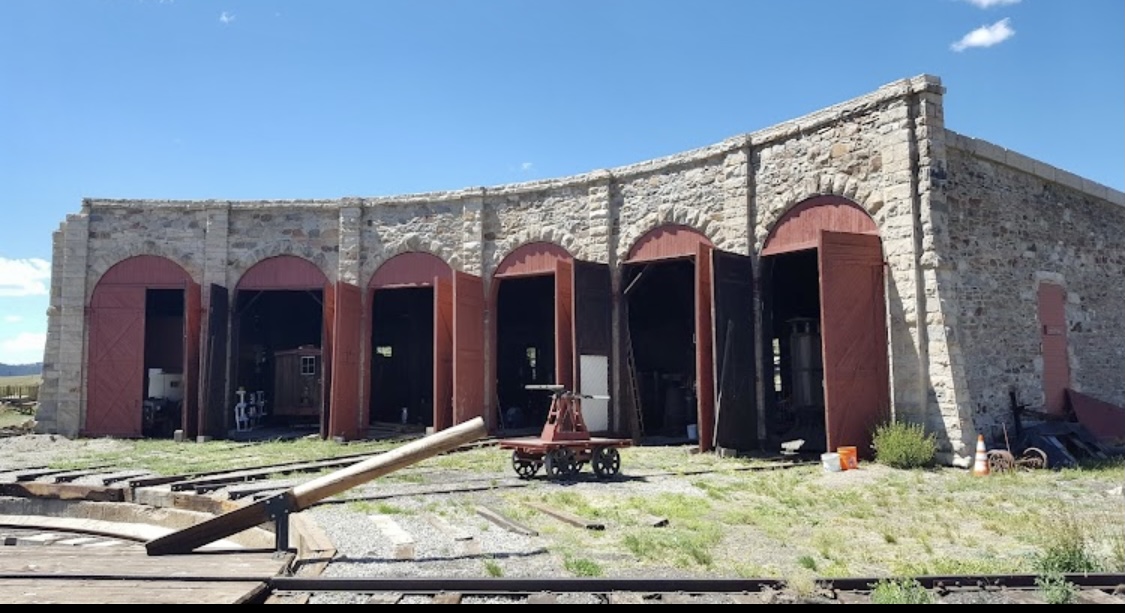
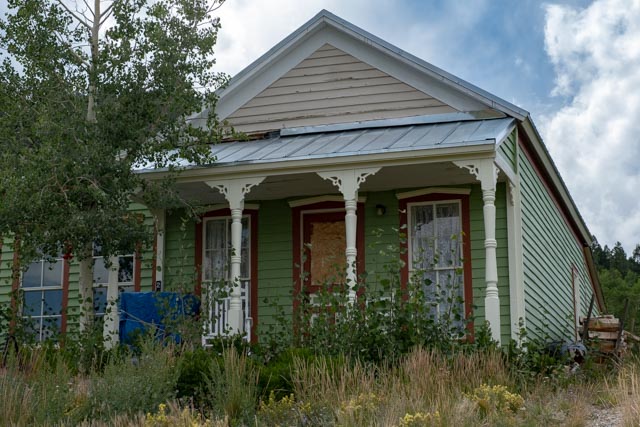
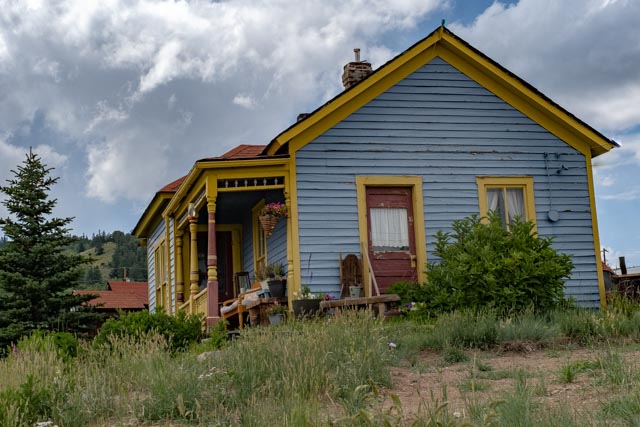
Como will open several historic buildings for the event. The buildings, which are publically and privately owned, include: Stone Roundhouse, originally built in 1881; Como Depot, which was originally built in 1879 and recently completely restored; and three historic Victorian homes along Rowe Street; including the Red house, the Tre Colores house and the Lady Blythe home.
Como has been a growing community with several people becoming more interested in the railroad past and the historic buildings. Volunteers have come from all across the country to help lay track and continue the improvements they started last year with the return of a working steam engine.
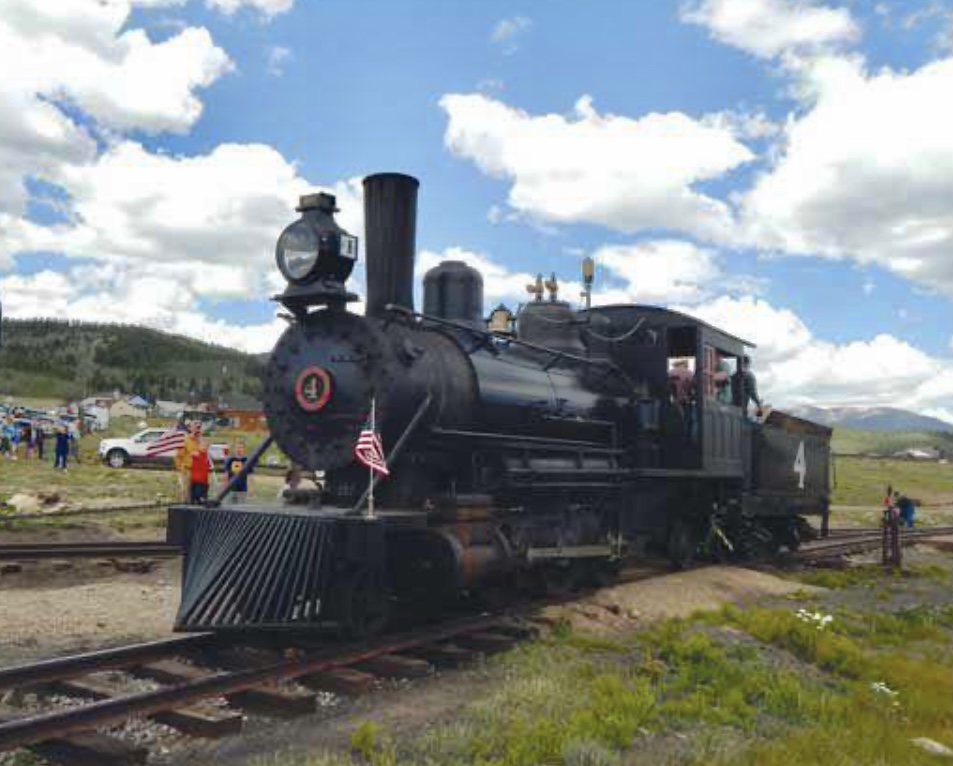 The engine is affectionately known as Klondike Kate will return for the annual Boreas Pass Railroad Day.
Aside from all the people, the event had most of the old building opened up, which I had never seen, before. In this town of Como, there is an old restaurant/hotel which I ate at one time, and I wanted to show Daryl the insides with all the cool antiques, but it was locked up. That was weird, since that was the only building opened, back when I went, when no event was going on.
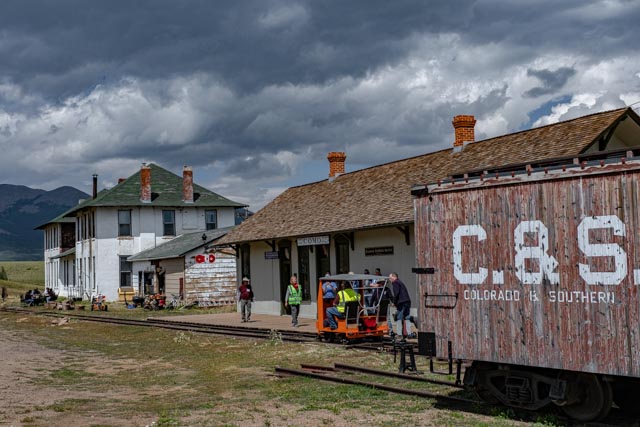
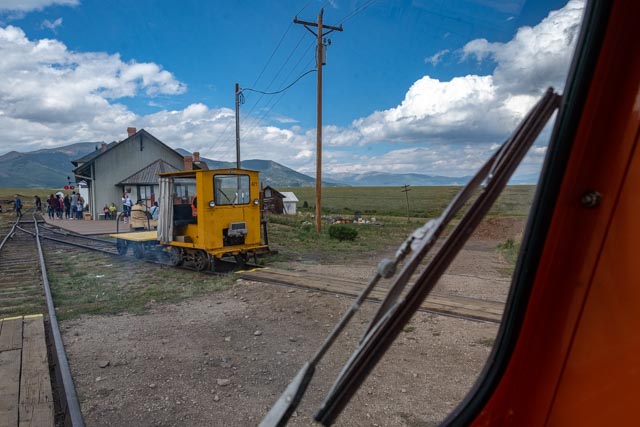
Anyway, we enjoyed our walking around, exploring and taking photos. We even paid $2 pp to ride a short ways on a gas-powered railroad cart.
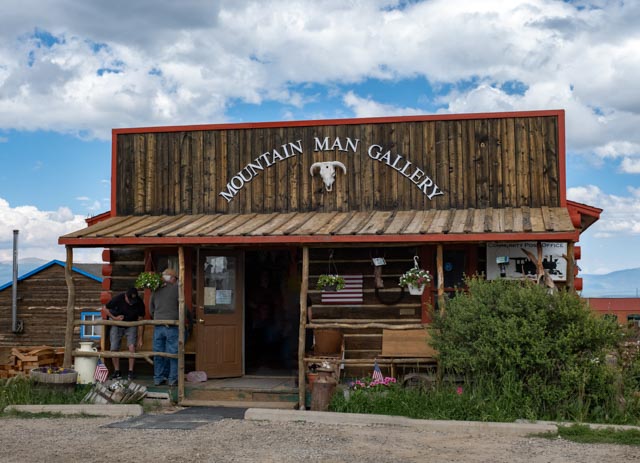
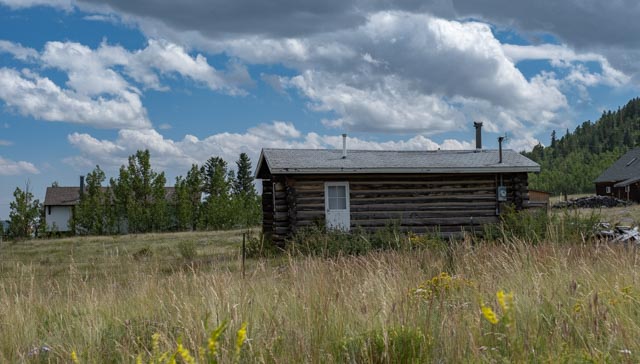
Enjoy the photos from this cool, old town, with interesting history. ⬇️
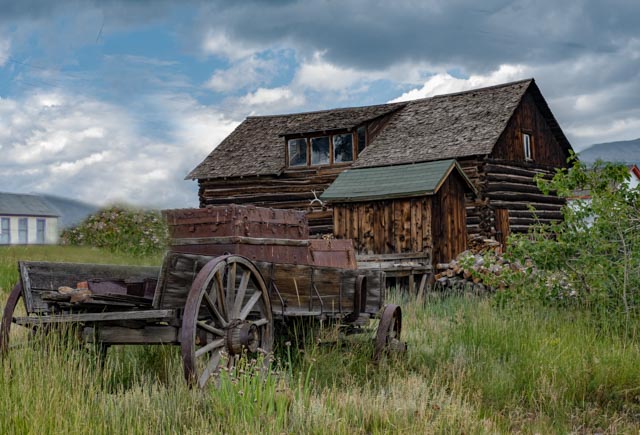 Como, located approximately ten miles northeast of Fairplay, was the campsite of hundreds of laborers working on the Denver, South Park & Pacific (DSP&P) tracks, across South Park in the summer of 1879.
The railroad completed two short branch lines east and west of the main line to reach the coal mines near Como. George Lechner laid out the townsite on what had been the 1860s Stubbs Ranch; one of the earliest enterprises to supply beef and hay to prospectors.
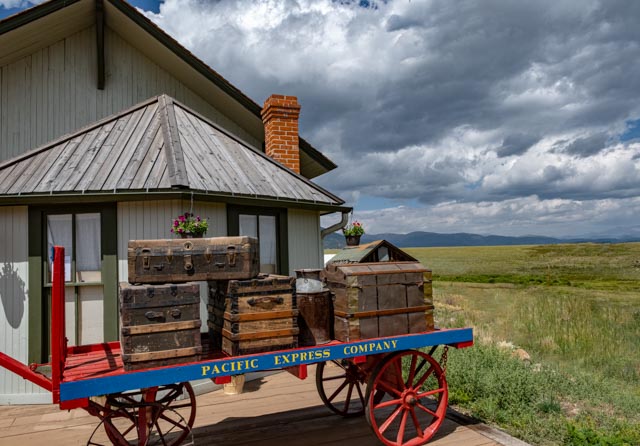
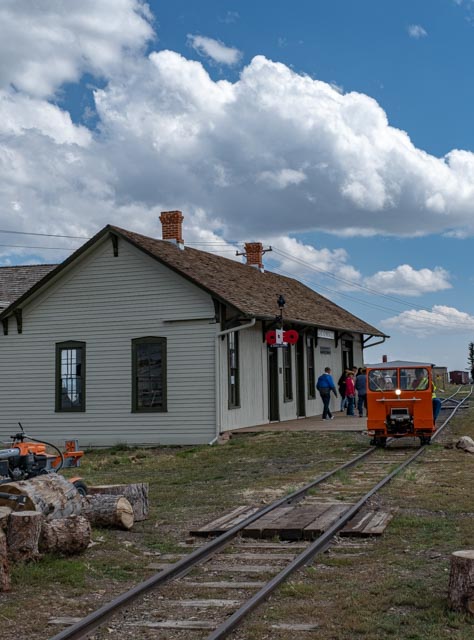
The South Park Coal Company filed a plat of the town with the County Clerk and Recorder on July 2, 1879. The railroad facilities on the northeast edge of the town were substantial and Italian stonemasons were imported to build the roundhouse and other stone structures. The frame railroad depot included a waiting room, ticket office, baggage room and platform.
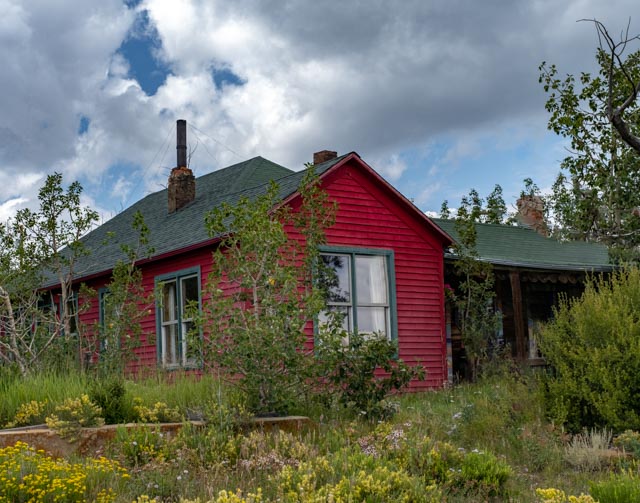 ⬆️ One of three historic Victorian homes along Rowe Street includes: The Lady Blythe Home….
A woman whose performances enraptured audiences, including U.S. presidents and royalty throughout the world, did so by mimicking the movements of a windup doll that were so realistic one woman once tried to purchase her as a gift for her granddaughter.
Lady Blythe Vashtie (Diller) Marvin was born in Como, Colorado, in 1890.
After getting her start as a performer at age 7, she went on to travel the world to share her mechanical doll performance.
She wowed audiences across the globe, captured the hearts of three husbands and later retired to Canon City where she gave her final performance at age 70.
Lady Blythe was billed as the Colorado actress who won international fame as the “Original Mechanical Doll.”
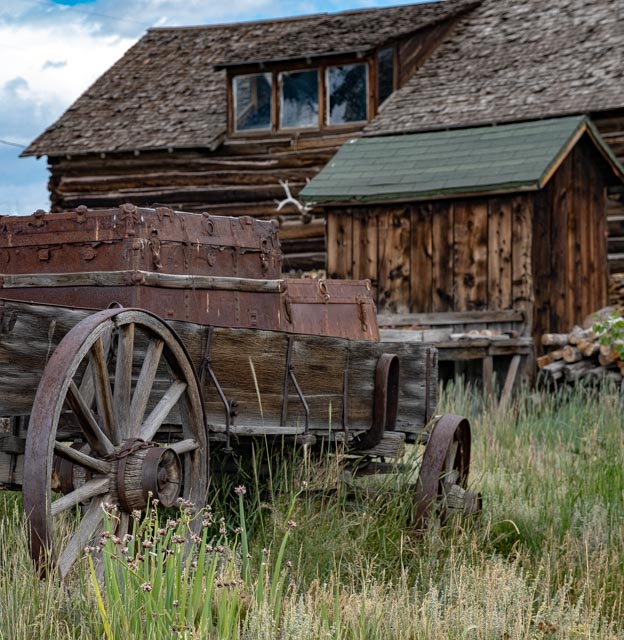
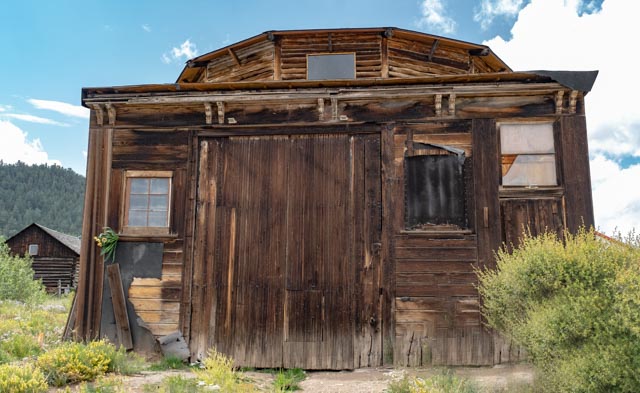 ⬆️ I.O.O.F Lodge, meeting place for the Independent Order of Odd Fellows. (I.O.O.F. is defined on their website as a “non-political and non-sectarian co-ed international fraternal order.”I’ve seen a few of these lodges around here, and not abandoned ones, either.
It’s a social and community service organization.
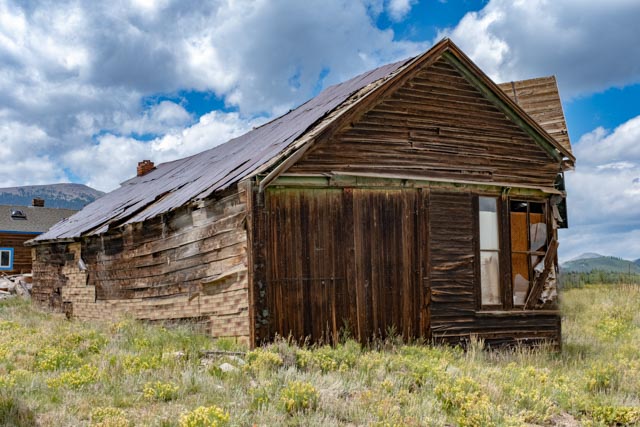
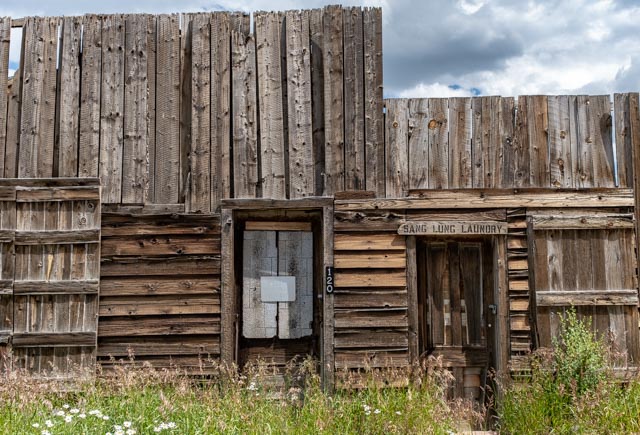 ⬆️ Sang Lung Laundry Service The former laundry building, apparently run by Chinese immigrants.
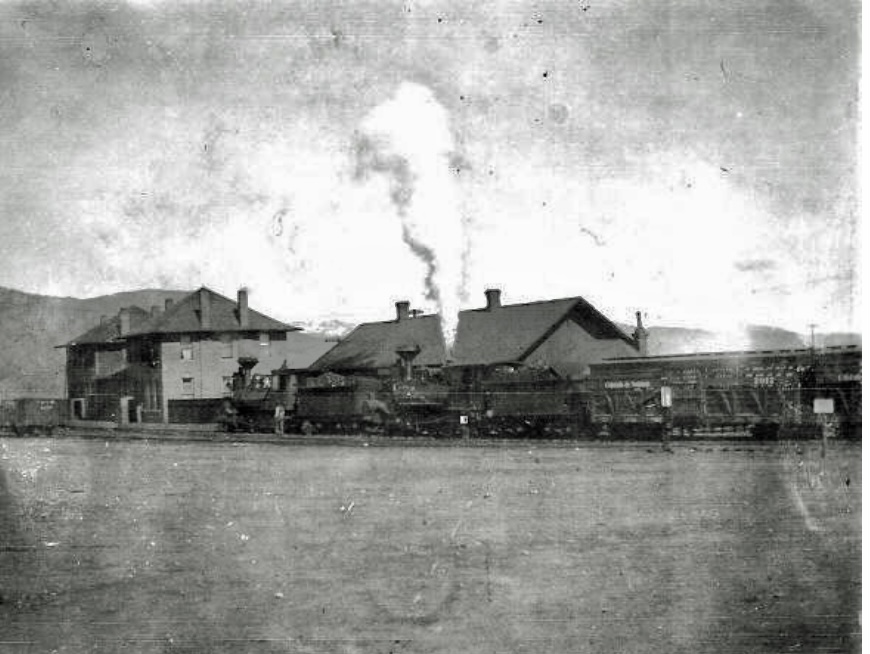 An old photo of the train station ⬆️
The first train arrived in Como, from Denver, on June 21, 1879, and the town received its post office on July 23, 1879.
Como became the primary division point, repair center, and company town for the DSP&P and opened up South Park and its mines and ranches to transportation.
The town was named for the lake and city in Italy, the original home of many of the Italian coal miners and stonemasons who lived in the area.
Some sources state that while Como was the temporary end of the tracks, the population rose into the thousands.
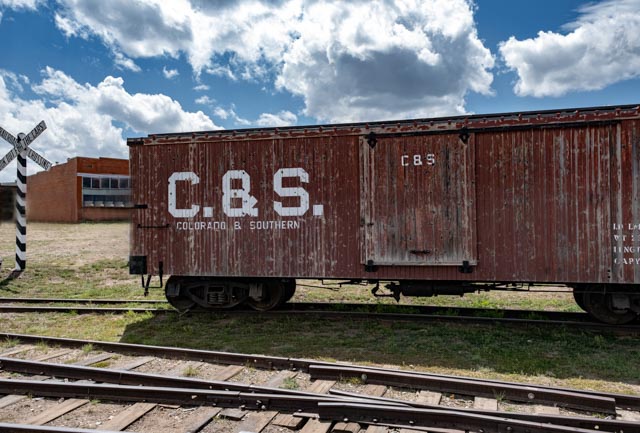

In the late 1880’s, Como was a busy division point on the DSP&P Railroad, with at least ten trains and as many as twenty-six, passing through town every day.
Railroad historians report that Como was an “unpopular place to live,” especially for the wives of railroad workers, due to its high altitude of 9,775 feet above sea level, long winters, and strong winds.
In addition, the cost of living was generally higher in Como. Therefore, the railroad was required to offer extra incentives to secure workers, such as a library, which included a reading room, barber shop, and bathroom.
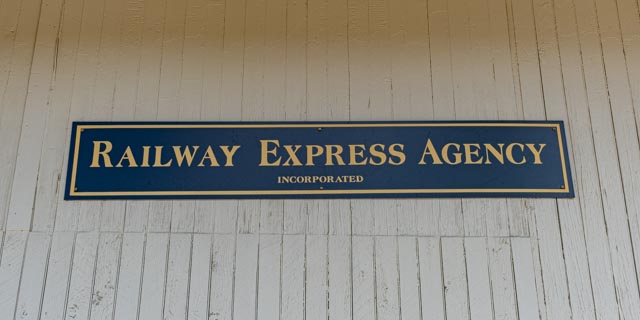
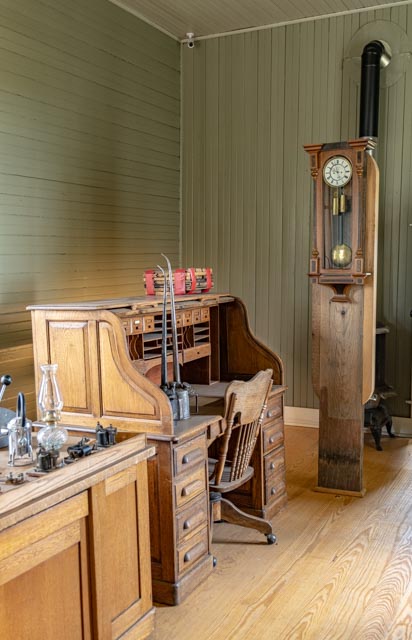
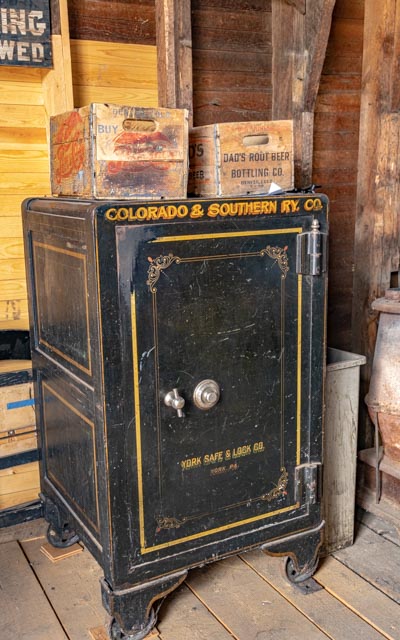
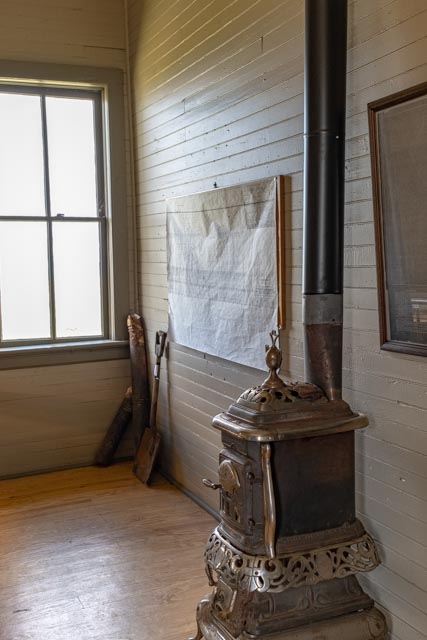
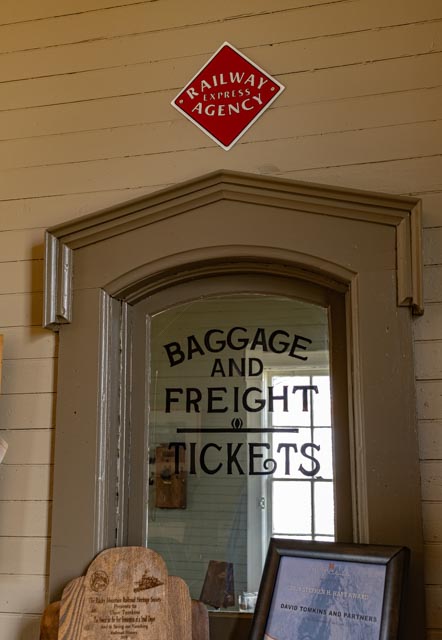
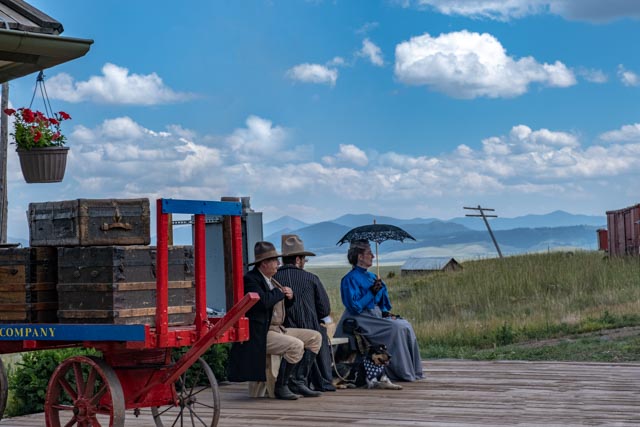 By January 1912, about a dozen families remained in Como, and one woman operated a restaurant for trainmen; the only eating establishment in the town. Como’s population steadily declined and in 1926, the railroad reduced its southwest route to Garo Junction which connected Como with Fairplay and Alma.
An abandonment request was finally approved in 1936 and service terminated in 1937, when the roundhouse was permanently closed.
In 1938, the tracks were pulled up and Como’s population dropped dramatically, reaching a total of thirty-nine, in 1950.
By the 1960s, Como had become principally a vacation and summer home community, and continues to serve that purpose today, although there are a handful of full-time residents.
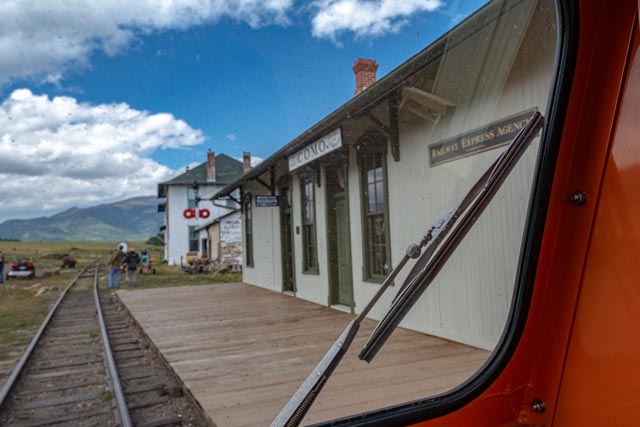
Inside the gas/powered railroad cart, taking a little ride.
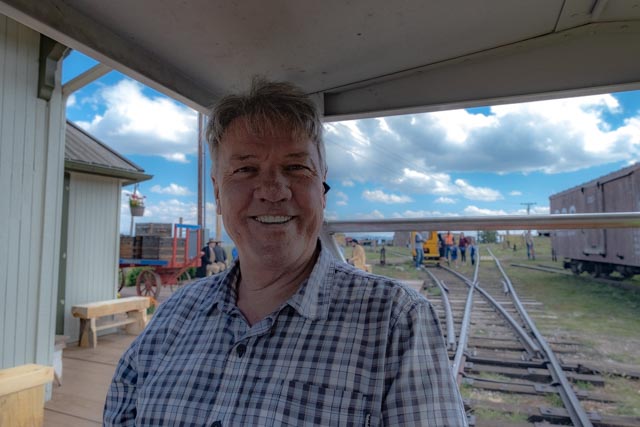
My handsome man
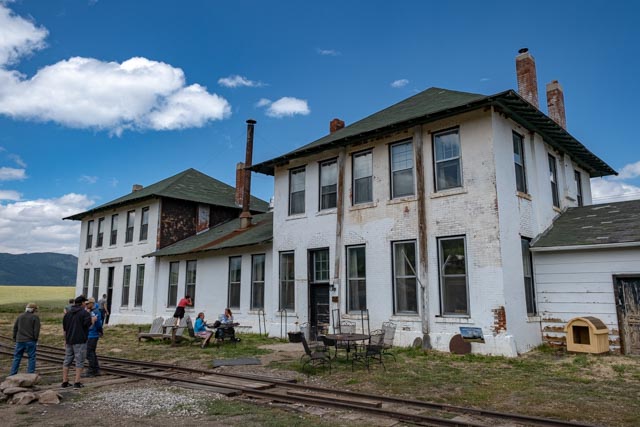
⬆️ Como Eating House and Hotel; originally built in 1897. Apparently it no longer serves food, so I was lucky to have eaten there in the past.
The 1880 Pacific Hotel owned by the railroad suffered from lack of business but provided essential services.
In order to ensure continued operation of the facility, the railroad provided free passes to Denver for the hotel proprietor and hauled coal free for the hotel.
The original building was destroyed by fire in 1896, but the existing replacement hotel was built the following year.
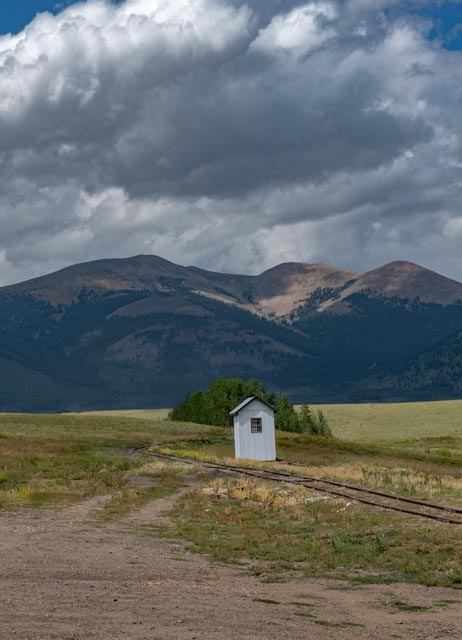 End of the Tracks
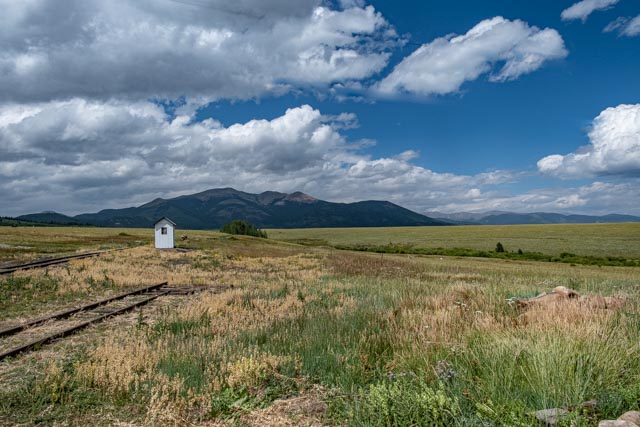
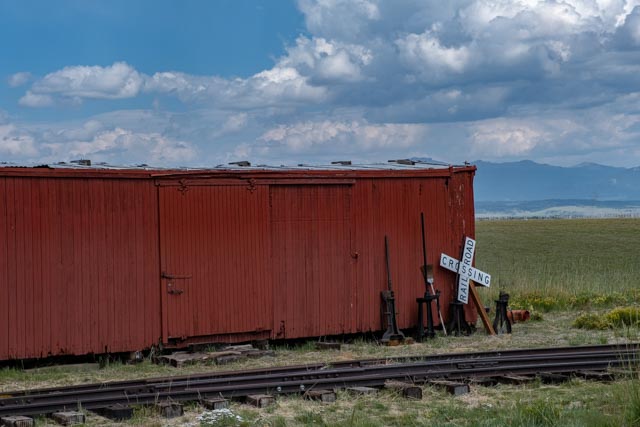 In 1909, another fire destroyed the facilities housing the railroad shops and they were subsequently moved to Denver, impacting Como with loss of employment and lessening its significance to the railroad.
In October 1910, the railroad abandoned its southwest line from Gunnison to Chalk Creek Canyon, due to financial problems and the difficulty of keeping the Alpine Tunnel open in winter. The closing of the Alpine Tunnel was a severe blow to Como. By the end of November, many employees had been discharged or transferred, and less than fifty families remained in town, and many businesses had to close.
It is estimated that just over 400 people take residence in Como, today.
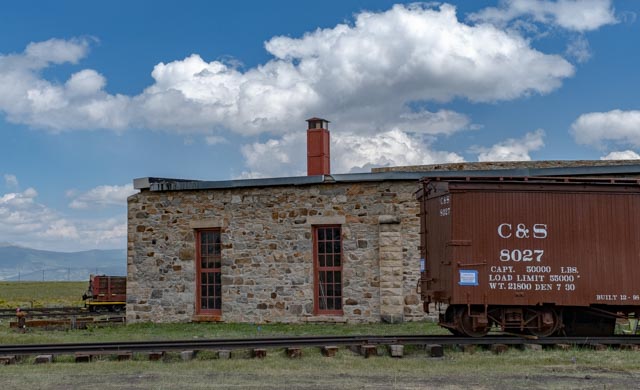
⬆️ For those of you who don’t know, a roundhouse is the coolest structure in the railroad industry. A roundhouse is either a circular or arced building with bays large enough to house locomotives with tracks inside. Just outside is a platform with railroad tracks on it mounted on a swivel. To get a locomotive parked in a bay, they would drive the locomotive onto the platform from tracks leading to it. Then they would rotate the platform so that the front end of the locomotive faced the bay entrance. Then they’d drive it into the bay. Como’s roundhouse had chimneys above each bay so that the smoke from each locomotive could escape. ⬇️
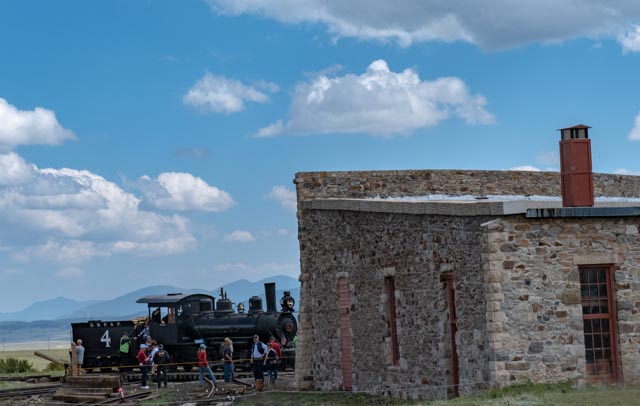
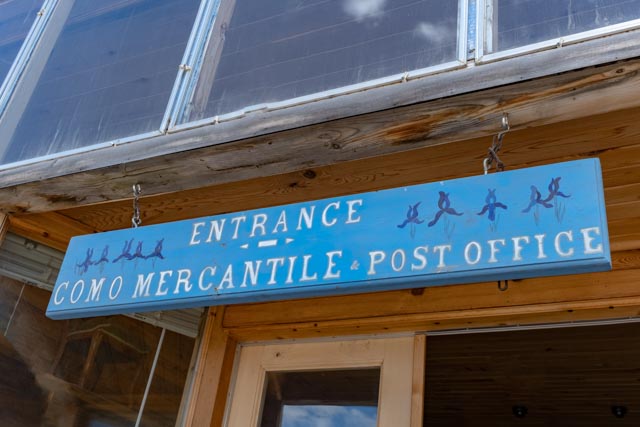
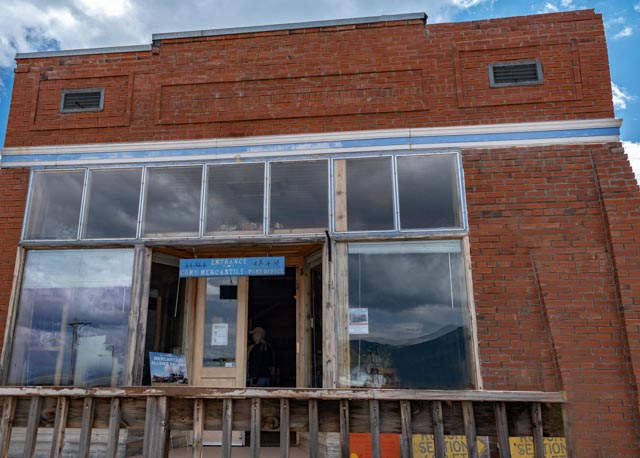 The original Post Office; now a Mercantile
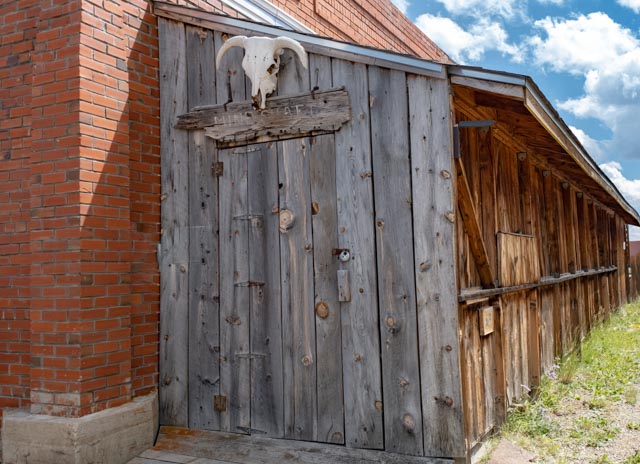 Como was first a hamlet founded by prospectors seeking gold in the 1859 Colorado gold rush. As ranchers homesteaded South Park, Como grew to include a post office, store, saloons and cemetery The town’s big break came in 1881 with the Railroad.
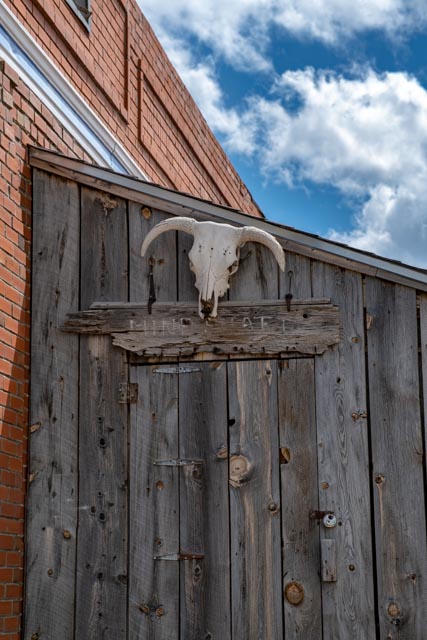
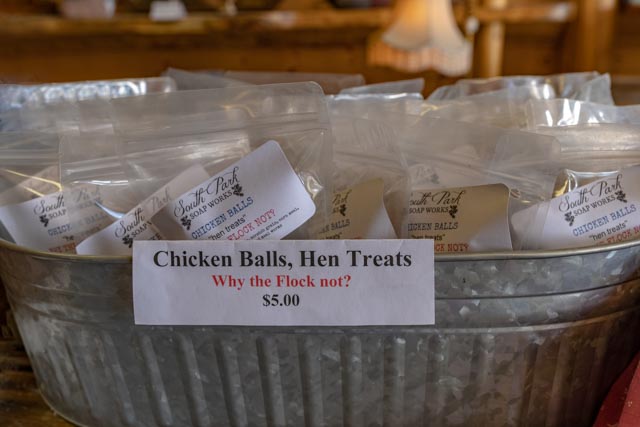
⬆️ I didn’t want to know….
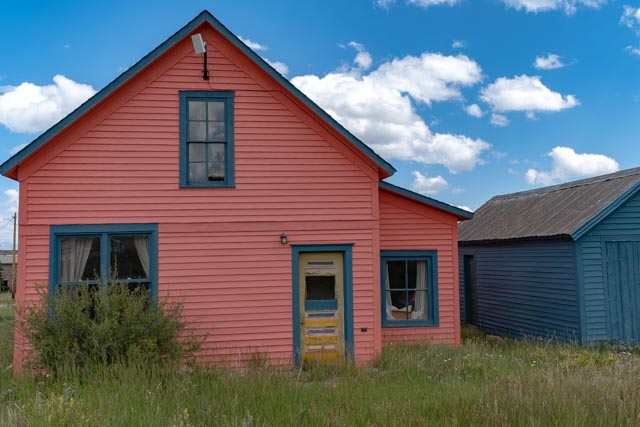
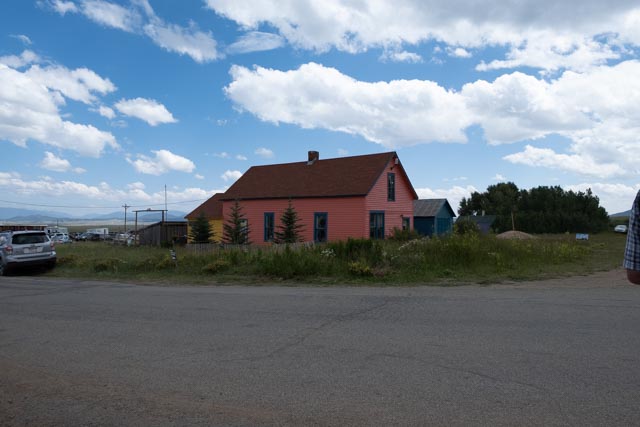 ⬆️ One of three historic Victorian homes along Rowe Street includes: Tre Colores House ⬇️
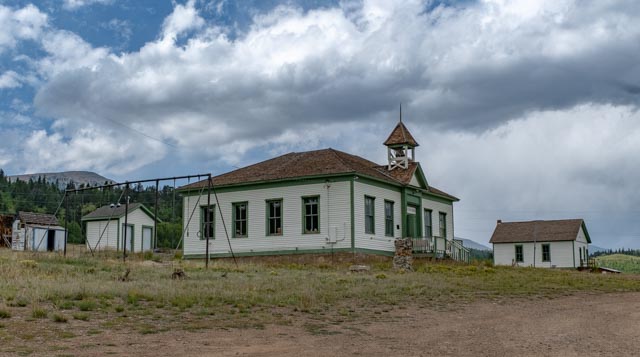
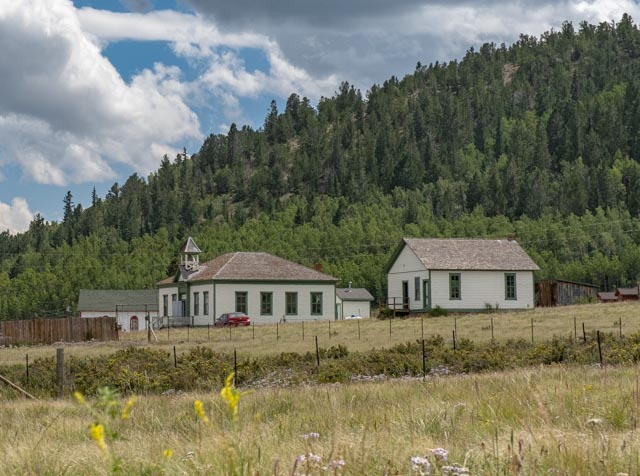 ⬆️ The 1883 elementary school now serves as the Como Community Center, while the fully-furnished 1920s high school is a museum.
Both buildings have been carefully restored by the community. ⬇️
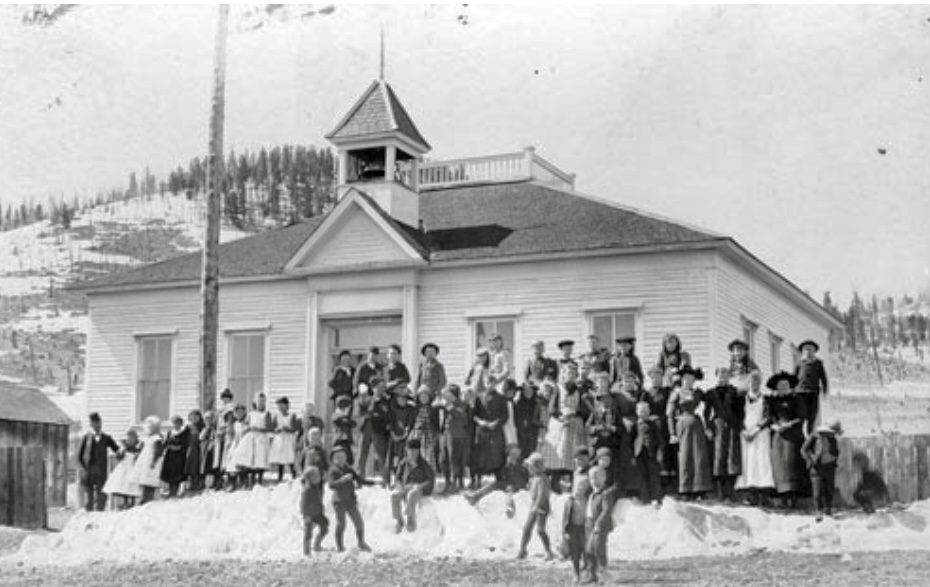 An old photo of the Como School
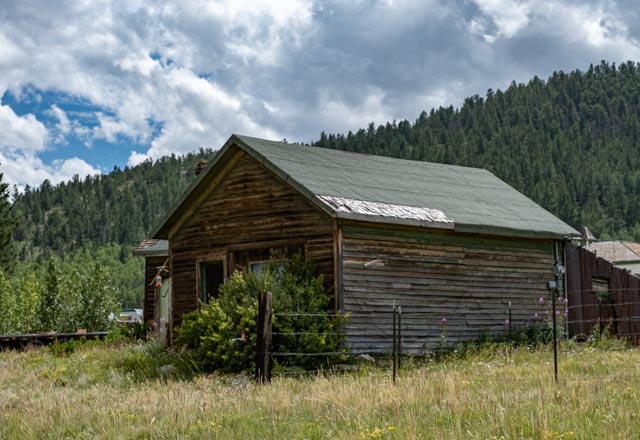
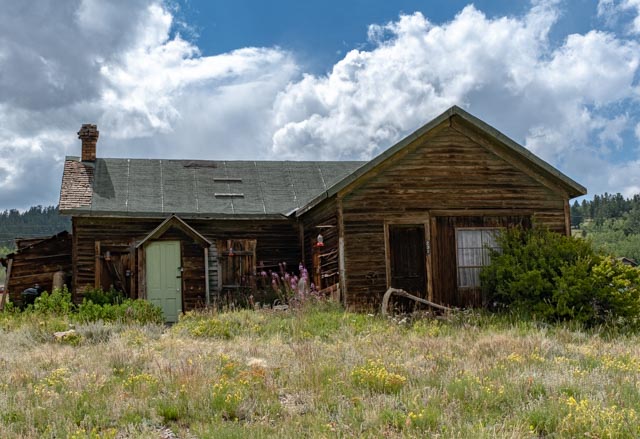
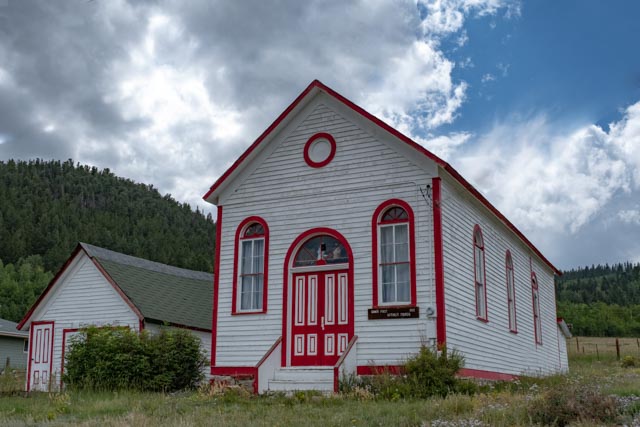 The first Catholic Church in Como
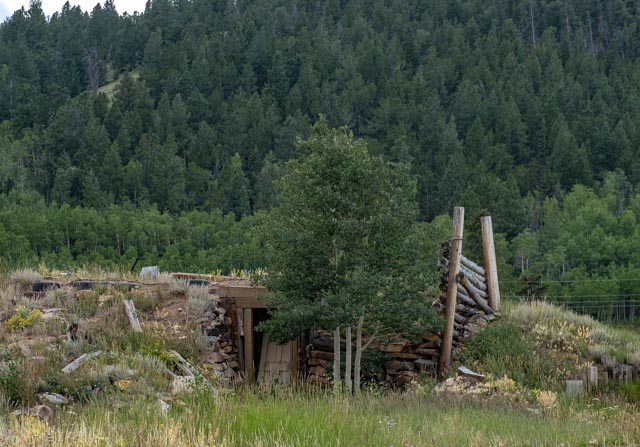 An old Mine

*****
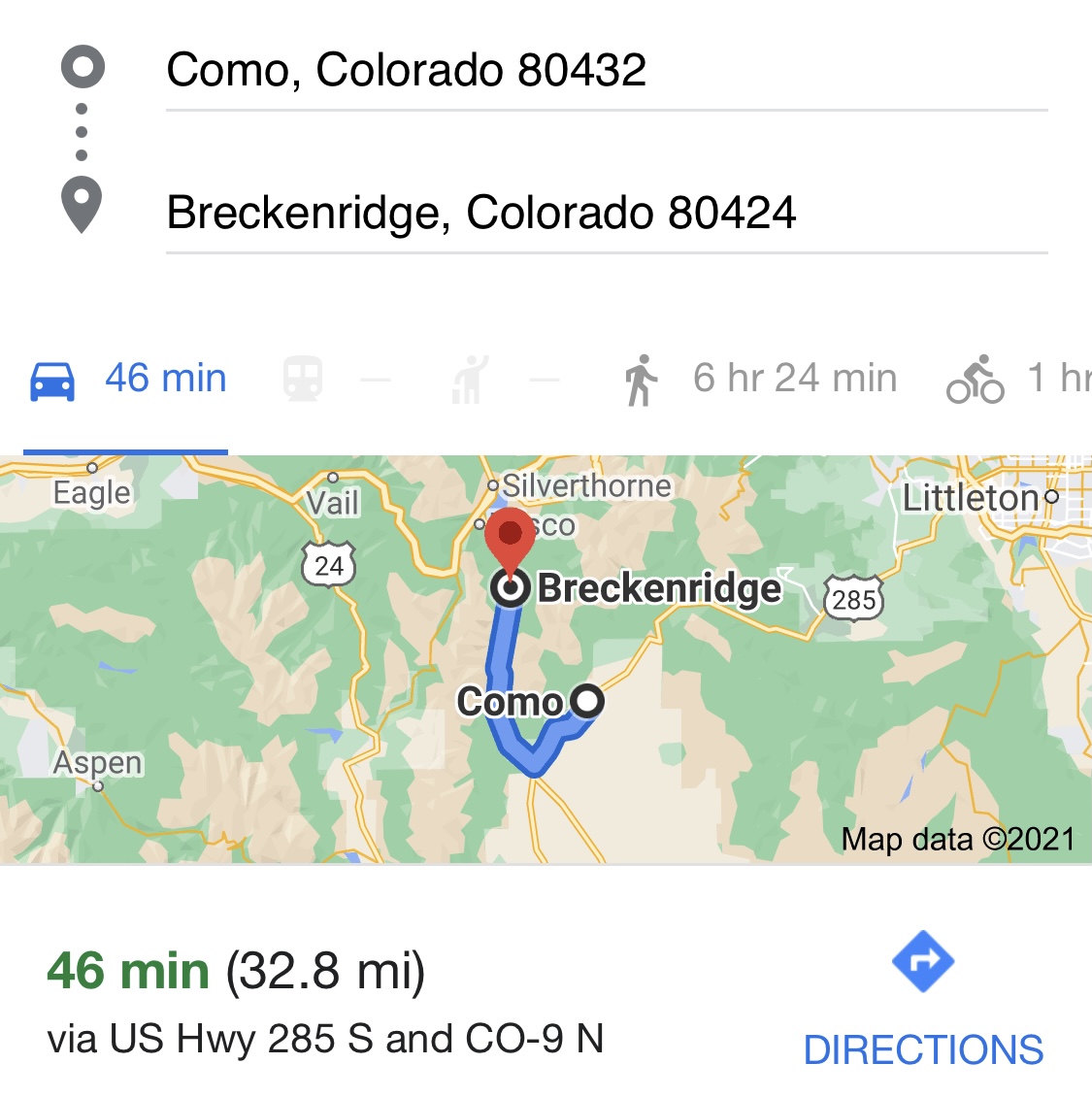
When we left Como, we traveled the back mountain road to Breckinridge. This back road from Como is not paved, and has some really bad spots. We are driving an old Buick, we call “Grammy,” and we just went slow and had no issues. The car belonged to Daryls mom, and her grandchildren called her Grammy, so we thought the nickname for her car would make mom smile (up in heaven). I say this, because mom was not much of a traveler, and yet we feel like she is watching over us as we drive her Buick on this awesome cross-country trip!
I don’t think her car, prior, which she bought brand new in 1997, ever drove further than from California to Oregon and back; at one time. The rest of the miles were close to home over the course of many years.
*****
BOREAS PASS
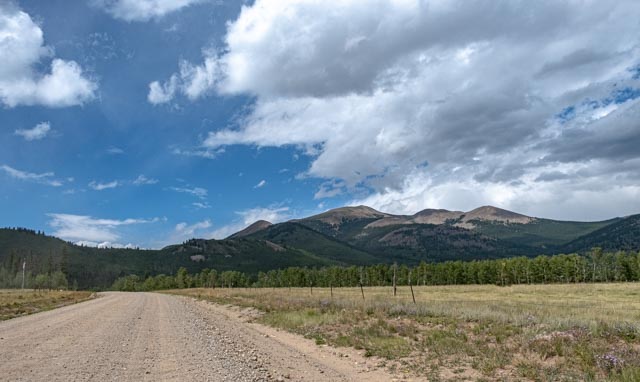
Boreas Pass makes a great summer route to reach Breckenridge from the south. The 22-miles drive leads you from the old town of Como in Park County, up over an 11,481-foot summit; down into Summit County and Breckenridge.
Pronounced Bore-ays, Boreas Pass is a stunning hour long drive through Colorado’s central Rockies, connecting Park and Summit counties.
It links the historic village of Como to the thriving (ski) resort town of Breckenridge.
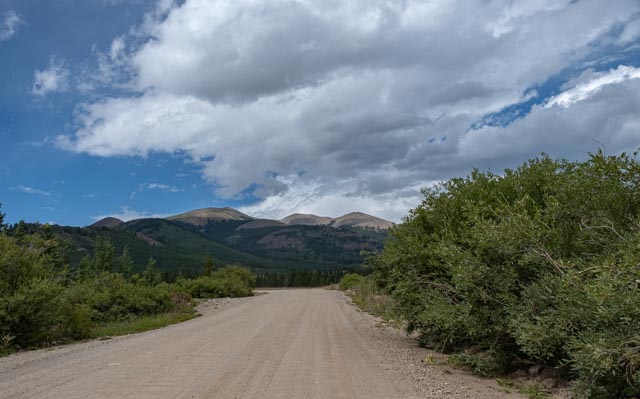 This route, originally began as Breckenridge Pass in the 1860s, as a route to reach the gold mines.
It was widened to a wagon road that could handle stagecoaches in 1866.
IN 1882 a railroad track was laid, connecting Como and Breckenridge. It ran until 1937. From then, it was made into an automobile pass, by 1952.
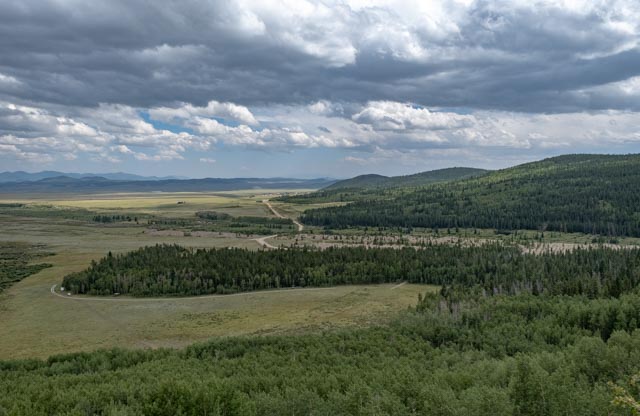
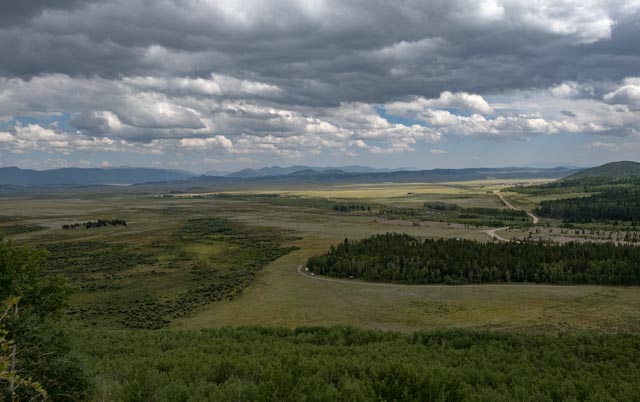
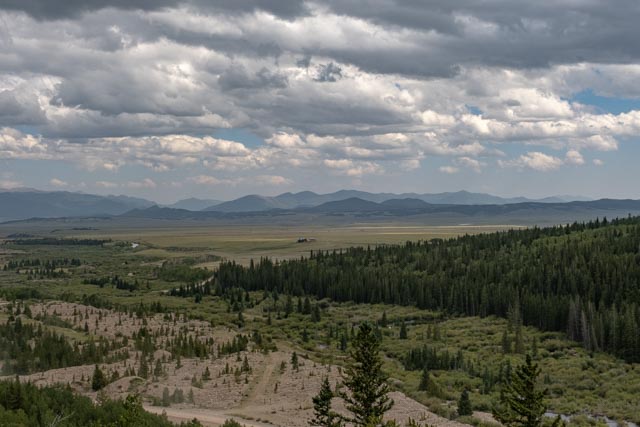
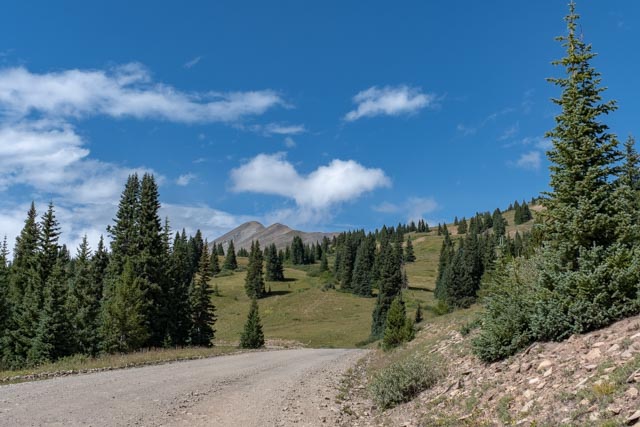 At the top of Boreas Pass is the Section House; part of a former railroad community of 150, which is presently open during the winter season for rental by cross country skiers. On the trek down into Breckeridge, you’ll get gorgeous views of the Blue River Valley and Tenmile Range. You’ll also pass the Bakers Tank, another gem from Colorado’s past.
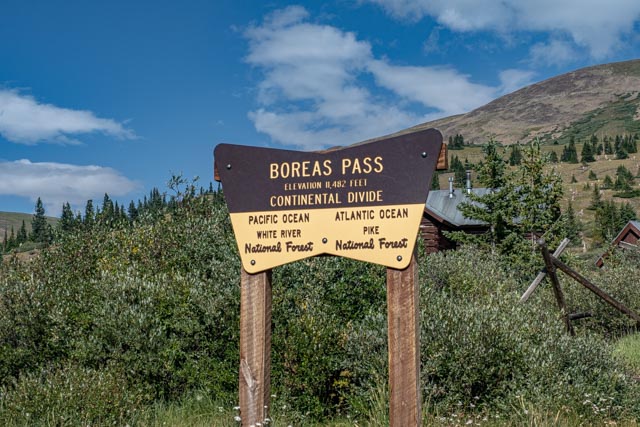 Boreas Pass was originally the nation’s highest narrow-gauge railroad, running from 1872 to 1938.
During WWII the train tracks were picked up for resources. In 1952 the pass was converted into an automobile friendly (but rough in some places) road.
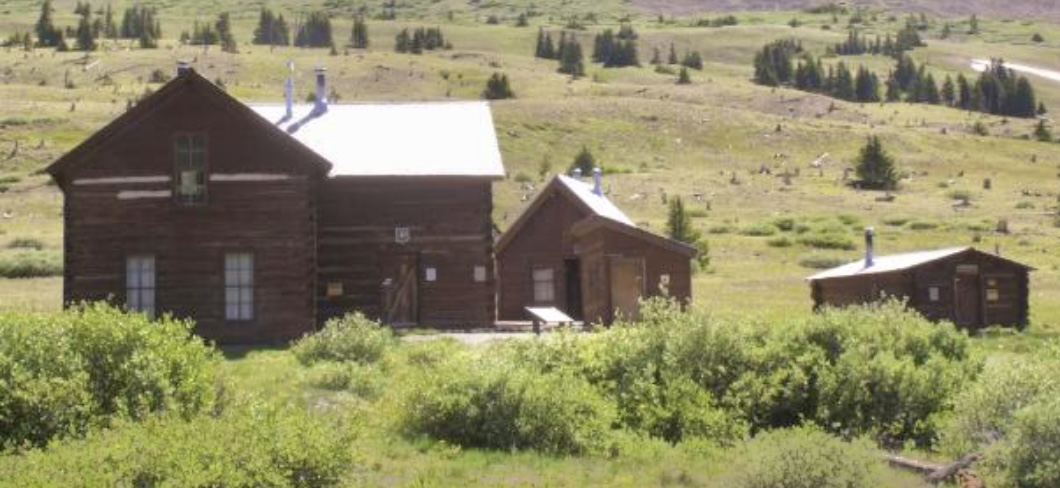 Boreas Pass Section House was built in 1882 to house the railroad men and their families who took care of a section of the Denver South Park & Pacific narrow gauge railway that ran from Denver to Leadville over Boreas Pass. Next to the Section House sits Ken’s Cabin (see huts menu above), also known as the historic Wagon Cabin, built in the 1860’s when Boreas Pass Road was a mere wagon trail over the Continental Divide.
These historic buildings, listed with the National Register of Historic Places, were carefully restored from 1992-97. The completed upgrades to the Section House and Ken’s Cabin has a special-use permit to operate the buildings as winter ski huts.
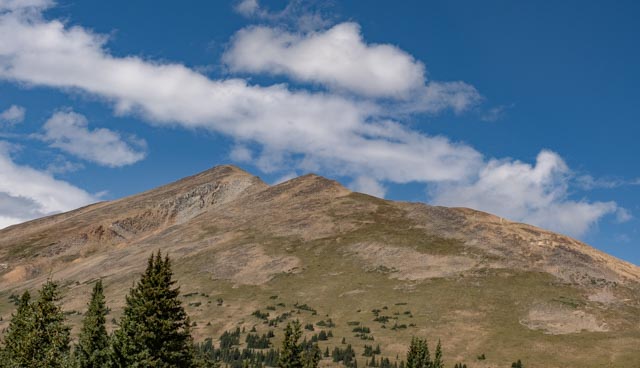
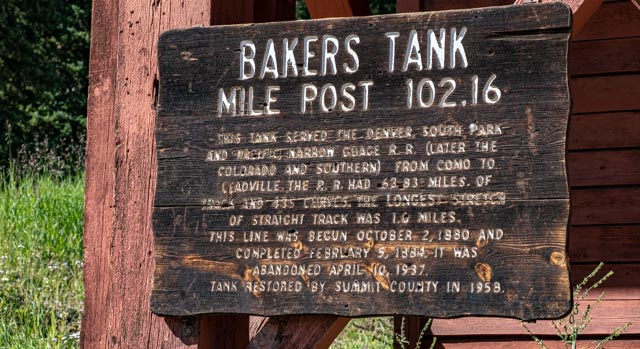
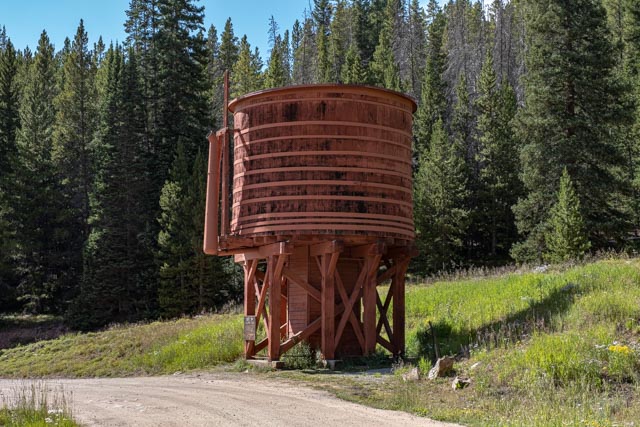 North from Como, back in the day, this Baker Tank is where the engines stopped to take on water before arriving in Breckenridge.
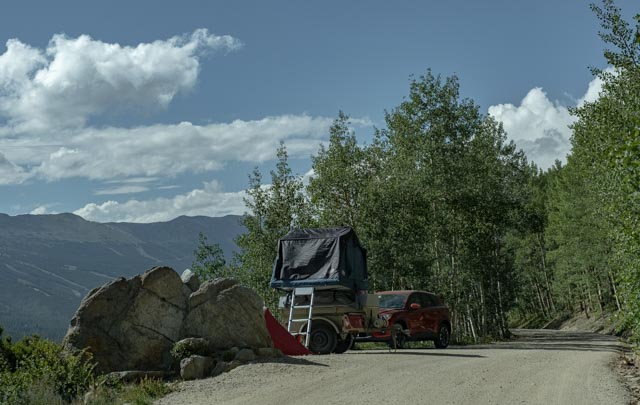 ⬆️ I was surprised to see the number of campers set up right along the dusty road. Great view, I suppose.
*****
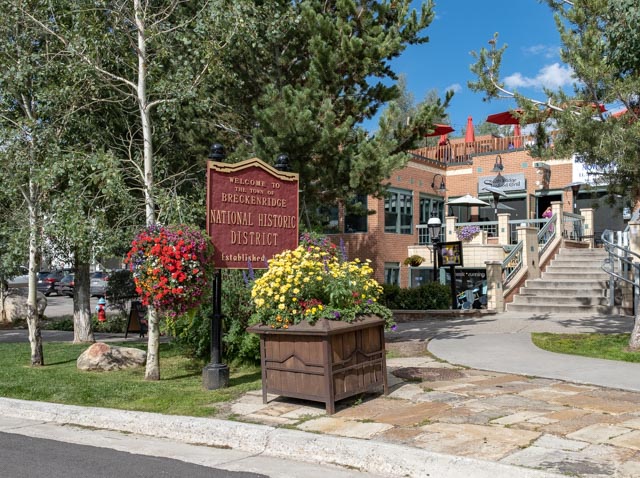
BRECKENRIDGE
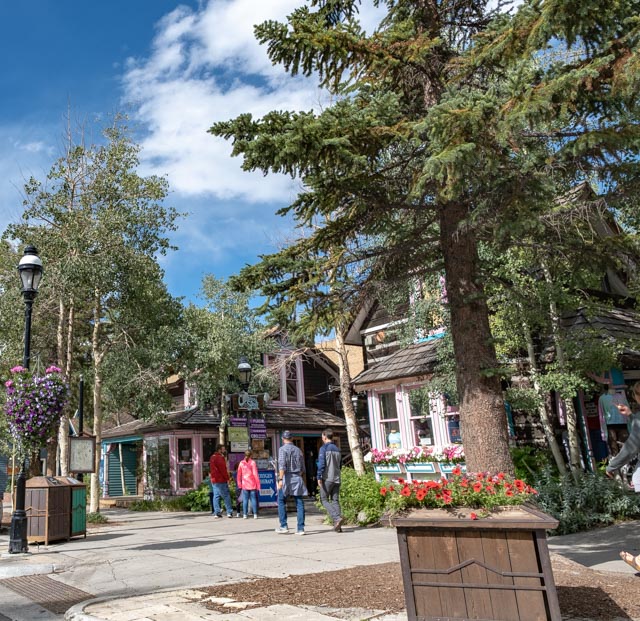
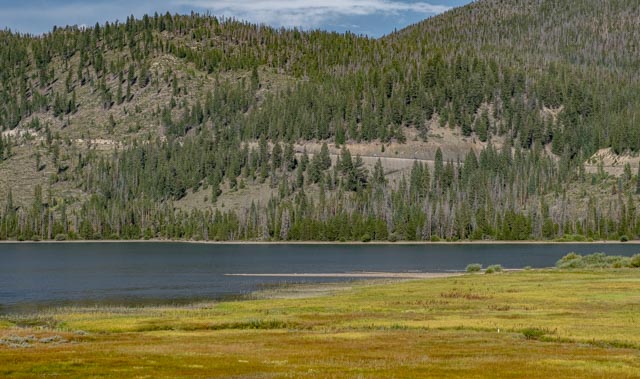
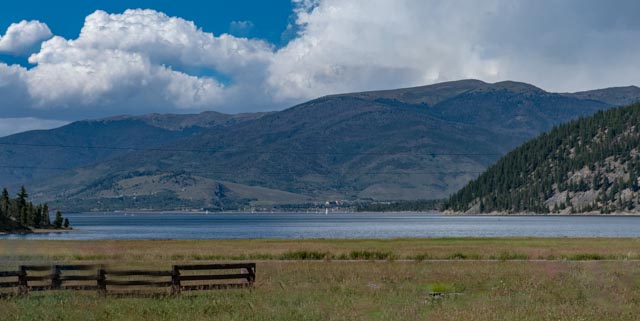
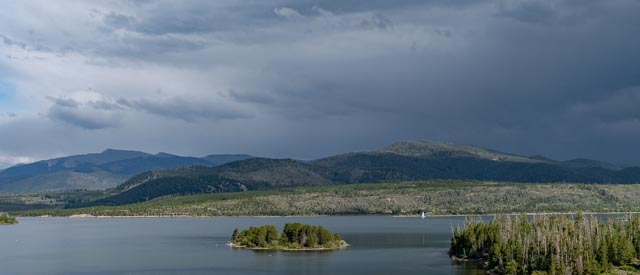
Breckenridge is a Colorado town at the base of the Rocky Mountains’ Tenmile Range. It is known for its ski resort, year-round alpine activities and Gold Rush history.
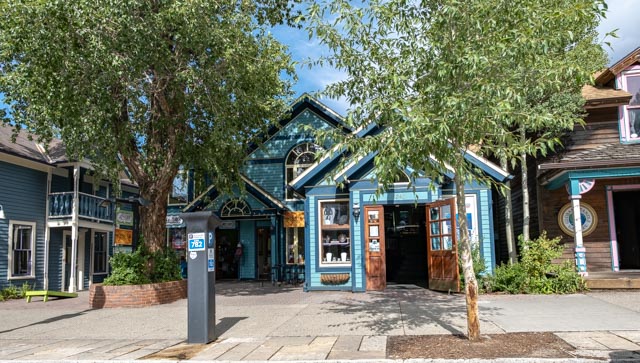
The Victorian core of this former mining town is preserved as the Breckenridge National Historic District, running primarily along Main Street, with colorfully painted buildings from the 1880s and ’90s housing shops, galleries and restaurants.

*******
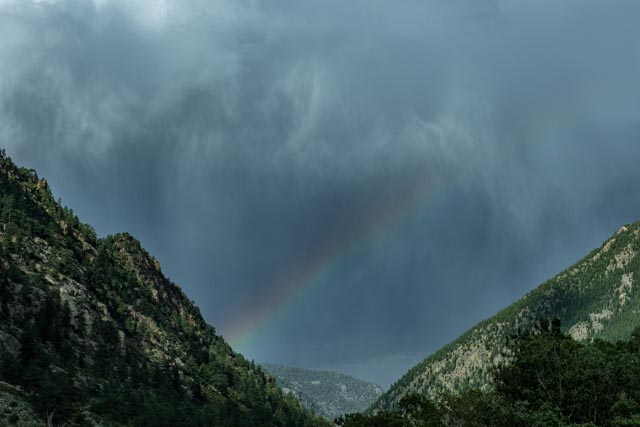
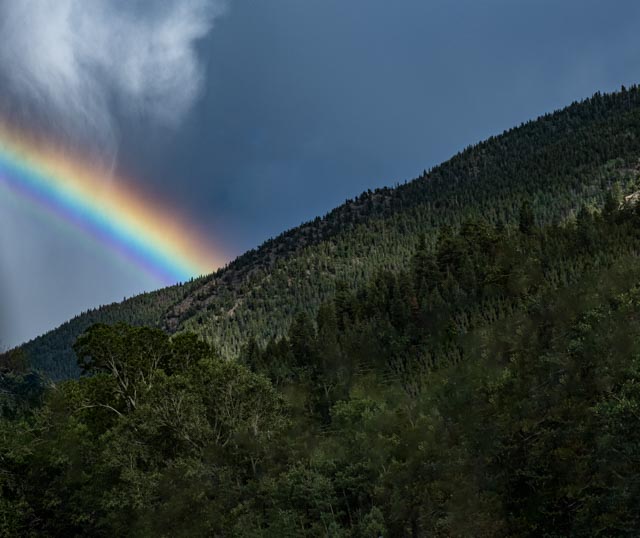 Coming out of Breckinridge, we took a scenic drive where Rocky Mountain Big Horn Sheep are seen, but had to cut it short as another mountain storm came at us. The rainbow was stunning, though!
******
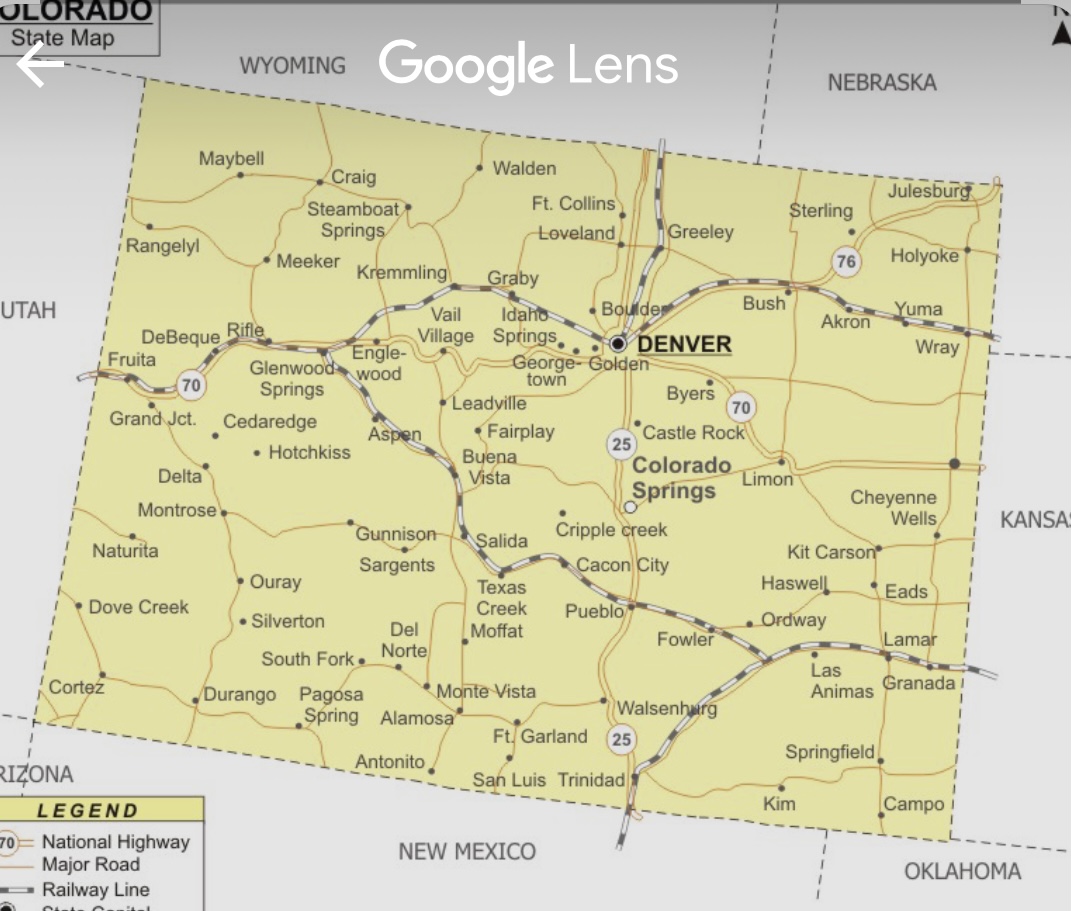
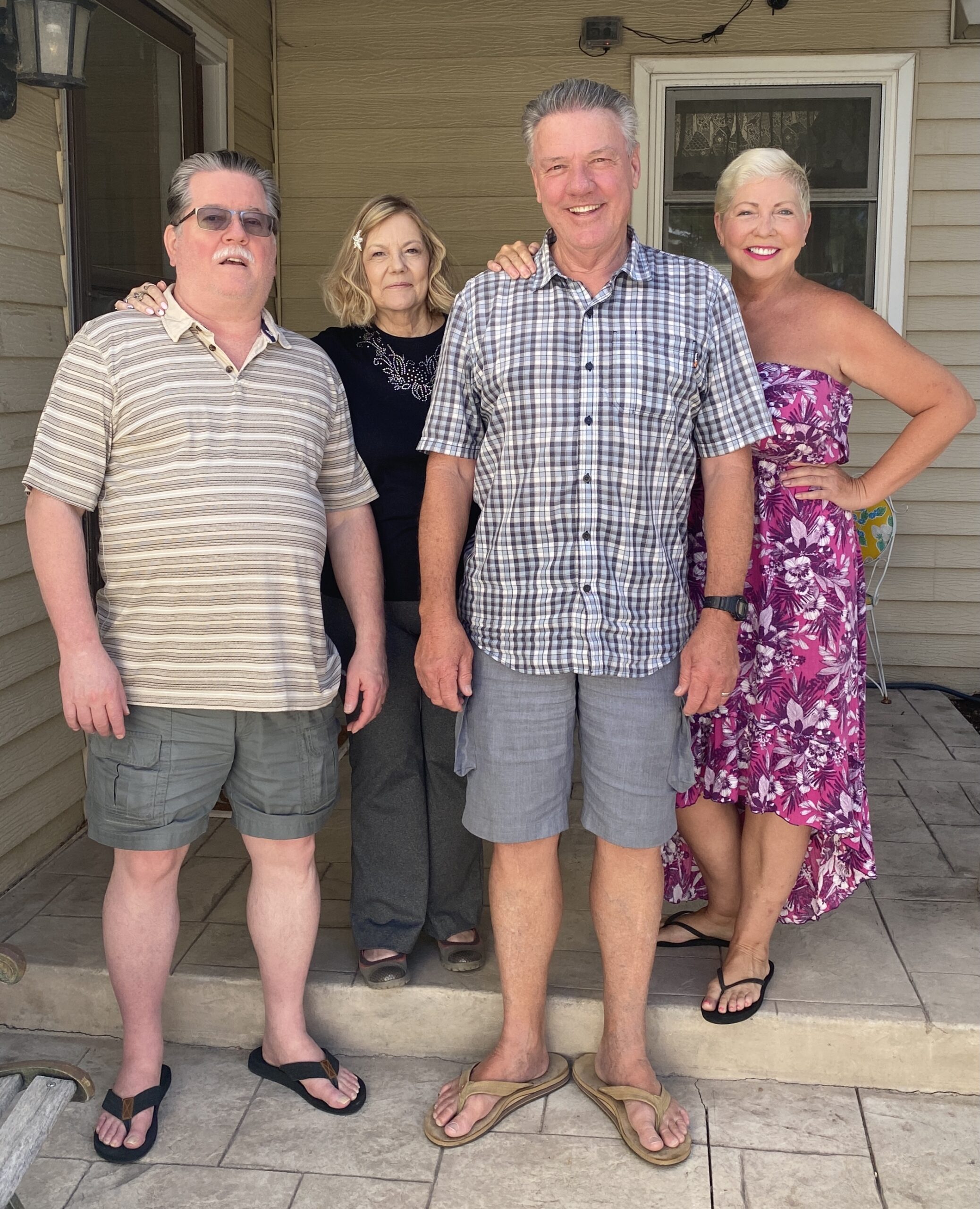 ⬆️ We are wrapping up this day, on our way back to Aurora, to delightfully stay one more night with Nancy and Mike, before heading out of Colorado, through Nebraska, then on to South Dakota.
******
If you missed Part 1 of this two part Blog Series in Colorado, here is Part 1 ~just click the link:
CALIFORNIA: ✅
NEVADA: ✅
OREGON: ✅
KONA, HAWAII: ✅
OREGON again: ✅
IDAHO: ✅
UTAH: ✅
WYOMING: ✅
COLORADO: ✅

About Us

About Us
Hello and Welcome to our Travel Blog Website, We enjoy writing about our experiences and taking photos of our adventuring along the way. Our names are: Daryl and Pen, but Daryl calls me “Bunny.” We met, quite randomly, whilst both traveling in Thailand with friends. We happened to be in the same travel group, and […]