


“Georgia 🇬🇪 ~Rusty Cable Cars; “Metal Coffins,” and Katskhi Pillar in Chiatura, then on to Zeda Sazano and a Winery”
From Tsageri, we wanted to visit a town called Chiatura, to check out the sites and ride the “Metal Coffins;” if at all possible. Also while there, we would see the Katskhi Pillar. This historic relic would be the real motivator for making the trip that way.
To get to Chiatura, it is an almost three-hour drive, south. The young man at the Tsageri hotel, already confirmed for us the road there was fine. Glad to report he advised us successfully.
The “Metal Coffins” of Chiatura

Chiatura stands out as one of Georgia’s eccentric niche destinations. This town of around 12,000 residents sits at the vortex of a deep crevasse, along the Qvirila River. This village was settled in antiquity and exploitable ores were discovered in 1849. Chiatura was officially founded as a town in 1921, due to subsequent large scale manganese and iron ore mining in the peripheral area.
Chiatura was slightly more vibrant during the Soviet-era when the population was almost triple the current figure. Regardless, it remains one of the largest manganese mining operations in the world and one of Georgia’s niche tourism gems.
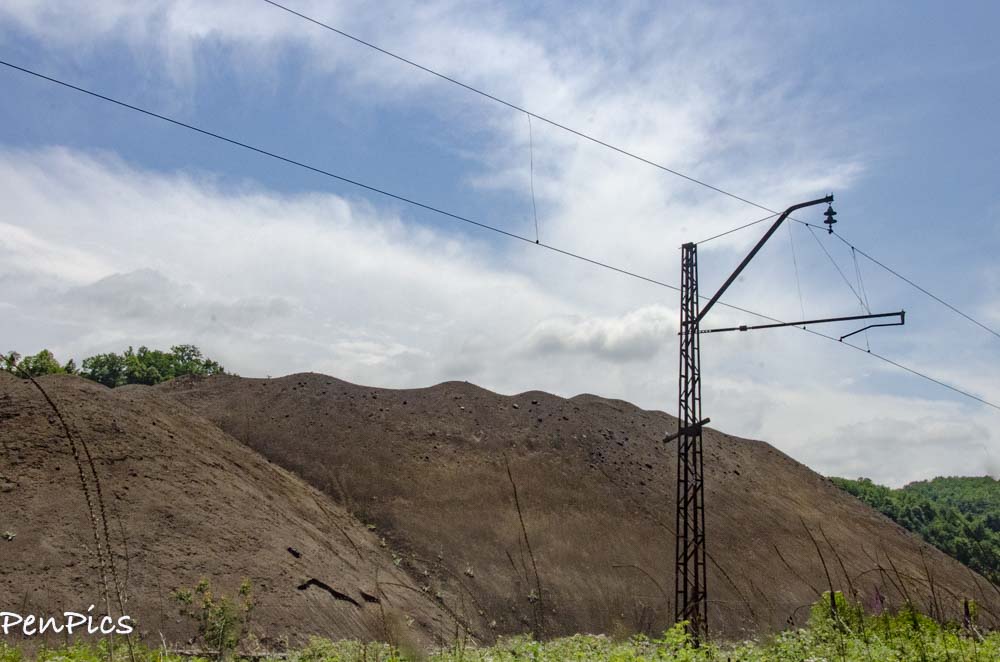
“The Largest Reserve of Manganese Mining Operations in Georgia, and One of the Largest on-hand Reserves of Manganese in the World.” The mine is said to have an estimated reserves of 239 million tons of manganese ore, grading around 26% manganese metal.
This mine opened in 1879
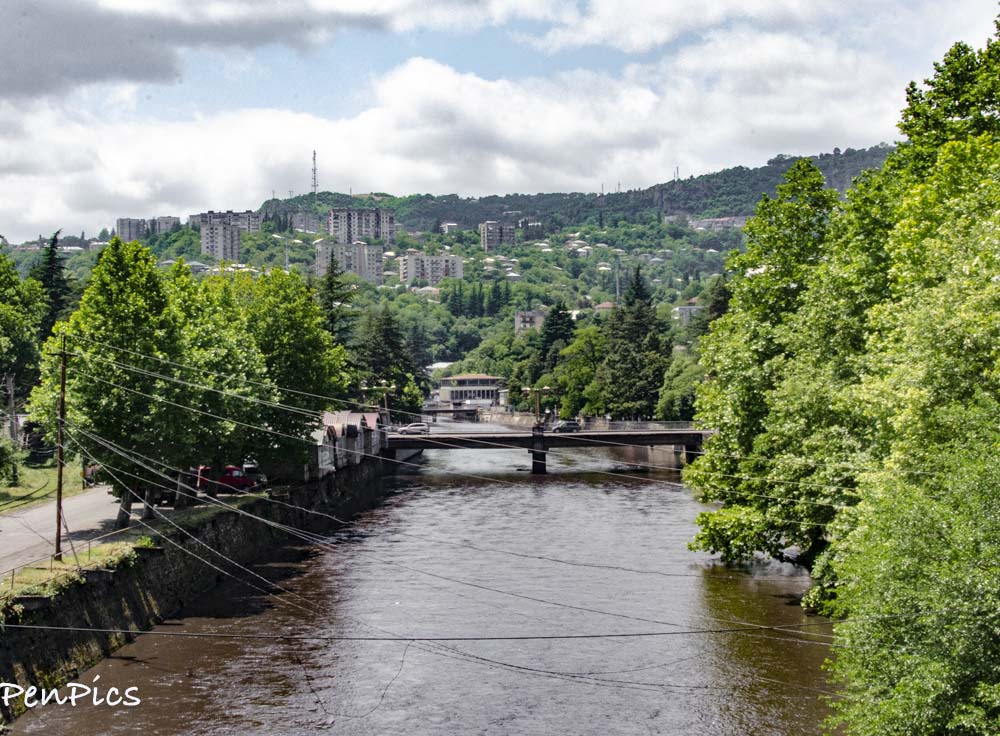
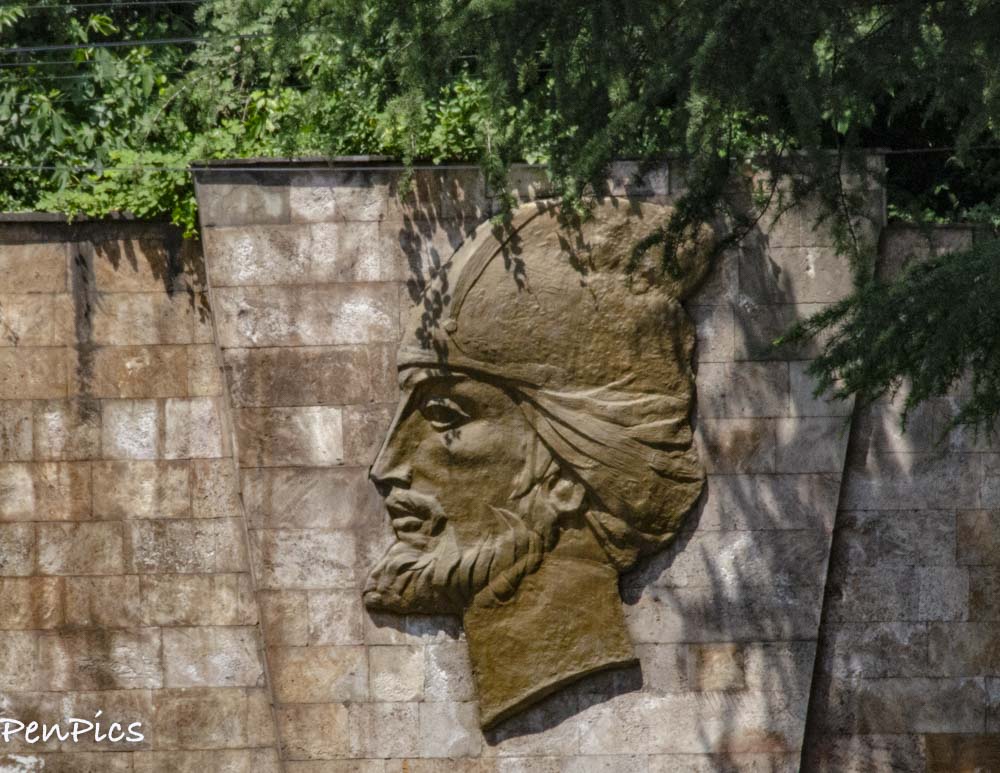
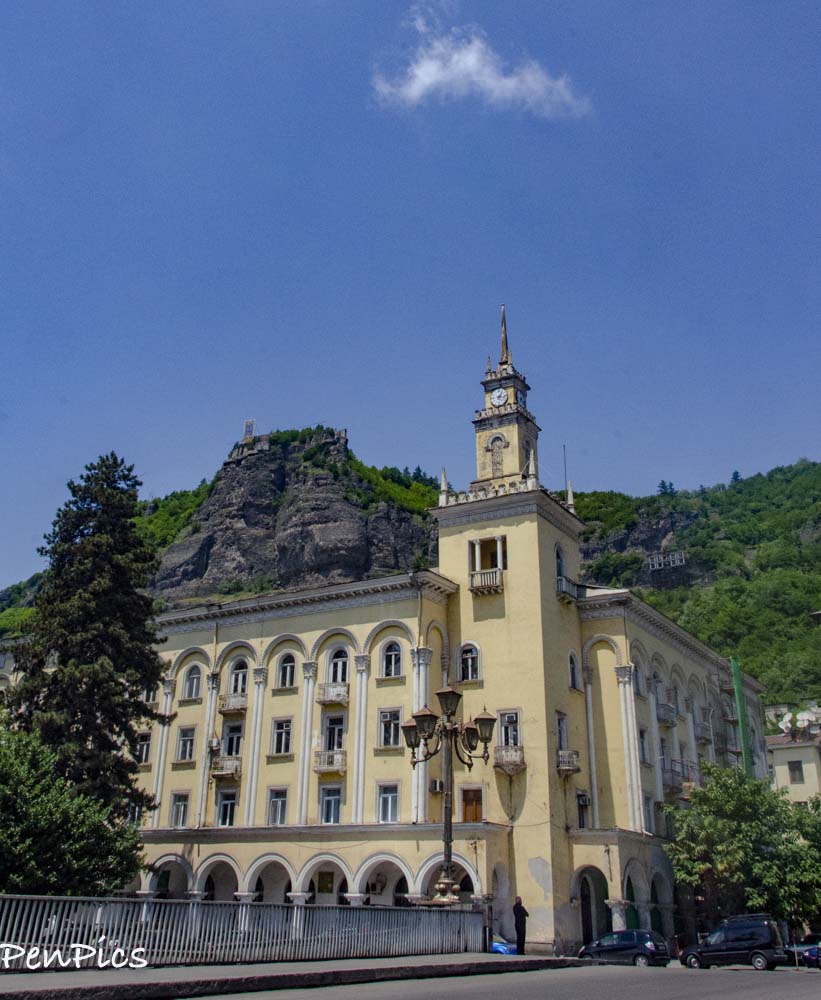
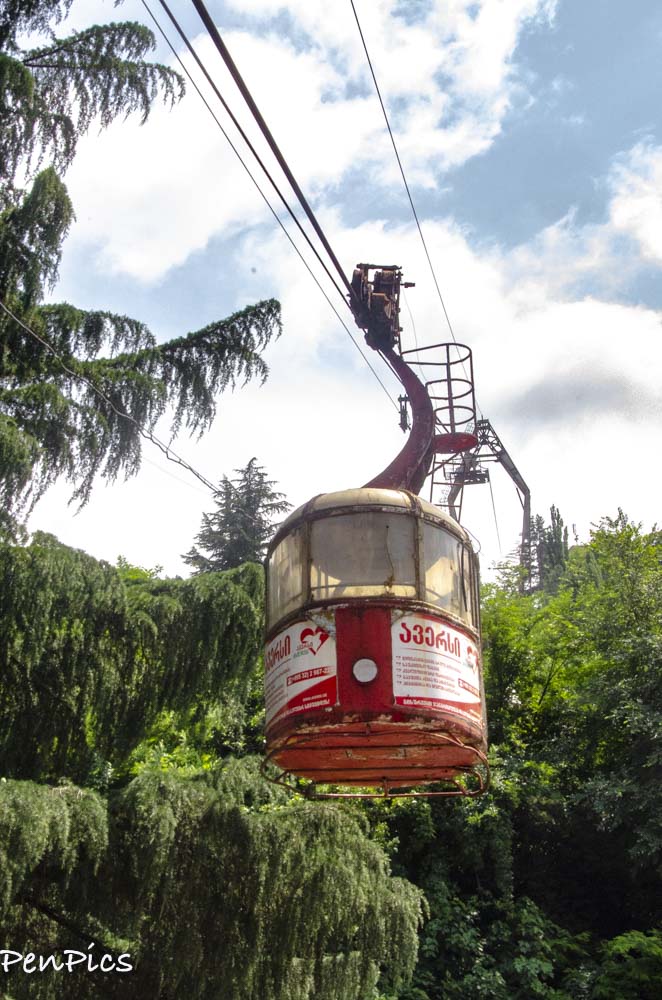
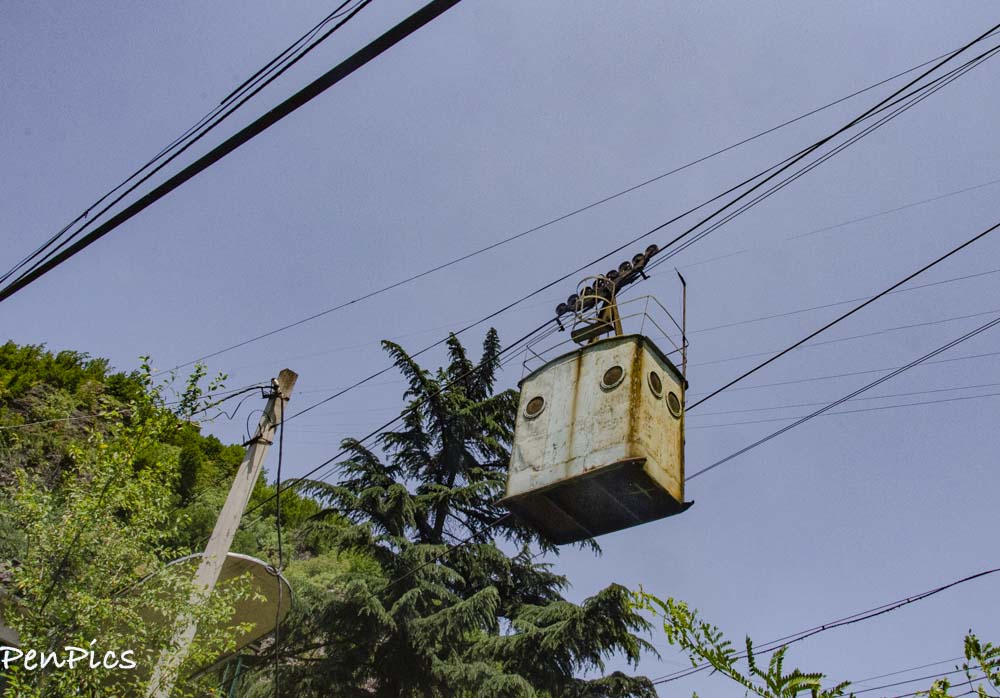
The major attraction here is the Stalin-era cable car system, which is still in use (except, maybe, during the COVID era) and serves as the main mode of transport around the city. The cable cars traverse the Qvirilia River gorge, connecting the town to the mines above; via ten cars for passengers and two cars for manganese transport. Some of the stations are adorned with murals of Soviet heroes. This aerial tram system spans over three miles of cable and is highly regarded as an exemplary feat of Soviet engineering.
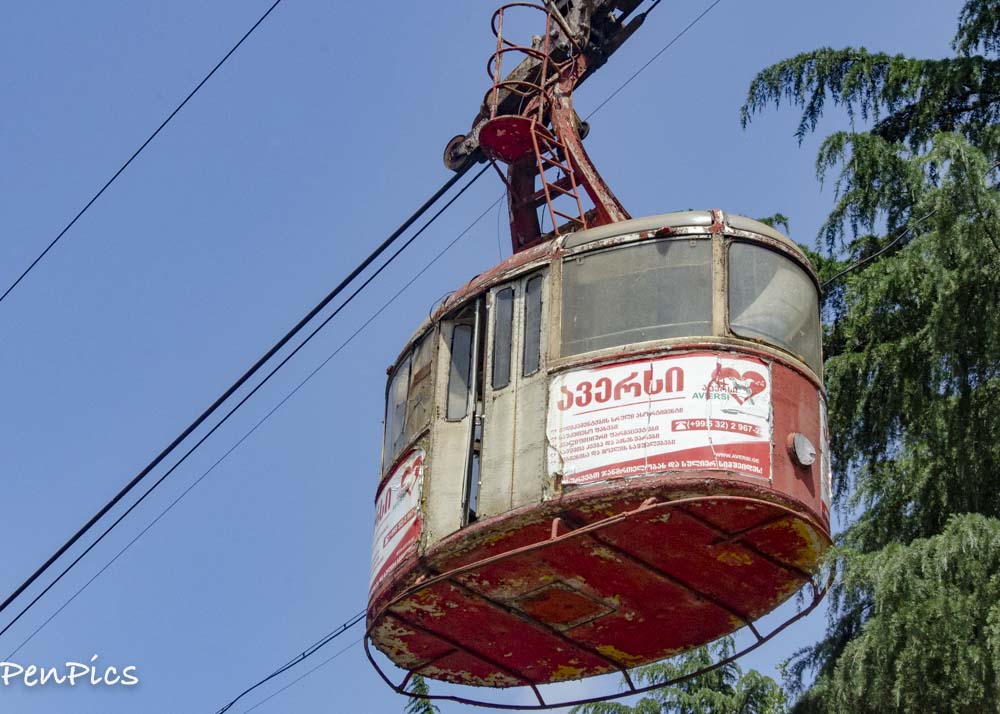
Chiatura is better known among the rather daring tourism enthusiasts. The cable cars are sometimes jokingly referred to as “metal coffins,” as the system has only been minimally updated since its inception in the mid-1950s, and many of the cars are in a somewhat decrepit state. Nonetheless, visitors with a sense of adventure, enjoy experiencing Chiatura, to get a bird’s-eye-view of an authentic Georgian mining town.
I’ve got to say, this town is quite interesting and seemed frozen in time, in so many ways. It’s like a ghost town with live people; if that makes any sense. We visited this town, two times, on two different days, before leaving the area, in hopes of finding the cable cars open to tourists, so we could ride. Both times, we only saw the cable cars moving, which carried the ore. All the other cars were still; as frozen in time, as the rest of the town. I tried to ask around, but no English, as per the norm.
Regardless, it was an interesting town to explore. It felt like we were in another world. Chiatura has so much potential to bring in tourism, with the old cable car system creating such a unique visit, but other than a new tram line (also not running) we did not see anything else supporting tourism; including hotels or restaurants.
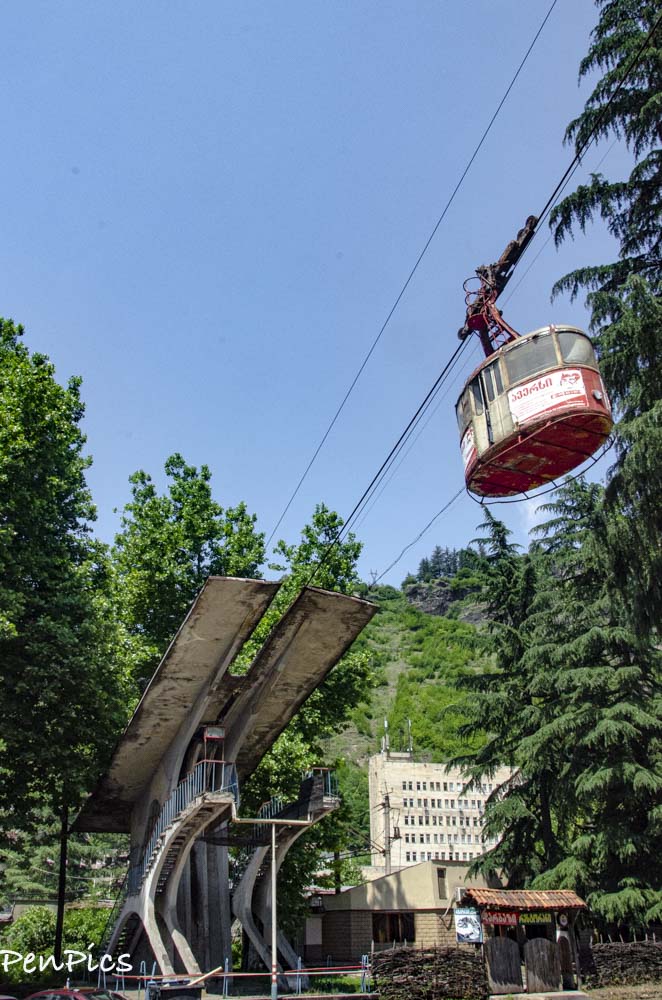
I wanted to ride the cable car so bad! BUT, it just wasn’t meant to be. We did ride a similar cable car in Pakistan; older than this one, so it not like we didn’t get to ride an old cable car system and get our thrills!
⬇️ Next three photos are from Pakistan 🇵🇰
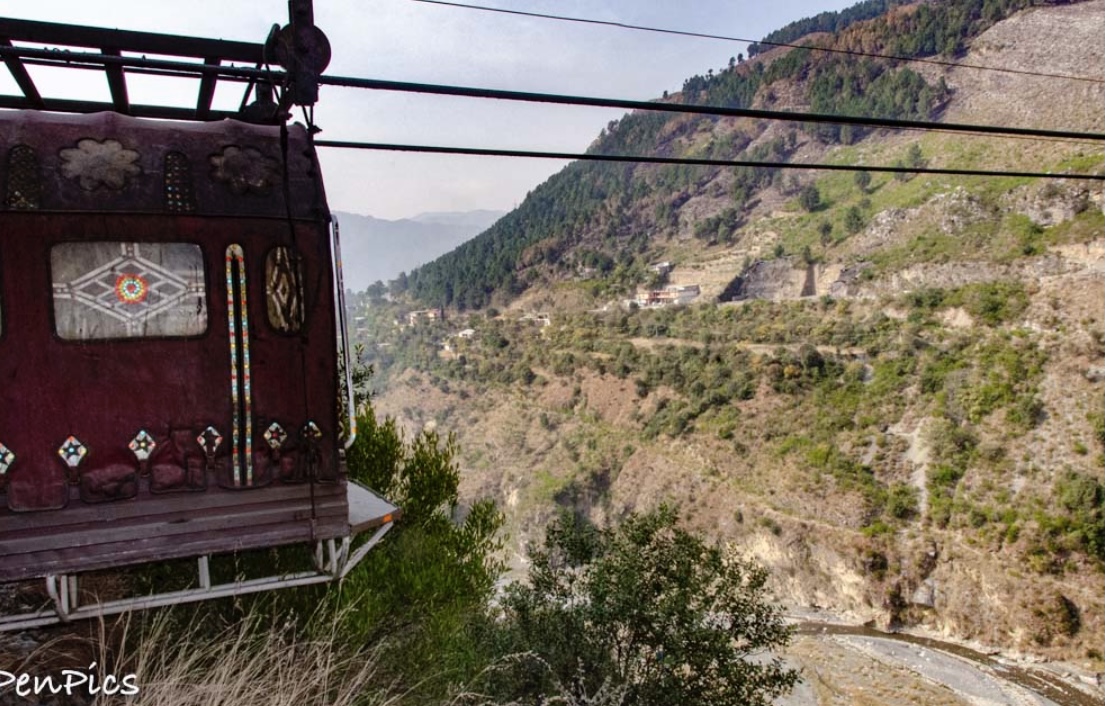
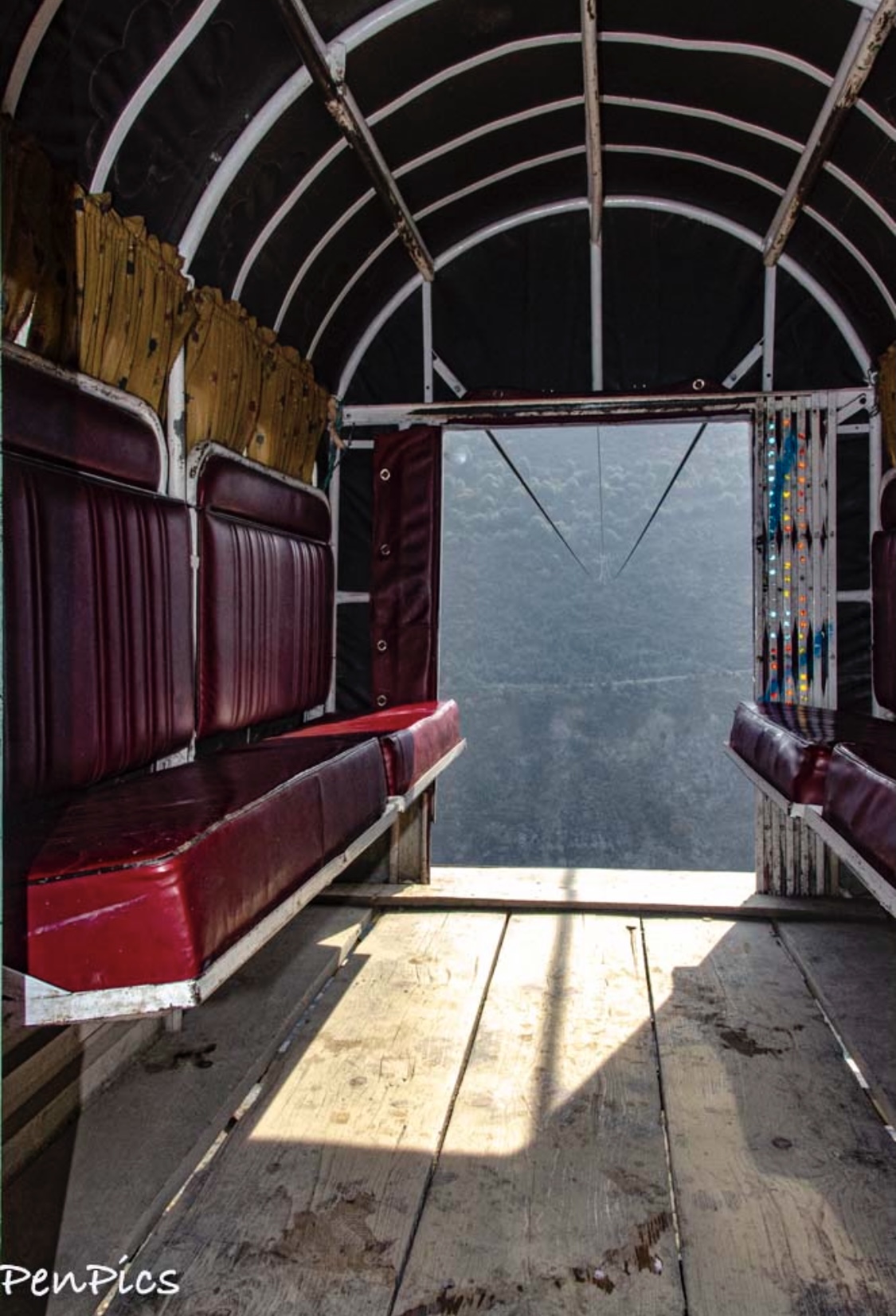
Look Ma, no doors!
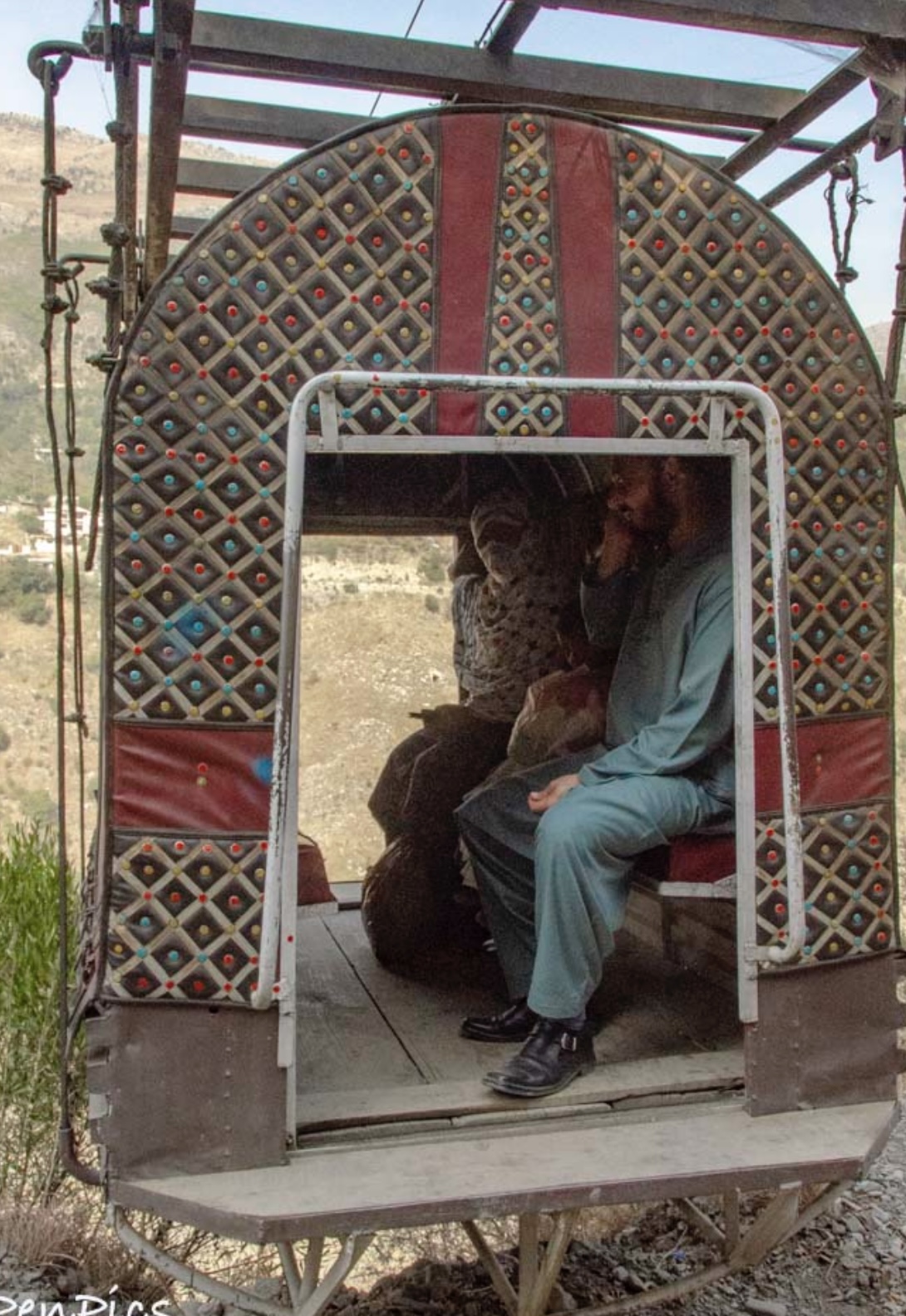
Back in Georgia 🇬🇪 ⬇️
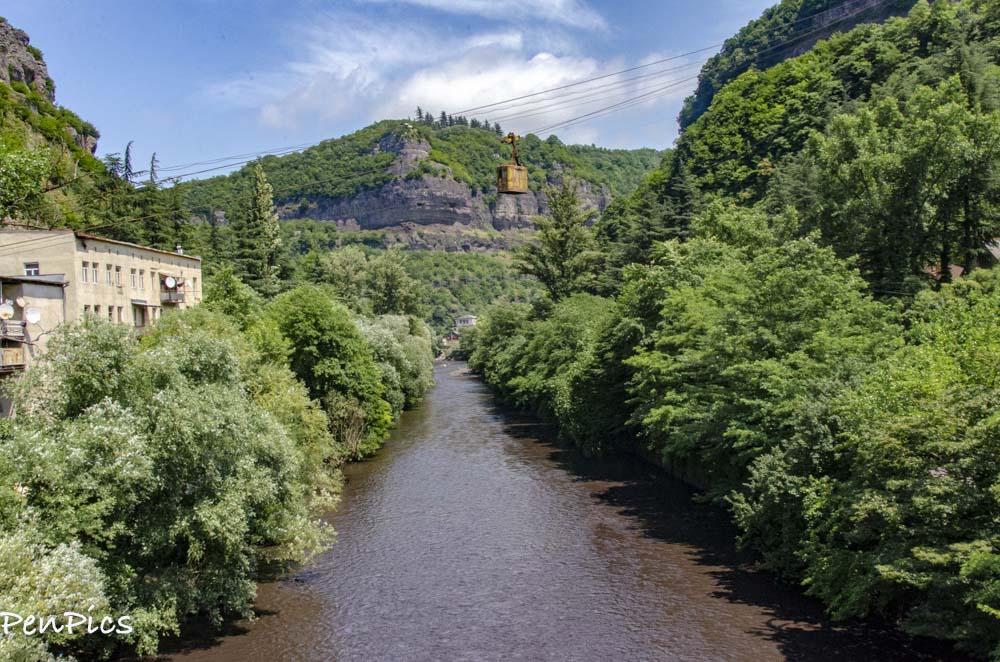
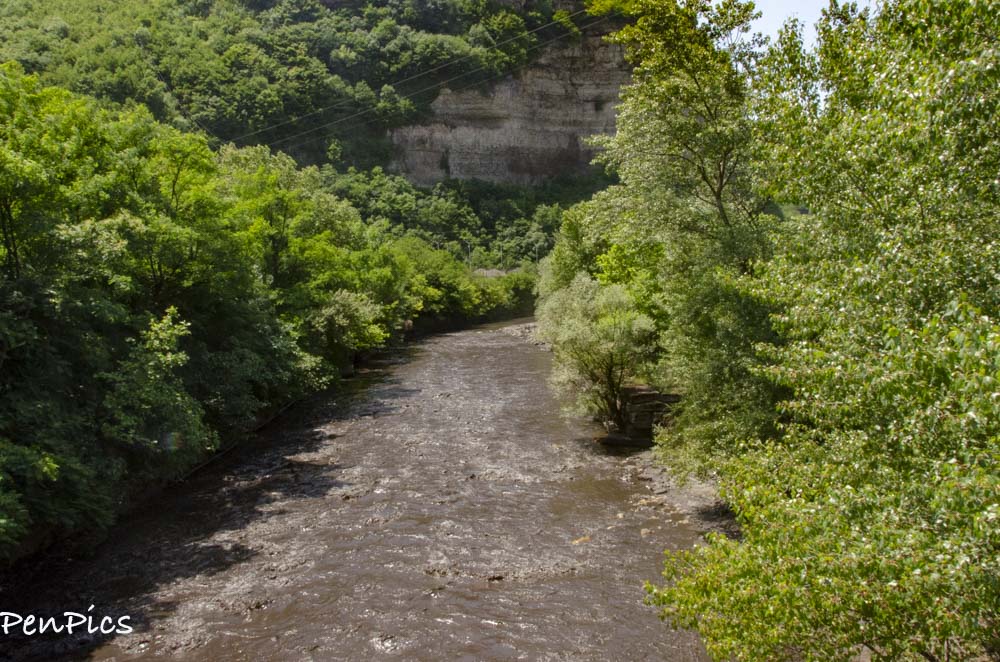
The river runs dark with runoff from the manganese mining
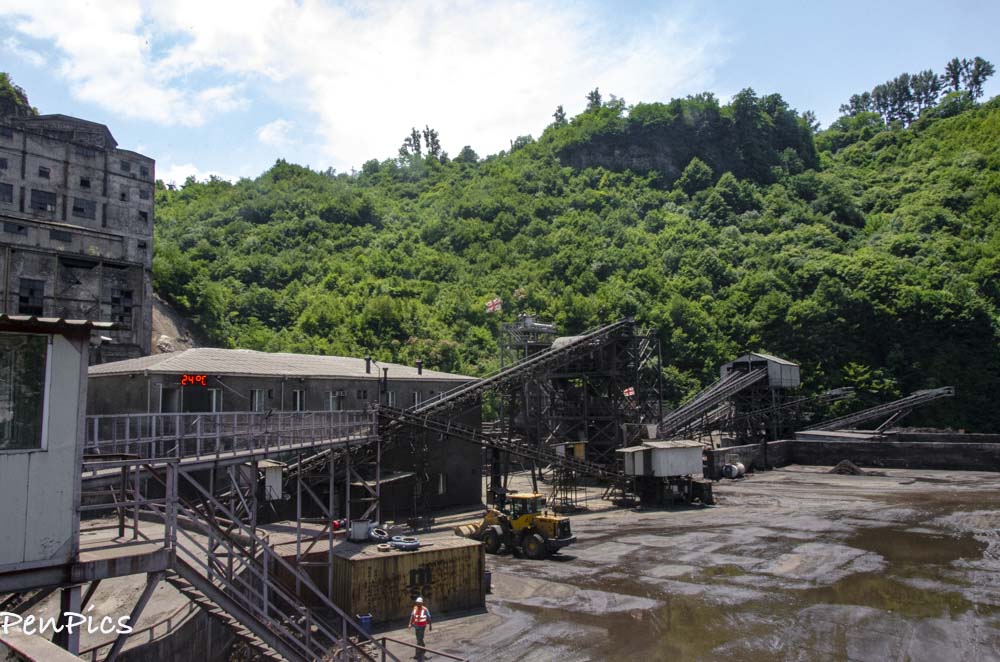
I wandered off, following the noise of the antiquated mine operation. After crossing a swinging bridge, train tracks and climbing many staircases, I ended up on the property! I didn’t see any signs in any language to “keep out.” Before I knew it, a security guard was approaching, but not before I got some photos. I decided it was time for me to go, and hopped on back the way I came. Daryl had been waiting at the car for me to “take a photo.” I was gone far to long and he was beginning his search for me. Sorry babe, I just got carried away. (It was not the first time, nor will it be the last) 🥰. It’s a good thing he loves me so much! ❤️
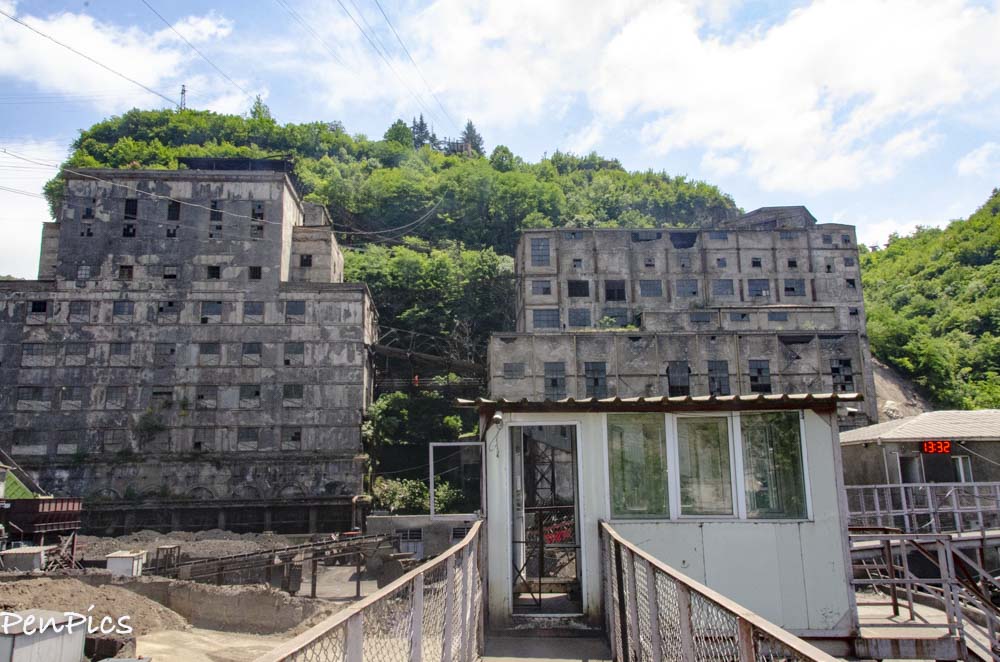
The active mine still has the old Soviet-era building on their grounds.
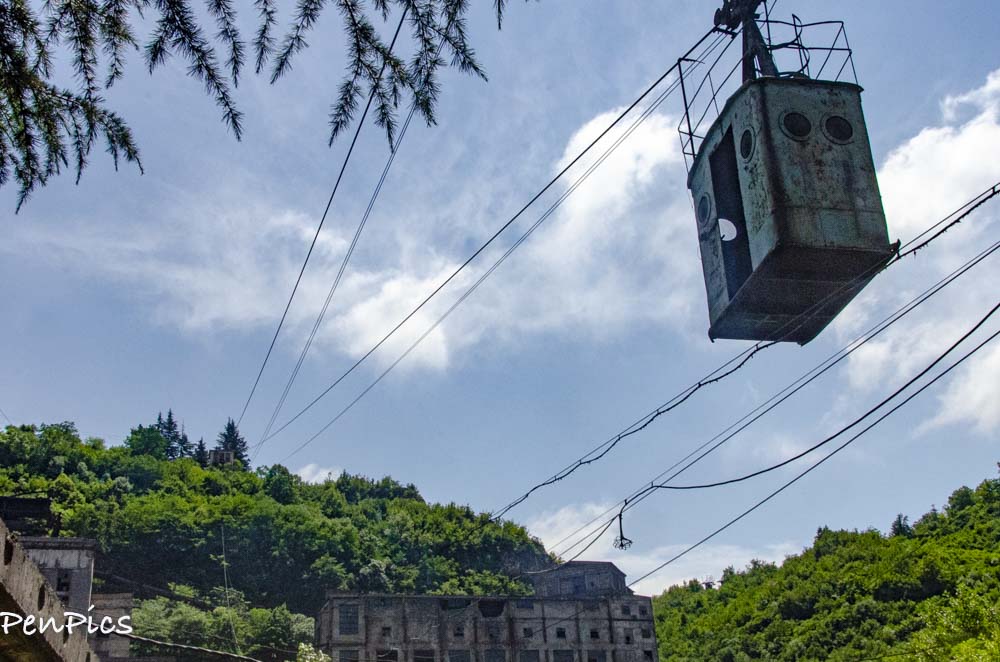
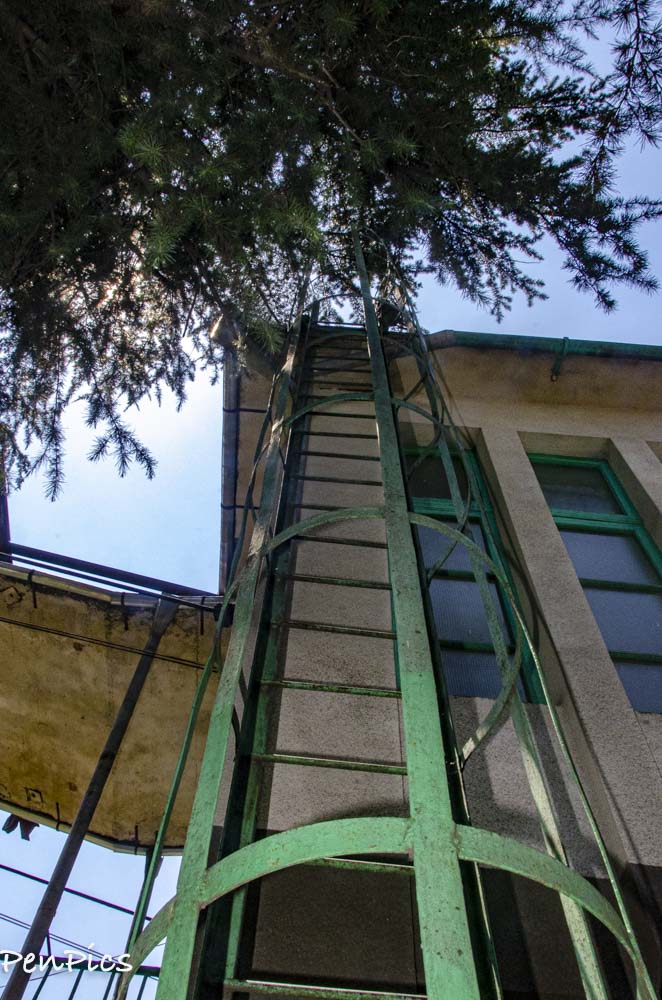
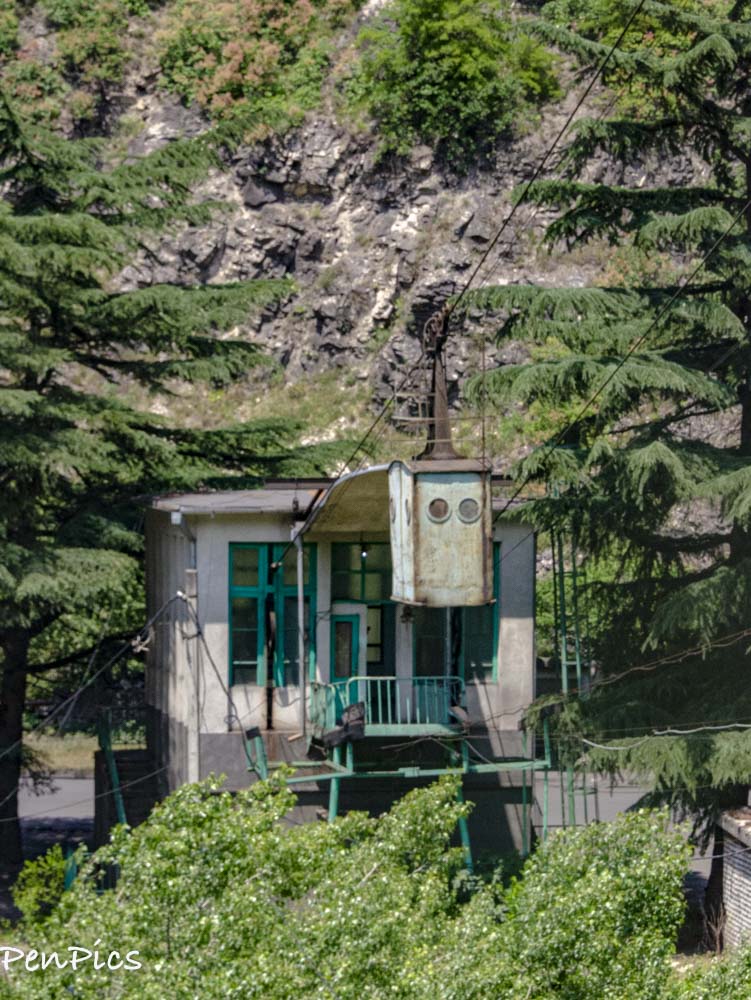
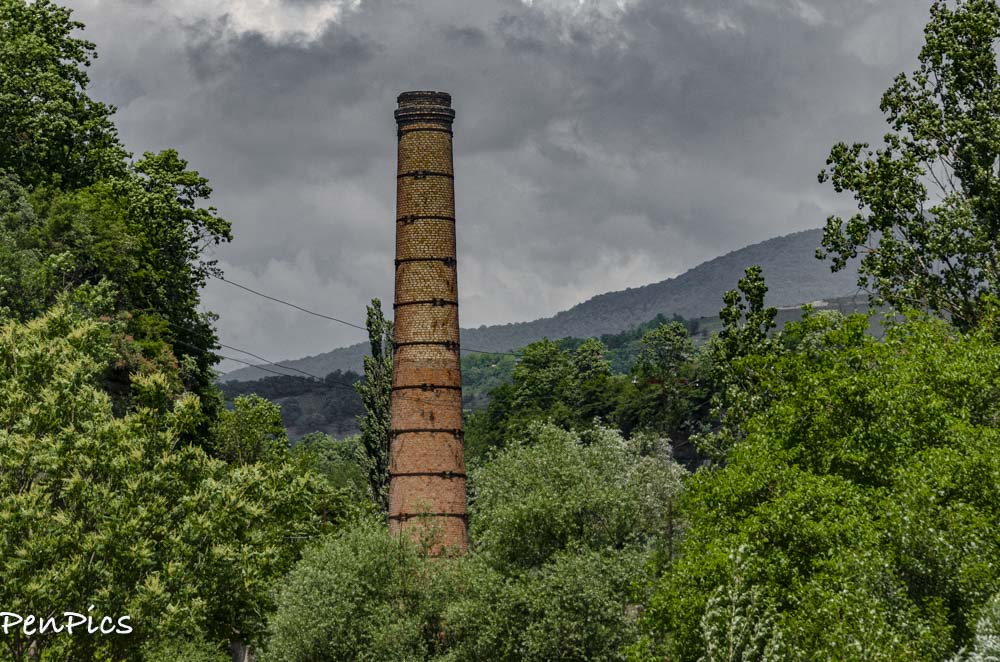
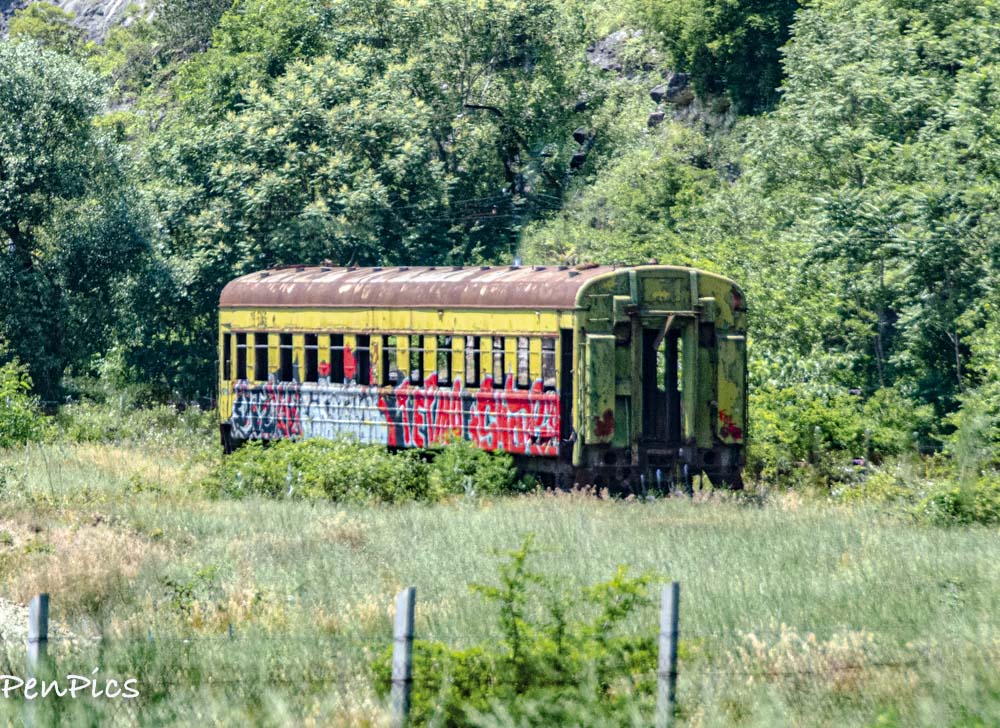
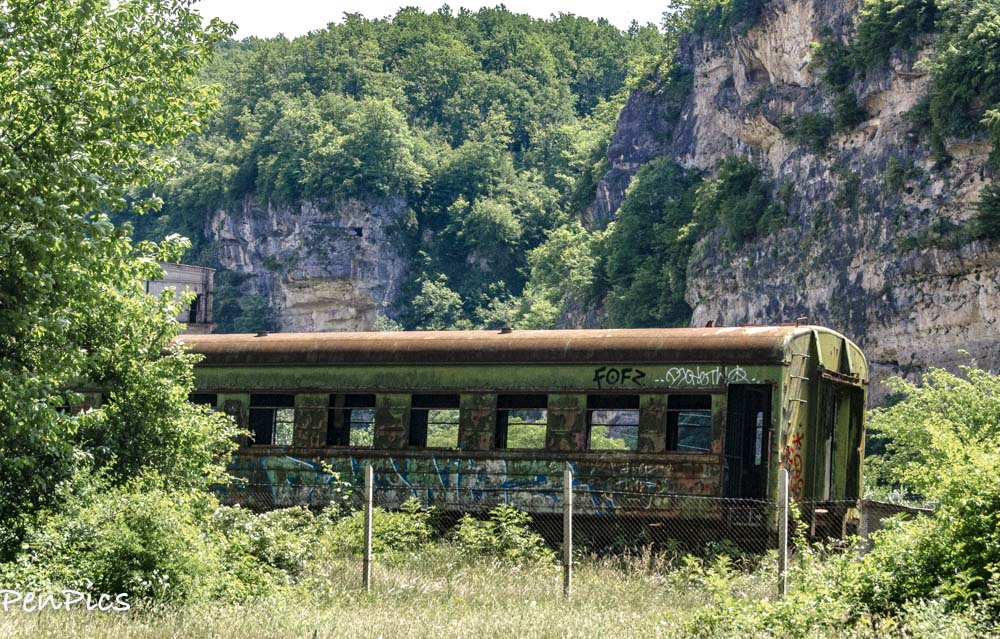
If only these old relics could talk!
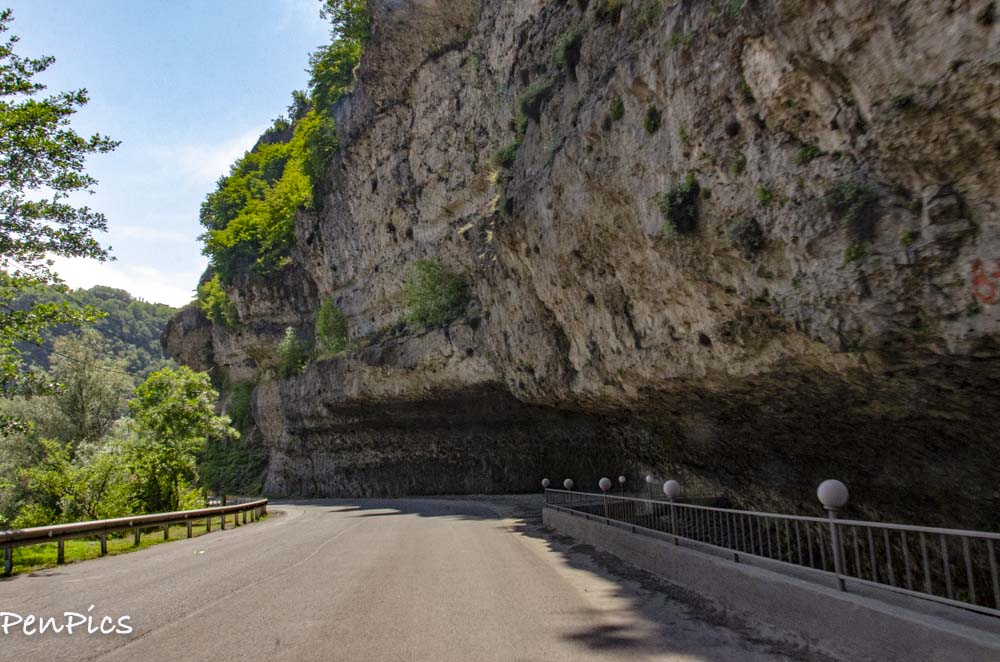
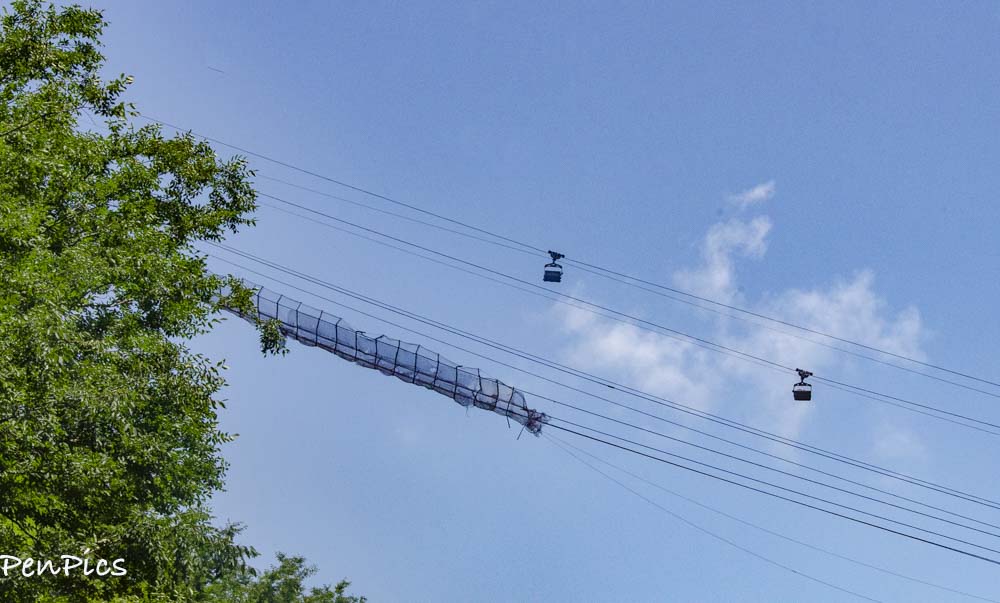
Active ore cars were moving high above the town. It would seem the net would catch loose rock, but strangely, the net is torn away, above the road where the vehicles are.
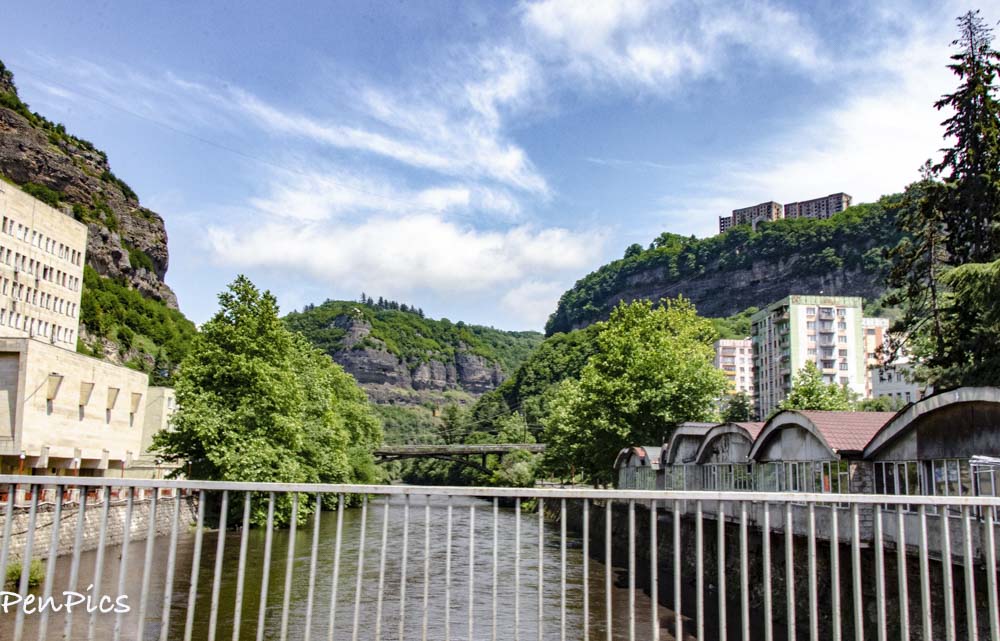
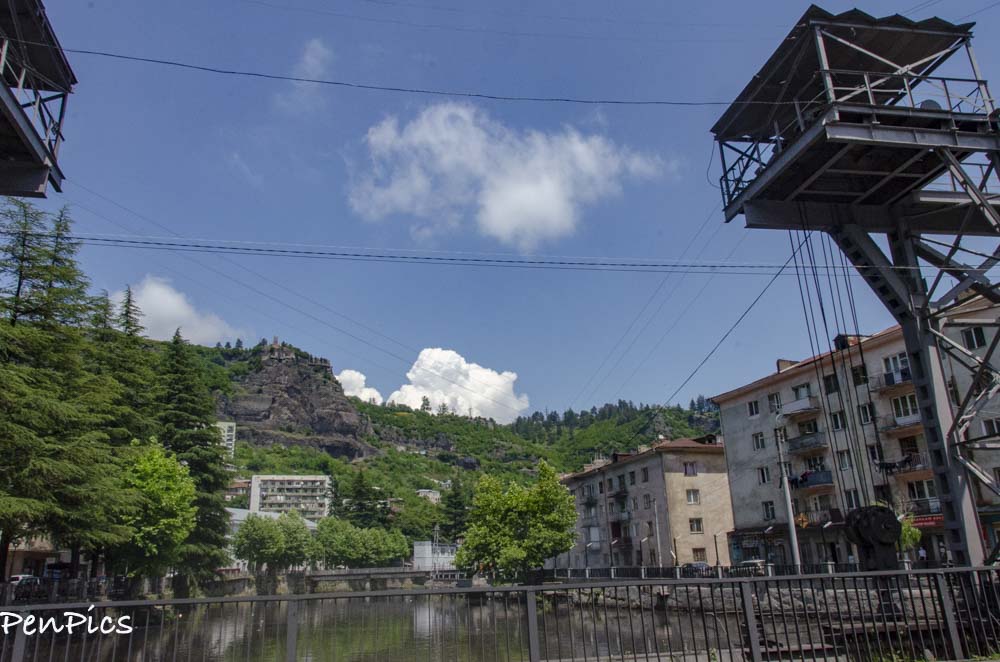
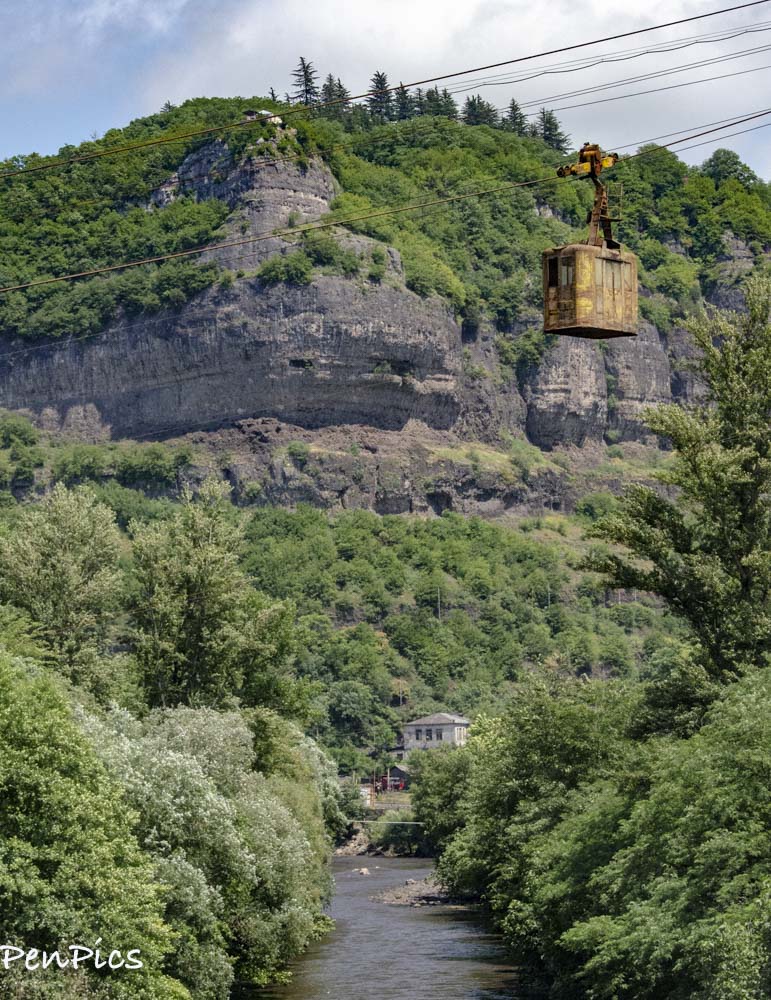
One of the many “Metal Coffins” we saw at a stand-still around town
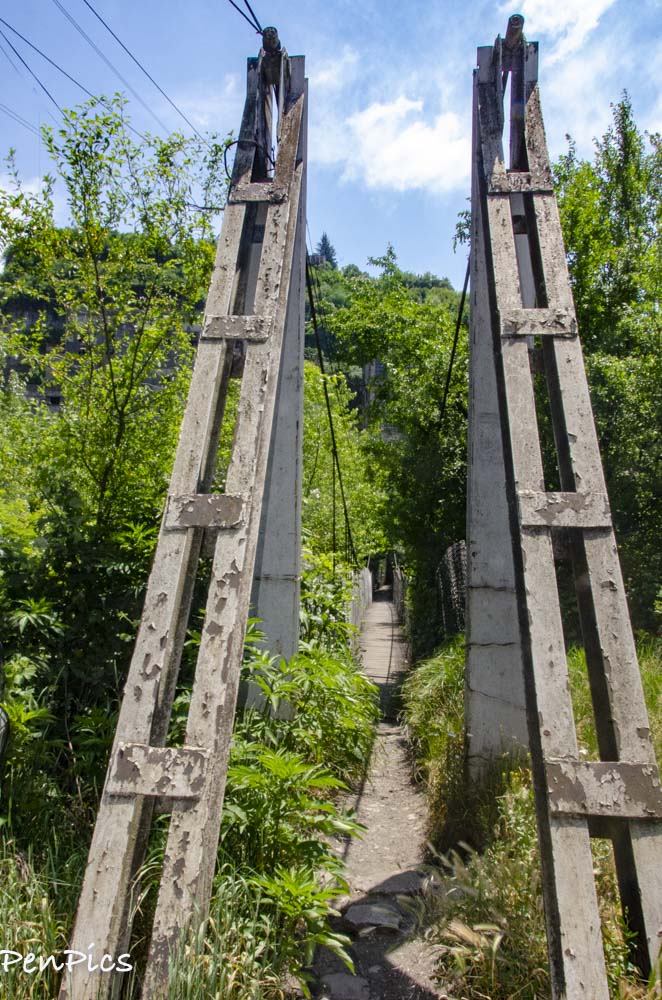
The cool secret passage I found to the mine. My test for safety of bridges is; if I see fresh cow pies on the bridge, I know I weigh less than a milk cow, so good to go.
Katskhi Pillar
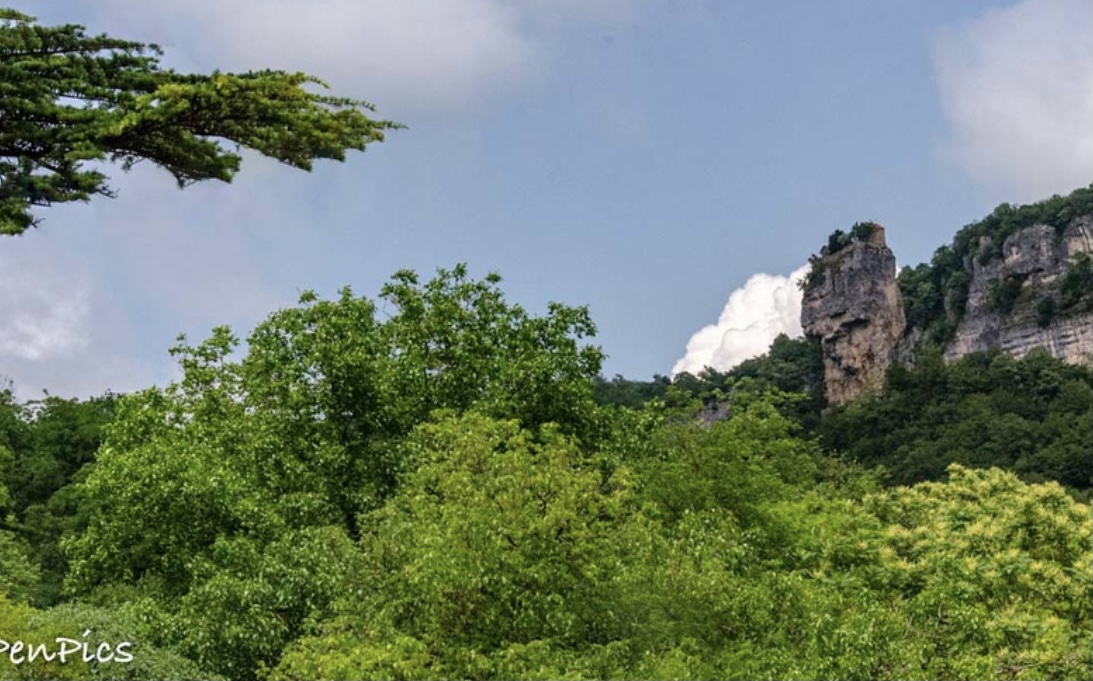
Visible from the road, it is hard to see there is a couple of buildings on top, unless one knows this in advance of the visit.
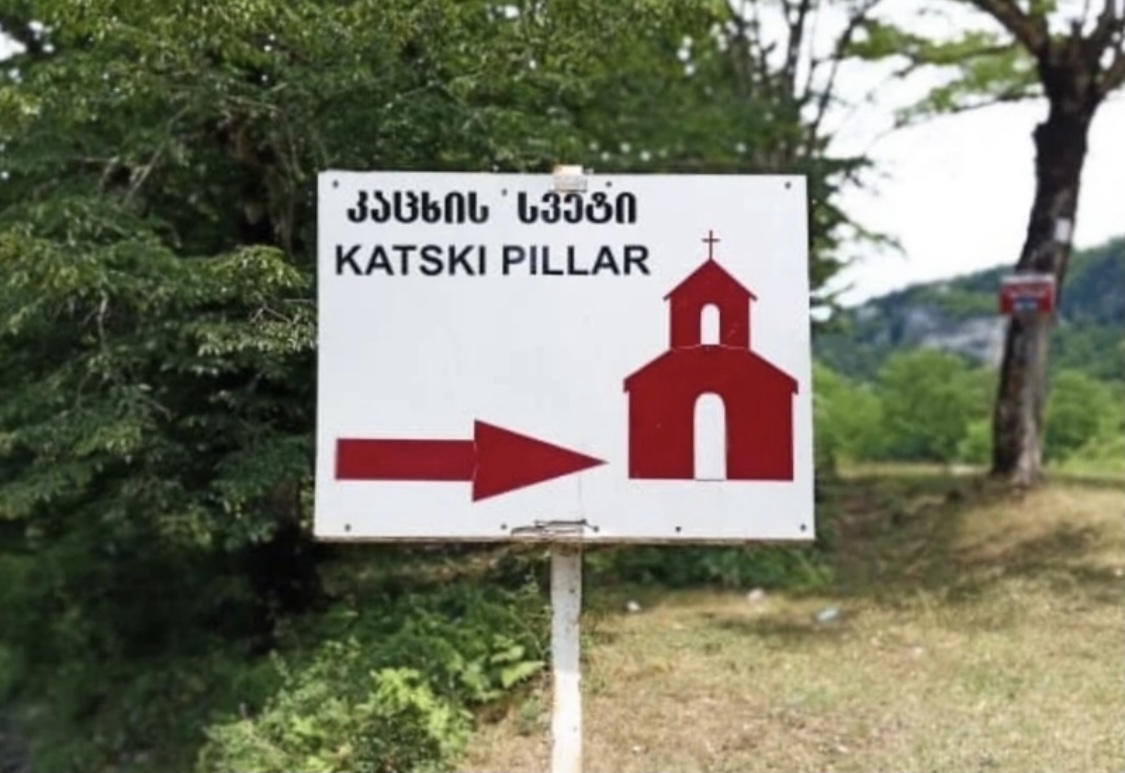
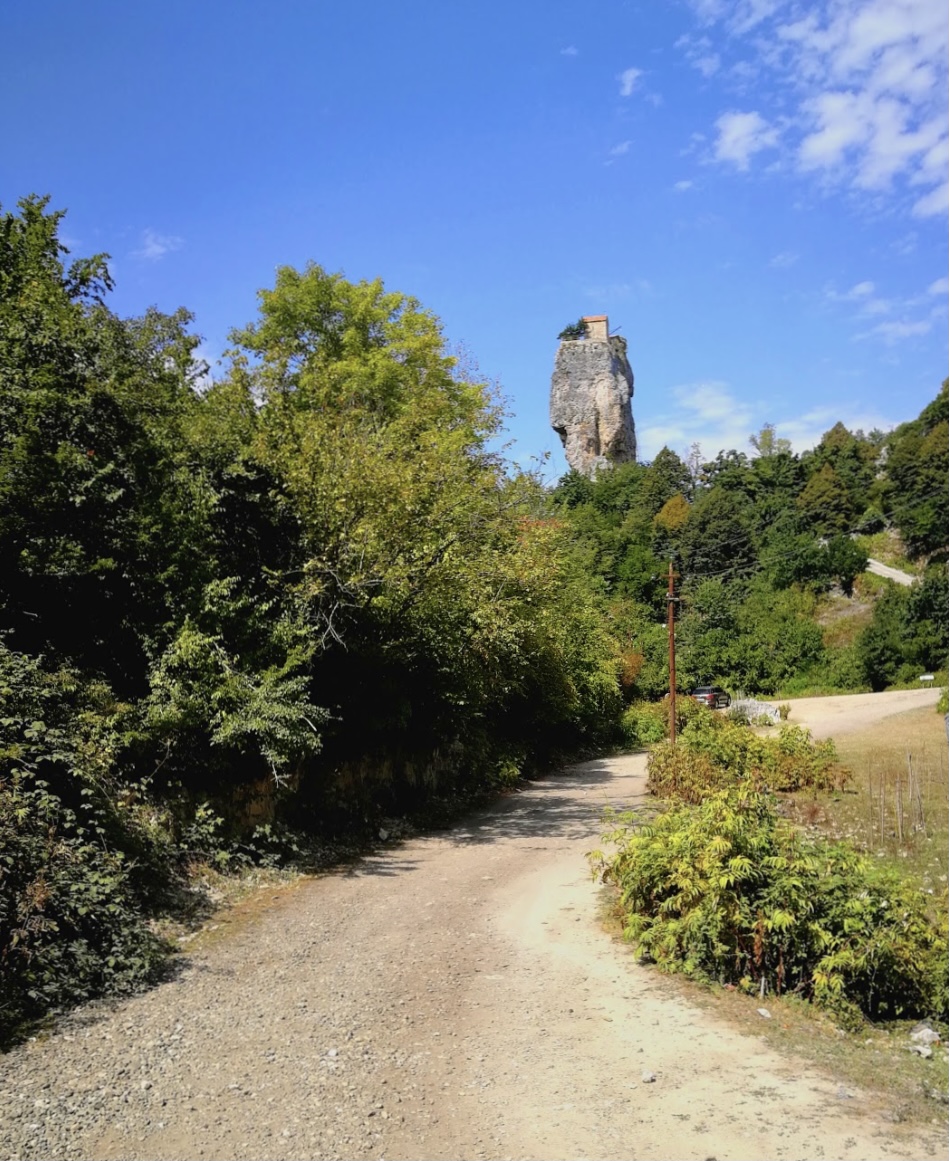
Katskhi Pillar, sometimes referred to as the Column, remains one of Georgia’s most mysterious sights. It towers over the gorge of the Karshuna River. This natural 131+ foot-high limestone column has been standing for centuries as a silent witness to history, and has been the inspiration of endless lore among locals.
While Katskhi Pillar legends are abound, the first historical reference to this column was provided by the 18th century Georgian historian and geographer; Vakhushti Bagrationi. He theorized that the pillar, which had already been long abandoned in his day, had served as a temple of fertility during the country’s pagan era. Soon after the Christianization of the land, the pillar became a symbol of this new religion. A carved cross at the bottom of the column dates back to the 6th century and seems to support this assumption of Katskhi Pillar. How it was built upon such a high precipice without the aid of modern equipment, however, remains a mystery. During the same period, a new type of Christian ascetism known as stylitism appeared in the Middle East. Stylites, also known as pillar-saints, were religious devotees who lived on pillars to spend their lives praying, fasting and preaching. Georgia maintained strong ties with the Middle East during this era, and thus this newly Christianized country started to adopt the practices of ascetic monasticism, from the Middle East and the Byzantine Empire. The Katskhi Pillar’s location and height proved the ideal setting for Monks, wishing to isolate themselves from the rest of the world and devote their lives to God.
In 1944 a small group of alpinists and archaeologists climbed the abandoned Katskhi Pillar. Upon reaching the top, the expedition discovered the ruins of two churches, dating back to the 5th and 6th centuries, cramped living quarters for monks, a few qvevris (traditional Georgian clay vessels for storing wine) and the bones of a long-deceased stylite; now commonly referred to as the Katskhi Pillar skeleton.
In 1990 a local Monk named Maxime Qavtaradze, impressed by this stunning and mysterious abode, decided to revitalize the Monastery atop Katshki Pillar. With permission from the Catholicos-Patriarch of Georgia, Ilia II, and assistance from alpinists, local residents and the Georgian government, Qavtaradze restored the ancient churches and cells. Although faced with many difficulties along the way, Qavtaradze managed to obtain his goal of resurrecting the spirit of piety which pervaded the pillar in times past. While the church and cells atop the pillar were restored, an additional church and living quarters were constructed at the foot of the pillar for additional Monks to live in.
Since restoration was completed, monastic life has returned to Katskhi Pillar. Monks who reside here pray every day for seven hours, including a night prayer from 2AM till sunrise. The Monastery’s doors remain open for men who are facing difficulties and seeking spiritual direction. However, climbing the pillar has been forbidden since 2018, with the exception of the Monks who reside at the site and make the ascent daily, in order to pray at the top and be closer to God.
A 131+ foot iron ladder, known locally as the “ladder to heaven,”was installed for the Monks’ convenience. Climbing the ladder takes about 20 minutes.
It is noted, Maxime Qavtaradze lived atop the pillar for more than 25 years; a 21st ascetic, who continued in the traditions of the old stylites. While he lived in solitude and silence, he usually climbed down the ladder once or twice per week to participate in church services and counsel people who came seeking help and guidance.
Katskhi Pillar is an alluring place, not only for pilgrims, but also for international travelers. Along with the city of Chiatura, it has become one of the main touristic destinations of Georgia’s Upper Imereti region; as its fame has slowly spread around the world.
Sadly for us, climbing to the top of Katskhi Pillar, will require much more time and effort, since (men only) who are fortunate enough to get permission to climb the ladder, must first pass through rigorous examination: living in a cell with the Monks for at least a week and participating in all religious rituals with them.
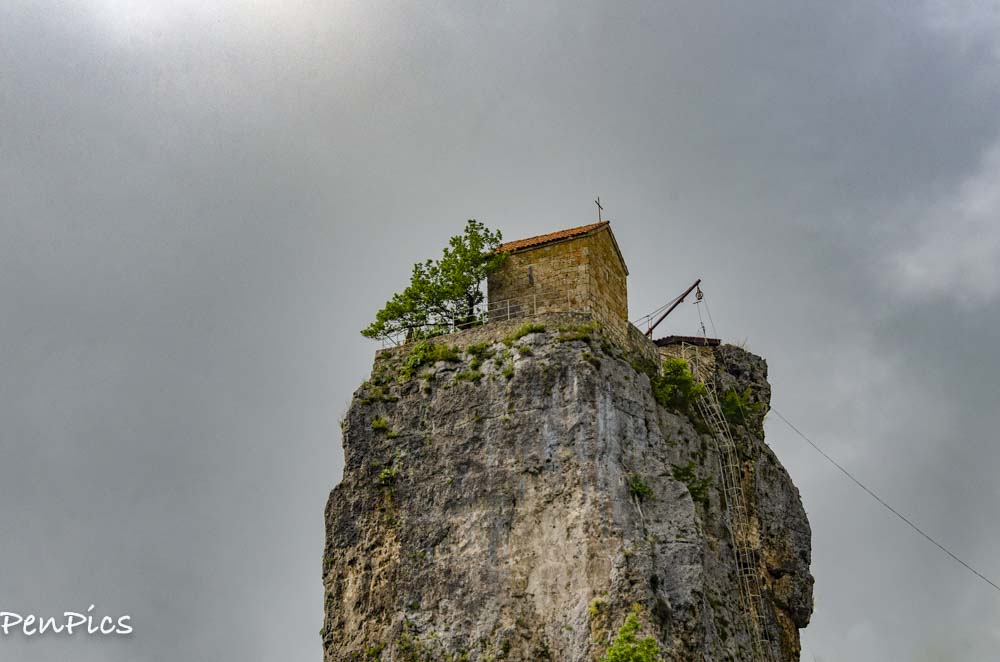
“The World’s Most Isolated Church”
The Katshki Pillar, which locals refer to as “the pillar of life,” stands 131ft tall and houses a 1,000-year-old church at the top. Within the rock structure there is a crypt, three hermit cells and a wine cellar.
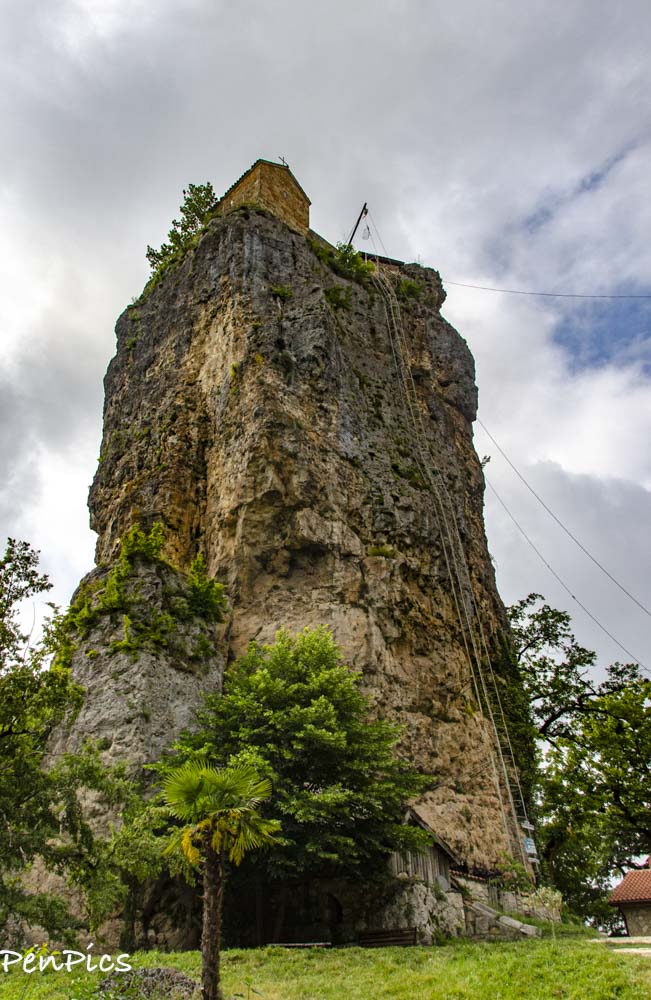
Within the rock structure at the top, there is a crypt, where the Monk “Maximus the Confessor,” is entombed.
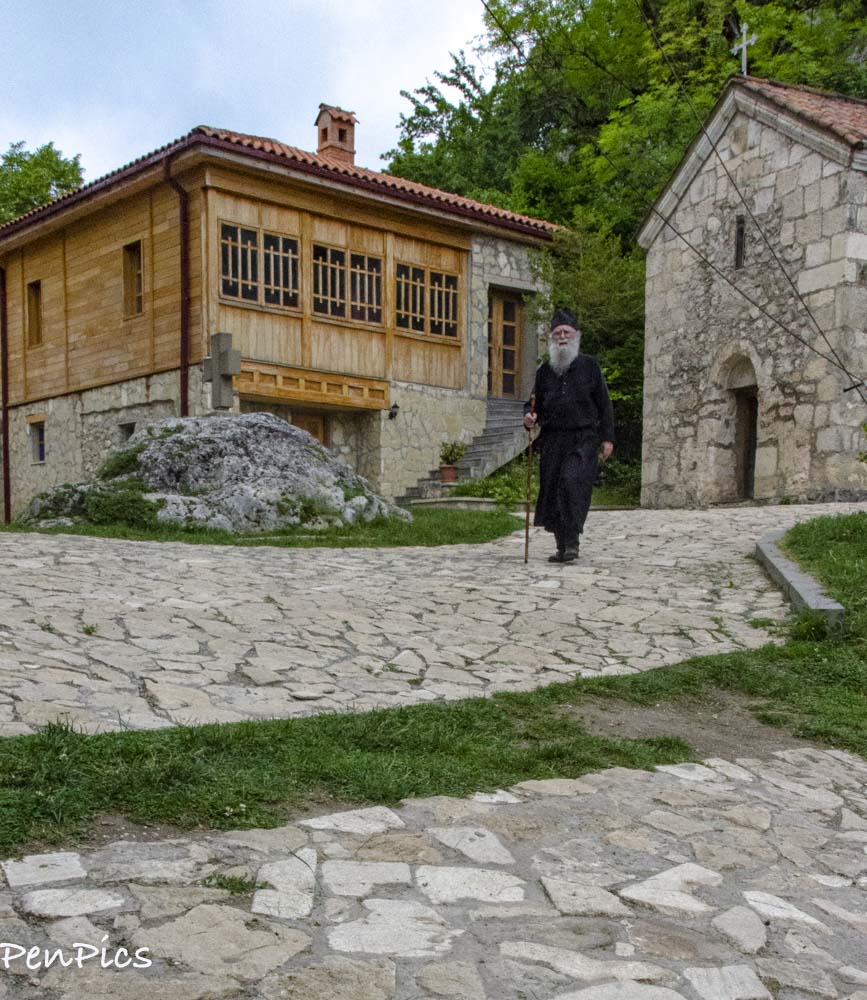
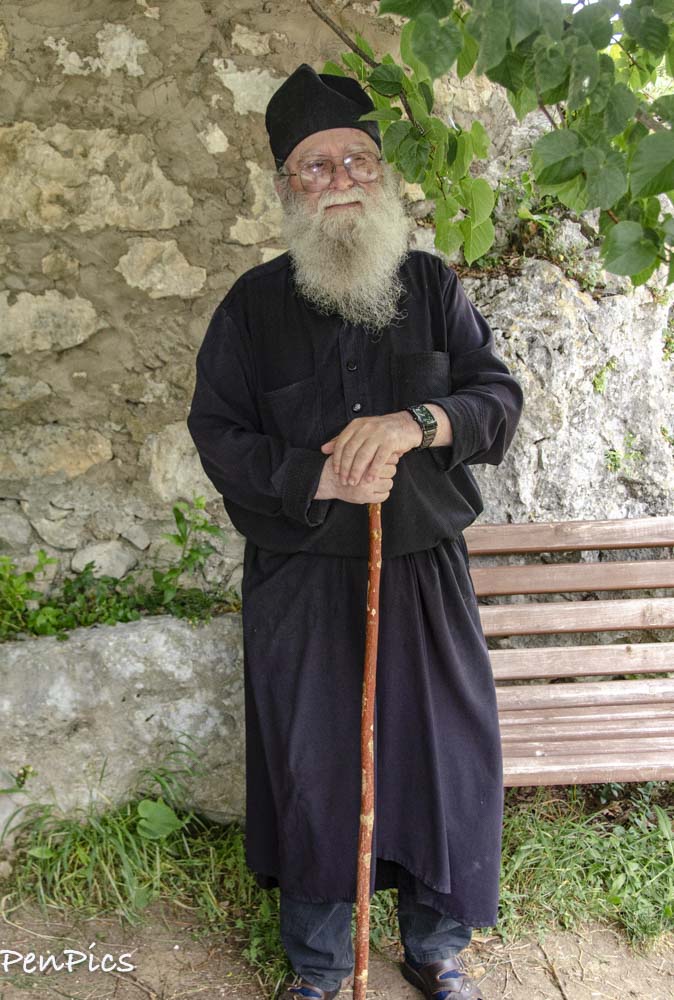
This priest was very kind and friendly. He blessed us and let us take his photo. No English, just hand gestures.
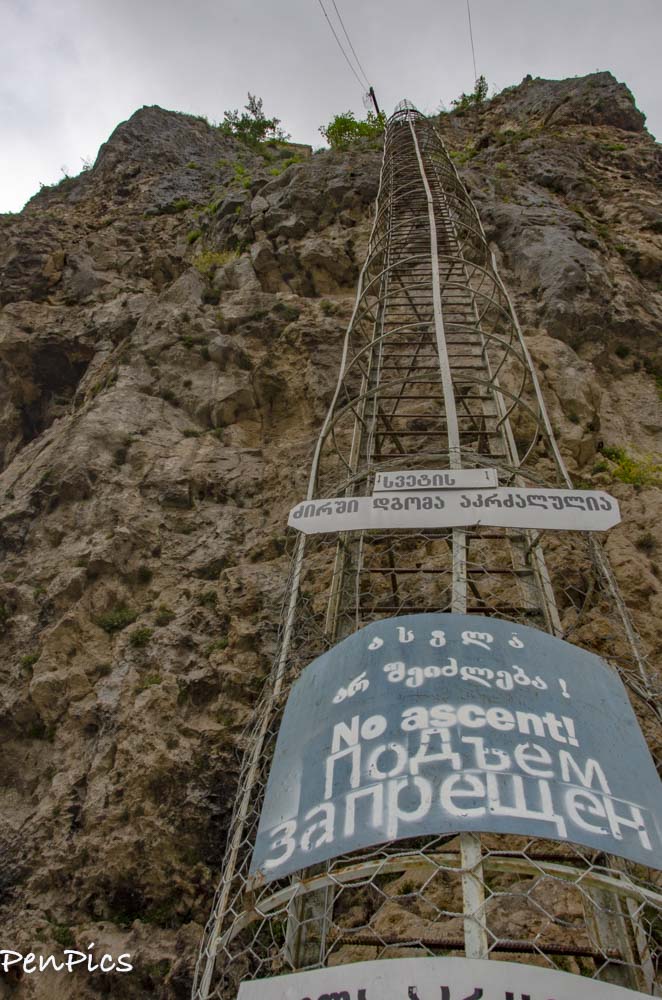
The “ladder to heaven.”
Historically, the first Monks began living in the church atop the column in the 10th and 11th centuries. Today, there are no Monks living up there, but they go up to pray then return to the Monastery below.
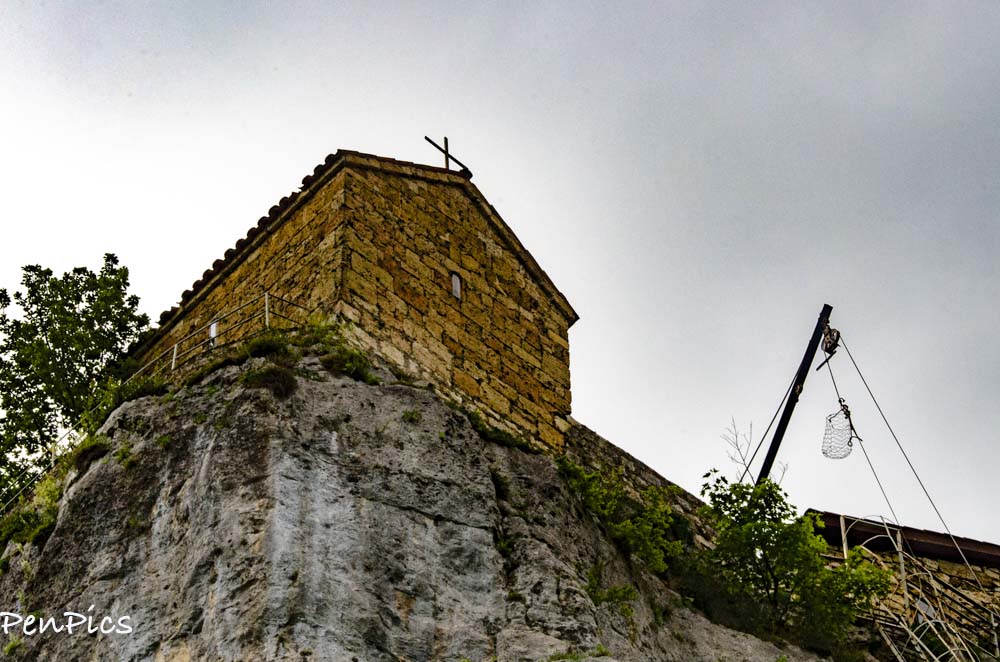
Atop the column is a church built in the 6th to 8th centuries dedicated to “Maximus the Confessor,” a 7th century Monk.
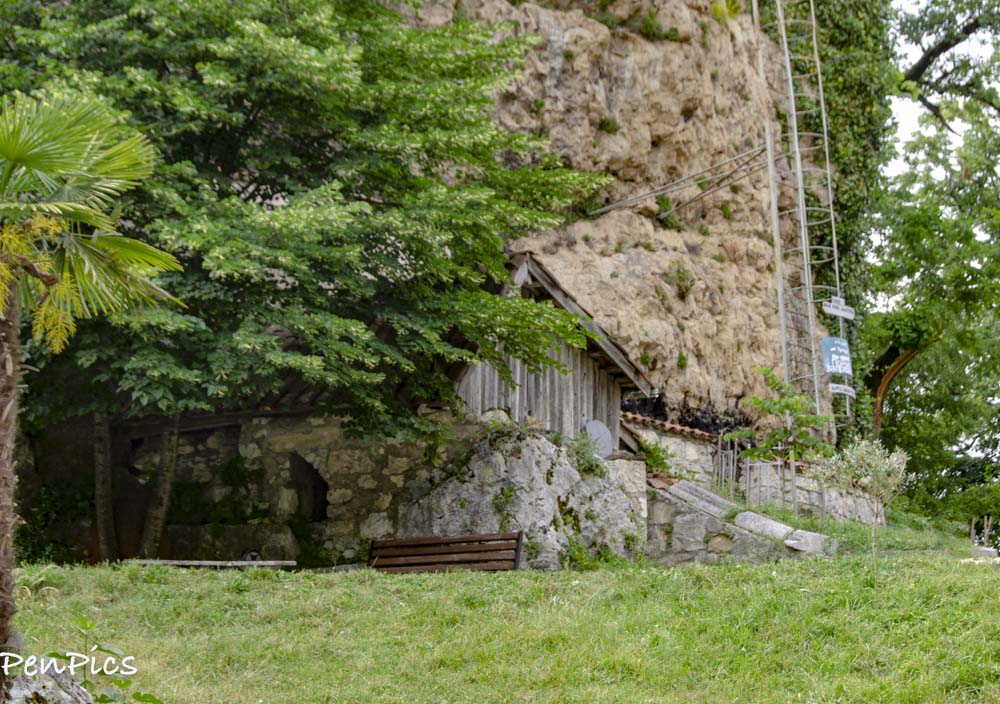
Additional Monk housing built at the base. There is also a grave inside the housing, now.
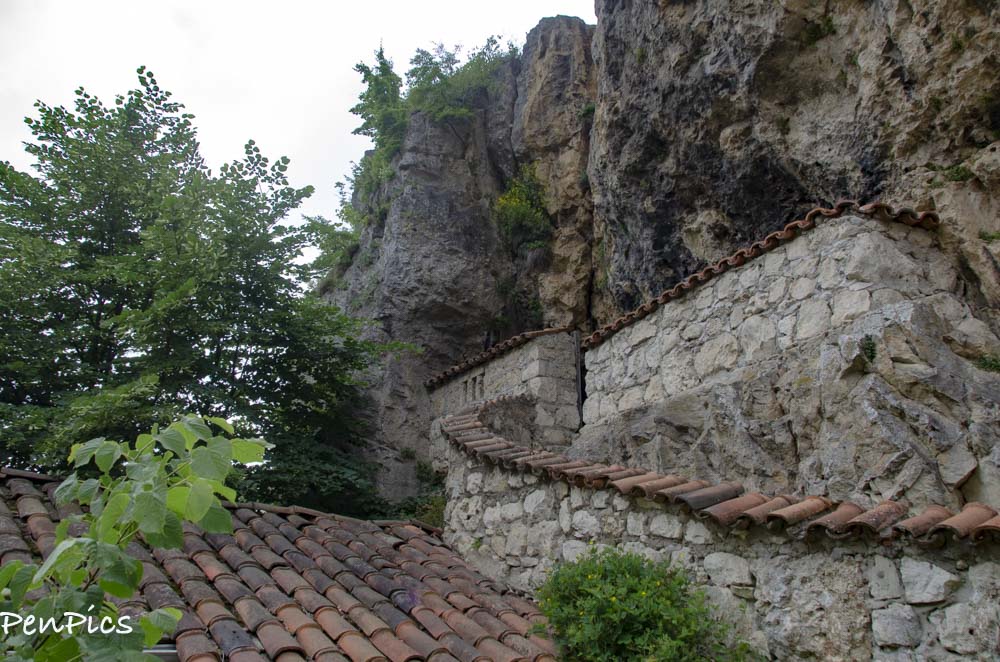
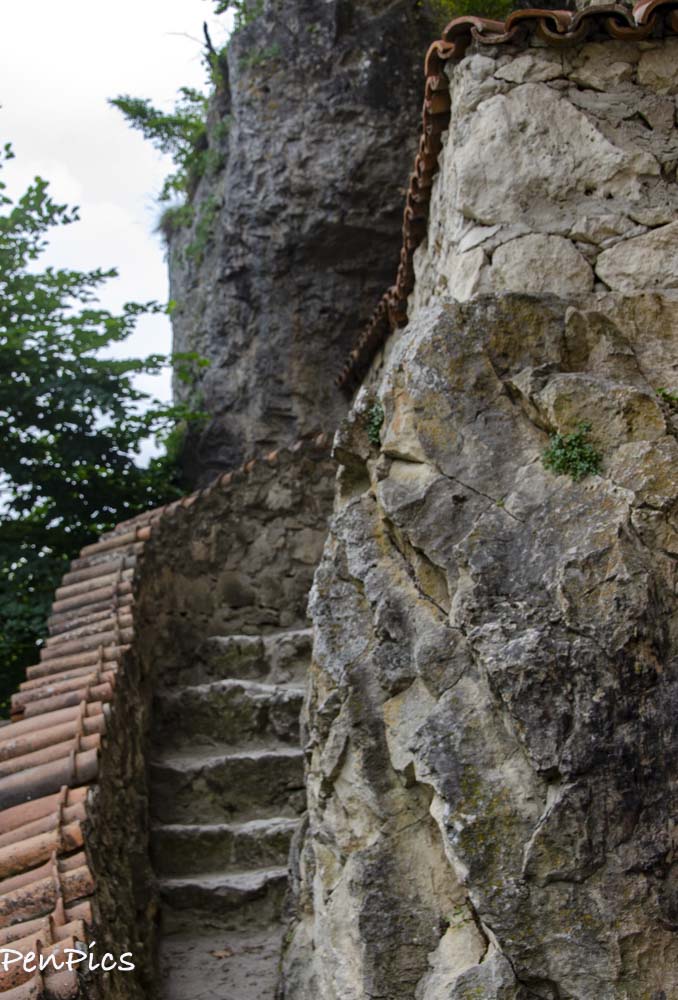
It’s still possible to climb up to the pillar’s first level, which holds a prayer area and a 6th century cross marked into the limestone; one of the earliest examples of Christian symbolism in existence today. There’s also space to light a candle and pray into an enclosure carved into the rocks. Stone steps to a quiet prayer place ⬇️
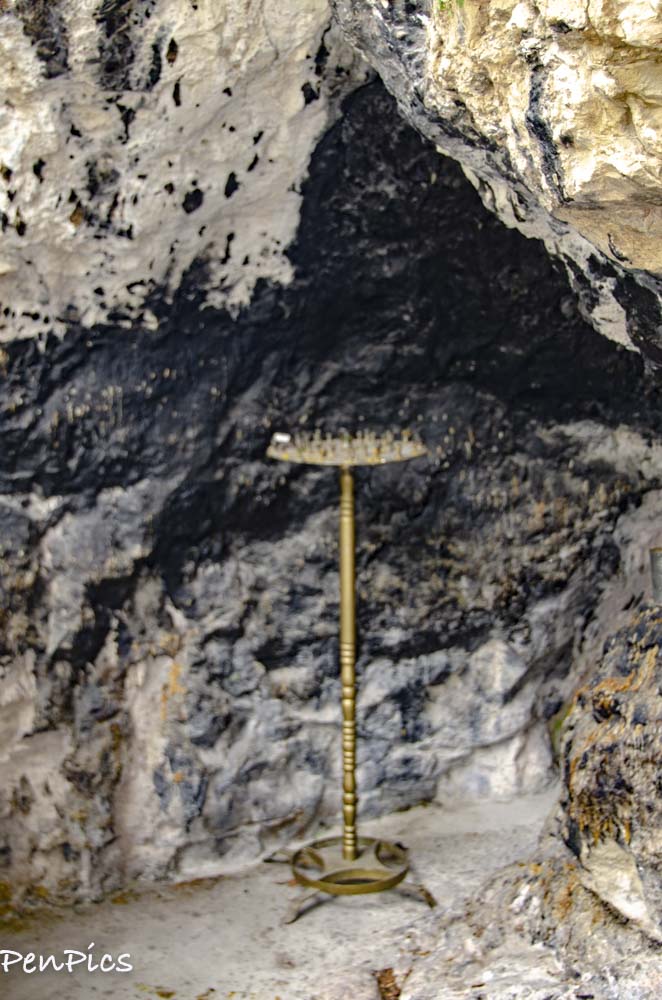
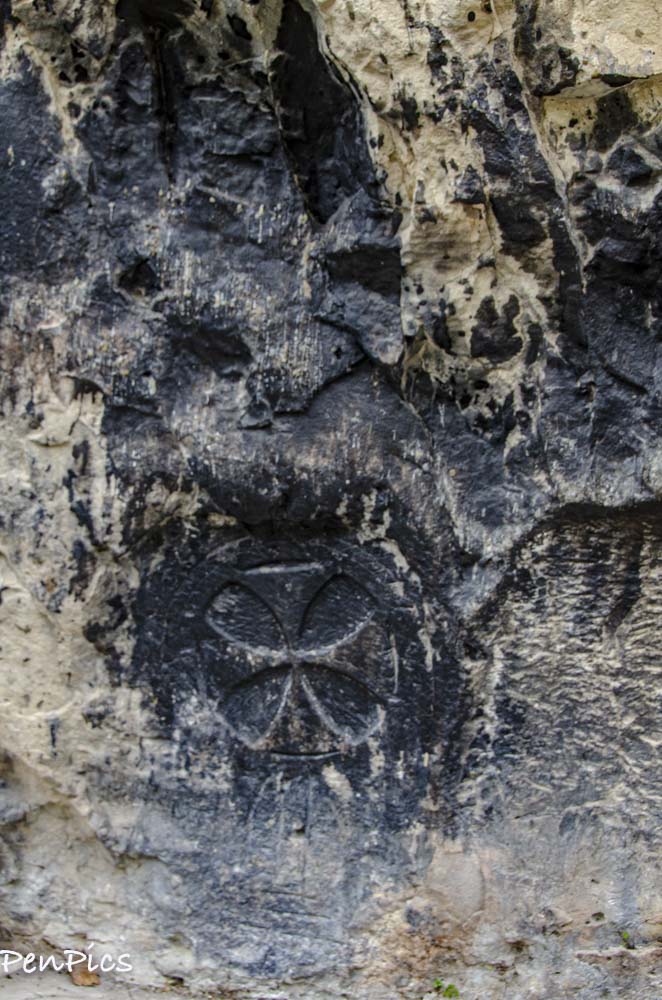
The site was first recognized as Christian in the 6th century when the base of the pillar was marked with this cross. The church was added later and, despite its age, the complex is fully operational today. Given the black I saw around other stones, I am assuming it comes from burning candles
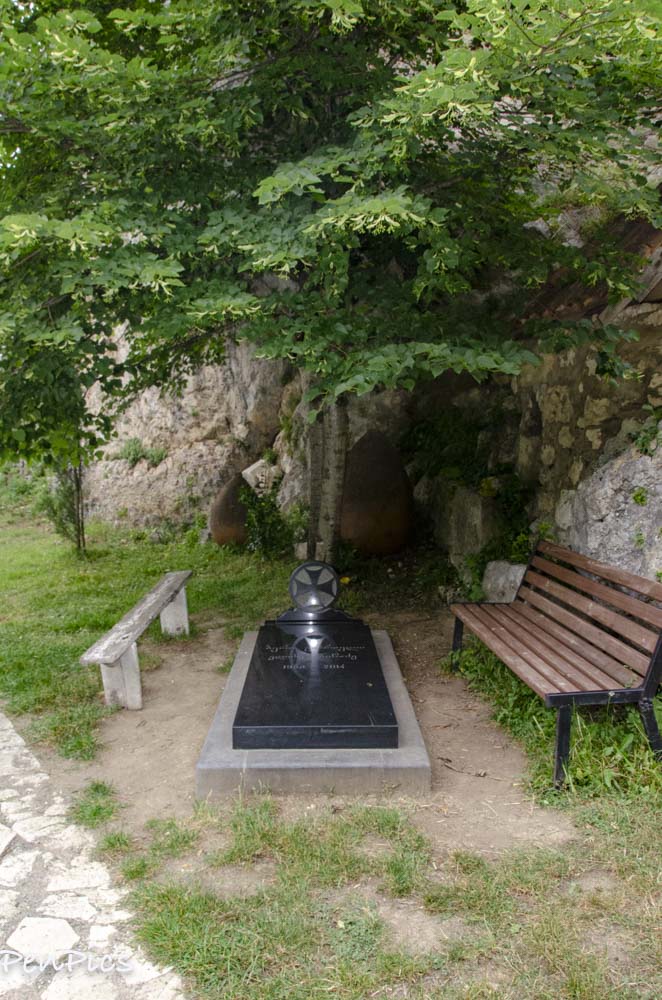
A Monk named Maxime Qavtaradze spent years living atop the pillar. (he did, however, come down once every couple of weeks). Sadly, his body was discovered in 2014 and his grave now rests at the pillar’s base.
Maxime Qavtaradze, was responsible for the reconstruction of the 1,000 year old church in 1990 and lived there for over 25 years.
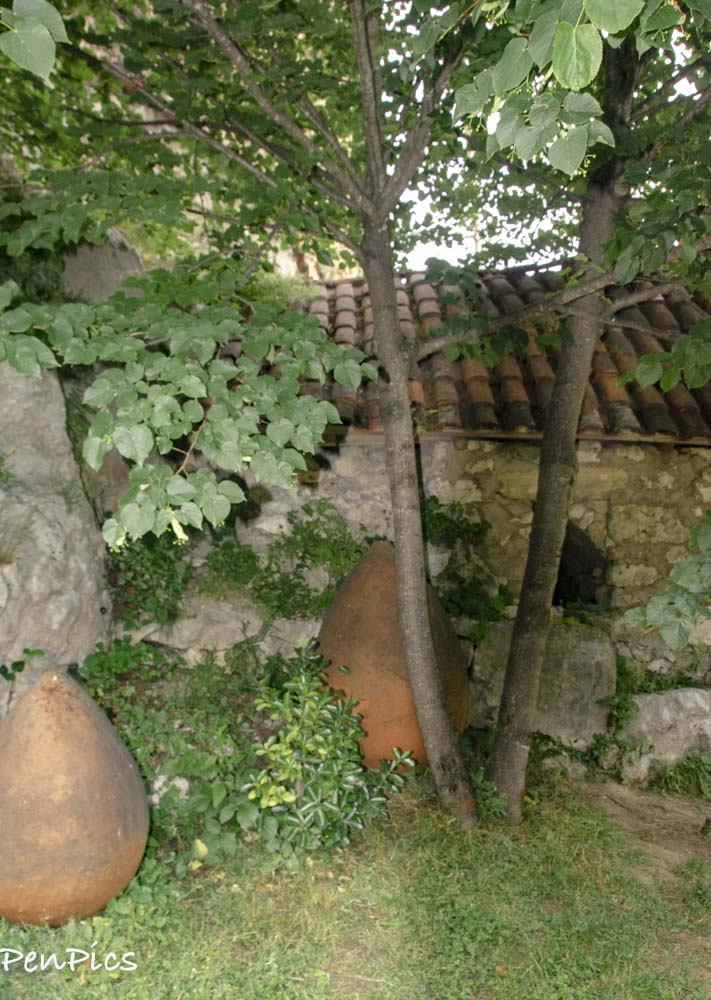
Ancient wine vats sitting outside Monk quarters

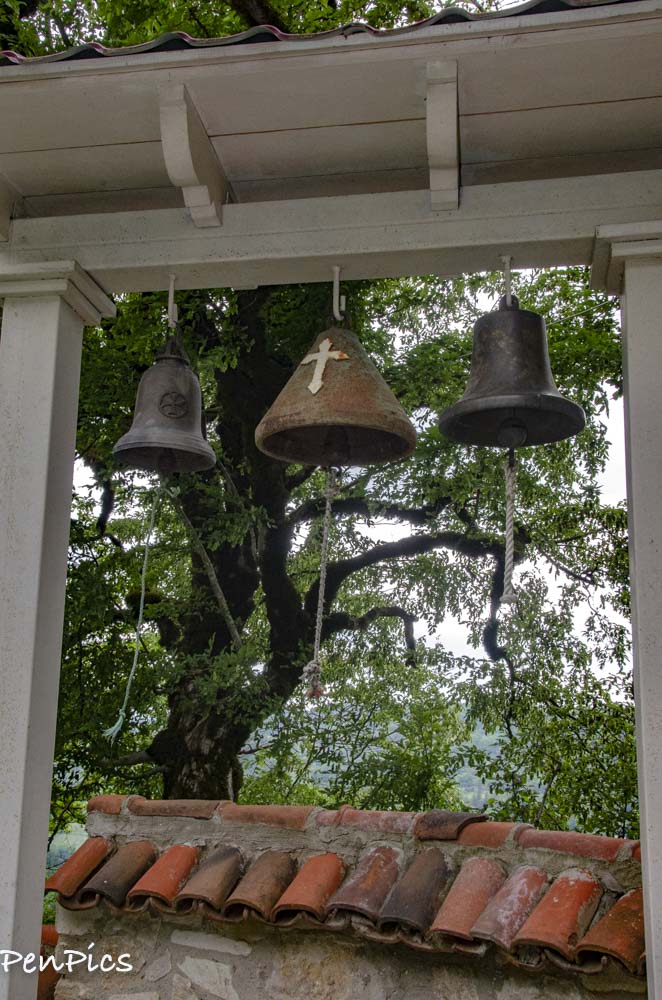
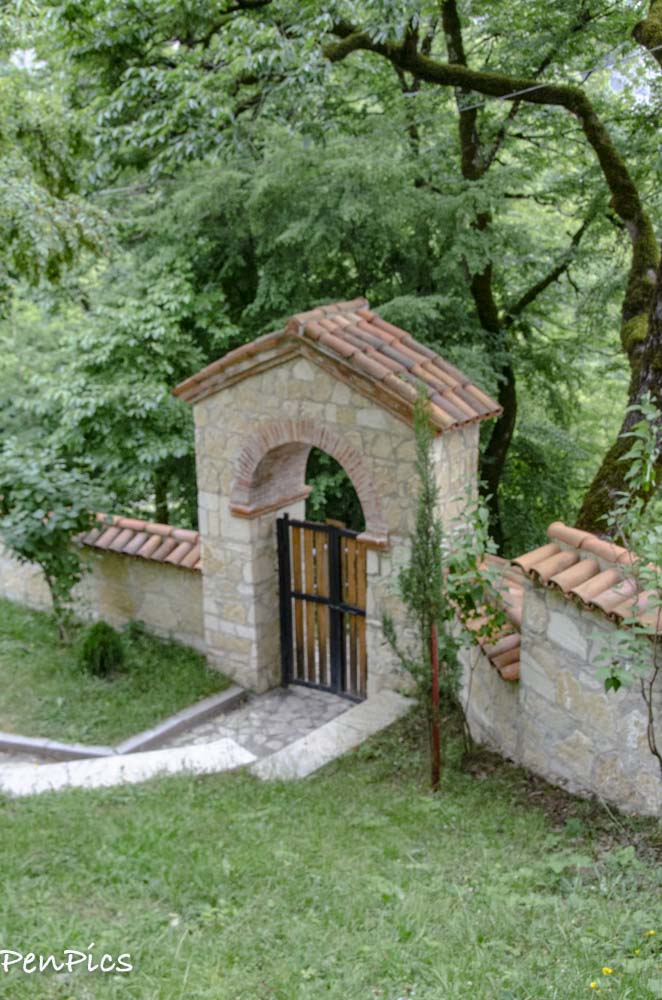
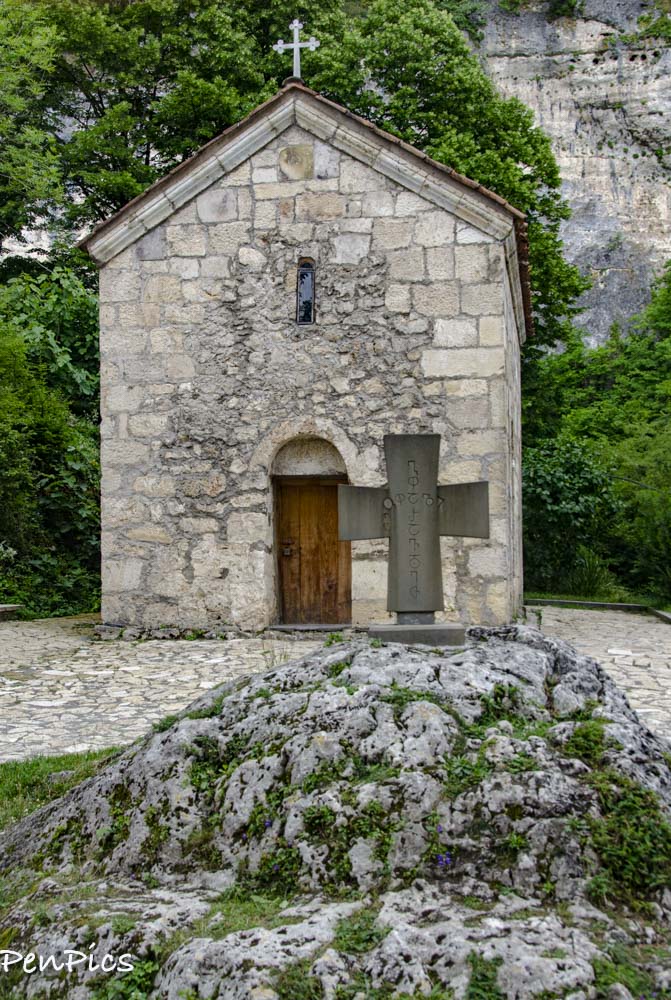
The small Church of Simeon Stylites, stands at the base of the rock.
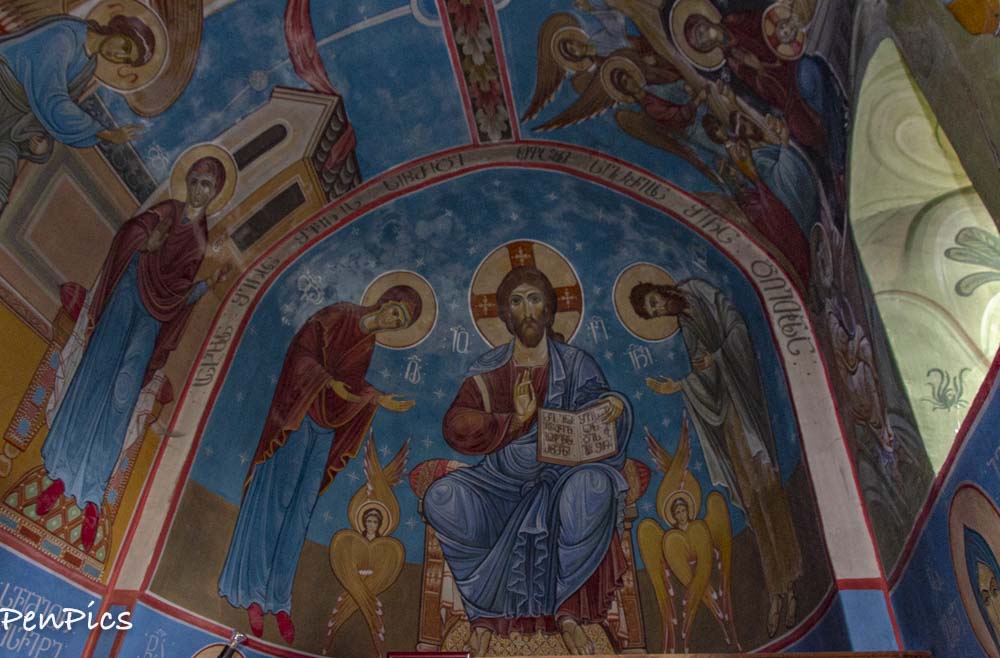
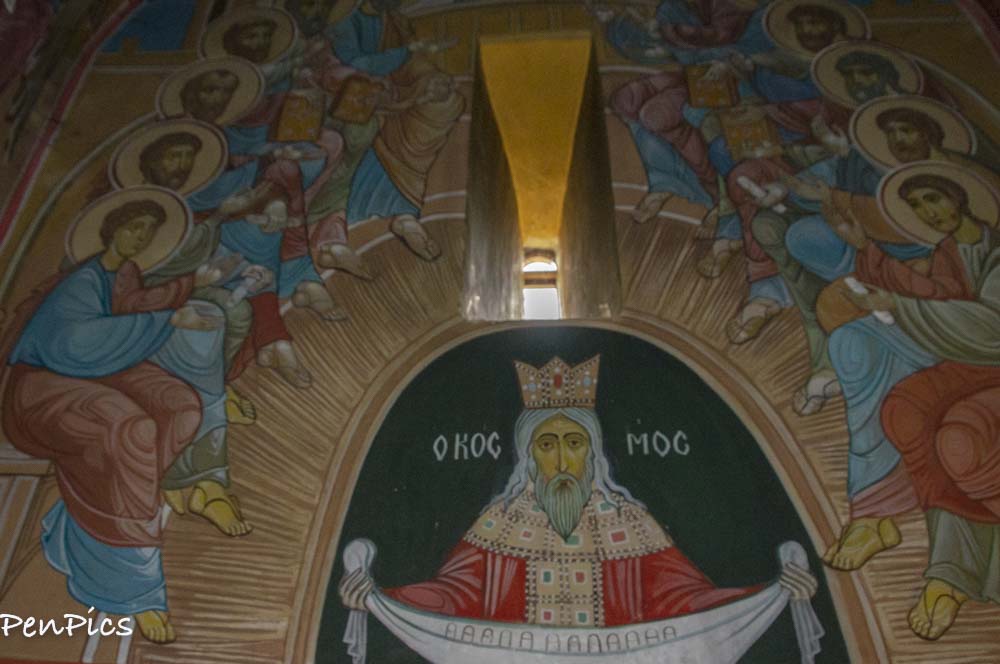
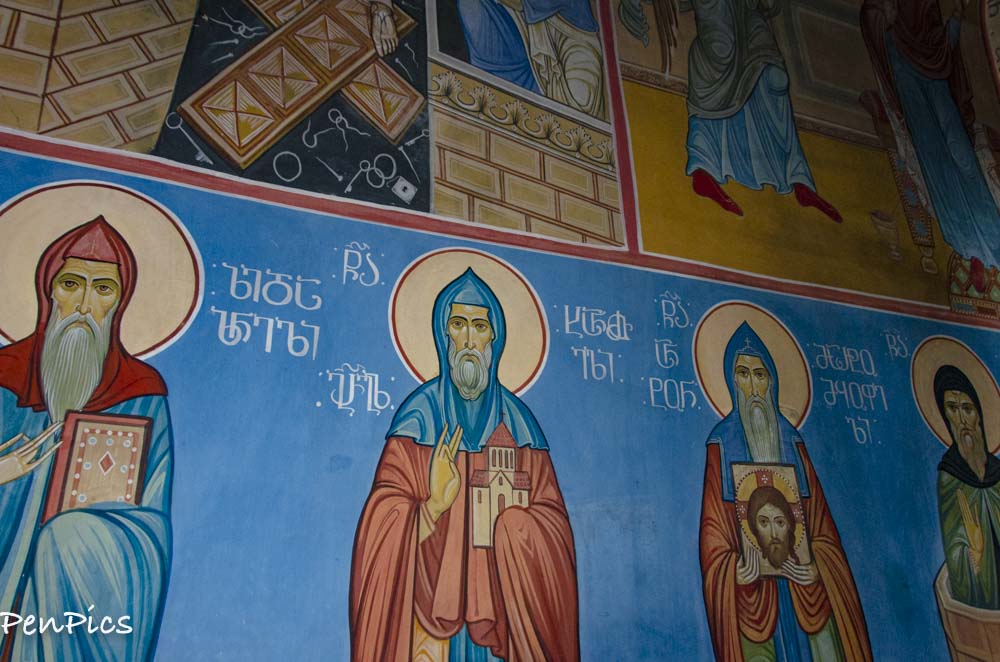
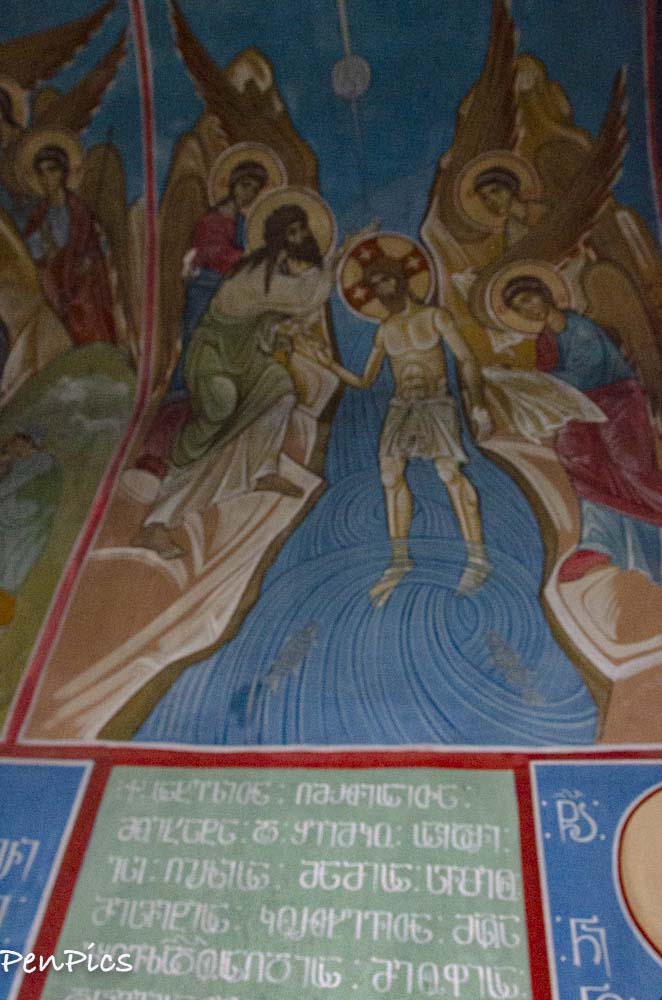
The church of Simeon Stylites, a small quaint chapel adorned with decorative art and religious artifacts, stands at ground level. The quiet and peaceful building is open for visitors to pray. Inside is a collection of stunning fresco paintings, with a tiny altar and prayer space with room to light a candle.
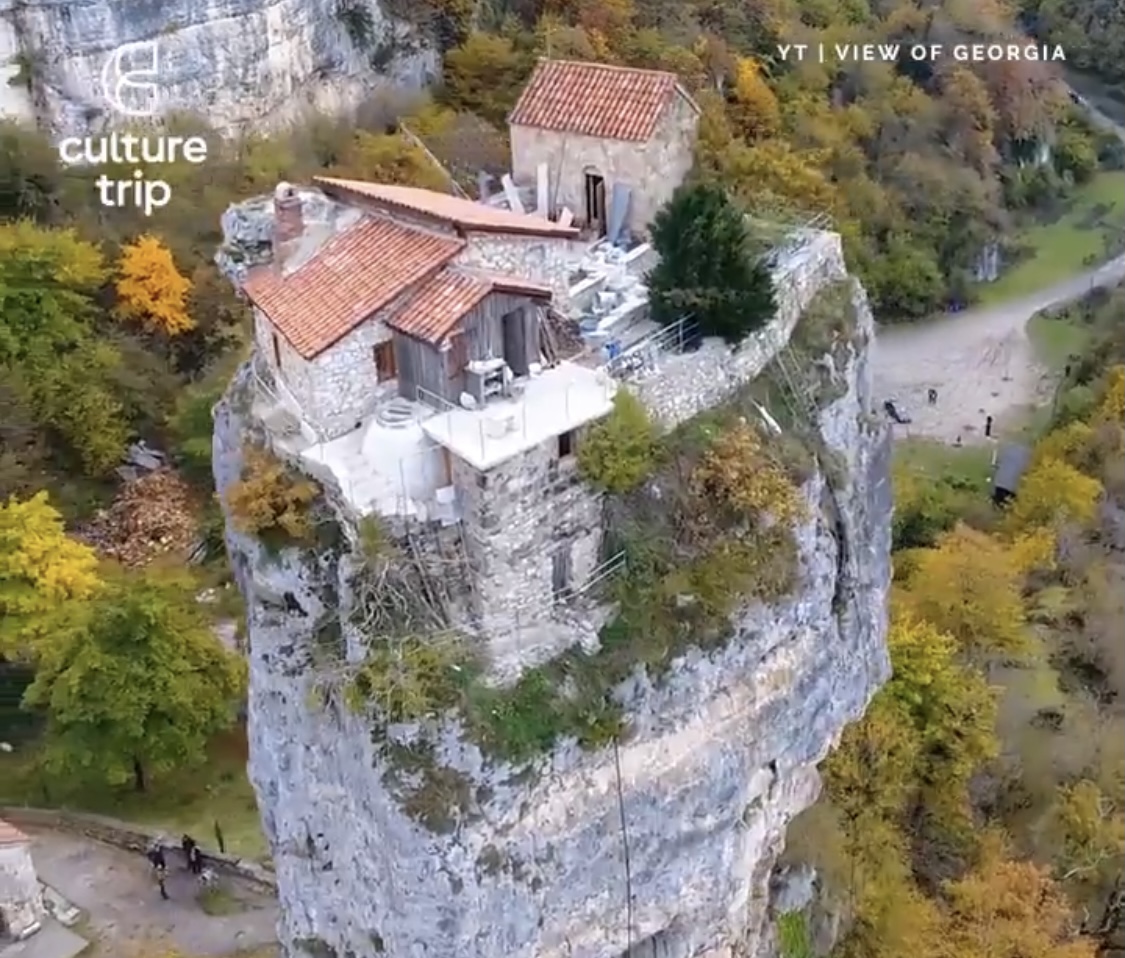
Not my photo, but the aerial view is awesome!
******
Leaving Chiatura; back on the road, in search of lodging and food, once again.
The plan was to stay in Chiatura, but could not find any lodging or restaurants open. It’s a busy place with plenty of people, and we did find an ATM we needed, but had to move on. We would go about an hour away before we found the winery. We were so grateful they were open and could serve dinner!
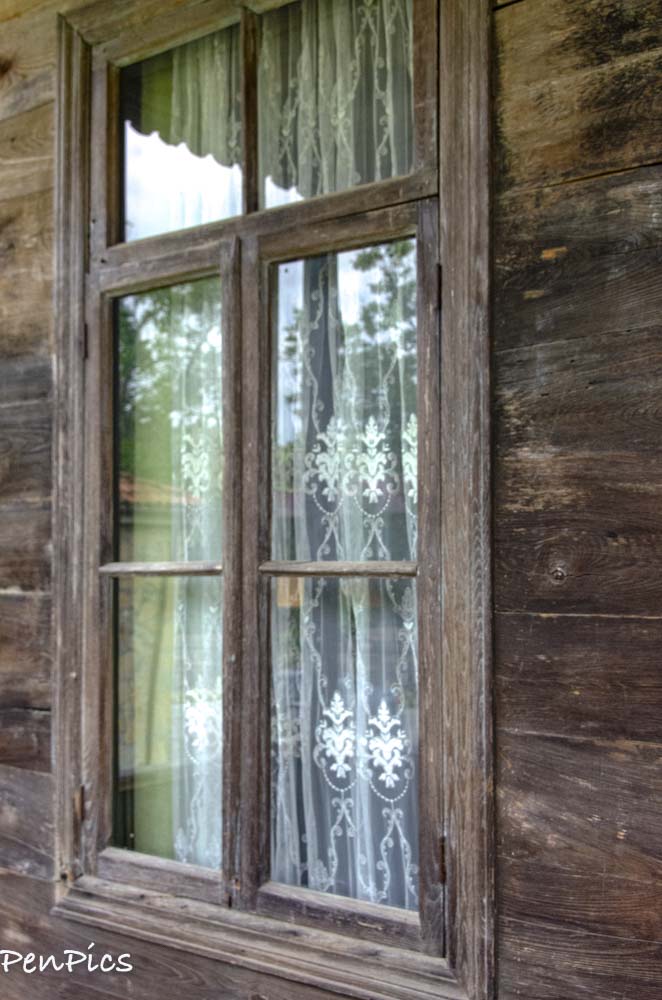
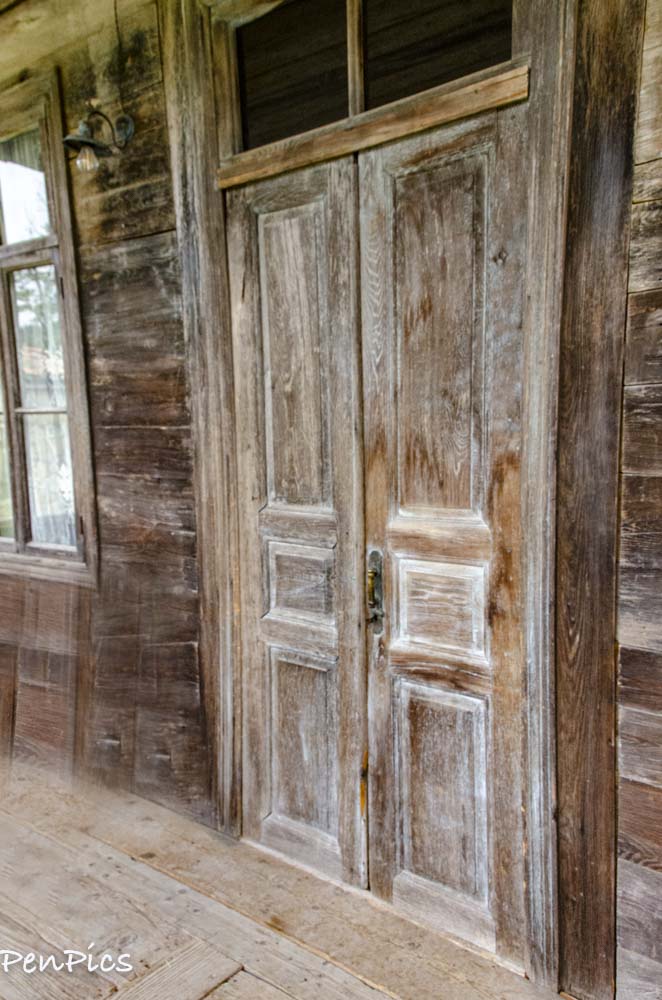
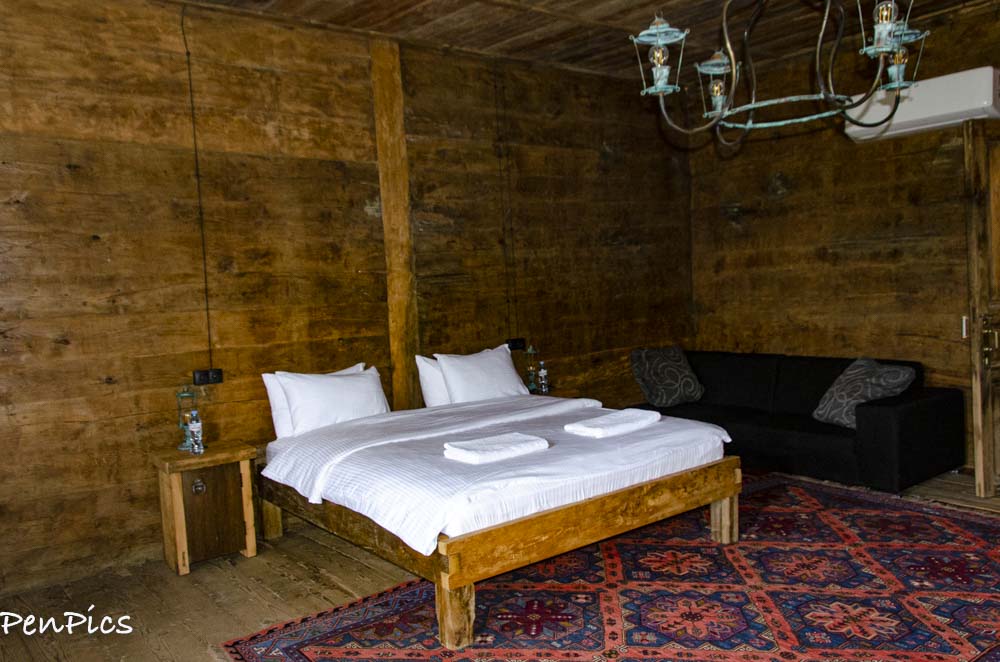
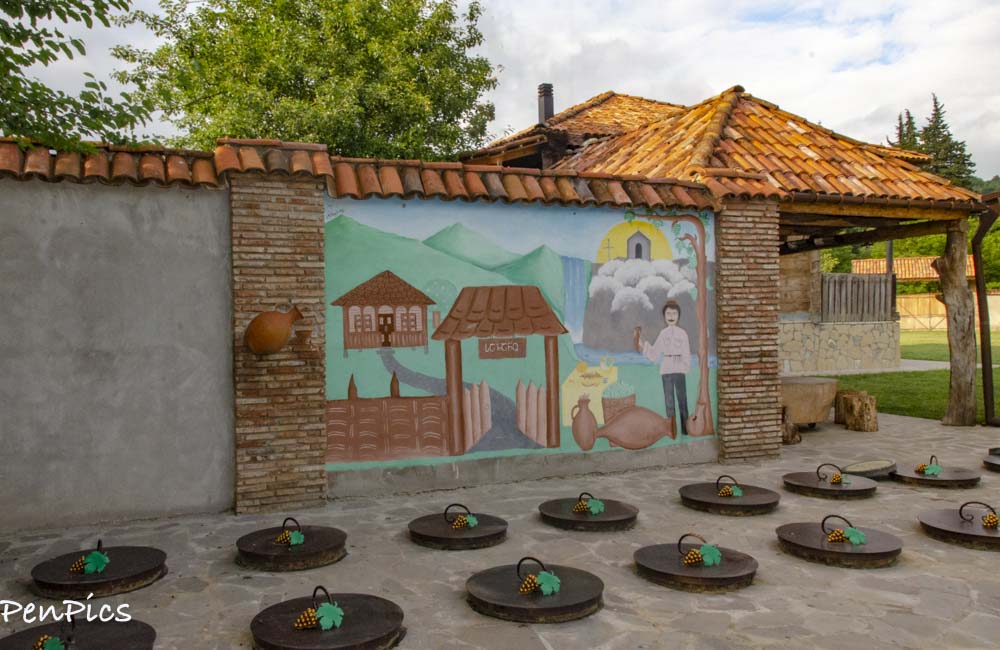
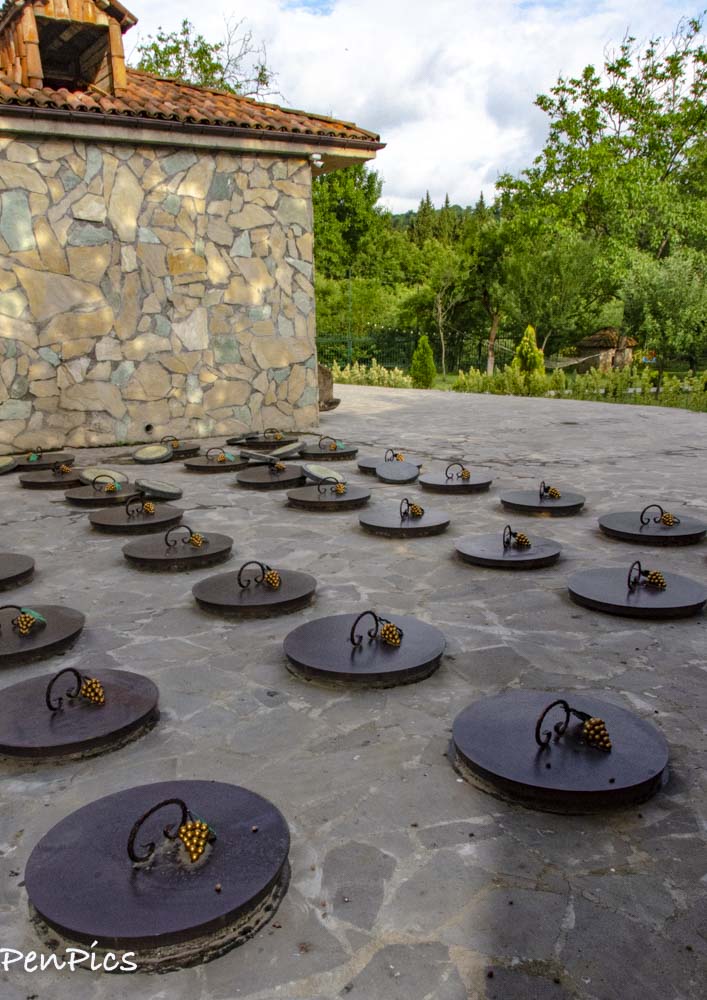
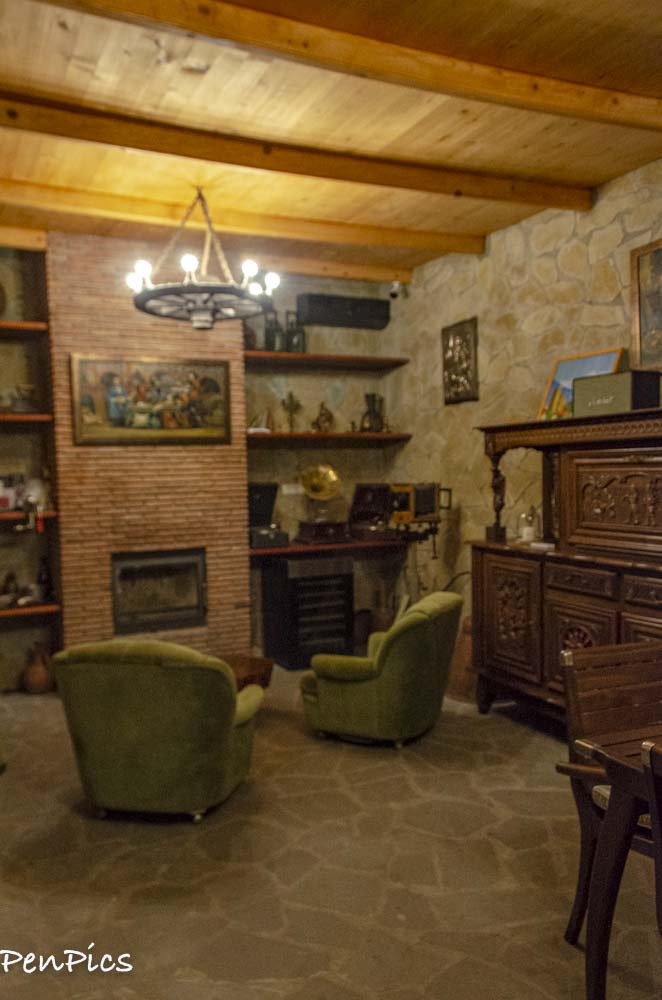
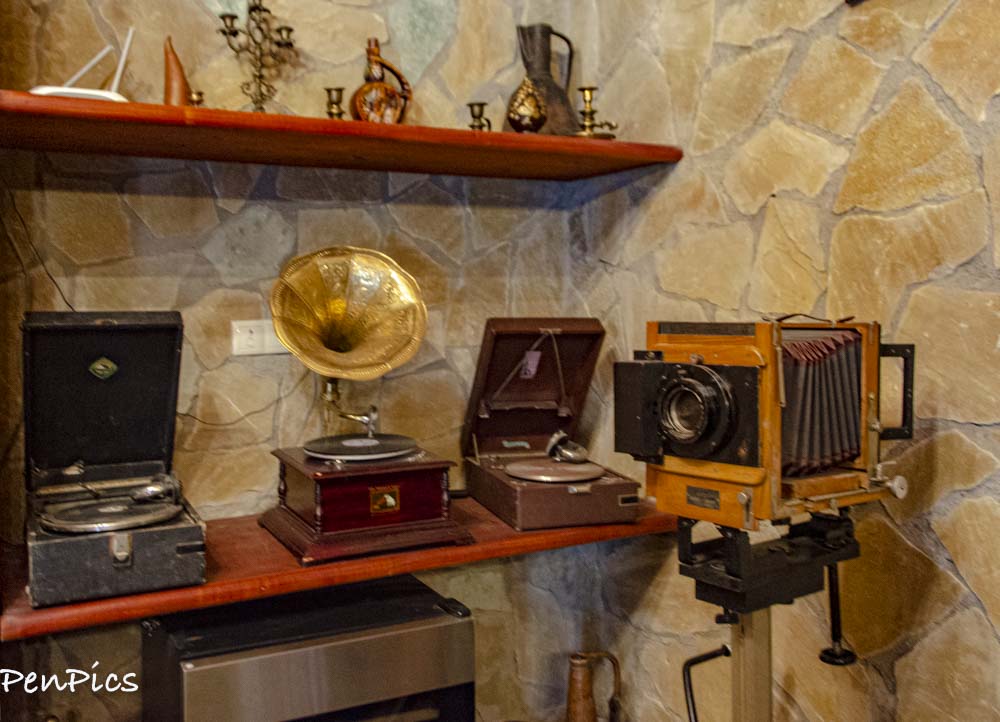
We were so happy to end our day at Zeda Sazano Winery and we got a lovely rustic cabin on beautiful grounds.
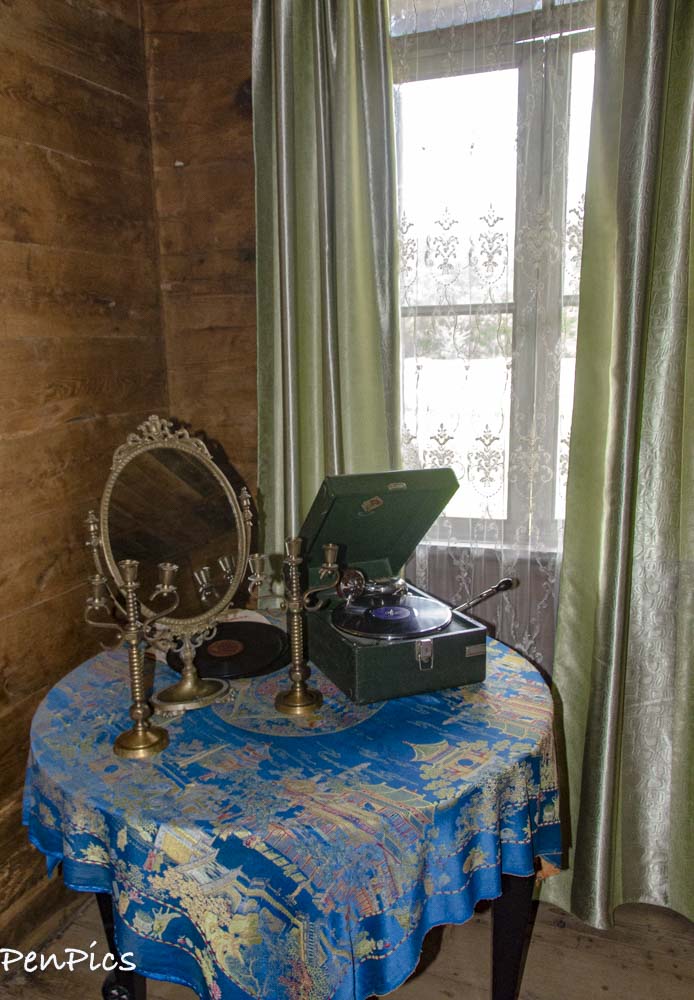
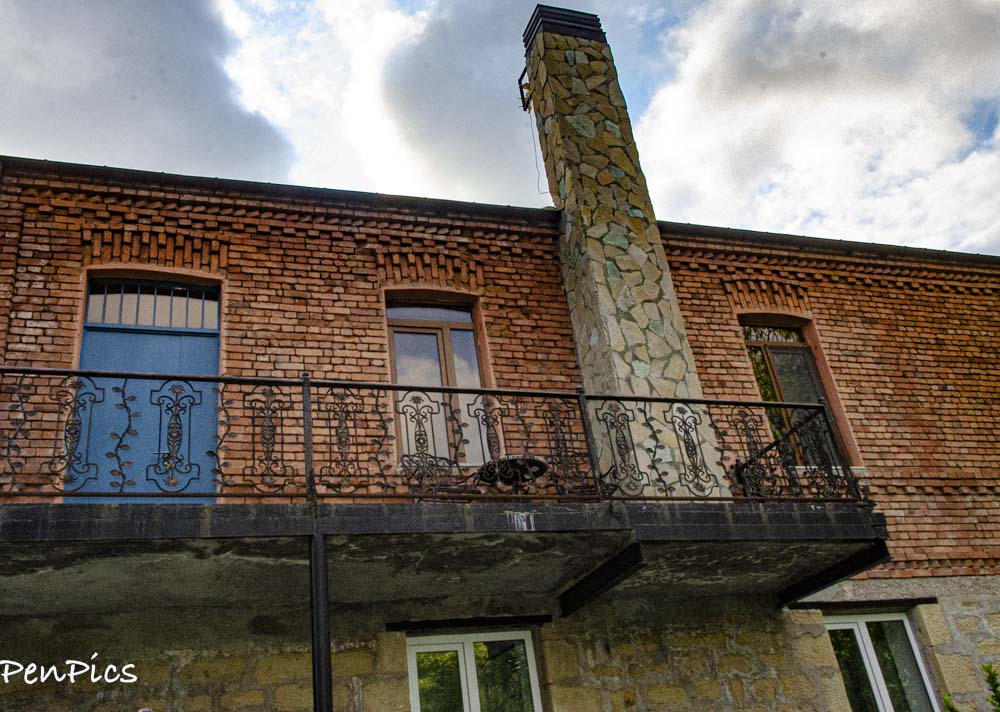
The cabin is actually a 200-year-old Georgian-style home. This was a real treat to experience such a thing. We do see these homes scattered around Georgia, throughout our travels.
Sazano Winery in Zeda Sazano
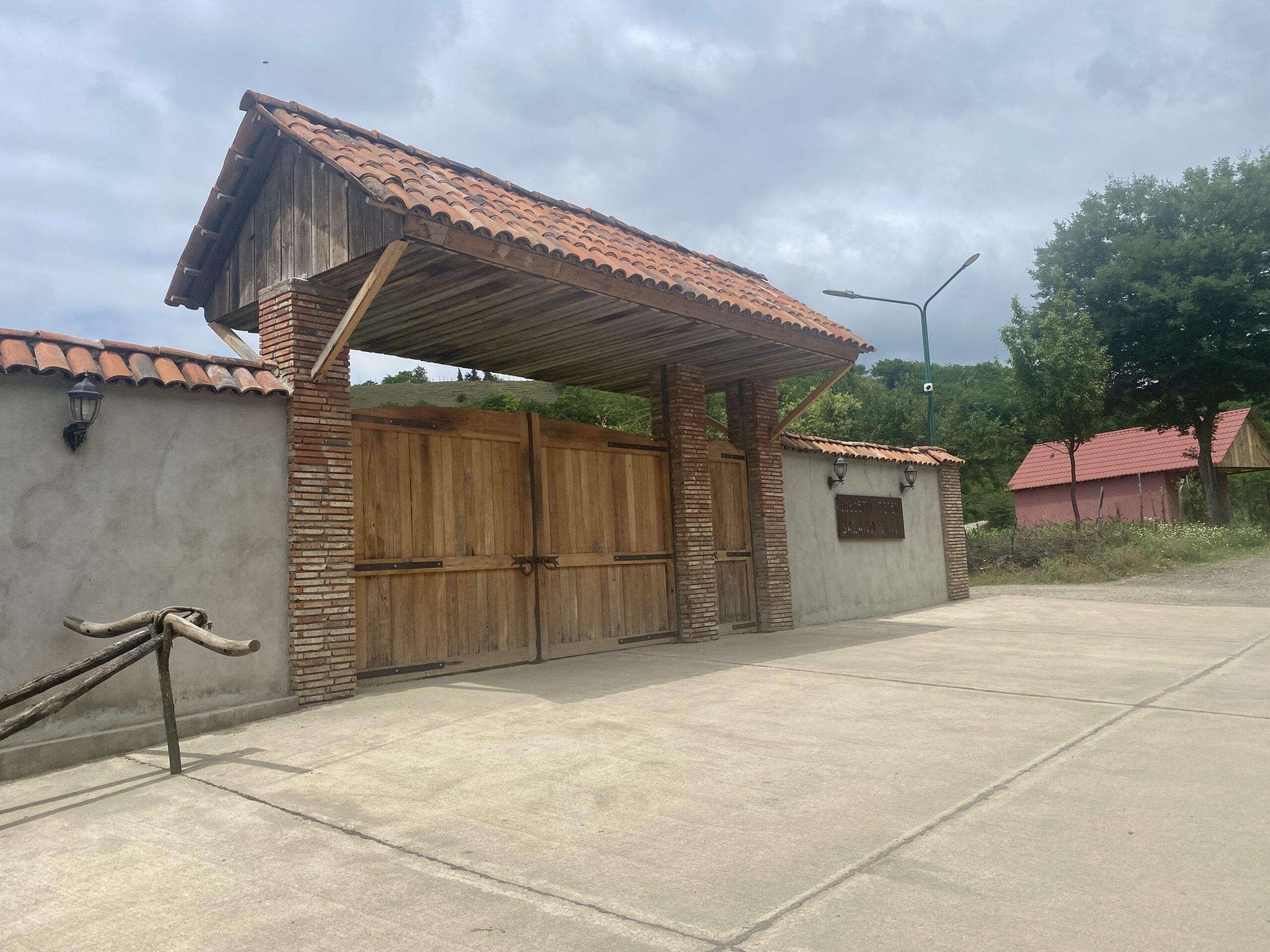
We don’t drink, but for those of you who enjoy wine touring, Georgia is known for its delicious and affordable wine. We have seen many “wine route” signs in our Georgian travels, so they are well marked. Georgia, like Greece and Armenia, to name a few, all take claim for being the first producers of wine in the World. Probably next to agree they all produce a great product, just as their ancestors did.
Again, as great as Georgia is to see, I would wait about four years for the roadwork to be complete, before coming here.
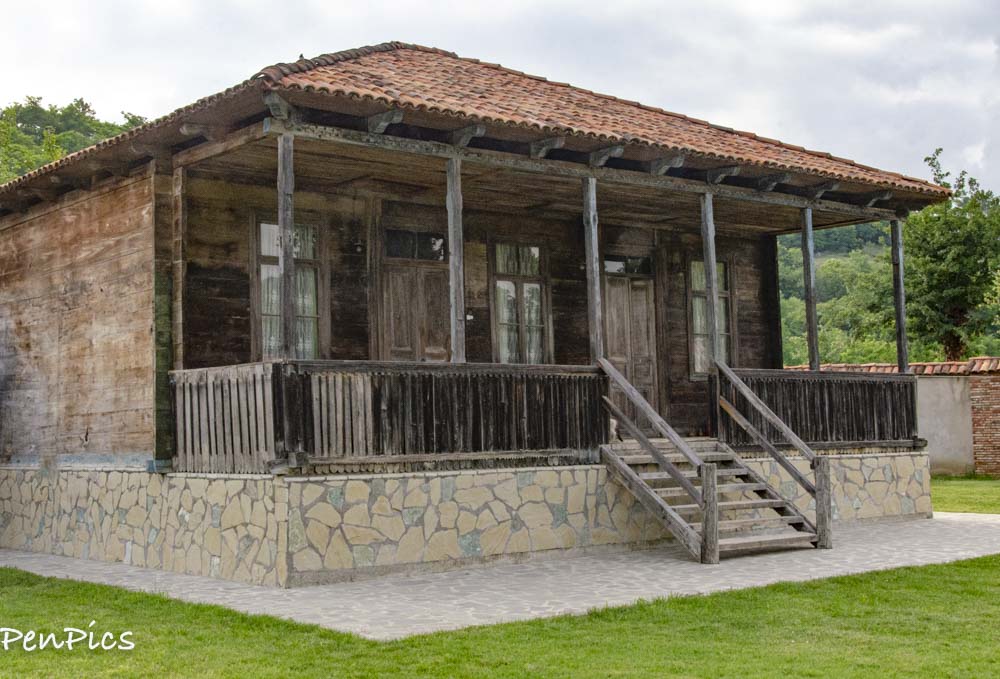
Our awesome stay!
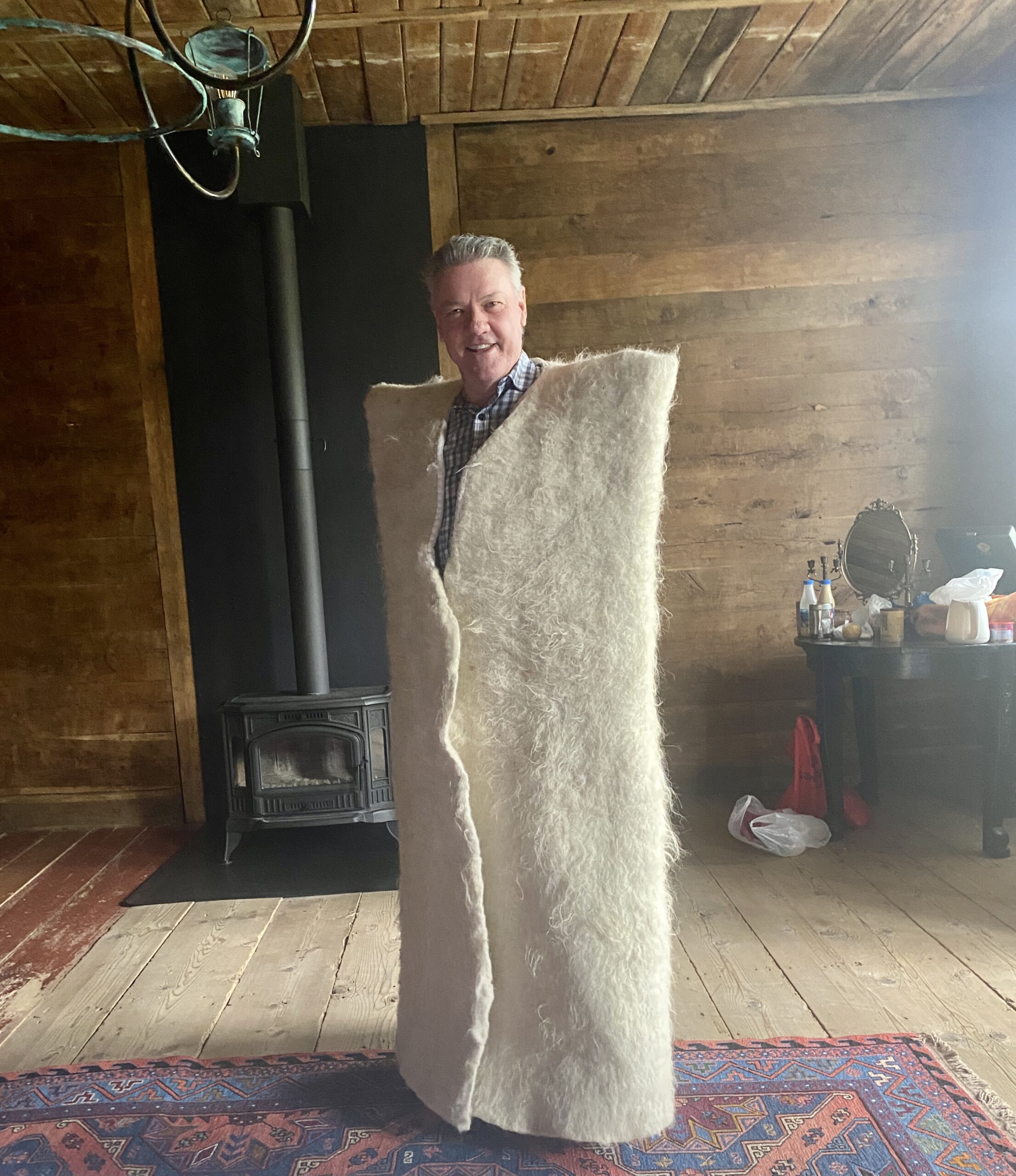
An old-world Georgian Wrap
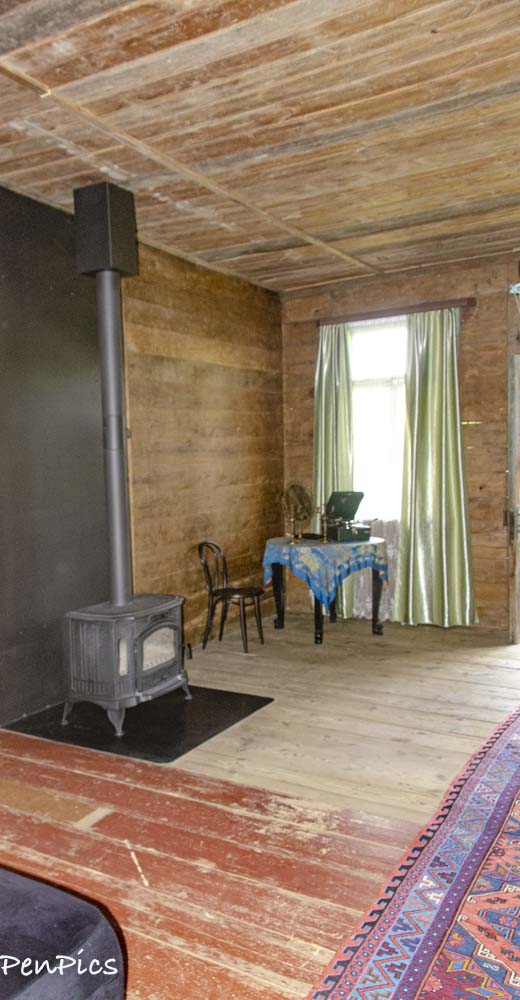
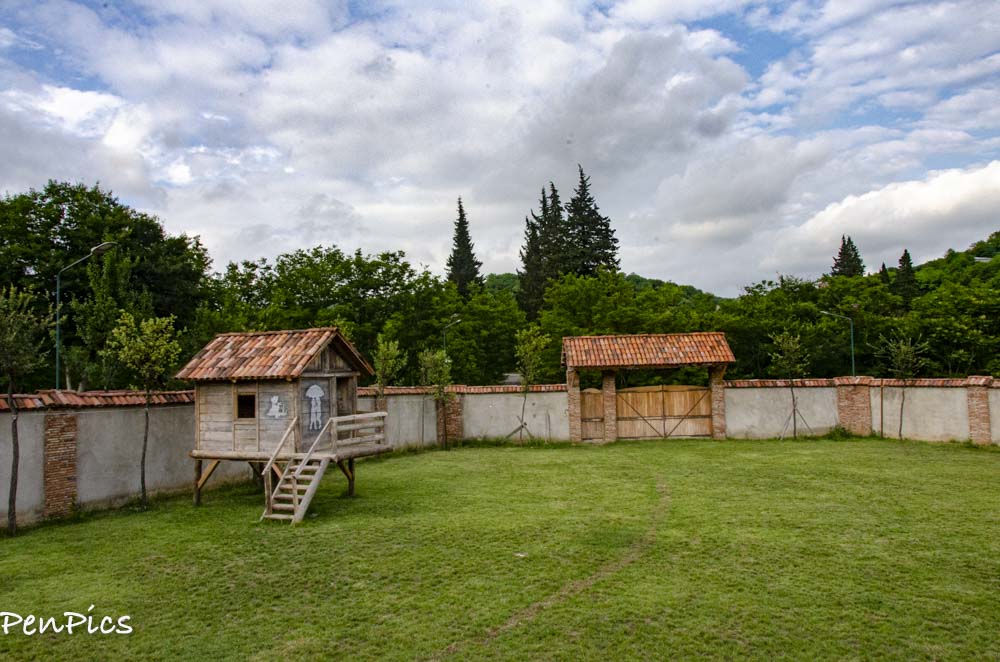
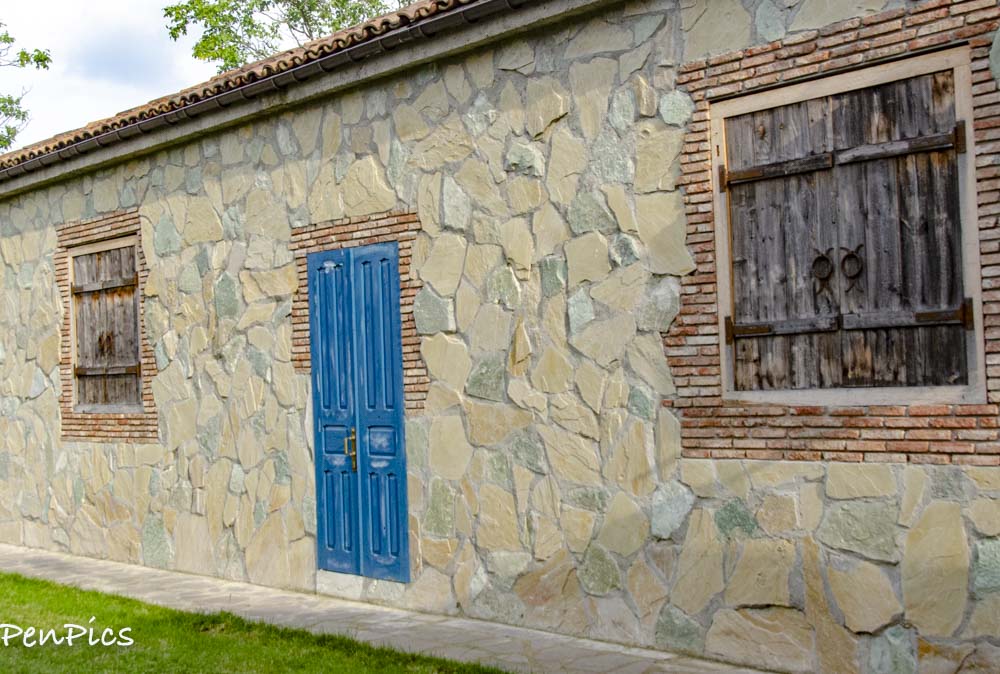
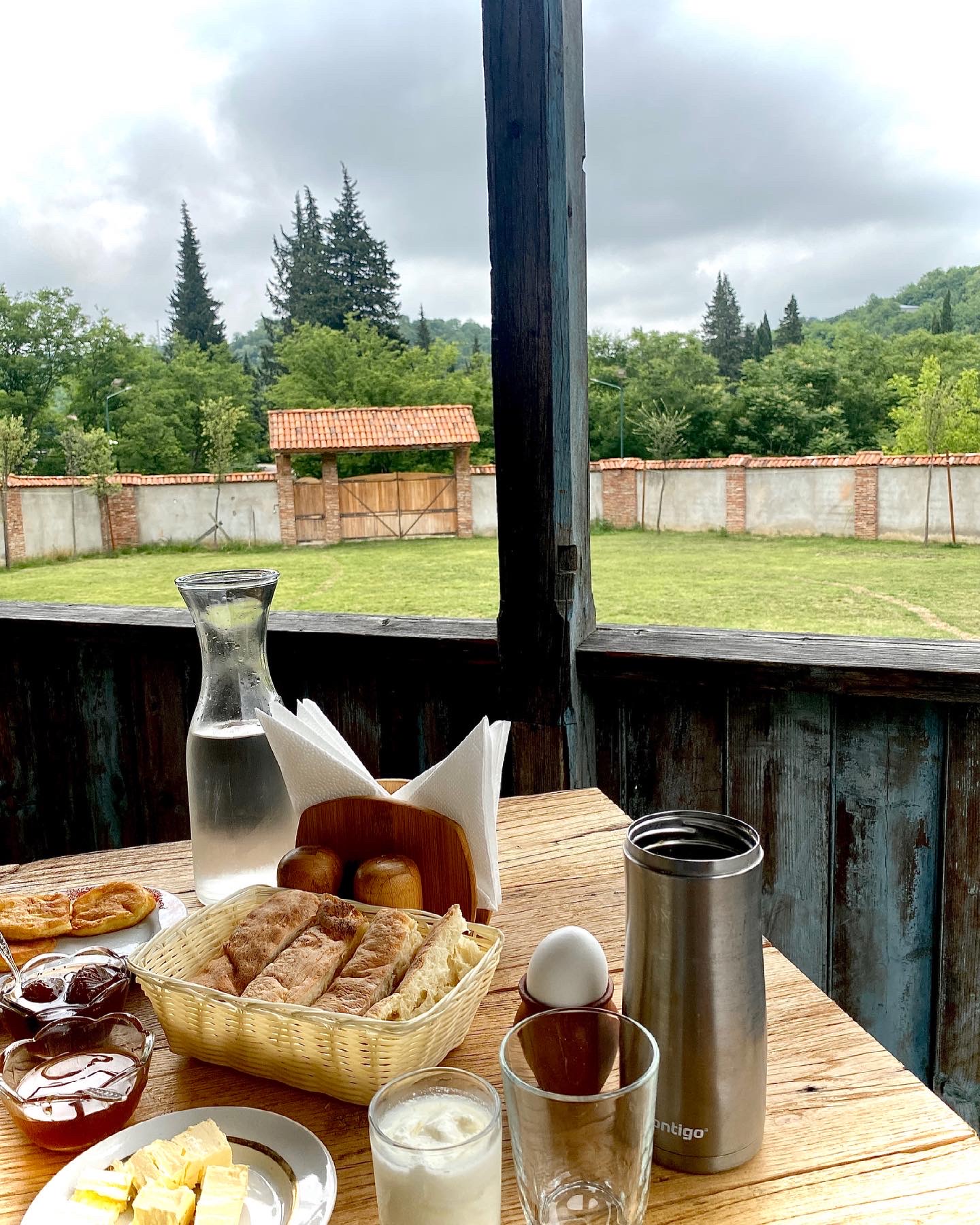
The next morning, breakfast was served on the porch ⬇️

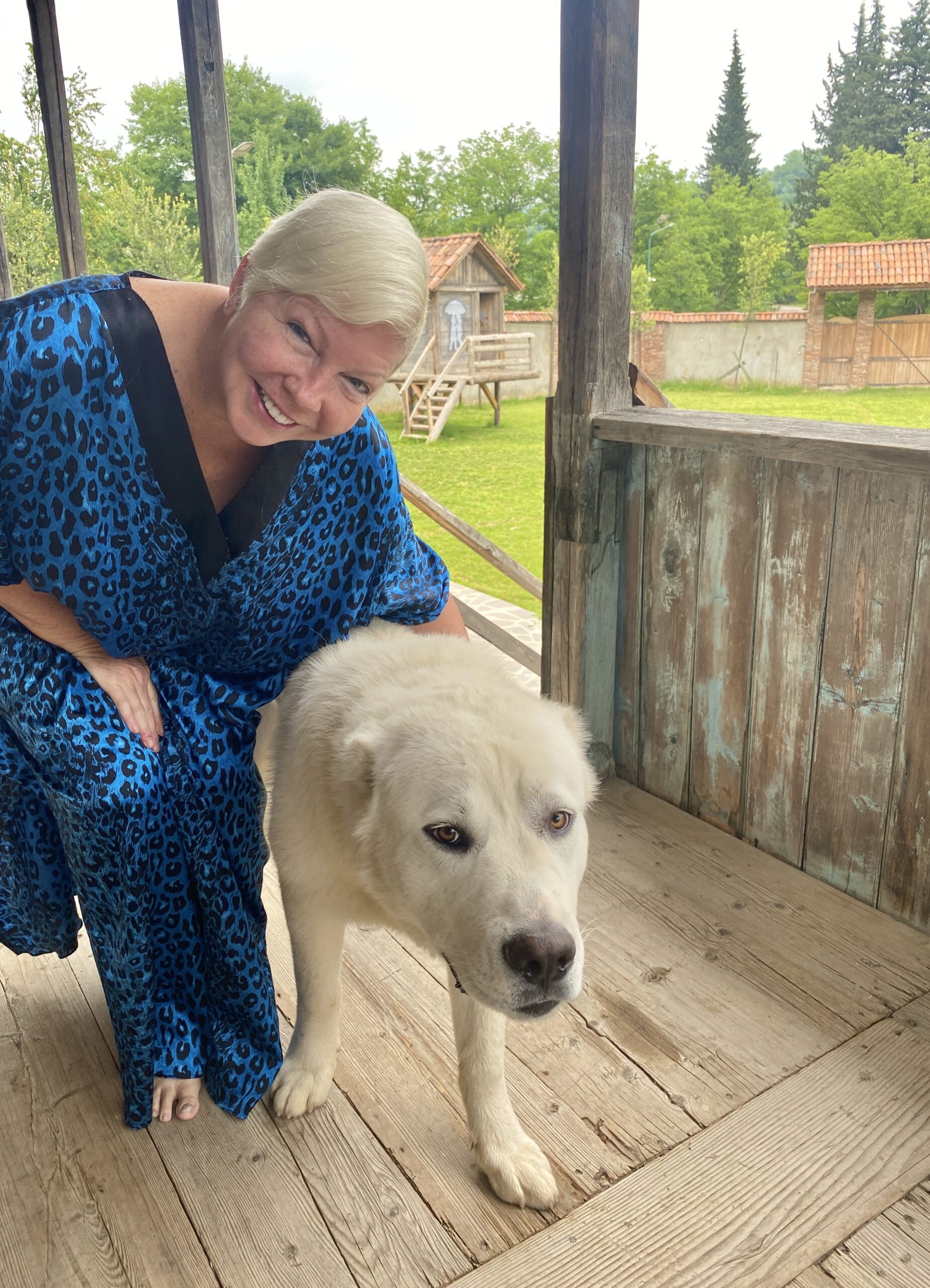
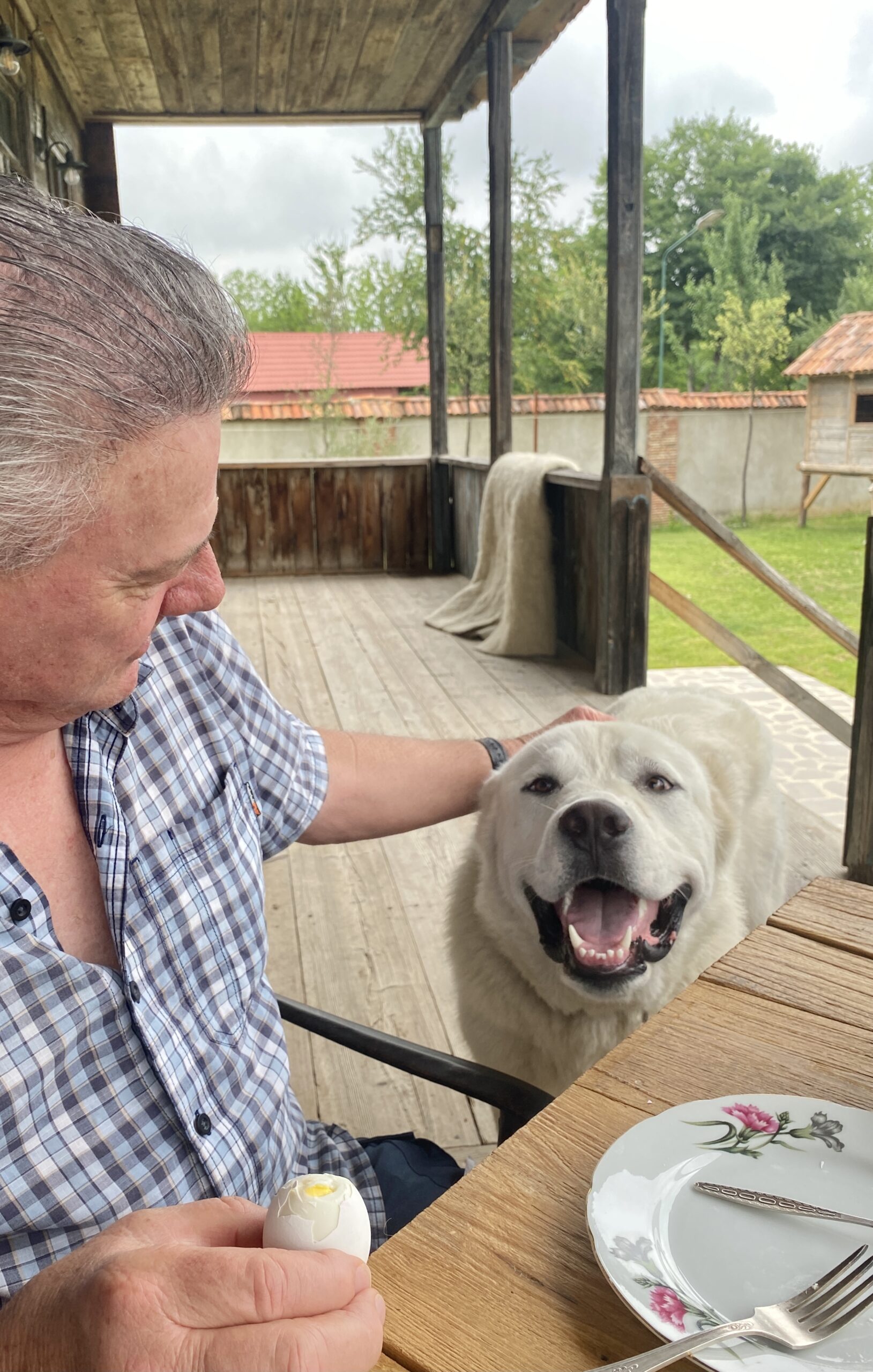
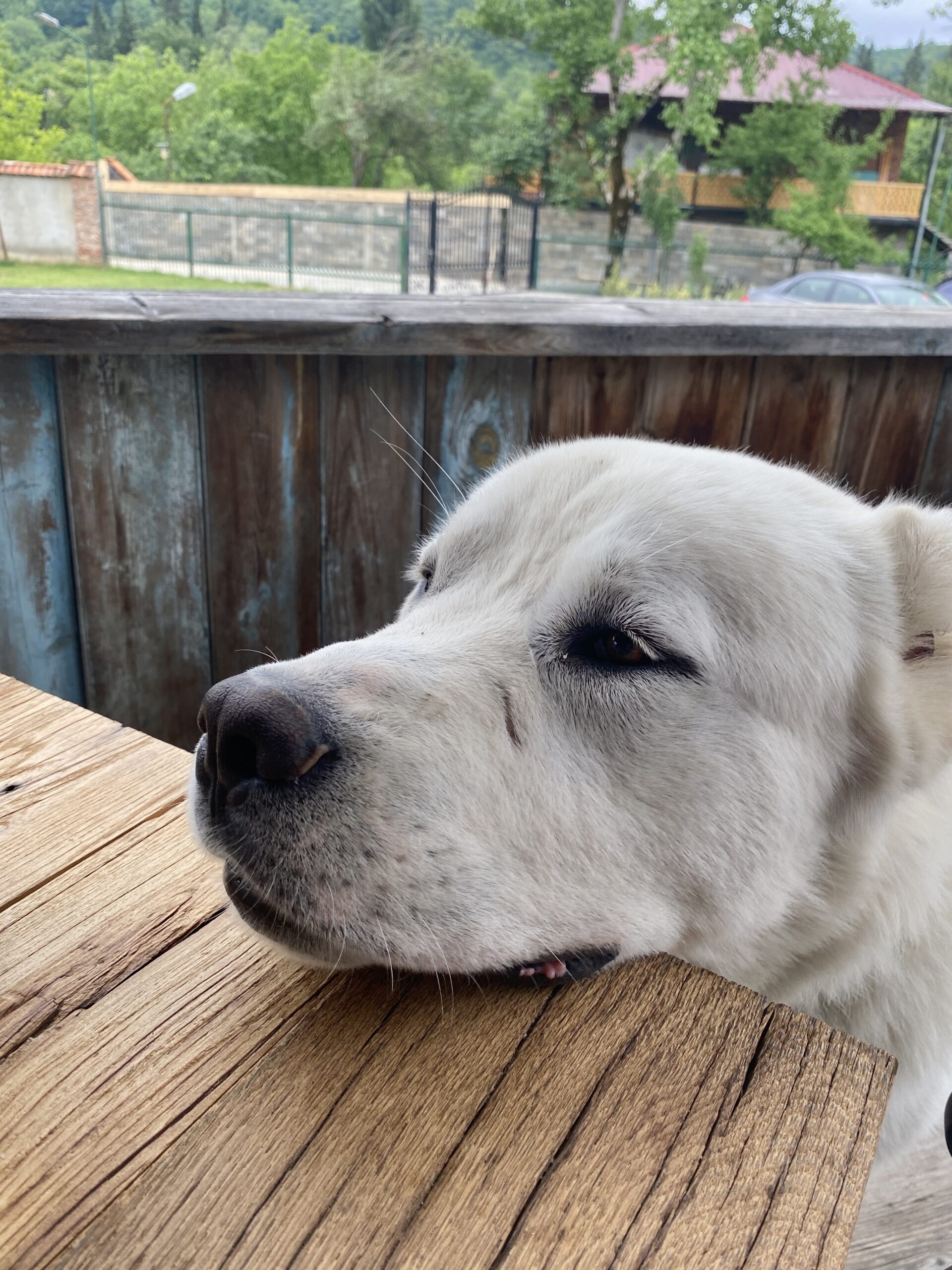
We enjoyed “BoBos” presence, till his owner came over to get him. BoBo was a nice addition to the Winery.
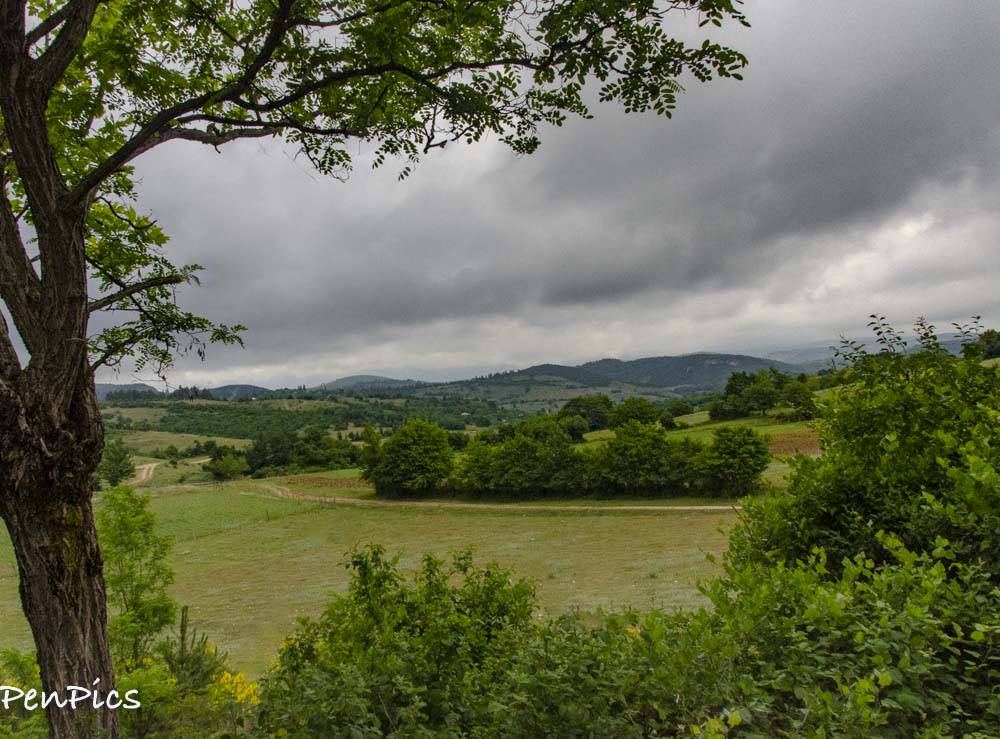
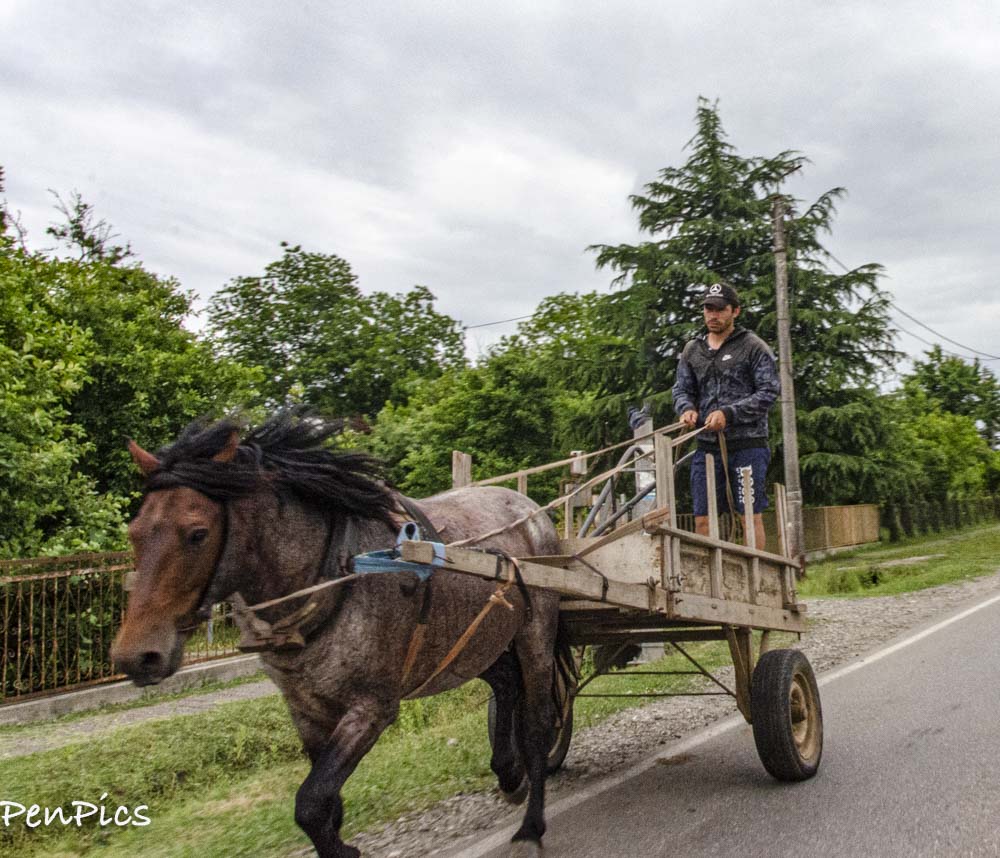
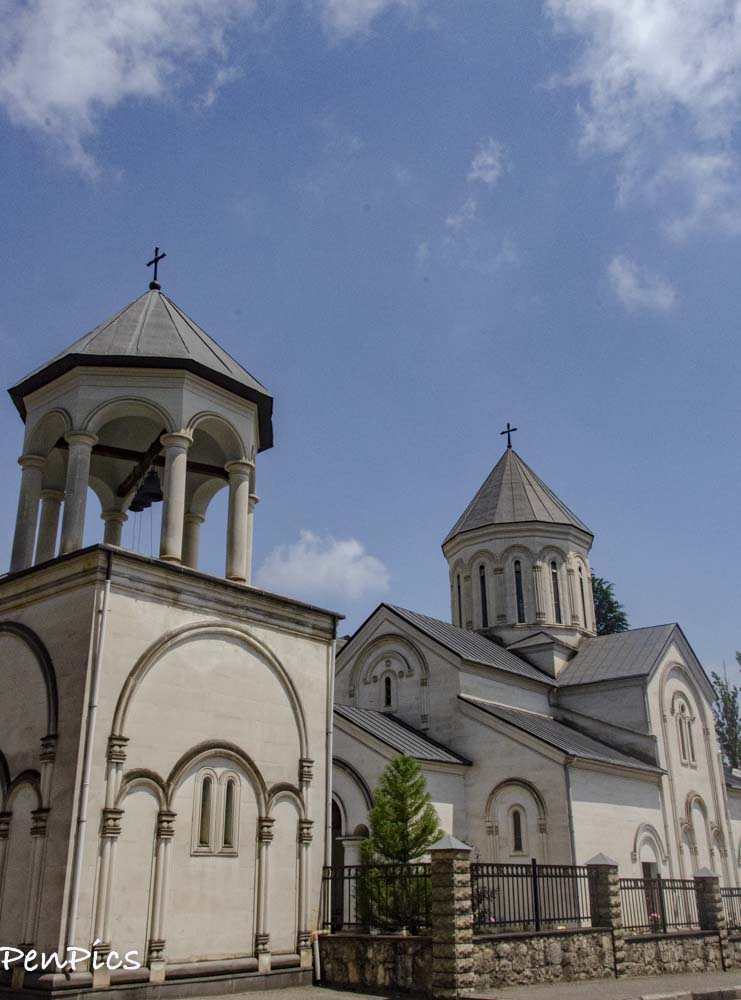
Scenic Photos over the last few days
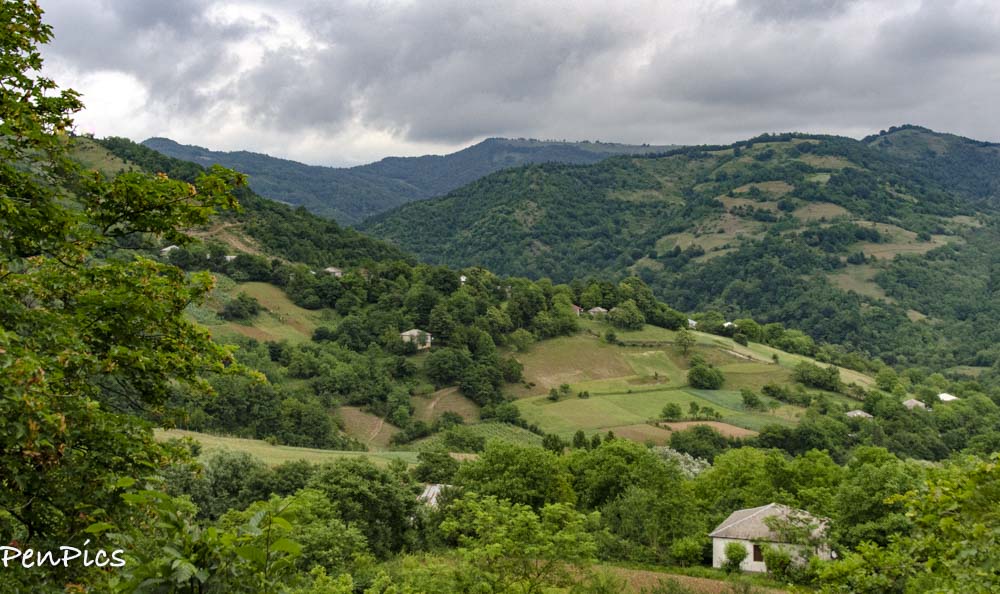
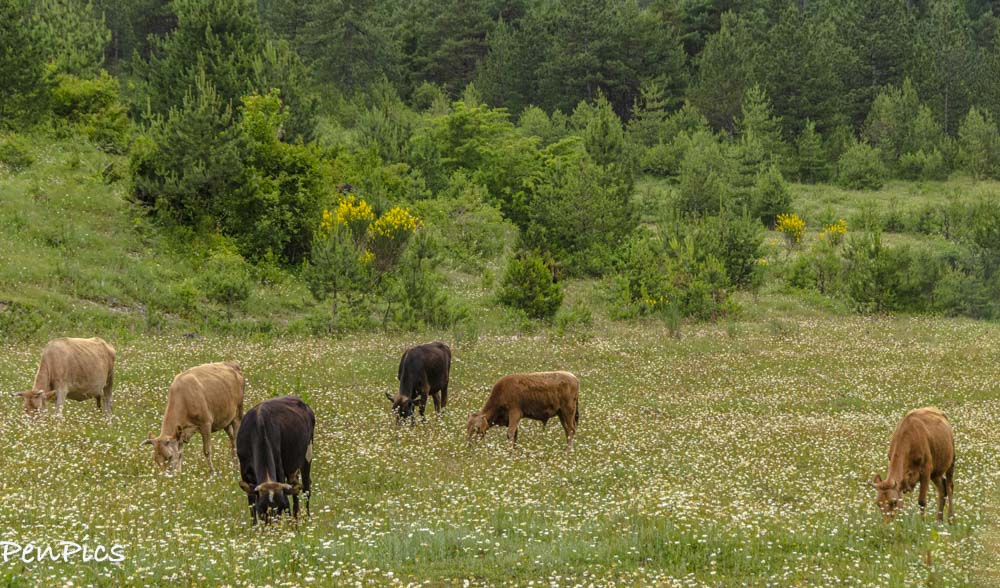



About Us

About Us
Hello and Welcome to our Travel Blog Website, We enjoy writing about our experiences and taking photos of our adventuring along the way. Our names are: Daryl and Pen, but Daryl calls me “Bunny.” We met, quite randomly, whilst both traveling in Thailand with friends. We happened to be in the same travel group, and […]
Great photos and commentary! Thank you.