


“Armenia 🇦🇲 ~Our Adventure to Ughtasar Mountain and the Petroglyphs”
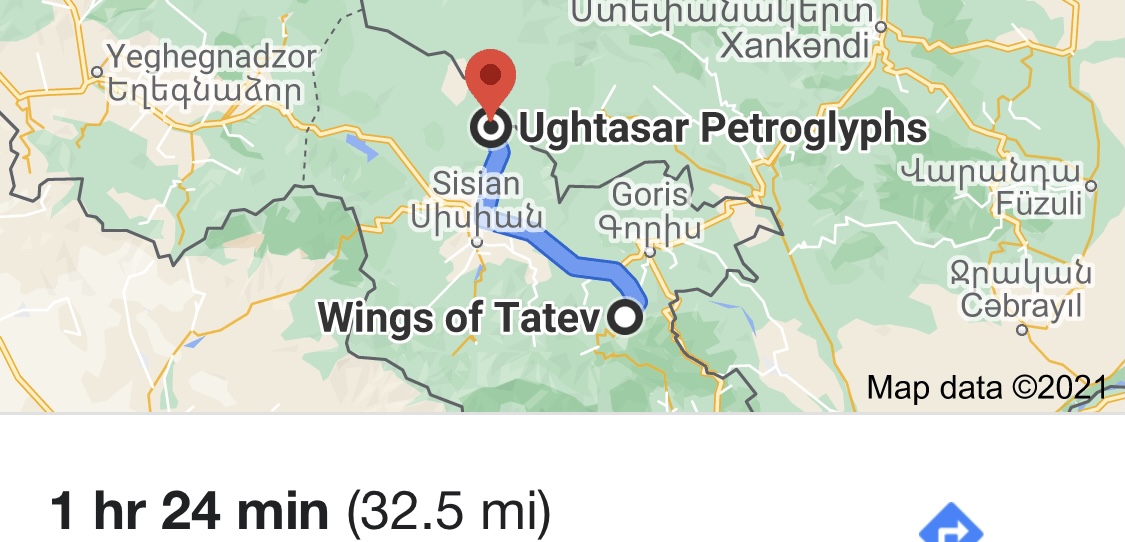
We left Harznadzor Resort in the Gorge, near the tram named “Wings of Tatev,” on day two with our friends, and day three of our road-tripping, to see if we could actually make it up to the ancient Petroglyphs on “Camel Mountain.” We followed in our car, till the off-roading got serious, then we parked it and all continued in the Hummer. I had high hopes, as it all started out well and it was fun doing the off-roading!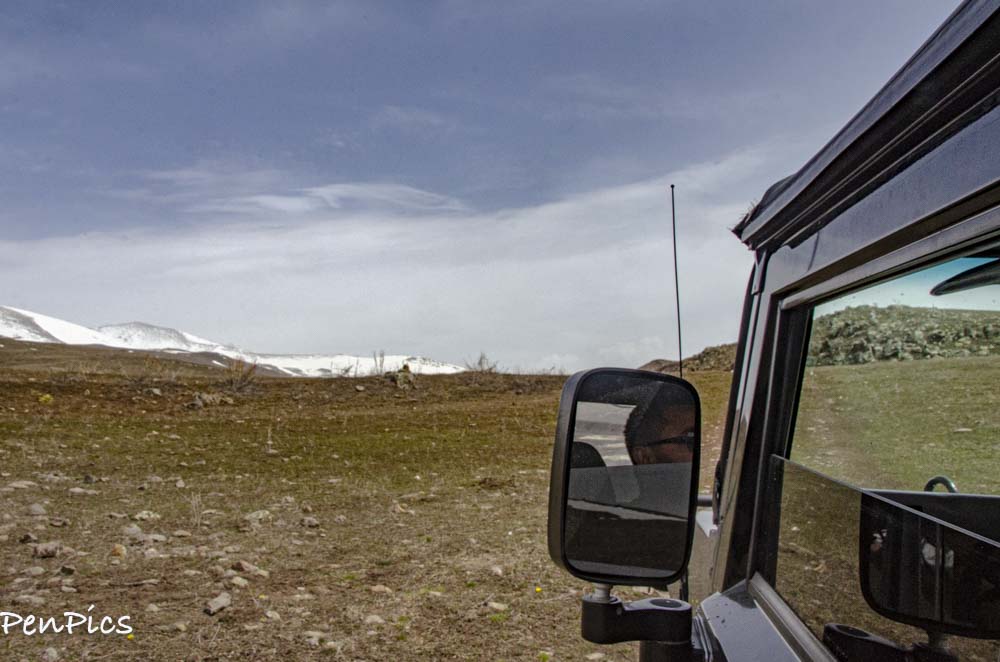
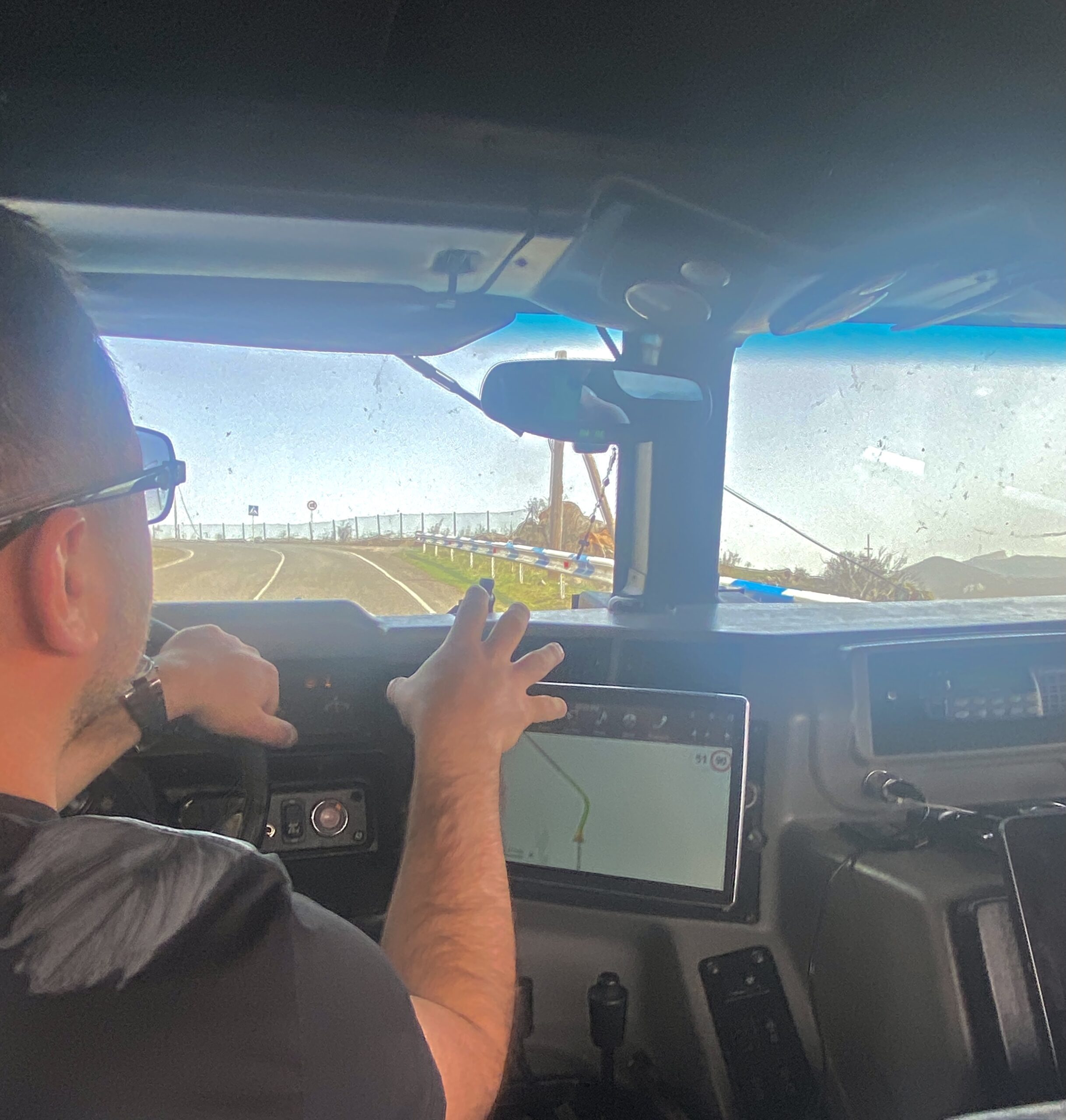
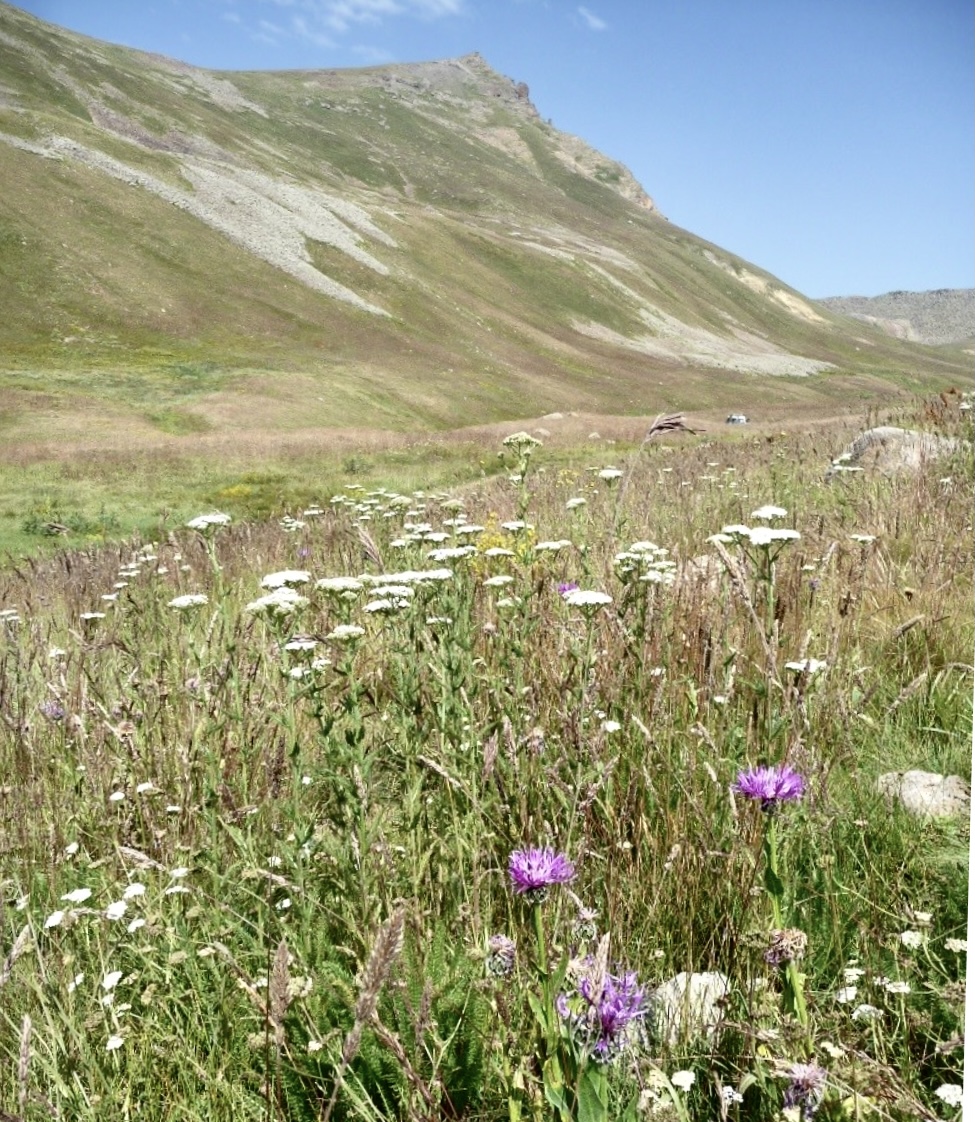
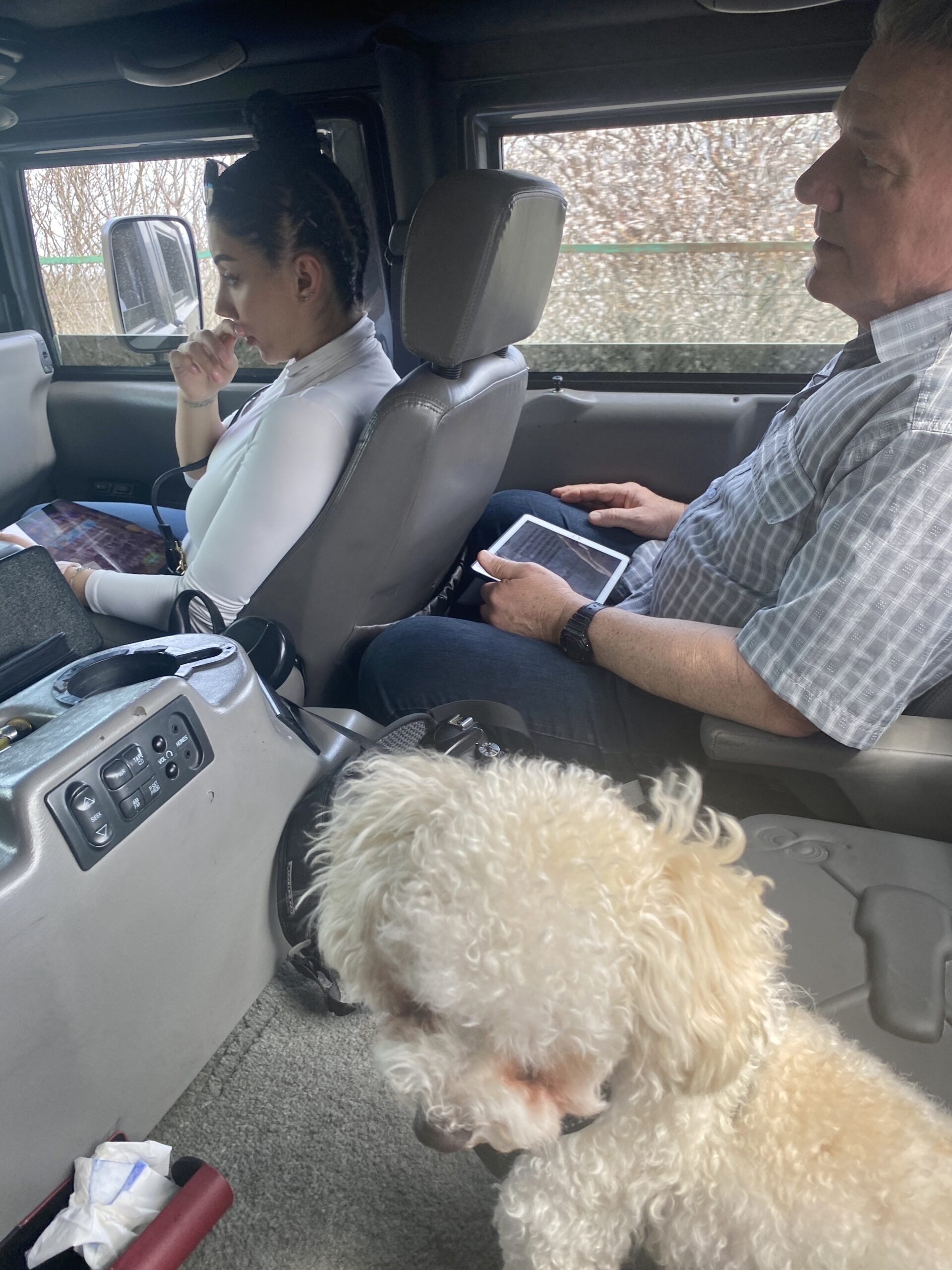

With plenty of soupy mud, streams to cross and snow, before we even made it to the mountain, we slipped and swirled, but never got fully stuck. We did get within a few miles, before we lost all site of which dirt road (or barely a path) we needed to be on. Though the off-roading was a blast, we did not make it on this route.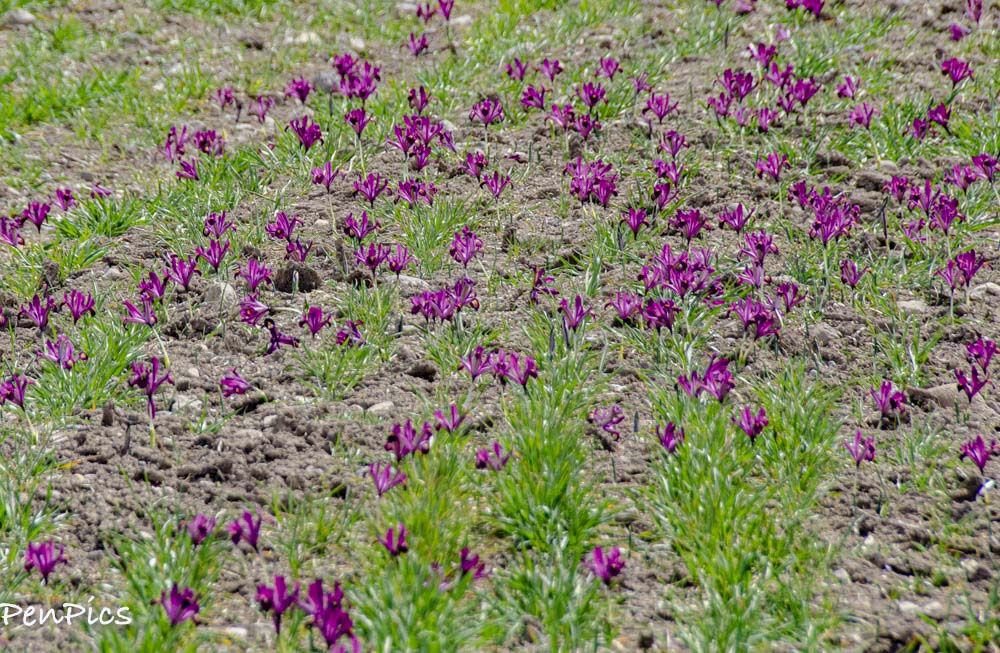
We turned around and made our way back out. We stopped at a gas station to speak with a few locals. What we were told surprised us. We were told the road to the petroglyphs was still too deep in snow, to make it, even in the right vehicle, and to try back in a few months! In addition, we were told that since the site we were seeking was on the border to Azerbaijan; just barely on the Armenia side, there were rumors of ISIS coming across in that area, and they had laid out land mines. We knew Armenia and Azerbaijan had recently been at war for a 44-day conflict, and we all thought it was best not to test the access road any further, to determine if the theory was truth of land mines were truth or fiction, with our limited knowledge.
While it was a disappointment to not make the ancient grounds of the Petroglyphs, the truth is; due to the lay of the land, with many flat stones embedded in the ground, where the drawings were done, they would have been covered with snow and not visible.
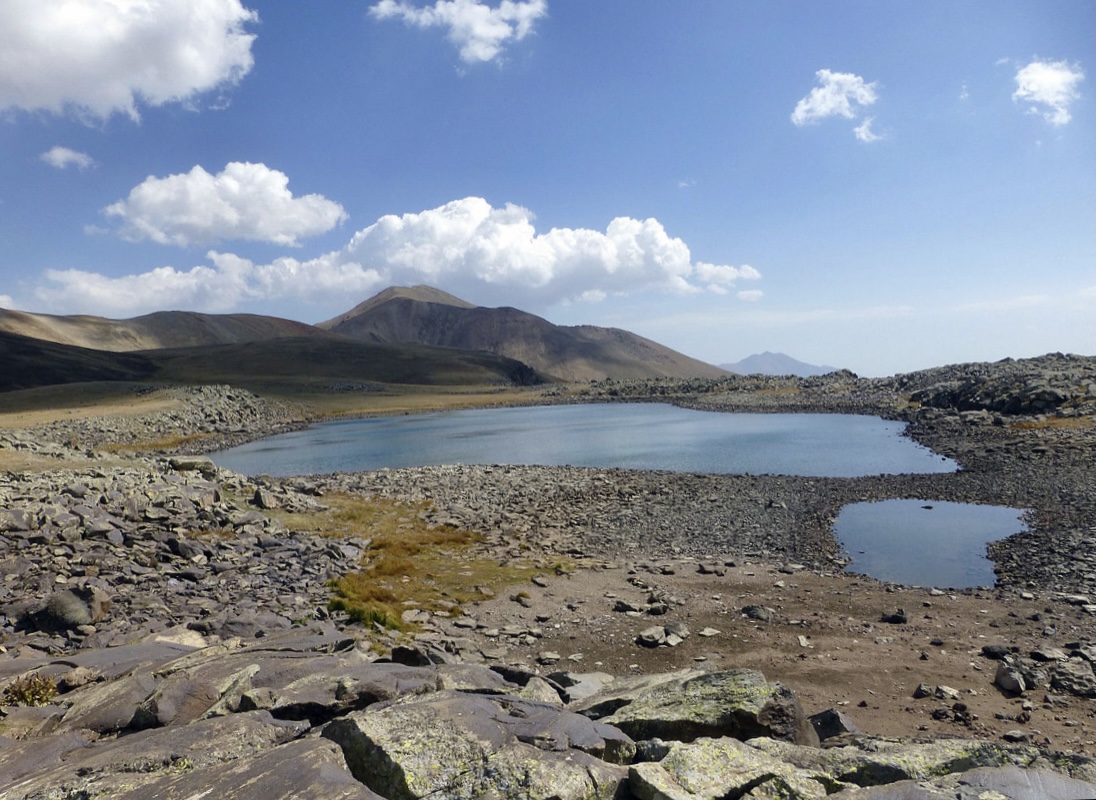
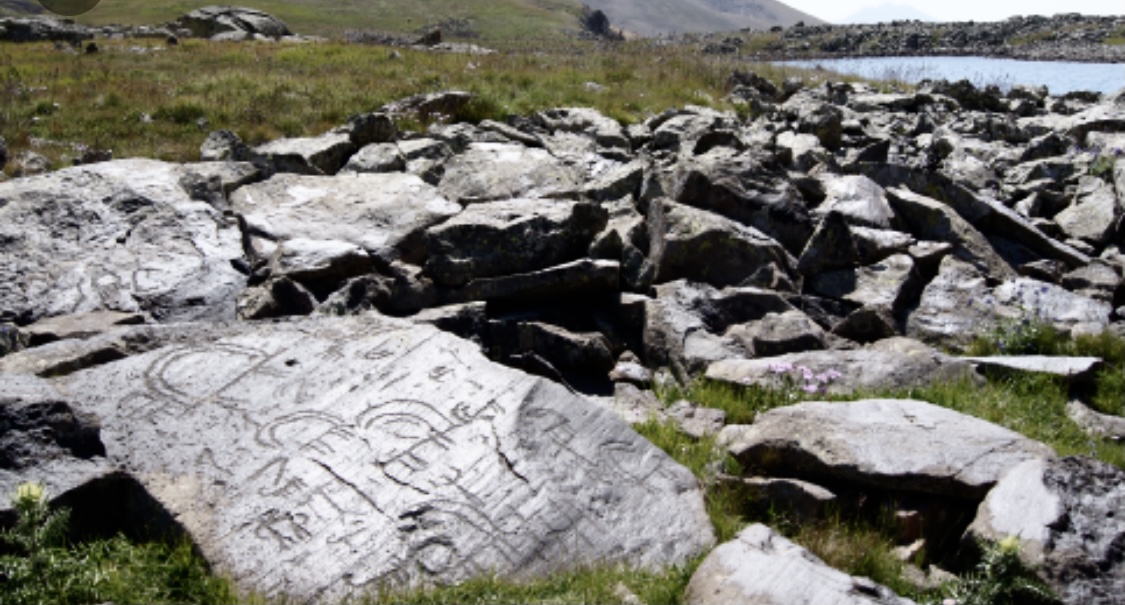
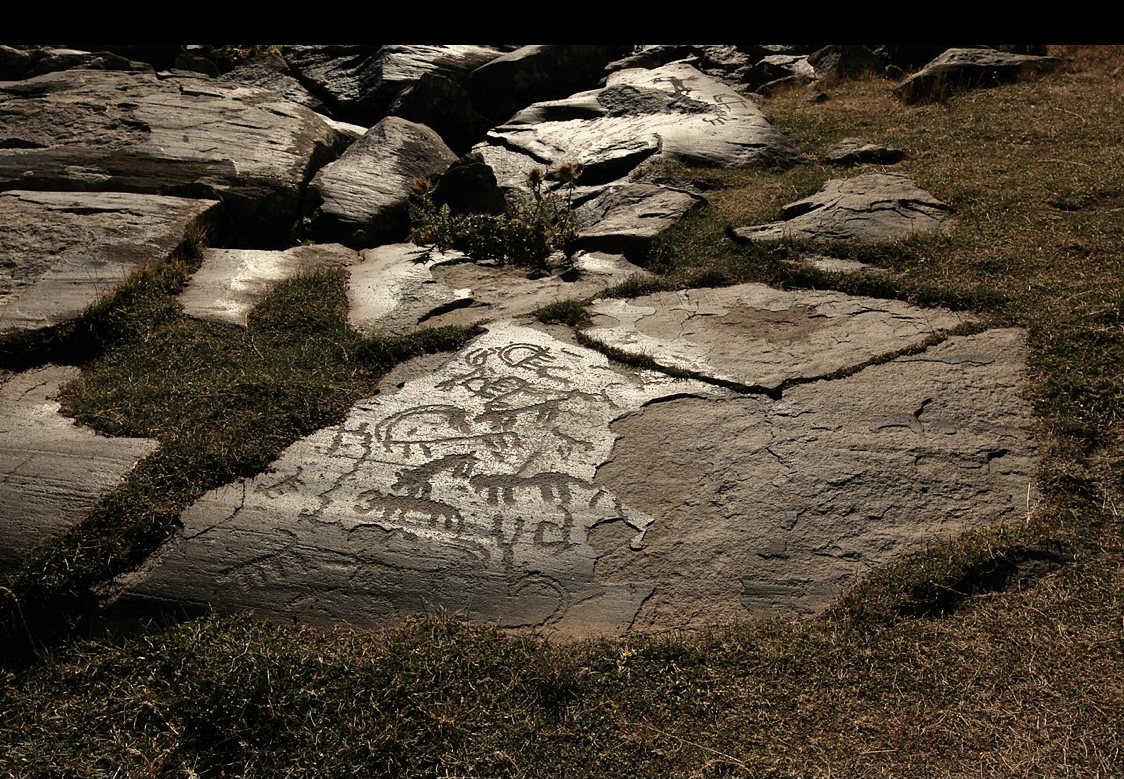
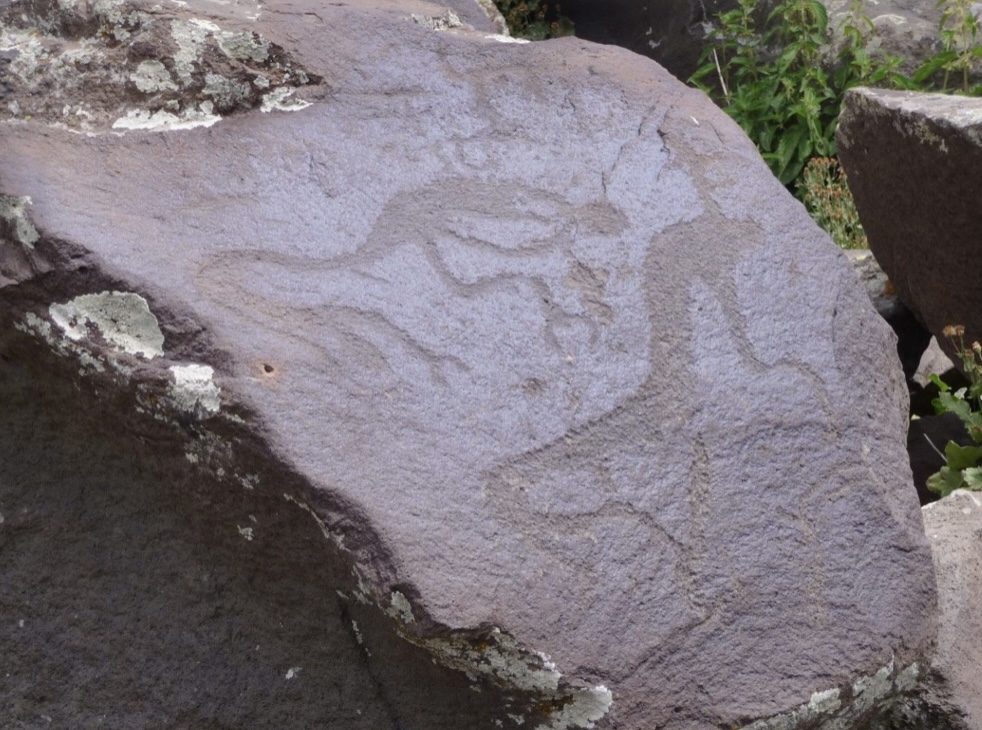
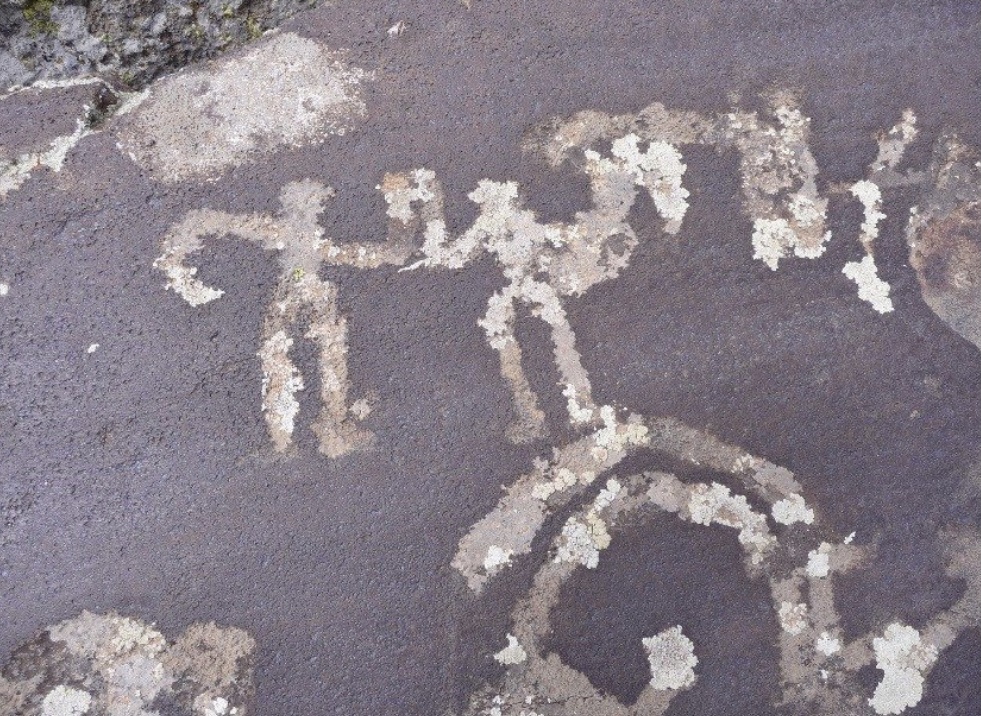
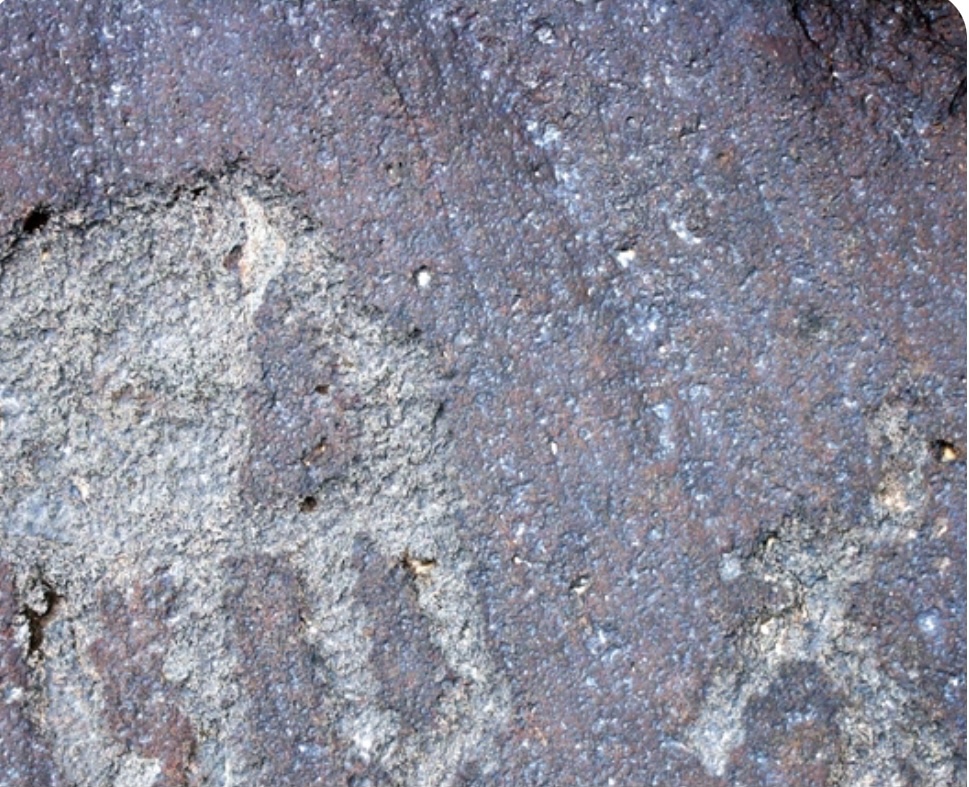
But, since the history is so interesting, I do want to include some photos (not mine) from the actual site, taken during milder seasons. I also want to include the history. We may even try another attempt to get there, if weather and time allows. I have seen many advertised tours.
HISTORY
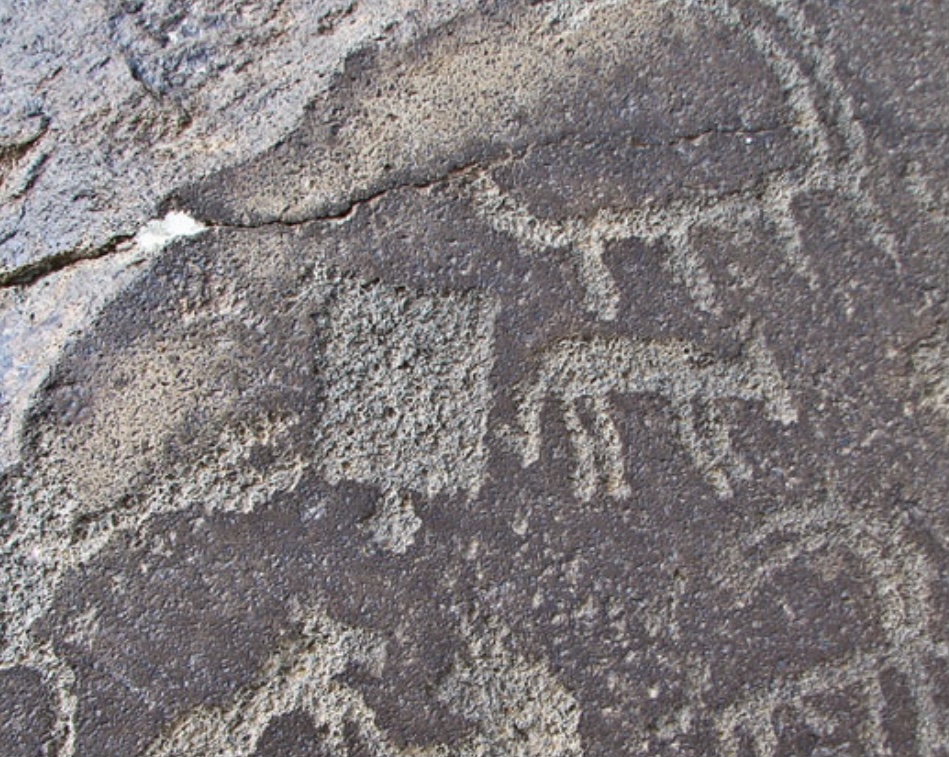
Over 2,000 decorated rock fragments extend to the foot of the mountain. These petroglyphs, some believe, date back to the Paleolithic times, around 12,000 BC. The Petroglyphs are carved onto dark brownish-black volcanic stones, by crude stone tools. The stones were left behind by an extinct volcano.
Ughtaser Lake is a small sparkling glacial body of water at about 10,500 feet above sea level; near the top of Mount Ughtasar. Some say the mountain resembles the back of a camel, thus its name; “camel” in Armenian is “ught.” But, others suggest that since the name of the mountain predates the silk-road traders traveling through the region on camels, the name refers to the ancient sacred use of the site; the word for “pilgrimage” in Armenian is “ughtagnatsutiun.”
Surrounding the lake are black manganese boulders left behind by an extinct volcano. Thousands of Paleolithic Era petroglyphs, dating back as early as 12,000 BC, are carved onto the flat surfaces of the boulders. The petroglyphs were initially studied in the 1960’s, and archeologists are still cataloguing and analyzing these remarkable carvings, but since the site is covered with snow nearly nine months of the year, due to its elevation, the study of these rock-carvings is possible only during summer months.
The petroglyphs at Ughtasar are in the main considered memorials; commemorating the life and prowess of the dead. They are rich with flora and fauna imagery, along with human and animal images, circles, spirals, dots, lines, and other geometric and abstract forms.
The rudimentary carvings are amazingly perceptive, recounting origin myths and tribal traditions, emotions, beliefs, defeats and victories of the ancestors. Most images depict men in scenes of hunting and fighting, cultivating land, competing and dancing.
Carvings include depictions of animals (wild and domesticated aurochs urus, wild ancestors of cattle, goats, mufflon, gazelles, deer, horses, boars, wolves, dogs, jackals, leopards, bears and tigers); hunters with lassoes, traps, bows and arrows, pikes, spears and shields; carts and sleds pulled by oxen (aurochs). Cattle breeding, as well as sheep and goat herding, predominate. Interestingly, birds do not figure prominently in the Ughtasar carvings.
There are numerous cosmic symbols, including one for the zodiacal sign Aries and rudimentary calendars carved like wheels for dividing time by using a cross and four circles for the seasons. Geographic elements are also featured: rivers, lakes, springs etc., followed by astronomical bodies and phenomena: the Sun, the Moon, stars, stellar constellations and starry sky, comet, and lightning.

About Us

About Us
Hello and Welcome to our Travel Blog Website, We enjoy writing about our experiences and taking photos of our adventuring along the way. Our names are: Daryl and Pen, but Daryl calls me “Bunny.” We met, quite randomly, whilst both traveling in Thailand with friends. We happened to be in the same travel group, and […]