


“Ethiopia 🇪🇹 ~Dorze Tribe of Arba Minch”
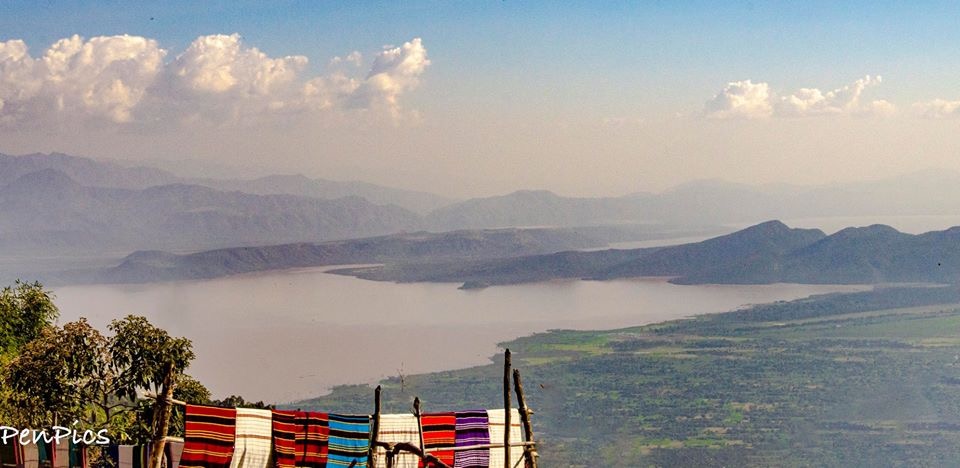
The road would turn very bad for our trip up the mountain, to visit the Dorze Tribe, but we saw beautiful thick forests, and some great views of Lake Abaya.
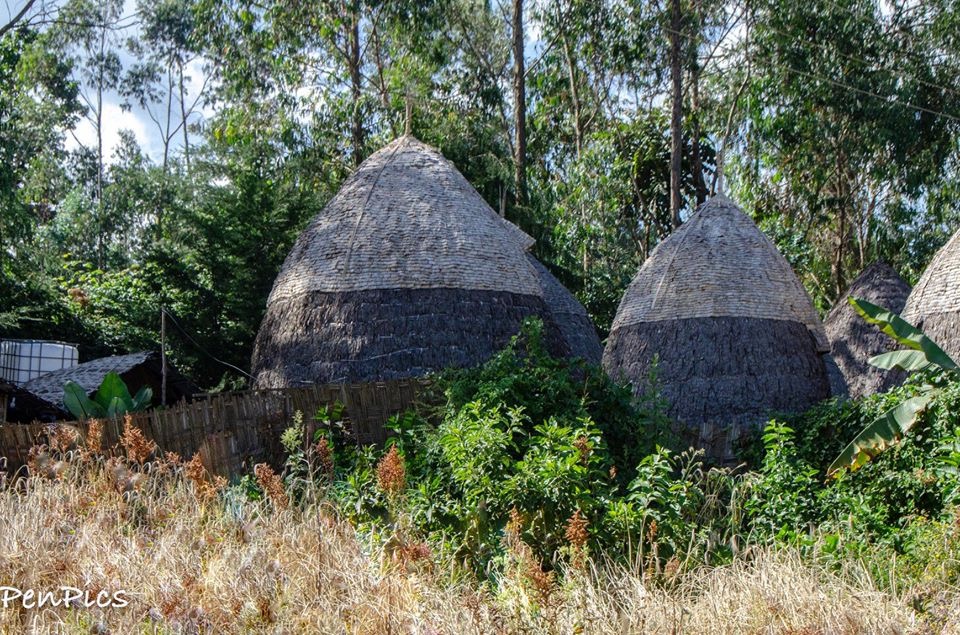
Once we arrived to the village, we got a nice tour, and some real insight into their everyday life…a life that has not changed much over the centuries. We were shown a demonstration of how their weaving is done, and how they spin their cotton. Next up, after touring the interesting Beehive-shaped homes, we were shown how they make Kocha Bread from the plant of a False Banana Tree. We were served the fresh-baked bread with honey from their own honey bees.


Dorze people are a small Omotic-speaking ethnic group belonging to the larger Afro-Asiatic language family living in the Gamo Highlands of the southern region of Ethiopia. They have an estimated population of about 30,000 people living mainly in the villages near the cities of Chencha and Arba Minch, in the Semien Omo Zone of the Southern Nations, Nationalities, and Peoples Region.
Their residence stretches from the Omo River banks to the highlands over Lake Abaya. It is asserted that some of the Dorze people have migrated to Addis Ababa and other regions. Historically, they were once much feared warriors but now the Dorze men folk have settled down to farming, or engage in weaving, which has become a unique thing associated with them.
The Dorze occupy the Eastern edge of the highland above Lake Abaya, about 8,530 feet above sea level. They are culturally and linguistically homogeneous with their neighbour people, but some anthropologists and linguists have attempted to show how the Dorze have gradually changed their identity. According to such sources this was because of the infusion with the Amharic stock. The history of Dorze is not much documented. However, all the available anthropological and linguistic sources avers strongly that the Dorze had lived in the areas of Gamo highland in Ethiopia`s Omo Valley, “the Cradle of Mankind” for many centuries, before the conquest of Menelik II in late nineteenth century.


The huts can also be transported to another location, thanks to the structure made of vertical poles. Smaller huts can include guest houses, a workshop, a kitchen and even cattle shed. When termites attack the hut, the Dorze can just remove it from its foundation and relocate it. This allows the home to last much longer, but every move shortens the height of the hut.
Interestingly, the opportunity for pen farm animals are made available in the Dorze towering huts. This makes it possible to protect animals from the vagaries of the weather as well as animal rustlers. The animals also help keep the family warm on cold mountain nights



Archive Blog Posts of Our Country Visits
About Us

About Us
Hello and Welcome to our Travel Blog Website, We enjoy writing about our experiences and taking photos of our adventuring along the way. Our names are: Daryl and Pen, but Daryl calls me “Bunny.” We met, quite randomly, whilst both… Read More