


“Bulgaria 🇧🇬 ~Veliko Tarnovo and the Marvelous Ancient Town, Full of Wonder!”
In our travels, it is just this kind of a place we seek.
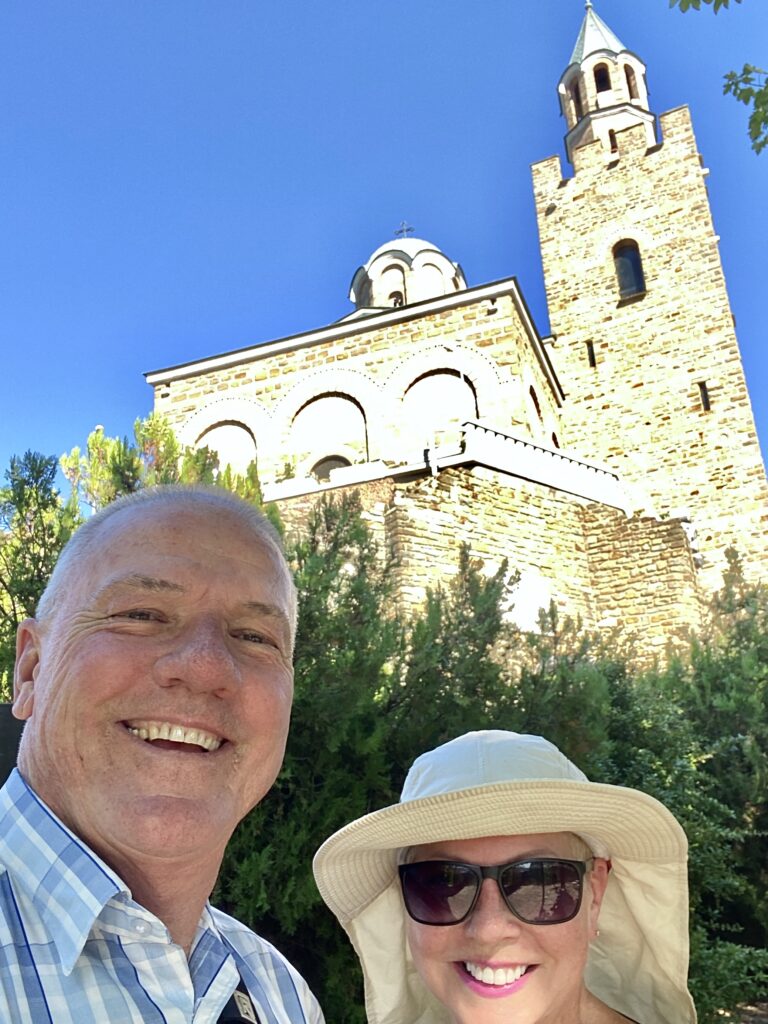
I love ancient history; the older the better! I love the myths and legends relating to historical places. Then, there are the quaint, charming, and fairytale-like towns, which are the icing on the cake!
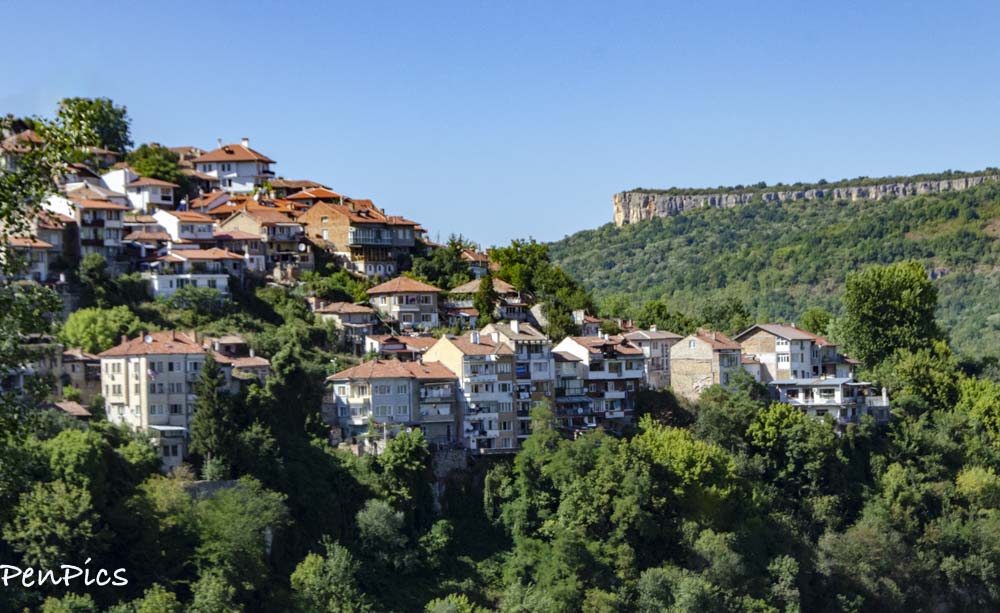
The upsurge of Veliko Tarnovo is related to the period of the Second Bulgarian Empire (1185 – 1393). In 1185, the town was declared a capital of the restored Bulgarian State by the brothers Asen and Petar, who declared the end of the Byzantine dominion, which continued for 167 years.
After its selection to be a capital, the town developed fast, as within the period 12th–14th century, it was the most unconquerable Bulgarian fortress, as well as the cultural and intellectual center of Bulgaria.
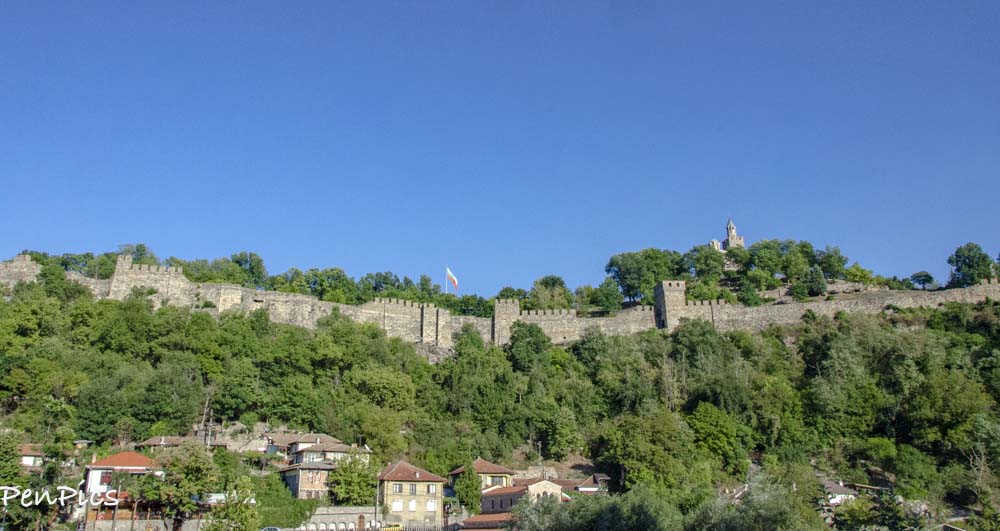
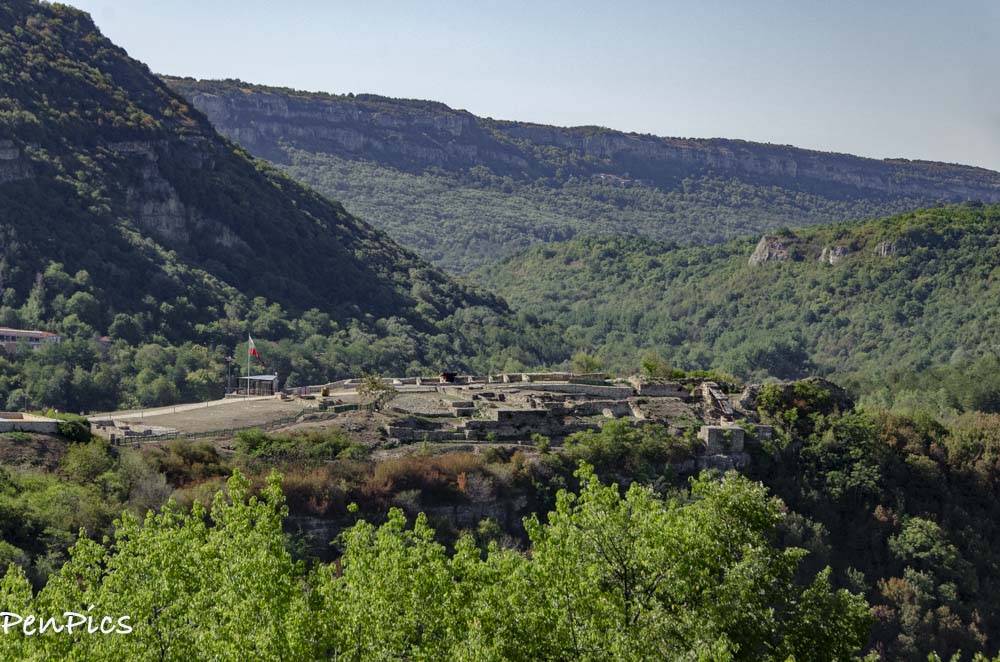
The most significant monument of culture in Veliko Tarnovo is the medieval Fortress Tsarevets, situated on the peak, surrounded on three sides by the river Yantra. Excavations show that, although Tsarevets is surrounded by a fortified wall, it was not a closed fortress, but a real medieval town, in the center of which the following objects were rising: the palace, the church “St. Petka,” multiple residential and economic buildings, water reservoirs and battle towers. The Patriarch’s residence was on the highest part of Tsarevets, and the Patriarch’s church “The Ascension of Christ” was also in close proximity.
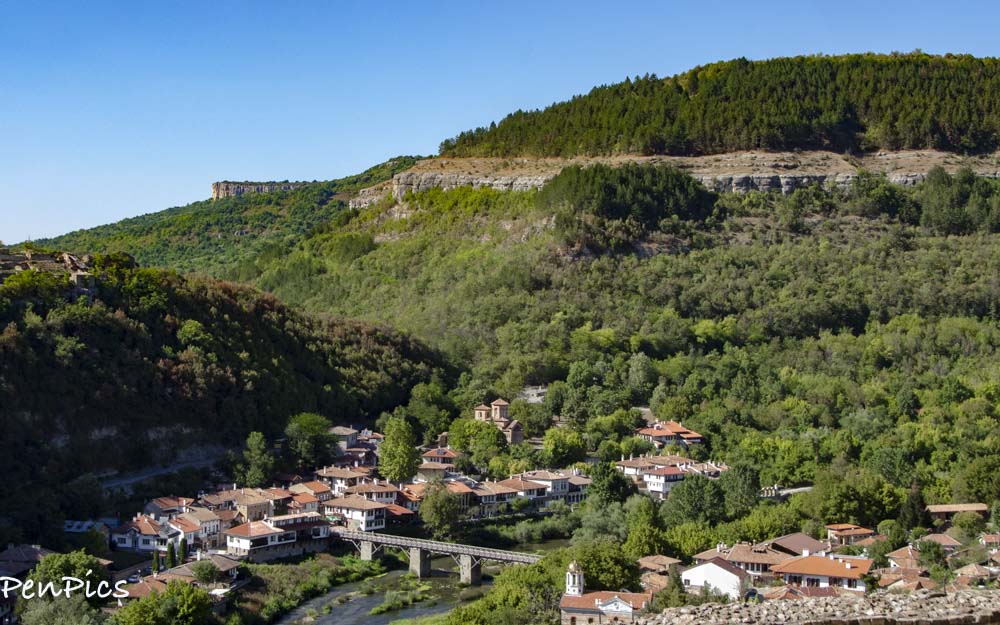
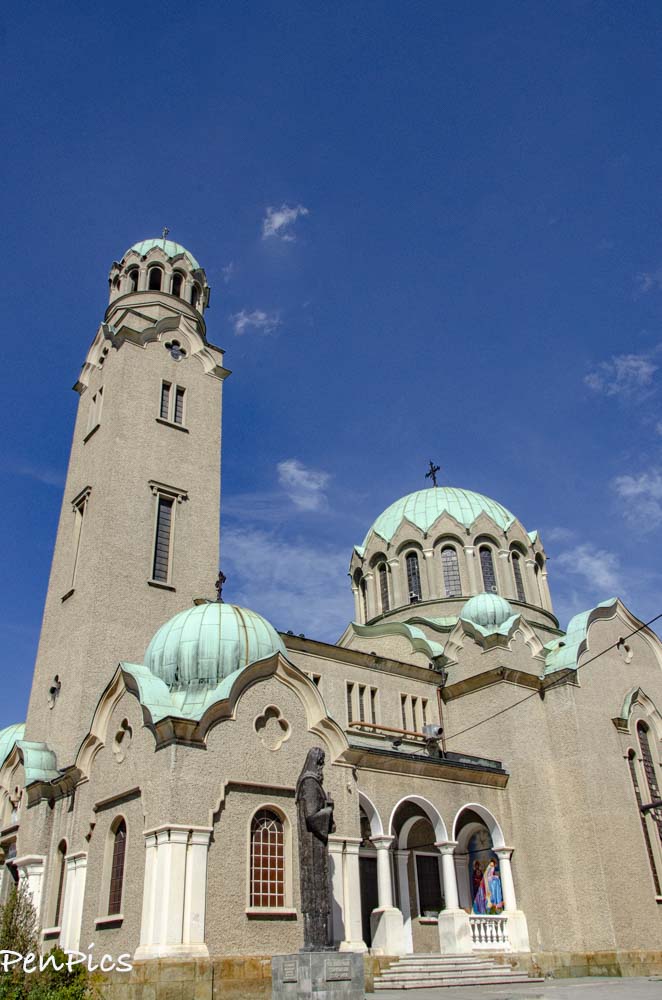
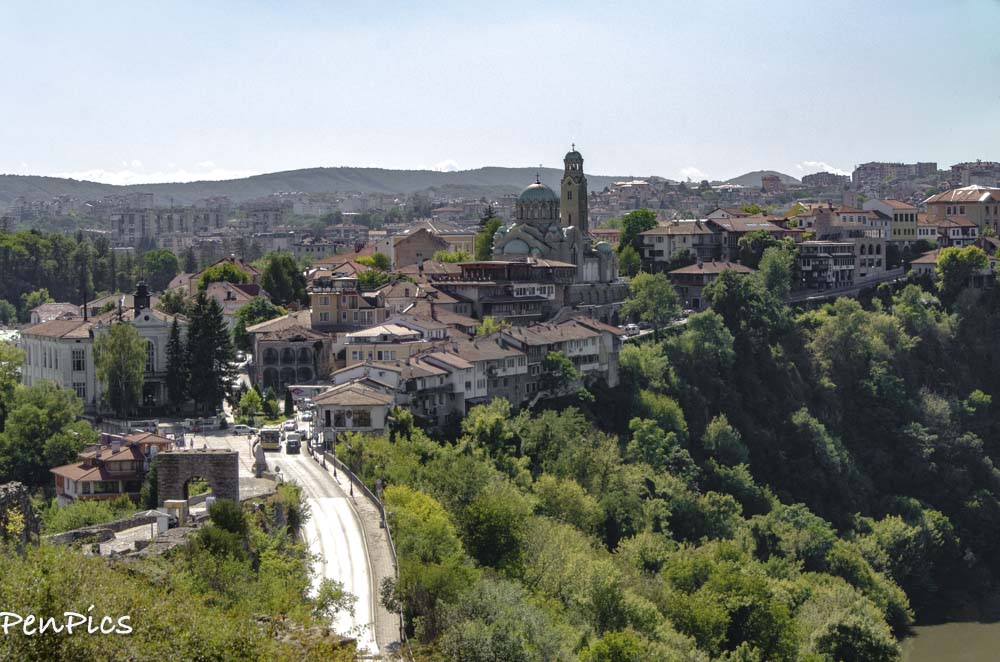
Here, in Veliko Tarnovo, we were filled-up! Rolling in to to the city, we do not see the old part right away, but soon, looming high up on the hill, is the Ascension Cathedral; impossible to miss! We set our sites for that direction, as signage is limiting in Bulgaria like most of the Balkans. Like a beacon in the night, (in full daylight) we were drawn to the right place, and it was incredible.
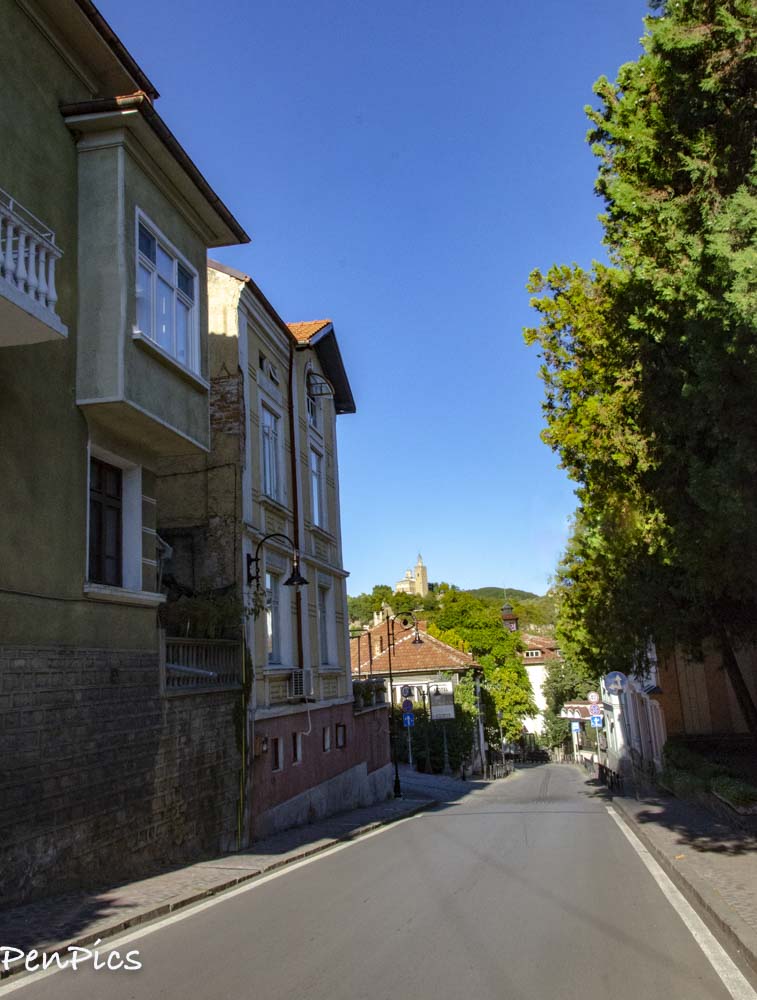
The Tsarevets Fortress is huge, and at one time, it was even bigger. We found a decent parking spot and began our trek to the Cathedral, which is top-enter of the Fortress. My focus was that Cathedral, so it drove me on to reach it. Its a straight up adventure, but thankfully not too long, though in the heat of summer, it felt too long. I was not disappointed for the effort. The view shows just how European and charming the old town is, plus being inside the Fortress, gave me chills, because I love Castles and Fortresses.
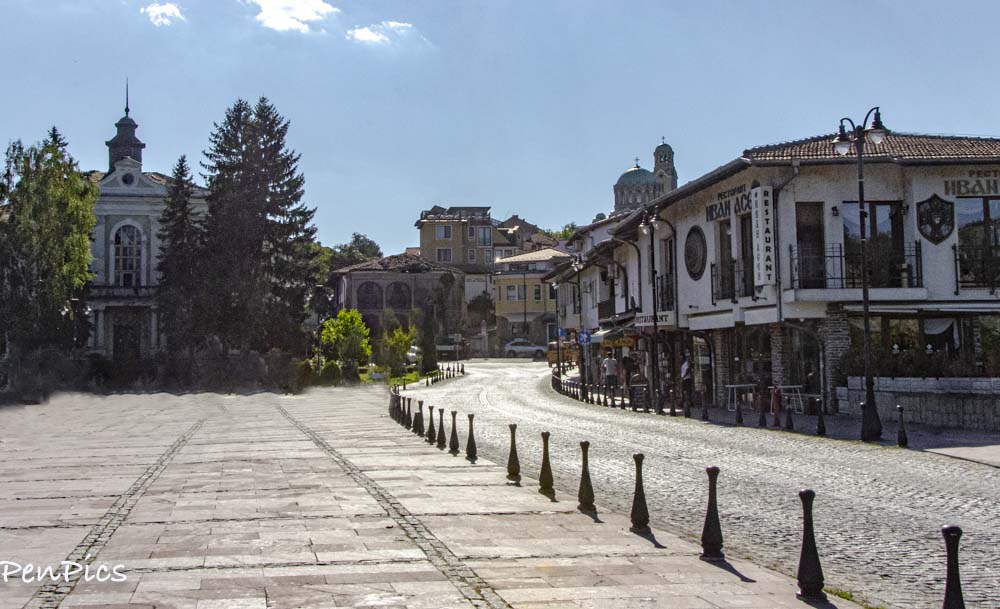
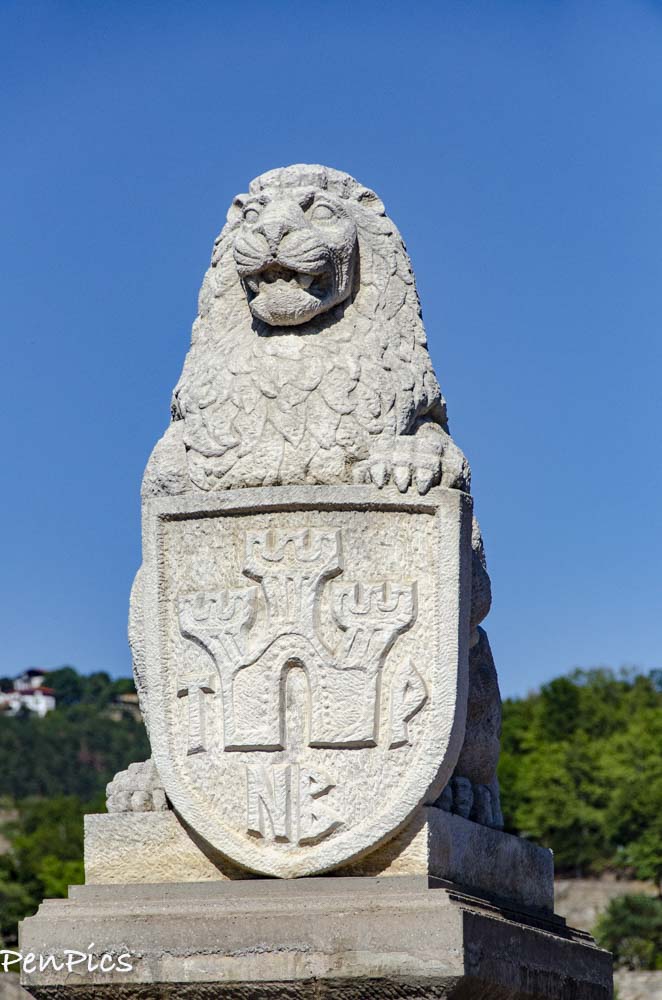
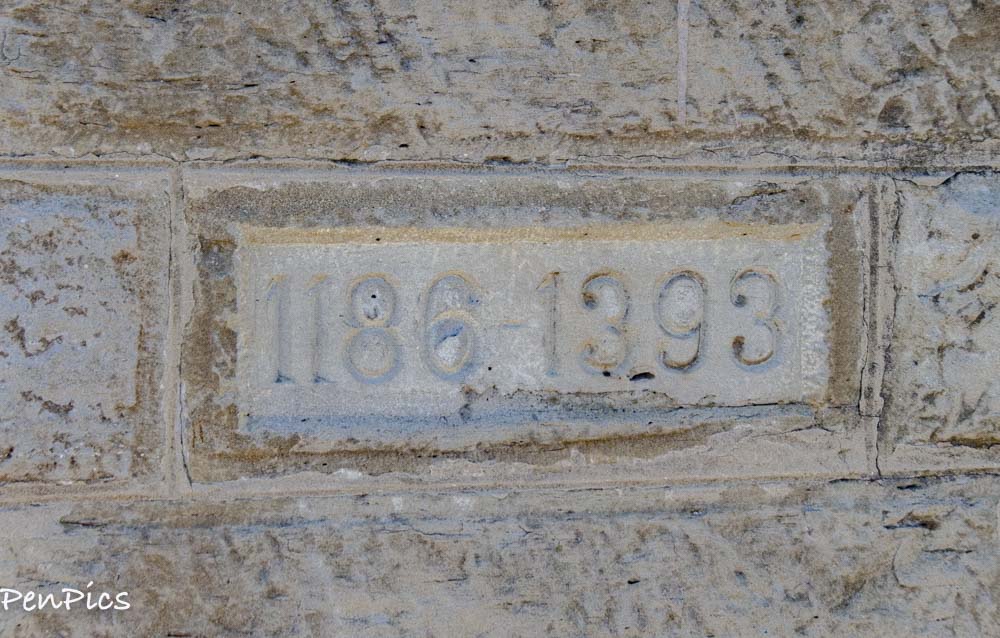
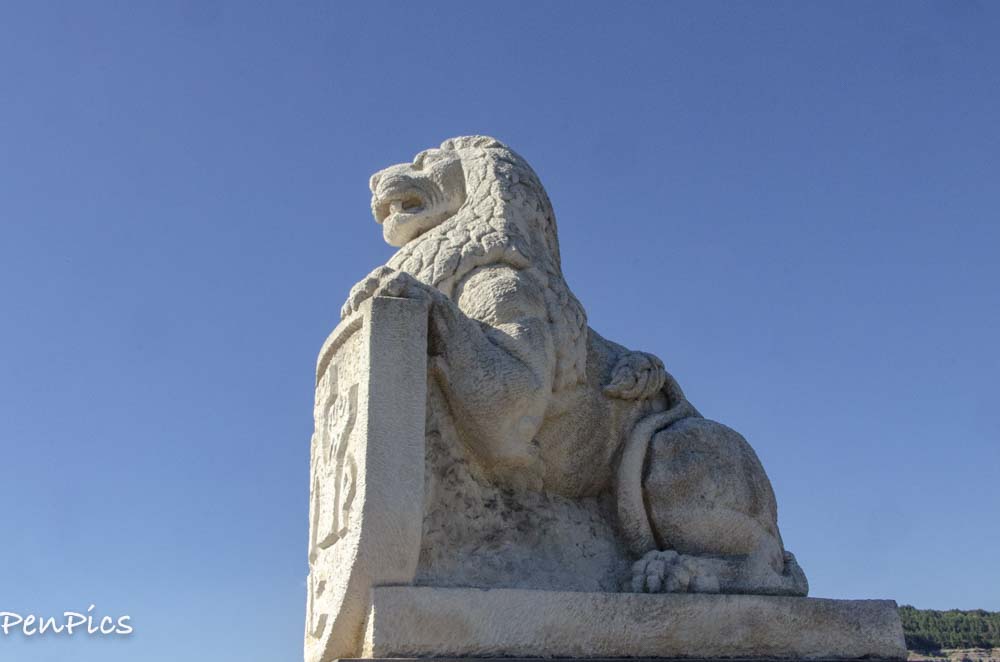
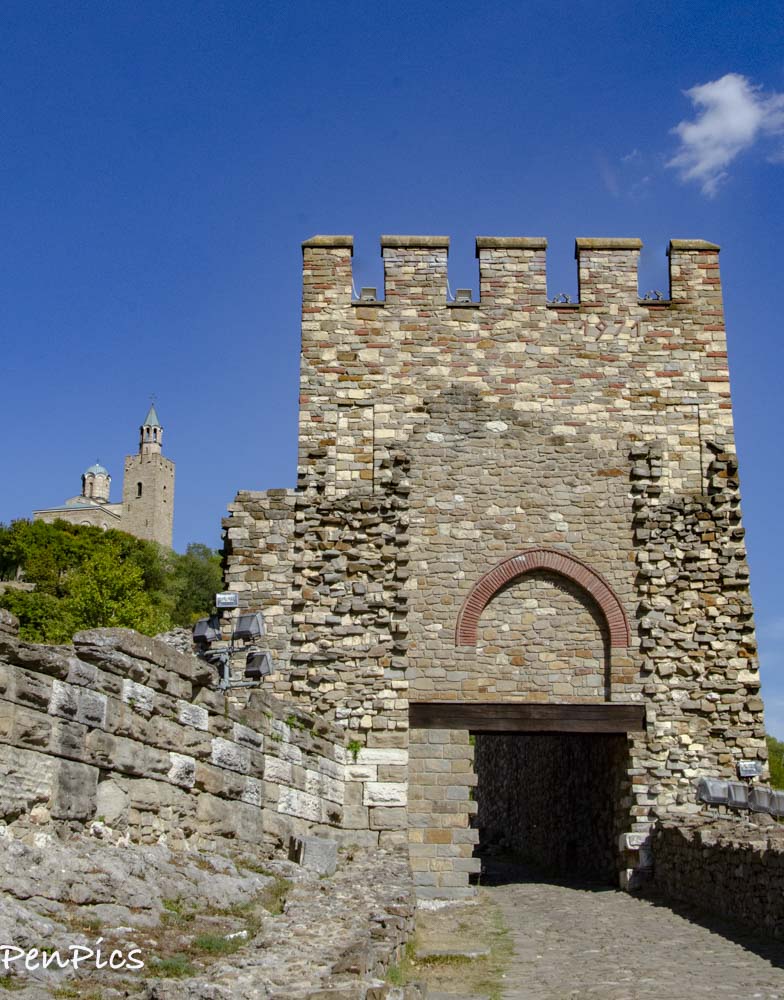
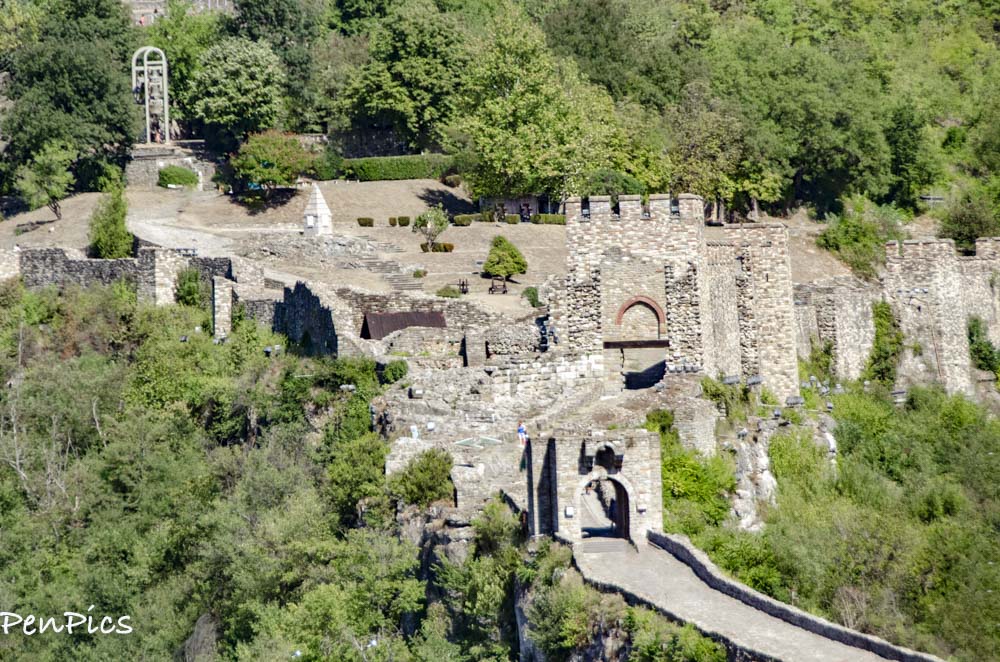
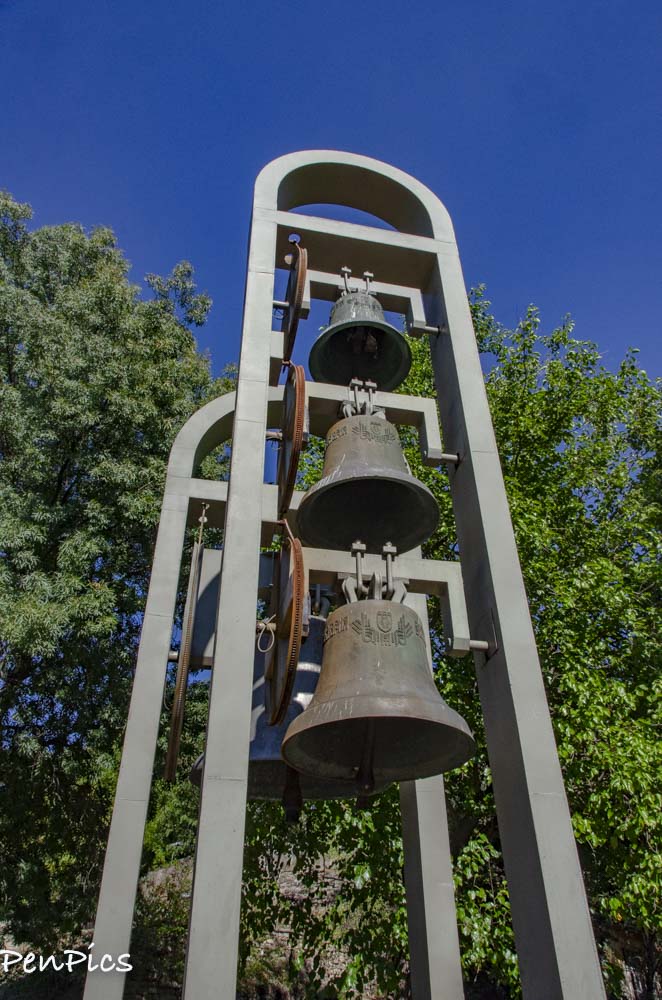

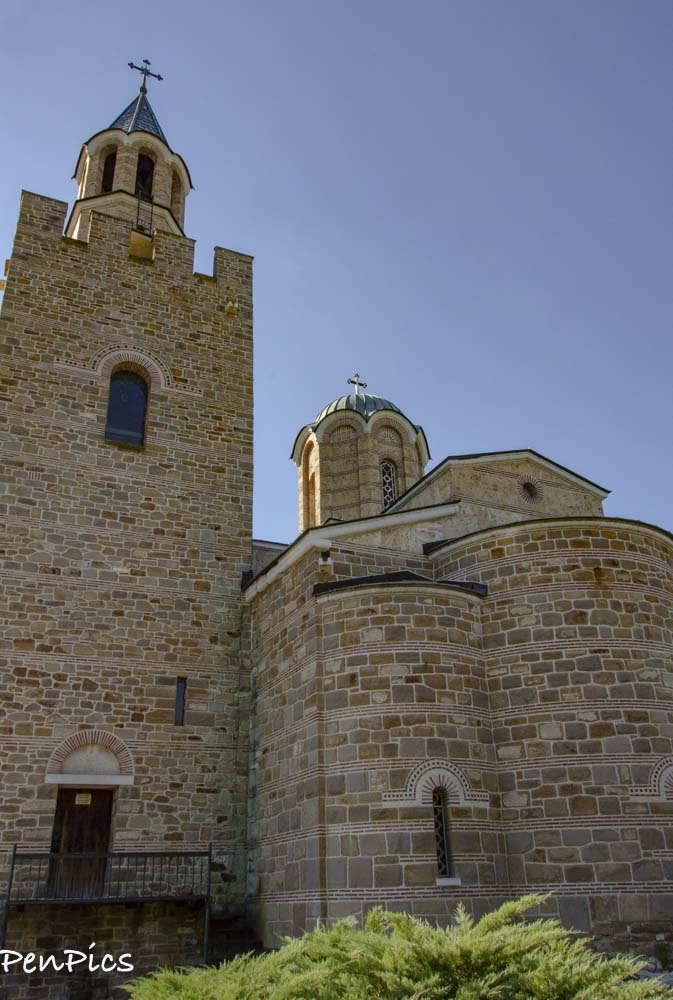
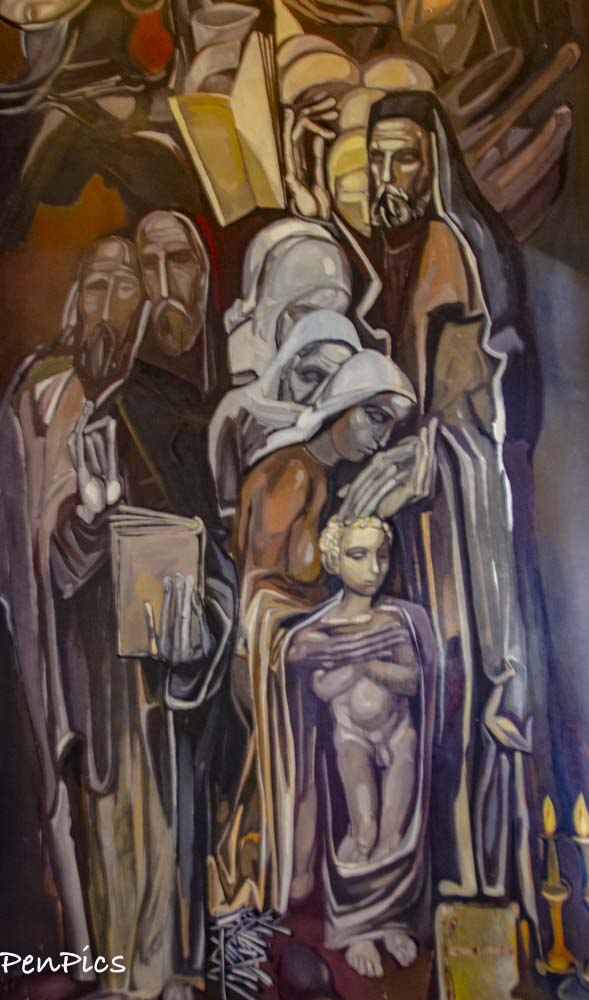
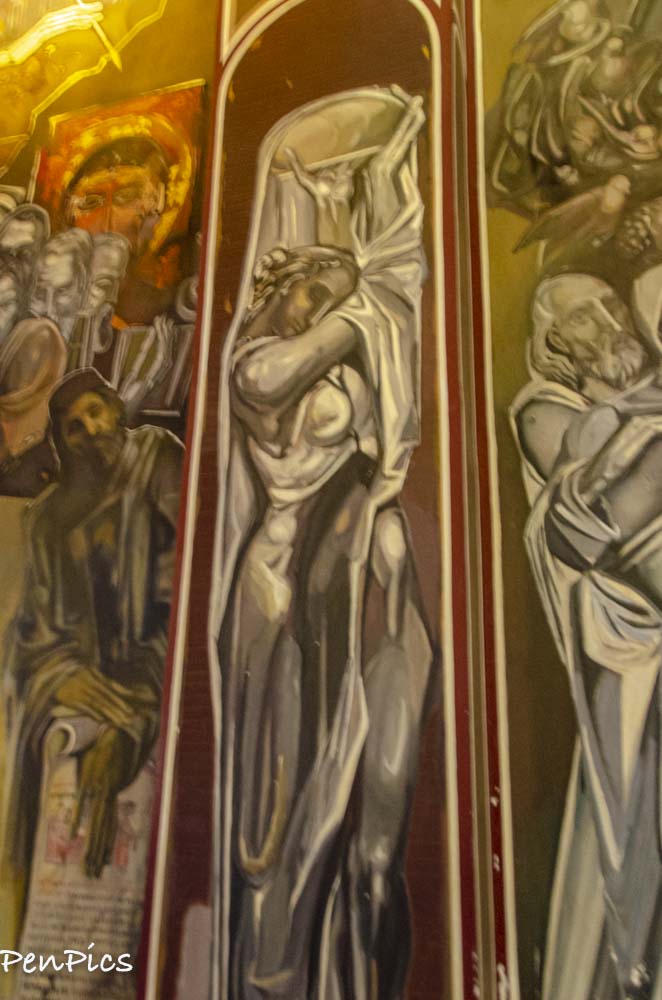
The Patriarchal Cathedral of the Holy Ascension of Christ topping, the Tsarevets Hill was constructed directly on top of a late Roman (early Byzantine) basilica, which dates back to the early 5th–6th century AD. The Roman basilica may have remained in use by the local congregation during the First Bulgarian Empire, though it was no longer active by the time the construction of the current church began.
The current building of the Patriarchal Cathedral is considered by scholars to have been built in two stages. The first stage of construction was carried out in the late 11th century or the 12th century. The Cathedral was initially built as a Monastery church in the middle of a Monastery compound, though in the early 12th century it was already the seat of the Bulgarian patriarch. The compound suffered large-scale damage, caused by a fire, which necessitated the church’s reconstruction in middle of the 14th century; perhaps during the rule of Tsar Ivan Alexander of Bulgaria; ruler from 1331–1371.
Besides repair and reinforcement efforts, work on the church in the 14th century also included the construction of the narthex and the bell tower.
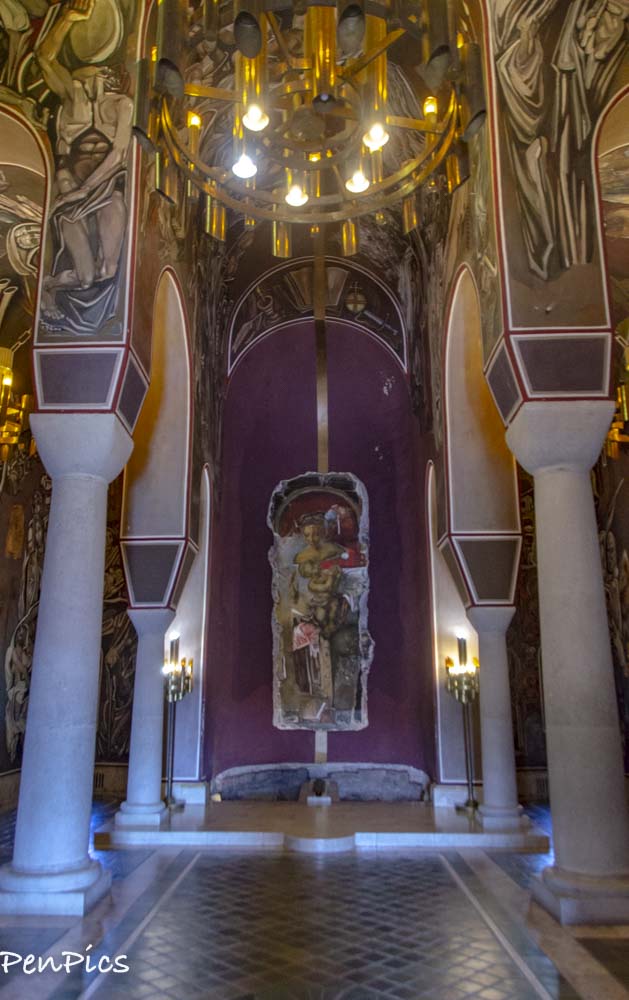
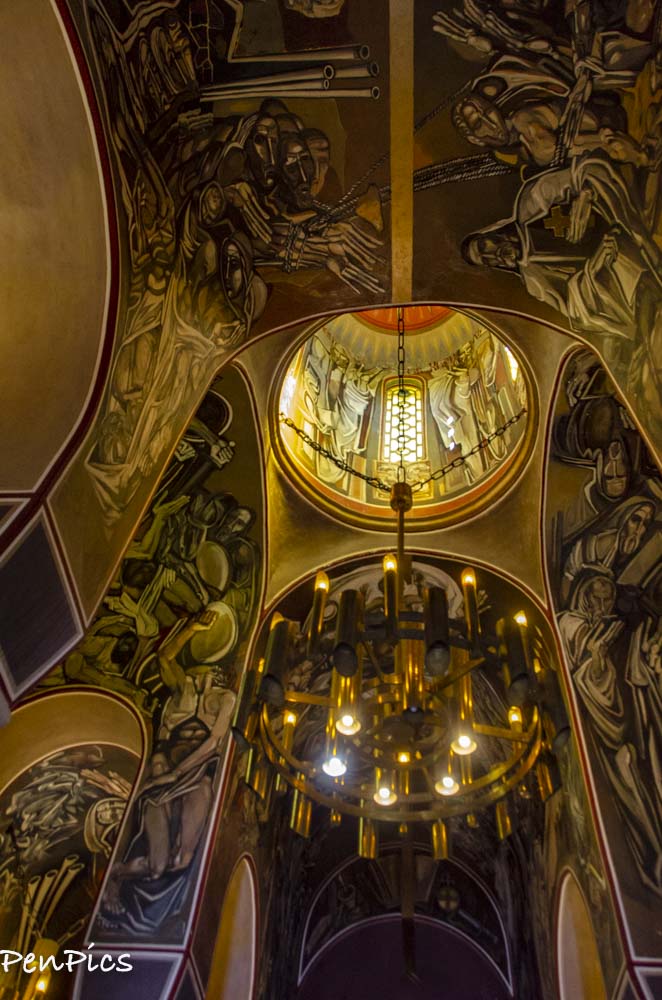
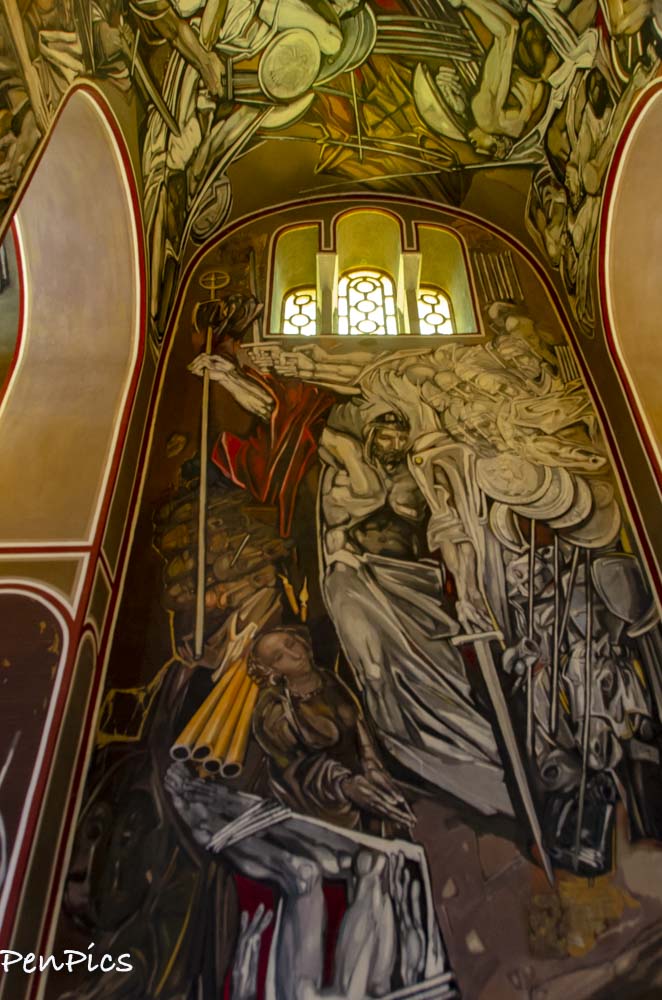
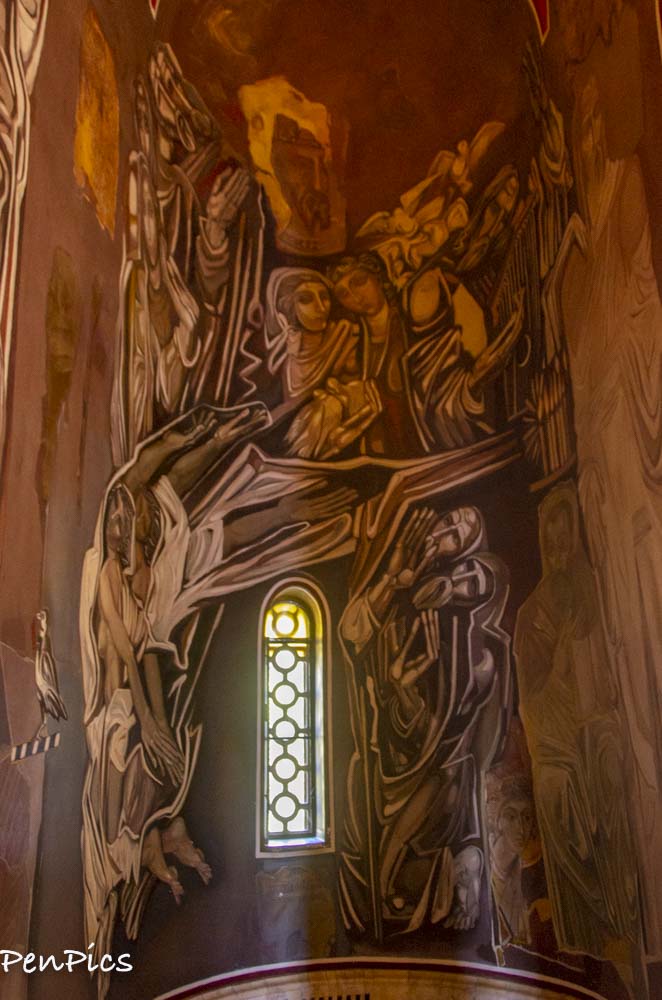
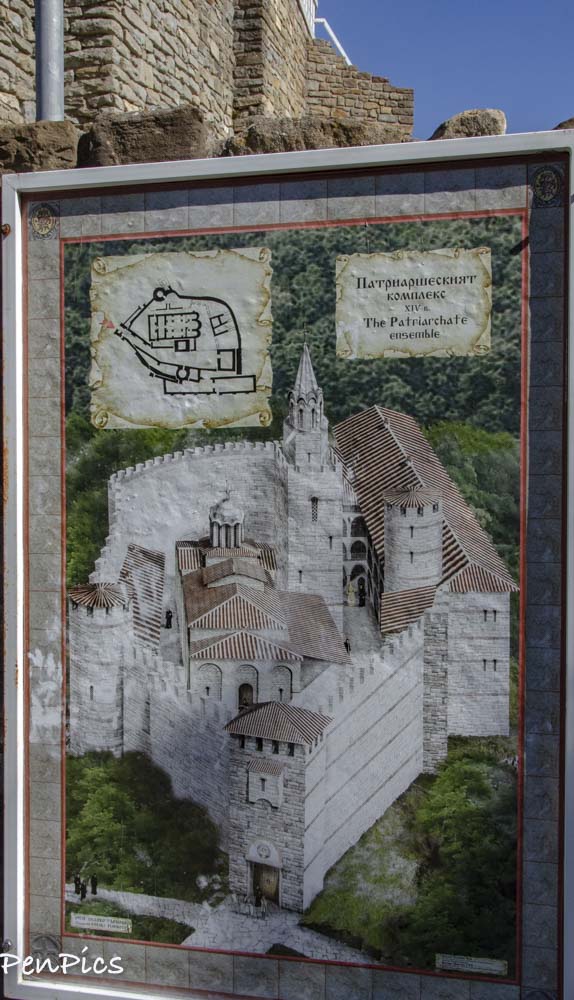
The city was built on three hills: Tsarevets, Trapezitsa and Sveta Gora. Tsarevets and Trapezitsa formed an “innner city,” surrounded by impenetrable walls, where the royal palace and residence of the Patriarch (head of the church) and many places of worship were located; as well as the grand mansions of the high-ranking aristocracy.
The “outer city,” also fortified, spread down to Assenova Mahala by the river where the craftsmen lived and the neighbourhood of foreign traders. Only the poorest people lived outside the walls.
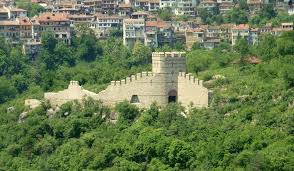
Nowadays the site attracts many visitors, but unlike the remains at Tsarevets Hill those at Trapezitsa are not as well preserved.
After we were done self-touring the Cathedral and the Fortress ruins, we stopped for some cold water, bought from a vending machine in a shaded rest stop, then began our decent. We had already picked our dinner place, before heading up, so after our exploring of all things incredible, we walked in to what felt like “grandmas house,” and enjoyed a lovely meal, topped off with ice cream cake, because weft celebratory for making it to, yet, another country, during these unusual times! Each day we get to continue living our dream is a gift, and we do not take it for granted.
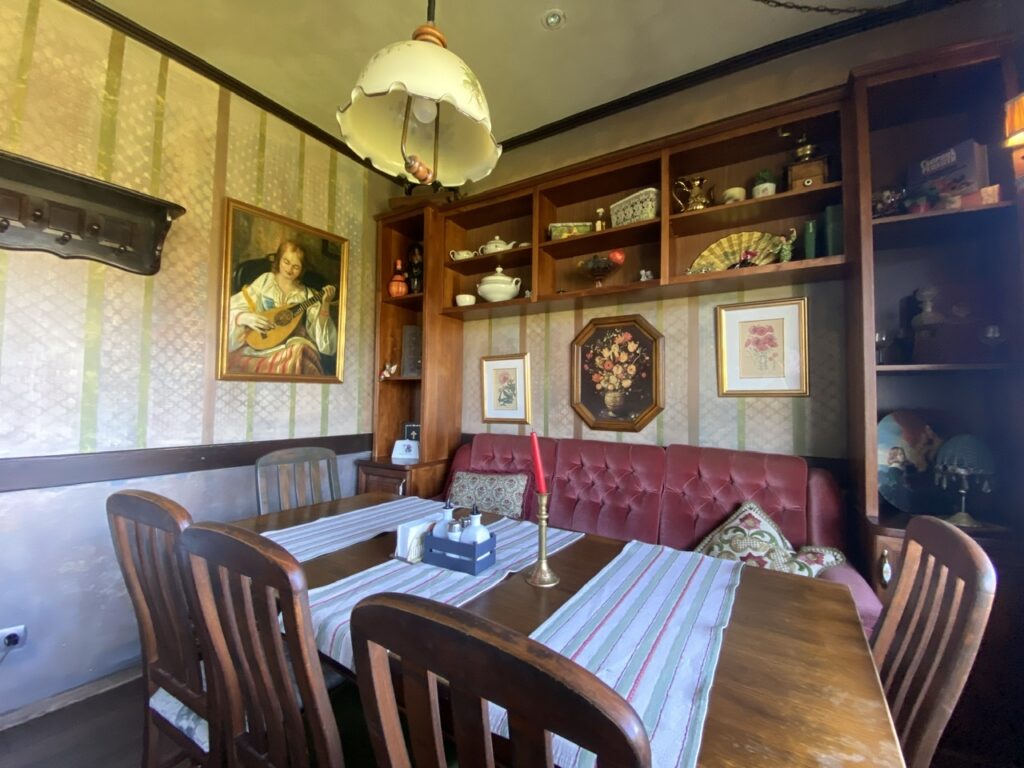
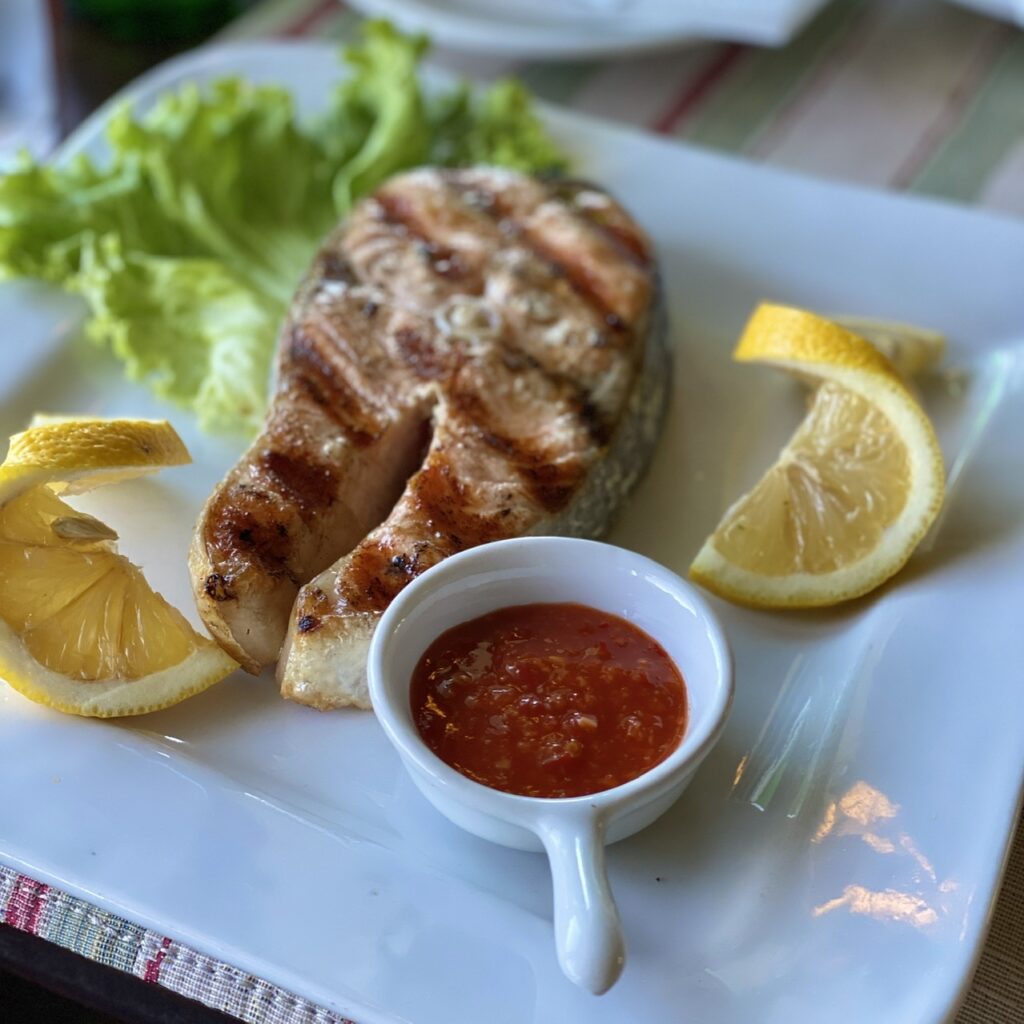
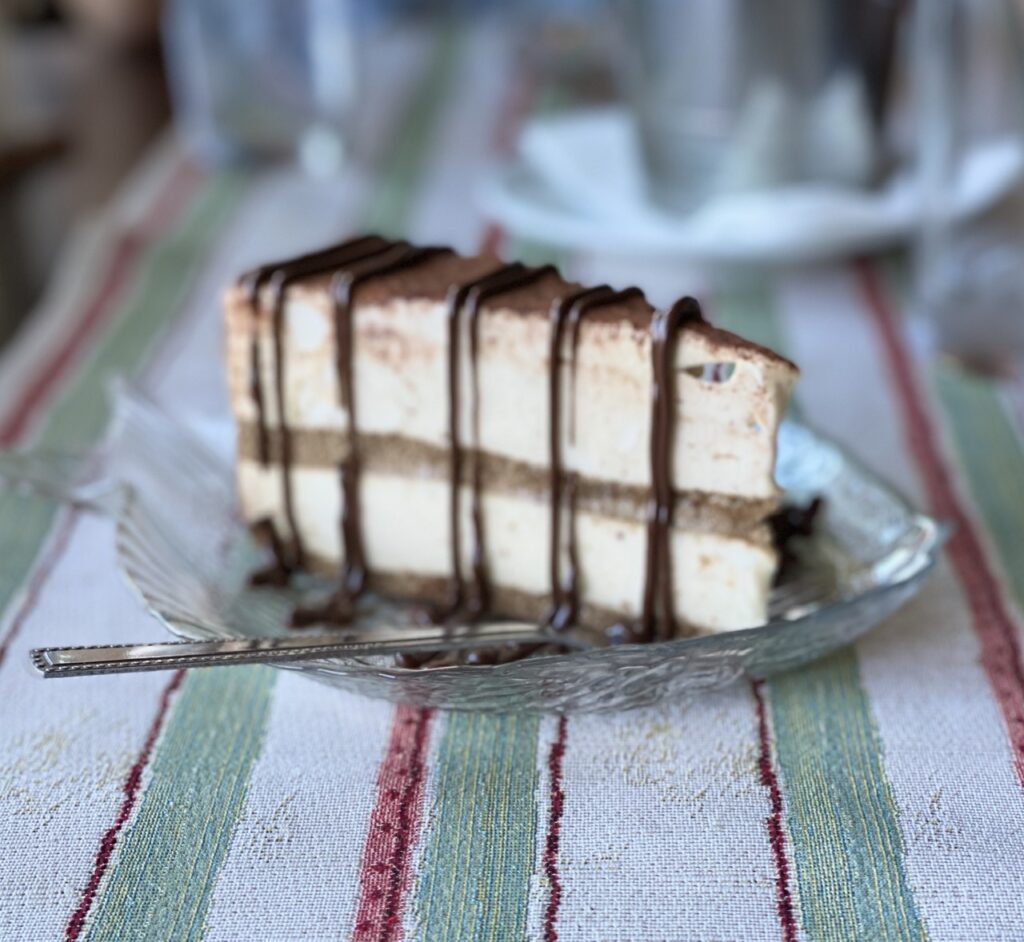
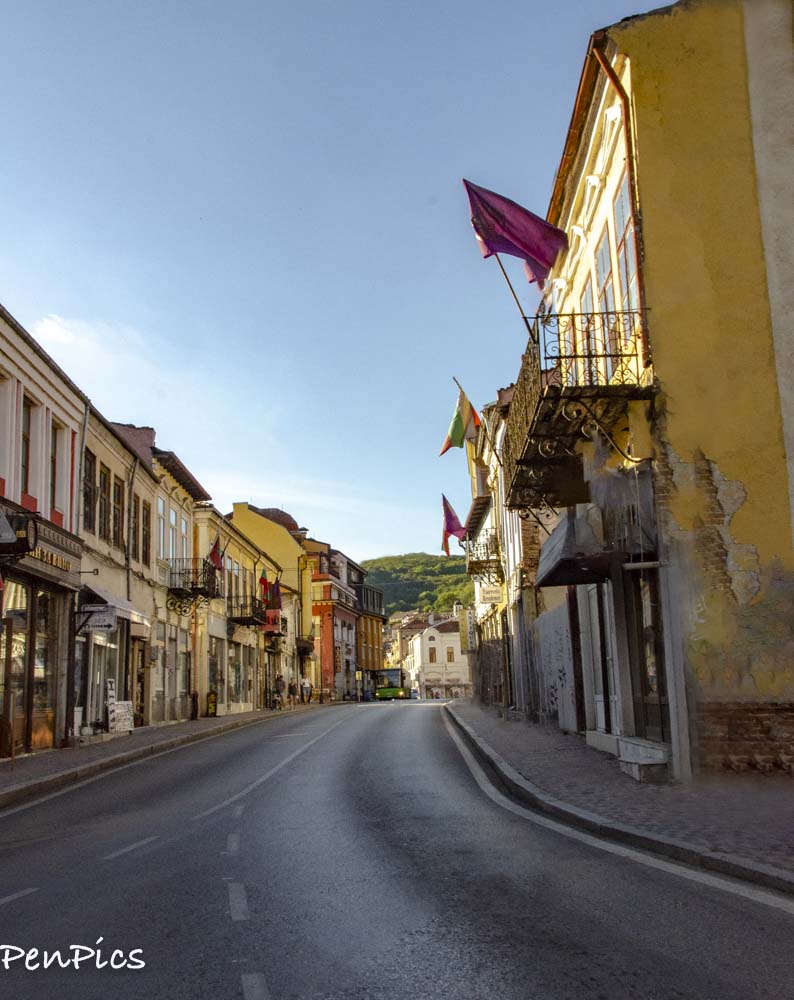
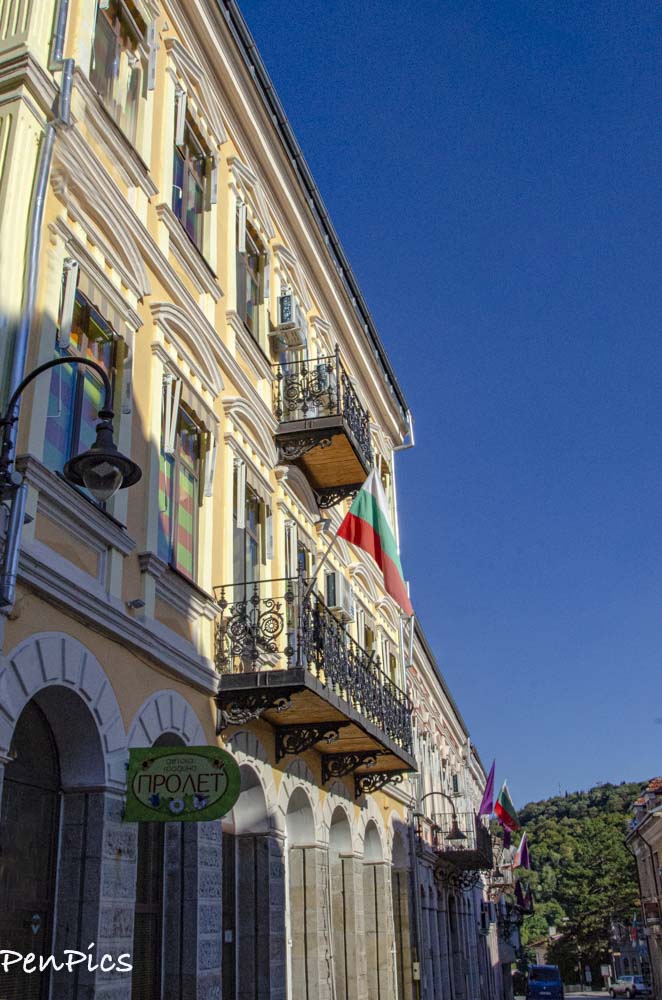
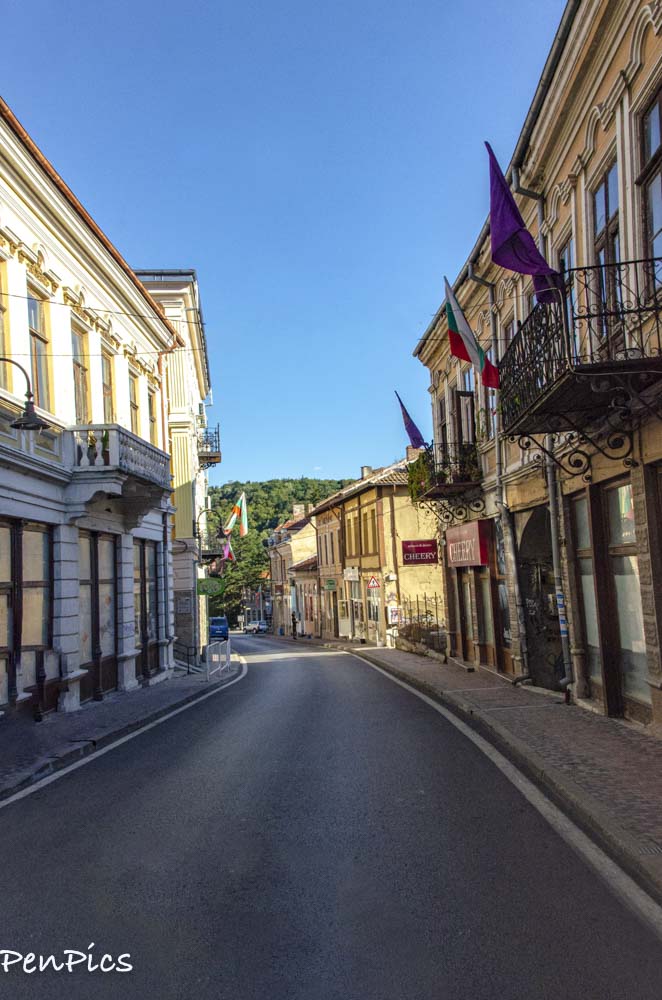
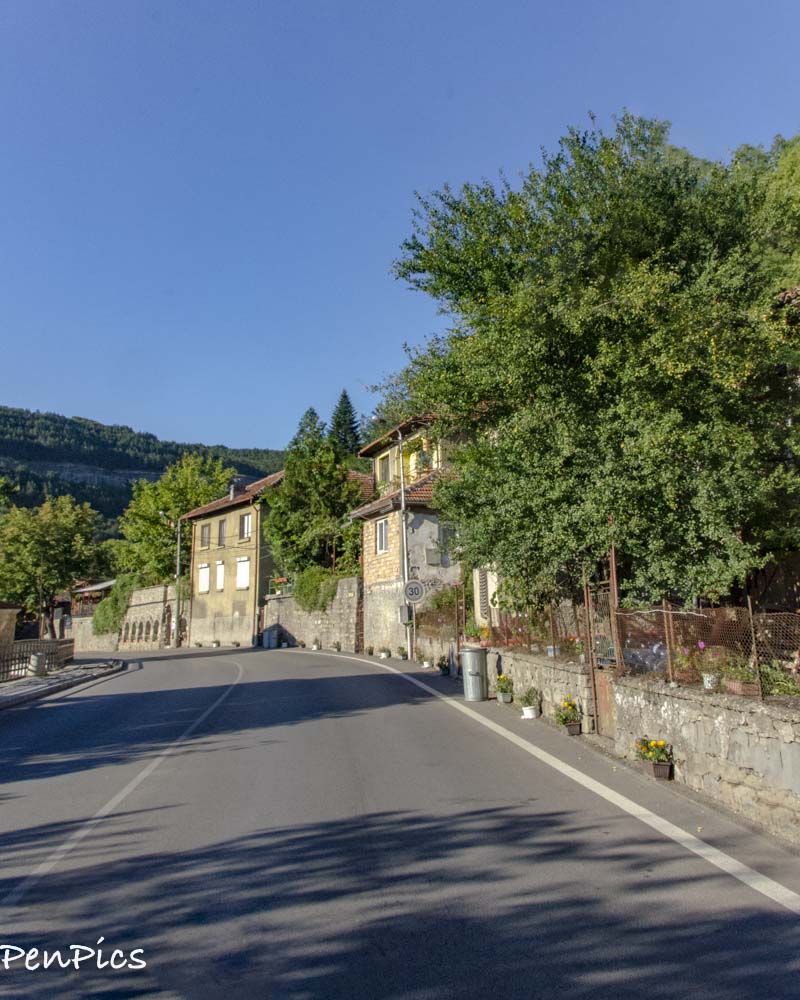
After dinner, we drove around the old town and took more photos of the places we saw from the cathedral views.
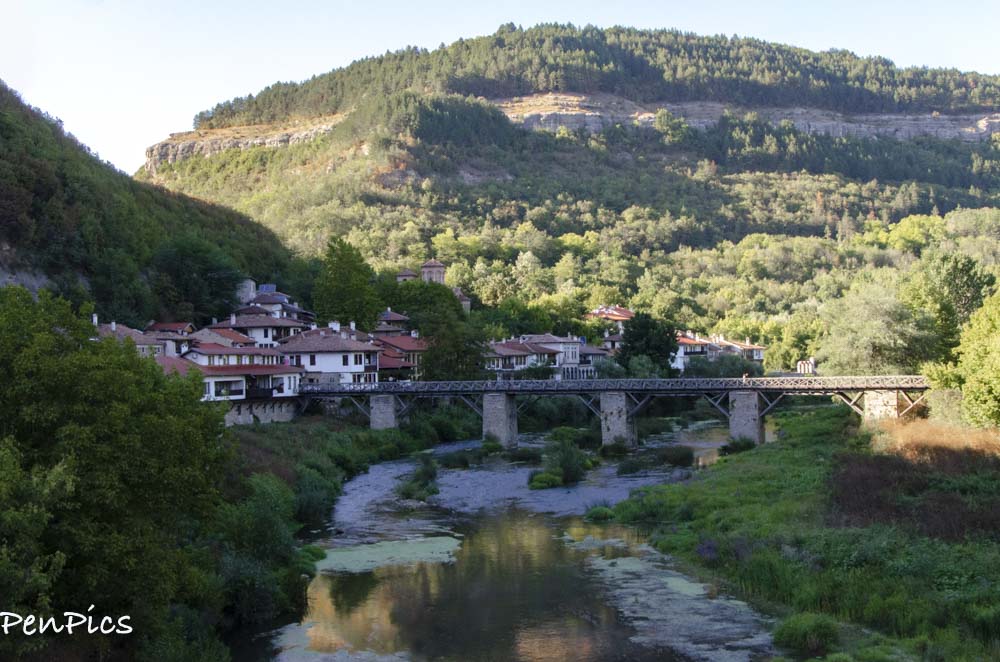
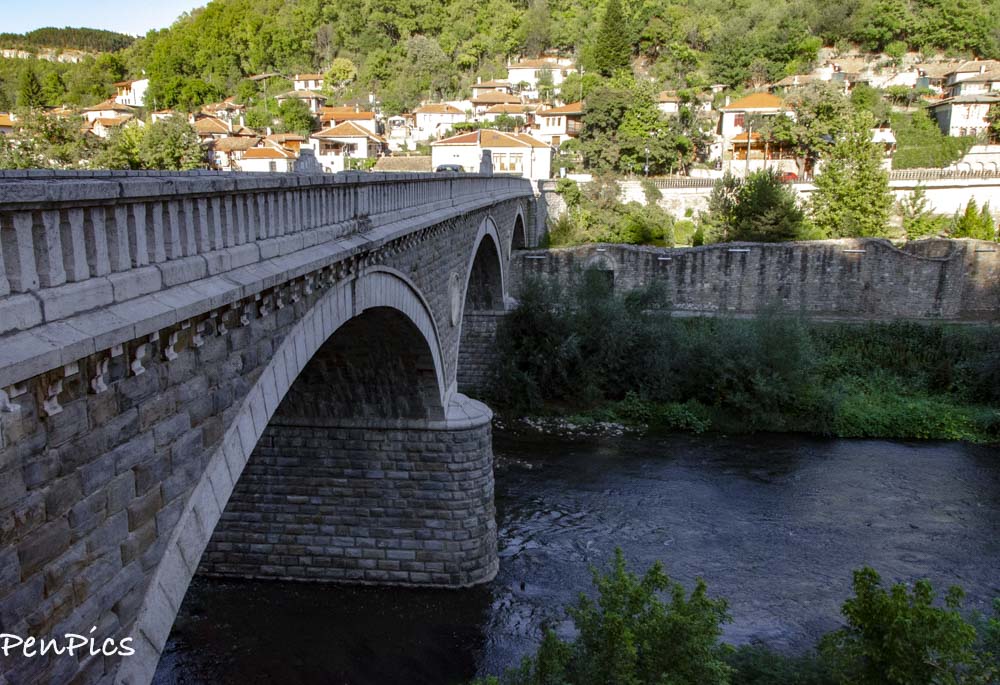
The landmark was built over the Yantra River in 1774. The bridge connects the two biggest attractions of Veliko Tarnovo: the fortresses of Tsarevets and Trapezitsa. The construction of the bridge was financed by the bishops of Tarnovo
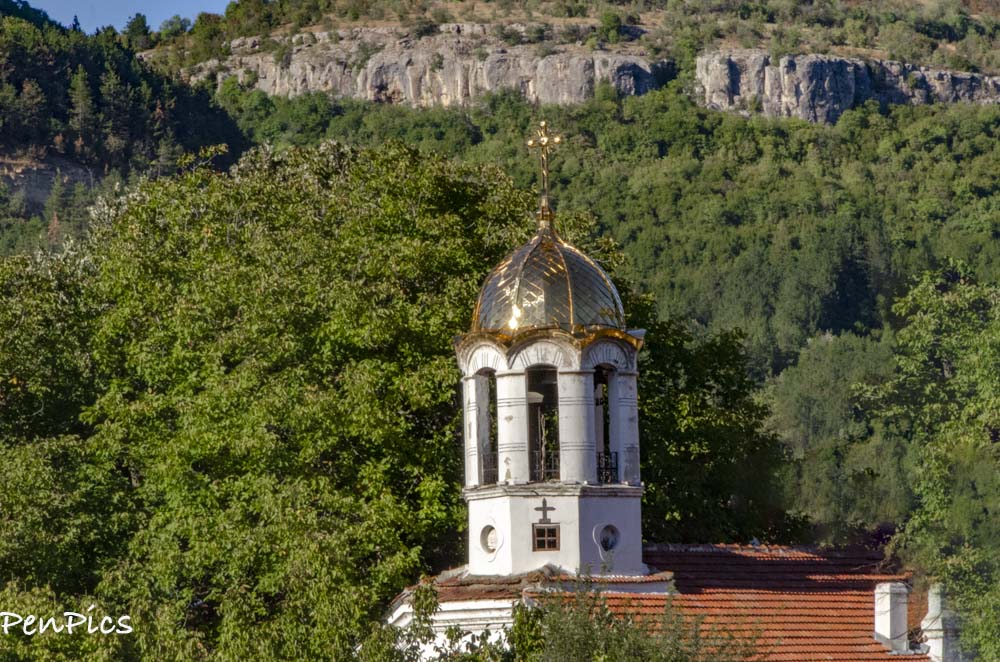
It is hard to do research on any churches in Europe, because there are multiple churches with the same name and description…such as “gold-domed Church” and the name of this specific town, will still bring up all gold-domed churches in Europe. Its the like the name of the town isn’t captured in the search. I wonder if I were to be searching for the same information from in America, what I could find. Maybe we are limited out here in the browser world
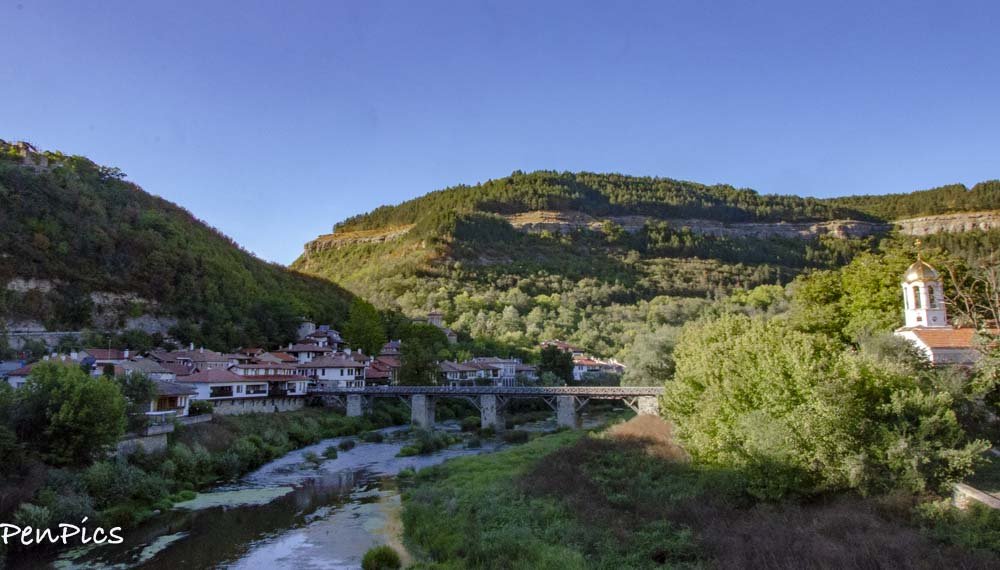
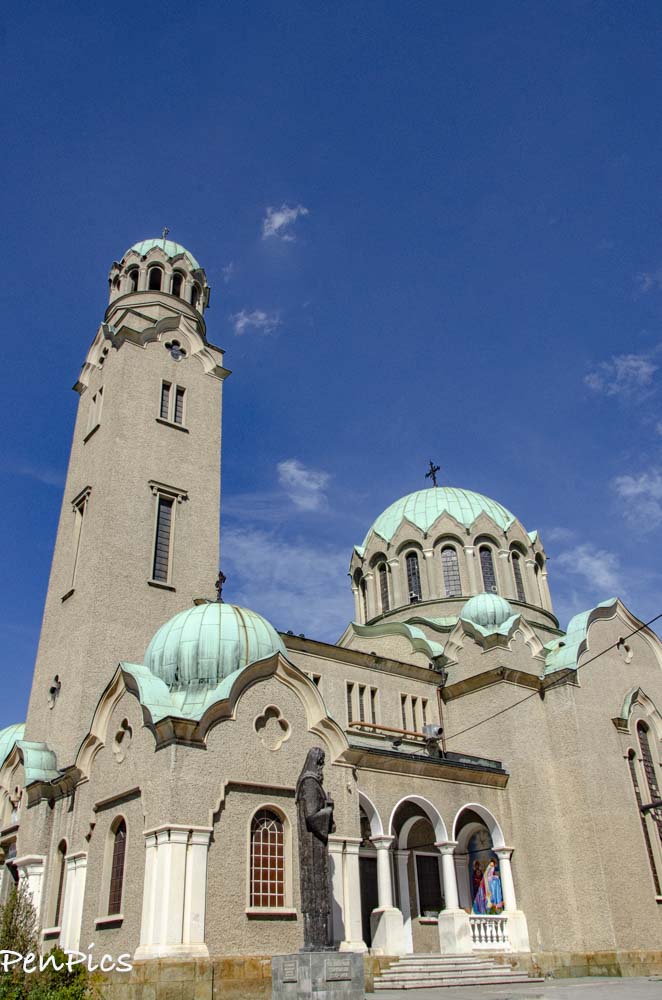
The Cathedral of the Nativity of the Theotokos is one of the oldest and finest in the city. It was built by Kolyu Ficheto in 1842-1848 on the site of an older church of chiselled sandstone, and features his signature recurved cornice made of red bricks.
The building has four columns and elliptical windows, while architecturally it is a three-nave structure with two rows of capitals inside, which makes it a unique site. The bell tower is on the western wall and was also built by Kolyu Ficheto.
The church was destroyed in the earthquake of 1913, but was restored by Master Grozyu in 1934 based on old design sketches and a plaster model. The woodwork in the church was created by Petar Kushlev of the Debar School, including the royal doors made of oak.
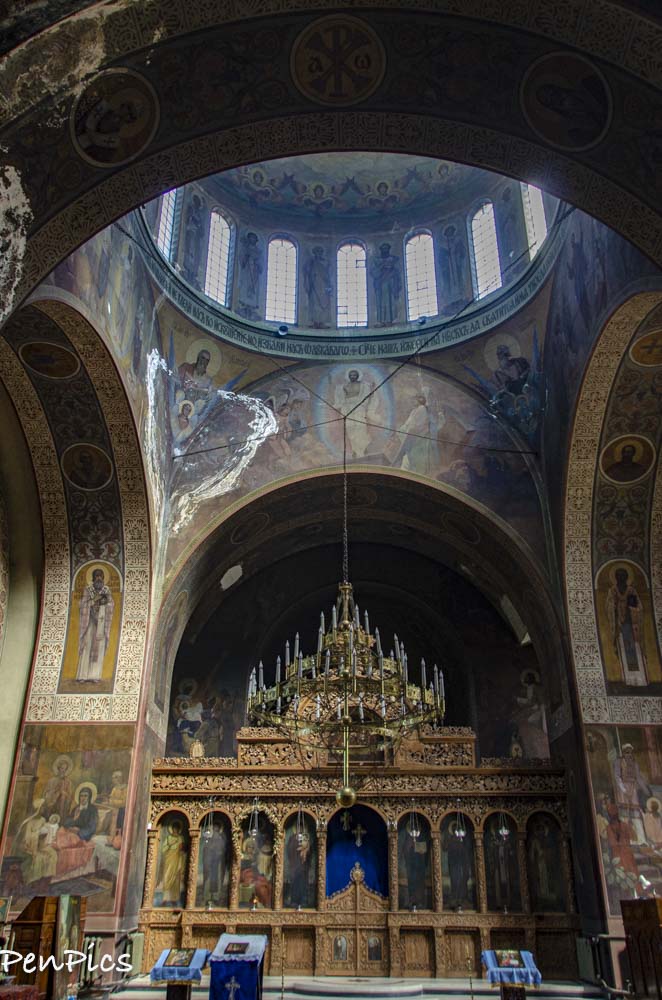
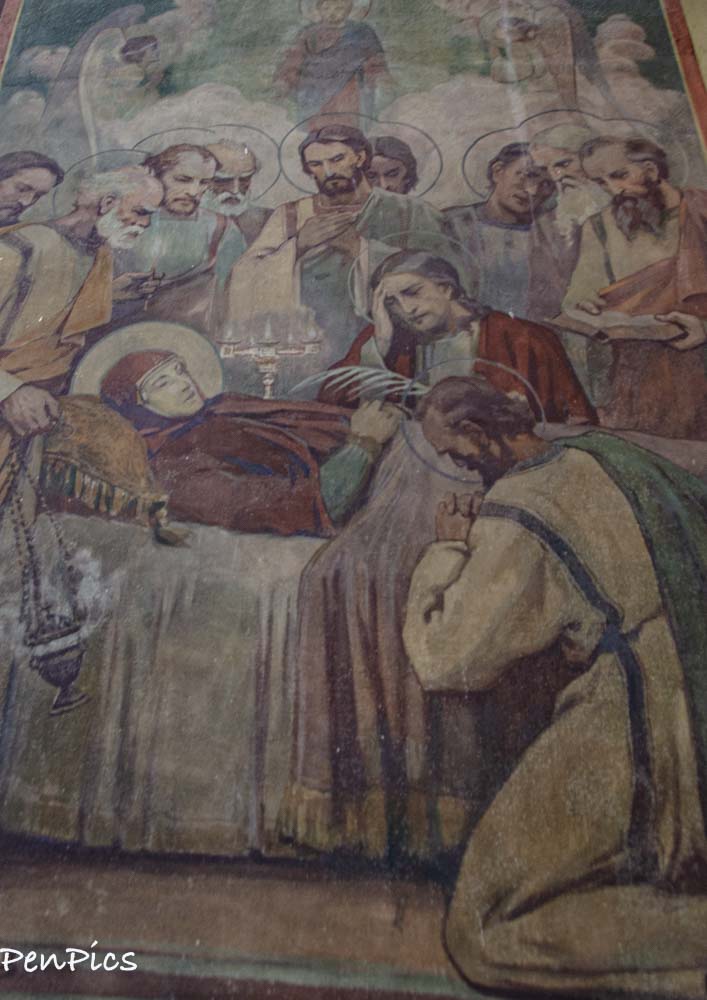
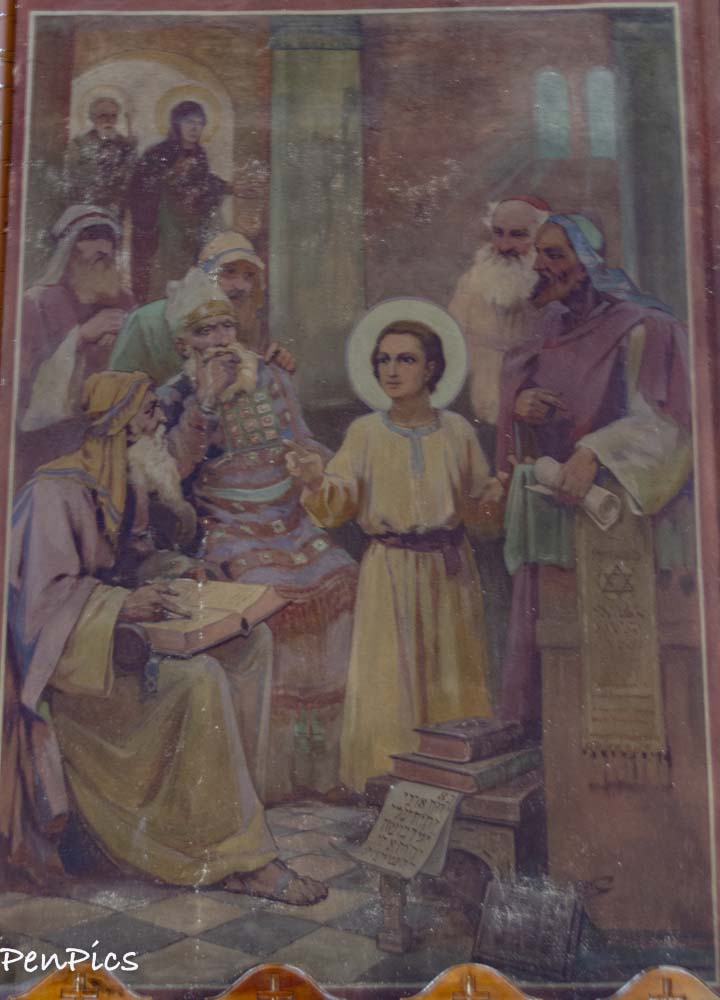
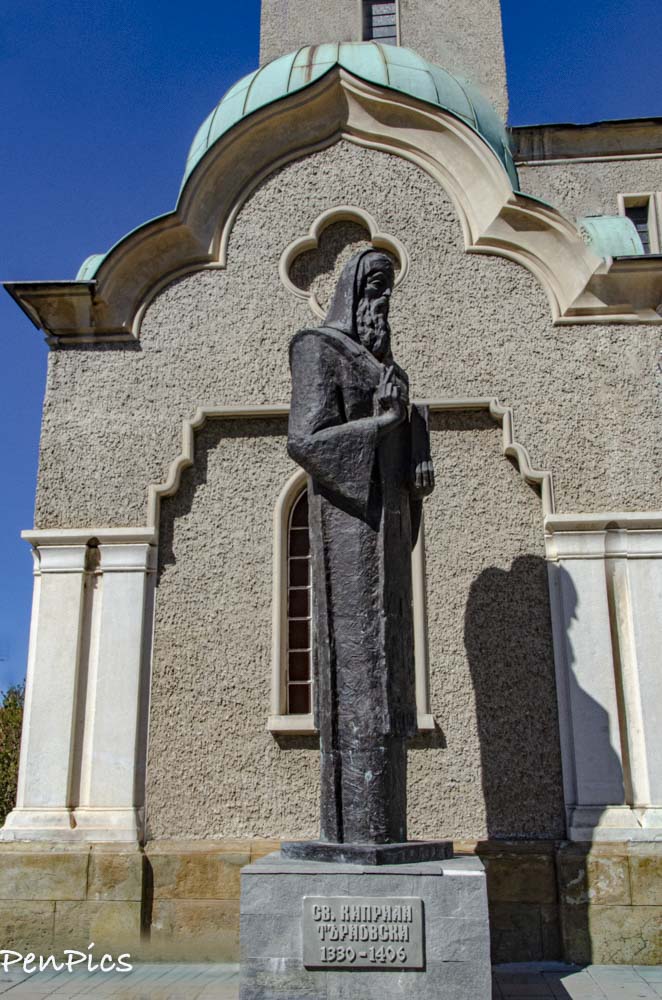
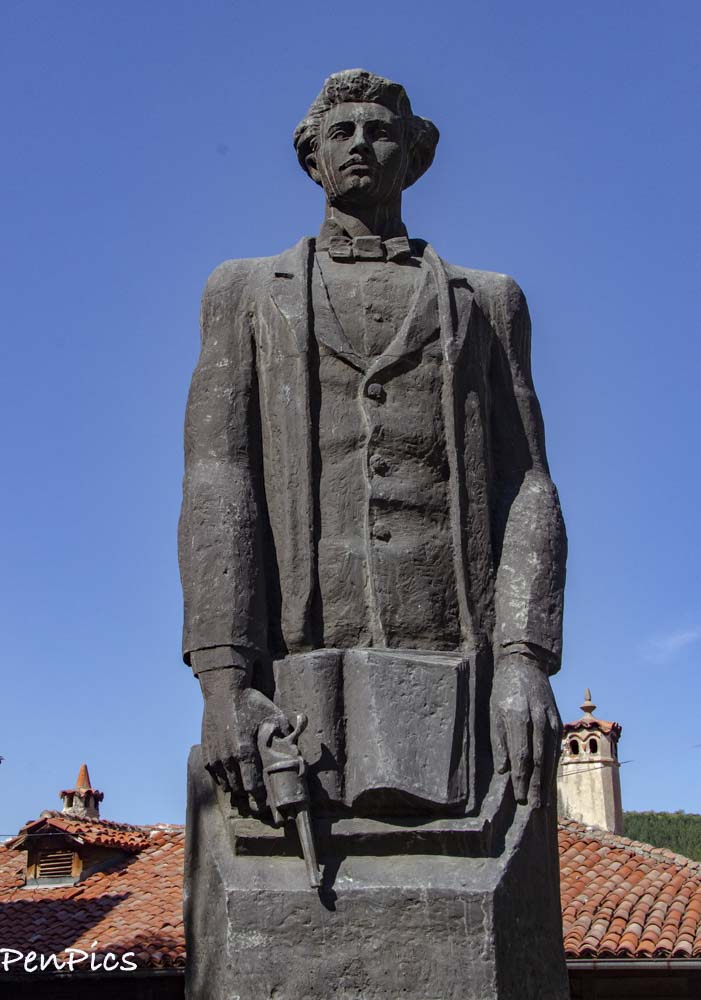
Looking around for a room for the night, I was surprised at the prices. 75 euro and up! Since we had seen everything we wanted to see in the ancient town we came to see, it was an easy decision to drive towards our next stop, and find a cheaper hotel on the outskirts; which we did for our budget 30 Euros for the night, with breakfast. We have figured out by now, the weekends, during these summer months are busy, with locals enjoying their vacations. We still choose not to book ahead and take our chances. We joke that at least with the Land Rover, which I have dubbed “The Beast,” we would be more comfort able sleeping in full recline positions, if we have to. Im game, but the big guy is not.
Here in Bulgaria, we barely see any masks, including old people. Still, in the grocery store, masks are required, and sometimes inside museums or churches. Out in the open spaces, there is no such thing as social distancing. Tonight, we listened to a bunch of old men, just below our balcony yakking it up and laughing, while children played in the pool, having a grand old time.
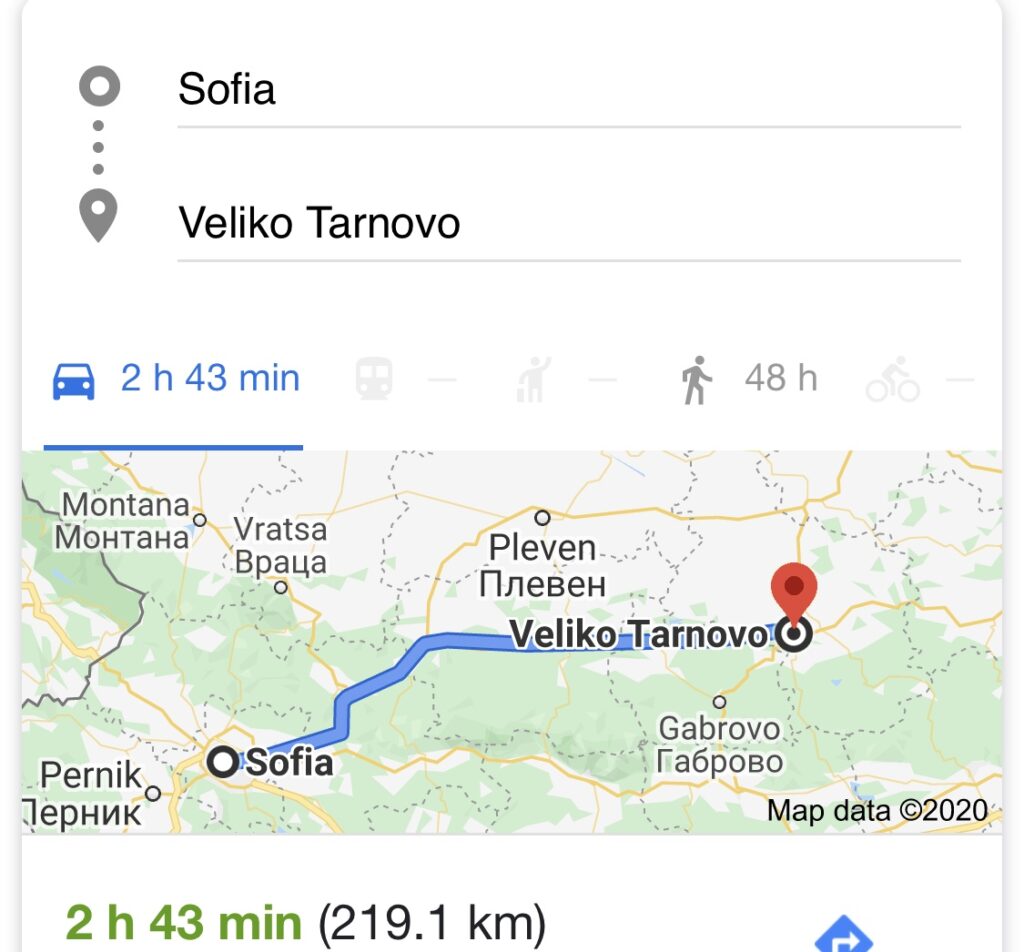
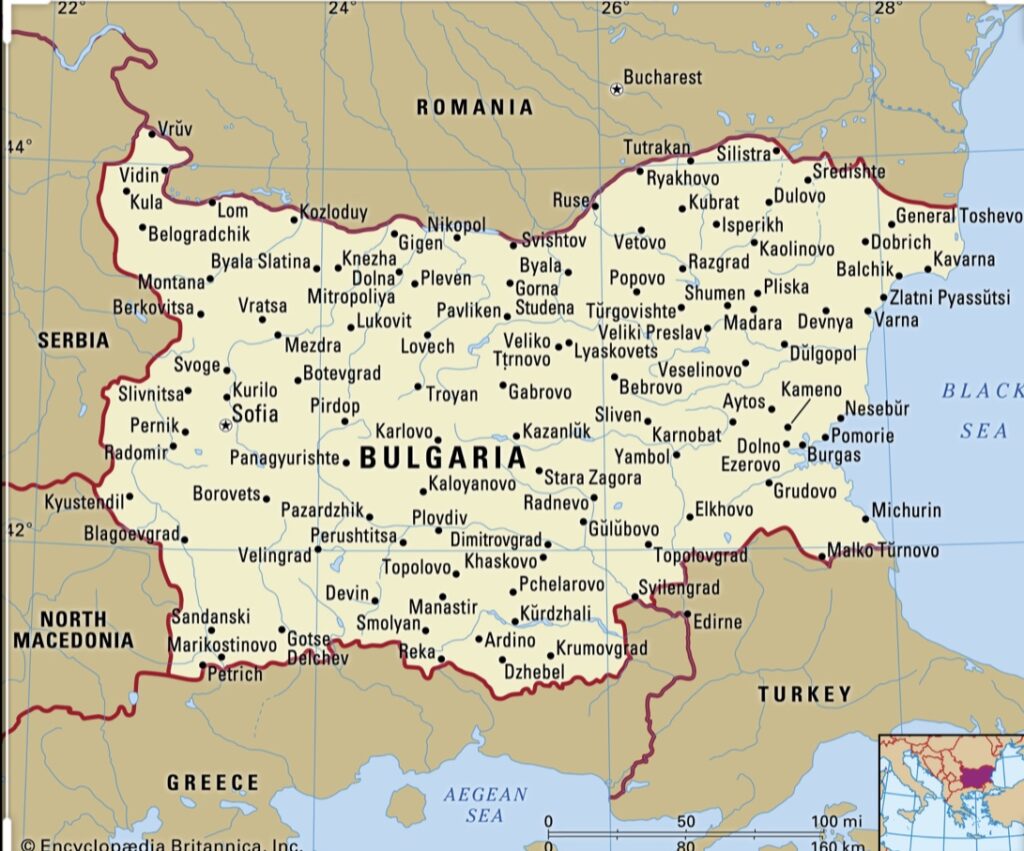
All in all, it was a nice first day in Bulgaria. Switching countries like we do, it always takes till our first stop to feel acclimated and comfortable. We did not like driving in the capital city of Sofia one bit. There are too many one-way streets, dead ends, and strange interception. There is a tram in the mix, too, which intermingles with roadways for cars. It was a bit stressful, and we could not wait to get out! We will have to return when done touring in this country, and there are two places we want to visit, but we plan on those stops at the end, when we are more use to the road rules and behaviours here, after out 18 days.
Though the region was all a Yugoslavian country at one time, the geography is the only thing that is similar, now, and even that changes here, and there, like any place this large, would.


About Us

About Us
Hello and Welcome to our Travel Blog Website, We enjoy writing about our experiences and taking photos of our adventuring along the way. Our names are: Daryl and Pen, but Daryl calls me “Bunny.” We met, quite randomly, whilst both traveling in Thailand with friends. We happened to be in the same travel group, and […]
Wow
Right? It’s easy to love this country. Wait till you see what we saw, today!